Bungie Sees Multiple Claims Against Destiny Cheat Seller Dismissed In Federal Court

Bungie was served a bit of a loss this week in its ongoing legal war against cheat makers and sellers. On Wednesday, a federal judge dismissed Bungie’s copyright infringement claims against website AimJunkies while agreeing with the cheat seller’s legal defense that the Destiny publisher’s other, non-trademark-related…

Read more…


Source: Kotaku – Bungie Sees Multiple Claims Against Destiny Cheat Seller Dismissed In Federal Court

Alibaba Cloud Gets More of Android Working On RISC-V Silicon

An anonymous reader quotes a report from The Register: Alibaba Cloud has advanced its work to port Android to the RISC-V architecture. The Chinese cloud giant has spent more than a year working on a port of the Google-spawned OS and in January 2021 showed off a GUI powered by Android 10 running on silicon designed by T-Head Semiconductor — an Alibaba subsidiary that designs its own RISC-V chip. Alibaba Cloud has now revealed it’s working on Android 12, and has integrated third-party vendor modules. The result is Android on RISC-V that’s capable of playing audio and video, running Wi-Fi and Bluetooth radios, and driving cameras.

The company has also “enabled more system enhancement features such as core tool sets, third-party libraries and SoC board support package on RISC-V,” which collectively make RISC-V a better target for Android. Another advance is successful trials of TensorFlow Lite models on RISC-V. That effort means Android on RISC-V should be capable running workloads like image and audio classification and Optical Character Recognition. Alibaba Cloud hasn’t detailed whether its porting efforts are directed to any particular processor, but is keen to point out that its homegrown Xuantie C906 processor recently aced the MLPerf Tiny v0.7 benchmark — a test applied to Internet of Things devices. The company has also pointed out that its home-grown RISC-V kit has already been employed in smart home appliances, automotive applications, and edge computing. […] The Xuantie C906 uses Alibaba-designed cores that are — as required for RISC-V users — available on GitHub.
When the firm has a complete version of Android on RISC-V, it “will be an important step towards China’s goal of reducing its reliance on technology that other nations can control with restrictions such as trade bans,” notes The Register. “As RISC-V is open source, preventing its flow to China is all but impossible.”

Read more of this story at Slashdot.


Source: Slashdot – Alibaba Cloud Gets More of Android Working On RISC-V Silicon

Why Your Dog Smells Worse Than Their Friends

No one expects a dog to smell good (unless you’re a big fan of the aroma of corn chips). But sometimes, they can really stink. And no, we’re not talking about a little post-cheese flatulence, or the odor that results from their dip in ditch water: We mean an unpleasant smell that lets you know something is off.

Read more…


Source: LifeHacker – Why Your Dog Smells Worse Than Their Friends

Every little bit helps: How to pick the least eco-hostile laptop

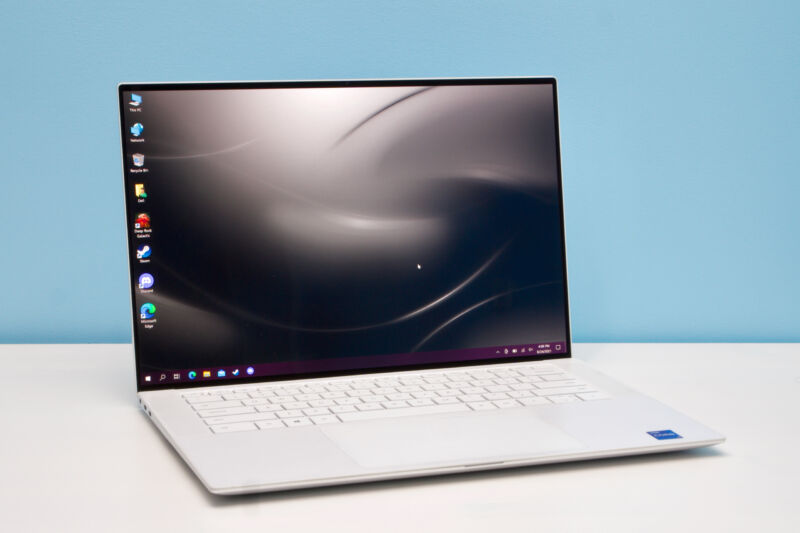
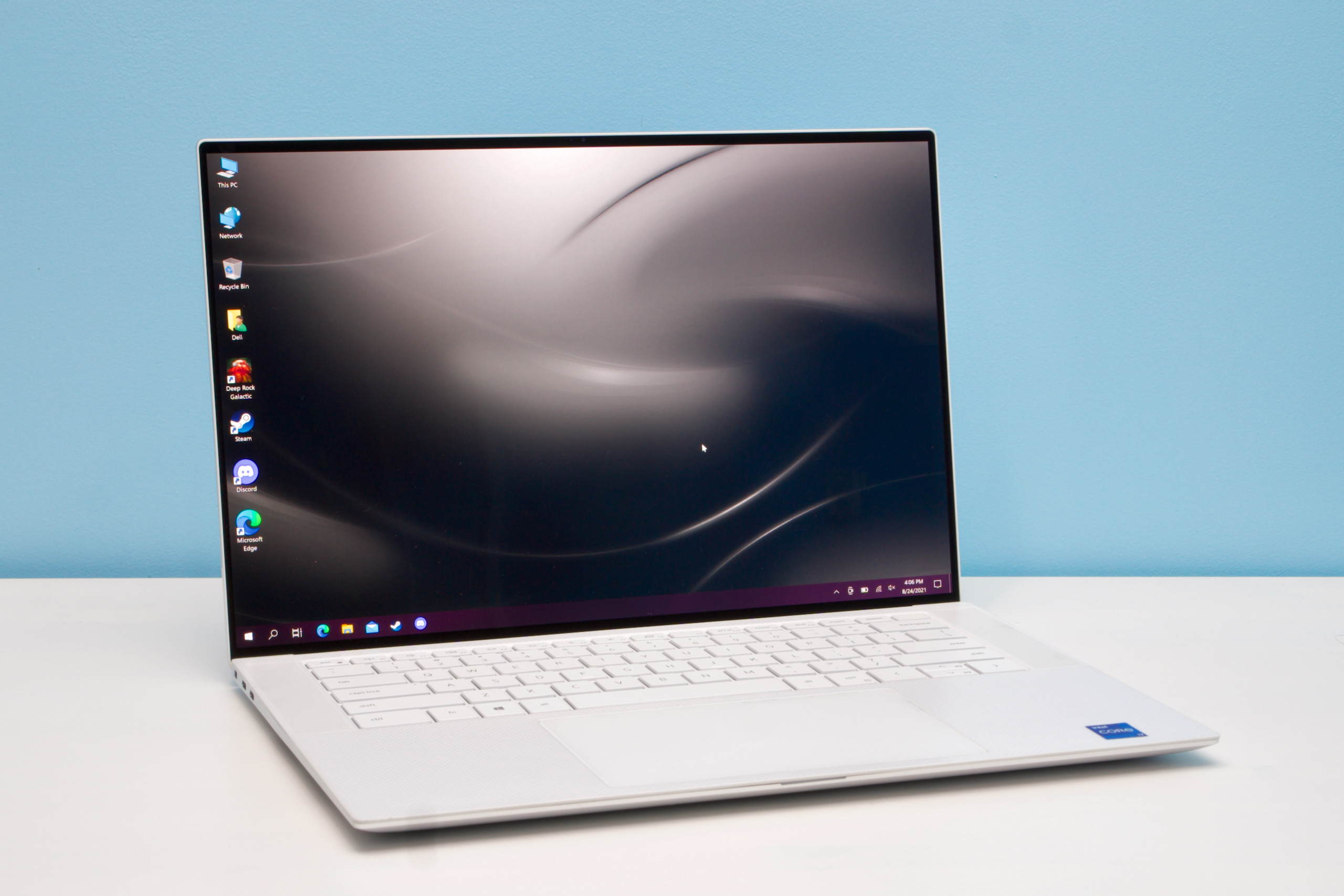
White version of the Dell XPS 15 9510 laptop sitting open on a desk.

Enlarge / Dell’s XPS 15 9510. (credit: Andrew Cunningham)

Earth Day is April 22, and its usual message—take care of our planet—has been given added urgency by the challenges highlighted in the latest IPCC report. This year, Ars is taking a look at the technologies we normally cover, from cars to chipmaking, and finding out how we can boost their sustainability and minimize their climate impact.

Labeling a laptop as sustainable, eco-friendly, or “green” is optimistic at best. The apparently endless cycle of upgrades produces a lot of waste, no matter how many green certifications a device gets. We have a long way to go.

But while all laptops contribute to waste, some do so more or less than others. Many people simply need a laptop, so abstaining from the whole thing isn’t an option. But there are some small victories to be won if you spend some time considering the options.

Read 16 remaining paragraphs | Comments


Source: Ars Technica – Every little bit helps: How to pick the least eco-hostile laptop

Coca-Cola’s first “gamer” flavor—and the history of game-and-soda tie-ins

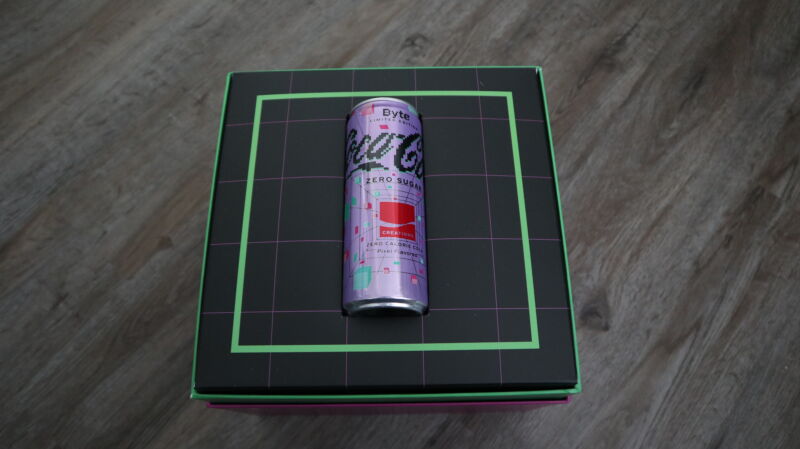
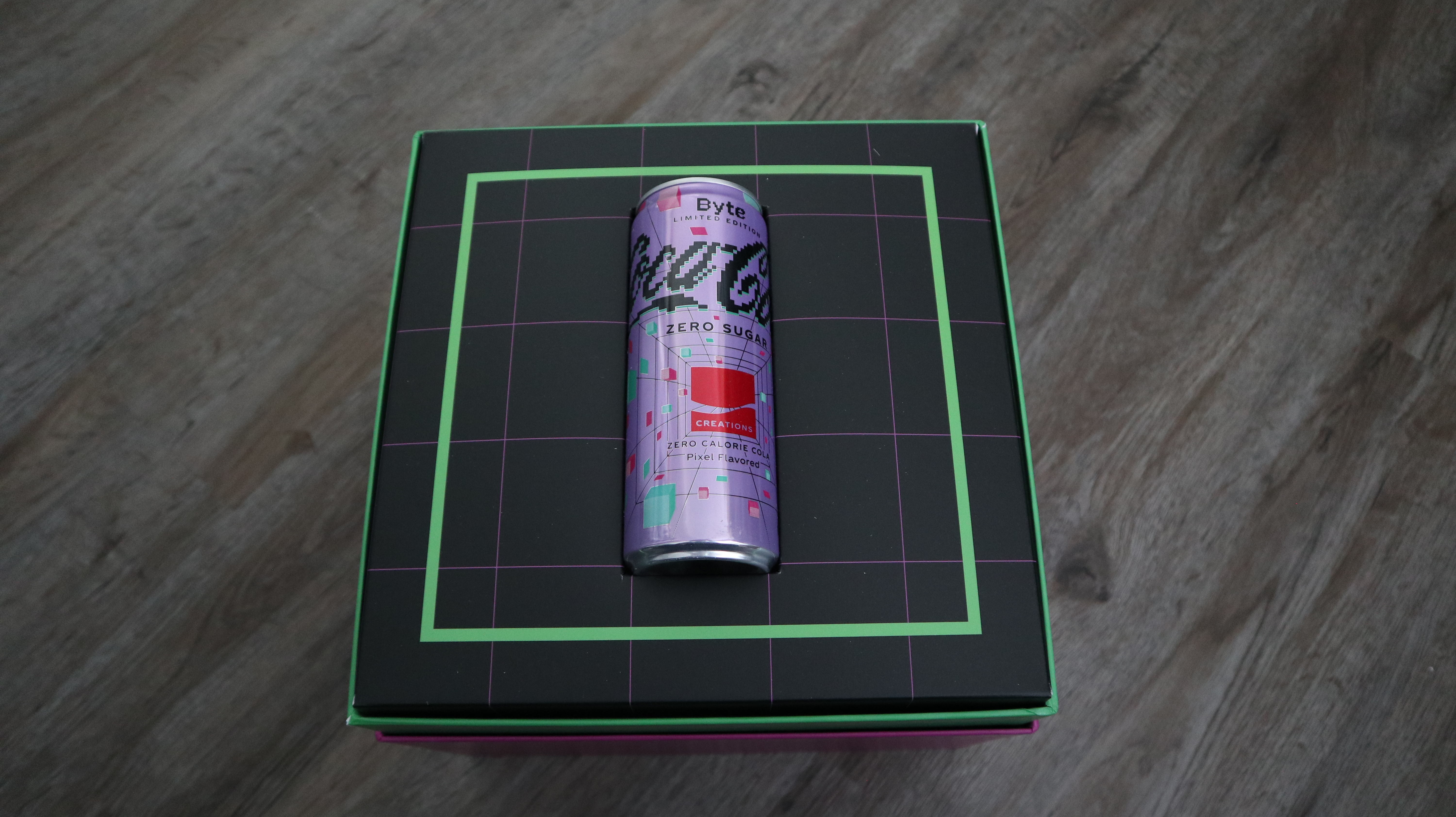
Hats off to the marketing director who thought "Coca-Cola Byte" had a nice ring to it.

Enlarge / Hats off to the marketing director who thought “Coca-Cola Byte” had a nice ring to it. (credit: Sam Machkovech)

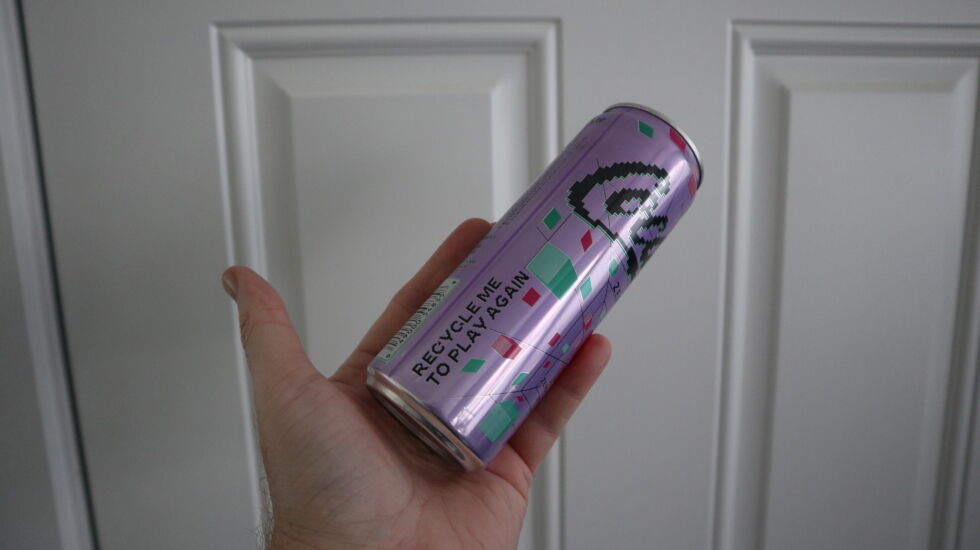
If you’re looking for a TL;DR on what the first “gamer” flavor of Coca-Cola tastes like, I can answer that at the top: It’s weird. Blueberry, maybe? But only if a blueberry was dunked in a pool of Red Bull. That’s “Coca-Cola Byte.”

Upon its announcement, I asked Coca-Cola if I could sample Byte, slated to launch in the United States in early May, because I found its gaming-adjacent existence fascinating. Many other soda and junk-food makers have enjoyed a cozy commercialization relationship with video games for decades—so much so that you can close your eyes and imagine a stereotypical “gamer” holding a sugary, carbonated beverage by default. (It’s probably Mountain Dew. So much “gamer” Mountain Dew out there.)

Yet somehow, Coke has avoided direct tie-ins with the gaming universe in most of the world. We’ve never seen limited-edition Super Mario cans of Coke. We’ve never had bottles of Coke hide codes under their caps that give away free XP in online games. And the stuff basically never appears inside games’ virtual worlds, despite so many brands clamoring to capture gamers’ eyeballs and disposable budgets.

Read 17 remaining paragraphs | Comments


Source: Ars Technica – Coca-Cola’s first “gamer” flavor—and the history of game-and-soda tie-ins

Review: Oura Ring 3 and Whoop 4.0 are 2 ambitious wearables, but they’re tough sells

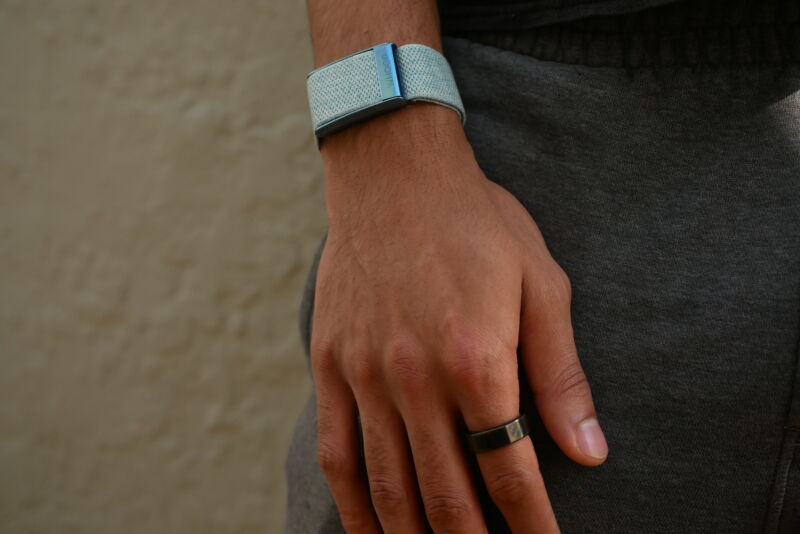
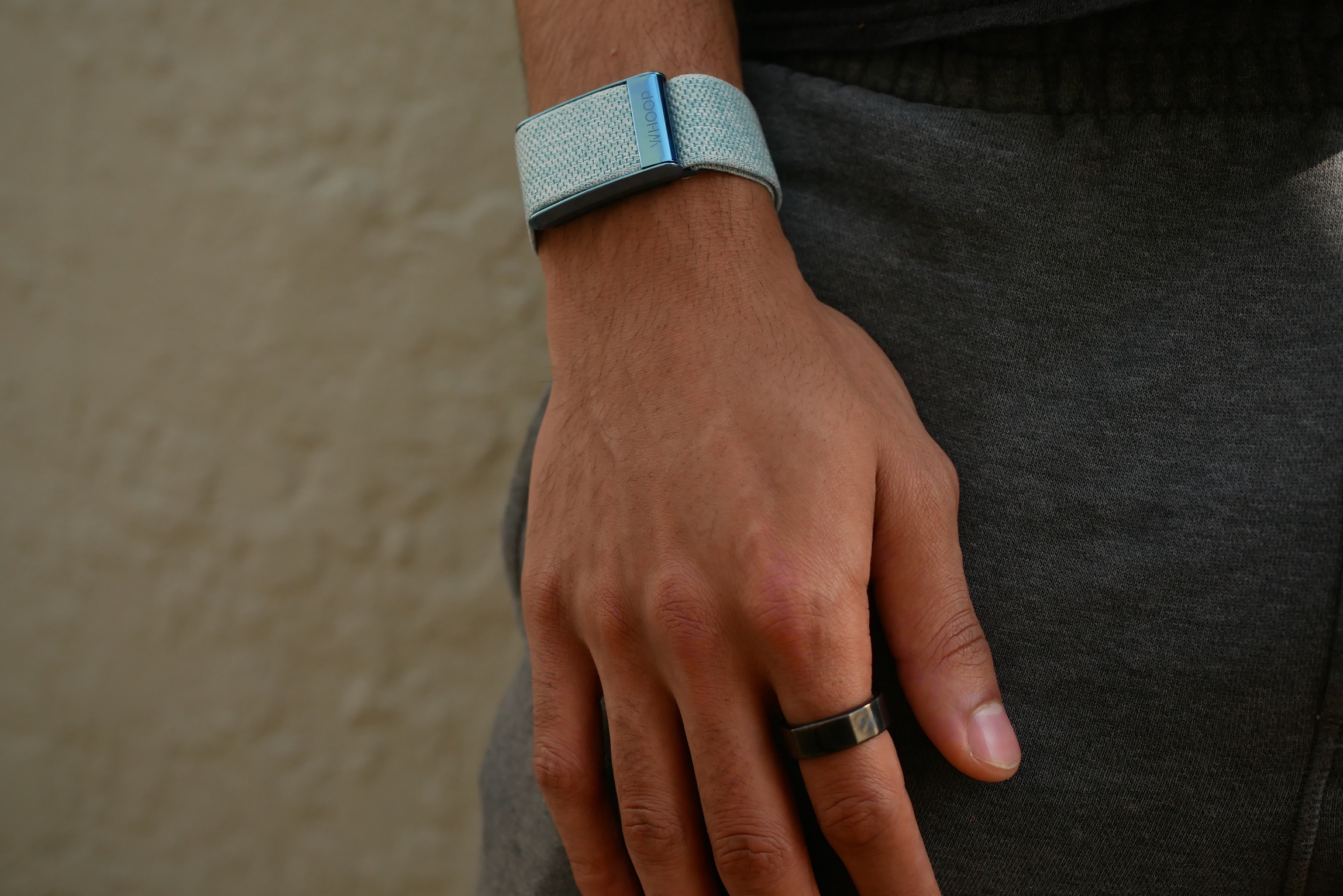
The Oura Ring Gen3 and Whoop Strap 4.0 look dedicated and sporty, but they only made me feel like an athlete by making me pine for what's missing.

Enlarge / The Oura Ring Gen3 and Whoop Strap 4.0 look dedicated and sporty, but they only made me feel like an athlete by making me pine for what’s missing. (credit: Corey Gaskin)

Recently, some wearables have started to place a heavier emphasis on recovery and restoration between exercise instead of just tracking more common activity metrics. Fitbit’s recently launched Daily Readiness Score, for instance, measures your sleep quality, activity levels, and heart rate variability (HRV) to quantify whether your body is prepared for an intense training session or if it needs a break. Like other features of this type, it’s locked behind a paywall—in this case, the $10-a-month Fitbit Premium subscription service.

The Oura Ring (Gen 3) and Whoop 4.0 are two buzzy, celebrity-endorsed fitness wearables built using these sorts of “health and performance optimization” insights. They look nothing alike—the former is, well, a ring, while the latter is an unassuming little wrist module. Whoop’s marketing aims more narrowly at optimizing training for athletes, while Oura casts a wider net.

But both focus more squarely on recovery assessment than typical activity tracking and aim to tell you how your activity, sleep, and recovery rates intertwine. Both lack any sort of screen and require subscriptions for their data, and neither is cheap. And both come from fast-rising companies—though they aren’t exactly household names, Oura was reportedly valued at $800 million in 2021, while Whoop was valued at $3.6 billion.

Read 57 remaining paragraphs | Comments


Source: Ars Technica – Review: Oura Ring 3 and Whoop 4.0 are 2 ambitious wearables, but they’re tough sells

Elon Musk sold $8.5B in Tesla stock after agreeing to $44B Twitter deal

Read 9 remaining paragraphs | Comments


Source: Ars Technica – Elon Musk sold .5B in Tesla stock after agreeing to B Twitter deal

Saudi Arabia Launches Cloud Seeding Operation To Increase Rainfall

Saudi Arabia, the world’s largest oil exporter, is turning to cloud-seeding to increase rainfall. Interesting Engineering reports: The country initiated the first phase of its cloud-seeding operation in areas above the capital Riyadh, al-Qassim, and Hail on Tuesday, according to Arab News. The weather modification technique is being executed as part of an effort to increase the country’s yearly rainfall, which does not exceed 100 millimeters a year, by 10 to 20 percent. Cloud-seeding is a technique that involves introducing chemicals to clouds, like small particles of silver iodide, to induce more rain from a cloud. This causes water droplets to congregate around them, and the water particles clash with one another, growing larger and increasing the likelihood of rainfall.

Ayman Ghulam, head of the National Center of Meteorology and supervisor of the cloud-seeding program, said the program’s operations room opened on Monday at the center’s headquarters in Riyadh, and the first flights took place in the capital’s vicinity, according to Gulf News. He stated that they met their objectives in terms of the results and timeliness of the seeding operations. The center will provide quarterly updates on developments. The program will track cloud formations across the country to find the optimal locations for seeding efforts, which would use “environmentally friendly” materials to increase precipitation in targeted areas. The cloud seeding initiative, according to Gluham, is one of the “promising ways” of preserving water balance in a safe, adaptable, and cost-effective manner.

Read more of this story at Slashdot.


Source: Slashdot – Saudi Arabia Launches Cloud Seeding Operation To Increase Rainfall

Apple extends update deadline for outdated apps in danger of being deleted

Apple recently sent notices to some indie developers, warning them that their app will be pulled from the App Store if it’s not updated within 30 days. The tech giant has had a policy in place against outdated and abandoned applications since 2016, but the move suggests that it’s now more rigorously enforcing that rule. Some of the letters’ recipients criticized the policy for being a barrier to indie developers, what with how tough it is to keep up with platform changes and how much work it takes to roll out even a minor update. Now, Apple has published a post clarifying why some old apps are in danger of being removed, along with the announcement that it’s giving developers more time to update their applications. 

In the post, the company said that it will only send removal notices to developers whose apps haven’t been updated in three years, as well as to devs whose apps have not “been downloaded at all or extremely few times during a rolling 12 month period.” Apple said that dropping outdated apps makes newer ones more discoverable and also ensures users can enjoy games and tools that have been optimized for its latest OS and devices. 

As a lot of people know, there are older apps don’t work as well on the latest generation of phones, tablets and laptops anymore, delivering a subpar user experience. Still, 30 days might not be nowhere near enough time for smaller developers to conjure up an update. The good news is that Apple has extended its grace period and is now giving them up to 90 days to update their applications. Users will get to keep apps that are already installed on their devices even if they end up getting deleted, and developers can continue earning from them through microtransactions. 


Source: Engadget – Apple extends update deadline for outdated apps in danger of being deleted

Intel’s CEO Predicts Chip Shortage to Last Until 2024

Computer Chip Circuit Board Computer Control Center

Intel CEO Pat Gelsinger predicts chip shortage will last until at least 2024. He says the industry will see challenges in areas like foundry capacity and tool availability.

Intel’s Client Computing Group (which handles consumer processors, among other things) is down 13 percent this quarter. Intel attributed that to a “ramp-down’ of the Apple CPU and modem business” and “OEM inventory burn” as well as “lower consumer and education demands.”

Intel is one of the companies investing heavily in new production lines, by the way, building new fabs in Ohio, Arizona, and Germany, though the current timeline suggests none of those new Fabs will go online until the chip shortage is over. In fact, Intel’s own chips are doing fairly well in the first quarter of this year. 

Intel CEO now expects chip shortage to last into 2024

Intel CEO Pat Gelsinger said the extended timeline for the chip crunch is now due to a lack of manufacturing equipment.

Continue reading on CNBC

Why the global chip shortage is making it so hard to buy a PS5

Manufacturing was hit with unusual issues and demand.

Continue reading on The Verge

Graphic chip price drop raises questions on whether end of shortage is in sight

A sharp drop in graphic chip prices could presage an unexpectedly quick ending to a global chip crunch that has crippled manufacturing from smartphones to cars, and the issue will be a central one for companies reporting results this week. The trigger is a drop in prices of GPUs, or graphics processing units, which are the brains of gaming machines and are spreading to other uses. Analysts at Baird recently downgraded GPU maker Nvidia to neutral after prices dropped.

Continue reading on


Source: TG Daily – Intel’s CEO Predicts Chip Shortage to Last Until 2024

termusic – terminal-based music player

Linux offers a huge smörgåsbord of open source music players. And many of them are high quality. We’ve reviewed the vast majority, but we’ve always got our eyes peeled hunting for a new gem.One new program we’ve stumbled upon is termusic, a Rust-based music player that uses a terminal user interface. It’s designed for large, locally stored music collections.

Source: LXer – termusic – terminal-based music player