Following expert advice, FDA authorizes boosters for people 65+, high risk

Words and symbols adorn a large outdoor sign.

Enlarge / The Food and Drug Administration headquarters in White Oak, Maryland. (credit: Getty | Congressional Quarterly)

The US Food and Drug Administration late Wednesday authorized booster doses of the Pfizer/BioNTech COVID-19 vaccine for people ages 65 and up. Also eligible for boosters will be those ages 18 to 64 who are at high risk of severe COVID-19 or at high risk from frequent occupational or institutional exposures to SARS-CoV-2, such as healthcare workers and teachers.

The single booster dose should only be given at least six months after the two initial doses. The authorization comes as an amendment to an Emergency Use Authorization.

The FDA’s authorization largely follows the recommendations from a committee of independent experts that advises the agency, known as the Vaccines and Related Biological Products Advisory Committee or VRBPAC. The committee met all day Friday to review and deliberate over the data surrounding boosters. The meeting concluded with an 18-0 vote in favor of recommending boosters for people 65 and up plus high-risk groups. But, prior to that, the committee voted 16-2 against recommending boosters for everyone ages 16 and up, rejecting the Biden administration’s plans to rollout additional doses to nearly all vaccinated people.

Read 7 remaining paragraphs | Comments


Source: Ars Technica – Following expert advice, FDA authorizes boosters for people 65+, high risk


Idaho COVID crisis: Hospitals overflowing with sicker, younger patients

Large tents set up outside a brick building.

Enlarge / A coronavirus preparedness tent setup outside a hospital emergency room entrance at Gritman Medical Center in the northern Idaho city of Moscow in March 2020. (credit: Getty | Education Images)

Health officials in Idaho are reporting dire circumstances as hospitals around the state continue to crumble under the delta-fueled surge of COVID-19 cases.

“We continue to set record highs,” Dave Jeppesen, director of the Idaho Department of Health and Welfare, said in a press briefing Tuesday. With the latest data through September 18, the state saw a new record high of 686 hospitalized COVID-19 patients, a record high of 180 COVID-19 patients in intensive care units, and a record high of 112 COVID-19 patients on ventilators. The number of ventilated COVID-19 patients is nearly double what was seen in the last surge of COVID-19 cases in December.

“These numbers continue to increase, and we expect them to continue to increase,” Jeppesen added.

Read 11 remaining paragraphs | Comments


Source: Ars Technica – Idaho COVID crisis: Hospitals overflowing with sicker, younger patients

Marubeni Pre-Orders 200 Flying Cars

Akihabara News (Tokyo) — Marubeni Corporation has put in a conditional pre-order for up to 200 eVTOL (flying cars) under development by UK-based Vertical Aerospace with an eye to have them put into service in Japan in 2025.

The pre-order is for the VA-X4, Vertical’s flagship aircraft, which the manufacturer claims will be certified to the same standards as commercial airliners, and will be significantly safer and quieter than a helicopter.

Toru Okazaki, senior operating officer of Marubeni’s Aerospace & Ship Division, stated, “Through this strong partnership with Vertical, we are confident that we will successfully develop the advanced aerial mobility market in Japan. By seeking to popularize eVTOL technology, we will not only be enriching people’s lives but making meaningful inroads into the reduction of greenhouse gases and our path to net-zero.”

Stephen Fitzpatrick, founder and CEO of Vertical, added, “Marubeni is one of the most respected companies in Japan, and we are proud to be partnering with them as we look at ways to bring our VA-X4 to the Japanese market.”

Marubeni has stated its belief that eVTOLs have a number of use cases in Japan, such as inter-city, intra-city, airport shuttle, and life support operations. Marubeni is expecting eVTOL operations in Japan to commence in 2025, and appears to be seeking partners within the country to help make that happen.

The four passenger, one pilot VA-X4 is projected to have speeds up to 320 kilometers per hour, a range over 160 kilometers, be near silent when in flight, and possess zero operating emissions.

Recent eVTOL Industry Related Articles

SkyDrive Signs Flying Car Pact with Osaka

AirNavi Flying Car Navigation System

Osaka Governor Wants Flying Cars by 2024

Notable Japan eVTOL Startups

DroNext and the Vertiports of the Future

JAXA-SkyDrive Boost for Flying Cars

Osaka Taps Flying Car Expertise from Skyports

Terra Drone Enters Air Taxi Business

The post Marubeni Pre-Orders 200 Flying Cars appeared first on Akihabara News.


Source: Akihabara News – Marubeni Pre-Orders 200 Flying Cars

New genomic analysis sorts out when Polynesians reached which islands

Read 16 remaining paragraphs | Comments


Source: Ars Technica – New genomic analysis sorts out when Polynesians reached which islands

Security audit raises severe warnings on Chinese smartphone models

A child uses a smartphone.

Enlarge / Be sure you know what you’re getting into before buying and using unfamiliarly branded smartphones—especially international models not originally intended for your country. (credit: Clover No. 7 Photography via Getty Images)

The Lithuanian National Cyber Security Centre (NCSC) recently published a security assessment of three recent-model Chinese-made smartphones—Huawei’s P40 5G, Xiaomi’s Mi 10T 5G, and OnePlus’s 8T 5G. Sufficiently determined US shoppers can find the P40 5G on Amazon and the Mi 10T 5G on Walmart.com—but we will not be providing direct links to those phones, given the results of the NCSC’s security audit.

The Xiaomi phone includes software modules specifically designed to leak data to Chinese authorities and to censor media related to topics the Chinese government considers sensitive. The Huawei phone replaces the standard Google Play application store with third-party substitutes the NCSC found to harbor sketchy, potentially malicious repackaging of common applications.

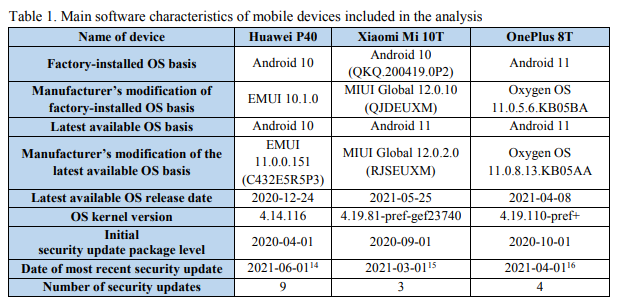
Huawei's P40 is still stuck on Android 10, while Xiaomi ships with 10 but can be upgraded to 11. Only the OnePlus 8T shipped from the factory with Android 11 installed.

Huawei’s P40 is still stuck on Android 10, while Xiaomi ships with 10 but can be upgraded to 11. Only the OnePlus 8T shipped from the factory with Android 11 installed. (credit: Lithuanian NCSC)

The OnePlus 8T 5G—arguably, the best-known and most widely marketed phone of the three—was the only one to escape the NCSC’s scrutiny without any red flags raised.

Read 16 remaining paragraphs | Comments


Source: Ars Technica – Security audit raises severe warnings on Chinese smartphone models

Apple’s newest 10.2-inch iPad is already $30 off

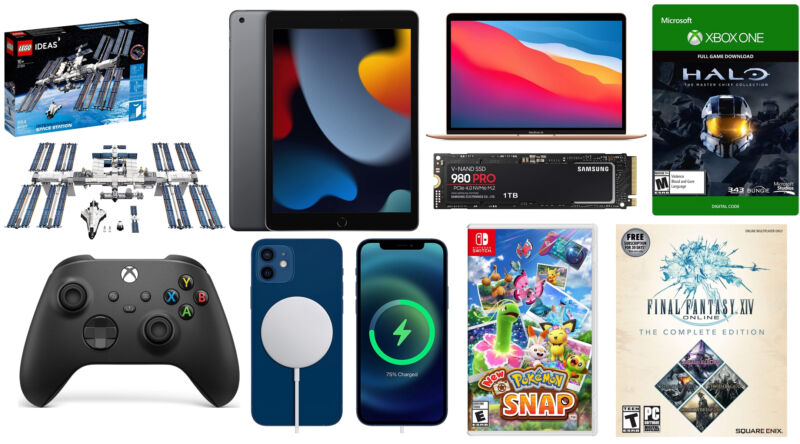
Collage of electronic consumer goods against a white background.

Enlarge (credit: Ars Technica)

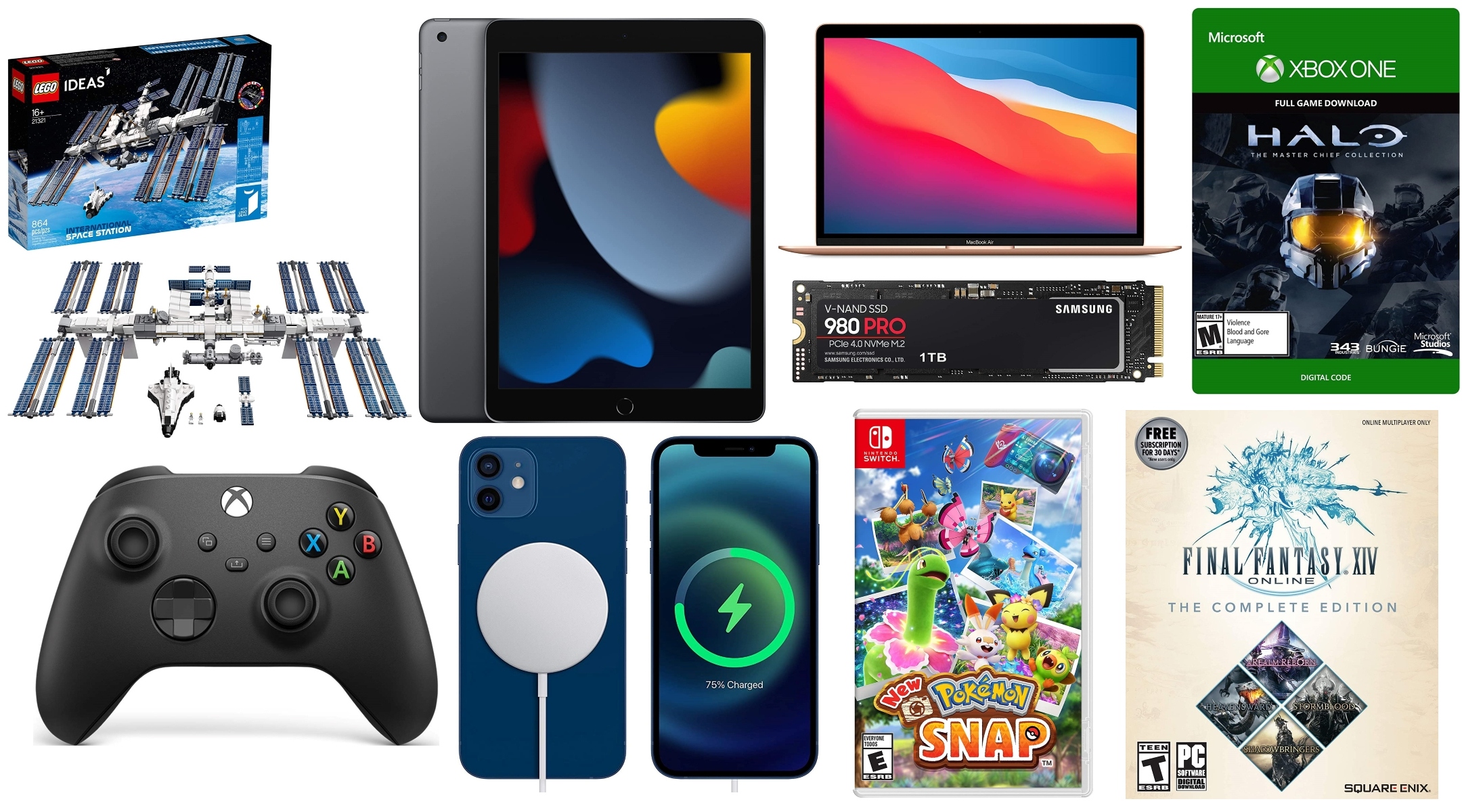
Today’s Dealmaster is headlined by a small but notable discount on Apple’s new ninth-generation iPad, the 64GB Space Gray version of which is currently down to $299 at Amazon and Walmart. That’s $30 off Apple’s MSRP even though the 10.2-inch tablet doesn’t technically release until September 24. Note that you may have to wait a few extra days for the device to ship if you go this route instead of buying directly from Apple, but we figured this deal was worth highlighting for those willing to accept that trade-off in order to save a bit of cash.

We posted our review of the latest entry-level iPad earlier on Wednesday, deeming it “still the one most people should buy.” To be clear, its larger bezels, lack of lamination and antireflective coating on the screen, and slower Lightning port certainly show their age next to the more modern design language of the iPad Pro, iPad Air, and just-refreshed iPad mini. But the ninth-generation iPad still offers sturdy hardware, an otherwise pleasant display, and more-than-good-enough performance for web browsing, video streaming, mobile gaming, and lighter work. That’s in addition to the usual rich app library and long-term software support that comes with owning an iOS device.

If you already own a relatively recent model, there’s no pressing need to upgrade here, but this year’s iteration does double the base storage (now with 64GB) and an upgraded A13 Bionic chip (giving it performance roughly comparable to 2019’s iPhone 11 series). The front-facing camera has been modestly improved to a 12MP wide-angle camera that may be preferable for group video calls, and there’s now support for Apple’s True Tone display tech, which shifts the display’s color temperature to match the ambient lighting of your surroundings. The whole thing can still be upgraded into a slightly more work-friendly machine with the help of a keyboard case or Apple’s (first-gen) Pencil stylus as well.

Read 4 remaining paragraphs | Comments


Source: Ars Technica – Apple’s newest 10.2-inch iPad is already off

Hands On With the Honor 50: One Vlog to Rule Them All

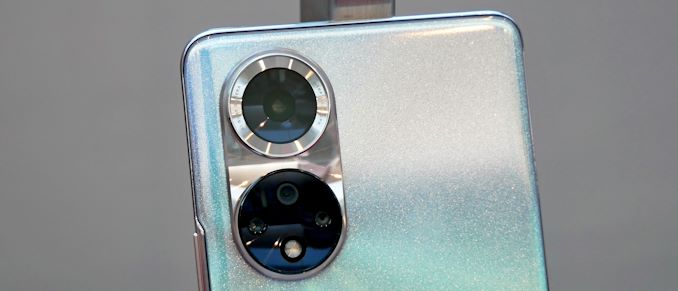
Prior to the Huawei/Honor split, I had my hands on almost every model or flagship that Honor made. The co-design with Huawei, along with a good high-middle market for those flagships, made them competitive products. However, Honor was sold to essentially run standalone, which meant it was no longer under the US entity list bans, and could leverage Google services again. The Honor 50 is one of these devices, offering a full Google experience, and opting to pair a 700-series Snapdragon SoC with a 108 MP camera and a 6.57-inch OLED display. We had some hands-on with the Honor 50 ahead of the launch next month in October.


Source: AnandTech – Hands On With the Honor 50: One Vlog to Rule Them All

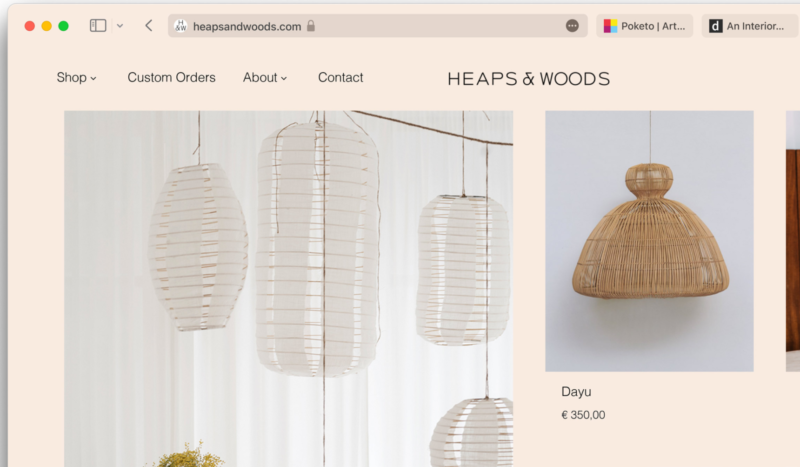
Apple rolls major Safari redesign out to Macs ahead of Monterey release

Read 7 remaining paragraphs | Comments


Source: Ars Technica – Apple rolls major Safari redesign out to Macs ahead of Monterey release

Larger-screened Surface Pro 8 gets its biggest redesign since the Surface Pro 3

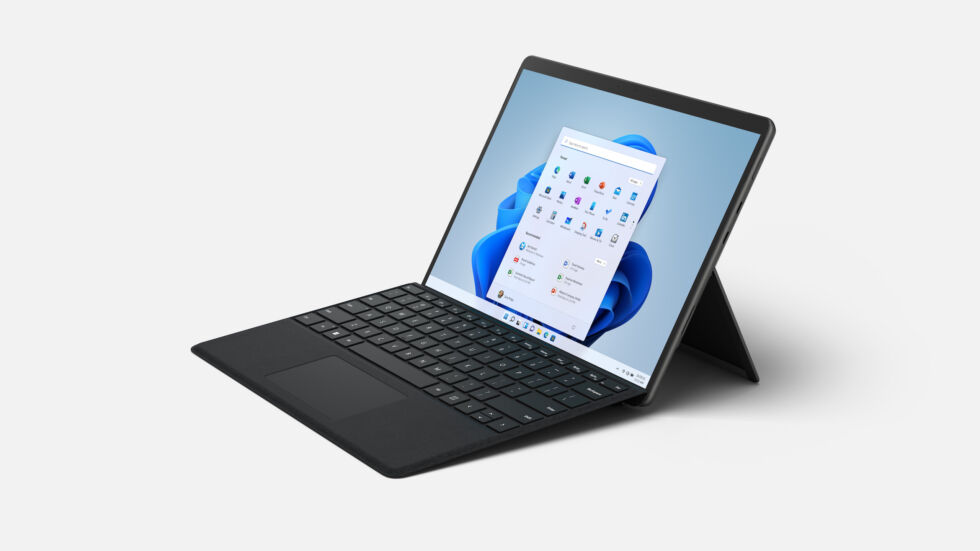
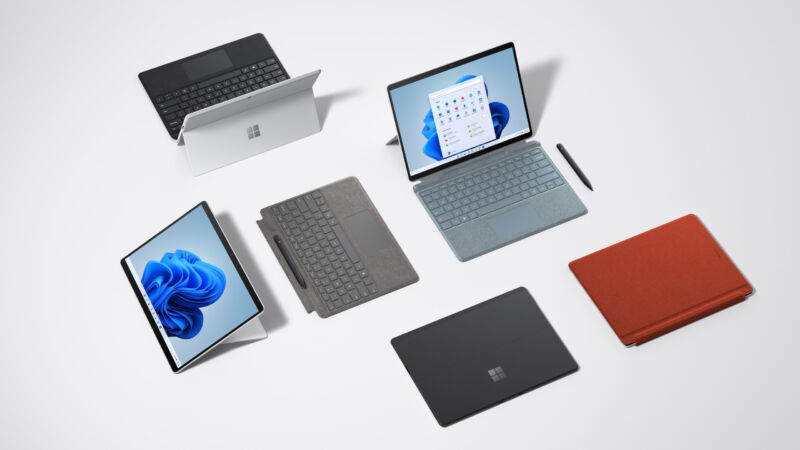
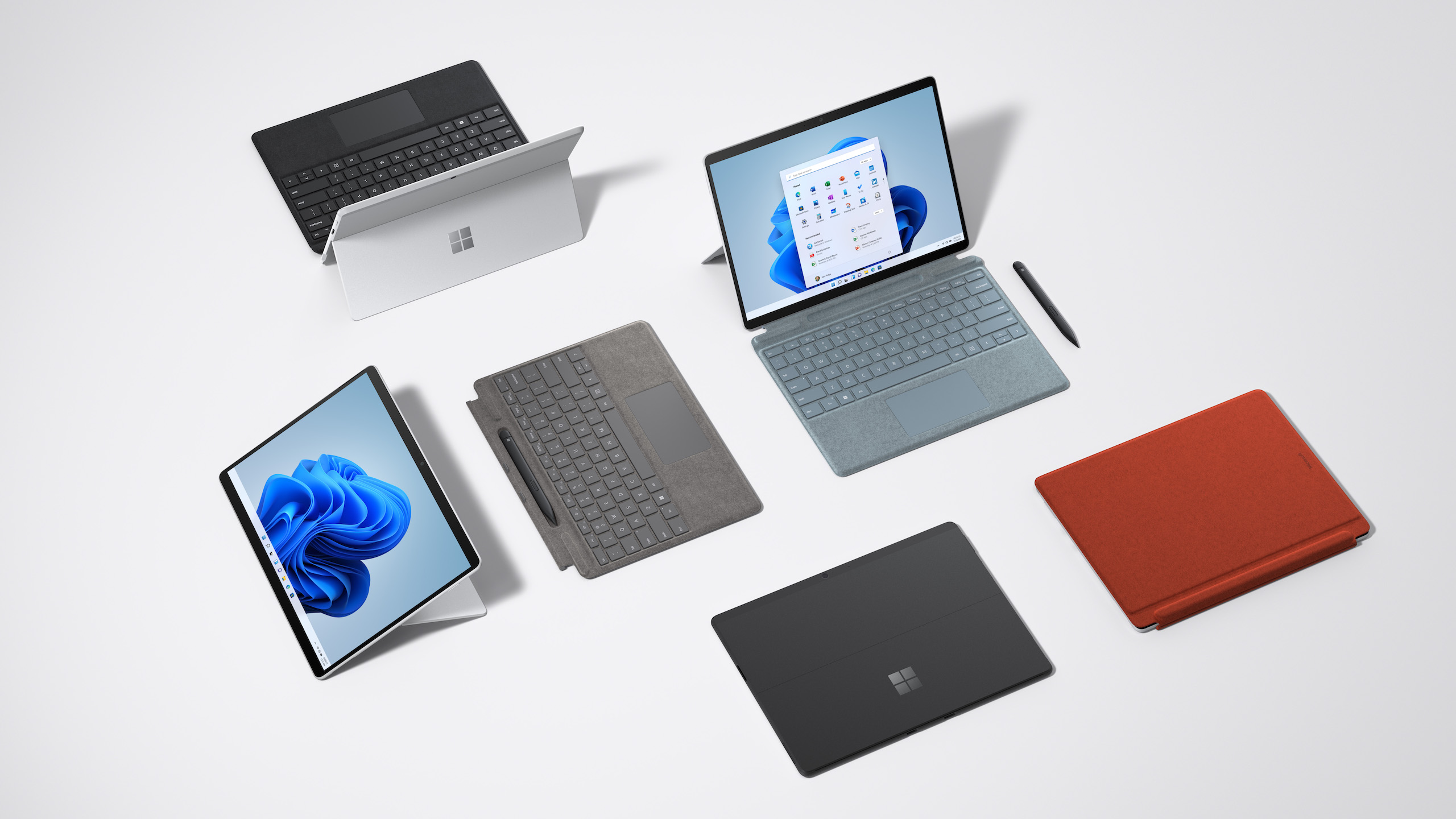
Microsoft has officially announced the Surface Pro 8, and the rumors were pretty much on the money. The new tablet includes a larger screen with a 120 Hz refresh rate, updated internal hardware, user-replaceable SSDs, and a pair of Thunderbolt 4 ports that replace the USB-C and USB-A ports in the previous model. It’s the most significant (and also: only) redesign that the tablet has gotten since the Surface Pro 3 back in 2014. The Surface Pro 8 is available for preorder today, and a version with a Core i5 CPU, 8GB of RAM, and 128GB of storage will set you back $1,100 (plus the cost of a $180 Surface Pro Signature Keyboard cover and the $130 Surface Slim Pen 2, or $280 if you buy both). The first preorders will begin shipping on October 5, the day Windows 11 launches.

The Surface Pro 8 adopts most of the design tweaks Microsoft first tried out in the Surface Pro X in 2019. In fact, the two tablets now share some of the same key physical specifications, including the 13-inch 2880×1920 display size and resolution and the exact same height and width. Like most laptops released in the last few years, the screen size increase comes from shrinking the display bezels rather than dramatically changing the size of the device. The Surface Pro 8’s screen does support up to a 120 Hz refresh rate for smoother scrolling, but the tablet will be configured to use the more typical 60 Hz refresh rate out of the box.

The Surface Pro 8 is about a tenth of an inch (or 2mm) thicker than the Pro X to make room for additional cooling, but the identical height and width means that the Surface Pro 8 and the Surface Pro X use the same keyboard cover, now renamed the Surface Pro Signature Keyboard. By the same token, the keyboard covers that worked with all Surface versions from 2014’s Surface Pro 3 up to the Surface Pro 7 won’t be compatible with the Surface Pro 8.

Read 5 remaining paragraphs | Comments


Source: Ars Technica – Larger-screened Surface Pro 8 gets its biggest redesign since the Surface Pro 3

All-new Surface Laptop Studio is a convertible replacement for the Surface Book

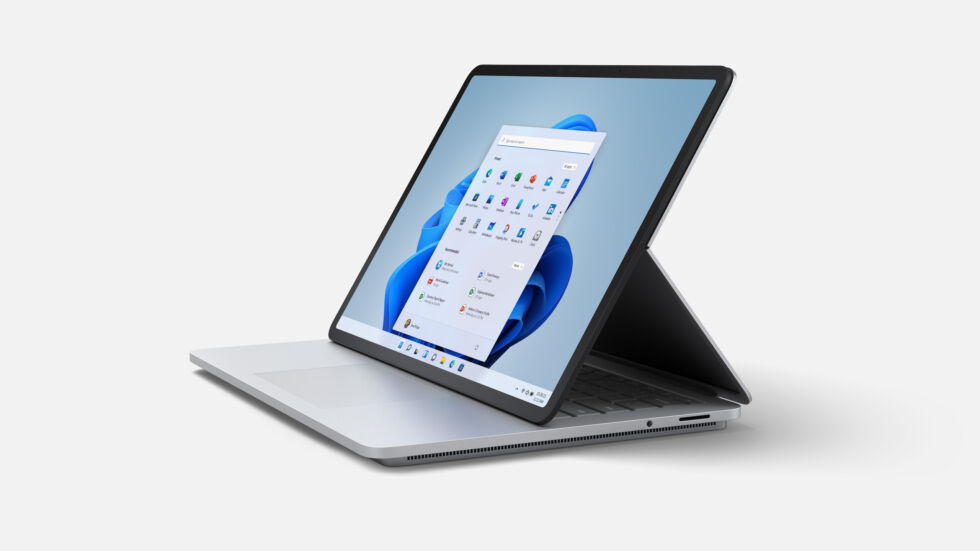
The Surface Pro 8 got a major update today, but the biggest reveal was the all-new Surface Laptop Studio, a high-end convertible with dedicated graphics that provides a step-up in speed from the regular Surface Laptop. The “Surface Studio” name is borrowed from the (aging, and still not updated) Surface Studio desktop, and the Laptop Studio’s screen bends forward and uses the laptop’s base as a stand in much the same way. Most of the time, the Laptop Studio just looks like a regular laptop, but its display can be pulled out over the keyboard into “stage mode” and tilted to whatever angle is most comfortable for what you’re doing. It can also fold all the way down into “studio mode,” which covers the keyboard and trackpad entirely and makes the laptop into one big tablet.

The Surface Laptop Studio starts at $1,600 and is available for preorder today. The first preorders will begin shipping on October 5, the day Windows 11 launches.

Microsoft is positioning the Laptop Studio as a replacement for the old Surface Book, and there are some similarities—the all-metal keyboard decks, the ultrabook-class Intel processors, and the low-power Nvidia GPUs in the Laptop Studio should all be familiar to current Surface Book owners. But the laptops differ significantly in form and function. The inability to completely remove the laptop’s screen from its base will undoubtedly be a negative for some Surface Book owners, though using the Surface Laptop Studio’s display stand to prop up the screen is its own kind of useful, and I’m not sad to see the death of the Surface Book’s weird, bendy-straw hinge.

Read 6 remaining paragraphs | Comments


Source: Ars Technica – All-new Surface Laptop Studio is a convertible replacement for the Surface Book

Surface Go 3 is a processor bump for Microsoft’s smallest tablet

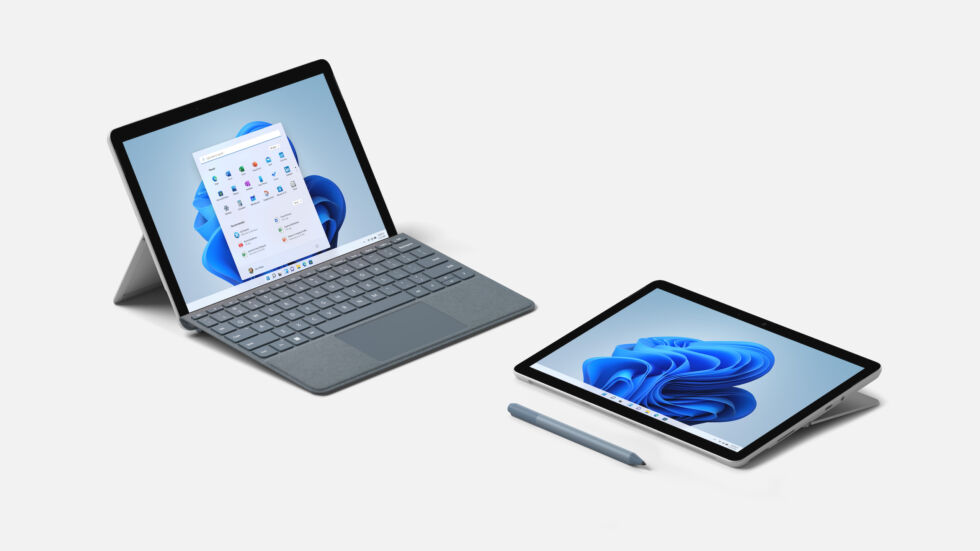
It’s not as big an upgrade as the Surface Pro 8, but Microsoft’s Surface Go tablet got an update today. The Surface Go 3 retains the same 10.5-inch 1920×1280 screen, the same ports, and the same physical design as the Surface Go 2, but it upgrades the processors, adds 802.11ax Wi-Fi support, and ships with Windows 11 Home by default. The Surface Go 3 starts at the same $400 as the previous model and is available for preorder today; the cellular model will be available in “the coming months.”

The Surface Go’s biggest problem has always been that, especially in its cheapest configurations, its processor, RAM, and storage specs have all been dangerously close to the bare minimum it takes to run Windows comfortably. And the Surface Go 3 doesn’t do much to address that. The dual-core Pentium Gold 6500Y and quad-core Core i3-10100Y processors are a significant and welcome step up from the Pentium and Core m3 chips in the Surface Go 2, but the entry-level Go 3 still includes just 4GB of RAM and 64GB of eMMC storage. That’s a bit more than Microsoft’s minimum system requirements for Windows 10, but they just barely meet the increased minimum RAM and storage requirements for Windows 11.

The version of the Go 3 that is available to consumers tops out at 128GB of storage, so you’ll need to rely on microSD storage or cloud storage if you need more than that. There is a 256GB version of the Go 3, but it’s only available to businesses. And unlike the Surface Pro 8 or Pro X, the SSD on the Surface Go 3 still isn’t user-replaceable.

Read 3 remaining paragraphs | Comments


Source: Ars Technica – Surface Go 3 is a processor bump for Microsoft’s smallest tablet

Microsoft’s Surface Duo 2 gets better specs, an even bigger $1,499 price tag

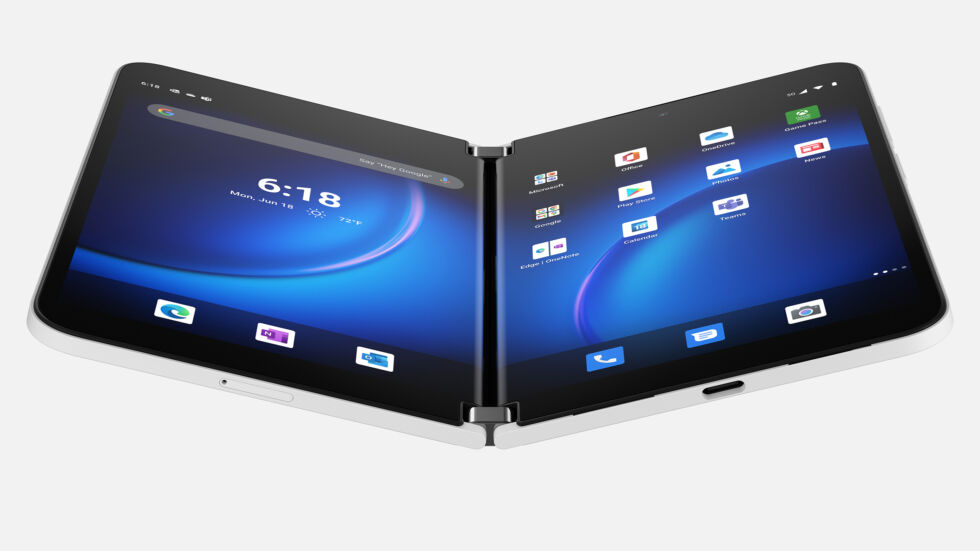
The Surface Duo, take two. Microsoft’s quirky two-screen device is back, and you can still run two apps side by side, fold the thing over for single-screen mode, or draw on it with a pen. The original device landed at the end of a messy, years-long journey that included a switch from Windows to Android and an official announcement that was a full year before the ship date. The Surface Duo 1 was a big flop and eventually hit the bargain bin for nearly $1,000 off the $1,399 MSRP (the device is still readily available for $412, by the way!). Microsoft seems undeterred by the original unit’s performance, though, and it has produced this sequel. So, what’s been improved?

First off, the specs look a lot better this year. Microsoft is turning in a modern device with a Snapdragon 888, 8GB of RAM, 128GB of storage, and a much bigger 4449mAh battery. The original device had a Snapdragon 855 SoC, which was 18 months old when the Duo shipped, and so this is a big improvement. There’s also NFC this year, which was another odd quirk of the original device’s spec sheet. The OG Duo was the thinnest Android device ever, at 4.8 mm thick, but Microsoft found room to increase the 3577mAh battery by making the phone thicker, and now each half is 5.5 mm. It’s still one of the thinnest Android devices ever, and Microsoft even managed to cram mmWave support into the US version.

The phone still has two rigid, glass-covered screens that fold up like a moleskin notebook. This year the two OLED screens are a bit bigger, at 5.8-inches each, and Microsoft is again modernizing them with 90 Hz refresh rates. The resolution is close to the 4:3 aspect ratio of last year but not quite, with a weird measurement of 1892×1344. The reason for this seems to be the addition of a few extra pixels for a new spine display. The hinge-side of each display has a curve to it, just like the annoyingly curved sides of a flagship Android phone, allowing you to see a tiny sliver of the screen while the Duo 2 is closed. Microsoft is using this to display little notification chips for things like your number of missed calls or messages.

Read 6 remaining paragraphs | Comments


Source: Ars Technica – Microsoft’s Surface Duo 2 gets better specs, an even bigger ,499 price tag

ARM-based Surface Pro X gets an $899 Wi-Fi-only model but few other upgrades

The Surface Pro X doesn't get a hardware refresh today, but there is a new Wi-Fi-only model, and Windows 11 will improve app compatibility.

Enlarge / The Surface Pro X doesn’t get a hardware refresh today, but there is a new Wi-Fi-only model, and Windows 11 will improve app compatibility. (credit: Microsoft)

Microsoft has significantly revamped and upgraded the x86-based Surface Pro and Surface Go tablets today, but the ARM-based Surface Pro X isn’t getting any hardware upgrades of note. Microsoft is, however, releasing a Wi-Fi-only model that brings the tablet’s entry price down to $899 (compared to $999 for the LTE base model, which also includes a Microsoft SQ1 processor, 8GB of RAM, and 128GB of storage).

The Surface Pro 8 has adopted most of the Surface Pro X’s design improvements, but the Surface Pro X does remain slightly thinner, is totally fanless, and is about a quarter-pound lighter (1.7 lbs compared to 1.96 lbs before you add a keyboard or other accessories). Microsoft has also updated the Surface Slim Pen—the $130 Slim Pen 2 moves the pen’s button from the narrow side to the flat side and adds a haptic vibration motor to recreate the “feeling you get with pen on paper.” That functionality, however, apparently requires the Microsoft G6 chip in the Surface Pro 8 and Surface Laptop Studio. On other devices, including the Surface Pro X, the pen supports the same 4,096 pressure levels as the previous model and maintains compatibility with Surface devices going back to the Surface Pro 3.

The main Surface Pro X upgrade that Microsoft focused on is Windows 11 itself, which will resolve some of the Surface Pro X’s software compatibility issues by supporting the emulation of 64-bit x86 code. Windows 10 can only emulate 32-bit x86 apps, though beta versions of Windows 10 have supported x86-64 code emulation since late last year. You’ll still need to deal with the performance penalty of code emulation.

Read 2 remaining paragraphs | Comments


Source: Ars Technica – ARM-based Surface Pro X gets an 9 Wi-Fi-only model but few other upgrades

Surface Laptop Studio, Surface 8 Pro Lead Microsoft's New Surface 2021 Lineup

In anticipation of the upcoming Windows 11 launch, Microsoft is introducing an almost complete top to bottom refresh of their Surface device lineup. Ranging from the brand-new Surface Laptop studio to refreshed devices like the Surface Pro X, Microsoft’s 2021 Surface lineup covers the entire spectrum, with some devices getting some minor tweaks while other devices are completely new. As tends to be the case, all of them feature quirks which are distinctively Surface.


Source: AnandTech – Surface Laptop Studio, Surface 8 Pro Lead Microsoft’s New Surface 2021 Lineup

Facebook’s oversight board demands clarity on rules for high-profile users

Read 10 remaining paragraphs | Comments


Source: Ars Technica – Facebook’s oversight board demands clarity on rules for high-profile users

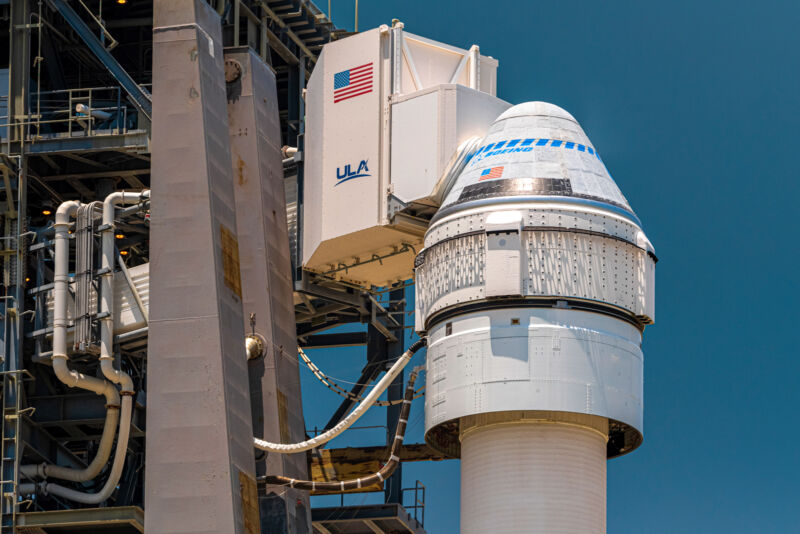
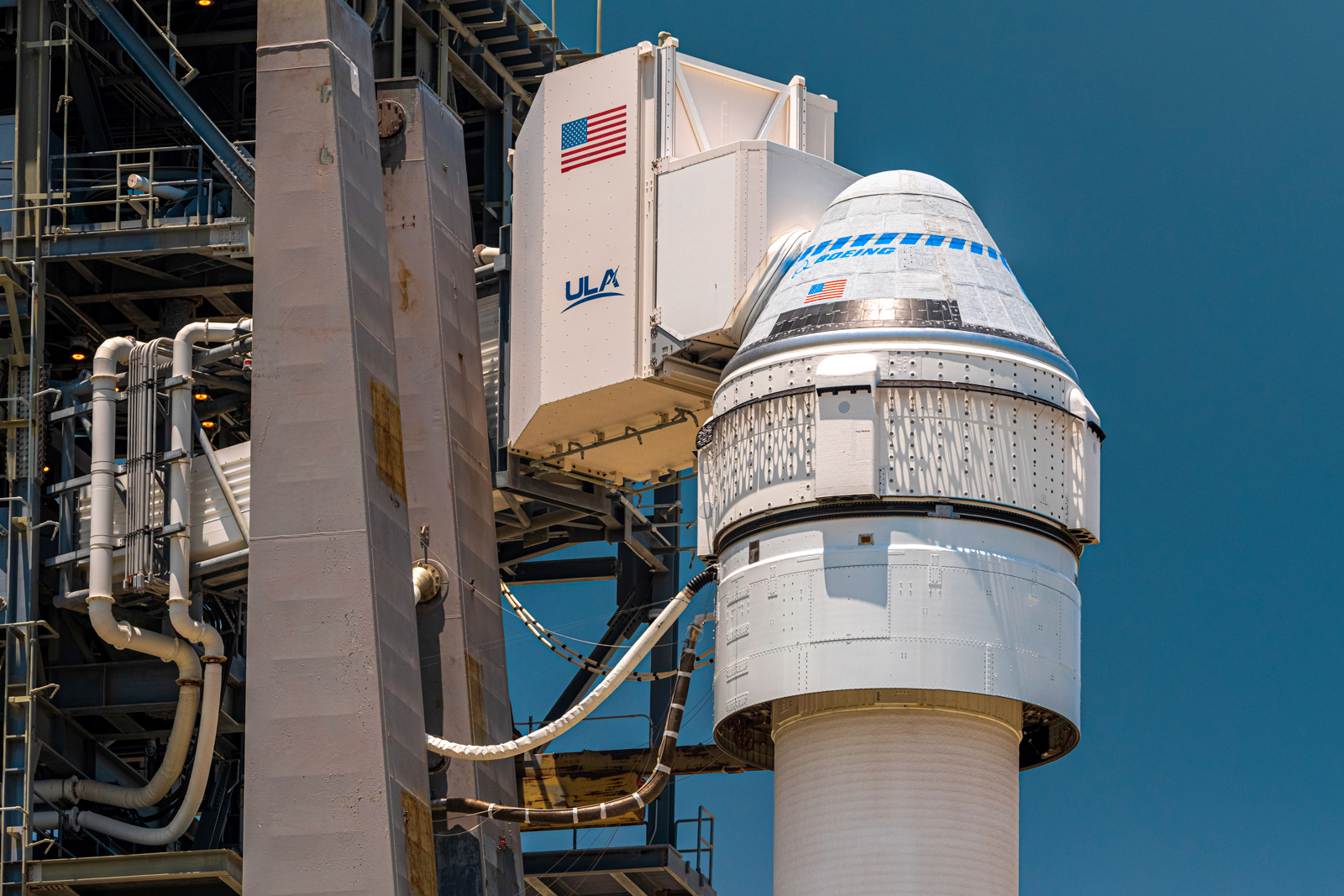
Boeing still studying Starliner valve issues, with no launch date in sight

Read 6 remaining paragraphs | Comments


Source: Ars Technica – Boeing still studying Starliner valve issues, with no launch date in sight

Phone calls disrupted by ongoing DDoS cyber attack on VOIP.ms

Read 12 remaining paragraphs | Comments


Source: Ars Technica – Phone calls disrupted by ongoing DDoS cyber attack on VOIP.ms

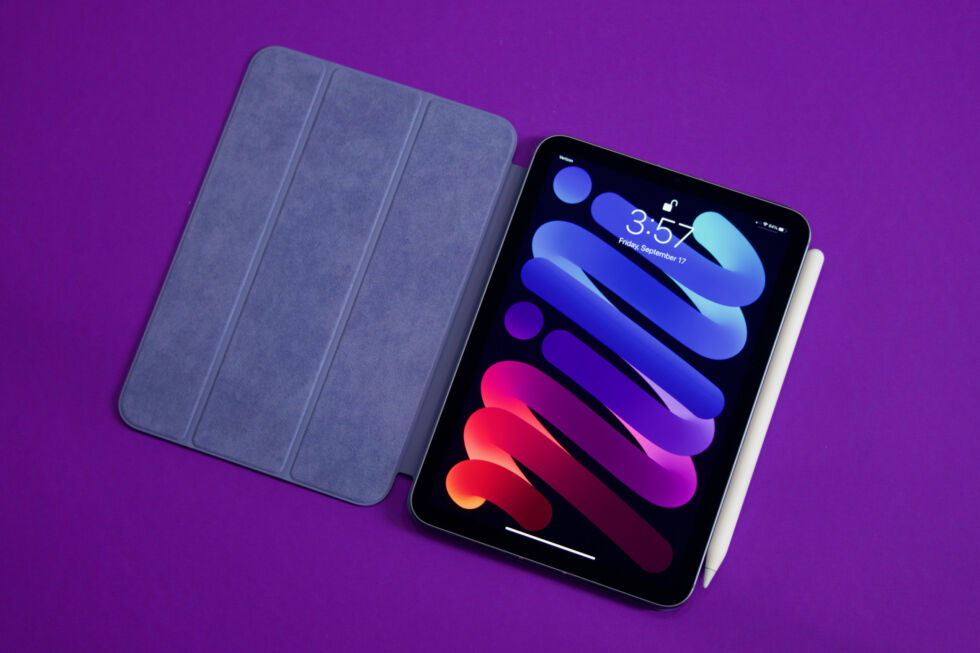
The more pricey 2021 iPad mini is the best one Apple has ever made

The new iPad mini—whether you want to call it the 2021 iPad mini, iPad mini 6, or iPad mini (6th generation)—is easily the best one Apple has ever made. That’s true whether you’re comparing this iPad mini to the last one, or if you’re comparing it to the other iPads Apple sells.

The mini almost always seems to get the short end of the stick on the rare occasions when it’s updated at all. It has been saddled with older, slower processors or inferior screens or dated designs. This iPad mini, on the other hand, has a fully modern design and a cutting-edge Apple A15 chip in it. It’s a fantastic tablet—if you’re the kind of person who is already ride-or-die for the iPad mini.

Apple iPad mini (2021)

(Ars Technica may earn compensation for sales from links on this post through affiliate programs.)

That’s a big if, because as great as the mini is, its position in Apple’s lineup remains awkward. The $329 iPad (also just updated with a new chip and other tweaks) is a great all-around tablet for kids and price-conscious adults. And the $599 iPad Air 2 is just barely more expensive and has a bigger screen that is a better fit for the computer-y multitasking features Apple keeps adding to iPadOS.

Read 24 remaining paragraphs | Comments


Source: Ars Technica – The more pricey 2021 iPad mini is the best one Apple has ever made

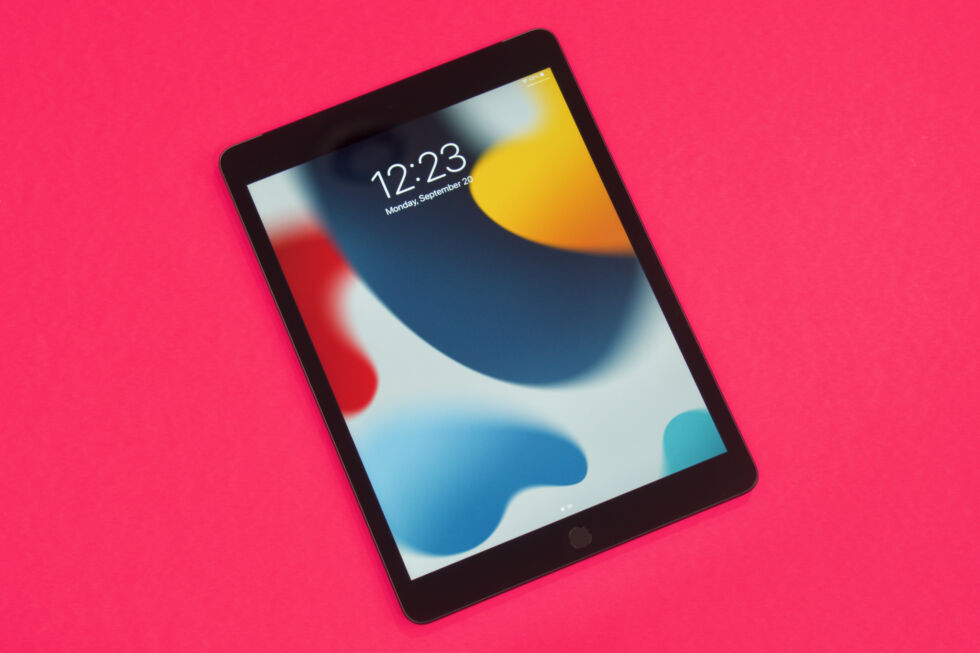
Mini-review: 2021’s $329 iPad is still the one most people should buy

As a rule, Apple doesn’t focus on budget-friendly gadgets. And that strategy has worked well over the last two decades—the company’s predilection for premium products at premium prices (not always unreasonable or uncompetitive prices, but premium ones) has paid off in the form of consistently extraordinary revenue and profit margins.

But the handful of explicitly price-conscious devices Apple does sell, including the $329 10.2-inch iPad and the $399 iPhone SE, are some of the most quietly excellent devices it makes. They use processors that were in Apple’s flagship phones just a couple of years ago, rather than mediocre cut-rate chips that were purpose-built for cheap devices. You get years and years of software and security updates, unlike the paltry two years that Google wrings out of phone makers who participate in the Android One program (to pick one example). And while Apple cuts costs by recycling years-old designs and parts, it usually doesn’t skimp on construction and materials, so your hardware still looks and feels nice despite being a bit dated.

That’s all you need to know about Apple’s 9th-generation iPad, which you can still pick up for $329 starting September 24. I am sure that more people are going to read our review of the 6th-generation iPad mini, because it has a brand-new design and a cutting-edge processor in it. There’s certainly more to say about that device. But a whole lot more people are actually going to buy and use this ho-hum, workaday, plain-old iPad.

Read 16 remaining paragraphs | Comments


Source: Ars Technica – Mini-review: 2021’s 9 iPad is still the one most people should buy