Here’s why Blue Origin thinks it is justified in continuing to protest NASA

Jeff Bezos holding aviation glasses up to his face.

Enlarge

Blue Origin has chosen to continue fighting NASA’s selection of SpaceX to build a Human Landing System as part of the Artemis Moon Program.

The company filed suit in the US Court of Federal Claims on Friday and received a protective order to seal the documents on Monday. The lawsuit follows a decision in late July by the US Government Accountability Office that rejected a protest by Blue Origin and Dynetics over NASA’s $2.9 billion award to SpaceX to further development of its Starship program.

The new lawsuit escalates Blue Origin’s feud with NASA. As recently as last week, senior leaders at NASA and Blue Origin were in talks to forestall such a lawsuit. NASA would still like to include Blue Origin in its Artemis Program, a source familiar with those talks said. However, the space agency does not appear to have come to an agreement with the company .

Read 14 remaining paragraphs | Comments


Source: Ars Technica – Here’s why Blue Origin thinks it is justified in continuing to protest NASA

T-Mobile apparently lied to government to get Sprint merger approval, ruling says

A T-Mobile logo on the window of a store.

Enlarge / A T-Mobile logo at a store in New York on April 30, 2018. (credit: Getty Images | Bloomberg)

T-Mobile apparently lied to government regulators about its 3G shutdown plans in order to win approval of its merger with Sprint, according to a ruling in a proceeding in front of the California Public Utilities Commission (CPUC). The ruling issued Friday ordered T-Mobile “to show cause why it should not be sanctioned by the commission for violating” a CPUC rule with “false, misleading, or omitted statements.”

T-Mobile won approval for its 2020 acquisition of Sprint in part by agreeing to sell Sprint’s Boost Mobile prepaid business and other assets to Dish, which is building its own 5G network and reselling capacity from other networks. T-Mobile agreed to make its 4G LTE and 3G CDMA networks available to Dish customers during a three-year transition period from 2020 to 2023, the CPUC ruling said. But T-Mobile now plans to stop providing CDMA network services nationwide on January 1, 2022, and Dish has urged government regulators to force T-Mobile to live up to its commitments.

T-Mobile’s false and misleading statements under oath indicated, among other things, that T-Mobile would make its CDMA network “available to Boost customers until they were migrated to Dish Network Corporation’s LTE or 5G services” and that Dish would have up to three years to complete the migration, the ruling said.

Read 17 remaining paragraphs | Comments


Source: Ars Technica – T-Mobile apparently lied to government to get Sprint merger approval, ruling says

Colorful Launches Two White Mini-ITX Motherboards For Intel Rocket Lake

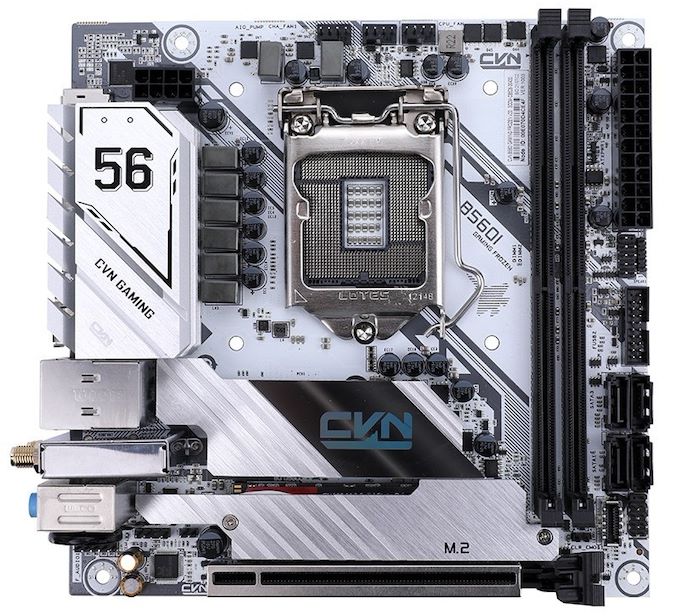
Colorful has unveiled two new motherboards designed for Intel Rocket Lake and Comet Lake processors. The CVN B560I Gaming V20 and CVN B560I Gaming Frozen are based on the Mini-ITX form factor, and both share the same feature set; the only difference is in the aesthetics. The most prominent features include one PCIe 4.0 x4 M.2 slot, four SATA ports, and a Gigabit Ethernet controller.


Designed around the budget-friendly Intel B560 chipset for 11th and 10th generation Intel desktop processors, both the Colorful CVN B560I Gaming V20 and Frozen models include an unspecified 8-phase power delivery (6+2), with one 8-pin 12 V ATX CPU power input and a 24-pin 12 V ATX motherboard inputs. On the right-hand side of the board are a pair of memory slots with support for up to DDR4-4266 and can accommodate up to 64 GB. 


At the time of writing, Colorful hasn’t divulged its controller set, but we know it has one PCIe 4.0 x4 M.2 slot and one full-length PCIe 4.0 x16 slot along the bottom of the board. For cooling, both boards include three 4-pin fan headers with four straight-angled SATA ports, which can be found on the right-hand side of the PCB. The only difference between both models is that the Frozen variant has a white PCB, and the V20 uses a black PCB. This gives users the option to find a solution to fit their systems aesthetic; However, Colorful doesn’t specify if either model includes integrated RGB LED lighting. We would assume neither does based on the images.


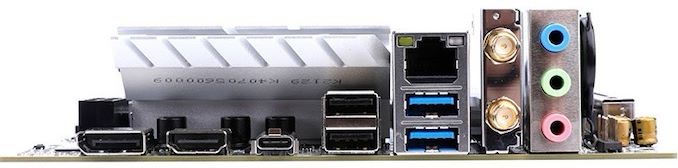
Both models share the same rear panel I/O layout and include one USB 3.2 G2 Type-C, two USB 3.2 G2 Type-A, and two USB 2.0 ports. Colorful provides a pair of video outputs, including HDMI and DisplayPort, while an unspecified HD audio codec powers three 3.5 mm audio jacks. Regarding networking, there’s one Gigabit Ethernet port and a Wi-Fi 6 CNVi, which also includes support for BT 5.0 devices. 


At present, Colorful hasn’t provided pricing or when the CVN B560I Gaming V20 and Gaming Frozen models will hit retail shelves.


Source: Colorful


Related Reading


Source: AnandTech – Colorful Launches Two White Mini-ITX Motherboards For Intel Rocket Lake

Hospitals hamstrung by ransomware are turning away patients

Exterior entrance to hospital.

Enlarge (credit: health.mil)

Dozens of hospitals and clinics in West Virginia and Ohio are canceling surgeries and diverting ambulances following a ransomware attack that has knocked out staff access to IT systems across virtually all of their operations.

The facilities are owned by Memorial Health System, a nonprofit network of services that represents 64 clinics, including hospitals Marietta Memorial, Selby, and Sistersville General in the Marietta, West Virginia, metropolitan area. Early on Sunday, the chain experienced a ransomware attack that hampered the three hospitals’ ability to operate normally.

Beginning at midnight on Sunday, the three hospitals started diverting emergency patients to Camden Clark Medical Center. The facility is an hour’s drive from Selby, which has 25 beds. Camden Clark is about a 25-minute drive from the other two Memorial Health System hospitals hit by the breach. Another affected facility providing critical care includes a freestanding emergency room at Belpre Medical Campus in Belpre, Ohio.

Read 5 remaining paragraphs | Comments


Source: Ars Technica – Hospitals hamstrung by ransomware are turning away patients

The long-awaited M1X MacBook Pro will be here by November, reporter claims

Read 5 remaining paragraphs | Comments


Source: Ars Technica – The long-awaited M1X MacBook Pro will be here by November, reporter claims

Saturn’s core is a big, diffuse, rocky slushball

Read 11 remaining paragraphs | Comments


Source: Ars Technica – Saturn’s core is a big, diffuse, rocky slushball

Sonos gets early patent victory against Google smart speakers

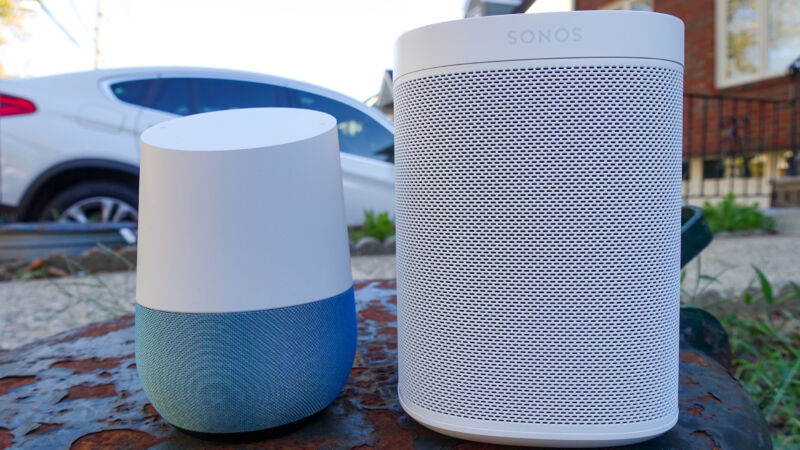
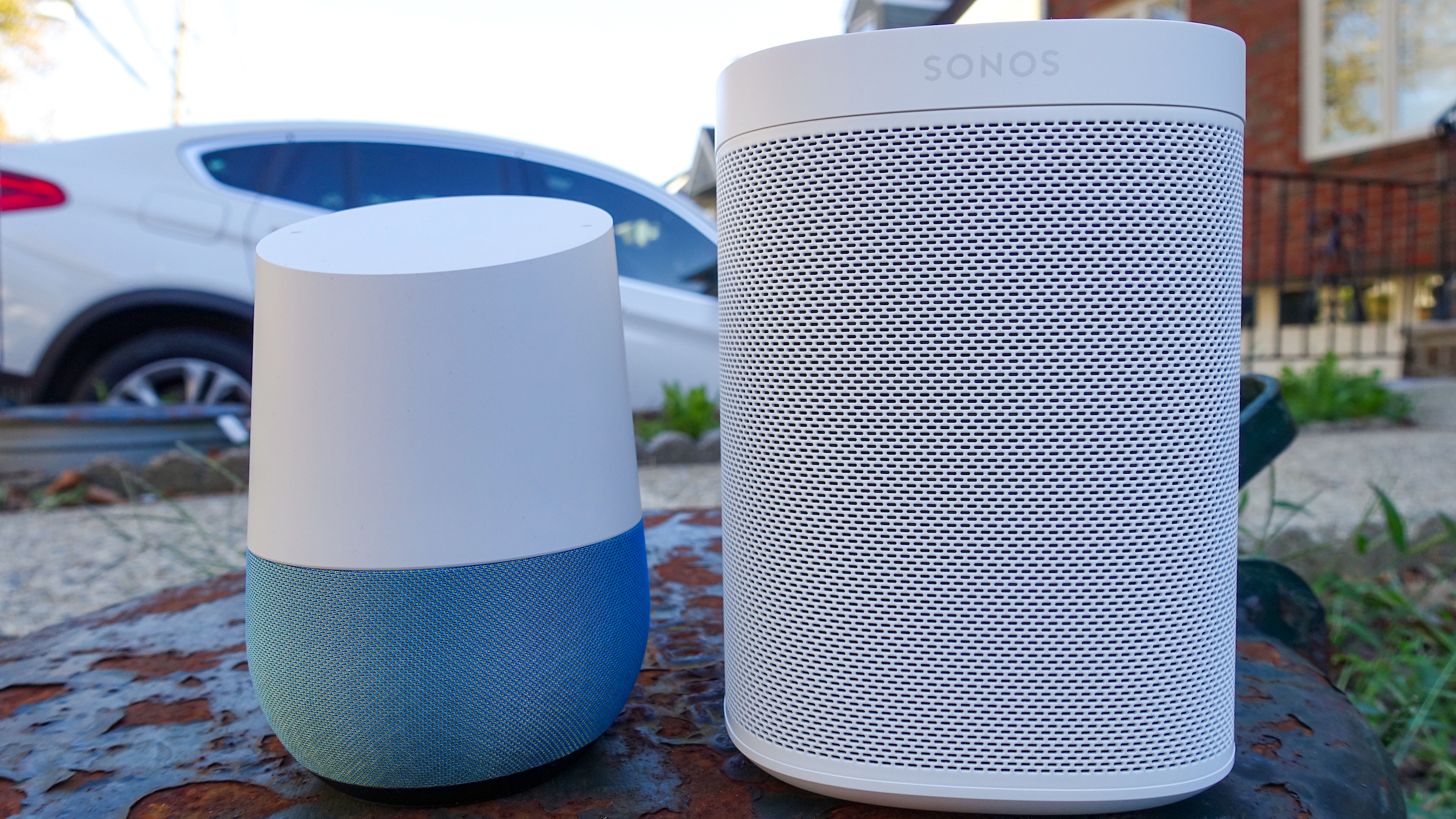
Sonos says the Google Home stole its technology.

Enlarge / Sonos says the Google Home stole its technology. (credit: Jeff Dunn)

Sonos scored an early victory in its case against Google Friday, when the US International Trade Commission ruled that Google infringed five of Sonos’ smart speaker patents. The ruling is preliminary and subject to a full ITC review, but it could lead to a ban on Google smart speakers.

In January 2020, Sonos brought a patent infringement case against Google targeting Google’s smart speakers, the Google Home, and later the Nest Audio line. Sonos is the originator of Internet-connected speakers that easily hook up to streaming services, while Google speakers combine a similar feature set with voice-activated Google Assistant commands. To hear Sonos tell the story, Google got a behind-the-scenes look at Sonos’ hardware in 2013, when Google agreed to build Google Play Music support for Sonos speakers. Sonos claims Google used that access to “blatantly and knowingly” copy Sonos’ audio features for the Google Home speaker, which launched in 2016.

However you want to measure it, Sonos is a tiny company compared to the tech giants it regularly battles. The 19-year-old company only has products in the connected speaker market, and it has a $5 billion market cap. Its competitors—Google, Amazon, and Apple—are some of the world’s biggest companies, each with a market cap above $1.5 trillion. To make matters more complicated for Sonos, the company relies on both Google and Amazon to do business in search, advertising, and retail sales, and it worried about retaliation from the two giants. Plus, once Amazon and Google entered the market, Sonos was forced to adopt support for both voice assistants in order to compete. Back in 2020, Sonos said Amazon also seemed to be using its technology, but it would focus its legal efforts on Google.

Read 3 remaining paragraphs | Comments


Source: Ars Technica – Sonos gets early patent victory against Google smart speakers

ASUS Unveils N5105I-IM-A, Intel Jasper Lake in Mini-ITX Form

Back in January, Intel launched its Jasper Lake platform with a range of dual-core and quad-core Tremont Atom-based processors.. Primarily aimed at the notebook and Chromebook market, Intel’s Jasper Lake Celeron and Pentium Silver chips are using 10nm Tremont Atom cores as low as 6 W. Today we have learned that ASUS has unveiled its first Jasper Lake system via the N5105I-IM-A mini-ITX motherboard for the DIY market, with a passively cooled design, and supports the Intel Celeron N5105 4-core 4-thread processor.


Based on the small form factor mini-ITX platform, the ASUS N5105I-IM-A includes two SO-DIMM memory slots, although ASUS hasn’t revealed a full list of the specifications. It is using a 4-pin 12 V ATX power input, with an additional 4-pin 12 V power output. The N5105I-IM-A is designed to support Intel’s Celeron N5105 processor, which features four Tremont Atom cores, four threads, and features a base frequency of 2 GHz, a turbo frequency of 2.9 GHz, and has a 10 W TDP. 


Due to the low power by the Intel Celeron N5105, ASUS has opted for a gold-colored copper CPU heatsink, which comes supplied with the board. Looking at onboard connectivity, ASUS includes what looks like a single PCIe 3.0 x1 slot, with two SATA ports and one 4-pin fan header for a chassis fan. Video is provided by the graphics on the CPU.


On the rear panel is a range of input and output, including two video outputs consisting of an HDMI and D-sub output, with three Serial ports. The board also includes support for an RJ11/DIO connector that is regularly used for cash registers and an MSR/RFID reader for credit and debit card payments. In terms of USB, four Type-A ports are likely USB 3.0, and it also includes one Ethernet port that an unspecified controller powers. 


At the time of writing, we don’t have any information on the pricing or the availability of the ASUS N5105I-IM-A motherboard.


Source: FanlessTech


Related Reading


Source: AnandTech – ASUS Unveils N5105I-IM-A, Intel Jasper Lake in Mini-ITX Form

Looking for a used EV under $20,000? Here are some ideas

Read 9 remaining paragraphs | Comments


Source: Ars Technica – Looking for a used EV under ,000? Here are some ideas

US investigates Autopilot after 11 Teslas crashed into emergency vehicles

A 2014 Tesla Model S driving on Autopilot rear-ended a Culver City fire truck that was parked in the high-occupancy vehicle lane on Interstate 405.

Enlarge / A 2014 Tesla Model S driving on Autopilot rear-ended a Culver City fire truck that was parked in the high-occupancy vehicle lane on Interstate 405. (credit: Culver City Firefighters Local 1927 / Facebook)

US government regulators are opening an investigation into Tesla’s Autopilot system after cars using the feature crashed into stopped emergency vehicles.

The National Highway Transportation Safety Administration announced the investigation today, and it encompasses 765,000 Teslas sold in the US, a significant fraction of all of the company’s sales in the country. The agency says the probe will cover 11 crashes since 2018; the crashes caused 17 injuries and one death. 

The NHTSA is looking at Tesla’s entire lineup, including Models S, X, 3, and Y from model years 2014–2021. It’s investigating both Autopilot and Traffic Aware Cruise Control, a subset of Autopilot that does not steer the vehicle but allows it to match traffic speeds. 

Read 10 remaining paragraphs | Comments


Source: Ars Technica – US investigates Autopilot after 11 Teslas crashed into emergency vehicles

Intel’s Arc GPUs will compete with GeForce and Radeon in early 2022

Arc will be the brand name for the Intel GPU formerly known as "DG2."

Enlarge / Arc will be the brand name for the Intel GPU formerly known as “DG2.” (credit: Intel)

Intel has been working for years to enter the high-end graphics card market to compete with Nvidia and AMD, and today those efforts get a name: Intel Arc (not to be confused with Intel Ark, the site you go to when you need help with Intel’s indecipherable processor model numbers). The earliest Arc products will be released in “the first quarter of 2022” and will be based on a GPU codenamed “Alchemist,” a new, more memorable codename for a GPU previously known as “DG2.”

The first Arc cards will be a follow-up of sorts to DG1—a card released only to system builders—which performs a lot like the GDDR5 version of Nvidia’s aging, low-end GeForce GTX 1030. We don’t have spec sheets for any of the Alchemist-based Arc cards yet, but the trailer Intel showed confirmed support for modern GPU features like real-time ray tracing and “AI Accelerated Super Sampling” that will compete with Nvidia’s DLSS and AMD’s FidelityFX upscaling technologies. The trailer also showed Arc silicon running real (if somewhat older) games like Forza Horizon 4 and Metro Exodus.

To demonstrate its commitment to the discrete GPU market, Intel announced several more GPU codenames that will succeed Alchemist in the coming years, including “Battlemage,” “Celestial,” and “Druid” (note both the alphabetical order and the high-fantasy theme).

Read 2 remaining paragraphs | Comments


Source: Ars Technica – Intel’s Arc GPUs will compete with GeForce and Radeon in early 2022

Atari’s collapse cost us this exquisite-looking Laserdisc game

When the early-’80s home video game business began dwindling in the US, Atari looked to a Laserdisc arcade cabinet to boost its fortunes. That’s according to Richard Taylor, who served as the film director for Atari Playland, an unreleased arcade cabinet from classic Atari’s waning days.

Laserdisc games were already a hot commodity by 1983, as seen in the Don Bluth-directed Dragon’s Lair, which used hand-drawn animation instead of an arcade’s usual pixelated sprites. But unlike the single-game Dragon’s Lair cabinet, “the idea [or Atari Playland] was to make a freestanding arcade structure that, using Laserdisc, would have 10 games in it,” Taylor told Ars in a recent interview. Also, unlike Dragon’s Lair, everything in Playland would be filmed with a real camera floating above elaborate miniatures on sizable sets.

Atari Playland featured multiple miniaturized sets; there were plans for an intro inside a killer clown’s dressing room, a shot outside the park’s entrance, and a fully filmed ride-selection screen. The construction of those sets was “not cheap,” according to Taylor, and required a lot of specifically filmed transitions.

Read 6 remaining paragraphs | Comments


Source: Ars Technica – Atari’s collapse cost us this exquisite-looking Laserdisc game

The "Smartphone for Snapdragon Insiders" vs ROG5 Preview: Branded vs Original

Today we’re reviewing a rather unusual device, the new ASUS “Smartphone for Snapdragon Insiders”. The device had been first announced a month ago by Qualcomm and ASUS, and represents a sort of weird kind of collaboration between the two companies. 


Source: AnandTech – The “Smartphone for Snapdragon Insiders” vs ROG5 Preview: Branded vs Original

When robots screw up, how can they regain human trust?

A toy robot with sparkler hands.

Enlarge / Today, in robots-and-fireworks news. (credit: Getty Images)

Establishing human-robot harmony in the workplace isn’t always easy. Beyond the common fear of automation taking human jobs, robots sometimes simply mess up. When this happens, reestablishing trust between robots and their human colleagues can be a tricky affair.

However, new research sheds some light on how automated workers can restore confidence. Largely, the study suggests that humans have an easier time trusting a robot that makes a mistake if it appears somewhat human and if the machine offers some kind of explanation, according to Lionel Robert, an associate professor at the University of Michigan’s School of Information.

When robots mess up

Even though robots are made of metal and plastic, Robert said we need to start considering our interactions with them in social terms, particularly if we want to have humans trust and rely on their automated co-workers. “Humans mess up and are able to keep working together,” he told Ars.

Read 14 remaining paragraphs | Comments


Source: Ars Technica – When robots screw up, how can they regain human trust?

Intel Video Cards Get a Brand Name: Arc, Starting with "Alchemist" in Q1 2022

After several months of various teasers, Intel is finally starting to put the band together for their first high-performance discrete GPUs and video cards. This morning the company is kicking its pre-launch marketing game into high gear by announcing a new brand name that these video cards will sold under: Arc. As well, the company is finally giving us our first real (albeit wide) launch window for the hardware. The first Arc video cards, based on the “Alchemist” generation of hardware, will be released in the first quarter of 2022, kicking off Intel’s formal foray into high-performance discrete consumer graphics for desktop and mobile.


Source: AnandTech – Intel Video Cards Get a Brand Name: Arc, Starting with “Alchemist” in Q1 2022

Fitbit’s Luxe activity tracker is a stylish way to casually care about fitness

Fitbit Luxe on a users wrist

Enlarge (credit: Corey Gaskin)

In the game of fitness wearables, it’s hard to give everyone what they want. That’s why Garmin offers a seemingly endless array of watches, Apple currently sells no less than three Apple Watches, and Fitbit has an array of wearables from kid-centric trackers to a smartwatch the company hopes can one day detect early symptoms of COVID-19.

The Fitbit Luxe, which retails for $150, is the latter’s latest style-focused fitness tracker. It attempts to provide some smartwatch luxuries in a device that looks like a piece of jewelry. The Luxe is a cute tracker, but it has some questionable choices and oversights to be aware of—most of which are endemic to Fitbit devices.

If you’re looking for an ultracasual fitness tracker and a stylish smart device for your wrist, the Fitbit Luxe could be one of your best options. If you’re looking to get active and stay active, though, you may want to look elsewhere.

Read 45 remaining paragraphs | Comments


Source: Ars Technica – Fitbit’s Luxe activity tracker is a stylish way to casually care about fitness

Super Cities in Japan

Akihabara News (Tokyo) — With legislation that makes it easier for cities to clear regulatory obstacles and to apply for government funding, Japan is coming closer to building technologically-advanced “super cities.”

On June 3, 2020, the Act to Amend the National Strategic Special Zone Act, nicknamed the “Super City Act,” was published in Japan’s official gazette.

Enacted in 2013, the National Strategic Special Zone Act established the National Strategic Special Zones, where regulatory reforms and other measures such as tax incentives are promoted for projects carried out jointly by the central government, local governments, and the private sector, with the aim of enhancing economic growth.

The 2020 amendment enables the government to create another National Strategic Special Zone that is referred to as a “super city.”

“Super city” has no clear definition, but Japan has used it to describe a city more technologically advanced than “smart” cities. Generally speaking, “smart” cities utilize high technology to provide services and maintenance.

The Japanese government’s internet television website states that super cities will change “our way of life and society itself by utilizing AI and big data,” and that in super cities “we can enjoy various cutting-edge services, such as autonomous cars, cashless payments, remote medical care, and distance education.”

The Prime Minister’s Office website cites various goals to be achieved through the implementation of super cities. One of them is the aim to realize the world’s safest and most secure society through disaster preparedness and crime prevention. This is slated to be achieved through the real-time notification of emergencies and hazards to residents in wide areas and promptly providing security and safety.

Initiatives also work towards maximizing the capacity of transportation and logistics infrastructure, improving convenience for citizens, and promoting industry through the provision of new mobility services such as MaaS (Mobility as a Service).

Super cities also aim to employ more efficient uses of energy, aiming for zero carbon emissions.

In the same vein of environmental consciousness, the super cities initiative pursues the world’s most effective recycling society.

In addition, super cities will create agricultural production and distribution bases that aim to ensure safety and high quality, with smart agriculture technologies including robotics, Artificial Intelligence (AI) and Internet of Things (IoT).

The website additionally references a goal of infectious disease control and public health that will set a new world standard, which is of utmost importance during this time of the Covid pandemic. The action plan involves improving public health through infrastructure development and preventing the spread of infectious diseases through remote and touchless technologies.

The Covid pandemic also opened doors to online education, and the super cities initiative intends to refine this through expanding access to and improving the quality of education. This will be achieved through providing “inclusive and high-quality education that leaves no one left behind” by using Information and Communications Technology (ICT).

Not only does the super cities initiative plan to improve Japan through such local improvements, but also recognizes the benefits of tourism: revitalizing the local economy through tourism and the maximum utilization of tourism resources.

With several different strategies circulating, municipalities wishing to become super cities must discuss their specific plans with the central government and private companies, and win approval from local residents, before making an application to the National Strategic Zone Committee.

While the super city legislation suggests promise for smart business enterprises and advanced automation, there are concerns regarding privacy protection and data leaks.

Establishing a super city involves regulatory changes, including the implementation of data-linking platforms which will gather people’s personal information. The website of the Prime Minister’s Office describes this as “developing a cross-disciplinary data linkage platform all at once, along with drastic regulatory reforms.”

Some fear that this information could be misused to strengthen government or corporate surveillance.

Osaka is among the larger municipalities considering an application for super city status, in part to allow flying cars and drones to buzz around the site of the 2025 World Expo.

Recent Government Regulation Related Articles

Government Backs Alternative Meats

Bank of Japan Preparing for Digital Yen

Ammonia’s Role in Japan’s Energy Plan

Wind Power to the Rescue

Osaka Reaches for the Skies

The post Super Cities in Japan appeared first on Akihabara News.


Source: Akihabara News – Super Cities in Japan

Raspberry Pi powers weather station in Nepal

This Raspberry Pi-powered weather station is a vital tool for Nepalese farmers, who work in remote, changeable conditions, and rely heavily on monitoring the environment.

nepal weather station being built
All the parts had to be low-cost and easy to maintain

It’s hard to forecast the weather in Nepal. Conditions can vary a lot within a small area because the country is so mountainous. Plus, there is no national weather service. This makes life even harder for farmers working in remote villages. There were a few essentials elements that any solution had to have:

  • Low-cost
  • Reliable and easy to maintain
  • Solar-powered
  • Able to run off readily available motorcycle batteries when the solar panels don’t get enough sun
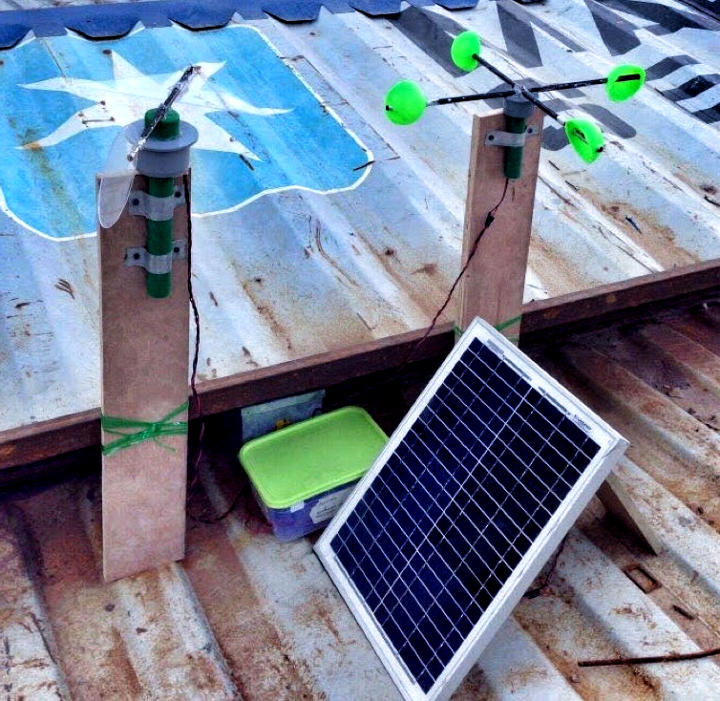
nepal weather station on the roof
A simple plastic food container keeps the hardware safe and dry

How was it made?

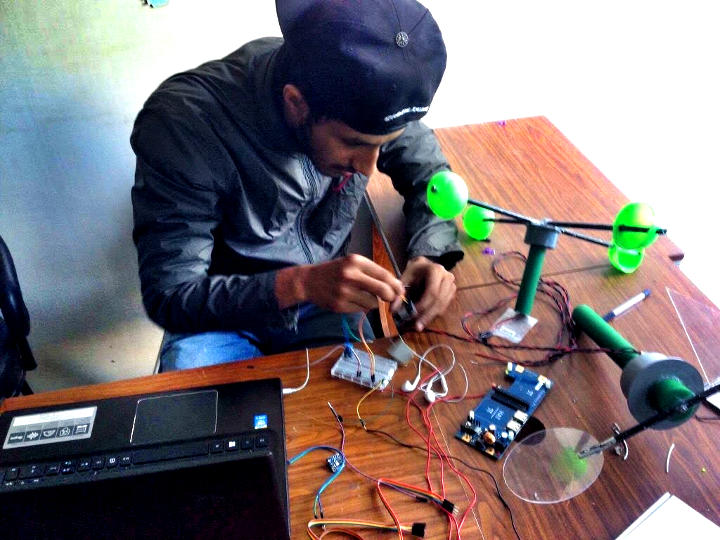
Prabesh Sapkota and Binod Kandel from the Robotics Association of Nepal led the team that built the solar-powered weather station with battery back-up. They were able to complete the project affordably using Raspberry Pi. Prabesh and his team wrote the software and created a display dashboard in Raspberry Pi OS Jessie.

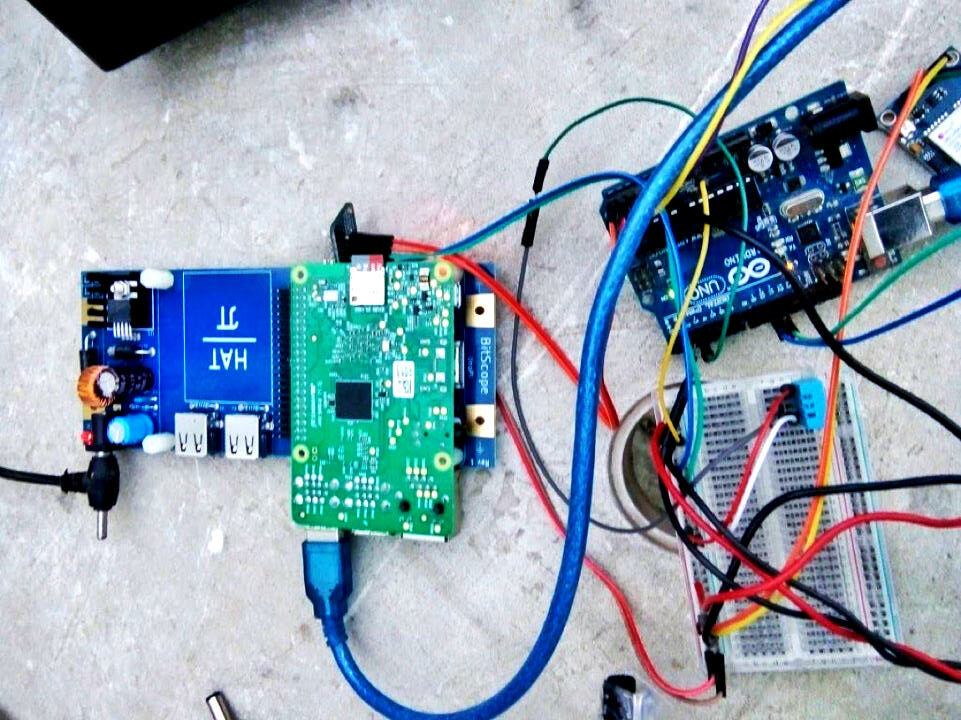
nepal weather station hardware insides
The core components put together as a prototype with a breadboard to check everything worked

One of the challenges they faced was being able to power the Raspberry Pi and Arduino reliably, and that’s where the BitScope Blade Uno came in to play (more on that later).

The weather station sensors measure temperature, barometric pressure, humidity, wind direction and wind speed, and all of the sensors are connected to the Arduino, which records the data and sends it to the Raspberry Pi to display on the dashboard.

Full kit list

  • Raspberry Pi 3 Model B
  • Raspberry Pi 7″ Touch Display
  • Arduino Uno
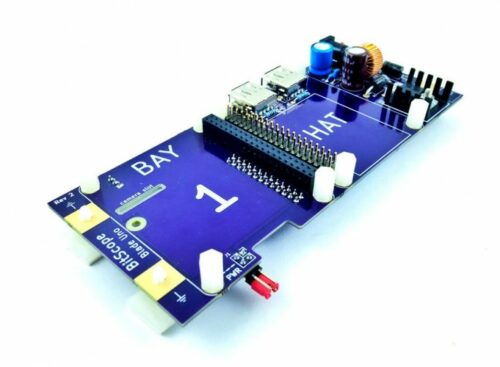
  • BitScope Blade Uno (directly powers Raspberry Pi and Arduino)
  • GPS module (NEO-6M-0-001)
  • Pressure sensor (BMP180)
  • Humidity sensor (DHT11)
  • 12V Lead-acid battery
  • 20 Watt solar panel
  • Hall effect sensor (used together with magnets in an anemometer to measure wind speed)
  • 8 reed switches (used with a wind vane that has an attached magnet to sense wind direction)
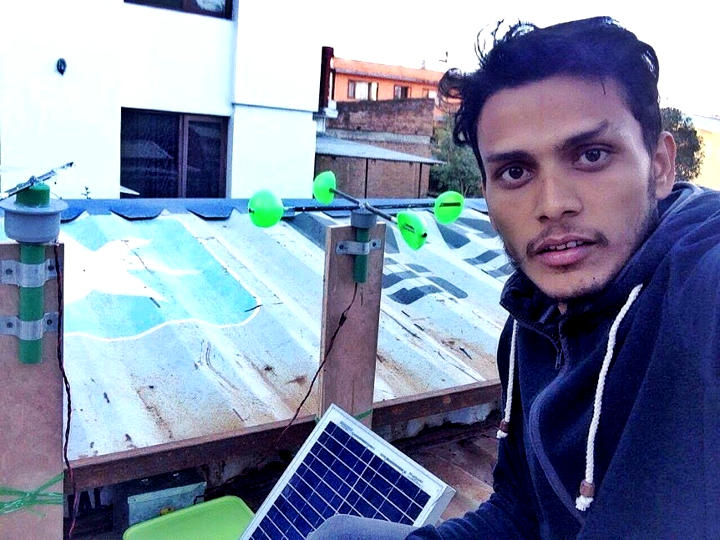
nepal weather station in action
Testing out the weather station on the roof

The team is working with an Australian sponsor to run workshops on basic electronics, with the intention of helping people build more of these affordable weather stations for rural schools and remote areas.

What is Bitscope Blade?

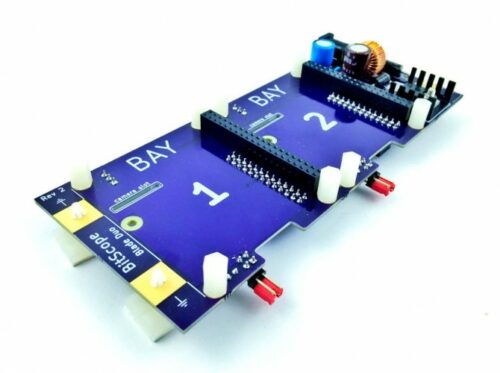
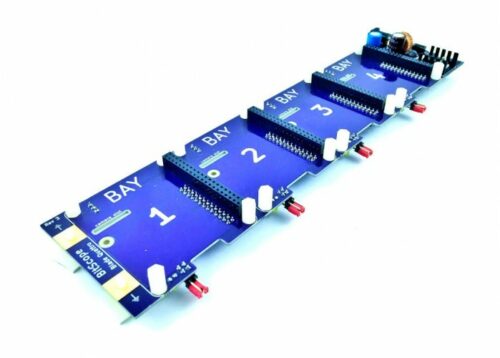
This weather station is an inspiring application of BitScope Blade, available to buy from element14. BitScope developed these power and mounting solutions for people working in challenging conditions, making them perfect for remote areas of Nepal without access to reliable power. They’re designed for industrial deployment as well as being suitable for off-grid hobbyist and educational applications.

You can choose from three variants, according to how many Raspberry Pi computers you need to support: BitScope Blade Uno for one Raspberry Pi and optional HAT, useful for makers and students; Duo for a pair of Raspberry Pis, ideal for building a standalone desktop and server system; and Quattro for four Raspberry Pis in applications such as compute clusters, private clouds or build farms.

Read more on the BitScope blog.

The post Raspberry Pi powers weather station in Nepal appeared first on Raspberry Pi.


Source: Raspberry Pi – Raspberry Pi powers weather station in Nepal

Producing Oxygen on the Moon

Akihabara News (Tokyo) — Japanese startup ispace and the Helios Project of Israel have signed an agreement to cooperate on experiments that could one day allow oxygen to be produced on the Moon, thus allowing humans to work and live independently of the Earth.

Helios Project is developing a reactor for the purpose of processing lunar soil to extract oxygen, as well as metals such as iron, aluminum, and silicon, in order to allow future Moon colonists to “live off the land.” It hopes that its process might make it possible to extract 250 kilograms of oxygen from each ton of lunar soil.

Jonathan Geifman, Helios’s cofounder and CEO, explained in a statement, “In order not to have to endlessly transport equipment to the lunar station and causing life outside of Earth to operate under restrictive constraints, we need to look at things through the prism of infrastructure that can produce materials from natural resources. The technology we are developing is part of the value chain that enables the establishment of permanent bases away from Earth.”

For its part, ispace tweeted that it “intends to provide payload delivery service to Helios 2x in coming years for Helios to conduct demo to extract oxygen.”

Ispace CEO Takeshi Hakamada also stated at the signing ceremony, held at the Japanese Embassy in Tel Aviv, “We are very excited by their technology and we believe this effort will stimulate more players to enter this market. We hope there will be many more opportunities to collaborate on the shared interest in lunar exploration together.”

This agreement marks the first collaboration by private companies within the space industry between Japan and Israel.
Recent Space Industry Related Articles

Farming on the Moon

ispace Raises Funds for Second Moon Mission

Japan’s Place in the Moon Race

Interstellar Nails Third Rocket Launch

Notable Japan Space Industry Startups
The post Producing Oxygen on the Moon appeared first on Akihabara News.


Source: Akihabara News – Producing Oxygen on the Moon