We may earn a commission from links on this page. Deal pricing and availability subject to change after time of publication.
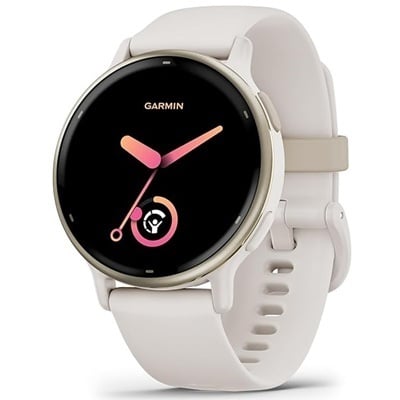
Garmin’s Vivoactive watches are some of my favorites for casual fitness tracking. The Vivoactive 6 is the newest version, but right now you can get a steal on the Vivoactive 5 for just $179.99 in Amazon’s Big Spring Sale.
The Vivoactive 5 originally launched at $299.99 in 2023. When the Vivoactive 6 came out, the 5 dropped to $229.99. It’s been hovering around the $200 mark since the holiday season, but is now at $179.99, give or take a few dollars depending on which color you choose.
For more about why I like the Vivoactives, check out my comparison of the Vivoactive 5 with the Pixel Watch 3, where the Vivoactive pulls off an underdog win. It’s cheaper, the fitness features are faster and easier to access, and it has more than a week’s worth of battery life. While I don’t have a dedicated review of the Vivoactive 5, I’d recommend reading my review of the Vivoactive 6, a similar watch. The 6 added more coaching options, and a more robust navigation system, but otherwise the differences are mostly superficial. The core features are the same on both.
Those core features include a 42-millimeter body (that’s on the smaller size for smartwatches); a touchscreen for most features but physical buttons to start, stop and lap workouts; Garmin’s always-excellent workout tracking and analytics; and everyday conveniences like hydration and relaxation reminders, a morning report, weather forecasts, and incident detection. The Vivoactive watches also have a mode for wheelchair users that counts pushes rather than steps, and includes wheelchair and hand-cycling activities.
Our Best Editor-Vetted Amazon Big Spring Sale Deals Right Now
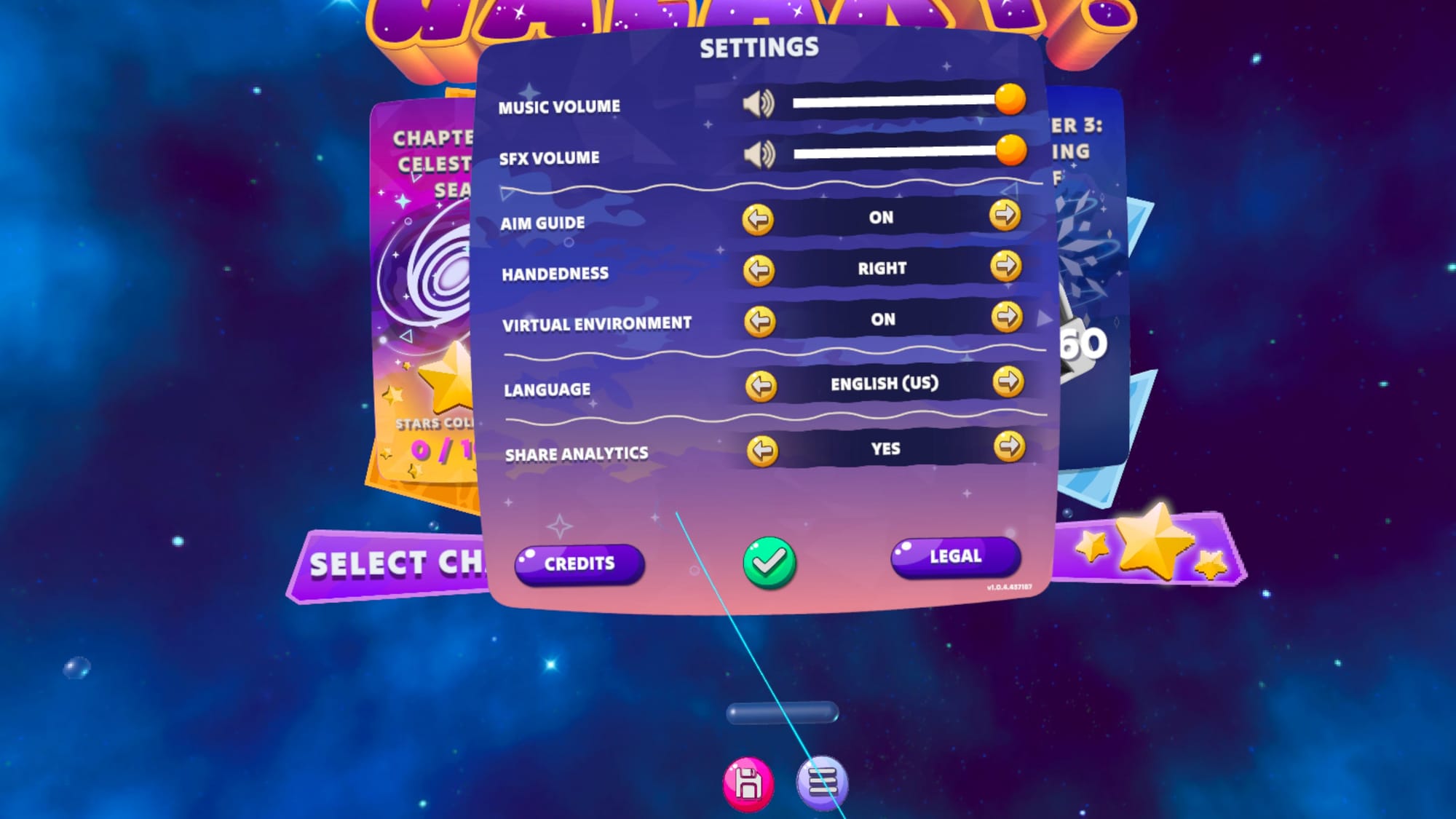
Oh My Galaxy!, nDreams’ latest game for Meta Quest, is a fun and engaging action puzzler that’s equally effective in both virtual and mixed reality.
Earlier today, nDreams released their latest game for Meta Quest. Oh My Galaxy! is an inventive and captivating little arcade action puzzler that’s as challenging as it is cute. I’ve spent some of the past 48 hours slinging asteroids across its colorful cosmos (and my living room), and I can’t get enough.
The Facts
What is it?: An asteroid-flicking arcade puzzle game in MR and VR. Platforms: Meta Quest (Quest 3/3S VR and MR, Quest 2 VR-only) Release Date: March 26, 2026 Developer: Near Light Publisher: nDreams Price: $9.99
0:00
/0:44
Oh My Galaxy! gameplay captured by UploadVR
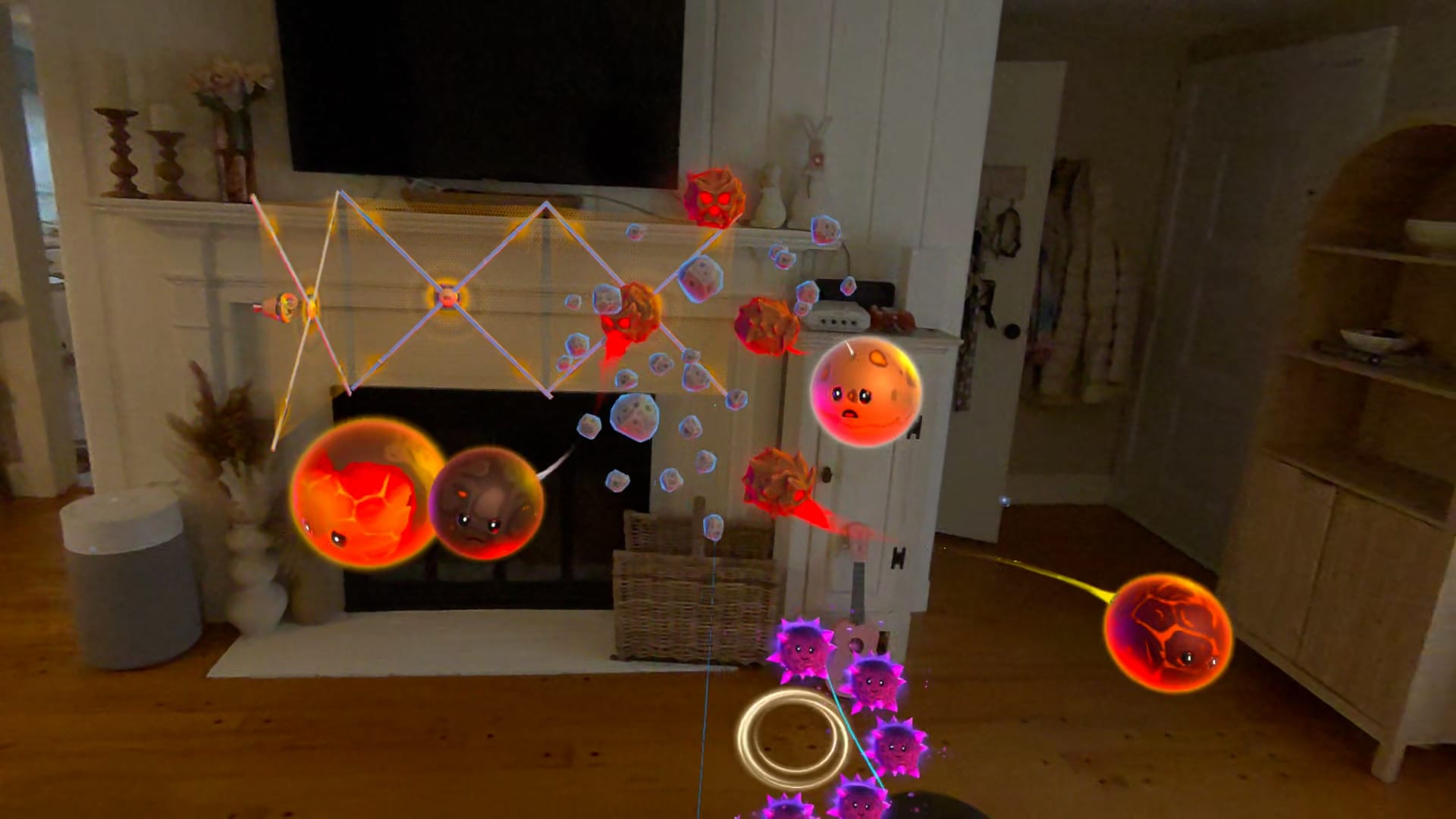
In Oh My Galaxy!, players are tasked with defending hapless planets and moons from invading asteroids bent on their destruction. You’ll do this by flinging your own asteroids at the offending creeps. You wield them like a slingshot, positioning your launcher with one hand, aiming meticulously, and pulling and releasing the projectiles with your other hand.
Gameplay challenges and mechanical wrinkles come in the form of obstacles to be avoided, planetary gravity that can curve your shots, and special modifiers (bounce pads, for example) floating out there in the universe. There are also different types of projectiles that unlock over the course of your adventure, such as asteroids which split into multi-ball shots, or asteroids that create massive explosions.
The game can be played with controllers or with full hand-tracking. Either methodology works beautifully. Hand gestures work well, too, and are thankfully sensibly designed. For example, to burst the multi-ball asteroid, you simply launch it, make a fist, and then burst your fist open and the asteroid shatters apart.
The game can be played in virtual reality mode, which drops you into the center of a gorgeous cosmic environment, and in mixed reality, which brings the planets, moons, asteroids, and explosions into your own living space. Note that on Quest 2, only VR mode is available.
So, the game’s presentation is lovely, the music is wonderful, and the controls are responsive and precise. In short, the game is technically excellent.
But what really makes Oh My Galaxy! stand out, beyond this combination of obviously great factors, is its simplicity. Like so many of my favorite things, Oh My Galaxy! is a game where all the nonsense has been stripped away, leaving you with a pure and delightfully refined experience. There’s nothing here that doesn’t need to be here, and everything that’s here simply works.
0:00
/1:32
Oh My Galaxy! MR gameplay captured by UploadVR
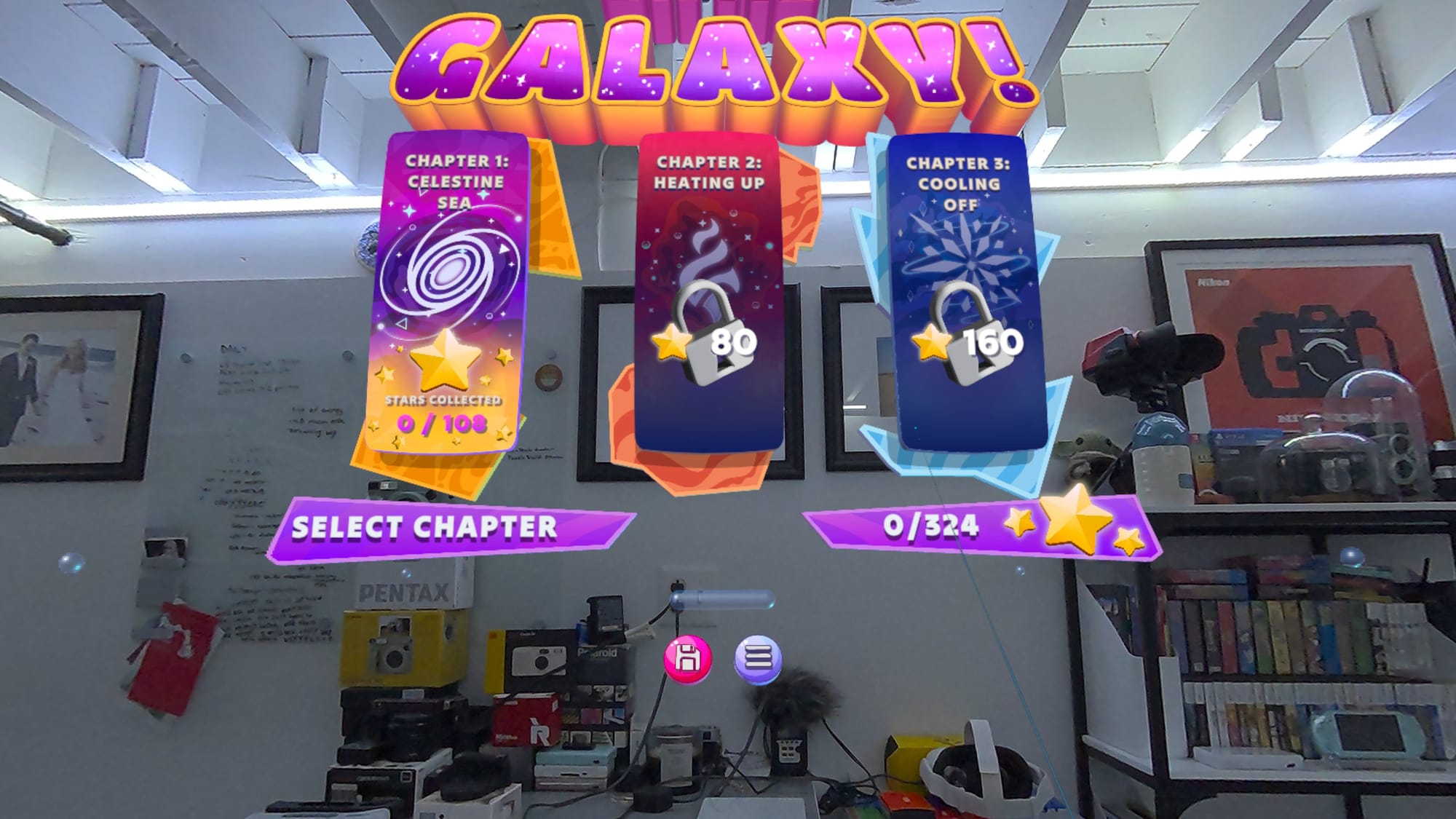
I‘ve now made my way through about half of Oh My Galaxy!’s levels, which unlock based on your performance (clearing levels cleanly and with as few asteroids as possible earns you more stars and unlocks later chapters), and I can’t wait to keep going.
Oh My Galaxy! offers the sort of jump-in, jump-out game experience that I really enjoy these days. I’ve had a great time with my daughters, both around ten years old, launching in to clear a few levels and earn a few stars, inviting the cute personified celestial bodies into our home for a fifteen minute block of cosmic destruction before homework or dinner.
Their screams of delight and surprise or their cheers when they solve a particularly tricky puzzle are enough of a review for me. They love Oh My Galaxy! and so do I. It’s simply my kind of game, a game with a solid gameplay mechanic, a bubbly personality, and decent challenge. It’s a game that asks little of you and offers a lot.
nDreams’ intergalactic slingshot adventure Oh My Galaxy! is available now on Meta Quest.
nDreams’ latest release, Oh My Galaxy! has arrived today on Meta Quest headsets. Originally launched on Samsung Galaxy XR, Oh My Galaxy! is a physics-based arcade puzzle adventure in which players fling asteroids toward aggressive space invaders that are siphoning energy from cartoonishly innocent planets and moons.
The VR/MR game allows players to play in a full virtual environment, or turn their living space into a cosmic play area. Using controllers or hand-tracking, players will slingshot projectiles of various types at the offending invaders across more than 100 stages spread across three chapters.
0:00
/0:51
On Meta Quest 3 and 3S the game is playable in both MR and VR modes, while on the Meta Quest 2 it’s playable in VR only.
I’ve played Oh My Galaxy! from start to finish over the last 48 hours, and it’s a whimsical, charming, and challenging game that’s perfect for quick sessions. At the same time, the game is so well-made and fun that I often found myself happily binging for an hour or more at a time. You can read my full impressions article here.
Oh My Galaxy! was developed by nDreams’ studio Near Light, the studio that had also developed Frenzies, a competitive multiplayer first person shooter that launched free-to-play in Early Access on Quest in October 2024. News broke recently that nDreams had closed Near Light during a massive restructuring, and that Frenzies will be shutting down on April 7.
Valerie Cherish is back, and not a moment too soon. Twenty years after a modestly rated but absolutely brilliant first season, mega-cringe Hollywood satire The Comeback has returned to HBO for one more painfully embarrassing season (complimentary) Co-created by and starring Lisa Kudrow, it’s the hilarious, dark, and occasionally moving story of a C-list celebrity determined to stay in the limelight at whatever cost.
Valerie Cherish—clueless, egotistical, and all-too-human—is one of TV’s indelible characters, simultaneously a victim of ageism, misogyny, and celebrity culture, and also a woman who doesn’t care about any of that provided she can find a way to scrabble to the top. Likewise, these 10 shows spotlight women (mostly) of a certain age navigating career challenges with…mixed results.
Hacks (2021 – )
On the surface, Valerie Cherish and Deborah Vance don’t have all that much in common, but they often feel like two sides of a coin in the ways in which they battle, and concede to, the pressures of being a woman in modern show business. Hacks finds 25-year-old writer Ava (Hannah Einbinder) struggling to get her career back one track after getting cancelled over a tweet. She reluctantly takes a job with Deborah Vance (Jean Smart), a comedy trailblazer who remains popular with an older Vegas crown, but whose career is largely on autopilot. They’re an entirely mismatched pair, but their chemistry is ultimately explosive, with Jean Smart doing some of the best work of her incredible career as the often deeply unlikeable Vance, and Einbinder more than holding her own in return. It’s funny, bitchy, and surprisingly moving when it wants to be. Stream Hacks on HBO Max.
The premise is very much about a comeback: A very ‘90s group (Sara Bareilles, Busy Philipps, Paula Pell, and Renée Elise Goldsberry) who made it big very briefly with exactly one hit song gets its own shot at a career resurgence (they’re Girls5eva because they expected to be in the game “longer than 4 ever”—turned out, not so much; also there used to be a fifth member, but she died in a tragic infinity pool accident). After an up-and-coming rapper samples one of their old hits, the band reunites to try to find new relevancy in the 2020s. It doesn’t go great! Tina Fey is one of the executive producers, and the (very fun) ’90s-inspired original music was composed and written for the show by the creators. Stream Girls5Eva on Peacock and Netflix.
There’s a sweet vulnerability to Valerie Cherish absent from pretty much anyone in Veep, but the air of cringeworthy desperation hangs heavy over both shows. Veep asks: What if the very worst people imaginable had control of all the levers of power in America? What would that be like? In the highly satirical and in no way politically relevant series, Julia Louis-Dreyfus brilliantly plays Vice President Selina Meyer: part icon, part worst-case-scenario for the feminist dream. The supporting cast consists almost entirely of entitled rich people climbing over each other for infinitesimal extra bits of power while trying to appear as folk heroes to the rubes (us voters). It’s one of the funniest shows ever on TV, with the nastiest put-downs…if you can handle the fact that history has overtaken it in favor of a reality that’s even more absurd. Stream Veep on HBO Max.
Industry exec Matt Remick (Comeback vet Seth Rogen) loves movies, and when he signs on for a high-profile role at the fictional Continental Studios, he feels like his time has come. He aims to make a real difference in returning an increasingly IP-driven movie industry to its creative roots.—until about a minute into his new job, when the CEO (Bryan Cranston) reveals his first order of business will be marketing the Kool-Aid Man Movie. Hollywood satires of yore have focused on the industry as one that eats people up and spits them out, but the spin here is that Remick yearns for those good old days, much as Valerie can never quite seem to move forward. The late Catherine O’Hara, Ike Barinholtz, Chase Sui Wonders (Bodies Bodies Bodies), and Kathryn Hahn also star, and like The Comeback, the show boasts a long list of celebrity cameos. Stream The Studio on Apple TV+.
Before The White Lotus, Mike White co-created (with star Laura Dern) this beloved, if short-lived, comedy-drama about a middle-aged woman who has a complete mental breakdown following a demotion at the job to which she’s devoted her life. Following a two-month stay in an holistic treatment facility, Dern’s Amy Jellicoe becomes determined to approach life with a new perspective, focusing on meditation and positive change at work and at home. The results are mixed, but there’s also a rather beautiful sense that change is absurd and difficult, but also entirely possible. Stream Enlightened on HBO Max.
I’m adding this one largely for the Lisa Kudrow of it all, but there’s a similar vein of dark comedy here—plus, No Good Deed is a pretty great show that a lot of people missed. The setup sounds like a juicy crime thrillers: Kudrow is retired pianist Lydia; Ray Romano is her husband, Paul. The two are in rather tricky financial straits and need to sell their home without wanting to seem too desperate to prospective buyers—and also hide a secret involving a death a few years prior. For all that, it’s very much a comedy, with a great supporting cast that includes Linda Cardellini, Luke Wilson, O-T Fagbenle, and Teyonah Parris.Stream No Good Deed on Netflix.
Rather than a young woman seeking to make a name for herself, Younger follows Liza Miller (Sutton Foster), a recently divorced woman in her 40s who finds that age is a barrier to reentering the publishing industry she left years earlier. After a compliment convinces her that she could pass for a younger woman, she lies that she’s just 26 (must be nice) in order to land an entry-level job. Misadventures ensue. Think of it as a story of coming-of-age, again. Stream Younger on Netflix.
In contrast to The Comeback’s reality TV style and structure, this is very much a traditional three-camera sitcom, albeit one with a stacked cast of legends, though it approaches the challenges of being a middle-aged woman in entertainment in many of the same ways. Writer Melanie (Valerie Bertinelli), beautician Joy (Jane Leeves), and soap diva Victoria (Wendie Malick) wind up spending a wild night in Cleveland after a plane to Paris is diverted, discovering in the process that, while they’re seen as over-the-hill back in Los Angeles, they’re all Ohio 10s—though the sassy caretaker of their house, Elka (Betty White), might not agree. Stream Hot in Cleveland on Paramount+.
Close female friendships are hard to come by for the driven, slightly clueless Valerie, a woman focused on staying on top. Jane Fonda’s Grace, a cosmetics mogul, isn’t much different at the start, but she finds a different path when she makes a truce with her arch-nemesis Frankie (Lily Tomlin), a quirky artist with whom she has nothing in common—other than the fact that their husbands left them for one another. (Valerie might take some notes.) Stream Grace and Frankie on Netflix.
International sensation Call My Agent! shifts its focus between four talent agents at a prestigious firm who are forced to take the reins following the sudden death of the agency founder, all of them getting a second chance in mid-career—or beyond. The cast is lead by Camille Cottin as Andréa Martel, while Liliane Rovère’s Arlette Azéma is in her ’80s. They navigate their messy personal lives while catering to the needs of their real celebrity clients (Juliette Binoche, Monica Bellucci, Isabelle Huppert, and Sigourney Weaver are just some of the name guest stars playing faintly exaggerated versions of themselves). It’s soapy, addictive showbiz fun, a dishy delight even if you know not a lick of French. Stream Call My Agent! on Netflix.
As a few months have passed since our prior round of testing the fully open-source NVIDIA Linux driver stack with the Nouveau kernel driver and Mesa NVK Vulkan driver plus Zink, here is a fresh round of benchmarks using Linux 7.0 and Mesa 26.1-dev compared to the open-source stack shipped by Ubuntu 25.10 (Linux 6.17 + Mesa 25.2) for showing how far the open-source NVIDIA driver has progressed the past few months. Plus testing against the NVIDIA official Linux graphics driver for putting that Nouveau/NVK performance into perspective.
Chinese authorities have barred two Manus executives from leaving the country while investigating whether Meta’s reported $2 billion acquisition of the Singapore-based AI startup violated foreign investment reporting rules. “Manus was founded in China but last year relocated its headquarters and core team to Singapore,” notes the Financial Times. “Meta acquired it for $2 billion at the end of last year.” The Financial Times reports: Manus’s chief executive Xiao Hong and chief scientist Ji Yichao were summoned to a meeting in Beijing with the National Development and Reform Commission this month, according to three people with knowledge of the matter. They said Xiao and Ji were questioned on potential violations of foreign direct investment rules related to its onshore Chinese entities.
After the meeting, the Singapore-based executives were told they were not allowed to leave China because of a regulatory review, while they remain free to travel within the country, two of the people said. No formal investigation has been opened and no charges have been brought. Manus is actively seeking law firms and consultancies to help resolve the matter, said a person with knowledge of the move.
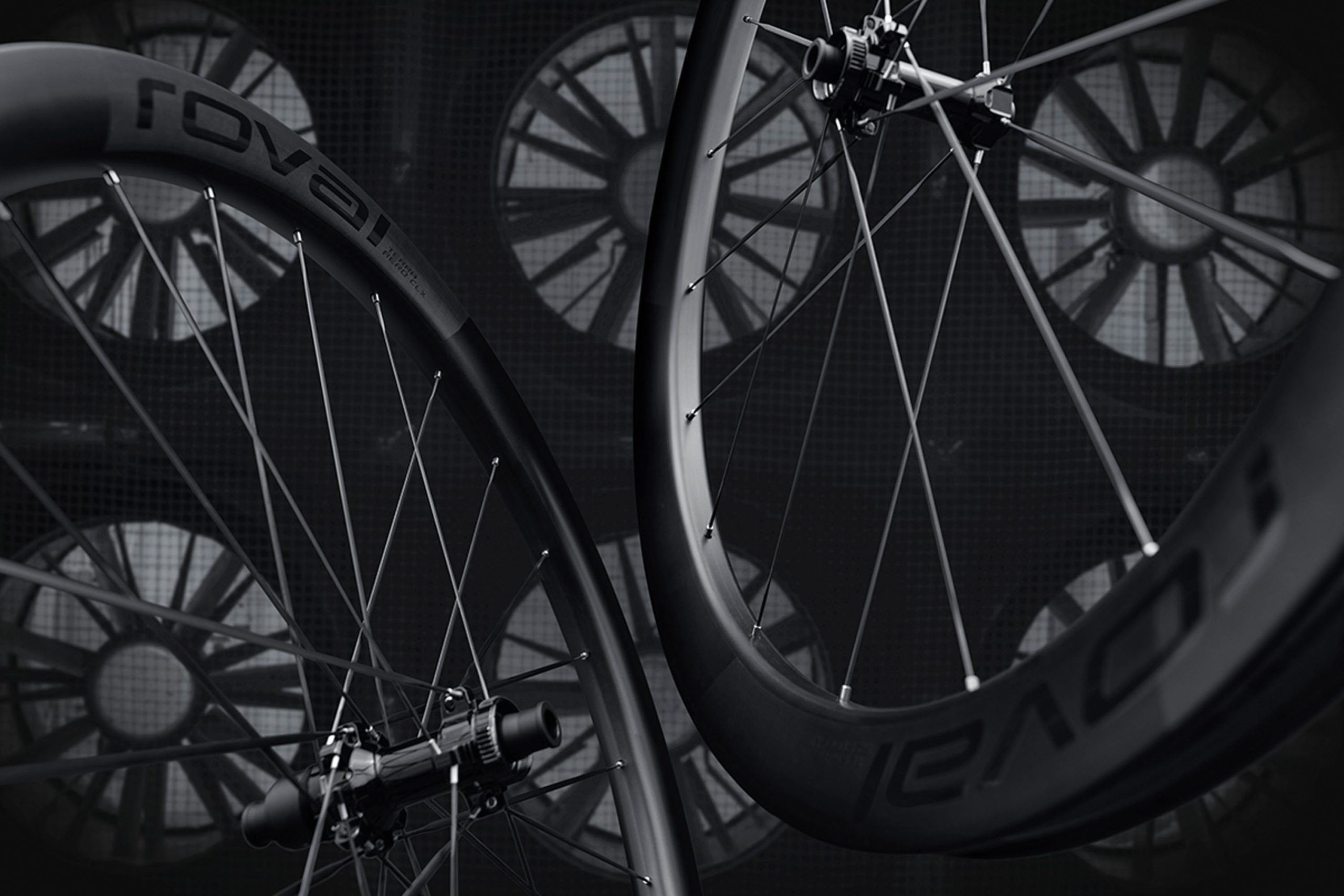
Roval has announced two new gravel wheelsets, the Terra Aero CLX and the Terra CLX III.
Said to be its most aerodynamic and lightest gravel wheels to date (respectively), Roval claims both wheelsets also help tyres resist punctures better than anything it has made before, thanks to their extra-wide FlatStop bead hooks.
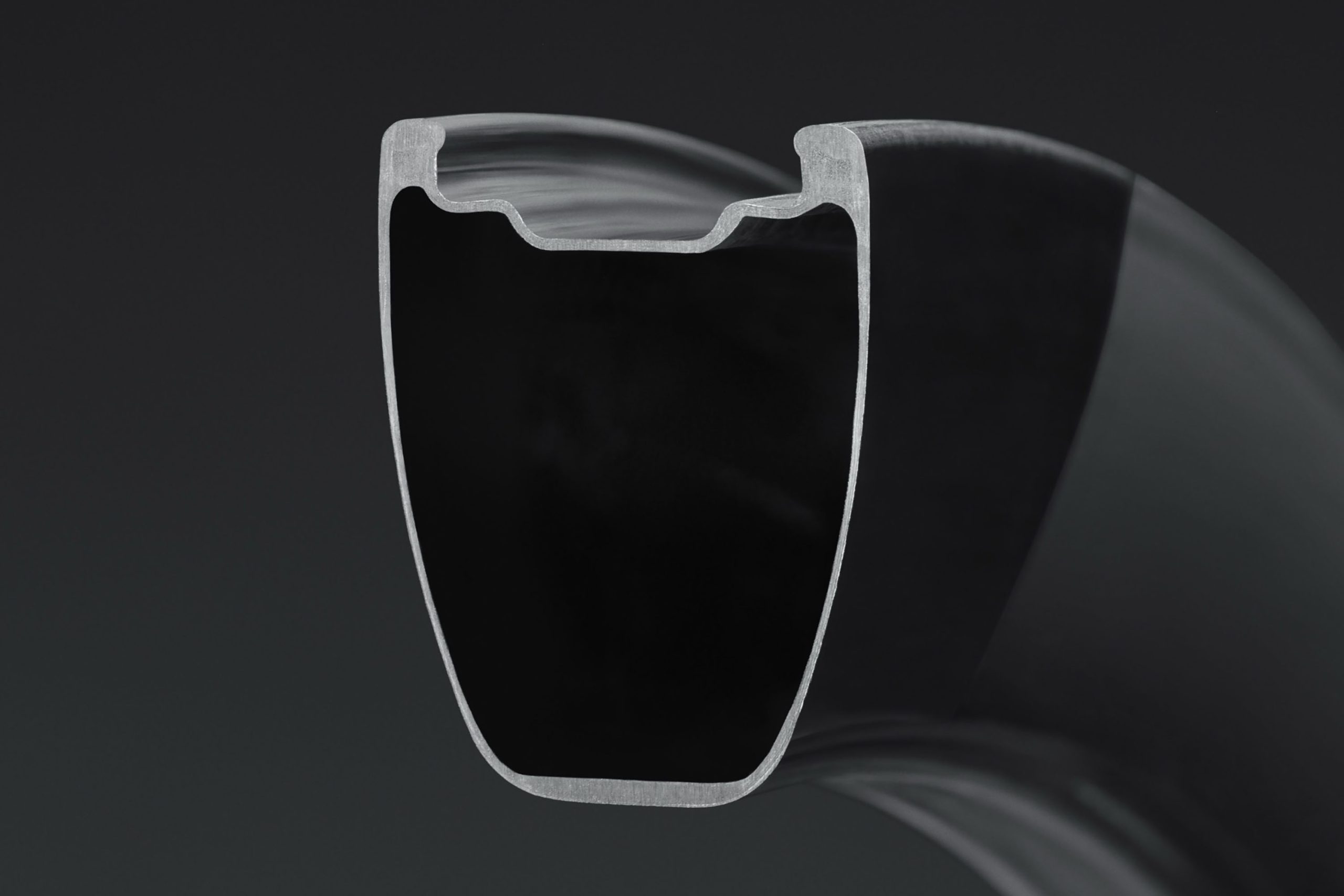
The Terra Aero CLX rims use a new ‘Chopped Aero Speed Shape’ that sees the trailing edge of the rim squared off abruptly. This shape, Specialized says, gives the rims the aerodynamic performance of a 70mm-deep rim, but at a lighter and more manageable rim height of 50mm.
Both wheelsets feature wide internal and external rims, optimised for tyres between 35 and 60mm wide, and use bladed carbon spokes to reduce weight and improve aero performance.
Chopped Aero Speed Shape
Roval has developed a gravel-specific ‘Chopped Aero Speed’ rim shape for the Terra Aero CLX wheels. Roval
The most striking thing about Specialized’s new aero gravel wheelset is the rim shape, which it calls the ‘Chopped Aero Speed Shape’.
While most aero-optimised carbon wheelsets used V- or U-shaped rims, the Terra Aero CLX rims look as if someone has chopped off the lower edge of the rim.
It is, Roval says, a gravel-specific rim shape, rather than a road-specific rim shape scaled up for wider gravel tyres.
Roval claims this enables the rims to perform like a ‘virtual 70mm’ rim, in terms of aerodynamic efficiency, while keeping the rim height at 50mm for improved weight and handling.
Similar to Roval’s Rapide CLX III road wheels, the Terra Aero CLX wheels feature a slightly shallower, 45mm-deep rear rim to save weight.
The Terra Aero CLX wheels are aimed at gravel racers. Roval
As we’ve come to expect of ‘aero’ gravel wheels, Specialized has opted for a greater external rim width of 38.5mm and internal width of 27mm, to optimise for the increasingly wide tyres gravel racers are now using.
Although very wide compared to road bike wheelsets, these aren’t the most extreme dimensions we’ve seen for an aero gravel wheelset. Zipp’s 303 XPLR wheels have 54mm-deep rims that measure 32 and 40mm wide, internally and externally (alongside hookless rims), for example.
In any case, Specialized claims the Terra Aero CLX wheels offer a 5.84-watt advantage over the 30mm-deep Terra CLX II wheels, when paired with its 45mm Tracer TLR tyres.
The extra-wide ‘FlatStop’ bead hooks are claimed to reduce the likelihood of pinch flats. Roval
As with all Roval wheelsets, the rims are hooked and Specialized uses ultra-wide, 5.38mm ‘FlatStop’ beads, which are claimed to reduce the likelihood of pinch flats. The idea is that the energy of a tyre being squashed against the rim is dissipated over a larger surface area, rather than being concentrated on a small point (which could cause a puncture).
The Terra Aero CLX rims are claimed to require 91 per cent more energy than the Terra CLX II wheels to cause a puncture.
Built with aero-optimised carbon spokes, the Terra Aero CLX wheels have a claimed weight of 1,340g (with tubeless valves and tape).
They cost £1,299 / €1,499 for a front wheel and £1,699 / €1,999 for a rear, totalling £2,998 / €3,458 for the set.
Roval’s lightest gravel wheels
The Terra CLX III wheels focus on low weight and compliance. Roval
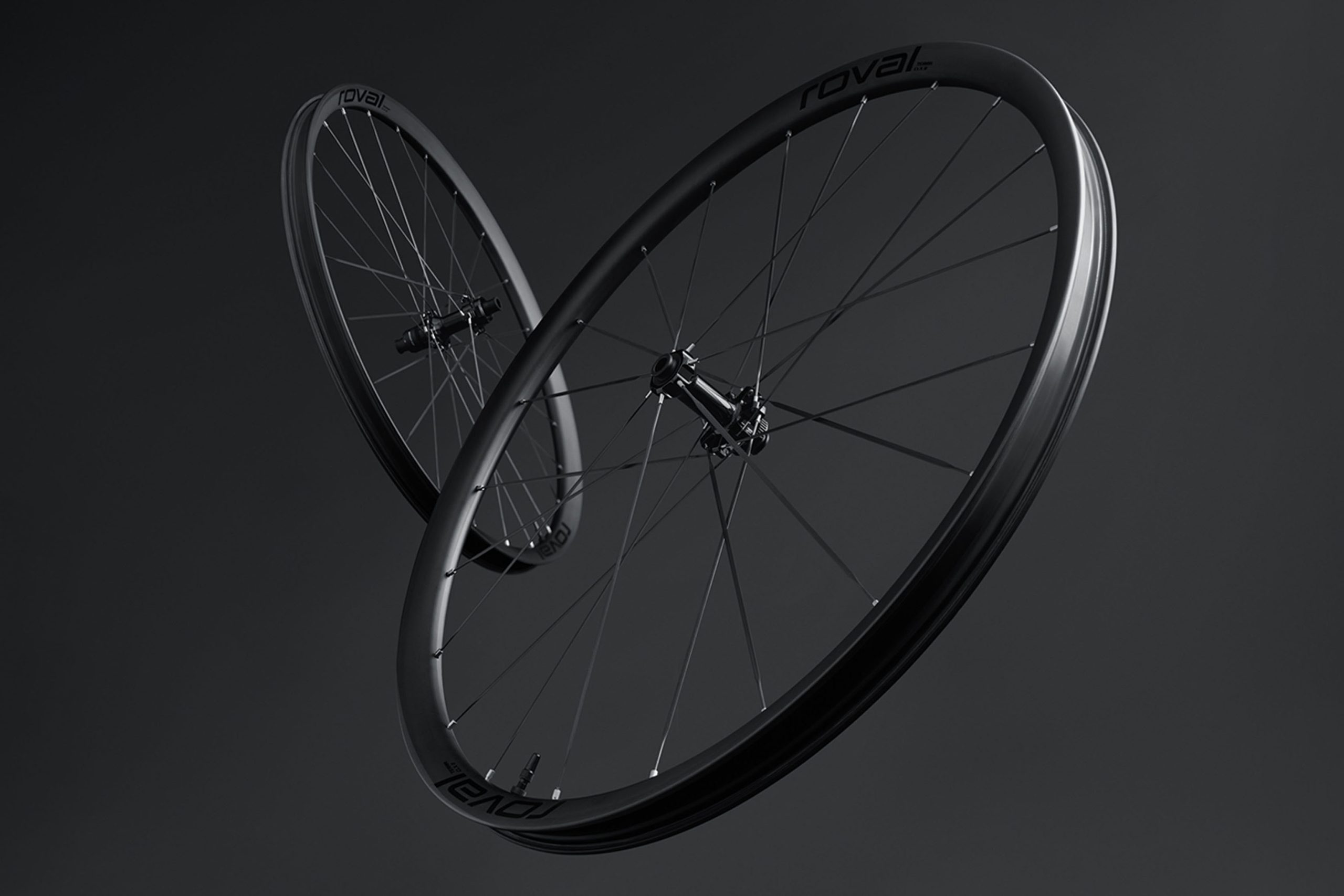
In contrast to the Terra Aero CLX, the Roval Terra CLX III wheels focus on low weight and compliance.
At a claimed weight of only 1,079g with tubeless valves and tape, Roval says they are the lightest gravel wheels in their class, and deliver a “21.52 per cent improvement in lateral compliance”, compared to the Terrra CLX IIs.
Like the Aero rims, the Terra CLX III rims use a wide shape optimised for 35 to 60mm-wide tyres, with a 38mm external and 27mm internal width.
Roval claims the Terra CLX III wheels have a “lightest in class” weight of 1,079g. Roval
The rims also use Specialized’s FlatStop bead hooks, albeit with a slightly narrower width of 4.9mm.
Although the low weight is likely to garner much of the attention here, Roval sees the compliance changes as more significant in improving rider performance.
This is because, the brand says, the improved compliance can significantly reduce rider fatigue over long distances, and help riders to maintain control of their bikes over rough surfaces.
The Terra CLX III wheels cost £1,149 / €1,299 for the front wheel and £1,599 / €1,899 for the rear, or £2,748 / €3,198 for the set.
What next for Specialized gravel bikes?
The current Crux eschews aero optimisations in favour of reducing weight, but could the next version change tack? Liam Cahill / Our Media
The launch of a full-fat aero gravel wheelset suggests Specialized (Roval’s parent brand) may have had a change of heart about what translates into improved performance on gravel – at least for elite racers.
Specialized’s current gravel race bike, the S-Works Crux, launched in 2022 and focused exclusively on keeping weight to a minimum.
Gravel racing has evolved rapidly in the years since, however, with average speeds increasing and an interest in aero-optimisations following suit.
With the noted off-road optimiser, Keegan Swenson, having joined the Specialized Off-Road team this season, could an updated, aero-optimised Crux be in the works to support him and the rest of the team?
Pictures posted on Instagram by Swenson show him at Specialized’s in-house wind tunnel, optimising his setup on the existing Crux, so it certainly seems the American brand is paying closer attention to how aerodynamic drag impacts performance in gravel racing.
As always, we’ll keep our eyes peeled for any developments.
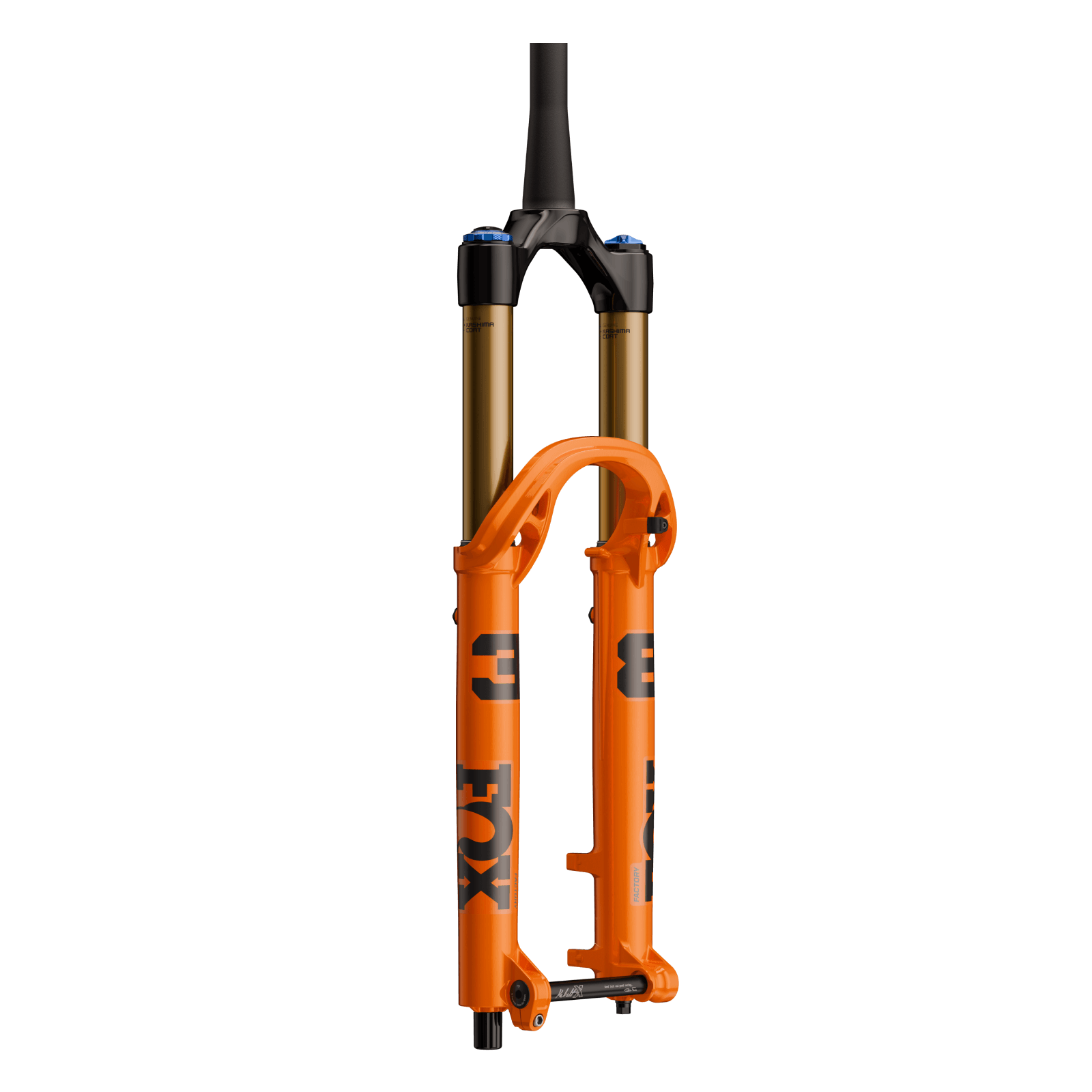
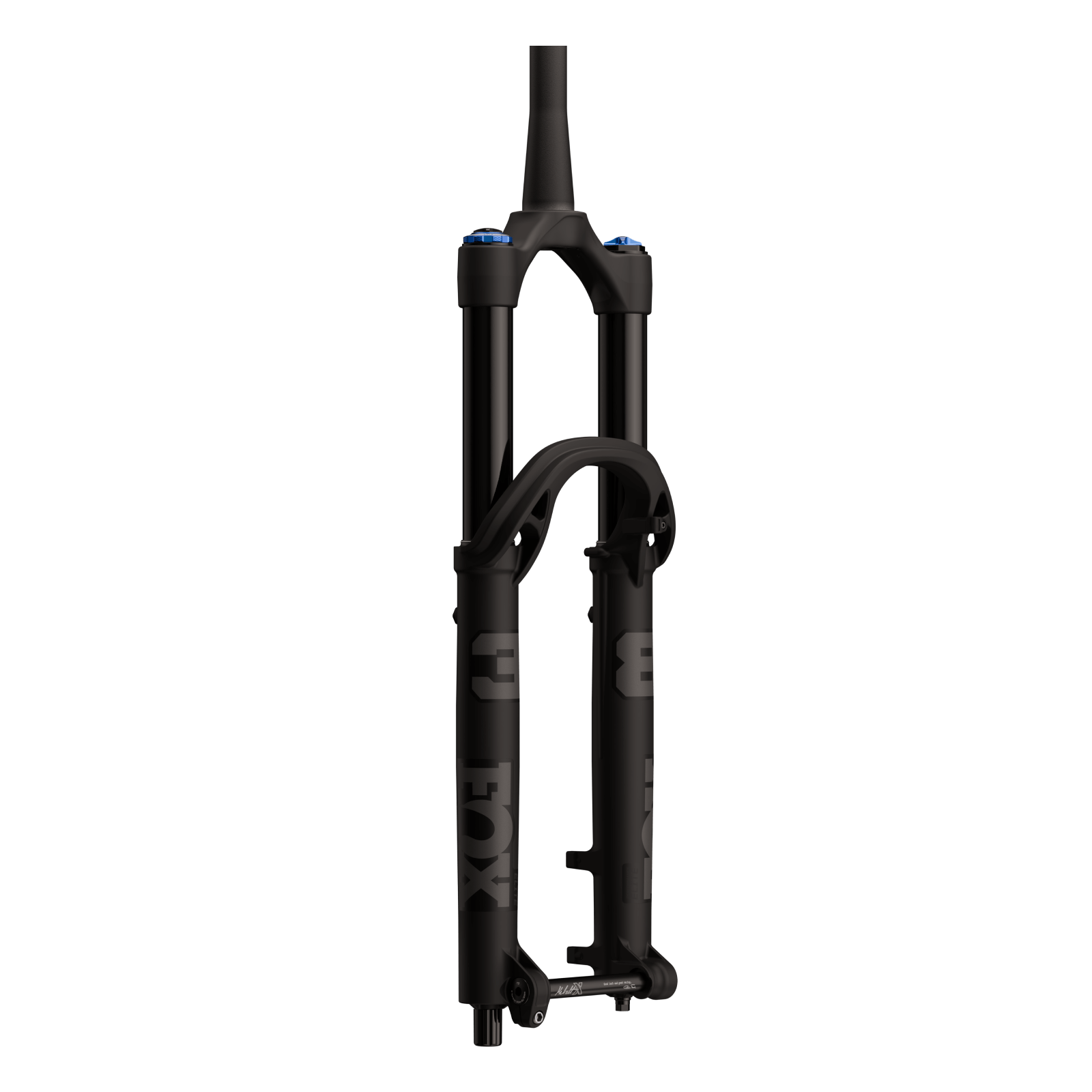
Fox has unveiled a completely redesigned version of its 38 enduro fork, marking the first full overhaul of the platform since its launch in 2020.
The substantial overhaul of the 38 brings it in line with Fox’s gravity-focused range – including the 36, Podium and newly released 40 – with a revised chassis, updated GRIP X2 and GRIP X dampers, and a new Glidecore air spring. The focus is on reducing friction, improving sensitivity and refining ride feel.
While Fox has updated the 38 incrementally over the past five years – most notably through damper revisions – this latest version represents a ground-up rethink of one of the most widely used forks in enduro racing.
Cornering on rough, loose trails, the new Fox 38 is designed for improved grip and control. Fox Racing
The biggest change is to the chassis. The new 38 features a generatively designed lower-leg assembly with 20mm more bushing overlap. According to Fox, this increases fore-aft stiffness by around nine per cent, while also reducing friction under load.
At the same time, torsional stiffness has been reduced by just under seven per cent. While the original 38 prioritised outright stiffness and precision, the new fork appears to take a more balanced approach, similar to Fox’s Podium fork. By slightly reducing torsional stiffness, the fork should track uneven ground more effectively and maintain grip in rough terrain.
There are also updates to the air-bleeder valves, while the bypass channels have been relocated inside the lowers – a change first seen on the latest Fox 40. Together, these updates point to a broader effort to reduce friction to the fork under load and improve consistency.
In theory, the revised chassis should deliver a fork that remains stable under heavy braking and big impacts, and feels smoother and less harsh when the trails get rough.
Feel the flow
Updates to the Fox 38 should improve fore/aft stiffness when charging over rocks and rough trails. Fox Racing
The GRIP X2 and GRIP X dampers remain, but with internal revisions rather than a complete redesign.
The key update is a new mid-valve piston and valve stack (shim stack). Fox has altered both the shape of the piston ports and the valve stack itself, while retaining the same overall damping architecture.
These changes are intended to improve oil flow and small-bump sensitivity, while maintaining the strong mid-stroke support the 38 is known for. Fox says the aim is to increase suppleness without sacrificing control or introducing harshness deeper in the travel.
In practice, this points to a refinement of the existing damper’s character, rather than a wholesale change in design.
New Glidecore air spring
At home on ebikes and enduro machines, the Fox 38 is the brand’s go-to long-travel single-crown fork. Fox Racing
The new 38 also features Fox’s Glidecore air spring, first seen in the Fox 36. This is intended to reduce friction caused by side-loading.
Unlike the previous Float EVOL air spring, Glidecore enables a small amount of controlled movement between the air piston and air shaft. Using compliant interfaces and larger O-rings, the system enables the internals to self-align under load, rather than bind when the fork is twisted through rough terrain.
The result should be smoother suspension action, improved small-bump sensitivity and more consistent performance.
Fox has also added an MCU bottom-out bumper to better control full-travel impacts.
A more refined ride?
The new Fox 38 focuses on reducing unwanted resistance through the fork. By minimising friction, stiction and binding, Fox is aiming to enable the damper and air spring to control the fork’s behaviour more efficiently, with less interference from the chassis.
The combination of increased fore-aft stiffness, reduced torsional stiffness and lower friction should result in improved sensitivity, better grip and reduced rider fatigue – particularly on rough, high-speed terrain.
Familiar formats, similar weight
The Fox 38 family remains unchanged, with the Factory, Performance Elite and Performance (OE only) models available.
Travel options remain unchanged at 160mm, 170mm and 180mm, with both 29in and 27.5in versions available. The fork retains a 15x110mm Boost axle and clearance for up to 2.6in tyres.
At a claimed starting weight of 2,200g, it’s broadly in line with the previous model.
New Fox 38 pricing
Fox 38 Factory 2027. Fox Racing
Fox 38 Factory: £1,439 / $1,369 / €1,499 / AU$2,199
The Boys: Trigger Warning feels like a game caught between two priorities: delivering a brutal, irreverent VR adaptation of its source material, and serving as a timely piece of franchise promotion. It nails just enough of the show’s tone and spectacle to pull you in, but beneath the surface is a surprisingly shallow experience that rarely lives up to the power fantasy it promises.
Developer: ARVORE Publisher: Sony Pictures Virtual Reality Available On:Quest, PSVR 2 coming soon Reviewed On: Quest 3 Release Date: March 26th, 2026 Price: $30
Gameplay
The Boys: Trigger Warning is a pretty familiar revenge story. Just like how Hughie’s girlfriend is flagrantly mowed down by A-Train in season one of the show, tragedy strikes protagonist Lucas Costa during a fateful encounter with the Armstrongs, a family of low-level ‘Supes’.
On the brink of death, The Boys juice you up with the superhero drug ‘Compound V’, both saving your life and putting you on the path of vengeance, giving you permanent telekinetic powers so you can infiltrate Vought and hunt down the Armstrongs one-by-one.
Image captured by Road to VR
The narrative is comfortably familiar, well-worn even, although the game does serve up a somewhat toned down version of the series’ patented ‘WTF’ moments. Its cartoony (and sometimes glitchy) visuals seem to soften what would otherwise be much more shocking reveals.
Extreme violence and coarse language are on full display though, as you pop heads like bloody grapes, smash dudes to death with Homelander-brand dildos (star and stripes forever), and hear Butcher call anyone and everyone a cunt. It is The Boys we’re talking about here, after all.
Image courtesy ARVORE, Sony Pictures Virtual Reality
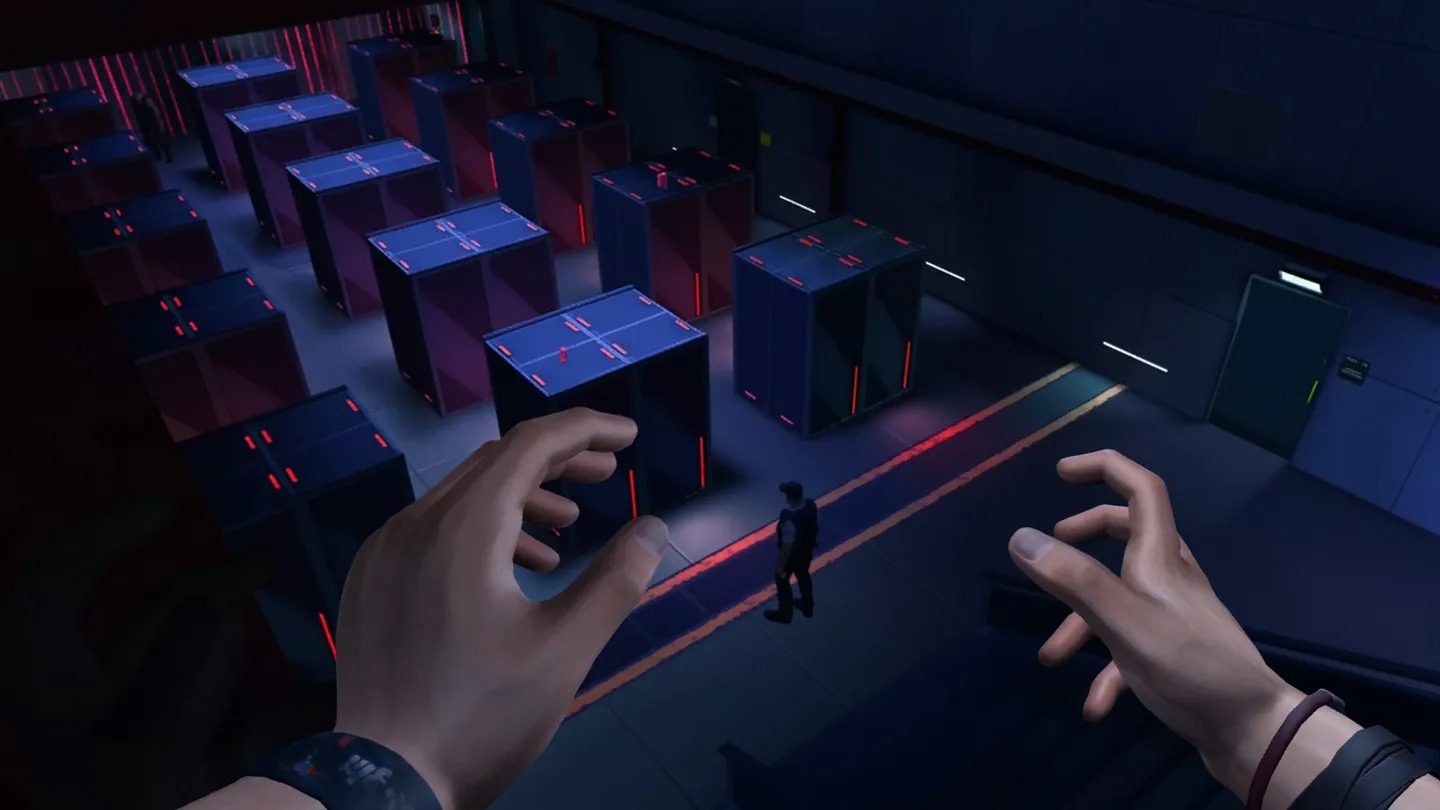
As for powers, you can grab and fling objects from afar to knock out baddies, teleport to close locations, x-ray through walls to see enemies, and pop heads by sneaking up behind them. Unfortunately, all of the game’s AI enemies are as distressingly stupid as the low-level guard seen below, but more on that in the Immersion section.
It’s admittedly a very cool and appropriately-balanced set of abilities, potentially positioning The Boys: Trigger Warning as a pretty good stealth-action game. I say “potentially” because I think a cool game is under there somewhere.
As it is, it feels both rushed and curbed in service of becoming a brand engagement vehicle—because let’s face it, the VR game is dropping just days ahead of The Boys’ final season coming next month. The consequence: it does very little to stop you from just bulldozing through levels, which seems to cheapen things.
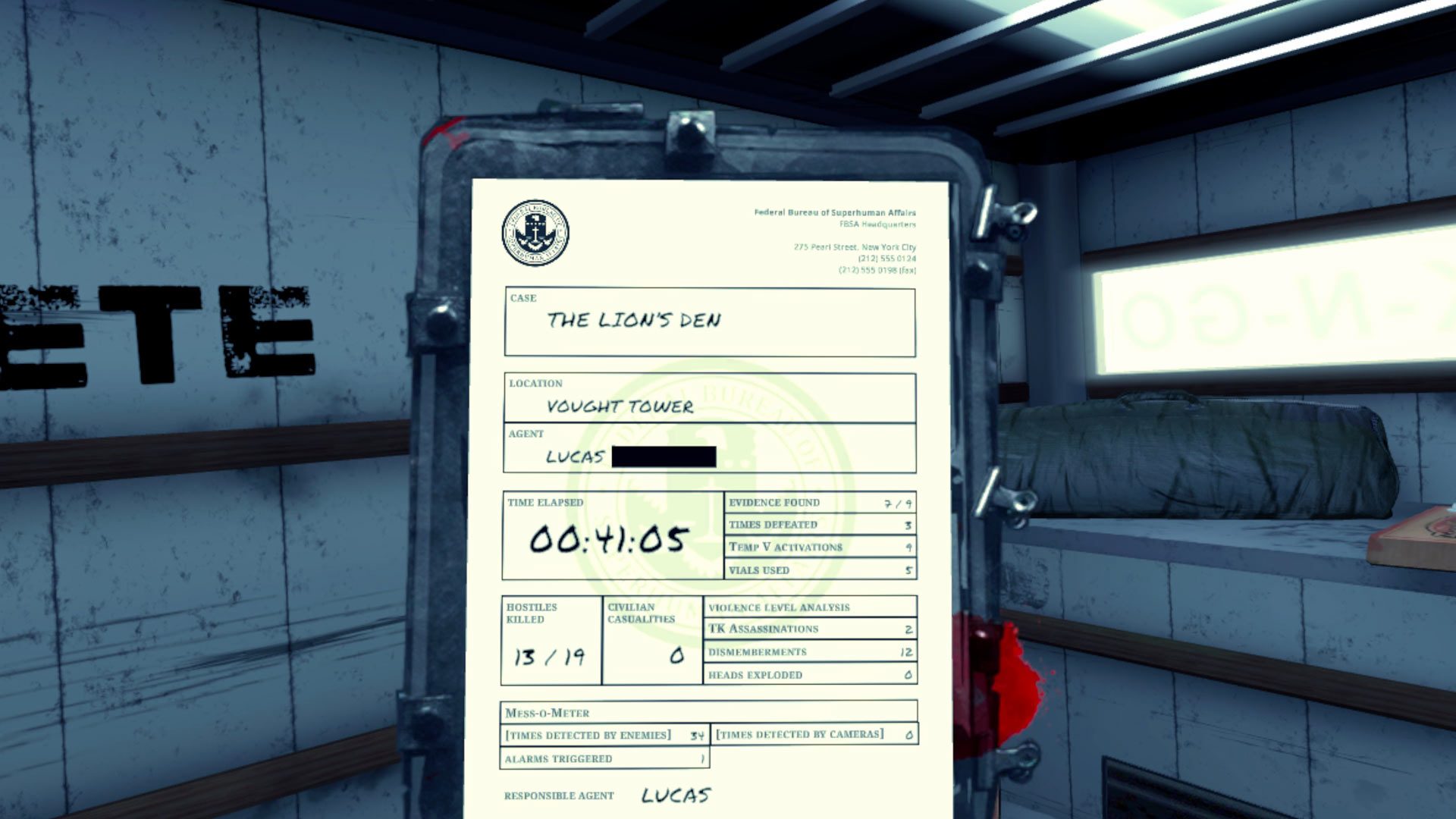
As far as I can tell, the only thing you can ‘earn’ are nominal achievements on your end-mission report card. As it is, there are no upgrades, unlockockables, or any way to select specific missions from the past to replay them.
Image captured by Road to VR
That said, it’s not all stalking through Vought’s office buildings and popping heads, although that is a bulk of the game. You’re also able to temporarily use three specific powers collected throughout the course of the game, which become much more important during its two boss fights (yes, only two) and handful of one-off encounters with higher-level baddies that require brute force tactics.
‘Bone Blades’ let you spawn giant blades so you can easily slice through bad guys, ‘Active Camouflage’ lets you bypass security cameras and guards, and ‘Laser Eyes’ let you blast lasers, well, out of your eyes, easily killing anyone in your path. They’re all really smart and cool editions, but I can’t help but feel like they may be a little too over powered.
Realistically, this lets you play in either stealth-action mode, or as a beat ’em up with no real incentive to choose either play style. As it is, the three regular enemy types are very simple to kill, and no amount of blaring security klaxons can really stop you.
Boss fights, of which there are only two, highlight some of the flaws in the game’s combat system. Controls are fairly densely packed; you not only have to jab yourself with one of three Temp V syringes on your belt holster, but you have to activate those power by holding down both he triggers and grip buttons, which essentially restricts your ability to teleport, since it also uses the trigger to activate.
Image courtesy ARVORE, Sony Pictures Virtual Reality
That said, I would consider level design to be very good, as it offers up plenty of hidden areas to explore, some of which contain much needed re-ups of Temp V, found notes, and audio logs. To be honest, I never bothered much with the found notes or logs though, as you have to physically pause to read or hear them.
With four hours of gameplay, I left feeling a bit confused overall. As a narrative experience, it feels right at home with The Boys. As a game though, it feels somewhat rushed, and maybe even toned down in difficulty to better serve as a brand engagement vehicle.
Immersion
A definite highlight for me is the game’s narrative, which really does the source material justice. Temp V isn’t good for your brain, and the more you take it, the more you start to see things. Big Soldier Boy isn’t real, and can’t hurt you. Maybe…
Image captured by Road to VR
I would have otherwise said the cartoony vibe was also a great fit for the VR adaptation, although some pretty robotic rigging puts it at odds with some of the more premium and refined elements on display.
Laz Alonso (Mother’s Milk), Jensen Ackles (Soldier Boy), Colby Minifie (Ashley Barrett), and P.J. Byrne (Adam Bourke) have all reprised their roles in the game as voice actors. Although Butcher and Homelander are a big part of the game too, notably neither Karl Urban nor Anthony Star took part, which I was very surprised to learn when the credits finally rolled. Seasoned voice actors Gary Furlong (Butcher) and Jake Green (Homelander) served up excellent impressions, so much so I had to double take.
Still, characters feel robotically animated, with mouths looking more like they’re chewing on peanut butter than actually talking. It’s an odd thing to watch, especially since exposition dumps mostly happen when you’re just sitting on a stool and MM and Butcher are giving you a lecture, or prepping you for the next mission.
Image captured by Road to VR
Enemy AI is also just so bad it’s funny. Much like pigs, enemies can’t look up. They also apparently can’t see too far down an unobstructed corridor either, making stealth hits way too easy. At one point, when I realized just how much time I was wasting creeping through air ducts, I just decided to go ham and clear out every level by continuously juicing my Bone Blade Temp V. Who cares if an alarm goes off? Or if I’m caught on CC TV? It literally doesn’t matter, because there is effectively no reward, no penalty, or much of anything that can stop me from getting to that end mission screen.
As for object interaction, most of it is done via telekenisis, so you don’t physically pick up anything. It’s probably for the best, as your virtual hand position is off by a few inches, which makes coming out of VR a very strange experience for the first few minutes. As a touch typist, I kept hitting hitting the wrong keys on my keyboard when jotting down my thoughts after missions—totally throwing my body’s proprioception out of whack.
In all, if you’re a fan of The Boys, you’ll probably really appreciate the level of care when it comes to voice acting, general art direction, and narrative. Still, characters feel too wooden and robotic to be believed, and gameplay too dumbed down to be truly engaging.
Comfort
While there’s the full range of comfort options, I found that point of view would involuntarily move when inside air ducts, and even sometimes when standing still on solid ground, which can be uncomfortable since it’s not controlled by the user. Moving your stick corrects this behavior temporarily, although I imagine it will be the subject of a future update.
Otherwise, the game is very comfortable, provided you don’t push past your personal limits for frenetic movement, like you might need for boss fights or more-packed enemy encounters.
The Boys: Trigger Warning Comfort Settings – March 26th, 2026
The European Commission (EC) accused four porn platforms of not doing enough to prevent minors from accessing their content. In its preliminary findings of a 10-month investigation, the European Union’s regulatory arm said Pornhub, Stripchat, XNXX and XVideos have breached the Digital Services Act (DSA).
The EC said the platforms have an ineffective “self-declaration“ measure — they only require users to make a single click to state they are over 18. Nor do efforts like content warnings, page blurring and “restricted to adults” labels “effectively prevent minors from accessing harmful content.” As such, the EC said the platforms are failing to protect the wellbeing and rights of minors, and it demanded that they put privacy-preserving age verification systems in place.
Furthermore, the EC said the quartet did not use objective and thorough methodologies to fully assess the risks to minors accessing content on their platforms. The regulator determined Stripchat, Xvideos and XNXX either misrepresented or failed to take into account consultations with organizations that specialize in children’s rights and age verification systems in their risk assessments. It also suggested that the platforms’ risk assessments “disproportionately emphasized business-centric concerns, such as reputational damage, rather than focusing on the societal risks to minors.”
The platforms now have the chance to review the EC’s preliminary findings and respond to them. They can implement measures to remedy the alleged DSA breaches as well. However, if the Commission confirms that the platforms failed to adhere to the DSA and it decides to issue a non-compliance decision, the porn providers could be on the hook for fines of up to six percent of their global annual turnover.
“In the EU, online platforms have a responsibility. Children are accessing adult content at increasingly younger ages and these platforms must put in place robust, privacy-preserving and effective measures to keep minors off their services,” Henna Virkkunen, the European Union’s executive vice-president for tech sovereignty, security and democracy, said in a statement. “Today, we are taking another action to enforce the DSA — ensuring that children are properly protected online, as they have the right to be.”
This article originally appeared on Engadget at https://www.engadget.com/big-tech/eu-says-pornhub-and-others-failed-to-stop-minors-accessing-adult-content-155632108.html?src=rss
We’re excited to share that we are expanding our Experience AI programme across Latin America with the aim of training 24,000 educators and reaching 1.25 million students by 2028, thanks to generous funding of $4.6 million fromGoogle.org.
Working with education partners across Argentina, Brazil, Chile, Colombia, Dominican Republic, El Salvador, Mexico, Peru, and Uruguay, we will help young people develop a foundational understanding of AI technologies, their social and ethical implications, and the role that AI can play in their lives.
AI literacy across the globe
AI systems are part of everyday life in how we find information, work, and solve problems. We think that young people need more than access to AI tools: they need the knowledge, skills, and confidence to understand and create their own AI tools.
Experience AI, developed in partnership with Google DeepMind, is a free educational programme that helps teachers and students learn about artificial intelligence (AI). It introduces young people to how AI systems work and how they are used in everyday contexts through lessons, classroom resources, and hands-on activities. The resources give young people opportunities to think critically about the role of AI in society.
Through a global network of Experience AI partners, we have so far reached an estimated 2.9m young people and trained 30,000 educators. The programme’s resources are used in more than 180 countries and are available in 19 languages. In recognition of its impact, Experience AI was named a laureate of the 2025 UNESCO King Hamad Bin Isa Al-Khalifa Prize for the Use of ICT in Education.
Impact through partnerships
In Latin America, as in other parts of the Experience AI network, our focus will be on sustainable, locally led delivery through partner organisations. Using our established ‘train-the-trainer’ model, we will equip 24,000 educators with the skills and knowledge to use the Experience AI resources to confidently deliver AI literacy lessons.
Our aim is to create a lasting impact for teachers and classrooms across the region and ensure that high-quality AI education is accessible to young people in a wide range of settings.
Supporting critical thinking
Experience AI is designed not only to build technical understanding, but also to help young people think critically about AI and its impacts.
Through the programme, students across Latin America will develop a foundational understanding of how AI works, while exploring key topics including how data is used in AI systems, how to identify AI-generated misinformation, and how to use generative AI tools responsibly. This will help them to understand the opportunities and challenges of AI, and to make informed decisions about how they use these technologies.
Looking ahead
As AI systems are being built into many aspects of today’s world, it’s essential that young people have the opportunity to understand, question, and build with these technologies.
With support from Google.org, we will expand access to high-quality AI education across Latin America through Experience AI, helping over a million young people develop the skills, knowledge, and confidence to navigate and shape a world where AI technologies are widely used.
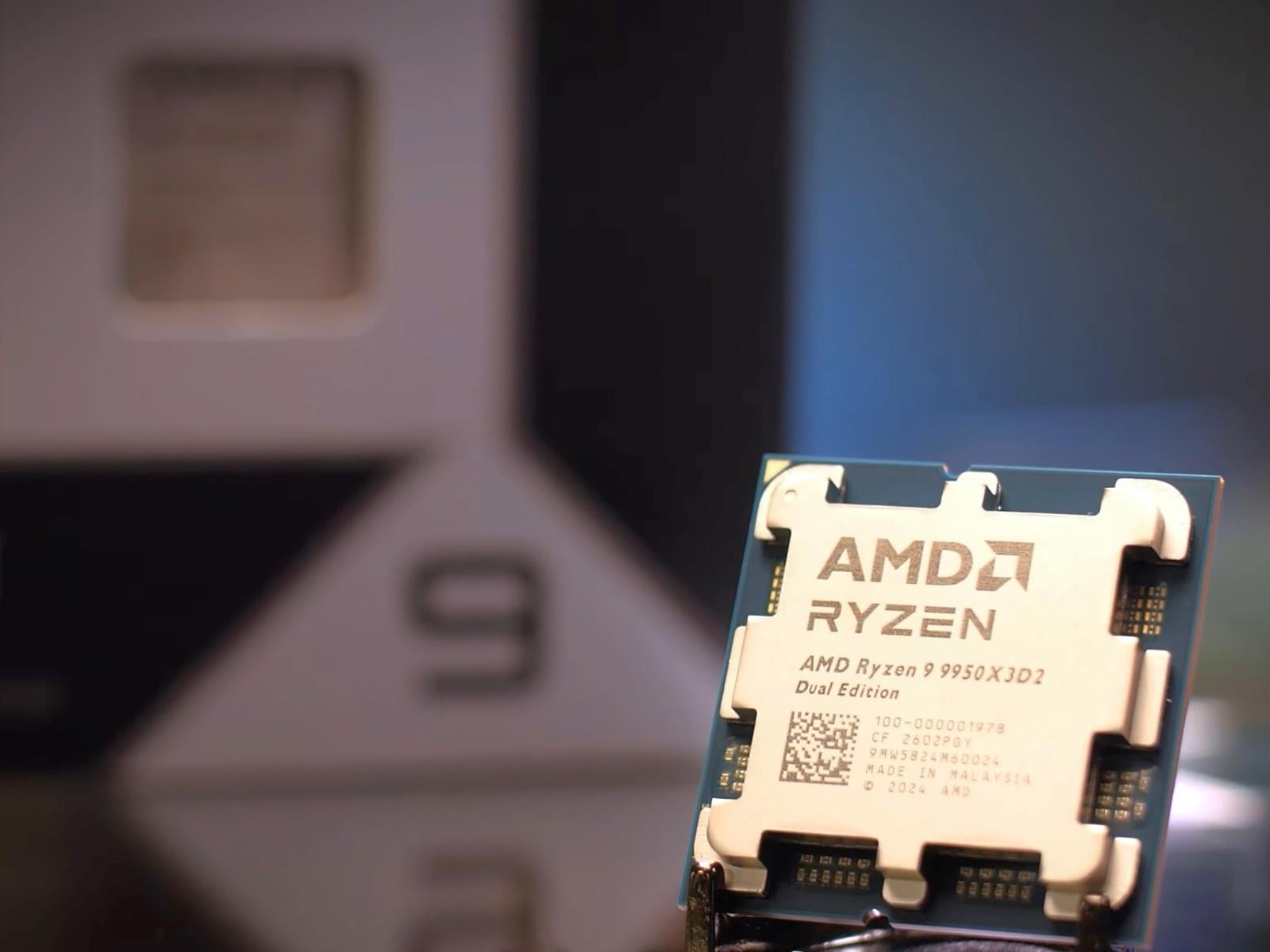
AMD just revealed the Ryzen 9950X3D2 Dual Edition desktop processor, which is a beastly follow-up to last year’s 9950X3D. This is the company’s first desktop processor where both chiplets have been equipped with AMD’s proprietary 3D V-Cache technology, which seems like a boon for gamers. Each chiplet includes 104MB of cache, offering an incredible 208MB total on-chip cache.
“208MB of cache means more game data, more assets and more working data sitting right next to the CPU cores,” AMD Senior VP Jack Huynh explained in an announcement video.
Just like last year’s release, the 9950X3D2 features a 16-core processor based on the Zen 5 architecture. This new release has increased to a 200W TDP, compared to the 170TDP of the original. This could indicate an increase in speed and performance, but with more heat output.
AMD
AMD says the chip will be great for both gaming and for creative workloads, like compiling game engines, running AI models and rendering 3D objects. The company says it can deliver a five to 10 percent performance boost when using applications like Unreal Engine, Chromium, Blender and DaVinci Resolve.
Last year’s 9950X3D chip was already an absolute powerhouse, so we are looking forward to putting this one through its paces. The Ryzen 9950X3D2 chip will be available on April 22, though we don’t have a price just yet. The standard 9950X3D currently costs around $675.
This article originally appeared on Engadget at https://www.engadget.com/computing/amds-ryzen-9950x3d2-chip-features-an-incredible-208mb-of-on-chip-cache-154137156.html?src=rss
We may earn a commission from links on this page. Deal pricing and availability subject to change after time of publication.
When you’re shopping around for a massage gun, you want to focus on features that justify the price. Specifically, I focus on features like speed settings (both intensity and versatility), noise and ease of use, battery life, and size. I’ve learned the hard way that when you’re looking for a travel-sized massage gun, you have to be extra shrewd.
I was once gifted a mini massage gun that, according to the holiday gift exchange rules, must have cost less than $30. It ran out of battery within one or two minutes of weak “massaging.” All of that is to say, a cheap massage gun isn’t worth it. Even if you’re looking for “mini,” you still need to invest in one up to the task of hammering away the pain. And do I have the guy for you: Normally $99.99, this mini massage gun is currently on sale for $78.82 as part of Amazon’s Big Spring Sale.
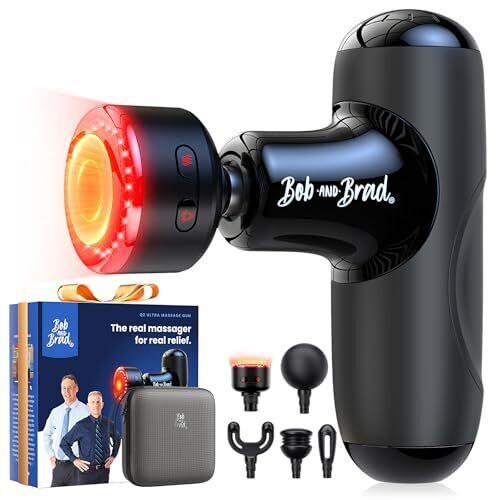
At barely one pound, the Bob and Brad Q2 Mini certainly lives up to its name. Luckily, this massage gun still packs a lot of punch, in terms of both literal vibrations and my overall user experience. For me, the real selling point of this massage gun—which I review in-depth here—is the effectiveness of its heat therapy. Plus, its compact size makes it perfect for travel or bringing to the gym—something I never considered with my full-sized TheraGun Therabody. Even if you already own a larger massage gun, the Q2 Mini’s heat therapy and sweet size could make it a worthwhile addition to your recovery toolkit.
Our Best Editor-Vetted Amazon Big Spring Sale Deals Right Now
We may earn a commission from links on this page. Deal pricing and availability subject to change after time of publication.
If you’re in the Apple ecosystem, and you’re looking for a new pair of earbuds, you’d have trouble doing better than AirPods Pro 3. Apple’s flagship earbuds sound great, come with interchangeable tips, and sport a number of intelligent, useful features. That package doesn’t come cheap, though—Apple has the newest AirPods Pro priced at $249. That’s why they’re great to buy on sale: Amazon currently has the AirPods Pro 3 for $50 off their usual price.
AirPods Pro 3 are Apple’s best earbuds, hands down—if you prefer the design, that is. They offer the highest quality sound, the best noise cancellation, and sizing flexibility with their interchangeable tips. If you find that the “one size fits all” approach of Apple’s standard AirPods don’t work for you, one of these AirPods Pro sizes might fit better.
AirPods Pro 3 come with a ton of features, too. The buds have Active Noise Cancellation, and Apple says these are up to four times better than its first-generation Pros. There’s also Conversation Awareness, which lowers the volume of your music when you’re speaking so you can have a chat, then raises the volume back up when you’re done. Apple’s Live Translation feature can translate conversations on the fly directly in your AirPods, and you can even use the buds as hearing aids. (They’re actually FDA-approved.)
But those features are also in some of Apple’s other earbuds. What’s exclusive here is the built-in heart rate sensor. If you have an Apple Watch, or another fitness tracker, you might not find that particularly useful, but if you don’t, you can rely on your earbuds to keep tabs on your heart rate during exercises, for more accurate fitness measurements. The charging case is also Apple’s first to include its second-generation Ultra Wideband chip, which makes finding the case (and your buds) much easier with Find My.
Apple says you can get up to eight hours of listening time on a single charge with Active Noise Cancellation (6.5 hours when using the heart rate sensor), and up to 24 hours when you take the charging case into consideration. These are IP57-rated for resistance against dust, sweat, and water, so while they’re not waterproof, they should handle workouts just fine.
Our Best Editor-Vetted Amazon Big Spring Sale Deals Right Now
AMD’s Ryzen 9 processors with more than eight CPU cores use two different pieces of silicon, known as complex core dies or CCDs, for their CPU cores. Well, ever since AMD unveiled the Ryzen 7 5800X3D, the original 3D V-Cache CPU, users have been wondering when the company would launch a chip with 3D V-Cache on both CCDs. That time is now:
Google has declared Android the “fastest mobile platform for web browsing,” citing a series of engineering breakthroughs that have allowed flagship Android phones to leapfrog competitors in real-world speed tests. According to data released by the Chrome and Android teams, recent hardware-software optimizations have resulted in some devices