Thrill Of The Fight 2 VR Boxing Turned Into Live Spectator Event

When most people think of esports, they picture players sitting behind monitors tapping keyboards and controllers. At a recent Global Gaming League event, the competitors were throwing real punches instead, while immersed in VR.

Misfits Boxing champion Chase DeMoor stepped into a VR ring to fight podcast host Gillie da Kid live in The Thrill of the Fight 2, turning a virtual boxing game into a physical match played in front of an audience.

The Thrill Of The Fight 2 Review: Between Realism And Fun
The Thrill of the Fight 2 entered full release last month, but how does this new VR boxing sim weigh up?
UploadVRK. Guillory

The crowd jeered and cheered much like fans at a live boxing event, reacting to every punch thrown in the virtual ring. Both competitors, wearing Meta Quest 3 headsets, traded blows for several rounds before DeMoor finally landed a knockout. By the end, both fighters were breathing heavily and drenched in sweat. The crowd roared its approval.

“When the punches started flying you could feel the crowd react to every hit,” said Global Gaming League founder Clinton Sparks.

In that moment, VR boxing worked as a live spectacle.

The match was part of an event hosted by the Global Gaming League, an organization trying to rethink what competitive gaming can look like for live audiences. Sparks prefers the term “gaming entertainment” rather than esports to describe the league’s format. While the lineup also included traditional titles like Call of Duty, Tekken, and Tetris, the VR boxing match closed out the evening as the main event. Instead of watching players hunched over controllers, the audience saw live competitors ducking, weaving, and throwing real punches as their avatars fought inside the virtual ring.

“We wanted something that felt physical and exciting for people watching in the room,” Sparks said. “VR boxing gave us that.”

“Most esports are fun if you’re playing them, but they can be harder for a live crowd to connect with,” Sparks said. “With VR boxing, people immediately understand what they’re watching.”

Pro boxer Chase DeMoor and podcaster Gillie Da Kid, boxing in VR

The game used in the match, The Thrill of the Fight 2, is a VR boxing game designed to track real punches, head movement, and defensive actions from players inside the headset. Unlike arcade-style fighting games controlled with buttons, competitors must physically move, throw punches, and pace themselves throughout the match. That physical element is a big reason the game works in a live event setting, where audiences can see the action.

Edward Vasquez, creative director on The Thrill of the Fight 2, said seeing the game used in a live competitive setting was a different experience from watching players compete online or at home.

“From the beginning we thought this could work as an esport because it’s so tactile and easy for people to understand when they watch it,” Vasquez said.

For professional boxer Chase DeMoor, it stopped feeling like a novelty pretty quickly. Inside the headset, the fight turned into a physically demanding contest.

“I was sweating way more than I expected,” DeMoor said. “You think it’s just a game until you’re in there throwing punches.”

“It’s actually a workout,” DeMoor told me. “You’re moving, you’re throwing punches, you’re ducking. After a few rounds you’re breathing hard.”

“After a couple rounds you forget it’s a game,” he added. “You’re just trying not to gas out.”

Pro boxer Chase DeMoor, wearing a Meta Quest 3, and celebrity team owner Howie Mandel

Unlike traditional fighting games where players rely on controllers, The Thrill of the Fight 2 requires competitors to throw real punches and move their bodies throughout the match. By the final rounds, both fighters were breathing heavily after trading punches in the virtual ring.

For DeMoor, that physical effort made the experience feel closer to a real competition than a typical video game. As a professional boxer, he said the game captures more of boxing’s movement and rhythm than he expected, even if it can’t replicate the physical contact of a real fight.

“It’s probably the closest thing you can get to boxing without taking a punch,” DeMoor said.

VR has struggled as a spectator esport, largely because it’s hard for an audience to follow what’s happening inside a headset. Boxing may be one of the few exceptions. When players are ducking, weaving, and throwing punches in real space, the action is easy to read even for people who have never used VR.

0:00

/0:35

Whether VR boxing becomes a regular feature of competitive gaming remains to be seen. But for one night, two fighters throwing real punches inside a virtual ring showed what immersive esports might actually look like.

These new valves could solve your tubeless problems – and help oil your ebike chain

If you’ve ever struggled getting a tubeless tyre to seat on a rim, or had your valves clog with sealant, preventing you from topping up your tyres, the new Peaty’s Holeshot Fast Flow valves could offer a solution.

After two years of development, the Fast Flow valves promise 200 per cent more airflow, won’t clog with sealant and enable the tyre to still hold air, even if you snap or damage one.

What’s more, thanks to one of the nifty valve caps, you can lube your ebike chain more easily.

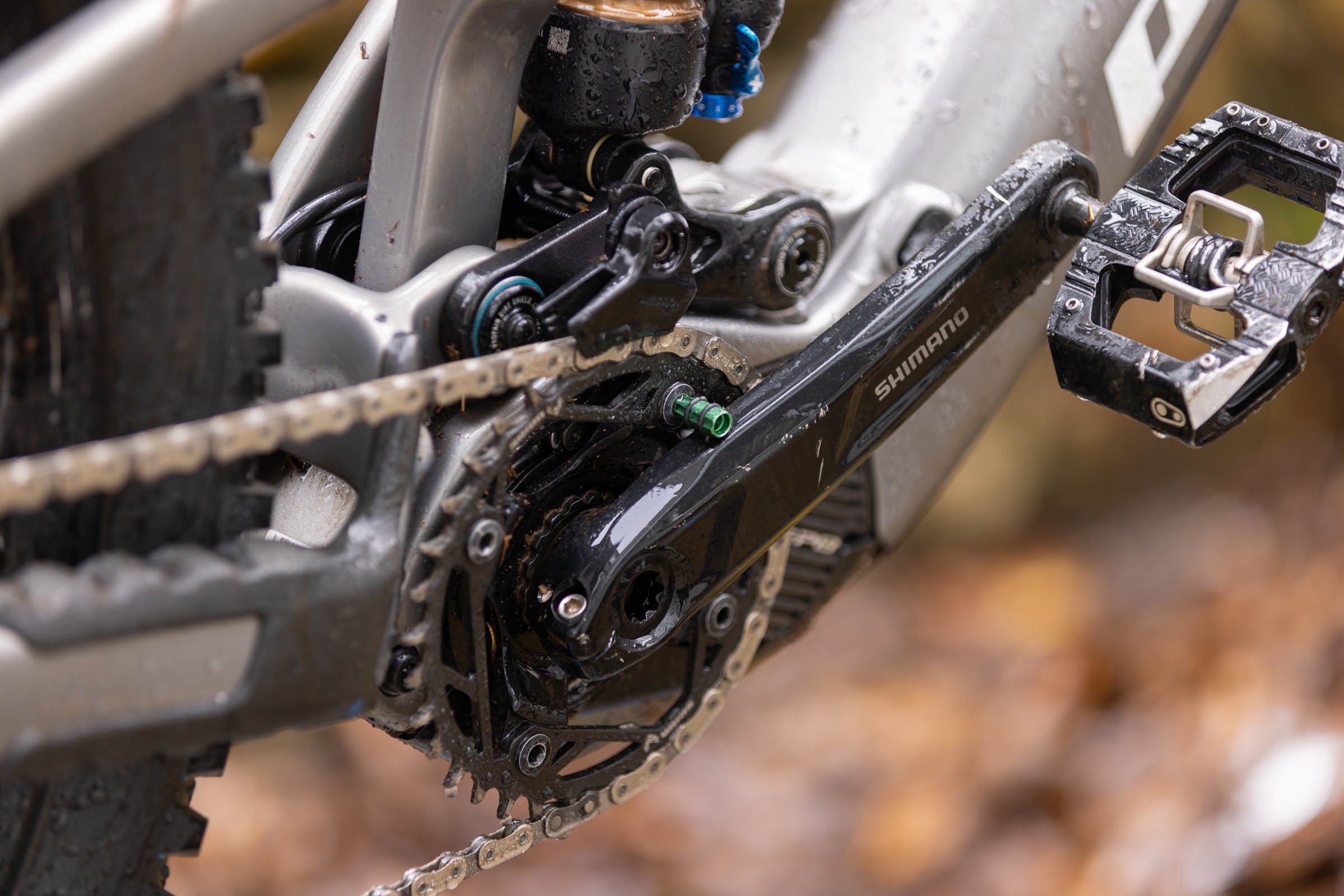
Thanks to the valve cap shape, it’ll slot into a chainring bolt, sticking out far enough to snag a crank as it rotates backwards, engaging the chainring and enabling you to backpedal your drivetrain and lube the chain in the process.

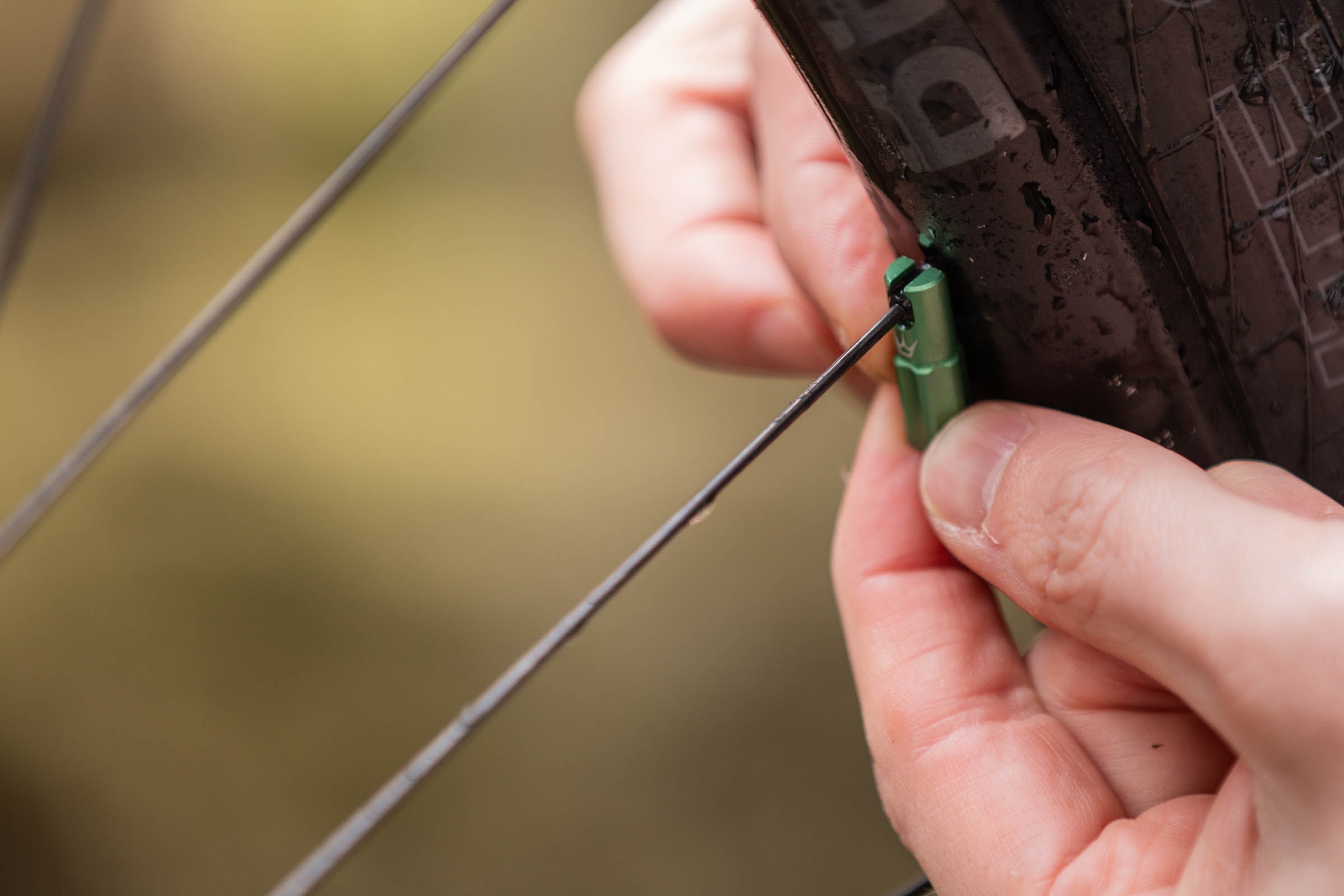
The other valve cap doubles as a spoke key. That seems good for £34.99 / $44.99 / €39.99.

Born from warranty woes

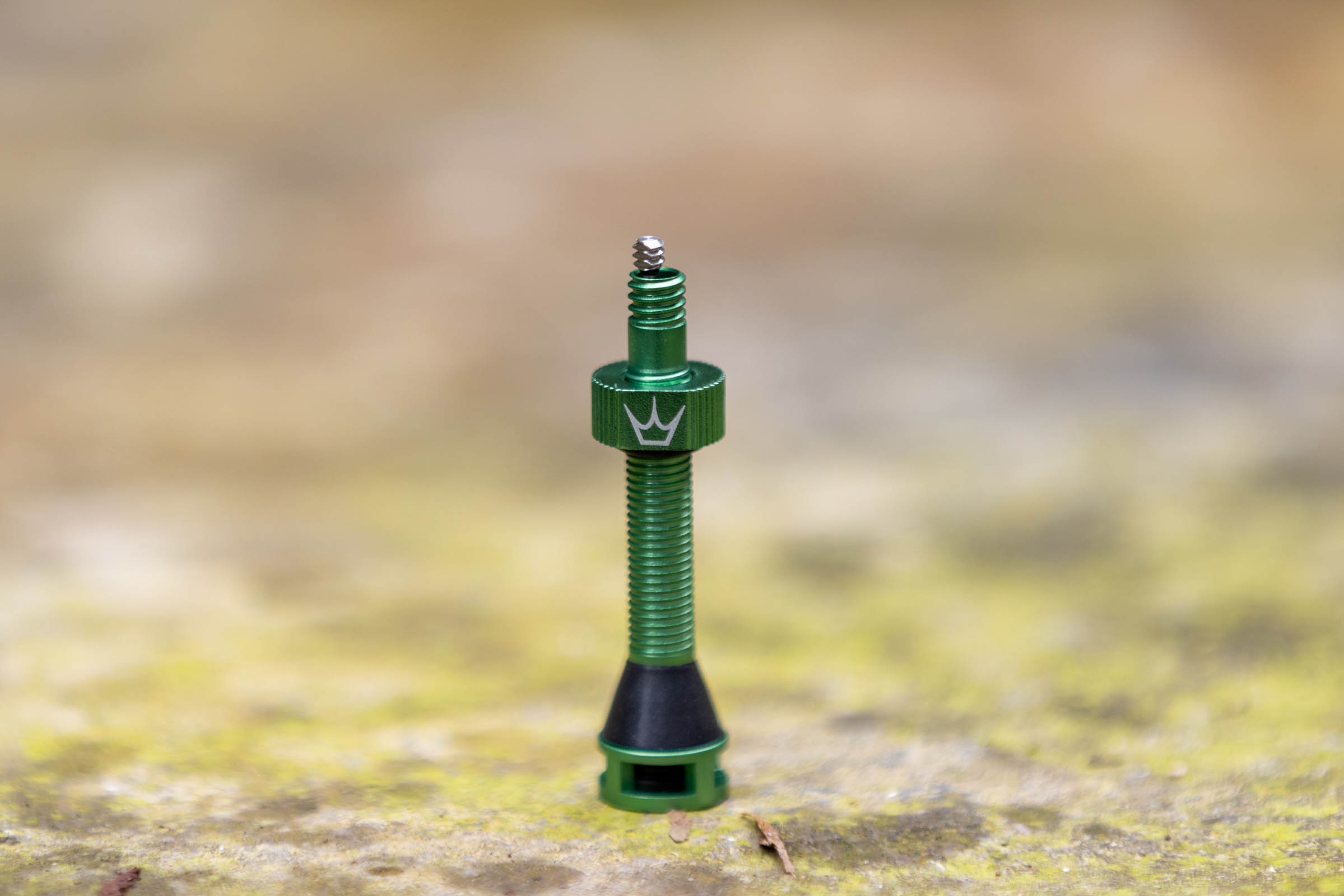
Peaty's Holeshot Fast Flow valve without valve cap shot on its own on a stone surface.
By moving the valve seal so it sits inside the tyre, on top of the rim bed, the new Fast Flow valves are able to hold air even if the top of the valve is damaged. Scott Windsor / Our Media

The concept for the new Holeshot Fast Flow valves was based largely on “feedback from our customers, riders and warranty returns of our MK2 valves from the ‘Valves for life’ warranty,” says Rob Sherratt, head of marketing for Peaty’s.

According to Sherratt, the bulk of the returns were due to valves being snapped. As a result, Peaty’s has ditched the standard Presta valve core, moving the valve seal so it sits at the base of the valve and, more importantly, inside the rim.

Doing this, along with increasing the size of the base of the valve and incorporating a ‘cage’ increases airflow by a claimed 200 per cent over its predecessor, as well as enabling sealant to flow more freely.

Increased airflow means seating tubeless tyres – which can be a real headache – becomes easier.

The design also means you can inject sealant, straight through the valve, without having to remove the core – because there isn’t one, speeding up the tubeless-fitting process.

With the space Peaty’s has freed up, there’s less chance of sealant clogging or blockages. To help minimise this further, Peaty’s has anodised these outside and inside because, according to Sherratt, sealant doesn’t stick well to anodised surfaces.

The broad ‘bell-house’ shaping (inspired by old fire hydrants you’d see in America) and cage design at the base also ensure they’ll work with tyre inserts.

Peaty's Holeshot Fast Flow valve cage at base which features a cage. Valve shot on a stone surface.
The broad base of the valve, along with the cage, help improve airflow (especially if there’s a tyre insert involved) and sealant flow. Scott Windsor / Our Media

In some instances, tyre inserts can suffocate the valve, limiting airflow.

The cage acts as a built-in buffer, creating space to ensure air can continue to pass through the valve and inflate the tyre.

While the Holeshot Fast Flow valves look similar to the Reserve Fillmore, where the valve seal closer is also housed closer to the base of the valve, that’s where the similarity ends.

That’s thanks to a drastically different design at the base of the valve, along with valve caps that do more than just protect the top of the valves.   

More than just valves

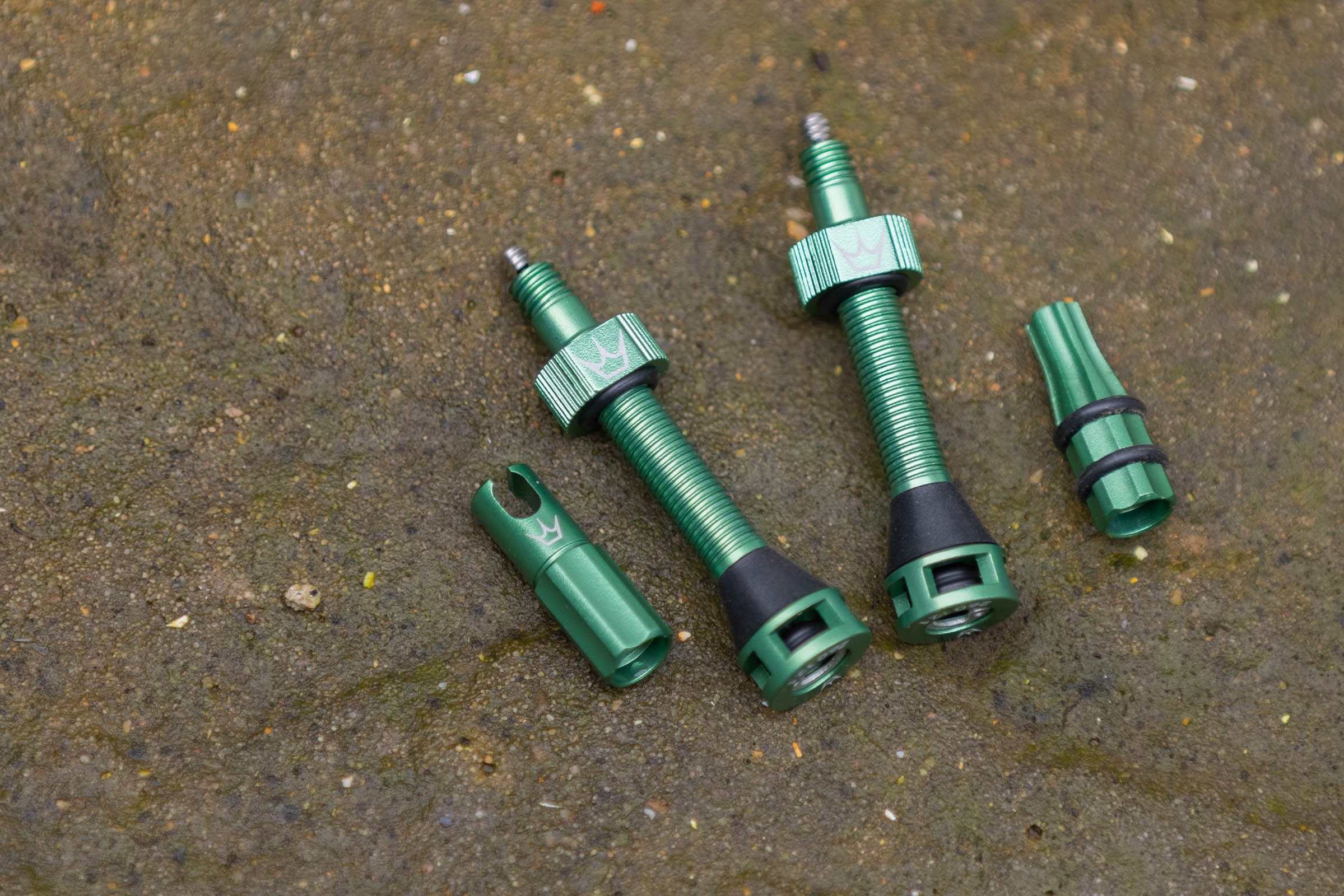
Peaty's Holeshot Fast Flow valve caps stood upright on a stone surface.
While one valve cap doubles as a spoke key, the other can be used to fit into a chainring bolt, helping to lube your ebike chain. Scott Windsor / Our Media

Look closely and you’ll see two different-shaped valve caps.

Because there’s no longer a valve core to remove, Peaty’s has added a T30 Torx head. This will fit into T30 or 6mm hex chainring bolts. Why? Because ebike cranks turn independently of the chainring, due to how they’re connected to the motor.

Peaty's Holeshot Fast Flow spoke key valve cap being used to turn a spoke nipple.
One valve cap can be used to adjust spoke tension. Scott Windsor / Our Media

That makes lubing your chain a pain.

If you slot the T30 valve cap into one of these chainring bolts and rotate the cranks backwards until it butts up against it, you can then spin the cranks, chainring and chain together, making oiling your chain far easier.

Peaty's Holeshot Fast Flow eMTB valve cap inserted into chainring bolt, with the cranks rotating backwards and butting up against it.
The other valve cap can be fitted into a chainring bolt, enabling you to rotate your ebike cranks backwards until contact, at which point you’ll be able to rotate the chainring and chain backwards, too, and oil the chain more easily. Scott Windsor / Our Media

It’s a nice touch, plus you still get the second valve cap to tweak spoke tension.

Keeping air in the tyres

Schwalbe Albert Trail Pro mountain bike tyre
Even if you snap a valve, the design of the new Fast Flow valves means you should at least be able to keep air in your tyres. Schwalbe

Moving the valve seal to the inner side of the rim helps to keep air in the tyres, should you twang the valve or something twangs into it.

The Fast Flow valve design uses a double seal to keep it closed, even if you snap the top of the valve off, lose a valve cap or forget to put one back on.

It should mean racers can finish their runs, and riders can get to the end of the trail with air still in their tyres.

What’s on offer?

Peaty's Holeshot Fast Flow valves with valve caps off and next to them on a stone surface.
Peaty’s offers 12 colours and two lengths (as well as a mixed-length option) to choose from. Scott Windsor / Our Media

Peaty’s is offering the Holeshot Fast Flow valves in 42mm, 60mm or MX (42mm and 60mm to work on Bosch eMTBs) lengths, and in 12 colours.

Pricing for a pair is £34.99 / $44.99 / €39.99, covered by a lifetime warranty.

These valves are also serviceable should you need to rebuild them, with the kit costing £5.99 / €6.99.

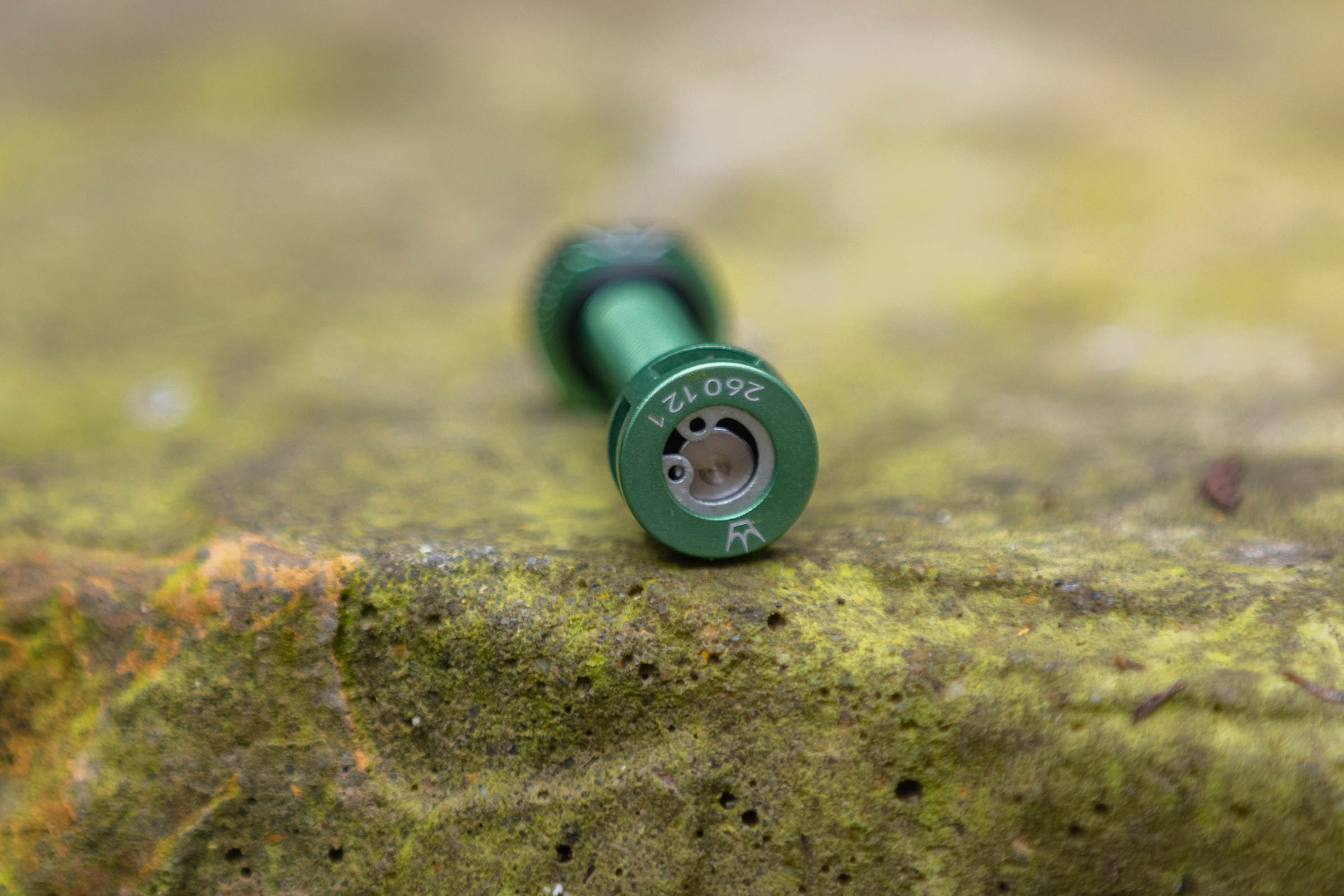
Peaty's Holeshot Fast Flow valve base showing the circlip internals.
As well as being covered by a lifetime warranty, they’re rebuildable, with kits available so you can access spare parts. Scott Windsor / Our Media

There’s also an accessory kit available for £9.99 / €11.99, which includes a spoke key valve cap, ebike-lubing valve cap and two Fast Flow lockrings.

There’s no option for roadies or gravel riders seeking an 80mm version just yet, though.

Centuries before the Inca, Peru’s wealthy imported parrots from afar

Centuries before the rise of the Inca Empire, a much smaller kingdom on the central coast of Peru already had a sophisticated trade network—one it used to import live parrots across the Andes from the Amazon rainforest.

Australian National University conservation geneticist George Olah and his colleagues recently studied feathers from a headdress in a Ychsman noble’s tomb, dating to 1100–1400 CE (the centuries before the rise of the Inca Empire). DNA and chemical isotopes reveal that the parrots the feathers came from (still bright blue, yellow, and green after all these centuries) were born in the wild on the far side of the Andes but kept in captivity somewhere on the Peruvian coast. To pull off importing live parrots from hundreds of miles away across the steep, towering Andes, the Ychsma (who the Inca annexed around 1470) must have had a far-reaching trade network that spanned at least half a continent.

And they must have really liked birds.

Read full article

Comments

Former Overwatch director Jeff Kaplan returns with a Western survival shooter

After spending many years as the public face of Overwatch, Jeff Kaplan stayed well out of the limelight after leaving Blizzard in 2021. Five years later, the former Blizzard vice president and Overwatch lead director is back with his own studio and a new game, which you might be able to play pretty soon.

The Legend of California is billed as an open-world, action-survival shooter. It looks like a mix of Red Dead Redemption and Rust (Rust Dead Redemption, if you will). It’s set during the gold rush era, but Kaplan says he and his team at Kintsugiyama were not aiming for historical accuracy. For one thing, this version of California is an island. Still, the developers wanted to make the game feel authentic to the time period.

There are cowboys and prospectors, and you’ll be able to go hunting, build mines and stables, craft tools and weapons, build out your homestead and raid hostile camps. There are “challenging” player vs. environment encounters (Kaplan says there are four difficulty tiers available to start with) and optional player vs. player battles. You’ll be able to form a company with up to three other players and share progress, resources, buildings and other things with them.

Kaplan says his 34-strong team hand-crafted the world, though there’s a degree of randomization at play. A certain biome (say, the game’s version of the Mojave Desert) might be the easiest, most beginner-friendly area of the game on one server, and the endgame, tier four section on another. The points of interest might pop up in unexpected spots too — an Alcatraz-inspired structure will appear in a Bay Area-style region in some world seeds, and in snowy mountains in others.

The Legend of California is being published by Blizzard co-founder and former CEO Mike Morhaime’s company Dreamhaven. It’s slated to enter early access on Steam and the Epic Games Store later this year, with closed alpha playtests expected to start soon.

Kaplan announced The Legend of California in unusual fashion. Not during a splashy showcase, but in a five-hour appearance on Lex Fridman’s podcast. Kaplan discussed his life and career, including his work on World of Warcraft, the ill-fated Titan and, of course, Overwatch. 

In his first public appearance since stepping down as Overwatch director, Kaplan revealed his reasons for leaving Blizzard, where he spent 19 years and previously had no intention of leaving. Business pressures related to the Overwatch League and Overwatch 2 played a part in his departure, but the final straw came in 2020 during a meeting with Blizzard’s then-chief financial officer. Kaplan says he was told that if Overwatch didn’t reach certain revenue targets, the publisher would lay off 1,000 people and that would be on Kaplan’s shoulders.

This article originally appeared on Engadget at https://www.engadget.com/gaming/former-overwatch-director-jeff-kaplan-returns-with-a-western-survival-shooter-161221852.html?src=rss

Apple’s MacBook Neo makes repairs easier and cheaper than other MacBooks

Apple’s MacBook Neo is the company’s first serious effort to break into the sub-$1,000 laptop business, challenging midrange Windows laptops and Chromebooks with its $599 starting price and its focus on build quality rather than high-end performance.

One less-advertised change that may make the Neo more appealing to businesses, schools, and the accident-prone is that its internal design is a bit more modular and easier to repair than other modern MacBooks. That’s our takeaway after spending some time thumbing through the official MacBook Neo repair documentation that Apple published on its support site this week.

Replacements for pretty much any component in the Neo are simpler and involve fewer steps and tools than in the M5 MacBook Air. That includes the battery, which in the MacBook Air is attached to the chassis with multiple screws and adhesive strips but which in the Neo comes out relatively easily after you get some shielding and flex cables out of the way.

Read full article

Comments

Even Google Maps Has an AI Assistant Now

Tech companies really want you to start talking to their products. And sure, that makes sense for an Amazon Echo, or even ChatGPT’s voice mode, but I’m not sure I need to talk to my apps. Google disagrees: The company is now rolling out “Ask Maps” to iOS and Android users in the U.S. and India, making Google Maps the latest such product to implement an AI assistant. It begs the question: Will you talk to your navigation app while out on the road?

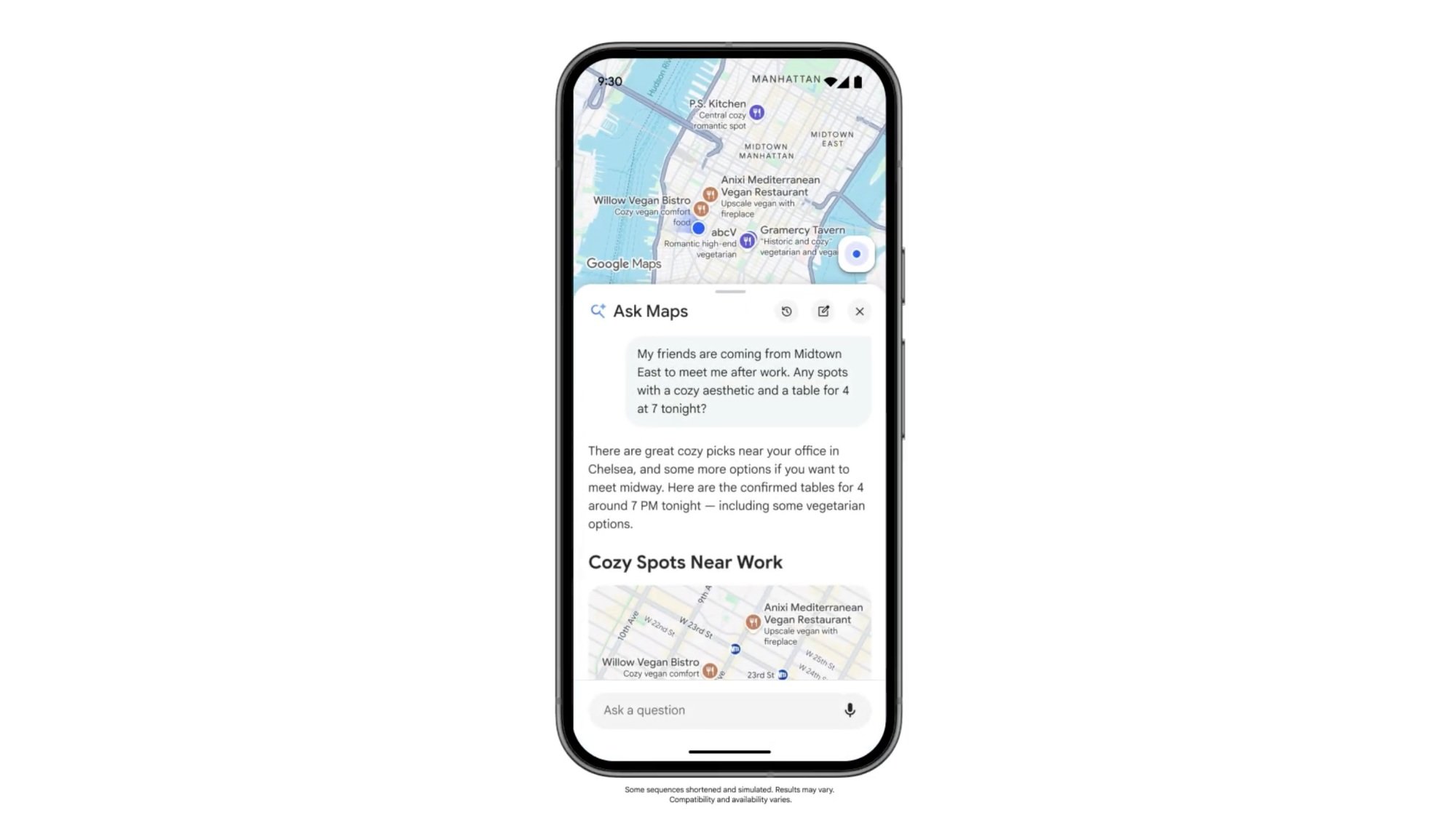
Google’s pitch for Ask Maps is this: Rather than search for generic stops along your route (e.g. “coffee,” “gas station,” or “hotel”), you can “Ask Maps” complex questions to increase your chances of finding something specific. One of Google’s example questions is, “My phone is dying—where can I charge it without having to wait in a long line for coffee?” That’s a tall order not usually fit for a navigation app’s search feature—you want the app to find a location with public outlets that serves coffee, but isn’t too busy at the time you’re heading out. Type that into the typical search feature, and you’ll instantly get a pop-up that reads “No results found on Google Maps.”

Google says that Ask Maps can analyze information from over 300 million locations, including sifting through the reviews of its more than 500 million contributors. The results also take your past searches into consideration, as well as any saved locations you may have in Maps. In another example, Google says you could ask your Google Maps assistant to find you a spot with a “cozy aesthetic” and a table for four at 7 p.m., to meet up with friends coming from Midtown East. Ideally, the assistant would know not to pull up any Midtown East spots, since the friends are coming from that location, cross-reference restaurants with “cozy” reviews that have that availability—plus, it may know from past searchers that you are vegan, so it will only return results with vegan options.

ask maps

Credit: Google

This is Google, so, of course, Maps’ assistant is powered by Gemini. In concept, it is an interesting implementation of generative AI. I certainly wouldn’t have a chat with Ask Maps, but I’d be curious whether it’d really deliver on these contextual requests. If I really could tell Google Maps that I needed to find a restaurant with availability in 30 minutes that could accommodate both a gluten and peanut allergy, within a 15 minute radius of a concert venue, sure, that’d be super helpful.

But AI isn’t perfect. In fact, it has a habit of making things up. It’d be a shame to walk into that restaurant and find out it doesn’t have gluten free options, or that everything is fried in peanut oil, or that they don’t actually have availability, or that it is indeed a 15 minute walk to a concert venue, but not the concert venue you’re aiming for. If that request overwhelms the AI and returns results that don’t match some (or most) of the request, or, perhaps, a “No results found on Google Maps” alert, I probably won’t be using Ask Maps again.

Atlassian CEO Cites AI Shift When Announcing Plan To Shed 1,600 Jobs

An anonymous reader quotes a report from Bloomberg: Atlassian plans to cut 1,600 jobs or a 10th of its global workforce, joining rivals in slashing staffing to cope with the advent of AI and a broader post-Covid industry slowdown. Australian billionaire founder Mike Cannon-Brookes explained the reductions in a staff memo, while also announcing his chief technology officer was leaving the Sydney-based company. “It would be disingenuous to pretend AI doesn’t change the mix of skills we need or the number of roles required in certain areas,” Cannon-Brookes said. “It does.”


Read more of this story at Slashdot.

Claude can now generate charts and diagrams

With Claude enjoying a moment of newfound popularity among regular people, Anthropic is previewing an update designed to make its chatbot better at explaining some concepts. Starting today, Claude can generate charts and diagrams as part of its responses, either when asked directly or when it decides visuals might be helpful to the user. 

For example, try asking Claude what’s the best way to fold a paper plane. Where previously it was limited to text, now it can show you step by step how to fold a Nakamura lock plane. Anthropic is quick to point out what it’s introducing today isn’t image generation. When producing visual aids, Claude will use HTML code and XML vector graphics. Anthropic likens it to giving Claude access to its own whiteboard. 

The new feature is available to all Claude users, regardless of whether you pay for one of Anthropic’s subscriptions. However, the company does warn it’s releasing beta software, so expect some quirks along the way. The feature also isn’t available on mobile just yet. This release comes just days after OpenAI made ChatGPT capable of generating interactive visuals when explaining science and math concepts. 

This article originally appeared on Engadget at https://www.engadget.com/ai/claude-can-now-generate-charts-and-diagrams-160000369.html?src=rss

Honda cancels three EVs that were months away from US production

Honda has announced it is canceling three electric vehicles it was months from starting production on at its EV Hub in Ohio. The Honda 0 SUV, the Honda 0 sedan and the Acura RSX are all being wound down. The company showed off all three models, and touted them as in near-production form at CES 2025. Unlike the Honda Prologue and Acura ZDX, which run on GM’s Ultium platform, the scrapped models were built on Honda’s own Zero platform and would have been its first fully in-house EVs.

Honda in part blamed the elimination of federal EV tax credits, eased fossil fuel regulations and US tariffs for the decision. The company said US demand for electric vehicles had slowed because of the policy changes. In China, it admitted it could not match the value offered by newer manufacturers building software-driven vehicles on shorter production cycles. CEO Toshihiro Mibe said at a press conference that the demand shift had made EV profitability “very difficult,” according to Reuters.

The company said it will redirect resources toward next-generation hybrids and only bring EVs to market when demand justifies it. It also shared plans to expand in India, where it expects the hybrid market to expand. Honda is not alone in pulling back from EV production, with brands like Hyundai, Kia, Volkswagen, Porsche and Ford having all scrapped or delayed major US EV projects since federal policy shifted.

The total restructuring of its EV business could cost Honda up to 2.5 trillion yen ($15.7 billion), with the company set to lose money for the first time since going public in 1957. Mibe and Executive Vice President Noriya Kaihara will forgo 30 percent of their compensation for three months, with other senior executives giving up 20 percent. Honda said it plans to share a detailed long-term strategy at a press conference in May.

This article originally appeared on Engadget at https://www.engadget.com/transportation/evs/honda-cancels-three-evs-that-were-months-away-from-us-production-155523384.html?src=rss

Intel CPU Security Mitigation Costs From Haswell Through Panther Lake

Over the past month on Phoronix there have been a lot of benchmarks of Intel’s new Core Ultra Series 3 “Panther Lake” with the Core Ultra X7 358H. One of the areas of Panther Lake not explored yet is around the CPU security mitigation impact, which is the focus of today’s benchmarking. The performance tests today are not only looking at the impact of the Core Ultra X7 SoC at its default versus running in a “mitigations=off” configuration but also comparing the overall CPU security mitigation impact with the run-time toggle going back all the way to Intel Haswell era laptops.

Google built a flash-flood prediction tool using Gemini and old news reports

Flash floods are notoriously difficult to predict, but Google might have a novel solution. The company just revealed Groundsource, a prediction tool for flash floods that uses Gemini to source data from old news reports. This is the first time it has used a language model for this type of work.

Flash flood prediction models need historical data and model training that often doesn’t exist. Our solution: Groundsource, a new AI-powered methodology that uses Gemini to transform 5M+ global reports into a precise dataset of 2.6M+ flood events.

This provides a massive,…

— Google Research (@GoogleResearch) March 12, 2026

Google tasked Gemini with sorting through 5 million news articles from around the world and isolating flood reports. It transformed this data into a geo-tagged series of chronological events. Next, researchers trained a model to ingest current weather forecasts and leverage the Groundsource data to determine the likelihood of a flash flood in a given area.

We don’t have any concrete information as to how accurate Google’s forecast model is, though that should come over time. One trial user did say it helped his organization respond quicker to localized weather events. For now, the company is highlighting risks for urban areas in 150 countries via its Flood Hub platform. Google is also sharing its data with emergency response agencies in these locations.

A map.
Google

There are some limitations here. The model can only identify risk across a 20-square-kilometer area. It’s also not quite as precise as the US National Weather Service’s flood alert system, because Google’s model doesn’t integrate local radar data. This data typically enables real-time tracking of precipitation. However, the platform’s been designed to work in areas that don’t typically have access to that kind of weather-sensing infrastructure.

Juliet Rothenberg, a program manager on Google’s Resilience team, hopes that this technology can eventually be used to predict other tricky phenomena. This includes stuff like heat waves and mudslides.

“We’re aggregating millions of reports,” she told reporters this week. “It enables us to extrapolate to other regions where there isn’t as much information.”

This is Google’s first use of a language model for weather forecasts, but not its first time it has relied on AI for this type of thing. The company’s DeepMind WeatherNext 2 forecasting model has proven to be extremely accurate.

This article originally appeared on Engadget at https://www.engadget.com/ai/google-built-a-flash-flood-prediction-tool-using-gemini-and-old-news-reports-154542963.html?src=rss

Microsoft’s Copilot Health can use AI to turn your fitness data and medical records ‘into a coherent story’

Microsoft has unveiled Copilot Health, an AI-powered tool it claims can help make sense of your medical records, health history and fitness data from wearables, should you grant it access to that information. The company said it will be in a “separate, secure space” in the Copilot app and that the idea is to help provide you with more context and insights so you can ask your doctor the right questions when you see them.

Copilot Health is designed to help you better understand your medical information as a whole, Microsoft says. It is not “intended to diagnose, treat or prevent diseases or other conditions and is not a substitute for professional medical advice,” the company pointed out in a blog post.

The tool can pull in activity, fitness and sleep data from more than 50 devices, including Apple Watch, Oura and Fitbit. Through HealthEx, it can access health records that include visit summaries, medication details and test results from more than 50,000 hospitals and provider organizations in the US. It can tap into lab test results from Function, should you allow it to do so.

Copilot Health can take all those details and apply “intelligence to turn them into a coherent story,” such as helping you pinpoint the reasons why you don’t sleep too well, the company suggested. It can access real-time provider directories in the US to help users find clinicians based on factors like location, specialty, spoken languages and insurance coverage.

Microsoft says that, across AI-powered consumer products like Copilot and Bing, users ask more than 50 million health-related questions every day. “We’ve improved the quality and reliability of answers by elevating information from credible health organizations across 50 countries, as verified by our clinical team using principles independently established by the National Academy of Medicine,” the blog post states. “Responses include clear citations with easy links to source material, alongside expert‑written answer cards from Harvard Health.” 

As far as privacy is concerned, Microsoft says Copilot Health data and conversations are siloed from the broader Copilot app and there are extra access and safety controls in place, including “encryption at rest and in transit.” You can delete your information and cut off the app’s access to health records and wearable data at any time. Microsoft also notes that it won’t use your Copilot Health information to train its models.

The company explained that Copilot Health was informed by its responsible AI principles. Microsoft built the tool in collaboration with its own clinical team and with the expertise and feedback of more than 230 physicians from dozens of countries. “Copilot Health has achieved ISO/IEC 42001 certification, the world’s first standard for AI management systems, meaning an independent third party has verified how we build, govern and continuously improve the AI behind this service,” it noted.

Microsoft has opened up a waitlist for those interested in trying Copilot Health. The tool will initially be available in English in the US for those aged 18 and over. The company is working on adding support for more language and voice options and it will announce availability for those and other territories down the line. 

While users will be able to try Copilot Health for free at first, Microsoft plans to charge for access via a subscription, according to The New York Times. The company has not yet disclosed pricing details.

The Copilot Health announcement comes just a couple of days after Amazon expanded its Health AI tool beyond One Medical. It’s now available on the Amazon website and app. Prime members in the US have the option to chat about certain conditions with a One Medical provider via direct message at no extra cost. Earlier this year, OpenAI announced that it was testing ChatGPT Health. Anthropic has healthcare tools as well.

Given how tough it is for many folks to access affordable healthcare and the fact their data and health records are often spread across a number of providers, some might believe there are benefits of using such tools from AI companies.

However, there’s a big difference between tracking your sleep or calling your doctor after an Apple Watch detects signs of atrial fibrillation and entrusting all of your medical information to a chatbot. There are also issues like AI hallucinations and chatbots providing users with straight-up bad advice, as well as the possibility that an LLM-based tool might downplay or exaggerate potential risks.

This article originally appeared on Engadget at https://www.engadget.com/ai/microsofts-copilot-health-can-use-ai-to-turn-your-fitness-data-and-medical-records-into-a-coherent-story-152000621.html?src=rss

Valve compares its loot boxes to Labubus in lawsuit defense

Last month, the New York Attorney General (NYAG) brought a lawsuit against Valve accusing the company of promoting “illegal gambling” through its randomized in-game loot boxes. On Wednesday, Valve issued its first public comment on the case, comparing its digital loot boxes to randomized real-world purchases like blind-bagged toys or packs of trading cards.

“Generations have grown up opening baseball card packs and blind boxes and bags, and then trading and selling the items they receive,” Valve wrote. “On the physical side, popular products used in this way include baseball cards, Pokemon, Magic the Gathering, and Labubu.”

Though that may seem like an apt comparison on the surface, Valve’s loot boxes differ from these real-world examples in large part because of Valve’s control of the Steam Marketplace, which serves as the only legitimate way to exchange or resell those items. While owners of real-world items are free to trade or sell them however they want, Valve has cracked down on many third-party sites that enable the exchange of in-game items—especially when those items are used as glorified chips for gambling games.

Read full article

Comments

Uber is shooting for even more upscale clientele with Uber Elite

Uber has launched a new invite-only luxury ride experience called Uber Elite. Aimed at “executives, frequent travelers, and riders looking for a more elevated experience,” it sounds like an upgraded version of Uber Black for the, well, uber-rich.

A ride booked through Uber Elite will be operated by a professional chauffeur driving a new-model luxury vehicle less than three years old. An Elite-only “Meet and Greet” feature allows riders to pre-arrange to be picked up in the airport terminal they arrive at from a flight, with their chauffeur dutifully awaiting them at baggage claim.

Uber says all Elite rides include chargers, bottled water, mints and premium hand wipes. If those perks are deemed too basic by the customer, they can also request sparkling water or champagne in the app ahead of their ride, and Uber says it’ll work with its partners to accommodate them “where feasible.” Once an Uber Elite trip is booked, the rider can also take advantage of round-the-clock phone support.

The new luxury service is available through the Uber app, as well as via Uber Reserve and Uber for Business. Rides can be booked one hour in advance or up to 90 days ahead.

Uber Elite is launching first in Los Angeles and San Francisco, with New York to follow soon, and then other cities in the US and internationally. Invitations will first be extended to frequent Uber Black and Uber for Business users, before the service is eventually made available to all riders. If you think you’re important enough, you can join a waitlist right now.

This article originally appeared on Engadget at https://www.engadget.com/transportation/uber-is-shooting-for-even-more-upscale-clientele-with-uber-elite-150620441.html?src=rss

Rivian reveals pricing and trim details for its R2 SUV

Between the antics particular to a certain car company and the industrial chaos that was set off by COVID (then compounded by the invasion of Ukraine) it’s easy to have become cynical about things like timelines. And yet, when Rivian showed off a midsize electric vehicle in 2024 and said it would go on sale during the first half of 2026, it meant it: deliveries of the first R2 SUVs will begin this spring.

As a new automaker Rivian often does things its own way, but with the R2 launch it’s following industry practice and starting with the more superlative version first. That’s the R2 Performance, which starts at $57,990 with the launch package (but not including a $1,495 delivery charge). You get quite a lot of electric SUV for that, however: up to 330 miles (531 km) from a single charge of the 87.9 kWh battery pack, with 656 hp (489 kW) and 609 lb-ft (825 Nm) from the dual motor powertrain. Fast charging takes 29 minutes from 10-80 percent.

The Performance features semi-active suspension, a rear window that drops into the tailgate, an interior with birch accents, heating for the front and rear seats with ventilation for the former as well, a nine-speaker sound system, matrix LED headlights, and some other neat touches like the flashlight that lives in the side of the door, similar to the way some cars hide an umbrella there.

Read full article

Comments