How a game about dwarves mining in space has helped me weather the pandemic

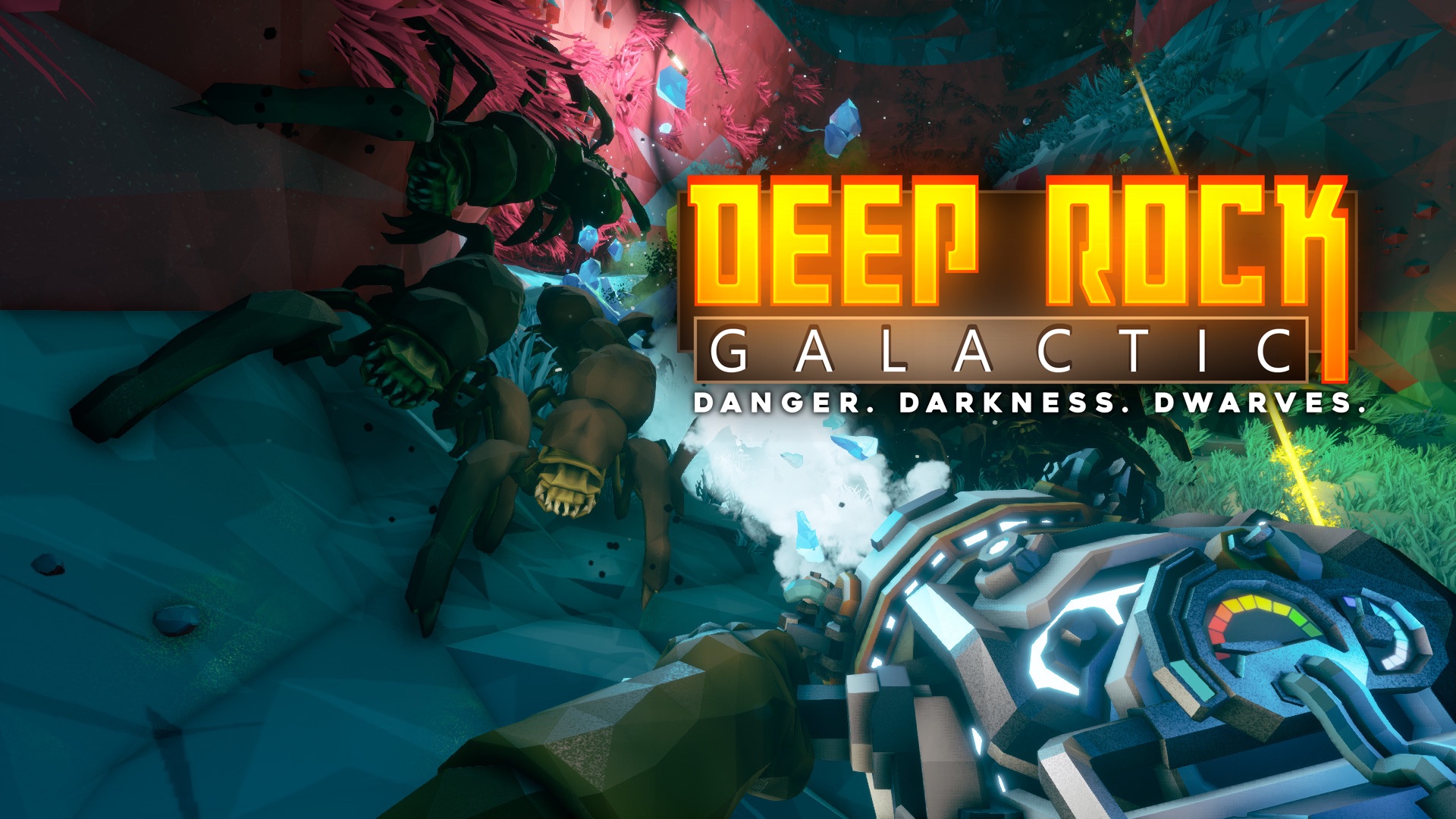
<em>Deep Rock Galactic</em> is a bug-killing, gold-mining good time.

Enlarge / Deep Rock Galactic is a bug-killing, gold-mining good time. (credit: Ghost Ship Games)

I’ve never loved online multiplayer games. I’m always up for a few rounds of Smash Bros. or Towerfall on the couch with a couple beers and a couple buds, but when it comes to playing online, I never put in the work to find a group I could play with regularly. I also never wanted to invest the time it would take to really get good at highly competitive first-person shooters or MOBAs or battle royale games. But like so many things—working, parenting, my relationship to the concept of time—that began to change when the pandemic hit. Couch multiplayer was no longer an easy option, but I was starving for human interaction, so I turned to my PC.

What began with me and one other person intermittently dabbling in Age of Empires II eventually became a group of three-to-four people who were meeting to play games once or twice a week, every week. We started with group Geoguessr sessions and a sort of pass-the-controller-style thing where we’d chat while we took turns streaming American Truck Simulator. Then we played Ultimate Chicken Horse until we’d unlocked all the levels, and we stuck with Fall Guys through a couple of seasons. But it wasn’t until a group replay of Left 4 Dead 2 that we realized what we really wanted was a game where we could work together. And when we were done with that, at long last, we landed on the game this piece is actually about: Deep Rock Galactic.

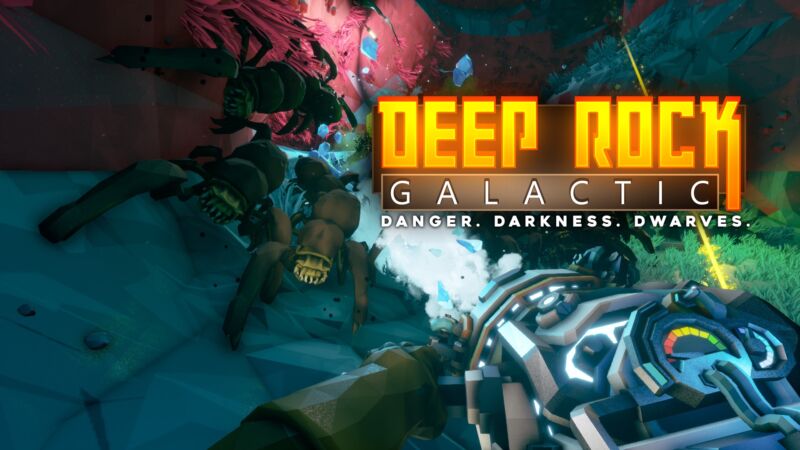
Deep Rock Galactic (hereafter DRG) is a co-op game where between one and four players suit up to explore the planet Hoxxes IV, collecting its resources and fighting its hostile insectoid inhabitants on behalf of a comically heartless, hypercapitalist space mining corporation. You only have a few distinct mission types to choose from, but the tunnels of Hoxxes IV (and the enemy encounters) are all procedurally generated and you can play as any one of four classes, making each playthrough unique. Also, you’re all dwarves.

Read 7 remaining paragraphs | Comments


Source: Ars Technica – How a game about dwarves mining in space has helped me weather the pandemic


Strawberry Mansion: A great sci-fi premise with trippy, arthouse execution

The trailer for Strawberry Mansion

In the world of the new artsy, sci-fi film Strawberry Mansion, society has developed the technology to record dreams. And in typical over-the-top Silicon Valley fashion, if someone can track people’s thoughts and actions, they’ll definitely try to monetize it. The government now has a team of auditors that reviews these dreams and applies a small tax on certain goods that appear. Dreaming about a hot air balloon? That’ll be $0.52. Have thoughts of maple trees dancing through your head? A modest $0.08, please.

James Preble (played by writer/director Kentucker Audley) works as a dream auditor. And he’s been assigned to audit the dream inventory of an older woman named Bella (Penny Fuller). Unfortunately, Bella hasn’t kept up with technology very well and all her dreams have been stored on old VHS tapes instead of the more modern (and USB-like) dreamstick technology. So, this audit will take a bit longer than usual. Accordingly, Preble ends up staying with Bella for a few days in the spare room of her giant, countryside house.

While Preble stays with Bella and inventories her dreams, however, he starts to take up some kind of relationship with the young Bella he meets in these dreams. And the longer he stays with present day Bella, the more he begins to learn there may be more to this dream inventory technology than he originally believed. “Do you believe your dreams are your own?” she asks one day over ominous afternoon tea.

Read 7 remaining paragraphs | Comments


Source: Ars Technica – Strawberry Mansion: A great sci-fi premise with trippy, arthouse execution

Samsung has its own AI-designed chip. Soon, others will too

Samsung has its own AI-designed chip. Soon, others will too

Enlarge (credit: Getty Images)

Samsung is using artificial intelligence to automate the insanely complex and subtle process of designing cutting-edge computer chips.

The South Korean giant is one of the first chipmakers to use AI to create its chips. Samsung is using AI features in new software from Synopsys, a leading chip design software firm used by many companies. “What you’re seeing here is the first of a real commercial processor design with AI,” says Aart de Geus, the chairman and co-CEO of Synopsys.

Others, including Google and Nvidia, have talked about designing chips with AI. But Synopsys’ tool, called DSO.ai, may prove the most far-reaching because Synopsys works with dozens of companies. The tool has the potential to accelerate semiconductor development and unlock novel chip designs, according to industry watchers.

Read 17 remaining paragraphs | Comments


Source: Ars Technica – Samsung has its own AI-designed chip. Soon, others will too

The weekend’s best tech deals: AirPods Pro, Jackbox games, and more

The weekend’s best tech deals: AirPods Pro, Jackbox games, and more

Enlarge (credit: Ars Technica)

Our latest weekend edition of the Dealmaster includes a nice price on Apple’s AirPods Pro, as the noise-canceling true wireless earbuds are currently on sale for $190 at various retailers. This isn’t the absolute best price we’ve tracked—the earbuds fell as low as $169 last Black Friday—and while Apple itself sells them for $249, the pair’s average street price on Amazon has hovered closer $200 in recent months.

Still, we’ve only seen them hit this price or lower on a couple of occasions in 2021, making this a good opportunity to pounce if you’ve already had your eye on the pair. Recent reports have said that Apple plans to reveal new base-level AirPods that take after the Pro’s design later this year, with a redesigned set of Pros coming sometime in 2022. For now, though, the AirPods Pro are an aging but still worthwhile set of wireless earbuds, especially if you use an iPhone and prioritize strong active noise cancelation. We’ve recommended them in past gift guides.

Elsewhere, our deals roundup features a Humble Bundle sale that nets you the first six editions of the co-op-friendly Jackbox Party Pack games on PC for about $20 (with some, but not all, of the proceeds going to charity). We’ve also got good prices on Nintendo’s Switch Pro Controller, recommended internal SSDs and external HDDs, the latest iPad Air, and more. You can check out our full curated rundown below.

Read 2 remaining paragraphs | Comments


Source: Ars Technica – The weekend’s best tech deals: AirPods Pro, Jackbox games, and more

Review: Androids is a developer commentary track for the Android 1.0 era

Dozens of Android team members were interviewed for the book, I can only assume it looked like this.

Enlarge / Dozens of Android team members were interviewed for the book, I can only assume it looked like this. (credit: Aurich Lawson / Getty Images)

Android will go down in history as one of the most important software projects ever. Today, there are an astounding three billion monthly active Android devices, and that number gets bigger every day. The OS popularized the way we get mobile notifications, pioneered the modern app store model, and basically killed the entire personal GPS industry when it launched Google Maps navigation. As Ars’ resident Android Historian, I was thrilled to hear that Chet Haase, a longtime member of the Android team inside Google, was writing a book detailing the early days of Android development. We try our best to document Android from the outside, but it’s nothing compared to what the actual developers could tell us.

Androids: The Team that Built the Android Operating System is Haase’s new book, and it’s full of in-the-trenches stories from the people that made Android. Haase has been on the Android team since 2010, and he has pretty regularly been a major conduit between the public and whatever the Android team is working on. He often takes the stage at Google I/O to co-host what is basically the Android State of the Union address: the “What’s New in Android” talk, which details all the new developer announcements. He co-hosts the weekly “Android Developers Backstage” podcast, and then there’s his day job as an actual engineer on the Android graphics team.

Read 7 remaining paragraphs | Comments


Source: Ars Technica – Review: Androids is a developer commentary track for the Android 1.0 era

The Perl Foundation is fragmenting over Code of Conduct enforcement

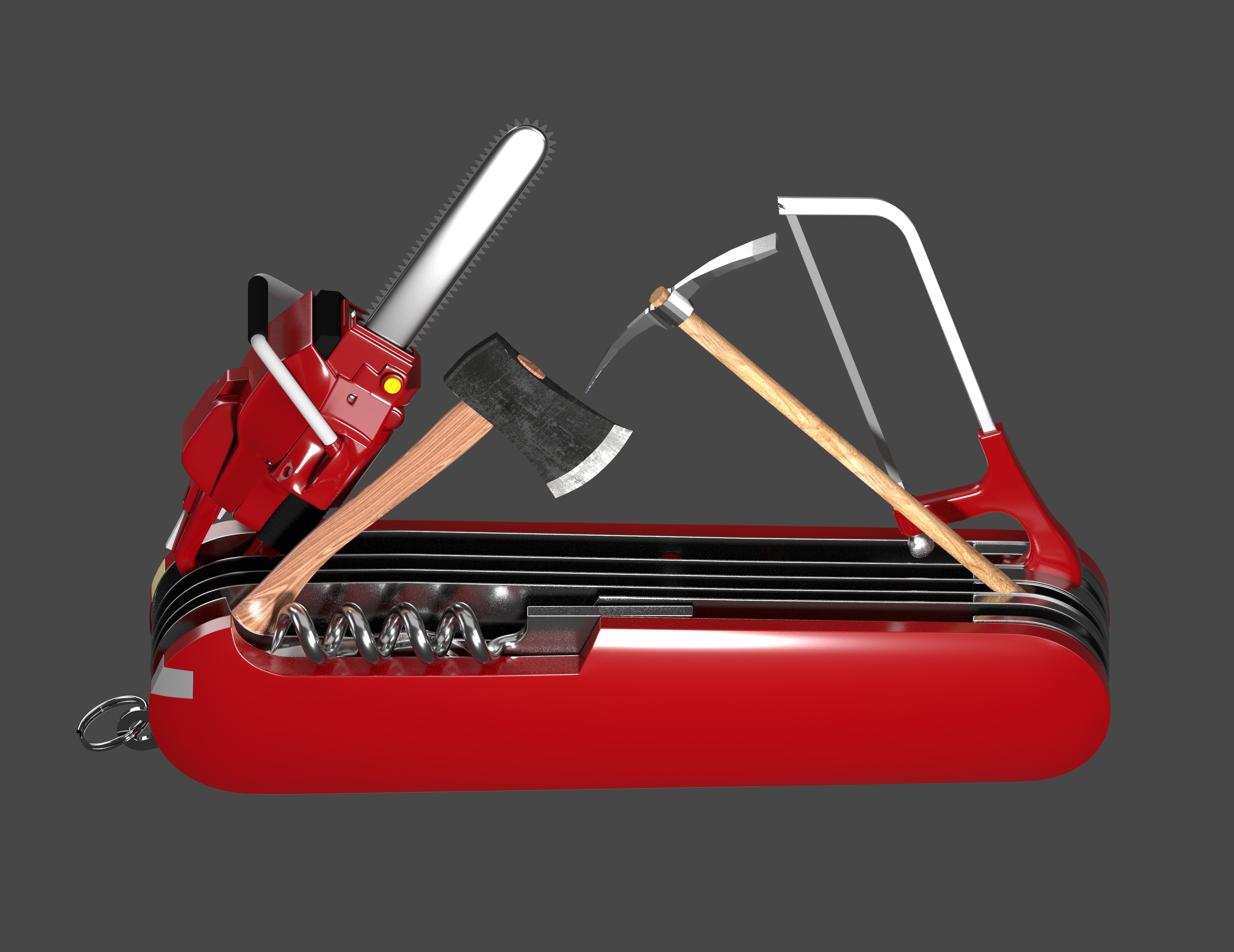
One of the Perl programming language's best-loved nicknames is "the Swiss Army chainsaw." The nickname also seems unfortunately applicable to Perl's recent community discourse.

Enlarge / One of the Perl programming language’s best-loved nicknames is “the Swiss Army chainsaw.” The nickname also seems unfortunately applicable to Perl’s recent community discourse. (credit: Coffeatus via Getty Images)

The Perl community is in a shambles due to disputes concerning its (nonexistent) Code of Conduct, its (inconsistent) enforcement of community standards, and an inability to agree on what constitutes toxicity or a proper response to it.

At least five extremely senior Perl community members have resigned from their positions and/or withdrew from working on Perl itself so far in 2021:

It’s difficult to impossible to pin down the current infighting to a single core incident. With that said, the rash of resignations revolves entirely around problems with unprofessional conduct—and in most cases, a focus on interminable yak-shaving that does little or nothing to address the actual problems at hand.

Read 21 remaining paragraphs | Comments


Source: Ars Technica – The Perl Foundation is fragmenting over Code of Conduct enforcement

Why Perseverance’s first Mars drilling test came up empty

Why Perseverance’s first Mars drilling test came up empty

Enlarge (credit: NASA)

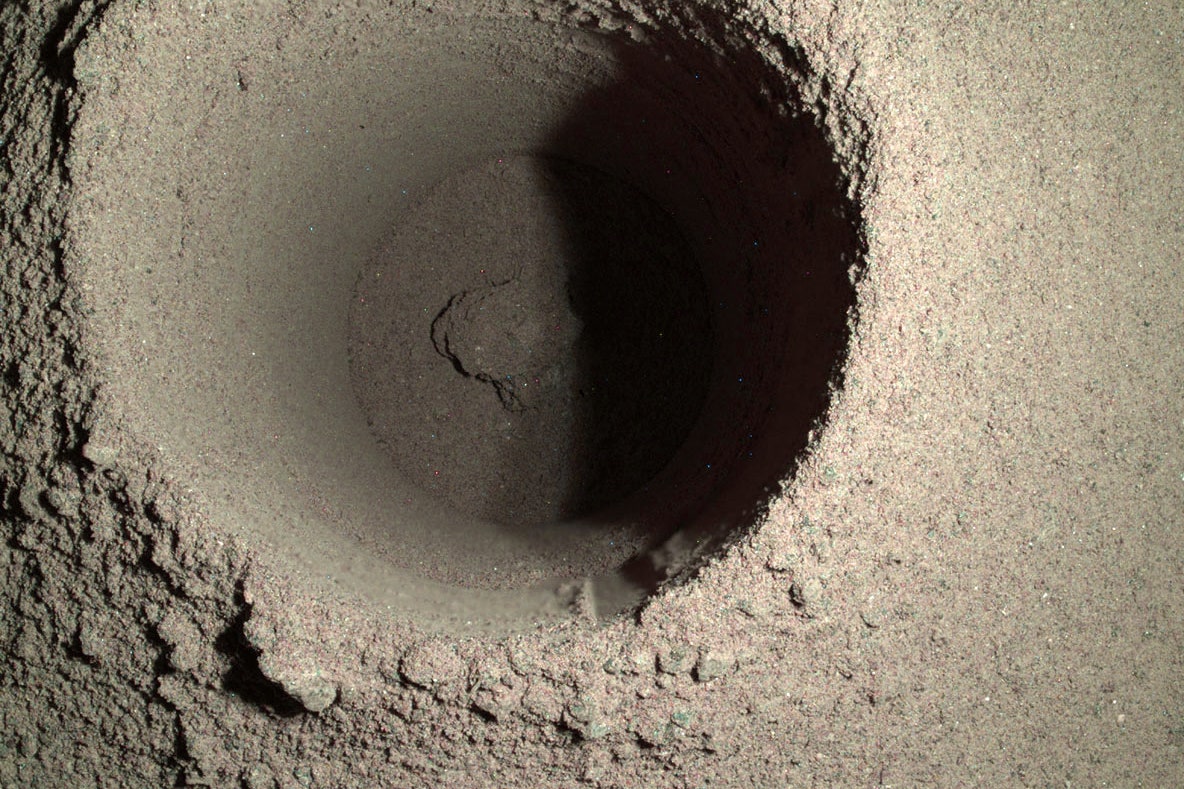
Last week, NASA’s Perseverance rover shot for a new milestone in the search for extraterrestrial life: drilling into Mars to extract a plug of rock, which will eventually get fired back to Earth for scientists to study. Data sent to NASA scientists early on August 6 indicated a victory—the robot had indeed drilled into the red planet, and a photo even showed a dust pile around the borehole.

“What followed later in the morning was a rollercoaster of emotions,” wrote Louise Jandura, chief engineer for sampling and caching at NASA’s Jet Propulsion Laboratory, in a blog post yesterday describing the attempt. While data indicated that Perseverance had transferred a sample tube into its belly for storage, that tube was in fact empty. “It took a few minutes for this reality to sink in, but the team quickly transitioned to investigation mode,” Jandura wrote. “It is what we do. It is the basis of science and engineering.”

By now, the team has a few indications of what went wrong in what Katie Stack Morgan, deputy project scientist of the Mars 2020 mission, calls “the case of the missing core.”

Read 16 remaining paragraphs | Comments


Source: Ars Technica – Why Perseverance’s first Mars drilling test came up empty

A simple software fix could limit location data sharing

Pretty Good Phone Privacy wants to minimize how much your wireless provider knows about your location.

Enlarge / Pretty Good Phone Privacy wants to minimize how much your wireless provider knows about your location. (credit: Noam Galai | Getty Images)

Location data sharing from wireless carriers has been a major privacy issue in recent years. Marketers, salespeople, and even bounty hunters were able to pay shadowy third-party companies to track where people have been, using information that carriers gathered from interactions between your phone and nearby cell towers. Even after promising to stop selling the data, the major carriers—AT&T, T-Mobile, and Verizon—reportedly continued the practice in the US until the Federal Communications Commission proposed nearly $200 million in combined fines. Carriers remain perennially hungry to know as much about you as they can. Now, researchers are proposing a simple plan to limit how much bulk location data they can get from cell towers.

Much of the third-party location data industry is fueled by apps that gain permission to access your GPS information, but the location data that carriers can collect from cell towers has often provided an alternative pipeline. For years, it’s seemed like little could be done about this leakage because cutting off access to this data would likely require the sort of systemic upgrades that carriers are loath to make.

Read 15 remaining paragraphs | Comments


Source: Ars Technica – A simple software fix could limit location data sharing

It’s time for more undead shenanigans with What We Do in the Shadows S3

It’s no secret that several Ars staffers are big fans of What We Do in the Shadows, FX’s Emmy-nominated supernatural comedy series; S2 even made our year’s best TV list last year. FX just dropped the official trailer for the eagerly awaited third season. Even better, the network has given the show an early S4 renewal, so we’ll be getting plenty more undead shenanigans from our favorite band of bumbling bloodsuckers.

(Some spoilers for first two seasons below.)

As I’ve written previously, Taika Waititi and Jemaine Clement wrote, directed, and starred in the original 2014 horror-comedy, playing vampire roommates Vladislav (Clement) and Viago (Waititi) in Wellington, New Zealand. Given their nocturnal nature, they and their vampire friends haven’t adapted to modern life particularly well, and their mishaps as they struggle to navigate mundane trivialities in the 21st century are the source of much of the film’s deadpan humor.

Read 7 remaining paragraphs | Comments


Source: Ars Technica – It’s time for more undead shenanigans with What We Do in the Shadows S3

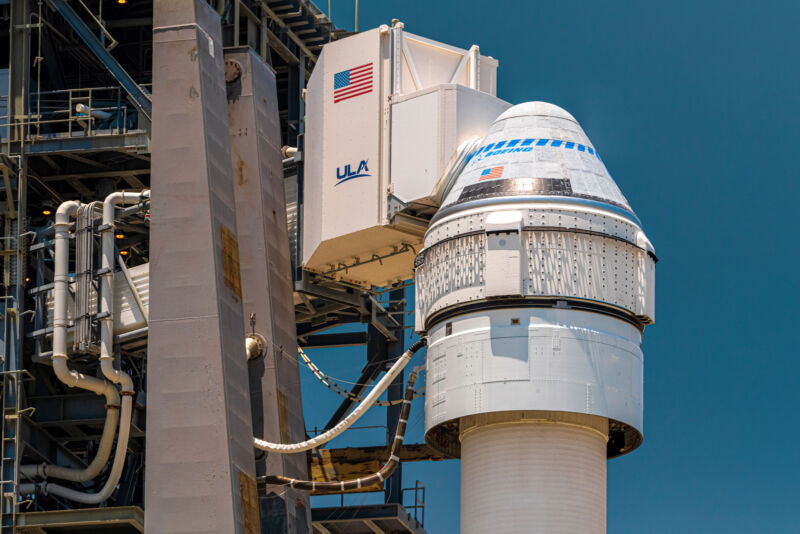
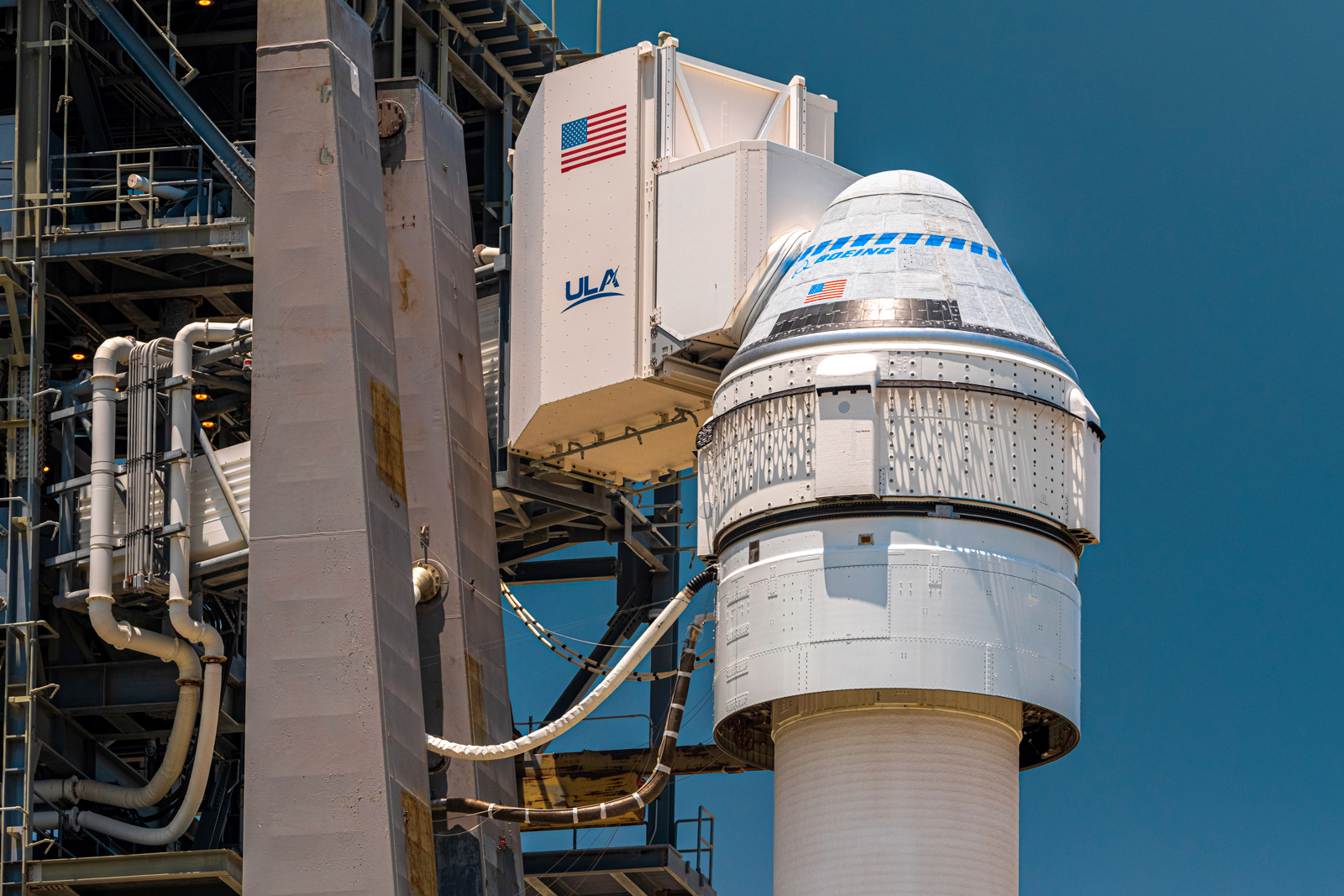
Boeing to ground Starliner indefinitely until valve issue solved

Read 9 remaining paragraphs | Comments


Source: Ars Technica – Boeing to ground Starliner indefinitely until valve issue solved

Apple- and Google-backed smart home standard Matter has been delayed

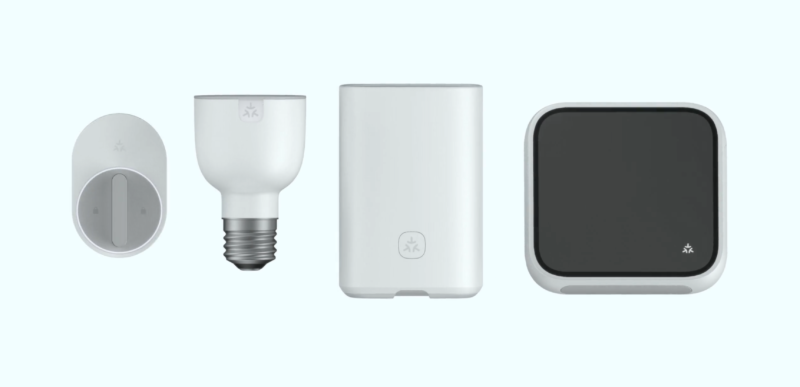
Renders of products that would use the Matter smart home standard.

Enlarge / Renders of products that would use the Matter smart home standard. (credit: Matter)

The rollout of the first certifications for smart home standard Matter—formerly called “Project Connected Home over IP” or “CHIP”—has been delayed to 2022, according to a blog post from Connectivity Standards Alliance (CSA) CEO Tobin Richardson.

The Matter standard is backed by Apple, Google, Amazon, and many other big players in the smart home industry. Among other things, it sought to make sure that devices from disparate companies using differing technologies (like Wi-Fi or Zigbee) could reliably work together in some way or another.

We went over the specifics of the technologies used in the standard when it was first announced in 2019. It was previously slated to arrive before the end of 2021. This isn’t the first time the standard has been delayed, however; it was originally planned for late 2020.

Read 3 remaining paragraphs | Comments


Source: Ars Technica – Apple- and Google-backed smart home standard Matter has been delayed

NASA stands by its astronaut after incendiary Russian claims

The Soyuz MS-09 spacecraft docked to the Rassvet module of the International Space Station's Russian segment.

Enlarge / The Soyuz MS-09 spacecraft docked to the Rassvet module of the International Space Station’s Russian segment. (credit: NASA)

On Friday afternoon, NASA pushed back on personal attacks made by Russia’s state-owned news service against NASA astronaut Serena Auñón-Chancellor.

“NASA astronauts, including Serena Auñón-Chancellor, are extremely well-respected, serve their country, and make invaluable contributions to the agency,” said Kathy Lueders, chief of human spaceflight for NASA. “We stand behind Serena and her professional conduct. We do not believe there is any credibility to these accusations.”

Shortly after Lueders tweeted this statement, NASA Administrator Bill Nelson concurred. “I whole-heartedly agree with Kathy’s statement,” he said. “I fully support Serena and I will always stand behind our astronauts.”

Read 5 remaining paragraphs | Comments


Source: Ars Technica – NASA stands by its astronaut after incendiary Russian claims

QuakeCon schedule leak shows Quake “revitalized edition” from MachineGames

We wonder how the "revitalized" <em>Quake</em> will compare to this 2019 raytracing update of <em>Quake II</em>.

Enlarge / We wonder how the “revitalized” Quake will compare to this 2019 raytracing update of Quake II.

After two shiny, modernized updates to the venerable Doom franchise in recent years, it looks like Bethesda and fellow Zenimax subsidiary MachineGames (Wolfenstein: The New Order) are getting ready to announce a “revitalized edition” of Quake.

That tidbit comes by way of the recently posted schedule for Bethesda’s virtual QuakeCon 2021, which will be streamed online next week. As noticed by Xbox Era (and still visible in this archived version), the schedule initially included a description for a “Let’s talk Quake” session that mentioned participants will “discuss the additional content MachineGames have contributed to this revitalized edition [emphasis added].”

That line was scrubbed from the live version of the schedule sometime in the last 24 hours, implying that someone jumped the gun in mentioning the new “revitalized” edition. But the current listing still mentions that “Quake is back,” which suggests we might hear an official announcement at the “QuakeCon Digital Welcome + Celebrating 25 Years of Quake with id Software and MachineGames” opening session on Thursday, August 19.

Read 3 remaining paragraphs | Comments


Source: Ars Technica – QuakeCon schedule leak shows Quake “revitalized edition” from MachineGames

Students’ plea to block Indiana U. vaccine mandate rejected by Justice Barrett

Closeup of a person being getting a vaccination shot in the shoulder.

Enlarge / A healthcare worker receives a Pfizer-BioNtech Covid-19 vaccine at Jackson Memorial Hospital on December 15, 2020 in Miami, Florida. (credit: Getty Images | Joe Raedle )

Supreme Court Justice Amy Coney Barrett yesterday rejected a request to block Indiana University’s requirement that students be vaccinated against COVID-19.

“The case, Klaassen v. Trustees of Indiana University, was the first test of COVID-19 vaccine requirements to arrive at the Supreme Court,” SCOTUSblog wrote. “The rule at the center of the case, announced in May by the university, requires all faculty, students, and staff to be vaccinated unless they qualify for a medical or religious exemption. Eight students went to federal court to challenge the constitutionality of the mandate, but on July 18 a federal district judge in Indiana rejected their request to block the mandate, and the US Court of Appeals for the 7th Circuit declined to put the mandate on hold while the litigation continues.”

Students challenging the mandate asked for an emergency injunction that would block it, but the docket says that the application was “denied by Justice Barrett.” Students claimed they have “a constitutional right to bodily integrity, autonomy, and of medical treatment choice in the context of a vaccination mandate” and that the university “is treating its students as children who cannot be trusted to make mature decisions.” Barrett “rejected the plea without even asking the university for a response or getting her colleagues to weigh in,” the Associated Press wrote.

Read 8 remaining paragraphs | Comments


Source: Ars Technica – Students’ plea to block Indiana U. vaccine mandate rejected by Justice Barrett

Samsung’s leader is out of jail, allowing US factory plans to move forward

Jay Y. Lee, leader of Samsung Group, speaks to members of the media as he is released from the Seoul Detention Center in Uiwang, South Korea, on Friday, Aug. 13, 2021.

Enlarge / Jay Y. Lee, leader of Samsung Group, speaks to members of the media as he is released from the Seoul Detention Center in Uiwang, South Korea, on Friday, Aug. 13, 2021.

Samsung Group’s leader, Jay Y. Lee, is out of jail on parole today. Lee was serving a 30-month sentence for his role in “Choi-gate,” a major 2016 South Korean political scandal that brought down South Korean then-President Park Geun-hye.

In 2017, Lee was originally sentenced to five years in jail after being found guilty of bribery, embezzlement, capital flight, and perjury charges. An appeal and re-trial cut Lee’s five-year prison sentence down to 30 months after suspending the charges for bribery and embezzlement. Lee served 18 months of that sentence, and now he’s out on parole.

Choi-gate is an incredible rabbit hole you can dive into at the above Wikipedia link, but the basics are that it is named for Choi Soon-Sil, a shamanistic cult member and a woman often called “Korean Rasputin,” due to her influence over South Korea’s then-President. Lee was accused of bribing Choi to get a favorable ruling from Park related to a 2015 merger of two Samsung affiliates, Samsung C&T Corp (that’s “Construction & Trading”) and Cheil Industries, a Korean textile firm.

Read 5 remaining paragraphs | Comments


Source: Ars Technica – Samsung’s leader is out of jail, allowing US factory plans to move forward

Study: These ancient straight-shelled cephalopods lived the vertical life

Reconstruction of the orthocone ammonite <em>Baculites compressus</em>. A new study reveals that the creatures likely lived a vertically oriented lifestyle.

Enlarge / Reconstruction of the orthocone ammonite Baculites compressus. A new study reveals that the creatures likely lived a vertically oriented lifestyle. (credit: David Peterman)

The fossil record is chock-full of the fossilized remains of spiral-shelled ammonoids, whose shapes are reminiscent of rams’ horns. But there was another type of ammonoid with long, straight, uncoiled shells, known as orthocones, that particularly flourished during the early Paleozoic. Prior reconstructions have depicted these creatures as being horizontal swimmers, similar to today’s squid.

But a new investigation that involved dropping 3D-printed models into water tanks reveals that most species of orthocones would not have been able to swim well horizontally. Instead, the creatures likely led a vertically oriented lifestyle, moving leisurely up and down through the water column to hunt and sometimes executing rapid upward dodges as needed to avoid predators, according to a recent paper published in the journal PeerJ.

Co-authors David Peterman and Kathleen Ritterbush are paleontologists at the University of Utah. They previously developed digital models of ammonoids with coiled shells to investigate the evolution and lifestyle of these creatures. This time, they’ve turned their attention to a species of orthocone cephalopods (Baculites compressus) that lived during the Cretaceous period. The authors hypothesized that there must be some adaptive benefit to having a straight shell, since the spiral shell of the orthoconic ammonoids has evolved several times in different lineages found in the fossil record.

Read 11 remaining paragraphs | Comments


Source: Ars Technica – Study: These ancient straight-shelled cephalopods lived the vertical life

“Blue” hydrogen is worse for the climate than coal, study says

Read 13 remaining paragraphs | Comments


Source: Ars Technica – “Blue” hydrogen is worse for the climate than coal, study says

Apple defends iPhone photo scanning, calls it an “advancement” in privacy

Apple executive Craig Federighi speaking on stage at an Apple conference in 2018.

Enlarge / Apple executive Craig Federighi speaks during the 2018 Apple Worldwide Developer Conference (WWDC) in San Jose, California. (credit: Getty Images | Justin Sullivan)

Apple’s decision to have iPhones and other Apple devices scan photos for child sexual abuse material (CSAM) has sparked criticism from security experts and privacy advocates—and from some Apple employees. But Apple believes its new system is an advancement in privacy that will “enabl[e] a more private world,” according to Craig Federighi, the company’s senior VP of software engineering.

Federighi defended the new system in an interview with The Wall Street Journal, saying that Apple is aiming to detect child sexual abuse photos in a way that protects user privacy more than other, more invasive scanning systems. The Journal wrote today:

While Apple’s new efforts have drawn praise from some, the company has also received criticism. An executive at Facebook Inc.’s WhatsApp messaging service and others, including Edward Snowden, have called Apple’s approach bad for privacy. The overarching concern is whether Apple can use software that identifies illegal material without the system being taken advantage of by others, such as governments, pushing for more private information—a suggestion Apple strongly denies and Mr. Federighi said will be protected against by “multiple levels of auditability.”

“We, who consider ourselves absolutely leading on privacy, see what we are doing here as an advancement of the state of the art in privacy, as enabling a more private world,” Mr. Federighi said.

In a video of the interview, Federighi said, “[W]hat we’re doing is we’re finding illegal images of child pornography stored in iCloud. If you look at any other cloud service, they currently are scanning photos by looking at every single photo in the cloud and analyzing it. We wanted to be able to spot such photos in the cloud without looking at people’s photos and came up with an architecture to do this.” The Apple system is “much more private than anything that’s been done in this area before,” he said.

Read 28 remaining paragraphs | Comments


Source: Ars Technica – Apple defends iPhone photo scanning, calls it an “advancement” in privacy

Zotac ZBOX MAGNUS ONE SFF Gaming PC Review: Desktop Comet Lake Charges Up with Ampere

Zotac has been a pioneer in bringing compact small form-factor (SFF) machines to the market right since the ION days. A few years back, they also got into the other expanding PC market segment – gaming systems – using the same SFF approach. With the burgeoning market for compact systems (kickstarted by the success of the Intel NUC initiative), Zotac has grown from strength to strength. The company now has around 8 different mini-PC families targeting different segments. The ZBOX E series caters to the gaming crowd and is marketed under the MAGNUS tag. The company’s current flagship is the ZBOX MAGNUS ONE (introduced at the 2021 CES). Coupling a desktop Comet Lake CPU with an nVIDIA Ampere GPU, it promises plenty of gaming prowess. Read on for a detailed look at the performance and value proposition of the top-end ZBOX MAGNUS ONE model – the ZBOX-ECM73070C-W2B.


Source: AnandTech – Zotac ZBOX MAGNUS ONE SFF Gaming PC Review: Desktop Comet Lake Charges Up with Ampere