While the majority of mountain bikers opt for brakes from one of the major brands, there’s an undercurrent of high-end brakes from lesser-known outfits that prove big-budget R&D departments aren’t necessary.
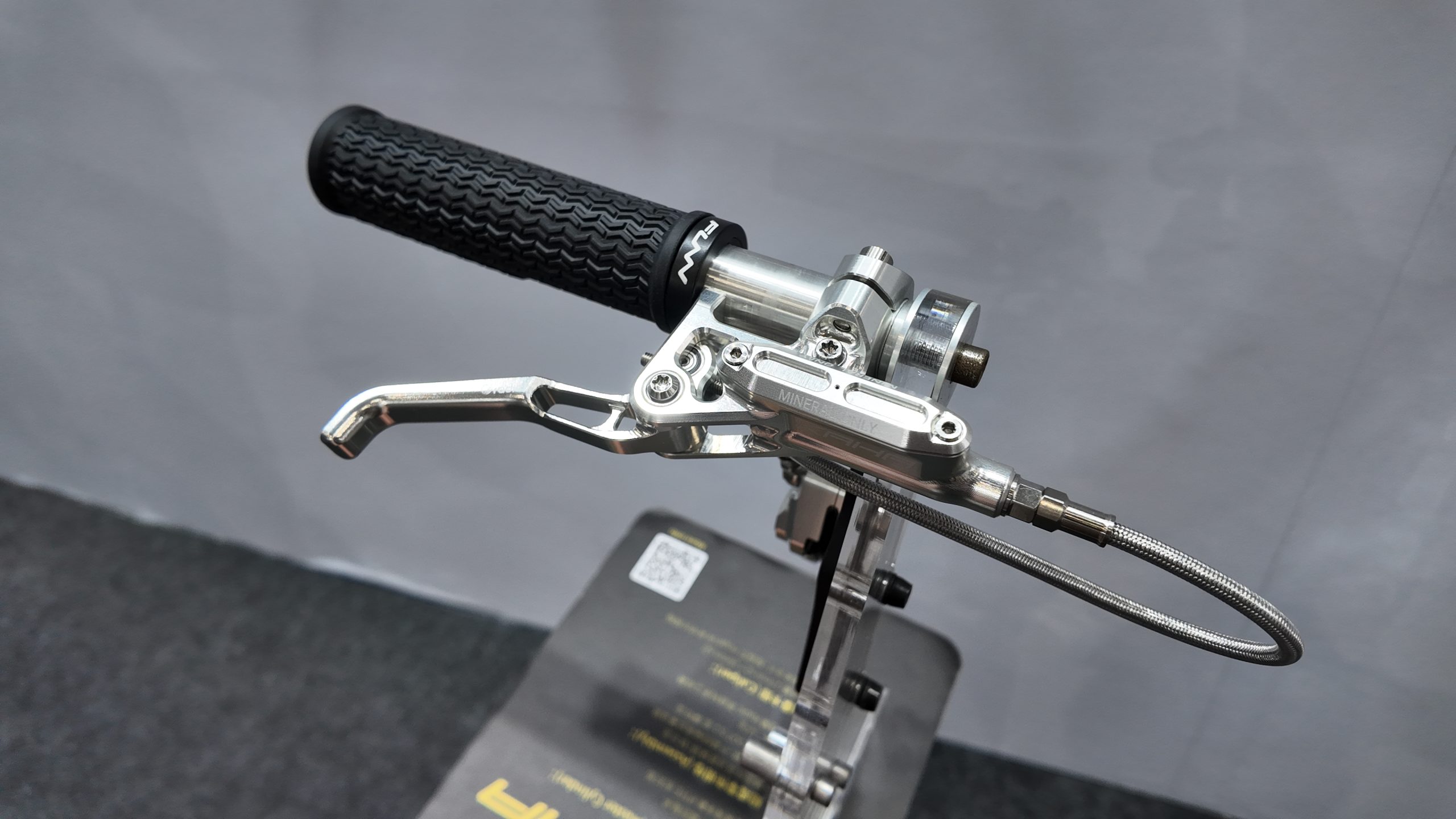
The new Kaha brakes from New Zealand brand Radic, spotted at the Taipei International Cycle Show, look like one such example.
They’ll certainly be a compelling choice if their performance backs up their evident build quality and good looks.
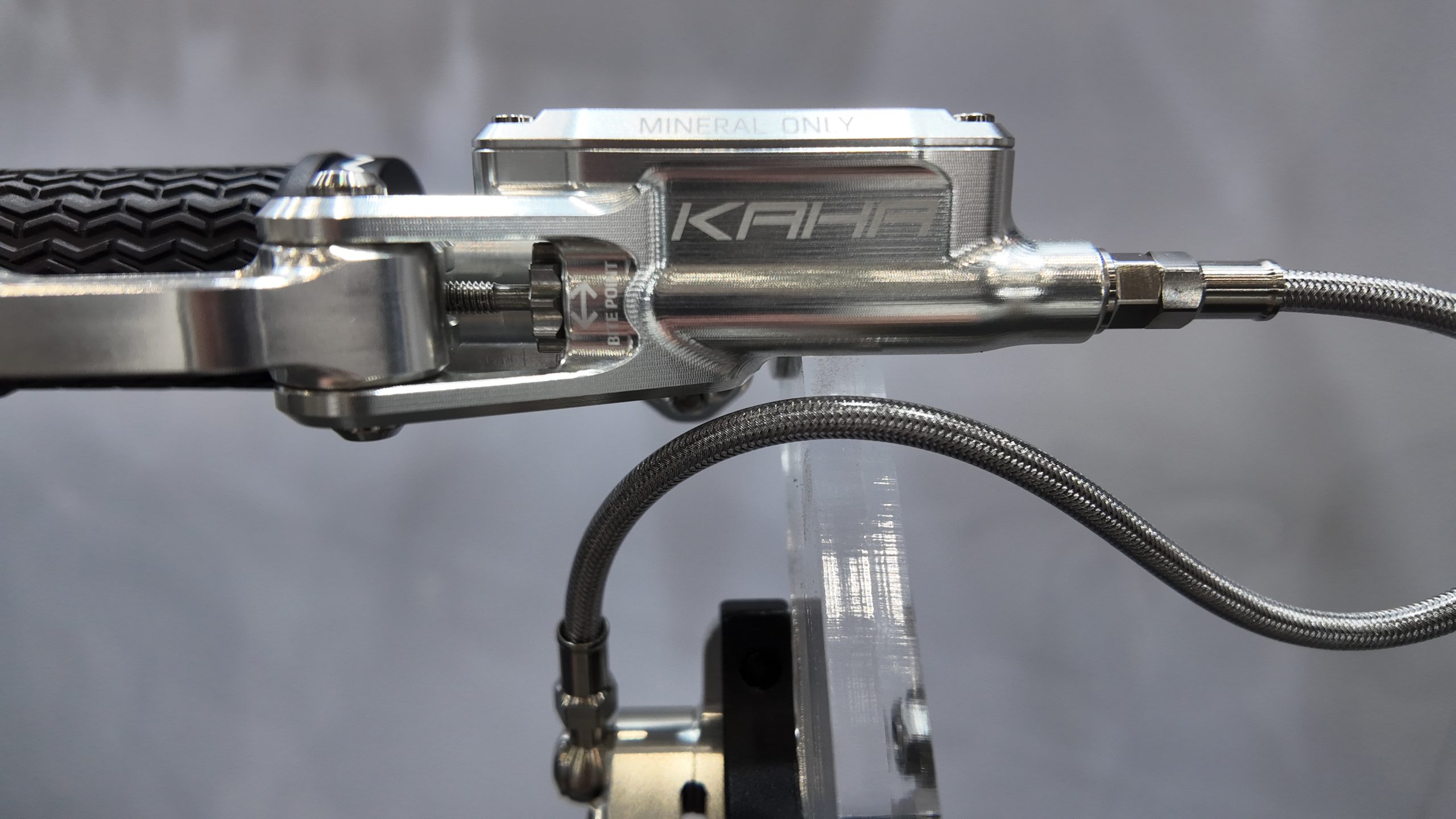
Stainless steel braided hoses connect lever to caliper. Tom Marvin / OurMedia
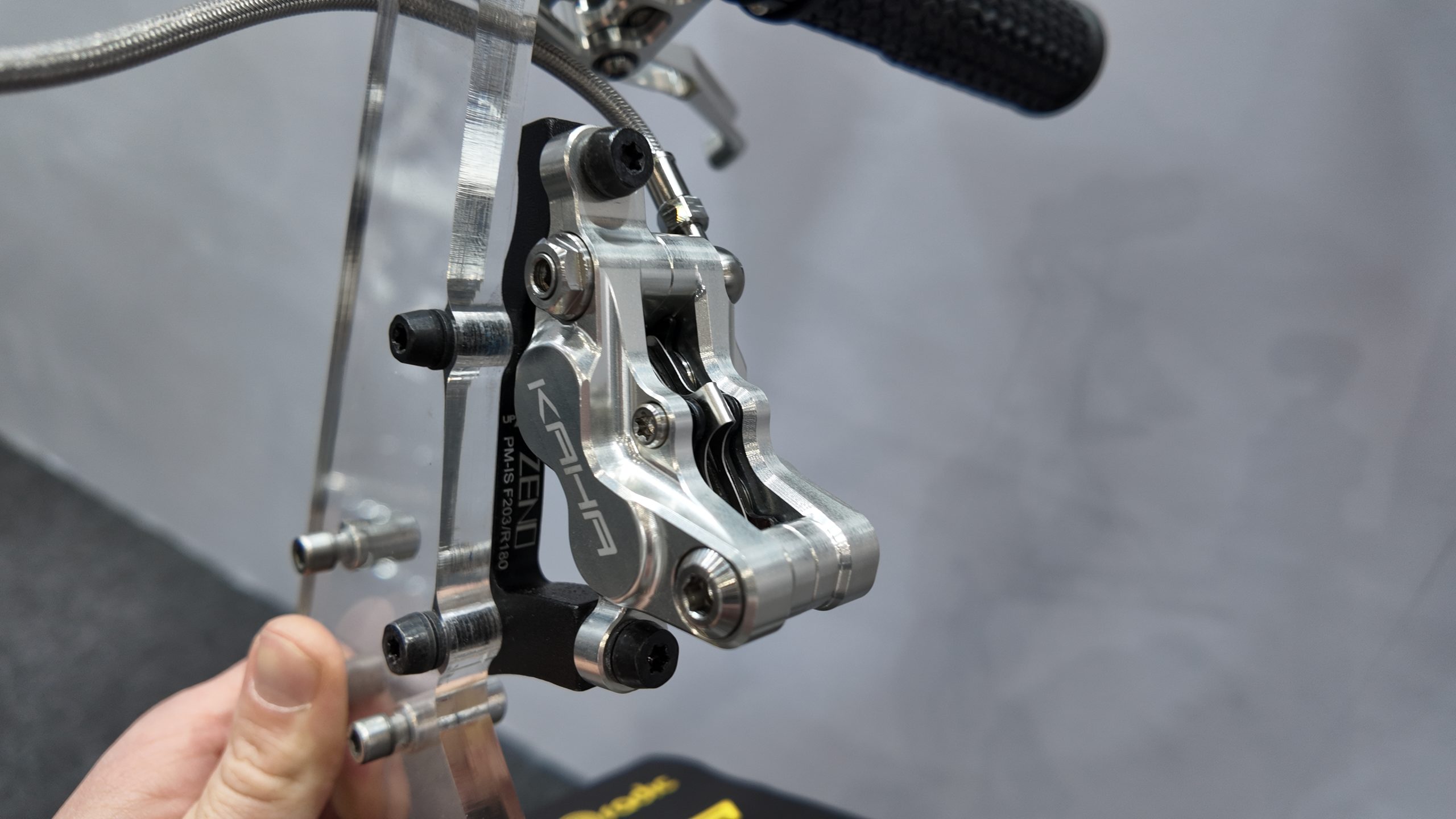
The brakes are targeted towards enduro and DH riders, with four stainless steel pistons at the caliper – two at 16mm and two at 17mm.
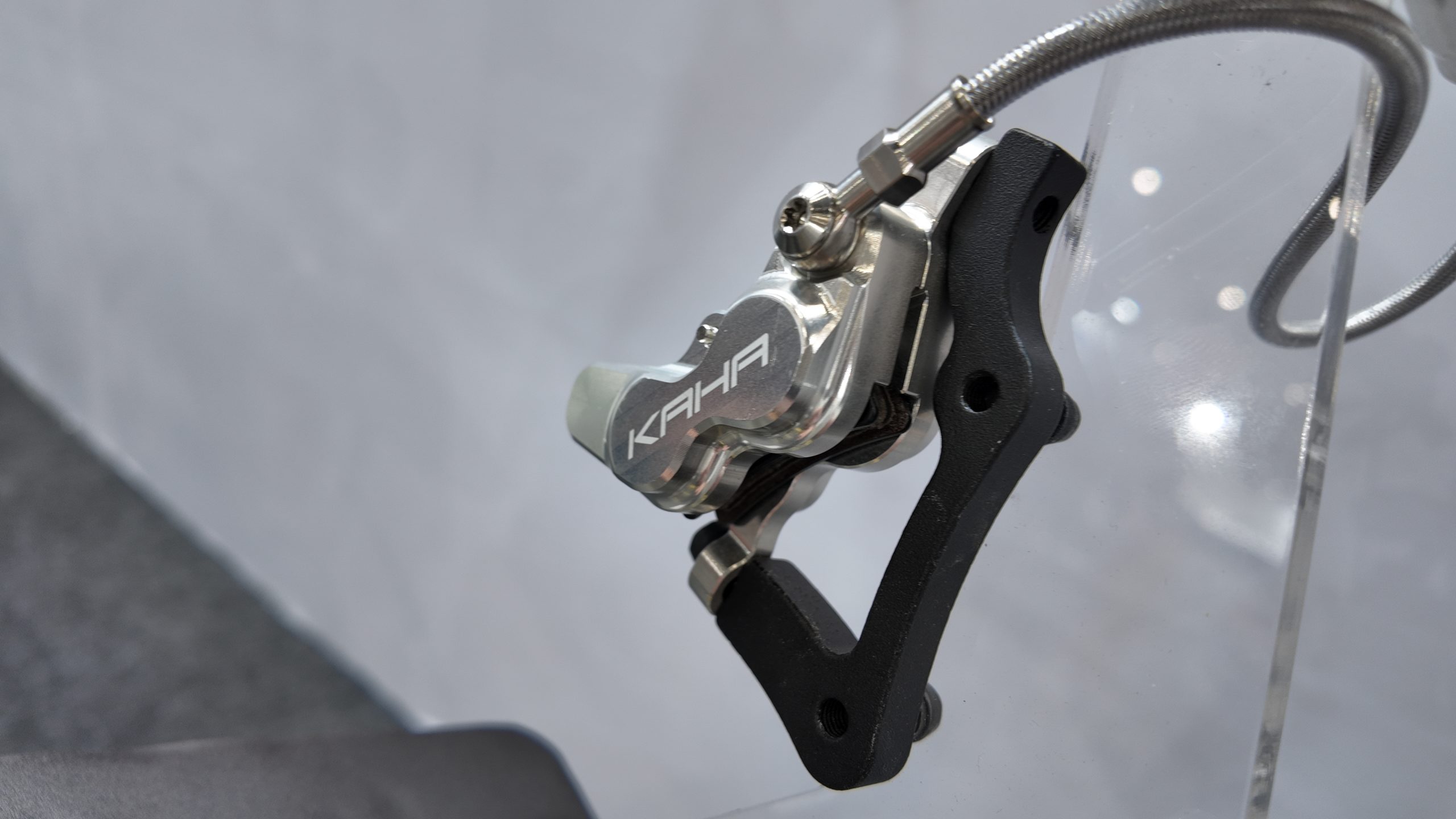
The caliper is shaved of excess material, while still holding onto those large-bore pistons, which push onto a brake pad shaped the same as Hope’s V4 pads – replacing them should be easy.
The two-piece aluminium caliper has an angle-adjustable banjo to help ensure your cable routing is smooth out of the rear brake. Oil channeling through the piston has been designed to minimise the risk of bubbles being caught during a bleed.
The brake caliper holds a set of Hope V4 brake pads. Tom Marvin / OurMedia
Titanium hardware is used to keep weight sensible.
The calipers are designed to be user-serviceable, with the exposed inner surface of the pistons threaded to make for easier removal.
The brakes can use mineral or DOT fluids, depending on your preference – a swap of seals is all you need in order to run either fluid.
Moving forward
The caliper has had all unnecessary material removed. Tom Marvin / OurMedia
A braided stainless steel hose connects the caliper to the lever in a nod to the motorsport manufacturing past of Radic’s engineer.
In theory, this should swell less when high pressures are applied.
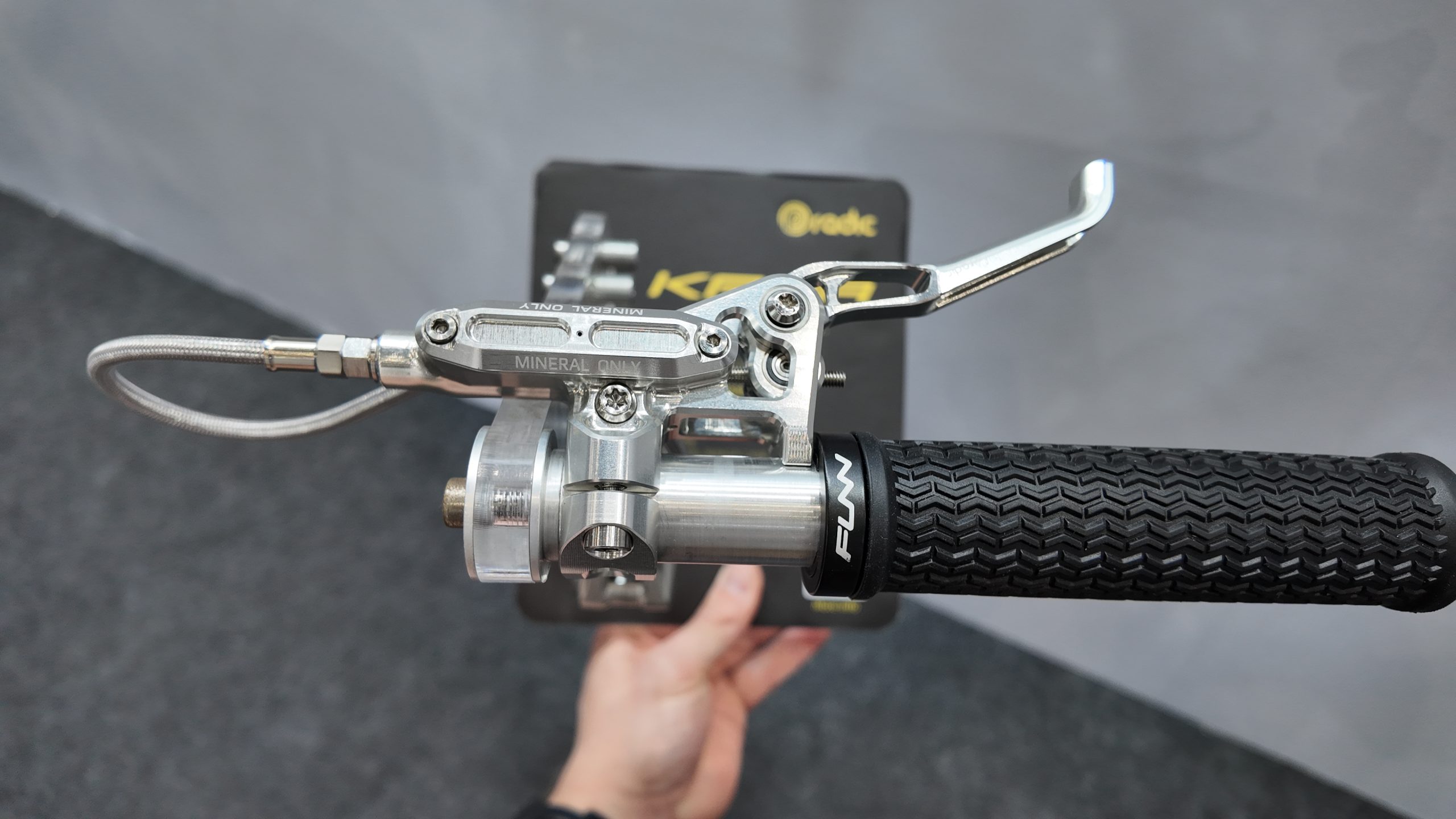
At the lever end, things remain incredibly pretty – and well thought-out.
As per Shimano, the lever body received additional anti-flex support. Tom Marvin / OurMedia
Shared with Shimano’s brakes, the lever body has an additional support that pushes on the bar when the lever is squeezed, minimising any flex in the lever body.
The lever blade is fairly long, with a tight hook at the end to ensure your finger stays in place.
Lever reach and bite-point adjustments are offered, while the lever blade itself pivots on bearings.
The bite-point adjust wheel is held snugly in the body of the lever, but it’s still adjustable with your fingers. Tom Marvin / OurMedia
All in, the lever has a very smooth and light feel, along with a short lever throw before the pads bite on the disc.
The brakes are listed at NZ$1200, which works out at just over £500 in the UK.
We may earn a commission from links on this page. Deal pricing and availability subject to change after time of publication.
If you’ve been searching for an affordable running watch, one of your best options just got even more budget-friendly. The Suunto Run is at the lowest price it ever gets, down to $179. That’s a solid 10% discount (or $20 off) from its typical $199 price tag, during Amazon’s Big Spring Sale.
As someone who loves to stay up-to-date with the running community, I know the Suunto is something of a cult classic. This watch is a niche pick for runners who want lightweight simplicity, but without sacrificing quality in their GPS and heart rate accuracy. For runners who want reliable tracking and solid performance without breaking the bank, this is an excellent option. My colleague Beth Skwarecki reviewed the Suunto Run and found herself surprised by how much she enjoyed it.
More Suunto deals in Amazon’s Big Spring Sale
If you’re looking at other models in the Suunto lineup, several are discounted right now:
Those two watches offer fancier features depending on your training needs, but the Suunto Run remains my top recommendation for a quality budget option.
Our Best Editor-Vetted Amazon Big Spring Sale Deals Right Now
PCAST, the President’s Council of Advisors on Science and Technology, is generally not a high-profile group. It tends to be noticed when things go wrong, such as when the PCAST head named by Biden had to resign due to abusive behavior. Biden, who was generally supportive of science, didn’t even name the members of PCAST until eight months after his inauguration. So it’s no surprise that an administration that’s been hostile to science took even longer to staff its version of the group.
The list of appointees was finally released on Wednesday, and it’s notable for its almost complete absence of scientists. There are still nine unfilled vacancies on the council, so it’s possible more scientists will be named later. But for now, PCAST is heavily tilted toward extremely wealthy technology figures.
These include investor Marc Andreessen, Google’s Sergey Brin, Michael Dell of Dell, Larry Ellison of Oracle, Jensen Huang of NVIDIA, Lisa Su of AMD, and Mark Zuckerberg of Meta. But many of the lesser known names have similar backgrounds. Previously named chairs of PCAST are investor David Sacks and a former investment company CFO and current head of the Office of Science and Technology Policy, John Kratsios. Of the new appointees, Safra Catz also comes from Oracle, Fred Ehrsam co-founded Coinbase, and David Friedberg is another investor.
One of the most overly hyped, unfortunately named and curiously positioned cars has been officially killed. It’s the Afeela 1, better known as the PlayStation Car, and it was meant to be an ultimate intersection of personal mobility and digital media. It is, instead, dead, killed by a combination of headwinds that even the most pessimistic of mobility analysts couldn’t have foreseen when it was first revealed six years ago.
That said, the six year interval might have been the biggest blow to the Afeela 1’s chances.
How did we get here?
What was to become the Afeela 1 debuted at CES 2020 as the Sony Vision S, a car that made headlines not so much for the way it looked (it was pretty plain) or the way it was supposed to drive (Sony didn’t really talk feel). It was notable simply because it was a car from a company best known for TVs that looked amazing and video game consoles that were impossible to find.
A few years later, Sony paired up with Honda to show that this wasn’t just a Gran Turismo fantasy made manifest. This was going to be an actual production car. In 2025, it was given a price tag: $100,000, along with a maximum range of about 300 miles. With cars like the Lucid Air already on the road, going 400 miles on a charge and costing less, Afeela 1 looked out of date well before it entered production.
Back then, I said it was already shaping up to be a PS4 in a PS5 era, and a year later, the unveiling of a slightly taller SUV version didn’t exactly shift the fates in the Afeela’s favor.
That incredibly long rollout, teasing a car for six full years, was pretty damning, but that was far from the only factor in the demise of the Afeela 1.
A geopolitical EV catastrophe
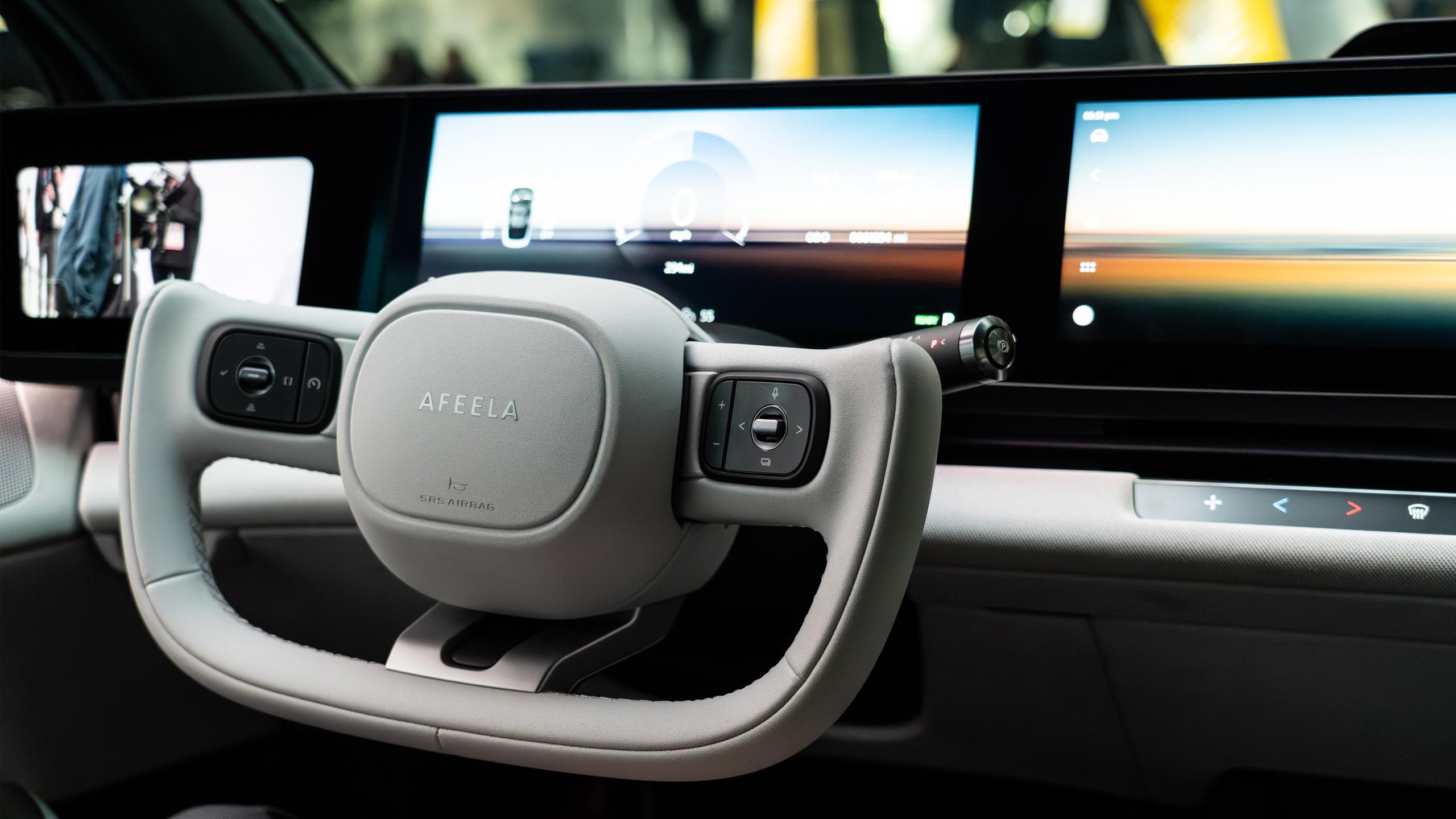
The interior display is one of a few interesting aspects of the Afeela 1.
Tim Stevens for Engadget
Back in 2020, the future was looking electrified. Manufacturers around the world were gearing up for an anticipated European ban on internal combustion by 2035, many of them promising to have fully electrified fleets years ahead of schedule.
Government incentives were generous, free chargers were popping up all over the place, and the global cheerleader for emissions-free motoring, Elon Musk, was still mostly respectable.
In the years that followed, everything fell apart, especially here in the US. Electric cars became a political firestorm, with Trump’s campaign taking every opportunity to decry them. Our federal rebates were scrapped, incentives for charger deployments were terminated and suddenly, the global automotive landscape became mired in a turbulent web of tariffs that shifted with the winds of hot air billowing around Washington.
EVs were now seen as an incredible folly by a considerable percentage of American consumers. The CEO of the world’s largest EV manufacturer goose-stepping along to the beat didn’t help. What was a market ripe for electrified innovation in 2020 turned into a mobility landmine by 2026.
Autonomy when?
Afeela 1
Tim Stevens for Engadget
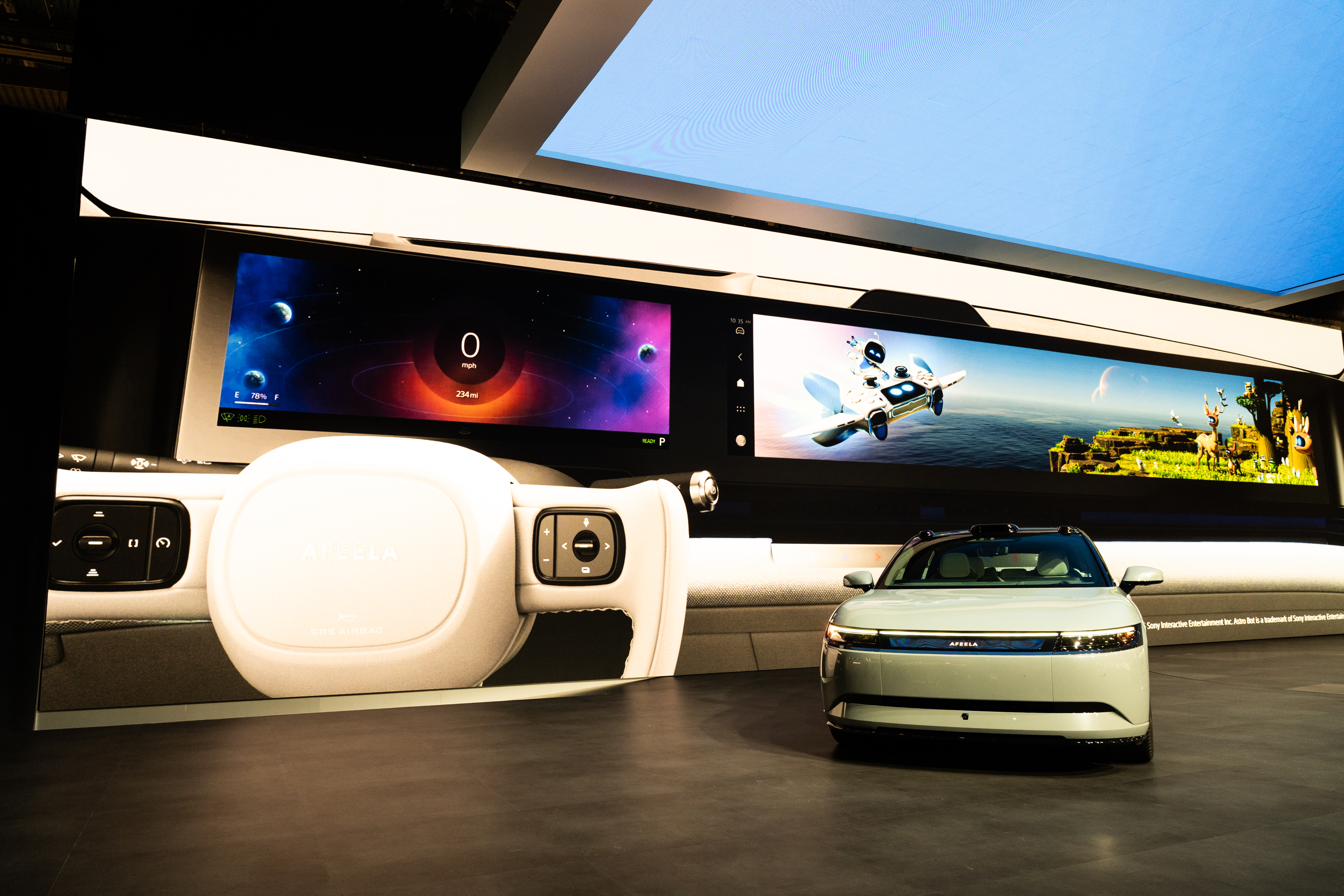
One of the key selling points of the Afeela 1 was to be Sony deploying the full might of its digital empire onto four wheels. PlayStation gaming on the go! High definition movies in the dashboard! Ratchet & Clank on a weird little LCD on your bumper for some reason!
This was exciting stuff back in 2020 because autonomous cars were right around the corner. Waymo was doing incredible things, others were hot on its heels, and a significant chunk of industry analysts were predicting that hands-off, eyes-closed autonomy would be a tick of a box on vehicle configurators in just a few years’ time.
Fast-forward to 2026 and, in many ways, we’re no closer to that dream. Sure, we have a number of hands-off driver assistance systems available today, some more aspirationally named than others, but there are no mass-market, eyes-off autonomy systems on American roads.
That means the inclusion of Sony’s media empire isn’t quite the flex it was. Sure, your kids in the back seat can have a hell of a time, but chances are they already have enough devices to keep them well entertained without you having to drop six figures on a new car from a new company with a funny name.
The intangibles
Afeela 1
Another key strike against the Afeela 1 was that it, quite simply, didn’t look very good. That first Vision concept had a few striking lines about it. But by the time Sony Honda Mobility came about, they’d all been ironed out. A white, featureless sedan is something that’s hard for anyone to get excited about.
Not every car needs to be exciting to behold, but the Afeela 1 didn’t really deliver in other regards. I’ve sat in a few different versions of prototypes, and while they were all nice enough, none held a candle to the sorts of posh appointments you’d expect were you to drop $100,000 on a Mercedes-Benz or a BMW.
Sony was really betting on the car’s media chops to deliver value to its hardcore fans, but there are plenty of amazing-sounding cars on the road today, cars that look better and cost less than the Afeela 1 would have. Sony cachet simply wasn’t enough.
Honda’s cold feet
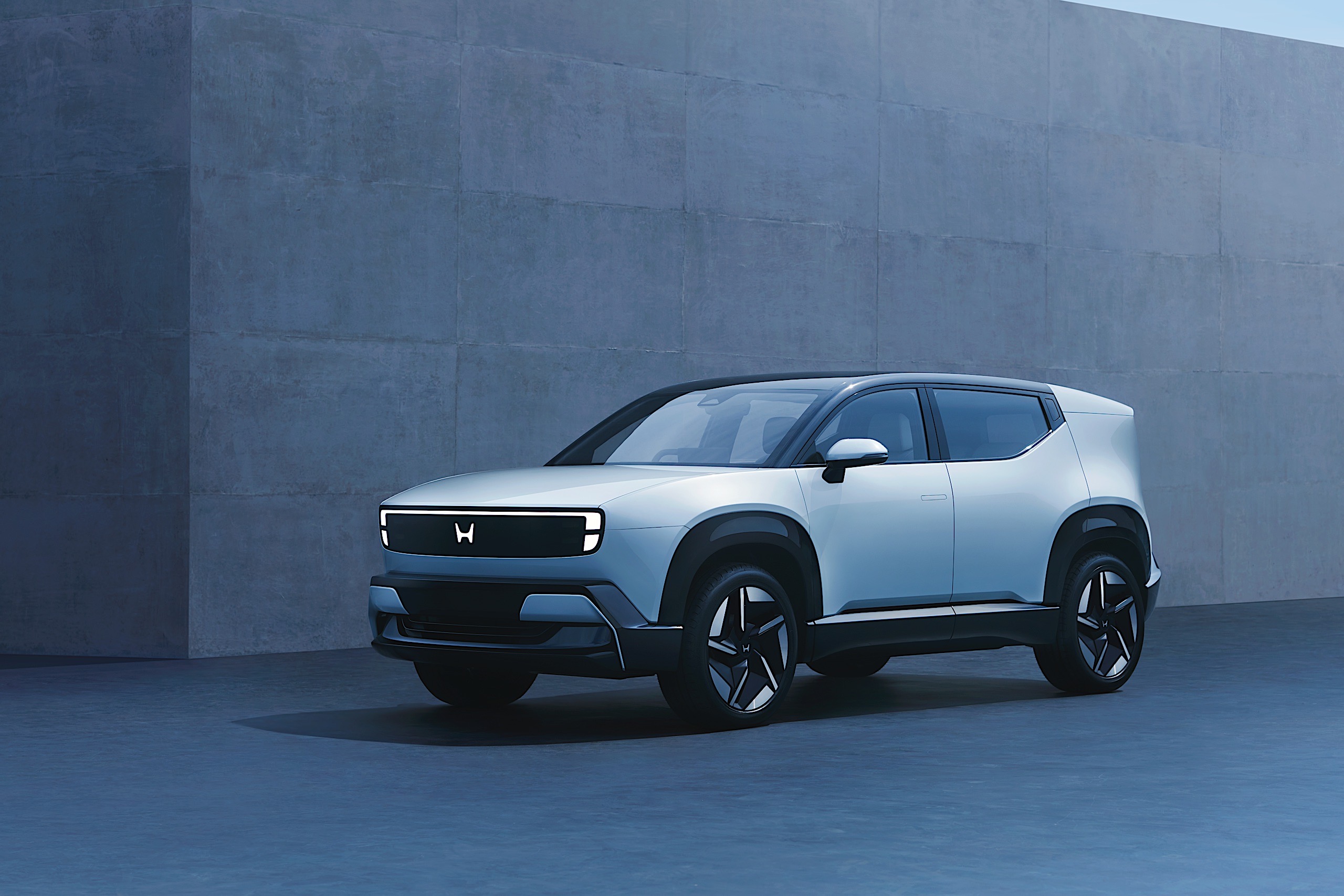
Honda 0 Series α EV
Honda
The final death knell of the Afeela 1 came at the hands of Honda. While the Afeela 1 was born of a Sony dream, it was to be produced in partnership with Honda. When I met with Honda CEO Toshihiro Mibe last year, he was already getting cool on the company’s American EV prospects. “The volume initially will probably be less than we had envisioned earlier,” he said.
Since then, Honda took things further, canceling its 0 Series EVs. That struck me as a real shame. Where the Afeela 1 looked anonymous and was set to cost too much, the 0 Series machines were stunning and intended to be affordable. They had a real chance.
Their death effectively ripped the platform right out from under the Afeela 1. It’s conceivable that Sony could take its content, car and characters to a new platform, and indeed, the press release on the cancellation of the Afeela 1 leaves the door open, saying: “SHM will continue discussions with Sony and Honda regarding its future business plans.” But, that seems extremely unlikely to me.
So the Afeela 1 is dead, and so too is the dream of the PlayStation car. If you’ve read my coverage of the thing in the past, you know that I was never bullish on it. Pessimistic is closer to the truth, yet I still feel incredibly bad about this turn of events. I spoke with and interviewed a fair few Sony Honda Mobility employees over the years, and all were extremely excited about what they were building.
And why not? They were trying to do something new, a radically different experience in a wholly new car from a wholly new brand. That’s not something that comes along very often. Sadly, the Afeela 1 will go down in history as a lesson of exactly why that is.
This article originally appeared on Engadget at https://www.engadget.com/transportation/evs/the-afeela-1-came-too-late-and-now-is-gone-too-soon-164845008.html?src=rss
The Supreme Court ruled unanimously on March 25 that Cox Communications is not liable for copyright infringement committed by its subscribers, reversing a 2024 appeals court decision that had upheld the ISP’s liability.
Sony Music Entertainment and other major labels sued Cox in 2018, arguing the company failed to terminate internet service for subscribers repeatedly flagged for pirating copyrighted music. A jury awarded $1 billion in statutory damages after finding Cox willfully infringed all 10,017 copyrighted works at issue, though this was overturned on appeal and a new trial was ordered.
Writing for the court, Justice Clarence Thomas said a provider is not liable “for merely providing a service to the general public with knowledge that it will be used by some to infringe copyrights.” A provider is liable only if it intended or actively encouraged the infringement, Thomas wrote. The decision applies the same framework the court used in 2005 when it found file-sharing service Grokster liable for promoting piracy.
Cox serves approximately six million subscribers and contractually prohibits them from using their connections to distribute copyrighted content. A firm enlisted by the labels to track piracy sent Cox 163,148 infringement notices over a roughly two-year period. Cox terminated just 32 subscribers for copyright infringement during that span.
This article originally appeared on Engadget at https://www.engadget.com/entertainment/streaming/supreme-court-rules-isps-arent-liable-for-subscribers-music-piracy-163412791.html?src=rss
We may earn a commission from links on this page. Deal pricing and availability subject to change after time of publication.
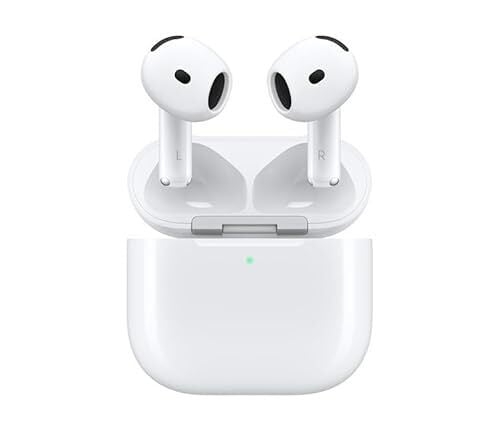
Apple’s AirPods Pro might be its most premium, expensive earbuds, but that doesn’t mean they’re hogging all the features. While they have the interchangeable ear tips, heart rate sensor, and the ability to be used as hearing aids, there are plenty of features you might assume to be “pro” that you can get on Apple’s standard earbuds. Case in point: noise cancellation. If all you need is a pair of earbuds that can block out the sound around you (without spending $249), consider the AirPods 4 with Active Noise Cancellation, which are currently on sale for Amazon’s Big Spring Sale.
AirPods 4 are “one size fits all,” and, as such, don’t ship with ear tips of different sizes. However, if you’ve found that Apple’s earbuds have fit your ears in the past, these should fit all the same. There’s a surprising amount of overlap in terms of features between the AirPods 4 and the AirPods Pro, too: They both support noise cancellation (though the Pros are up to four times better at it, according to Apple); Transparency Mode, which pumps in external sounds so you don’t have to take out your earbuds hear what’s going on; Conversation Awareness, which automatically lowers the volume when you’re speaking and raises it when you’re done; Live Translation, which translates conversations in real-time through your AirPods; and Personalized Spatial Audio, which can track your head movements to adjust the sound reproduction on the fly.
Apple says the AirPods 4 with Active Noise Cancellation have up to five hours of listening time on a single care, and up to 30 hours when you take the charging case into consideration. These are IP54 resistant to dust, sweat, and water, slightly lower than the Pro’s IP57 rating. Overall, if you want a pair of AirPods that can work well on an airplane without breaking the bank, the AirPods 4 with Active Noise Cancellation are a good bet. (Be careful if you need noise cancellation though, as Apple does sell a pair without the feature at a slightly lower price.)
The only caveat here is that these are not brand-new AirPods 4; rather, Amazon is selling “Renewed Premium” models. According to the company, “Renewed” products are “inspected, tested, and refurbished” by “Amazon-qualified suppliers.” In order to qualify as “Premium Renewed,” these products need to have no visible cosmetic damage when held 12 inches away. The battery needs to be at least 90% of its original capacity, and Amazon sells these products with generic or original accessories or packaging. When it comes to AirPods, my guess is that Amazon is taking open-box items (items that were opened but not used) and reselling them under this label—but there is a chance someone else used these AirPods before you bought them. While the company says all Premium Renewed products are professionally cleaned, I wouldn’t blame anyone for being a bit wary here. In that case, you can pick up a brand new pair for $148.99, which is 17% off the list price of $179.
Our Best Editor-Vetted Amazon Big Spring Sale Deals Right Now
Building off the release of ROCm 7.2 from January, ROCm 7.2.1 is now available with Ubuntu 24.04.4 LTS support as well as various bug fixes to this open-source AMD Radeon/Instinct GPU compute stack…
Netflix’s April lineup is packed with something for everyone. There are new installments of reality series Million Dollar Secret (April 15), Netflix’s answer to NBC’s The Traitors, and Temptation Island (April 10). Comedy series Running Point (April 23) also returns for a second season, with Kate Hudson starring as the president of her family’s pro basketball franchise.
Big Mistakes (April 9) is a new crime comedy series created by Dan Levy, who stars alongside Taylor Ortega as one of a pair of siblings who get blackmailed into participating in organized crime. And Kevin Hart has a new comedy competition series: Funny AF with Kevin Hart (April 20) incorporates real-time audience voting to find the next stand-up comedy star.
The new film Apex (April 24) is an action thriller starring Charlize Theron as a grieving woman in the Australian wilderness being hunted down by Taron Egerton. Finally, the April documentary slate is long: there’s This is a Gardening Show (April 22), narrated by Zach Galifianakis, and A Gorilla Story: Told by David Attenborough (April 17), as well as the musical docs Noah Kahan: Out of Body (April 13) and Lainey Wilson: Keepin’ Country Cool (April 22). Trust Me: The False Prophet (April 8) is a true crime series that looks at Warren Jeffs’s FLDS sect in Utah. Netflix is also dropping a handful of episodes of its Untold sports docuseries.
Here’s everything else coming to Netflix in April, and everything that’s leaving.
Low-quality, mass-produced AI songs have been flooding music streaming platforms like Spotify for a couple of years now. This is annoying, but relatively easy for fans to avoid. However, it leads to real problems for artists. There’s so much slop coming in that some gets falsely attributed to actual musicians on these platforms.
This messes with brand identity and audience retention, but Spotify is testing a new tool to help real artists exercise more control over their profiles. The platform’s Artist Profile Protection feature lets musicians review releases before they go live and become associated with their profiles.
Spotify
This should prevent AI slop from creeping in, as the actual artist will have final say when 100 new songs show up out of the blue that sort of sound like them but with all of that pesky soul removed. It’s in beta right now and if an artist denies a track, it won’t be associated with their profile, won’t contribute to stats and won’t show up in user recommendations. This looks to be a simple and potentially effective solution to an ongoing problem.
“Music has been landing on the wrong artist pages across streaming services, and the rise of easy-to-produce AI tracks has made the problem worse,” Spotify wrote in a blog post. “We know how frustrating this can be for both artists and fans alike.”
This comes just a week after Sony requested the removal of more than 135,000 AI-generated songs from Spotify after it was discovered the tracks were impersonating real artists. This even happens to bands that have opted out of Spotify entirely. King Gizzard & the Lizard Wizard left the platform last year, to protest CEO Daniel Ek’s investment in a weapons manufacturing company, but a deepfake artist quickly filled the vacuum.
Some of this isn’t malicious. It’s a numbers game for the “creators” of these tracks. Statistics vary, but it’s been estimated that around 50,000 AI-generated songs get uploaded to Spotify each and every day. The platform deleted 75 million of these tracks last year. With this many uploads, it’s easy for tracks to accidentally end up on the wrong artist’s profile. Bad actors looking to attach their slop to a known quantity compounds the issue.
In any event, it’s good that Spotify is doing something about this. We don’t know when the tool will exit the beta phase and become available for all artists on the platform. That day can’t come soon enough.
This article originally appeared on Engadget at https://www.engadget.com/ai/spotify-is-testing-a-tool-to-help-real-artists-deal-with-ai-slop-on-their-profiles-161013653.html?src=rss
Reddit CEO Steve Huffman has detailed the company’s latest plan to fight bots and it means that some accounts will need to “verify humanness,” though the company is stopping short of widespread identity verification. In an update, Huffman said that in “rare” cases accounts that seem “fishy” will be prompted for additional verification.
Such prompts “will not apply to most users,” according to Huffman, but will apply to accounts where Reddit detects signs of automated posting or bot-like behavior. If the account doesn’t pass the verification test, it may be “restricted” from the platform. For now, verification will take the form of on-device methods, including FaceID and passkeys. But the company is considering alternative methods, including World ID, the face-scanning orb company run by Sam Altman. “I think the internet needs verification solutions like this, where your account information, usage data, and identity never mix,” Huffman writes.
As part of the new policy, Reddit is also adding an “[APP]” label to existing “good” bots on the platform and making it easier for users to report suspected “bad” bots. The company is also grappling with a growing number of age verification laws. Reddit is “exploring” ways to “comply with these regulations without compromising user privacy,” Huffmans said.
The company is clearly trying to walk a careful line in how it approaches verification. Huffman notes that Reddit intends to “confirm humanness” rather than verify users’ actual identities, which would erode the anonymity that Reddit is known for. But the rise of agentic AI has meant that Reddit is contending with the same sorts of bot-driven spam that took down the short-lived reboot of Digg.
Of course, Reddit is also filled with AI-generated material that’s shared by actual humans but may be considered spammy by other users. The company has no plans to crack down on such content, at least for now, according to Huffman. “For better or worse, using AI to write is part of how people will communicate in the future (albeit annoying), so our current focus is to ensure there is a real, live human behind the accounts you’re seeing.”
This article originally appeared on Engadget at https://www.engadget.com/social-media/reddit-will-prompt-some-accounts-to-verify-humanness-in-latest-bot-crackdown-161000181.html?src=rss
Sony just revealed the upcoming Bravia 3 II mid-range LED TV. It’ll be available in sizes all the way up to 100 inches, for those in need of a home theater centerpiece. It’s considered a mid-range device, but is still outfitted with plenty of tech typically reserved for the company’s high-end displays.
First of all, these TVs ship with Sony’s XR processor. This grants access to the company’s proprietary Clear Image algorithm, auto HDR tone mapping and more. It’s nice to see these features expand beyond flagship products.
The 4K LED display supports Dolby Vision, Atmos and DTS:X, with refresh rates up to 120Hz. It also features four HDMI 2.1 ports, so you can hook up a Switch 2, a PS5 and an Xbox Series X all at the same time with a port to spare.
The software here is integrated with Google Gemini, allowing for all kinds of voice commands. Finally, the TVs ship with Sony’s new Inclusive Remote Control, which has been designed for accessibility.
The Bravia 3 II line will start showing up at retailers this spring. Prices start at $600 for a 43-inch model and go all the way up to $3,100 for that 100-inch monstrosity.
This article originally appeared on Engadget at https://www.engadget.com/home/home-theater/sonys-upcoming-bravia-3-ii-is-a-mid-range-led-tv-available-in-sizes-up-to-100-inches-160002697.html?src=rss
We may earn a commission from links on this page. Deal pricing and availability subject to change after time of publication.
Invariably, the best time to buy one of Amazon’s devices, from Blink video doorbells to Echo smart speakers, is during one of the mega-retailer’s semi-annual sale events, and the ongoing Big Spring Sale is no exception. That means, of course, that it’s a great time to be in the market for a Kindle e-reader. While these aren’t the lowest prices these devices are likely to hit in 2026, this is your best chance at scoring a decent discount without waiting for Prime Day this summer or Black Friday in the fall.
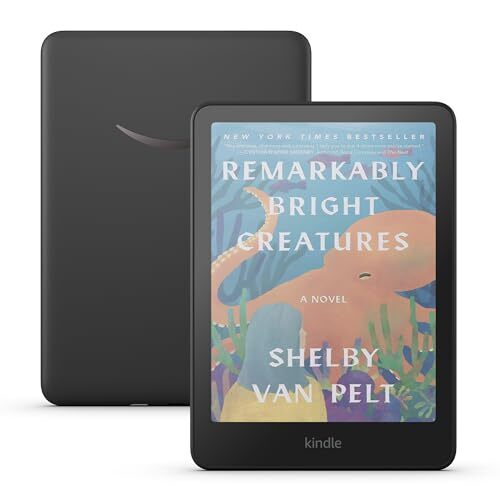
While most Kindles are seeing discounts of at least 15% (including the Kindle Paperwhite with ads and the Kindle Kids), this year Amazon is offering the biggest discounts on its more premium models. For an extra $25 over the cost of the standard Paperwhite, you can splurge on the Signature Edition and get double the storage, an auto-adjusting front light, and wireless charging—or spend an extra $10 and get the Kindle Colorsoft, the better to enjoy your comics, cookbooks, and other image-heavy texts.
Here are the best deals on Kindle devices during the Big Spring Sale.
Kindle Paperwhite Signature Edition
$159.99 at Amazon
$199.99 Save $40.00
$159.99 at Amazon
$199.99 Save $40.00
Kindle Colorsoft 16GB
$169.99 at Amazon
$249.99 Save $80.00
$169.99 at Amazon
$249.99 Save $80.00
Kindle Scribe 16GB (2024)
$249.99 at Amazon
$399.99 Save $150.00
$249.99 at Amazon
$399.99 Save $150.00
Amazon Kindle 16GB
$94.99 at Amazon
$109.99 Save $15.00
$94.99 at Amazon
$109.99 Save $15.00
Amazon Kindle Paperwhite (2024)
$134.99 at Amazon
$159.99 Save $25.00
$134.99 at Amazon
$159.99 Save $25.00
Kindle Kids 16GB Bundle
$109.99 at Amazon
$129.99 Save $20.00
$109.99 at Amazon
$129.99 Save $20.00
The 16GB entry level Kindle is 14% off
The entry-level, ad-supported Kindle is still a great e-reader, with a crisp 300 ppi screen and a front light so you can read anywhere. It’s $95 right now, down from the usual $110.
The Kindle Kids bundle is 15% off
If you’ve got little ones—or even if you don’t—the Kindle Kids bundle is a good option. It’s the same device as the entry-level Kindle, minus ads, and it comes with a cute cover and a promise from Amazon to replace it if it breaks. It’s $110 right now, down $20 from the usual price.
The Kindle Paperwhite is 16% off
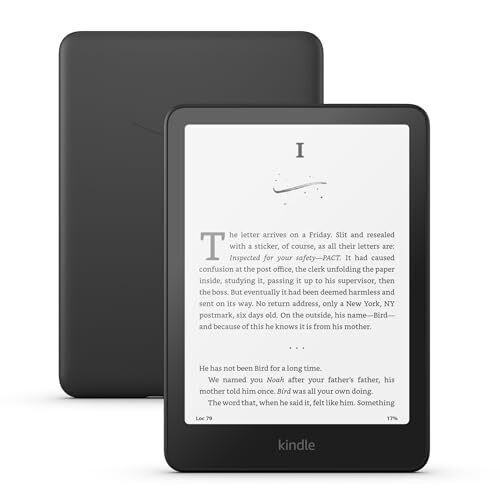
This ad-supported Kindle Paperwhite offers 16GB of storage, a temperature adjustable front light, and up to 12 weeks of battery life. It’s $135, down from the $160 you’d normally pay.
The Kindle Paperwhite Signature Edition is 20% off
Upgrade to the Paperwhite Signature Edition and you’ll get 32GB of storage, wireless charging, a sensor that can automatically adjust the lighting for you, and, oh yeah, no lock screen ads. You can choose from black, pink, or green for $160, down from the usual $200.
The Kindle Colorsoft is only $10 more
If you read a lot of comics or books with photos, or even if you just like seeing your covers in color, the Kindle Colorsoft has the best color e-ink screen you can buy. Right now, it’s only $10 more than the Signature Edition, offering 16GB of storage, temperature adjustable lighting, and no ads for $170.
The previous generation Kindle Scribe is $150 off
If you are looking for a serviceable digital notebook to take notes or write in your books, the Kindle Scribe is a decent pick, especially if you’re all-in on the Amazon ecosystem. Right now, the 2024 edition with the upgraded Premium Pen and 16GB of storage is $250, 38% off the usual $400 asking price.
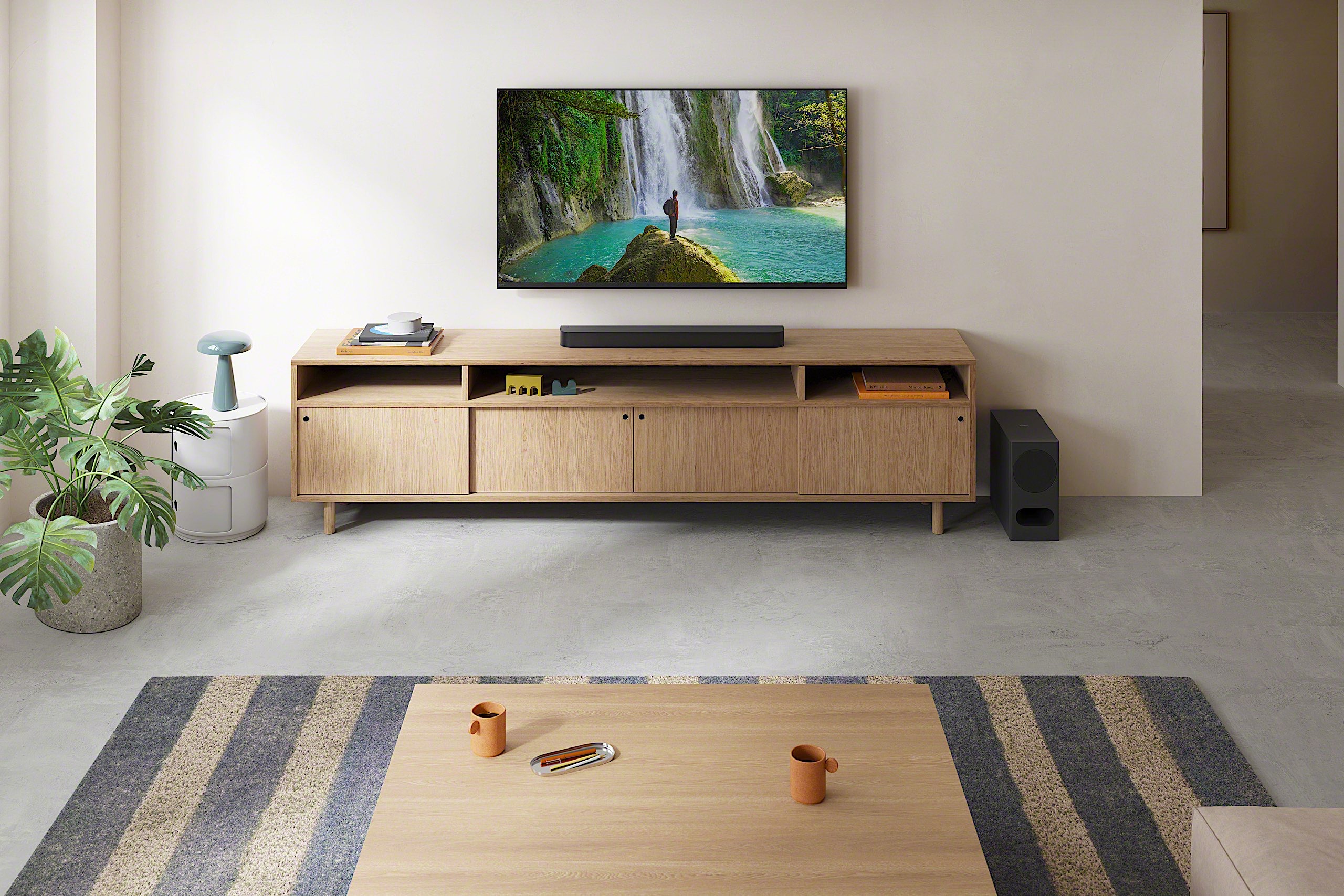
Sony already has a robust collection of soundbars in its Bravia Theater lineup. Today, the company is adding two more, as well as new rear speakers and three new subwoofers. The Bar 7 will sit in Sony’s premium tier, alongside the existing (and larger) Bar 8 and Bar 9 models, while the Bar 5 will offer a more compact and more affordable solution just below the current Bar 6.
The Bravia Theater Bar 7 utilizes nine total drivers to produce Dolby Atmos, DTS:X and IMAX Enhanced sound. More specifically, that arrangement includes three woofers, two tweeters, two up-firing units and two side-firing drivers, in addition to four passive radiators. Compare that to the Bar 8 and Bar 9 which house 11 speakers and 13 speakers respectively. Sony says the Bar 7 has new two-way front speakers and the center, up-firing and side-firing drivers all have the company’s oval-shaped X-Balanced design. In terms of features, you get Sony’s 360 Spatial Sound Mapping and Sound Field Optimization for more immersive audio performance.
The Bar 7 will come bundled with Sony’s new Bravia Theater Sub 7 for $870, but you can also purchase it without the subwoofer (pricing TBA). For a more robust system, the Bar 7 can be paired with the company’s Bravia Theater Rear speakers.
Sony Bravia Theater Sub 7
Sony
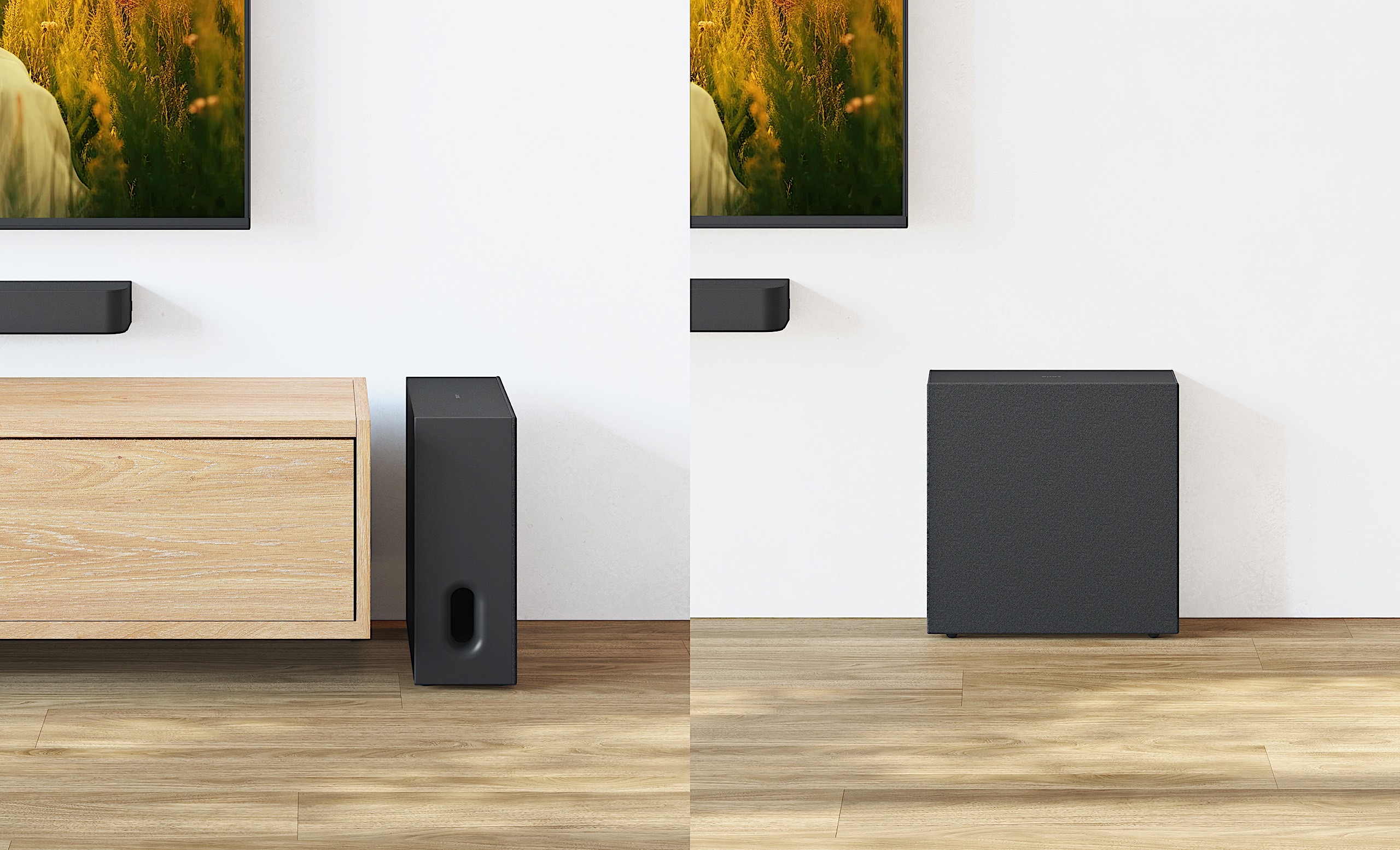
Speaking of subwoofers, Sony debuted three new models today. The aforementioned Sub 7 is the smallest, employing a 5.1-inch driver for the low-end tone. Move up to the new Sub 8 and you get a 7.9-inch driver for “enhanced atmosphere, clearer bass,” according to the company. The largest of the new options is the Sub 9 which has two opposing 7.9-inch drivers for “powerful, clean bass.” Unfortunately, these add-ons don’t come cheap: the Sub 7 is $330, the Sub 8 is $500 and the Sub 9 is $900.
Sony also touts dual subwoofer connectivity as part of the refreshed Bravia Theater lineup. All three of the new subs can be used as a pair, so long as you have a Theater Bar 7, Theater Bar 8 or Theater Bar 9. You can also use two subwoofers with some of Sony’s receivers (STR-AZ7000ES, STR-AZ5000ES, STR-AZ3000ES, STR-AZ1000ES and STR-AN1000). The company explains that opting for two subs provides “stronger, more balanced bass,” obviously, that fills the room for a more “cinematic effect.” Sony also says two subwoofers enable “richer, fuller bass” at lower volumes.
Rear speakers are something you’ll need if you truly want immersive audio, and the new Theater Rear 9 units are a big upgrade over the current Rear 8s. Most notably, you get an up-firing driver for enhanced overhead sounds along with two passive radiators, in addition to a tweeter and a woofer. The drivers all have aluminum diaphragms instead of paper, and the Rear 9s come with a swivel wall mounts that enable 60-degree movement. A pair of Theater Rear 9 speakers will set you back $750.
Sony Bravia Theater Bar 5
Sony
If all of that sounds too expensive for your living room, Sony has something more affordable in the midrange area. The Bravia Theater Bar 5 is just $350 and still offers Dolby Atmos and DTS:X audio. It doesn’t have up-firing drivers, it’s a 3.1-channel setup, so any overhead effects will be simulated. Still, that’s probably okay if you have a smaller space or live in an apartment as the upmixing tech (S-Force Pro Front Surround and Vertical Sound Engine) should provide ample immersion. The Bar 5 does come with a subwoofer though, and you can employ Sony’s Voice Zoom 3 feature for enhanced dialogue.
The Bravia Theater Bar 7, all three of the new subwoofers and the Rear 9 will be available for pre-order later this spring. The Bar 5 is up for pre-order starting today.
This article originally appeared on Engadget at https://www.engadget.com/audio/speakers/sony-adds-the-bravia-theater-bar-5-and-bar-7-to-its-soundbar-lineup-160000680.html?src=rss
An anonymous reader quotes a report from Vanity Fair: Focus Features is releasing The AI Doc: Or How I Became an Apocaloptimist in theaters on March 27. If you’re even slightly interested in what’s going on with AI, it’s required viewing: The film touches on all aspects of the technology, from how it’s currently being used to how it will be used in the near future, when we potentially reach the age of artificial general intelligence, or AGI. AGI is a theoretical form of AI that supposedly would be able to perform complex tasks without each step being prompted by a human user — the point at which machines become autonomous, like Skynet in the Terminator franchise. […]
[Director Daniel Roher] interviews nearly all the major players in the AI space: Sam Altman of OpenAI; the Amodei siblings of Anthropic; Demis Hassabis of DeepMind (Google’s AI arm); theorists and reporters covering the subject. Notably absent are Elon Musk and Mark Zuckerberg. “Have you seen that guy speak? He’s like a lizard man,” Roher says regarding Zuckerberg. “Musk said yes initially, but it was right when he was doing all the stuff with Trump, and we just got ghosted after a while,” adds [codirector Charlie Tyrell]. Altman, arguably AI’s greatest mascot, is prominently featured in the documentary. But Roher wasn’t buying it. “That guy doesn’t know what genuine means,” he says. “Every single thing he says and does is calculated. He is a machine. He’s like AI, and it’s in the service of growth, growth, growth. You can be disingenuous and media savvy.” […]
How, exactly, is Roher an apocaloptimist? “We are preaching a worldview,” he says, “in a world that’s asking you to either see this as the apocalypse or embrace it with this unbridled optimism.” He and his film are taking a stance that rests between those two poles. “It’s both at the same time. We have to try and embrace a middle ground so this technology doesn’t consume us, so we can stay in the driver’s seat,” says Roher — meaning, it’s up to all of us to chart the course. “You have to speak up,” says Tyrell. “Things like AI should disclose themselves. If your doctor’s office is using an AI bot, you have to say, I don’t like that.” The driving message behind the film is that resistance starts with the people. That position is shared by The AI Doc producer Daniel Kwan, who won an Oscar for directing Everything Everywhere All at Once and has been at the forefront of discussions about AI in the entertainment industry. […]
Roher and Tyrell both use AI in their everyday lives and openly admit to it being a helpful tool. They also agree that this technology can make daily tasks easier for the average consumer. But at the end of our conversation, we get into the economics of AI and how Wall Street is propping up the industry through huge evaluations of these companies — and Roher gets going yet again. “This is all smoke and mirrors. The entire economy of AI is being propped up by a Ponzi scheme. The hype of this technology is unlike any hype we’ve seen,” he says. “I feel like I could announce in a press release that Academy Award winner Daniel Roher is starting an AI film company, and I could sell it the next day for $20 million. It’s fucking crazy.” […] “These people are prospectors, and they are going up to the Yukon because it’s the gold rush.”
I’m continually amazed by how comparatively big and cheap today’s TVs have become versus the early days. Heck, I remember 55 inches being on the bigger side for a flat screen, and expensive to boot. My, how times have changed! The latest evidence of this can be seen in Best Buy’s deal of the day, a 70-inch smart TV for a penny shy of three
Google is dramatically shortening its deadline readiness for the arrival of Q Day, the point at which existing quantum computers can break public-key cryptography algorithms that secure decades’ worth of secrets belonging to militaries, banks, governments, and nearly every individual on earth.
In a post published on Wednesday, Google said it is giving itself until 2029 to prepare for this event. The post went on to warn that the rest of the world needs to follow suit by adopting PQC—short for post-quantum cryptography—algorithms to augment or replace elliptic curves and RSA, both of which will be broken.
The end is nigh
“As a pioneer in both quantum and PQC, it’s our responsibility to lead by example and share an ambitious timeline,” wrote Heather Adkins, Google’s VP of security engineering, and Sophie Schmieg, a senior cryptography engineer. “By doing this, we hope to provide the clarity and urgency needed to accelerate digital transitions not only for Google, but also across the industry.”
Scientists at the University of Kentucky have found a way to turn the soggy, grain-filled leftovers of bourbon production, a.k.a. stillage, into high-performance electrodes for supercapacitors, potentially turning Kentucky’s 95% share of the world’s bourbon market into a major player in the green energy grid.