HP Envy 17 Refreshed With Intel 10th Gen Ice Lake Processors

While this past week’s wave of new laptop announcements was focused squarely around the launch of Intel’s 10th gen Comet Lake-H mobile processors, a couple of vendors have also been using the occasion to update their 15 Watt U-series laptops as well. Among these was HP, who has updated its Envy 17 family of notebooks. Joining the existing Comet Lake models, the HP Envy 17 series now also features models with Intel’s Ice Lake-U processors, with various configurations available up to Intel’s Core i7-1065G7 CPU.


Designed for professional users looking for a sleek and stylish design, the updated HP Envy 17s include multiple models across its range, with a customizable touch screen model in its arsenal. (17t-cg000 Touch). The new HP Envy 17 can be fully configured to a suitable specification dependent on the user’s requirements, with multiple memory, CPU, graphics, and storage options available. Users can also equip it with a standard Intel AC9560 Gigabit Wi-Fi wireless adapter, or with an Intel AX201 Wi-Fi 6 adapter. A larger 55 Wh Li-ion Polymer battery is included, with its weight starting at 6.02 lb, dependent on the chosen configuration. 


Starting off with displays, the latest-generation Envy 17 features a 17.3″ IPS backlit WLED display, with options for either a 1080p or 4K display. Both displays are rated for similar performance, with a screen brightness of around 300 nits. HP is also offering optional touchscreen functionality on some models, though only with the 1080p display. Overall, the HP Envy 17 weighs around 6 lb and has dimensions of 15.71 (W) x 10.20 (D) 0.76 (H) inches. 


Under the hood, the HP Envy 17 is powered by a Intel’s Core i5 and Core i7 Ice Lake processors. Curiously, HP is taking a very binary route here: the only CPU options are the slowest Core i5, the i5-1035G1, or the fastest i7, the i7-1065G7. Both processor options offer 4 CPU cores, but along with clockspeed differences, the i5’s integrated GPU is only half as powerful as the i7’s. Perhaps that’s why HP is also including a discrete GPU with all of the Envy 17s, using NVIDIA’s GeForce MX330, which comes with either 2GB or 4GB of GDDR5 memory.


The HP Envy 17 17M-CG0013DX Notebook


Meanwhile storage options inside  the silver sandblasted anodized aluminum frame run the full gamut, from Optane-cached rotating rust all the way up to a 1TB PCIe SSD. All models come with some form of solid state storage, starting with a 1TB HDD and 16GB of Optane Memory at the low end, as well as other combinations of HDDs, SSDs, and Optane Memory including a 512GB PCIe SSD with a 32GB Optane cache. As for the memory, HP offers between 8GB and 32GB of DDR4-3200 SDRAM, including a curious 12 GB configuration with one 8 GB stick and one 4 GB stick in an unbalanced dual-channel mode.


Also included in the HP Envy 17 is either an Intel AC9560 Wi-Fi 5 adapter, or one of Intel’s newer AX201 Wi-Fi 6 wireless adapter. For connectivity, the laptop offers a USB 3.2 G2 10 Gbps Type-C port, with support for DisplayPort 1.4, as well as three USB 3.1 G1 Type-A ports, an AC Smart pin, and a headphone and microphone combo port. For users with HDMI, the HP Envy 17 also has a single HDMI 2.0 video output. Meanwhile, along the top of the bezel is a wide vision HD webcam with a built-in microphone, with the Envy 17’s sound coming from a pair of integrated Bang & Olufsen speakers.


HP Envy 17 Intel 10th Gen Refresh Specifications
  17t-cg000/Touch 17M-cg0013dx 17-ce1030nr 17-ce1031nr
CPU Intel i5-1035G1

Intel i7-1065G7
Intel i7-1065G7 Intel i5-10210U Intel i7-10510U
GPU GeForce MX330 (2 GB)

GeForce MX330 (4 GB)
GeForce MX330 (2 GB) GeForce MX250 (2 GB) GeForce MX250 (2 GB)
Display 17.3″ FHD IPS

17.3″ FHD IPS Touch

17.3″ 4K UHD IPS
17.3″ FHD IPS 17.3″ FHD IPS 17.3″ FHD IPS
Memory 8 GB DDR4-3200 (2 x 4 GB)

12 GB DDR4-3200 (1 x 4 GB, 1 x 8 GB)

16 GB DDR4-3200 (1 x 16 GB

32 GB DDR4-3200 (2 x 16 GB)
12 GB DDR4-3200 (1 x 4GB, 1 x 8GB) 8 GB DDR4-2666 (2 x 4 GB) 16 GB DDR4-2666 (1 x 16 GB)
Storage 1 TB HDD + 16 GB Optane

1 TB HDD + 128 GB M.2

1 TB HDD + 256 GB NVme M.2

512 GB NVMe M.2

512 GB NVMe M.2 + 32 GB Optane

1 TB NVMe M.2
512 GB M.2

32 GB Intel Optane
512 GB M.2

16 GB Intel Optane
512 GB M.2

32 GB Intel Optane
Networking Intel AC9560 Wi-Fi 5

Intel AX201 Wi-Fi 6
Intel AX201 Wi-Fi 6 Gigabit LAN

Intel AC9560 Wi-Fi
Gigabit LAN

Intel AC9560 Wi-Fi
Power 65 W AC Adaptor
Battery 55 Wh Li-on 52 Wh Li-ion
Ports 1 x SD Card Reader

1 x USB 3.2 G2 Type-C

3 x USB 3.1 G2 Type-A

1 x 3.5 mm Phono/Mic

1 x HDMI 2.0
1 x SD Card Reader

1 x USB 3.1 G2 Type-C

3 x USB 3.1 G1 Type-A

1 x 3.5 mm Phono/Mic

1 x Gigabit RJ45

1 x HDMI 2.0
Dimensions (WxDxH) 15.71 x 10.20 x 0.76 inches 15.94 x 10.47 x 0.88 inches
Weight 6.02 lb   6.22 lb
Price (USD) Starts at $950 $1250 Starts at $730 Starts at $950

Every model in the new HP Envy 17 Intel 10th Generation refresh comes equipped with a 65 W AC adaptor, a multi-media SD Card Reader. The price of each model varies, with prices for the BTO models starting at $950 and ranging up to $2070 for the top-spec model, while the pre-configured 17-cg0013dx SKU for Best Buy is available for pre-order at $1250.


Gallery: HP Envy 17


Related Reading


Source: AnandTech – HP Envy 17 Refreshed With Intel 10th Gen Ice Lake Processors
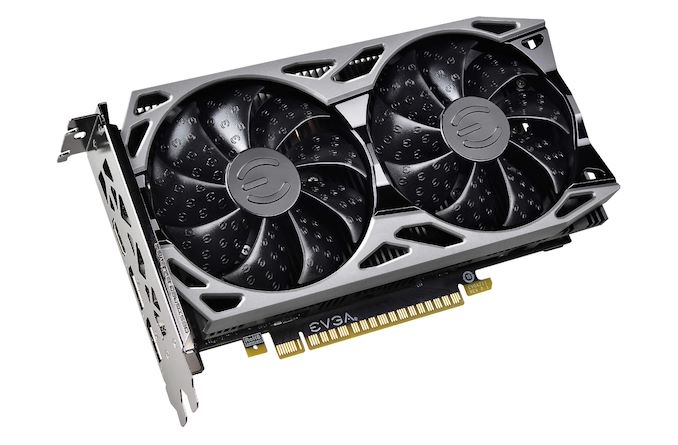
NVIDIA’s GeForce GTX 1650 GDDR6 Released: GDDR6 Reaching Price Parity With GDDR5

Tucked inside NVIDIA’s announcement of their spring refresh of their mobile GPU lineup, the company included a new low-end mobile part, the GeForce GTX 1650 GDDR6. Exactly as it says on the tin, this was a version of the company’s GTX 1650 accelerator, except with newer GDDR6 instead of the GDDR5 it launched with. Now, in one of NVIDIA’s more poorly kept secrets, their desktop product stack is getting a version of the card as well.


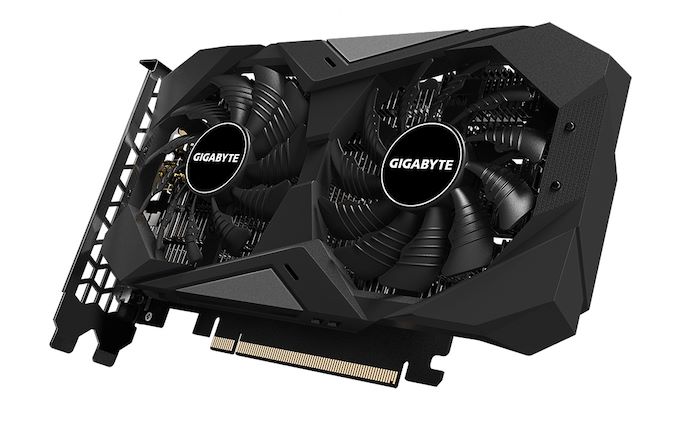
While not a launch (as NVIDIA likes to frame it), the desktop GTX 1650 GDDR6 has none the less finally become an official product this past Friday, with partners unveiling their cards and NVIDIA adding the specifications to their website. Sitting alongside the existing GDDR5 version, the GDDR6 version is intended to be a parallel, generally equal SKU. As NVIDIA makes the transition from GDDR5 to GDDR6 at the bottom edge of their product lineup, the updated card gets access to faster memory, but interestingly the GPU clockspeeds are also tapered back a bit.


NVIDIA GeForce Specification Comparison
  GTX 1660 GTX 1650 Super GTX 1650 (G6) GTX 1650 (G5)
CUDA Cores 1408 1280 896 896
ROPs 48 32 32 32
Core Clock 1530MHz 1530MHz 1410MHz 1485MHz
Boost Clock 1785MHz 1725MHz 1590MHz 1665MHz
Memory Clock 8Gbps GDDR5 12Gbps GDDR6 12Gbps GDDR6 8Gbps GDDR5
Memory Bus Width 192-bit 128-bit 128-bit 128-bit
VRAM 6GB 4GB 4GB 4GB
Single Precision Perf. 5 TFLOPS 4.4 TFLOPS 2.85 TFLOPS 3 TFLOPS
TGP 120W 100W 75W 75W
GPU TU116

(284 mm2)
TU116

(284 mm2)
TU117

(200 mm2)
TU117

(200 mm2)
Transistor Count 6.6B 6.6B 4.7B 4.7B
Architecture Turing Turing Turing Turing
Manufacturing Process TSMC 12nm “FFN” TSMC 12nm “FFN” TSMC 12nm “FFN” TSMC 12nm “FFN”
Launch Date 03/14/2019 11/22/2019 04/03/2020 04/23/2019
Launch Price $219 $159 ~$149 $149

By the numbers, the new GDDR6 version is largely the same as the GDDR5 version. Both are 75W cards based on NVIDIA’s entry-level Turing TU117 GPU. However the GDDR6 version of the card both gains some and loses some in the process. NVIDIA swaps out the GDDR5 for newer GDDR6 – and thereby finally confirming that TU117 is GDDR6-capable – however the cards also take a slight clockspeed nerf. As a result the GDDR6 version of the card has a whopping 50% more memory bandwidth – bringing it to 192GB/sec – but 5% lower GPUs clocks and throughput.


In discussing the matter with NVIDIA, we were told that the GPU clockspeed change was to equalize performance and power consumption between the two parts. Which makes sense to a degree – the GTX 1650 is a particularly special part in NVIDIA’s lineup since it’s the fastest card they offer that can be powered entirely by a PCIe slot, which is to say it can’t have a TDP over 75 Watts. So with the GDDR5 version already close to that limit, if the switch to GDDR6 memory drives up power consumption at all (be it the memory or the GPU’s memory controllers), then something else has to be dialed back to compensate.


Meanwhile, equalizing performance is something of a secondary goal in this situation, especially because of the potency of GDDR6 memory. NVIDIA doesn’t intend for the GDDR6 version of the GTX 1650 to be its own product; the next card up after the GTX 1650 remains the GTX 1650 Super. But given what we’ve seen on other Turing parts such as the GTX 1660 series, where a similar switch netted a further 10% in performance, I would expect the GTX 1650 to see the same kind of modest benefits from the faster memory. This in turn would more than outweigh the 5% GPU clockspeed drop. So don’t be surprised if the GTX 1650 with GDDR6 turns out to be a bit faster than its pre-existing GDDR5 counterpart, though it shouldn’t be by very much.


Otherwise, the GTX 1650 GDDR6 will end up filling the same general role as the original GTX 1650. The entry-level card is the cheapest (and the slowest) of the Turing family, offering as much performance as NVIDIA can pack into a 75 Watt TDP. And while the cards should still be relatively small, I do find it interesting that NVIDIA lists the length for the (non-public) reference card at 5.7-inches, 0.6-inches longer than the GDDR5 version. GDDR6 cards require a new PCB, so this raises the curious question of whether GDDR6 designs can’t be made quite as compact as GDDR5 designs.


Overall, this low-key release should mark a more important turning point in the state of GDDR memory. If NVIDIA and its partners are now willing to release GDDR6 versions of low-end cards, then this is a strong indicator that GDDR6 has finally lost most of its new technology price premium, and that memory prices have fallen by enough to be competitive with 8Gbps GDDR5. GDDR6 prices were a sticking point for the profit-sensitive NVIDIA during the original Turing product stack launch, so while it has taken an extra year, the company is finally offering a top-to-bottom GDDR6-based product stack.


NVIDIA’s partners, in turn, are already rolling out their cards, with designs from Gigabyte, MSI, EVGA, and others. As with the original GTX 1650 cards, it looks like many of these will be factory overclocked, throwing out the 75W power limit in order to get some extra performance out of the TU117 GPU. Meanwhile, pricing for the GDDR6 cards appears to be identical to their GDDR5 counterparts, underscoring the transitionary nature of this release.


Source: AnandTech – NVIDIA’s GeForce GTX 1650 GDDR6 Released: GDDR6 Reaching Price Parity With GDDR5

AMD Drops StoreMI Software; Developing New Software for Later This Quarter

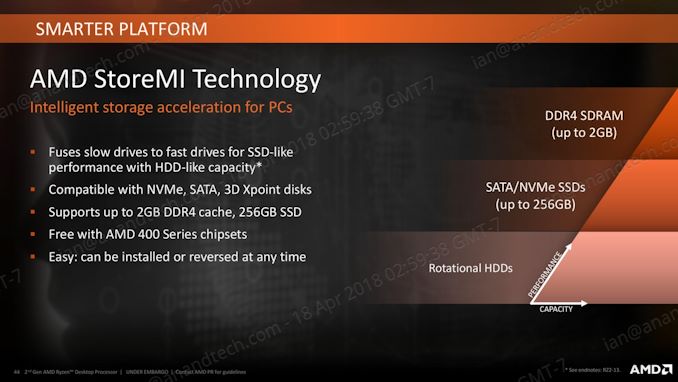
In a blink-and-you’ll-miss-it moment, AMD quietly dropped distribution and support for the company’s StoreMI software at the start of this month. The technology, launched back in 2018, was AMD’s answer to Apple’s Fusion Drive and other hybrid drive programs that allow a SSD and a HDD to be merged into a single logical volume. However it looks like AMD has decided to take a different direction with their hybrid drive efforts, as the company has dropped the software in favor of another program that’s expected to be launched this quarter.


In a product change advisory published to their website last month (but only noticed recently), AMD announced that they would be halting the distribution of and support for the StoreMI software. The software itself would continue to work, but starting March 31st, but AMD wouldn’t be providing the means for any new installations after that date, nor would they be providing support.


A relatively clean break like this is rather uncommon for most CPU vendor software, but given what we know about StoreMI, it’s not too surprising. StoreMi came out of an existing relationship between AMD and Enmotus, a software developer who had already created their similar FuzeDrive software that AMD was, for a time, recommending for use with their systems. So while it’s ultimately an internal matter for AMD, it looks like the company has decided to wrap up their relationship with Enmotus – which would mean that AMD would no longer have the rights to distribute the software.


In its place, the PCA reveals that the company is “focus[ing] its internal development resources on a replacement solution,” which is set to be released this quarter. The fact that AMD is explicitly noting the use of “internal” resources, in turn, strongly suggests that whatever the company is working on, it’s an in-house solution rather than a licensed solution like StoreMi. Which means AMD has presumably started from scratch here, but it would also be a lot cleaner with respect to ownership and all the associated issues that come with it (StoreMi famously only allowed SSD partitions up to 256GB, in order to not undermine Enmotus’s commercial software).


At any rate, barring any delays, we should be seeing the fruits of AMD’s software labors in the next couple of months.


Source: AMD (via Guru3D)


Source: AnandTech – AMD Drops StoreMI Software; Developing New Software for Later This Quarter

SK Hynix: Up to DDR5-8400 at 1.1 Volts

Back in November last year, we reported that SK Hynix had developed and deployed its first DDR5 DRAM. Fast forward to the present, and we also know SK Hynix has recently been working on its DDR5-6400 DRAM, but today the company has showcased that it has plans to offer up to DDR5-8400, with on-die ECC, and an operating voltage of just 1.1 Volts.


WIth CPU core counts rising with the fierce battle ongoing between Intel and AMD in the desktop, professional, and now mobile markets, the demand to increase throughput performance is high on the agenda. Memory bandwidth by comparison has not been increasing as much, and at some level the beast needs to be fed. Announcing more technical details on its official website, SK Hynix has been working diligently on perfecting its DDR5 chips with capacity for up to 64 Gb per chip.


SK Hynix had previously been working on its DDR5-6400 DRAM, which has 16 Gb which is formed of 32 banks, with 8 bank groups, with double the available bandwidth and access potential when compared with DDR4-3200 memory. For reference, DDR4 uses 16 banks with 4 bank groups. The key solution to improve access throughout is the burst length, which has been doubled to 16 when compared with 8 on DDR4. Another element to consider is DDR4 can’t by proxy run operations while it’s refreshing. DDR5 is using SBRF (same bank refresh function) which allows the system the ability to use other banks while others are in use, which in theory improves memory access availability.


As we’ve already mentioned, SK Hynix already has DDR5-6400 in its sights which are built upon its second-generation 10nm class fabrication node. SK Hynix has now listed that it plans to develop up to DDR5-8400. Similar in methodology to its DDR5-6400 DRAM, DDR5-8400 requires much more forethought and application. What’s interesting about SK Hynix’s DDR5-8400 is the jump in memory banks, with DDR5-8400 using 32 banks, with 8 bank groups.


Not just content at increasing overall memory bandwidth and access performance over DDR4, the new DDR5 will run with an operating voltage of 1.1 V. This marks a 9% reduction in DDR4 operating voltage which is designed to make DDR5 more power-efficient, with SK Hynix reporting that it aims to reduce power consumption per bandwidth by over 20% over DDR4.


To improve performance and increase reliability in server scenarios, DDR4-8400 will use on-die ECC (Error Correction) and ECS (Error Check and Scrub) which is a milestone in the production of DDR5. This is expected to reduce overall cost reduction, with ECS recording any defects present and counts the error count to the host. This is designed to improve transparency with the aim of providing enhanced reliability and serviceability within a server system. Also integrated into the design of the DDR5-8400 DRAM is Decision Feedback Equalization (DFE), which is designed to eliminate reflective noise when running at high speeds. SK Hynix notes that this increases the speed per pin by a large amount.


In the above image from specification comparison between DDR4 and DDR5 from SK Hynix, one interesting thing to note is that it mentions DRAM chips with density up to 64 gigabit. We already know that the chip size of DDR5 is 65.22mm², with a data rate of 6.4 Gbps per pin, and uses its 1y-nm 4-metal DRAM manufacturing process. It is worth pointing out that the DDR5-5200 RDIMM we reported on back in November 18, uses 16 Gb DRAM chips, with further scope to 32 Gb reported. SK Hynix aims to double this to 64 Gb chips which do double the density, at lower power with 1.1 volts.  


Head of DRAM Product Planning at SK Hynix, Sungsoo Ryu stated that:


“In the 4th Industrial Revolution, which is represented by 5G, autonomous vehicle, AI, augmented reality (AR), virtual reality (VR), big data, and other applications, DDR5 DRAM can be utilized for next-gen high-performance computing and AI-based data analysis”.


SK Hynix if still on schedule with the current Coronavirus COVID-19 pandemic, looks set to enter mass production of DDR5 later this year.


Related Reading


Source: AnandTech – SK Hynix: Up to DDR5-8400 at 1.1 Volts

Folding@Home Coronavirus Race, AnandTech vs. Tom’s Hardware: Two Week Check-In

As many of us are stuck at home these days and are slowly quickly going mad, a couple of weeks ago we kicked off a race of sorts with our loyal opposition, Tom’s Hardware. Challenging each other to put an end to the very thing that’s keeping us at home – the novel coronavirus SARS-CoV-2 – we have been racing to see which team can contribute the most work towards the Folding@Home project’s coronavirus distributed computing research efforts. The popular project has already passed an exaFLOP per second in compute performance thanks to Team AnandTech, Tom’s Hardware, and numerous other contributors over the world, and there is still much work to be done for its important research tasks.


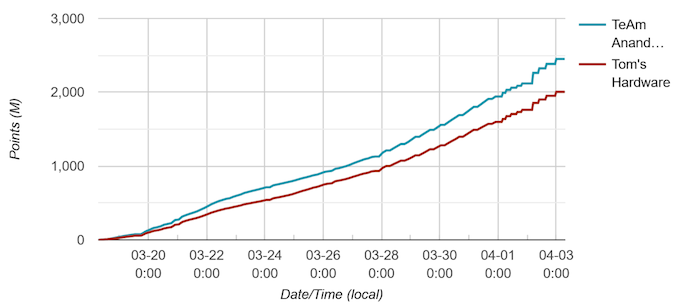
Meanwhile, as we’re now at just past the half-way point in our four-week race, I wanted to stop and take stock of things. To see how the humble Team Anandech was faring against the boastful brutes that are the Tom’s Hardware team. And after two weeks, it looks like things are coming up great for Team AnandTech.


Since the race started on March 18th, Team AnandTech has generated 2.45 billion points in work for the Folding@Home project. In the same time period, the Tom’s Hardware team has generated a sizable, but not quite as massive 2 billion points of work. This has put Team AnandTech 445 million points ahead of Tom’s Hardware, or to put this in terms of the ongoing rate, Team AnandTech has been turning in 1.2 points’ worth of work for every point that Tom’s Hardware turns in. Which in the big picture, is actually a rather close race.


As such, with two weeks to go, this race is far from over. Our loyal competition could still turn things around, and so Team AnandTech cannot rest on its laurels. That means we still need you! Both to help Team AnandTech cross the finish line, and to hopefully get out of our homes just that much sooner.


So please stop by the AnandTech Distributed Computing forum to see how you can download the Folding@Home client and join Team AnandTech.


Ultimately this race is for fun, but it’s also for a good cause. The SARS-CoV-2 virus is a world-changing event, and, along with the immediate medical risks of the virus, the containment measures it requires are intense. The Folding@Home project is working on several simulations to improve humanity’s understanding of the virus and the disease it causes, with a goal of jump-starting new treatments and to bring the virus under control. It’s a worthy cause, as a result I’d like to encourage everyone to take part in what’s left of our race over the next two weeks.


Carousel Image Courtesy of: CDC/Alissa Eckert, MS


Source: AnandTech – Folding@Home Coronavirus Race, AnandTech vs. Tom’s Hardware: Two Week Check-In

Razer Refreshes Blade 15 Series With Intel 10th Gen Comet Lake

Along with many other OEMs in the notebook segment at the moment, Razer has joined in the fray with the launch of two new models of its Blade 15 series of gaming notebooks. Building upon Intel’s newly announced 10th generation Comet Lake-H processors, both models also include options for using NVIDIA’s new RTX Super mobile GPUs.


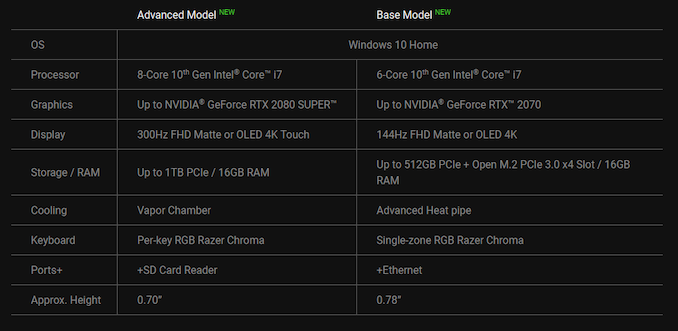
Starting off with the new flagship Blade 15 Advanced model, Razer claims it to be the world’s smallest laptop with with a 15.6″ screen, with a weight of just 2.2 Kg. Included in the Advanced model is the new Intel Core i7-10875H eight-core Comet Lake-H processor, with a max turbo of up 5.1 GHz and a base clock of 2.3 GHz. Some of the core features include Intel Thunderbolt 3 Type-C and a USB 3.1 G2 Type-C port supporting USB-C 20 V PD 3.0 charging capabilities. Powering the laptop is a built-in 80 Wh rechargeable lithium-ion polymer battery, with a compact 230 W power adapter which is supplied with both models.


The advanced model is available with a choice between a 300 Hz HD TFT LCD for hardcore gamers, and a more creator-focused OLED 100% DCI-P3 4K touch panel with a 1 ms response time. Powering the display are NVIDIA’s current lineup of notebook GPUs, with the top option being the GeForce RTX 2080 Super with 8 GB of GDDR6 memory. As for storage, Razer has equipped the Blade 15 with a PCIe 3.0 NVMe SSDs, with capacities up to 1 TB. Keeping the components cool in the advanced model is a vapor chamber design, while the base model uses a standard heat pipe design.


Meanwhile the base model comes equipped with the six-core Intel Core i7-10750H processor, while the GPU choice goes up NVIDIA GeForce RTX 2070, also using Optimus. Also available with two display types, the base model can come with either a 144 Hz Full HD display with a matte screen or with an OLED 100% DCI-P3 panel. Providing power is a slightly lower spec 65 Wh polymer battery, with Intel Thunderbolt 3 Type-C, an HDMI 2.0B video output, and dual USB 3.1 G1 Type-A ports.


The specifications of the new Razer Blade 15 2020 Models


Both models come finished with a black frame with a backlit green Razer logo and are equipped with 16 GB of dual-channel DDR4-2933 memory, benefit from an Intel AX201 Wi-Fi 6 adapter with BT 5.0 support, and include a precision glass touchpad.


Neither variants of the Razer Blade 15 are cheap, with the Basic starting at $1,600, while the Advanced model begins at $2,600. Both models look set to be available in retail channels in May.


Related Reading


Source: AnandTech – Razer Refreshes Blade 15 Series With Intel 10th Gen Comet Lake

The Samsung Galaxy S20+, S20 Ultra Exynos & Snapdragon Review: Megalomania Devices

It’s been a long couple of weeks, but the wait is now finally over. Today we’re ready to go on a deep dive into Samsung’s most important phones of 2020; the new Galaxy S20 series represents a huge jump for the Korean company, and also for the wider smartphone industry. The new devices have a lot of brand-new features premiering for the first time in mainstream flagship devices, and some cutting-edge capabilities that are outright new to the industry as a whole.

The S20 series are probably best defined by their picture capturing capabilities, offering a slew of new camera hardware that represents Samsung’s most ambitious smartphone camera update ever. From a “periscope” design telephoto lens with 4x optical magnification and up to a quoted 100x digital magnification, to a new and humongous 108MP main camera sensor with a brand-new pixel array setup, the new Galaxy S20 Ultra is definitely an exotic device when it comes to its photography features. The new Galaxy S20+ also sees some massive new upgrades, ranging from a new, larger main camera sensor, to the innovative use of a 64MP wide-angle module that allows for high magnification hybrid crop-zooming. Overall it too is a big step-up in the camera department and certainly shouldn’t be overshadowed by its Ultra sibling. The phones are not only the first smartphones able to capture 8K video – but they’re also amongst the first consumer grade hardware out on the market with the capability, which is certainly an eye-catching feature.

The new S20 series are also among the first devices to come with the latest generation of processors on the market, pioneering the usage of the new Snapdragon 865 as well as the new Exynos 990 SoCs. In recent years, it’s always been a contentious topic for Samsung’s flagship phones as the company continues to dual-source the SoCs powering its devices – with some years the differences between the two variants being larger than one would hope for. We have both chipset variants of the Galaxy S20 Ultra as well as an Exynos variant of the S20+ for today’s review, and we’ll be uncovering all the differences between the models.


Source: AnandTech – The Samsung Galaxy S20+, S20 Ultra Exynos & Snapdragon Review: Megalomania Devices

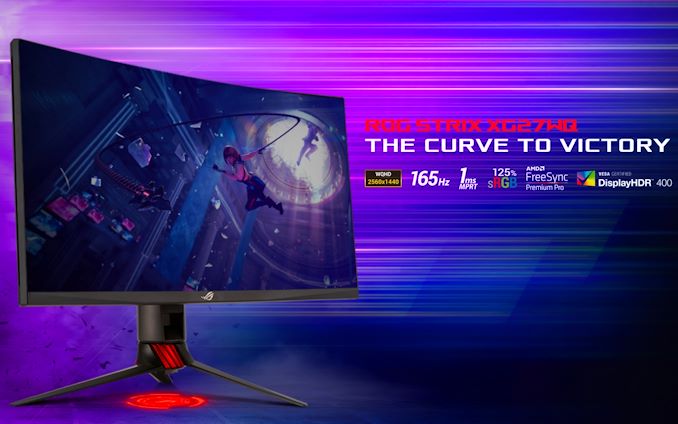
ASUS Launches ROG Strix XG27WQ Curved 165Hz Monitor: FreeSync Premium Pro Certified

AMD’s FreeSync Premium Pro certification promises quite a lot when it comes to features and quality, but unfortunately there are less than a dozen of such displays available on the market today. Thankfully, that market will be getting one more entry courtesy of ASUS, who recently announced its second FreeSync Premium Pro monitor, the ROG Strix XG27WQ. Touting support for superior capabilities, the 27-inch monitor is one of the most feature-packed FreeSync Premium Pro monitors to date, and it promises to be less expensive than some of its larger rivals.


The ASUS ROG Strix XG27WQ monitor relies on a curved 27-inch VA panel with a 2560×1440 resolution. All together, the monitor offers a peak brightness of 450 nits, a 3000:1 contrast ratio, 178°/178° horizontal/vertical viewing angles, a 1 ms MPRT response time, and a 165 Hz maximum refresh rate. The LCD offers one DisplayPort 1.2 inputs and two HDMI 2.0 to connect to its host and also has a dual-port USB 3.0 hub along with a headphone output.


AMD mandates FreeSync Premium Pro (previously FreeSync 2) monitors to support a wide variable refresh rate range (48 – 144 Hz or 48 – 165 Hz in case of the  XG27WQ), feature Low Framerate Compensation, be capable of low-latency tone mapping to the monitor’s native color space, meet HDR brightness and and contrast requirements roughly equivalent to DisplayHDR 500, and reproduce at least 90% of the DCI-P3 color gamut (92% in the ROG’s case). The capabilities of the ASUS ROG Strix XG27WQ monitor actually exceed AMD’s requirements, which makes it a rather potent choice for gamers.


In addition to VESA’s Adaptive-Sync/AMD’s FreeSync VRR, the display also supports ASUS’s Extreme Low Motion Blur (ELMB) that makes fast-paced scenes look sharper even when a variable refresh rate technology is enabled. The ROG Strix XG27WQ also supports a variety of genre-specific game modes, ASUS’s Shadow Boost feature to make dark scenes look brighter, and enhancements like crosshair overlay for easier targeting in FPS titles.


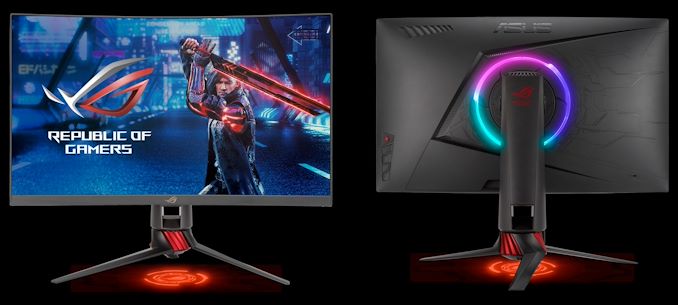
Since we are dealing with an ASUS ROG-branded monitor, the model Strix XG27WQ not only features a stand that can adjust height, tilt, and swivel, but also one that has Aura Sync addressable RGB lighting as well as a projector that projects a logotype onto the table below.


The ASUS ROG Strix XG27WQ
  General Specifications
Panel 27″ VA
Native Resolution 2560 × 1440
Maximum Refresh Rate 165 Hz
Response Time 1 ms MPRT
Brightness 450 cd/m² (peak)
Contrast 3000:1
Backlighting LED
Viewing Angles 178°/178° horizontal/vertical
Curvature 1500R
Aspect Ratio 16:9
Color Gamut 125% sRGB/BT.709

92% DCI-P3
DisplayHDR Tier 400
Dynamic Refresh Rate Tech AMD FreeSync Premium Pro

DisplayPort: 48 – 165 Hz

HDMI: 48 – 144 Hz
Pixel Pitch 0.2331 mm²
Pixel Density 108 PPI
Inputs 1 × DisplayPort 1.2

2 × HDMI 2.0
Audio 3.5 mm output
USB Hub 2 × USB 3.0 Type-A connectors

1 × USB 3.0 Type-B input
Stand Swivel: -50° ~ +50°

Tilt: -5° ~ +20°

Height: 100 mm

VESA: 100×100
MSRP ?

Finally, it’s worth keeping in mind that ASUS sometimes formally introduces its products well ahead of their actual release date. As things currently stand, the company has not revealed anything about an actual launch date or pricing for ROG Strix XG27WQ, so it remains to be seen when the monitor will actually hit the streets.


Related Reading:


Source: ASUS (via Hermitage Akihabara)


Source: AnandTech – ASUS Launches ROG Strix XG27WQ Curved 165Hz Monitor: FreeSync Premium Pro Certified

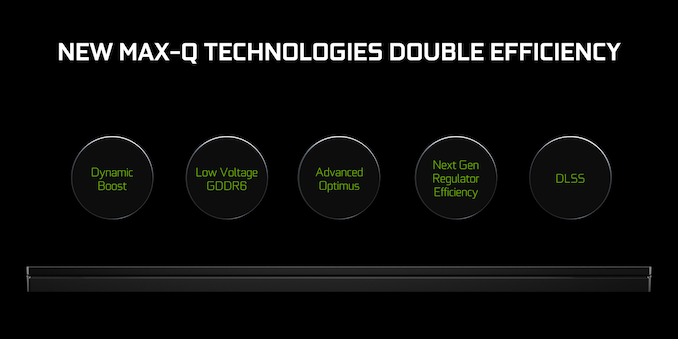
NVIDIA Details Dynamic Boost Tech & Advanced Optimus (G-Sync & Optimus At Last)

Alongside this morning’s launch of their new laptop SKUs, NVIDIA is also rolling out a couple of new technologies aimed at high-end laptops. Being placed under their Max-Q banner, the company is unveiling new features to better manage laptop TDP allocations, and for the first time, the ability to have G-Sync in an Optimus-enabled laptop. These new technologies are separate from the new hardware SKUs being launched today – they can technically be built into any future GeForce laptop – so I wanted to touch upon separately from the hardware itself.


Source: AnandTech – NVIDIA Details Dynamic Boost Tech & Advanced Optimus (G-Sync & Optimus At Last)

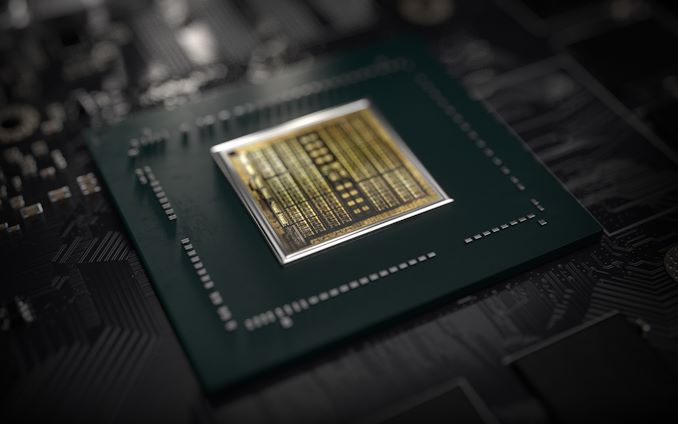
NVIDIA’s 2020 Laptop Refresh: Launches GeForce RTX 2080 Super, 2070 Super, & GTX 1650 Ti

With this week marking the launch of AMD’s Ryzen Mobile 4000 APUs and Intel’s Comet Lake-H mobile CPUs, this week is essentially the kick-off point for the next generation of laptops. OEMs and vendors across the spectrum are gearing up to roll out new and updated laptops based on the latest silicon, as they set themselves up for the next year or so of laptop sales.


Not one to be left out, NVIDIA is also using this week’s launches to roll out some new laptop graphics adapters, which partners will be pairing with those new Ryzen and Core processors. The company is also unveiling a rather important set of additions to their laptop technology portfolio, introducing new features to better manage laptop TDP allocations, and for the first time, the ability to have G-Sync in an Optimus-enabled laptop. Overall while this week is primarily focused on AMD and Intel, NVIDIA is making sure that they are giving partners (and consumers) something new for this generation of laptops.


GeForce RTX 2080 Super & RTX 2070 Super


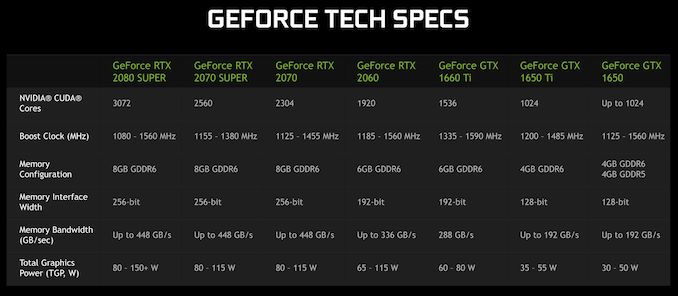
First and foremost, NVIDIA is launching two new mobile graphics adapters this morning. The GeForce RTX 2080 Super and RTX 2070 Super, both of which were launched on the desktop last summer, are now coming to laptops. Like their desktop counterparts, the new adapters are based on NVIDIA’s existing TU104 silicon, so there aren’t any new GPUs to speak of today, but their launch gives OEMs additional options for dGPUs for their high-end gaming laptops.


As has been the case for NVIDIA throughout this generation, while the company doesn’t have distinct, mobile-labeled SKUs, the new laptop parts do have their own set of specifications. Specifically, while the mobile parts have the same CUDA core counts and memory support as their desktop brethren, they have different clockspeed and TDP profiles, owing to the limitations of the laptop form factor. All told, the new Super parts are designed for 80W+ laptops, with the flagship RTX 2080 Super approved for 150W (or more) designs, as vendors get the option to push the adapter just about as hard as they think they can get away with in the luggable desktops we commonly see in the broader market for ultra high powered laptops.


Otherwise, these are fairly typical GeForce RTX SKUs. Boost clocks will range from 1080MHz to 1560MHz, depending on what laptop vendors opt for in terms of power and performance. The RTX 2080 Super will have a fully-enabled, 3072 CUDA core TU104 GPU, while the RTX 2070 Super gets a 2560 core version of the same GPU.


Meanwhile, memory is the only other notable change here: while both adapters come with 8GB of GDDR6 memory, unlike the desktop RTX 2080 Super, the mobile version won’t come with 15.5Gbps GDDR6. Instead, it ships with 14Gbps memory like the rest of the RTX lineup. Overclocked VRAM is rather expensive in terms of power, so it’s not too surprising to see NVIDIA drop it here.


NVIDIA is also using this opportunity to roll out some smaller hardware updates to its laptop portfolio. On the memory front once more, the company has confirmed for the first time that it has been working with memory vendors on low voltage GDDR6 memory. Unfortunately the details here are slim – it’s not clear whether the low voltage RAM NVIDIA is using is any different than the 1.25v GDDR6 already offered by memory suppliers – but even 1.25v would be a notable decrease over normal 1.35v memory. NVIDIA pegs VRAM memory consumption at around 20 to 25 watts for their laptop solutions, so being able to shave off even 10% of that is a couple more watts that can be shifted over to the GPU itself for more performance.


And keeping with the power efficiency theme, NVIDIA tells us that they’ve also been working with partners to get better VRMs in laptops. This is another area where details are quite slim, but VRMs have been an ongoing focus area for the company. Voltage regulation is a game of efficiency – any power you lose is waste heat that eats into a laptop’s thermal budget – so the goal is always to maximize efficiency. Coupled with NVIDIA’s new Dynamic Boost technology (more on that in a moment), the need for more efficient VRMs (particularly high wattage solutions) is at an all-time high.


GeForce GTX 1650 Ti and GTX 1650 (GDDR6) As Well


Alongside their new high-end hardware, NVIDIA is also launching a pair of new low-end SKUs for the mobile space. These are the GeForce GTX 1650 Ti, and a GDDR6 version of the GTX 1650.


The GTX 1650 Ti is a particularly interesting matter, as it has no desktop counterpart. Up until now, NVIDIA has been launching desktop parts first, and then having laptop parts launch in-concert with the desktop parts, or at a later time entirely. But for the GTX 1650 Ti, we have a purely mobile part, at least for the time being.


The hardware itself shouldn’t be too much of a surprise. Here NVIDIA is reusing its TU117 GPU, which is the same GPU that powered the original mobile GTX 1650. The big change here is that the Ti SKU gets much better definition: whereas the regular GTX 1650 has “up to” 1024 CUDA cores and comes with a couple of different memory types, the GTX 1650 Ti is guaranteed to have 1024 CUDA cores as well as GDDR6 memory. Coupled with a slightly higher maximum TDP of 55W, and it should deliver better performance. Though it’s still going to leave a noticeable gap between this fully-enabled TU117 part and the next part up in the stack, the TU116-based mobile GTX 1660 Ti.


Joining the GTX 1650 Ti will be another GTX 1650 SKU, the GTX 1650 with GDDR6. As alluded to in the name, this is a mobile GTX 1650 with GDDR6 memory instead of GDDR5. NVIDIA isn’t outlining any performance figures for the new part, so performance expectations will have to be left up to the reader’s imagination, but at otherwise equivalent specifications, this would be a 50% bump in memory bandwidth, from 8Gbps GDDR5 to 12Gbps GDD6.


However it’s going to be up to laptop vendors to decide what GTX 1650 configuration they’re using, as well as how to disclose it. The GDDR6 version isn’t getting its own canonical SKU name, so a laptop with it could have anything from an 896 core model with GDDR5 to a 1024 core model with GDDR6. Ultimately the minimum configuration hasn’t changed, but laptop OEMs now have another option for a slightly more powerful configuration. Or one could go with the GTX 1650 Ti and skip the uncertainty entirely.


Rebalancing the GeForce Laptop Product Stack


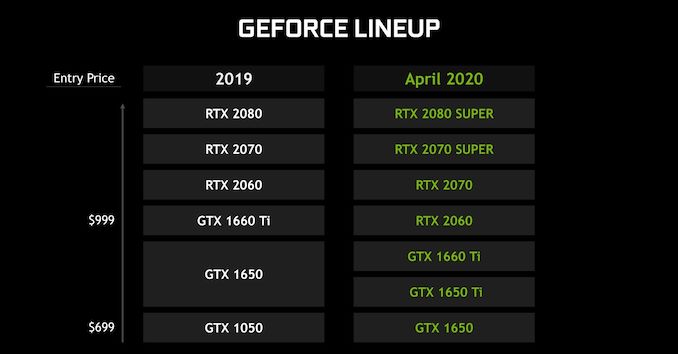
With the addition of the new RTX 2080 Super, RTX 2070 Super, GTX 1650 Ti, and GTX 1650 (GDDR6) adapters to its portfolio, NVIDIA is using this week’s launch to rebalance the entire laptop product stack. As a result, some products are being discontinued, and others are being pushed down in price to fill spots previously covered by other parts.


First and foremost, like the desktop realm, the regular RTX 2080 is now gone from laptops as well. With the RTX 2080 Super taking up the flagship spot – and not being massively different from the original RTX 2080 – NVIDIA has excised the original entirely. The RTX 2070 Super is instead NVIDIA’s second-tier adapter for laptops.


The RTX 2070, on the other hand, is still staying around. Instead, it’s getting pushed down the product stack to the third-tier position. NVIDIA now expects RTX 2070 to start showing up in laptops as cheap as $1199.


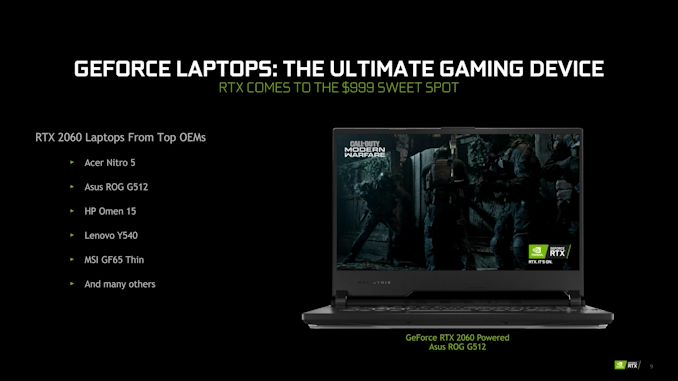
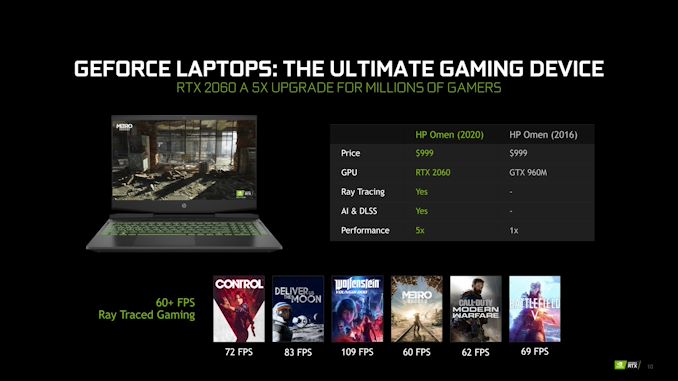
The RTX 2060 is also along for the ride. And this one is a particularly notable shift, as the RTX 2060 will now be NVIDIA’s anchor SKU for $999 laptops. This spot was previously held by the GTX 1660 Ti, and while NVIDIA does not explicitly discuss laptop part pricing, reading between the lines it’s clear that the company has cut laptop adapter prices to make this new product stack happen. So, as NVIDIA likes to promote, RTX laptops now start at $999.


In fact of all the new mobile SKUs being launched today, the now lower-priced RTX 2060 is definitely getting the greatest focus from NVIDIA. The company’s OEM partners are announcing 5 new/updated laptops with the part, and the promise of more to come. As in the desktop space, NVIDIA is eager to dislodge its own legacy parts and entice gamers to upgrade to a laptop with a newer GeForce SKU, and while NVIDIA is certainly delivering the goods there, their case isn’t being helped by the relatively stagnant Intel. Thankfully AMD’s new Zen 2-based APUs have just launched, and while the market isn’t going to shift overnight, it gives the Green Team some new performance opportunities with the Black Team (or is that ex-Green Team?).


Finally, the new and updated GeForce GTX 1650 SKUs will be flushing out the low-end of the NVIDIA laptop product stack. The Pascal-based GTX 1050, the last GeForce GTX-branded holdover from the previous generation, is now on its way out. In its place, the GTX 1650 is being shifted down to take over. GTX 1650 laptops, in turn, will be hitting the market for as little as $699. In between that and the RTX 2060 will be the GTX 1660 Ti, as well as the new GTX 1650 Ti. And below $699 we’ll see the usual mismash of last-generation laptops, as well as NVIDIA’s entry-level, non-GTX laptop parts, the GeForce MX3xx series.


Wrapping things up, as with this week’s laptop CPU launches, laptops featuring the new and updated GeForce SKUs are set to hit the market shortly. While the ongoing coronavirus pandemic has thrown a spanner into exact release dates, AMD Ryzen Mobile 4000 laptops are already shipping. Meanwhile, Intel Comet Lake-S laptops should be shipping soon. Accordingly, we’re already seeing ASUS Ryzen laptops shipping with GeForce dGPUs, while Comet Lake-H laptops with the new parts should hit the market in a couple of weeks.


Source: AnandTech – NVIDIA’s 2020 Laptop Refresh: Launches GeForce RTX 2080 Super, 2070 Super, & GTX 1650 Ti

MSI Launches New 10th Gen Core Laptops With NVIDIA RTX Super And Mini LED

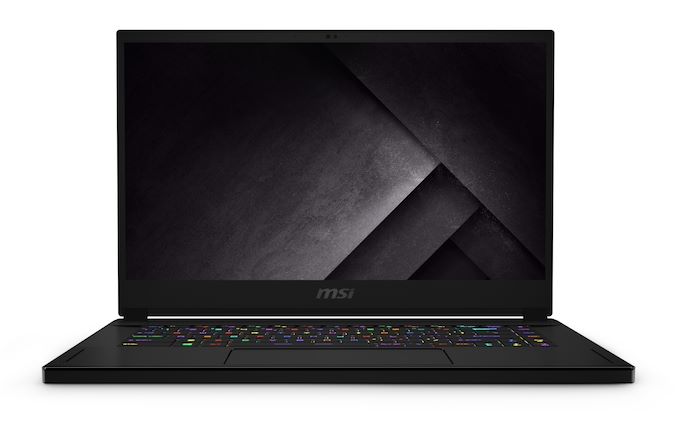
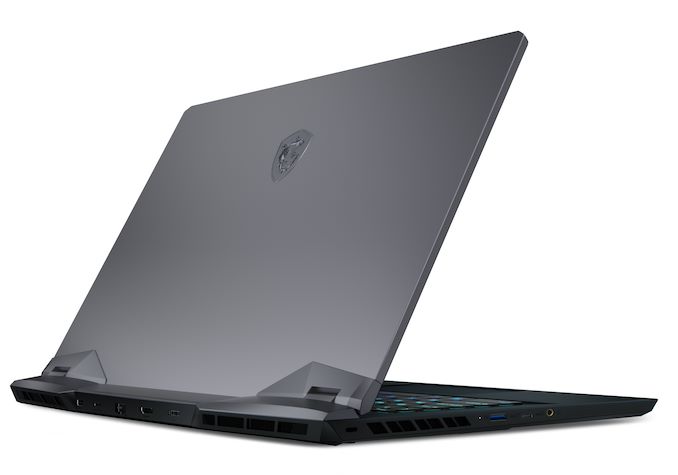
To coincide with today’s launch of both the latest 10th generation Intel Core H-Series parts, as well as NVIDIA’s launch of their new RTX Super laptop GPUs, MSI is announcing a trio of new models to cover a wide-spectrum of the market, with two gaming-focused models in the GS66 Stealth and GE66 Raider, as well as the content-creator focused Creator 17.


MSI 10th Gen Intel Core Launch Lineup
  GS66 Stealth GE66 Raider Creator 17
CPU Core i7-10750H

Core i9-10980HK
Core i7-10875H
RAM 16-32 GB

64 GB Max
GPU NVIDIA RTX 2060 6GB

NVIDIA RTX 2070 Max-Q 8GB

NVIDIA RTX 2070 Super Max-Q 8GB

NVIDIA RTX 2080 Super Max-Q 8GB
NVIDIA RTX 2070 8GB

NVIDIA RTX 2070 Super 8GB

NVIDIA RTX 2080 Super Max-Q 8GB
NVIDIA RTX 2060 6 GB

NVIDIA RTX 2070 Max-Q 8GB

NVIDIA RTX 2070 Super Max-Q

NVIDIA RTX 2080 Super Max-Q
Display 15.6-inch 1920×1080 144 Hz sRGB IPS-Level

1920×1080 240 Hz

1920×1080 300 Hz
15.6-inch 1920×1080 240 Hz

1920×1080 300 Hz
17.3-inch 1920×1080 thin-bezel IPS-level 144 Hz sRGB

3840×2160 HDR1000 mini LED 60 Hz P3
Storage 512 GB – 1 TB NVMe 512 GB – 2 TB NVMe
Networking Intel AX201 Wi-Fi 6

Killer E3100 Ethernet
Killer AX1650 Wi-Fi 6

Killer E3100 Ethernet
Intel 9560 WiFi 5

Intel I225 Ethernet
Battery 99.9 Wh

180-230W slim adapter
99.9 Wh

230-280W adapter
82Wh

230W Slim adapter

USB-PD charging
Ports Thunderbolt 3 x 1

USB 3.2 Gen 2 x 3

HDMI 2.0
USB Type-C Gen2 x 1

USB 3.2 Gen 1 x 2

USB 3.2 Gen 2 x 1

SD Card Reader

SPDIR ESS Sabre HiFI

HDMI 2.0

mDP 1.4
Thunderbolt 3 x 1

USB 3.2 Gen2 x 3

micro SD

HDMI 2.0
Included 720p Webcam

SteelSeries per-key RGB keyboard

Dynaudio 2Wx2 speakers
1080p Webcam

SteelSeries per-key RGB keyboard

Dynaudio Speaker with passive raditor x 2
720p Webcam

white backlight keyboard (84-key)

IR camera

fingerprint reader
Dimensions 14.17 x 9.65 x 0.71 inches 14.09 x 10.51 x 0.92 inches 15.59 x 10.21 x 0.8 inches
Weight 4.63 lbs 5.25 lbs 5.29-5.51 lbs
Starting Price $1,599 $1,799 $1,799
Available Available April 15

GS66 Stealth


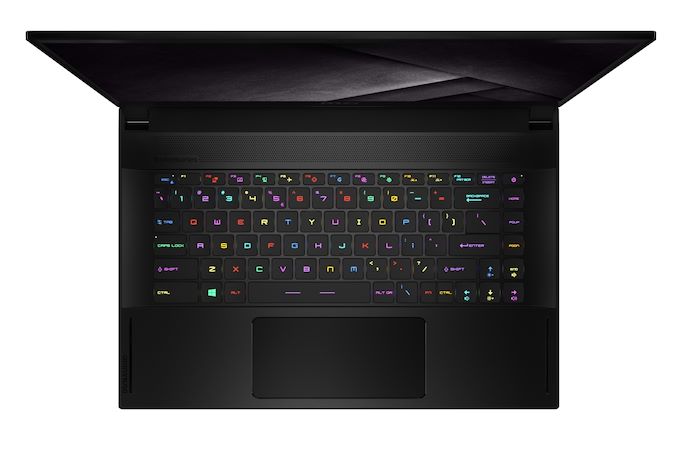
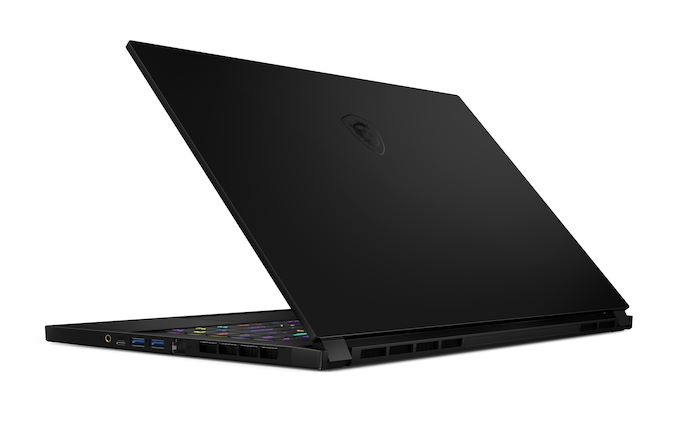
Gaming laptops tend to be flashy affairs, and there is certainly a segment of the market that would prefer the same performance and capabilities, but with a more understated look. Meet the MSI GS66 Stealth. Featuring a sandblasted finish, the all-black GS66 Stealth features a design which does its name proud. This is the ultimate sleeper from MSI. At 4.63 lbs and 0.71-inches thick, the 15.6-inch laptop is also very portable, and despite the small size, MSI has crammed in a 99.9 Wh battery, which is the largest allowed as carry-on in an airplane. The chassis still features the SteelSeries per-key RGB keyboard, which is one of the best in the gaming market, so you can still turn on a bit of bling if you are in the mood.


The GS66 Stealth offers up to a Core i9-10980HK and up to 32 GB of DDR4, expandable to 64 GB. On the GPU side MSI has tapped the brand new NVIDIA GeForce RTX Super lineup as options, with the RTX 2080 Super Max-Q at the top end, RTX 2070 Super Max-Q, RTX 2070 Max-Q, or RTX 2060 options as well. Due to the thin and light design, Max-Q is a necessity despite the new Cooler Boost Trinity+ system which MSI has designed with 0.1 mm fan blades.


MSI has also stepped up to the new 300 Hz display territory with the GS66, although the base model offers “just” 144 Hz, and mid-tier features a 240 Hz 1920x1080p IPS-Level display.


Rounding out the features, MSI offers NVMe storage up to 1 TB, Wi-Fi 6 thanks to the Intel AX201, Ethernet featuring the Killer E3100, USB Type-C with Thunderbolt 3, and three USB 3.2 Gen2 ports.


The new GS66 Stealth is available for pre-order today starting at $1599, and will be shipping on April 15th.


GE66 Raider


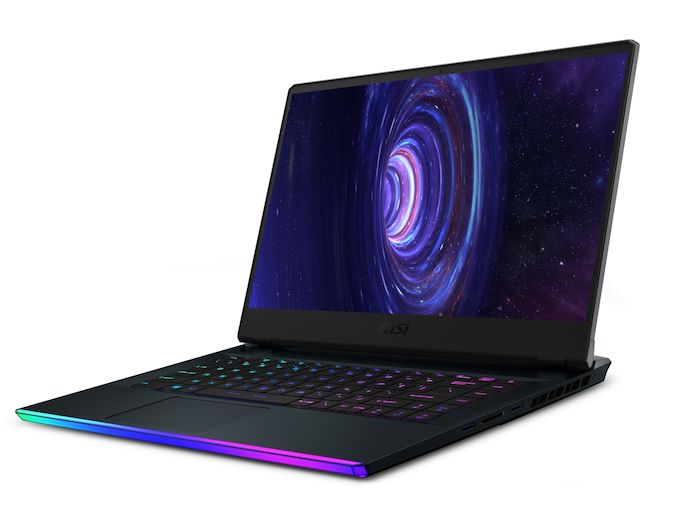
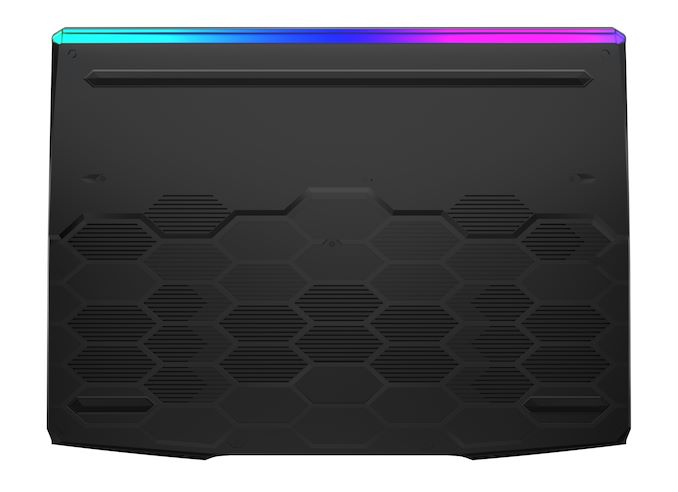
If the Stealth was too laid back in the styling department to suit your tastes, don’t worry. MSI has you covered. The new GE66 Raider is a larger, heavier, and flashier version of the GS66 Stealth. The cool-touch aluminum chassis features the MSI Mystic Light panoramic RGB light bar on the front, offering 16.7 million colors. The bottom of the laptop showcases dragon armor carving with hexagons, offering more grip and style, and MSI has tweaked the GE66 Raider’s hinge as well to make it more durable.


If you like really flashy laptops, MSI will be offering a Star Wars themed “Dragonshield Edition”, designed in-part with Industrial Light and Magic veteran Colie Wertz. This theming isn’t just skin deep either. The design is actually laser etched into the laptop, providing contrast and texture.


The GE66 Raider offers much of the same internal offerings as the GS66 Stealth, with up to a Core i9-10980HK, and up to 32 GB of RAM, but thanks to the chassis being a bit thicker (0.92” vs 0.71”) and slightly heavier (5.25 lbs vs 4.61 lbs) MSI was able to skip the Max-Q on the RTX 2070 and RTX 2070 Super, although the top-end offering still needs the Max-Q thermals for the RTX 2080 Super Max-Q.


The 15.6-inch laptop offers either a 240 Hz 1920×1080, or a 300 Hz on the higher-tier models.


This laptop offers the Killer Double Shot feature with the Killer E3100 Gigabit Ethernet coupled with the Intel based Killer AX1650 wireless, and although it offers USB Type-C, unlike the Stealth, there is no Thunderbolt 3 support. This laptop also ships with the same 99.9 Wh battery, so despite the powerful internals, battery life should be reasonable.


The GE66 Raider will be available on April 15th starting at $1799.


Creator 17


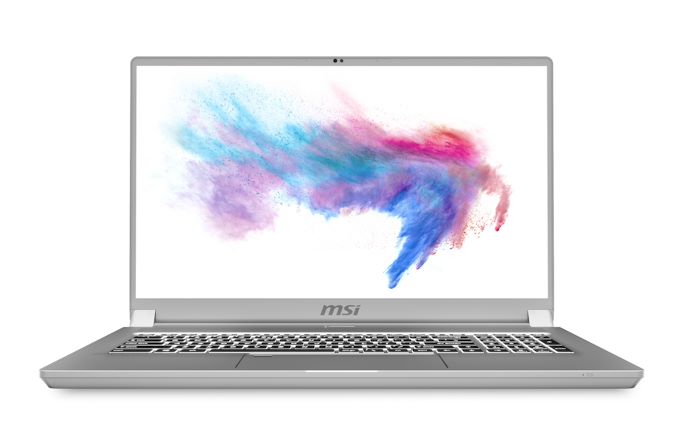
MSI has seen a large growth segment in the creator market, and has found that many content creators have been purchasing their gaming laptops to get access to the more-powerful CPUs and beefy GPUs that gaming laptops offer. The company has started to offer models targeted at this crowd now, and their latest model is the Creator 17, which features the first Mini LED display in a laptop.


The 17-inch Creator 17 offers a 144 Hz 1920×1080 IPS panel offering sRGB on the base models, but the top models step up to a 3840×2160 resolution mini LED display, offering P3 color gamut, and HDR1000. The mini LED display offers 240 zones of local dimming, 1000 nits brightness, and a 100,000:1 contrast ratio thanks to the new backlighting. The laptop somewhat surprisingly offers user-choice of both the DCI-P3 as well as the P3 D65 color space. The majority of devices marketed as DCI-P3 are actually P3 D65, whereas the DCI-P3 color space is the one used in digital cinema, so offering both on a device like this is a smart move. In addition to the True Color gamut selection, the laptop will feature per-unit factory calibration which is verified by CalMAN – the same software we leverage for our laptop reviews.


On the CPU side, MSI is only offering the Core i7-10875H, which is an eight-core, sixteen-thread processor which can turbo up to 5.1 GHz. This should offer plenty of muscle for most content tasks, and for GPU-accelerated workflows, MSI will offer the NVIDIA GeForce RTX 2060, RTX 2070 Max-Q, RTX 2070 Super Max-Q, and RTX 2080 Super Max-Q, so you can pick your performance level depending on your GPU needs. The base model ships with 16 GB of DDR4, and MSI offers 32 GB on the higher-tier units, and all models support up to 64 GB.


Creators need storage. MSI is shipping up to 2 TB of NVMe storage, along with micro SD, and for external storage there is a Thunderbolt 3 port. The Thunderbolt port can also be used to charge the laptop in a pinch, and provides 27-Watts of power for charging external devices.


Despite the impressive performance inside, the Creator 17 still comes in at a starting weight of 5.29 lbs, although the mini LED model adds another 0.22 lbs to the total, and the laptop is just 0.8” thick. For a 17-inch laptop, that is quite reasonable.


The MSI Creator 17 will be available on April 15th starting at $1799.


Source: MSI


Source: AnandTech – MSI Launches New 10th Gen Core Laptops With NVIDIA RTX Super And Mini LED

Lenovo Legion Laptop Launch: 10th Gen Intel Core And RTX Super Updates

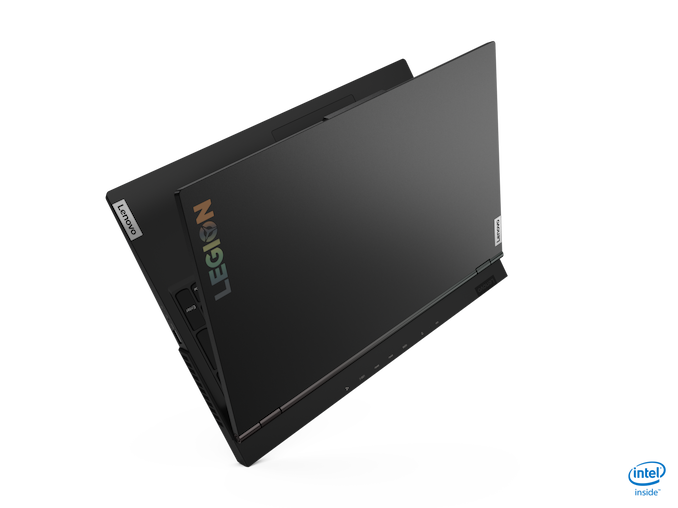
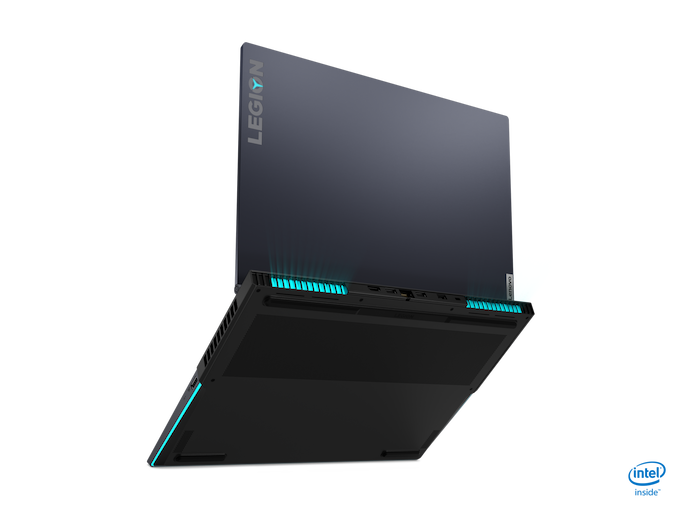
Lenovo is announcing some updated products today featuring the new 10th generation Intel Core H-Series and NVIDIA RTX Super mobile GPUs, and Lenovo is taking advantage of the new NVIDIA Advanced Optimus as well, allowing better battery life while still providing G-SYNC.


The Lenovo Legion 7i and Legion 5i are replacing the Legion Y740 and Y540 models, with the 7i being a 17-inch gaming laptop, and the 5i being a 15-inch version. Both will feature the new NVIDIA Advanced Optimus, which means they will offer G-SYNC on their displays, but be able to switch off the dGPU for battery savings when needed. For those unfamiliar, one of the drawbacks of G-SYNC previously was that it required the dGPU to be directly connected to the display, which removed the capability of using NVIDIA’s Optimus to leverage the iGPU for light-duty tasks to save power. Some manufacturers worked around this by offering a multiplexer, but the added complexity and cost, coupled with the fact that the user would need to reboot the laptop to turn it on or off, meant it was a useful, but niche solution. Lenovo will be one of the first to offer the new dynamic switching of Advanced Optimus which no longer has the reboot requirement, so we should hopefully see more laptops offering this along with G-SYNC.


Both laptops will offer 10th generation Intel Core H-Series, meaning the 45-Watt processors, but Lenovo hasn’t indicated what exact models they will be offering. On the GPU side, the 15-inch Legion 5i will have up to a NVIDIA RTX 2060, and the larger 17-inch Legion 7i will go all the way up to the RTX 2080 Super Max-Q.


Although details are a bit light at the moment, Lenovo is coming in with some very reasonable pricing for the new laptops which will be coming out later this year. The Legion 5i with RTX 2060 will start at just $999, and the Legion 7i with RTX 2070 starts at $1199.


Source: Lenovo


Source: AnandTech – Lenovo Legion Laptop Launch: 10th Gen Intel Core And RTX Super Updates

Acer Gaming Laptop Updates: 10th Gen Intel Core And NVIDIA RTX Super

With the announcement of the latest Intel Core H-Series and NVIDIA’s RTX Super lineup, Acer is announcing a refresh today of a couple of their gaming laptop models. Both make the jump to the 10th generation Intel Core lineup of processors, and the Triton 500 also gets the new RTX Super GPUs.


Acer Predator Triton 500 Updates


We got a chance to review this laptop back in 2019, and it offered quite a bit of performance in a very small and light chassis, with some unique features as well. Today Acer is refreshing the lineup with even more performance with the latest CPUs from Intel, and GPUs up to the NVIDIA RTX 2080 Super Max-Q. But Acer has also added a few new features as well, including an optional 300 Hz IPS display, up from 144 Hz last year, and Wi-Fi 6 thanks to the Killer AX1650i. And as a bonus, the new model offers a per-key RGB backlit keyboard, stepping up from the zoned keyboard backlighting last year.


One of the key features of the Predator Triton 500 was its portable design, and luckily Acer hasn’t had to made the device any thicker or heavier. It still weighs just 4.63 lbs, and is only 0.7-inches thick which is the same dimensions as last year. But to help with cooling, Acer has tweaked the cooling with their Vortex Flow design, offering three fans, 4th generation AeroBlade 3D fans with serrated edges, and five heat pipes. Overall, Acer says they are getting 33% better thermal performance than the 2019 model.


The updated Triton 500 will be available in May starting at $2199.99 USD.


Acer Nitro 5 Updates


We’ve also reviewed the Acer Nitro 5 last year, although the AMD powered model, and the Nitro 5 is all the way at the other end of the spectrum compared to Acer’s Triton 500, but still offers great performance in a much less expensive design. For 2020, Acer is adding some nice upgrades which should help address some of the shortcomings of the previous model.


On the CPU side, Acer will offer up to a Core i7-10750H, which offers six cores, twelve threads, and up to 5 GHz of frequency. This coupled with the GeForce GTX 1650, 1650 Ti, and RTX 2060, should offer some great gaming performance in this price range. There are two M.2 PCIe slots, as well as a 1 TB HDD offering, and up to 32 GB of DDR4 which is user-replaceable.


One key shortcoming of the 2019 model was the display, but the 2020 model is shipping with two new display panels which will hopefully address the color gamut. What it does add is high-refresh, with both 120 Hz and 144 Hz IPS panels at 1920×1080 resolution, which Acer claim are 3 ms and 300 nit capable.


Acer has also tweaked the cooling, with a new dual-fan design. There are four heat vents, and overall the new cooling system offers a 25% improvement over the 2019 model, which is not insignificant.


The 2020 version also features the Intel AX201 WiFi 6 network card, and Killer E2600 Ethernet.


The best part of the Nitro 5 is its price, and for 2020 it continues to be one of the easiest ways into a gaming laptop. The new Nitro 5 will be available in May starting at $749.99.


Source: Acer


Source: AnandTech – Acer Gaming Laptop Updates: 10th Gen Intel Core And NVIDIA RTX Super

Intel Details 10th Gen Comet Lake-H for 45 W Notebooks: Up to 5.3 GHz*

Two of the big announcements out of CES this year were both mobile related: Intel and AMD announced they would be launching new gaming laptop processors into the market in the first half of this year. 45 W parts, also known as H-series in the business, provide the basis for productivity and gaming notebooks that use additional graphics to give some oomph. These systems span from thin and light with GPU requirements, through ‘luggables’ that are just about portable, all the way up to desktop replacement designs. Intel’s newest 10th Gen H-Series are based on the Comet Lake family, the fifth iteration of Intel’s 14nm Skylake designs, and they’re going all the way up to 5.3 GHz*.


Source: AnandTech – Intel Details 10th Gen Comet Lake-H for 45 W Notebooks: Up to 5.3 GHz*

KINGMAX Joins PCIe 4.0 SSD Club with PX4480 Drives

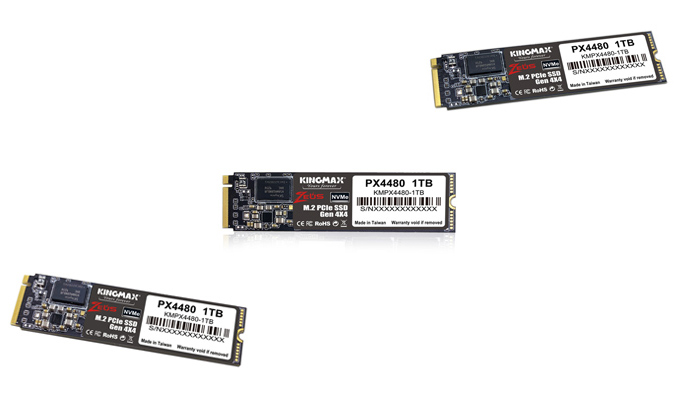
As AMD’s latest Ryzen 3000/X570 platforms with PCIe 4.0 support become more widespread on the market, SSD vendors are continuing to ramp up the releaes of their matching PCIe 4.0-based SSDs. Joining the party, KINGMAX, a known maker of components for enthusiasts, has revealed its first PCIe 4.0 SSD family, the PX4480.


The KINGMAX Zeus PX4480 SSDs are based on the Phison PS5016-E16 controller paired with 3D TLC NAND memory, and are available in 500 GB, 1 TB, and 2 TB configurations. A surprising thing about these drives is the fact that unlike most Phison PS5016-E16-based SSDs, KINGMAX’s PX4480 devices are not equipped with a heat sink, but come with a sticker made of a plastic-like material, which improves their phsyical compatibility, but might affect their performance under high loads.


Speaking of performance, KINGMAX says that the PX4480 drives are rated for up to 5000 MB/s sequential read speeds, up to 4400 MB/s sequential write speeds (when pSLC caching is enabled), and up to 600K/500K random read/write speeds, which is in-line with competing devices that use the same controller.


As far as endurance is concerned, KINGMAX rates its ‘4×4’ SSDs for up to 3600 terabytes to be written (TBW) depending on the exact model. Meanwhile, the drives are backed by a three-year warranty.


KINGMAX’s PX4480 SSDs
Capacity 500 GB 1 TB 2 TB
Model Number ? ? ?
Controller Phison PS5016-E16 (PCIe 4.0 x4)
NAND Flash 3D TLC NAND
Form-Factor, Interface M.2-2280, PCIe 4.0 x4, NVMe 1.3
Sequential Read 5000 MB/s
Sequential Write 2500 MB/s 4400 MB/s
Random Read IOPS 400K 600K IOPS
Random Write IOPS 500K 500K IOPS
Pseudo-SLC Caching   Supported
DRAM Buffer ? 1 GB 2 GB
TCG Opal Encryption No
Power Consumption 6.3 W 6.5 W 7 W
Warranty 3 years
MTBF 1.7 million hours
TBW 850 TB 1800 TB 3600 TB
MSRP $? $? $?

Considering that the PX4480 SSDs are powered by a widespread controller and the fact that KINGMAX already lists its PX4480 drives on its website, expect them on the market shortly. Prices should be comparable to similar products from competing suppliers.


Related Reading:


Source: KINGMAX


Source: AnandTech – KINGMAX Joins PCIe 4.0 SSD Club with PX4480 Drives

Micron to Start Volume Production of 128-Layer 3D NAND with RG Architecture This Quarter

As part of the company’s second quarter financial earnings call, Micron has revealed that it is about to start volume production of its 4th Generation 3D NAND memory devices. Based around the company’s new replacement gate (RG) architecture, the memory manufacturer is gearing up to begin production in the current fiscal quarter (Q3’FY20), with commercial shipments set to begin in the fourth quarter. Overall, this will mark the start of a major technology transition for the manufacturer.


As previously detailed by Micron, the company’s 4th Gen 3D NAND features up to 128 active layers and uses replacement gate (RG) technology, which replaces the traditional floating gate technology that has been used by Intel and Micron for years. The switch is a substantial design change, and an important one going forward, as it’s at the core of Micron’s long-term technology plans. It also happens to be the company’s first flash memory technology in quite some time that has been designed solely by Micron, and not in conjunction with former partner Intel. Micron hopes that switching to gate replacement will enable it to reduce die sizes, lower costs, improve performance, and enable easier transition to next-generation nodes presumably with more active layers. 


Micron does not have plans to transit all of its products to its 4th Generation RG-based 3D NAND technology, and it has already warned its investors not to expect a meaningful company-wide cost-per-bit reduction this year as result of this technology transition. Nonetheless, it is tremendously important to kick off volume production as early as possible because learning how to produce replacement gate 3D NAND with decent yields is important for Micron’s subsequent generation 3D NAND that is projected to be deployed broadly in FY2021 (starts in late September, 2020).


Micron said that it plans to start shipments of its 128-layer replacement gate-based 3D NAND products in the fourth quarter of its FY2020, which means this summer. Meanwhile, Micron yet has to disclose which products it plans to build using this technology.


Sanjay Mehrotra, CEO and president of Micron, said the following:


In NAND, we made significant progress on our replacement gate, or RG, transition and expect to begin volume production in our current quarter, with revenue shipments to follow in our FQ4. We expect replacement gate production to be a meaningful portion of our total NAND supply by the end of this calendar year.


Related Reading:


Source: Micron


Source: AnandTech – Micron to Start Volume Production of 128-Layer 3D NAND with RG Architecture This Quarter

I Need Speed: MSI Reveals Optix MAG251RX 240Hz IPS Gaming Monitor

MSI has announced its first display that uses a Fast IPS panel, which boasts a 240 Hz refresh rate. Like many gaming LCDs, the Optix MAG251RX is NVIDIA G-Sync compatible as well as VESA DisplayHDR 400 certified. Meanwhile, unlike most gaming monitors, the new product comes with a USB-C input.


Based on a 24.5-inch 8-bit+FRC IPS panel, the MSI MAG251RX features a 1920×1080 resolution, 400 nits brightness, a 1000:1 contrast ratio, 178°/178° viewing angles, a 1 ms response time, and a maximum refresh rate of 240 Hz. The monitor supports VESA’s Adaptive-Sync variable refresh rate technology and is NVIDIA G-Sync-compatible certified.


The monitor can display 1.07 billion colors and can reproduce 107% of the sRGB as well as 84% of the DCI-P3 color gamut, which is slightly better color reproduction than most other monitors based on a Fast IPS panel. In addition, the LCD is VESA DisplayHDR 400 certified, so it also supports HDR10 transport. Last but not least, the monitor supports various gaming modes as well as the so-called Night Vision technology that enhances dark scenes.


For connectivity, the MSI MAG251RX uses one DisplayPort 1.2a input, two HDMI 2.0 port, and one USB Type-C port. In addition, the monitor has a triple-port USB 2.0 hub and a headphone output.


One of the advantages of the MSI MAG251RX advertised by the manufacturer is the company’s Gaming OSD App 2.0, which allows users to easily configure display settings using a keyboard and mouse. Also, the app supports hotkey options to quickly switch settings in-between titles.


In a bid to provide users the right viewing angles, the MSI MAG251RX monitor has a stand that can adjust height and tilt. As an added bonus, the backside of the LCD is equipped with addressable RGB LEDs for further customization.


The MSI Optix MAG 24.5-Inch IPS LCD with

240 Hz Refresh Rate
  MAG251RX
Panel 24.5-inch class IPS
Native Resolution 1920 × 1080
Maximum Refresh Rate 240 Hz
Dynamic Refresh Technology VESA Adaptive-Sync

NVIDIA G-Sync Compatible
Range ?
Brightness 400 cd/m²
Contrast 1000:1
Viewing Angles 178°/178° horizontal/vertical
Response Time 1 ms GtG
Pixel Pitch ~0.2825 mm²
Pixel Density ~90PPI
Color Gamut Support 107% sRGB

84% DCI-P3
Inputs 1×DP 1.2

2×HDMI 2.0

1×UDB-C
Audio
audio output
Stand Height: +/- 130 mm,

Tilt: 5° to 20°

Built in cable management
Warranty ? years
MSRP $359.99

MSI’s Optix MAG251RX is now available from retailers like Amazon for $359.99.


Related Reading:


Source: MSI


Source: AnandTech – I Need Speed: MSI Reveals Optix MAG251RX 240Hz IPS Gaming Monitor

Intel H81 Chipset EOL'd: Long Lived Haswell Chipset to be Retired

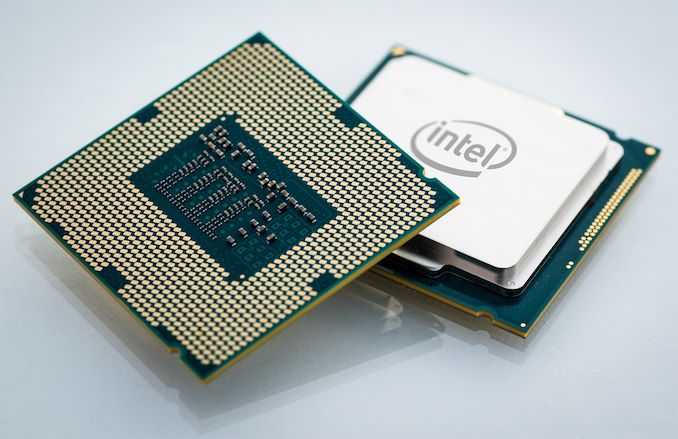
Intel has announced that it will be discontinuing some of its Lynx Point based chipsets which are most commonly associated with its Haswell processors on socket LGA 1150. Along with the long-standing H81 chipset, other Intel Lynx-point chipsets entering the End-of-Life cycle include Q87, C226, QM87, and HM86.

Originally introduced to the market back in 2013, Intel’s H81 chipset is the latest casualty of Intel’s product discontinuance strategy. The H81 chipset along with others entering product discontinuance are all based on its 32 nm lithography. The H81 chipset was built for Intel 4th generation Haswell processors and acted as the budget-conscious version of the Z87 chipset, minus some of its premium features including overclocking support. 


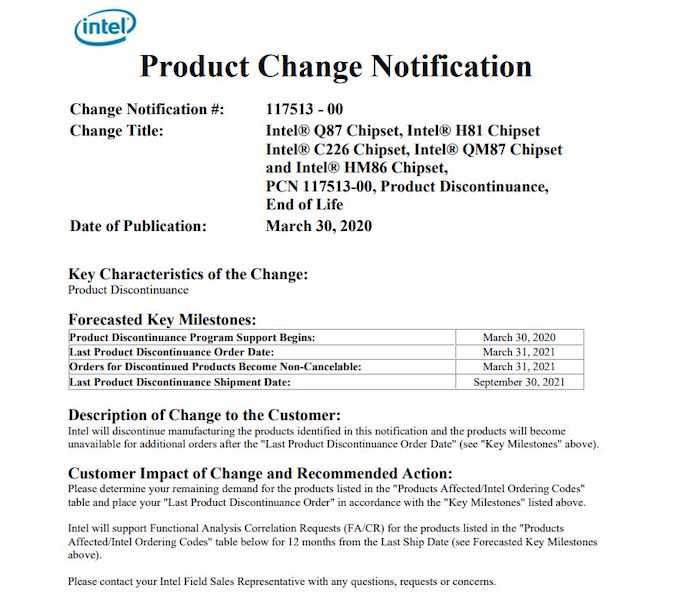
Intel states that although its product discontinuance program support began on March 30, 2020, customers will still be able to place orders of the H81, Q87, C226, QM87, and HM86 chipsets until March 31, 2021. The last shipment will be distributed on September 30, 2021, while orders not cancelled before March 31, 2021 will become non-cancelable. The H81 chipset is notably a desktop chipset, while C226 is from its server portfolio, and QM87 and HM86 are part of its mobile segment. Both the QM87 and HM86 chipsets were both expected to enter discontinuance in Q4 15 but lasted nearly five years longer than anticipated.


Directly related to the above, Intel announced last year that it was resurrecting its previously discontinued Haswell based Intel Pentium G3420 processor which was seemingly due to an increase in customer demand.


Customers looking for a low-cost long term chipset are advised to look towards such chipsets as H310 designed for Intel’s Coffee Lake CPUs.


Related Reading:


Source: AnandTech – Intel H81 Chipset EOL’d: Long Lived Haswell Chipset to be Retired

Intel Updates ISA Manual: New Instructions for Alder Lake, also BF16 for Sapphire Rapids

As with any processor vendor, having a detailed list of what the processor does and how to optimize for it is important. Helping programmers also plan for what’s coming is also vital. To that end, we often get glimpses of what is coming in future products by keeping track of these updates. Not only does it give detail on the new instructions, but it often verifies code names for products that haven’t ‘officially’ been recognized. Intel’s latest update to its ISA Extensions Reference manual does just this, confirming Alder Lake as a future product, and identifies what new instructions are coming in future platforms. Perhaps the biggest news of this is actually the continuation of BFLOAT16 support, originally supposed to be Cooper Lake only (and bearing in mind, Cooper Lake will have a limited launch), but will now also be included in the upcoming Sapphire Rapids generation, set for deployment in the Aurora supercomputer in late 2021.


Source: AnandTech – Intel Updates ISA Manual: New Instructions for Alder Lake, also BF16 for Sapphire Rapids

Samsung to Cease Traditional LCD Production, Move To Quantum Dot OLEDs

According to a report from Reuters, Samsung Display will cease production of traditional LCD displays by the end of the year. The move comes as the company is apparently turning its full efforts away from traditional liquid crystal displays and towards the company’s portfolio of quantum dot technology. Building off of the Reuters report, ZDNet is reporting that Samsung is dropping LCD production entirely – including its quantum dot-enhanced “QLED” LCDs – and that their retooled efforts will focus on QD-enhanced OLED displays. A decision with big ramifications for the traditional LCD market, this means that by the end of the year, the LCD market will be losing one of its bigger (and best-known) manufacturers.


As recently as last year, Samsung Display had two LCD production facilities in South Korea and another two LCD plants in China. Back in October, 2019, the company halted production one of the South Korean factories, and now plans to suspend production of LCDs at the remaining three facilities due to the low profitability and oversupply of traditional LCDs.


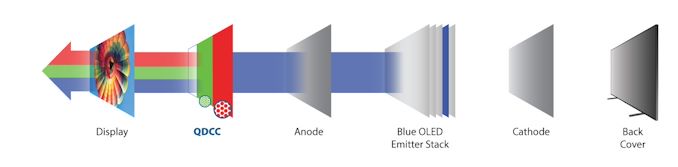
Instead, the company will be turning its attention towards the quantum dot-enhanced OLED displays. A new technology for Samsung, this would be distinct from the company’s current QLED displays, which use quantum dots to enhance LCD displays. Samsung previously announced their plans to invest a whopping $11 billion in QD-OLED production, and now those plans are moving one step closer to completion as the company gets ready to wind-down traditional LCD production.


To that end, one of the two South Korean LCD lines will be converted to produce displays and TVs featuring quantum dot-enhanced OLED panels. Samsung Display hopes that their sizable investment will pay off as the new technology promises unprecedented image quality and lower cost compared to regular OLED panels. Meanwhile, Samsung’s longer-term plans include building of two QD-OLED lines, though it’s unclear for now whether this will include any of the company’s Chinese facilities, or what may happen to those lines once they shut down at the end of the year.


Overall, Samsung is not the first nor the only LCD panel manufacturer to reduce their production. LG Display has converted as least one of its LCD factories to an OLED facility, whereas Panasonic last year decided to cease LCD manufacturing by 2021.


Related Reading:


Source: Reuters, ZDNet


Source: AnandTech – Samsung to Cease Traditional LCD Production, Move To Quantum Dot OLEDs