We may earn a commission from links on this page.
From the moment Mark Scout (Adam Scott) first rode an elevator down to his office and became a totally different person, we’ve been obsessed with Severance. Over two spectacular seasons, Ben Stiller’s sci-fi satire has explored the banality of corporate culture (and corporate cults), the impact of trauma, and the power of memory—or lack thereof. The story of a group of people who undergo the severance procedure, creating a separate workplace persona called an “Innie” who is essentially a separate individual lacking their outside memories, delivered one of the best finales of all time with its second-season ender “Cold Harbor.”
But it’s been a year since then, and there’s no official word on when we’ll see season three. If you’re jonesing for more of that bleak corporate vibe, mysterious and important work, and surprisingly nuanced commentary on the human condition—and you’ve already explored our list of streamalike shows—allow me to suggest some equally terrific books, movies, video games, and podcasts that will fill that empty space in your head.
The best books like ‘Severance’
Severance packs a lot of literary references into its scripts, adding a dense layer of subtext that makes every storyline richer (and more challenging). Unsurprisingly, there are a lot of choices if you’re looking for a reading experience that will give you similar vibes.
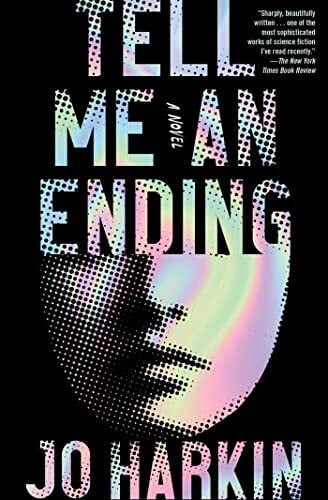
Tell Me an Ending: A Novel
$13.29
at Amazon
$20.00
Save $6.71
$13.29
at Amazon
$20.00
Save $6.71
$12.84
at Amazon
$14.00
Save $1.16
$12.84
at Amazon
$14.00
Save $1.16
$14.51
at Amazon
$21.00
Save $6.49
$14.51
at Amazon
$21.00
Save $6.49
Several People Are Typing: A GMA Book Club Pick
$13.35
at Amazon
$18.00
Save $4.65
$13.35
at Amazon
$18.00
Save $4.65
$10.12
at Amazon
$17.99
Save $7.87
$10.12
at Amazon
$17.99
Save $7.87
Tell Me an Ending, by Jo Harkin
One reason Severance is so compelling is the question raised by its basic premise: We are the sum of our experiences, so what would we be like if we didn’t have some (or most) of them? In Tell Me an Ending, a corporation offers a revolutionary memory-erasing procedure, and customers can choose to either be aware that they had a memory deleted—or not. Around the globe, people struggle with the consequences of removing crucial memories, including one character who slowly realizes he’s deleted the majority of his existence from his own brain.
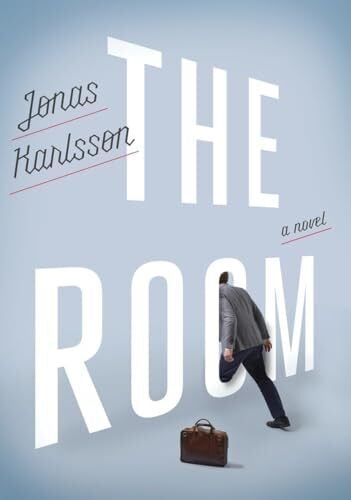
The Room, by Jonas Karlsson
If you miss the wonderfully creepy vibe of the Macrodata Refinement Department at Lumon Industries, The Room is the story for you. Björn is a government worker who strives to be the perfect employee, driven by an almost cultish desire to do everything required of him. When he discovers a strange room in the office—one his coworkers scrupulously pretend isn’t there—he begins spending time in it, apparently staring off into space, talking to himself. The more he does it, the harder his peers try to get him fired—but Björn has a plan to defend himself. And it involves what he’s discovered in the room.
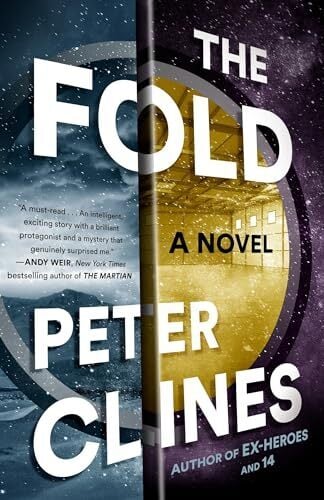
The Fold, by Peter Clines
The dual nature of the characters is a major aspect of Severance’s appeal—the Innies and Outies share a body, but have diverging personalities and desires that become more and more pronounced (and tragic) as time goes on. In The Fold, a man with a photographic memory is asked to investigate a series of odd events around a secret project that appears to have invented teleportation by folding dimensions—with strange side effects for those who walk through the “perfectly safe” portal, including one team member who was apparently driven insane by his experience. It’s a dark sci-fi story about mysterious and important work that is not at all what it seems.
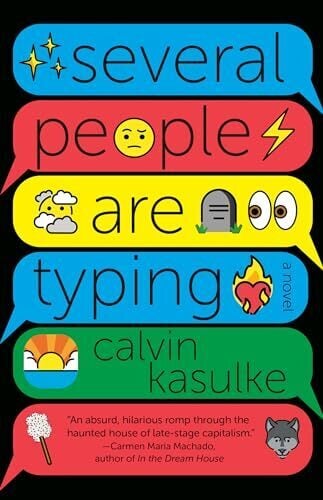
Several People Are Typing, by Calvin Kasulke
If you love Severance’s off-kilter take on corporate life (and its sly, often laugh-out-loud sense of humor), Several People Are Typing is the book for you. Told entirely in Slack messages (and if you experienced a full-body chill upon reading that sentence, this is definitely the book for you), this is the story of a man who somehow uploads his consciousness into his company’s Slack channel. As he tries to figure out what’s happened, his coworkers carry on as if nothing’s unusual, creating a wonderfully absurd scenario crammed with emojis, Slack-speak, and deep observations on the dual nature of our online/offline lives.
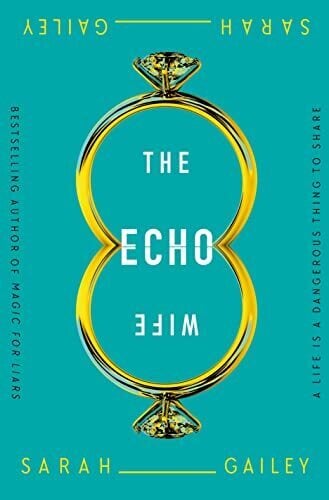
The Echo Wife, by Sarah Gailey
Evelyn Caldwell is a renowned scientist and happy spouse—until Martine, her clone, arrives on the scene. Martine was intended to be a distillation of everything good about Evelyn—kind, gentle, and subservient. But everything goes off the rails when Martine has an affair with Evelyn’s husband, who soon winds up dead. Like Severance, The Echo Wife pivots into an exploration of the nature of identity as the two wives team up to conceal the crime, turning to the cloning technology that created Martine to pull it off.
The best movies like ‘Severance’
Severance has a unique and finely-detailed visual look and feel. The transition from the “Outie” world (which is relatively normal, and resembles our own reality) to the “Innie” world of primary colors, old-school computer systems, and terrifyingly empty, white corridors, is always startling. If you want more of that kind of unnerving visual experience, here are some films to check out.
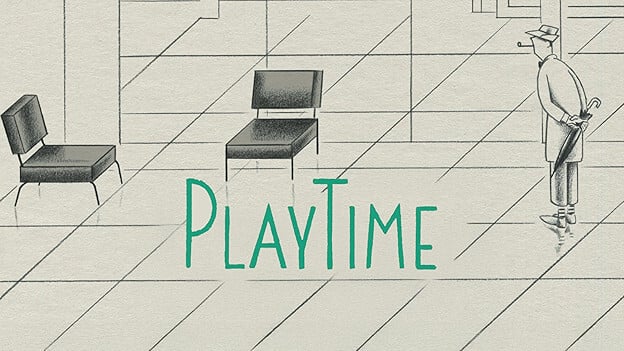
Playtime (1967)
This brilliant comedy from French legend Jacques Tati is an acknowledged influence on the show’s aesthetic and mood. In the largely dialog-free story of Playtime, Tati’s silent character Monsieur Hulot moves through a midcentury Paris that is depicted not as the beautiful City of Lights, but a modern maze of office cubes, sterile buildings, and apartments that resemble museum displays. It’s hilarious, but there’s a darkness underneath the slapstick that resonates sixty years later. Stream Playtime on The Criterion Channel or rent it from Prime Video.
Synecdoche, New York (2008)
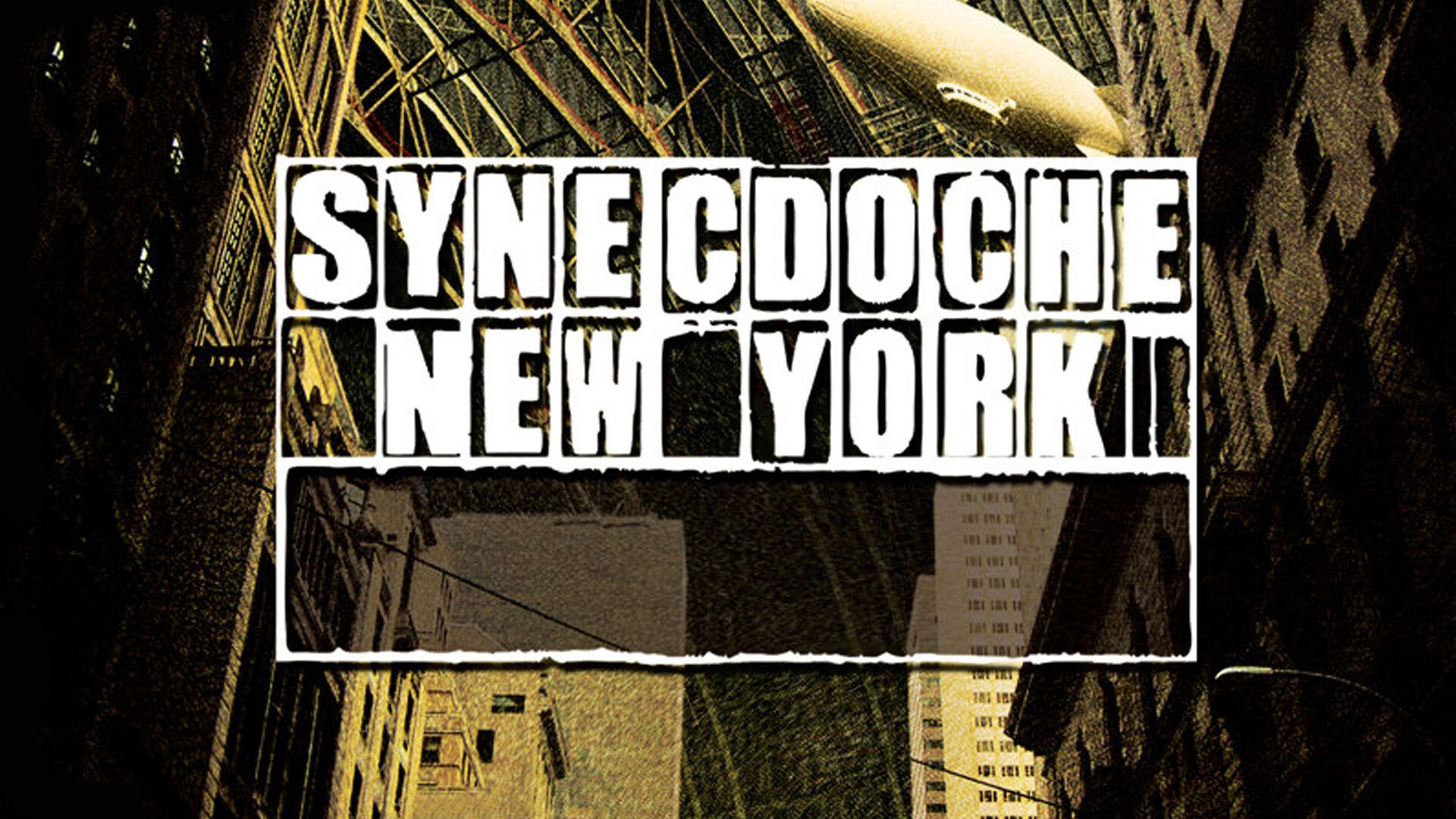
Charlie Kaufman’s masterpiece predicts Severance’s examination of identity, and the way our physical surroundings affect us even when they’re artificial (or maybe especially when they’re artificial). In Synecdoche, New York, the late, great Philip Seymour Hoffman plays a director who responds to a life crisis by staging an immense work of theater involving a replica of New York City built in a massive soundstage, populated by actors who basically live their entire fictional lives within it. As time goes on, the replica becomes more real than the city outside, and doubles are brought in to play the actors who are portraying the characters—leading to a grimly hilarious ending you won’t soon forget. Stream Synecdoche, New York on The Roku Channel or rent it from Prime Video.
Sorry to Bother You (2018)
If it’s the biting satire of modern-day employment that makes you love Severance, you have to check out Sorry to Bother You. Cassius Green (LaKeith Stanfield) is a Black man struggling in his telemarketing job until he learns to use a “white” voice on the phone. As his numbers skyrocket, he’s pulled deeper into the corporation, discovering some very weird vibes indeed. Visually inventive and offering an extremely low opinion of what it’s like to be employed in modern America, this is a perfect complement to our beloved Apple TV series. Stream Sorry to Bother You on Kanopy or rent it from Fandango at Home.
The Truman Show (1998)
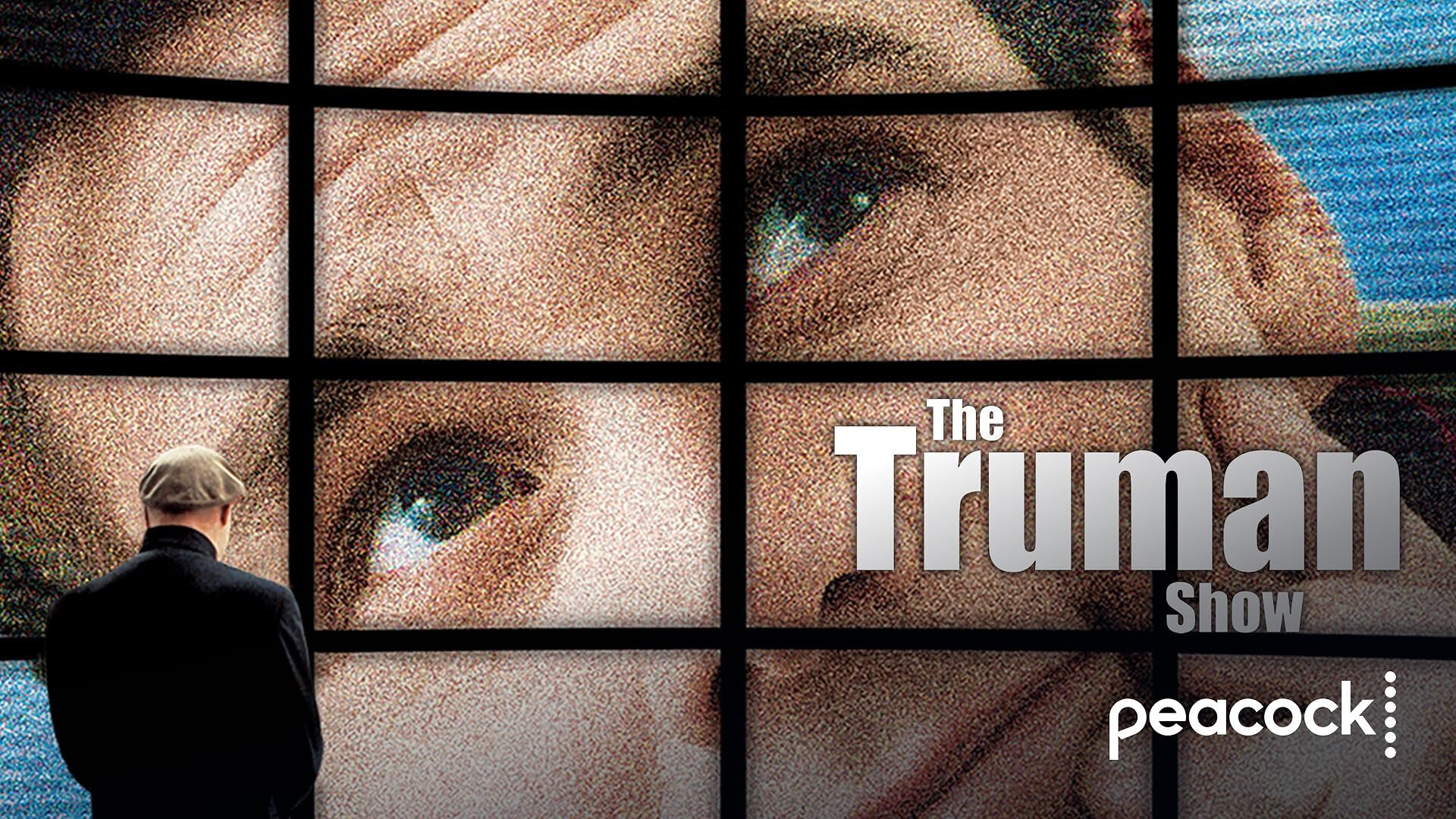
The Innies working at Lumon Industry are part of an experiment they don’t understand (or even know about, initially); the mysterious and important work they’re doing has a purpose they only begin to understand in the second season. In The Truman Show, the same can be said for Truman Burbank, who is basically like an Innie who never leaves the office, his entire life a lie crafted around him so he can be filmed, his life the ultimate reality TV show. And like the Lumon Innies, Truman slowly realizes that something is off—and takes dramatic steps to find the truth. Stream The Truman Show on Peacock or rent it from Prime Video.
Eternal Sunshine of the Spotless Mind (2004)
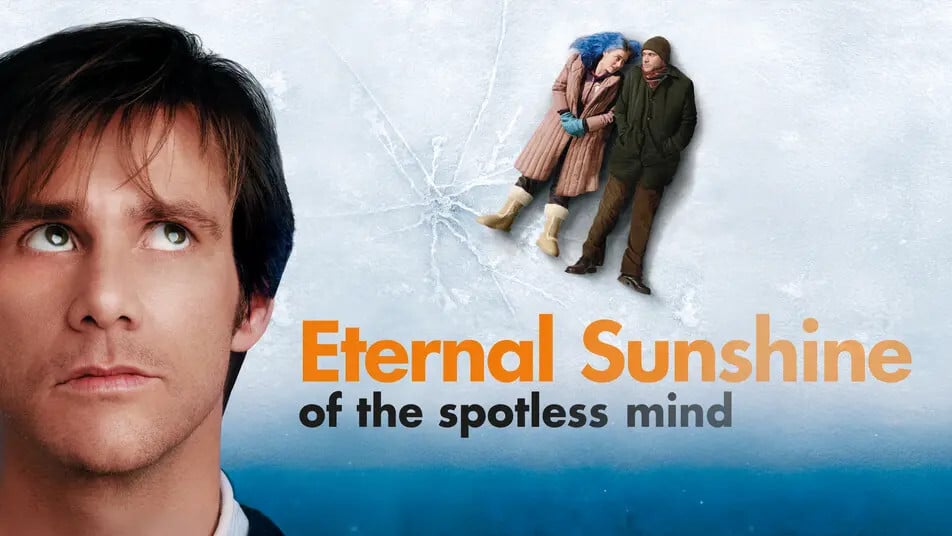
Another sci-fi story that considers the role of memory in making us who we are, Eternal Sunshine of the Spotless Mind syncs up with Severance thematically—and when Joel (Jim Carrey) begins fighting to stop his memories of his failed romance with Clementine (Kate Winslet) from being erased in a controversial medical procedure, it syncs up in terms of vibes as well. The haunting and often hilarious sequences where Joel attempts to hide Clementine in his other memories have the uncanny energy of Lumon’s weirdest melon-themed parties. Stream Eternal Sunshine of the Spotless Mind on Hulu or rent it from Prime Video.
Coming soon: Backrooms
If you’ve been online at all in the last few years, you’ve probably encountered The Backrooms, a creepy image of an eerie, infinite liminal space that just doesn’t feel right. Plenty of memes and games (see below) have been adapted from the concept, and A24 is set to release a Backrooms movie on May 29, 2026. The tone of ominous unreality is likely going to be perfect for Severance fans.
The best video games like ‘Severance’
There’s a definite “secret level” vibe to Severance, with many of the Lumon teams’ adventures feeling like deranged video game speedruns. Why not lean into that by playing some of these off-kilter games with a similar tone?
The Stanley Parable
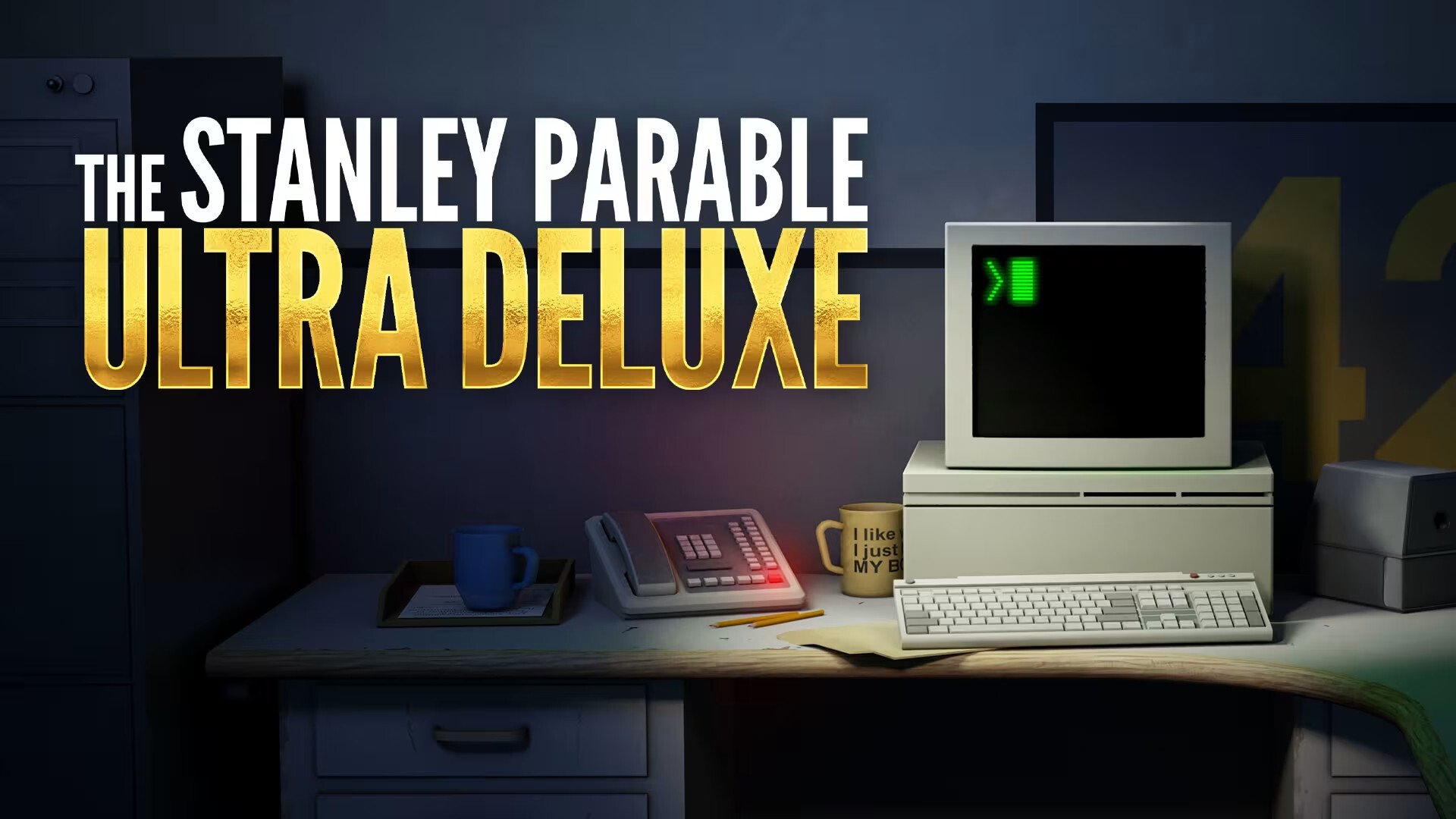
Severance co-creator Dan Erickson confirmed that The Stanley Parable was an inspiration for the show, and it’s easy to see why: You play as employee 427, aka Stanley, who discovers that all the other employees in his office have vanished. As you investigate, a dry-witted voice narrates your actions—and not-so-subtly tells you what to do. You can choose to follow directions or not, with the story splitting off into many different and unexpected directions that subvert just about every video game trope you can imagine.
Platforms: PlayStation 5, macOS, PC, Xbox
Portal & Portal 2
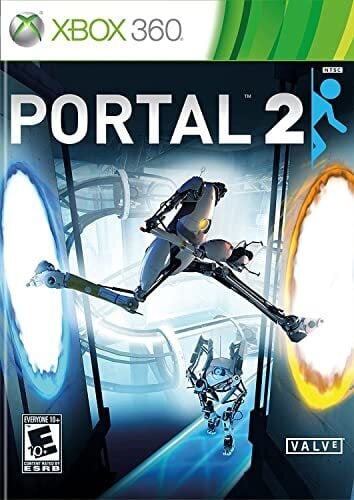
A more full-blown science fiction story than Severance, the Portal games share the same absurdist tone when it comes to working in a strange, hauntingly empty office space. In both games, you’re forced to run a series of increasingly deadly gauntlets using a portal gun that lets you teleport between different flat surfaces, making each room you enter a devious puzzle of warped physics. But it’s the slowly-unfurling story and the secrets you uncover as you move through the ancient, crumbling labs and office spaces, that really nail the Severance vibe.
Platforms: PlayStation, Xbox, PC, macOS, Nintendo Switch, Steam
The Exit 8
One of the weird pleasures of Severance is the slow doling out of details and atmosphere that feel “off,” coalescing into the nightmarish reveal of what’s actually happening down there in Macrodata Refinement. The Exit 8 offers a similar experience, though it rapidly descends into overt horror much, much more quickly. Your goal is to exit a subway station—but the corridor leading to the exit seems to repeat forever, and when you notice “anomalies” you must turn and flee immediately or suffer the consequences. The sense of liminal dislocation is perfect for Severance fans.
Platforms: Steam, Nintendo Switch, PlayStation 4/5, Xbox
Limbo & Inside
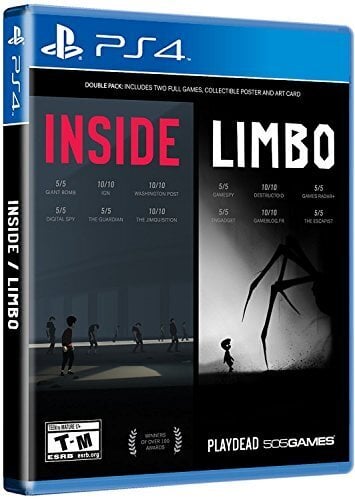
These two games are both set in worlds that initially seem familiar, only to slowly become increasingly strange and threatening—similar to how the underground world of the Innies seems like any outdated office at first. Both games offer a creepy, suffocatingly ominous vibe as the unnamed young boy you control makes his way past enormous spiders, brain-controlling slugs, and an entire economy seemingly powered by zombies.
Platforms: Nintendo Switch, PlayStation 4, macOS, PC, Xbox One
Escape the Backrooms
It feels like the Lumon Industries offices were built in a place like The Backrooms, bizarre and off-putting spaces filled with unnerving wallpaper and oatmeal carpeting. Where the memes were unsettling, Escape the Backrooms adds more overtly horror elements, like the various deadly entities you can encounter while wandering these weird, empty spaces. It’s that vibe of moving through a space that shouldn’t exist, maybe, that makes it a great pairing with the show.
Platforms: GeForce Now, PC, Steam
The best podcasts like ‘Severance’
One of the great things about Severance is how deep the discussion about it can be, and how it can inspire similar narratives that explore the same themes. If you’re a podcast fiend as well as a Severance fan, here are some to check out.
Homecoming
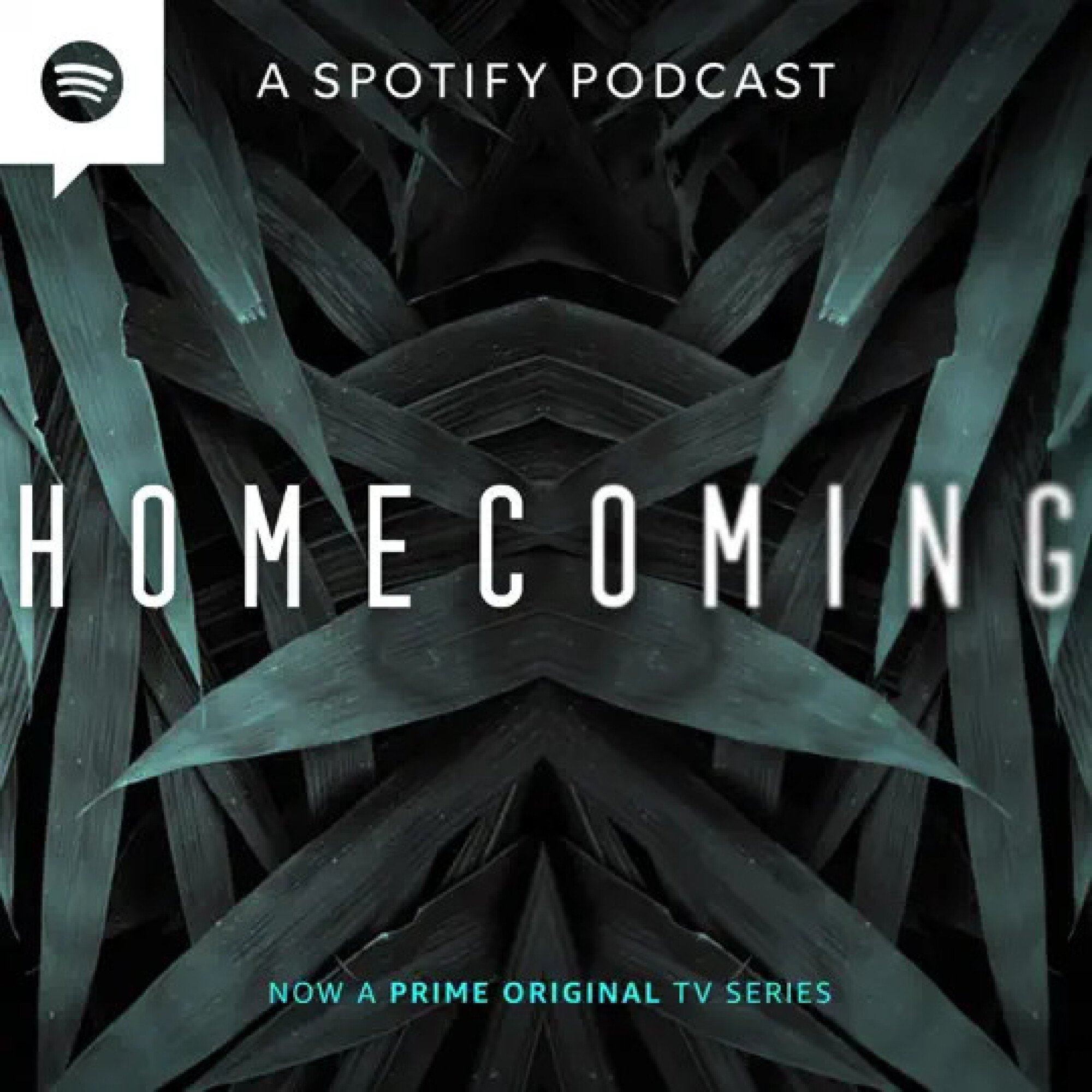
If you love the slow-burn mystery aspect of Severance, this hit narrative podcast will be your cup of tea. Set at an experimental facility designed to help veterans return to civilian life that’s run by a mysterious organization, Homecoming offers similarly creepy vibes. It’s told in a masterful melange of voicemails, overheard conversations, and therapy sessions, all voiced by some of the best actors working today—and once you’ve listened through, you can watch the Julia Roberts-starring adaptation on Prime Video.
The Severance Podcast With Ben Stiller and Adam Scott
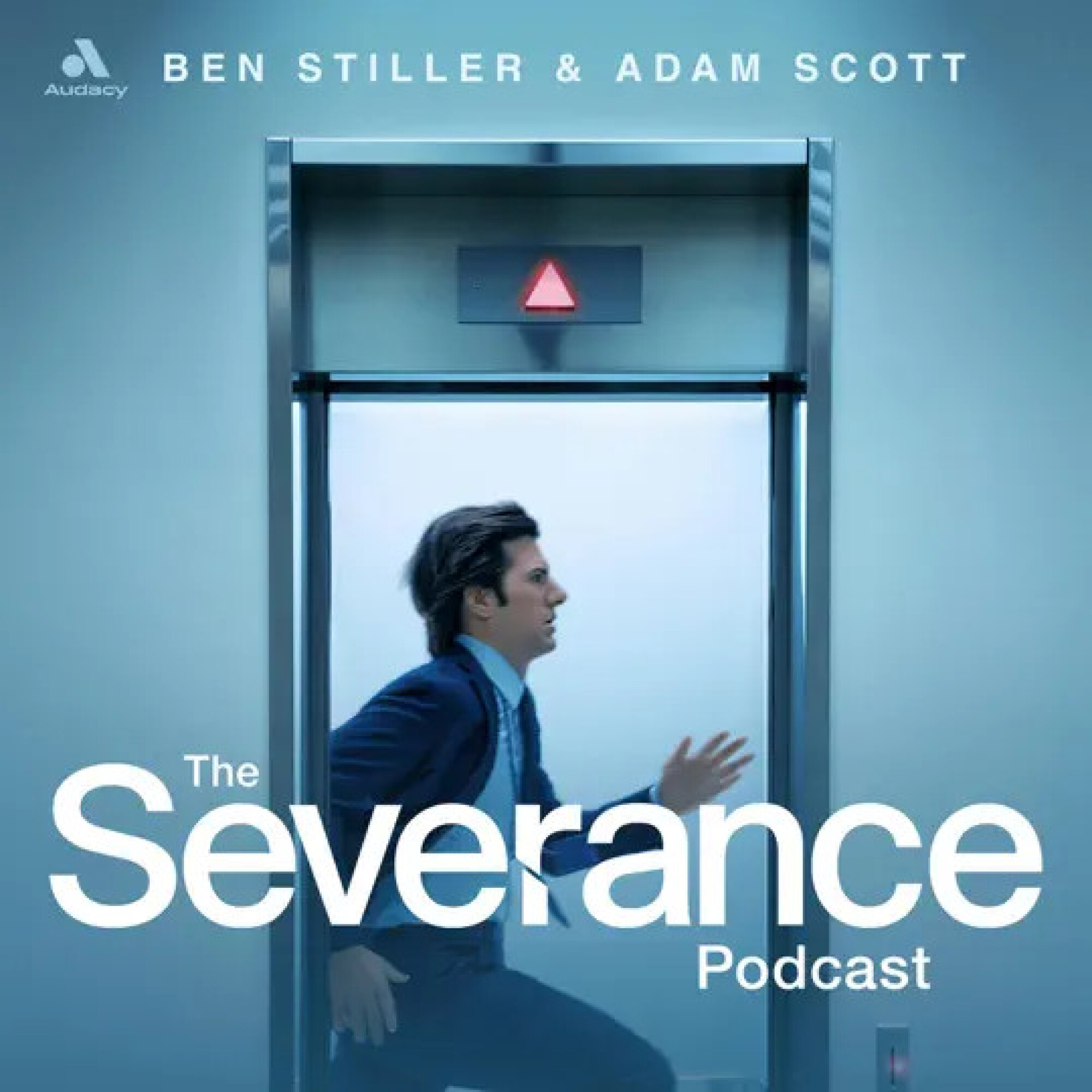
If what you really want is a deep, deep dive into the behind-the-scenes world of Severance, why not go straight to the source? Star Adam Scott and writer/director Ben Stiller have done episode-by-episode breakdowns, giving you all the Innie-side info you could want, and they’ve also done one-offs exploring the influences and inspirations that shaped the scripts and performances. It’s the perfect companion for a rewatch.
Illumination Above All
For an outsider perspective on Severance, including episode breakdowns as well as broader discussions about themes and references, Illumination Above All is a stellar podcast to dive into. If you don’t have friends who share your obsession with the show, this is probably going to be the next best thing.
Within the Wires
A series of standalone stories set in a shared alternate history universe, Within the Wires is all about subtle worldbuilding—just like Severance, which lets the visual and audio clues do a lot of the work. In this universe, the world was drastically altered after World War I, with much of the population wiped out and most of the old traditions and social structures lost. You learn everything from a series of in-universe recordings—relaxation guides, museum audio tours, for example—that slowly build up the details of what’s going on. It’s a deep dive into the weird any Severance fan will appreciate.
SAYER
A near extinction-level event, a secretive and nefarious corporation, a self-aware and unreliable AI—SAYER has it all. After an asteroid impact decimates Earth, Ærolith Dynamics builds an artificial moon called Typhon, where its employees are also its research subjects. Filled with pitch-black humor and inventive storytelling this might just get you through the long months until Severance season three drops.