
Alarm bells are ringing in the open source community, but commercial licensing is also at riskEarlier this week, Dan Blanchard, maintainer of a Python character encoding detection library called chardet, released a new version of the library under a new software license.…
New Merida Reacto beats big-name aero bikes for speed, according to independent testing
When Merida set out to design the new Reacto, it had one major goal in mind: to create a bike fast enough to break the 200-watt barrier, as measured by Tour Magazine in its wind-tunnel tests.
The German cycling publication’s independent wind-tunnel tests have become a benchmark in the industry for how well road bikes perform. The 200-watt barrier refers to the pedalling power required to overcome drag at 45km/h, which only two bikes have surpassed.
According to Tour Magazine, the 2022 Simplon Pride II had an aero drag of 199W and the Storck Aerfast.5 Pro achieved 198W.
So how fast is the new Reacto?
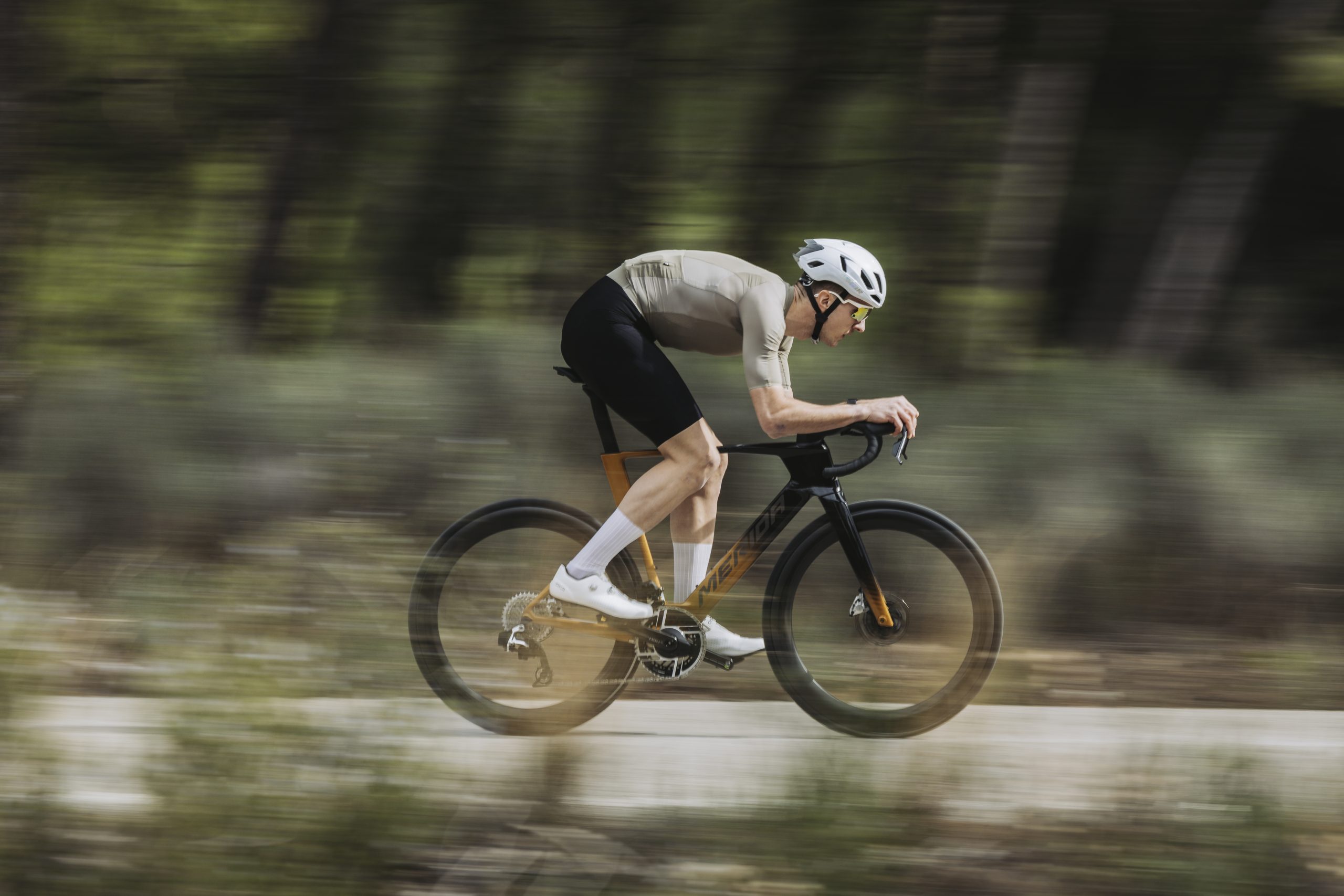
Merida says the previous-generation Reacto IV, which was one of the best-value aero bikes, and was released back in 2021, required 211W to overcome its own drag.
For its latest aero bike, Merida has managed to shave that figure down to 206W for the top-spec Reacto One (£10,000 / €11,500), according to a Tour Magazine test.
However, there are some caveats to this figure. Merida says the Reacto IV and the new Reacto One were both fitted with the brand’s SL 1P cockpit and 60mm-deep wheels.
But the newest version was fitted with a wider 30mm tyre, because the clearance of the bike has increased from 28mm to 32mm, which Hutchinson recently suggested could be faster than 30mm.
The new Reacto One is also fitted with a Classified Powershift hub and 1x drivetrain, which would help reduce aero drag compared to a more conventional 2x setup.
Yet, Merida adds that if you switch the SL 1P cockpit for its new CW 1P design, the Reacto One drops below 200W and achieves 196W.
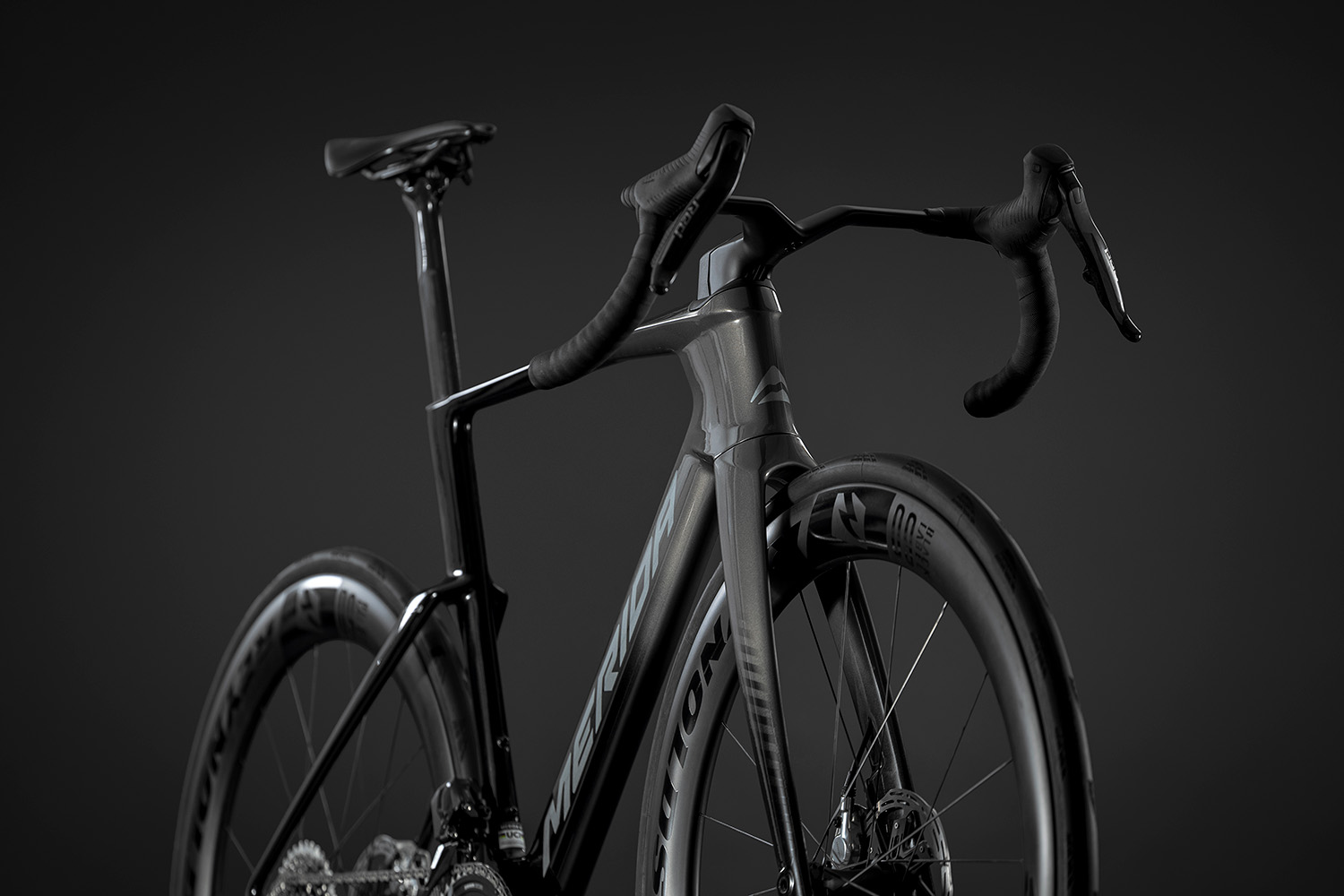
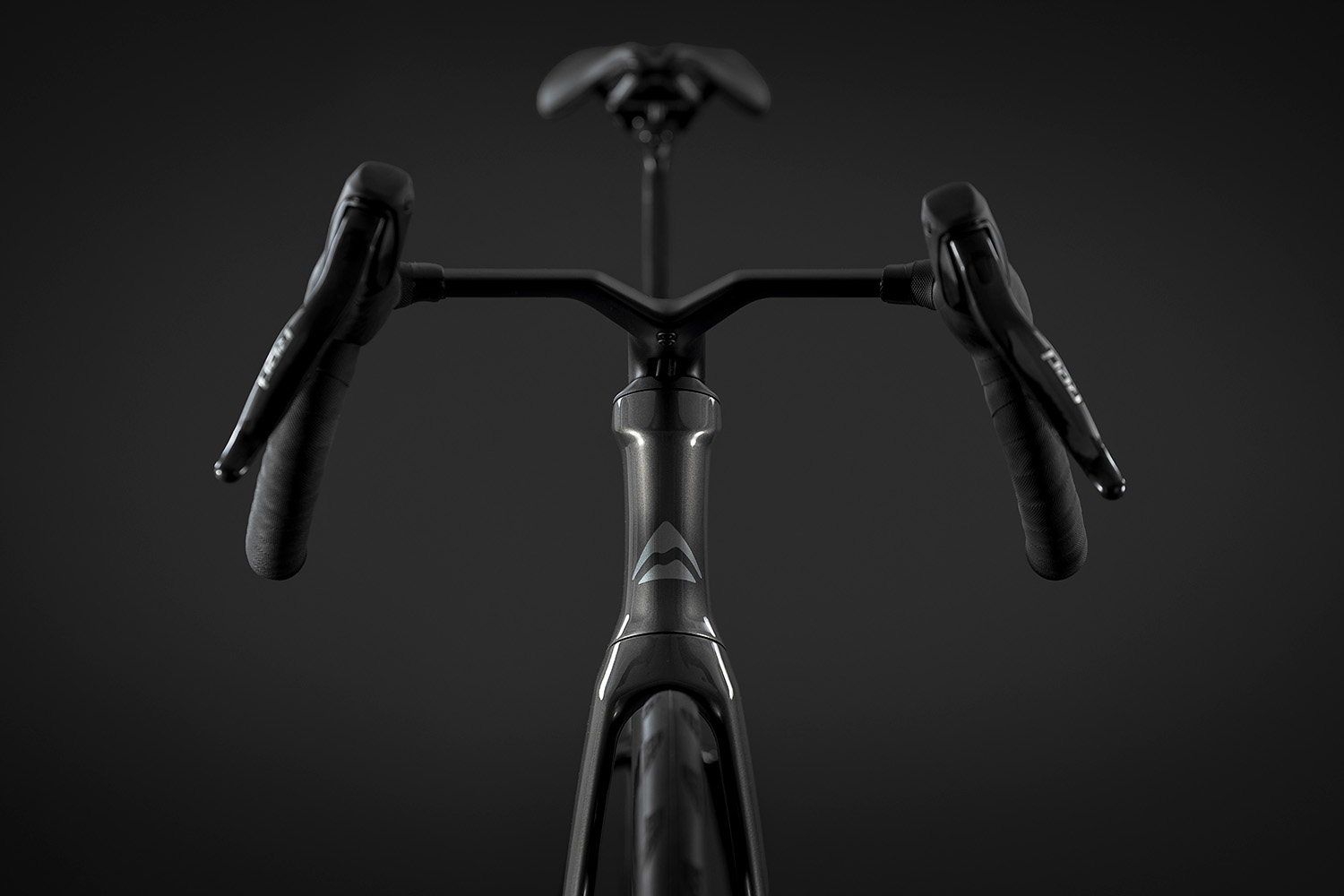
The CW 1P cockpit is a ‘gull wing’ design similar to that found on the Colnago Y1Rs. Merida says the “V-shape and foil profile maximise efficiency in all wind conditions, and its ergonomic shape ensures comfort and relief during even the most demanding rides”.
The bar is available for the top Reacto One and the Reacto 10k (£9,500 / €11,000), which features a 2x SRAM Red AXS groupset, and still achieves a score of 202W, according to Tour Magazine and Merida.
This means the new Merida Reacto is faster than the Simplon and Storck bikes tested by Tour Magazine and faster than aero bikes from bigger brands. Tour Magazine said the 2021 Canyon Aeroad scored 202W and the latest Cervélo S5 scored 204W.
Aerodynamic shapes
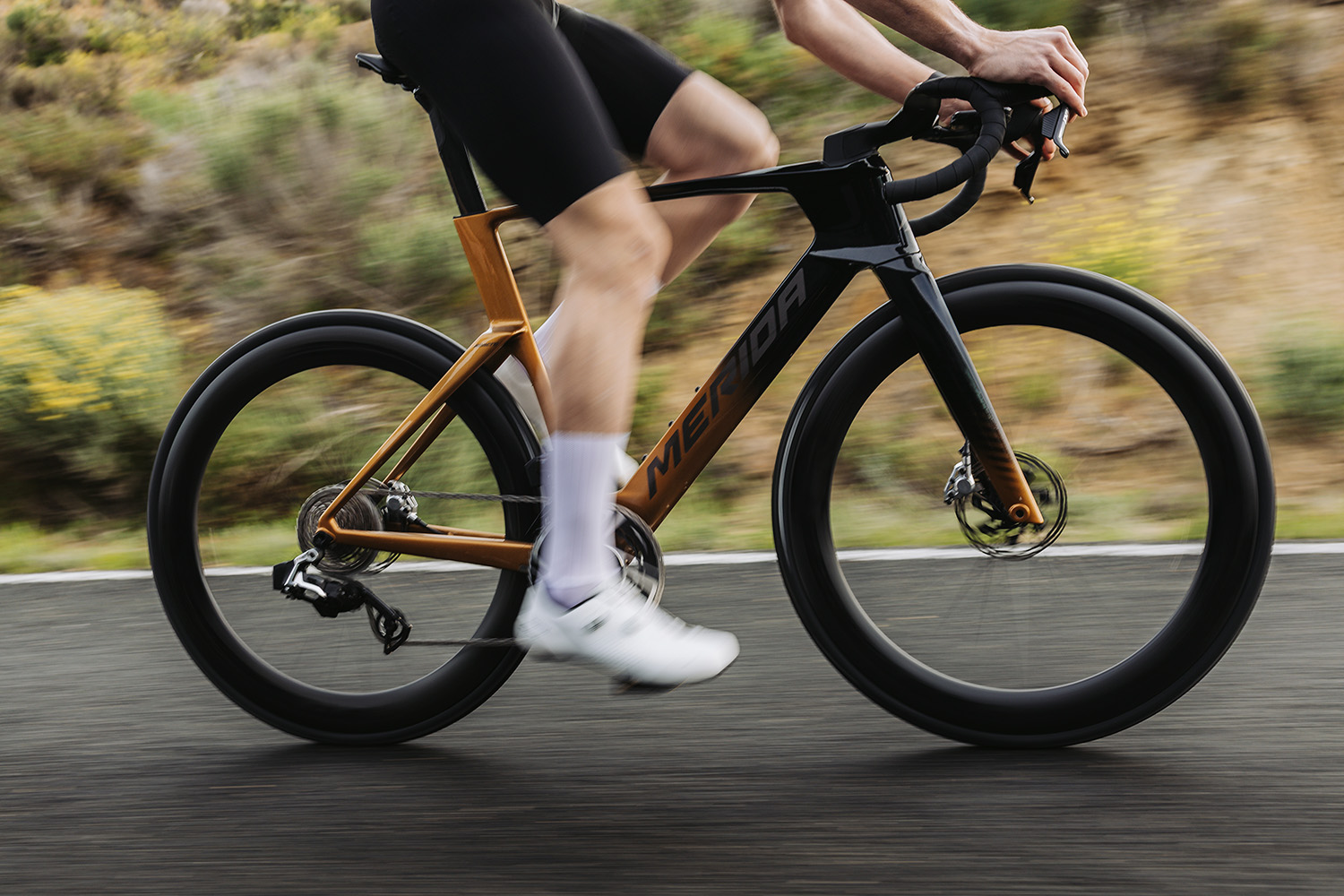
Alongside the new bar, Merida has made use of changes in UCI regulations to make the Reacto faster.
Merida says the bike utilises the “aerodynamic boundaries set by the UCI”, which we can take to mean the change in tube ratios. In 2022, cycling’s governing body said bicycle tubes could be eight times longer than they were wide, whereas the ratio had previously been 3:1.
The previous Reacto was released just before this change, and therefore couldn’t make use of it, but the latest version has.
As we remarked when we spotted the unreleased bike at last year’s Tour de France, the new Reacto’s head tube is far deeper than the previous version. This is one of the latest trends in road bike design and is particularly notable on the latest Ridley Noah.
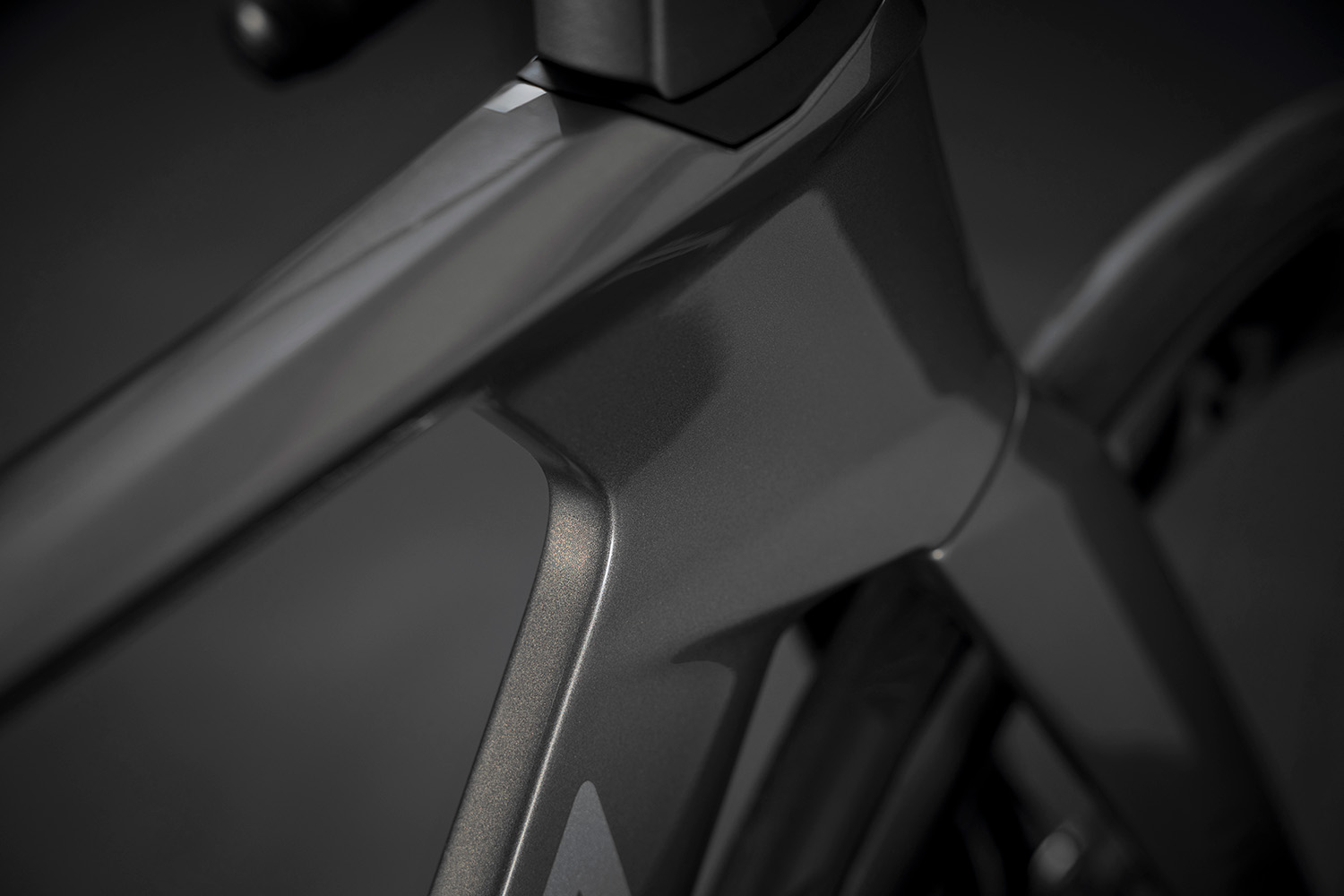
Merida says it has also updated the Reacto’s fork shape, “which now features deeper and thinner fork legs to reduce air drag at the fork/tyre intersection”.
“Updates have also been made to the head tube, especially in terms of integrating the cockpit and stem areas into the frame. The downtube has been positioned further away from the front wheel to improve aerodynamics and reduce weight,” Merida explains.
The Taiwanese company also paid attention to the position and integration of water bottles.
“We maintained a more conventional aero downtube profile, but are very close to releasing our own aero bottle and cage combination, which, when used on the new Reacto, easily outperforms the often-seen cradle-shaped downtubes that hide a classic bottle and cage combination,” it says.
Speed isn’t everything
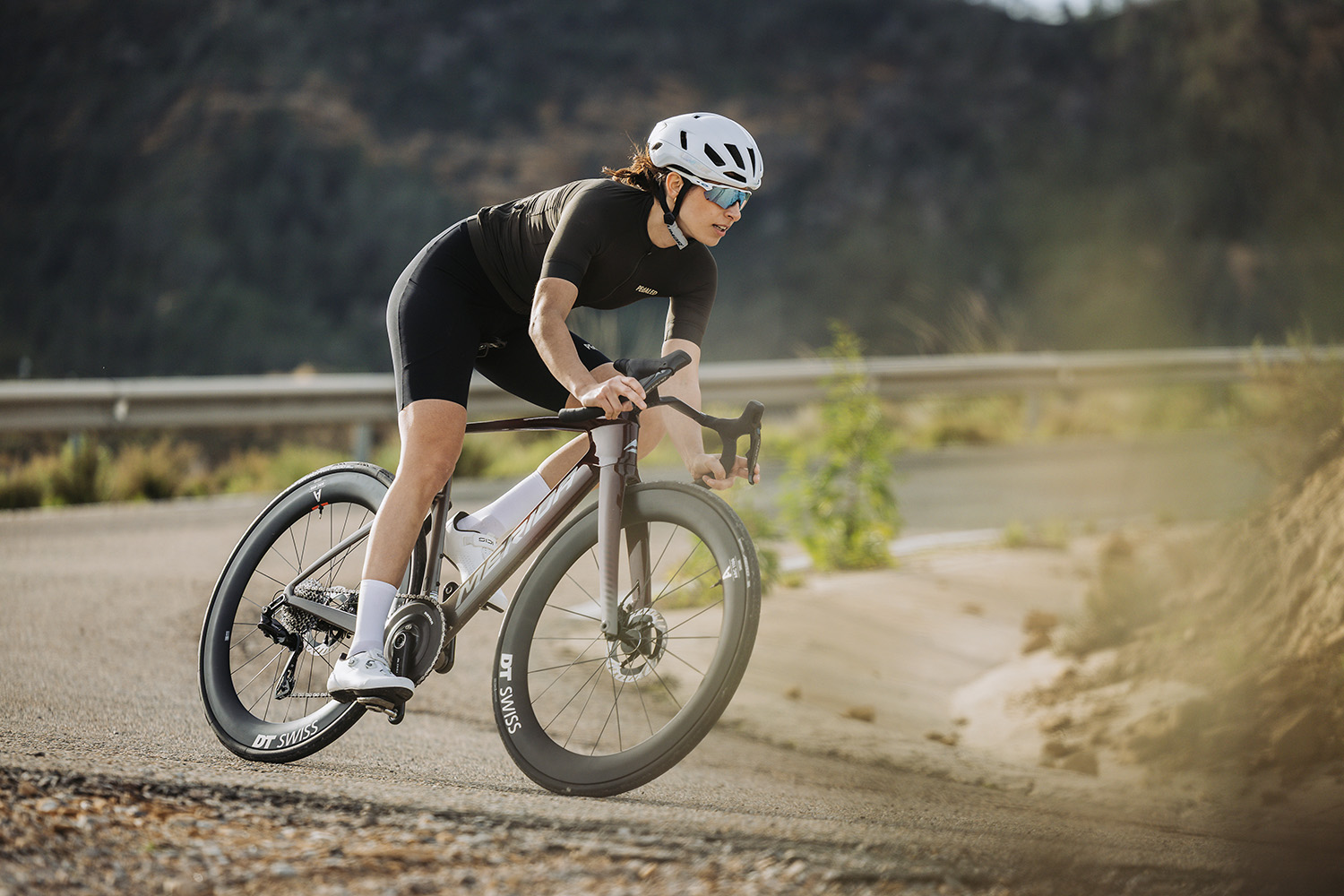
Just as Tour Magazine doesn’t only consider aerodynamic performance in its overall ranking of road bikes, Merida says it has balanced the Reacto’s speed with comfort.
“We also wanted to create one of the most aerodynamic bikes that still maintains impressive comfort and control attributes,” Merida says.
Merida says it has managed to achieve a comfortable ride quality comparable to a “classic, thin-tubed road bike,” by combining the compliance of the S-Flex seatpost with the clearance for 32mm tyres. But it should be noted that none of the 10 models available at launch come with tyres this wide.
Merida adds that the carbon layup of the bike achieves a balance of stiffness and flex: “Balancing the contrasting needs of comfort and efficiency is no easy task, but by using knowledge gained over years of carbon fibre manufacture and the efforts of our in-house testers and world-class athletes, we’ve found what we feel is the correct balance in each area of the bike.”
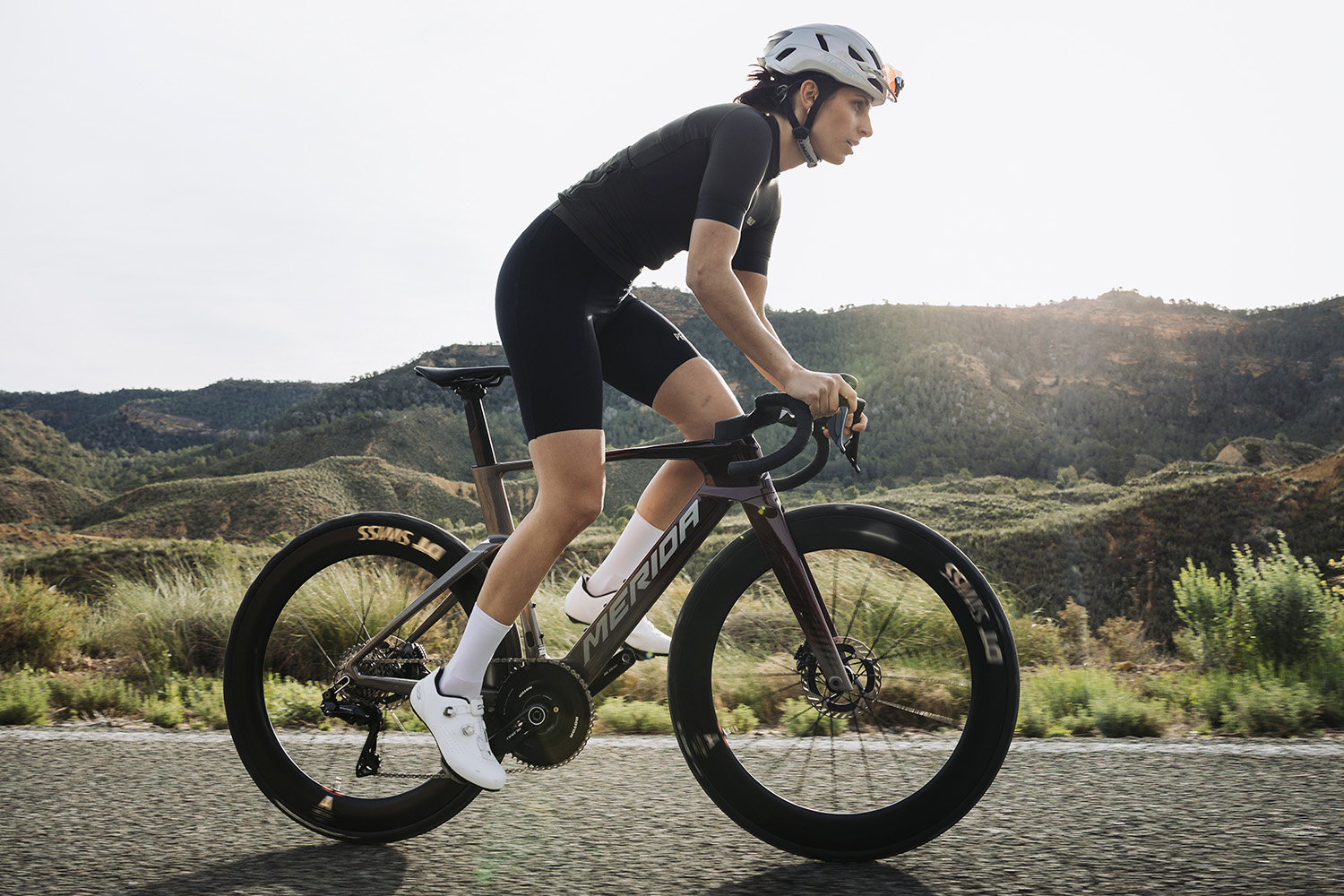
Merida says it has also reduced the weight of the Reacto. The Reacto 10k is the lightest version in the new range with a claimed weight of 7.1kg, but Merida says it could be possible to get the bike under the UCI weight limit of 6.8kg.
It claims this combination of aerodynamics, comfort and low weight makes the Reacto a “more versatile ‘aero all-roudner’” and that this makes it “hugely significant amongst road racing professionals as well as speed loving enthusiasts”.
The Reacto is available with two carbon levels. The top five models in the range use the lighter CF5 frame, which is 11g lighter than the previous generation, while the complete frameset weighs 108g less at 1,616.2g in a size medium.
Meanwhile, the CF3 frameset – available on bikes ranging from £2,400 / €2,800 to £5,000 / €5,750 – weighs 1,704g in the same size.
The framesets have the same geometry and offer “identical aerodynamic performance”.
Merida Reacto geometry
| 3XS | XXS | XS | S | M | L | XL | |
|---|---|---|---|---|---|---|---|
| Seat tube (mm) | 440 | 470 | 500 | 520 | 540 | 560 | 590 |
| Top tube (mm) | 506 | 521 | 535 | 545 | 560 | 575 | 590 |
| Chainstay (mm) | 410 | 410 | 410 | 410 | 410 | 410 | 410 |
| Head tube angle (degrees) | 70.5 | 70.5 | 72 | 72.5 | 73.5 | 73.5 | 74 |
| Seat tube angle (degrees) | 75.5 | 74.5 | 74 | 74 | 73.5 | 73 | 73 |
| Head tube (mm) | 100 | 105 | 112 | 128 | 140 | 155 | 175 |
| Reach (mm) | 373 | 377 | 384 | 390 | 395 | 400 | 409 |
| Stack (mm) | 512 | 517 | 529 | 542 | 557 | 571 | 593 |
| Wheelbase (mm) | 981 | 987 | 984 | 992 | 992 | 1,002 | 1,011 |
Merida Reacto range overview
Reacto One
- Frame: Reacto CF5 V
- Groupset: Shimano Dura-Ace Di2
- Wheelset: DT Swiss ARC 1100 with Classified Powershift hub
- Tyres: Continental Aero 111 / Continental GP5000s TR, 700x30c
- Weight: 7.4kg
- Price: £10,000 / €11,500
Reacto 10k
- Frame: Reacto CF5 V
- Groupset: SRAM Red AXS
- Wheelset: Reynolds BL 60 Pro
- Tyres: Continental GP5000s TR, 700x28c
- Weight: 7.2kg
- Price: £9,500 / €11,000
Reacto Team
- Frame: Reacto CF5 V
- Groupset: Shimano Dura-Ace
- Wheelset: Vision Metron 60 RS i23 Clincher TL
- Tyres: Continental GP5000s TR, 700x28c
- Weight: 7.1kg
- Price: £9,500 / €11,000
Reacto Pro
- Frame: Reacto CF5 V
- Groupset: Shimano Dura-Ace
- Wheelset: DT Swiss ARC 1600
- Tyres: Continental Grand Prix TR, 700x28c
- Weight: Not stated
- Price: £7,500 / €8,750
Reacto 9000
- Frame: Reacto CF5 V
- Groupset: Shimano Ultegra
- Wheelset: Reynolds BL 60 Expert DB
- Tyres: Continental GP5000s TR, 700x28c
- Weight: 7.8kg
- Price: £6,250 / €7,250
Reacto 8000
- Frame: Reacto CF3 V
- Groupset: Shimano Ultegra
- Wheelset: Reynolds AR 60 DB
- Tyres: Continental GP5000s TR, 700x28c
- Weight: 8kg
- Price: £5,000 / €5,750
Reacto 7000
- Frame: Reacto CF3 V
- Groupset: SRAM Rival AXS
- Wheelset: Vision SC 60 i23
- Tyres: Continental GP5000s TR, 700x28c
- Weight: 8.4kg
- Price: £4,750 / €5,500
Reacto 6000
- Frame: Reacto CF3 V
- Groupset: Shimano 105 Di2
- Wheelset: Vision SC 60 i23
- Tyres: Continental Grand Prix TR, 700x28c
- Weight: 8.5kg
- Price: £3,800 / €4,400
Reacto 5000
- Frame: Reacto CF3 V
- Groupset: Shimano 105 Di2
- Wheelset: Vision Team 35
- Tyres: Continental Grand Prix TR, 700x28c
- Weight: 9kg
- Price: £3,000 / €3,500
Reacto 4000
- Frame: Reacto CF3 V
- Groupset: Shimano 105
- Wheelset: Shimano
- Tyres: Continental Grand Prix TR, 700x28c
- Weight: 9.1kg
- Price: £2,400 / €2,800
Congress Extends ISS, Tells NASA To Get Moving On Private Space Stations
A recently-revised Senate authorization bill (PDF), co-sponsored by Senate Commerce Committee Chair Ted Cruz, would extend the International Space Station’s lifespan from 2030 to 2032 while pushing NASA to accelerate plans for commercial space stations to replace it. Ars Technica’s Eric Berger reports: Regarding NASA’s support for the development of commercial space stations, the bill mandates the following, within specified periods, of passage of the law:
– Within 60 days, publicly release the requirements for commercial space stations in low-Earth orbit
– Within 90 days, release the final “request for proposals” to solicit industry responses
– Within 180 days, enter into contracts with “two or more” commercial providers for such stations
Cruz is trying to inject urgency into NASA as several private companies — including Axiom Space, Blue Origin, Vast, and Voyager — are finalizing designs for space stations. All have expressed a desire for clarity from NASA on how long the space agency would like its astronauts to stay on board, the types of scientific equipment needed, and much more. These are known as “requirements” in NASA parlance.
[…] Cruz and other senators on the committee appear to share those concerns, as their legislation extends the International Space Station’s lifespan from 2030 to 2032 (an extension must still be approved by international partners, including Russia). Moreover, the authorization bill states, “The Administrator shall not initiate the de-orbit of the ISS until the date on which a commercial low-Earth orbit destination has reached an initial operational capability.” With this legislation, the U.S. Senate is making clear that it views a permanent human presence in low-Earth orbit as a high priority. This version of the authorization legislation must still be passed by the full Senate and work its way through the House of Representatives.


Read more of this story at Slashdot.
I can’t believe how comfortable the new Assos jersey and bib shorts are – and the price isn’t bad either
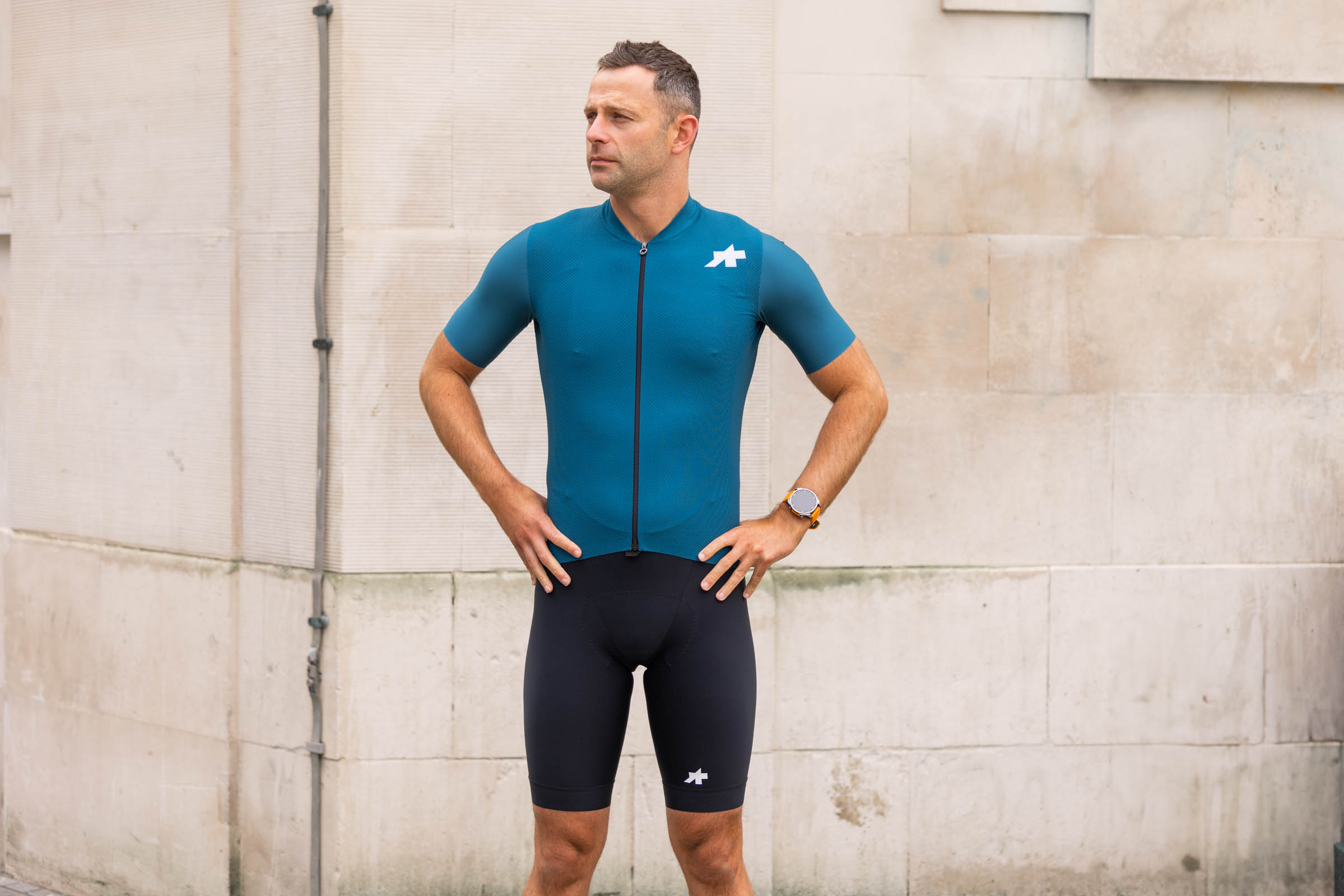
I’ve got my hands on the latest Assos Mille GT jersey and bib shorts, and I can’t believe how comfortable the ensemble is.
Comfort is always subjective, but consider the context. I’m a wide-built, 188cm-tall 36-year-old, who weighs close to 87kg.
Most kit I wear is compromised in some way, with spare fabric here and there, where I’ve had to go up a size to accommodate my broad-for-a-cyclist chest and shoulders. Likewise, when I stick to a size for desirable compression levels, I might find it’s a bit… snug.
But the latest Mille GT kit has some refined features geared towards making it more comfortable for endurance riding, with an accommodating cut suitable for more than just racing whippets.
Bearing in mind a reasonable total price tag of £250, don’t dismiss it on Assos’ premium-price reputation alone.
For the longest days: Assos Mille GT jersey
SQUIRREL_TEXT_13821002
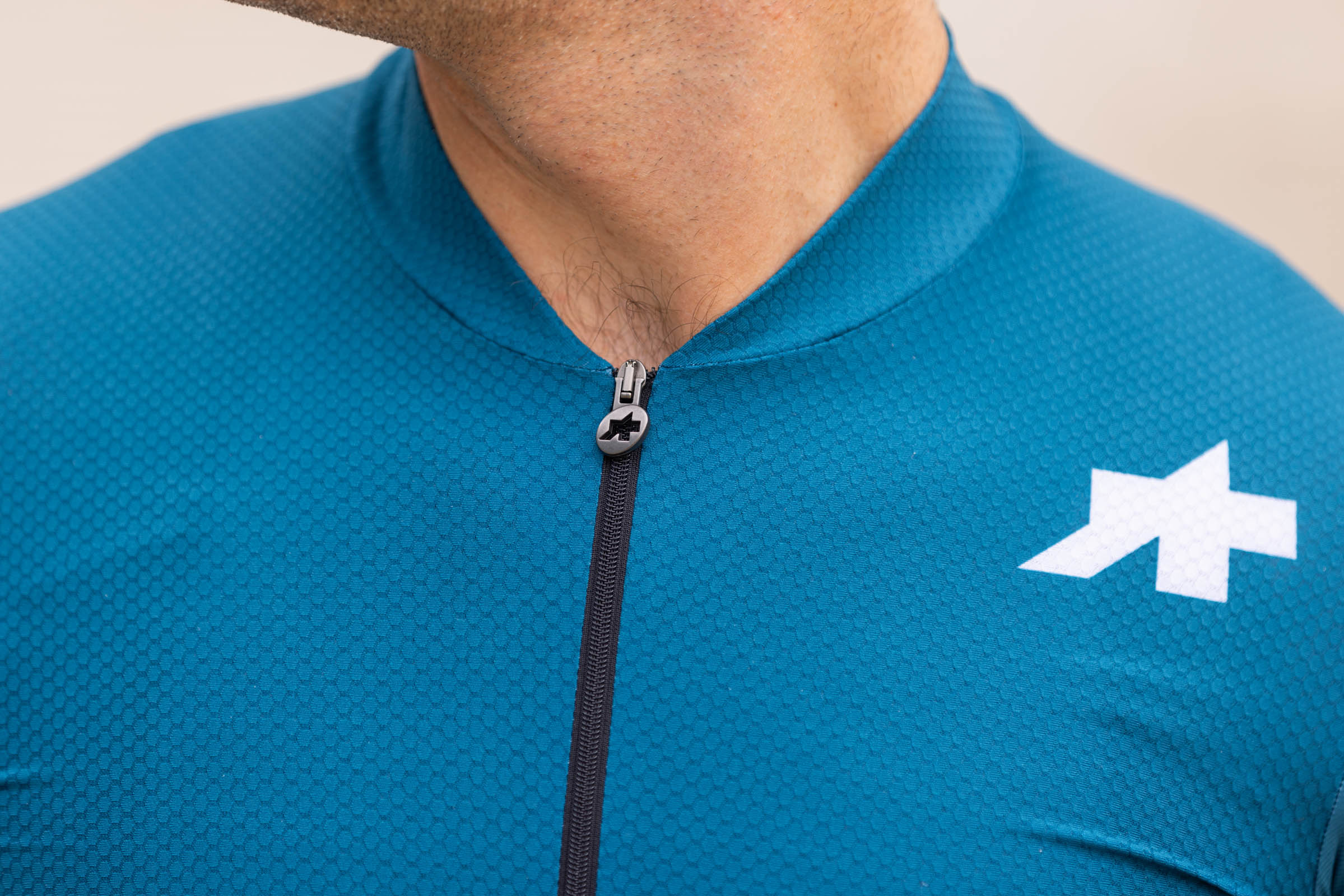
Up top, the Mille GT jersey makes use of Assos’ lightweight AirCell fabric. Its hexagonal structure is engineered to promote airflow while remaining stretchy.
This helps it feel light and breathable, while avoiding the tell-tale flap of excess material or an overly tight feel.
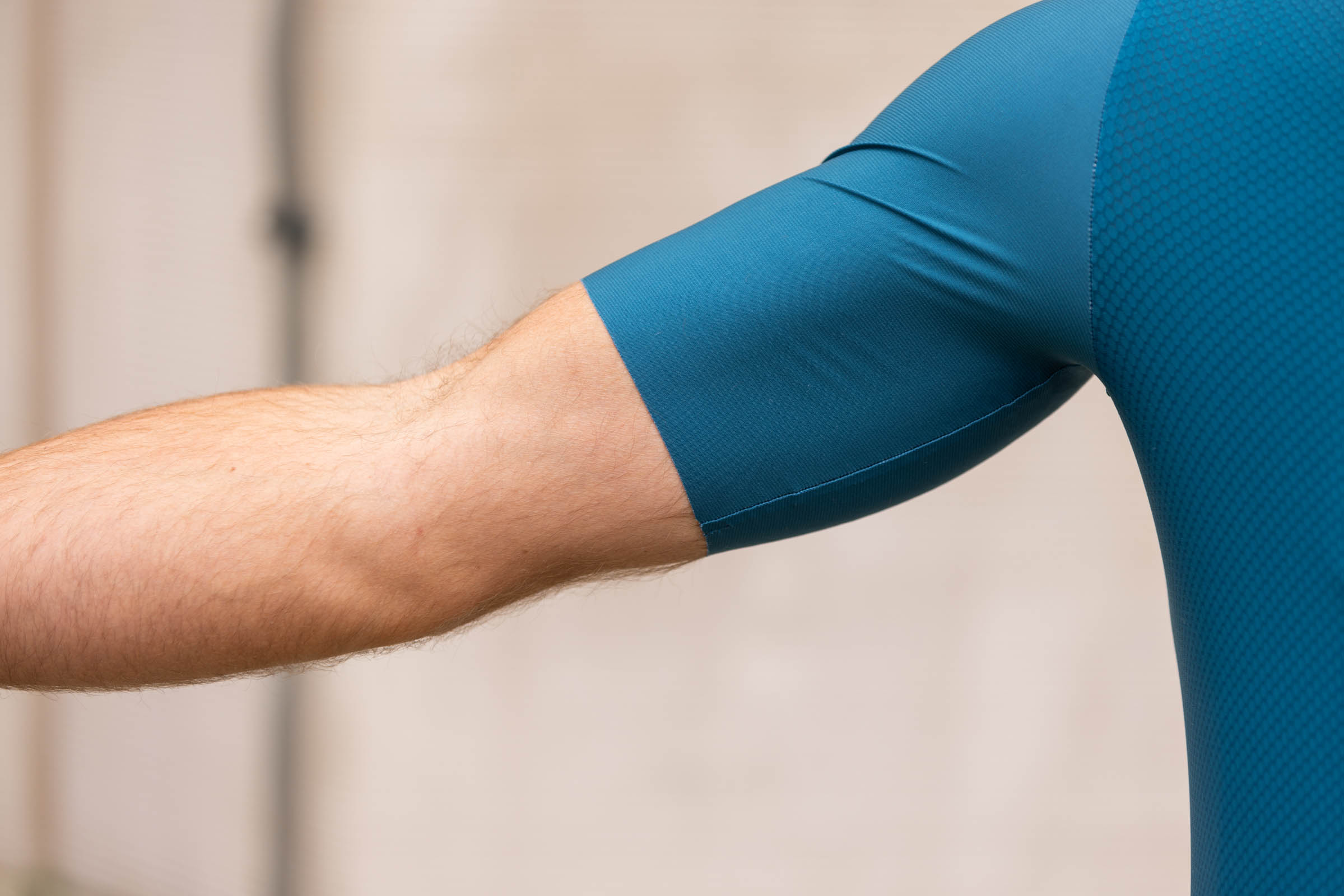
The sleeves have been reworked using a new lightweight ‘Eclipse’ fabric and finished with a raw-cut hem. Even with my broader shoulders, the sleeves settle naturally around the mid-point of my arm without digging in or pulling on the neckline. It’s a subtle update, but one I suspect will prove comfortable on the long rides this kit is designed for.
Round the back, Assos’ familiar ‘Triple Ramp’ pockets are designed to help prevent sagging when you’ve packed in the supplies for an all-day ride. Fully loaded, I’ve found the jersey doesn’t feel too weighed down.
The overall cut is excellent, though, with generous enough proportions that it will accommodate riders like me who don’t conform to the snake-thin cycling stereotype, but still manage to flatter.
SQUIRREL_13821002
Tried-and-tested and eco-friendly
SQUIRREL_TEXT_13820988
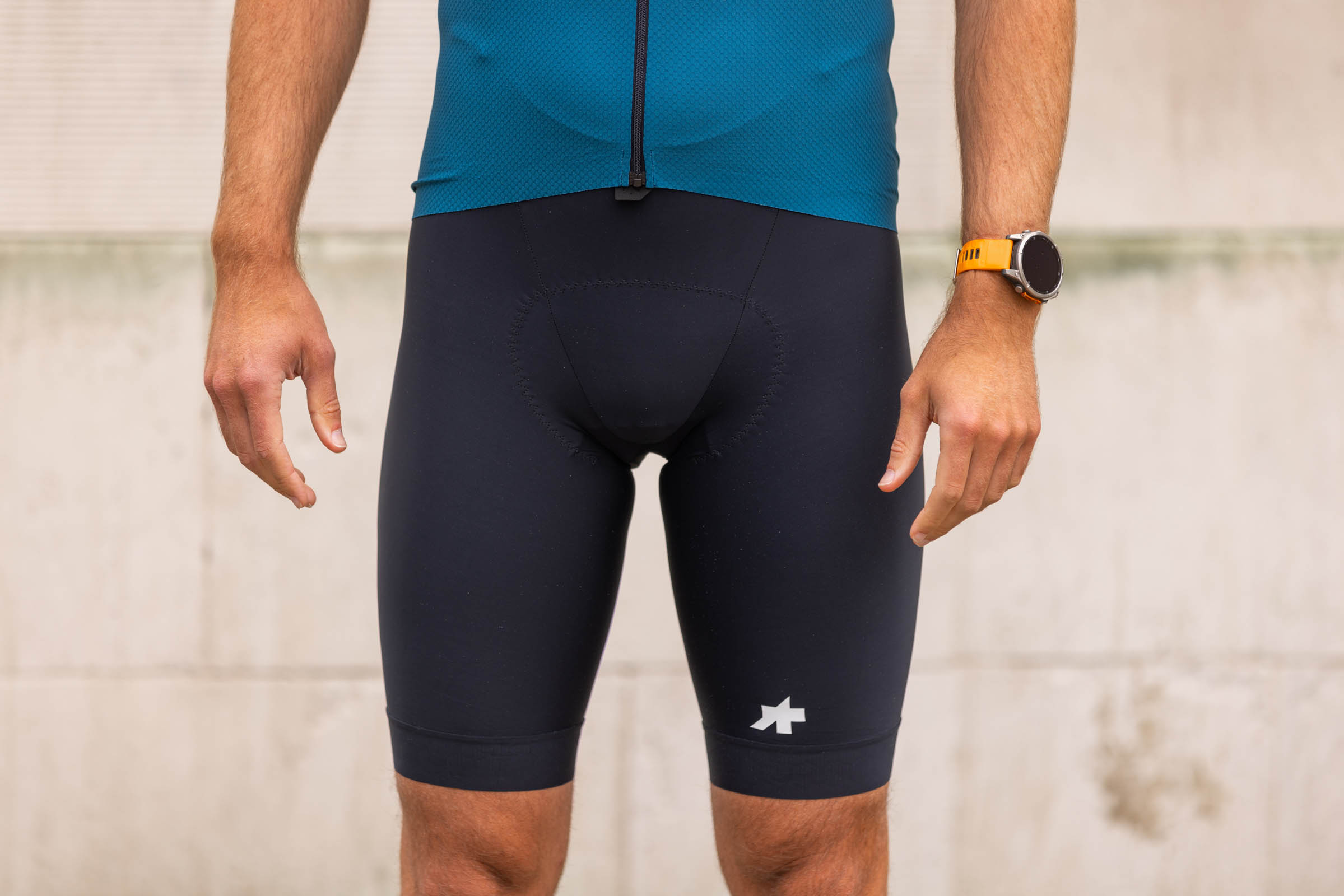
The matching Mille GT Bib Shorts S11 retain Assos’ slightly awkward naming convention, but the focus on endurance riding is clear.
Assos says the slightly longer leg offers a modern silhouette, and while I’m not a fan of shorts that extend right down to the back of the knee, this design seems to strike a happy medium.
The legs are made from Assos’ Quartz fabric, which is said to be permanently odour-free (ideal if you wanted to use the shorts on a light bikepacking trip).
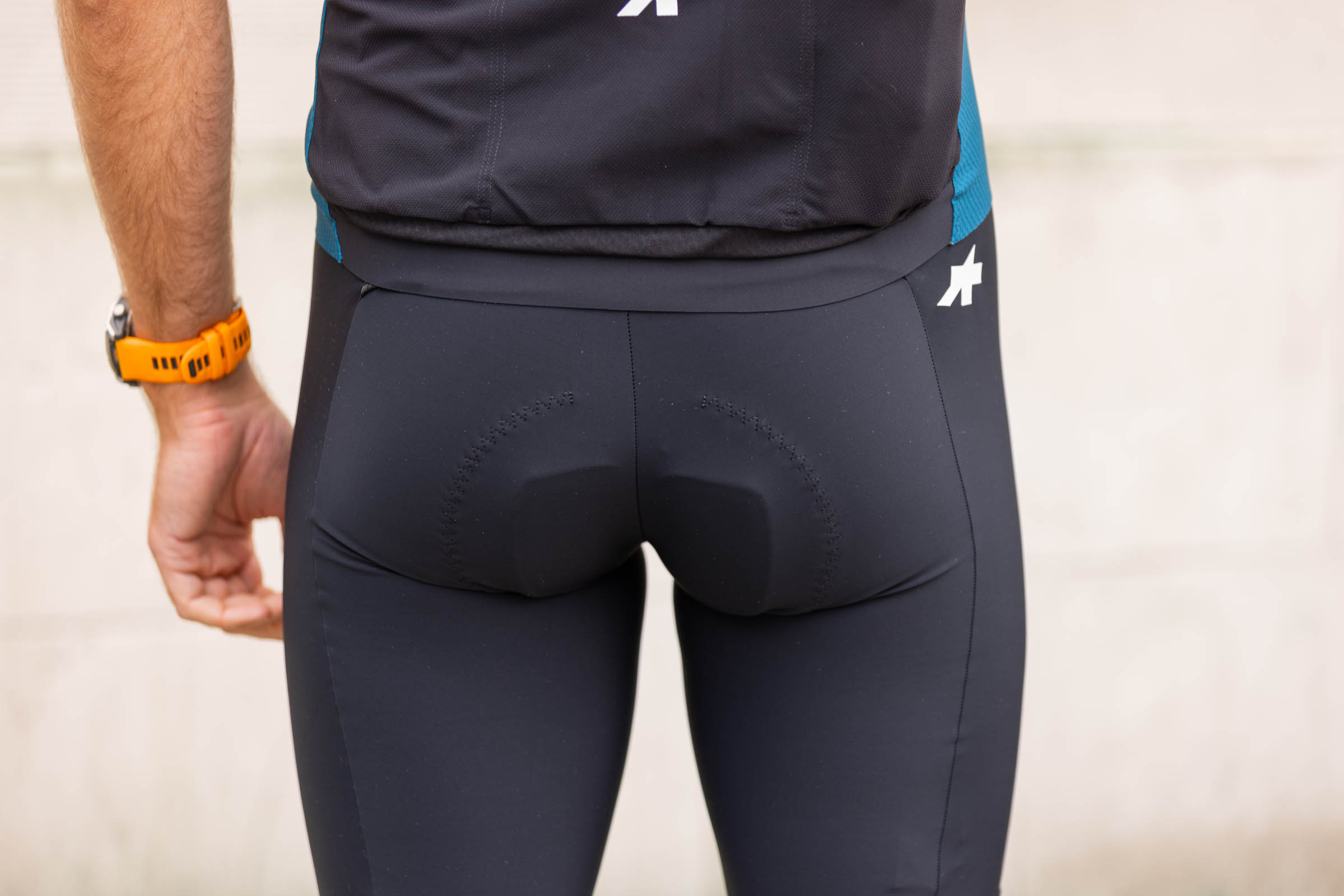
80 per cent of the material is made from recycled polyamide, a welcome move for the eco-conscious, yet it feels tough-wearing and compressive. Assos says the fabric is engineered to remain a deep black even when stretched, saving potential blushes and retaining a premium look.
The GT chamois is based on highly regarded ‘S11’ tech shared with the brand’s top-level shorts, and is 12mm thick but designed to be as minimalist and breathable as possible to avoid the dreaded hot puffy-pillow sensation.
Assos’ Rollbar bib-strap design is said to keep the insert securely in place during hard efforts, by anchoring lower down the backside. It’s this that gives a real supportive, locked-in sensation when riding.
The brand’s Golden Gate 2.0 tech, whereby the pad is only partially stitched in, enables it to settle into the optimum position more easily before the bib-strap design does its work to hold everything in place.
I’m also a fan of the leg grippers, which use a textured design that I find slightly reminiscent of the first-generation Rapha Pro team bib shorts, offering a definitive feel to the end of the shorts. These are less tight-feeling, though, which helps to mitigate a sausage-leg look or unsightly marks on the skin.
The Assos Mille GT kit is available now, priced at £115 for the jersey and £135 for the bib shorts, both in multiple colourways.
SQUIRREL_13820988
Anthropic says it will challenge Defense Department’s supply chain risk designation in court
In a new blog post, Anthropic CEO Dario Amodei has admitted that it received a letter from the Defense Department, officially labeling it a supply chain risk. He said he doesn’t “believe this action is legally sound,” and that his company sees “no choice” but to challenge it in court. Hours before Amodei published the post, the Pentagon announced that it notified the company that its “products are deemed a supply chain risk, effective immediately.”
If you’ll recall, the Defense Department (called the Department of War under the current administration) threatened to give the company the designation typically reserved for firms from adversaries like China if it didn’t agree to remove its safeguards over mass surveillance and autonomous weapons. President Trump then ordered federal agencies to stop using Anthropic’s tech.
Amodei explained that the designation has a narrow scope, because it only exists to protect the government. That is why the general public, and even Defense Department contractors, can still use Anthropic’s Claude chatbot and its AI technologies. Microsoft told CNBC that it will continue using Claude after its lawyers had concluded that it can keep on working with Anthropic on non-defense related projects.
The CEO has also admitted that his company had “productive conversations” with the department over the past few days. He said that they were looking at ways to serve the Pentagon that adheres to its two exceptions, namely that its technology not be used for mass surveillance and the development of fully autonomous weapons, and at ways to “ensure a smooth transition if that is not possible.” That confirms reports that Anthropic is back in talks with the agency in an effort to reach a new deal. In addition, he apologized for a leaked internal memo, wherein he reportedly said that OpenAI’s messaging about its own deal with the department is “just straight up lies.”
This article originally appeared on Engadget at https://www.engadget.com/ai/anthropic-says-it-will-challenge-defense-departments-supply-chain-risk-designation-in-court-054459618.html?src=rss
KDE Gear 25.12.3 Apps Collection Rolls Out, Here’s What’s New
KDE Gear 25.12.3 apps collection is out with numerous bug fixes across apps including Kdenlive, Kate, KDE Connect, NeoChat, and Okular.
Microsoft Confirms ‘Project Helix,’ a Next-Gen Xbox That Can Run PC Games
An anonymous reader quotes a report from 80 Level: Microsoft has officially confirmed development of its next-generation Xbox console, currently known internally as Project Helix. While concrete details remain limited, early information suggests the company is positioning the device as a hybrid between a traditional console and a gaming PC, capable of running both Xbox titles and PC games. The codename was revealed recently by new Xbox CEO Asha Sharma, who reaffirmed Microsoft’s continued commitment to dedicated gaming hardware despite speculation that the company might shift entirely toward cloud or platform-based ecosystems. According to Sharma, Project Helix represents the next step in Xbox’s console strategy.
Although official specifications have not yet been announced, early reports indicate the system will likely rely on a new AMD system-on-chip combining Xbox hardware with PC-style architecture. The device is expected to emphasize high performance while maintaining compatibility with existing Xbox game libraries. […] If the concept holds, Project Helix could mark a significant shift in how console ecosystems are structured, moving away from tightly closed hardware platforms toward something closer to a unified PC-console environment. Sharma wrote in a post on X: “Great start to the morning with Team Xbox, where we talked about our commitment to the return of Xbox, including Project Helix, the code name for our next generation console. Project Helix will lead in performance and play your Xbox and PC games. Looking forward to chatting about this more with partners and studios at my first GDC next week!”


Read more of this story at Slashdot.
Wayland 1.25 RC1 Released With Improved Documentation, Minor Changes
Simon Ser announced the release today of Wayland 1.25 RC1 (Wayland v1.24.91) in working toward this next stable release…
NVIDIA 595 Linux Graphics Driver Promises Wayland 1.20 Support, Beta Out Now
NVIDIA released today the beta version of the NVIDIA 595 graphics driver for GNU/Linux, FreeBSD, and Solaris systems, introducing various new features and improvements.
The new Giant Propel is the lightest aero bike we’ve ever seen
The fourth-generation Giant Propel is here and it weighs as little as 6.56kg in a top-spec, size-medium build.
Despite a reduction in complete bike weight of around 350g (for the top-spec, Advanced SL 0 model), Giant claims the new version doesn’t skimp on aerodynamics or efficiency.
In total, Giant says the 2026 Propel has an 18.4-watt ‘advantage’ at 40kph over the previous model, thanks in part to a suite of new and improved components and finishing kit.
Ahead of the bike’s launch, we got our hands on the flagship, Propel Advanced SL 0 AXS (£10,499 / $13,500 / €11,999), the mid-range Advanced Pro 0 Di2 (£5,799 / €6,499) and the cheapest bike in the range, the Advanced 0 (£3,499 / €4,399).
Let’s take a look at what’s changed, and how much difference it makes going from the flagship Propel down to the more affordable models.
Total System Speed
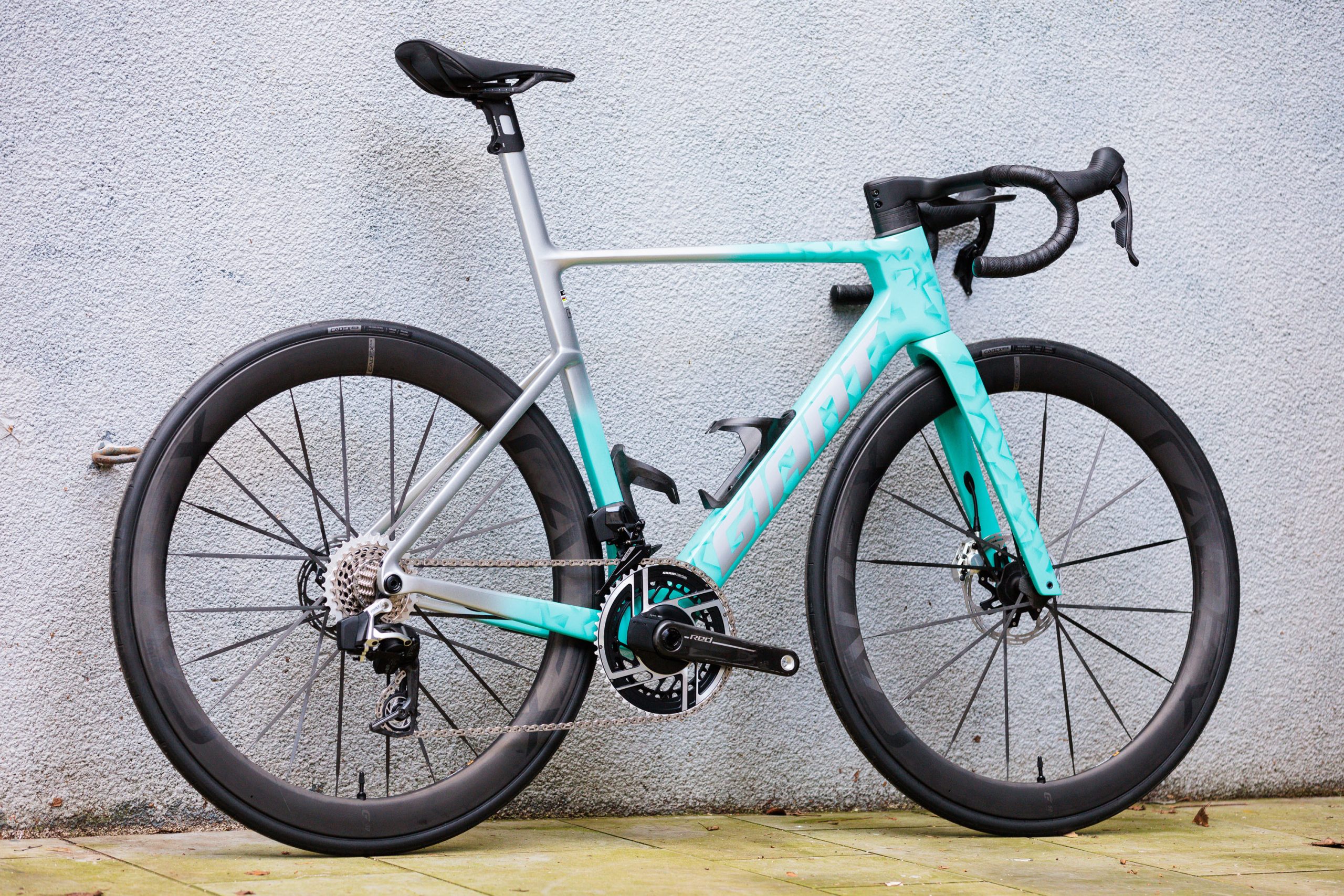
While many aero road bikes take an ‘aero is everything’ approach, the Propel has always been more weight-conscious.
The latest model doubles down on that ethos, shaving weight from almost every part of the bike.
Nevertheless, the new Propel looks almost identical to the old one at a glance.
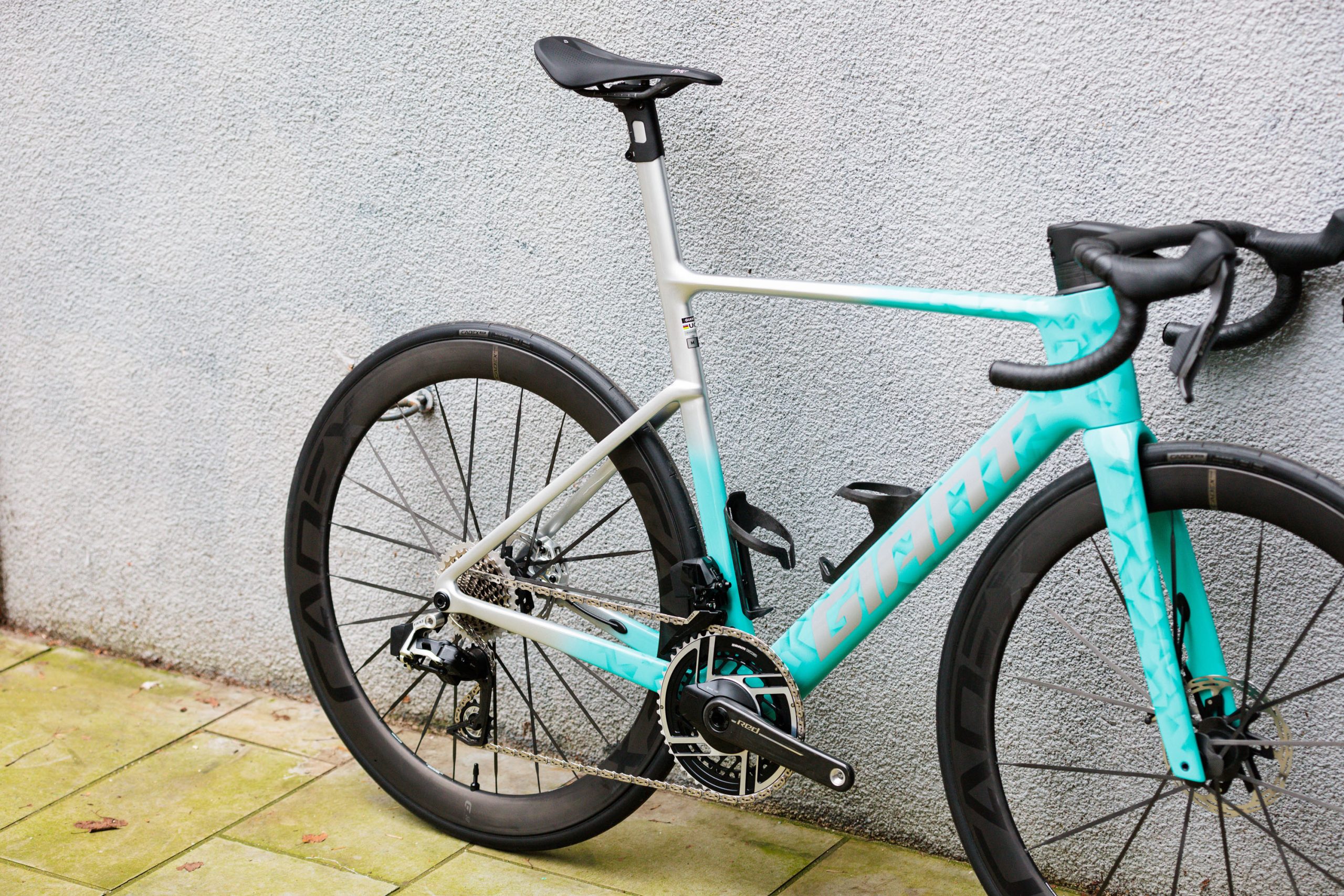
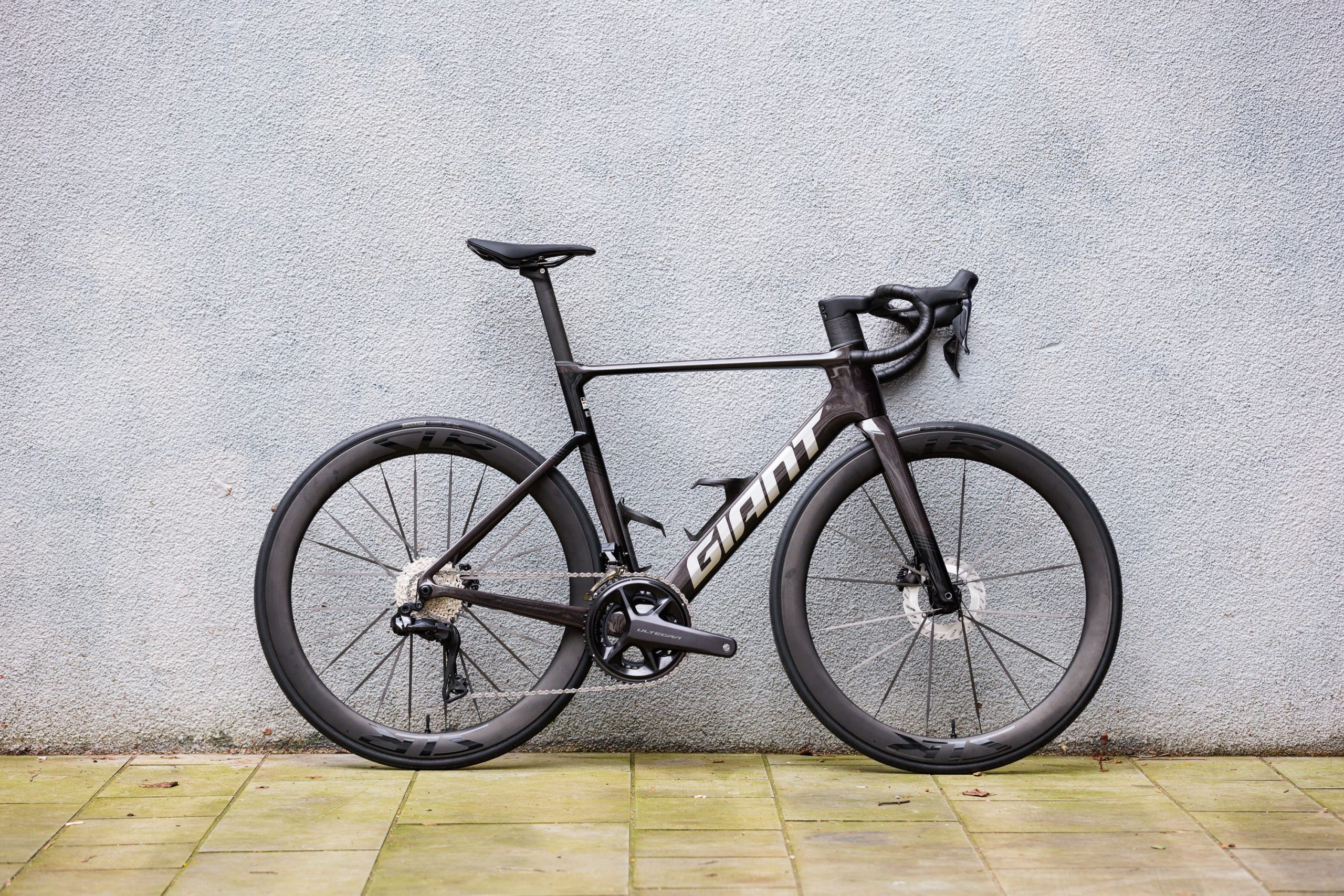
As with the latest Cannondale SuperSix EVO, there are plenty of small changes – which Giant says add to a big overall improvement. However, it’s fair to say Giant has refined the Propel formula rather than reinventing it.
That’s nothing to grumble about. Both the Advanced SL and Advanced Pro versions of that bike performed extremely well during testing (bar a couple of somewhat outdated spec choices), so a more drastic change to the design would have likely alienated fans of its existing charms.
In terms of what’s new and improved, let’s run through the headline features on the 2026 Giant Propel platform.
Frameset refinements
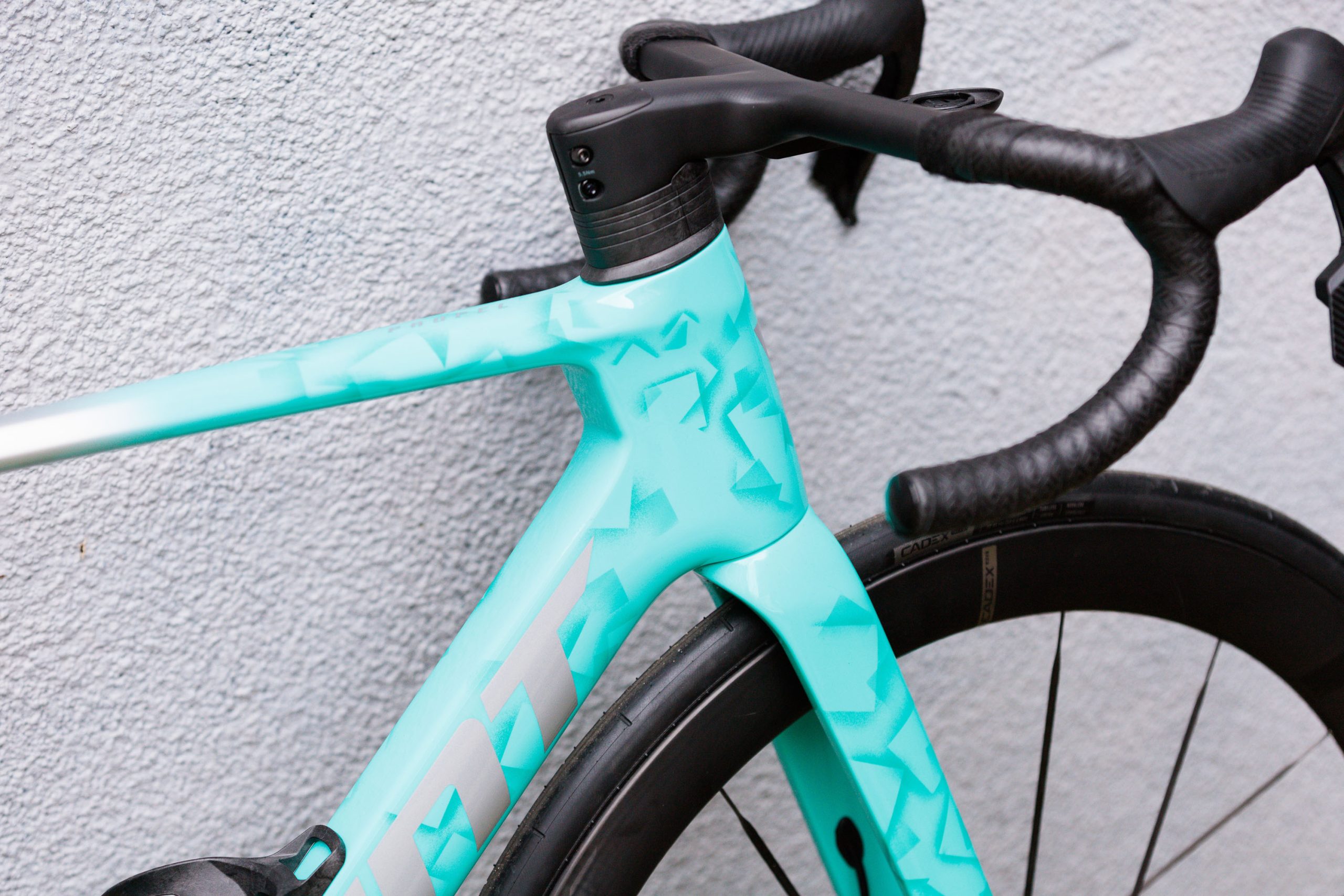
While the overall silhouette is very similar, the 2026 Propel gets subtle reshaping across the frameset to improve aerodynamic performance, as well as a bump in tyre clearance to 32mm (up from 30mm).
Vertical compliance at the rear of the bike is also said to be 25 per cent better, thanks to more heavily dropped seatstays, and Giant has refined the carbon layup to save 40g and improve the bike’s pedalling and handling stiffness.
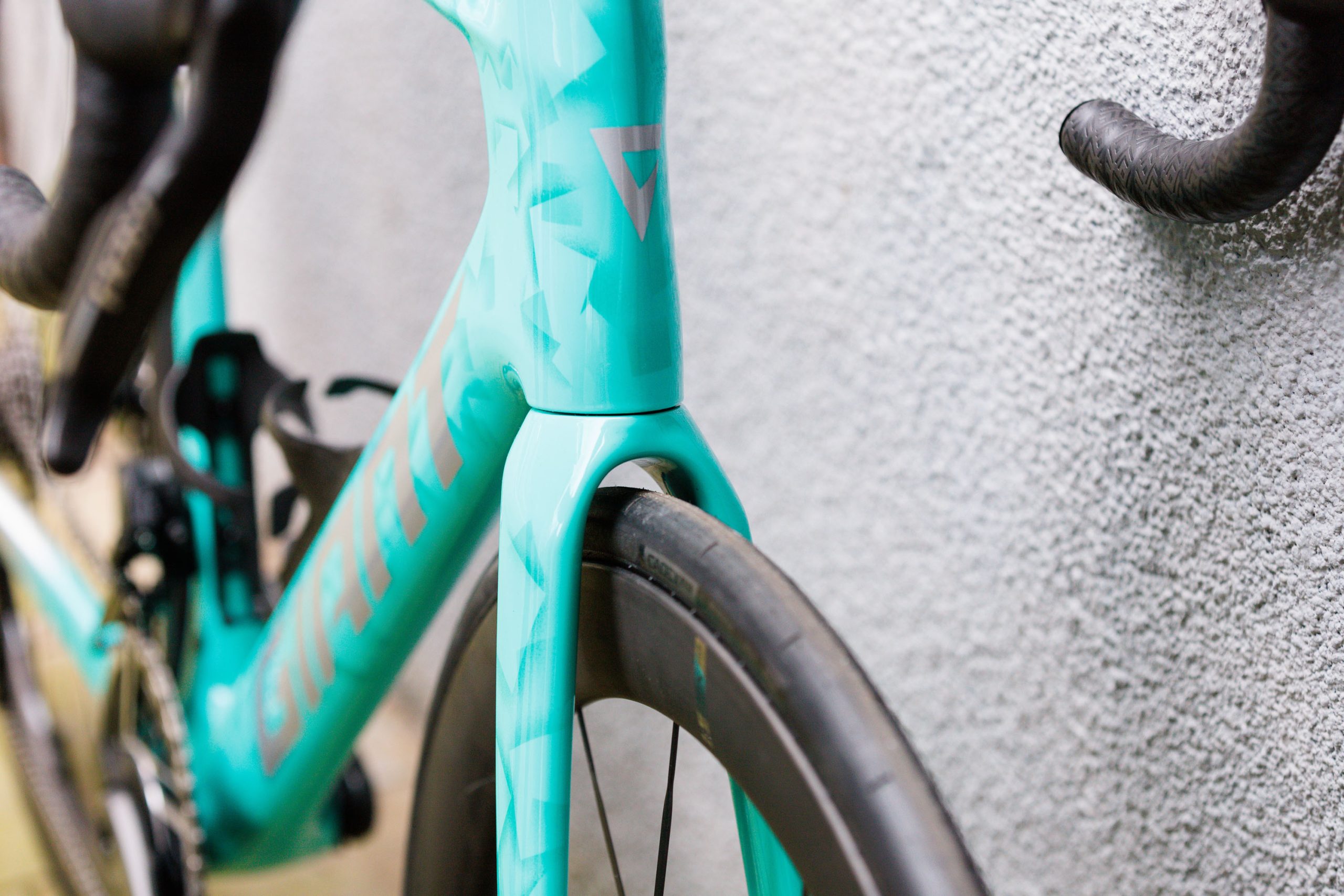
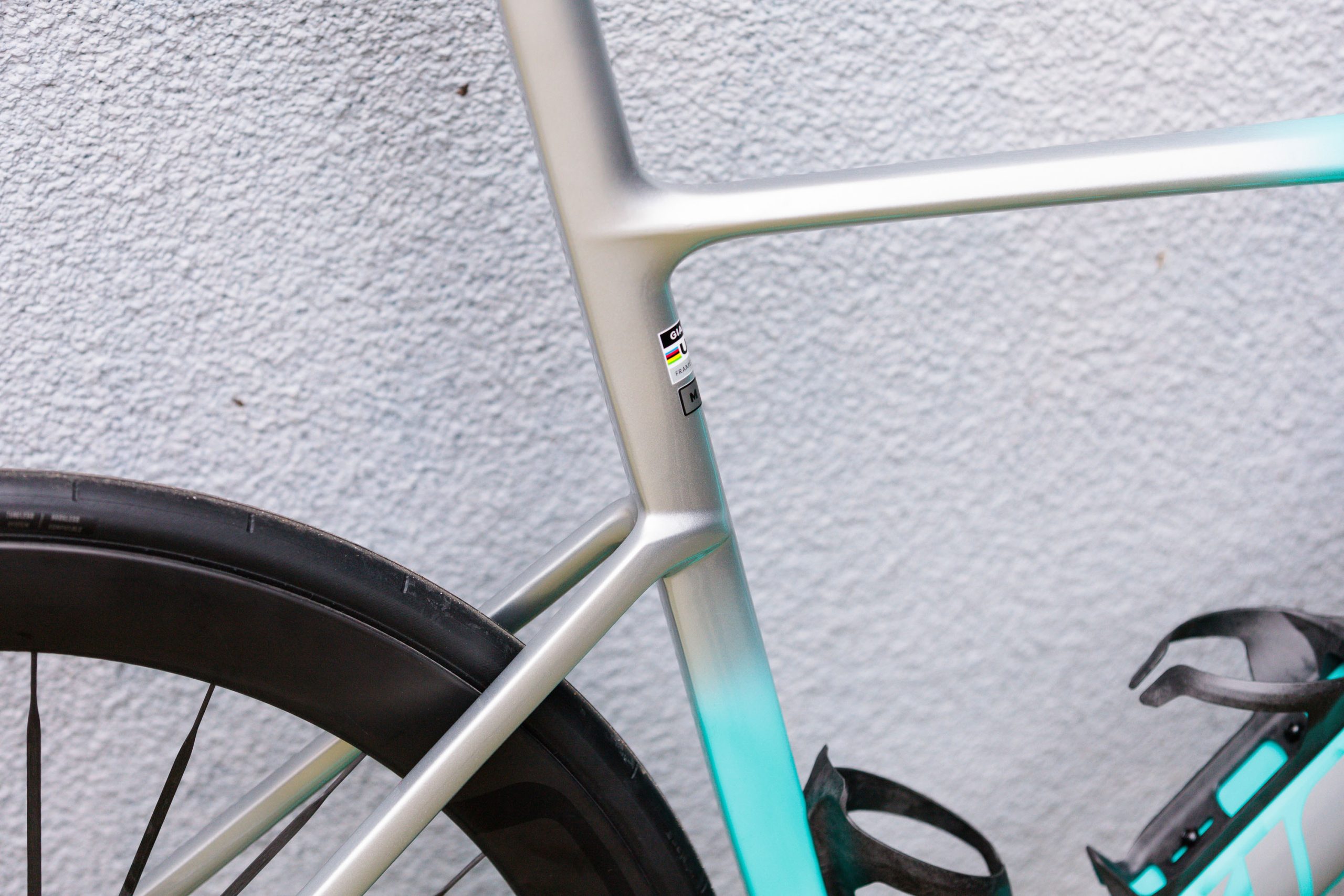
It also gets a Universal Derailleur Hanger rear dropout, for compatibility with SRAM’s recently launched direct-mount rear derailleurs.
As before, the Advanced SL frames get an integrated seatpost and Giant’s lightest carbon fibre blend, while Advanced Pro and Advanced frames use a telescoping aero seatpost plus a heavier (and cheaper) carbon layup.
The more meaningful changes come elsewhere on the new Propel, however, with new and updated components bringing more tangible gains – especially at the front of the bike…
Integrated and narrower cockpits
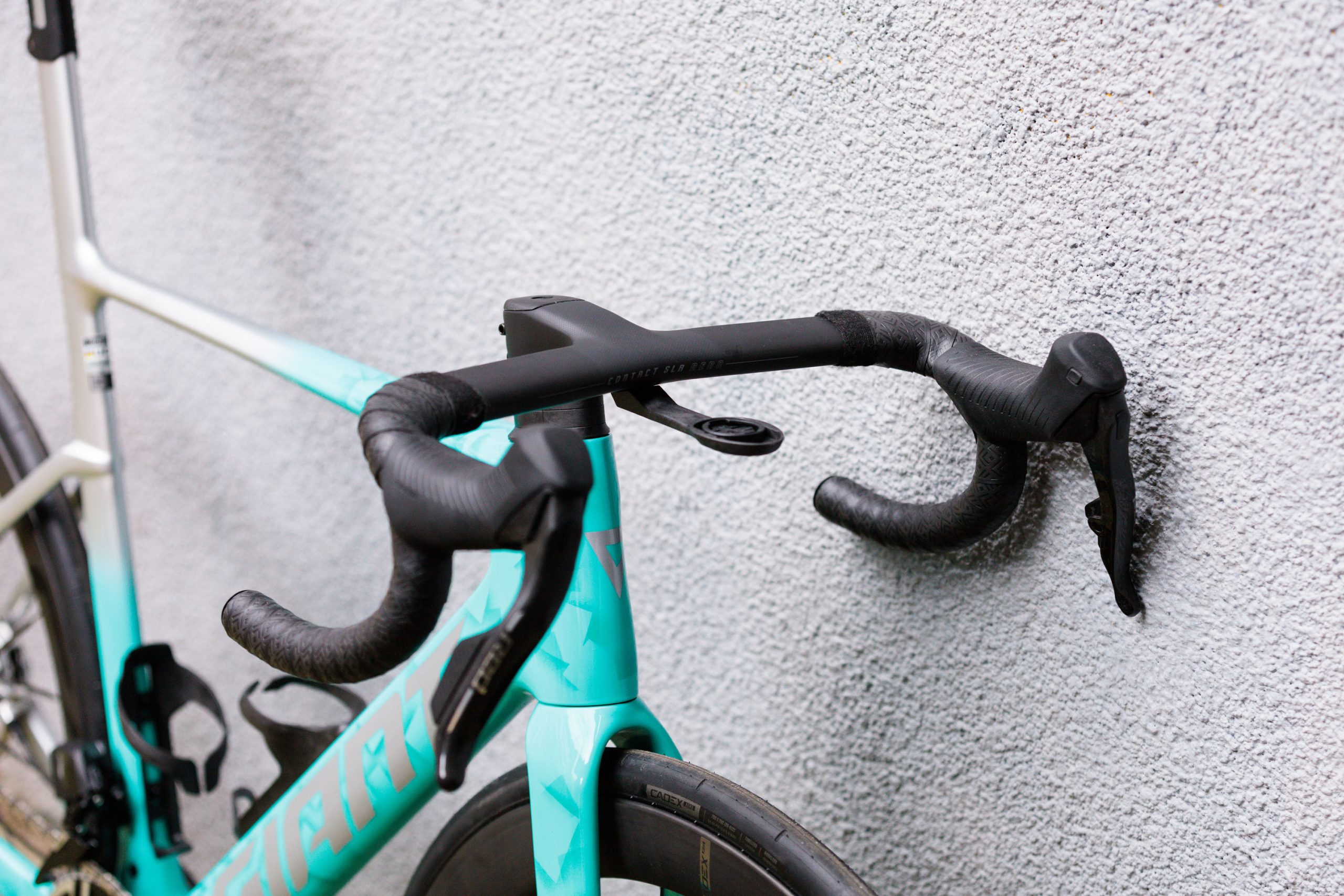
While many (myself included) valued the adjustability of the old two-piece cockpit, the direction of travel in road cycling is clear – fully integrated, one-piece handlebars are more aerodynamic, lighter and, perhaps most importantly, make a bike more attractive to prospective customers on shop floors. They’re what 99 per cent of pros use at the Tour de France, after all.
Notably, Giant has also got on board with the trend for narrower handlebars and flared drops – which contributes to that 18.4-watt advantage.
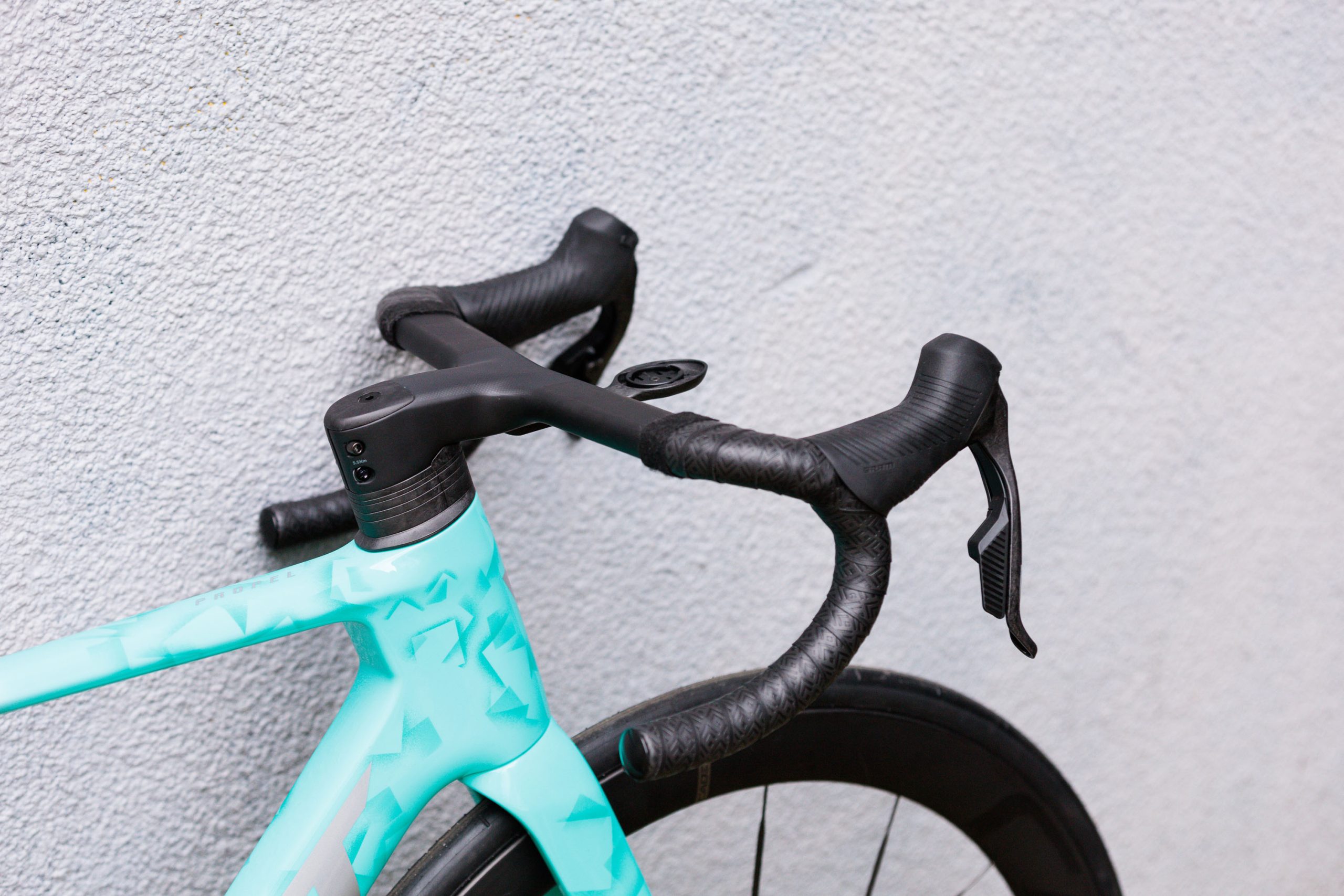
A size-medium Propel, for example, now comes with a 400mm-wide bar (measured centre-to-centre at the drops), compared to 420mm on the previous model, and that 400mm bar measures only 370mm-wide at the brake hoods.
Bike fitters will be relieved to read there are plenty of choices, with bar widths from 360 to 440mm and stem lengths from 80 to 140mm. The D-shaped OverDrive Aero steerer and cable-routing system is also carried over from the previous model, so riders can still use a two-piece setup (or a third-party option) if desired.
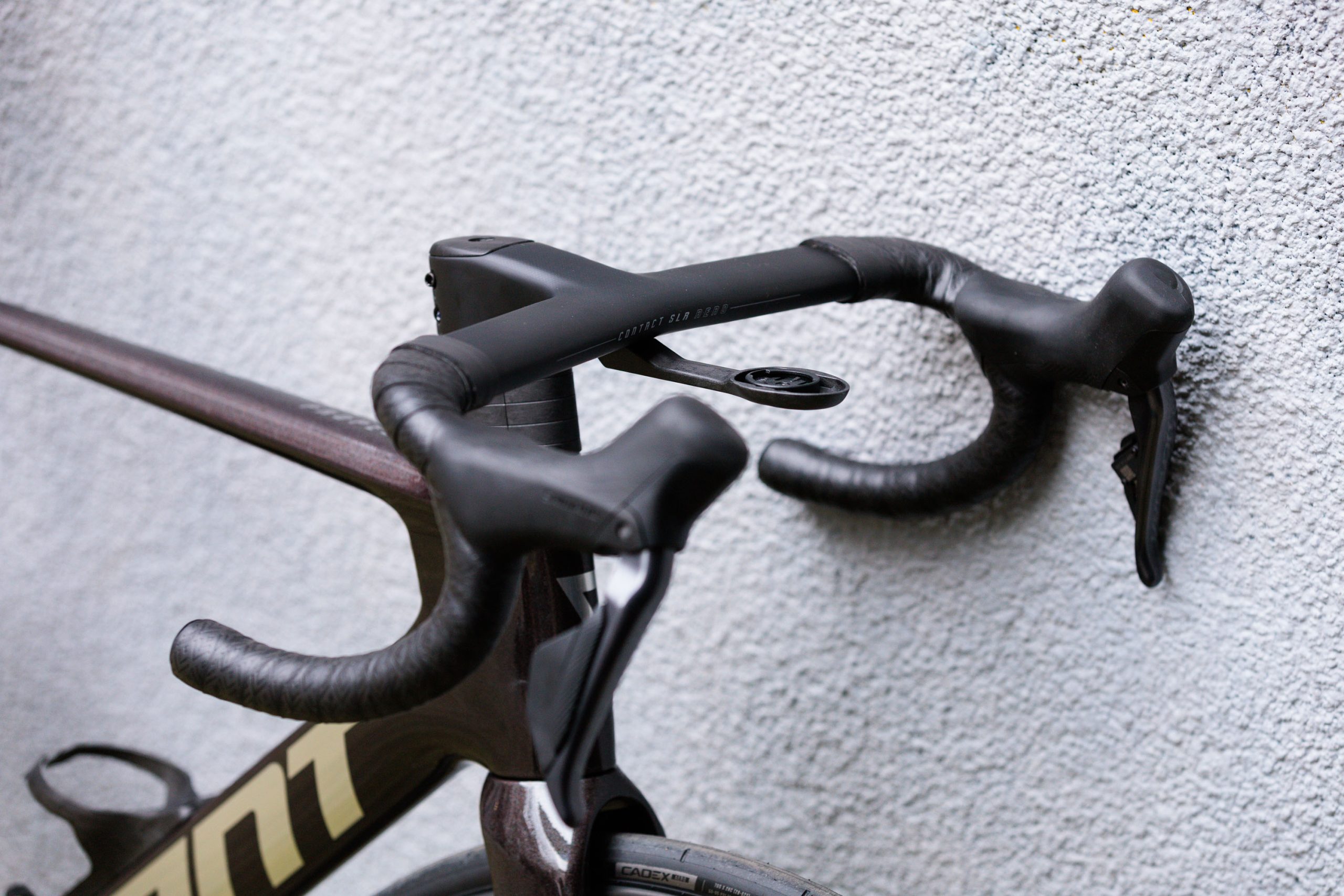
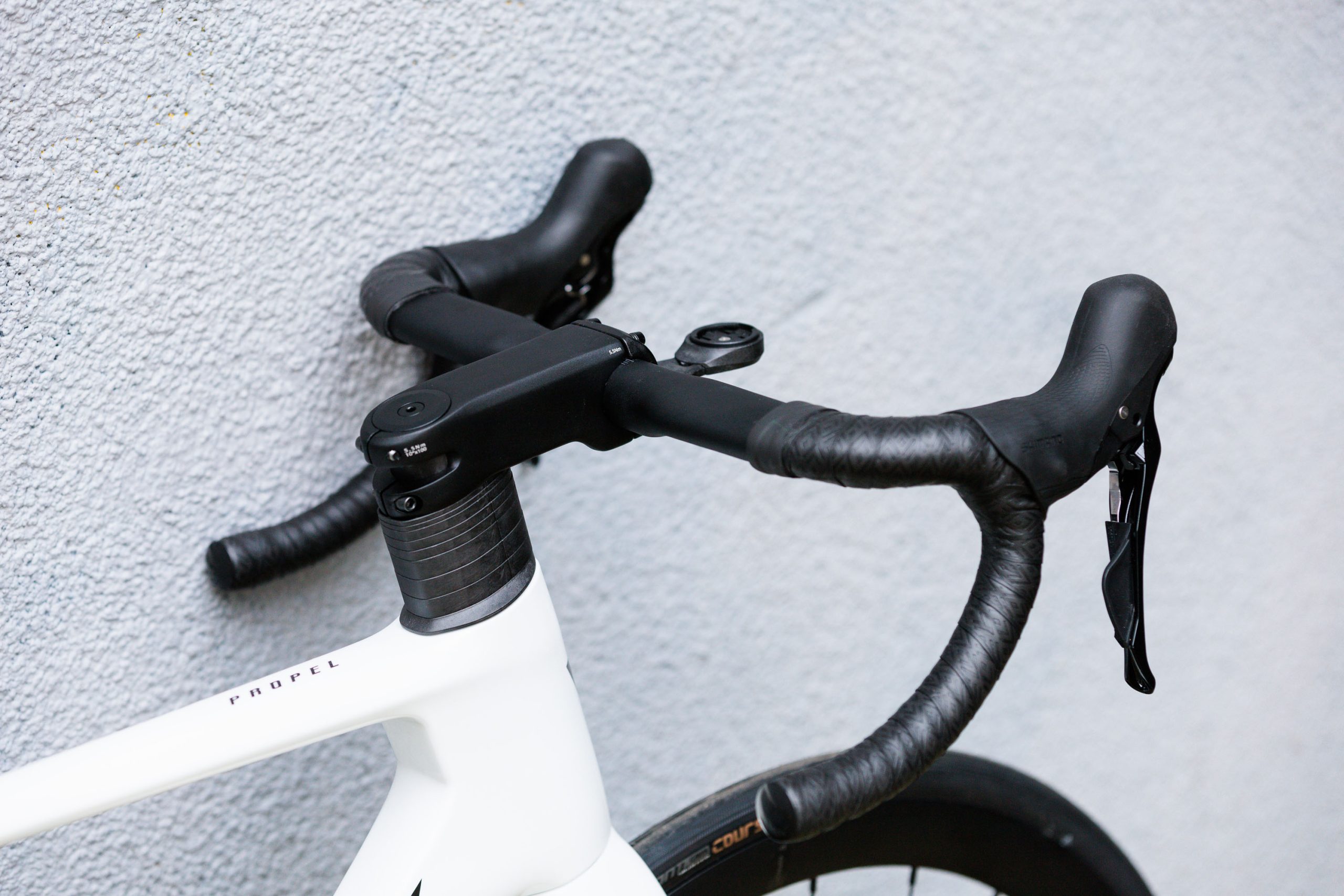
The top-spec Contact SLR 1 Aero handlebar is claimed to tip the scales at 286g (420x100mm), saving 77g compared to the old two-piece cockpit.
Advanced Pro builds also get an integrated cockpit, albeit a slightly heavier, 350g version. The Advanced builds make do with the two-piece setup from the previous Propel, with an aluminium stem and aero handlebar.
Trickle-down carbon spokes and Aero tyres
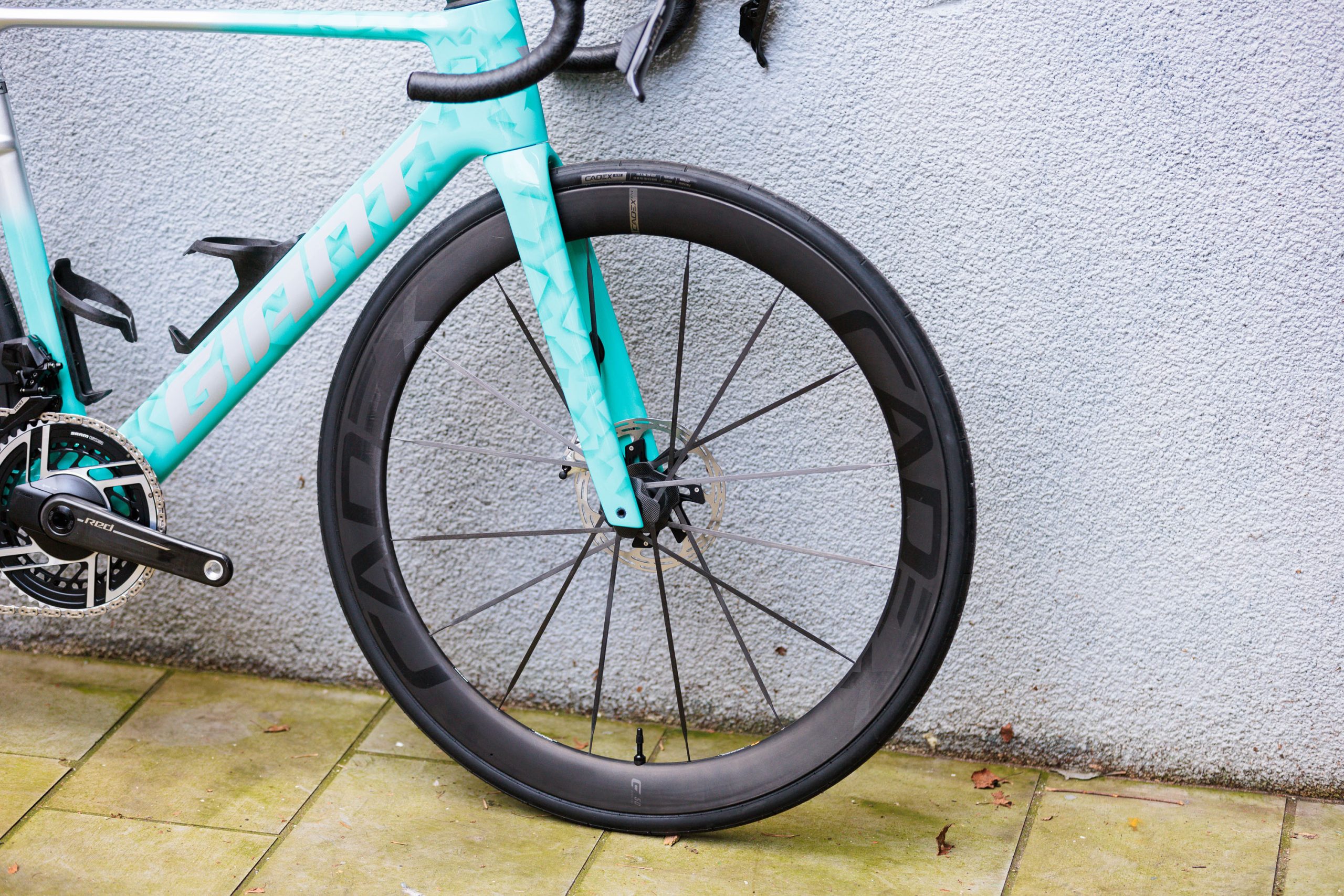
We got a taste of what was coming in terms of rolling stock last week, with the launch of the new Cadex Max 50 wheels and Aero tyres.
Designed as a “unified aerodynamic system”, these 1,290g, carbon-spoked wheels and aero-optimised tyres come fitted to Propel Advanced SL models, such as the Advanced SL 0 AXS model we got hands-on with prior to the launch.
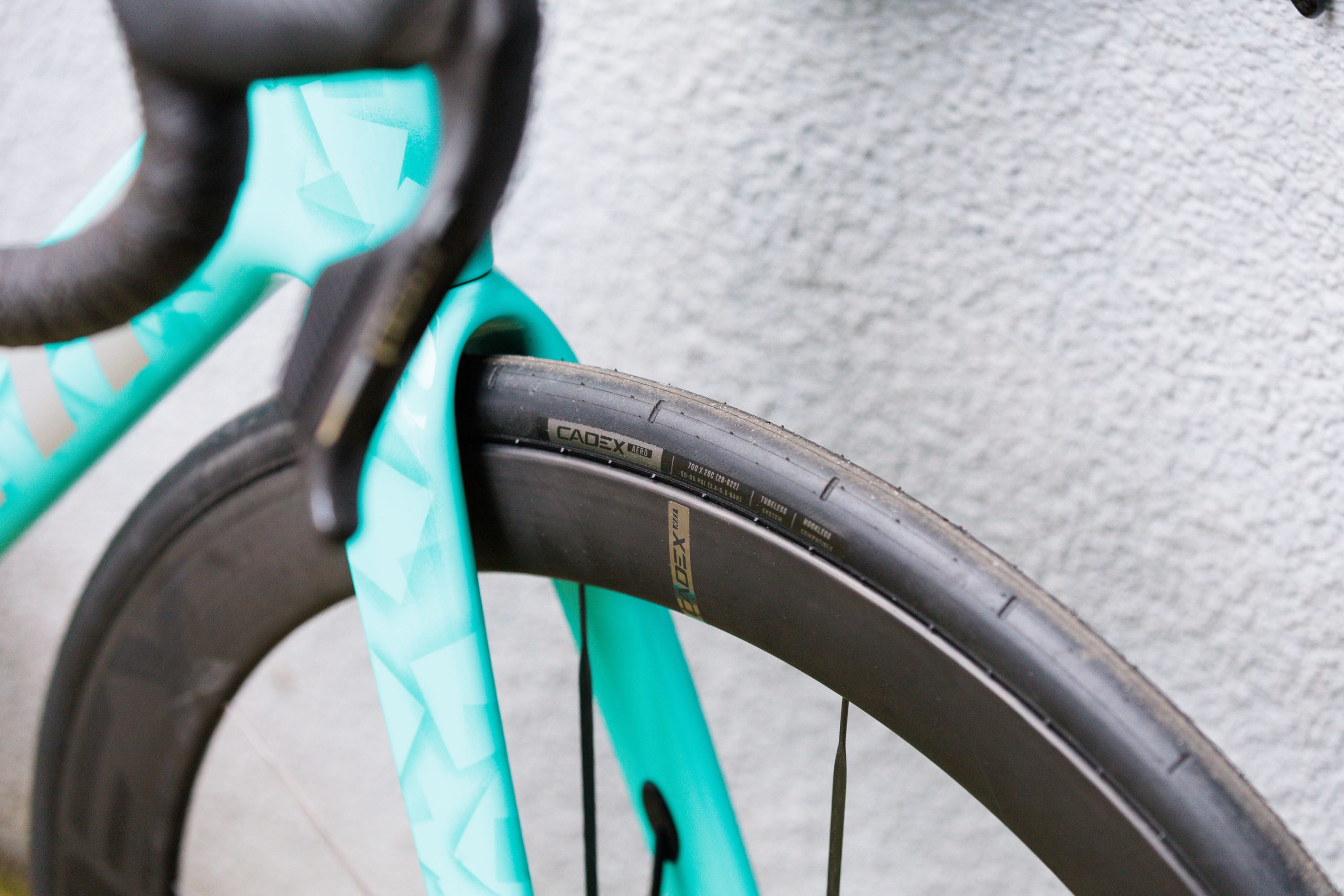
As detailed in our news story on those wheels and tyres, the carbon spokes are bonded directly into the hub flanges for a lightweight and reactive construction, while the new Aero tyres are claimed to have lower rolling resistance as well as a tread pattern that helps improve aerodynamic performance.
All bikes in the new Propel range are specced with 28c tyres, up from 25c on previous models, which is a welcome update (even if pro choices are trending wider nowadays, as evidenced by our bike checks at this year’s Opening Weekend).
Together, these wheels and tyres cut another 240g of weight compared to the top-spec old model – the most significant saving of all the changes.
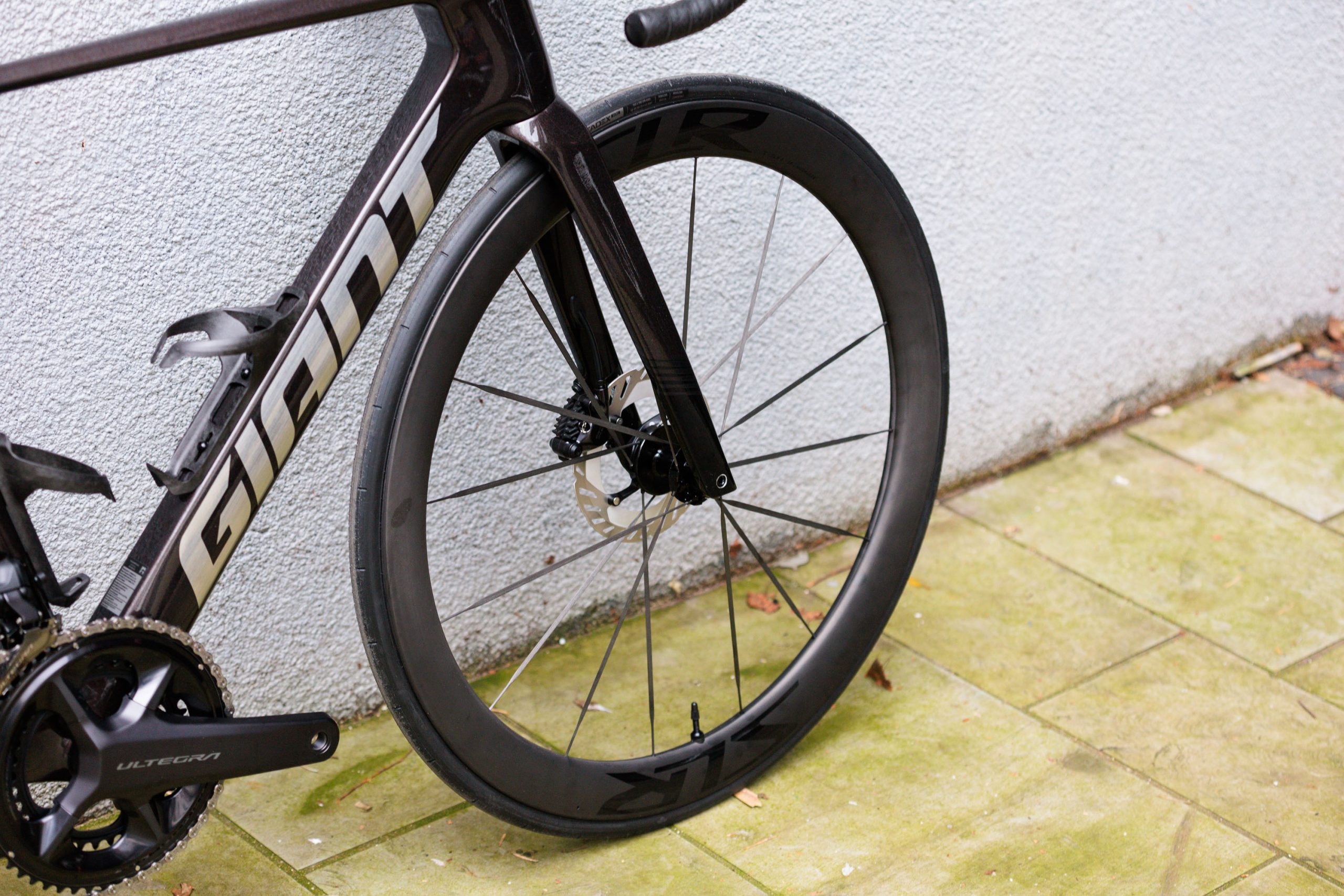
The two pricier Advanced Pro builds, which feature Shimano Ultegra Di2 (£5,799 / €6,499) and SRAM Force AXS groupsets (£5,999 / $7,800 / €6,499), have Giant wheelsets with identical rim dimensions and carbon spokes, but more conventional hubs. This bumps the weight up to 1,410g. They also get the Cadex Aero tyres.
The Advanced Pro 1 (£4,599 / €4,999), with Shimano 105 Di2, sees a step down to steel, Sapim CX-Ray spokes, plus Giant’s Gavia Course 0 tyres. These have also been updated to feature a lower-rolling-resistance rubber compound and an aero tread pattern, Giant says.
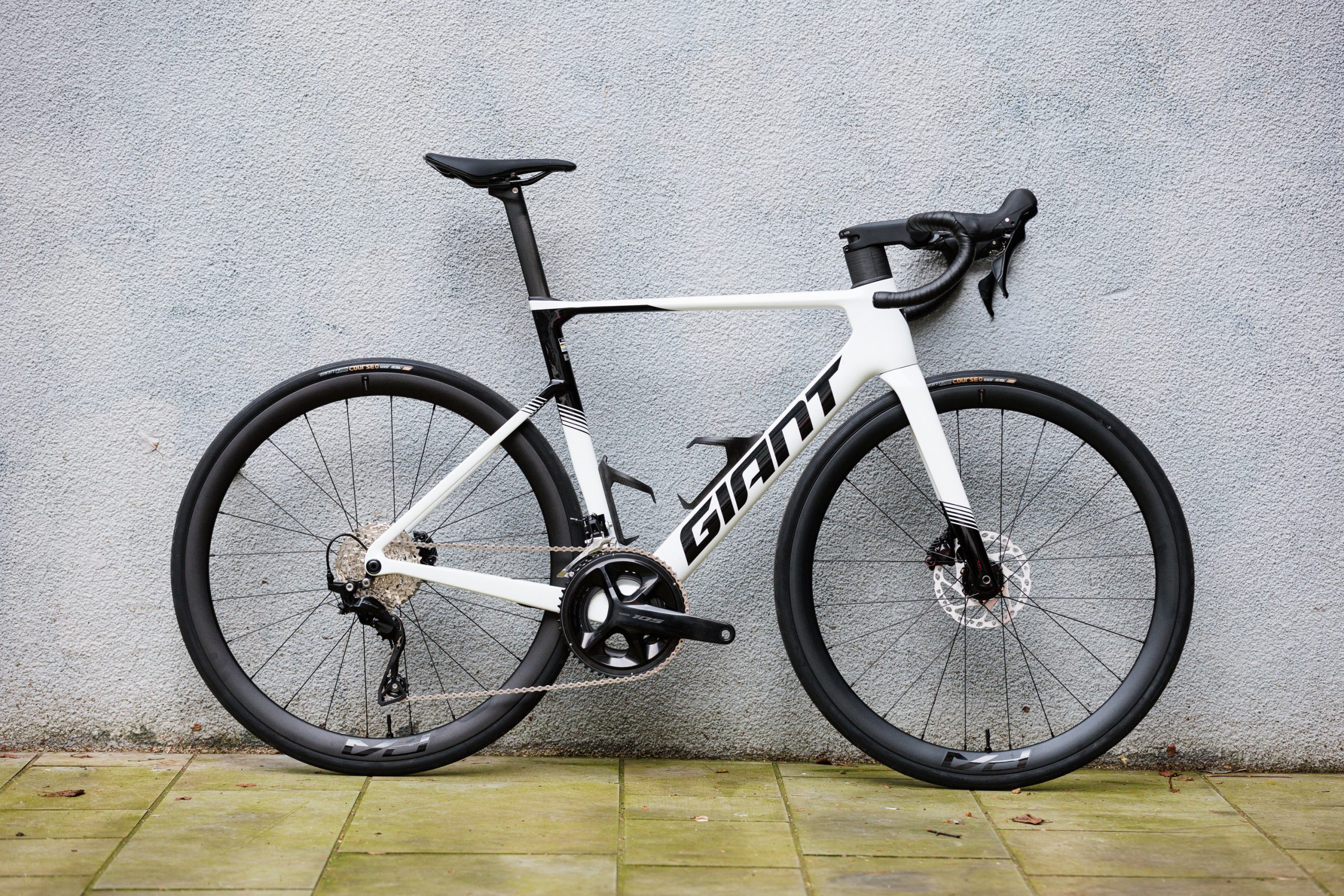
Advanced builds also feature Giant’s SLR 2 carbon wheels and the Gavia Course 0 tyres, except on the cheapest, Advanced 2 model (£3,499 / €4,399), which rolls on aluminium Giant P-A1 hoops.
All of the carbon rims are hookless or Tubeless Straight Side, meaning they’re only compatible with tubeless tyres.
What does it all mean?
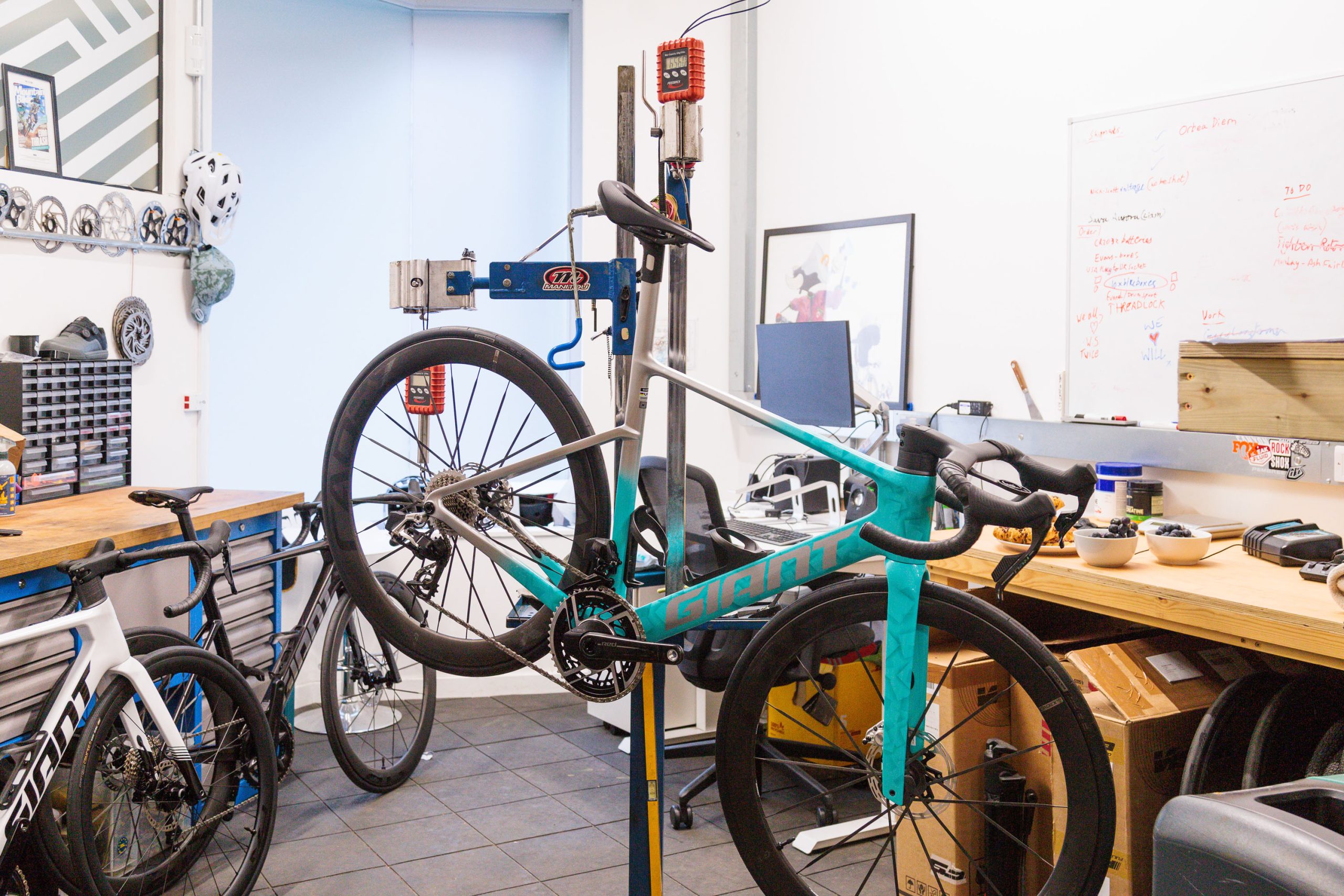
Giant says the net effect of these changes is an 18.4-watt improvement to aerodynamic and rolling efficiency, compared to the previous model, plus – according to our scales – a drop in weight of roughly 350g.
Showing it’s working, Giant breaks down where these efficiency savings come from in its press materials:
| Model | Previous Propel Advanced SL (watts) | New Propel Advanced SL (watts) |
|---|---|---|
| Linear drag (+/- 20 degrees yaw) | 234.9 | 222.48 |
| Wheel rotating drag (front & rear) | 5.46 | 5.04 |
| Tyre rolling resistance (front & rear) | 27.4 | 21.8 |
| Total resistance | 267.76 | 249.32 |
| Total energy savings | -18.44 |
The previous Propel was set up with the old two-piece cockpit, with Cadex Ultra 50 wheels and 25c Cadex Aero tyres. The new one had the new one-piece cockpit, plus the new Max 50 wheels and 28c Cadex Aero tyres.
Both bikes were ‘ridden’ by Giant’s Grischa 2.0 dummy, which simulates a rider on the bike with articulating legs.
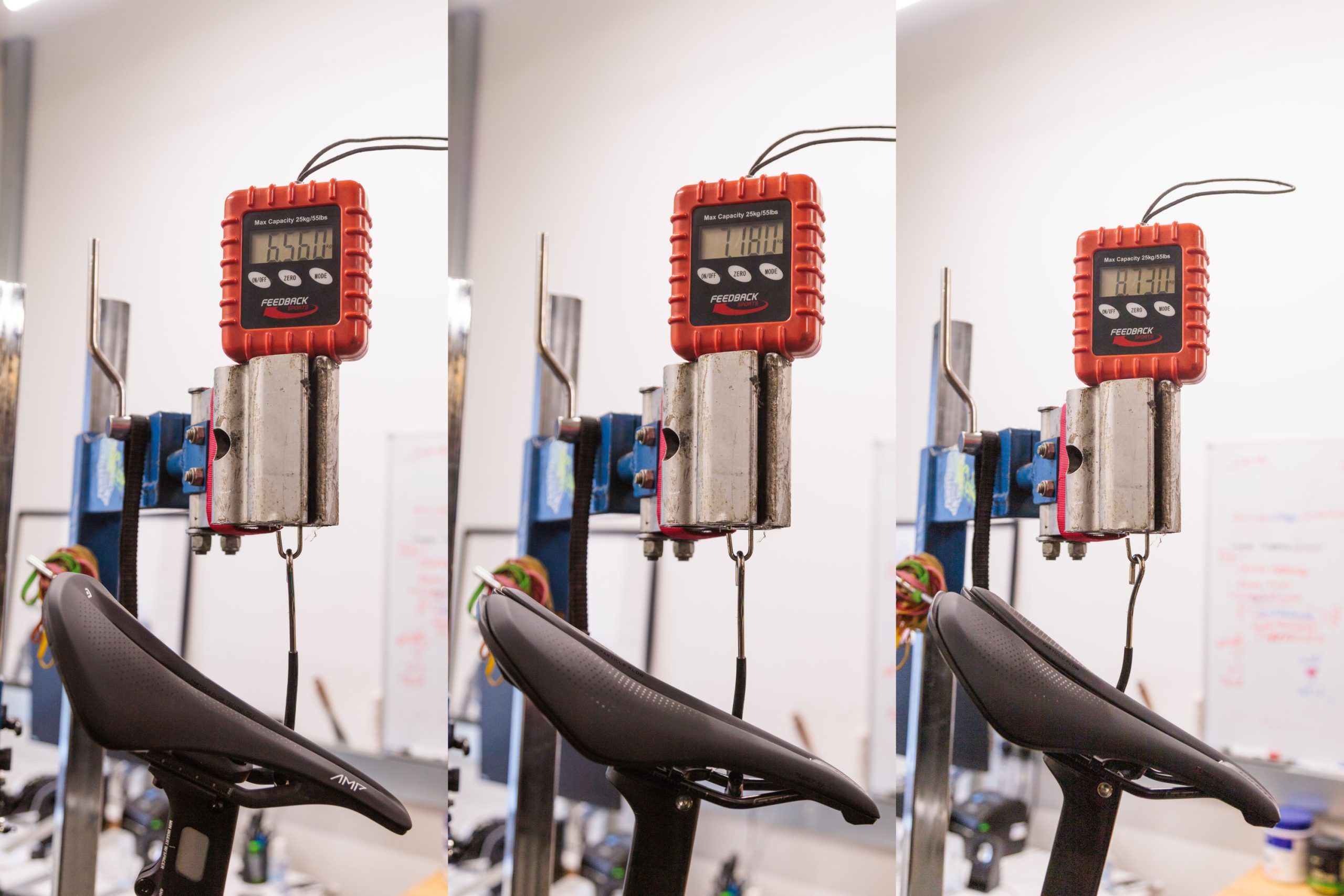
To underscore how impressive the Advanced SL 0’s 6.56kg weight is, that figure represents a fully painted bike with aero components, bottle cages, a computer mount and sealant in the tyres.
Essentially, it’s ready to race once you add pedals, and riders with smaller sizes taking part in UCI-sanctioned events might even need to add some ballast to their bike to comply with the minimum bike weight rule.
Of course, the big caveats to that are that we’ve not yet had a chance to ride the new Propel, and the Advanced SL build is obviously very expensive (£10,499 / $13,500 / €11,999).
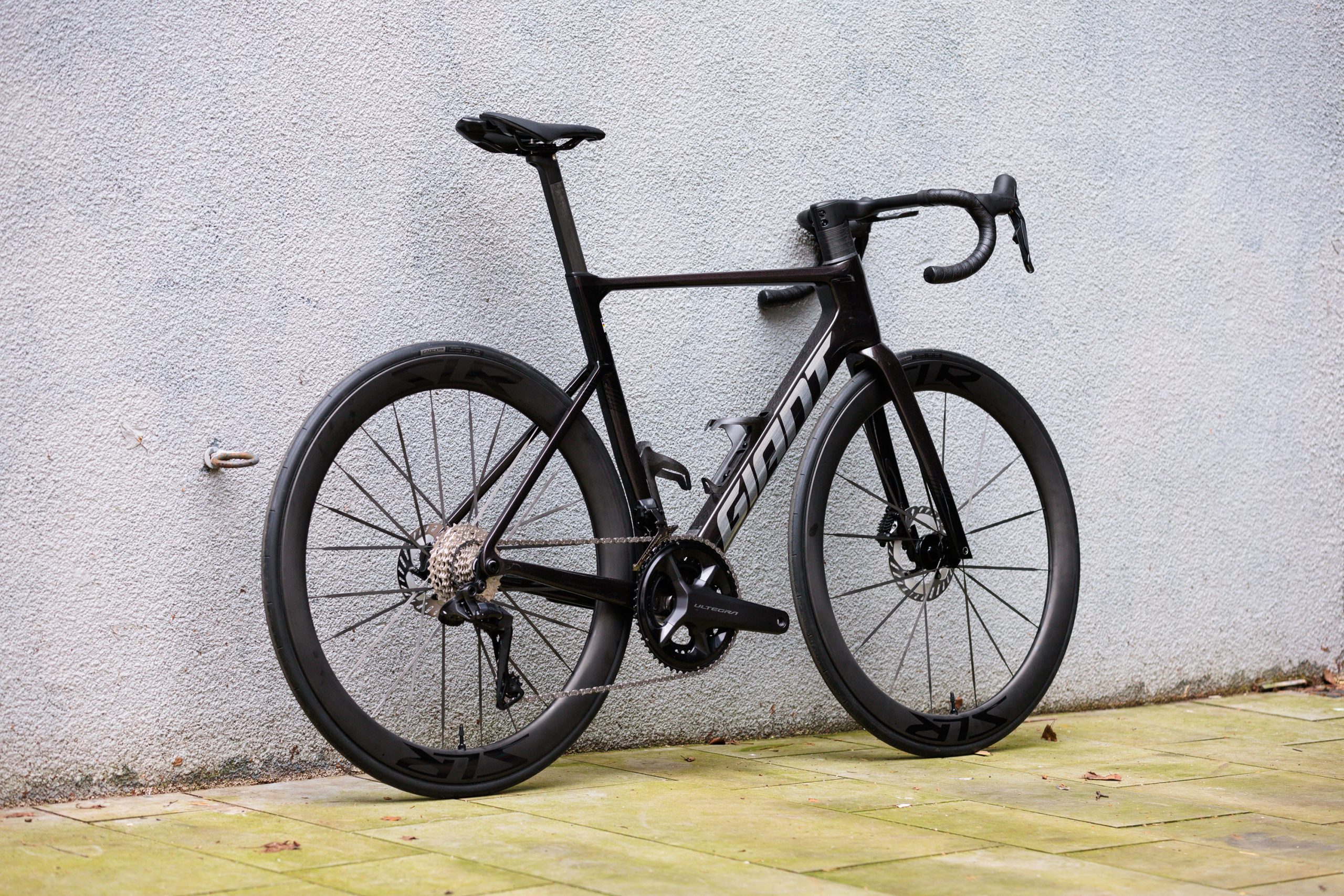
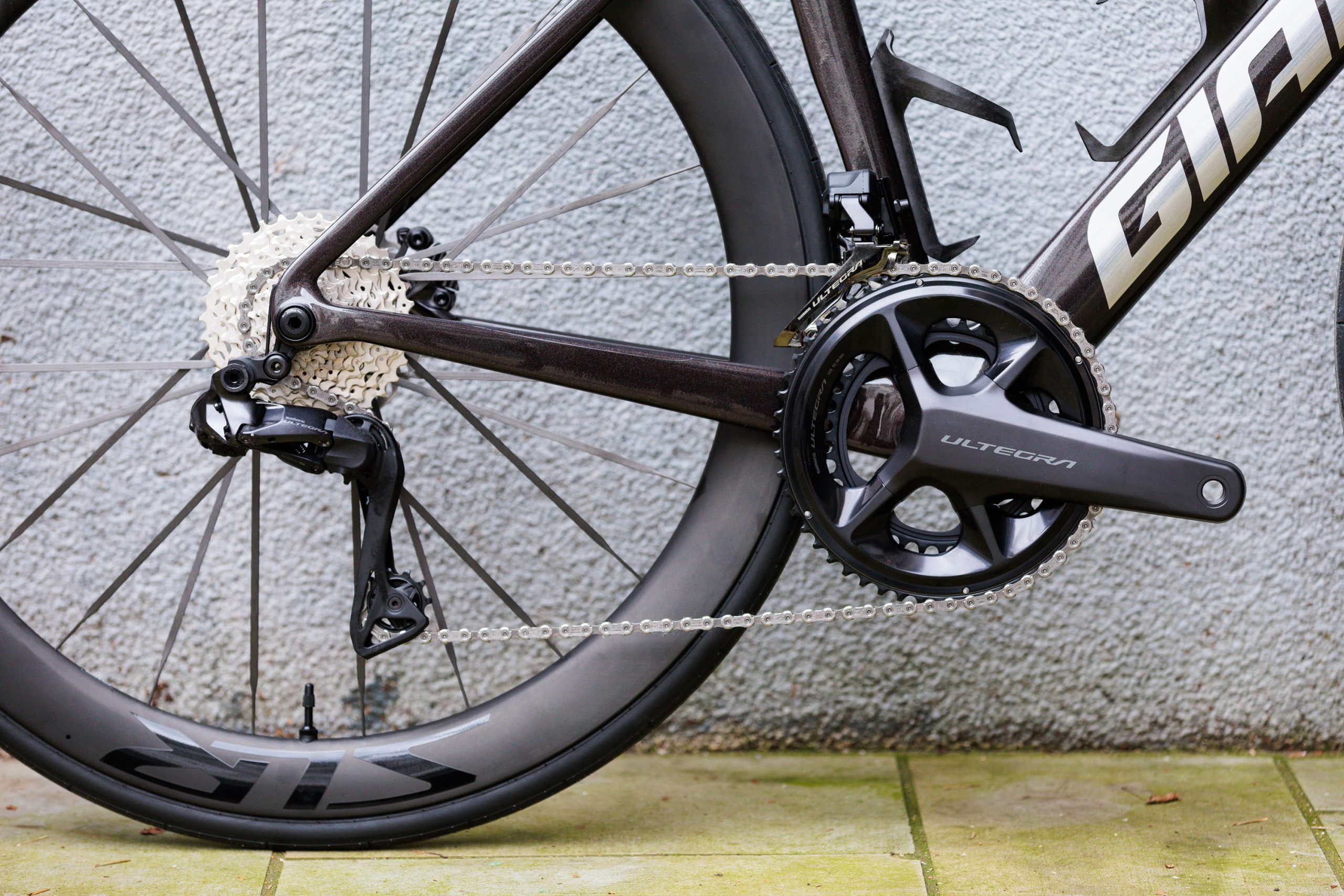
Stepping down to the Advanced Pro 0 Di2 build still nets you a lightweight bike, though, with the size-medium model we saw weighing only 7.18kg.
That’s also impressive, given it costs just over half what the Advanced SL 0 AXS does and it stacks up very well compared to the competition. The £6,995 / $6,999 Cannondale SuperSix Evo 3 I tested recently weighed 7.7kg, for example.
Unsurprisingly, the Advanced 2 build (£3,499 / €4,399) is substantially heavier, at 8.73kg for a size medium.
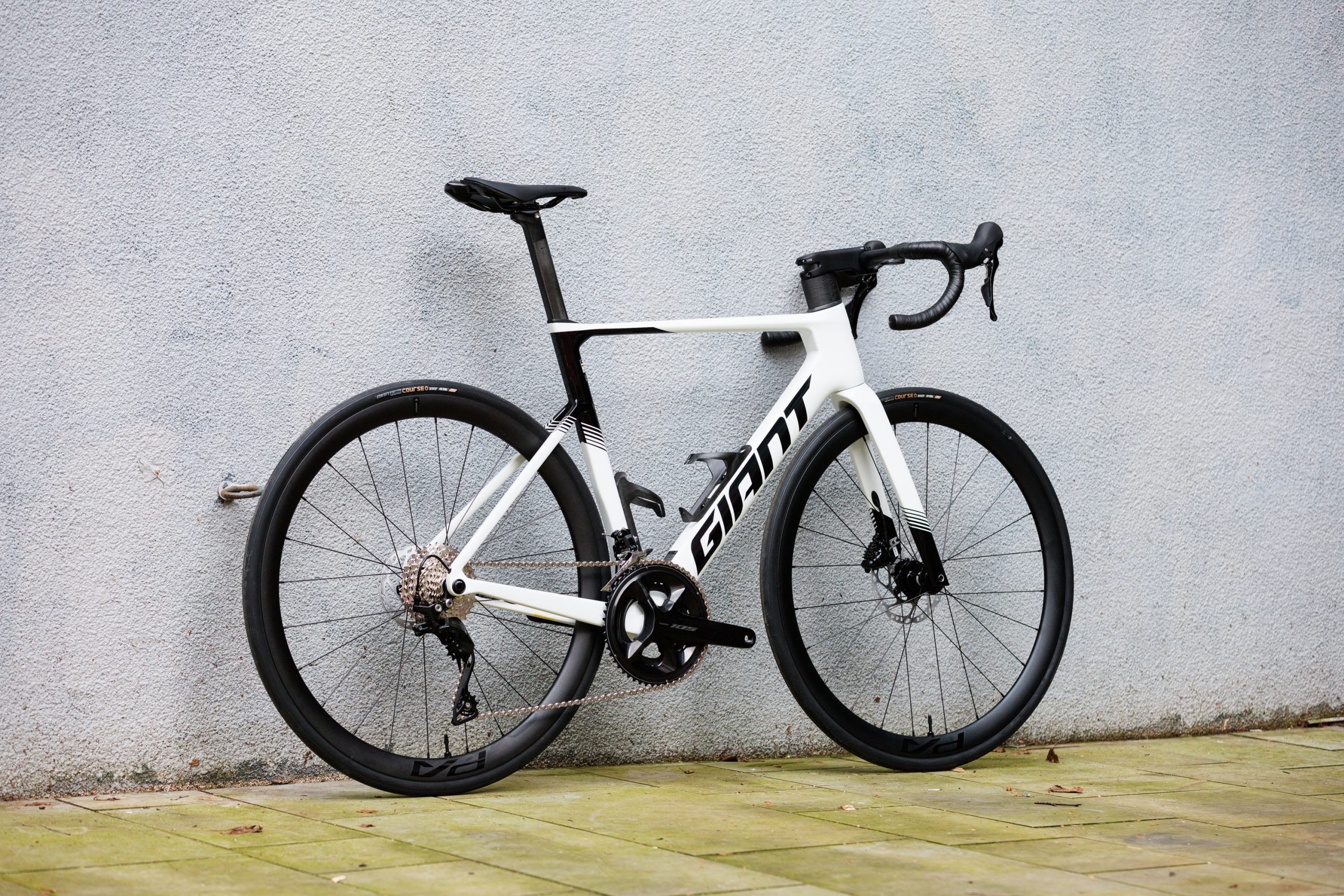
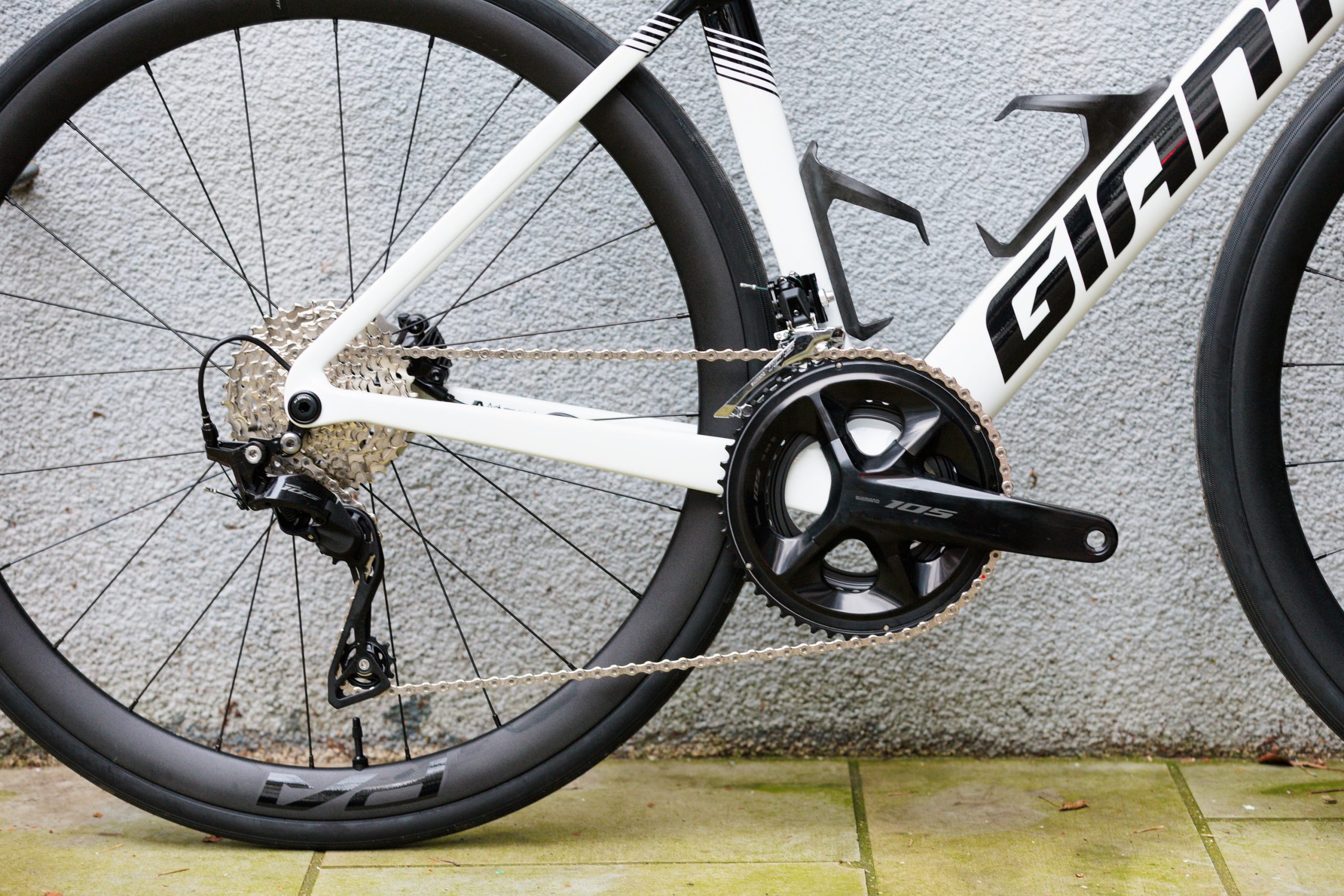
You’re still getting a full-carbon frame and fork with the same aero shaping as the more expensive models, though, with plenty of scope to upgrade the spec down the line, should you wish.
All things considered, it looks to be an impressive package at first glance. Giant hasn’t simply put the Propel on a crash diet and compromised its aerodynamic capabilities just to shed a few grams and grab some headlines.
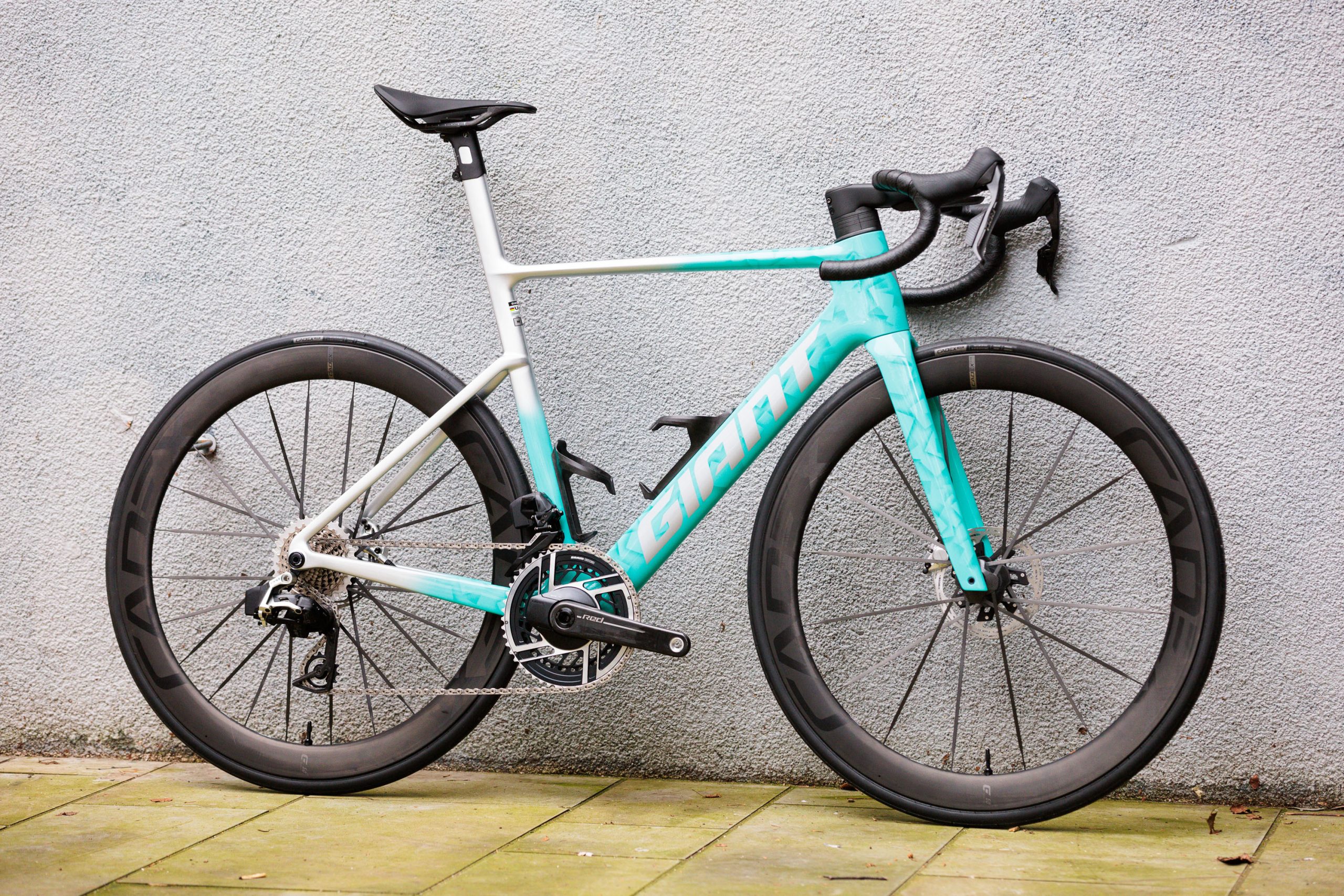
It’s a restrained update, but one that appears to smartly refine and modernise the Propel platform. It still doesn’t have the outlandish design features of pure aero bikes such as the Ribble Ultra SL R, Factor One or Cervélo S5 (and may not be as slippery as a result), but it also looks to retain the all-rounder characteristics that make the Propel a compelling bike to own and ride.
As with any new bike, though, the proof is in the riding, so we’ll reserve final judgement on the new Propel until we’ve had a chance to test one fully.
Updated Giant Pursuit MIPS and Rev Pro MIPS helmets are aero tuned to save watts
Giant has updated two of its helmets, both with wind-tunnel developed aero features. While the Pursuit is an aero road helmet tuned for aero gains at higher speeds, the Rev Pro is a more vented helmet with low weight and heat management its focus, but still with aero credentials.
The Pursuit was due an update, because the previous model was introduced 10 years ago. We highlighted it as among the oldest gear still being used in pro cycling, worn on his way to Giro d’Italia victory by Tom Dumoulin, back in 2017 when rim brakes still ruled and cable integration was a twinkle in a bike designer’s eye.
Giant claims the new Pursuit MIPS helmet will save you an average of 1.55 watts over its previous-generation Pursuit and that a size medium weighs 280g.
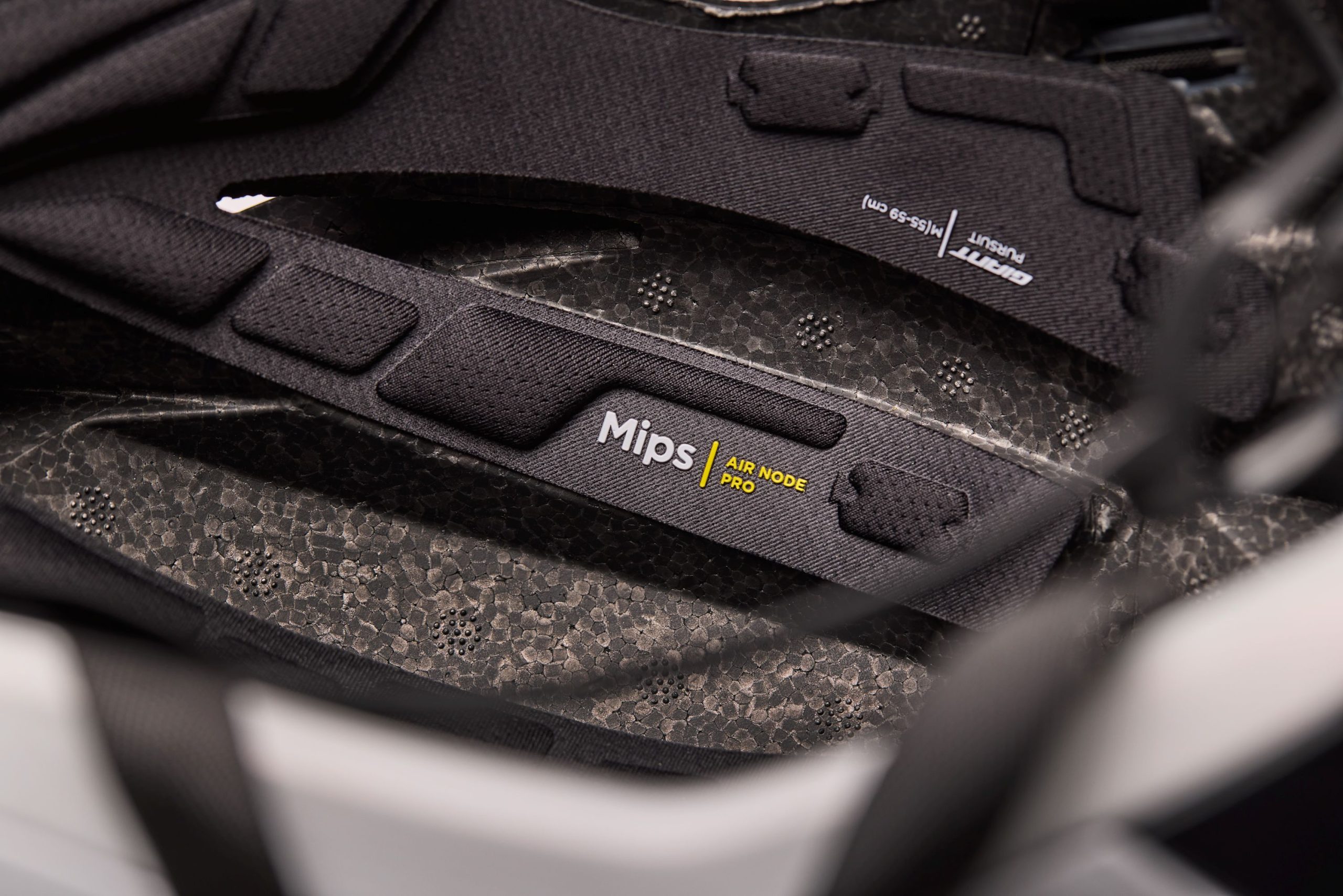
The helmet has a shell with a central longitudinal groove, which Giant says helps smooth airflow over a range of wind yaw angles. There’s a Fidlock magnetic buckle for easy strap closure, Giant’s Cinch Pro adjustment and dual-density EPS foam.
Giant uses the minimalist MIPS Air Node Pro rotational impact protection system. Virginia Tech awarded the Pursuit MIPS a five-star rating in its independent impact-protection tests.
New Rev Pro vented helmet
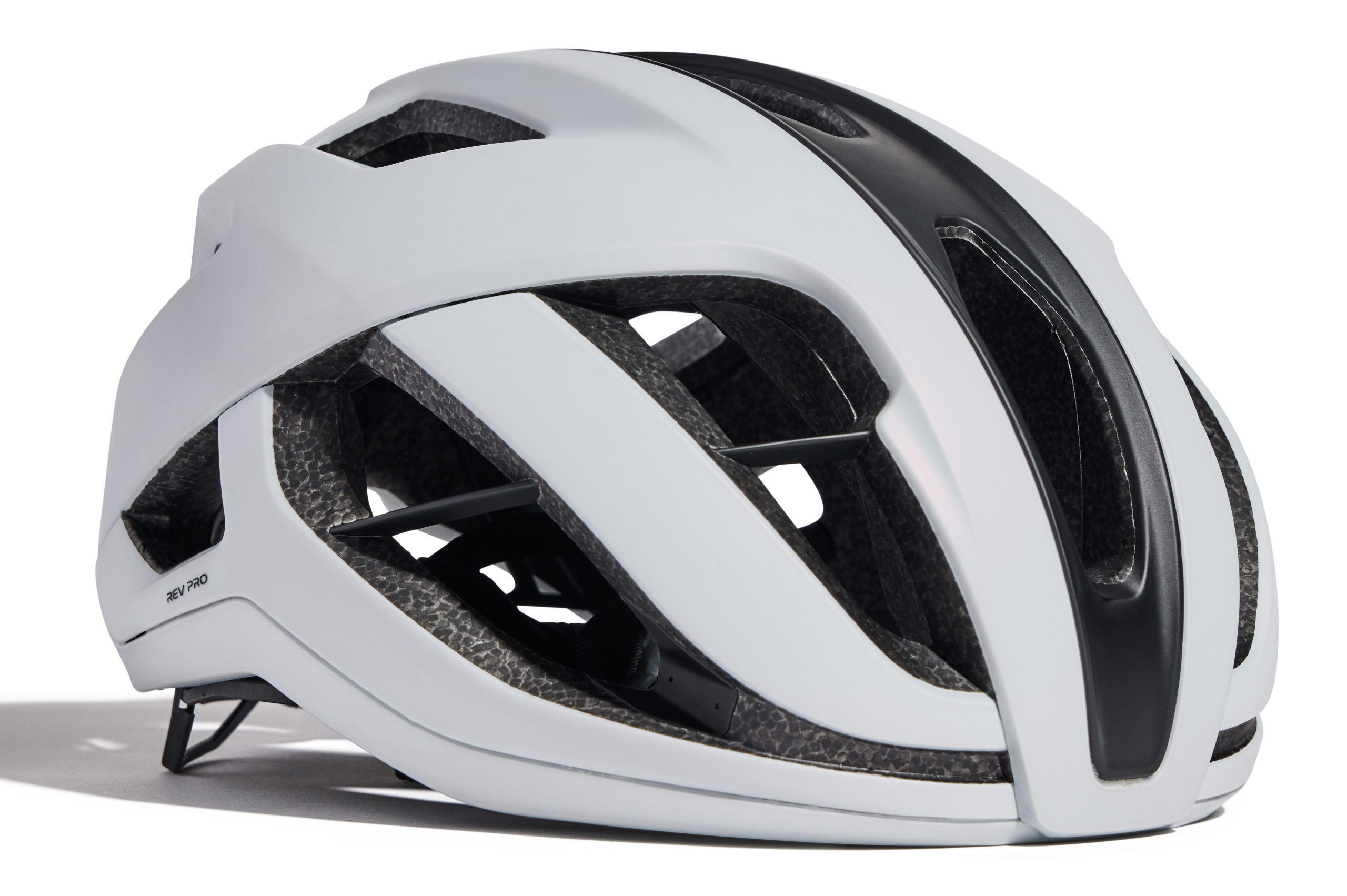
The Rev Pro hasn’t been around as long as the Pursuit, having been launched in 2020 and followed by the mid-tier Rev Elite MIPS in 2024.
The updated Rev Pro MIPS helmet’s venting has been developed using thermal mapping to ensure effective cooling. Giant claims the interior channelling helps remove heat at climbing speeds, without compromising aero efficiency when going faster.
The shell is reinforced to enable Giant to include larger vents and keep the weight of a size-medium helmet down to 280g, the same weight as the Pursuit MIPS and 5.4% lighter than the previous-generation helmet.
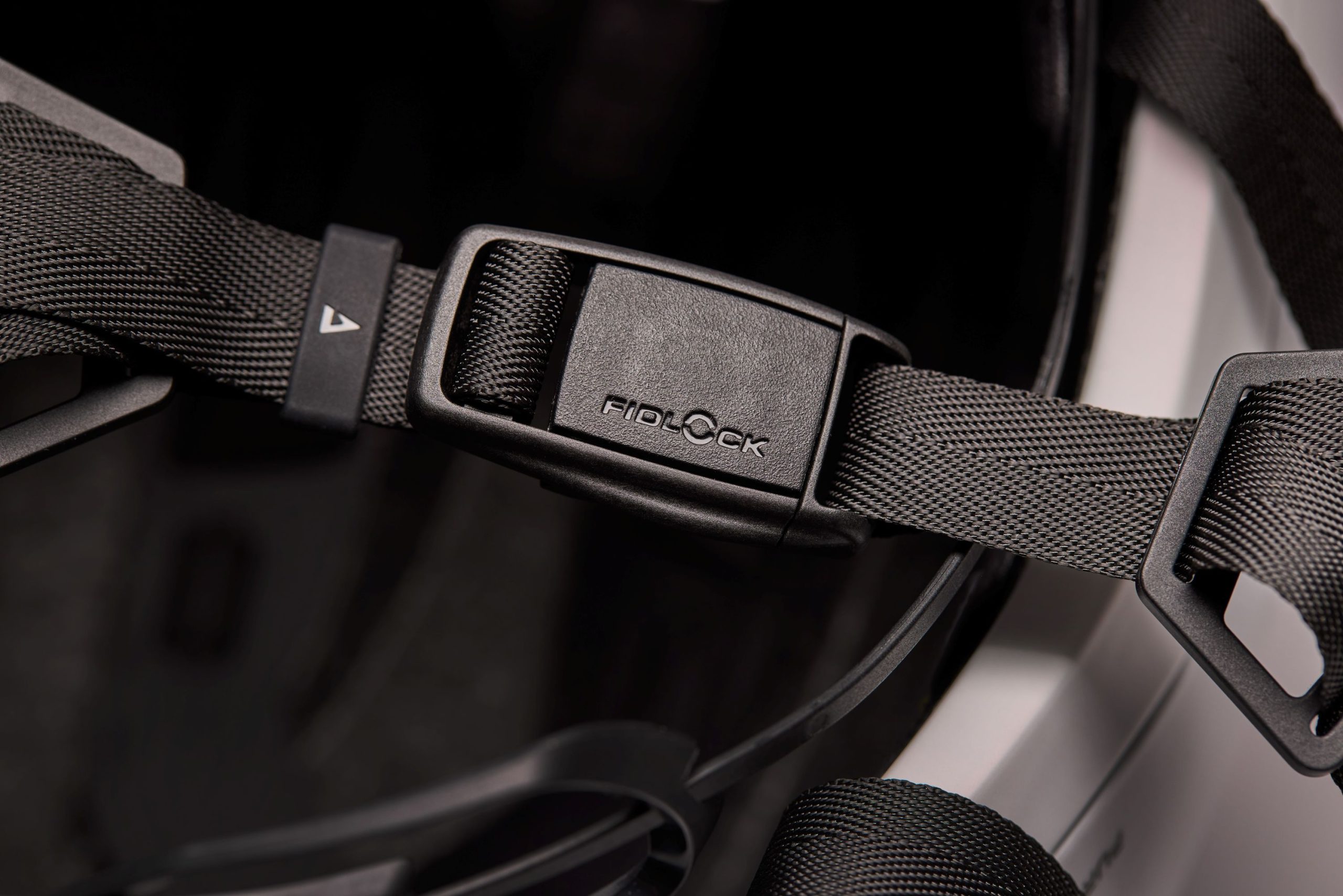
The Rev Pro MIPS has the same MIPS Air Node Pro rotational impact protection system and other features as the Pursuit MIPS and, as with that helmet, the Rev Pro has a five-star rating from the Virginia Tech Helmet Lab.
In the UK, the Rev Pro MIPS helmet is priced at £189.99 (€280 in Ireland), while the Pursuit MIPS is priced at £199.99 / €290. Both are available in three sizes to fit head sizes between 51cm and 63cm and either black or white, with either Giant or Liv branding.
Pentagon Formally Designates Anthropic a Supply-Chain Risk
The Pentagon has formally designated Anthropic as a “supply chain risk,” ordering federal agencies and defense contractors to stop using its AI tools after the company sought limits on the military’s use of its models. In a written statement, the department said it has “officially informed Anthropic leadership the company and its products are deemed a supply chain risk, effective immediately.” Politico reports: The designation, historically reserved for foreign firms with ties to U.S. adversaries, will likely require companies that do business with the U.S. military — or even the federal government in general — to cut ties with Anthropic.
“From the very beginning, this has been about one fundamental principle: the military being able to use technology for all lawful purposes,” the Pentagon said in the statement. “The military will not allow a vendor to insert itself into the chain of command by restricting the lawful use of a critical capability and put our warfighters at risk.”
A spokesperson for Anthropic did not immediately respond to a request for comment. But the company said last week it would fight a supply-chain risk label in court.


Read more of this story at Slashdot.
GNOME 50 Release Candidate Brings Last Minute Changes
GNOME 50.rc was christened today as the release candidate for the GNOME 50 desktop…
7 Things You Absolutely Shouldn’t Do In Marathon

Stop doing Rook runs. Slow down. Quit shooting everything.
Artist Dresses And Dances Like Trash Blowing In The Wind
Because it takes all kinds, this is a video of artist Shoji Yamasaki dressed like, and dancing like, random pieces of trash blowing in the wind. Oh man, I’ve known my fair share of pieces of trash in life, and none of them danced like this. Most of them moved like SNAKES. Real jerkbags!
X’s Exclusive Threads feature lets creators paywall the end of tweet threads
Today, X announced some updates to its creator subscriptions platform. The leading change gives participating accounts the option to make part of tweet threads only visible to subscribers. This new Creator Subscriptions feature is called Exclusive Threads, an ironic name choice given X’s main text-based social media posting competitor is called Threads.
Creator Subscriptions 2.0 is here: powerful new tools to grow your subscribers and earn more.
Introducing Exclusive Threads — lock any post in a thread for subscribers only. Tease in the parent, monetize the rest. Subscribe buttons are now embedded directly in the conversation. pic.twitter.com/j8Bg3bMDiW
— Creators (@XCreators) March 5, 2026
The new tool allows a creator to tease paywalled content, rather than keeping all of the material behind a subscribers-only gate. A gif shared both by the X Creators account and by the company’s head of product, Nikita Bier, show how it will look in practice. Buttons to sign up as a subscriber will be embedded into the post chain, with the hope that the need to see the rest of the thread will be a big enough draw for readers to pay up. X has been making a push to draw content creators, offering other recent features like a ‘paid partnership’ label for sponsored posts.
This article originally appeared on Engadget at https://www.engadget.com/social-media/xs-exclusive-threads-feature-lets-creators-paywall-the-end-of-tweet-threads-000246204.html?src=rss
Workers report watching Ray-Ban Meta-shot footage of people using the bathroom
Meta’s approach to user privacy is under renewed scrutiny following a Swedish report that employees of a Meta subcontractor have watched footage captured by Ray-Ban Meta smart glasses showing sensitive user content.
The workers reportedly work for Kenya-headquartered Sama and provide data annotation for Ray-Ban Metas.
The February report, a collaboration from Swedish newspapers Svenska Dagbladet, Göteborgs-Posten, and Kenya-based freelance journalist Naipanoi Lepapa, is, per a machine translation, based on interviews with over 30 employees at various levels of Sama, including several people who work with video, image, and speech annotation for Meta’s AI systems. Some of the people interviewed have worked on projects other than Meta’s smart glasses. The report’s authors said they did not gain access to the materials that Sama workers handle or the area where workers perform data annotation. The report is also based on interviews with former US Meta employees who have reportedly witnessed live data annotation for several Meta projects.
Armbian 26.02 Arrives with Linux 6.18 LTS and Expanded Board Support
The Armbian project has released Armbian 26.02, the latest update to the lightweight Linux distribution designed specifically for ARM and RISC-V single-board computers (SBCs). Known for its stability and hardware optimization, Armbian continues to evolve with improved hardware support, new desktop options, and updated core components in this release.
Mac Studio 512GB RAM Option Disappears Amid Global DRAM Shortage
Apple has removed the 512GB RAM configuration for the Mac Studio, leaving 256GB as the new maximum. The remaining 256GB upgrade has also increased in price and now faces longer shipping delays as demand grows “due to consumers seeking machines suitable for running local AI agents,” reports MacRumors. From the report: The Mac Studio starts with 36GB RAM, but there were upgrades ranging from 48GB to 512GB, with the higher tier upgrades limited to the M3 Ultra chip. Now there are options ranging from 48GB to 256GB, with wait times into May for the 256GB upgrade. Apple has also raised the price for the 256GB RAM upgrade option. It used to cost $1,600 to go from 96GB to 256GB on the high-end M3 Ultra machine, but now it costs $2,000. 512GB was $4,000 when it was available.


Read more of this story at Slashdot.
Rockstar Is Gearing Up To Turn GTA+ Into The Next Gaming Super Bundle

Could GTA+ become Take-Two’s answer to EA, Ubisoft, and Xbox’s gaming subscription plans?