Although it was never in doubt, Apple confirmed plans to host another Worldwide Developers Conference online several weeks from now. In addition, Apple says it will hold a special event in-person for developers and students at Apple Park, which will take place on the first day of the five-day conference.
This issue
report describes a credential-stealing attack buried within LiteLLM
1.82.8 in the PyPI repository. It collects and exfiltrates a wide variety
of information, including SSH keys, credentials for a number of cloud
services, crypto wallets, and so on. Anybody who has installed this
package has likely been compromised and needs to respond accordingly.
Update: see this
futuresearch article for some more information. “The release
contains a malicious .pth file (litellm_init.pth) that executes
automatically on every Python process startup when litellm is installed in
the environment.“
Clear XR, available on TestFlight, lets Nvidia RTX 40 and 50 series owners use Apple Vision Pro’s foveated streaming feature for OpenXR PC VR games.
You can already stream your SteamVR games to your Apple Vision Pro via the free and open-source tool ALVR, which has been available on the App Store since a few months after the M2 Vision Pro launched.
What ALVR currently lacks, however, is support for the foveated streaming feature that Apple launched in visionOS 26.4 today. Guided by eye tracking, foveated streaming prioritizes image resolution and compression quality where your eye is currently looking. That’s the key feature of Clear XR.
Clear XR should work for any OpenXR application on your PC, and deliver superior image quality on the Vision Pro compared to using ALVR.
0:00
/0:05
Valve’s depiction of foveated streaming.
Rather than implement foveated streaming completely from scratch, Clear XR’s developer Stuart Charlton leveraged Nvidia’s CloudXR SDK, which has full support for Apple’s foveated streaming.
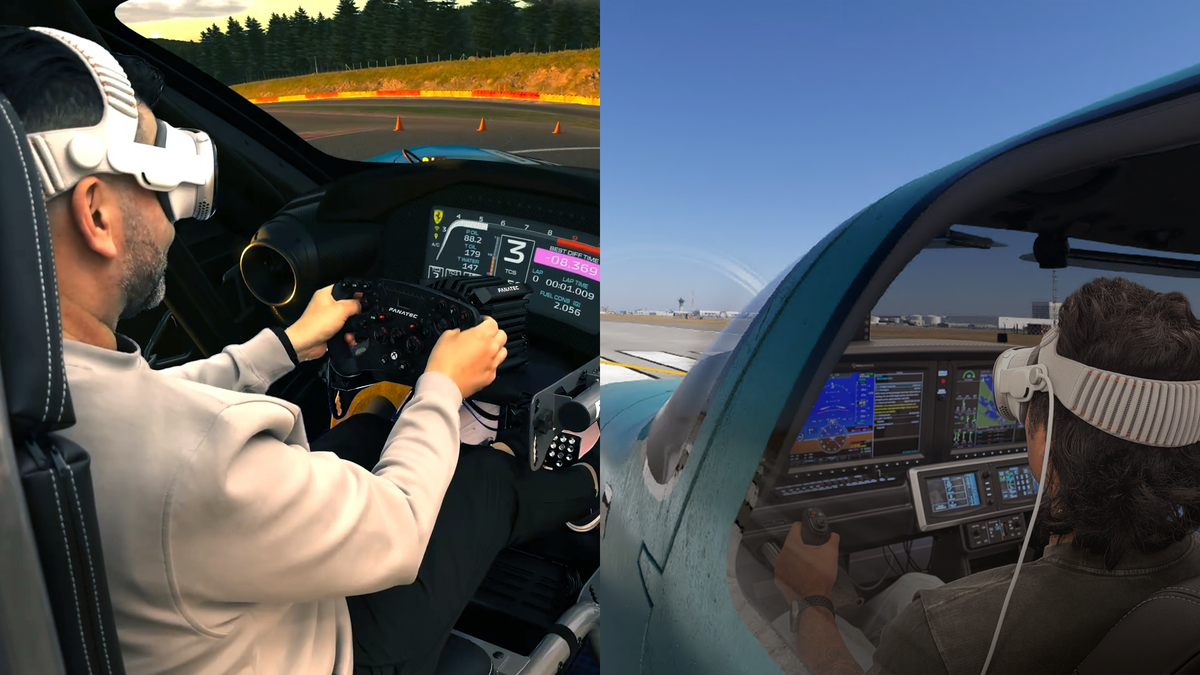
Nvidia’s CloudXR is also being used by the developers of X-Plane and iRacing for specific per-game visionOS clients that also use foveated streaming. The advantage of those over Clear XR will be the ability to auto-align the cockpit to your physical peripherals and “cut them out” from the real world into VR via camera passthrough.
The tradeoff of using CloudXR is that it exclusively supports Nvidia’s Ada and Blackwell GPU architectures, meaning RTX 40-series and 50-series graphics cards. The current PC I’m using this week has an RTX 3090, so unfortunately, I can’t test Clear XR at the moment.
If you do have the required GPU and an Apple Vision Pro and want to try it, you can find the Clear XR visionOS client on Apple’s TestFlight system, and the Windows PC server app on GitHub.
Chris Down has posted a
detailed look at how the kernel’s zswap and zram subsystems work — and
how they differ.
Most people think of zswap and zram simply as two different
flavours of the same thing: compressed swap. At a surface level,
that’s correct – both compress pages that would otherwise end up on
disk – but they make fundamentally different bets about how the
kernel should handle memory pressure, and picking the wrong one for
your situation can actively make things worse than having no swap
at all
The Krita project has announced
the release of Krita 5.3.0 and 6.0.0:
Krita 5.3/6.0 is the result of many years of work by the Krita
developers. Some features have been rewritten from the ground up,
others make their first appearance.
Enjoy the completely new text feature: on canvas editing, full
opentype support, text flowing into shapes. It is now easier than ever
to create vector-based panels for comic pages. Tools got extended: for
instance, the fill tool now can close gaps. The liquify mode of the
transform tool is much faster. There are new filters: a propagate
colors filter and a reset transparent filter. Support for HDR painting
has been improved. The recorder docker can now work in real
time. There is improved support for file formats, like support for
text objects in PSD files. And much, much, much more!
According to the announcement, the versions are almost functionally
identical. However, the 6.0.0 release is the first based on Qt 6;
it has more Wayland functionality but is considered experimental. It
cautions that users should stick to 5.3.0 for real work. See
the release
notes for a full list of changes.
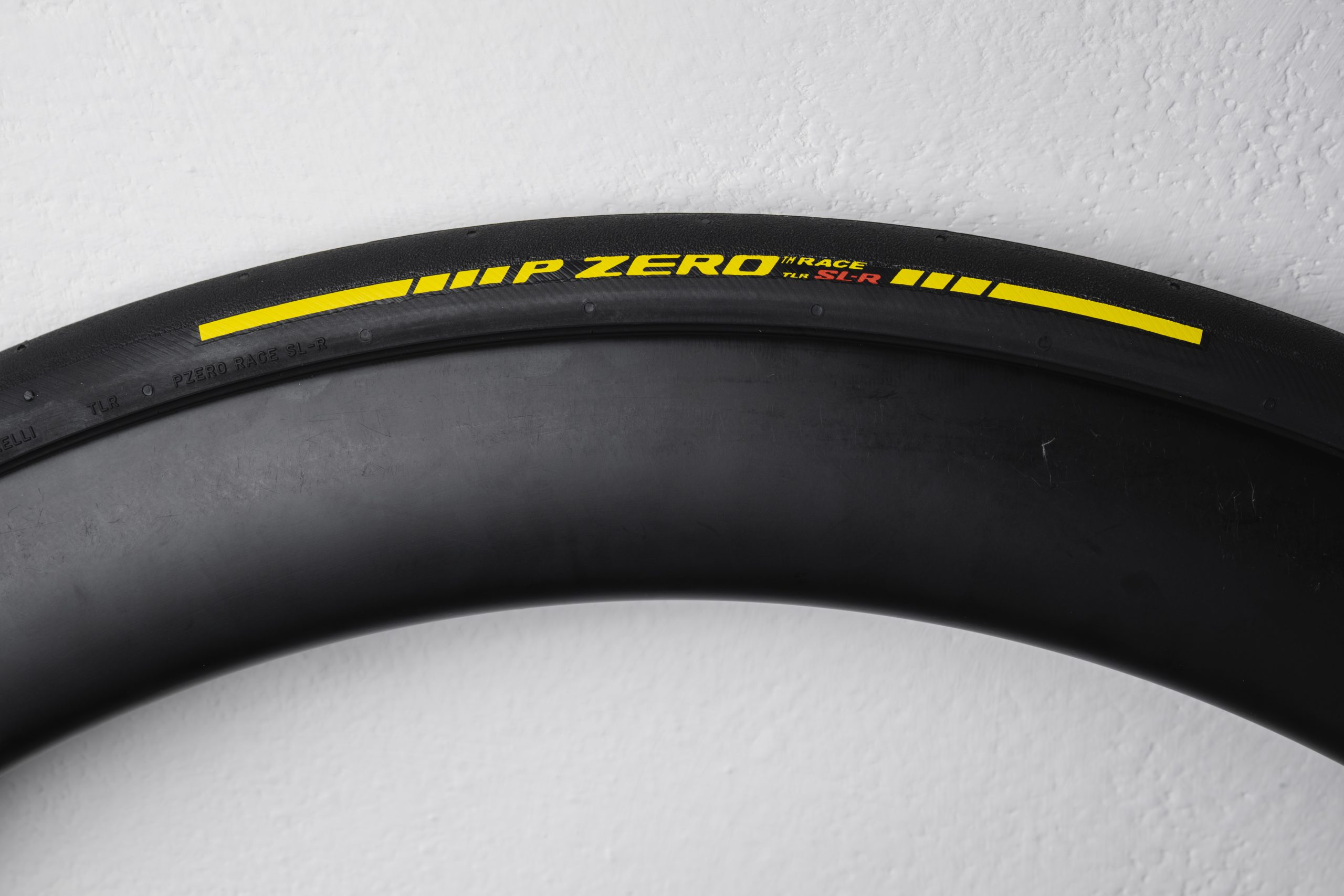
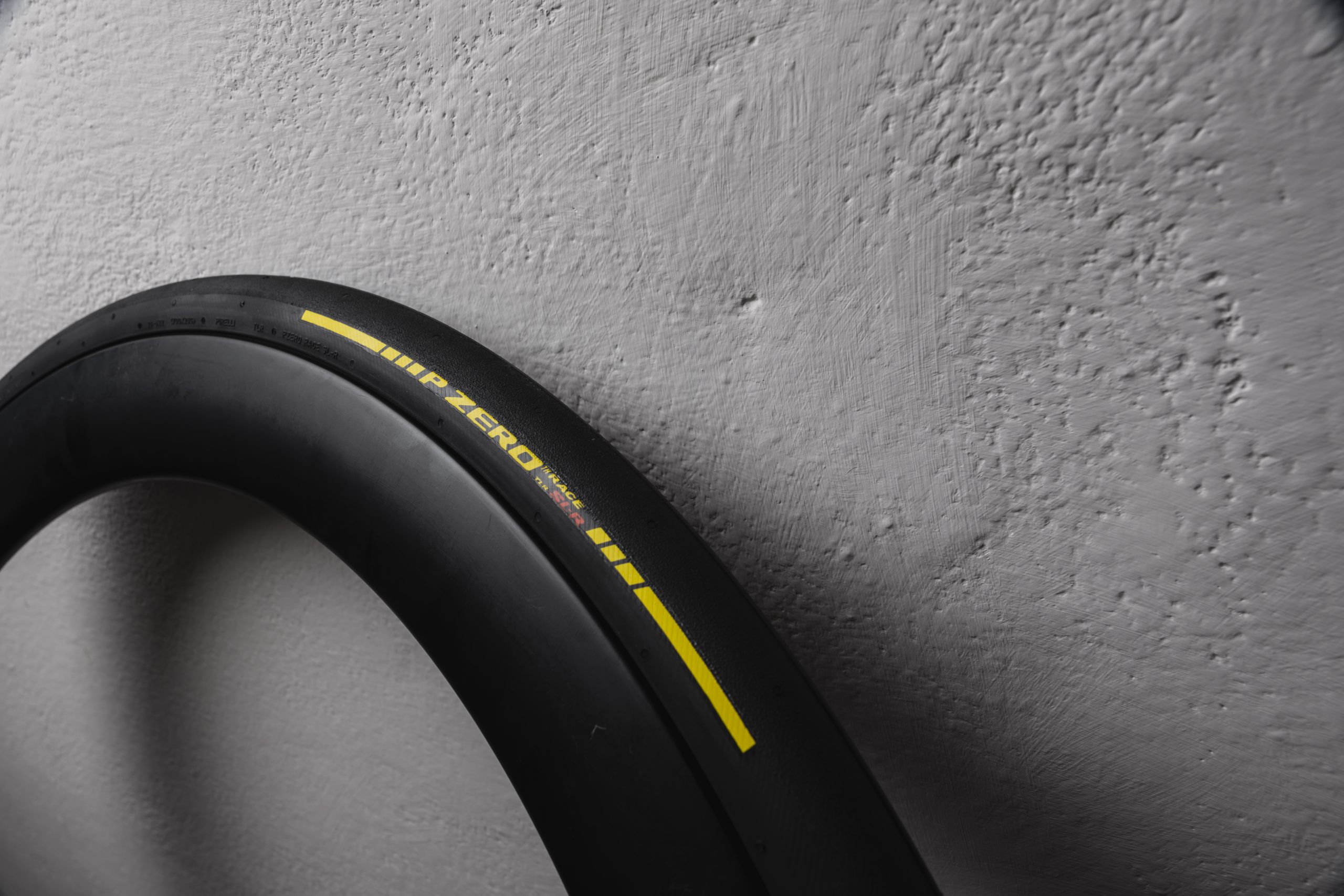
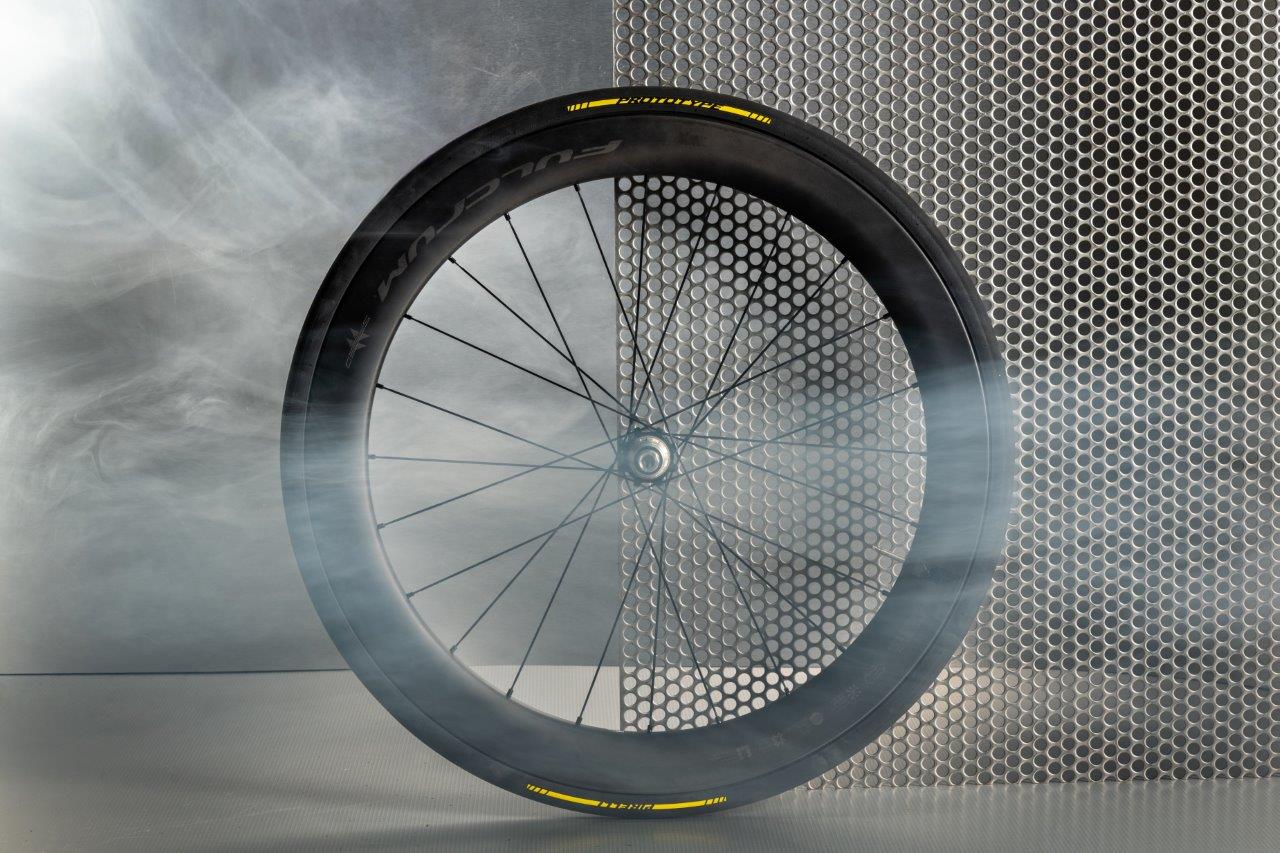
Pirelli has launched the new P Zero Race TLR SL-R, a tyre claimed to be up to 15 watts faster than the P Zero Race TLR RS used by Mathieu van der Poel.
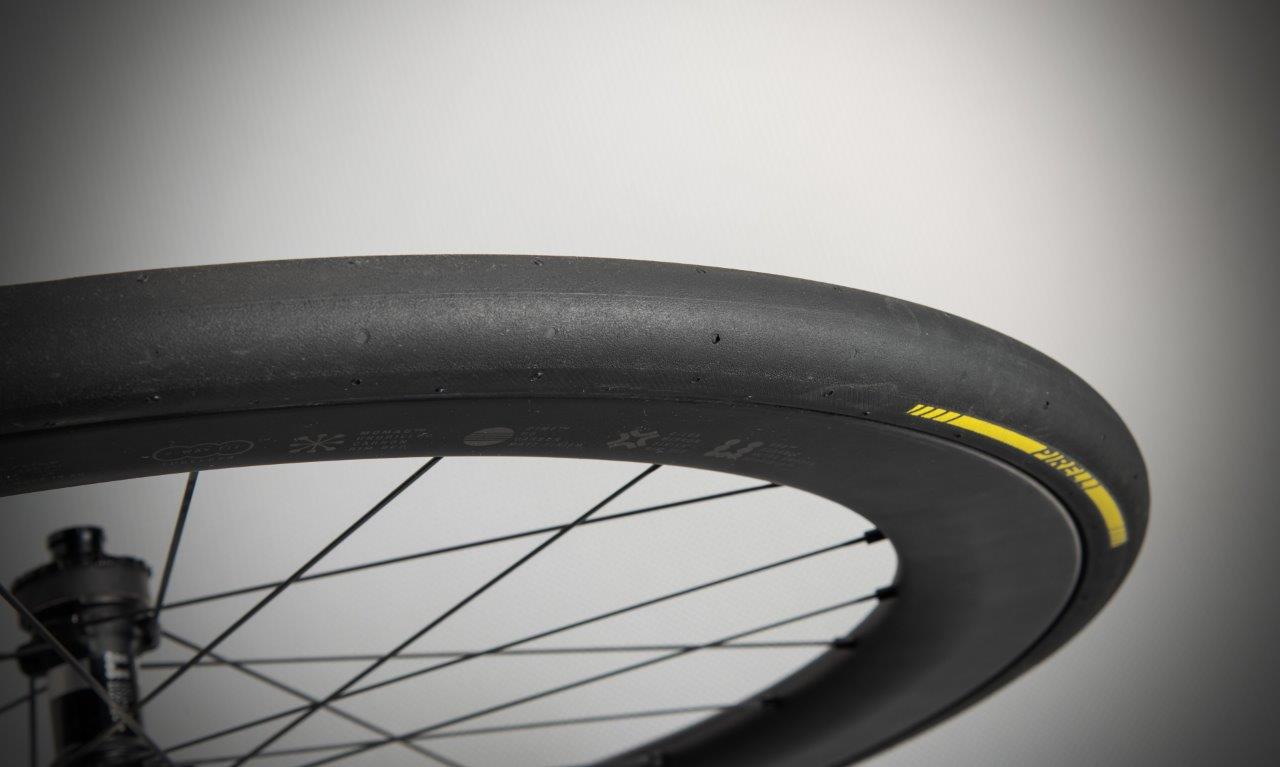
Using new patented PAAS (Pirelli Advanced Aerodynamic System) tech, this sees a ‘spoiler’ built onto the lower sidewall of the tyre, which decreases the effective inward depression caused when fitted to a rim.
PAAS is the result of a research project in which the interaction between tyre and rim was studied to improve airflow efficiency over the tyre and outer wheel rim.
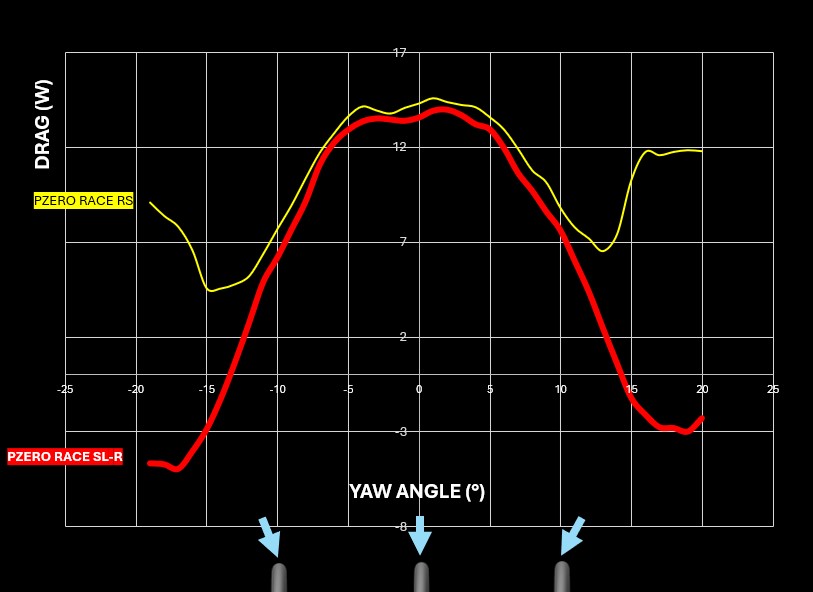
Pirelli says the P Zero Race TLR SL-R is the most aerodynamically efficient tyre in the world across a +/- 20-degree yaw range, without sacrificing rolling resistance or grip.
The new tyre is claimed to save up to 15 watts compared to the P Zero Race TLR RS. Road Bike Connection Spring – Rupert Fowler
The P Zero Race TLR SL-R can be thought of as an evolution of the brand’s P Zero Race TLR RS lightweight race tyre, which until now has been used by its sponsored pros, including Mathieu van der Poel and Mads Pedersen.
It uses the same SmartEVO 2 compound, which Pirelli says is based on motorsport-developed polymers, and a 120 TPI (threads-per-inch) carcass construction. Pirelli says this offers high levels of suppleness and grip in both wet and dry conditions.
The tyre is also said to maintain aerodynamic performance consistently as it wears and is compatible with wide-profile rims.
Pirelli says the new tyre features the same construction as the RS tyre under the skin. Road Bike Connection Spring – Rupert Fowler
Pirelli claims the SL-R also improves rolling efficiency compared to the RS, delivering around a 10% reduction in rolling resistance according to its own testing (equating to roughly 2 watts per set).
Where pro teams differ is in their usual choice of tyre size. According to Carlo Di Clemente, Pirelli’s road and gravel product manager, van der Poel’s Alpecin team will usually opt for a 30mm tyre to better match the team’s Shimano wheels, while Pedersen’s Lidl-Trek team’s Bontrager rims are best suited to 28mm tyres.
Accordingly, the P Zero Race TLR SL-R is available in both sizes at launch, while a 32mm version is set to follow later in 2026. Pirelli says the 28mm version weighs a claimed 275g, making it the lightest tyre in the current P Zero Race TLR range. We’ve weighed our test tyres at 288g apiece, in a 28mm size.
The P Zero Race TLR SL-R will be offered in Black-Silver and Black Team Edition colour options, costing £94.99 / $127.90 / €99.90 each. The Team Edition will cost £99.99 in the UK.
How does PAAS make the P Zero Race TLR SL-R faster?
Pirelli says it has tested prototype tyres ranging from 28-35mm wide. Pirelli
The PAAS research project is said to have taken 18 months, incorporating CFD simulations, lab testing, road testing and wind-tunnel validation, with four different wind tunnels used across 10 test sessions.
Put simply, PAAS is intended to keep air attached to the tyre and rim for longer across the typical +/- 20-degree range of yaw angles cyclists are exposed to most often. Pirelli says the system is also designed to enhance the so-called ‘sailing effect’, where aerodynamic lift generated at yaw can contribute a small forward force, reducing overall resistance.
In normal circumstances, a typical bike tyre will exhibit a lightbulb effect, whereby the rim grips to the tyre bead and the tyre’s sidewall expands outwards under pressure. According to Pirelli, this can encourage airflow separation at the tyre–rim interface, increasing drag.
Pirelli says the SL-R is significantly faster than the existing RS race tyre. Pirelli
Alongside this ‘standard’ tyre profile, Pirelli says it has tested other tyre-profile solutions it has observed from rivals, including a narrow tyre, a pointy tyre and a vortex-generating tyre (such as the Continental Aero 111 front tyre).
Pirelli says the PAAS ‘geometry construction’ optimises the position of the tyre’s maximum width and smooths the transition between tyre and rim, helping to reduce airflow detachment – and therefore drag.
This carries a natural small weight penalty given the additional material applied to the tyre’s sidewall, but Pirelli says this is outweighed by the aerodynamic gains made, especially at racing speeds.
The tyre creates a smoother interface with the outer rim wall, but maintains a small gap to aid installation. Pirelli
In testing at 45km/h (where Pirelli used a 60mm-deep hooked rim with a 23mm internal width), a 28mm P Zero Race TLR SL-R produced lower drag by 15 watts at certain yaw angles compared to a same-size P Zero Race TLR RS tyre, with smaller but consistent gains compared to other-brand rivals across a broader range of conditions.
The brand adds that tyres and the front wheel together can account for up to 5% of total aerodynamic drag, underlining the importance of optimising this interaction.
Pirelli says it has applied PAAS to prototype tyres ranging from 28-35mm wide, across a range of contemporary road-racing wheels, and claims PAAS will inform its tyre construction going forward.
Proposed code for Blender’s EEVEE engine can lead to both the OpenGL and Vulkan performance doubling in instancing-heavy scenes that are CPU bottlenecked…
Krita 6.0 debuted today as the Qt6 port of this digital painting program aligned with KDE/Qt development. Krita 6.0 also brings improved Wayland support while Krita 5.3 is being simultaneously released for running on the mature Qt5 toolkit…
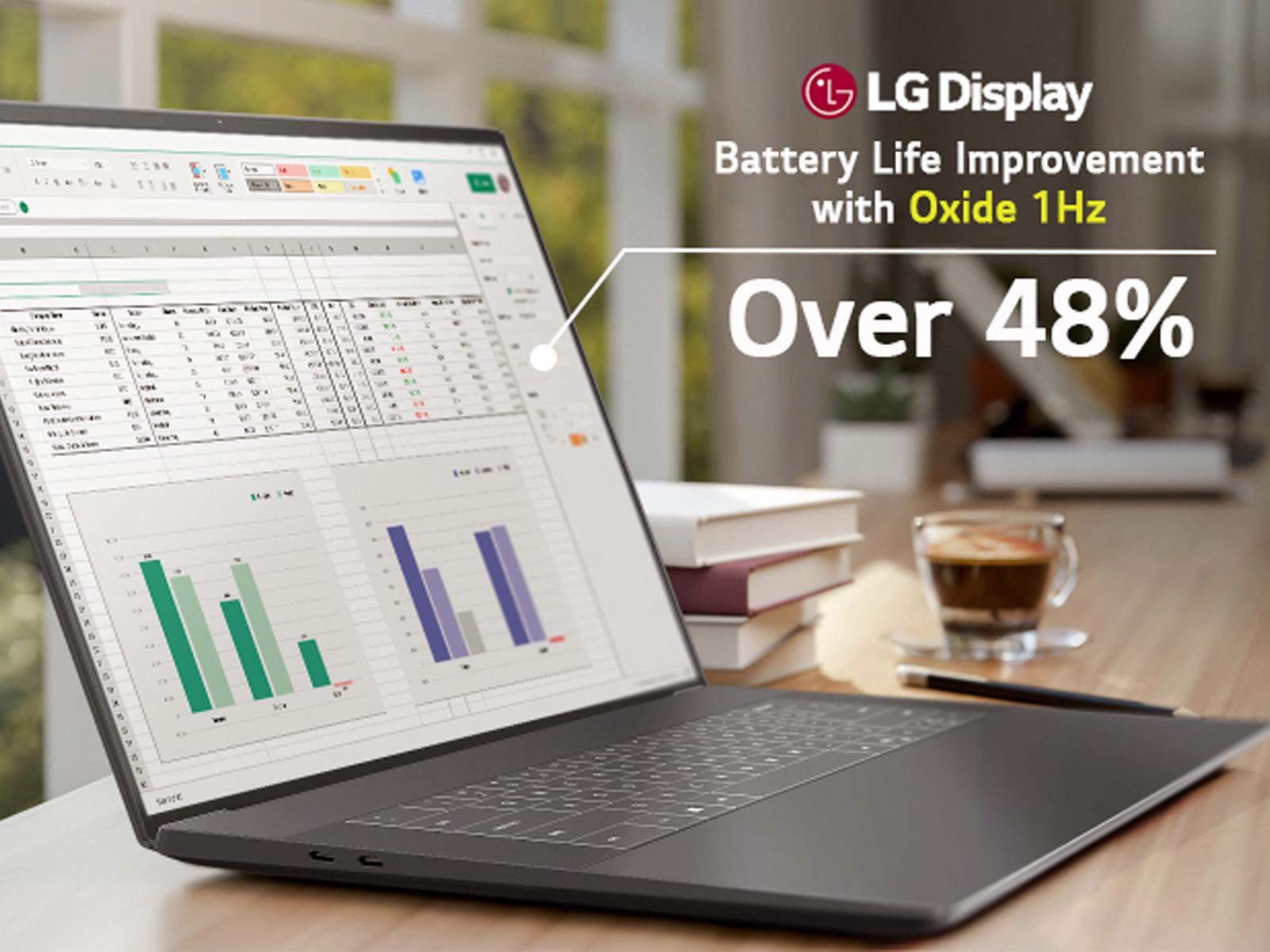
LG Display is on a mission to vastly improve laptop battery life with a new LCD panel equipped with its Oxide 1Hz technology. Now in mass production, this first-of-its-kind panel is capable of dropping down to a 1Hz refresh rate when the screen is static, a tactic that LG claims “dramatically” improves battery life with up to a 48% longer
Broader platform coverage lands, if developers can tolerate the rough edgesAvaloniaUI has previewed MAUI support for Linux and WebAssembly browser applications — platforms Microsoft’s own cross-platform .NET framework lacks — but low adoption and persistent bugs are likely to constrain uptake.…
A limitation affecting various gaming headsets, graphic tablets, wireless earbuds, multi-device receivers and more with Linux has been not being able to report multiple batteries per HID device. After patches were proposed last year for dealing with the increasingly common scenario these days of having multiple batteries per device, the upcoming Linux 7.1 kernel is set to address this limitation…
BrianFagioli writes: Canonical has joined the Rust Foundation as a Gold Member, signaling a deeper investment in the Rust programming language and its role in modern infrastructure. The company already maintains an up-to-date Rust toolchain for Ubuntu and has begun integrating Rust into parts of its stack, citing memory safety and reliability as key drivers. By joining at a higher tier, Canonical is not just adopting Rust but also stepping closer to its governance and long-term direction. The move also highlights ongoing tensions in Rust’s ecosystem. While Rust can reduce entire classes of bugs, it often depends heavily on external crates, which can introduce complexity and auditing challenges, especially in enterprise environments. Canonical appears aware of that tradeoff and is positioning itself to influence how the ecosystem evolves, as Rust continues to gain traction across Linux and beyond. “As the publisher of Ubuntu, we understand the critical role systems software plays in modern infrastructure, and we see Rust as one of the most important tools for building it securely and reliably. Joining the Rust Foundation at the Gold level allows us to engage more directly in language and ecosystem governance, while continuing to improve the developer experience for Rust on Ubuntu,” said Jon Seager, VP Engineering at Canonical. “Of particular interest to Canonical is the security story behind the Rust package registry, crates.io, and minimizing the number of potentially unknown dependencies required to implement core concerns such as async support, HTTP handling, and cryptography — especially in regulated environments.”
OpenBLAS 0.3.32 is now available for this optimized open-source Basic Linear Algebra Subprograms “BLAS” library. Notable with the OpenBLAS 0.3.32 release is improving CPU auto-detection for newer Intel processors…
Back in February AMD engineers introduced a new GFX1170 GPU target in LLVM for their AMDGPU shader compiler and was marked with new “RDNA 4m” branding. It’s part of the GFX11 family associated with RDNA3 but carrying this new “4m” branding. In follow-up commits they made further ISA changes distinguishing it from existing RDNA 3 GPUs. Now there are two more RDNA 4m targets being added…
KubeCon Europe is running this week in Amsterdam and NVIDIA used the event to talk up their open-source work around AI and newest open-source contributions…
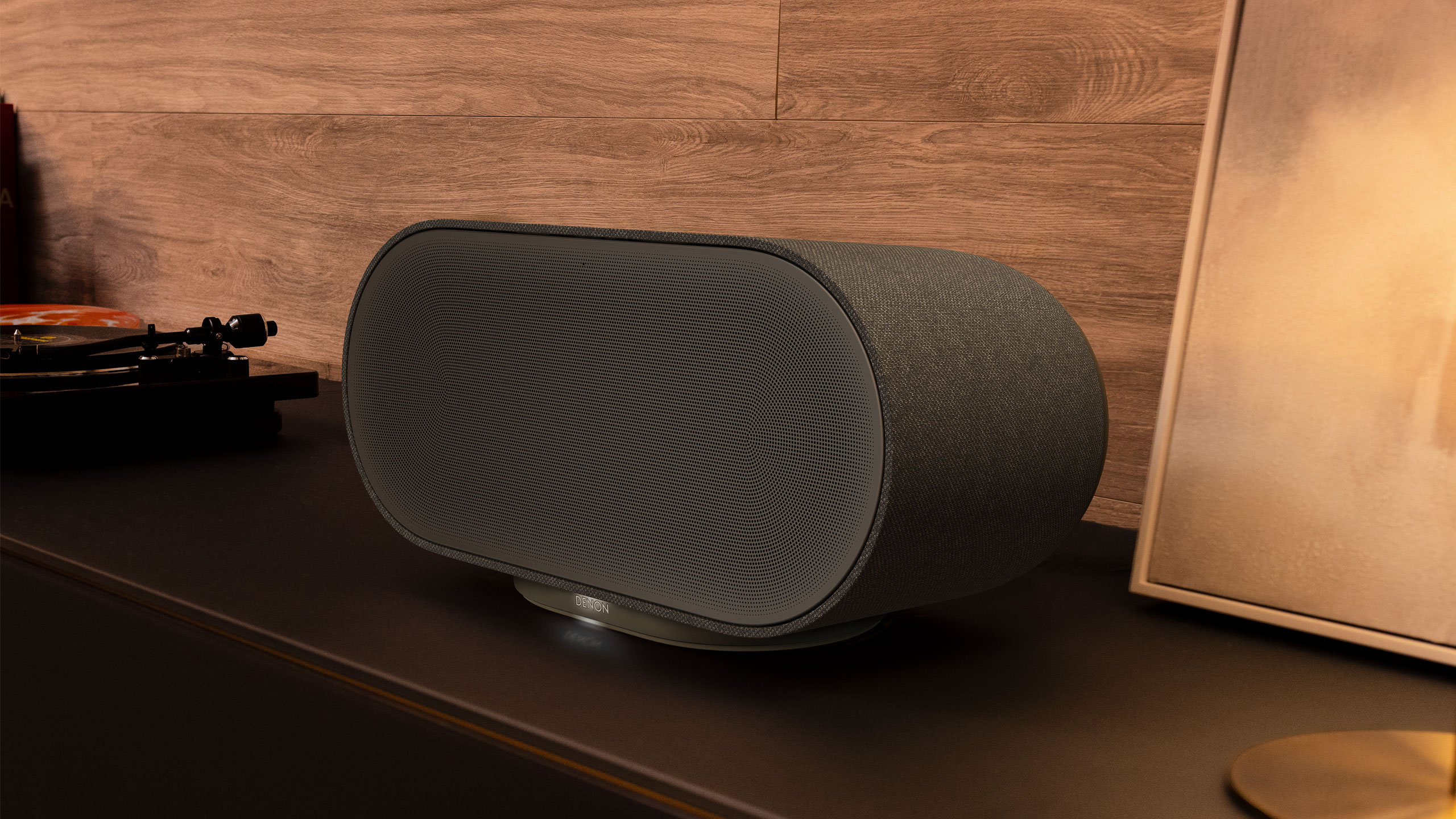
If the Sonos app saga still has you down, Denon has three new multi-room speakers that give you some fresh alternatives. The company’s Home 200, Home 400 and Home 600 offer audio flexibility with other HEOS-enabled products. These new devices were also designed so that they blend in with home decor better than most speakers, coming in stone and charcoal color options for that purpose. As you progress up in number, the speakers not only get physically larger, but their sonic output is also more robust.
The Denon Home 200 houses three drivers and three amplifiers for “natural, room-filling sound” in a compact speaker. More specifically, you get two 0.98-inch tweeters and a single 4-inch woofer. The Home 200 looks a kind of like the Sonos Move 2, although Denon’s new compact unit isn’t portable. However, you can use a pair of them for a stereo setup, or connect two 200s to Denon’s Home Sound Bar 550 and Home Subwoofer for a 5.1 home theater system.
Next up is the Home 400, which carries two 0.75-inch tweeters, two 4.5-inch woofers and six amplifiers, in addition to two 1-inch up-firing drivers. Here, Denon says you can expect “a wide, airy soundstage” that provides room-filling audio coverage. What’s more, those upward-facing drivers project sound overhead, so there’s a greater sense of dimensionality and immersion here.
Denon Home 600 speaker
Denon
The Home 600 is the largest speaker in the new trio, with dual 6.5-inch woofers alongside two tweeters, two midrange units and two up-firing drivers. Denon explains that this configuration offers “deep, authoritative bass” that provides more depth in your tunes than other two models.
All three of the new Home speakers have Wi-Fi, Bluetooth USB-C and aux connectivity with the wireless streaming powered by Denon’s HEOS tech. As such, you can connect these Home speakers with up to 64 other HEOS devices — including A/V receivers and Denon’s new DP-500BT turntable — and arrange your audio gear in up to 32 different zones. You’ll have access to tunes from Tidal, Amazon Music HD and Qobuz in the HEOS app, and all three new Home speakers support Dolby Atmos Music where available.
The Home 200, Home 400 and Home 600 speakers are available today for $399, $599 and $799 respectively. They’re available from Denon directly or other authorized retailers.
This article originally appeared on Engadget at https://www.engadget.com/audio/speakers/denon-expands-its-multi-room-speaker-lineup-with-the-home-200-home-400-and-home-600-080000916.html?src=rss
The openSUSE project released the Agama 19 web-based installer for openSUSE Tumbleweed, Slowroll, and MicroOS operating systems, a major release that introduces several new features, small improvements, and bug fixes.
Last week, hackers launched a cyberattack on an Iowa company called Intoxalock that left some drivers unable to start their court-mandated breathalyzer-equipped cars. Wired reports: Intoxalock, an automotive breathalyzer maker that says it’s used daily by 150,000 drivers across the U.S., last week reported that it had been the target of a cyberattack, resulting in its “systems currently experiencing downtime,” according to an announcement posted to its website. Meanwhile, drivers that use the breathalyzers have reported being stranded due to the devices’ inability to connect to the company’s services. “Our vehicles are giant paperweights right now through no fault of ours,” one wrote on Reddit. “I’m being held accountable at work and feel completely helpless.”
The lockouts appear to be the result of Intoxalock’s breathalyzers needing periodic calibrations that require a connection to the company’s servers. Drivers who are due for a calibration and can’t perform one due to the company’s downtime have been stuck, though the company now states on its website that it’s offering 10-day extensions on those calibrations due to its cybersecurity disruption, as well as towing services in some cases. In the meantime, Intoxalock hasn’t explained what sort of cyberattack it’s facing or whether hackers have obtained any of the company’s user data.
Blivet GUI is an advanced graphical storage and partition management tool for Fedora, providing a user-friendly interface for the backend storage library used in the Anaconda installer. It acts as a more powerful alternative to GParted, allowing users to create, modify, delete, and encrypt storage devices (LVM, Btrfs, RAID) with a staged, “apply-on-demand” approach.