The AMD Radeon RX 5500 XT Review, Feat. Sapphire Pulse: Navi For 1080p

Launching today are AMD’s Radeon RX 5500 XT cards. These cards are aimed at the sub-$200 market for 1080p gaming, effectively (and finally) replacing AMD’s long-lived Radeon RX 580 and RX 570 cards, and going head-to-head with NVIDIA GeForce GTX 1650 and GTX 1660 families. As is typical for AMD in this price range, the company is actually launching two different configurations of the RX 5500 XT: we’re getting both 8GB cards, as well as 4GB cards as a budget option. Both cards are clocked the same, but as we’re entering 2020, the ramifications of 4GB of VRAM versus 8GB are great enough that it creates some real differences between the cards. The 8GB RX 5500 XT will be taking up the all-important $199 slot, while the 4GB RX 5500 XT will hit the shelves starting at $169.


Source: AnandTech – The AMD Radeon RX 5500 XT Review, Feat. Sapphire Pulse: Navi For 1080p

LG’s Lightweight Gram 17-Inch Laptop Gets Intel’s Ice Lake CPU

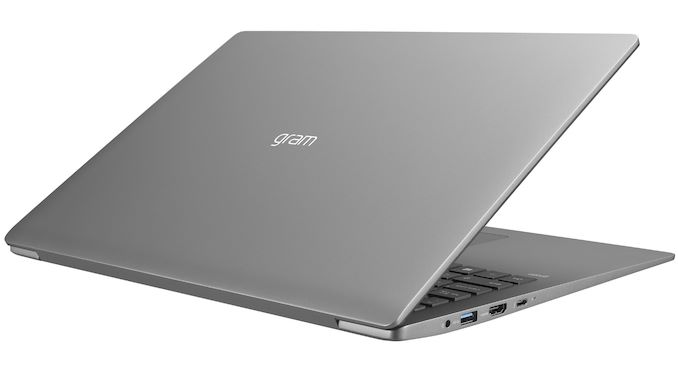
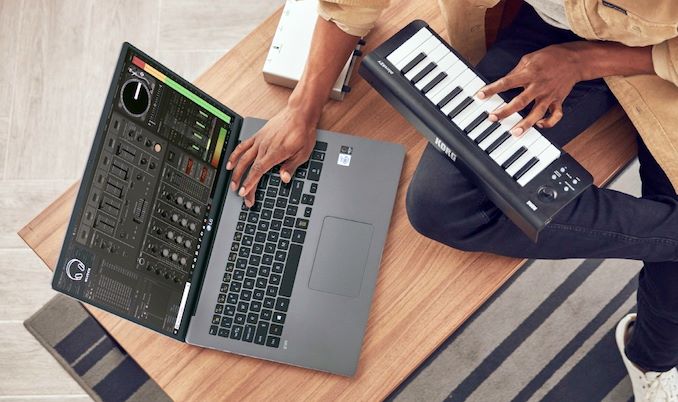
Thin-and-light notebooks with a 17-inch display are rather rare, as most 17-inch laptops are intended to be high performance desktop replacement-class machines. LG’s gram 17 has been a stand-out in that respect, targeting users seeking primarily for a sleek and lightweight PC. This week LG has introduced an updated gram 17 that retains its thin-and-light form-factor, but improves on its predecessor in almost every way possible when it comes to performance.


The new LG gram 17 comes in the company’s signature white or grey chassis made of carbon magnesium alloy that is only 17.4 mm thick. The laptop weighs 1.35 kilograms (2.98 pounds), which is in-line with the weight of a typical 13-incher, yet packs a 17.3-inch IPS display with a 2560×1600 resolution.


Inside the updated LG gram 17 notebook is Intel’s 10th Generation Core processor (Ice Lake) with up to Iris Plus Graphics. This is paired with up to 24 GB of DDR4-3200 memory as well as up to two M.2 NVMe SSDs. To cool down the high-end CPU, the manufacturer equipped its system with its Mega Cooling System, though we do not know peculiarities. By using a processor with a beefy integrated GPU and installing up to 24 GB of memory along with up to two PCIe SSDs, LG clearly makes its 2020 gram 17 a lot more powerful than its Core i7-8565U based predecessor.


As far as connectivity is concerned, the 2020 LG gram 17 is equipped with Wi-Fi 6 and Bluetooth 5 for wireless comms. In addition, it has a Thunderbolt 3 port, three USB 3.1 ports, an HDMI output, a microSD/UFS slot, and a 3.5-mm audio jack for headsets. When it comes to multimedia features, the notebook has a webcam, DTX X Ultra-badged speakers, and a microphone array. Last but not least, the laptop has a fingerprint reader.


LG’s new gram 17 laptop comes with a rather massive 80-Wh battery and while the manufacturer does not publish specific battery life figures, paired with an Ice Lake-U chip it should be enough for at least a day.


Specifications of the 2020 LG gram 17
  17Z90N

different products will offer different configs
LCD Diagonal 17.3″
Resolution | Brightness | Features 2560×1600, IPS

Wide viewing angles
Color Gamut 96% sRGB
Touch Support ?
Protective Glass ?
CPU 10th Generation Intel Core
Graphics UHD Graphics or Iris Plus Graphics
RAM up to 24 GB DDR4-3200 (onboard + SO-DIMM)
Storage two M.2 NVMe SSDs
Wireless: Wi-Fi, Bluetooth, LTE, NFC, and GPS options Wi-Fi 6 + Bluetooth
USB Type-A 3 × USB 3.1
Type-C 1 × USB 3.1 Gen 1 (via TB3)
Thunderbolt 1 × Thunderbolt
Card Reader microSD/UFS
Camera Front Webcam
Fingerprint Sensor Yes
Other I/O Microphone, stereo speakers, TRRS audio jack
Other Sensors ?
Battery 80 Wh
Dimensions Width 380.6 mm | 14.98 inches
  Depth 262.6 mm | 10.34 inches
  Thickness 17.4 mm | 0.69 inches
Weight 1.35 kilograms | 2.98 pounds
Launch Price ?

LG will start sales of its next-generation gram 17 notebook sometimes in early 2020. Expect to see the company reveal more about the laptop at CES.


Related Reading:


Source: LG


Source: AnandTech – LG’s Lightweight Gram 17-Inch Laptop Gets Intel’s Ice Lake CPU

Early TSMC 5nm Test Chip Yields 80%, HVM Coming in H1 2020

Today at the IEEE IEDM Conference, TSMC is presenting a paper giving an overview of the initial results it has achieved on its 5nm process. This process is going to be the next step for any customer currently on the N7 or N7P processes as it shares a number design rules between the two. The new N5 process is set to offer a full node increase over the 7nm variants, and uses EUV technology extensively over 10+ layers, reducing the total steps in production over 7nm.  The new 5nm process also implements TSMC’s next generation of FinFET technology.


Source: AnandTech – Early TSMC 5nm Test Chip Yields 80%, HVM Coming in H1 2020

Intel Hires Fab Veteran, Former GlobalFoundries CTO Dr. Gary Patton

Intel has hired Dr. Gary Patton, the former CTO at GlobalFoundries and an ex-head of IBM Microelectronics business. Dr Patton was leading Global Foundries leading edge processes before that project was cancelled. At Intel, Dr. Patton will be responsible for design enablement, a crucial connection between process technology, yields, performance, and time-to-market of actual products.


Gary Patton most recently served as the CTO of GlobalFoundries, where he was responsible for R&D and strategic decisions associated with upcoming process technologies. He joined GlobalFoundries from IBM Microelectronics in 2015, when GF took over IBM’s fabrication technologies. At IBM, he had the same role and was responsible for research and development of new semiconductor process technologies.


GlobalFoundries, as a function of spending its 14/12nm profits into its 7nm development and one of its major shareholders wanting to recoup investment in the company, last year decided to cease development of leading-edge fabrication technologies. The company ended up focusing on its profitable 14/12nm processes and working on specialized manufacturing processes, such as 22FDX and 12FDX, to avoid direct competition from TSMC and Samsung Foundry. The new focus of the company to a large degree changed the role of the CTO and other executives, and over time we have seen an exodus of personnel who have traditionally been on the leading edge.


A Future at Intel: Helping Fix The Process Flow


At Intel, Gary Patton will serve as corporate vice president and general manager of design enablement reporting to Mike Mayberry, CTO of Intel. As the head of design enablement, Dr. Patton will be responsible for creation of an ecosystem that supports implementation of products using a particular process technology. Among other things, he will lead development of process design kits (PDKs), IP, and tools. The right combination of PDK, IP, tools, and other enablers ensure that the final product meets cost, performance and time-to-market requirements.


Gary Patton will be another high-ranking executive at Intel that comes from outside of the company. In the recent years Intel hired Jim Keller to develop CPU microarchitectures and Raja Koduri to lead development of discrete GPUs for PCs, datacenters, and other applications. No only this, but Dr. Murthy Renduchintala moved from Qualcomm to Intel as its chief engineering officer in recent years. 


At this time Intel has not formally made a statement as to their new hire. Dr. Patton’s pages at GlobalFoundries have been removed.


We interviewed Dr. Patton at GlobalFoundries when we visited the Malta fab in 2018. You can read that interview here:


Related Reading


Sources: Reuters


Source: AnandTech – Intel Hires Fab Veteran, Former GlobalFoundries CTO Dr. Gary Patton

EUV Wafers Processed and TwinScan Machine Uptime: A Quick Look

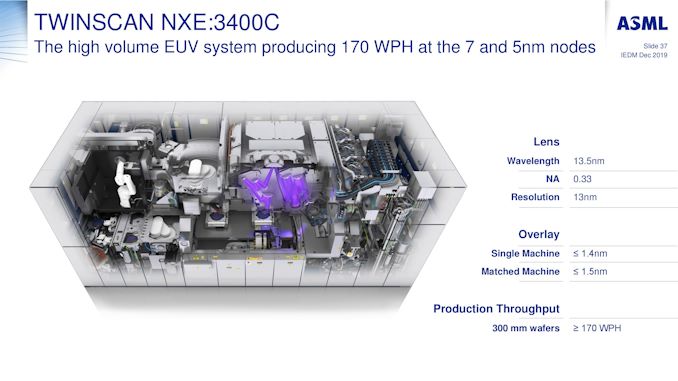
One of the interesting elements that came out of some of our discussions at the IEDM conference this year revolve around the present deployment of EUV. Currently only one company makes EUV tools, ASML, and the deployment of these to the various foundries that are on the leading edge has been a topic of some discussion here at the event, especially as we start talking about 7nm, 5nm, 3nm, and new generations of tools.


Source: AnandTech – EUV Wafers Processed and TwinScan Machine Uptime: A Quick Look

Macronix to Start Shipments of 3D NAND in 2020

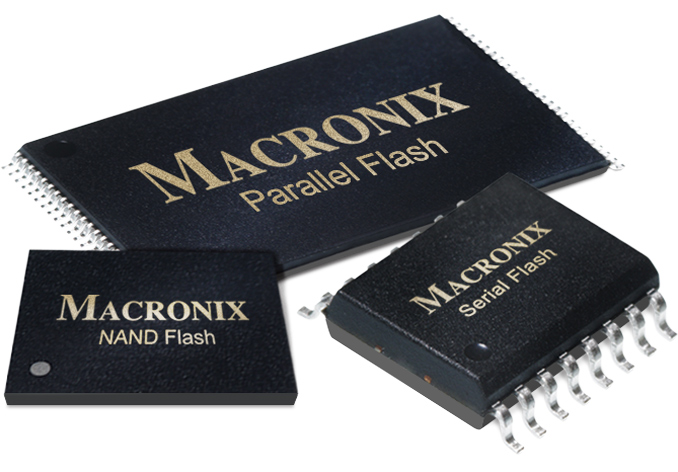
Macronix, a Taiwan-based manufacturer for special-purpose memory solutions, will start volume shipments of its own 3D NAND memory in the second half of next year. The company will become the first flash manufacturer in Taiwan to produce in-house designed 3D NAND.


Macronix will manufacture 48-layer 3D NAND memory in the second half of 2020, said Miin Wu, the chairman of the company, during a press conference dedicated to Macronix’s 30th anniversary. The company then plans to start shipments of 96-layer 3D NAND in 2021 and 192-layer 3D NAND in 2022. At present, the most advanced technology used by the firm to make NAND is its planar 19 nm technology that has been in use since February, 2019.


Macronix did not disclose the organization of its 3D NAND, but since the company typically produces memory for specialized devices such as defibrillators, drones, video game cartridges, and watches, they are likely aiming for longevity and reliability here. Which these days is a rather unique offering, since most commodity flash memory is focused first and foremost on density.


The first customer for this memory, in turn, will be Nintendo. Which is an interesting development, as it was widely reported in 2018 that Nintendo’s efforts to produce 64GB Switch game cards were delayed due to technical issues. To date, Nintendo still hasn’t shipped 64GB cards, so this may be the development Nintendo has been waiting for to finally make 64GB cards available.


In general, chairman of Macronix is optimistic about the demand for NAND and NOR flash memory going forward. According to Mr. Wu, a 5G base station requires 1 GB or 2 GB of high-density NOR and the company ships such memory to a wide variety of companies.


Related Reading:


Sources: DigiTimes, TaipeiTimes, Macronix


Source: AnandTech – Macronix to Start Shipments of 3D NAND in 2020

Microsoft Ends Support for Windows 10 Mobile

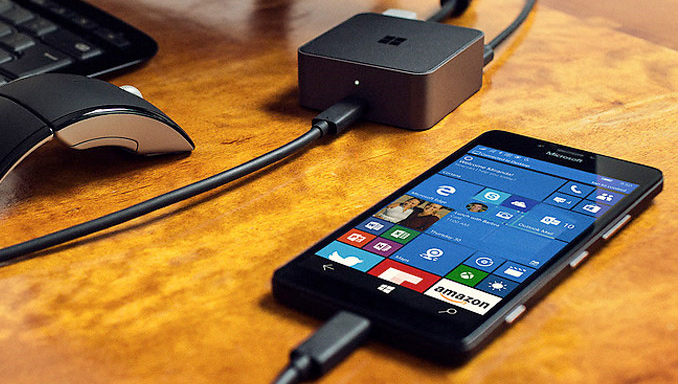
Microsoft this week has finally retired Windows 10 mobile, ending support for its smartphone OS. However, in a quirk of differing lifecycle policies, the software giant will continue to support its Office apps for Windows 10 Mobile a bit longer – Word, Excel, PowerPoint, OneNote will get support until early 2021.


This past Patch Tuesday, December 10th, was the final update that Microsoft will deliver for the Windows 10 Mobile. This means that going forward, the company will not be providing any further security updates, non-security hotfixes, free assisted support options, or free online technical content updates for the OS. This applies to smartphones/phablets produced by Microsoft (under the Nokia Lumia brand), whereas other devices may have a different lifecycle policy and continue to get certain kind of support.


Microsoft will continue to support its Office apps for Windows 10 Mobile till January 21, 2021, which includes availability of install packages, technical support for issues, security fixes, and bug fixes.


Microsoft launched its Windows 10 Mobile OS in 2015 to succeed the poorly adopted Windows Phone 8.1, which was only used by a handful of manufacturers. Designed to resemble Windows 10 for PCs, the new OS didn’t have much more success than its predecessor: the only well-known Windows 10 Mobile smartphones were Microsoft’s Nokia Lumia as well as HP’s Elite X3.


The software giant started to wind down its smartphone efforts in July, 2014, by laying off 12,500 former Nokia employees. In mid-2015, the company took an impairment charge of approximately $7.6 billion related to assets associated with the acquisition of the Nokia Devices and Services business, and fired another 7,800 former Nokia employees globally. In 2016, the company laid off nearly 2,000 people from its smartphone division and agreed to transfer another 4,500 to HMD Global. By late 2017, the company ceased development of its Windows 10 Mobile OS and essentially halted its efforts to build a competitive mobile platform.


Related Reading:


Sources: Microsoft, Microsoft, GSMArena


Source: AnandTech – Microsoft Ends Support for Windows 10 Mobile

Intel’s Manufacturing Roadmap from 2019 to 2029: Back Porting, 7nm, 5nm, 3nm, 2nm, and 1.4 nm

One of the interesting disclosures here at the IEEE International Electron Devices Meeting (IEDM) has been around new and upcoming process node technologies. Almost every session so far this week has covered 7nm, 5nm, and 3nm processes (as the industry calls them).  What we didn’t expect to see disclosed was an extended roadmap of Intel’s upcoming manufacturing processes.


Source: AnandTech – Intel’s Manufacturing Roadmap from 2019 to 2029: Back Porting, 7nm, 5nm, 3nm, 2nm, and 1.4 nm

Intel: Lakefield Today, Lakefield Refresh by Holiday 2020. Possible 5G on Foveros

At the IEEE International Electron Devices Meeting (IEDM) 2019, Intel had two package integration presentations, one on its Omni-Directional Interconnect and one on its 3D stacking Foveros technology. In the first talk, one of Intel’s engineers presenting at the conference said a rather curious thing that hasn’t been previously disclosed.


Source: AnandTech – Intel: Lakefield Today, Lakefield Refresh by Holiday 2020. Possible 5G on Foveros

Intel Announces RealSense LiDAR Depth Camera for Indoor Applications

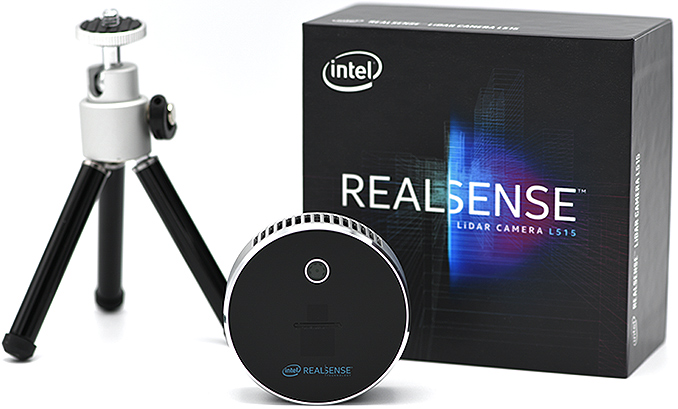
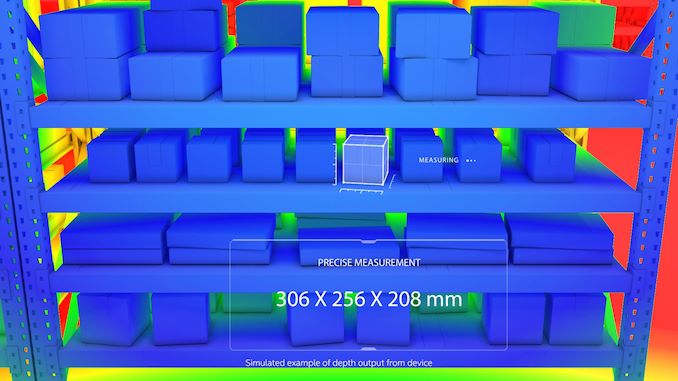
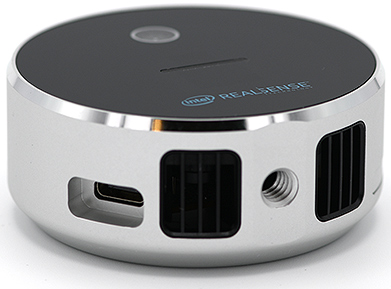
Intel has introduced the first member of its RealSense LiDAR family of depth cameras, the RealSense LiDAR L515. The sensor is primarily designed for indoor use, with Intel optimizing their to capture typical indoor ranges with a small, high accuarcy device.


Intel’s RealSense LiDAR L515 comes equipped with a 1920×1080@30Hz RGB sensor, a 1024×768@30Hz depth sensor, and the Bosch BMI085 inertial measurement unit (i.e., accelerometer and gyro). When it comes to physical capabilities, the RealSense LiDAR L515 has a range of 0.25 meters to 9 meters, a 70° ±3° × 43° ±2° RGB field-of-view as well as a 70°±2° × 55°±2° depth field-of-view. The LiDAR can scan a scene with up to 23 million points of depth data per second. Furthermore, the built-in vision processor can capture high paced scenes with minimal motion blur due to an exposure time of less than 100 ns and offloard appropriate processing from host saving battery life and improving performance.


The LiDAR L515 uses Intel’s proprietary MEMS mirror scanning technology that promises a better power efficiency than other time-of-flight technologies. In fact, Intel goes as far as claiming that at 3.5 W, its RealSense L515 is the most power efficient high-resolution LiDAR in the industry.


Intel’s RealSense LiDAR L515 measures 61 mm by 26 mm and weighs around 100 grams. The small dimensions and low weight make it possible to install the RealSense L515 into most devices that need to support navigation or gesture recognition. Furthermore, the LiDAR uses Intel’s open source Intel RealSense SDK 2.0, connecting back to its host via a USB 3.1 Type-C interface. The sensor is reportedly compatible with Android, Windows, macOS, and Linux, which makes it compatible with virtually all compute platforms available today.


Intel’s first RealSense LiDAR is currently available for pre-order directly from the company for $349.


Related Reading:


Source: Intel


Source: AnandTech – Intel Announces RealSense LiDAR Depth Camera for Indoor Applications

AOC Reveals Two 34-Inch Curved Gaming Monitors: Up to 144 Hz & FreeSync

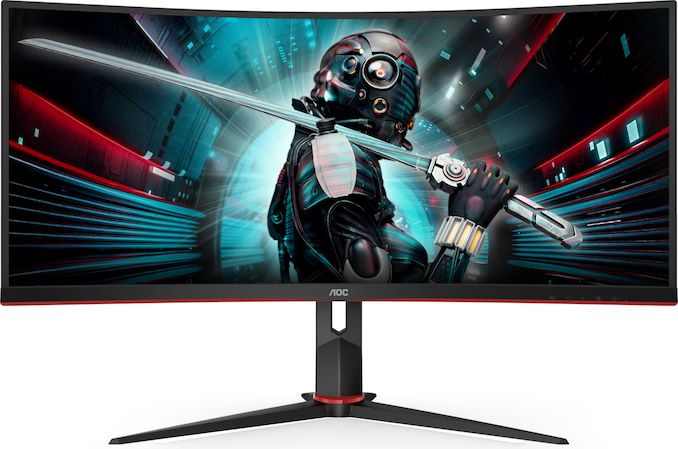
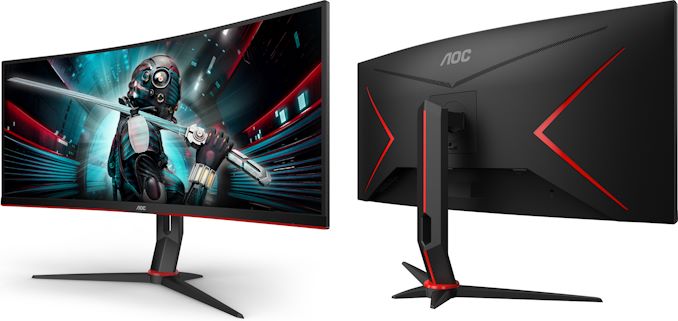
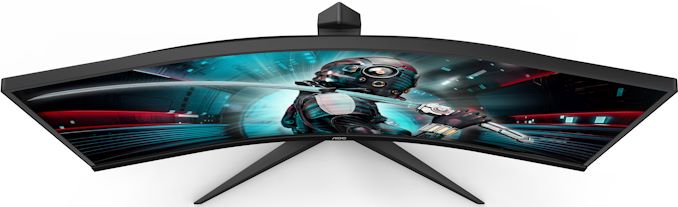
AOC has introduced a set of new ultra-wide curved monitors aimed at the mid-range gaming market.The new CU34G2 and CU34G2X monitors are based on 34-inch VA panels that feature an aggressive 1500R curvature as well as a 21:9 aspect ratio. The displays offer a 3440×1440 resolution, 300 nits max brightness, a 3000:1 contrast ratio, a 1 ms MPRT response time, and a 100 Hz or 144 Hz maximum refresh rate. The LCDs support AMD’s FreeSync technology with ranges between 30 Hz and 100 Hz/144 Hz for the G2 and G2X models, respectively.


To make overall gaming experience a bit more comfortable, AOC’s CU34G2 and CU34G2X monitors support Game Color mode that optimizes saturation for improved grey levels and image detail, as well as Dial Point crosshairs for easier aiming.


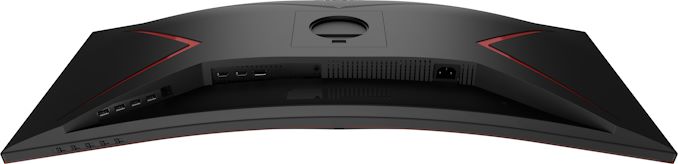
Typical for gaming monitors, AOC’s CU34G2 and CU34G2X feature multiple inputs to connect to multiple devices, offering one DisplayPort 1.2 input and as well as two HDMI 1.4/2.0 ports. In addition, the devices have a quad-port USB 3.0 hub and a headphone output. And, despite being aimed at the mid-range market, the new displays also feature an adjustable stand that can regulate height, tilt, and swivel.


AOC will start sales of its CU34G2 and CU34G2X monitors in the UK starting in January, 2020. The 100 Hz model will cost £399, whereas the 144 Hz SKU will be priced at £499. MSRPs for the US haven’t been announced, but judging from the UK prices they should land around $450 and $550, respectively.


AOC’s 34-Inch Curved Gaming Displays
  CU34G2 CU34G2X
Panel 34″ VA
Native Resolution 3440 × 1440
Brightness 300 cd/m² typical
Contrast 3000:1
Maximum Refresh Rate 100 Hz 144 Hz
Variable Refresh Rate AMD FreeSync

30 Hz ~ 100 Hz
AMD FreeSync

30 Hz ~ 144 Hz
Response Time 1 ms MPRT
Viewing Angles 178°/178° horizontal/vertical
Curvature 1500R
Pixel Pitch 0.233 mm
Pixel Density 110 ppi
Anti-Glare Coating ?  
Inputs 1 × DisplayPort 1.2

2 × HDMI 1.4
1 × DisplayPort 1.2

2 × HDMI 2.0
USB Hub 4-port USB 3.0 hub
Stand Swivel: 30° ±2° °

Tilt: 3.5° ±1.5° ~ 21.5° ±1.5° °

Height: 130mm
Audio headphone output
Launch Price £399 £499

Related Reading:


Source: AOC


Source: AnandTech – AOC Reveals Two 34-Inch Curved Gaming Monitors: Up to 144 Hz & FreeSync

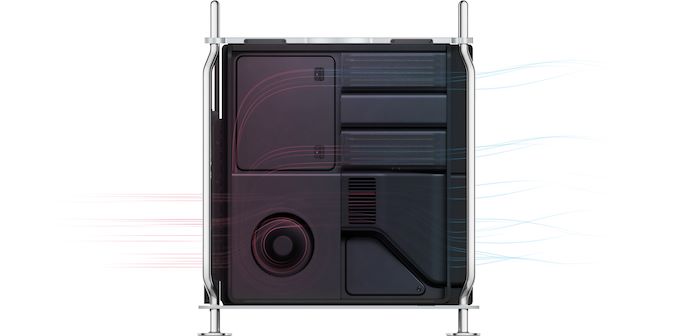
Apple’s 2019 Mac Pro Tower Now Available: From $5,999 to $53,000

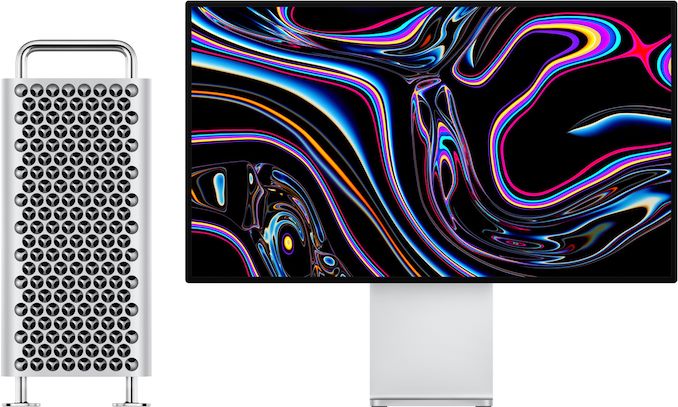
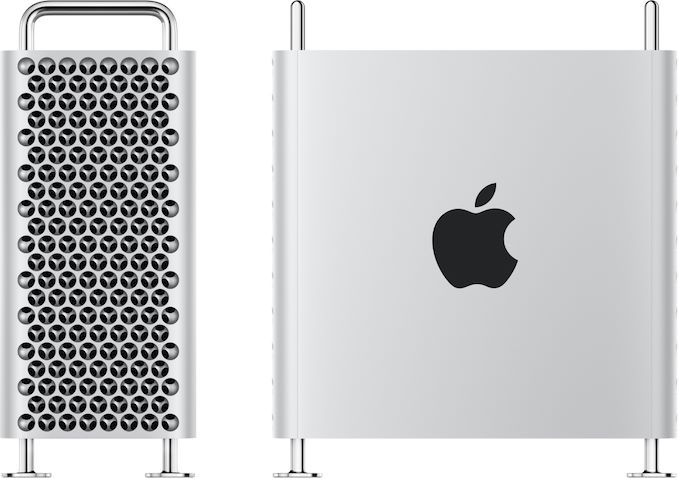
Apple on Tuesday started sales of its revamped Mac Pro workstation. The new Mac Pro brings Apple back to the forefront of expensive, high-performance workstations for the first time in years. The company also began sales of its new Pro Display XDR, the company’s first high-end monitor in a long time.


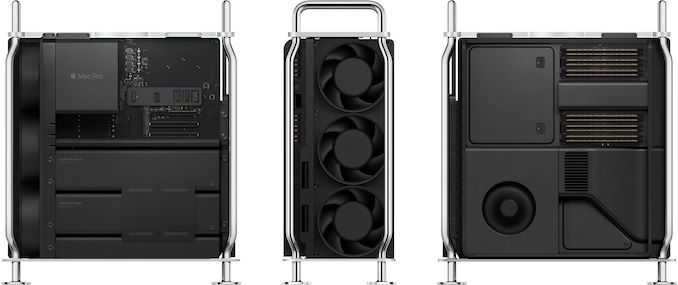
The Apple Mac Pro workstation are powered by Intel’s Xeon W processors, with options ranging from eight to 28 cores. Memory options similarly span a wide range, all the way from 32 GB to 1.5 TB of DDR4-2933 memory. Meanwhile the machine’s storage, which all solid-state and backed by Apple’s T2 controller, is available today from 256 GB to 4 TB, and Apple has already announced that an 8TB option is coming soon.


As for the graphics side of things, the Mac Pro starts with AMD’s Radeon Pro 580X. Upgrade options include the newer Radeon Pro W5700X – roughly equivalent to AMD’s recently launched Radeon Pro W5700 – and the top option is up to two AMD Radeon Pro Vega II Duo graphics cards in MPX form-factor. The latter offers a total of 16384 stream processors (4096 SPs per GPU), 128 GB of HBM2 memory (32 GB per GPU), and eight display outputs.


Since the Mac Pro machine is aimed at professionals from the movie and adjacent industries, they can be equipped with Apple’s Afterburner FPGA-based accelerator card. All told, the workstation has multiple PCIe 3.0 slots and a 1.4 kW PSU, so the new Mac Pro can be expanded quite significantly.


The base price of Apple’s new Mac Pro tower with an eight-core CPU is $5,999, but a system with maxed out specifications is priced at a whopping $53,247.98.


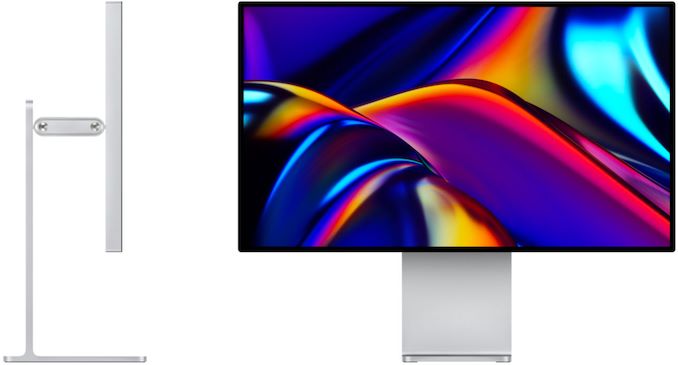
In addition to the new workstation, Apple also started to sell its exclusive 32-inch Pro Display XDR monitor. The (ed: breathtaking) display uses a 10-bit IPS panel and offers a 6016×3384 resolution, 1,000 nits – 1,600 nits brightness (sustained/peak), and a 1,000,000:1 contrast ratio because of Mini-LED backlighting. The standard model of the display costs $4,999, but an anti-reflective version with nano-texture glass carries a $5,999 MSRP. Infamously, the monitor doesn’t come with a stand or VESA mount adapter, and these have to be purchased separately for $999 and $199, respectively.


Related Reading:


Sources: Apple


Source: AnandTech – Apple’s 2019 Mac Pro Tower Now Available: From ,999 to ,000

Intel Launches Horse Ridge Chip for Quantum Computing Systems

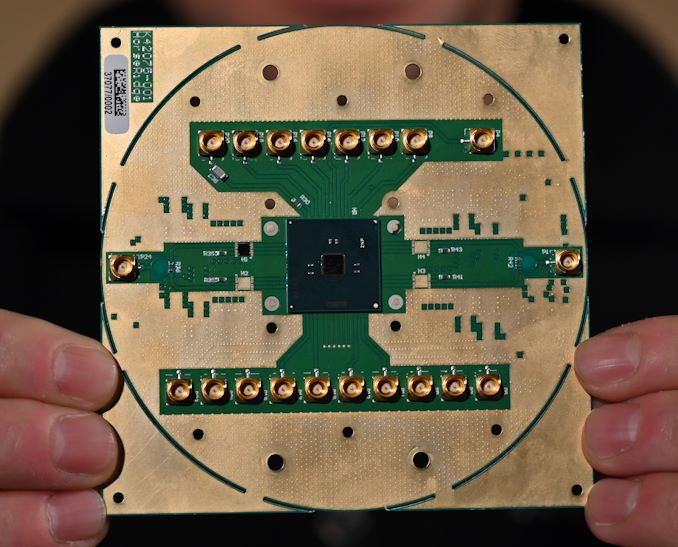
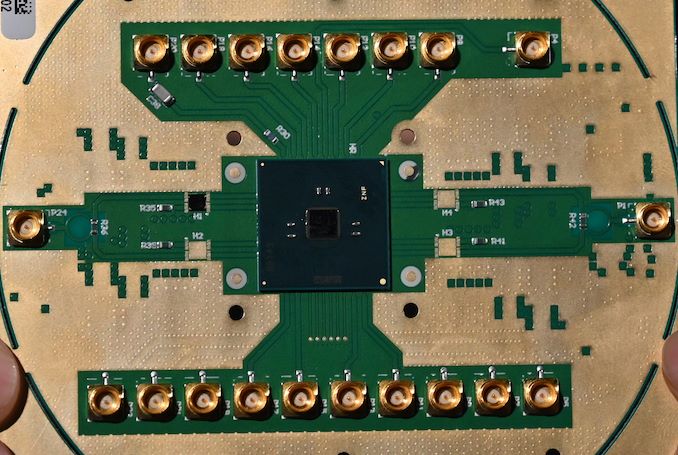
Intel Labs has introduced its new cryogenic control chip codenamed Horse Ridge that will speed up development of full-stack quantum computing systems. According to Intel, Horse Ridge will enable commercially viable quantum computers.


The Horse Ridge cryogenic control chip will control multiple quantum bits (qubits) at the same time, an essential capability required to build a large-scale commercial quantum system, according to Intel. The chipmaker has experimented with silicon spin qubit and superconducting qubit systems and believes that the major challenges for commercial-scale quantum computing are interconnects and control electronics, not production of qubits — compute elements that exist in multiple states simultaneously — themselves.


Today’s prototype quantum computers rely on existing electronics tools to link the quantum system inside the cryogenic refrigerator with contemporary computational devices that control qubit performance. Since every qubit is controlled individually, the extensive cabling limits ability to scale quantum computing systems to the hundreds or thousands of qubits to hit significant performance levels. The Horse Ridge SoC supports instructions that match to basic qubit operations and uses complex signal processing techniques to translate instructions into microwave pulses that manipulate states of qubits. As a result, one small chip can greatly simplify design of quantum computers.


Intel’s Horse Ridge chip was co-developed by Intel Labs and QuTech, a joint venture between TU Delft and TNO (Netherlands Organization for Applied Scientific Research). The device is made using Intel’s proven 22 nm FinFET process technology that has been around since 2012. The SoC can operate at cryogenic temperatures — approximately 4 Kelvin — slightly warmer than absolute zero.


Related Reading:


Source: Intel


Source: AnandTech – Intel Launches Horse Ridge Chip for Quantum Computing Systems

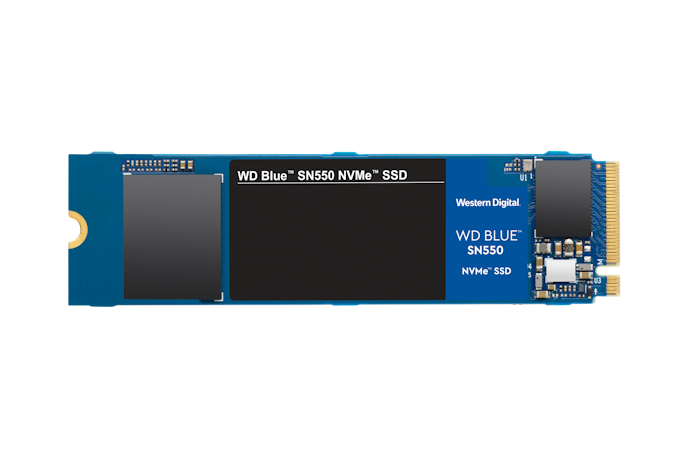
Western Digital Announces WD Blue SN550 SSD

Western Digital is refreshing their NVMe-based WD Blue product line, replacing the WD Blue SN500 with the new WD Blue SN550. The SN550 updates both the controller and NAND, providing higher performance and capacity than the SN500.


The SN500 was Western Digital’s first retail entry-level NVMe SSD, based on the OEM WD SN520. These drives use an in-house SSD controller based on the same architecture as the controller on their WD Black family (SN720/SN750), but with fewer channels, PCIe lanes and no external DRAM interface. The SN500 used the same PCB layout as the OEM SN520, which kept all the components within the first 30mm of the M.2 card, even though the SN500 is sold only as a M.2 2280 card rather than the variety of lengths the SN520 is available in.  


The SN500 impressed us with much better performance than we expected from a DRAMless NVMe SSD, and the power efficiency was also pretty good. The SN550 promises better performance enabled by a move up to four PCIe lanes, allowing sequential transfer speeds to now hit 2.4GB/s compared to 1.7GB/s for the SN500. That higher performance will drive power consumption up a bit, but considering that the SN500 rarely exceeds 2W, that’s not a big problem for the SN550. However, WD is giving the SN550 an “improved thermal design” that appears to consist of just moving the NAND flash package to the far end of the M.2 card rather than keeping it right next to the controller. Even though the SN550 adds a 1TB option that the SN500 lacked, it still uses only one NAND flash package. That means that at least the 1TB model has to be using Western Digital’s 512Gb TLC NAND dies.


WD Blue SN550 SSD Specifications
Capacity 250 GB 500 GB 1 TB
Form Factor M.2 2280 PCIe 3.0 x4
Controller WD in-house
DRAM None
NAND Flash Western Digital/SanDisk 96L 3D TLC
Sequential Read 2400 MB/s 2400 MB/s 2400 MB/s
Sequential Write 950 MB/s 1750 MB/s 1950 MB/s
Random Read 170k IOPS 300k IOPS 410k IOPS
Random Write 135k IOPS 240k IOPS 405k IOPS
Warranty 5 years
Write Endurance 150 TB

0.3 DWPD
300 TB

0.3 DWPD
600 TB

0.3 DWPD
MSRP $54.99 $64.99 $99.99

The WD Blue SN550 comes with the usual 5-year, 0.3 DWPD warranty, which is as good as can be expected for an entry-level drive. The initial MSRPs are on the high side, so these drives won’t be reasonable purchases until prices come down a bit.


Source: AnandTech – Western Digital Announces WD Blue SN550 SSD

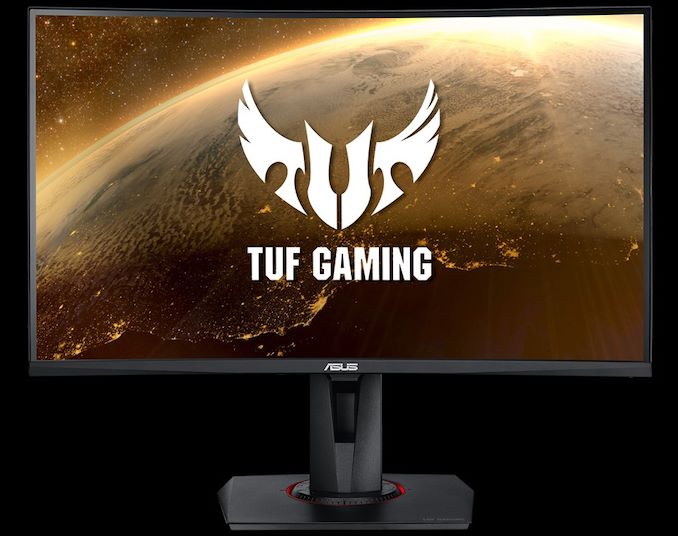
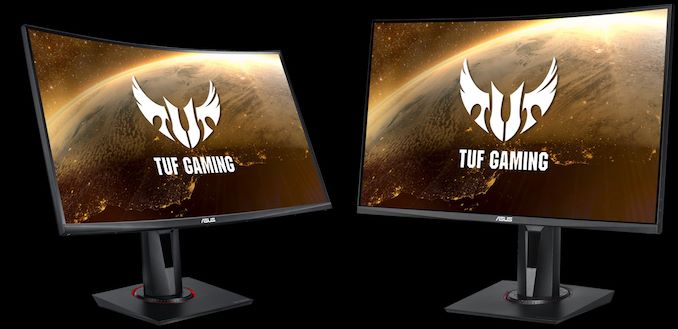
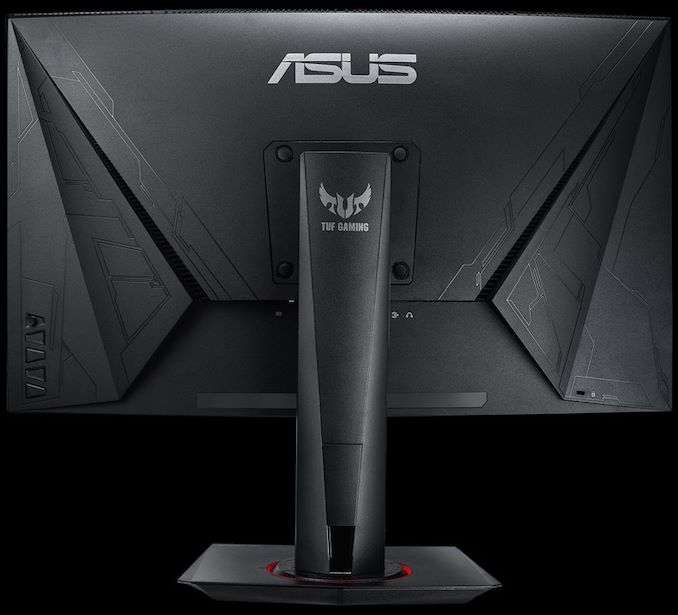
Faster & TUFer Gaming: The ASUS VG27WQ 27-Inch 165Hz Curved Monitor w/ FreeSync

ASUS has introduced a new 27-inch curved display for its TUF Gaming brand of mainstream gaming monitors. The ASUS TUF VG27WQ is based on a 2560×1440 resolution curved VA panel featuring a relatively tight 1.5-meter radius (1500R) curvature, and offers 400 nits peak luminance, a 3000:1 contrast ratio, a 1 ms MPRT response time, and a maximum refresh rate of 165 Hz. Overall, TUF Gaming VG27WQ monitor is not focused on any particular feature (e.g., its maximum refresh rate), but rather ASUS is focusing on offering a combination of features in a resonably priced display.


This combination looks quite competitive. The monitor supports AMD’s FreeSync variable refresh rate technology with a very decent range between 48 Hz and 165 Hz. Furthermore, the display supports ASUS’s extreme low motion blur (ELMB) technology that promises to make fast-paced scenes look sharper. Last but not least, the monitor is DisplayHDR 400 certified, so it does support HDR10 transport (and a wider-than-sRGB color gamut) though its peak brightness is not really sufficient for a good HDR experience.


Like the rest gaming monitors from ASUS, the TUF VG27WQ supports GameVisual presets for different game genres (Scenery/Racing/Cinema/RTS/RPG/FPS/sRGB Modes/MOBA Mode) as well as GamePlus overlay enhancements designed to assist gamers (Crosshair/Timer/FPS Counter) in various situations.


Connectivity wise, the monitor has a DisplayPort 1.2 input, an HDMI 2.0 port, and a headphone output, which is good enough for PC gamers. The display is also equipped with two 2W speakers. As for ergonomics, the TUF VG27WQ comes with a stand that can adjust its height, tilt, and swivel. Alternatively, the monitor has VESA 100mm×100mm mounting holes.


The ASUS TUF VG27WQ Monitor
  TUF Gaming VG27WQ
Panel 27″ VA
Native Resolution 2560 × 1440

(16:9)
Refresh Rate 165 Hz OC
Dynamic Refresh Rate Technology AMD FreeSync
Range DP: 48 Hz – 165 Hz

HDMI 48 Hz – 144 Hz
Response Time 1 ms MPRT
Brightness 400 cd/m²
Contrast 3000:1
Color Gamut 120% sRGB
Viewing Angles 178°/178° horizontal/vertical
Curvature 1500R
Inputs 1 × DisplayPort 1.2

1 × HDMI 2.0
USB Hub
Audio 2 W speakers
Proprietary Enhancements GamePlus: Crosshair/Timer/FPS Counter/Display Alignment


GameVisual: Scenery/Racing/Cinema/RTS/RPG/FPS/sRGB Modes/MOBA Mode


GameFast Input

Stand Height 120 mm
Tilt +25° ~ -5°
Swivel +90° ~ -90°
Power Consumption Idle 0.5 W
Typical ?
Maximum 22 W
MSRP ?

Specifications of the ASUS TUF Gaming VG27WQ are already on the manufacturer’s website, though we do not know when the product is set to hit the market or at what price.


Related Reading:


Source: ASUS (via Hermitage Akihabara)


Source: AnandTech – Faster & TUFer Gaming: The ASUS VG27WQ 27-Inch 165Hz Curved Monitor w/ FreeSync

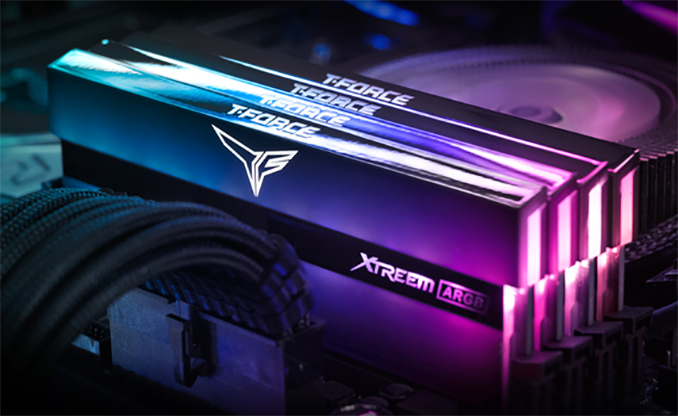
Team Group’s T-Force Xtreem ARGB Memory: Up to DDR4-4800, ‘Mirror Design’

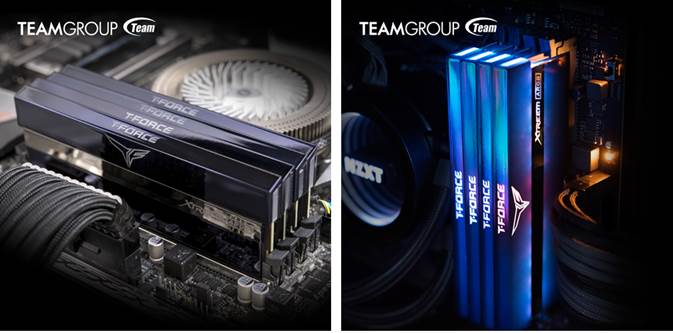
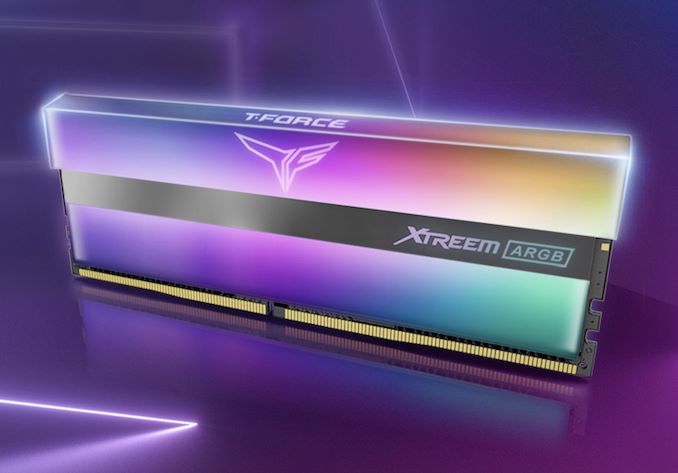
With even “extreme” clockspeed DDR4 modules bordering on being commodity hardware these days, DRAM module manufacturers are increasingly using design as one of the primary ways to attract attention to their DIMMs. Fittingly, Team Group this week introduced its new T-Force Xtreem ARGB Gaming Memory series, which offers data rates up to 4800 Mbps while using mirror finished heat spreaders to give the DIMMs some rather unique luminous lighting effects.


Set to be available with speed bins from DDR4-3200 all the way up to DDR4-4800 (the fastest mode ever announced by the manufacturer to date), Team Group’s Xtreem ARGB DDR4 Gaming Memory modules are based on the company’s proprietary PCB with integrated traces for RGB LEDs as well as cherry-picked memory chips. The DIMMs support XMP 2.0 SPD profiles for easier setting of correct data rates and latencies as well as are certified to work both with AMD and Intel platforms.


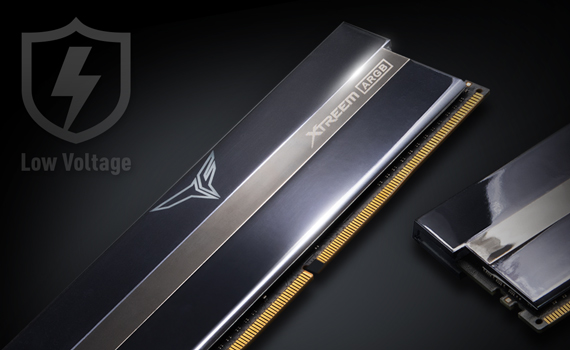
The key feature of Team Group’s Xtreem ARGB memory modules is their heat spreaders with their exclusive illumination effect. Like virtually all enthusiast-grade DIMMs these days, the modules are equipped with aluminum heat spreaders, but these parts have a mirror-like surface that reflects the light emitted by the addressable RGB LEDs inside their lightbar on top. As a result, the whole surface of the the module is illuminated.


Team Group’s T-Force Xtreem ARGB Dual-Channel Memory Kits
Speed Bin Capacity Timings Voltage PN MSRP
DDR4-3200 16 GB

(2×8 GB)
CL14-14-18-34 1.35 V 765441649330 ?
CL16-18-18-38 765441649347 ?
DDR4-3600 CL14-15-15-35 1.45 V 765441649354 ?
CL18-22-22-42 1.35 V 765441649361 ?
DDR4-4000 CL18-22-22-42 765441649378 ?

Team Group’s website already lists a few different Xtreem ARGB SKUs, including dual-channel 16 GB kits that are rated for DDR4-3200 CL14/CL16, DDR4-3600 CL14/CL18, and DDR4-4000 CL18. So expect these products to be available shortly. Higher-performing SKUs will hit the market a bit later.


Related Reading:


Source: Team Group


Source: AnandTech – Team Group’s T-Force Xtreem ARGB Memory: Up to DDR4-4800, ‘Mirror Design’

Intel Un-Discontinues Pentium G3420 ‘Haswell’ CPU

As spotted by ComputerBase.de, in a rare event, Intel has canceled its plan to EOL one of its low-end Haswell-generation processors, resuming processor shipments for the foreseeable future. Curiously, the change in plans comes less than two weeks after Intel first began the process of discontinuing the processor. And while Intel does not publish their the detailed rationale behind their decisions in their product change notifications, given the company’s ongoing low-end CPU shortage, it’s fair to say that Intel needs all of the low-end CPUs it can get at the moment.


The processor in question is Intel’s Pentium G3420, which offers two Haswell architecture CPU cores (no HyperThreading) running at 3.20 GHz, as well as the company’s HD integrated graphics. The 22nm chip is compatible with the widely available LGA1151 infrastructure that supports 53 W CPUs. As a part of Intel’s Haswell family, the chip was originally meant to be used inside low-end desktops, and it has also found its way into devices such as NAS boxes.


Keeping in mind that most embedded versions of Haswell CPUs have been EOLed, this one could be an answer to demand from that market. Alternatively, ComputerBase believes that the change in plans is a stop-gap for Intel, so that they have some kind of low-end Core-based Pentium processor to offer OEMs who are currently being starved of suitable Skylake chips.


The statement from Intel reads as follows:


This revision supersedes the prior EOL notice and is intended to inform customers that they do not need to do anything more on their end for last orders and should plan on this product being available as usual. Please disregard the notice of the product End of Life as shared in prior communications and note that this product will continue to be available for orders as usual. Intel is not pursuing EOL of this product at this time.


Related Reading:


Sources: Intel, ComputerBase


Source: AnandTech – Intel Un-Discontinues Pentium G3420 ‘Haswell’ CPU

The Cougar Helor 240-360 CPU Liquid Cooler Review: A Top Tier Start In CPU Cooling

Today we are taking a look at Cougar’s colorful entry into the liquid cooling market, the Helor all-in-one CPU liquid coolers. With the new coolers that are boasting top tier performance and feature a bold design with innovative RGB lighting features, Cougar is hoping to grab a slice of the growing and lucrative market for advanced CPU coolers.


Source: AnandTech – The Cougar Helor 240-360 CPU Liquid Cooler Review: A Top Tier Start In CPU Cooling

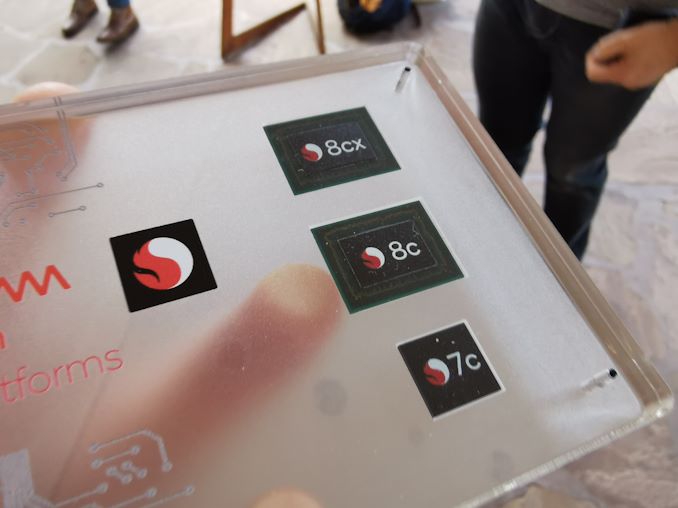
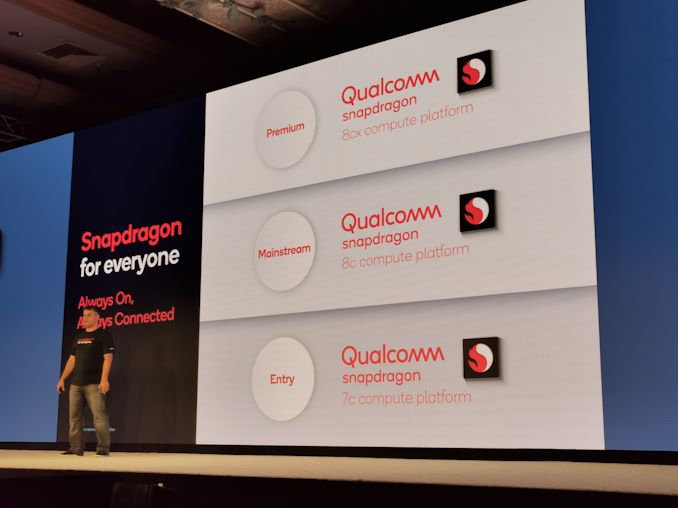
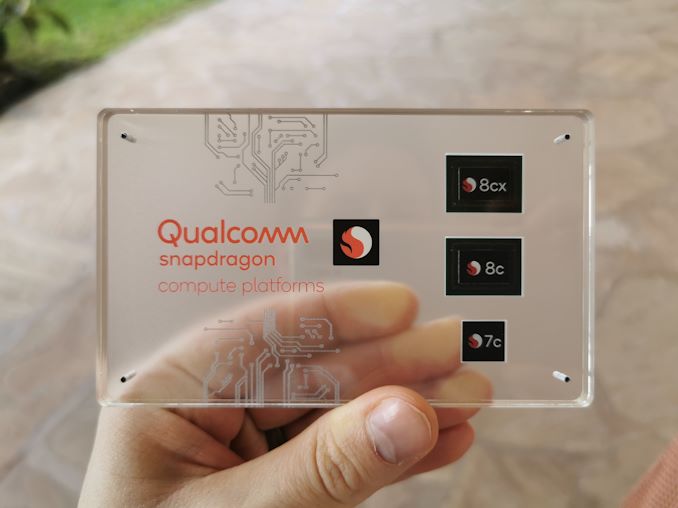
Qualcomm Windows on Snapdragon: New 7c & 8c SoCs for sub-$800 Laptops

Last year Qualcomm introduced its flagship Snapdragon 8cx platform for premium always-connected PCs (ACPCs) that packed the best technologies that the company had to offer at the time. Being a no-compromise solution, the Snapdragon 8cx was not meant for every ACPC out there, so this week the company expanded the lineup of its SoCs for laptops with the Snapdragon 7c for entry-level machines and the Snapdragon 8c for mainstream always-connected notebooks.


Qualcomm aimed its Snapdragon 8cx primarily at flagship devices ACPCs and therefore maxed out its performance and capabilities, as well as offering the ability to add a 5G modem inside. To day the SoC has won only three designs: the Lenovo 5G laptop (which is yet to ship), the Microsoft Surface Pro X (which uses a semi-custom version called SQ1), and the Samsung Galaxy Book S — all of which are going to cost well over $1000.


In a bid to address more affordable machines, Qualcomm will roll-out its slightly cheaper Snapdragon 8c SoC that is the same silicon as the 8cx, but will feature a tad lower performance. The 7c by comparison is a new chip that will also have a smartphone counterpart, and is aimed at sub-$400 devices, according to analyst Patrick Moorehead. Qualcomm even stated that the 7c is going to target Chromebook equivalents, if not ChromeOS itself.


Qualcomm Snapdragon Flagship SoCs 2019-2020
SoC Snapdragon 8cx Snapdragon 8c Snapdragon 7c
CPU 4x Kryo 495 Gold

4x Kryo 495 Silver

Up to 2.84 GHz
4x Kryo 490 Gold

4x Kryo 490 Silver

Up to 2.45 GHz
8x Kryo 468

Up to 2.40 GHz
GPU Adreno 680 Adreno 675 Adreno 618
DSP / NPU Hexagon 690 Hexagon 690 Hexagon ?
AI Perf Combined 7 TOPs 6 TOPs 5 TOPs
Memory

Controller
8x 16-bit CH

LPDDR4X-4266

63.58 GB/s
4x 16-bit CH

LPDDR4X-4266

31.79 GB/s
2 x 16-bit CH

LPDDR4-4266

15.90 GB/s
ISP/Camera Dual 14-bit Spectra 390 ISP

1x 32MP or 2x 16MP
14-bit Spectra 255

1x 32MP or 2x 16MP
Decode

Encode
4K120 10-bit H.265

720p480

HDR Support
4Kp60

?

HDR Support
Wi-Fi Wi-Fi 5 Wi-Fi 6
Integrated Modem Snapdragon X24 LTE

(Category 20)


DL = 2000 Mbps

7x20MHz CA, 256-QAM, 4×4


UL = 316 Mbps

3x20MHz CA, 256-QAM

Snapdragon X15 LTE

(Category 15/13)


DL: 800 Mbps

3x20MHz CA, 256-QAM, 4×4


UL: 150 Mbps

2x20MHz CA, 64-QAM

External Modem Snapdragon X55

(LTE Category 24/22)

DL = 2500 Mbps

7x20MHz CA, 1024-QAM

UL = 316 Mbps

3x20MHz CA, 256-QAM


(5G NR Sub-6 + mmWave)

DL = 7000 Mbps

UL = 3000 Mbps

Mfc. Process TSMC

7nm (N7)
7nm Samsung

8nm

The 8c is the same chip as the 8cx, but clocked slightly lower. The 7c by contrast is built on Samsung’s 8nm process, and will mirror the specifications of a mid-range mobile chip in 2020. We were told that the 7c chip isn’t exactly ready yet, although other press were told that demos that were supposedly on 7c devices in our briefing were actually running 7c silicon.


The 8c, being an 8cx variant, can be paired with Qualcomm’s X55 modem to enable 5G connectivity, although it will be up to the OEM in order to determine if the device will have both Sub 6 GHz and mmWave support.


Devices featuring the 8c and 7c should come to market in 2020.


Alex Katouzian, senior vice president and general manager of mobile at Qualcomm Technologies, said the following:


“The mobile-first consumer wants an experience on par with a smartphone, and we have the innovation, the inventions and the technology to enable this experience for customers across price points.”


Related Reading


Source: Qualcomm


Source: AnandTech – Qualcomm Windows on Snapdragon: New 7c & 8c SoCs for sub-0 Laptops

HP’s Envy x360 13 Wood Edition w/ AMD Ryzen Now Available

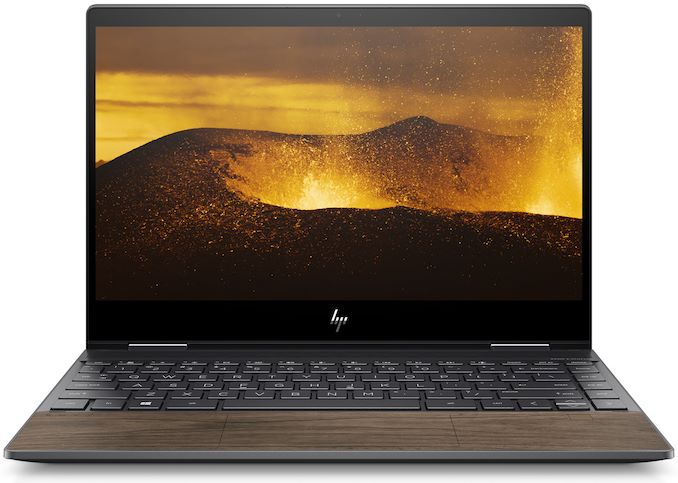
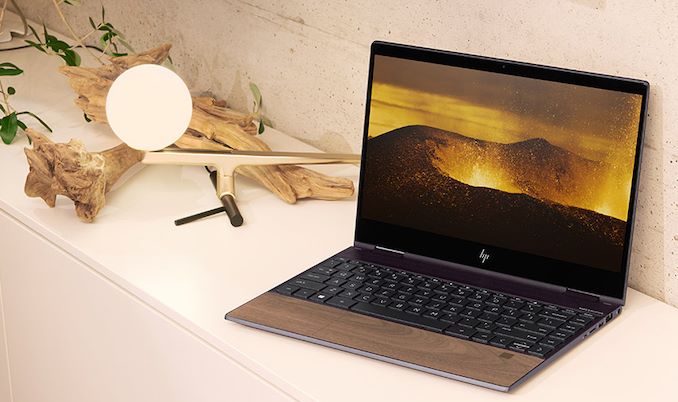
For those more discerning laptop users out there who are on the market for a more exotic laptop design, HP has started sales of its Envy x360 13 Wood Edition convertibles. Featuring a wooden palm rest, the AMD’s Ryzen Mobile 3000-powered laptops are otherwise mainstream-focused laptops aiming for a good balance between size and power, but with some more eye-catching aesthetics. For now, what’s arguably the most stylish AMD Ryzen-powered hybrid PCs are only available in Japan, but it is likely that they will start emerging in the US shortly.
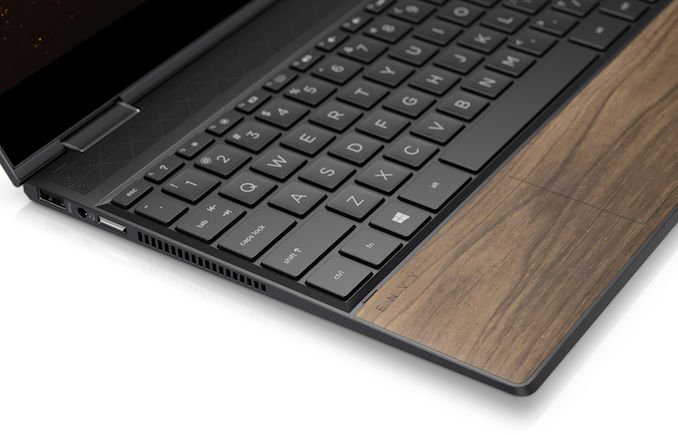


HP’s Envy x360 13 Wood Edition machines come in a sleek metallic chassis with a Nightfall Black or Natural Walnut wooden palm rest. The convertibles are 14.5 mm ~ 16 mm thick and weigh 1.28 kilograms, which makes them the sleekest hybrid notebooks powered by AMD’s Ryzen Mobile APUs to date. The Envy x360 13 Wood Edition convertible laptops feature the company’s signature hinges (tested for 32,000 open/close cycles) as well as house a 13.3-inch Full-HD touchscreen display with thin bezels on three sides.
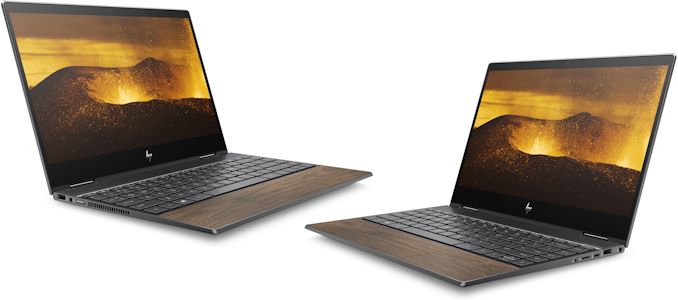


Depending on exact model, Envy x360 13 Wood Edition convertible laptops are based on the AMD Ryzen Mobile 3000 APUs (up to Ryzen 7 3700U) that are paired with 8 GB or 16 GB of DDR4 memory, as well as a 256 GB or 512 GB M.2 SSD with a PCIe 3.0 x4 interface.
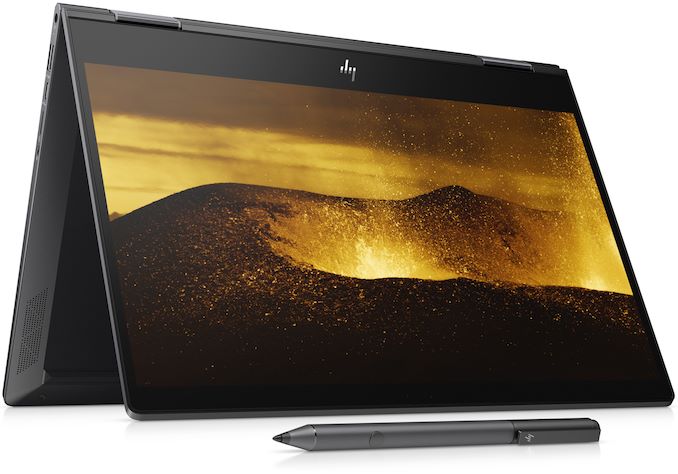


As far as I/O is concerned, the convertible Envy x360 13 Wood Edition comes equipped with Wi-Fi 5, Bluetooth 4.2, one USB 3.0 Type-C port, two USB 2.0/3.0 Type-A ports, and a 3.5-mm jack for headsets. Traditional for modern Envy laptops, the hybrid Envy x360 13 Wood Edition features a fingerprint reader compatible with Windows Hello, a webcam that can be physically disabled using a switch, four speakers co-designed with Bang & Olufsen, and a microphone array.
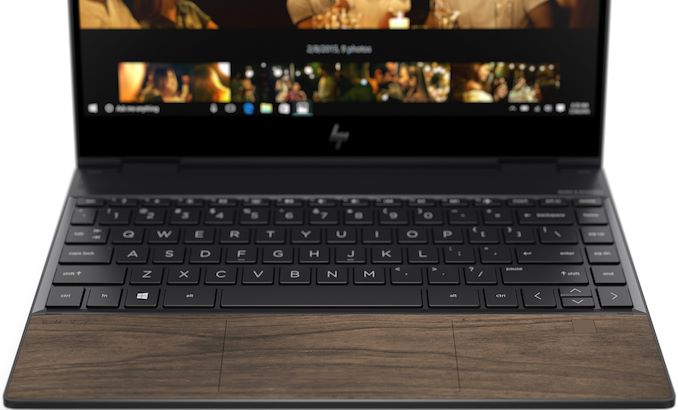


When it comes to battery life, HP promises that the Envy x360 13 Wood Edition is rated to work for up to 14.5 hours, though HP isn’t disclosing the actual battery capacity. Though as things stand, an over 14-hours battery life would make the the hybrid notebooks some of the longest lasting AMD Ryzen-based machines around.


HP’s Envy x360 13 Wood Edition with AMD Ryzen

Japanese Models
  Basic Standard Standard

Plus
Performance
Display 13.3-inch 1920×1080
CPU AMD Ryzen 3 3300U

4C/4T

6 MB

2.1 – 3.5 GHz

15 W
AMD Ryzen 5 3500U

4C/8T

6 MB

2.1 – 3.7 GHz

15 W
AMD Ryzen 7 3700U 4C/8T

6 MB,

2.3 – 4.0 GHz

15 W
Graphics Radeon Vega 6

384 SPs at 1.2 GHz
Radeon Vega 8

512 SPs at 1.2 GHz
Radeon RX Vega 10

640 SPs at 1.4 GHz
RAM 8 GB DDR4 16 GB DDR4
SSD 256 GB PCIe SSD 512 GB PCIe SSD
Wi-Fi Wi-Fi 5 (802.11ac)
Bluetooth Bluetooth 4.2
USB 2 × USB 3.0 Type-A

1 × USB 3.0 Type-C
GbE
Card Reader
Other I/O microphone, four Bang & Olufsen speakers, audio jack
Battery up to 14.5 hours
Dimensions Width: 306 mm

Depth: 212 mm

Thickness: 14.5 mm – 16 mm
Weight 1.28 kilograms
Additional Information Link
Price

(w/o tax)
¥92,800

~$855
¥99,800

~$920
¥104,800

~$965
¥124,800

~$1,150

Depending on exact model, HP’s Envy x360 13 Wood Edition convertible laptops are priced between ¥92,800 ($855) and ¥124,800 ($1,150) without taxes. As an added bonus, HP bundles its new hybrid notebooks with a 16 GB USB flash drive from Hacoa that is also made of wood. These drives are produced in Japan, so they may not be bundled with the said PCs in other countries.


Related Reading:


Sources: HP, PC Watch


Source: AnandTech – HP’s Envy x360 13 Wood Edition w/ AMD Ryzen Now Available