
Discussion of
a memory-management patch set intended to clean up a helper function for
handling huge pages spiraled into something else entirely after it was posted on March 19.
Memory-management maintainer Andrew Morton
proposed making changes to the subsystem’s review process, to require
patch authors to respond to feedback from Sashiko,
the
recently released LLM-based kernel patch review system. Other
sub-maintainers, particularly Lorenzo Stoakes, objected. The
resulting discussion about how and when to adopt Sashiko is potentially relevant
to many other parts of the kernel.
Monthly Archives: March 2026
AI is Open Source’s Big Moment. Is it Ready?
When models can audit firmware and legacy binaries at scale, hiding vulnerabilities stops working. Open, patchable code becomes a core security requirement.
NVIDIA DLSS 4.5 Tested: The Real-World Impact Of Dynamic Multi-Frame Generation
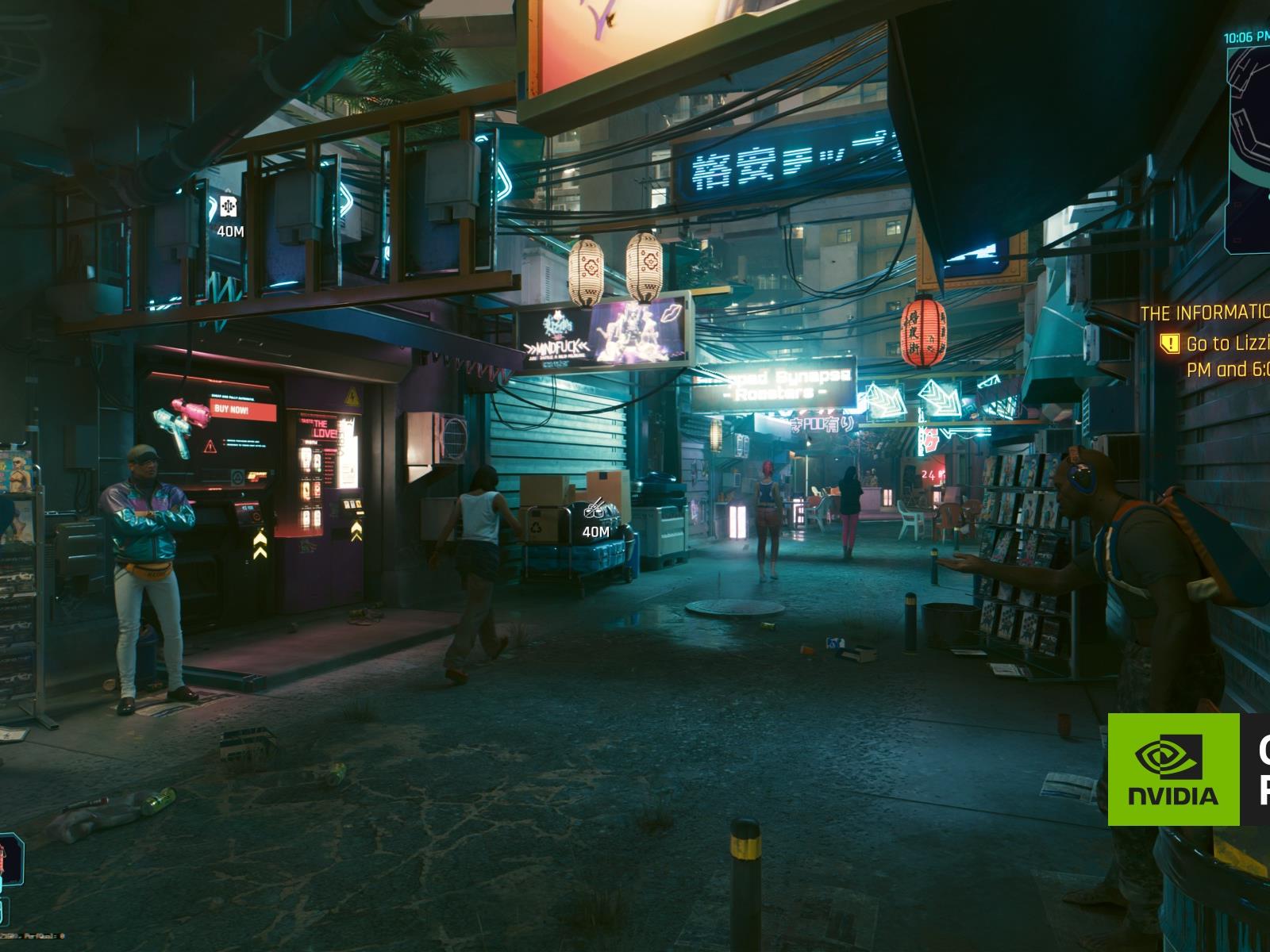
Way back at CES 2026, NVIDIA promised major updates to DLSS. No, we’re not talking about the recently revealed and roundly controversial DLSS 5; rather, we’re talking about the final revisions to DLSS 4.5. We already covered the new models for Super Resolution; DLSS Super Resolution presets L and M offer incredibly high-quality upscaling at
Google Maps Now Plans EV Trips And Charging Stops On Android Auto

Driving season is beginning to kick into gear in the US now that it’s springtime, and an even busier summer season is right around the corner. While traveling can be fun, the stress of finding where to charge up an electric vehicle (EV) when driving longer distances can cause some anxiety. Fortunately, Google is looking to make longer trips
Amazon Big Spring Sale: Best Deals On Fire TV, Echo, Blink & More

Amazon is hosting its Big Spring Sale with explosive savings on hardware that, incidentally, coincides with what NASA has declared the start of the 2026 fireball season. What do the two events have in common? Not much, though the bargains include deals on Blink security cameras that could catch a streaking meteorite, which you could then play
A Lot Of Rust Graphics Driver Changes For Linux 7.1, NVIDIA Nova Driver Additions
Sent out yesterday were the DRM Rust feature changes for DRM-Next ahead of the Linux 7.1 merge window coming in April. The Rust graphics/display driver code for Linux 7.1 includes more programming language abstractions and other Rust infrastructure work to make graphics drivers written in Rust more capable…
NASA Declares Start Of 2026 Fireball Season As Meteor Activity Intensifies

Heads up sky-gazers, fireball season is upon us! That’s according to NASA, which notes that we’re now in peak fireball season, a time period that typically runs from February through April. During that time, exceptionally bright meteor sightings can increase by 10-30%, especially around the March equinox. That date has already come and gone,
[$] Objections to systemd age-attestation changes go overboard
In early March, Dylan M. Taylor submitted a pull request to add a field
to store a user’s birth date in systemd’s JSON user records. This was done to allow
applications to store the date to facilitate compliance with age-attestation and
-verification laws. It was to be expected that some members of the community would
object; the actual response, however, has been shockingly hostile. Some of this has
been fueled by a misinformation campaign that has targeted the systemd project and
Taylor specifically, resulting in Taylor being doxxed and receiving death
threats. Such behavior is not just problematic; it is also deeply misguided given the
actual nature of the changes.
Intel Panther Lake & Linux AI/LLM Debates Dominated Q1 For Linux Users
With Q1 wrapping up, here is a look back at the most popular news and reviews for the quarter that excited Linux readers the most. During this quarter on Phoronix were 881 original news articles thus far and 61 featured Linux hardware reviews / multi-page benchmark articles…
PNY Scores Points With Gamers After Replacing Dead RTX 5070 With A 5070 Ti
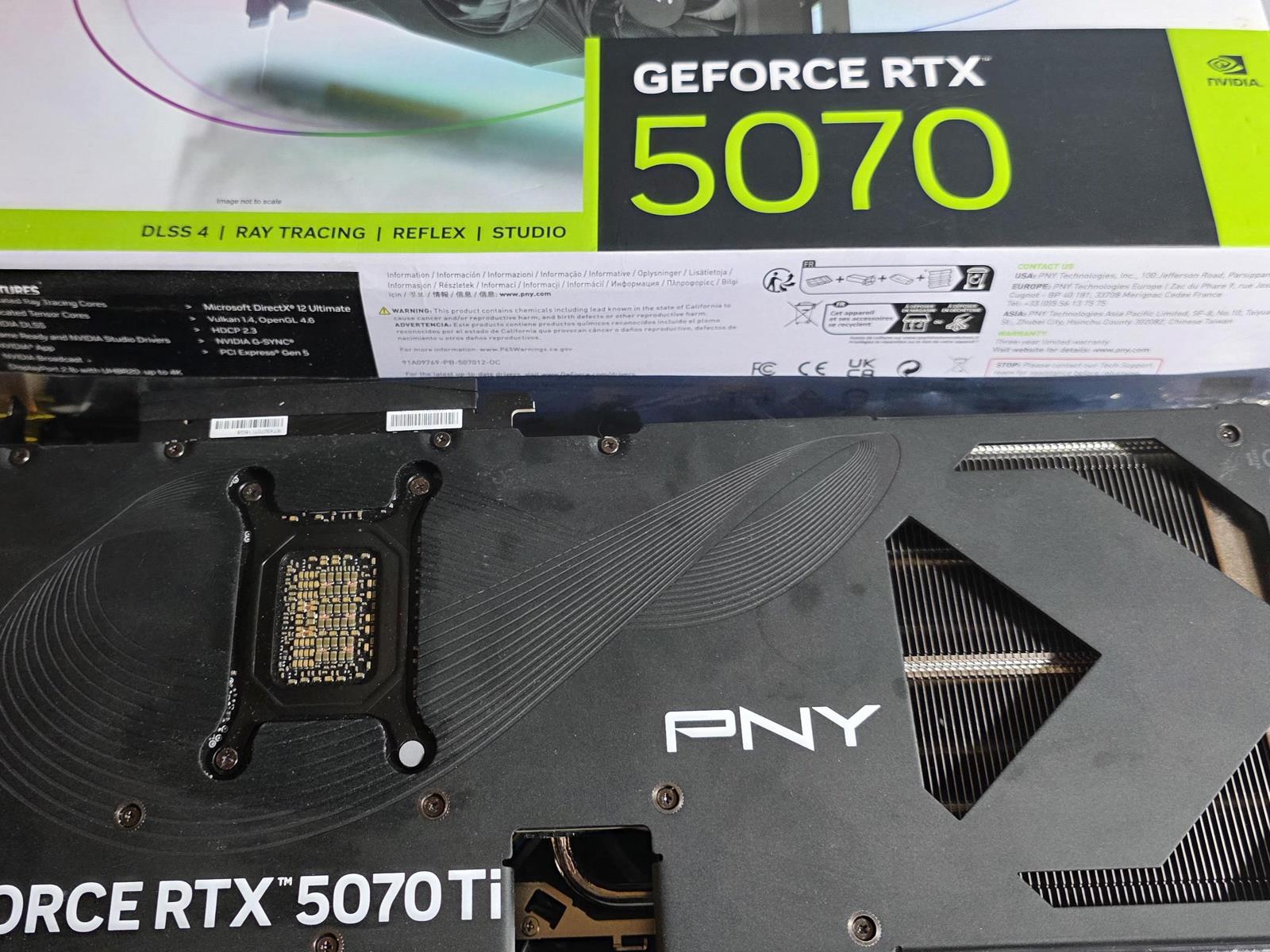
More often than not, if an RMA makes the news cycle, it’s because something went horribly wrong. Sometimes those wrongs are corrected, like when ASUS revamped its return policy, but wouldn’t it be nice if a company got it right on the first try? Enter PNY and a surprise GPU upgrade it sent a user who owned a GeForce RTX 5070 that “died completely.”
Stunning Look 795 Blade RS Ciel du Nord honours Laurent Jalabert’s 1992 Tour de France win in Brussels
There’s a photo that hangs in Look’s HQ of Laurent Jalabert winning stage six of the 1992 Tour de France. It’s the colours in this shot that have inspired the paintwork of the new Ciel du Nord special edition of the Look 795 Blade RS, which the company has launched in a limited run of 167 bikes, matching the length in kilometres of the stage.
The stage marked Jalabert’s first Tour win and took in the Kwaremont, Kreusberg, Muur van Geraardsbergen and other cobbled climbs in Belgium used in the spring classics, and was marked by rain and thunderstorms.
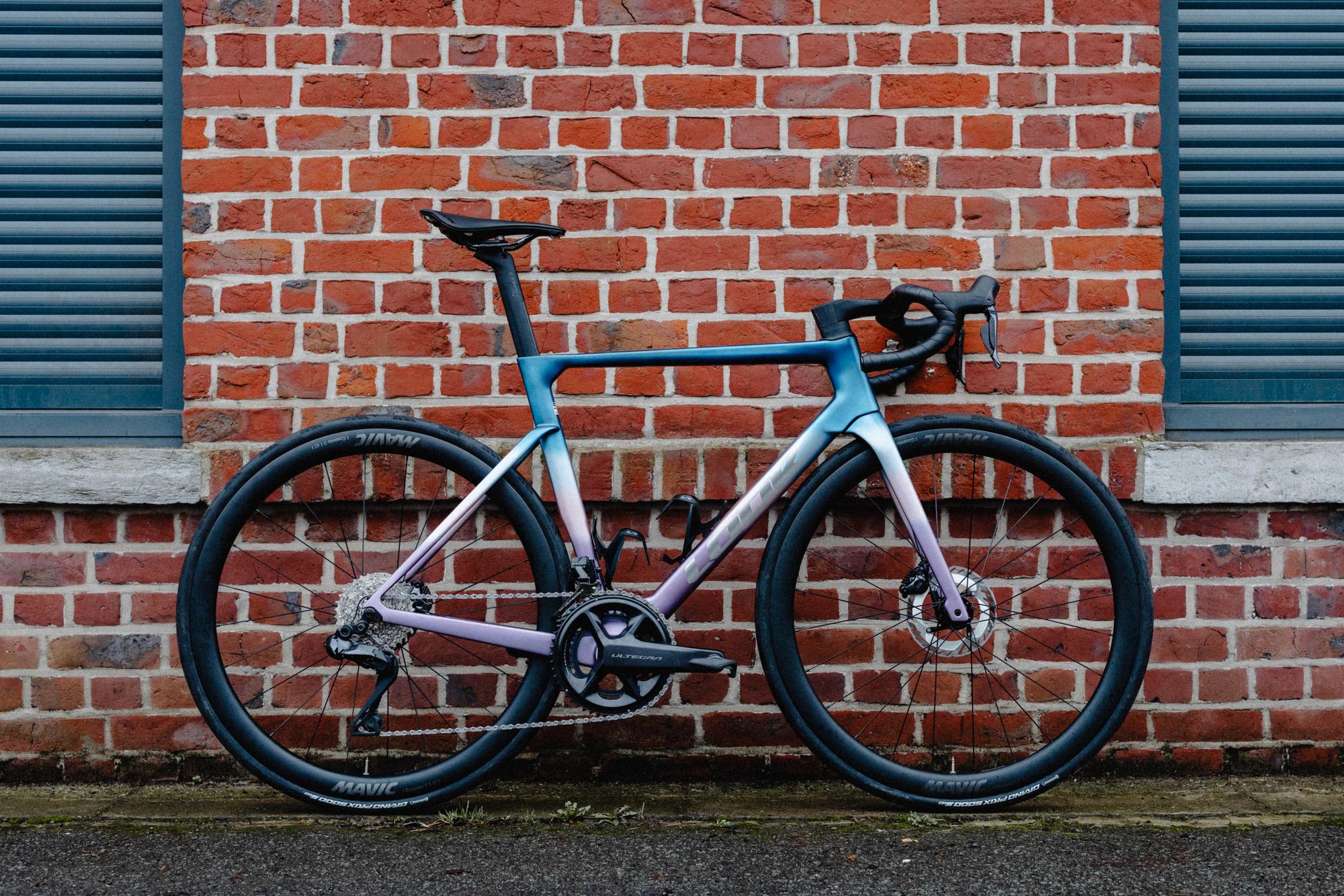
Look describes the colour scheme as “an ode to the red bricks, the unforgiving cobbles, and the unique atmosphere that makes the North the heart of the cycling world”. Each Ciel du Nord frame is hand-painted in Nevers, central France, making it a one-off, Look says.
Rather than kitting the bike out with a fancy spec, as is typical for limited-edition bikes, the 795 Blade RS Ciel du Nord has a mid-range spec. Look says this is because the north of France is very much an industrial area, with a history of coal mining and heavy industry, so it’s one of the poorer areas of France.

There’s a Shimano Ultegra 52/36t x 11-34t electronic groupset and Mavic Cosmic S42 Carbon wheels with Continental GP 5000 TLR 28mm tyres, along with Look’s own finishing kit. Look claims a 7.6kg bike weight.
To round out the special edition, each bike comes with a set of Look Keo Blade Ceramic pedals, with its blades matching the bike, a Ciel du Nord jigsaw puzzle and a matching tote bag.
You can purchase the complete Look 795 Blade RS Ciel du Nord bike for £7,290 / €7,690 / $10,700 or the frameset for £4,800 / €4,800 / $6,000.
3 top deals from Lidl’s cycling sale, including a budget torque wrench
Lidl’s middle aisle sales can turn a weekly shop into the birth of a new hobby. That stand mixer is just too good a deal to not start baking, and I have really meant to take up weight training – and why wouldn’t I when that kettle bell is just so cheap?
But flights of fancy aside, occasionally Lidl’s bargains offer an affordable way to aid an existing pastime. So that’s why, here at BikeRadar, our attention has turned to the discount supermarket’s current selection of cycling deals from its in-house cycling brand Crivit (which also provides team Lidl-Trek with off-bike clothing).
We’ll admit that much of what’s on offer (Lidl has full details of the range on its site) doesn’t set our heart racing, but there are three deals that might be worth your time.
Crivit Torque Wrench

If you’re serious about bike maintenance, a torque wrench is essential. Torquing bolts on your bike with this specialist tool can prevent you over-tightening and ruining bearings or carbon components.
The best torque wrenches can cost in excess of £100. But if you’re keen to try out a cheap option before you invest a lot of money, the Crivit Torque Wrench could be for you at £14.99.
The wrench comes in a case with nine sockets, including options for hex and torx bolts.
It is covered by a three-year warranty.
- Buy now: Lidl Crivit Torque Wrench
Crivit Cordless Compressed Air Pump
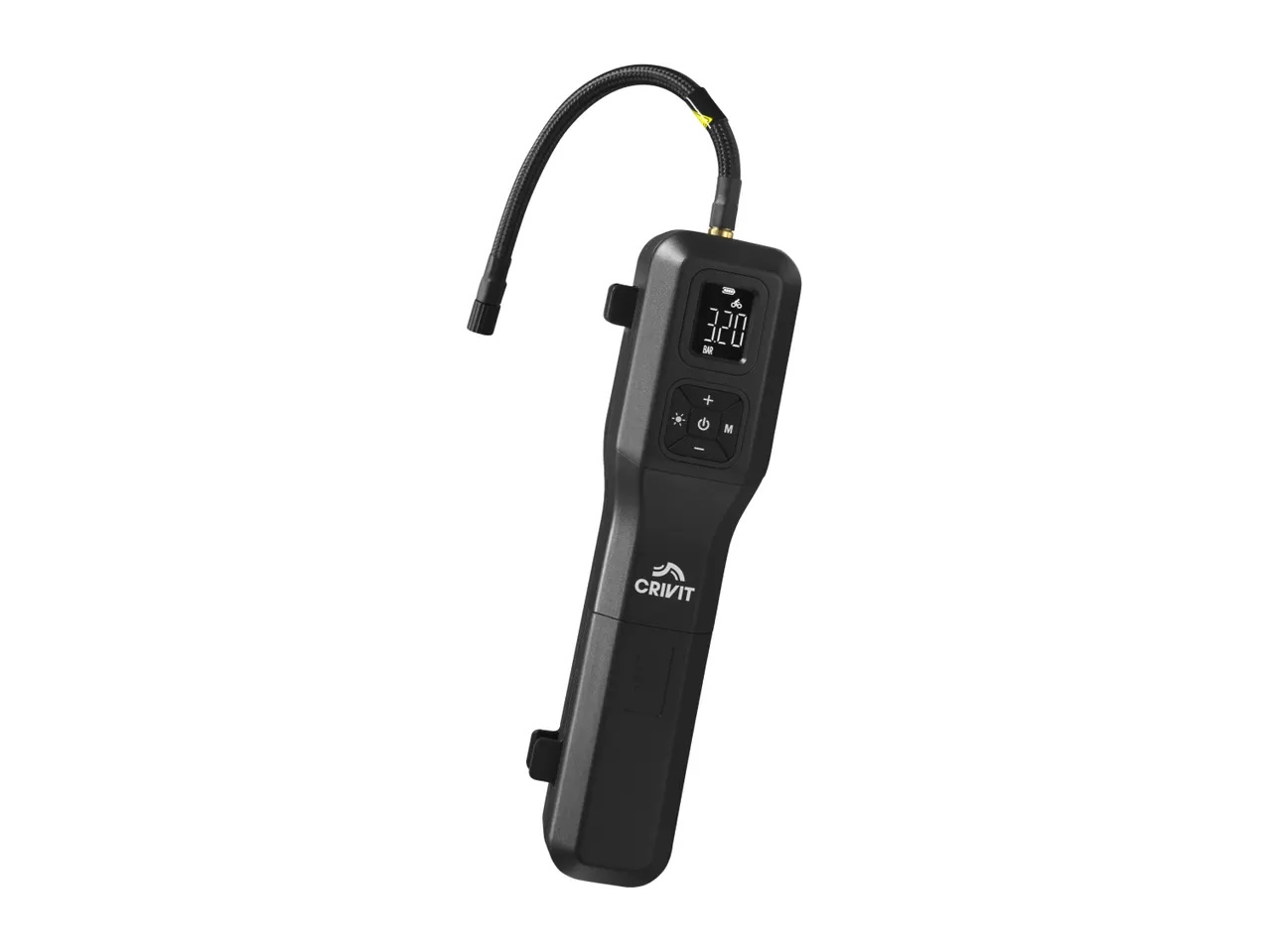
Although they’re not quite as integral as torque wrenches, electric bike pumps have grown in popularity because they make pumping up tyres easy-peasy.
The Crivit Cordless Compressed Air Pump is another budget alternative from Lidl. The pump has an electronic display, which provides information on tyre pressure and its battery status. It comes with preset air pressures for cars, motorbikes, basketballs and bikes. The preset for bikes is roughly 60psi.
The device charges via USB-C and has a fabric-coated pump tube.
It’ll also set you back £14.99.
- Buy now: Lidl Crivit Compressed Air Pump
Crivit Brake Cleaner
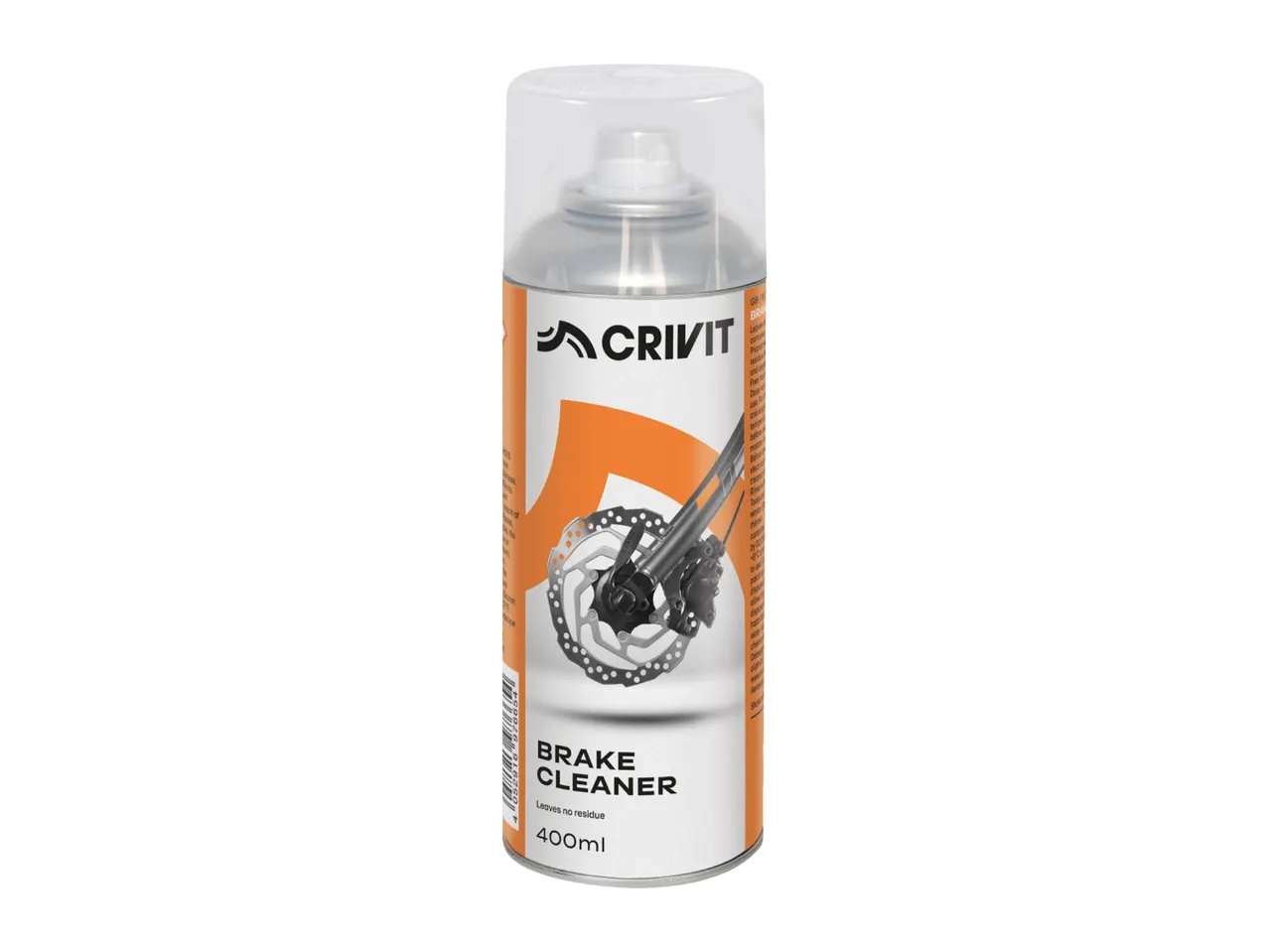
Contaminated disc brakes can lead to horrible howling sounds and significantly increase your stopping distance. In short, they’re a nuisance. But so too is forking out money for the – often expensive – products you need to clean them.
But Lidl’s cycling sale seems to have the solution. The supermarket is selling 400ml of brake cleaner for only £2.49.
- Buy now: Lidl Crivit Brake Cleaner
You may like
GIMP 3.2.2 Released with Various Improvements and UI/UX Updates
GIMP 3.2.2 open-source image editor is now available for download with various improvements, bug fixes, and UI/UX updates.
All About the New Princeton Carbonworks Wake 6560 White Wheels in Zwift
Princeton Carbonworks has arrived in Zwift, with three wheelsets released to the game: the Alta 3532, the Wake 6560 White, and the Mach TSV2/Blur Disc. Today, we’re looking at the Wake 6560, the company’s popular flagship racing wheelset, known for aero performance and light weight.
A bit of trivia: the “Wake” name is a nod to the collegiate rowing roots of Princeton Carbonworks’ founders.
Here’s how these wheels (the Wake 6560 Evolution II) are described: “The 6th iteration of the Wake series and the largest step change in performance they’ve made yet. Faster. Lighter. Stiffer.”
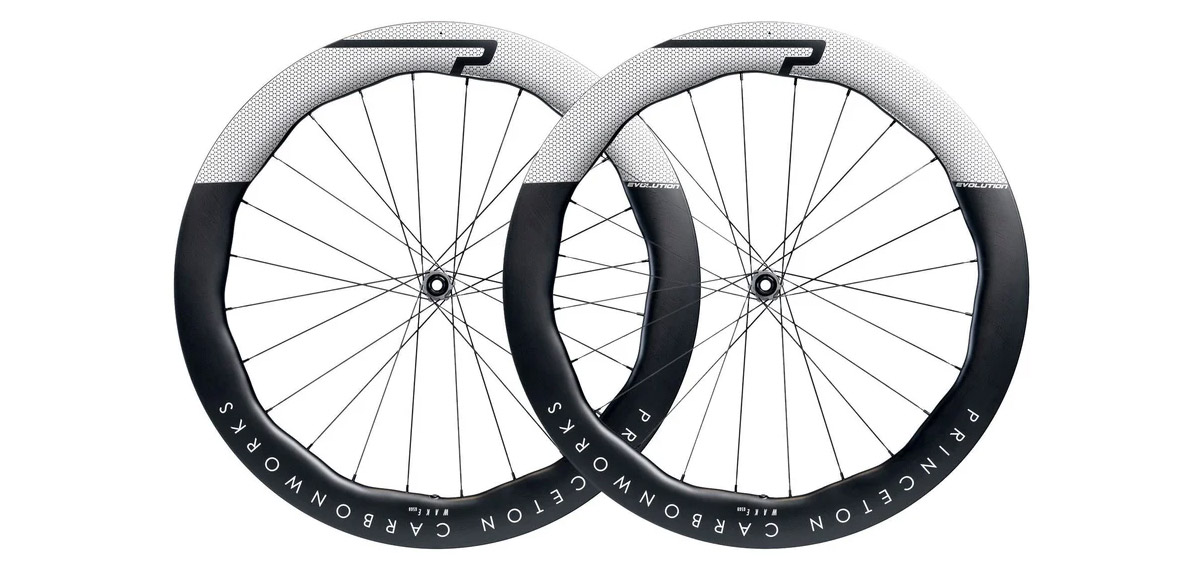
The wheels are now available in the Drop Shop, accessible at level 32 and above, for 685,000 Drops. Notably, they are rated 4 stars for aero and 4 for weight, the only wheelset in game with such a high rating, apart from the newish ENVE SES 4.5 PRO. Since Zwift’s 4-star rating system isn’t precise enough for our taste, we ran these wheels through our standard battery of tests to determine exactly how they perform in Zwift and stack up against other wheelsets in game.
Let’s dive in and learn all about the performance of this wheelset from Princeton Carbonworks…
Aero (Flat/Rolling) Performance
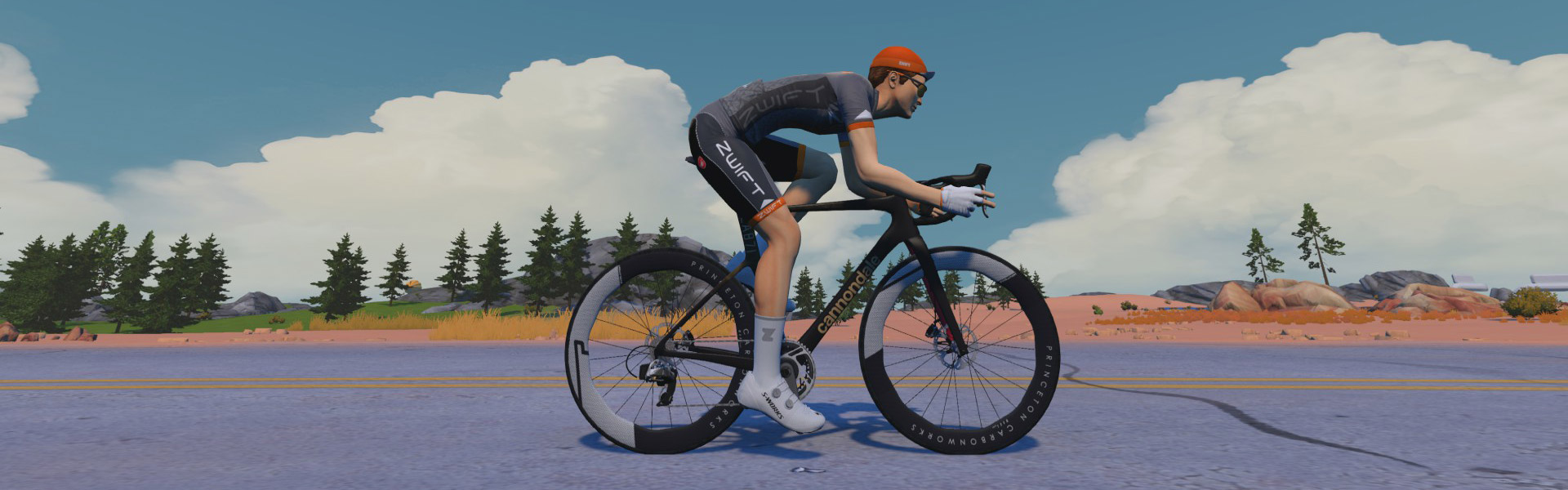
Princeton’s Wake 6560 wheels deliver impressive aero performance, edging out the ENVE SES 4.5 PRO but falling just behind the most aero hoops in game: the ENVE SES 8.9, DT Swiss ARC 1100 DICUT 65, and ENVE SES 7.8.
As the 4th-fastest wheels in game, the Wake 6560 lose 4.4 seconds across an hour of riding compared to the ENVE SES 8.9. They lose 10.2 seconds across an hour compared to the fastest disc wheelset in game, the DT Swiss ARC 1100 DICUT 85/Disc.
Climb Performance

You would think such a deep wheelset wouldn’t climb well, but this is 2026, and wheelmakers are working miracles. With a claimed 1250-gram wheelset weight, the Wake 6560 is a bit lighter than the ENVE SES 4.5 PRO, and it shows in Zwift.
Princeton’s Wake 6560 wheels gain 12.3 seconds over our baseline wheels in an hour of climbing, beating the current top climbers (Zipp 353 NSW and Lightweight Meilenstein) by 2.5 seconds, and beating the ENVE SES 4.5 PRO by 2.9 seconds. How’s that for an all-arounder performance?
Note: all test results above are from a 75kg, 183cm rider holding 300W steady using the Zwift Carbon frame.
Conclusions
The Wake 6560 wheels from Princeton are Zwift’s new top all-arounders, edging out the ENVE SES 4.5 PRO in both our flat and climb tests and, in fact, outclimbing all the best dedicated climbing wheels in the game, apart from the new Princeton Alta 3532 hoops!
If you’re looking for a wheelset to use in races with significant climbs, this is the best one available in Zwift today.
These wheels have been, or will soon be, added to the following posts:
- Master Zwift Wheels List
- Zwift Speed Tests: Wheel Ranking Charts
- Fastest Climbing Bike Frames and Wheels at Each Zwift Level
- Zwift Shopping Guide: What To Buy from the Drop Shop at Each Level
- Zwift Speed Tests Public Data (Google Sheet) (added)
Questions or comments?
Share below!
Important note: this post contains speed test results for Zwift frames or wheels. These results may change over time, and a bike’s performance relative to others may also change. We don’t always revise posts when performance rankings change, but we do keep current, master versions of our speed test results which are always available. See the frame charts, wheel charts, and Tron vs Top Performers for current performance data.
Rec Room Is Shutting Down In June
The social gaming platform grew to 150 million users over the last decade. Despite this, the developers claim the platform never reached sustained profitability.
Rec Room originally launched in 2016 as a VR-only platform for the HTC Vive on SteamVR, with teleport-only locomotion. Later that year it came to the Oculus Rift with Touch controllers, then the original PSVR the year after. By 2018 it had shifted focus to flatscreen, launching on PC and PlayStation, and in subsequent years it came to iOS, Xbox, Android, and Nintendo Switch. As of 2026, the vast majority of Rec Room’s playerbase is non-VR.
In a blog post on Rec Room’s official website, the company broke the news that it will be closing its doors on June 1, 2026. The post goes on to say “despite this popularity, we never quite figured out how to make Rec Room a sustainably profitable business. Our costs always ended up overwhelming the revenue we brought in.”
“We spent a long time trying to find a way to make the numbers work. But with the recent shift in the VR market, along with broader headwinds in gaming, the path to profitability has gotten tough enough that we’ve made the difficult decision to shut things down.”
Rec Room has been showing signs of struggle in the last year, going so far as to lay off fifty percent of its staff after a failed expansion of its user generated tools to consoles and mobile became too much for the team to handle. In that blog post, Rec Room admitted that the bulk of its “most impactful creation comes almost entirely from creators on PC and VR”. That fifty percent staff reduction was the second round of layoffs in 2025 after a sixteen percent reduction in March.
Rec Room Halves Staff After ‘Pushing A Giant Vision We Couldn’t Realistically Deliver’
Rec Room’s co-founders said they let go roughly half the team today.
 UploadVRIan Hamilton
The post details how the Rec Room team will wind down its services. I’ll quote the full list here:
- You can no longer create new accounts
- You can no longer add someone as a friend
- You can no longer sign up for Rec Room+ (RR+)
- If you have an active RR+ membership, that membership is extended to June 1st.
- We have removed the RR+ requirement from Partnered Creator. Anyone with sufficient tokens can choose to cash them out.
- New registrations for Partnered Creator will be halted on May 1st.
- You will no longer receive token rewards (e.g., at the end of an RRO)
- You can no longer create new monetized UGC content, including:
- Room inventory items and offers
- Room keys, consumables, and currencies
- Avatar items (in-game and Avatar Studio)
- The Room Rewards program has ended. March Room Rewards will be paid out in early April.
- You can no longer purchase or receive new Roomie Energy
Additionally, all first party content in the Rec Room store will be discounted eighty percent. Starting in May, users will no longer be able to purchase or redeem gift cards for tokens. Creators will no longer be able to earn tokens after May 18. All tokens can be spent until June 1 when servers will go offline permanently.
You can read the full blog here, which also details the specifics of what happens to prepaid RR+ memberships and instructions for creators on how to download their content.
The Integrated ROCm Story For Ubuntu 26.04 Still Playing Out
Ubuntu 26.04 LTS is just three weeks out for release with many great features in tow from the GNOME 50 desktop to the very leading-edge Linux 7.0 kernel and many other package updates. One feature that many had been looking forward to is Canonical’s plans to ship AMD ROCm directly in the Ubuntu archive for a much cleaner experience for those wanting to make use of AMD’s open-source GPU compute stack. As a common question in recent weeks from readers, it remains to be seen if that milestone will be achieved for the Ubuntu 26.04 launch day…
The Next LVFS Actions Begin Tomorrow To Encourage More Hardware Vendors To Step Up
Last year the Linux Vendor Firmware Service (LVFS) announced plans for major vendors to pay or contribute code to this project that makes it easy for deploying new system and device firmware on Linux systems. They are asking those with less than 99 employees to contribute $10k USD annually or those larger organizations to contribute $100k USD annually or to be employing engineer(s) to work full-time on LVFS/Fwupd. Beginning tomorrow the next phase of their transition to encourage vendors to support the open-source project goes into effect…
MediaTek MT7927 “Filogic 380” WiFi Support Coming Together For Linux
In addition to the MediaTek MT7902 WiFI Linux support emerging in recent months, the Linux support for the MediaTek MT7927 is also coming together for WiFi 7 and Bluetooth 5.4 support for the upstream Linux kernel…
The Quoc Gran Tourer is one of my favourite gravel shoes and the new version could be even better
Quoc’s original Gran Tourer launched back in 2018 and was one of the first dedicated gravel shoes on the market.
The stylish lace-up upper and chunky walkable sole gave a different outlook from the co-opted mountain bike cross-country shoes that dominated gravel footwear.
Now Quoc has launched the third generation of the Gran Tourer. The Tech Dial closure has been updated to use metal core laces, with Quoc claiming this brings better durability and finer adjustment mid-ride because the lace now has no stretch.
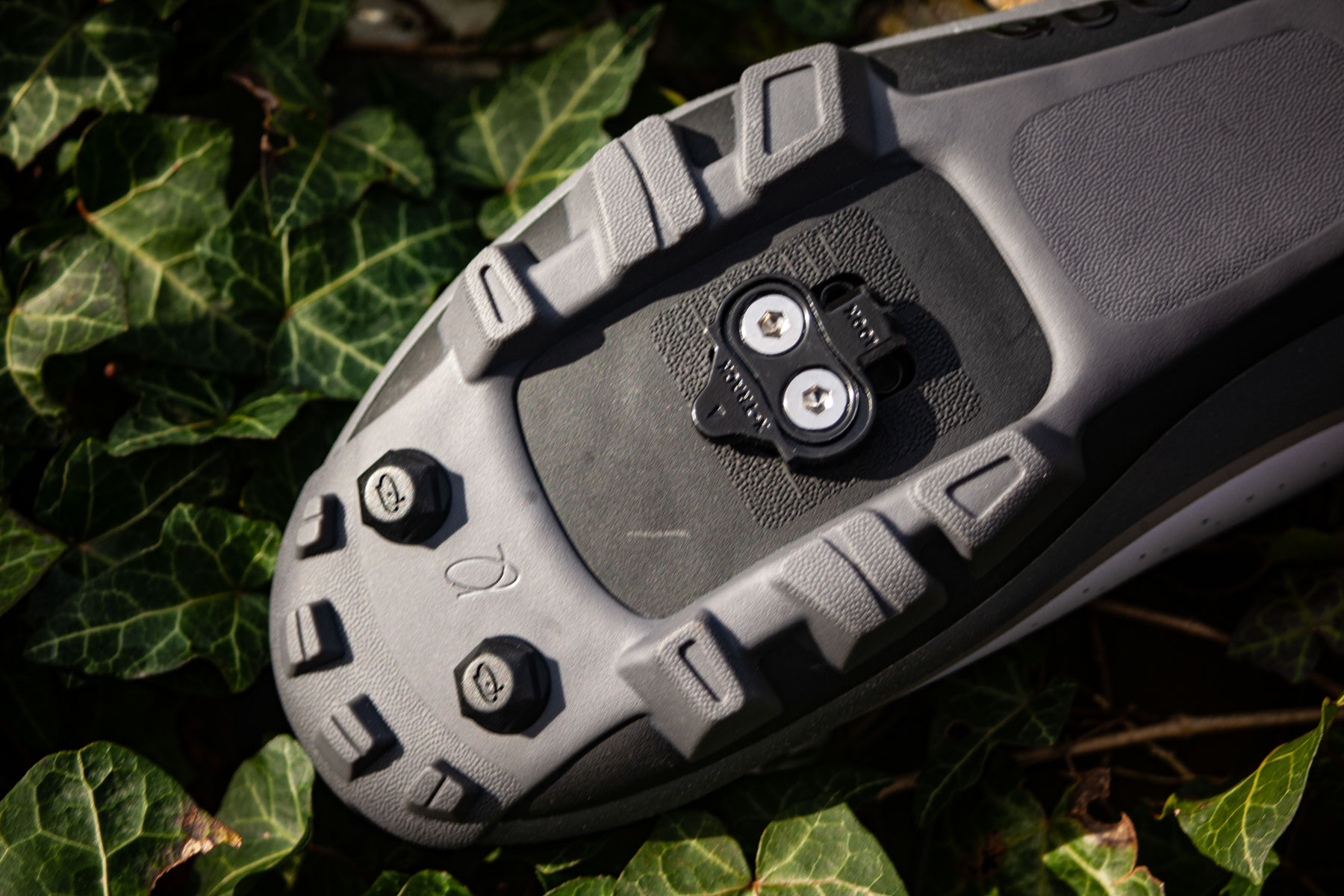
The outsole retains the same chunky design, but it has been reformulated with a new hybrid rubber compound that is claimed to offer better grip and improved comfort when walking or hiking. The deep tread hides a recessed SPD (two-bolt) mounting, again to make the shoes easier to walk in.
The rubber-compound outsole wraps around a glass-fibre midsole to provide pedalling efficiency and better comfort.
The Gran Tourer III is available in sizes EU38 to 47 and is priced at £170 / $250 / €230.
Wider fit
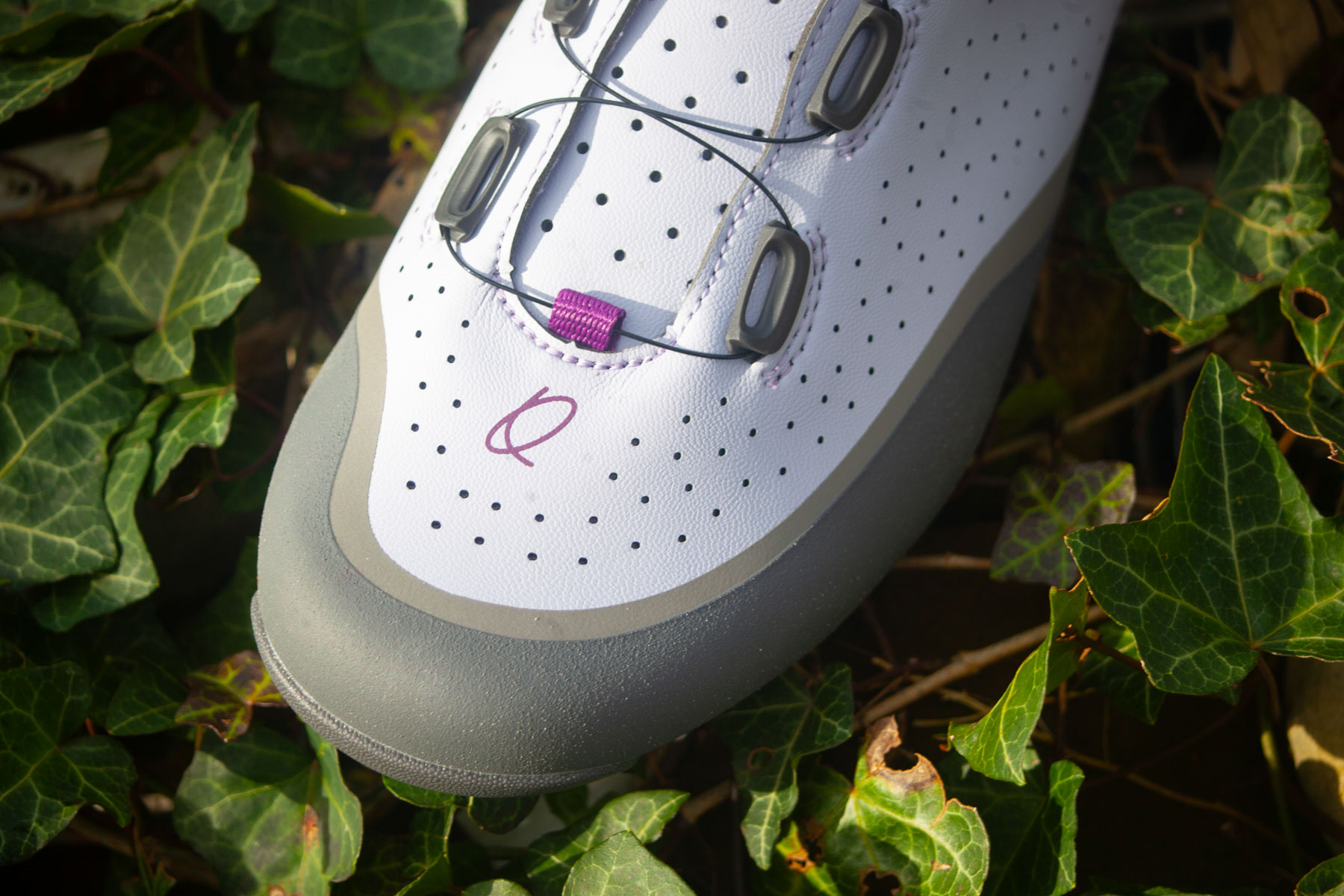
The upper design now has a wider toe box, and both the toe box and the tongue feature laser-cut pinholes to aid breathability.
The collar of the upper is lined with a new soft-touch jersey material that it’s claimed eliminates pressure points.
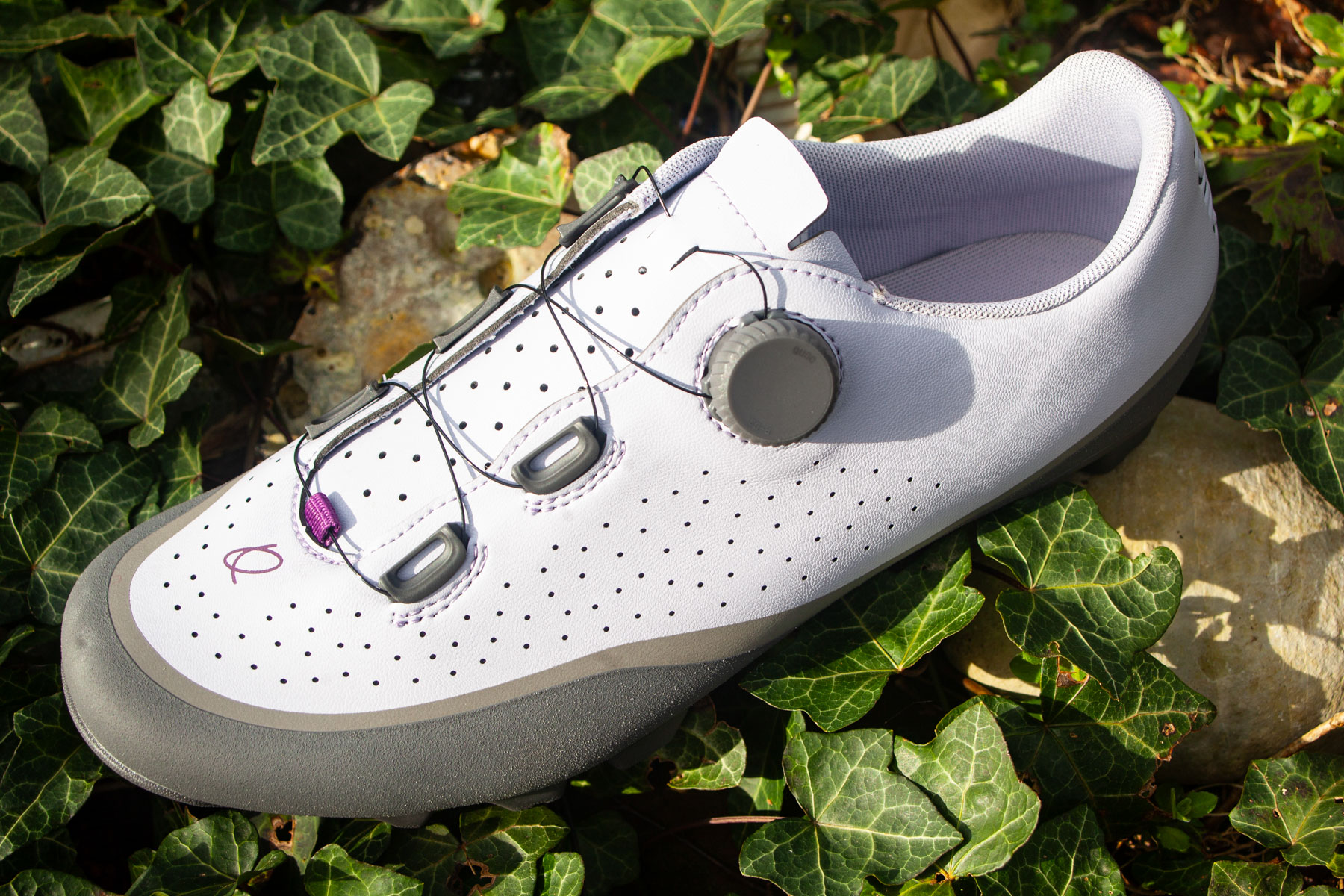
The new finish includes a wave accent dividing the two-tone matt colours rendered in reflective 3M print.
The second-generation Gran Tourer was one of my favourite gravel shoes. The new model looks to have upped the stakes again with a new-shaped toe box and new outsole compound that helps reduce the weight to 712g a pair (size 45) from the previous generation’s 756g.
The Lilac Haze colourway shown here launches today, with an Ash version following on 5 May.
Debian-Based Elive Linux Distro Is Back with First Stable Release in Seven Years
Elive 3.8.50 LTS has been released today for this nostalgic, yet fancy GNU/Linux distribution based on Debian and featuring the lightweight and modern Enlightenment graphical environment.