Bloodborne fans may not be happy to hear that a remake was reportedly rejected, but that doesn’t mean it’s completely off the table. Bluepoint Games, Sony’s closed-down studio behind many PlayStation remakes, pitched remaking the classic Gothic horror RPG in early 2025, but was blocked by the game’s developer, FromSoftware, according to a Bloomberg report.
As Bloomberg reported, Bluepoint pitched a Bloodborne remake after several years of working towards a live-service title in the God of War franchise that was ultimately canceled. Looking for the next project, a modern-day version of Bloodborne made a lot of sense, considering the title came out in 2015 and Bluepoint was responsible for the successful Demon’s Souls remake in 2020. However, Bloomberg‘s sources said that FromSoftware was against it, but didn’t offer a concrete reason why. With some digging, Bloomberg‘s Jason Schreier pointed to an interview from Kinda Funny Games with PlayStation exec Shuhei Yoshida, which aired last year. In the video, Yoshida mentioned that FromSoftware’s president, Hidetaka Miyazaki, wanted to pursue a Bloodborne remake, but was too busy to do it himself and “doesn’t want anyone else to touch it.”
After failing to get the Bloodborne remake greenlit, Bluepoint wasn’t able to secure another project for more than a year, according to the Bloomberg report. Now that Bluepoint has been shut down, we’re likely even further away from a remake. That’s not to say a remake will never happen, but when it does, it’ll have to get a stamp of approval and likely a lot of oversight from FromSoftware.
This article originally appeared on Engadget at https://www.engadget.com/gaming/playstation/shuttered-studio-bluepoint-reportedly-pitched-a-bloodborne-remake-but-it-got-shot-down-by-fromsoftware-173744228.html?src=rss
CNN reports that images from Iran’s capital “have shown cars jammed along Tehran’s street, with heavy traffic on major roads after today’s wave of attacks by the US and Israel.” And though Iran has a population of 93 million, the attacks suddenly plunged Iran into “a near-total internet blackout with national connectivity at 4% of ordinary levels,” according to internet monitoring experts at NetBlocks.
CNN reports:
Since Iran’s brutal crackdown earlier this year, the regime has made progress to allow only a subset of people with security clearance to access the international web, experts said. After previous internet shutdowns, some platforms never returned. The Iranian government blocked Instagram after the internet shutdown and protests in 2022, and the popular messaging app Telegram following protests in 2018.
The International Atomic Energy Agency announced an hour ago that they’re “closely monitoring developments” — keeping in contact with countries in the region and so far seeing “no evidence of any radiological impact.” They’re also urging “restraint to avoid any nuclear safety risks to people in the region.”
MWC 2026 officially gets underway on March 2 and will continue through March 5, but the announcements are already coming ahead of its start. We can always count on the annual tech event to bring tons of new phones, laptops and tablets, and we’re expecting to see some robots and other gadgets too — plus plenty of AI news, of course. In addition to the announcements, MWC is our chance to get hands-on time with some of the most interesting new devices, like the Xiaomi 17 Ultra.
We’ll be updating this story as the week goes on to keep you in the loop on everything that caught our attention, so keep checking back here for the latest MWC news.
Xiaomi x Leica
Xiaomi kicked off MWC this year by announcing the global launch of its 17 Ultra smartphone, which debuted first in China back in December. It’s unclear if the phone will ever come to the US, but it’s now rolling out in Europe. Xiaomi teamed up again with Leica to make a photography-focused smartphone, and the 17 Ultra sports a 1-inch 50-megapixel camera sensor with a f/1.67 lens, a telephoto setup with a 200MP 1/1.4-inch sensor, and a 50MP ultrawide camera. There’s also a manual zoom ring around the camera.
Check out our hands on for our first impressions of what it’s like shooting with the Xiaomi 17 Ultra. And there’s more to it than just the camera. The 17 Ultra has a 6.9-inch OLED 120 Hz display that peaks at 3,500 nits of brightness, and a 6,000mAh silicon-carbon battery. The Xiaomi 17 Ultra starts at £1,299 (roughly $1,750).
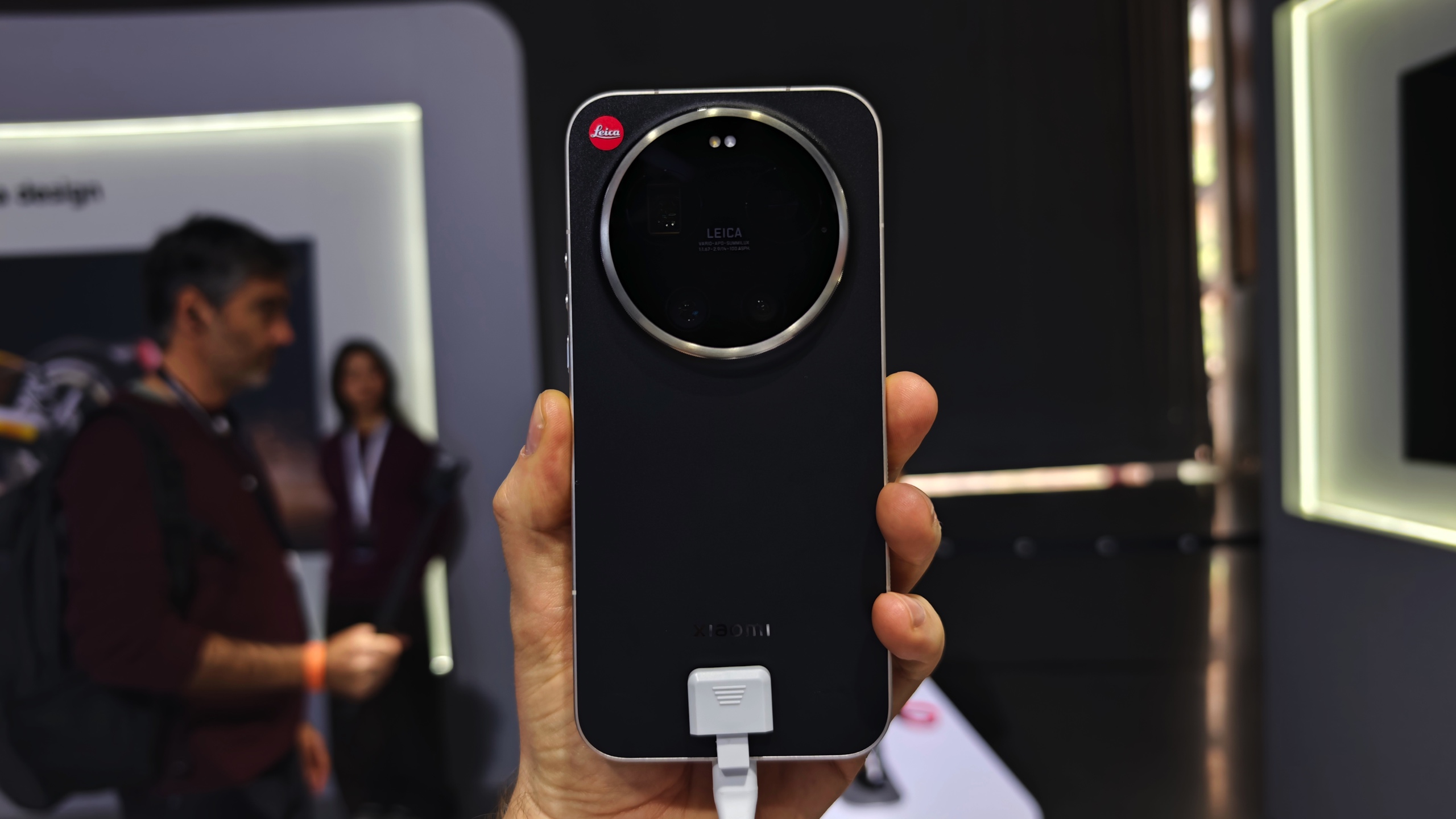
Leica also announced a new phone made in partnership with Xiaomi at MWC. It looks a whole lot like Xiaomi’s 17 Ultra, but isn’t the 17 Ultra, exactly.
Leica Leitzphone by Xiaomi hands-on at MWC 2026
Image by Mat Smith for Engadget
Like the 17 Ultra, Leica’s Leitzphone by Xiaomi has a 1-inch camera sensor and physical controls for zoom and other settings, using a mechanical ring around the camera unit. It features a Leica-designed intuitive camera interface with the option to show just the essentials when you’re shooting, hiding all the modes and labels. There’s a monochrome shooting mode and Leica filters.
The Leica branding is splashed all over it in design and wallpapers, but it’s otherwise pretty similar to the 17 Ultra, with the same specs. Like the 17 Ultra, it has a Snapdragon 8 Elite Gen 5 chip and a 6.9-inch 120Hz display. This one’s priced at €1,999 (roughly $2,362).
Honor MagicPad 4
Honor
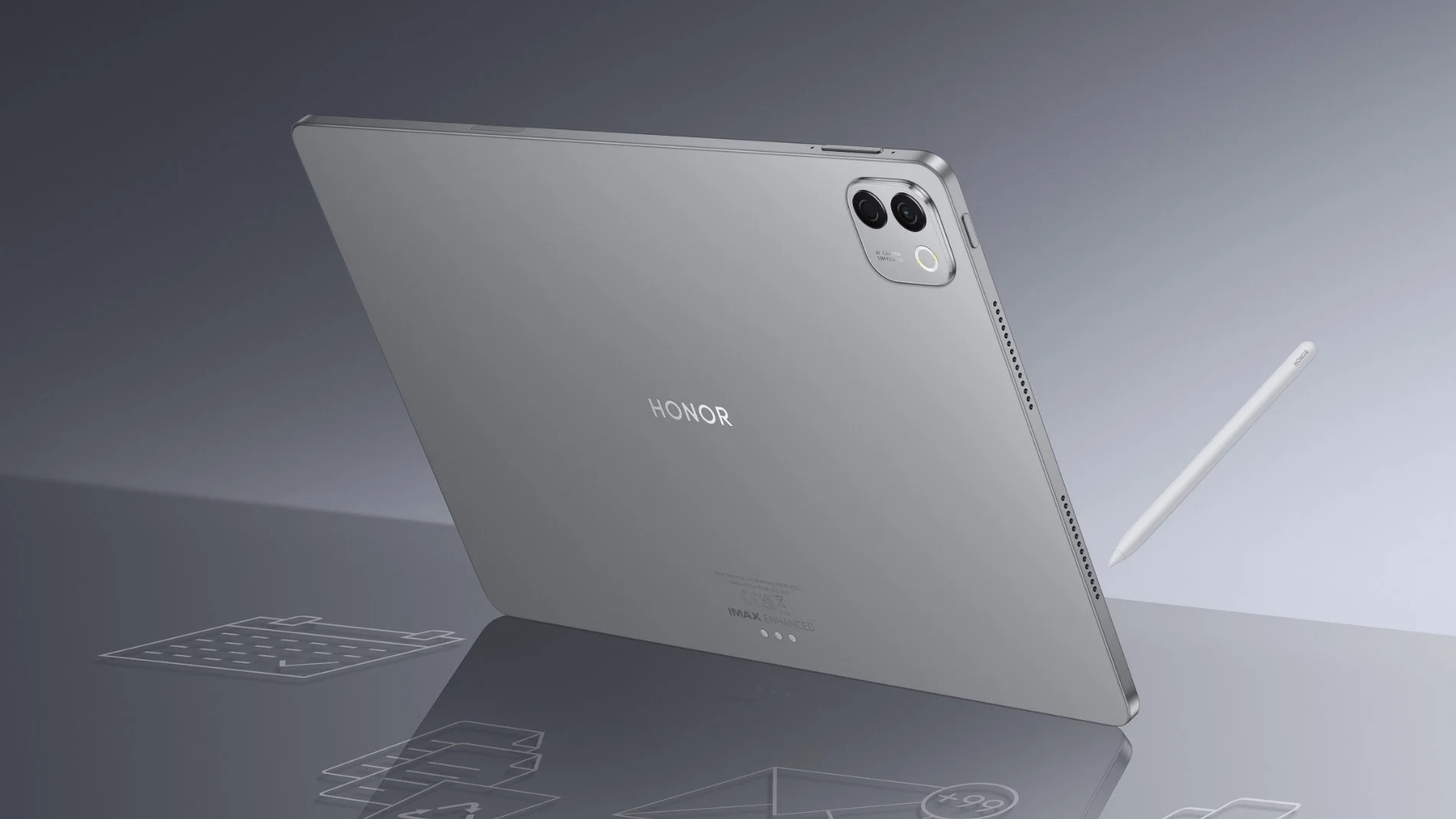
Ahead of MWC, Honor announced what it claims is the thinnest Android tablet in the world: the 4.8mm thick MagicPad 4. We’re expecting to hear more about this at Honor’s press conference on Sunday, but so far we know it features a 12.3-inch 165Hz OLED display and weighs just 450g. It comes with up to 16GB of RAM and 512GB of storage, and is powered by Qualcomm’s Snapdragon 8 Gen 5 chipset. The thinness doesn’t count the camera bump, Honor notes. The MagicPad 4 has 13MP rear and 9MP front cameras. It also boasts spatial audio, with eight speakers.
Just as the display is slightly smaller than the previous MagicPad, the MagicPad 4 has a smaller battery at 10,100 mAh. It comes with a 66W fast charger. The MagicPad 4 will run Honor’s MagicOS 10. We don’t yet know how much it will cost, but we’ll update this after Honor’s press conference (where we’re also expecting to see the company’s robot) with any new details.
Tecno
We can always expect to see some wild phone concepts at MWC, and this year we’re starting with one from Tecno. The company unveiled a modular concept smartphone design that can be as thin as 4.9mm in its base configuration. There’d be 10 modules to choose from based on the announcement, including various camera lenses, a gaming attachment and a power bank, relying on magnets to keep it all together — or Modular Magnetic Interconnection Technology, as Tecno is calling it.
This article originally appeared on Engadget at https://www.engadget.com/mobile/everything-announced-at-mwc-2026-the-new-leica-leitzphone-by-xiaomi-honors-ultra-thin-magicpad-4-and-more-172442426.html?src=rss
A set of patches recently posted to the Linux kernel mailing list have now been queued up to a tip/tip.git branch for planned introduction in Linux 7.1. These patches are for enhancing the Linux perf subsystem support for AMD Instruction-Based Sampling (IBS) improvements with next-gen Zen 6 processors…
Mathieu van der Poel romped to victory in the 2026 Omloop het Nieuwsblad using what appears to be an unreleased set of Shimano Dura-Ace C50 wheels with carbon spokes.
The Dutchman broke clear of the peloton with UCI Gravel World Champion, Florian Vermeesch, on the Molenberg with just under 30km to the finish – after narrowly avoiding a Tudor Pro Cycling Team rider who had slipped and crashed on the slippery cobbled climb.
After joining the remnants of the day’s main breakaway, van der Poel attacked again on the final ascent of the iconic Muur van Geraardsbergen and soloed to victory.
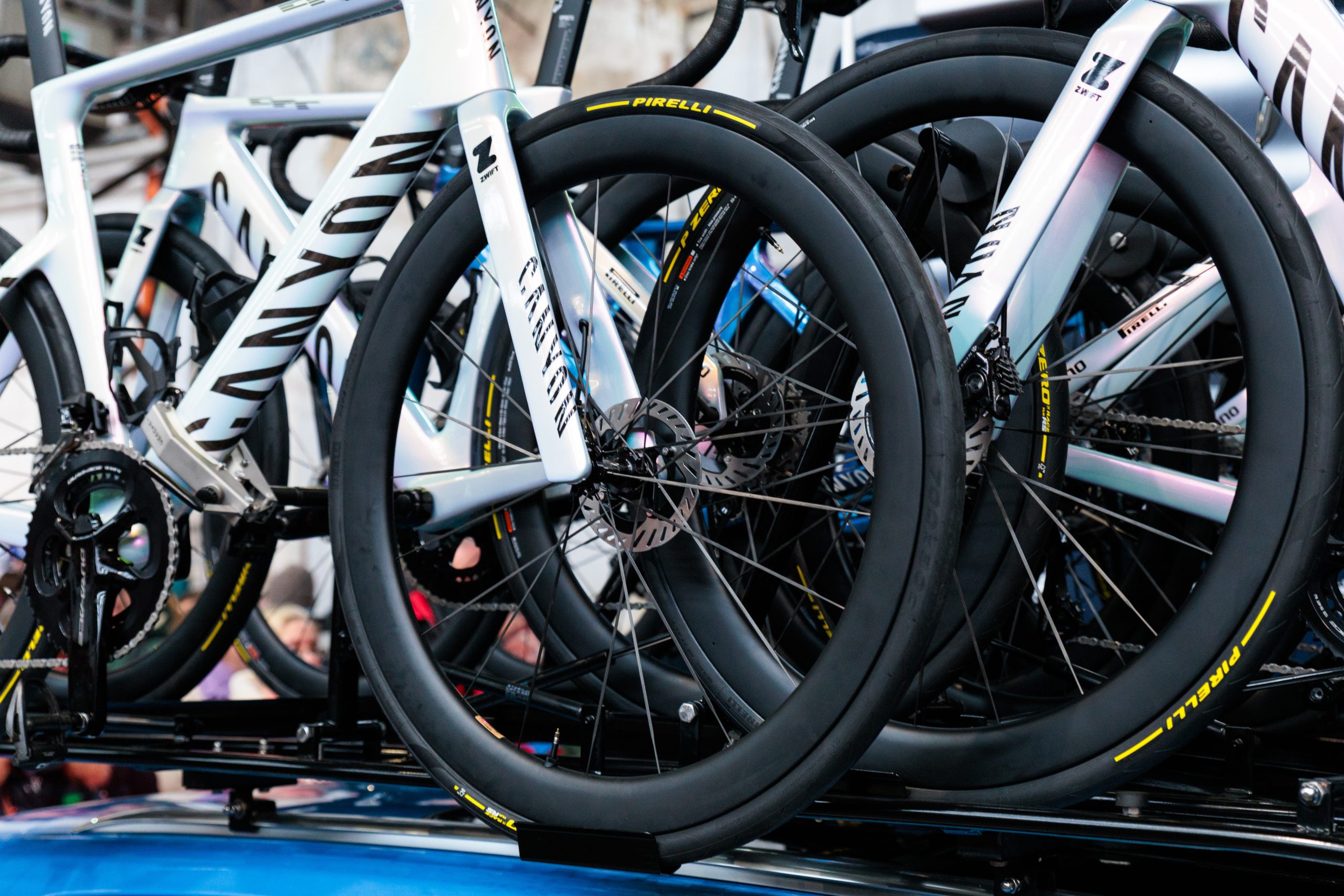
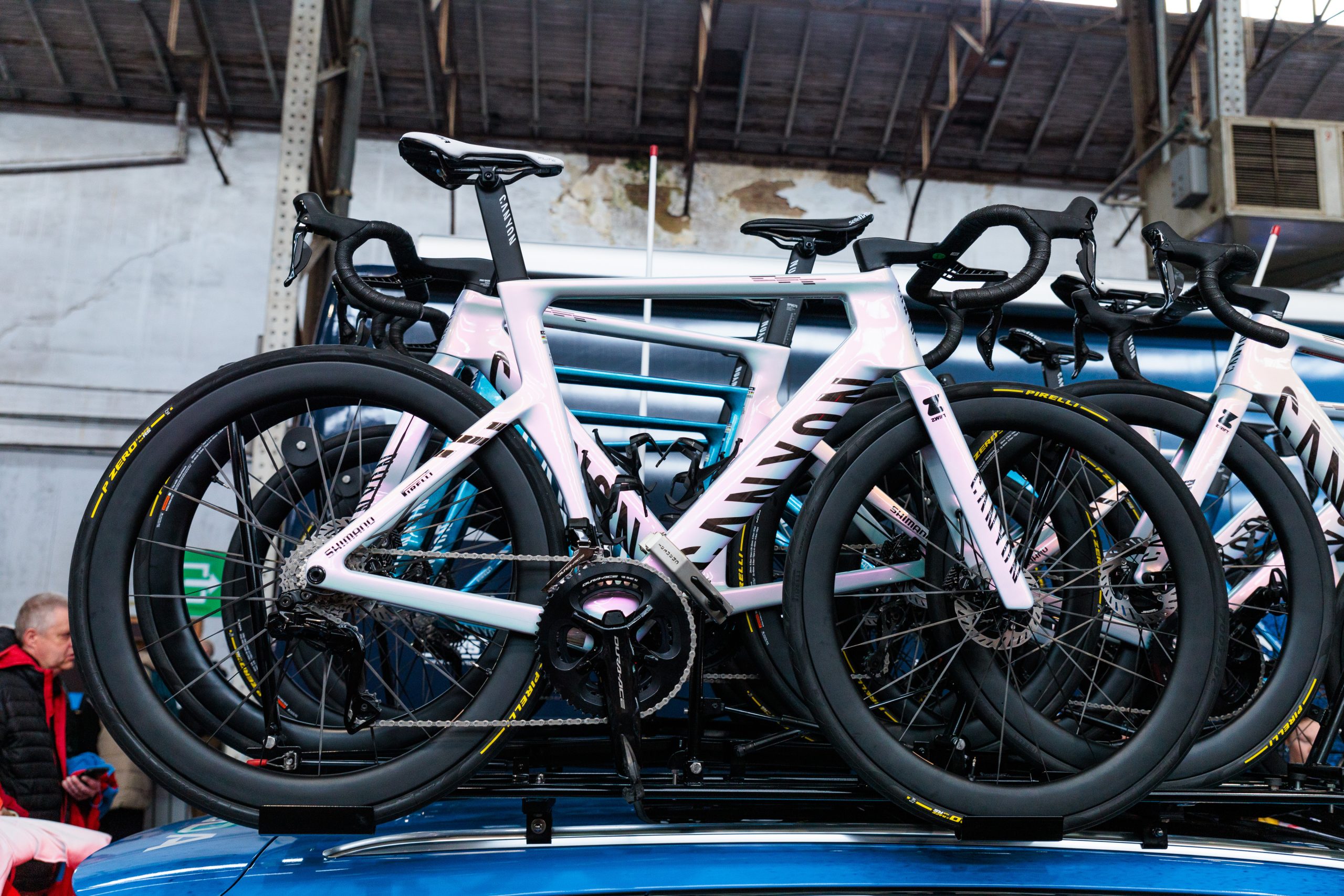
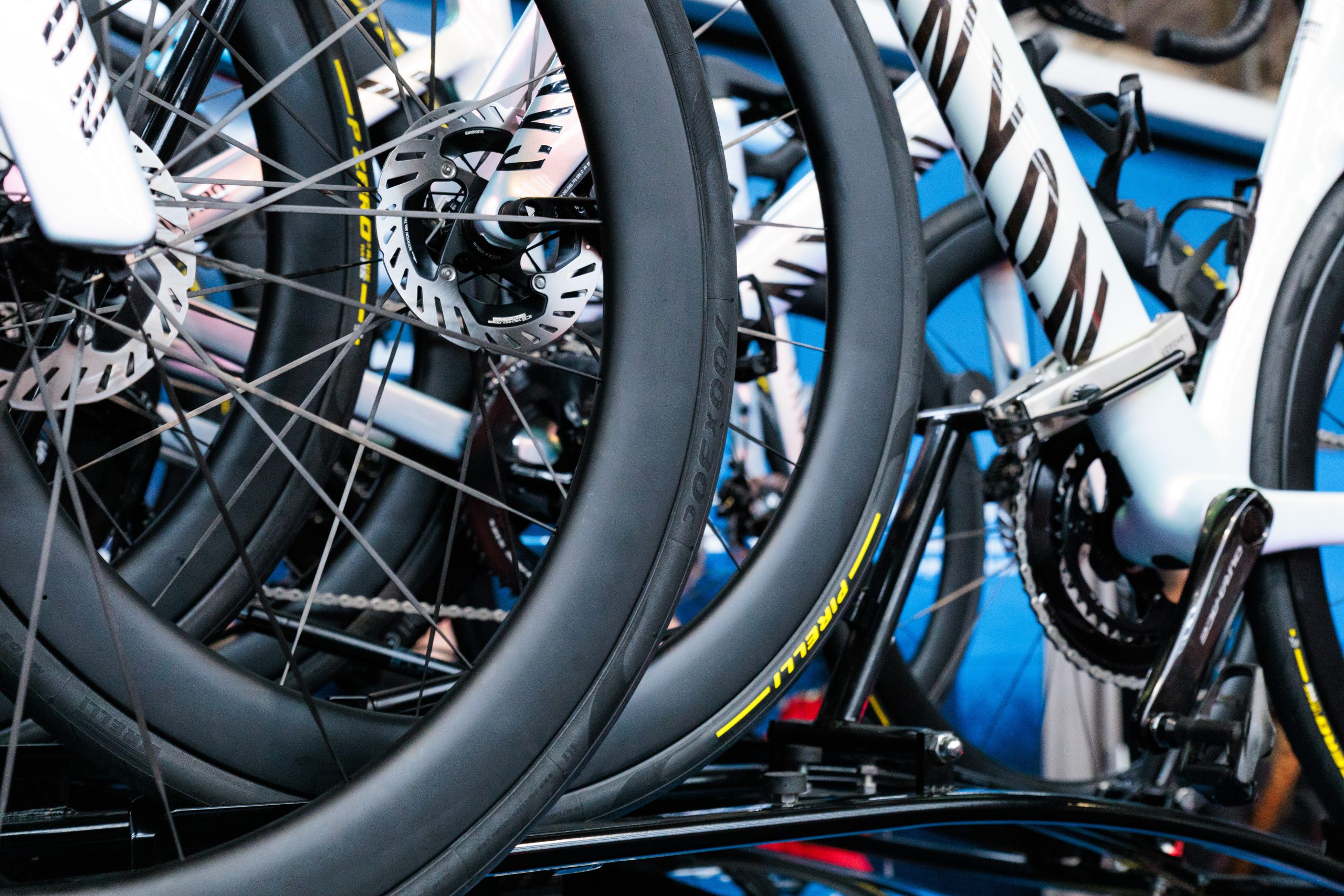
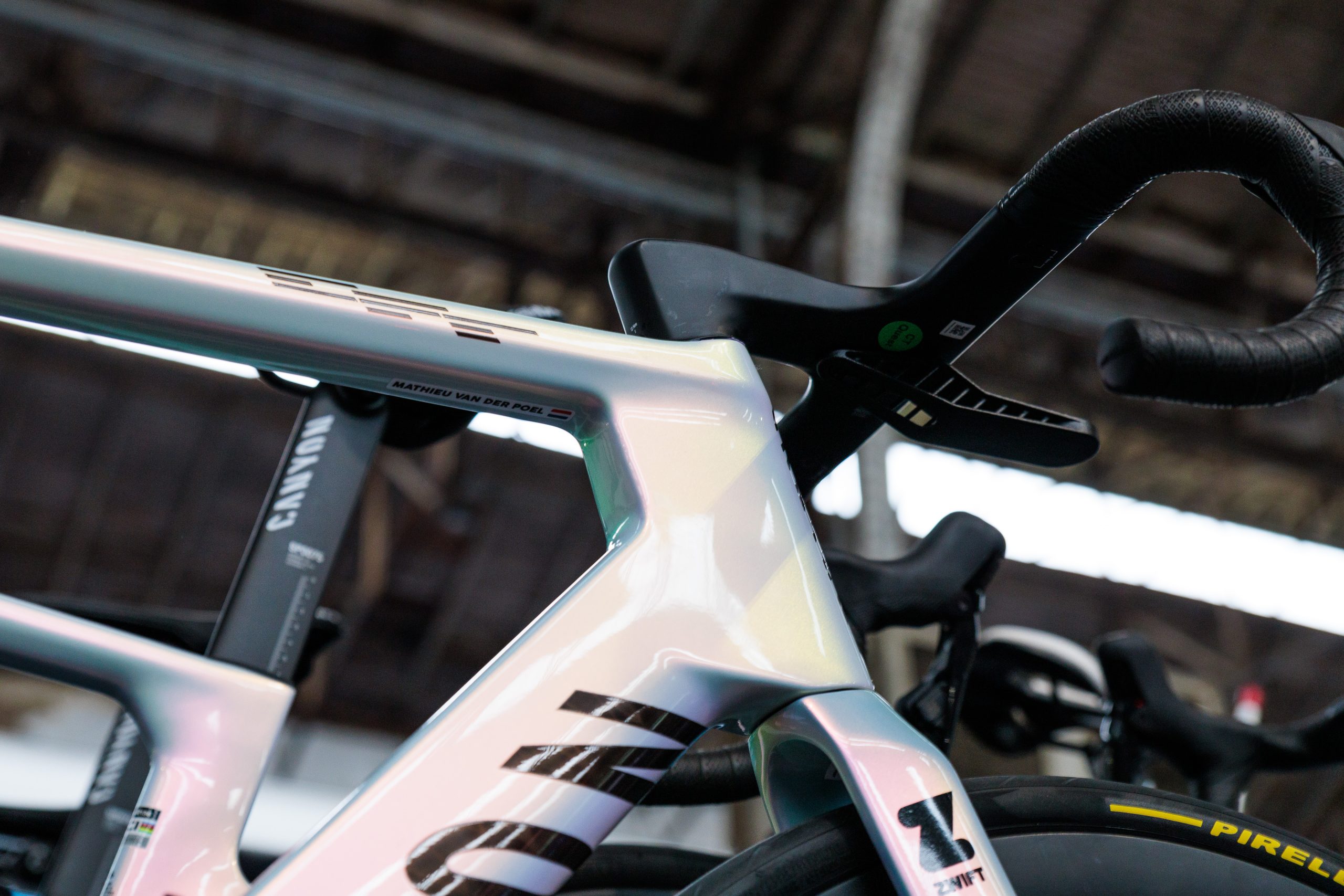
Prior to the race start in Ghent, we got a close look at his bike and spotted the unbadged wheelset aboard both his race bike and his spare bike on a team car.
Let’s take a look at what we can glean from our photographs, and what other tech choices van der Poel made for the first race of the Flemish Opening Weekend.
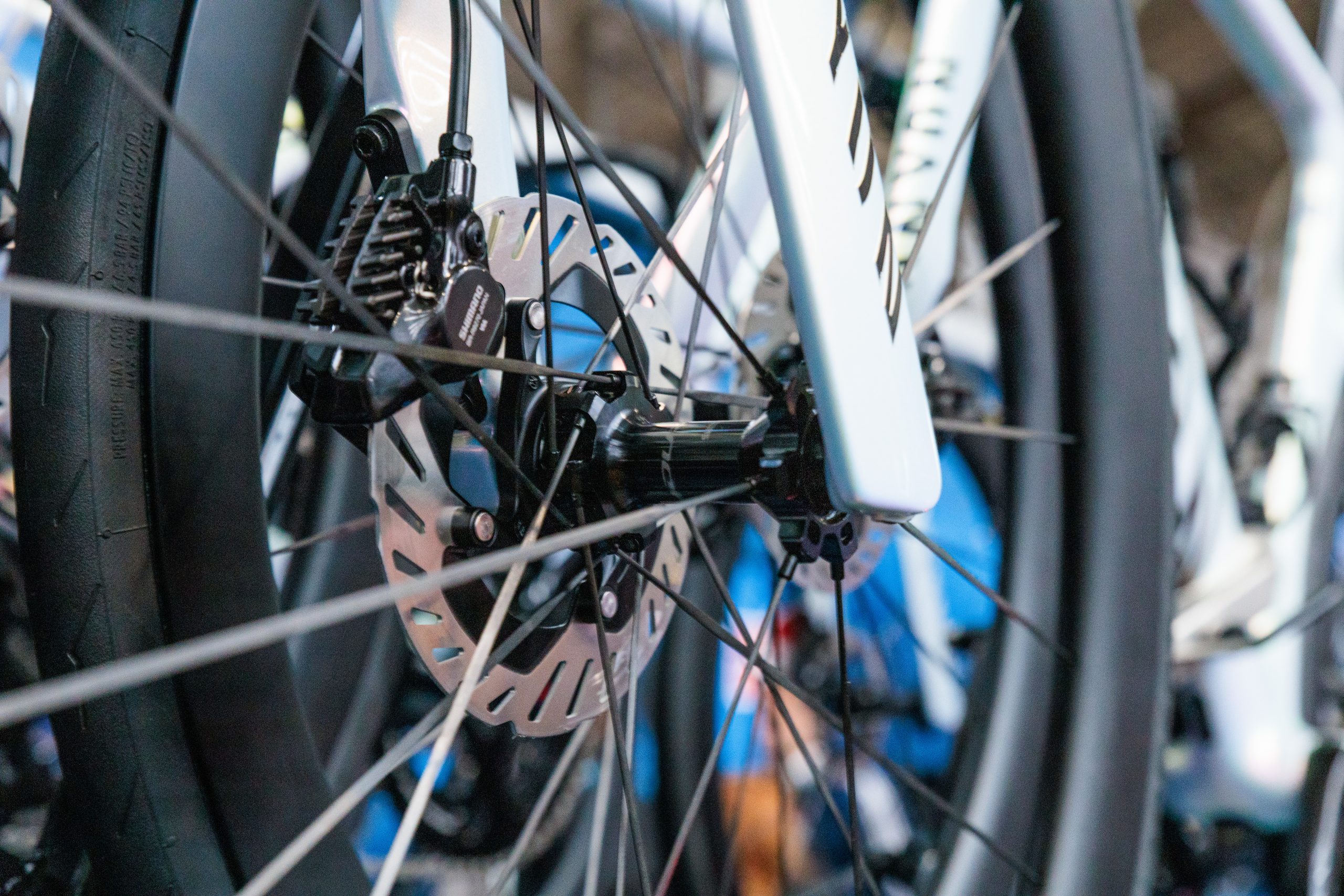
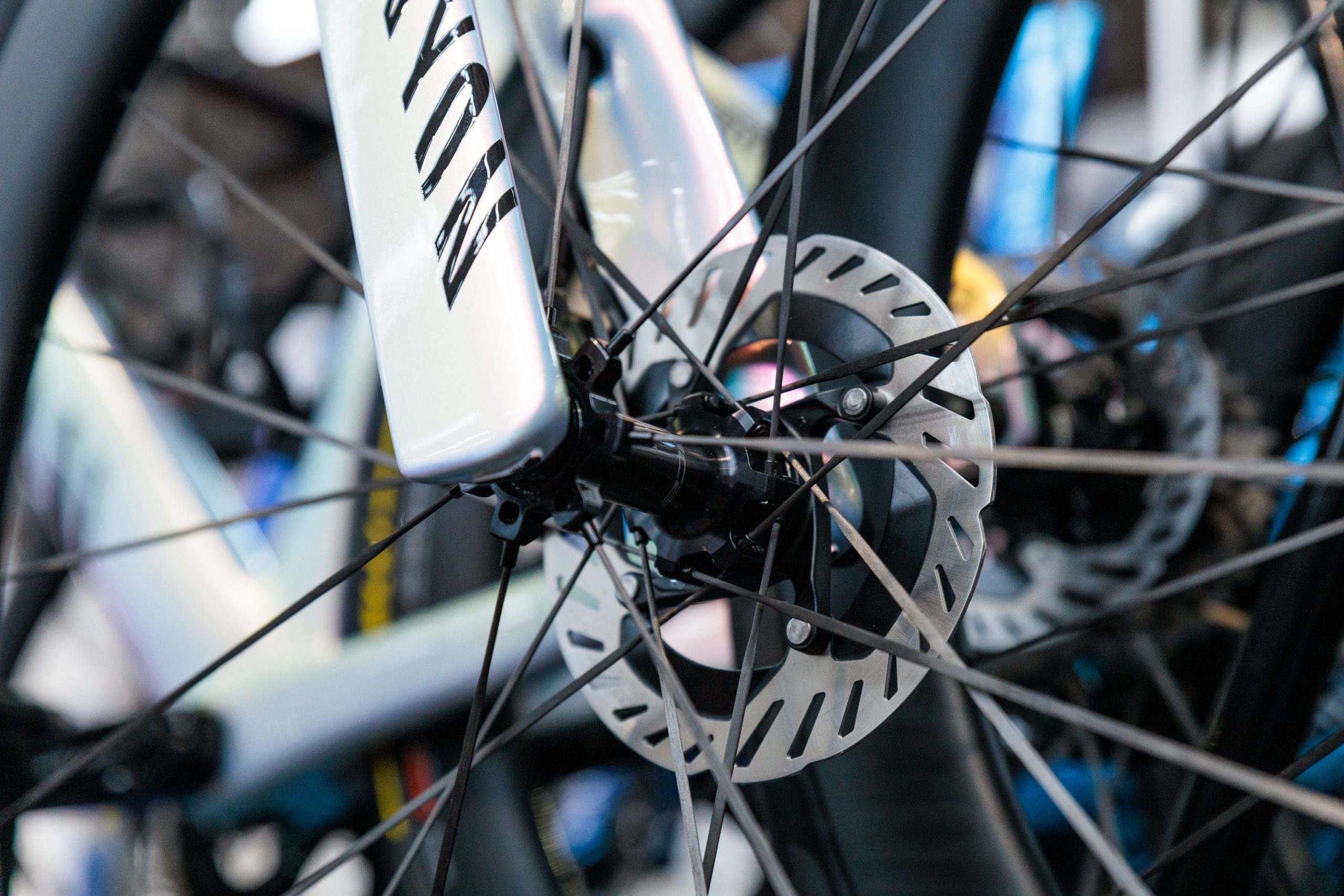
Dura-Ace hubs and carbon spokes
The carbon rims may be unbranded, but the hubs appear have ‘Dura-Ace’ printed on them. Simon von Bromley / Our Media
Although the carbon rims lack any branding, van der Poel’s wheelset was built up with Dura-Ace-branded hubs.
The most obvious difference between the wheels on van der Poel’s bike and existing Dura-Ace wheels is the carbon spokes, plus the hidden nipples at the rim.
On Shimano’s current range of Dura-Ace wheels, including the C60 wheelset his bike was equipped with at last year’s Tour de France, all options use steel spokes with external spoke nipples.
The unreleased wheelset is constructed using carbon spokes. Simon von Bromley / Our Media
Carbon spokes have become increasingly popular on high-end road bike wheelsets in recent years, as a means of cutting weight and improving stiffness, without impacting aerodynamic performance.
Hidden spoke nipples should also confer another small aerodynamic advantage. The trade off is that the wheel’s tyre and rim tape must be removed in order to true the wheel, but that’s of little concern for a top professional like van der Poel (who has a team of dedicated mechanics to service his bikes).
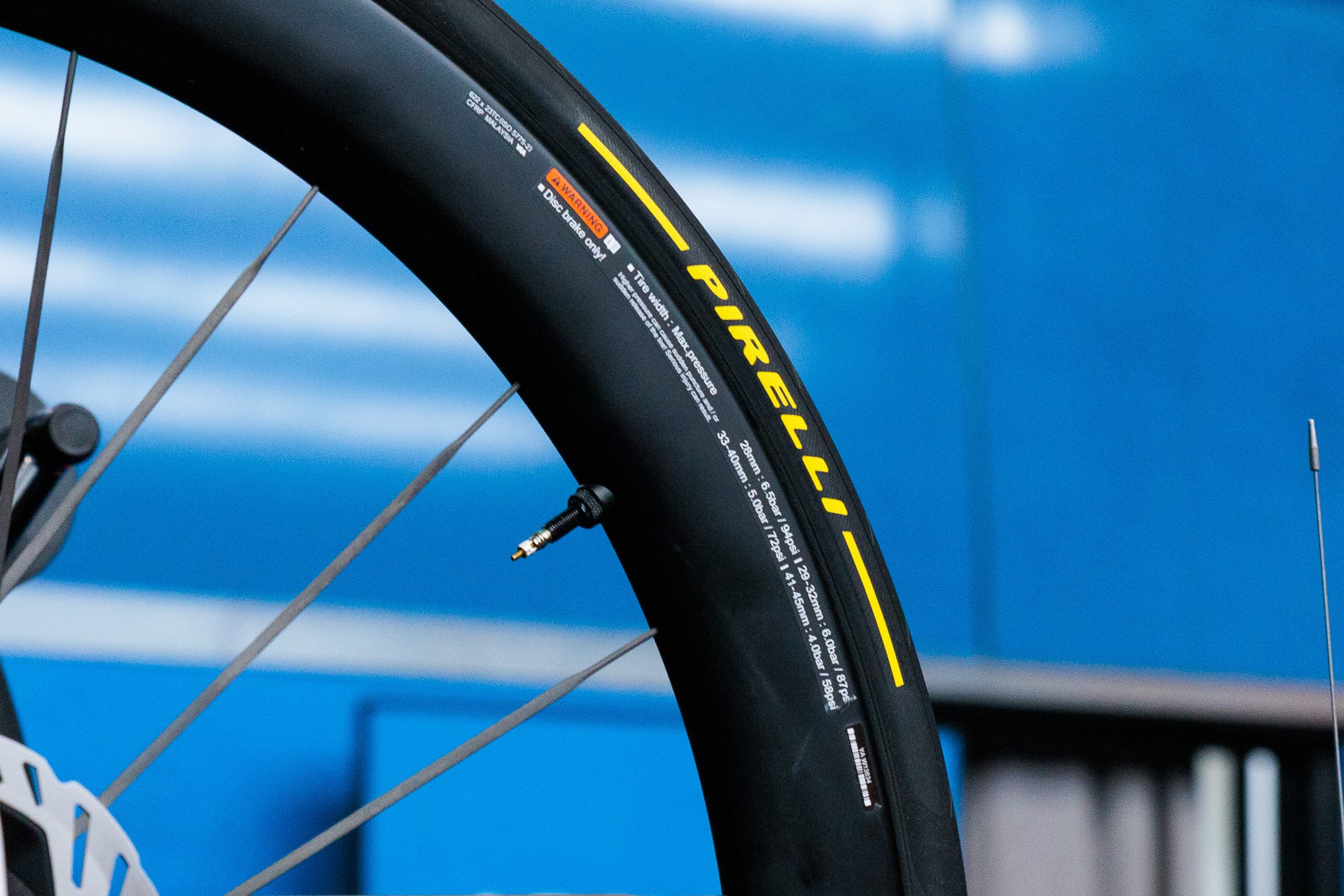
Stickers on the rim wall indicate the rims likely dimensions and maximum tyre pressures with various tyre sizes.
Zooming in on one of our photos we can also see rim stickers that denotes the rim has dimensions of 622 x 23TC.
This means the rims are 700c and have a 622mm diameter, with a 23mm internal rim width and are ‘Tubeless Crochet’ – or ‘hooked’, as opposed to ‘hookless’ or Tubeless Straight Side (TSS).
In contrast, the existing Dura-Ace WH-R9270-C50-TL wheels feature a 21mm internal width.
Another sticker indicates the maximum permitted tyre pressures with various sizes, denoting the rims are designed for tyres between 28 and 45mm-wide.
Stop me if you’ve seen these wheels before
This looks like the same wheelset we spotted van der Poel using last Spring – could an official release be just around the corner? Simon von Bromley / Our Media
Although it’s hard to be certain, as we only had a few grainy race photos to ogle last time, these appear to be the same, or at least a very similar wheelset to the one van der Poel trialled last spring.
Certainly, the unbranded rims, hidden nipples and hubs appear very similar.
Cycling’s governing body, the UCI, requires brands make prototype equipment commercially available within 12 months of their first use in competition, after all.
Manufacturers can request an extension to this “based on relevant justified grounds” (as per article 1.3.006 of the UCI’s technical regulations), but this can only be requested once and equipment must be available for sale by the time the extension expires.
Big chainrings, small cassette
The dutchman stuck to a fairly standard setup for the opening cobbled classic of the 2026 season. Simon von Bromley / Our Media
Beyond the wheelset, van der Poel’s race setup was only subtly different to what he was using when he last saw his bike up close in Lille, last July.
He was using the same 30c P Zero Race TLR RS tyres, for example, and was on his favoured Canyon road frameset – the Aeroad CFR.
MVDP’s wheel’s were shod with 30c Pirelli tubeless tyres. Simon von Bromley / Our Media The Canyon Aeroad CFR is van der Poel’s preferred bike for most races.
As at last year’s Tour, van der Poel is still using the Aeroad’s ‘classic drops’ rather than the interchangeable ‘aero drops’.
Canyon introduced the flared ‘aero’ drops as an alternative option to the straight ‘classic’ drops, with the launch of the current Aeroad CFR platform in 2024.
The narrower brake hoods and extra reach provided by the aero drops is claimed to offer a potential performance advantage of “up to 14 watts”, according to Canyon’s lead design engineers, Lukas Birr.
It seems van der Poel is content to leave such potential gains on the table in favour of his preferred setup, however.
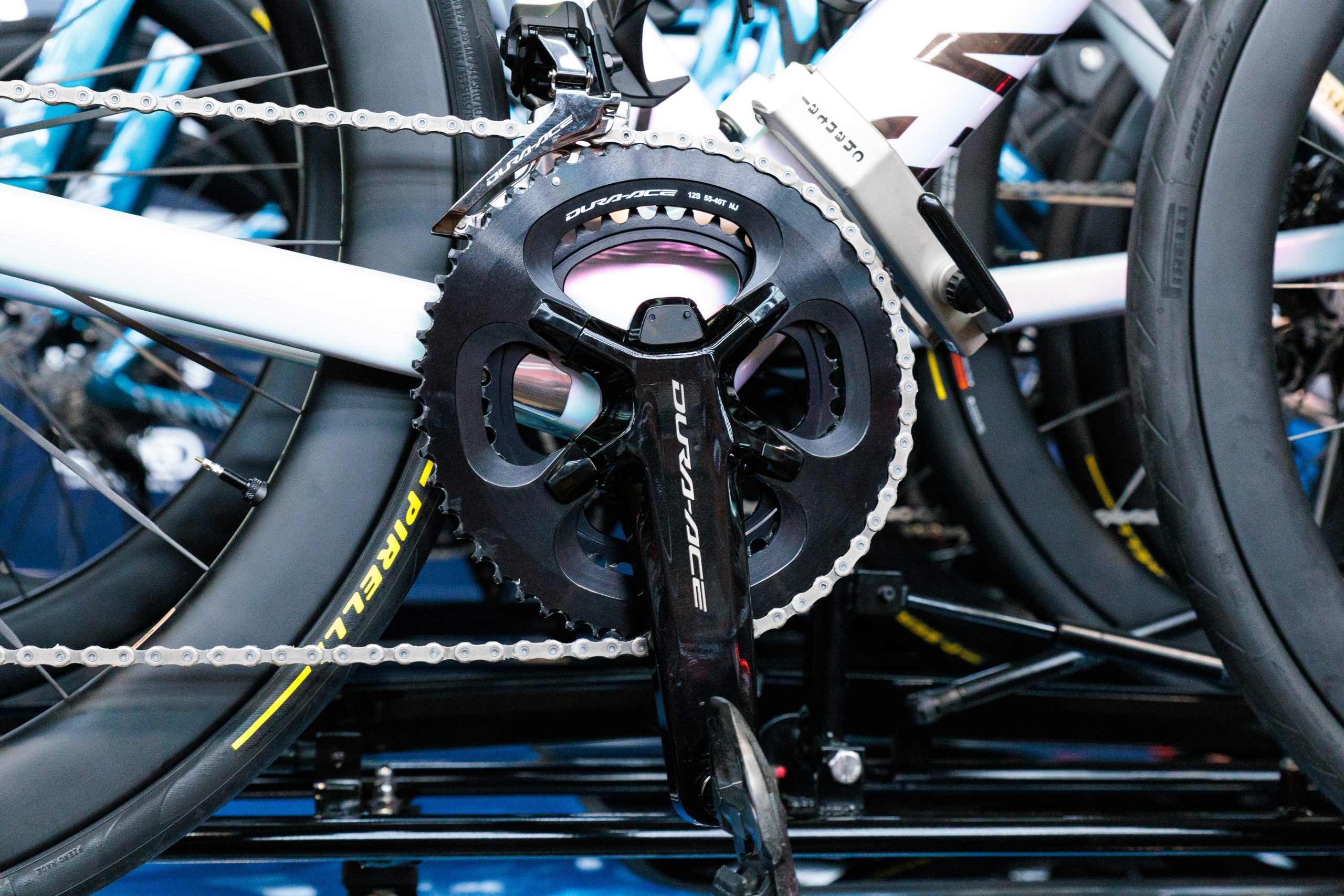
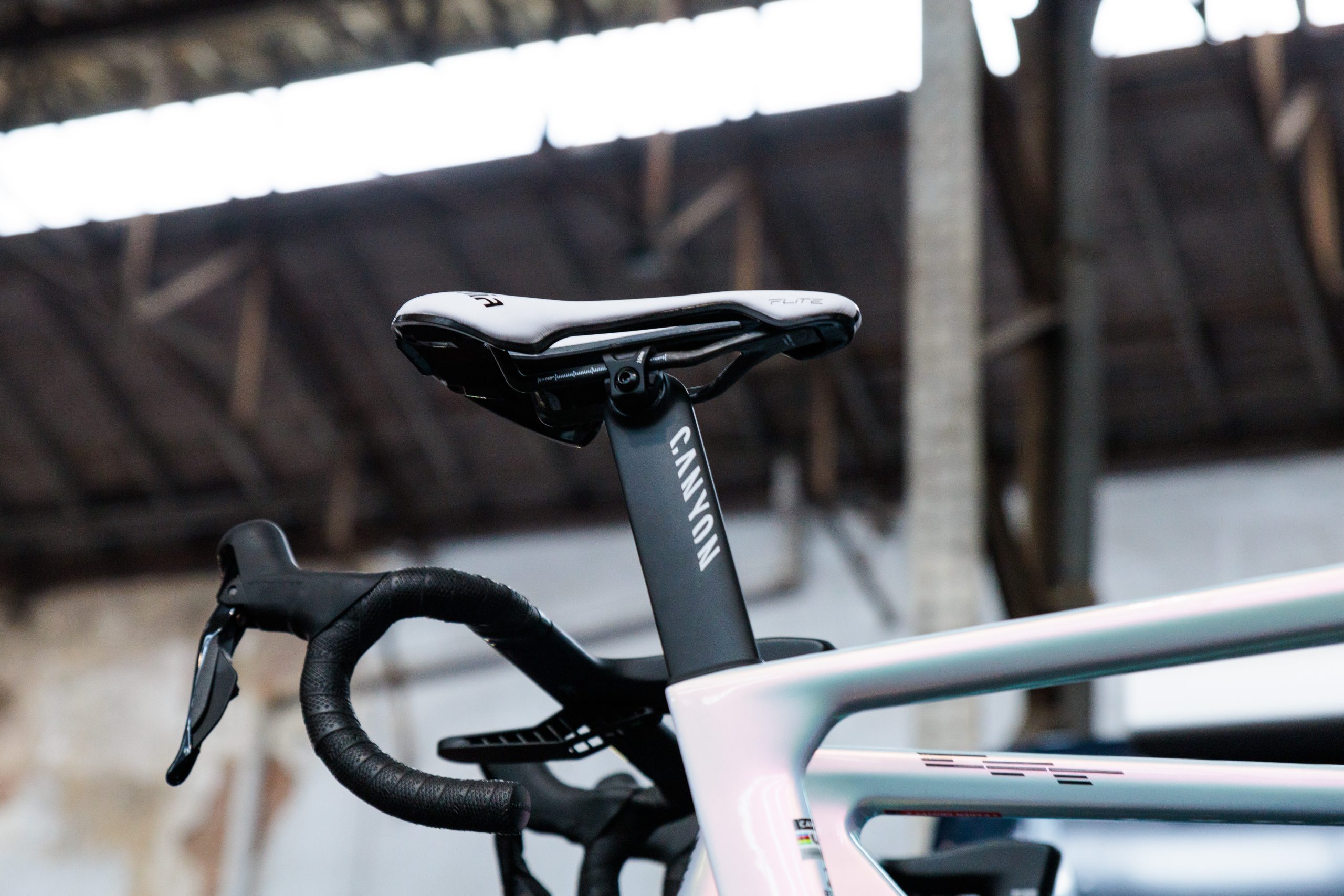
55/40t chainring’s for van der Poel. Simon von Bromley / Our Media Mathieu van der Poel has been using this white Selle Italia Flite SLR saddle for a number of years. Simon von Bromley / Our Media
One thing that has changed since Lille is van der Poel’s big chainring. His Shimano Dura-Ace Di2 R9200 groupset featured a 54-tooth big chainring in France, but he had a 55t on his bikes in Ghent. This was paired with a tight, 11-30t cassette out back, despite the day’s challenging parcours.
Up top, van der Poel continues with his favoured Selle Italia Flite SLR saddle, which is customised white – a rare sight amongst the sea of black saddles in today’s pro peloton.
A relaxed Mathieu van der Poel Canyon Aeroad CFR had time for photos with his fans prior to dominating the 2026 Omloop Het Nieuwsblad. Simon von Bromley / Our Media
Tuesday Pew Research announced their newest findings: that 54% of America’s teens use AI help with schoolwork:
One-in-five teens living in households making less than $30,000 a year say they do all or most of their schoolwork with AI chatbots’ help. A similar share of those in households making $30,000 to just under $75,000 annually say this. Fewer teens living in higher-earning households (7%) say the same.”
“The survey did not ask students whether they had used chatbots to write essays or generate other assignments…” notes the New York Times. “But nearly 60% of teenagers told Pew that students at their school used chatbots to cheat ‘very often’ or ‘somewhat often.'” Agreeing with that are the Pew Researchers themselves. “Our survey shows that many teens think cheating with AI has become a regular feature of student life.”
One worried teenager still told the researchers that AI “makes people lazy and takes away jobs.” But another teenager told the researchers that “Everyone’s going to have to know how to use AI or they’ll be left behind.”
Thanks to long-time Slashdot reader theodp for sharing the article.
A start-up called Reflect Orbital “proposes to use large, mirrored satellites to redirect sunlight to Earth at night,” reports the Washington Post, “with plans to bathe solar farms, industrial sites and even entire cities in light that could, if desired, reach the intensity of daylight….”
Slashdot noted their idea in 2022 — but Reflect Orbital now expects to launch its first satellite in April, according to the article. “But its grand vision is largely ‘aspirational,’ as its young founder, Ben Nowack, told me…”
Reflect Orbital’s Nowack describes a scene right out of sci-fi: An extremely bright star appears on the northern horizon and makes its way across the sky, illuminating a 5-kilometer circle on Earth, then setting on the southern horizon about five minutes later, just as another such “star” appears in the north. To make the night even brighter, a customer could make 10 “stars” appear at once in the north by ordering them on an app. Two such artificial stars are in development in Reflect Orbital’s factory. Nowack showed them to me on a Zoom call. The first to launch is 50 feet across, but he plans later to build them three times that size. If all goes according to plan, he’ll have 50,000 of them circling the Earth in 2035 at an altitude of around 400 miles.
Nowack plans to start selling the service “in mostly developing nations or places that don’t have streetlights yet.” Eventually, he thinks, he can illuminate major cities, turn solar fields and farms into round-the-clock operations for any business or municipality that pays for it. He likened his technology to the invention of crop irrigation thousands of years ago. “I see this as much the same thing,” he said, arguing that people would no longer have to “wait for the sun to shine.”
The article adds that Elon Musk’s SpaceX “wants to launch as many as a million satellites to serve as orbiting data centers — 70 times the number of satellites now in orbit.” (America’s satellite-regulation Federal Communications Commission
grants a “categorical exclusion” from environmental review to satellites on the grounds that their operations “normally do not have significant effects on the human environment.”)
The public comment periods for the two proposals close on March 6 and March 9.
A start-up called Reflect Orbital “proposes to use large, mirrored satellites to redirect sunlight to Earth at night,” reports the Washington Post, “with plans to bathe solar farms, industrial sites and even entire cities in light that could, if desired, reach the intensity of daylight….”
Slashdot noted their idea in 2022 — but Reflect Orbital now expects to launch its first satellite in April, according to the article. “But its grand vision is largely ‘aspirational,’ as its young founder, Ben Nowack, told me…”
Reflect Orbital’s Nowack describes a scene right out of sci-fi: An extremely bright star appears on the northern horizon and makes its way across the sky, illuminating a 5-kilometer circle on Earth, then setting on the southern horizon about five minutes later, just as another such “star” appears in the north. To make the night even brighter, a customer could make 10 “stars” appear at once in the north by ordering them on an app. Two such artificial stars are in development in Reflect Orbital’s factory. Nowack showed them to me on a Zoom call. The first to launch is 50 feet across, but he plans later to build them three times that size. If all goes according to plan, he’ll have 50,000 of them circling the Earth in 2035 at an altitude of around 400 miles.
Nowack plans to start selling the service “in mostly developing nations or places that don’t have streetlights yet.” Eventually, he thinks, he can illuminate major cities, turn solar fields and farms into round-the-clock operations for any business or municipality that pays for it. He likened his technology to the invention of crop irrigation thousands of years ago. “I see this as much the same thing,” he said, arguing that people would no longer have to “wait for the sun to shine.”
The article adds that Elon Musk’s SpaceX “wants to launch as many as a million satellites to serve as orbiting data centers — 70 times the number of satellites now in orbit.” (America’s satellite-regulation Federal Communications Commission
grants a “categorical exclusion” from environmental review to satellites on the grounds that their operations “normally do not have significant effects on the human environment.”)
The public comment periods for the two proposals close on March 6 and March 9.
The first DRM-Misc-Next pull request was submitted this week to DRM-Next as new kernel graphics/display driver features to begin queuing for the Linux 7.1 kernel that will release mid-year. Among the early code for DRM-Next are two new drivers…
You can expect a wave of laptops built around Intel’s Core Ultra Series 3 Panther Lake chips that it revealed at CES, and one only need look at what Lenovo apparently just launched in China as proof. The launch includes new ThinkBook 14+ and ThinkBook 16+ laptop configurations that mate Core Ultra 300H processors with LPCAMM2 memory.
China’s biggest phone makers continue to relentlessly forge ahead with high-spec phones that you may never see in the US. With the Xiaomi 17 Ultra this year, the company has continued its pattern from previous iterations by focusing on powerful camera sensors, huge batteries and… being selective about global availability.
Xiaomi’s 17 series is launching across multiple European territories months after its Asia debut, but at the time of writing, no word yet on US availability. Another logistical point of interest? When we last checked out Xiaomi’s devices, it was the 15 series, and the company has decided to skip 16 and leap straight to 17, conveniently matching Apple’s latest number.
Storied camera brand Leica has been involved with Xiaomi’s phones for a few years and its newest flagship doesn’t disappoint in that regard, because this is another Xiaomi device dedicated to photography.
Image by Mat Smith for Engadget
The 17 Ultra has a huge 1-inch 50-megapixel main camera sensor with a f/1.67 lens, and a telephoto setup with a 200MP 1/1.4-inch sensor and going up to 4.3x optical zoom. Xiaomi claims it’s capable of up to 17x “optical-level zoom,” but quality doesn’t measure up to, say, the Oppo Find X9, with its dedicated telescopic lens add-on. There’s also a 50MP ultrawide camera to round things out.
The main camera is very impressive, delivering plenty of detail and performing incredibly well in low light, seemingly before any computational photography kicks in. A new Light Fusion 1050L sensor features LOFIC HDR technology, delivering stronger control over highlights and more detail in darker areas of your shots. I’ve been impressed by the balanced color tone and contrast, without having to edit or add one of the (many) Leica camera filters.
If anything, the slightly heavy-handed algorithms can sometimes ruin parts of a shot. For instance, by scrambling lettering or capturing blurry, AI-mutated faces where computational photography takes a swing (and a miss) at people in the distance.
Mat Smith for Engadget
The telephoto camera alone is also technically interesting in a few ways. It offers continual optical zoom across the 75-100mm range without in-sensor cropping. This means the lenses physically move to deliver lossless zoom across a range of distances, without jarring leaps between camera sensors and crops. This doesn’t run across the full gamut, but it does roughly cover the 3-4x optical zoom range, which is often used in portrait photography.
The APO (apochromatic) lens design on the telephoto is more immediately useful and effective. An APO lens significantly reduces chromatic aberration by focusing three wavelengths of light (red, green and blue) onto the same focal plane. This lens design means it can correct color fringing and improve image sharpness.
At full optical zoom, this light fitting at Soho Theatre Walthamstow doesn’t bloom or fringe to the extent that most smartphone zooms suffer from.
Mat Smith for Engadget
At higher zoom levels, fringing and lighting bloom often hamper telephoto photos on smartphones, and Xiaomi’s solution has some appeal. I noticed less fringing than on other zoom-capable Android phones from Samsung, Oppo and Google. It also supports macro photography, but is hindered this time by a minimum focal distance of 30cm (11.8 inches). Most smartphone cameras’ macro modes let you get much closer.
The 17 Ultra can capture up to 8K video (at 30 fps), 4K Dolby Vision up to 120 fps, and 4K 120 fps Log video, ensuring you can make the most of that huge 1-inch sensor in video, too. That said, it seems to struggle with stabilization at times, while its low-light performance doesn’t match its prowess in still photography, lagging behind flagship phones from Apple, Google and Samsung.
There’s also a special Leica edition of the 17 Ultra, which is largely the same, specification-wise, but with a manual zoom ring around the camera unit. It’s a cool gimmick, but felt oddly loose on a few devices I’ve handled.
While cameras may be the highlight, this is a flagship device by any specification metric. With a 6.9-inch display, this expansive OLED display has variable refresh rates (1-120Hz) and peaks at 3,500 nits of brightness.
At that size, the Xiaomi 17 Ultra is in the territory of devices like the iPhone 17 Pro Max and S26 Ultra. A phone this size isn’t for everyone, but it is the thinnest Ultra phone from Xiaomi to date, with a profile measuring 8.29mm. Xiaomi has also reduced the camera unit’s diameter and raised it on the device, making it easier to use and helping keep fingers out of your shots.
Image by Mat Smith for Engadget
Also, I’d be remiss if I didn’t mention the huge 6,000mAh silicon-carbon battery, with support for Xiaomi’s 90W HyperCharge (if you have the right charger) and 50W wireless HyperCharge (which also requires Xiaomi’s own dock) speeds. Other phone makers: Please put a battery this huge in your flagship.
At MWC 2026, the company announced the global launch and rollout of the device across Europe, including the UK where the Ultra will start priced at £1,299 (roughly $1,750). We’re still waiting to confirm US availability and pricing.
While the specs are powerful, “launching” a flagship device that’s already been in the wild for a few months — even if elsewhere in the world — reduces the spectacle.
This article originally appeared on Engadget at https://www.engadget.com/mobile/smartphones/xiaomi-17-ultra-global-launch-hands-on-leica-camera-143006810.html?src=rss
The Servo project has issued their January 2026 development report that highlights all the interesting changes they made to this open-source browser layout engine last month. With Servo 0.0.5 they have landed many improvements to this engine and also continuing to enhance its ability to embed Servo inside other applications…
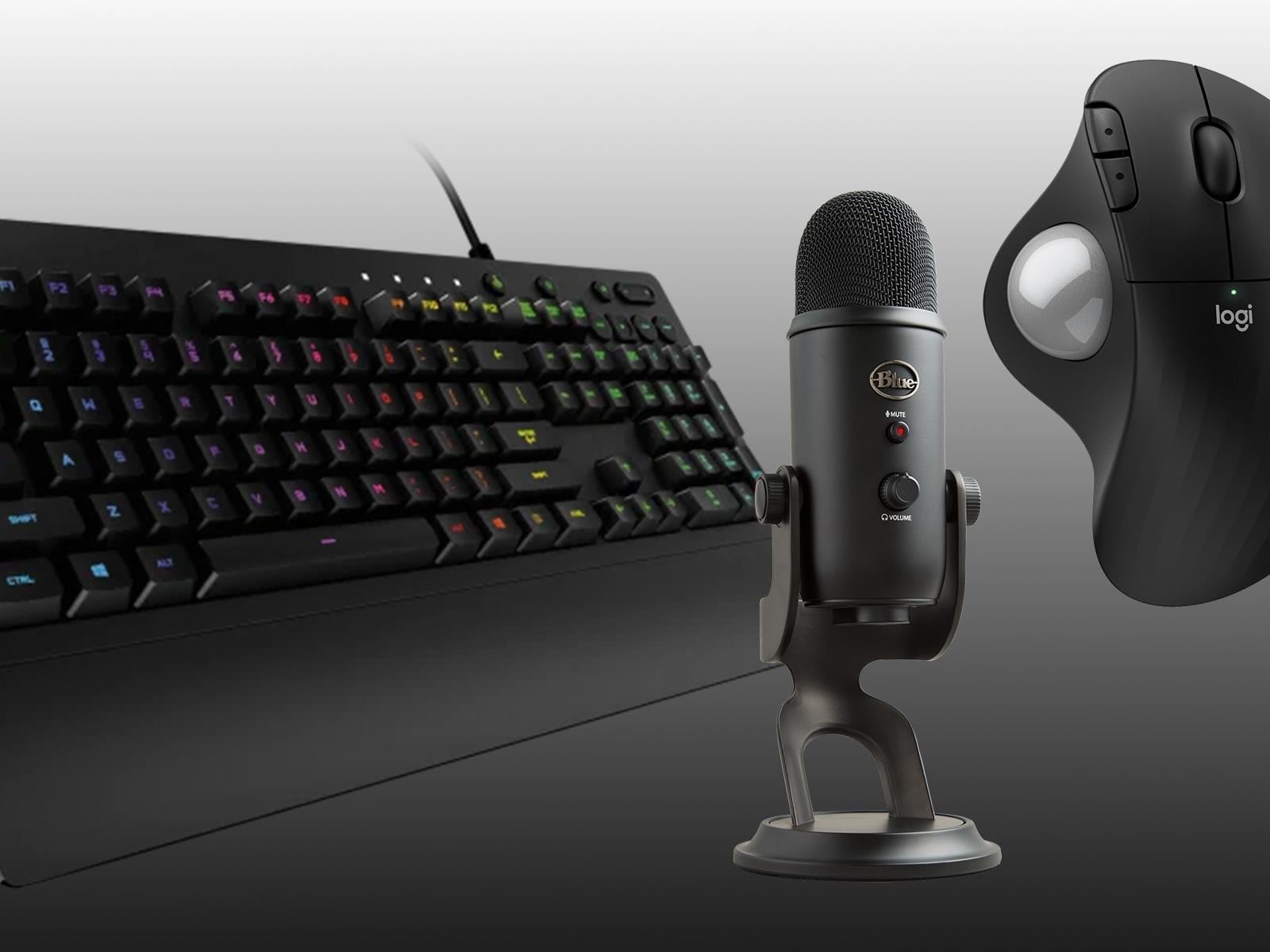
Woot, the dedicated deals site that Amazon acquired way back in 2010 for a cool $110 million, is having a big sale on a range of Logitech peripherals, including discounts on keyboards, mice, headsets, speaker systems, and more. There are deals on over a dozen items, with savings going all the way up to 50% off, depending on the item. Let’s
Alongside a global launch for Xiaomi’s 17 Ultra (read about that right here), the company announced a further deepening of its relationship with Leica.
The CEO of Leica, Mattias Harsch, took to the stage to announce a new Leitzphone, which appears to be an even deeper collaboration than 17 Ultra by Leica, which is a different phone. Confused? That’s fair.
Design-wise, Leica has shifted back to a single tone body color, which looks more “Leica” to this camera dilettante’s eyes. And if you’re thinking you’ve heard of the Leitzphone before, you probably have: it was a series of phones made by Sharp that launched in Japan in 2021. They all had a 1-inch camera sensor and yes, as does Xiaomi’s first Leitzphone. It also gets a customizable ring to control camera settings.
The interface is also designed by Leica. with the aim of being as intuitive as possible.
The regular Xiaomi 17 Ultra and Leica edition have a Snapdragon 8 Elite Gen 5 chip and a 6.9-inch 120Hz display that can reach up to 3,500 nits of peak brightness. While cameras are the focus, it’s a flagship device by pretty much any metric. We’ll be taking a closer look at what’s different when we get to test it out very soon.
After years of collaborating (and cute little badges), this may be the first pure “Leica phone” manufactured by Xiaomi, but sold directly by Leica.
This is a developing story…
This article originally appeared on Engadget at https://www.engadget.com/mobile/smartphones/leica-leitzphone-xiaomi-mwc-2026-135744417.html?src=rss