Thief VR: Legacy of Shadow Shows Encouraging VR Stealth

Thief VR: Legacy of Shadow is an encouraging take on the classic stealth series so far. We went hands-on and interviewed the developers.

Over a decade since its last entry, the Thief series is back once again but with Maze Theory (Infinite Inside) and Vertigo Games (Metro Awakening) at the helm. Set between the original series and 2014’s reboot, Thief VR: Legacy of Shadow focuses on a new protagonist called Magpie that’s fighting back against the city’s tyrannical ruler, Baron Ulysses Northcrest. Right now, the early signs have me intrigued.

0:00

/0:19

Direct footage captured by UploadVR on PlayStation VR2.

Taking place alongside my Reach preview, I demoed the PlayStation VR2 edition earlier this month. The first level involves stealing intel from a guard station, which feels constricted as you venture through often narrow streets with some open spaces to navigate. Level two requires exploring a much more spacious environment with multiple paths, where you must sneak into a guarded mansion to swipe a key item.

My immediate instinct is to test everything’s interactivity, and searching through drawers for items to pilfer soon pays off by finding hidden loot, storing those by putting them near my chest. This ties into your overall progression and rewards more thorough thieves with these smaller treasures, though the demo doesn’t reveal how this plays out across the main game.

While I wish pulling up your inventory was an on-body action instead of a button press, Thief VR’s immersion generally feels good. Throwing glass bottles to distract guards, pulling up windows to leave buildings, making sure doors are closed to reduce suspicion, and physically crouching behind cover in shadows to not get caught. Details like these collectively make a thrilling whole, and I feel tense navigating these oppressive environments.

I’m usually crouching to avoid making much sound while moving and not lingering in the light any longer than I absolutely have to. A blue crystal on the back of your hand shines to let you know that you’re not in darkness, a suitable approach that reduces HUD elements. Those aren’t completely minimal, though; a guard alerted to your presence or a disturbance displays an icon above them.

0:00

/0:18

Glyph Vision in action

The second demo level introduces Glyph Vision, which is more reminiscent of the reboot’s focus mode than the mechanical eye of Garrett, Thief’s original protagonist. Garrett’s disembodied voice guides you throughout Thief VR for reasons that aren’t completely clear yet, and his presence seems directly linked to this ability. I couldn’t get many story insights beyond environmental clues.

Glyph Vision functions similarly to Detective Vision in Batman: Arkham Shadow, where you put your controller to the headset’s side and hit the trigger. A convenient approach that highlights both enemies and points of interest alike, such as electrical wires powering an alarm system, though this can only be used for so long before needing to recharge.

Combat opens up more in the second level, and Thief VR is a game that actively disincentivizes this approach. You could take down every guard, sure, though it’s much riskier when some (though not all) of the guards can kill you in a single hit. Arrows are very limited, and while they can usefully create distractions, there’s no aim assist once the arrow takes flight.

Some arrows double up as Magpie’s tools, like rope arrows for reaching set locations or water arrows for putting out fires. So there’s a trade-off where killing everyone means you’ll miss other opportunities later on. This makes the stealth approach feel more rewarding. Getting one over on these guards is great, and making my escape is pretty satisfying.

It’s a promising start, though there’s still work to be done. I can’t speak for other platforms as only the PS VR2 demo was available but notable bugs in this demo, like missing mission markers, have me wondering if it will get delayed. One moment saw enemies still on full alert to my presence after being killed and reloading to a checkpoint, even though I’d not been caught again.

0:00

/0:20

Lockpicking in action

Soon after my demo, I interviewed Principal Designer Nick Witsel from Vertigo Games and Richard Bunn from Maze Theory to learn more. Asking how Thief VR got off the ground, both companies were already discussing a potential collaboration when Eidos Montreal was acquired by the Embracer Group, which Vertigo Games falls under via Plaion.

After seeing Maze Theory’s atmospheric work on Peaky Blinders, Witsel confirmed Thief was then pitched to the studio, who readily accepted.

“It came together very quickly, and that was then pitched to Eidos, who were very excited about it as well. They were very supportive and gave us a lot of freedom to create this new chapter,” Witsel replied.

Querying how they approached adapting Thief’s traditional gameplay, Witsel highlights stealth as working “really well” in VR due to its sense of presence and immersion. Saying Thief games are about exploring your environment and paying close attention to details, he believes physically sneaking around and peeking behind corners translates well.

However, this brought around some interesting challenges, with Witsel using light and dark environments as an example.

“In the original Thief games, you have your heads-up display that tells you if you’re in a light spot or a dark spot. The levels are very clearly color-coded, almost with hard borders, and that’s not really realistic, but we accept that as part of the gameplay. These days, games need to look more realistic, so you can’t really have that stark contrast. At the same time, we don’t want some heads-up display that’s always in your field of view.

“It has to feel natural; you need to look at a shadow and go, “That looks dark enough” for me to hide there and feel safe. But at the same time, if you make shadows completely black, especially in VR, that makes you feel very disconnected as you just don’t see anything. We had to shift it so that dark areas are a bit lighter than they realistically would be without feeling immersion-breaking. It’s a very deliberate balance that we have to achieve.”

Weighing in, Bunn discusses how Thief games have a unique atmosphere and “a certain sense to them” they’re hoping to capture. Noting I feel highly alert to noise while sneaking around, sound design is highlighted as another key challenge with footsteps and guard chatter. I instinctively keep closing doors behind me, which apparently was a smart call. Witsel states closed doors will help obscure noises being made in a room.

Bunn also highlights the challenge of where to place Thief VR in the timeline given its four prior entries, advising this affects what things they can say or do within the game.

Garrett’s role and other narrative details are also being kept close to the chest for now; he’s part of this story but not physically present during Thief VR. However, Legacy of Shadow connects these two eras by taking place in the middle.

“There are multiple things. So there’s the law, story, backstory, the history of those games, a timeline, and events. We have to be sensitive to all of those things… We sit in the middle, 200 years after the original games, and we connect them. Sometimes in a very direct way, while other moments are, if you’re a fan of the games and you’re aware of the little details, there are clues.”

Thief VR: Legacy of Shadow reaches QuestSteam, and PlayStation VR2 later this year.

Microsoft’s Windows 11 2025 update starts rolling out today (but don’t expect anything new)

What good is an update if it doesn’t actually add anything new? That’s the question I’m left asking about Microsoft’s Windows 11 2025 update (AKA Windows 11 25H2), which the company will begin pushing out today. Instead of adding any major new capabilities, Microsoft says it’s an “enablement package” that includes recent features added to last year’s 24H2 release. If anything, it could be a push for stragglers who’ve ignored recent updates to get onboard with new Windows 11 capabilities.

Microsoft says the Windows 11 2025 update also “includes significant advancements in build and runtime vulnerability detection, coupled with AI assisted secure coding.” Additionally, the new update should be leaner than before, thanks to the removal of PowerShell 2.0 and Windows Management instrumentation command-line (WMIC). Those are legacy features most users have never touched, but their removal could annoy power users and IT admins who have built ancient scripts using PowerShell 2.0.

As usual, Microsoft says it will start delivering the Windows 11 2025 update to users in waves. The first batch includes users with 24H2 devices who’ve turned on “Get the latest updates as soon as they’re available” in Windows Update. Now that Microsoft has moved to a frequent update cadence, you can expect to see actual new features for Windows 11 25H2 arriving in the coming months.

This article originally appeared on Engadget at https://www.engadget.com/computing/microsofts-windows-11-2025-update-starts-rolling-out-today-but-dont-expect-anything-new-170005064.html?src=rss

All About Zwift Unlocked (Double XP + New Routes!)

Today, Zwift released details for their upcoming Zwift Unlocked tour which kicks off October 6.

Featuring double XP, XP bonuses, extra-long powerups, and a sweet urban kit, the 5-stage series comprises long and short group rides, races, and runs all held on brand-new routes. Read on for details…

Double Up

This season, Zwift Unlocked is effectively replacing the popular Tour of Watopia with its double XP. But never fear: we’re getting double XP for all Zwift Unlocked events!

Additionally, powerups are doubled in length.

New Routes

All Zwift Unlocked rides and runs are held on brand-new routes in Watopia, Makuri Islands, Scotland, and New York. (That’s 10 new routes to ride, and 5 new run-only routes. See details below.)

The most exciting new routes will be used for stages 4 and 5, when Zwift reveals their New York expansion, including the new power segments feature. Read more about the expansion >

Stage Details and Schedule

Each stage lasts for a week and includes long rides, short rides, races, and run events.

Long rides will take approximately 90 minutes to complete at 2.5 W/kg, while short rides and races will be closer to 45 minutes.

Rides and runs are scheduled hourly on the hour, and races are scheduled hourly at ten minutes past the hour. Rides can be completed on-demand whenever you’d like, but races and runs are available as scheduled events only.

Stage 1, October 6-13

Stage 2, October 13-20

Stage 3, October 20-27

Stage 4, October 27-November 3

  • Long Ride – The Greenway (details TBA)
  • Short Ride and Race – Spinfinity (details TBA)
  • Run – Prospect Park Loop Run (details TBA)

Stage 5, November 3-10

  • Long Ride – Stay Puft Pursuit (details TBA)
  • Short Ride and Race – Double Borough (details TBA)
  • Run – Times Square Circuit Run (details TBA)

Make-Up Week November 10-17

Sign up at zwift.com/zwift-unlocked >

Unlocked, Unlocked

Completing Zwift Unlocked stages earns you various in-game rewards. Riders will unlock the following:

  • 1 Stage: Zwift Unlocked Beanie
  • 3 Stages: 1,000 XP (in addition to all the double XP you’ll get!)
  • All 5 Stages: Zwift Unlocked Kit

Runners will unlock the Zwift Unlocked running kit after completing just 1 stage.

Questions or Comments?

You can also find more details, as well as event signup links, at zwift.com/Zwift-Unlocked. Still have questions or comments? Share below!

China Hackers Breached Foreign Ministers’ Emails, Palo Alto Says

Chinese hackers breached email servers of foreign ministers as part of a years-long effort targeting the communications of diplomats around the world, according to researchers at the cybersecurity firm Palo Alto Networks. From a report: Attackers accessed Microsoft Exchange email servers, gaining the ability to search for information at some foreign ministries, said the team at Unit 42, the threat intelligence division of Palo Alto Networks, which has been tracking the group for nearly three years.

Hackers specifically searched in the email servers for key terms related to a China-Arab summit in Riyadh, Saudi Arabia, in 2022, said Lior Rochberger, senior researcher at the company. They also searched for names such as including Chinese President Xi Jinping and his wife, Peng Liyuan, in the context of that summit, the researchers said. The researchers declined to specifically identify which countries had their systems breached in the hacking campaign, but wrote in the report that the group’s targeting patterns “align consistently with the People’s Republic of China (PRC) economic and geopolitical interests.”


Read more of this story at Slashdot.

The best October Prime Day deals on Anker charging gear and other accessories

You may not be looking to spend big on tech this October Prime Day, but it’s still a good idea to look for tech essentials during the shopping event while you can get some at good discounts. Anker makes some of our favorite charging gear and I always end up picking up an accessory or two during Prime Day to ensure I have what I need when I need it most, and I feel better knowing I didn’t spend full price on it.

For example, in sales past, I picked up a couple of extra USB-C charging cables so I could keep one in my carry-on luggage so I always have one when I travel. My partner will likely be upgrading to an iPhone 17 this year, so we’ll have to get a few more USB-C cables now that Lightning is officially banished from our home. Also, every year it seems I need yet another surge protector, so even though I picked one up the year before — but one can never have too many. Here, we’ve collected all of the best October Prime Day deals on Anker devices and other charging gear we could find, and we’ll update this post as the event goes on with the latest offerings.

Anker Prime Day deals: Power banks

Power banks are not as straightforward as you might think. They come in all shapes, sizes and capacities and can have extra features like magnetic alignment, built-in kickstands, extra ports and more.

It’s worth considering how you’ll use a power bank before you decide on the right one to buy. Smartphones don’t need huge-capacity bricks to power up a couple of times over; a 5K or 10K portable charger should be plenty if that’s all you’re looking to support. If you want a more versatile accessory that can charge a tablet, laptop or gaming handheld, consider a brick with a higher capacity — and more ports so you can charge multiple devices simultaneously.

Anker Prime Day deals: Wireless chargers

A good wireless charger can lighten your cable load. While wired charging remains faster and more efficient, wireless chargers can clean up your space by eliminating a few of those cables that constantly trip you up.

We recommend thinking about where you’ll use a wireless charger before buying one. Those outfitting a home office with new tech may want a wireless charging stand that puts their phone in an upright position that’s easier to see while it’s powering up, while those who want a wireless charger for their nightstand might prefer a lay-flat design or a power station that can charge a smartphone, smartwatch and pair of earbuds all at once.

Anker Prime Day deals: Charging gear

Plenty of other charging gear is on sale for Prime Day. It’s never a bad idea to pick up a few 30W USB-C adapters so you always have what you need to reliably power up your phone. Same goes for extra USB-C (or USB-A) cables that can live in your car, in your office at work or by the couch.

This article originally appeared on Engadget at https://www.engadget.com/deals/the-best-october-prime-day-deals-on-anker-charging-gear-and-other-accessories-164536998.html?src=rss

Daniel Ek is stepping down as Spotify CEO

Spotify founder and CEO Daniel Ek will be transitioning to the role of executive chairman on January 1 of next year. The current Co-President and Chief Product and Technology Officer Gustav Söderström and Co-President and Chief Business Officer Alex Norström will take his place as co-CEOs.

“Over the last few years, I’ve turned over a large part of the day-to-day management and strategic direction of Spotify to Alex and Gustav — who have shaped the company from our earliest days and are now more than ready to guide our next phase. This change simply matches titles to how we already operate. In my role as Executive Chairman, I will focus on the long arc of the company and keep the Board and our co-CEOs deeply connected through my engagement,” Ek said in a statement.

In a letter to Spotify employees, Ek also shared that he wants to help create more technology-driven “supercompanies” that “tackle some of the biggest challenges of our time.”

As a recent example of Ek’s other interests, this summer he led a $700 million investment round into the defense tech firm Helsing. The company sells AI-powered software that analyzes weapons and sensor data in battlefields to help with military decision-making. Last year Helsing started manufacturing a line of military drones. Ek has received pushback on this investment in the form of a number of smaller artists, as well as Massive Attack pulling their music catalogs from Spotify.

Daniel Ek founded Spotify in 2006 alongside Martin Lorentzon and oversaw the company’s growth to almost 700 million monthly active listeners. It’s been a busy year for the music streaming giant, which finally started offering lossless streaming after a multi-year wait.

The company also finds itself at a crossroads as more AI-generated music is making its way to the platform. The company recently made some policy changes to address AI, though this was only aimed at fraudulent and deceptive uses of the technology. Fully AI-generated songs and albums are still permitted.

This article originally appeared on Engadget at https://www.engadget.com/entertainment/streaming/daniel-ek-is-stepping-down-as-spotify-ceo-161519791.html?src=rss

What Researchers Suspect May Be Fueling Cancer Among Millennials

Cancer rates among people aged 15 to 49 have increased 10% since 2000 even as rates have fallen among older populations. Young women face an 83% higher cancer rate than men in the same age range. A 150,000-person study presented at the American Association for Cancer Research meeting found millennials appear to be aging biologically faster than previous generations based on blood biomarkers. That acceleration was associated with up to 42% increased risk for certain cancers including lung, gastrointestinal and uterine malignancies.

Researchers are examining the “exposome” — the full range of environmental exposures across a person’s life. Studies have linked early-onset cancers to medications taken during pregnancy, ultra-processed foods that now account for more than half of daily calorie intake in the United States, circadian rhythm disruption from artificial light and shift work, and chemical exposures. Gary Patti at Washington University is using zebrafish exposed to known and suspected carcinogens to track tumor development. His lab has developed systems to scan blood samples for tens of thousands of chemicals simultaneously to identify signatures appearing more frequently in early-onset cancer patients.


Read more of this story at Slashdot.

iOS 26.0.1, macOS 26.0.1 updates fix install bugs, new phone problems, and more

Now that iOS 26, macOS 26 Tahoe, and Apple’s other big software updates for the year are out in public, Apple’s efforts for the next few months will shift to fixing bugs and adding individual new features. The first of those bug fix updates has arrived this week in the form of iOS 26.0.1, macOS 26.0.1, iPadOS 26.0.1, and equivalent updates for most of the devices across Apple’s ecosystem.

The release notes for most of the updates focus on device- and platform-specific early adopter problems, particularly for buyers of the new iPhone 17, iPhone 17 Pro, and iPhone Air.

The iOS 26.0.1 update fixes a bug that could prevent phones from connecting to cellular networks, a bug that could cause app icons to appear blank, and the VoiceOver feature becoming disabled on devices that have it on. Camera, Wi-Fi, and Bluetooth bugs with the new iPhones have also been patched. The iPadOS update also fixes a bug that was causing the floating software keyboard to move around.

Read full article

Comments

Composite spokes mean new Roval Alpinist CLX III wheelset weighs only 1,131g

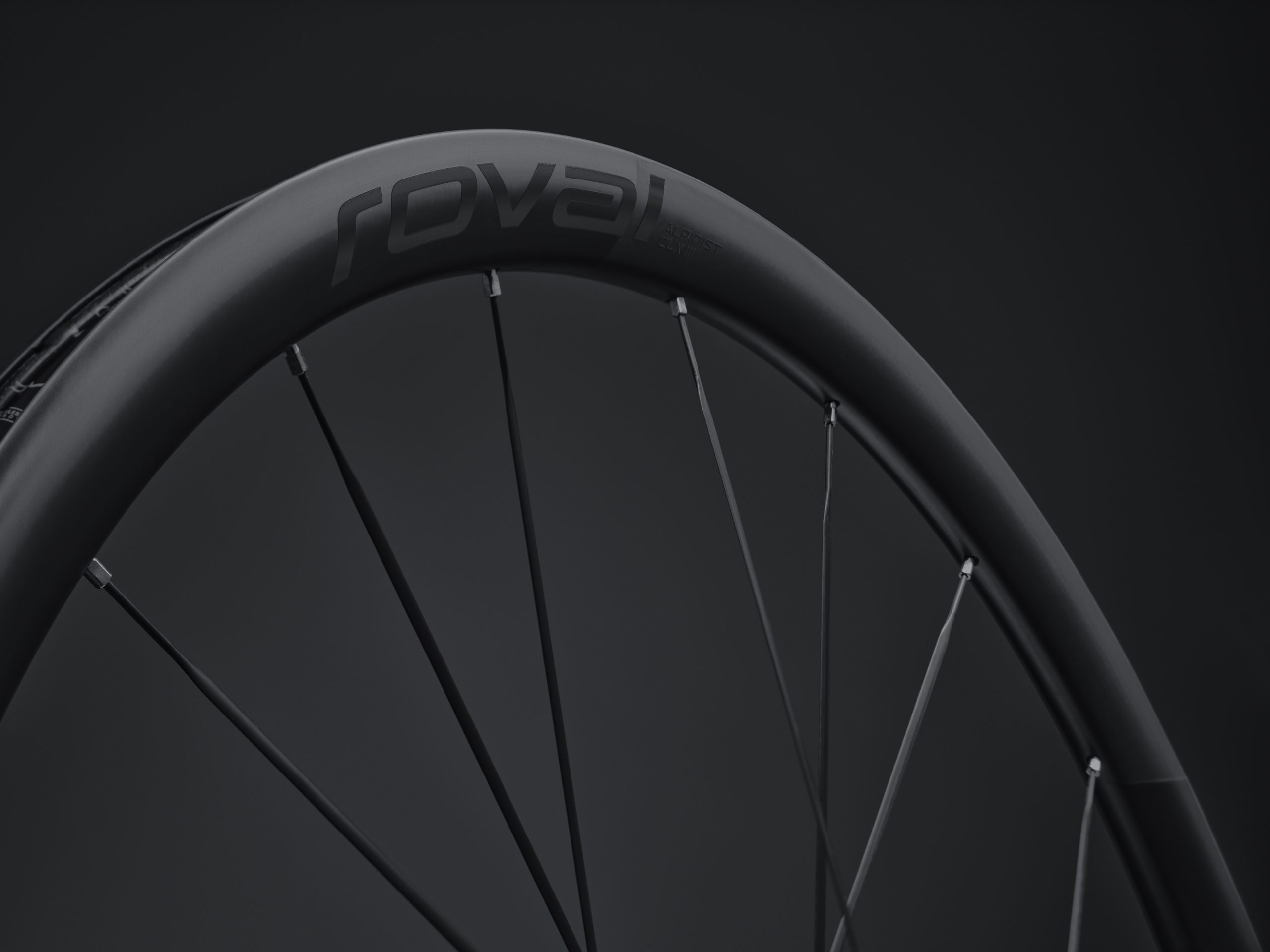
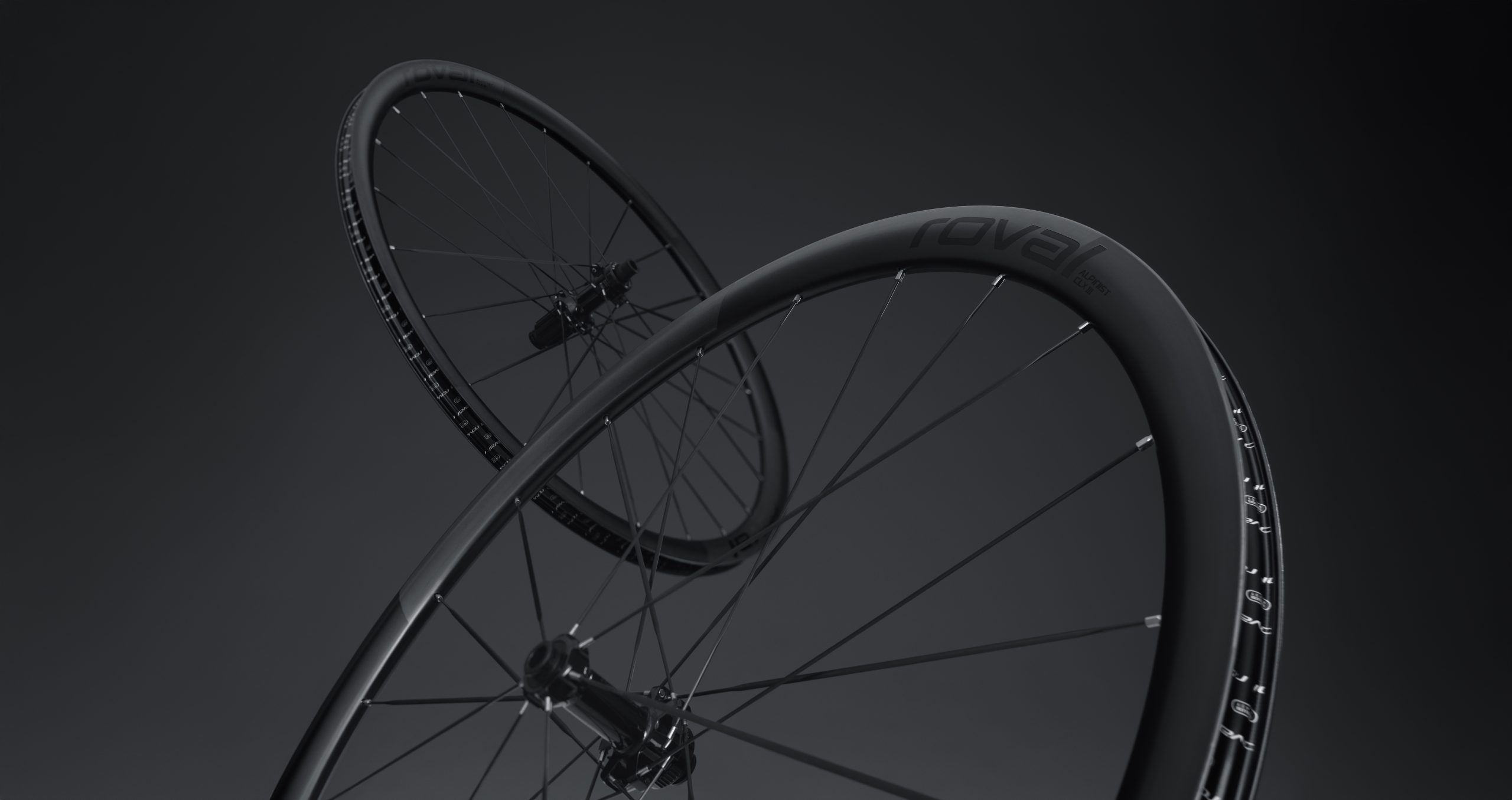
Specialized’s offshoot components brand Roval has announced the release of its new Alpinist CLX III wheelset, which is claimed to weigh only 1,131g.

Roval says the Alpinist CLX III is 134g lighter than the outgoing Alpinist CLX II, and claims it would have saved Demi Vollering five seconds in her ascent of the Col du Tourmalet during the 2023 Tour de France Femmes. 

The new wheels benefit from shared technology with the aero Rapide CLX III wheelset, including specially developed composite spokes and modified Roval LF hub shells, while the rims retain a bead hook.

However, unlike the latest Rapide wheelsets, which subverted the norm by debuting a deeper and wider front rim compared to the rear in the name of aerodynamics, the rim profiles are uniform at 33mm deep and a relatively modest 21mm wide internally.

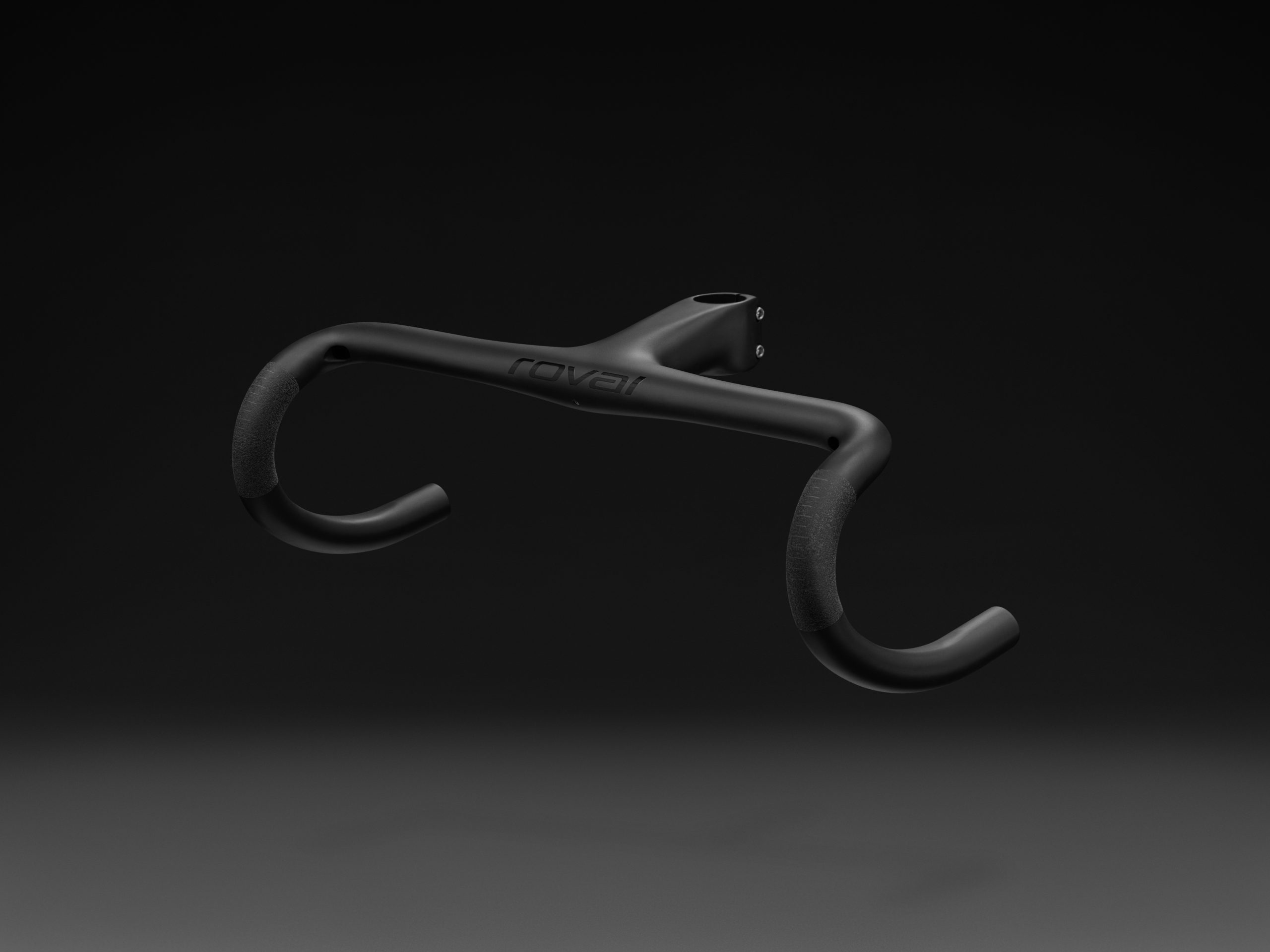
The launch of the wheelset, which costs £1,149 (front) and £1,599 (rear), is accompanied by a new Alpinist II one-piece cockpit, which is said to weigh 270g in a size 400x100mm. The Aplinist II cockpit costs £575.

Sights set on the mountains

Roval Alpinist II Cockpit
Specialized reckons Demi Vollering would have saved five seconds using the Alpinist CLX III compared to the Alpinist CLX II when she raced up the Col du Tourmalet at the 2023 Tour de France Femmes. Specialized

The Roval Alpinist CLX III wheelset is designed chiefly for use in the mountains, thanks to its low claimed 1,131g weight.

According to Roval product manager Chris Whelan, this weight includes factory-fitted rim tape and tubeless valves, and was arrived at by drawing an average from an initial cohort of production wheels then cutting the lightest 10% from the calculation.

In short, he says customers should receive wheelsets that are “at least as light as the claimed weight” – a refreshing change from the general norm should it prove to be true.

Roval Alpinist CLX III wheelset
The wheels use composite spokes created in partnership with Arris Composites. Specialized

The main weight saving has been achieved through adopting thermoplastic composite spokes, initially seen on the Rapide CLX III wheels. Developed in conjunction with Arris Composites, a California-based specialist in carbon development and manufacture, they are claimed to save 1.9g per spoke compared to the DT Swiss Aerolite spokes used for the Alpinist CLX II (103.5g across the entire wheelset).

These spokes sport titanium end pieces, which fit to internally housed alloy nipples and new hub shells – but unlike carbon spokes typically seen in the industry, these aren’t designed to maximise stiffness.

Roval Alpinist CLX III wheelset
The spokes have a bladed central portion, tapering at each end. Specialized

Instead, Roval claims their construction enables a small extra degree of flexion, which is said to boost strength by 20%, fatigue life (given they handle deforming forces more easily), and handling and ride quality.

Overall, Roval says its simulations show the new Alpinist wheelset would have saved Vollering five seconds in her stage-winning ascent of the Col du Tourmalet two years ago.

Given that ascent took Vollering 53mins 8secs according to her Strava file of the ride, this equates to a 0.16% improvement – not nothing, but not a lot.

Narrower than expected?

Roval Alpinist CLX III wheelset
Overall dimensions have remained the same, save for a small update to the rim bed to make it “fully compliant” with ETRTO standards. Specialized

Given the trend towards wider tyres, you might have expected Roval to widen its Alpinist rims accordingly.

However, the general design remains very similar to the previous-generation wheelset – a hooked rim, and still 33mm deep front-to-rear, 21mm wide internally and 27mm wide externally.

These dimensions are optimised around a 28mm tyre, and Roval confirms that the wheels now “fully meet” ETRTO (European Tyre & Rim Technical Organisation) standards. 

According to Whelan, the old Alpinist II rim design sat “slightly” outside of these standards as the brand sought to prioritise tyre retention in the event of a sudden deflation, but the side effect was a tougher installation process. 

Roval Alpinist CLX III wheelset
The hubs have been updated to accept the new titanium spoke end caps. Specialized

Whelan says Roval tested 19, 21 and 23mm-wide rim designs, using a mix of 26, 28 and 30mm-wide tyres, but found the best performance was seen with a rim optimised for 28mm tyres. 

The bead hooks are 4.5mm wide in order to help reduce the risk of pinch flats, which the brand claims it tests for using its own proprietary tubeless impact testing protocol. 

It’s worth noting that these rim shape updates have also been rolled over to the Alpinist CL II wheelset, but the hubs (DT Swiss 350) and spokes have remained the same.

DT Swiss internals

As with the previous Alpinist CLX wheelset, Roval has stuck with its tried-and-tested method of using DT Swiss 180 EXP internals for its hubset.

That said, the Roval-designed hub shells have been modified to sport the titanium end pieces, and the flanges widened slightly to complement the properties of the composite spokes.

The hubs use SINC ceramic bearings and a 36-tooth ratchet ring. 

Alpinist II cockpit

Roval Alpinist II Cockpit
The new Alpinist II cockpit has been developed using more than 100,000 Retül bike fit scans. Specialized

Alongside the Alpinist CLX III wheelset, Roval has also introduced the new Alpinist II cockpit.

This features refined ergonomics compared to the previous Alpinist SL, including D-shape tops for improved grasping comfort. The drop flare has also increased, from zero to four degrees. 

Roval claims the changes have been informed by more than 100,000 scans of Retül rider fit data, to comply with a range of natural hand and wrist angles riders hold.

Roval Alpinist II Cockpit
The new bar is available in 15 sizes, each with a 4-degree drop flare. Specialized

Feedback from Specialized’s customer base has also been informative. BikeRadar understands this saw demand for a handlebar with internal cable routing. Hoses exit out of a port in the underside of the stem, and back into a port in the top of the headset.

Despite the extra material in the design, Roval says it has kept weight down to 270g – 15g more than the Alpinist SL (and 10g less than the old two-piece arrangement fitted to the Specialized Aethos).

Compared to the Rapide cockpit seen on the Specialized Tarmac SL8, the new Alpinist front end is said to offer 28.3% more damping. Roval says you could swap the two cockpits easily, plus upgrade those on the Aethos and Roubaix bikes, if desired, given it sports a 1-1/8in steerer clamp.

It’s available in 15 sizes, ranging from 80-130mm stem lengths and 380-440mm bar widths (measured centre-to-centre).

Pricing 

  • Roval Alpinist CLX III wheelset: £1,149 (front), £1,599 (rear)
  • Roval Alpinist II cockpit: £575

Battlefield 6 Live Action Trailer Mocks Call Of Duty With Celebrity Carnage

Battlefield 6 Live Action Trailer Mocks Call Of Duty With Celebrity Carnage
No celebrities were harmed in the making of Battlefield 6 or the recent Call of Duty games—but COD gameplay has had a strangely high concentration of immersion-breaking celebrity skins lately, and Battlefield 6’s live action launch trailer chose to make a pastiche of that decision. At least, before quickly and abruptly shifting to the serious

Amazon just announced a totally redesigned Echo Show 8 and Echo Show 11

During its invite-only and not live-streamed Devices and Services event today out of New York City, Amazon announced its upcoming Ring and Blink devices, new Fire TVs and streaming sticks, Kindle Scribes and, finally, a whole new Echo device lineup — including new Echo Show smart displays. The latest smart-home screens were built to showcase Alexa+, the new and AI-improved smart assistant.

There’s a new Echo Show 8 and Echo Show 11 (as well as new Echo speakers). Amazon called them the most powerful Echo devices ever created. They have custom silicon, the AZ3 Pro with an AI Accelerator, as well as more advanced sensors and improved microphones for better noise cancellation. The look has been completely redesigned, and resemble a cross between the existing Echo Show 8 and the Echo Show 10, with a prominent speaker module at the bottom and floating screen up top. The speakers pack full-range drivers that fire audio forwards for clearer sound. 

Both of the new displays have negative liquid crystal screens designed to maximize viewing angles, so you can see them better from anywhere in a room. They each have 13MP cameras as well, which is the best camera ever included on an Echo Show. That and other sensors, including Wi-Fi radar, will enable contextualized Alexa+ interactions, like recognizing when you walk up to the display, triggering the AI to greet you, display your relevant information and even deliver one of your personalized reminders. 

Software upgrades include a new media control center to allow better access to your video and music and streaming apps. A new home hub has support for Zigbee, Matter, and Thread, which should let you hook up even more smart home devices for Alexa to tap into. If you use your display for family scheduling, you can try the new color-coded calendars. If you wear an Oura ring, look for new wellness integrations centered around that fitness tracker. A new Alexa+ shopping widget will give you more control over your Amazon and Whole Foods deliveries while also suggesting items to buy and even gifts to give someone. 

Amazon Echo Show
Amazon/ Sam R for Engadget

The Echo Show 8 and Show 11 were redesigned with Alexa+ in mind, the service that Amazon revealed at an event earlier this year. The AI-enhanced upgrade to Amazon’s virtual assistant is supposed to be more conversational, retaining memories of your chats for more contextualized responses. Our experience with an early version of the assistant was… complicated. It was better at many things like multi-step tasks and using information from previous interactions, but it, like all AI-experiences, highlighted the limitations of computers trying to be people. Alexa+ is currently free with Prime, or costs $20 per month for non-Prime members.

Prior to the announcement of the new display, the Echo Show lineup consisted of four models: The Echo Show 5, 8, 15 and 21 (the Echo Show 10 hasn’t been consistently available these past few months). Each model number refers to the size of the screen (measured on the diagonal) and the smallest, the Echo Show 5, is designed for office desks or small kitchens. The slightly larger Show 8 is more suited to acting as a smart home hub and, like the Echo Show 5, is designed to sit on a table or countertop. Both were last updated in 2023. The Show 15 and 21 are wall-mountable and can act as calendars and family planners in addition to subbing in as small TVs when needed. The two larger Show displays were last updated in 2024.

The new Echo Show devices are available for pre-order today and will come with Alexa+ Early Access. The Echo Show 8 sells for $180 and the and Echo Show 11 for $220. Both will ship on November 12. 

This article originally appeared on Engadget at https://www.engadget.com/home/smart-home/amazon-just-announced-a-totally-redesigned-echo-show-8-and-echo-show-11-145937172.html?src=rss

Alexa Home Theater will let you use Amazon’s Echo speakers for surround sound

What if you could just use a ton of Echo speakers as a surround sound setup for your TV? That’s basically what Amazon is trying to accomplish with its new Alexa Home Theater feature, which was announced during its 2025 device launch today. As the name implies, Alexa Home Theater works with up to five of its new Echo Studio or Echo Dot Max devices to create a surround sound environment with “compatible Fire TV sticks.” According to the company, Alexa will automatically set up the Home Theater feature once you’ve plugged in several Echo devices.

Clearly, Amazon isn’t aiming for the home theater enthusiast crowd here. A surround sound system without a subwoofer simply won’t sound very exciting. But if you’re going for a fairly minimalist setup, I could see how having a few Echo orbs around your living room could be more aesthetically pleasing than giant speakers. It’s unclear if Alexa Home Theater will work with the original Echo Studio, but we’re trying to confirm that with Amazon.

While the company is pitching this feature as an inexpensive entry into surround sound, a full Alexa Home Theater setup will start at $500 for five Echo Dot Max speakers, and it’ll get even pricier once you throw in the $220 Echo Studio. At that point, just get a decent soundbar, which will be able to virtualize surround sound and offer better low-end.

This article originally appeared on Engadget at https://www.engadget.com/audio/speakers/alexa-home-theater-will-let-you-use-amazons-echo-speakers-for-surround-sound-153325469.html?src=rss

Kindle Scribe Redesign Adds Color Model and AI-powered Notebook Features

Amazon today announced three new Kindle Scribe models, its e ink-featuring tables designed for note-taking and reading. The lineup includes the standard Kindle Scribe and a version without a front light alongside the Kindle Scribe Colorsoft. The new devices feature an 11-inch glare-free E Ink screen compared to the 10.2-inch display on previous models.

Amazon has reduced the weight to 400 grams from 433 grams and made the devices 5.4mm thin. The company added a quad-core processor and additional memory to deliver writing and page turns that are 40% faster than earlier versions. The Colorsoft model uses custom-built display technology to offer 10 pen colors and five highlighter colors. Amazon redesigned the software to include AI-powered notebook search and summaries. The devices will support Google Drive and Microsoft OneDrive for document access and allow users to export notes as editable text to OneNote. The standard Kindle Scribe will start at $499.99 and the Colorsoft at $629.99 when they become available later this year. The version without a front light will cost $429.99 and arrive early next year.


Read more of this story at Slashdot.

The best October Prime Day vacuum deals you can get now: Save on machines from Shark, iRobot, Dyson and more

Robot vacuums are more than just a gimmick. Sure, we all enjoy anthropomorphizing a Roomba from time to time, but they’re not gadgets for the sake of gadgetry — keeping your living space clean is an incredibly rewarding task to automate. The only problem is that both robot vacuums and all decent vacuums, are expensive. Fortunately, the steep discounts offered on Amazon this October Prime Day make the purchase a lot more justifiable, whether you want a robot buddy or a traditional vacuum cleaner. In this article, we’re sharing a constantly updated list of vacuum discounts worth taking advantage of.

Best Prime Day vacuum deals

iRobot Roomba 104 Vac for $150 (40 percent off, Prime exclusive): This entry-level Roomba is a good pick for anyone who’s new to owning a robot vacuum. It features a multi-surface brush and an edge-sweeping brush to clean all types of flooring, and it uses LiDAR navigation to avoid obstacles as it goes. The iRobot mobile app lets you control the robot, set cleaning schedules and more.

Shark Matrix Plus 2-in-1 for $300 (57 percent off, Prime exclusive): The Shark Matrix Plus takes the robot vacuum concept even further by working a mop into the design for hands-off wet cleaning. This model is self-cleaning, self-emptying, self-charging and capable of tackling ground-in stains on hard floors.

Shark Navigator Lift-Away Deluxe for $160 (27 percent off): Moving into manual vacuums, let’s start with one of the best. The Shark Navigator Lift-Away is a champion at getting deeply ingrained crud out of carpets, but it’s also capable of squaring away bare floors. You can switch between the two settings quickly, and the lift-away canister makes it easy to empty.

Levoit LVAC-300 cordless vacuum for $250 ($100 off, Prime exclusive): One of our favorite cordless vacuums, this Levoit machine has great handling, strong suction power for its price and a premium-feeling design. Its bin isn’t too small, it has HEPA filtration and its battery life should be more than enough for you to clean your whole home many times over before it needs a recharge.

Dyson Ball Animal Total Clean Upright Vacuum for $500 (24 percent off): Dyson is still the king of reinventing vacuums, and the bagless, hyper-maneuverable Ball Animal is a blast to use. The Ball design is based on ease of steering, but the hidden MVP is the sealing — from the head to the canister, not a hair is getting out of this one once it’s in.

Amazon Basics Upright Bagless Vacuum Cleaner for $55 (21 percent off): All right, nobody goes to Amazon Basics to be impressed, but we have to admit this vacuum exceeds expectations. It’s light, it has a big dust reservoir and it comes with all the attachments you’ll need for a reasonably sized apartment. The filter is also simple to remove and clean.

Black+Decker QuickClean Cordless Handheld Vacuum for $27 (33 percent off): Rounding out the list, we’ve got this small-but-mighty hand vacuum, perfect for crevices, shelves or cleaning out your car. It weighs about 1.4 pounds and hoovers up small messes in the blink of an eye. The lithium-ion battery stays charged for up to 10 hours.

This article originally appeared on Engadget at https://www.engadget.com/deals/the-best-october-prime-day-vacuum-deals-you-can-get-now-save-on-machines-from-shark-irobot-dyson-and-more-151504364.html?src=rss

Meta Ray-Ban Display Is Now Available In Select US Stores

Meta Ray-Ban Display is now being sold, exclusively in physical US stores.

Announced at Connect 2025 two weeks ago, Meta’s first smart glasses with an in-lens display are available to purchase in select Best Buy, LensCrafters, Sunglass Hut, and Ray-Ban stores, as well as the Meta Lab.

Meta says that it “highly” encourages booking a demo before buying the glasses. However, demos are currently booked out until late October for many locations, and even November for some, and contrary to what was previously believed, Meta confirmed that a demo is not strictly necessary to purchase Meta Ray-Ban Display.

The company also plans to add more stores to expand the availability of demos. “We’re adding more stores to meet the demand, with new availability opening every day”, Meta says.

What Is Meta Ray-Ban Display?

Priced at $800, Meta Ray-Ban Display does everything the regular Ray-Ban Meta glasses do, and also has a small fixed HUD (heads-up display) in the right lens, with an interface that you scroll through and click using finger gestures detected by the included Meta Neural Band.

Meta Neural Band works by sensing the activation of the muscles in your wrist which drive your finger movements, a technique called surface electromyography (sEMG). Meta Neural Band includes haptic feedback, has an IPX7 water resistance rating, and Meta claims it should get around 18 hours of battery life.

Meta Ray-Ban Display’s monocular HUD has a field of view of around 20 degrees, brightness of up to 5000 nits, and resolution of 600×600, providing 42 pixels per degree, which is higher than Apple Vision Pro. The display has just 2% light leakage, meaning other people nearby essentially won’t be able to see it.

Here’s what Meta says you can use the display for:

Meta AI with Visuals: Meta AI on glasses can do so much more when it’s paired with visuals — now it can show you answers and step-by-step how-tos, rather than just reading something back to you. Move through steps easily with a quick swipe of your thumb side to side using the Meta Neural Band. 

Messaging & Video Calling: Staying connected while staying in the moment is so much easier when your glasses show you short texts, WhatsApp messages, or Reels your friends are sharing. With Meta Ray-Ban Display, you can privately view text and multimedia messages from WhatsApp, Messenger, Instagram, and your phone, hands-free with just a pinch. You can also take live video calls from WhatsApp and Messenger and show friends what you’re seeing through the glasses. 

Preview & Zoom: The real-time camera viewfinder and zoom functionality helps you get the perfect shot on the first try — and the display makes it easy to select and share your favorite photos and videos. 

Pedestrian Navigation: Get where you need to go, with phone-free, walking directions. Select your destination and get turn-by-turn walking directions with a visual map of the area shown on your glasses’ display. We’ll launch pedestrian navigation for select cities in beta and will continue to add more over time.

Live Captions & Translation: Meta Ray-Ban Display breaks down barriers with its live captioning feature. When prompted, it can display captions for the speech that’s directed at you, or translate select languages for you in real-time — all while you stay present and engaged in the conversation.

Music Playback: See what you’re listening to in real time with the music card shown on the glasses’ display. Swipe left and right with your thumb to navigate music, or pinch your fingers and rotate your wrist to turn the volume, just like you’re dialing up a speaker IRL.

0:00

/0:34

The monocular HUD of Meta Ray-Ban Display.

Meta Ray-Ban Display glasses weigh 69 grams, compared to 52 grams for the regular Ray-Ban Meta glasses, and 45 grams for their non-smart equivalents. They’re also noticeably bulkier, with thicker frames and temples. But this is the tradeoff of adding a display.

The company claims that the glasses should get around six hours of battery life in normal use, but we’ll need to get our hands on them for a review to verify that in the real world.

In a software update set for December, Meta says Meta Neural Band will even let you enter text by swiping the letters with your index finger on a physical surface.

Meta Ray-Ban Display Hands-On: A Flawless Wristband For Flawed Glasses
Meta Ray-Ban Display is very much a first-generation device, with notable flaws, while Meta Neural Band works so well it feels like magic.
UploadVRDavid Heaney

We went hands-on with Meta Ray-Ban Display and Meta Neural Band at Connect 2025. We found the glasses to be very much a first-generation device, with notable flaws, while the wristband works so well it feels like magic. You can read our full impressions here.