The DHS has been quietly harvesting DNA from Americans for years

For years, Customs and Border Protection agents have been quietly harvesting DNA from American citizens, including minors, and funneling the samples into an FBI crime database, government data shows. This expansion of genetic surveillance was never authorized by Congress for citizens, children, or civil detainees.

According to newly released government data analyzed by Georgetown Law’s Center on Privacy & Technology, the Department of Homeland Security, which oversees CBP, collected the DNA of nearly 2,000 US citizens between 2020 and 2024 and had it sent to CODIS, the FBI’s nationwide system for policing investigations. An estimated 95 were minors, some as young as 14. The entries also include travelers never charged with a crime and dozens of cases where agents left the “charges” field blank. In other files, officers invoked civil penalties as justification for swabs that federal law reserves for criminal arrests.

The findings appear to point to a program running outside the bounds of statute or oversight, experts say, with CBP officers exercising broad discretion to capture genetic material from Americans and have it funneled into a law-enforcement database designed in part for convicted offenders. Critics warn that anyone added to the database could endure heightened scrutiny by US law enforcement for life.
Read full article

Comments

3dfx Voodoo Card Modded With Extra Chips & VRAM Unleashes A Classic Gaming GPU

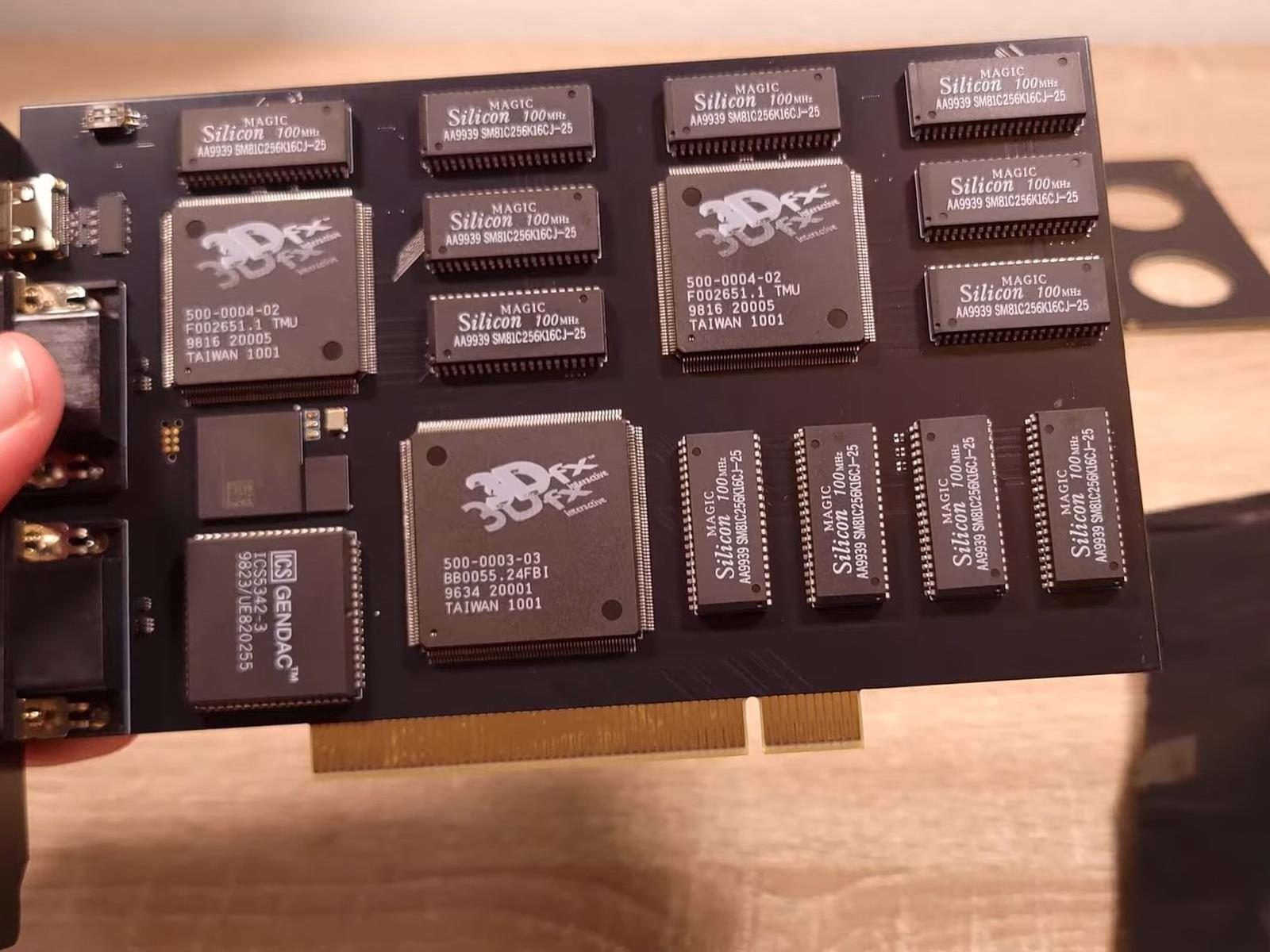
3dfx Voodoo Card Modded With Extra Chips & VRAM Unleashes A Classic Gaming GPU
If you weren’t there, it’s hard to understand just how disruptive 3dfx and its Voodoo graphics cards were. At the time, simply displaying textured polygons at interactive frame rates was an achievement. When the original Voodoo came out, Intel’s MMX didn’t exist yet, the Pentium Pro was the fastest processor in the x86 world, 32 megabytes

[$] CHERI with a Linux on top

The Capability
Hardware Enhanced RISC Instructions
(CHERI) project is a rethinking of
computer architecture in order to improve system security. Carl Shaw gave
a presentation at
Linux
Security Summit Europe
(LSS EU) about CHERI and the efforts to get
Linux running on it. He introduced capabilities,
which are a mechanism for access control, and outlined their
history, which goes back many decades at this point, then looked more
specifically at the CHERI project and what it will take to apply the
security constraints of capabilities to an operating system like Linux.

Ford F-150 Lightnings are powering the grid in first residential V2G pilot

The idea of using an electric vehicle’s battery to send energy from the EV to the electrical grid is not a new idea. Ars first covered the technology, known as vehicle-to-grid or V2G, back in 2009 when Ford and American Electric Power in Ohio started playing with the idea, although that pilot involved hybrids rather than battery EVs. A couple of years later, General Motors tried something similar with the plug-in hybrid Volt, and since then, battery EVs with much larger lithium-ion packs have gotten in on the act, although such pilot programs have invariably involved commercial EV fleets.

More recently, we’ve started seeing EVs that have been designed from the ground up to be capable of bidirectional charging. And since July, some owners of Ford F-150 Lightnings have been sending stored energy back into the grid between 5 pm and 9 pm on weekdays, earning them some cash in the process.

Sunrun, which provides home energy storage and solar solutions, started working with Baltimore Gas and Electric Company on the project last year. This summer, it expanded its work to include the nation’s first residential V2G pilot, with a trio of Lightning owners using Sunrun and Ford’s Home Integration System. Participants can earn up to $1,000 from the program, which runs until the end of this month.

Read full article

Comments

Yakuza Kiwami 3 is official, and it’s out next year with a bonus new spinoff game

Following Sega’s Ryu Ga Gotoku Studios accidentally leaking the game’s existence last week, Yakuza Kiwami 3 has been officially announced by the developer during its RGG Summit presentation. Like Yakuza Kiwami and Yakuza Kiwami 2 before it, Yakuza Kiwami 3 is a full remake of an early entry in the long-running series, in this case 2009’s Yakuza 3, which originally launched on the PlayStation 3.

Yakuza Kiwami 3 is another ground-up remake from RGG, featuring modern graphics, enhanced gameplay and new cutscenes. The game continues the adventures of the (at this point in the story) middle-aged Kazuma Kiryu, who temporarily puts his criminal career on hold to help run an orphanage that will become very important in later entries in the series. Yakuza Kiwami 3 is also bundled with a free spinoff game called Dark Ties, which focuses on Kiryu’s adversary, Yoshitaka Mine.

Yakuza Kiwami 3 and Dark Ties will be released on February 12, 2026, for PS4 and PS5, Xbox and PC (Steam), as well as the Switch 2. Yakuza Kiwami and Yakuza Kiwami 2 are both coming to Switch 2 later this year, and RGG has also announced that Yakuza 0: Director’s Cut is coming to PS5, Xbox and PC on December 8. The expanded version of what many consider to be the best Yakuza game of all time has been a Switch 2 exclusive until now.

This week’s RGG Summit also gave us a brief update on the studio’s next game, Stranger Than Heaven, which we still know very little about, other than that it’s separate from the Like a Dragon and Judgement series and is set during multiple time periods in the 20th century. The game is still several years away from release, but a new behind the scenes trailer shows off snippets of in-game footage and motion capture sessions with actors.

At the time of writing, we’re still waiting for an announcement of the next Like a Dragon game, with the most recent entry being this year’s wonderfully titled Like a Dragon: Pirate Yakuza in Hawaii.

This article originally appeared on Engadget at https://www.engadget.com/gaming/yakuza-kiwami-3-is-official-and-its-out-next-year-with-a-bonus-new-spinoff-game-140315189.html?src=rss

Microsoft Will Let Copilot Take Control of Your Browser, Navigate Tabs and Complete Tasks As You Watch

Microsoft AI CEO Mustafa Suleyman told The Verge today that the company plans to transform Edge into an “agentic browser” where Copilot controls tabs, navigates websites and completes tasks while users watch. Unlike The Browser Company’s new Dia browser, Microsoft will integrate these capabilities directly into Edge.

Suleyman described Copilot opening tabs, reading multiple pages simultaneously and performing research transparently in real-time. The AI visits websites directly, preserving publisher traffic. Current Copilot features include tab navigation, page scrolling and content highlighting. Users will have the option to disable AI features entirely. Suleyman predicted that within years, AI companions will handle most browsing tasks while users provide oversight and feedback.


Read more of this story at Slashdot.

This Roborock Vacuum/Mop Combo Is Over 40% Off

We may earn a commission from links on this page. Deal pricing and availability subject to change after time of publication.

Did you know you can customize Google to filter out garbage? Take these steps for better search results, including adding my work at Lifehacker as a preferred source.


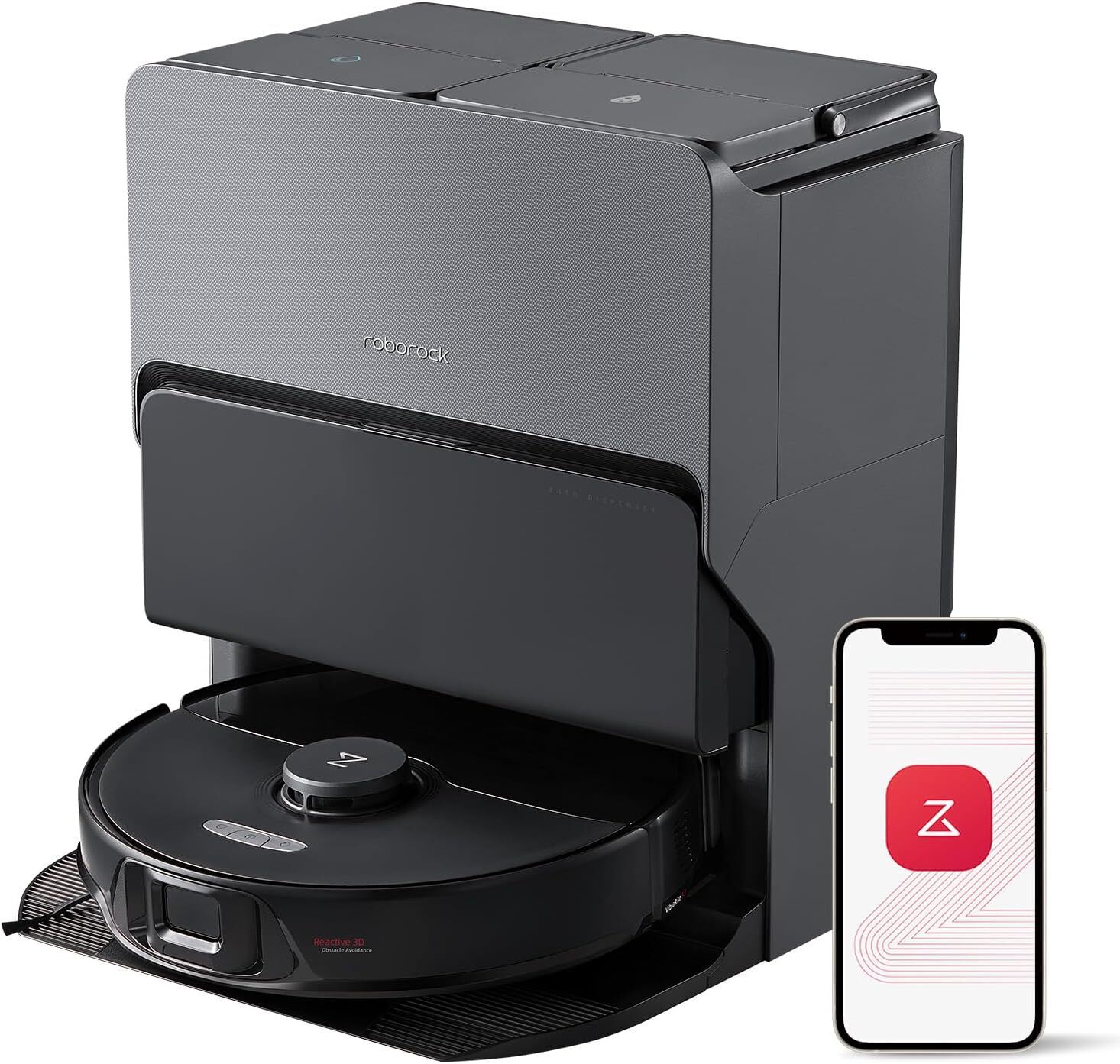
If you’re looking for a new all-in-one robot mop and vacuum to make your life easier, the Roborock S8 Max Ultra Robot Vacuum and Mop is currently 42% off, dropping from $1,300 to $750 in this deal ahead of Prime Day in October and marking its lowest price ever, according to price tracking tools.

This vacuum and map combo has a robust auto-dock system with auto-dust emptying, mop washing, and mop drying. It has a suction power of around 8,000Pa compared to the 10,000Pa suction of the pricier and more advanced S8 MaxV model, according to this PCMag review. The mop features hot-water washing with smart dirt detection to better clean the spinning pads as well as heated air drying, which reduces odors. A single fill of the automatic detergent dispenser will last you for about three months of cleaning.  Like the S8 MaxV, they both have a 100ml built-in water tank, a 4L clean water tank, and a 270ml dustbin. Unlike the S8 MaxV, this model doesn’t include an Intelligent Voice Assistant and remote viewing, though the Roborock app uses AI to adjust cleaning intensity based on certain areas.

You can customize cleaning zones by tweaking features like “Add Area” for more targeted cleaning, and “Skip Area” to bypass spots, while the mop lifts to avoid soaking carpets. Furthermore, different modes like deep-carpet cleaning or carpet boost make it ideal for mixed floors. A FlexiArm side brush also reaches edges more effectively, while LiDAR tech and Reactive 3D Obstacle Avoidance stop it from bumping into furniture (and pets) more effectively. Another perk for pet owners, who praise this model on Amazon, is the Pet Area Deep Cleaning setting, which provides extra sanitation of areas where pets sleep or spend their time. 

Overall, if you’re seeking an advanced robot mop and vacuum hybrid with plenty of hands-free features and don’t mind slightly less suction than the S8 MaxV (which will cost you an extra $350) and the lack of an RGB camera and voice control, the Roborock S8 Max Ultra is a top-tier model with solid performance, strong automation, and only a couple of small tradeoffs, offering strong value at 42% off.

Our Best Editor-Vetted Tech Deals Right Now

Deals are selected by our commerce team

Logitech Signature Slim Solar+ K980 Keyboard Will Make You Forget About Batteries

Logitech Signature Slim Solar+ K980 Keyboard Will Make You Forget About Batteries
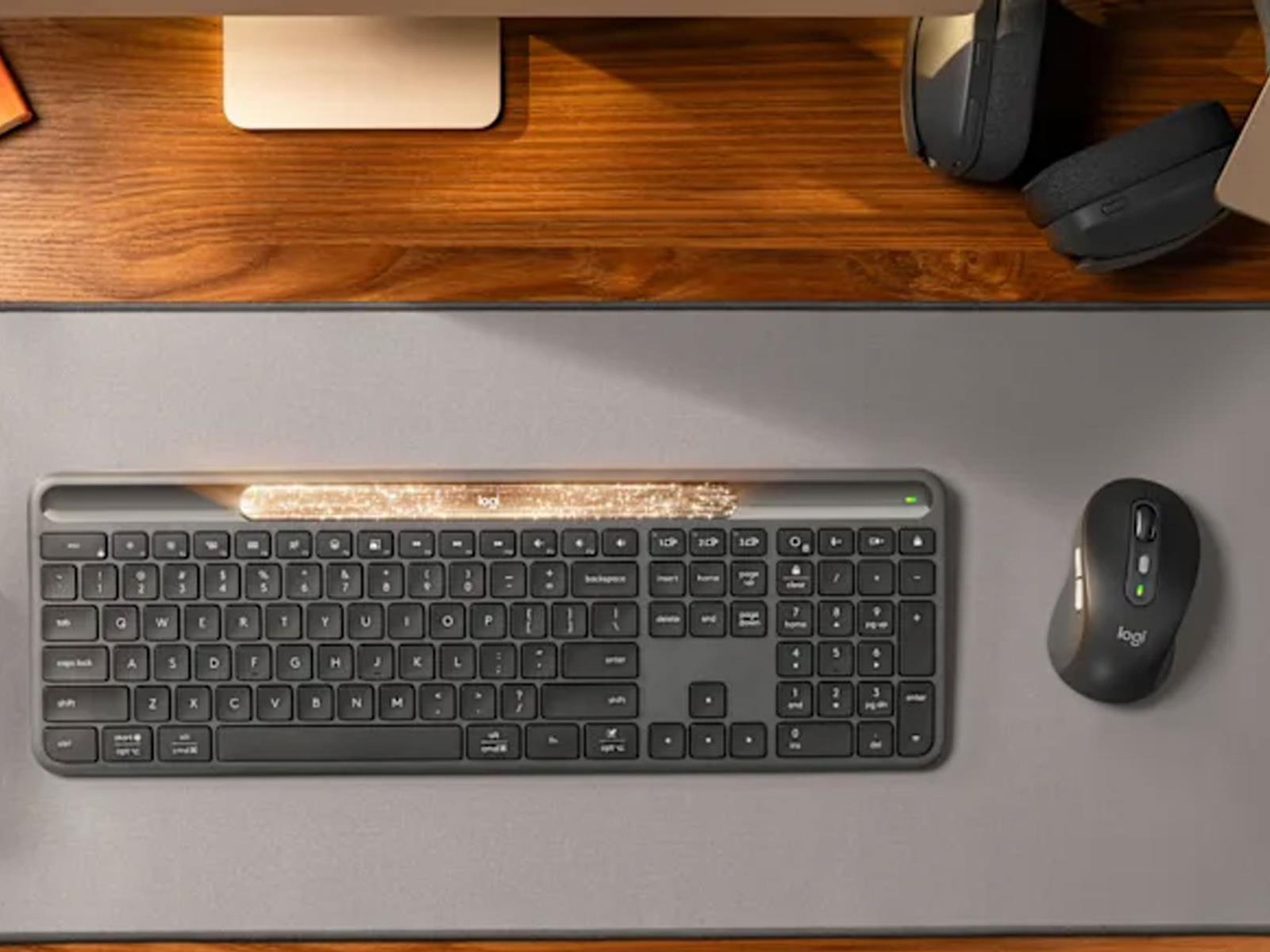
To the person on Reddit who, just five months ago, pleaded with Logitech to “please start making solar keyboards again!,” your wish has been granted. Following up on the launch of its solar powered K750 plank released way back in 2010, Logitech today introduced the Signature Slim Solar+ K980, a wireless keyboard that sips on light from any

Cloudflare Blocks Massive 22.2 Tbps DDoS Attack Twice As Big As Anything Seen Before

Cloudflare Blocks Massive 22.2 Tbps DDoS Attack Twice As Big As Anything Seen Before
Hackers are keeping Cloudflare busy these days with increasingly bigger distributed denial of service (DDoS) attacks at an alarmingly frenetic pace. In a post on X, Cloudflare said its cybersecurity mechanisms autonomously blocked a gargantuan DDoS attack that peaked at 22.2 Tbps, which Is “twice as large as anything seen on the internet before.”

A

OpenAI, Oracle, SoftBank Plan Five New AI Data Centers For $500 Billion Stargate Project

An anonymous reader quotes a report from Reuters: OpenAI, Oracle, and SoftBank on Tuesday announced plans for five new artificial intelligence data centers in the United States to build out their ambitious Stargate project. […] ChatGPT-maker OpenAI said on Tuesday it will open three new sites with Oracle in Shackelford County, Texas, Dona Ana County, New Mexico and an undisclosed site in the Midwest. Two more data center sites will be built in Lordstown, Ohio and Milam County, Texas by OpenAI, Japan’s SoftBank and a SoftBank affiliate.

The new sites, the Oracle-OpenAI site expansion in Abilene, Texas, and the ongoing projects with CoreWeave will bring Stargate’s total data center capacity to nearly 7 gigawatts and more than $400 billion in investment over the next three years, OpenAI said. The $500 billion project was intended to generate 10 gigawatts in total data center capacity. “AI can only fulfill its promise if we build the compute to power it,” OpenAI CEO Sam Altman said in a statement. The Tuesday’s announcement, expected to create 25,000 onsite jobs, follows Nvidia saying on Monday that it will invest up to $100 billion in OpenAI and supply data center chips. OpenAI and partners plan to use debt financing to lease chips for the Stargate project, people familiar with the matter said.


Read more of this story at Slashdot.

‘Moss’-inspired VR Adventure ‘My Monsters’ Brings Unique Art Style to Quest Next Month

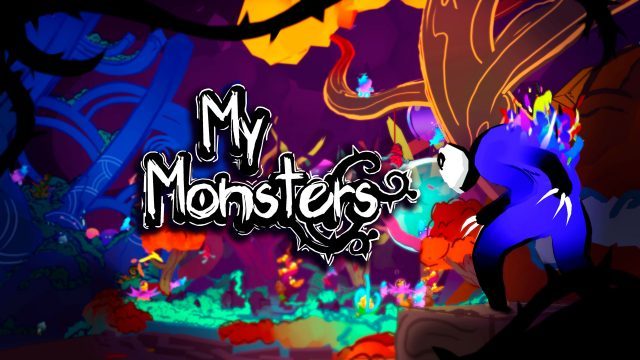
My Monsters is an upcoming VR platformer adventure inspired by Moss, letting you guide your very own little monster as you tower above and help them along the way to conquer a world plagued by inner demons. Now, developer Ludact has revealed the game’s launch date for Quest and SteamVR headsets.

Coming October 2nd, My Monsters serves up a hand-painted art style that looks to impress with its unique world and story-driven, interactive fairy tale.

Here’s how Ludact describes it:

Enter the dreamlike world of Onirium and team up with Moti, your inner little monster, to battle enemies, solve puzzles, and face inner monsters like anxiety, loneliness and fear, uncovering fragments of a meaningful dreamlike tale.

1 of 3


Image courtesy Ludact


Image courtesy Ludact


Image courtesy Ludact

It’s also about conquering your inner demons, Ludact explains: “At the heart of the game is a deep narrative that explores humanity’s greatest inner struggles—anxiety, fear, and loneliness,” each of which are represented as their own monsters to beat back as you move forward.

My Monsters is said to offer up dynamic VR combat too, with the ability to unlock combos, dodges, and ranged attacks to overcome enemies across 70 maps with three biomes.

To see My Monsters in action, check out the latest gameplay trailer below, which was released during last months VR Games Showcase:

My Monsters is said to offer up dynamic VR combat too, with the ability to unlock combos, dodges, and ranged attacks to overcome enemies across 70 maps with three biomes.

For now, you can wishlist My Monsters on Steam and pre-order on the Horizon Store for Quest 2 and above, where it’s currently priced at $17, discounted from its $20 launch price.

In the meantime, you can also go hands-on with the demo on Quest, which notably includes some issues that are being addressed in the final game.

The post ‘Moss’-inspired VR Adventure ‘My Monsters’ Brings Unique Art Style to Quest Next Month appeared first on Road to VR.

Intel Moves Pre-Arc Graphics To “Legacy” Driver On Windows – Linux Users Need Not Worry

Intel announced this week that its moving its graphics driver support for integrated graphics on 11th Gen through 14th Gen processors over to their legacy driver model on Microsoft Windows. While this is a setback for those using Raptor Lake processors on Windows as well as the few Xe DG1 discrete graphics out there, Linux users don’t have much to worry about…