We may earn a commission from links on this page.
There are as many paths to exploring queer history as there are people who have lived it, and many queer legends who are nearly forgotten and who, in a more just world, would be household names. Pride is a time to celebrate, honor, and remember all of it, whether you’re trans, bi, ace, poly, pan, intersex, nonbinary, or anywhere else on the gender and sexual identity and expression spectrum…or just proud to support your queer friends.
These 55 movies all reflect elements of modern queer (LBGTQIA+) history—sometimes dramatized, sometimes documentary, and sometimes because the film itself made history. They reflect decades of love, sex, activism, and artistry. Some call for tolerance, while others throw up a middle finger in response to narrow-minded bigotry. Many ask us to love one another, but others demand that we take up the battle cry: Be gay, do crimes. Or just put on your cha-cha heels and watch a good movie. You do you.
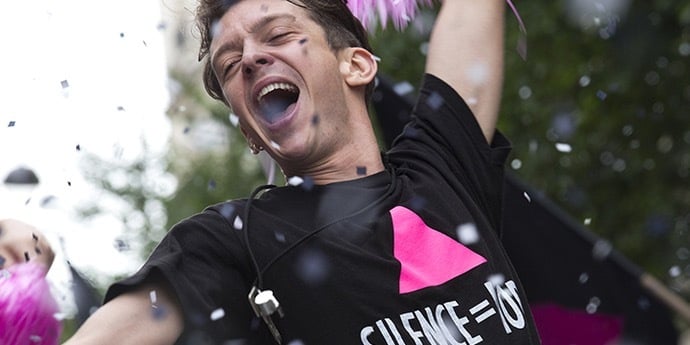
BPM (Beats per Minute) (2017)
Set amidst the AIDS crisis in the early 1990s, BPM focuses, to some extent, on HIV-positive ACT UP activist Sean (Nahuel Pérez Biscayart) and his developing relationship with newcomer Nathan (Arnaud Valois)—though the film is very much an ensemble piece in the aggregate, a fact that ties into its meaning and messaging. Shifting focus allows the movie to explore, dramatically and rather fearlessly, the changing nature of ACT UP’s actions and activism. The messy internal battles over strategy, and questions as to how-far-is-too-far are part and parcel of every movement, and BPM beautifully dramatizes and personalizes those (still timely) struggles. Writer-director Robin Campillo and co-writer Philippe Mangeot brought their own ACT UP experiences to the film. You can stream BPM on Kanopy and Pluto TV or rent it from Prime Video.
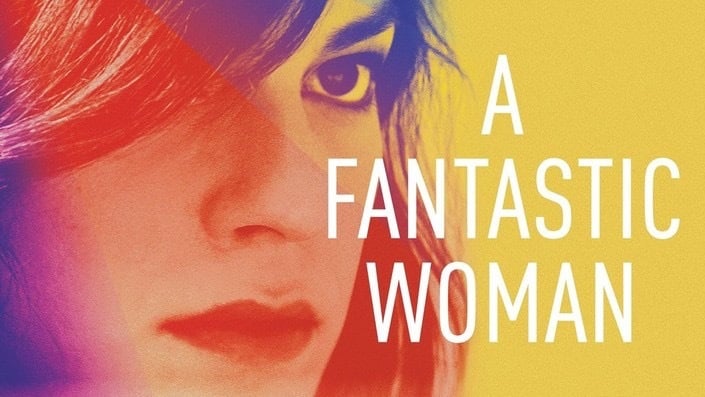
A Fantastic Woman (2017)
Trans lead Daniela Vega gives a brilliant, inspiring, gut-wrenching performance as Marina Vidal, a waitress and club singer in Santiago, Chile. When her boyfriend Orlando dies unexpectedly, she’s subjected to a number of indignities—she’s deadnamed and harassed by the police, who assume she must be a sex worker, and his family is after her to surrender all of Orlando’s possessions and stay the hell away. Through all of it, Marina maintains a backbone of steel that doesn’t detract from her believable struggle, but keeps the story from becoming a tragedy. In 2017, this Oscar-winner seemed like a story of a strong woman in a particularly intolerant country—but that was just before a global tide of transphobia swept away many of the advances made in even countries that once seemed more progressive. You can stream A Fantastic Woman on Peacock or rent it from Prime Video.
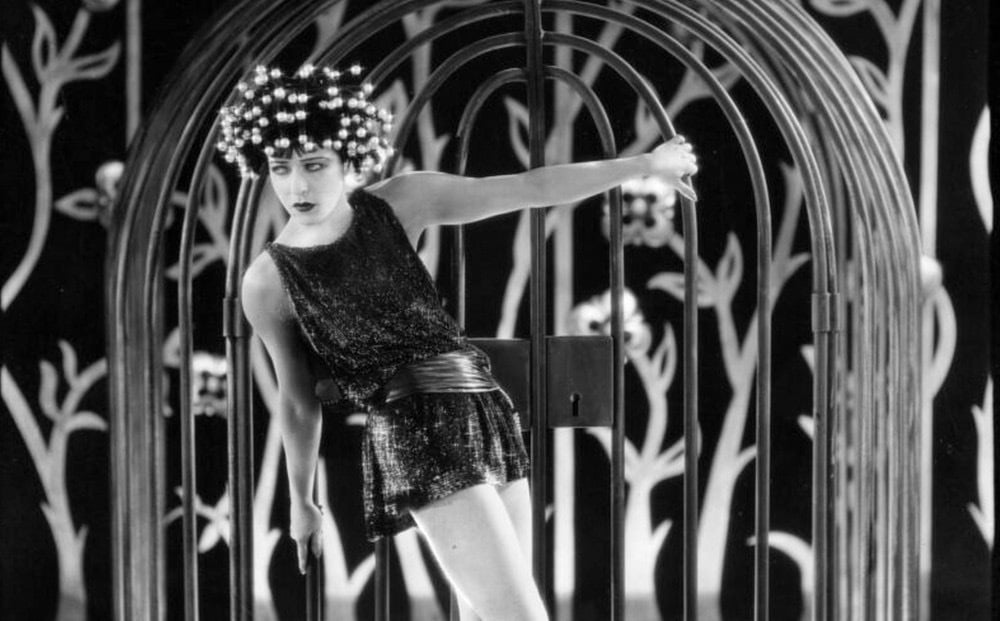
Salomé (1923)
In the roaring ‘20s, the rules governing depicting queerness in film were a bit looser than they would be later on. Germany produced a handful of queer-positive films, even as several American movies played fast and loose with gender and sexual roles. Case in point: Salome, a biblical epic produced by, and starring, queer provocateur Alla Nazimova.
Nazimova (usually referred to as just “Nazimova”) was one of Hollywood’s early power players, and an accomplished artist with a take on Oscar Wilde’s play that included female characters played by men in drag, overt sexuality, and silver lamé loincloths. It’s all wonderfully campy and stylized, and it didn’t make a penny, but it’s a reminder that there were queer folx making movies that your great-grandparents may have enjoyed.
With the rise of the Hays Production Code in America, and the Nazi party in Germany, it would be decades before movies could again do much more than hint about unsanctioned relationships. You can stream Salomé on Tubi or rent it from Prime Video.
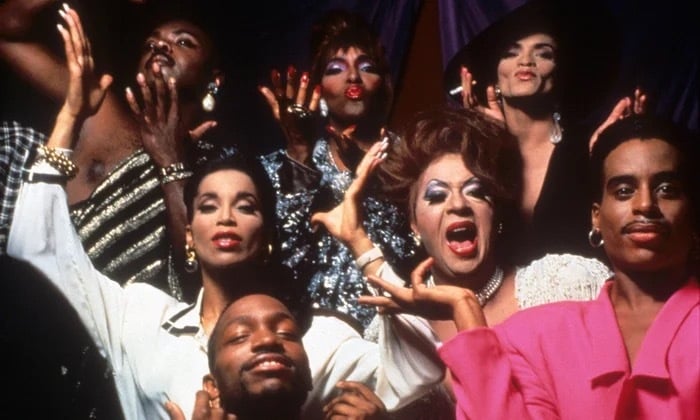
Paris is Burning (1990)
Like Faulkner said: “The past is never dead. It’s not even past.” It’s especially true when it comes to queer history, as Paris is Burning makes plain. Exploring New York’s drag ball culture in the late 1980s, director Jennie Livingston’s documentary shines a particular spotlight on the Black and Latinx gay, trans, and genderqueer experience, with aspects both joyous and heartbreaking. So much of what was transgressive here has worked its way into pop culture, for better and for worse: Madonna gets credit for voguing, but the style has roots in Harlem ballrooms. Much of the language and culture here will make perfect sense to RuPaul or Pose fans, and many of the doc’s darker elements will also be familiar: Racism, poverty, and anti-trans violence are all still very real parts of the queer BIPOC experience. All the more reason to appreciate authenticity and self-expression, and to throw up a middle finger to gender expectations. You can stream Paris is Burning on HBO Max and The Criterion Channel or rent it from Apple TV.
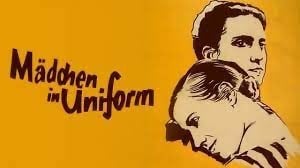
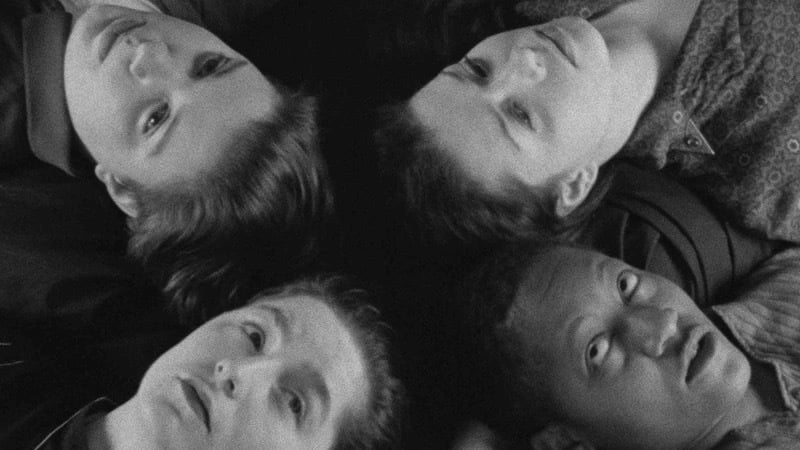
Mädchen in Uniform (1931)
The story of troubled schoolgirl Manuela (Hertha Thiele) who quickly gets hot for teacher at her all-girls school, Mädchen in Uniform arrived at a pivotal moment in German history: Paragraph 175, outlawing homosexuality, had been received its first significant legal challenge a few years earlier, and what would later be seen as the “decadent” Weimar era was in full swing. With queer women behind the camera and plenty of lesbian longing, and snogging, onscreen, the movie was a hit in much of Europe, while lobbying by no less than Eleanor Roosevelt ensured that American audiences got to see the film (a detail I adore). It’s a beautifully realized film about romantic longing that never devolves into melodrama; it also invites us to imagine the kinds of female-centric movies we might have had if there had been more women behind the camera during the golden age of cinema—and also what might have been had the Nazis not made anti-queer crusading a centerpiece of their rise to power. You can stream Mädchen in Uniform on Hoopla and Kino Film.
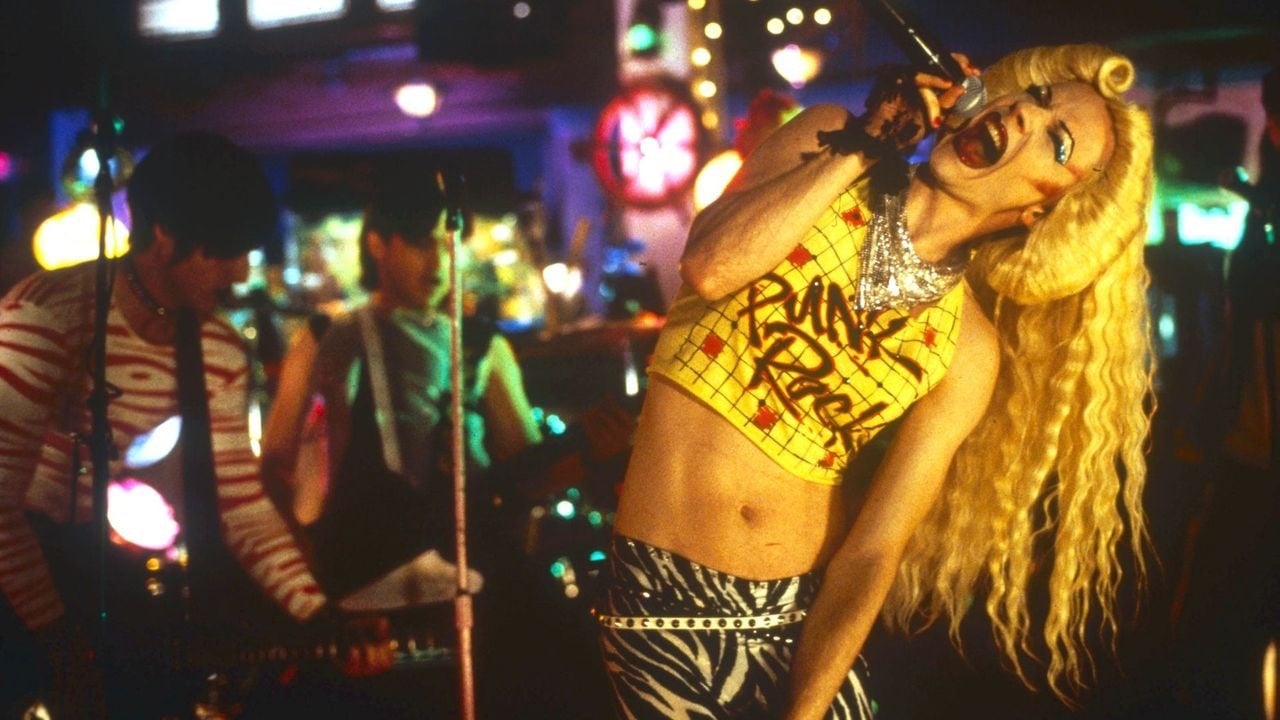
Hedwig and the Angry Inch (2001)
Look, we’ve all had those nights. You get down. You feel had. So why not put on some makeup, turn up the tape deck, and pull that wig down from the shelf? There’s a fair chance you’re already singing along, but, if not, Hedwig’s about a musical about a genderqueer German rock singer whose botched gender reassignment surgery left them with the titular angry inch. Anticipating a much-needed cultural conversation about gender binaries by over two decades, it is also an old-school rock opera par excellence, of the kind they just don’t make anymore. Based on the stage musical of the same name, the movie made no money whatsoever, but has earned a well-deserved status as a cult classic. You can rent Hedwig and the Angry Inch from Prime Video.
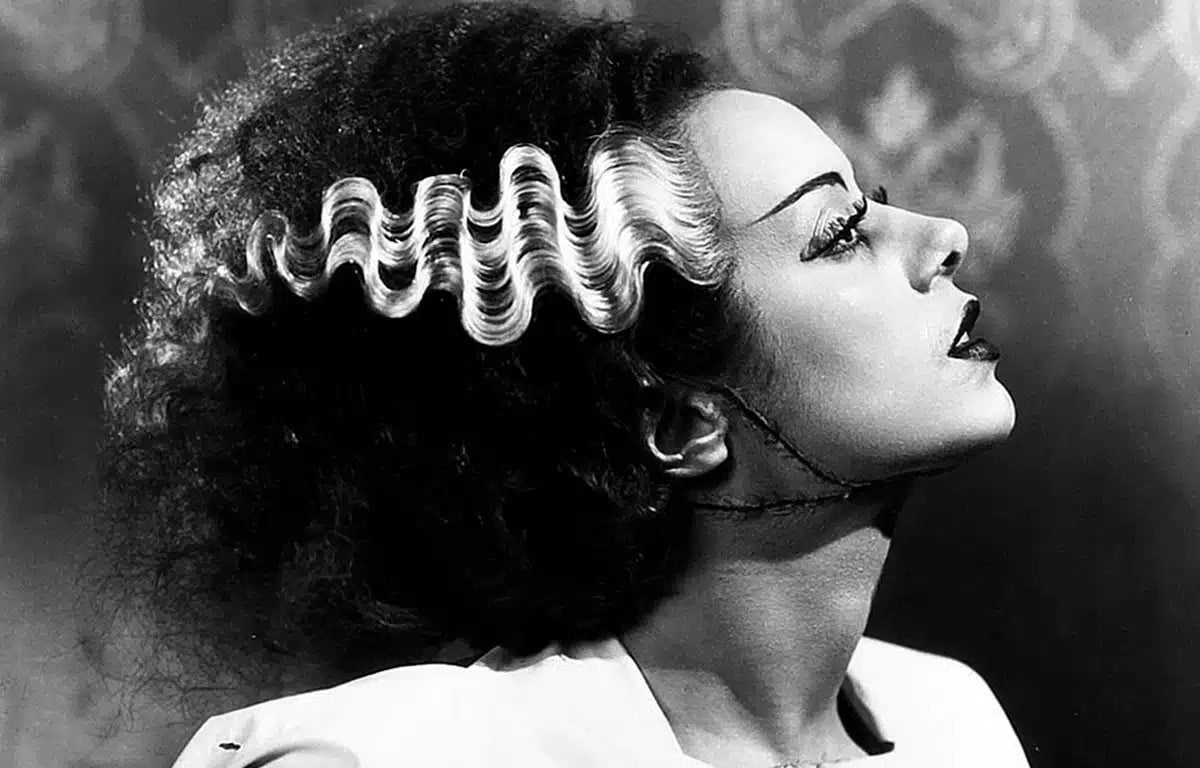
Bride of Frankenstein (1935)
Director James Whale (whose later life was dramatized in Gods and Monsters) followed up what would have been the greatest of the monster movies with one of the most impressive feats in American cinema history: something altogether funnier, weirder, and far more queer, with gay icon Ernest Thesiger prancing through the Gothic sets, offering bitchy rejoinders and seducing his old protegé into reanimating the dead just one more time. His Dr. Pretorius comes back into the life of Frankenstein (Colin Clive) just as the doctor is about to begin life married to Elizabeth—but, given the choice, runs off to make life with Pretorius, instead. That’s all before Elsa Lanchester trades her Mary Shelley outfit for the Bride’s wire-cage wig, giving birth to an icon. You can rent Bride of Frankenstein from Prime Video.
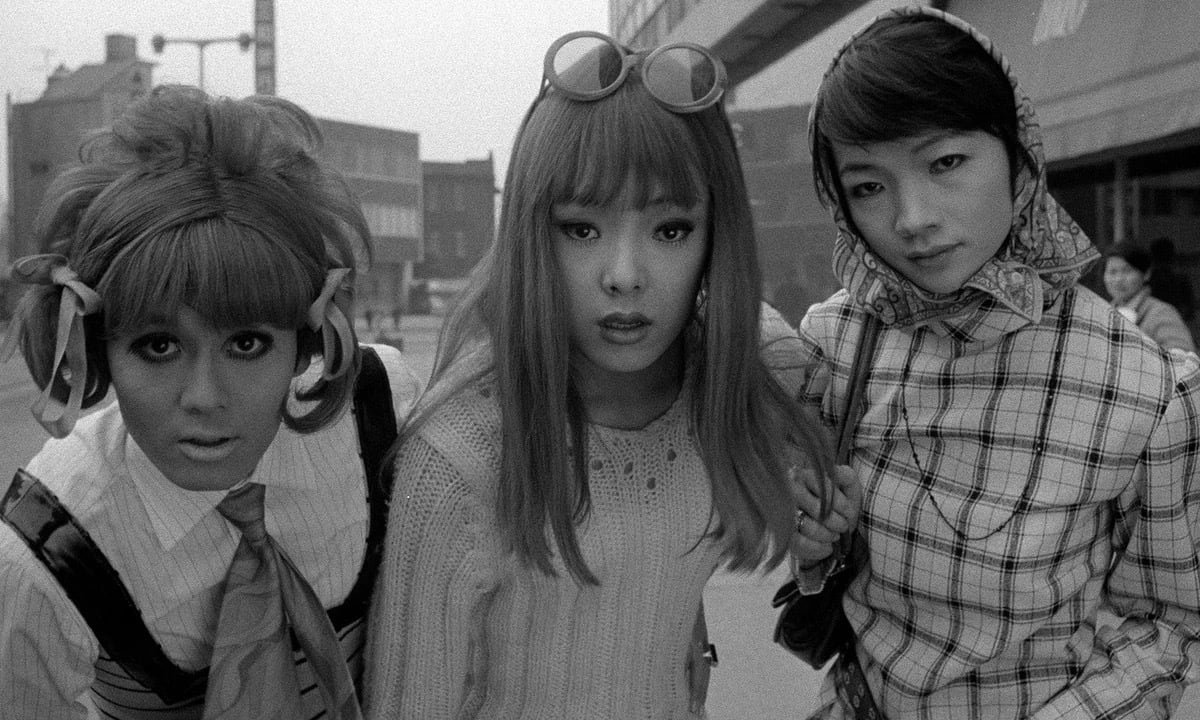
Funeral Parade of Roses (1969)
At the peak of Japan’s New Wave, writer/director Toshio Matsumoto created this classic that blends ultra-realism with hauntingly beautiful, occasionally psychedelic imagery. The plot takes inspiration from, and flips, the story of Oedipus Rex, seamlessly blending the mythic with the mundane in following Eddie (Shinnosuke Ikehata) and other transgender women in the very swinging, very gay Tokyo of the 1960s (“Roses” being a sort of pun relating to pansies). At the time, the movie had no trouble securing a Japanese release, but struggled to get past American censors. You can stream Funeral Parade of Roses on Kanopy and Night Flight.
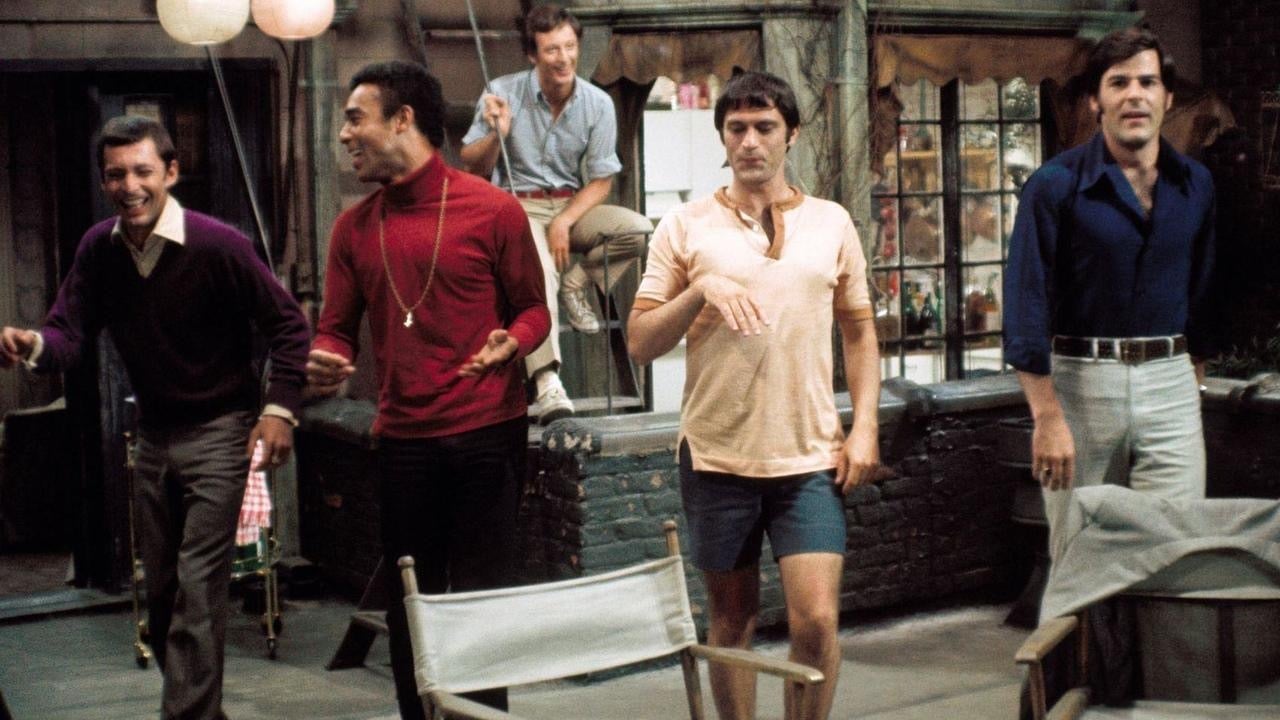
The Boys in the Band (1970)
William Friedkin (The French Connection, The Exorcist and, rather more notoriously, Cruising) directs the film adaptation of the controversial off-Broadway play—controversial for the fact that every character is gay or bisexual, and controversial among queer audiences for, often, portraying its characters as self-pitying. It’s not entirely an uplifting portrait of being a gay man in America, but it reflects something real, if not always pretty, as a pre-liberation period piece. And there are plenty of aspects here that still feel sadly relevant. You can stream The Boys in the Band on Kanopy or rent it from Prime Video.
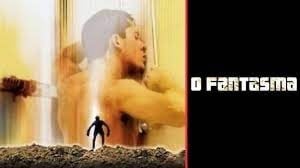
O Fantasma (2000)
Ricardo Meneses is Sérgio, a Lisbon trash collector who goes on an existential odyssey while hunting for rough trade after escaping the advances of his female co-worker. Director João Pedro Rodrigues conjures a compellingly seedy and thoroughly horny underworld of kink, with a philosopher’s eye toward the meaning of it all. It’s a rare existential journey that involves latex gear and erotic asphyxiation, and queers can take pride in the fact that our own 50 Shades is quite a bit less embarrassing than the mainstream version. You can stream O Fantasma on Tubi.
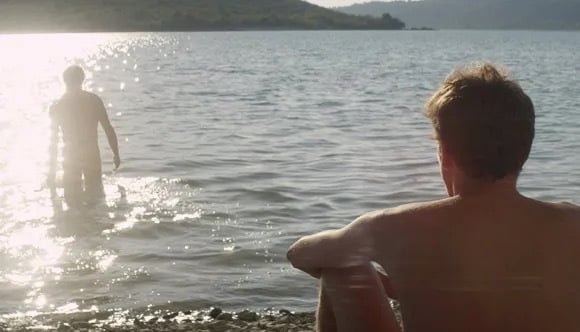
Stranger by the Lake (2013)
This 2013 French film plays like an homage, in part, to the erotic thrillers of decades past, in much the same way that some of the better thrillers of the ‘80s paid tribute to film noir. Here, Pierre Deladonchamps plays Franck, a regular visitor to a nude beach and the surrounding woods, both popular cruising spots. Franck begins a passionate relationship (meaning: lots of sex in the woods) with Michel (Christophe Paou), who Franck later spots drowning someone in the lake. Which, OK: red flag. But the D is just that good. As the investigation into that event heats up, Franck finds himself struggling to give up a good thing, even in the face of murder. We’re firmly entering an era when queer people can be both prey and predator, without resorting to exhausting tropes. You can stream Stranger by the Lake on The Criterion Channel, Kanopy, and Mubi or rent it from Prime Video.
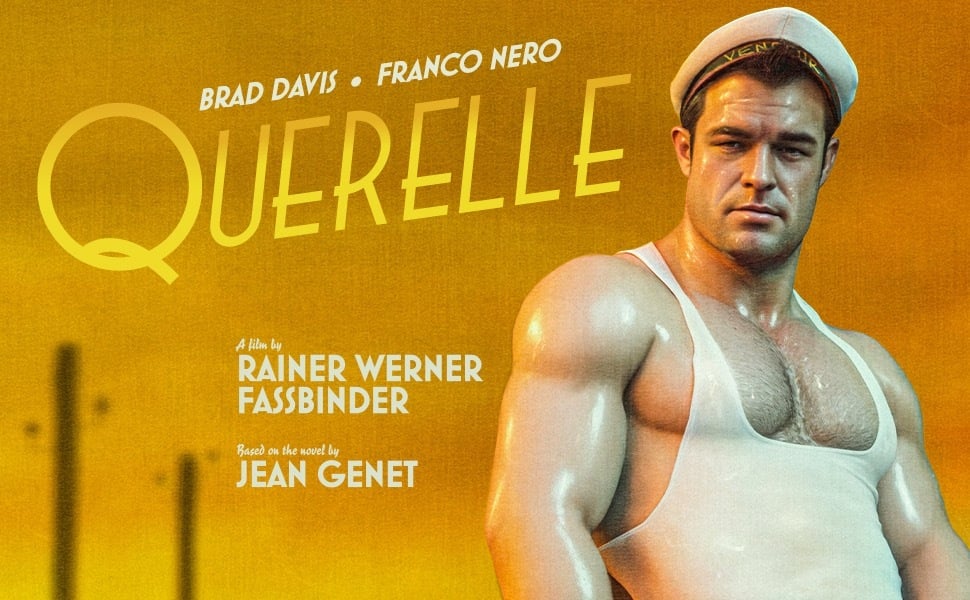
Querelle (1982)
Rainer Werner Fassbinder’s dreamy queer film is about a handsome young sailor who finds himself caught up in a web of sex, sibling rivalry, and lightly sublimated lust at a French brothel. The plot here is almost entirely secondary, though: It’s all horny vibes, full of sweat and completely shameless sexuality. You can stream Querelle on Tubi, The Criterion Channel, HBO Max, and Prime Video.
Looking for Langston (1989)
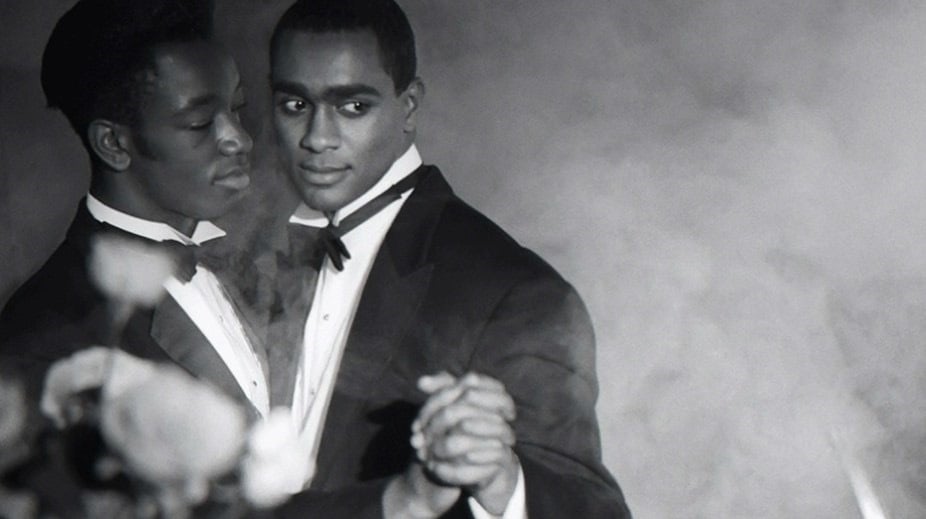
Filmmaker Isaac Julien’s gorgeously shot, impressionistic tone poem explores the work of poet and playwright Langston Hughes, alongside other figures of the Harlem Renaissance (Richard Bruce Nugent, James Baldwin, and Essex Hemphill) in the context of their queer identities, often ignored even when the larger importance of their work as Black artists is recognized. Blending archival footage, scripted scenes, and Robert Mapplethorpe’s photography, Julien sets readings of Hughes’ work to scenes of queer love and sexuality, illustrating the value of viewing art through the artist’s own lens. You can stream Looking for Langston on Vimeo, and it’s widely available on YouTube.
Nighthawks (1978)
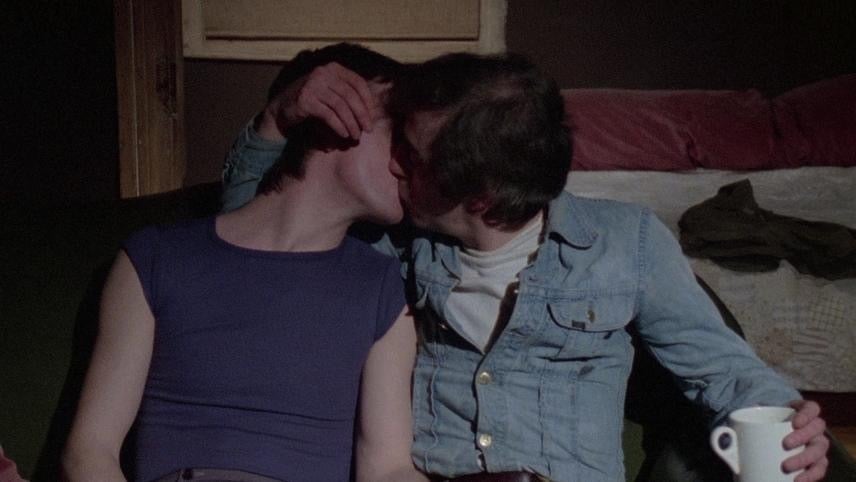
It’s maybe a little too believable in its faux-documentary stylings to modern audiences—a little narrative pep might go a long way—but what’s here is still compelling as both a drama and a time capsule. Offering up a realistic (or so I’m told) portrait of gay London nightlife, the film follows Jim (Ken Robertson) teaching geography by day and hitting the clubs at night. An almost entirely positive portrait of the gay scene of the time, with a latter portion of the film dedicated to a frank conversation between Jim and his class about his life. You can stream Nighthawks on Prime Video.
Rope (1948)
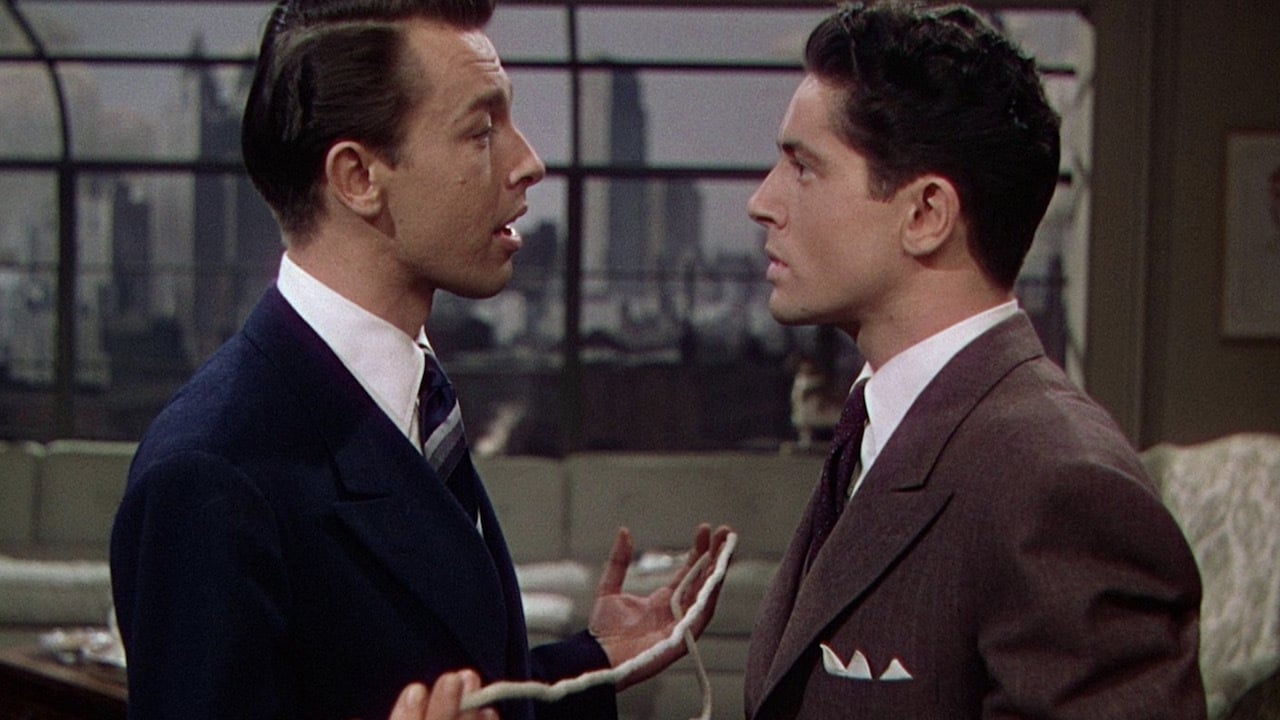
Alfred Hitchcock worked with queer (out and otherwise) performers from the earliest days of his career, having his first big hit with Ivor Novello in 1927’s The Lodger. I’m not sure that he gave a lot of thought to queer identity, and that actually works to Rope’s advantage: it doesn’t feel like there’s any type of pro-or anti- gay framing here, just a murder involving a couple of…let’s say “flamboyant” roommates. Based on real-life lovers Nathan Leopold and Richard Loeb, who murdered a 14-year-old just to prove that they could, and a subsequent play, the movie removes any direct references to a same-sex relationship, but it’s all pretty hard to miss, especially when the leads were played by the openly (later in life) bisexual Farley Granger and gay actor John Dall. You can rent Rope from Prime Video.
Female Trouble (1974)
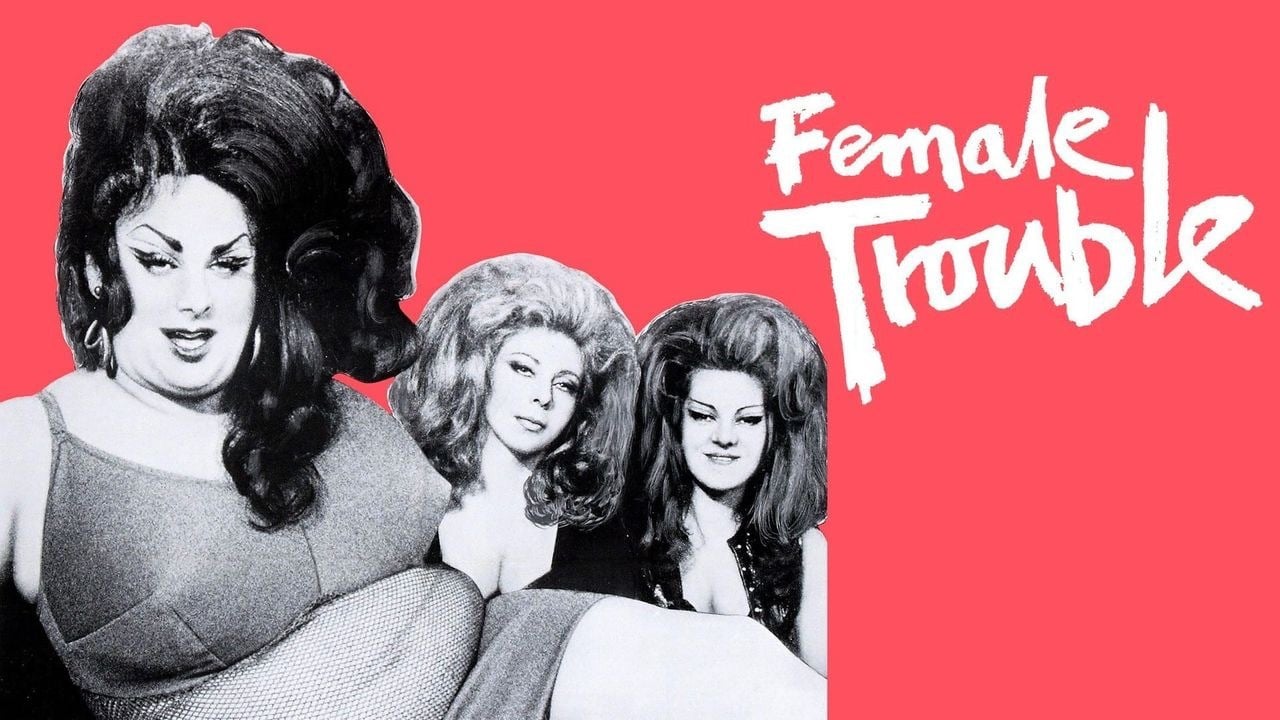
A lot of early queer-positive movies were aimed squarely at a straight audience—depicting gays as angelic figures or as poor victims of society’s cruelty. John Waters skipped all of that well-intentioned nonsense by creating films in which there’s no greater crime than being dull. Though Pink Flamingos (with its memorable climax set to the tune of “How Much Is That Doggy in the Window”) is more famous, Female Trouble refines the Waters style with its story of high school reprobate Dawn Davenport (played by the drag queen Divine), who turns to a life of crime when her totally square parents won’t get her what she really wants for Christmas: “Nice girls don’t wear cha-cha heels!” Their cruel denial of such an essential accessory sends Dawn on a spree of sex and crime that plays a bit like a tribute to Mildred Pierce—if Joan Crawford had conceived her daughter on camera.
On a rotted old mattress.
At the dump.
It’s all appropriately outrageous, and audiences were outraged—but only the dull ones. You can rent Female Trouble from Fandango at Home or buy it from Prime Video.
Un chant d’amour/A Song of Love (1950)
Two prisoners are tormented by a voyeuristic prison guard in Jean Genet’s short film, full of homoerotic imagery that might be less shocking now, but no less effective. The two never touch, except in a fantasy sequence, but seeing the two men share a bit of smoke from a single cigarette remains one of cinema’s hottest images. If you’re searching under the film’s English title, don’t get confused by the slightly more straight 1947 Katherine Hepburn film of the same name. You can stream A Song of Love on Kanopy and Vimeo, and it’s widely available on YouTube and the Internet Archive.
Victim (1961)
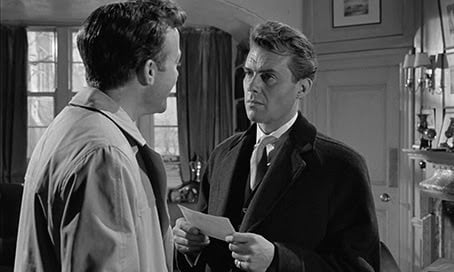
It was sometimes called the “blackmailer’s charter.” Since 1885, English law had allowed for the criminal prosecution of homosexual acts, though by the 1960s, it was little enforced. Still, the mere threat of arrest, and the very public proceedings that would follow, made it distressingly common for blackmailers (gay and straight) to take advantage of well-off marks—in this case, a married London lawyer played by Dirk Bogarde. Approaching the social issue by way of neo noir thriller, Victim was an early instance of a major director and star taking a sympathetic approach to portraying gay characters, inevitably shocking audiences and censors by even acknowledging that such people even existed. It wasn’t a huge hit, but it came at a crucial moment: The ‘60s were well and truly underway, and attitudes were beginning to change. You can stream Victim on HBO Max and The Criterion Channel or rent it from Prime Video.
Before Stonewall (1985)
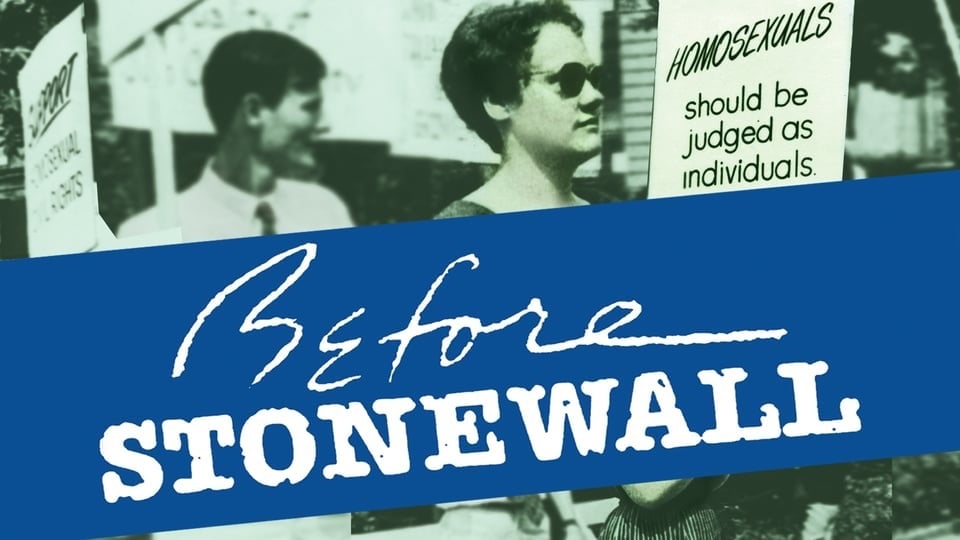
If Stonewall occasionally seems like ancient history, it’s important to remember that queer history didn’t begin there—not even remotely. Greta Schiller and Robert Rosenberg’s 1985 documentary looks at the earlier part of the 20th century by interviewing activists and writers who help chart the evolution of what would become a movement among people who were fighting to live their lives authentically at a time when the broader culture preferred to pretend they weren’t there.
The film is an important document, having captured so many important voices while they were still with us, but it’s also inspiring, and often joyous. It’s hard not to smile thinking about what these legends were getting up to while the rest of America was sleeping. (It underwent an HD restoration a couple of years ago, so it’s a particularly good time to check it out.) You can stream Before Stonewall on Kanopy and Dekkoo or rent it from Prime Video.
Some of My Best Friends Are…(1971)
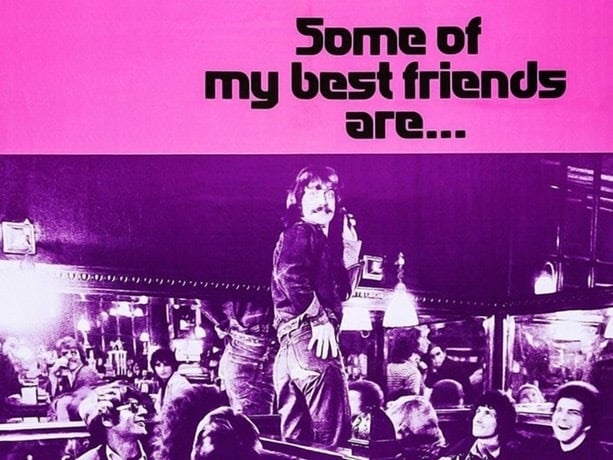
A fascinating time capsule, and frequently entertaining soap opera about a gay bar on Christmas Eve, filmed and set just a few years after Stonewall. A huge cast of characters wander through, some affecting, some just loosely sketched character types, but representing broad swathes of the community. It was made at a transitional time, when queer activism and visibility were on the rise, but hadn’t yet had the impact that was to come, and so the film gives off a vibe that alternates between joyous and terrified of what’s outside the door of the welcoming space of the bar.
(If all that weren’t enough to secure the movie’s place in queer history, it also features an early screen appearance from Rue McClanahan herself, just a year before she teamed up with Bea Arthur on Maude.) You can stream Some of My Best Friends Are… on MGM+ or on MGM+ via Prime Video.
Happy Together (1997)
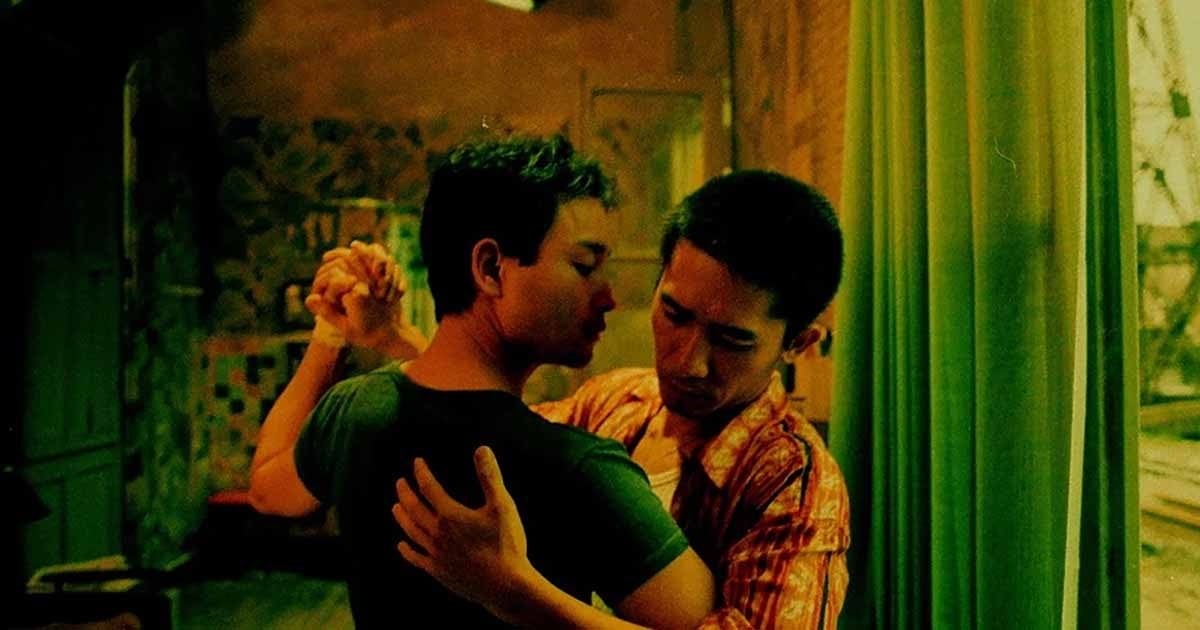
A beautifully dark triumph from Wong Kar-wai, Happy Together follows a stunningly mismatched couple (Leslie Cheung and Tony Leung Chiu-wai) as their relationship falls apart during a trip to Argentina. The very hot but deeply codependent couple keep being drawn back into each other’s orbits—and they make being young, gay, and in sweaty love look so cool that you can’t help but hope they make it. The cinematography here is stunning, with every single frame feeling and looking like a mini work of art. There’s also a lot of subtext here having to do with the handover of Honk Kong from the U.K. to China, occurring right around the time that the film was made—a reminder that queerness involves layers of identity. You can stream Happy Together on HBO Max and The Criterion Channel or rent it from Prime Video.
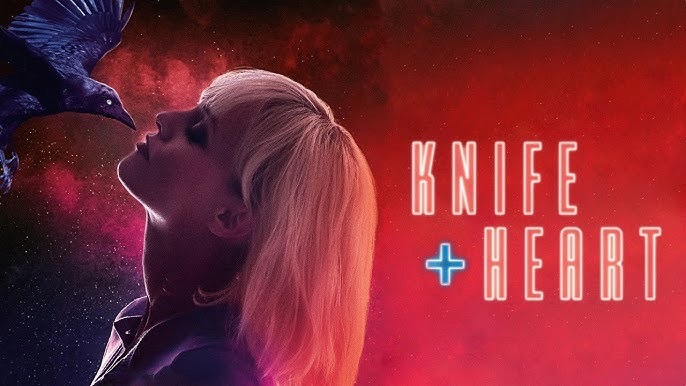
Knife+Heart (2018)
Foul deeds are afoot on the set of a French gay erotic film shoot during this ultra-stylish, colorful, psychedelic tribute to not only Italian gialli of yore, but also to the golden age of 1970s porn. Director Yann Gonzalez crafted a film in which the queerness is far more than incidental: it’s rather the whole point (starting with the opening’s switchblade dildo), but it’s nonetheless one of the most effective and beautiful horror movies of the past decade. You can stream Knife+Heart on Tubi, Shudder, and AMC+ or rent it from Prime Video.
The Rocky Horror Picture Show (1975)
I’ve seen Rocky at least a dozen times, and can recite every line, but I still couldn’t tell you a thing about the plot. (That might have less to do with the movie itself than the state in which one traditionally watches it… but let’s say it’s both.)
On one level, it’s a celebration of many, many forms of queerness, and offers even the very straightest straight people an excuse to do a little gender role-play. It’s weird, and a little sloppy, and doesn’t make a ton of sense—and it’s more fun for all of that. You can rent Rocky Horror from Prime Video.
Screaming Queens: The Riot at Compton’s Cafeteria (2005)
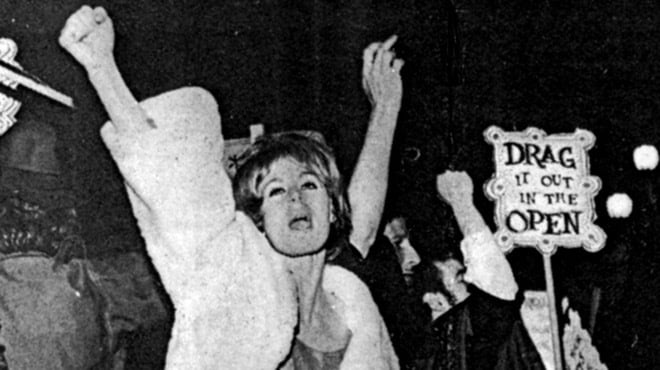
Stonewall had been building for a long, long time. It might have been the explosion of the modern queer liberation movement, but there were sparks for decades—one of which was the Compton’s Cafeteria Riot in 1966. Transgender people in San Francisco had been largely barred from gay bars (transphobia has never been an exclusively cis, straight phenomenon), and the all-night Compton’s Cafeteria had been a gathering place, a cheap coffee stop, especially for trans sex workers. Their very presence, of course, also made it a convenient for the local police, who found ready targets of harassment among the cafeteria’s trans and cross-dressing patrons. The iconic image of Stonewall remains a brick through a window, and the Compton’s Riot has a similar bit of iconography: a cup of coffee in the face of a cop who grabbed and tried to arrest a patron. What followed was one of the first public queer protests in U.S. history, and the beginning of trans activism in San Francisco. You can stream Screaming Queens on Kanopy or rent it from Prime Video.
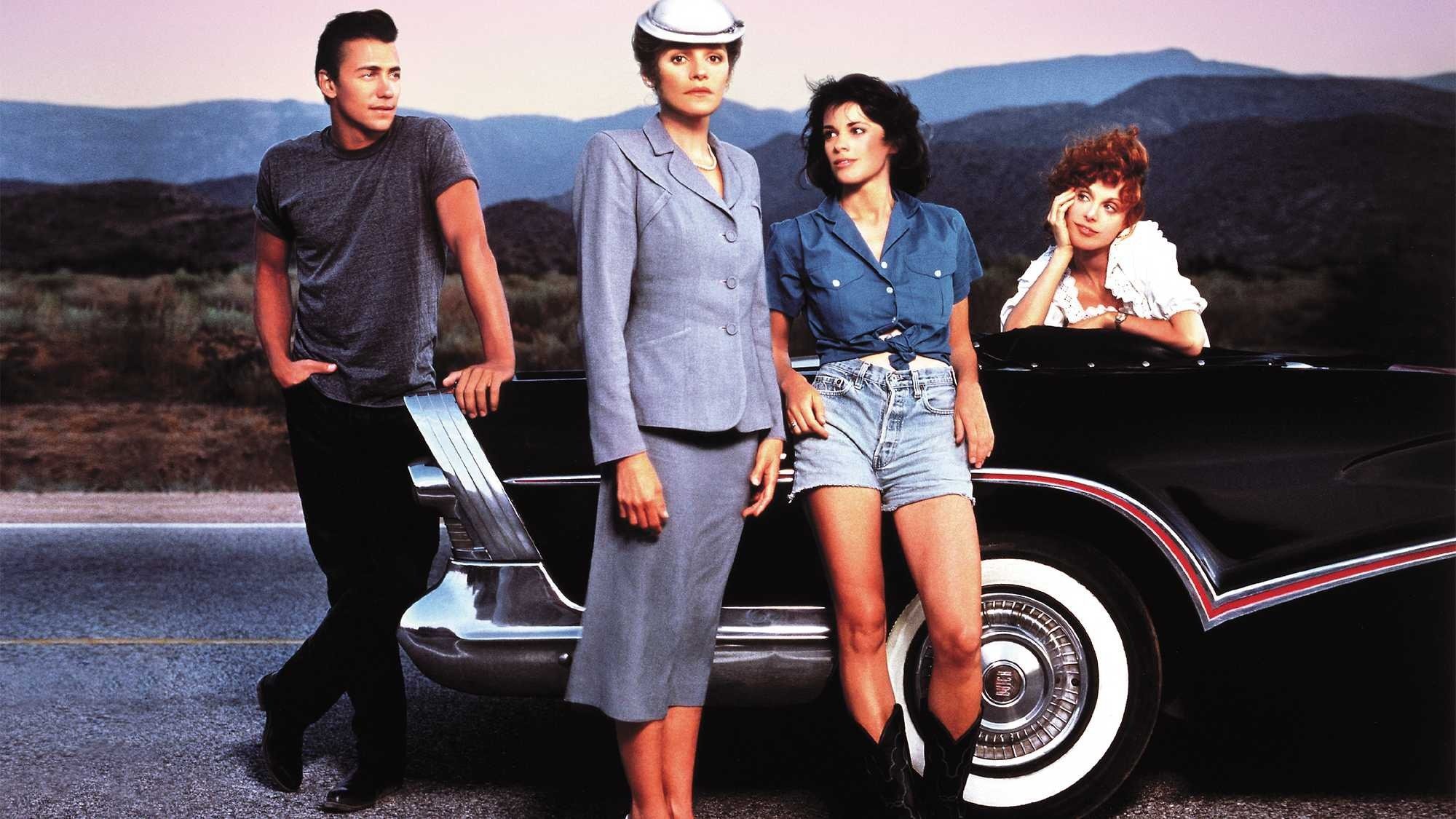
Desert Hearts (1985)
By the mid-1980s, the tropes were already beginning to solidify: We were beginning a long run of movies (many of them brilliant) about HIV/AIDS, and square in the middle of an era of major films (Dressed to Kill, Cruising, Silence of the Lambs, Basic Instinct) that associated queer identity with extreme violence. In the middle of all that, Desert Hearts was an absolute breath of fresh air: Vivian, an English professor in the middle of a divorce, meets Cay, an uninhibited sculptor, at a ranch in Reno. The course of true love never did run smooth (or, in this case, straight), and so Vivian struggles a bit with the unexpected lesbian attraction. This romantic drama never veers toward tragedy, and is all the better for it. You can stream Desert Hearts on HBO Max and The Criterion Channel or rent it from Prime Video.
My Beautiful Laundrette (1985)
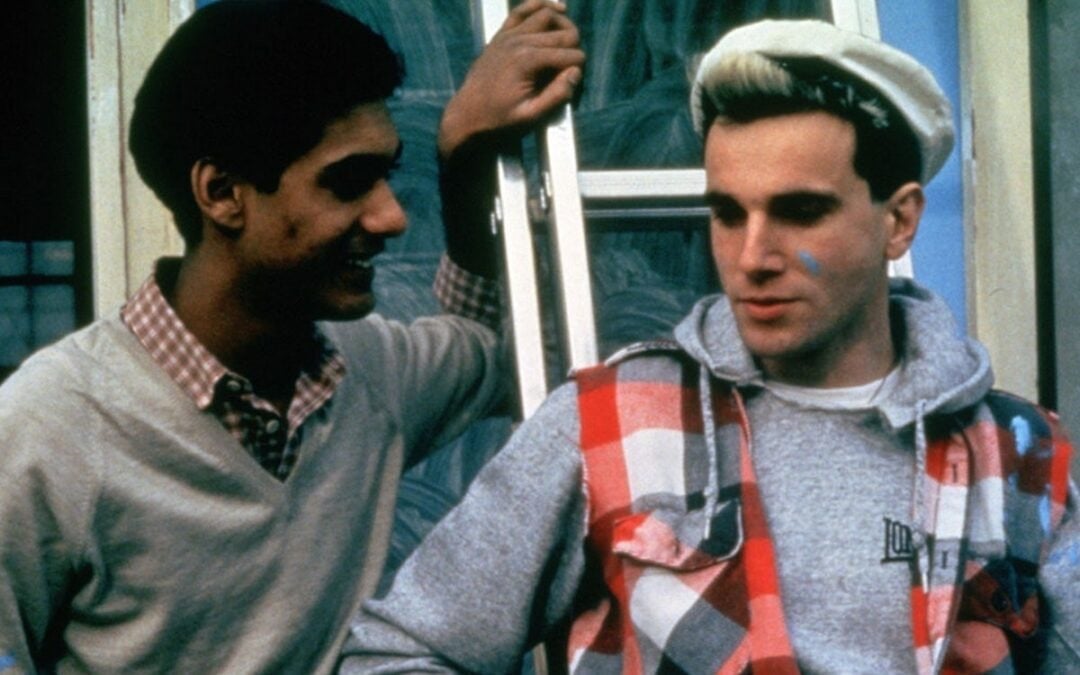
The best queer-themed movies understand that nobody is all one thing, and that any type of queer identity intersects with all of the other labels that we choose for ourselves (or that others choose for us). That’s why My Beautiful Laundrette isn’s just a great gay film, it’s also a great film about class, racism, and provides a vivid portrait of life in the Thatcher/Reagan-era 1980s. You can stream My Beautiful Laundrette on Tubi, Pluto TV, Kanopy, and Prime Video.
Edward II (1991)
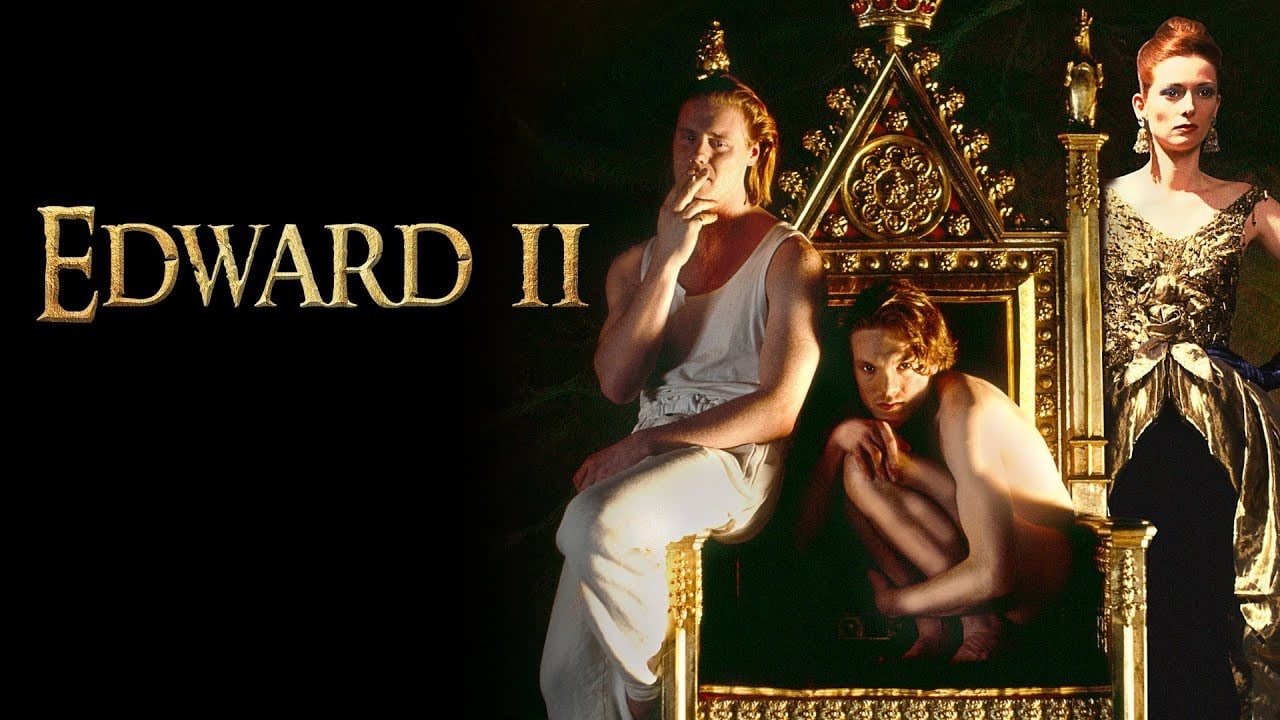
You want queer history? Fine. Let’s take it back to England in the 14th century for the story of Edward II, famously infatuated with courtier Piers Gaveston. Gay filmmaker, provocateur, and activist Derek Jarman removes any historical ambiguity from the relationship between the two and imagines medieval Europe as a postmodern fantasia, rife with intentional anachronisms and Annie Lennox on the soundtrack. Think Sofia Coppola’s Marie Antoinette, but much, much gayer. It also made a star of Tilda Swinton, who followed this up as the title character of another queer classic, Orlando. You can stream Edward II on Prime Video, Peacock, Pluto TV, and Kanopy.
Rafiki (2018)
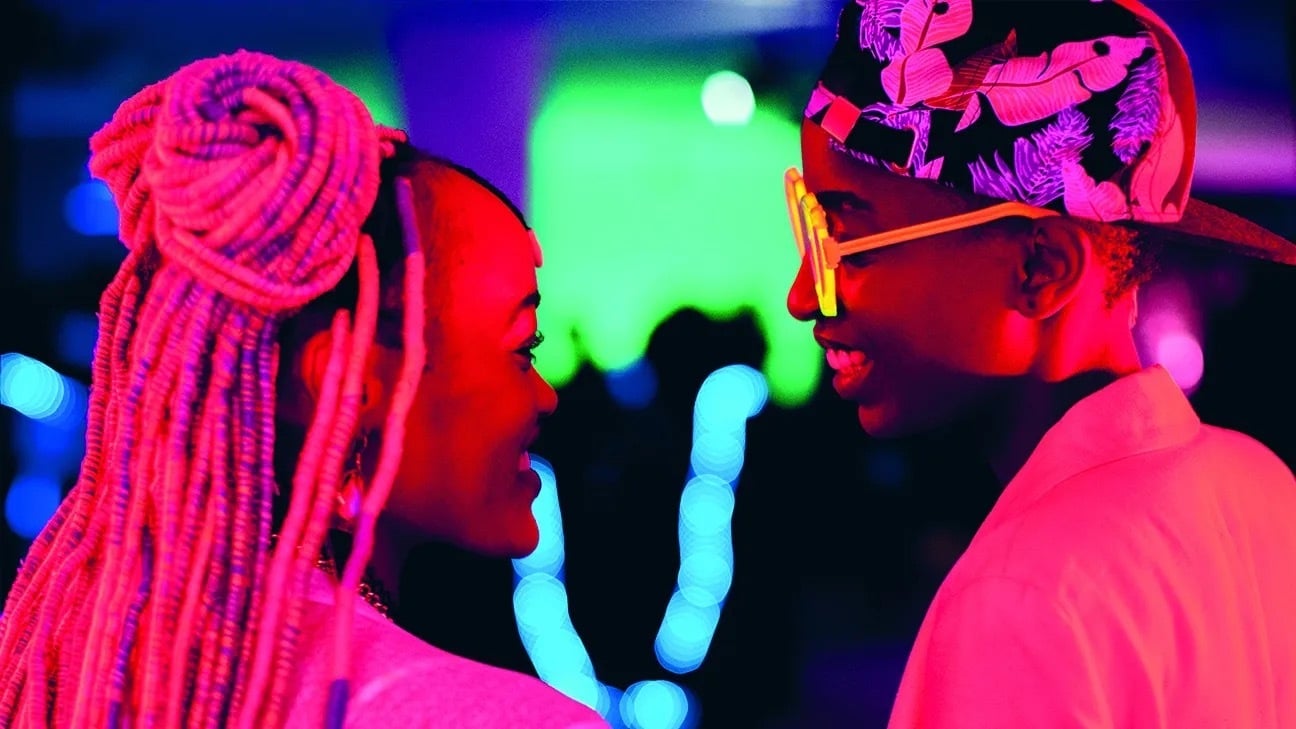
The first Kenyan film to be screened at Cannes was also banned in its own country, as it challenged Kenya’s legal ban on gay sex. The romantic drama follows young women Kena and Ziki (Samantha Mugatsia and Sheila Munyiva) as they develop a romantic relationship among the pressures to conform from family and community. The love story is joyous and charming, but the movie doesn’t shy away from the very real challenges. You can stream Rafiki (sometimes The Friend) on Kanopy or rent it from Prime Video.
The Birdcage (1996)
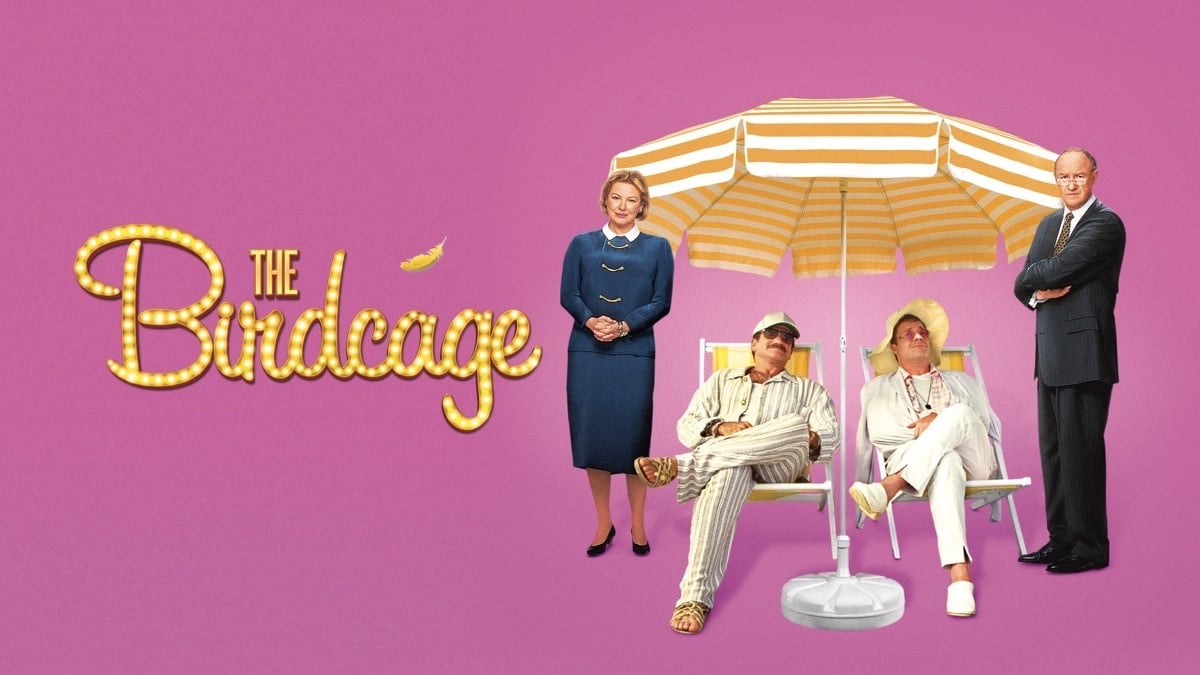
A slick, funny, charming, and quotable bit of Hollywood entertainment starring some of the biggest names of the era, The Birdcage made real money selling a message of acceptance (in spite of a weird and entirely unnecessary R-rating). Unlike many of the earnest queer-adjacent films of the ‘90s, this one actually made it look like being gay could be kinda fun. And funny. And generally not tragic. Though the characters play into particular stereotypes, the movie makes clear that it’s way better (and totally OK) to be an outsized drama queen à la Robin Williams’ Armand than to be tedious and narrow-minded like the senator played by Gene Hackman. It’s all so scrupulously good-natured that it couldn’t help but draw in a broad audience, and thereby help pave the long, winding road to future queer-positive movies. You can stream The Birdcage on Prime Video and Peacock.
The Watermelon Woman (1996)
The mid ’90s saw a string of gay-themed Hollywood movies. These were movies with good intentions and big-name stars, even if they were largely male, straight, and white: the aforementioned The Birdcage, plus Philadelphia and In & Out, to name the biggies. But, even more significantly, it was a golden age for indie filmmakers who were beginning to make more personal, authentic, and idiosyncratic movies that move rejected heteronormativity—what came to be known as New Queer Cinema. Director/actor Cheryl Dunye plays Cheryl, who goes on the hunt for a fictional Black actress from Old Hollywood, exploring the life of someone who lived on the margins. You can stream The Watermelon Woman on Kanopy and The Criterion Channel or rent it from Prime Video.
Bound (1996)
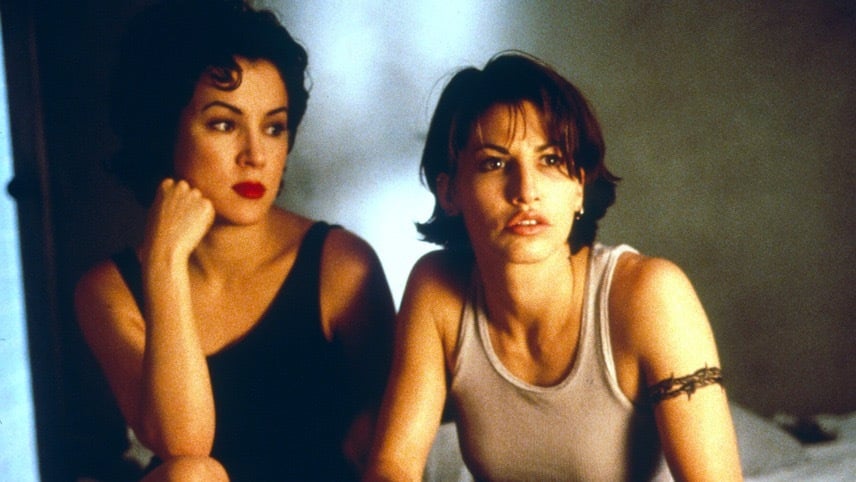
Bound announced major new directorial talents in Lily and Lana Wachowski, a pair of siblings who would go on to create The Matrix and other imaginative successes (along with some equally imaginative flops). The noir-inspired thriller mixes violence and humor in a story that also presents a lesbian relationship that feels real, and an unashamed sexuality that never feels gratuitous—the chemistry between leads Gina Gershon and Jennifer Tilly is off the freaking charts.
The directors remain among Hollywood’s highest-profile transgender filmmakers, and it all started with this instant classic. You can stream Bound on Paramount+ and Kanopy or rent it from Prime Video.
All About My Mother (1999)
It’s not the queerest film in Pedro Almodóvar’s very queer filmography—that’s probably 1987’s Law of Desire, involving a complex love triangle between two cis gay characters and a trans woman. But All About My Mother solidified Almodóvar’s status as one of the world’s top filmmakers, blending his earlier, campier sensibilities with more dramatic material. When Manuela’s son is killed in a car accident, she sets out on a quest to find his other parent, a transgender woman named Lola whose identity Manuela had kept secret. On the way, she gets involved in the lives of other women, including scene-stealing trans sex worker Agrado and Rosa, an HIV+ nun also carrying Lola’s child. The movie was way, way ahead of its time in depicting queer themes, and it’s still a wildly entertaining and thoughtful movie about motherhood in all its forms. You can stream All About My Mother on The Criterion Channel or rent it from Prime Video.
Tongues Untied (1989)
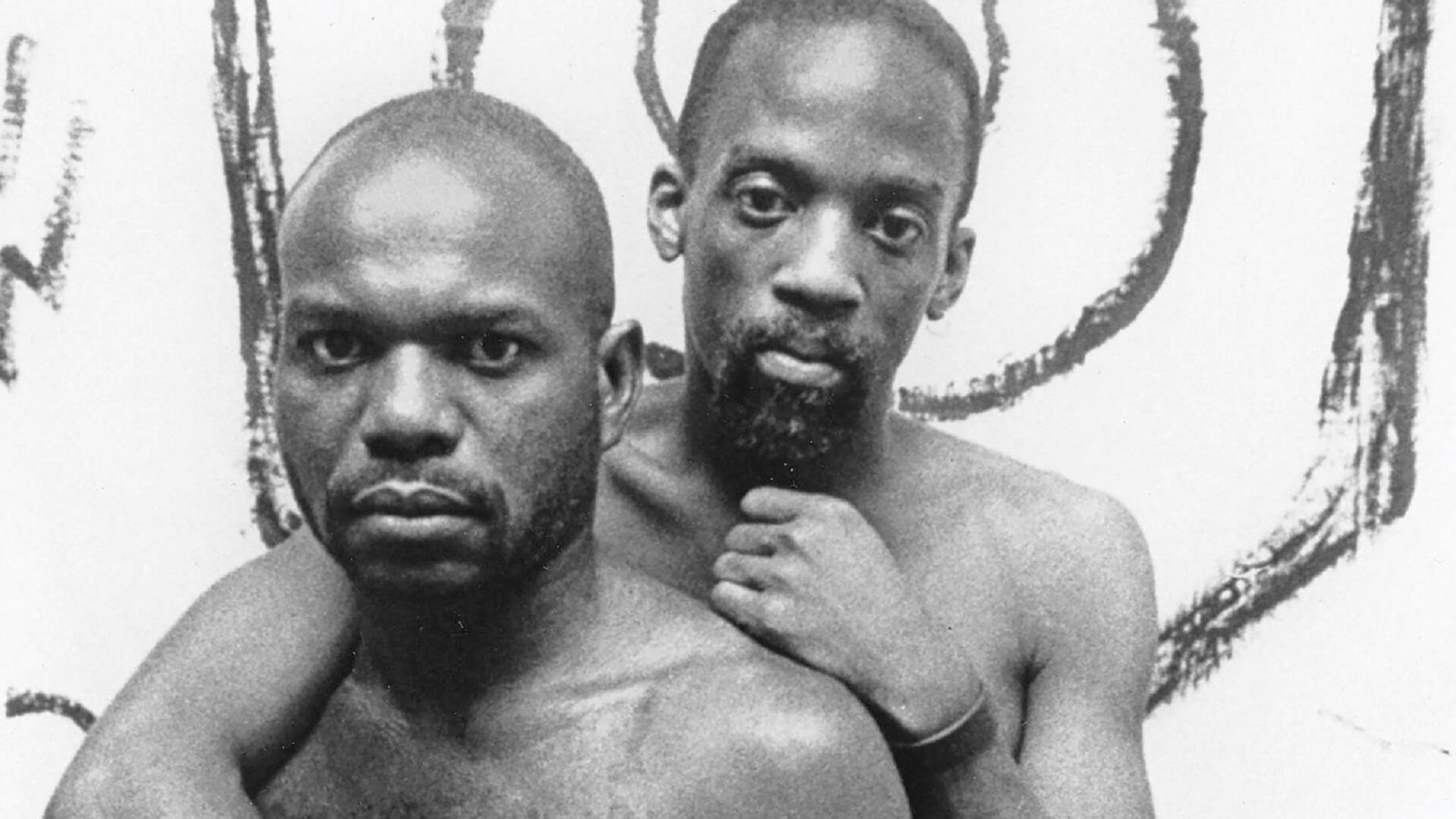
An experimental tour de force from Black, gay poet and filmmaker Marlon T. Riggs, Tongues Untied approaches the silencing of the experience of gay, Black males by both mainstream white and Black cultures, as well as gay white society. With interviews, poetry, and a non-linear style, Riggs examines the expectations around people like him, starting a discussion that continues to this day, for better and worse. You can stream Tongues Untied on Kanopy and The Criterion Channel.
Saving Face (2004)
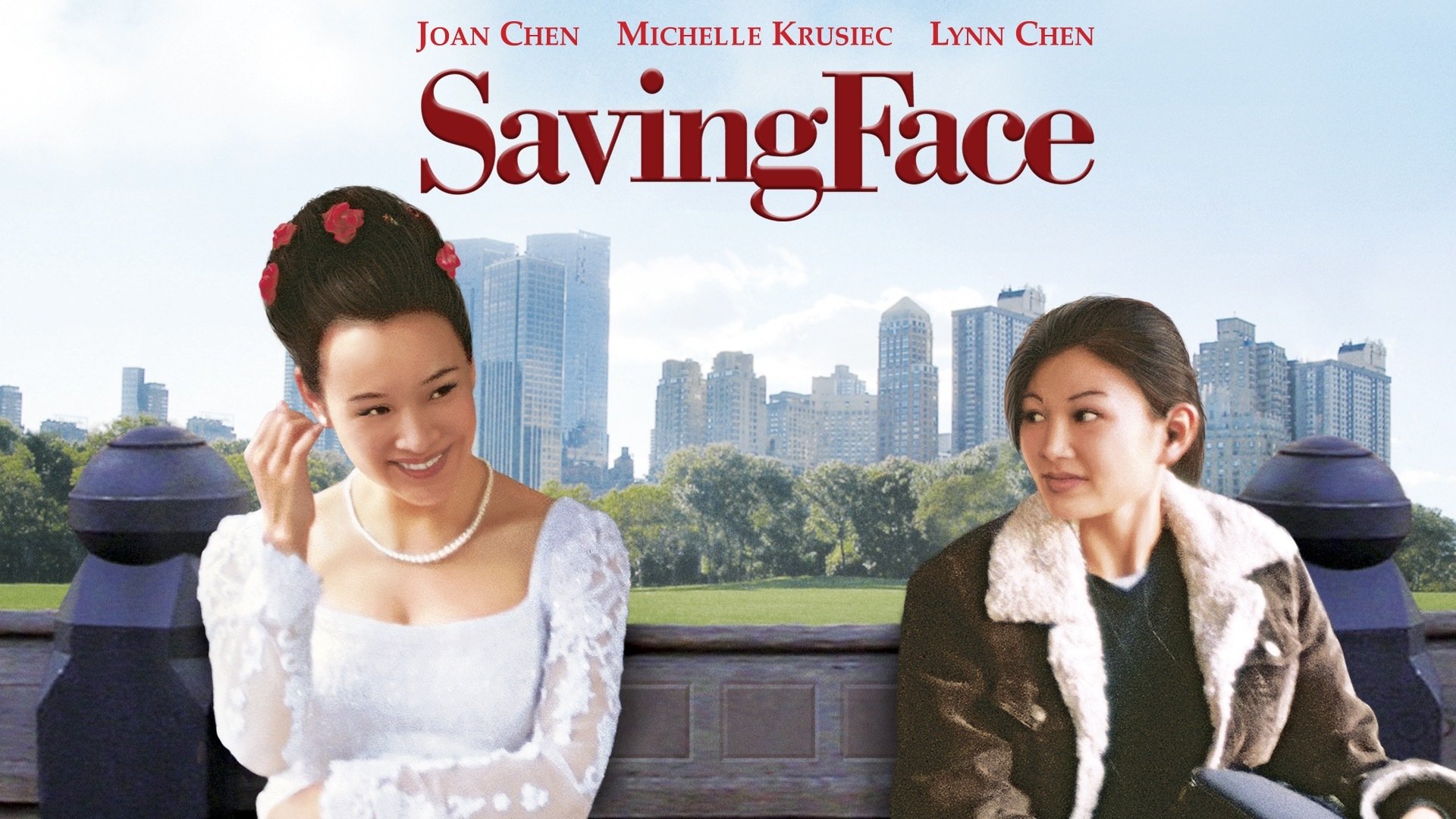
The success of The Joy Luck Club in 1993 lead to a huge boom in movies with Chinese-American themes. And by “huge boom,” I mean that Hollywood only waited 11 years for the next movie to center Chinese Americans.
(Sighs audibly.)
But! On the bright side, Alice Wu’s Saving Face is a charming triumph, telling a love story between a closeted surgeon and her boss’s daughter. The backdrop is the traditional families and community of the two women, but ultimately it’s one of those romantic comedies where you can’t help but cheer on the leads. You can stream Saving Face on The Criterion Channel or rent it from Prime Video.
Brokeback Mountain (2005)
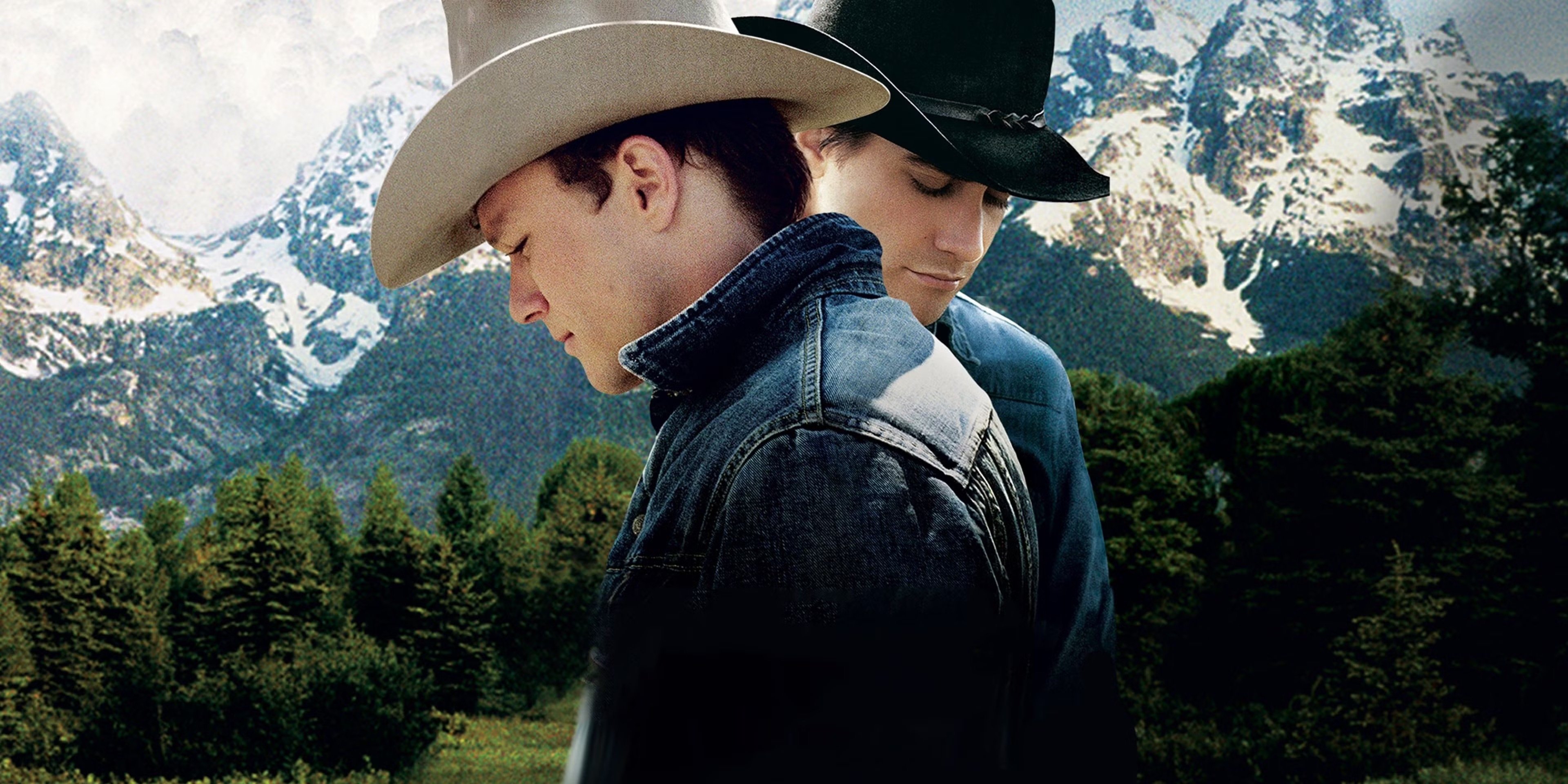
There are several films on this list that involve a bunch of straight people making queer-themed movies, with mixed results. While Brokeback Mountain leans a bit too heavily on tragic tropes (by 2005, we’d seen more than enough movies about gays doomed to die), there’s an undeniable well of talent both behind and in front of the camera—more than enough to make for an affecting experience. The movie’s place in queer history, though, rests as much on the backlash it inspired as on the acclaim it received. By the time the movie lost Best Picture at the Oscars to Crash (her?), the discussion was more about homophobia in Hollywood’s old guard and among movie audiences in general than about either film’s virtues. Brokeback started a discussion, and, just as significantly, reminded studio bosses that queer content could get mainstream attention and make major bank. You can stream Brokeback Mountain on Prime Video.
Bent (1997)
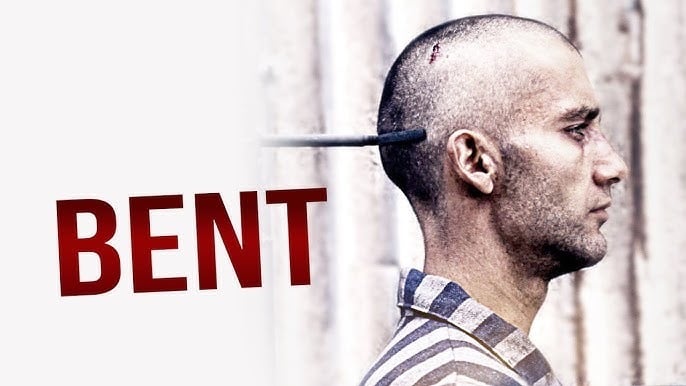
Set largely at at the Dachau concentration camp, Bent follows Max (Clive Owen), arrested by the Nazis in the wake of the Night of the Long Knives, and as part of the Nazi’s targeted persecution of homosexuals. It’s harrowing and heartbreaking, of course, but with moments of real beauty. it also received an NC-17 for no good reason, which has a lot to say about how we treat any film with queer content. You can stream Bent on Peacock and Kanopy or rent it from Prime Video.
Paragraph 175 (2000)
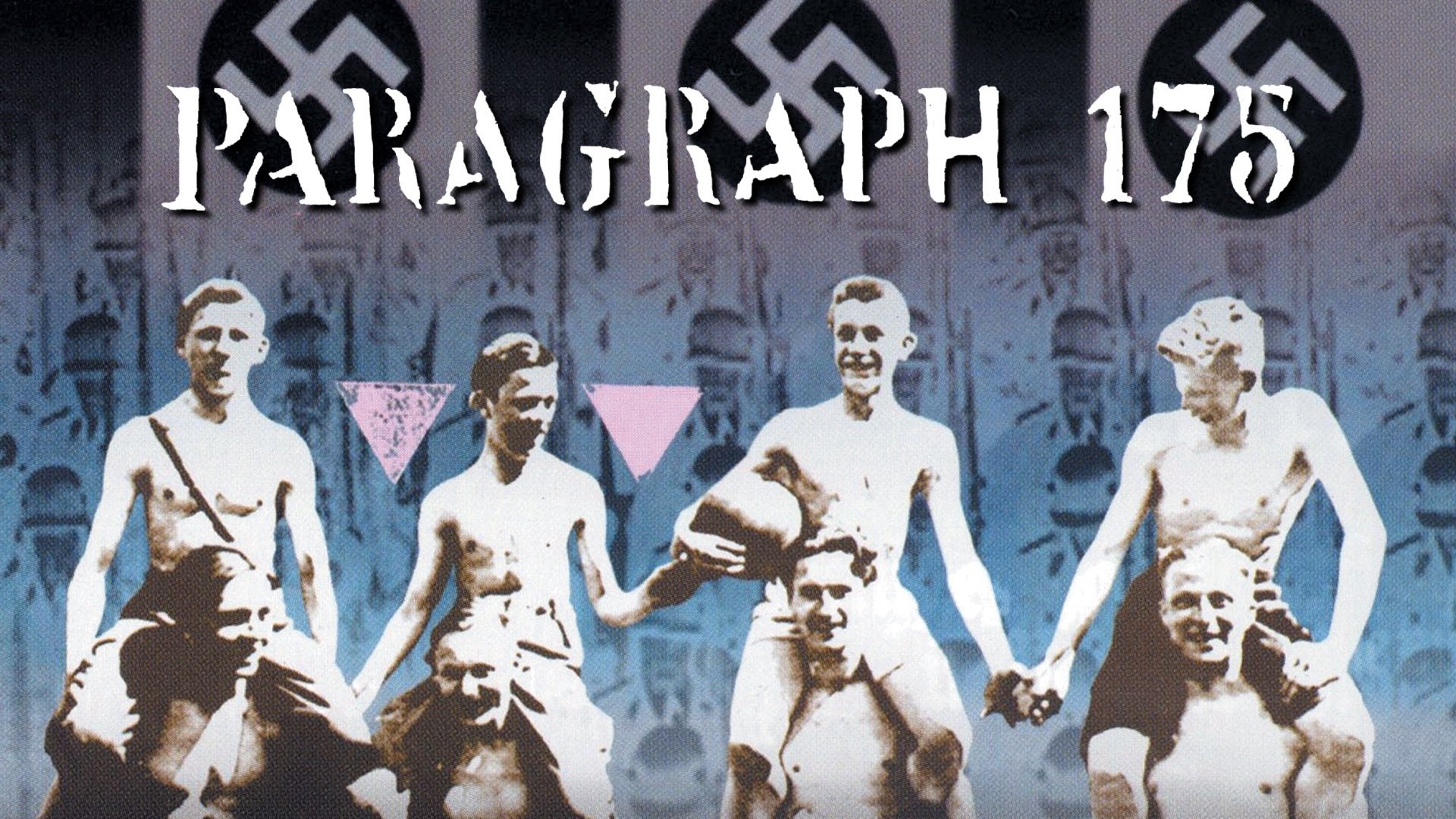
An essential documentary about the experience of queer Germans during the Nazi years, made just in time to capture interviews with survivors. There’s joy in the recollections of a more open and liberal Berlin in the pre-war years, which naturally and horrifically turns to heartbreak as the Nazis move to target queer identities. It’s very specific in its way, but feels timeless in its warning that progress can disappear with frightening ease. You can stream Paragraph 175 on Kanopy and The Criterion Channel or rent it from Prime Video.
Tropical Malady (2004)
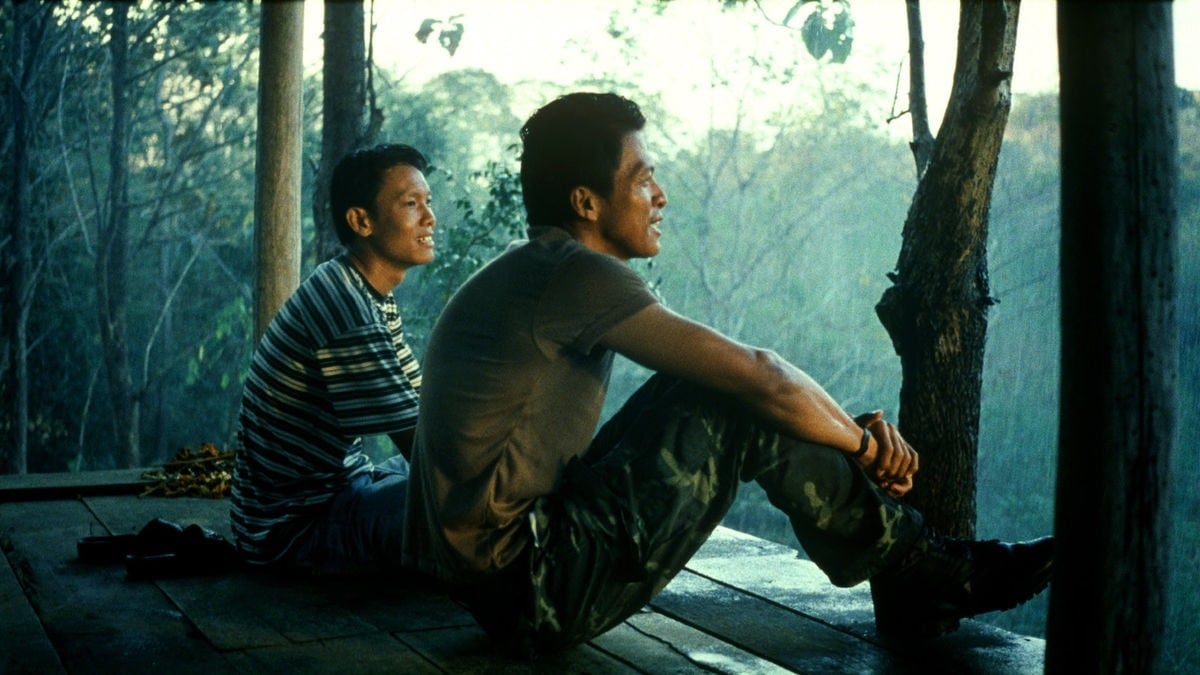
This utterly unique Thai film bills itself as a “romantic psychological drama art film,” and I suppose that gives you some ideas of its weird and wonderful nature. At the outset, we think we’re in a romance involving Keng (Banlop Lomnoi), a soldier stationed in a quiet village who meets local Tong (Sakda Kaewbuadee), kicking off a love story. That’s before the narrative splinters, and we’re following a soldier searching the jungle in the face of a troublesome spirit. It was the first Thai film to debut in the main competition at Cannes, and the first to win the Jury Prize. You can stream Tropical Malady on Kanopy.
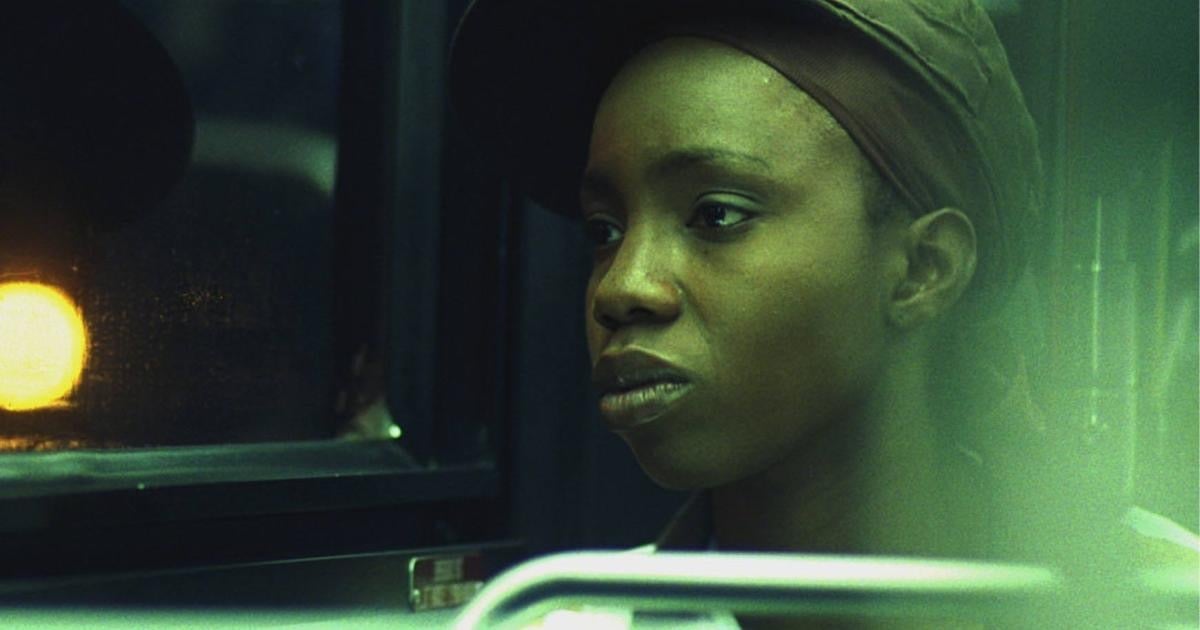
Pariah (2011)
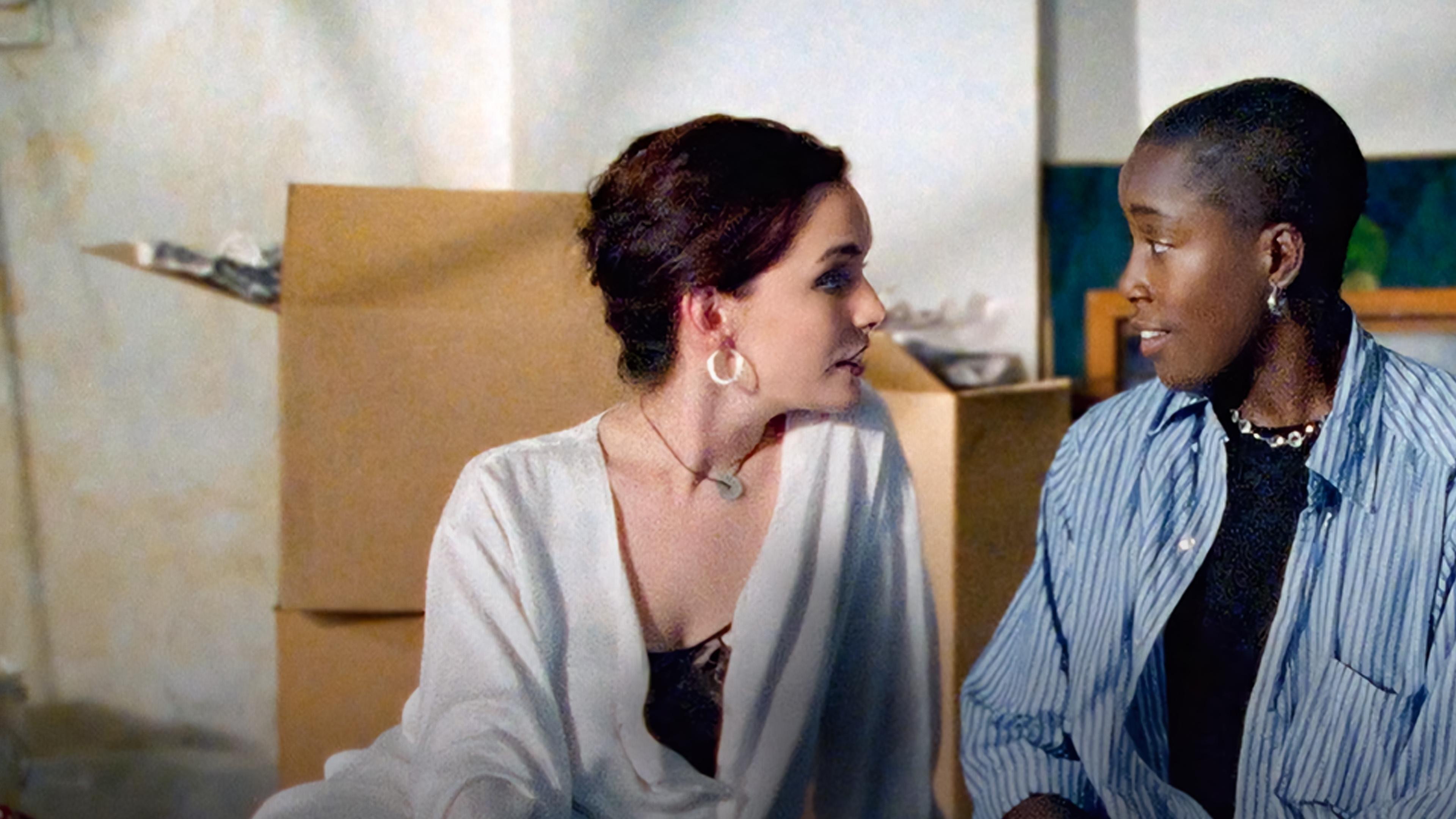
It didn’t break out in a big big way, but Pariah still feels like the start of a new, more assured era in queer cinema. For one thing, it’s absolutely gorgeous, with stunning, expressionistic cinematography and confident, assured direction from Dee Rees. It’s a world you can get lost in. Pariah manages to tell a coming of age, coming out story that’s so deeply personal that it never feels like a queer message movie, even though it has plenty to say about identity through the journey of its young, black, lesbian lead Alike. You can stream Pariah on Peacock or rent it from Prime Video.
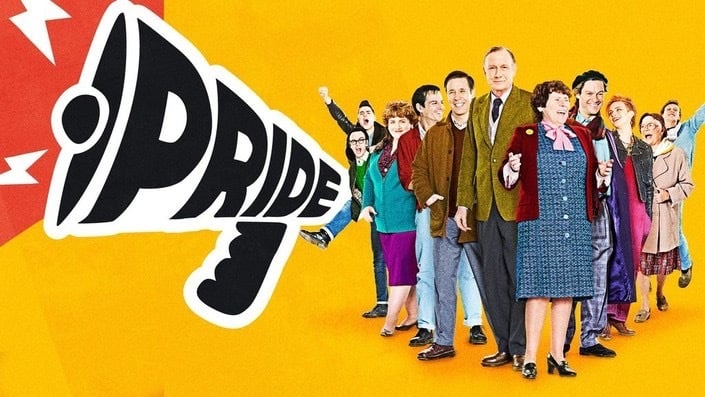
Pride (2014)
During the British mineworkers strike in the ‘80s, activist Mark Ashton and others realized that there existed a real opportunity to forge an alliance between the miners and the queer community, both of which had found themselves shafted (ahem) by Margaret Thatcher’s government. Pride reworks the story of the resulting movement (Lesbians and Gays Support the Miners) into a genuinely delightful comedy-drama (think The Full Monty) about the personalities behind the unlikely team-up that would ultimately bring queer issues to the forefront of British politics. You can stream Pride on Kanopy or rent it from Prime Video.
Go Fish (1994)
It may be more of a cult classic from our current perspective, but lesbian rom-com Go Fish made a couple million bucks (which was real money back in the day) on an extremely low budget, making it a bona fide mainstream hit. There was a minute or two during which people were talking about the viability of lesbian characters and queer themes in movies, and how director Rose Troche’s film could open he gates for further representation. That didn’t really come to pas, but the film offers up some verity-style New Queer Cinema swagger in the story of horny college student Max (co-writer Guinevere Turner) and her various romantic complications. The only tragedy here is Max’s mixed-up love life. You can rent Go Fish from Prime Video.
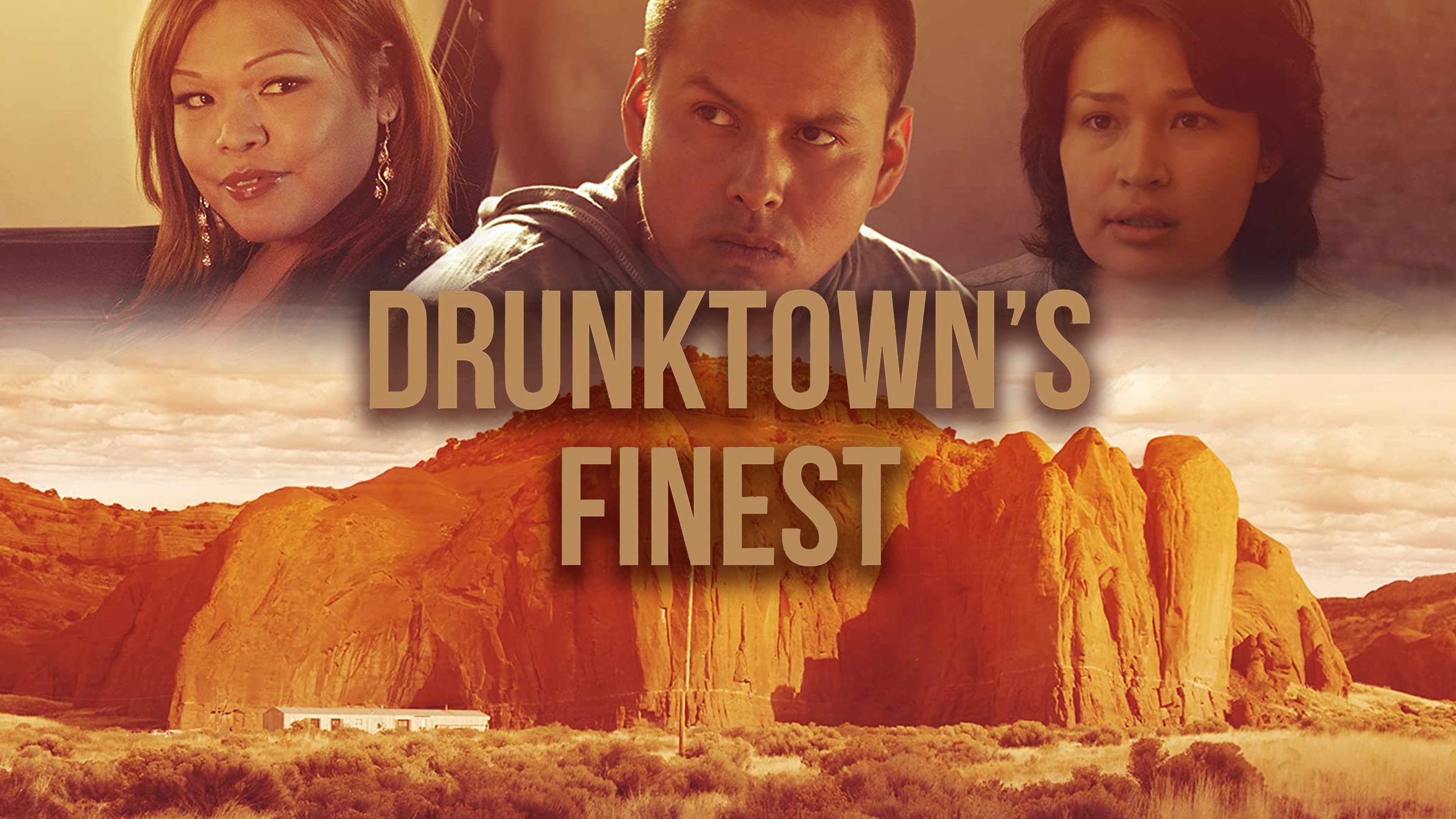
Drunktown’s Finest (2014)
There’s much about Drunktown’s Finest that we’ve seen before: Set around a Navajo community near Gallup, New Mexico, it foregrounds poverty, alcoholism, and clashes between tradition and modern life. Rather than do away with those stereotypical themes, trans Navajo filmmaker Sydney Freeland explores their reality as part of the broader scope of the lives of three young Native Americans, including a transgender woman who dreams of becoming a model. It’s one of several successful films of the last few years to approach characters at the intersection of queer and Native identities. You can rent Drunktown’s Finest from Prime Video.
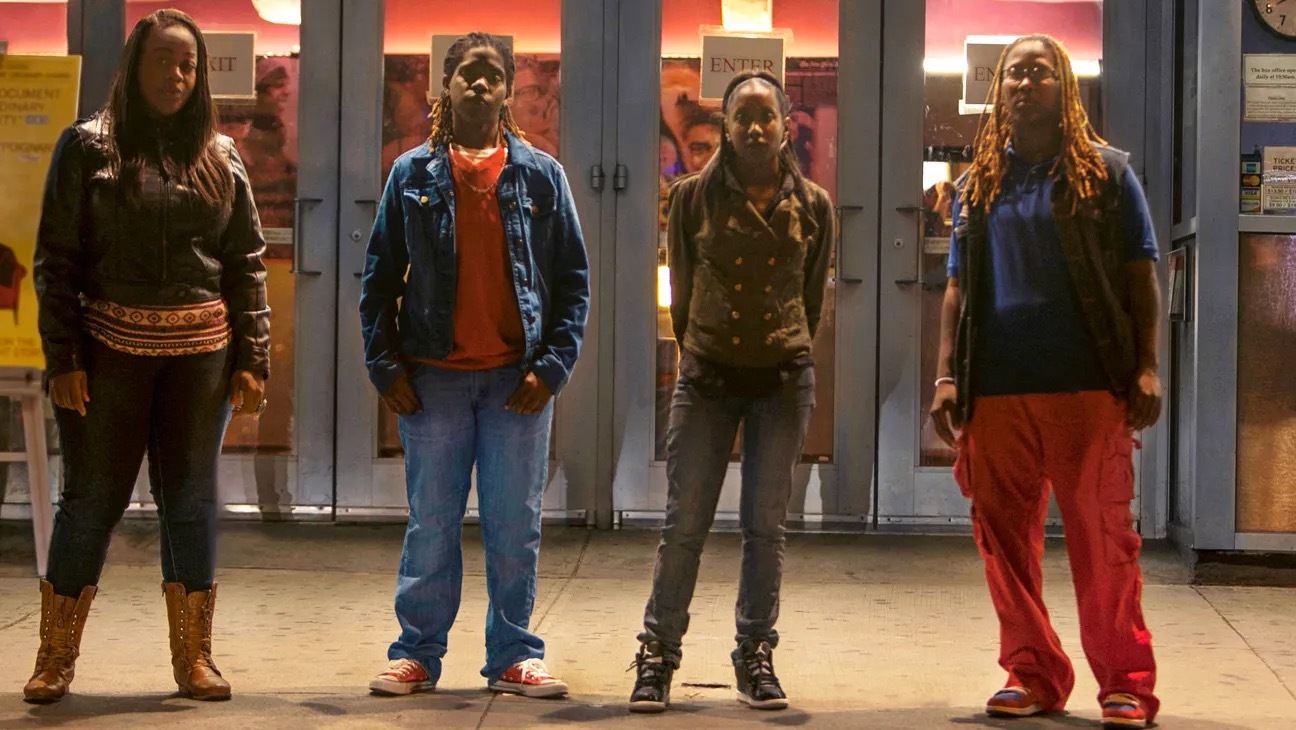
Out in the Night (2014)
In 2006, seven out Black lesbian women were harassed and violently threatened in Greenwich Village. When they fought back, the ensuing brawl led to years-long prison sentences for four of the women, who were charged as though they were gang members. The press called them the “New Jersey Four,” and a “lesbian wolf pack.” One headline warned of an “Attack of the Killer Lesbians,” though, of course, no one was killed. The queer community has always had a fraught relationship with the American judicial system, as have women and people of color. The documentary speaks to the ways in which that long history lives on, especially where identities intersect. You can rent Out in the Night from Prime Video.
Tab Hunter Confidential (2015)
He was the absolute epitome of mid-century, mid-American ideals of masculinity and good looks: a slightly bland but undeniable hotness. With his blond hair, killer smile, and chiseled features (as well as a voice that landed him a couple of hit pop singles), he was a movie star deliberately branded to make suburban teenage girls go nuts. His public romances with stars like Debbie Reynolds and Natalie Wood gave fans something to fantasize about when they weren’t actively swooning. Of course, even then there was gossip about Hunter’s sexuality, and he confirmed those rumors in the 2005 memoir upon which this award-winning doc is based. It’s a very personal look into the actor’s life in Hollywood, and at the lengths to which the studio system went to keep some of its biggest stars hidden in the closet. You can stream Tab Hunter Confidential on Prime Video.
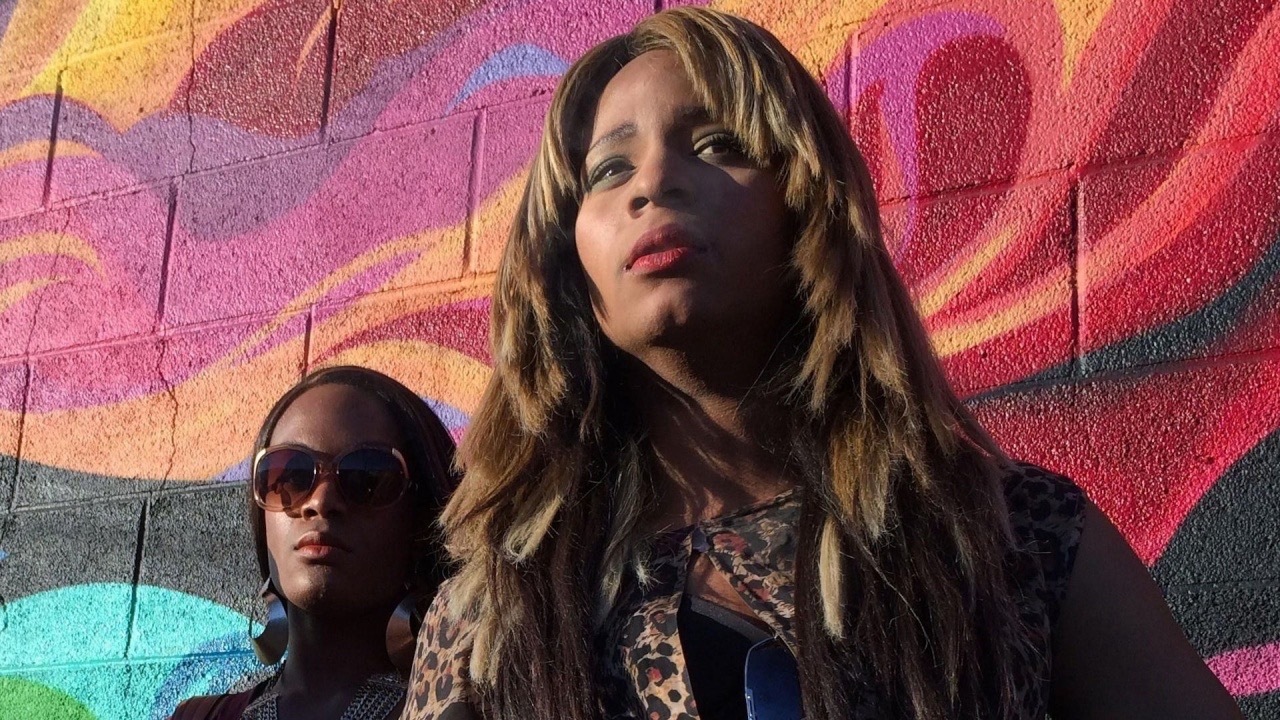
Tangerine (2015)
Modern tech has opened up opportunities for filmmakers that they could only dream of back in the day. Imagine if queer directors of earlier generations had been able to shoot a movie on their phones with professional-looking results? The stories that could have been told? Director Sean Baker and company make a virtue of the intimacy and immediacy of that shooting on a couple of iPhones brings, and the results don’t feel shoddy nor cheap. It’s a girlfriend/buddy/revenge comedy about Sin-Dee Rella and Alexandra, two trans sex workers on the hunt for the man who did Sin-Dee wrong. It’s a ton of fun. You can stream Tangerine on HBO Max and Kanopy or rent it from Prime Video.
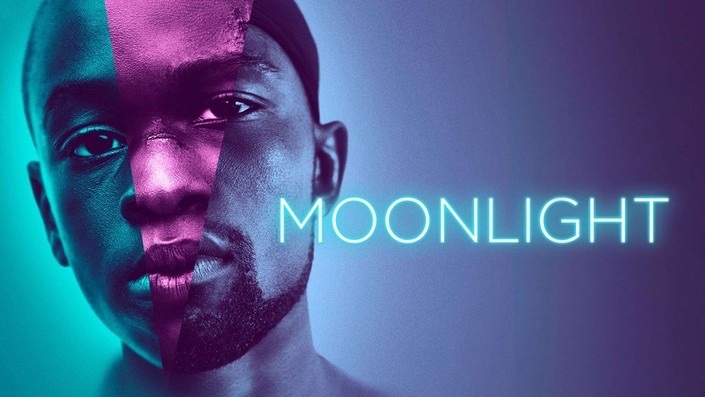
Moonlight (2016)
Two words: Best Picture. Moonlight actually won a ton of awards, but the most groundbreaking by far was that Oscar. And, yes, they did accidentally read the wrong card and make everyone think that La La Land won—but after 89 years of Academy Awards, it was worth an extra few seconds to learn that the first film with a lead queer character (as well as an all-Black cast) had claimed Hollywood’s biggest prize. Good movies don’t always make history (and this is a great one), but Oscar winners sure do. You can stream Moonlight on Tubi or rent it from Prime Video.
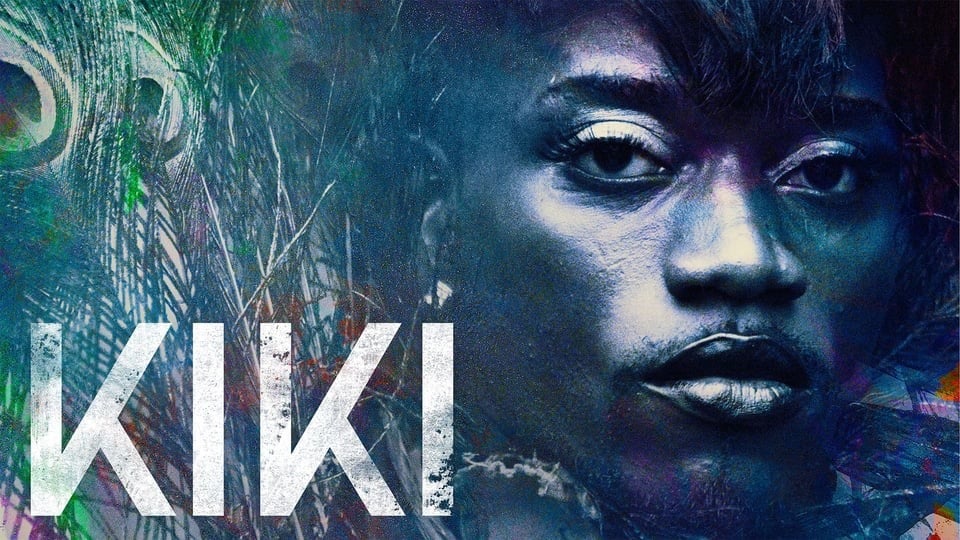
Kiki (2016)
Picking up where Paris is Burning left off, Kiki looks at the current state of the drag ball scene. It’s not a sequel, but in examining kiki culture in New York City more than a quarter century after that earlier doc, it provides a fascinating glimpse of everything that has, and hasn’t, changed for a community whose influence has only grown. Many of the same struggles remain: HIV/AIDS hasn’t gone away, especially for those without the money to pay for treatment, nor have over-policing and discrimination. But a broader cultural acceptance of queerness and the mainstreaming (to some extent) of drag have opened doors for many of the young, often trans people of color the film focuses on, who also manifest a fierce and inspiring strain of activism. You can stream Kiki on AMC+ and Kanopy or rent it from Prime Video.
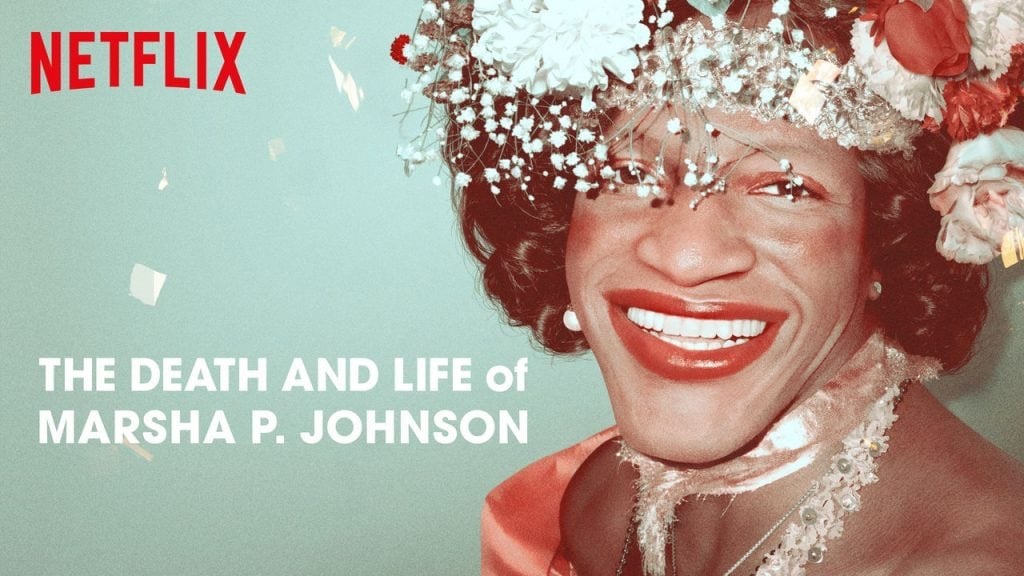
The Death and Life of Marsha P. Johnson (2017)
There are as many perspectives on the Stonewall uprising as there were people who were there, but if you’re looking to educate yourself on those events, you could do worse than to start with a close look at Marsha P. Johnson. Coming into the spotlight during an era when labels were very much in flux, Johnson self-identified as gay and as a transvestite who generally used female pronouns. She was also a sex worker and a drag queen, as well as an activist, model, and mentor—a generally fascinating person who was on the frontline when Stonewall went up in flames in 1969. Director David France’s film explores not just Johnson’s life, but also a recent investigation into her tragic and mysterious death in 1992, which the NYPD ruled a suicide without much examination. You can stream The Death and Life of Marsha P. Johnson on Netflix.
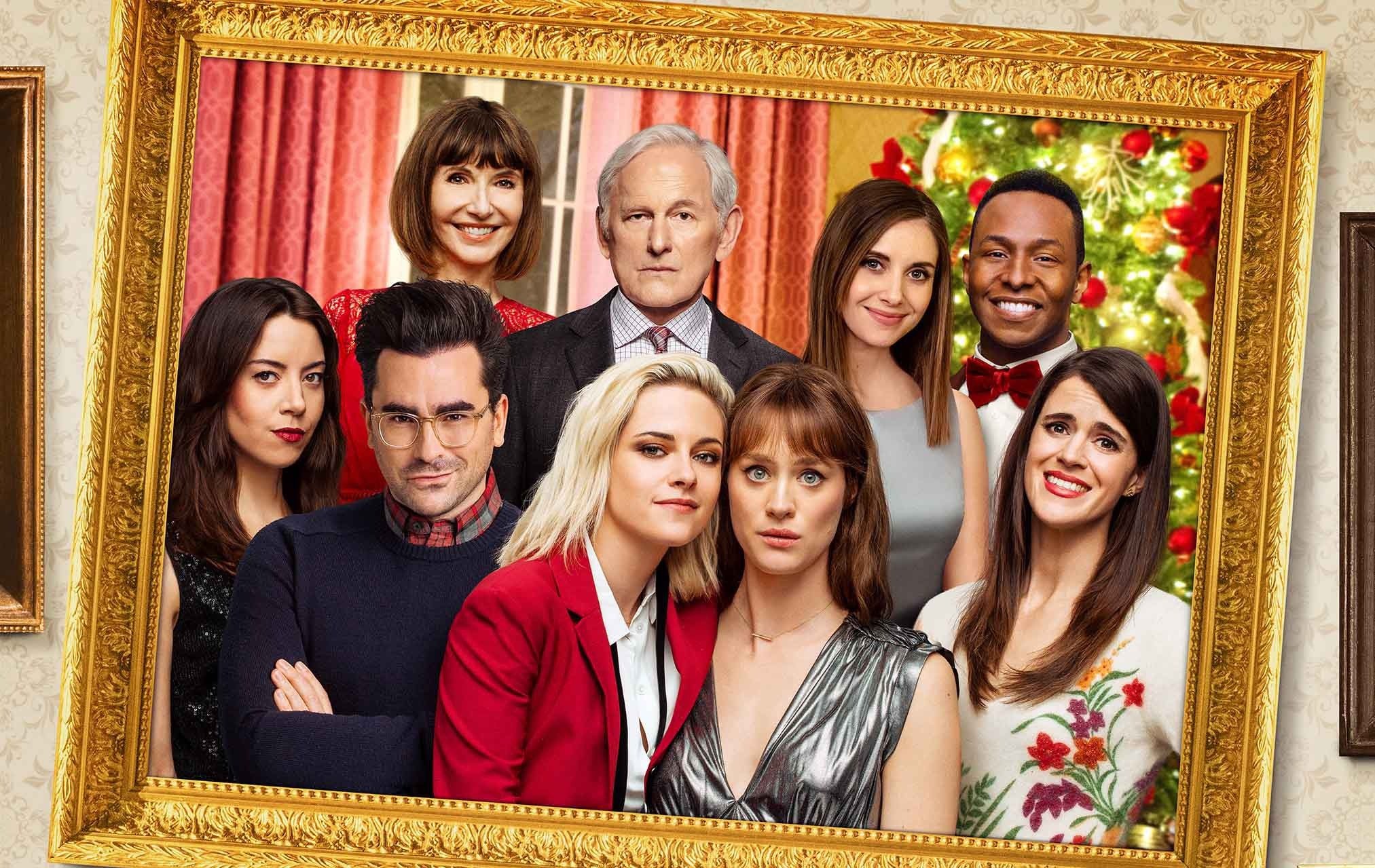
Happiest Season (2020)
They crank these things out by the dozens. There’s an entire, year-round industry dedicated to feeding an entire nation’s insatiable appetite for schmaltzy, made-for-TV holiday movies, very frequently involving a hard-driving career woman who discovers the true meaning of the season while visiting her hometown for Christmas. There’s comfort in conformity, and so there’s been surprisingly little variety to the form in spite of the sheer volume of these movies—at least until the last couple of years. Non-white faces have become just a bit more common, and 2020 saw the sudden appearance of not just one, but at least seven holiday movies centering queer romances (and queer actors). Which only makes sense—is there a better audience for campy, cheesy, over-the-top love stories than gay people? Hulu’s Happiest Season had better marketing, slightly bigger stars, and an overall better pedigree than some of the others, and therefore became the biggest focus of attention. If you’re asking if it’s any good, you’re missing the point entirely: It’s dorky TV comfort food, sure, but it’s dorky TV comfort food with and about lesbians—and damned if that doesn’t feel like progress. You can stream Happiest Season on Hulu.
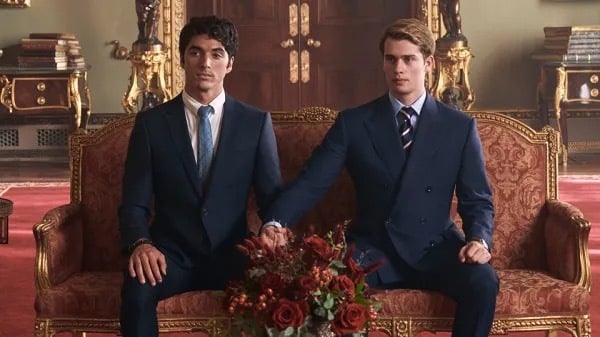
Red, White & Royal Blue (2023)
In the Happiest Season vein, this rather successful adaptation of the Casey McQuiston feels schmaltzy in all the right ways—a rom-com about a prince and a President’s son for the gays. A glossy and competently made romance for the rest of us. Where Royal Blue goes a bit further, though, is in the heat its two leads (Taylor Zakhar Perez and Nicholas Galitzine) generate. The sex might be PG-13 at most, and would hardly make a stir in a straight movie, but this feels like a leap forward for the mainstreaming of cisgender man-on-man action. You can stream Red, White & Royal Blue on Prime Video.
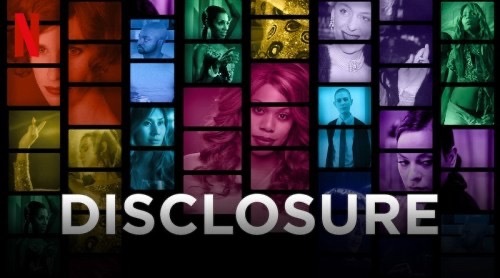
Disclosure: Trans Lives on Screen (2020)
Representation on screen isn’t everything, but it matters. For most Americans, everything they know about transgender people comes from media representations, and that’s also true for trans youth, who may have no other role models than those they get from TV. Disclosure takes a look at over a century of transgender stories in film and on TV (going way back to A Florida Enchantment in 1914), an era of very, very, very slow progress that’s taken a giant leap forward in just the last few years with the rise of popular trans celebrities, many of whom are interviewed here. While focusing on celebrities, the film also acknowledges that added visibility carries dangers as well, and that the spotlight hasn’t necessarily made life safer. Disclosure investigates those generally problematic, often quite hurtful old movies and shows to figure out how they’ve tracked with the realities of trans lives, and how far we’ve come. You can stream Disclosure on Netflix.
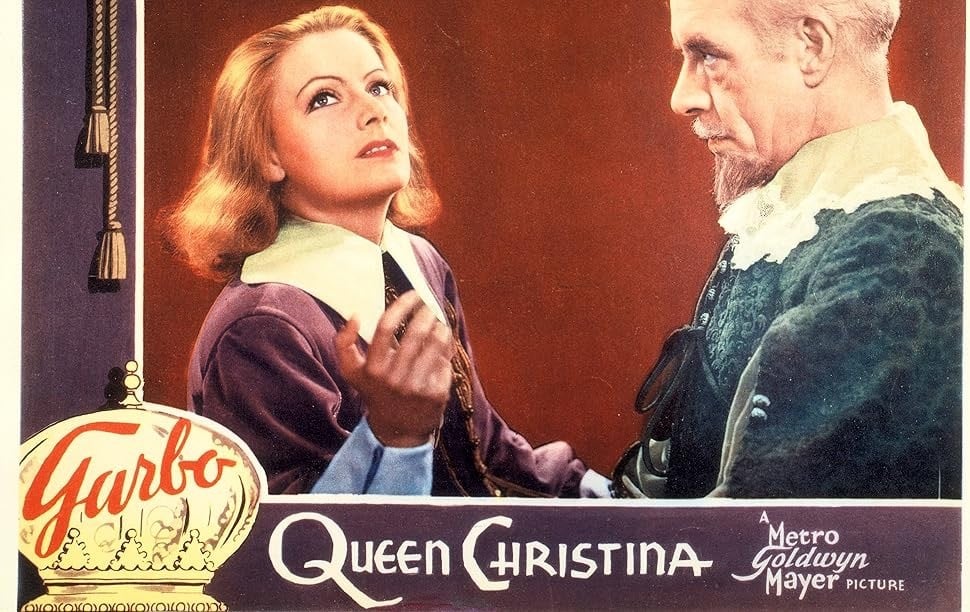
Queen Christina (1933)
The real-life Queen Christina of Sweden, like Greta Garbo who portrays her, enjoyed a well-earned reputation for gender ambiguity and queerness, some of which is on display in this pre-code film that sees her entertaining several suitors, both male and female. To some, she’s a weak-willed woman; to others, she’s unsuitably domineering. The old story: too horny for some; too frosty to others. This was 1933, before the Hays production code took a hammer to much of the sex and nearly all of the overt queerness in American movies, and it would be decades before we’d start to claw back some of what they stole from us. You can rent Queen Christina from Prime Video.
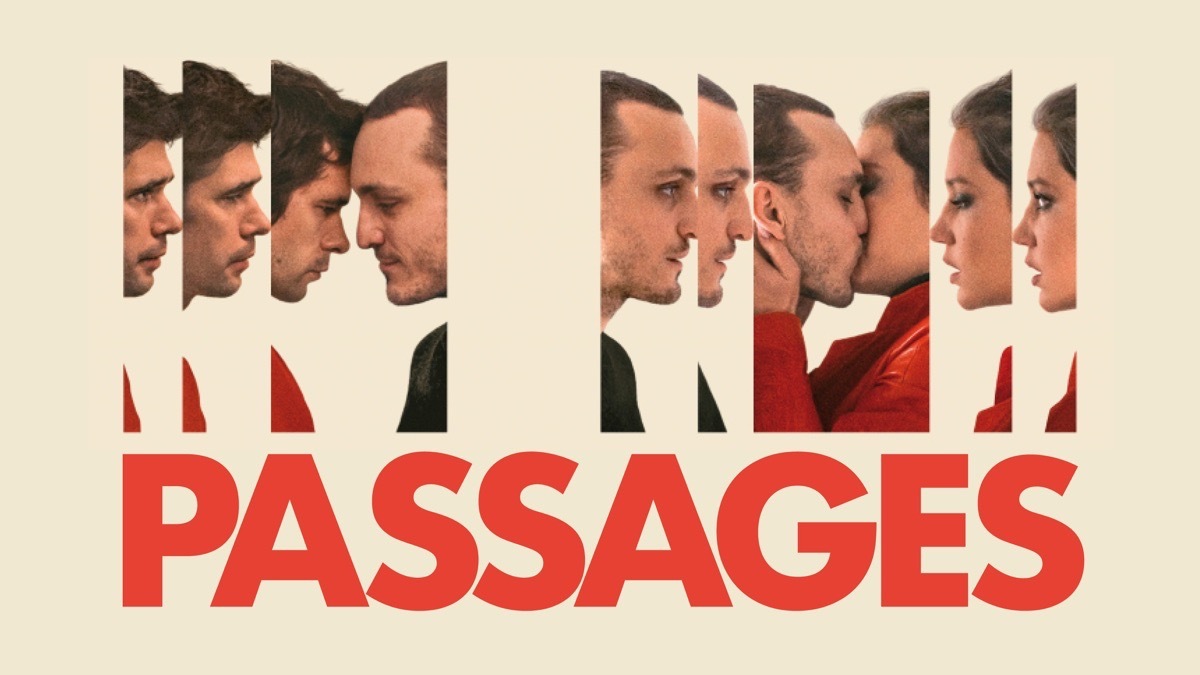
Passages (2023)
Smart and humane where it might have been salacious, director Ira Sachs crafts a lovely, moving portrait of the disintegrating marriage between Martin and Tomas (Ben Whishaw and Franz Rogowski). Though long in coming, the precipitating event is unexpected: Tomas meets Agathe (Adèle Exarchopoulos), with whom he develops an instant connection. Not only is it a brilliantly acted film, it’s also a refreshing, matter-of-fact take on modern sexual fluidity. You can stream Passages on Mubi or rent it from Apple TV.
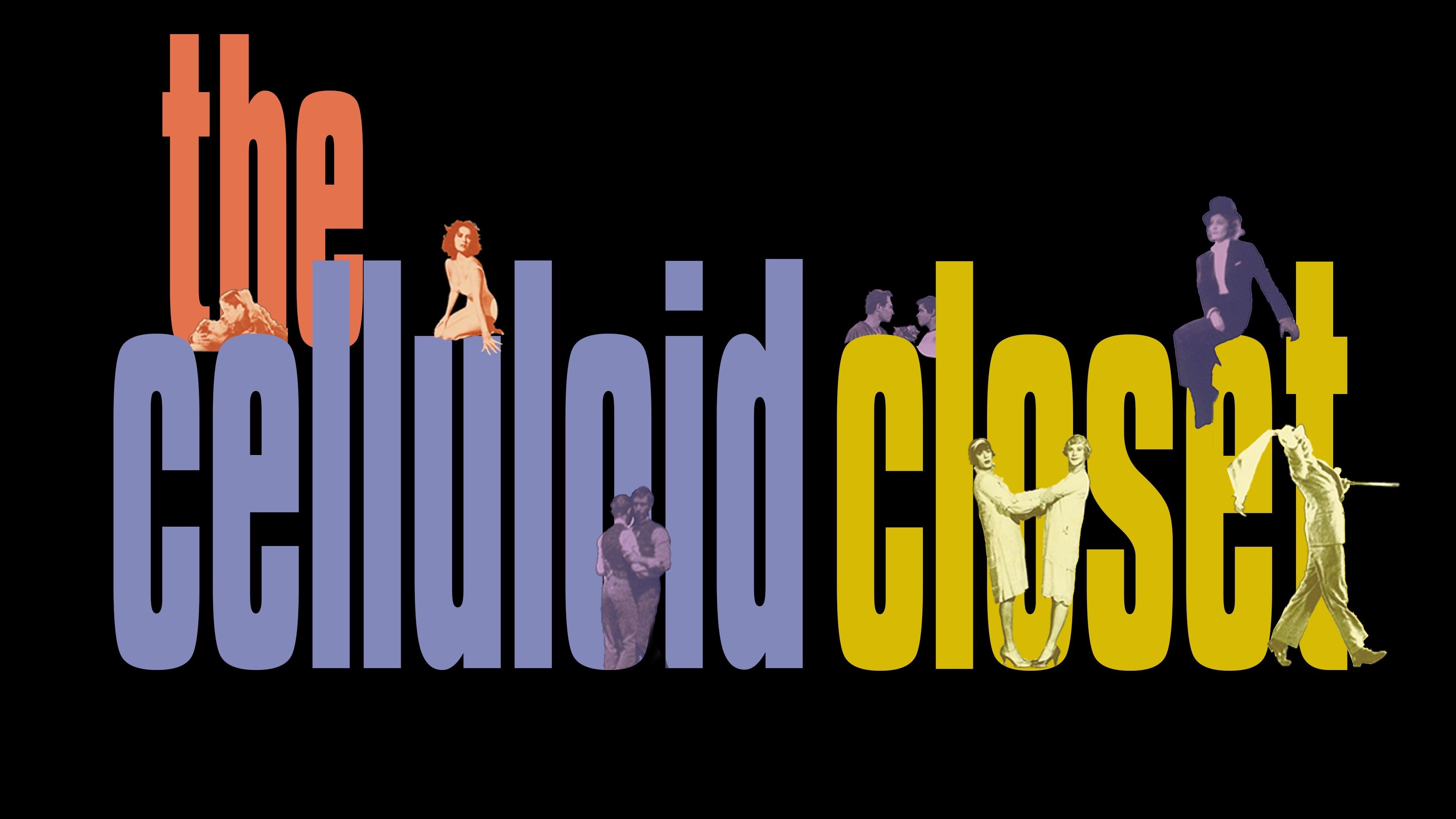
The Celluloid Closet (1996)
Once you’ve watched all of the films on this list, get some added context via the essential documentary about the history of queer Hollywood. The film examines the stereotypes, the hidden messages, the secret codes—everything that made the movies queer, in spite of the restrictions placed upon them. You can stream The Celluloid Closet on Tubi or rent it from Prime Video.
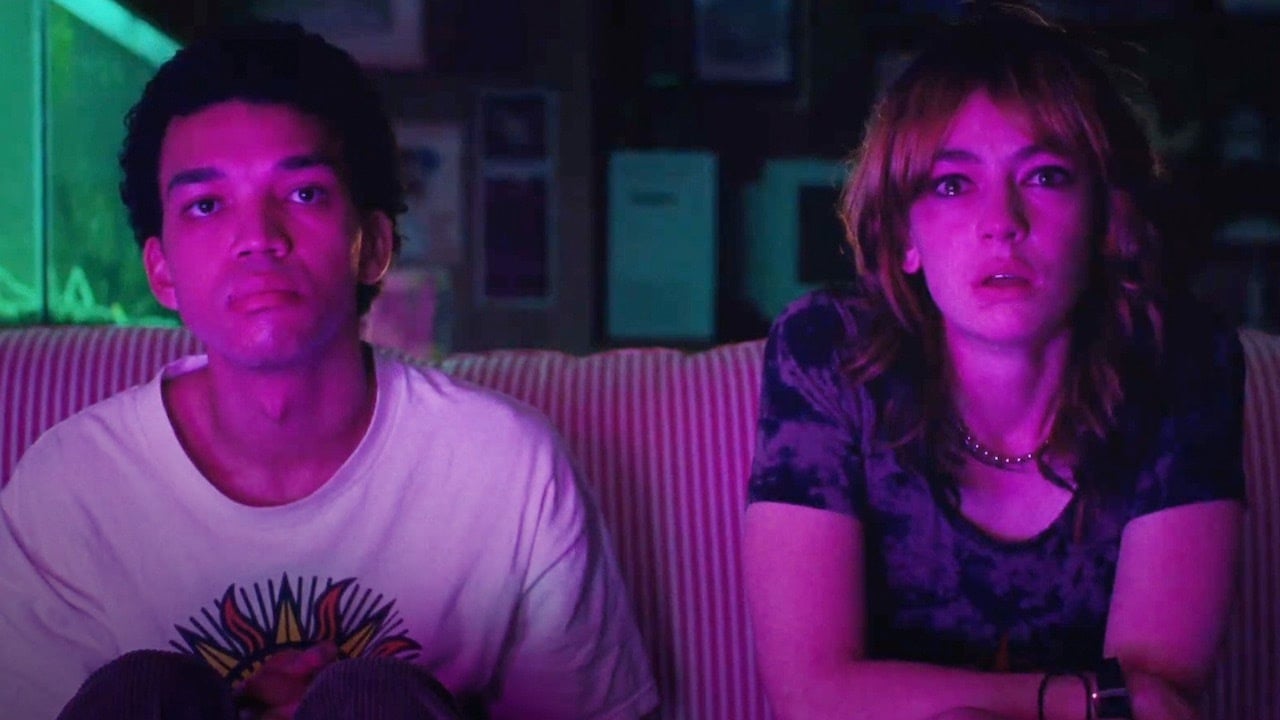
I Saw the TV Glow (2024)
Jane Shoenbrun wrote I Saw the TV Glow, their trippy, psychological horror drama, in the midst of their own transition, using the film to explore the feelings that the process stirred: exhilaration, anticipation, and visceral horror at the choices laid before them. What does it mean to sacrifice stability and safety in favor of authenticity? While other trans coming-out narratives focus on the external threats or emphasize the positive aspects, Shoenbrun isn’t afraid to acknowledge and confront the inherent terror in this story of two teen friends who bond over a TV show that seems to gradually be drawing them into itself, and which increasingly feels more real than real life. Queer cinema of the past often dealt with themes in highly metaphorical ways, because speaking openly was far more dangerous. Shoenbrun approaches transitioning through allegory, and without fear. You can stream I Saw the TV Glow on HBO Max or rent it from Prime Video.