The Intel Comet Lake Core i9-10900K, i7-10700K, i5-10600K CPU Review: Skylake We Go Again

The first thing that comes to mind with Intel’s newest line of 10th Generation desktop processors is one of ‘14nm Skylake, again?’. It is hard not to ignore the elephant in the room – these new processors are minor iterative updates on Intel’s 2015 processor line, moving up from four cores to ten cores and some extra frequency, some extra security measures, a modestly updated iGPU, but by and large it is still the same architecture. At a time when Intel has some strong competition, Comet Lake is the holding pattern until Intel can bring its newer architectures to the desktop market, but can it be competitive?


Source: AnandTech – The Intel Comet Lake Core i9-10900K, i7-10700K, i5-10600K CPU Review: Skylake We Go Again

AMD to Support Zen 3 and Ryzen 4000 CPUs on B450 and X470 Motherboards

In a surprising twist, AMD has today announced that it intends to enable Ryzen 4000 and Zen 3 support on its older B450 and X470 Motherboards. This is going to be a ‘promise now, figure out the details later’ arrangement, but this should enable most (if not all) users running 400 series AMD motherboards to upgrade to the Zen 3 processors set to be unveiled later this year.


Source: AnandTech – AMD to Support Zen 3 and Ryzen 4000 CPUs on B450 and X470 Motherboards

Samsung Announces New 50MP Dual-Pixel and Quad-Bayer ISOCELL Sensor

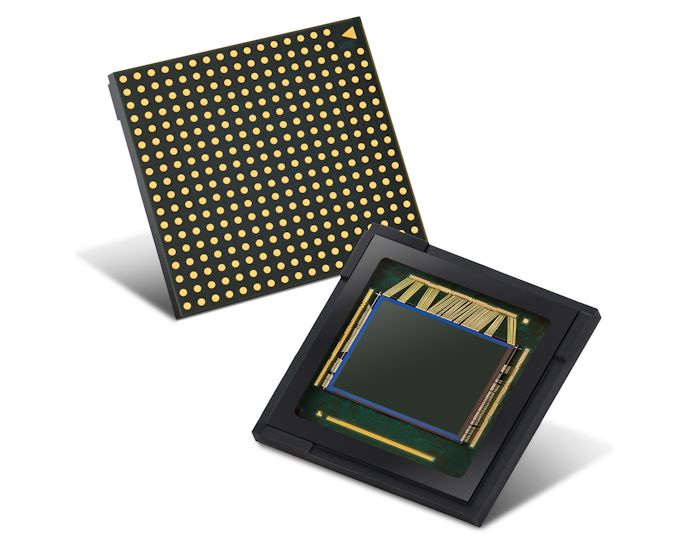
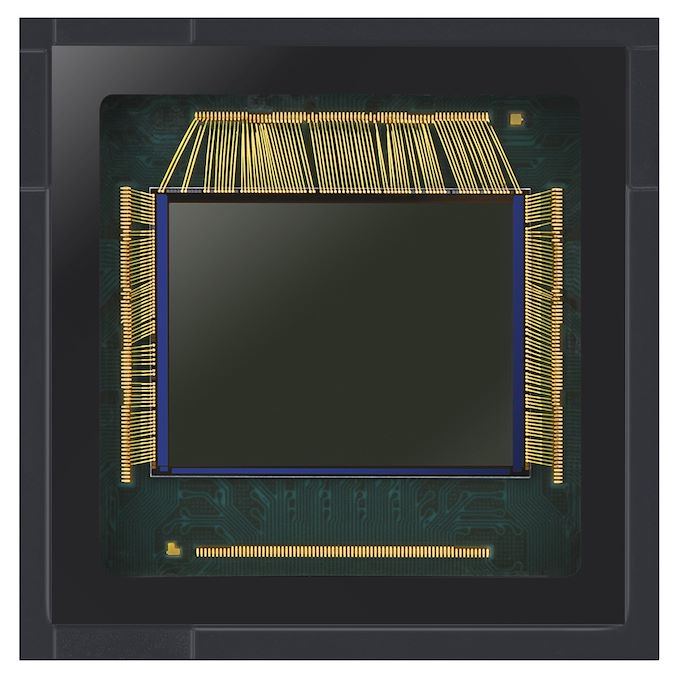
Samsung today has announced a brand-new flagship sensor in the form of the ISOCELL GN1. The new sensor is seemingly a follow-up to the 108MP ISOCELL HMX and HM1 sensors that we’ve seen employed by Xiaomi devices and the Galaxy S20 Ultra.


The big changes in the new GN1 is that it uses are different optical formula to the existing larger megapixel sensors. It’s only a bit less than half the resolution at a maximum of 50 megapixels, however the per-pixel pitch grows from 0.8µm to 1.2µm.


It seems that Samsung’s main rationale to grow to a larger pixel pitch wasn’t just the per-pixel increased light gathering ability, but rather the enablement to re-introduce full sensor dual-pixel phase-detection. The existing 108MP sensors that have been out in the market have been using 2×1 distributed on-chip lens phase detection autofocus pixels on the sensor, with the autofocus performance not been nearly as performant and a dual-pixel PD solution. In theory, the GN1 using dual-pixel PD pixels means that it uses pairs of 0.6µm x 1.2µm photo sites.


The GN1 is also the first sensor to pair the dual-pixel technology with a quad-bayer colour filter array, which Samsung calls Tetracell. In effect, the 50MP sensor will natively bin 2×2 pixels to produce a 12.5MP image with effective pixel pitches of 2.4µm. Interestingly, Samsung also talks about providing software algorithms to be able to produce 100MP images by using information from each individual photodiode – which all sounds like pixel-shift super resolution techniques.


The size of the sensor remains at a large 1/1.33” – in essence it’s most comparable to Huawei’s current 50MP sensor that is found in the P40 series phones – with the addition of Dual Pixel PD.


The sensor still supports 8K30 video recording, but we hope it’s able to achieve this with a smaller image crop compared to the current HM1 implementation in the S20 Ultra.


These new generation sensors are extremely challenging for vendors to properly use – besides the increased computational workload to actually use the full resolutions (the reduction from 108MP to 50MP will help there), there’s also the challenge of providing adequate optics that can take advantage of the resolution. It seems the GN1 here is a bit more reasonable in its demands, other than its sheer large size.


Related Reading:


Source: AnandTech – Samsung Announces New 50MP Dual-Pixel and Quad-Bayer ISOCELL Sensor

Huawei Matebook X Pro and Matebook 13 2020 Models Available For Pre-Order

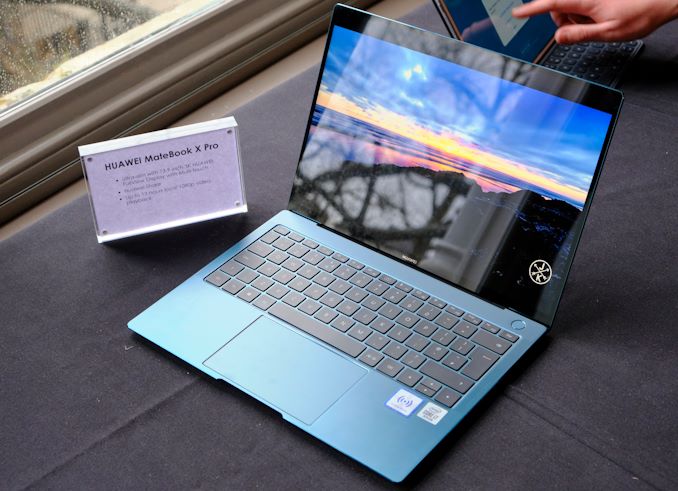
Back in February this year, we published an announcement that Huawei was planning on refreshing its Matebook X Pro for 2020. Following on from this, Huawei has announced that it is taking pre-orders on its new Matebook X Pro 2020 models, with both laptops featuring Intel’s 10th Gen Comet Lake mobile processors. Available with either an Intel Core i5-10210U and Core i7-10510U processor, the Matebook X Pro features an LTPS 13.9-inch display with touchscreen capabilities. Further to this, Huawei has also announced the pre-order availability of its new Matebook 13 2020 model, which also benefits from Intel’s 10th gen Comet Lake mobile processors, with a 512 GB PCIe SSD, and a 13 inch, 2160 x 1440 IPS panel.


The new Huawei Matebook X Pro 2020 model is currently available to pre-order in two different configurations. Starting with the top-spec model, it comes with an Intel Core i7-10510U processor with a 1.8 GHz base frequency and a turbo frequency of up to 4.9 GHz. Included is 16 GB of LPDDR3-2133 memory and a large 1 TB NVMe PCIe SSD, with a 13.9 inch LTPS 3000 x 2000 10-point touchscreen display powered by an NVIDIA GeForce MX250 graphics chip. The Intel Core i5-10210U Matebook X Pro 2020 model is similar in spec but comes with a slightly smaller 512 GB NVMe PCIe SSD, but with the same 16 GB of LPDDR3-2133 memory.


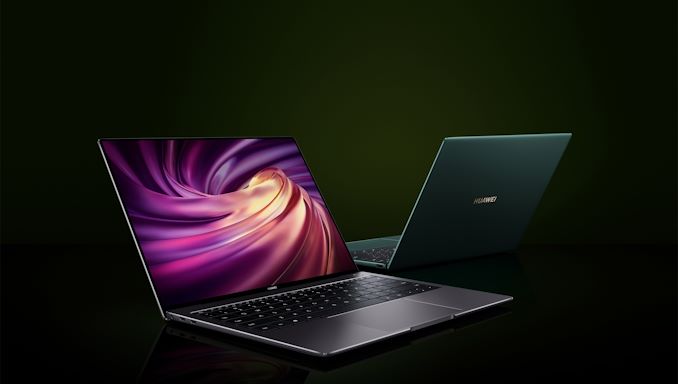
Huawei Matebook X Pro model in Emerald Green


Featured across both of Huawei’s new Matebook X Pro 2020 model is a 56 Wh lithium polymer battery which Huawei rates for up to 13 hours of local video playback. This includes a USB Type-C 65 W charging adapter. Also featured within the space grey aluminium alloy frame is a 1-megapixel recessed camera, a Wi-Fi 5 wireless interface with support for BT 5.0 devices, as well as a quad-speaker and microphone array for improved audio output and input quality. Each Matebook X Pro 2020 includes a single USB 3.0 Type-A, two USB 3.1 Type-C ports with support for charging, data transfer, and DisplayPort output capability, as well as a single 3.5 mm microphone and headphone combo jack.


Huawei Matebook X Pro and Matebook 13 Specifications
  Matebook X Pro 2020 Matebook 13 2020
CPU Intel Core i5-10210U – 4C 8T

Intel Core i7-10510U – 4C 8T
Intel Core i5-10210U – 4C 8T
Intel Core i7-10510U – 4C 8T
GPU NVIDIA GeForce MX250

Intel UHD Graphics
Display 13.9 Inch 3000 x 2000
​3:2 LTPS Touchscreen
91% Screen to body ratio
13 Inch 2160 x 1440

3:2 IPS Touchscreen (i7 Only)

88% Screen to body ratio
Memory 16 GB LPDDR3-2133 8 GB LPDDR3-2133

16 GB LPDDR3-2133 (Touchscreen)
Storage 512 GB NVMe PCIe SSD

1 TB NVMe PCIe SSD
512 GB PCIe SSD
Networking Wi-Fi 5 802.11ac
Power 65 W USB Type-C Power Adapter
Battery 56 Wh Lithium Polymer 41.7 Wh Lithium Polymer
Ports 2 x USB 3.1 Type-C (Charging, DP)

1 x USB 3.0 Type-A

1 x 3.5 mm (phono/mic)
2 x USB 3.1 Type-C (Charging)
1 x 3.5 mm (phono/mic)
Dimensions (WxDxH) 304 x 217 x 14.6 mm 286 x 14.9 x 211 mm
Weight (Approx) 1.33 kg 1.3 kg
Price (USD) Starts at £1300 Starts at £850

Huawei has also announced two new Matebook 13 2020 models which feature differentiating characteristics to the Matebook X Pro 2020 pair, although it is available in both with an Intel Core i7-10510U and cheaper i5-10510U. Focusing on the higher-spec of the two Matebook’s, it is shipped with 16 GB of LPDDR3-2133 memory, and a touchscreen 13 inch, 2160 x 1440 IPS display with a 3:2 aspect ratio, which is powered by NVIDIA’s GeForce MX250. The lower-spec model has an i5-10510U processor, 8 GB of LPDDR3-2133 memory, and a standard 13 inches 2160 x 1440 IPS display. Both Huawei Matebook 13 2020 models share the same space grey aluminium alloy frame with a 512 GB PCIe SSD, two USB Type-C inputs with one support charging, a 1-megapixel front-facing webcam, dual speaker and microphones, with a single 3.5 mm headphone/combo jack for external audio peripherals.


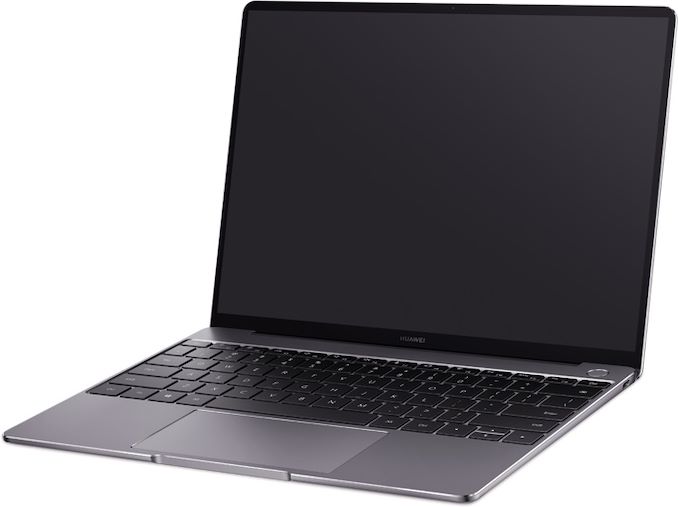
Huawei Matebook 13 2020 notebook in Space Grey


The new Huawei Matebook X Pro 2020’s can be pre-ordered directly from the Hauwei UK website with the Intel Core i7-10510U with 16 GB of LPDDR3-2133 and a 1 TB NVMe PCIe SSD coming at the cost of £1600, with the i5 and 512 GB NVMe PCIe model starting from £1300. The Huawei Matebook 13 2020’s offer similar features, albeit not as premium as the Matebook X Pro, and start from £850 for the i5 and 8 GB of LPDDR3 memory, while the higher-spec i7 with a touchscreen IPS panel and 16 GB LPDDR3 model costs £1200.


Each model is only available in space grey at the moment, although Huawei has stated that they will be doing emerald green and mystic silver versions. At the time of writing, all of the new Matebook X Pro 2020 and Matebook 13 2020 models on the Hauwei store come with a choice of a free gift. This includes a MediaPad T5 tablet, FreeBuds3 wireless headphones, or a GT2e smartwatch.


Related Reading


Source: AnandTech – Huawei Matebook X Pro and Matebook 13 2020 Models Available For Pre-Order

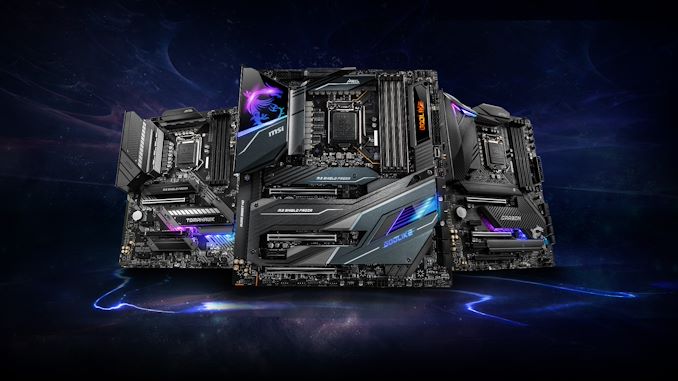
Sponsored Post: MSI’s Z490 Motherboard Guide

Alongside the arrival of Intel’s 10th Generation processors, motherboard developers like MSI have launched more than 40 new Z490 motherboards to accompany the new CPUs. Among these, there are some important improvements over previous Z390 motherboards. These include greater capacity CPU power delivery systems, higher memory frequency support, and high-speed connectivity including 10GbE/2.5GbE LAN, Wi-Fi 6 and I/O like Thunderbolt 3 and USB 3.2 Gen 2×2 (20Gbps).


Source: AnandTech – Sponsored Post: MSI’s Z490 Motherboard Guide

AMD Ryzen 5 3600 Review: Why Is This Amazon's Best Selling CPU?

Every so often there comes a processor that captures the market. It ends up being that right combination of price, cores, frequency, performance, features and compatibility when added to the right sort of motherboard that makes it fly off the shelves. The main CPU this cycle seems to be the Ryzen 5 3600, offering six high-performance Zen 2 cores and 24 lanes of PCIe 4.0 for only $189. It currently sits at #1 on the Amazon best seller list, so we put one through the paces just to see if the hype was actually real.


Source: AnandTech – AMD Ryzen 5 3600 Review: Why Is This Amazon’s Best Selling CPU?

MediaTek Announces Dimensity 820 Mid-Range SoC With More Performance

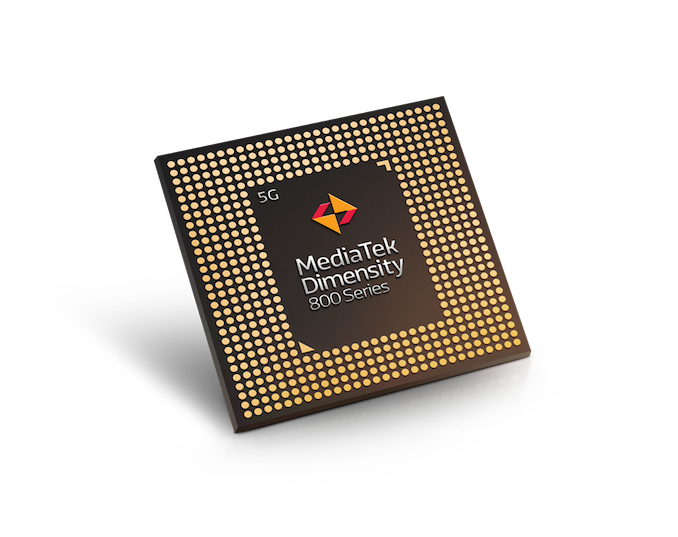
Today MediaTek is announcing a refresh of the Dimensity 800 mid-range SoC – a new 5G chipset that had only been announced earlier this year at CES. The newer Dimensity 820 greatly improves the CPU performance of the chip, adds in an extra GPU core, and improves the ISP’s imaging capabilities with newer high-resolution sensors.


MediaTek SoCs
SoC Dimensity 1000(+)

Dimensity 820

Dimensity 800
CPU 4x Cortex A77 @ 2.6GHz

4x Cortex A55 @ 2.0GHz
4x Cortex A76 @ 2.6GHz

4x Cortex A55 @ 2.0GHz
4x Cortex A76 @ 2.0GHz

4x Cortex A55 @ 2.0GHz
GPU Mali-G77MP9 @ ? MHz Mali-G57MP5 @ ? MHz Mali-G57MP4 @ ? MHz
APU / NPU / AI Proc. / Neural IP 3rd gen APU

2 “big” + 3 “small” + 1 “tiny”


4.5TOPs total perf

3rd Gen APU

“four cores”

big + small + tiny


+2.4TOPs total perf

Memory 4x 16b LPDDR4X 2x 16b LPDDR4X @ 2133MHz
ISP/Camera 80MP

or

32MP + 16MP
1x 80MP

or

2x 32+16MP
1x 64MP

or

2x 32+16MP
Encode/

Decode
2160p60

H.264 & HEVC

& AV1 (Decode)
2160p30

H.264 & HEVC

 
Integrated Modem 5G NR Sub-6


DL = 4600Mbps

200MHz 2CA, 256-QAM,

4×4 MIMO


UL = 2500Mbps

200MHz 2CA, 256-QAM,

2×2 MIMO


LTE Category 19 DL

5G NR Sub-6


DL = 2300Mbps

100MHz 2CA, 256-QAM,

4×4 MIMO


UL = 1250Mbps

100MHz 2CA, 256-QAM,

2×2 MIMO


LTE Category ? DL

Connectivity WiFi 6 (802.11ax)

+ Bluetooth 5.1

+ Dual Band GNSS
Wi-Fi 5 (802.11ac)

+ Bluetooth 5.1
Mfc. Process N7

The biggest upgrade on the new refreshed SoC is the clock frequencies of its four Cortex-A76 performance cores, which see a uptick from the original 2.0GHz frequency up to a much higher 2.6GHz target on the new chipset. That’s quite a substantial 30% clock uptick for an inter-generational update like this – which begs the question on whether this is a better binned part, a silicon respin, or outright a design update over the Dimensity 800.


Notably, MediaTek also upgraded the GPU specifications of the SoC, now disclosing a Mali-G57MP5, one more core than the MP4 configuration of the Dimensity 800. Again, we don’t know if this means that the original SoC had disabled GPU cores, or if this is an updated design with a bigger GPU.


The SoC’s ISP has been upgraded in performance to now handle single camera sensors up to 80MP resolution, an uptick over the 64MP advertised capabilities of the D800.


As with the whole new “Dimensity” SoC line-up, it’s differentiating feature that sets it apart from previous “Helio” SoCs is the fact that it supports 5G connectivity. Here the Dimensity 820, like the D800 before it, supports all communication standards from 2G to 5G NR sub-6GHz, only lacking mmWave connectivity (Which given MediaTek’s markets and price-point of this SoC, makes sense).


We still haven’t seen all that many devices with the Dimensity 800 – but the newer Dimensity 820 seems to be quite a bigger performance update, and we’re expecting more vendors to announce new phones with the SoC in the coming months.


Related Reading:


Source: AnandTech – MediaTek Announces Dimensity 820 Mid-Range SoC With More Performance

TSMC To Build 5nm Fab In Arizona, Set To Come Online In 2024

In a big shift to their manufacturing operations – and a big political win domestically – TSMC has announced that the company will be building a new, high-end fab in Arizona. The facility, set to come online in 2024, will utilize TSMC’s soon-to-be-deployed 5nm process, with the ability to handle 20,000 wafers a month. And with a final price tag on the facility expected to be $12 billion, this would make it one of the most expensive fabs ever built in the United States.


Operating over a dozen fabs across the globe, TSMC is responsible for a significant share of global logic chip production, particularly with leading-edge and near-leading-edge processes. The company has become perhaps the biggest winner amidst the gradual winnowing of fabs over the past two decades, as manufacturer after manufacturer has dropped out, consolidating orders among the remaining fabs. And with GlobalFoundries dropping out of the race for cutting-edge manufacturing nodes, TSMC is one of only three companies globally that’s developing leading-edge process nodes – and one of the only two that’s a pure-play foundry.


This success has become both a boon and a liability for TSMC. Along with Korean rival Samsung, the two companies have seen massive growth in revenues and profits as they have become the last fabs standing. As a result, TSMC serves customers both locally and globally, particularly the United States and China, the two of which are not enjoying the best of relations right now. This leaves TSMC trapped in the middle of matters – both figuratively and literally – as China needs TSMC to produce leading-edge chips, and the United States is now increasingly reliant on TSMC as well following GlobalFoundries’ retreat.


As a result, the Taiwan Semiconductor Manufacturing Company is going to do something it’s never done before, building a near-leading-edge fab in the US, outside of its home base of Taiwan. The new facility, set to be constructed in Arizona, will use the company’s 5nm process, which is currently TSMC’s most advanced manufacturing process. And while this will no longer be the case by the time it comes online in 2024, when 3nm processes are likely to be available, it would still make the Arizona facility among the most advanced fabs in the world, and by far the most advanced contract fab in the United States.


The Arizona facility would be joining TSMC’s other US fab, which is located in Camas, Washington. It, like TSMC’s other non-Taiwanese-fabs, is based around older technologies, with the Camas fab in particular focusing on building flash products using relatively large process nodes (350nm to 160nm). As a result, the Arizona fab represents a significant shift for TSMC; it’s not the first US fab for the company, but it’s the first time TSMC has built such an advanced fab in another nation.


All told, the Arizona fab is set to be a medium-sized facility – a “megafab” in TSMC parlance – despite its use of an advanced manufacturing node. The 20,000 wafers per month throughput of the fab is well below TSMC’s largest “gigafabs” in Taiwan, which can move more than 100,000 wafers per month. As a result while the fab will add to TSMC’s 5nm capacity, it won’t become a massive part of that capacity. Though with an expected price tag of $12 billion, it will still be a very expensive facility to build.


According to TSMC, the primary impetus for building the fab – and especially to build it in the United States instead of Taiwan – is specifically to have high-end production capacity within the United States. With GlobalFoundries dropping out of the race for leading-edge nodes, the US government and other sensitive fabless chip designers are in want of another leading-edge facility within the US to build their chips. Given their location, TSMC’s Taiwanese fabs are seen as security risk, and the US would prefer to be self-reliant rather than relying on a foreign partner – a concern that’s been magnified by the current coronavirus pandemic and the supply chain issues that has created.


The end result is that while the fab is not explicitly reserved for military and other sensitive chips, it’s hard to imagine a scenario where the big commodity chip manufacturers such as AMD and Qualcomm don’t continue to use TSMC’s larger and more efficient fabs in Taiwan. In other words, while the Zen processor you’re playing World of Tanks on isn’t likely to come from Arizona, the chip that goes into an actual tank just might. Unaspiringly then, the planned Arizona fab comes with a lot of interest and support from both Arizona and the US Government, for both strategic and business reasons.


Interestingly, while the desire for more domestic fabs within the US has been well known, the US’s two major domestic fabs find themselves on the outside looking in with this deal. Intel has long tried to lure customers to its own contract manufacturing business, including making pitches to the US government, with little luck. Meanwhile GlobalFoundries is currently the US government’s preferred fab for military hardware – inheriting those fabs and the resulting business from IBM – but whom faces the prospect of slowly losing business as government customers switch to newer manufacturing processes. So in some respects it’s a bit surprising to see outsider TSMC land such a deal, though there are sizable political concerns involved as well.


At any rate, TSMC’s Arizona fab is expected to break ground in 2021, with completion scheduled for 2024. At which point it is anticipated to employ over 1600 workers as TSMC becomes the United States’ second leading-edge foundry provider.


Source: AnandTech – TSMC To Build 5nm Fab In Arizona, Set To Come Online In 2024

Honor Magicbook 14 Notebook Review: Where Style Paints a Picasso

There are three major selling factors when it comes to laptops: Specifications, Price, and Style. It is exceedingly rare to have a laptop hit all three, and if often takes a flagship device to score high marks on all three. The first two, specifications and price, often go hand in hand, but one aspect that often gets overlooked in the mid-range is the element of Style.


The Honor Magicbook 14 notebook, which is the subject of this review, scores remarkably high marks for style. Honor, and its parent company Huawei, are primarily in the smartphone business when it comes to consumer products, but over the past couple of years, they have both made efforts to enter the notebook market. With that they bring the sense of style that has governed their smartphone designs to become the second biggest seller in the world. Smartphones from Huawei and Honor are very well received for their ability to capture the eye in a way that other devices do not, and it is this style that Honor brings to its new Magicbook line.


Source: AnandTech – Honor Magicbook 14 Notebook Review: Where Style Paints a Picasso

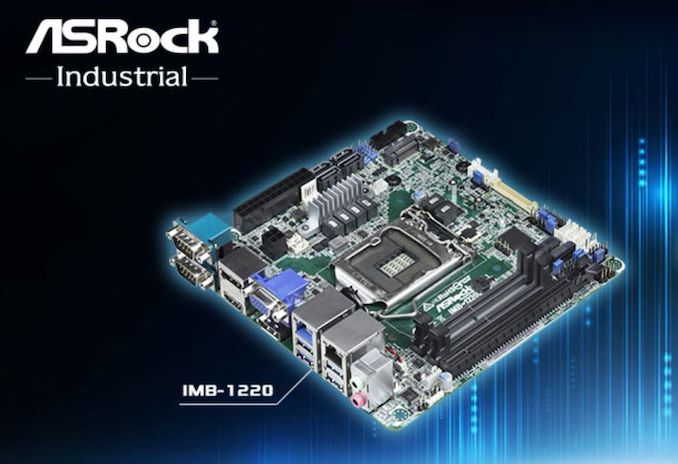
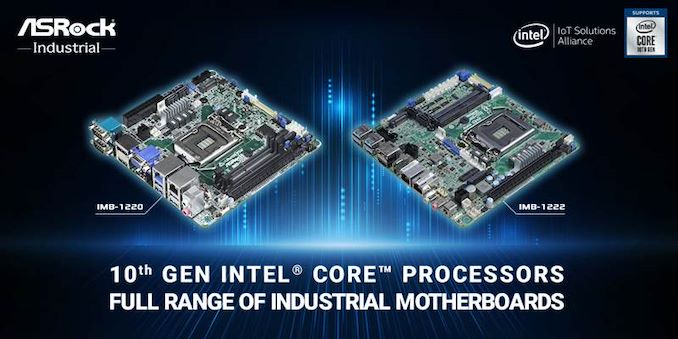
New Q470E and H420E Embedded Motherboards From ASRock

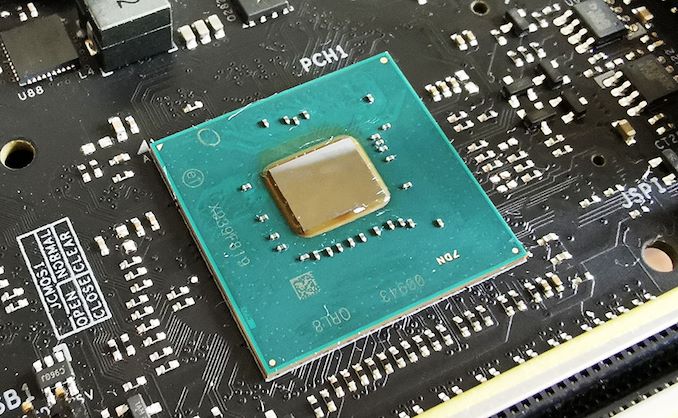
Off the back of Intel’s announcement of its 10th generation Comet Lake vPro processors for the 400-series chipset, ASRock Industrial has announced some details about its incoming product stack. Aimed more towards the workstation and server market, it plans to release models on Intel’s Q470E, H420E, and W480 chipsets. The stack includes a variety of different models with mini-ITX, micro-ATX, and ATX form factors all catered to.


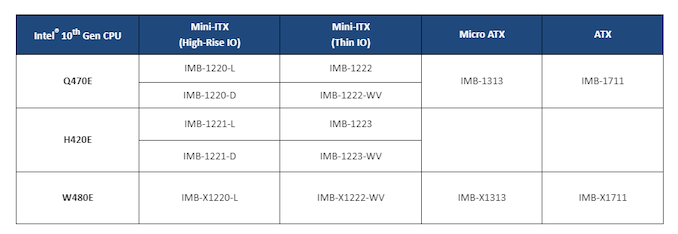
ASRock Industrial’s 400-series mini-ITX models, which are designed to offer a lower-cost to the end-user, include the IMB-1220-L and IMB-1220-D. These are both based on the Q470 chipset and include two memory slots with support for up to 64 GB of DDR4-2933. Both of these models also include an Intel 2.5 G and Intel Gigabit Ethernet controller pairing designed for industrial application.


Also in the Q470E mini-ITX product stack is the IMB-1222 and IMB-1222-WV, which are thin mini-ITX models with reduced height IO. These also include support for 64 GB of DDR4-2933 memory. The ASRock Industrial IMB-1222 supports a 12 V power input, while the IMB-1222-WV has a 12-28 V DC-input for applications that require support for wider voltages. 


Also announced but with no specifications is the IMB-1221-L and the IMB-1221-D, both of which are based on the H420E chipset. 


For W480E, ASRock Rack has a pair of mini-ITX solutions: the IMB-X1220-L and IMB-X1222-WV. These supports both Xeon W-1200 and Comet Lake-S desktop processors.


ASRock Rack has also announced two micro-ATX models, the IMB-1313 based on Intel’s Q470E chipset, while it also has a W480E variant, the IMB-X1313, which will likely have more premium features.


On the ATX side of things, the IMB-1711 is based on the Q470 chipset; and the IMB-X1711 on W480E.


I think I can spot a pattern… 

X = W480E

12×0 and 12×1 are mITX

12×2 and 12×3 are thin-mITX

13xx are microATX

17xx are ATX


ASRock Industrial hasn’t unveiled full specifications for its Q470E, H420E, or W480E embedded motherboards, nor has it revealed any information on pricing or availability.


Related Reading


Source: AnandTech – New Q470E and H420E Embedded Motherboards From ASRock

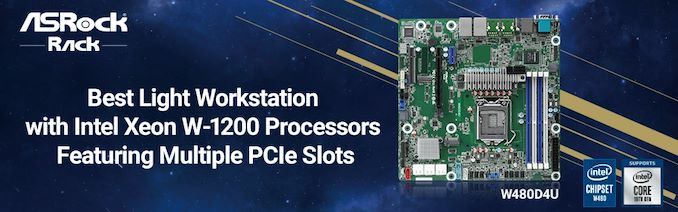
ASRock Rack Announces W480D4U, Micro-ATX for Intel Xeon W-1200

With Intel recently announcing its Xeon-W1200 series product stack for W480, ASRock’s server arm, ASRock Rack, has lifted the lid on one its micro-ATX model based on the W480. The ASRock Rack W480D4U has support for ECC DDR4 UDIMMs, with two PCIe 3.0 x4 M.2 slots, and eight SATA ports, and is also one of the first W480 boards to be announced.


This is the first in an expected range of W480 chipset models While the full specifications list hasn’t been unveiled yet, ASRock Rack has lifted the lid on some of the details, including features and information on the selected controllers used.


The ASRock Rack W480D4U is a mslo has support for Intel’s Optane memory modules and Intel Rapid Storage Technology. The transposed socket is for server style airflow, however due to compatibility with regular micro-ATX mountings it also can sit inside a standard tower chassis. It also features an Aspeed AST2500 BMC controller which manages the boards IPMI remote management capabilities, with USB 3.2 G2 and HDMI video output connectivity.


ASRock Rack hasn’t unveiled any of the finer details including power delivery, or specific rear panel connectivity, nor has it revealed any information in regards to pricing and availability.


Related Reading


Source: AnandTech – ASRock Rack Announces W480D4U, Micro-ATX for Intel Xeon W-1200

NVIDIA Ampere Unleashed: NVIDIA Announces New GPU Architecture, A100 GPU, and Accelerator

While NVIDIA’s usual presentation efforts for the year were dashed by the current coronavirus outbreak, the company’s march towards developing and releasing newer products has continued unabated. To that end, at today’s now digital GPU Technology Conference 2020 keynote, the company and its CEO Jensen Huang are taking to the virtual stage to announce NVIDIA’s next-generation GPU architecture, Ampere, and the first products that will be using it.


Source: AnandTech – NVIDIA Ampere Unleashed: NVIDIA Announces New GPU Architecture, A100 GPU, and Accelerator

Nvidia Announces New Drive Platforms With Orin and Ampere

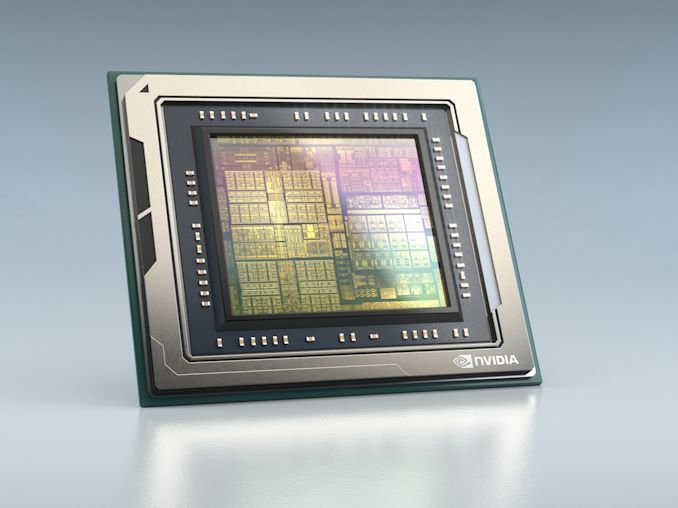
Nvidia’s Orin SoC chipset had been on Nvidia’s roadmaps for over 2 years now, and last December we got the first new details of the new automotive oriented silicon chip, revealing characteristics such as it containing 12 core cores of Arm’s newest “Hercules” microarchitecture (A77 successor).


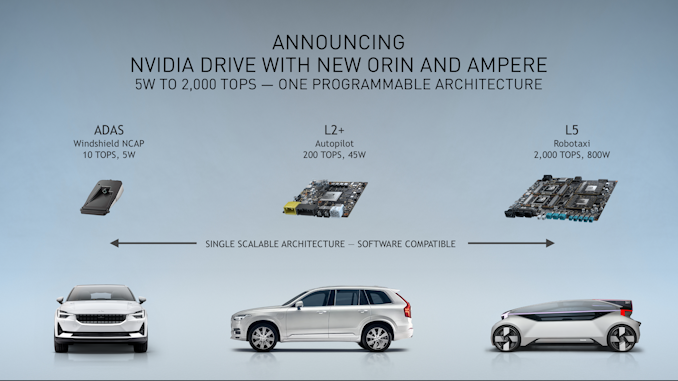
Orin is meant to be the heart of Nvidia’s upcoming DRIVE automotive platforms, and today the company is ready to reveal a few more important details such as the scalability of the SoC and the different DRIVE solutions.


NVIDIA ARM SoC Specification Comparison
  Orin Xavier Parker
CPU Cores 12x Arm “Hercules” 8x NVIDIA Custom ARM “Carmel” 2x NVIDIA Denver +

4x Arm Cortex-A57
GPU Cores Ampere iGPU

(?? cores)
Xavier Volta iGPU

(512 CUDA Cores)
Parker Pascal iGPU

(256 CUDA Cores)
INT8 DL TOPS 200 TOPS 30 TOPS N/A
FP32 TFLOPS ? 1.3 TFLOPs 0.7 TFLOPs
Manufacturing Process 7nm? TSMC 12nm FFN TSMC 16nm FinFET
TDP ~5-45W 30W 15W

Specifications wise, the newest revelations about the Orin design is that it features Nvidia’s newest Ampere architecture as its integrated GPU. Generally, this shouldn’t come as too much of a surprise given the timeline of the SoC.


Nvidia still doesn’t disclose exact configurations of the GPU, but if the mock-up die-shot of the chip is anything to go by, we’ll be seeing a 32SM configuration – which fits nicely with the claimed peak 200 INT8 DL TOPs that Nvidia claims for the chip.


Manufacturing wise, we again don’t have exact details, but we’re assuming a 7nm-class process node. One interesting disclosure today however was the fact that Orin is supposed to scale from 5W to up to 45W platforms, which is a very wide range.


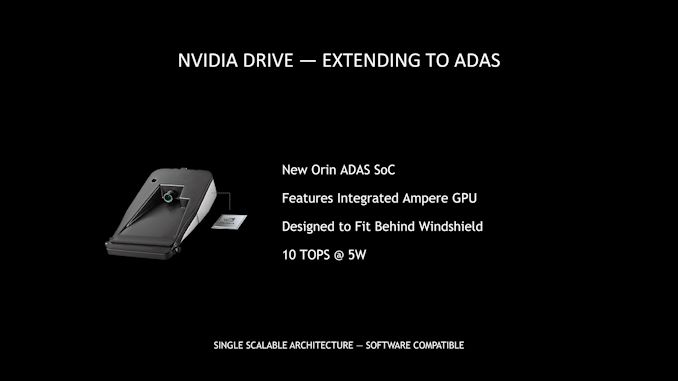
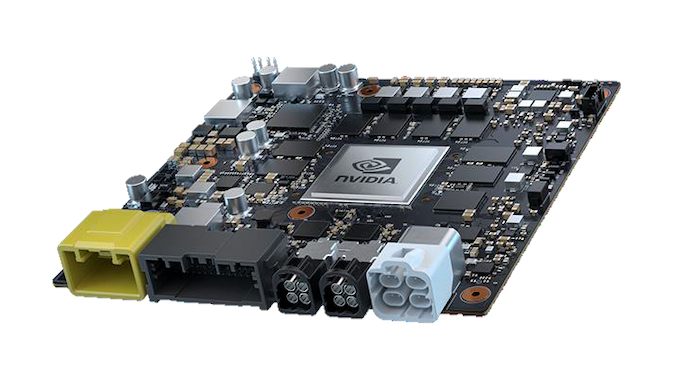
The 5W platforms claims up to TOPs inference performance, and it’s meant for ADAS solutions as depicted above, designed to fit behind a windshield. Nvidia being able to scale Orin down to a 5W TDP is extremely interesting, but undoubtedly will have the chip disable much of its capabilities, or clock down to very low frequencies to achieve this power envelope.


The chip is also offered in an L2+ automotive solution, enabling the full power of Orin at up to 45W. Here we see the full 200TOPs of inference performance that Nvidia had disclosed back in November. We’re seeing 8 DRAM chips on the depicted board, likely pointing out to a 128-bit memory controller setup.


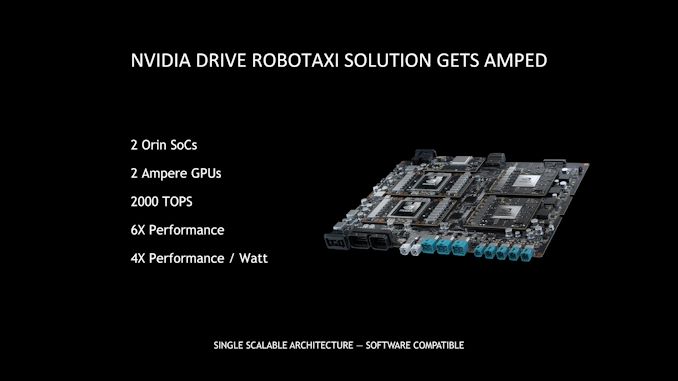
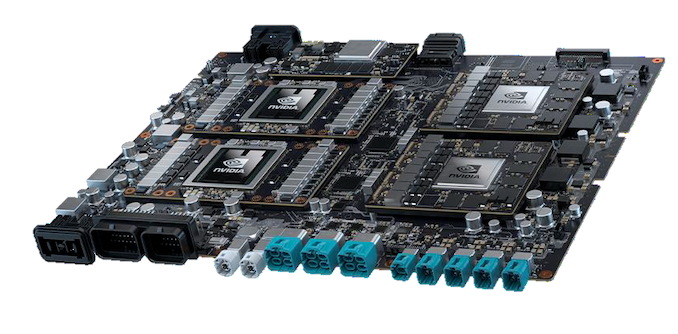
Finally, Nvidia is bringing out the biggest guns in its DRIVE line-up for the robotaxi solution, an L5 automotive solution is meant to power fully autonomous robotaxi vehicles.


The platform here has two Orin SoCs paired with two Ampere GPUs for total power envelope of 800W and up to 2000 TOPs of performance. The GPU here, judging by its size and form-factor with HBM memory is seemingly the newest GA100 Ampere GPU. Nvidia disclosed that this GPU alone scales up to 400W in the SXM form-factor. Clocking two of these slightly lower and adding two 45W Orin SoCs gets us to the massive 800W power envelope.


Related Reading:


Source: AnandTech – Nvidia Announces New Drive Platforms With Orin and Ampere

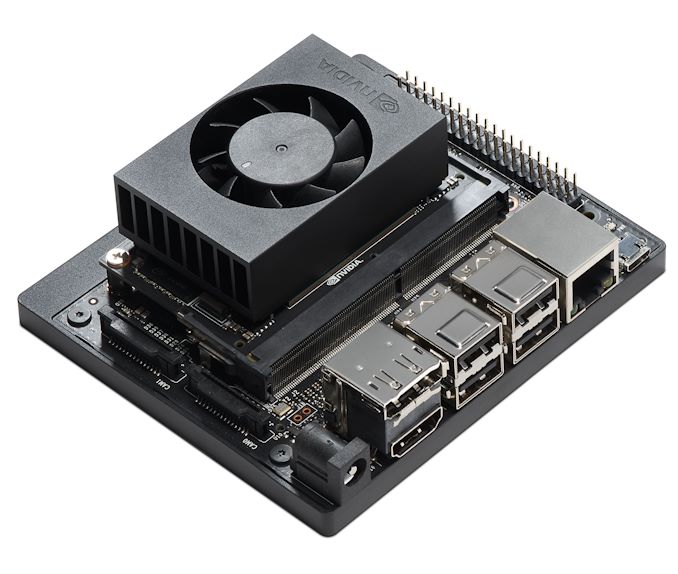
Nvidia Announces Jetson Xavier NX Developer Kit for $399

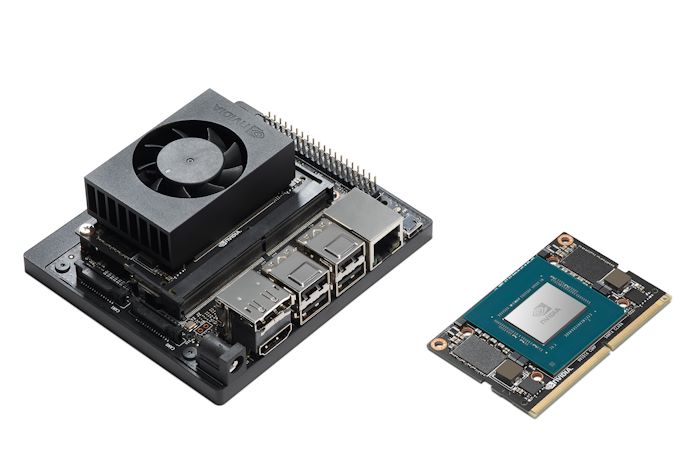
Today Nvidia is expanding its offerings of single-board computers in the Jetson family of developer kits, introducing the new Jetson Xavier NX Developer Kit.


The Xavier NX actually isn’t new, as the company had announced the module last November with availability starting end of April. Alongside the module itself, which can also be purchased in bulk by industrial customers wanting to deploy the platform more widely, Nvidia today is releasing the corresponding SBC-formfactor motherboard.


The motherboard looks night identical to the Jetson Nano Developer Kit, although it seems to have undergone some smaller component revisions. Connectivity wise it still sports HDMI and DisplayPort ports, 4x USB 3.0 ports, one microUSB port, as well as the usual GPIO, I²C, I²S, SPI and UART connectivity options. For connecting cameras to the system, it also features two MIPI CSI-2 port connectors.


NVIDIA Jetson Family Specifications
  Xavier NX

(15W)
Xavier NX

(10W)
AGX Xavier Jetson Nano
CPU 4x/6x Carmel

@ 1.4GHz

or

2x Carmel

@ 1.9GHz
4x/ Carmel

@ 1.2GHz

or

2x Carmel

@ 1.5GHz
8x Carmel

@ 2.26GHz
4x Cortex-A57

@ 1.43GHz
GPU Volta, 384 Cores

@ 1100MHz
Volta, 384 Cores @ 800MHz Volta, 512 Cores

@ 1377MHz
Maxwell, 128 Cores

@ 920MHz
Accelerators 2x NVDLA 2x NVDLA N/A
Memory 8GB LPDDR4X, 128-bit bus

(51.2 GB/sec)
16GB LPDDR4X, 256-bit bus

(137 GB/sec)
4GB LPDDR4, 64-bit bus

(25.6 GB/sec)
Storage 8GB eMMC 32GB eMMC 16GB eMMC
AI Perf. 21 TOPS 14 TOPS 32 TOPS N/A
Dimensions 45mm x 70mm 100mm x 87mm 45mm x 70mm
TDP 15W 10W 30W 10W
Price $399 $999 $129

Nvidia will be offering the Jetson Xavier NX Developer Kit Xavier NX module which is able to be run at either 15W or 10W operating modes, differing by the chip’s enables enabled CPU core count and CPU and GPU frequencies. The new dev kit does now sport an active cooling fan versus the passive solution of the Jetson Nano.


Nvidia will be selling the new Developer Kit starting today starting today for $399 – essentially the same price as the Xavier NX modules themselves. The platform comes with “cloud-native” support from Nvidia, which means that they offer solutions to deploy the platform as an AI-at-the-edge system, including offering AI model examples to get started on applications.


Related News:


Source: AnandTech – Nvidia Announces Jetson Xavier NX Developer Kit for 9

Intel Announces Xeon W-1200 Series: Comet Lake for Workstations, W480

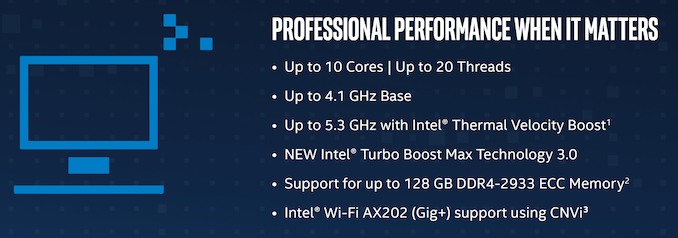
Aside from Comet Lake vPro being announced today, Intel is also lifting the lid on a new series of processors: W-1200. This line of parts are analogous to Intel’s 10th Gen Comet Lake consumer hardware, but with support for dual channel ECC DDR4-2933 memory, up to 128 GB. These new parts will not work in the Z490 motherboards just released onto the market, they will require new W480 motherboards – we know that most of the motherboard vendors are planning to support the platform. These CPUs are also part of the vPro line when paired with W480, supporting Intel Hardware Shield, but otherwise have similar specifications to the consumer parts.


Intel 10th Gen Comet Lake vPro

Workstation
AnandTech Cores Base

Freq
TB2

1C
TB2

nT
TB3

1C
TVB

1C
TVB

nT
TDP

(W)
IGP
Core i9
W-1290P 10C/20T 3.7 ? 4.8 5.2 5.3 4.9 125 P630
W-1290 10C/20T 3.2 ? 4.6 5.1 5.2 4.7 80 P630
W-1290T 10C/20T 1.9 ? 3.8 4.7 35 P630
W-1270P 8C/16T 3.8 ? 4.7 5.1 125 P630
W-1270 8C/16T 3.4 ? 4.7 5.0 80 P630
W-1250P 6C/12T 4.1 ? 4.5 125 P630
W-1250 6C/12T 3.3 ? 4.4 80 P630

The top of the line W-1290P offers the same specifications as the Core i9-10900K, albeit without overclocking. Each of the W-1200 series have integrated GPUs. Some of the models are labelled ‘P’, which in this case means ‘Performance’ – these are the 125 W TDP processors.


Intel didn’t provide any detail about the W480 motherboards, or which partners will have them. None of the motherboard manufacturers reached out to announce their W480 products, and thus we expect there to be more disclosure about this later in the month.


One big question that arose about these new Xeon W-1200 processors is what happens to the Xeon E series. Traditionally this space, for ‘enterprise’ CPUs that mimic the consumer platform, is the target of the Xeon E processors. Intel launched E-2200, based on Intel Core 9th Gen, in the second half of last year, but we have learned through emails that Xeon E is now morphing into Xeon W. It is unclear if the Xeon E brand will continue.


Intel didn’t provide pricing for the Xeon W-1200 series, nor any indication of which models will be sold at retail, nor when they will be available, or by what partners. Any partner that provided E-2200 systems are likely to provide W-1200 variants.


Source: AnandTech – Intel Announces Xeon W-1200 Series: Comet Lake for Workstations, W480

Intel Announces 10th Gen Comet Lake vPro: All 400-Series Chipsets Supported

With every launch of desktop processors, Intel typically follows it up with a series of vPro enabled parts in order for the company to provide solutions through its partners to business customers that require extra levels of manageability and security. This is all part of Intel’s SIPP (Stable IT Platform Program), with security features such as Intel Hardware Shield, and manageability though Intel Endpoint Management Assistant. The new hardware will offer up to 10 cores on desktop and 8 cores on mobile. One poignant part of the announcement is that when asked, Intel stated that 400-series chipsets will be supported. When asked for confirmation, Intel repeated this line, indicating that vPro now goes beyond traditional Qx70 motherboard support and a fundamental shift in Intel’s vPro paradigm.


Intel’s new 10th Gen Comet Lake vPro processors come in three flavors: mobile, desktop, and workstation, with the latter being part of another announcement for today, the launch of the new Xeon W-1200 product family. All of these processors at heart contain the same Comet Lake silicon we’ve seen launched in other 10th Gen product lines for consumers, however various additional features that were disabled in those parts are enabled here. In the past Intel used to offer separate SKU lines for the processors, but now they are named one and the same. Customers will have to look out for ‘Intel vPro Support’ listed in the product description in order to determine if the product has it.


Starting with the mobile CPUs, most of these are H-series class, meaning 45 W, but a few will be 15 W as well.


Intel 10th Gen Comet Lake vPro

Mobile Processors
AnandTech Cores Base

Freq
Turbo

TB2
Turbo

TB3
Turbo

TVB
TDP IGP
H-Series
i9-10855H 8C/16T 2.4 5.3? ? ? 45 W 630
i7-10875H 8C/16T 2.3 5.1? ? ? 45 W 630
i7-10850H 6C/12T 2.7 5.1? ? ? 45 W 630
i5-10400H 4C/8T 2.6 4.6? ? ? 45 W 630
W-10885M 8C/16T 2.4 5.3? ? ? 45 W 630
W-10855M 6C/12T 2.8 5.1? ? ? 45 W 630
U-Series
i7-10810U 6C/12T 1.1 4.9? ? ? 15 W 630
i7-10610U 4C/8T 1.8 4.9? ? ? 15 W 630
i5-10310U 4C/8T 1.7 4.4? ? ? 15 W 630

We’re still waiting on extra data that wasn’t provided in our briefings, however these CPUs will support similar features to the consumer counterparts, including the extra vPro add-ins.


On the desktop, we get some surprises:


Intel 10th Gen Comet Lake vPro

Desktop Processors
AnandTech Cores Base

Freq
TB2

1C
TB2

nT
TB3

1C
TVB

1C
TVB

nT
TDP IGP
Core i9 with vPro
i9-10900K 10C/20T 3.7 5.1 4.8 5.2 5.3 4.9 125 630
i9-10900 10C/20T 2.8 5.0 4.5 5.1 5.2 4.6 65 630
i9-10900T 10C/20T 1.9 4.5 3.7 4.6 35 630
Core i7 with vPro
i7-10700K 8C/16T 3.8 5.0 4.7 5.1 125 630
i7-10700 8C/16T 2.9 4.7 4.6 4.8 65 630
i7-10700T 8C/16T 2.0 4.4 3.7 4.5 35 630
Core i5 with vPro
i5-10600K 6/12 4.1 4.8 4.5 125 630
i5-10600 6/12 3.3 4.8 4.4 65 630
i5-10600T 6/12 2.4 4.0 3.7 35 630
i5-10500 6/12 3.1 4.5 4.2 65 630
i5-10500T 6/12 2.3 3.8 3.5 35 630

There will be vPro versions of all the major processors, and they will all have integrated graphics. The big question mark is the fact that all the K versions of the CPUs are supported, however when asked why these are supported and about overclocking, Intel seemed confused and contradicted itself, stating that overclocking wasn’t on these CPUs. We’re not sure if there’s a communication mix-up there, or if it’s a chipset issue, which if all 400-series chipsets are supported here, then overclocking probably is as well.


It is worth noting that nothing below an i5 is supported for vPro. In the past Intel passed this off as the fact that anything i3 and below did not provide enough performance for the vPro customer. However, for those products in the past, vPro was on the quad-core processors, which for this generation would be the Core i3. So the fact that Core i3 isn’t supported here means the comments made in previous years were perhaps not the exact reason why i3 wasn’t supported then, and isn’t supported today.


The last section of supported processors are the new W-1200 family workstation parts:


Intel 10th Gen Comet Lake vPro

Workstation
AnandTech Cores Base

Freq
TB2

1C
TB2

nT
TB3

1C
TVB

1C
TVB

nT
TDP IGP
Core i9
W-1290P 10C/20T 3.7 ? 4.8 5.2 5.3 4.9 125 P630
W-1290 10C/20T 3.2 ? 4.6 5.1 5.2 4.7 80 P630
W-1290T 10C/20T 1.9 ? 3.8 4.7 35 P630
W-1270P 8C/16T 3.8 ? 4.7 5.1 125 P630
W-1270 8C/16T 3.4 ? 4.7 5.0 80 P630
W-1250P 6C/12T 4.1 ? 4.5 125 P630
W-1250 6C/12T 3.3 ? 4.4 80 P630

Intel hasn’t really said much about these, but we’ll cover them in a different news segment. These use W480 motherboards, and are incompatible with the Z490 consumer motherboards. 


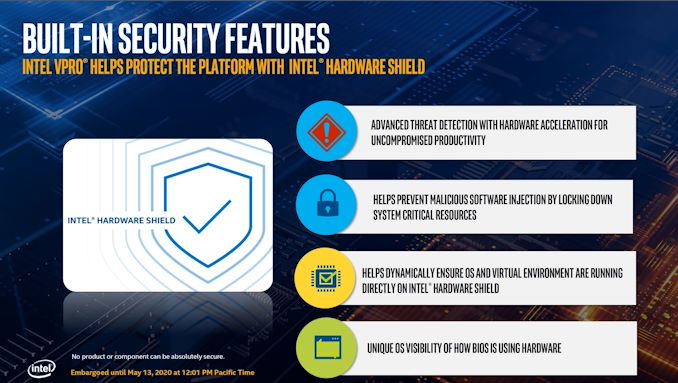
Intel states that as part of the upgrades for vPro this generation, they have been working with Microsoft to give more administrative and security insight of the systems that they power. This includes AI-accelerated detection algorithms that run on the GPU to detect attacks on secure areas. This also means rolling back a BIOS to an uncompromised version, and when asked what would happen if the rollback BIOS has the same flaw, Intel stated that the new hardware shield elements, that operate below ring 0, would be able to disable parts of the core that could be attacked.


Chipset Support: All 400-Series Chipsets (?)


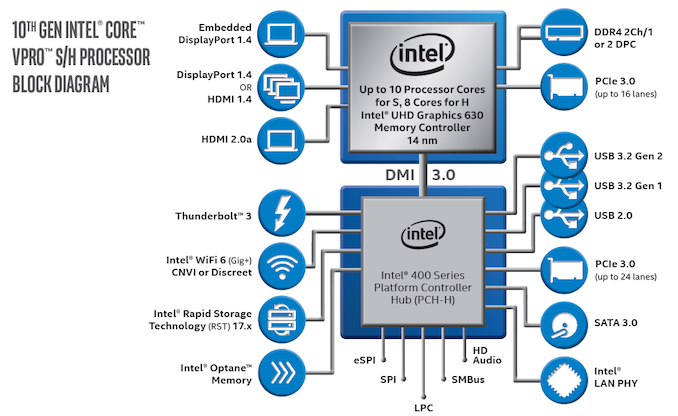
One of the question marks that hasn’t been answered at this time is chipset support. Historically vPro requires support of a very specific Q-series chipset, or a workstation/server chipset. For this launch, Intel has not made any announcements about new Q-series chipsets, so when asked what chipsets would be supported, we were simply told ‘400-series chipsets’. In the accompanying materials, we were given this diagram:


There is no mention to a Q470 chipset, so at this point we’re assuming that Intel does actually mean all 400-series chipsets are supported. This is paradigm shifting, perhaps to enable vPro to a wider market but also to allow for a wider range of support of different peripherals.


(It is worth noting that Thunderbolt 3 here still requires additional controller support (like any other PCIe attached device), and the Wi-Fi 6 CNVI support also requires the OEM to purchase Intel’s additional CRF module.)


Project Athena


Intel also announced that its vPro parts would be compatible with the Project Athena standards they are implementing with its partners. When asked what partners would be participating, Intel stated that they would wait for the partners to announce. Somewhat odd with this announcement and our briefing is that Intel didn’t actually mention any of its vPro partners, even holistically by name, or quotes about what partners think about Intel’s features.


The final word on Intel’s 10th Gen Comet Lake vPro line is that Intel is announcing it today, and we can tell you some details, however exact launch schedules or launch partners are unknown.


Source: AnandTech – Intel Announces 10th Gen Comet Lake vPro: All 400-Series Chipsets Supported

AMD Reveals Radeon Pro VII: A Workstation Card For When You Need It All

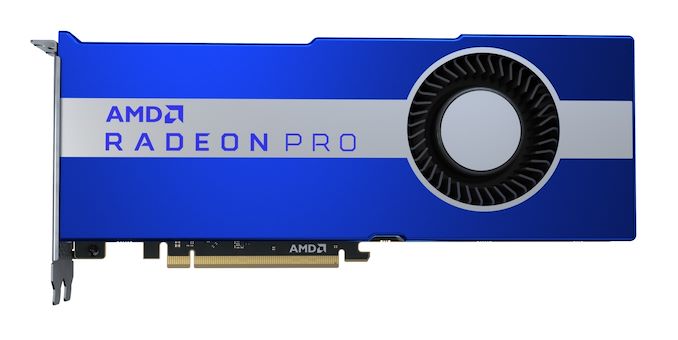
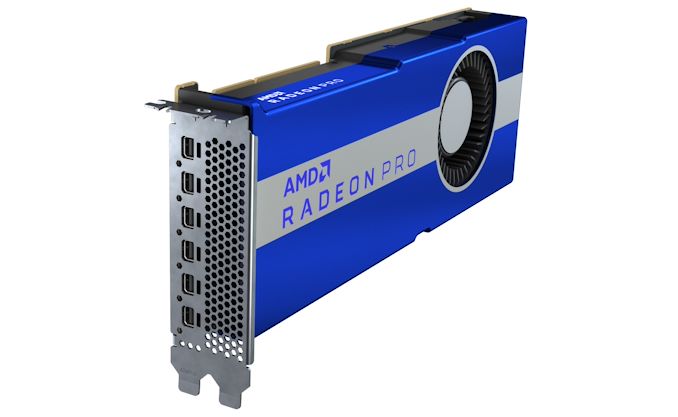
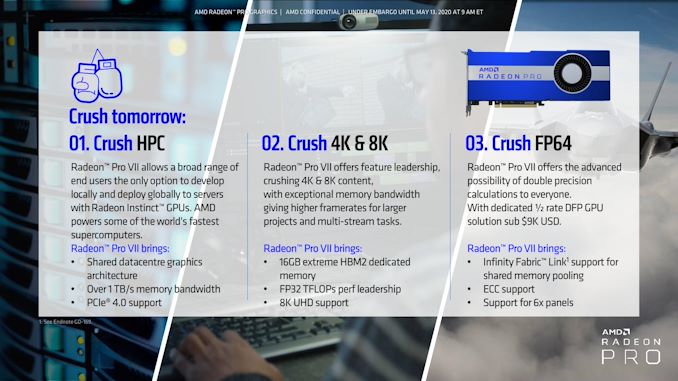
This morning AMD is taking the wraps off of a new high-end video card aimed at the workstation market, the Radeon Pro VII. True to its namesake, this is a professional version of the Radeon VII, which was first launched last year, incorporating AMD’s Vega 20 GPU and its full suite of pro-grade features. Taking the place at the top of AMD’s Radeon Pro stack of video cards, the Radeon Pro VII is aimed at AMD’s biggest workload customers in the CAD/CAM, media, and HPC workstation industries, who are willing to pay a premium for AMD’s fastest workstation card yet.


Like its namesake, the Radeon Pro VII is based on the company’s Vega 20 GPU, which when it launched in late 2018 was AMD’s first 7nm GPU. And though AMD is now on to their newer Navi architecture for graphics workloads, Vega 20 remains AMD’s single most powerful GPU to date. This is particularly evident in mixed graphics/compute or pure-compute workloads, where Vega 20’s unique features like fast double precision support, extreme memory bandwidth, and external Infinity Fabric links are not matched by any other card, and have become the backbone of AMD’s compute-focused Radeon Instinct MI50 and MI60 cards.


All told, AMD hasn’t produced a card like the Radeon Pro VII in quite some time. There have been numerous Radeon Pro cards over the last few years, but all of these were based on AMD’s more broad-market consumer and workstation GPUs. The Radeon Pro VII, by contrast, is AMD’s first professional card since 2014 that ticks all the boxes for both graphics and compute, offering significant rendering capabilities paired with the widest array of GPU compute features that AMD offers. In short, this is the card for workstation users who need it all, and they need it all in a single product.


AMD Workstation Card Specification Comparison
  Radeon Pro

VII
Radeon VII Radeon Pro

W5700
Radeon Pro

WX 9100
CUs 60 60 36 64
ROPs 64 64 64 64
Boost Clock ~1700MHz 1750MHz ~1930MHz 1500MHz
Memory Clock 2.0Gbps HBM2 2.0Gbps HBM2 14 Gbps GDDR6 1.89Gbps HBM2
Memory Bus Width 4096-bit 4096-bit 256-bit 2048-bit
Single Precision 13.1 TFLOPs 13.8 TFLOPs 8.89 TFLOPs 12.3 TFLOPs
Double Precision 6.5 TFLOPs

(1/2 rate)
3.5 TFLOPS

(1/4 rate)
556 GFLOPs

(1/16 rate)
769 GFLOPs

(1/16 rate)
VRAM 16GB 16GB 8GB 16GB
ECC Yes Yes No Yes (DRAM)
TDP 250W 300W 205W <250W
GPU Vega 20 Vega 20 Navi 10 Vega 10
Architecture Vega

(GCN 5)
Vega

(GCN 5)
RDNA (1) Vega

(GCN 5)
Infinity Fabric Link Yes (2x) No No No
Manufacturing Process TSMC 7nm TSMC 7nm TSMC 7nm GloFo 14nm
Launch Date 06/2020 02/2019 11/2019 10/2017
Launch Price (MSRP) $1899 $699 $799 $2199

By the numbers, the Radeon Pro VII is a capable replacement for the Radeon Pro WX 9100 in AMD’s product stack. Similar to what we’ve seen there, AMD is swapping out older Vega 10 cards for newer and more powerful Vega 20 cards. The results from a performance perspective make the Radeon Pro VII the most powerful pro card in AMD’s arsenal, though the gains over the WX 9100 are a mixed bag.


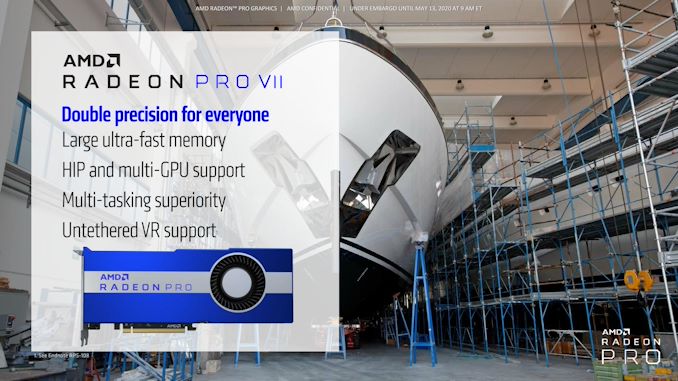
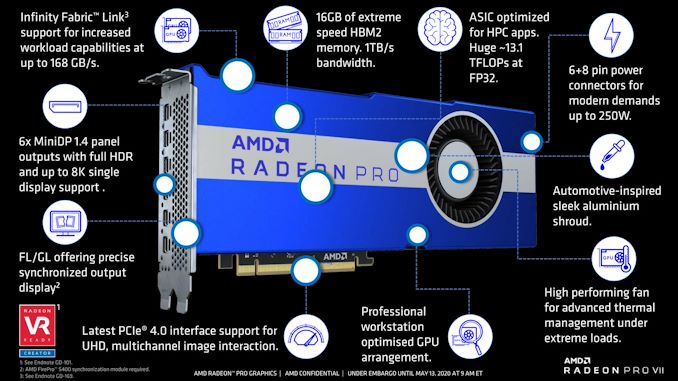
With 60 active CUs and a boost clockspeed of roughly 1700MHz, on paper the Radeon Pro VII is not terribly faster in FP32 compute/graphics workloads than the WX 9100 it replaces; the clockspeed boost afforded by 7nm has been tempered somewhat by the lower CU count. Instead, what makes the Radeon Pro VII stand out is everything it can do that the WX 9100 could not, starting with double precision performance. Thanks to Vega 20, the card offers half-rate FP64 performance, giving it a peak throughput of 6.5 TFLOPs, over 8x that of the WX 9100, and almost 2x that of the consumer Radeon VII.


Backing the new pro card and its capabilities is a greatly enhanced memory controller backend. AMD has gone for a 4 stack HBM2 configuration, which with a memory clockspeed of 2Gbps/pin gives the card a total memory bandwidth of 1TB/second. This is more than double the bandwidth available on any other Radeon Pro card, and its why paper specifications only go so far. For extremely heavy workloads that will end up chewing up memory bandwidth – particularly anything pushing a lot of pixels – the Radeon Pro VII is much better equipped. And, of course, as a native feature of HBM2, it offers ECC memory protection.
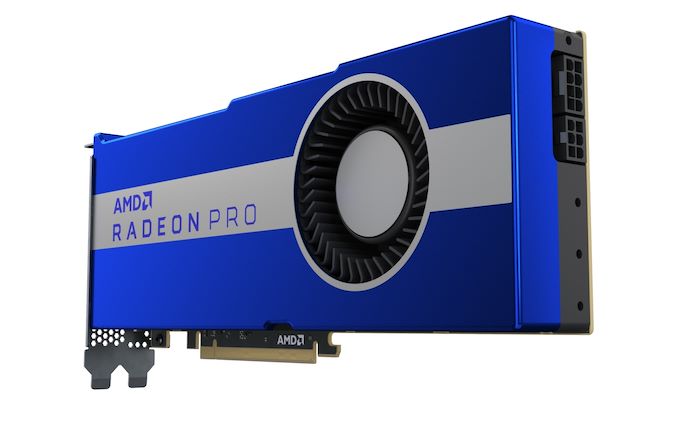


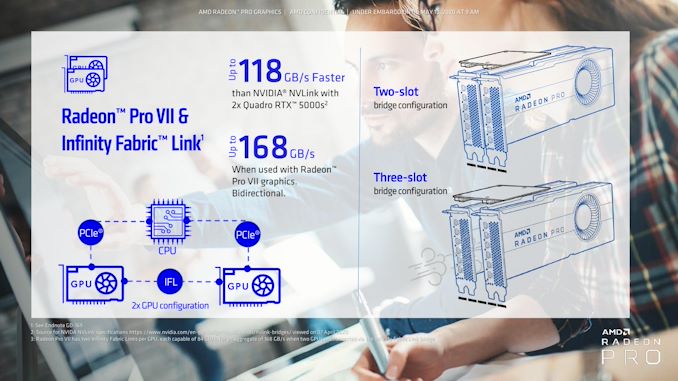
The new card also comes with a couple of different and notable boosts to input/output options. First and foremost, the Radeon Pro VII comes with support for AMD’s external Infinity Fabric Link, which was first deployed in the Radeon Instinct MI50/MI60. The single connector along the top of the card provides for two IF links, offering a total of 168GB/sec of bandwidth (84GB/sec in each direction) between a pair of video cards. As with its Radeon Instinct implementation (and NVIDIA’s rival NVLink), the idea here is to allow both cards to more closely and efficiently work together for better multi-GPU performance, as well as for pooling the cards’ respective memory pools. This is accomplished by taking advantage of the better bandwidth and lower latency offered by IFLink, which is several times better than what PCI Express can provide. That said, because the technology is still relatively new for AMD’s GPUs, for graphics/rendering workloads it’s currently only supported with AMD’s ProRender 2.0 software.


Speaking of PCI Express, the Radeon Pro VII also ships with PCIe 4.0 support. Though not the first Pro card to get it – last year’s Radeon Pro W5700 technically wins that race – this is the first time that PCIe 4.0 support has been enabled in a high-end Pro card.


In fact, compared to the consumer Radeon VII, the Radeon VII Pro is in many respects a Radeon VII with all of the shackles thrown off. Features like PCIe 4.0 and fast FP64, which were restricted in the consumer card, are being made available for the first time in a workstation graphics card. This is what makes the Radeon Pro VII a jack of all trades within AMD’s product stack, as it offers all of AMD’s graphics features along with numerous compute and I/O features that previously were limited to their compute-focused Radeon Instinct cards.
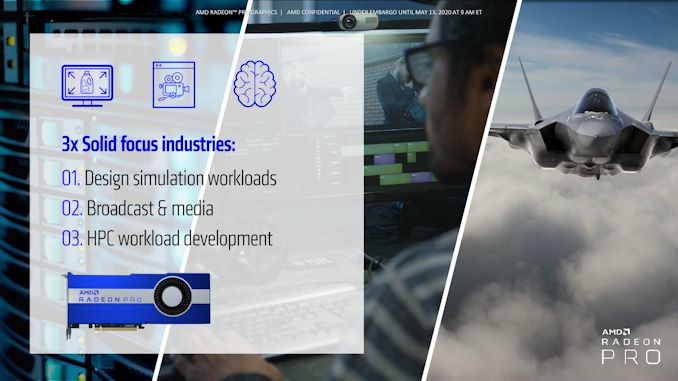


With a full-featured Vega 20-based graphics card in hand, AMD is intending to chase the high-end of the workstation market with their latest hardware. This includes the CAD/CAM market, the media and broadcast market, as well as the market for HPC development. This collection of industries is a bit eclectic, but it reflects the markets and use cases where AMD believes the Radeon Pro VII’s unique features like fast FP64 support and IFLink will prove especially advantageous. Or to flip this argument on its head, these are the markets where more limited cards like the WX 9100 weren’t very well suited.


I suspect that the card will be especially welcomed by AMD’s compute customers, who up until now haven’t had a proper workstation version of Vega 20. In many cases HPC development is done locally with workstation cards, and then rolled out to larger servers and server clusters running numerous compute cards. Having identical hardware available locally makes it a lot easier to develop and optimize applications, so the Radeon Pro VII is well-suited to help HPC developers assemble programs for Radeon Instinct clusters, as well as the forthcoming El Capitan and Frontier supercomputers.


Meanwhile, in the broader competitive market the Radeon Pro VII will be going up against NVIDIA’s Quadro RTX cards. As is usually the case, AMD is focusing on their value proposition, not so subtly calling out the very high prices that NVIDIA charges for its Quadro cards. While the Radeon Pro VII has no perfect analog within NVIDIA’s product stack, the only card the company offers with quite the same mix of features – particularly FP64 performance – is their top-tier Quadro GV100. Otherwise, at an MSRP of $1899, the Radeon Pro VII is set to be cheaper than the Quadro RTX 8000, 6000, and 5000.


Overall, AMD should have little trouble delivering a better value; however the challenge for the company, as always, is convincing a conservative and slow-moving workstation graphics card market to switch to AMD. NVIDIA is well-entrenched here, and even though they’ve been significantly undercutting NVIDIA over the years, AMD has still needed to fight hard for workstation market share. The Radeon Pro VII, they hope, will help to finally break that logjam.


With all of that said, however, the timing of the Radeon Pro VII’s launch is particularly odd. AMD has been sitting on the basic hardware for quite a while now – the consumer Radeon VII went on sale over a year ago and has already been retired – so to launch a card now, so late into the current GPU technology cycle is rather unusual. Had AMD released this card a year ago, they could have enjoyed an extra year of sales before the competitive landscape significantly changed.


When I asked AMD about this odd timing, the response from the company was that the Radeon Pro VII launch is in response to professional customers using the consumer Radeon VII in workstations. Apparently the card was popular enough there to warrant AMD releasing a formal Pro version of the card, with all the bells and whistles like IFLink and fast FP64 turned on. While it’s not clear if this is from a broad range of requests or being driven by a small number of OEMs, I get the distinct impression that a Radeon Pro VII wasn’t originally in AMD’s product plans; in other words, it’s a launch being driven by customer demand.


Wrapping things up, the Radeon Pro VII will begin shipping in mid-June for $1899. Meanwhile, AMD’s OEM partners will begin shipping systems incorporating the card in the second half of the year.


Source: AnandTech – AMD Reveals Radeon Pro VII: A Workstation Card For When You Need It All

Dell Revamps XPS 15 And Brings Back XPS 17

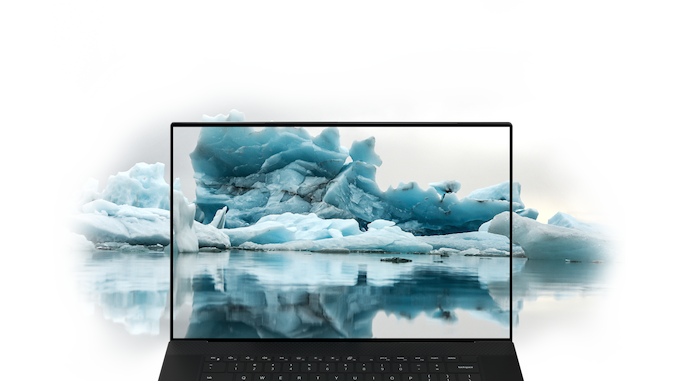
The XPS lineup from Dell has been a resounding success and was the first laptop to feature the ultra-thin bezels that have defined the modern laptop. For 2020, Dell is refreshing the XPS 15 with an all-new design and bringing back the XPS 17 after almost ten years. Both look to set the bar that other manufacturers will try to attain. And thanks to the thin display bezels, both laptops are much smaller than their names would imply.


Dell XPS Models
Model XPS 15 XPS 17
CPU Intel Core i5-10300H

4C/8T 4.5 GHz

Intel Core i7-10750H

6C/12T 5.0 GHz

Intel Core i7-10875H

8C/16T 5.1 GHz

Intel Core i9-10885H

8C/16T 5.3 GHz
GPU NVIDIA GTX 1650 Ti 4GB NVIDIA GTX 1650Ti 4GB

NVIDIA RTX 2060 6GB
RAM 8-64 GB DDR4-2933 (2 SO-DIMM)
Storage 256 GB to 2 TB PCIe SSD
Display 15.6-inch 1920×1200 60 Hz

500 nits 1650:1 contrast sRGB


3840×2400 60 Hz Touch

500 nits 1600L1 contrast HDR 400

100% Adobe RBG 94% P3

17.3-inch 1920×1200 60 Hz

500 nits 1650:1 contrast sRGB


3840×2400 60 Hz Touch

500 nits 1600L1 contrast HDR 400

100% Adobe RBG 94% P3

Audio Waves Maxx Audio

Waves Nx 3D Audio

Quad-Speaker

1.5W x 2 Tweeter

2.5W x 2 Woofer
Ports 2 x USB-C Thunderbolt 3

1 x USB Type-C 3.1

SD Card Reader
4 x Thunderbolt 3

SD Card Slot
Networking Killer Wi-Fi 6 AX1650
Battery 56 Wh / 86 Wh

USB Type-C 90W to 130W charger
56 Wh / 97 Wh

USB Type-C 90W to 130W charger
Dimensions 345 x 230 x 18 mm

13.57 x 9.06 x 0.71 inches
374 x 248 x 19.5 mm

14.74 x 9.76 x 0.77 inches
Weight 1.83 to 2.05 kg

4 to 4.5 lbs
2.11 to 2.51 kg

4.65 to 5.53 lbs
Starting Price USD $1,299.99 $1,499.99

XPS 15


Dell’s XPS 15 has been the workhorse of their lineup, offering significantly more CPU and GPU performance than the XPS 13 thanks to 45-Watt CPUs and powerful discrete GPUs. Dell’s redesign adds new options for the CPU and GPU, and updates the design to their new take on the XPS, featuring the same InfinityEdge display, but now in a taller 16:10 aspect ratio which matches the already updated XPS 13.


Powering the new XPS is Intel’s new Coffee Lake H-Series, with a 45 Watt TDP. Dell is offering Core i5, i7, and i9 models. On the GPU side, Dell is now offering the NVIDIA GeForce GTX 1650 Ti 4BG model, which is in-line with how NVIDIA has revamped their mobile GPU lineup for the year. Customers will be able to add up to 64 GB of DDR4-2933 RAM as well, thanks to the two SO-DIMM slots, and storage options are all PCIe SSDs from 256 GB to 2 TB.


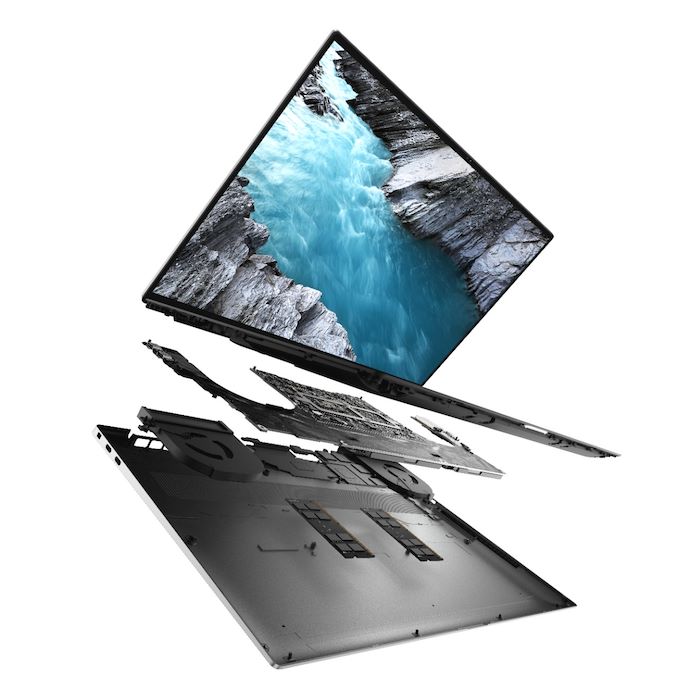
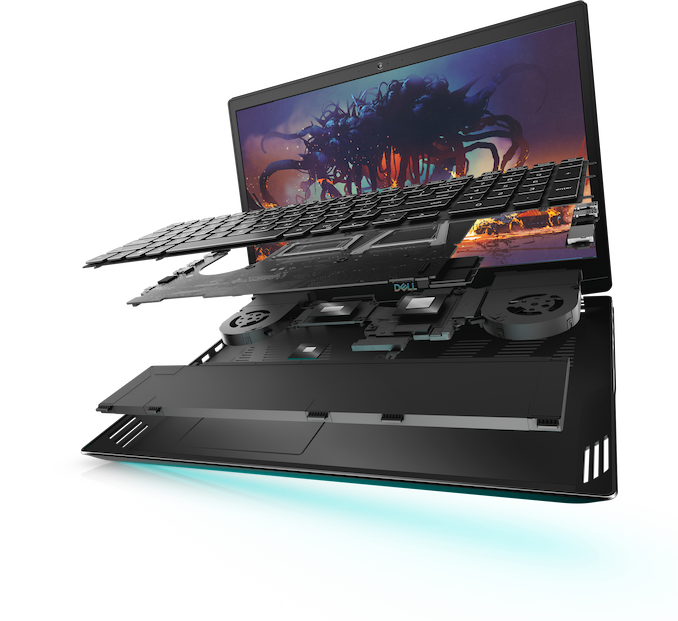
Dell is also adding a brand-new cooling system, with a vapor-chamber cooling system and increased airflow. Any additional cooling will be welcome in a system that is as thin and light as the XPS line is.


One of the hallmarks of the XPS lineup is the InfinityEdge display, and for 2020’s redesign Dell has created a laptop with a 92.9% screen-to-body ratio, while still managing to fit a 720p webcam and dual microphones in the top bezel. Display options on the XPS 15 are familiar, but thanks to the 16:10 aspect ratio, should be more usable for creating and working. The base display option is a 1920×1200 100% sRGB IPS panel with a 1650:1 contrast ratio and 500 nits of brightness. If you need more, Dell also offers a 3840×2400 touch display with HDR 400, 100% Adobe RGB gamut coverage, and 94% P3 Gamut.


Battery life estimates from Dell are somewhat insane. The optional 86 Wh battery can provide up to 25 hours of battery life with the lower resolution display, which should mean even the UHD display option should offer all-day battery life.


Dell has also added 3D sound with Waves Nx 3D Audio, with tuned speakers, or Waves NX headphone tracking to adjust the direction of sound to suit your head movement.


Dell has moved entirely to USB-C for this generation, with two Thunderbolt 3 ports and one USB only, and Dell includes several USB-C adapters.


The new XPS 15 starts at $1299.99 and availability will be this week.


XPS 17


After almost ten years away, Dell is bringing back the XPS 17, thanks to customer demand for larger displays. But thanks to the InfinityEdge display, the new XPS 17 is very compact, with Dell stating it is smaller than 48% of the 15-inch notebooks on the market today. Thin bezel designs look amazing, but the ability to pack a large screen into a much smaller chassis is one of the best reasons to opt for a notebook like this.


The new XPS 17 is also Dell’s most powerful XPS ever, with the same CPU choices as the XPS 15, being Intel Coffee Lake H Core i5, i7, and i9 models, but with an even larger GPU option. The XPS 17 ships with the same NVIDIA GeForce GTX 1650 Ti as the XPS 15 in its base trim, but customers can also opt for the much more powerful NVIDIA RTX 2060 if they need even more compute. There are two SO-DIMM slots for up to 64 GB of RAM, and customers can purchase up to 2 TB of PCIe storage when configuring the device.


On the display side, the new XPS 17 features the same 16:10 aspect ratio as the rest of the XPS lineup, with base trim offering a 1920×1200 60 Hz display with 500 nits of brightness and 1650:1 contrast for it’s sRGB gamut. Or, like the XPS 15, you can opt for a high DPI panel, with a 3840×2400 resolution and touch. The higher pixel count also includes HDR 400 certification and wide-color gamut support with 100% Adobe RGB and 94% P3.


The larger laptop gets an even larger battery, with either 56 Wh or 97 Wh options. Dell has also added more Thunderbolt 3, with four Thunderbolt 3 ports.


The new XPS 17 looks to be a worthy addition to the lineup. It will be available this summer, with prices starting at $1499.99.


Source: Dell


Source: AnandTech – Dell Revamps XPS 15 And Brings Back XPS 17

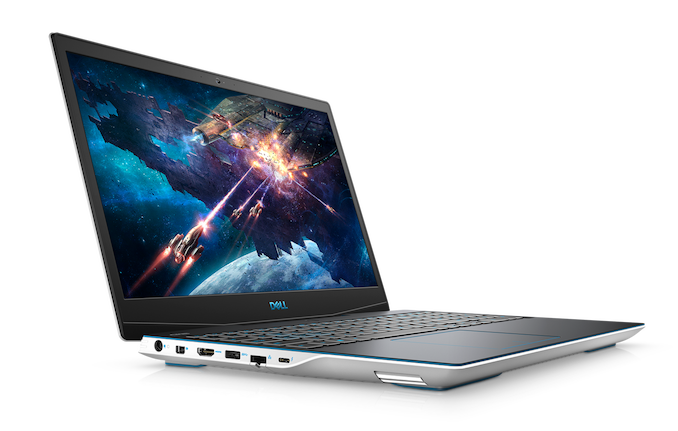
Dell Gaming Updates: Alienware Goes Super And Dell Adds Ryzen

Today Dell is refreshing the better portion of their gaming lineup, moving to the latest Coffee Lake processors on both their Dell-branded Gaming laptops, as well as their Alienware lineup. Graphics also get a bump with NVIDIA’s new Super RTX GPUs. For those looking for AMD powered systems, Dell is also officially announcing the G5 15 SE with AMD Ryzen 4000 and Radeon RX 5600M graphics.


Alienware 2020 Update
Model Area-51m R2 m15 R3 M17 R3
CPU Intel Core i7-10700 octa-core 4.8 GHz

Intel Core i7-10700K octa-core 5.1 GHz

Intel Core i9-10900 deca-core 5.2 GHz

Intel Core i9-10900K deca-core 5.3 GHz
Intel Core i5-10300H Quad-Core 4.5 GHz

Intel Core i7-10750H Hex-Core 5.1 GHz

Intel Core i9-10980HK Octa-Core 5.3 GHz
Intel Core i5-10300H Quad-Core 4.5 GHz

Intel Core i7-10750H Hex-Core 5.1 GHz

Intel Core i9-10980HK Octa-Core 5.3 GHz
GPU NVIDIA Options:

GTX 1660 Ti 6GB

RTX 2060 6GB

RTX 2070 Super 8GB

RTX 2080 Super 8GB


AMD Option:

Radeon RX 5700M 8GB

NVIDIA Options:

GTX 1650 Ti 4GB

GTX 1660 Ti 6GB

RTX 2060 6GB

RTX 2070 8GB

RTX 2070 Super 8GB

RTX 2080 Max-Q 8GB


AMD Option:

Radeon RX 5500M

NVIDIA Options:

GTX 1650 Ti 4GB

GTX 1660 Ti 6GB

RTX 2060 6GB

RTX 2070 8GB

RTX 2070 Super 8GB

RTX 2080 8GB


AMD Option:

Radeon RX 5500M

RAM 8-64GB DDR4-2933

16-32BG DDR4-3200 XMP
8-32 GB DDR4-2666 8-32 GB DDR4-2666
Storage 256-2TB PCIe SSD

RAID0 up to 4TB

RAID0 Plus up to 4TB plus 1TB HDD or SSD
256-2TB PCIe SSD

RAID0 Optiona up tol 4 TB

RAID0 Plus Optional up to 4TB plus 512GB PCIe
256-2TB PCIe SSD

RAID0 Optiona up tol 4 TB

RAID0 Plus Optional up to 4TB plus 512GB PCIe
Display 17.3-inch 1920×1080 144 Hz

1920×1080 144 Hz G-SYNC

1920×1080 300 Hz

3840×2160 60 Hz Adobe RGB
15.6-inch 1920×1080 144 Hz

1920×1080 144 Hz w/G-SYNC

1920×1080 300 Hz

3840×2160 OLED 60 Hz P3 Gamut
17.3-inch 1920×1080 144 Hz

1920×1080 144 Hz w/G-SYNC

1920×1080 300 Hz

3840×2160 60 Hz Adobe RGB Gamut
Audio Stero Speakers 2-Way Tweeter/Woofer Design

Discrete Smart Amp Woofer
2-Way Tweeter/Woofer Design

Discrete Smart Amp Woofer
Ports 3 x USB 3.2 Gen 1

1 x USB Type-C Thunderbolt 3

Alienware Graphics Amp

HDMI 2.0b HDCP 2.2

Mini DisplayPort 1.4

3.5mm headset

microSD

SD Card Reader
3 x USB 3.2 Gen 1

1 x USB Type-C Thunderbolt 3

Alienware Graphics Amp

HDMI 2.0b HDCP 2.2

Mini DisplayPort 1.4

3.5mm headset

microSD
3 x USB 3.2 Gen 1

1 x USB Type-C Thunderbolt 3

Alienware Graphics Amp

HDMI 2.0b HDCP 2.2

Mini DisplayPort 1.4

3.5mm headset

microSD
Networking Killer AX1650i Wi-Fi 6

Killer E3000 2.5 Gbps Ethernet
Killer AX1650i Wi-Fi 6

Killer E3000 2.5 Gbps Ethernet
Killer AX1650i Wi-Fi 6

Killer E3000 2.5 Gbps Ethernet
Battery 90 Wh

Dual PSU 360W to 570W
56 Wh

Optional 86 Wh

130W/180W/240W AC
56 Wh

Optional 86 Wh

130W/180W/240W/330W AC
Dimensions 402 x 320 x 44 mm

15.9 x 12.6 x 1.7 inches
360.3 x 276 x 20.5 mm

14.2 x 10.9 x 0.8 inches
400 x 294 x 22.5 mm

15.74 x 11.59 x 0.886 inches
Weight 4.1 to 4.7 kgs

9.04 to 10.4 lbs
2.11 to 2.5 kgs

4.65 to 5.5 lbs
2.5 to 2.97 kg

4.65 to 6.55 lbs
Starting Price USD $3,049.99 $1,499.99 $1,549.99


Alienware Area-51m R2


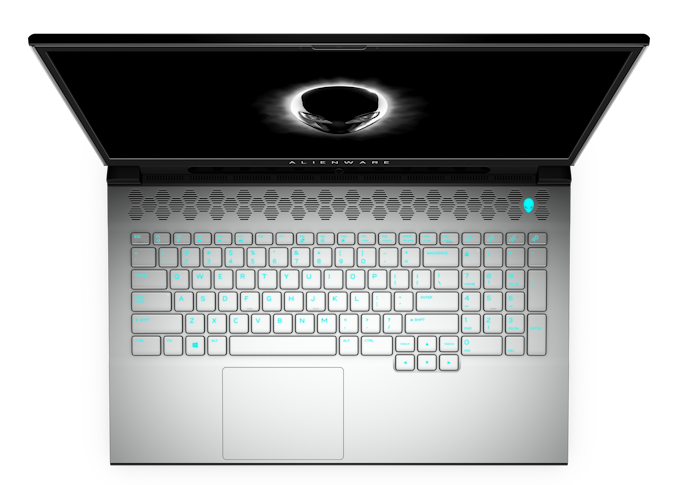
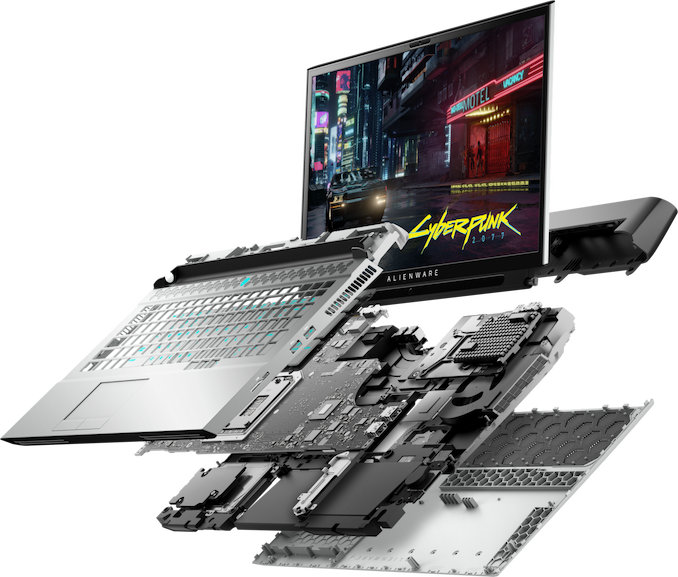
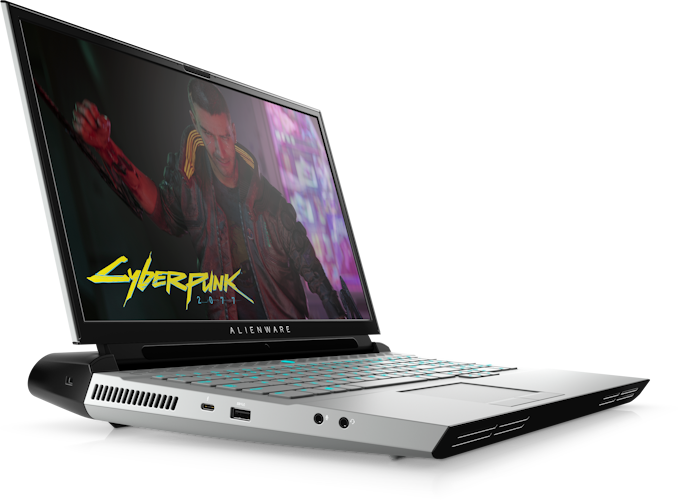
Alienware’s top-end gaming laptop is making the step up to Intel’s Coffee Lake platform, with processor options up to the new Core i9-10900K with overclocking support. On the GPU side, NVIDIA options span the entire top end of NVIDIA’s lineup, from the GeForce GTX 1660 Ti, and RTX options with the RTX 2060, RTX 2070 Super, and RTX 2080 Super. There’s even a new AMD GPU offering with the Radeon RX 5700M. AMD offers up to 64 GB of DDR4-2933 RAM, as well 16 and 32 GB options with DDR4-3200 XMP.


New for this model year is RAID 0 boot drive options with dual PCIe M.2 drives, for those craving the ultimate performance, and there are also spinning drives available for bulk data storage. For 2020 the laptop adds Wi-Fi 6 support, with the Killer Wi-Fi6 AX 1650i, as well as the Killer E3000 Ethernet port with 2.5 Gbps, which is a nice touch for those that can run Ethernet. There’s plenty of I/O as well, with three USB Gen 1 ports, a Thunderbolt 3 Type-C port, an Alienware Graphics Amplifier port, HDMI 2.0b, Mini DisplayPort 1.4, and both microSD and SD card readers.


Alienware offers a couple of panel options for the 17.3-inch display, with 1920×1080 144 Hz with and without G-SYNC, a 1920×1080 300 Hz panel, and a 3840×2160 60 Hz option with 100% Adobe RGB gamut. All of the displays also support Tobii Eyetracking.
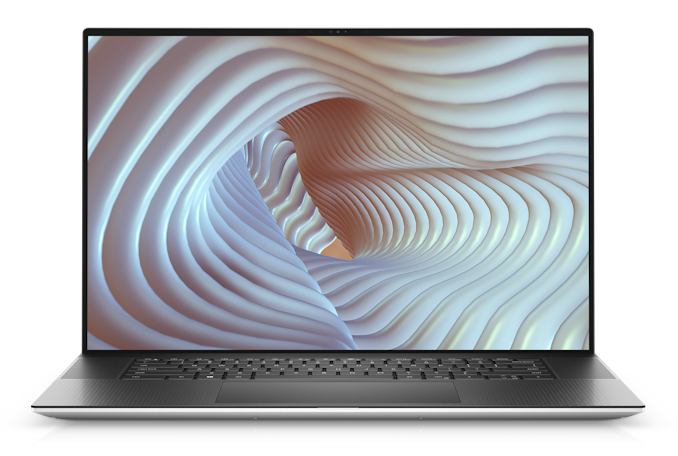

This is a desktop replacement, with desktop CPU options and a desktop Z490 chipset, and with weights between 4.1 kg and 4.7 kg (9.04 to 10.4 lbs) you’ll want a sturdy desk to sit it on. large laptops generally offer significantly better thermal performance than thin and light machines, and Dell has improved the cooling this year with new fans, and vapor chamber cooling on the higher tier models. This monster laptop will be available June 9th, starting at $3049.99 USD.


Alienware m15 and m17


Also getting a bump to Coffee Lake, the thinner and lighter m15 and m17 models from Alienware stick to the more traditional H-Series processors from Intel, with Core i5, i7, and i9 options. There is a wide range of GPU options, with the NVIDIA GTX 1650 Ti and GTX 1660 Ti, as well as the RTX 2060, RTX 2070, RTX 2070 Super, and RTX 2080 in Max-Q guise in the m15 and higher performance mode in the larger m17. Dell is also offering the AMD Radeon RX 5500M option as well.


Dell offers RAM up to 32 GB of DDR4-2666, and for storage there are options from 256 GB to 2 TB PCIe SSD, or up to 4 TB in RAID 0, and a third M.2 slot as well so you can run up to three PCIe SSDs on these systems.


On the display side, the 15.6-inch model offers 1920×1080 144 Hz with and without G-SYNC, as well as a 300 Hz option and a UHD resolution OLED display with 100% P3 gamut coverage. The 17.3-inch offers the same 1920×1080 144 Hz with and without G-SYNC, a 300 Hz option, and a UHD panel which is not OLED but does cover 100% of the Adobe RGB gamut. All displays also support Tobii Eyetracking.
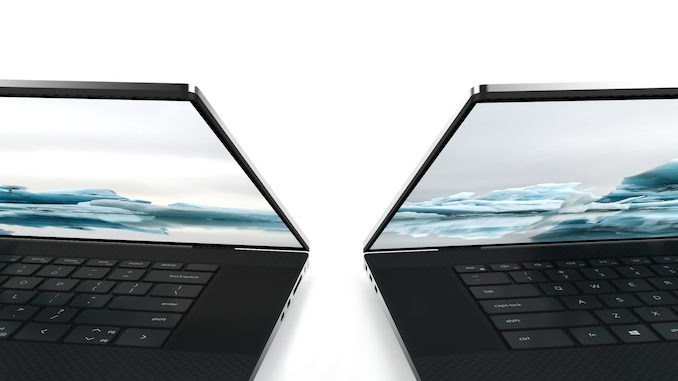

Despite the smaller design, the devices still offer an abundance of ports, with three USB 3.2 Gen 1 ports, Thunderbolt 3 Type-C, an Alieware Graphics Amplifier port, HDMI 2.0, mini DisplayPort 1.4, and Micro SD. These also feature the Killer E3000 NIC with 2.5 Gbps support and Killer AX1650i Wi-Fi 6.


The refreshed m15 and m17 will be available May 21st starting at $1499.99 and $1549.99 respectively.

Dell G3 15 and G5 15


Dell Gaming 2020 Update
Model Dell G3 15 Dell G5 15 Dell G5 15 SE
CPU Intel Core i5-10300H 4 Core 8 Thread 4.5 GHz

Intel Core i7-10750H Six Core 12 Thread 5.0 Ghz
Intel Core i5-10300H 4 Core 8 Thread 4.5 GHz

Intel Core i7-10750H 6 Core 12 Thread 5.0 Ghz
AMD Ryzen 5 4600H 6 Core 12 Thread 4.0 GHz

AMD Ryzen 7 4800H 8 Core 16 Thread 4.2 GHz

AMD Ryzen 9 4900H 8 Core 16 Thread 4.4 GHz
GPU NVIDIA GeForce

GTX 1650 4GB

GTX 1650 T 4GBi

GTX 1660 Ti 6BG

RTX 2060 6BG
NVIDIA GeForce

GTX 1650 4GB

GTX 1650 T 4GBi

GTX 1660 Ti 6BG

RTX 2060 6BG

RTX 2070 Max-Q 8GB
AMD Radeon RX 5600M
RAM 8-16 GB DDR4-2933 8-16 GB DDR4-2933 8-16 GB DDR4-3200
Storage 128GB to 1TB PCIe SSD

Optional HDD expansion
128GB to 1TB PCIe SSD

Optional HDD expansion
128GB to 1TB PCIe SSD

Optional HDD expansion
Display 15.6-inch 1920×1080 60Hz 220 nits

1920×1080 60 Hz 300 nits

1920×1080 144 Hz 300 nits
15.6-inch 1920×1080 60Hz 300 nits

1920×1080 144 Hz 300 nits

1920×1080 300 Hz 300 nits
15.6-inch 1920×1080 60Hz 220 nits

1920×1080 144 Hz 300 nits
Audio Nahimic 3D Audio Stereo speakers Nahimic 3D Audio Stereo speakers Nahimic 3D Audio Stereo speakers
Ports 1 x USB 3.2

1 x USB 2.0

USB Type-C Thunderbolt 3 (except 1650 Ti)

HDMI 2.0

mini DisplayPort

SD Card Slot
1 x USB 3.2

1 x USB 2.0

USB Type-C Thunderbolt 3 (except 1650 Ti)

HDMI 2.0

mini DisplayPort

SD Card Slot
1 x USB 3.2

1 x USB 2.0

USB Type-C

HDMI 2.0

mini DisplayPort

SD Card Slot
Networking Intel AX201 / Killer 1650 Wi-Fi 6

Killer E2500V2 Gigabit Ethernet
Intel AX201 / Killer 1650 Wi-Fi 6

Killer E2500V2 Gigabit Ethernet
Killer 1650 Wi-Fi 6

Gigabit Ethernet
Battery 51 Wh / 68 Wh

130W to 240W AC
51 Wh / 68 Wh

130W to 240W AC
51 Wh / 68 Wh

240W AC
Dimensions 365 x 254 x 21.6 mm

14.4 x 10 x 0.85 inches
365 x 254 x 24.5 mm

14.4 x 10 x 0.96 inches

21.6mm / 0.85 inch height on 1650Ti model
365 x 254 x 21.6 mm

14.4 x 10 x 0.85 inches
Weight 2.34 kg / 5.18 lb starting weight 2.34 kg / 5.18 lb starting weight 2.5 kg / 5.51 lb starting weight
Starting Price USD $779.99 $829.99 Not Listed

Dell is also refreshing their budget-conscious gaming models, with the G3 and G5 15 moving to 10th generation H-Series and new NVIDIA graphics options, and Dell is also releasing the new G5 15 SE featuring AMD Ryzen 4000 and Radeon RX 5600M, first teased back at CES.


The Intel based G3 and G5 models offer Core i5 and Core i7 H-Series CPUs, up to hex-core, and both GTX and RTX GPUs. The AMD model offers Ryzen 5, Ryzen 7, and Ryzen 9 H-Series, with a single GPU choice in the RX 5600M. Dell is offering 1920×1080 IPS displays with 60 Hz, 144 Hz, and 300 Hz choices, depending on model.


At a starting weight of 5.51 lbs, the laptops are not as portable as some gaming systems, but that should help with thermals. Dell offers 51 Wh and 68 Wh battery options, if you do need to lug the system around with you.


The new models will be available May 21st, starting at $779.99 for the G3 and $829.99 for the G5.


Source: Dell


Source: AnandTech – Dell Gaming Updates: Alienware Goes Super And Dell Adds Ryzen

The Supermicro H11DSi Motherboard Mini-Review: The Sole Dual EPYC Solution

Users looking to build their own dual EPYC workstation or system, using completely off-the-shelf components, do not have a lot of options. Users can buy most of the CPUs at retail or at OEM, as well as memory, a chassis, power supplies, coolers, add-in cards. But the one item where there isn’t a lot of competition for these sorts of builds is in the motherboard. Unless you go down the route of buying a server on rails with a motherboard already fitted, there are very limited dual EPYC motherboard options for users to just purchase. So few in fact, that there are only two, both from Supermicro, and both are called the H11DSi. One variant has gigabit Ethernet, the other has 10 gigabit Ethernet.


Source: AnandTech – The Supermicro H11DSi Motherboard Mini-Review: The Sole Dual EPYC Solution