
Avowed will come to PlayStation in February
The post 2025’s Underrated RPG <i>Avowed</i> Will Come To PS5 With A Big Update appeared first on Kotaku.

Avowed will come to PlayStation in February
The post 2025’s Underrated RPG <i>Avowed</i> Will Come To PS5 With A Big Update appeared first on Kotaku.

The Mario maker previously paid a fired contractor $26,000
The post Nintendo Faces Fresh Labor Complaints Three Years After Union-Busting Settlement appeared first on Kotaku.

Vital Shell is the best sort of surprise mash-up
The post Holy Crap, Look At This Freaking Game About Giant Fantasy Mechs appeared first on Kotaku.
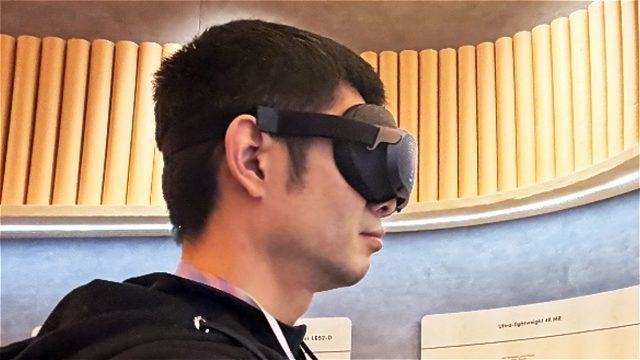
A Chinese company which mass produces many of the best known headsets in the industry has shared a new compact MR headset reference design which sets expectations for 2026.
Goertek is a little-known but massively important player in the XR industry. The company is a key enabler in the production of XR headsets as it provides reference designs which function as blueprints for consumer companies to build headsets, and handles mass production for some of the best known headsets in the industry.
At CES 2026, Goertek revealed its latest MR headset reference design. Reference designs like this act as a blueprint for any company that wants to put their own spin on the device and take it to market. Rather than a prototype—which might use novel materials or techniques that aren’t yet mass producible—reference designs like this represent a fully functional set of ready-to-manufacture components with tangible costs and delivery dates.
There isn’t a lot of info available on the reference design yet, except what has been officially stated by Goertek:
An Ultra-Lightweight MR Reference Design showcases system-level optimizations, reducing the weight of a 4K MR headset to approximately 100 grams. It delivers retinal-level clarity (38 PPD) within a 100-degree field of view, with Video See-Through (VST) and 6DoF [tracking].
We’ve reached out to Goertek for details, but in the meantime many questions remain.
Considering the incredible 100g weight of the headset, it seems almost certain that this reference design does not include on-board compute or battery. For comparison, Quest 3, even with a soft strap, weighs in at 515g.
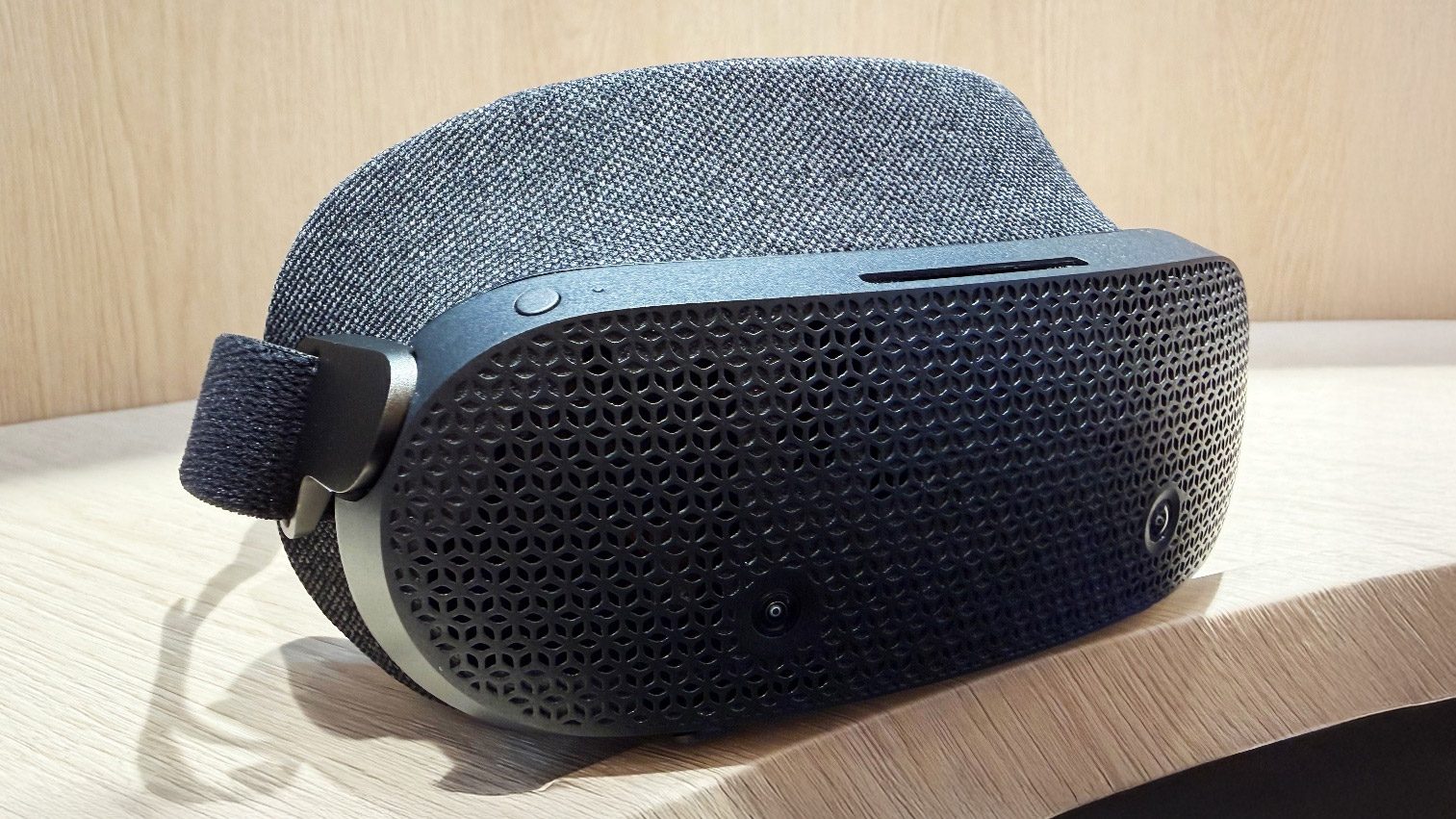
That means the headset would need to rely on a tethered compute/battery pack, or some other host device, to function. This would follow the trend of headsets like Vision Pro and Galaxy XR which both offload the battery weight to a tethered battery.
Adding to the confusion, Goertek calling the headset an “MR reference design” would generally be understood to mean a standalone device, but in the one photo we’ve been able to find of the device in use so far (courtesy CNFOL), it appears to be part of the company’s “PCVR Software Suite” display station, and looks to be tethered directly to the PC in front of the user.
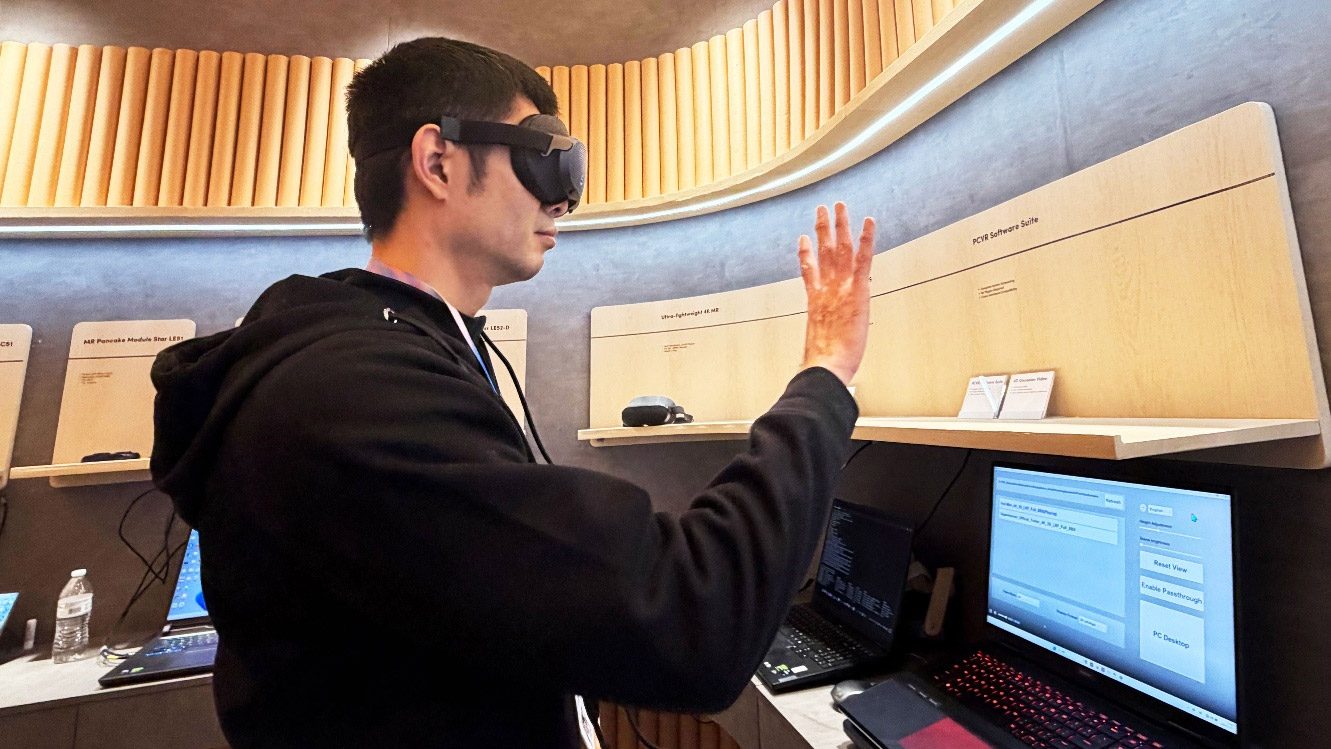
In any case, the reference design shows us what kind of resolution and field-of-view can be expected from headsets in 2026 with this compact form-factor, even if the design doesn’t have its own compute/battery.
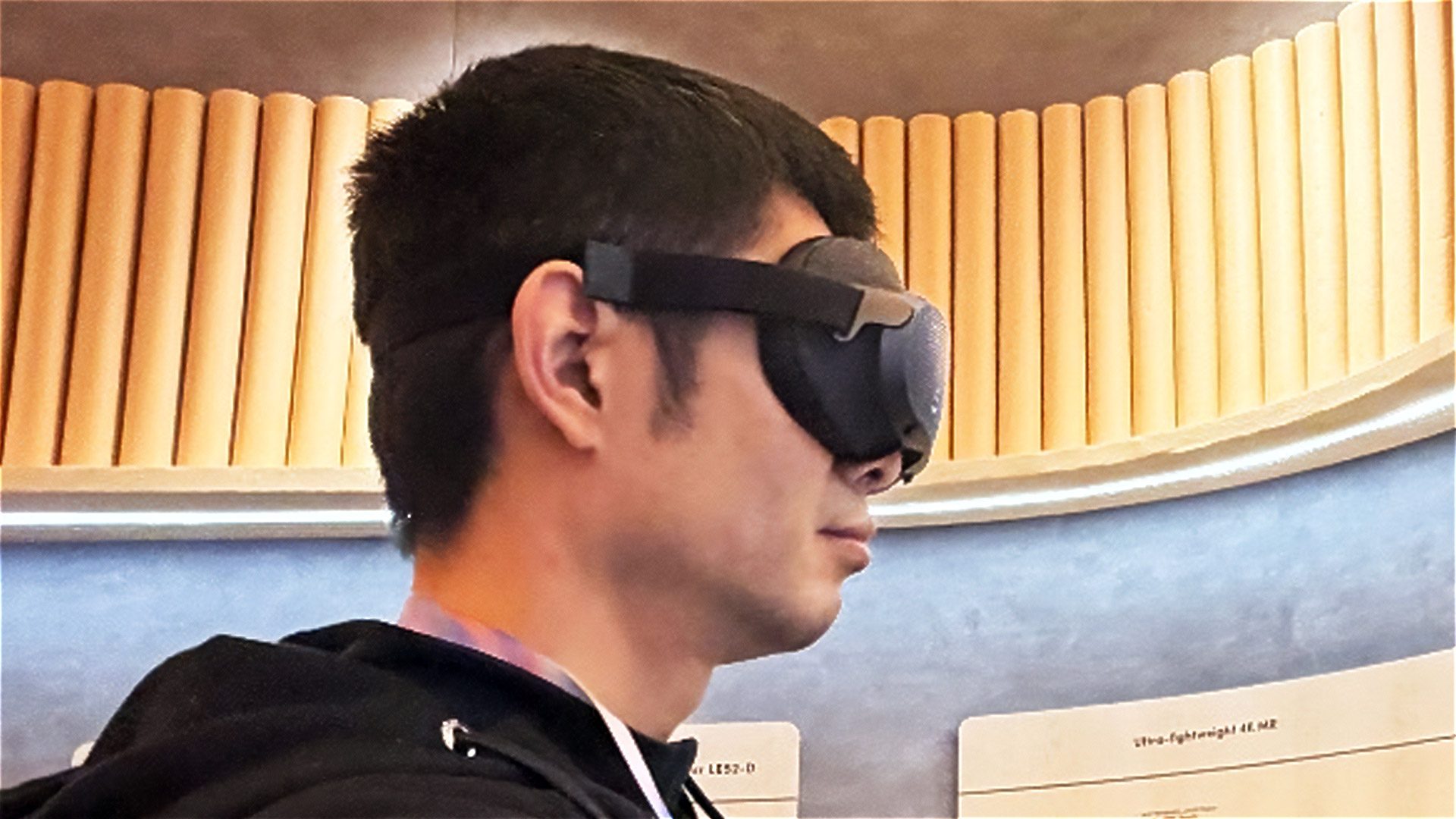
Likely the reference design is meant to show the form-factor while leaving it up to customer companies to decide if they would bring it to market as a standalone or tethered headset.
The post New Reference Design From Key Manufacturer Shows What to Expect From MR Headsets in 2026 appeared first on Road to VR.

The sequel could arrive in the twilight of a second Trump presidency
The post For <i>Wolfenstein 3</i> To Be Good, It Needs To Punch Nazis Even Harder appeared first on Kotaku.

The Nintendo Switch 2 also struggled over the holidays in parts of Europe, including the UK and France
The post Switch 2 Had A Rough Christmas Despite A Big Launch-Year Line-Up appeared first on Kotaku.

Square wanted to keep things varied, but it also wanted to pay tribute to the original FF7
The post <em>FF7 Rebirth</em> Director Explains The Mini-Game Bloat appeared first on Kotaku.

Could Ciri be headed to Zerrikania before The Witcher 4?
The post Why A 2025 Prediction For More <i>Witcher 3</i> DLC Keeps Gaining Momentum appeared first on Kotaku.

Hooded Horse won’t work with developers that use gen AI
The post One Game Publisher Is Pushing Back Against AI Art With Contracts That Ban It: ‘It’s Cancerous’ appeared first on Kotaku.

The 2027 film is being directed by Shawn Levy and stars Ryan Gosling
The post <i>Star Wars Starfighter</i> Movie Includes A Lightsaber Scene Shot By Tom Cruise appeared first on Kotaku.

It’s technically a trailer for nothing at all, given no one involved could make a movie
The post Viral <i>Zelda</i> Movie Trailer Shows The Soulless Limits Of AI Slop appeared first on Kotaku.

Life Is Strange: Reunion will apparently bring back Chloe…who might be dead?
The post The Leaked Synopsis Of The Next <em>Life Is Strange</em> Has Me Worried appeared first on Kotaku.

Johnny Knoxville and the gang are returning to theaters this summer
The post <i>Jackass 5</i> Is Happening Later This Year appeared first on Kotaku.

You can set up multiple peripherals and accessories using just one USB-C hub.
The post UGREEN’s USB-C Hub Drops Below $10, This 5-in-1 Adapter Is Selling Out Fast on Amazon appeared first on Kotaku.
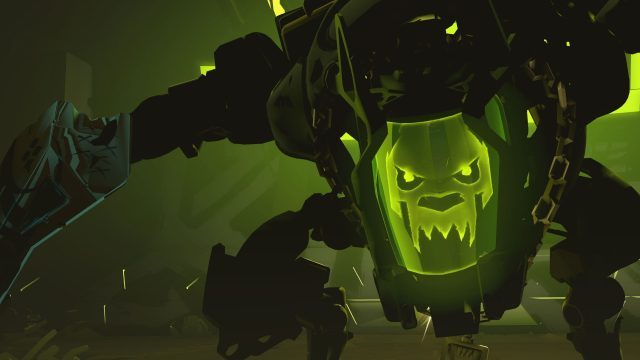
UNDERDOGS (2024) landed on PSVR 2 back in March 2025, making the popular physics-based mech brawler available across all major VR headsets. While the game is slated to get full multiplayer support on Quest and SteamVR, PSVR 2 owners won’t be so lucky.
Developer One Hamsa released the news via an Instagram reel this week that Underdogs won’t be getting multiplayer content on PSVR 2.
“Porting to PlayStation is a ton of work. It took months to port Underdogs,” said Game Director Dave Levy. “We are a really small team. We have a pretty small budget to work with and we really need to make every work hour count, so we were hoping to reach a lot of new players with this port, but that didn’t happen. It really bums me to say it, but the truth is that without more of you we simply can’t afford to add whole new parts of the game like multiplayer.”
While full multiplayer support is still in the works for Quest and PC VR versions, both platforms recently received an update last month that brought a multiplayer mini-game, called ‘BALLTAG’, which the studio maintains is “the first stop on the way to multiplayer.”
The single player roguelike is highly rated across PC VR and Quest, garnering both an ‘Overwhelmingly Positive’ overall user score on Steam and a [4.8/5] user score on Quest.
Underdogs was also awarded our Excellence in Locomotion and Excellence in Indie Development in in 2024’s Road to VR Game of the Year Awards.
Here I go again, rehashing the same points I made in my recent piece on why Capcom isn’t bringing a VR adaptation of Resident Evil Requiem to PSVR 2. Every time I hear a veteran developer essentially say “PSVR 2 isn’t worth it,” it bears mentioning: Sony basically gave up on PSVR 2 right after its 2023 launch.
And honestly, I’m surprised developer interest in PSVR 2 hadn’t waned earlier. Not only has Sony not invested in its second-gen VR platform to nearly the same degree it did with the original 2016 PSVR for PS4, it has also entirely cut PSVR 2 loose from the PS5 console ecosystem with the addition of an optional wired adapter that allows users to play SteamVR games via a VR-capable computer. It’s contrary to the entire ethos of the closed console ecosystem.
If you own a PSVR 2, you might still be getting new games in the coming month/years—some developers have large enough teams and enough console know-how to make porting relatively straight forward. Still, I’d expect to hear a lot more developer stories like One Hamsa’s, as the player pool will only continue shrinking without strong support from Sony.
The post ‘UNDERDOGS’ PSVR 2 Port Won’t Get Multiplayer Due to Low Player Numbers appeared first on Road to VR.

Also: the director of FF7 remake deserves a break
The post <i>GTA 6</i>‘s Delays Have Mirrored <i>Red Dead Redemption 2</i> So Far appeared first on Kotaku.

Save a massive $1,700 in the HP EliteBook 6 G1 with this limited-time discount.
The post HP Rolls Out Another Laptop Deal at 65% Off, Ryzen 5 EliteBook G1 16″ Windows 11 Pro PC (16GB RAM, 512GB SSD) appeared first on Kotaku.

Fans had been spreading rumors of a secret ninth episode that would ‘fix’ its disappointing finale
The post The <em>Stranger Things</em> Secret ‘Conformity Gate’ Finale Conspiracy Is Dead appeared first on Kotaku.

Take these second-gen Bose noise-cancelling earbuds to the gym with you as you meet your New Years resolutions.
The post Bose QuietComfort Ultra Earbuds (2nd Gen) Launched Pricier Than AirPods Pro 3, Now Match Their Price After a Drop appeared first on Kotaku.

Game Freak will show off gameplay of Beast of Reincarnation, the studio’s first Xbox Series X/S and PS5 game
The post <i>Pokémon</i> Studio’s Upcoming Action-RPG Headlines Xbox’s Next Developer Direct Showcase appeared first on Kotaku.