
If you regularly use your Steam Deck, you’ll get plenty of mileage out of this dock.
The post Amazon Clears Out the Steam Deck Dock, UGREEN’s 9-in-1 USB-C Docking Station Goes Below Black Friday Pricing appeared first on Kotaku.

If you regularly use your Steam Deck, you’ll get plenty of mileage out of this dock.
The post Amazon Clears Out the Steam Deck Dock, UGREEN’s 9-in-1 USB-C Docking Station Goes Below Black Friday Pricing appeared first on Kotaku.


Snapchat maker Snap announced it’s formed a new business dedicated to its upcoming AR glasses.
Called Specs Inc, the wholly-owned subsidiary within Snap is said to allow for “greater operational focus and alignment” ahead of the public launch of its latest AR glasses coming later this year.
In addition to operating its AR efforts directly under the new brand, Snap says Specs Inc will also allow for “new partnerships and capital flexibility,” including the potential for minority investment.

In September, Snap CEO Evan Spiegel noted in an open letter that the company is heading into a make-or-break “crucible moment” in 2026, characterizing Specs as an integral part of the company’s future.
“This moment isn’t just about survival. It’s about proving that a different way of building technology, one that deepens friendships and inspires creativity, can succeed in a world that often rewards the opposite,” Spiegel said.
While the company hasn’t shown of its next-gen Specs yet, the company touts the device’s built-in AI, something that “uses its understanding of you and your world to help get things done on your behalf while protecting and respecting your privacy.”
Snap further notes that it’s “building a computer that we hope you’ll use less, because it does more for you.”
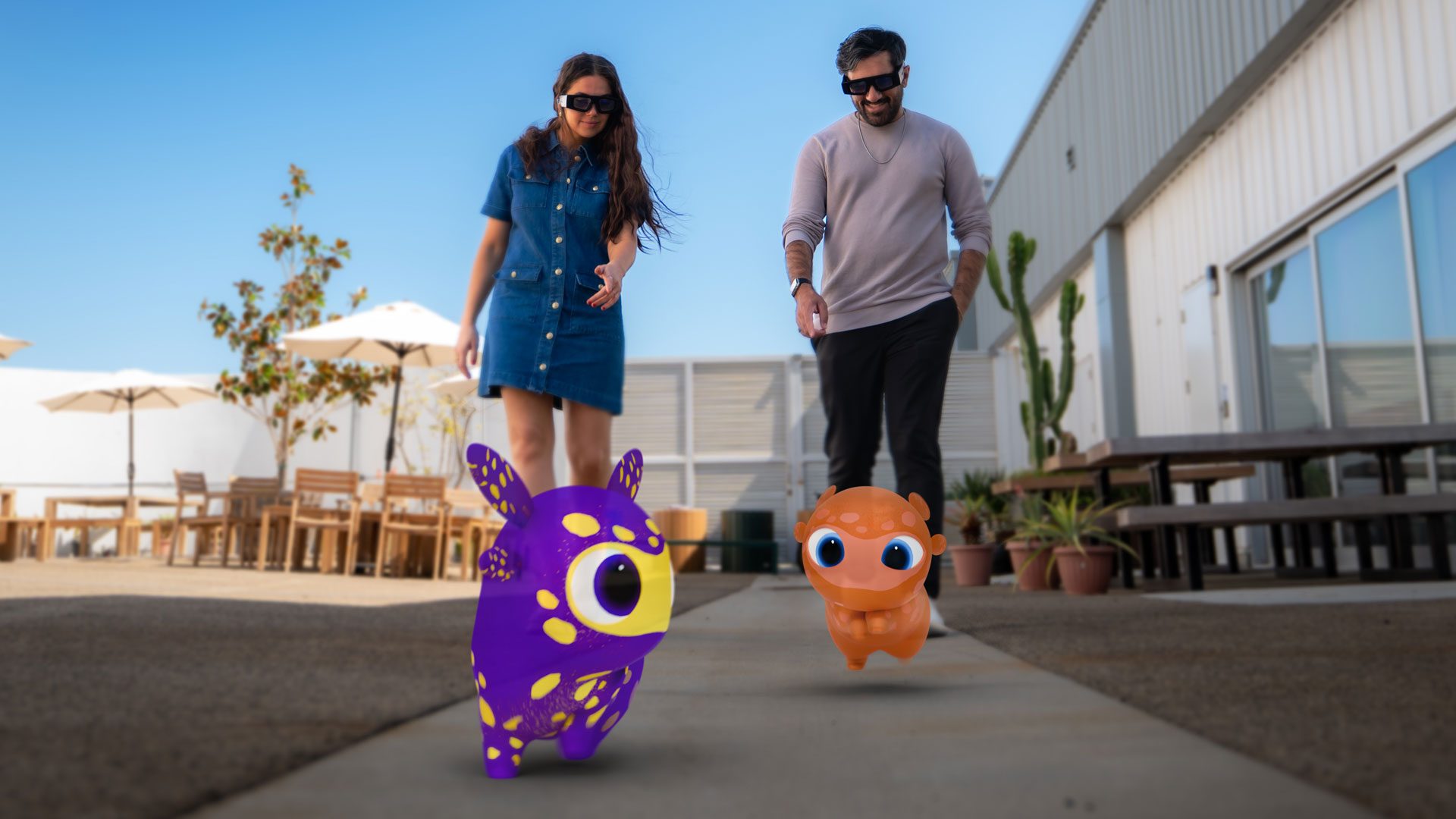
Snap (or rather, Specs) is set to release its sixth-gen Spectacles this year, although this is the first pair of AR glasses the company is ostensibly hoping to pitch directly to the public, and not just developers and educational institutions.
Info is still thin surrounding Spec Inc’s launch plans for the devices, although forming a new legal entity for its AR business right beforehand could mean a few things.
For now, it doesn’t appear Snap is “spinning out” Spectacles proper; Snap hasn’t announced new leadership, leading me to believe that it’s more of a play to not only attract more targeted investment in the AR efforts, but also insulate the company from potential failure.
It’s all fairly opaque at this point, although the move does allow investors to more clearly choose between supporting the company’s traditional ad business, or investing it the future of AR.
However you slice it though, AR hardware development is capital intensive, and Snap’s pockets aren’t as deep as its direct competitors, including Meta, Apple, Google, and Microsoft.
While Snap confirmed it spent $3 billion over the course of 11 years creating its AR platform, that’s notably less than what Meta typically spends in a single quarter on its XR Reality Labs division.
It’s also risky. The very real flipside is that Specs Inc could go bankrupt. Maybe it’s too early. Maybe it underdelivers in comparison to competitors. Maybe it’s too expensive out of the gate for consumers, and really only appeals to enterprise. Maybe it isn’t too expensive, but the world heads into its sixth once-in-a-generation economic meltdown.
Simply put, there are a lot of ‘maybes’ right now. And given the new legal separation, Snap still has the option to survive relatively unscathed if it goes belly up, and lives to find another existential pivot.
The post Snap Forms ‘Specs Inc’ to Insulate AR Business Ahead of AR Glasses Launch appeared first on Road to VR.

Built-in Fire TV lets you stream more than a million movies and TV shows, plus watch live TV.
The post TCL 40″ Smart TV Crashes to All-Time Low and Doubles as a PC Monitor for Less (Alexa Built-in, Apple AirPlay Compatibility) appeared first on Kotaku.

Film like a pro without overspending!
The post DJI Drops the Mini 4K Drone to a Record Low After a Second Price Cut, Cheap Enough to Skip the No-Name Drones appeared first on Kotaku.

The first two episodes are already up, with two more being added today
The post <i>Fallout</i> Season 1 Is Completely Free To Watch On YouTube, But Only If You’re Quick appeared first on Kotaku.

For a limited time, you can pick up the AMD Ryzen 9 9900X 12-core, 24-thread processor for 22% off
The post AMD Goes All-In on CPU Clearance, Ryzen 9 9900X (12-Core, 24-Thread) Hits Its Lowest Price appeared first on Kotaku.

The rules have also changed to mean Ascended Heroes won’t be legal for the European Championships
The post <i>Pokémon TCG’</i>s Latest Set Suffers A Big Delay appeared first on Kotaku.

The AirPods Pro 3 and their upgraded active noise cancellation are $50 off if you hurry.
The post Apple AirPods Pro 3 Already Have Old-School Pricing After a Sudden Price Drop appeared first on Kotaku.
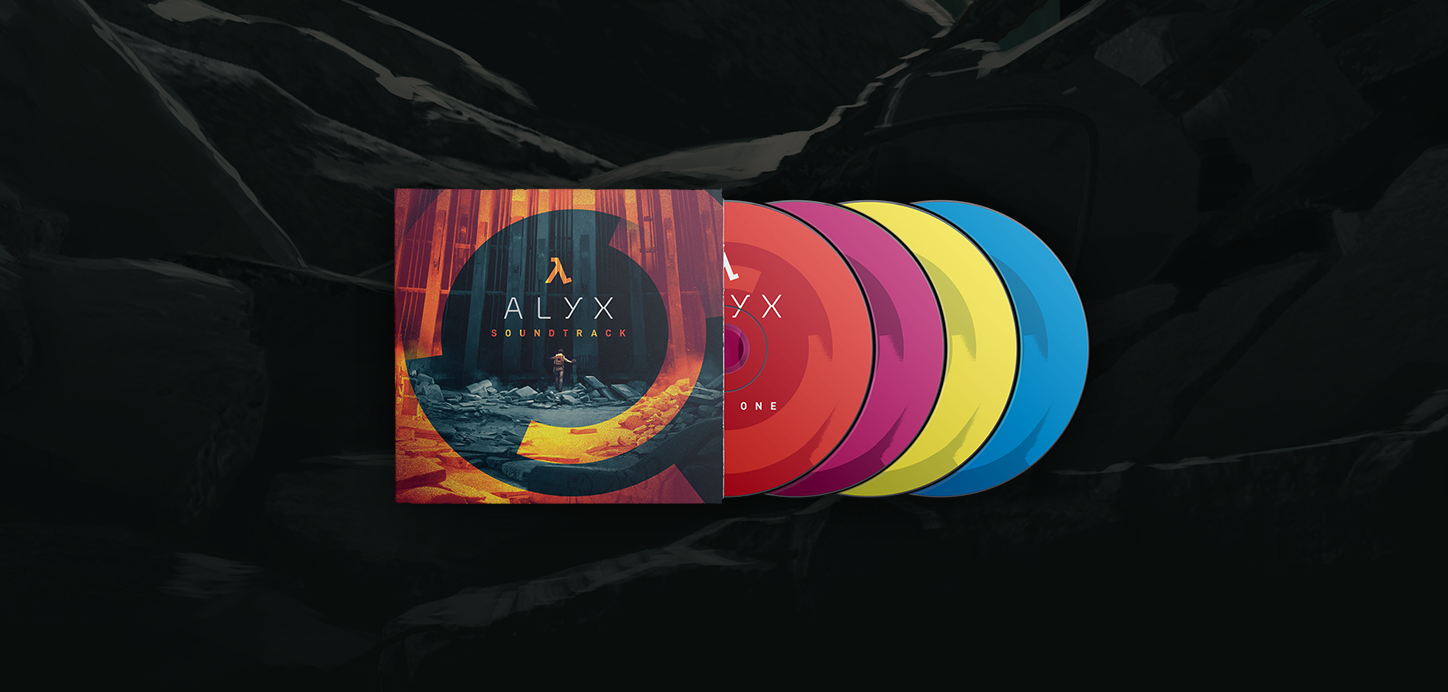
The soundtrack arrives on multiple vinyl and CD editions on April 24, with pre-orders open now.
To celebrate the soundtrack’s release, Valve is also offering Half-Life: Alyx at 70% off, dropping the VR masterpiece to just $17.99.
The upcoming physical editions of the Half-Life: Alyx soundtrack arrive in the three following editions:
Those not interested in collecting physical albums can find the full digital edition on most major streaming platforms, and on Steam, where it’s temporarily available at 60% off.
The various albums are available at several shops, and you can see them all here.
The Magician VR: The Cursed Wand is an upcoming fantasy VR action-adventure for Quest available to wishlist now.
Focused around the idea of real wand-gesture spellcasting in VR, The Magician VR: The Cursed Wand is a new fantasy game that can be wishlisted now on the Meta Horizon Store. Tracing wand gestures in the air to form spell patterns, a variety of spells, as shown in the trailer, will be at players’ disposal, from streams of water to remove fire to more offensive-based attacks. Made by Master Crowd Games, their previous work in the virtual reality space was a game called Rock Invasion VR, also for Quest.
Set in an apocalyptic 20th-century city called Crowville under siege by unknowable forces, The Magician VR plans to offer an arcade-based survival mode based on defeating endless waves of enemies. New magic and upgrades to spells will be earned based on performance on each level, offering replayability to try to survive even longer on each round. Based on the images shown, apart from the ghouls hungry for flesh, much bigger boss-type enemies will be confronted at some point.
The game will also have a campaign, with “structured progression” through key locations.
0:00
Aiming to please both casual and hardcore fans, the pick-up-and-play mechanics are promised to be backed by deep gameplay features as the magical powers progress. The stylized visuals and ominous original soundtrack neatly tie the package together, which the developer notes is not completely done and could change by the time the full game releases.
The Magician VR: The Cursed Wand is available to wishlist now on Quest.
Lynx-R2, coming “this summer”, is set to have the widest field of view and highest passthrough resolution of any standalone headset to date.
French startup Lynx repeatedly failed to meet its deadlines for its R1 headset, which it Kickstarted, and while originally envisioned as a $500 competitor to Meta Quest headsets, the price for new orders rose to $850 and then $1300 as the company pivoted to primarily targeting businesses.
 UploadVRDavid Heaney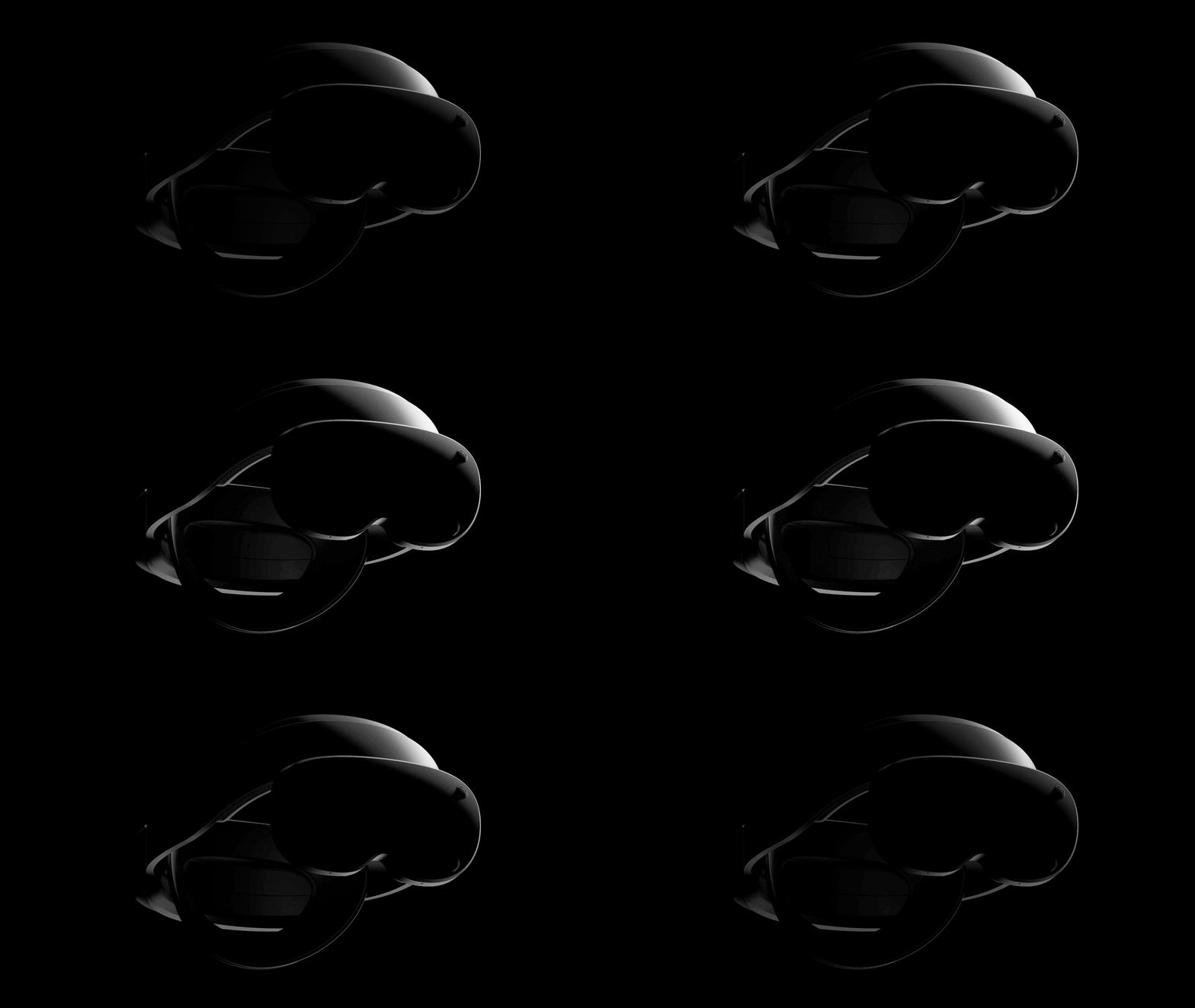
Now, Lynx has revealed the key specifications of its next headset, which it first teased in October.
At the time, Lynx founder Stan Larroque told UploadVR that his company has “learned so much with the R1”, and will not do a crowdfunding campaign. A month later, Lynx revealed that Google had “terminated” its agreement to use Android XR, such that it will instead run LynxOS, the company’s own open-source Android fork.
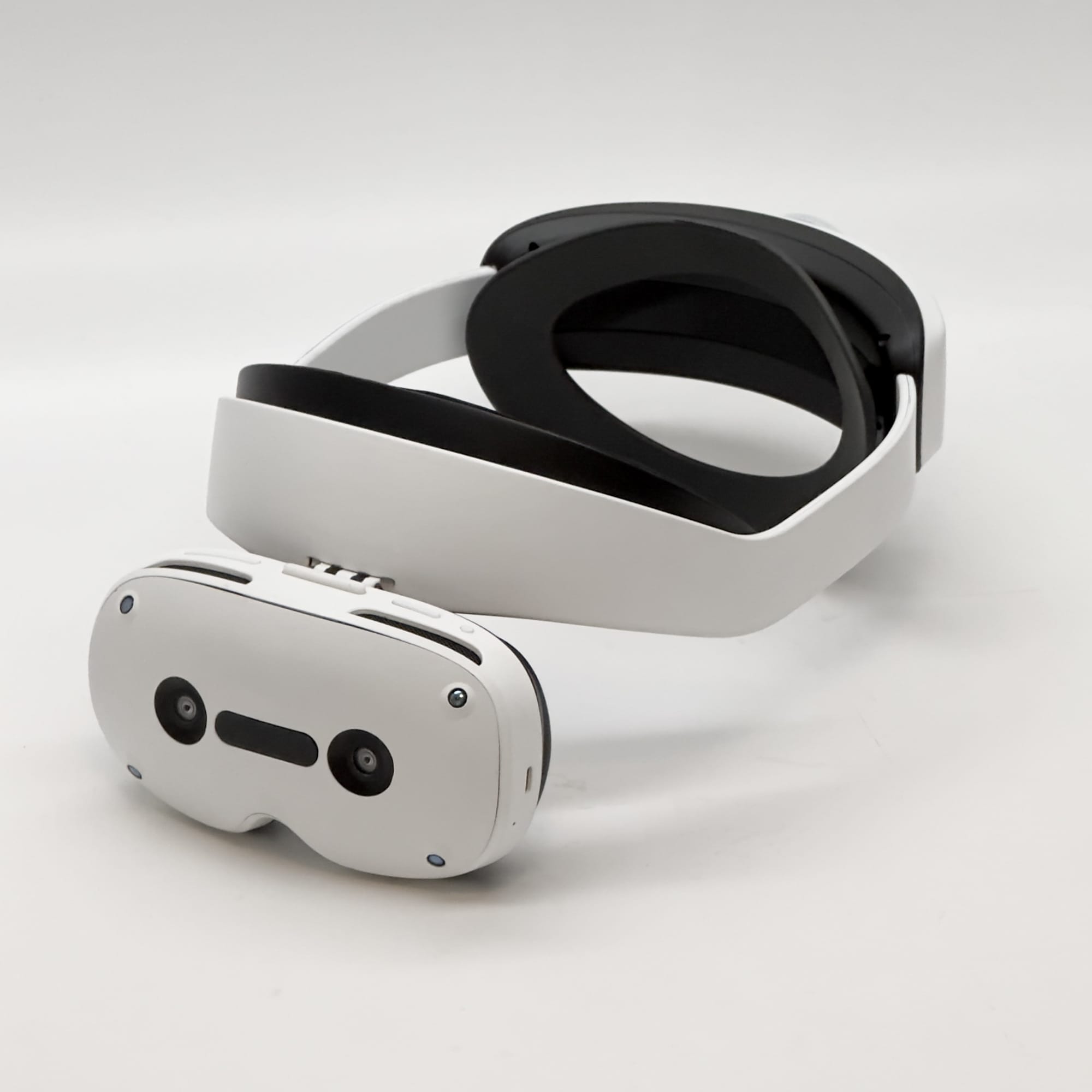
Similar to Quest 3 and Pico 4 Ultra, Lynx-R2 is a fully standalone headset powered by Qualcomm’s XR2 Gen 2 chipset and 16GB RAM, with two color passthrough cameras, four tracking cameras, as well as a depth sensor and IR illuminators.
It has an open periphery design, like Samsung Galaxy XR, with the ability to flip the visor up at any time.
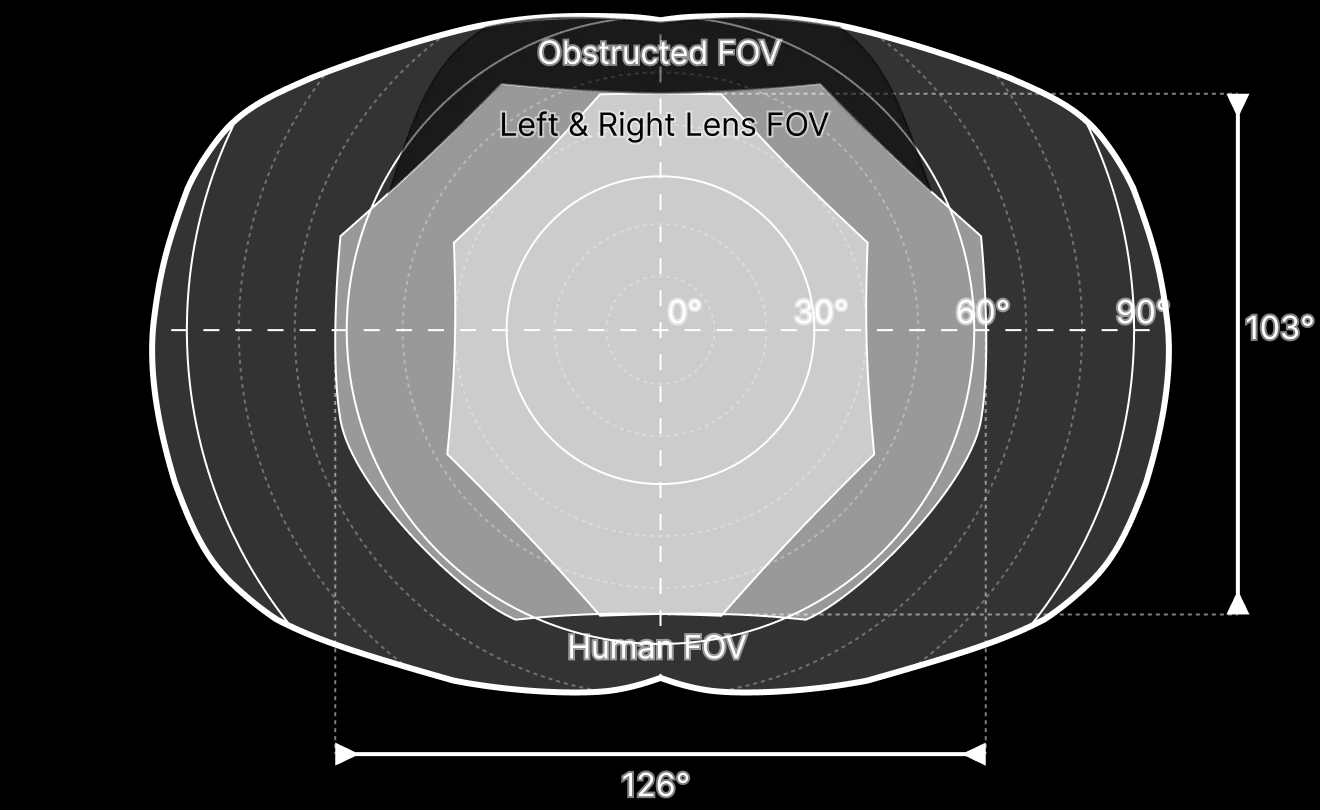
What distinguishes Lynx-R2 from these other standalone headsets is its aspheric pancake lenses, developed in partnership with Israeli startup Hypervision. According to Lynx, R2 achieves a field of view of 126° horizontal and 103° vertical. That would make it one of the widest field of view VR headsets to ship as a product anyone can buy, and by far the widest standalone of any kind.
These remarkable lenses are paired with 2312×2160 LCD displays. And Lynx says it’s getting the displays for just $30 each, because its development was paid for by Meta, which according to Lynx, planned to use them in the canceled 2026 Quest 4 candidate.
To achieve a reasonable passthrough image quality over the wide field of view, Lynx is using 3K×3K color cameras, advanced Sony IMX616 sensors capturing 9 megapixels per eye at a 90Hz rate, higher than Apple Vision Pro.
Lynx claims an end-to-end latency of between 12 and 20 milliseconds, compared to the 12 milliseconds of Apple Vision Pro.
Further, Lynx says R2 has the slimmest “black line” between passthrough and natural peripheral vision of any passthrough headset, obstructing just 6% of the total field of view of the wearer. This black line is slimmer than even typical smart glasses, the startup claims, and it shared a short through-the-lens video captured by a GoPro with a wide-angle lens.
0:00
Through-the-lens shot of Lynx-R2, shot with a wide-angle GoPro.
Meanwhile, the four tracking cameras on the corners of the front enable positional, hand, and controller tracking, while the 0.5 megapixel depth sensor enables 3D room scanning and spatial anchors.
According to the company, Lynx-R2 is designed to be open, modular, and repairable. LynxOS, its Android fork, is open source, and the headset has an open bootloader. Buyers will have raw unrestricted access to the sensors via APIs. Lynx says it will publish IO schematics for developers who want to add additional sensors. And R2 is built with screws instead of glue, with the company planning to sell spare parts like batteries, mainboards, and camera modules to customers.
| Lynx R2 |
Meta Quest 3 |
Samsung Galaxy XR |
|
| Displays | 2312×2160 LCD |
2064×2208 LCD |
3552×3840 micro-OLED |
| Refresh Rates |
90Hz | 60-120Hz (90Hz Home) (72 App Default) |
60-90Hz (72Hz Default) |
| Stated FOV |
126°H × 103°V | 110°H × 96°V | 109°H × 100°V |
| Platform | LynxOS (Lynx) |
Horizon OS (Meta) |
Android XR (Google) |
| Chipset | Qualcomm Snapdragon XR2 Gen 2 |
Qualcomm Snapdragon XR2 Gen 2 |
Qualcomm Snapdragon XR2+ Gen 2 |
| RAM | 16GB | 8GB | 16GB |
| Strap | Rigid Plastic (Flip-Up) |
Soft (Modular) |
Rigid Plastic (Fixed) |
| Face Pad | Forehead (Open) |
Upper Face (Enclosed) |
Forehead (Open) |
| Battery | Rear Pad |
Internal | Tethered External |
| Hand Tracking |
✅ | ✅ | ✅ |
| Eye Tracking |
❌ | ❌ | ✅ |
| Face Tracking |
❌ | ❌ | ✅ |
| Torso & Arm Tracking |
❌ | ✅ | ❌ |
| Passthrough | 9MP | 4MP | 6.5MP |
| IR Illuminators |
✅ | ❌ | ✅ |
| Active Depth Sensor |
iToF | ❌ | dToF |
| Price | TBA | $500 (512GB) |
$1800 (256GB) |
Lynx-R2 is set to arrive “this summer”, priced somewhere between Meta Quest 3 and Samsung Galaxy XR. Unlike with R1, Lynx will not be doing preorders this time. According to Larroque, when it’s available to buy, it will be ready to ship immediately.

The visual language of algorithm juicing on YouTube gets repurposed into something wholesome and hilarious
The post BabyTuber Thumbnails Are The Best appeared first on Kotaku.

Microsoft’s gaming division had a rough holiday quarter
The post Xbox Hardware Is Still Falling, Falling, Falling appeared first on Kotaku.

Christoph Hartmann was a key hire back in 2018
The post Former 2K Boss Leaves Amazon Game Studios As It Pivots To Party Slop appeared first on Kotaku.

Fishing and farming meet some serious foe-slaying in this upcoming RPG
The post <i>Emberville</i> Is A Mash-Up Of <i>Diablo</i> And <i>Stardew Valley</i> That Has Our Attention appeared first on Kotaku.

Start your journey on the right foot in Bandai Namco’s JRPG-flavored Soulslike sequel
The post 10 Tips To Know Before You Start Playing <i>Code Vein 2</i> appeared first on Kotaku.

A PS5 SSD jumped over $400 overnight, according to one employee on Reddit
The post Target Employee Shows In Real Time How Tech Prices Are Going Up, Up, Up appeared first on Kotaku.

Platform requirements will make the Nintendo ports a little different
The post Nintendo Says No To Toxic Dong On Switch 2 As <i>Dispatch</i> Devs Confirm Censored Content appeared first on Kotaku.

This open-world sequel is ideal for JRPG fans looking for an approachable entry point to Soulslikes
The post <i>Code Vein II</i>: The <i>Kotaku</i> Review appeared first on Kotaku.

Also: RuneScape will be made with genAI but not the kind players can ‘feel’
The post Scott Pilgrim EX Just Skyrocketed To The Top Of My Winter Game List appeared first on Kotaku.