
Yakoh Shinobi Ops looks pretty cool

Yakoh Shinobi Ops looks pretty cool

Metal Gear Solid 4 will be playable on PS5 this August

Kena: Scars of Kosmora is coming to PlayStation 5 and PC
In an interview with Alex Heath, Meta CTO Andrew Bosworth seemed to confirm the leak that a Quest 4 is still on the roadmap.
Back in June, UploadVR reported that the 2026 candidates for a Quest 4 series, codenamed Pismo Low and Pismo High, had been canceled. Then, in December, internal Meta memos leaked that revealed the company is working on a gaming-focused headset set to be a “large upgrade” over Quest 3, but without subsidization, suggesting a notably higher price.
This, to be clear, is in addition to the widely reported ultralight mixed reality headset with a tethered puck that the memo suggested should launch in the first half of 2027.
 UploadVRDavid Heaney
Given Meta’s recent announcement of “shifting some of our investment from Metaverse toward AI glasses and Wearables”, which was followed by the shutdown of three of its acquired VR game studios, significant layoffs at a fourth, the cancelation of the Batman: Arkham Shadow sequel, and the deprecation of Horizon Workrooms and its Quest headsets for business offering, many in the industry have speculated that the new Quest 4 candidate may have already been canceled.
Last month, Meta’s CFO Susan Li told investors that the company still has “optimism in the future of VR”, and that it’s still “building future headsets”. While this did spark hope of a Quest 4 still in the works, nothing in the statement confirmed what kind of headsets these were. But a recent statement from Meta’s CTO Andrew Bosworth seems to.
When asked during his Davos interview with veteran tech journalist Alex Heath, which you should go watch in full, whether “the metaverse is over”, Bosworth’s reply included “I think it’s officially leaked we’ve got two devices on the roadmap that we’re super excited about coming out over the course of a period of time”.
The “leak” Bosworth mentions is clearly the December memos – and by bringing this up now and speaking in the present tense, it strongly suggests that the gaming-focused Quest 4 candidate has not been canceled.
0:00
Bosworth’s comment from the interview with Alex Heath.
As to when we might expect these future Meta headsets, Bosworth stays tight-lipped. When pressed by Heath on what “a period of time” meant, he simply replied “a period of time – it could be anything, could be tomorrow”.
Based on the leaked memos and conversations with sources back in December, UploadVR’s understanding is that the ultralight headset should arrive in the first half of 2027, and the more traditional Quest 4 no earlier than the second half of 2027.
Additionally, Horizon OS firmware sleuth Luna reports that one codename floating around for the new Quest 4 is “Griffin”.
Meanwhile, names for candidates for the ultralight headset with tethered puck have included “Puffin”, “Loma”, and “Phoenix”.
The ultralight headset will be primarily focused on spawning virtual screens for productivity and entertainment, while the Quest 4 would continue the traditional Quest focus on immersive gaming.
One codename floating around for Meta Quest 4 is Project “Griffin”
— Luna (@Lunayian) February 5, 2026
Keep in mind that Meta’s hardware roadmap is constantly shifting, and the company frequently spins up and cancels headsets before they ship. When a specific product gets close to shipping, we’ll bring you any reliable rumors of its imminent arrival. Until then, be ready for anything planned to get canceled or delayed.

When the worst type of guy makes the worst type of post
Today’s State of Play reveals the PlayStation VR2 port of Titan Isles is coming on February 24th.
When Psytec Games announced last September that their high-mobility action-adventure shooter Titan Isles was coming to PS VR2, they didn’t specify a release date. That changed during today’s Sony State of Play, where they announced that Titan Isles will be swinging onto PS VR2 on February 24th.
Designed to make the most of PS5’s hardware, the PS VR2 port runs at a native 90fps on base PS5, boosted to 120fps on PS5 Pro. The game’s devs also confirmed that both versions utilize native resolution and eye-tracked foveated rendering for maximum visual clarity.
0:00
Psytec Games has also made the most of the PS5 controller’s adaptive triggers, giving each weapon its own resistance, plus headset haptics and full bHaptics support.
We reviewed Titan Isles when it debuted on Meta Quest, where we found it to be “a compelling action adventure that’s equally enjoyable in co-op and single-player.” Furthermore, our reviewer called it “the most fun I’ve personally had with a VR co-op experience since Dungeons of Eternity.”
Titan Isles will be available on the PS VR2 store from February 24, and will cost $24.99. The game is available now on Steam and Quest.

Blizzard is bringing in a lot of new players with its new season, so here’s a few tips to get back in the swing of things

Also: FromSoftware’s next game won’t be coming to PC

‘There are things more important than medals. I stood up for what I believe in.’

As attacks and robberies targeting the wealthy become more common, the elite are building massive compounds

Blackfrost: The Long Dark was supposed to enter early access this year, but will no longer
Unhinged chaos sim Wreckin’ Raccoon, nDreams’ answer to games like I Am Cat and Gorilla Tag, has left Early Access for full release on Quest.
Developed by nDreams’ newest studio, Compass, Wreckin’ Raccoon is a sandbox game in which you play as the titular trash panda, spreading chaos and destruction everywhere your paws touch. Taking place at a roadside diner, you’ll dig through food, smash bottles, make a mess, and generally torment the diner’s staff and customers in ways that only a horrible little critter can.
0:00
You can drink from a toilet, deep fry your own excrement, and squirt ketchup into the face of the grumpy exterminator. If you couldn’t tell from that description, or the trailer embedded above, nDreams’ latest release is clearly targeting a younger audience.
Wreckin’ Raccoon is banking on replicating the success of games like I Am Cat and the ever-popular Gorilla Tag, which throw users into heavily physical experiences in which the primary goal is to move around and cause chaos.
Wreckin’ Raccoon is available on Quest via the Meta Horizon Store now.

Most games like Highguard don’t get second chances
Charming clockwork puzzler Tin Hearts: Act 1 arrives on Quest today, bringing its heartfelt story and inventive Lemmings-like gameplay to standalone headsets.
Celebrated for its emotional story and richly detailed Dickensian environments, Tin Hearts combines a lovely narrative with classic Lemmings-inspired puzzle mechanics. In Tin Hearts, players manipulate time and interact with objects in the environment to direct and redirect an ever-marching column of tiny toy soldiers. Along the way you’ll solve puzzles and uncover a deeply personal tale about family, love, and compromise.
0:00
Tin Hearts originally released in VR on PS VR2 and Steam last year. The game’s publisher, Wired Productions, has said that today’s Act 1 port to Meta Quest will be followed by Acts 2, 3, and 4 “in the coming weeks,” though no specific release dates have been confirmed.
We previewed Tin Hearts VR years ago, where we felt it offered “well-considered mechanics,” plus “enjoyable puzzles and an intriguing whimsical setting.”
The complete Tin Hearts series is out now on flatscreen platforms, PS VR2, and PC VR, while Tin Hearts: Act 1 arrives today on the Meta Quest platform.

Cage’s Spider-Verse role was so good he’s getting his own show in Spider-Noir

More games should include fast-paced montages at the start and stop wasting my time


EssilorLuxottica reported its Q4 2025 financial results, revealing the company sold over seven million smart glasses last year.
The French-Italian eyewear conglomerate has been making smart glasses in partnership with Meta since the launch of the original Ray-Ban Stories in 2021.
Now, in its fourth-quarter results, EssilorLuxottica revealed it sold over seven million smart glasses last year—more than tripling sales since last reported.
In February 2025, the company announced it had sold two million Ray-Ban (Gen 1) smart glasses since release in late 2023.
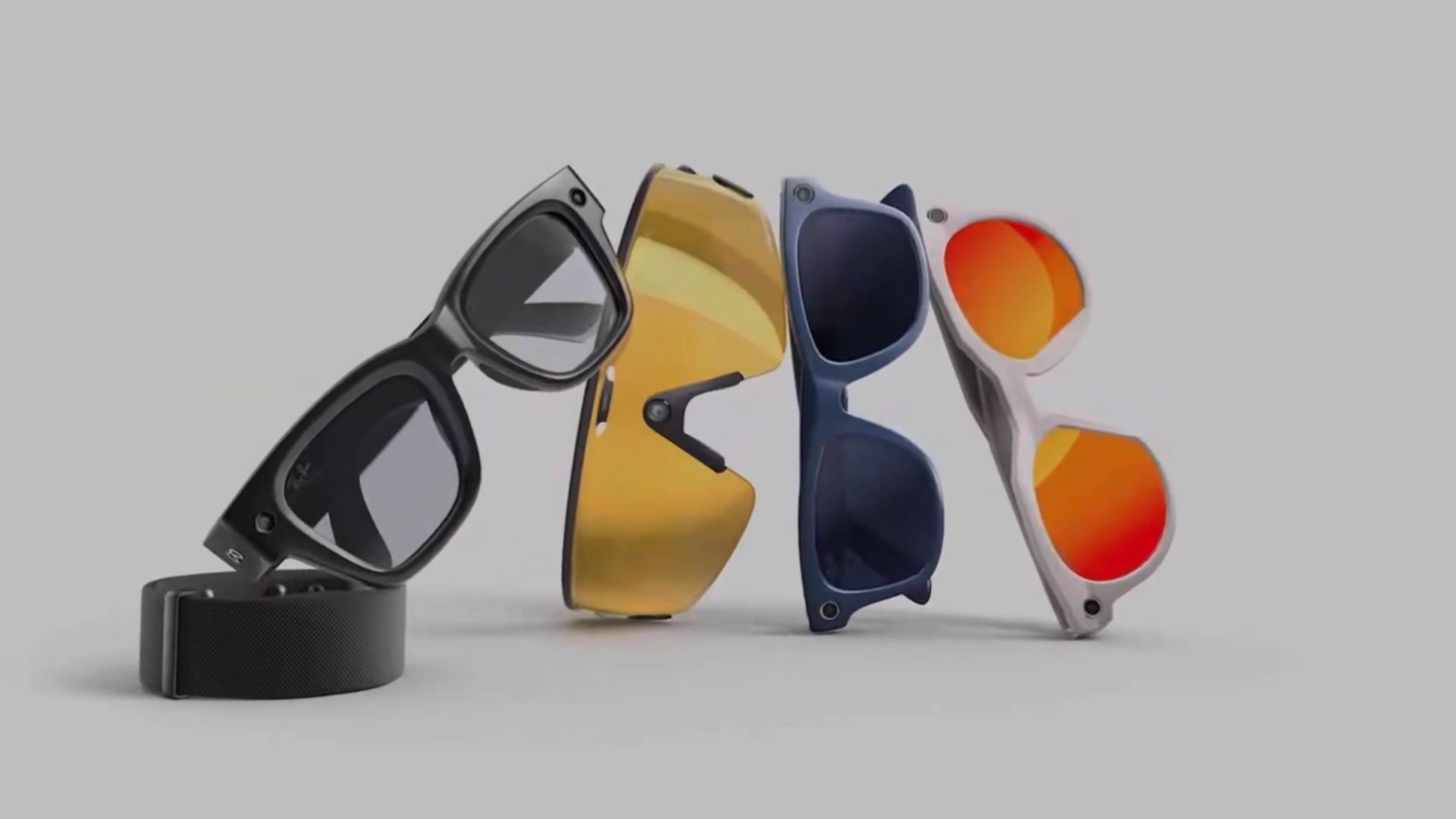
It’s no wonder 2025 was a landmark year for the company though. Alongside Meta, EssilorLuxottica not only released a hardware refresh of its popular Ray-Ban Meta glasses, but also Oakley Meta HSTN, Oakley Meta Vanguard, and the $800 Meta Ray-Ban Display glasses—the company’s first smart glasses to include a heads-up display.
In addition to its smart glasses efforts, EssilorLuxottica maintains that 2025 marked a further acceleration in its “evolution from an optical company into a leading medtech and big-data group,” owing to growth across both its Nuance Audio hearing-aid glasses and AI-driven healthcare platform.
While Meta and EssilorLuxottica are current market leaders in smart glasses, the XR wearables race has really only just begun. As it appears today, companies largely see smart glasses as a first step towards creating all-day AR glasses of the near future, with potential contenders including Google, Samsung and reportedly also Apple.
The post Meta Sold Over 7 Million Smart Glasses Last Year, Effectively Tripling Sales in 2025 Alone appeared first on Road to VR.

Rumors are swirling ahead of the series’ 30th anniversary

Performance has taken a hit after switching from Denuvo

Steven, a boss from The Binding of Isaac, takes control from players who repeatedly try to cheat