Setting up home automation is rough. Google, shockingly, has good ideas for it

Two robots, surrounding their creator, offering tea and maybe sympathy

Enlarge / Claus Scholz is offered tea and moral encouragement by his robots, MM7 and MM8, also known as “Psychotrons,” in 1950 Vienna. This could be us, but many home automation platforms are only playing at being helpful. (credit: Gamma-Keystone via Getty Images)

Google today released a new Android OS with some modest improvements, a smartwatch with an old-but-still-newer chip, and a Pixel 8 whose biggest new feature is seven years of updates. But buried inside all the Google news this week is something that could be genuinely, actually helpful to the humans who get into this kind of gear—help for people setting up automations in their homes.

It’s easy to buy smart home gear, and it’s occasionally easy to set it up, but figuring out all the ways that devices can work with one another can be daunting. Even smart home systems with robust scripting abilities mostly let users develop great ideas for connecting two or more devices. That’s where, according to Google, AI can help.

Google says it will use AI (the company’s broad definition of AI, at least) at two different levels. At an app level, Google Home can start condensing all the notifications from cameras, sensors, and other devices into a streamlined summary, patched together by generative AI, and which you can respond to with natural language.

Read 12 remaining paragraphs | Comments


Source: Ars Technica – Setting up home automation is rough. Google, shockingly, has good ideas for it

Sam Bankman-Fried lawyer complains US portrays him as “cartoon villain”

Read 16 remaining paragraphs | Comments


Source: Ars Technica – Sam Bankman-Fried lawyer complains US portrays him as “cartoon villain”

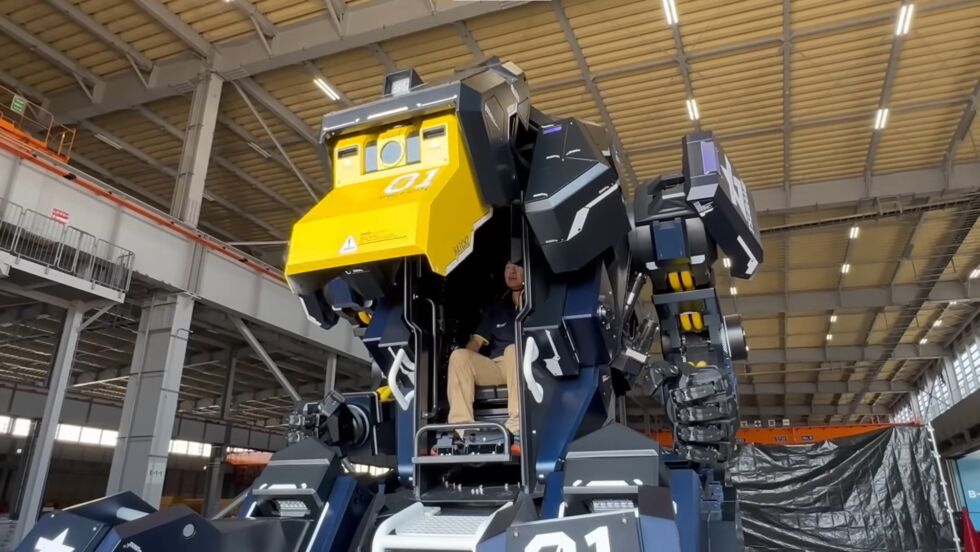
Archax is a $2.7 million pilotable robot for the ultra-wealthy

Robots are already cleaning our homes and patrolling our cities. Now, they’re ready to embody our favorite mecha-themed science fiction indulgences—if you have 400 million yen (about $2.7 million) to splurge.

Tsubame Industries, a Tokyo-based startup, currently has five Archax units, a pilotable robot, available for preorder, as reported by Reuters this week. Tsubame unveiled the robot this summer and plans on demoing the robot at the Japan Mobility Show from October 26 through November 5. Tsubame won’t just have a giant robot on display; the robot will demonstrate movement of its upper body and arms, according to a Google translation of an August report from Japanese publication Robot Start.

Built with human-like proportions, Archax has moving rear legs and front legs and uses front-wheel steering. It also has a movable head (left and right), waist (left and right), shoulders (up and down), elbows, wrists, and fingers.

Read 12 remaining paragraphs | Comments


Source: Ars Technica – Archax is a .7 million pilotable robot for the ultra-wealthy

Gmail unleashes “email emoji reactions” onto an unsuspecting world

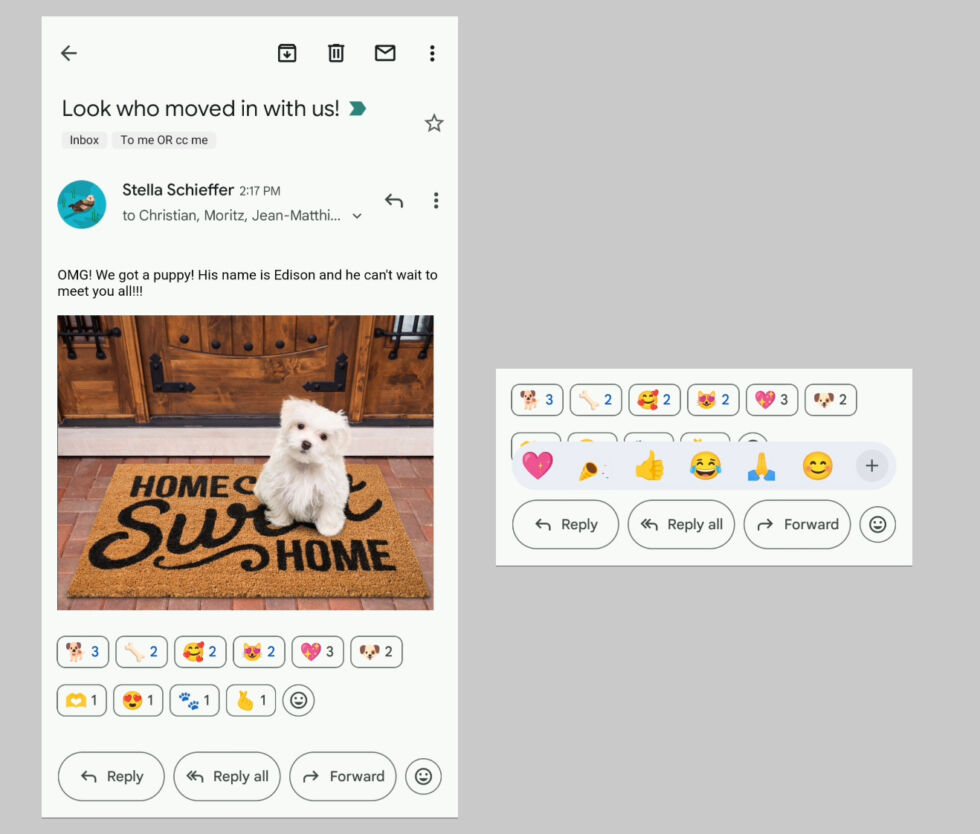
Finally, the feature everyone has been asking for: Gmail 👏 emoji 👏 reactions 👏.

You can now reply to an email just like it’s an instant messaging chat, tacking on a “crying laughing” emoji to an email instead of replying. Google has a whole support article detailing the new feature, which allows you to “express yourself and quickly respond to emails with emojis.” Like a messaging app, a row of emoji reaction counts will appear below your email now, and other people on the thread can tap to add to the reaction count. Currently, it’s only on the Android Gmail app, but it’s presumably coming to other Gmail clients.

Of course, email is from the 1970s and does not natively support emoji reactions. That makes this a Gmail-proprietary feature, which is a problem for federated emails that are expected to work with a million different clients and providers. If you send an emoji reaction and someone on the email chain is not using an official Gmail client, they will get a new, additional email containing your singular reactive emoji. Google is not messing with the email standard, so people not using Gmail will be the most affected.

Read 3 remaining paragraphs | Comments


Source: Ars Technica – Gmail unleashes “email emoji reactions” onto an unsuspecting world

Facebook’s new AI stickers can generate Mickey Mouse holding a machine gun

A selection of AI-generated stickers created in Facebook Messenger and shared on social media site X.

Enlarge / A selection of AI-generated stickers created in Facebook Messenger and shared on social media site X. (credit: Meta)

Less than a week after Meta unveiled AI-generated stickers in its Facebook Messenger app, users are already abusing it to create potentially offensive images and sharing the results on social media, reports VentureBeat. In particular, an artist named Pier-Olivier Desbiens posted a series of virtual stickers that went viral on X on Tuesday, starting a thread of similarly problematic AI image generations shared by others.

“Found out that facebook messenger has ai generated stickers now and I don’t think anyone involved has thought anything through,” Desbiens wrote in his post. “We really do live in the stupidest future imaginable,” he added in a reply.

Available to some users on a limited basis, the new AI stickers feature allows people to create AI-generated simulated sticker images from text-based descriptions in both Facebook Messenger and Instagram Messenger. The stickers are then shared in chats, similar to emojis. Meta uses its new Emu image synthesis model to create them and has implemented filters to catch many potentially offensive generations. But plenty of novel combinations are slipping through the cracks.

Read 5 remaining paragraphs | Comments


Source: Ars Technica – Facebook’s new AI stickers can generate Mickey Mouse holding a machine gun

Former Ubisoft executives reportedly arrested over sexual harassment allegations

Former Ubisoft executives reportedly arrested over sexual harassment allegations

Enlarge (credit: Getty Images / Ubisoft / Aurich Lawson)

Five former Ubisoft executives have reportedly been detained for questioning by French authorities, years after they departed from the company amid widespread sexual assault allegations.

According to a report from France’s Libération newspaper (as translated by GamesIndustry.biz), this week’s arrests by the Bobigny public prosecutor’s office include Ubisoft’s former chief creative officer Serge Hascoët and ex-VP of editorial and creative services Tommy François. Hascoët resigned from the company in July 2020, while Francois left less than a month later. A year after those departures, French labor union Solidaires Informatique worked with two of the alleged victims to file a formal complaint about the alleged assaults, which seems to have led to this week’s move by French police.

It’s not immediately clear who else has been caught up in this week’s police actions or whether the former executives will be released from detention after questioning. Other high-profile Ubisoft employees who resigned or were fired amid the 2020 allegations include Assassin’s Creed Valhalla director Ashraf Ismail, former Ubisoft Canada managing director Yannis Mallat; former Ubisoft PR director Stone Chin; former Ubisoft global head of HR Cécile Cornet, and former Ubisoft vice president of editorial Maxime Beland.

Read 4 remaining paragraphs | Comments


Source: Ars Technica – Former Ubisoft executives reportedly arrested over sexual harassment allegations

Emergency alert test to hit all cell phones, TVs, and radios at 2:20 pm ET today

A phone alert reads,

Enlarge / Message sent during a test of the National Wireless Emergency Alert System on Oct. 3, 2018. (credit: Getty Images | Bloomberg)

Nationwide tests of the US Emergency Alert System (EAS) and Wireless Emergency Alerts (WEA) system will send messages to all TVs, radios, and cell phones today, October 4, starting at around 2:20 pm ET.

The tests are coordinated by the Federal Emergency Management Agency and Federal Communications Commission. Similar tests were conducted in previous years, including 2021 and 2018.

Today’s “national test will consist of two portions, testing WEA and EAS capabilities,” FEMA said yesterday. “The WEA portion of the test will be directed to consumer cell phones. This will be the third nationwide test, but the second test to all WEA-compatible cellular devices. The test message will display in either English or in Spanish, depending on the language settings of the wireless handset.”

Read 6 remaining paragraphs | Comments


Source: Ars Technica – Emergency alert test to hit all cell phones, TVs, and radios at 2:20 pm ET today

Aston Martin’s Valkyrie is going racing, but only after a power cut

Read 14 remaining paragraphs | Comments


Source: Ars Technica – Aston Martin’s Valkyrie is going racing, but only after a power cut

As some carmakers run from Apple CarPlay, Porsche embraces it

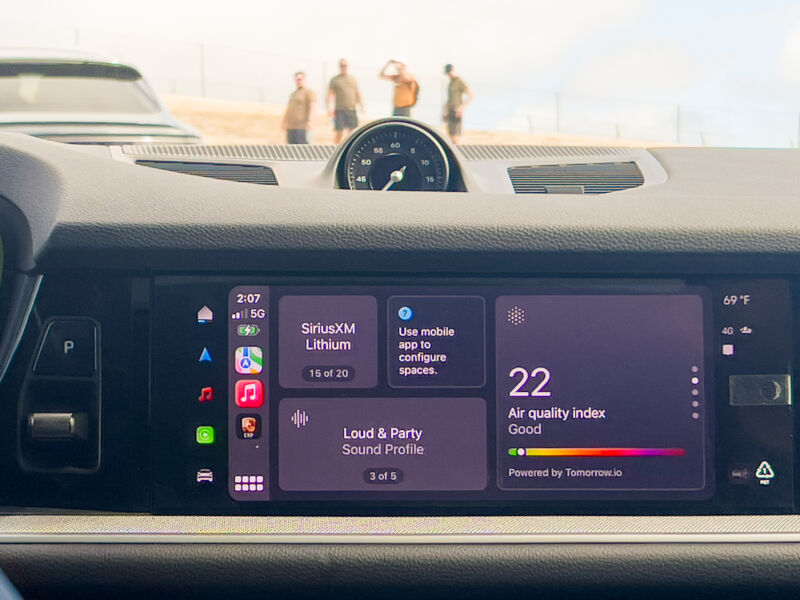
A Porsche Cayenne infotainment screen showing the My Porsche app

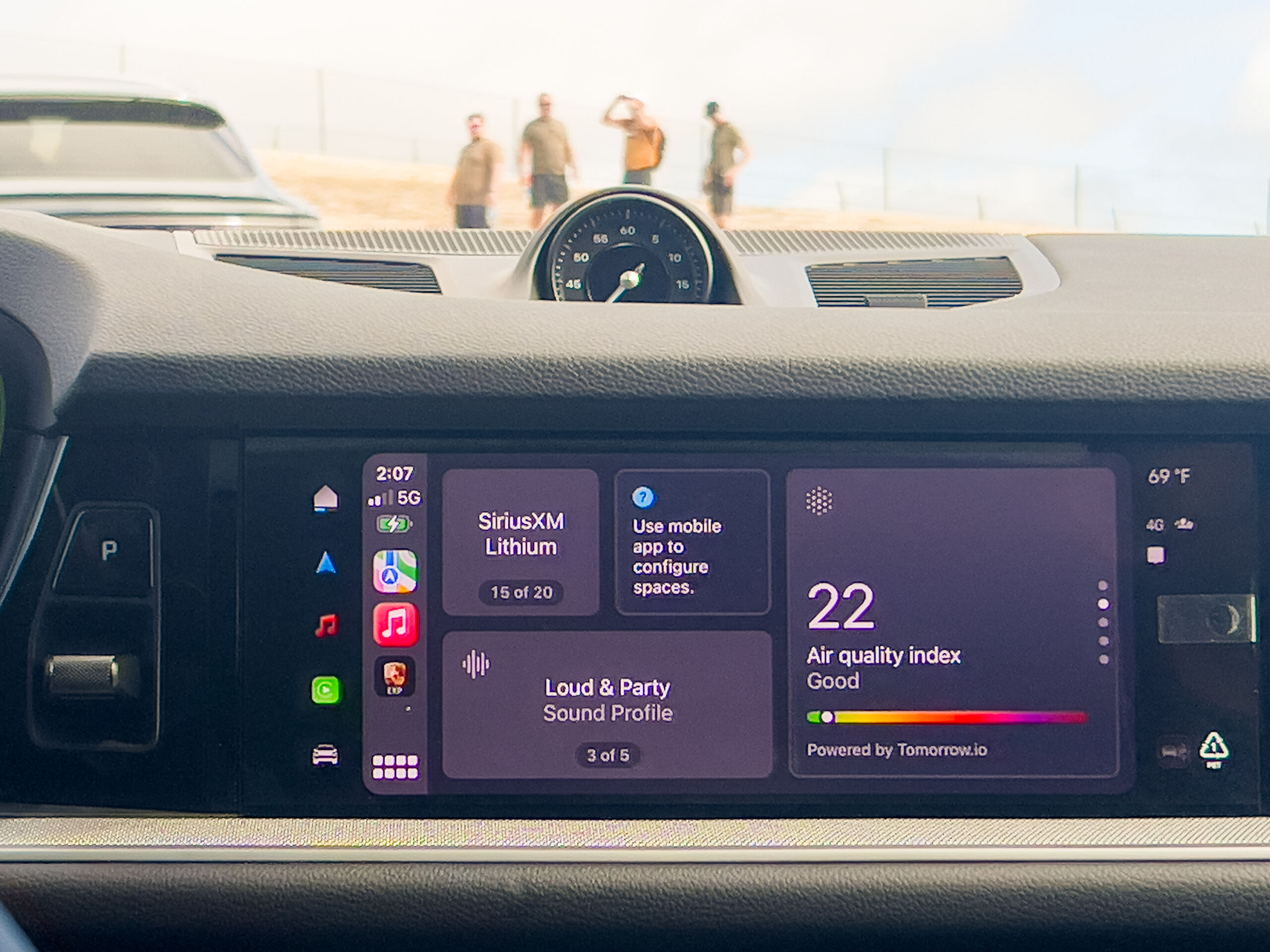
Enlarge / Porsche is the first automaker to expose car functions like climate and lighting via Apple’s automaker toolkit for CarPlay. (credit: Jonathan Gitlin)

The introduction of Apple CarPlay in 2016 was a game-changer. Until then, connecting your phone to your car meant bothering with Bluetooth, and if you wanted to use a smartphone navigation app, you probably needed some kind of phone holder clipped to an air vent or suction-cupped to the dashboard. Being able to cast your phone’s screen to the car’s infotainment system turned out to be extremely popular, and by 2020, it was a feature that almost half of all new car buyers wanted.

This has not sat well with every automaker; in March of this year, General Motors made headlines—and generated a lot of comments—when it announced it was killing off support for casting interfaces (both CarPlay and Android Auto) from its future products. But where GM saw a threat, Porsche saw an opportunity. And now it has built a new iOS app, making use of an Automaker toolkit provided by Apple. This little-known feature is only offered to OEMs and allows them freedom beyond the restrictive user interface guidelines laid down by Apple.

Porsche’s customer research found that the overwhelming majority of its customers have iPhones and prefer using them for things like navigation. “Obviously, you have to switch back and forth to control some features around media, for example, some more specific features around climate,” explained Cyril Dorsaz, principal product manager at Porsche Digital. “And ultimately, we learned through customer research that this is something that our customers are not really happy with.”

Read 6 remaining paragraphs | Comments


Source: Ars Technica – As some carmakers run from Apple CarPlay, Porsche embraces it

Musk can’t dodge payments to ex-Twitter execs he fired, judge rules

Former Twitter CEO Parag Agrawal walking outside while wearing a casual shirt and jeans.

Enlarge / Then-Twitter CEO Parag Agrawal walks to a morning session during the Allen & Company Sun Valley Conference on July 7, 2022, in Sun Valley, Idaho. (credit: Getty Images | Kevin Dietsch )

Elon Musk’s X Corp. has to pay $1.1 million in reimbursements for legal fees to former Twitter executives that he fired, including ex-CEO Parag Agrawal, a judge reportedly ruled yesterday. Delaware Court of Chancery Judge Kathaleen McCormick ruled against Musk’s firm during a hearing yesterday, Bloomberg reported.

The former Twitter executives said that after being fired by Musk, the company now known as X refused to reimburse them for expenses related to federal investigations and civil lawsuits. The former executives’ lawsuit filed in April said the company “has breached its obligations… by refusing to advance Plaintiffs’ Expenses.”

“After hearing arguments, McCormick noted Delaware courts lean in favor of granting executives’ request to have legal fees covered when tied to their actions on behalf of companies. She said she didn’t see any reason to deviate from the norm in the case,” Bloomberg wrote.

Read 10 remaining paragraphs | Comments


Source: Ars Technica – Musk can’t dodge payments to ex-Twitter execs he fired, judge rules

Android 14 officially releases for Pixel phones

Android 14 is out today, along with a new Pixel phone. The OS is shipping to supported Pixel devices now, which means the Pixel 4a (5G) and every variant of the Pixel 5, 6, and 7, plus the Fold and Tablet.

The big feature this year is a somewhat customizable home screen. You can pick from several different lock screen clock styles and customize the two bottom app shortcuts. This feels like a response to iOS 16’s lock screen widgets (a feature Android used to have back in the 4.2 days) but not nearly as customizable. It’s honestly hard to highlight a second Android 14 feature because this is one of the smallest Android releases ever.

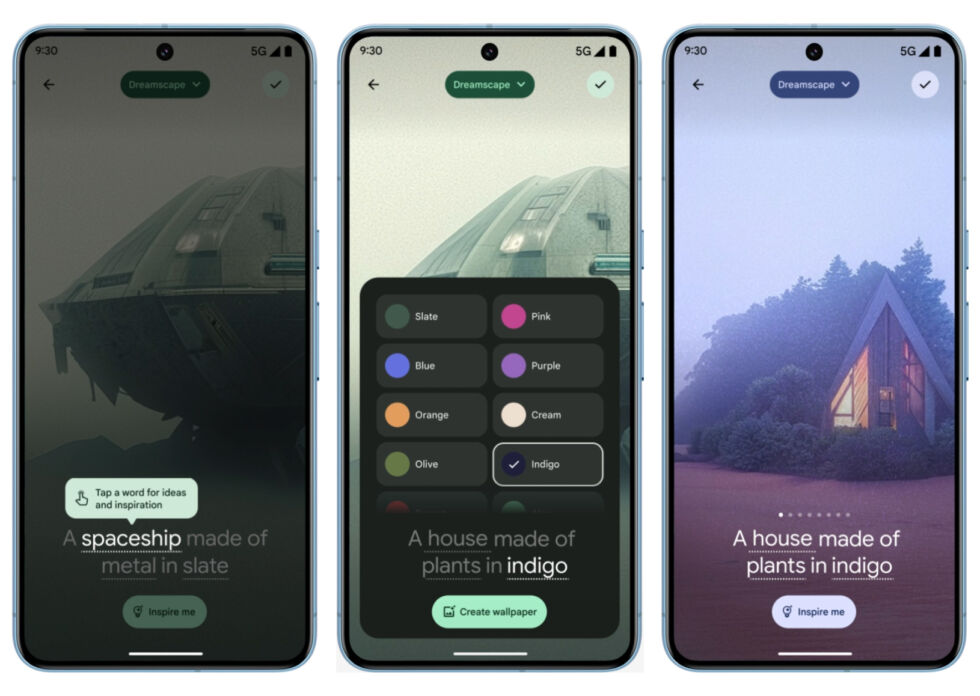
The first feature Google mentions in its blog post is a new wallpaper picker. On the Pixel 8, Android now has a built-in text-to-image AI wallpaper maker, presumably a feature that lets the Android team adhere to Google’s “mandatory AI” company mandate. There’s also a new monochrome theme if you’re tired of all those “Material You” colors.

Read 2 remaining paragraphs | Comments


Source: Ars Technica – Android 14 officially releases for Pixel phones

Wii U, 3DS online servers to shut down in six months

We'd like to imagine there's an actual Switch like this that Nintendo will be flipping in April.

Enlarge / We’d like to imagine there’s an actual Switch like this that Nintendo will be flipping in April. (credit: Flickr / Andrew Huff)

The end is nigh for online network support on the aging Wii U and Nintendo 3DS platforms. Nintendo announced overnight that “online play and other functionality that uses online communication” on those consoles will stop working in “early April 2024,” just over a year after Nintendo shut off downloadable game purchases on both platforms through the eShop.

In a brief FAQ, Nintendo clarified that players will still be able to redownload purchased software and download game update data “for the foreseeable future.” Players will also still be able to transfer Pokémon off of a 3DS using the Pokémon Bank system after the planned shutdown. And software that uses the 3DS’s unique Street Pass system will also still work since it uses local wireless communication between systems without the need for a central server.

While there are still some people using this now-classic Nintendo hardware online, spot tests suggest that the player numbers aren’t huge these days. A GameXplain test from the beginning of 2023 found a handful of online players for Mario Kart 8 and Call of Duty games on Wii U, for instance, but failed to find opponents for Super Smash Bros. for Wii U and Mario Tennis Ultra Smash. A similar 3DS test by a YouTuber in January found similarly mixed results, though 3DS launch titles like Super Street Fighter 4 and Steel Divers still apparently had surprisingly strong online communities.

Read 3 remaining paragraphs | Comments


Source: Ars Technica – Wii U, 3DS online servers to shut down in six months

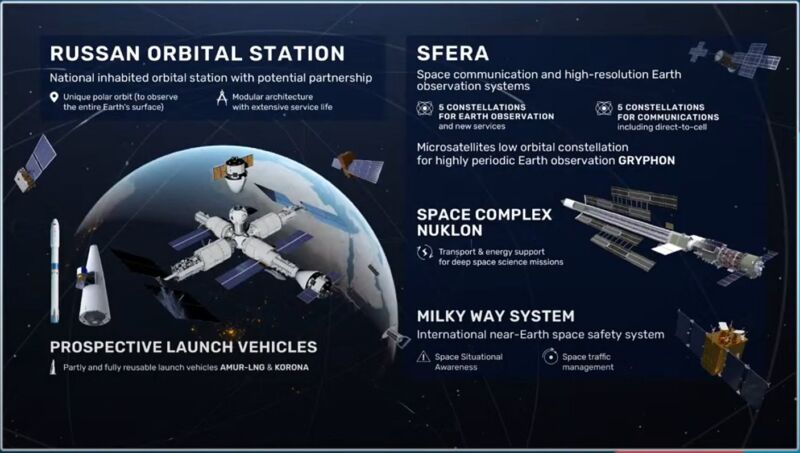
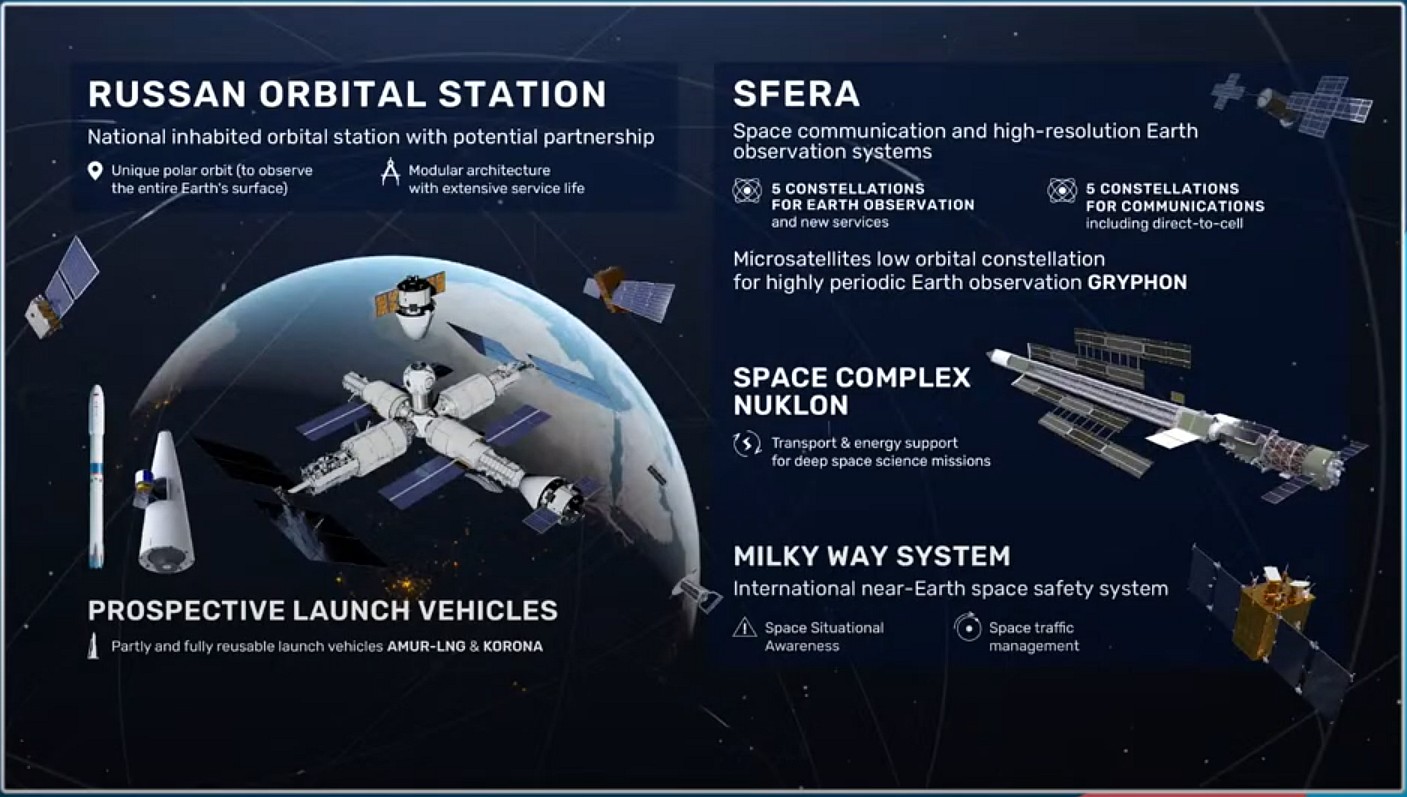
Russia talks a big future in space while its overall budget is quietly cut

Read 10 remaining paragraphs | Comments


Source: Ars Technica – Russia talks a big future in space while its overall budget is quietly cut

Novavax’s updated protein-based COVID vaccine finally authorized by FDA

The Novavax Inc. Nuvaxovid COVID-19 vaccine.

Enlarge / The Novavax Inc. Nuvaxovid COVID-19 vaccine. (credit: Getty | Bloomberg )

Novavax’s updated protein-based COVID-19 vaccine has finally won authorization from the Food and Drug Administration, a late-coming achievement that provides Americans with their only alternative to mRNA-based shots for the fall booster campaign now underway.

While the FDA’s authorization was announced Tuesday afternoon, the Centers for Disease Control and Prevention has already signed off on recommending the shot. Its September 12 recommendation that all Americans ages six months and up get an updated COVID-19 vaccine was a blanket recommendation for any updated shots authorized or approved by the FDA, which now includes Novavax. The vaccine will be available to everyone ages 12 and up.

The Novavax vaccine uses a traditional protein subunit-based design; it directly introduces the SARS-CoV-2 spike protein to our cells along with an established adjuvant that enhances immune responses. The spike protein is a key outer protein the virus uses to get into human cells. The mRNA vaccines, by contrast, are a newer design that introduces the genetic code for the spike protein, which the cells then translate into protein on their own. In either case, with a disembodied spike protein, the immune system gets a chance to identify and train defensive responses against the pandemic pathogen before a live SARS-CoV-2 virus comes knocking.

Read 9 remaining paragraphs | Comments


Source: Ars Technica – Novavax’s updated protein-based COVID vaccine finally authorized by FDA

Potential source of ancient methane eruption identified

A colored, 3D diagram of the ocean floor showing a large series of craters.

Enlarge / 3D seismic image showing the crater of the Modgunn Vent and others like it. The cratered surface labelled “BVU” is the seabed of 56 million years ago, with the modern seabed shown at top left. White lines are boreholes into the vent. (credit: Berndt et al, Nature Geoscience 2023)

Fifty-six million years ago, trillions of tons of carbon found its way into the atmosphere, acidifying oceans and causing the already-warm global climate to heat up by another 5º C (9º F)—an episode known as the “Paleocene-Eocene Thermal Maximum” or “PETM.”

Like today, the warming climate affected the environment on land and in the sea, with extreme downpours and heat-stressed plankton at the base of the food web. Land animals had a high rate of extinction and replacement by smaller species, and there was a mass extinction of tiny shell-making creatures that lived on the sea bed. The hotter climate supported alligators and swamp-cypress forests, like those in today’s southeastern United States, in Arctic latitudes that are covered by ice and tundra today.

Where did all that carbon come from?

Read 27 remaining paragraphs | Comments


Source: Ars Technica – Potential source of ancient methane eruption identified

The Pixel Watch 2 is official with a Snapdragon W5+ chip

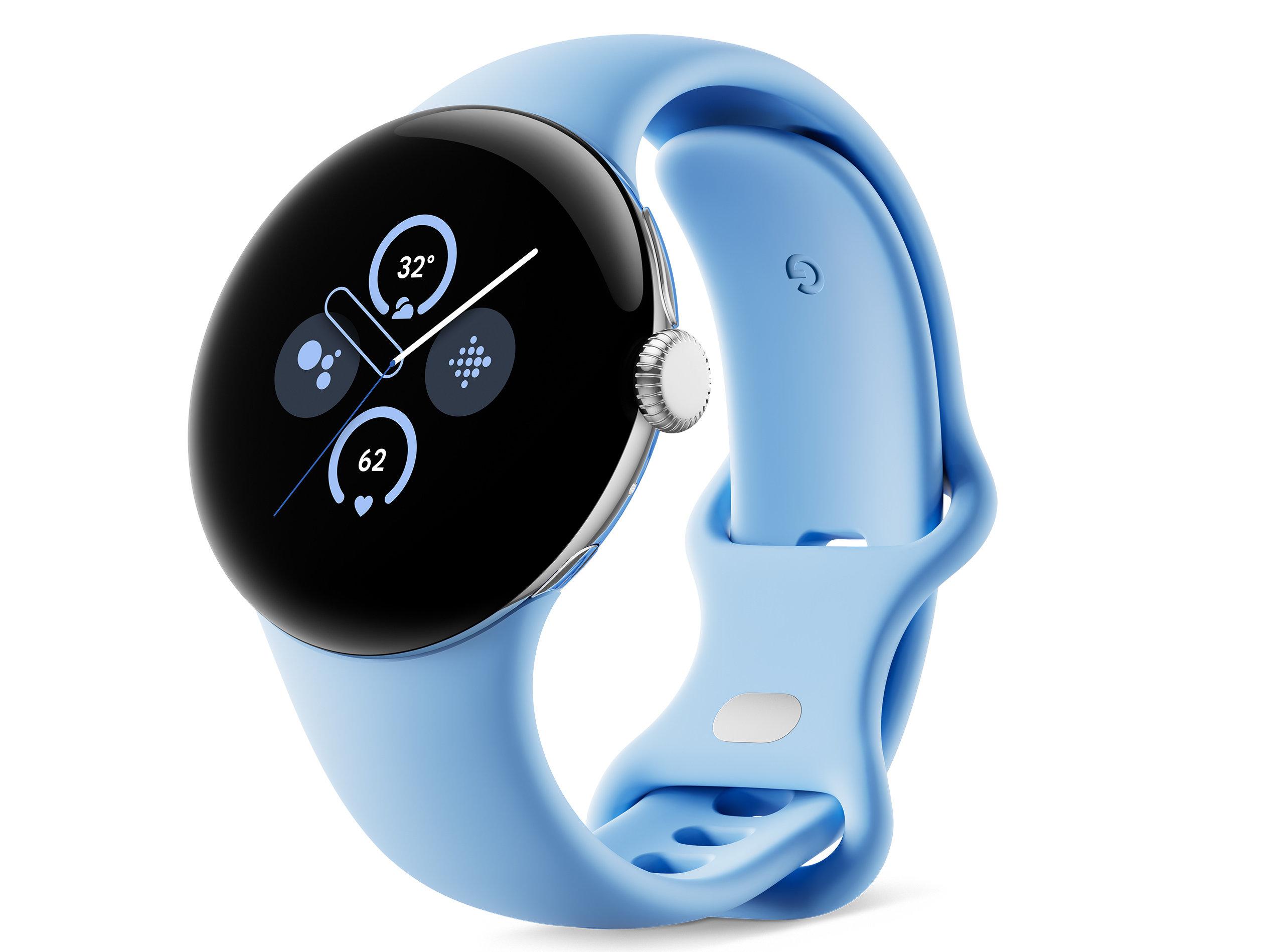
The Pixel Watch 2 is launching alongside the Pixel 8 today. Google’s second self-branded smartwatch is sporting a modest update, with the same design as the first version, a new SoC, and a skin temperature sensor.

As previously reported, the Pixel Watch 2 is jumping from the Exynos SoC of the first watch to Team Qualcomm, and now this is shipping the Qualcomm Snapdragon W5+. That’s sort of an upgrade but not a huge one. Both the new and old chips run four Cortex A53 CPUs—the Exynos 9110 in the Pixel Watch 1 was built on a 10 nm while this is taking a big jump to 4nm. Any CPU upgrade is nice, but the Cortex A53 is 11 years old, so it still feels like Qualcomm is building these things in a cave.

The Qualcomm chip should bring a better modem if you’re getting the LTE version, which is still $400, while the Wi-Fi only is $350. The rest of the spec sheet is mostly the same: 2GB of RAM and 32GB of storage, and IP68 dust and water resistance.

Read 8 remaining paragraphs | Comments


Source: Ars Technica – The Pixel Watch 2 is official with a Snapdragon W5+ chip

The Google Pixel 8 is official with 7 years of updates

Google’s newest flagship phone is finally official. The Pixel 8 and Pixel 8 Pro were both unveiled today, with the headline changes being a whopping seven years of updates, flat screens across the board, new CPUs, and a $100 price increase. The Pixel 8 Pro is officially $999, while the Pixel 8 is $699.

The Pixel 8 Pro features a fair number of design changes. The front screen is flat now, dumping a trend started by Samsung (and its ability to make curved OLED displays). For years, Android flagships have curved the side edges of their displays, making the edges of the screen distorted and more prone to glare and accidental touches. The Pixel 8 Pro now looks just like the Pixel 8, with a normal, flat display.

The 8 Pro also gets a “soft touch matte glass back,” which sounds like the same finish that was applied to the Pixel Fold. We loved the Pixel Fold back, as the satiny finish looked nice, seemed durable, provided a bit of grip if you were just carrying the phone around, and did a good job of hiding fingerprints. The aluminum on the Pro model is still polished to a mirror shine, which has the opposite of all those qualities listed above (that is, it’s slippery, easy to scratch, and greasy), but at least the back is improved. The camera bump on the Pro model merges all three cameras together under a single cover, and of course there’s a temperature sensor that we’ll talk about later.

Read 12 remaining paragraphs | Comments


Source: Ars Technica – The Google Pixel 8 is official with 7 years of updates

Biodiversity library will help preserve genetic diversity in endangered species

A Preble's meadow jumping mouse

Enlarge / An endangered Preble’s meadow jumping mouse (Zapus hudsonius preblei). During the survey, a Preble’s meadow jumping mouse was captured and released after a small skin sample was collected as part of the new biobanking program (credit: USFWS)

The world’s wildlife are facing a barrage of threats caused by climate change, from the loss of suitable habitat to dwindling food supplies. As a result, endangered species across the U.S. are edging closer to extinction at alarming rates—and if they disappear, critical genetic information could vanish with them.

In a new initiative announced on Tuesday, the U.S. Fish & Wildlife Service is working with the nonprofit Revive & Restore and other partners to create a “genetic library” of the country’s endangered species—before it’s too late.

Through a process called biobanking, FWS field staff are gathering biological samples such as blood, tissues and reproductive cells from animals to be cryogenically preserved at extremely low temperatures (at least -256 degrees Fahrenheit) and stored at a USDA facility in Colorado. The samples will also be genetically sequenced and this information will be uploaded to a publicly available database called GenBank, where researchers can study them and compare their genomes to other members of their species.

Read 15 remaining paragraphs | Comments


Source: Ars Technica – Biodiversity library will help preserve genetic diversity in endangered species

It seemed like a good idea at the time: 9 car designs that went nowhere

It seemed like a good idea at the time: 9 car designs that went nowhere

Enlarge (credit: Michael Reinhard | Getty Images)

Ford Motor Company had a better idea, as it once advertised, producing such iconic cars as the Mustang, Bronco, Thunderbird, and Model T. But it also built the ill-fated Edsel. Ford wasn’t alone, either; many inventors and engineers have produced cars that seemed like a good idea until they actually acted on it. Here are a few examples.

1899 Horsey Horseless

Kellogg’s cereal wasn’t the only product to emanate from Battle Creek, Michigan. The Horsey Horseless also came from there, although it’s unknown whether this vehicle was ever actually built. Still, it was a solution to a common problem in the early days of motoring, when automobiles were still uncommon and scared horses. Uriah Smith thought that sticking a horse head on the front of a horseless carriage would prevent horses from getting upset upon seeing one.

“It would have all the appearance of a horse and carriage and hence raise no fears in any skittish animal,” he wrote. “Before he could discover his error and see that he had been fooled, the strange carriage would be passed, and then it would be too late to grow frantic and fractious.”

Read 42 remaining paragraphs | Comments


Source: Ars Technica – It seemed like a good idea at the time: 9 car designs that went nowhere

This EV restomod highlights the joys and flaws of the classic MGB

A metallic green MGB drives down an English road

Enlarge / Mass-produced in the 1960s with a not-very special engine, the MGB is a rather good candidate for an electric conversion. (credit: Frontline Developments)

Electrifying classic sports cars is swiftly becoming big business. Battery-powered 911s, E-Types, Triumphs, and more have been around for a while, but the humble MGB has thus far been overlooked… until now. UK-based MG specialists Frontline Developments has a rich history of restoring, modifying, and generally sprucing up MGBs, and has decided that now is the time to inject a cleaner, greener heart into what was once a British sportscar staple.

The MG BEE EV is a neat little thing. Currently in prototype form, it’s packing a 40 kWh battery attached to a 114 hp (85 kW) 162 lb ft (220 Nm) Hyper9 motor that sends power to the rear wheels via a five-speed Mazda Miata gearbox. Range is about 140 miles (225 km) if you drive sensibly, and charging takes about five hours. Frontline will build you one as a BEE GT (coupe), or Roadster should you wish to feel the wind in your beard as you roll along.

Frontline Developments is well known in the MG world. Founded in 1991 by Tim Fenna, it started with gearbox swaps, then widened its business with suspension, brake, and even engine upgrades for customers wanting a little more go. The company offers full restorations, as well as its own special editions from time to time. Its LE50 and Abingdon editions came with beautiful aesthetics, twinned with more modern (and powerful) internal combustion engines. It’s launching a V8-powered LE60 alongside the BEE for those who fancy old-school thrills.

Read 10 remaining paragraphs | Comments


Source: Ars Technica – This EV restomod highlights the joys and flaws of the classic MGB