Rebuilt Microsoft Teams app promises twice the speed and half the RAM usage

The reformulated Microsoft Teams app.

Enlarge / The reformulated Microsoft Teams app. (credit: Microsoft)

If you or your employer uses Microsoft Teams for communication, good news: Microsoft is releasing a fully rewritten version today for Windows PCs and Macs that promises to run faster while using fewer system resources.

A preview of this app was originally released for Windows in March, but the final release covers all types of Teams instances, re-adds support for features like breakout rooms and third-party app support, and supports macOS.

The new Teams app is notable for improved performance and reduced disk space usage, especially when running on Windows PCs. Microsoft says that the reformulated version of Teams is “up to two times faster while using 50 percent less memory” on Windows systems. That sound you hear is old and underspecced work PCs in offices around the world breathing a sigh of relief.

Read 5 remaining paragraphs | Comments


Source: Ars Technica – Rebuilt Microsoft Teams app promises twice the speed and half the RAM usage
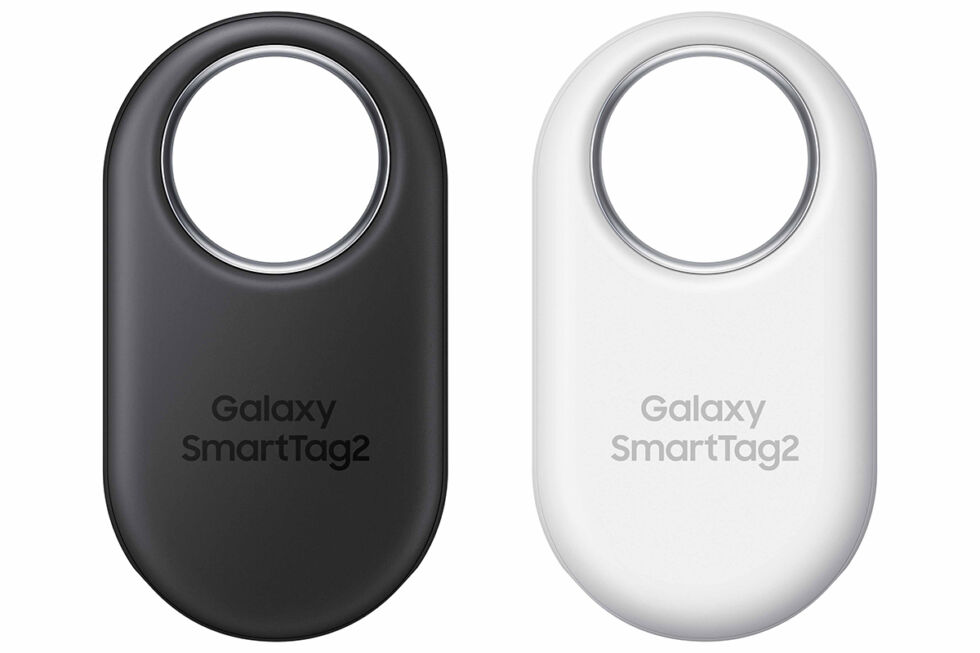

Samsung’s new Bluetooth trackers have a giant keyring on top, UWB support

Samsung has announced its next Tile/AirTag competitor, the Galaxy SmartTag 2. The new Bluetooth trackers are $30 each and ship globally on October 10.

The design is interesting, with a giant ring on the top and a large overall size. Samsung says the battery, a removable CR2032, will last for 500 days in “normal” mode, while a new “Power Saving” mode will last 700 days (Samsung did not expand on what “power saving” mode does). It’s also IP67-rated.

The big ring on top feels like it should somehow attach to an object, but it’s a solid ring that never opens; it’s not a clip. The press release says you’ll need a “clip or keyring” to attach the SmartTag 2 to something. Samsung’s hero shot shows the tag directly attached to some objects like a key, but this does not appear to be possible outside the world of Photoshop.

Read 3 remaining paragraphs | Comments


Source: Ars Technica – Samsung’s new Bluetooth trackers have a giant keyring on top, UWB support

4chan users manipulate AI tools to unleash torrent of racist images

4chan users manipulate AI tools to unleash torrent of racist images

Enlarge (credit: Aurich Lawson | Getty Images)

Despite leading AI companies’ attempts to block users from turning AI image generators into engines of racist content, many 4chan users are still turning to these tools to “quickly flood the Internet with racist garbage,” 404 Media reported.

404 Media uncovered one 4chan thread where users recommended various AI tools, including Stable Diffusion and DALL-E, but specifically linked to Bing AI’s text-to-image generator (which is powered by DALL-E 3) as a “quick method.” After finding the right tool—which could also be a more old-school photo-editing tool like Photoshop—users are instructed to add incendiary captions and share the images on social media to create a blitz of racist images online.

Make captions “funny, provocative,” the thread instructs users. Use “redpilling message (Jews involved in 9/11)” that are “easy to understand.”
Read 8 remaining paragraphs | Comments


Source: Ars Technica – 4chan users manipulate AI tools to unleash torrent of racist images

Apple considered ditching Google for DuckDuckGo in Safari’s private mode

John Giannandrea gestures while speaking at a TechCrunch conference

Enlarge / Apple AI executive and former Google search lead John Giannandrea. (credit: Steve Jennings / TechCrunch / Flickr)

In iOS 17, Apple recently made it easier to use alternatives to Google search in private browsing mode—but the company considered going even further by making DuckDuckGo, which is marketed as a more private alternative, the default choice in that context.

As reported by Bloomberg’s Leah Nylen, the information came to light when Amit Mehta, the US District Judge who is handling the US antitrust trial over Google search, unsealed transcripts of testimonies by DuckDuckGo CEO Gabriel Weinberg and Apple SVP of machine learning and AI strategy John Giannandrea. Giannandrea worked as Google’s head of search before his current role at Apple.

Weinberg claimed in his testimony that his company had 20 or so meetings with Apple about the possibility and that he believed the change would happen based on prior DuckDuckGo integrations make their way into Safari. He even said this was the one proposed integration that didn’t make it “all the way through the finish line.”

Read 5 remaining paragraphs | Comments


Source: Ars Technica – Apple considered ditching Google for DuckDuckGo in Safari’s private mode

Vacuum suction-mounted wireless TV zip lines off faulty walls to safety

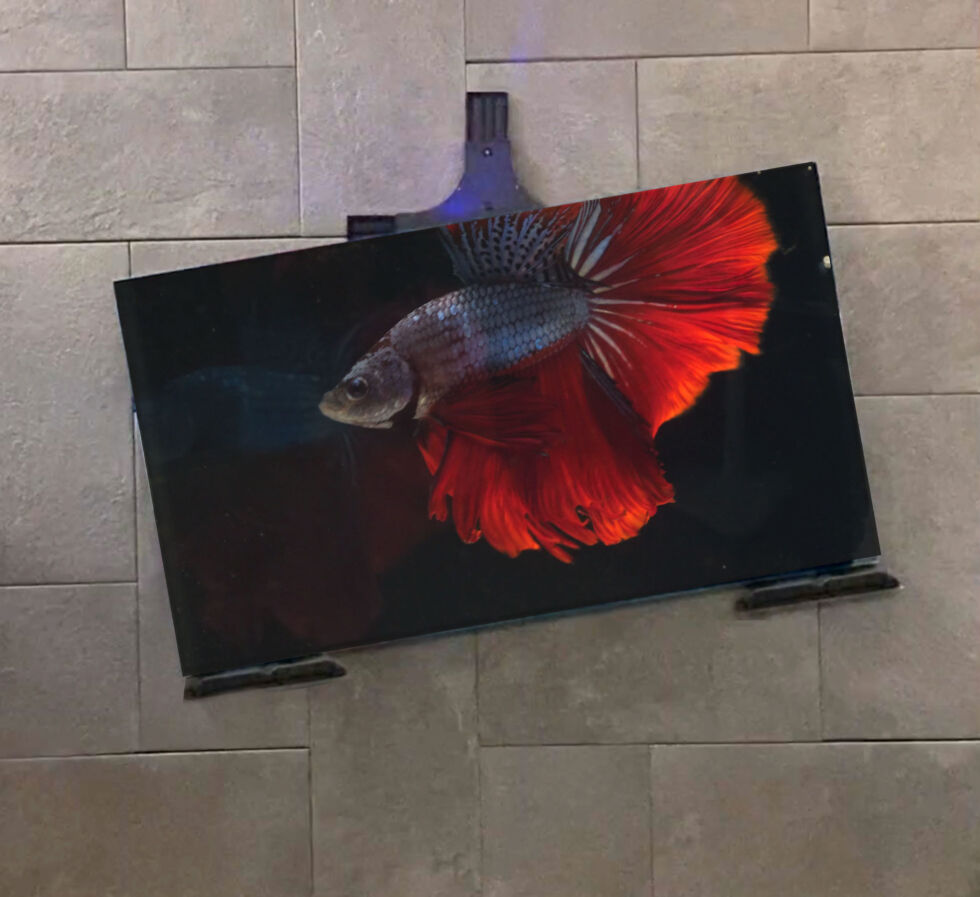
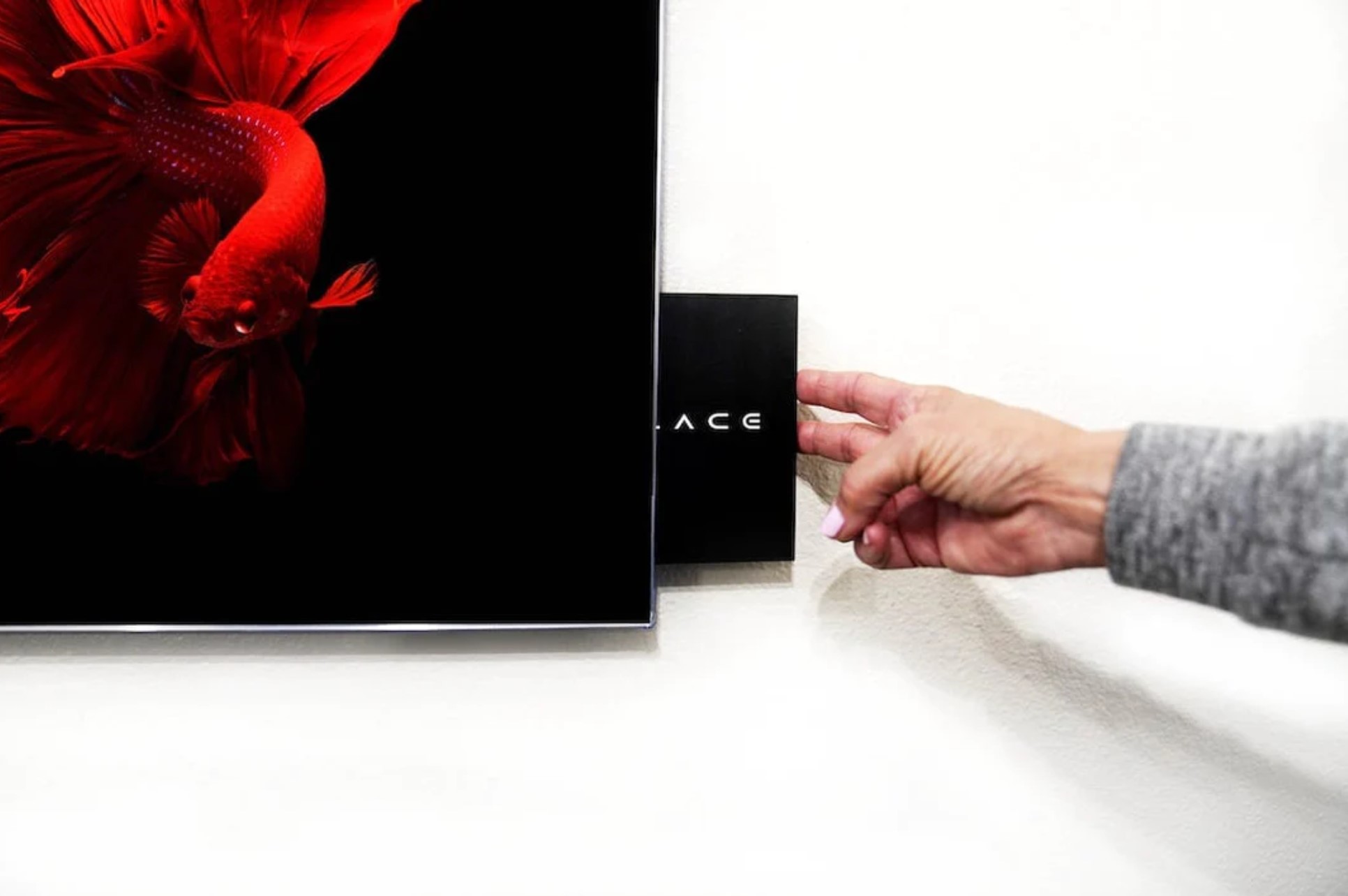
Wall-mounting a big-screen TV can be stressful. You typically need to bore holes in your wall, making precise measurements and location selection critical. And when it comes to stability, you either have to bet on your own skills or have a handier person enter your home (and, possibly, pay them). The upcoming Displace TV seeks to address these concerns with a nail-less, hole-less mounting system that allows the 55-inch screen to zip line down to foam-padded safety if mount security is jeopardized.

Displace, a startup founded in 2022, announced the Displace TV at the CES 2023 trade show in January. The TV is 4K OLED and wireless, meaning it has no power cord or ports. Similar to LG’s OLED M TVs, it gets its content from what Displace calls a “base control unit” computer placed near the television.

This week, Displace demoed new “safety features” for the TV made in response to concerns about the device’s proprietary “active-loop vacuum technology.” The vacuum tech is supposed to securely adhere the TV to painted, ceramic, or glass walls without holes, nails, or other tools. But it relies on TV battery power.

Read 17 remaining paragraphs | Comments


Source: Ars Technica – Vacuum suction-mounted wireless TV zip lines off faulty walls to safety

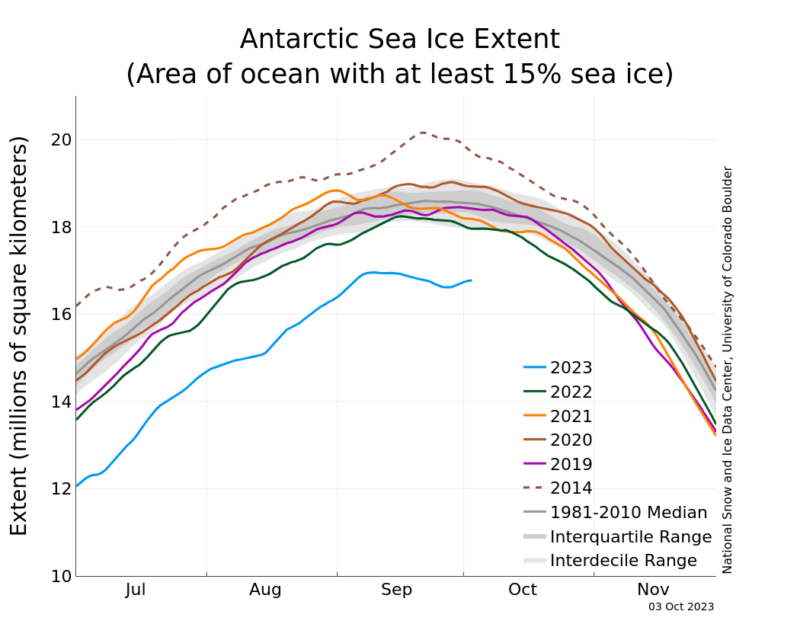
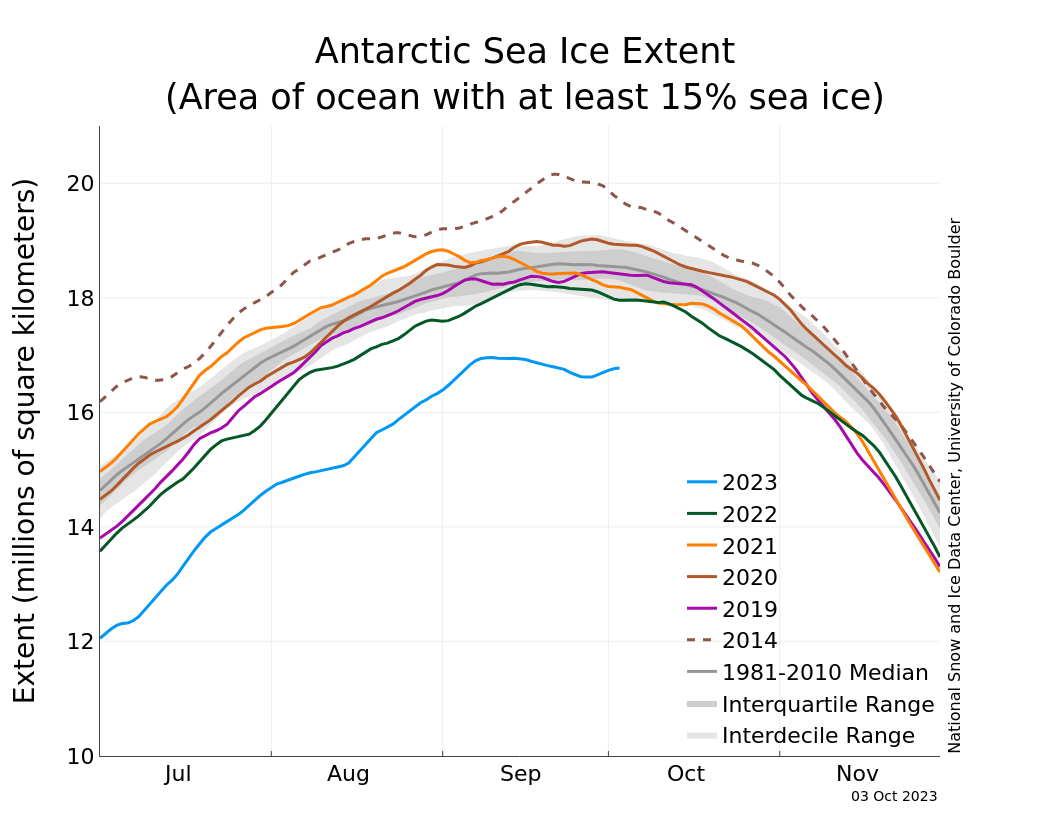
Bizarre year for sea ice notches another record

Read 8 remaining paragraphs | Comments


Source: Ars Technica – Bizarre year for sea ice notches another record

Hundreds of US schools hit by potentially organized swatting hoaxes, report says

An FBI agent takes a photo of a memorial for victims of a mass shooting at Robb Elementary School on May 27, 2022, in Uvalde, Texas. Police were criticized for delaying for more than an hour confronting the shooter. Such criticism has led some police to respond more aggressively to hoax school shooting calls.

Enlarge / An FBI agent takes a photo of a memorial for victims of a mass shooting at Robb Elementary School on May 27, 2022, in Uvalde, Texas. Police were criticized for delaying for more than an hour confronting the shooter. Such criticism has led some police to respond more aggressively to hoax school shooting calls. (credit: Michael M. Santiago / Staff | Getty Images North America)

Within the past year, there have been approximately five times more school shooting hoaxes called in to police than actual school shootings reported in 2023.

Where data from Everytown showed “at least 103 incidents of gunfire on school grounds” in 2023, The Washington Post recently uncovered what seems to be a coordinated campaign of active shooter hoaxes causing “swattings”—where police respond with extreme force to fake crimes—at more than 500 schools nationwide over the past year. In just one day in February, “more than 30 schools were targeted,” The Post reported.

Education safety experts and law enforcement officials told The Post that this “wave of school shooting hoaxes” is unprecedented. And Drew Evans, the superintendent of the Minnesota Bureau of Criminal Apprehension, warned that just because there’s no shooter, that does not mean these schools aren’t endangered by the hoaxes.

Read 26 remaining paragraphs | Comments


Source: Ars Technica – Hundreds of US schools hit by potentially organized swatting hoaxes, report says

We now know how cats purr—why they purr is still up for debate

young tabby cat sitting and staring into camera

Enlarge / “They excised what, now?” Puck is nonetheless intrigued by new findings about the mechanisms behind a cat’s purr. (credit: Jennifer Ouellette)

There are few things more gratifying to cat lovers than a contentedly purring feline. But the precise mechanisms by which kitties produce those pleasant, low-frequency rumblings has been a matter of some debate among scientists. Now a team of Austrian scientists has determined that connective tissues embedded in cats’ vocal cords play a crucial role in this ability, according to a new paper published in the journal Current Biology. The authors argue that their findings call for a reassessment of the current prevailing hypothesis about how cats purr.

Purring is mostly exclusive to cats, although certain other species can produce purr-like sounds, including raccoons, mongooses, kangaroos, badgers, rabbits, and guinea pigs. And cats are usually divided into those that purr (Felinae) and those that roar (Pantherinae); no cat species can do both. The latter category includes lions, tigers, jaguars, and leopards, and scientists have suggested that the roaring capability is due to an incompletely ossified hyoid bone in the larynx. “Purrers,” by contrast, have a completely ossified hyoid, although the purring snow leopard is a rare exception.

We know the fundamental frequency at which cats purr—between 20 to 30 vibrations per second, although purrs can go up to about 150 Hz—but that is lower than expected based on vocal cord anatomy. As a general rule, larger animals have longer vocal cords and thus create lower-frequency sounds. But cats are relatively small, typically weighing on the order of a few kilograms, and their vocal cords are also relatively short. Hence the curiosity about how they produce such low-frequency purrs.

Read 8 remaining paragraphs | Comments


Source: Ars Technica – We now know how cats purr—why they purr is still up for debate

More evidence that humans were in North America over 20,000 years ago

Read 15 remaining paragraphs | Comments


Source: Ars Technica – More evidence that humans were in North America over 20,000 years ago

When will we see an electric BMW M car? We speak to its boss to find out

The badge on the nose of a BMW M4 CSL

Enlarge (credit: BMW)

LISBON, Portugal—Last week we wrote about driving a pair of new M-badged electric BMWs. With the arrival of the i5 M60 and the iX M70, there are now go-fast variants of all four of BMW’s battery-electric vehicles. But as BMW will openly admit, those aren’t true M cars. That’s not to say that BMW’s M Division is afraid of electrification—last year it debuted the XM, a performance plug-in hybrid SUV. And next year, the XM’s powertrain will reappear in a plug-in hybrid M5. But when might we see a purely electric M car?

Conveniently for us, Frank van Meel, CEO of BMW M, was on hand in Portugal to sit down and talk about the future of M performance and electrification. And, as it turns out, we might see a fully electric BMW M car in plenty of time before the end of this decade.

“Well, if you look on social media, you can already see our mule test car with quad motors, because for us, that is a very promising concept for high performance,” van Meel said, referring to recently released photos of a BMW i4 EV with the license plate M HP 4 E.

Read 10 remaining paragraphs | Comments


Source: Ars Technica – When will we see an electric BMW M car? We speak to its boss to find out

Deep Rock Galactic: Rogue Core looks like a tougher, action-minded co-op dig

Screenshot from Deep Rock Galactic: Rogue Core

Enlarge / No bugs, or even weapons beyond a pistol, are seen in Rogue Core’s initial screenshots. But you get the sense that it’s a more cavern-like, combat-minded experience.

A lot of things can go wrong during a Deep Rock Galactic mission. Deep Rock Galactic: Rogue Core, a new roguelite spinoff from the makers of the cult co-op shoot-and-mine game, suggests that something has gone even more deeply, terribly wrong on Hoxxes IV. Now you, your friends, and a Processor Drone have to figure out what.

And you’ll die—a lot, probably—then try again with new gear and lessons learned, if the title and announcement trailer are anything to go by.

Deep Rock Galactic: Rogue Core announcement trailer.


You can wishlist Rogue Core on Steam now, and the game will launch in Early Access, which is anticipated to last for 18–24 months, in November 2024. Closed alpha tests will be announced on the game’s Steam page and
fan DiscordDeep Rock’s developer, Ghost Ship Games, promises “updates on the game’s direction right from the very earliest stage of development” and will be “adding new features to the game based on feedback and observations of how our community is playing it. Each feature will be tweaked, balanced, and polished as it is added.”

Mikkel Martin Pedersen, co-founder and game director at Ghost Ship Games, said in a press release that the company intends to keep fans in the loop, as “our process of open development helped Deep Rock Galactic be the game it has become.” The developer also emphasized that support for the original game will continue.

The game’s teaser trailer provides only a minimum of context for the plot. It’s heavy on the Ridley Scott Alien touches, right down to a Lego brick of a ship coasting toward a planet where the corporation has lost contact with workers who were mining near the planet’s core. Your “Reclaimers” team has to reestablish the dig. That’s about all we know for now.


Then again, the plot of Deep Rock Galactic itself, while certainly peppered with lore, is essentially “We need these minerals, these bugs are in the way, sorry if they kill you.” Rogue Core will have the same fully destructible environments, procedurally generated levels, co-op interplay, and greedy corporations, but with a focus on getting farther into a run each time.

Your means of success is through customizing and upgrading your weapons and Phase Suit, using salvaged gear and Expenite, “a new wonder-mineral.” You complete tasks, find stuff, go deeper, and get stronger, until you inevitably fail and start again. Given the roguelite framing, you can expect some upgrades to stick with you from session to session. But Rogue may differ significantly from the far more casual, dig-by-dig nature of its foundation, if the claustrophobic, abandoned-station screenshots and trailer are any clue.

Read 1 remaining paragraphs | Comments


Source: Ars Technica – Deep Rock Galactic: Rogue Core looks like a tougher, action-minded co-op dig

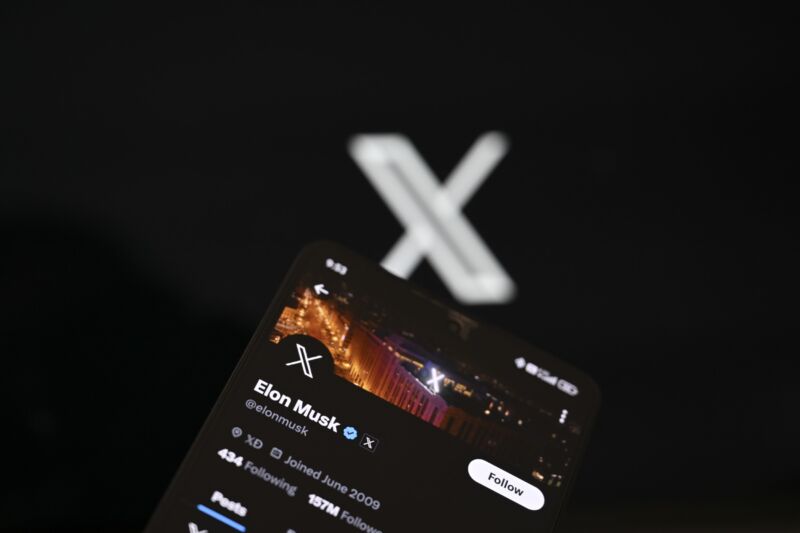
Twitter/X strips headlines out of news links: “It’s something Elon wants”

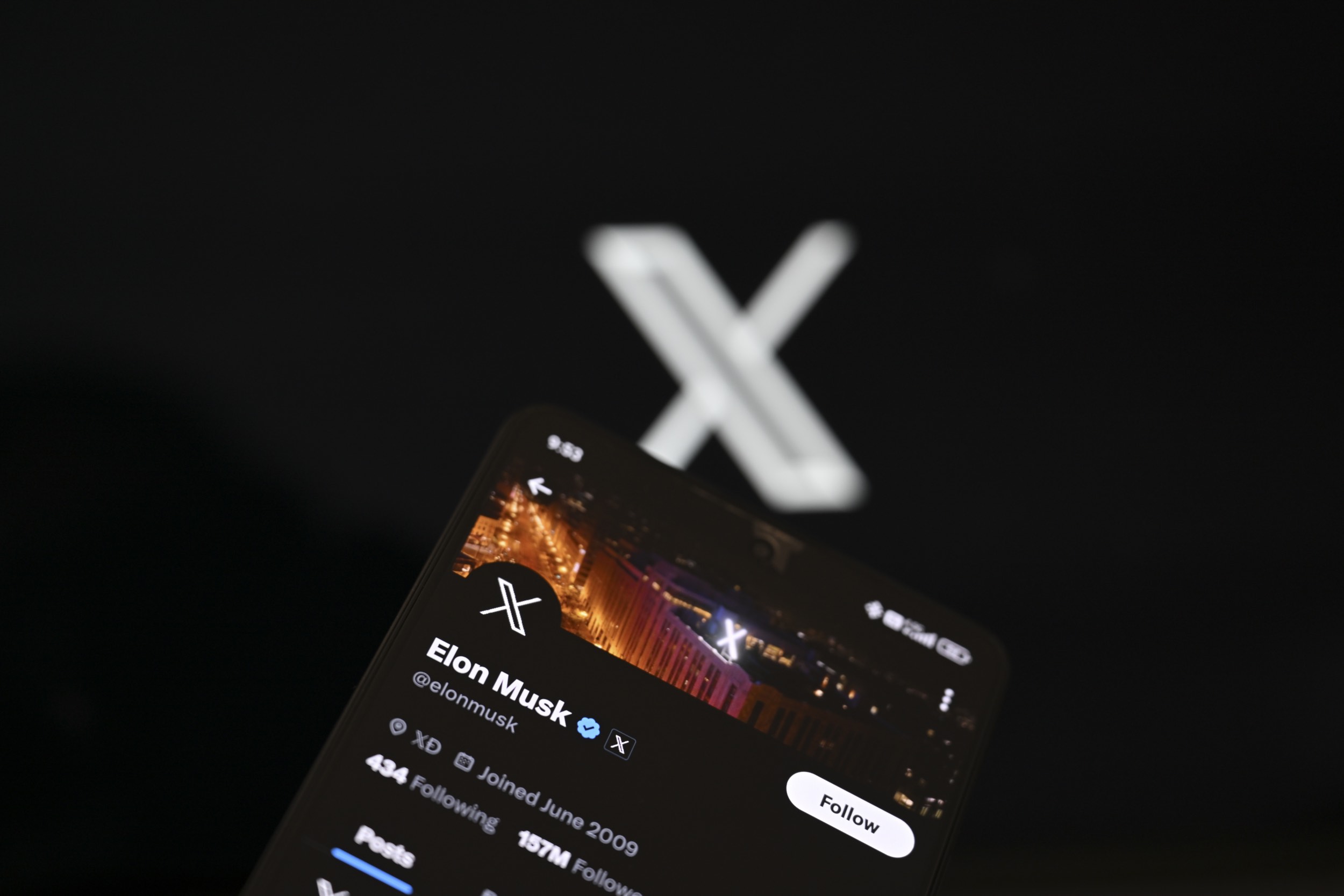
Photo illustration shows Elon Musk's X account displayed on a mobile phone screen in front of a computer screen that displays the X logo.

Enlarge (credit: Getty Images | Anadolu Agency)

Elon Musk doesn’t want any news headlines on the social network formerly named Twitter. A change that started rolling out yesterday strips headlines out of news links, which Musk claims will make links look better on the social network that he renamed X.

“This is coming from me directly. Will greatly improve the esthetics,” Musk wrote in a twitter.com post on August 22 after the change was reported to be in the works. The change is now live on the mobile app and web version but hasn’t made its way to all of the company’s apps. News link headlines continue to be displayed today on the Mac app, which is still called Twitter and hasn’t been updated in nearly a year.

Previously, posting a news link on X/Twitter would create a box with the article’s lead image, headline, and the domain of the news site. Now, a news link on X is just the article image with the site domain (e.g., arstechnica.com) superimposed on the bottom left. Clicking the image will take you to the news site’s article.

Read 8 remaining paragraphs | Comments


Source: Ars Technica – Twitter/X strips headlines out of news links: “It’s something Elon wants”

How much snow does Mars receive?

Some of the ice near the South Pole of Mars stays around all year long.

Enlarge / Some of the ice near the South Pole of Mars stays around all year long. (credit: NASA/JPL-Caltech/Univ. of Arizona)

Mars is a vast, frozen desert. Nowhere is that more evident than at its poles, which are the coldest regions on the planet. However, it looks like the weather forecast for its harsh winters and slightly more forgiving springs could be different from we thought.

Like Earth, Mars has a volatile cycle that sees snow and ice levels fluctuate as temperatures plummet in the winter and start to rise again in the spring. Unlike Earth, Martian snowfall includes CO2 snow and is influenced by different phenomena. Now, a team of researchers led by Haifeng Xiao of Berlin Technical University in Germany is reexamining the change in snowfall over the course of a year at the Martian north pole. Their findings suggest that forces such as sublimation might mean there is more snow in the winter—and less in the spring—than previously thought.

“We propose to use the shadow variations [of ice blocks] to infer the seasonal depths at high polar latitudes,” Xiao and his team said in a draft manuscript recently published in the Earth and Space Science Open Archive.

Read 8 remaining paragraphs | Comments


Source: Ars Technica – How much snow does Mars receive?

September’s record-setting temps were “absolutely gobsmackingly bananas”

figured silhouetted against the setting sun

Enlarge (credit: Luis Sinco/Los Angeles Times/Getty Images)

The global temperature numbers for September are in, and they are not good. “This month was, in my professional opinion as a climate scientist—absolutely gobsmackingly bananas,” Zeke Hausfather posted Tuesday on X (formerly known as Twitter).

Kristina Dahl, principal climate scientist at the Union of Concerned Scientists, read that post yesterday. “I’ve been sitting at my desk trying to think of a better way to describe that, but I can’t,” Dahl says. “It’s just shocking.”

“Concerning, worrying, wild—whatever superlative you want to use,” says Kate Marvel, senior scientist at Project Drawdown, a nonprofit that fights climate change. “That’s what it is.”

Read 12 remaining paragraphs | Comments


Source: Ars Technica – September’s record-setting temps were “absolutely gobsmackingly bananas”

Hyundai is switching to Tesla-style NACS plugs for its EVs in late 2024

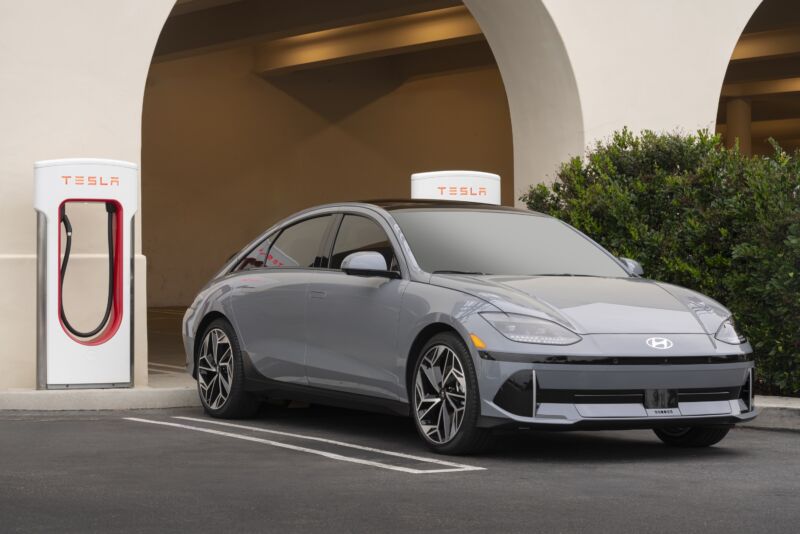
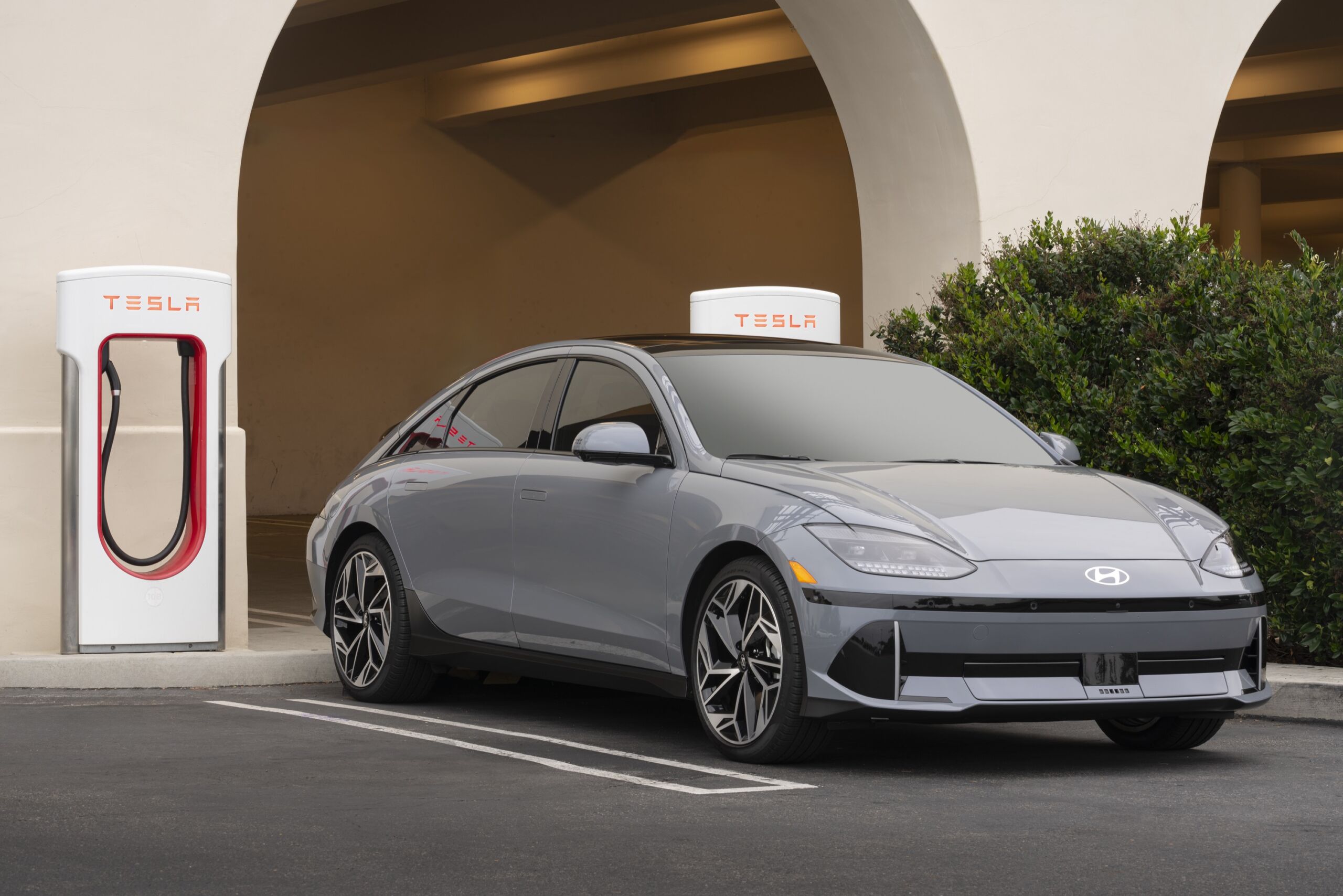
A grey Hyundai Ioniq 6 is parked next to a Tesla Supercharger

Enlarge (credit: Hyundai)

On Thursday morning, Hyundai announced that it’s the latest automaker to adopt the North American Charging Standard for its battery electric vehicles. Developed by Tesla, NACS was opened up late last year and, since this May, has seen a flurry of automakers pledge to drop the existing Combined Charging Standard plug for the smaller, lighter NACS alternative, together with deals negotiating access to Tesla’s robust Supercharger network in the process.

Ford went first, and all the subsequent announcements followed the same pattern: native NACS ports built into new EVs from 2025, with a CCS-NACS adapter made available in 2024 to allow those other brands’ EVs to charge at Supercharger stations.

Today’s timeline is slightly different, just to make sure we’re paying attention. Hyundai says that it’s going to start building NACS ports (instead of CCS1) into “all-new or refreshed Hyundai EVs” for the US market in Q4 2024, with Canadian EVs following suit in the first half of 2025.

Read 4 remaining paragraphs | Comments


Source: Ars Technica – Hyundai is switching to Tesla-style NACS plugs for its EVs in late 2024

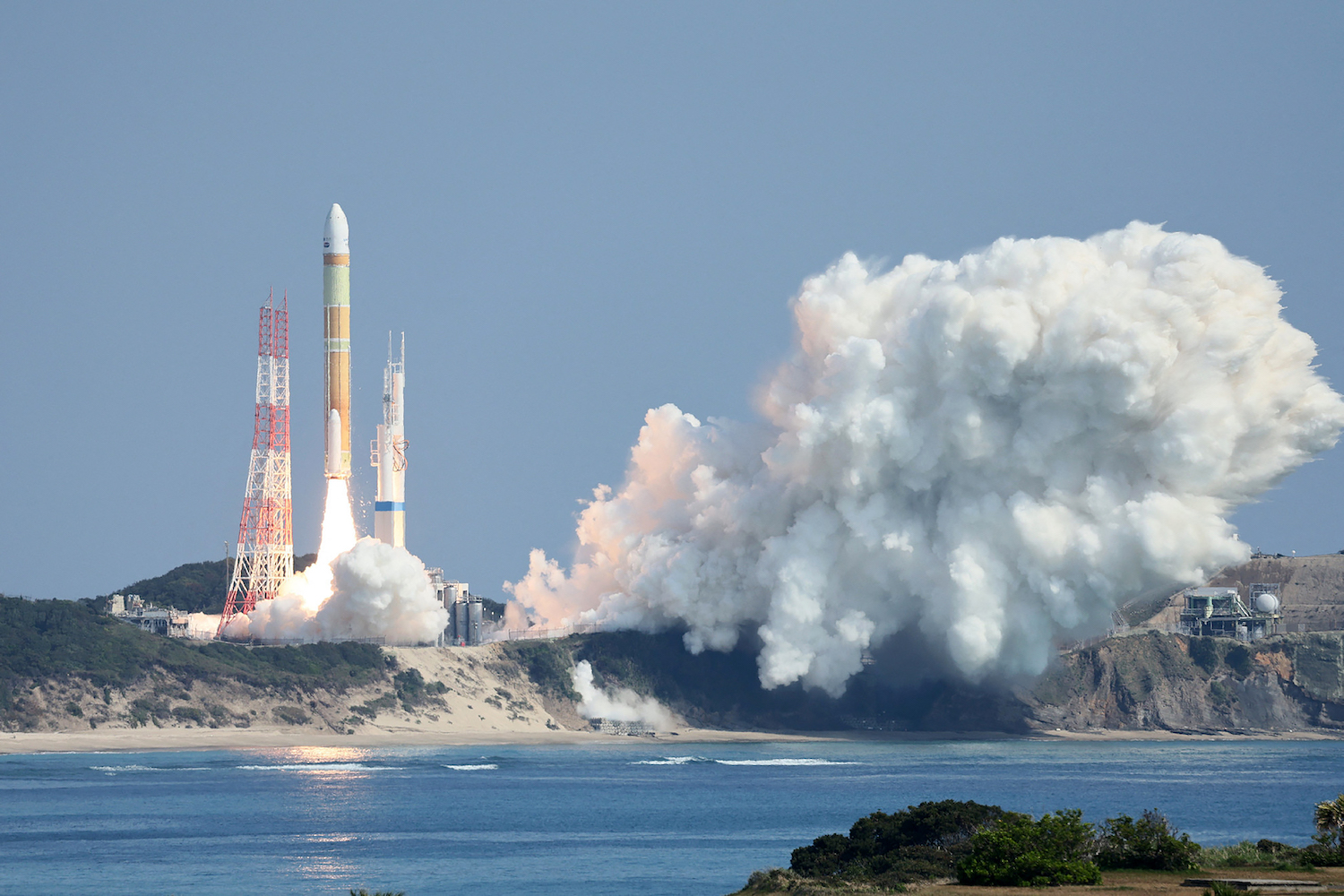
Japan is studying a reusable rocket, but it won’t fly before 2030

Read 16 remaining paragraphs | Comments


Source: Ars Technica – Japan is studying a reusable rocket, but it won’t fly before 2030

Vulnerabilities in Supermicro BMCs could allow for unkillable server rootkits

Read 13 remaining paragraphs | Comments


Source: Ars Technica – Vulnerabilities in Supermicro BMCs could allow for unkillable server rootkits

Colorful quantum dots snag 2023 Nobel Prize in Chemistry

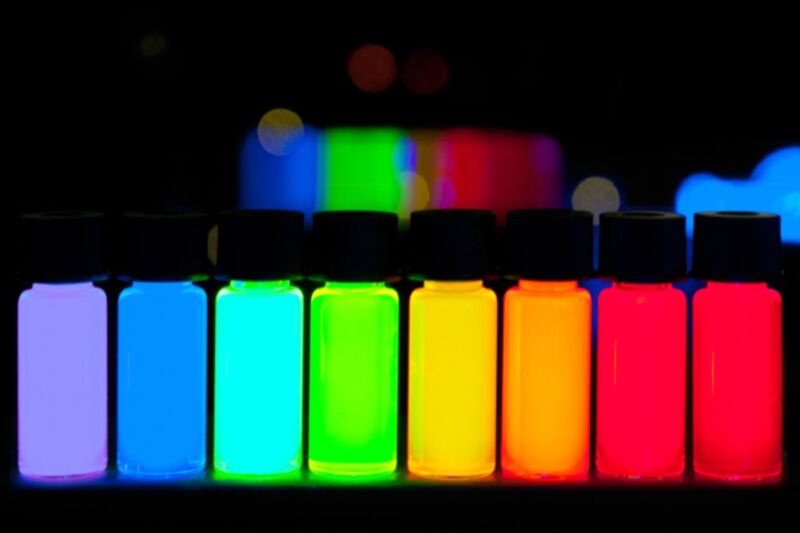
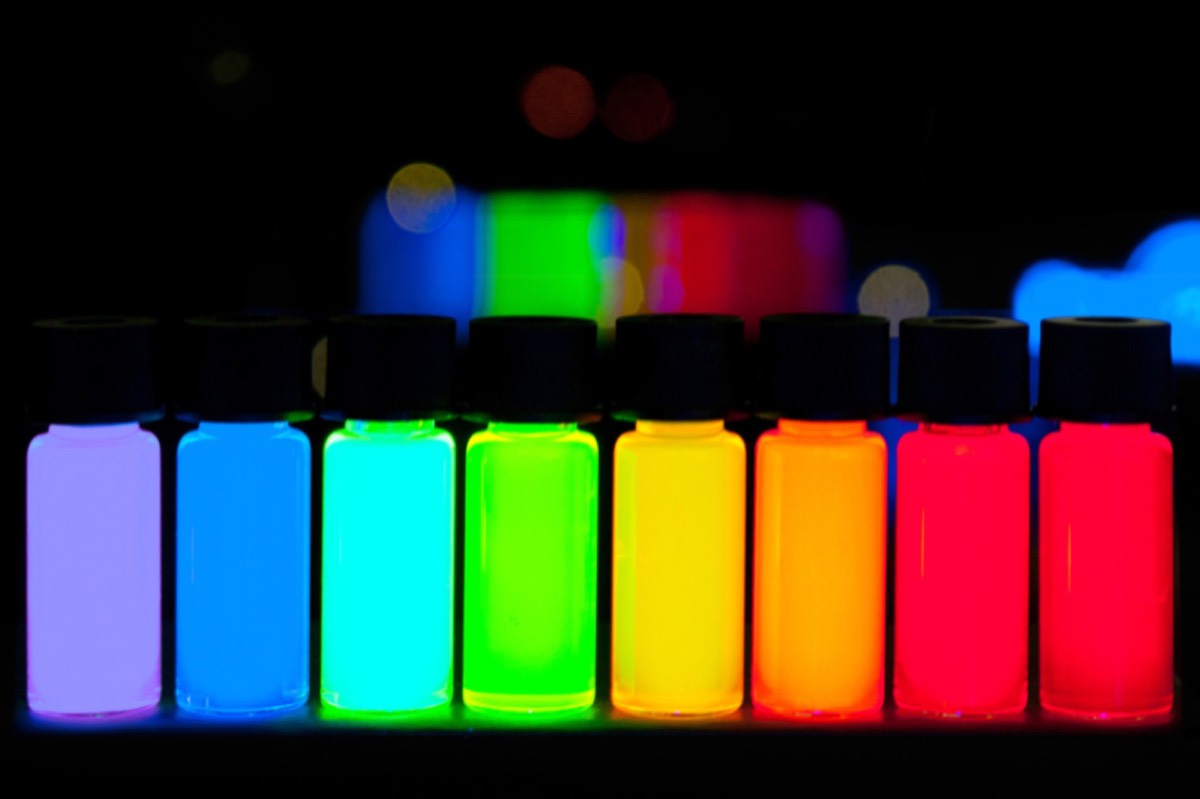
Vials of Quantum dots with gradually stepping emission from violet to deep red

Enlarge / Vials of quantum dots with gradually stepping emission from violet to deep red. (credit: Antipoff/CC BY-SA 3.0)

Once thought impossible to make, quantum dots have become a common component in computer monitors, TV screens, and LED lamps, among other uses. Three of the scientists who pioneered these colorful nanocrystals—Moungi G. Bawendi, Louis E. Brus, and Alexei I. Ekimov—have been awarded the 2023 Nobel Prize in Chemistry by the Royal Swedish Academy of Sciences for the discovery and synthesis of quantum dots.” The news had already leaked in the Swedish news media—a rare occurrence—when Johan Aqvist, chair of the Academy’s Nobel committee for chemistry, made the official announcement, complete with five flasks containing quantum dots of many colors lined up before him as a visual aid.

A quantum dot is a small semiconducting bead with a few tens of atoms in diameter. Billions could fit on the head of a pin, and the smaller you can make them, the better. At those small scales, quantum effects kick in and give the dots superior electrical and optical properties. They glow brightly when zapped with light, and the color of that light is determined by the size of the quantum dots. Bigger dots emit redder light; smaller dots emit bluer light. So, you can tailor quantum dots to specific frequencies of light just by changing their size.

Physicists had thought since the 1930s that particles at the nanoscale would behave differently. That’s because, according to quantum mechanics, there is much less space for electrons when particles are that small, squeezing electrons together so tightly that material properties can change dramatically. Scientists succeeded in making nanoscale-thin films on top of bulk materials in the 1970s that had size-dependent optical properties, in keeping with those earlier predictions. But making those films required ultra-high vacuum conditions and temperatures near absolute zero, so nobody expected them to have much practical use.

Read 12 remaining paragraphs | Comments


Source: Ars Technica – Colorful quantum dots snag 2023 Nobel Prize in Chemistry

Report: Amazon made $1B with secret algorithm for spiking prices Internet-wide

Report: Amazon made $1B with secret algorithm for spiking prices Internet-wide

Enlarge (credit: Bloomberg / Contributor | Bloomberg)

Last week, the Federal Trade Commission sued Amazon, alleging that the online retailer was illegally maintaining a monopoly. Much of the FTC’s complaint against Amazon was redacted, but The Wall Street Journal yesterday revealed key details obscured in the complaint regarding a secret algorithm. The FTC alleged that Amazon once used the algorithm to raise prices across the most popular online shopping destinations.

People familiar with the FTC’s allegations in the complaint told the Journal that it all started when Amazon developed an algorithm code-named “Project Nessie.” It allegedly works by manipulating rivals’ weaker pricing algorithms and locking competitors into higher prices. The controversial algorithm was allegedly used for years and helped Amazon to “improve its profits on items across shopping categories” and “led competitors to raise their prices and charge customers more,” the WSJ reported.

The FTC’s complaint said:

Read 24 remaining paragraphs | Comments


Source: Ars Technica – Report: Amazon made B with secret algorithm for spiking prices Internet-wide

Apple fixes overheating problems and 0-day security flaw with iOS 17.0.3 update

iPhones running iOS 17.

Enlarge / iPhones running iOS 17. (credit: Apple)

When Apple released its statement about iPhone 15 Pro overheating issues earlier this week, the company indicated that an iOS update would be able to partially address that issue. That update has arrived today in the form of iOS 17.0.3, an update which claims to address “an issue that may cause iPhone to run warmer than expected,” as well as patching a pair of security exploits.

Apple also said that specific apps like Instagram and Uber were also causing phones to heat up and that it was working with developers on fixes. The iPhonedo YouTube channel recently demonstrated that version 302.0 of the Instagram app running on iOS 17 could also make iPhone 14 Pro phones and even an iPad Pro run hot, confirming that the issue wasn’t unique to the new phones.

Initial reports claimed that the iPhone 15 Pro’s new Apple A17 Pro chip, its new 3 nm manufacturing process, and/or the phone’s new titanium frame could be causing or exacerbating the heat problems. Apple has denied these claims. Even after the fix, you can still expect a new iPhone to run a bit warm during and immediately after initial setup, as it downloads apps and data and performs other background tasks.

Read 4 remaining paragraphs | Comments


Source: Ars Technica – Apple fixes overheating problems and 0-day security flaw with iOS 17.0.3 update