Kia EV3, EV4 concepts look like the future, will soon be a reality

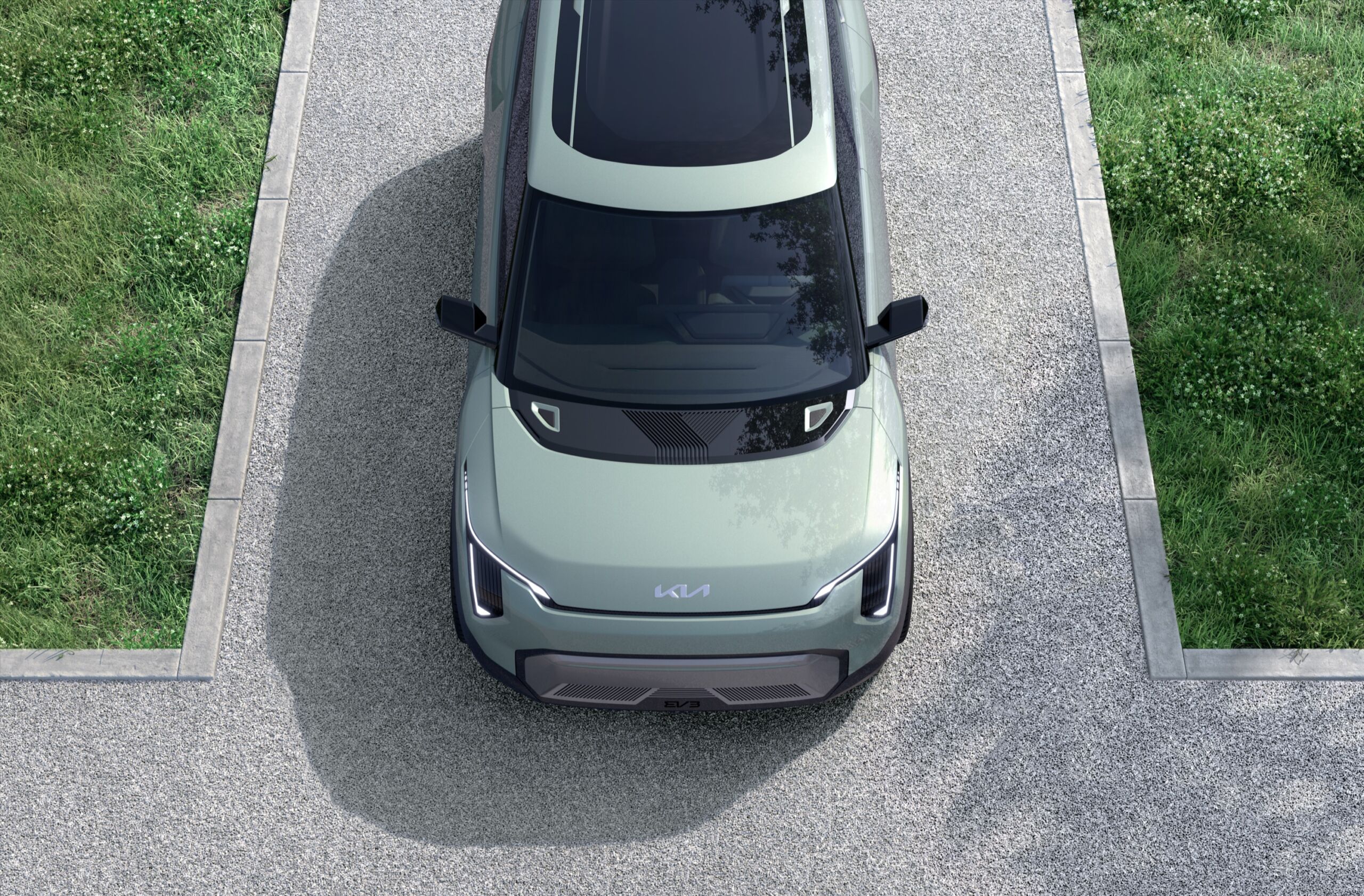
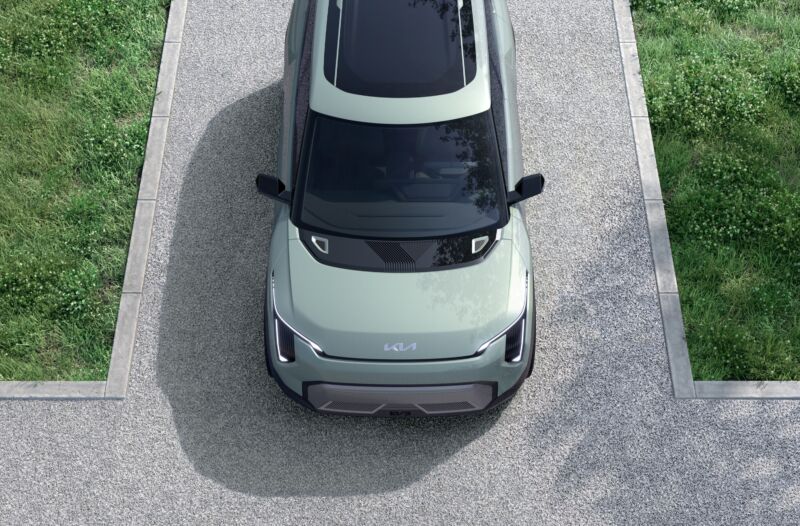
A top-down look at the front half of the Kia EV3 concept

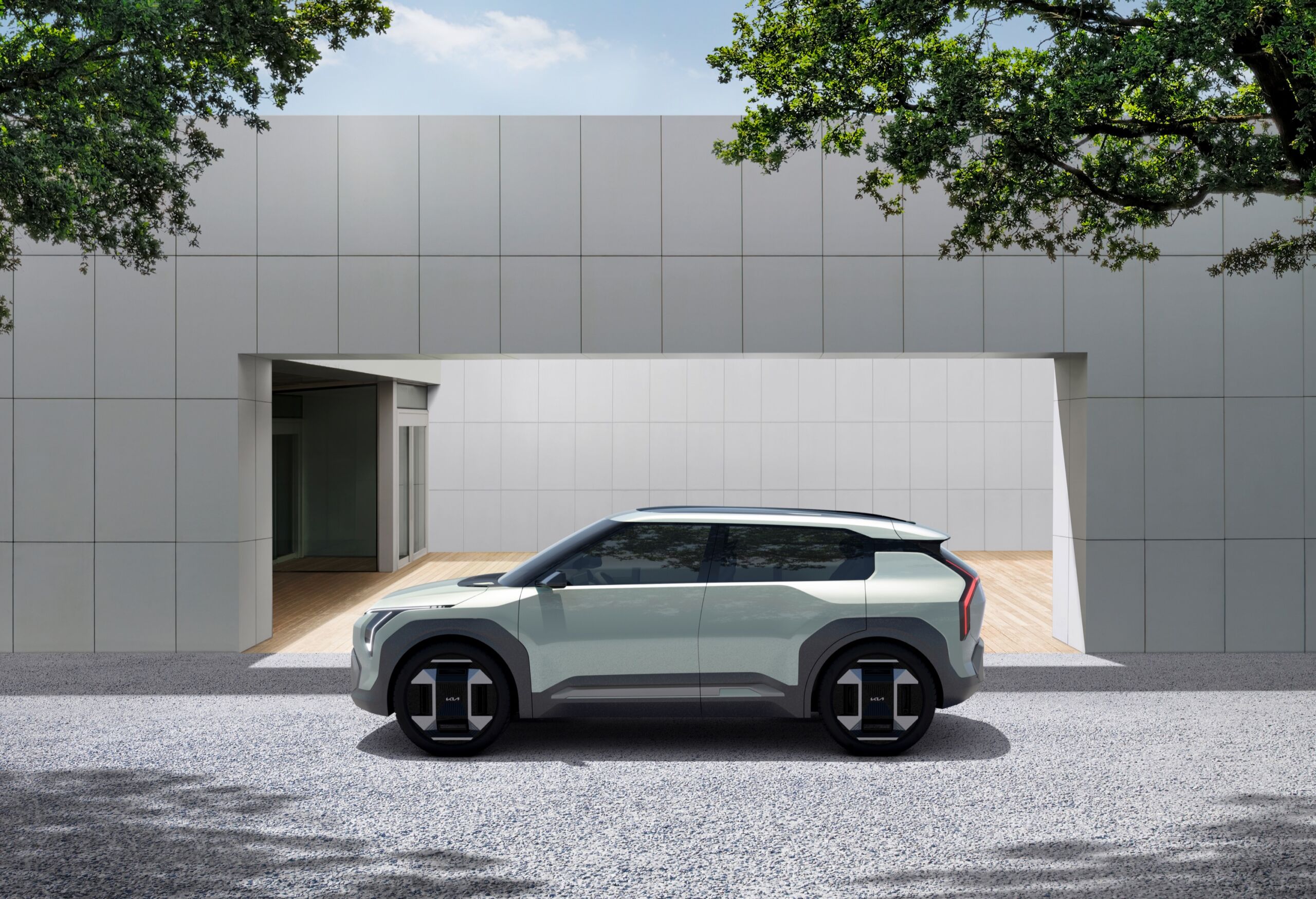
Enlarge / Around the world people are asking for smaller electric vehicles. Someone at Kia has been listening and designed this car, the EV3. (credit: Kia)

Kia is staring down an ambitious goal. The company wants to increase its global electric vehicle sales to 1 million units annually by 2026, further ramping up to 1.6 million by 2030. New products like the EV5 crossover and EV9 SUV will certainly help with this push, but smaller, more affordable EVs will be crucial to Kia’s success, as well. That’s why, despite being called concept cars, the new EV3 and EV4 are thinly veiled glimpses into Kia’s next round of production EVs.

Unveiled at Kia’s EV Day event in South Korea this week, the EV3 and EV4 will arrive in the next few years. The company also spoke about an even smaller EV2 that will be designed for Europe and emerging markets, with the goal for that car being a super-low starting price—something around the equivalent of $30,000.
The EV3 and EV4 ride on the same E-GMP electric vehicle architecture that underpins the Kia EV6 and EV9, as well as sister vehicles like the Hyundai Ioniq 5, Ioniq 6, and Genesis GV60. However, while the current crop of E-GMP vehicles are built with 800 V electrical architecture giving them fast charging speeds, the EV3 and EV4 will use a slightly more cost-effective version of this platform with a 400 V system. That’s a bummer; one of the big highlights of cars like the Kia EV6 is its ability to charge at a max rate of 233 kW. With the EV3 and EV4, we could be looking at a maximum rate of 150 kW—or less.

Read 7 remaining paragraphs | Comments


Source: Ars Technica – Kia EV3, EV4 concepts look like the future, will soon be a reality

Common red food dye banned in Calif.—30 years after FDA found cancer risk in rats

The famous Easter candy Peeps, made by Just Born Quality Confections, are displayed on April 7, 2023 in New York, US. Consumer Reports announced in a recent press release that it had contacted Just Born Quality Confections earlier this year about concerns over the company's use of red dye No. 3 in the Peeps candies, which has been found to cause cancer in animals.
Enlarge / The famous Easter candy Peeps, made by Just Born Quality Confections, are displayed on April 7, 2023 in New York, US. Consumer Reports announced in a recent press release that it had contacted Just Born Quality Confections earlier this year about concerns over the company’s use of red dye No. 3 in the Peeps candies, which has been found to cause cancer in animals. (credit: Getty | Fatih Aktas)


Last weekend, California outlawed a common red food dye that is otherwise deemed safe by the Food and Drug Administration—the first such ban in the country and one that puzzlingly comes over three decades after the FDA determined the dye causes cancer in rats and banned it from lipsticks and other cosmetics, but not foods.

The dye is FD&C Red No. 3, also known as red dye No. 3. Today, it is found in thousands of food products—from Brach’s Candy Corn and varieties of Nerds, Peeps, Pez, candy canes, Fruit by the Foot, to Entenmann’s Little Bites Mini Muffins, Betty Crocker mashed potatoes, fruit cocktail,  PediaSure nutritional shakes, and MorningStar Farm’s veggie bacon strips.

But, back in 1990, the FDA carefully reviewed decades’ worth of animal studies on red dye No. 3 and determined that “FD&C Red No. 3 has been shown to induce cancer in appropriate tests,” and is therefore “unsafe for use in externally applied drugs and externally applied cosmetics and cannot be listed.” Even though the risk appeared small, the agency’s decision hinged on the Delaney Clause of 1958, which requires the FDA to ban any food additive that is shown to induce cancer in humans or animals.

Read 18 remaining paragraphs | Comments


Source: Ars Technica – Common red food dye banned in Calif.—30 years after FDA found cancer risk in rats

25 of the most popular Amazon Prime Day deals with Ars Technica readers

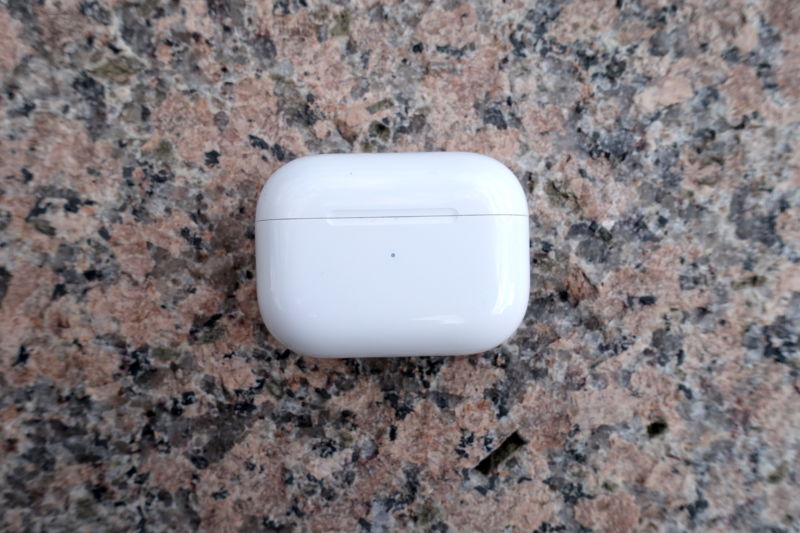
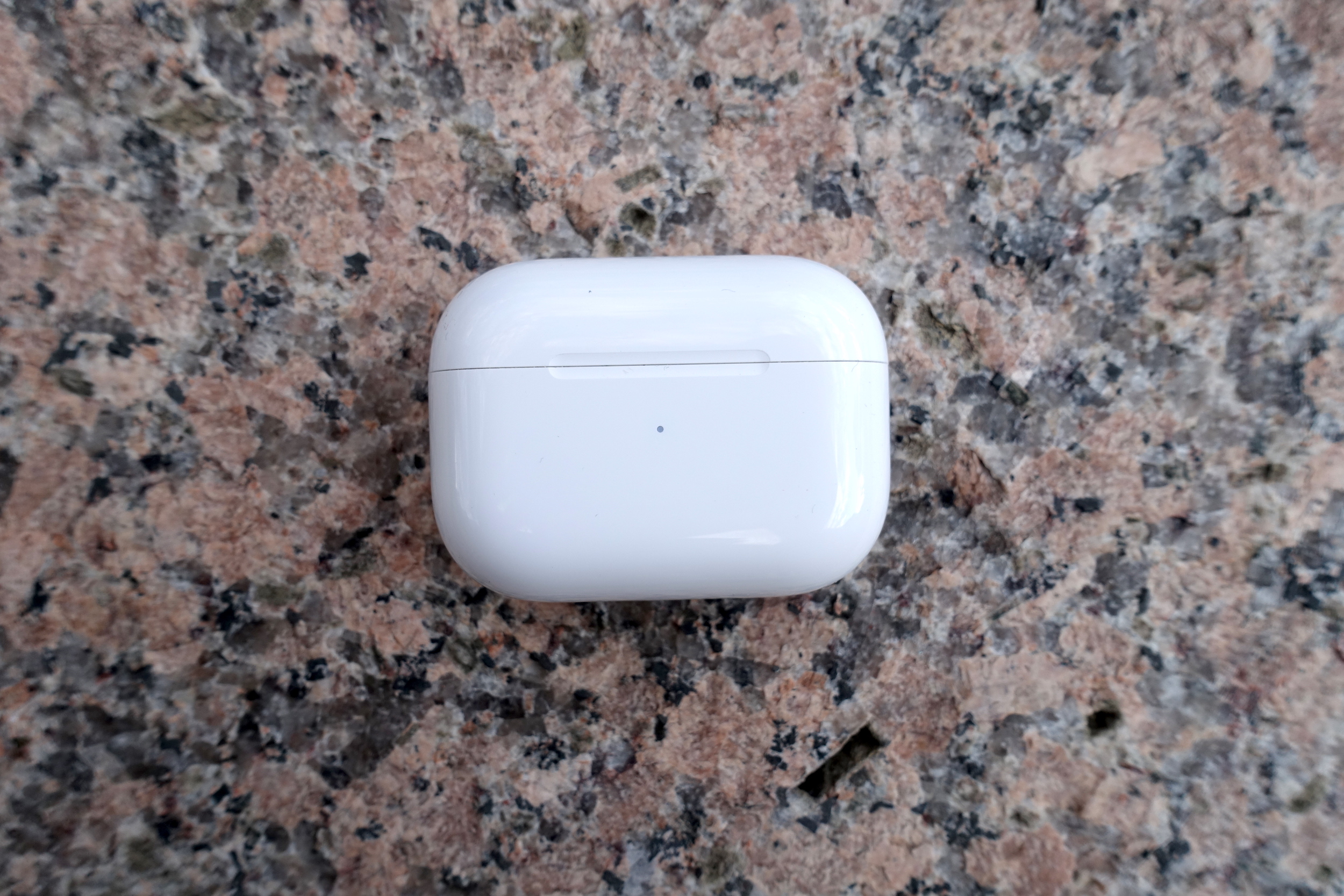
apple airpods pro

Enlarge / The case for AirPods Pro. (credit: Jeff Dunn)

Amazon’s Prime Big Deal Days are coming to a close, but there’s still time to grab something before the oddly named sale ends. As we look toward wrapping things up, we’re sharing some of the products that have been most popular with Ars Technica readers these past couple of days, both on Amazon and elsewhere. From obvious picks like the AirPods Pro to unexpected ones like a hydroponic garden kit and a DeWalt circular saw, here are some of the cool, weird, and wonderful things Ars readers bought during Amazon’s big October sales event.

  • Apple AirPods Pro (2nd Gen/USB-C) Wireless Earbuds with Active Noise Cancelling for $189 (was $249) at Amazon
  • Apple iPad (9th Generation) for $249 (was $329) at Amazon
  • Bose QuietComfort 45 Wireless Noise Canceling Headphones for $229 (was $329) at Amazon
  • Anker USB C Docking Station, PowerExpand 9-in-1 PD Dock for $80 (was $150) at Amazon
  • Teenage Mutant Ninja Turtles: Shredder’s Revenge – Nintendo Switch for $23 (was $35) at Amazon
  • AeroGarden Harvest with Gourmet Herb Seed Pod Kit – Hydroponic Indoor Garden for $50 (was $165) at Amazon
  • PNY 512GB Turbo Attaché 3 USB 3.2 Flash Drive for $26 (was $38) at Amazon
  • Catan (Base Game) Adventure Board Game for Adults and Family for $27 (was $49) at Amazon
  • Vitamix 5200 Blender, Professional-Grade for $300 (was $550) at Amazon
  • Govee RGBIC Floor Lamp, LED Corner Lamp for $60 (was $100) at Amazon
  • Cuphead – Nintendo Switch for $25 (was $40) at Amazon
  • DeWalt 20 V MAX* Circular Saw, 6-1/2-Inch, Cordless, Tool Only for $137 (was $219) at Amazon
  • Logitech MX Keys Advanced Wireless Illuminated Keyboard for $89 (was $120) at Amazon
  • Sony WH-1000XM4 Wireless Premium Noise Canceling Overhead Headphones for $248 (was $348) at Amazon
  • Wireless Switch Controller for Nintendo Switch/Lite/OLED Controller for $24 (was $27) at Amazon
  • Office Chair, Ergonomic Desk Chair with Adjustable Lumbar Support for $100 (was $190) at Amazon
  • Dyson V12 Detect Slim Absolute vacuum for $440 (was $640) at Dyson
  • iRobot Roomba j6+ (6550) Self-Emptying Robot Vacuum for $605 (was $800) at Amazon
  • DeWalt Powerstack 20 V MAX Battery, Rechargeable, 5Ah, Lithium Ion, 2-Pack for $250 (was $349) at Amazon
  • LG UltraWide QHD 34-inch Curved Computer Monitor 34WQ73A-B for $330 (was $470) at Amazon
  • Crest 3D White Glamorous White Whitestrips – 28 Strips for $39 (was $44) at Amazon
  • Beats Solo 3 Wireless On-Ear Headphones for $100 (was $200) at Amazon
  • Apple AirTag 4 Pack for $89 (was $99) at Amazon
  • Apple MacBook Air 13.3-inch Laptop M1 for $750 (was $999) at Amazon
  • Samsung Galaxy S23 Plus for $800 (was $1,000) at Amazon

For more shopping ideas, deals, and savings, be sure to check out our buying guides for last-minute inspiration if you’re looking to load up your Amazon shopping cart in the final hours of the Prime Big Deal Days sale:

Ars Technica may earn compensation for sales from links on this post through affiliate programs.

Read on Ars Technica | Comments


Source: Ars Technica – 25 of the most popular Amazon Prime Day deals with Ars Technica readers

Planet collision explains star’s brightening, then dimming

Read 12 remaining paragraphs | Comments


Source: Ars Technica – Planet collision explains star’s brightening, then dimming

NASA finds water and organics in asteroid sample—possible clues to origin of life

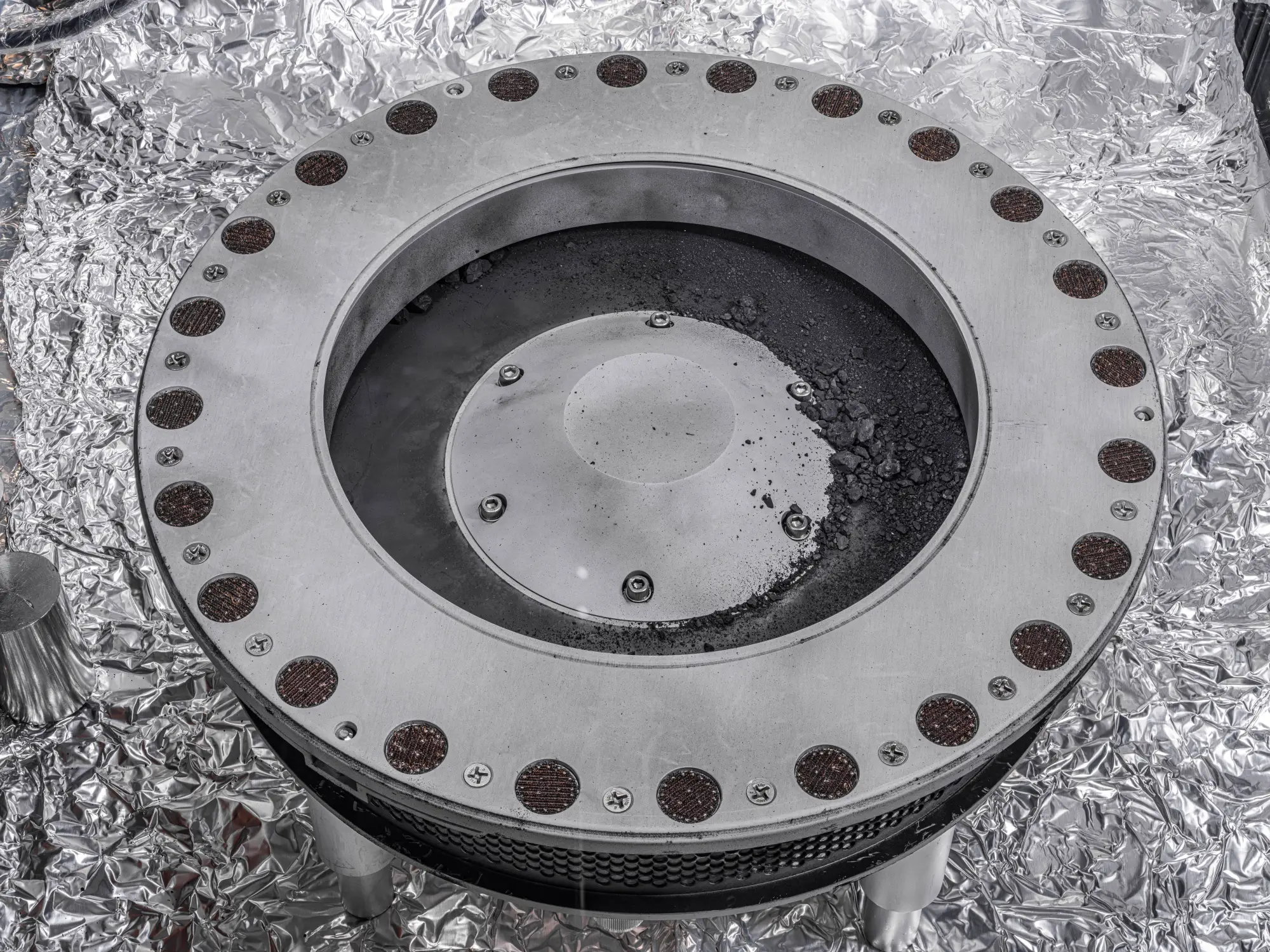
A view of the outside of the OSIRIS-REx sample collector. Scientists have found evidence of both carbon and water in initial analysis of this material. The bulk of the sample is located inside.

Enlarge / A view of the outside of the OSIRIS-REx sample collector. Scientists have found evidence of both carbon and water in initial analysis of this material. The bulk of the sample is located inside. (credit: NASA/Erika Blumenfeld & Joseph Aebersold)

JOHNSON SPACE CENTER, Texas—As they unveiled the first samples recovered from an asteroid on Wednesday, scientists were giddy at the prospects of what this material will tell us about the origin of our planet and possibly even ourselves.

After seven years in space, a small spacecraft carrying samples from the asteroid Bennu landed in a Utah desert in late September. Following carefully choreographed procedures to prevent the contamination of the asteroid dust and rocks from life on Earth, the samples were transferred to a clean room at Johnson Space Center in Houston two weeks ago. Since then, scientists have examined some of the material that was collected outside of the primary container to glean some initial insights. They revealed some of their first data during an event at the center on Wednesday.

“Boy, did we really nail it,” said Dante Lauretta, a scientist from the University of Arizona who is the principal investigator of the OSIRIS-REx mission.

Read 17 remaining paragraphs | Comments


Source: Ars Technica – NASA finds water and organics in asteroid sample—possible clues to origin of life

Adobe launches new symbol to tag AI-generated content—but will anyone use it?

The Content Credentials logo in front of a penguin desert background.

Enlarge / The Content Credentials “CR” logo presented in front of an AI-generated image provided by Adobe. (credit: Adobe)

On Tuesday, Adobe announced a new symbol designed to indicate when content has been generated or altered using AI tools, reports The Verge, as well as verifying the provenance of non-AI media. The symbol, created in collaboration with other industry players as part of the Coalition for Content Provenance and Authenticity (C2PA), aims to bring transparency to media creation and reduce the impact of misinformation or deepfakes online. Whether it will actually do so in practice is uncertain.

The Content Credentials symbol, which looks like a lowercase “CR” in a curved bubble with a right angle in the lower-right corner, reflects the presence of metadata stored in a PDF, photo, or video file that includes information about the content’s origin and the tools (both AI and conventional) used in its creation. The information is automatically added by supporting digital cameras and AI image generator Adobe Firefly, or it can be inserted by Photoshop and Premiere. It will also soon be supported by Bing Image Creator.

If credentialed media is presented in a compatible app or using a JavaScript wrapper on the web, users click the “CR” icon in the upper-right corner to view a drop-down menu containing image information. Or they can upload a file to a special website to read the metadata.

Read 10 remaining paragraphs | Comments


Source: Ars Technica – Adobe launches new symbol to tag AI-generated content—but will anyone use it?

You’ll be able to stream PS5 games this month—but only on an actual PS5

Aloy draws a bow in the PS5 game Horizon Forbidden West

Enlarge / Horizon: Forbidden West.

Sony has announced a launch date for a new feature that will allow PlayStation Plus Premium members to stream PS5 games, just like they’ve been able to do with PS3 and PS4 games for a while.

The streaming service will roll out first in Japan on October 17, then in supported European countries (the full list is in Sony’s blog post) on October 23, and finally in North America on October 30.

Not all games will be supported, but it sounds like quite a few will. Sony platform experience executive Hideaki Nishino writes in a blog post that streaming will be available “for supported PS5 digital titles within the PlayStation Plus Game Catalog and Game Trials, as well as supported titles in the PS5 game library that PlayStation Plus Premium members own.”

Read 5 remaining paragraphs | Comments


Source: Ars Technica – You’ll be able to stream PS5 games this month—but only on an actual PS5

CD-indexing cue files are the core of a serious Linux remote code exploit

Blank CD inserted into a laptop CD drive, with a spindle of blank CDs nearby.

Enlarge / Cue files used to be much better-known, back when we all used CD-Rs to make legal backup copies of material that we owned outright. (credit: Getty Images)

It has been a very long time since the average computer user thought about .cue files, or cue sheets, the metadata bits that describe the tracks of an optical disc, like a CD or DVD. But cue sheets are getting attention again, for all the wrong reasons. They’re at the heart of a one-click exploit that could give an attacker code execution on Linux systems with GNOME desktops.

CVE-2023-43641, disclosed by GitHub on October 9, is a memory corruption (or out-of-bounds array writing) issue in the libcue library, which parses cue sheets. NIST has yet to provide a score for the issue, but GitHub’s submission rates it an 8.8, or “High.” While the vulnerability has been patched in the core library, Linux distributions will need to update their desktops to fix it.

GNOME desktops have, by default, a “tracker miner” that automatically updates whenever certain file locations in a user’s home directory are changed. If a user was compelled to download a cue sheet that took advantage of libcue’s vulnerability, GNOME’s indexing tracker would read the cue sheet, and code in that sheet could be executed.

Read 5 remaining paragraphs | Comments


Source: Ars Technica – CD-indexing cue files are the core of a serious Linux remote code exploit

Build your dream desktop with these Prime Day PC components deals

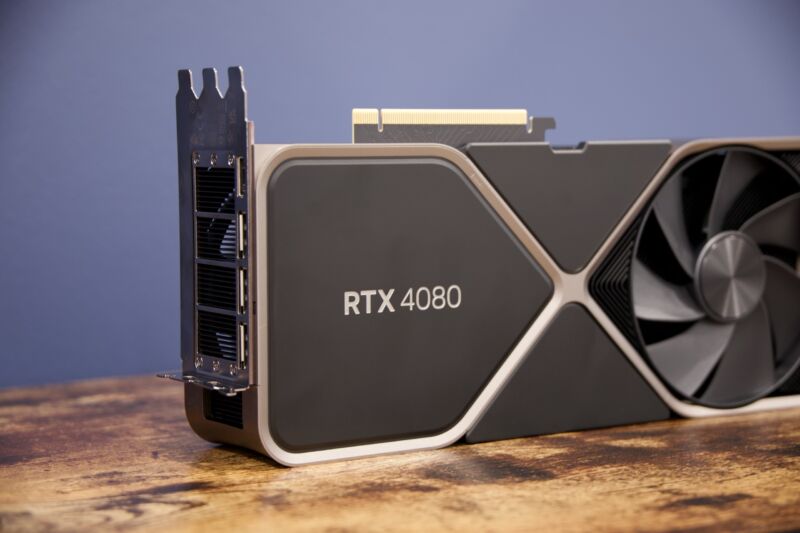
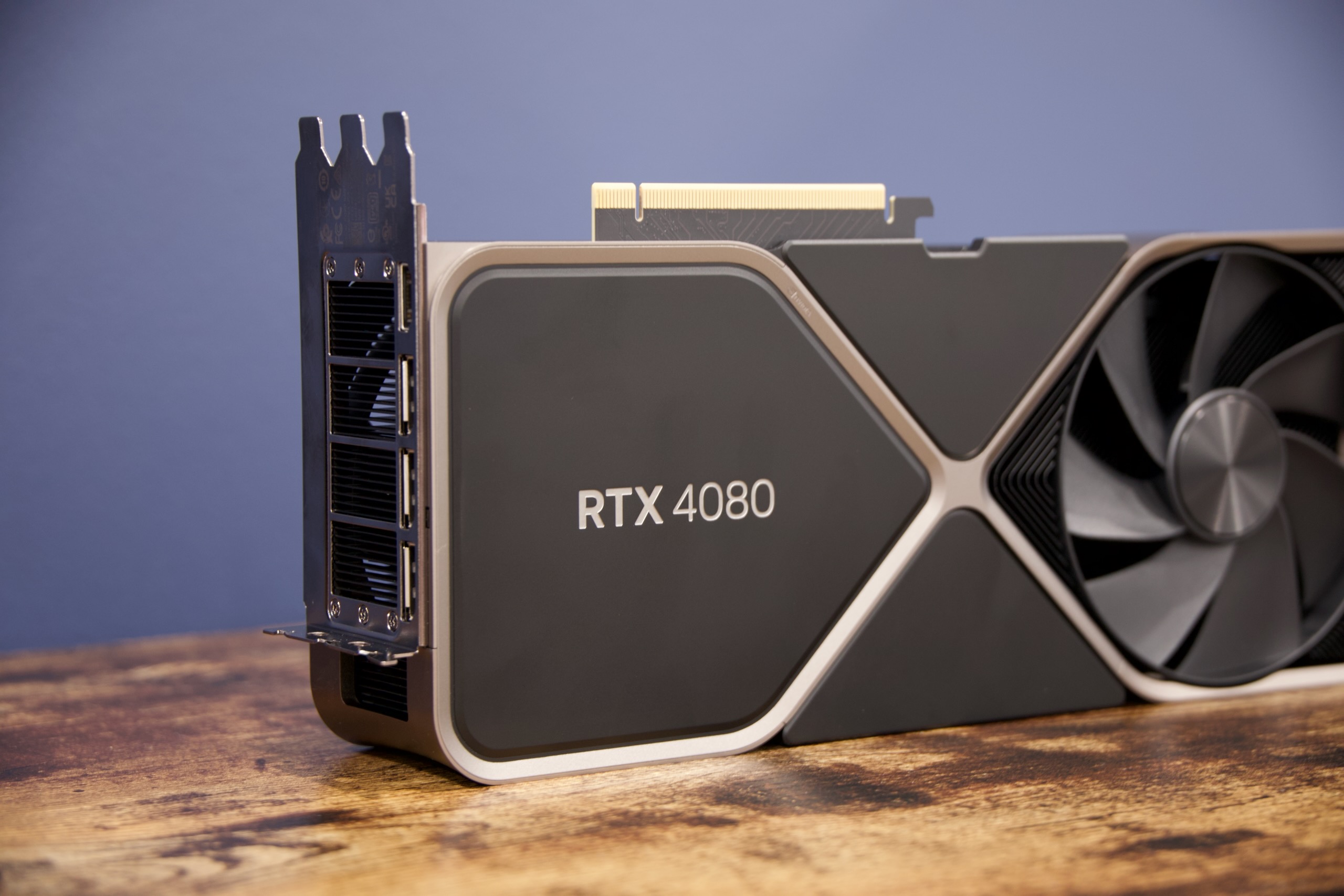
Nvidia's GeForce RTX 4080.

Enlarge / Nvidia’s GeForce RTX 4080. (credit: Andrew Cunningham)

If you’re building a new PC, there’s no time like Amazon’s big Prime Day sale to grab a deal on PC parts. Components like fans, motherboards, CPUs, and GPUs are all on sale. Whether you’re starting from scratch on building your own powerful gaming rig or workstation, or you’re upgrading an existing build, we have some options.

GPU deals on RTX graphics cards

  • ZOTAC Gaming GeForce RTX 3060 Twin Edge OC for $261 (was $340) at Amazon
  • ZOTAC Gaming GeForce RTX 4080 16GB Trinity OC for $990 (was $1,300) at Amazon
  • PowerColor Fighter AMD Radeon RX 6700 XT Gaming Graphics Card with 12GB GDDR6 Memory for $300 (was $350) at Amazon
  • ZOTAC Gaming GeForce RTX 4070 AMP AIRO Spider-Man: Across The Spider-Verse Inspired Graphics Card Bundle for $585 (was $700) at Amazon
  • EVGA GeForce RTX 2060 SC GAMING for $200 (was $360) at Amazon
  • Intel Arc A750 Limited Edition 8GB PCI Express 4.0 Graphics Card for $200 (was $220) at Amazon
  • ASUS Dual NVIDIA GeForce RTX 3050 OC Edition Gaming Graphics Card for $230 (was $300) at Amazon
  • ASUS ROG Strix NVIDIA GeForce RTX 4070 Ti Gaming Graphics Card for $870 (was $950) at Amazon
  • XFX Speedster QICK319 Radeon RX 6750XT Gaming Graphics Card for $350 (was $430) at Amazon
  • XFX Speedster SWFT319 Radeon RX 6800 Gaming Graphics Card for $400 (was $490) at Amazon
  • ASUS TUF Gaming GeForce RTX 4060 Ti OC Edition Gaming Graphics Card for $415 (was $460) at Amazon

Storage and RAM

  • Lexar NQ100 480GB 2.5-inch SATA III Internal SSD for $18 (was $33) at Amazon
  • Lexar NQ100 1.92TB 2.5-inch SATA III Internal SSD for $62 (was $88) at Amazon
  • Crucial P3 Plus 4TB PCIe Gen4 3D NAND NVMe M.2 SSD for $180 (was $226) at Amazon
  • Crucial P3 4TB PCIe Gen3 3D NAND NVMe M.2 SSD for $160 (was $230) at Amazon
  • Crucial MX500 4TB 3D NAND SATA 2.5 Inch Internal SSD for $165 (was $204) at Amazon
  • Crucial Pro RAM 64GB Kit DDR4 3200MT/s for $100 (was $142) at Amazon
  • Lexar NM790 SSD 2TB PCIe Gen4 NVMe M.2 2280 Internal Solid State Drive for $87 (was $125) at Amazon
  • Lexar NM790 SSD 1TB PCIe Gen4 NVMe M.2 2280 Internal Solid State Drive for $45 (was $70) at Amazon
  • Lexar NM790 SSD 512GB PCIe Gen4 NVMe M.2 2280 Internal Solid State Drive for $37 (was $50) at Amazon
  • Lexar ARES RGB 32GB (2x16GB) DDR4 RAM 3600MT/s CL18 Desktop Memory for $55 (was $80) at Amazon
  • Crucial T700 4TB Gen5 NVMe M.2 SSD for $390 (was $600) at Amazon
  • Crucial T700 4TB Gen5 NVMe M.2 SSD with heatsink for $410 (was $630) at Amazon
  • Lexar NQ100 960GB 2.5-inch SATA III Internal SSD for $33 (was $48) at Amazon
  • Lexar ARES RGB 32GB (2x16GB) DDR5 RAM 6000MT/s CL34 Desktop Memory for $76 (was $120) at Amazon
  • Lexar ARES RGB 32GB (2x16GB) DDR5 RAM 5600MT/s CL32 Desktop Memory for $72 (was $110) at Amazon
  • PNY CS2241 4TB M.2 NVMe Gen4 x4 Internal Solid State Drive for $175 (was $220) at Amazon
  • CORSAIR VENGEANCE RGB DDR5 RAM 32GB (2x16GB) 5200 MHz CL40 for $90 (was $100) at Amazon

CPU deals on Intel and AMD processors

  • Intel Core i5-12600KF Desktop Processor 10 (6P+4E) Cores for $163 (was $199) at Amazon
  • Intel Core i7-12700K Desktop Processor with Integrated Graphics for $239 (was $276) at Amazon
  • Intel Core i5-12600K Desktop Processor with Integrated Graphics for $179 (was $194) at Amazon
  • AMD Ryzen 9 5900X 12-core, 24-Thread Unlocked Desktop Processor for $297 (was $570) at Amazon
  • Intel Core i7-13700K Desktop Processor with Integrated Graphics for $373 (was $419) at Amazon
  • AMD Ryzen 9 7900X 12-Core, 24-Thread Unlocked Desktop Processor for $382 (was $549) at Amazon
  • AMD Ryzen 9 7950X 16-Core, 32-Thread Unlocked Desktop Processor for $509 (was $699) at Amazon
  • AMD Ryzen 9 7950X3D 16-Core, 32-Thread Desktop Processor for $599 (was $699) at Amazon
  • AMD Ryzen 7 5800X3D 8-core, 16-Thread Desktop Processor for $307 (was $319) at Amazon
  • Intel Core i7-12700KF Desktop Processor for $219 (was $259) at Amazon
  • Intel Core i9-12900K Gaming Desktop Processor with Integrated Graphics and 16 (8P+8E) Cores for $327 (was $379) at Amazon
  • AMD Ryzen 7 5800X 8-core, 16-Thread Unlocked Desktop Processor for $215 (was $449) at Amazon
  • Intel Core i9-12900KF Desktop Processor for $318 (was $373) at Amazon
  • Intel Core i9-12900KS Gaming Desktop Processor for $349 (was $400) at Amazon

Motherboards

  • ASUS Prime B550-PLUS AMD AM4 Zen 3 Ryzen 5000 & 3rd Gen Ryzen ATX Motherboard for $100 (was $140) at Amazon
  • GIGABYTE B650 Gaming X AX (AM5/ LGA 1718/ AMD/ B650 for $162 (was $200) at Amazon
  • ASUS ROG Maximus Z790 Hero (WiFi 6E) LGA 1700 (Intel 13th & 12th Gen) ATX Motherboard for $540 (was $609) at Amazon
  • Gigabyte B550 AORUS ELITE AX V2 for $144 (was $190) at Amazon
  • ASUS Prime Z790-A WiFi 6E LGA 1700 (Intel 13th & 12th) ATX Motherboard for $250 (was $310) at Amazon
  • ASUS TUF Gaming Z790-Plus WiFi D4 LGA 1700 (Intel 12th & 13th Gen) ATX Motherboard for $200 (was $230) at Amazon
  • ASUS Prime X670E-PRO WiFi Socket AM5 (LGA 1718) Ryzen 7000 ATX Motherboard for $290 (was $350) at Amazon
  • ASUS Strix STRIX Z790-A WIFI D4 Desktop Motherboard for $285 (was $350) at Amazon
  • MSI MPG Z690 Edge WiFi DDR4 Gaming Motherboard for $220 (was $300) at Amazon
  • GIGABYTE Z790 AORUS Elite AX DDR4 for $207 (was $260) at Amazon
  • MSI B550 Gaming GEN3 Gaming Motherboard for $100 (was $120) at Amazon
  • ASUS Prime X670-P Socket AM5 (LGA 1718) Ryzen 7000 ATX Motherboard for $200 (was $270) at Amazon
  • ASUS Prime H770-PLUS D4 Intel H770(13th and 12th Gen) LGA 1700 ATX Motherboard for $100 (was $160) at Amazon
  • ASUS ROG Strix B550-A Gaming AMD AM4 Zen 3 Ryzen 5000 & 3rd Gen Ryzen ATX Motherboard for $160 (was $180) at Amazon
  • MSI PRO Z790-A Wi-Fi ProSeries Motherboard (Supports 12th/13th Gen Intel Processors) for $190 (was $280) at Amazon
  • MSI MEG Z690 Unify Gaming Motherboard for $290 (was $330) at Amazon

Power Supply Units

  • ASUS ROG STRIX 1000W Gold PSU, Power Supply for $160 (was $210) at Amazon
  • Cooler Master MWE Gold 850 V2 Full Modular for $95 (was $100) at Amazon
  • EVGA 100-N1-0650-L1, 650 N1, 650 W for $44 (was $65) at Amazon
  • EVGA Supernova 1600 G+, 80+ Gold 1600 W for $210 (was $350) at Amazon
  • Thermaltake Toughpower GF1 850 W 80+ Gold SLI/ CrossFire Ready Ultra Quiet 140mm Hydraulic Bearing Smart Zero Fan for $100 (was $140) at Amazon
  • Thermaltake Toughpower 750 W 80 Plus Gold Semi Modular PSU ATX for $80 (was $110) at Amazon
  • Thermaltake Toughpower GF3 850 W for $110 (was $160) at Amazon
  • EVGA SuperNOVA 1300 GT, 80 Plus Gold 1300 W for $180 (was $250) at Amazon
  • ASUS ROG Thor 850W Platinum II for $170 (was $250) at Amazon
  • EVGA Supernova 1000 P3, 80 Plus Platinum 1000 W for $210 (was $250) at Amazon
  • EVGA Supernova 1000 G7, 80 Plus Gold 1000 W for $180 (was $240) at Amazon
  • Thermaltake TOUGHLIQUID 360 ARGB Motherboard Sync All-in-One Liquid CPU Cooler for $100 (was $140) at Amazon
  • GIGABYTE GP-UD850GM PG5 Rev2.0 850W PCIe 5.0 Ready for $97 (was $140) at Amazon
  • Thermaltake Toughpower GF3 1350W for $208 (was $260) at Amazon
  • Corsair HX1000i Fully Modular Ultra-Low Noise ATX Power Supply – ATX 3.0 & PCIe 5.0 Compliant for $230 (was $260) at Amazon

Fans and coolers

  • Cooler Master Hyper 212 Halo Black CPU Air Cooler for $33 (was $45) at Amazon
  • MSI MAG CoreLiquid 360R V2 – AIO ARGB CPU Liquid Cooler for $95 (was $140) at Amazon
  • NZXT Kraken 280 RGB – RL-KR280-B1 – 280 mm AIO CPU Liquid Cooler for $142 (was $200) at Amazon
  • Cooler Master MasterLiquid 360L Core 360 mm Close-Loop AIO Liquid Cooler for $101 (was $120) at Amazon
  • Cooler Master MasterLiquid 240L Core 240 mm Close-Loop AIO Liquid Cooler for $85 (was $100) at Amazon
  • AORUS WATERFORCE X 360 AIO Liquid CPU Cooler for $187 ($240) at Amazon
  • ASUS ROG RYUO III 360 ARGB All-in-one AIO Liquid CPU Cooler 360 mm Radiator for $245 (was $290) at Amazon
  • MSI MAG CoreLiquid C240 – AIO ARGB CPU Liquid Cooler – 240 mm Radiator for $90 (was $120) at Amazon
  • Thermaltake Riing Quad 120 mm 16.8 Million RGB Color 9 Blades Hydraulic Bearing Case/Radiator Fan for $90 (was $120) at Amazon

Cases and towers

  • ASUS TUF Gaming GT501 Mid-Tower Computer Case for up to EATX Motherboards for $135 (was $180) at Amazon
  • ASUS TUF Gaming GT502 ATX Mid-Tower Computer Case for $140 (was $170) at Amazon
  • Thermaltake Tower 200 Mini-ITX Computer Case for $100 (was $130) at Amazon
  • CORSAIR Crystal Series 680X RGB High Airflow Tempered Glass ATX Smart Case, Black for $193 (was $275) at Amazon
  • Corsair 5000D Tempered Glass Mid-Tower ATX PC Case – White for $165 (was $175) at Amazon
  • Thermaltake Core P3 Pro E-ATX Tempered Glass Mid Tower for $120 (was $160) at Amazon
  • Antec NX200 M, Micro-ATX Tower, Mini-Tower Computer Case for $44 (was $65) at Amazon
  • Corsair iCUE 220T RGB AIRFLOW Tempered Glass Mid-Tower Smart ATX Case for $70 (was $125) at Amazon
  • Corsair Carbide Series 175R RGB Tempered Glass Mid-Tower ATX Gaming Case for $53 (was $85) at Amazon

Ars Technica may earn compensation for sales from links on this post through affiliate programs.

Read on Ars Technica | Comments


Source: Ars Technica – Build your dream desktop with these Prime Day PC components deals

YouTube TV, which costs $73 a month, agrees to end “$600 less than cable” ads

Screenshot of a YouTube TV ad that claims the service costs $600 less than cable.

Enlarge / The disputed YouTube TV ad. (credit: Google)

Google has agreed to stop advertising YouTube TV as “$600 less than cable” after losing an appeal of a previous ruling that went against the company. Google said it will “modify or cease the disputed advertising claim.”

The case was handled in the advertising industry’s self-regulatory system, not in a court of law. The National Advertising Review Board (NARB) announced today that it rejected Google’s appeal and recommended that the company discontinue the YouTube TV claim.

YouTube TV launched in 2017 for $35 a month, but the base package is $72.99 after the latest price hike in March 2023. Google’s “$600 less than cable” claim was challenged by Charter, which uses the brand name Spectrum and is the second-biggest cable company after Comcast. The National Advertising Division (NAD) previously ruled in Charter’s favor but Google appealed the decision to the NARB in August.

Read 7 remaining paragraphs | Comments


Source: Ars Technica – YouTube TV, which costs a month, agrees to end “0 less than cable” ads

Mysterious fast radio bursts look a lot like earthquakes, study finds

Artist's impression of a fast radio burst (FRB) traveling through space and reaching Earth.

Enlarge / Artist’s impression of a fast radio burst (FRB) traveling through space and reaching Earth. (credit: ESO/M. Kornmesser/CC BY 4.0)

Astronomers have been puzzling over the mysterious origins of fast radio bursts (FRBs) since they were first detected in 2007. Now scientists at the University of Tokyo have come up with new evidence that at least some FRBs may be caused by so-called “starquakes” on the surfaces of neutron stars, according to a new paper published in the Monthly Notices of the Royal Astronomical Society.

As Ars Science Editor John Timmer reported previously, FRBs involve a sudden blast of radio-frequency radiation that lasts just a few microseconds. Astronomers have cataloged hundreds of them; some come from sources that repeatedly emit FRBs, while others seem to burst once and go silent. You can produce this sort of sudden surge of energy by destroying something. But the existence of repeating sources suggests that at least some of them are produced by an object that survives the event. That has led to a focus on compact objects, like neutron stars and black holes—especially a class of neutron stars called magnetars—as likely sources.

Magnetars are an extreme form of a neutron star, a type of body that is already notable for being extreme. They are the collapsed core of a massive star, so dense that atoms get squeezed out of existence, leaving a swirling mass of neutrons and protons. That mass is roughly equal to the Sun’s but compressed into a sphere with a radius of about 10 kilometers. Neutron stars are best known for powering pulsars, rapidly repeating bursts of radiation driven by the fact that these massive objects can complete a rotation in a handful of milliseconds.

Read 9 remaining paragraphs | Comments


Source: Ars Technica – Mysterious fast radio bursts look a lot like earthquakes, study finds

Google wins Sonos patent case, immediately ships speaker software update

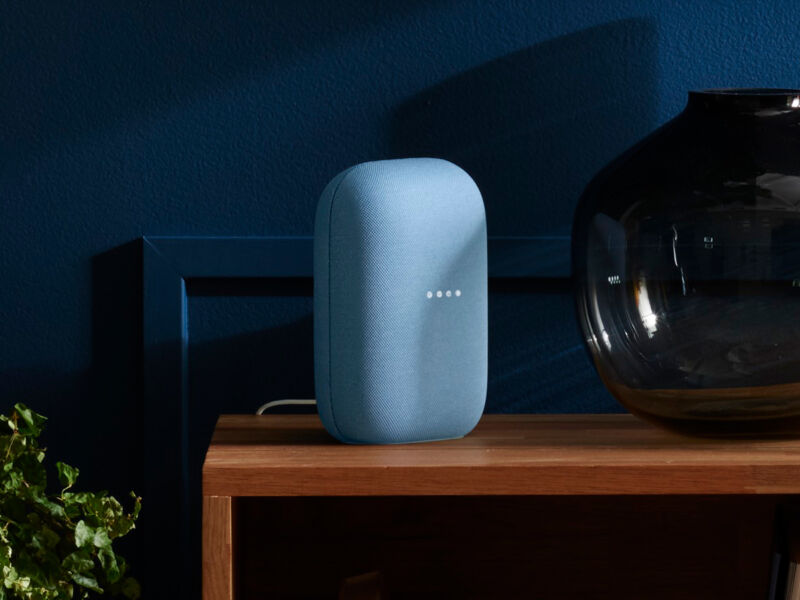
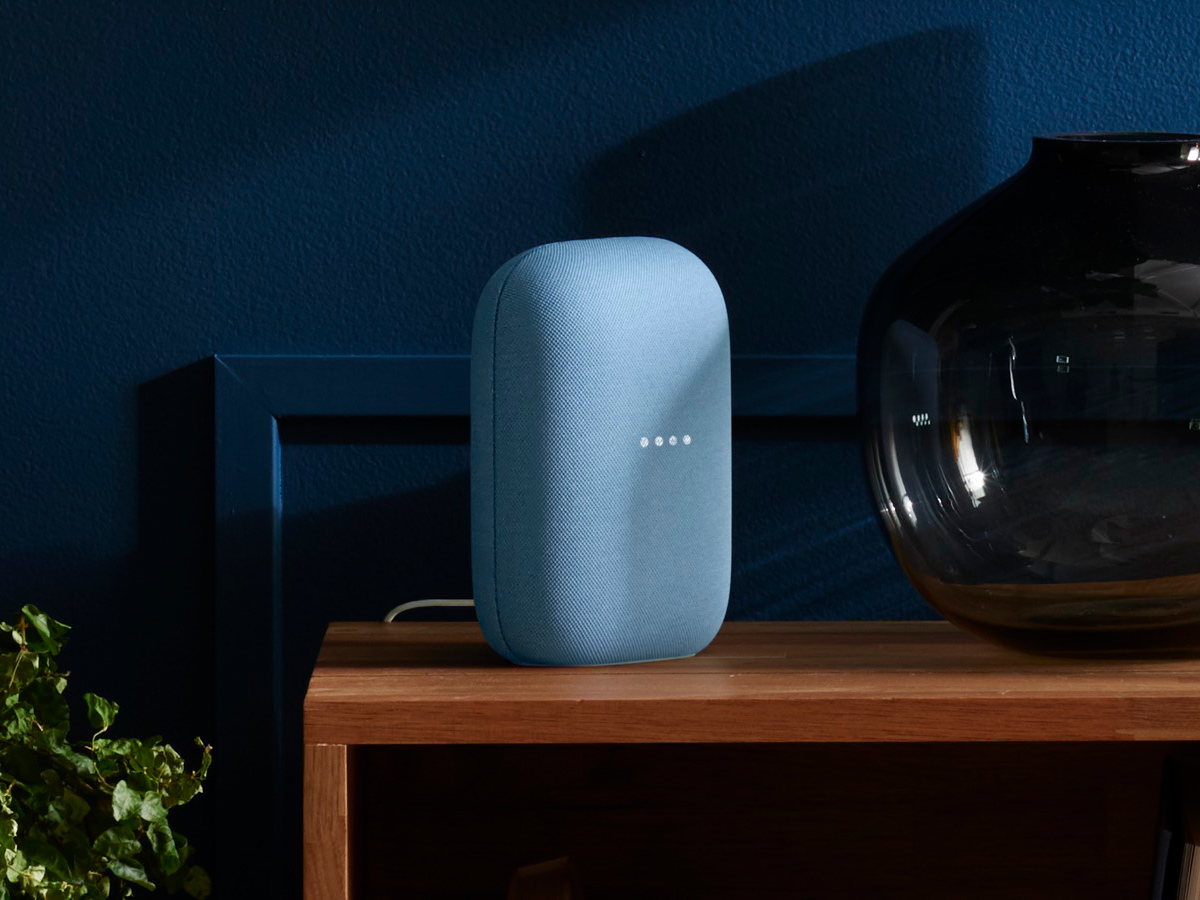
Promotional image of smart speaker.

Enlarge / The Nest Audio. (credit: Google)

Google and Sonos have been volleying patent infringement lawsuits back and forth for a few years now. Sonos has been making Internet-connected speakers since 2005 and has a lot of patents, while Google only jumped into the market in 2016 with the first speaker in the Google Home lineup (now called “Nest Audio”). You may remember that in early 2022, Google lost a Sonos patent infringement case around controlling multiple speakers together in a group. After losing, rather than just paying Sonos a licensing fee for the feature, Google instead chose to reach into customers’ homes and disable the feature from devices people had already bought.

This week Google managed to convince a federal court that some of the patents from the 2022 ruling are invalid, and Google’s response was to immediately ship an update re-enabling the group speaker features on customers’ devices. Here’s the pretty wild statement Google made to customers on the Nest Support forum:

We recently made a change to speaker groups for Nest speakers, displays, and Chromecast where certain devices can only belong to one speaker group at a time in the Google Home app. A federal judge has found that two patents that Sonos accused our devices of infringing are invalid.

In light of this legal decision we’re happy to share that we will be rolling back this change. Devices will be able to belong to multiple speaker groups and you will no longer run into an error when trying to add a device to additional groups. We’re beginning to roll out this update immediately and expect it to go live across our devices and the Home App on Android in the next 48 hours. The change will also be coming soon to the Home App on iOS.

As it says in the statement, the invalidated patents were around adding speakers to multiple speaker groups. Google Home/Nest Audio and Sonos speakers can play audio from multiple speakers in multiple rooms, using their built-in microphones to automatically juggle the surprisingly complex audio delay problems, creating a seamless whole-home audio experience. Sonos smacked down Google with five patents in 2022, with the (still valid!) headline patent allowing for the control of multiple speaker volumes at once. Sonos won $32.5 million in damages from Google.

Read 2 remaining paragraphs | Comments


Source: Ars Technica – Google wins Sonos patent case, immediately ships speaker software update

Not burn-in: Scary OLED TV image retention may stem from “buggy” feature

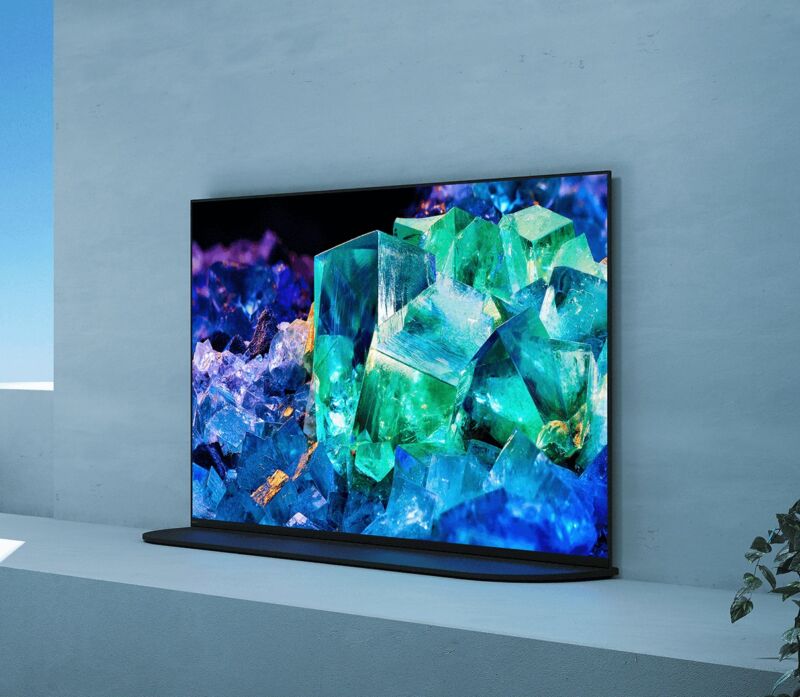
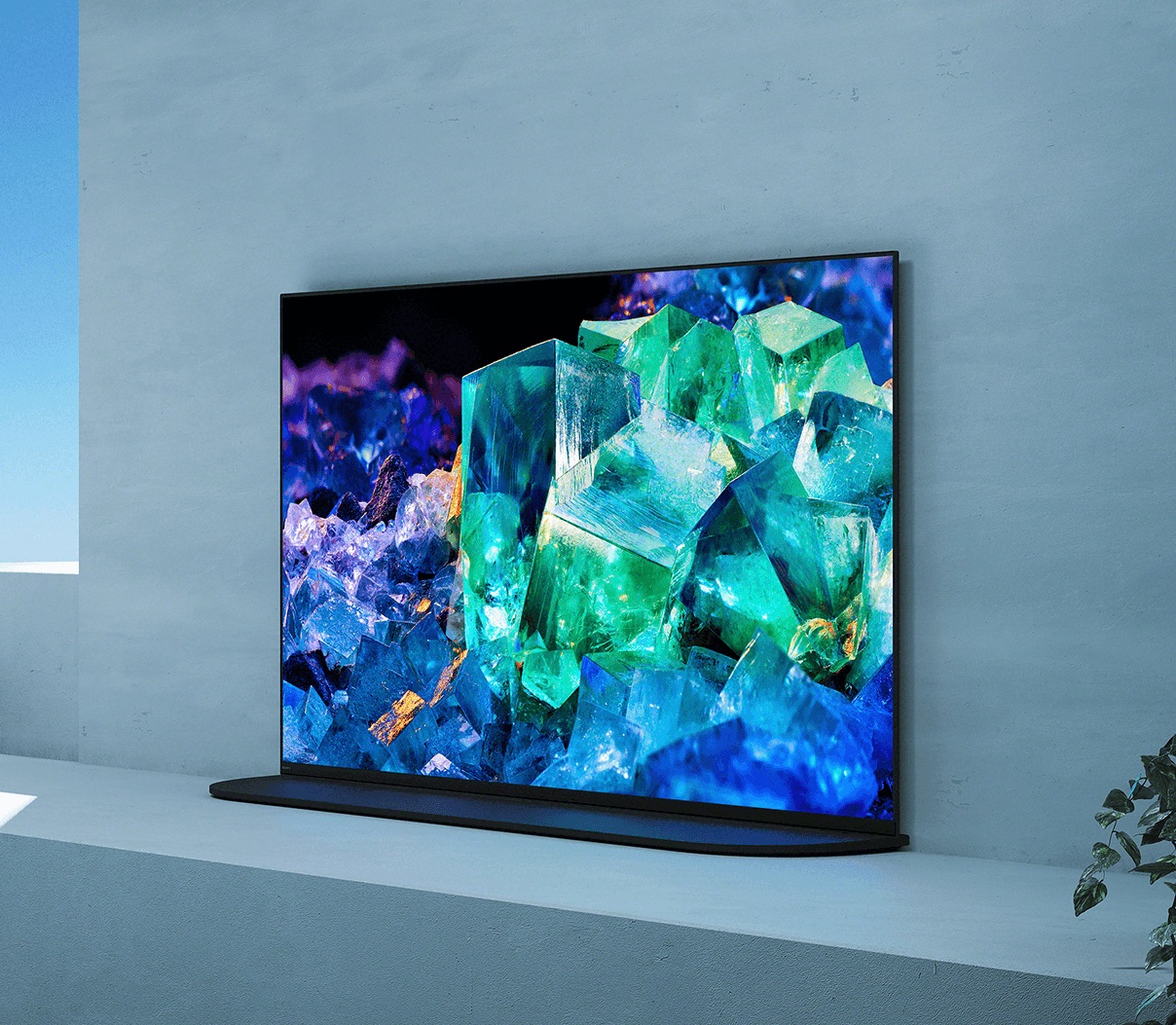
Sony A95K OLED TV

Enlarge / Sony announced the A95K QD-OLED TV in early 2022. (credit: Sony)

Image retention is scary to see on your OLED TV but often easy to eliminate. Many modern OLED TVs subtly work their own magic when you’re not watching in order to remove the problem, as RTINGS demonstrated in a video released Friday. However, TV vendors aren’t all doing perfect jobs at implementing OLED screens’ compensation cycles.

Temporary image retention differs from permanent image retention, aka burn-in, in that it points to a change in the panel’s thin-film transistor (TFT) layer, rather than degradation of the OLED layer. Untreated permanent image retention doesn’t lead to burn-in, a Sony spokesperson confirmed to me, but anyone looking at a screen suffering from image persistence will want to eradicate the sticky images, fast.

These temporary artifacts can be the result of heat affecting the amount of light emitted by the OLED pixels and can happen within minutes of usage. But letting the TV cool down by turning it off usually fixes this.

Read 33 remaining paragraphs | Comments


Source: Ars Technica – Not burn-in: Scary OLED TV image retention may stem from “buggy” feature

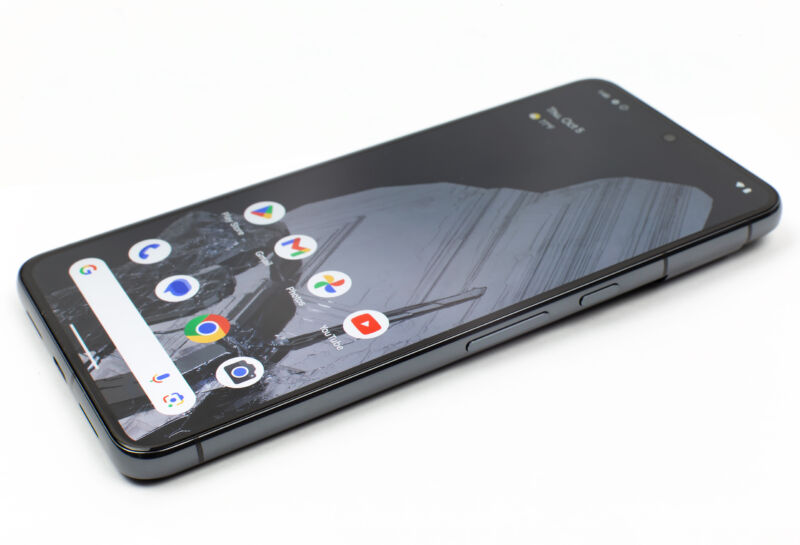
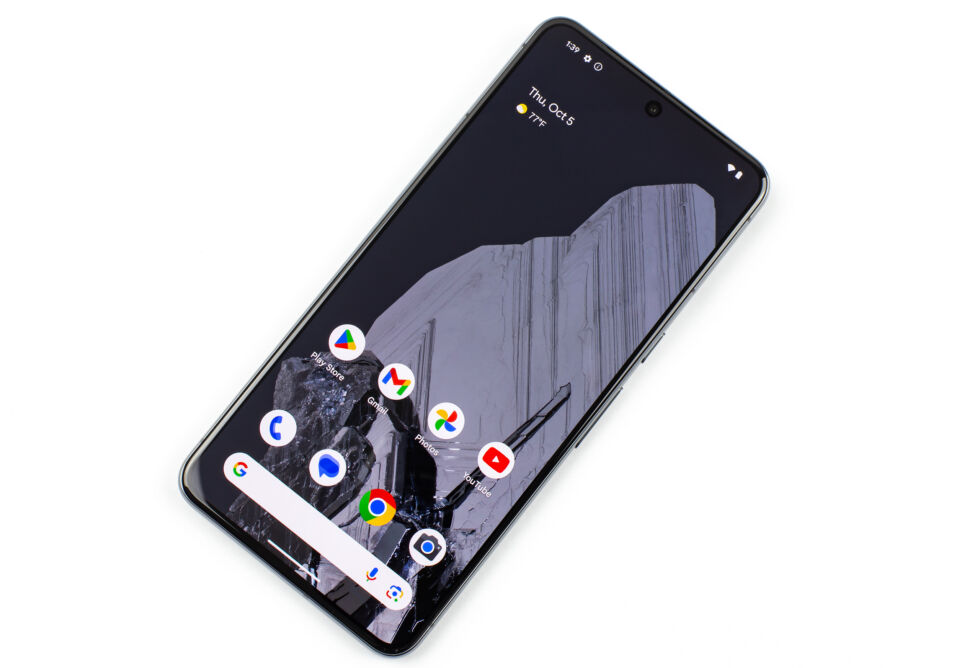
Pixel 8 Pro review—The best Android phone

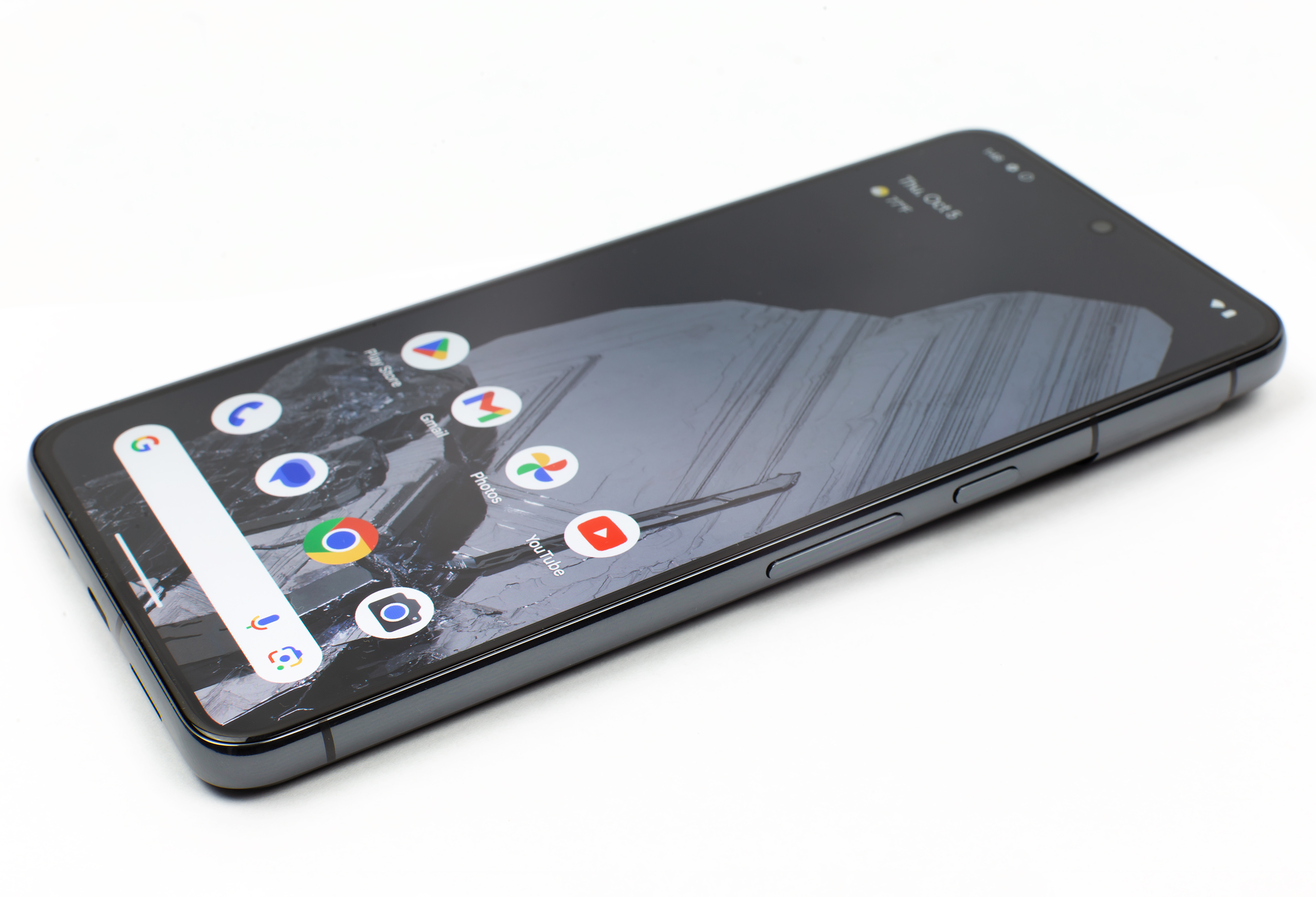
Behold, the glorious, flat display. Normal, common-sense phone design is back, finally!

Enlarge / Behold, the glorious, flat display. Normal, common-sense phone design is back, finally! (credit: Ron Amadeo)

Google is listening. Reviewing phones means that we usually complain—a lot—about phone designs, about things that could be better, and about decisions that don’t make a ton of sense. Usually it feels like talking to a wall; manufacturers ignore us and keep doing whatever they want.

The Pixel 8 is different, though. This phone feels like it’s taking some of our long-standing pet peeves into account and is finally doing something about them. Tired of pointless curved screens that distort your image? Fixed. Want an update support timeline that finally rivals iOS? Check. Fixing flaws with the previous model, like face unlock? Double check. Compared to where the Pixel line was just a few years ago, Google Hardware is turning in phones that are polished, practiced, and full of great decisions.

The Pixel design just keeps improving

SPECS AT A GLANCE
Pixel 8 Pixel 8 Pro
SCREEN 6.2-inch, 120 Hz, 2400×1080 OLED 6.7-inch, 120 Hz, 2992×1344 OLED
OS Android 14
CPU Google Tensor G3

One 3.0 GHz Cortex-X3 core
Four 2.45 GHz Cortex-A715 cores
Four 2.15 GHz Cortex-A510 Cores

GPU ARM Immortalis-G715s MC10
RAM 8GB 12GB
STORAGE 128GB/256GB UFS 3.1 128GB/256GB/512GB/1TB
UFS 3.1
BATTERY 4575 mAh 5050 mAh
NETWORKING Wi-Fi 7, Bluetooth 5.3, GPS, NFC, 5G mmWave & Sub-6 GHz Wi-Fi 7, Bluetooth 5.3, GPS, NFC, 5G mmWave & Sub-6 GHz, UWB
PORTS USB Type-C 3.1 Gen 1 with 30 W USB-PD 3.0 charging
REAR CAMERA 50 MP Main
12 MP Wide Angle
50 MP Main
48 MP Wide Angle
48 MP 4x Telephoto
FRONT CAMERA 10.8 MP 10.8 MP
SIZE 150.5 x 70.8 x 8.9 mm 162.6 x 76.5 x 8.8 mm
WEIGHT 187 g 213 g
STARTING PRICE $699 $999
OTHER PERKS IP68 dust and water resistance, eSIM, wireless charging, in-screen fingerprint reader

Google is still making steady improvements to the design that started with the Pixel 6, and the Pixel 8 Pro feels like one of the best hardware designs out there. First up, Google is finally dumping the years-long failed experiment of curved displays. Samsung started the curved display trend back in 2014 when it figured out how to bend OLED displays. Thanks to the huge influence of Samsung’s display division, from then on most flagship Android phones had the long edges of their displays curve into the bodies.

Read 37 remaining paragraphs | Comments


Source: Ars Technica – Pixel 8 Pro review—The best Android phone

The 2023 Toyota Prius Prime is a mostly pleasant plug-in hybrid

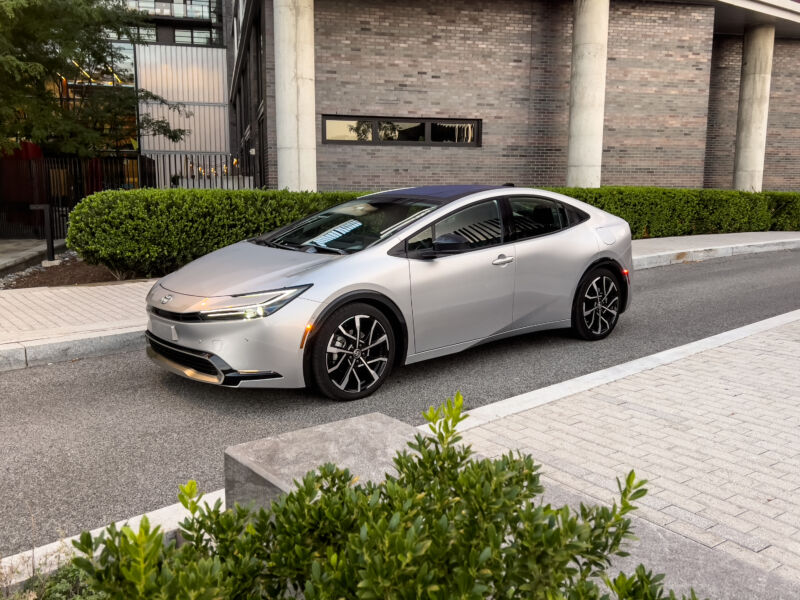
A silver Toyota Prius Prime

Enlarge / After a confusing mess for the last generation, Toyota’s stylists have done a decent job with the new Prius. I think it needs a front plate if you’re going to have it a light shade like this silver. (credit: Jonathan Gitlin)

Earlier this year, we spent some time with the new Toyota Prius. There was a lot to like about the new car, the fifth to bear its name—sleek looks and minimal fuel consumption are the highlights. Today, it’s Prius Prime, the plug-in hybrid variant. Toyota might have been early to hybrids and uncomfortably late to battery electric vehicles, but the Prius Prime straddles the line between the two, offering a battery big enough for most daily driving and a highly efficient gas-burning powertrain for longer journeys.

Much of what I wrote about the not-Prime Prius applies to the plug-in, too. There are the same sleek looks, with a steeply raked windshield and a far more cohesive design than the model it replaced—that one looked like the result of two separate car designs that were later crashed into each other. I’m starting to think that the car needs a front license plate to look right—that little bump out on the fascia where a plate is supposed to attach looks rather obvious in the case of our Virginia-registered tester.

The $39,170 Prius Prime XSE Premium we tested doesn’t look quite as racy as the blue car we had in May—mostly, that’s down to the different design of alloy wheels. Smaller 17-inch wheels with aerodynamic covers are available with the Prius Prime SE ($32,350), but like the XSE Premium, the mid-range XSE ($35,600) also rides on the bigger 19-inch wheels. I mention this upfront because if you’re looking for the most efficient option, the stripped-out base model on small wheels has a lower drag coefficient and runs more economically.

Read 10 remaining paragraphs | Comments


Source: Ars Technica – The 2023 Toyota Prius Prime is a mostly pleasant plug-in hybrid

Qualcomm will try to have its Apple Silicon moment in PCs with “Snapdragon X”

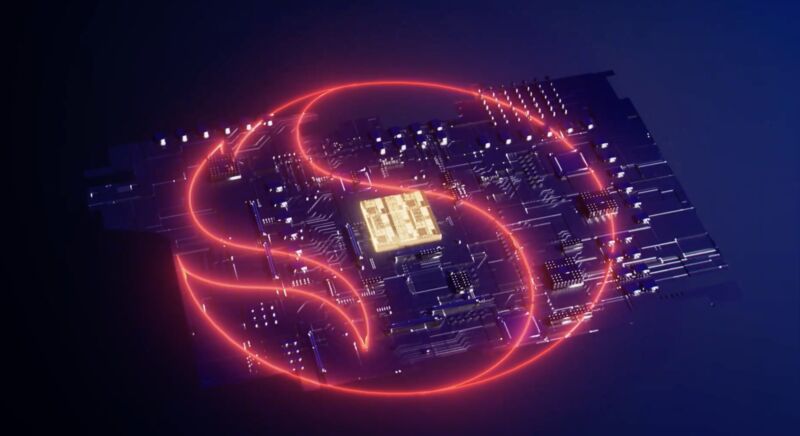
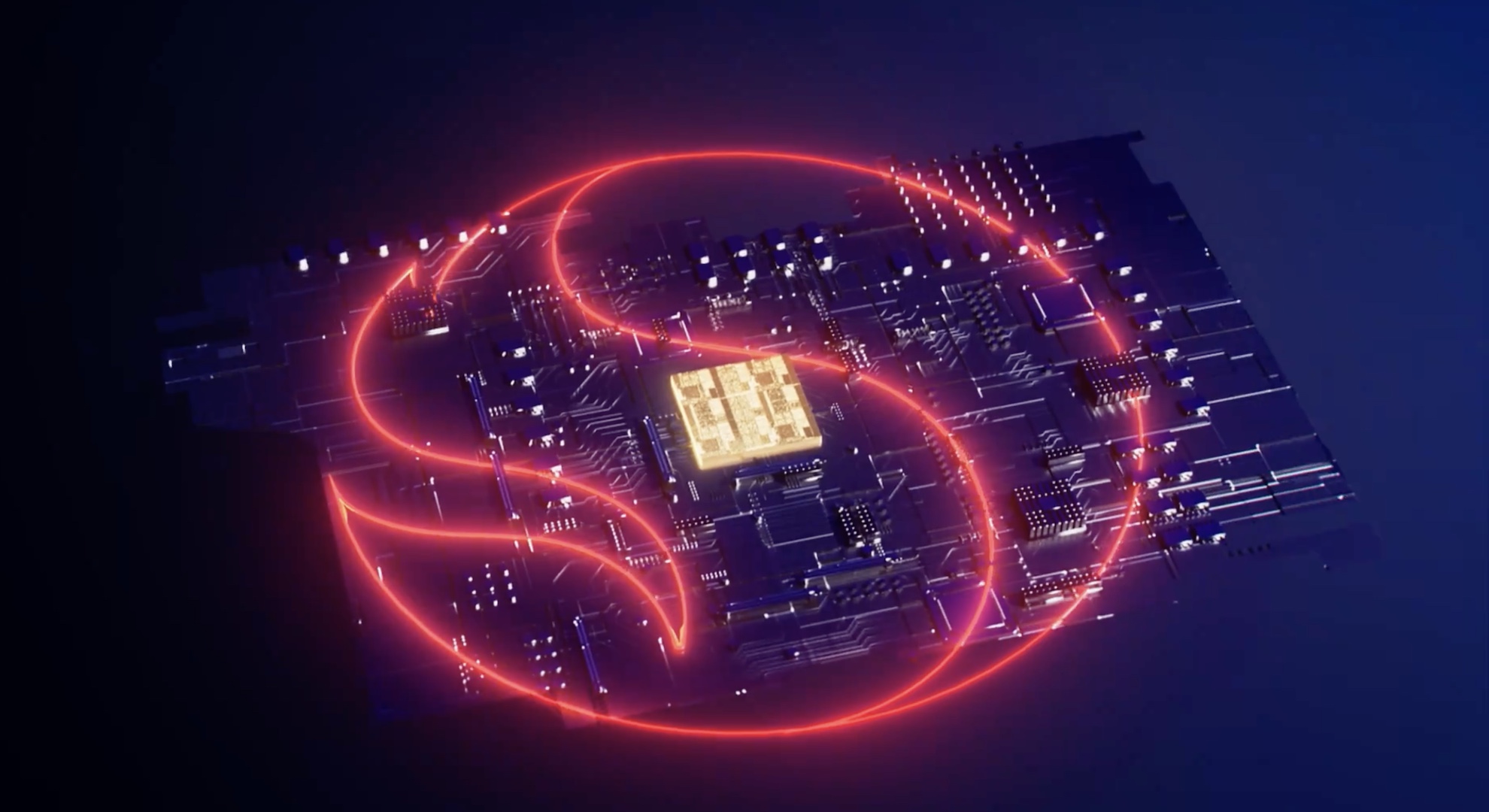
A teaser image for Qualcomm's Snapdragon X SoCs.

Enlarge / A teaser image for Qualcomm’s Snapdragon X SoCs. (credit: Qualcomm)

Qualcomm’s annual “Snapdragon Summit” is coming up later this month, and the company appears ready to share more about its long-planned next-generation Arm processor for PCs. The company hasn’t shared many specifics yet, but yesterday we finally got a name: “Snapdragon X,” which is coming in 2024, and it may finally do for Arm-powered Windows PCs what Apple Silicon chips did for Macs a few years ago (though it’s coming a bit later than Qualcomm had initially hoped).

Qualcomm has been making chips for PCs for years, most recently the Snapdragon 8cx Gen 3 (you might also know it as the Microsoft SQ3, which is what the chip is called in Surface devices). But those chips have never quite been fast enough to challenge Intel’s Core or AMD’s Ryzen CPUs in mainstream laptops. Any performance deficit is especially noticeable because many people will run at least a few apps designed for the x86 version of Windows, code which needs to be translated on the fly for Arm processors.

So why will Snapdragon X be any different? It’s because these will be the first chips borne of Qualcomm’s acquisition of Nuvia in 2021. Nuvia was founded and staffed by quite a few key personnel from Apple’s chipmaking operation, the team that had already upended a small corner of the x86 PC market by designing the Apple M1 and its offshoots. Apple had sued Nuvia co-founder and current Qualcomm engineering SVP Gerard Williams for poaching Apple employees, though the company dropped the suit without comment earlier this year.

Read 5 remaining paragraphs | Comments


Source: Ars Technica – Qualcomm will try to have its Apple Silicon moment in PCs with “Snapdragon X”

Musk argues with EU commissioner over Israel/Hamas disinformation on X

Read 18 remaining paragraphs | Comments


Source: Ars Technica – Musk argues with EU commissioner over Israel/Hamas disinformation on X

Users mistake video game clips for real Israeli war footage on social media

A misleadingly captioned <em>Arma 3</em> video shared on X now sports a "context" note on its real origins.

A misleadingly captioned Arma 3 video shared on X now sports a “context” note on its real origins. (credit: X / Arma 3)

Footage from the 2013 game Arma 3 is spreading virally across multiple social media sites, presented as real spectator video of ongoing military actions between Israelis and Palestinians. The misleading videos are part of a wave of war disinformation that has run rampant across social media and highlights just how realistic the heavily modded game can appear at a glance.

Examples of this trend are not hard to come by. A 22-second clip on X garnered over 10.4 million views as footage of “Israeli helicopters getting smashed.” But the clip was originally posted as a YouTube short on October 3, where it was correctly labeled as Arma footage. That didn’t stop that same clip from spreading widely among Indian and Turkish Facebook users.

Another X video with millions of views shows Arma 3 footage of a shoulder-mounted rocket launched at a helicopter, labeled as “Hamas fighters shooting down Israel war helicopter in Gaza.” X-user Shayan Sardarizadeh has debunked that footage as well as other examples of game footage that have been taken down as of press time.

Read 7 remaining paragraphs | Comments


Source: Ars Technica – Users mistake video game clips for real Israeli war footage on social media

First-ever gene therapy trial to cure form of deafness begins

Read 13 remaining paragraphs | Comments


Source: Ars Technica – First-ever gene therapy trial to cure form of deafness begins

YouTube restricts, but doesn’t ban, racist channel calling for Black abortions

Read 9 remaining paragraphs | Comments


Source: Ars Technica – YouTube restricts, but doesn’t ban, racist channel calling for Black abortions