BMW, Mini, Rolls-Royce, Toyota, and Lexus are switching EV plugs

EV parking sign. Recharging point for electric vehicles sign against clear sky. 3D illustration.

Enlarge (credit: Getty Images)

More automakers this week announced a switch in the style of charging plugs that will be fitted to their future electric vehicles. On Wednesday BMW broke its news, then yesterday Toyota did the same: Both are ditching the Combined Charging Standard 1 socket for their North American EVs and will instead use the North American Charging System plug, designed by Tesla. Together with the changing plug comes access for their EV drivers to Tesla’s Supercharger network.

BMW

BMW’s announcement applies to all its car brands, which means that in addition to EVs like the BMW i5 or i7, it’s also swapping over to NACS for the upcoming Mini EVs as well as the Rolls-Royce Spectre. BMW will start adding native NACS ports to its EVs in 2025, and that same year its customers will gain access to the Tesla Supercharger network.

BMW’s release doesn’t explicitly mention a CCS1-NACS adapter being made available, but it does say that BMW (and Mini and Rolls-Royce) EVs with CCS1 ports will be able to use Superchargers from early 2025.

Read 6 remaining paragraphs | Comments


Source: Ars Technica – BMW, Mini, Rolls-Royce, Toyota, and Lexus are switching EV plugs

Why NASA’s return to the Moon will likely succeed this time

Read 14 remaining paragraphs | Comments


Source: Ars Technica – Why NASA’s return to the Moon will likely succeed this time

Swytch DIY e-bike conversion kits: A very, very long-term review

Swytch battery on the handlebar of a gray/pink hybrid bike

Enlarge / There aren’t many e-bikes you can buy with rim brakes and mid-’90s gray/pink styling. (credit: Kevin Purdy)

Recommending the Swytch e-bike conversion kit feels like recommending a DIY desktop computer upgrade. You’re not evaluating or describing any one experience so much as telling somebody that it might save them money, that it could be a fun project, and that the end result can be a point of pride. Though it would be easier, you can’t replicate the upgrade experience by simply buying another bike. It all depends on what you want out of an e-bike—or a weekend project.

I’ve now converted two bikes with Swytch kits, I’ve walked my in-laws through upgrading their own cruiser-style bikes with them, and I’ve made tweaks and fixes to all of the bikes over two years. What I’ve learned is that there’s no single “Swytch kit experience” because every bike is a collection of components, and each component has dimensions and angles and quirks that play off the kit in different ways.

Some people will drop the front wheel off their bike, replace it with Swytch’s wheel, strap down a few cables with zip-ties, mount a battery, and feel the boost on their first ride a couple hours later. Some people will learn a lot more about rims, tires, and beads than they knew before or discover that their seemingly normal-looking front fork is quirky and find that the dropouts require some filing.

Read 41 remaining paragraphs | Comments


Source: Ars Technica – Swytch DIY e-bike conversion kits: A very, very long-term review

Amazon drivers’ urine packaged as energy drink, sold on Amazon

Read 12 remaining paragraphs | Comments


Source: Ars Technica – Amazon drivers’ urine packaged as energy drink, sold on Amazon

RIP to my 8-port Unifi switch after years and years of Texas outdoor temps

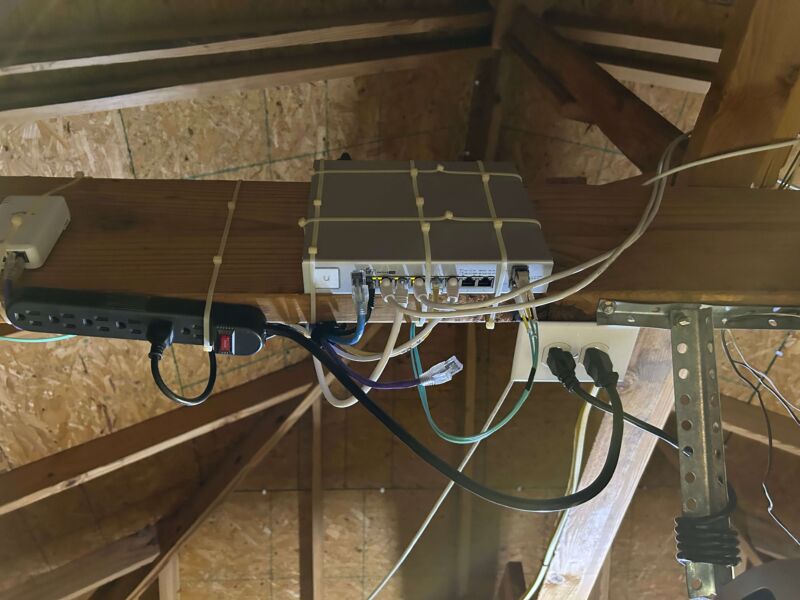
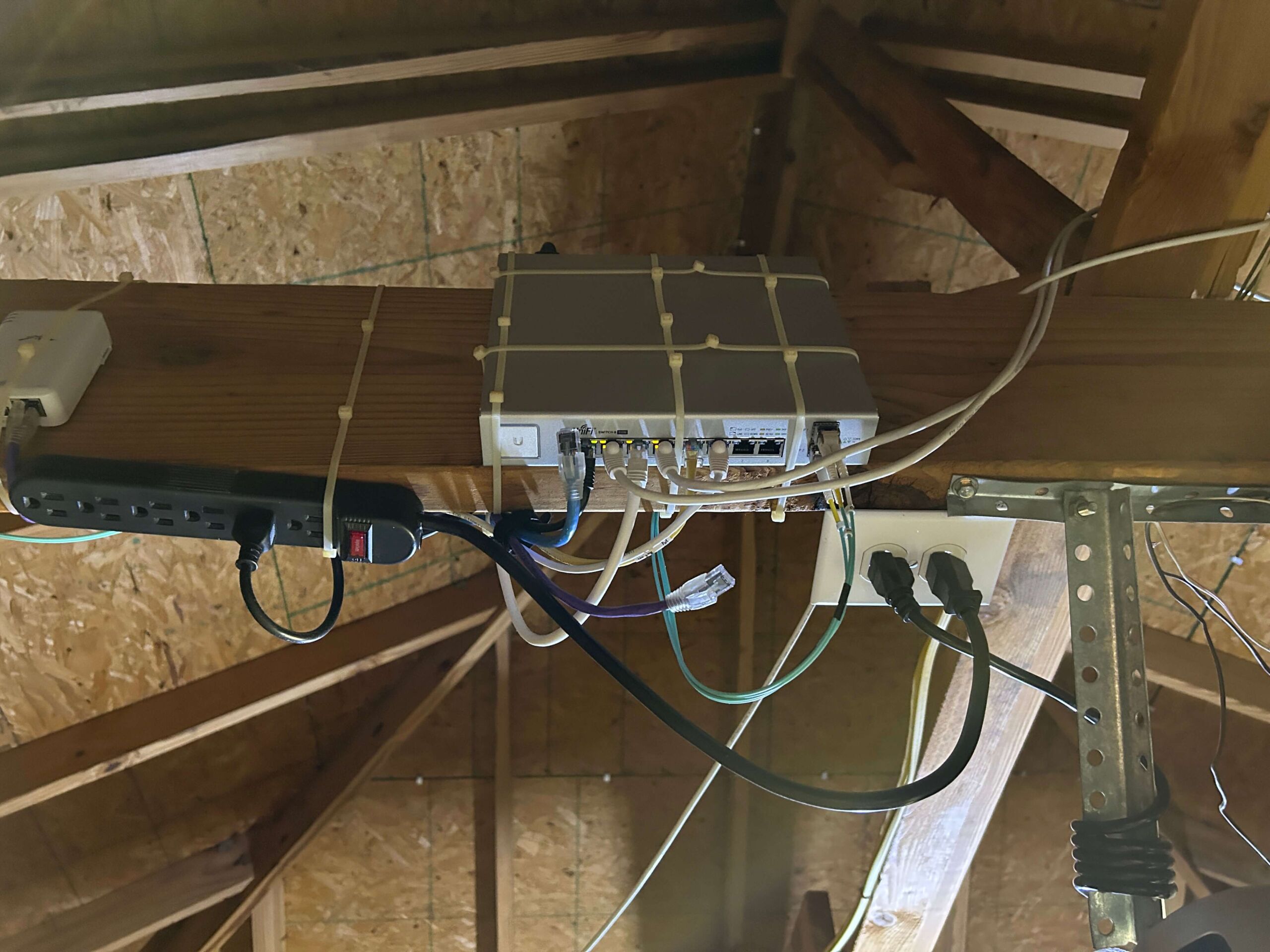
Photograph of a US-8-150W switch in situ

Enlarge / My original US-8-150W shortly before being replaced. Don’t judge my zip-tie mounting job—it held for eight years! (credit: Lee Hutchinson)

This morning, I’d like to pour one out for a truly awesome piece of gear that did everything I asked of it without complaint and died before its time: my Unifi 8-port POE switch, model US-8-150W. Farewell, dear switch. You were a real one, and a lightning strike took you from us too soon.

I picked up this switch back in January of 2016, when I was ramping up my quest to replace my shaky home Wi-Fi with something a little more enterprise-y. The results were, on the whole, positive (you can read about how that quest turned out in this piece right here, which contains much reflection on the consequences—good and bad—of going overboard on home networking), and this little 8-port switch proved to be a major enabler of the design I settled on.

Why? Well, it’s a nice enough device—having 802.3af/at and also Ubiquiti’s 24-volt passive PoE option made it universally compatible with just about anything I wanted to hook up to it. But the key feature was the two SFP slots, which technically make this a 10-port switch. I have a detached garage, and I wanted to hook up some PoE-powered security cameras out there, along with an additional wireless access point. The simplest solution would have been to run Ethernet between the house and the garage, but that’s not actually a simple solution at all—running Ethernet underground between two buildings can be electrically problematic unless it’s done by professionals with professional tools, and I am definitely not a professional. A couple of estimates from local companies told me that trenching conduit between my house and the garage was going to cost several hundred dollars, which was more than I wanted to spend.


Read 5 remaining paragraphs | Comments


Source: Ars Technica – RIP to my 8-port Unifi switch after years and years of Texas outdoor temps

Are you near Houston? Come to our IT event at Space Center Houston on November 1!

Read 2 remaining paragraphs | Comments


Source: Ars Technica – Are you near Houston? Come to our IT event at Space Center Houston on November 1!

Rocket Report: Key Ariane 6 test delayed; NASA urged to look at SLS alternatives

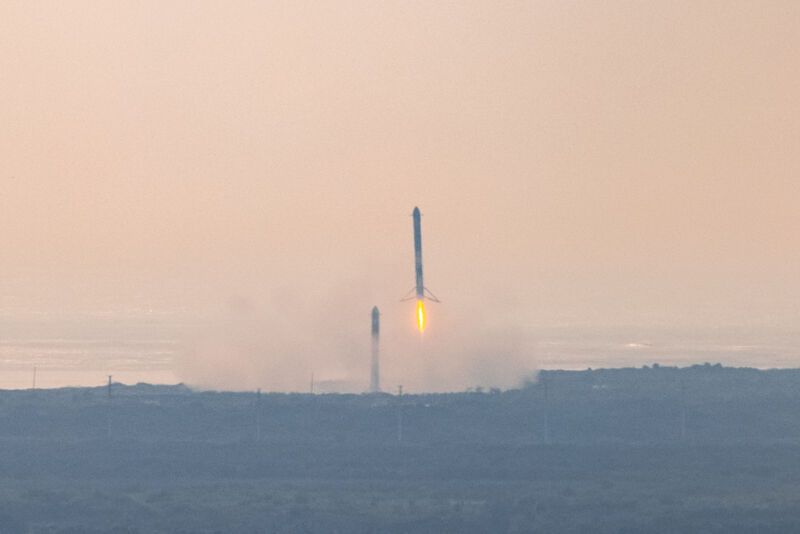
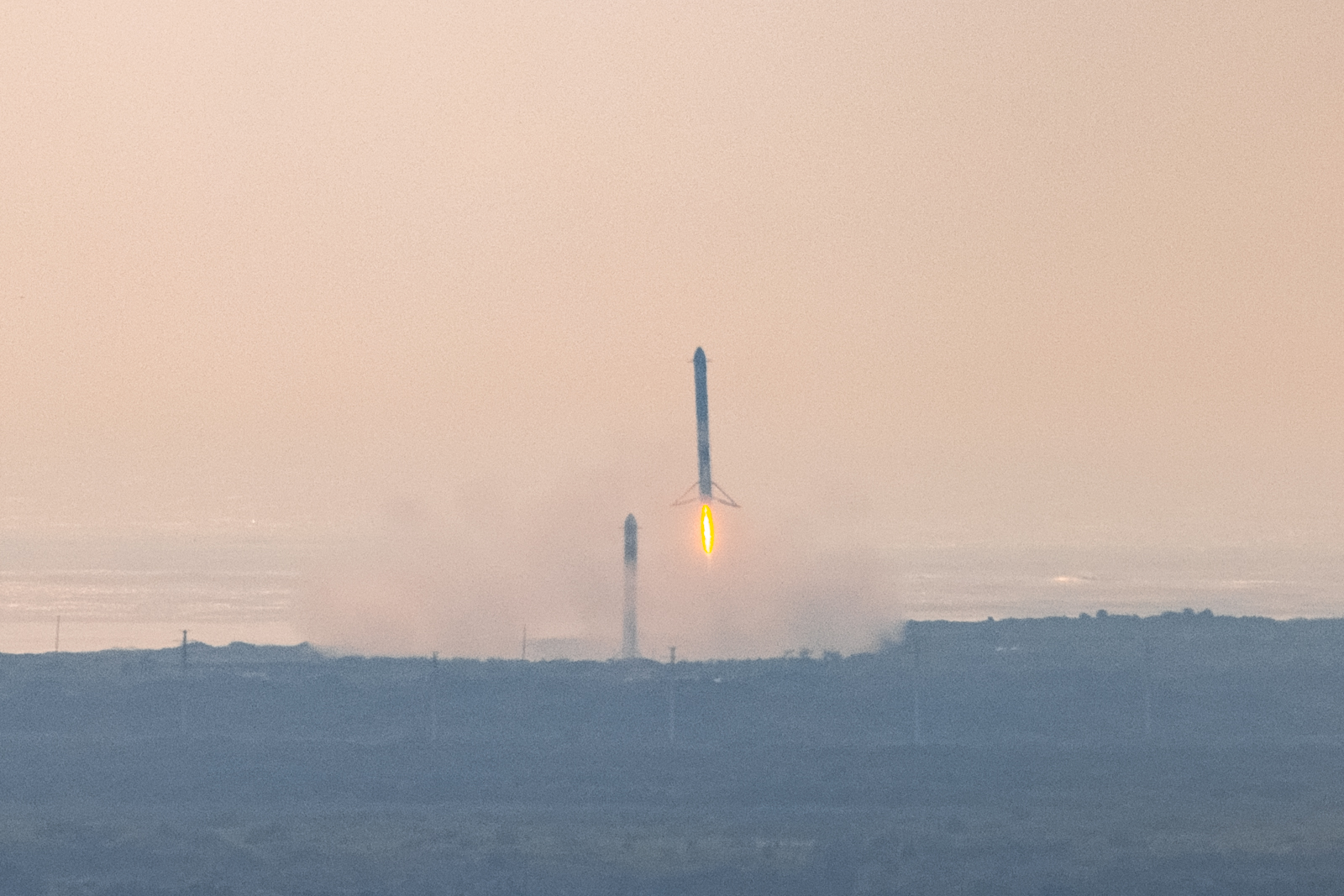
The Falcon Heavy rocket's two side boosters returned to Cape Canaveral for landing after sending NASA's Psyche spacecraft on its way into deep space.

Enlarge / The Falcon Heavy rocket’s two side boosters returned to Cape Canaveral for landing after sending NASA’s Psyche spacecraft on its way into deep space. (credit: Trevor Mahlmann/Ars Technica)

Welcome to Edition 6.16 of the Rocket Report! Lots of news here today about big rockets, including a push by SpaceX to speed up launch licensing by the Federal Aviation Administration. The full-court press in Washington, DC, comes as the company says its Starship rocket is ready for a second flight test but still awaiting final regulatory approval. The earliest the launch could now occur is during the first half of November.

As always, we welcome reader submissions, and if you don’t want to miss an issue, please subscribe using the box below (the form will not appear on AMP-enabled versions of the site). Each report will include information on small-, medium-, and heavy-lift rockets as well as a quick look ahead at the next three launches on the calendar.

Virgin Galactic to fly sixth mission in six months. The California-based suborbital space tourism company announced this week that its “Galactic 05” mission will take flight as early as November 2. Such a flight would continue Virgin Galactic’s impressive monthly cadence of flying its VSS Unity spacecraft this year. This flight will carry researchers who will use the interior of the space plane as a lab for research.

Read 24 remaining paragraphs | Comments


Source: Ars Technica – Rocket Report: Key Ariane 6 test delayed; NASA urged to look at SLS alternatives

Nonprofit hospitals skimp on charity while CEOs reap millions, report finds

Read 9 remaining paragraphs | Comments


Source: Ars Technica – Nonprofit hospitals skimp on charity while CEOs reap millions, report finds

Report: US needs much more than the IRA to get to net zero by 2050

Wind turbines on brown hills against a sunset.

Enlarge (credit: Justin Paget)

On Tuesday, the US National Academies of Science released a report entitled “Accelerating Decarbonization in the United States.” The report follows up on a 2021 analysis entitled, “Accelerating Decarbonization in the US Energy System.” When the earlier report was prepared, the US didn’t have a decarbonization policy, although the growth of natural gas and renewables was dropping the emissions involved in producing electricity. Within the following year, the US passed an infrastructure law, the CHIPS and Science Act, and the Inflation Reduction Act (IRA), all of which contained provisions intended to help cut the US’s emissions in half by 2030. The Environmental Protection Agency has also formulated policies that should radically reduce the emissions of generating electricity.

In other words, shortly after the report’s release, the US formulated a plan to accelerate decarbonization and a target of a 50 percent emissions reduction by 2030.

Rather than pat themselves on the back, however, the experts who prepared the original report recognized that the US’s climate goals require it to reach net-zero emissions by mid-century, and that will require lots of policy changes beyond the ones already in place. The new report is largely a call for people to start thinking of what we need to implement to ensure emissions keep dropping after 2030.

Read 19 remaining paragraphs | Comments


Source: Ars Technica – Report: US needs much more than the IRA to get to net zero by 2050

The latest high-severity Citrix vulnerability under attack isn’t easy to fix

Read 5 remaining paragraphs | Comments


Source: Ars Technica – The latest high-severity Citrix vulnerability under attack isn’t easy to fix

Mysterious rock depicted in 15th century painting is most likely a Stone Age tool

Detail from left panel of the the <em>Melun Diptych</em> (circa 1455) by medieval French painter and miniaturist Jean Fouquet. The strangely shaped rock in the lower right hand corner is most likely a Stone Age hand ax, a recent analysis concluded.

Enlarge / Detail from left panel of the the Melun Diptych (circa 1455) by medieval French painter and miniaturist Jean Fouquet. The strangely shaped rock in the lower right hand corner is most likely a Stone Age hand ax, a recent analysis concluded. (credit: Public domain)

Around 1455, a medieval French painter and miniaturist named Jean Fouquet painted a small diptych with two panels, one of which depicts St. Stephen holding a strangely shaped stone—usually interpreted as a symbol of the saint’s martyrdom by stoning. A new analysis by researchers from Dartmouth University and the University of Cambridge has concluded that the stone depicted in the so-called Melun Diptych is most likely a prehistoric stone hand ax, according to a recent paper published in the Cambridge Archaeological Journal.

Originally housed in the Collegiate Church of Notre-Dame in Melun in northwest France, the diptych is painted in oil. The left panel depicts Etienne Chevalier, who served as treasurer to King Charles VII, clad in a crimson robe while kneeling in prayer. The figure to his right is St. Stephen, Chevalier’s patron saint, in dark blue robes, holding a book in his left hand with the mysterious jagged rock resting on it, while his right arm drapes across Chevalier’s shoulder. The right panel depicts the Madonna breastfeeding the Christ Child, possibly a portrait of the king’s mistress Agnes Sorel, or possibly the king’s wife Catherine Bude.

The two panels were once connected by a hinge, with a small medallion believed to be a mini-portrait of Fouquet as a kind of signature (he otherwise never signed his work). By 1775, the Collegiate Church was in dire need of funds for a restoration and sold the diptych, breaking it apart. The left panel is now housed at the Staatliche Museen in Berlin, while the right panel belongs to the Royal Museum of Fine Arts in Antwerp, Belgium. As for the medallion, it’s now part of the Louvre’s collection in Paris.

Read 9 remaining paragraphs | Comments


Source: Ars Technica – Mysterious rock depicted in 15th century painting is most likely a Stone Age tool

Varda looks to Australia after delays in obtaining US reentry approval

Read 22 remaining paragraphs | Comments


Source: Ars Technica – Varda looks to Australia after delays in obtaining US reentry approval

More Google layoffs: Google News cuts dozens of jobs

More Google layoffs: Google News cuts dozens of jobs

Enlarge (credit: Google / Ron Amadeo)

Google used to be a company that rarely did layoffs, but this year job cuts are almost a monthly occurrence. The latest group to see cuts is Google’s news division, which CNBC’s Jennifer Elias reports is losing an estimated 40-45 jobs, according to an Alphabet Workers Union spokesperson.

Google News is one of the biggest drivers of traffic on the Internet, thanks to spots at the very top of Google Search results, on the Chrome mobile new tab page, in the Google search app, on some Android home screens, and on the news.google.com home page. Online misinformation is surging, and between the Russian invasion of Ukraine and the war between Israel and Hamas, worldwide regulators are cracking down on news sites spreading false information. Usually Google’s content concern from regulators revolves around YouTube, but now Google seemingly has fewer people to deal with misinformation in one of its biggest content-promotion divisions.

A Google spokesperson told CNBC there’s nothing to worry about, saying, “These internal changes have no impact on our misinformation and information quality work in News.” A staff engineer at Google News had a different take on the layoffs, though, posting on LinkedIn, “Today Google laid off a bunch of workers who worked on Google News. These are some of the best and brightest people I’ve ever worked with, and frankly, I don’t expect the calculus behind this decision will ever make sense to me. We’re definitely worse off without them.”

Read 1 remaining paragraphs | Comments


Source: Ars Technica – More Google layoffs: Google News cuts dozens of jobs

Google’s 21-year deal with Apple is the “heart” of monopoly case, judge says

Pandu Nayak, Google's vice president of search, was Google's first witness called after the Department of Justice rested its case in historic monopoly trial.

Enlarge / Pandu Nayak, Google’s vice president of search, was Google’s first witness called after the Department of Justice rested its case in historic monopoly trial. (credit: Eamonn M. McCormack / Stringer | Getty Images Europe)

The Department of Justice called its last witness this week, resting its case in a blockbuster antitrust trial probing Google’s alleged monopoly over search. Over the next five weeks, Google will do everything in its power to defend against those allegations—or else risk a potential breakup of its lucrative, industry-dominating search business—including likely calling Google CEO Sundar Pichai and other top executives as witnesses.

Since the trial began on September 12, Judge Amit Mehta has heard testimony from 29 witnesses, Bloomberg reported, including leading economists and senior executives from Google, Apple, Microsoft, Samsung, and other tech companies either partnering with or rivaling Google over the years.

Much of this testimony was closed to protect tech companies’ trade secrets, but news outlets have since filed a motion hoping to unseal testimony and access more trial documents sooner, hoping to share more details with the public about the case the DOJ made.

Read 21 remaining paragraphs | Comments


Source: Ars Technica – Google’s 21-year deal with Apple is the “heart” of monopoly case, judge says

Netflix raises prices up to 17% amid new contracts, licensing costs


Netflix N letter at large scale in front of its New Mexico studios.

Enlarge / The Netflix logo at the entrance to Netflix Albuquerque Studios film and television production studio lot.

Having earned a 22 percent margin on $8.5 billion in revenue and picked up nearly 9 million customers from its crackdown on shared passwords, there’s only one thing left for Netflix to do as it rounds out 2023: raise prices. The streaming giant will not, it turns out, be waiting for the actors’ strike to end.

Starting today Netflix’s non-HD, one-screen-at-a-time Basic plan will be $11.99 per month, up $2, or 16.7 percent, from the $9.99 price set during Netflix’s last price increase in January 2022. The Standard package remains $15.49 per month, while the Premium plan, with 4K resolution and four screens, was bumped from $19.99 to $22.99 per month, about 13 percent. The “Standard with ads” plan remains at $6.99.

In its letter to shareholders for Q3 2023, Netflix states that adoption of ads-included plans grew 70 percent from Q2 to Q3, and that 30 percent of new signups are for ad-based plans. Making people pay for password-sharing also had a big impact, as the last quarter saw 8.8 million paid net subscriber additions versus the 2.4 million added the same quarter in 2022, due to “the roll out of paid sharing, strong, steady programming and the ongoing expansion of streaming globally.” Netflix now stands at 247 million subscribers worldwide.

Read 4 remaining paragraphs | Comments


Source: Ars Technica – Netflix raises prices up to 17% amid new contracts, licensing costs

FCC moves ahead with Title II net neutrality rules in 3-2 party-line vote

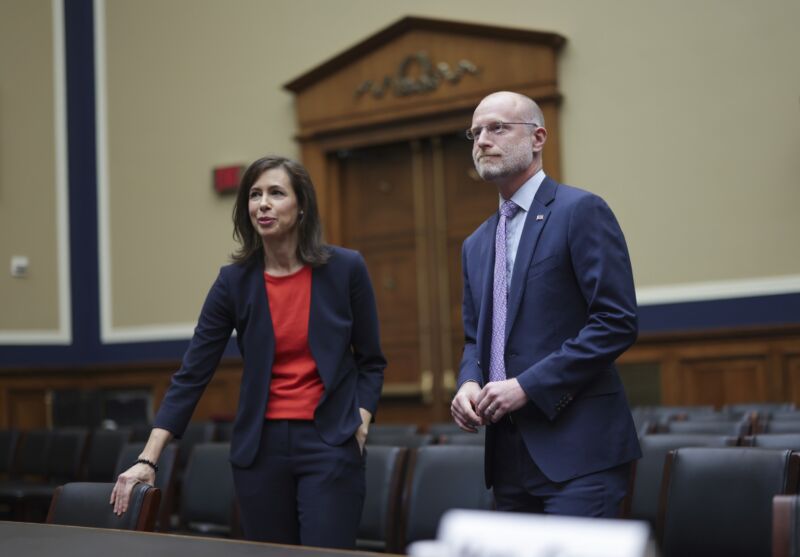
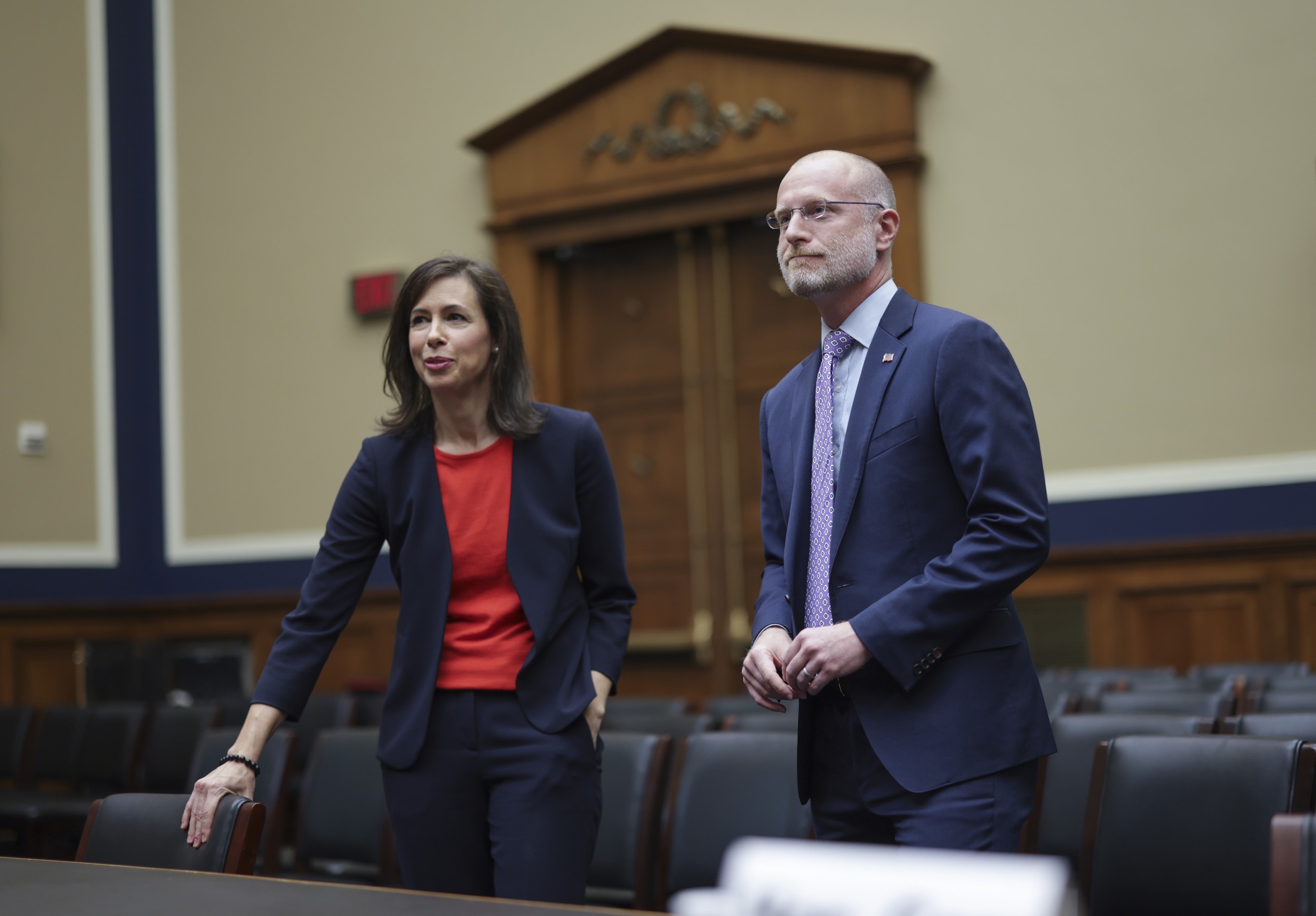
FCC Chairwoman Jessica Rosenworcel and FCC Commissioner Brendan Carr stand next to each other in a Congressional hearing room before a hearing.

Enlarge / FCC Chairwoman Jessica Rosenworcel and FCC Commissioner Brendan Carr arrive to testify during a House committee hearing on March 31, 2022 in Washington, DC. (credit: Getty Images | Kevin Dietsch )

The Federal Communications Commission today voted to move ahead with a plan that would restore net neutrality rules and common-carrier regulation of Internet service providers.

In a 3-2 party-line vote, the FCC approved Chairwoman Jessica Rosenworcel’s Notice of Proposed Rulemaking (NPRM), which seeks public comment on the broadband regulation plan. The comment period will officially open after the proposal is published in the Federal Register, but the docket is already active and can be found here. (The FCC website seems to be having some problems right now, so these links may not work.)

The proposal would reclassify broadband as a telecommunications service, a designation that allows the FCC to regulate ISPs under the common-carrier provisions in Title II of the Communications Act. The plan is essentially the same as what the FCC did in 2015 when it used Title II to prohibit fixed and mobile Internet providers from blocking or throttling traffic or giving priority to Web services in exchange for payment.

Read 18 remaining paragraphs | Comments


Source: Ars Technica – FCC moves ahead with Title II net neutrality rules in 3-2 party-line vote

Pfizer more than doubles price of life-saving COVID antiviral, Paxlovid

A box of Paxlovid, the Pfizer antiviral drug.

Enlarge / A box of Paxlovid, the Pfizer antiviral drug. (credit: Getty | Europa Press News)

Pfizer on Wednesday revealed that it raised the list price of a course of Paxlovid—its life-saving antiviral drug used to reduce risk of severe COVID-19 in those most vulnerable—to nearly $1,400, more than double the roughly $530 the US government has paid for the treatment in the emergency phase of the pandemic.

Pfizer CEO Albert Bourla had noted in an investor call at the beginning of the week that the company would increase the price of Paxlovid as it moves from government distribution to the commercial market at the end of this year. But, he did not announce the new list price then. Instead, the company revealed the more than two-fold increase in a letter to pharmacies and clinics dated Wednesday. The Wall Street Journal was the first to report the list price of $1,390 after viewing the letter.

A Pfizer spokesperson told the Journal that “pricing for Paxlovid is based on the value it provides to patients, providers, and health care systems due to its important role in helping reduce COVID-19-related hospitalizations and deaths.”

Read 5 remaining paragraphs | Comments


Source: Ars Technica – Pfizer more than doubles price of life-saving COVID antiviral, Paxlovid

The OnePlus Open is a 7.8-inch foldable that’s lighter than some slab phones

Read 2 remaining paragraphs | Comments


Source: Ars Technica – The OnePlus Open is a 7.8-inch foldable that’s lighter than some slab phones

Elon Musk talks Tesla: “We dug our own grave with the Cybertruck”

Elon Musk on stage with a prototype Cybertruck. In the background a slide claims the truck is bulletproof

Enlarge / The Cybertruck during its 2019 debut, shortly before one of the supposedly bulletproof windows was shattered by a hammer. (credit: FREDERIC J. BROWN/AFP via Getty Images)

Tesla’s unconventional electric pickup is about to go into production, according to company CEO Elon Musk. As Ars noted yesterday, Tesla’s financial results for the third quarter of 2023 included the news that the company plans to begin deliveries of the Cybertruck at the end of November. But Musk also warned of probable complications ahead as his company tries to scale production.

The Cybertruck was first revealed during a chaotic presentation back in 2019. It featured an exterior design that looked like it had been sketched with Mars in mind, clad in unpainted stainless steel panels like the ill-fated DeLorean DMC12, and allegedly with bullet proof properties, all with a starting price of $39,900.

At the time, Musk promised Tesla was going to reinvent the most quintessentially American vehicle form factor. Instead of body-on-frame construction like the majority of trucks on our roads, or even a unibody construction like the Honda Ridgeline, the Cybertruck was originally going to feature a monocoque body, similar to a Formula 1 car or prototype, except made of folded stainless steel rather than carbon fiber.

Read 10 remaining paragraphs | Comments


Source: Ars Technica – Elon Musk talks Tesla: “We dug our own grave with the Cybertruck”

Universal Music sues AI start-up Anthropic for scraping song lyrics

Read 11 remaining paragraphs | Comments


Source: Ars Technica – Universal Music sues AI start-up Anthropic for scraping song lyrics