Google Fiber is getting outrageously fast 20Gbps service

Google Fiber Labs brings quick internet to early adopters.

Enlarge / Google Fiber Labs brings quick internet to early adopters. (credit: Google)

Google Fiber is still operating in a handful of cities, and now the bandwidth-rich are getting richer: Fiber plans to upgrade some users to outrageously fast 20Gbps service by the end of the year. Google’s Wednesday blog post calls this part of a “GFiber Labs” experiment and says the service “will initially be available as an early access offering to a small group of GFiber customers in select areas.”

The 20Gbps service is made possible by new networking gear: Nokia’s 25G PON (passive optical network) technology, which lets Internet service providers push more bandwidth over existing fiber lines. Google says it’s “one of the first” ISPs to adopt the technology for consumers, though at least one other US ISP, the Tennessee provider “EPB,” has rolled out the technology. Customers will need new networking gear, too, and Google says you’ll get a new fiber modem with built-in Wi-Fi 7.

Fierce Telecom spoke with Google’s Nick Saporito, head of product at Google Fiber, who said, “We definitely see a need” for 20Gbps service. For now, Saporito says the service is “a very early adopter product,” but it will eventually roll out “in most, if not all, of our markets.”

Read 3 remaining paragraphs | Comments


Source: Ars Technica – Google Fiber is getting outrageously fast 20Gbps service

The “low-cost MacBook” rumor just won’t die, but it might finally make sense

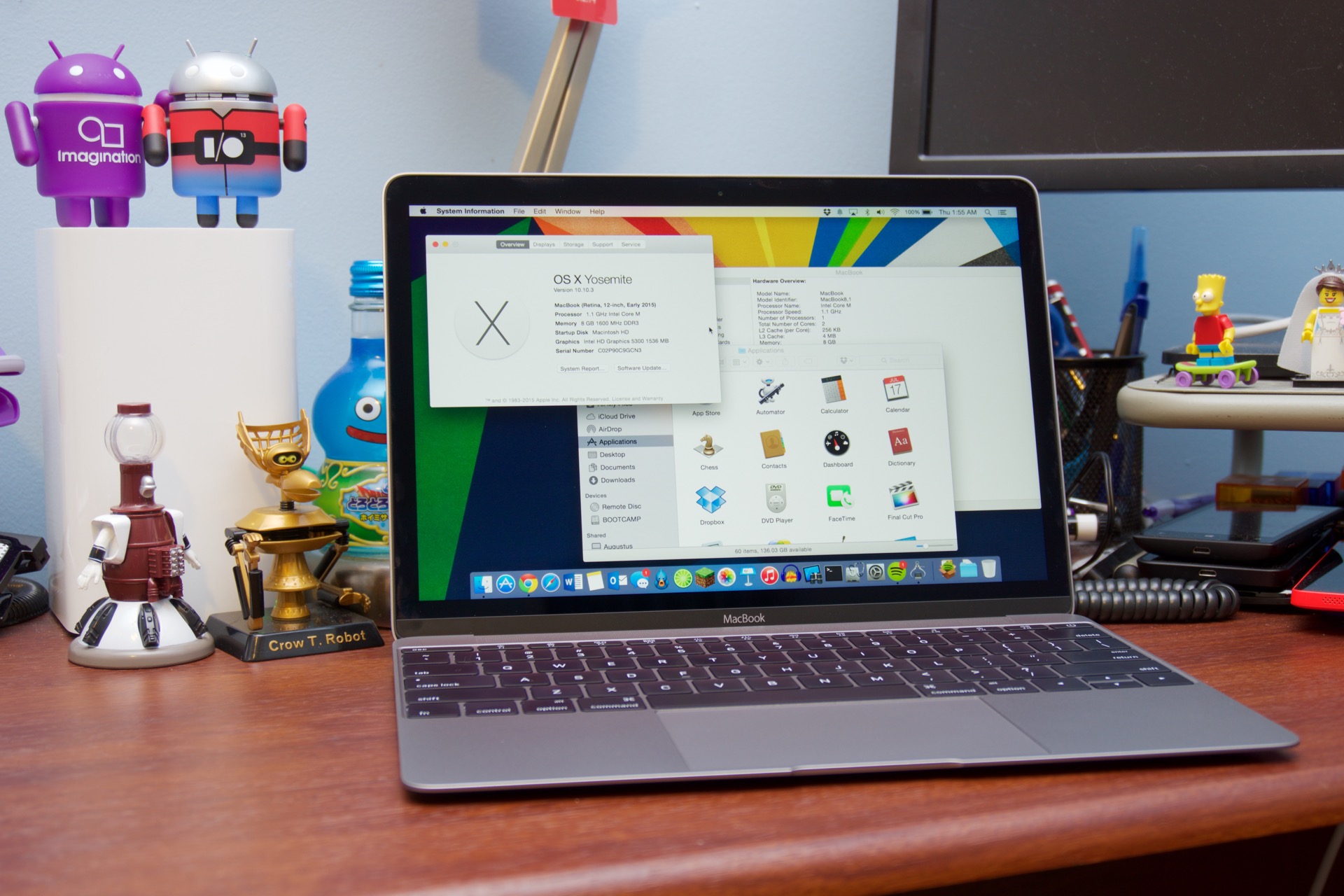
Could the 12-inch MacBook make a return as some kind of "lower-cost MacBook"?

Enlarge / Could the 12-inch MacBook make a return as some kind of “lower-cost MacBook”? (credit: Andrew Cunningham)

If you want a Mac laptop, you usually need to be ready to spend at least $1,000. Whether we’re talking about the white plastic MacBook from 2006, the 11-inch MacBook Air from a decade ago, or the modern M1 MacBook Air, the list price for Apple’s cheapest MacBook is usually within $100 or so of that four-digit price barrier (not counting refurbished Macs or ones that go on sale).

Apple has a stated aversion to releasing less-expensive hardware just to hit an attractive price—”cheap is for other people because we try to build a better product,” Apple marketing SVP Greg Joswiak told us a few years ago. But rumors of a low-cost MacBook pop up every few years, undeterred, usually conflating “entry-level” with “low-cost.” Here’s a prediction about an $800 MacBook from October 2008 (actual entry-level prices: $999 and $1,299). Here’s analyst Ming-Chi Kuo and Bloomberg’s Mark Gurman in 2018 predicting a MacBook Air “with a lower price tag” that would “reignite sales” (actual price: $1,199, $200 more than the previous MacBook Air).

This week, Kuo came back with an updated version of that same report, claiming that Apple “may also consider (but hasn’t decided yet) introducing a more affordable MacBook model to boost shipments.” Mac revenue and unit shipments have indeed been down year over year for a few quarters, though that has more to do with a pandemic- and Apple Silicon-fueled sales spike in 2021 and 2022 than anything (the revenue numbers are still on the high side of normal compared to 2019 and most of 2020).

Read 18 remaining paragraphs | Comments


Source: Ars Technica – The “low-cost MacBook” rumor just won’t die, but it might finally make sense

CEO of rocket-maker ULA makes a sales pitch—for the whole company

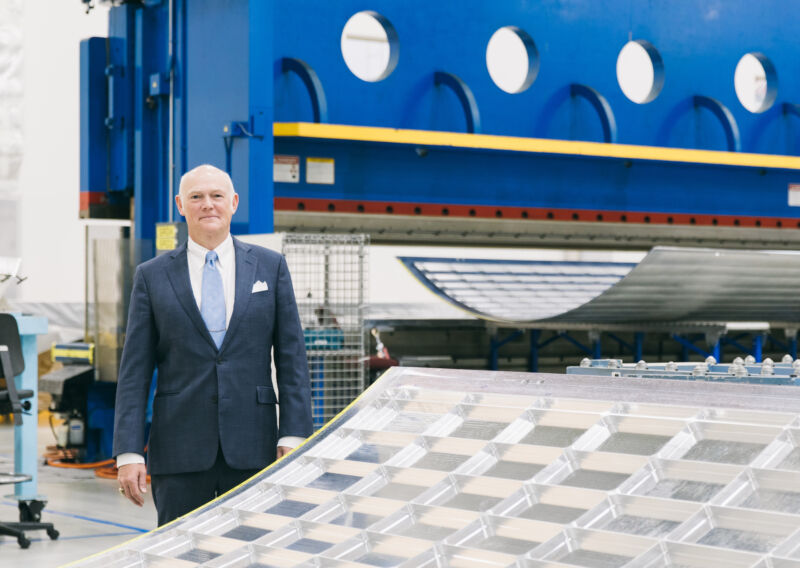
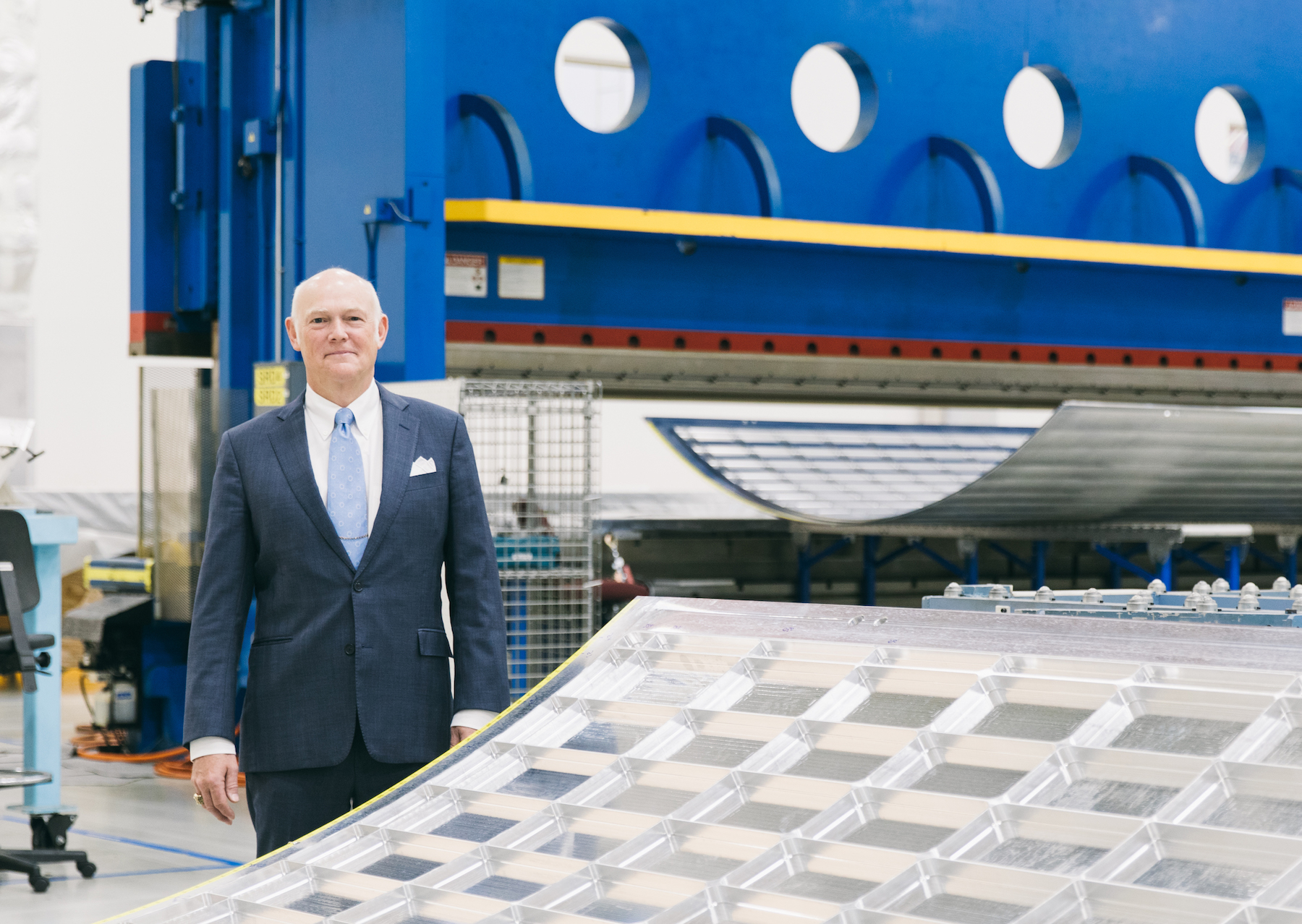
Tory Bruno, ULA's chief executive, inside the company's rocket factory in Decatur, Alabama.

Enlarge / Tory Bruno, ULA’s chief executive, inside the company’s rocket factory in Decatur, Alabama. (credit: Cameron Carnes for The Washington Post via Getty Images)

It sure sounds like United Launch Alliance is up for sale. Tory Bruno, the rocket builder’s CEO, said this week that anyone who purchased ULA would reap the rewards of the company’s “transformation” over the last few years, a course change primarily driven by geopolitics and the competitive threat of SpaceX.

While Bruno did not disclose details of any negotiations about a potential sale of ULA, he told Bloomberg News this week that the launch operator is primed for a buyer. Boeing and Lockheed Martin each have a 50 percent stake in the Colorado-based rocket company.

“If I were buying a space business, I’d go look at ULA,” Bruno said. “It’s already had all the hard work done through the transformation. You’re not buying a Victorian with bad plumbing. It’s all been done. You’re coming in at the end of the remodel, so you can focus on your future.”

Read 15 remaining paragraphs | Comments


Source: Ars Technica – CEO of rocket-maker ULA makes a sales pitch—for the whole company

Elon Musk’s chaotic first year at Twitter leaves X Corp. with shaky finances

Elon Musk’s chaotic first year at Twitter leaves X Corp. with shaky finances

Enlarge (credit: Aurich Lawson | Getty Images)

One year after Elon Musk’s $44 billion purchase of Twitter, which he completed on October 27, 2022, after months of legal drama, the social media firm that Musk renamed “X” is on shaky financial ground.

Musk has expressed ambitions to transform X into an “everything app” that includes a digital payments platform and audio and video calling. He told employees that, despite massive cuts eliminating most of Twitter’s pre-Musk workforce, he sees “a clear but difficult path” to a future valuation of more than $250 billion.

X doesn’t provide detailed financial statements or user numbers because Musk took the company private when he bought Twitter. But data leaked to news media and third-party research depicts a platform in decline, which might not be exactly what Musk meant when he called the firm “an inverse startup.”

Read 36 remaining paragraphs | Comments


Source: Ars Technica – Elon Musk’s chaotic first year at Twitter leaves X Corp. with shaky finances

Behind the scenes of Unity’s “rushed-out” install-fee program

A push for more IronSource customers may have been a major motivation behind Unity's controversial install-fee proposals

Enlarge / A push for more IronSource customers may have been a major motivation behind Unity’s controversial install-fee proposals (credit: Unity)

It’s been over a month now since Unity partially backtracked on its controversial proposed “pay per install” fee structure, a trust-destroying saga that seems to have contributed to the retirement of Unity CEO John Riccitiello. Now, a new report highlights some of the internal divisions over the “rushed-out” policy introduction and provides new insight into what may have been motivating the company to even attempt such a plan.

Business-focused site MobileGamer.biz cites multiple “sources from inside Unity and across the mobile games business” in reporting that Unity received some significant pushback from senior-level managers before rolling out its initial fee-restructuring plans. “Half of the people in that meeting said that this model is too complicated, it’s not going to be well-received, and we should talk to people before we do this,” one anonymous source told the site. “It felt very rushed. We had this meeting and were told it was happening, but we were not told a date. And then before we knew it, it was out there.”

After the negative reaction to that initial plan, Unity reportedly considered a modification that would take up to 4 percent of revenue from the largest Unity publishers—slightly under the 5 percent charged by the Unreal Engine. The final policy knocked that cap down to 2.5 percent only after the extent of the backlash became clear.

Read 6 remaining paragraphs | Comments


Source: Ars Technica – Behind the scenes of Unity’s “rushed-out” install-fee program

Trying to make sense of why Otis exploded en route to Acapulco this week

Read 17 remaining paragraphs | Comments


Source: Ars Technica – Trying to make sense of why Otis exploded en route to Acapulco this week

Old-school problems, old-school solutions: We help aero-test a Mustang

Read 14 remaining paragraphs | Comments


Source: Ars Technica – Old-school problems, old-school solutions: We help aero-test a Mustang

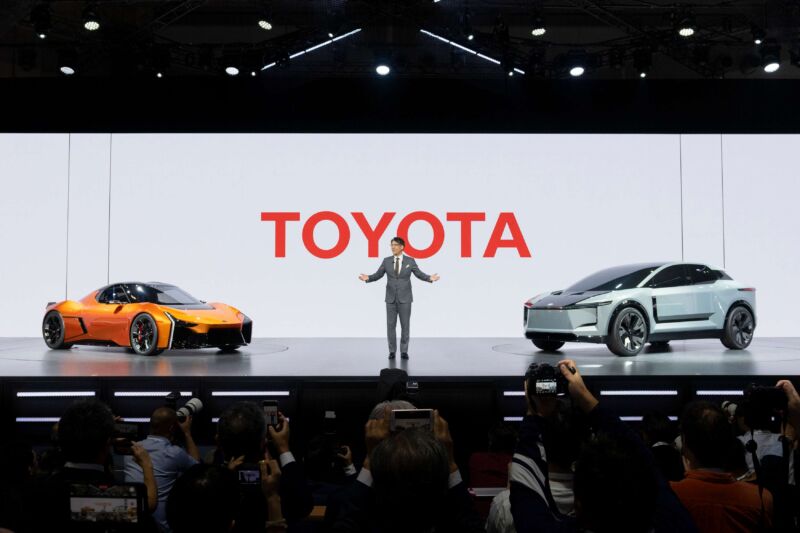
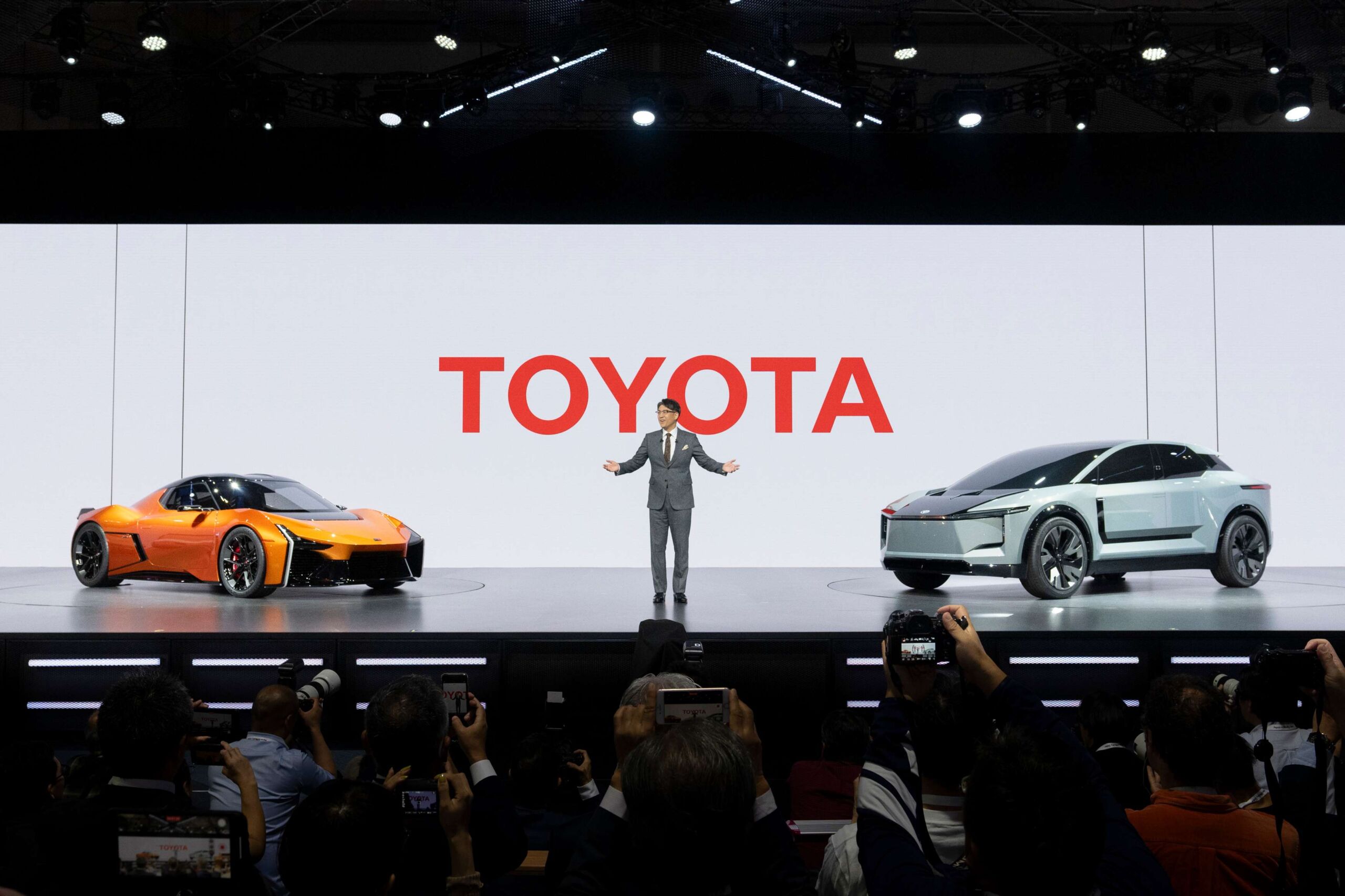
Toyota shows electric concepts at Tokyo show, but it may never build them

Read 26 remaining paragraphs | Comments


Source: Ars Technica – Toyota shows electric concepts at Tokyo show, but it may never build them

A new hybrid subspecies of puffin is likely the result of climate change

A puffin

Enlarge / Atlantic puffin, Spitsbergen, Svalbard Islands, Norway. (credit: Sergio Pitamitz/VWPics/Universal Images Group via Getty Images)

The brisk increase in warming rates in the Arctic is bringing rapid shifts in range for plants and animals across the region’s tree of life. Researchers say those changes can lead species that normally wouldn’t encounter each other to interbreed, creating new hybrid populations.

Now, scientists have presented the first evidence of large-scale hybridization that appears to have been driven by climate change. In a paper published this month in the journal Science Advances, researchers report that a hybrid Atlantic puffin population on the remote Norwegian island of Bjornoya seems to have emerged in a period coinciding with the onset of a faster pace of global warming.

The hybrid puffins likely arose from the breeding between two subspecies within the past 100 or so years, coinciding with the onset of the 20th-century warming pattern, the study concludes. Strikingly, the hybridization occurred after a subspecies migrated southward, not poleward toward cooler temperatures, as might have been expected, a finding that highlights the complexity of the changes underway in the Arctic ecosystem.

Read 32 remaining paragraphs | Comments


Source: Ars Technica – A new hybrid subspecies of puffin is likely the result of climate change

Daily Telescope: Snapshot of a brilliant green comet before it left forever

Read 5 remaining paragraphs | Comments


Source: Ars Technica – Daily Telescope: Snapshot of a brilliant green comet before it left forever

Leonardo da Vinci used toxic pigments when he painted the Mona Lisa

detail from the Mona Lisa showing head and shoulders

Enlarge / A tiny fleck of paint, taken from the Mona Lisa, is revealing insights into previously unknown steps of Leonardo da Vinci’s process. (credit: Public domain)

When Leonardo da Vinci was creating his masterpiece, the Mona Lisa, he may have experimented with lead oxide in his base layer, resulting in trace amounts of a compound called plumbonacrite. It forms when lead oxides combine with oil, a common mixture to help paint dry, used by later artists like Rembrandt. But the presence of plumbonacrite in the Mona Lisa is the first time the compound has been detected in an Italian Renaissance painting, suggesting that da Vinci could have pioneered this technique, according to the authors of a recent paper published in the Journal of the American Chemical Society.

Fewer than 20 of da Vinci’s paintings have survived, and the Mona Lisa is by far the most famous, inspiring a 1950s hit song by Nat King Cole and featuring prominently in last year’s Glass Onion: a Knives Out Mystery, among other pop culture mentions. The painting is in remarkably good condition given its age, but art conservationists and da Vinci scholars alike are eager to learn as much as possible about the materials the Renaissance master used to create his works.

There have been some recent scientific investigations of da Vinci’s works, which revealed that he varied the materials used for his paintings, especially concerning the ground layers applied between the wooden panel surface and the subsequent paint layers. For instance, for his Virgin and Child with St. Anne (c. 1503–1519), he used a typical Italian Renaissance gesso for the ground layer, followed by a lead white priming layer. But for La Belle Ferronniere (c. 1495–1497), da Vinci used an oil-based ground layer made of white and red lead.

Read 10 remaining paragraphs | Comments


Source: Ars Technica – Leonardo da Vinci used toxic pigments when he painted the Mona Lisa

Pro-Russia hackers target inboxes with 0-day in webmail app used by millions

Pro-Russia hackers target inboxes with 0-day in webmail app used by millions

Enlarge (credit: Getty Images)

A relentless team of pro-Russia hackers has been exploiting a zero-day vulnerability in widely used webmail software in attacks targeting governmental entities and a think tank, all in Europe, researchers from security firm ESET said on Wednesday.

The previously unknown vulnerability resulted from a critical cross-site scripting error in Roundcube, a server application used by more than 1,000 webmail services and millions of their end users. Members of a pro-Russia and Belarus hacking group tracked as Winter Vivern used the XSS bug to inject JavaScript into the Roundcube server application. The injection was triggered simply by viewing a malicious email, which caused the server to send emails from selected targets to a server controlled by the threat actor.

No manual interaction required

“In summary, by sending a specially crafted email message, attackers are able to load arbitrary JavaScript code in the context of the Roundcube user’s browser window,” ESET researcher Matthieu Faou wrote. “No manual interaction other than viewing the message in a web browser is required.”

Read 7 remaining paragraphs | Comments


Source: Ars Technica – Pro-Russia hackers target inboxes with 0-day in webmail app used by millions

Teeny jumping spider found in woman’s ear after days of torturous racket

The side view of the spider (on the left) in the ear canal with the exoskeleton in the background.

Enlarge / The side view of the spider (on the left) in the ear canal with the exoskeleton in the background. (credit: The New England Journal of Medicine ©2023.)

While brain worms have made many horrifying headlines this year, the good folks at the New England Journal of Medicine offer some fresh nightmare fuel ahead of Halloween: an ear spider. And there’s a video.

In a short clinical report published in this week’s issue, doctors in Tainan City, Taiwan, detail the case of a 64-year-old woman who sought care at an otolaryngology (ENT) clinic. She came in complaining of having an incessant ruckus in her left ear for the previous four days. On the first day of symptoms, the woman said she was awoken by a feeling of a wee creature crawling in her ear canal. That feeling was then followed by days of clicking, beating, and rustling noises.

Read 9 remaining paragraphs | Comments


Source: Ars Technica – Teeny jumping spider found in woman’s ear after days of torturous racket

Apple raises prices of Apple TV+ and other services

Read 5 remaining paragraphs | Comments


Source: Ars Technica – Apple raises prices of Apple TV+ and other services

University of Chicago researchers seek to “poison” AI art generators with Nightshade

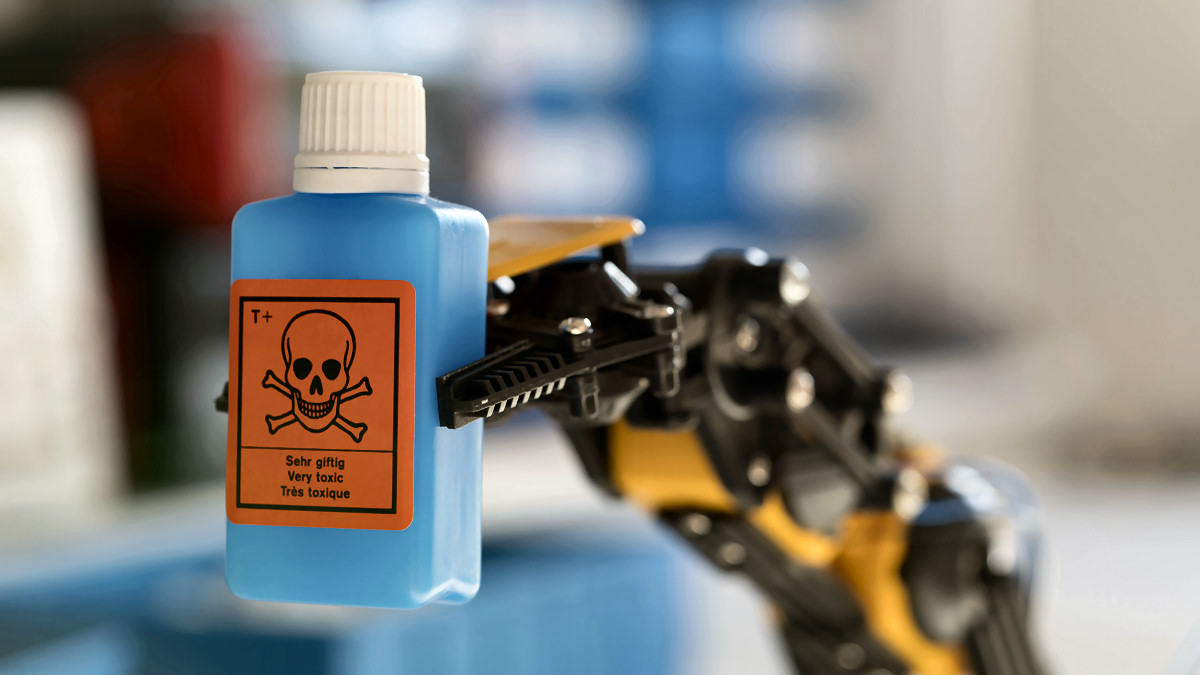
Robotic arm holding dangerous chemical.

Enlarge (credit: Getty Images)

On Friday, a team of researchers at the University of Chicago released a research paper outlining “Nightshade,” a data poisoning technique aimed at disrupting the training process for AI models, reports MIT Technology Review and VentureBeat. The goal is to help visual artists and publishers protect their work from being used to train generative AI image synthesis models, such as Midjourney, DALL-E 3, and Stable Diffusion.

The open source “poison pill” tool (as the University of Chicago’s press department calls it) alters images in ways invisible to the human eye that can corrupt an AI model’s training process. Many image synthesis models, with notable exceptions of those from Adobe and Getty Images, largely use data sets of images scraped from the web without artist permission, which includes copyrighted material. (OpenAI licenses some of its DALL-E training images from Shutterstock.)

AI researchers’ reliance on commandeered data scraped from the web, which is seen as ethically fraught by many, has also been key to the recent explosion in generative AI capability. It took an entire Internet of images with annotations (through captions, alt text, and metadata) created by millions of people to create a data set with enough variety to create Stable Diffusion, for example. It would be impractical to hire people to annotate hundreds of millions of images from the standpoint of both cost and time. Those with access to existing large image databases (such as Getty and Shutterstock) are at an advantage when using licensed training data.

Read 10 remaining paragraphs | Comments


Source: Ars Technica – University of Chicago researchers seek to “poison” AI art generators with Nightshade

Apple releases iOS 16.7.2 and iOS 15.8 security updates to patch old hardware

iPhones running iOS 15.

Enlarge / iPhones running iOS 15. (credit: Apple)

Apple is releasing a slew of updates for its latest operating systems today, including iOS and iPadOS 17.1, macOS Sonoma 14.1, watchOS 10.1, and others. The company is also releasing security updates for a few previous-generation operating systems, so that people who aren’t ready to upgrade (and older devices that can’t upgrade) will still be protected from new exploits.

Those updates include iOS and iPadOS 16.7.2 and 15.8, macOS Ventura 13.6.1, macOS Monterey 12.7.1, and the Safari 17.1 update for both of those macOS versions. At least for now, the iOS and iPadOS 16 updates cover older iPhones and iPads that can’t run iOS 17 and newer devices whose owners simply don’t want to install iOS 17 yet. Apple will eventually stop supporting newer hardware with iOS 16 security updates, but for now, the grace period is still in effect.

This is the first security update that Apple has delivered for iOS 15 since mid-September, suggesting that the company plans to keep supporting 2021’s iOS release with continued security updates for at least a while longer. The iOS 15.8 update will only run on phones and tablets that can’t install iOS 16 or 17, including the iPhone 6S, the iPhone 7, the original iPhone SE, the iPad Air 2, and the last iPod Touch.

Read 7 remaining paragraphs | Comments


Source: Ars Technica – Apple releases iOS 16.7.2 and iOS 15.8 security updates to patch old hardware

Apple backs national right-to-repair bill, offering parts, manuals, and tools

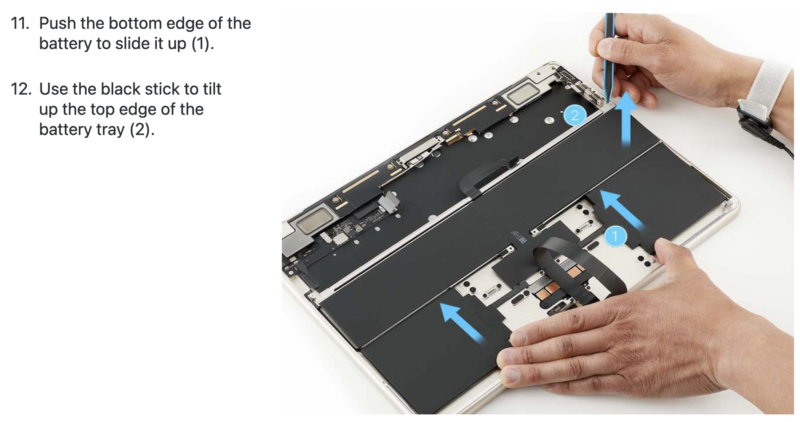
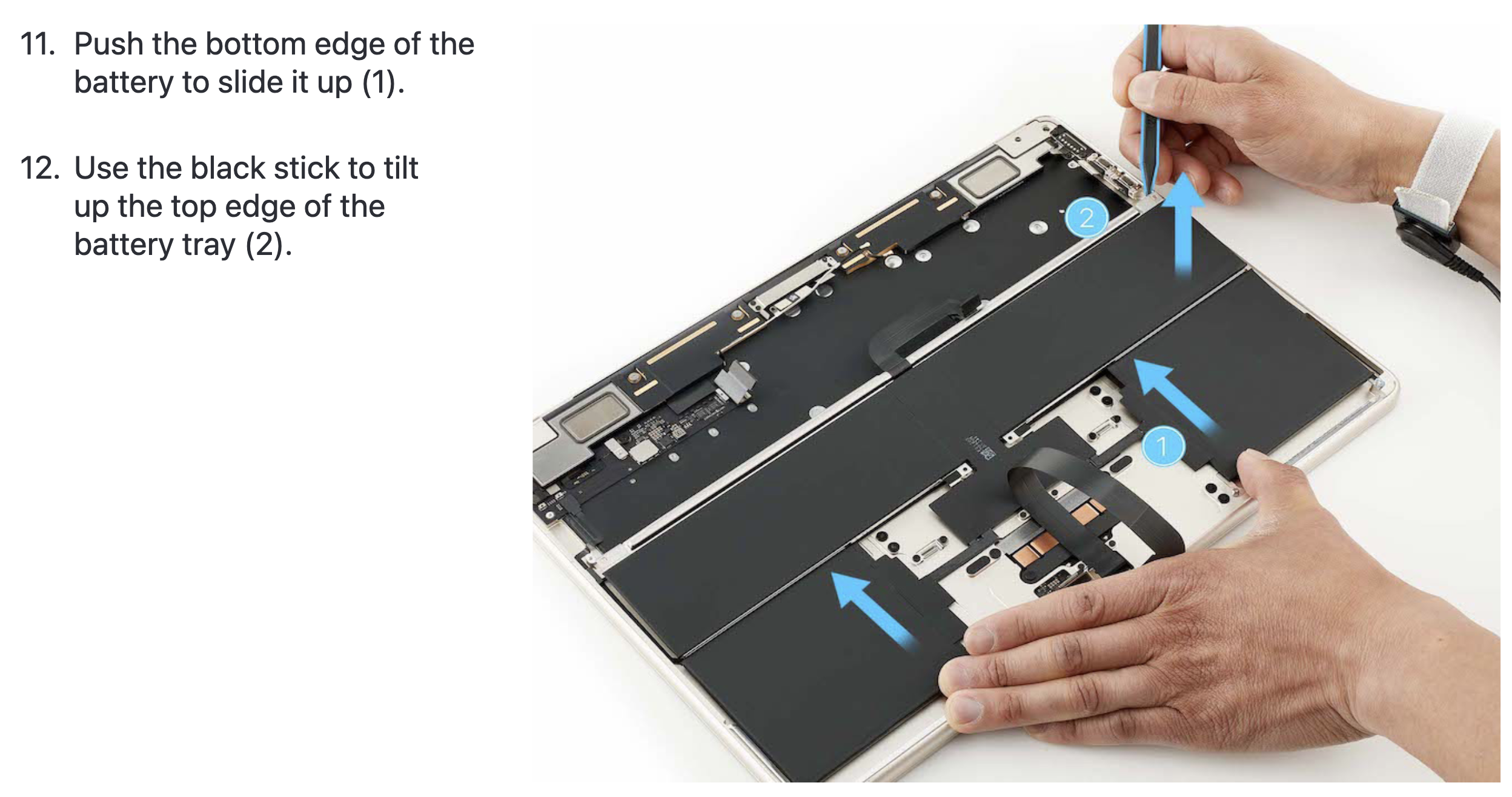
Page from Apple's repair manual showing the removal of a battery from an M2 MacBook Air

Enlarge / A section of Apple’s repair manual for the M2 MacBook Air from 2022. Apple already offers customers some repair manuals and parts through its Self-Service Repair program. (credit: Apple)

Right-to-repair advocates have long stated that passing repair laws in individual states was worth the uphill battle. Once enough states demanded that manufacturers make parts, repair guides, and diagnostic tools available, few companies would want to differentiate their offerings and policies and would instead pivot to national availability.

On Tuesday, Apple did exactly that. Following the passage of California’s repair bill that Apple supported, requiring seven years of parts, specialty tools, and repair manual availability, Apple announced Tuesday that it would back a similar bill on a federal level. It would also make its parts, tools, and repair documentation available to both non-affiliated repair shops and individual customers, “at fair and reasonable prices.”

“We intend to honor California’s new repair provisions across the United States,” said Brian Naumann, Apple’s vice president for service and operation management, at a White House event Tuesday.

Read 9 remaining paragraphs | Comments


Source: Ars Technica – Apple backs national right-to-repair bill, offering parts, manuals, and tools

Renewables transition “unstoppable,” but still too slow for the climate

Wind turbines stand above a large field of solar panels in a view backlit by a rising Sun.

Enlarge (credit: Yaorusheng)

Humanity is on the cusp of radical changes in how we produce and consume energy, according to a new evaluation by the International Energy Agency. And that leaves us in a place where small changes can produce huge differences in the energy economy by the end of the decade—even a slight drop in China’s economic growth, for example, could cut coal use by an amount similar to what Europe currently consumes.

Amidst the flux, governments are struggling to set policies that either meet our needs or reflect the changing reality. By 2030, the IEA expects that we’ll have the capacity to manufacture more than double the solar panels needed to meet current policy goals. And those goals will leave us falling well short of keeping warming below 2° C.

In flux

The IEA’s analysis focuses on two different scenarios. One of them, which it terms STEPS, limits the analysis to the policies that governments have already committed to. Those are sufficient to have energy-driven emissions peak in the middle of this decade—meaning within the next few years. But they stay above net zero for long enough to commit us to 2.4° C warming, a level that climate scientists indicate will lead to severe consequences.

Read 13 remaining paragraphs | Comments


Source: Ars Technica – Renewables transition “unstoppable,” but still too slow for the climate

Dealmaster: Save on Lenovo, Apple, tech essentials, and more

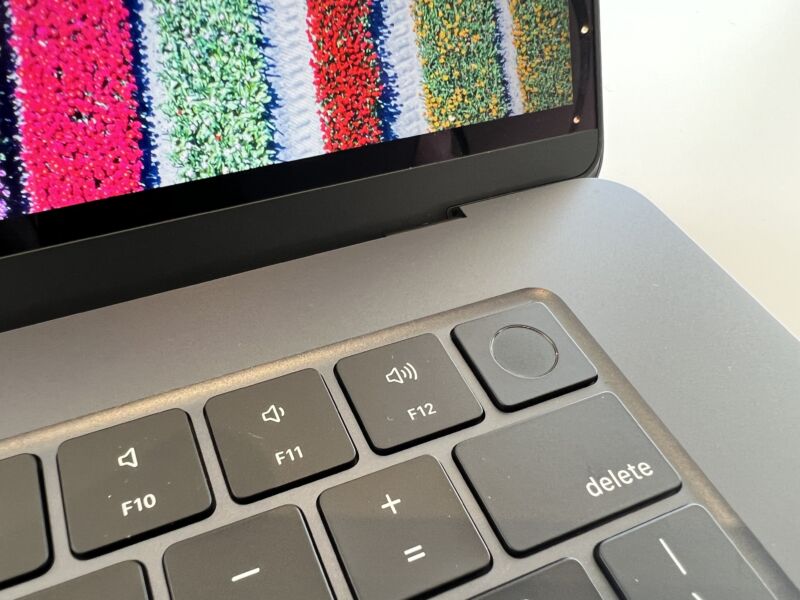
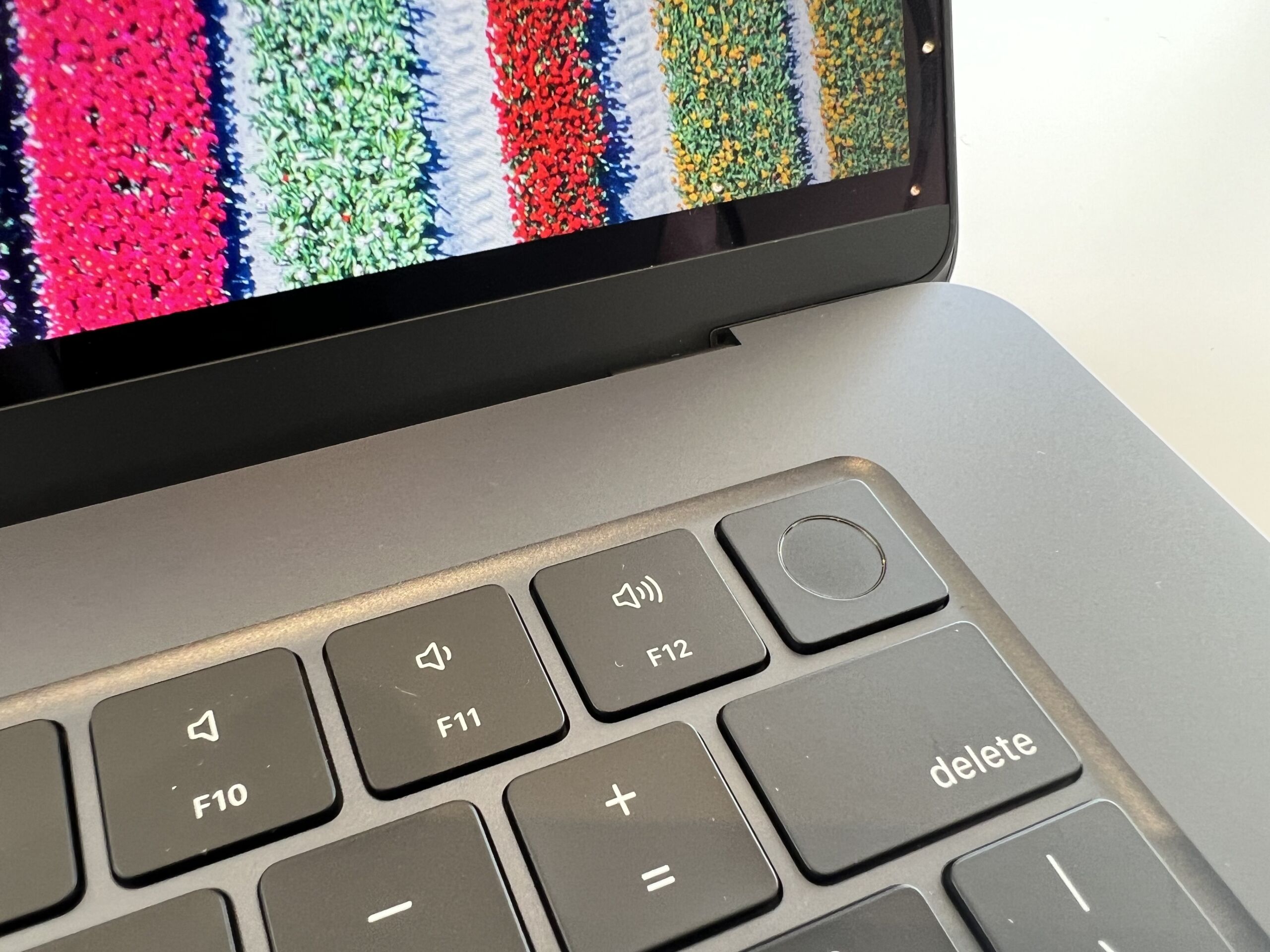
Touch ID embedded in the escape key on the MacBook Air’s keyboard

Enlarge / Touch ID is back, as you’d expect. (credit: Samuel Axon)

With the holiday shopping season quickly approaching, it’s never too early to start looking for the best deals. From home sound bars to laptops, Apple gear, chargers, and charging cables, we found some great discounts on tech gear and essentials. Whether you’re upgrading to the latest Lenovo laptop or are looking to relax and tune out the chaos of retail shopping with a pair of active noise canceling headphones, there are plenty of choices on our list.

Lenovo

  • Lenovo IdeaPad Slim 3 (15-inch, AMD Ryzen 3 7330U) for $465 (wa $650) at Lenovo
  • Lenovo LOQ (16-inch, AMD Ryzen 7 7840HS and RTX 4050) for $980 (was $1,260) at Lenovo
  • Lenovo Slim Pro 7 (14-inch, AMD Ryzen 7 7840HS and RTX 3050) for $1,165 (was $1,450) at Lenovo
  • Lenovo ThinkPad X1 Carbon Gen 10 (14-inch, Intel Core i7-1270P) for $1,443 (was $3,609) at Lenovo
  • Lenovo ThinkPad P14s Gen 4 (14-inch, Intel Core i7-1360P and RTX A500) for $1,689 (was $3,389) at Lenovo
  • Lenovo ThinkPad T16 (16-inch, Intel Core i5-1240P) for $990 (was $2,829) at Lenovo
  • Lenovo Legion Pro 5i Gen 8 (16-inch, Intel Core i7-13700HX and RTX 4060) for $1,300 (was $1,700) at Lenovo
  • Lenovo ThinkPad X1 Carbon Gen 10 (14-inch, Intel Core i7-1260P) for $1,376 (was $3,439) at Lenovo
  • Lenovo ThinkPad P16s Gen 2 (16-inch, Intel Core i7-1360P and RTX A500) for $1,809 (was $3,629) at Lenovo
  • Lenovo LOQ (16-inch, Intel Core i7-13620H and RTX 4050) for $1,000 (was $1,360) at Lenovo
  • Lenovo ThinkPad P16v (16-inch, Intel Core i7-13700H and RTXA500) for $1,669 (was $3,339) at Lenovo
  • Lenovo ThinkPad P1 Gen 6 (16-inch, Intel Core i7-13700H adn RTX A2000) for $2,189 (was $4,389) at Lenovo
  • Lenovo ThinkPad P16 Gen 2 (16-inch, Intel Core i7-13700HX and RTX A1000) for $1,949 (was $3,899) at Lenovo
  • Lenovo ThinkPad L13 Gen 3 (13-inch, AMD Ryzen 7 Pro 5875U) for $1,275 (was $2,319) at Lenovo
  • Lenovo ThinkPad L13 Gen 3 (13-inch, AMD Ryzen 7 Pro 5875U) for $1,242 (was $2,259) at Lenovo
  • Lenovo ThinkPad L13 Yoga Gen 3 (13-inch, Intel Core i5-1245U) for $1,209 (was $2,199) at Lenovo
  • Lenovo ThinkPad X1 Nano Gen 3 (13-inch, Intel Core i5-1340P) for $1,201 (was $1,969) at Lenovo
  • Lenovo ThinkPad L13 Yoga Gen 3 (13-inch, Intel Core i5-1235U) for $1,1405 (was $2,009) at Lenovo
  • Lenovo ThinkPad T14 Gen 3 (14-inch, Intel Core i5-1250P) for $1,067 (was $3,049) at Lenovo
  • Lenovo Legion Slim 7i Gen 8 (16-inch, Intel Core i7-13700H and RTX 4060) for $1,450 (was $1,820) at Lenovo
  • Lenovo LOQ (16-inch, Intel Core i5-13500H and RTX 3050) for $770 (was $1,020) at Lenovo

Home audio

  • Sony HT-A7000 sound bar for $998 (was $1,398) at Crutchfield
  • Sennheiser AMBEO Soundbar | Max for $2,000 (was $2,500) at Crutchfield
  • Sony HT-A5000 sound bar for $698 (was $998) at Crutchfield
  • Yamaha SR-B20A sound bar for $150 (was $200) at Crutchfield
  • Polk Audio React Sound Bar for $199 (was $269) at Crutchfield
  • Sony HT-S2000 sound bar for $348 (was $498) at Crutchfield
  • Bose Smart Soundbar 900 for $699 (was $899) at Crutchfield
  • Sony HT-A3000 sound bar for $498 (was $698) at Crutchfield
  • Bowers & Wilkins Formation Bar for $631 (was $699) at Crutchfield

Apple gear

  • Apple 2020 MacBook Air Laptop M1 Chip for $849 (was $999) at Amazon
  • Apple 2023 MacBook Air 15-inch Laptop with M2 chip for $1,100 after coupon (was $1,299) at Amazon
  • Apple 2022 MacBook Pro 13-inch Laptop with M2 chip for $1,199 (was $1,299) at Amazon
  • Apple AirPods (2nd Generation) for $99 (was $129) at Amazon
  • Apple AirPods (3rd Generation) for $149 (was $169) at Amazon
  • Apple AirPods Max Wireless Over-Ear Headphones for $499 (was $549) at Amazon
  • Apple AirTag 4 Pack for $89 (was $99) at Amazon
  • Apple iPad (9th Generation) for $249 (was $329) at Amazon
  • Apple iPad Air (5th Generation) for $500 (was $599) at Amazon

Headphones

  • Bose Headphones 700 for $299 (was $379) at Amazon
  • Soundcore by Anker P20i True Wireless Earbuds for $30 (was $40) at Amazon
  • Soundcore by Anker Life P3i Hybrid Active Noise Cancelling Earbuds for $50 (was $60) at Amazon
  • Soundcore by Anker Space A40 Auto-Adjustable Active Noise Cancelling Wireless Earbuds for $79 (was $100) at Amazon
  • Soundcore by Anker Liberty 3 Pro Noise Cancelling Earbuds for $100 (was $170) at Amazon

Chargers, cables, and power banks

  • Anker USB C Charger, 735 Charger (Nano II 65W) for $38 (was $56) at Amazon
  • Anker Prime 100W USB C Charger, Anker GaN Wall Charger for $64 after coupon (was $85) at Amazon
  • Anker USB C Charger (GaN II 100W), 3 Port Fast Compact Wall Charger for $45 after coupon (was $75) at Amazon

Tools

  • DEWALT 20V MAX Cordless Drill and Impact Driver for $139 (was $239) at Amazon
  • DEWALT 20V MAX Cordless Impact Driver Kit, Brushless for $154 (was $169) at Amazon
  • DEWALT 20V Max Cordless Drill / Driver Kit, Compact for $99 (was $179) at Amazon
  • DEWALT 20V MAX XR Impact Driver, Brushless for $99 (was $149) at Amazon
  • DEWALT DWHT71843 MT16 Multi Tool for $17 (was $37) at Amazon
  • DEWALT 20V MAX Cordless Impact Wrench for $197 (was $279) at Amazon
  • Greenworks 80V 20-inch Snow Blower for $700 (was $1,200) at Best Buy
  • Greenworks 80 Volt Pro Rapid Battery Charger for $62 (was $100) at Best Buy
  • Greenworks 80 Volt 26-Inch Cordless Brushless Hedge Trimmer for $180 (was $250) at Best Buy
  • Greenworks 80 Volt 16-Inch Cutting Diameter Brushless Straight Shaft Grass Trimmer for $180 (was $250) at Best Buy
  • Greenworks 80V 20” Cordless Brushless Snow Blower for $330 (was $450) at Best Buy
  • Greenworks 80 Volt 12-Inch Single Stage Cordless Brushless Snow Shovel for $260 (was $350) at Best Buy
  • Greenworks 80 Volt 18-Inch Cordless Brushless Chainsaw for $300 (was $400) at Best Buy
  • Greenworks 80 Volt 22-Inch Single Stage Cordless Brushless Electric Snow Blower for $600 (was $800) at Best Buy
  • Greenworks 80 Volt 170 MPH 730 CFM Cordless Handheld Blower for $199 (was $250) at Best Buy
  • Greenworks Electric Pressure Washer up to 2000 PSI at 1.3 GPM for $180 (was $220) at Best Buy
  • Greenworks 80V 24-inch Cordless Brushless Two-Stage Snow Blower for $1,600 (was $2,000) at Best Buy
  • Greenworks 10-inch 80 Volt Cultivator/Tiller for $334 (was $400) at Best Buy
  • Greenworks Electric Pressure Washer for $168 (was $200) at Best Buy
  • Greenworks 80 Volt 10-Inch Brushless Cordless Pole Saw with 14.5 foot reach for $263 (was $300) at Best Buy
  • Greenworks 24 Volt 110 MPH 450 CFM Cordless Handheld Blower for $140 (was $150) at Best Buy

Ars Technica may earn compensation for sales from links on this post through affiliate programs.

Read on Ars Technica | Comments


Source: Ars Technica – Dealmaster: Save on Lenovo, Apple, tech essentials, and more

Motorola demos smartphone that can wrap around your wrist (again) 

Lenovo’s Motorola mobile brand is resurfacing the idea of the bendable, bracelet-like smartphone. Demoed at Lenovo Tech World ’23 in Austin, Texas, yesterday, Motorola’s “adaptive display” revisits a concept that we’ve seen discussed for years but that doesn’t seem any closer to actually being sold.

On stage at the event, Lexi Valasek, 312 Labs innovation strategy and product research Lead for Motorola Mobility, proudly held a prototype. The smartphone looked ordinary to start: a slab of OLED with a chassis that’s a bold orange on the backside. But Valasek quickly bent the phone into an arch shape, where it stood on her hand before she wrapped it around her wrist like a cuff.

The phone seemed to adapt to its new positioning rapidly, quickly showing a large clock, making the device feel like a smartwatch.

Read 12 remaining paragraphs | Comments


Source: Ars Technica – Motorola demos smartphone that can wrap around your wrist (again)