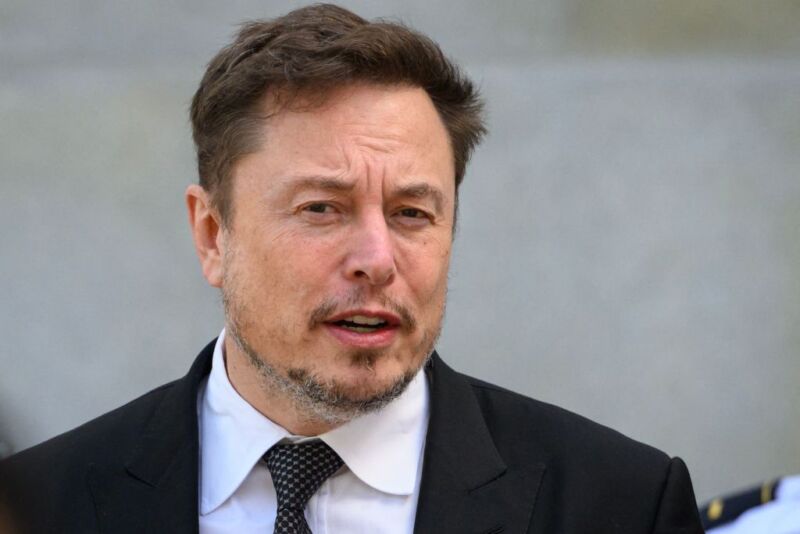
Sam Bankman-Fried repeatedly told to “stop talking” during rambling testimony

Sam Bankman-Fried repeatedly told to “stop talking” during rambling testimony

Enlarge (credit: ANGELA WEISS / Contributor | AFP)

On Friday, Sam Bankman-Fried began his first day testifying before a jury with a loss. The FTX co-founder had intended to explain exactly how much he relied on lawyers to steer his decision-making amid the cryptocurrency exchange’s rise and collapse, but US District Judge Lewis Kaplan ruled that particular part of his proposed testimony could not be heard by the jury, The Wall Street Journal reported.

Bankman-Fried had testified on Thursday that his in-house legal team oversaw paperwork for “hundreds of millions of dollars in personal loans to himself and other founders of the platform,” CNBC reported. He told the court that having his legal team’s blessing was something that he “took comfort in.”

“That evidence would in my judgment be confusing and prejudicial,” Kaplan said, dealing what many outlets considered a serious blow to Bankman-Fried’s defense.

Read 12 remaining paragraphs | Comments


Source: Ars Technica – Sam Bankman-Fried repeatedly told to “stop talking” during rambling testimony

Dealmaster: Sparkling TVs, noise canceling cans, Lenovo laptops, and much more

Samsung S90C OLED TV

Samsung’s S90C OLED TV.

As November approaches, we find ourselves hurtling into TV season, which equates to a ton of deals on TVs as manufacturers sell off their old stock and prepare for next year’s models. Those are just some of the bargains you’ll find on today’s Dealmaster, stacking up next to everything from noise-canceling headphones to ergonomic office chairs, Apple gear, and Dolby Atmos soundbars to pair with your new TV. So dig in below and grab a deal or two!

Headphones

  • Apple AirPods Pro (gen 2, USB-C) for $200 (was $250) at Best Buy
  • Sony WH-1000XM4B.CE7 Limited Edition Noise Cancelling Wireless Headphones for $273 (was $350) at Amazon
  • Samsung Galaxy Buds 2 Wireless Noise Canceling Earbuds for $120 (was $150) at Best Buy
  • Technics EAH-A800 Wireless Noise Cancelling Headphones for $300 (was $348) at Amazon
  • 1MORE SonoFlow Active Noise Cancelling Headphones for $75 (was $100) at Amazon
  • Soundpeats Air4 Wireless Earbuds with Snapdragon Sound AptX Adaptive Lossless Audio for $53 (was $90) from Amazon
  • Soundcore by Anker Q20i Hybrid Active Noise Cancelling Headphones for $40 (was $70) at Amazon
  • Bowers & Wilkins Pi5 S2 In-Ear Bluetooth Earbuds with Active Noise Cancellation for $200 (was $300) at Amazon
  • JBL Quantum Noise Canceling Gaming Earbuds for $80 (was $150) at Amazon
  • JBL Tune 510BT: Wireless On-Ear Headphones for $25 (was $50) at Amazon
  • JBL Tune 230NC Wireless Noise Canceling Earbuds for $50 (was $100) at Amazon
  • JBL Live 660NC Wireless Over-Ear Noise Canceling Headphones for $100 (was $200) at Amazon
  • Jabra Elite 7 Pro Noise Canceling Earbuds for $110 (was $200) at Amazon
  • Beats Studio Buds Wireless Noise Cancelling Earbuds for $120 (was $150) at Best Buy
  • Bose Headphones 700 Wireless Noise Cancelling Over-the-Ear Headphones for $299 (was $379) at Best Buy
  • JBL Live 460NC – Wireless On-Ear Noise Cancelling Headphones for $65 (was $130) at Amazon
  • JBL Live Free 2 True Wireless earbuds with adaptive noise canceling for $75 (was $150) at Amazon
  • JBL Quantum 910 Wireless Gaming Headset for $230 (was $300) at Amazon

Apple gear

  • Apple Watch SE 2nd Gen (GPS, 44 mm) for $239 (was $279) at Amazon
  • Apple Watch Series 8 (GPS + Cellular 45 mm) Smart Watch with Silver Stainless Steel Case for $598 (was $749) at Amazon
  • Apple Watch Series 8 (GPS + Cellular 45 mm) Smart Watch with Starlight Aluminum Case for $424 (was $529) at Amazon
  • Apple Watch Series 8 (GPS + Cellular 41 mm) Smart Watch with Graphite Stainless Steel Case for $639 (was $749) at Amazon
  • Apple Watch Series 8 (GPS + Cellular, 45 mm) Smart Watch with Gold Stainless Steel Case for $679 (was $799) at Amazon
  • Apple Watch Series 8 (GPS 45 mm) for $350 (was $429) at Amazon
  • Apple 2020 Gold MacBook Air 13-inch Laptop M1 Chip 8GB RAM for $750 (was $999) at Amazon
  • Apple AirPods Pro (gen 2, USB-C) for $200 (was $250) at Best Buy
  • Apple 2020 Grey MacBook Air Laptop M1 Chip for $849 (was $999) at Amazon
  • Apple 2023 MacBook Air 15-inch Laptop with M2 chip for $1,049 after coupon (was $1,299) at Amazon
  • Apple AirPods (2nd Generation) for $99 (was $129) at Amazon
  • Apple AirPods Max Wireless Over-Ear Headphones for $499 (was $549) at Amazon
  • Apple iPad (9th Generation) for $249 (was $329) at Amazon
  • Apple iPad Air (5th Generation) for $500 (was $599) at Amazon

Office chairs

  • LANDOMIA Ergonomic Mesh Office Chair with Flip up Arms for $144 (was $180) at Amazon
  • Razzor Ergonomic High Back Mesh Desk Chair for $152 (was $250) at Amazon
  • Ergonomic Desk Chair with Adjustable Lumbar Support for $117 (was $190) at Amazon
  • Memobarco Ergonomic Office Desk Chair with Lumbar Support for $160 (was $199) at Amazon
  • Ergonomic Mesh Home Office Desk Chair with Lumbar Support for $161 (was $250) at Amazon
  • Ergonomic Mesh Office Executive Swivel Chair for $180 with coupon (was $250) at Amazon
  • Soohow Ergonomic Mesh High Back Office Chair with Headrest for $150 with coupon (was $230) at Amazon
  • Mimoglad High Back Ergonomic Desk Chair with Adjustable Lumbar Support and Headrest for $120 (was $180) at Amazon
  • FelixKing Ergonomic Office Chair, Headrest Desk Chair with Adjustable Lumbar Support for $138 (was $240) at Amazon
  • Primy Ergonomic Desk Chair with Adjustable Lumbar Support for $110 (was $150) at Amazon
  • Ergonomic Mesh Desk Chair with Head Support for $80 (was $100) at Amazon

TVs

  • Hisense 65-inch Class U8 Series Mini-LED ULED 4K UHD Google Smart TV for $1,098 (was $1,400) at Amazon
  • TCL 55-inch Q7 QLED 4K Smart TV with Google TV for $598 (was $750) at Amazon
  • TCL 55-inch Q6 QLED 4K Smart TV with Google TV for $448 (was $500) at Amazon
  • LG 65-inch Class B2 OLED 4K UHD for $1,500 (was $2,300) at LG
  • Sony 65-inch Class Bravia XR A80L OLED 4K smart Google TV for $1,800 (was $2,600) at Best Buy
  • Sony 55-inch Class Bravia XR A80L OLED 4K smart Google TV for $1,500 (was $1,900) at Best Buy
  • Sony 83-inch Class Bravia XR A80L OLED 4K UHD Smart Google TV for $4,500 (was $5,500) at Best Buy
  • Samsung 55-inch Class Neo QLED 4K QN90C TV for $1,400 (was $2,000) at Samsung
  • Samsung 65-inch Class Neo QLED 4K QN90C TV for $1,700 (was $2,800) at Samsung
  • Samsung 85-inch Class Neo QLED 4K QN90C TV for $2,800 (was $4,800) at Samsung
  • Samsung 65-inch Class OLED 4K S90C Series Quantum HDR smart TV for $1,598 (was $2,598) at Amazon
  • Samsung 55-inch Class OLED 4K S95C Series Quantum HDR Smart TV for $1,898 (was $2,498) at Amazon
  • LG 77-inch Class B3 series OLED 4K UHD for $2,019 (was $3,300) at LG
  • Sony 55-inch Class Bravia XR A95K 4K HDR OLED Google TV for $2,500 (was $2,800) at Best Buy
  • LG 65-inch Class G3 Series OLED 4K UHD Smart webOS TV for $2,600 (was $3,300) at Best Buy
  • LG 77-inch Class G3 Series OLED 4K UHD Smart webOS TV for $3,800 (was $4,500) at Best Buy
  • LG 83-inch Class G3 Series OLED 4K UHD Smart webOS TV for $5,500 (was $6,500) at Best Buy

Soundbars

  • Polk Audio Signa S4 Soundbar for $299 (was $399) at Crutchfield
  • Bose Smart Soundbar 600 Compact Dolby Atmos Soundbar for $399 (was $499) at Crutchfield
  • Samsung HW-S800B Ultra Slim Dolby Atmos Soundbar for $748 (was $898) at Crutchfield
  • Yamaha SR-C30A Soundbar for $230 (was $280) at Crutchfield
  • Samsung HW-Q900C Dolby Atmos Soundbar for $988 (was $1398) at Crutchfield
  • Bose TV Speaker Soundbar for $200 (was $279) at Crutchfield
  • Sony HT-A7000 Dolby Atmos Soundbar for $998 (was $1,398) at Crutchfield
  • Sony HT-A5000 Dolby Atmos Soundbar for $698 (was $998) at Crutchfield
  • Sennheiser AMBEO Dolby Atmos Soundbar | Max for $2,000 (was $2,500) at Crutchfield
  • Yamaha SR-B20A Soundbar for $150 (was $200) at Crutchfield
  • Polk Audio React SoundBar for $199 (was $269) at Crutchfield
  • Sony HT-S2000 Soundbar for $348 (was $498) at Crutchfield
  • Sony HT-A3000 Soundbar for $498 (was $698) at Crutchfield

Tools

  • DeWalt 20V Max Cordless Drill and Impact Driver for $139 (was $239) at Amazon
  • DeWalt 20V Max Cordless Drill / Driver Kit, Compact for $99 (was $179) at Amazon
  • DeWalt 20V Max XR Impact Driver, Brushless for $96 (was $149) at Amazon
  • DeWalt 20V Max Cordless Impact Wrench for $199 (was $279) at Amazon
  • Greenworks 80V 20-inch Snow Blower for $700 (was $1,200) at Best Buy
  • Greenworks 80 Volt Pro Rapid Battery Charger for $62 (was $100) at Best Buy
  • Greenworks 80 Volt 26-Inch Cordless Brushless Hedge Trimmer for $180 (was $250) at Best Buy
  • Greenworks 80 Volt 16-Inch Cutting Diameter Brushless Straight Shaft Grass Trimmer for $180 (was $250) at Best Buy
  • Greenworks 80V 20-inch Cordless Brushless Snow Blower for $330 (was $450) at Best Buy
  • Greenworks 80 Volt 12-Inch Single Stage Cordless Brushless Snow Shovel for $260 (was $350) at Best Buy
  • Greenworks 80 Volt 18-Inch Cordless Brushless Chainsaw for $300 (was $400) at Best Buy
  • Greenworks 80 Volt 22-Inch Single Stage Cordless Brushless Electric Snow Blower for $580 (was $800) at Best Buy
  • Greenworks 80 Volt 170 MPH 730 CFM Cordless Handheld Blower for $199 (was $250) at Best Buy
  • Greenworks Electric Pressure Washer up to 2000 PSI at 1.3 GPM for $180 (was $220) at Best Buy
  • Greenworks 80V 24-inch Cordless Brushless Two-Stage Snow Blower for $1,600 (was $2,000) at Best Buy
  • Greenworks 10-inch 80 Volt Cultivator/Tiller for $334 (was $400) at Best Buy
  • Greenworks Electric Pressure Washer for $168 (was $200) at Best Buy

Lenovo

  • Lenovo Yoga AIO 9i desktop (32-inch, Intel Core i9-13900H) for $1,488 (was $1,880) at Lenovo
  • Lenovo Legion Pro 5 Gen 8 (16-inch, AMD Ryzen 5 7645HX and RTX 4050) for $1,045 (was $1,430) at Lenovo
  • Lenovo Yoga 6 (13-inch, AMD Ryzen 7 7730U) for $800 (was $1,100) at Lenovo
  • Lenovo IdeaPad Slim 3i Chromebook (14-inch, Intel Core i3-N305) for $400 (was $550) at Lenovo
  • Lenovo LOQ (15-inch, Intel Core i7-13700H and RTX 4050) for $997 (was $1,400) at Lenovo
  • Lenovo Legion Slim 7i Gen 8 (16-inch, Intel Core i7-13700H and RTX 4060) for $1,330 (was $1770) at Lenovo
  • Lenovo Legion Pro 5i Gen 8 (16-inch, Intel Core i5-13500HX and RTX 4050) for $1,035 (was $1,480) at Lenovo
  • Lenovo IdeaPad Slim 3 (15-inch, AMD Ryzen 3 7330U) for $465 (wa $650) at Lenovo
  • Lenovo LOQ (16-inch, AMD Ryzen 7 7840HS and RTX 4050) for $931 (was $1,260) at Lenovo
  • Lenovo Slim Pro 7 (14-inch, AMD Ryzen 7 7840HS and RTX 3050) for $1,165 (was $1,450) at Lenovo
  • Lenovo ThinkPad X1 Carbon Gen 10 (14-inch, Intel Core i7-1270P) for $1,443 (was $3,609) at Lenovo
  • Lenovo ThinkPad P14s Gen 4 (14-inch, Intel Core i7-1360P and RTX A500) for $1,689 (was $3,389) at Lenovo
  • Lenovo ThinkPad T16 (16-inch, Intel Core i5-1240P) for $990 (was $2,829) at Lenovo
  • Lenovo Legion Pro 5i Gen 8 (16-inch, Intel Core i7-13700HX and RTX 4060) for $1,235 (was $1,700) at Lenovo
  • Lenovo ThinkPad X1 Carbon Gen 10 (14-inch, Intel Core i7-1260P) for $1,376 (was $3,439) at Lenovo
  • Lenovo ThinkPad P16s Gen 2 (16-inch, Intel Core i7-1360P and RTX A500) for $1,809 (was $3,629) at Lenovo
  • Lenovo LOQ (16-inch, Intel Core i7-13620H and RTX 4050) for $950 (was $1,360) at Lenovo
  • Lenovo ThinkPad P16v (16-inch, Intel Core i7-13700H and RTXA500) for $1,669 (was $3,339) at Lenovo
  • Lenovo ThinkPad P1 Gen 6 (16-inch, Intel Core i7-13700H adn RTX A2000) for $2,189 (was $4,389) at Lenovo
  • Lenovo ThinkPad P16 Gen 2 (16-inch, Intel Core i7-13700HX and RTX A1000) for $1,949 (was $3,899) at Lenovo
  • Lenovo ThinkPad L13 Gen 3 (13-inch, AMD Ryzen 7 Pro 5875U) for $1,275 (was $2,319) at Lenovo
  • Lenovo ThinkPad L13 Gen 3 (13-inch, AMD Ryzen 7 Pro 5875U) for $1,242 (was $2,259) at Lenovo
  • Lenovo ThinkPad L13 Yoga Gen 3 (13-inch, Intel Core i5-1245U) for $1,209 (was $2,199) at Lenovo
  • Lenovo ThinkPad X1 Nano Gen 3 (13-inch, Intel Core i5-1340P) for $1,201 (was $1,969) at Lenovo
  • Lenovo ThinkPad L13 Yoga Gen 3 (13-inch, Intel Core i5-1235U) for $1,105 (was $2,009) at Lenovo
  • Lenovo ThinkPad T14 Gen 3 (14-inch, Intel Core i5-1250P) for $1,067 (was $3,049) at Lenovo
  • Lenovo LOQ (16-inch, Intel Core i5-13500H and RTX 3050) for $731 (was $1,020) at Lenovo

Ars Technica may earn compensation for sales from links on this post through affiliate programs.

Read on Ars Technica | Comments


Source: Ars Technica – Dealmaster: Sparkling TVs, noise canceling cans, Lenovo laptops, and much more

Fall COVID shot uptake is an “abysmal” 7%; wastewater testing impaired

Fall COVID shot uptake is an “abysmal” 7%; wastewater testing impaired

Enlarge (credit: Getty | Lindsey Nicholson)

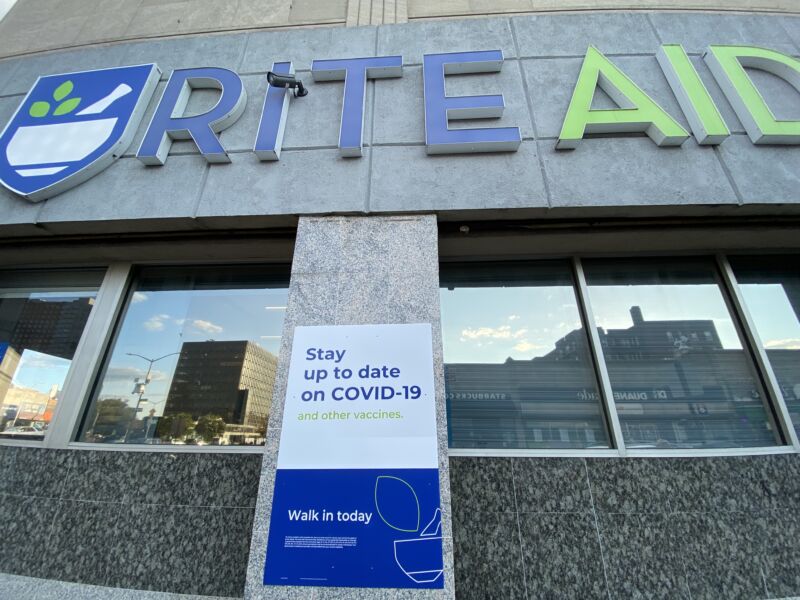
More than a month since US health officials recommended updated COVID-19 vaccines for all Americans, only 7.1 percent of US adults have rolled up their sleeves for the shot and just 2.1 percent of children have been immunized.

The uptake is sluggish at best, and the current rates were dubbed “abysmal” Thursday by one immunization adviser for the Centers for Disease Control and Prevention. The CDC’s advisory panel got an update yesterday on the fall campaign to boost protection against COVID-19 ahead of the winter respiratory illness season.

The current uptake is far short of survey data from last month that indicated more than half of American adults planned to get the shots. And survey data presented yesterday to the CDC advisory committee didn’t differ dramatically from that. In a National Immunization Survey-Adult COVID Module that ran from October 8 to 14 that polled 14,715 adults, 24.6 percent said they “definitely will” get vaccinated, and an additional 30.6 percent said they “probably will.” That’s on top of the 7.1 percent who reported they were already vaccinated. The remaining 37 percent said they will definitely or probably not get vaccinated.

Read 9 remaining paragraphs | Comments


Source: Ars Technica – Fall COVID shot uptake is an “abysmal” 7%; wastewater testing impaired

What caused the volcanic tsunami that devastated a Greek island 373 years ago?

This view from an international volcano monitoring system shows the Kolumbo volcanic crater on the seafloor.

Enlarge / This view from an international volcano monitoring system shows the Kolumbo volcanic crater on the seafloor. (credit: SANTORY )

In 1650 CE, the Greek island of Santorini was devastated by the eruption of an underwater volcano called Kolumbo. People first noticed the water boiling and changing color and a cone poking out of the surface of the sea. Next came ejected glowing rocks, fire and lightning, fumes of thick smoke, falling pumice and ash, earthquakes, and a powerful tsunami with waves as high as 20 meters. All this eruptive activity killed around 70 people and hundreds of cattle.

These details are based on contemporary accounts compiled by French geologist Ferdinand A. Fouqué in 1879. A team of German and Greek scientists has now combined that historical knowledge with 3D seismic mapping and computer simulations to determine why the volcano’s violent eruption triggered a tsunami. According to a new paper published in the journal Nature Communications, the tsunami resulted from a landslide followed by the volcanic explosion.

Located some 8 kilometers northeast of Santorini, Kolumbo also erupted around 1630 BCE with catastrophic consequences for ancient Minoan culture. Today, the volcano boasts sulfide-sulfate hydrothermal vents that are home to some rare species of microorganisms typically not found elsewhere near hydrothermal vents. And it remains active and potentially dangerous: A previously unknown magma chamber was discovered last year and is growing at a rate of around 4 million cubic meters per year. At that rate, the chamber will reach the same volume as the amount of magma ejected in the 1650 eruption within the next 150 years.

Read 7 remaining paragraphs | Comments


Source: Ars Technica – What caused the volcanic tsunami that devastated a Greek island 373 years ago?

Google loses fight to hide 2021 money pit: $26B in default contracts

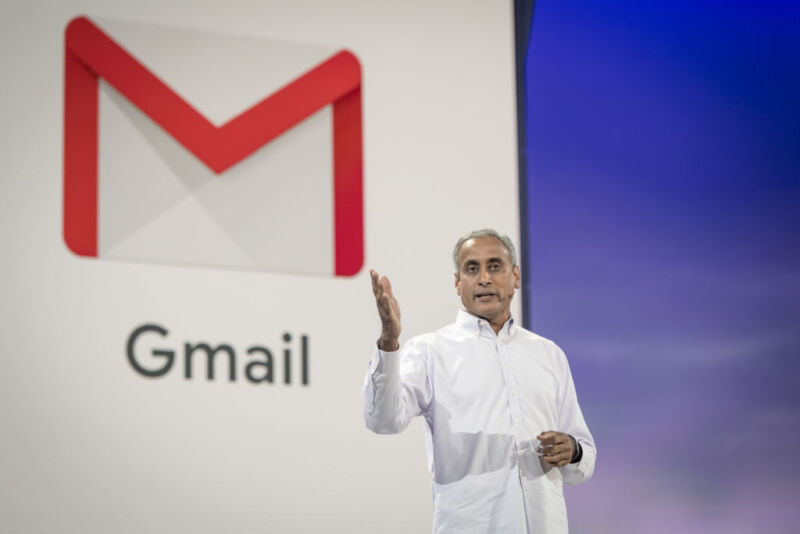
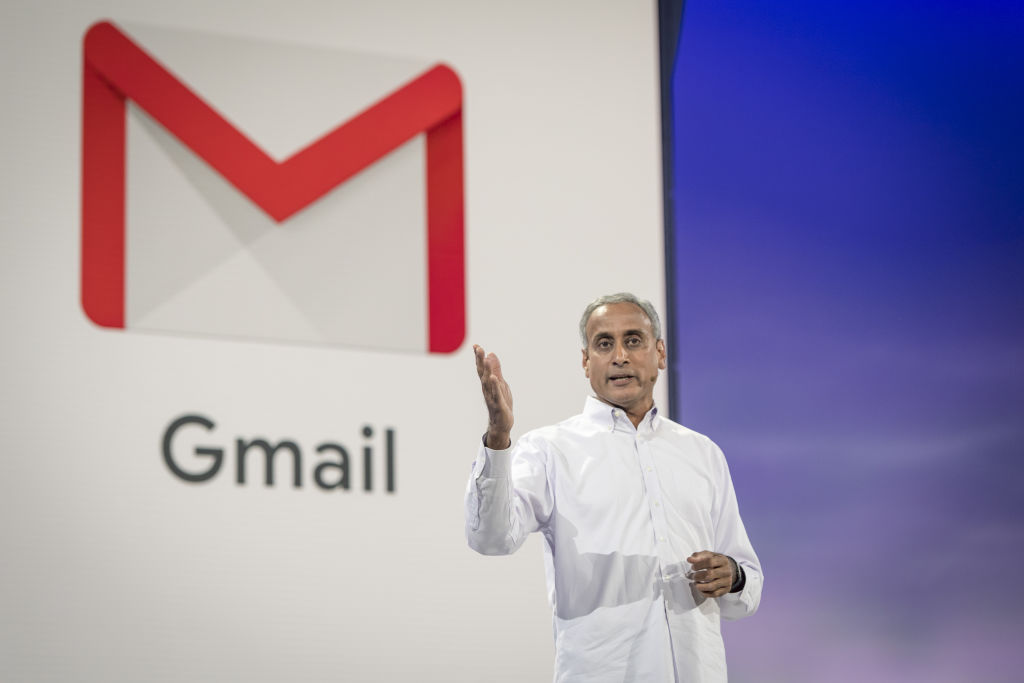
Prabhakar Raghavan, a senior vice president at Google (where he is responsible for Google Search, Assistant, Geo, Ads, Commerce, and Payments products), speaks during a 2018 event.

Enlarge / Prabhakar Raghavan, a senior vice president at Google (where he is responsible for Google Search, Assistant, Geo, Ads, Commerce, and Payments products), speaks during a 2018 event. (credit: Bloomberg / Contributor | Bloomberg)

On Friday, Google started defending its search business during the Justice Department’s monopoly trial. Among the first witnesses called was Google’s senior vice president responsible for search, Prabhakar Raghavan, who testified that Google’s default agreements with makers of popular mobile phones and web browsers were “the company’s biggest cost” in 2021, Bloomberg Law reported.

Raghavan’s testimony for the first time revealed that Google paid $26.3 billion in 2021 for default agreements, seemingly investing in default status for its search engine while raking in $146.4 billion in revenue from search advertising that year. Those numbers had increased “significantly” since 2014, Big Tech on Trial reported, when Google’s search ad revenue was approximately 46 billion and traffic acquisition cost was approximately $7.1 billion.

Prior to Raghavan’s testimony, Google had been carefully guarding this information. According to Bloomberg, Judge Amit Mehta overruled Google’s objections to revealing the numbers, despite Google’s claims that such transparency could harm future deals.

Read 18 remaining paragraphs | Comments


Source: Ars Technica – Google loses fight to hide 2021 money pit: B in default contracts

Apple Watch facing potential ban after losing Masimo patent case

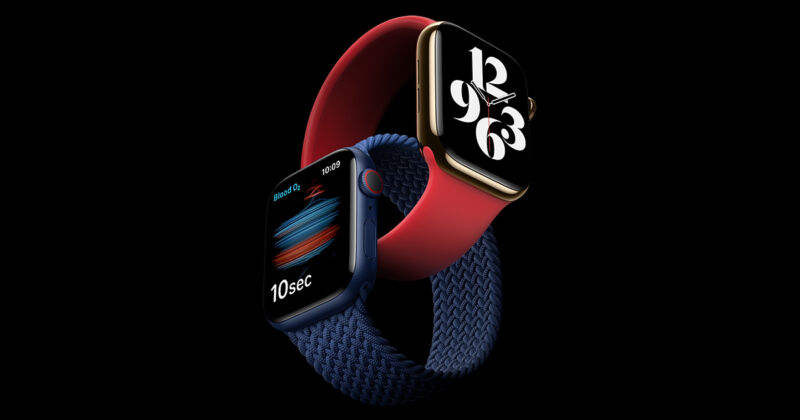
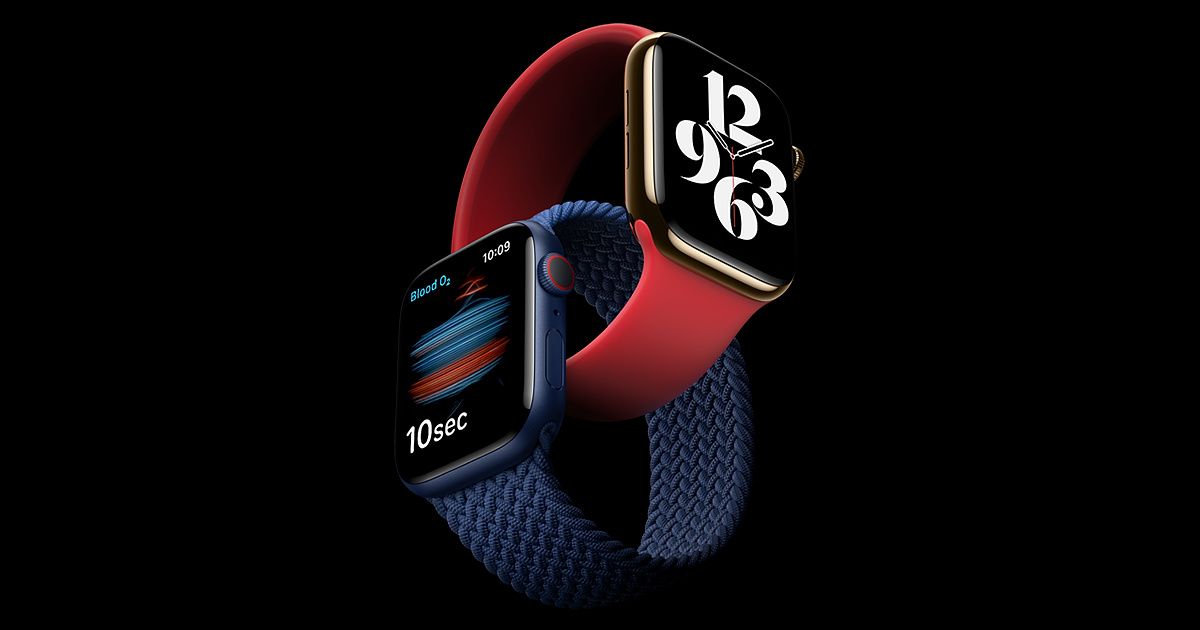
Two smartwatches are intertwined in this promotional image.

Enlarge / The Apple Watch Series 6. (credit: Apple)

The Apple Watch violates patents owned by California-based Masimo, the US International Trade Commission (ITC) ruled on Thursday [PDF]. The federal agency issued a limited exclusion order for the smartwatches, meaning the Apple Watch is in jeopardy of an import ban.

The ITC’s ruling upholds a January ruling that found that the Apple Watch infringed on a Masimo patent. The exclusion period recommended on Thursday is supposed to go into effect after 60 days, during which time President Joe Biden can overturn the ruling. Biden previously declined to veto an ITC ruling that found the Apple Watch violated patents of a different company, AliveCor.

The debate is over Masimo’s light-based pulse oximetry. The ITC’s ruling doesn’t specify which watches are affected. But the first Apple Watch to feature blood oxygen monitoring was the Apple Watch Series 6, which came out in 2020.

Read 8 remaining paragraphs | Comments


Source: Ars Technica – Apple Watch facing potential ban after losing Masimo patent case

Android 14’s user-profile data bug seems indistinguishable from ransomware

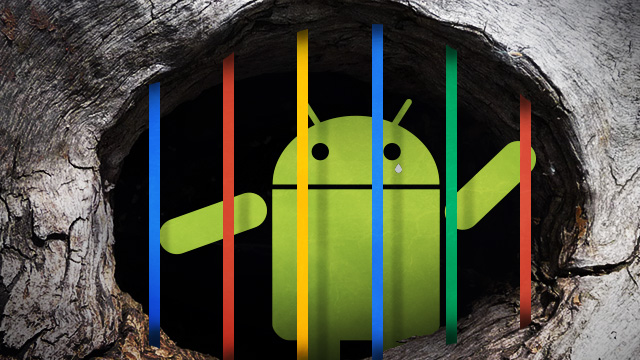
Android 14’s user-profile data bug seems indistinguishable from ransomware

(credit: Aurich Lawson)

Android 14 has a nasty storage bug that seems to be affecting users of the “multiple profiles” feature. The bug is about as bad as you can get, with users having “unusable” devices due to getting locked out of device storage. A few users are likening the experience to getting hit with “ransomware.”

Earlier reports had this bug limited to the Pixel 6, but Google seemed to ignore those reports, and now with a wider rollout, this does not seem device-specific. Everything upgrading to Android 14 this early seems to be affected: Pixel 6, 6a, 7, 7a, Pixel Fold, and Pixel Tablet.

The Google issue tracker for this is now up to over 350 replies and has had no response from Google. The bug is languishing at only the medium “P2” priority (P0 is the highest) and remains “unassigned,” meaning, assuming the tracker is up to date, no one is looking into it.

Read 5 remaining paragraphs | Comments


Source: Ars Technica – Android 14’s user-profile data bug seems indistinguishable from ransomware

People are speaking with ChatGPT for hours, bringing 2013’s Her closer to reality

Joaquin Phoenix in 'Her' (2013)

Enlarge / Joaquin Phoenix talking with AI in Her (2013). (credit: Warner Bros.)

In 2013, Spike Jonze’s Her imagined a world where humans form deep emotional connections with AI, challenging perceptions of love and loneliness. Ten years later, thanks to ChatGPT’s recently added voice features, people are playing out a small slice of Her in reality, having hours-long discussions with the AI assistant on the go.

In 2016, we put Her on our list of top sci-fi films of all time, and it also made our top films of the 2010s list. In the film, Joaquin Phoenix’s character falls in love with an AI personality called Samantha (voiced by Scarlett Johansson), and he spends much of the film walking through life, talking to her through wireless earbuds reminiscent of Apple AirPods, which launched in 2016. In reality, ChatGPT isn’t as situationally aware as Samantha was in the film, and OpenAI has done enough conditioning on ChatGPT to keep conversations from getting too intimate or personal. But that hasn’t stopped people from having long talks with the AI assistant to pass the time.

Last week, we related a story in which AI researcher Simon Willison spent hours talking to ChatGPT. “I had an hourlong conversation while walking my dog the other day,” he told Ars for that report. “At one point, I thought I’d turned it off, and I saw a pelican, and I said to my dog, ‘Oh, wow, a pelican!’ And my AirPod went, ‘A pelican, huh? That’s so exciting for you! What’s it doing?’ I’ve never felt so deeply like I’m living out the first ten minutes of some dystopian sci-fi movie.”

Read 11 remaining paragraphs | Comments


Source: Ars Technica – People are speaking with ChatGPT for hours, bringing 2013’s Her closer to reality

A 50 percent more efficient big rig? Meet Super Truck II

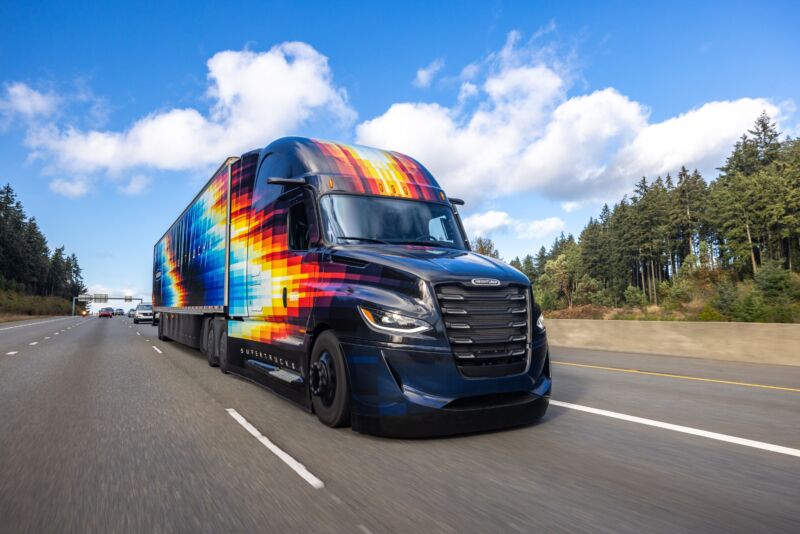
A brightly colored tractor trailer drives on the highway

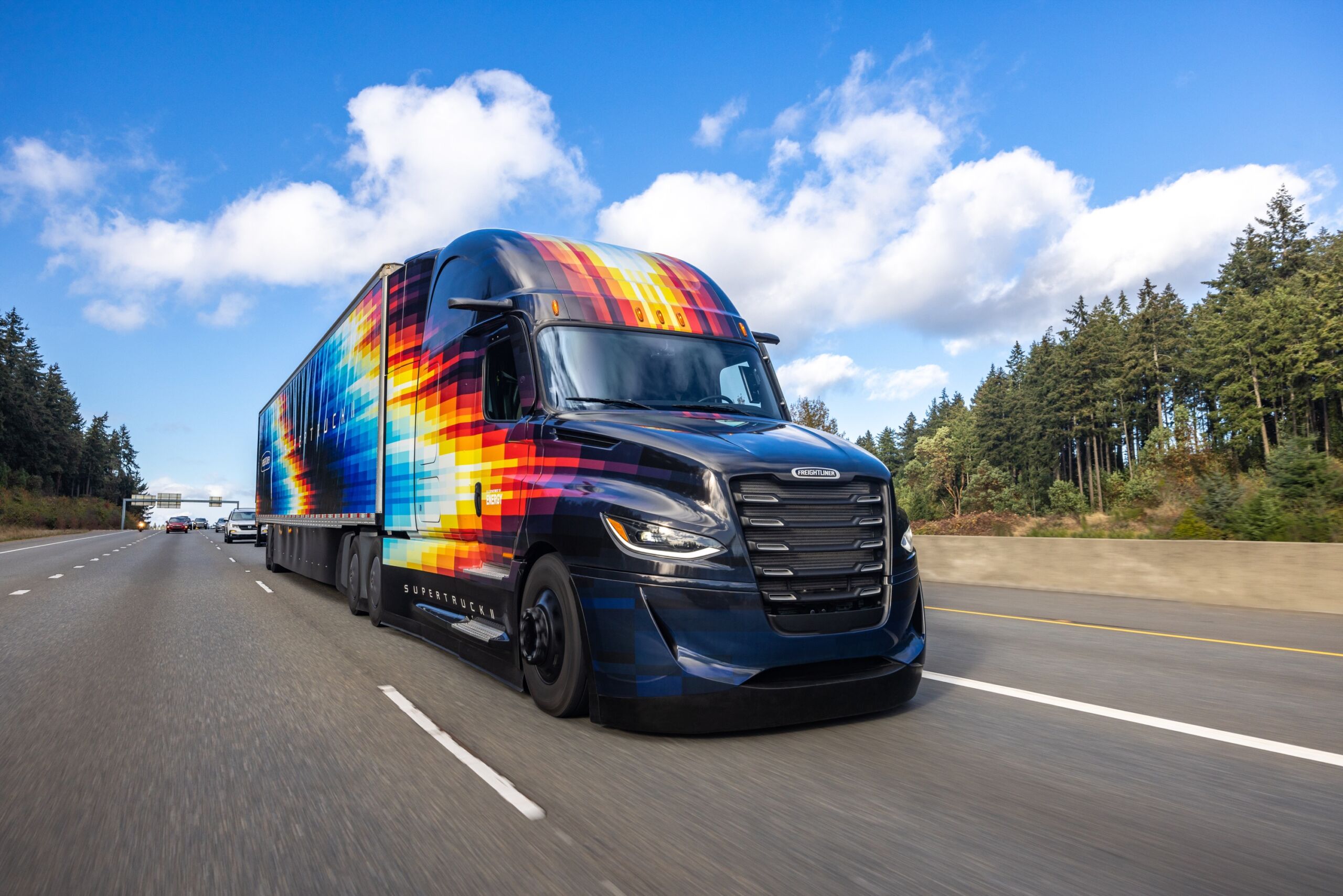
Enlarge / This is the Freightliner Super Truck II, the result of Daimler Trucks North America’s work partly funded by the Department of Energy. (credit: Daimler Trucks NA)

In America, we move most of our stuff by road—trucks carried almost five times as much cargo as trains in 2017, according to the Bureau of Transportation Statistics. While it’s true that personal vehicles contribute the majority of our transport-related carbon emissions, a quarter still comes from bigger trucks and buses. When it comes to the biggest trucks on our roads—the Class 8 trucks that can pull up to 80,000 lbs (36.2 tonnes)—there’s a lot of room for improvement, which is where Super Truck II comes in. The Department of Energy funded a challenge to double the efficiency of 18-wheeler trucks, and the big machine you see in the photos here is Freightliner’s response.

In fact, the story dates back to 2010 and the first DoE Super Truck program, which eventually funded four truck makers (including Daimler Trucks, which owns Freightliner) to develop a heavy truck with 50 percent better efficiency than anything then in production.

Super Truck II got going in 2017, a couple of years after the end of the first program. Having already demonstrated that big efficiency savings were possible, Super Truck II has been about developing them into something production-ready.

Read 15 remaining paragraphs | Comments


Source: Ars Technica – A 50 percent more efficient big rig? Meet Super Truck II

Elon Musk wants your “entire financial life” on X by 2024

Elon Musk wants your “entire financial life” on X by 2024

Enlarge (credit: MANDEL NGAN / Contributor | AFP)

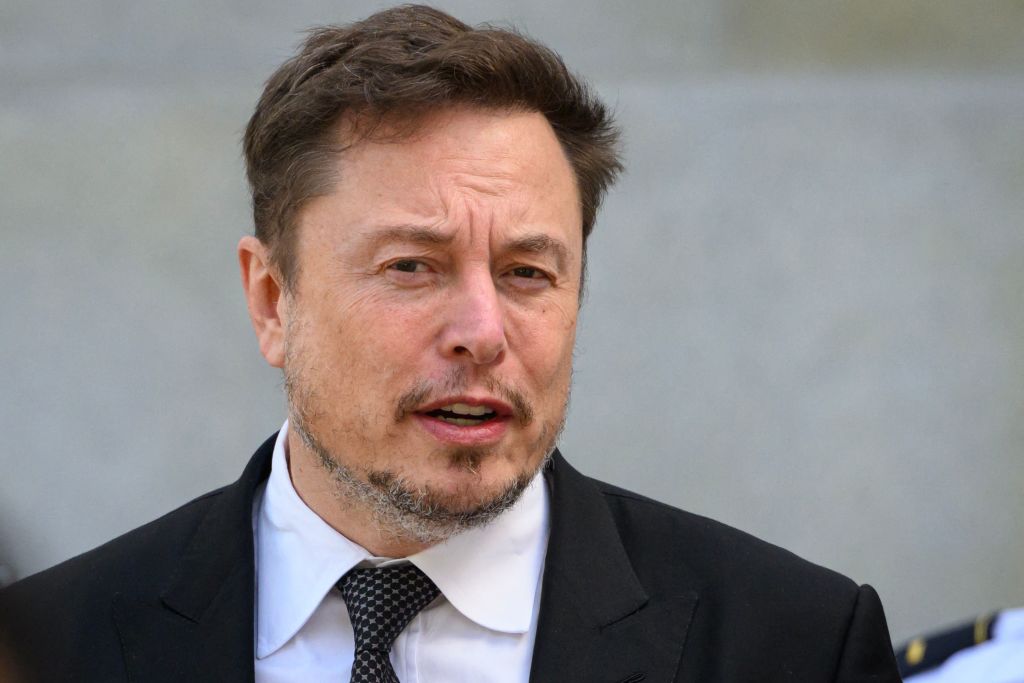
One year into Elon Musk’s ownership of X, the finances of the platform formerly known as Twitter remain shaky. But the ongoing money troubles haven’t stopped Musk from forging ahead with his plan to turn X into a bank, a move he said last November would be key to helping the platform avoid bankruptcy. On an earnings call yesterday, Musk told X employees that he predicts X’s payments system will launch by the end of 2024, The Verge reported.

“It would blow my mind if we don’t have that rolled out by the end of next year,” Musk said, confirming that “when I say payments, I actually mean someone’s entire financial life. If it involves money, it’ll be on our platform. Money or securities or whatever. So it’s not just like ‘send $20 to my friend.’ I’m talking about, like, you won’t need a bank account.”

In January, Musk took his first steps toward this ambitious goal by registering Twitter Payments LLC with the US Treasury Department’s Financial Crimes Enforcement Network. This was a necessary step for Twitter to start transmitting money between users in all states and US territories, and according to The Verge, Musk confirmed that he expects to get the rest of the money-transmitting licenses “in the next few months.”

Read 14 remaining paragraphs | Comments


Source: Ars Technica – Elon Musk wants your “entire financial life” on X by 2024

Leica camera has built-in defense against misleading AI, costs $9,125

Leica M11-P

Enlarge / A photo shot with the M11-P. (credit: CAI)

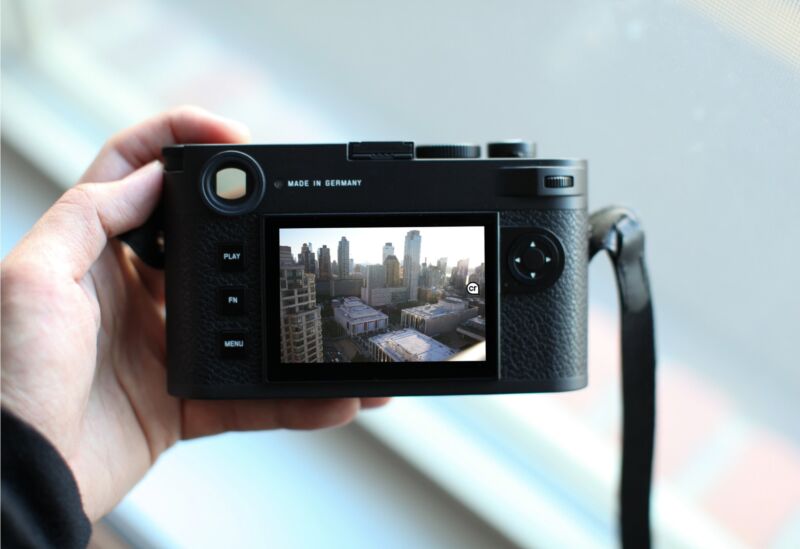
On Thursday, Leica Camera released the first camera that can take pictures with automatically encrypted metadata and provide features such as an editing history. The company believes this system, called Content Credentials, will help photojournalists protect their work and prove authenticity in a world riddled with AI-manipulated content.

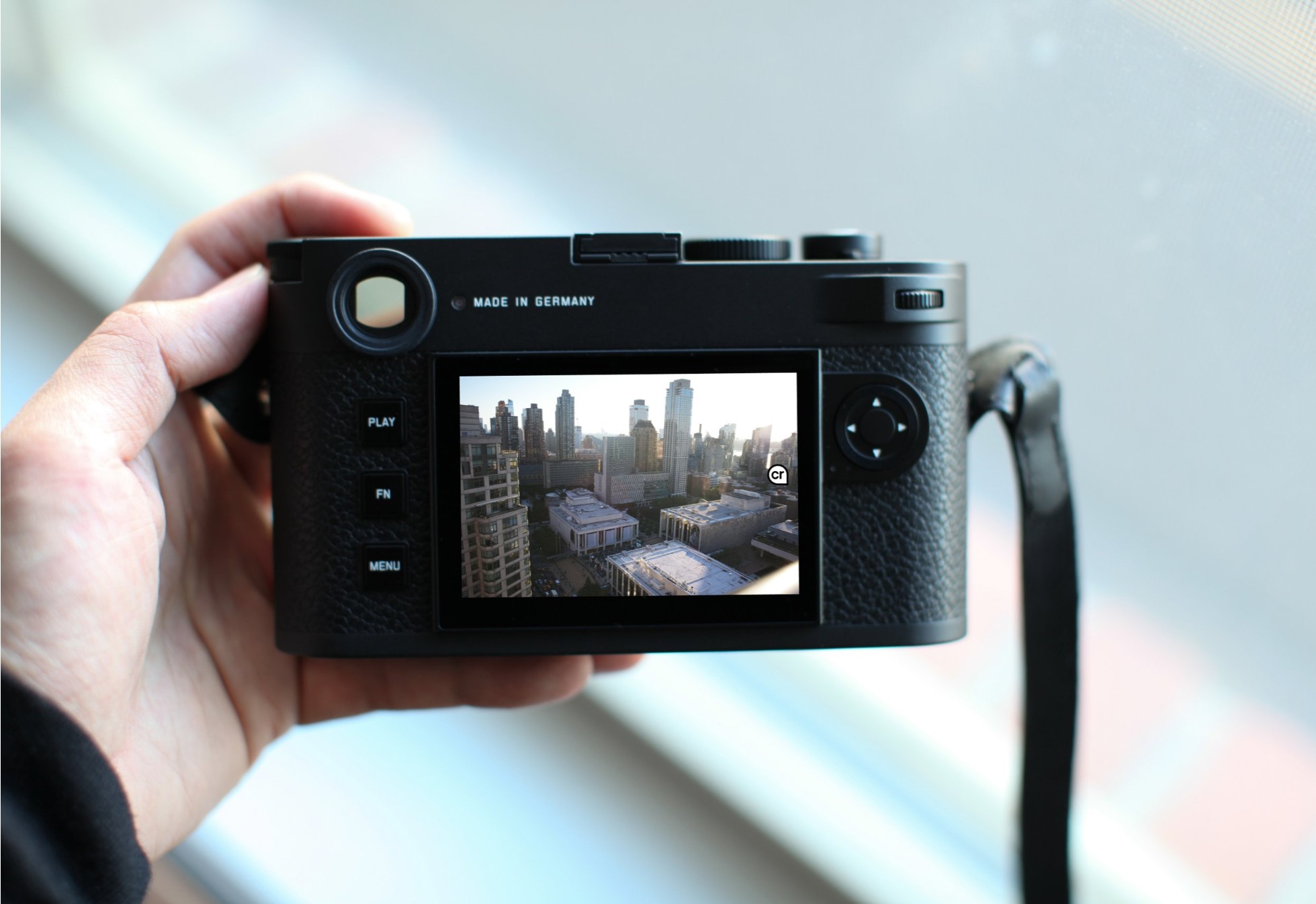
Leica’s M11-P can store each captured image with Content Credentials, which is based on the Coalition for Content Provenance and Authenticity’s (C2PA’s) open standard and is being pushed by the Content Authenticity Initiative (CAI). Content Credentials, announced in October, includes encrypted metadata detailing where and when the photo was taken and with what camera and model. It also keeps track of edits and tools used for edits.

When a photographer opts to use the feature, they’ll see a Content Credentials logo in the camera’s display, and images will be signed through the use of an algorithm.

Read 6 remaining paragraphs | Comments


Source: Ars Technica – Leica camera has built-in defense against misleading AI, costs ,125

It’s a “fake PR stunt”: Artists hate Meta’s AI data deletion process

a delete key on a keyboard

Enlarge (credit: Nodar Chernishev/Getty)

As the generative artificial intelligence gold rush intensifies, concerns about the data used to train machine learning tools have grown. Artists and writers are fighting for a say in how AI companies use their work, filing lawsuits and publicly agitating against the way these models scrape the internet and incorporate their art without consent.

Some companies have responded to this pushback with “opt-out” programs that give people a choice to remove their work from future models. OpenAI, for example, debuted an opt-out feature with its latest version of the image-to-text generator Dall-E. This August, when Meta began allowing people to submit requests to delete personal data from third parties used to train Meta’s generative AI models, many artists and journalists interpreted this new process as Meta’s very limited version of an opt-out program. CNBC explicitly referred to the request form as an “opt-out tool.”

Read 10 remaining paragraphs | Comments


Source: Ars Technica – It’s a “fake PR stunt”: Artists hate Meta’s AI data deletion process

Russia renamed its ambitious satellite program after Putin misspoke its name

Read 9 remaining paragraphs | Comments


Source: Ars Technica – Russia renamed its ambitious satellite program after Putin misspoke its name

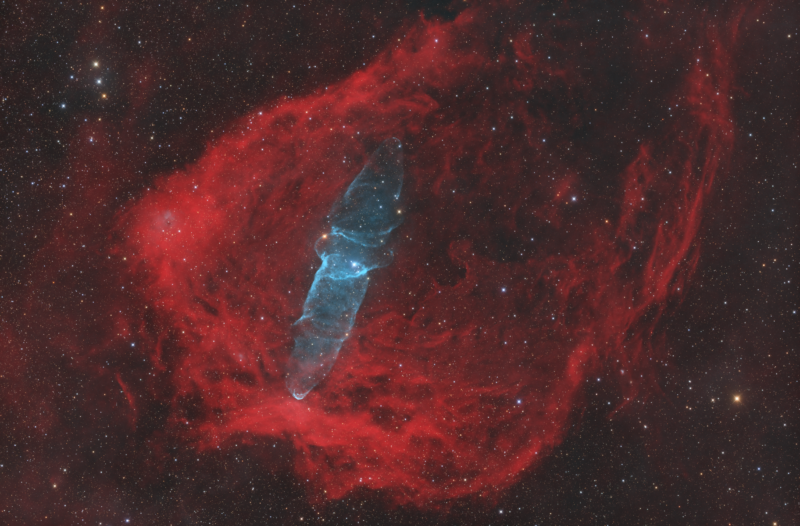
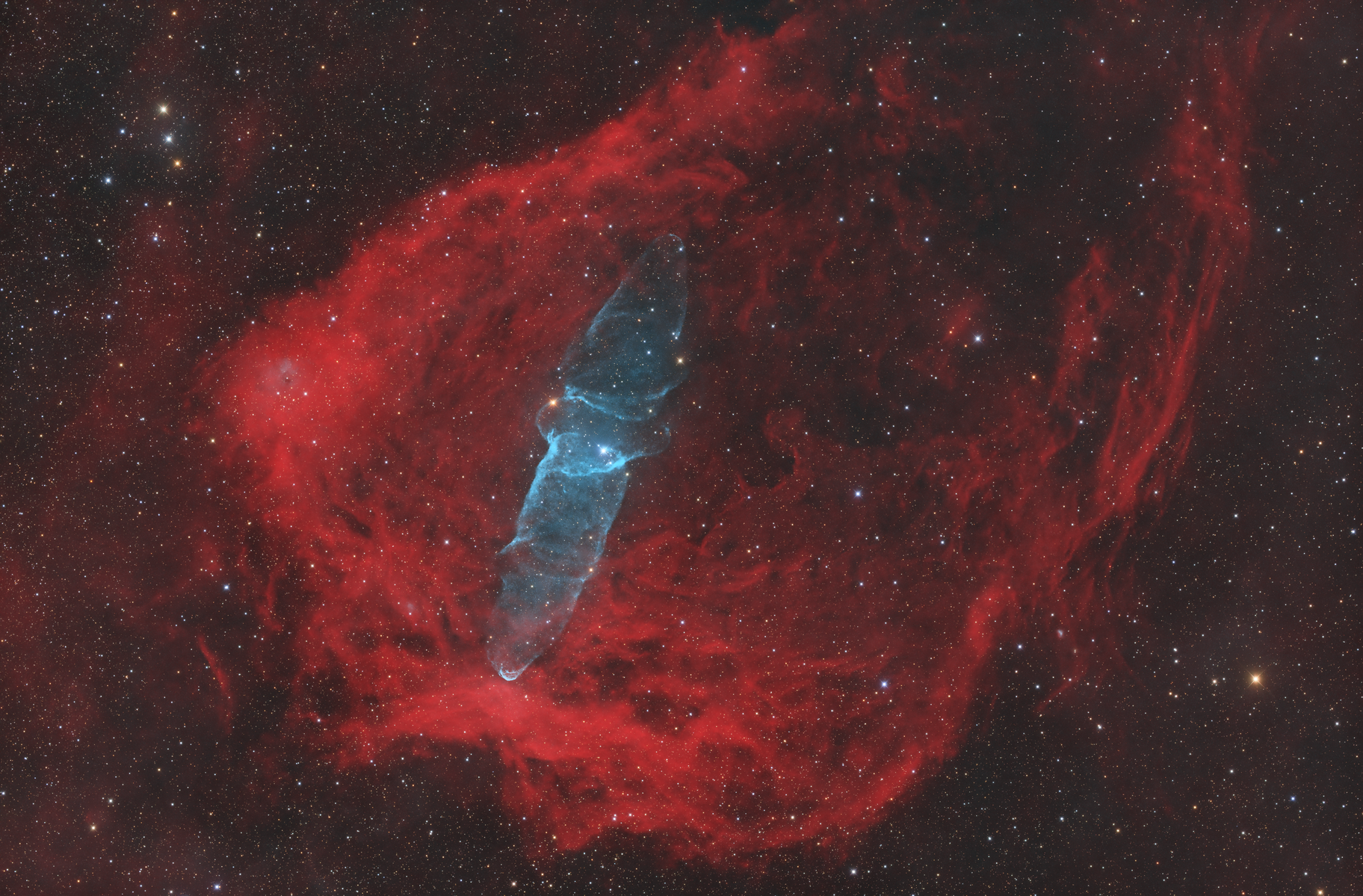
Daily Telescope: Meet the Flying Bat and Squid nebulae

Read 4 remaining paragraphs | Comments


Source: Ars Technica – Daily Telescope: Meet the Flying Bat and Squid nebulae

Rocket Report: China launches 3-man crew; SpaceX adds to busy manifest

A Long March 2F rocket climbed into space Thursday with a three-man crew heading for China's Tiangong space station.

Enlarge / A Long March 2F rocket climbed into space Thursday with a three-man crew heading for China’s Tiangong space station. (credit: Pedro Pardo/AFP via Getty Images)

Welcome to Edition 6.17 of the Rocket Report! Two Asian powers notched achievements in their human spaceflight programs this week. In China, three astronauts launched to begin a six-month expedition on the Tiangong space station. With this mission, China is settling into a routine of operations on the Tiangong complex. Elsewhere in Asia, India took strides toward launching its own astronauts with a successful test of a launch abort system for the country’s Gaganyaan spacecraft, which could fly people into low-Earth orbit in 2025. This is welcome news for US officials because India could help offer a counterweight to China’s dominance (among Asian countries) in spaceflight.

As always, we welcome reader submissions, and if you don’t want to miss an issue, please subscribe using the box below (the form will not appear on AMP-enabled versions of the site). Each report will include information on small-, medium-, and heavy-lift rockets, as well as a quick look ahead at the next three launches on the calendar.

India tests escape system for human-rated crew capsule. India aced the first in-flight test of the crew escape system for the country’s Gaganyaan spacecraft Saturday, Ars reports. With this flight, India tested the set of rocket motors and parachutes that would propel the spacecraft away from a failing launch vehicle, a dramatic maneuver that would save the lives of everyone on board. An unpressurized version of the Gaganyaan capsule launched, without anyone aboard, on top of a single-stage liquid-fueled rocket. About a minute later, soon after the rocket surpassed the speed of sound, the vehicle triggered the abort maneuver, and the capsule separated from the booster to parachute into the sea. By all accounts, Indian officials were thrilled with the outcome of the test flight.

Read 24 remaining paragraphs | Comments


Source: Ars Technica – Rocket Report: China launches 3-man crew; SpaceX adds to busy manifest

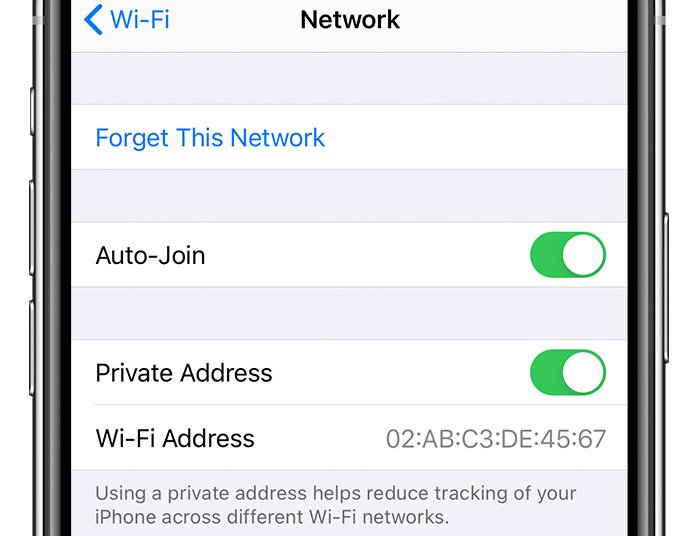
iPhones have been exposing your unique MAC despite Apple’s promises otherwise

Read 8 remaining paragraphs | Comments


Source: Ars Technica – iPhones have been exposing your unique MAC despite Apple’s promises otherwise

Sam Bankman-Fried begins testifying in risky bid to beat FTX fraud charges

FTX Founder Sam Bankman-Fried arrives at court, surrounded by photographers and other people. One man appears to be holding Bankman-Fried around the torso and escorting him.

Enlarge / FTX Founder Sam Bankman-Fried arrives at US District Court on March 30, 2023, in New York City after being hit with a criminal charge for allegedly authorizing a bribe of at least $40 million to one or more Chinese government officials. (credit: Getty Images | Michael Santiago )

Sam Bankman-Fried took the stand in his criminal trial today in an attempt to avoid decades in prison for alleged fraud at cryptocurrency exchange FTX and its affiliate Alameda Research.

Providing testimony has been called a risky move for Bankman-Fried by many legal observers. After answering questions posted by his own lawyers, Bankman-Fried will have to face cross-examination from federal prosecutors. But after three weeks in which US government attorneys laid out their case, including testimony from former FTX and Alameda executives, Bankman-Fried’s legal team announced yesterday that he would take the stand.

Today’s testimony was unusual because US District Judge Lewis Kaplan sent the jury home for the day to conduct a hearing on whether certain parts of his testimony are admissible. “That means Bankman-Fried will give some of his testimony to the judge without the jury present. The judge will then decide whether Bankman-Fried is allowed to say the same testimony in front of a jury,” The Wall Street Journal wrote in its live coverage. The trial is not being streamed via audio or video.


Read 16 remaining paragraphs | Comments


Source: Ars Technica – Sam Bankman-Fried begins testifying in risky bid to beat FTX fraud charges
Unprecedented diarrheal outbreak erupts in UK as cases spike 3x above usual

A sign directing people to a toilet facility during the Children's Day Parade, part of the Notting Hill Carnival celebration in west London on Sunday August 27, 2023.

Enlarge / A sign directing people to a toilet facility during the Children’s Day Parade, part of the Notting Hill Carnival celebration in west London on Sunday August 27, 2023. (credit: Getty | Yui Mok)

The United Kingdom is experiencing a dramatic outbreak—unprecedented in scale and magnitude—of diarrheal illnesses from the intestinal parasite, Cryptosporidium, aka Crypto.

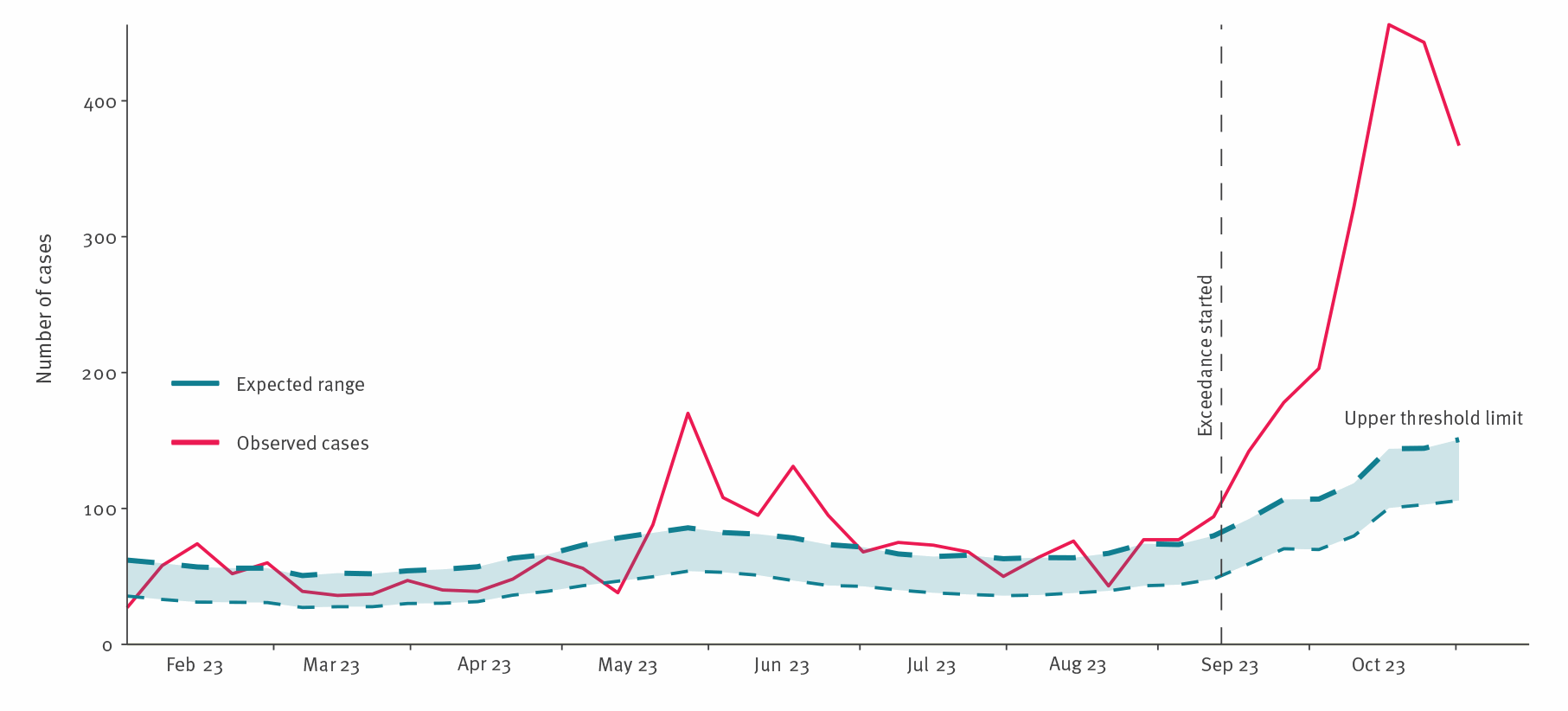
According to a rapid communication published Thursday in the journal Eurosurveillance, UK health officials report that Crypto cases have exceeded the upper bounds of expected cases since mid-September, and an October peak saw cases roughly threefold above what is usual for this time of year. The outbreak is still ongoing.

So far, it’s unclear what’s driving the extraordinary burst in cases. The outbreak has splattered into almost every region of all four UK nations. “Given the scale and geographical spread of the [case] exceedance across regions and nations of the UK, a single local exposure is an unlikely cause,” the authors, led by officials at the United Kingdom Health Security Agency in London, wrote in the rapid report.

Read 5 remaining paragraphs | Comments


Source: Ars Technica – Unprecedented diarrheal outbreak erupts in UK as cases spike 3x above usual

Media outlets win fight to gain faster access to Google trial evidence

Media outlets win fight to gain faster access to Google trial evidence

Enlarge (credit: SOPA Images / Contributor | LightRocket)

Slowly but surely, the public will start gaining more access to evidence shared in the Department of Justice’s antitrust trial probing Google’s search business, following an intervention by press outlets. In a motion to intervene, outlets earlier this month told the court that they were struggling to cover the trial because much of the evidence and proceedings has been withheld, redacted, or closed off entirely to protect industry trade secrets.

Yesterday, Judge Amit Mehta granted some of the demands of outlets—including The New York Times, The Wall Street Journal, Bloomberg, MLex, and Law360—which, among other requests, had asked the court to mandate the sharing of dozens of exhibits that the public has so far been denied access to despite pending press requests.

Mehta said that the supplemental order and other recent orders would allow the court to “continue facilitating public access to the trial and minimizing the need to close the courtroom while providing for the protection of confidential information.”

Read 28 remaining paragraphs | Comments


Source: Ars Technica – Media outlets win fight to gain faster access to Google trial evidence

Backlash forces T-Mobile to cancel automatic migrations to pricier plans

Read 11 remaining paragraphs | Comments


Source: Ars Technica – Backlash forces T-Mobile to cancel automatic migrations to pricier plans