Samsung ships Android 14 in record time

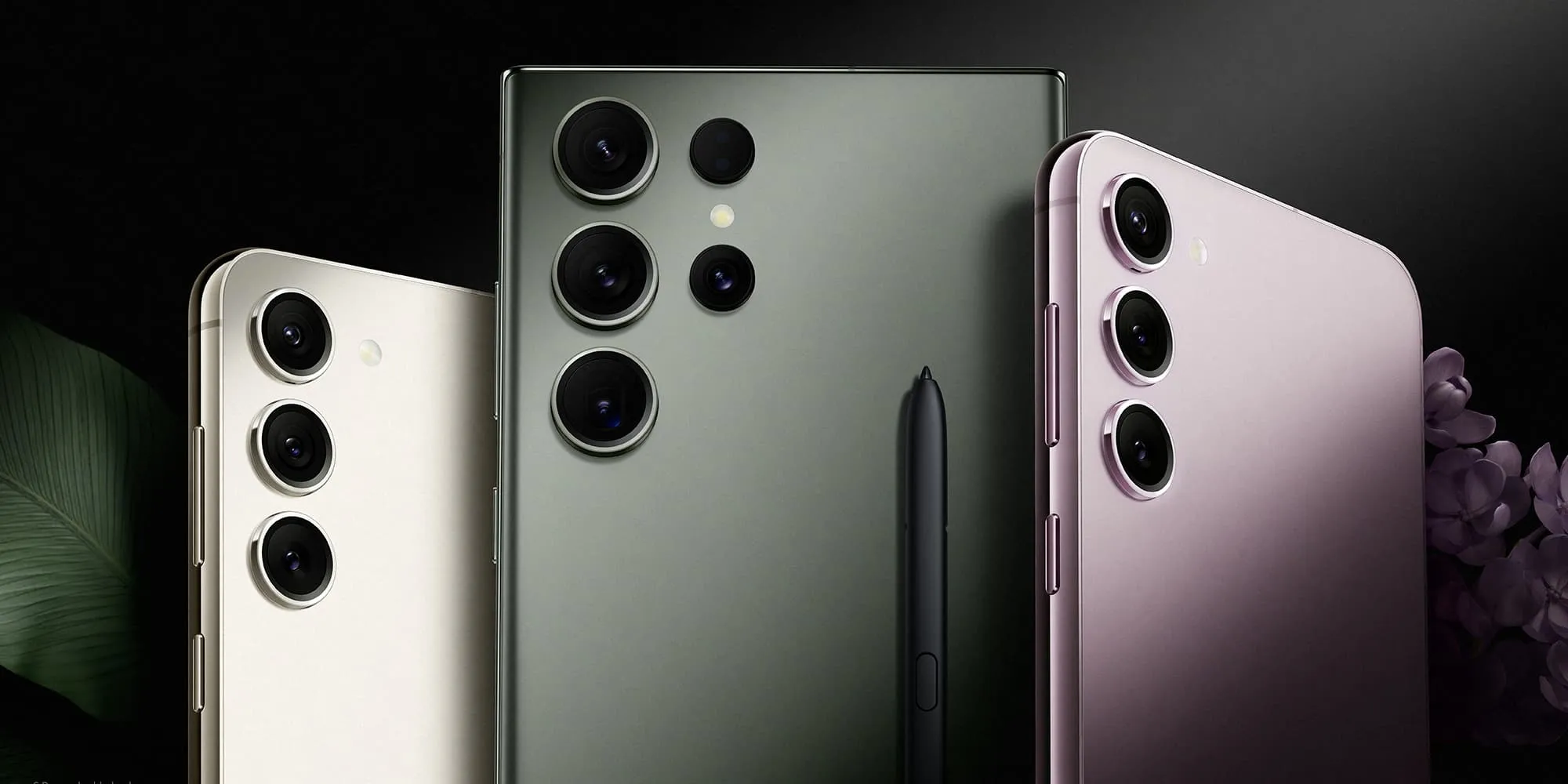
The square one is the S23 Ultra; the other two are the S23 and S23 Plus.

Enlarge / The square one is the S23 Ultra; the other two are the S23 and S23 Plus. (credit: Samsung)

Samsung is getting Android 14 out the door in record time. SamMobile spotted that the operating system update is rolling out now to European users with the Galaxy S23, S23 Plus, and S23 Ultra. If past timelines are any indication, US users should get the update in the next week or so once Samsung huddles up with your cellular carrier.

Android 14 came out for Pixel phones on October 4, so Samsung is releasing the OS in under a month. That is easily a new record for the company and a huge improvement over the usual multi-month wait. Like previous years, Samsung started a beta program for the new Android release about a month before Google’s official release. Is this increased speed the result of Google’s constant work to make Android easier to upgrade, or just a side effect of Android 14 is also one of the smaller releases in recent years?

In Samsung land, Android 14 is called “One UI 6” and also comes with a range of Samsung UI changes. Apparently, the quick settings have been redesigned, and there are a lot of changes to the camera and photo editing experience. For now, the first release is for users of Samsung’s latest flagship, but eventually, the update will hit devices from the last three years. For S23 users on Android 13, expect about a 3GB download.

Read on Ars Technica | Comments


Source: Ars Technica – Samsung ships Android 14 in record time

YouTube fumbles NFL Sunday Ticket streaming

Fans watch a 49ers, Cardinals game on October 2.

Enlarge / Fans watch a 49ers, Cardinals game on October 2. (credit: Getty)

When YouTube TV took over NFL Sunday Ticket, the key was ensuring that the experience was as good as it had been on DirecTV for the previous 29 years. For its initial seven Sundays, that was the case. But YouTube TV fumbled the ball this Sunday.

Users across social media reported suffering lag and long, repetitive buffering sessions with the streams throughout the day. There were nine NFL games playing on NFL Sunday Ticket yesterday. According to The Washington Post, subscribers were having problems “well into the second half of games.”

YouTube acknowledged the problems via its TeamYouTube X account, saying, “If you’re experiencing buffering issues on YouTube our team is aware and working on a fix. YouTube TV or NFL Sunday Ticket may also be impacted. we’ll follow-up here once this has been resolved.” However, the social media account hasn’t provided an update as of this writing.

Read 9 remaining paragraphs | Comments


Source: Ars Technica – YouTube fumbles NFL Sunday Ticket streaming

Russian space chief explains why country can only build 40 satellites a year

Russian President Vladimir Putin (L) and Roscosmos Space Corporation Chief Yuri Borisov peruse an exhibit while visiting the Korolev Rocket and Space Corporation Energia, October 26, 2023, in Korolev, Russia.

Enlarge / Russian President Vladimir Putin (L) and Roscosmos Space Corporation Chief Yuri Borisov peruse an exhibit while visiting the Korolev Rocket and Space Corporation Energia, October 26, 2023, in Korolev, Russia. (credit: Contributor/Getty Images)

Based on preliminary data, nearly 2,400 spacecraft have been launched into orbit this year. A significant majority of these, about 75 percent, were Starlink satellites built and flown by SpaceX. But other countries, such as China, have also built and launched hundreds of satellites this year.

There has been a dramatic growth in the production and launch of satellites into low-Earth orbit in recent years due to a few different trends. One is the commercialization of satellite production. Satellites for Earth observation and communication are becoming smaller and more affordable, and thanks to rideshare options it costs less to launch them.

Second, and most importantly, is the emergence of satellite megaconstellations that provide low-latency broadband Internet. Most prominent among these is SpaceX’s Starlink constellation, but it is far from alone. In addition to the nearly 4,000 Starlink satellites in orbit, OneWeb has about 600 operational spacecraft. Other commercial constellations, including Amazon’s Project Kuiper, are also coming. And both China and the European Union have announced plans to develop megaconstellations for communications purposes.

Read 9 remaining paragraphs | Comments


Source: Ars Technica – Russian space chief explains why country can only build 40 satellites a year

Dealmaster: Early Black Friday 2023 deals

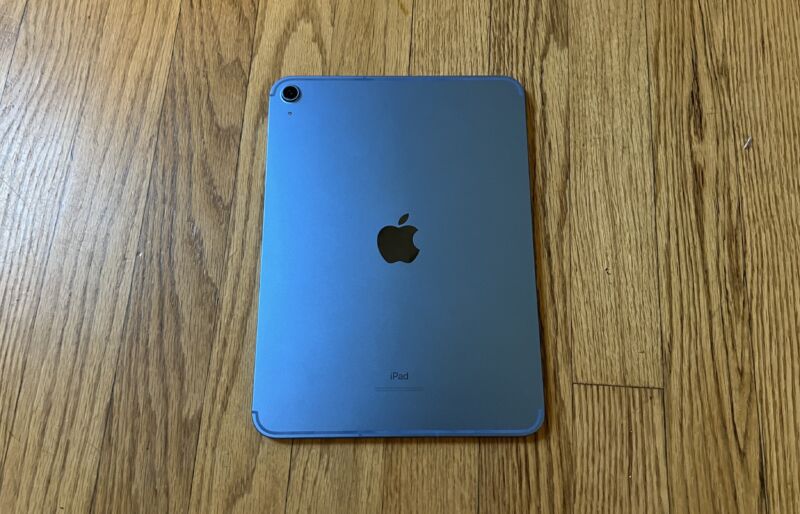
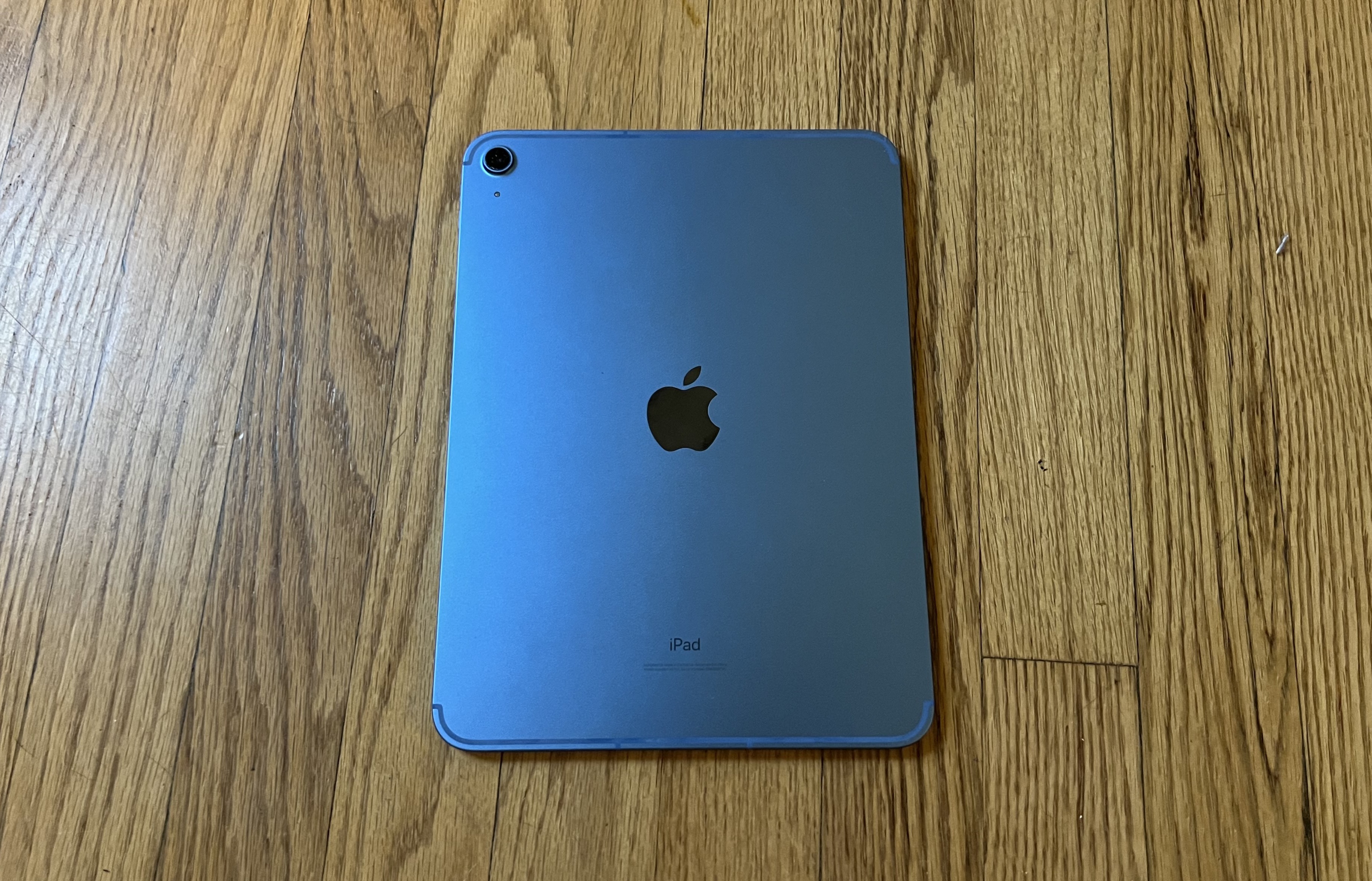
The back of the 2022 iPad.

Enlarge / The back of the 2022 iPad. (credit: Samuel Axon)

Retailers are getting an early jump on Black Friday this year, and this may not be a bad thing for shoppers. As annoying as it may be to see holiday deals pop up even before the ink is dry on Halloween, the early start to Black Friday sales means there are plenty of discounts to be found on practical tech essentials and nice upgrades. Whether you need a new laptop to power through your work day or are looking for more practical purchases like a new charger, there’s plenty to choose from. If you’re in the market for a new Mac or iPad, keep in mind that Apple may have new models to announce at its October event.

Early Black Friday laptop and desktop deals at Best Buy

  • Lenovo IdeaPad 1 (14-inch, Intel Celeron N4020) for $130 (was $200) at Best Buy
  • Samsung Galaxy Book 3 360 (15-inch, Intel Core i7-1360P) for $1,000 (was $1,550) at Best Buy
  • HP 2-in-1 (14-inch, Intel 12th Gen Core i3) for $379 (was $699) at Best Buy
  • HP Victus (15-inch, Intel Core i5-13420H and RTX 3050) for $550 (was $900) at Best Buy
  • Apple MacBook Air (15-inch, M2) for $1,099 (was $1,299) at Best Buy
  • Microsoft Surface Pro 7+ (12-inch, Intel Core i3) with Type Cover for $600 (was $930) at Best Buy
  • Dell Inspiron 15 3520 (15-inch, Intel 11th Gen Core i5) for $390 (was $600) at Best Buy
  • HP Envy 2-in-1 (15-inch, Intel 13th Gen Core i5) for $620 (was $920) at Best Buy
  • Acer Chromebook 315 (15-inch, Intel Celeron N4020) for $149 (was $299) at Best Buy
  • Apple MacBook Air (13-inch, M1) for $750 (was $1,000) at Best Buy
  • Microsoft Surface Pro 9 (13-inch, Intel Core i5) with Type Cover for $1,100 (was $1,540) at Best Buy
  • Lenovo IdeaPad 3i (15.6-inch, Intel Core i3-1115G4) for $300 (was $500) at Best Buy
  • Lenovo Yoga 7i (14-inch, Intel Core i7-1355U) for $750 (was $1,050) at Best Buy
  • Acer Chromebook Plus 515 (15-inch, Intel Core i3-1215U) for $269 (was $399) at Best Buy
  • Asus TUF Gaming A16 (16-inch, AMD Ryzen 7 7730HS and Radeon RX7600S) for $750 (was $1,100) at Best Buy
  • Microsoft Surface Laptop 4 (13-inch, AMD Ryzen 5) for $700 (was $900) at Best Buy
  • Asus OLED Laptop (15-inch, Intel Core i9-13900H and RTX 3050) for $1,000 (was $1,300) at Best Buy
  • Dell Inspiron 2-in-1 (14-inch, AMD Ryzen 5 7530U) for $500 (was $700) at Best Buy
  • Apple Mac Mini (M2) for $499 (was $599) at Best Buy
  • Microsoft Surface Laptop 5 (13-inch, Intel Core i5) for $900 (was $1,300) at Best Buy
  • Gigabyte Gaming Laptop (15-inch, Intel i7-12650H and RTX 4060) for $800 (was $1,100) at Best Buy

Early Black Friday deals at Lenovo

  • Lenovo ThinkPad X1 Carbon Gen 10 (14-inch, Intel Core i7-1270P) for $1,260 (was $3,609) at Lenovo
  • Lenovo Legion Slim 5 Gen 8 (16-inch, AMD Ryzen 5 7640HS and RTX 4050 for $950 (was $1,300) at Lenovo
  • Lenovo ThinkPad L14 Gen 3 (14-inch, AMD Ryzen 5 Pro 5675U) for $599 on October 30 at 1 pm ET (was $2,688) at Lenovo
  • Lenovo Legion Slim 5i Gen 8 (16-inch, Intel Core i5-13500H and RTX 4050) for $1,000 on October 30 at 1 pm ET (was $1,350) at Lenovo
  • Lenovo ThinkPad T14 Gen 3 (14-inch, Intel Core i5-1250P) for $914 on October 30 at 3 pm ET (was $3,049) at Lenovo
  • Lenovo LOQ (15-inch, Intel Core i5-13500H and RTX 3050) for $750 (was $1,020) at Lenovo
  • Lenovo ThinkBook 14 Gen 4 (14-inch, Intel Coire i5-1235U) for $702 (was $1,404) at Lenovo
  • Lenovo ThinkPad P16 Gen 2 (16-inch, Intel Core i7-13700HX and RTX A1000) for $1,949 (was $3,899) at Lenovo
  • Lenovo LOQ (16-inch, Intel Core i5-13500H and RTX 4050) $840 (was $1,200) at Lenovo
  • Lenovo IdeaPad Slim 3 (15-inch, AMD Ryzen 5 7530U) for $400 (was $700) at Lenovo
  • Lenovo Legion Pro 5 Gen 8 (16-inch, AMD Ryzen 5 7645HX and RTX 4050) for $1,080 (was $1,430) at Lenovo
  • Lenovo Legion Pro 5 Gen 8 (16-inch, AMD Ryzen 7 7745HX and RTX 4070) for $1,400 (was $1,960) at Lenovo
  • Lenovo ThinkPad E16 Gen 1 (16-inch, AMD Ryzen 7 7730U) for $894 (was $1,719) at Lenovo
  • Lenovo ThinkPad P1 Gen (16-inch, Intel Core i7-13700H and RTX A2000) for $2,189 (was $4,389) at Lenovo
  • Lenovo ThinkPad E15 Gen 5 (14-inch, AMD Ryzen 5 7530U) for $610 (was $1,219) at Lenovo
  • Lenovo ThinkPad T14 Gen 4 (14-inch, Intel Core i7-1365U) for $1,086 (was $2,859) at Lenovo
  • Lenovo ThinkPad E16 Gen 1 (16-inch, Intel Core i5-1355U) for $725 (was $1,449) at Lenovo
  • Lenovo ThinkPad P16s Gen 2 (16-inch, Intel Core i7-1360P and RTX A500) for $1,809 (was $3,629) at Lenovo
  • Lenovo ThinkPad P14s Gen 4 (14-inch, Intel Core i7-1360P and RTX A500) for $1,689 (was $3,389) at Lenovo
  • Lenovo ThinkPad P14s Gen 4 (14-inch, AMD Ryzen 7 Pro 7840U) for $1,209 (was $2,199) at Lenovo
  • Lenovo IdeaPad Slim 5 (16-inch, AMD Ryzen 5 7530U) for $470 (was $830) at Lenovo
  • Lenovo Legion Slim 7 Gen 8 (16-inch, AMD Ryzen 7 7840HS and RTX 4060) for $1,300 (was $1,680) at Lenovo
  • Lenovo X1 Carbon Gen 10 (14-inch, Intel Core i7-1260P) for $1,203 (was $3,439) at Lenovo

Drives and storage

  • Samsung T9 Portable SSD 4TB for $300 (was $400) at Amazon
  • Samsung T9 Portable SSD 2TB for $200 (was $240) at Amazon
  • Western Digital 6TB WD Red Plus NAS Internal Hard Drive for $127 (was $150) at Amazon
  • Western Digital 10TB WD Red Pro NAS Internal Hard Drive for $240 (was $350) at Amazon
  • Seagate IronWolf 12TB NAS Internal Hard Drive for $200 (was $260) at Amazon
  • Seagate IronWolf Pro 20TB Enterprise NAS Internal for $300 (was $350) at Amazon
  • Samsung 990 PRO SSD 4TB PCIe 4.0 M.2 2280 for $280 (was $345) at Amazon

Apple gear

  • Apple 2020 MacBook Air Laptop M1 chip, 13-inch for $750 (was $999) at Amazon
  • Apple 2023 MacBook Air Laptop M2 chip, 15-inch for $1,099 (was $1,299) at Amazon
  • Apple 2022 MacBook Pro Laptop M2 chip, 13-inch for $,1049 (was $1,299) at Amazon
  • Apple 2023 MacBook Pro Laptop M2 Pro, 14-inch for $1,799 (was $1,999) at Amazon
  • Apple iPad Mini (6th Generation) for $400 (was $499) at Amazon
  • Apple iPad (9th Generation) for $249 (was $329) at Amazon
  • Apple iPad (10th Generation) for $399 (was $449) at Amazon
  • Apple iPad Air (5th Generation) for $500 (was $599) at Amazon
  • Apple AirPods Pro (2nd Generation) with USB-C charging for $200 (was $249) at Amazon
  • Apple AirPods (3rd Generation) for $150 (was $169) at Amazon
  • Apple AirPods Max Wireless Over-Ear Headphones for $480 (was $549) at Amazon
  • Apple AirTag 4-pack for $89 (was $99) at Amazon

USB-C cables and chargers

  • UGREEN 100 W 2-Pack USB C to USB C Cable for $14 (was $20) at Amazon
  • Uni USB C to USB C Cable 10 ft, 100 W USB C Cable for $8 (was $20) at Amazon
  • UGREEN USB C Charger Cable 2-Pack 60 W USB C Cable for $6 (was $12) at Amazon
  • UGREEN 100 W 2-Pack USB C to USB C Cable for $10 (was $16) at Amazon
  • UGREEN 100 W USB C Charger, Nexode 4-Port GaN Foldable Compact Wall Charger Power for $45 (was $75) at Amazon
  • Anker 120 W USB C Charger, Anker 737 GaNPrime for $60 (was $89) at Amazon

Personal care

  • Theragun PRO 4th Generation for $499 (was $599) at Therabody
  • Beurer Wake Up Light for $72 (was $90) at Best Buy
  • Beurer Pulse Oximeter for $31 (was $40) at Best Buy
  • Beurer – Bluetooth Wrist Blood Pressure Monitor for $34 (was $60) at Best Buy

Games

  • Super Mario Bros. Wonder – Nintendo Switch (European version) for $54 (was $60) at Amazon
  • The Legend of Zelda: Tears of the Kingdom – Nintendo Switch (US version) for $58 (was $70) at Amazon

Tools

  • Greenworks 80 V 20-inch Snow Blower and 730 CFM Handheld Blower for $600 (was $1,200) at Best Buy
  • Greenworks 1900 PSI 1.2 GPM Electric Pressure Washer Combo Kit for $130 (was $220) at Best Buy
  • Greenworks Electric Pressure Washer up to 1900 PSI at 1.2 GPM for $130 (was $200) at Best Buy
  • Greenworks 80 V Pro Rapid Battery Charger for $68 (was $100) at Best Buy
  • Greenworks Electric Pressure Washer up to 2,000 PSI at 1.3 GPM for $180 (was $220) at Best Buy
  • Greenworks 80 V 18-inch Cordless Brushless Chainsaw for $330 (was $400) at Best Buy
  • Greenworks 10-inch 80 V Cultivator/Tiller for $334 (was $400) at Best Buy
  • Greenworks 80 16-inch Cutting Diameter Brushless Straight Shaft Grass Trimmer for $210 (was $250) at Best Buy
  • Greenworks 80 V 20-inch Cordless Brushless Snow Blower for $380 (was $450) at Best Buy
  • Greenworks 80 V 22-inch Single Stage Cordless Brushless Electric Snow Blower for $680 (was $800) at Best Buy
  • Greenworks 80 V 10-inch Brushless Cordless Pole Saw with 14.5-foot reach for $263 (was $300) at Best Buy
  • Greenworks 80 V 26-inch Cordless Brushless Hedge Trimmer for $220 (was $250) at Best Buy
  • Greenworks 80 V 24-inch Cordless Brushless Two-Stage Snow Blower for $1,800 (was $2,000) at Best Buy
  • Greenworks 24-V 110 MPH 450 CFM Cordless Handheld Blower for $140 (was $150) at Best Buy

Soundbars

  • Sony HT-A7000 soundbar for $998 (was $1,398) at Crutchfield
  • Sennheiser AMBEO Soundbar | Max for $2,000 (was $2,500) at Crutchfield
  • Sony HT-A5000 soundbar for $698 (was $998) at Crutchfield
  • Yamaha SR-B20A soundbar for $150 (was $200) at Crutchfield
  • Sony HT-S2000 soundbar for $348 (was $498) at Crutchfield
  • Sony HT-A3000 soundbar for $498 (was $698) at Crutchfield

Ars Technica may earn compensation for sales from links on this post through affiliate programs.

Read on Ars Technica | Comments


Source: Ars Technica – Dealmaster: Early Black Friday 2023 deals

Google promises a rescue patch for Android 14’s “ransomware” bug

Google promises a rescue patch for Android 14’s “ransomware” bug

Enlarge (credit: Google)

So Android 14 has this pretty horrible storage bug for upgrading users. If you have multiple user accounts on your device, upgrading to Android 14 can actually lock you out of the device’s local storage, which creates an incredible number of problems that are all pretty similar to getting hit with device-encrypting “ransomware” malware. Bugs are always going to happen, but the big problem with this is that Google has seemingly been ignoring it, and on Friday we wrote about how users have been piling up hundreds of reports for 10 days without an acknowledgement or fix promised by Google.

Apparently one more round of news reports was enough to get the gears moving at Google. Over the weekend the Issue tracker bug has been kicked up from a mid-level “P2” priority to “P0,” the highest priority on the issue tracker. The bug has been assigned to someone now, and Googlers have jumped into the thread to make official statements that Google is looking into the matter. Here’s the big post from Google on the bug tracker:

We are aware of an issue occurring on some Pixel devices (Pixel 6 and later models) that have both received the Android 14 update and have multiple users (other than the primary user) set up. Multiple users include usersguestsrestricted profiles, and child users. However, it does not include having more than one Google account within the primary user or work profiles.

Depending on the device, this issue can result in the primary user being unable to access media storage. Alternatively, the issue can reboot the device with a “Factory data reset” message. If this message is accepted, data that is not backed up can be lost, and if it is declined, the device repeatedly reboots with the “Pixel is starting” message.

We’re continuing to work on fixes for impacted devices, and have already pushed out a Google Play system update that will help prevent this issue from being triggered on additional devices. To check if a Google Play system update is available for your device, follow the instructions in this Help Center article.

If you’re experiencing this issue: If your impacted device is unable to access media storage, we anticipate a system update will repair the issue and restore access to media files without requiring a factory reset. If your device is stuck in a “Pixel is starting” boot loop due to this issue, we are investigating methods that may be able to recover some data. We’ll provide more information as soon as it is available.

For users who are not experiencing this issue, or have already factory reset their device, we recommend avoiding creating or logging into a secondary user on the device until the OTA update is available.

We’re sorry for the inconvenience this has caused, and we appreciate your patience.

The highlights here are that Google says the bug affects devices with multiple Android users, not multiple Google accounts or (something we thought originally) users with work profiles. Setting up multiple users means going to the system settings, then “Multiple users,” then “Allow multiple users,” and you can add a user other than the default one. If you do this, you’ll have a user switcher at the bottom of the quick settings. Multiple users all have separate data, separate apps, and separate Google accounts. Child users are probably the most popular reason to use this feature, since you can lock kids out of things like purchasing apps.

Read 4 remaining paragraphs | Comments


Source: Ars Technica – Google promises a rescue patch for Android 14’s “ransomware” bug

Creators confused by Elon Musk’s plan to “incentivize truth” on X

Creators confused by Elon Musk’s plan to “incentivize truth” on X

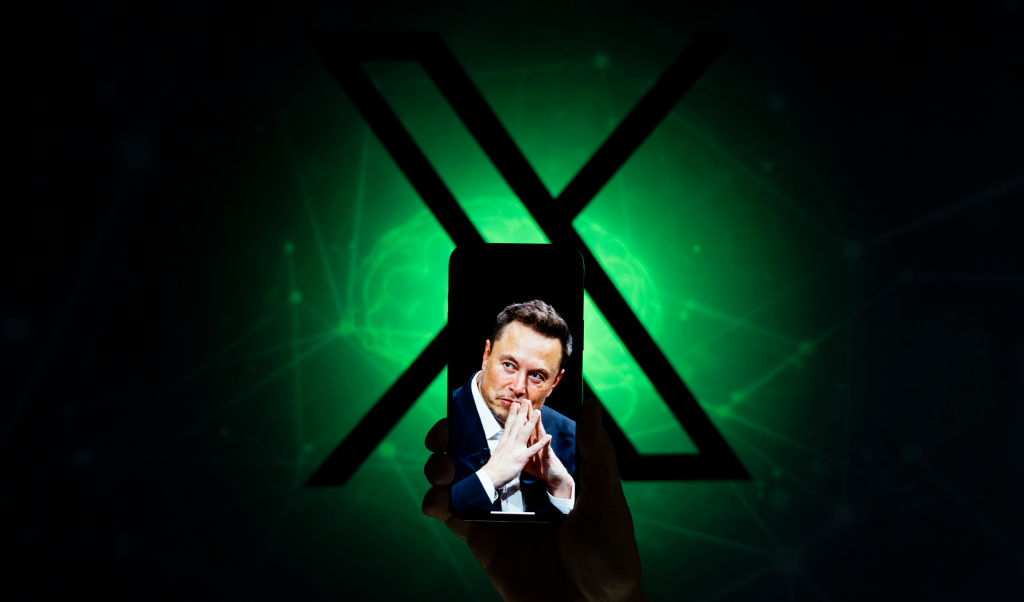
Enlarge (credit: NurPhoto / Contributor | NurPhoto)

After researchers flagged verified users on X (formerly known as Twitter) as top superspreaders of Israel/Hamas misinformation and the European Union launched a probe into X, Elon Musk has vowed to get verified X users back in check.

On Sunday, Musk announced that “any posts that are corrected by @CommunityNotes”—X’s community-sourced fact-checking feature—will “become ineligible for revenue share.”

“The idea is to maximize the incentive for accuracy over sensationalism,” Musk said, warning that “any attempts to weaponize @CommunityNotes to demonetize people will be immediately obvious, because all code and data is open source.”

Read 14 remaining paragraphs | Comments


Source: Ars Technica – Creators confused by Elon Musk’s plan to “incentivize truth” on X

Microsoft issues system-level ban for “unauthorized” Xbox accessories

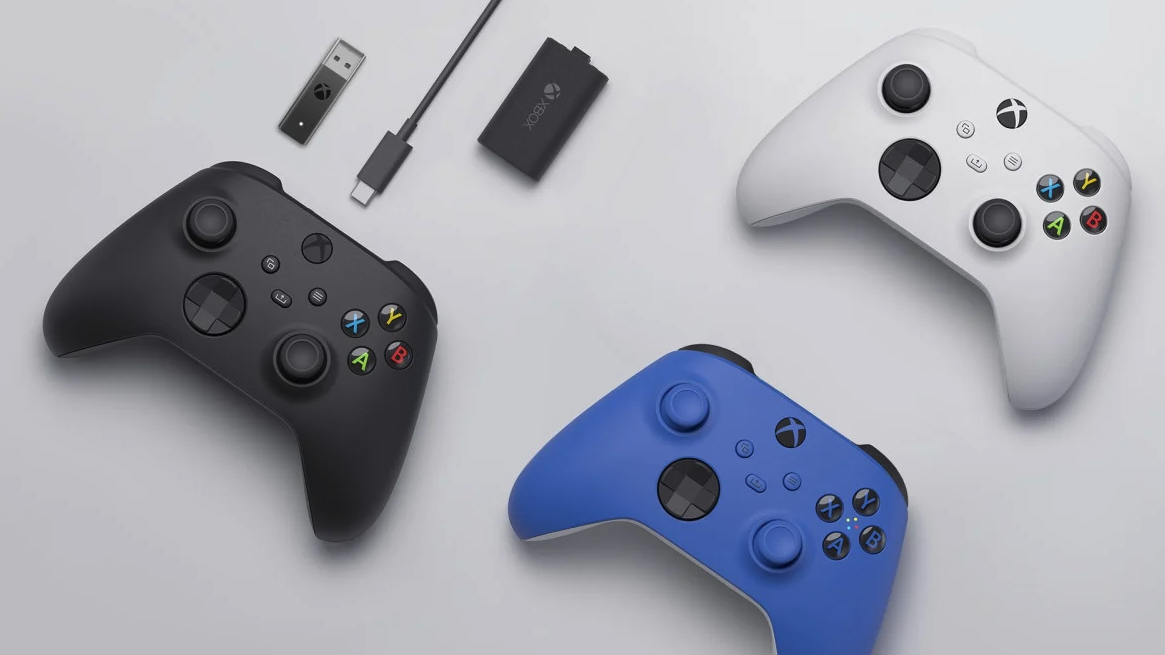
Official controllers like this will have no problem working with the Xbox going forward.

Enlarge / Official controllers like this will have no problem working with the Xbox going forward. (credit: Microsoft)

Microsoft has begun warning Xbox users that “unauthorized” accessories will no longer work on the company’s consoles. The move is likely an effort to limit online cheating that can be enabled by certain external devices, but it seems set to have unintended consequences for communities that rely on adapters for more legitimate users.

In recent days, users on sites like ResetEra and Windows Central began reporting encounters with “error 0x82d60002” when they plug certain accessories into their Xbox. An on-screen message appearing alongside that error indicates that “using unauthorized accessories compromises your gaming experience” and refers users to Microsoft’s list of officially supported accessories.

A recently added Xbox support note clarifies that the error appears when “one of the accessories you’re trying to connect was not manufactured by Microsoft or another licensed Xbox hardware partner.” After the error appears, Microsoft says that “you’ll have two weeks to use the accessory, after which time it will then be blocked from use with the console. At that time, you’ll receive error code 0x82d60003. We encourage you to contact the store or manufacturer where you obtained the accessory to get help with returning it.”

Read 9 remaining paragraphs | Comments


Source: Ars Technica – Microsoft issues system-level ban for “unauthorized” Xbox accessories

I spy with my Cold War satellite eye… nearly 400 Roman forts in the Middle East

spy satellite images taken by the CIA during the Cold War reveal Roman Forts in the Middle East.

Enlarge / Spy satellite images taken by the CIA during the Cold War have revealed hundreds of Roman forts across the Fertile Crescent. (credit: J. Casana et al./US Geological Survey)

Back in the early days of aerial archaeology, a French Jesuit priest named Antoine Poidebard flew a biplane over the northern Fertile Crescent to conduct one of the first aerial surveys. He documented 116 ancient Roman forts spanning what is now western Syria to northwestern Iraq and concluded that they were constructed to secure the borders of the Roman Empire in that region.

Now, anthropologists from Dartmouth have analyzed declassified spy satellite imagery dating from the Cold War, identifying 396 Roman forts, according to a recent paper published in the journal Antiquity. And they have come to a different conclusion about the site distribution: the forts were constructed along trade routes to ensure the safe passage of people and goods.

Poidebard is a fascinating historical figure. A former World War I pilot, he later became a priest and joined the French Levant forces, helping pioneer the use of aerial photography as an archaeological surveying tool to discover and record sites of interest. (Previously, hot air balloons, scaffolds, or attaching cameras to kites were the primary means of gaining aerial context.) For his mapping missions, Poidebard clocked thousands of hours flying over Syria, as well as Algeria and Tunisia along the Mediterranean coast. He published his catalog of ancient Roman forts in his 1934 book, The Trace of Rome in the Syrian Desert, including some of the largest and best-known sites, including Sura, Resafa, and Ain Sinu.

Read 10 remaining paragraphs | Comments


Source: Ars Technica – I spy with my Cold War satellite eye… nearly 400 Roman forts in the Middle East

Biden issues sweeping executive order that touches AI risk, deepfakes, privacy

Biden issues sweeping executive order that touches AI risk, deepfakes, privacy

Enlarge (credit: Aurich Lawson | Getty Images)

On Monday, President Joe Biden issued an executive order on AI that outlines the federal government’s first comprehensive regulations on generative AI systems. The order includes testing mandates for advanced AI models to ensure they can’t be used for creating weapons, suggestions for watermarking AI-generated media, and provisions addressing privacy and job displacement.

In the United States, an executive order allows the president to manage and operate the federal government. Using his authority to set terms for government contracts, Biden aims to influence AI standards by stipulating that federal agencies must only enter into contracts with companies that comply with the government’s newly outlined AI regulations. This approach utilizes the federal government’s purchasing power to drive compliance with the newly set standards.

As of press time Monday, the White House had not yet released the full text of the executive order, but from the Fact Sheet authored by the administration and through reporting on drafts of the order by Politico and The New York Times, we can relay a picture of its content. Some parts of the order reflect positions first specified in Biden’s 2022 “AI Bill of Rights” guidelines, which we covered last October.

Read 10 remaining paragraphs | Comments


Source: Ars Technica – Biden issues sweeping executive order that touches AI risk, deepfakes, privacy

FDA warns of infection risk from 26 big-brand eye drops; stop using immediately

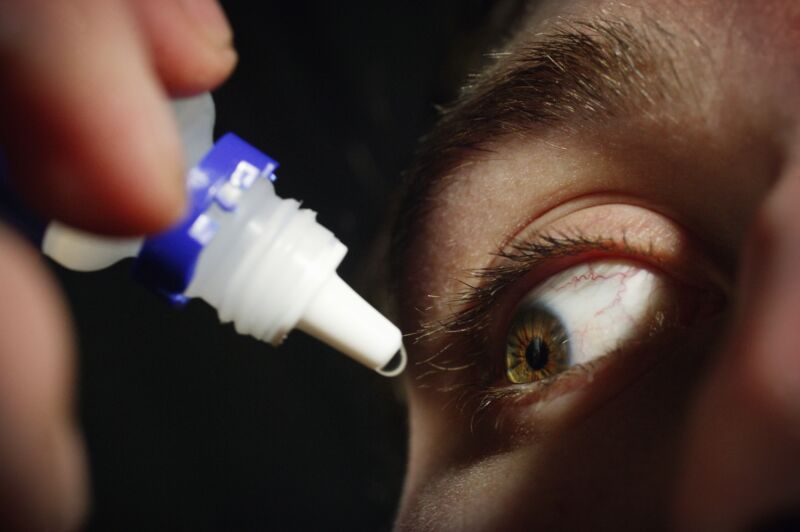
Young man applying eye drops.

Enlarge (credit: Getty | UniversalImagesGroup)

The Food and Drug Administration is warning consumers to ditch 26 over-the-counter eye drop products found at big retailers—including CVS, Rite Aid, and Target—due to a risk of infection. Consumers should not buy any of the products and should immediately stop using them if they’ve already purchased them.

The products include Target’s branded Up & Up Dry Eye Relief Lubricant Eye Drops and Up & Up Extreme Relief Dry Eye, as well as Lubricant Eye Drops and Lubricant Gel Drops branded by CVS Health and Rite Aid. The warning also includes eye drop products branded as Rugby and Leader (both from Cardinal Health) and Velocity Pharma. A full list can be found here, as can links to report adverse events.

In an advisory posted Friday, the FDA reported that no infections or adverse events have been linked to the products so far. But the agency said it “found insanitary conditions in the manufacturing facility and positive bacterial test results from environmental sampling of critical drug production areas in the facility.”

Read 4 remaining paragraphs | Comments


Source: Ars Technica – FDA warns of infection risk from 26 big-brand eye drops; stop using immediately

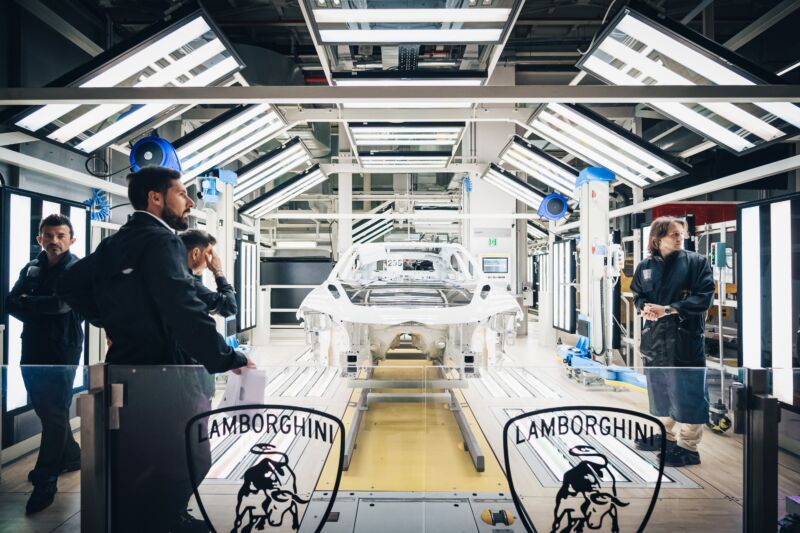
The contradiction of environmentally sustainable supercar manufacturing

Read 16 remaining paragraphs | Comments


Source: Ars Technica – The contradiction of environmentally sustainable supercar manufacturing

The Daily Telescope: A new perspective on the power behind Psyche

The business end of the Falcon Heavy rocket launches the Psyche mission.

Enlarge / The business end of the Falcon Heavy rocket launches the Psyche mission.

Welcome to the Daily Telescope. There is a little too much darkness in this world and not enough light; a little too much pseudoscience and not enough science. We’ll let other publications offer you a daily horoscope. At Ars Technica, we’re going to take a different route, finding inspiration from very real images of a universe that is filled with stars and wonder.

Good morning. It is October 30, and you didn’t think I would miss out on a rocket launch photo from time to time, did you?

This photograph was taken earlier this month, on October 13, during the mid-morning launch of the Psyche asteroid mission on a Falcon Heavy rocket with its 27 Merlin engines. The Psyche mission will study a metal-rich asteroid with the same name, and it is NASA’s first spacecraft ever built to study an asteroid that has more metal than rock or ice. It’s super intriguing because we don’t know what we will find once we get there.
Read 4 remaining paragraphs | Comments


Source: Ars Technica – The Daily Telescope: A new perspective on the power behind Psyche

Android 14 review: There’s always next year

The new Android logo.

Enlarge / The new Android logo. (credit: Google)

Does anybody care about Android 14?

This year’s release of the world’s most popular operating system feels like one of the smallest ever, bringing just a handful of new features. Even during the Android portion of Google’s big I/O keynote, Google spent most of its time showing off a new generative AI feature that creates wallpapers for you, as if there aren’t enough wallpapers in the world.

Last year’s Android 13 release felt small, but that was because it was the second major Android OS release that year. Android 12L—the big tablet and foldable release—came out earlier. What’s Android 14’s excuse? We’re not really sure. We still have a few things to go over, though, like new lock screen customizations, genuinely exciting changes to the way the back button works, and a pile of under-the-hood changes.

Read 42 remaining paragraphs | Comments


Source: Ars Technica – Android 14 review: There’s always next year

Where the heck did all those structures inside complex cells come from?

Computer illustration of mitochondria, membrane-enclosed cellular organelles that produce energy

Enlarge / Computer illustration of mitochondria, membrane-enclosed cellular organelles that produce energy. (credit: KATERYNA KON/SCIENCE PHOTO LIBRARY/GETTY)

More than 1.5 billion years ago, a momentous thing happened: Two small, primitive cells became one. Perhaps more than any event—barring the origin of life itself—this merger radically changed the course of evolution on our planet.

One cell ended up inside the other and evolved into a structure that schoolkids learn to refer to as the “powerhouse of the cell”: the mitochondrion. This new structure provided a tremendous energetic advantage to its host—a precondition for the later evolution of complex, multicellular life.

But that’s only part of the story. The mitochondrion is not the only important structure within complex, eukaryotic cells. There’s the membrane-bound nucleus, safekeeper of the genome. There’s a whole system of internal membranes: the endoplasmic reticulum, the Golgi apparatus, lysosomes, peroxisomes and vacuoles—essential for making, transporting, and recycling proteins and other cargo in and around the cell.

Read 42 remaining paragraphs | Comments


Source: Ars Technica – Where the heck did all those structures inside complex cells come from?

The UK’s problematic Online Safety Act is now law

The UK’s problematic Online Safety Act is now law

Enlarge (credit: panorios/Getty Images)

Jeremy Wright was the first of five UK ministers charged with pushing through the British government’s landmark legislation on regulating the Internet, the Online Safety Bill. The current UK government likes to brand its initiatives as “world-beating,” but for a brief period in 2019 that might have been right. Back then, three prime ministers ago, the bill—or at least the white paper that would form its basis—outlined an approach that recognized that social media platforms were already de facto arbiters of what was acceptable speech on large parts of the Internet, but that this was a responsibility they didn’t necessarily want and weren’t always capable of discharging. Tech companies were pilloried for things that they missed, but also, by free speech advocates, for those they took down. “There was a sort of emerging realization that self-regulation wasn’t going to be viable for very much longer,” Wright says. “And therefore, governments needed to be involved.”

The bill set out to define a way to handle “legal but harmful” content—material that wasn’t explicitly against the law but which, individually or in aggregate, posed a risk, such as health care disinformation, posts encouraging suicide or eating disorders, or political disinformation with the potential to undermine democracy or create panic. The bill had its critics—notably, those who worried it gave Big Tech too much power. But it was widely praised as a thoughtful attempt to deal with a problem that was growing and evolving faster than politics and society were able to adapt. Of his 17 years in parliament, Wright says, “I’m not sure I’ve seen anything by way of potential legislation that’s had as broadly based a political consensus behind it.”

Read 15 remaining paragraphs | Comments


Source: Ars Technica – The UK’s problematic Online Safety Act is now law

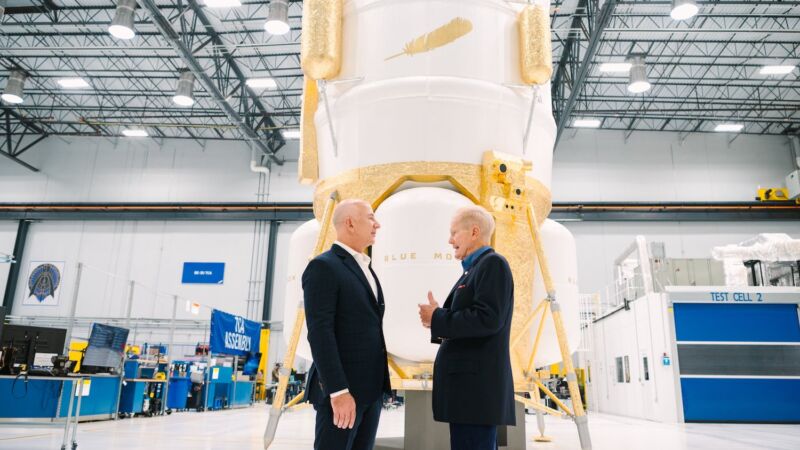
Jeff Bezos shows off new Moon lander design for NASA

Read 26 remaining paragraphs | Comments


Source: Ars Technica – Jeff Bezos shows off new Moon lander design for NASA

This is how we could possibly build paved roads on the Moon

High detailed image of the moon

Enlarge (credit: Master/Getty)

The Moon is slated to be our next frontier. When Artemis 3 takes off (tentatively) near the end of 2025, it will be the first mission since the Apollo era to land humans on our satellite. By then, there might be a new way to get around on the Moon’s gray dust, which could at least mitigate damage from sharp particles of lunar regolith.

An international team of researchers with the ESA PAVER project has figured out a way to melt Moondust—or at least an ESA-developed stimulant for it—with lasers. The researchers fired laser beams at lunar soil to create interlocking pavers that could be used to construct paved roads and landing pads. The hardened molten regolith is tough enough to withstand the weight of rovers and other spacecraft with minimal dust kickup, and it could all be made right there on the Moon.

“This technology is envisioned to play a major role in the first phase (survivability) of lunar infrastructure and base development, and over time to contribute to all phases of lunar exploration,” the researchers said in a study recently published in Scientific Reports.

Read 8 remaining paragraphs | Comments


Source: Ars Technica – This is how we could possibly build paved roads on the Moon

Microsoft profiles new threat group with unusual but effective practices

Read 6 remaining paragraphs | Comments


Source: Ars Technica – Microsoft profiles new threat group with unusual but effective practices

Poison expert allegedly poisoned wife—with a shockingly toxic gout drug

Ball-and-stick model of the colchicine molecule.

Enlarge / Ball-and-stick model of the colchicine molecule. (credit: Wikimedia | Ben Mills)

A Minnesota doctor who had worked for a poison control center was charged this week in the poisoning death of his wife, who died from a lethal dose of the highly toxic gout medication, colchicine.

Connor Bowman, 30, was arrested last Friday and charged Monday with second-degree murder in the death of Betty Bowman, 32, who worked as a pharmacist at the Mayo Clinic.

In an investigation that followed her suspicious death on August 20, police learned that the two were having marital problems, including a deteriorating relationship and infidelity, and were talking about a divorce. They also learned that Connor Bowman was in debt and stood to gain $500,000 in life insurance upon his wife’s demise.

Read 15 remaining paragraphs | Comments


Source: Ars Technica – Poison expert allegedly poisoned wife—with a shockingly toxic gout drug

Intel doesn’t think that Arm CPUs will make a dent in the laptop market

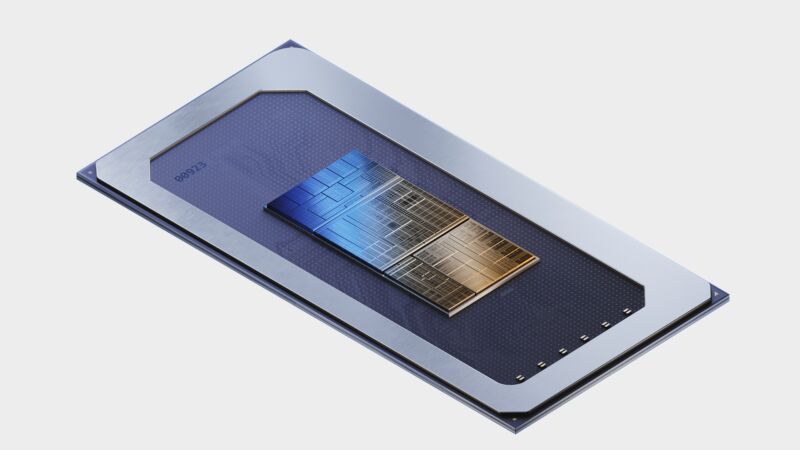
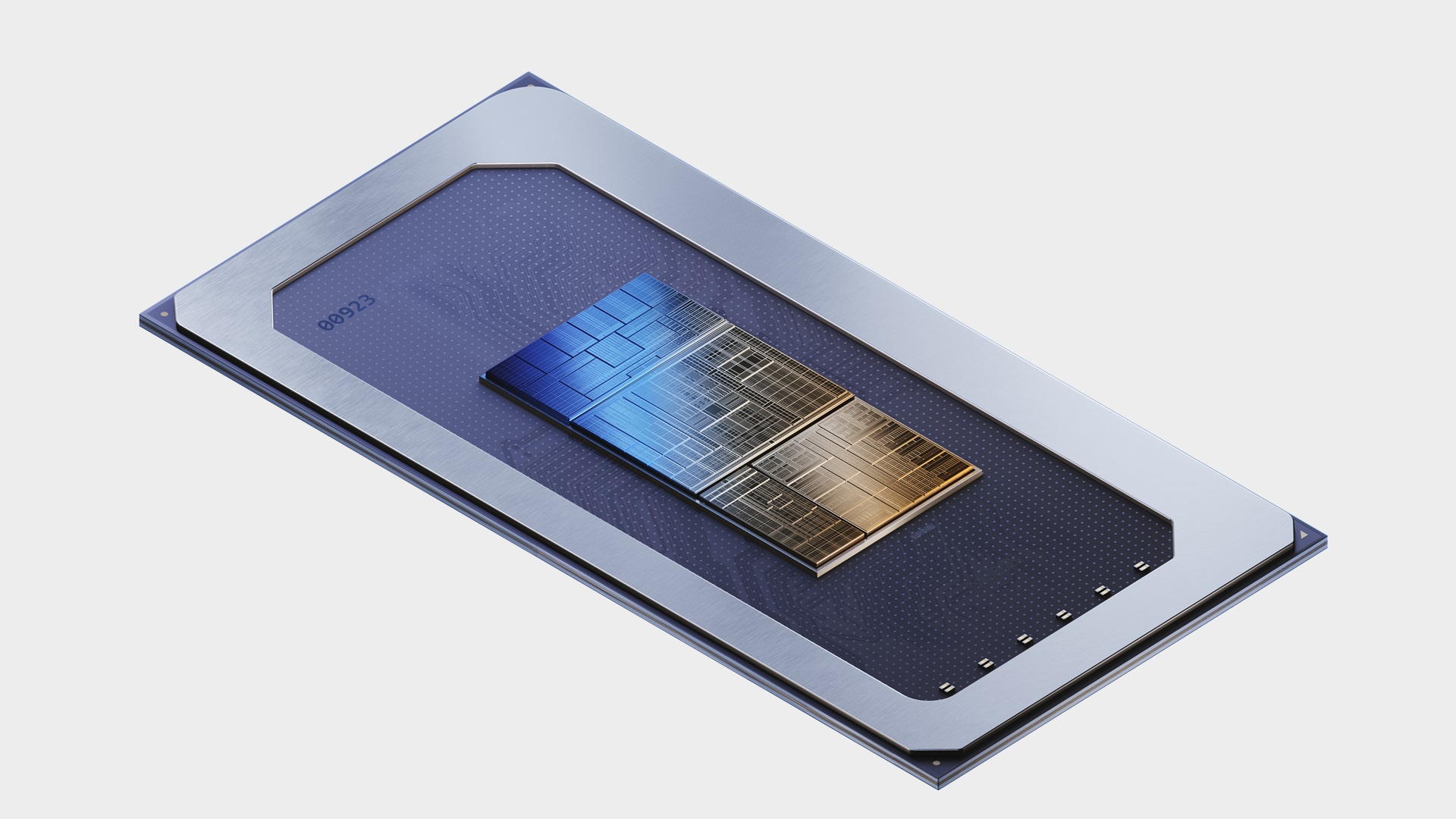
Intel's Meteor Lake laptop CPUs launch this December, and they'll be facing competition from more high-end Arm processors.

Enlarge / Intel’s Meteor Lake laptop CPUs launch this December, and they’ll be facing competition from more high-end Arm processors. (credit: Intel)

Chip companies like Qualcomm, Nvidia, and AMD are all either planning or said to be planning another attempt at making Arm chips for the consumer PC market. Qualcomm is leading the charge in mid-2024 with its Snapdragon X Elite and a new CPU architecture called Oryon. And Reuters reported earlier this week that Nvidia and AMD are targeting a 2025 release window for their own Arm chips for Windows PCs.

If these companies successfully get their chips into PCs, it would mostly come at Intel’s expense. But Intel CEO Pat Gelsinger doesn’t seem worried about it yet, as he said on the company’s most recent earnings call (via Seeking Alpha).

“Arm and Windows client alternatives, generally, they’ve been relegated to pretty insignificant roles in the PC business,” said Gelsinger. “And we take all competition seriously. But I think history as our guide here, we don’t see these potentially being all that significant overall. Our momentum is strong. We have a strong roadmap.”

Read 6 remaining paragraphs | Comments


Source: Ars Technica – Intel doesn’t think that Arm CPUs will make a dent in the laptop market