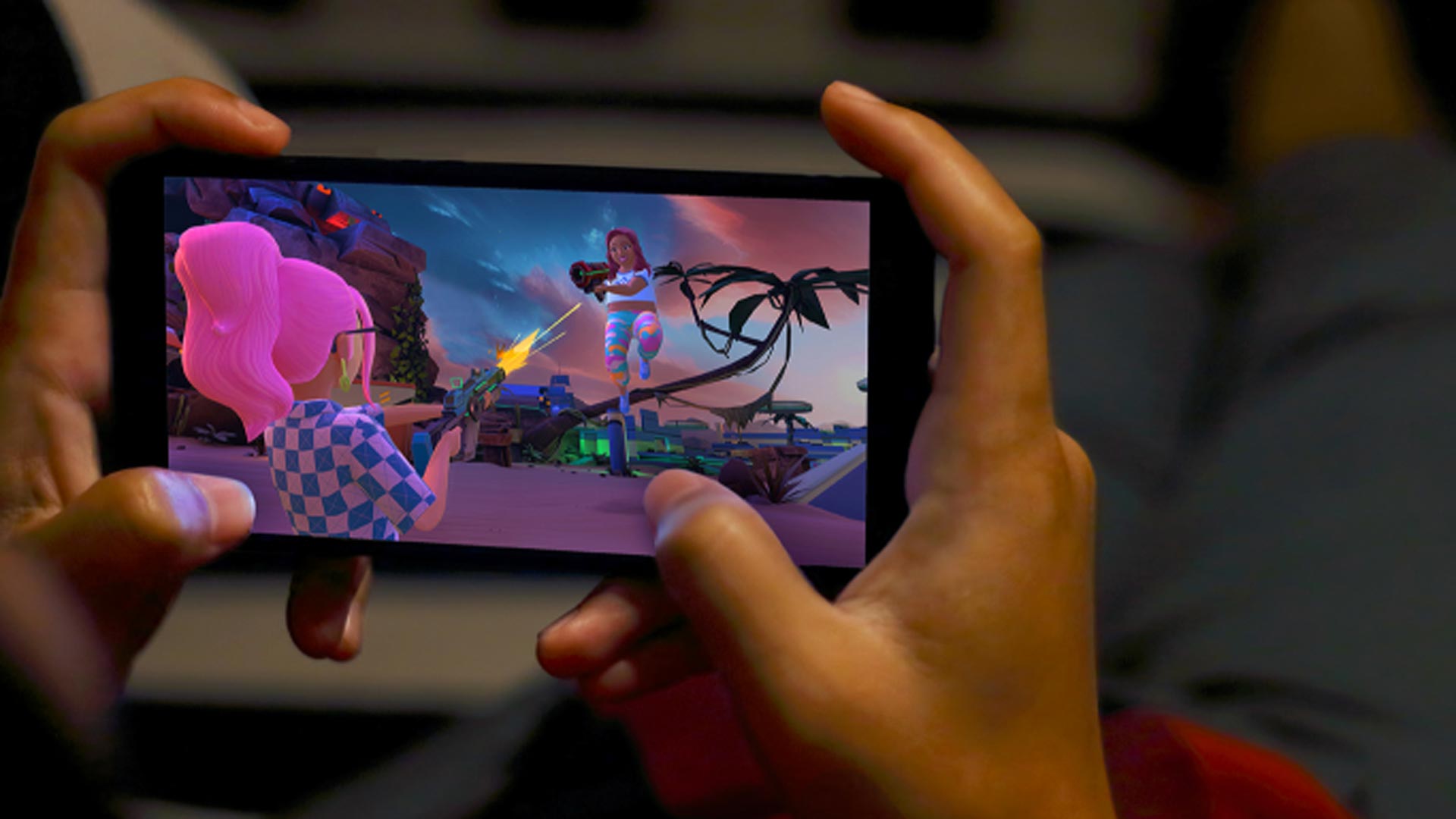
FRENZIES gets a new social space in today’s update, and nDreams outlined the free-to-play VR shooter’s upcoming roadmap.
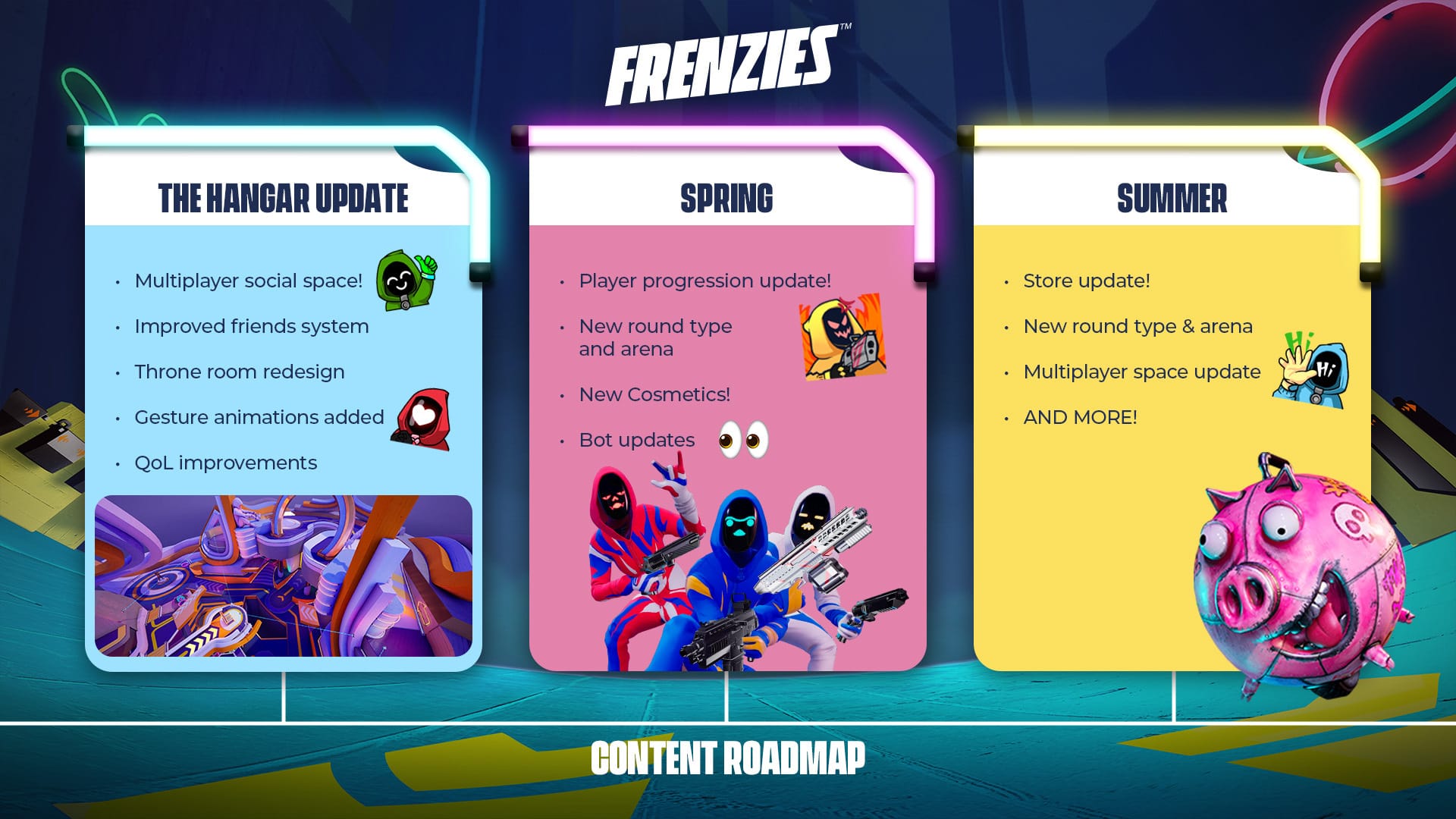
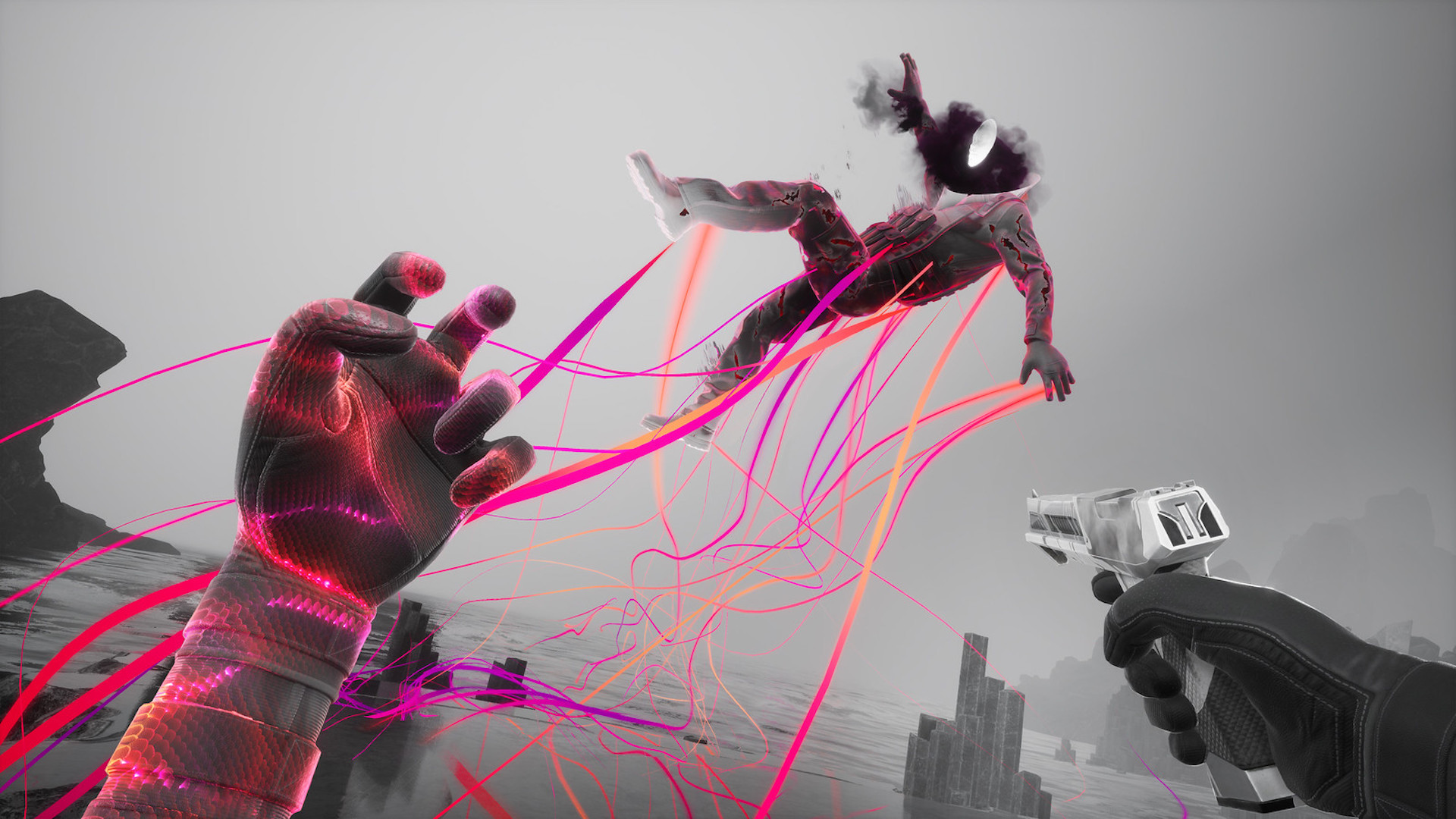
Kicking off the FRENZIES roadmap is the new ‘Hangar Update,’ which goes live today on Quest. That introduces the titular location, a new multiplayer social space that lets you hang out with friends, play some basketball and join a game together. nDreams states this new area will expand “over the coming months” across future updates. Other changes include improvements to the friend system, a Throne Room redesign, and new gesture animations.
0:00
/0:22
It’s the first step in a new content roadmap, and nDreams outlined two further major updates planned across both spring and summer 2025 respectively. The spring update promises a player progression system that lets you earn XP to obtain rewards, more cosmetics, bot updates, and a new round type with a new arena.
As for the summer content update, nDreams states this will revamp the in-game store, with further adjustments promised for The Hangar. An additional new round type and arena are also planned, alongside further changes the publisher has yet to reveal. You can see the roadmap in full below.
FRENZIES Spring and Summer 2025 roadmap
Notably, this roadmap omits any news on when to expect the full release for FRENZIES, following the game’s early access launch back in October. nDreams previously announced that a PlayStation VR2 version is also planned, but much like the full launch, a release date for Sony’s headset remains unconfirmed.
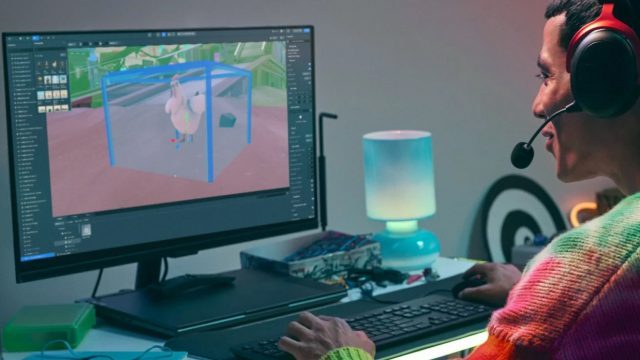
Meta released a new Desktop Editor for Horizon Worlds in preview, giving world creators a Unity-style game development platform for the first time. The PC-based editor is designed to be more robust, and make world creation easier and higher quality than its previous Quest-native VR editor, which Meta says it’s now deprecating.
Meta needs broader reach to make Horizon Worlds a success, which it ostensibly hasn’t found on Quest thus far. While the company made its metaverse platform accessible to mobile and desktop in 2023, bringing non-VR users to the platform for the first time since its initial beta launch in 2021, the maker-centric platform is still largely a VR-first experience. But that appears to be changing.
The newly released Desktop Editor allows developers familiar with traditional game engines, such as Unity, to create and publish worlds. Meta says in its developer resources “the VR creation tools … are legacy tools. We strongly recommended moving your development process to the Desktop editor and other PC creation tools.”
Image courtesy Meta
Granted, Horizon World creators can still preview scenes in VR while tethered to the desktop-based editor, although it’s not a prerequisite. In short, Horizon Worlds users don’t need a VR headset, and now, neither do world creators.
This follows a report earlier this month of a leaked memo from Meta CTO Andrew Bosworth, who said the mobile version of the app “absolutely has to break out for our long term plans to have a chance.”
More recently, Meta announced last week it’s launching a $50 million fund to boost content creation in Horizon Worlds, aiming to drive engagement as self-contained VR studios struggle.
Moreover, Meta’s strategy signals it’s not only doubling down on Horizon Worlds by tossing out more money to developers and giving them tools they’re mostly already familiar with, but it’s also looking to seize a rapidly growing cohort of younger Quest users. Younger players tend to favor free-to-play content and socially-driven experiences—something Meta likely hopes to capture with Horizon Worlds.
If you use a camera on a recent iPhone or iPad to scan the code below you should be able to see the Upload logo floating in your room.
I used Apple’s Air Drop feature to send the link directly to Apple Vision Pro where I viewed the object floating in my office from the headset. I had previously downloaded the new Scenery app to Vision Pro to make that work, then I opened the link and selected a spot on my floor for the object to float above.
Here’s the Upload logo in your room:
This particular bit of “scenery” looks really nice on mobile phones because it was specifically designed for that. The Vision Pro, meanwhile, doesn’t let third parties scan these kinds of codes in passthrough yet, even though Apple uses the feature to load your prescription for the headset.
We’ll be very curious to see what kind of reach there ends up being for this method of distributing content to headsets as Apple, Google, Meta and others integrate computer vision into their latest products in different ways. Android and Quest support is in the works, Scenery devs say, with a WebXR viewer listed as “coming soon” on the company website.
Futuristic running game Sportvida CyberDash gets a free Steam Next Fest demo before next month’s full launch on Quest and PC VR.
Designed to deliver stress relief through intense physical challenges, Sportvida CyberDash takes place in a futuristic world where you’ll need to smash obstacles, sprint, and dodge to advance across 30 different maps. Previously released in early access on Quest, the game aims to test your reflexes, focusing on continuous forward movement and acceleration as you race towards the finish line.
0:00
/0:35
While each course offers varying difficulties from “novice to expert,” Sportvida CyberDash features a ‘Lenient Mode’ that reduces the necessary motions while playing for a lighter cardio workout. On the other end, ‘Strict Mode’ is a more intense experience that demands greater arm swinging. Other features include ‘Global Challenges’ where you can aim to set a personal record, and online worldwide leaderboards are also included.
Sportvida CyberDash enters full release on the Meta Quest platform alongside the Steam launch on March 20, retailing for $20.
Steam Next Fest kicks off its latest edition today with two dozen PC VR demos, ranging from space shooters to puzzle games.
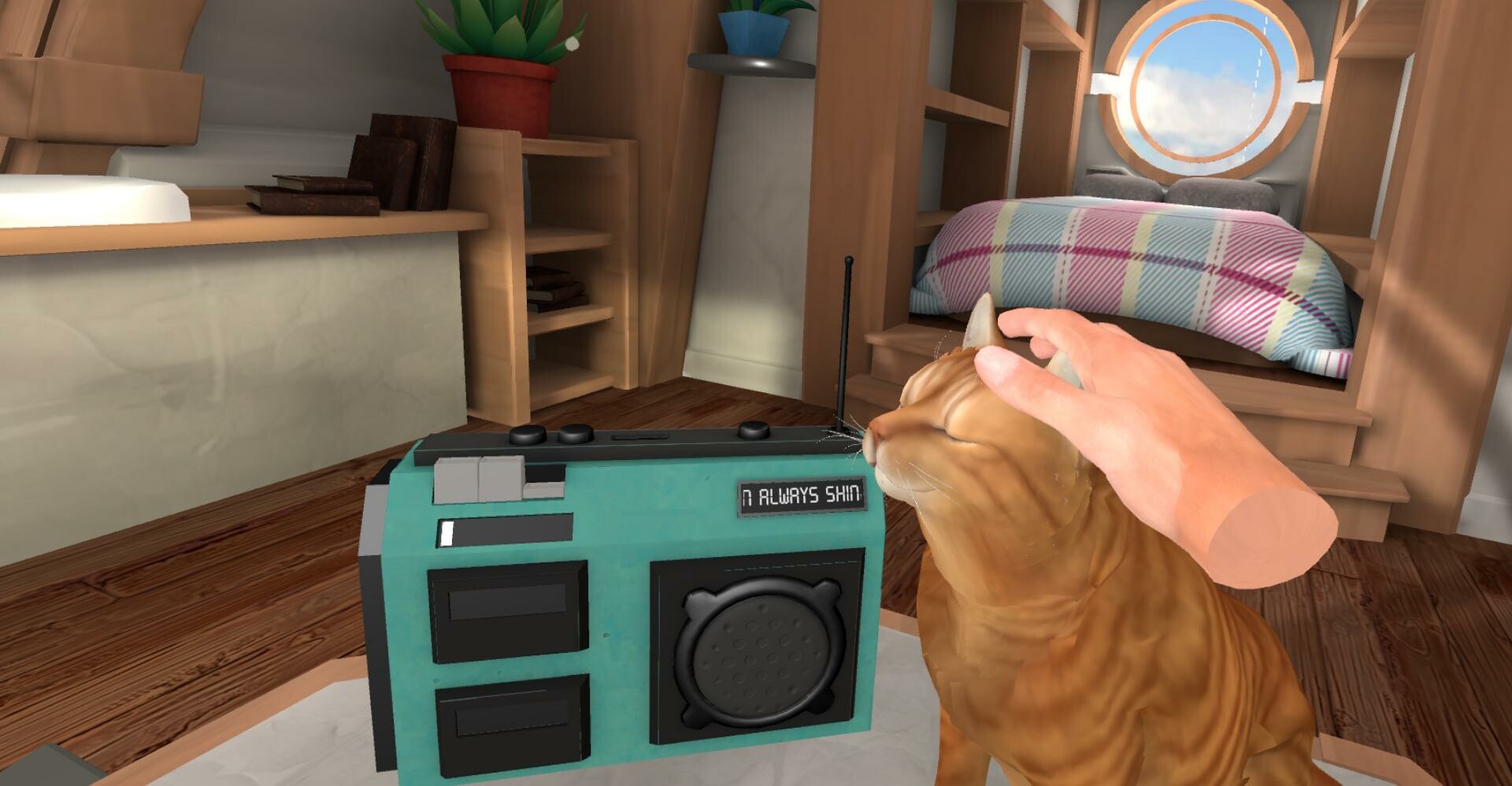
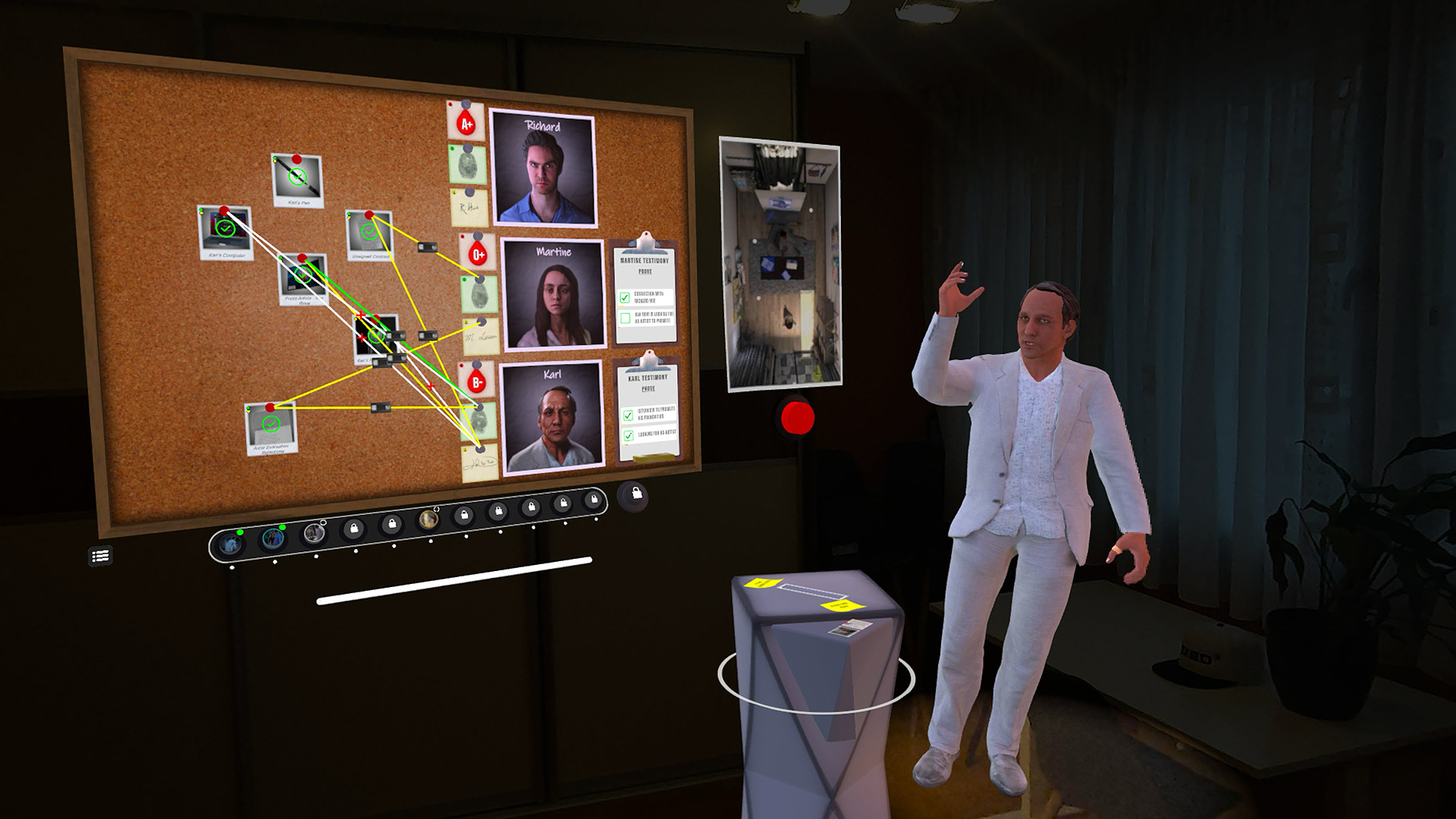
Now live until next week, Steam Next Fest is back with its February 2025 edition to celebrate upcoming games. On PC VR, these include puzzle sandbox strategy game Wet VR from SUPER HYPER MEGA (Noun Town, Project Aeroes), which is currently free on Quest. Retro-style arcade shoot-em-up Stratogun has optional PC VR support in the demo, while other notable games include futuristic fitness game Sportvida Cyberdash and VR vet simulator Pets & Stuff.
You can also find Golden Kingdom VR, a tech demo from Tunermaxx (Rainbow Reactor, Snow Scout) that the studio states is designed to push the graphical capabilities of high-end PCs. Using Unreal Engine 5 with both Lumen and Nanite implemented, this upcoming open world action RPG also utilizes world partition while promising photorealistic graphics.
A brand-new demo is available for Lushfoil Photography Sim but while the main game promises optional PC VR support, we’re currently unsure if that extends to the Steam demo. It promises “true-to-life recreations” across various worldwide locations, and that’s now confirmed to be launching on April 15 on PC and flatscreen consoles.
The full list can be found here with two dozen PC VR games mentioned, and our recommended highlights are based on preview access provided before today’s event kicked off. As such, some demos may not be available yet, while others may have delays in getting the demo build ready.
With that all said, here are some PC VR highlights we’ve spotted so far.
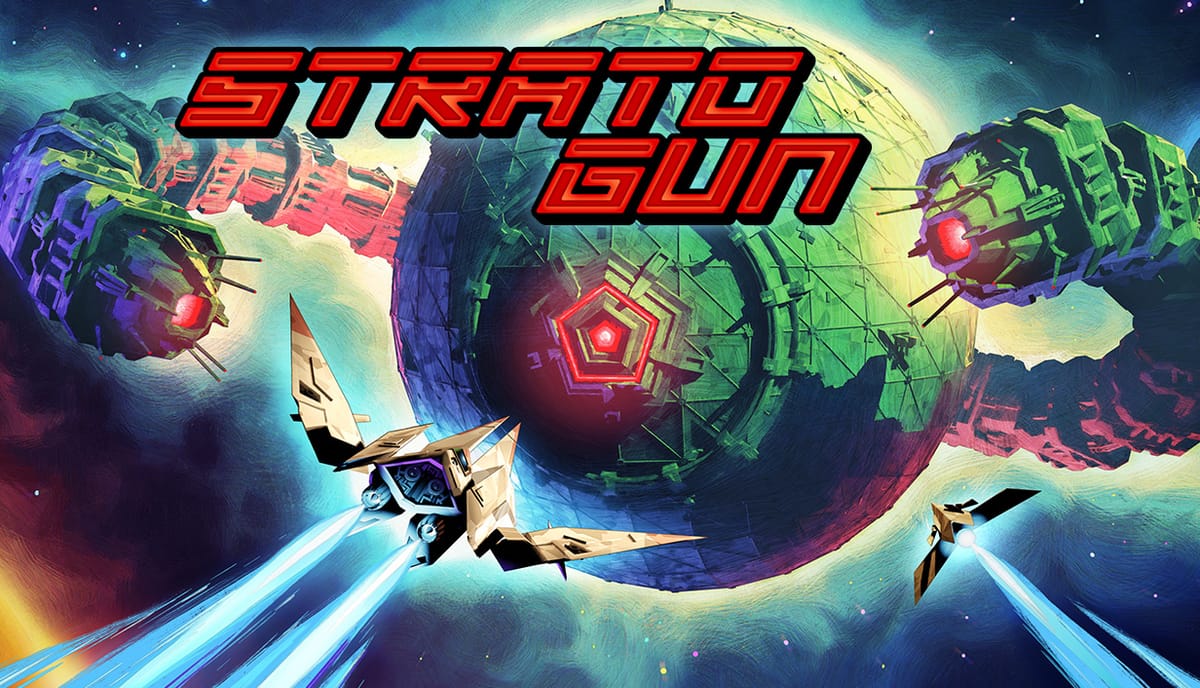
Numskull Games is partnering with developers Horsefly for Stratogun, a nostalgic flatscreen shoot ’em up launching with VR support later this year.
Inspired by the neon-soaked arcade shoot ’em ups of the 80s, Stratogun challenges players to fight through waves of wireframe enemies while competing for top spots on the game’s leaderboard. The longer you survive rounds of aerial assault, the more points you rack up, which translates directly into experience points that can be used to upgrade your gear and earn new perks to bolster your fighting offensive on future runs.
In an accompanying trailer, we can see a ship navigating hazardous globes full of bullet hell projectiles and racking up multipliers to the tune of a pounding synth-heavy soundtrack.
Stratogun is set to launch on Nintendo Switch, Xbox Series X/S, PlayStation 5, and PC, with VR support available on Steam. On the Steam Page, Horsefly describes Stratogun as ‘an ultra-fast space shooter with tight controls’ and explains the fast-paced gameplay as ‘easy to pick up, but very difficult to master.’
You can test that later this year when Stratogun launches on PC and consoles. Alternatively, you can check it out ahead of its release via the official Steam Next Fest demo, which includes VR support and is available now.
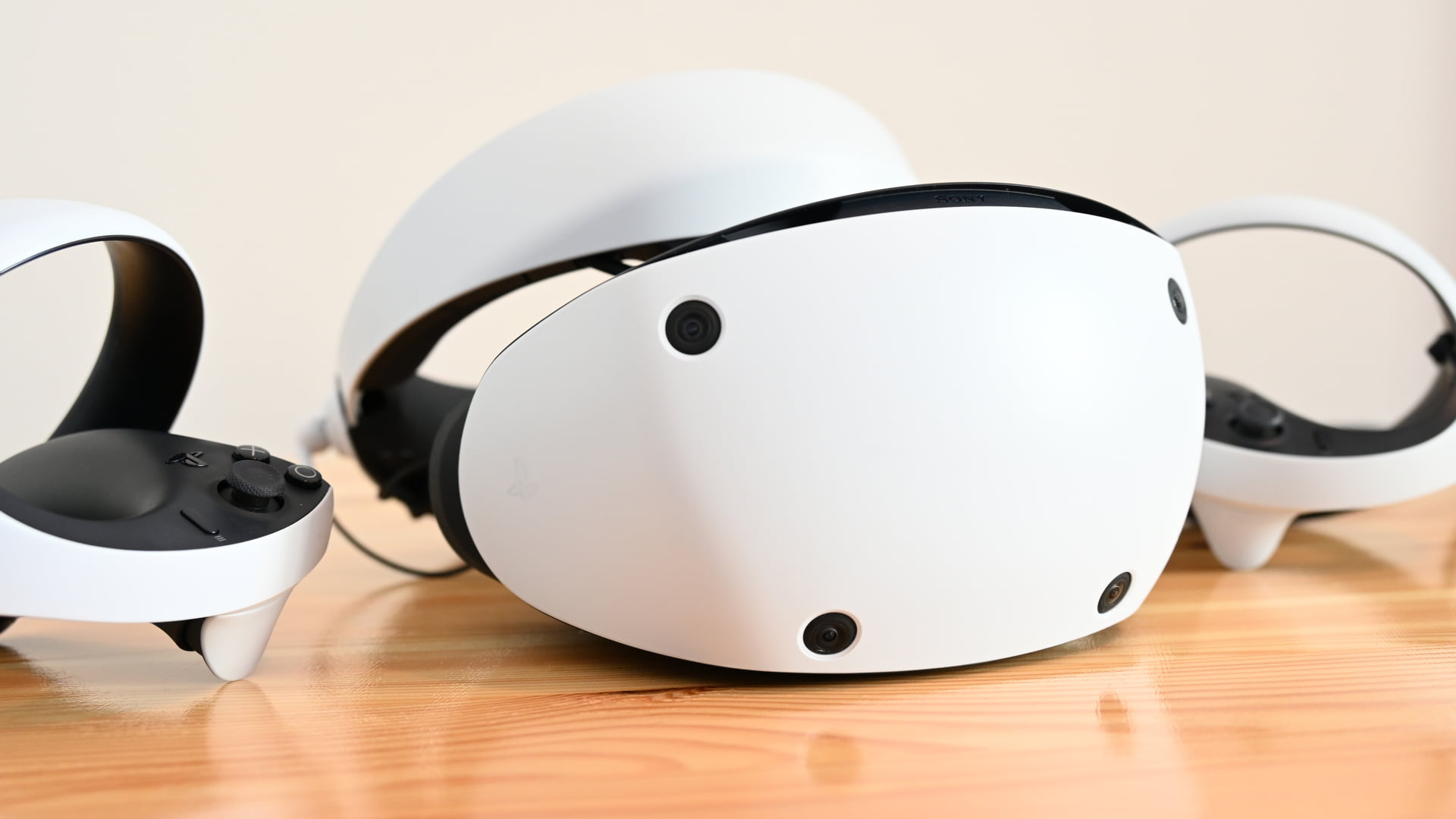
More PS5 owners deserve to own a VR headset powered by their console.
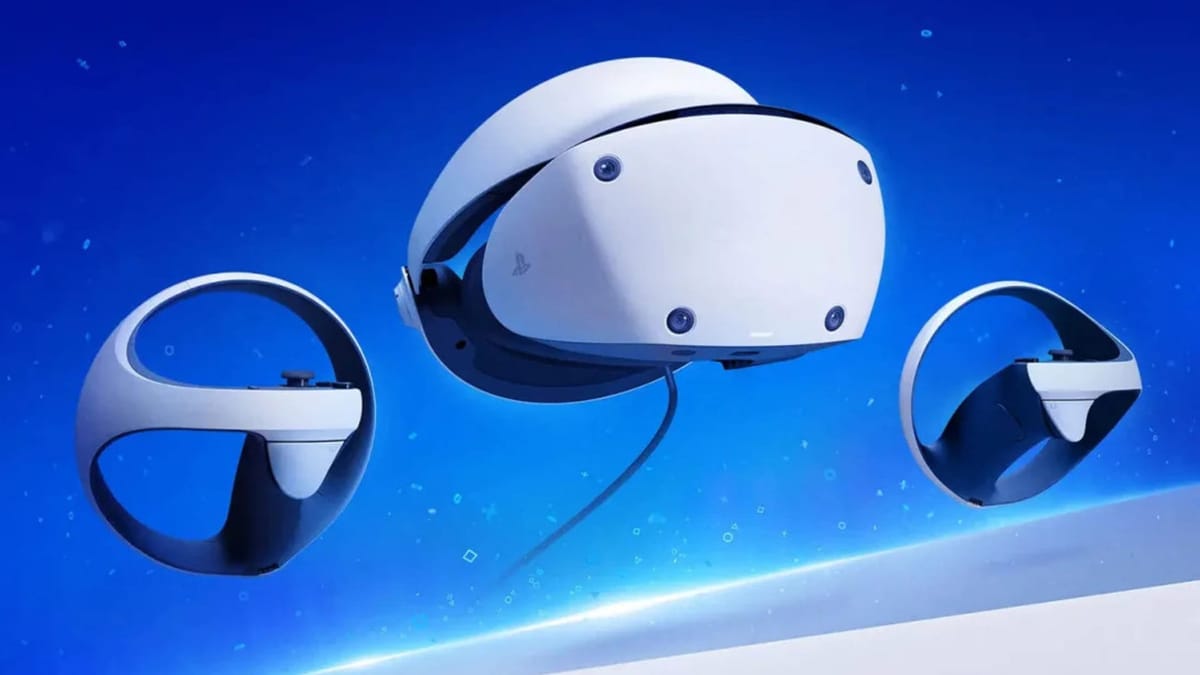
From No Man’s Sky and Gran Turismo 7 to Resident Evil Village, PlayStation VR2 offers experiences that no standalone headset to date could handle, and renders many multi-platform VR titles with noticeably higher graphical fidelity. But too few of the 75 million PS5 owners can justify the headset’s price.
Over the weekend, PlayStation VR2’s two year anniversary came and passed, with no announcements from Sony then, on Friday, or today.
I had hoped to see the $550 headset permanently reduced to the $350 price it was offered at for a week in summer and six weeks over the holidays. On the first day of that summer sale a retailer sold more in one day than the entire year, and over the holidays multiple developers told me they saw a significantly greater sales boost on PS VR2 than the previous year.
This strongly suggests that the limiting factor for PlayStation VR2 has been its price, something I’ve been saying since it was announced. An accessory simply cannot be more expensive than the console it connects to. For many regular people the PS5 console is already a significant expense. As interested as these 75 million people might be by the prospect of high-fidelity VR gaming, $550 just isn’t a price most are willing to pay.
Don’t get me wrong. PlayStation VR2 is a great headset in many ways, with some flaws, but at $550, it just doesn’t matter to most PS5 owners.
The fact that Sony did not permanently reduce the price two years into the headset’s life suggests to me that at $350, Sony wasn’t making a profit, and that executives may be unwilling to do this perpetually. That’s why, I’d argue, it’s time for a fundamentally cheaper option for VR on PS5.
The Case For PlayStation VR2S
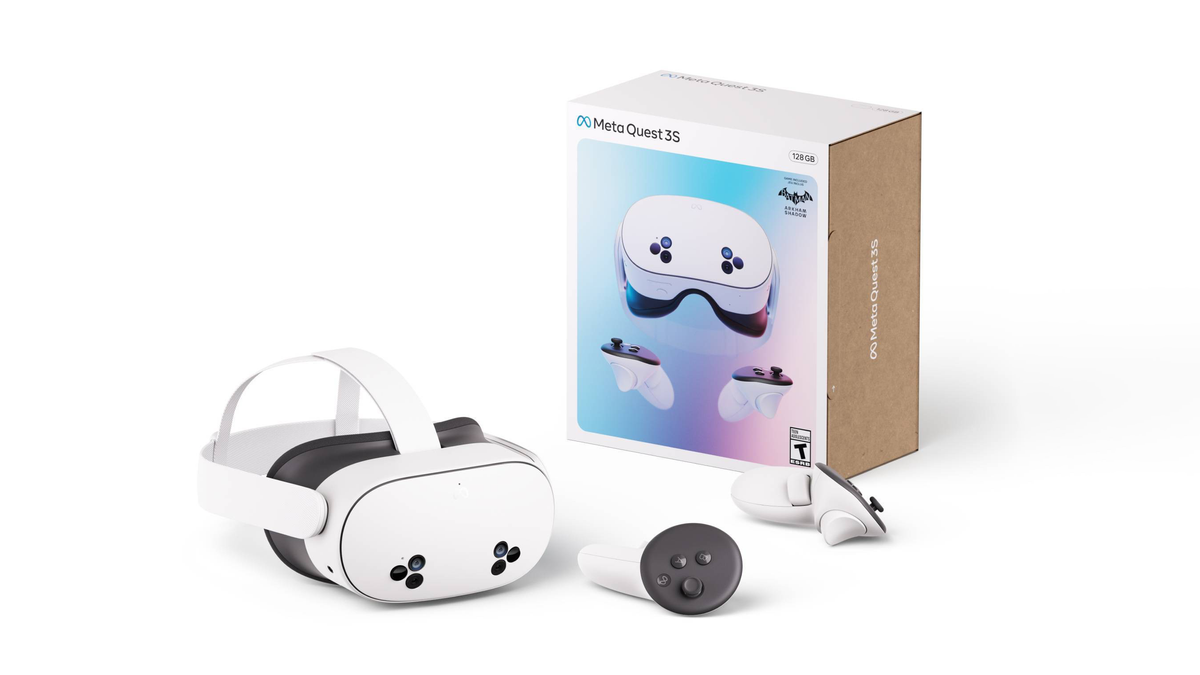
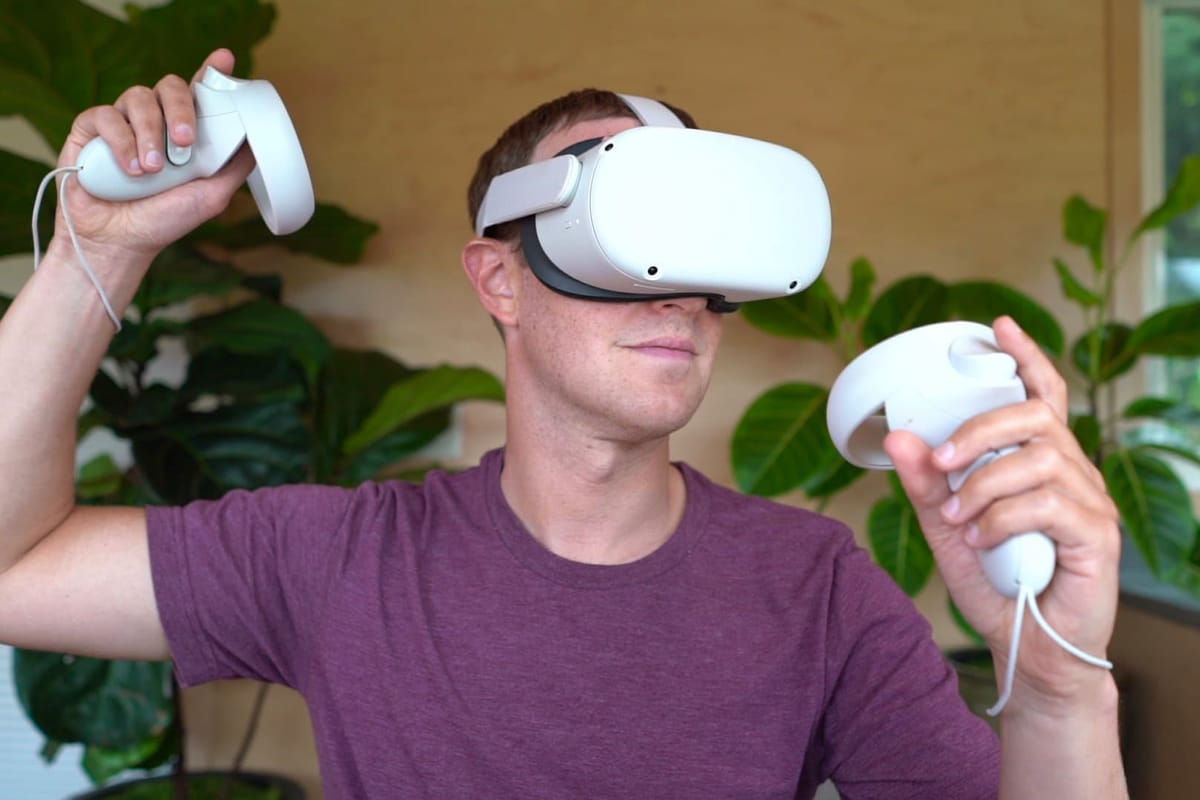
Meta Quest 3 is a great headset, and it’s still the standalone headset we recommend buying. But at $500 its appeal is relatively limited, and that’s why Meta introduced the $300 Quest 3S, which in just three months became the top selling console on Amazon US for all of 2024.
If Sony took a similar strategy, it could open up VR on PS5 to millions more people, and these new owners would provide a much-needed lifeline to the professional VR game development studios finding Quest to no longer be the ideal market for their content and the PS VR2 owner base simply not big enough to act as a replacement.
Further, an influx of millions of PS VR2S owners would even inspire some gaming giants to add VR support to their existing AAA PS5 games.
To get specific, this hypothetical PlayStation VR2S would use a single LCD panel instead of dual HDR OLEDs, and perhaps drop the headset rumble. This could allow Sony to sell the headset at the regular PS VR2’s sale price, $350, or perhaps even less. Yet by keeping eye tracking, it would support all the same games.
Now, I know some PS VR2 enthusiasts reading this will be revolted at the thought of losing the true blacks, deep contrast, and rich colors of HDR OLED. But to be clear, you wouldn’t! This new headset would not replace PS VR2. Just like Meta still sells Quest 3 after launching Quest 3S, Sony would still sell PS VR2.
What About Wireless?
Price is undeniably PlayStation VR2’s biggest constraint. But a close second is the cable.
Almost everyone who bought into VR before 2019 was by definition someone who didn’t particularly mind, or at least accepted, the cable. But tens of millions of people stood by and waited for the cable to get cut, and followed through by purchasing a wireless Quest headset. Yes, the primary appeal of Quest is its standalone nature. But would you really argue it would be just as successful if it needed to be plugged into a socket at all times, for example?
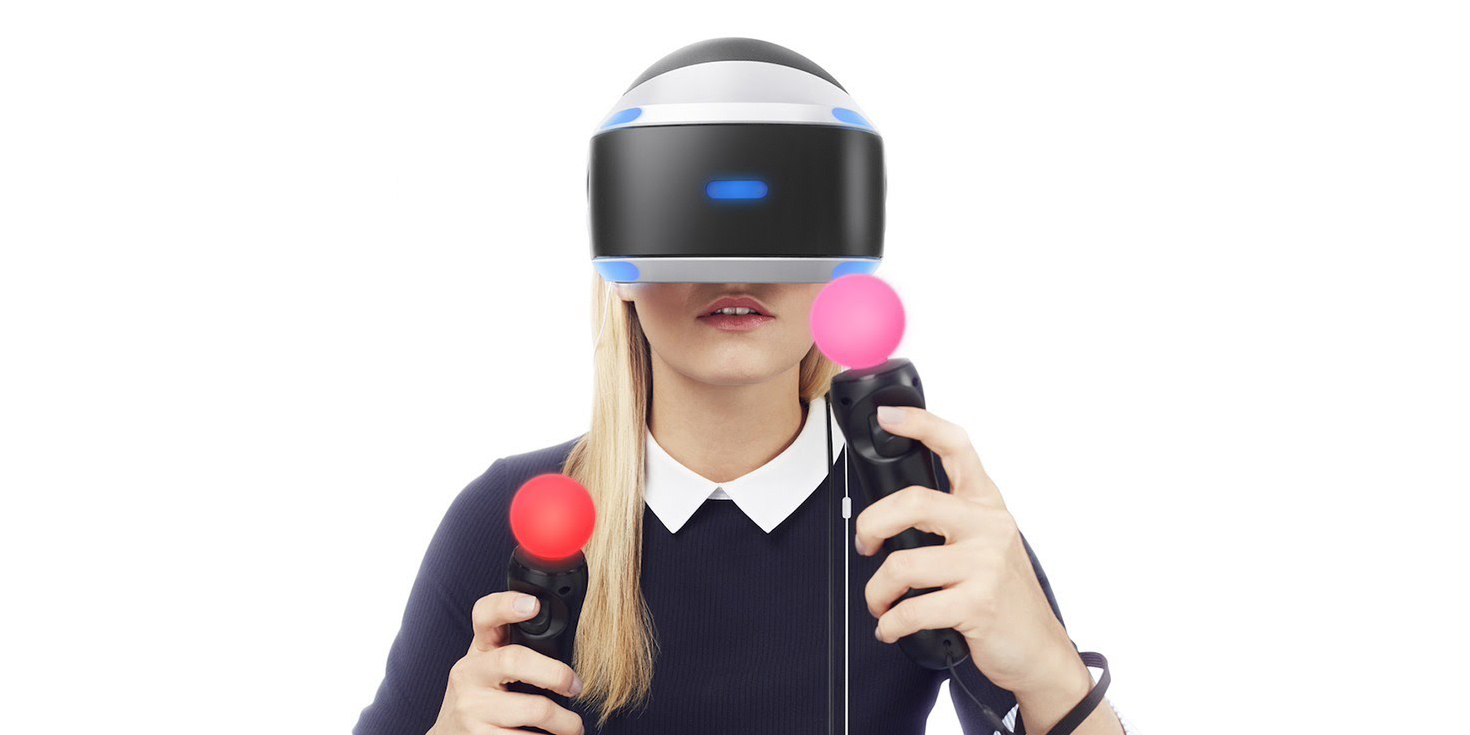
I’ve given hundreds of VR demos in my time, and before Quest even gaming PC and PlayStation owners cited the cable as the main reason they wouldn’t buy a headset just yet. Step out of our VR bubble and you’ll find that most people are completely turned off by the idea of having a head-mounted umbilical cord sprawling across their living room while effectively blindfolded.
All of this is to say, there’s also an argument to be made for a PlayStation VR2 Pro. Rather than upgrading the lenses or displays, this headset would simply take the regular PS VR2 and add the chips and battery necessary for wireless VR, driven by a direct point-to-point link with the PS5 console.
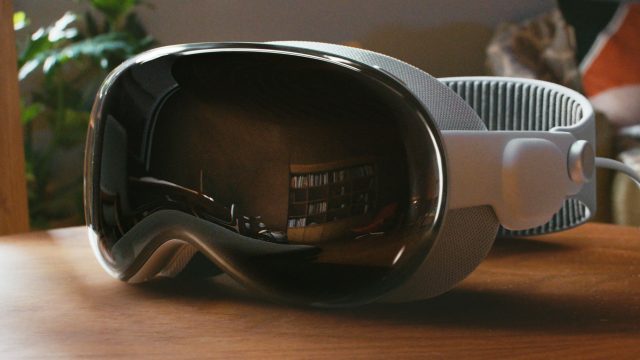
Apple Intelligence, the company’s set of AI tools currently available on iOS and Mac, is coming to Vision Pro in April with the public release of visionOS 2.4. But if you’ve activated developer mode, you can already go hands-on.
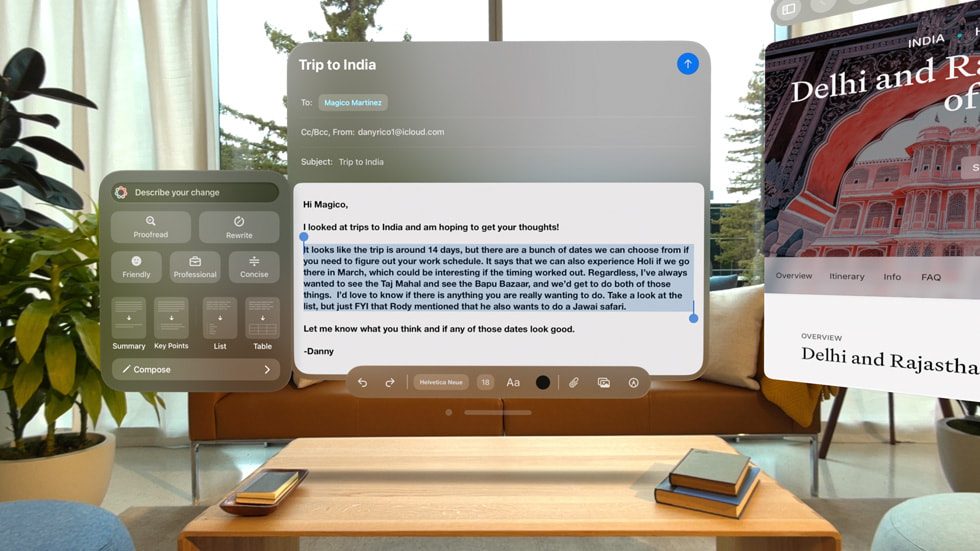
As you’d expect, Apple Intelligence is slated to bring all of the latest AI features to Vision Pro, including writing tools, AI-generated images, smart reply messages, natural language search in Photos, AI summaries, and custom emojis—everything we saw released on iOS and Mac since its initial launch October, but potentiated by the fact that Vision Pro heavily relies voice and hand-based text input.
Image courtesy Apple
More specifically, the next Vision Pro update will also include enhancements to Guest User mode, letting users share their Vision Pro with others using a nearby iPhone or iPad, making it easier to guide guests through the experience—helping to relieve the familiar “ok, return to Home, tap that icon—no, the other icon” dance XR users tend to do when showing off their headset.
The 2.4 release also introduces Spatial Gallery, a curated collection of spatial photos, spatial videos, and panoramas from artists, filmmakers, and photographers. When it arrives, Spatial Gallery will roll out to users Australia, Canada, France, Germany, Hong Kong, Japan, Korea, Singapore, Taiwan, the U.A.E., the UK, and the U.S.
Additionally, Vision Pro is getting tighter integration with iOS; when visionOS 2.4 officially drops in April, Vision Pro users will be able to queue app and game downloads, browse spatial content and experiences, and access device info from iPhone with a new Apple Vision Pro iOS app, slated to arrive with the launch of iOS 18.4.
For now, the 2.4 release with Apple Intelligence will only be available in U.S. English, with more features and support for additional languages rolling out throughout the year, Apple says.
While there’s no firm release date yet beyond the April launch window, the company has already released a developer beta of visionOS 2.4. To enroll in developer beta release, simply navigate to Settings > Privacy & Security. Find and enable “Developer Mode”, and restart Vision Pro.
Bethesda’s Spacefaring RPG Starfield Now Has A 6DOF PC VR Mod
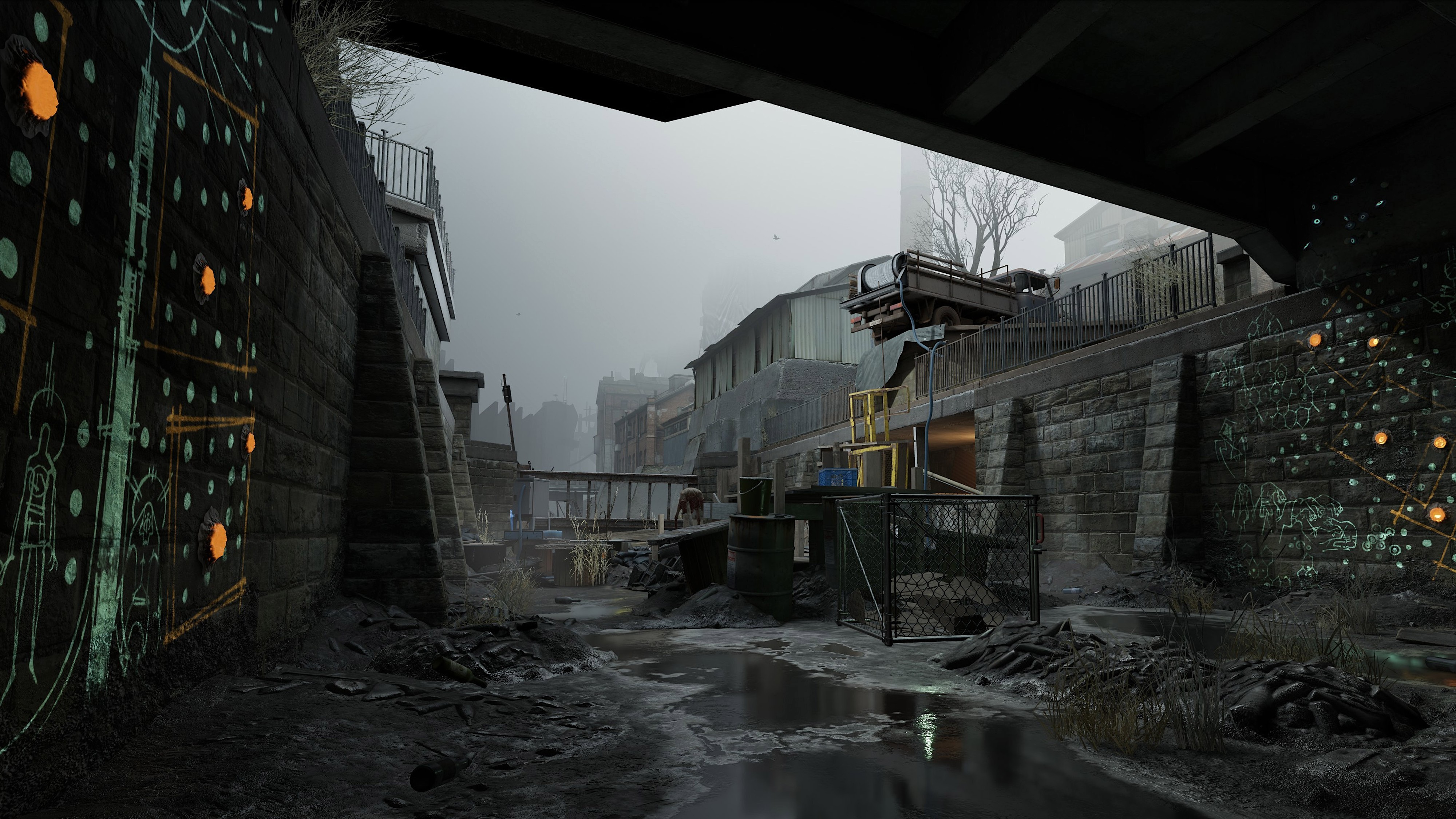
Starfield, Bethesda’s 2023 spacefaring RPG, now has a VR mod available to download. Created by a modder called Mutar, this adds full 6DOF head tracking and stereoscopic rendering, though motion controls aren’t yet implemented and movement needs a gamepad. You can watch early footage of that above, and mod access requires subscribing to Mutar’s Patreon.
VR Space Dogfighter Rogue Stargun Is Now Available On Pico
Previously launched on Quest and Steam, VR space combat sim Rogue Stargun is now available on Pico headsets. Created by DuGames, this features a story-driven solo campaign across 24 missions where you can pilot five starfighters with an interactive VR cockpit, using virtual hands to interact with your controls.
New UNDERDOGS Update Added A VR Camera Toolbox
VR mech roguelike UNDERDOGS introduced a new VR camera toolbox for setting up cameras to capture footage in game using LIV’s creator kit. Available on Quest 3/3S and PC VR, you can now record landscape or portrait from several angles and pause the game to adjust. However, One Hamsa says this toolbox “has some performance costs” that may emerge during heavier fights or on weaker hardware.
Downtown Club 1.1.0 Core Update Is Now Live On Quest
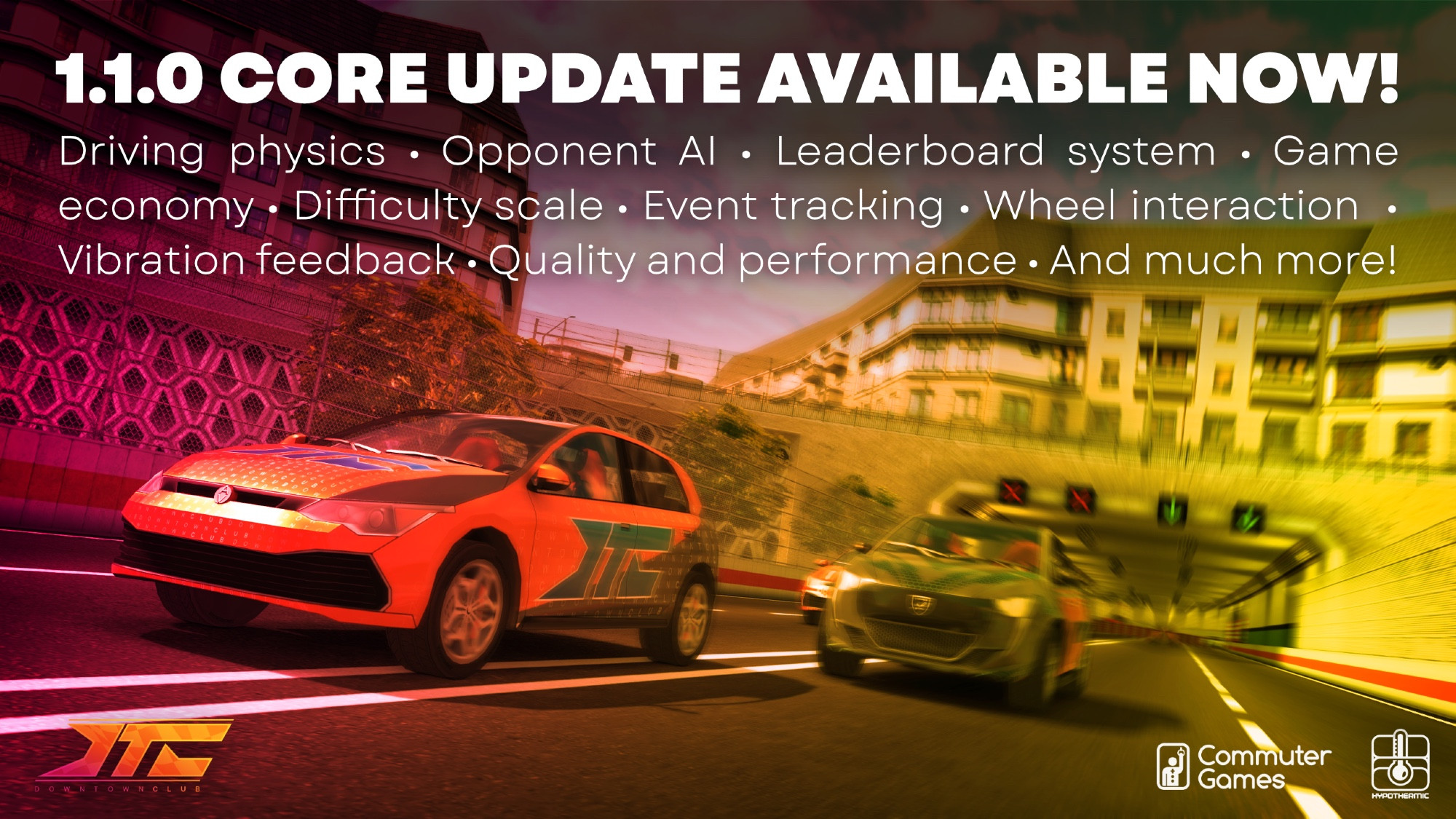
Launched in early access last year on Quest, VR racing game Downtown Club has just released its ‘1.1.0 Core Update.’ While this update resets the game’s local and online records due to the new car physics, promised changes include better car handling, improved AI for your opponents, and more.
COLD VR Plans To Address Launch Criticism With Major Update
Having released to mixed reception following this month’s launch, COLD VR developer Allware confirmed it’s planning a big update to address key criticisms. This includes replacing the Backrooms with new levels in the main campaign, the ability to grab enemy weapons, and improvements to the art.
Other Updates
Here’s everything else we’ve spotted across this week.
Assetto Corsa EVO introduced the Fuji Speedway track and two new cars in update 0.16: the Lancia Delta HF Integrale “Evoluzione 2” and Lamborghini Huracán STO.
The latest Breachers update introduces custom reticles, a favoriting system for skins, and a brand-new roadmap.
Upcoming action-adventure game Of Lies and Rain provided a new developer update about the game on Steam.
The latest VRChat patch brings updates to the main menu, age verification and more.
Intergalactic action game Space Drop will reach PlayStation VR2 this July.
If you’d like to inform us about a VR game we should know about for this article or future updates, you can use our contact page or email tips@uploadvr.com with details.