
A new study could help farmers adapt to an underappreciated threat to cocoa harvests.
Author Archives: Xordac Prime
Vittoria’s toughest road tyre is now even wider, following “evolution” in bike design
Vittoria has added a new 700x42c size to its RideArmor range to bring greater versatility to its “most durable and puncture-resistant road tyre”.
The first RideArmor tyre launched in 2024 and was billed as Vittoria’s toughest road bike tyre. It was available in seven sizes, from 700x26c to 700x38c, but this latest launch expands the range to eight widths.
The RideArmor was originally billed as suiting training and commuting. Vittoria now says the tyre is for everything from “the daily commute to a multi-day bikepacking adventure or a ride combining asphalt and light gravel”.
Responding to an evolution
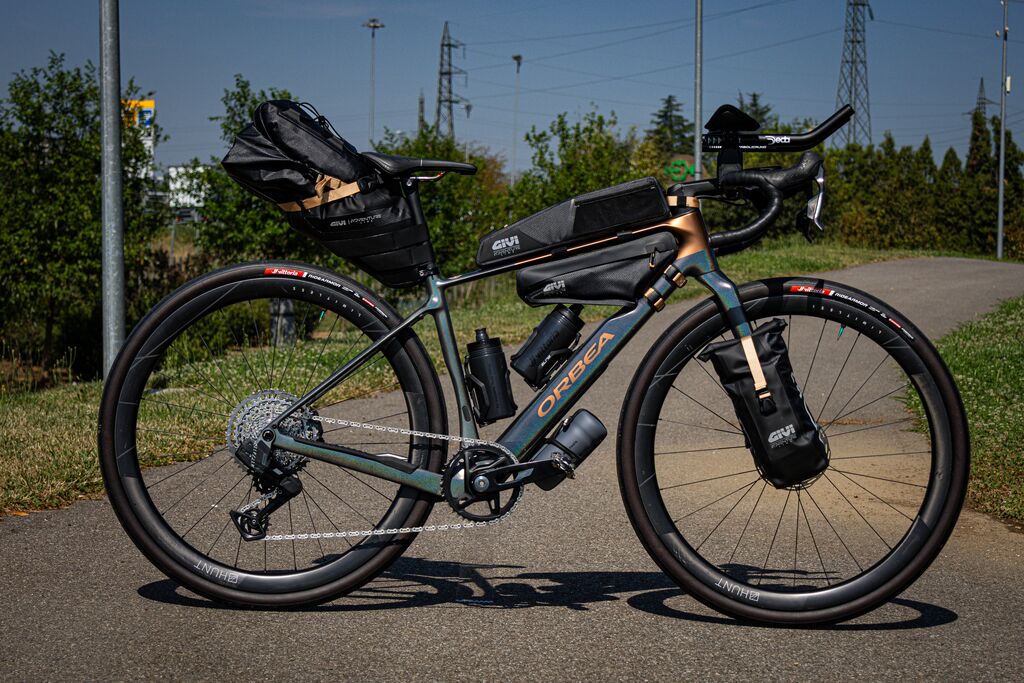
Vittoria says modern endurance road bikes and gravel race bikes are changing what cyclists expect from road bike tyres.
These bikes now have increased tyre clearance and more compliant geometries and there is “the growing popularity of mixed-surface rides”.
“The new size responds to this evolution, with increased air volume to better absorb vibrations and provide greater grip, stability and confidence over long distances, while also delivering aerodynamic benefits on bikes designed around wider tyres,” Vittoria says.
Tough construction
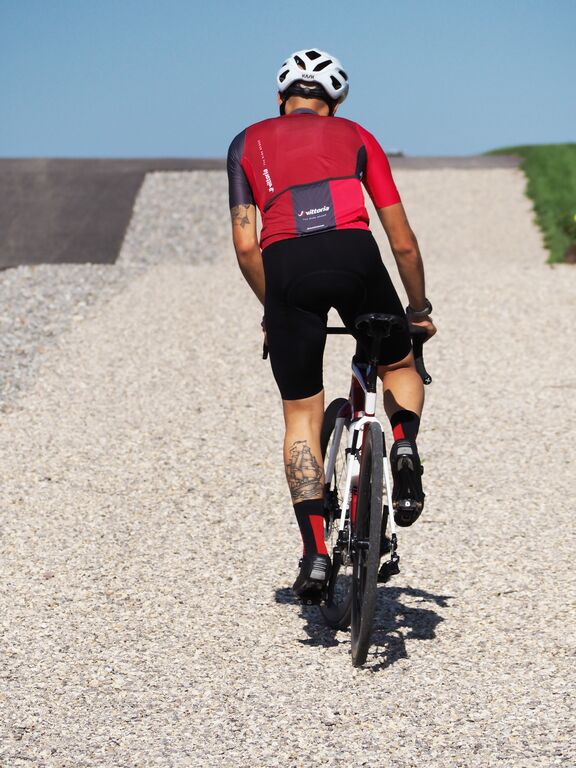
The RideArmor’s tough construction comes from its ArmorSkin sidewall layer, which protects the walls “from cuts and abrasions even on the roughest surfaces”.
It also has a Kevlar bead-to-bead protection belt to protect against punctures from road debris.
Meanwhile, the tyre uses Vittoria’s Graphene + Silica compound for high mileage and durability, while “providing dependable grip across a wide range of surfaces and weather conditions”.
The 100 TPI casing is said to complete a construction that’s intended to be reliable.
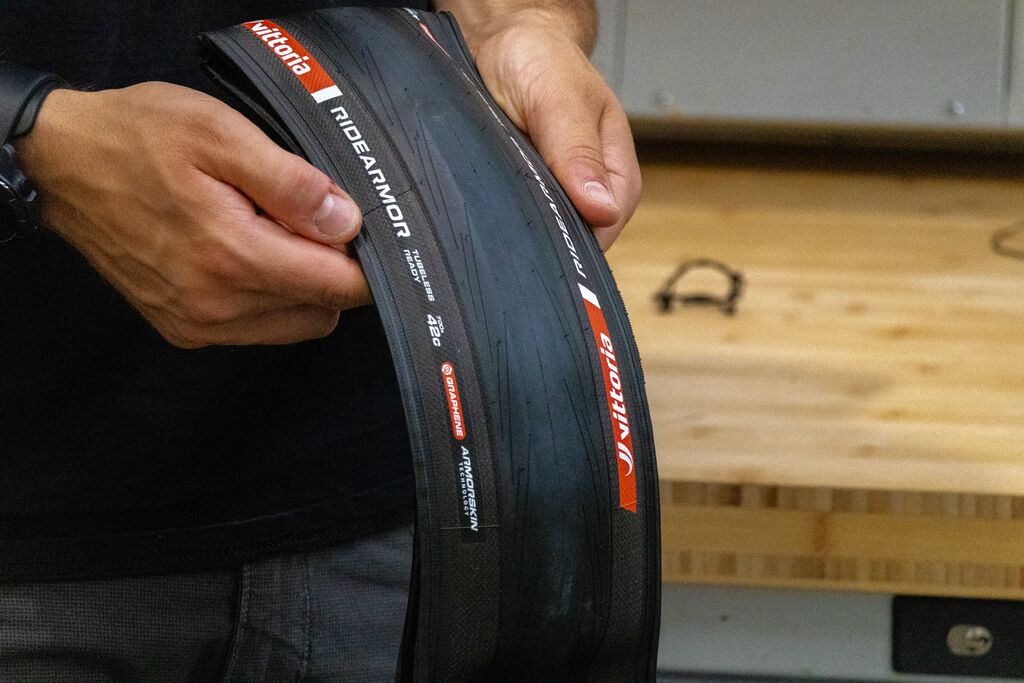
Vittoria says the slick tread “ensures low rolling resistance and excellent efficiency”. No data has been provided to back up those claims.
Like all RideArmor tyres, you can set up the 42mm width tubeless or with an inner tube. It is also suitable for use on an electric bike. The 42mm version weighs 480g.
Not Vittoria’s first 42mm road tyre
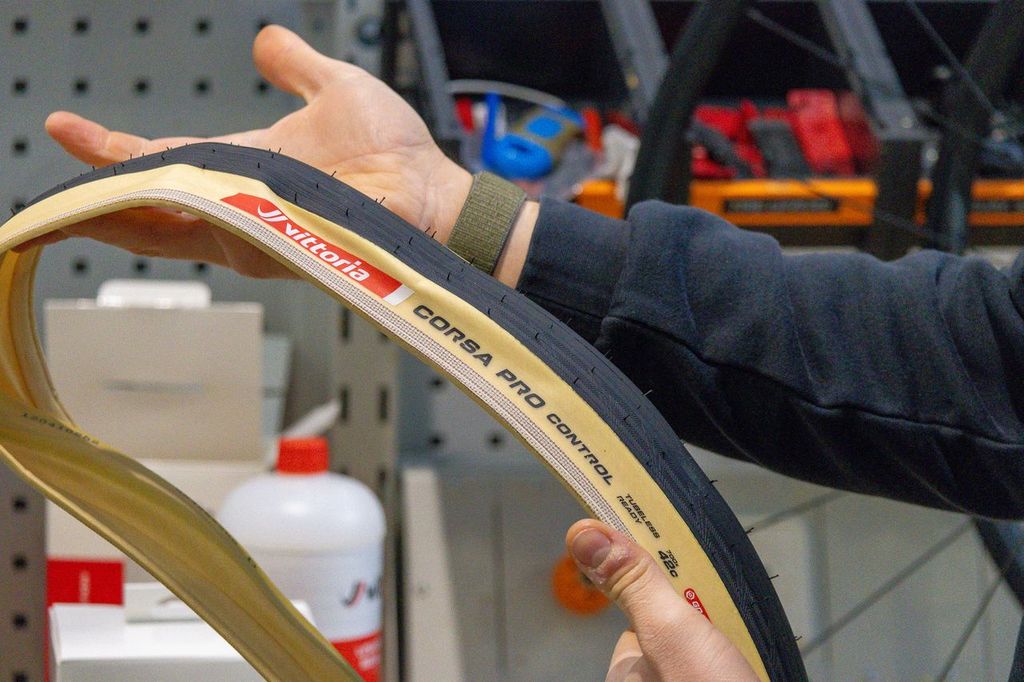
The RideArmor isn’t the first Vittoria road bike tyre to be available in this wide size. That honour goes to the 42mm Corsa Pro Control tyre released in April.
When it launched the wider Corsa Pro Control, Vittoria made the same argument around the evolution in bicycle design.
The tyre followed Schwalbe’s 40mm Pro One Allroad launched in January and Pirelli’s road bike tyres measuring over 40mm.
Vittoria’s chief marketing and innovation officer, Vanessa ten Hoff, says the company follows trends but only chooses “to act when they deliver real, measurable benefits”.
Now the wider RideArmor provides riders with a 42mm option from Vittoria that is less focused on performance.
“While Corsa PRO Control is Vittoria’s performance-oriented option for riders seeking racing-level performance on demanding surfaces, RideArmor is the choice for those who prioritise durability, puncture protection and everyday reliability,” Vittoria says.
You may like
Vittoria’s toughest road tyre is now even wider, following “evolution” in bike design
Vittoria has added a new 700x42c size to its RideArmor range to bring greater versatility to its “most durable and puncture-resistant road tyre”.
The first RideArmor tyre launched in 2024 and was billed as Vittoria’s toughest road bike tyre. It was available in seven sizes, from 700x26c to 700x38c, but this latest launch expands the range to eight widths.
The RideArmor was originally billed as suiting training and commuting. Vittoria now says the tyre is for everything from “the daily commute to a multi-day bikepacking adventure or a ride combining asphalt and light gravel”.
Responding to an evolution
Vittoria says modern endurance road bikes and gravel race bikes are changing what cyclists expect from road bike tyres.
These bikes now have increased tyre clearance and more compliant geometries and there is “the growing popularity of mixed-surface rides”.
“The new size responds to this evolution, with increased air volume to better absorb vibrations and provide greater grip, stability and confidence over long distances, while also delivering aerodynamic benefits on bikes designed around wider tyres,” Vittoria says.
Tough construction
The RideArmor’s tough construction comes from its ArmorSkin sidewall layer, which protects the walls “from cuts and abrasions even on the roughest surfaces”.
It also has a Kevlar bead-to-bead protection belt to protect against punctures from road debris.
Meanwhile, the tyre uses Vittoria’s Graphene + Silica compound for high mileage and durability, while “providing dependable grip across a wide range of surfaces and weather conditions”.
The 100 TPI casing is said to complete a construction that’s intended to be reliable.
Vittoria says the slick tread “ensures low rolling resistance and excellent efficiency”. No data has been provided to back up those claims.
Like all RideArmor tyres, you can set up the 42mm width tubeless or with an inner tube. It is also suitable for use on an electric bike. The 42mm version weighs 480g.
Not Vittoria’s first 42mm road tyre
The RideArmor isn’t the first Vittoria road bike tyre to be available in this wide size. That honour goes to the 42mm Corsa Pro Control tyre released in April.
When it launched the wider Corsa Pro Control, Vittoria made the same argument around the evolution in bicycle design.
The tyre followed Schwalbe’s 40mm Pro One Allroad launched in January and Pirelli’s road bike tyres measuring over 40mm.
Vittoria’s chief marketing and innovation officer, Vanessa ten Hoff, says the company follows trends but only chooses “to act when they deliver real, measurable benefits”.
Now the wider RideArmor provides riders with a 42mm option from Vittoria that is less focused on performance.
“While Corsa PRO Control is Vittoria’s performance-oriented option for riders seeking racing-level performance on demanding surfaces, RideArmor is the choice for those who prioritise durability, puncture protection and everyday reliability,” Vittoria says.
You may like
Wattage Cottage Episode 6: This Season on Zwift and So Much Zwifter Data
Our latest episode focuses on “This Season on Zwift“, this week’s announcement from Zwift about what they have planned for the next few months. We’re joined by Ryan Condon, who offers his totally unprepared reactions to each TSOZ topic before we dive in for a deeper take:
- Zwift Ride V2
- Watopia Expansion
- Watt Lock
- Zwift Racing and ZRL Changes
- Companion App Refresh, New Bikes, and (maybe) Purchaseable Paint Schemes
We also dive into a recent GCN video that revealed aggregated stats pulled from analyzing millions of power data points from Zwifters’ last 12 months of personal bests. Is the data even useful? What else could Zwift do with it? There are many possibilities in a world of big training data…
And that’s a wrap. Thanks for listening! Leave a review if the show is landing for you, and share us with your cycling friends. Word of mouth is how independent podcasts grow.
Listen On:








Meet the Team
- Dave Towle: The voice of American cycling, having called some of the biggest races in the country for decades. Find him @davetowleannouncer.
- Shane Miller (GPLama): Based in Australia, Shane is one of the most followed and trusted cycling tech reviewers in the world. Find him at @gplama.
- Eric Schlange: Founder of Zwift Insider, the internet’s most comprehensive and reliable resource for Zwift routes, updates, and platform intelligence. Find him @zwiftinsider.
Share Your Thoughts!
This is just an early episode of what we hope is a long-running and useful community Zwift podcast. Share your thoughts below. We’re listening!
Related Posts
Wattage Cottage Episode 6: This Season on Zwift and So Much Zwifter Data
Our latest episode focuses on “This Season on Zwift“, this week’s announcement from Zwift about what they have planned for the next few months. We’re joined by Ryan Condon, who offers his totally unprepared reactions to each TSOZ topic before we dive in for a deeper take:
- Zwift Ride V2
- Watopia Expansion
- Watt Lock
- Zwift Racing and ZRL Changes
- Companion App Refresh, New Bikes, and (maybe) Purchaseable Paint Schemes
We also dive into a recent GCN video that revealed aggregated stats pulled from analyzing millions of power data points from Zwifters’ last 12 months of personal bests. Is the data even useful? What else could Zwift do with it? There are many possibilities in a world of big training data…
And that’s a wrap. Thanks for listening! Leave a review if the show is landing for you, and share us with your cycling friends. Word of mouth is how independent podcasts grow.
Listen On:








Meet the Team
- Dave Towle: The voice of American cycling, having called some of the biggest races in the country for decades. Find him @davetowleannouncer.
- Shane Miller (GPLama): Based in Australia, Shane is one of the most followed and trusted cycling tech reviewers in the world. Find him at @gplama.
- Eric Schlange: Founder of Zwift Insider, the internet’s most comprehensive and reliable resource for Zwift routes, updates, and platform intelligence. Find him @zwiftinsider.
Share Your Thoughts!
This is just an early episode of what we hope is a long-running and useful community Zwift podcast. Share your thoughts below. We’re listening!
Related Posts
9 of the best gravel bikes under £2,000 / $2,000 in 2026
The best gravel bikes under £2,000 / $2,000 are a great way to sample the delights of gravel riding.
At this price point, gravel bikes start to get very good, with quality frames and components on many of the latest bikes.
As well as venturing off-road, buying a gravel bike can be a smart decision if you want a versatile all-weather machine that can take mudguards or a pannier rack, for winter riding or cycling to work.
With this in mind, gravel bikes have largely replaced cyclocross bikes as the go-to for year-round practicality.
They open up a new realm of riding, with wide gravel tyres and disc brakes enabling them to ride on unpaved surfaces, whether that’s smooth singletrack, fire roads or just your local towpath.
We’ve tested more than 200 gravel bikes here at BikeRadar. The bikes in this buyer’s guide, costing between £,1,000 and £2,000, have all been ridden and reviewed by our test team, who have ridden gravel bikes since their inception in the early 2010s.
This best list was written by our staff writer, Nick Clark, who has brought together expertise from across the team while adding his personal experience in the saddle.
The reviews in this buyer’s guide were written by Warren Rossiter, Simon Withers and Katherine Moore.
Editor’s note: this list was updated on 14 September 2026 with our latest high-scoring reviews, including the Trek Checkpoint ALR 5 Gen 3, Whyte Verro, Boardman ADV 8.9 and Focus Atlas 6.7. We have also removed bikes no longer available for purchase.
Best gravel bikes under £2,000 / $2,000
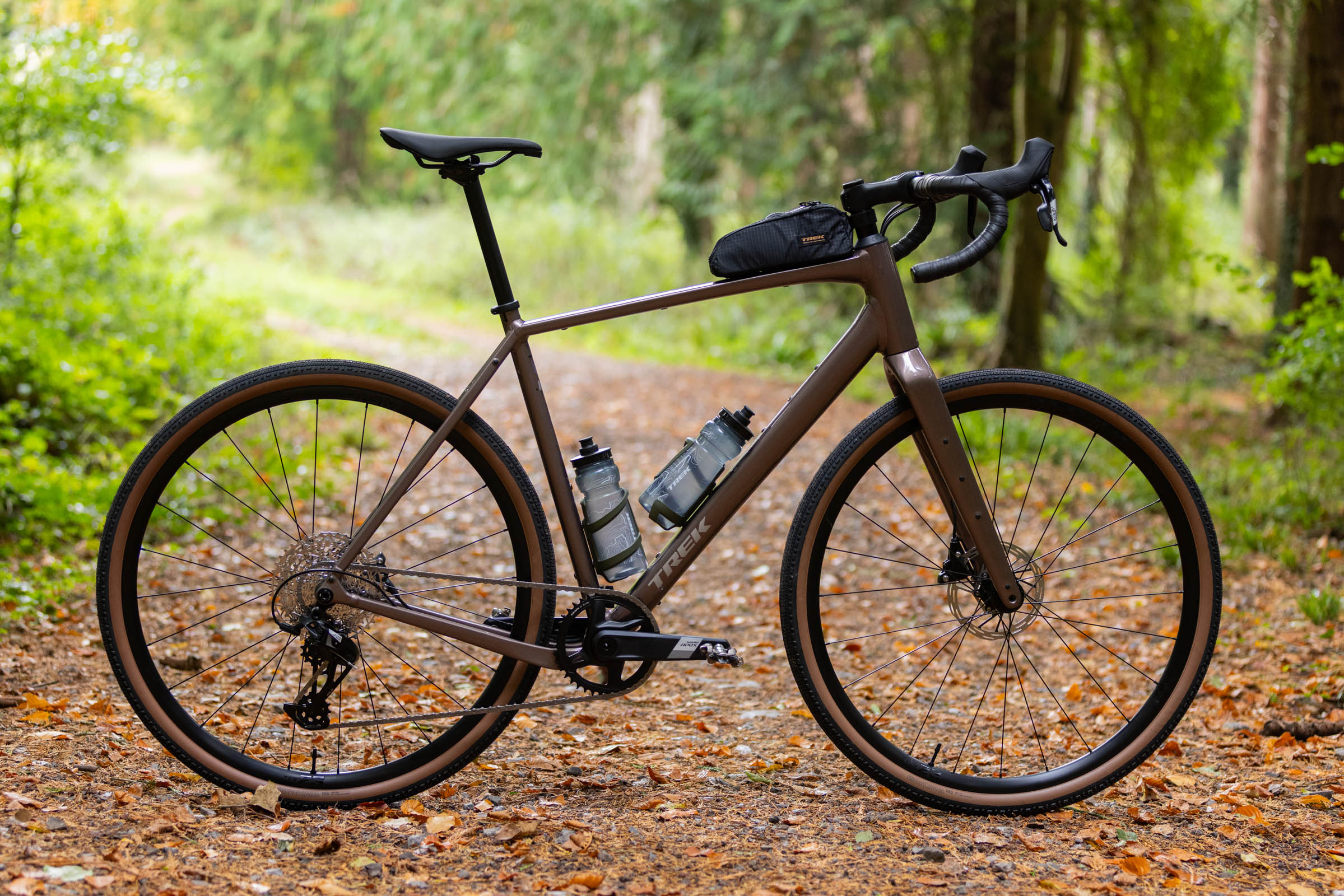
Trek Checkpoint ALR 5 Gen 3
SQUIRREL_TEXT_14036284
- £1,700 / $2,099 / €1,999 as tested by Warren Rossiter
- Pros: Modern frame design; agile handling; great ride quality
- Cons: Tyres won’t suit all conditions
The Trek Checkpoint ALR 5 Gen 3 is a thoroughly modern gravel bike that offers excellent performance without a huge price tag.
Our tester found the aluminium frame and carbon fork deliver a responsive but comfortable ride, while the geometry gives it a useful balance of road manners and off-road capability.
The 50mm tyre clearance and plentiful mounting points also make it well suited to bikepacking and commuting.
At 10.56kg, it feels quick on the road and climbs well, while the SRAM Apex XPLR drivetrain shifts reliably. The main limitation is the stock Bontrager Girona Pro tyres, which struggle in mud.
- Read more: Trek Checkpoint ALR 5 Gen 3 review
SQUIRREL_14036284
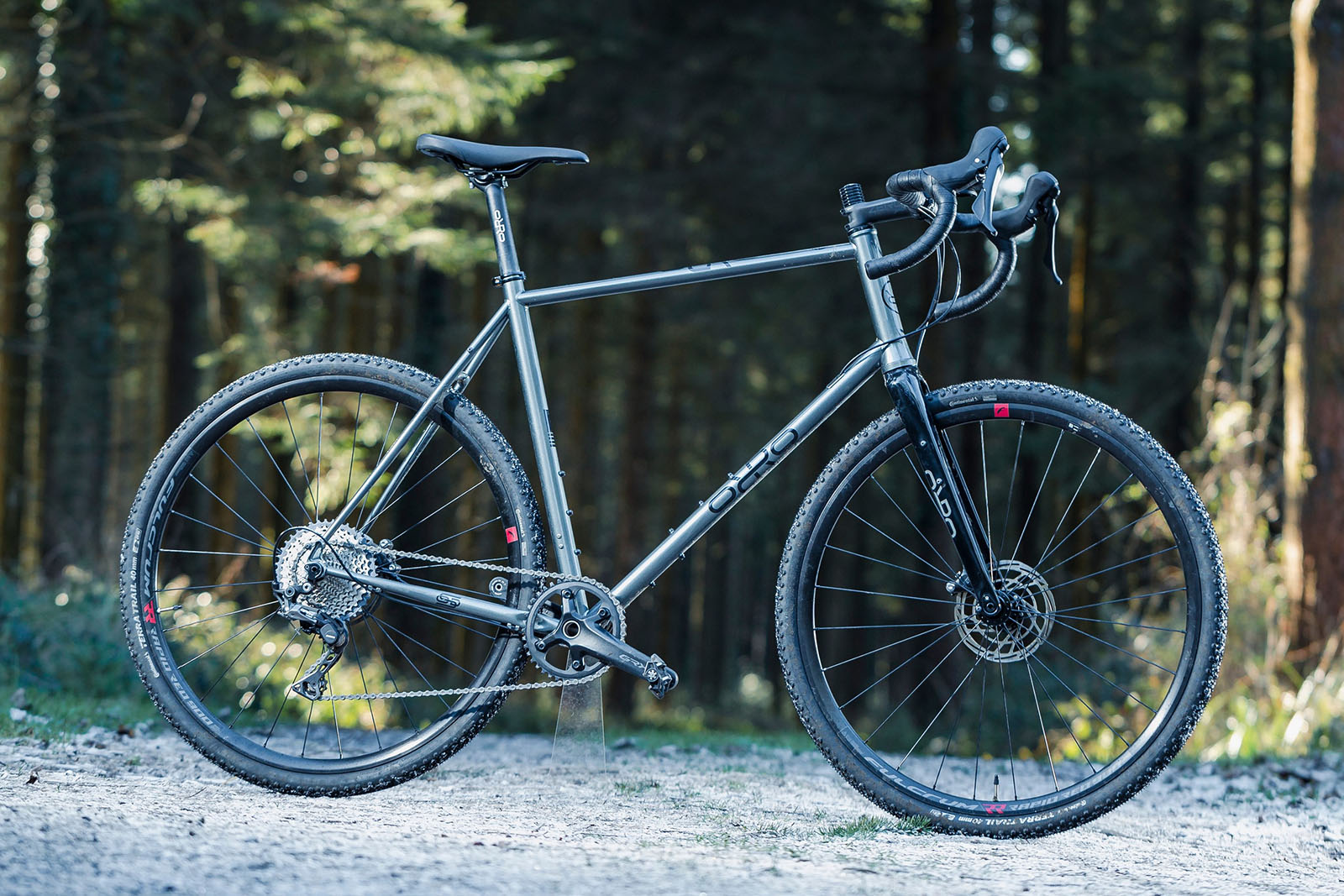
Orro Terra S GRX600
SQUIRREL_TEXT_14036523
- £2,000 as tested by Warren Rossiter
- Pros: Steel-framed with lively handling; great value for money
- Cons: Brakes set up soft
The Orro Terra S GRX600 is a lesson in how to build a steel bike with slim tubing bringing plenty of life and zip to the ride. Its lively handling is matched with a smooth and steady feel, making it at home on double-track gravel roads and singletrack trails.
Orro has matched the impressive frame with a compelling spec list for the price tag. The bike comes with a Shimano GRX600 1x drivetrain, Fulcrum wheels, Continental tyres and a Deda cockpit.
With its mounting points, this bike would be equally suited to commuting, winter road riding and bikepacking, as well as gravel riding.
It’s a shame it isn’t set up tubeless and the brakes were a little soft in testing, but this doesn’t detract too much from a practical yet fun ride.
- Read more: Orro Terra S GRX600 review
SQUIRREL_14036523
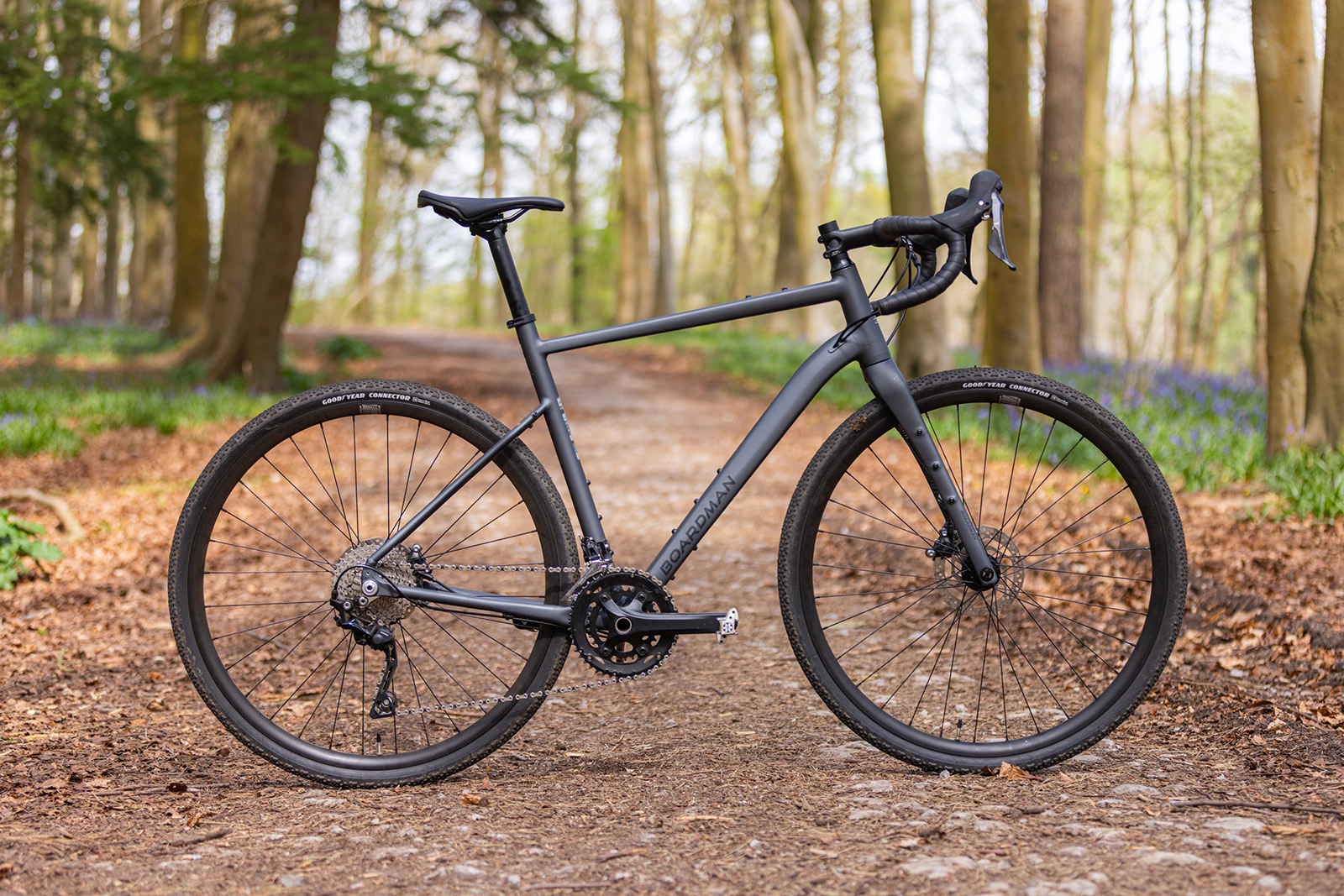
Boardman ADV 8.9
SQUIRREL_TEXT_13101377
- £1,899 / €1,999 as tested by Warren Rossiter
- Pros: Amazing value; great frameset; confident handling
- Cons: 2x GRX can be noisy; front derailleur requires regular adjustments
The Boardman ADV 8.9 is a hugely capable gravel bike that offers excellent value at £1,200.
Its well-finished 6061 aluminium frame has sensible geometry, 50mm tyre clearance and plenty of mounts for bikepacking, commuting or longer adventures.
The compact riding position and stable handling make it comfortable on the road, while the bike feels surprisingly agile and confident when the trails get rough.
Shimano GRX 2×10 provides a useful spread of gears, and the tubeless-ready wheels and Goodyear tyres are impressive at this price.
The main issue is the front derailleur, which can suffer from chain rub and needs regular adjustment.
- Read more: Boardman ADV 8.9 review
SQUIRREL_13101377
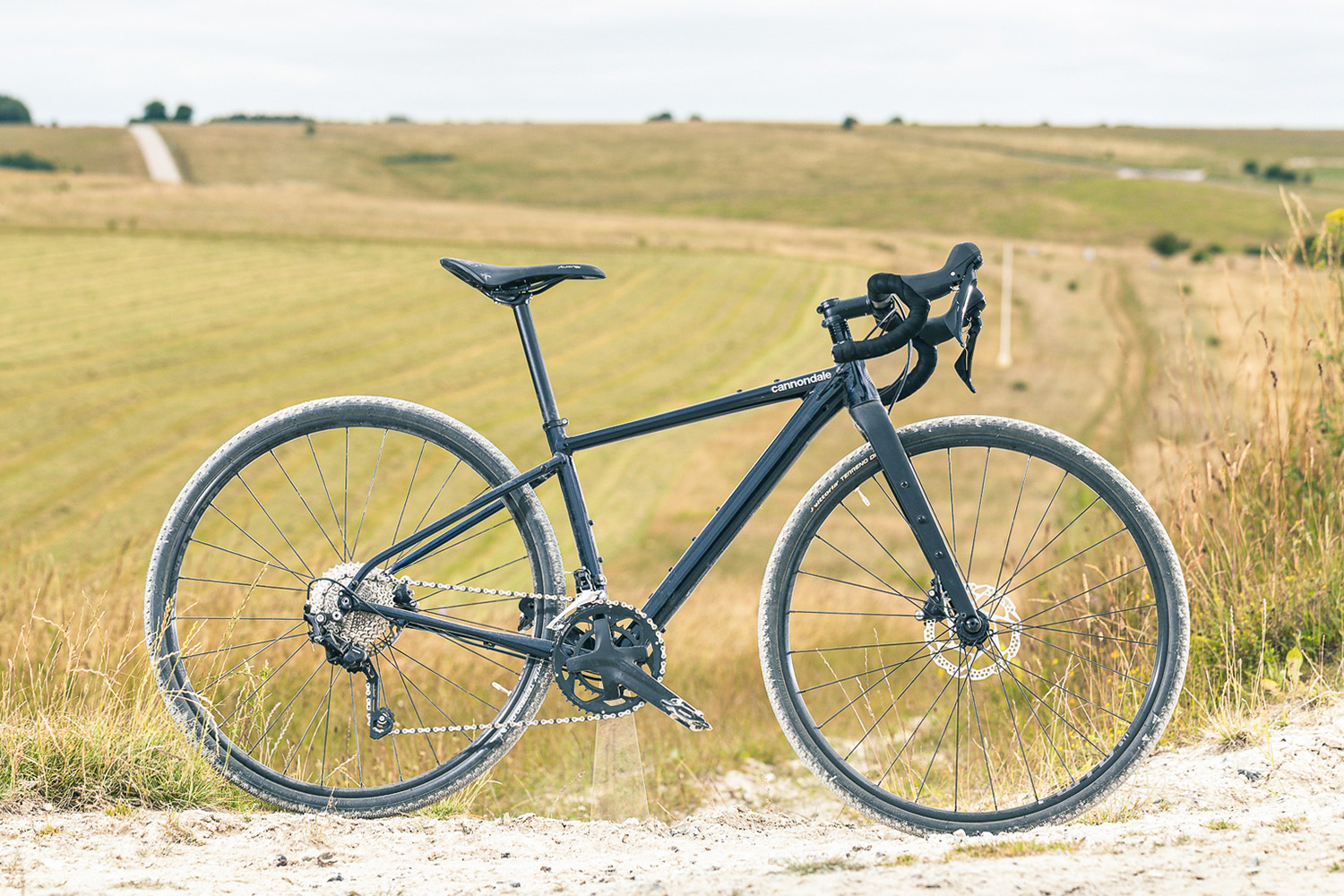
Cannondale Topstone Alloy 2
SQUIRREL_TEXT_14036522
- £1,800 / $1,925 / €2,199 / AU$3,199 as tested by Katherine Moore
- Pros: Bang up to date with mounting points and plenty of tyre clearance
- Cons: Tyres are narrow
The Cannondale Topstone Alloy 2 is an aluminium version of the Cannondale Topstone Carbon, bringing many of the same features to a more affordable price point.
The Topstone’s geometry is fairly conservative for a gravel bike, but this isn’t too surprising considering it’s intended to cover road to light off-road riding.
When riding, the Topstone performed immediately on the road. Its build is suited to fast riding and it feels a lot like an endurance road bike.
A flared handlebar helps navigate rougher terrains, but lumps and bumps are exaggerated by the lightweight 37mm Vittoria Terreno Dry tyres. If you want to make this bike more suitable for riding off-road, it can fit up to 700x45mm gravel tyres.
Elsewhere, the bike has a 2x drivetrain with a 10-speed cassette. This feels like a compromise, with 11-speed and now 12-speed being commonplace.
- Read more: Cannondale Topstone Alloy 2 review
SQUIRREL_14036522
Focus Atlas 6.7
SQUIRREL_TEXT_13215746
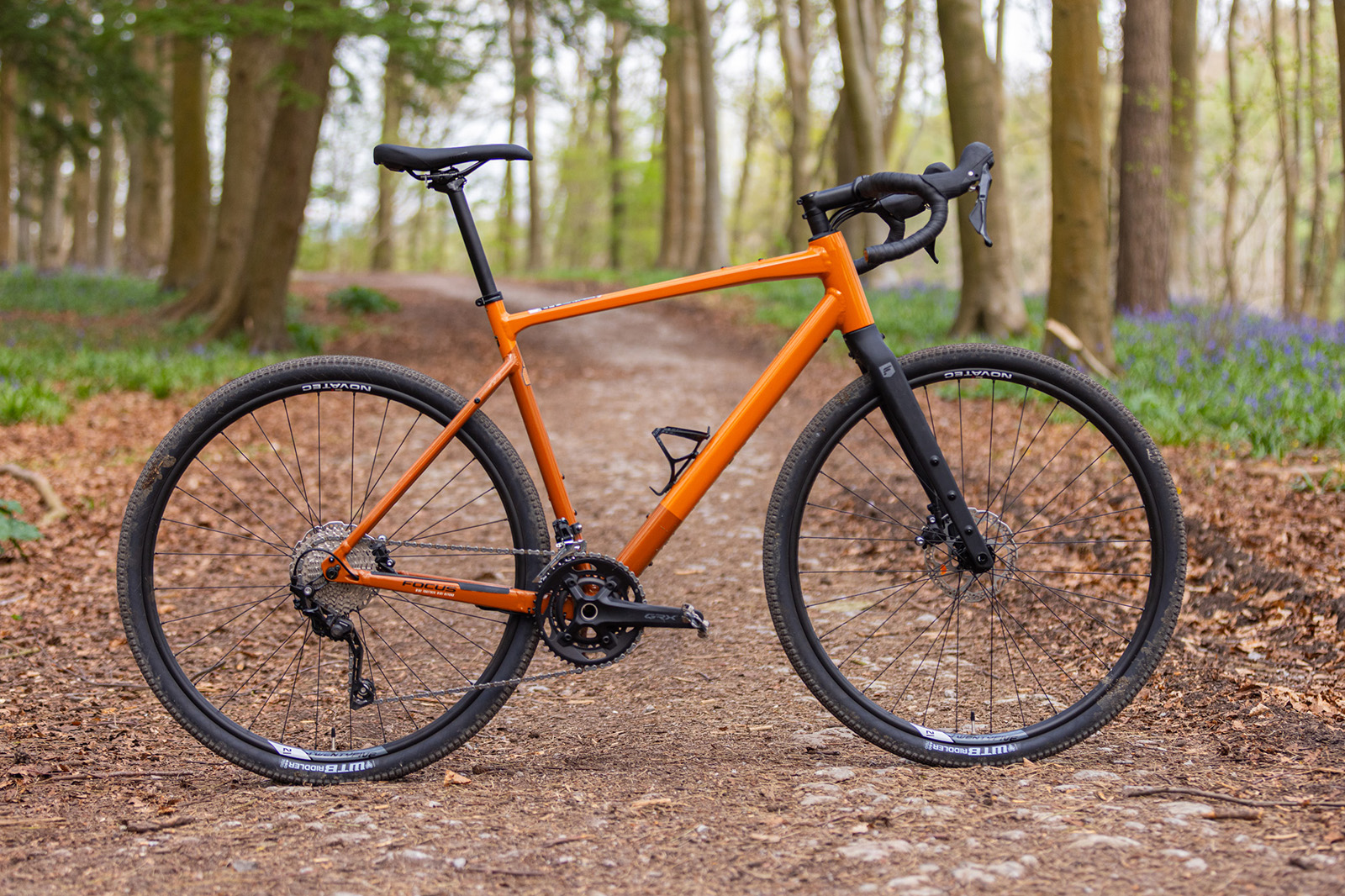
- £1,899 / €1,999 as tested by Warren Rossiter
- Pros: Handles tough terrain well; comfortable ride without being dull
- Cons: 2x drivetrain can be noisy; front derailleur requires regular adjustments; heavy
The Focus Atlas 6.7 is a versatile gravel bike with the handling to tackle surprisingly rough terrain.
Its stable front end, wide 45mm tyres and broad handlebar give it impressive confidence on technical trails, while the comfortable ride makes it well suited to longer adventures.
The aluminium frame is packed with practical features, including rack, mudguard and multiple luggage mounts.
Shimano GRX 2×10 provides reliable shifting and the brakes are excellent, although the front derailleur needs regular adjustment.
At 11.42kg, it’s not a lightweight, and the 11-34 cassette leaves it lacking a really low gear for steep climbs.
- Read more: Focus Atlas 6.7 review
SQUIRREL_13215746
Genesis Fugio 30
SQUIRREL_TEXT_13178150
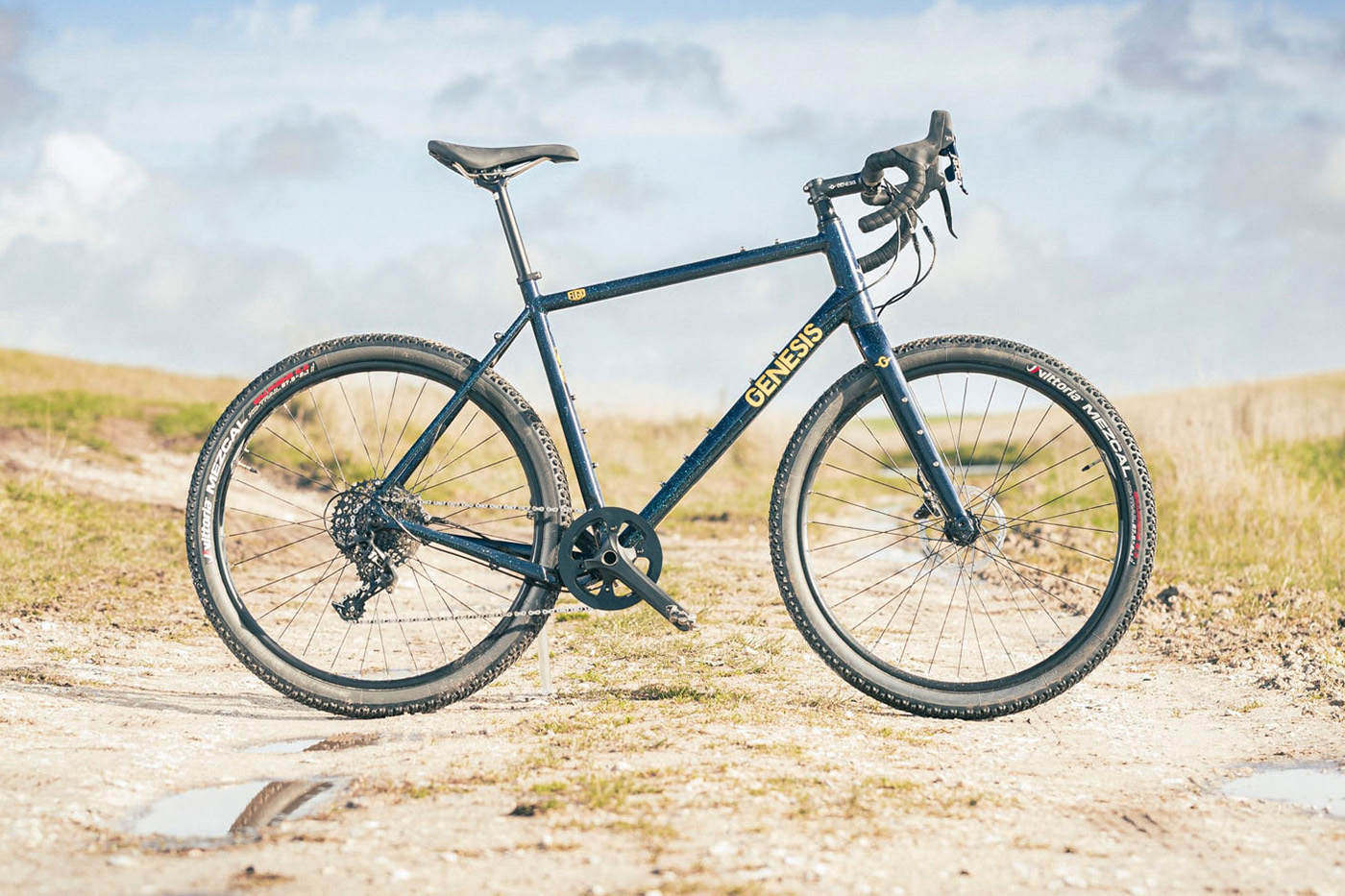
- £2,000 as tested by Warren Rossiter
- Pros: Great-looking; competitive price; bundles of fun
- Cons: A few downgraded parts; ponderous on the road; not tubeless-ready
The Genesis Fugio 30 embodies what’s so great about gravel riding, proving to be bundles of fun and capable of covering big miles.
Previous Fugios had steel frames, but this version is alloy, saving 500g over its predecessor.
The Fugio 30 may not be the fastest on roads, but its relaxed geometry and clearance for 57mm tyres make it ideal for exploring and riding terrain and trails beyond your comfort zone.
The price has been kept low with the odd downgraded component, which is the only thing holding this bike back from a higher score.
SQUIRREL_13178150
Marin Gestalt X10
SQUIRREL_TEXT_13078462
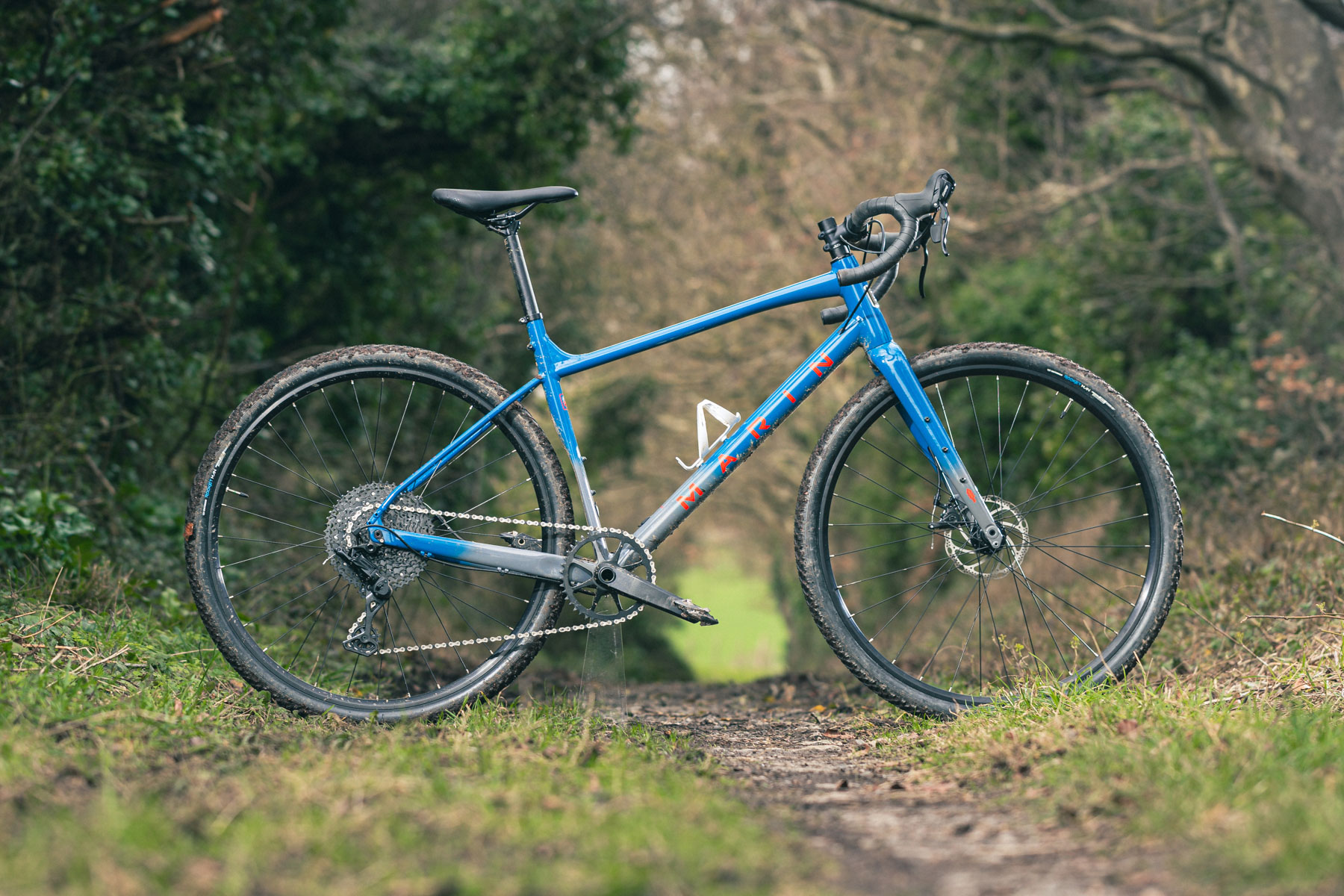
- £1,255 / $1,549 / €1,599 as tested by Warren Rossiter
- Pros: Great off-road handling; comfortable
- Cons: Brakes lack feel
The Marin Gestalt X10 is a gravel bike inspired by mountain bikes.
Its geometry isn’t massively different from a hardtail mountain bike, with a long wheelbase and slack head tube. So it might come as little surprise that the Gestalt isn’t so quick on paved surfaces. But when it comes to pure off-road riding and technical trails, it’s excellent.
Our tester said the Marin is one of the most comfortable budget gravel bikes he’s tested, with the front end minimising vibrations and taking hits in its stride.
The Microshift drivetrain offers great shifting and ample range for off-road riding.
The TRP mechanical disc brakes have enough power, but are less progressive than pricier hydraulic brakes.
- Read more: Marin Gestalt X10 review
SQUIRREL_13078462
Ribble CGR 725 Steel
SQUIRREL_TEXT_13078464
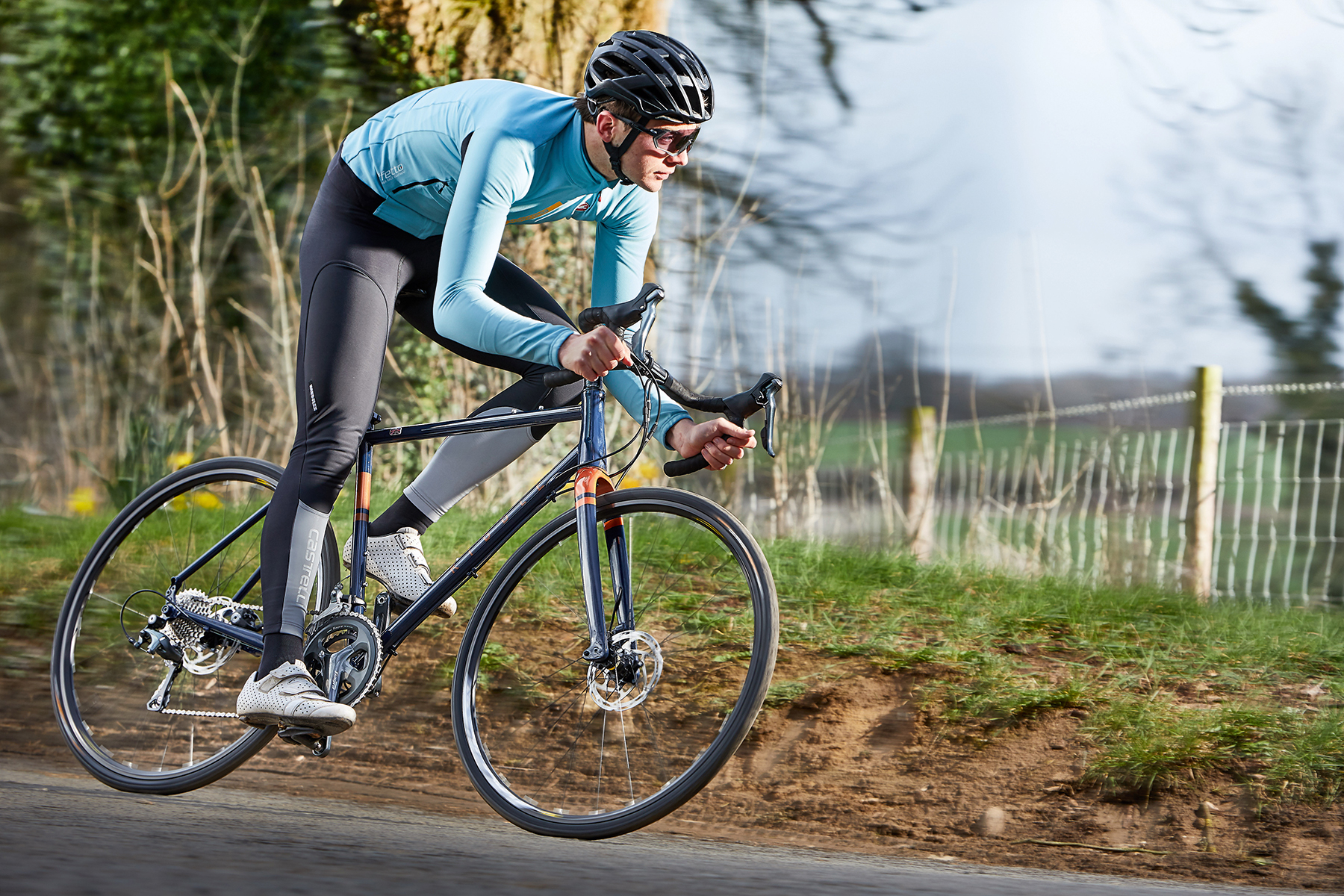
- £1,349 as tested by Simon Withers
- Pros: Classy looks; supremely versatile
- Cons: Weighty
The CGR 725 Steel from Ribble is defined by its charming Reynolds 725 steel chassis, which is compatible with 700c and 650b wheels, and tyres up to 47mm.
It’s a classy looking, comfortable bike to ride with heaps of practicality. It’s about as versatile as bikes get thanks to rack mounts, mudguard fittings and bosses galore.
The bike we tested didn’t stray far from Ribble’s off-the-peg configuration and featured Shimano’s Tiagra groupset, Tektro mechanical disc brakes and Mavic Aksium Disc Clincher wheels.
Riders looking for a different spec can toy with Ribble’s BikeBuilder service, which allows individual component upgrades, from groupsets and wheels right the way through to different handlebars. Similarly, those who seek a more individual look can opt for Ribble’s custom colour option.
- Read more: Ribble CGR 725 Steel review
SQUIRREL_TEXT_13078464
Whyte Verro
SQUIRREL_TEXT_13637379
- £1,799 as tested by Warren Rossiter
- Pros: Wonderfully capable on technical terrain; clever and well thought-out specification
- Cons: Not quite as fast on the road as it feels off it
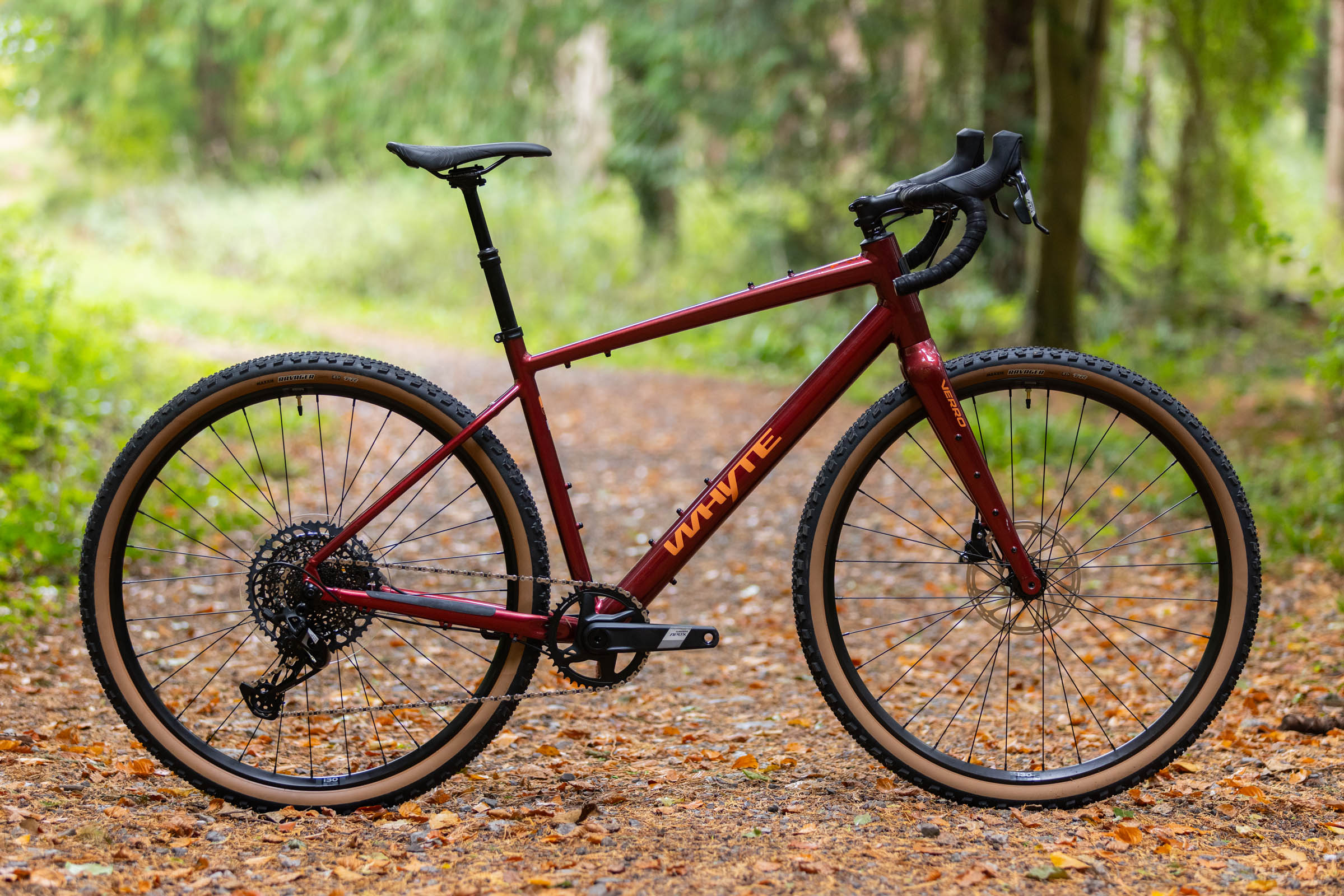
The Whyte Verro is a gravel bike built for riders who want to take on seriously rough terrain.
Its progressive geometry, 50mm Maxxis Ravager tyres, wide handlebar and dropper post give it impressive confidence on technical trails.
The SRAM Apex Eagle 1×12 drivetrain uses a huge 10-52t cassette, giving it plenty of low-end range for steep climbs.
The frame and fork have plenty of mounts for racks, mudguards and bikepacking bags, making it a useful commuter and adventure bike, too.
At £1,799, the specification is particularly well thought out. The Verro’s main drawback is that it isn’t as quick on tarmac as some gravel bikes.
- Read more: Whyte Verro review
SQUIRREL_13637379
How we test sub-£2,000 / $2,000 gravel bikes
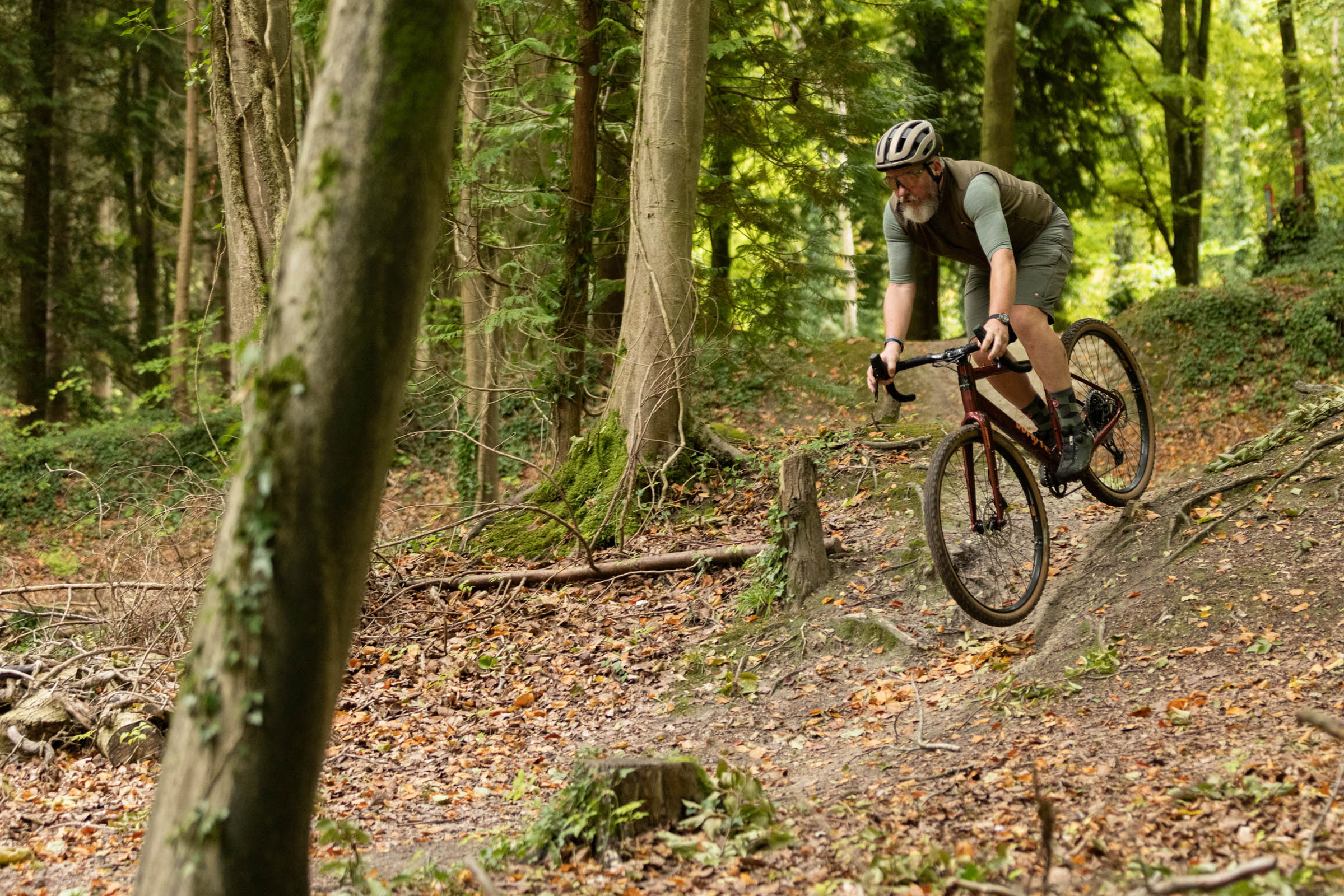
We test sub-£2,000 gravel bikes in the same places we test all gravel bikes over a range of surfaces, from paved roads to light singletrack trails and, of course, in their natural environment on gravel roads.
Our team of testers have been involved in the world of gravel bikes since their inception. Our senior technical editor, Warren Rossiter, first tested a thoroughbred gravel bike at the beginning of the 2010s and since then he reckons he’s reviewed close to 200 gravel bikes.
We use long test cycles to ascertain how the bikes live up to real-world riding and go out in wide-ranging conditions to see how they perform in the wet and dry.
Ultimately, our gravel bike reviews are based on the following criteria:
- Handling characteristics – how does the bike handle and does it inspire confidence on descents?
- Specification – does the bike feature decent components that will live up to the rigours of gravel riding?
- Performance against brand claims – does the bike perform well for the intended use?
- Value vs competition – is the bike a good deal compared to others in the market?
Why you can trust BikeRadar
BikeRadar has been an authority on bikes and cycling tech since its inception in 2007, delivering the world’s best riding advice.
We have experts testing all types of bikes, parts, clothing and accessories, from road, mountain and gravel bikes to commuting, bikepacking and electric bikes.
Our reviews are always editorially independent – with no exceptions. Our reviewers comprehensively test all products in the real world, always reflecting on performance, value and the wider market when delivering their verdicts and review ratings.
We have more than 15,000 product reviews available at your fingertips, as well as expert buying, maintenance, training, skills, health and fitness advice.
Our annual Bike of the Year test is an industry benchmark and the BikeRadar team consists of some of the most experienced riders and testers in the business.
9 of the best gravel bikes under £2,000 / $2,000 in 2026
The best gravel bikes under £2,000 / $2,000 are a great way to sample the delights of gravel riding.
At this price point, gravel bikes start to get very good, with quality frames and components on many of the latest bikes.
As well as venturing off-road, buying a gravel bike can be a smart decision if you want a versatile all-weather machine that can take mudguards or a pannier rack, for winter riding or cycling to work.
With this in mind, gravel bikes have largely replaced cyclocross bikes as the go-to for year-round practicality.
They open up a new realm of riding, with wide gravel tyres and disc brakes enabling them to ride on unpaved surfaces, whether that’s smooth singletrack, fire roads or just your local towpath.
We’ve tested more than 200 gravel bikes here at BikeRadar. The bikes in this buyer’s guide, costing between £,1,000 and £2,000, have all been ridden and reviewed by our test team, who have ridden gravel bikes since their inception in the early 2010s.
This best list was written by our staff writer, Nick Clark, who has brought together expertise from across the team while adding his personal experience in the saddle.
The reviews in this buyer’s guide were written by Warren Rossiter, Simon Withers and Katherine Moore.
Editor’s note: this list was updated on 14 September 2026 with our latest high-scoring reviews, including the Trek Checkpoint ALR 5 Gen 3, Whyte Verro, Boardman ADV 8.9 and Focus Atlas 6.7. We have also removed bikes no longer available for purchase.
Best gravel bikes under £2,000 / $2,000
Trek Checkpoint ALR 5 Gen 3
SQUIRREL_TEXT_14036284
- £1,700 / $2,099 / €1,999 as tested by Warren Rossiter
- Pros: Modern frame design; agile handling; great ride quality
- Cons: Tyres won’t suit all conditions
The Trek Checkpoint ALR 5 Gen 3 is a thoroughly modern gravel bike that offers excellent performance without a huge price tag.
Our tester found the aluminium frame and carbon fork deliver a responsive but comfortable ride, while the geometry gives it a useful balance of road manners and off-road capability.
The 50mm tyre clearance and plentiful mounting points also make it well suited to bikepacking and commuting.
At 10.56kg, it feels quick on the road and climbs well, while the SRAM Apex XPLR drivetrain shifts reliably. The main limitation is the stock Bontrager Girona Pro tyres, which struggle in mud.
- Read more: Trek Checkpoint ALR 5 Gen 3 review
SQUIRREL_14036284
Orro Terra S GRX600
SQUIRREL_TEXT_14036523
- £2,000 as tested by Warren Rossiter
- Pros: Steel-framed with lively handling; great value for money
- Cons: Brakes set up soft
The Orro Terra S GRX600 is a lesson in how to build a steel bike with slim tubing bringing plenty of life and zip to the ride. Its lively handling is matched with a smooth and steady feel, making it at home on double-track gravel roads and singletrack trails.
Orro has matched the impressive frame with a compelling spec list for the price tag. The bike comes with a Shimano GRX600 1x drivetrain, Fulcrum wheels, Continental tyres and a Deda cockpit.
With its mounting points, this bike would be equally suited to commuting, winter road riding and bikepacking, as well as gravel riding.
It’s a shame it isn’t set up tubeless and the brakes were a little soft in testing, but this doesn’t detract too much from a practical yet fun ride.
- Read more: Orro Terra S GRX600 review
SQUIRREL_14036523
Boardman ADV 8.9
SQUIRREL_TEXT_13101377
- £1,899 / €1,999 as tested by Warren Rossiter
- Pros: Amazing value; great frameset; confident handling
- Cons: 2x GRX can be noisy; front derailleur requires regular adjustments
The Boardman ADV 8.9 is a hugely capable gravel bike that offers excellent value at £1,200.
Its well-finished 6061 aluminium frame has sensible geometry, 50mm tyre clearance and plenty of mounts for bikepacking, commuting or longer adventures.
The compact riding position and stable handling make it comfortable on the road, while the bike feels surprisingly agile and confident when the trails get rough.
Shimano GRX 2×10 provides a useful spread of gears, and the tubeless-ready wheels and Goodyear tyres are impressive at this price.
The main issue is the front derailleur, which can suffer from chain rub and needs regular adjustment.
- Read more: Boardman ADV 8.9 review
SQUIRREL_13101377
Cannondale Topstone Alloy 2
SQUIRREL_TEXT_14036522
- £1,800 / $1,925 / €2,199 / AU$3,199 as tested by Katherine Moore
- Pros: Bang up to date with mounting points and plenty of tyre clearance
- Cons: Tyres are narrow
The Cannondale Topstone Alloy 2 is an aluminium version of the Cannondale Topstone Carbon, bringing many of the same features to a more affordable price point.
The Topstone’s geometry is fairly conservative for a gravel bike, but this isn’t too surprising considering it’s intended to cover road to light off-road riding.
When riding, the Topstone performed immediately on the road. Its build is suited to fast riding and it feels a lot like an endurance road bike.
A flared handlebar helps navigate rougher terrains, but lumps and bumps are exaggerated by the lightweight 37mm Vittoria Terreno Dry tyres. If you want to make this bike more suitable for riding off-road, it can fit up to 700x45mm gravel tyres.
Elsewhere, the bike has a 2x drivetrain with a 10-speed cassette. This feels like a compromise, with 11-speed and now 12-speed being commonplace.
- Read more: Cannondale Topstone Alloy 2 review
SQUIRREL_14036522
Focus Atlas 6.7
SQUIRREL_TEXT_13215746
- £1,899 / €1,999 as tested by Warren Rossiter
- Pros: Handles tough terrain well; comfortable ride without being dull
- Cons: 2x drivetrain can be noisy; front derailleur requires regular adjustments; heavy
The Focus Atlas 6.7 is a versatile gravel bike with the handling to tackle surprisingly rough terrain.
Its stable front end, wide 45mm tyres and broad handlebar give it impressive confidence on technical trails, while the comfortable ride makes it well suited to longer adventures.
The aluminium frame is packed with practical features, including rack, mudguard and multiple luggage mounts.
Shimano GRX 2×10 provides reliable shifting and the brakes are excellent, although the front derailleur needs regular adjustment.
At 11.42kg, it’s not a lightweight, and the 11-34 cassette leaves it lacking a really low gear for steep climbs.
- Read more: Focus Atlas 6.7 review
SQUIRREL_13215746
Genesis Fugio 30
SQUIRREL_TEXT_13178150
- £2,000 as tested by Warren Rossiter
- Pros: Great-looking; competitive price; bundles of fun
- Cons: A few downgraded parts; ponderous on the road; not tubeless-ready
The Genesis Fugio 30 embodies what’s so great about gravel riding, proving to be bundles of fun and capable of covering big miles.
Previous Fugios had steel frames, but this version is alloy, saving 500g over its predecessor.
The Fugio 30 may not be the fastest on roads, but its relaxed geometry and clearance for 57mm tyres make it ideal for exploring and riding terrain and trails beyond your comfort zone.
The price has been kept low with the odd downgraded component, which is the only thing holding this bike back from a higher score.
SQUIRREL_13178150
Marin Gestalt X10
SQUIRREL_TEXT_13078462
- £1,255 / $1,549 / €1,599 as tested by Warren Rossiter
- Pros: Great off-road handling; comfortable
- Cons: Brakes lack feel
The Marin Gestalt X10 is a gravel bike inspired by mountain bikes.
Its geometry isn’t massively different from a hardtail mountain bike, with a long wheelbase and slack head tube. So it might come as little surprise that the Gestalt isn’t so quick on paved surfaces. But when it comes to pure off-road riding and technical trails, it’s excellent.
Our tester said the Marin is one of the most comfortable budget gravel bikes he’s tested, with the front end minimising vibrations and taking hits in its stride.
The Microshift drivetrain offers great shifting and ample range for off-road riding.
The TRP mechanical disc brakes have enough power, but are less progressive than pricier hydraulic brakes.
- Read more: Marin Gestalt X10 review
SQUIRREL_13078462
Ribble CGR 725 Steel
SQUIRREL_TEXT_13078464
- £1,349 as tested by Simon Withers
- Pros: Classy looks; supremely versatile
- Cons: Weighty
The CGR 725 Steel from Ribble is defined by its charming Reynolds 725 steel chassis, which is compatible with 700c and 650b wheels, and tyres up to 47mm.
It’s a classy looking, comfortable bike to ride with heaps of practicality. It’s about as versatile as bikes get thanks to rack mounts, mudguard fittings and bosses galore.
The bike we tested didn’t stray far from Ribble’s off-the-peg configuration and featured Shimano’s Tiagra groupset, Tektro mechanical disc brakes and Mavic Aksium Disc Clincher wheels.
Riders looking for a different spec can toy with Ribble’s BikeBuilder service, which allows individual component upgrades, from groupsets and wheels right the way through to different handlebars. Similarly, those who seek a more individual look can opt for Ribble’s custom colour option.
- Read more: Ribble CGR 725 Steel review
SQUIRREL_TEXT_13078464
Whyte Verro
SQUIRREL_TEXT_13637379
- £1,799 as tested by Warren Rossiter
- Pros: Wonderfully capable on technical terrain; clever and well thought-out specification
- Cons: Not quite as fast on the road as it feels off it
The Whyte Verro is a gravel bike built for riders who want to take on seriously rough terrain.
Its progressive geometry, 50mm Maxxis Ravager tyres, wide handlebar and dropper post give it impressive confidence on technical trails.
The SRAM Apex Eagle 1×12 drivetrain uses a huge 10-52t cassette, giving it plenty of low-end range for steep climbs.
The frame and fork have plenty of mounts for racks, mudguards and bikepacking bags, making it a useful commuter and adventure bike, too.
At £1,799, the specification is particularly well thought out. The Verro’s main drawback is that it isn’t as quick on tarmac as some gravel bikes.
- Read more: Whyte Verro review
SQUIRREL_13637379
How we test sub-£2,000 / $2,000 gravel bikes
We test sub-£2,000 gravel bikes in the same places we test all gravel bikes over a range of surfaces, from paved roads to light singletrack trails and, of course, in their natural environment on gravel roads.
Our team of testers have been involved in the world of gravel bikes since their inception. Our senior technical editor, Warren Rossiter, first tested a thoroughbred gravel bike at the beginning of the 2010s and since then he reckons he’s reviewed close to 200 gravel bikes.
We use long test cycles to ascertain how the bikes live up to real-world riding and go out in wide-ranging conditions to see how they perform in the wet and dry.
Ultimately, our gravel bike reviews are based on the following criteria:
- Handling characteristics – how does the bike handle and does it inspire confidence on descents?
- Specification – does the bike feature decent components that will live up to the rigours of gravel riding?
- Performance against brand claims – does the bike perform well for the intended use?
- Value vs competition – is the bike a good deal compared to others in the market?
Why you can trust BikeRadar
BikeRadar has been an authority on bikes and cycling tech since its inception in 2007, delivering the world’s best riding advice.
We have experts testing all types of bikes, parts, clothing and accessories, from road, mountain and gravel bikes to commuting, bikepacking and electric bikes.
Our reviews are always editorially independent – with no exceptions. Our reviewers comprehensively test all products in the real world, always reflecting on performance, value and the wider market when delivering their verdicts and review ratings.
We have more than 15,000 product reviews available at your fingertips, as well as expert buying, maintenance, training, skills, health and fitness advice.
Our annual Bike of the Year test is an industry benchmark and the BikeRadar team consists of some of the most experienced riders and testers in the business.
Continental adds 32mm width to Grand Prix range, as demand for wider tyres grows
Continental has announced it will be adding a 32mm tyre to its mid-spec, all-rounder, tube-type Grand Prix range, with the new width joining existing 28mm and 30mm options.
The Grand Prix tyre includes Conti’s BlackChili rubber compound and a three-ply casing that the brand says has low rolling resistance while offering good puncture protection and grip.
The tubeless-ready Grand Prix TR tyre already has a 32mm width, in addition to 25mm, 28mm and 30mm tyres, so the new-width Grand Prix tyre brings an additional wider option for riders who prefer to ride with inner tubes.
- You may like: Why the cycling industry is moving to wider tyres (and how wide they really measure in our workshop)
A growing range of wide tyres
Continental has been progressively adding wider tyres across its ranges. The premium Grand Prix 5000 S TR tyre has been available in a 32mm width for some time. Conti added a 35mm-wide Grand Prix 5000 S TR tyre last March, just ahead of this year’s Paris-Roubaix, and we have a first-ride review of the wider tyre.
The GP 5000 TT TR has got in on the act too, with a 30mm-wide tyre added to the range at the same time, topping the 25mm and 28mm tyres offered previously.
Continental’s four-season GP 5000 AS TR is also available in a range of widths: 25mm, 28mm, 32mm and 35mm.
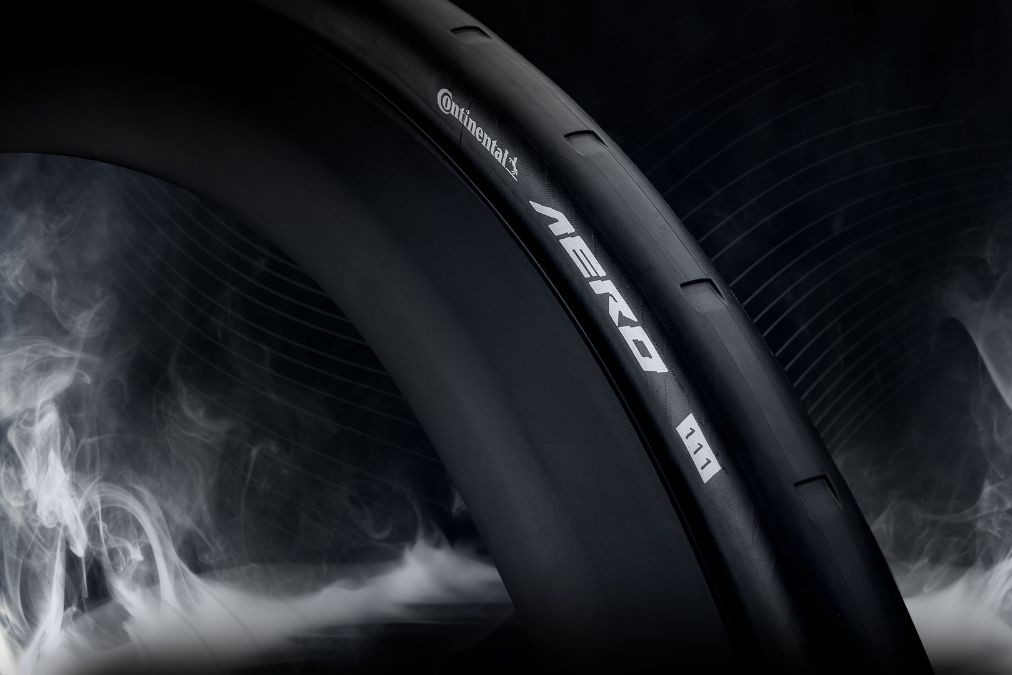
Last month, Conti announced a 32mm version of its Aero 111 front tyre with its characteristic 48 vortex generator slots in the otherwise slick tread.
According to Hannah Ferle, road product manager for Continental: “We are always striving to develop tyres to meet riders’ needs and ensure they are all catered for, which is why we are introducing the Grand Prix in a 32mm as part of our expansion of the portfolio in 2026.
“We recognise the shift in consumer preferences and will continue to expand our product offering this year.”
This suggests Continental will be introducing more wide tyre options in the future, perhaps adding a 35mm width to the tubeless and tube-type Grand Prix ranges to sit alongside the 35mm Grand Prix 5000 S TR tyre.
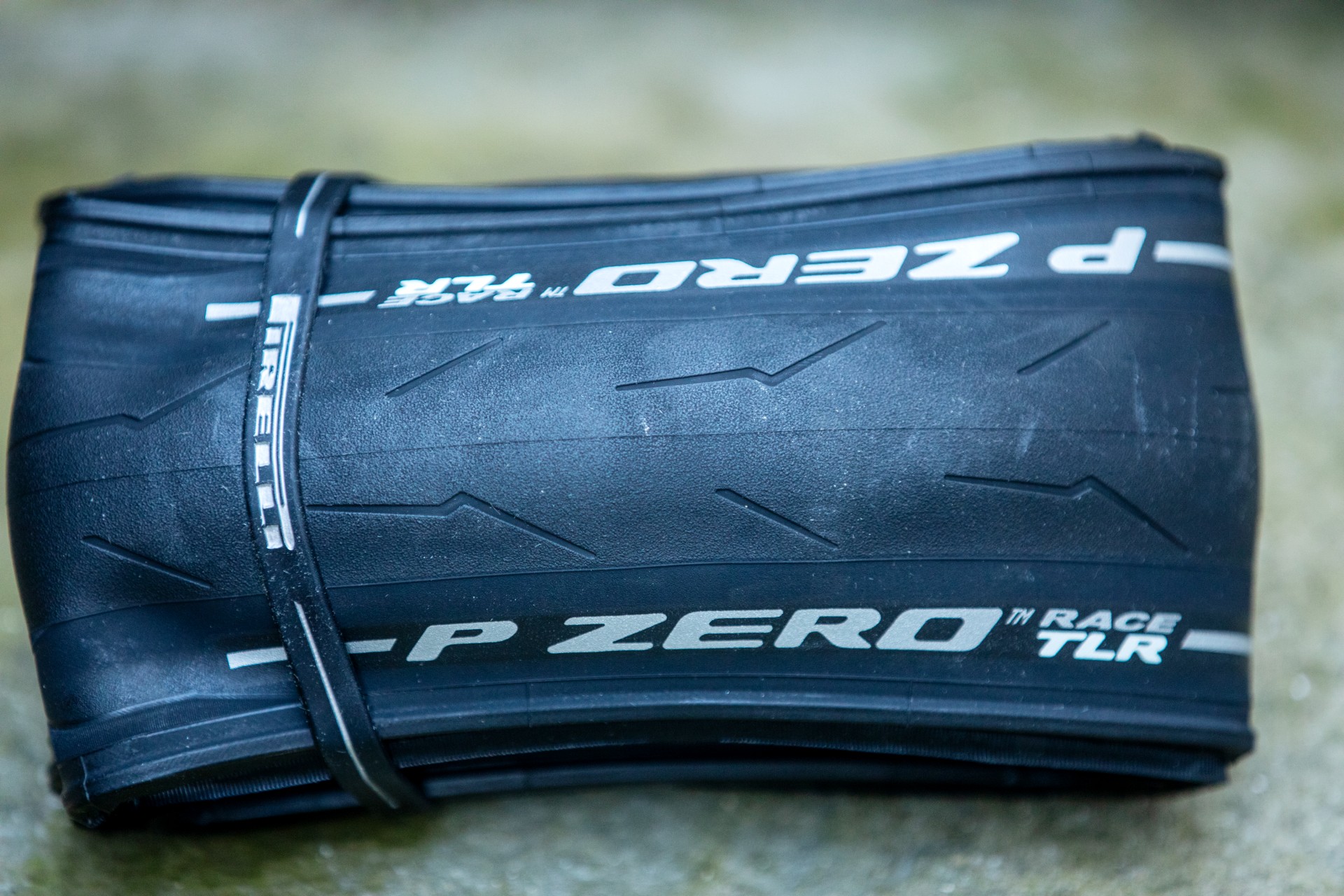
Continental has been a little more conservative in introducing wider tyres than some other brands. Pirelli now includes a 40mm width for its P Zero Race TLR, while Goodyear launched the 40mm Vector R XPLR last year, while René Herse‘s slick tyres rise to 55mm wide.
The new Continental Grand Prix 32mm tube-type tyre has a €45.95 recommended price, the same as other widths of the tyre.
Continental adds 32mm width to Grand Prix range, as demand for wider tyres grows
Continental has announced it will be adding a 32mm tyre to its mid-spec, all-rounder, tube-type Grand Prix range, with the new width joining existing 28mm and 30mm options.
The Grand Prix tyre includes Conti’s BlackChili rubber compound and a three-ply casing that the brand says has low rolling resistance while offering good puncture protection and grip.
The tubeless-ready Grand Prix TR tyre already has a 32mm width, in addition to 25mm, 28mm and 30mm tyres, so the new-width Grand Prix tyre brings an additional wider option for riders who prefer to ride with inner tubes.
- You may like: Why the cycling industry is moving to wider tyres (and how wide they really measure in our workshop)
A growing range of wide tyres
Continental has been progressively adding wider tyres across its ranges. The premium Grand Prix 5000 S TR tyre has been available in a 32mm width for some time. Conti added a 35mm-wide Grand Prix 5000 S TR tyre last March, just ahead of this year’s Paris-Roubaix, and we have a first-ride review of the wider tyre.
The GP 5000 TT TR has got in on the act too, with a 30mm-wide tyre added to the range at the same time, topping the 25mm and 28mm tyres offered previously.
Continental’s four-season GP 5000 AS TR is also available in a range of widths: 25mm, 28mm, 32mm and 35mm.
Last month, Conti announced a 32mm version of its Aero 111 front tyre with its characteristic 48 vortex generator slots in the otherwise slick tread.
According to Hannah Ferle, road product manager for Continental: “We are always striving to develop tyres to meet riders’ needs and ensure they are all catered for, which is why we are introducing the Grand Prix in a 32mm as part of our expansion of the portfolio in 2026.
“We recognise the shift in consumer preferences and will continue to expand our product offering this year.”
This suggests Continental will be introducing more wide tyre options in the future, perhaps adding a 35mm width to the tubeless and tube-type Grand Prix ranges to sit alongside the 35mm Grand Prix 5000 S TR tyre.
Continental has been a little more conservative in introducing wider tyres than some other brands. Pirelli now includes a 40mm width for its P Zero Race TLR, while Goodyear launched the 40mm Vector R XPLR last year, while René Herse‘s slick tyres rise to 55mm wide.
The new Continental Grand Prix 32mm tube-type tyre has a €45.95 recommended price, the same as other widths of the tyre.
EPA to Power Plants: Flood the Air With As Much Coal and Oil Smog As You Like
Donald Trump’s EPA not only abandoned greenhouse gas limits on the power sector, but is practically begging for a court ruling that it never can again.
EPA to Power Plants: Flood the Air With As Much Coal and Oil Smog As You Like
Donald Trump’s EPA not only abandoned greenhouse gas limits on the power sector, but is practically begging for a court ruling that it never can again.
Scientists Warn This Year’s El Niño Could Create Brand New Extreme Weather Patterns
Synergy between global warming and a type of El Niño not seen since the late 1990s could create unprecedented weather that scientists don’t have enough climate data to model.
Scientists Warn This Year’s El Niño Could Create Brand New Extreme Weather Patterns
Synergy between global warming and a type of El Niño not seen since the late 1990s could create unprecedented weather that scientists don’t have enough climate data to model.
The Himalayas Are Melting Faster Than Ever. Scientists Worry Nepal’s Floods Are Just the Beginning
A private group working with the Indian government is concerned that the Himalayan water cycle supplying south Asia’s rivers will dry up, but not before delivering apocalyptic flash floods.
The Himalayas Are Melting Faster Than Ever. Scientists Worry Nepal’s Floods Are Just the Beginning
A private group working with the Indian government is concerned that the Himalayan water cycle supplying south Asia’s rivers will dry up, but not before delivering apocalyptic flash floods.
Oakley updates a classic for “unobstructed vision”
Oakley has added a new shape to its long-running Radar sunglasses range. The Radar EV Heater sunglasses increase the lens height and extend it to the sides, which Oakley says delivers unobstructed vision for cyclists.
They join the Radar EV Advancer glasses, which have a vented lens, and the Radar EV Pitch glasses, which offer wider side coverage.
The usual Oakley materials have been used: the O-Matter plastic frame, two sets of Unobtainium nosepads and non-slip earsocks, which Oakley claims grip better the more you sweat to help keep the glasses in place.
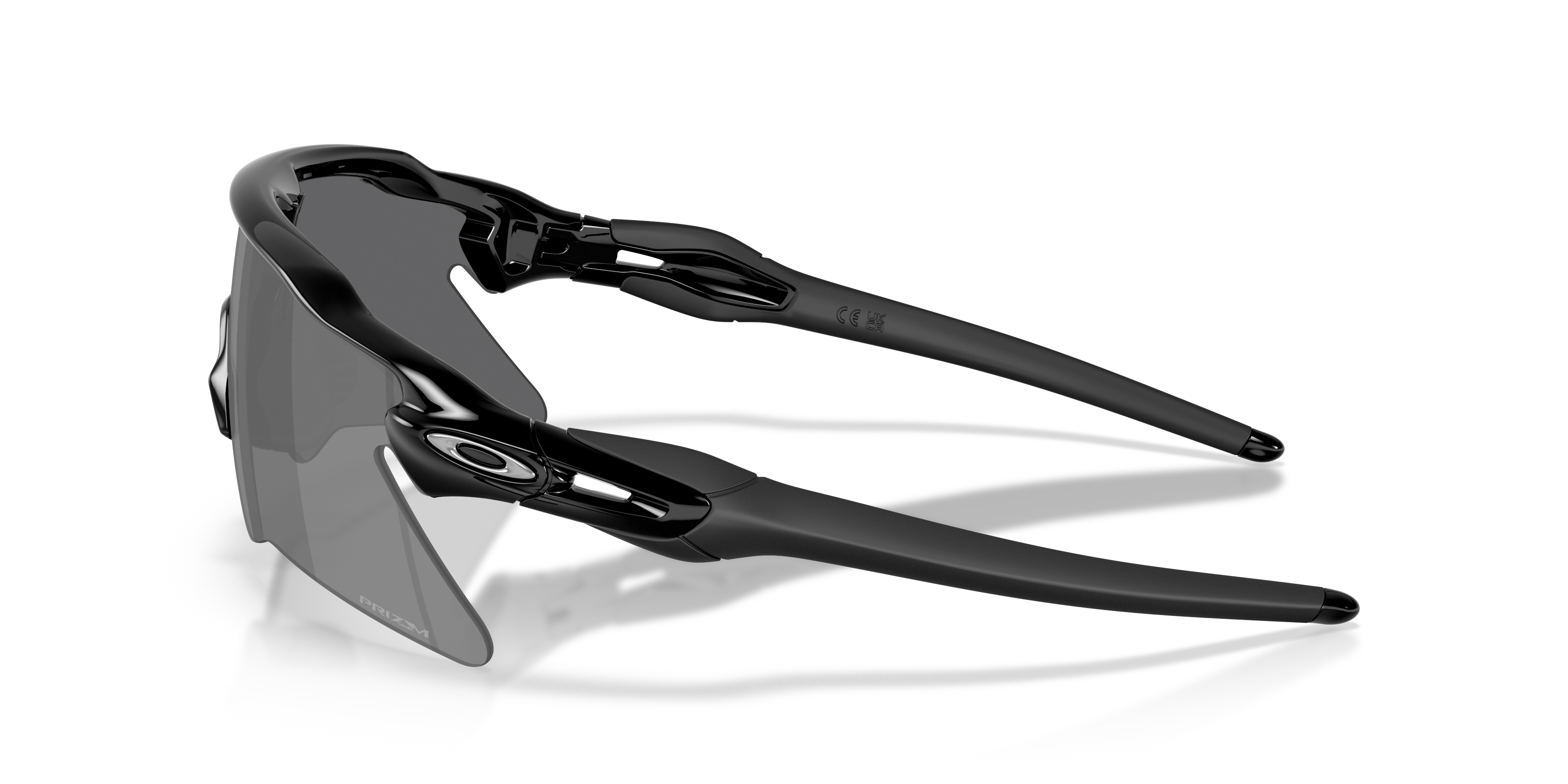
Oakley uses its Prizm high-definition lens in the new eyewear, which comes in up to nine lens/frame colour options, depending on geography, including two polarised lenses. Oakley rates the size as XL. Prices start at £196 / $244 / €222.
We have Oakley Radar reviews at BikeRadar going right back to 2007, when we described the then-new sunnies as “a fantastic design, very well made, and the new lenses are excellent”. We grumbled about their price even then, though.
Plus new Cybr Lightning
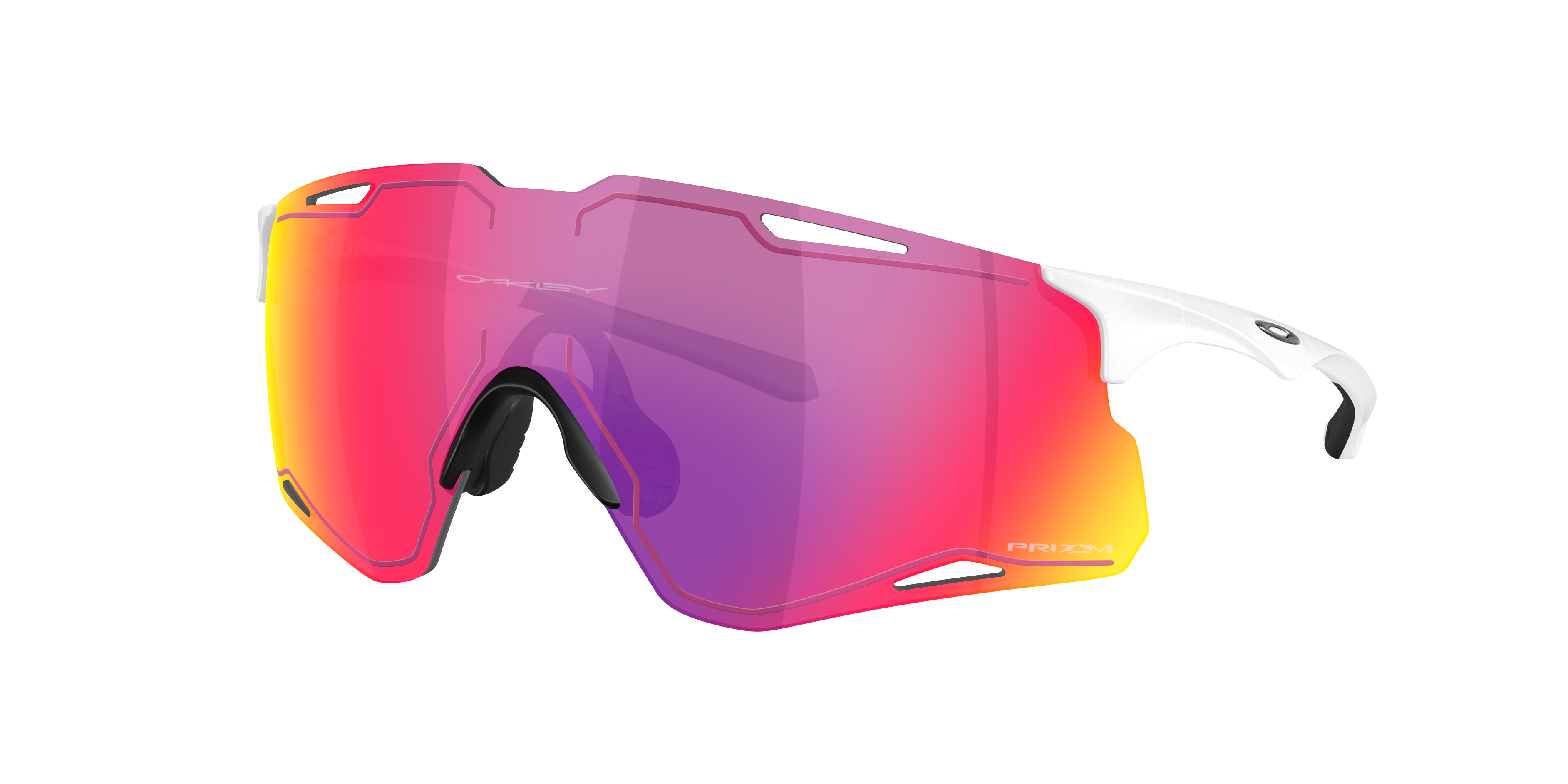
Oakley’s second new model is the rimless Cybr Lightning, which joins its existing Cybr families. There’s the same mix of plastics as in the Radar EV Heater sunnies. The lens is vented for additional airflow and is treated with Oakley’s Iridium surface coating.
Oakley says the Cybr Lightning glasses are designed for running, but they would be an equally good choice for cyclists, with the lack of an upper frame ensuring forward vision when nose to the bar. The size is rated as L.
There are up to five lens/side-arm colour choices, again depending on where you live, including a salmon pink low-light option. Prices start at £164 / $204 / €185.
Oakley updates a classic for “unobstructed vision”
Oakley has added a new shape to its long-running Radar sunglasses range. The Radar EV Heater sunglasses increase the lens height and extend it to the sides, which Oakley says delivers unobstructed vision for cyclists.
They join the Radar EV Advancer glasses, which have a vented lens, and the Radar EV Pitch glasses, which offer wider side coverage.
The usual Oakley materials have been used: the O-Matter plastic frame, two sets of Unobtainium nosepads and non-slip earsocks, which Oakley claims grip better the more you sweat to help keep the glasses in place.
Oakley uses its Prizm high-definition lens in the new eyewear, which comes in up to nine lens/frame colour options, depending on geography, including two polarised lenses. Oakley rates the size as XL. Prices start at £196 / $244 / €222.
We have Oakley Radar reviews at BikeRadar going right back to 2007, when we described the then-new sunnies as “a fantastic design, very well made, and the new lenses are excellent”. We grumbled about their price even then, though.
Plus new Cybr Lightning
Oakley’s second new model is the rimless Cybr Lightning, which joins its existing Cybr families. There’s the same mix of plastics as in the Radar EV Heater sunnies. The lens is vented for additional airflow and is treated with Oakley’s Iridium surface coating.
Oakley says the Cybr Lightning glasses are designed for running, but they would be an equally good choice for cyclists, with the lack of an upper frame ensuring forward vision when nose to the bar. The size is rated as L.
There are up to five lens/side-arm colour choices, again depending on where you live, including a salmon pink low-light option. Prices start at £164 / $204 / €185.
Oakley updates a classic for “unobstructed vision”
Oakley has added a new shape to its long-running Radar sunglasses range. The Radar EV Heater sunglasses increase the lens height and extend it to the sides, which Oakley says delivers unobstructed vision for cyclists.
They join the Radar EV Advancer glasses, which have a vented lens, and the Radar EV Pitch glasses, which offer wider side coverage.
The usual Oakley materials have been used: the O-Matter plastic frame, two sets of Unobtainium nosepads and non-slip earsocks, which Oakley claims grip better the more you sweat to help keep the glasses in place.
Oakley uses its Prizm high-definition lens in the new eyewear, which comes in up to nine lens/frame colour options, depending on geography, including two polarised lenses. Oakley rates the size as XL. Prices start at £196 / $244 / €222.
We have Oakley Radar reviews at BikeRadar going right back to 2007, when we described the then-new sunnies as “a fantastic design, very well made, and the new lenses are excellent”. We grumbled about their price even then, though.
Plus new Cybr Lightning
Oakley’s second new model is the rimless Cybr Lightning, which joins its existing Cybr families. There’s the same mix of plastics as in the Radar EV Heater sunnies. The lens is vented for additional airflow and is treated with Oakley’s Iridium surface coating.
Oakley says the Cybr Lightning glasses are designed for running, but they would be an equally good choice for cyclists, with the lack of an upper frame ensuring forward vision when nose to the bar. The size is rated as L.
There are up to five lens/side-arm colour choices, again depending on where you live, including a salmon pink low-light option. Prices start at £164 / $204 / €185.
Dangerously Hot Days Are Now Bleeding Into Spring and Fall
A new study finds that extreme heat has started spreading to spring and fall seasons.
Dangerously Hot Days Are Now Bleeding Into Spring and Fall
A new study finds that extreme heat has started spreading to spring and fall seasons.