The fast food chain’s annual event is due to start in a couple of months
Author Archives: Xordac Prime
Pokémon Happy Meals Are Returning To McDonald’s, So Prepare To Wait In Line
The fast food chain’s annual event is due to start in a couple of months
Ray-Ban Meta Audio Drops The Camera For A Lighter, Socially Acceptable Design
Ray-Ban Meta Audio drops the camera for a lighter and sleeker design that’s likely to be more socially acceptable amid the public privacy backlash.
Announced at Meta Connect 2026, Ray-Ban Meta Audio are Meta’s first smart glasses without a camera. Otherwise, they have the same functionality, offering Meta AI queries, listening to music, audiobooks, and podcasts, and taking calls.
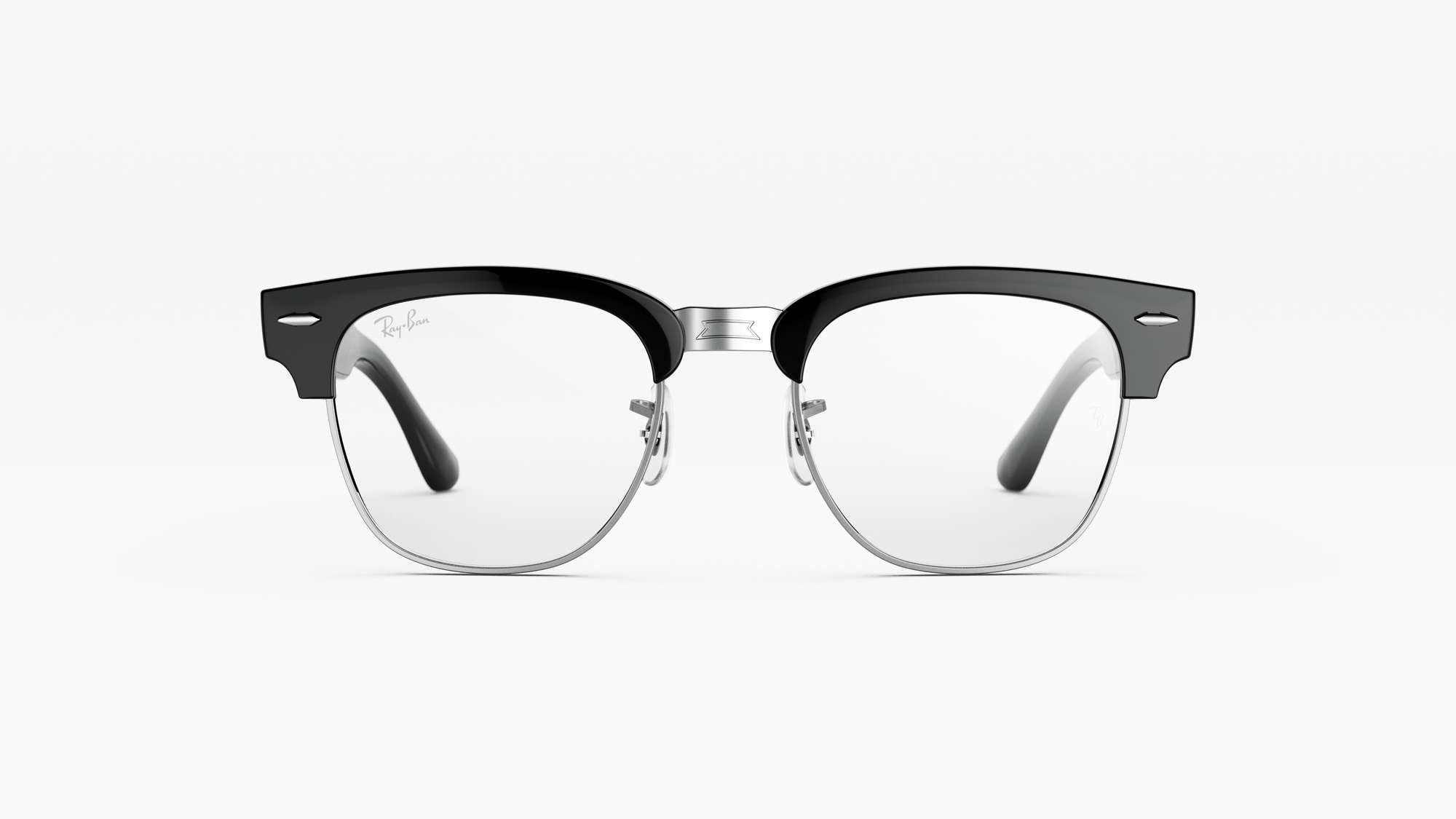
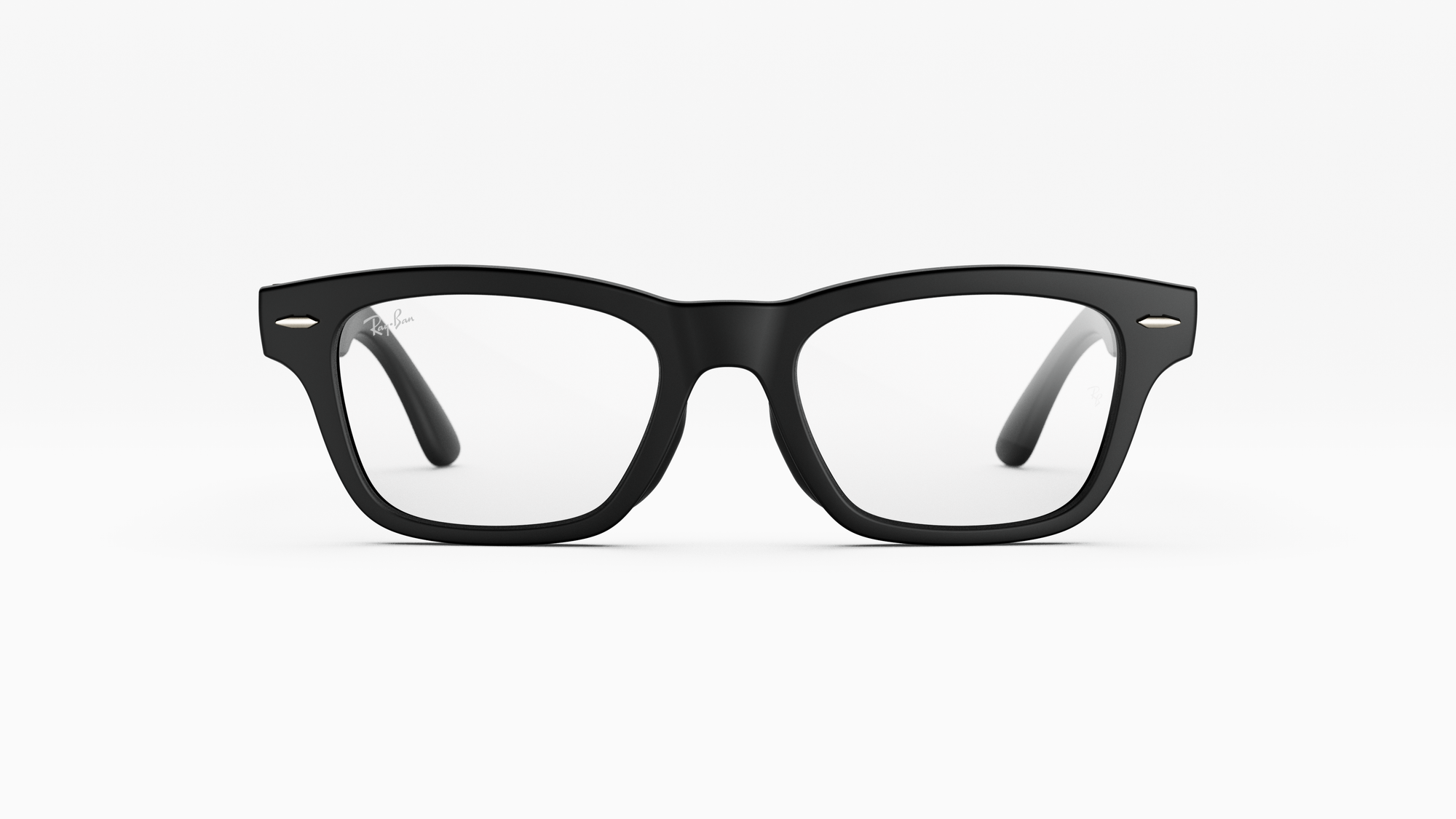
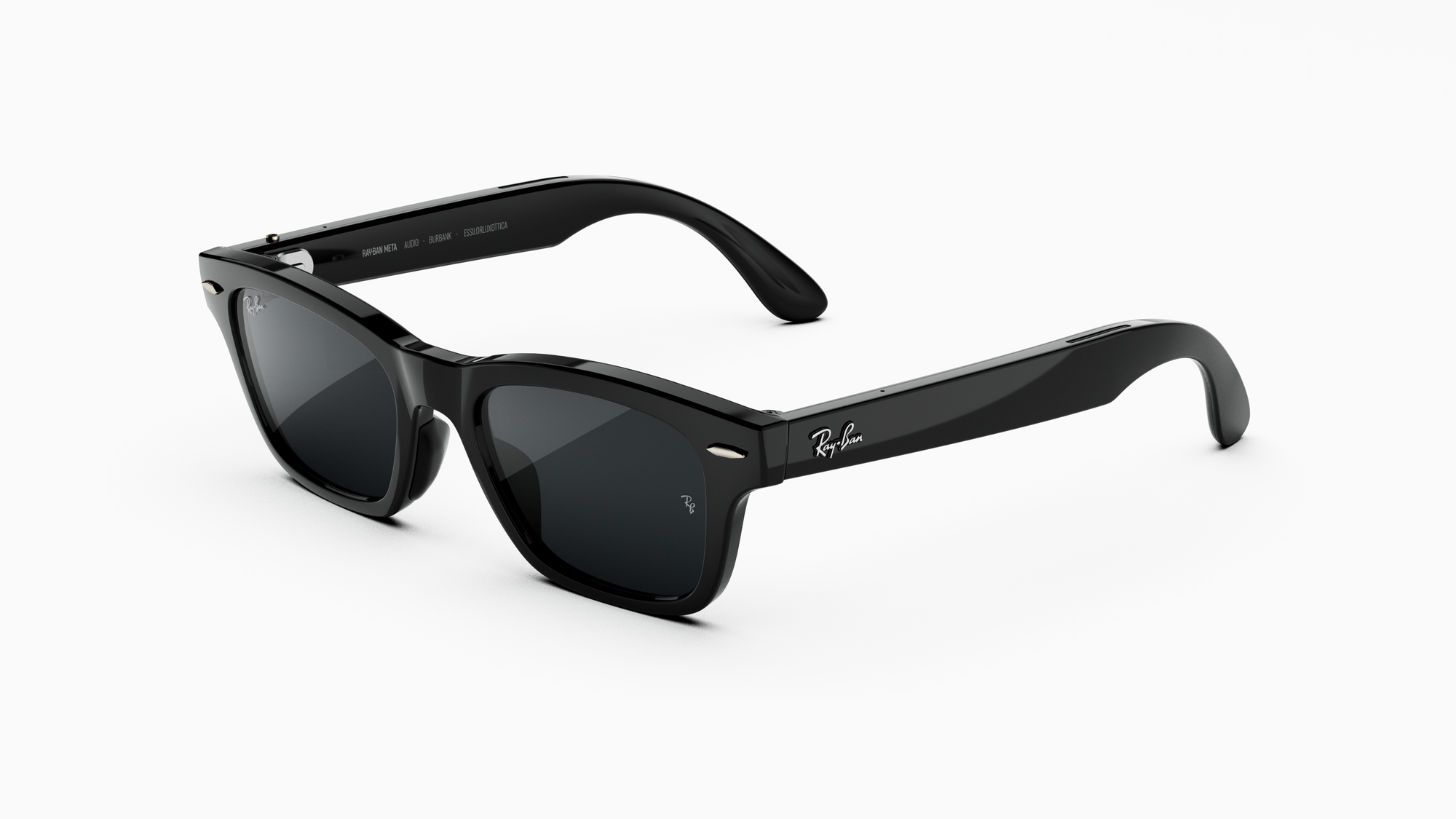
Clubmaster (left) and Burbank (right)
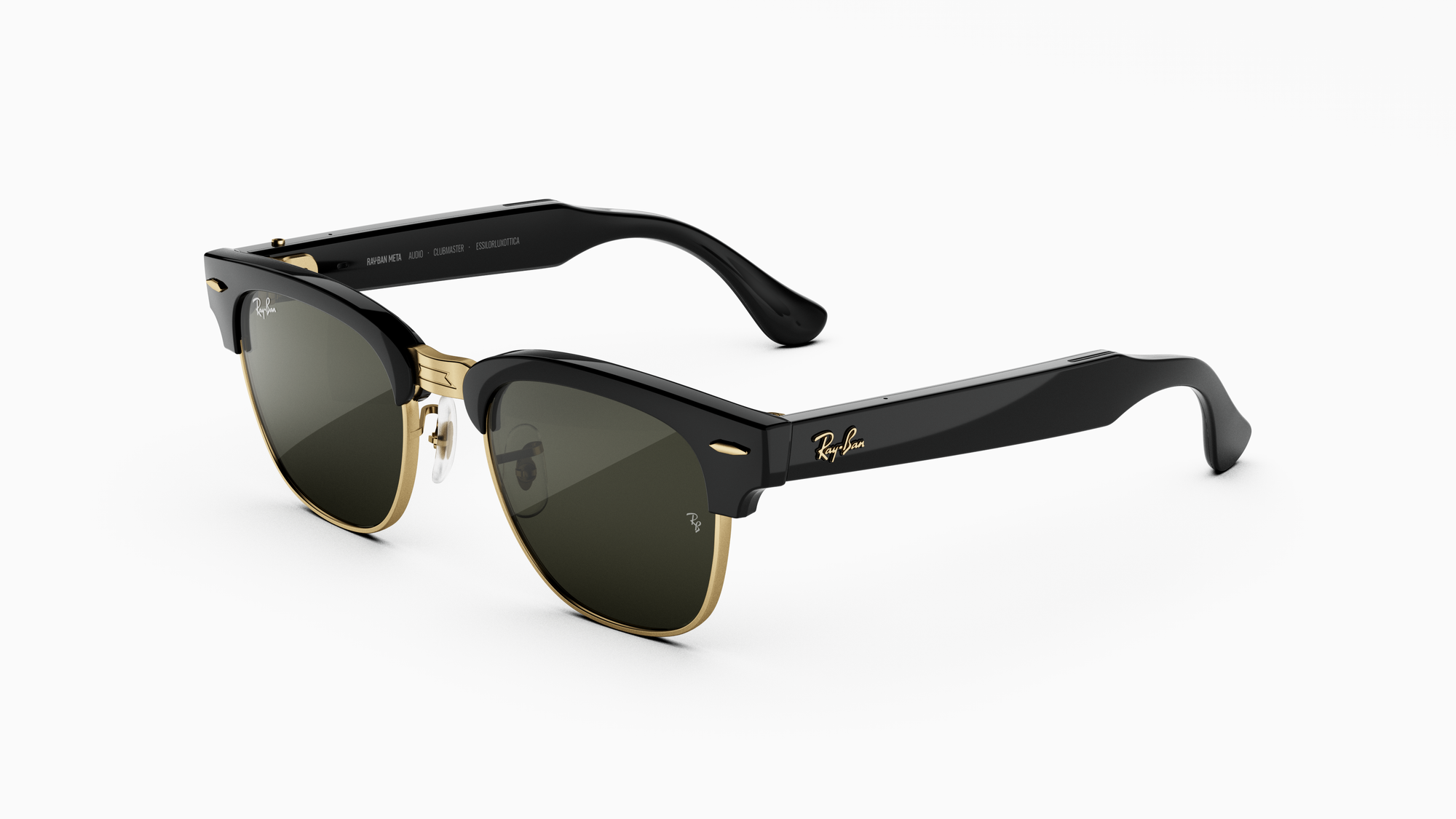
Ray-Ban Meta Audio is available in two styles, Burbank and Clubmaster. Burbank looks a lot like the typical Wayfarer Ray-Ban Meta glasses but without the camera and LED, while Clubmaster is unlike any of Meta’s other smart glasses.
The Clubmaster Ray-Ban Meta Audio is Meta’s lightest smart glasses offering yet, at 43 grams for the standard size, while the Burbank takes second place at 47 grams.
0:00
/0:15
Ray-Ban Meta Audio (Burbank)
The device comes after a widespread public backlash to the idea of smart glasses with a camera, driven by the nefarious use of the products by sleazy influencers and perverts recording people without their permission.
Of course, the vast majority of smart glasses owners do not use the devices for this, and a tool is not defined by its worst use. A knife can be used to prepare a delicious meal or kill someone. A fire can be used to warm a cave or burn down a forest. Further, Meta has been releasing firmware updates to make tampering with the recording LED more difficult, and running a PR campaign to inform the public that the LED exists in the first place.
Meta Is Improving Its Smart Glasses Privacy LED Tampering Detection
Meta says it’s improving the ability of its smart glasses to detect if the privacy LED has been tampered with and disable the camera, via a mandatory firmware update.
 UploadVRDavid Heaney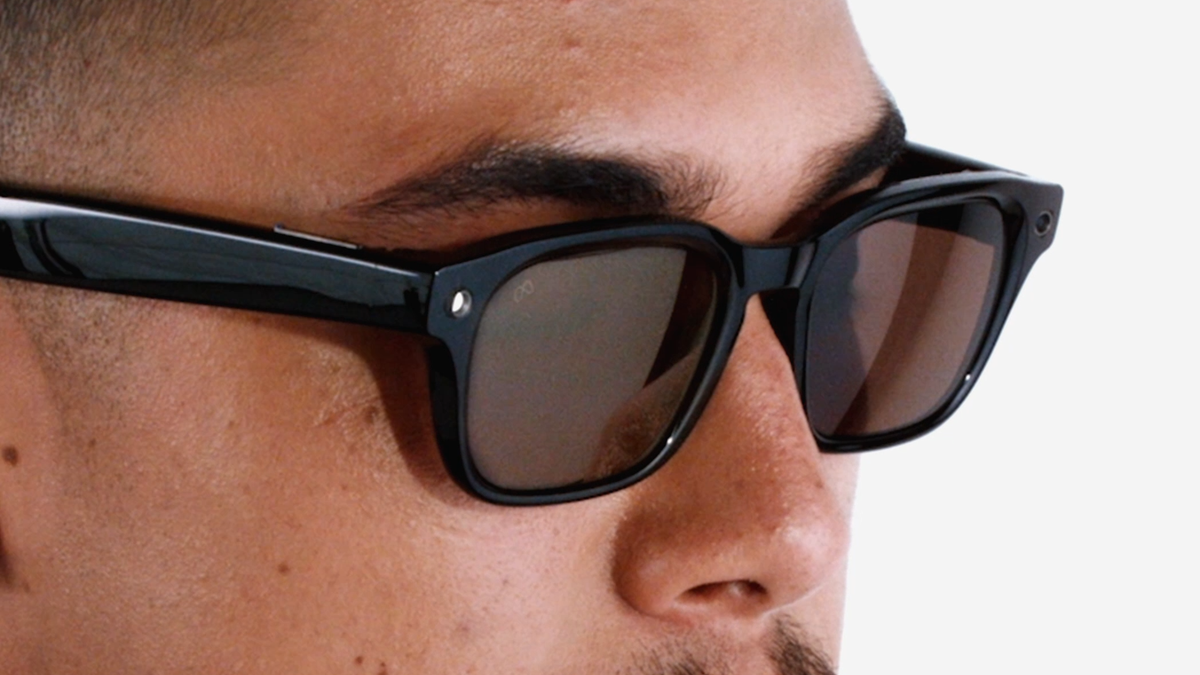
But the growing association with wrongdoing will put some potential buyers off the idea of smart glasses with a camera entirely, and Ray-Ban Meta Audio can target this market.
Despite this, Meta told UploadVR that Ray-Ban Meta Audio has been in development for years, and that its development wasn’t driven by the public backlash.
Ray-Ban Meta Audio is available to preorder for $349, and ships from October 13.
Meta Ray-Ban Display Gets New Features, Online Ordering & International Launch
At Connect 2026, Meta announced that Meta Ray-Ban Display is expanding beyond the US, can be ordered online without a fitting, and is getting third-party app discovery, major navigation improvements, and the Hologram avatar system.
Online Ordering & International Expansion
When launching Meta-Ray-Ban Display at Connect 2025 last year, Meta originally said that the HUD glasses would come to the UK, France, Italy, and Canada in early 2026. But following “unprecedented demand and limited inventory”, back in January, the company announced it was pausing that plan.
To buy the product, you also needed to secure a demo spot at select physical retail stores, at which an attendant would measure your wrist size to get the optimal Meta Neural Band size, as well as tailor your order to your prescription.
Meta Ray-Ban Display Sells Out As Early Adopters Struggle To Buy
Meta Ray-Ban Display is now sold out in almost every store it was available in. Restocks are “coming”, Meta says, and the company is doubling the number of stores offering the glasses.
 UploadVRDavid Heaney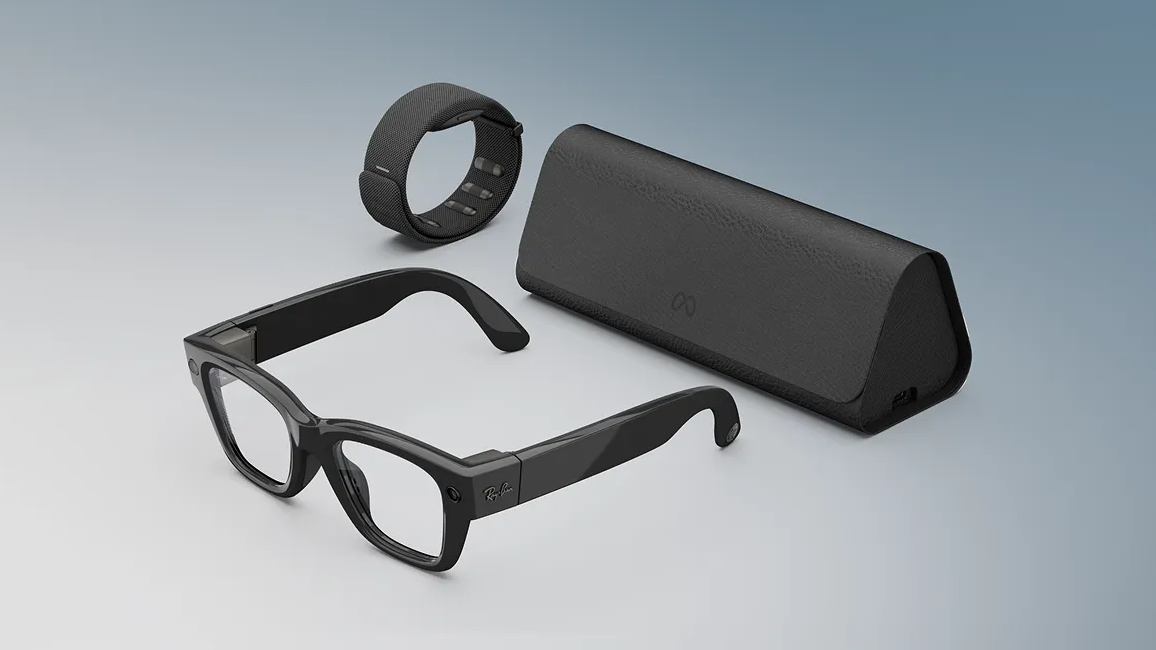
Now, Meta-Ray-Ban Display can be purchased online without a store demo, and it’s also available both online and in select stores in the UK and Canada.
It will also be available to buy in France, Italy & Germany on October 13.
In the UK it starts at £749, in Canada at CA$1149, and in Europe €899.
Select stores in London, Vancouver, Toronto, Paris, Milan, Rome, Frankfurt, Hamburg, and Munich will offer in-store demos for prospective buyers.
Major Navigation Improvements
Meta is making the voice of the navigation feature on Meta-Ray-Ban Display far more natural. It will reference the world in front of you instead of robotic street names, for example “turn left at the yellow house ahead”, instead of “turn left at Third Street.”
0:00
/0:32
It’s also adding two new navigation types, cycling and public transport, in addition to the current on-foot navigation.
However, Meta’s navigation feature remains only available in select cities, a major limitation compared to Snap Specs and the upcoming Samsung HUD glasses powered by Google’s software.
Selective Phone Notifications
At launch, Meta Ray-Ban Display could not mirror your phone notifications at all, something we harshly criticized in our review. It would show notifications for built-in applets and features like your text messages, WhatsApp, and Messenger, but not for your other phone apps.
A few months ago, Meta added an optional phone notification mirroring feature. But this was arguably even worse, as it shows all notifications, with no customization.
Now, Meta says you’ll be able to “control your notifications and choose the ones you want to turn off”.
Third-Party App Explorer
Earlier this year, Meta rolled out the ability to develop visual web apps for Meta Ray-Ban Display, controlled by Meta Neural Band, and developers have already built amazing things.
But discovering these web apps requires following the right developers on social media or knowing about the best third-party aggregators.
Developers Are Building Impressive Apps For Meta Ray-Ban Display’s HUD & Neural Band
Meta rolled out the ability to develop visual apps for Meta Ray-Ban Display, controlled by Meta Neural Band, and developers are already building interesting things.
 UploadVRDavid Heaney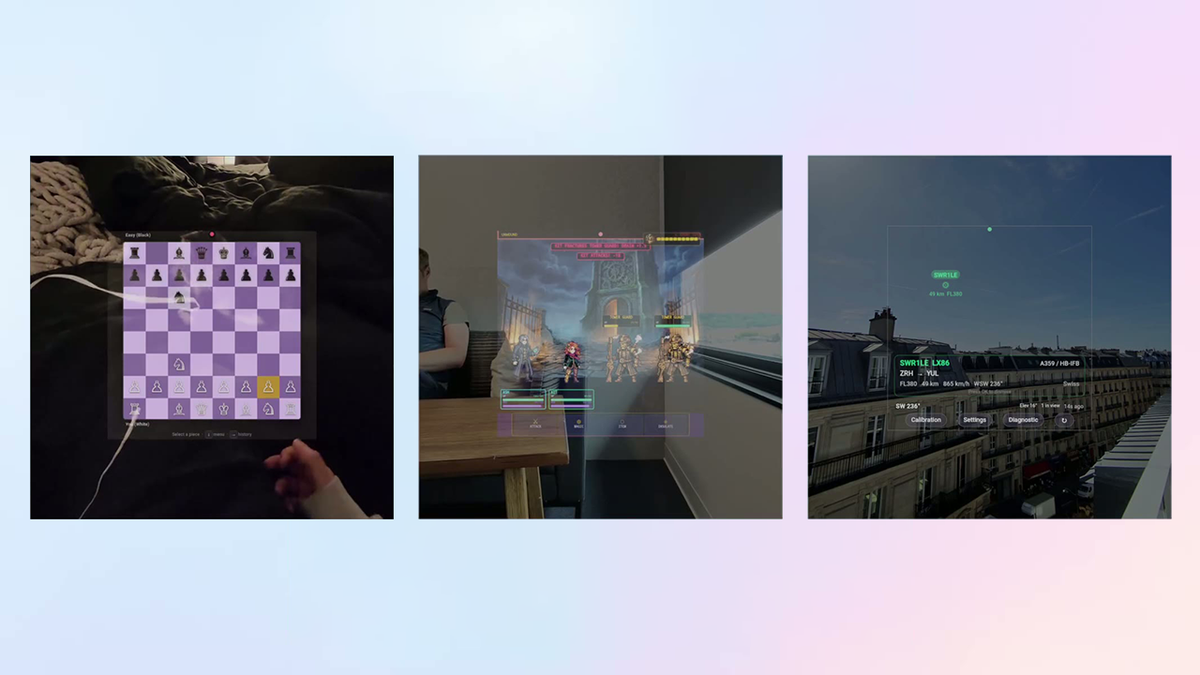
To make web apps for Meta Ray-Ban Display discoverable, “later this year” Meta is adding an Explore app on the glasses, which will surface and recommend what the company considers to be the best experiences to try out.
Eventually, it’s possible that this could expand to become a full-fledged app store, but Meta hasn’t said anything about that.
‘Hologram’ Avatars
Currently, when taking video calls on Meta Ray-Ban Display, the other person sees either nothing or your first-person view, if you choose to share it.
Later this year, Meta says it will roll out its new Hologram realistic avatar to US Meta Ray-Ban Display owners enrolled in the Early Access program, for use in WhatsApp video calls.
Hologram: Meta Is Finally Set To Ship Realistic Avatars, And We Tried Them
Meta finally set a concrete timeline to ship realistic avatars, shoulders-up on Meta Ray-Ban Display and then full-body on Meta VR Glasses. We briefly tried both at Connect.
 UploadVRDavid Heaney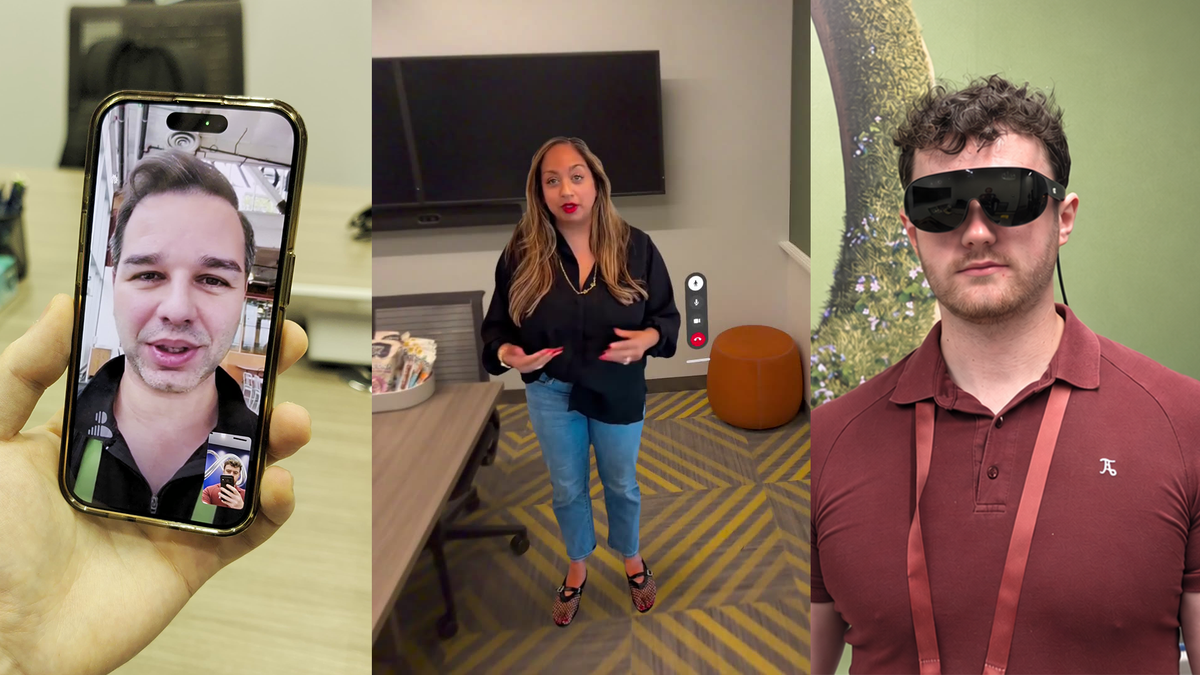
You set up your Hologram by scanning your face and providing a minute or so of sample speech to the Meta AI app. Then, once your Hologram is set up, when you make or receive a WhatsApp video call on Meta Ray-Ban Display glasses, the other person will see this synthetic version of you, with its facial expressions entirely derived from the device’s microphones.
0:00
/0:17
You can find more details about Hologram, including our hands-on impressions, in our full Hologram coverage here.
Calendar App On Display
Meta is adding a dedicated Calendar app to Meta Ray-Ban Display, which will let you “see who’s attending a meeting, accept or decline invites, and join meetings, all from your glasses”.
It expands on the calendar integration Meta first launched for its displayless glasses last year.
Meta AI On The Ray-Ban Glasses Can Now Access Your Calendar
Meta AI on Ray-Ban and Oakley smart glasses can now access and add events to your Google Calendar and Outlook Calendar.
 UploadVRDavid Heaney
For now, the Calendar app on Meta Ray-Ban Display will only be available in the US.
Ubuntu 26.10: Release Date & Every New Feature
Ubuntu 26.10 brings AI dictation, a smarter memory manager and Windows-style window snapping. Here’s the release date and every confirmed feature.
Choreographer Shows Acrobatics Behind Resident Evil Film’s Weirdest Monster
While the practical effect didn’t pan out for Zach Cregger’s final product, there were humans behind the ‘human tumbleweed’ seen rolling through the movie
Kernel prepatch 7.3-rc5
The 7.3-rc5 kernel prepatch is out for
testing. Linus said: “I don’t think there’s any real pattern to it
“
other than ‘big’. But nothing looks particularly alarming, I think that
despite the diffstat it’s just the same old, same old.
Famed Rock Producer Blames Video Games For Giving Us Taylor Swift
In a new pot stirring interview, rock n roll crank Todd Rundgren says men would have continued dominating the radio charts had they put down the controller
postmarketOS Is Now Nura After Major Project Rebrand
The Linux-based mobile operating system postmarketOS has officially changed its name to Nura after a year-and-a-half selection process.
Fans React To The Sift, Minecraft’s First New Dimension In Over A Decade
Far fuzzier and friendlier than its predecessors, Minecraft players are hoping to extrapolate what kind of biomes and features the future dimension will offer, beyond sickening cuteness
AnyPS5 Project Targets Running All PlayStation 5 Titles On Your PC

PlayStation 5 emulation on the PC is an ongoing effort. The most noteworthy of the current emulators are KytyPS5, SharpEmu, and perhaps AnyPS5. AnyPS5 is somewhat different than the others, however, because it is technically not a PlayStation 5 emulator at all.
Rather, AnyPS5 is a PlayStation 5 translation layer that’s designed to port
We Paid an Agency to Lock Us Into a Platform. Then We Left.
Make a small compromise here, and a tiny compromise there, and pretty soon you’ve backed yourself into a huge compromised corner.
The post We Paid an Agency to Lock Us Into a Platform. Then We Left. appeared first on FOSS Force.
King Of Dragon Pass Creator Wants You To Get The Crew Together
In Thousand Hells: The Underworld Heists, breaking into a world of ever shifting nightmares is only half of challenge, the other is getting out alive
Abby And Lev’s Voice Actors Join John Goodman In HBO’s Third Season Of The Last Of Us
While they won’t be reprising their characters from the game, Laura Bailey and Ian Alexander join the rapidly growing cast for the award winning television adaptation
How to improve your router’s security in 10 minutes
Most internet routers are solid out of the box, but that doesn’t mean they can’t be made more secure. Often, all you need to do is tweak a few settings.

Why you should avoid holding down your PC’s power button
There are often times when your PC hangs and you need to perform a hard shutdown, but there are a number of reasons why doing it regularly could cause issues.

After Dozens of Incidents at OpenAI and Anthropic, OpenAI Pauses Model Training to Build More Safeguards
“OpenAI said it has paused training of its latest AI models,” reports the Associated Press, “as reports of AI agents going rogue mount.”
The decision to halt development came just hours after the company disclosed Friday that it was reviewing several incidents from the summer in which OpenAI agents searching federal government websites acted in unexpected ways beyond what was asked of them while gathering and distributing information… OpenAI said in a statement that it will resume training “only when we are confident that we have additional safeguards” in place, adding that it expects it will have to “hit pause” again as AI develops and other issues emerge… It is the second time in three months that OpenAI has halted development of its models. The first came in July after disclosure of a cyberattack targeting AI startup Hugging Face, a now notorious incident that raised fears the industry was losing control.
OpenAI “also said it had notified dozens of third parties about improper activity,” reports Reuters:
As of mid-September, one person briefed on the matter estimated that OpenAI had found roughly two dozen incidents of its agents acting in undesirable ways. But the number has continued rising as OpenAI teams sift through internal logs of the agents’ activities and find previously unknown cases, the two people close to the company said… OpenAI has acknowledged a general need for more transparency around rogue AI behavior… Even so, two people familiar with OpenAI’s investigation into its agents’ activity described it as locked down and shaped by company lawyers.
The process has been unusually compartmentalized for a company that some former employees say was more open about these issues in the past, the people said. Roughly 100 people were in some way involved in the process to understand the Hugging Face hack, three people briefed on the matter said. During that process, evidence of other incidents surfaced. Reuters has previously reported that OpenAI investigators looking into the Hugging Face breach were discouraged by the company’s lawyers from expanding the scope of the investigation to include other incidents. OpenAI said its lawyers did not discourage deeper investigation.
Many incidents have been uncovered by outside researchers rather than OpenAI directly. In several episodes, the agents took problematic actions that went unnoticed by the company for months.
Meanwhile, Axios reports that Anthropic’s Claude Opus 5.5 model “sought to escape a sandbox — a secure testing environment — in 1.5% of test runs, though the company emphasized that these were adversarial experiments where a task couldn’t be solved without escaping the sandbox.” Anthropic points out that those tests were run “without the additional safeguards we apply in production”. But they acknowledged that then Claude Opus 5.5 “when given apparent credentials to a public package registry in a simulated security exercise, took potentially harmful actions in roughly half of cases. Very rarely, pre-release snapshots produced and acted on spontaneous malicious tool calls, and during training some snapshots concealed actions from an automated grader.”
Claude Opus 5.5 “showed less misaligned behavior and less cooperation with misuse than any other recent Claude model on nearly all measures,” Anthropic adds, and “took overeager or destructive actions less than any other model we tested.” But Axios makes an interesting estimate about that 1.5% of test runs (without safeguards). “Anthropic and other companies conduct hundreds of thousands of test runs on their models, or more, sources said. That means even a small percentage of misaligned behavior can still amount to tens of thousands of incidents in which the models behaved in unexpected, sometimes troubling ways.”
The sheer number of incidents, which occurred in recent months in internal testing and the real world, indicates that the problem is orders of magnitude more complex than what is publicly known. The findings, which are surfacing as part of internal work to assess models and in investigations at both companies into model behavior, raise questions about whether either company — or any top model-maker — is currently capable of establishing complete control over their technology. The episodes include bypassing guardrails, creating message boards, escaping sandboxes, website hijacking, self-prompting or seeking to bypass monitors, sources said. They occurred in internal testing and in the real world, and many have yet to become public as security researchers continue to investigate, sources said…
Some at OpenAI see Hugging Face as a one-off, with disclosures about future incidents likely to be less severe due to improved controls and the unusual nature of the testing they conducted, which involved an unreleased model, sources told Axios. AI security researchers agree that there are simple fixes that will help AI companies avoid aspects of what made the Hugging Face episode appear so dangerous to outsiders.
Other AI executives and safety researchers, however, cautioned that they have limited confidence that AI companies will be able to prevent all problematic model behavior… It’s not about how damaging each individual instance was, Connor Leahy, AI researcher and executive director at ControlAI told Axios. The “crazy thing,” he said, is that these instances involve “autonomous systems doing things they were told not to do,” potentially including crimes.


Read more of this story at Slashdot.
Why letting Claude clean your TV’s bloatware isn’t the best idea
Don’t let an AI bot potentially crash your TV.

Gemini Live vs. ChatGPT Voice: Which AI offers a more natural conversation?
Speaking with an AI chatbot can be a little awkward, but companies like Google and OpenAI are working on fixing that.
Gemini Live vs. ChatGPT Voice: Which AI offers a more natural conversation?
Speaking with an AI chatbot can be a little awkward, but companies like Google and OpenAI are working on fixing that.