Half of the mass of an early galaxy is in its central black hole

Image of a field of stars with a large purple glow in the center.

Enlarge / Inset shows the JWST image of the galaxy in infrared, along with the X-rays from the black hole seen by the Chandra. While the X-ray source is far smaller than the galaxy, X-rays are much harder to remove. (credit: X-ray: NASA/CXC/SAO/Ákos Bogdán; Infrared: NASA/ESA/CSA/STScI; Image Processing: NASA/CXC/SAO/L. Frattare & K. Arcand)

Researchers combing through some of the earliest galaxies in the Universe have found one that appears to have an actively feeding central black hole. Based on the amount of radiation it’s emitting, the researchers estimate that it accounts for roughly half of the mass of the entire galaxy it’s in—an astonishingly high fraction compared to modern galaxies.

The fact that such a large object can exist only half a billion years after the Big Bang places severe limits on how it could possibly have formed, strongly suggesting that supermassive black holes formed without ever having gone through an intermediate step involving a star.

Old X-rays

The earliest galaxies in the Universe that we know about have been identified using the James Webb Space Telescope, which took advantage of a galaxy cluster in the foreground that magnified more distant ones through gravitational lensing. Using the lens provided by a specific cluster, the Webb identified 11 galaxies that were imaged as they existed less than a billion years after the Big Bang.

Read 15 remaining paragraphs | Comments


Source: Ars Technica – Half of the mass of an early galaxy is in its central black hole

Toxic toddler fruit pouches: “Extremely high” lead levels sicken 7 in 5 states

The three pouches so far linked to lead contamination.

Enlarge / The three pouches so far linked to lead contamination. (credit: FDA)

At least seven children across five states have suffered acute lead poisoning linked to at least three brands of apple cinnamon fruit puree pouches marketed to children and sold nationwide, the Food and Drug Administration announced in an updated safety alert Friday.

The brands include WanaBana apple cinnamon fruit puree pouches, Schnucks brand cinnamon-flavored applesauce pouches, and Weis brand cinnamon applesauce pouches. All three have been recalled. Consumers should not buy, sell, serve, or eat any of these products. Any pouches that have already been purchased should be thrown away. Parents or guardians of any children who may have eaten the purees should talk with health care providers about blood lead tests.

In an October 28 alert, the FDA said it was working with authorities in the state of North Carolina who had identified four children with elevated blood lead levels in the western part of the state. North Carolina considers a child to have elevated blood lead levels if they have two consecutive blood lead test results greater than or equal to 5 micrograms per deciliter (µg/dl)—at which point the child becomes eligible for an investigation into the lead source. The Centers for Disease Control and Prevention meanwhile has a threshold of 3.5 µg/dl to consider a blood lead level high, which corresponds to the 97.5th percentile of blood levels in a survey of US children.

Read 6 remaining paragraphs | Comments


Source: Ars Technica – Toxic toddler fruit pouches: “Extremely high” lead levels sicken 7 in 5 states

OpenAI introduces GPT-4 Turbo: Larger memory, lower cost, new knowledge

A stock illustration of a chatbot icon on a blue wavy background.

Enlarge (credit: Getty Images)

On Monday at the OpenAI DevDay event, company CEO Sam Altman announced a major update to its GPT-4 language model called GPT-4 Turbo, which can process a much larger amount of text than GPT-4 and features a knowledge cutoff of April 2023. He also introduced APIs for DALL-E 3, GPT-4 Vision, and text-to-speech—and launched an “Assistants API” that makes it easier for developers to build assistive AI apps.

OpenAI hosted its first-ever developer event on November 6 in San Francisco called DevDay. During the opening keynote delivered by Altman in front of a small audience, the CEO showcased the wider impacts of its AI technology in the world, including helping people with tech accessibility. Altman shared some stats, saying that over 2 million developers are building apps using its APIs, over 92 percent of Fortune 500 companies are building on their platform, and that ChatGPT has over 100 million active weekly users.

At one point, Microsoft CEO Satya Nadella made a surprise appearance on the stage, talking with Altman about the deepening partnership between Microsoft and OpenAI and sharing some general thoughts about the future of the technology, which he thinks will empower people.

Read 11 remaining paragraphs | Comments


Source: Ars Technica – OpenAI introduces GPT-4 Turbo: Larger memory, lower cost, new knowledge

Google’s “Web Integrity” Android API could kill “alternative” media clients

A man laughs at his smartphone while a cartoon characters peaks over his shoulder.

Enlarge / The little Android robot is watching everything you do. (credit: Aurich Lawson / Getty Images)

Google is killing off its proposal for “Web Environment Integrity API” as a new web standard, though Android phones may still have to deal with it. According to Google’s proposal document, the primary goal of the project was to “allow web servers to evaluate the authenticity of the device and honest representation of the software stack”—basically Google wanted a DRM gatekeeper for the web. The project got widespread coverage in July and was widely panned.

The ominously vague plan was to allow web browsers to detect if your computer was “modified” in a way that the webpage didn’t like. Presumably, this could be anything from a rooted/jailbroken phone to having an undesirable plug-in (read: ad blockers) installed. When you tried to access some protected content, a browser supporting the Web Integrity API would first contact a third-party “environment attestation” server, and your computer would have to pass some kind of test. After having your local environment uh… scanned? passing environments receive a signed “IntegrityToken” that points to the content you wanted unlocked. You would bring this back to the web server and would finally get the content unlocked.

Google’s proposal did not go over well. The explainer was full of conflicting information about just how invasive it wanted to be and what its goals were. Google pinky-promised it wasn’t meant to “enforce or interfere with browser functionality, including plugins and extensions”—this is a vague reference to ad blockers—but also the proposal’s very first example had to do with more accurately measuring ad impressions. Even more alarming was that this wasn’t a discussion—Google never publicized the feature for any kind of feedback, and the company was already actively prototyping the feature in Chrome before the Internet really found out about it.

Read 5 remaining paragraphs | Comments


Source: Ars Technica – Google’s “Web Integrity” Android API could kill “alternative” media clients

100+ researchers say they stopped studying X, fearing Elon Musk might sue them

100+ researchers say they stopped studying X, fearing Elon Musk might sue them

Enlarge (credit: WPA Pool / Pool | Getty Images Europe)

At a moment when misinformation about the Israel-Hamas war is rapidly spreading on X (formerly Twitter)—mostly by verified X users—many researchers have given up hope that it will be possible to closely monitor this kind of misinformation on the platform, Reuters reported.

According to a “survey of 167 academic and civil society researchers conducted at Reuters’ request by the Coalition for Independent Technology Research” (CITR) in September, more than 100 studies about X have been canceled, suspended, or switched to focus on another platform since Elon Musk began limiting researchers’ access to X data last February. Researchers told Reuters that includes studies on hate speech and child safety, as well as research tracking the “spread of false information during real-time events, such as Hamas’ attack on Israel and the Israeli airstrikes in Gaza.”

The European Union has already threatened X with fines if the platform fails to stop the spread of Israel/Hamas disinformation. In response, X has reported taking actions to curb misinformation, like removing newly created Hamas-affiliated accounts and accounts manipulating trending topics, working with partner organizations to flag terrorist content, actioning “tens of thousands of posts,” and proactively monitoring for antisemitic speech.

Read 10 remaining paragraphs | Comments


Source: Ars Technica – 100+ researchers say they stopped studying X, fearing Elon Musk might sue them

Google ends deal to build 15,000 Bay Area homes due to “market conditions”

Illustration of a housing development with apartments and a park area with benches, sidewalks, and a bike lane.

Enlarge / Google’s conceptual rendering of its housing plan. (credit: Google)

Google has ended an agreement with a developer to build 15,000 homes in the San Francisco Bay Area, including affordable housing, as it continues a string of cost-cutting moves to reduce real estate costs. Google said it is “looking at a variety of options” to provide housing despite ending the development deal but didn’t offer specific details on its plans.

Google partnered with the Australian company Lendlease in 2019 on a $15 billion plan for “residential, retail, hospitality, and community development space,” with an expected completion date of 2038. Lendlease was to be the developer, builder, and owner of the residential, retail, hospitality, and community components, while Google also planned a related office expansion. Including office space, the developments could have covered 15 million square feet.

But on Friday, Lendlease and Google announced that they “mutually reached an agreement to end the Development Services Agreements of the four master-planned districts in San Jose (Downtown West), Sunnyvale (Moffett Park), and Mountain View (Middlefield Park and North Bayshore) in the San Francisco Bay area in California, collectively referred to as the San Francisco Bay Project.” Google is making a payment to Lendlease as part of the agreement to part ways.

Read 9 remaining paragraphs | Comments


Source: Ars Technica – Google ends deal to build 15,000 Bay Area homes due to “market conditions”

Good news for clumsy divers: Physics holds the key to less-painful belly flops

Brown researchers set up a belly flop-like water experiment using a blunt cylinder, adding an important vibrating twist to it that ultimately led them to counterintuitive findings. Credit: John Antolik and Daniel Harris.

We’ve all had the misfortune of botching a dive into the pool and ending up in a painful belly flop—or perhaps we’ve done it deliberately to show off and instantly regretted that decision. Hitting the water in that body position can feel like hitting concrete and lead to bruising or (if one is falling from a greater height) internal injuries. While the basic physics is well-understood, scientists are always looking for greater insight into the phenomenon in hopes of finding novel ways to ameliorate the impact.

Scientists at Brown University have found that, surprisingly, adding a bit of extra spring to a body hitting the water can actually increase the impact force instead of decrease it under certain conditions, according to a new paper published in the Journal of Fluid Mechanics. The implications go beyond protecting divers; a better understanding of the hydrodynamics will improve designs of naval ships, seaplanes, or projectiles, as well as underwater autonomous vehicles.

From a physics standpoint, we’re talking about an elastic body hitting the surface of water. The stress of moving from the medium of air to the much denser medium of water exerts a huge force as that body displaces it. The cohesive forces between water molecules are stronger at the surface, making it harder to break through. (It’s why diving competitions often use aerators to create bubbles in the water, breaking the surface tension to protect the divers.) A large volume of fluid must be accelerated (displaced) in a short timeframe to match the speed of the impinging body. The larger the surface area of the object hitting the water, the more resistance there will be—and with belly flops there will be a much larger surface area than with a simple swan dive, resulting in that signature slam.

Read 6 remaining paragraphs | Comments


Source: Ars Technica – Good news for clumsy divers: Physics holds the key to less-painful belly flops

OpenAI introduces custom AI assistants called “GPTs” that play different roles

Stock photo of the same person dressed in different occupational outfits.

Enlarge / “GPTs” will allow ChatGPT users to create custom AI assistants that serve different purposes. (credit: Getty Images)

On Monday, OpenAI announced “GPTs,” a new feature that allows ChatGPT users to create custom versions of its AI assistant that serve different roles or purposes. OpenAI will let users share GPT roles with others, and it plans to introduce a “GPT Store” later this month that will eventually share revenue with creators.

“Since launching ChatGPT, people have been asking for ways to customize ChatGPT to fit specific ways that they use it,” writes OpenAI in a release provided to Ars. “We launched Custom Instructions in July that let you set some preferences, but requests for more control kept coming.”

For example, in a screenshot of the GPTs interface provided by OpenAI, the upcoming GPT Store shows custom AI assistants called “Writing Coach,” “Sous Chef,” “Math Mentor,” and “Sticker Whiz” available for selection. The screenshot describes the GPTs as assistants designed to help with writing feedback, recipes, homework help, and turning your ideas into die-cut stickers.

Read 8 remaining paragraphs | Comments


Source: Ars Technica – OpenAI introduces custom AI assistants called “GPTs” that play different roles

Why today’s Epic v. Google trial is (and isn’t) a repeat of Epic v. Apple

Epic says launching <em>Fortnite</em> on Android without Google Play is as difficult as playing <em>Fortnite</em> while skydiving. OK, they didn't literally say that, but work with me here...

Enlarge / Epic says launching Fortnite on Android without Google Play is as difficult as playing Fortnite while skydiving. OK, they didn’t literally say that, but work with me here… (credit: Epic Games)

Two years ago, Epic Games went to court to challenge what it called Apple’s monopolistic control of the iOS app marketplace. Now, as that trial crawls through the appeals process, Epic’s legal focus is moving to the other major mobile platform holder: Google.

The Epic v. Google trial, which starts today in a US district court in San Francisco, won’t be a precise rehashing of the issues laid out in that Apple trial. But while legal history won’t precisely repeat itself in the coming days and weeks, it will very likely rhyme.

Just when I thought I was out…

Both of Epic Games’ antitrust cases date back to August 2020, when Epic flaunted iOS and Google Play App Store rules by hotfixing an “Epic Direct Payment” option into Fortnite‘s mobile in-game V-Bucks store. While Apple was the first to respond by removing the game from iOS that afternoon, Google followed suit just a few hours later by taking the game down from the Google Play Store. Epic was ready with lawsuits to instantly respond to both moves.

Read 16 remaining paragraphs | Comments


Source: Ars Technica – Why today’s Epic v. Google trial is (and isn’t) a repeat of Epic v. Apple

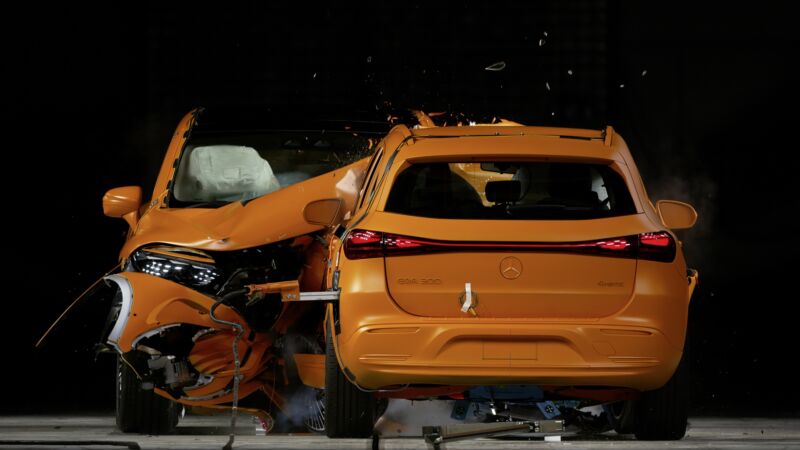
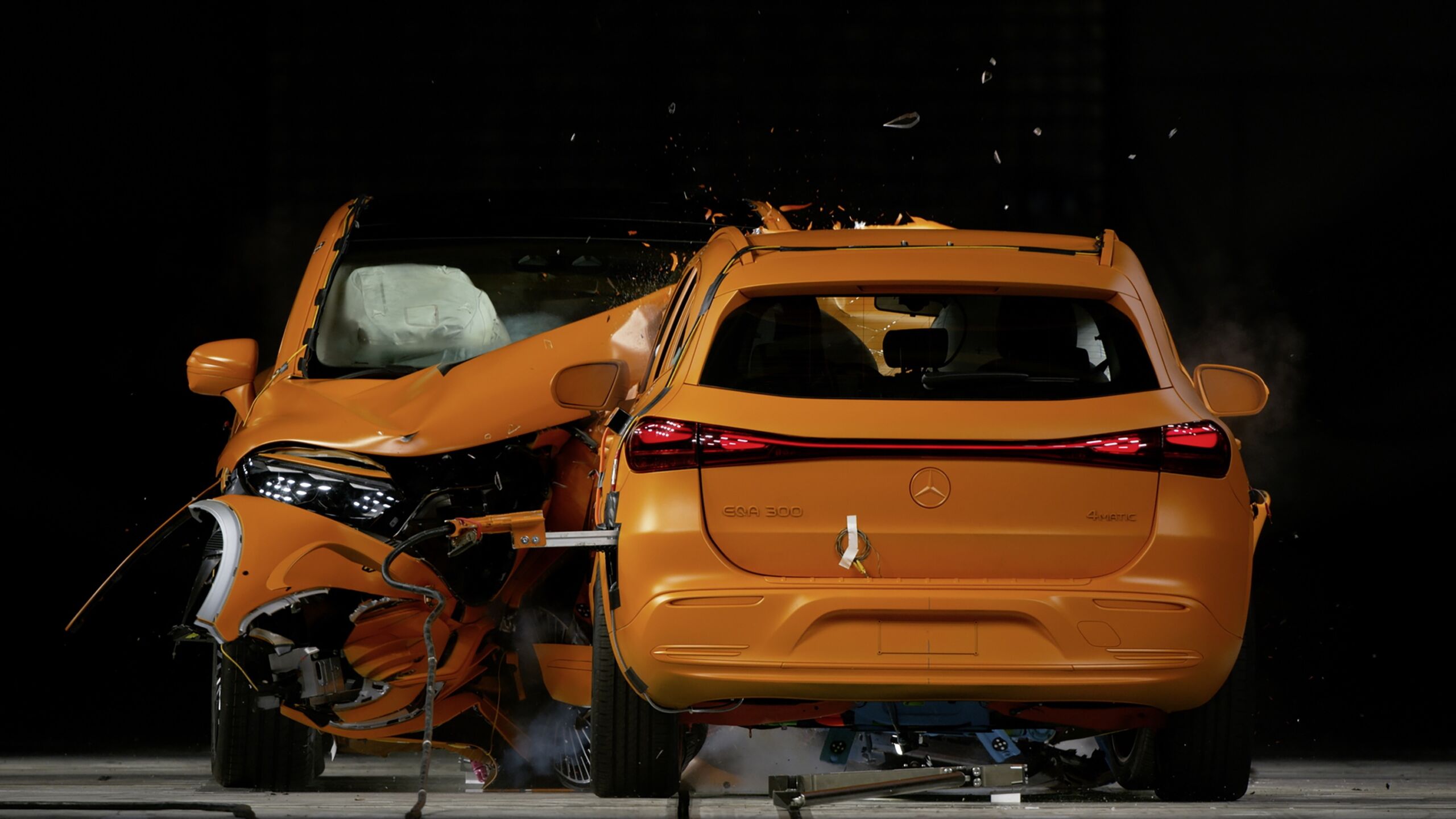
The brutality of this EV crash test was shocking, but both cars passed

Read 23 remaining paragraphs | Comments


Source: Ars Technica – The brutality of this EV crash test was shocking, but both cars passed

Dealmaster: Herman Miller deals, Lenovo laptop sales, and more

Dealmaster: Herman Miller deals, Lenovo laptop sales, and more

Enlarge (credit: Herman Miller)

It’s never too early to get a jump-start on holiday shopping. Even though Black Friday isn’t here yet, there are still plenty of great deals on tech gear and essentials, ranging from laptops and TVs to chargers and monitors. We even have a rare sale on Herman Miller office and gaming chairs that include popular models like the Aeron and Embody. Soundbars, headphones, and AirTags round out our curated Dealmaster.

Featured deals

  • Sony WH-1000XM5 for $328 (was $400) at Amazon
  • Bose QuietComfort Earbuds II for $199 (was $279) at Amazon
  • Apple AirPods Pro (2nd Generation) with USB-C charging for $200 (was $249) at Amazon
  • Apple AirTag 4-pack for $87 (was $99) at Amazon
  • Apple 2023 MacBook Air Laptop M2 chip, 15-inch for $1,049 (was $1,299) at Amazon
  • Samsung 55-inch Odyssey Ark 4K UHD for $1,800 (was $2,700) at Samsung
  • Sony HT-A5000 soundbar for $698 (was $998) at Crutchfield
  • Lenovo LOQ (15-inch, Intel Core i7-13700H and RTX 4050) for $1,030 (was $1,400) at Lenovo

Herman Miller and Tempur-pedic office and gaming chairs

  • Herman Miller Aeron Chair for $1,354 (was $1,805) at DWR | Herman Miller
  • Herman Miller Embody Chair for $1,703 (was $2,270) at DWR | Herman Miller
  • Herman Miller Embody Gaming Chair for $1,384 (was $1,845) at Herman Miller
  • Herman Miller Sayl Chair for $588 (was $735) at DWR | Herman Miller
  • Herman Miller Sayl Chair, Special Gaming Edition for $816 (was $1,020) at DWR
  • Herman Miller Cosm Chair, Low Back for $1,048 (was $1,310) at DWR | Herman Miller
  • Herman Miller Cosm Chair, Mid Back for $1,256 (was $1,570) at DWR | Herman Miller
  • Herman Miller Cosm Chair, High Back for $1,680 (was $2,100) at DWR | Herman Miller
  • Herman Miller x Logitech G Vantum Gaming Chair for $636 (was $795) at DWR | Herman Miller
  • Herman Miller x Logitech G Embody Gaming Chair for $1,384 (was $1,845) at DWR
  • Herman Miller Eames Aluminum Group Chair, Executive for $2,040 (was $2,550) at DWR
  • Herman Miller Eames Aluminum Group Chair, Management for $2,296 (was $2,870) at DWR
  • Herman Miller Eames Soft Pad Chair, Executive Height for $3,516 (was $4,395) at DWR
  • Herman Miller Mirra 2 Chair for $1,128 (was $1,410) at DWR | Herman Miller
  • Herman Miller Setu Chair, With Arms for $668 (was $835) at DWR | Herman Miller
  • Herman Miller Aeron Chair, Special Gaming Edition for $1,354 (was $1,805) at DWR | Herman Miller
  • Herman Miller Aeron Stool for $1,391 (was $1,855) at DWR | Herman Miller
  • Herman Miller Lino Chair for $684 (was $855) at DWR | Herman Miller
  • Herman Miller Verus Task Chair for $564 (was $705) at DWR | Herman Miller
  • TEMPUR-Lumbar Support Office Chair for $299 (was $352) at Tempur-pedic

TVs, headphones, soundbars, audio, and home entertainment gear

  • Samsung 55-inch Class OLED S90C for $1,300 (was $1,900) at Samsung
  • Samsung 65-inch Class OLED S90C for $1,600 (was $2,600) at Samsung
  • Samsung 83-inch Class OLED S90C for $3,500 (was $5,400) at Samsung
  • Samsung 65-inch Class OLED S95C for $2,400 (was $3,300) at Samsung
  • Samsung 55-inch Class OLED S95C for $1,900 (was $2,500) at Samsung
  • Samsung 77-inch Class OLED S95C for $3,600 (was $4,500) at Samsung
  • Sony WF-1000XM5 The Best Truly Wireless Bluetooth Noise Canceling Earbuds for $248 (was $300) at Amazon
  • Sony WH-1000XM5 for $328 (was $400) at Amazon
  • Bose QuietComfort Earbuds II for $199 (was $279) at Amazon
  • Lexie Lumen self-fitting hearing aids for $649 (was $799) at Best Buy
  • Lexie B2 Powered by Bose for $899 (was $999) at Best Buy
  • Lexie B1 for $699 (was $849) at Best Buy
  • Poly – formerly Plantronics – Voyager 4320 for $158 (was $170) at Best Buy
  • Samsung 55-inch Class TU690T Crystal UHD 4K for $350 (was $380) at Samsung
  • Samsung 65-inch Class QLED 4K QN90C for $1,700 (was $2,800) at Samsung
  • Soundcore by Anker P20i True Wireless Earbuds for $20 (was $40) at Amazon
  • Soundcore by Anker Life P3i Hybrid Active Noise Cancelling Earbuds for $50 (was $60) at Amazon
  • Samsung 98-inch Class QLED 4K Q80C for $5,000 (was $8,000) at Samsung
  • Samsung 65-inch Class Samsung Neo QLED 8K QN800C for $2,600 (was $3,500) at Samsung
  • Samsung 75-inch Class The Frame QLED 4K LS03B for $2,600 (was $3,000) at Samsung
  • Samsung S-series 3.0 ch. Soundbar S50B for $150 (was $250) at Samsung
  • Samsung Sound Tower Party Audio ST40B for $230 (was $500) at Samsung
  • Samsung Q-series 3.1.2 ch. Wireless Dolby Atmos Soundbar Q700C for $400 (was $700) at Samsung
  • Samsung Q-series 5.1.2 ch. Wireless Dolby Atmos Soundbar Q800C for $690 (was $1,000) at Samsung
  • Samsung Q-series 7.1.2 ch. Wireless Dolby Atmos Soundbar Q900C for $989 (was $1,400) at Samsung
  • Samsung Q-series 9.1.2 ch. Wireless Dolby Atmos Soundbar Q910C for $989 (was $1,400) at Samsung
  • LG 65-inch Class G3 Series OLED 4K UHD for $2,300 (was $3,000) at Best Buy
  • LG 77-inch Class G3 Series OLED 4K UHD for $3,500 (was $4,300) at Best Buy
  • LG 83-inch Class G3 Series OLED 4K UHD TV for $5,000 (was $6,000) at Best Buy
  • Sony HT-A7000 soundbar for $998 (was $1,398) at Crutchfield
  • Sennheiser AMBEO Soundbar | Max for $2,000 (was $2,500) at Crutchfield
  • Sony HT-A5000 soundbar for $698 (was $998) at Crutchfield
  • Yamaha SR-B20A soundbar for $150 (was $200) at Crutchfield
  • Sony HT-S2000 soundbar for $348 (was $498) at Crutchfield
  • Sony HT-A3000 soundbar for $498 (was $698) at Crutchfield
  • Samsung 120-inch Class The Premiere LSP7T 4K Smart Laser Projector for $3,000 (was $3,500) at Samsung
  • Samsung 70-inch Class QLED 4K QE1C for $940 (was $1,800) at Samsung
  • Samsung 75-inch Class Samsung Neo QLED 8K QN900C for $4,500 (was $6,300) at Samsung
  • Samsung 65-inch Class Samsung Neo QLED 8K QN800C for $2,600 (was $3,500) at Samsung
  • Samsung 43-inch Class Samsung Neo QLED 4K QN90C for $1,000 (was $1,200) at Samsung
  • Samsung 85-inch Class Samsung Neo QLED 4K QN90C for $2,800 (was $4,800) at Samsung
  • Samsung 55-inch Class Samsung Neo QLED 4K QN85C for $1,000 (was $1,500) at Samsung
  • Samsung 55-inch Class QLED 4K Q70C for $850 (was $1,000) at Samsung
  • Samsung 86-inch Class Crystal UHD TU9010 (2021) for $1,600 (was $1,700) at Samsung
  • Samsung 85-inch Class Crystal UHD CU7000 for $900 (was $1,100) at Samsung
  • Samsung 50-inch Class QLED 4K Q80B (2022) for $900 (was $1,000) at Samsung

Lenovo deals

  • Lenovo Legion Pro 5i Gen 8 (16-inch, Intel Core i5-13500HX and RTX 4050) for $1,070 (was $1,480) at Lenovo
  • Lenovo Legion Slim 5 Gen 8 (16-inch, AMD Ryzen 5 7640HS and RTX 4050) for $950 (was $1,300) at Lenovo
  • Lenovo LOQ (15-inch, Intel Core i7-13700H and RTX 4050) for $1,030 (was $1,400) at Lenovo
  • Lenovo LOQ (16-inch, AMD Ryzen 7 7840HS and RTX 4050) for $980 (was $1,260) at Lenovo
  • Lenovo Legion Slim 7i Gen 8 (16-inch, Intel Core i7-13700H and RTX) for $1,400 (was $1,770) at Lenovo
  • Lenovo Legion Pro 5i Gen 8 (16-inch, Intel Core i5-13500HX and RTX) for $1,070 (was $1,480) at Lenovo
  • Lenovo ThinkPad X1 Carbon Gen 10 (14-inch, Intel Core i7-1270P) for $1,299 (was $3,609) at Lenovo
  • Lenovo ThinkPad L14 Gen 3 (14-inch, AMD Ryzen 5 Pro 5675U) for $1,478 (was $2,688) at Lenovo
  • Lenovo Legion Slim 5i Gen 8 (16-inch, Intel Core i5-13500H and RTX 4050) for $1,000 (was $1,350) at Lenovo
  • Lenovo ThinkPad T14 Gen 3 (14-inch, Intel Core i5-1250P) for $945 (was $3,049) at Lenovo
  • Lenovo LOQ (15-inch, Intel Core i5-13500H and RTX 3050) for $750 (was $1,020) at Lenovo
  • Lenovo ThinkBook 14 Gen 4 (14-inch, Intel Coire i5-1235U) for $632 (was $1,404) at Lenovo
  • Lenovo ThinkPad P16 Gen 2 (16-inch, Intel Core i7-13700HX and RTX A1000) for $1,749 (was $3,899) at Lenovo
  • Lenovo LOQ (16-inch, Intel Core i5-13500H and RTX 4050) $840 (was $1,200) at Lenovo
  • Lenovo IdeaPad Slim 3 (15-inch, AMD Ryzen 5 7530U) for $475 (was $700) at Lenovo
  • Lenovo IdeaPad Slim 3i Chromebook Plus (14-inch, Intel Core i3-N305) for $495 (was $550) at Lenovo
  • Lenovo Legion Pro 5 Gen 8 (16-inch, AMD Ryzen 5 7645HX and RTX 4050) for $1,080 (was $1,430) at Lenovo
  • Lenovo Legion Pro 5 Gen 8 (16-inch, AMD Ryzen 7 7745HX and RTX 4070) for $1,400 (was $1,960) at Lenovo
  • Lenovo ThinkPad E16 Gen 1 (16-inch, AMD Ryzen 7 7730U) for $894 (was $1,719) at Lenovo
  • Lenovo ThinkPad P1 Gen (16-inch, Intel Core i7-13700H and RTX A2000) for $1,979 (was $4,389) at Lenovo
  • Lenovo ThinkPad E15 Gen 5 (14-inch, AMD Ryzen 5 7530U) for $610 (was $1,219) at Lenovo
  • Lenovo ThinkPad T14 Gen 4 (14-inch, Intel Core i7-1365U) for $1,143 (was $2,859) at Lenovo
  • Lenovo ThinkPad E16 Gen 1 (16-inch, Intel Core i5-1355U) for $725 (was $1,449) at Lenovo
  • Lenovo ThinkPad P16s Gen 2 (16-inch, Intel Core i7-1360P and RTX A500) for $1,629 (was $3,629) at Lenovo
  • Lenovo ThinkPad P14s Gen 4 (14-inch, Intel Core i7-1360P and RTX A500) for $1,529 (was $3,389) at Lenovo
  • Lenovo ThinkPad P14s Gen 4 (14-inch, AMD Ryzen 7 Pro 7840U) for $1,099 (was $2,199) at Lenovo
  • Lenovo Legion Slim 7 Gen 8 (16-inch, AMD Ryzen 7 7840HS and RTX 4060) for $1,300 (was $1,680) at Lenovo
  • Lenovo X1 Carbon Gen 10 (14-inch, Intel Core i7-1260P) for $1,238 (was $3,439) at Lenovo

Monitors and displays

  • Samsung 34-inch G85SB OLED Ultra WQHD for $900 (was $1,500) at Samsung
  • Samsung 34-inch ViewFinity S50GC Ultra-WQHD for $280 (was $380) at Samsung
  • Samsung 27-inch Viewfinity S80TB 4K UHD for $500 (was $580) at Samsung
  • Samsung 55-inch Odyssey Ark 4K UHD for $1,800 (was $2,700) at Samsung
  • Samsung 49-inch Odyssey G9 DQHD for $1,200 (was $1,500) at Samsung
  • Samsung 49-inch Odyssey CRG9 DQHD for $950 (was $1,200) at Samsung
  • Samsung 28-inch Odyssey G70B 4K UHD for $600 (was $800) at Samsung
  • Samsung 43-inch Odyssey Neo G7 4K UHD for $800 (was $1,000) at Samsung
  • Samsung 32-inch Odyssey Neo G8 4K UHD for $1,000 (was $1,500) at Samsung
  • Samsung 32-inch Odyssey G32A FHD for $220 (was $330) at Samsung
  • Samsung 32-inch Odyssey G50A QHD for $400 (was $450) at Samsung
  • Samsung 32-inch Odyssey G70B 4K UHD IPS for $650 (was $1,000) at Samsung
  • Samsung 32-inch Odyssey G65B QHD for $550 (was $800) at Samsung
  • LG 34-inch 34WN80C-B UltraWide WQHD IPS for $400 (was $550) at LG
  • LG 27-inch UltraFine 4K OLED pro for $1,800 (was $1,900) at LG
  • LG 43-inch 4K UHD IPS Smart Monitor for $500 (was $600) at LG
  • LG 22-inch Class Full HD IPS for $80 (was $120) at LG
  • LG 27-inch FHD IPS 3-Side Borderless for $130 (was $180) at LG

Apple gear

  • Apple AirTag 4-pack for $87 (was $99) at Amazon
  • Apple 2020 MacBook Air Laptop M1 chip, 13-inch for $950 (was $999) at Amazon
  • Apple 2023 MacBook Air Laptop M2 chip, 15-inch for $1,049 (was $1,299) at Amazon
  • Apple iPad Mini (6th Generation) for $400 (was $499) at Amazon
  • Apple iPad (9th Generation) for $249 (was $329) at Amazon
  • Apple iPad (10th Generation) for $399 (was $449) at Amazon
  • Apple iPad Air (5th Generation) for $500 after coupon (was $599) at Amazon
  • Apple AirPods Pro (2nd Generation) with USB-C charging for $200 (was $249) at Amazon
  • Apple AirPods (3rd Generation) for $150 (was $169) at Amazon
  • Apple AirPods Max Wireless Over-Ear Headphones for $480 (was $549) at Amazon

Tech essentials

  • Toshiba N300 8TB NAS 3.5-Inch Internal Hard Drive for $147 (was $235) at Amazon
  • Seagate IronWolf 8Tb NAS Internal Hard Drive for $160 (was $260) at Amazon
  • Western Digital 22TB WD Red Pro NAS Internal Hard Drive for $417 (was $600) at Amazon
  • Seagate IronWolf 12TB NAS Internal Hard Drive for $239 (was $260) at Amazon
  • Uni USB C to USB C Cable 10-foot, 100 W USB C Cable for $8 (was $20) at Amazon
  • UGREEN 100 W 2-Pack USB C to USB C Cable for $11 (was $16) at Amazon
  • UGREEN 100 W USB C Charger, Nexode 4-Port GaN Foldable Compact Wall Charger Power for $49 (was $75) at Amazon
  • Anker 120 W USB C Charger, Anker 737 GaNPrime for $72 after coupon (was $89) at Amazon

Tablets and e-readers

  • Google Pixel Tablet with Charging Speaker Dock for $399 (was $499) at Amazon
  • Kindle Paperwhite Signature Edition Essentials Bundle for $245 (was $265) at Amazon

Games

  • Super Mario Bros. Wonder – Nintendo Switch (European version) for $56 (was $60) at Amazon
  • The Legend of Zelda: Tears of the Kingdom – Nintendo Switch (US version) for $57 (was $70) at Amazon
  • The Legend of Zelda: Breath of the Wild – Nintendo Switch (US version) for $45 (was $60) at Amazon

Tools and gear

  • Anova Culinary Sous Vide Precision Cooker 3.0 for $145 (was $200) at Amazon
  • Wind Talk Space Heater for Indoor Use, 1500W for $48 (was $54) at Amazon
  • Dreo Space Heater Indoor, Portable Heater, 1500W for $59 (was $70) at Amazon
  • iRobot Roomba Combo i5+ Self-Emptying Robot Vacuum & Mop for $349 (was $500) at Amazon
  • BISSELL PowerGlide Pet Slim Corded Vacuum, 3070 for $110 (was $150) at Amazon
  • Shark IX141 Pet Cordless Stick Vacuum with XL Dust Cup for $150 (was $260) at Amazon
  • ECOVACS DEEBOT T20 Omni Robot Vacuum and Mop for $800 (was $1,100) at Amazon
  • iRobot Roomba j9+ Self-Emptying Robot Vacuum for $599 (was $899) at Amazon
  • CRAFTSMAN RP+ Cordless Drill/Driver Kit for $89 (was $129) at Amazon
  • Calphalon Premier Space-Saving Hard-Anodized Nonstick 5-Quart Saute Pan with Lid for $75 (was $132) at Amazon
  • KitchenAid KEK1222PT 1.25-Liter Electric Kettle for $80 (was $90) at Amazon
  • All-Clad D3 3-Ply Stainless Steel Cookware Set 10 Piece for $700 (was $1,160) at Amazon
  • Greenworks 80V 20-inch Snow Blower, and 730 CFM Handheld Blower for $550 (was $1,200) at Best Buy
  • Greenworks Electric Pressure Washer up to 1900 PSI at 1.2 GPM for $130 (was $200) at Best Buy
  • Greenworks 80V 12-inch Cordless Brushless Snow Shovel with 2.0 Ah Battery and Rapid Charger for $260 (was $350) at Best Buy
  • Greenworks 80-Volt 18-Inch Cordless Brushless Chainsaw for $300 (was $400) at Best Buy
  • Greenworks Electric Pressure Washer up to 2000 PSI at 1.3 GPM for $180 (was $220) at Best Buy
  • Greenworks 10-inch 80 Volt Cultivator/Tiller for $334 (was $400) at Best Buy
  • Greenworks 80 Volt 16-Inch Cutting Diameter Brushless Straight Shaft Grass Trimmer for $210 (was $250) at Best Buy
  • Greenworks 80V 20-inch Cordless Brushless Snow Blower with 4.0 Ah Battery and Rapid Charger for $380 (was $450) at Best Buy
  • Greenworks 80V 22-inch Cordless Brushless Snow Blower with 4.0 Ah Battery and Rapid Charger for $680 (was $800) at Best Buy
  • Greenworks 80-Volt 26-Inch Cordless Brushless Hedge Trimmer for $220 (was $250) at Best Buy
  • Greenworks 80V 24-inch Cordless Brushless Two-Stage Snow Blower with (2) 4.0 Batteries and Dual-Port Turbo Charger for $1,800 (was $2,00) at Best Buy
  • Greenworks Multi Tool w. 2AH battery, 2A charger for $103 (was $110) at Best Buy
  • Greenworks 24 Volt 5.0Ah Battery with Built In USB Charing Port for $94 (was $100) at Best Buy
  • Greenworks 25-inch Dual Blade Replacement Blade Set for $33 (was $35) at Best Buy
  • Greenworks 80V 16-inch Brushless Attachment Capable String Trimmer with 2.0 Ah Battery and Rapid Charger for $332 (was $350) at Best Buy
  • Greenworks 48-Volt 14-Inch Cordless Brushless Chainsaw for $250 (was $260) at Best Buy

Ars Technica may earn compensation for sales from links on this post through affiliate programs.

Read on Ars Technica | Comments


Source: Ars Technica – Dealmaster: Herman Miller deals, Lenovo laptop sales, and more

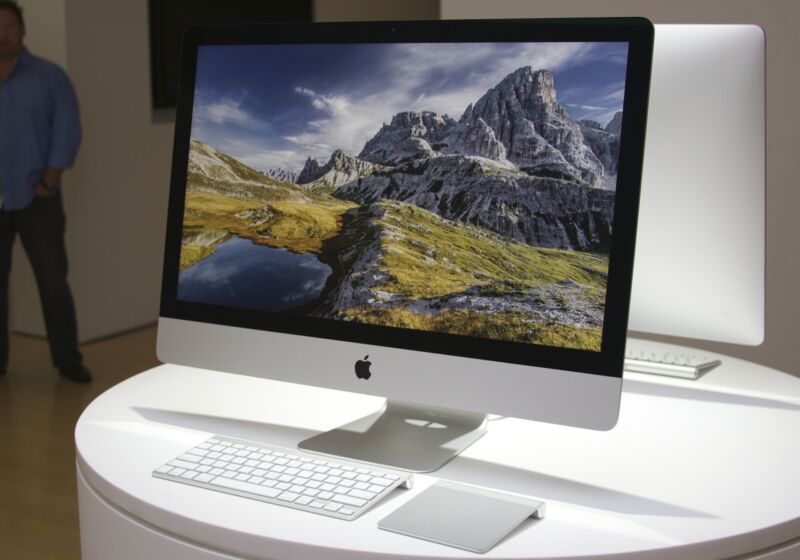
Apple says it has no plans to update the 27-inch iMac with Apple Silicon chips

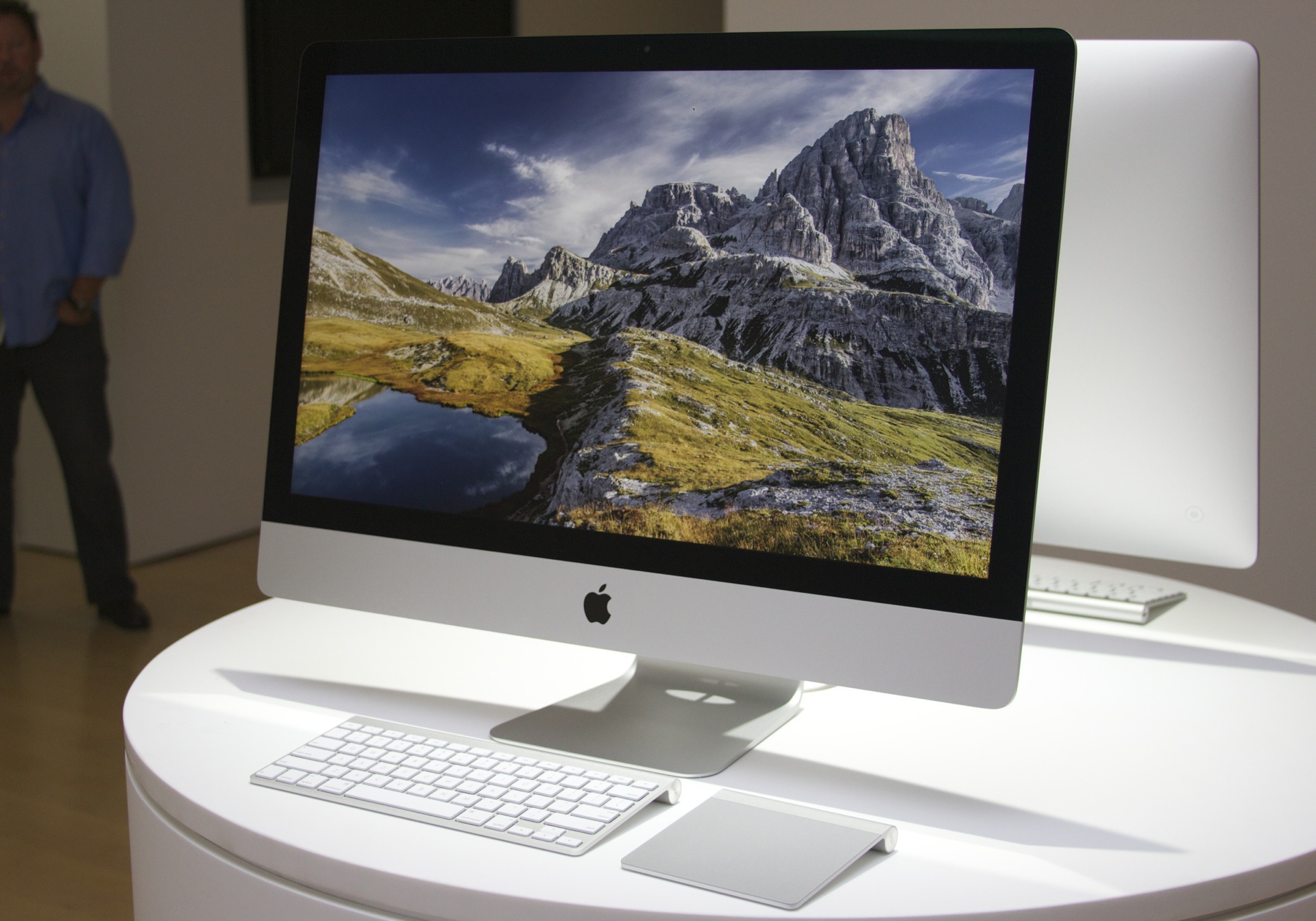
The original 27-inch 5K iMac, introduced in 2014.

Enlarge / The original 27-inch 5K iMac, introduced in 2014. (credit: Andrew Cunningham)

Apple’s 27-inch iMac was one of the few Intel Macs (along with the iMac Pro) to be discontinued with no direct Apple Silicon replacement. It used to be Apple’s mainstream workstation Mac, but in the Apple Silicon era, that role has been filled by the Mac mini and Mac Studio, instead. The 24-inch iMac, recently updated with a new M3 chip, is a smaller machine focused more on casual day-to-day computing.
Some 27-inch iMac users have been holding out for a true large-screened iMac replacement. But Apple threw cold water on those hopes in a statement given to the Verge (and later reiterated to Ars), where it said definitively that it was not working on an Apple Silicon version of the 27-inch iMac. Users of 27-inch Intel Macs should either move to the 24-inch iMac or to the M2 Pro Mac mini or the Mac Studio if they need more performance, according to Apple.

Eternal optimists still holding out hope for a new large-screened iMac might note that Apple specifically mentioned the 27-inch iMac, which doesn’t necessarily preclude the possibility of an even-larger iMac in the 30-something-inch range. But given Apple’s usual aversion to discussing its future plans, an explicit denial does hit differently than a total lack of comment or a boilerplate “Apple doesn’t comment on future plans.”

Read 2 remaining paragraphs | Comments


Source: Ars Technica – Apple says it has no plans to update the 27-inch iMac with Apple Silicon chips

Elon Musk’s new AI model doesn’t shy from questions about cocaine and orgies

A file photo of tin robots marching in a line, with one jumping out.

Enlarge (credit: Getty Images | Benj Edwards)

On Saturday, Elon Musk announced xAI’s launch of an early beta version of “Grok,” an AI language model similar to ChatGPT that is designed to respond to user queries with a mix of information and humor. Grok reportedly integrates real-time data access from X (formerly Twitter)—and is apparently willing to tackle inquiries that might be declined by other AI systems due to content filters and conditioning.

“xAI’s Grok system is designed to have a little humor in its responses,” wrote Musk in an introductory X post, showing a screenshot where a user asks Grok, “Tell me how to make cocaine, step by step.” Grok replies with a sarcastic answer that involves getting a “chemistry degree” and a “DEA license” and gathering coca leaves.

In step 4, Grok says, “Start cooking and hope you don’t blow yourself up or get arrested.” Then it follows the sarcastic steps with “Just Kidding! Please don’t actually try to make cocaine.”

Read 12 remaining paragraphs | Comments


Source: Ars Technica – Elon Musk’s new AI model doesn’t shy from questions about cocaine and orgies

Ariane 6 cost and delays bring European launch industry to a breaking point

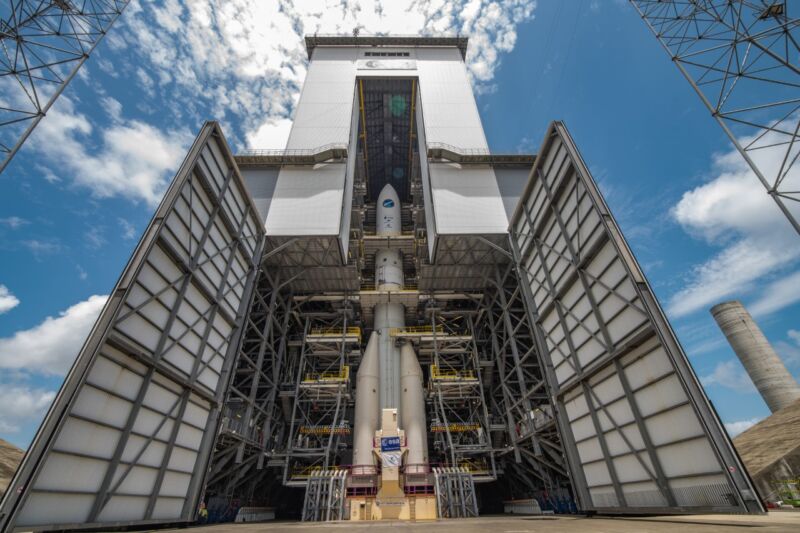
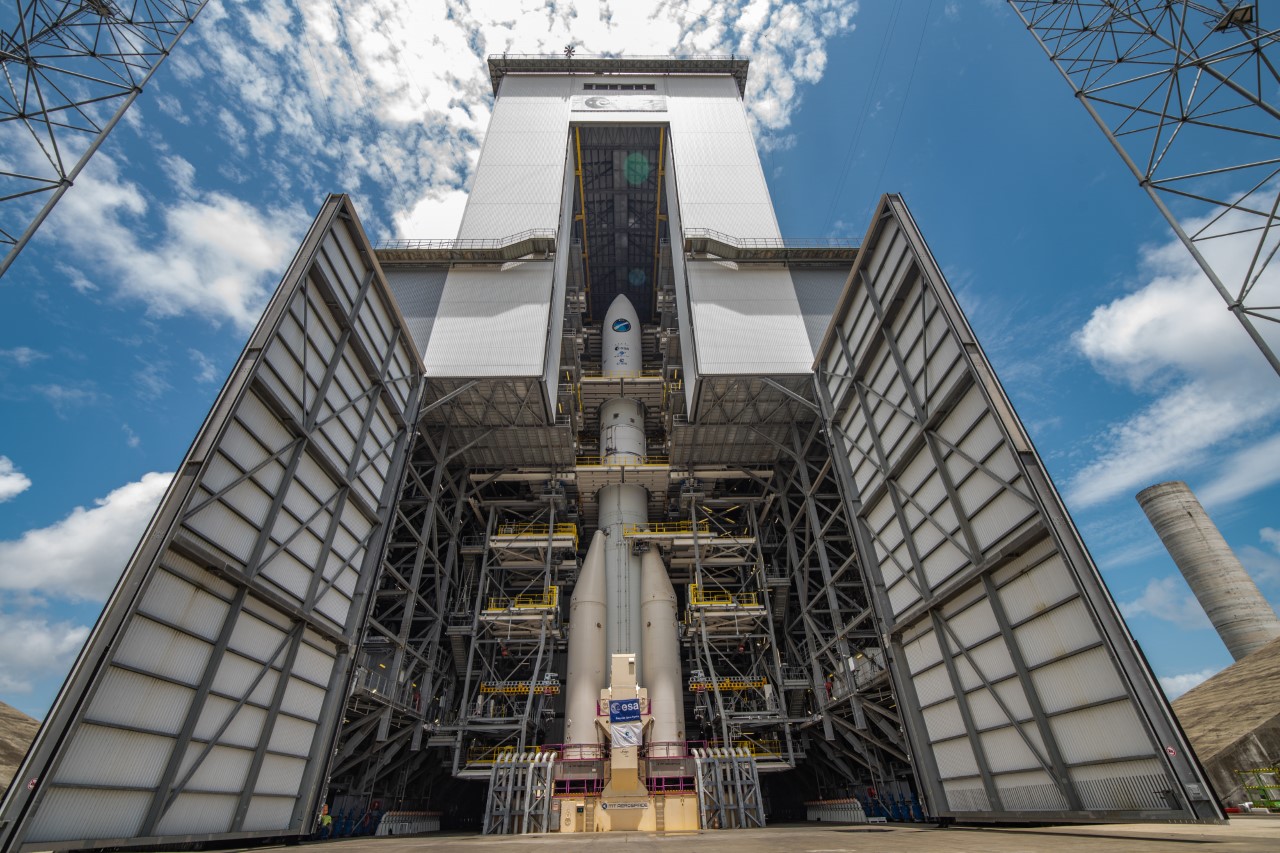
A pathfinder version of the Ariane 6 rocket is seen at launch facilities in Kourou, French Guiana.

Enlarge / A pathfinder version of the Ariane 6 rocket is seen at launch facilities in Kourou, French Guiana. (credit: European Space Agency)

European space officials will convene on Monday and Tuesday to discuss the future of space policy for the continent. The “Space Summit” gathering in Seville, Spain, will encompass several topics, including the future of launch.

“Seville will be a very decisive moment for space in Europe,” said the director general of the European Space Agency, Josef Aschbacher, on the eve of the summit. “On launchers, and on exploration, I expect ministers to really make very bold decisions. I certainly expect a paradigm shift on the launcher sector.”

Aschbacher has previously described Europe’s rocket predicament—the venerable Ariane 5 has retired, its replacement, Ariane 6, is not ready, and the smaller Vega C rocket is also having teething problems—as an acute crisis. Now, it’s possible this crisis will lead to the breakup of a decades-long partnership in Europe, led by the nations of France, Germany, and Italy, to collaborate on the development of launch capabilities.

Read 14 remaining paragraphs | Comments


Source: Ars Technica – Ariane 6 cost and delays bring European launch industry to a breaking point

Review: Apple’s 16-inch M3 Max MacBook Pro crams Ultra-level speed into a laptop

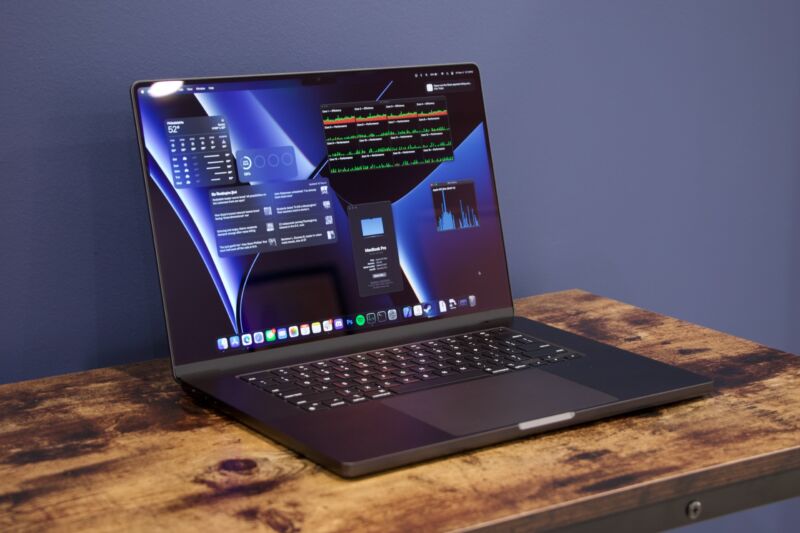
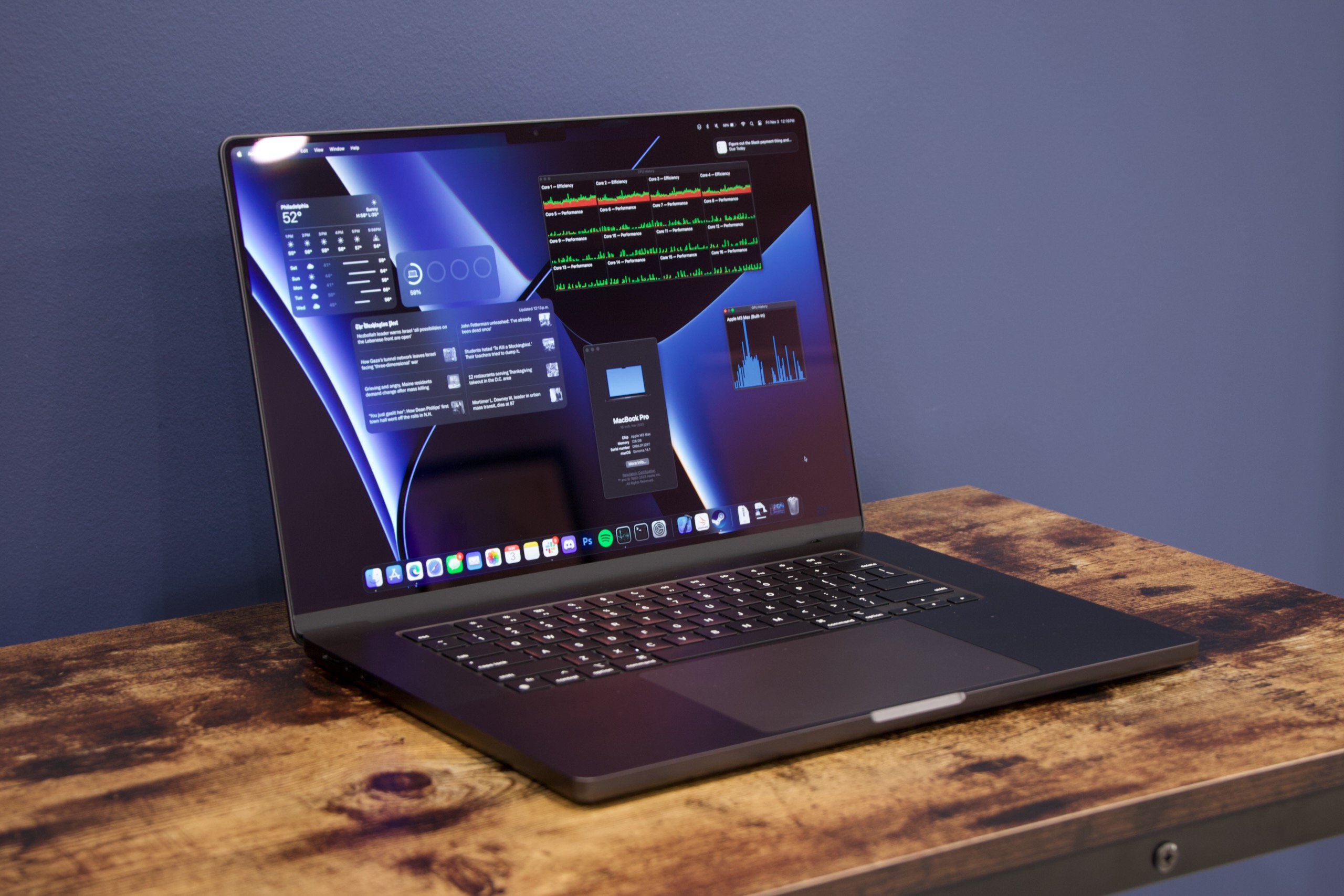
Apple's 16-inch, M3 Max-powered MacBook Pro.

Enlarge / Apple’s 16-inch, M3 Max-powered MacBook Pro. (credit: Andrew Cunningham)

The next year or two will be a turning point for people who bought into the last few generations of Intel Macs. AppleCare+ subscriptions are going to expire, batteries will begin to lose a noticeable amount of capacity, software updates and security fixes will gradually dry up, and normal wear-and-tear will slowly take its toll.

Every new generation of Apple Silicon Mac is another opportunity for Apple to get those people to update. Which may or may not help to explain why Apple is introducing its new M3, M3 Pro, and M3 Max MacBook Pros less than 11 months after releasing the M2 versions.

Like the early 2023 MacBook Pros, these late 2023 models are iterative improvements to the 2021 redesigns. They keep the things that made those laptops such a big improvement over the late-model Intel MacBook Pros while adding just a little more performance and one or two other minor improvements to entice people who still haven’t made the Apple Silicon switch.

Read 38 remaining paragraphs | Comments


Source: Ars Technica – Review: Apple’s 16-inch M3 Max MacBook Pro crams Ultra-level speed into a laptop

Daily Telescope: The sword of Orion contains a brilliant reflection nebula

Orion and the Running Man Nebula.

Enlarge / Orion and the Running Man Nebula. (credit: David Beverly)

Welcome to the Daily Telescope. There is a little too much darkness in this world and not enough light; a little too much pseudoscience and not enough science. We’ll let other publications offer you a daily horoscope. At Ars Technica, we’re going to take a different route, finding inspiration from very real images of a universe that is filled with stars and wonder.

Good morning. It is November 6, and we’re looking toward one of the most prominent constellations in the Northern Hemisphere’s night sky.

The Orion constellation likely needs no introduction, but for readers who are not astrophotographers, the Running Man Nebula may be less well-known. It can be found in the top-most part of Orion, in the “sword.” This is a reflection nebula in that it consists largely of clouds of interstellar gas that reflect the light of nearby stars. The nebula is relatively close to Earth, as celestial objects go, at 1,500 light-years away.

Read 5 remaining paragraphs | Comments


Source: Ars Technica – Daily Telescope: The sword of Orion contains a brilliant reflection nebula

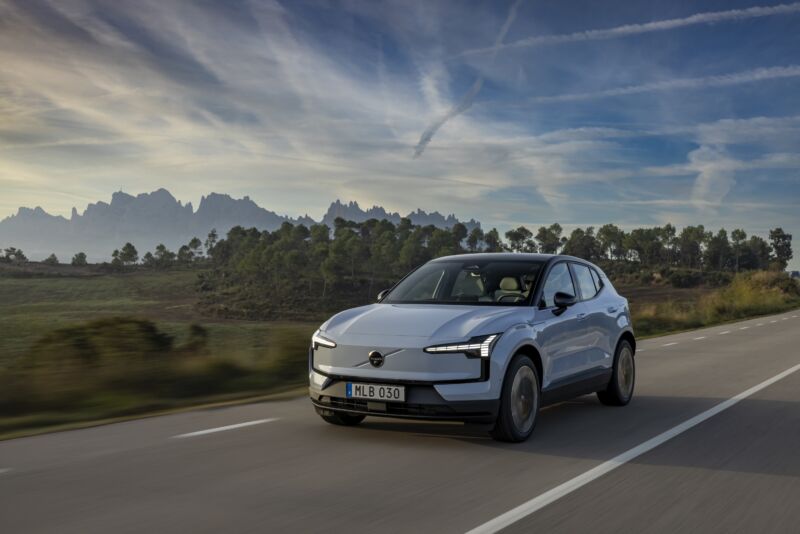
Driving the Volvo EX30, a $36K EV that prioritizes sustainability

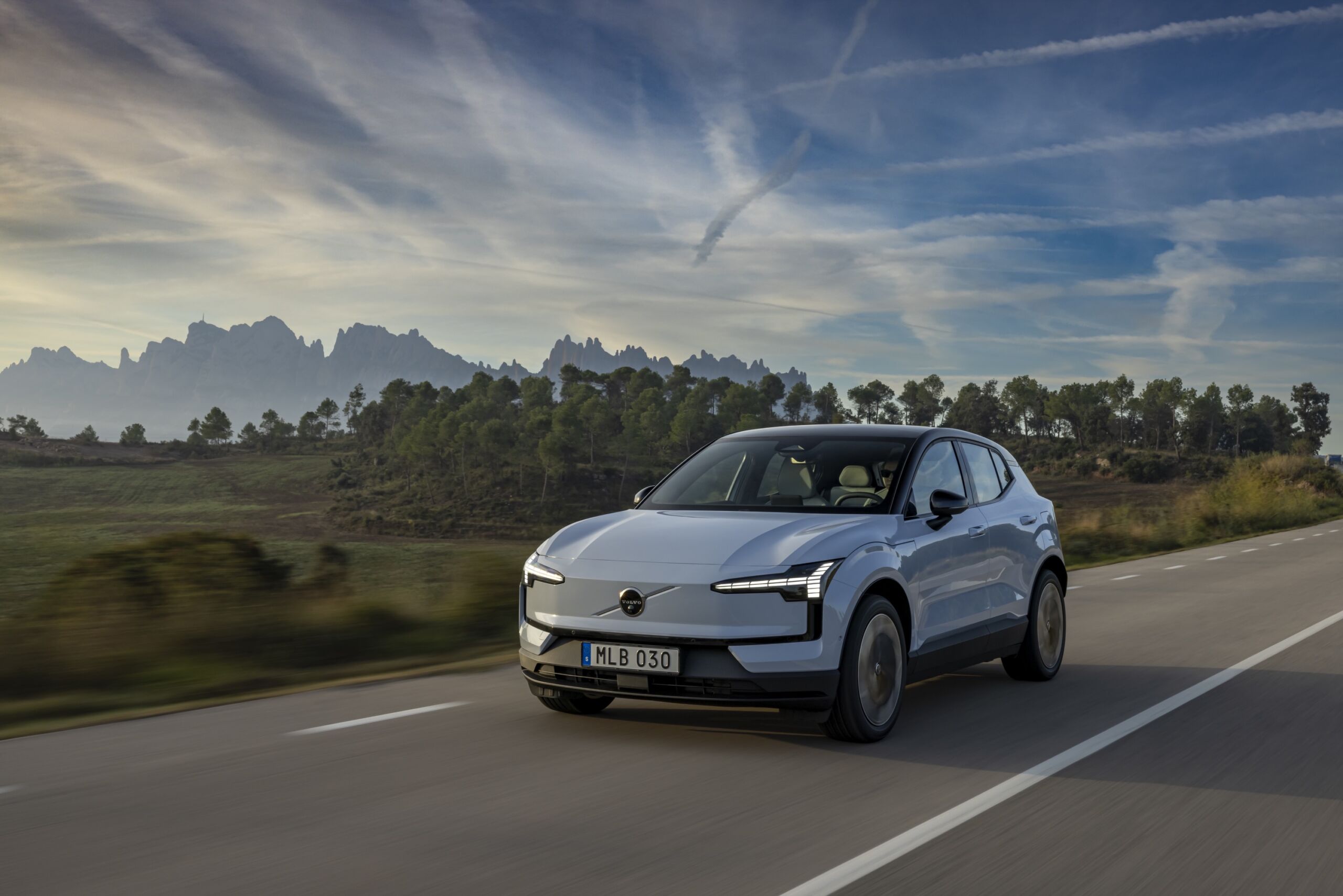
A blue-grey Volvo EX30 drives towards the camera

Enlarge / There are growing calls for smaller, cheaper electric vehicles and at least Volvo has been listening. (credit: Volvo)

Volvo’s near-term plan is to become a fully electric carmaker by the year 2030. But the company has an even more ambitious—and arguably more impactful—goal on the horizon: to be completely carbon-neutral by 2040. Volvo aims to achieve this by optimizing its manufacturing processes and greatly increasing the amount of recycled, sustainable materials being used in its cars. The new EX30 EV is a small crossover that represents a big step in this direction.

The EX30 focuses on carbon-neutrality from its inception. This subcompact electric SUV will be built at Volvo’s plant in Zhangjiakou, China—a facility powered by 100-percent climate-neutral electricity—and the carmaker will expand EX30 production to its Ghent, Belgium factory in 2025. Volvo estimates that 25 percent of the aluminum used in the construction of the EX30 is recycled, as is 17 percent of all steel. Additionally, 17 percent of all the plastics in the EX30—everything from bumpers to interior components—are recycled, which is the highest percentage of any Volvo to date.

Sitting inside the EX30, these efforts are on full display. Denim, flax and blended wool that contains 70-percent recycled polyester make up the deco pieces, which not only look cooler than traditional wood or metal trim, but feel more interesting beneath your fingertips. There’s a celestial deco that’s made from ground-down bits of scraps created during various manufacturing processes, and the denim pieces come from threading together shredded fibers that are usually wasted when recycling jeans. The flax fiber panels are colorful and full of texture, and vegan fabrics cover a long-time Volvo hallmark: super comfy seats.

Read 10 remaining paragraphs | Comments


Source: Ars Technica – Driving the Volvo EX30, a K EV that prioritizes sustainability

Most monstrous marsquake ever reveals where it came from

Image of a dark crater on a background of reddish rocks, flecked with snow.

Enlarge / InSight captured seismic waves released when an impact formed this crater in 2021. But a similar event can’t be tied to any craters.

Earth has earthquakes. Mars has marsquakes. There is just one difference: marsquakes are most frequently caused by meteoroid crashes since the Red Planet lacks the tectonic plates that shift pieces of crust on Earth. So what caused the most intense marsquake ever when there has been no evidence of a collision?

Vibrations from the 4.7 magnitude quake sent tremors through the Martian crust for six hours (if not more) and were captured by NASA’s InSight lander in May 2022. Otherwise known as S1222a, this marsquake was assumed to have been caused by a meteoroid impact, so an international team of researchers immediately began searching for evidence of a fresh crater. The problem was that none existed. That’s when the team, led by planetary geophysicist Benjamin Fernando, began thinking that something was potentially going on beneath the surface.

“We undertook a comprehensive search of the region in which the marsquake occurred,” Fernando and his team said in a study recently published in Geophysical Research Letters. “We did not identify any fresh craters in the area, implying that the marsquake was likely caused by geological processes.”

Read 11 remaining paragraphs | Comments


Source: Ars Technica – Most monstrous marsquake ever reveals where it came from

When the natural gas industry used the playbook from Big Tobacco

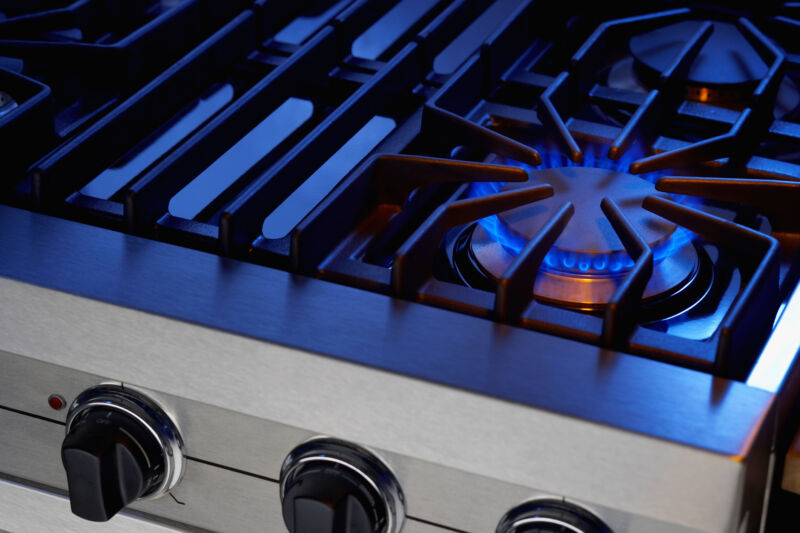
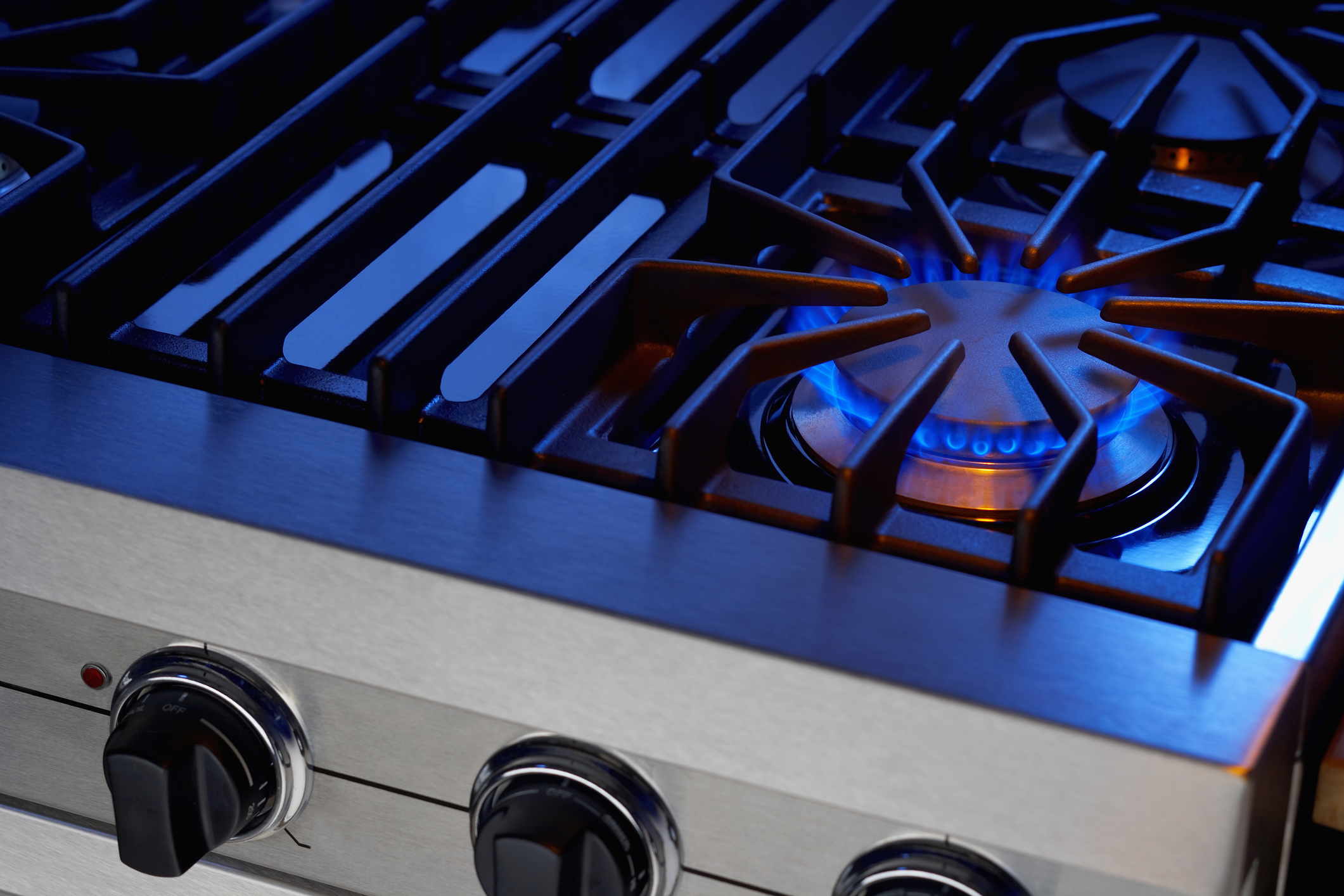
gas burners on a stove

Enlarge (credit: Lew Robertson via Getty Images)

In 1976, beloved chef, cookbook author, and television personality Julia Child returned to WGBH-TV’s studios in Boston for a new cooking show, Julia Child & Company, following her hit series The French Chef. Viewers probably didn’t know that Child’s new and improved kitchen studio, outfitted with gas stoves, was paid for by the American Gas Association.

While this may seem like any corporate sponsorship, we now know it was a part of a calculated campaign by gas industry executives to increase the use of gas stoves across the United States. And stoves weren’t the only objective. The gas industry wanted to grow its residential market, and homes that used gas for cooking were likely also to use it for heat and hot water.

The industry’s efforts went well beyond careful product placement, according to new research from the nonprofit Climate Investigations Center, which analyzes corporate efforts to undermine climate science and slow the ongoing transition away from fossil fuels. As the center’s study and a National Public Radio investigation show, when evidence emerged in the early 1970s about the health effects of indoor nitrogen dioxide exposure from gas stove use, the American Gas Association launched a campaign designed to manufacture doubt about the existing science.

Read 15 remaining paragraphs | Comments


Source: Ars Technica – When the natural gas industry used the playbook from Big Tobacco

Hitting the trails with a low-priced e-mountain bike

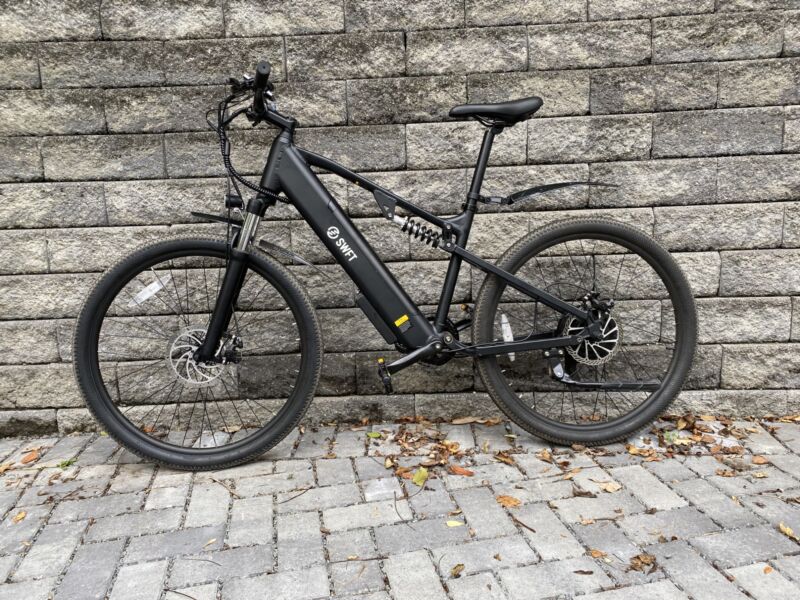
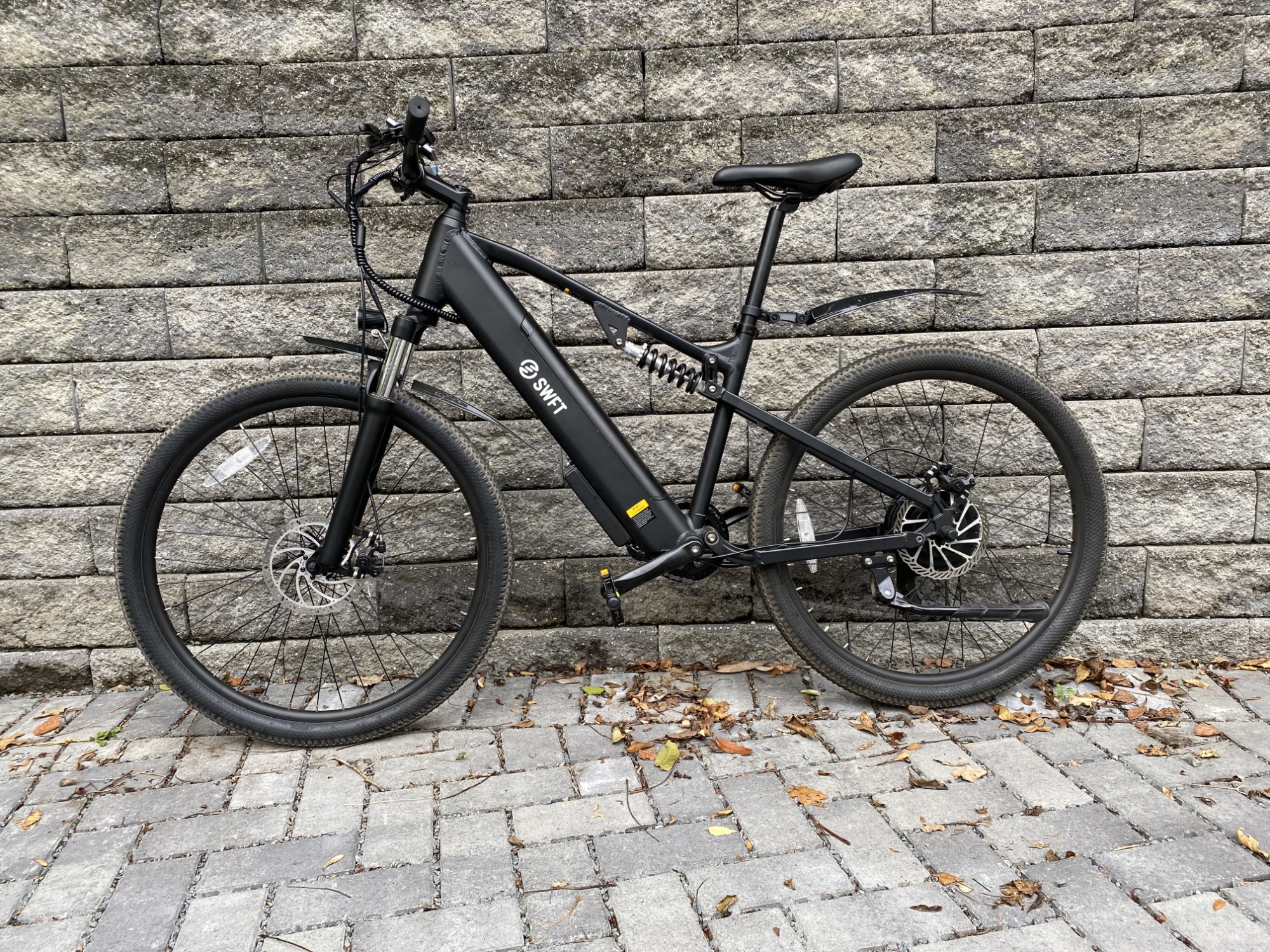
Image of a brown mountain bike leaned up against a grey stone wall.

Enlarge / The Apex, SWFT’s take on a very affordable e-mountain bike. (credit: John Timmer)

The subject of this review, SWFT’s new Apex mountain bike, pulls together threads from two bikes we’ve looked at previously. One of those threads came courtesy of SWFT, which introduced itself to the world with the Volt, an exercise in trying to get e-bike prices down to the point where they weren’t competing with a decent used car. While the Volt wasn’t a great bike, it was perfectly functional and offered a decent ride at a sub-$1,000 price. Now, SWFT is trying to work that same magic with a mountain bike.

The second thread came courtesy of the Specialized e-mountain bike we looked at earlier this year. In that review, I suggested that if you wanted to drop less than three or four thousand dollars on even a non-electrified mountain bike, you would sacrifice quality and features.

The Apex raises the stakes of that sacrifice by keeping dual suspensions, throwing in an electric assist, and targeting the price below $2,200. The sacrifices involved are pretty noticeable and are made worse by a couple of questionable design decisions. While the bike can be fun to point at a trail, it doesn’t work especially well as a mountain bike, though a lot of its issues would be easy to correct if SWFT decided to come out with a 2.0 version.

Read 18 remaining paragraphs | Comments


Source: Ars Technica – Hitting the trails with a low-priced e-mountain bike