Zwift Racing League 2025/26 Round 1 Details

Now in its 16th round, Zwift Racing League continues to take racing to the next level on Zwift! Team signups for the first round of the season are now open.

This page contains everything you need to know about the current ZRL round, and is updated as WTRL announces new details.

Intro to ZRL

Zwift Racing League (ZRL) is team-based racing for all abilities. It’s also the world’s largest virtual cycling competition, with over 30,000 riders of all abilities participating in each of the past two seasons!

Organized by WTRL, this is a team-based points competition spanning multiple weeks, with teams divided into divisions based on time zones and ability. Races take place every Tuesday, and the season is divided into distinct rounds with brief breaks in between.

ZRL is Zwift racing at its highest level. Its unique structure and varied race formats drive serious Zwift racers to show up week after week while providing a place for new racers who jump in and find their first team home.

Key Changes this Round

Each year, Zwift + WTRL collaborate to modify ZRL’s structure with the aim of engaging as many racers as possible. The vast majority of these changes are announced before the first round of each season, which means here in the first round of 2025/26, we have a lot of changes! Some of the details haven’t yet been ironed out, but we’ll tell you what we know (with our comments in italics), and update this post as we learn more.

  • Teams can now choose one of two options at registration. This effectively opens up a sort of “split category” system where lower-powered teams can still be competitive instead of being outgunned by teams stuffed with riders at the top of their pace category.
    • Standard Division: Teams may include any riders who fall below the standard category limit for their division (e.g., B category zFTP max = 4.19 W/kg).
    • Development Division: Designed for teams focused on rider development, this division enforces a lower zFTP cap within each category (e.g., B category zFTP max = 3.79 W/kg). This ensures a fairer and more supportive racing environment for improving athletes.
  • League Nomenclature has changed to colors rather than geographic/compass points. Hurray for simplicity! Racers will certainly be happy to replace racing in “Open EMEA-W Southern (West) Division B2” with something like “Red League B2”:
    • APAC becomes Blue colors (navy, teal, etc)
    • EMEA East becomes Green colors (green, sage, etc)
    • EMEA West becomes Red colors
    • Americas becomes Yellow colors
  • A new ‘Find Your Crew’ tool will open in a couple of weeks to help riders easily find a team. WTRL+Zwift have talked about a team finder tool for years, so we’ll believe it when we see it. But we do agree that a tool like this is vital if ZRL wants new riders to join in the fun!
  • Slightly modified Rules and Scoring will be announced soon.
  • Most races throughout the season will feature routes for A/B teams that are longer than the routes for C/D. ZRL has returned to a goal of 40 minutes for C/D races and 1 hour for A/B, although there may be a race or two that extends beyond to test teams’ endurance.
  • Instead of 3 rounds followed by the Finals, the 2025/26 season will have 4 standalone rounds and no Finals.
  • Rounds 1 and 4 are 4 weeks long, and Rounds 2 and 3 are 6 weeks long.
  • Rounds no longer interconnect with each other. There is no promotion or relegation between rounds, and a prize-winning team will be declared for each division after each round. Teams will be seeded into their divisions prior to the start of each round based on WTRL’s ranking algorithm, which takes into account a variety of factors, including riders’ Zwift Racing Score). We like this. Promotion/relegation never worked well, because it was not a continuous system: teams were never promoted from, say, B1 to A2, or relegated from the lower A division to B1. This simplified system re-groups and ranks teams before each round based on WTRL’s algorithm.
  • Rounds are now themed, with Zwift carefully selecting existing and designing new routes to suit the theme and category durations.
    • Round 1: Coast Clash
    • Round 2: City Showdown
    • Round 3: Redline Rally
    • Round 4: Legends Route
  • Bike upgrades are enabled in all races. This is controversial for sure, but we like it. If Zwift is going to build bike upgrades into their ecosystem, then its most popular race series should utilize those upgrades! Start working on your TT frame upgrade if you haven’t yet…
  • Steering/braking is still disabled, but there will be steering/braking leagues in rounds 2 and 3. Inside sources tell us that most Zwifters in the US, Canada, and EU now have steering/braking hardware. Perhaps this is the year that steering/braking races become mainstream?

One thing that isn’t changing: riders are still categorized based on Zwift’s Pace Group Categories, just like previous ZRL seasons. While Zwift Racing Score is a factor in WTRL’s team ranking algorithm, it does not determine your team’s category (A/B/C/D).

Routes and Dates

Each ZRL round comprises weekly races which are either scratch races, points races, or team time trials (TTT). Scratch Races and Points Races are both actually points-based in terms of final results, but Points races include intermediate segments while Scratch Race points are all earned at the finish line. TTT winners are the teams who complete the race course fastest, with team time taken from the fourth rider across the line.

Race #1: Southern Coast Cruise
September 16, 2025 (TTT)

We kick off the season with a team time trial on a route we know nothing about! Watch this space for details on the new Southern Coast Cruise route…

  • 1 Lap of Watopia’s Southern Coast Cruise (26.3km, 146m elevation)
  • PowerUps: none

Race #2: Fine and Sandy
September 23, 2025 (Points Race)

Our first points race of the season takes us on a figure-eight tour of Urukazi’s lower roads on a route that is quite flat, except in the one spot where it isn’t. That dirty Mech Isle climb will be a key selection point, especially on the final lap!

Race #3: Country to Coastal (A/B) or Turf N Surf (C/D)
September 30, 2025 (Scratch Race)

Our first scratch race of the season is held on two different routes, based on category. A and B squads will race on Country to Coastal, looping around the Yumezi countryside and Urukazi harbor. C and D squads head to Turf N Surf, which takes in the same Urukazi harbor roads but begins and ends on Neokyo’s flat, permadark streets.

Race #4: Jarvis Seaside Sprint
October 7, 2025 (Points Race)

Our final race for this round is on a new route whose details aren’t yet in game. We assume based on the name that it includes elements of Seaside Sprint and the Jarvis loop, but we’ll wait to update this post once we have more information.

  • 1 Lap of Watopia’s Jarvis Seaside Sprint (15.3km, 131m elevation)
  • PowerUps: TBA
  • Intermediate Segments (FAL+FTS): TBA

Race Timeslots

Some divisions and start times get tweaked between each round, so use the table below to find a current time slot that works for your team.

Teams/Registration

Team registration opens August 19, 2025 at wtrl.racing/zrl-registration, and closes September 13, 2025 at 00:00 UTC.

ZRL is a team-based competition – you cannot sign up as an individual rider. Teams can have up to 12 racers rostered, but only 6 can race in each event. Teams must have at least 4 riders on their roster, and a rider can be rostered on no more than 2 teams per round.

Want to race, but don’t have a team? Here are seven ways to find a team:

  1. Recruit friends onto a new ZRL team, then sign up your team at wtrl.racing/zrl-registration/.
  2. If you’re already a member of a larger Zwift Club, contact a senior Club representative to see if you can join one of your Club’s ZRL teams.
  3. Join an official team-lead ZRL Group Recon Ride (see below) where several teams can be found looking for more riders. These run several times a day, starting two weeks before the first race.
  4. Join the ZRL Facebook Group and post preferred race times/league, Pace Group Category, and any other preferences under the #zrlteamhunt tag where many teams are eagerly waiting.
  5. Reply to one of the #zrlrecruiting posts that teams make in the ZRL Facebook Group if you don’t want to post your own request.
  6. Reach out directly to WTRL and they can match you to a team based on race times, category, and team preferences.
  7. Use the new “Find Your Crew” tool, which should be available by early September at wtrl.racing/zwift-racing-league/teamhunt/.

First-Timer Tips

If this is your first time racing on Zwift, here are a few tips to get you started fast:

  1. You must create a WTRL profile linked to your Zwift account – do so at wtrl.racing/registration
  2. The minimum category you’ll race is determined by your power history on Zwift. See this post for details.
  3. Riders must use a power sensor to transmit power to the game – this would be a smart trainer, smartbike, or power meter. (You’re allowed to race C and D categories with a “classic” trainer and virtual power, but your points are cut in half.)
  4. Heart rate monitors are required. (You’re allowed to race without a HRM, but your points are cut in half.)
  5. Cadence monitors are required.
  6. You’ll want to have at least a few races under your belt before you try to join a team, so you are confident that you’re in the correct category. It causes a lot of hassle if you join a team and are forced to upgrade to a new category mid-round!

Race Recon Events

If you’re unfamiliar with a particular week’s race course, join a ZRL recon ride! These happen multiple times per day and are led by experienced racers who may share route info and racing tips as you ride.

Find a list of upcoming ZRL recon rides at zwift.com/events/tag/zrlrecon >

2025/26 ZRL Dates

  • Round 1: September 16-October 7, 2025
  • Round 2: November 4-December 9, 2025
  • Round 3: January 6-February 10, 2026
  • Round 4: April 7-28, 2026

Questions or Comments?

We recommend checking out WTRL’s Zwift Racing League page for rules, team registration, results, and more. They also have a Help Center with lots of useful info, and their Facebook page is the place to go for discussion of all things ZRL.

You may also share questions or comments below!

Price Drop: KICKR CORE Zwift One Smart Trainer Now $449/£359/€399

The KICKR CORE Zwift One may now be the most popular smart trainer in the world, thanks to its competitive price point as a standalone product and being sold as the default trainer with the Zwift Ride smart frame. A couple of weeks ago, Zwift and Wahoo began promoting the trainer at a reduced price.

And now today, we’re seeing the price has dropped even further: down $85 in the US, £90 in the UK, €99 in the EU. If you’re looking for a good price on a reliable smart trainer, this is the lowest I’ve ever seen the Wahoo KICKR CORE Zwift One. Shopping links below (these are affiliate links – your purchase helps support Zwift Insider):

Free Play Controllers from Zwift.com

If you are in the US and purchase your KICKR CORE Zwift One through Zwift, you can check a box on the main page to get free Zwift Play controllers ($50 value) with your purchase:

This doesn’t seem to be an option in the UK and EU.

Wahoo KICKR CORE Zwift One Basics

Wahoo’s KICKR CORE is the most popular budget direct-drive smart trainer on the planet today, and it has only grown more popular since it began shipping with the Zwift Ride. With solid specs and proven reliability, the KICKR CORE’s success is no mystery: it’s an affordable trainer that meets or exceeds the needs of the vast majority of Zwifters.

A few key specs for the KICKR CORE Zwift One:

  • Connects via Bluetooth or ANT+
  • Accuracy: +-2%
  • Flywheel: 12lb
  • Max Wattage: 1800 W
  • Max Incline: 16%
  • Autocalibration
  • Built-In Cadence
  • Zwift Cog v2 Installed

Read our full KICKR CORE Zwift One review >

About the Orange Zwift Cog

Zwift Cog v2 and Zwift Click

The KICKR CORE Zwift One ships with the Zwift Cog installed in place of a standard cassette. The Zwift Cog is made for trainers using Zwift’s virtual shifting, and is simply a single sprocket surrounded by a housing. (You only need one sprocket since virtual shifting changes the trainer’s resistance to mimic a gear shift, instead of changing a physical sprocket on a cassette.)

All About Virtual Shifting in Zwift >

The included Cog is the orange “version 2,” which is adjustable and quieter than earlier versions. This Zwift Cog easily adjusts left to right between 10 different sprocket positions for the straightest chainline, and rubber rings and other changes to the housing make it noticeably quieter than previous Zwift Cog versions.

All About Zwift Cog: Versions, Installation, and More >

Shopping Links

This 3.9kg ‘Brompton’ is a weight-weenie’s dream commuter

Cycling tech’s many niches, from streamlined time trial bikes to fat-tired adventure bikes, are part of what makes it so fun. Perfectly embodying this spirit is this super-lightweight Brompton-inspired folding bike.

Created by weightweenie.b, this carbon fibre folding bike tips the scales at 3.935kg – nearly 50 per cent lighter than Brompton’s lightest model, the 7.45kg T Line.

Weightweenie.b is a small group of weight weenie Brompton enthusiasts dedicated to sharing their knowledge on folding bikes that break the UCI’s minimum weight limit – as charmingly niche as it gets.

Brompton-inspired frame

Carbon Brompton
This carbon folding bike is lighter than many hill climb bikes. weightweenie.b
Carbon Brompton folded
The bike features the same dimensions as a Brompton weightweenie.b

While the frame isn’t made by Brompton, it features the same folding mechanism as the British icon, with the bike folding into three parts, and the rear wheel tucked under the frame.

Weightweenie.b says the bike is made by CarbonDryJapan, and is currently out of production – as are many of the components.

Carbon Brompton frame
The AeroLite pedals aren’t much more than axle covers. weightweenie.b
Carbon Brompton single speed
The bike has a single 11-tooth rear cog. weightweenie.b

The creator of the bike says he stumbled upon the frame through a local collector and decided to dedicate it to a 3.X build – that being a bike that weighs under 4kg.

Carbon Brompton lugs
Even the lugs feature carbon fibre levers. weightweenie.b

The lugs, which house the folding mechanisms, are made from CNC-machined aluminium and are bonded to the carbon fibre tubes.

Carbon weave features on nearly every component – this is the perfect bike for pootling around the paddock at the Monaco Grand Prix.

Carbon Brompton brakes
Ciamillo makes the B1 for lightweight Brompton builds. weightweenie.b
Carbon Brompton handlebar
The skeletal design of the Extralite brake lever helps save weight, as does the lack of grips. weightweenie.b

The bike has a single brake, with a Brompton-specific Ciamillo B1 biting into the carbon rim. This is paired with an Extralite brake lever.

In recent years, we have seen lightweight component manufacturers eyeing up the lightweight Brompton space, with Schmolke releasing a range carbon parts last year, including rims, handlebars and seatpots.

Carbon Brompton weight
Weightweenie.b has managed to just dip under the 4kg mark. weightweenie.b

While an impressive feat of engineering, weightweenie.b says this bike has been created for the soul, and as a statement as to how light a folding bike can be made, rather than something truly practical to be ridden day-to-day. That doesn’t make it any less charming.

This 3.9kg ‘Brompton’ is a weight-weenie’s dream commuter

Cycling tech’s many niches, from streamlined time trial bikes to fat-tired adventure bikes, are part of what makes it so fun. Perfectly embodying this spirit is this super-lightweight Brompton-inspired folding bike.

Created by weightweenie.b, this carbon fibre folding bike tips the scales at 3.935kg – nearly 50 per cent lighter than Brompton’s lightest model, the 7.45kg T Line.

Weightweenie.b is a small group of weight weenie Brompton enthusiasts dedicated to sharing their knowledge on folding bikes that break the UCI’s minimum weight limit – as charmingly niche as it gets.

Brompton-inspired frame

Carbon Brompton
This carbon folding bike is lighter than many hill climb bikes. weightweenie.b
Carbon Brompton folded
The bike features the same dimensions as a Brompton weightweenie.b

While the frame isn’t made by Brompton, it features the same folding mechanism as the British icon, with the bike folding into three parts, and the rear wheel tucked under the frame.

Weightweenie.b says the bike is made by CarbonDryJapan, and is currently out of production – as are many of the components.

Carbon Brompton frame
The AeroLite pedals aren’t much more than axle covers. weightweenie.b
Carbon Brompton single speed
The bike has a single 11-tooth rear cog. weightweenie.b

The creator of the bike says he stumbled upon the frame through a local collector and decided to dedicate it to a 3.X build – that being a bike that weighs under 4kg.

Carbon Brompton lugs
Even the lugs feature carbon fibre levers. weightweenie.b

The lugs, which house the folding mechanisms, are made from CNC-machined aluminium and are bonded to the carbon fibre tubes.

Carbon weave features on nearly every component – this is the perfect bike for pootling around the paddock at the Monaco Grand Prix.

Carbon Brompton brakes
Ciamillo makes the B1 for lightweight Brompton builds. weightweenie.b
Carbon Brompton handlebar
The skeletal design of the Extralite brake lever helps save weight, as does the lack of grips. weightweenie.b

The bike has a single brake, with a Brompton-specific Ciamillo B1 biting into the carbon rim. This is paired with an Extralite brake lever.

In recent years, we have seen lightweight component manufacturers eyeing up the lightweight Brompton space, with Schmolke releasing a range carbon parts last year, including rims, handlebars and seatpots.

Carbon Brompton weight
Weightweenie.b has managed to just dip under the 4kg mark. weightweenie.b

While an impressive feat of engineering, weightweenie.b says this bike has been created for the soul, and as a statement as to how light a folding bike can be made, rather than something truly practical to be ridden day-to-day. That doesn’t make it any less charming.

These 3D-printed brake covers could be the next marginal gain

Intense Factory Racing and J-Tech have developed 3D-printed brake guards to protect brake rotors and calipers in wet weather, with the team’s testing showing they offer an improvement in performance and predictability.

Brakes are one of the most important components on your bike, so it’s crucial they’re powerful, predictable and consistent. But wet and mucky condition can impact their performance: Water can cool your rotors, which causes inconsistent braking, and dirt can reduce friction. 

So brake covers like these can help downhill racers go faster by offering them more consistent braking performance – a marginal gain, but with downhill racers separated by such fractions of a second, mods like these can make a difference in terms of race results.

Isn’t this a throwback?

Myles Rockwell’s 1998 Cannondale Fulcrum DH Team has a front disc cover. Josh Evans/Immediate Media

Brake covers are nothing new – the iconic Cannondale Fulcrum was partly defined by its brake covers, but they’ve been largely forgotten about since. So why bring them back in 2025?

“Our brief from the Intense Factory Race Team was primarily to keep contaminants off the rotor and caliper,” says Jim Williams of J-Tech.

“We wanted to get rid of the reduction in braking performance after riding through a big puddle, or an extended section of trail where it is cold or wet, and you’ve been off the brakes for a while. Rotor guards reduce the chance of finding yourself in this situation.”

The guards were developed for Joe Breeden, who’s no stranger to wild inventions – just look at his energy-saving handlebar end caps, and a custom shock lockout for a Öhlins coil shock, both of which were made by J-Tech.

Joe Breeden's Intense M1 with custom bar ends at Fort William
Joe Breeden’s Intense M1 with custom bar ends. Nick Clark / Our Media
Joe Breeden's Intense M1 with custom rear shock lockout at Fort William
Joe Breeden’s Intense M1 with custom rear shock lockout. Nick Clark / Our Media

“To make the rotor covers, we 3-scanned the areas concerned, designed and prototyped parts in-house on our own machines and tested with the team,” says Williams. “We had to outsource production of the front covers as we just couldn’t fit them in our printers due to the size.”

The covers weigh around 100g each. While this slight increase in unsprung mass is a disadvantage to the bike’s suspension performance, the team feels the increased braking performance outweighs this.

The rear brake covers have cooling vents. J-Tech Suspension

The covers surround only part of the rotor. In testing, J-Tech found larger covers would impede wheel removal and could become unstable at high speed, flapping around and distracting the rider.

The front guard fits to the fork via the stanchion guard mounting points found on the EXT Vaia fork used by the IFR team. It’s affixed using top hat spacers and longer bolts, which Williams says creates a precise and secure fit. 

On the rear, the J-Tech team settled on a simple zip-tie mount to the seatstay and an interference fit with the sides of the brake caliper for more stability. 

Hot topic

Rear cover zip-ties to frame and has an interference fit on the caliper. J-Tech Suspension

The covers also help insulate the braking system, improving performance.  “There’s a temperature point at which disc brakes work optimally,” explains Williams. 

“In wet, muddy conditions, the ambient temperature tends to be lower, and water splashing up can cool the brakes further.” The insulating effect of these  covers retains heat, keeping brake temperatures closer to where they would be in dryer conditions.

J-Tech was initially concerned that the insulation effect might be too great at the rear, and subsequently incorporated cooling vents into the rear covers. 

However, J-Tech says it hasn’t tested this thoroughly yet. It will soon record temperatures in different conditions and with varying disc rotor sizes, while adjusting the venting. “From here we can work out what the optimum amount of cooling is and if we actually need any at all,” explains Williams.

“It’s early days in terms of getting the full benefits from these parts, but team riders already say that keeping water and mud off the brakes makes a huge difference to braking performance in wet conditions,” finishes Williams.

And what about aero?

Front cover needs to be compact so as not to inhibit wheel removal. J-Tech Suspension

But are there also aero gains to be had? Much like a wheel, a spinning disc rotor creates turbulence as it spins through the air. Could disc brake covers reduce aerodynamic drag?

Williams says that aero is certainly something that can be explored with further development, but the biggest gain from the covers is consistently powerful brakes in wet/muddy conditions. 

J-Tech are still refining the design of the rotor covers to optimise brake temperatures still further. J-Tech Suspension

These rotor guards are not currently on sale but we will let you know if J-Tech puts them on sale.

Top 5 Zwift Videos: Dream Zwift Setup, Racing Vlogs, and Marathon Training

One way to stay motivated riding indoors during the long winters is to make your pain cave somewhere you enjoy being. In this week’s top video, watch as one Zwifter shares how he put together his dream Zwift setup.

We’ve also decided to include videos about Zwift racing, using Zwift for marathon training, a review of the Zwift Cog and Click, and a comparison between Pack Dynamics v4 and 5.

I Built My Dream Zwift Racing Setup

Max from The Watt Life shares a tour of the cycling shed where he houses his dream Zwift setup.

Zwift Racing Is HARD | Cyclist Daily vlog

Jessie McKay shares a day in the life vlog that delivers an inside look at how she balances training and life.

A Breakthrough In My Chicago Marathon Training | 9 Weeks To Go!

Ben is Running shares week 3 of his marathon training, which includes riding in Zwift for cross-training.

Zwift Cog + Click Review: The Future of Indoor Training?

On the Bespoke Endurance podcast, they share their thoughts on the Zwift Cog and Click. Are we experiencing the future of indoor cycling?

Zwift Pack Dynamics 5 vs 4 – What’s Really Changed?

Bike Bonk Biff shares some information on Zwift Pack Dynamics v5 and compares it to v4. How much has actually changed?

Got a Great Zwift Video?

Share the link below and we may feature it in an upcoming post!

Josh Poertner: “I don’t want to work with teams who use hookless rims”

Josh Poertner has doubled down on his recent statements concerning hookless rims for road bikes, saying he wouldn’t use the technology or work with cycling teams that did. 

Following BikeRadar’s coverage of his original comments, where he claimed road hookless rims are “a scam”, Poertner recently posted a video on the Silca Velo YouTube channel expanding on the topic.

In the video, he says “scam was a bit of a strong word” but he nevertheless wants “to see [hookless rims for road bikes] go away”.

“Would I ride hookless road [bike rims]? No, I won’t. I don’t recommend it. I don’t want to work with teams who have it,” he says. 

Poertner, a former chairman of the Bicycle Wheel Technical Committee and now CEO of Silca, says he wouldn’t work with professional teams that use hookless rims, because “it is just a bit too risky”.

He says riders using hookless rims on their road bikes should “be super careful”, and explains why he believes the current standards for such rims don’t provide riders with enough margin for error.

If you’re on it, be super careful
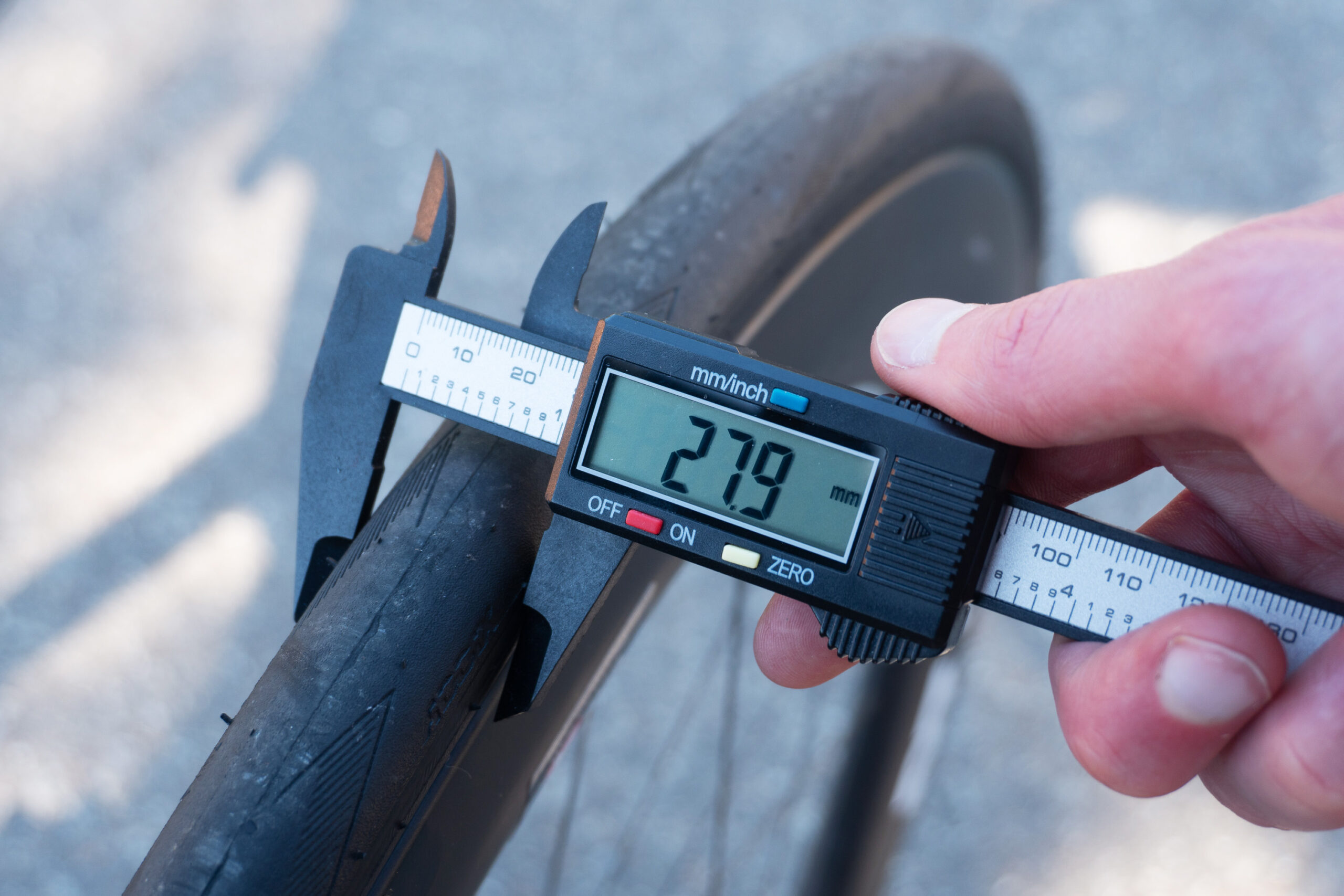
Vernier calipers showing a road bike tyre measuring 27.9mm-wide
According to Poertner, a key issue is there’s little consistency in how road bike tyres are sized. George Scott / Our Media

Poertner reiterates that he doesn’t view hookless rims as being a problem for mountain or gravel bikes, because the tyres typically used in those disciplines are much larger and inflation pressures much lower.

With road bike tyres, though, Poertner lists a combination of factors that he says makes hookless rims potentially unsafe for use on road bikes, because of a lack of margin for error.

A key issue, Poertner says, is that there’s little consistency with how road bike tyres are sized.

Pointing to data collected by bicyclerollingresistance.com, an independent bicycle tyre test lab, Poertner says that tyres labelled as being ‘28s’ can vary in size significantly, depending on how they are constructed.

So, for example, while a nominal 28mm tubeless road tyre may be technically compatible with a 23mm-wide hookless rim (internal width), according to the latest international standards, a tyre that sizes up smaller on such rims “potentially will reduce the blow-off pressure significantly”.

A 700x28c or 28-622 road bike tyre is supposed to measure 28mm-wide when installed on a rim with an internal width of 19mm. But Poertner proposes that instead of basing tyre sizes around nominal rim widths the bike industry should move to a system such as the dD Standard, proposed by Josh Deetz.

According to Poertner, the dD Standard derives “that sidewall width number from the circumferential wrapped length of the tyre casing”, which would allow for more consistent tyre sizes across brands, and would lower the chance of riders selecting a potentially unsafe tyre and rim combination.

Why tyres need to be wider than rims
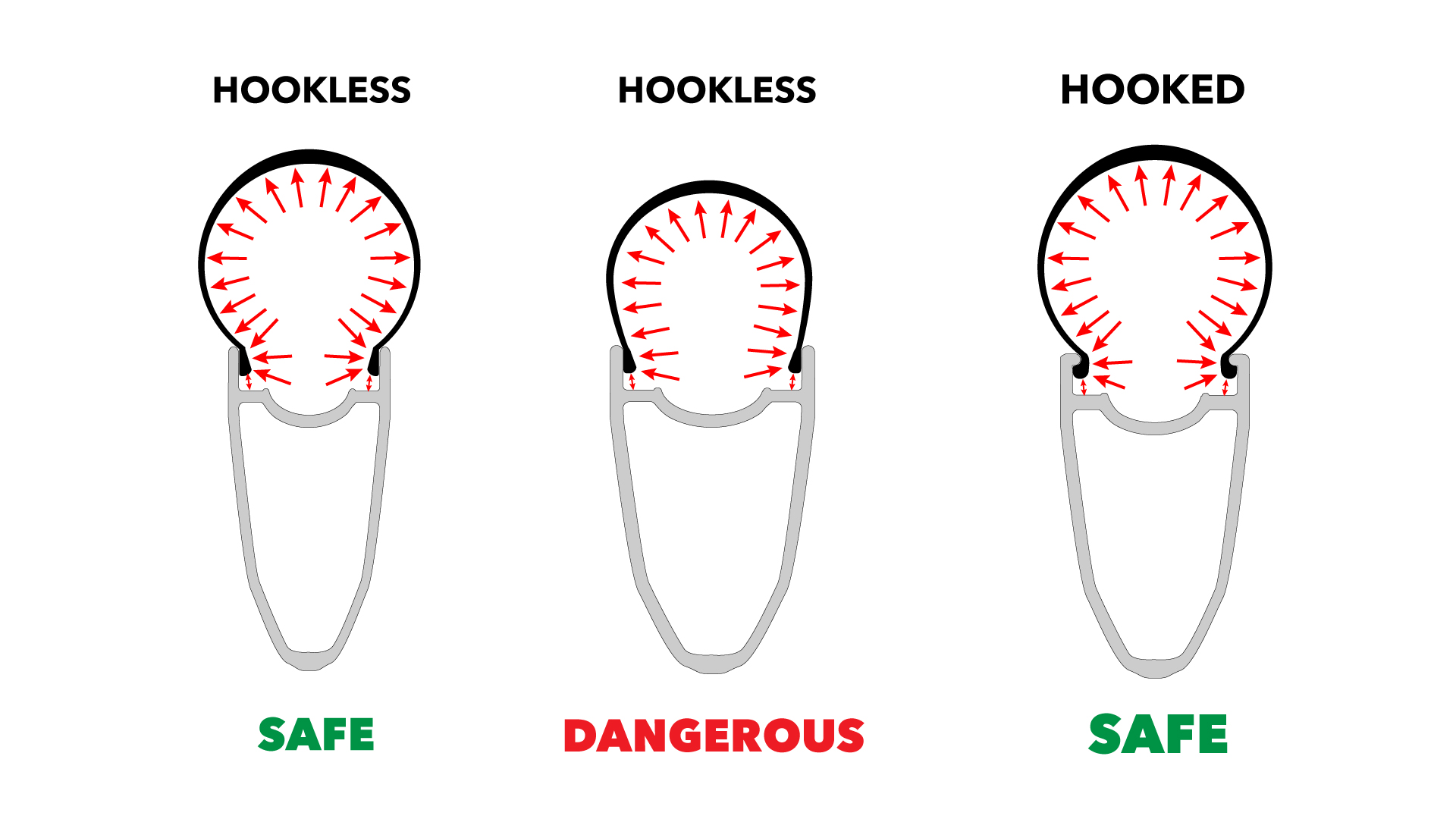
A diagram from Josh Poertner showing different hookless and hooked rim setups and marking them safe or dangerous.
Poertner includes this graphic in his video which shows the relationship between tyre width and rim design and whether a particular setup is safe or dangerous. Silca

Poertner expanded on his assertion that hookless rims need to be wider than is optimal for aerodynamics, saying this is to prevent tyres from blowing off the rim. 

Poertner says this is because “air pressure on the tyre acts radially to the tyre itself.” As a result, you therefore “need that tyre to wrap around and actually be coming inward as it gets to the hook so that you have some radially inward force.”

In absence of this, Poertner says “all of the forces, as the tyre becomes smaller relative to the rim, are all acting to push that tyre off the rim – which is just not safe.”

Using a diagram to illustrate his point (see above), Poertner says that the pinching of the tyre caused by bead hooks is part of what enables hooked rims to withstand such high inflation pressures (without the tyre blowing off) relative to hookless rims.

“With hooked rims, you can generally safely get to 125 per cent of the max stated air pressure when you have a tyre that is 3mm wider than the inner bead width of the rim.”

In comparison, the ETRTO mandates a tyre must be at least 4mm wider than the internal width of a hookless rim and the maximum inflation pressure is capped at 72.5 PSI / 5 BAR. Poertner says he “would not run less than a 5 mm gap”

Why your pump might not be accurate enough
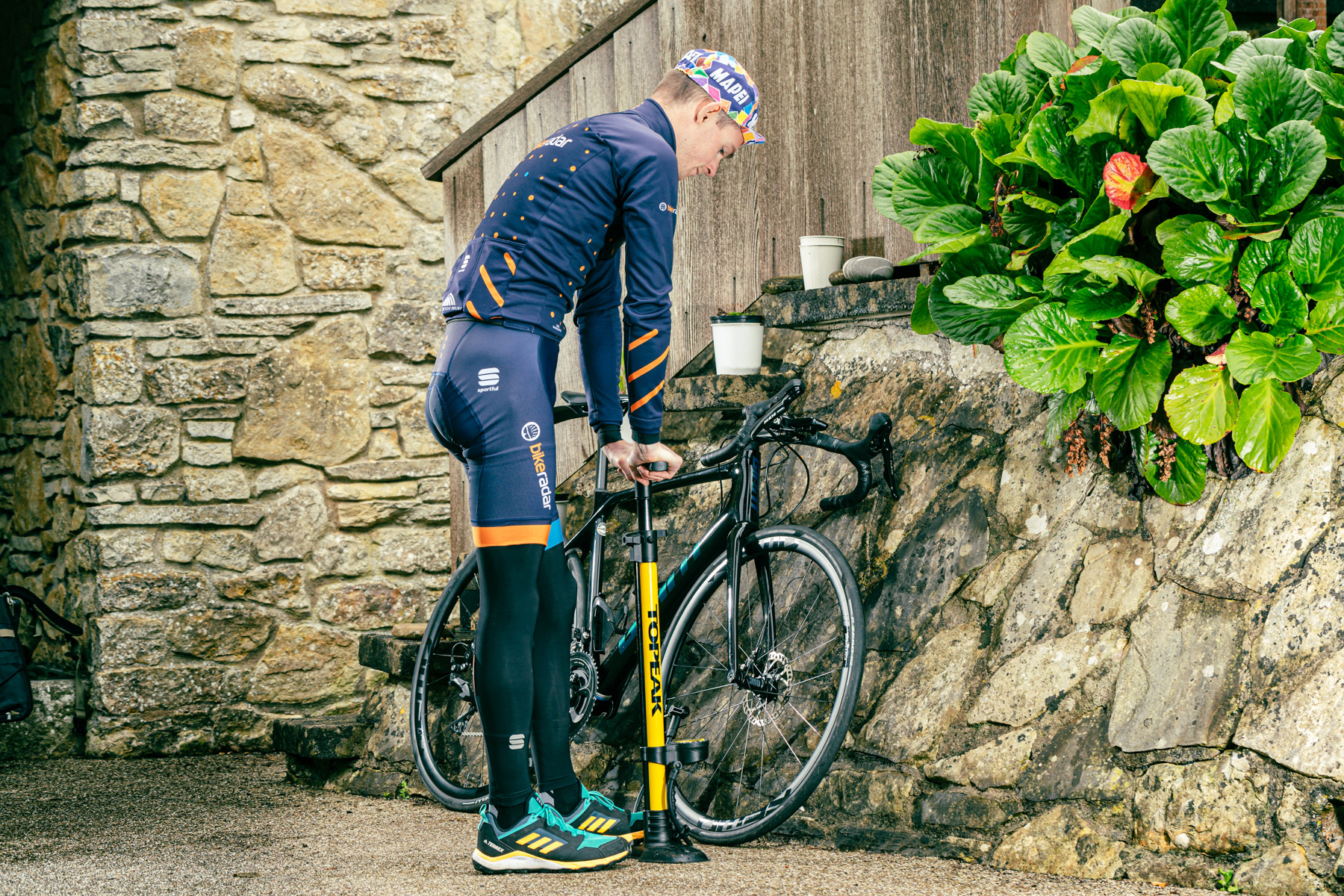
Road bike tyre pressure
Poertner says pumps can have an error band of +/- 5 per cent from the stated pressure on the gauge. Russell Burton / Immediate Media

Compounding these issues, Poertner says the lower inflation limits don’t account for potential inaccuracies in the bike pumps riders use to inflate their tyres.

Poertner claims, for example, that a “typical inexpensive bike pump” will have an error band of +/- 5 per cent from the stated pressure on the gauge.

A rider inflating their tyres close to the 72.5 PSI / 5 BAR limit might therefore unknowingly be over the limit if their pump is underreporting the true pressure.

He also cites how errors such as this could, in theory, compound with tyre pressure changes experienced while riding, due to fluctuations in ambient temperature, which “just keeps pushing us closer and closer to the sun.”

Summing up his arguments, Poertner says: “I feel like it’s just too risky when you consider that there’s no real technological benefit to it.”

What does the rest of the bike industry think about hookless rims?

After a few years where it appeared as if the debate surrounding hookless rims was dying down, Poertner’s comments have thrust it firmly back into the spotlight.

As he predicted, Poertner says his inbox was “full” of messages from riders from inside and outside of the bike industry asking him to clarify his thoughts on the topic.

It’s worth noting not every brand or person within the industry agrees with Poertner on this topic, of course.

Since publishing our article on Poertner’s original comments, we’ve spoken to a number of people and brands within the industry and will have more insight to share on this topic soon. Watch this space.
How to Earn More Drops on Zwift

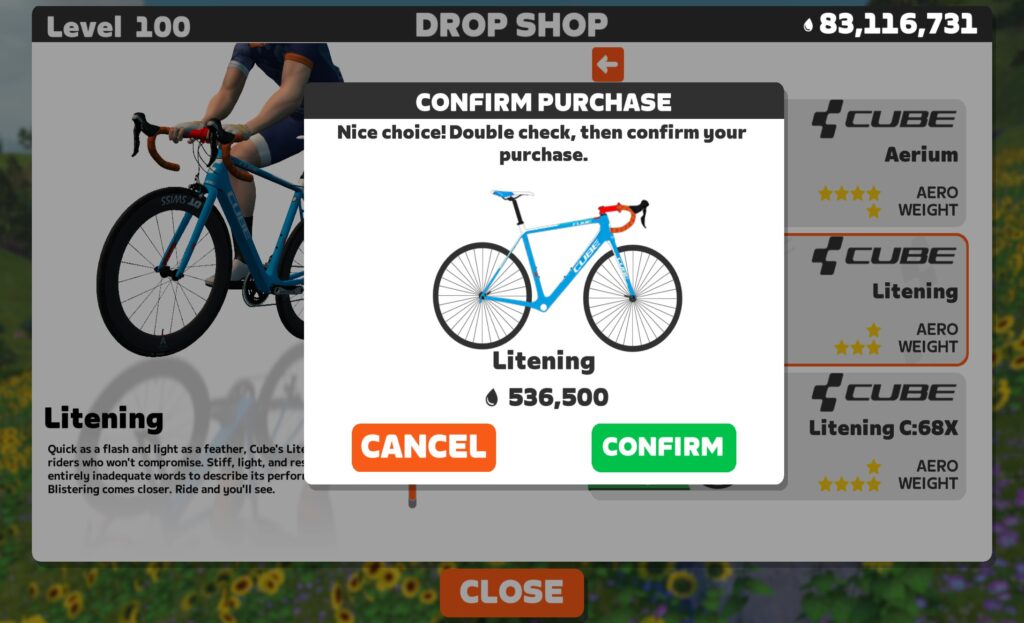
Drops are Zwift’s virtual currency, used to purchase virtual frames and wheels from the Drop Shop. They’re also used to purchase bike upgrades, and it’s the recent addition of upgrading that has many newer Zwifters asking: How can I earn more Drops?

We’re here to help. Below, you’ll find a complete list of tips to help you maximize your Drops earning rate.

Earning Drops: the Basics

It is unknown precisely how your “Drop rate” (how quickly you receive Drops while riding) is calculated, as Zwift isn’t sharing the formula. But we know seven factors influence your Drop rate:

  • Calories Burned: This is the main factor, and it is strictly based on the power you’re putting into the pedals.
  • Current Gradient: The steeper the climb, the faster your earn rate. This bonus kicks in at 3% gradients, but scales up as the gradient increases.
  • Ride Ons Received: When you receive a Ride On, your Drop rate doubles for 15 seconds. This is the “easiest” way to boost your Drop rate!
  • Time Near a Robopacer: Sticking close to a Robopacer can increase your Drops rate (read more).
  • Your Gender: Zwift awards female riders 10% more Drops than male riders for the same effort.
  • Bike Frame: Upgrade an entry-level or mid-range bike frame to a high enough stage and it will earn 5% more Drops whenever you ride it (read more).
  • Current Speed: This is a minor factor, but it’s true that more distance=more Drops.

Dive further into how these factors affect your Drop rate by reading How Zwift’s “Drops” Currency Works

Additionally, certain actions in the game award big Drops bonuses, including:

  • A 50,000 Drop bonus each time you level up
  • A Drops bonus if you complete the Ventoux KOM and the prize spinner lands on something you already own (example: 15,000 Drops for the helmet or gloves)
  • A Drops bonus on the prize spinner for certain Zwift events like the Big Spin

Comparing Two Drop Farmers

Given the factors listed above, there are two “Drop Farmer Profiles” I would recommend if you’re looking to maximize your earn rate:

  • The Robopacer Groupie: This rider sticks with a Robopacer for the duration of their ride, taking advantage of the Drops Multiplier game, increased speed in the draft, and Ride Ons from friendly nearby Zwifters.
  • The Climber: This rider enjoys climbing steep, long hills and the extra Drops awarded when the road tilts upward.

Based on my tests, The Robopacer Groupie is the highest-grossing approach, earning around 25% more Drops than The Climber if both riders put in the same amount of work. A 75kg rider holding 200W for an hour while staying in a Robopacer group for the duration could expect to earn ~66,000 Drops, while The Climber would earn ~50,000 Drops if they spent their entire hour heading up a solid gradient of 8%+.

(For a baseline reference, a 75kg rider who receives no Ride Ons while just “doing their own thing” alone at 200W on a flattish course can expect to earn ~29,000 Drops hourly.)

The Ride On Question

Note that the estimates for my two Drop Farmers assume they receive 60 Ride Ons during their hour of riding, weighted toward the beginning of their activity. This is an imperfect but not impossible assumption, especially if you’re in a friendly RoboPacer group or you have lots of followers who like to give offline Ride Ons.

Ride Ons are a huge factor here, though, since they double your Drops rate for 15 seconds. Because of this, riding in a RoboPacer group gives you a major earning advantage, as nearby riders often drop “Ride On Bombs” in the group.

Ride Ons received in the RoboPacer group are especially lucrative when your Drops Multiplier is at 2.5x! In our tests, 5 minutes of solid Ride Ons when you first join the RoboPacer group will earn you around ~4800 Drops, while 5 minutes of solid Ride Ons when you’re at 2.5x will earn you ~12,000 Drops!

Ventoux Spinner

If you’re a climber, it’s worth mentioning that the newish prize spinner atop Ventoux helps to close the gap between The Climber and The RoboPacer Groupie approach. If you earn 15,000 extra Drops each time you summit Ventoux, you’re only 10-12% behind The RoboPacer Groupie approach… a margin that can easily swing in your favor if you’re a friendly Zwifter who gets a lot of Ride Ons.

3 Rules

In closing, here are three simple rules for maximizing your Drops earning rate:

  1. Ride with RoboPacers. If you don’t want to do that, go hit a long, steep climb.
  2. Make friends who give Ride Ons.
  3. Go hard.

Questions or Comments?

What strategies have you used to maximize your Drops? Share below!

Deviate’s new eMTB nails the VPP-style suspension setup Santa Cruz couldn’t

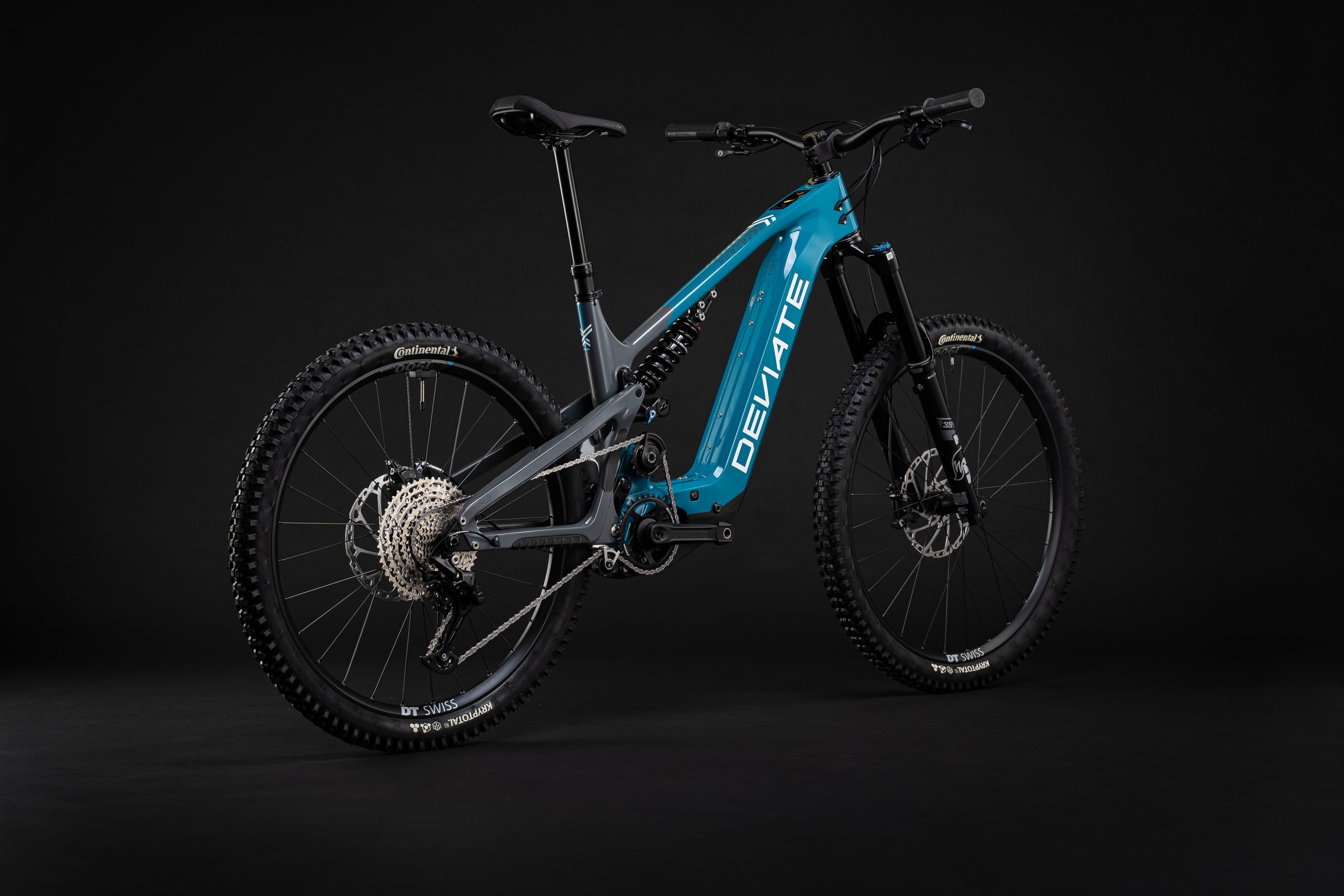
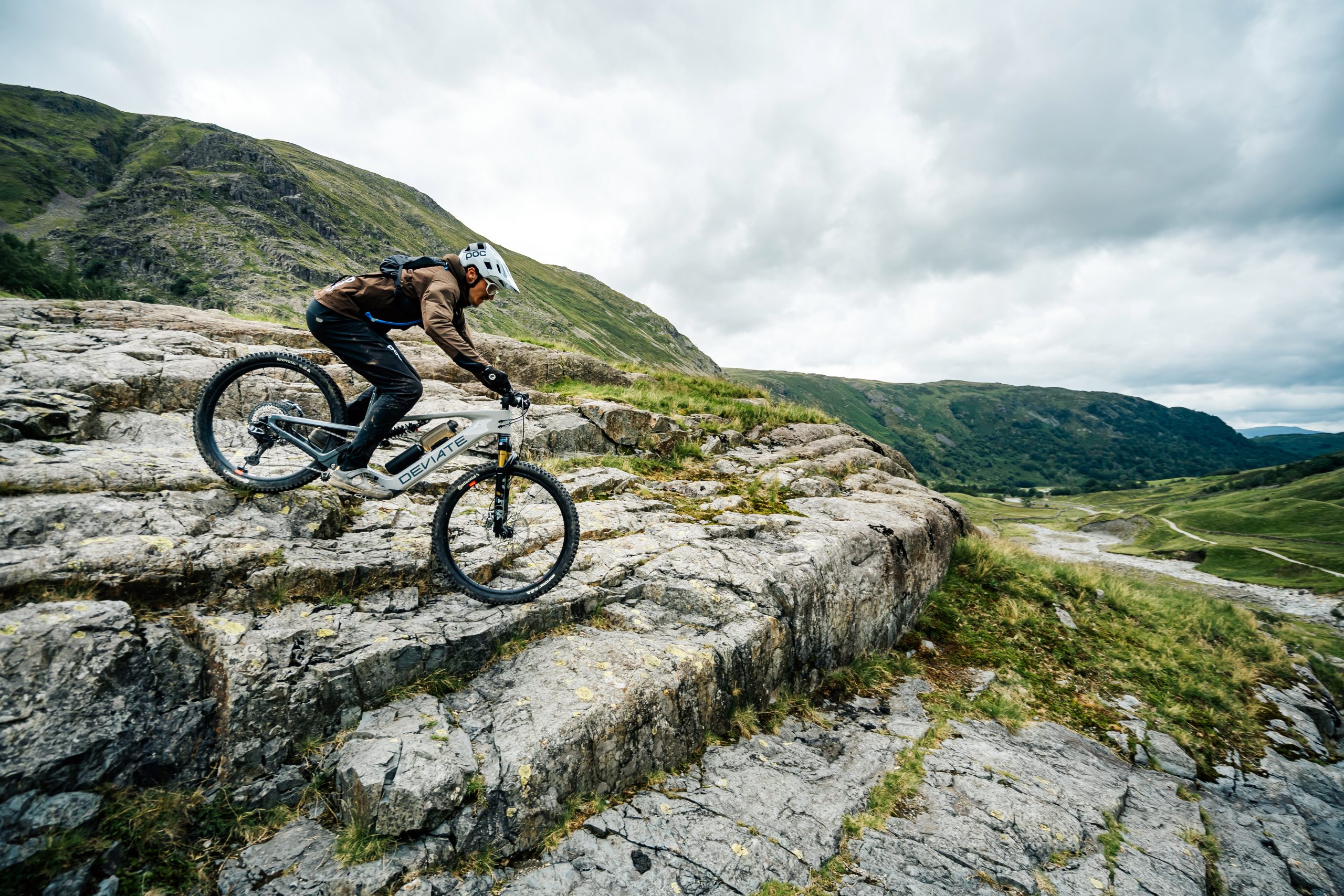
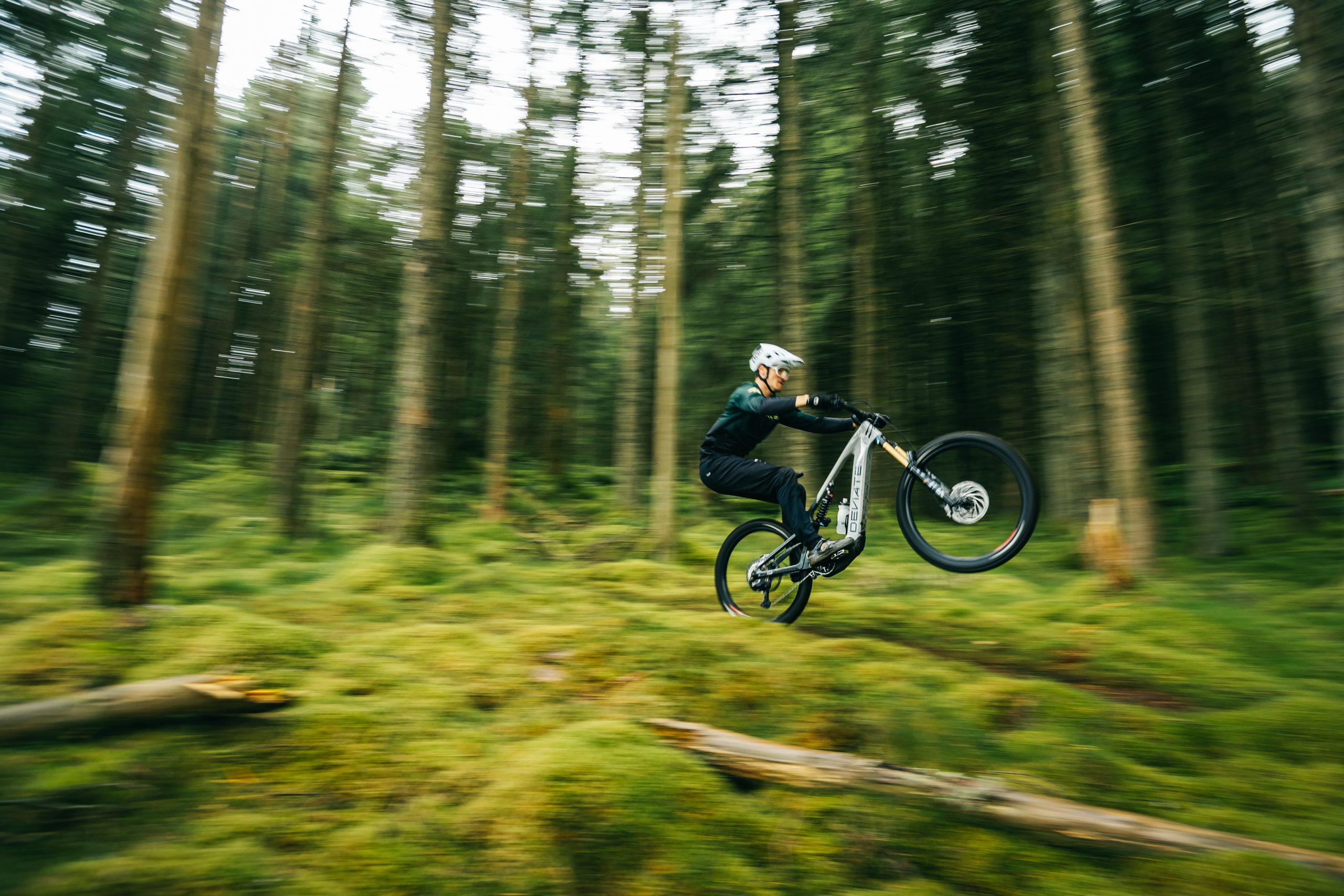
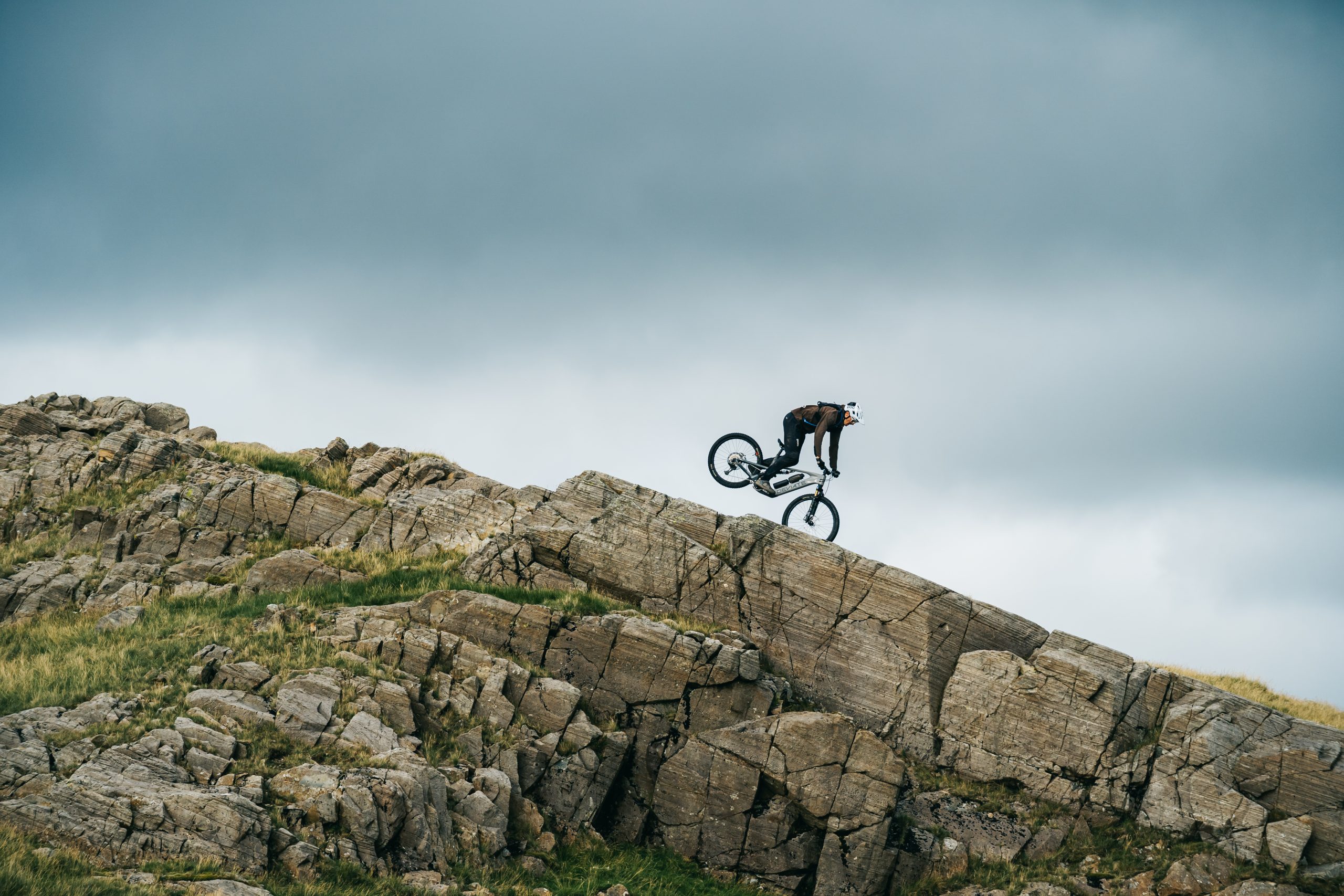
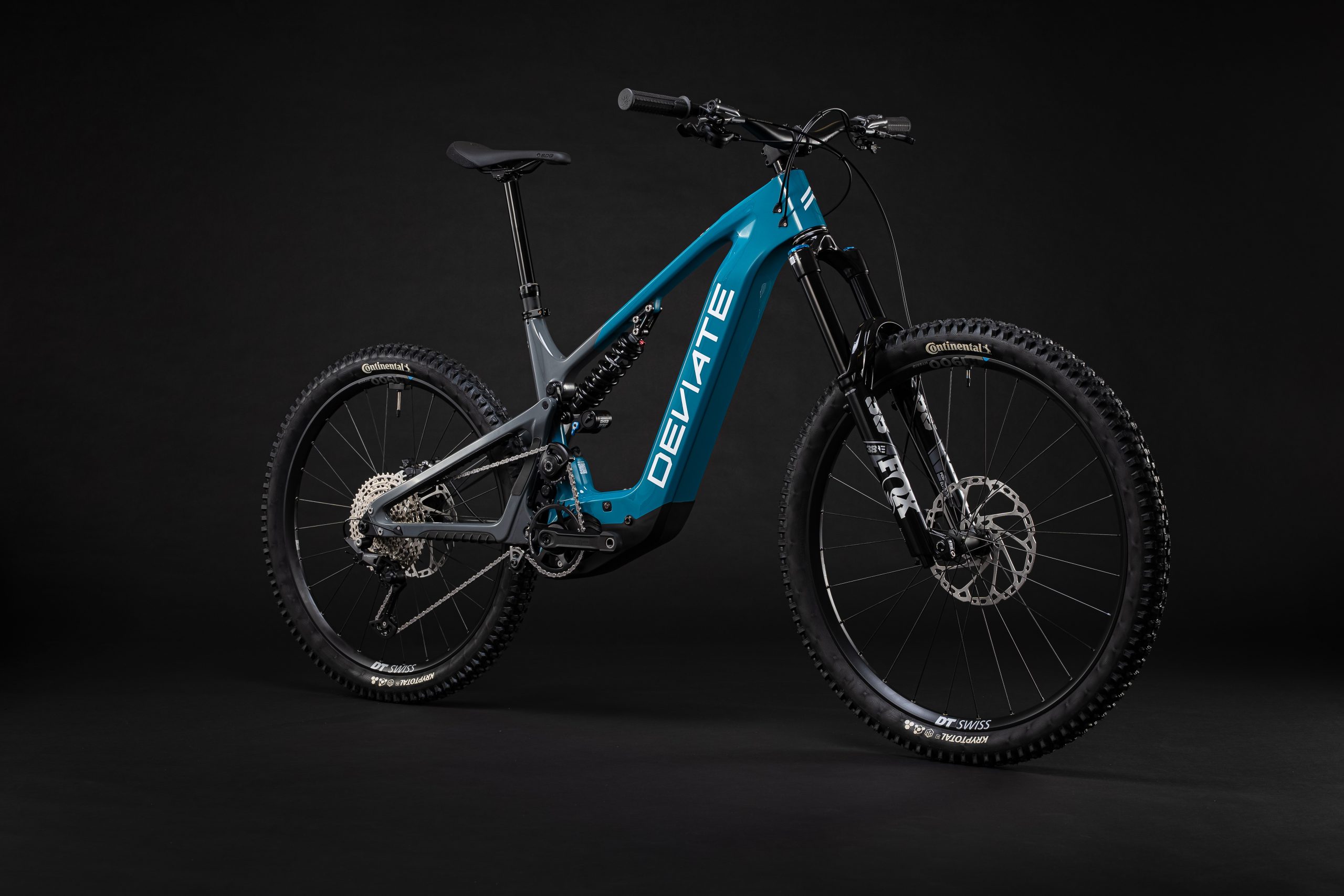
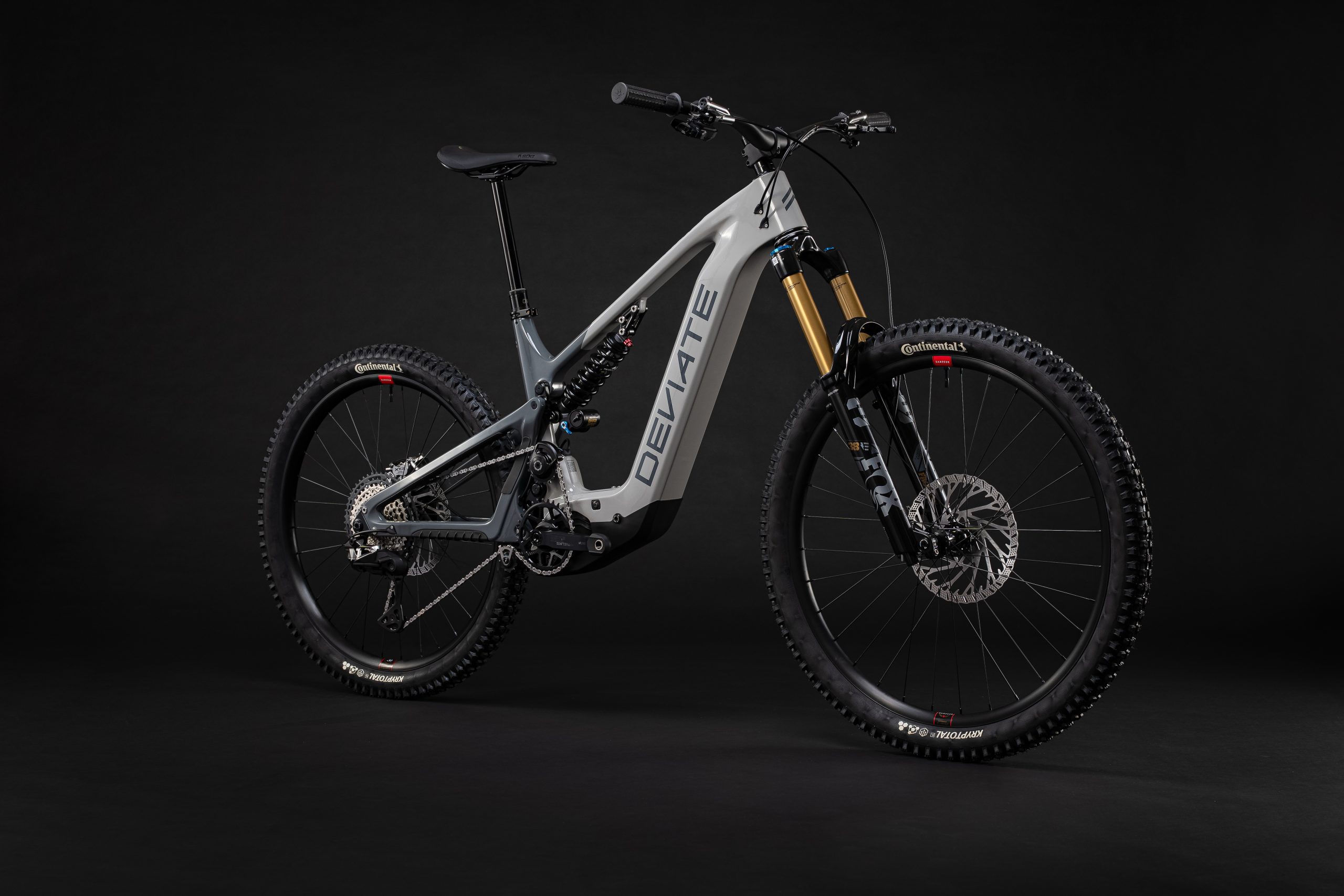
Deviate’s Kurgan eMTB mates a carbon frame with a Bosch E-drive and InTube battery, but breaks the mould with its Virtual Pivot Point-style suspension system, which features an aggressively angled swing link and a high-pivot with an idler wheel.

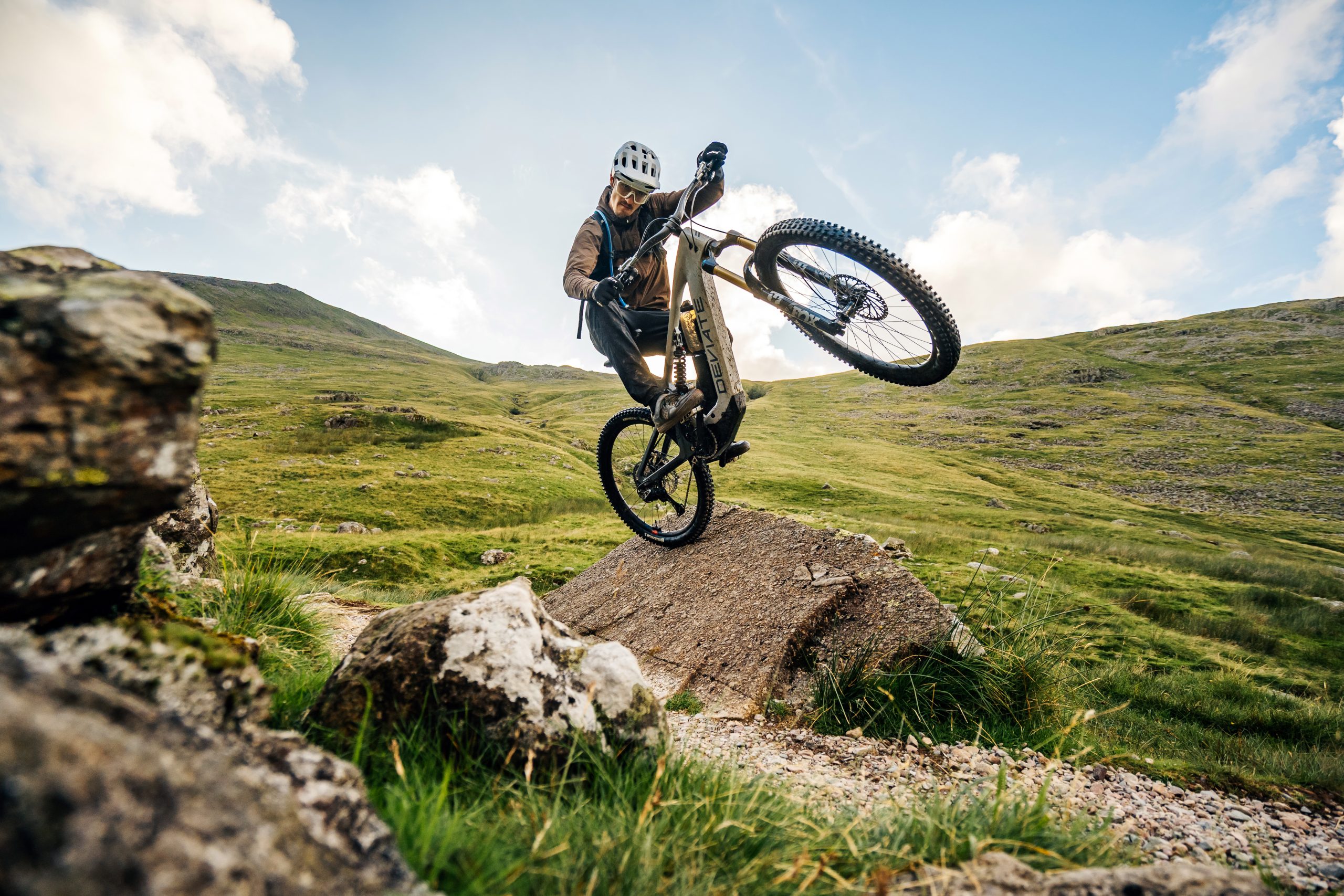
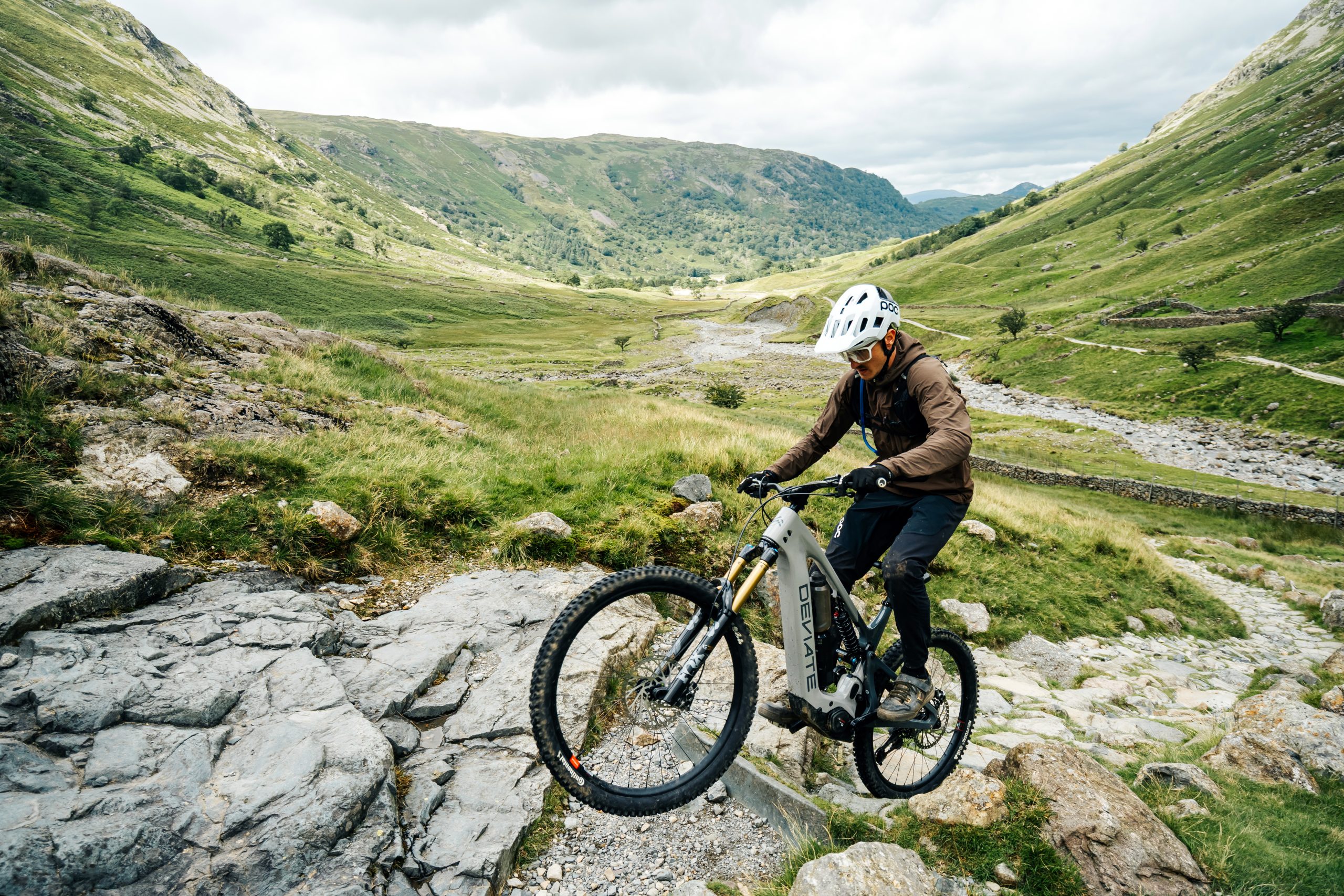
Born from six years of development, Deviate says the Kurgan is “the eMTB we always wanted” and is engineered for big terrain, brutal descents, and all-day epics.

Many big-hitting enduro and downhill bikes use a suspension system similar to the Kurgan’s, but it’s unusual to see it employed on an electric bike.  

This is all the more impressive given that global mega-brand Santa Cruz was unable to make this arrangement work with their Vala eMTB.

This bike discarded the brand’s famous VPP suspension system with its dual swing-links, instead replacing it with a more traditional Horst-Link design.

Aggressive suspension

Deviate is based in Scotland.

The Kurgan is based around Deviate’s non-assisted enduro bike, the Claymore, but ditches the Claymore’s single-pivot suspension for a dual-link design. 

This delivers a generous 165mm of coil-sprung rear travel through the Kurgan’s carbon rear triangle, and is paired with an even longer 180mm fork up front.

The Kurgan has 165mm travel from a coil shock and a VPP-style suspension system. Deviate Cycles

The high pivot enables the Kurgan’s axle path to be entirely rearward throughout the 165mm of travel.

At 30 per cent sag, the rear wheel moves 15mm rearward (relative to the bottom bracket), peaking at 29mm further back from the static chainstay length.

The Bosch Performance Line CX motor offers 100Nm torque. Deviate Cycles

The power comes from the Bosch Performance Line CX motor, delivering 100Nm of torque. The 800Wh Bosch In-Tube battery is removable from the bottom of the downtube.

The top tube is humped to create space for two water bottle cages, one of which can house a 250Wh Bosch range extender. 

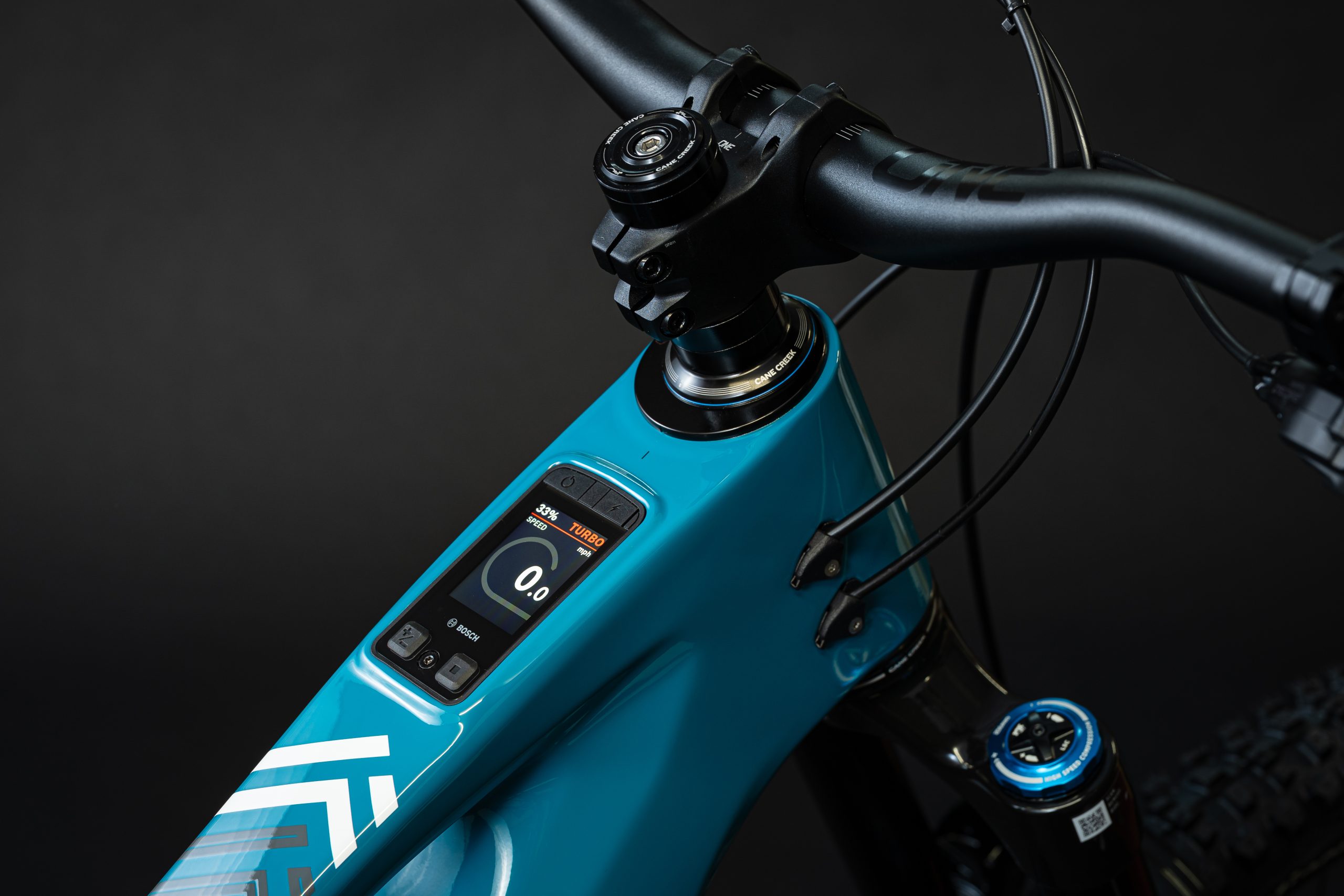
Integrated Bosch Kiox display is a neat touch, as is the adjustable reach headset.

A Bosch Kiox 400C display provides heads-up information options integrated into the bike’s carbon top tube.

Progressive geometry

The Kurgan uses a mullet or mixed wheel-size setup. Deviate Cycles

The Kurgan uses a mixed-wheel setup, and Deviate says the geometry is enduro-focused.

Geometry is proportional, with longer chainstays on the larger sizes, starting at 441mm on the medium, 445mm on the large and 450mm on the XL. 

Although this is not as pronounced as on other high-pivot bikes like the Forbidden Dreadnought, which grows about 14mm between each size.

Proportional length chainstays should keep handling consistent on all three sizes of Kurgan.

The Kurgan features reach-adjust headset cups to fine-tune the reach of each bike +/- 5mm. The suspension moves on fully sealed bearings, with external grease ports (great for quick maintenance).

The Kurgan was developed with enduro-style eMTB riding in mind. Deviate Cycles

The location of the shock pickup on the aluminium shock shuttle was finalised during development, and there are no out-of-the-box options for different geometry or progression at this stage.

Build options

Deviate Kurgan Elite features Performance Elite Fox suspension and XT components.
Deviate Kurgan Factory has Kashima-coated suspension and an XTR rear mech. Deviate Cycles

There are two models available at launch: 

  • Elite: £7,999 / €9,749
  • Factory: £9,999 / €11,999

They’re available in UK & EU, with North American availability due in 2026.

Ebike company Boost releases its first-ever complete bike – and the mini-velo design even folds flat so it won’t clutter your hallway

Ebike conversion kit company Boost has released its first-ever bike, simply called the Mini-Bike. 

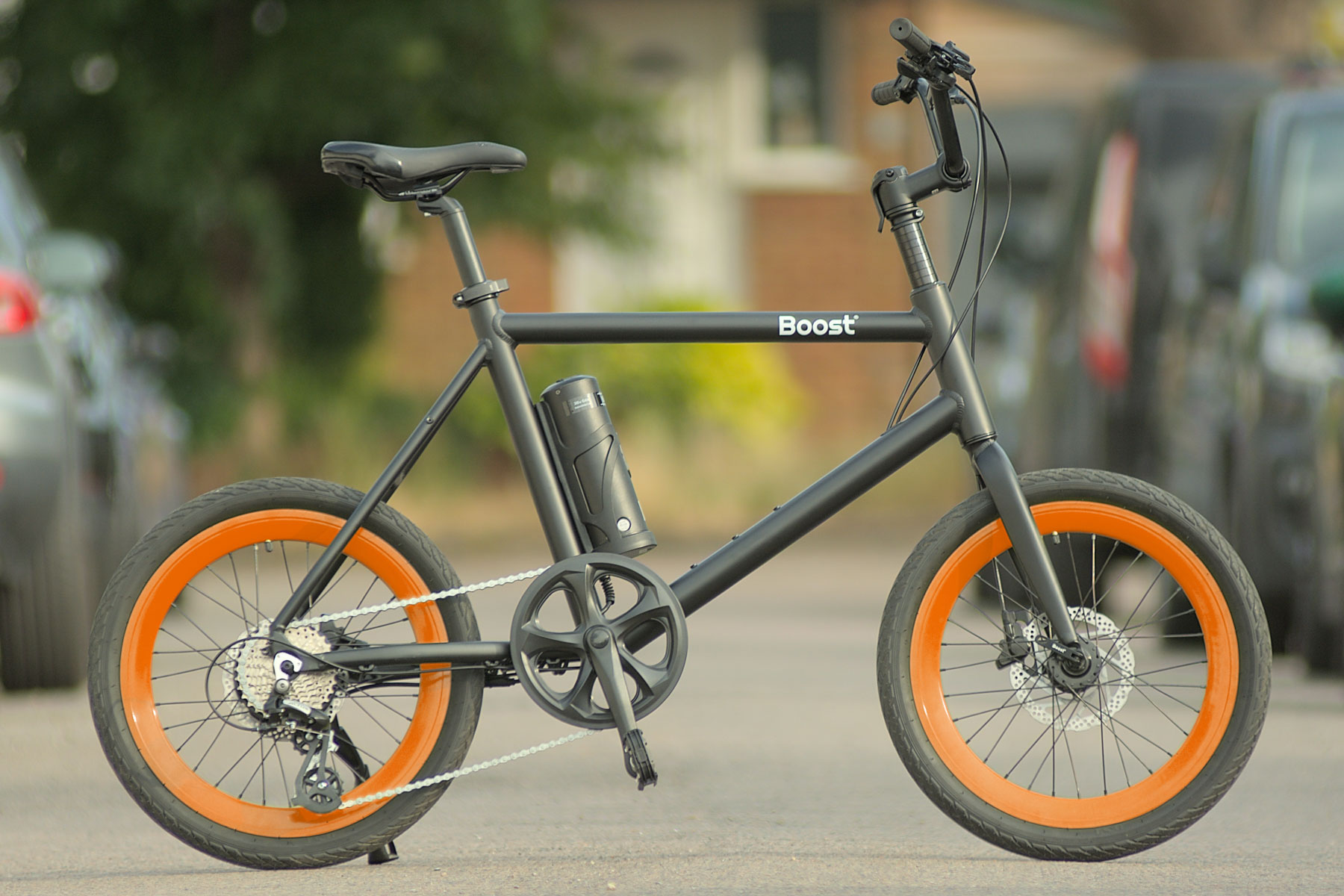
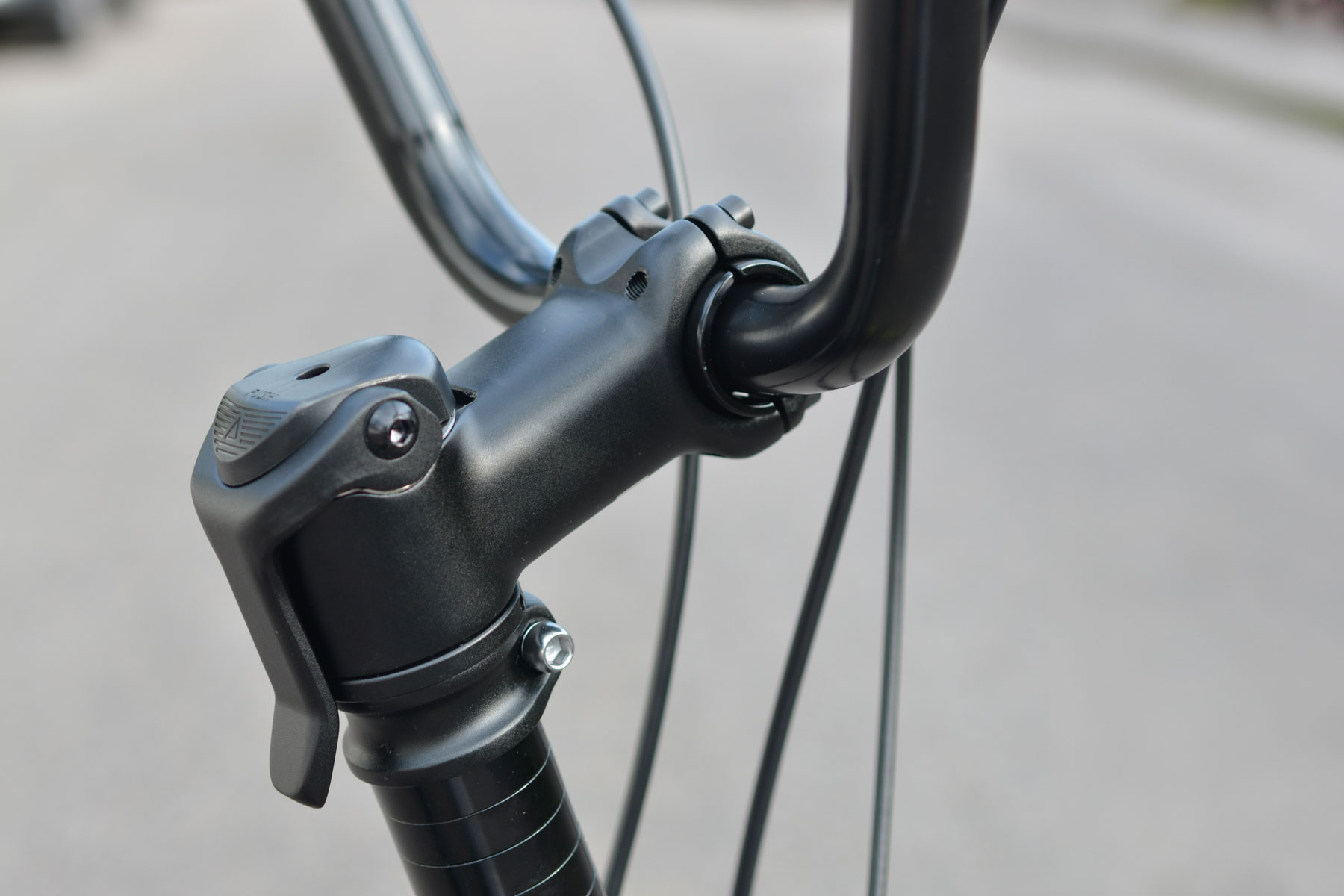
The new miniature city bike takes inspiration from Boost’s work on its Brompton conversion kit. Available as a pedal-powered or electric bike, the Mini-Bike can be folded away thanks to its quick-release stem and Brompton-like folding pedals.  

Boost’s chief marketing officer Matt Dowler says the Mini-Bike is designed to “make riding a bike fun again” while providing a practical way to get around.

“We all remember the sense of joy and freedom of messing about on bikes as a kid, and we’ve tapped into that with a ‘BMX-inspired’ design,” says Dowler. 

BMX-inspired but practical

Boost's Mini bike
Boost’s Mini-Bike blends mini-velo styling and BMX ruggedness. Boost

We’ve seen several electric BMXs in recent years, including bikes from GT and Zooz, but Boost’s take on a bike in the 20-inch format brings greater practicality to the mix. 

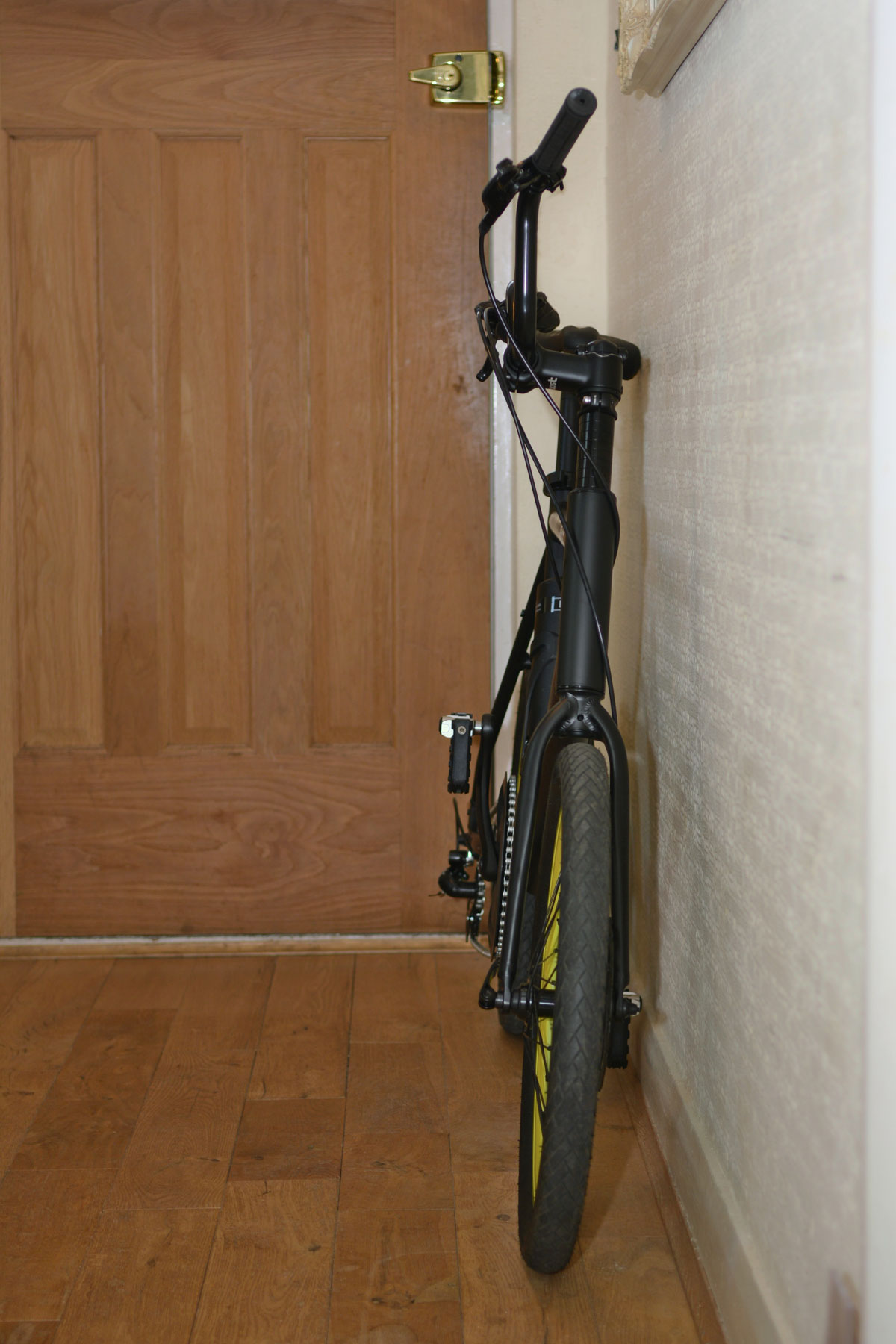
The quick-release stem and folding pedals mean the Mini-Bike folds down to less than 25cm wide, according to Boost, so it won’t hinder your non-cycling family or housemates if you keep your bike indoors.

Boost has also worked on the bike’s geometry, suggesting that a lot of small-wheeled bikes can have quite twitchy steering. To counter this, the Mini-Bike’s head angle and fork trail were chosen to mimic the stability of an endurance road bike.

The practicalities continue with hydraulic disc brakes, a kickstand, mudguard mounts, rear rack mounts, multiple bottle mounts, and mounts on the fork legs.

Boost says the bike is also made with no proprietary parts and follows established industry standards.

“Being unable to repair a bike a few years down the line because parts are not available is just not acceptable,” adds Dowler.

Boost bike QR stem
The quick-release stem allows the handlebars to be rotated 90 degrees. boost
boost mini bike folded
Folding pedals and bars that rotate help the Mini-Bike slim down to less than 25cm for storage. boost

Two models and lots of options

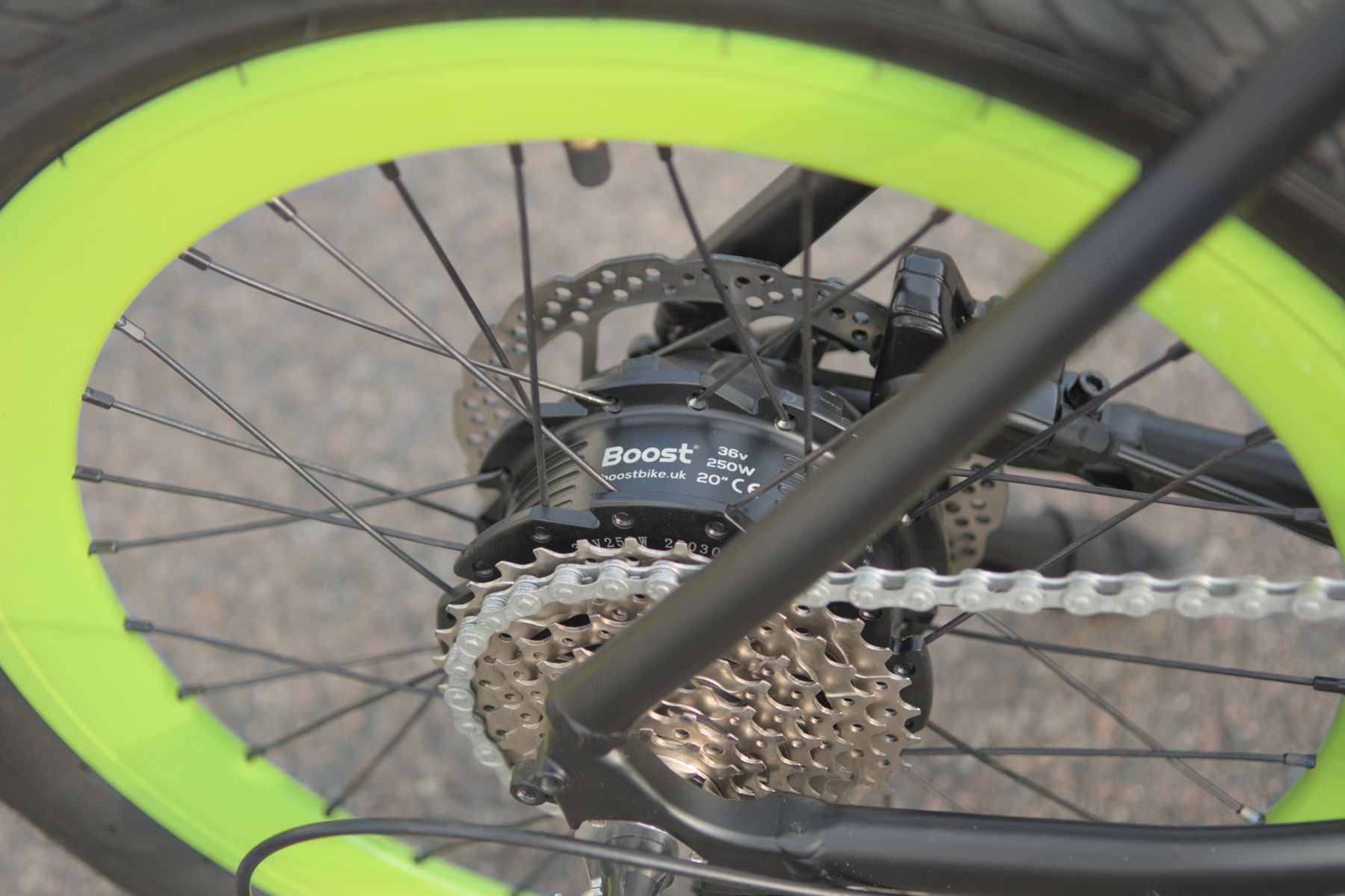
Boost's 250w rear hub motor
Boost’s 250w rear hub motor is used on the electric version of the Mini-Bike. boost

The Boost Mini-Bike is available as a pedal-powered bike (£600) or as an ebike (£1,250). You can convert either model to the other.

The electric Mini-Bike uses the same rear hub motor and bottle-style battery as Boost’s ebike conversion kits, which allow you to turn a pedal-powered bike into an electric bike.

Boost says the electric Mini-Bike’s motor provides 42Nm of torque and 250 watts of continuous power. It can be controlled via Boost’s free smartphone app, or with an optional wireless display (£59).

The bike’s battery has a capacity of 252Wh, which Boost claims should be good for 20-25 miles in ‘Boost’ mode or 30-35 miles in ‘Eco’ mode. 

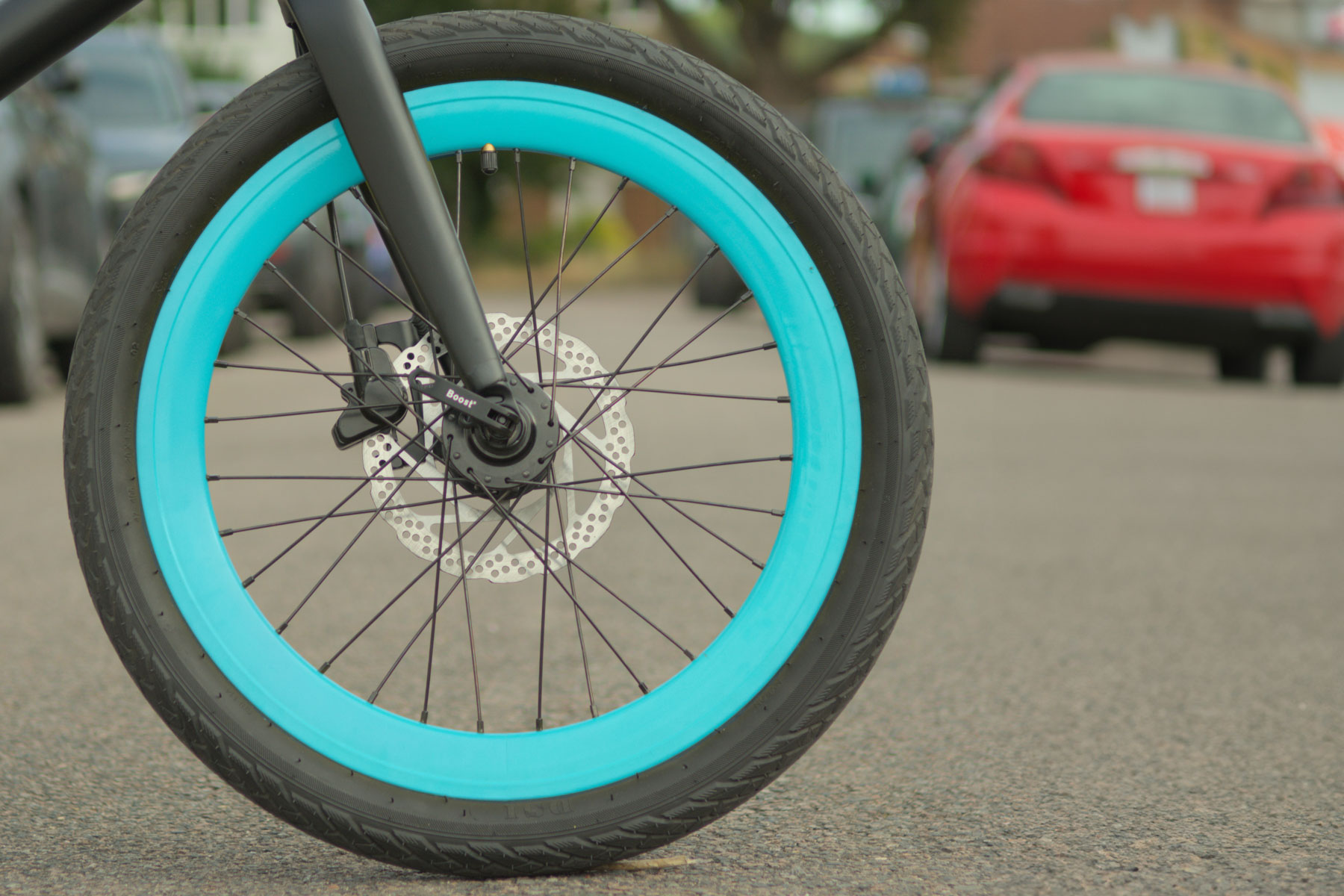
20 inch wheels on the Boost Mini Bike
The bike uses chunky BMX tyres and there are lots of rim colour options. boost

Dowler says ebike battery safety is currently a “hot topic” and Boost has therefore “gone above and beyond” to keep customers safe. 

“We’ve partnered with BatteryIQ to use their smart Battery Management System, which offers industry-leading battery monitoring and protection,” says Dowler. 

The BatteryIQ app connects to the bike’s battery via Bluetooth, so you can see the condition of the battery. WiFi scanners are also available to monitor the battery remotely. 

The Boost Mini-Bike is available to order now, with stock arriving in stores and online in the autumn.

How To Pitch Articles To UploadVR

Last Updated: August 16, 2025.

At UploadVR, we regularly publish articles from freelance writers and if you’re looking to write for us, here’s what you need to know.

As part of my regular duties as UploadVR’s Senior Editor, I’m entrusted with handling most pitches from freelance writers. As a leading voice across XR media, our goal is to deliver informative articles filled with expertise, original reporting, fresh perspectives and other insights across VR/AR/MR. While the biggest stories and games will be covered by our internal staff, we’re open to suggestions.

With that said, here are some key details to keep in mind.


How To Pitch Us In The Email

Here are some general guidelines we recommend following when pitching UploadVR.

  • Clearly label your email subject as a pitch – To avoid your email getting lost, we’d normally advise adding “Pitch:” to your email’s subject line while mentioning the game’s name.
  • Include your headline – Headlines are ultimately reflective of your wider article. We want to know which game is this referring to and what’s the hook of your piece. We don’t enforce a strict character limit, so you don’t need to make these too short, but we’re also not after headlines that read like an entire paragraph.
  • Outline your pitch Tell us how you plan to follow through with your pitch. Summarize your angle, how you intend to approach the article, and the structure you expect to follow.
  • Keep it concise If you need four or five paragraphs to explain your pitch, we advise reframing it. We don’t need you to outline every individual aspect providing the key points are addressed, brevity is an art form in itself. Ideally, keep your pitch within one or two paragraphs when sending an email over.
  • Sell the idea to us – This effectively comes down to two points. Why are you the best person to tell this story, and why do you believe this will interest our audience?
  • Do not use Generative AI – Please do not use generative AI to write your email pitch in any form. It’s incredibly obvious, we will not respond to these emails, and this will significantly impact our likelihood of working with you. We also reserve the right to remove any articles written using generative AI without prior disclosure.
  • Link your previous work – If we haven’t worked together before, please include links to a portfolio, personal blog, or author profiles for other outlets. We’re open to working with new authors, but it always helps to have a sample of your previous work.

Where To Send Your Pitch

There are two ways to send your pitch. While our Contact Us page goes to the whole team, we’d normally suggest directly emailing the following editors.

  • Henry Stockdale: hstockdale@uploadvr.com
  • Ian Hamilton: ian@uploadvr.com

You can also use our general inbox, tips@uploadvr.com. However, we generally recommend contacting editors instead, since this inbox is where we recommend readers/developers/publishers/PR etc. to send in relevant news stories and updates.


What We’re Interested In Commissioning

  • Original reporting and interviews – If you’ve got a high-interest story where you’ve directly spoken with different sources, we’re always willing to hear your pitch. If you’re pitching interviews for a game that’s not publicly launched, we’d ideally need you to have gone hands-on with it first.
  • Community-driven features – Do you have an intriguing tale you’d like to share about an existing VR community? Whether that’s social VR platforms like VRChat to more traditional multiplayer games, we’re interested in hearing these stories.
  • Reviews, impressions, previews – Reviews and impressions are the most commonly commissioned articles by UploadVR. Though we work with an existing freelance pool of writers, we’re open to hearing from more people if you’ve got a specific interest in any niche genres.

What We Currently Aren’t Looking For

  • Anything that isn’t related to VR/MR/AR/XR – This may sound obvious, but we regularly receive pitches that have nothing to do with the XR industry. We won’t cover more traditional gaming unless a game has VR support, or anything outside XR technology. If your pitch only peripherally relates to XR, we probably won’t accept it.
  • Op-eds – While we welcome unique perspectives, op-eds (that aren’t interview-driven) about big games or new hardware are largely matters UploadVR prefers to keep to its staff.
  • Q&A interviews – We’re open to interview pitches, but we don’t want these features presented in a standard question and answer format. Here are some recent examples of our preferred approach.
  • Stories you’ve already written – This rule is mostly to avoid wasting your time. Editors may agree to a pitch while also requesting changes to your approach, which could involve significant rewrites if you’ve already completed your article. We’ll always aim to help you shape these stories if guidance is needed.
  • Articles about Web3/Crypto/Generative AI/Gambling – Though UploadVR has covered how select XR apps use generative AI in the past, this is not a subject we’ll ever commission.

Our Rates

As of July 21, 2025, UploadVR pays the following USD rates for these types of articles with the following suggested word counts.

  • News – $50 (200–300 words)
  • Previews/Impressions – $150 (500–700 words)
  • Reviews – $250 (minimum 900 words)
    • Review-in-progress – We pay an extra $60 minimum for a one-off update. This is negotiable depending on the scope.
  • Features – Rates are negotiable due to how varied they can be, but we start from a minimum rate of $175.

Other Details

We occasionally take unpaid guest articles or editorials from XR experts like developers, researchers, and engineers looking to share something of broad interest to our community.

Guest articles like this are not something that would apply to freelance journalists. However, if you’re an industry expert looking to share your insights, you can email Ian Hamilton (ian@uploadvr.com) about this.

We also have a separate marketing department with a different pool of writers producing labeled “Sponsored” content adhering to our public guidelines. We do not commission writers who have worked on editorial articles for this type of content. Potential marketing partners can email Beck Gibson (beck@uploadvr.com) with inquiries, this is not something handled by Henry or Ian.

For everything else that’s not been addressed above, please email Henry, Ian, or use the Contact Us form.

These award-winning bike lights are currently reduced – buy now before the clocks change

While the bright sunny evenings of late have our minds far away from the perils of winter, now is often the best time to prepare for the clocks going back.

That’s because bike lights are often reduced at this time of year and at their most expensive in autumn time, when the shorter nights and time change bring them into demand almost overnight.

With that in mind, we’ve scoured the web for the best deals on our award-winning bike lights for those who want to be ahead of the game this year.

All of the lights in this list have impressed our team of expert testers, so we’re sure you’ll love them too.

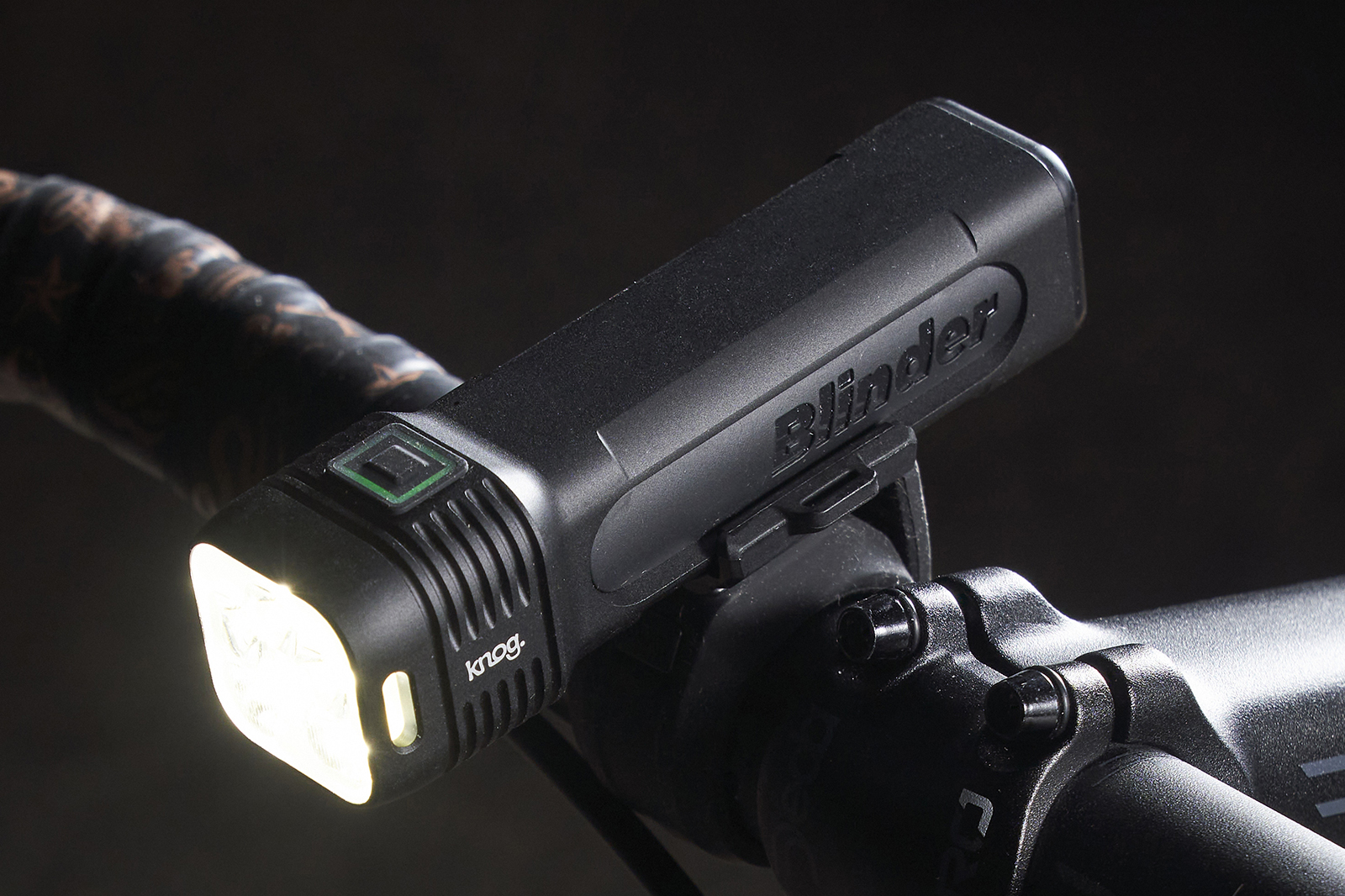
Knog Blinder Pro 1300 – £99.99 £65.95 (save 34%)

Knog Blinder 1300 front bike light
The Knog Blinder Pro 1300 has a good spread of light making it useful for off-road riders. Steve Sayers / Our Media

The Knog Blinder Pro 1300 is our best overall front light, winning praise for its small profile and quality feel.

It pumps out 1,300 lumens with a powerful central beam and good peripheral illumination, making it excellent for nighttime navigation.

With over £34 savings at Biketart, the Blinder Pro 1300 is currently in bargain territory, though this is likely to change as the nights close in.

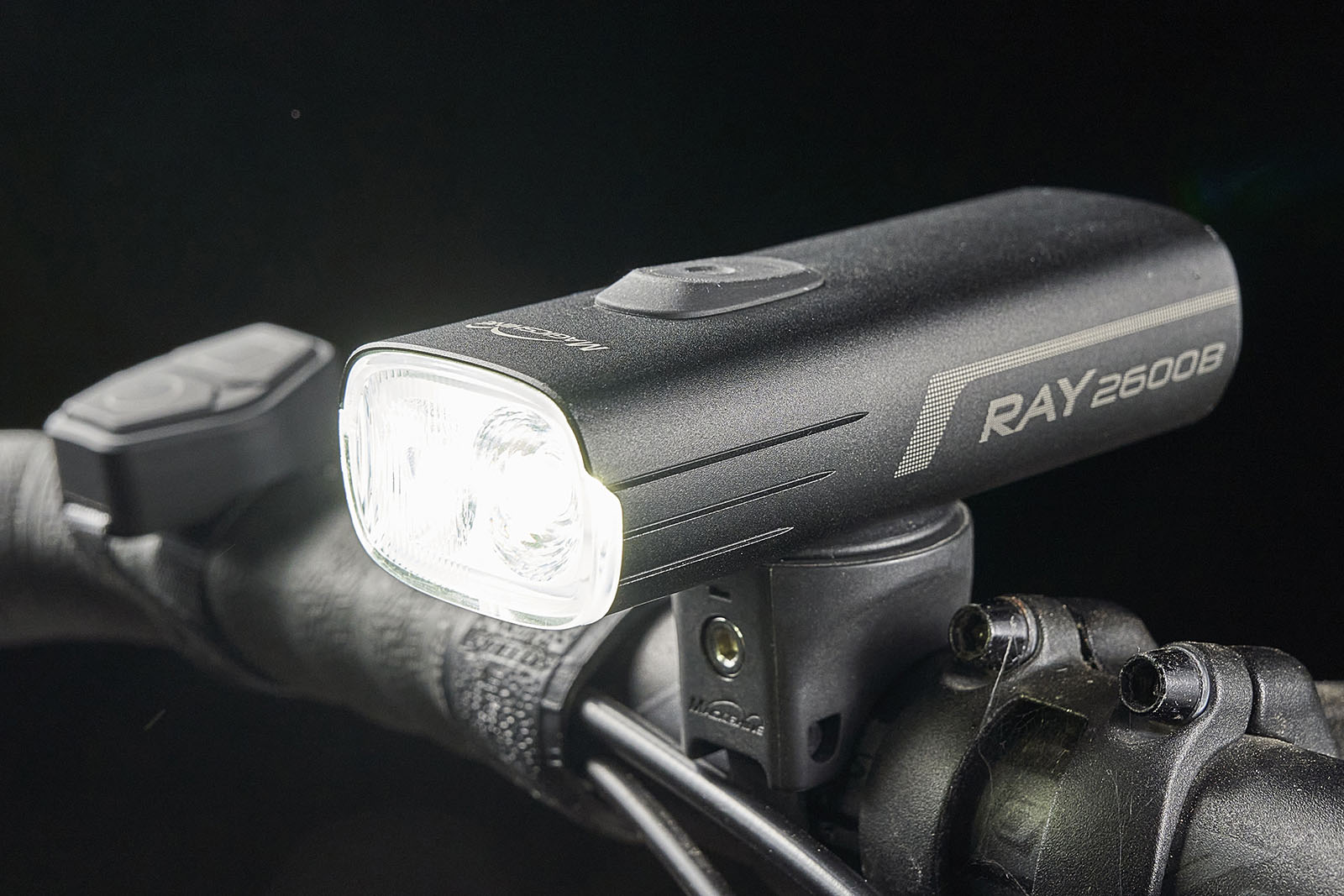
Magicshine Ray 2600B Smart Remote – £146.25 £117 (save 20%)

Magicshine Ray 2600B Smart Remote Bike Light - front light for road bikes
The Ray 2600Bs comes with smart features that can be controlled via an the app. David Caudery / Our Media

The Magicshine Ray 2600B Smart Remote is our best performance front light, impressing with its long runtime and bright beam.

With 2,600 lumens, the light is bright enough to tackle mountain bike trails when the dark sets in, while the 1hr 15min runtime should mean you get a decent ride in.

It currently has 20 per cent off at BikeInn.

Lezyne Strip Drive Pro 400+ – £55 £39.99 (save 27%)

Lezyne Strip Drive Pro 400+ Rear light for road bikes
The Lezyne Strip Drive Pro 400+ Rear bike light is incredibly bright when you need it to be. Ashley Quinlan / Our Media

Our best overall rear light is the Lezyne Strip Drive Pro 400+, thanks to its easy usability and power.

It has seven modes with a flashing output of 400 lumens, which helps keep you seen from much further down the road.

At £39.99, the Strip Drive Pro 400+ represents great value, and we’d advise using it all year if you’re riding on the roads.

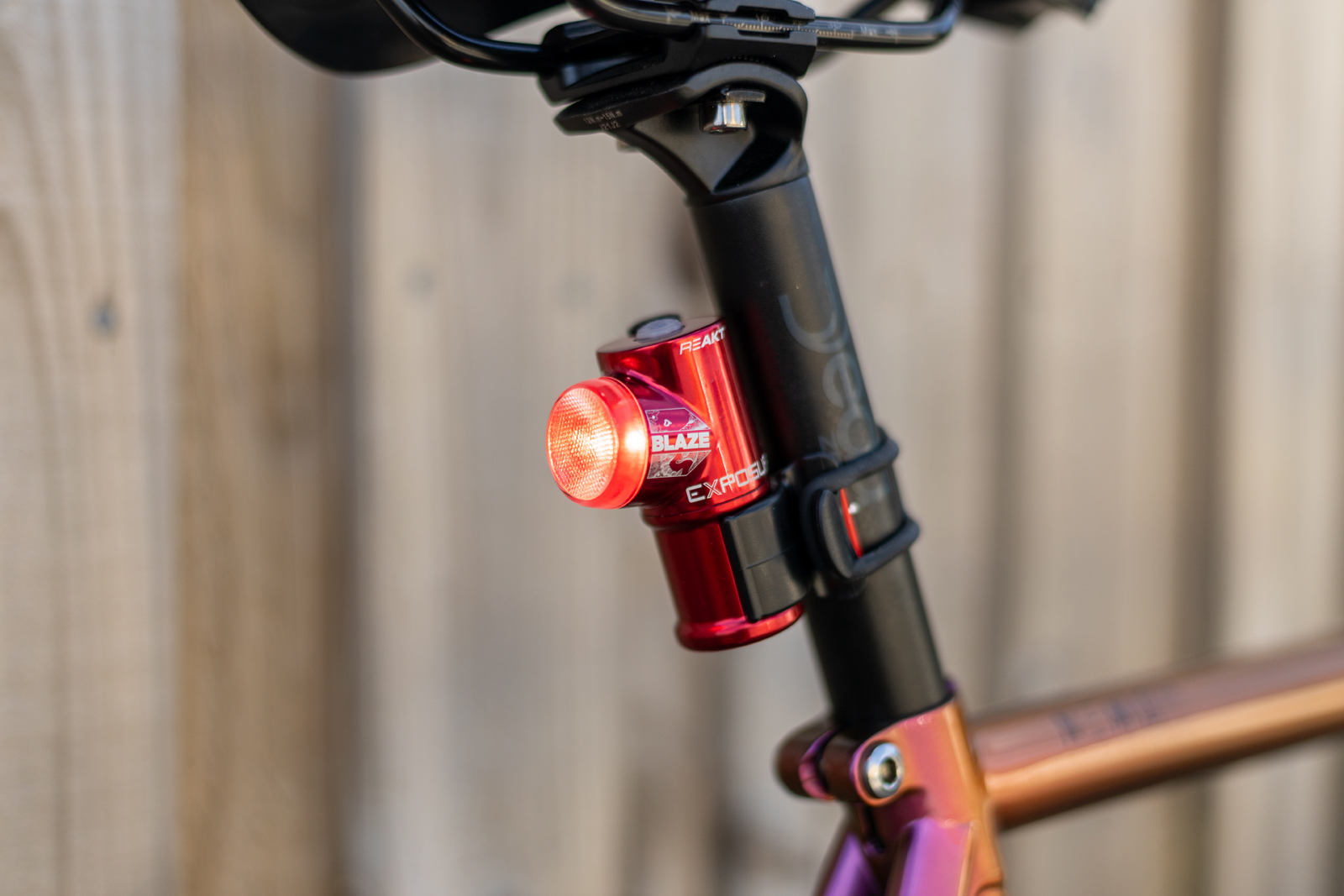
Exposure Blaze Mk3 Reakt + Peloton – £130 £110 (save 16%)

Exposure lights have a quality feel.

The Exposure Blaze Mk3 Reakt + Peloton is our best performance rear light, with a premium construction and focused beam impressing us in testing.

There are plenty of standard modes, and this model includes the Reakt mode, which combines a brake and ambient light sensor to keep you seen and save battery.

Exposure’s lights are quality items, and seeing them discounted isn’t too common.

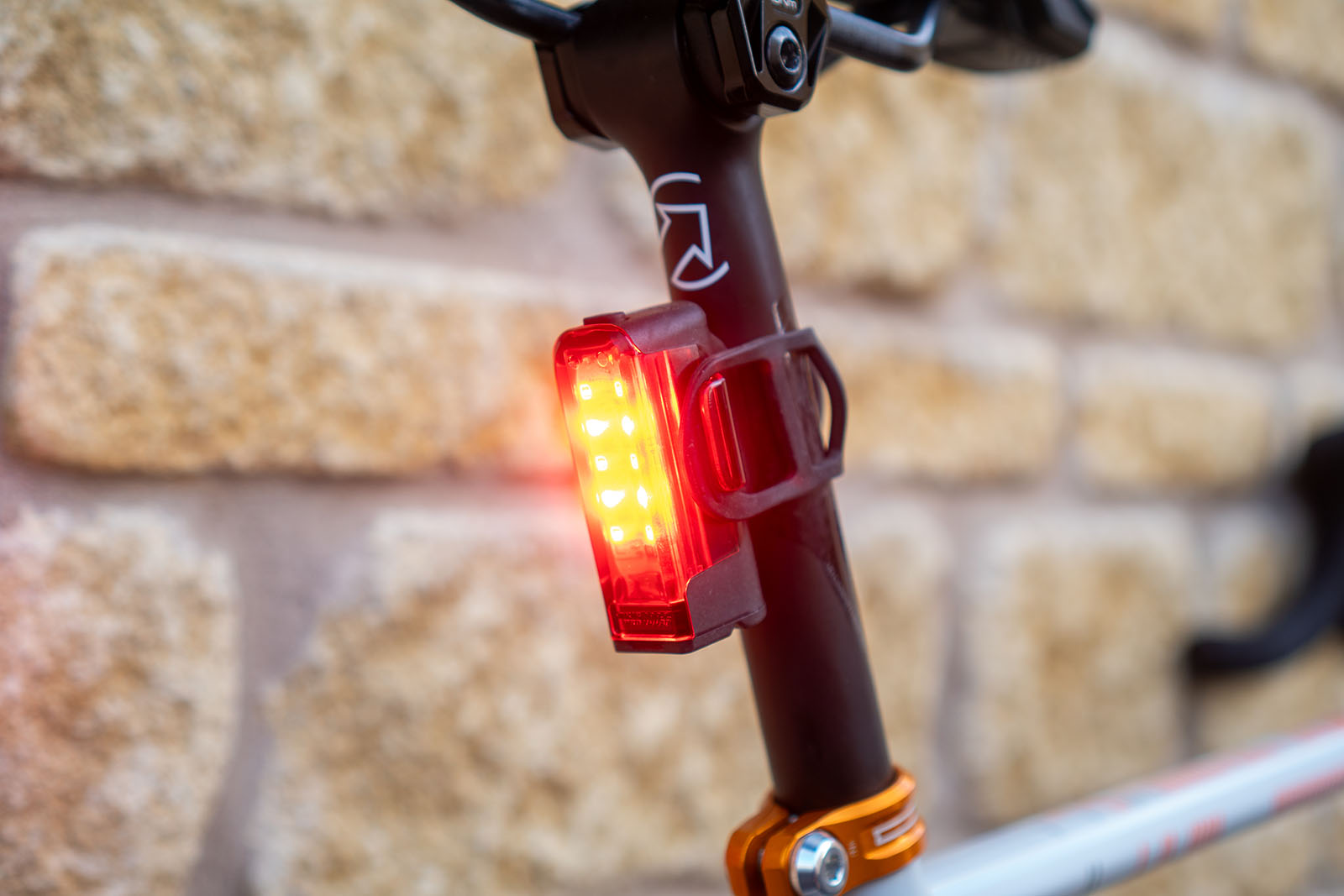
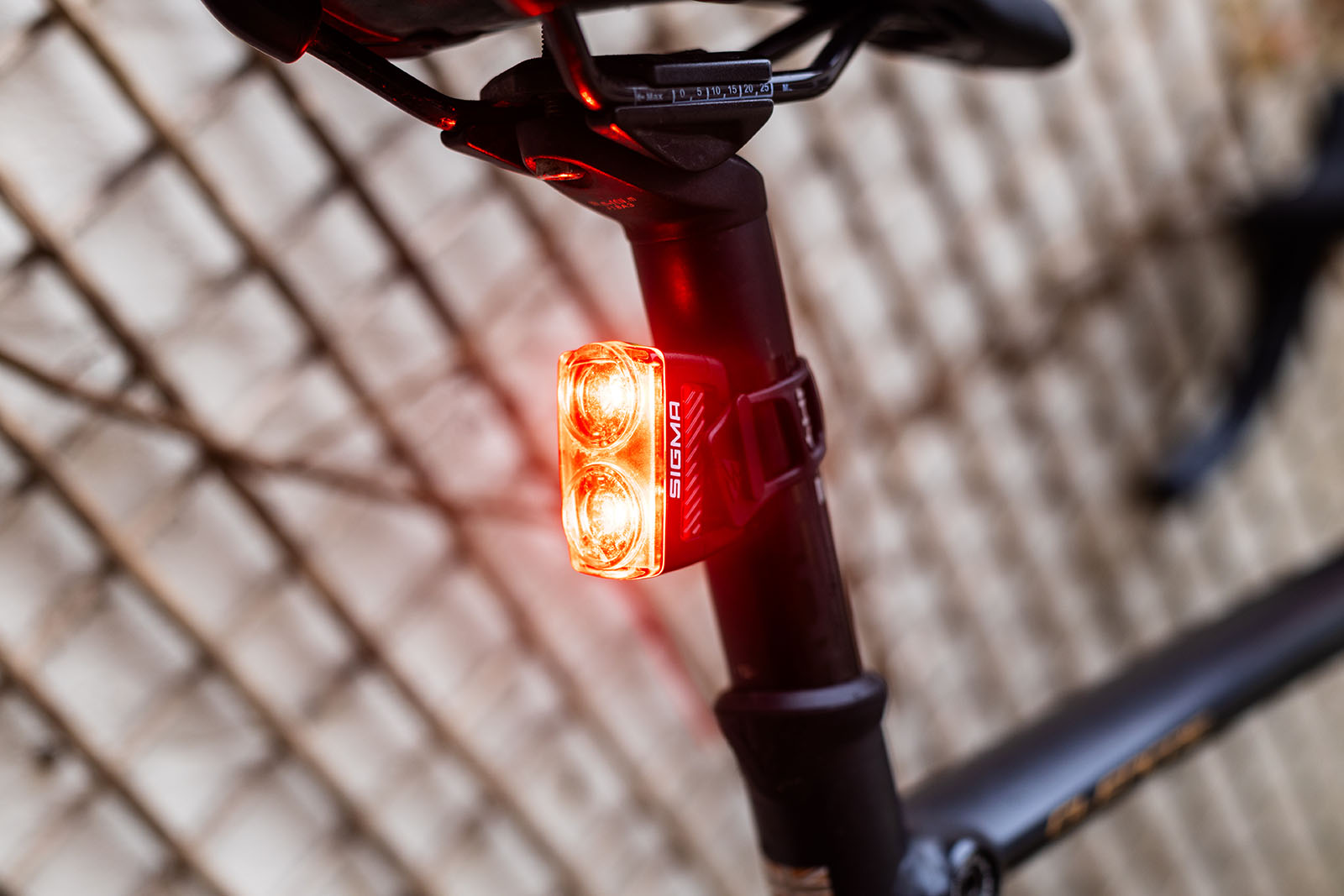
Sigma Buster RL 150 – £25.70 £17.99 (save 30%)

Sigma Buster RL 150 rear light for road/gravel bikes
The stand-out feature of this light is the speed-sensing brake light mode. Kai Eves / Our Media

The Buster RL 150 is our best cheap rear light, and it packs in some impressive features.

It pumps out 150 lumens and has an accelerometer that can sense when you’re braking and increase the brightness for increased visibility.

We found the light lives up to its four-hour claimed runtime, and were impressed by its original value.

It’s currently on sale for £17.99 and would be a great addition to your seatpost.

More bike lights

Matthew Richardson breaks his own 200m world record 24 hours later 

Britain’s Matthew Richardson has broken his own 200m flying start record 24 hours after setting it.

As part of British Cycling’s world record assault at the Konya Velodrome, Turkey, Richardson set a new world record yesterday of 8.941 seconds becoming the first athlete to go under 9 seconds. 

Convinced he had more in the tank, the track cyclist took another attempt today and set a new world record of 8.857 seconds.

Richardson said: “I knew there was more time on the table after yesterday’s ‘out of sprint lane’ ride, so I knew if I came in with good execution and rode as close to the black as possible I’d go quicker and that’s what happened.  

“I knew there was more in the tank yesterday, so I was obviously really stoked about yesterday but I was hungry for more.”

He added that the record is now “out of my control”.

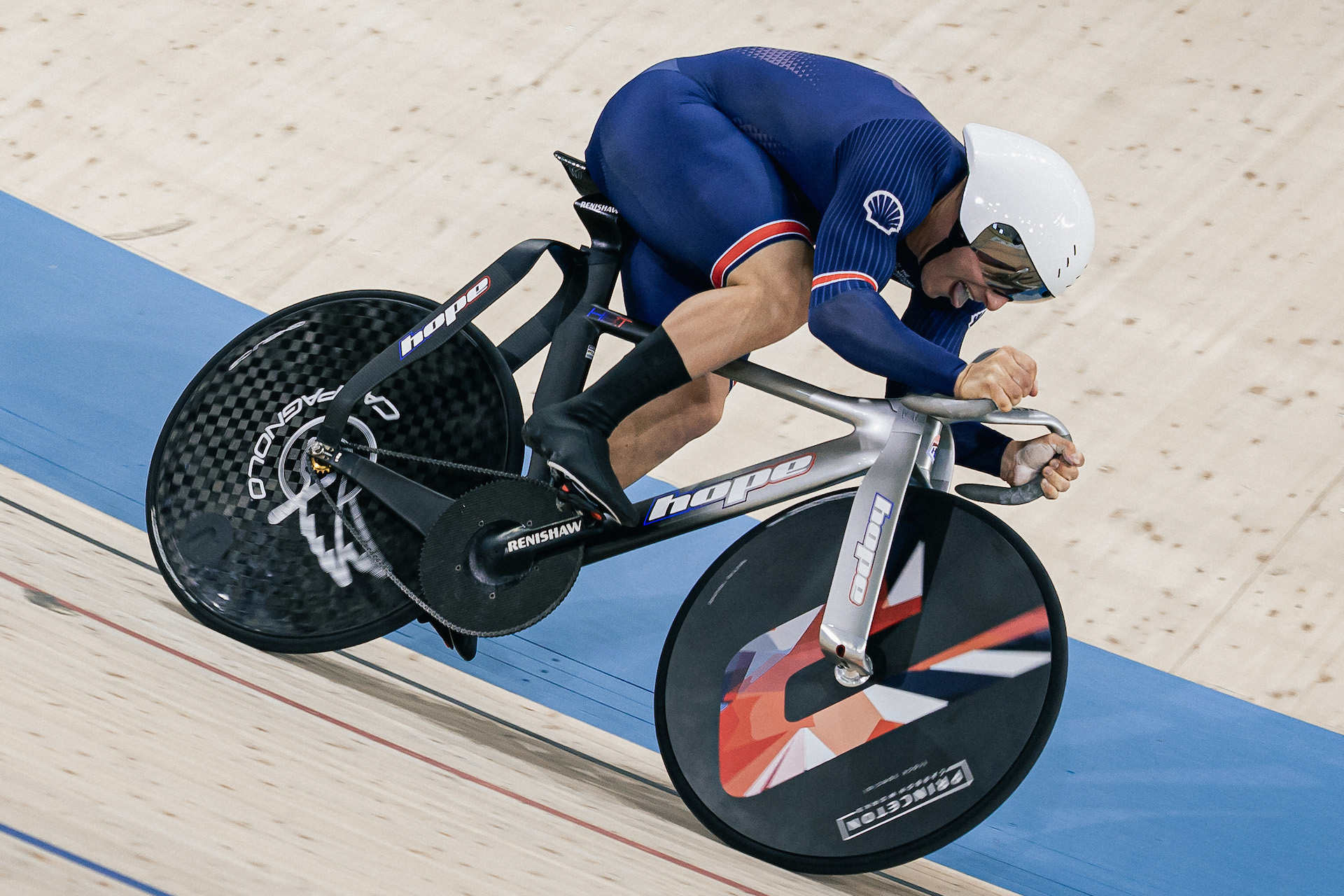
Matthew Richardson racing at the Konya Velodrome, Turkey.
Matthew Richardson racing at the Konya Velodrome, Turkey. SWpix.com

Richardson briefly broke the 200m flying start record at last year’s Paris Olympic Games before Dutchman Harrie Lavreyesen broke it minutes later with a time of 9.088 seconds.

The Brit felt confident before his record attempts. He appeared to break Lavreyesen’s record earlier this year at the Nations Cup at Konya Velodrome, but the UCI did not ratify the effort because Richardson drifted below the track’s blue line. 

Richardson used a custom Hope HB.T track bike for his world records. He worked with British Cycling’s lead project engineer Oliver Caddy to optimise the bike, which included a custom 3D-printed titanium handlebar and a fork produced by Hope. 

Richardson was one of three British cyclists that travelled to Turkey to undertake world record attempts. 

Yesterday saw Will Bjergfelt set a new C5 Hour Record of 51.471km. The 46-year-old beat Andrea Tarlao’s 2014 world record by over 3km and became the first para-cyclist to break the 50km barrier. 

Speaking after his Hour Record ride, Bjergfelt said: ““[I feel] amazing, this is something I’ve worked for, for a long time. When we talked about world records at the start of the year it’s something I was very passionate about right from the get-go.”

Charlie Tanfield also attempted a Hour Record attempt yesterday, but with a distance of 53.967km he fell short of Filippo Ganna’s 2022 record of 56.791km.

You may like

UCI disqualifies five teams from Tour de Romandie Féminin calling refusal to use tracking tech “deplorable” 

The UCI has disqualified five teams from the Tour de Romandie Féminin after their refusal to use GPS trackers which it has labelled “deplorable”.

The technology is being trialled at the race ahead of all riders being required to use GPS trackers at the 2025 UCI Road World Championships in Kigali, Rwanda. The trial required one rider per team to carry a GPS tracking device.

“The decision of these teams to oppose the specific rules for the event is surprising, and undermines the cycling family’s efforts to ensure the safety of all riders in road cycling by developing this new technology,” the UCI, cycling’s governing body, said in a statement. 

“It is deplorable to witness the refusal of certain teams to move forward together to protect the safety of riders, and the UCI condemns their non-cooperation,” the UCI said. 

The measure is part of the UCI’s SafeR initiative, which aims to enhance rider safety in professional road cycling, and follows the death of 18-year-old Muriel Ferrer following a crash in a junior race last year. 

The teams that refused to use the tracking devices and were therefore disqualified are: 

  • Canyon//Sram zondacrypto
  • EF Education – Oatly
  • Lidl –Trek
  • Team Picnic PostNL
  • Team Visma – Lease a Bike

A statement published by EF Education – Oatly said: “We are shocked and disappointed by the UCI’s decision to disqualify several teams, including ours, from the Tour de Romandie Féminin.

“Earlier this week, all affected teams sent formal letters to the UCI expressing support for rider safety but raising serious concerns about the unilateral imposition of a GPS tracking device to just one of the riders per team.”

EF Education - Oatly  professional cyclist.
EF Education – Oatly said “We are shocked and disappointed by the UCI’s decision”. Pim Waslander / Getty Images

The team said that they made clear to the UCI that they would “not select a rider ourselves, nor install, remove or maintain the device.” 

“The UCI or its partner was free to select a rider and install the device at their own liability if they believe they are in their right to do so,” they added. 

They added that the UCI chose to impose this measure “without clear consent”, and that it is unclear why the UCI did not want to nominate riders to trial the GPS trackers.

“[T]he UCI commissaires were unable to demonstrate on the basis of which precise UCI rule teams are obligated to discriminate one rider against other riders in terms of obligations (except for officially referring to an email of the teams’s union) but have nevertheless decided to carry on and disqualify the teams with their riders,” the statement continued. 

“This action disregards the rights of teams and riders, applies the measure in a discriminatory manner, and contradicts the UCI’s own stated commitment to dialogue with stakeholders.” 

A total of 29 riders have been disqualified with only 63 riders finishing today’s stage 1 of the Tour de Romandie Féminin.