Dreams Of Another Wants To Explore Creative Symbolism With Clouds

By turning guns into a tool for creation, Dreams of Another isn’t your normal VR adventure.

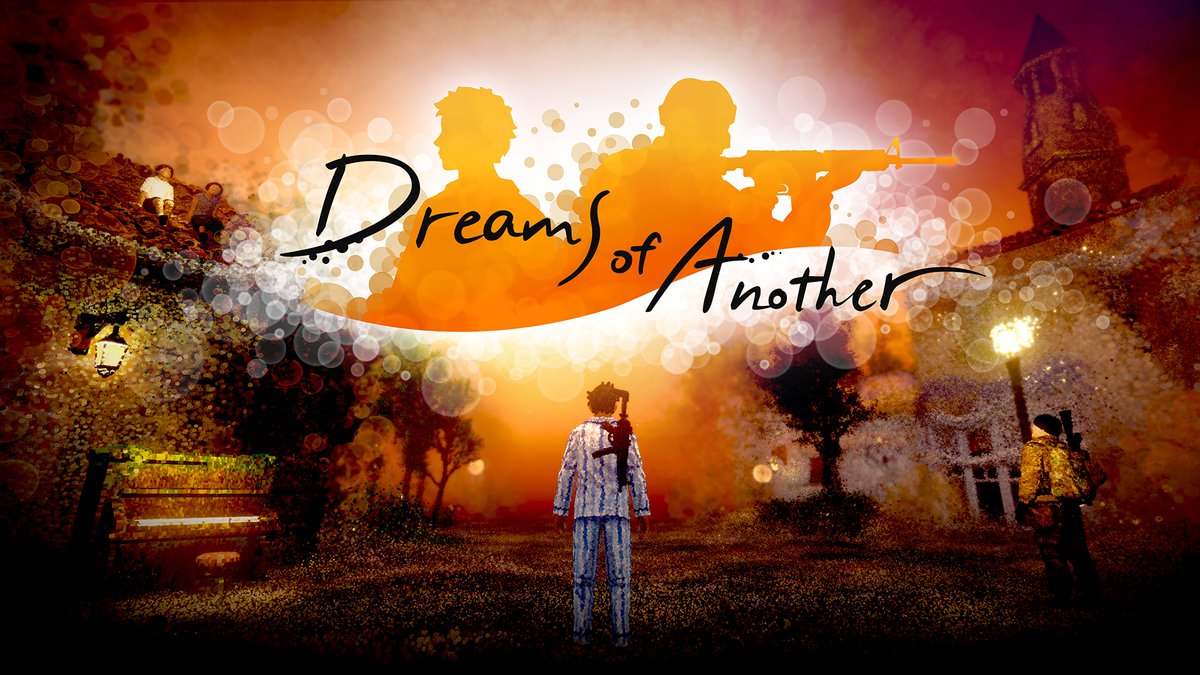
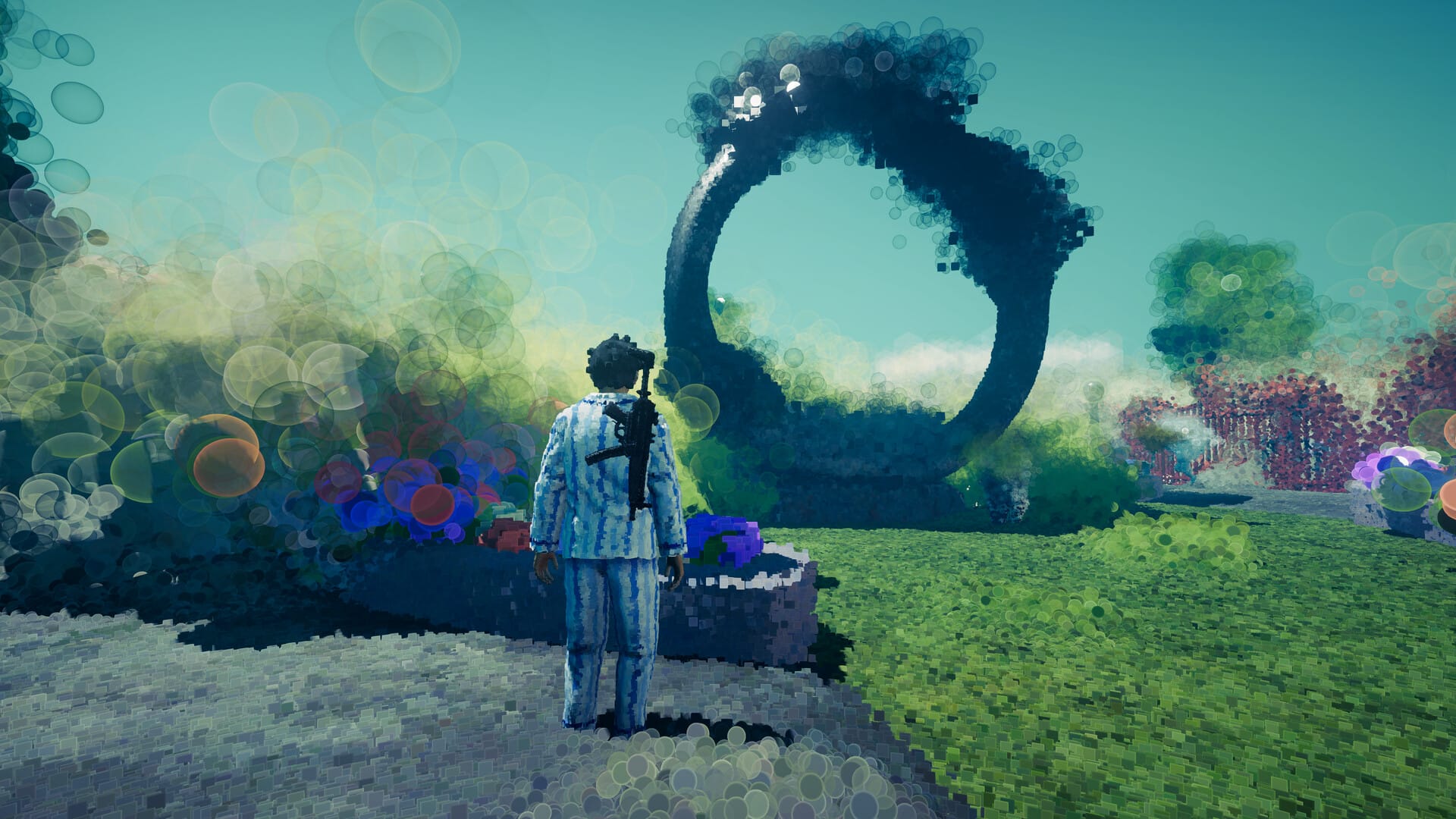
We’ve known about Q-Games’ upcoming philosophical adventure since its announcement back in February, and Dreams of Another explores a key philosophical theme; “no creation without destruction.” Following the stories of the Man in Pajamas and the Wandering Soldier, this occurs within an ephemeral dream-like world that’s brought to life with cloud point rendering technology.

The reveal quickly captured my attention, and Q-Games explained more in a recent written Q&A. Exploring visual styles for inspiration, Dreams of Another’s director, Baiyon, began thinking about how he could relate those to ideas he’d been forming, later remembering something visual director Dylan Cuthbert had previously shared.

“As I watched [the clouds] again, an idea connected with my long-standing theme as a creator – “destruction and creation” – and suddenly the gameplay, visuals, and sound all came together in my mind at once.”

Further inspiration came from different cloud visuals found online, alongside occasionally seeing such imagery used in VJing at clubs. By being both nothing and capable of becoming anything in forming shapes, Baiyon found appeal in this duality.

“In many of those visuals, point clouds that originally formed a shape would scatter apart. I thought that if I reversed that – making the scattered points come together to form something – it might express a kind of creation through destruction, so I experimented with that idea.

“As I added sounds to the visuals and explored how they interacted, the overall
atmosphere of the work began to take shape. What I find fascinating about point clouds is that each individual point might once have belonged to a specific form, but when they scatter, they lose that identity – and then, they can become part of something entirely new.”

As a multimedia artist, Baiyon confirmed that he’s “often tried to weave my respect for different cultures” into that process. When creating music or visuals, he’s then sought to incorporate his respect for game culture into the design, and vice versa.

This time, he’s taking a different approach.

“With this project, I wanted to weave my love for games into the medium of games themselves. The inspiration that games have given me is woven throughout this title. In Dreams of Another, I see the guns in the game as a kind of symbolism. It’s not just a gun – it’s a gun in games.

“If you found it interesting that this gun can create rather than destroy, it’s likely
because you already know what guns usually represent in games. Knowing that context makes this reversal feel interesting. Since I really love games, I wanted to share a different perspective and invite everyone to engage with the “what if?” question together, exploring it through the game.”

There’s a clear philosophy at the game’s narrative core and this approach allows him to make it resonate with several themes he hopes to explore: “human contradictions, our sense of inadequacy, dreams and regrets, and what freedom means.” He’s not aiming to express such sentiments directly, instead exploring them in a more symbolic sense.

Though it’s part of the PixelJunk series, Dreams of Another doesn’t use the series name, something Cuthbert points out was also initially true with its 2016 VR game, Dead Hungry. Graphics programmer José Luis Ortiz Soto confirmed the team’s been inspired by “various” VR games that have since launched without naming any specific titles, and Dead Hungry provided useful development experience.

“The development experience of PixelJunk VR: Dead Hungry has certainly been valuable, and we were even able to base some of the actions in Dreams of Another on the food-throwing mechanics from the game,” confirmed Soto.

Since my hands-on demo during GDC’s Day of the Devs was flatscreen only, I’ve not directly seen how gameplay differs on PlayStation VR2. Lead programmer Ryuji Nishikawa confirmed that on PS VR2, you can switch from the flatscreen game’s third-person perspective to an exclusive VR-only first-person mode.

“The third-person view emphasizes the game’s concept and storytelling, allowing players to “watch” the narrative unfold while seeing their character. In contrast, the first-person mode offers heightened immersion, placing the world of point clouds directly in front of your eyes and allowing for close-up inspection of every detail,” replied Nishikawa.

Because of this, Nishikawa recommends using the DualSense controller for third-person mode and the Sense controllers for first-person mode. With performance, graphics programmer José Luis Ortiz Soto confirmed Dreams of Another uses reprojection from 60Hz to 120Hz. Playing on a standard PS5 uses 1080p resolution, which is boosted to 1440p on PS5 Pro.
However, while Dreams of Another is also coming to Steam, this VR mode is currently PlayStation VR2 exclusive. Can we ever expect Q-Games to introduce PC VR support?

“We have no plans right now, but we don’t rule anything out in the future,” stated Cuthbert.

To finish this Q&A, Baiyon discussed how people can’t always choose what they remember and what they forget. Calling this lack of clarity “a reflection of who we are,” he believes that a person’s character is “not black or white,” but something in between.

“Dreams of Another is a game that invites you to step into that hazy, undefined world. If even a small part of it lingers in your heart after experiencing it, I would be truly grateful. If it sparks your curiosity, please give it a try.”

Dreams of Another reaches PS5 and PlayStation VR2 this year.

Dreams Of Another Turns Destruction Into Creation This Year On PlayStation VR2
Created by the PixelJunk studio, Dreams of Another seeks to turn destruction into creation this year on PlayStation VR2.
UploadVRHenry Stockdale

The Out-of-Touch Adults’ Guide to Kid Culture: ‘Dark Mango Psychology’

This week’s trip into the cultural subconscious of younger people is bleaker than usual. The memes are more chaotic, the Pokémon cards are harder to get, and the ex-boyfriends are somehow worse than usual. From the unexplainable “Dark Mango psychology” to TikTok’s parade of horribles, this week’s youth culture has the distinct energy of an evil amusement park. Let’s descend into the gloom, together.

What is “Dark Mango psychology?”

To understand Generation Alpha’s “dark mango psychology” memes, you have to go to some weird places and make peace with brain rot: Gen-A’s self-referential, exclusively online style of meme-making resists logical explanation, but I’m going to try to anyway, god help me.

In late May, TikTok user @rip_mango20 posted, “Dark Mango psychology explained,” the first video on the subject. In it, a distorted voice asks “Have you ever played Blox Fruits with your life on the line while having a bunch of mangos in your mouth? Well this is called dark mango psychology…” it goes on like that, but no psychology is ever actually explained. You can watch the video here:

If this clip had a few hundred views, you could dismiss it as a self-conscious, “aren’t I so wacky?’ thing, but it’s been viewed millions of times, so it means something to someone. Anyway, here’s my best stab at an explanation, with help from knowyourmeme.com:

The character featured in the video is a variation of “trollface,” a online icon that’s been around since 2008. Blox Fruit is a mini-game within Gen A’s favorite game/gaming platform Roblox. The line “Have you ever played X with your life on the line,” is a reference to an anime called Blue Lock, in which the question is asked about a game of soccer. “Mango” is a reference to this video, that features a “phonk” song about mango, based on audio ripped from this video. “Phonk” is a musical subgenre featuring heavily distorted, lo-fi instruments playing a slower-tempo variation of EDM music. (It is unlistenable.) For reasons that resist explanation, this video caught on among the brain-rotted, who started remixing the original post, adding other nonsense words like “mustard” and “jellybean” (references to even more obscure brain-rot memes) and using the phrase “dark mango psychology” to describe something like—chaotic energy? It’s hard to tell. I’m sure there are layers of meaning here that are understandable only by people under 15 years old, but I’ve done my level best. Perhaps this is something you and I aren’t meant to understand and we should just wait for it to go away.

What is the “man of the year” trend?

Let’s talk about memes made about people—specifically, memes about toxic men, a reliable source of bitter online comedy. The new trend on TikTok is called “Man of the Year,” and it is not a celebration of men behaving awesomely. Instead, women are sharing evidence of the abuse, manipulation, and general grossness visited upon them by ex-boyfriends, accompanied by a few bars of Lorde’s “Man of the Year.” It’s a simple idea, but these are some powerful videos.

Man of the year candidates include this guy, who remixed his girlfriend crying into a truly terrible EDM song:

Or this young gentleman who abandoned both his girl and his child:

There’s even a famous man of the year, Justin Bieber:

And the number of cruel texts is just way too high.

Sabrina Carpenter’s new album cover causes controversy

In other news from the frontlines of the gender wars, singer Sabrina Carpenter dropped some photos and the name of her upcoming album, and it’s pure provocation. What might be the cover of Man’s Best Friend looks like this:


This Tweet is currently unavailable. It might be loading or has been removed.

The cover is Carpenter playing against her type, taking her bubblegum pink pop princess image somewhere darker and more provocative. I’m sure causing buzz is the point, and it’s clearly working. Top Instagram comments include: “Sabrina this is not the slay you think it is… :/,” “Love sabrina – but this picture – why is the man in there like that? its not a very empowering image for women. i think its a mistake.” and “Explain to me again how this isn’t centering men? How this isn’t catering to the male gaze?” I think Madonna in her prime would have literally killed these kids.

It’s quaint that anyone can still get worked up over pop stars creating imagery designed to inflame cultural ire and/or sell records, but I think the online critics are wringing their hands for no reason. We won’t really know until the album comes out in August to provide context, but judging by the single, “Manchild,” about idiotic dudes who can’t take care of themselves, and by the fact that Carpenter is a smart person, it seems the intention is to mock the “male gaze,” and the statement is like, “can you believe that these numbskulls see us this way/want us to be this way?”

Also, Spinal Tap did it first:

Gen Z messing up going to bars

Gen Z is bad at going to bars. Apparently, younger people refuse to leave bar tabs open. This could be because they’re more budget-conscious than preceding generations. Or it could be just ignorance. “These kids never learned the proper way to be a barfly,” a bartender told the New York Times.

The bartender has a point, but I do not blame Gen Z for their poor drinking etiquette (if that’s what this is.) If it’s born of money consciousness, I get it: Have you seen how much cocktails cost in 2025? if it’s ignorance, I get that too. Going to bars can be confusing if you’re new to them. They’re loud, busy, chaotic, and ruled by a set of practices and assumptions that no one is taught, and that don’t have any precedent in other kinds of transactions. Particularly the bar tab: It’s not like we hand over our cards and just leave them with any other kinds of shopkeepers.

I love that Gen Z is educating each other, though, and expressing their feelings through TikTok videos like this:

Viral video of the week: Pokemon scalpers

Even this week’s viral video is dark and dystopian, but it’s also educational. Before I saw this week’s viral video I didn’t even know Pokémon scalpers existed.

As you can see, Leo is a little kid who loves Pokémon, and he wants that special edition Pikachu with the kind of pure desire only a pre-teen can have. So he and his mom and dad have spent 151 days trying to beat the scalpers to their local sales kiosks so the little guy can get his packs. But they never beat the scalpers, and Leo never gets his Pikachu.

In economic terms, the scalpers are expending resources (time, money, Red Bull) to gain an uncompensated transfer of wealth from others without creating new value. It’s classic rent-seeking behavior: manipulating a market to extract profits rather than producing anything of value. As Adam Smith, the father of economics, put it, scalpers are trying to “reap where they never sowed”—though Smith probably didn’t foresee a future where the invisible hand of the market would slap a Pikachu card out of a child’s hands and give it to a grown man who smells funny and doesn’t shave. Leo not getting his Pikachu is a negative externality—a cost borne by someone who isn’t party to the transaction. His tears are not priced into the secondary market, which is disturbingly efficient at delivering disappointment.

Look, I get that it’s not the worst thing happening in this wicked world—I hope this is the worst thing that ever happens to Leo, honestly—but maybe capitalism could take some time off for kids who like Pokémon?

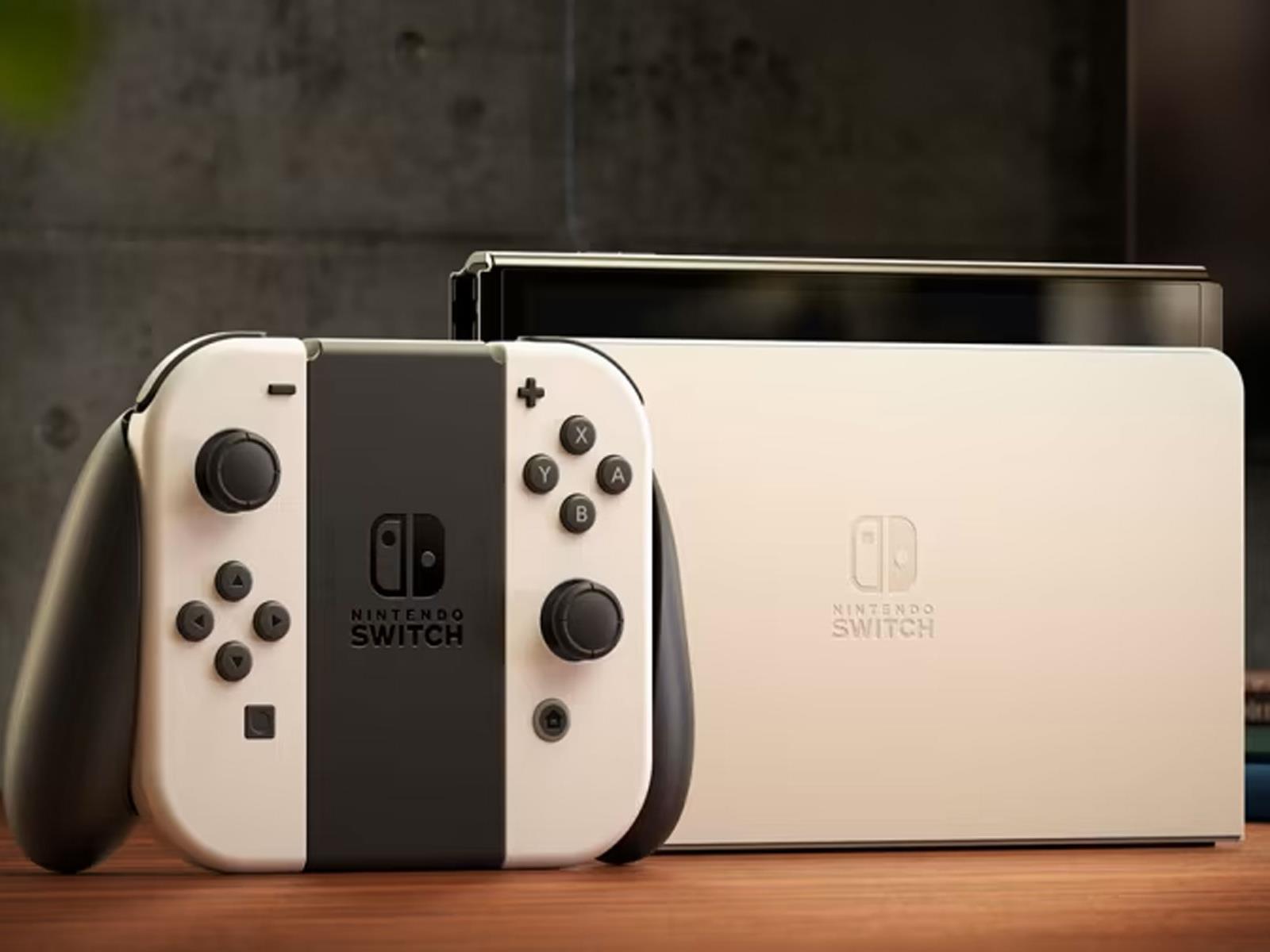
Forget The Switch 2 And Score A Switch OLED For $100 Off With This Killer Deal

Forget The Switch 2 And Score A Switch OLED For $100 Off With This Killer Deal
Nintendo is making history with the Switch 2, it’s latest-generation handheld game system that raced to more than 3.5 million units sold in a mere four days, making it the company’s fastest-selling console ever. It also outpaced every other console launch to date, regardless of manufacturer. To say it’s a popular item is an understatement

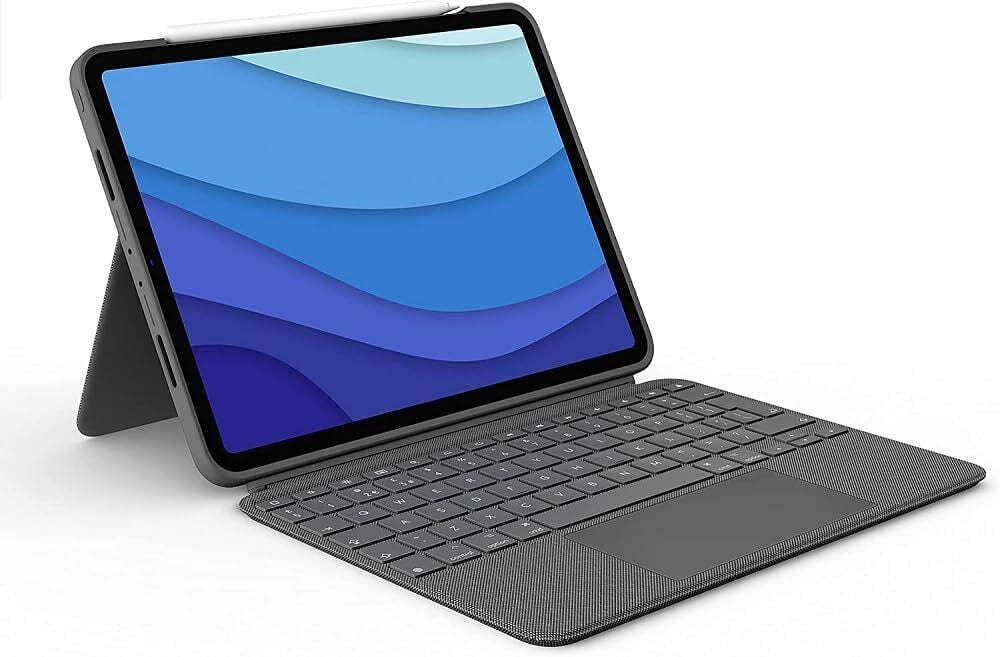
This Logitech Keyboard Case for the iPad Pro Is at Its Lowest Price Ever

We may earn a commission from links on this page. Deal pricing and availability subject to change after time of publication.

Right now, this Logitech Combo Touch Keyboard Case for the iPad Pro 11″ is 61% off—its lowest price to date. This is Logitech’s thinnest keyboard case yet, and it connects instantly via the Smart Connector, meaning no Bluetooth pairing or charging required. The iPad itself powers the keyboard, which attaches magnetically and also supports magnetic charging for an Apple Pencil. There are 16 levels of backlighting to give you visibility in low light; an adjustable kickstand; and a detachable, click-anywhere trackpad.

Reviewers call this case a game-changer for digital art, studying, and working. It’s also a helpful accessory for anyone traveling who doesn’t want to be weighed down by a laptop but wants a full keyboard. It’s worth noting that at 1.27 lbs, it’s heavier and larger than some Apple tablet cases and the pricier Magic Keyboard, but it offers more protection and durability. Additionally, it works best on flat surfaces—if you work on your lap or in a bed, it won’t be ideal. The quality of the kickstand is debated in Amazon reviews; some people call it flimsy, while others describe it as flexible yet secure and stable once positioned. 

While there are cheaper third-party keyboard cases on the market, Logitech is a trusted name with a reputation for responsive, high-quality tech accessories. It’s also a major perk that the iPad powers the keyboard. If you’re an iPad 11 Pro owner who wants laptop-style functionality without buying a new computer (and you don’t mind a slightly bulky footprint), the Logitech Combo Touch Keyboard Case is a strong option at $140 off. 

How to download your information from Facebook

Once upon a time Facebook was filled with posts about the minutiae of your day and album after album of photos of just about every experience you had. By now, a lot of this media is likely hidden with the “only me” setting. But, regardless of how much you use Facebook these days, it’s probably home to a lot of memories you want to hold on to — or at least have the opportunity to laugh at later. 

The good news is that you can download your Facebook information. You can access things such as your posts, photos you’re tagged in, groups you belong to, friendships and your search history. You can also see apps that you’ve connected to through Facebook and your interactions with ads. However, you won’t see content you’ve deleted and some information might not be available for your entire time on Facebook — depending on when and how the platform stored specific media.

So, how do you download your Facebook information from Meta? You can start by clicking on your profile picture and then selecting the “settings and privacy” tab. From there you can click onto “settings” and then choose “download your information.” Then click “continue,” followed by “download or transfer information.” 

You will be prompted to choose which profiles you want to save information from and then click “next” to reach the “how much information you want to download” option. Now you have the option to click “specific types of information” to narrow down what you want and to get a copy of your data logs. The only decision left is whether you want to download the information to you device or to a specific place. 

You should see a “pending” status once you’ve submitted your request, and you’ll have four days to download everything after it processes. 

This article originally appeared on Engadget at https://www.engadget.com/big-tech/how-to-download-your-information-from-facebook-121403031.html?src=rss

Walmart’s Drone Deliveries Expand, Now in Five Different US States

“Walmart is bringing drone deliveries to three more states,” reports CNBC:

On Thursday, the big-box retailer said it plans to launch the speedier delivery option at 100 stores in Atlanta, Charlotte, Houston, Orlando and Tampa within the coming year. With the expansion, Walmart’s drone deliveries will be available in a total of five states: [parts of northwest] Arkansas, Florida, Georgia, North Carolina and [the Dallas-Fort Worth area of] Texas… The drone operator will have an up to a six-mile range from stores.
Walmart tells CNBC the most frequently delivered items include ice cream, fresh fruit, and pet food, as well as “urgent items, such as hamburger buns for a cookout, eggs to make brownies or Tylenol or cold medicine needed when sick.” It’s all part of Walmart’s effort to compete with Amazon:

With more than 4,600 Walmart stores across the U.S., the retailer has used its large footprint to get online orders to customers faster. It has an Express Delivery service that drops purchases at customers’ doors in as fast as 30 minutes, along with InHome, a subscription-based service, that puts items directly into people’s fridges. The company began same-day prescription deliveries last fall and has expanded the service across the country…. Walmart stores have an assortment of over 150,000 items in a location. Over 50% of those can be delivered by drone, said Greg Cathey [Walmart’s senior VP for U.S. transformation and innovation]… Walmart’s drone delivery count so far is modest. The company did not share the specific count, but said it has racked up a total of more than 150,000 drone deliveries since 2021.


Read more of this story at Slashdot.

Raspberry Pi Imager 1.9.4 Adds UI Improvements, New Translations, and Bugfixes

Raspberry Pi Imager 1.9.4 updates the OS Customisation panel with regex support to match SSH public keys and removes the ‘Show password’ checkbox, disables Wayland support for the AppImage bundle, hides system drives in the destination pop-up on Linux systems, and adds support for more archive formats via the libarchive library.

The post Raspberry Pi Imager 1.9.4 Adds UI Improvements, New Translations, and Bugfixes appeared first on Linux Today.

One of Quest’s Most Popular Single-player Games Gets Multiplayer Mode as Social Sandboxes Take Over

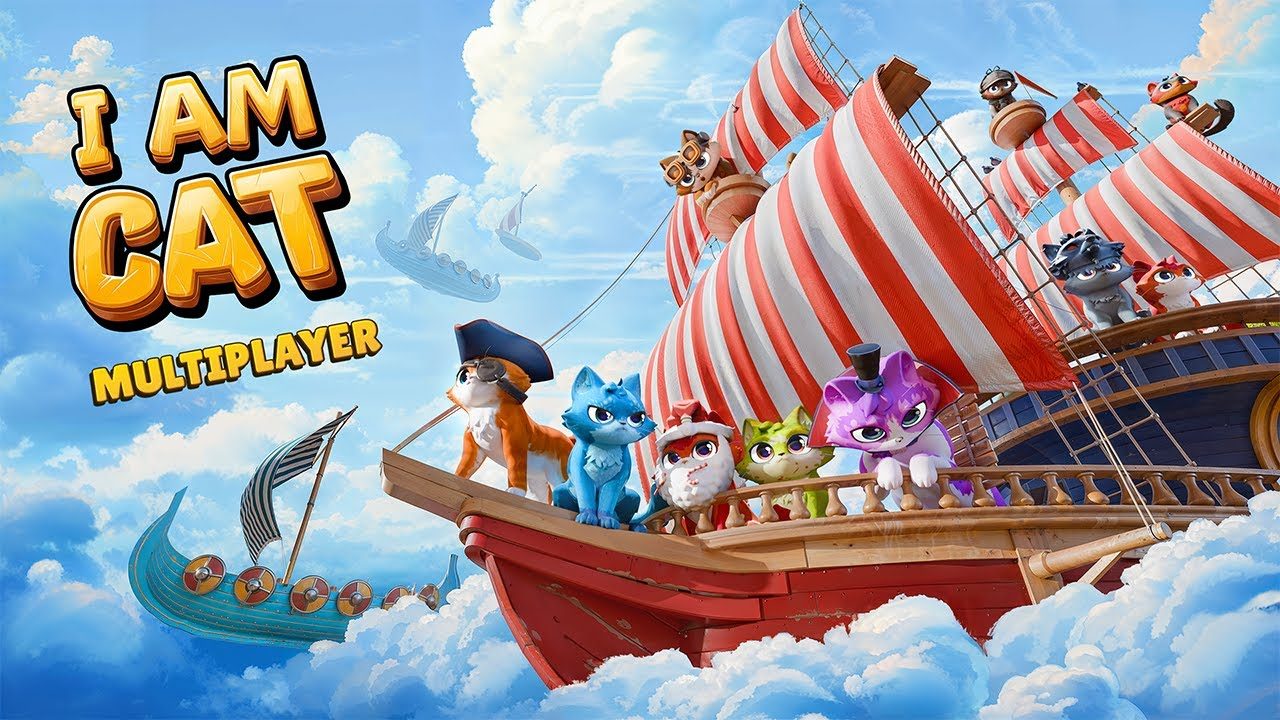
Sandbox adventure I Am Cat (2024) is all about stretching your chubby little paws, exploring the neighborhood, playing with dynamite—you know, cat things. Now the hit single-player game just got a new update that brings multiplayer lobbies to the mix, following an increasing trend in social VR games taking over.

Developer New Folder Games just released a new maritime playground, letting you and  up to 19 other feline friends set sail together for more patently wacky adventures.

The update, now available on Quest for free, also comes alongside a host of new cosmetics, including skins, hats, glasses, and more. For now, the update only features public lobbies, although the studio says it’s currently working on private lobbies.

New Folder is likely hoping to capitalize on the growing trend of social VR games regularly taking the top spots in Quest’s highest-earning games, which includes free-to-play apps like Animal Company, Gorilla Tag, Yeeps: Hide and Seek, and VRChat.

Image courtesy New Folder Games

And the stakes are pretty high. Another Axiom’s Gorilla Tag is ostensibly leading the pack, as last summer the studio announced it had topped $100 million in gross revenue, which was almost entirely driven by in-app purchases.

Notably, Meta chalks up the recent success of social VR to the release of Quest 3S headset ($300), which has also seen a demographic shift towards younger players on the platform. That said, there aren’t many paid single-player apps making the multiplayer leap, as I Am Cat’s base game still costs $20.

For I Am Cat though, costing $20 doesn’t seem to be a massive barrier to entry. The title has not only been one of the top games on Quest multiple months in a row, but also one of the top-earners too since it launched in early access back in May 2024.

Image courtesy New Folder Games

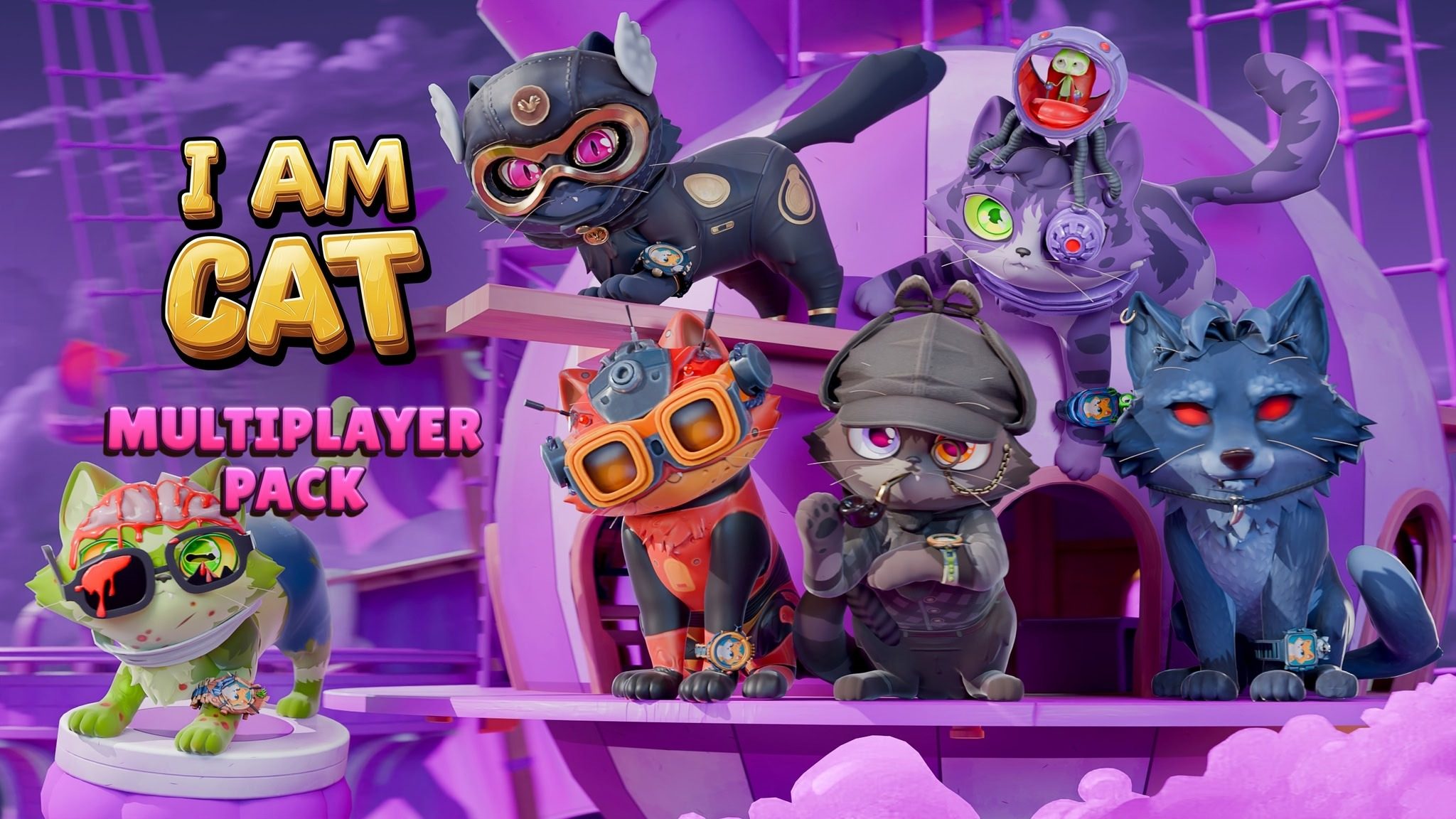
And with the launch of multiplayer, the studio is ostensibly hoping to kick paid DLC drops into high gear. The game’s first multiplayer cosmetics pack introduces six paid character models—Zombie, Robot, Alien, Detective, Wolf, and Super Hero cosmetics, priced at $20.

For now, the multiplayer update is only available on the Quest version of the game, although New Folders Games says it’s also coming to the China-only Pico version. At the time of this writing, there’s no word on whether the update will also come to the Steam version.

In the meantime, you can find I Am Cat on the Horizon Store for Quest 2 and above, and the single-player version over on Steam for PC VR headsets. There’s no word on when the game will come to PSVR 2, although you can be sure we’re bookmarking the game’s PlayStation Store page.

The post One of Quest’s Most Popular Single-player Games Gets Multiplayer Mode as Social Sandboxes Take Over appeared first on Road to VR.

Nintendo Switch 2: The Ars Technica review

When Nintendo launched the Switch in 2017, the sheer novelty of the new hardware brought the company a lot of renewed attention. After the market disaster of the Wii U’s homebound “second screen” tablet, Nintendo exploited advances in system-on-a-chip miniaturization to create something of a minimum viable HD-capable system that could work as both a lightweight handheld and a slightly underpowered TV-based console. That unique combination, and Nintendo’s usual selection of first-party system sellers, set the console apart from what the rest of the gaming market was offering at the time.

Eight years later, the Switch 2 launched into a transformed gaming hardware market that the original Switch played a large role in shaping, one full of portable gaming consoles that can optionally be connected to a TV. That includes full-featured handheld gaming PCs like the Steam Deck and its many imitators, but also streaming-focused Android-based gaming handhelds and retro-focused emulation machines on the cheaper end. Even Microsoft is preparing to get in on the act, streamlining the Windows gaming experience for an Asus-powered handheld gaming PC that hides the Windows desktop.


Mario is excited! Are you?
Credit:
Kyle Orland

Those market changes make the Switch 2 a lot less of a novelty than its predecessor. As its name implies, it is essentially a direct sequel to the original Switch hardware, with improvements to the physical hardware and internal architecture. Rather than shaking things up with a new concept, Nintendo seems to be saying, “Hey, you liked the Switch? Here’s the same thing, but moreso.”

Read full article

Comments

LibreOffice Explains ‘Real Costs’ of Upgrading to Microsoft’s Windows 11, Urges Taking Control with Linux

KDE isn’t the only organization reaching out to ” as Microsoft prepares to end support for Windows 10.

“Now, The Document Foundation, maker of LibreOffice, has also joined in to support the Endof10 initiative,” reports the tech blog Neowin:
The foundation writes: “You don’t have to follow Microsoft’s upgrade path. There is a better option that puts control back in the hands of users, institutions, and public bodies: Linux and LibreOffice. Together, these two programmes offer a powerful, privacy-friendly and future-proof alternative to the Windows + Microsoft 365 ecosystem.”

It further adds the “real costs” of upgrading to Windows 11 as it writes:

“The move to Windows 11 isn’t just about security updates. It increases dependence on Microsoft through aggressive cloud integration, forcing users to adopt Microsoft accounts and services. It also leads to higher costs due to subscription and licensing models, and reduces control over how your computer works and how your data is managed. Furthermore, new hardware requirements will render millions of perfectly good PCs obsolete…. The end of Windows 10 does not mark the end of choice, but the beginning of a new era. If you are tired of mandatory updates, invasive changes, and being bound by the commercial choices of a single supplier, it is time for a change. Linux and LibreOffice are ready — 2025 is the right year to choose digital freedom!”
The first words on LibreOffice’s announcement? “The countdown has begun….”


Read more of this story at Slashdot.

Fake Bands and Artificial Songs are Taking Over YouTube and Spotify

Spain’s newspaper El Pais found an entire fake album on YouTube titled Rumba Congo (1973). And they cite a study from France’s International Confederation of Societies of Authors and Composers that estimated revenue from AI-generated music will rise to $4 billion in 2028, generating 20% of all streaming platforms’ revenue:

One of the major problems with this trend is the lack of transparency. María Teresa Llano, an associate professor at the University of Sussex who studies the intersection of creativity, art and AI, emphasizes this aspect: “There’s no way for people to know if something is AI or not….” On Spotify Community — a forum for the service’s users — a petition is circulating that calls for clear labeling of AI-generated music, as well as an option for users to block these types of songs from appearing on their feeds. In some of these forums, the rejection of AI-generated music is palpable.

Llano mentions the feelings of deception or betrayal that listeners may experience, but asserts that this is a personal matter. There will be those who feel this way, as well as those who admire what the technology is capable of… One of the keys to tackling the problem is to include a warning on AI-generated songs. YouTube states that content creators must “disclose to viewers when realistic content […] is made with altered or synthetic media, including generative AI.” Users will see this if they glance at the description. But this is only when using the app, because on a computer, they will have to scroll down to the very end of the description to get the warning….

The professor from the University of Sussex explains one of the intangibles that justifies the labeling of content: “In the arts, we can establish a connection with the artist; we can learn about their life and what influenced them to better understand their career. With artificial intelligence, that connection no longer exists.”

YouTube says they may label AI-generated content if they become aware of it, and may also remove it altogether, according to the article. But Spotify “hasn’t shared any policy for labeling AI-powered content…”

In an interview with Gustav Söderström, Spotify’s co-president and chief product & technology officer, he emphasized that AI “increases people’s creativity” because more people can be creative, thanks to the fact that “you don’t need to have fine motor skills on the piano.” He also made a distinction between music generated entirely with AI and music in which the technology is only partially used. But the only limit he mentioned for moderating artificial music was copyright infringement… something that has been a red line for any streaming service for many years now. And such a violation is very difficult to legally prove when artificial intelligence is involved.


Read more of this story at Slashdot.

Amazon’s Return-to-Office Mandate Sparks Complaints from Disabled Employees

An anonymous reader shared this report from Bloomberg:

Amazon’s hard-line stance on getting disabled employees to return to the office has sparked a backlash, with workers alleging the company is violating the Americans with Disabilities Act as well as their rights to collectively bargain. At least two Amazon employees have filed complaints with the Equal Employment Opportunity Commission (EEOC) and the National Labor Relations Board, federal agencies that regulate working conditions. One of the workers said they provided the EEOC with a list of 18 “similarly situated” employees to emphasize that their experience isn’t isolated and to help federal regulators with a possible investigation.

Disabled workers frustrated with how Amazon is handling their requests for accommodations — including exemptions to a mandate that they report to the office five days a week — are also venting their displeasure on internal chat rooms and have encouraged colleagues to answer surveys about the policies. Amazon has been deleting such posts and warning that they violate rules governing internal communications. One employee said they were terminated and another said they were told to find a different position after advocating for disabled workers on employee message boards. Both filed complaints with the EEOC and NLRB.

Amazon has told employees with disabilities they must now submit to a “multilevel leader review,” Bloomberg reported in October, “and could be required to return to the office for monthlong trials to determine if accommodations meet their needs.” (They received calls from “accommodation consultants” who also reviewed medical documentation, after which “another Amazon manager must sign off. If they don’t, the request goes to a third manager…”)

Bloomberg’s new article remembers how several employees told them in November. “that they believed the system was designed to deny work-from-home accommodations and prompt employees with disabilities to quit, which some have done. Amazon denied the system was designed to encourage people to resign.”
Since then, workers have mobilized against the policy. One employee repeatedly posted an online survey seeking colleagues’ reactions, defying the company’s demands to stop. The survey ultimately generated feedback from more than 200 workers even though Amazon kept deleting it, and the results reflected strong opposition to Amazon’s treatment of disabled workers. More than 71% of disabled Amazon employees surveyed said the company had denied or failed to meet most of their accommodation requests, while half indicated they faced “hostile” work environments after disclosing their disabilities and requesting accommodations.
One respondent said they sought permission to work from home after suffering multiple strokes that prevented them from driving. Amazon suggested moving closer to the office and taking mass transit, the person said in the survey. Another respondent said they couldn’t drive for longer than 15-minute intervals due to chronic pain. Amazon’s recommendation was to pull over and stretch during their commute, which the employee said was unsafe since they drive on a busy freeway… Amazon didn’t dispute the accounts and said it considered a range of solutions to disability accommodations, including changes to an employee’s commute.

Amazon is also “using AI to parse accommodation requests, read doctors’ notes and make recommendations based on keywords,” according to the article — another policy that’s also generated internal opposition (and formed a “key element” of the complaint to the Equal Employment Opportunity Commission).

“The dispute could affect thousands of Amazon workers. An internal Slack channel for employees with disabilities has 13,000 members, one of the people said…”


Read more of this story at Slashdot.