
Valve released a new stable update to its Steam Client desktop application for Linux, macOS, and Windows systems with various improvements to Steam Input, especially support for the Razer Raiju V3 Pro controller.
Category Archives: Linux
Updated Intel Panther Lake IPU Firmware Published With New Features & Bug Fixes
Ahead of the first Intel Core Ultra Series 3 Panther Lake laptops expected to hit retail channels next week, Intel has published updated IPU7 (IPU 7.5) firmware for the image processing unit used by the web cameras on the higher-end Panther Lake laptops…
30 years of ReactOS
ReactOS, an open-source project
to develop an operating system that is compatible with Microsoft
Windows NT applications and drivers, is celebrating 30
years since the first commit to its source tree. In that time
there have been more than 88,000 commits from 301 contributors, for a
total of 14,929,578 lines of code. There is, of course, much left to
do.
It’s been such a long journey that many of our contributors today,
including myself, were not alive during this event. Yet our mission to
deliver “your favorite Windows apps and drivers in an open-source
environment you can trust” continues to bring people together. […]We’re continuing to move ReactOS forward. Behind the scenes there are
several out-of-tree projects in development. Some of these exciting
projects include a new build environment for developers (RosBE), a new
NTFS driver, a new ATA driver, multi-processor (SMP) support, support
for class 3 UEFI systems, kernel and usermode address space layout
randomization (ASLR), and support for modern GPU drivers built on
WDDM.
Rust 1.93.0 released
Version
1.93.0 of the Rust programming language has been released. Notable
changes include in updated version of the bundled musl library,
thread-local storage for the global allocator, some asm!
improvements, and a number of newly stabilized APIs.
1.93.0 of the Rust programming language has been released. Notable
changes include in updated version of the bundled musl library,
thread-local storage for the global allocator, some asm!
improvements, and a number of newly stabilized APIs.
Rust 1.93 Brings Improvement For Inline Assembly Handling
Rust 1.93 is out today as the first feature release for this programming lanugage of 2026…
Linux Finally Retiring HIPPI: The First Near-Gigabit Standard For Networking Supercomputers
While the Linux kernel has been seeing preparations from NVIDIA for 1.6 Tb/s networking in preparing for next-generation super-computing, the kernel has still retained support to now for the High Performance Parallel Interface. HIPPI was the standard for connecting supercomputers in the late 1980s and a portion of the 1990s with being the first networking standard for near-Gigabit connectivity at 800 Mb/s over distances up to 25 meters. But HIPPI looks like it will be retired from the mainline kernel with Linux 7.0…
Fostering Kenya’s computing education ecosystem
In November, our first-ever Kenya Partner Showcase brought together all our partners from across the country for two days of collaboration, learning, and shared strategy. What stood out to us most from the event was not just the diversity of work that the Kenyan partners are doing in computing education, but also the clear alignment that is emerging across partners, government, and communities.
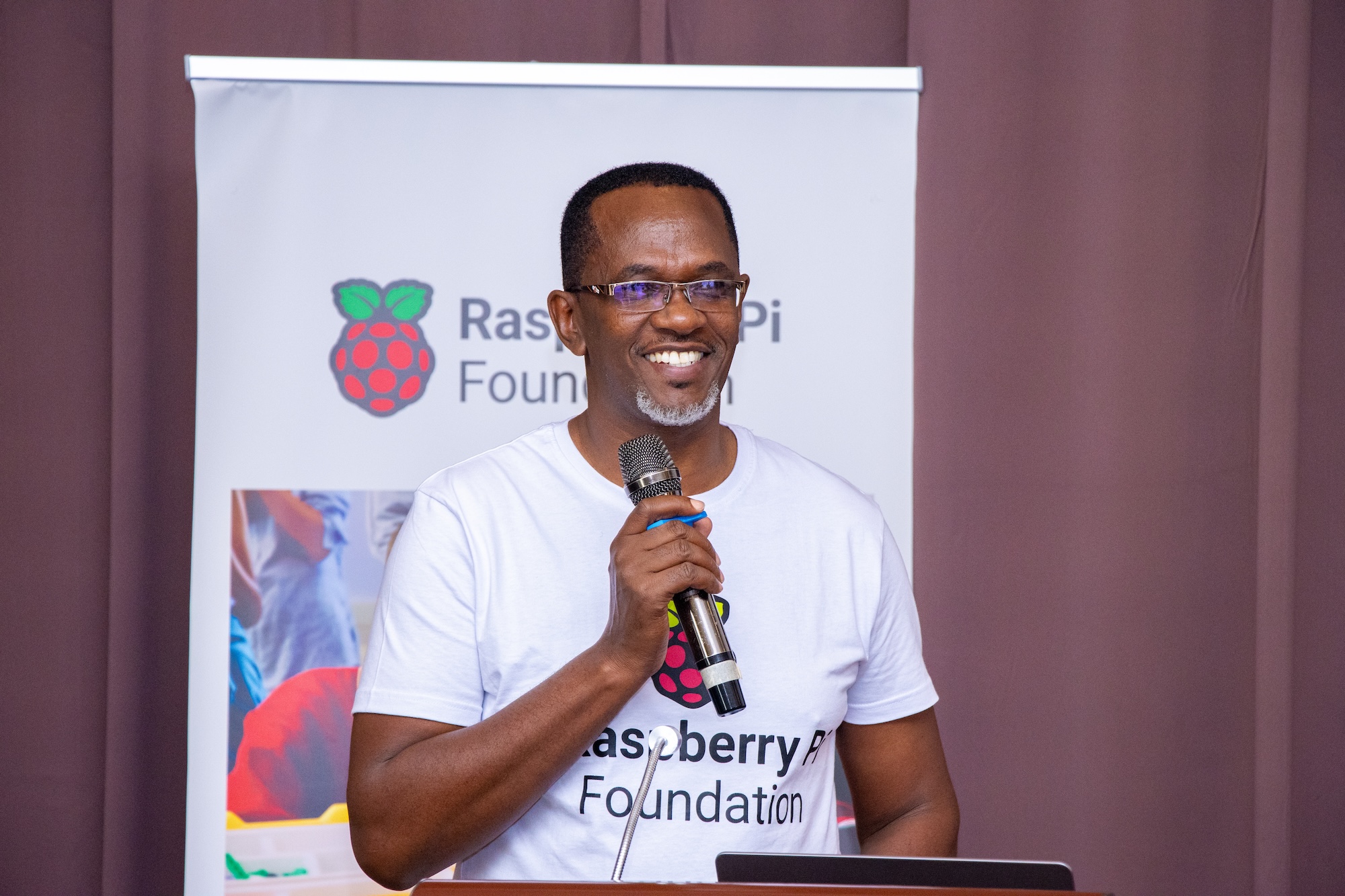
Partners used the Showcase to present sessions about their journeys implementing the Foundation’s programmes, sharing achievements and insights that strengthened the collective learning space. The conversations during our two days together reflected a maturing ecosystem and demonstrated how structured government buy-in is accelerating adoption of our localised Computing Curriculum and influencing national policy spaces.
“Through these programmes, we are equipping young people to become future-ready leaders of integrity and impact.” – Betty Oloo Anderson, National Executive Officer, Kenya Girl Guides Association
It was encouraging to see how far computing education has evolved since we began working with Kenyan partners in 2023, signalling the collective effort and commitment driving this work forward.
Partner-led sessions to reflect on what works
The sessions revealed a powerful shift already taking place in classrooms, with partners demonstrating how embedding The Computing Curriculum into Teacher Professional Development frameworks is building teacher confidence and elevating the quality of classroom instruction through stronger digital competencies and culturally relevant pedagogy. The partner presentation on Experience AI, our AI literacy programme, was especially powerful. It reframed the national dialogue from questioning whether AI might take over the classroom to recognising the real capacities and limitations of AI tools, and the central role teachers play in guiding young people to use and create AI tools in safe, ethical ways.
“Running Raspberry Pi Foundation programmes has been a transformative journey. It has challenged us to innovate, document rigorously, and continually place learners at the center of every decision. The structured support, tools, and community of practice have enabled us to deliver programmes with greater impact and accountability.” Joel Kahindi, Programme Coordinator, STEAMLabs Africa
Hands-on demonstrations, from physical computing with Raspberry Pi Pico to teacher development transitions from Scratch to Python, highlighted how practical computing is taking root in both formal and non-formal learning environments.
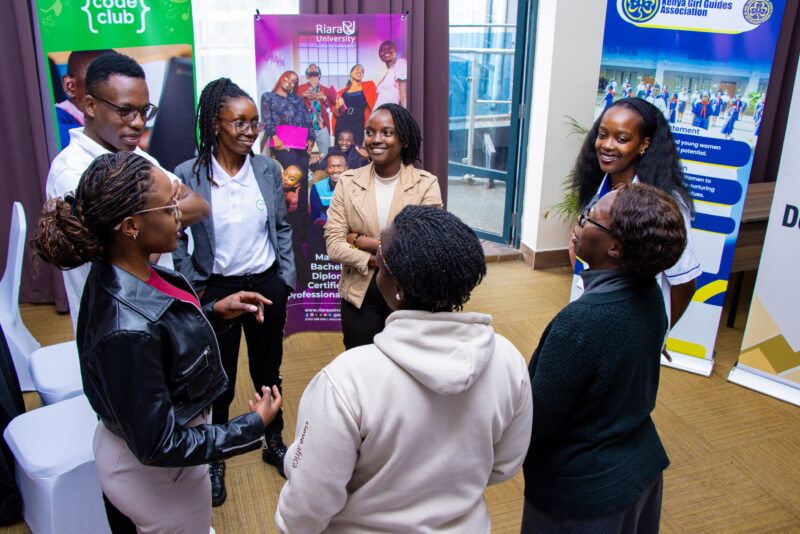
Partners from remote and underserved regions shared how locally contextualised computing tools and programmes we offer are reaching learners in ASAL (arid and semi-arid land) regions, strengthening literacy and digital confidence even in low-resource settings. Complementing this, curriculum-focused partners highlighted how structured computing resources are being adapted for ASAL contexts, reinforcing foundational skills at scale. Efforts around community-centred connectivity are enabling schools, especially in underserved communities, to finally access reliable high-speed internet.
“Through [our partnership with the Raspberry Pi Foundation], we are not only strengthening our programmes but also expanding our vision for what meaningful learning can look like across underserved communities.” – Joel Kahindi, Programme Coordinator, STEAMLabs Africa
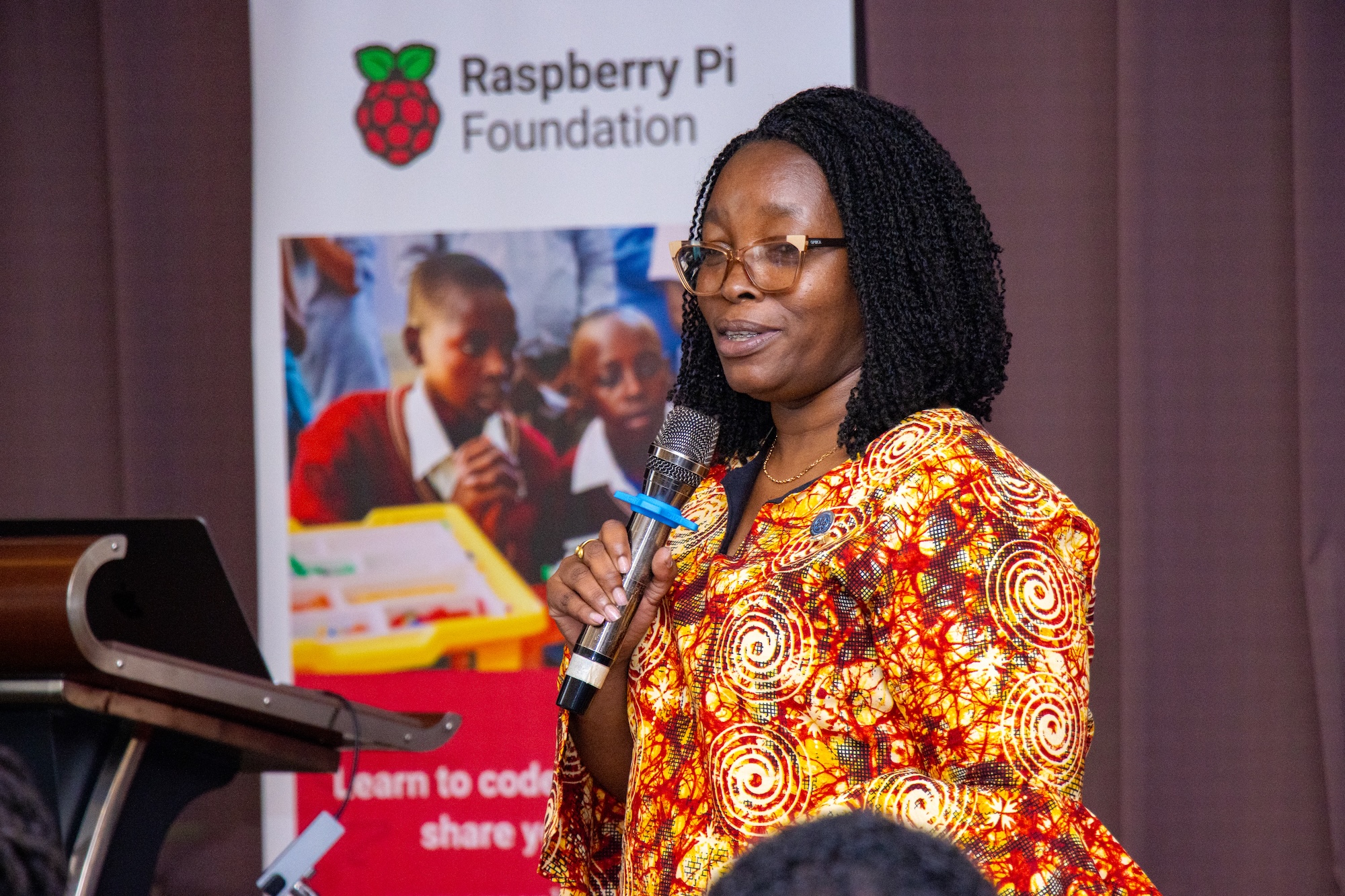
A notable pattern that emerged was how existing collaborations are now opening doors to new ones, with partners building on their relationship with us to form additional partnerships for devices, connectivity, and shared learning, creating a more holistic digital ecosystem for learners.
Solving shared problems, sharing real stories
A major anchor of the Showcase was the Code Club co-creation sprint. Implementing partners worked through real barriers and opportunities: easier onboarding for educators, continuous training, integrating clubs into school calendars, learner-led ownership, and sustainable models that last beyond donor funding. There was strong interest in forming a unified Code Club Kenya partner network to streamline communication, resource-sharing, and visibility, and our team is now exploring what it would take to bring this to life.
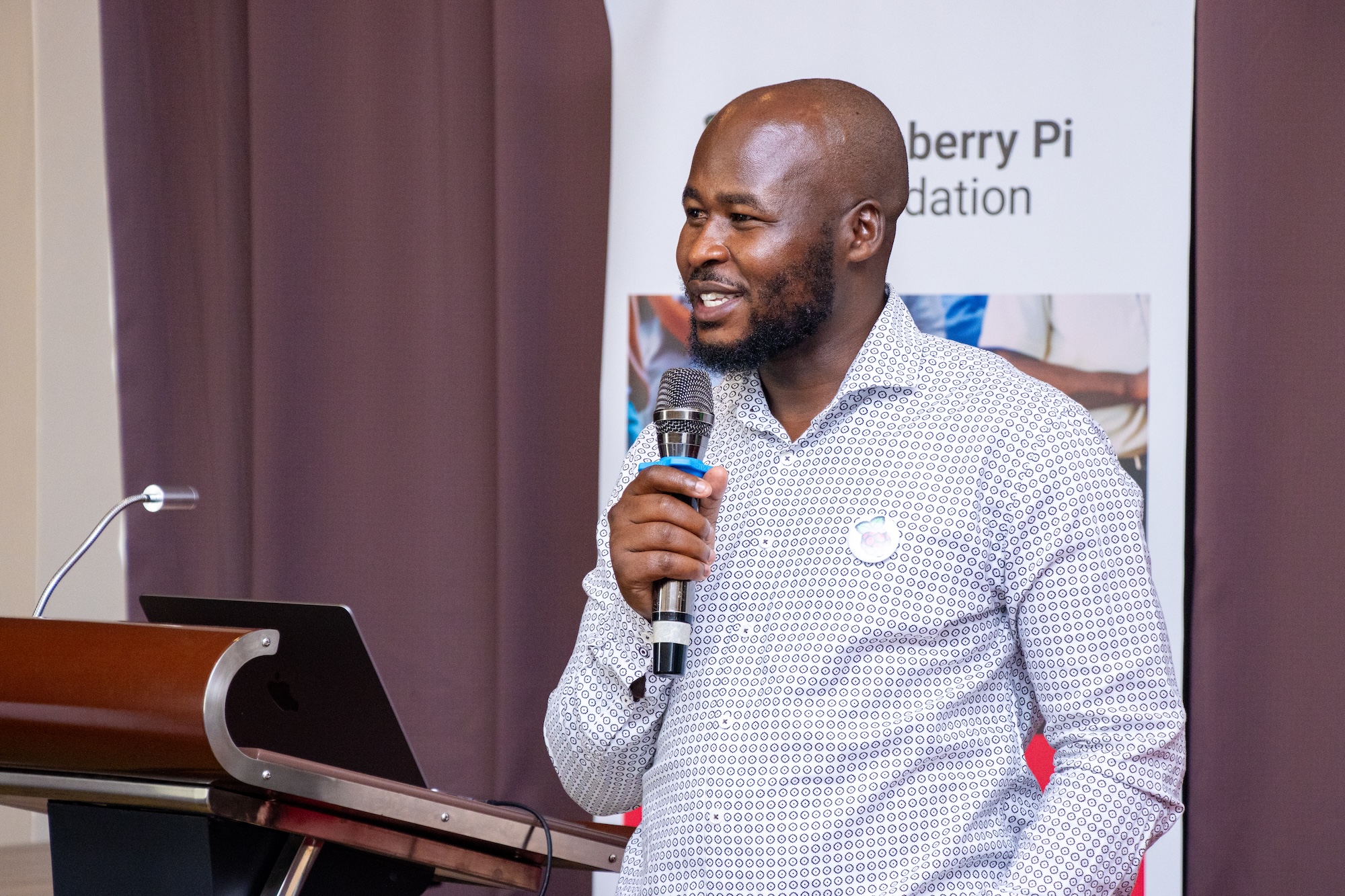
One message echoed across sessions: the power of telling real stories. Partners expressed a shared desire to spotlight creator projects, Code Club leader journeys, and regional experiences more consistently, through social media, case studies and impact stories, and shared platforms, to make progress visible and inspire more schools to adopt computing and digital skills.
From isolation to coordination
By the close of the Showcase, the takeaway was clear: Kenya’s digital learning ecosystem is no longer a set of isolated efforts — it is a coordinated network that shares priorities, evidence-based insights, and a commitment to scaling impact together. As one partner reflected, “This Showcase created a space for joint learning and will help us scale our impact across the country.” It felt evident, too, that bringing these voices into one room is itself part of the work. For us at the Foundation, this Showcase reaffirmed the responsibility and privilege of stewarding a network that is shaping what the future of learning computing in Kenya can look like.
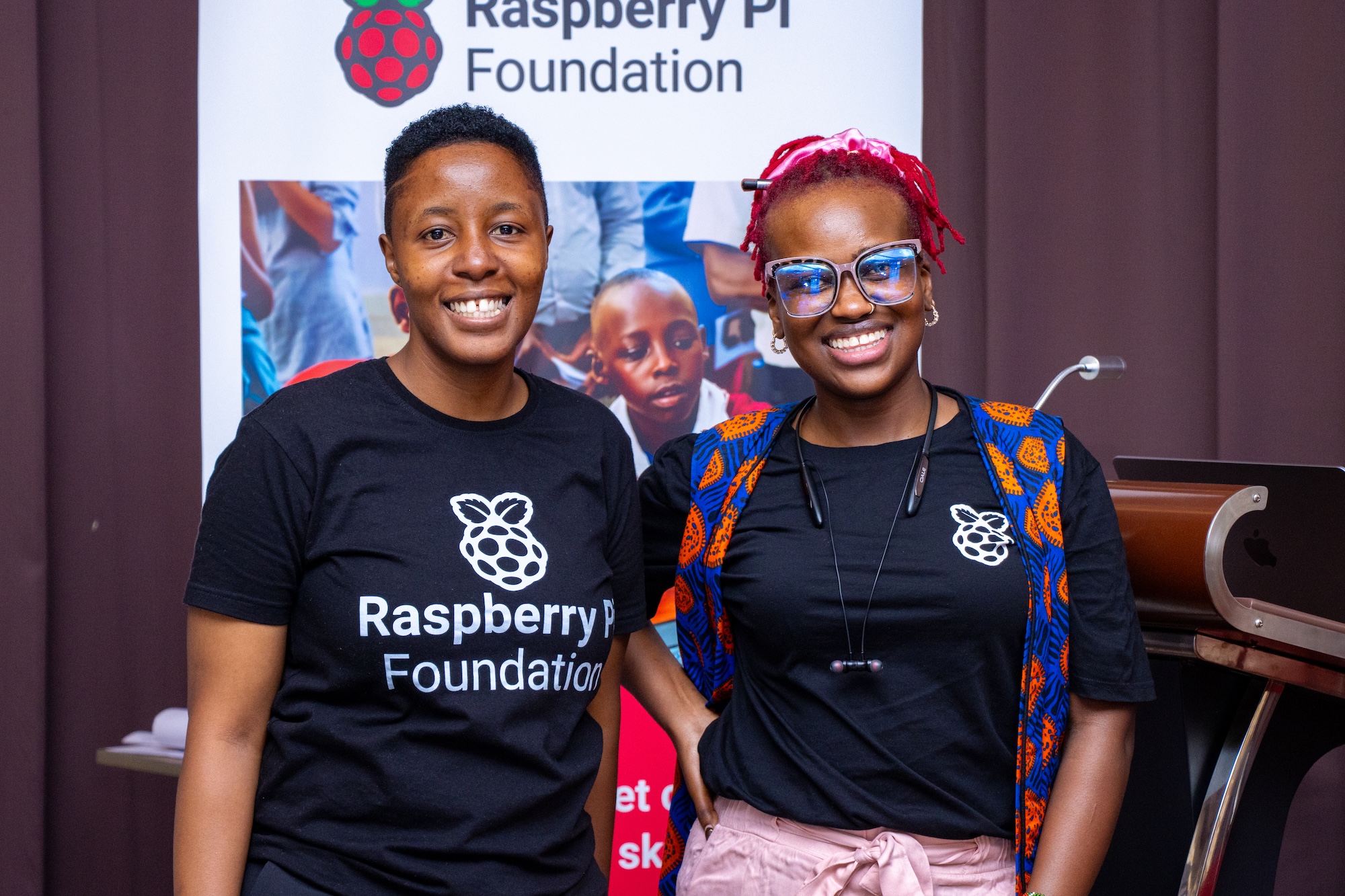
The Showcase marks the beginning of a new, aligned chapter for computing education in Kenya, one driven by collaboration, clarity, and a shared belief that we go further when we go together. With shared priorities for 2026, the momentum continues, and we will be continuing to highlight where this collective work is headed next.
Thank you to all partners
We want to thank you to all our partners — Frontier Counties Development Council (FCDC), STEAMLabs Africa, Young Scientists Kenya, Kenya Girl Guides Association, Oasis Mathare, Futures Infinite, EmpServe Kenya, Kenya Connect, Tech Kidz Africa, Riara University, and M-Lugha — for your leadership, dedication, and unwavering belief in what is possible when we learn and build together.
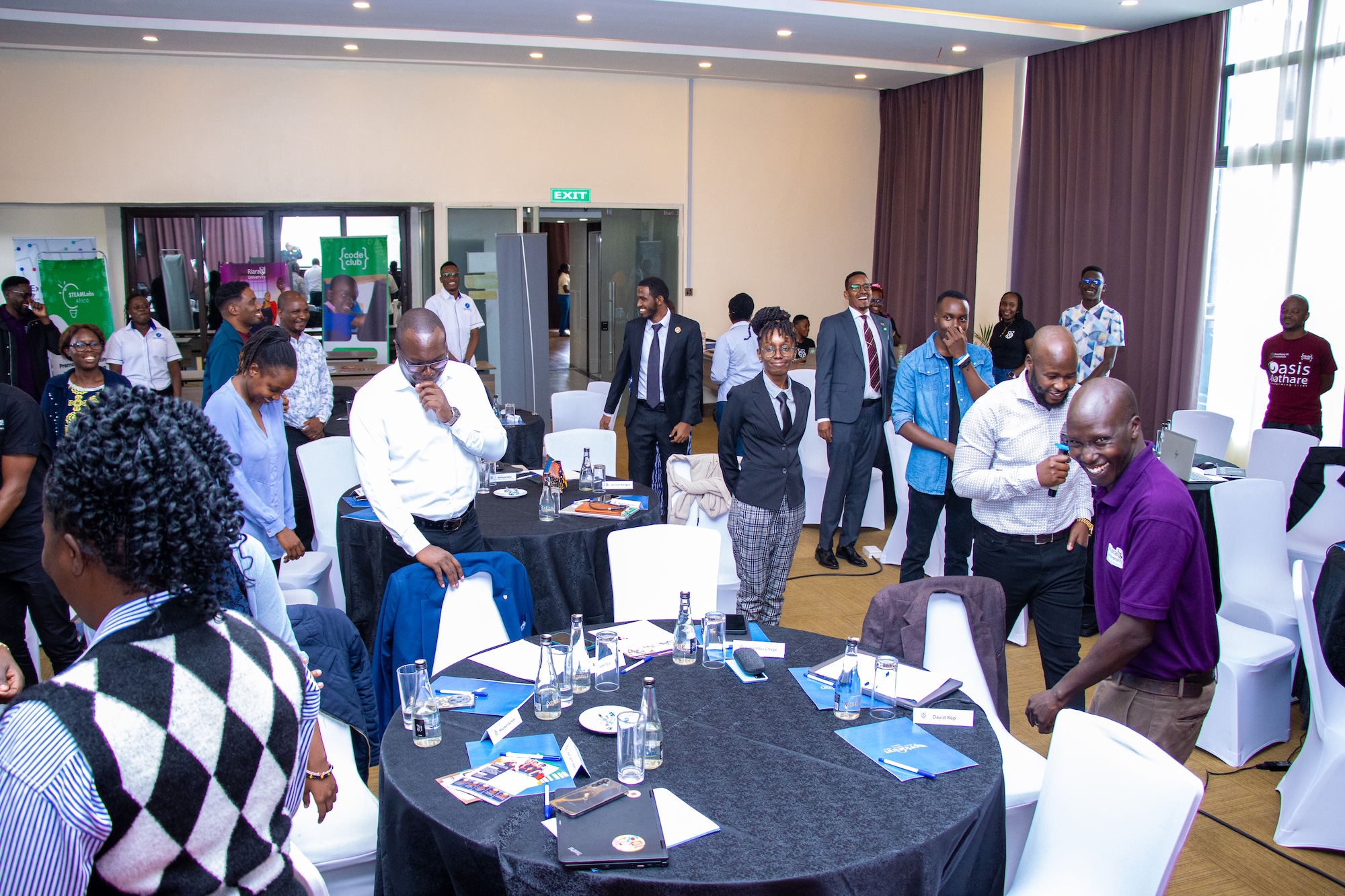
This Showcase was a reflection of your work, your commitment to learners, and your vision for a digitally empowered Kenya. We are grateful for your continued partnership and excited for all that lies ahead.
The post Fostering Kenya’s computing education ecosystem appeared first on Raspberry Pi Foundation.
COSMIC Desktop 1.0.3 Brings File Manager Improvements
The latest COSMIC Desktop 1.0.3 update is out, improving usability in Files, Settings, Terminal, and portal integration for Linux users.
Prominent Intel Compiler Engineer Heads Off To AMD
James Brodman worked for the last 15 years at Intel on their ISPC SIMD compiler and then in more recent years on the Intel DPC++ compiler and SYCL support as part of Intel’s oneAPI initiative. Rather interestingly, this compiler expert has now joined AMD…
ReactOS Celebrates 30 Years In Striving To Be An Open-Source Windows Implementation
The ReactOS project is celebrating today that it marks 30 years since their first code commit in the ReactOS source tree. During the past 30 years now the project has seen more than 88k commits from more than 300 developers as it seeks to be a robust open-source Windows implementation. In their 30 year birthday blog post they also provide a look ahead at what they’re working on…
Curl shutters bug bounty program to remove incentive for submitting AI slop
Maintainer hopes hackers send bug reports anyway, will keep shaming ‘silly ones’The maintainer of popular open-source data transfer tool cURL has ended the project’s bug bounty program after maintainers struggled to assess a flood of AI-generated contributions.…
Qualcomm QCS6490-based SBC supports Yocto, Ubuntu, and Windows on Arm
Advantech has introduced the MIO-5355, a 3.5-inch single-board computer based on Qualcomm’s QCS6490 and QCS5430 platforms. The board combines Arm-based processing, integrated AI acceleration, and rugged I/O support, with operating system options including Yocto Linux, Ubuntu, and Windows on Arm. The MIO-5355 is offered with either the QCS6490 or QCS5430 system-on-chip. The QCS6490 variant integrates […]
UnifyDrive expands its private NAS lineup with UC450 Pro and UC250
UnifyDrive has expanded its private NAS lineup with the UC450 Pro and UC250, two closely related systems focused on local storage, processing, and on-device services. The models address different performance tiers, ranging from low-power, always-on operation to workstation-class workloads. The UC450 Pro is built around Intel’s Core Ultra 5 225H processor, which combines CPU cores […]
Slimbook Launches New Slimbook ONE Mini Linux PC, Slimbook Executive Laptop
Linux hardware vendor Slimbook announced today that it has refreshed some of its Linux-powered computers, including the Slimbook ONE mini PC and Slimbook Executive laptop, with more powerful components.
[$] LWN.net Weekly Edition for January 22, 2026
Inside this week’s LWN.net Weekly Edition:
- Front: Singularity; fsconfig(); io_uring restrictions; GPG vulnerabilities; slab allocator; AshOS.
- Briefs: Pixel exploit; telnetd exploit; OzLabs; korgalore; Firefox Nightly RPMs; Forgejo 14.0; Pandas 3.0; Wine 11.0; Quotes; …
- Announcements: Newsletters, conferences, security updates, patches, and more.
Linux Distros I Recommend for Those Switching from Windows
Considering Linux for the first time? These four distributions are well-suited for newcomers seeking a simple, proven, and reliable starting point.
AMD Sends Out Linux Patches For Next-Gen EPYC Features: GLBE, GLSBE & PLZA
Sent out to the Linux kernel mailing list this afternoon were a set of 19 patches in preparing for some new CPU features presumably to be found with AMD’s next-generation EPYC “Venice” processors…
AMD ROCm 7.2 Now Released With More Radeon Graphics Cards Supported, ROCm Optiq Introduced
Back at CES earlier this month AMD talked up features of the ROCm 7.2 release. ROCm 7.2 though wasn’t actually released then, at least not for Linux. That ROCm 7.2.0 release though was pushed out today as the latest improvement to this open-source AMD GPU compute stack and officially extending the support to more Radeon graphics cards…
[$] Cleanup on aisle fsconfig()
As part of the process of writing man pages for the “new” mount API, which has been available in the
kernel since 2019, Aleksa Sarai encountered a number of places where the fsconfig()
system call—for configuring filesystems before mounting—needs to be cleaned up. In the 2025 Linux Plumbers Conference
(LPC) session
that he led, Sarai wanted to discuss some of the problems he found,
including at least one with security implications. The idea of the session
was for him to describe the various bugs and ambiguities that he had found,
but he also wanted attendees to raise other problems they had with the
system call.
PyTorch 2.10 Released With More Improvements For AMD ROCm & Intel GPUs
PyTorch 2.10 is out today as the latest feature update to this widely-used deep learning library. The new PyTorch release continues improving support for Intel GPUs as well as for the AMD ROCm compute stack along with still driving more enhancements for NVIDIA CUDA…