Wahoo has announced the Kickr Bike Pro, an upgraded version of its highly rated smart indoor bike.
Built around the same indoor bike frame and resistance unit as the standard Kickr Bike, Wahoo says the Kickr Bike Pro features upgraded shifters alongside “premium” contact points from Fizik.
These include a Fizik Aliante R5 saddle and the Italian brand’s Solocush bar tape wrapped on a new ‘ergonomic handlebar’ that Wahoo says is “ specifically designed for indoor riding”.
The Kickr Bike Pro is available now and priced at £3,499.99 / $3,999 / €3,999.99.
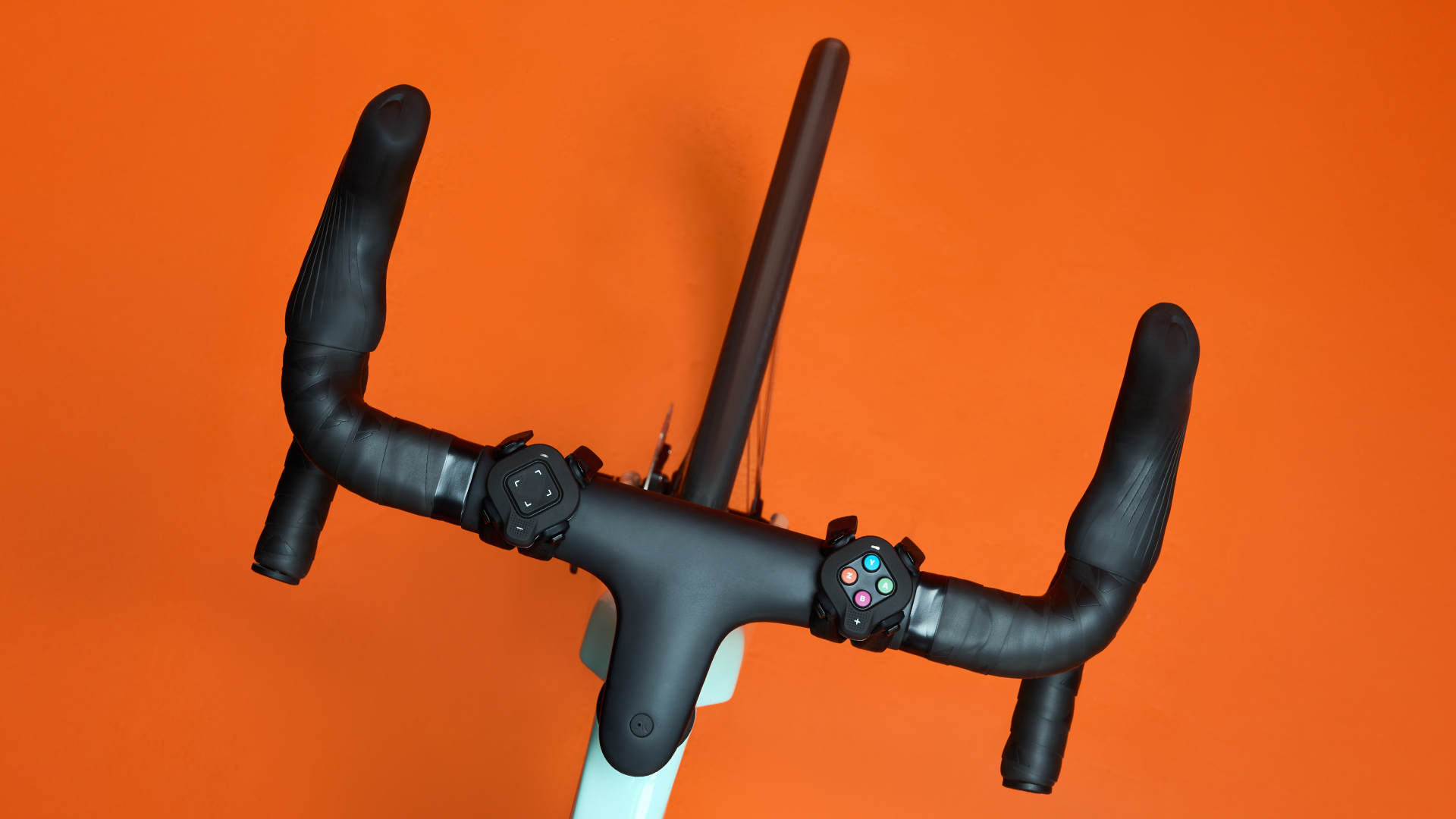
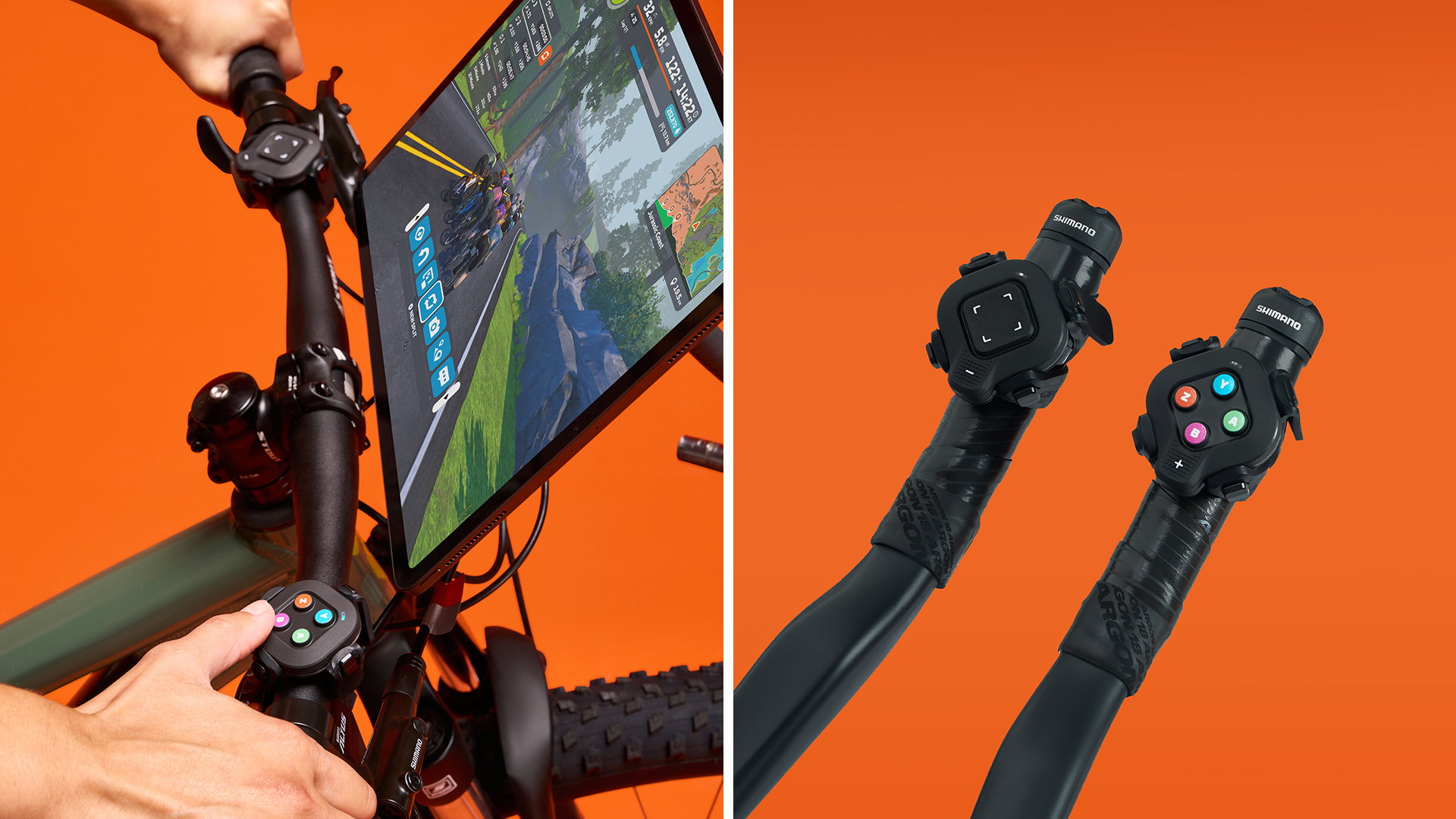
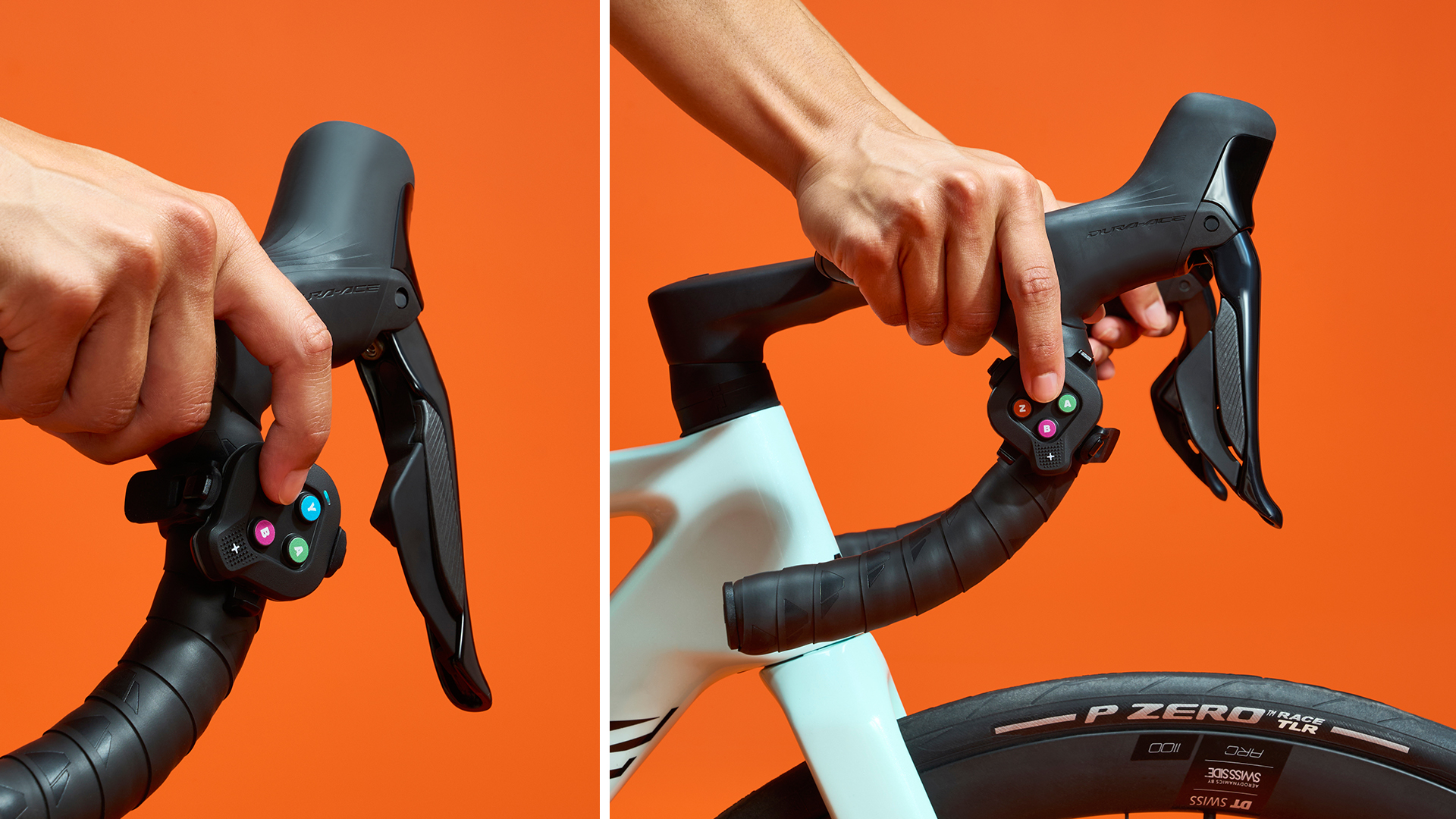
Wahoo’s Kickr Bike Pro shifters feature additional action buttons up top.
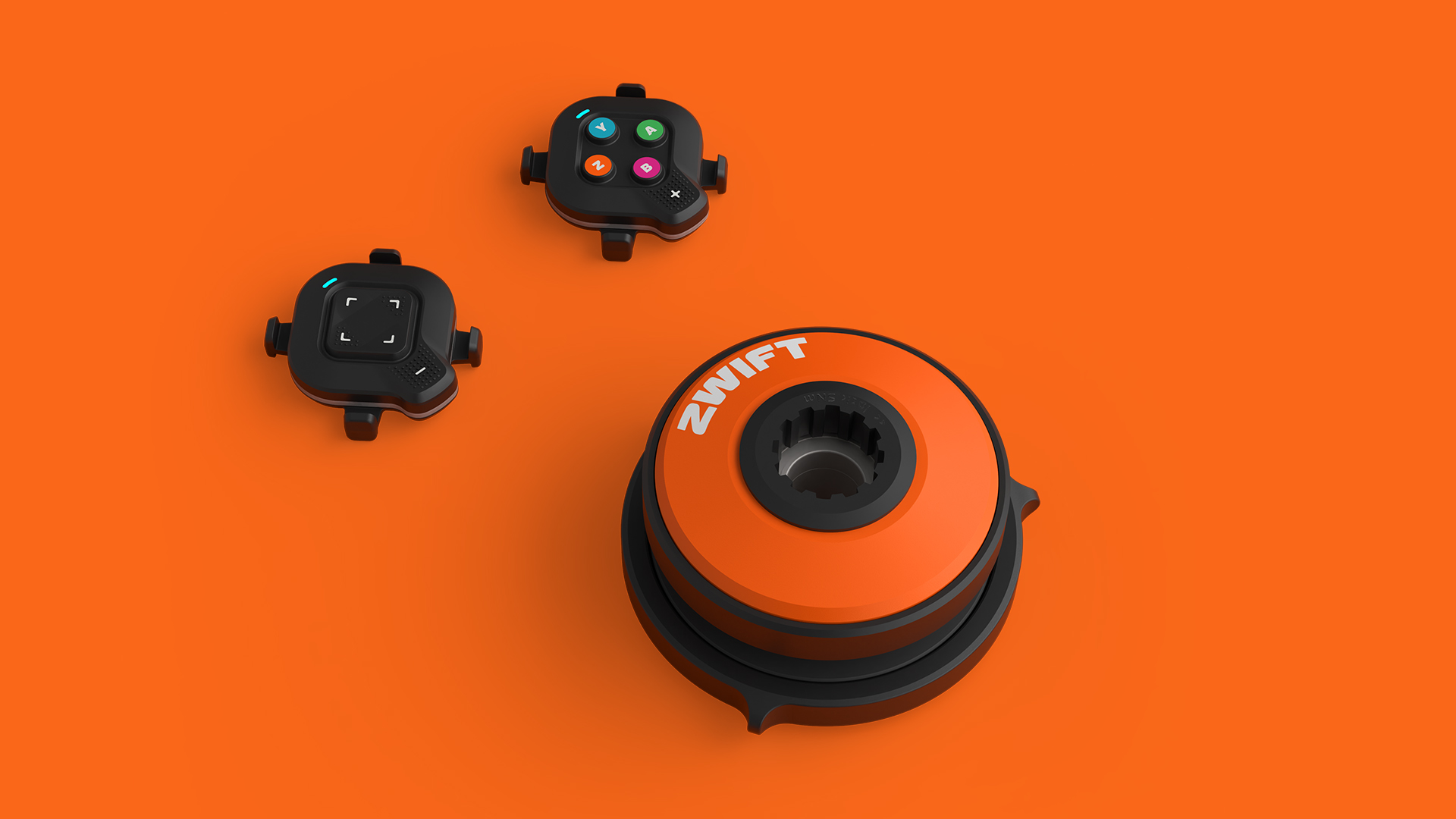
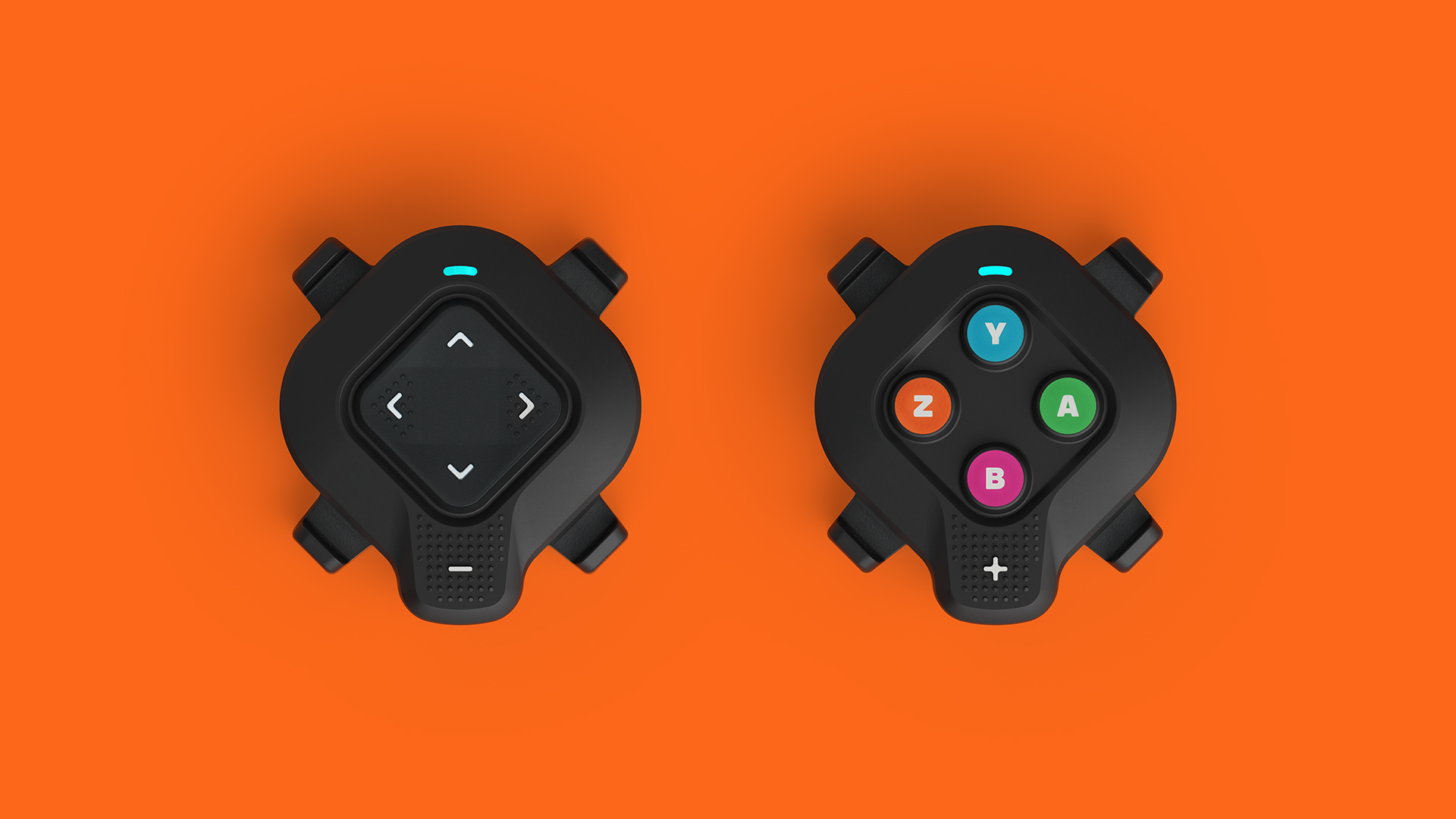
With interactive indoor cycling booming in recent years, we’ve seen an increasing number of video-game style ‘controllers’ such as Zwift’s Play and, more recently, Click v2.
Designed around Zwift (indoor cycling’s most popular app), these enable riders to control their avatar and navigate in-app menus without needing to reach for a keyboard and mouse while riding.
With other indoor cycling apps, such as Rouvy, adopting these systems and controllers, Wahoo has added more buttons to the tops of the shifter hoods to expand the Kickr Bike Pro’s capabilities.
Wahoo says it modelled the new shifter buttons to match the functionality of Zwift’s controllers. Simon von Bromley / Our Media
The brand says these are modelled to mimic the functionality of Zwift’s Play and Click v2 controllers, but they can be used with other apps where they are supported.
Wahoo has also added the ability for the Kickr Bike Pro to act as a sensor bridge for other Bluetooth or ANT+ peripherals, such as heart rate monitors.
According to Wahoo, these make the Kickr Bike Pro “the most integrated indoor training solution available”.
Upgraded contact points
Fizik supplies its popular Aliante R5 saddle. Wahoo
While the standard Kickr Bike came with unbranded parts – leaving riders free to spec their own parts, if preferred – Wahoo has partnered with Fizik to improve the quality of the Kickr Bike Pro’s contact points.
The saddle, for example, is the brand’s popular Aliante model. Designed for endurance road cycling, the Aliante features a curved profile and a pressure-relief channel in the middle.
Wahoo’s Kickr Bike Pro handlebar features flared drops. Wahoo The new handlebar features compact drops. Wahoo
Alongside this, Wahoo has specced a new ‘ergonomic’ drop handlebar. It doesn’t note exact changes compared to the bar on the standard Kickr Bike, but it appears to feature a relatively compact drop with a slight flare to the drops.
The brand says it has also refined the quick-release levers used to adjust the bike fit, for a smoother experience setting up the bike.
As before, the Kickr Bike Pro uses industry-standard saddle and stem mounting points, so riders can swap in their own favourites if preferred. Crank length is also selectable in 2.5mm increments from 165 to 175mm.
Wahoo Kickr Bike Pro spec
Wahoo’s Kickr Bike Pro is built around the existing Kickr Bike platform. Wahoo
Beyond the upgraded shifters and contact points, the basic spec of the Kickr Bike Pro is the same as the standard Kickr Bike.
This includes a maximum power output of 2,500 watts, a claimed power accuracy rating of +/- 1 per cent and the ability to simulate gradients from -15 to 20 per cent.
It also features network connectivity via Wi-Fi or Wahoo’s own ‘direct connect’ wired standard, as well as Bluetooth and ANT+ capabilities.
Wahoo Kickr Core 2
Wahoo has also announced the release of the new Kickr Core 2 smart trainer. Simon von Bromley / Our Media
Alongside the Kickr Bike Pro, Wahoo has announced the Kickr Core 2 – a new version of its iconic mid-range smart trainer.
As with the Kickr Bike Pro, the Kickr Core 2 is built around a similar platform to the original Kickr Core, but features upgraded legs and additional connectivity options, including Wi-Fi.
Priced at £499.99 / $549.99 / €549.99, we’ve got a unit in for testing ahead of the coming winter.
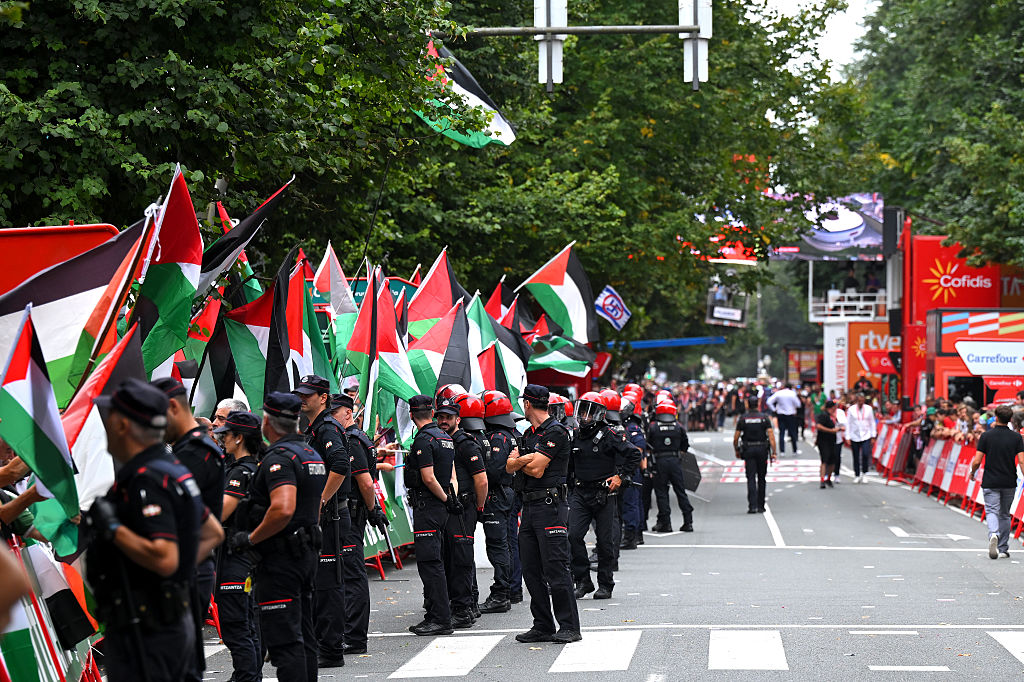
If you’ve been following this year’s Vuelta a España, you’ll have likely seen or read about the pro-Palestine demonstrations that have disrupted the race.
From the beginning of this year’s final Grand Tour, demonstrators have lined the roadside waving Palestinian flags, entered the course to halt the race and even engaged in a stand-off with police.
Coverage of the protests has focused overwhelmingly on statements issued by the race organisers, the riders and the Israel–Premier Tech team, which has been the main target of the demonstrations. So we spoke directly with those behind the demonstrations.
“Sportswashing pure and simple”
A protest at the start of stage 15 of La Vuelta in Ribadeo, Spain. Carlos Castro / Getty Images
In April, the Boycott, Divestment and Sanctions (BDS) Movement called for protests against the inclusion of Israel–Premier Tech in this year’s Grand Tours. The Palestinian Campaign for the Academic and Cultural Boycott of Israel (PACBI) is a founding member of the Palestinian-led BDS movement.
Stephanie Adam, a campaigner for PACBI, told BikeRadar via email that Israel–Premier Tech’s presence at La Vuelta is “sportswashing pure and simple”. Sportswashing is typically described as a way to improve the reputation of a government or state, and it has become commonplace in cycling.
She believes the team “was explicitly created to whitewash and distract from Israel’s grave crimes against Palestinians”, adding that it refers to itself as an “ambassador” for Israel.
“The team’s backer and co-founder, billionaire Canadian-Israeli Sylvan Adams, refers to himself as an ambassador-at-large for Israel,” she explains, highlighting how Adams has said that riders understand that being on the team means being an ambassador for the country.
Recently, former Israel–Premier Tech riders Jakob Fuglsang and Alessandro De Marchi have expressed relief at no longer riding for the team.
Israel-Premier Tech’s co-owner Sylvan Adams in 2022. Bo Amstrup / Getty Images
Adam says: “Israel is committing what the International Court of Justice (ICJ) has ruled is plausibly genocide against 2.3 million Palestinians in Gaza, killing tens of thousands. Israel’s livestreamed engineered mass famine is starving Palestinians to death. It has also decimated Palestinian homes, hospitals, schools, universities, and sports facilities.”
Israel’s war on Gaza was launched in response to the Hamas attacks of October 7 2023, where more than 1,000 Israelis were killed and more than 250 were taken hostage.
Adam contextualises Israel’s ensuing war on Gaza by saying: “This is only Israel’s latest, devastating attack on Palestinian life. As Amnesty International and others have documented, Israel has been imposing an apartheid regime on the entire Palestinian people, including refugees, for 77 years.”
She says Palestinians and the PACBI’s progressive allies “will not stand by” as any sportwashing of Israel takes place. “How could we? Our most urgent task at hand is stopping the genocide. There can be no sports as usual,” she says.
“Grassroots power at its finest”
Pro-Palestinian protesters at the finish line of La Vuelta’s stage 11, which was shortened. Tim de Waele / Getty Images
Lidón Soriano has been one of the organisers of the protests at La Vuelta. In July, she was involved in launching BDS Deportivo, a platform for the boycott of Israel in sport through the BDS Movement and RESCOP, the Spanish network against the occupation of Palestine.
She says the platform’s main objective is to expel Israel from La Vuelta and all sporting competitions.
“We’ve achieved coordination throughout all stages, and it’s been wonderful to be able to create that common thread in terms of message, action, and objective,” she tells BikeRadar by email.
“From the first stage in Figueres to the current one in Asturias, we’ve been in contact with all the local groups, and all have carried out peaceful, nonviolent actions.
“Personally, the experience was impressive: grassroots power at its finest and a collective demand for justice for Palestine.”
While there have been protests at other races, none have been as large as those at La Vuelta, which even led to stage 11 being shortened due to the number of demonstrators at the finish line in Bilbao.
Soriano says she thinks there are two reasons for this. “On the one hand, the Spanish population is probably the most sensitive and supportive of Palestine of all European countries. On the other hand, the Spanish government is less repressive toward demonstrations of support for Palestine,” she says.
It is not only the Spanish population that is supportive of Palestine, but parts of the government too. Spain’s prime minister, Pedro Sánchez, was the first senior European leader to accuse Israel of genocide.
The government also recently announced that it will move forward with a law that, if passed, would directly impose a military embargo against Israel. And, last week, the country’s minister of foreign affairs, European Union and cooperation of Spain, José Manuel Albares, even said he supports Israel–Premier Tech leaving La Vuelta.
UCI hypocrisy
Cyclists pass Palestine flags at La Vuelta a España. Tim de Waele / Getty Images
Albares is one of many to have called for Israel–Premier Tech to leave Spain’s Grand Tour, but the decision on whether or not they can race ultimately lies with cycling’s governing body, the UCI.
Last week, the UCI released a statement saying it “firmly condemns” the protests at La Vuelta, stressing its political neutrality. But for Adam, there is hypocrisy in the UCI’s actions.
After Russia’s invasion of Ukraine, the UCI banned Russian teams from participating in competitions, but no similar ban was placed on Israel after it began its most recent attack on Gaza following October 7.
Adam says this signals to Israel that “its genocide… can continue with no consequences, with total impunity”.
Pro riders’ reactions
Jonas Vingegaard claimed the race was the “wrong place” for people to protest, but later said people were doing it for a reason. Dario Belingheri / Getty Images
Pro riders have been at the sharp end of the protests at La Vuelta. Several have crashed following protesters entering the course of the race. Some riders have acknowledged the right to peaceful protests, but expressed concerns over safety.
Following the curtailment of stage 11, Tom Pidcock said the demonstrators’ actions were “not going to help what they’re protesting for”. Race leader Jonas Vingegaard said La Vuelta is the “wrong place” for people to protest.
This week, the Dane expressed understanding for what’s behind the protests: “People are doing it for a reason, it’s horrible what’s happening,” he said after stage 15, but added that it was a “shame” the race was being targeted.
In response to their comments, Soriano is appealing to riders. “I would like to ask them what they would like the world to do if their children, wives, or mothers were being murdered,” she says.
Adam adds: “Palestinians and our progressive allies would like nothing more than for there to be no need to protest against Israel’s genocide, its apartheid rule, or its military occupation. But that is not the world we live in.”
What happens next?
Israel–Premier Tech removed its name from the team jersey at La Vuelta. Miguel Riopa / Getty Images
Israel–Premier Tech has said it’s firmly committed to racing at La Vuelta. The team has also removed its name from its kit, citing safety concerns, and Sylvan Adams has said withdrawing from the race would amount to “surrender to the terrorists”.
Meanwhile, Adam and Soriano say protests will continue through the final week of La Vuelta.
Soriano says BDS Deportivo demands the expulsion of Israel from all sporting events, and will “continue coordinating the actions that the different groups are preparing in their respective cities until governments and sports organisations fulfill their legal obligation to do everything possible to end the occupation, apartheid, and genocide in Palestine.”
Adam says protests will continue at La Vuelta, and until Israel–Premier Tech is excluded from UCI races and events.
“Riders and teams are reportedly starting to call for UCI to do just that,” she says. “We encourage them to make their collective voice heard, to uphold sporting values and push UCI to stop tarnishing the sport.”
Garmin says the new Edge 550 and Edge 850 are its “brightest and smartest” compact bike computers yet.
Launched today, the Edge 550 (£379.99) and Edge 850 (£469.99) have a new bright and colourful 2.7in display, which is a small increase of 0.1in compared to the previous Edge 540 and Edge 840.
Garmin says the two bike computers are also highly responsive, fast and they come with a whole host of advanced training features, including free training plans.
This extra performance also comes with a boosted battery life, which has increased from 26 hours on the Edge 540 and 840 to 36 hours.
The new Edge bike computers come with advanced training features. Garmin
One of the biggest draws of the new Edge 550 and 850 computers is the free Cycling Coach plans, which come alongside a host of other training features.
Accessible via the Garmin Connect app, these plans are said to “adapt based on specific course demands and the rider’s training and recovery, providing recommended training adjustments.”
You can also use the Edge 550 and 850 to see your cycling ability. Garmin says this can help you understand your strengths and weaknesses as a cyclist, and it tracks your progress over time.
Elsewhere, the smart fueling alerts prompt you to hydrate and refuel during your ride based on your current fitness, the course you’re riding, heat and humidity.
When paired with a smartphone and the Connect cycling app, you can use the computers to access Garmin’s new GroupRide data comparisons. This feature shows how your speed, heart rate, power output, cadence and more stack up against your fellow riders.
If you ride with electronic gears, after your ride you can use the computers to check how much time was spent in each gear with Garmin’s new Gear Ratio Analysis.
One particularly useful feature on the Edge 550 and 850, that doesn’t require an app or high-tech equipment, is real-time weather updates, including wind direction.
The computers also support Garmin’s enduro and downhill profiles, which launched with the recently announced Edge MTB computer. These enable 5Hz GPS recording while descending to help you see the lines you took in greater detail.
The timing gates feature will also be of use if you ride off-road. This enables you to see splits in real time for each lap or run of your ride.
So what’s the difference between the Edge 550 and 850?
The Edge 850 comes with Garmin Pay for contactless payments. Garmin
While the new Garmin Edge 550 and Edge 850 share the same bright screen and training features, the Edge 850 has several extra features, which contributes to its higher price and brings it more in line with Garmin’s flagship Edge 1050 bike computer.
One of the big draws of the Edge 850 over the 550 is the responsive touchscreen. As with the Edge 1050, the Edge 850’s touchscreen means you can pan or zoom on the map, swipe between data screens and even report road hazards.
The Edge 850 also has a built-in speaker like the Edge 1050, which provides you with a digital bike bell, audible turn-by-turn navigation, workout prompts and more.
As with Garmin’s smartwatches, the Edge 850 supports contactless payments. But this feature is only supported by certain countries, payment networks and banks, which you can check on Garmin’s website.
Another difference between the new Garmin Edge bike computers is the Edge 850 has a route creator, so you can plot out point-by-point courses directly on the device via the touchscreen.
Safety features
The computers come with Garmin’s core safety features to help “support cyclists’ peace of mind and awareness”. Garmin
The Edge 550 and 850 also include Garmin’s core safety features, which are said to help “support cyclists’ peace of mind and awareness”.
Both computers will alert you to road hazards reported by other Garmin users, and enable you to contribute any hazards you spot.
Your family and friends can use Garmin’s LiveTrack feature to see your location in real time.
If an incident is detected, the computers will send a message with your location to your emergency contact.
The computers are also compatible with Garmin’s Varia radar bike lights to audibly alert you to when a vehicle is approaching and capture footage from your ride.
New Garmin Rally pedals
Garmin has also launched its new Rally power meter pedals. Garmin
Garmin has overhauled its Rally power meter pedals, with a redesigned spindle that features an internal rechargeable battery for the first time.
According to Garmin, the new Rally pedals feature a “redesigned sensing spindle” that makes them “more responsive”, offers 90 hours of battery life and enables them to measure your power output “within 1 per cent accuracy”.
Alongside this, Garmin has redesigned the pedal bodies – paying particular attention to the off-road versions – for improved performance and easier swaps between pedal body types.
As before, Garmin will offer pedal body options for Shimano SPD-SL, Look Keo and Shimano SPD (off-road) cleat systems.
With prices for dual-sided, Rally 210 pedal systems starting at £929.99 / $1,199.99 / €1,099.99, Garmin’s new Rally pedals cost significantly more than the competition.
Prices for Favero’s latest power pedals, for example, start at £599 / $759 / €750 for a dual-sided set, and with the Assioma PRO MX pedals scoring a full five stars in our review, it’s hard to see why you’d spend any more.
The latest Rally 110 and 210 road pedals look similar at a glance, but there have been plenty of changes under the hood. Garmin
While Favero has deservedly garnered much praise in recent years for its power meter pedals, Garmin’s own efforts have long been a dependable option too.
Although its Vector 3 pedals began life with a few battery-door related teething issues, they offered solid performance with excellent data accuracy and a long, 120-hour battery life from user-replaceable CR1/3N coin cells.
I still use a set for benchmarking smart trainers and other power meters to this day.
When Garmin rolled out its Rally 200 in 2021, it was a first for compatibility with Shimano SPD-SL cleats, as well as offering the tantalising prospect of being able to swap between road and off-road pedal bodies.
With the new Rally 210 systems, Garmin is refining the system even further.
The pedals are charged via a magnetic connector. Garmin
As noted, the big news is the move to an internal rechargeable battery, with a claimed 90 hours of run time.
Garmin also says the pedals have a ‘quick-charge’ feature that means riders can gain “up to 12 hours” of riding time from only 15 minutes of charging. It’s easy to imagine that being useful if you realise the batteries are flat just before heading out for a ride, for example.
As well as potentially offering better weather-sealing (battery doors are a common weak point on power meters), Garmin says it also makes it easier to swap the spindle between pedal bodies.
While the previous Rally pedal bodies could be swapped at home, it was a fiddly process that involved a precision screwdriver and some very small bolts. It wasn’t exactly traumatic, but equally not something you’d want to be doing before every other ride.
The new Rally pedals are said to be easier to take apart. Garmin
Garmin says this can now be accomplished using only a 15mm pedal spanner and 5Nm Allen key / hex wrench, and will be selling road pedal systems bundled with off-road pedal bodies (£1,129.99) to enable riders to enjoy the benefits of both pedal types.
Of course, we’ll reserve judgement on exactly how easy this is until we’ve had a set in to test, but Garmin says “It’s now a matter of a couple of minutes to swap pedal bodies, change from one ride type to another and move [the pedals] from bike to bike.”
Redesigned sensing spindle
When quizzed on what improvements have been made to the sensing spindle, Andrew Silver, Garmin’s lead bike product manager – engineering, told BikeRadar that the sensor design now includes a gyroscope, which enables “more instantaneous power measurement”.
According to Silver, “this allows for greater responsiveness and accuracy in short efforts as well as oval chainring support.”
These changes also help the pedals determine whether they need calibrating – a new feature that Garmin calls ‘Pedal IQ Smart Calibration’.
Smart Calibration
Garmin says the Rally 110 and 210 pedals can now notify you if they need calibrating. Garmin
In what might be a first for a power meter, Garmin says the new Rally pedals can notify riders (via compatible Garmin bike computers and smartwatches) of the need to perform a zero-offset calibration.
Garmin says this isn’t simply a periodic reminder, but a ‘smart’ system based on “several factors”, including ambient temperature changes, the time since a previous calibration and whether the pedals have been swapped to a different bike.
Although Garmin doesn’t specify, I’d imagine this feature comes in addition to the auto-zero or automatic calibration the previous Rally system featured. This triggers an automatic calibration every time you wake the pedals up, provided your bike is stood still for 10 seconds.
Updated pedal bodies
Garmin has paid particular attention to the XC pedal body. Garmin
One criticism of Garmin’s previous Rally XC200 pedals – the SPD-compatible off-road version – was that the pedal body itself left something to be desired.
My colleague, Tom Marvin, for example, tested those pedals and noted the stack height was fairly high.
Seeking to address this, Garmin says its new XC210 pedals feature an all-metal body with a lower stack height of 11.5mm (2mm lower than before and within 0.3mm of Favero’s Assioma PRO MX pedals).
The road pedal bodies have also been subtly redesigned, with a “carbon polymer material” contributing to a lower overall weight and improved durability.
A dual-sided set of Shimano SPD-SL-compatible Rally RS210 pedals is now claimed to weigh 312g, compared to 320g for the previous version, for example.
Garmin says all pedals have also received updated bearings for better long-term durability.
Garmin Rally 210/110 pedals claimed weights
Rally RK210: 312g
Rally RK110: 320g
Rally RS210: 312g
Rally RS110: 320g
Rally XC210: 436g
Rally XC110: 444g
Can the Garmin Rally 210 pedals take on Favero?
Garmin looks to be bringing a number of solid updates to its Rally platform. Garmin
While we’ve yet to get a set of Garmin’s latest Rally pedals in to test, I’m impressed by what, on paper, looks to be a solid refinement of an already high-performing system.
The switch to a rechargeable battery is a smart one, and hopefully means Garmin will avoid any teething issues with battery doors with this release.
Likewise, the improved XC pedal bodies should please plenty of cross-country and gravel racers – a power meter pedal needs to be a good pedal first and foremost, not solely a good watt-measurement device, after all.
If the pedal bodies are easier to switch, as claimed, then that will also be worth celebrating, as will the quick-charge and smart-calibration features.
Unfortunately, it’s impossible to ignore the price compared to the competition.
The Garmin Rally 210 / 110 power meter pedals look fantastic, but the price is hard to swallow. Garmin
The base prices of £929.99 / $1,199.99 / €1,099.99 for dual-sided road pedal sets are markedly higher than Favero’s offerings, and the off-road sets are even pricier at £999.99 / $1,299.99 / €1,199.99.
Prices for single-sided sets are cheaper – £549.99 / $749.99 / €649.99 for road pedals and £629.99 / $799.99 / €749.99 for off-road sets – but still relatively expensive compared to the competition (and they only measure power output from one leg, of course).
Favero’s latest Assioma PRO MX pedals cost only £649 / $789 / €699 for dual-sided sets and £399 / $499 / €439 for single-sided sets, for example.
Meanwhile, its off-road Assioma PRO MX pedals cost even less – only £599 / $759 / €750 for a dual-sided set and £399 / $450 / €499 for single-sided sets.
Even in a best-case scenario (the most expensive dual-sided Favero pedals versus the cheapest dual-sided Garmin option), the Garmins are more than 43 per cent more expensive in the UK.
At its worst (Favero’s Assioma PRO MX versus Garmin’s Rally XC210), the difference is a whopping 66.9 per cent here in the UK.
Given Favero’s offerings are practically flawless – I awarded the Assioma PRO MX pedals a full five stars when I reviewed them, and am currently wrapping up testing of the road version (spoiler, they’re also excellent) – I’m not sure Garmin’s latest offerings can justify their price premium.
The new Castelli Perfetto 3 RoS jacket has undergone a major overhaul, dropping the Gore-Tex Infinium fabric that was synonymous with the Italian brand’s wet-weather cycling kit and moving to Polartec’s new Aircore fabric.
Castelli worked closely with Polartec to develop the new “revolutionary” Aircore fabric. It says the fabric “ticks every box when it comes to being lightweight, highly breathable, windproof, and water repellent” and helps the Perfetto 3 redefine “what ‘breathable’ means”.
The fabric is also completely free from PFAs-based chemicals. These toxic ‘forever chemicals’ don’t break down in the natural environment and are now banned in some parts of the world.
Steve Smith, head of cycling at the MVC Group, which owns Castelli and Sportful, says this fabric is a “huge deal”.
“The drive to remove PFAs from wet weather clothing has been challenging to say the least. A number of products coming out dramatically compromise breathability for the sake of waterproofing,” says Smith.
“In so few areas of our lives is the move towards sustainability actually bringing us better performance. But here, we’re improving breathability, we’re improving water protection, we’re improving stretch and comfort, and we’re PFAs free,” he explains.
Fewer people are heading out for a bike ride in the rain, according to Steve Smith. Castelli
Entering an era free of PFAs, Castelli began designing the new Perfetto with a blank canvas and “a hard look” at what cyclists need.
“We’re seeing a big change in the way cyclists are riding in cool and wet conditions. That’s partly driven by technology, but also driven by climate change,” Smith says.
When it comes to technology, cyclists are spending more time riding indoors, which means they’re not braving the elements so often. And with more accurate weather forecasts, cyclists are adapting their rides to avoid downpours.
On climate change, Smith says: “There’s data out there that says we’re actually getting fewer days of rain, although the total amount of rainfall is maintaining the levels it always has. It’s just increasing in intensity.”
So when we do cycle in the rain, Smith says we’re reaching for rain jackets more than the kind of mixed-conditions, wet-weather kit for which Castelli is renowned, such as the Gabba.
These factors led Castelli to ask a question. “If we didn’t have to worry so much about water, how far could we push the breathability so that we can keep the cyclists drier on the inside across the widest range of temperatures and intensity levels?” says Smith.
Enter Polartec Aircore
The Castelli Perfetto 3 RoS jacket uses the “revolutionary” Polartec Aircore fabric. Castelli
After speaking to a range of fabric suppliers, engineers and scientists, Castelli found Polartec best understood its quest not to compromise on breathability or water protection.
Ramesh Kesh, business manager at Polartec, says you can basically make any rain jacket shell waterproof by putting a plastic film in it. But this means the material can’t breathe, which leads to moisture build-up.
With Polartec’s new Aircore fabric, Kesh says: “The idea is to prevent wind and moisture getting in, but at the same time, it has to get out so that you don’t feel clammy and start becoming uncomfortable.”
This is particularly tricky with sports such as cycling due to the Clausius–Clapeyron law. Kesh explains: “For every degree increase in your body temperature, you’re going to accumulate about 7 per cent more water, which means that as you do your high aerobic activity, condensation is going to build up.”
Aircore gets around this issue thanks to a nano-fibre membrane that’s sandwiched between two layers of textile.
The membrane is produced by a process called electrospinning, where a hydrophobic polymer is pushed through a needle that’s charged at 20,000 volts. The needle emits filaments, which are approximately 100 times smaller than a human hair and “fall like snow” to create a membrane that’s incredibly tight but still allows air to move through it.
A graphic showing how air can move through the Aircore fabric. Castelli
Smith says this airflow through the Perfetto is imperceivable: “Your perception of wearing this garment is that it is completely windproof, you don’t feel that there’s a wind chill, but yet there’s a small amount of air coming in that’s grabbing the moisture and taking it out.”
The end result is a fabric, and therefore a cycling jacket, which ventilates sweat away from your body to keep you dry and blocks out the wind and rain.
“A disservice to the industry”
Steve Smith says the water column of 10,000mm has been a “disservice to the industry”. Castelli
When it comes to waterproofing, the new Perfetto has a water column equivalent to 5,000mm.
This is half of the 10,000mm figure that is often the legal definition of waterproofness, and Smith thinks has “really been a disservice to the industry”.
“It got set at that because of the lobbyists for the industry, who were the earlier players that figured out how to make a product that gave that level of waterproofness,” he claims.
“In reality, lighter rain falls with the water column equivalent of around 800mm while heavy rain falls at around 2,000mm. So when you go to 10,000mm, you have way more waterproofness than you actually need,” Smith adds.
This means that although the new Perfetto has a high water column value, “we can’t call it waterproof in a legal sense”. Instead, Smith says Castelli promises you “effective waterproofing” with its latest jacket.
What else is new with the Castelli Perfetto 3?
The new Castelli Perfetto 3 RoS jacket is similar to its predecessor. Castelli
Apart from the new fabric, the Perfetto 3 (£280 / $320 / €249.95) is similar to its predecessor, with a few small tweaks.
The jacket still has taped shoulder seams to keep any water out, but these are now reflective. There is also a new reflective strip underneath the three rear pockets, which still feature drainage holes. A drop-tail design protects you from any road spray, while the high collar keeps your neck warm.
Suitable for temperatures ranging from 4–14˚C, the jacket now has a two-way zip and retains its two body zips, which may not be of great use. Smith says the jacket was in development over the last winter and by the time it had gone into production in spring, Castelli realised the body zips weren’t necessary thanks to the breathability of the fabric. “You may never open them,” he says.
The Perfetto retains the body zips for ventilation. Castelli
The jacket has three rear pockets and a drop tail. Castelli
What’s next for Aircore?
Castelli has exclusive rights to use Aircore for cycling kit, and it will soon release a range of products that use the new fabric.
But there are currently brands outside of cycling looking at Aircore, so we can probably expect to see it crop up across the outdoor industry – and possibly elsewhere – in due course.
Kesh says the next stage of development will be to make the Aircore membrane from recycled material, which would make the fabric 100 per cent recycled.
“The idea is to leave the world in a better place, but not to compromise on performance,” says Kesh.
In the Fall 2025 “This Season on Zwift” press release, Zwift revealed several upcoming changes to the Zwift Racing Score system which is used to group riders for most of the races on the platform. These changes will have a significant impact on rider scores, so let’s dive into the details…
Zwift Racing Score Decay
Launching mid-September
Zwift Racing Score decay was built into the early system, but the feature was turned off in October 2024 because feedback from Zwifters indicated it wasn’t making scoring more accurate. At that time, Zwift said, “We may turn this back on later after making some improvements to the mechanism.”
Zwift has now made those improvements, and they are reintroducing decay into the ZRS system. Zwift says, “This means that if you stop racing for a while, your displayed score will very gradually drift downward (after 30 days without a race), and the system’s uncertainty about your true level goes up – so when you return, you’re matched more fairly rather than a stale high score.”
Digging a little deeper, this change involves:
30‑day grace period: Your score will only begin decaying after 30 days without a scored race.
Rising Uncertainty, Fairer Returns: After the 30-day grace period, the system’s uncertainty for your score will also increase, allowing your score to adjust more rapidly once you do race again. Or to put it another way: returning racers will adjust faster to their real level.
Decay is Capped (or better, Floored): Your score will not drift infinitely downward.
Discourages Rating Squatting: Built-in decay means riders can’t climb to a higher score and stay there without racing. It keeps rankings fresh.
In practical terms, Zwift says this is what you can expect if you take a break from racing:
Short break (within grace period): No change; you won’t feel penalized for a holiday or training block.
Moderate break: Slight downward adjustment; you may see a modest score dip that encourages re-engagement.
Long break: You settle at a conservative plateau; when you come back, early results will move you faster than before.
Rewarding Personal Bests with Instant Score Updates
Launching mid-September
ZRS is a results-based algorithm where your score changes based on your finishing position in races. But the foundational component of the ZRS algorithm is your seed score, which is based on your 90-day power personal bests.
One crucial thing your seed score provides is a ZRS floor value – the lowest your score can drop to. Your ZRS floor is 15% below your seed score.
Currently, if you set a new power PB (in a free ride, workout, race, or any Zwift activity), your ZRS is only immediately changed if the updated floor value based on your new power PB is higher than your current ZRS. This means there are plenty of scenarios where riders will hit new power PBs outside of a race, but their scores don’t change. Here’s one example of how that could work…
Example 1 (current system):
Current ZRS: 500
New Seed Score Based on New Power PB: 540
New Floor Value (85% of Seed Score): 459
New ZRS: 500 (unchanged, because it is higher than the new floor value)
With the new system, when a rider achieves a 90-day power PB, their racing score will immediately be set to the new, higher “seed” value if that seed value is higher than their current ZRS.
Example 2 (new system):
Current ZRS: 500
New Seed Score Based on New Power PB: 540
New ZRS: 540 (score instantly set to new seed score, since it was higher than the rider’s current score)
In simple terms, this change will lead to ZRS increases for more riders, which should mean more riders’ scores will accurately affect their current peak fitness. To be specific:
Active Racers will see score boosts immediately when their power PB wasn’t in a race
Active Non-Racers who are training but not racing will get their score adjusted upwards with new PB values, helping ensure their score is accurate once they race
Returning Users coming back to Zwift after a break will have their scores adjusted more quickly as they set power PBs in any Zwift activity
30-Day Best Score for Race Categorization
Launching late September/early October
Soon, race organizers will have the option of categorizing riders based on 30-day best ZRS, as opposed to the current ZRS that all scored races use.
Why the change? Some racers have complained that riders are purposely tanking their score by riding hard enough to bypass Zwift’s anti-tanking measures while still finishing far down in the results. This is especially prevalent among racers who naturally sit near the cutoff lines for categories.
These racers may enter a “target” race with a score that places them near the top of their category, winning the race and receiving a ZRS result that would push them out of their category and into the next highest.
They will then purposely tank a race or two (or perhaps four, via our Tiny Races), dropping their ZRS so they can once again enter the lower category in their target race.
With this change, race organizers may enable “30-Day Max Score Enforcement” for their event, meaning even if a racer purposely tanked their score across multiple events, they would still be categorized based on their highest score in the past 30 days.
Simply put, this is an additional anti-tanking measure. And I think it’s a good one that many race organizers will use.
(For our Tiny Races in particular, this feature will have the added benefit of reducing how often a rider starts the set of four Tinies in one category, then gets forced into a higher category mid-set, eliminating their chance of a high overall placing since they raced in two different categories on the day.)
Displaying Score Deltas in Results
Launching mid-September
We published a post about the ZwiftPower ZRS browser plugin just 2 weeks ago. This fun little community-created add-on for ZwiftPower adds ZRS results to ZwiftPower pages, including a delta figure showing how much each rider’s ZRS changed in that race.
In that post, I asked Zwift to add the delta figure to race results found on event pages at zwift.com. Little did I know, Zwift already had that change in the works (which explains why the delta figure was available in the API data for the ZwiftPower ZRS plugin to access in the first place).
Anyway – this is a small change, but a welcome one. The deltas will also be visible in results on Zwift Companion.
Questions or Comments
That’s a pretty significant list of changes impacting Zwift Racing Score. What do you think of the changes? Share your thoughts below!
With the 24th anniversary of 9/11 approaching, I’ve created a Zwift charity race to honor the victims of the attacks and to raise funds for the Firefighters Burn Institute, a non-profit 501(c)3 organization founded by Sacramento Fire Captain Cliff Haskell and the Sacramento Area Fire Fighters, Local 522 in 1973 for the purposes of:
establishing a local burn treatment facility
providing recovery programs for burn survivors
promoting fire and burn prevention through public education
funding education for medical burn team professionals, firefighters, and burn survivors
supporting burn treatment and rehabilitation research
As a firefighter, this is a cause that is near to my heart. Thank you for your support.
Schedule and Route Details
Route and Pen Details:
2 laps of New York’s Gotham Grind (18.7km, 192m elevation)
Powerups: Feather, Aero, Draft
Staggered start scratch race using 5 ZRS pens. Lower pens start first, all riders are visible, and you are only scored against your own pen.
Israel–Premier Tech has removed its name from its cycling kit for the Vuelta a España, citing safety reasons after the race was targeted by pro-Palestine protesters.
While the team’s kit previously had its name across the chest, the new kit simply has its sponsor logos and monogram.
In a statement released on Saturday, Israel–Premier Tech said it had changed its kit to keep its riders and the rest of the peloton safe in light of the “dangerous” nature of some of the protests.
“Israel–Premier Tech has issued riders with team monogram-branded kit for the remainder of the race. The team name remains Israel–Premier Tech but the monogram kit now aligns with the branding decisions we have previously adopted for our vehicles and casual clothing,” the team said.
The BDS Movement called for protests at this year’s Grand Tours in April against the participation of Israel–Premier Tech. The team is co-owned by Canadian–Israeli billionaire Sylvan Adams, who is a vocal supporter of Israel.
While there were demonstrations at the Giro d’Italia and the Tour de France, there have been more prominent demonstrations at the Vuelta.
On stage 10 of the race, demonstrators entered the course, leading to Intermarché–Wanty’s Simone Petilli crashing.
After the incident, the riders’ union, the Cyclistes Professionels Associés (CPA), met with race organisers before stage 11 to discuss how to approach the issue.
President of the CPA, Adam Hansen, said on Twitter: “We remind everyone that cyclists are not involved in political or social disputes – they are simply doing their job: racing. Their safety must never be put at risk.
“While we respect the right to peaceful protest, actions that endanger athletes cannot be accepted. Rider safety must remain the highest priority.”
Later that day, the race organisers cut stage 11 short by 3km and said there would be no stage winner due to protests at the finish line in Bilbao.
Police watch protesters at the finish line of stage 11 at La Vuelta. Miguel Riopa / Getty Images
Cycling’s governing body, the UCI, then said it “firmly condemned” the protests and stressed the importance of political neutrality in sport.
Following stage 11, Israel–Premier Tech said it would not withdraw from the race, saying the team “remains committed” to La Vuelta.
Protests continued at the race through the weekend.
Israel–Premier Tech also participated in the Tour of Britain, which concluded yesterday, where its kit retained its full name.
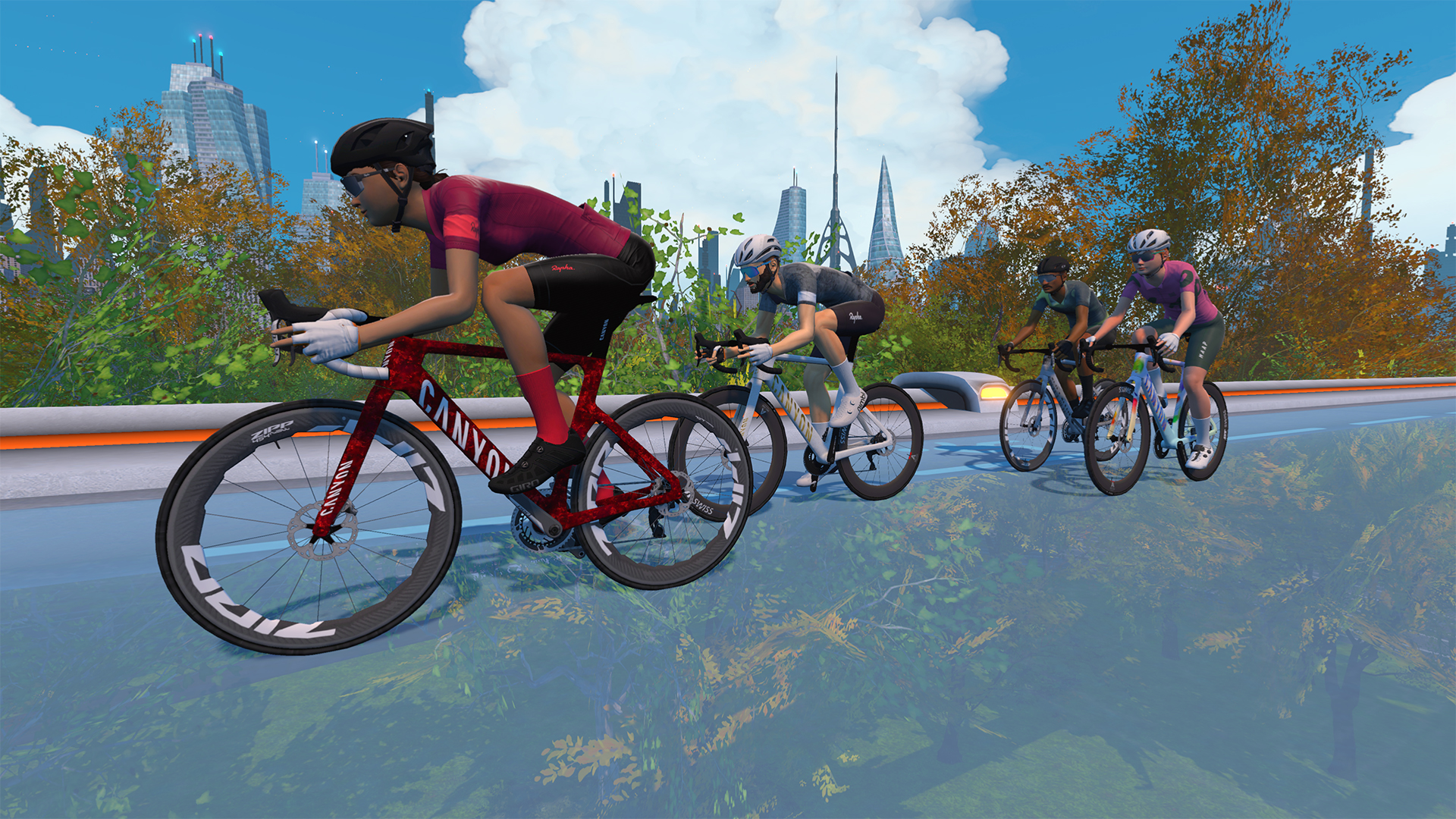
Zwift’s Fall 2025 “This Season on Zwift” press release included an announcement every Zwifter loves to see: new roads! Specifically, Zwift is expanding the New York map, and using it to introduce a new “Power Segment” feature. Let’s dive into the details…
The Big Apple Gets Much Bigger
This release adds 31km of roads to Zwift’s New York map, making it the largest single expansion we’ve seen on Zwift in years. (Neokyo added ~30km to Makuri Islands in late 2021, and Watopia’s Southern Coast expansion in 2023 added 19km.)
It’s an especially impressive addition when you consider that the New York map currently only has around ~20km of roads.
Zwift has created 20 new routes (16 bike and 4 run) using the new roads, but it’s unclear whether all 20 routes will be released when the expansion first launches.
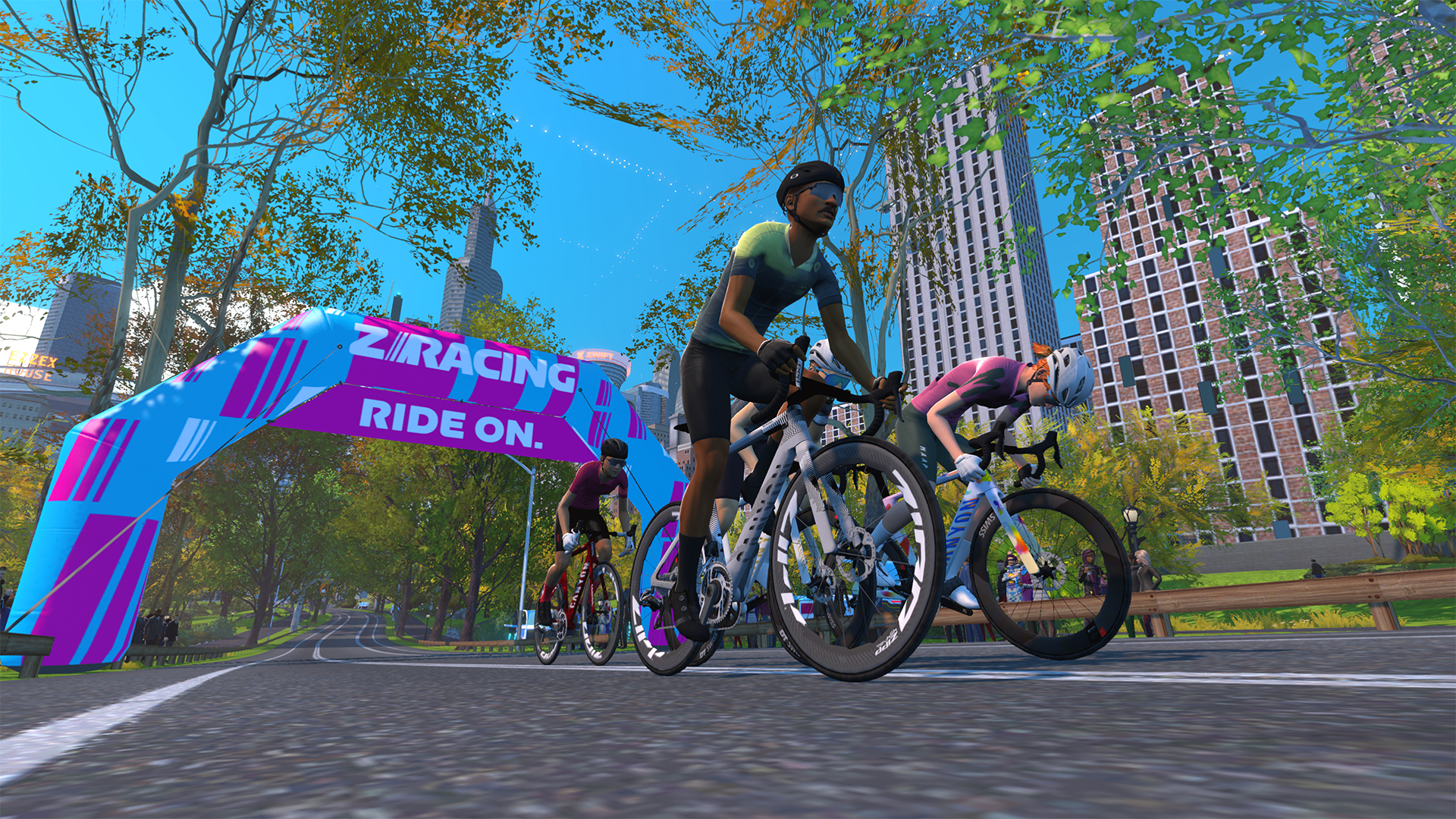
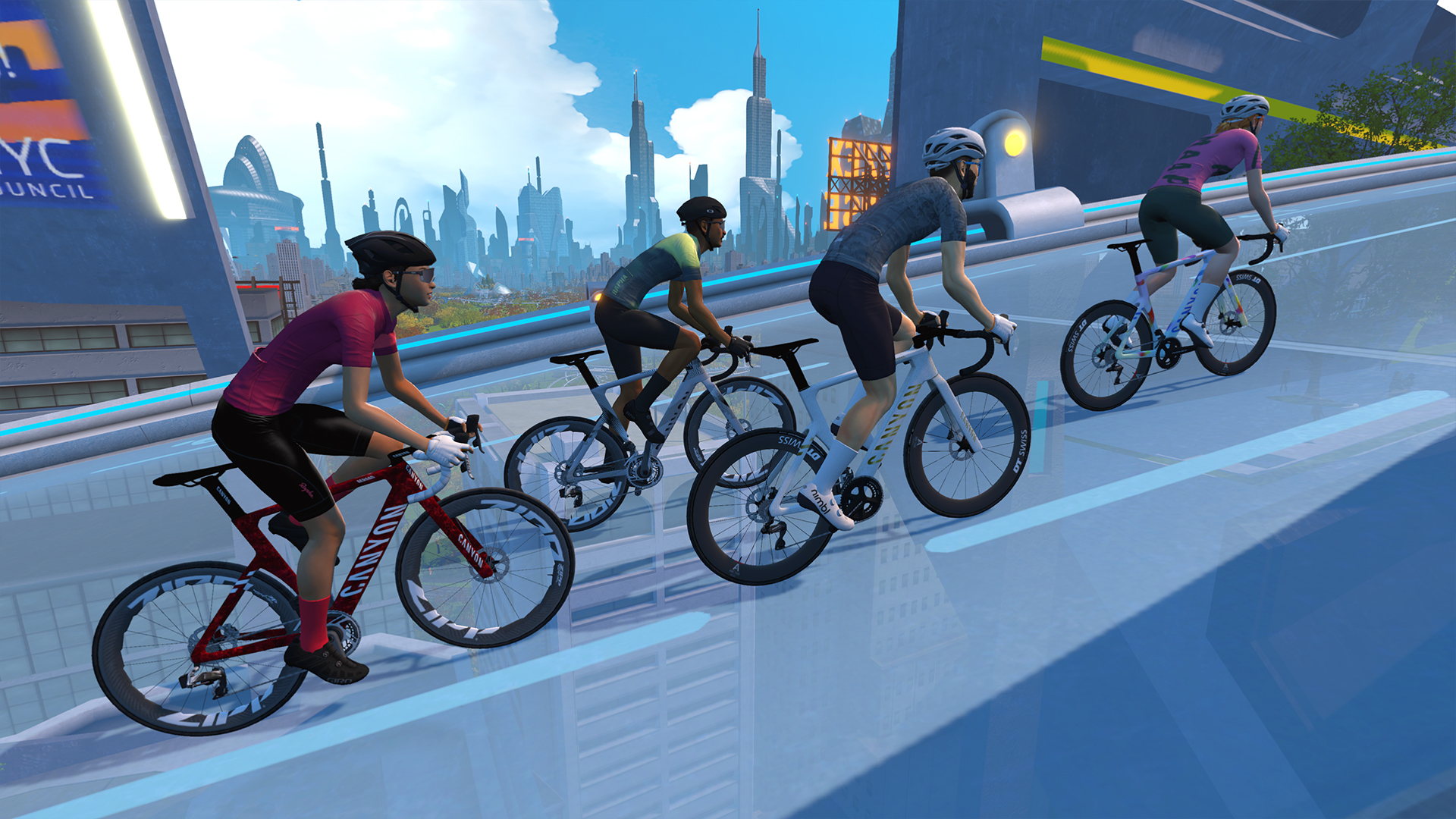
Details on the actual roads/maps are scarce, as are teaser images. But we know the expansion will take Zwifters out of Zwift’s futuristic Central Park, into the city, and out to Brooklyn’s Prospect Park via New York’s subway network.
New Feature: Power Segments
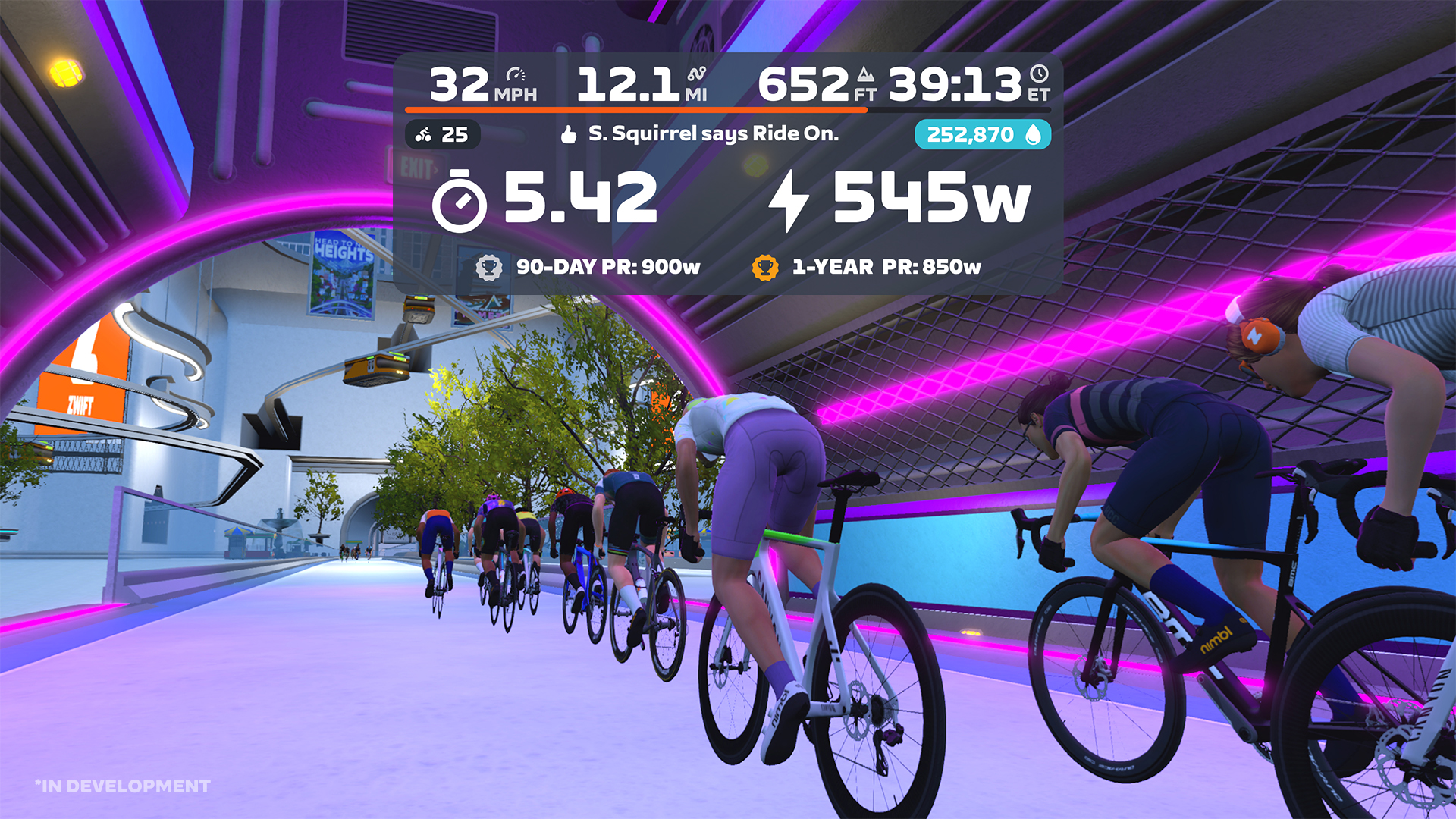
New York’s new roads will include a new feature: power segments! These are a new take on Zwift’s timed sprint segments, where instead of sprinting across a particular distance, you hit a start arch and sprint for a particular amount of time.
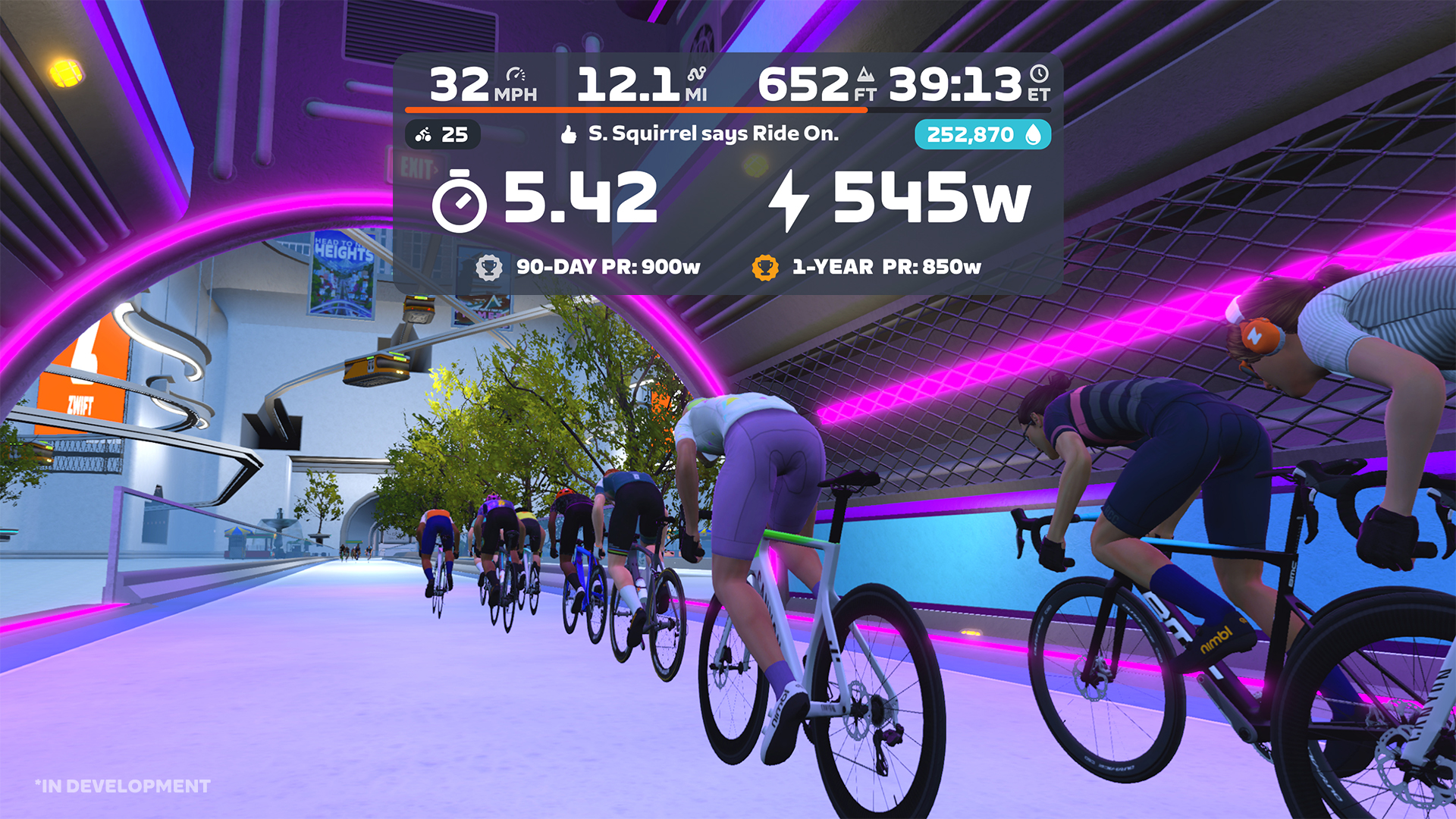
The first power segments will be located within the new subways of New York which connect the older roads of Central Park to the new roads of Prospect Park. Here’s a preview image:
The goal is to hold the highest power possible across the segment. So hit the start arch and hammer until the timer hits zero to try and average the highest watts possible!
Zwift is presenting these as primarily a challenge of personal achievement, so when the leaderboard pops up, it will first show how your current result (in watts, not seconds) compares to your last 90 days. It will then show how you rank against the global community.
I’m hoping results show both pure wattage and W/kg, as both are interesting metrics for different reasons.
Power segments will launch in New York, but hopefully we’ll find them soon on other maps. Zwift says “Power Segments will eventually roll out to other Zwift Worlds over time.”
Power Segment Possibilities
Power segments may be primarily a personal challenge, but what else could they be used for apart from quick sprints during free rides? A few ideas:
Points Races: how wild would a race be if you earned points for having the highest watts or W/kg (or both) across a segment? Heck, make it really interesting and award points for lowest power through the segment. See who can hold onto the pack with the least effort.
Route-Based Workouts: these have been talked about for a long time, but power segments could add a new, power-focused dimension to the idea. Routes could be turned into workouts with lots of structure, but no ERG.
Custom Segment Placement: what if ride organizers could place their own power segments on routes – any length, any location? Imagine the wild events that would ensue.
Race Gates: what if organizers could put a minimum power requirement on a power segment in a race, so riders had to meet that minimum average power or be booted from the event/hidden from others? Enforced spiciness.
When?
The New York expansion launches October 27. The final two stages of Zwift Unlocked (an all-new double XP tour starting October 6 and mentioned in TSOZ) will take place on new routes in NYC.
Wrapping It Up
Zwifters love new roads, and the New York map has always felt ripe for expansion, with many unrideable roads spurs heading into the heart of the city. What will we see when Zwift expands their “100 years in the future” NYC map to include another iconic park? Only time will tell. Personally, I’m hoping the new roads are flattish, making the map more suitable for group rides and rolling races.
While we don’t have any more imagery or map details to share for New York’s expansion, those will certainly be teased by Zwift in the coming weeks. I’ll try to share them out here on Zwift Insider whenever possible.
I’m also excited for power segments, which are a fresh idea that could be leveraged for new types of challenging rides and workouts. (They may also be a sneaky way to get Zwifters to put out more max efforts, which will upgrade Zwift Racing Scores to improve ranking accuracy…)
Your Thoughts
What do you think of Zwift’s New York expansion plans, and the new power segments feature? Share your thoughts below!
Zwift’s Route, Climb, and Workout of the Week challenges are designed to get you riding routes and workouts you may not otherwise ride, in return for an XP bonus you wouldn’t otherwise earn. That’s right: finishing one of these weekly challenges earns you an XP bonus that varies based on the difficulty of the route/climb/workout.
Each week features a blend of challenges, including a shorter challenge (250XP), a medium challenge (500XP), and a longer challenge (750-1000XP). See the full schedule below.
Weekly challenges switch at 9am Pacific each Monday (noon Eastern, 4pm UTC).
To ride the Route/Climb/Workout of the week, begin by clicking the challenge card on the homescreen. Here’s what it looks like for the Route of the Week:
Pro Tip: Double Up!
The Workout of the Week can be “stacked” with the Climb or Route of the Week to earn bonus XP extra fast.
To do this, you must first click the Workout of the Week challenge card to be “registered” for the week’s workout challenge.
Next, click the Route or Climb of the Week challenge card and enter the map to begin riding that challenge.
Once you’re in the game, pull up the list of workouts (use the “E” keyboard shortcut or access it by clicking Menu>Workouts). Find this week’s featured workout in the workout archive. (If you aren’t sure where to find it, click the workout on the calendar above to learn where it’s stored.) Load the workout and complete it while also completing the Route or Climb of the Week, and you’ll earn both XP bonuses!
Questions or Comments
Questions or comments about these weekly challenges? Share below!
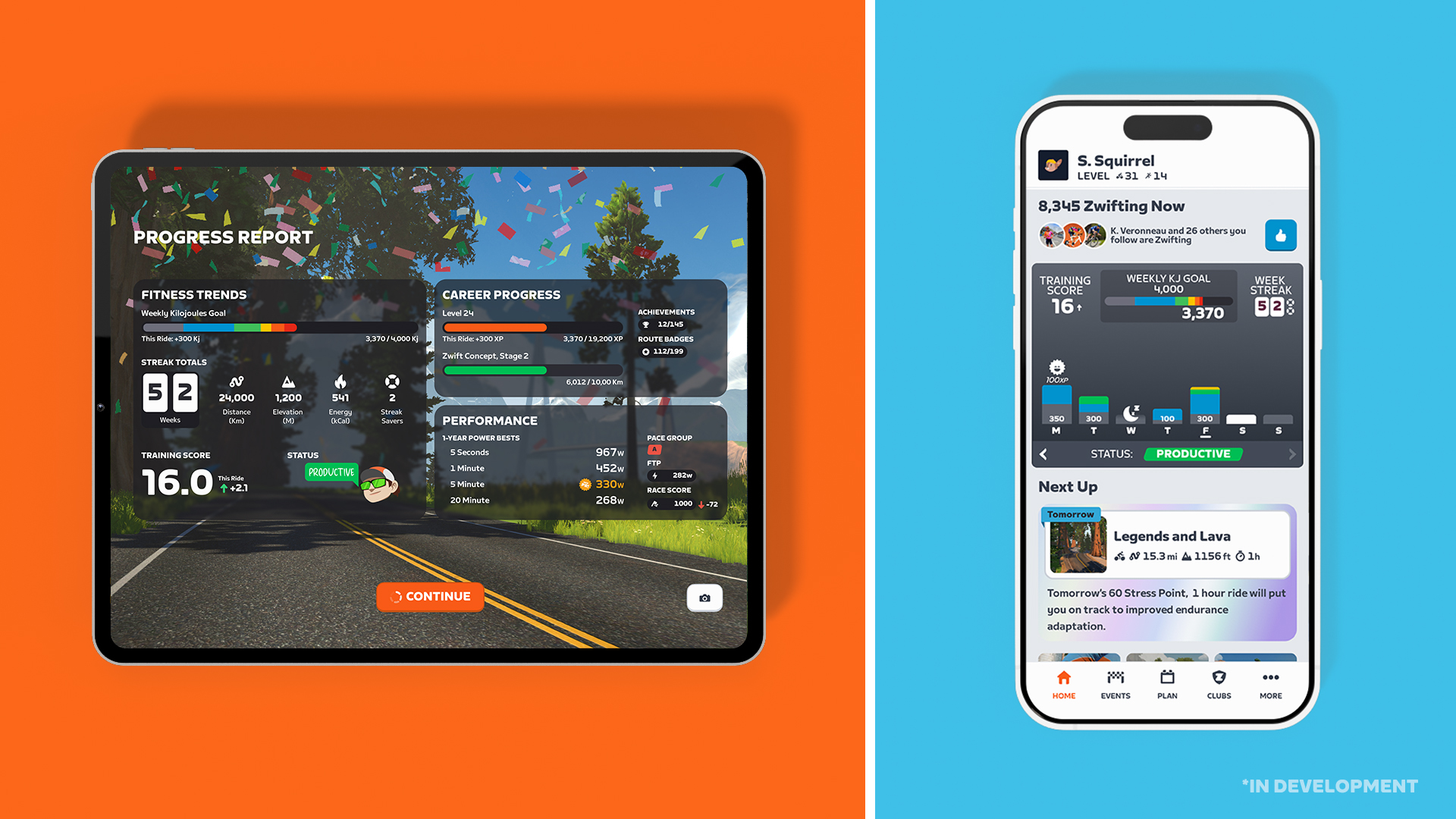
Of everything mentioned in the Fall 2025 “This Season on Zwift” Press Release, Zwift’s planned release of personalized recommendations carries the most potential as a game-changing feature. Launching this November, the promise of these AI-powered recommendations is that your fitness data and preferences can be used to serve up a recommended activity, any time you ask.
Let’s dive deeper into this, Zwift’s first public use of AI, and discuss planned features and future potential.
The Challenge: Maximizing Training and Fun for Everyone
Veteran Zwifters like myself are always asking for more. More roads, new features, fresh events. But do we consider what Zwift is like for someone new to the game and/or new to cycling?
It must be overwhelming.
There are thousands of events each week. Hundreds of routes you can ride and workouts to choose from. Thousands of riders milling about, around the clock.
In addition to all that content, numerous metrics are floating around that new cyclists don’t understand. What is FTP? Why does Companion say I’m “overreaching,” and how is that tied to my Training Score and Stress Score? What is XP, what are Drops, and do I care? What’s a good weekly goal? What’s an ideal cadence? Is my heart rate too high? How does Zwift Racing Score work? And let’s not even talk about zMAP and zFTP…
On top of all this, consider that, while every Zwifter wants to maximize their training results, everyone is targeting different results. Some are training for a particular outdoor event. Some want to lose weight. Some are just looking to maintain fitness until they can head outside again, while others are dedicated indoor riders training to win Zwift races. And fitness levels vary: while one rider might consider a full hour on the trainer to be a max effort, another may need two hours before it qualifies as a challenge.
A New Solution?
Zwift has built an ecosystem that can be leveraged to build cycling fitness efficiently and effectively, but many customers need help figuring out how to make that happen.
In the past, Zwifters who wanted to train with intentionality may have paid a cycling coach for a training plan, or dug in and done their own research, or perhaps asked a knowledgeable friend for advice. Zwift’s personalized recommendation engine will soon be the new option on this list. And it will be front and center in the game and Companion, a flagship feature continuously improving thanks to the constant influx of fresh data.
How It Works
No, I’m not going to dive into the depths of LLMs and other AI tech. But let’s talk about how Zwift’s personalized recommendations will work from the perspective of a common Zwifter.
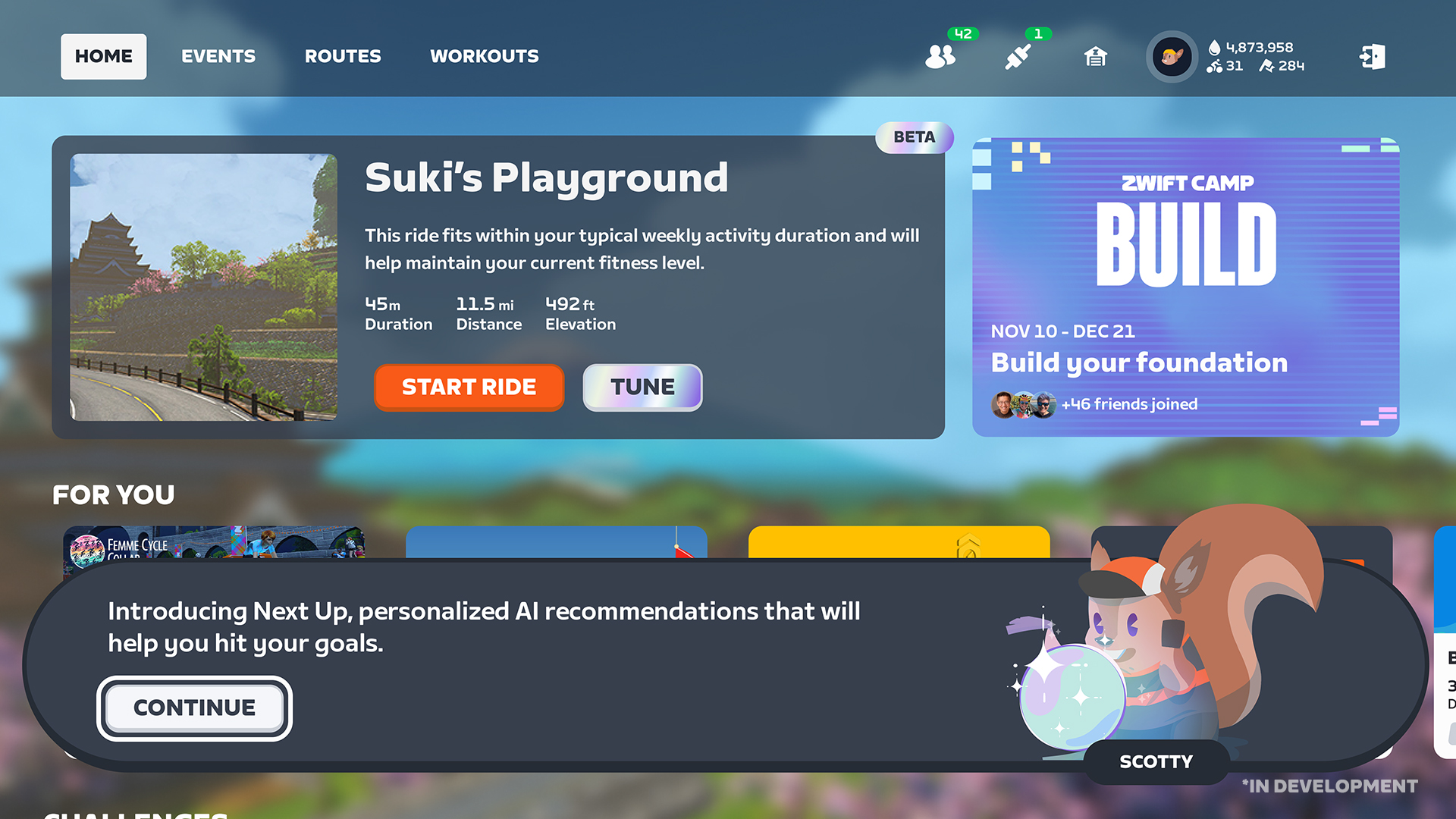
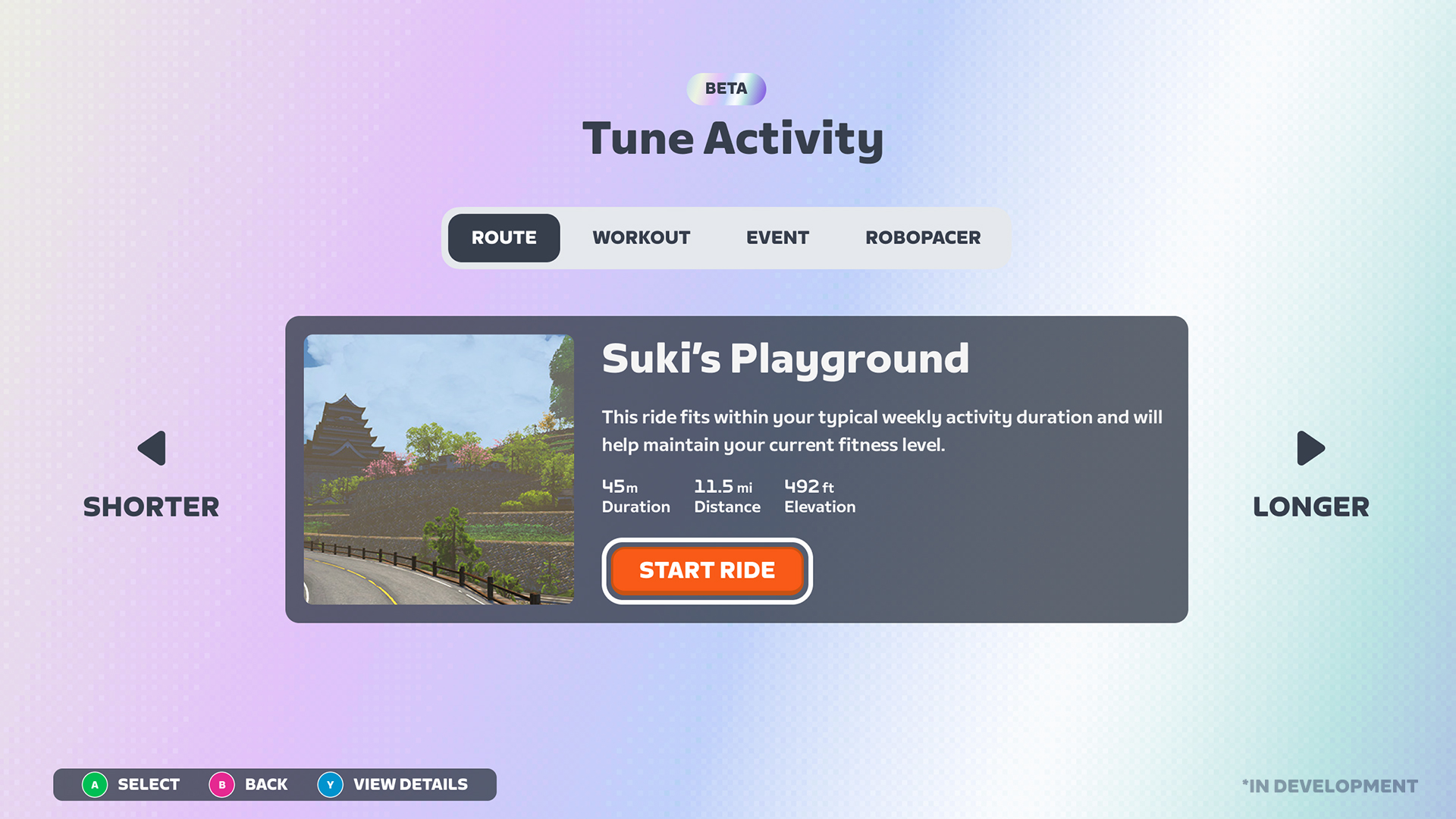
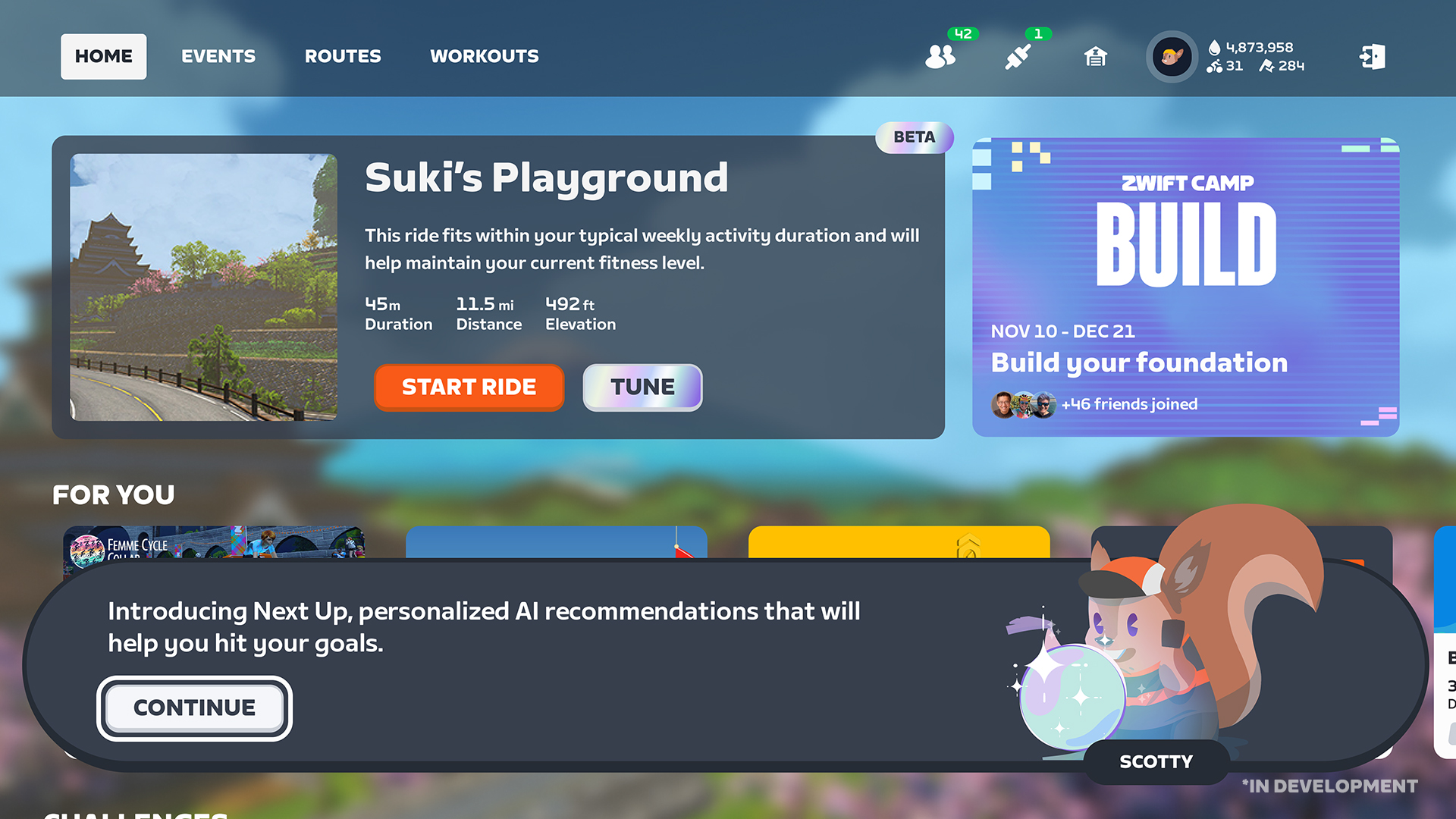
Here’s the first screenshot Zwift shared, showing the beta personalized recommendation block at the top-left of the homescreen:
A few things to note here:
The interface is very simple. If you want to take Zwift’s recommendation, just click “Start Ride” and go.
The card explains why this activity was recommended: “This ride fits within your typical weekly activity duration and will help maintain your current fitness level.”
It also notes the estimated activity duration, distance, and elevation.
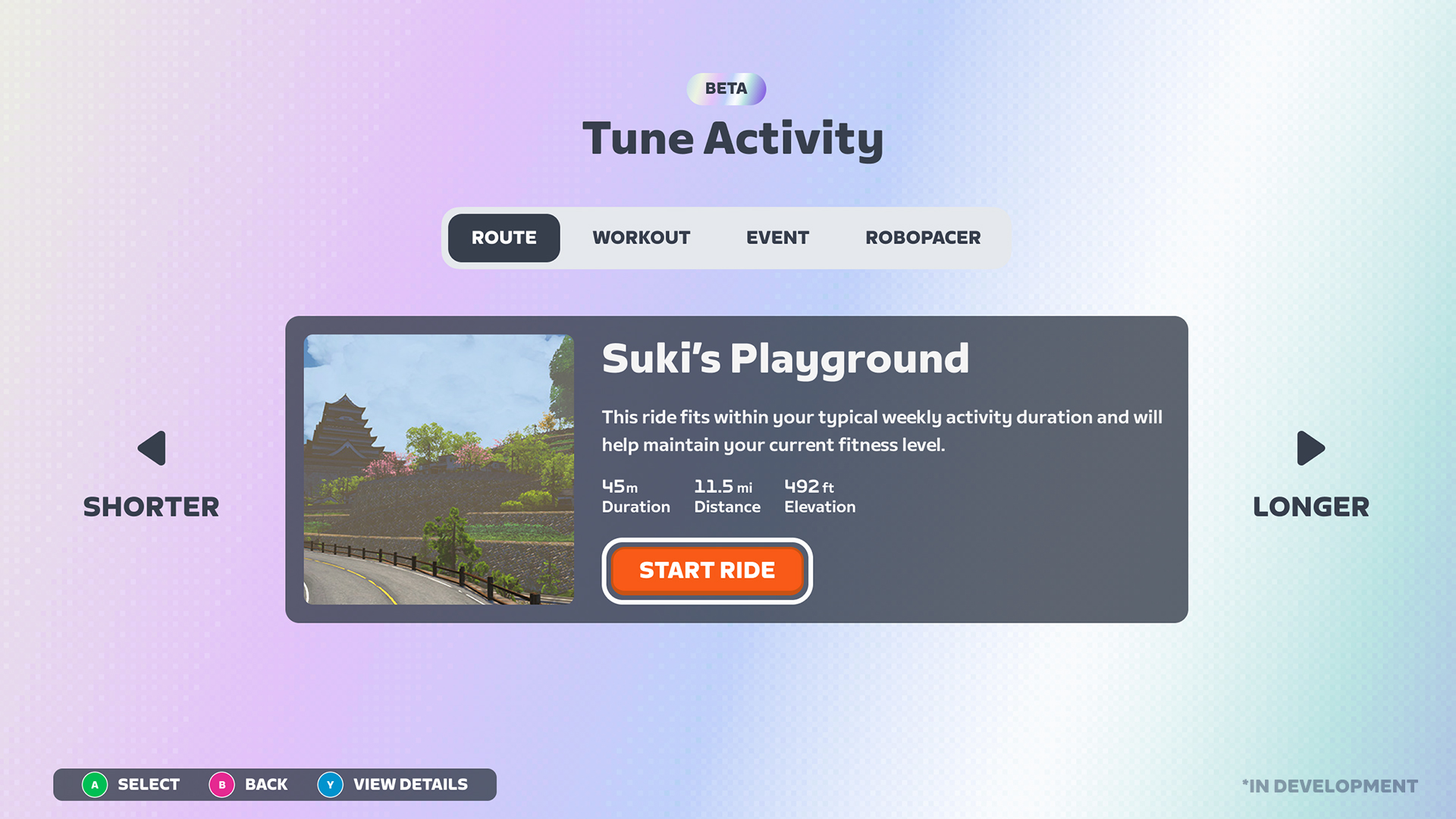
If you want to do something different from what Zwift recommends, there’s a shiny “Tune” button, which takes you here:
The Tune screen gives you access to a vast array of recommendations, but through a very simple interface. There are just two things you can tune:
Activity Type: choose between riding a route, a workout, an event, or hopping into a RoboPacer group
Activity Length: click an arrow to generate a recommendation that is longer or shorter than what you’re currently seeing
The secret sauce, of course, is the recommendation engine at work behind the scenes. Since it is constantly learning from your activities and feedback, the recommendations it puts forth – regardless of the tuning options you choose – will be tailored to you. That means:
Routes you like to ride, and perhaps routes whose badges you haven’t yet earned, especially if they’re the type of route you typically ride
Workouts that help you improve a particular weakness, or work toward a fitness goal
Events you’ve enjoyed in the past, or similar events
Robopacer groups riding at the pace you would typically ride
Already working through a training plan, or working with a coach? No problem. Zwift tells me that, if you’re using a third-party workout provider like TrainerRoad, their workout of the day will take preference as the recommendation.
Companion and Game
Zwift says, “Personalized Recommendations will display both in the home screen in the main Zwift App and also in Zwift Companion.” That’s a very good thing, and I’m hoping the tuning tool is also available in Companion, so we can dial in our next activity before hopping on the bike.
Related New Features: Outdoor Connections and Goal Auto-Adjust
Zwift announced two features/changes rolling out in September that will work in tandem with personalized recommendations.
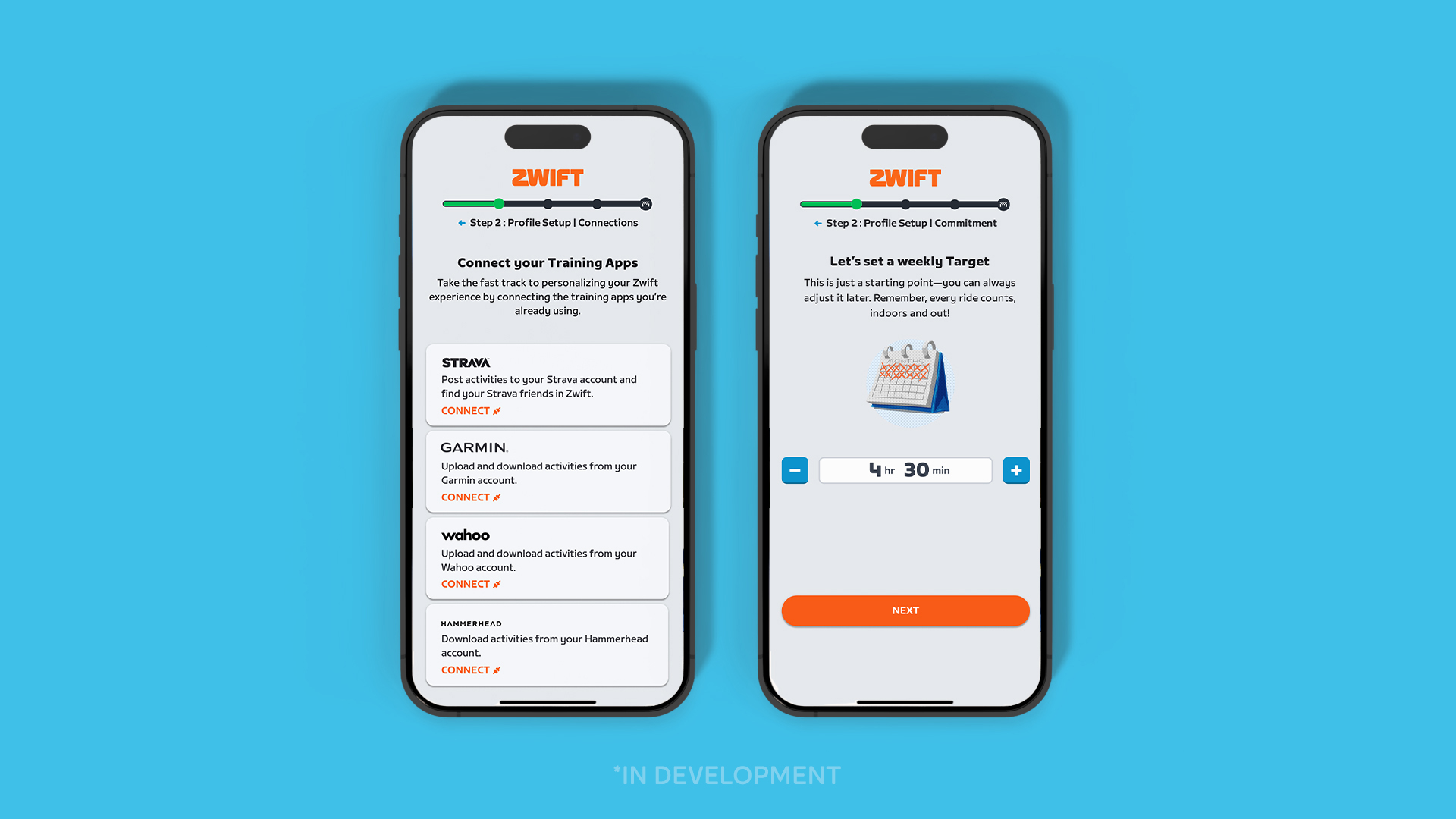
First, an improved onboarding experience will help more Zwifters hook up connections to Wahoo, Garmin, and Hammerhead so their outdoor rides are automatically brought into Zwift and included in key fitness metrics. Outdoor connections launched back in April 2025, and Zwift knows that if riders do significant training outdoors, Zwift needs to see those activities before providing helpful day-to-day recommendations.
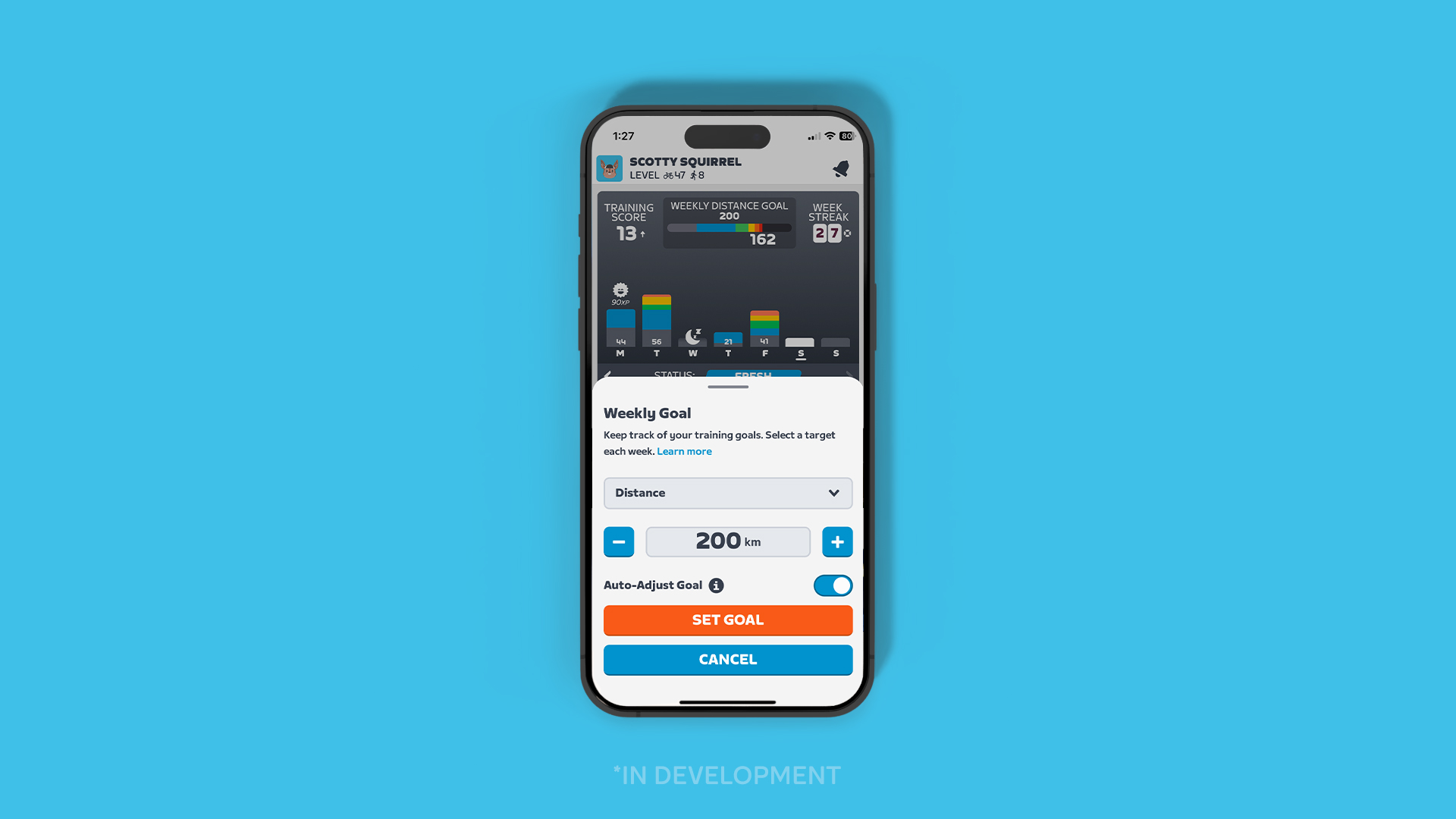
Second, Zwift is rolling out the option to have your weekly goal auto-adjust. Instead of having a static goal to hit a particular number for kilojoules, stress points, calories, distance, or time, Zwift will use your recent activities to “adjust your upcoming weekly target goal, helping to support your continual development.”
When?
Zwift says personalized recommendations will launch in November 2025.
Of course, the launch of this feature doesn’t mean the end of its development. That’s not how AI works! I’ve already heard many positive things from Zwift staffers who use the tool internally, and they’re promising that the recommendation engine will continue to improve as it receives feedback from an increasing number of users.
(You can improve an engine like this by changing the parameters used to make decisions, but you can also improve it by feeding in post-activity feedback, such as a star rating scale asking something like, “How well did this activity help you work toward your fitness goals?” Zwift will be doing both.)
What About Other Activities?
Ever since Zwift launched their Fitness Metrics in April, some Zwifters have been asking when running and other workout types will be included. This has been the only consistent complaint about Zwift’s fitness metrics, in fact.
It’s a fair question… because lots of Zwift riders don’t just ride. Many run, lift, ski, hike, swim… you get the picture.
For these athletes, Zwift’s Fitness Metrics, and therefore their personalized recommendations, may not prove useful until Zwift begins to support a wider variety of activities. And there are lots of activity types! As one reader commented recently, “After all, cycling is represented by about 8 of the ~180 activity profiles on a regular Garmin watch. In Strava, I believe cycling is 5-6 out of the 48 available activity types (but lots of activities there are logged under a false flag since the actual activity type is missing).”
Zwift has said they will support running in their Fitness Metrics, but they haven’t given an ETA. Hopefully they’ll figure out a way to do it sooner rather than later, and hopefully they’ll also figure out how to easily include other activity types.
Wrapping It Up
There are things about AI that concern me, such as search engines presenting AI-generated answers to questions and stealing traffic from actual content creators. (This impacts my bank account directly.) The unknowns of AI are even more concerning. Where will it all take us? What are the unintended consequences?
But using AI to deliver personalized recommendations? That’s a use case I can get behind. It’s been discussed for years, and some training platforms have actually done it. But if it can be done well by Zwift, in a way that leverages their massive community and content library, it will enhance the training of tens (hundreds?) of thousands of riders worldwide.
And that’s a big deal.
Your Thoughts
What do you think of Zwift’s plans to offer personalized recommendations? Share your thoughts below!
Mahle has released an updated version of its X20 electric bike motor.
Here are three key things you need to know:
The X20 is Mahle’s flagship motor system, sitting above the X30 and X35.
Mahle has boosted the torque delivered by the X20 by 18 per cent, from 55Nm to 65Nm.
The peak power produced by the new X20 motor has increased from 250 watts to 275 watts.
The X20 is a drive system designed for premium and lightweight road, gravel and urban bikes that cut a similar silhouette to unassisted bikes.
The motor is housed in the hub of the rear wheel and, on the Orbea Gain pictured, a 350Wh battery is found in the down tube. Mahle says this provides a range of around 140km, and you can add a range extender to give you another 60km of motor-assisted pedal power.
With 275 watts of peak assistance, there’s plenty of power on tap for steep climbs. Beyond the increase in power, Mahle says one of the key features of the new X20 is the increase in torque, from 55Nm to 65Nm.
Torque plays an important role in how quickly an electric bike can deliver its power and, as a result, the acceleration, as well as its ability to handle a variety of terrain and surfaces, is ideal for e-gravel bikes.
Each bike manufacturer that works with Mahle defines specific motor mapping, so every bike brand has its own ‘riding DNA’ pre-configured from the factory. Riders can then fine-tune within the ranges defined by each brand via the app.
Mahle says the torque sensor is central to the natural pedaling feel: the more torque applied by the rider, the more assistance the system provides. The motor is also designed so that it doesn’t just cut out above 25km/h, it reduces resistance gradually until 27.5km/h, for a smoother ride, according to Mahle.
The total system – motor, torque system, a small 250Wh battery and a bike computer – weighs a claimed 3.2kg.
You can find the X20 on ebikes from mainstream brands including Van Rysel, Ribble, Rose, Ridley, 3T, Wilier, Bianchi and Mondraker – and smaller boutique brands such as Pashley, Origine, Conor and Nordic Bikes.
This week’s event picks are a nice mix, starting with a popular charity ride, hitting two (very different) races, and including two banded group rides to help you tackle especially tough routes. See details below!
Sir Chris Hoy’s Tour de 4
Good Cause Popular Kit Unlock
The training rides for the Tour de 4 ride with Sir Chris Hoy are done, and this Sunday the big in-person event happens at the Sir Chris Hoy Velodrome. Zwift is holding a series of rides so you can participate virtually! Each is open-paced and 45 minutes long, on Watopia’s Tempus Fugit.
Get started early with the Galaxy team, who is holding a ride to promote the event. It’s up to 4 hours long, on Scotland’s Rolling Highlands route. Sign up at zwift.com/events/view/5078986.
TNP (Team Not Pogi) has organized a 6-stage race series held on Saturdays and Sundays, and this weekend it continues with stages 1 and 2. In this series, riders compete across each stage for GC, Sprint, and Climbing overall podiums.
This ride is returning after a summer break, just in time for anyone looking to summit Alpe du Zwift for the first time! Join this banded ride as they take on the Road to Sky route, which takes you up the mighty Alpe du Zwift. Since it’s banded, you just need to keep pedaling in order to stay in the group.
The event title certainly sells it, eh? This unique event comprises four back-to-back races designed to test every type of rider. The iTT – for the time trialists, The Sprint – for the sprinters, The After Party – for the puncheurs and The Climb – for the climbers. All told, you’ll race around 60km and 1000 vertical meters. “Brutal but fun,” DZR tells me.
If you’re looking to complete Watopia’s challenging Four Horsemen route (89.9km, 2111m), but find the prospect too daunting, why not try it in a banded ride? As long as you keep pedaling you’ll stay in the peloton, and when you finish the route you’ll earn the achievement badge and a 1780 XP bonus.
We choose each weekend’s Notable Events based on a variety of factors including:
Is the event unique/innovative in some way?
Are celebrities (pro riders, etc) attending/leading?
Are signup counts already high, meaning the event is extra-popular?
Does the ride include desirable unlocks or prizes?
Does the event appeal to ladies on Zwift? (We like to support this under-represented group!)
Is it for a good cause?
Is it just plain crazy (extra long races, world record attempts, etc)?
Is it a long-running, popular weekly event with a dedicated leader who deserves a shout out?
In the end, we want to call attention to events that are extra-special and therefore extra-appealing to Zwifters. If you think your event qualifies, comment below with a link/details and we may just include it in an upcoming post!
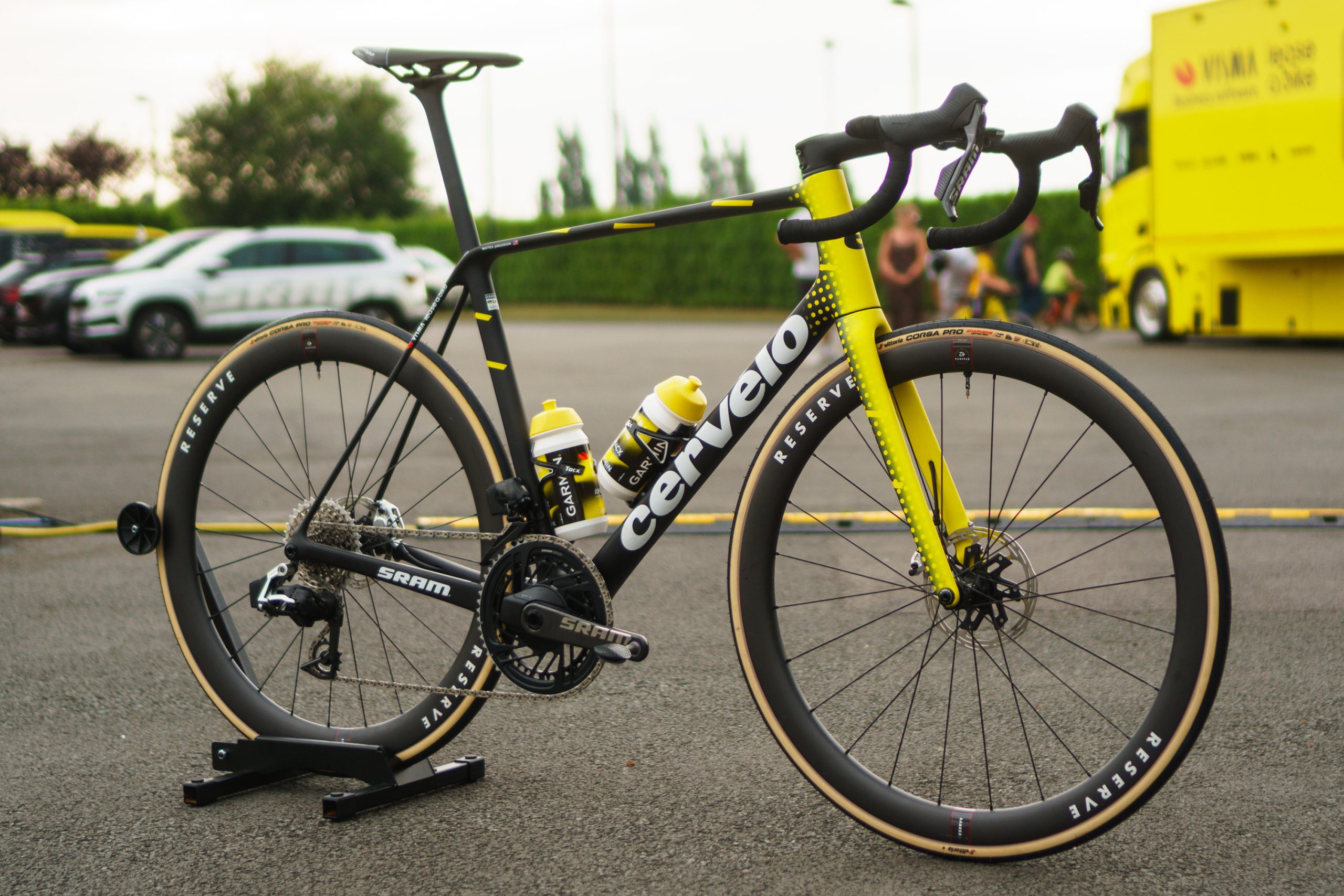
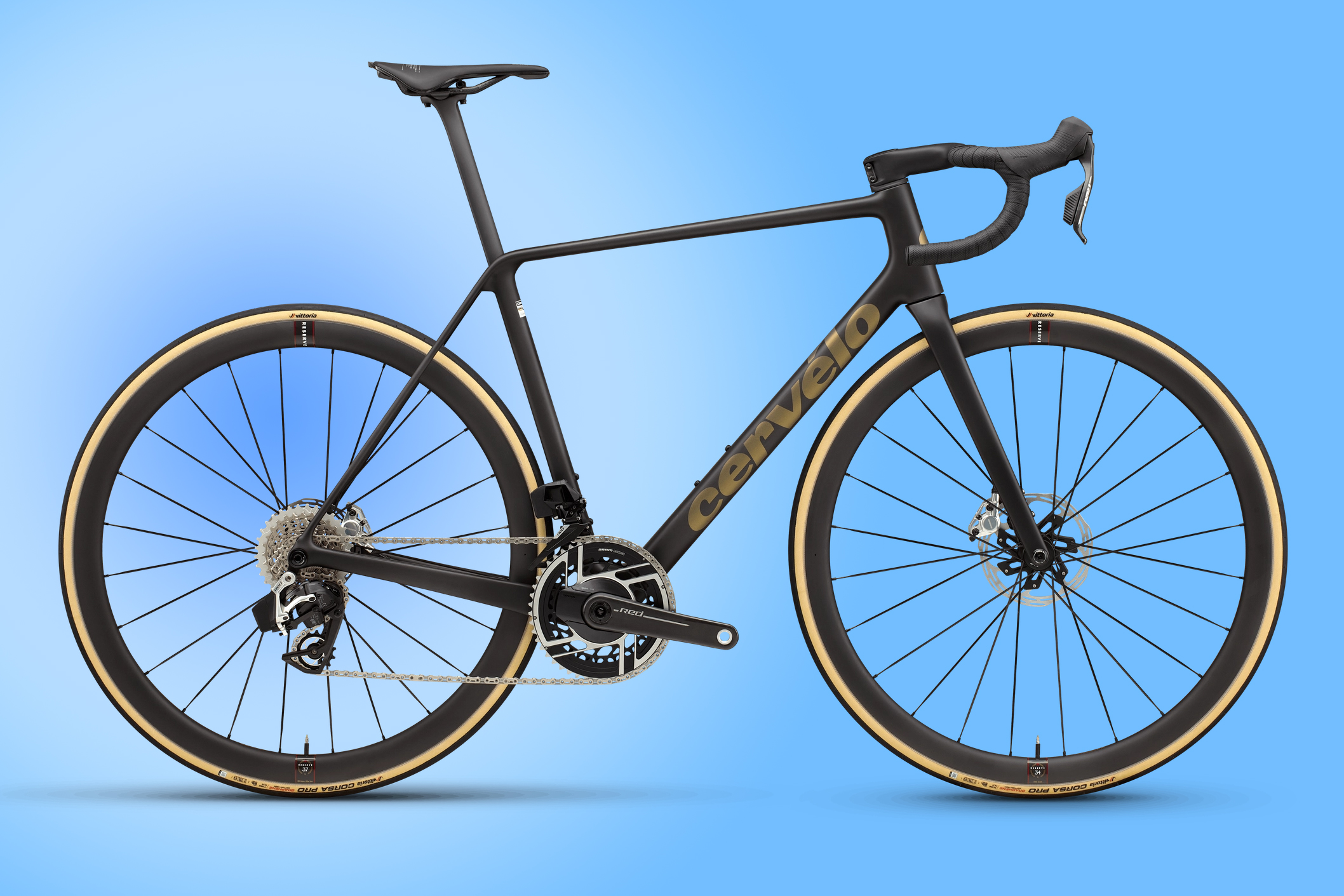
Cervélo has officially launched the fifth generation of its R5 range, a super-lightweight climber’s bike. It’s a stunning example of a genre that still has plenty of allure, and is a bike I would love to ride. It’s just a shame it costs a mind-bending amount of money, at £5,000 for the frameset alone.
Even then, it was clear Cervélo had doubled down on trimming every possible gram.
We spotted the new Cervélo R5 at the 2025 Tour de France. Simon von Bromley / Our Media
BikeRadar weighed Jorgenson’s size-58cm bike at 7.03kg, including empty bottles. With those removed – as they would be for UCI checks – the bike would sit close to the 6.8kg UCI weight limit. That’s very impressive for a larger bike in close-to-race-ready spec.
With official details now to hand, Cervélo claims the new frame and fork come in at 657g and 302g, respectively. There are lighter frames from mainstream manufacturers – an S-Works Aethos frameset is claimed to weigh 585g, for example – but that’s still impressively feathery for a disc bike by any measure.
Complete builds dip as low as 5.97kg – well under the UCI’s limit.
Unashamed nostalgia
The classic lines of this unoptimised cycling simpleton make my brain fizz. Cervélo
And this is where the heart of this gently nostalgic man in his early 30s still leaps a little.
Nobody questions the importance of aero gains, but like many riders, I still romanticise a little about days when the weight figure was the headline spec. And not just because the (often pointless) pursuit of chasing low weight is entertaining.
Although everything has been slimmed down – the pencil-thin seatstays now measure the bare minimum 10mm, and junctions have been pared back – the R5 retains its classic silhouette, and it looks absolutely banging.
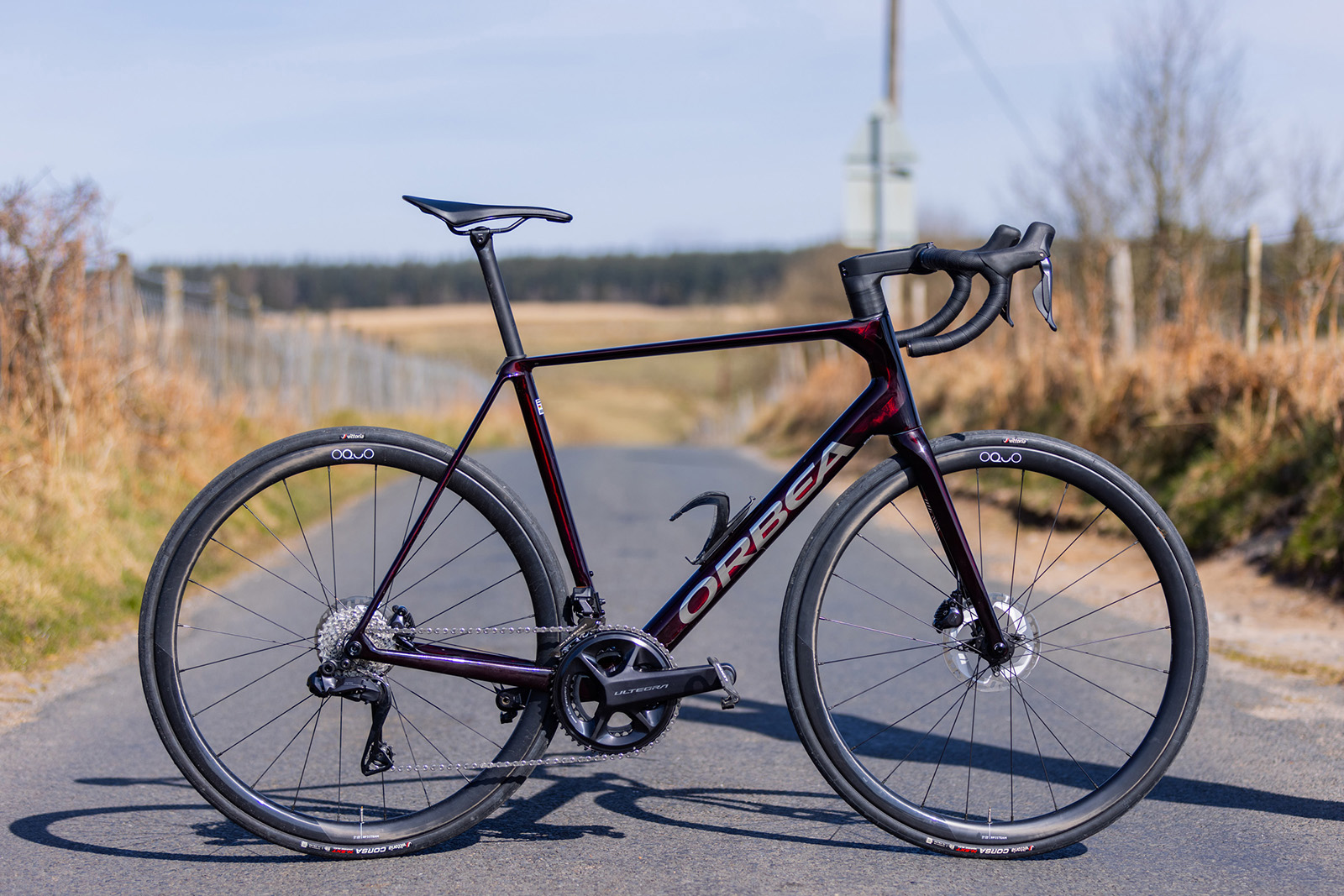
The classic lines of the R5 or the Orbea Orca are hugely appealing. Scott Windsor / Our Media
The bike and others of its ilk, such as the Orbea Orca, have an elegant air in a way most modern aero bikes don’t, and I’m totally here for it.
With wide tyre clearance and a modern one-piece cockpit, this is no throwback. Cervélo
It would be unkind to describe this as a throwback to the heyday of the lightweight bike in the rim-brake era – this is a thoroughly modern bike with all of the tech trappings to match.
But it shares a common thread with the classic double-diamond frames of old, and I simply love the way it looks.
The bike for me… if I could ever afford it
The R5 was ridden extensively by Pauline Ferrand-Prévot at the 2025 Tour de France Femmes. Szymon Gruchalski/Getty Images
And for someone whose road riding amounts to little beyond chewing up the local lanes with pals, with the odd effort on choice climbs or long days thrown in, a good-looking bike that gets me excited to ride is more important than outright performance.
Of course, for the World Tour pros reading this, there is still a performance benefit to climbing bikes – particularly for lighter riders.
However, as appealing and high-performance as the bike might be, there is the unfortunate question of cost.
Cervélo will offer five complete builds at launch, priced from £8,500 to £11,500. Framesets are £5,000. That’s a breathtaking amount of money, no matter how deep your pockets are.
In fairness (if you can call it that) to Cervélo, an S-Works level Aethos frameset is also £5,000.
Difficult as it might be, putting the wild price aside, I’ve still got time for brands that haven’t abandoned the traditional climbing bike – even if few of us can ever afford them.
For all the rightly deserved aero hype, there remains a place – and a powerful emotional pull – for beautifully light, simple, classic-looking race bikes. And for riders like me, that’s reason enough to get excited.
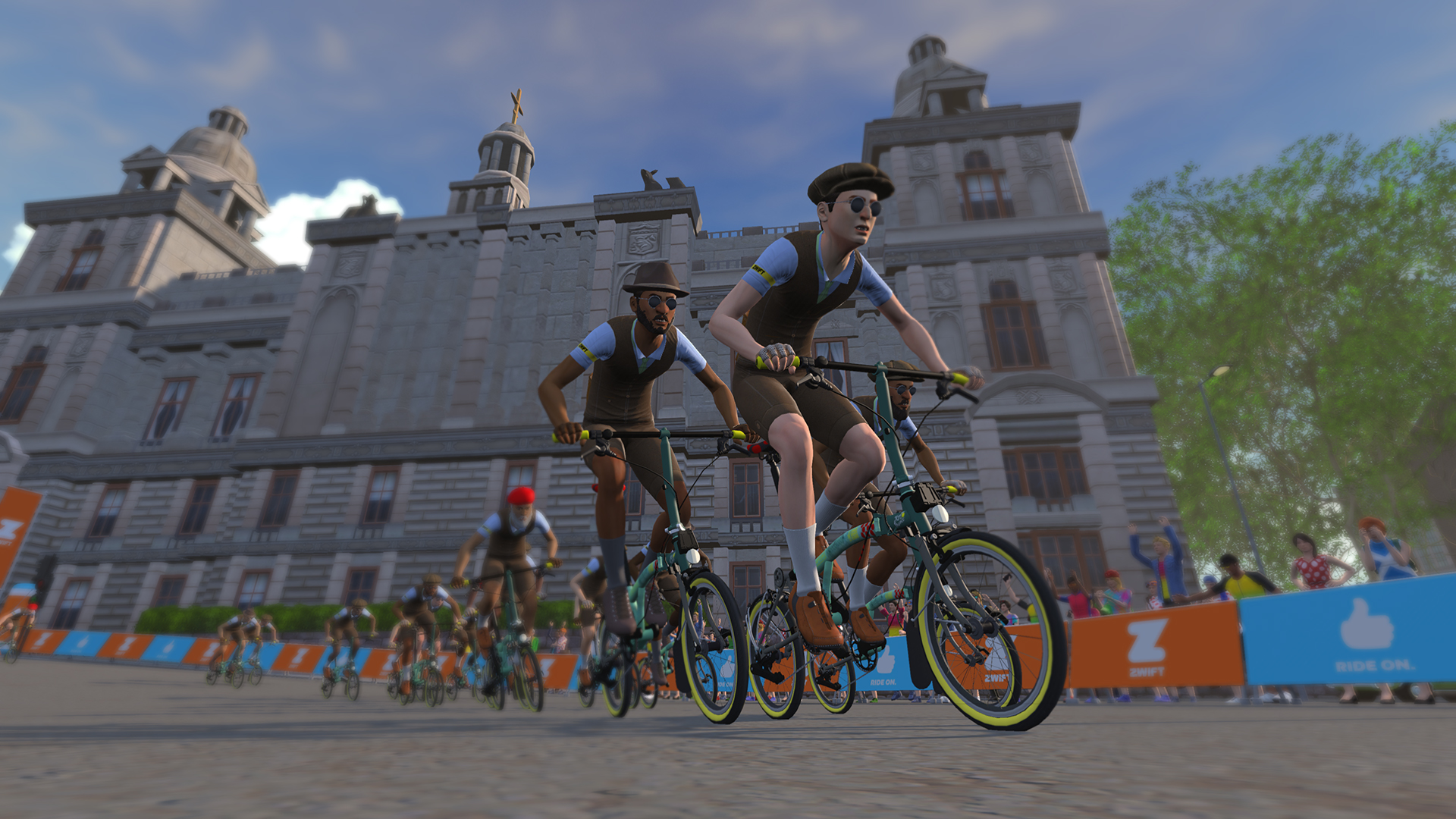
Last year, Zwift held their first-ever Zwift Camp: Baseline – an assessment-oriented training program consisting of six stages. And it was a hit, besting even Zwift Academy as Zwift’s most popular workout series of all time!
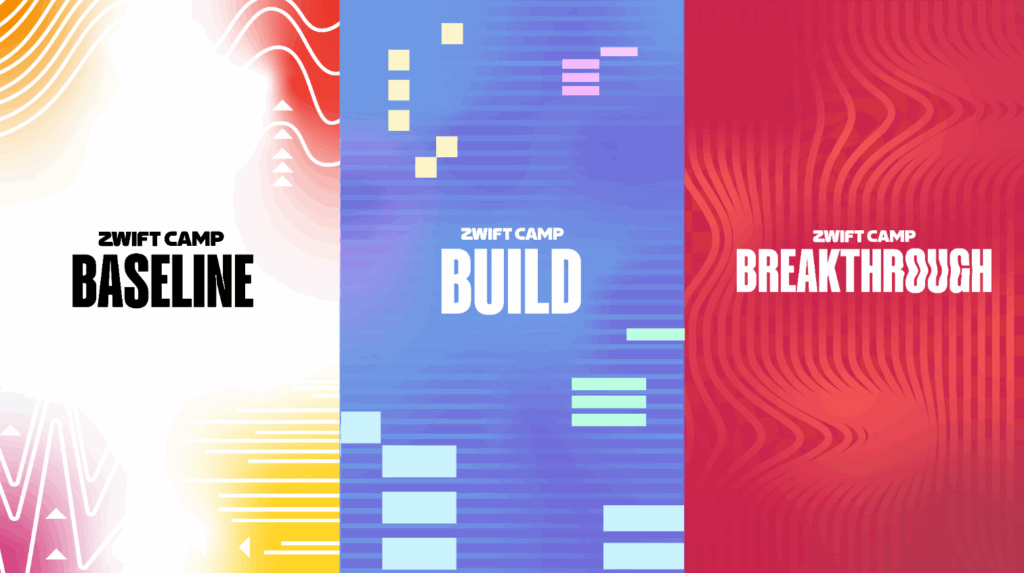
Following last year’s proof-of-concept, this year Zwift is leaning heavily into the Zwift Camp concept, launching a three-camp series that kicks off with Zwift Camp: Baseline on September 15.
Below, we’ll share what we know about Zwift Camp: Baseline, and a bit of info on the two camps that follow: Zwift Camp: Build and Zwift Camp: Breakthrough. Let’s dive in!
On a related note: Zwift has announced that Zwift Academy will not take place this year, but that it “will return in 2026 and work is already underway to make sure the 10th edition is the best yet.” This season’s Zwift Camps are clearly positioned to replace Zwift Academy for riders not pursuing pro contracts.
Baseline Basics
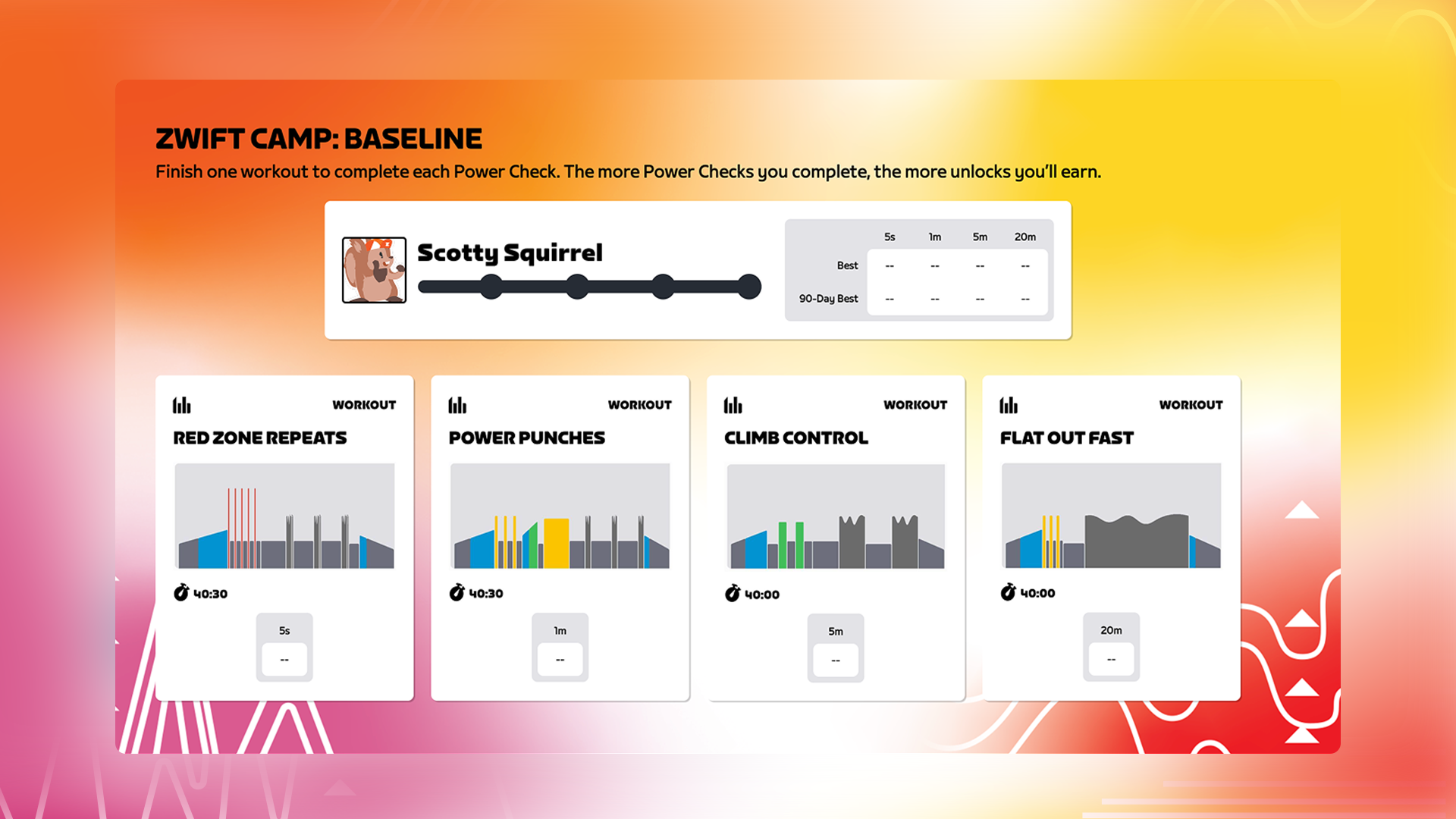
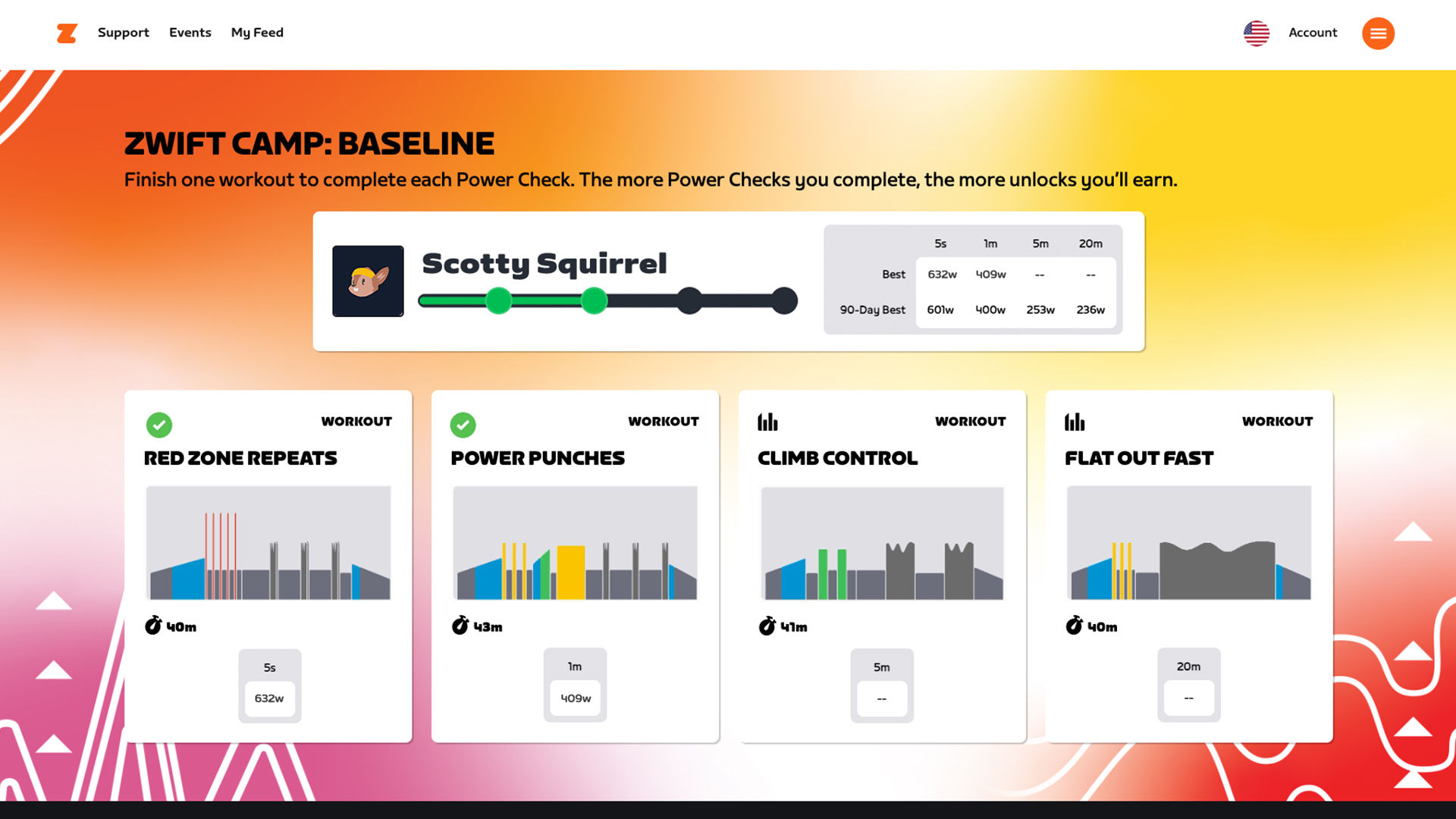
The first Camp of the season is best seen as a launchpad for the Camps to follow. It’s all about completing four separate “Power Check” workouts, which will update your power curve with max efforts across standard time intervals:
5-second power (Zone 6+)
1-minute power (Zone 6)
5-minute power (Zone 5)
20-minute power (Zone 4)
Workout Details
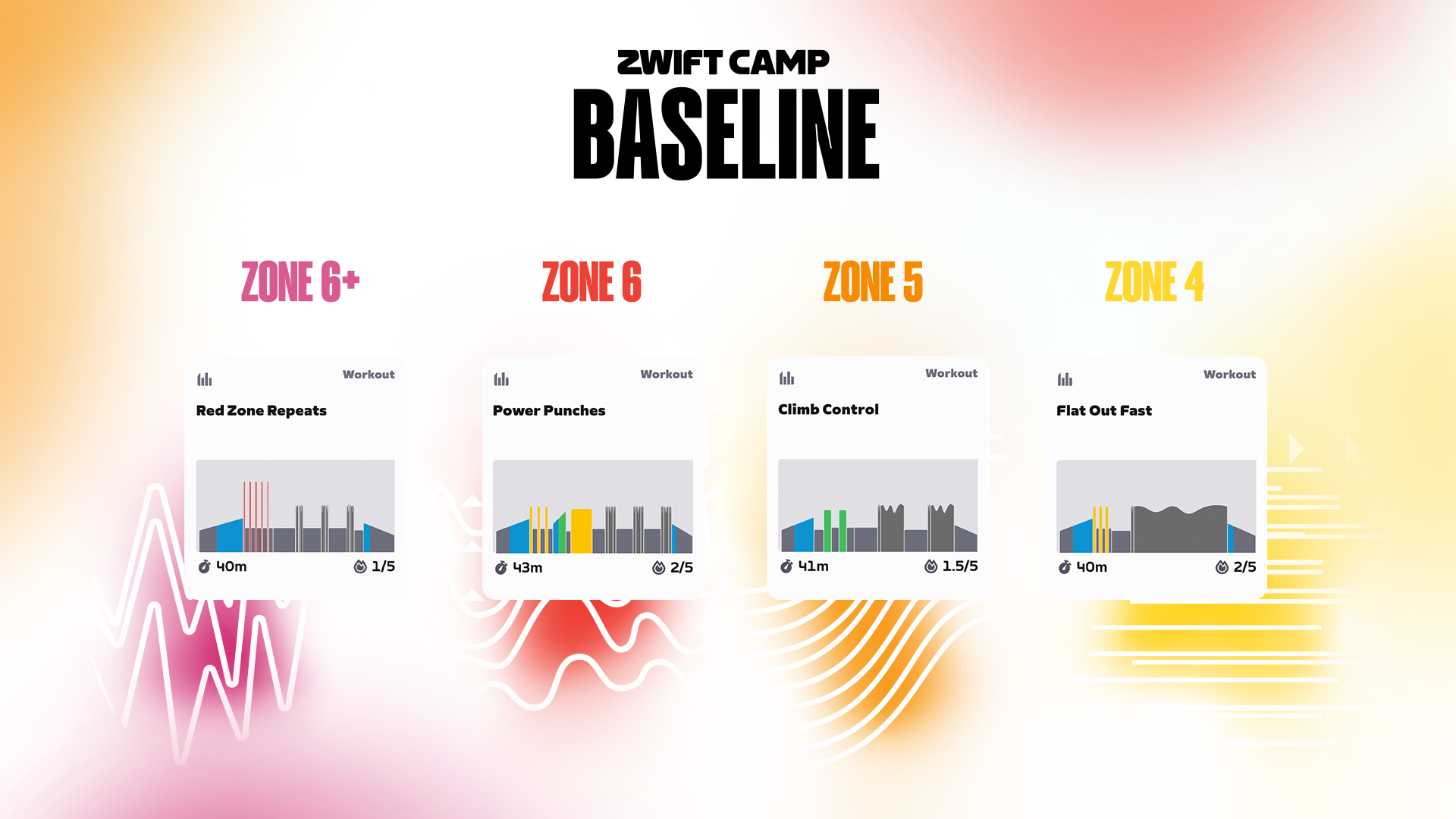
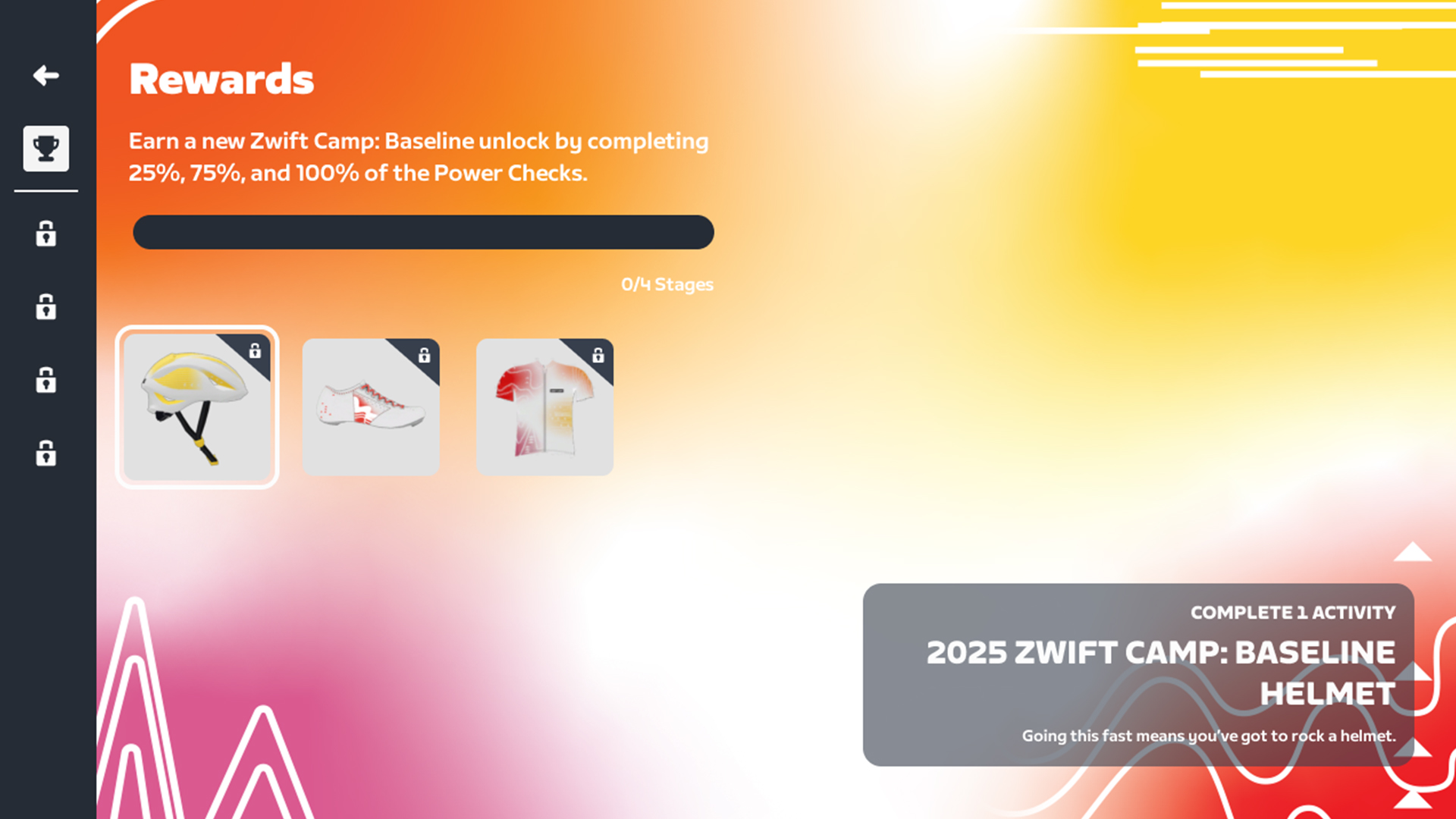
To complete those Power Checks, Zwift has created four different workouts. Complete the workouts and you’ve completed Zwift Camp: Baseline:
Each of the four power checks consists of an ERG workout combined with a new route. The workouts each run you through a warmup section, followed by some “leg opener” efforts, then a bit of recovery before hitting one or more free ride sections where you are expected to put out maximal power for a specific duration.
Each workout will be held on a new route of the same name, created just for Zwift Camp: Baseline:
Tip: If the workout finishes before the route, keep riding to earn the achievement badge and bonus XP at the route’s finish line!
Events + On Demand
Ride the four Zwift Camp: Baseline workouts in scheduled events with others, or on demand by selecting the workouts and completing them on your own. Group events will run on the following schedule:
Workout 1 (September 15-22): 5-Second Power Check, “Red Zone Repeats”
Workout 2 (September 22-29): 1-Minute Power Check, “Power Punches”
Workout 3 (September 29-October 6): 5-Minute Power Check, “Climb Control”
Workout 4 (October 6-13): 20-Minute Power Check, “Flat Out Fast”
Each workout “stage” is a week long, with events beginning at 9am PST on Monday and scheduled hourly on the hour until 8am PST the following Monday.
Progressive Unlocks
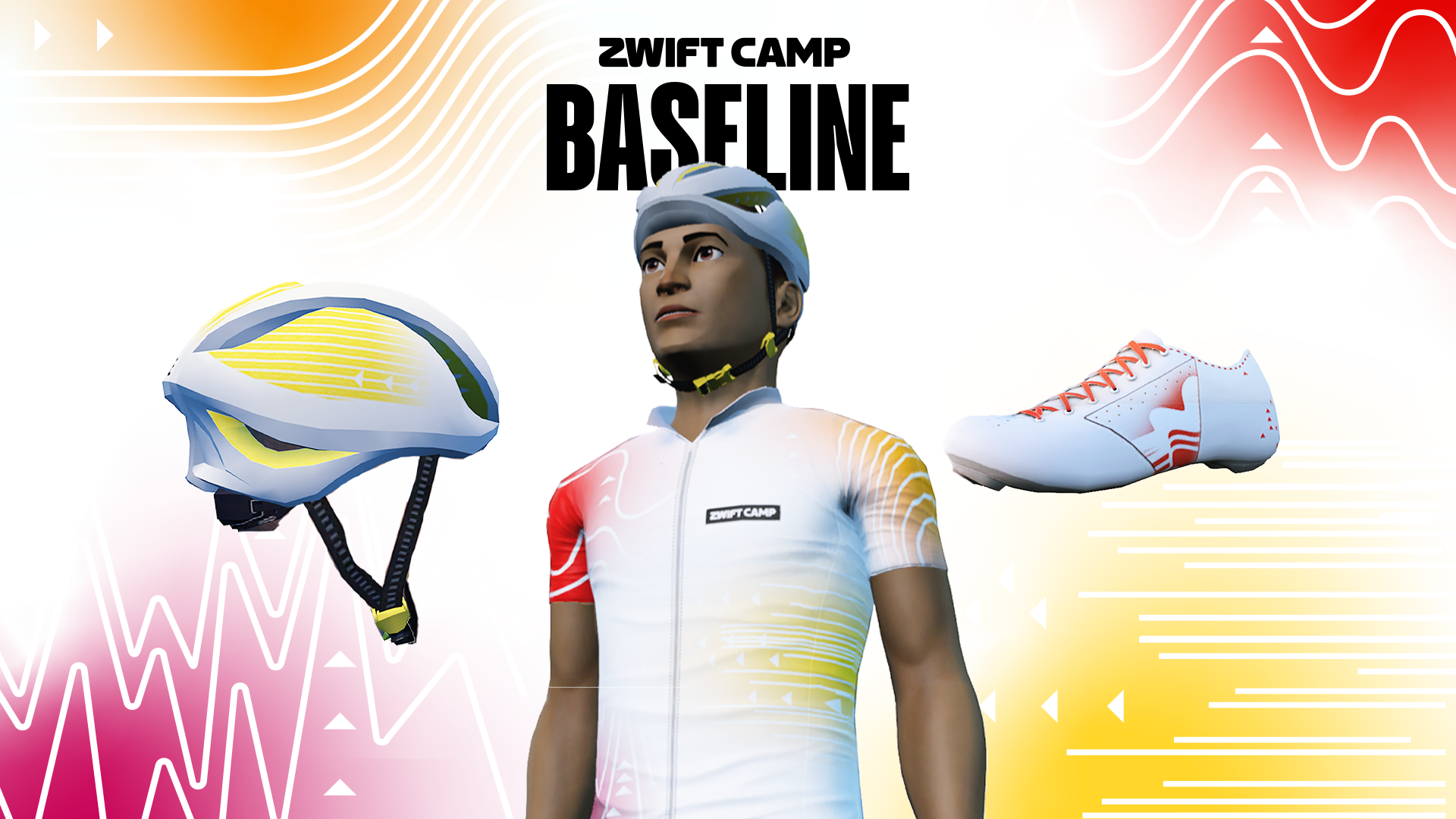
Three unlocks are available as you work your way through Zwift Camp: Baseline:
Complete 1 Workout: Zwift Camp: Baseline Helmet
Complete 3 Workouts: Zwift Camp: Baseline Shoes
Complete all 4 Workouts: Zwift Camp: Baseline Kit
Personal Dashboard
Zwift has launched a personalized Zwift Camp: Baseline dashboard for all participants, which includes a progress meter and your power bests across each of the four intervals.
Three Zwift Camps are planned for this year’s 2025/26 peak Zwift season:
Zwift Camp: Baseline (September 15-October 20): Pure power analysis
Zwift Camp: Build (November 10 – December 21): Power application through in-game segments/routes
Zwift Camp: Breakthrough (February 2026): Pure power competition and analysis through Power Segments*
* Power Segments are an upcoming feature mentioned in This Season on Zwift released today. They’re the perfect way to test your power across various intervals, and should make a great addition to Zwift Camps. Inside sources also tell us Zwift Camp: Breakthrough may feature some population rankings, so you can see how your power numbers stack up against others…
Questions or Comments?
What do you think of the Zwift Camp proposition? Going to participate? Got questions? Share your thoughts below!
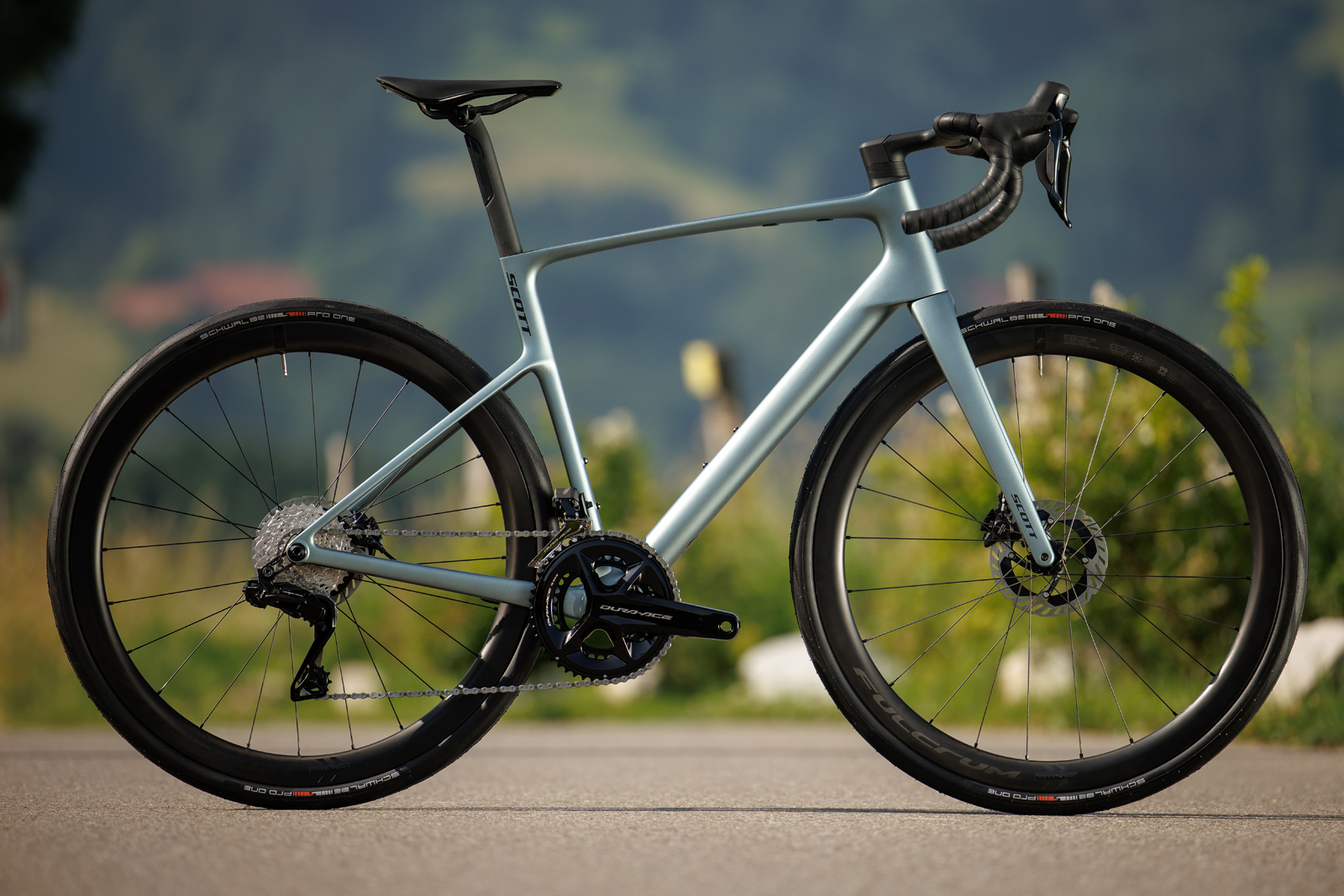
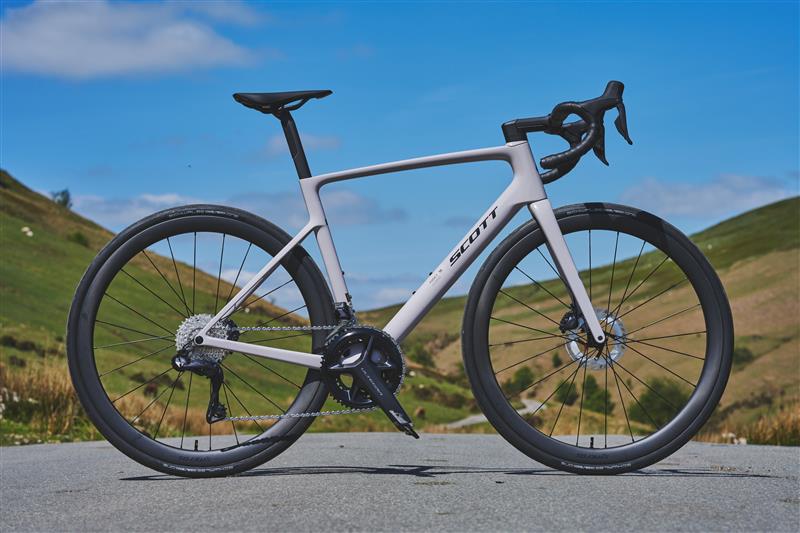
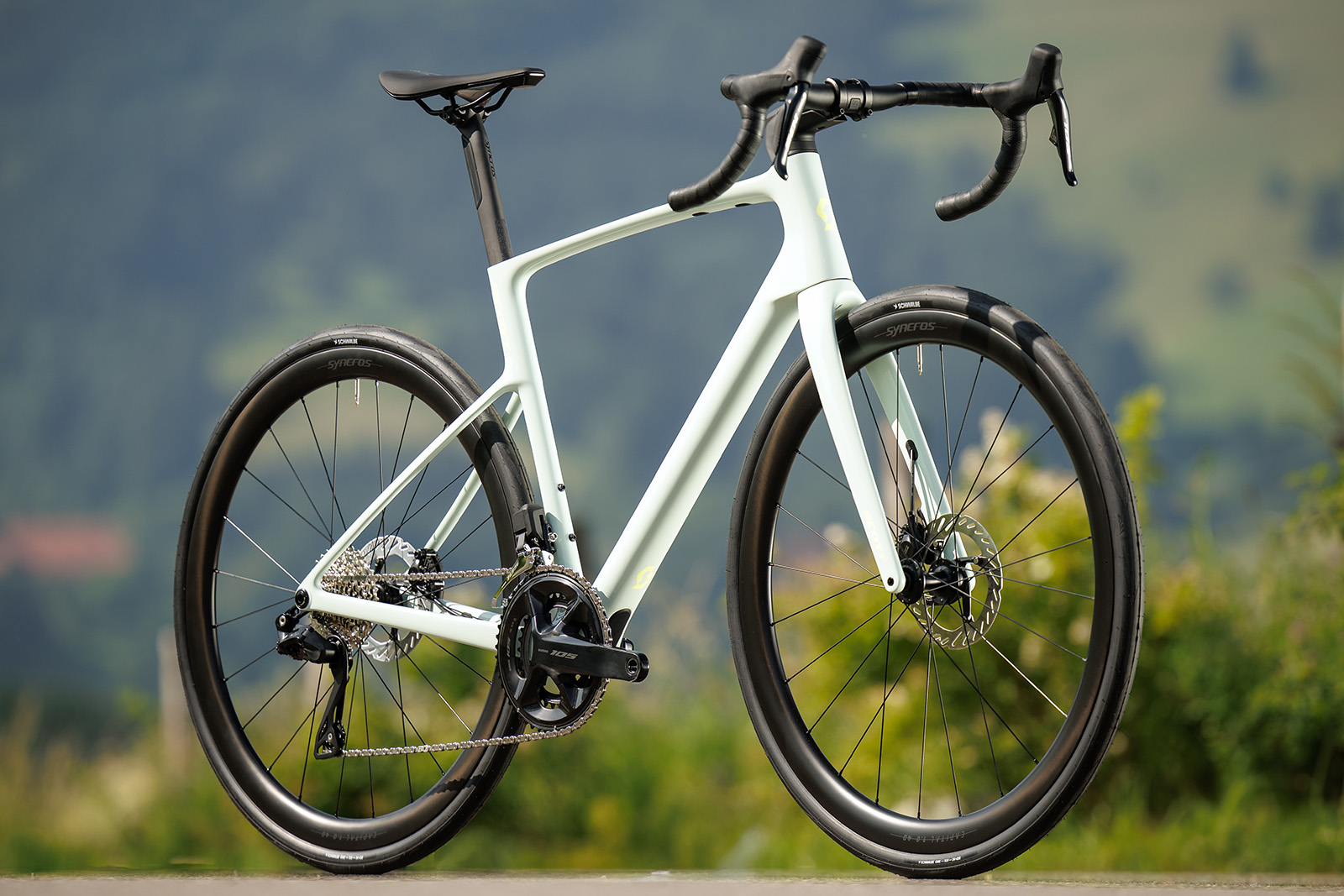
Scott has revealed its new Addict endurance bike, which is intended unashamedly for recreational use and designed to be “long ride ready”.
The endurance bike follows the Addict RC 20 race bike, which was released last November. “This year, we wanted to bring the advancements learned on the RC to a larger range of customers on our most sold road bike, the Addict,” says Jean-François Boivin, the Addict’s lead engineer.
Boivin says it hasn’t always been easy for Scott to define what an endurance bike should be. “In the past, the Addict had been designed as the RC’s little brother,” he says.
But, despite learning from the RC, the new Addict is its own bike, with Scott focusing on four main areas: extra comfort, relaxed geometry, confident handling and practical features.
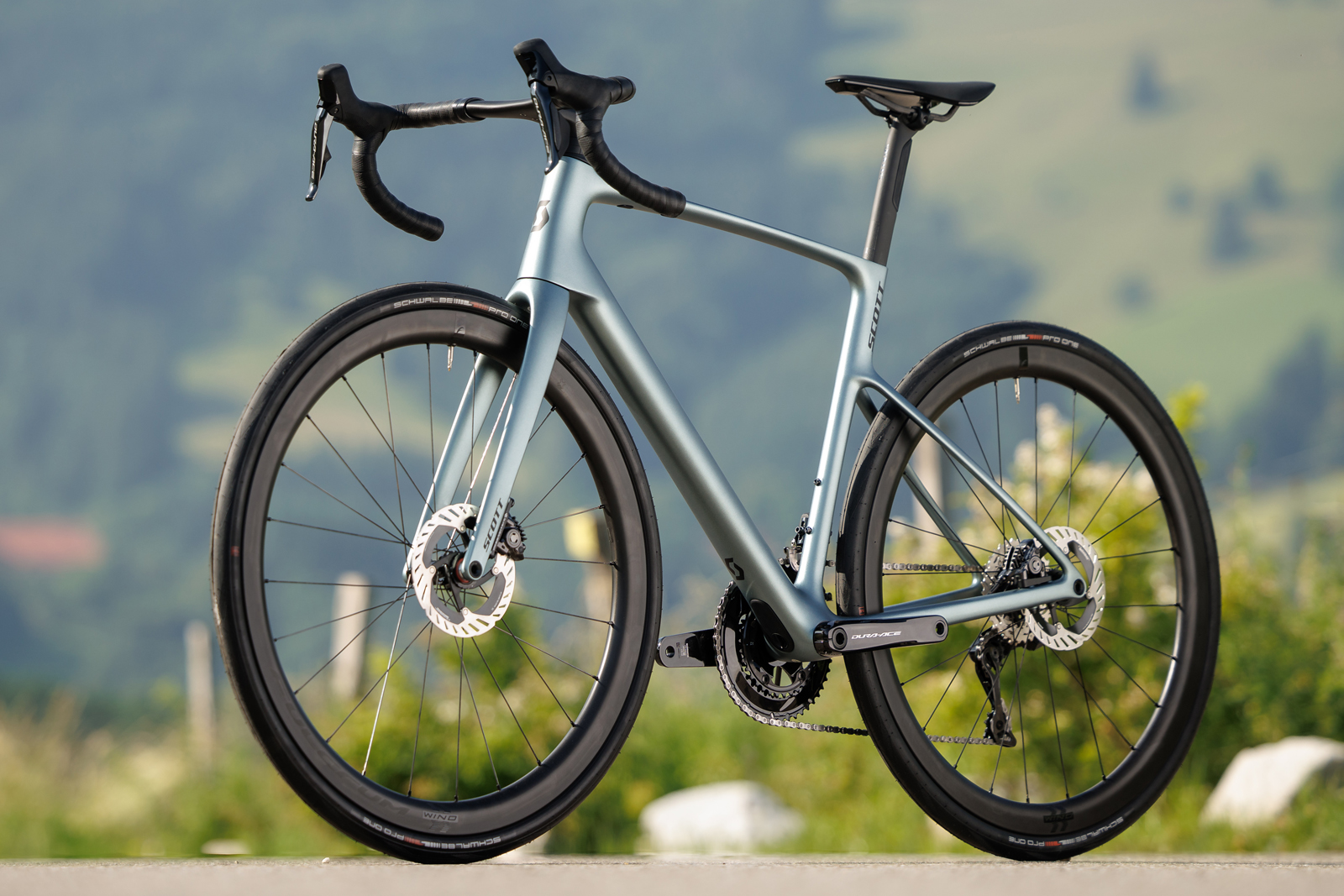
The Scott Addict Premium is the top model in the new line-up, with a Shimano Dura-Ace groupset and Fulcrum Wind 42 DB wheels. Scott
Boivin explains that when designing the new Addict, Scott worked carefully on frame compliance. The result is the new Addict has 25 per cent more compliance than the Addict RC, and it has 50 per cent more frame compliance over the outgoing Addict, which launched back in 2020.
“We achieved this by reducing the seat tube section underneath the seat stay junction to allow for additional flex,” says Boivin. “This way, the seat tube can flex forward a bit more. The top tube is also slimmer to enable upward deflection, and the drop seat stay will flex outward to contribute even more comfort.”
Julien Chauveau, marketing manager for road, gravel and triathlon at Scott, says the lessons for how to adapt the Addict’s tubes came from developing the RC race bike, where the team saw how the bike flexed in a fatigue machine at the company’s factory in China.
“At that moment, we really understood how we could improve the tube shapes and the design of the bike to actually increase the frame compliance,” says Chauveau.
Scott says it wanted to bring the advancements it learned from making the Addict RC (pictured) to the Addict endurance bike. Scott Windsor / Our Media
However, the new Addict is really a balancing act between where compliance aids comfort and stiffness helps performance: the bike has the same stiffness as the Addict RC in the bottom bracket area and head tube.
As soon as the moulds for the Addict were ready, Scott asked for frames with different layups and levels of stiffness, going from very soft up to the stiffness levels of the Addict RC.
After blind testing, Chauveau says everybody loved the stiffer bikes: “The main reason was the head tube stiffness. They all felt the handling was more precise and gave them more confidence. With a bike like this we want the rider to feel at ease, even when you go fast. The stiffer bikes were much better for that.”
“Bottom bracket stiffness was less easy to feel, but still the riders preferred the stiffer version for sprints and climbs,” he adds.
38mm tyres and geometry tweaks
The bike can now fit 38mm tyres, but all models ship with 34mm tyres. Scott
The balancing act between comfort and performance continues with the Addict’s ample tyre clearance and geometry tweaks.
The bike can now fit 38mm tyres, which is 4mm wider than the tyre clearance of the Addict RC and 3mm more than the previous Addict.
“Not only will you benefit from the added vibration damping of lower pressure tyres, but you will also get added confidence in grip,” says Boivin.
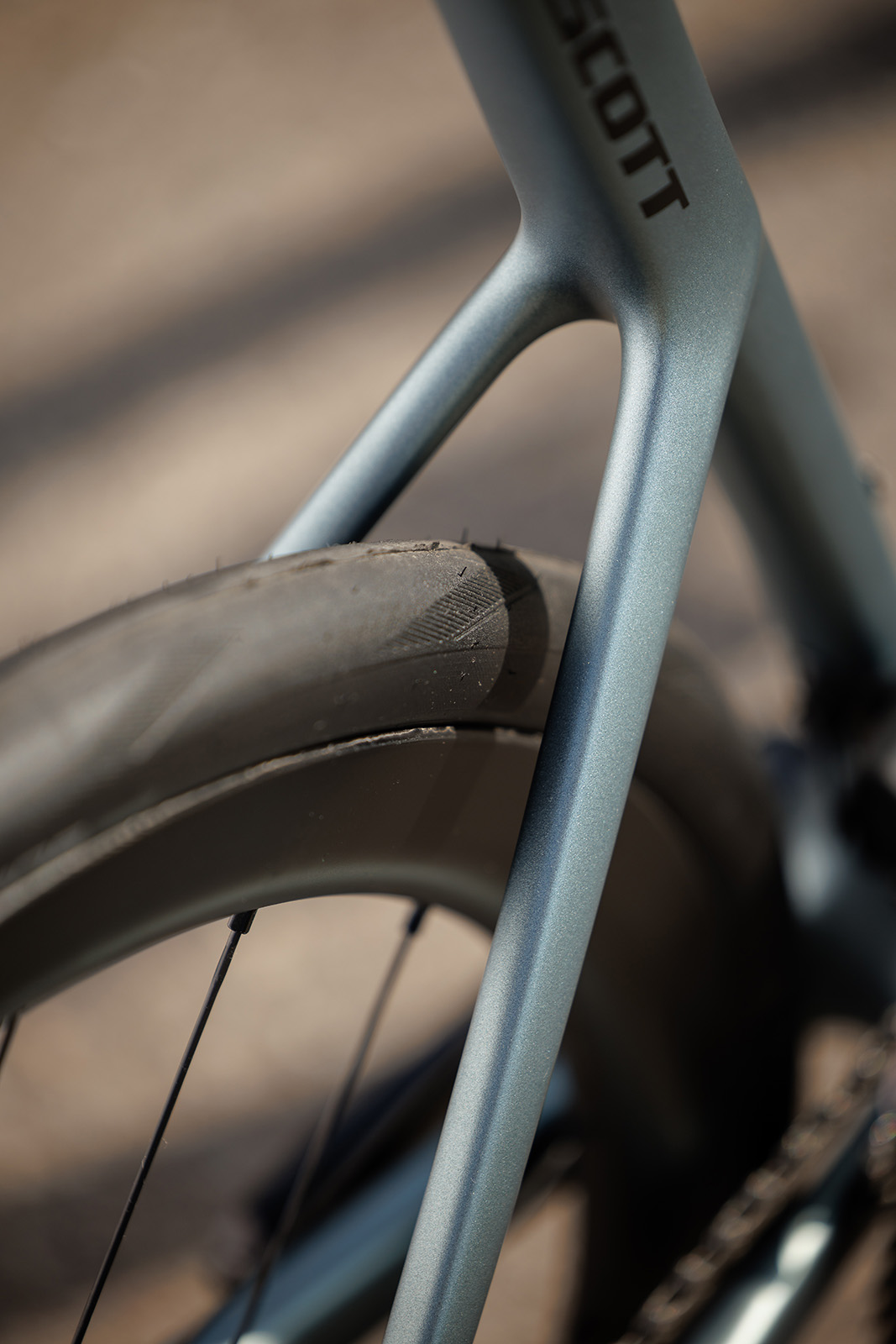
Yet Scott seems aware that although tyre widths and clearances are increasing, running 38mm tyres on an endurance bike might still be a niche desire; the Addict’s geometry is optimised for 34mm tyres and models in the new range are specced with this width.
Scott also wants the bike to be accessible to the average rider, and for that reason the bike’s stack is now 5mm higher and the reach is 5mm shorter. Although the bottom bracket drop and fork rake were adjusted to accommodate the wider tyres, Scott shortened the chainstays by 2mm to make the bike feel more playful.
This geometry is also a big reason why the Addict fits into Scott’s new ‘ride’ bike category, whereas the RC fits into its new ‘race’ category, alongside the Foil aero bike.
“It’s not uncommon to see riders take the RC and add many spacers to fit their [body] or riding style,” says Boivin. “But in fact, if you were to use 35mm of spacers on the RC, you would actually get to the same position as on the Addict without spacers.”
“If you use more than 30mm of spacers on the RC, you would probably be better suited with the new Addict,” he adds.
Scott Addict geometry
47cm
49cm
52cm
54cm
56cm
58cm
61cm
Seat tube length (mm)
425
445
465
485
505
525
555
Top tube length (mm)
511
521
536
551
566
582
597
Head tube length (mm)
104
115
139
161
182
201
201
Head tube angle (degrees)
71.3
71.8
72
72.2
72.5
73
73
Seat tube angle (degrees)
75
75
74.5
74
73.5
73.1
73
Chainstay length (mm)
418
418
418
418
418
418
418
Wheelbase (mm)
984
991
1,000
1,009
1,016
1,022
1,036
Stack (mm)
522
534
557
578
599
619
638
Reach (mm)
372
378
382
386
389
394
402
Storage and hidden extras
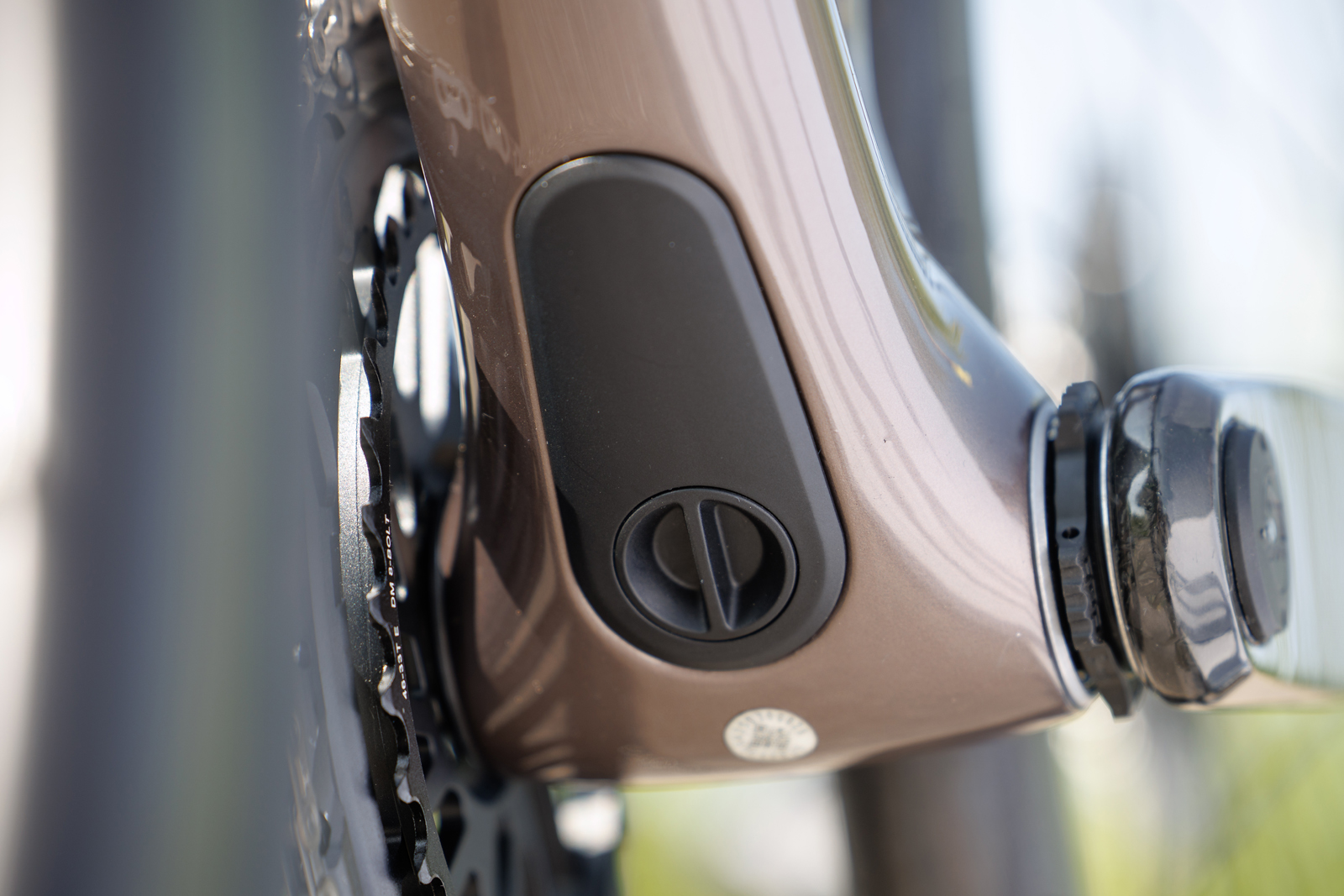
The Scott Addict down tube storage hatch is hidden by the bottom bracket. Scott
To help make the Addict ‘long ride ready’, Scott has equipped the bike with extra storage and accessories.
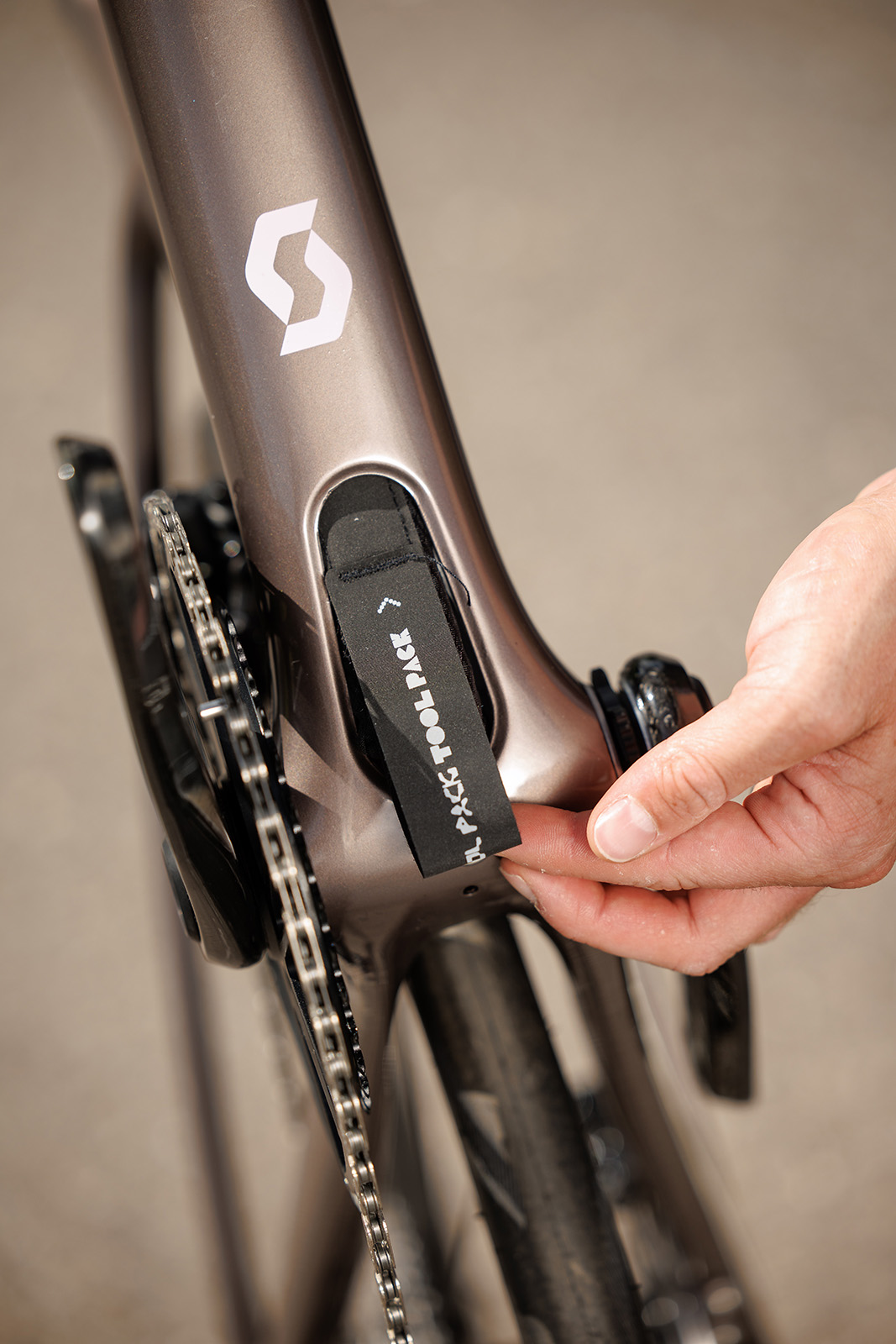
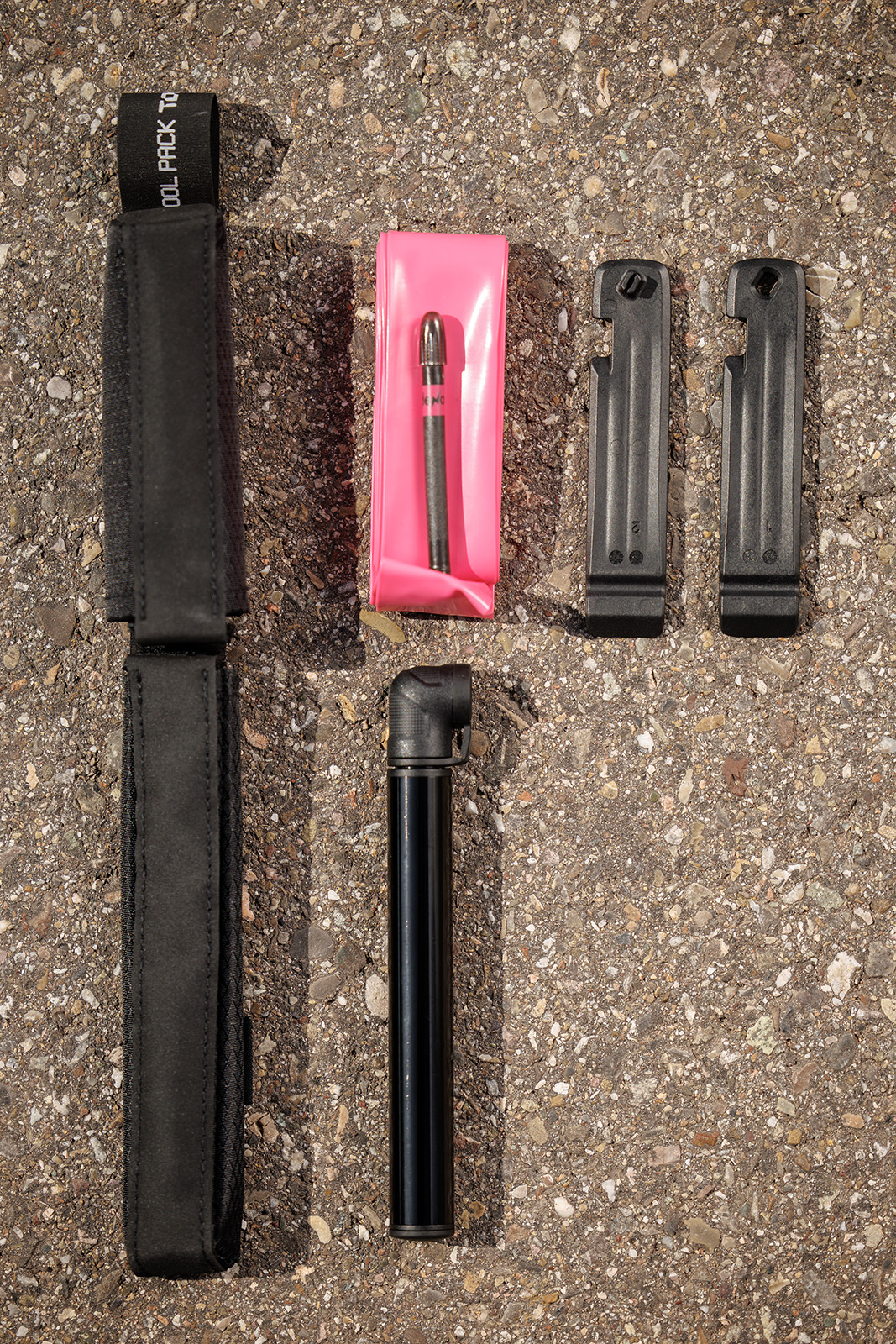
The bike has storage integrated into the down tube, which is accessible via a hatch near the bottom bracket. This is fitted with a flat tyre ‘Save the Day’ repair kit, which consists of a mini pump, tyre levers and a TPU inner tube, held in a fabric sleeve. The kit is included on the top two Addict models, and is an optional upgrade for others.
The ‘Save the Day’ repair kit fits in the down tube storage. Scott
The kit contains a mini pump, tyre levers and a TPU inner tube. Scott
The location of the storage is supposed to be unnoticeable (because nobody likes to think about getting a flat tyre), but the position makes sense from an engineering standpoint, too.
Chauveau says the total weight penalty for the storage is only 40g, with the door weighing just under 10g and only an extra 25g of carbon required to reinforce the frame. The door only has to support its own weight, but if it was under water bottles, as on other bikes, it would have to be far more substantial, and therefore heavier.
The mechanism to lock the door is the same design Scott uses for its mountain bikes. “We know it’s going to work and last a long time,” says Chauveau.
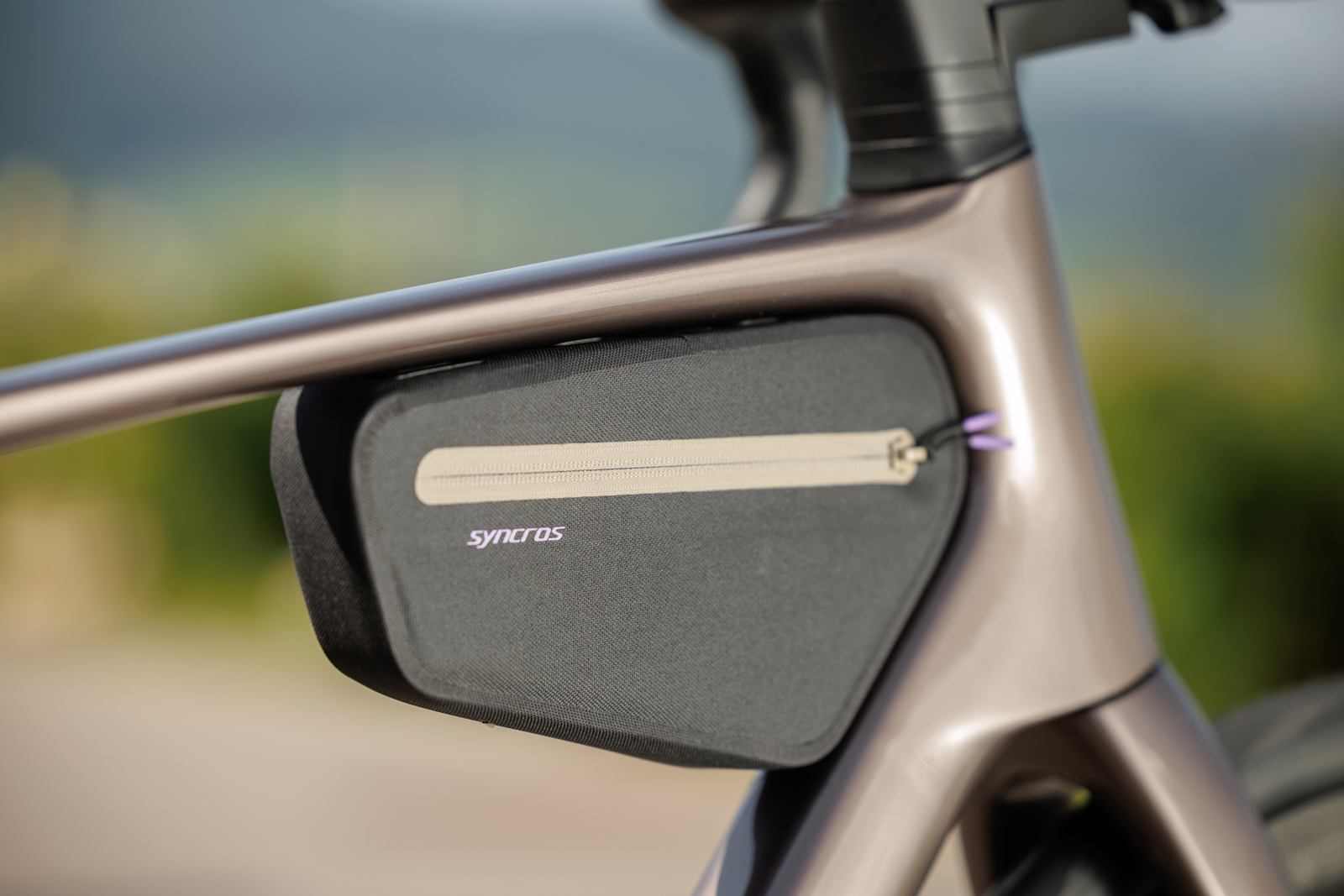
The bike comes with a frame bag. Scott A multi-tool fits into the handlebar drop. Scott
The bike also comes with a frame bag, which attaches to mounting points that are recessed in the top tube. This is so they don’t disrupt the clean lines of the bike if you’re riding without the bag.
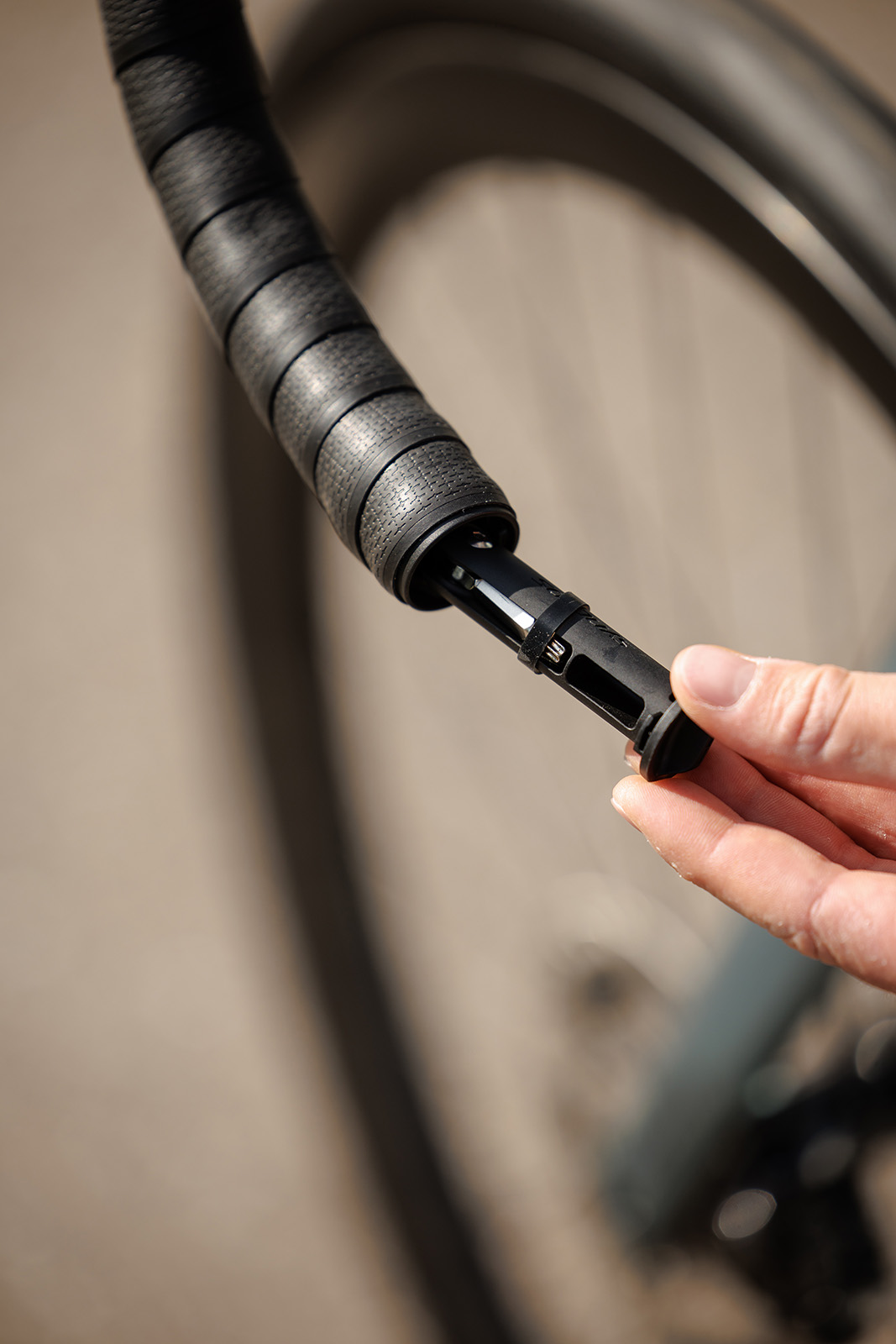
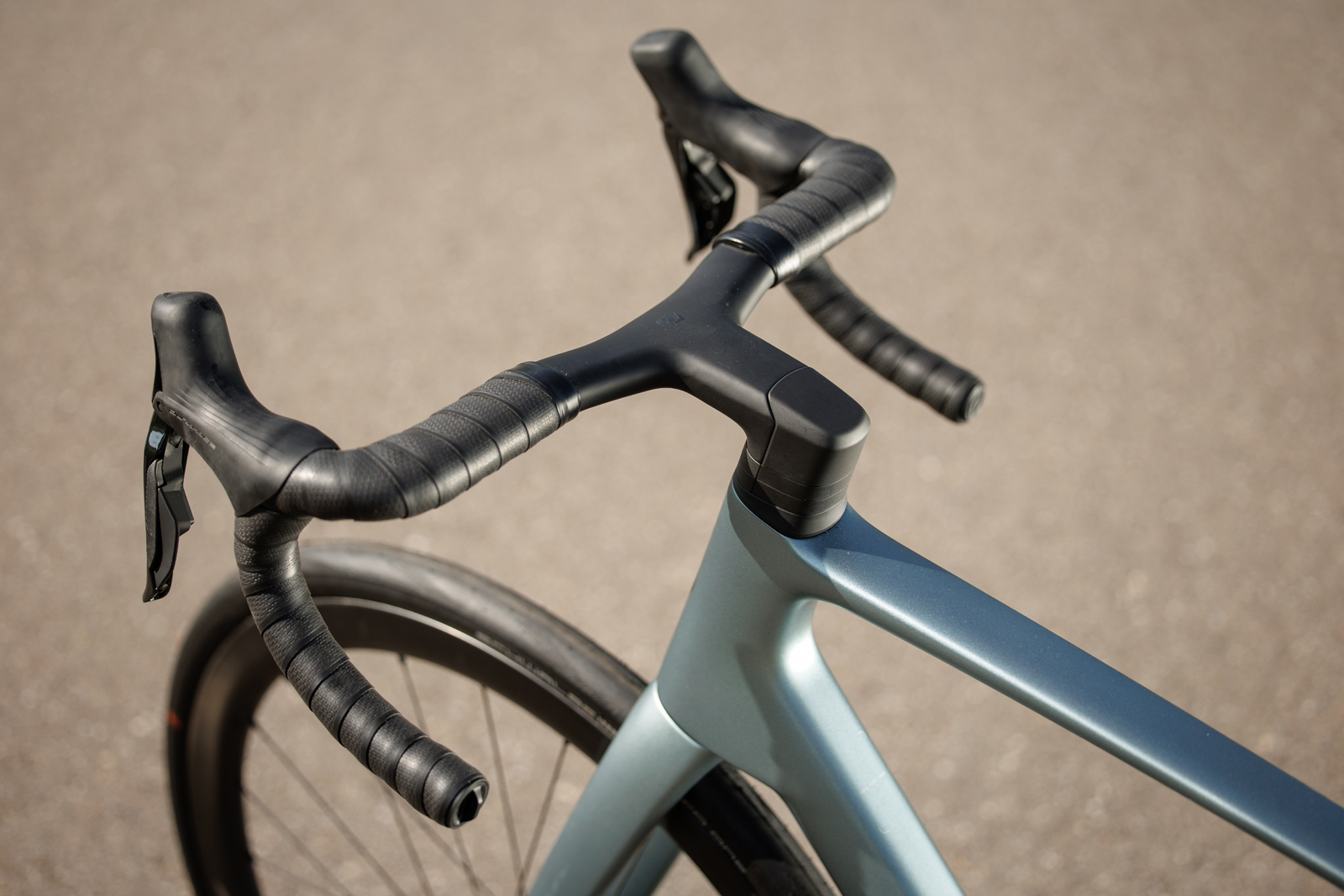
Like the Addict RC, Scott’s new endurance bike has a small multi-tool hidden in the handlebar, which can be used to adjust any of the bolts on the bike or remove the wheels.
The Syncros seatpost also has an in-built bike light, which can provide illumination for up to 20 hours, depending on the mode.
Syncros compatibility
The Addict is compatible with a wide range of Syncros components, so you can get the right fit. Scott
Boivin says bike fit is “paramount” for long rides, and so Scott has ensured there is a large range of fit components from its in-house brand Syncros that will fit on the Addict.
“Most of the Addict’s small parts are compatible with the RC. This means that you get access to a range of parts that are interchangeable between the two bikes,” says Boivin.
While the Addict comes with a -6˚ stem, this means you could also fit the RC’s -11˚ stem or its one-piece Syncros cockpit.
“You’ll notice that we don’t have any road in the round handlebars anymore on the Addict lineup. All you will find are smooth surface handlebars for best in class ergonomics,” he adds.
Keeping the weight down
The Addict’s lead engineer, Jean-François Boivin, says the Addict HMX is one of the lightest endurance frames on the market. Scott
While the focus of the new Addict is comfort and long-distance performance, Boivin says “a lot of effort” was made to keep the weight of the bike as low as possible.
The new bike’s frame is available in two carbon fibre options – Scott’s premium HMX or more affordable HMF carbon.
At 780g, Boivin says the Addict HMX is one of the lightest endurance frames on the market.
He says the HMX frame is only 50g heavier than the previous-generation Addict RC, while the Addict HMF frame is 70g lighter than the previous Addict.
The top-spec Addict Premium, with a Shimano Dura-Ace groupset and Fulcrum Wind 42 DB wheels, weighs a claimed 7.4kg. The rest of the range weighs between 7.8kg and 9kg.
“Attractive and accessible”
The Scott Addict 30 has Shimano 105 Di2 and costs £3,299 / $3,999 / €3,799.
As well as plenty of fit options, Scott has provided a wide range of complete builds.
“We want the Addict to be attractive and accessible to the largest possible span of people,” says Boivin. “So this is why the bike builds go from the very affordable mechanical shifting to the high-end electronic group sets.”
In keeping with the ‘long ride’ philosophy and the focus on recreational use, Scott has specced the Addict with smaller chainrings and larger cassettes than you would find on racier bikes.
The bottom gear on the new Addicts will be a one-to-one ratio with Shimano groupsets and 0.92-to-one with SRAM groupsets.
The bike is also compatible with SRAM’s Universal Derailleur Hanger, so it’s futureproof and compatible with as many drivetrains as possible.
“The rest of the components go from affordable alloy parts to light carbon components and wheelsets. We think everybody will be able to find what they are looking for,” says Boivin.
Strava has launched its new redesigned app for the Apple Watch, which now features a “performance-focused” interface, Strava’s Live Segments, performance tracking and more.
The update follows an increase in users uploading activities from Apple Watches. Strava says there was a nearly 20 per cent year-over-year increase in athletes using an Apple Watch in 2024.
“Apple Watch has become an increasingly popular wearable for athletes on Strava,” says Matt Salazar, chief product officer at Strava. “This investment in Apple Watch is more than just tracking a workout – it’s about delivering the real-time, game-like features athletes love to motivate them in the moment.”
So what’s new?
Strava’s Apple Watch app now includes Live Segments. Strava
Strava says it made several key updates to the Apple Watch app, including bringing its Live Segments feature to the smartwatch.
Live Segments enable you to compete against yourself or other Strava users on starred or popular segments.
“On Apple Watch, Live Segments are intuitive and motivating,” says Strava. “As athletes approach a segment, a banner with the segment name and a circle indicator appears on the watch face. As they enter the segment, the circle updates in real time to reflect progress, providing a clear visual cue that shows whether the athlete is ahead or behind their personal record.”
Strava also says you will receive a haptic cue when entering a Live Segment. And once you’ve completed the segment, your result will be displayed instantly before the app transitions back to the standard recording screen.
Elsewhere, Strava says its Apple Watch app will now enable you to see stats at a glance, including pace, distance, time and heart rate.
Streamlined syncing is said to make uploading directly to Strava “automatic and reliable”.
Extra features for Strava subscribers
If you’re a subscriber to Strava, you will have access to more features on the Apple Watch.
The live performance tracking means you’ll be able to see how your current pace compares to your personal best in real time.
The Live Segments feature is also enhanced for paid subscribers. With a subscription, you will have a countdown showing exactly how much distance remains in a segment. You’ll also be able to see how your completed segment time compares to your personal best immediately.
Integration between Apple Fitness+ and Strava
The update to Strava’s Apple Watch app follows the enhanced integration between Apple Fitness+ and Strava, which was announced in January of this year.
Strava teamed up with Apple’s fitness and wellness service to offer “more value, inspiration, and motivation”, thanks to three new features.
The integration between the two services enables users to track and share their Fitness+ workouts on Strava, and Strava subscribers can also unlock a three-month trial of Apple Fitness+ at no additional cost.
It was also revealed that Fitness+ would debut workouts featuring top athletes from Strava, including runners Hellah Sidibe and Kayla Jeter.
Zwift just released their latest “This Season on Zwift” announcement detailing key game features, Companion app updates, events, and hardware news coming in the next few months. We’ve posted the complete press release below, and in the coming days, we’ll dive into some of the announcements in more detail.
There’s some fun stuff here, so let’s get on with it…
Personalized Recommendations, New Zwift Click Controllers and Much More Promise To Make It Easier To Level Up Your Fitness
Plus Many More Updates Landing This Season on Zwift, Including New Roads, Events and Racing Improvements
Zwift, the global online fitness platform for cyclists, today announces a series of updates and content experiences that promise to make it easier than ever before to level up your fitness. From AI-driven personalized recommendations designed to help Zwifters hit their goals to updated Zwift Click Controllers that unlock the full Zwift experience to new roads that encourage Zwifters to explore more, there is something new for every rider This Season On Zwift.
Zwift Ready & New Zwift Click Controllers
Shipping from September 9
Launched in 2024, the Zwift Ready program makes getting started on Zwift easier and more affordable. Zwift Ready trainers come with the Zwift Cog pre-installed, providing compatibility with virtually any bike, and with Zwift Click included, riders have everything they need to begin their journey in Watopia. In 2025, the Zwift Ready program is expanding with more variety than ever before, and with costs starting from as little as €250 // £279.99 // $299.99. Zwift Ready trainers will be available from Wahoo, Elite, Van Rysel, JetBlack, and Garmin-Tacx (USA only).
Shipping from September 9th, the new Zwift Click controllers unlock the full Zwift experience thanks to integrated navigation and shortcut buttons, similar to those seen on Zwift Ride, and previously Zwift Play controllers. The new Zwift Click retains the ability for riders to mount the controllers in almost any location and they are compatible with all handlebar types. To ensure it can be placed in almost any location, the new Zwift Click allows you to customise the button configuration to orient your Zwift Click however you like.
Zwift Cog and Click upgrade kits for all Zwift Cog-compatible trainers are available to pre-order from Zwift.com now, and will ship from September 9th.
Levelling Up Your Fitness – Personalized Recommendations, Auto-Adjusting Goals & Improved Onboarding
Launching November
Building on the success of Fitness Trends, which rolled out earlier this summer, Zwift will make it easier for Zwifters to level up their fitness with the introduction of Auto-Adjusted Goals and Personalized recommendations.
From September, an improved onboarding experience will make it easier for Zwifters to set up connections with their outdoor head units from Wahoo, Garmin and Hammerhead. Zwifters connecting their outdoor accounts will not only benefit from additional XP for their outdoor rides, but they will also be able to track their Fitness Trends in Zwift Companion and set goals based on their past activities. Now, when Zwifters set goals, they will have the ability to set these to Auto-Adjust. Using the last several weeks of indoor and outdoor data, Zwift will adjust your upcoming weekly target goal, helping to support your continual development.
From November, Zwift promises to take things to the next level with Personalized Recommendations. Powered by AI, Personalized Recommendations will serve content tailored to help each Zwifter hit their goals. Recommendations served will account for recent training load, based on both indoor and outdoor (when connected) activity, riding preferences, including activity types, and much more, meaning Zwifters can jump in with one click, allowing them to spend more time riding and less time choosing.
Using the ‘Tune button’ Zwifters will have the ability to choose from a mix of content types, including workouts, routes, events and Robo Pacer rides, helping preserve variety. However, with each recommendation accounting for recent ride history and personal goals, Zwifters can be assured that whatever activity they choose, it will be both productive and fun. Further, Zwifters will also have the option to adjust the duration of content – because sometimes life gets in the way.
For those who have connections in place with external coaching apps like TrainerRoad, these will take preference on the Home Screen. Zwifters will still have the option to ‘tune’ these activities should they wish to mix things up.
Personalized Recommendations will display both in the home screen in the main Zwift App and also in Zwift Companion.
Progress Report Screen
Launching November
Upon completion of an activity, Zwifters will now be taken to an updated Progress Report Screen. Here, Zwift will display a summary of all key information, including fitness score progression, training status, goal progression, current streak, bike upgrade progression, level progress, racing score improvements, and much more. This display will show at the end of any activity before returning to the home screen. Post-activity, Zwifters will have the ability to go deeper into these metrics using Fitness Trends in the Zwift Companion app.
Zwift Unlocked – An Entirely New Tour
October 6-November 16
Running October 6th to November 16th, Zwift Unlocked is an entirely new Zwift Tour, replacing the Tour of Watopia. Like its predecessor, Zwift Unlocked offers double XP but brings with it 10 entirely new routes across multiple Zwift Worlds. Zwifters will have the ability to ride or race each stage, with long and short options on offer throughout.
The Big Apple Just Got Bigger – New York Expansion
Launching October 27
The final two stages of Zwift Unlocked will take place on a freshly expanded New York map. This expansion will be Zwift’s largest map expansion in years, adding 31km of new roads to New York, including 20 new routes (16 bike and 4 run).
The expansion will take Zwifters out of Zwift’s futuristic Central Park, into the city and out to Prospect Park via New York’s subway network.
Power Segments
Launching October 27
Within the subways of New York, Zwifters will also find a new segment feature, Power Segments, launching with this expansion. Power Segments are a new take on Zwift’s timed Sprint Segments, where pure wattage is all that matters. Hit the start arch and hammer until the timer hits zero to try and average the highest watts possible. Upon completion of a segment, Zwifters will see their personal result and how it compares with their efforts over the previous 90 days – this is primarily a challenge of personal achievement. Zwifters will also see how they rank against the global community, with the overall leaderboard displayed shortly after the personal results screen. Power Segments will eventually roll out to other Zwift Worlds over time.
Zwift Racing
Season Long
The Home of Community Racing is geared up to deliver the best season of competition to date. Whether it’s Zwift Racing League, starting on September 16th, zRacing, Zwift Games, any one of the 1000’s of community-run race events, or if lycra isn’t your thing, there’s even the Virtual Brompton World Championships in November – there really is something for everyone!
Helping make community racing fairer and more competitive, there are numerous improvements coming to the racing scene, beginning this September. Zwift Racing Score is now established as the default racing categorisation system, and the 11 categories now used for Zwift events have made racing even more competitive by keeping the competition more closely matched.
The latest changes to Zwift Racing Score have seen ‘score decay’ introduced for racers who haven’t competed in the last 30 days, updated seed scores based on your most recent personal bests (inside or outside of races), and a new option for event organisers to categorise riders by their 30-day best score, not just their current score. These changes ensure your score reflects your current peak fitness, instantly rewards strong performances, keeps matchmaking dynamic, and makes races feel fairer and more competitive for everyone on the start line.
To help keep racing fairer, Zwift is also rolling out new anti-botting detection. This is live and has been actively identifying suspicious activity. Accounts flagged by this technology are moving through our standard enforcement pipeline, helping us clean up racing, protect leaderboard integrity, and stop unfair XP farming. The same system is laying the groundwork for a new generation of anti-cheating technology designed to detect and eliminate unrealistic performances and make racing on Zwift even more authentic over time.
Brompton World Championship
November 17-23
“Tweed Is Speed.” The world’s most dapper race has arrived on Zwift. A week-long Virtual Brompton World Championship race series event is set to be held in Zwift’s London. Races will be held on custom routes (short and long options) and all entrants will be able to unlock the very special Tweed Kit! Of course, the Brompton will be available to purchase in the Drop Shop from November as well.
Event Cooldown
Live Now
The fun shouldn’t stop when you cross the finish line. Now, when Zwifters complete a Zwift group event they will have the option to stay in the event world to cool down. This update aims to improve event experience by extending the opportunity to continue the conversation, reminisce about the epic battle that went down, share a funny moment, connect on Zwift Companion, or discuss plans for your next activity much like you would after completing an outdoor event. One extra loop, anyone?
Zwift Camp: Baseline
September 15-October 19
Zwift Camp: Baseline proved to be Zwift’s most popular workout series of all time, and returns bigger and better for 2025. Zwift Camp will consist of three distinct camps throughout the year: Baseline, Build, and Breakthrough. Designed to follow the structure of winter training, Zwift Camp has been designed to allow Zwifters to complete one or multiple camps. Beginning September 15th, Zwift Camp: Baseline is your launchpad for the season ahead. The four workouts are a chance to set your baseline fitness and lock in your best season yet.
MyCanyon colorways are landing in the Drop Shop on September 25th. This will be the first time Zwifters can purchase bikes with distinct colorways in the Drop Shop. From launch, Zwifters can choose from four designs from the Opus Collection, the Fabrio Collection, and the Mano Collection. Stay tuned for more Drops coming to the Drop Shop this season!
Watopia Essentials Collection
On Sale September 16
Born from a partnership with Pedal Mafia, the Watopia Essentials Collection is an investment in your cycling journey, bringing the highest quality cycling apparel to Zwifters indoors and outdoors. On and off-bike apparel will be available to purchase in the US, UK and EU from Zwift.com. Zwifters located in Australia will also be able to access the collection from pedalmafia.cc.
Artificial intelligence (AI) is coming to Zwift this autumn, in the form of personalised recommendations for indoor rides and workouts.
With autumn on the horizon, Zwift has announced the latest round of updates to the popular indoor cycling app.
While the new AI tool is said to help “take out the cognitive load of figuring out what to do” on Zwift, there’s also a new world expansion, a new set of controllers, updates to racing categorisations and anti-cheat tools, and much more.
For an in-depth look at the new controllers, check out our Zwift Click v2 first look. Otherwise, read on for the lowdown on everything new coming to Zwift this season.
Riders can tune AI recommendations to better match their preferences. Zwift
According to Zwift, a big friction point for newer riders is working out what to do when they load up the app.
With so many routes, group rides, events, races and workouts available, the amount of choice can be overwhelming.
With its new AI tool, Zwift will offer personalised recommendations to riders at the top of the app homepage, with a suggested ride designed to account for your goals, preferences and current training load.
Rather than simply suggesting structured workouts every time, Zwift says its AI tool will recommend “a mix of routes, workouts, Robopacer rides & events allowing Zwifters to maintain variety“.
Riders will also be able to “tune” the recommendations around variables such as time, activity type, structure and more.
Recommended rides will appear on the home screen when you load up the Zwift app. Zwift
According to Zwift, the new AI tool is designed to help you “get fitter faster” and has been enabled by a recent update that allowed riders to track and gain experience points (XP) from outdoor rides, among other things.
The brand says its AI tool can leverage this data to gain a better understanding of a rider’s current fitness level and training loads, helping to improve its own recommendations.
Zwift says the tool is set to launch in November, and while it won’t offer ‘training periodisation’ at launch, the brand said it hopes to expand the tool’s capabilities in the future.
The end-of-ride progress report screen has had an overhaul. Zwift
This update launches alongside updates to the ‘progress report’ that shows at the end of activities.
Upon finishing a ride, Zwift will display an in-depth summary of key metrics and information, including fitness score and goal progression, training status, level progress, racing score changes and so on.
Zwift also says its ‘goals’ feature – which is based on weekly riding goals riders can set for themselves – will now be able to update automatically to encourage continuous improvement.
At launch, Zwift says the auto-adjusting goals feature will be relatively simple, but that it has “big visions” for how it can be improved in the future.
The big apple is getting bigger
Zwift’s New York world is getting a significant expansion Zwift
In its “largest map expansion in years”, Zwift is updating its iconic New York world with 31km of new virtual roads towards the end of October.
The expansion will include 16 new rideable routes (plus four for runners), taking riders out of the map’s futuristic Central Park area and to Prospect Park via the subway network.
While the original Central Park area has a few short, sharp climbs, Zwift says the Prospect Park expansion will feature “fast rolling roads” and iconic New York locations such as the Brooklyn Bridge.
Zwift’s new “power segments” challenge riders to set new short-term PRs. Zwift
Zwift also says it’s adding what it calls ‘power segments’ to the New York subway, which encourage riders to go for personal bests over short durations, from 5-30 seconds.
The goal with power segments is to set the highest average power possible, with efforts being recorded on in-game leaderboards.
Zwift says it intends the segments to be “primarily a challenge of personal achievement”, and so will display results compared to your previous efforts over the past 90 days, with community leaderboards following afterwards.
The brand says power segments will “roll out to other Zwift Worlds over time”.
Making Zwift racing fairer and more competitive
Zwift intends to keep refining its virtual racing formula to make things fairer and more competitive. Zwift
Zwift racing has exploded in popularity in recent years, helping riders get their competitive fix from the comfort of their own home/shed.
From this month, Zwift says it is introducing a range of new features designed to make racing fairer and more competitive.
For a start, Zwift Racing Score now features ‘score decay’.
Designed for racers who haven’t competed in the previous 30 days, this will update your racing score – the measure used to categorise riders within events – based on your most recent personal bests.
Event organisers will also gain the option to categorise riders according to their 30-day best score, rather than only their current score.
The idea is to help a rider’s racing scores better reflect their current fitness levels, reward strong performances and help keep races fair and competitive.
New anti-cheat systems are being implemented to ensure you’re always racing against real people producing real efforts. Zwift
According to Zwift, racing on its platform is now 64 per cent “closer” year-on-year – meaning the gap between the top and bottom finishers in each race is now significantly smaller than before.
The goal, Zwift says, is to make it so that “anybody of any ability can hop in and find a race they are competitive in”.
Beyond this, Zwift says it’s also “rolling out new anti-botting detection”, to detect suspicious activity on the platform, and combat cheating, bots and XP farming.
Accounts “flagged” by these tools will move “through our standard enforcement pipeline”, but the brand says this “is laying the groundwork for a new generation of anti-cheating technology”.
Brompton World Championships come to Zwift
The Brompton World Championships are coming to Zwift this autumn. Zwift
In terms of events, there are a whole host of challenges to take on this season.
Replacing the Tour of Watopia, a new double-XP event series called ‘Zwift Unlocked’ is coming to the platform from 6 October to 16 November.
As well as helping riders level up faster, Zwift Unlocked will feature 10 new routes across multiple Zwift roads.
Zwift Unlocked events will be available as both group rides and races, with options for short and long distances.
Zwift Unlocked replaces the Tour of Watopia as the platform’s premier double-XP event. Zwift
Beyond that, there’s the usual Zwift Racing League, zRacing, Zwift Games and thousands of community events.
And if that wasn’t enough, the virtual Brompton World Championships are coming to Zwift this November.
As the name suggests, this event sees riders all aboard the British brand’s iconic folding bike, with an additional twist of everyone wearing a tweed outfit.
Zwift says riders can unlock the tweed outfit for their avatar simply by participating in a Brompton World Championships event, and can permanently unlock the Brompton folding bike via the Drop Shop.
The Union Cycliste Internationale (UCI) has said it “firmly condemns” the actions that led to the neutralisation of stage 11 of La Vuelta a España yesterday.
With roughly 20km to go on the 157.4km stage, starting and ending in Bilbao, the race organisers announced the stage would end 3km early due to pro-Palestine protesters.
In a statement released last night, the UCI said: “The UCI reiterates the fundamental importance of the political neutrality of sports organisations within the Olympic Movement, as well as the unifying and pacifying role of sport. Major international sporting events embody a spirit of unity and dialogue, transcending differences and divisions.”
“The UCI would also like to reiterate that sport, and cycling in particular, has a role to play in bringing people together and overcoming barriers between them, and should under no circumstances be used as a tool for punishment,” it went on.
The UCI added that staff and riders at La Vuelta should be able to “practise their profession and pursue their passion in optimal conditions of safety and serenity”.
Police and pro-Palestine protestors at the finish line of stage 11 of La Vuelta. Tim de Waele / Getty Images
La Vuelta decided not to award a stage winner or award points for the points classification, with only points obtained at the mountain passes and intermediate sprints retained.
The race organisers also “strongly condemned” the protests in a statement released after the stage, adding that: “La Vuelta respects and defends the right to peaceful demonstration within the context of the event, but cannot tolerate any acts that put at risk the physical safety of participants or any member of the race caravan.”
Britain’s Tom Pidcock (Q36.5 Pro Cycling Team) was at the front of the race with general classification leader Jonas Vingegaard (Visma–Lease a Bike) when the decision to shorten the stage was announced.
After the stage, he expressed frustration at missing his chance for a stage win. “I’m not saying I would have won, but I think I had a good chance to win,” said Pidcock.
“I felt like today was my day, but I feel like there always should be a finish line,” he added. “We’re not riding a fucking sportive are we?”
“Putting us in danger isn’t going to help your cause. It’s not going to help what they’re protesting for,” Pidcock added. “Everyone’s got a right to protest whatever they want, but putting us in danger is not the way forward.”
The pro-Palestine protests at La Vuelta have primarily been against the participation of Israel–Premier Tech – the team co-owned by Sylvan Adams, a Canadian-Israeli businessman who is a vocal supporter of Israel and a citizen of the country.
Israel–Premier Tech said they would not withdraw from the race, saying the team “remains committed” to La Vuelta.
The team added: “Any other course of action sets a dangerous precedent in the sport of cycling not only for Israel–Premier Tech, but for all teams. Israel–Premier Tech has repeatedly expressed its respect for everyone’s right to protest, as long as those protests remain peaceful and do not compromise the safety of the peloton.
“We thank the race organizers and UCI for their continued support and cooperation, as well as the teams and riders that have expressed their support both publicly and privately and, of course, our fans.”
Police guard the Israel–Premier Tech team bus at La Vuelta. Dario Belingheri / Getty Images
Israel–Premier Tech’s team time trial was disrupted by protestors last week, and other demonstrators entered the course on stage 10, after which Simone Petilli (Intermarché-Wanty) crashed.
Petilli, who fell but finished the stage, wrote on X: “I understand that is not a good situation, but yesterday I crashed because of a Protest on the road.”
“Please, we are just Cyclists and we are doing our Job, but if it will continue like this our safety is not guaranteed anymore, and we feel in danger! We just want to race! Please,” he added.
There were meetings between the riders’ union, the Cyclistes Professionels Associés (CPA), and the race organisers before stage 11, with riders saying they would ride as long as protests were peaceful.
There have been pro-Palestine protests at all three of this year’s Grand Tours.
The Boycott, Divestment and Sanctions (BDS) Movement called for peaceful protests in April at this year’s Grand Tours against the participation of Israel–Premier Tech.
The BDS Movement said in April: “As Israel escalates its ongoing genocide against 2.3 million Palestinians in Gaza and its violent military occupation of the West Bank, international sporting bodies have a moral obligation to take all measures to prevent genocide, or risk being held criminally liable.”
There have also been objections to the inclusion of Israel–Premier Tech at La Vuelta from Spanish political parties. Izquierda Unida and EH Bildu both called for the team’s exclusion from the race.

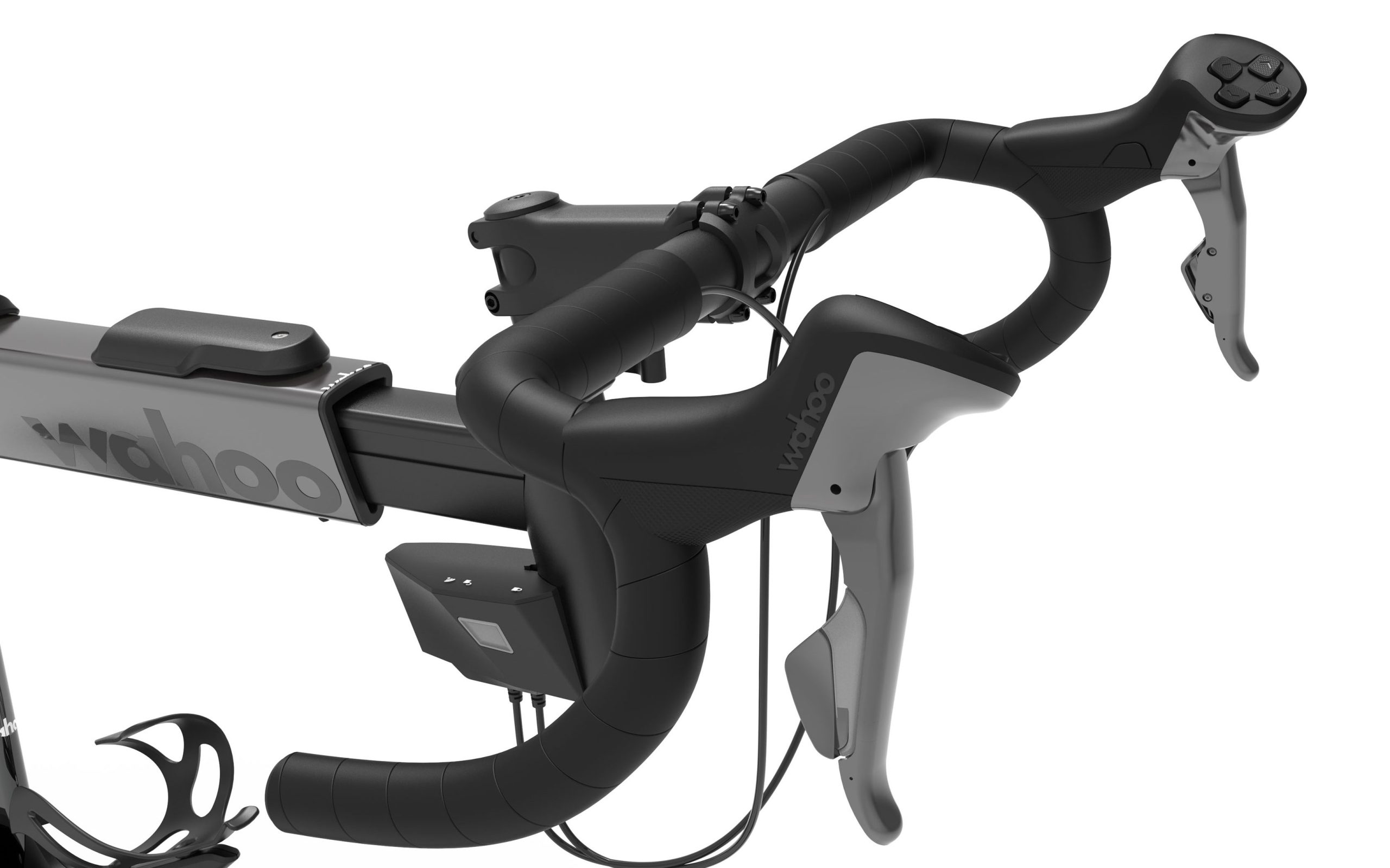
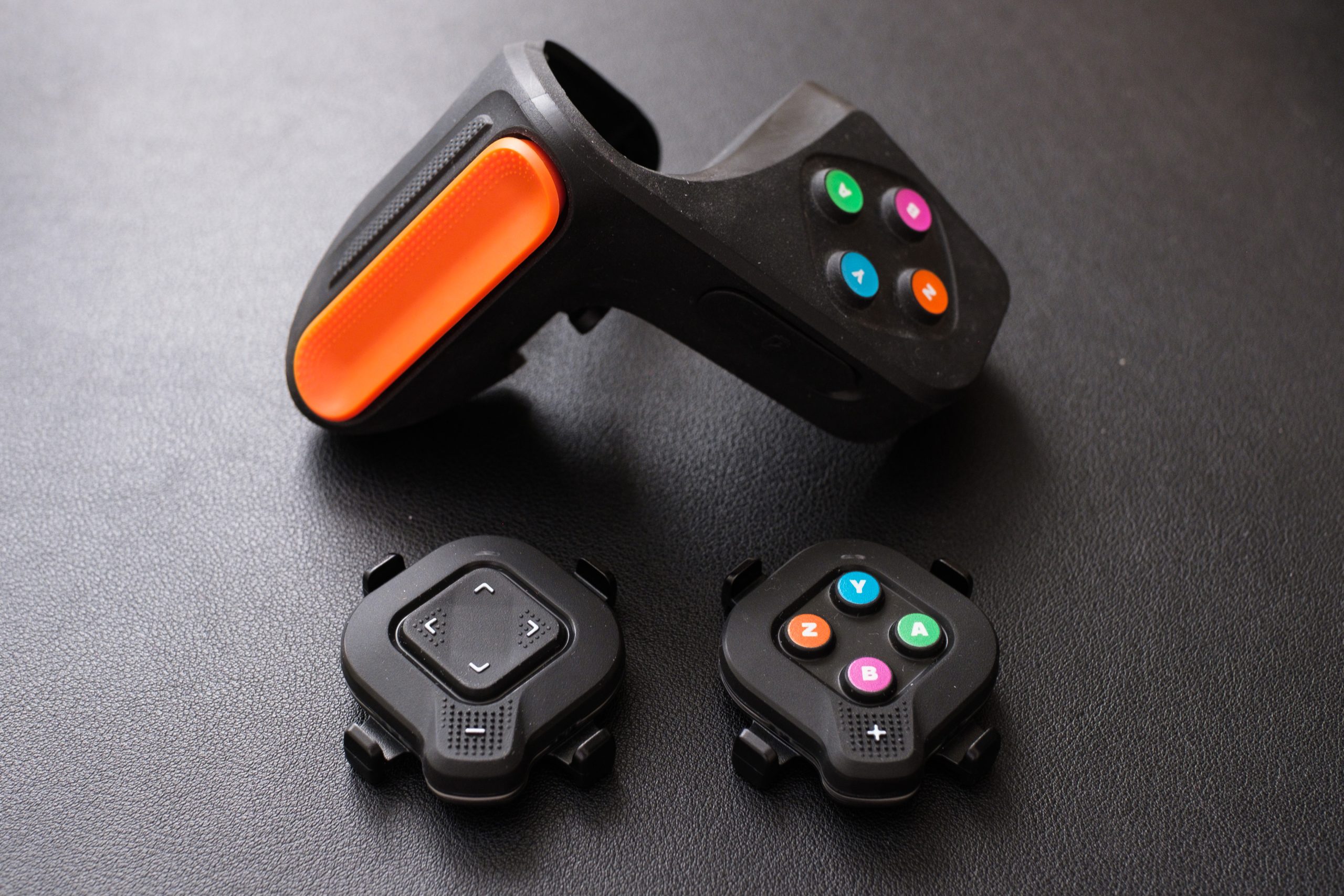
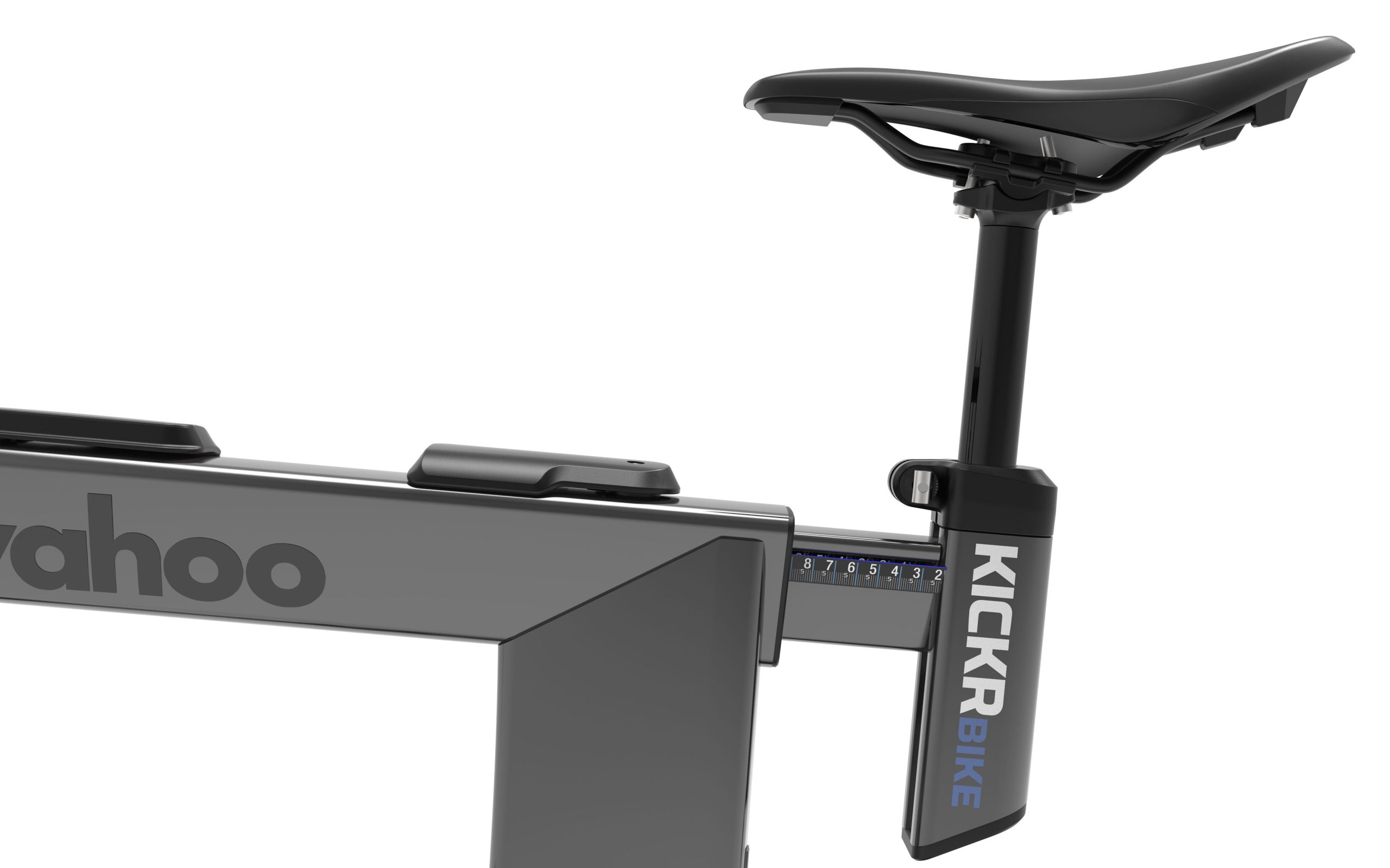
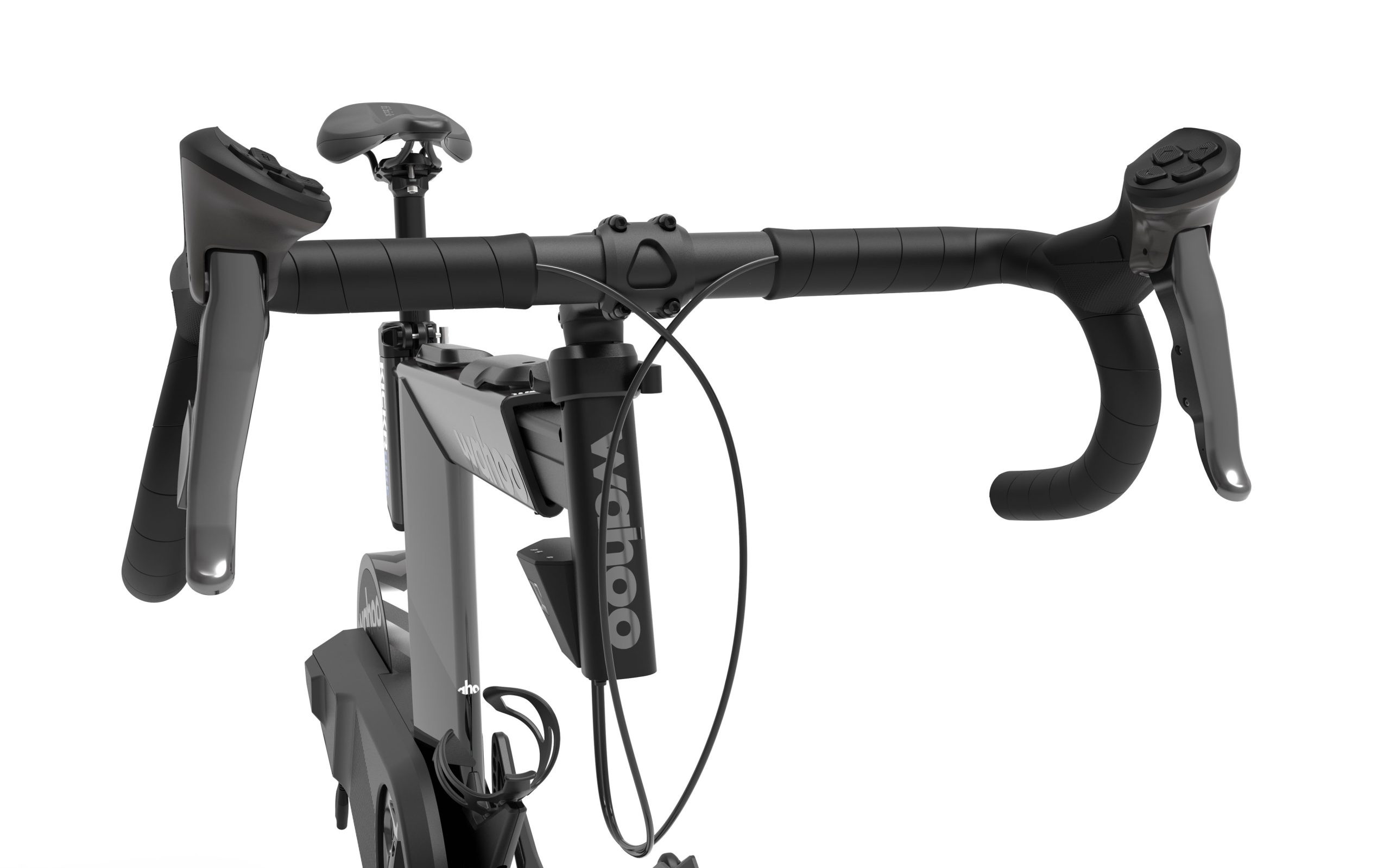
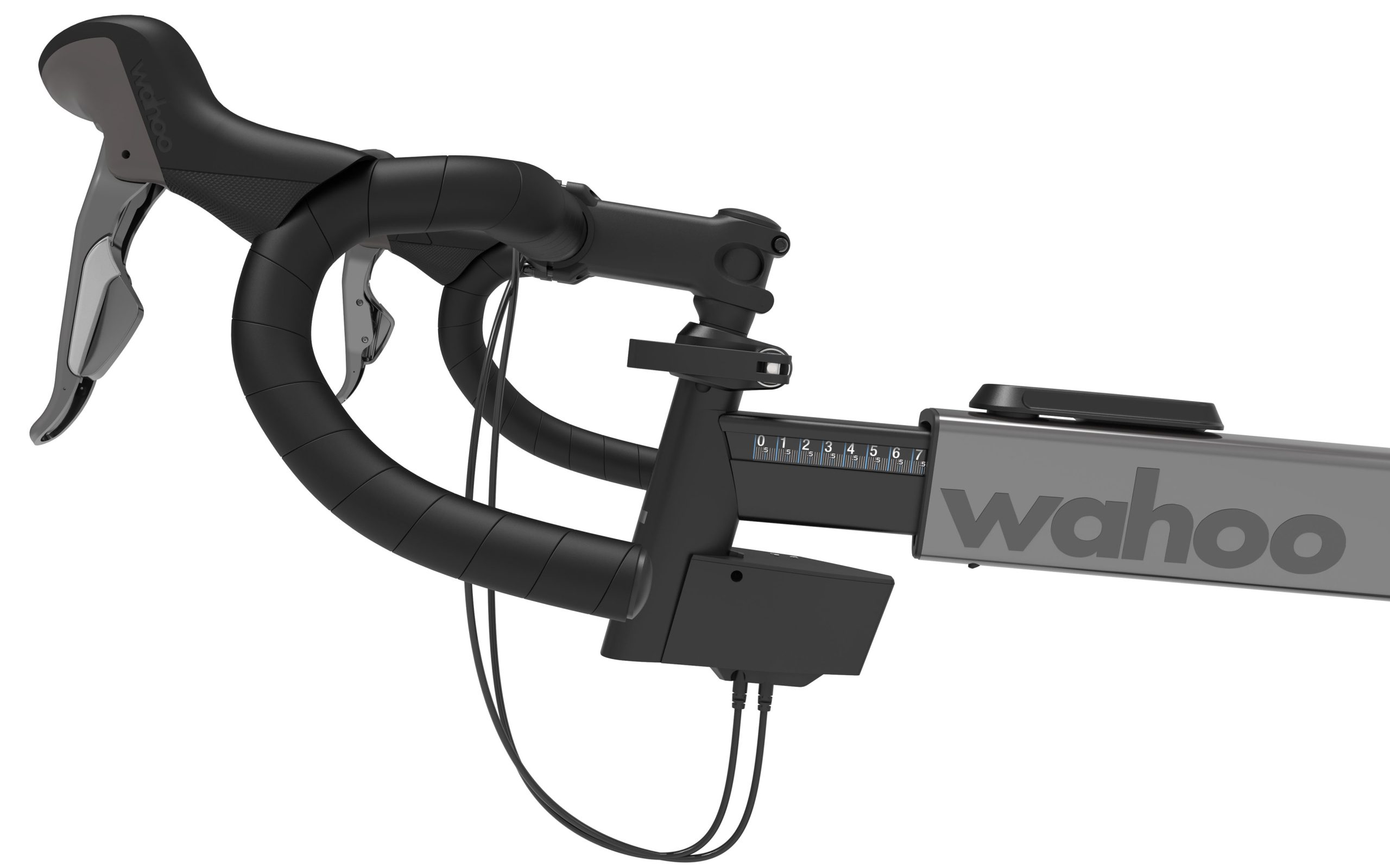
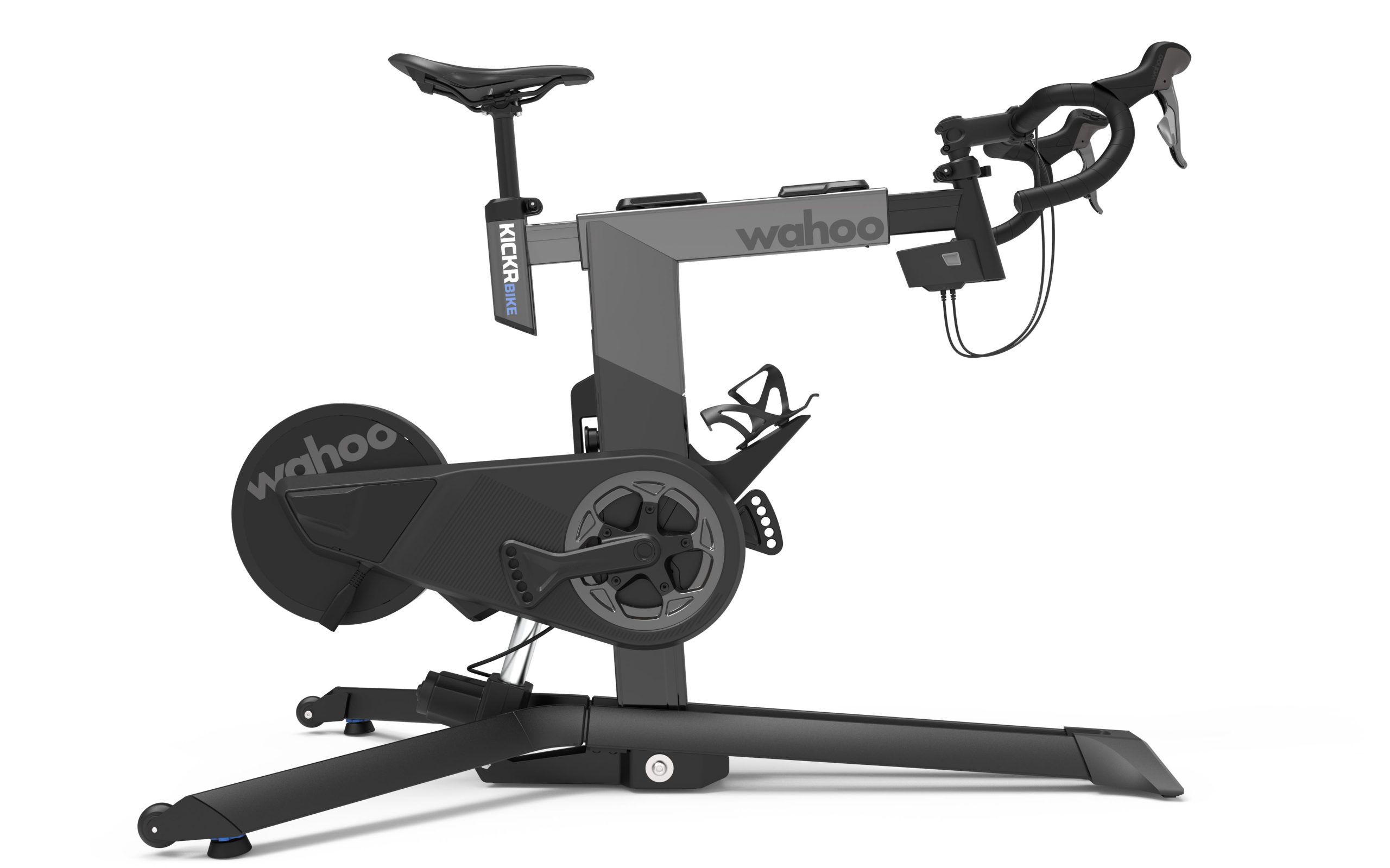
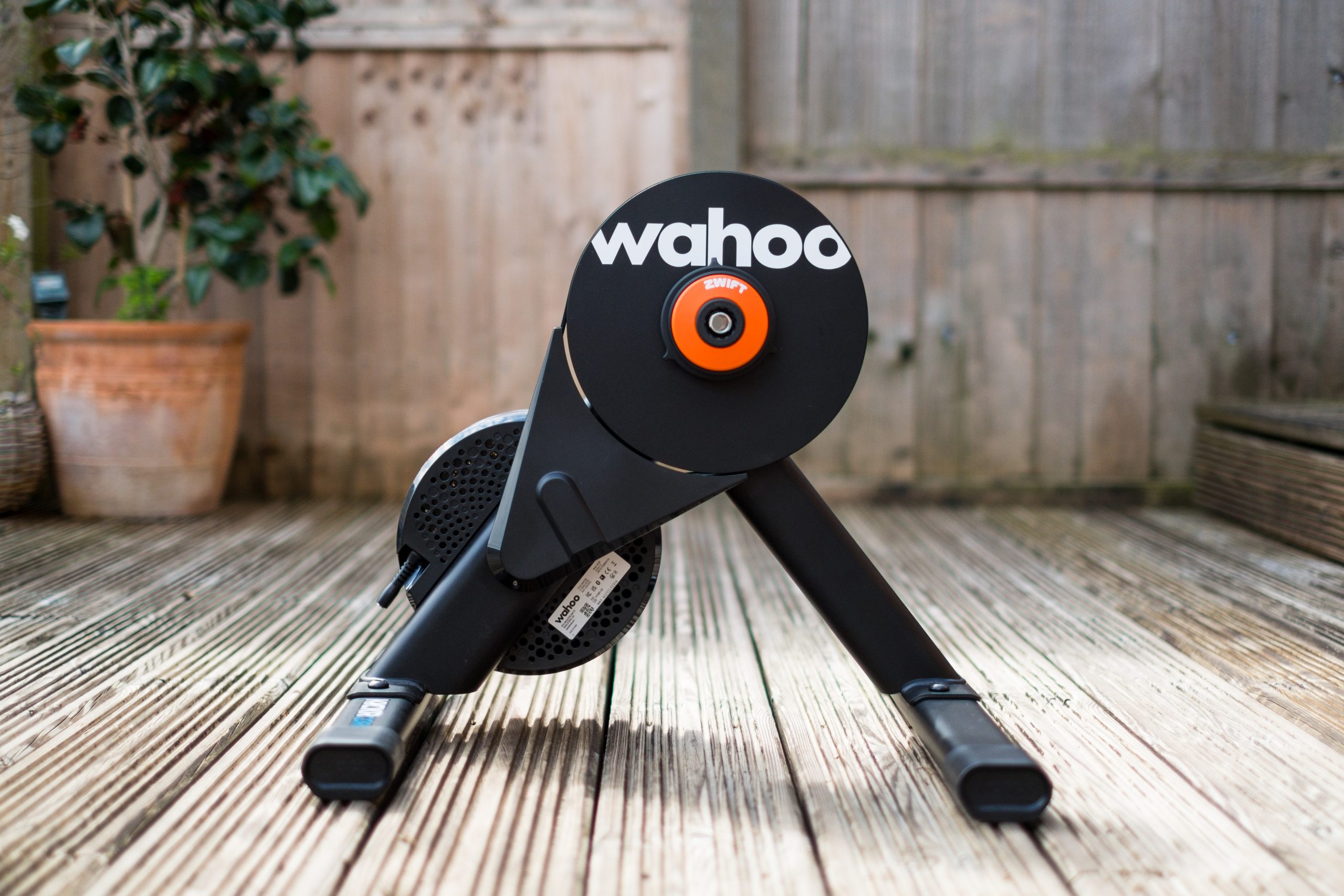
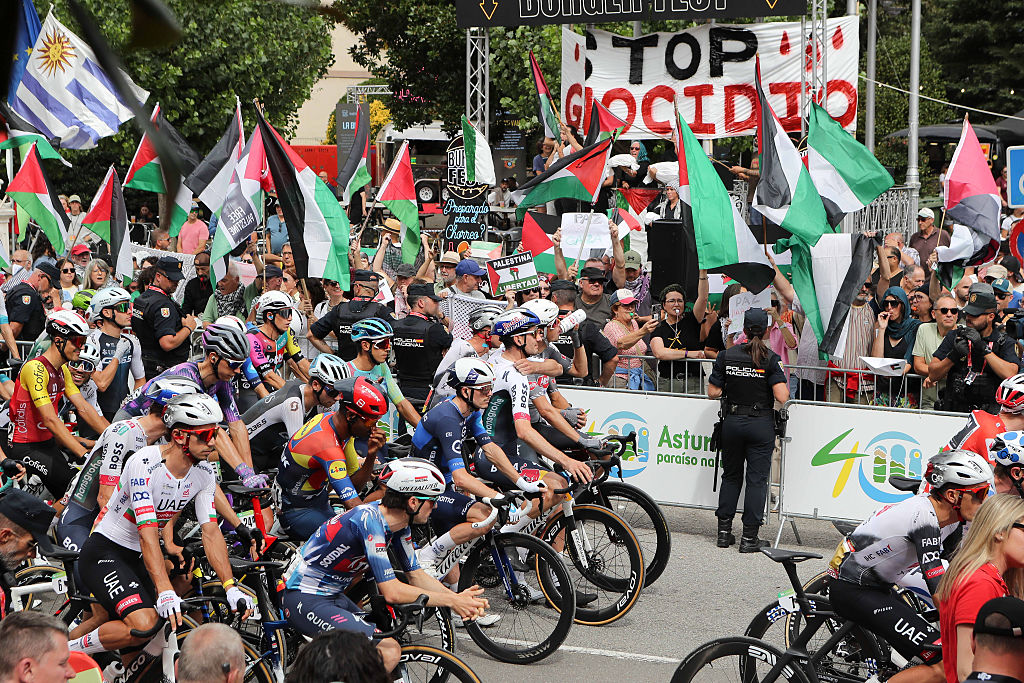

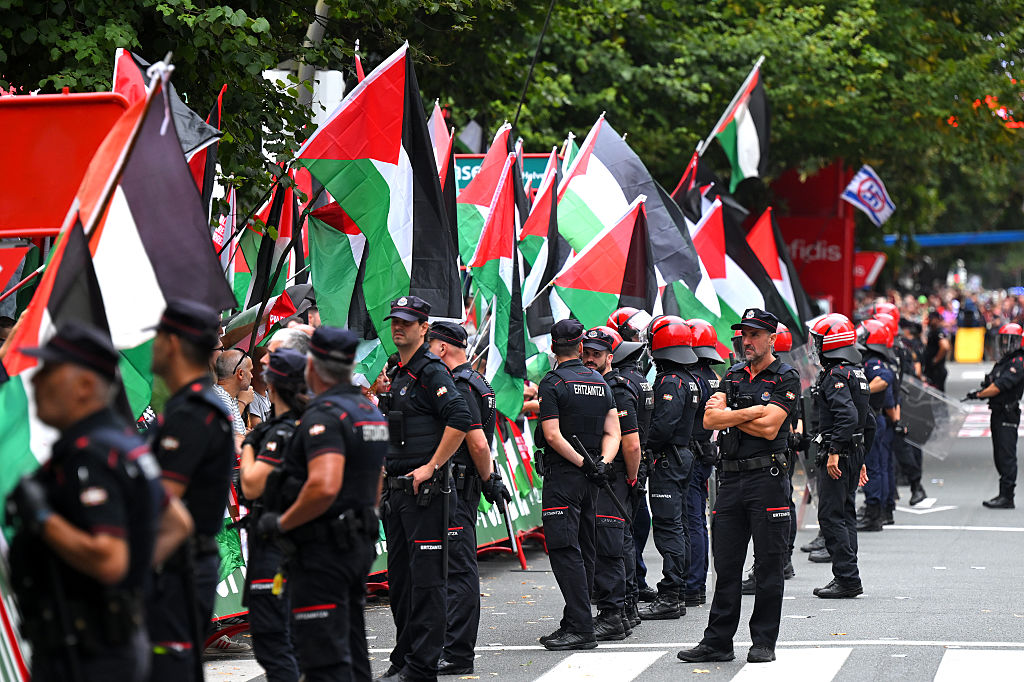
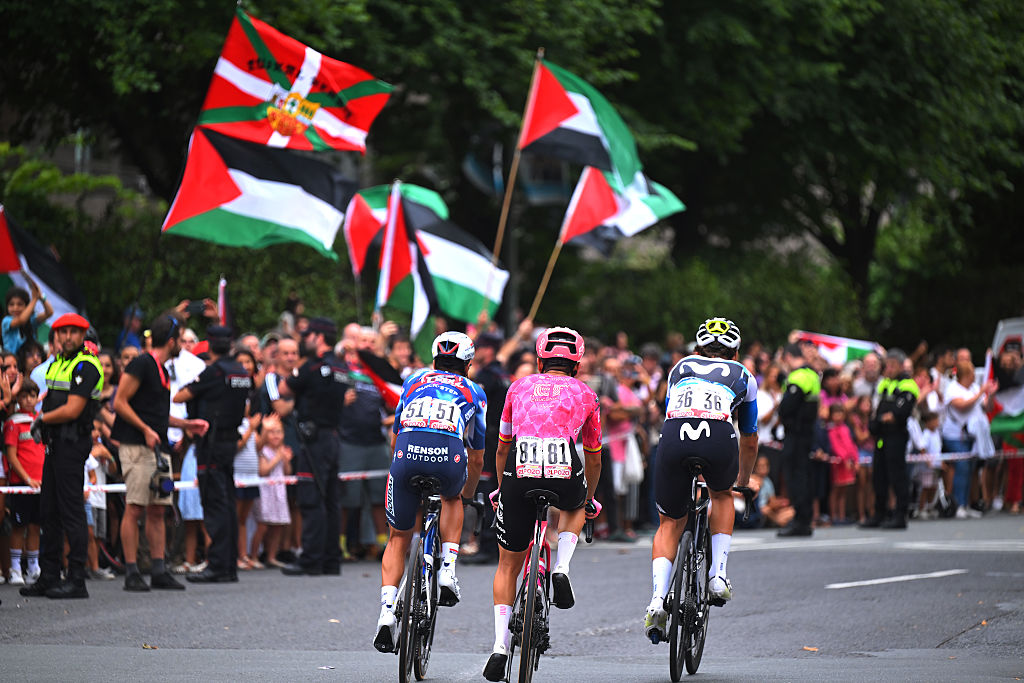
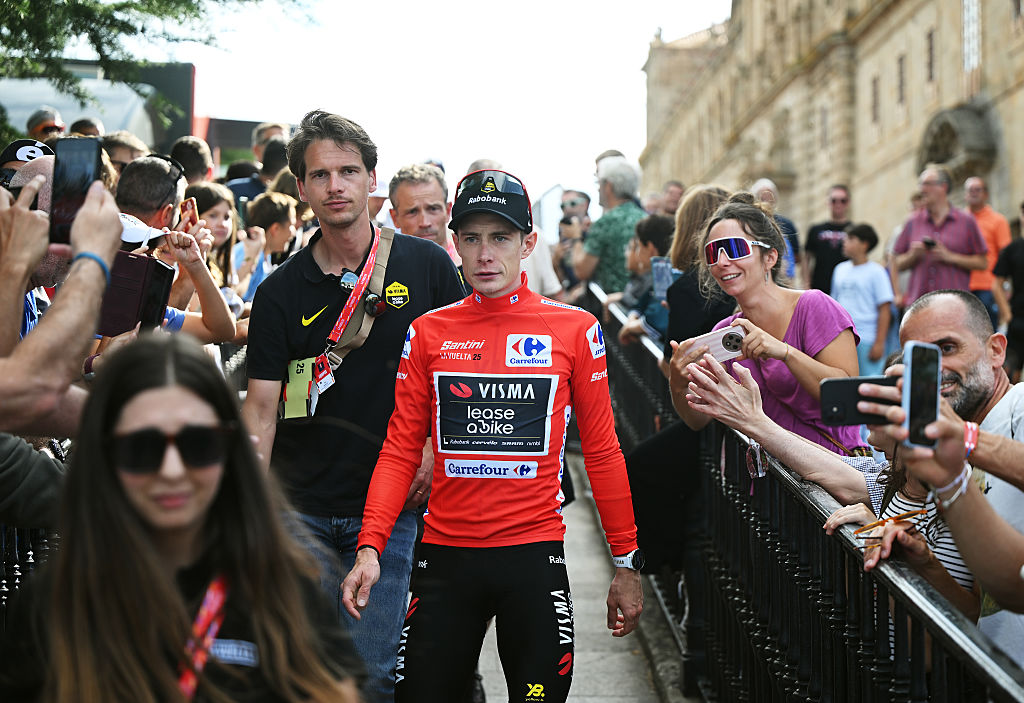
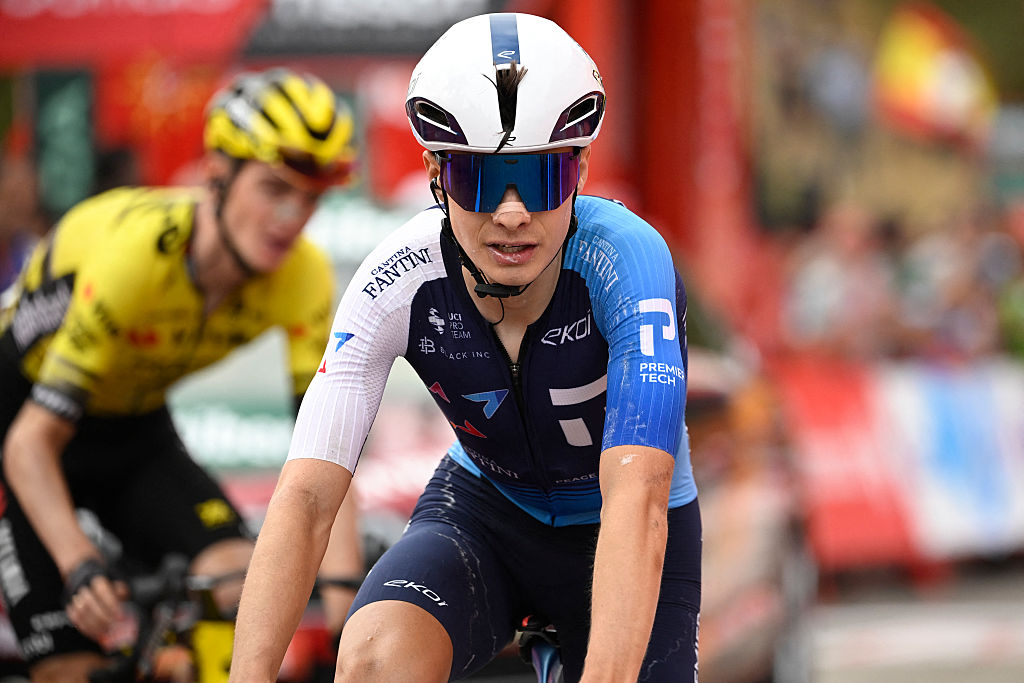
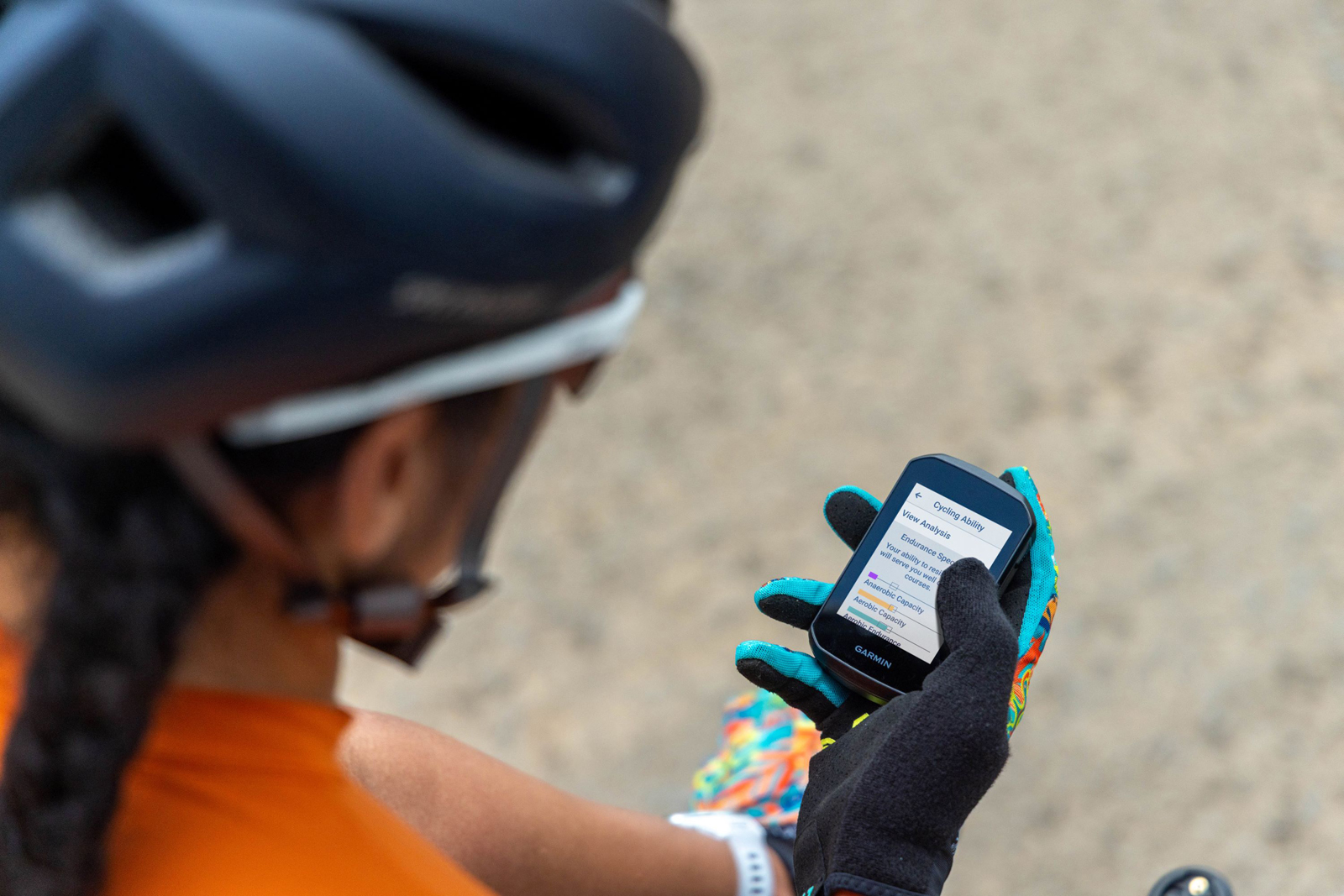
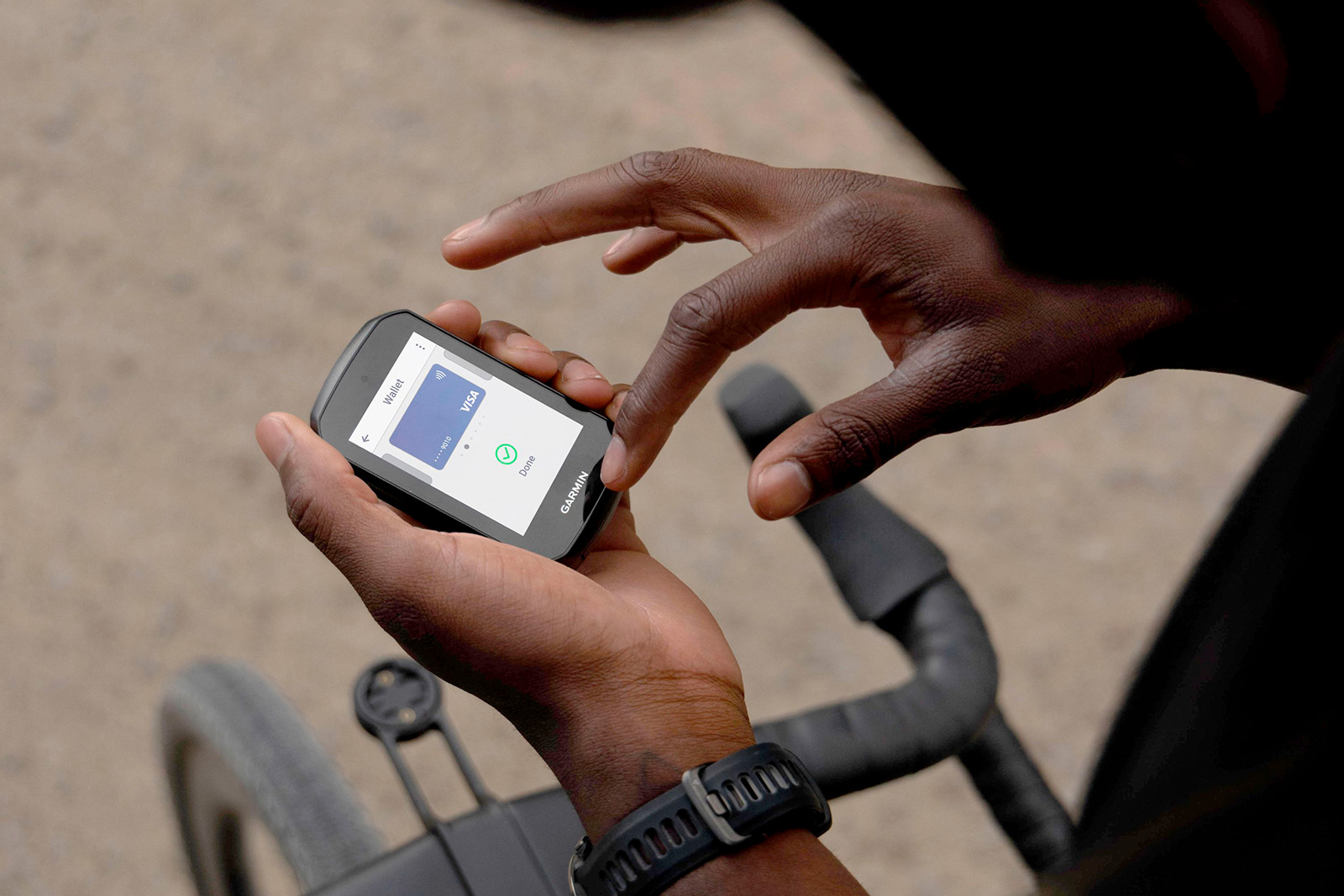
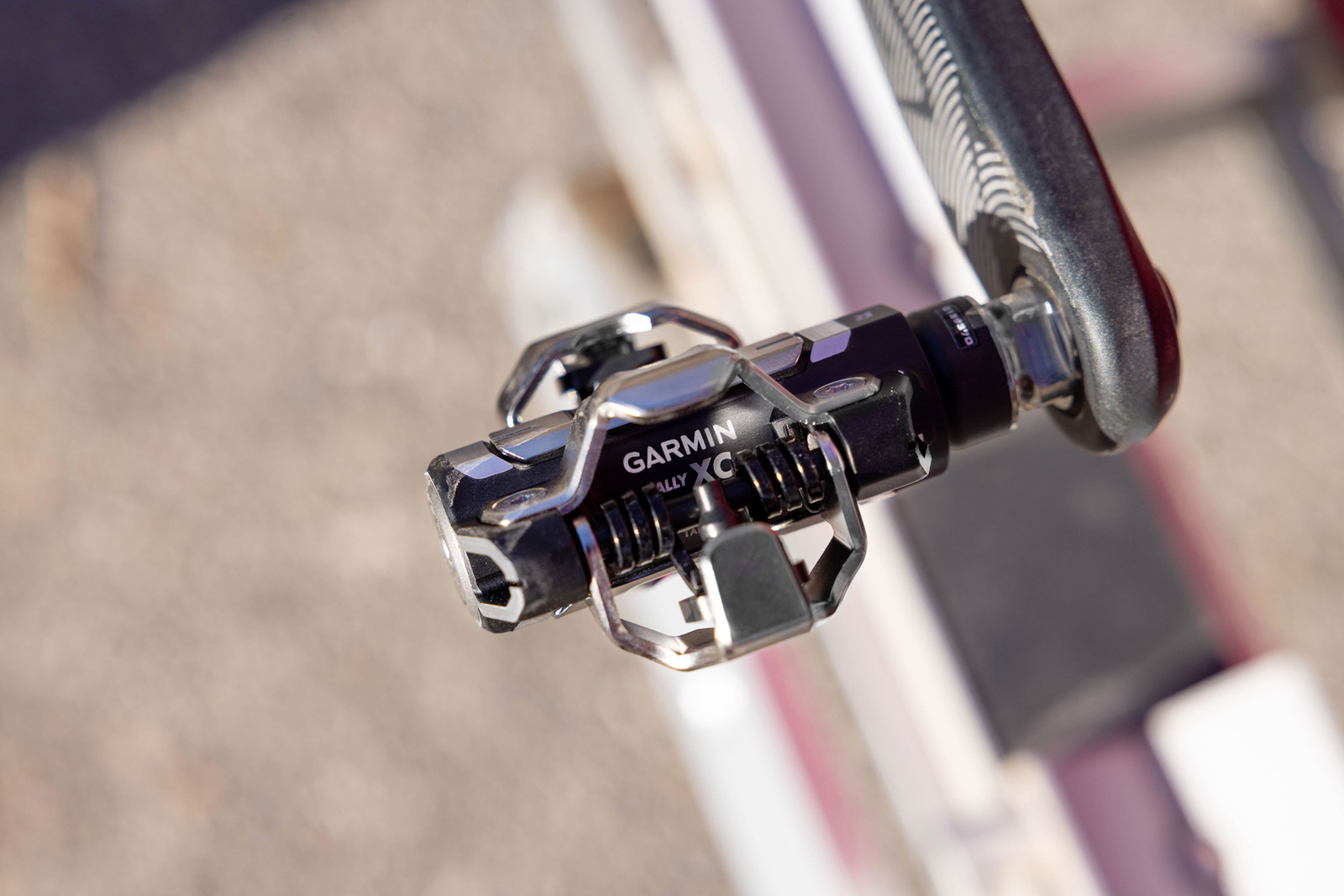
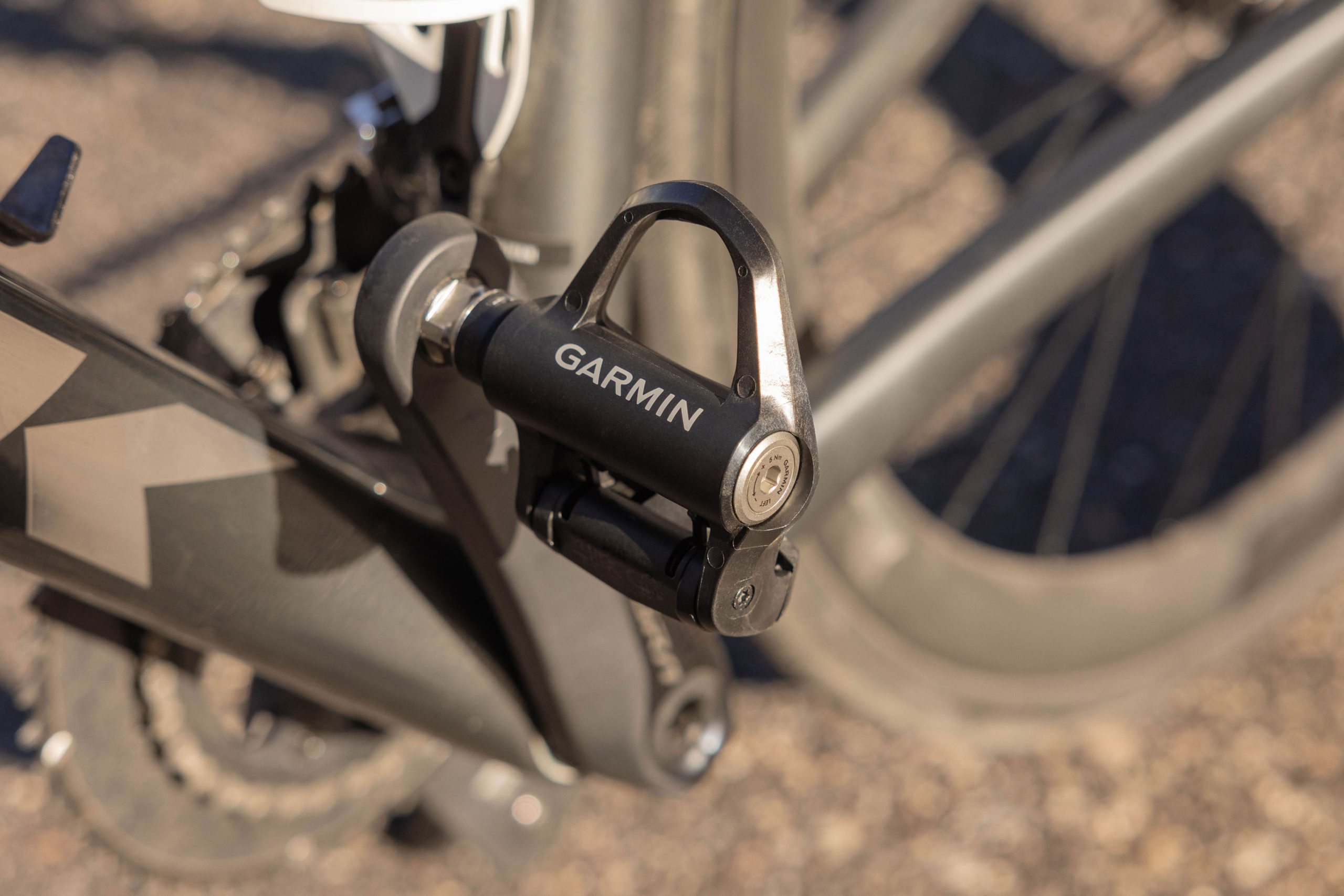
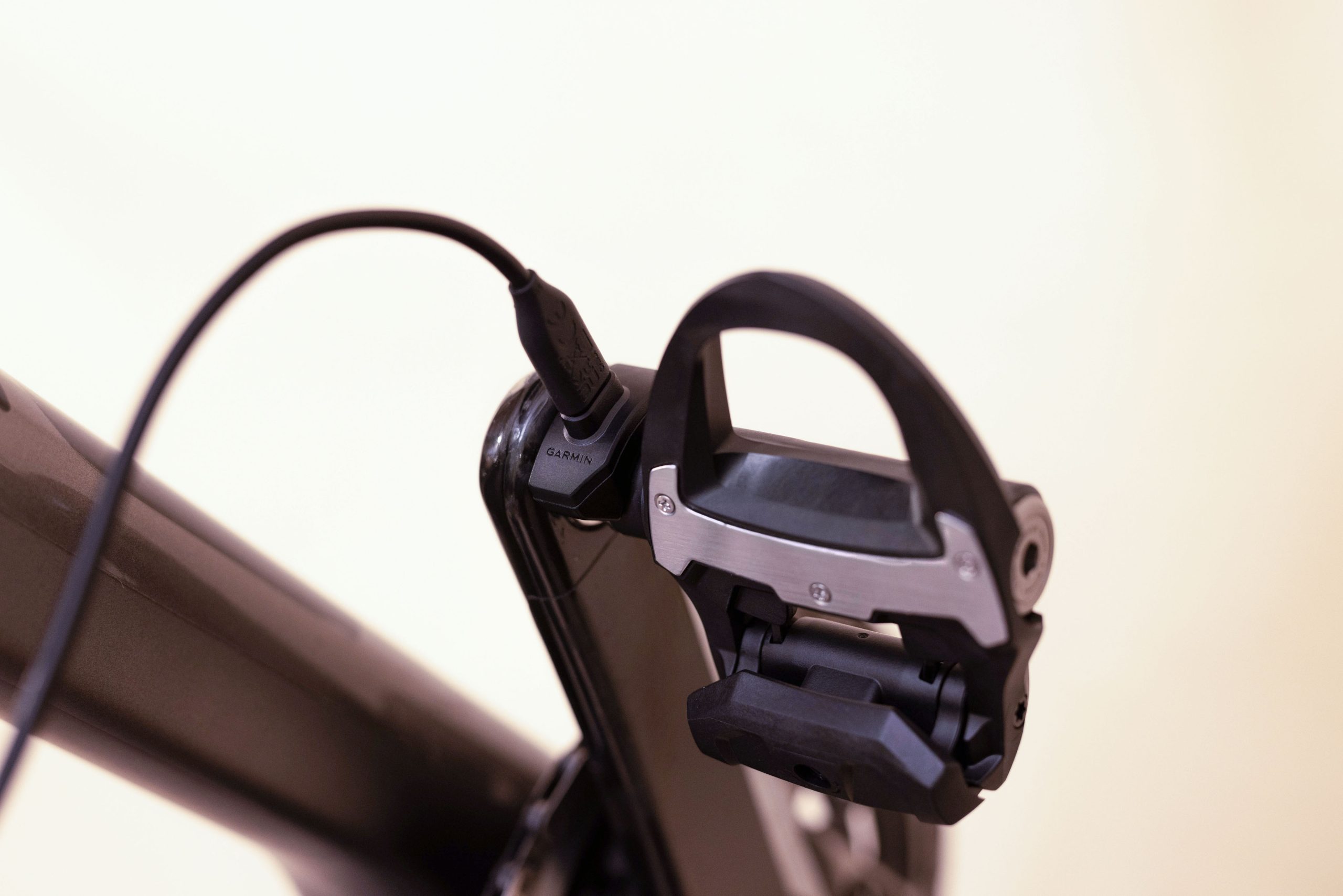
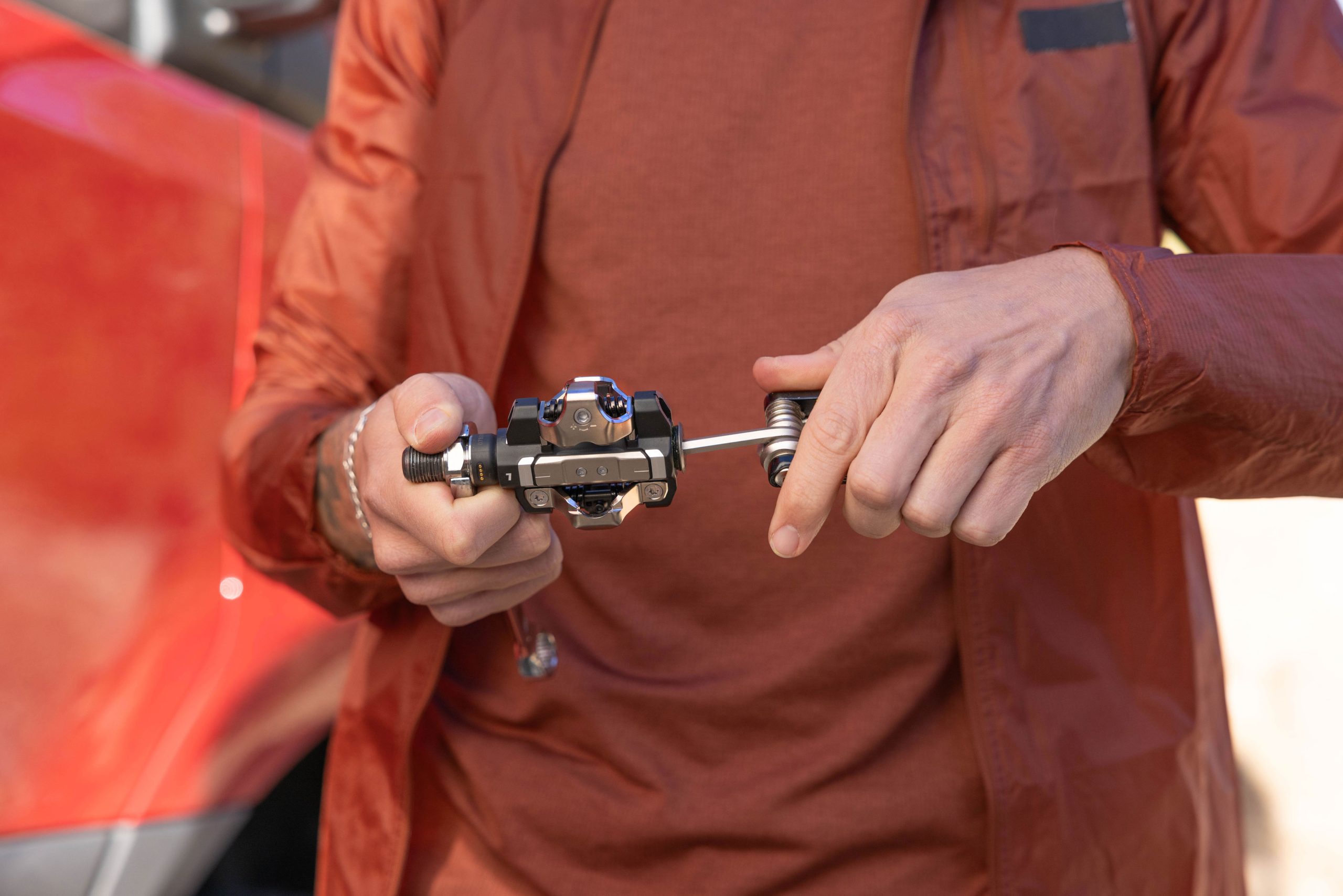
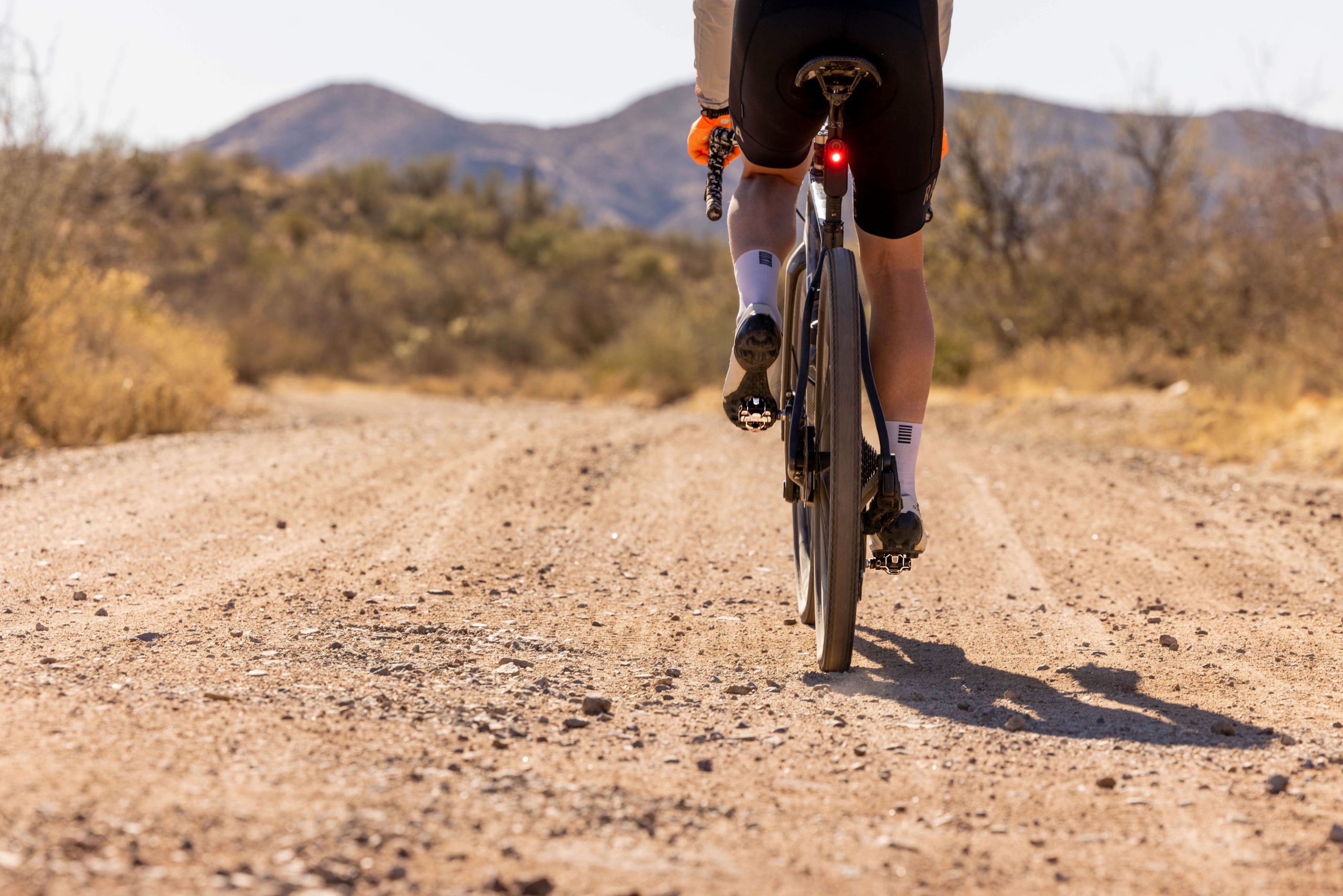
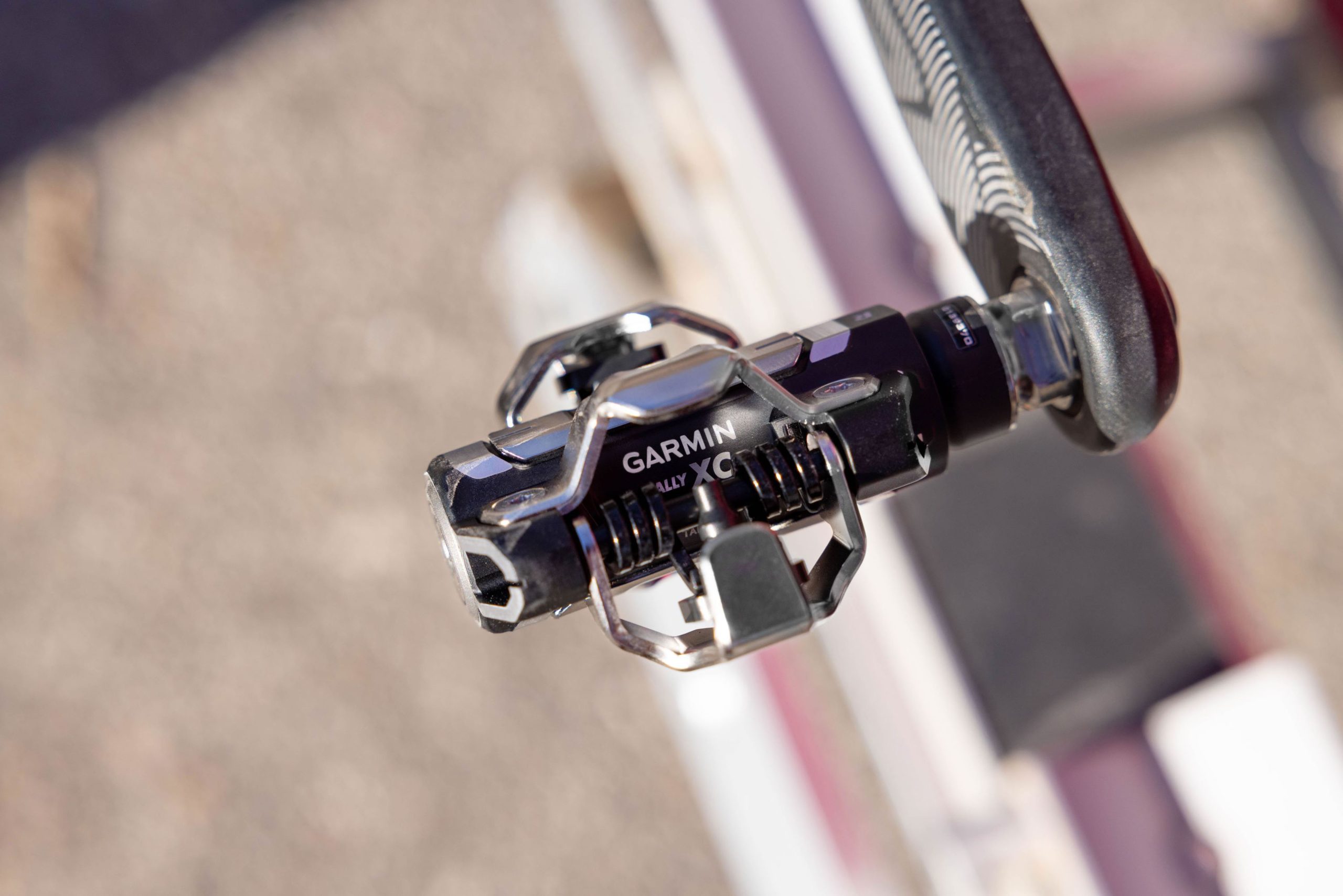
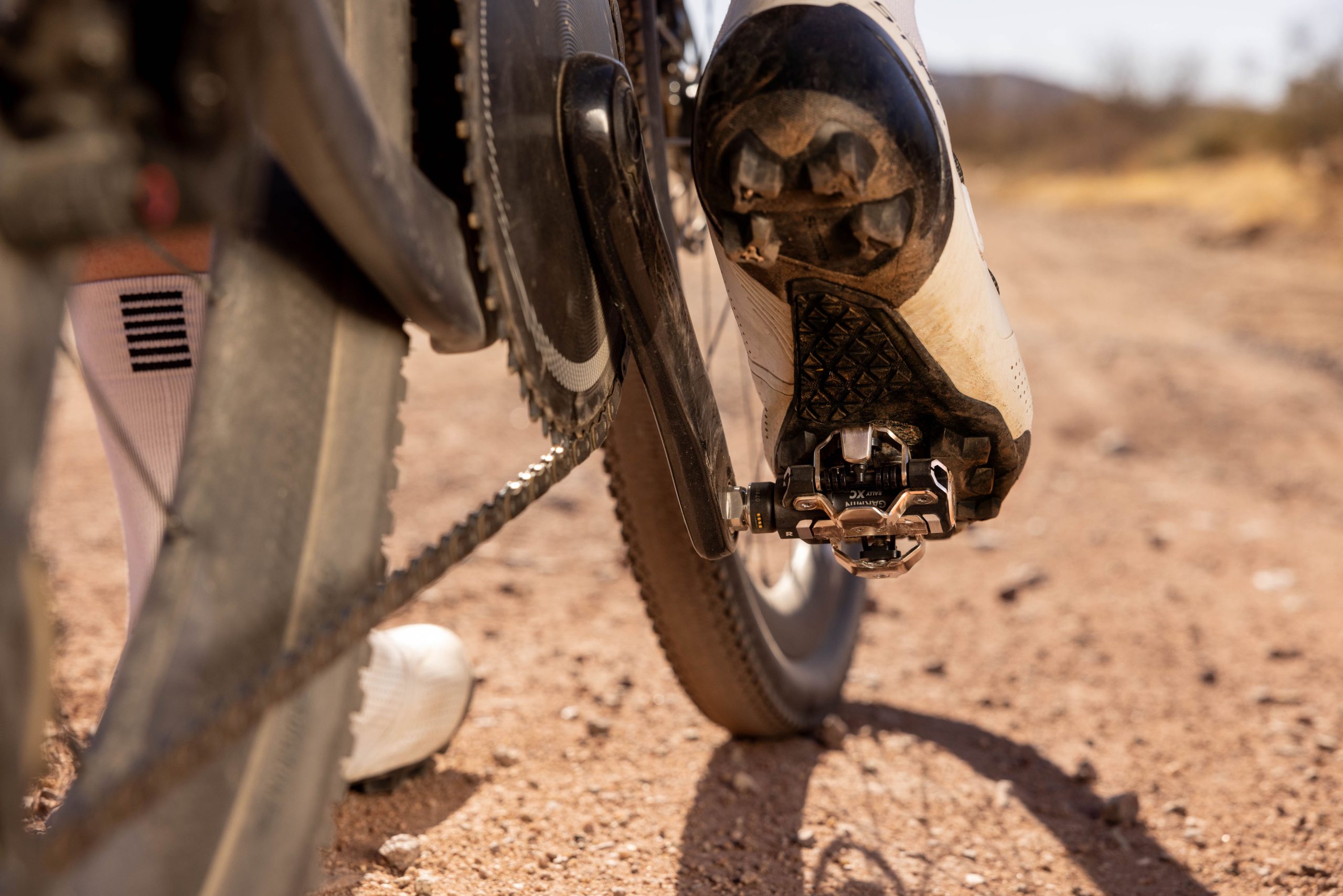
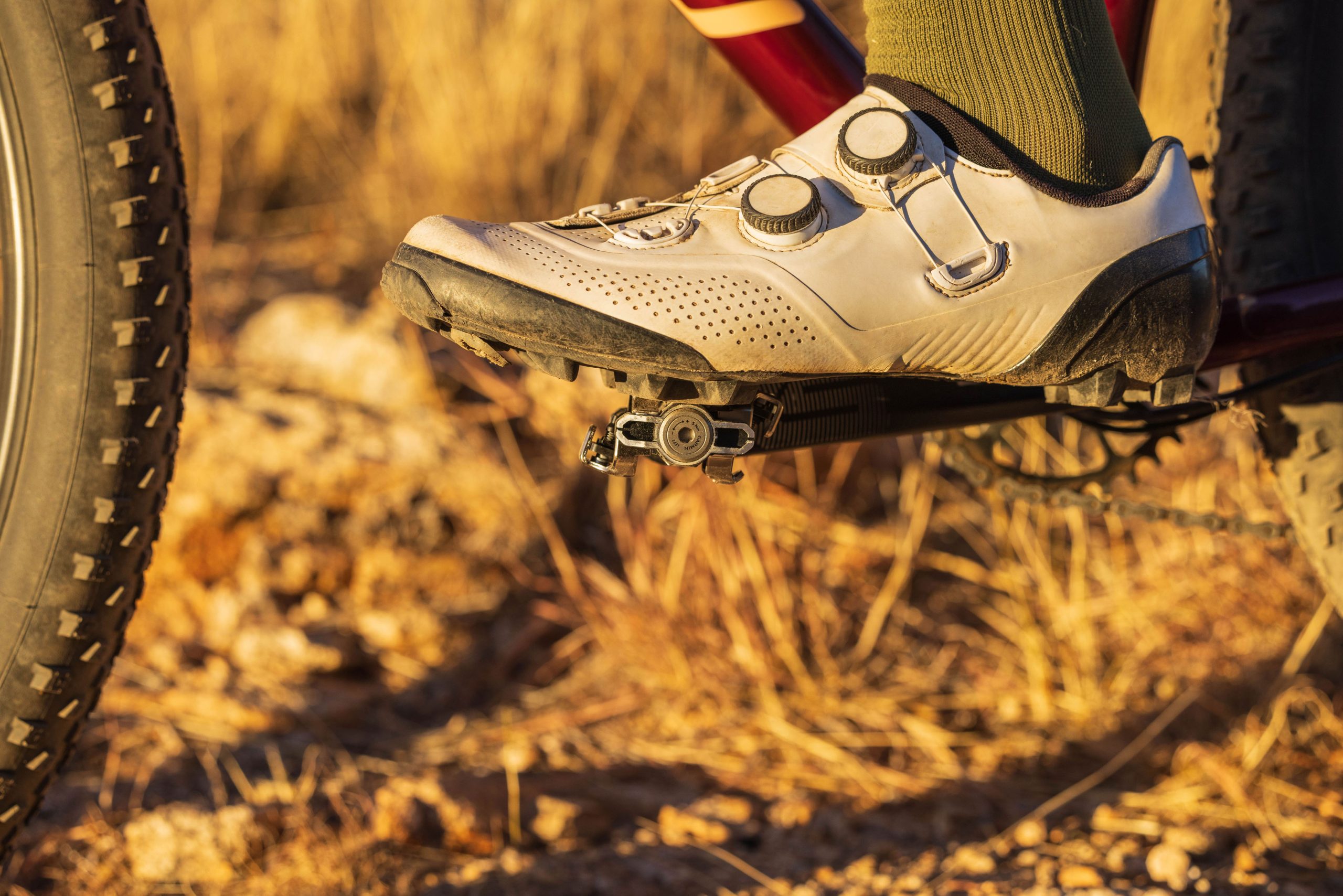

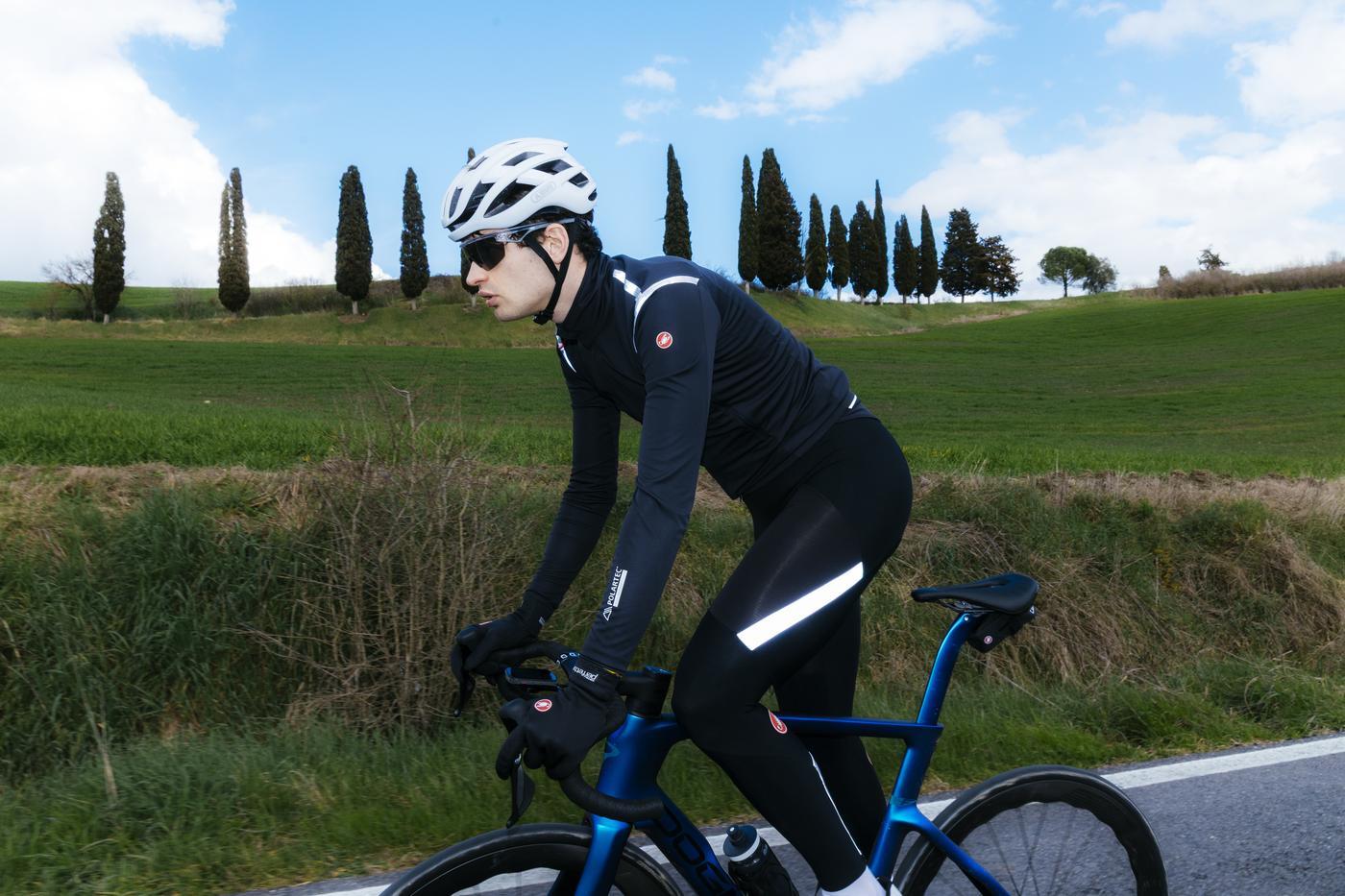


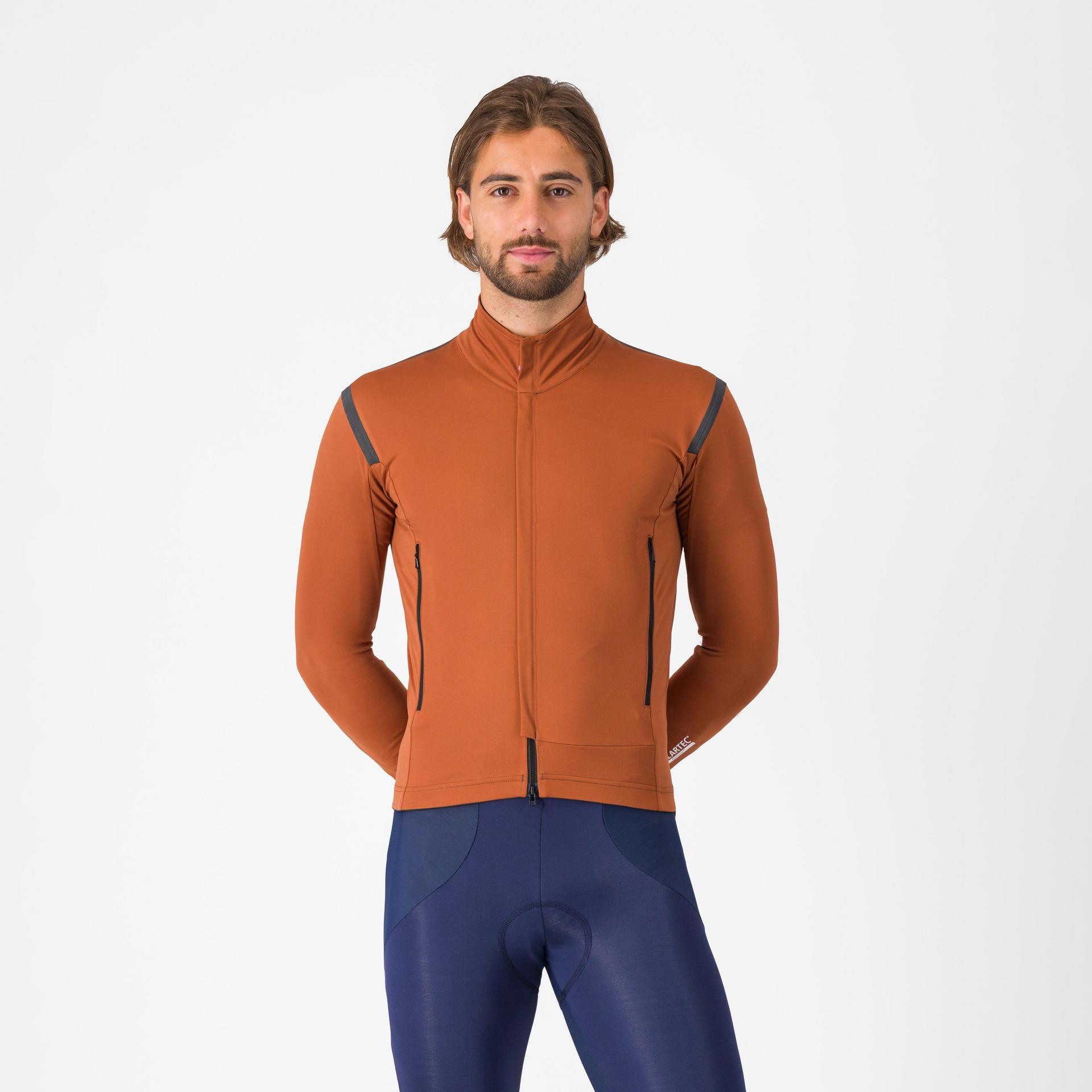
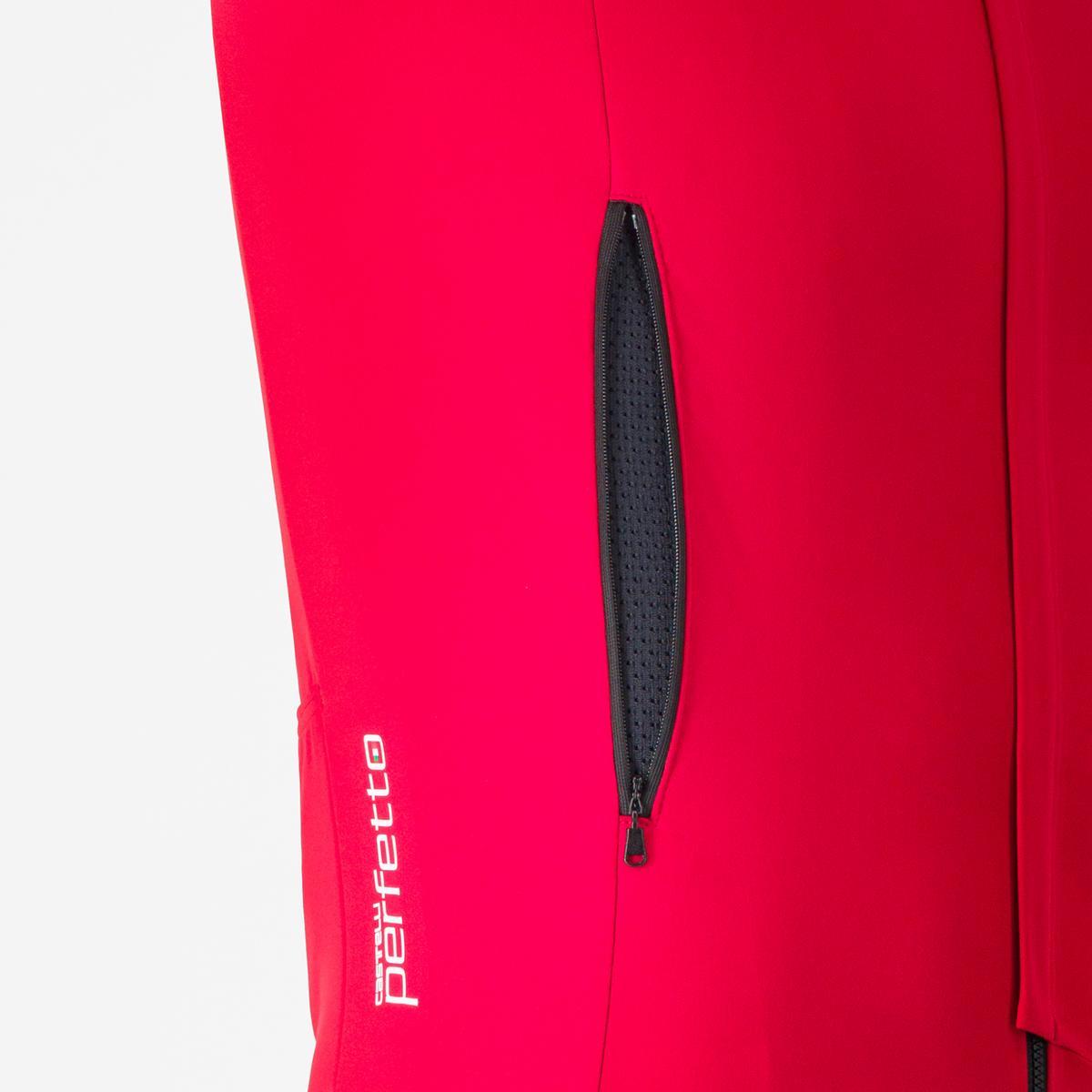
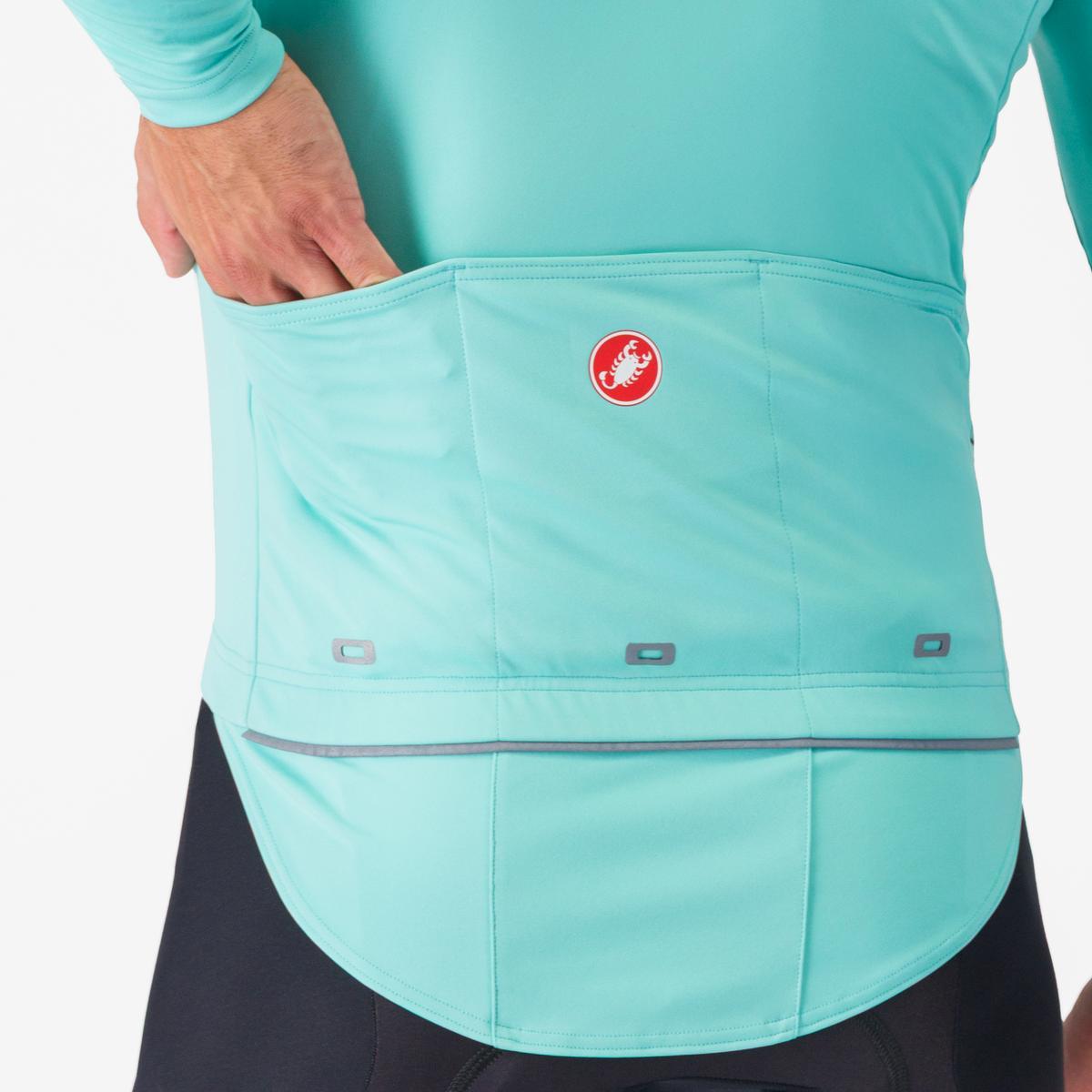
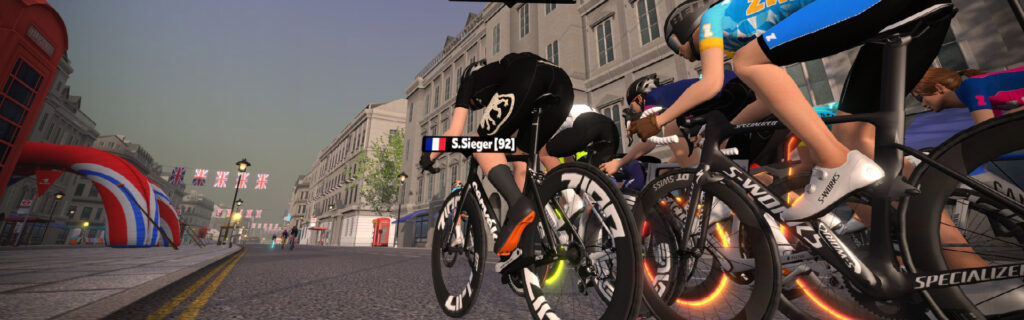
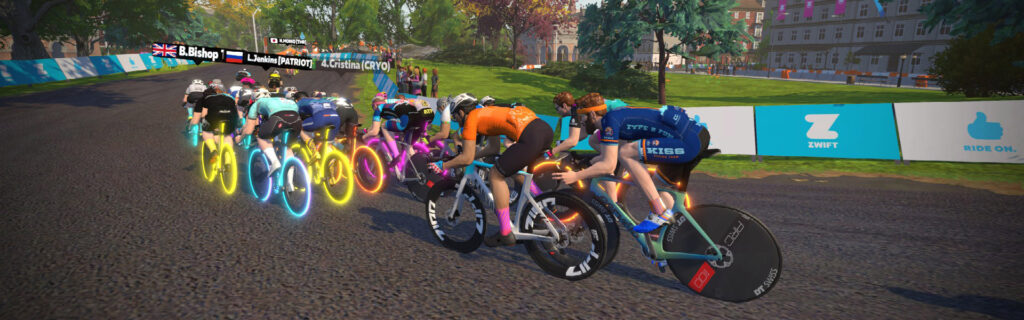

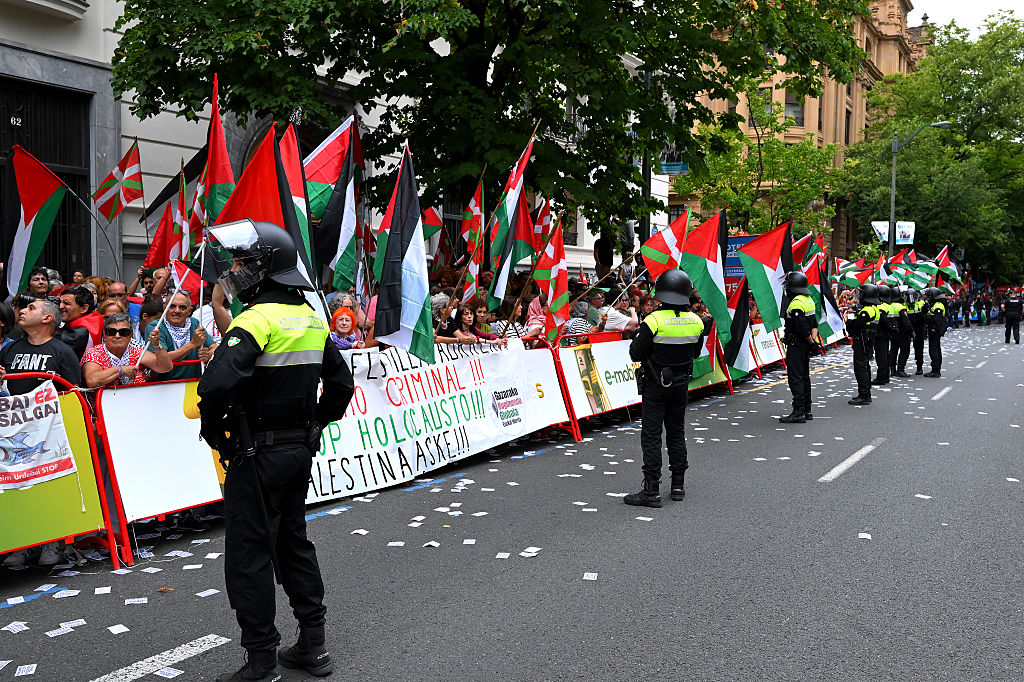

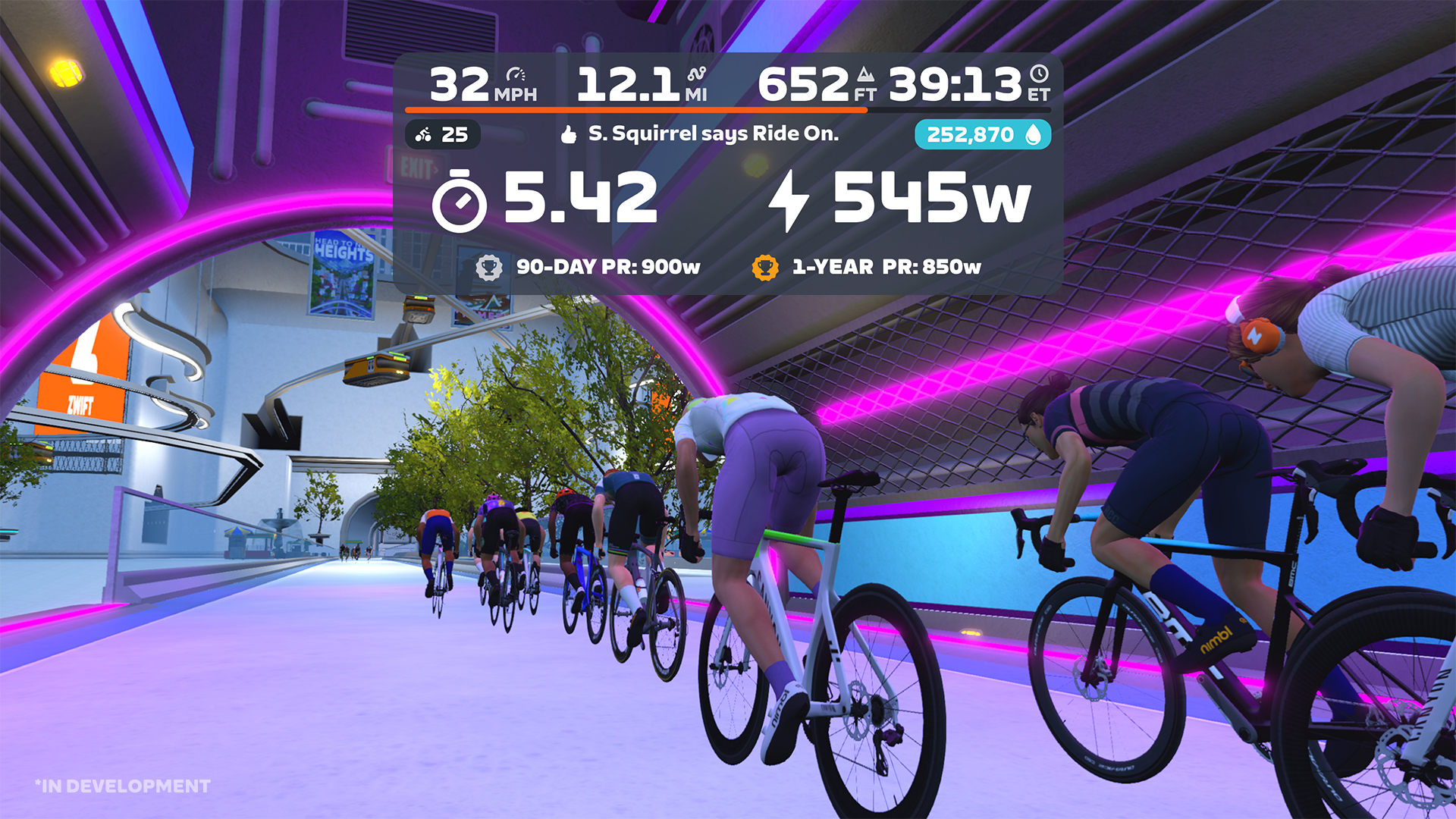
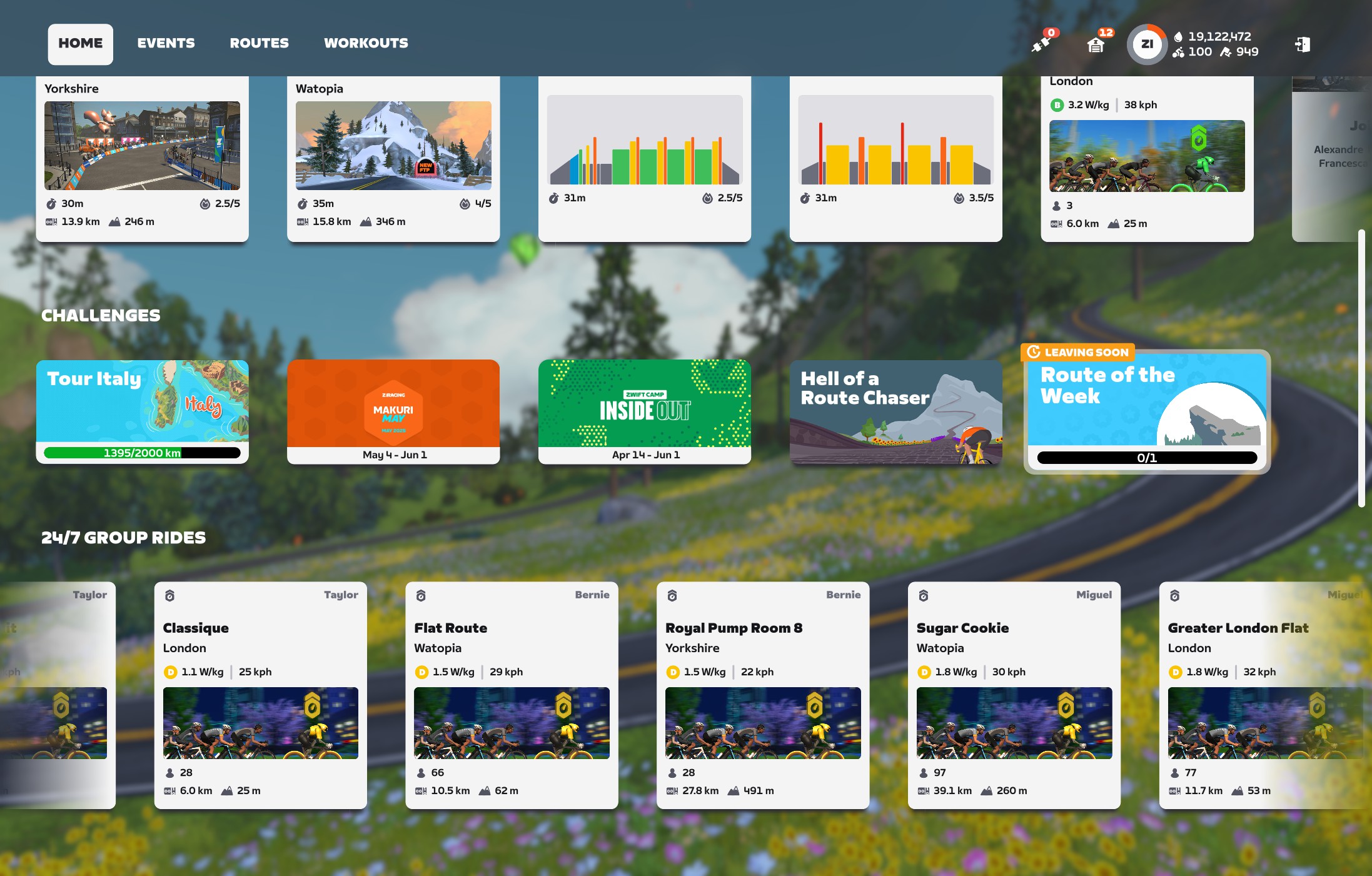

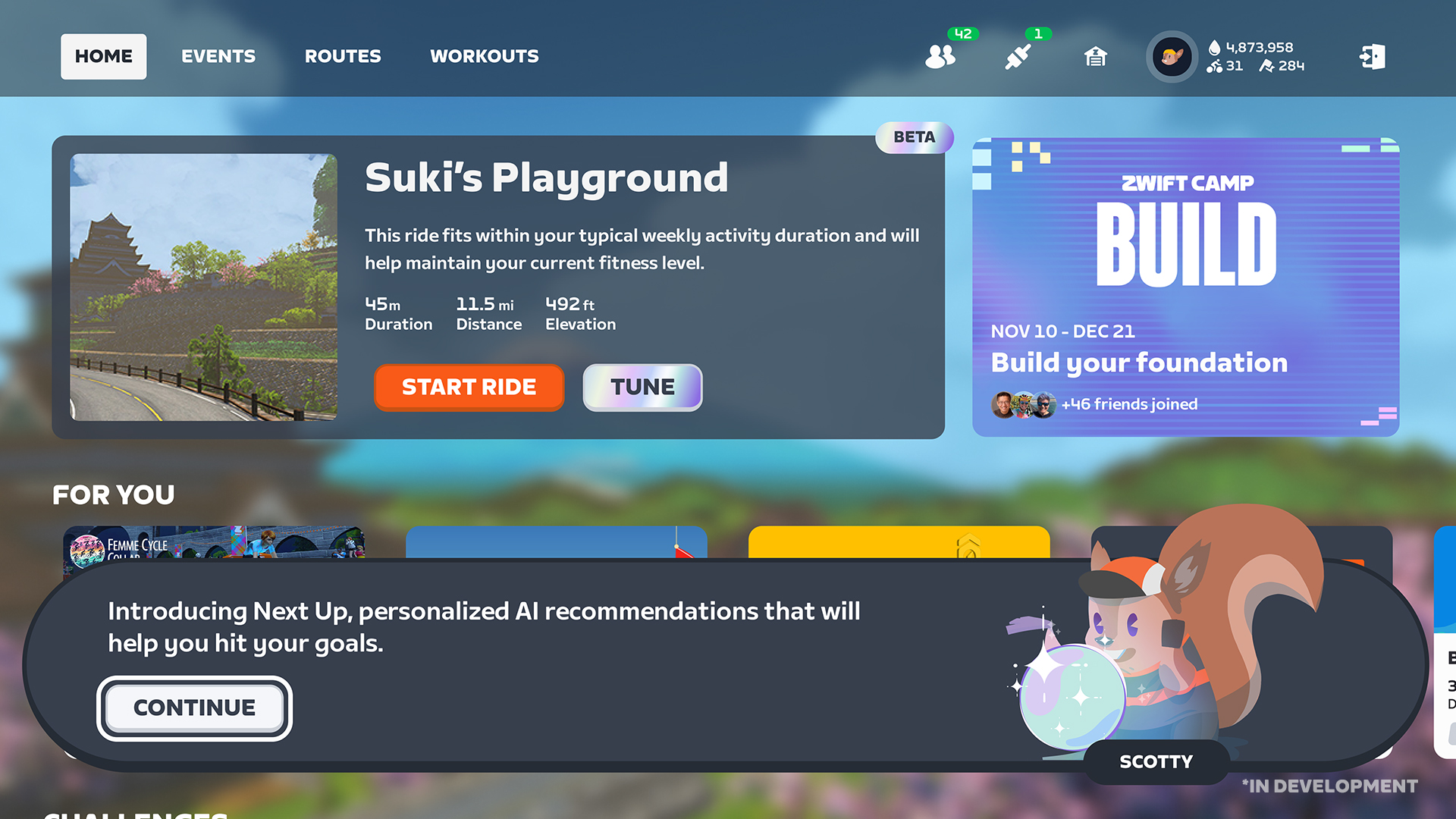
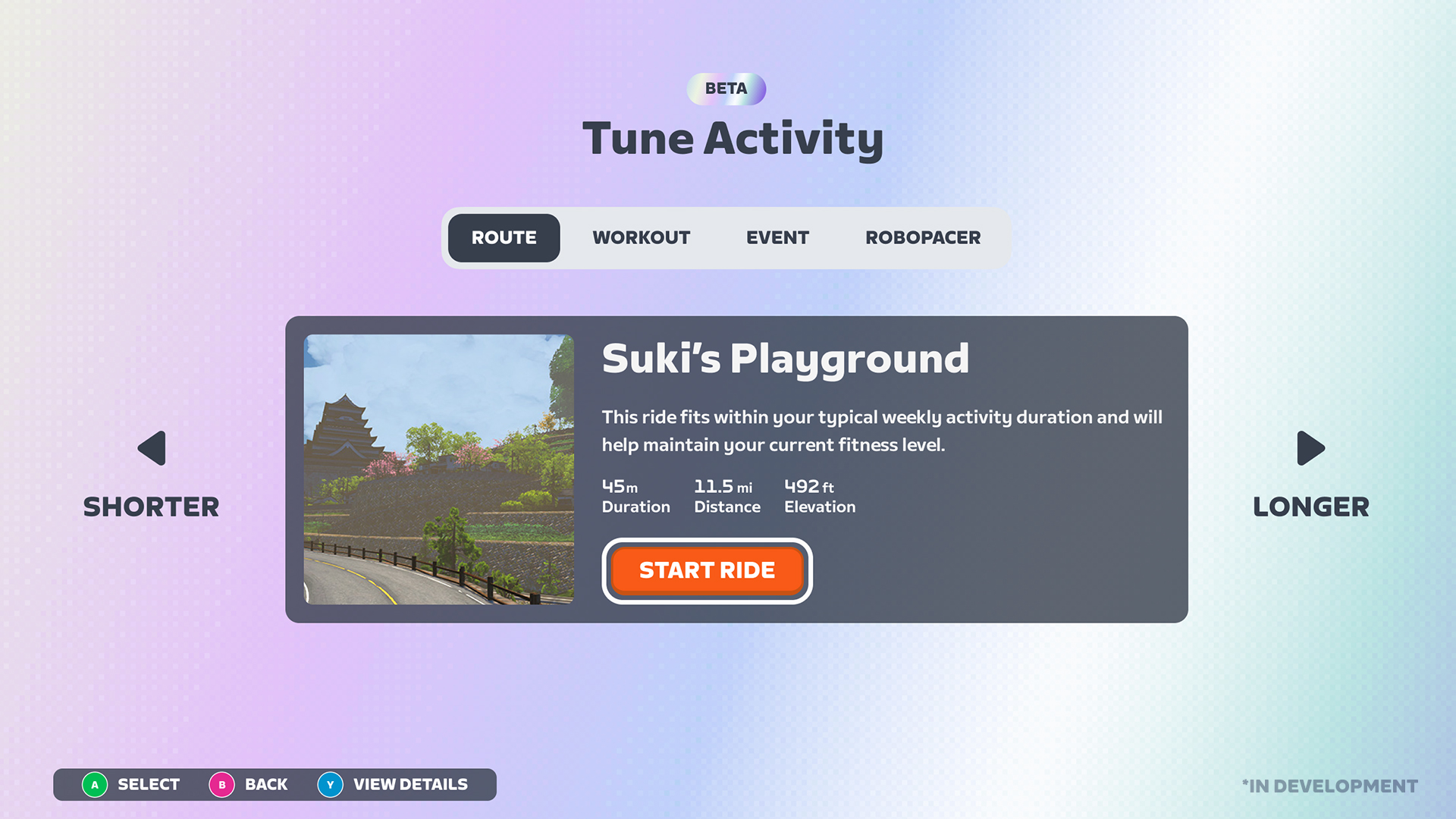
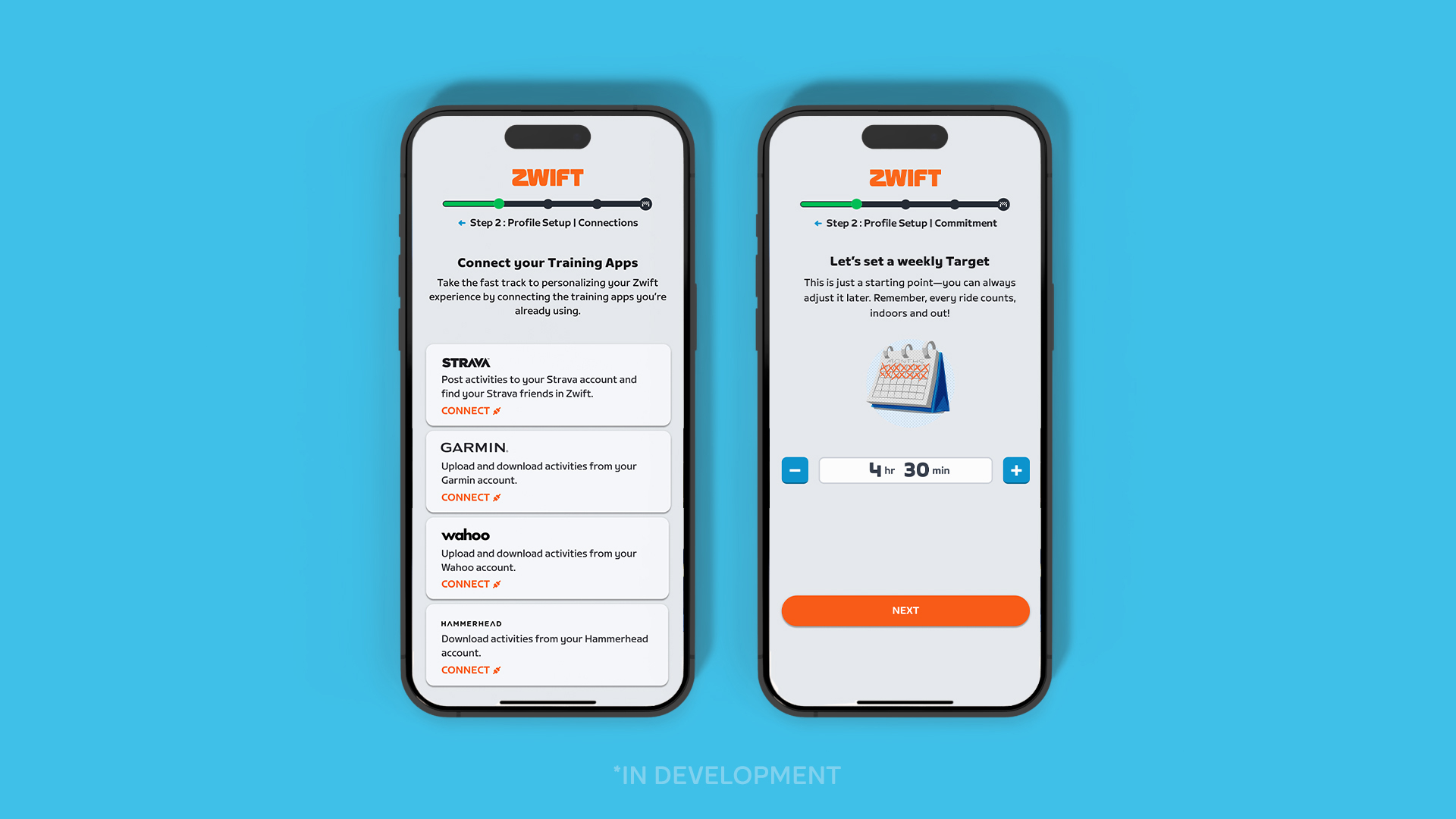
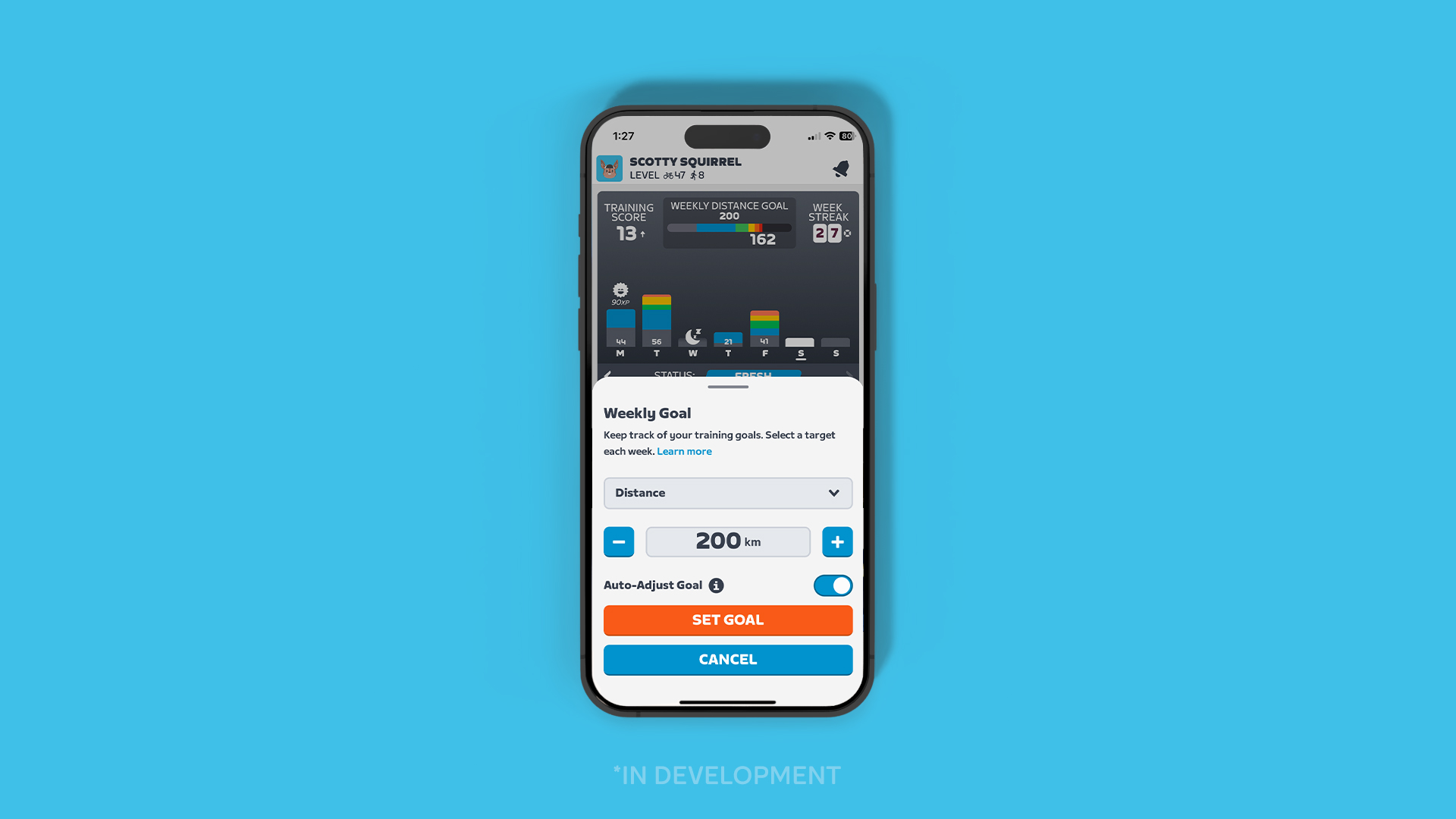
 Sir Chris Hoy’s Tour de 4
 Good Cause
  La Roja Tour (TNP): Stages 3 and 4