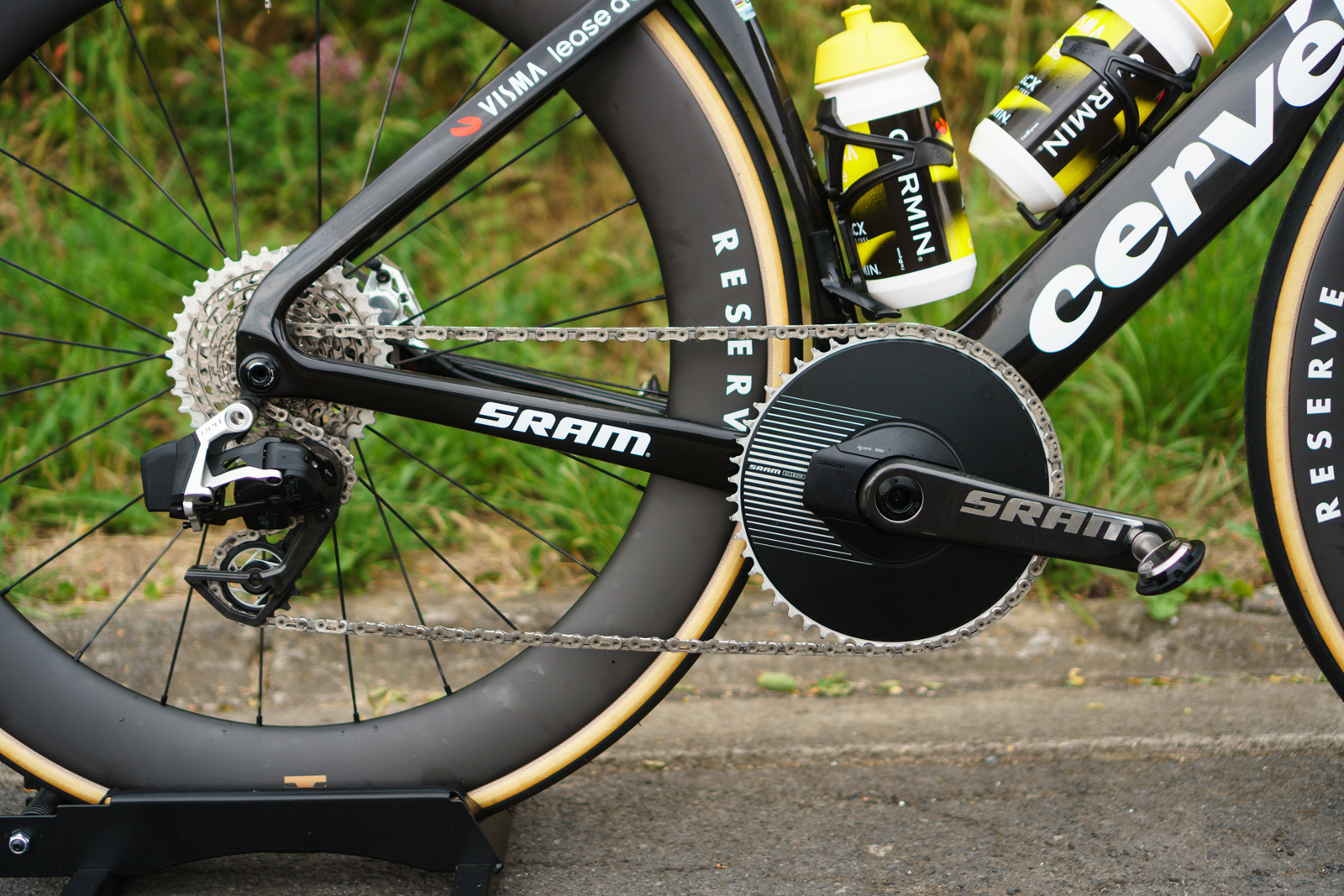
The Belgian Competition Authority (BCA) has ordered the Union Cycliste Internationale (UCI) to suspend its planned trial of gearing restrictions at next week’s Tour of Guangxi, ruling that the initiative may breach competition law, and unfairly harm SRAM and its sponsored teams.
In a decision issued on 9 October, the BCA said the UCI’s ruling – which sought to cap gearing at 54x11t – “does not meet the required conditions of objectivity and transparency” and risks creating “serious and difficult to repair” harm for SRAM.
The authority recognised the UCI’s responsibility to regulate to improve safety, but said “the procedures for determining technical standards enacted for this purpose… must meet essential conditions of proportionality, objectivity, transparency and non-discrimination in view of the economic consequences of these standards”, in a statement.
The BCA noted that SRAM – which brought the case to the BCA – is “the only one that does not currently have a product meeting the requirements of the Maximum Gear Ratio Standard”, and that the rule “adopted under disputable conditions, is likely to cause harm to SRAM… [and] extends to professional cycling teams equipped with SRAM [drivetrains]”.
Last month, the American brand said the gearing restriction unfairly targeted its equipment, alleging the rule was “adopted without consultation or transparency” and amounted to an abuse of competition law.
The BCA therefore ordered the UCI to suspend the rule immediately, and barred it from imposing any similar transmission ratio limits “until the UCI adopts a new safety measure based on a transparent, objective and non-discriminatory procedure, or until a decision on the merits is adopted”.
The BCA determined the rule unfairly targets SRAM. Simon von Bromley / Our Media
The UCI responded with a strongly worded statement, confirming the trial will not go ahead in Guangxi but criticising the intervention.
“The UCI expresses its surprise at the intervention of a competition authority on a subject desired by all stakeholders of cycling, the scope of which was limited to analysing the effects that limiting gear ratios may have on riders’ speed and therefore on safety,” the statement reads.
The governing body added that it “deeply regrets that riders’ safety does not appear to be a shared objective with those who challenged the implementation”, and reaffirmed that the protocol was recommended by SafeR – the body representing riders, teams and organisers.
The UCI said it will appeal the BCA’s decision and may adjust the protocol “to allow for the implementation of the tests desired by all stakeholders in professional road cycling”.
What happens next?
Influential names in sport have thrown doubt on the UCI’s claims that gearing restrictions will improve rider safety. Sebastian Marko / Limex Images
The BCA’s statement also required the UCI to publish a press release acknowledging that the gearing rule is suspended and to reference the BCA’s decision, warning that penalties may follow if the UCI fails to comply.
For now, the gearing restriction will not apply at the Tour of Guangxi, and it’s unclear what will happen next.
SRAM CEO Ken Lousberg said last month that UCI’s rule “penalises and discourages innovation and puts our riders and teams at a competitive disadvantage”.
He added that the company’s gearing had already been publicly labelled as non-compliant, causing “reputational damage, market confusion, team and athlete anxiety, and potential legal exposure”.
The UCI has consistently defended the measure as a safety initiative, recommended by SafeR, the group representing riders, teams, organisers and the governing body.
However, scepticism remains across the pro cycling sphere.
Ahead of the Arctic Race of Norway, Tom Pidcock said: “Limiting gears will only make everything more dangerous.”
Elsewhere, Dan Bigham of Red Bull–Bora–Hansgrohe said his analysis showed the change would have no effect on peloton speeds and therefore “would not improve safety”.
By contrast, Chris Froome and Wout van Aert have both suggested gear restrictions could be a reasonable way to manage the progression of equipment for safety reasons.
The controversy comes as part of a broader wave of UCI technical regulations in 2025, including new rules on handlebar width, wheel depth and helmets, most of which have drawn criticism from riders, teams and manufacturers.
Zwift Unlocked is set to be one of the biggest event series on Zwift—and it started this week. In our top video, learn everything you need to know about this fresh tour!
Additional picks this week focus on getting started on Zwift, one rider’s comeback to Zwift racing, a Zwift Racing League win, and a review of the Zwift Ride.
Zwift Unlocked | Tour Preview, Stage Routes & Gear Unlocks
Hear from Bike Bonk Biff about the new Zwift Unlocked series.
Zwift: Your Ultimate Guide (2025)
Adam from Road to A shares a complete guide for anyone looking to get started on Zwift.
My Brutal Comeback to Zwift Racing
Thomas Martinez, aka TheCyclingTatooist, makes his Zwift Racing League debut with his team of Zwift influencers. Can they fight to a spot on the podium?
I Finally Won a Zwift Racing League Race! The Training Actually Worked
Ollie, aka Not Tadej Pogacar, finally won a Zwift Racing League race. In this video, he goes over the race and how he prepared.
Zwift Ride – Expensive Junk Or a Gamechanger?
Burgess and his bike shares a review of the Zwift Ride, covering the positives and negatives of his experience.
Got a Great Zwift Video?
Share the link below and we may feature it in an upcoming post!
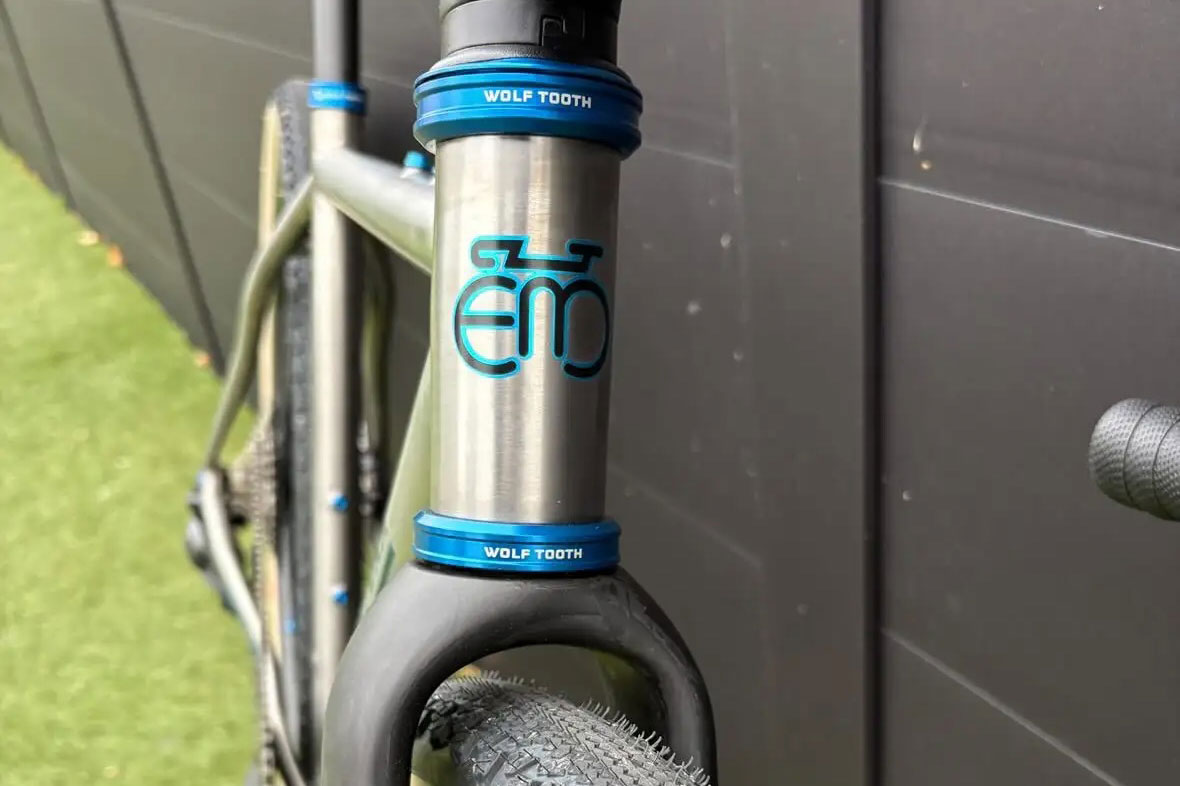
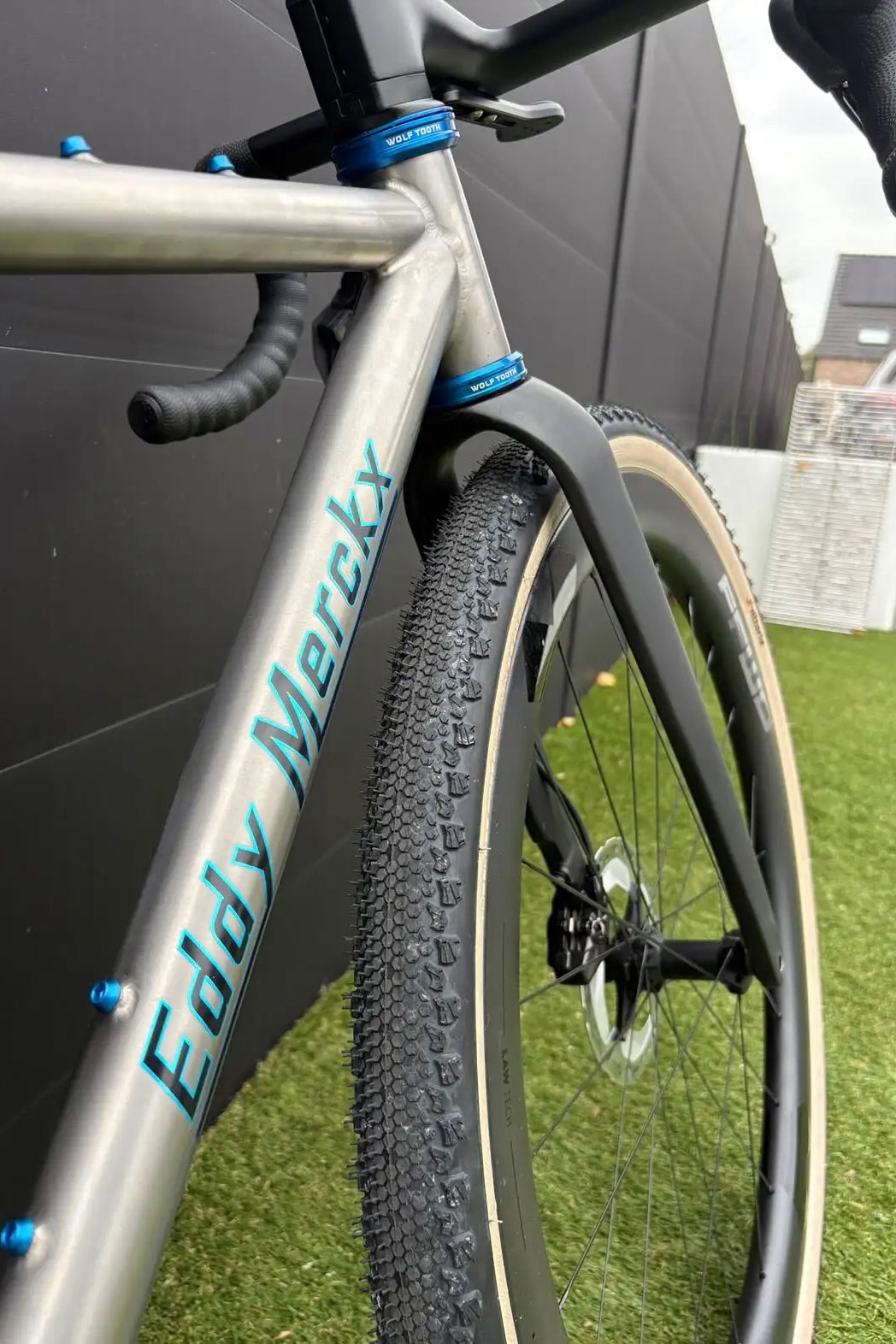
Dylan Vandenstorme, of Team Flanders-Baloise, will line up at the UCI Gravel World Championships in the Netherlands this Sunday aboard an all-new prototype titanium gravel bike from legendary Belgian brand Eddy Merckx.
It shows the latest direction from the brand, which is known for doing things a little differently. Back in 2019, Oliver Naesen, of AG2R La Mondiale, rode an all-steel Eddy Merckx in the Tour de France. Until then, it was a material that hadn’t been seen in the Tour this century.
The Eddy Merckx Corsa line of bikes is due for a major update in 2026. It will see the brand continue making high-end steel and aluminium bikes, although this Corsa gravel prototype shows it is expanding into titanium. That’s a great choice for gravel bikes, thanks to titanium’s strength-to-weight ratio and longevity.
The legendary Eddy Merckx brand is moving into titanium for 2026. Belgain Cycling Factory
Titanium has been a proven material at the highest level, with Lotto riding titanium GT Edge bikes in 1999 and Robbie McEwen taking the green jersey in 2002 aboard a titanium Litespeed.
However, it was perhaps Magnus Bäckstedt’s 2004 win at Paris-Roubaix aboard a custom titanium Bianchi that signalled a heyday for this wonder metal.
Merckx claims the new prototype gravel bike combines the durability, corrosion and fatigue resistance of titanium with a “refined blend of vintage allure and contemporary flair”. This titanium prototype has a tyre clearance of 47mm. It also features a SRAM Universal Derailleur Hanger and internal cable routing.
I love the look of the prototype, although I’d like to see the tyre clearance pushed out beyond 50mm to take advantage of the new wave of larger tyres for gravel.
The Corsa prototype is made using tubing from Italian specialist Columbus. The Hyperion titanium tubing, which launched in 2024, is a 3Al-2.5v grade 9 material that’s cold drawn into butted tubing.
Columbus claims the process and material used for its tubes leads to a strength of 200[kNm]/kg. When compared to standard titanium tubing, which is rated to 156[kNm]/kg, it means a 22% increase in ultimate tensile strength (UTS).
Compared to aluminium, it’s a 40% increase, and 15-20% lighter than Columbus’ high-grade steel tubing, with a density 40% lower than traditional steel, which should mean a more compliant frame over rough terrain, making it a great choice for gravel.
Hyperion is the lightest titanium tubeset Columbus has ever produced.
Custom build
The Kinesis Tripster ATR is an excellent all-road/gravel bike. Kai Eves / Ourmedia
The bike put together for Vanderstorme certainly has some very personal touches.
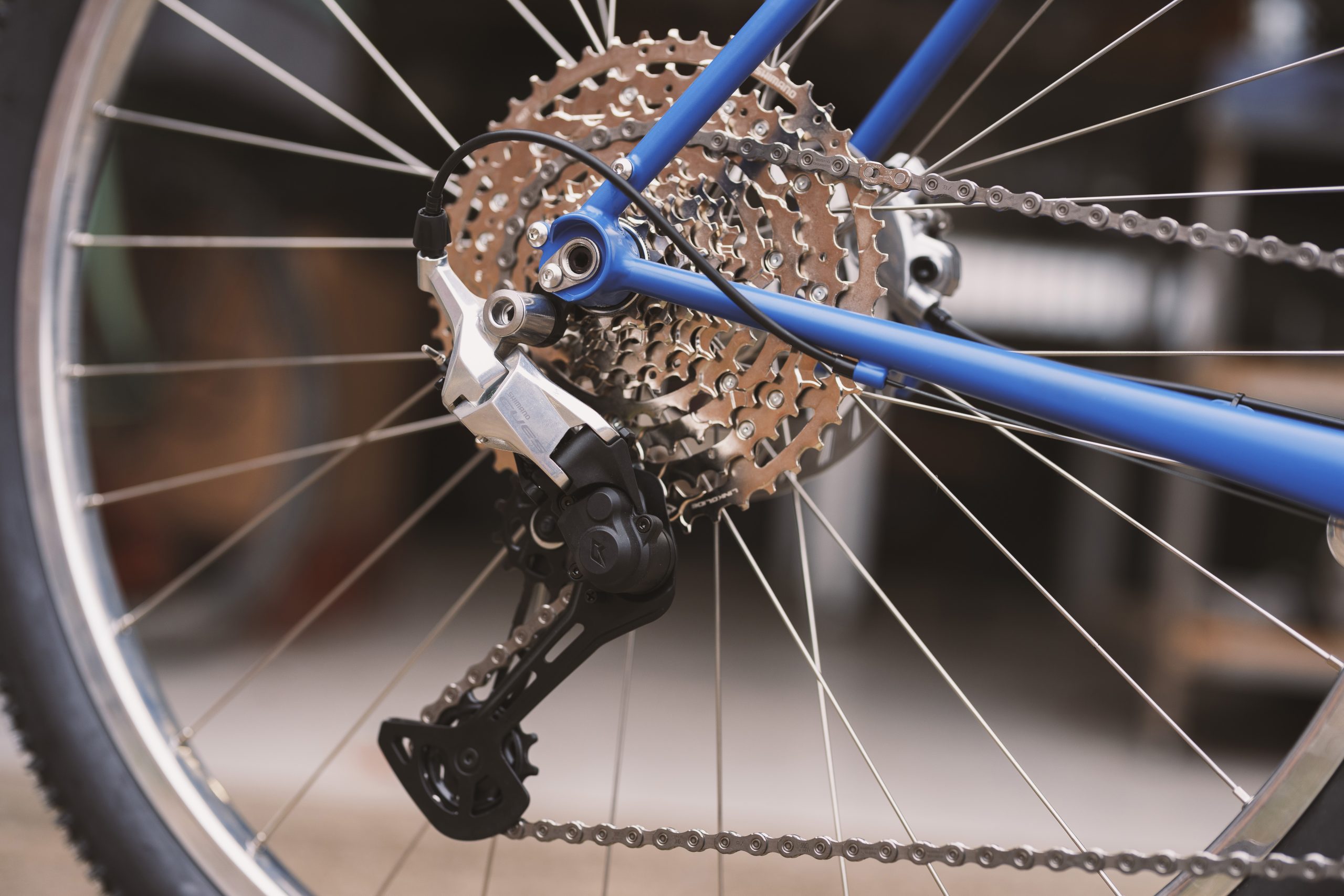
The drivetrain sees the latest wireless Shimano XT rear derailleur matched to a Dura-Ace crankset running a single Wolf Tooth 50-tooth chainring.
Wolf Tooth also provides plenty of matching blue anodised parts, with the headset, seat collar, bolts and thru-axles all coordinated.
FFWD provides the latest version of its gravel-specific Drift wheelset, and these are wrapped with Vittoria’s Terreno tyres here in Dry spec, although that could change, of course, if the weather takes a turn for the worse this weekend.
Titanium is coming
Eddy Merckx has announced that new bikes made from titanium are coming next year and I can’t wait to see what it has in store with these new models.
I’ve been a long-time fan of titanium and still own both a Kinesis ATR and a custom Lynskey. Perhaps the next gravel bike on my wishlist could be a metal Merckx.
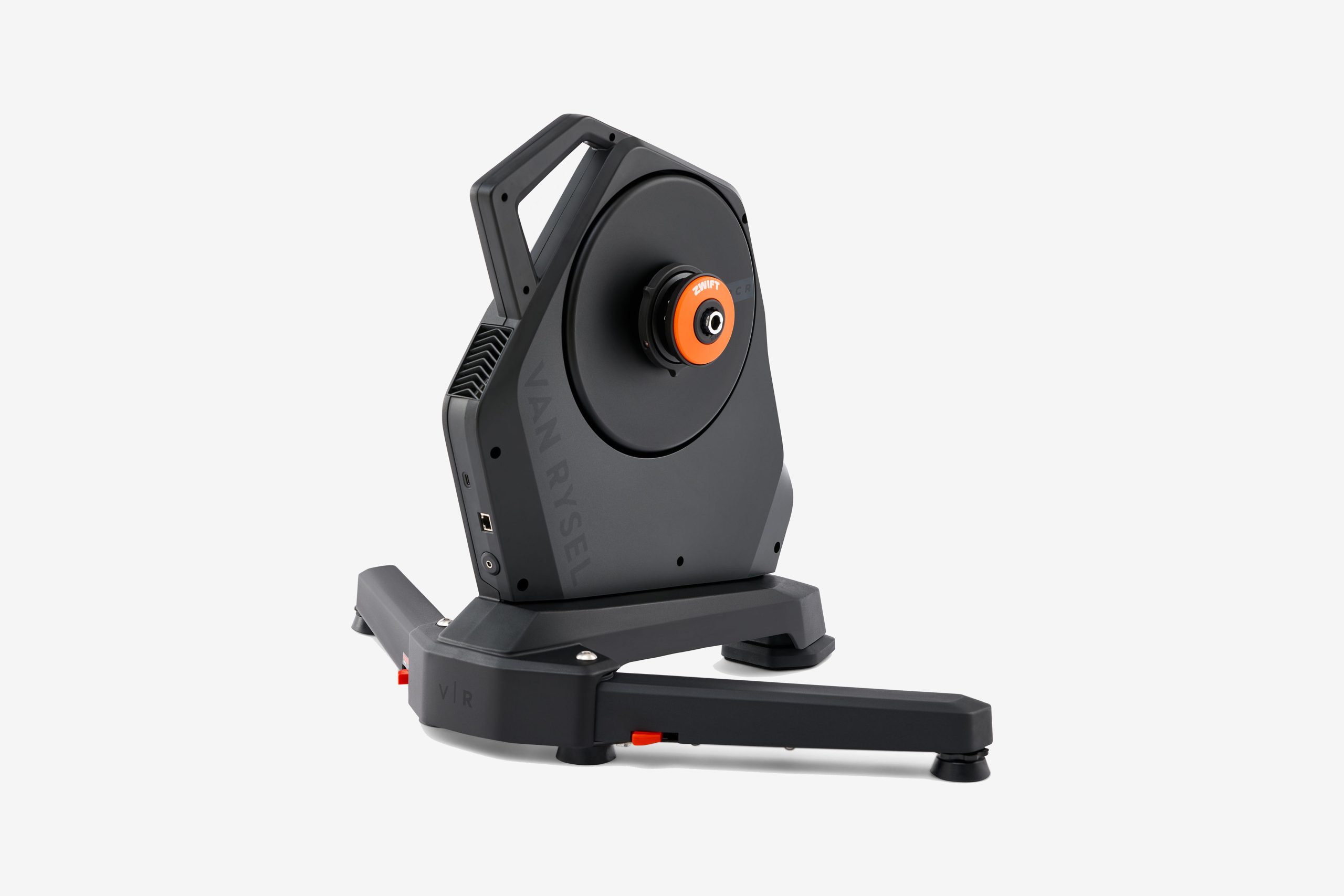
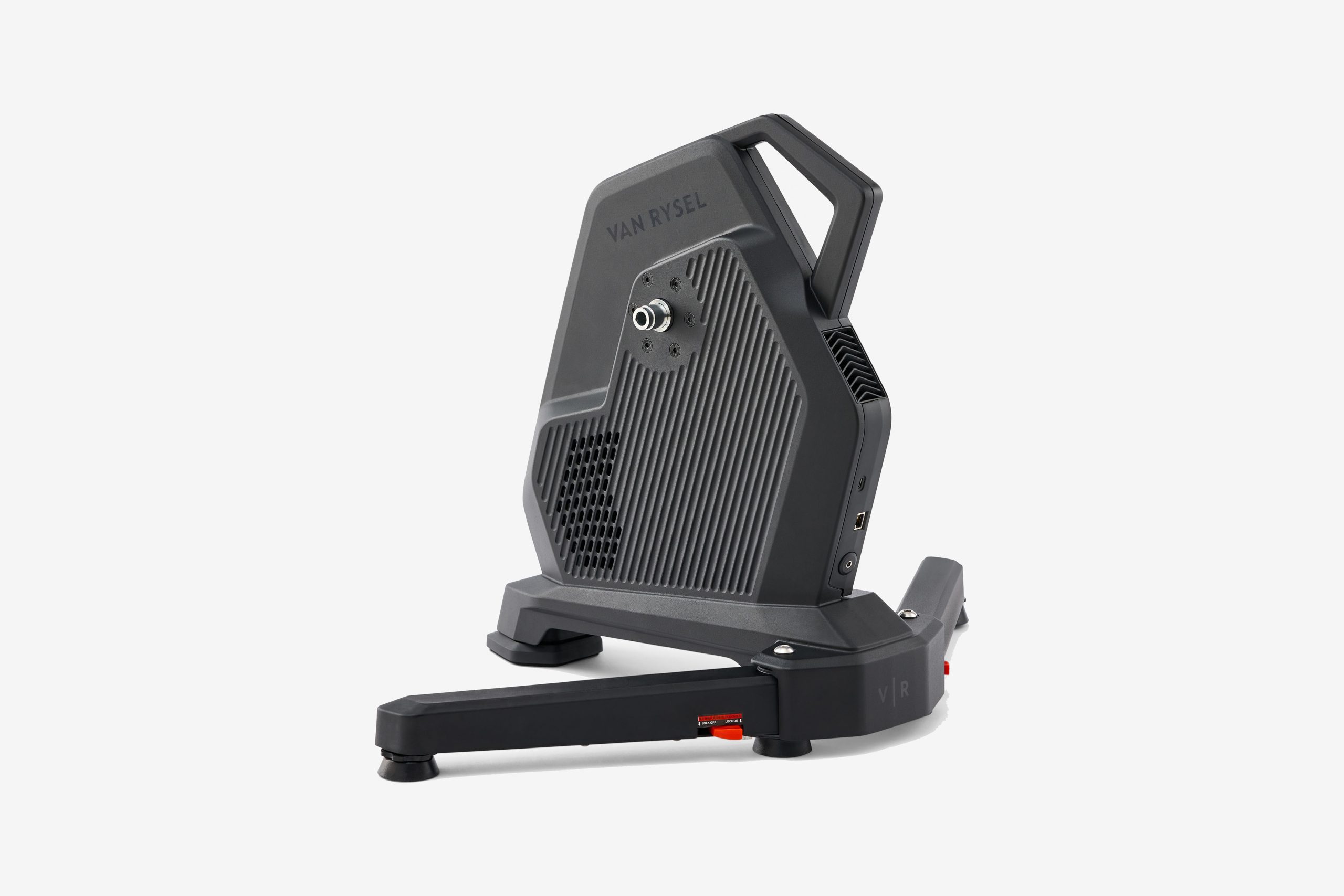
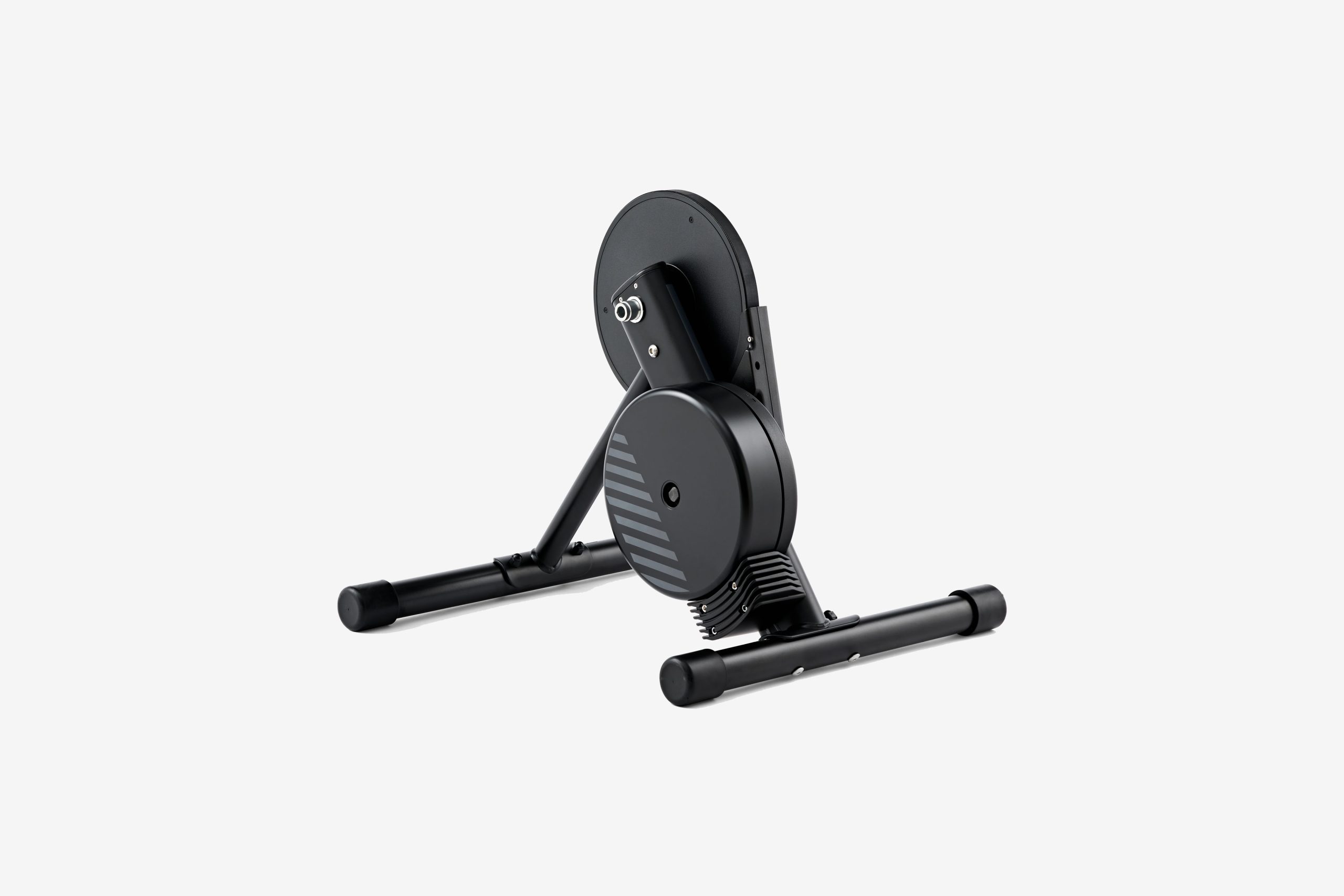
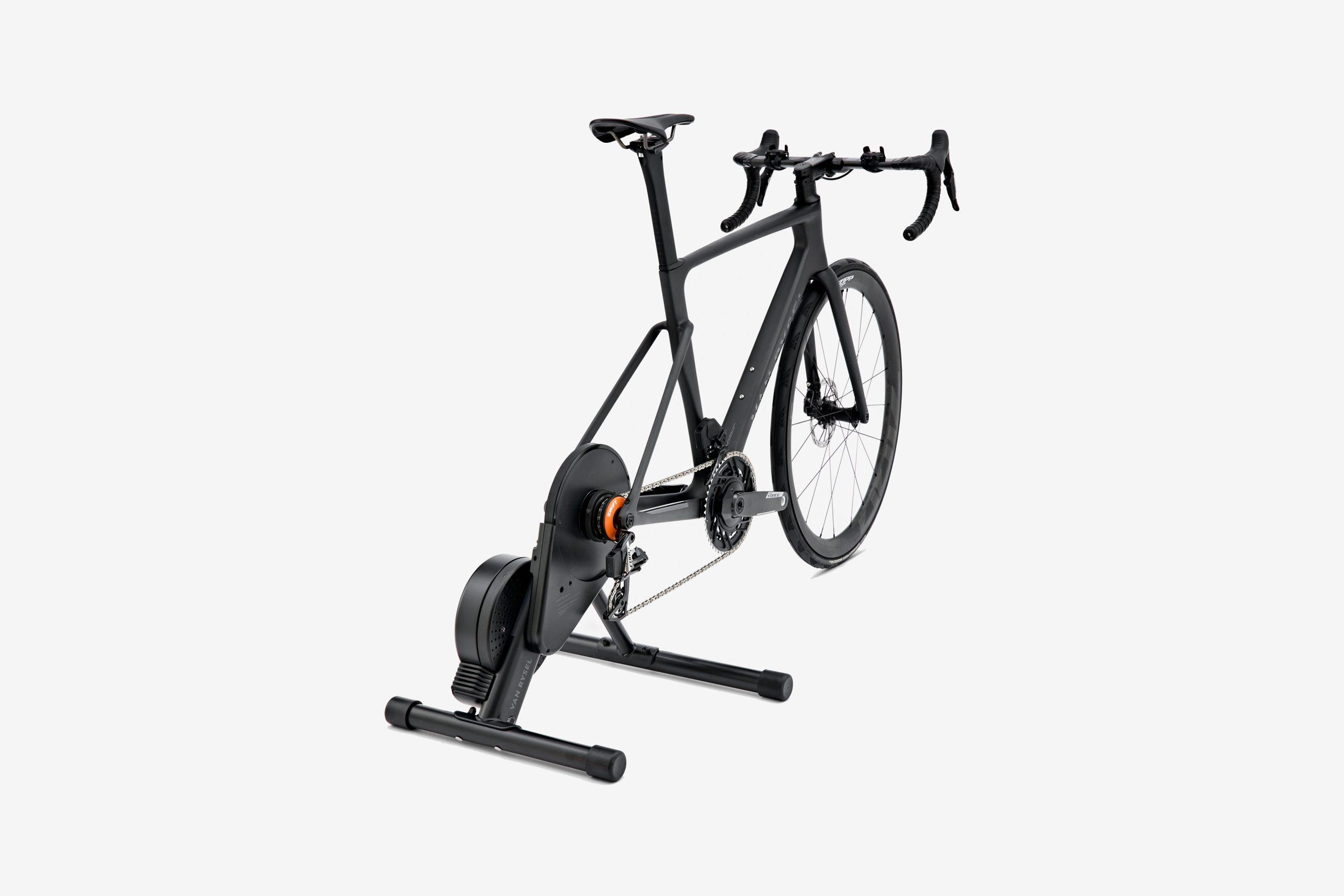
Van Rysel has revealed the RCR and D500 smart trainers – two new models that look set to challenge the big names in indoor cycling.
Following the naming convention of its WorldTour-proven road bike, the RCR Pro, the RCR smart trainer is a new high-end model with a spec sheet that competes with rivals such as the Wahoo Kickr V6 and Tacx Neo 3M.
As we’ve come to expect of the French brand (which is owned by Decathlon), both trainers are priced competitively – at £749.99 / €798.99 for the RCR and £349.99 / €399.99 for the D500.
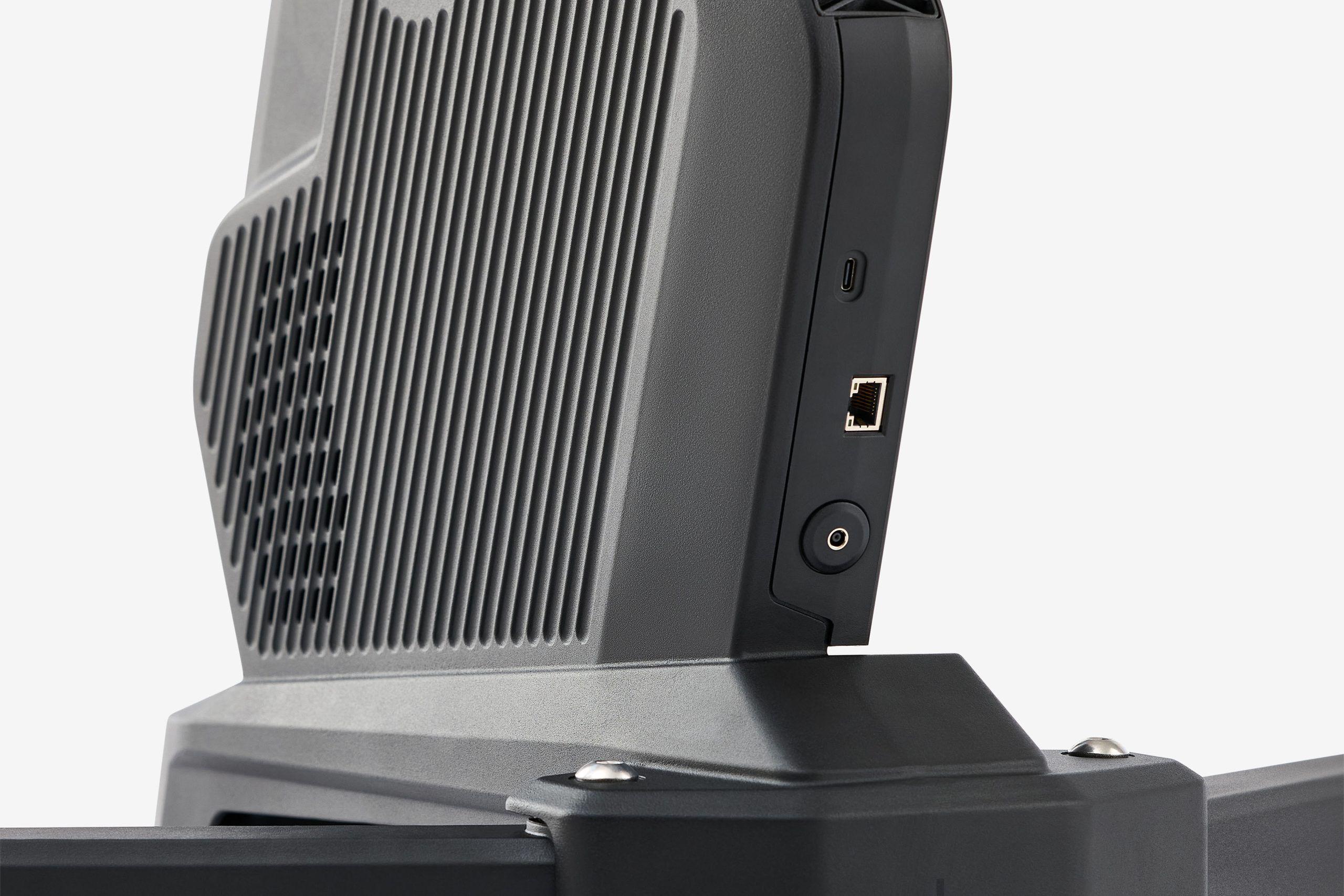
Buried in its spec, the RCR also has one standout feature that every smart trainer on the market ought to have, but few do – an Ethernet port.
While that trainer featured impressive ride feel and specs for its relatively low price, it suffered some issues with data accuracy and lacked a few quality-of-life features present on its competitors (such as Race Mode, network connectivity and sensor bridging).
The new RCR trainer, though, promises +/- 1 per cent accuracy, with no calibration required, compared to +/- 2 per cent on the D900, as well as a higher maximum power of 2,800 watts.
The RCR is Van Rysel’s new flagship smart trainer. Van Rysel
The flywheel weight isn’t specified, but Van Rysel says the RCR can simulate gradients of up to 27 per cent, if you’re that way inclined.
It also features a motor that can drive the flywheel on descents for a more realistic simulation of riding downhill.
The RCR features both Bluetooth and ANT+ connectivity, but lacks Wi-Fi – something that has become almost ubiquitous on the latest mid-level to high-end smart trainers.
The RCR features a claimed accuracy rating of +/- 1 per cent and a maximum power of 2,800 watts. Van Rysel
In place of Wi-Fi, though, it features a simple Ethernet port, which enables it to be hard-wired into your local network or connected directly to whatever smart device you’re using.
This, Van Rysel says, ensures “ultra-responsive, latency-free training that’s ideal for competition”.
This is a breath of fresh air compared to brands such as Wahoo and Tacx, which feature proprietary ports that require riders to purchase additional ‘dongles’ for their trainers should they wish to use a wired connection.
No proprietary ports here – the Van Rysel RCR features Ethernet and USB-C ports. Van Rysel
It also features a USB-C port that can be used to charge smart devices while you ride.
Good job Van Rysel.
Beyond this, the RCR trainer features folding legs and a handle to make it easier to stow away between uses. It costs £749.99 / €798.99.
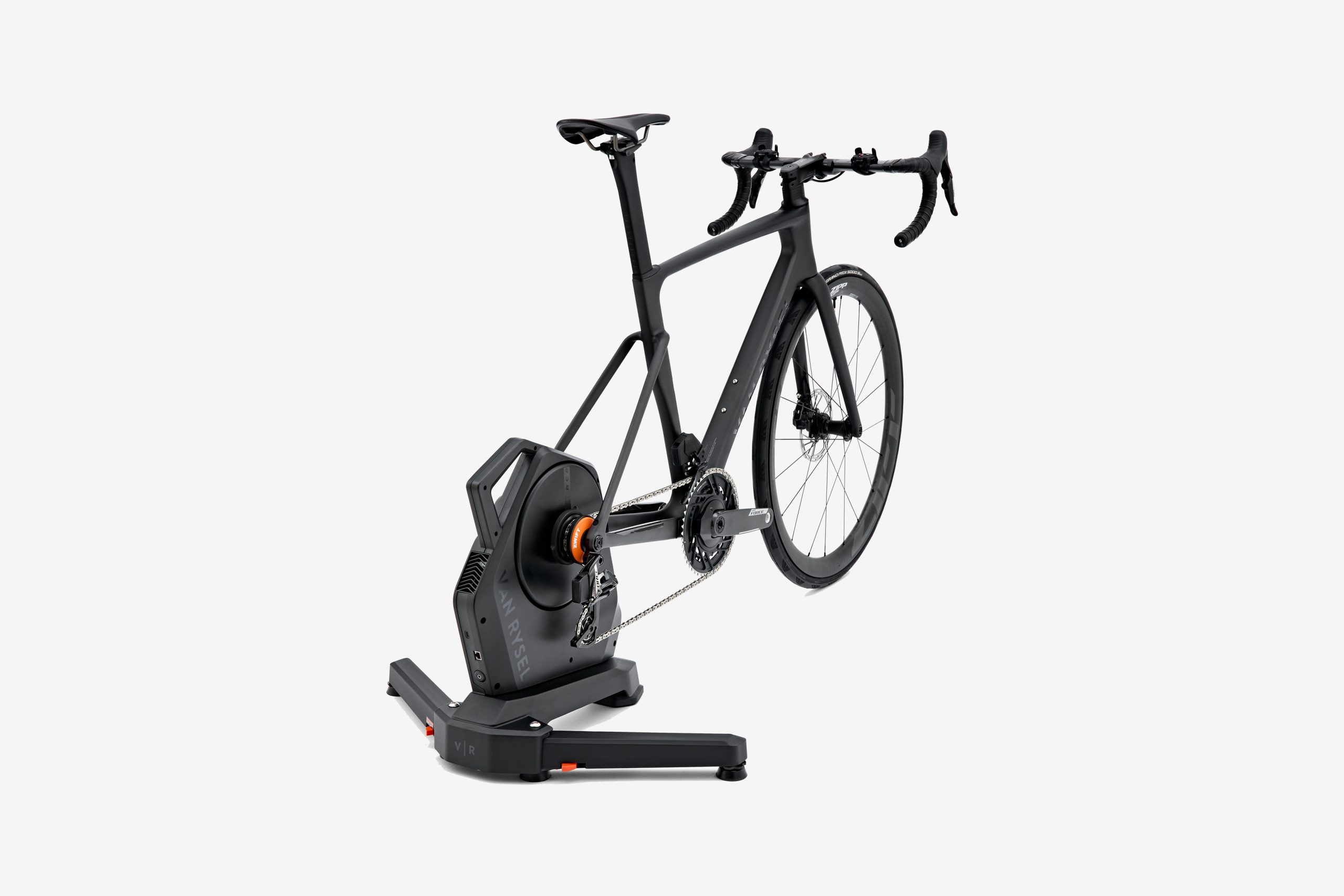
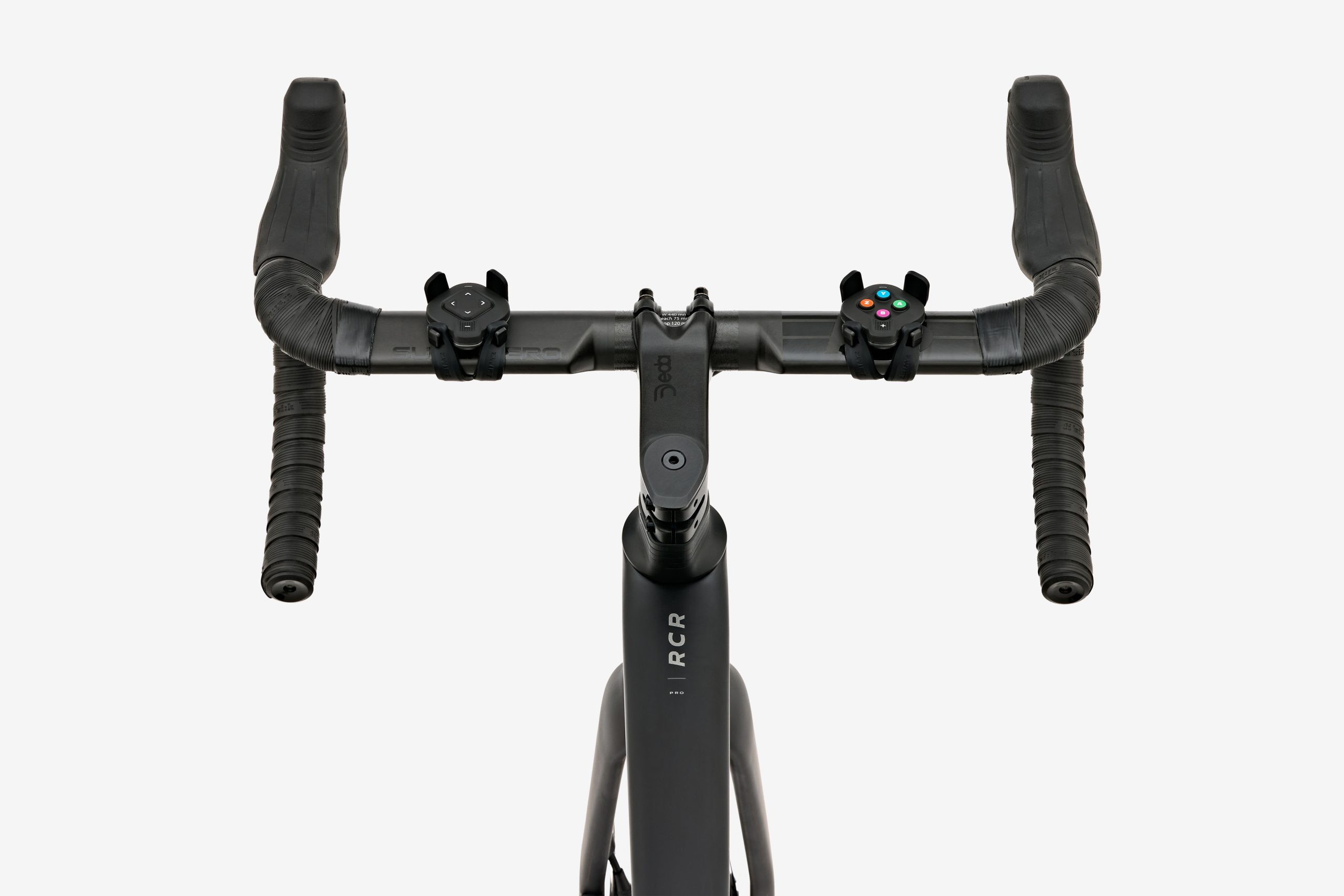
This includes a Zwift Cog and Click V2 set, which makes the trainer ‘Zwift Ready’ and unlocks virtual shifting on the popular indoor cycling app, as well as compatibility with “almost any 8- to 12-speed bike”.
Both the RCR and D500 ship with a Zwift Cog installed and a set of Zwift Click V2 shifters. Van Rysel
Van Rysel RCR smart trainer specification
Model: Van Rysel RCR
Price: £749.99 / €798.99
Maximum power: 2,800 watts
Maximum gradient: 27 per cent
Claimed power accuracy: +/- 1 per cent
Claimed noise level: 56dB at 25kph (measured at 1.5m)
Connectivity: Bluetooth, ANT+, Ethernet
D500
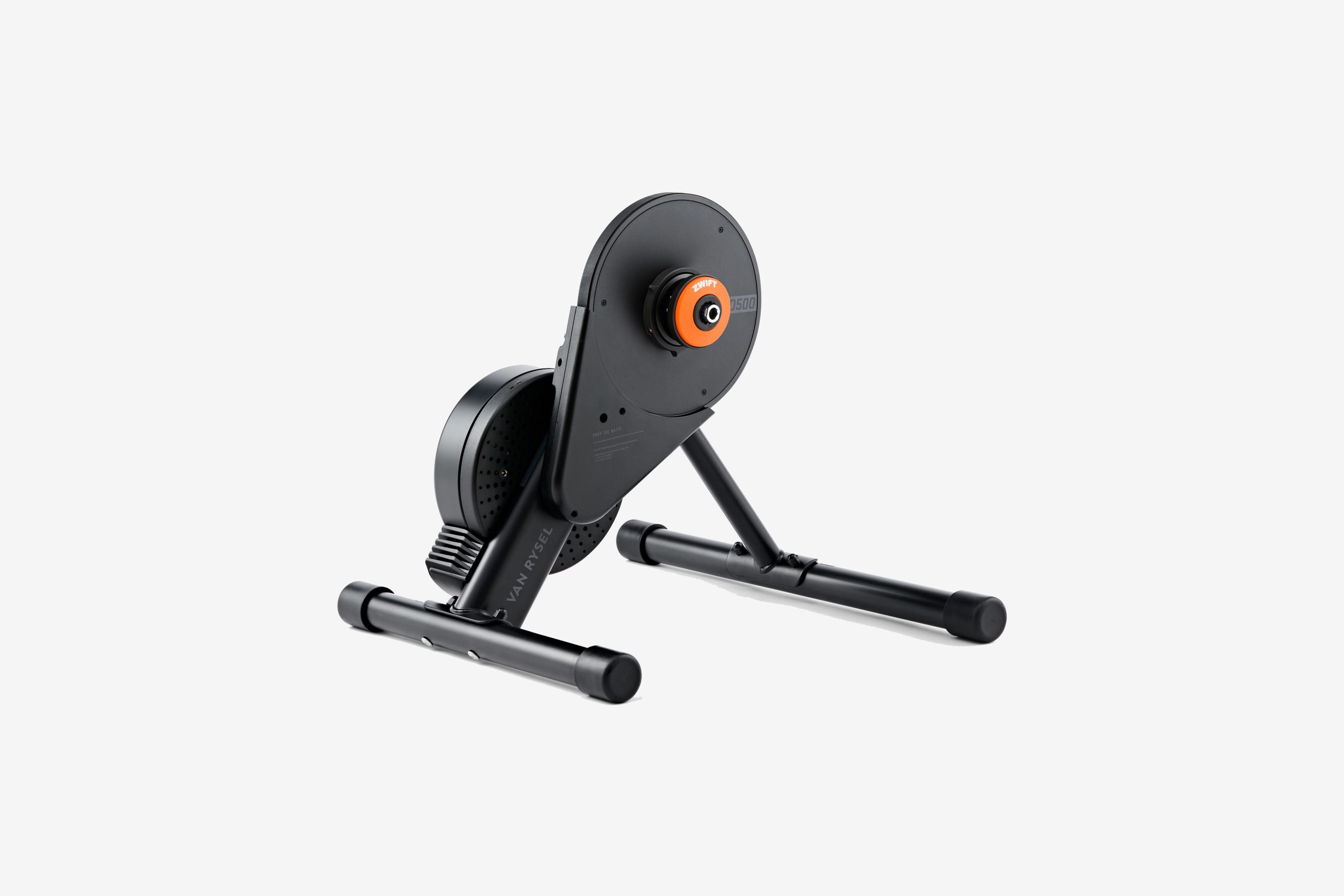
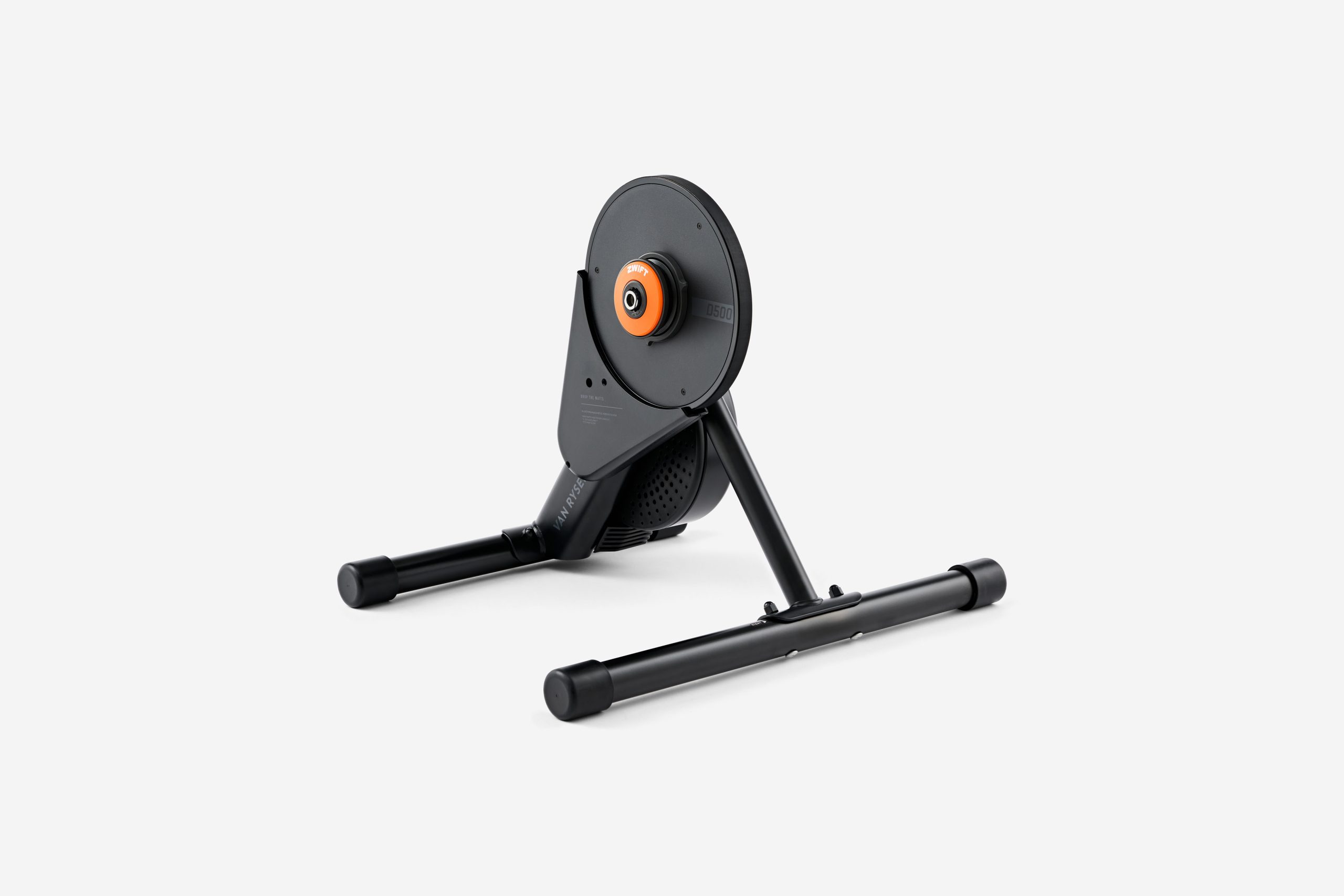
The D500 is a mid-range smart trainer. Van Rysel
The D500, meanwhile, also looks like an exciting prospect.
Priced at £349.99 / €399.99 (also including the Zwift Cog and Click V2 bundle), the D500 replaces the existing ‘Interactive Turbo Trainer D500’, which was part of Van Rysel’s 2024 smart trainer range.
In contrast to that outgoing model, the new D500 features a Wahoo Kickr Core-inspired design akin to Van Rysel’s excellent budget trainer – the D100.
It features a 1,500W maximum power ceiling, can simulate gradients of up to 15 per cent and has a claimed power accuracy rating of +/- 2.5 per cent.
The D500 features 1,500W maximum power and is claimed to be accurate to +/- 2.5 per cent. Van Rysel The D500 doesn’t offer Wi-Fi connectivity or an Ethernet port, but is cheaper than the competition. Van Rysel
Assuming it performs as claimed, those specs should be plenty for all but the most powerful cyclists to enjoy the full range of joy indoor cycling can offer (or not, if you’d prefer your indoor training to be boring).
Unlike the Wahoo Kickr Core 2, JetBlack Victory and Elite Rivo, the Van Rysel D500 lacks Wi-Fi connectivity, and only features Bluetooth and ANT+.
It does, however, undercut all three of those trainers on price, by £50 to £150 (depending on the model in question).
The D500 sadly lacks the Ethernet port featured on the RCR trainer, and it remains to be seen whether it offers Race Mode over Bluetooth, as some smart trainers do.
The D500 slots in above the budget D100 in Van Rysel’s smart trainer range. Van Rysel
Van Rysel D500 smart trainer specification
Model: Van Rysel D500
Price: £349.99 / €399.99
Maximum power: 1,500 watts
Maximum gradient: 15 per cent
Claimed power accuracy: +/- 2.5 per cent
Claimed noise levels: 56dB at 25kph (measured at 1.5m)
British Transport Police has clarified its position on thefts of bikes from train stations, following widespread criticism of the policy, announced last week.
British Transport Police (BTP) announced it would no longer investigate bike thefts from stations if the bike had been left for more than two hours or if the bike’s value was assessed at less than £200.
With more than 14,000 bikes reported stolen from outside train stations between 2021 and 2023, this policy has been heavily criticised for giving a green light to bike thieves and penalising lower-income groups.
It has also been revealed that this policy has been in place since August 2024, at a time when bike thefts from stations have been increasing, with a 39 per cent reported increase in such crimes between 2022 and 2023.
Now, the BTP has sought to clarify its position, issuing a statement, while BTP assistant chief constable Ian Drummond-Smith defended the policy when interviewed on the BBC’s Today programme.
“We’ve targeted hot spots where bikes are stolen, using a whole variety of police tactics. In some of those hot spots, we’ve reduced cycle crime by up to a quarter.
“What we simply can’t do is watch tens of hours of footage for a single bike theft. So far this year, we’ve arrested 55 people for cycle theft,” Drummond-Smith stated.
In its statement, BTP refutes the claim that bicycle thefts have been decriminalised, stating: “Bicycle thefts have not been de-criminalised as some headlines have suggested. When we do not have a clear time or location for the offence, or if there is a lack of CCTV, witnesses or other evidence, it can be very difficult to solve a crime.
“If it is available we will review around two hours of CCTV footage to try to identify the incident, but it is not proportionate to review longer periods.”
BTP states it is working with train operating companies to look at other ways of investigating bike theft. Drummond-Smith suggested that in future BTP might employ AI to screen footage and identify suspects, although he didn’t identify any specific projects planned to achieve this.
If you buy a pair of Shimano clipless pedals, they’ll come packaged with a set of cleats for your shoes.
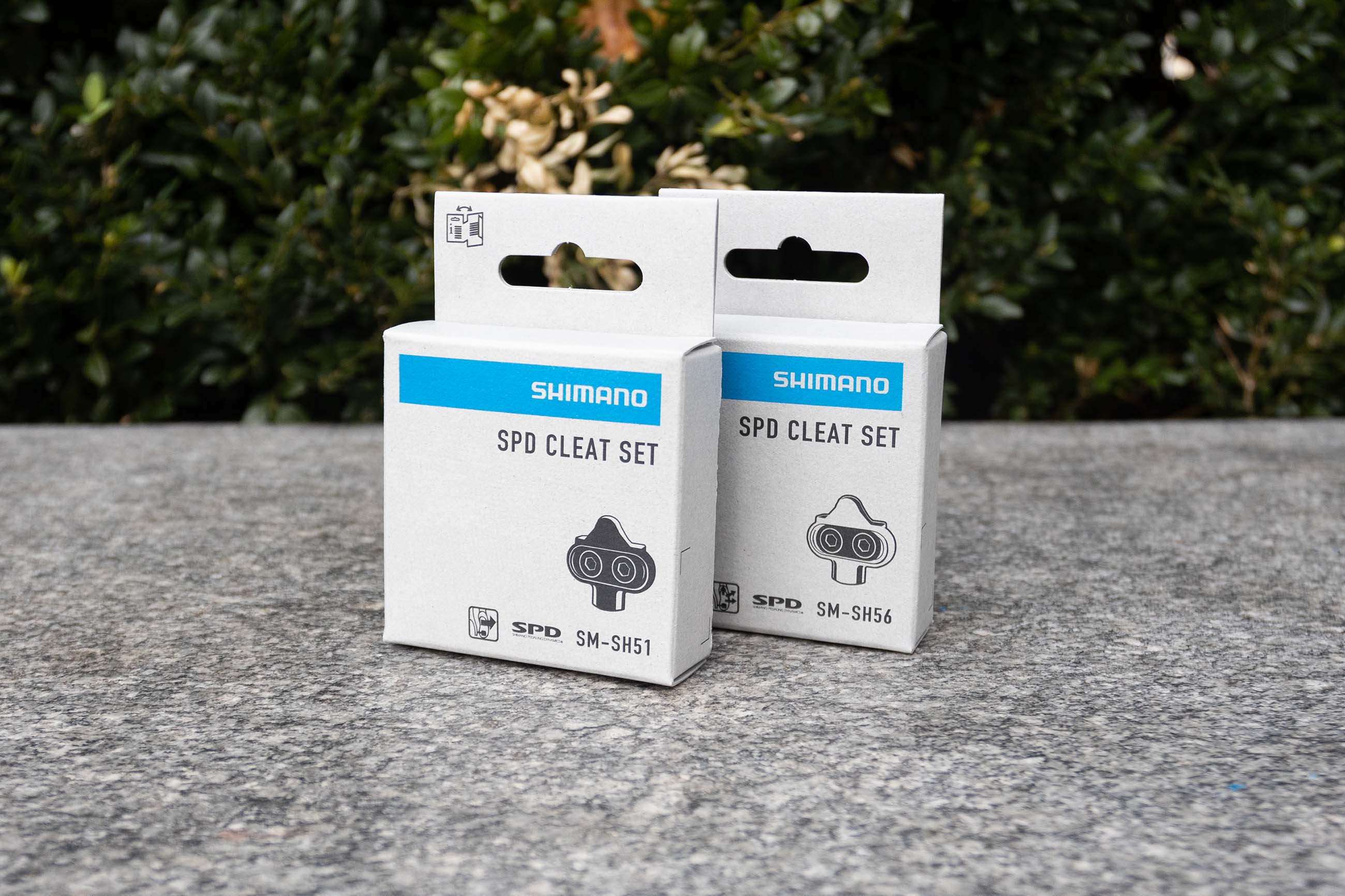
Many of Shimano’s off-road pedals come with two-bolt cleats designated SM-SH51. However, the Japanese brand has recently started shipping mountain bike pedals, such as the XTR PD-M9220, with its new multi-entry CL-MT001 cleat.
Shimano also has a range of ‘Explorer’ pedals, which feature the brand’s ‘Light Action’ release system. Most of these come packaged with the SM-SH56 cleats, with SM-SH51 cleats as an option.
What’s the difference between Shimano SH-SH56, CL-MT001 and SM-SH51 cleats, and why might you choose one over the other? Let us explain.
Differences at a glance
Shimano SH56: Single direction of release, but can only be engaged from the front of the pedal first.
Shimano MT001: Single direction of release and can be engaged from multiple angles of the pedal for better off-road performance.
Shimano SH51: Can only be engaged from the front of the pedal first, but has multiple directions of release, making it easier for beginners.
What are SH51, MT001 and SH56 cleats?
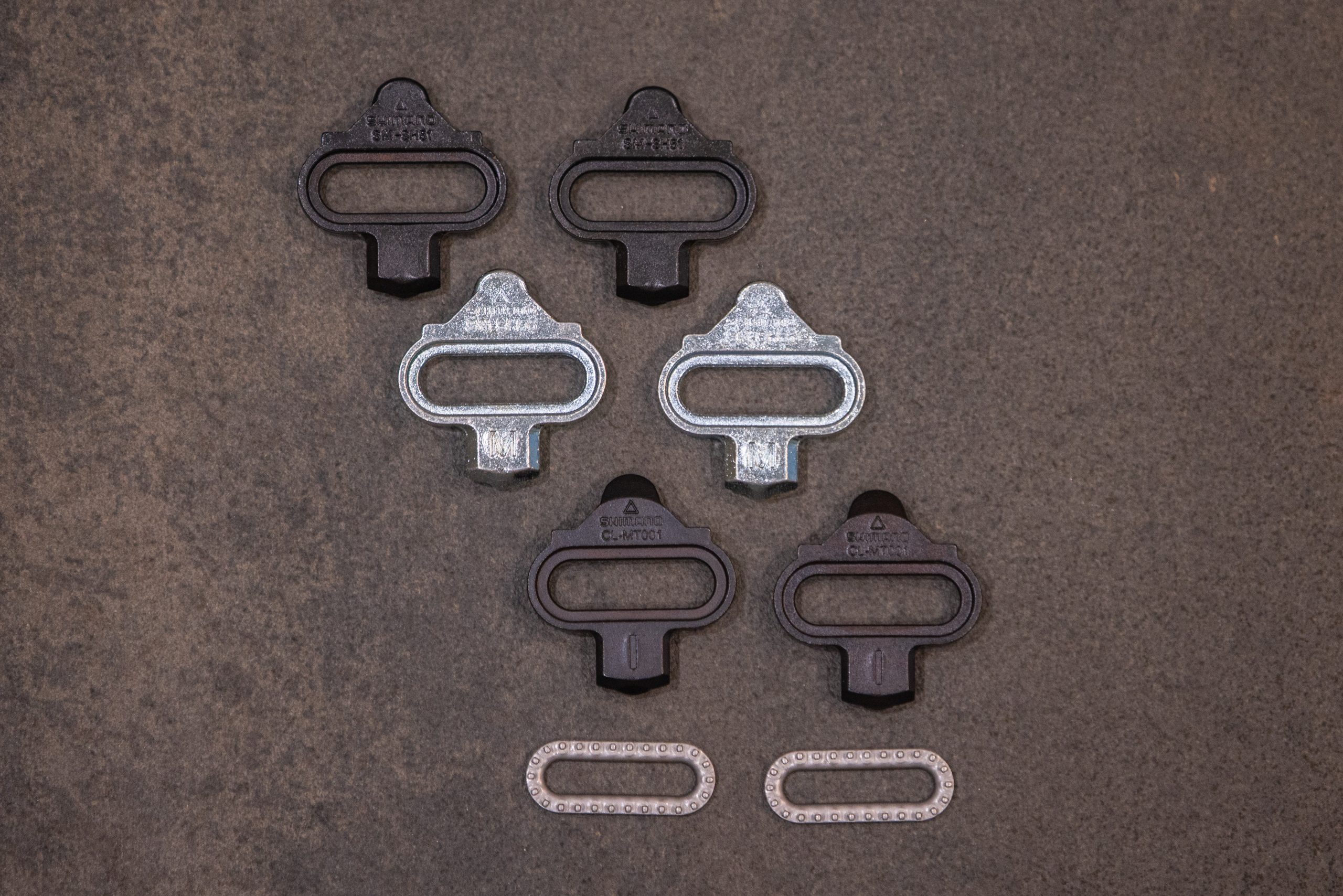
There’s not a lot to differentiate the cleats at a glance. Scott Windsor / Our Media
There’s not much visual difference between the SH51, MT001 and SH56 cleats.
They are all made from metal with two recessed bolt holes and attach to the soles of your shoes with the included bolts.
To fit the cleats, you’ll need to make sure your cycling shoes are compatible with the two-bolt SPD cleats preferred for mountain bike shoes and urban riding, not the three-bolt cleats used on road cycling shoes.
There’s an arrow at the front of each cleat to make sure you attach them to your shoes the right way round. They’re interchangeable between left and right shoes.
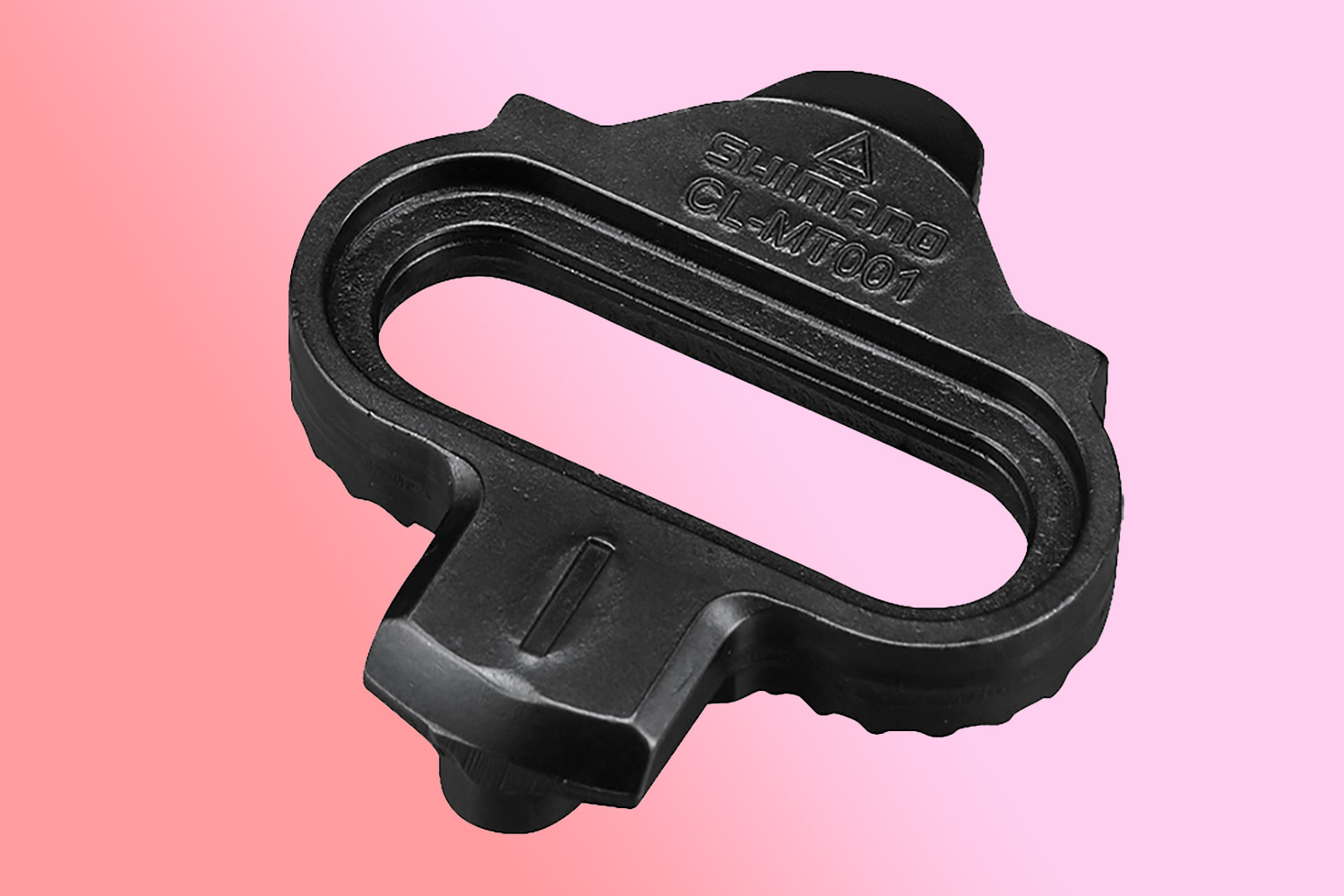
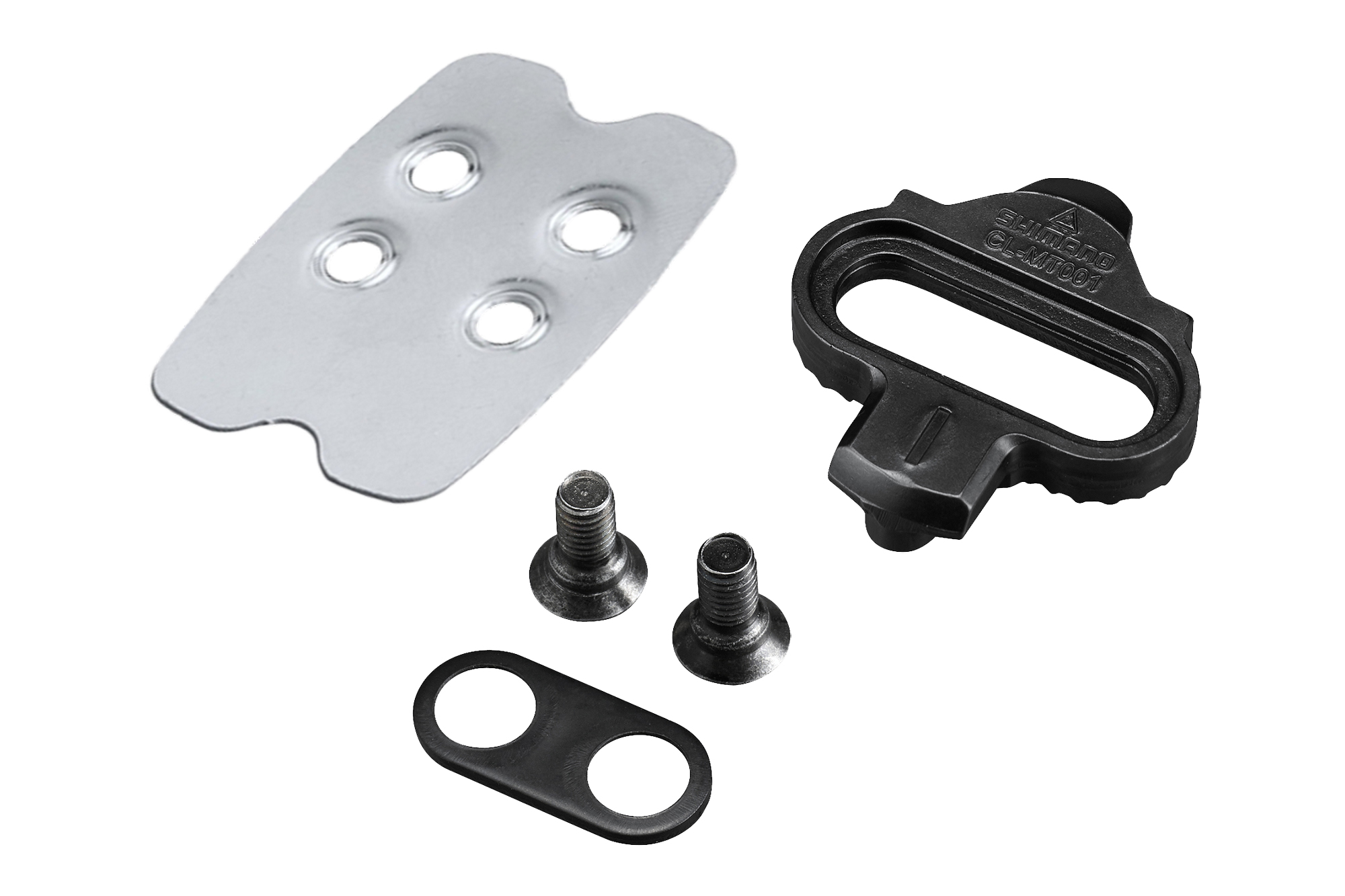
Shimano’s CL-MT001 cleat has a line embossed on the rear tab. Shimano
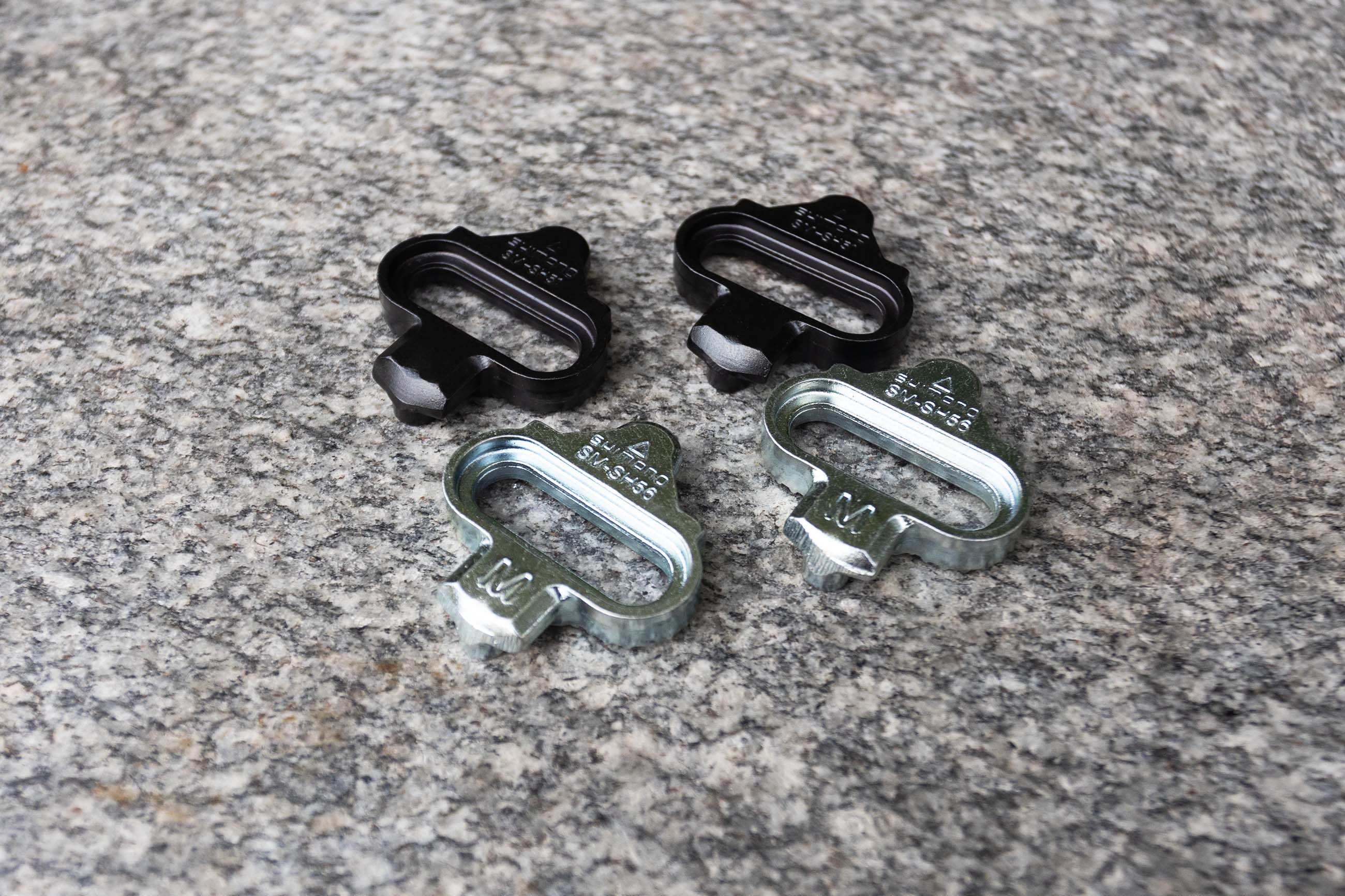
The only clue as to which type of cleat you have is that the SH51 and MT001 cleats are black, with the latter featuring a line on the rear-facing tab, while the SH56 cleats are silver-coloured, with an M embossed on the rear-facing tab.
There are also product names stamped into the cleats, but these can be harder to see.
You can buy Shimano SPD-compatible cleats from other brands, too.
Look’s X-Track cleats offer two equivalent cleat options, designated X-Track, equivalent to SH51 cleats, and X-Track Easy, equivalent to SH56. The type of cleat is stamped on the front of the Look cleats’ undersides.
What’s the difference between SH51, MT001 and SH56 cleats?
Shimano’s SH51 cleats are black, whereas the SH56 cleats are silver. Stan Portus / Our Media
The difference between SH51, MT001 cleats and SH56 cleats is the number of directions in which you can enter and release the cleat from the pedal.
SH51 cleats have a single direction of release; that’s to say you can only disengage from the pedal by pushing your heel out in a flat plane relative to the pedal, or by pushing it in.
Shimano’s MT001 SPD cleats can engage the clip mechanism from multiple angles. Shimano
Shimano’s MT001 cleats keep this single direction of release, while enabling multi-entry engagement, meaning you can connect to the pedal from multiple angles, rather than needing to lead with the front edge on the SH51 and SH56.
The SH56 cleats, on the other hand, enable multi-directional release; as well as pushing your heel out or in, you can also roll your shoe on the pedal or pull up to release it.
The shape of the cleats is subtly different to enable this.
Which cleats should you choose?
Choose the cleats that best suit your riding style. For many riders, that will be the SH51 cleats. Stan Portus / Our Media
There’s no right or wrong answer to which type of cleats to choose. Which cleats work best for you depends on the type of riding you do and also how confident you are riding with clipless pedals.
The fact that SH56 cleats are included with Shimano’s Easy Release pedals gives a clue to their advantage.
Having multiple release options means you’re much less likely to get trapped in your pedals and topple over when you come to a stop. For a clipless pedal beginner, that may increase confidence because it feels more like riding flat pedals, and you may find the easier release is preferable for urban riding.
On the other hand, most riders find it relatively easy to get used to single-release SH51 and MT001 cleats and the twisting-out action necessary to disengage. The learning curve is a lot less steep than with the road-going SPD-SL pedal system.
If you’re riding on more technical terrain, particularly off-road, having multiple release angles may be a disadvantage, because you’re much more likely to come unclipped when you don’t want to. That’s why Shimano’s off-road pedal range comes with SH51 and MT001 cleats rather than SH56.
The pedalling action of some riders may also make them susceptible to unwanted unclipping, making SH51 cleats a better choice.
Although SH56 cleats may be useful for a beginner worried about having problems unclipping, it’s likely that persevering with SH51 and MT001 cleats, and reducing the release tension on the pedal, will help as much as the multi-directional release.
Lowering pedal-release tension is simple, by turning the hex nut on the release mechanism at the rear of the pedal anticlockwise.
The new MT001 cleats are designed with mountain biking in mind, with the multi-entry engagement enabling riders to clip in by engaging the rear first, then the front, or by simply stomping straight down on the pedal.
Riders may prefer this on the trail as it requires less thought than the SH51, which must be clipped in via the front of the pedal first. This means dismounts or foot dabs in technical terrain are less consequential for getting back on the pedals.
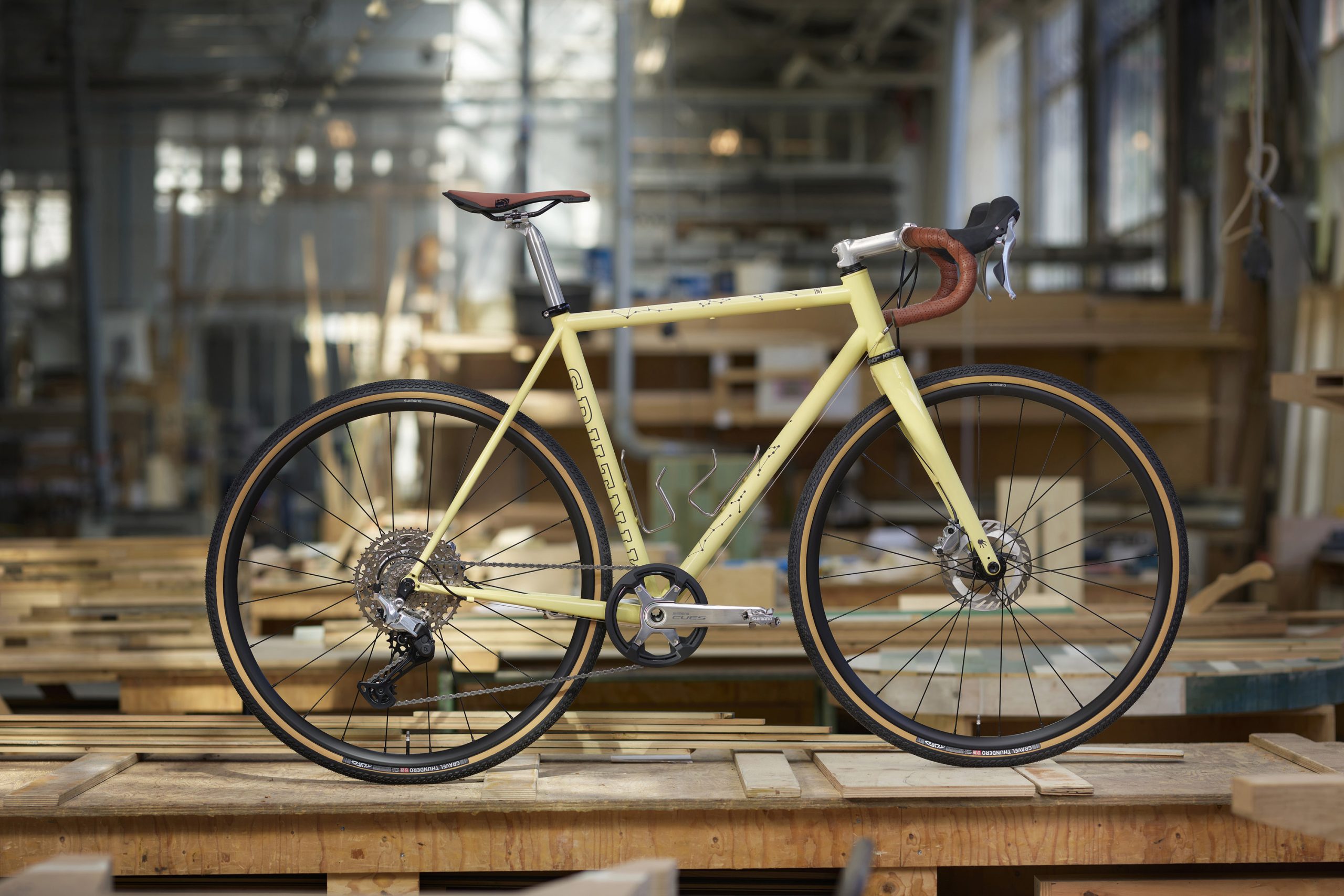
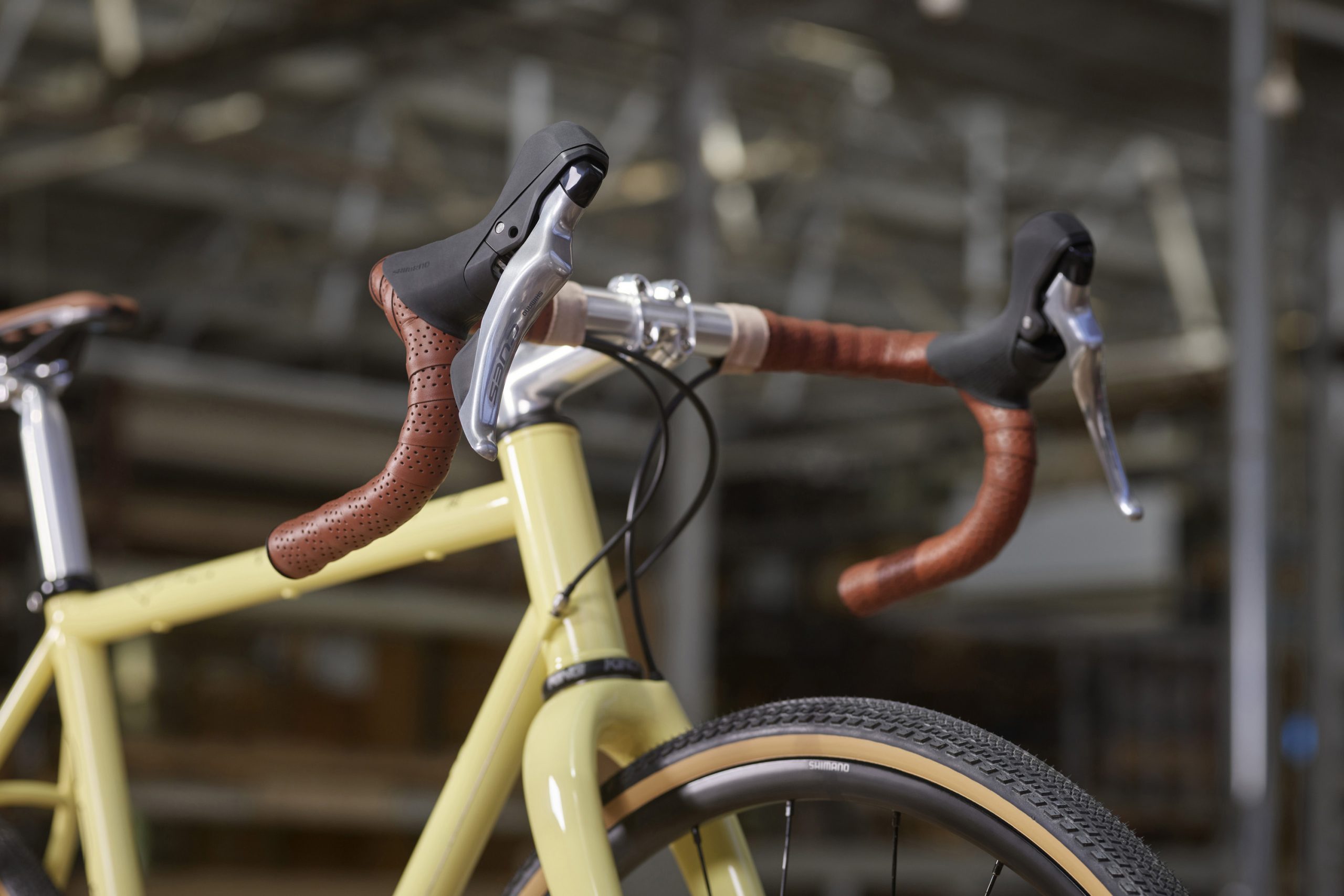
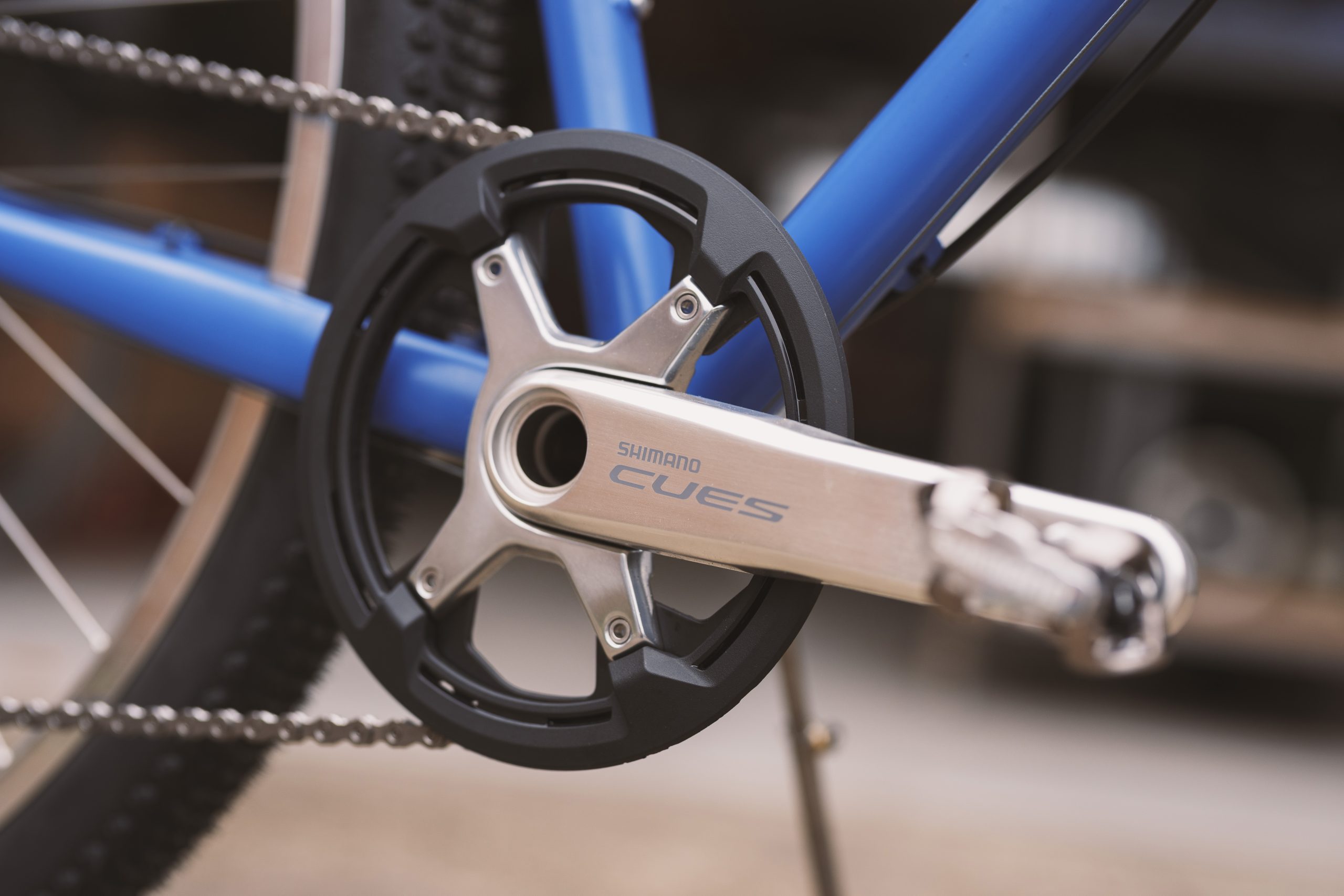
Shimano has announced another set of polished-silver limited-edition components – this time for its 1x 10-speed CUES U6000 drop-bar groupset.
Following on from its GRX Limited groupset, which launched to great fanfare three years ago, the Japanese brand says the special-edition polished-silver CUES groupset is designed to celebrate its “heritage of metalworking excellence”.
Unveiled at the Bespoked bike show in Dresden, Shimano says the groupset will feature on two custom bikes at the show.
Is this a sign Shimano is finally listening to riders and embracing its continued love affair with metal components? Let’s find out.
Classic Shimano
Shimano is back with another special-edition polished-silver groupset. Jeroen van der Wielen / Shimano
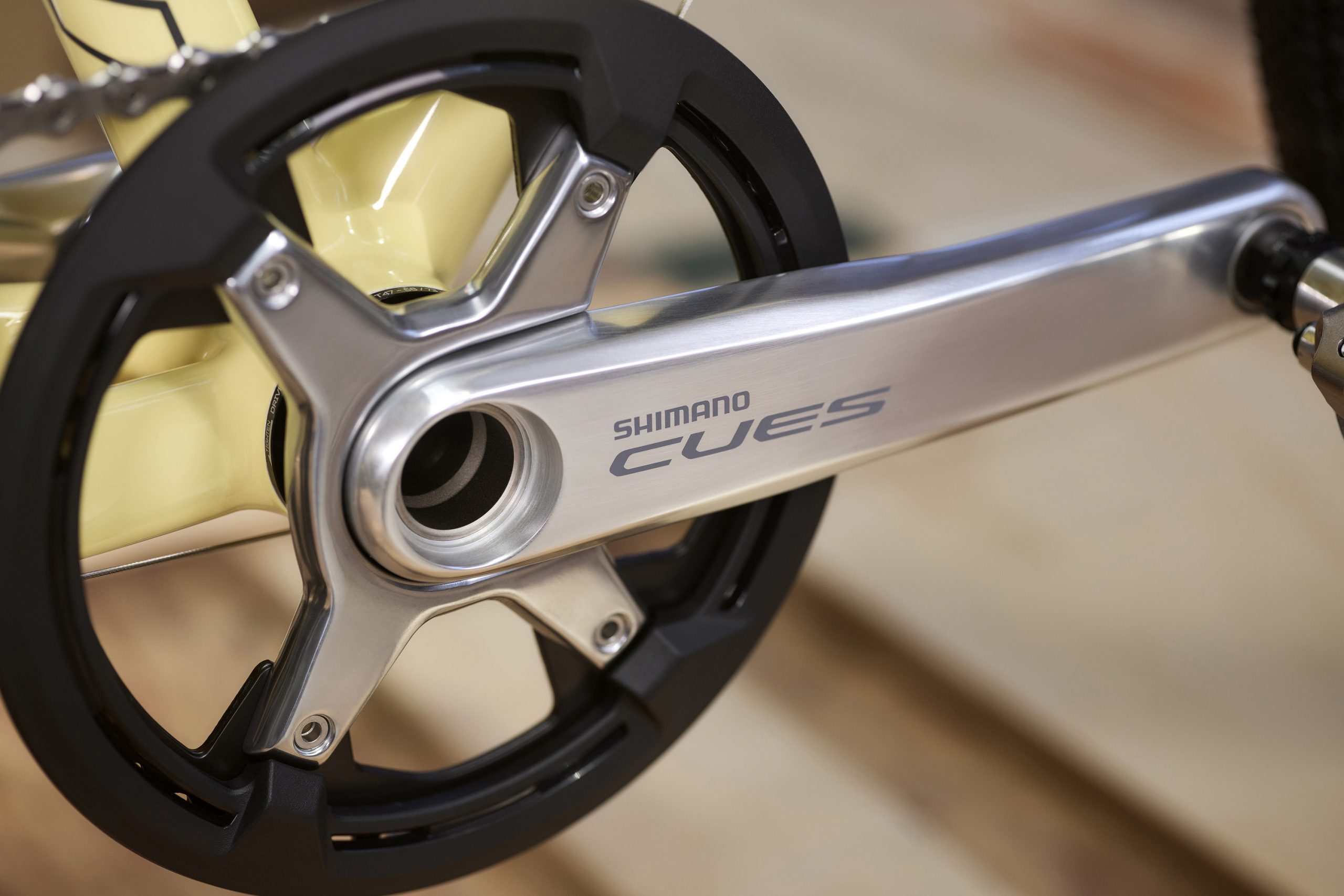
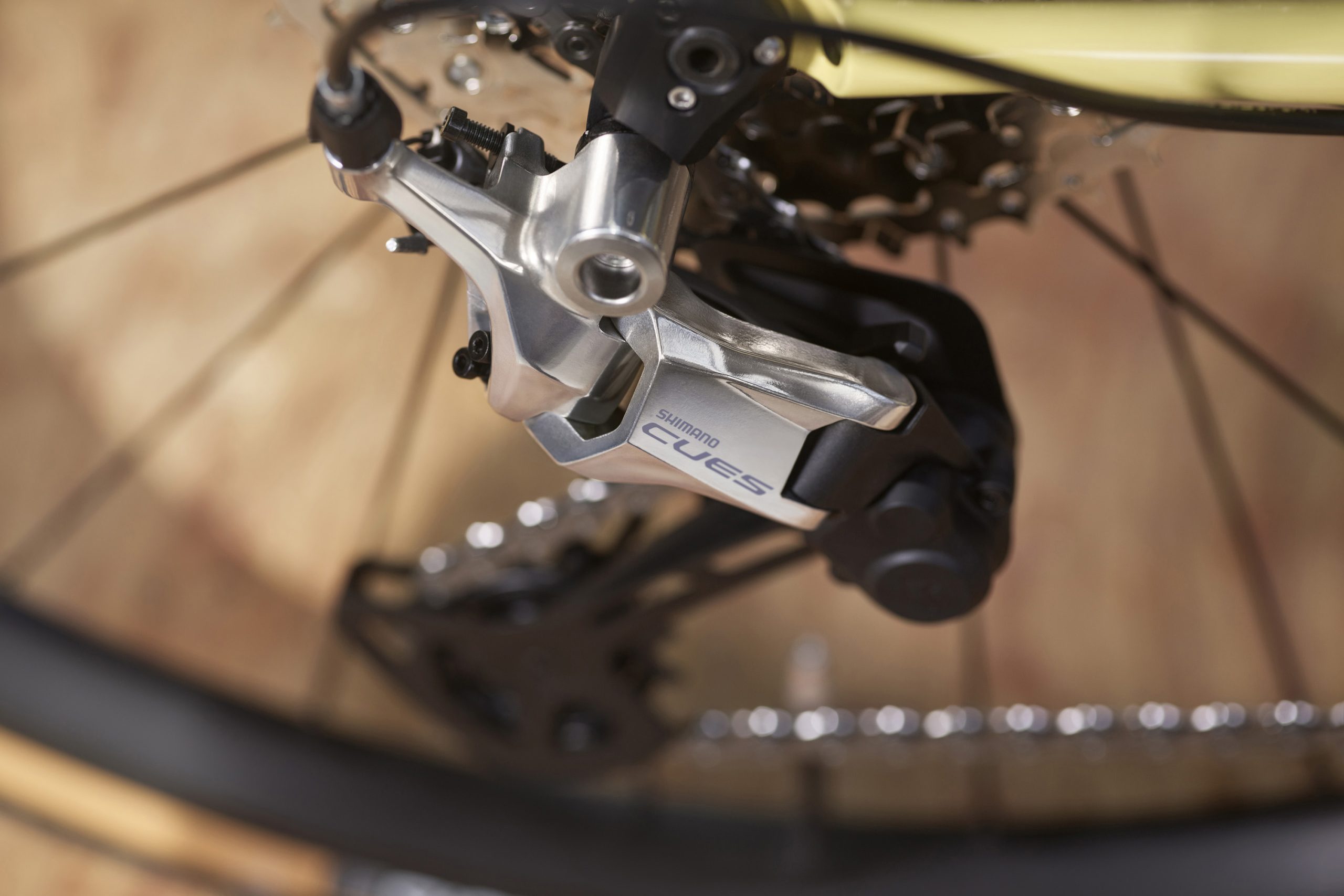
The special-edition CUES U6000 groupset consists of six components, each with polished-metal parts.
As a 1x 10-speed groupset, there’s a polished-silver crankset and chainring spider, plus a rear derailleur, an 11-48t cassette, and a set of brake calipers and matching shifters.
There are also polished-silver hubs to complete the look, although it seems you’ll need to source your own rims and spokes to build these up into something you can ride.
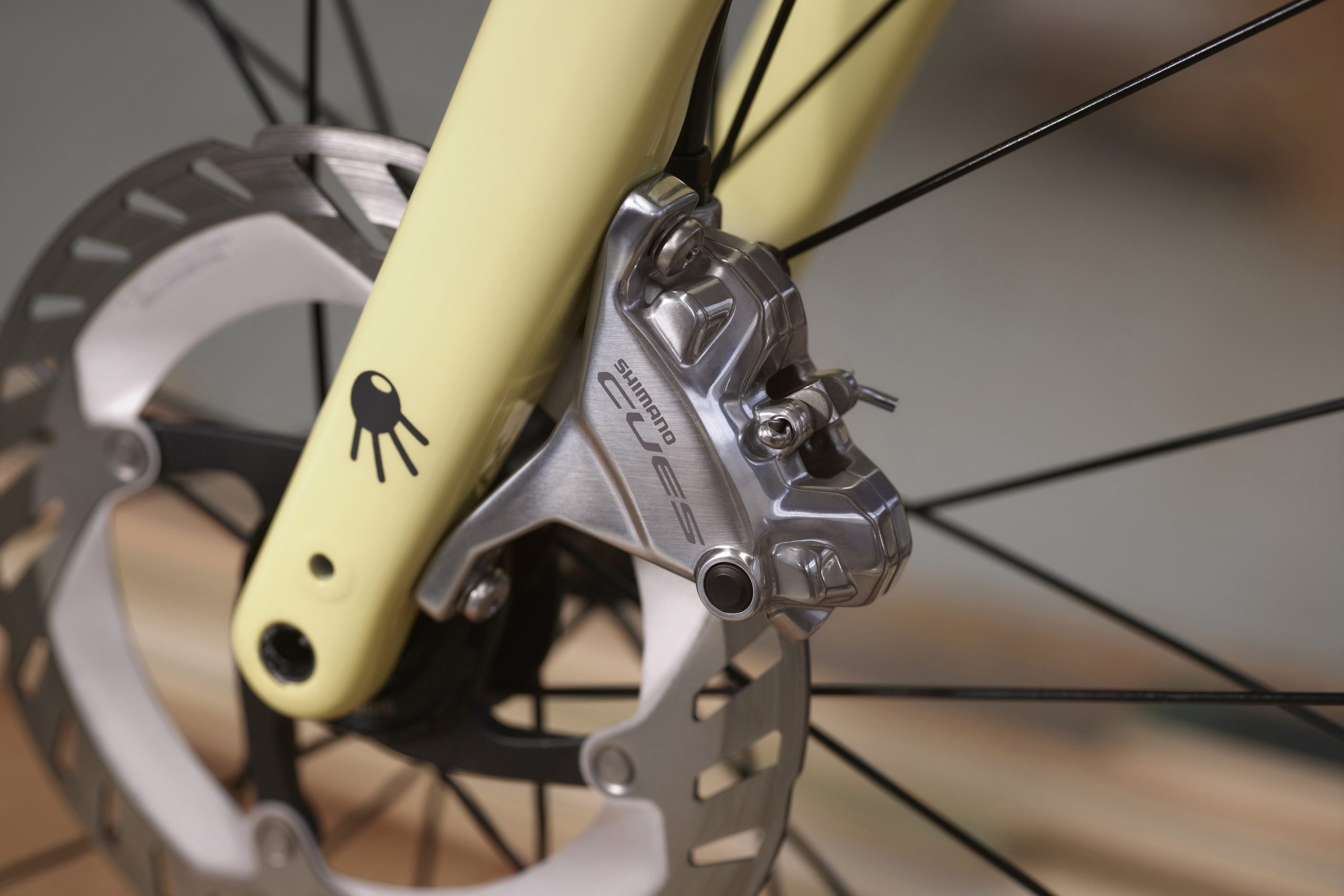
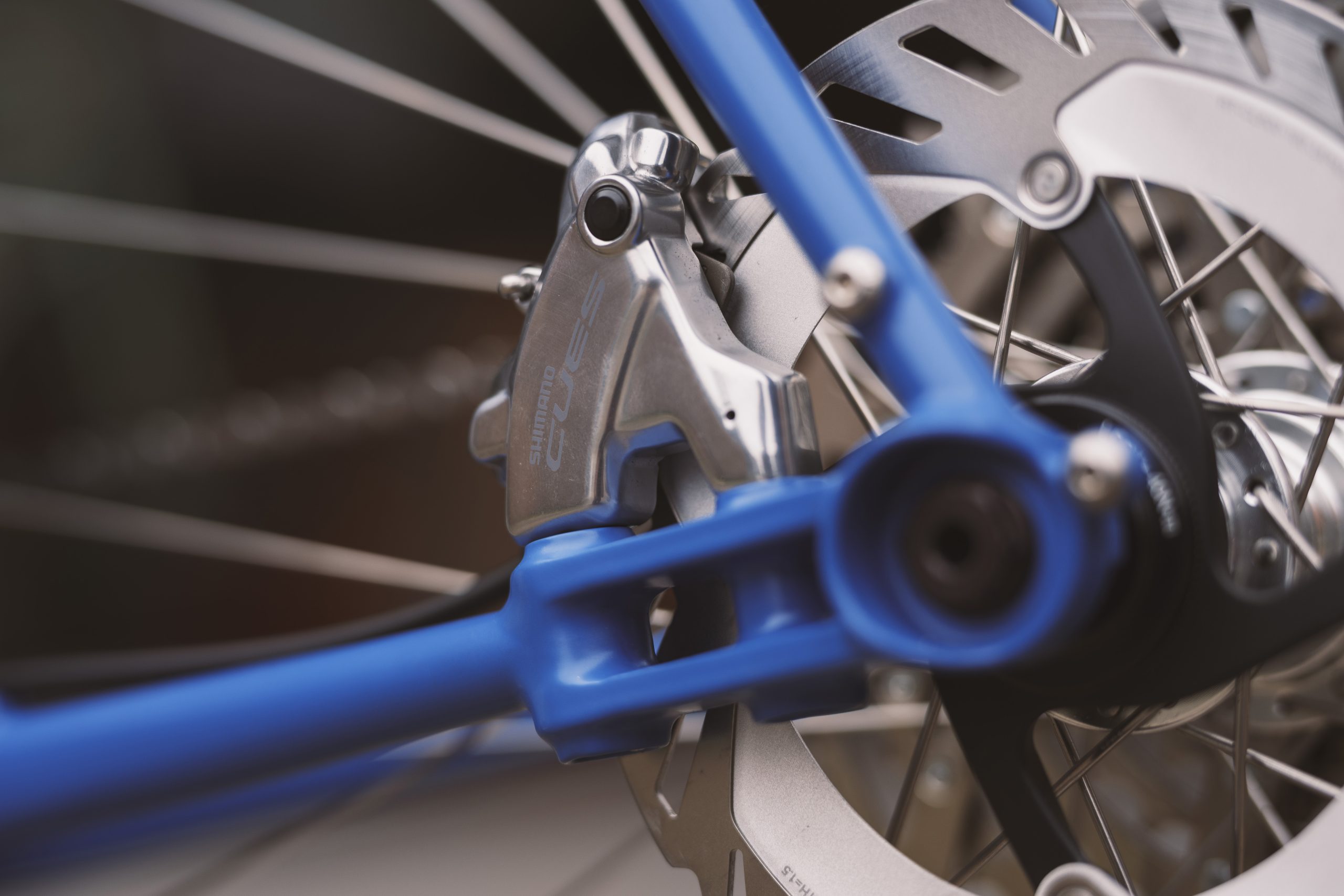
The rear derailleur features a mix of polished-silver and black parts. Adam Gasson for Bespoked The polished-silver brake calipers show off the groupset’s intricate metalwork. Jeroen van der Wielen / Shimano The rear brake caliper looks similarly smart. Adam Gasson for Bespoked
As with GRX Limited, not every part of the components is polished to a shine, but there’s an elegant mix of silver and black, reminiscent of Shimano’s iconic Dura-Ace R9000 groupset.
As things stand, there are only options for the CUES U6000 1x 10-speed drop-bar groupset, with shifters for hydraulic or cable-actuated disc brakes.
The new special-edition parts are widely cross-compatible with other parts in the CUES ecosystem, though, so riders can “mix and match” them to build their preferred setup.
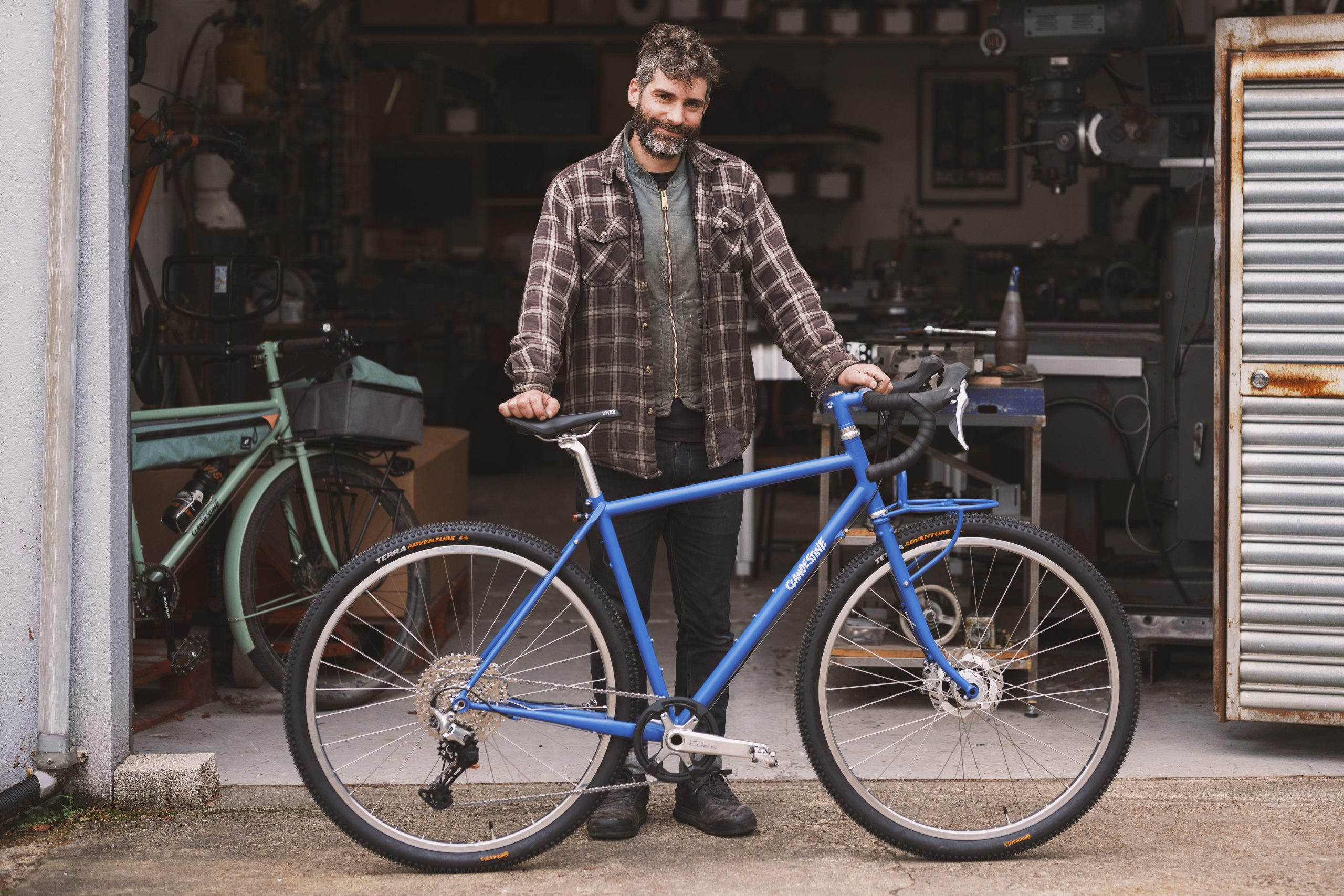
Independent frame builder Ted James put together this Clandestine x Shimano bike to show off the new parts. Adam Gasson for Bespoked The groupset also looks very handsome on this Sputnik gravel bike by St Joris Cycles. Jeroen van der Wielen / Shimano
Shimano CUES Polished Silver range
RD-U6000 10-speed rear derailleur
CS-LG400-10 cassette, 11-48t
FC-U6030-1 crankset, 40 or 42t chainring, 170-175mm crank lengths
HB / FH-QC400 rear and front hubs
BL-U6030-L and ST-U6030-R hydraulic dual control levers
BR-U6030 flat mount hydraulic disc brakes
BL-U3030-L and ST-U3030-10R mechanical dual control levers
We asked Shimano for details about pricing and availability, and will update this article if we receive a response.
The metal brake levers also get a polished-silver finish. Jeroen van der Wielen / Shimano The silver crankset looks fantastic. Jeroen van der Wielen / Shimano More of this, please, Shimano. Jeroen van der Wielen / Shimano
More to come?
An intriguing question raised by this launch is whether it’s a signal of more to come.
GRX Limited launched to an incredibly warm reception, and Dura-Ace R9000 and 7800 – the last Shimano Dura-Ace groupsets to feature predominantly polished-silver components – are still widely regarded as among the most desirable the brand has made in the modern era.
Could this be a sign of more polished-silver components to come from Shimano? We hope so. Adam Gasson for Bespoked
It’s fair to say polished-silver parts are – in some quarters – seen as distinctly retro. After all, it’s what bike parts used to look like before the introduction of carbon fibre, and a desire for everything to mimic that took over.
But there’s something to be said for celebrating the materials being used, and in a sea of black everything, something like this can help a bike or component stand out from the crowd.
While I think the standard, matt grey CUES U6000 looks fine, for example, the new silver crankset and rear derailleur, in particular, look fantastic – and far more premium than the original versions.
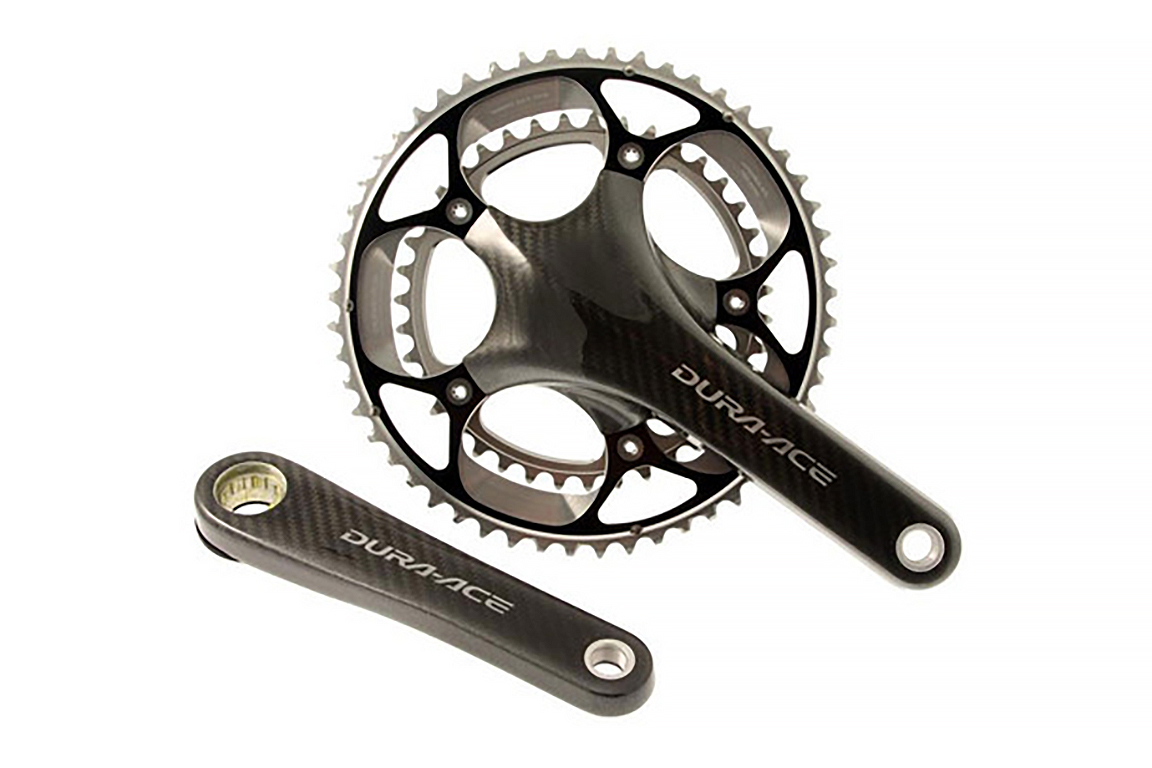
Shimano briefly trailed carbon fibre cranks in 2007, but the design was dropped when Dura-Ace 7900 launched only a year later. Shimano
Aside from a brief flirtation with carbon cranks in 2007 with the FC-7800C, though, Shimano has stuck steadfastly with alloy cranksets through thick and thin – even as a global recall of its bonded Hollowtech II aluminium cranks threatened to dent rider confidence in the design.
Despite this belief in the material, Shimano has tended to hide that fact behind paint in recent years.
The last non-limited edition silver groupset it produced was 105 R7000 (which was available in gloss black or matt silver), and we’ve since had a succession of excellent-but-slightly-dull black and grey road bike groupsets from the Japanese giant.
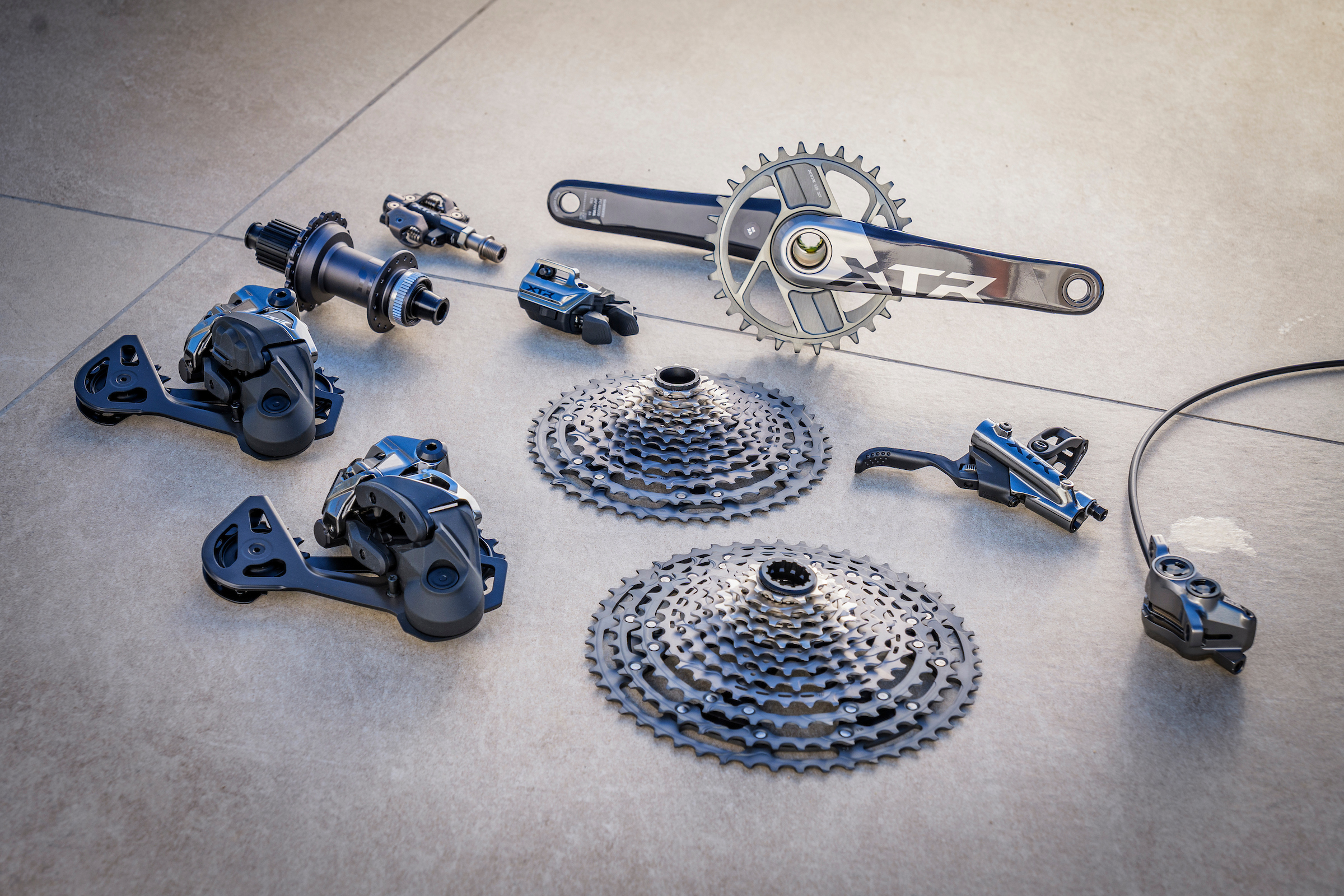
Shimano’s new XTR Di2 M9200 groupset features a good quantity of polished-aluminium parts. Dan Milner / Shimano
Recent developments might give riders reason to hope change could be on the horizon, however.
When we put this to Shimano, it told us it wouldn’t comment on future developments, but did say that “if there is an increased demand for a polished silver line-up across the range, Shimano may consider future silver editions and expanding this to higher-end models”.
It seems, then, that Shimano is listening after all.
Cyclocross could be added to the Winter Olympics by 2030 in France, World Athletics president Sebastian Coe has predicted, alongside cross-country running and judo in a bid to keep the Games relevant.
This isn’t the first time adding cyclocross to the Winter Olympics has been suggested, with World Athletics and the UCI holding talks about its inclusion last year.
But Coe is reported to be increasingly optimistic it will be added to the Games due to the support of the new International Olympic Committee (IOC) president, Kirsty Coventry, and UCI president, David Lappartient, according to the Guardian.
Coe, who is part of the IOC’s “fit for the future” working group, says: “I think there’s a good chance it’ll happen. And I think it’s come at the right moment, because Kirsty is certainly prepared to think differently about the programme, and what could go out of the stadium, and that mix between winter and summer.”
Following conversations with Lappartient, Coe says there was already a provisional plan to have the cyclocross and cross-country running on the same course in the French Alps.
“I’ve always wanted to see cross-country back in for all sorts of reasons. Some are emotional. But it also gives Africa a proper presence in the winter Games, which, if we are being honest, it doesn’t really have,” Coe says.
“And sharing the same course in 2030 with cyclocross is really where our thinking is going. We’ve already had good conversations.”
There is movement elsewhere towards adding cyclocross to the 2030 Winter Olympics. La Planche des Belles Filles submitted a formal bid to host the discipline, L’Équipe revealed in June.
One of the iconic features of the Tour de France, La Planche des Belles Filles has positioned itself as a potential venue for cyclocross at the 2030 Games.
Documents obtained by L’Équipe revealed the application promised to deliver “an unforgettable venue” to enhance the image of the winter Olympics.
Thibaut Pinot is among the backers of the project, and is said to be ready to come out of retirement. “One day in February 2030, I’ll finally get my victory at La Planche,” the three-time Tour de France stage winner said in the dossier.
Lappartient is said to support the bid, alongside former French prime minister Michel Barnier, who attended the 2025 Cyclocross World Championships, hosted in Lievin, France. “I was very impressed by the popular success of cyclocross,” Barnier said at the time.
British steel bike maker Pashley has launched another new bike that extends its range in a novel direction.
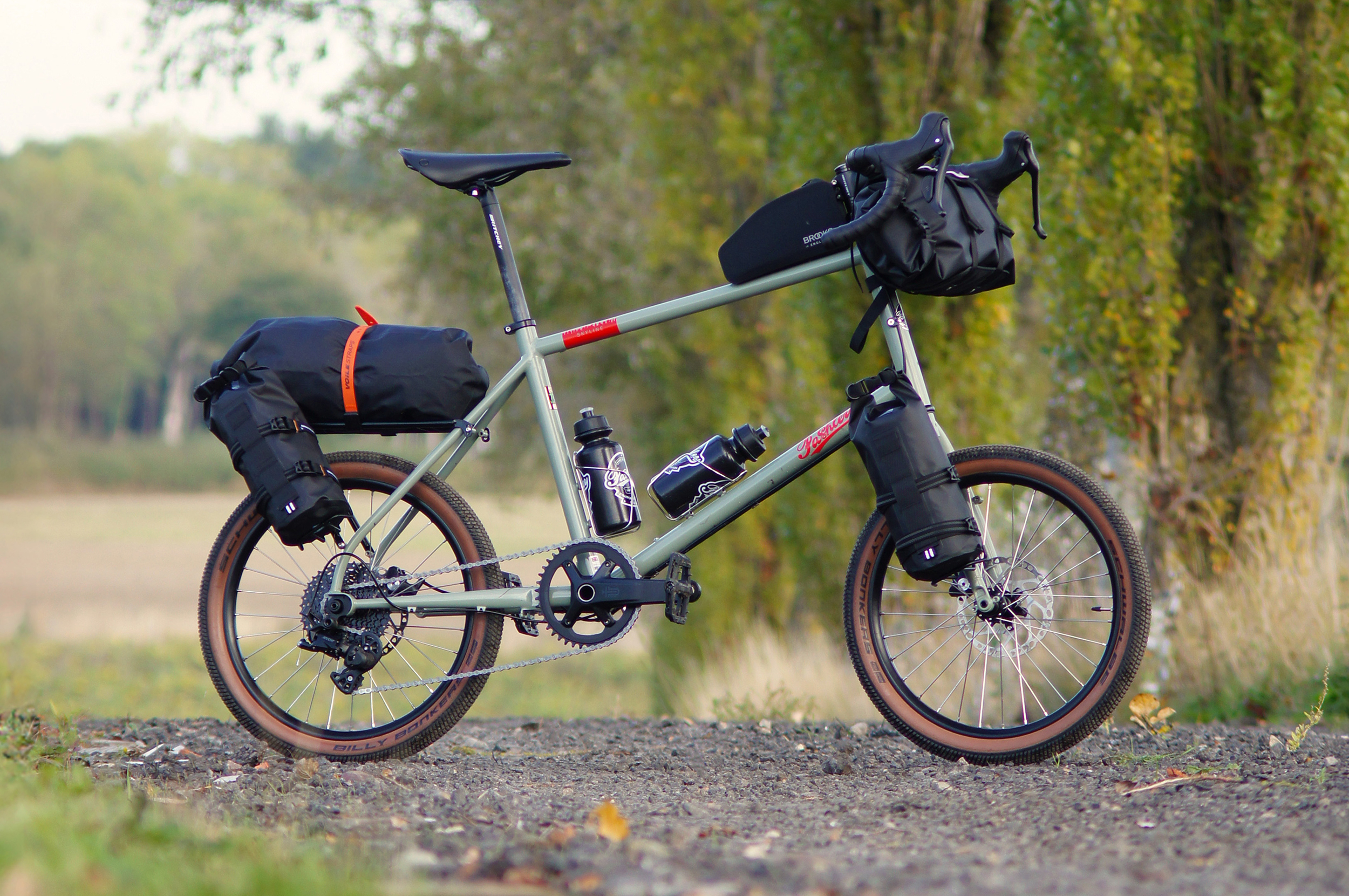
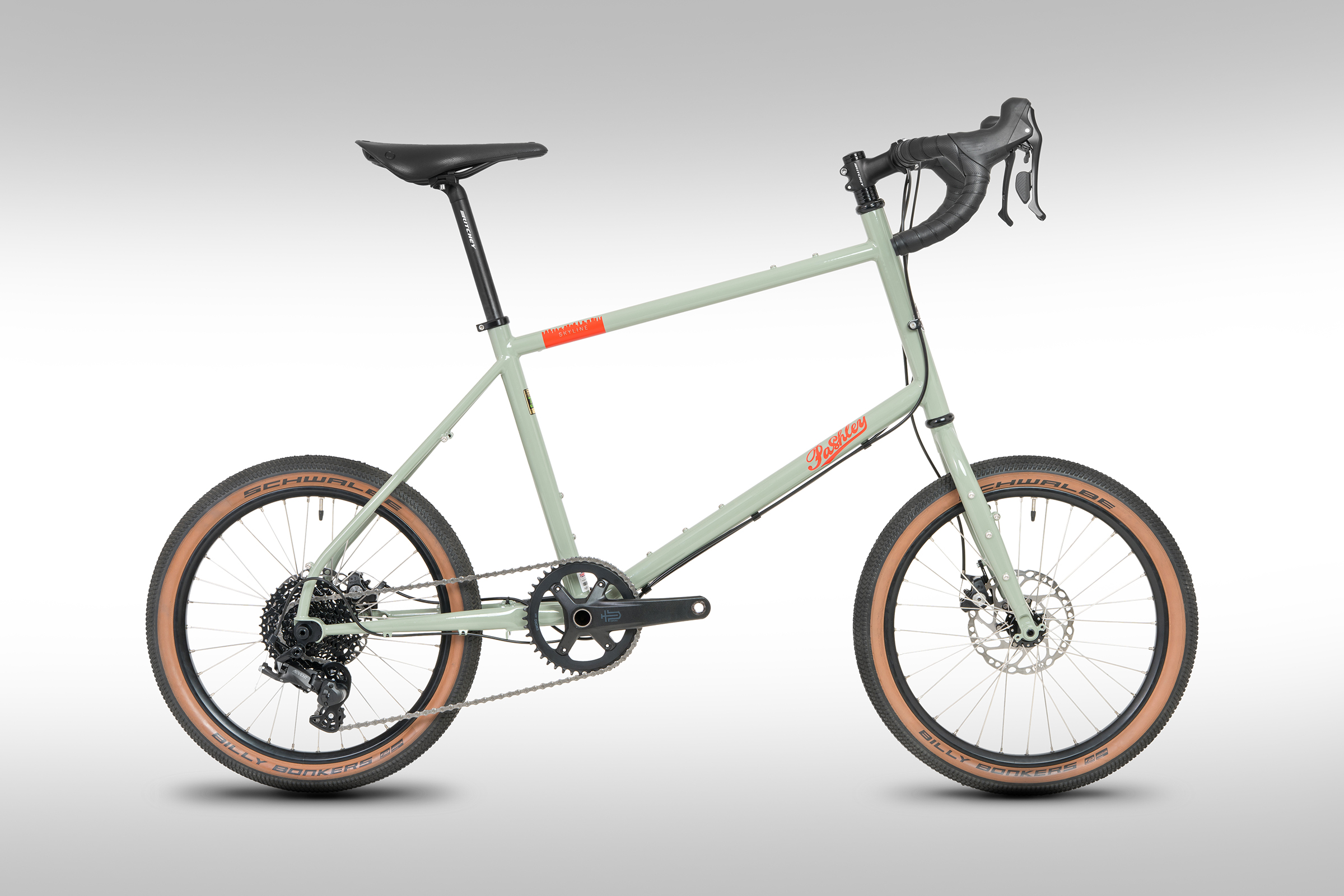
The Pashley Skyline takes inspiration from mini velos designed for city riding, with 20in wheels and disc brakes, but it’s also intended to handle loaded excursions and light gravel use.
Pashley says the Skyline is designed to be “fun, versatile and practical”.
Three specs are on offer at launch, with flat-bar and drop-bar options. Full bike prices range from £1,795 to £1,895, and there’s a frameset-only option for £995.
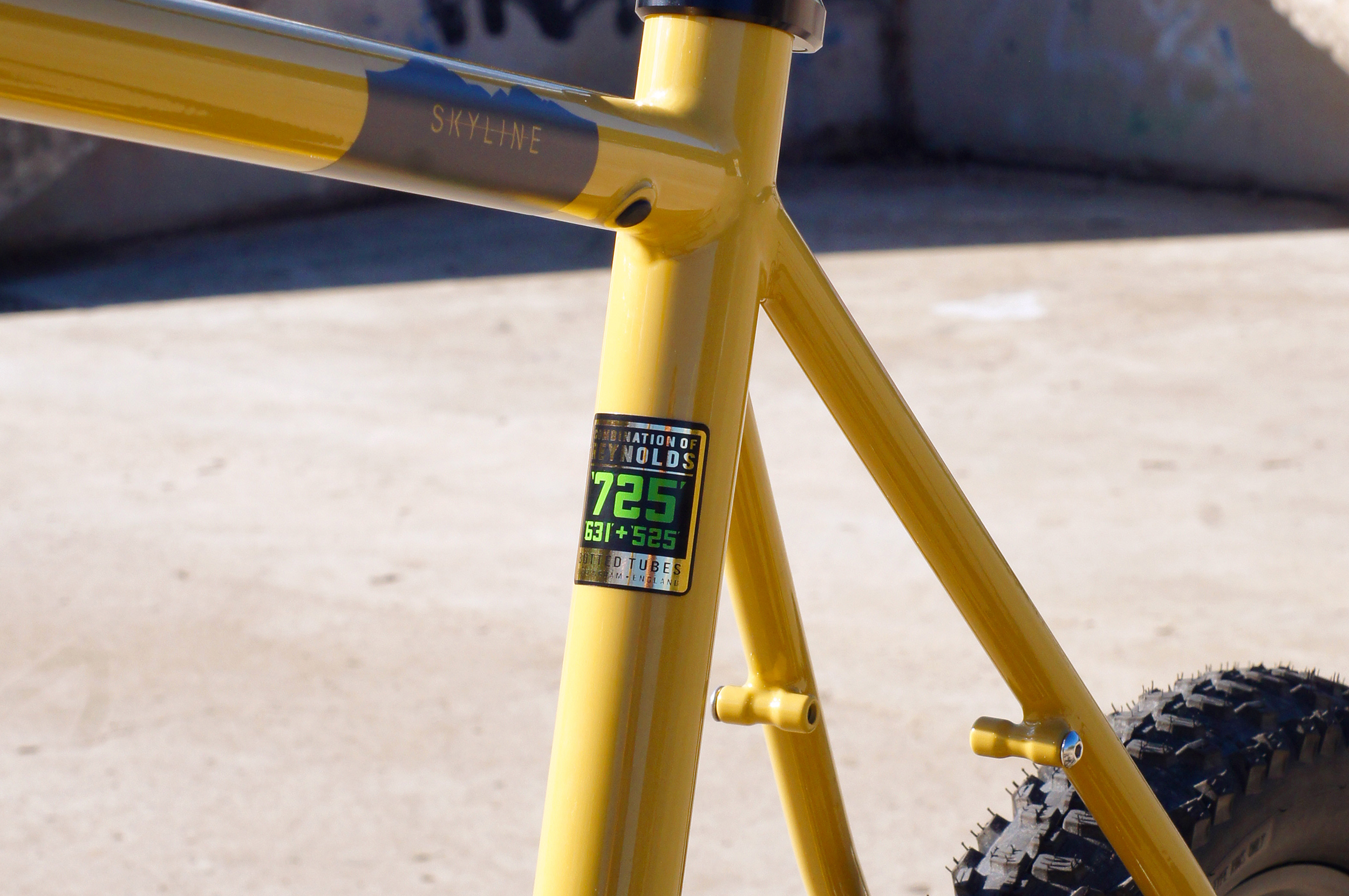
The Skyline frameset is hand-built from a mix of three Reynolds steels.
As with all of Pashley’s bikes, the Skyline is made from steel and hand-built in its Stratford-upon-Avon factory. Its frame is fillet brazed from a mix of Reynolds double-butted tubing: 725, 631 and 525.
According to Pashley CEO Andy Smallwood: “This bike is all about maximising the unique experience you get from a small-wheeled bike. You could be riding through the city, local village, commuting to work or just out for fun – simply enjoying the exhilaration you get on two wheels.”
Pashley says the geometry is designed for “a controlled and comfortable riding position, with direct, confident handling across a variety of terrains”. The top tube is a little longer, which it says adds stability to the ride, while the chainstays have been kept short for snappy acceleration.
The extensive range of mounts enables you to set the Skyline up for adventures.
The 2.3in tyre clearance enables you to set up with knobbly tyres if you want to head off-road for some light gravel riding and Pashley fits two of its three builds with Schwalbe Smart Sam treaded tyres.
You can also fit mudguards, front and rear racks, and bottle cages for extended load-lugging. With 20in wheels, Pashley says the Skyline is easy to store, too.
Pashley has aimed to support a wide range of configurations for the Skyline, which it offers with both riser and dropped handlebars. You can also choose to fit the frame out with derailleur, singlespeed or hub gears and even add a dropper post.
Branching out
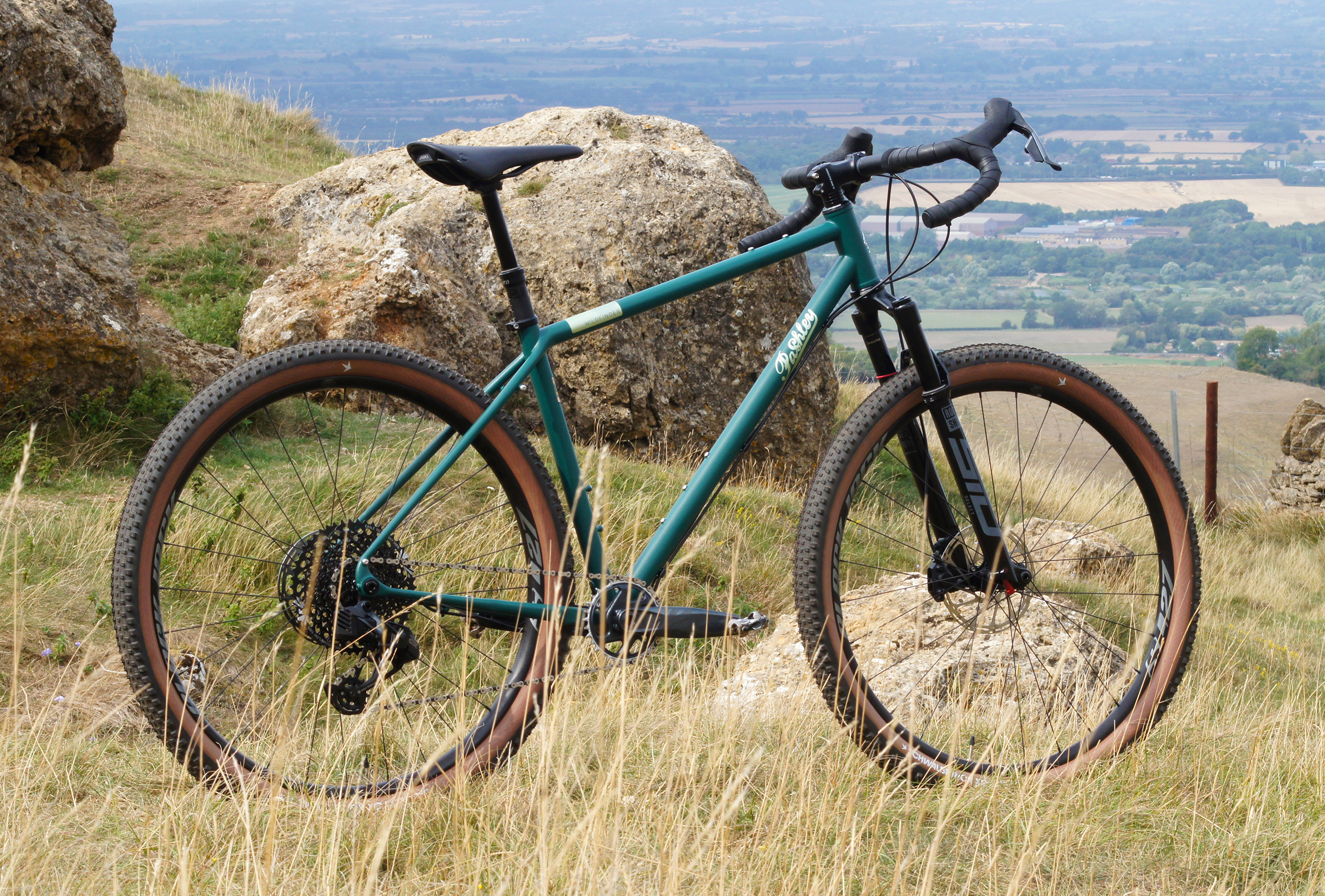
The Skyline joins the Wildfinder in Pashley’s expanding range. Pashley
Founded in 1926, over the last couple of years, Pashley has been diversifying rapidly from its classic British bikes, often complete with a basket, which would grace a television series set in the 1950s.
Not only that, there’s an electric Roadfinder and Pashley has launched the Wildfinder, a drop-bar gravel/MTB hybrid with 2.4in tyre clearance and geometry to fit a suspension fork.
Pashley Skyline builds and prices
You can choose drop bars as well as two flat-bar builds.
Pashley will sell the Skyline in three builds – two with flat bars and one with drop bars.
There’s a choice of MicroShift Advent derailleur or Shimano Alfine hub gearing, as well as a frameset option. You can choose a custom colour from £75 / $125 / €100 / AU$170.
Pashley Skyline Alfine 8 Flat Bar: from £1,895 / $2,895 / €2,495 / AU$4,395
Pashley Skyline MicroShift Advent Drop Bar: from £1,895 / $2,895 / €2,495 / AU$4,395
Pashley Skyline MicroShift Advent Flat Bar: from £1,795 / $2,695 / €2,295 / AU$4,195
Zwift version 1.99 begins its phased rollout today. This is a minor update containing mostly bug fixes. Read on for details…
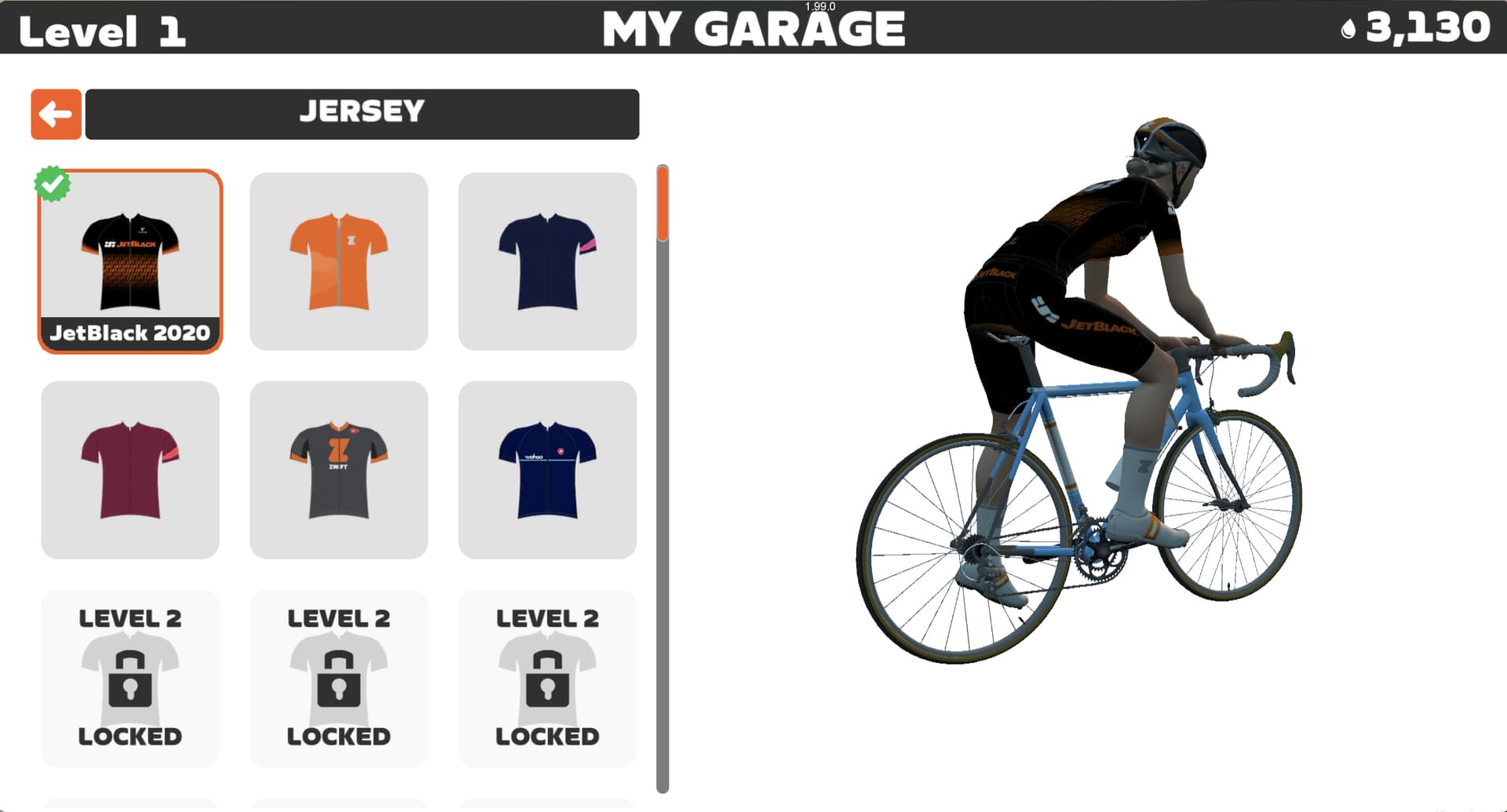
JetBlack Kit Automatic Unlock
Zwifters can now unlock the JetBlack cycling kit by riding with any JetBlack trainer – just connect to the trainer in the Pairing screen and enjoy your ride!
(Note: most trainer manufacturers have an automatic kit unlock in Zwift. Read more here.)
Release Notes
Zwift provided notes on additional tweaks and bug fixes in this update:
Improved connection reliability for trainers paired via Wi-Fi.
Fixed an issue that could potentially cause duplicate devices to appear in the Pairing screen when using the Wahoo Kickr Core 2 as a sensor hub.
Fixed an issue that could cause virtual shifting to be unavailable for Zwifters using the new Zwift Click if they had previously disabled virtual shifting for Zwift Play controllers.
Improved the appearance of some pedestrians in Paris.
Windows: Fixed a crash that could occur when exiting Zwift with devices connected via ANT+.
Discuss this update in Zwift’s forum > (link coming soon)
Questions or Comments?
If you spotted any other changes or bugs in the update, please comment below!
Giant’s latest Reign Advanced E+ enduro eMTB is cut from the same cloth as so many other gravity-focused ebikes on the market.
While that’s no bad thing – after all, we expect long-travel eMTBs to handle gnarly terrain and certain elements will be shared across all bikes – some will argue it’s not exactly pushing the boundaries of our sport.
The slack, long and low geometry, plenty of travel and robust frame design could be transposed onto any critically acclaimed eMTB on the market.
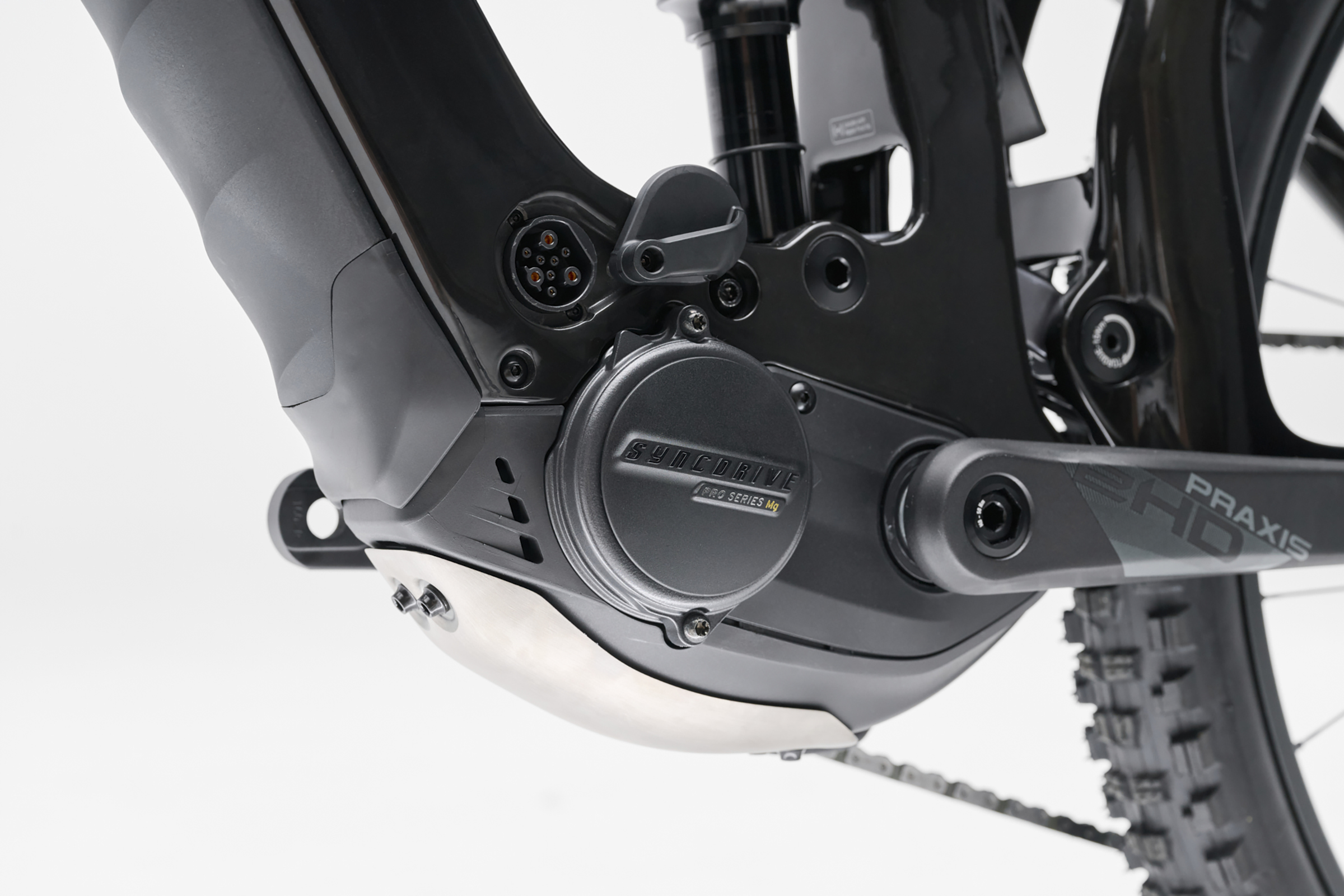
Its aesthetics are typical of swathes of other bikes – for good reason – and the SyncDrive Pro 3 motor – which has 90Nm of torque and 800W of peak power –isn’t exactly winning the arms race of more, more, more.
The Yamaha-made SyncDrive Pro motor is claimed to output 90Nm of sustained torque. Giant Bikes
On the face of it, it feels as though innovation has stalled.
But look beyond the standard must-haves and the Giant packs in some incredibly well-considered details that stand out and show brands are still innovating, but not always in the most obvious places.
Hiding beneath the Giant’s rather generic surface is a bike that looks capable of being a resounding success.
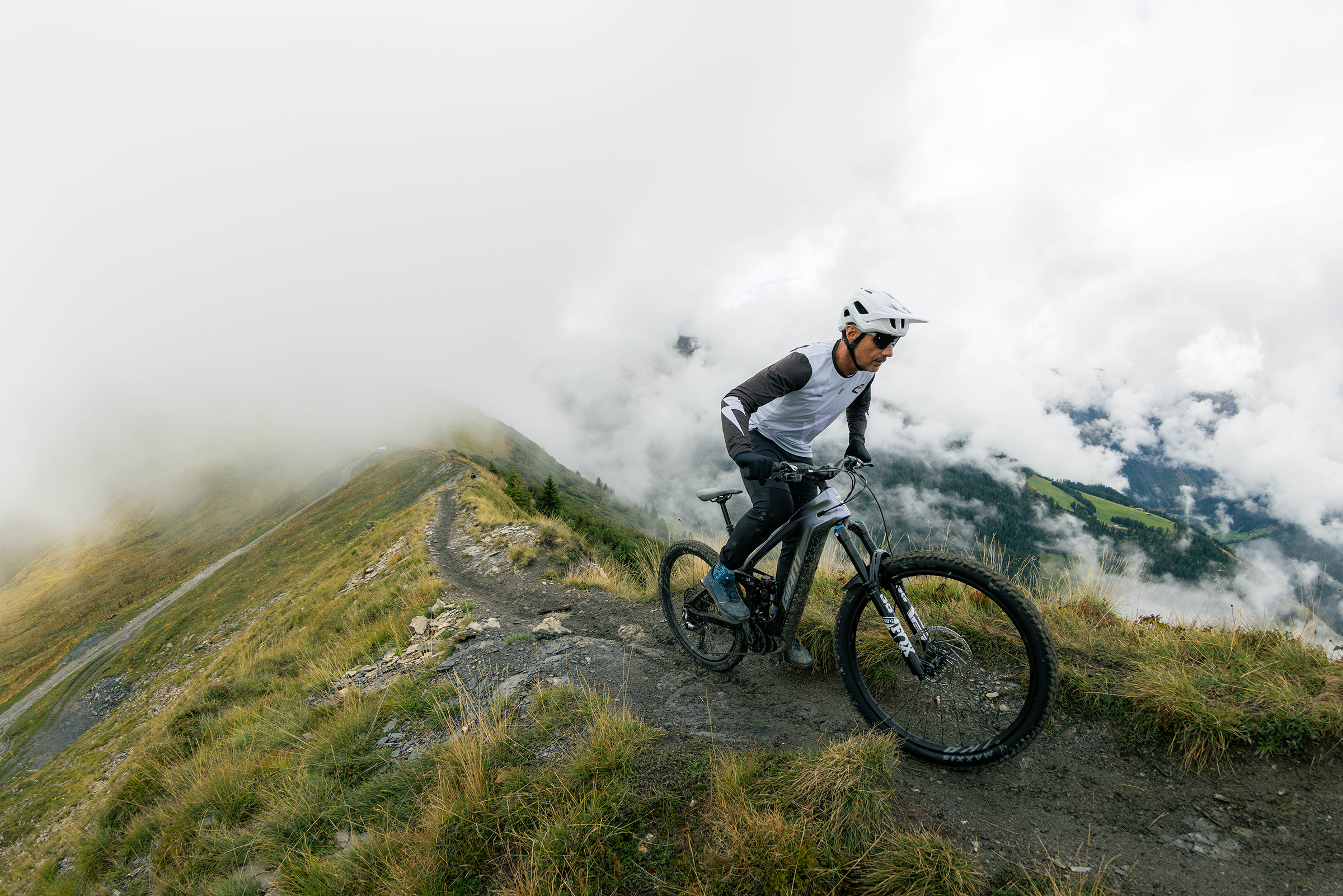
The Reign Advanced E+ is designed to descend harder than any eMTB on the market. Giant Bikes
I am being unfair in suggesting the Advanced E+ doesn’t appear to break the mould. Well, yes, I probably am.
Beyond the foundations you’d expect to find on any good bike, the new Reign Advanced E+ has quite a lot of really cool tech.
Torque is up to 90Nm, but according to Giant, this isn’t the latest motor’s peak output, it’s how much it can sustain.
Most other manufacturers’ claims relate to the motor’s peak figures rather than constant output, potentially nudging the Giant ahead.
Thanks to the battery and motor’s 48-volt architecture – up from 36 volts previously – it means amperages can be lowered, by 30 per cent according to Giant, for the same power demands.
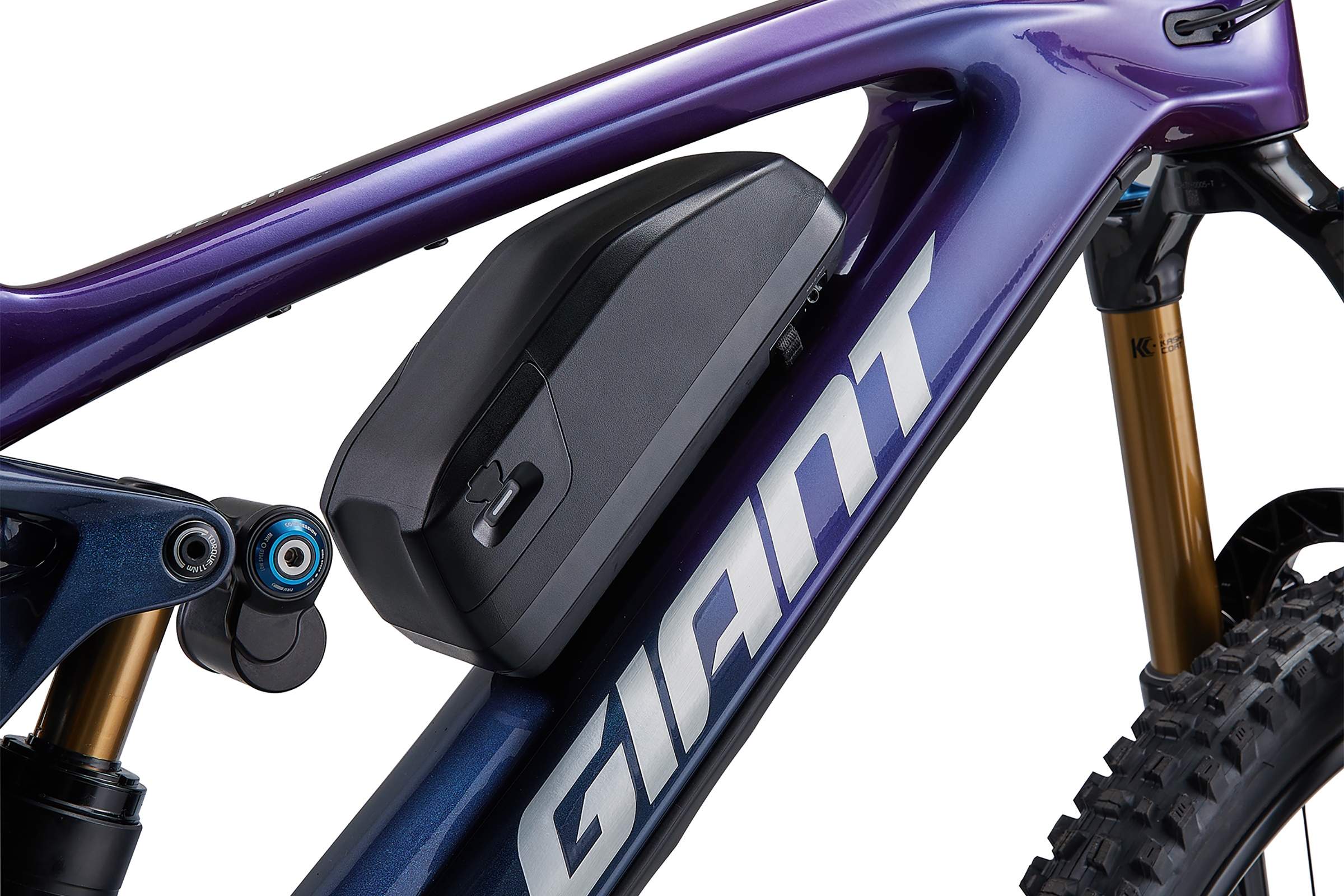
This equates to less heat build-up and stress placed on the motor and battery; the in-built 560Wh battery is claimed to last up to 2,300 charge cycles, which is more than “any other [eMTB] on the market,” Giant says.
There’s an external 280Wh range extender, that’ll be shipped with all Reign Advance E+ bikes in the UK and Ireland, upping total capacity to 840Wh. This will have to be bought separately in other markets, however.
Even more integration
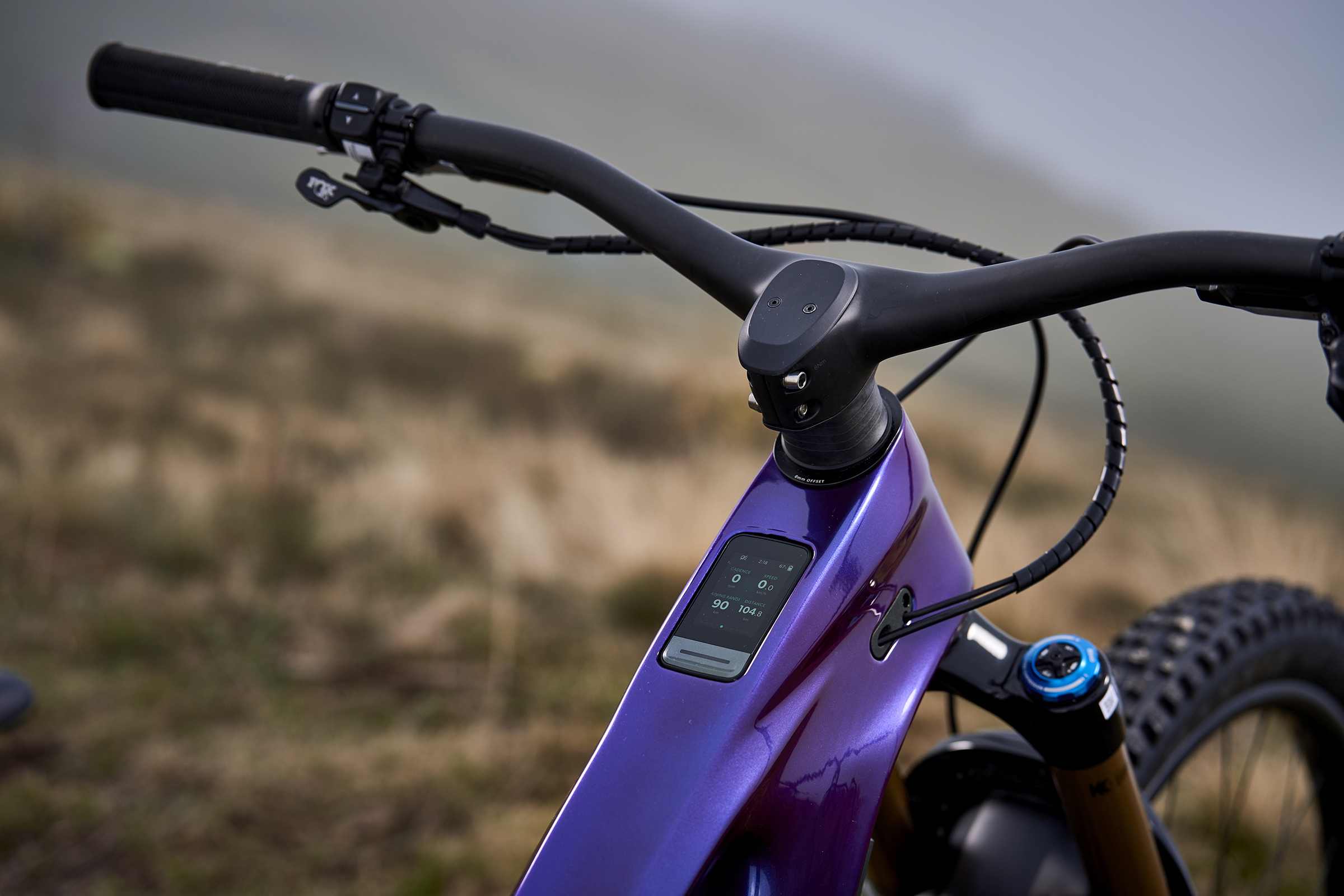
The RideControl Go Lux display is integrated into the bike’s top tube. Giant Bikes
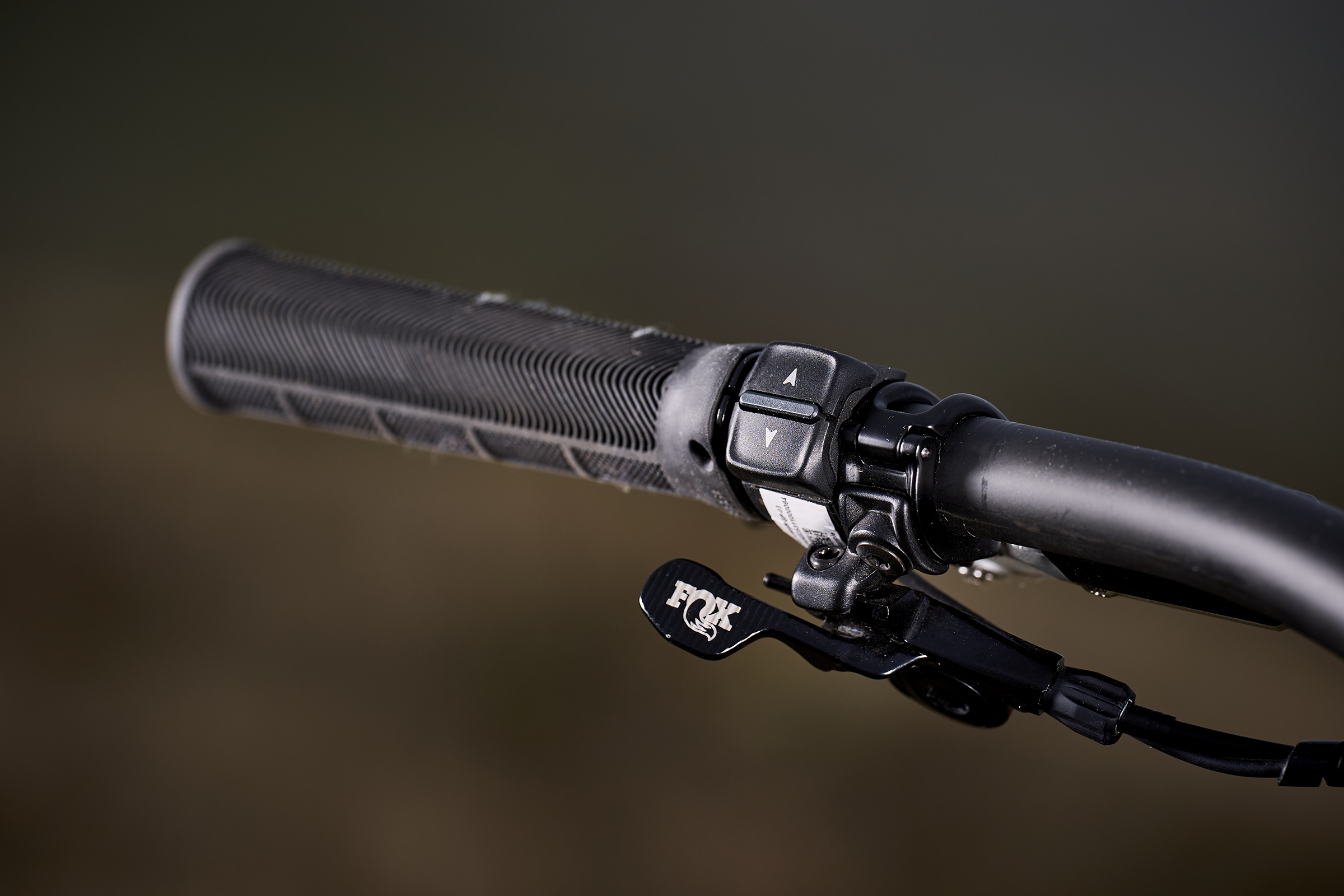
There’s a new integrated top tube display – one that all ebikes are now expected to have – dubbed RideControl Go Lux, which shows key ride data.
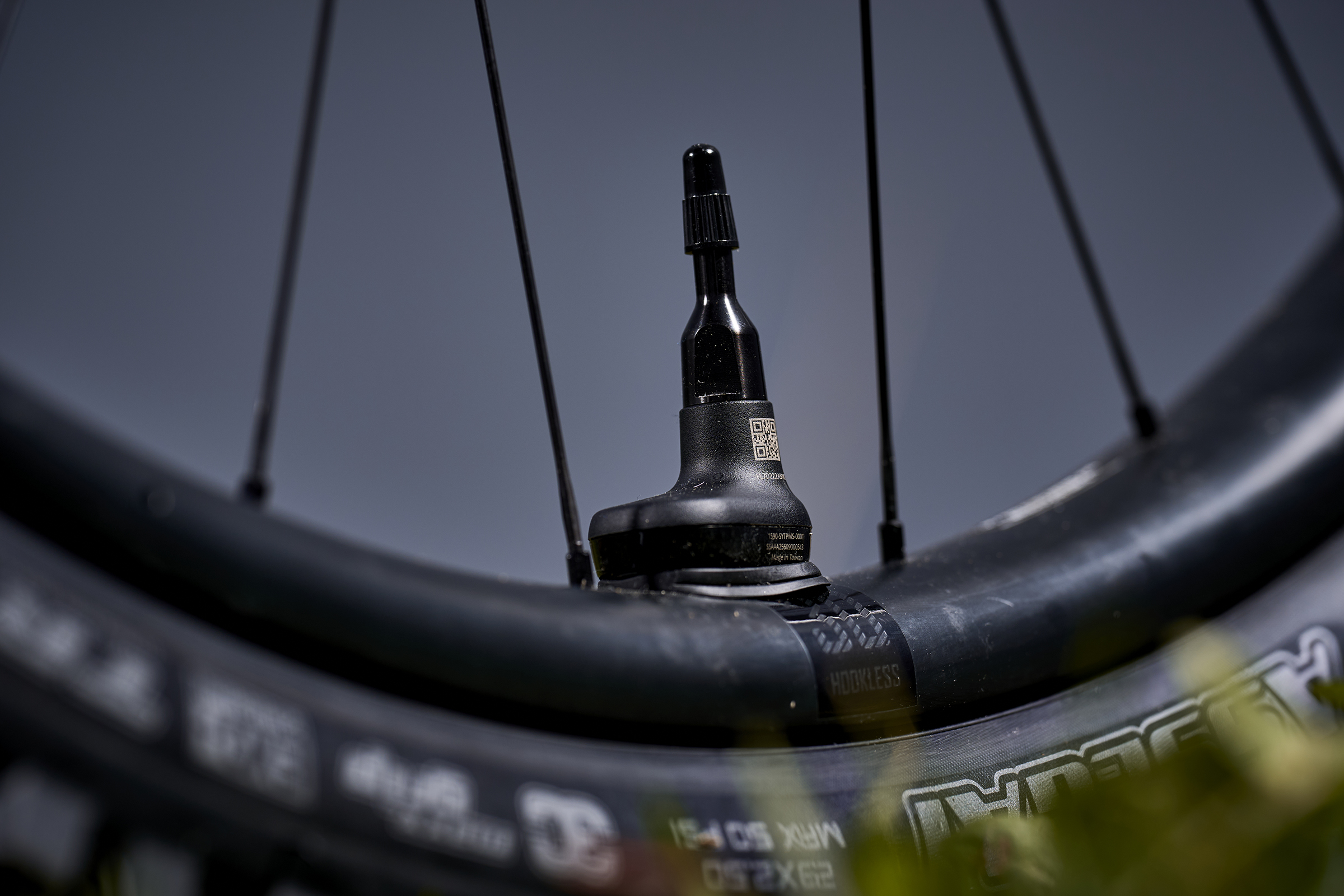
Boosting that onboard, integrated information screen with even more stats are Giant’s Tyre Pressure Management System (TPMS) valves.
Named the Aegis Tyre Checker, these battery-powered valves – that are compatible with both inner tubes and tubeless setups – connect automatically to the Go Lux display to keep tabs on your tyres’ pressures in real-time.
The Aegis tyre pressure monitor connects directly to the bike’s onboard display. Giant Bikes
While Quark’s TyreWiz has offered this for a while via a smartphone, it’s the first time a TPMS has been integrated into an eMTB.
it’s a neat idea and looks to be well executed.
The next step would be doing the same for the front and rear dampers – whether that’s via Fox’s Live Valve protocol or RockShox’s Flight Attendant – to boost the integration of important and useful information.
Anti-theft measures
It’s got a new mode controller. Giant Bikes
A lot of ebikes now support remote deactivation or bricking via their smartphone app, and Giant’s new Reign is no exception.
Giant’s Aegis E-Lock disables motor support when activated, and sounds an integrated alarm if the bike is moved. Importantly, it also integrates with Apple’s Find My network.
Instead of having to buy a separate AirTag and attach it to the bike, the Reign’s onboard battery powers an AirTag-like Bluetooth transmitter that pings its location to compatible iPhones.
The bike then appears on Apple’s Find My network, so you can always track its whereabouts without having to worry about charging up or hiding a dedicated AirTag.
This isn’t unique to Giant, however.
Specialized, VanMoof and Velotric also offer Apple Find My network compatibility, and Bosch has its own system with a similar setup.
Still, it’s a neat feature that shouldn’t be overlooked.
Lots of little things add up
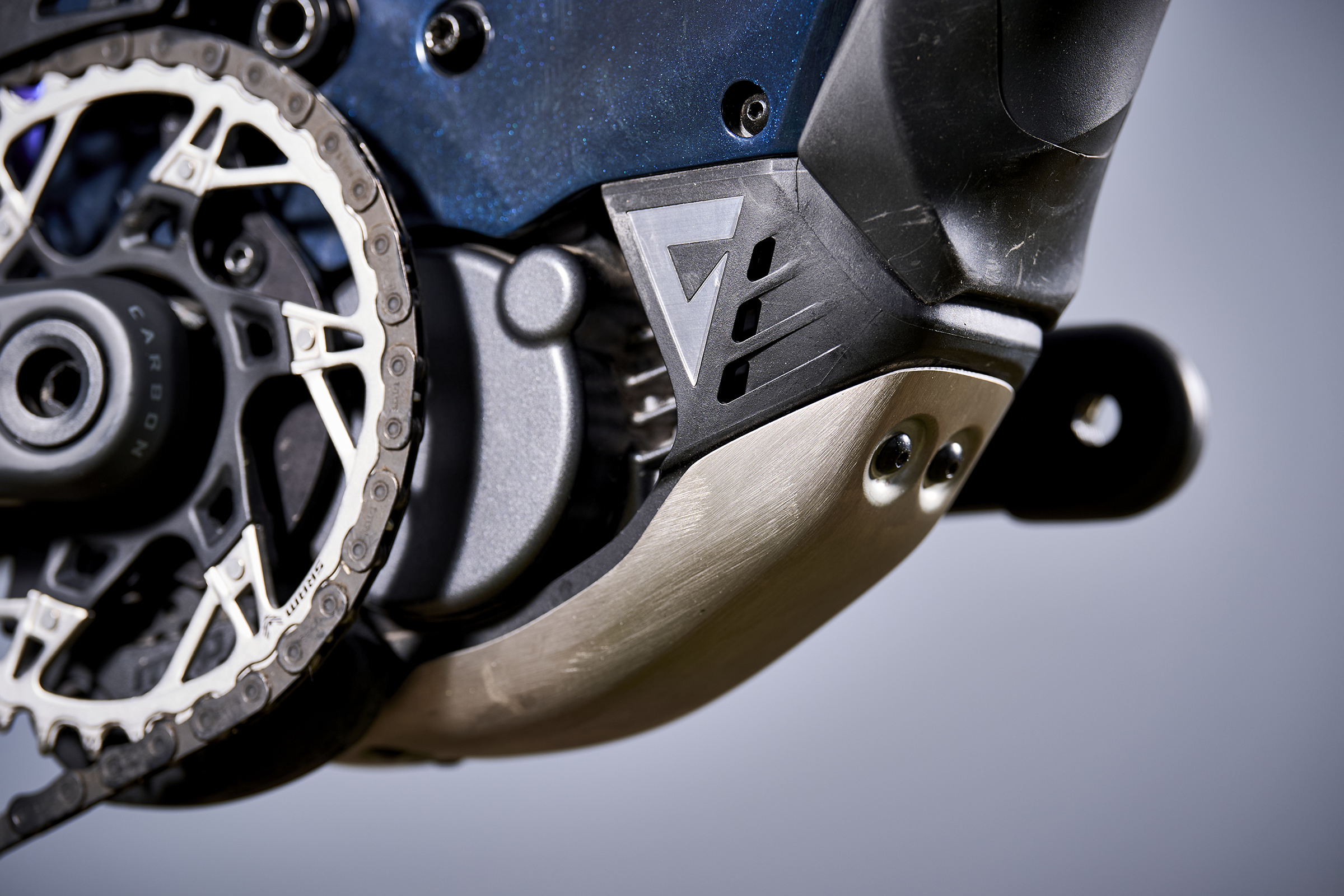
The underslung bash guard is made from titanium. Giant Bikes
Its chain device, bash guard and under-frame protection are also quite fancy.
With the low-slung belly most eMTBs have – the Giant being no exception – the chainring and motor are particularly prone to being walloped on the ground on drops and crests thanks to reduced breakover angles.
Giant has looked to mitigate this potentially motor-damaging occurrence from causing any harm.
Along with a large, slippery stronger-than-aluminium titanium under-frame plate that protects the motor’s casing, the bike’s chain device and chainring bash guard are loaded with tech.
This bash guard is suspended by elastomers where it bolts to the motor, which are designed to cushion the relatively vulnerable electronic components from excessive shocks during floor, rock or root strikes.
Improving the longevity of your eMTB’s most costly components is a good thing, and Giant’s solution to a common problem is commendable.
There’s more
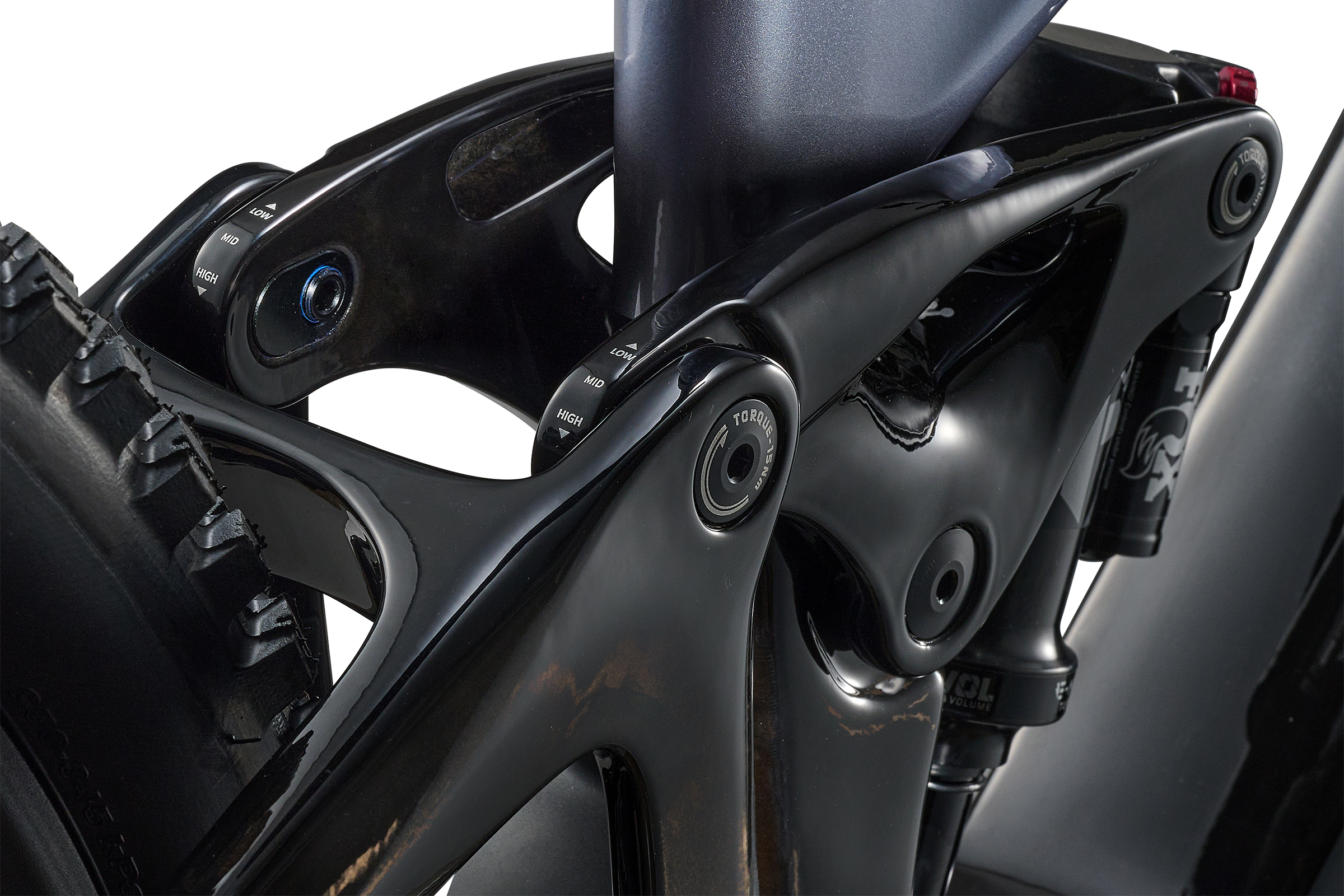
There’s a three-position geometry-adjusting flip chip in the rocker link. Giant Bikes
The Reign’s geometry figures hit the sweet spot across its four-size range.
Reach numbers start at 430mm and lift to 510mm, and chainstays are 450mm across the board.
Elsewhere, there’s a gravity-friendly 63.5-degree head tube angle and steep, comfortable 77-degree seat tube angle.
But Giant has gone further than most with adjustability.
Not only is there a three-position flip chip in the upper Maestro rocker link with low, mid and high settings, there’s also a reach-adjusting headset cup with three positions.
Thanks to a -5mm cup, a neutral cup and a +5mm cup, the bike’s figures are enormously customisable depending on your needs.
A compelling purchase?
The range extender has a 280Wh capacity and it comes with the bike in the UK and Ireland. Giant Bikes
The new Reign Advanced E+ is – on the face of it – just a bit boring and really highlights significant convergence across the market.
It’s a full-powered, long-travel ebike with about the same torque, Watts, suspension kinematics and geometry as every other similar bike out there from a host of other brands.
And with a 22.7kg (medium) claimed weight, it’s also par for the course given the relatively small 560Wh onboard battery.
However, dig a little deeper and there are glimmers of technical brilliance; the integration, electronics, protection and geometry adjustment, along with a solid warranty, mean the Reign Advance E+ could edge ahead of the competition.
The most affordable model in the range – the Reign Advanced E+ 2 – costs £6,499. The next one up – the E+ 1 – is £7,499, and the most expensive E+ 0 costs £9,999, but each gets the same fundamental battery, motor, protection and frame tech only with a slightly different spec list.
In a sea of copycats, all costing roughly the same amount, the Giant Reign Advanced E+ looks like a compelling purchase.
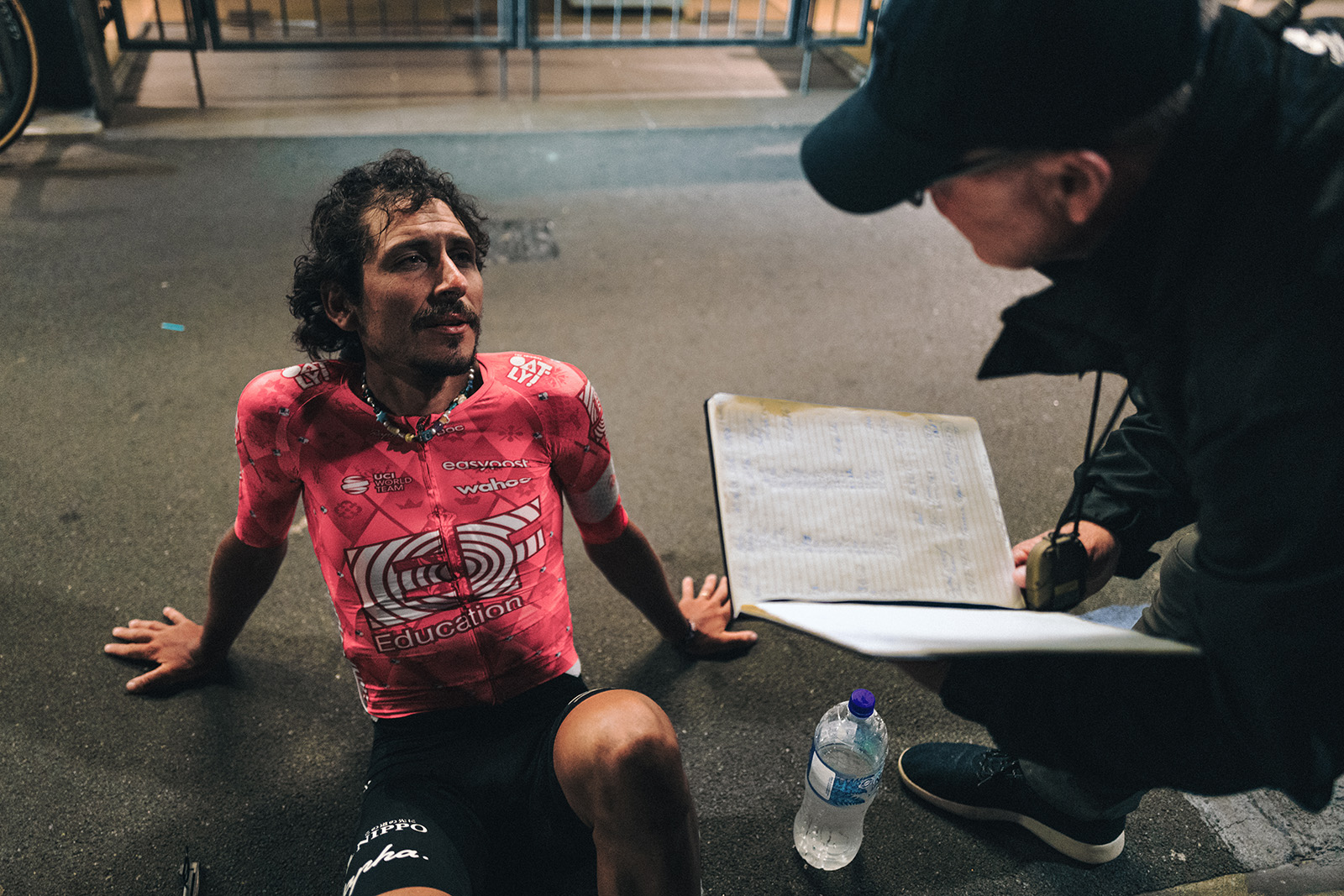
Rapha and EF Pro Cycling have announced they are parting ways after seven years, bringing one of cycling’s most distinctive partnerships to an end.
Since 2019, the collaboration has “disrupted” the world of cycling, according to EF Pro Cycling founder and CEO Jonathan Vaughters, with the alternative racing calendar and headline-grabbing jerseys, including the famous duck.
“We made some noise, and brought new people into our sport along the way. To me, that is the hallmark of a successful partnership,” says Vaughters.
Beyond the WorldTour
Lachlan Morton in Rapha/EF kit after his Auckland to Wellington record attempt. Dan King / Rapha
Rapha and EF Pro Cycling moved beyond the typical WorldTour events, with the team’s athletes taking on races such as Unbound Gravel and the Leadville Trail 100 MTB.
Much of the partnership’s success outside WorldTour races is down to one athlete in particular, Lachlan Morton.
The Australian has taken on many challenges since the partnership began, which were captured in the Gone Racing documentary series between 2019 and 2022.
This year, Morton set a new record from Auckland to Wellington in New Zealand. The feat was documented in a film that Rapha later issued an apology over because it neglected to mention one of the previous record holders.
Kit collaborations
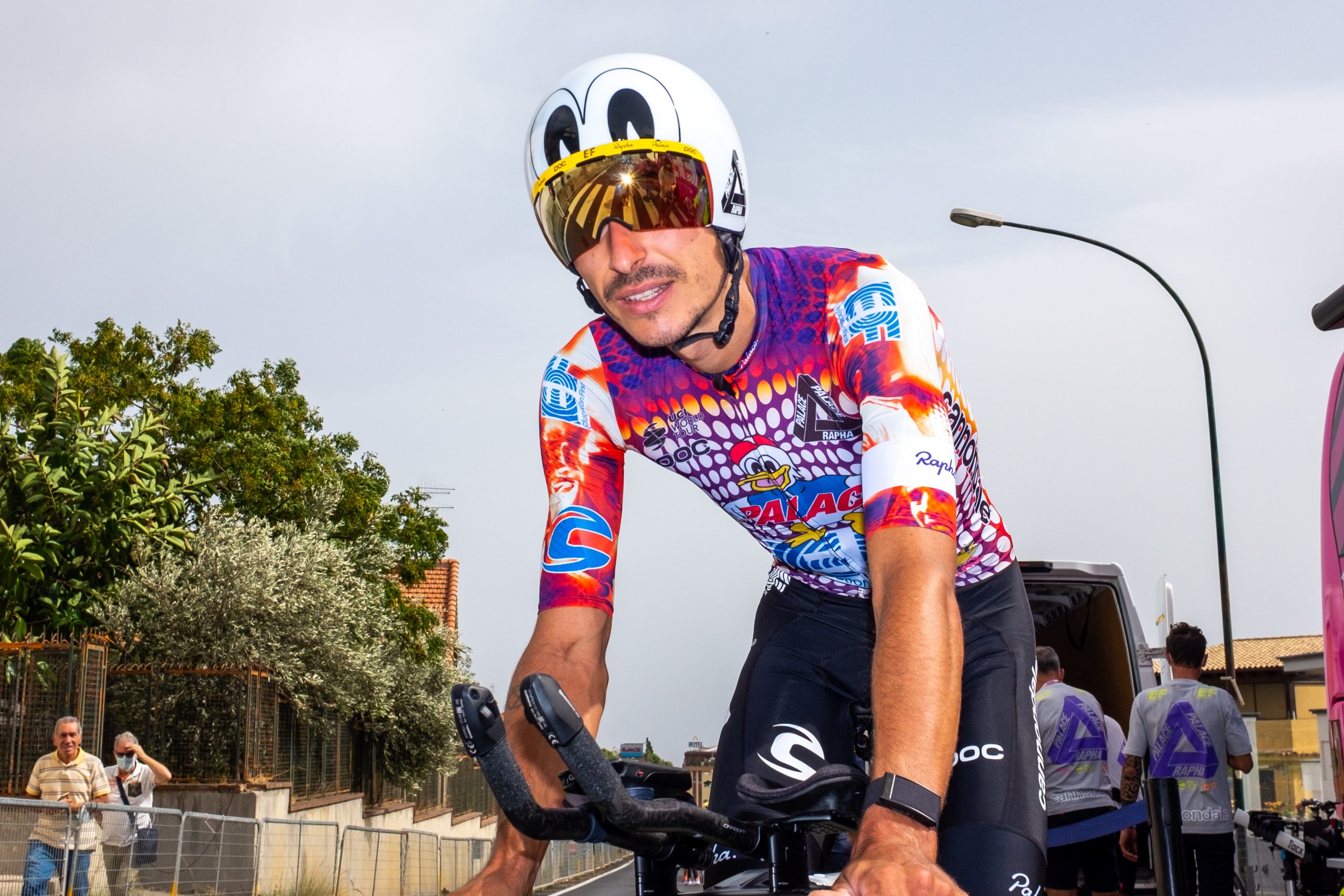
Rapha and EF Pro Cycling collaborated with Palace to create a bold aesthetic. Rapha
The partnership made EF Pro Cycling one of the sport’s most recognisable teams through its bold kit designs, particularly at the Giro d’Italia, where the team had to ride in special kit so its typical pink didn’t clash with the leader’s jersey.
While there were often interesting designs for the Giro d’Italia – including a kit that used excess fabric and another one that celebrated people from different nations – the most eye-catching was the 2020 kit designed in collaboration with the skateboarding brand Palace.
The kit grabbed people’s attention thanks to its psychedelic patterns and one cap-wearing duck, which also informed the design of the team’s time-trial helmets.
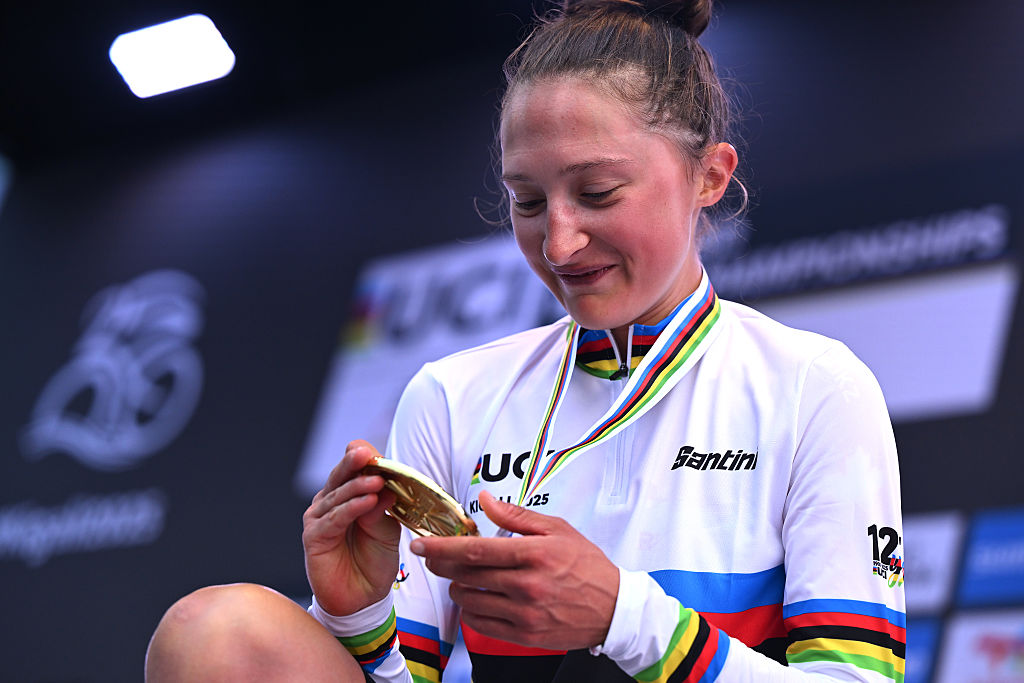
EF Education–Oatley’s Magdeleine Vallieres won the women’s world championships road race this year. Dario Belingheri / Getty Images
Although EF Pro Cycling and Rapha made a name for themselves through off-beat challenges and loud kit, the partnership has still seen success in professional road races.
The team has secured stage victories at all three Grand Tours, as well as wins at the Tour of Flanders and Paris–Roubaix Femmes.
EF Pro Cycling has had notable success in 2025. Magdeleine Vallieres recently won the women’s world championships road race in Kigali, Rwanda, while Ben Healy finished third in the men’s race.
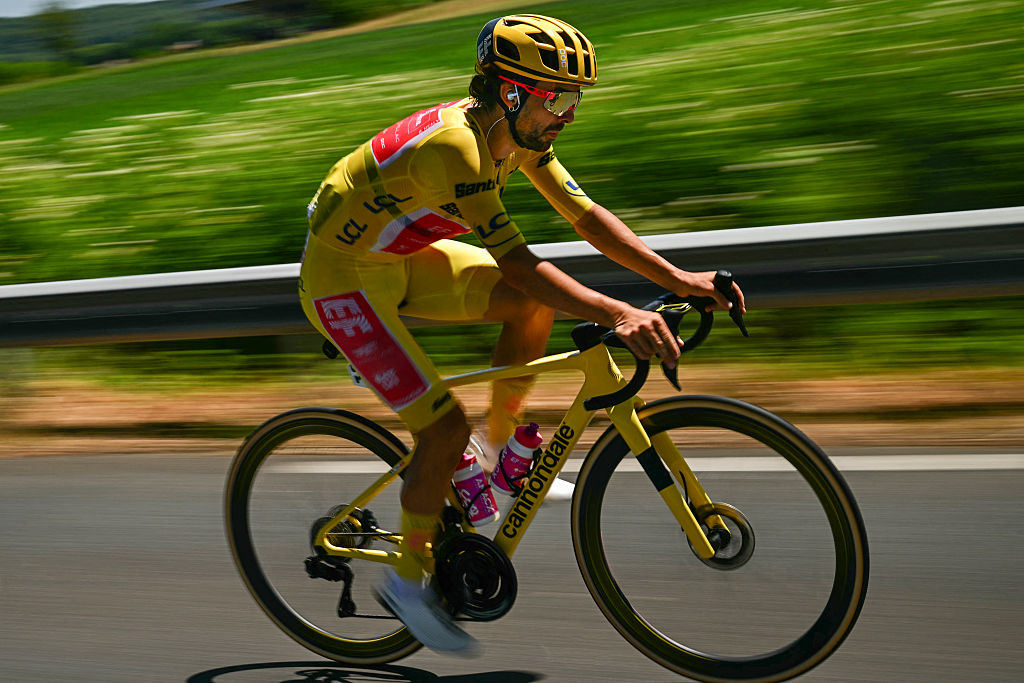
This year, Healy became the first Irishman to wear the yellow jersey at the Tour de France since Stephen Roche in 1987, and finished the race in ninth position overall.
So what’s next for Rapha and EF Pro Cycling?
Ben Healy wearing the yellow jersey at the 2025 Tour de France. Loic Venance / Getty Images
The end of the partnership means Rapha is leaving the WorldTour for the time being, according to the brand’s CEO, Fran Millar.
“EF Pro Cycling has a unique spirit which we will always respect and champion. But we have made the decision to broaden our horizons and increase our impact across other, progressive areas of elite and participation cycling. This does not mark the end of our support for the world’s most talented and charismatic riders. The next chapter begins now,” says Millar.
Vaughters says: “It’s an exciting time to be at EF Pro Cycling and we can’t wait to keep building on one of our most successful seasons to date.”
EF Pro cycling is yet to confirm who its next kit sponsor will be, and the team had not responded to BikeRadar’s request for comment at the time of publishing.
One final limited-edition collection
In keeping with their partnership, Rapha and EF Pro Cycling haven’t missed the opportunity to release a limited-edition kit collection to mark their parting of ways.
Available to Rapha RCC members from Thursday 9 October and to the general public from Friday 10 October, there will be three designs available.
The Crashed the Party kit uses the signature pink colour and is described as a fusion of the “best-loved” Rapha and EF Pro Cycling kit designs.
The Changed the Game jersey marks some of the team’s biggest victories, and the Back to Blackout design “closes the loop on the partnership, echoing the original blackout jersey worn by the first Rapha and EF Pro Cycling team in Australia, 2019”.
I take a swig of beer as my eyes adapt to the darkness. My ears are still adjusting to the pounding four-to-the-floor beats pulsing from the speakers.
Had I spawned here without any prior knowledge, I’d wager I was at a DIY electronic-music festival or some sort of illicit cycling-themed hilltop rave – I certainly wouldn’t guess I was at a Wednesday evening club ride.
But Basso, as I’m about to find out over the next few days, takes great pride in doing things differently.
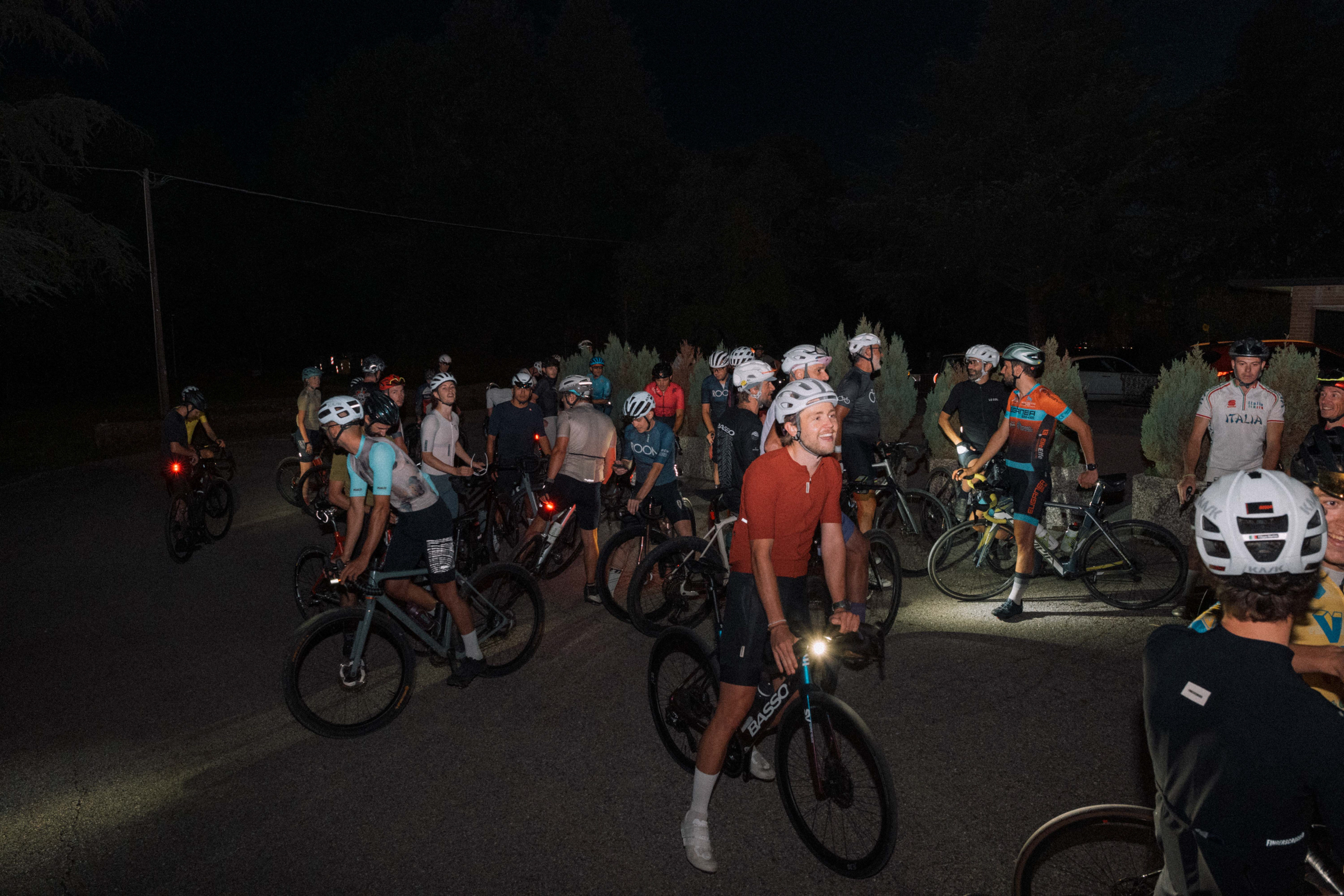
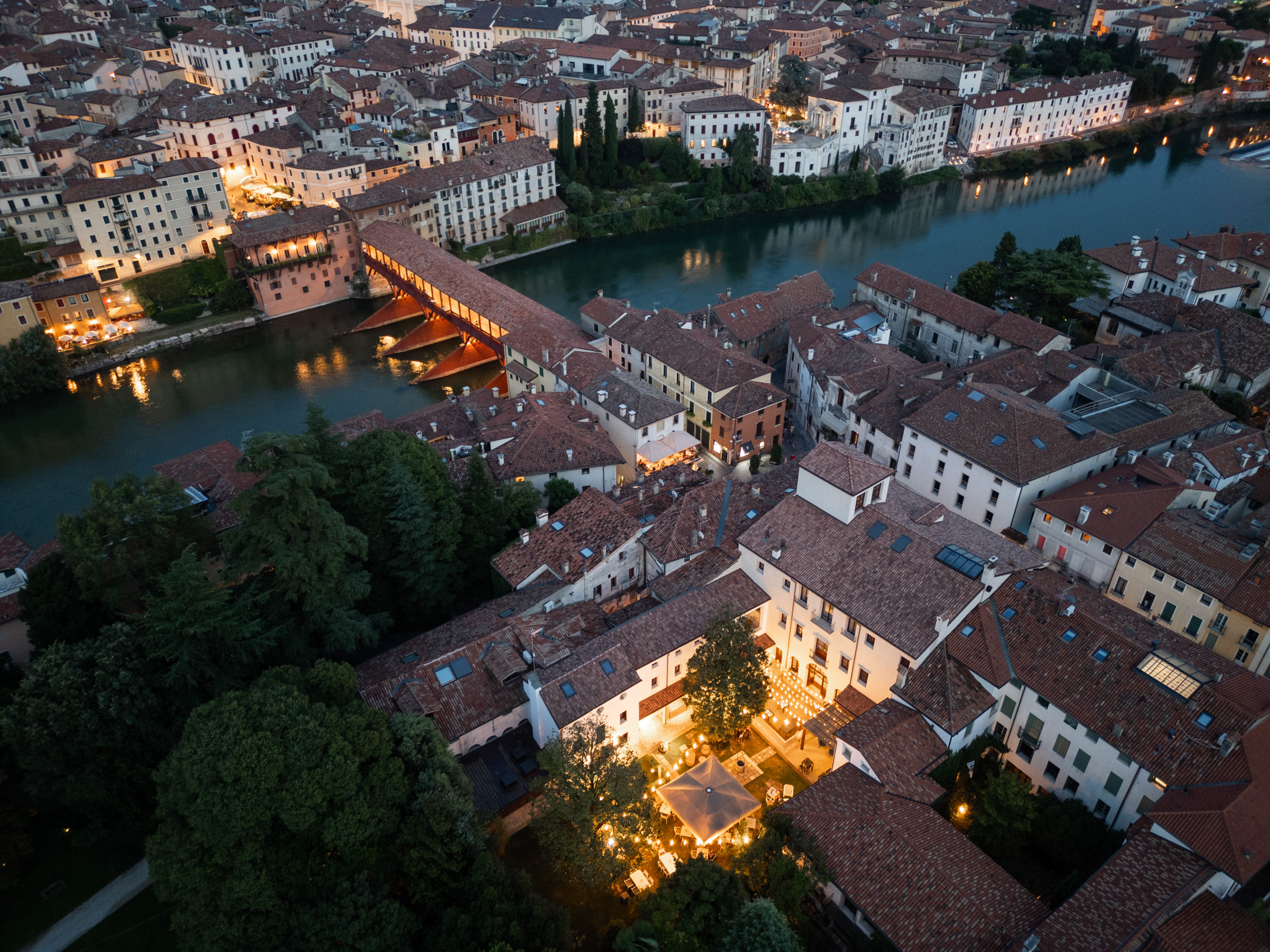
We’re at the summit of a short, steep stretch of road just above Bassano del Grappa, Italy, waiting for the weekly ‘Carbo Ride’ peloton to complete a timed mid-course hill climb.
I’d wager your club ride doesn’t look like this. Basso
Basso flags flutter in the evening breeze. To my left, marketing and product manager Leonardo Basso leans against his Instagrammable company-branded Land Rover Defender, squinting into the night.
“Here they come!” he exclaims as the first riders rip through the darkness in a blur of red and white light.
Participants congregate at the top – many straddling Basso bikes – chatting and comparing segment times.
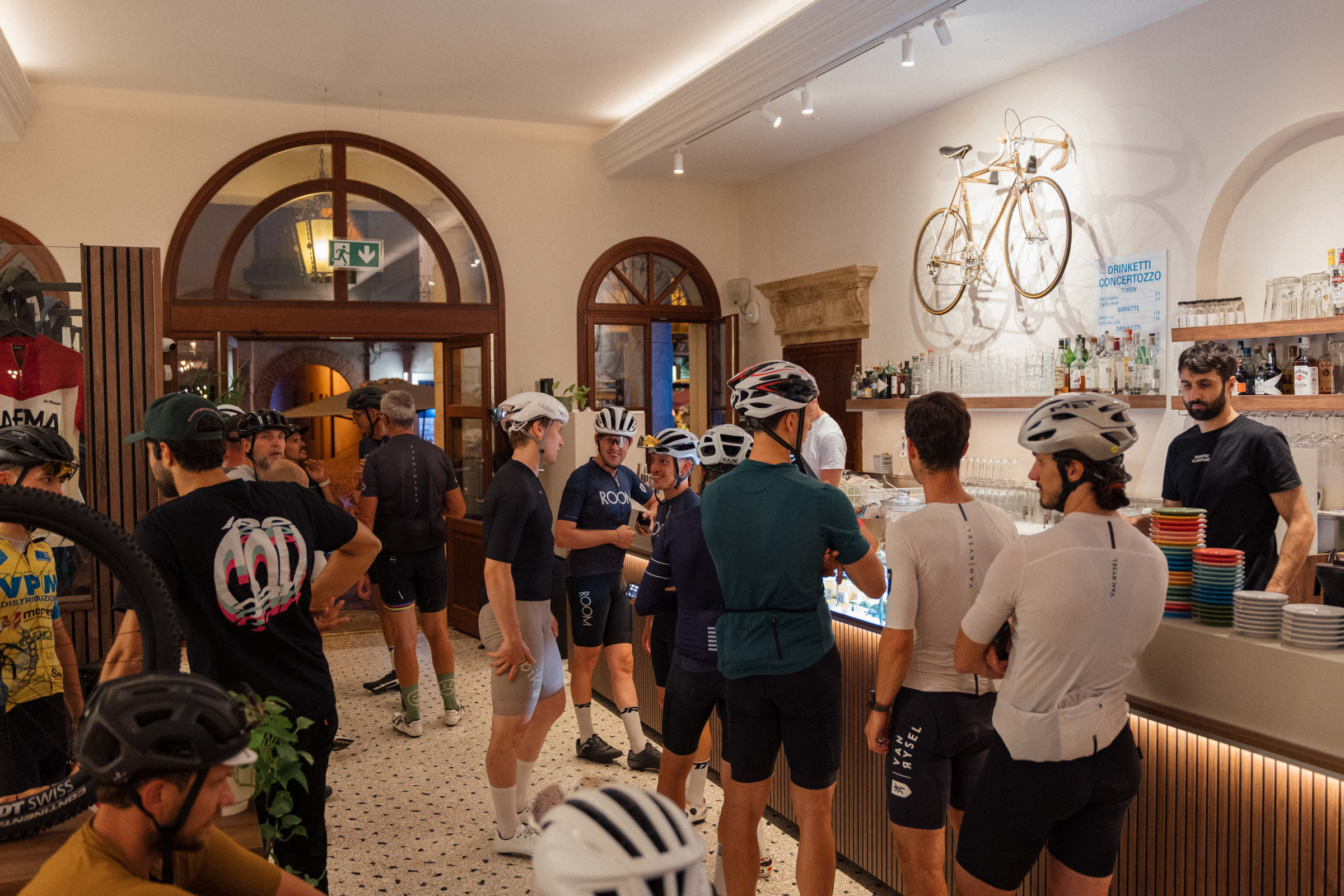
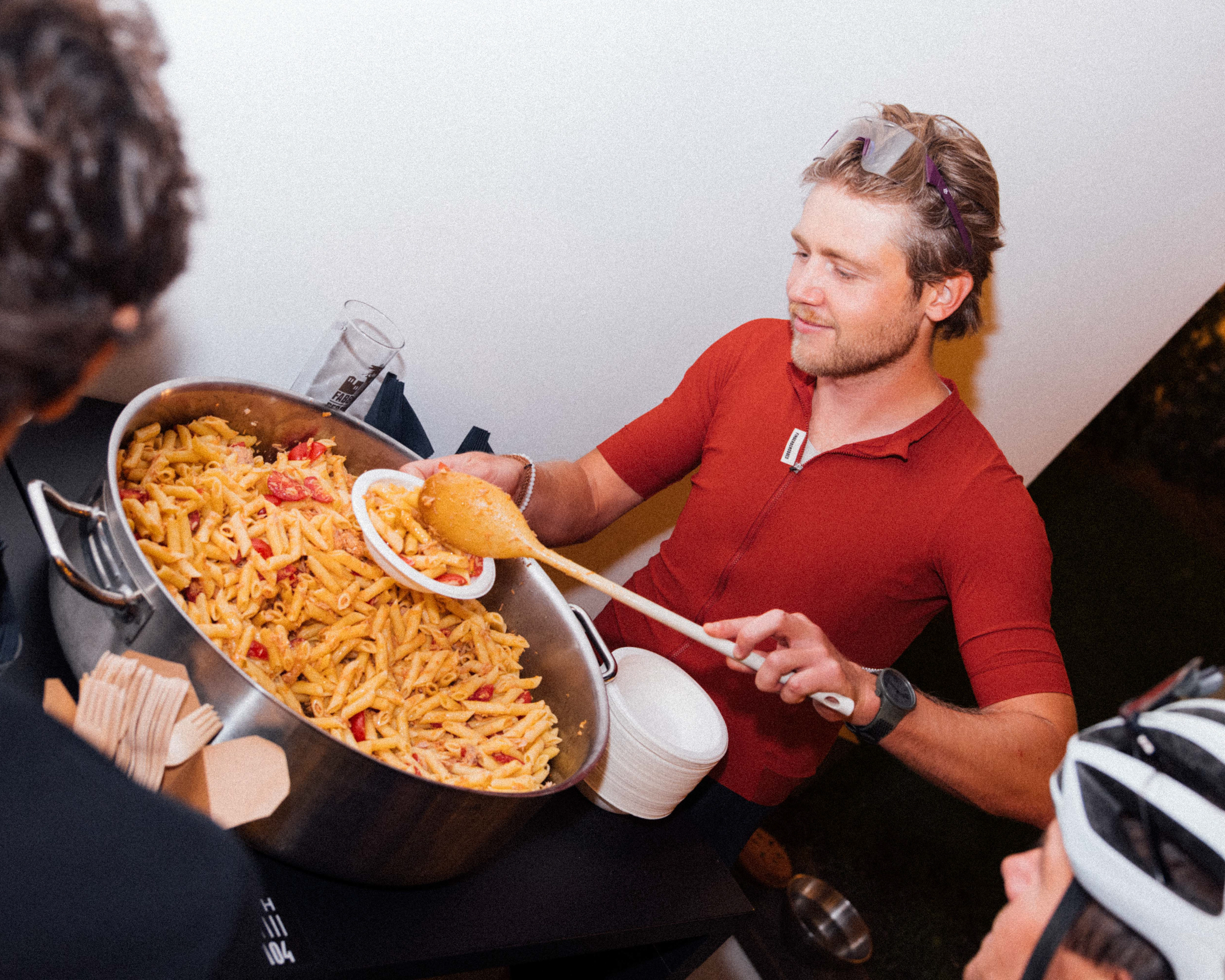
After this, it’s just a short cruise back into town for the hard-earned pay-off: refreshments and free pasta at Basso’s bustling community hub, Bassano Club House. It’s a fitting introduction, both to the brand and the town that fostered it.
Basso’s Club House is the heart of the brand’s community Basso
Basso was born in Bassano almost 50 years ago, but unlike most brands, which outsource production to Asia as they grow bigger, Basso has doubled down on keeping operations local.
After a short but restful night’s sleep in one of the Club House’s five rooms (the Italians don’t do early nights), I meet CEO Alessandro Basso to find out more.
As we drive the 10 minutes to the brand’s HQ, he talks me through the local riding in detail.
“There are lots of routes that go to Venice, to the seaside, to the beach,” he explains as we speed through emerald-green Italian countryside. “But Bassano is really the gateway to the mountains. When you go north, you have Monte Grappa and Asiago. Behind that, you can ride the Alps. Left and right, it’s all the wine country – smaller hills, rolling terrain. I mean, you don’t want a two-hour climb every day, do you?”
Crucially, Bassano and the surrounding areas have a bit of everything.
MTB trails, gravel tracks, iconic Giro d’Italia climbs – this makes it the ideal setting for a local brand developing and testing new bikes.
“There’s a big variety,” Alessandro agrees. “From a brand perspective, you can do everything from your doorstep when it comes to testing. There’s one particular MTB loop we use for this purpose. It’s a minute away from the office.”
For Basso, building bikes in Italy is about more than heritage. Basso
For Alessandro, building in Bassano is less about the perceived prestige of the ‘Made in Italy’ label and more about quality assurance.
“Made in Italy is important,” he explains. “But the most important thing is that we manage the whole supply chain of our bicycles. This way, we know exactly who put their hands on each and every product.
“We know what time of the day it was, what the temperature was like, even the level of humidity. We know everything. This gives us complete control over the quality of every single bike we make, no matter what.”
Nerve centre
Basso is proud to keep its production close to home Basso
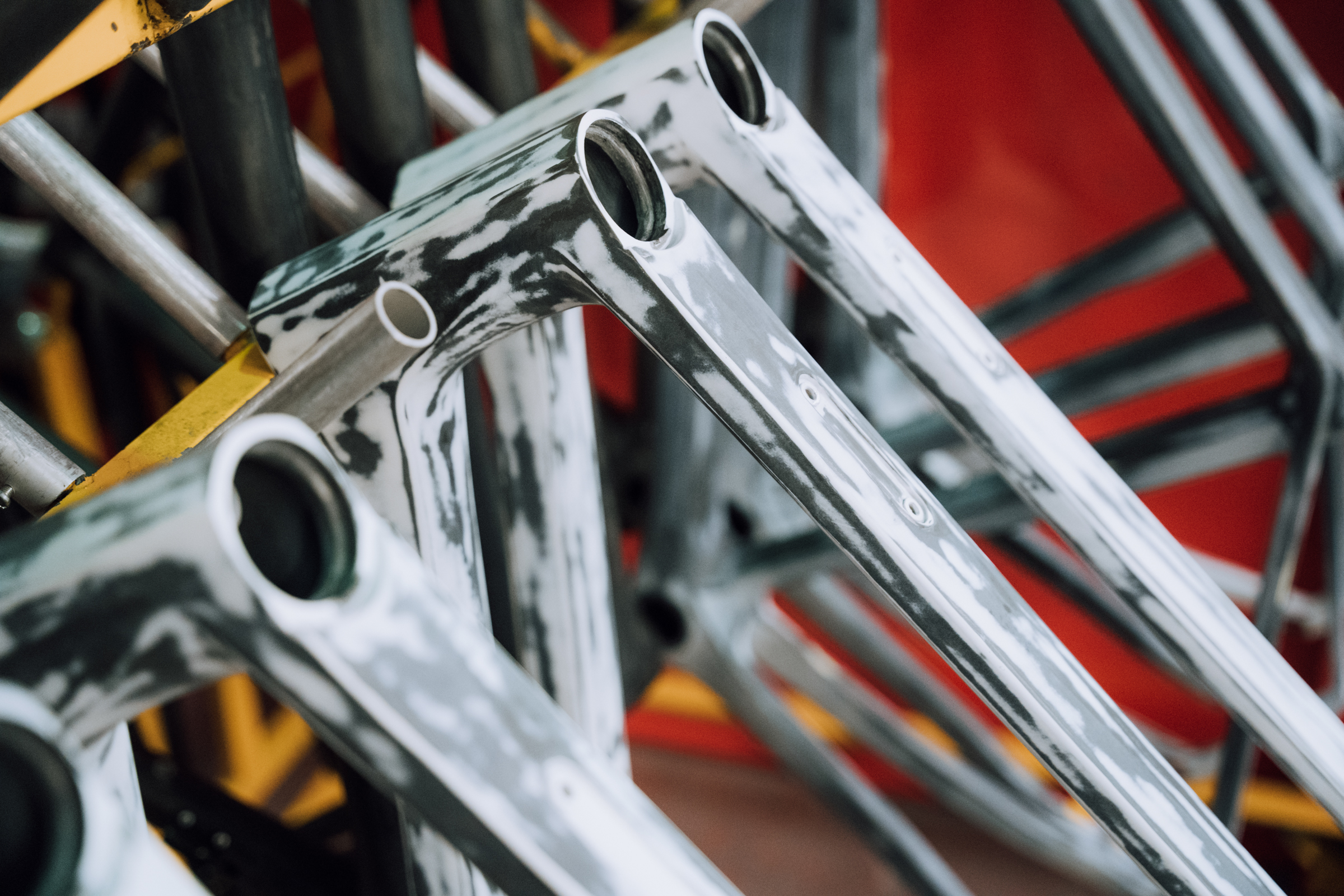
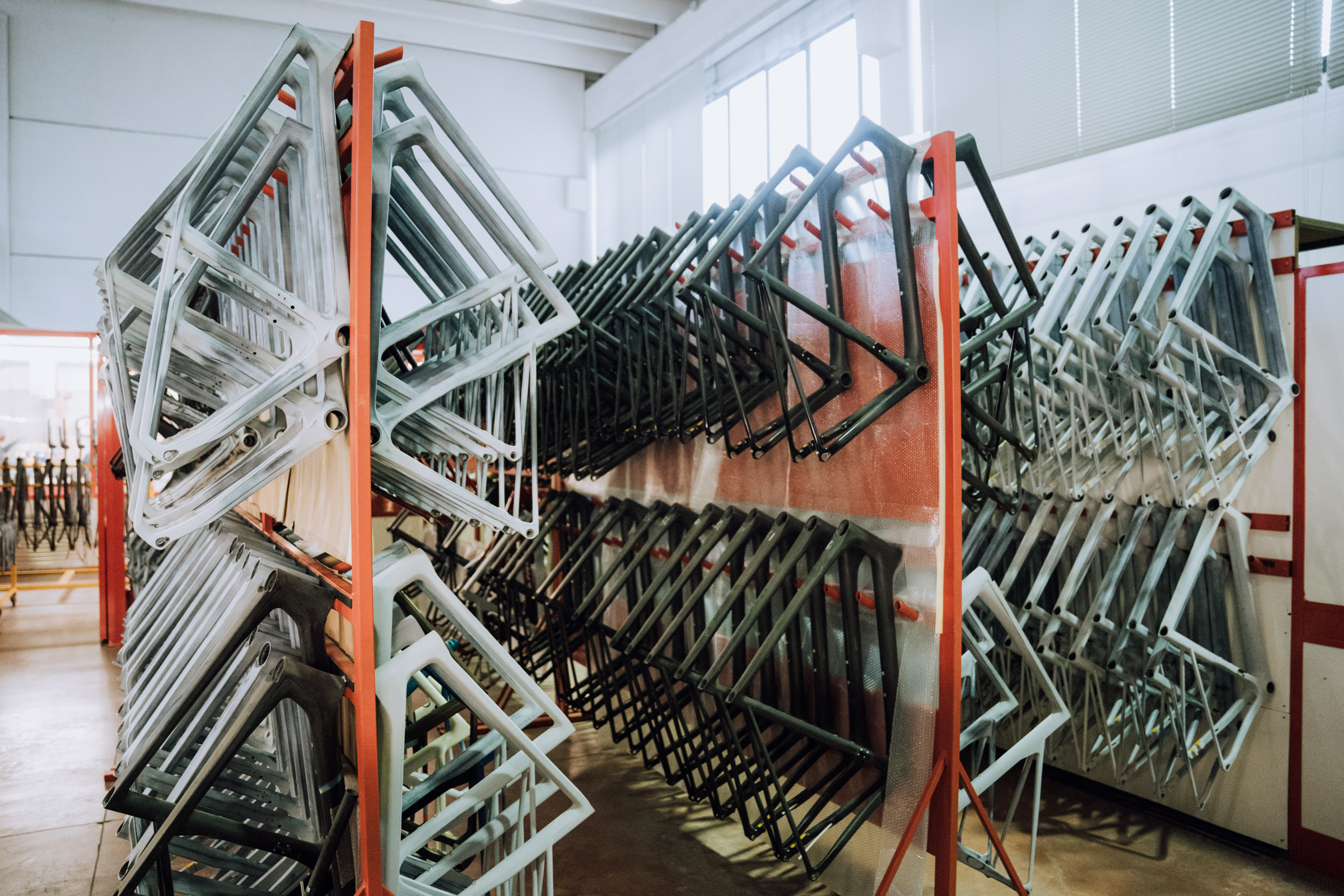
We pull up outside Basso’s head office and step inside. The brand already does everything locally, including carbon-fibre manufacture and painting. But the ultimate goal is to have everything housed under one roof.
To achieve this, Alessandro is in the process of expanding the facility I’m standing in right now.
There’s already a brand-new warehouse, where bikes are assembled on the production line before being carefully boxed up to be shipped all over the world.
“This one’s going to Canada,” Alessandro tells me, inspecting the shipping notes of one package. “And these are going to one of our distributors in Germany,” he says, scanning another.
“Each frame produced here is assigned a unique code,” Alessandro explains. “This allows it to be tracked through every stage of the production and pre-assembly process. It means we have complete traceability from start to finish.”
Past the towering stacks of boxes and rows of mechanics tinkering away lies a cavernous expanse of empty space. This, Alessandro tells me, will soon be home to Basso’s in-house carbon-fibre production unit, testing facility and paint room. “Like I said,” he reiterates, “the entire process from start to finish.”
The patriarch
Basso is still closely involved in the operations of his eponymous brand. Basso
To understand the Basso brothers’ vision for the future of the brand, it first helps to understand their father and company founder, Alcide Basso.
When he founded the brand in 1977, it was just him – a teenager in a garage with some tubes and a few tools. But even then, the focus on quality and attention to detail was there.
I meet Alcide in the Bassano Club House. Like me, he’s fresh from Basso HQ, where he can still be found on an almost daily basis.
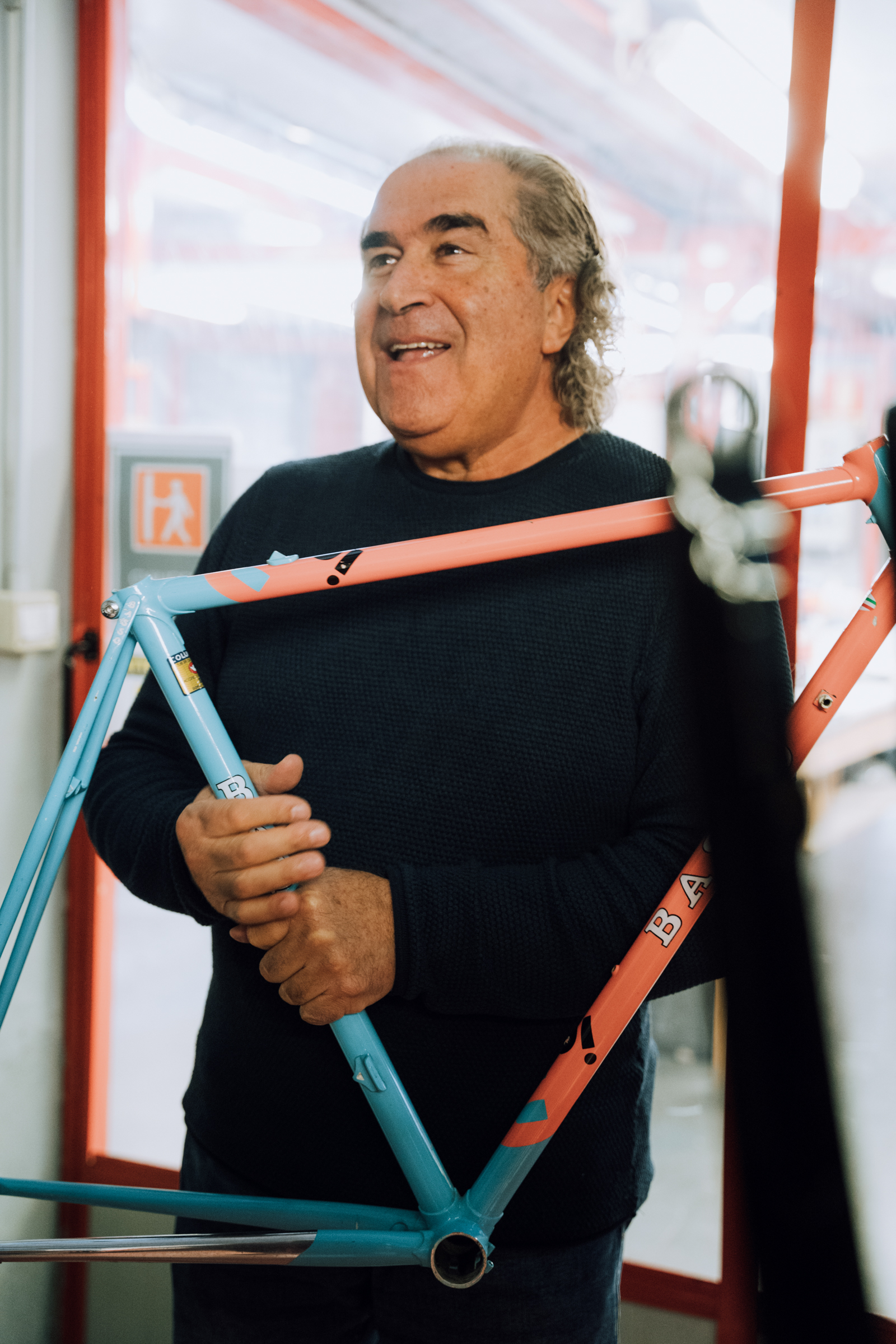
When he’s not consulting on matters regarding the business, you might even catch him in the workshop, where he still builds the occasional Basso Viper frame – the only classic steel bicycle left in the company’s range.
Basso remains true to its original Italian manufacturing. Basso
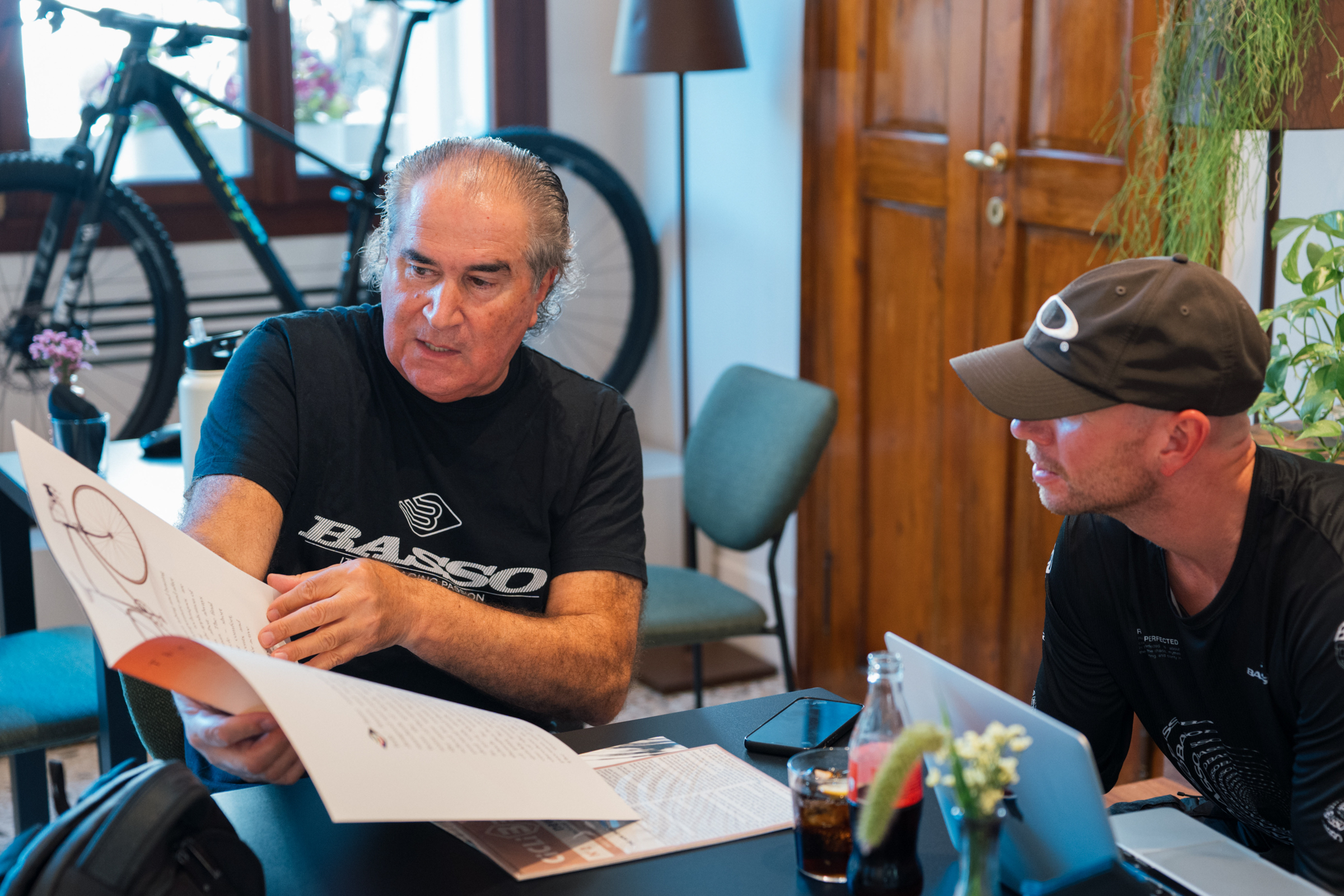
I’ve spent the afternoon carefully preparing a set of questions for Alcide, but within seconds of him pulling up a chair and ordering a drink, it becomes apparent that this is going to be more of a strap-in-for-the-ride type of interview.
“This is the bible!” Alcide proclaims as he proudly flicks through a carefully preserved copy of the first-ever Basso catalogue.
He stops at a page filled with complex diagrams detailing his own personal research into how different tube thicknesses react to varying levels of heat.
“I wasn’t an engineer. I learned by making mistakes. I studied the materials, the welding, the microstructure. I had to understand what happened when you changed the thickness or temperature. That was the foundation of Basso – that’s what set us apart from the other Italian brands.”
Bicycles are in Alcide’s blood. His brother, Marino, was a world champion road racer, and he remembers growing up surrounded by cycling paraphernalia.
“I liked working with the mechanical side of things, so when I was 18, I began welding frames.”
A meeting with Harry Hall changed the trajectory of the brand for good. Basso
Business was slow at first, but Alcide remembers the sale that started it all in 1978 – Harry Hall Cycles in Manchester.
Alcide met the man himself at Milano Bike Show, and before he knew what was happening, Hall had taken it upon himself to visit Alcide’s garage in Bassano and watch a Basso frame being built. A week later, Alcide received an order for 35 bicycles.
“It’s just me! I can’t possibly make that many bicycles! But he told me he would wait for them, and he did.”
A distribution agreement with two key German suppliers kicked off the brand’s growth – and the rest, as they say, is history. Basso
That order helped take Basso to the next level, but it was when Alcide travelled to Germany to visit his other brother at university that things really kicked off.
He knew there were plenty of high-end automotive marques headquartered nearby in Stuttgart. If German consumers appreciated a well-engineered car, perhaps they would also value a well-engineered bicycle.
So, Alcide embarked on a full-blown German sales mission armed with his catalogue and a frame, determined to speak with anyone and everyone who might be interested.
Eventually, it paid off when two colossal German sporting goods suppliers, Brügelmann and Stier, took an interest.
“We expanded operations, and after eight years, we were selling 5,000 frames a year in the UK and Germany alone,” Alcide says.
Core values continue
Basso remains family owned, and is proud of its roots in its hometown. Basso
No matter how big Basso gets, Alcide’s core values remain central. “Basso is a unique company,” he says. “Almost 50 years as a family business. Many other Italian companies have stopped or been sold to investors – we are still here.
“Now it is the second generation – my sons and my daughter – but the most important thing we transfer is attention to detail. Growth is one thing, but controlling quality alongside it is harder. We don’t just want to make more, more, more. We want to make better. That is why we control every detail ourselves.”
‘You can’t ride fast if you’re not comfortable’
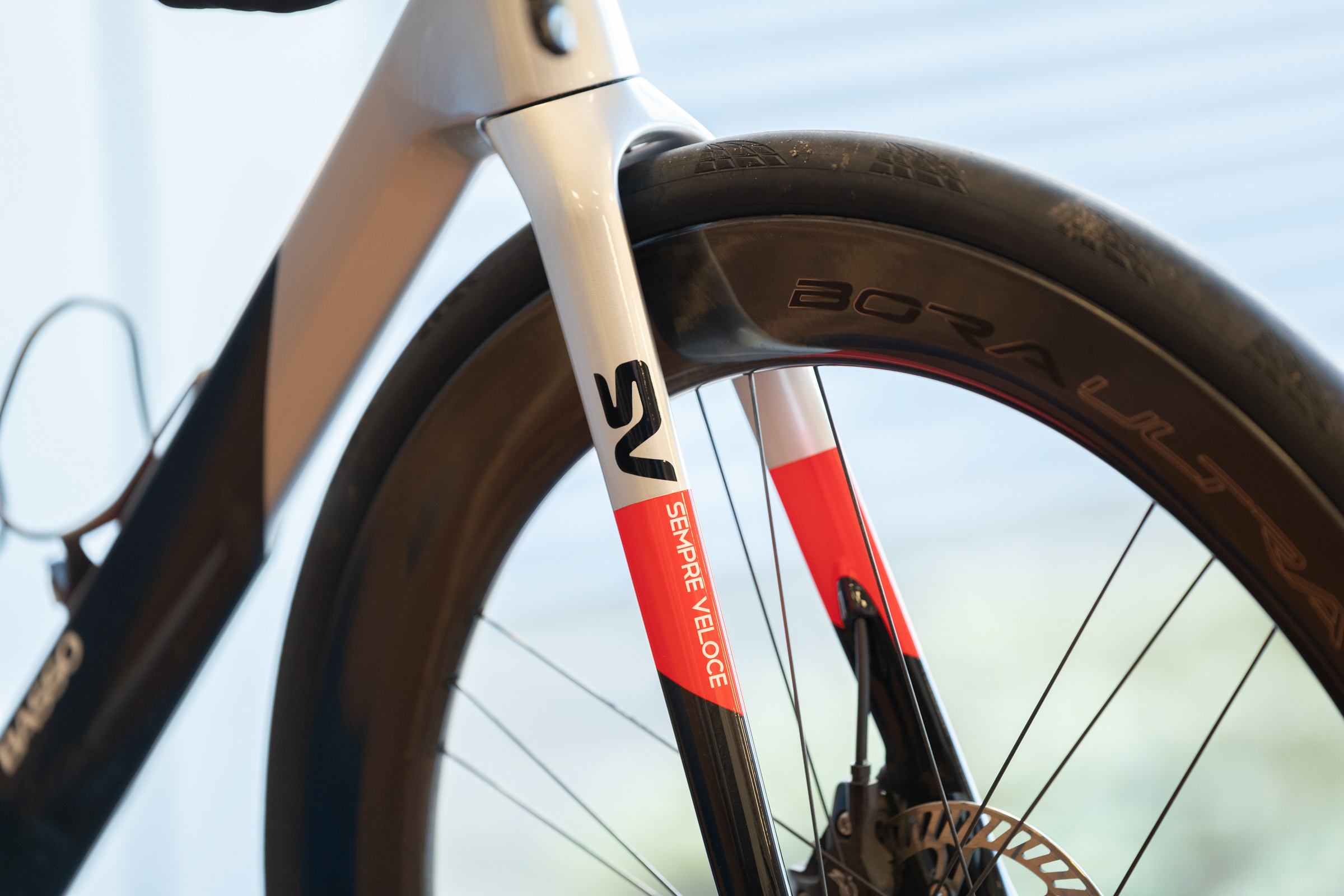
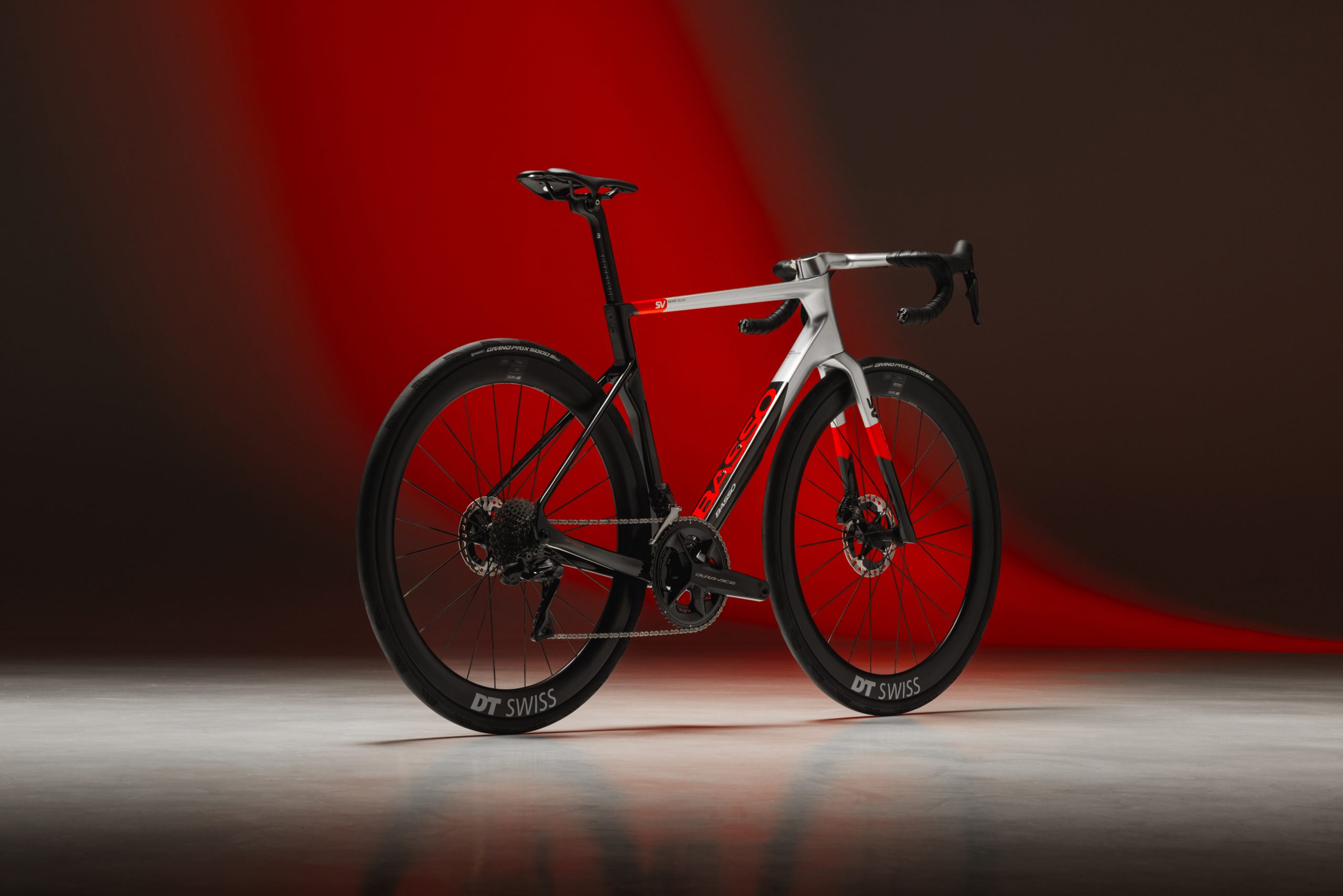
The SV is Basso’s newest road bike. Basso
Basso has evolved with the times, without losing sight of its founding principles. The same is true of its bikes.
The brand’s latest creation, the SV, is a prime example, fusing cutting-edge technology with a methodical approach to geometry, speed and comfort.
After wrapping up with Alcide in the Club House, I’ve got about five minutes to throw some kit on and take one out for an evening spin with his other son, Leonardo.
The SV is a stunning bike – and comfortable. Basso
As we cruise out of Bassano and into the rolling hills to the west, Leonardo gives me the lowdown on the bike I’m riding.
“With high-end road bikes, you usually had two options – a bike designed for the pros, or an all-road bike,” he explains. “The middle ground wasn’t really developed. That’s where the SV comes in.
“We tried to understand who is buying these very expensive pro-level bikes. Naturally, most are not professional racers. So, the focus with Sempre Veloce was simple – you can’t ride fast if you’re not comfortable on the bike. We call the concept ‘performance comfort.’”
This is the first Basso road bike with a significantly sloping top tube.
The stack is higher, the reach a little shorter, the tyre clearance a generous 35mm, and the wheelbase slightly longer, which gives more stability without losing responsiveness.
As someone who rides a slammed road bike at home, my spine is grateful for the more practical geometry, but aesthetically, it still looks like a real race weapon.
Angular lines, raw-carbon finish, narrow bars – proof that ‘comfortable’ isn’t always a synonym for ‘boring’.
Community matters
The Bassano Club House is the heart of the brand. Basso
As we coast back into town, I can see the famous Bassano del Grappa nightlife beginning to bloom. Under the warm glow of streetlights, Bassano Club House and its neighbouring bars are all bustling with activity. We grab the two remaining seats outside and order ourselves a well-earned beer.
We’re not the only people who’ve popped in for a post-ride pint. The tables out front are occupied in equal parts by casual diners and sweat-streaked cyclists, helmet straps dangling freely. Inside, cleats clatter across tiled floors, and various Basso bikes hang resplendent on the walls.
“People can come, they can stay here, they can hire a bike,” Leonardo says. “We also have a workshop, a kitchen and a retail space too.”
It’s a living extension of the Basso brand and a place for Bassano’s cycling community to come together.
From Alcide’s garage in 1977 to the bustling Bassano Club House today, Basso has always been about more than bicycles.
The frames may be lighter, faster and more advanced, but the spirit is unchanged: a family business rooted in its hometown, fuelled by community, and driven forward by the firm belief that the best bikes are built close to home.
Israel–Premier Tech has confirmed it will undergo a full rebrand, changing its name and its national identity.
“With steadfast commitment to our riders, staff, and valued partners, the decision has been made to rename and rebrand the team, moving away from its current Israeli identity,” the team said in a statement released on Monday.
The team’s co-founder, Sylvan Adams, will also step back from his day-to-day involvement and will no longer speak on behalf of the team.
The decision follows a period of mounting pressure on the team. Israel–Premier Tech was the target of massive protests throughout this year’s Vuelta a España, which saw several stages cut short, and organisers of the protests described the team as engaging in “sportswashing”.
Organisers of the Giro dell’Emilia pulled Israel–Premier Tech from the race over the weekend and the team then abandoned its plans to race the Italian classics this week due to safety concerns.
Factor bikes also threatened to withdraw support from the team, with the brand’s founder Rob Gitelis stating: “Without a name change, without a flag change, we won’t continue.”
The team’s title sponsor, Premier Tech, also demanded the team drop ‘Israel’ from its name and adopt a new identity and brand image.