Preparations are underway for the 2028 LA Olympic Games, with British Cycling renewing its partnership with Renishaw, one of its most high-tech collaborators.
This will be the third Olympic cycle in which British Cycling has worked with the British manufacturing company, after the two organisations joined forces ahead of the 2020 Tokyo Games.
Now, with the next Games only three years away, British Cycling says it will work with Renishaw on a “new wave of technical developments”, focusing on aerodynamics, mechanical optimisation and strength-to-weight engineering for the track.
“We have built a strong partnership with Renishaw over the past two cycles, and that trust is critical as we head into LA,” says Stephen Park CBE, the performance director for the Great Britain cycling team.
“The team’s engineering insight and capabilities help us stay ahead of the competition and this makes a real difference when it comes to winning on the world stage,” Park adds.
Ben Collins, Renishaw’s lead additive manufacture engineer, says: “This is the point where we start rethinking what’s possible. In these early stages, we are not just tweaking existing designs – we are challenging ideas, experimenting with form and function and asking how engineering can once again move the needle for the Great Britain Cycling Team.”
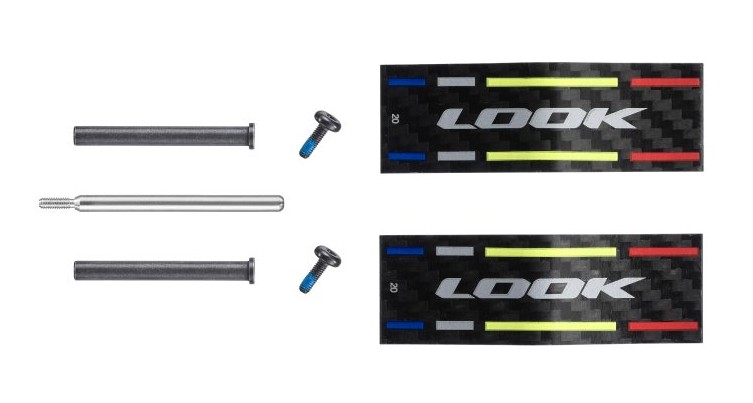
Renishaw’s 3D-printed parts for Team GB. Scott Windsor / Our Media
For the Paris 2024 Games, Renishaw supplied Team GB with more than 1,000 precision components across 32 track bikes. This included 3D-printed titanium cranks and the striking split seatpost, which allows air to flow directly through the centre of the bike.
Following an initial research phase, Renishaw will manufacture a series of low-volume production runs for the newly developed parts and components.
“This enables rapid iteration and ensures every component meets performance demands and delivers uniformity and reliability at competition level,” British Cycling says.
Last year, we had an up-close and personal look at Team GB’s hyper-expensive Olympic track bike, which featured Renishaw’s cranks and seatpost. Dr Oliver Caddy, lead project engineer at British Cycling, said that creating the parts using additive manufacturing enabled the team to customise seatposts and cranksets for each rider.
Matthew Richardson set a new 200m flying start world record in August using Renishaw components. Serhat Cetinkaya / Getty Images
We also spoke to Caddy about Matthew Richardson’s custom Hope HB.T track bike for his 200m flying start world record. Caddy said the Renishaw cranks were the best-performing cranks Team GB had “ever had”, but he divulged they were working with Renishaw to create a new version of the crank that will include a power meter.
This could be a hint of the kind of developments we’ll see from British Cycling and Renishaw’s renewed partnership – but there is a bigger question for Team GB right now.
The UCI recently announced a range of tech regulations that will limit the internal fork width of road bikes from next year and track bikes from 2027, outlawing Hope’s track bike due to its wide fork and seatstays.
In September, cycling’s governing body also announced that it will cap the price of track bikes and equipment at the LA Games, which will help curb the spiralling costs of track bikes and equipment.
As it stands, we don’t know what the price caps will be. But it might jeopardise some of Renishaw and Team GB’s groundbreaking work.
Uniqlo has launched a new Brooklyn Machine Works T-shirt, and the good news is, it’s on sale for only £9.90 – I’ve already ordered one.
The T-shirt, honouring the iconic New York bike brand, is part of Uniqlo’s Nostalgia Tees series, which also includes Maxell audio cassettes, Kodak film and Wendy’s old-fashioned burgers.
Back in the 90s and early 2000s, at the height of the dirt jump/skate park mountain bike scene, Brooklyn Machine Works was undoubtedly one of the coolest brands on the block, alongside the likes of Spooky, Santa Cruz and the UK’s DMR, which made the Trailstar.
With a BMX photo on the front and Brooklyn’s many logos from over the years on the back, this is 90s cool. Uniqlo
For me, though, Brooklyn’s cool factor was off the charts.
That’s because Brooklyn Machine Works, or rather cheekily BMW,built the toughest, sturdiest big-hitting bikes in New York from 4130 chromoly steel.
The range of 24-inch cruiser-style BMXs, hardtails and even futuristic-looking full-suspension designs (Google the TMX) were – in my eyes – the coolest bikes around.
Uniqlo’s BMW (that’s Brooklyn Machine Works) T-shirt has a classic Brooklyn BMX photo on the front. Uniqlo
It seems someone in fashion retail giant Uniqlo’s graphics department has the same fond nostalgia for this important era in bikes as I do.
Indoor bike racing has evolved into a cycling discipline of its own, and every platform has its own idiosyncrasies. The more you ride on Zwift, the more you’ll learn strategies and tricks that can give you an edge. Here are five intermediate-level tips for next-level eRacing on Zwift.
Stay within a few bike lengths of the front so you don’t lose sight of the pack or get gapped on an attack
Watopia and Makuri Islands have several dirt sections, and even though it’s virtual, riding in the dirt is different than riding on tarmac! Dirt has a higher rolling resistance on Zwift, so your smart trainer’s resistance will increase a bit on dirt sections, and your speed will drop compared to riding on tarmac. Additionally, dirt sections are dusty, which limits visibility in larger groups.
Another way to look at it: these dirt sections essentially behave like small climbs, with the added benefit of reduced visibility. If you’re feeling good and want to attack, consider the dirt.
Attacks in the dirt are what dropped GCN’s Simon Richardson from the lead group in the famous “Si vs the Volcano” race in Zwift’s early days. The takeaway is: if you’re barely holding onto the pack and are approaching a dirt section, try to start near the front of the group and be ready to put in an extra dig to avoid getting dropped.
This also gives you better visibility, because unless you’re near the front, you won’t be able to see more than a few bike lengths ahead in a large pack. (Pro tip: for visibility, you can also change the camera angle – hit 9 on your keyboard for an overhead view without dust.)
#2: Don’t Over-Power It
Thanks to updates in pack dynamics, Zwift’s draft isn’t nearly as “sticky” as it used to be, but there is still a wattage range that will keep you in the draft. That is, if you are drafting behind someone who is pulling at 300 watts, you will stay in their draft if you do 250 watts… but you may also be able to stay in the draft at ~225 watts. So why put out the extra wattage?
Racing is all about conserving energy so you’ve got the watts when you need them most. So try to maintain the minimum wattage necessary to hold your desired position in the pack. This will require constantly adjusting your power output, but once you’ve spent some time doing it, it becomes second nature. (Riding with Robopacer groups is a great way to practice efficient pack positioning.)
#3: Know Your Draft Status
One key aspect of efficient pack riding is knowing whether or not you are currently drafting. Zwift uses the visual cue of having your avatar “sit up” on the hoods to indicate when you are in the draft on a road bike, with two key exceptions:
Your avatar will also sit up at slow solo speeds (but in a race situation, this rarely applies).
When riding the Tron bike or a TT bike, your rider will never sit up, even though it is drafting. This is simply because Zwift never created those rider positions for those bikes!
If you are moving at 33kph (20mph) or more and your avatar is sitting up, you are in the draft. If you’re hunched down in the drops, you are out of the draft and probably working harder than you want to be. Here are side views of the two positions (for road bike and MTB):
Drafting in Zwift actually introduces some randomness into group riding, as the game positions you right to left automatically unless you are actively steering. Sometimes this means you get moved out of the draft – when this happens and your rider crouches down, be prepared to work a little harder to keep pace with your group until Zwift takes you back into the draft.
Supertucking can be the most efficient way to make others work hard to stay with you on a descent. But you need to know how the supertuck works in order to use it to maximum advantage! Supertucking in Zwift requires four conditions to be met:
You must be traveling at least ~36MPH (~58km/hr)
The gradient’s decline must be at least -3%
Your power output must be below 11 watts
You must not be drafting (safety first!)
Because of these requirements, supertucking is most efficient if you’re in a group where others aren’t fighting for the supertuck slot. When others aren’t fighting to be the rider in the front who isn’t drafting (and thus is able to supertuck), you can stay in that slot with little or no effort apart from what’s required to move to the front of the group at the start of the descent.
If others are fighting for that slot, though, it may be easier to simply ride the wheels of the supertuckers, sitting in their draft with as little effort as possible. You will need to pedal, though!
A word of warning: the supertuck works great until you hit a flat section or slow down enough that the game sits you up. At that point, if you’re with a group that is hammering, you can get dropped very quickly. Pay close attention to the road and other riders, and start pedaling hard if you see flat road just ahead or riders begin to pass you quickly.
In races, do you typically overtake riders on short climbs, then need to put down extra power to stay with the pack on descents? This can happen if you’re a strong climber or if you’re racing against riders who have turned down their Trainer Difficulty. (For the details behind why this happens, read “Hanging with the Group Over Gradient Changes“.)
One way to reduce this yo-yo effect is to adjust your trainer difficulty settings under Menu>Settings>Hardware to something in the 10-30% range. Doing so will make your resistance change less in response to gradient changes, helping you keep power more consistent so you can ride more efficiently.
Trainer Difficulty set to approximately 30%.
Reducing Trainer Difficulty also means you won’t have to shift as often, which some people prefer. Of course, the lower you set Trainer Difficulty, the less “realistic” your trainer resistance will actually be. So if you want your trainer to reproduce the actual in-game gradients, go ahead and slide this setting all the way up to 100% and get ready to shift.
Note: this tip only applies to smart trainer users – but that’s pretty much everyone these days.
Share Your Tips
Got any racing tips of your own? Share them below!
Brompton has launched the new T Line Electric, its lightest electric bike yet, with a claimed 14.1kg weight including the removable battery pack and an 11.2kg weight for the bike alone. UK prices start at £5,799, while the updated Brompton Electric bike range is priced from £2,999.
The T Line Electric is powered by the Brompton e-Motiq rear-hub motor introduced on the Electric G Line when it was launched in 2024. The C Line Electric and P Line Electric bikes have also been updated to use the e-Motiq motor in place of their previous front-hub motor system.
“The new Brompton Electric range is our answer to the evolving way we live and move. We’ve kept everything people love about Brompton – the portability, the engineering, the joy of the ride – and added the intelligence and lightness to make it easier, smarter, and even more fun,” says Will Carleysmith, Brompton’s chief design and engineering officer.
There’s the same compact fold and titanium/carbon construction as for the non-electric T Line.
At 14.1kg, the T Line Electric removes more than a kilogram in weight from Brompton’s ebike range, making it one of the lightest electric folding bikes.
Brompton launched its first ebike in 2017, based on the C Line’s all-steel frame. The C Line Electric has a claimed weight starting at 16.6kg for the four-speed model. It was joined in 2022 by the P Line Electric. This has a steel main frame, but with a titanium rear frame, and the four-speed bike has a claimed 15.6kg weight.
The T Line Electric is based on the pedal-only T Line, which has claimed weights starting from 7.45kg for the singlespeed bike and is made of titanium with a carbon fork and crankset, and a carbon seatpost with steel sheathing. Even the pedals are lighter than Brompton’s standard folding pedals.
Brompton’s entire electric bike range is now powered by the e-Motiq rear-hub motor.
The T Line Electric, like the C Line and P Line Electric 16-inch wheel bikes, is powered by the same e-Motiq motor as used in the G Line Electric 20-inch wheel folding bike.
The e-Motiq motor is toned down a little for the T, C and P Line bikes, with 250W output and 24Nm torque in place of the Electric G Line’s 30Nm torque. Brompton says that the output is calibrated to provide the same degree of rider support across the different electric bike lines.
All Brompton ebikes include a torque sensor to ensure the motor output matches that of the rider. They all share the same 345Wh removable battery, which sits in a clip-on backpack that’s attached to the handlebar.
Brompton’s ebike system learns and adapts to your riding style.
Brompton claims a range of up to 90km for the e-Motiq motor in the T Line Electric. It says the motor system will learn and adapt to your riding style, developing an understanding of how you ride over the first 100km, then making changes every 6km to fine-tune its personalisation. It uses this data to make accurate predictions of the available range via the Brompton Electric app, which also supports over-the-air firmware updates.
The motor offers a Start Assist mode for speedy acceleration from stops and to give an extra boost for steeper hills. There’s also a Walk Assist mode to help you move the bike around more easily when you’re on foot, which will run the motor at speeds of up to 6km/h.
Electric system safety certified
Brompton’s electrical system has been independently safety certified.
There’s been a lot of negative publicity about the safety of electric bike batteries over the last few years. That’s down largely to low-quality batteries sold via online outlets, with fires often the result of users pairing them with mismatched chargers.
Brompton is at pains to stress the safety of its batteries, though, which are assembled in London and have been independently certified to meet international standards for electrical and fire safety. Its electric bikes carry a three-year electric system warranty.
Brompton says it is also one of the first ebike brands to be audited and listed on the Bicycle Association Register of Safety-Audited E-Bike Brands.
The Brompton T Line Electric is available for pre-orders via Brompton’s site and its Brompton Junction store from 21 October and will be on general sale from Brompton and its 1,500 Brompton Accredited retailers from 28 October. It’s priced at £5,799 / €6,799 / $TBA.
Electric cargo bikes could change people’s perception of cycling and replace cars for many tasks, including school runs, shopping, family outings and commuting, a new study suggests.
The study, published in the journal Geoforum and supported by the UK’s Engineering and Physical Sciences Research Council, was led by Clara Glachant of the University of Eindhoven.
Commenting on the study’s findings, Glachant said: “Our findings suggest that e-cargo cycling may help cultivate a cycling culture both at the household level and the community level.
“They may reshape ideas of who belongs on the road, who is entitled to space. This could help to reduce anti-cyclist sentiment which would help active travel contribute more to sustainable transport.”
The study also found that e-cargo bikes lead to a change in users’ view of cycling, seeing it as a practical activity, not just a pastime for leisure or fitness.
59% of the main users of the bikes were found to be women riders. Bosch eBike Systems
49 UK families living in Brighton, Leeds and Oxford were loaned an electric cargo bike for one month each during the summer of 2023, with 11 families additionally loaned an e-cargo bike for winter riding from October 2023 to March 2024. The bikes were a mix of longtail and front-loading designs, and 51% of the households taking part already owned one car, with 47% owning two or more.
While Oxford has a high rate of cycle use, the figure in Leeds is low, with a previous survey finding it to be one of the UK cities least friendly to cyclists; Brighton sits between the two. The families were recruited via local publicity and follow-on surveys, so were found to have had a predisposition to trial cycling rather than driving and be more keen to reduce car use than the national average.
67% of participants were between the ages of 35 and 49, and 67% already cycled weekly.
Findings on use of the bikes suggested 59% of their main users were female, in comparison to cycle use in general, with only 20% of British Cycling members being women.
Different perceptions
Riders reported being given more road space by drivers than when riding recreationally. Simon Bromley / Our Media
Among the study‘s findings was that there were benefits for the perception of cycling in the community, helping to normalise it, and also changing study participants’ views of cycling.
“It’s also about culture: people’s habits, identities and perceptions of transport. Our research shows e-cargo bikes can help reshape these, challenging what psychologist Ian Walker has coined ‘motonormativity’,” Glachant says.
Several study participants commented on the different perception of car drivers of riders of cargo bikes compared to recreational riders, feeling they were given more road space and that drivers were more patient.
On the other hand, some participants reported feeling out of place and unconventional, as well as having concerns over child safety.
The researchers suggested that e-cargo bikes could also shift the balance of cycle commuting and utility cycling in the UK away from its current male domination, encouraging more women and children to travel by bike.
A shift away from car use?
This was one of the first studies to look at family use, rather than for deliveries. Trek
While previous studies had concentrated on the use of e-cargo bikes to replace motor vehicles for last-mile deliveries, the study was one of the first to look at their potential to replace motor vehicles for family mobility.
Many of the families’ trips included carrying passengers and, unlike riding a single-person bike, they reported that an e-cargo bike enabled riders and their passengers to interact with each other, more like riding in a car, although how effectively depended on the design of the bike.
The participants found it also enabled them to connect more with their surroundings and local communities than sitting in a car, which previous studies have characterised as ‘private-in-public’ spaces, limiting social interactions in comparison to cycling. They felt they were given more road space by drivers than on solo leisure rides, too.
The study points to surveys that show that in the UK in 2021, 75% of mileage was by car or van and only 1.7% by bicycle.
The 2024 National Transport Survey found that 17% of journeys under one mile were made in a car or van, with 81% on foot. That tipped to 69% by car or van for trips of one to five miles and 83% for five to 10-mile journeys, excursions for which e-cargo bikes could often substitute.
But the study points out that, while 90,000 cargo bikes were sold in Germany and 70,000 in France in 2022, only 4,000 were sold in the UK.
I have fitted quite literally hundreds of mudguards during my time as a cyclist. That might sound like exaggeration, but I swear it’s true.
Some of that’s down to my own bikes – most of which have mudguards – but it’s largely thanks to my time spent preaching the good word of the mudguard evangelists while working as a mechanic in a perpetually damp Edinburgh bike shop.
Our poor customers left the shop having spoken to me, feeling mudguards weren’t optional – they were practically compulsory.
And with good reason – we all know mudguards keep you drier, protect your drivetrain and generally make riding in bad weather tolerable. I’m sure they thanked me when splish-splashing along a cobbled vennel.
But my commitment to the way of the fender is lifelong. My dad’s dad taught him that no meal is complete without chips – along with that nugget of culinary wisdom, my father passed on to me the equally valuable belief that no bike is complete without mudguards.
Over the years, I’ve learned what makes the difference between a noisy, half-baked setup and mudguards that disappear into the background – quietly doing their job, rattle-free, for years.
Here are my hard-earned tips for fitting mudguards properly, so you too can enjoy dry-bum bliss.
Set up correctly, mudguards will provide full coverage, and can even complement the look of a bike. Jack Luke / Our Media
Even the best-designed mudguards are fiddly to fit – don’t rush it. A slapdash job means wobbly stays, uneven tyre lines and countless rattles.
For alloy mudguards, especially, set aside a couple of hours the first time around. Once you’ve got the hang of it, or you’re refitting after summer, it’s much quicker – but patience is your friend here.
Take pride in a job well done. Jack Luke / Our Media
I advise changing your mindset before committing to the temple of dry bum. Treat the job as a pre-winter afternoon project, and indulge in the pleasure of a job well done.
2. Do your research
One mudguard may better suit the shape of a bike than another. Jack Luke / Our Media
Patience must also be employed before you fit anything – mudguards aren’t one-size-fits-all.
To start, profiles vary. A round guard might hug a road tyre beautifully, but look awkward or rub on a gravel bike. Conversely, fenders with a flat profile often suit chunkier tyres better.
The shape also really matters. Round guards tend to channel water down and away, but in muddy conditions, they can clog more easily.
Although this flat guard still left enough clearance for chunky tyres, a mudguard with a rounder profile would enable you to squeeze a slightly wider tyre in there. Jack Luke / Our Media
Equally, some mudguards will simply suit some bikes better than others.
We sold dozens of entry-level Trek Domane road bikes in the aforementioned bike shop. This was in the rim-brake era, and we found the slightly narrower, rounder profile of SKS guards suited the bike far better than Trek’s own-brand fenders.
Clip-on mudguards can be a good choice for some bikes. Jack Luke / Our Media
On the other hand, a bike with flat seatstay and chainstay bridges might suit flat-profile mudguards and enable you to eke out a few extra millimetres of clearance.
Good mudguard manufacturers will provide detailed measurements that you can cross-reference with your bike. Consult these closely and don’t rush the buying decision. You might also find your local bike shop has advice for your specific bike.
3. Pick the right material
Mudguards come in two broad flavours – alloy or plastic. Jack Luke / Our Media
Mudguards broadly come in two flavours: alloy and plastic.
Each has pros and cons, and choosing the right one depends on how you’ll use your bike.
Alloy guards look fantastic, last for years and can be more easily repaired if damaged. They also tend to be available with higher-quality hardware and spares, which means you can keep them running almost indefinitely.
This poor plastic mudguard survived a trip to Scotland, squashed into the too-small bike compartment of a train. I’m not sure an alloy guard would have fared so well. Jack Luke / Our Media
They aren’t always the best solution, however. If you park your bike in a crowded rack, an alloy guard will not appreciate being bent or squashed. Plastic guards, by contrast, will more easily shrug off knocks, flex rather than bend, and are generally easier to swap between bikes.
If you want longevity and don’t mind them being a little fussier, go alloy. If you’re rougher on your bike, or want something more forgiving, plastic might be the smarter choice.
4. Go as wide as possible
A wider mudguard gives you more tyre options, and reduces the chance of clogging up with mud or debris. Jack Luke / Our Media
Your frameset will dictate the maximum size of mudguard you can fit, but my rule of thumb is simple: go as wide as you can.
Even if your tyres are narrower than the guard, a wider mudguard gives you more clearance for mud, a margin for error in setup and the freedom to fit bigger tyres later.
Done neatly, it rarely looks odd, and the pay-off in coverage and practicality is worth it.
There’s really no good case for going narrow, unless you’re utterly obsessed with the perfect fender line, but even that’s possible provided the difference between tyre and mudguard width isn’t cavernous.
5. Prep your threads
I always recommend chasing threads before fitting mudguards or racks. It’ll save headaches down the line. Jack Luke / Our Media
Mudguard eyelets live a hard life. They’re continually blasted by spray, salt and grit. If you don’t look after them, they’ll seize solid and turn removal into a nightmare.
Before fitting, chase the threads with a tap if you can. This ensures the bolts go in cleanly. Then, when you fit them, absolutely smother the threads in grease or antiseize.
Wipe away the excess once it’s tightened, and you’ll have peace of mind knowing the bolts won’t seize and the guards will still be removable come summer.
Hidden eyelets look cool, but can be a real pain. Matthew Allen / Bikeradar
Prep is even more important when fitting guards to a bike with hidden eyelets.
Referring back to the Domane, Trek’s neat banjo-bolt style mudguard mounts made for clean lines in the summer, but the grub screws used to cap these eyelets seized with alarming ease.
In summary, ‘clean those threads and grease liberally’ is a good rule to live your life by.
Stainless steel fasteners are not optional – do not waste your time with anything else! Jack Luke / Our Media
High-quality fasteners are also essential. As with bottle-cage bolts, I recommend stainless steel cap head bolts with a good, deep 4mm socket for most applications.
I refer back to my previous point on being patient and encourage you not to skip this boring, five-minute step – it will save hours of swearing in the long run.
6. Kill the rattles
A wee dab of bar tape can make all the difference in the world – although this bridge comes with the foam installed as stock. Jack Luke / Our Media
Mudguard rattles put off many from enjoying a life less soggy. Once they start, they’re all you’ll hear, and they make people conclude wrongly that mudguards are inherently awful.
The truth is, rattles almost always come down to setup. Stays too long? Bolts not tight enough? Clearances slightly off? Those are your usual culprits. Take the time to adjust and readjust until everything lines up neatly – again, patience.
If you’ve done all that and there’s still a buzz, damping contact points can work wonders.
I like to use greenhouse tape to protect my paint and reduce the chance of rattles. Jack Luke / Our Media
I like to stick on a bit of thick, rubbery, transparent greenhouse repair tape where the mudguard touches the chainstays or fork crown. It’s a simple hack that silences most niggles and helps protect paint.
Small off-cuts of bar tape can also be used where there’s a larger gap to bridge. This is most useful to fill the gap between the mudguard and the underside of the fork bridge.
But don’t ignore persistent wobbles or clattering – that almost always means the fit isn’t right. Keep tweaking until they’re silent. A properly fitted set should be fit and forget.
7. Buy guards with spares available
Stuff breaks – that can’t be helped. So make sure you buy mudguards with spares available. Jack Luke / Our Media
Cheap guards are a false economy because once a stay bolt, flap or clip breaks, you’re usually out of luck. No spares, no fixing and straight to landfill they go – very depressing stuff.
Better brands, though, sell spares for everything – from bolts to stays to mudflaps. This means you can keep a single set of guards alive for years.
Most mudguards will use some degree of proprietary components. Losing or breaking these can render them useless, but high-quality brands will offer them as spares. Jack Luke / Our Media
At the time of writing, I have a set of alloy guards that have survived eight years and three bikes of riding, simply because I could replace a stay or a bolt when needed.
If you want your guards to last longer than a season, choose a brand that makes spares readily available.
8. Don’t be afraid to modify
This mudguard came pre-cut to fit around a front derailleur, but don’t be afraid to lightly modify to ensure the best fit possible. Jack Luke / Our Media
Sometimes, a mudguard will fit almost perfectly, but not quite – that’s where a little modification comes in.
Small tweaks – a wee cut here, a reprofile there – can make the difference between endless frustration and a neat, silent fit.
Common mods include trimming a slot to clear a front derailleur, gently reshaping a guard to clear tight chainstays and adding a supplementary stay to stiffen up a long front guard.
Manufacturers might officially discourage this, but if you do a neat job with the right tools, there’s rarely any downside. A rotary tool such as a Dremel, in particular, is worth its weight in gold for this sort of fettling if you need to make a neat cut.
9. Mud flaps are not a crime
A mudguard flap made out of an old plastic bottle is a mark of pride for the dedicated winter rider, although you may wish to… Jack Luke / Our Media …make a slightly neater one out of lightweight, flexible plastic. I like to use damp-proof coursing. Jack Luke / Our Media
Yes, they look dorky, but mud flaps are the quiet mark of a deeply committed winter rider likely to gather admiring nods from those in the know.
They extend the coverage of your mudguards, stop spray from soaking your shoes and prevent your riding chums from cursing your existence when they sit on your wheel in January. Some more traditional cycling clubs even insist on them, and with good reason.
You can buy aftermarket ones, or go classic and cut up a washing-up bottle. Either way, wear them with pride. They’re not dorky – they’re practical, effective and charming in an old-school way.
A new 4-race series begins this Wednesday (October 15), complete with cycling gear prizes provided by Epica Sport. It includes custom 4-category ZRS-based rider groupings, team and individual classifications, and a fresh route on a European Zwift map each week. Read on for details!
Categories
Riders are grouped according to custom Zwift Racing Score ranges, and each group starts and races separately:
Category D: 0–300 points
Category C: 301–550 points
Category B: 551–800 points
Category A: 801–1000 points
Race Schedule and Routes
The 4-race competition lasts for 4 consecutive weeks (October 15-November 5), with races each Wednesday at 5:05pm UTC/1:05pm ET/10:05am PT.
Riders are ranked by points for the overall 4-race series. For each race, points are awarded based on the final position within your category:
1st place = 100 points | 2nd place = 90 points | 3rd place = 80 points |4th place = 75 points | 5th place = 70 points | 6th place = 65 points | 7th place = 60 points | 8th place = 55 points | 9th place = 50 points | 10th place = 45 points | 11th place = 40 points | 12th place = 35 points | 13th place = 30 points | 14th place = 25 points | 15th place = 20 points | 16th place and below (for all finishers) = 15 points (for all finishers)
Note: if your Zwift Racing Score increases so that your category threshold is exceeded, you will automatically move up to the next category starting from the next race. Points scored in the lower category will carry over.
Individual and Team Classifications
The overall individual ranking is calculated by adding the points earned over the four weeks.
The team classification will be based on club affiliation using your club tag in ZwiftPower. There is no limit to how many riders from a club may participate. However, for all races, the top 4 rider scores for each team will count towards the team classification.
The team ranking is given by the sum of the points obtained by the four best in each of the four races.
Individual and team classifications will be available at the following links once the series begins:
Everyone who finishes at least 2 of 4 races will receive a €30 discount code on all cycling gear at epicasport.com (minimum purchase required, valid in EU area). Riders finishing all 4 races will receive a €60 discount code (minimum purchase required, valid in EU area). Top 3 in individual series classification and top 3 teams (defined by ZwiftPower team tag) will receive cycling gear. Click here for the latest prize list.
Last Monday morning, I climbed into my truck and drove to two hours to the Sacramento airport so I could fly to Atlanta, then LaGuardia, to take an Uber into Manhattan and check into the Roxy Hotel for two nights.
Why fly across the country for such a short stay? Zwifty fun, of course! Zwift was holding an NYC map expansion launch party, and I wanted to be a part of it. Here’s the story…
The party at Rapha was on Tuesday night, and I arrived in NYC on Monday night. After grabbing some quality coffee, I met up with Jon Mayfield (Zwift’s co-founder, read that story here) and VP of Product Mark Cote for a quality New York bagel experience bundled with a stroll past the Ghostbusters firehouse and some boldfaced lawbreaking from Jon:
This sign only makes sense when you learn they’ve glued real bagels to the walls of the restaurant…Ghostbusters firehouse
While Mark was in meetings all day, it turned out that Jon was planning to ride down to Prospect Park to see the real version of the roads Zwift would be launching soon. I asked if he’d be up for me joining him, and soon enough, we were making our way to Brooklyn aboard two poorly-maintained hotel bikes:
As we planned our ride on the fly, I learned that Zwift’s new roads (which I still hadn’t seen) include not just the Brooklyn Bridge teased in previews, but also the Manhattan Bridge. We decided to cross over the East River to Brooklyn via the Manhattan Bridge, then take the Brooklyn Bridge on our return so we could see them both.
The Manhattan Bridge was noisy, with subway cars running next to us as we climbed to the center of the bridge and descended the other side. At the bottom, we rode around and found the famous “DUMBO” (Down Under the Manhattan Bridge Overpass) spot for a photo or two:
Working our way to the Manhattan BridgeCrossing the bridgeJon earning that XPJon at the DUMBO
From here, we worked our way south to Prospect Park, taking various unplanned detours to avoid traffic or construction and because we simply weren’t following a precise route. This was a voyage of casual exploration, and we weren’t in much of a hurry apart from our hotel bikes having a 3-hour time limit.
The road to Prospect Park from the northwest is basically uphill, but not steep. My bike kept it interesting by refusing to shift consistently, which was particularly noticeable since it only had three gears when working properly! Eventually, we arrived at the park and began a counter-clockwise lap, looking for something to drink since neither of us had brought any water on what Google maps showed would be a 9-mile ride.
We found a vendor set up near the ballfields on the northwest side of the park and sat down in a shady spot on the grass for drinks and strawberry popsicles. Jon and I were carrying on sort of two parallel conversations, one focused on the road and our surroundings, the other about how Zwift could gamify fitness in new and interesting ways. (If you ever get the chance to talk to Jon about anything Zwift-related, be sure to do it. He’s a super-smart guy who shares his mind clearly and succinctly.)
The lap of Prospect Park took longer than I had expected, but only because my expectations weren’t based on any sort of reality. I come from a place where towns are small, and so are the parks. It still baffles me that a green space the size of Central Park can exist within a tightly-packed city like NYC.
Prospect Park, it turns out, has an outer loop around 6km long. The road is quite wide, with dedicated lanes for cyclists and striders. Much of the loop is nicely shaded, thanks to tall trees on either side of the road.
We were passed by lots of riders, most of whom looked like roadies cruising on recovery sessions. My bike refused to shift into its highest gear, forcing me to set aside the urge to chase their wheels and instead work on high cadence pedaling as we coasted down the slight descents.
Reaching the end of our loop, we made our way to the Brooklyn Bridge. The newish bike lane runs down the center of the bridge, and while it’s clear and easy to ride, the NYC skyline view we had hoped for never materialized.
After crossing the Brooklyn Bridge, we had just a bit more riding to get back to our hotel. Arriving, we saw we had ridden nearly 30km and were just a few minutes shy of our 3-hour window.
While Zwift co-founder Eric Min spent his junior racing years racing in Central Park, it wasn’t a familiar place to Jon Mayfield. So Jon told me that when Zwift decided to create the original NYC map (which launched in October 2018), he flew out and rode through Central Park to record video for Zwift’s art team, ensuring they captured the feel of the place just right.
They didn’t follow that same process with the upcoming expansion, preferring to use Google Streetview and other sources as inspiration. And while Eric Min has ridden in Prospect Park many times, this was Jon’s first time!
I asked him how closely the expansion’s roads map onto the IRL GPS coordinates of the roads we’d ridden, and he told me they map directly on top of them. I’m not sure if this includes subway routes (I doubt it), but I believe it includes the location and size of the Manhattan Bridge, Brooklyn Bridge, and Prospect Park, as well as their location relative to Central Park.
Near the end of the Rapha event, I realized one of the Zwift Rides was streaming a video of the expansion’s roads. So, like any good Zwift Insider, I stood in the middle of the crowded room and recorded it. For all of you! You’ll hear Dave Towle in the background, wrapping up the night with some awards and thank-yous…
A few things to call out in this video:
It isn’t a continuous shot of all the new roads, but rather high-speed clips of specific sections
There are lots of subway tunnels with cool graffiti, and you can see a 20-second power segment 4s into the video
At 28s you are riding through Brooklyn’s Grand Army Plaza (you can see the Soldiers and Sailors Memorial Arch to the left), then turning right to enter Prospect Park
You go through what appears to be a lap banner at 38s, before exiting the Prospect Park loop (see the Memorial Arch to your right)
There are some things you don’t see in the video that are worth mentioning:
The Prospect Park road is a single loop around 6km long, with an additional cut-through road down the middle.
There are new start pens in Prospect Park
Prospect Park also includes at least one sprint segment and one KOM segment
Times Square is just south of Central Park, so it makes sense that it would show up in the expansion. I don’t think I saw it on any screens at Rapha, though.
At the Rapha Launch Party
Of course, the real reason I’d flown across the country to NYC was for the party at Rapha’s New York clubhouse. Held from 6-9pm on Tuesday, you had to sign up for a ticket beforehand in order to get in, since space was limited. And the place was packed! I’d guess around 150 people attended, with closer to 100 milling about at any given time.
It was a classic Zwift gathering, with a DJ bumping tunes, Dave Towle as MC, and a constant stream of stone-fired pizzas coming through the front door from the mobile oven parked in the street.
Two Zwift Ride + KICKR CORE 2 setups were parked near the front, and they would be the scene of some tag-team races throughout the night. These were special Zwift Rides, too: two of just five custom-painted frames from Fat Creations:
Both frames were given away at the end of the night to two lucky winners, one of whom was Tara Seplavy, Deputy Editor at Bicycling magazine:
Note: two more of these frames are being given away to two random finishers of the Zwift Unlocked series – read more about that here.
Everyone who walked in the door was given a green or blue wristband, and this determined which team you were on. Riders then paired up with others of the same color for a tag-team 2km uphill race in NYC, where the first rider hopped off the bike at 1km so the second rider could finish the second half (which was actually more than half, because it was steeper than the first kilometer!)
While the races went on for most of the night, everyone was free to hang out and chat in the (noisy) clubhouse, or in the open air in front of the shop or out back.
I had nice chats with Holden Comeau and David Lipscomb, both legendary OG Zwifters. It was also good to see Makesi Duncan (@dadbodcyclinginc), whom I’d first met at Zwift Community Live in Mallorca, and many other East Coast Zwifters.
I always enjoy attending Zwift gatherings, because I get to meet and chat with Zwifters I’ve seen in game for years but never met face to face. And I get to meet new friends, too! Many thank me for running Zwift Insider, which is always encouraging to hear.
Overall, the party at Rapha was just a fun gathering of Zwift lovers who were excited to hang out with their friends and see what’s coming next. If you ever get a chance to attend one of these, you should do it.
You’d think after winning Il Lombardia for a fifth time on Saturday, Tadej Pogačar would have a day off. But no, the world champion was back in action the following day on his home roads in Krvavec, Slovenia, in a charity race against 1,189 cyclists up a 15km climb with 1,189m of elevation gain.
Pogačar passed every participant with the exception of four-time British hill climb champion and 2024 runner-up, Andrew Feather.
The Pogi Challenge charity ride started with a non-timed 9.1km warm-up, before participants headed up the timed climb itself. Sportingly, Pogačar gave them a six-minute head start.
Andrew Feather was the only rider to arrive at the top of the climb ahead of Pogačar. pogichallenge.com
He passed all 1,189 riders with the exception of Feather who, although his time of 44:15.3 was around 2.5 minutes slower than Pogačar’s 40:44.5, was still over three minutes ahead of him arriving at the finish line.
After the event, Feather told Cycling Weekly: “I kept on looking over my shoulder thinking he was going to come up at some point, but he didn’t – he didn’t manage to catch me.”
Interviewed in Slovene after the race by journalist Igor Tominec, Pogačar was asked if UAE Team Emirates would be signing Feather for 2026.
“We already have a full team. Those who go uphill so fast could be used in races. Everyone has their own path, maybe they don’t even want to be among the professionals themselves. I have respect for those riders,” he replied.
Andrew Feather’s VO2 max was as good as many pros back in 2019. Simon Bromley
Now aged 40, back in 2019 we took Feather to the Human Performance Lab at the University of Bath, finding that his VO2 max was good enough to rival Tour de France riders.
Whether Feather wants to turn pro is moot. He already has a full-time job as a lawyer in the UK, but is looking to retake the British hill climb title at the 2025 event, which takes place on Bank Road in Matlock, Derbyshire on Sunday, 26 October. The climb isn’t quite as long as that in Slovenia, with an elevation gain of 101.44m in 805 metres.
Strava is eying up an initial public offering in the US, after rumours began to circulate last month.
Strava’s CEO Michael Martin told the Financial Times that Strava has an “intention to go public at some points”.
Martin said there were lots of benefits to going public, which “provides easy access to capital in case we wanted to do more and bigger acquisitions”. However, Martin did not offer a precise timeline, according to the FT.
Reuters reported last month that Strava had invited banks, including Goldman Sachs and JP Morgan, to pitch for roles in the IPO.
The potential IPO follows a booming period for Strava. The San Francisco-based company closed a fundraising round valuing it at $2.2 billion back in May 2025.
The app has also seen a huge increase in users, with an average of 50m active users this year. Downloads in the year to September were up around 80 per cent compared to the same period in 2024.
“Growth profiles like ours… are particularly uncommon, especially at scale,” Martin told the FT. “It attracts a lot of attention – especially from bankers.”
Since Martin took over from Strava’s co-founder Michael Horvath in 2024, his focus has been on adding tools to boost user growth and paid subscriptions, according to the FT.
This year, Strava bought Runna, a running coaching app, and the cycling training platform The Breakaway, which both bring personalised training plans to the app.
But, most recently, Strava has been embroiled in a battle with Garmin. Strava recently filed a lawsuit against Garmin for alleged patent infringement, related to segments and heatmap functionality.
Strava’s chief product officer Matt Salazar then said on Reddit that Garmin had threatened to cut off access to its Application Programming Interface, unless Strava complies with its new developer guidelines. The guidelines require “the Garmin logo to be present on every single activity post, screen, graph, image, sharing card, etc,” according to Salazar.
Independently of Strava, Suunto is also suing Garmin over alleged patent infringement, claiming that many Garmin smartwatches incorporate patented technologies without permission.
Welcome to BikeRadar’s indoor training week, bought to you in partnership with Rouvy.
Indoor training exploded in popularity during the Covid-19 pandemic, its popularity has persisted and we’ve increased our coverage of indoor cycling tech and advice.
Indoor training is an effective way to stay fit, race against friends, and avoid bad weather.
While getting set up for indoor training requires some outlay, it has the potential to make you a formidable cyclist.
Training plans and workouts are useful for making the most of your time. They can also keep you motivated when cycling outdoors isn’t so appealing – even if that motivation results in pushing yourself through yet another horrible FTP test.
For riders targeting an event, indoor training offers real benefits over training outdoors, with none of the distractions – or dangers – of traffic or other trail users.
Over the next seven days, we’ll cover everything you need to know about cycling indoors, serving up an array of indoor training content throughout the week.
We’ll bring you fitness and training advice, in-depth buyer’s guides and tips on how to get the most out of cycling indoors.
On top of that, we’ll ask what the future of indoor cycling may look like, and highlight some of the tech oddities – some of which we’d rather forget.
Zinn Cycles’ B.I.G. 32er is one of the first production full-suspension mountain bikes to be fitted with 32in wheels; a diameter starting to gather momentum in the industry.
Specifically, however, the B.I.G. is designed for riders 193cm tall and above, rather than any-sized rider looking for the largest-diameter wheels available.
However, catering for tall riders is a niche that’s Zinn’s bread and butter, and has been for a long time.
The specific components needed to make 32in-wheel bikes a viable product are now more available –such as Maxxis’ Aspen 32in tyres, wheels, spokes and forks. So Zinn decided it was time to bring such a bike to market, but it’s left me wondering whether brands have learnt from some of the mistakes of early 29ers.
Long chainstays accommodate the 32in rear wheel. Zinn Cycles
The B.I.G. 32er builds on Zinn’s 29in-wheel full-suspension MTB, adapting its tubes slightly to accommodate the bigger wheels.
Most importantly, the chainstays have grown from 460mm on the 29er to 473mm for the 32er. This gives the space required to fit that massive rear hoop.
Stack heights are also up, by 12mm for the biggest 4XL and 5XL B.I.G. to a whopping 682mm.
But there are some figures that seem anomalous to Zinn’s intentions, even given the B.I.G.’s XC focus.
Reach figures start at 475mm for the 2XL and 3XL and lift to 500mm for the 4XL and 5XL.
Modern bike geometry has progressed to a point where neither of these numbers would look out of place on a large-sized 27.5in or 29in bike, even if it’s designed for cross-country.
Conversely, however, effective top tube lengths dwarf most normal bikes’ XL sizes, coming in at 680mm and 704mm for the two smallest and biggest sizes respectively.
Lessons from the past
The B.I.G.’s geometry is reminiscent of the first full-sus 29ers. Zinn Cycles
Some of those numbers will raise a few eyebrows – especially for those seeking a more aggressive, trail-focused ride.
It’s hard to imagine how traditional reach figures found on size-large frames – usually for folk who are 180cm tall – will transpose onto a bike designed for people who top out at 218cm without negatively impacting the ride.
Those who have been around long enough have seen it all before.
When 29in wheels first launched, the bikes they were fitted to had perilously short and tall geometry, riding with the uncertainty of a galloping newborn foal.
But the industry learnt, albeit slowly.
29in-wheeled platforms have developed into some of the best full-suspension mountain bikes you can buy, regardless of discipline.
Maybe that’s a clue about where 32ers are heading.
Being fair to Zinn for one second, it states it “can make 32ers in smaller sizes as well, like M, L, XL upon request”.
But working backwards from its 2XL to 5XL reach figures, I’m concerned those bikes would just be too small.
Proportionality
Wren Sports’ Inverted fork can handle a 32in front wheel by reducing travel without shortening the axle-to-crown length. Wren Sports
Maybe there’s more to it than reach and frame figures alone, though.
Zinn has specced an upside-down Wren Sports Inverted fork that’ll fit a 32er front wheel while still having up to 120mm of travel. Currently, offerings from other manufacturers are limited to one-off prototypes not ready for commercial sale.
Wren Sports claims that the added benefits of improved bump roll over from the big wheels more than make up for the reduction in travel, compared to a 29er fork with 150mm of squish.
It’s unsurprising that the B.I.G’s rear axle uses the 12x157mm Super Boost standard – shared with bikes from Pivot among others – to boost frame and rear-wheel stiffness.
The bigger the wheels, the stronger they need to be. Zinn’s custom spokes should help with that. Zinn Cycles
Zinn ordered custom-length spokes to build its 32in wheels, stating they need to be immensely strong.
Nextie – a carbon specialist based in China – supplies Zinn with its Unicorn 32in carbon rim.
Leaving no stone unturned, the B.I.G. runs custom-length cranks, designed with taller riders in mind.
Starting at 180mm (175mm is a traditional crank’s longest option) and rising to 210mm, for optimum rider pedalling efficiency and comfort, the cranks should be between 1.95 per cent and 2 per cent of a rider’s inseam, according to Zinn.
How much does Zinn’s 32er cost?
Zinn’s B.I.G. 32er has four models in its range.
Prices start at $7,250 for the most-affordable M1 decked out with Shimano’s SLX kit. A Shimano XT model retails for $7,550, and there’s a SRAM GX Eagle AXS-equipped model for $7,950.
The range-topper is fitted with Shimano’s latest XT M8200 Di2 electronic, wireless gearing, and retails for $8,350.
The Warrior Games, organizers of the popular Iceni and Tour de Boudicca series, have just announced the next edition of their annual Tour de Andrasta women’s 3-stage race series, starting October 17. See all the details below!
About the Name
Andrasta was an Iceni war goddess invoked by Boudicca in her fight against the Roman occupation of Britain in AD 60. Described as “their name for Victory,” her name has been translated as meaning “indestructible” or “unconquerable”.
Schedule and Route Details
The races have just one time slot, at 10:30 PT/13:30 ET/17:30 UTC. Stage 1 has an extra time slot at 16:00 PT/ 19:00 ET.
Welcome to the Tour de Andrasta! The race begins with a right turn out of the pens, following a reverse Innsbruck loop. Riders will power through the sprint, tackle the Leg Snapper, and make the most of the final flat stretch before facing the decisive big climb.
Format: Hilly Points Race
Length: 12.9km
Elevation: 479m
Finish Line Points: based on the number of riders participating, down to 1 point for last place.
Stage 2 – Saturday, October 18: Coast Crusher (1 lap)
Stage 2 is here to test your legs! Roll through a charming seaside village, tackle a challenging climb, and loop around the midway point – halfway there! Then descend through a tunnel and head back along the coastal road, hitting multiple sprints as you pass scenic forests, bustling towns, and themed settlements, finishing strong at the final sprint.
Format: Points Race
Length: 42.7km
Elevation: 210m
Intermediate Points (scored 10,8,6,4,2,1):
Stoneway Sprint (FTS)
Acropolis Sprint (FAL)
Sasquatch Sprint (FTS)
Woodland Sprint (FAL)
Woodland Sprint Reverse (FTS)
Sasquatch Sprint Reverse (FAL)
Acropolis Sprint Reverse (FTS)
Finish Line Points: based on the number of riders participating, down to 1 point for last place.
Stage 3 kicks off in downtown Watopia before winding past volcanoes, waterfalls, and the route’s only big climb. After a blast through the flats and coast, it all comes down to the final push back to town. Get ready for a fierce finish!
Format: Scratch Race
Length: 29.1km
Elevation: 155m
Finish Line Points: based on the number of riders participating, down to 1 point for last place.
Powerups: Ghost/Feather/Aero
Sign Up
Want to race the series? Start by signing up for the race events! Numbers attract numbers, so women are encouraged to sign up early.
Both a team and individual GC will be calculated for the series:
Team GC: Points earned across Stages 1, 2, and 3 will count toward the Tour de Andrasta Team GC league to decide the 2025 champions.
Individual GC: Determined by cumulative finish time over all three stages, with the overall winner crowned Tour de Andrasta 2025 champion in every category.
Sigma Sports has a flash sale running this weekend, starting today. Sigma’s Big Deal Days are focused on road and gravel products, and it’s a great opportunity to update your wardrobe or stock up for winter riding.
There are discounted prices on almost 500 products, including electric pumps, smart trainers and wheels. There are also some bikes on sale, if you’re looking for something new.
To save you hunting through Sigma’s site, we’ve picked out some top products that are on our shopping list. You’ll need to sign up for Sigma+ to get access to the best prices.
This multi-tool from boutique brand Silca combines beautiful design with every tool you’ll need.
There are 20 hardened steel tools, including a chain tool with a magnetic slide-lock design for increased length and ease of use. There’s also a hidden storage area for a spare chain link.
The tool is coated with high-grip chrome plating and weighs 172g.
The Mondo is Specialized’s endurance road tyre – and one that’s designed to be quick, too. So much so, it was used in the Spring Classics by Specialized’s sponsored WorldTour teams.
The Mondo uses the brand’s Gripton T2/T5 dual-compound construction to balance speed, grip and durability.
It’s available in three sizes: 700x28x, 700x32c and 700x35c.
It’s indoor training session and the Wahoo KICKR CORE has everything you need to get started. It’s a direct-drive smart trainer, meaning the resistance will automatically change when the gradient rises or you start an interval on an indoor training app.
The KICKR CORE can simulate gradients of up to 16 per cent, while also being capable of measuring power to an accuracy of two per cent.
It will also be supplied with a cassette, so you just need to hop on your bike to get going.
The CarBack from Trek combines a 90-lumen rear light with radar technology to detect rear-approaching vehicles from up to 240m. The light then delivers audio and visual alerts through your paired GPS unit.
There are four modes to choose from: Day Flash (90 lumens), Day Steady (25 lumens), Night Steady (5 lumens) and Night Flash (5 lumens).
Trek says the Day Flash mode is visible from distances of up to 2km, making this a light that features the latest in safety tech.
With turbo season upon us, now’s the time to get set up to keep yourself occupied indoors.
The Shokz OpenRunPro 2 bone conduction headphones are a lot more comfortable than in-ear and over-ear designs when training. They will run for up to 12 hours and five minutes of charging will give you 2.5 hours of use.
If your gravel bike needs a saddle upgrade, this Selle San Marco option includes variable-density extra-dense padding and a wide cut-out. The brand says this adapts to your saddle movement and ensures long-distance comfort.
The claimed weight is 213g, and there are three colours on offer to match your gravel bike. Sigma Sports has a range of other saddles on offer from Prologo, Selle Italia, Fizik and more.
The SunGod Ultras feature a frameless lens for good peripheral vision, also offering a low 26g weight. Three nosepieces allow you to tailor the fit so they shouldn’t slip around when riding.
The photochromic lens is a great option for off-season riding, offering between 34 per cent and 79 per cent light transmission, to see you through sun and shade on sunnier winter days, as well as gloomy ones.
There are other SunGod sunnies and lens options on offer, as well as discounted sunglasses from Oakley, 100% and more.
Scope claims its Artec wheels offer best-in-class aerodynamics thanks to its fishscale-like surface finish, in a wheelset that weighs only 1,384g in this 85mm depth. The 23mm hookless internal rim width will support wider tyres for lower rolling resistance, and the carbon spokes contribute to the low weight.
If you’re after a choice of flashy wheel upgrades, Sigma Sports has a similar discount on Princeton CarbonWorks Grit and Peak wheels.
Transporting your bike on a car usually involves clamping hardware to your vehicle.
The Seasucker bike racks do away with that, using large suction cups to attach to your car roof, so there’s much less hardware to stash away when not in use.
It works via the same suction cups as used by glazers to move large panes of glass and high-rise window cleaners to keep them aloft.
Lazer updated its classic Z1 helmet in 2024, adding its KinetiCore crumple zones for additional rotational impact protection. The update also removed weight, with our size-M helmet coming in at 236g.
Along with the large vents, the KinetiCore treatment in the shell makes the Z1 KinetiCore a very well-vented helmet, too. Sigma Sports has a range of sizes and colours in stock.
The arrival of the updated Aethos 2 means the original Aethos is at a discount. If you can bear to have your brake cables exposed – the horror – this SRAM Rival AXS spec gets you a similarly lightweight frame to the Aethos 2, but for £2,000 less cash than the updated bike.
Sigma Sports has sizes from 54cm up available in a couple of colours, both equipped with a Rival power meter and Roval C38 carbon wheels paired with 28mm S-Works Turbo tyres.
Available in 40mm and 45mm widths, Challenge’s gravel tyres’ aggressive, spaced-out lugs are designed for grip in muddy conditions or over rocks, so they’re ideal for the coming winter.
The tyre is built on a 260 tpi casing for a supple ride feel and is compatible with hookless rims. There’s bead-to-bead puncture protection and Challenge’s high-durometer rubber compound for good wear resistance and low rolling resistance.
We’ve been blown away by electric pumps here at BikeRadar, to the extent that Warren has thrown away his mini-pump collection. Fumpa was the original portable electric pump maker and this pump will get a 25c tyre up to 100psi in around 25 seconds.
There’s a built-in pressure gauge and the capacity to inflate five or six tyres on a charge, with USB-C fast charging replenishing the battery in just one hour. The more portable miniFumpa is also discounted in the sale.
At 310 lumens, Lezyne’s alloy front light puts out more illumination than its name suggests. It can run for up to 4.5 hours in peak mode, or 27 hours in economy mode, so runtimes are better than some lights with greater headline output.
What’s more, the light is StVZO-compliant, so its lens is designed not to dazzle and annoy oncoming traffic, but direct the beam downwards for good illumination of the road ahead.
Derek Gee has said he terminated his contract with Israel–Premier Tech following “serious concerns related to racing for the team” and a “personal-belief standpoint”.
Gee revealed in August that he had terminated his contract with Israel–Premier Tech, while the team said the Canadian’s contract was valid until 2028. Gee was pulled from the team’s Vuelta a España squad at short notice.
Providing an update on his situation yesterday, the 28-year-old said in a statement published on social media that he is facing what he understands to be damages of approximately €30m.
When Gee first announced the termination of his contract with Israel–Premier Tech, he said “certain issues simply made my continuation at the team untenable”.
Gee explained yesterday: “I terminated my contract with just cause, as is every person’s right when they are unable to continue performing their work under existing circumstances.
“The decision was not taken lightly – it followed an irreparable relationship with the team principal, as well as serious concerns related to racing for the team, both from a safety and personal-belief standpoint that weighed heavily on my conscience.
“But what moves me most is how, when human issues are involved, money becomes the headline; money was not the issue that led to my termination. Leaving has meant the risk of having no team or protection if I get injured without [a] contract. It is a risk I was – and still willing – to take, as I was simply unable to continue racing for the team.
“I understand the team sees it differently, and that this will be for the competent authorities to decide; however, I am now facing what I understand to be a damages claim said to exceed approximately 30 million euros – for doing nothing more than exercising my fundamental rights as a professional and a person.
“These are not the kind of numbers, or the kind of situation, any athlete expects when they dream of becoming a professional cyclist, and I believe it flies in the face of the very values that sport seeks to uphold. These actions are also a reflection of the very issues that led to the breakdown of the relationship to begin with.
“It strengthens my belief that leaving the team was the right decision, regardless of the recent announcement of branding changes and cosmetic structural shifts.”
Israel–Premier Tech were the subject of continued protests throughout La Vuelta from pro-Palestine demonstrators, who objected to their participation in the race and accused the team of “sportswashing”.
Since the race, Factor and Premier Tech, two sponsors of Israel–Premier Tech, threatened to withdraw their support if the team did not change its name.
On Monday, it was revealed that Israel–Premier Tech would change its name and national identity, while co-founder Sylvan Adams will also step back from his day-to-day involvement and will no longer speak on behalf of the team.
The all-new 3T RaceMax2 Italia takes 3T’s original gravel race bike template and adds fully revised geometry, more tyre clearance and lower drag.
The RaceMax2 Italia sports a steeper head angle, longer fork offset and increased bottom bracket drop than the previous incarnation.
This is combined with super-short 420mm chainstays. That’s the shortest I’ve seen on a bike with tyre clearances of 50mm or more.
The new geometry is intended to make the new RaceMax2 much more of an all-road all-rounder, with a road-steep 71.5-degree head angle, 74-degree seat angle, low stack and long reach.
3T says the aerodynamic improvements to the new RaceMax make it the brand’s fastest gravel bike yet.
The new head tube has an arrow-like front profile and a much deeper tail. Warren Rossiter / OurMedia
Alongside the new geometry is a frameset with all-new aerodynamics. At the front end, a fresh head tube design combines a pointed front nose and elongated tail. It’s a design feature more common to the latest aero road bikes, such as our current race bike of the year, the Cervélo S5.
Even the fork dropouts have seen aero optimisation, with a caliper bolt cover smoothing the fork’s leading edge, and there’s no thru-axle hole in the fork on the driveside.
The front end is completed with a combination of 3T’s aerodynamic More stem and Aeroghiaia aero-gravel bar.
3T says it will also have updated cockpits built to suit the Racemax2 early next year.
The RaceMax2 down tube is wide enough to shield a 750ml bottle. Warren Rossiter / OurMedia
The down tube is massively oversized at 75mm. This enables it to fully shield a bottle mounted there.
The down tube also features a wheel cutout on the underside, behind the fork, with a new, large storage port with two positions for the bottle cage on the Fidlock magnetic mini-hook locking cover.
Inside is a custom storage bag made for 3T by Miss Grape.
Miss Grape provides the bag for the down tube storage. Warren Rossiter / OurMedia
At the rear end, the aero-profile seat tube features a wheel cutout, which helps keep the chainstays short.
The lowered seatstays meet the seat tube via an aerodynamically sculpted junction. It’s topped by an aerodynamic seatpost that incorporates a clip-in rear light.
The RaceMax2 Italia has generous tyre clearances. Warren Rossiter / OurMedia
Despite the short stays and aerodynamic optimisation, the RaceMax2 is compatible with both 1x and 2x drivetrains, with a maximum chainring size of a whopping 52 teeth.
3T claims this has given the RaceMax2 a 1.5% aerodynamic improvement over the previous RaceMax Italia – previously the brand’s fastest gravel bike. That may be a small gain, but when you factor in it’s with a 50mm tyre, it’s quite the achievement.
Less weight, more speed
The frontal profile of the RaceMax2 shows the new aero design. Warren Rossiter / OurMedia
Even with the aerodynamic overhaul and increased tyre clearances, 3T has managed to shave a few grams. The frame remains the same at a claimed 990g. This rises to 1,050g when you include the Miss Grape internal storage bag.
The fork loses 5g down to a claimed 380g for a size-medium frameset.
3T claims weights as low as 7.9kg for a complete bike (SRAM Red XPLR, Zipp 303 XPLR).
3T RaceMax2 Italia GRX Di2 spec details
2x GRX is a surprise from a brand that pioneered 1x drivetrains on drop-bar bikes. Warren Rossiter / OurMedia
My sample test bike tips the scales at 9.21kg (56cm/L including storage bags, integrated rear light and 2x bottle cages).
The bike comes equipped with Schwalbe’s 45mm G-One RS Pro tanwall tubeless tyres wrapped around 3T’s own Discus 45/40 LTD wheelset. That’s surprising for a brand that pioneered 1x drivetrains on the road and for gravel.
This model comes with Shimano’s 2x GRX Di2. The pairing of a 48/31 chainring and a 12-speed Ultegra 11-34 cassette should give a usable range for trail and road.
The bike is finished with 3T’s dedicated aero-shaped carbon seatpost with integrated rear light. That’s topped by Fizik’s 3D-printed version of the classic Antares saddle.
Up front, it’s the combination of 3T’s More stem and Aeroghiaia gravel bar.
3T’s More stem and Aeroghiaia gravel bar combine to make for an aerodynamic cockpit. Warren Rossiter / OurMedia
At first glance, the RaceMax2 combines its compact wheelbase with steep angles, making it look far more like a fast all-road take on gravel.
It’s more similar to the similarly priced Cervélo Áspero 5 than a trail and technical-capable bike such as Parlee’s Taos.
I’ll have a full test of the RaceMax2 Italia as soon as I’ve had a chance to get plenty of miles in on it.
SIZE
S
M
L
XL
Rider height* (CM)
157-171
168-180
176-186
183-195
Rider height* (IN)
5’2″-5’8″
5’6″-5’11”
5’9″-6’1″
6’0″-6’5″
Stack
547
569
589
609
Reach
367
377
385
393
Head tube angle (degrees)
70,5
71,5
71,5
71,5
Fork axle-crown (mm)
383
383
383
383
Head tube length (mm)
138
152
173
197
BB drop (mm)
79
79
79
76
Seat tube angle (degrees)
74
74
74
74
Seat tube length (mm)
463
491
510
537
Top tube length (mm)
522
538
552
566
Front Center (mm)
609
607
622
636
Rear Center (mm)
420
420
420
420
Wheelbase (mm)
1017
1015
1029
1045
FiZik provides a 3D-printed Antares saddle for our 3T RaceMax² Italia test bike. Warren Rossiter / OurMedia
3T RaceMax2 Italia range and pricing
3T claims the latest Racemax² is its fastest gravel race bike yet. Warren Rossiter / OurMedia
Framesets
Racemax² Italia with 3T More stem and 3T Aeroghiaia Integrale LTD handlebar: £4,425 / $6,499 / €4,917
Complete bikes
Racemax² Italia with Shimano GRX 2×12 and 3T Discus 45|40 LTD wheels: £7,303 / $10,999 / €8,114
Racemax² Italia with SRAM Force XPLR AXS 1×13 and 3T Discus 45|40 LTD wheels: £7,304 / $11,699 / €8,115
Racemax² Italia with SRAM Force XPLR AXS 1×13, Torno Wide crank and 3T Discus 45|40 LTD wheels: £7,745 / $11,699 / €8,605
Racemax² Italia with SRAM Red XPLR AXS 1×13 and ZIPP 303 XPLR SW wheels: £9,368 / $13,899 / €10,409
Racemax² Italia with SRAM Red XPLR AXS 1×13 with Torno Wide Crank and ZIPP 303 XPLR SW wheels: £9,368 / $14,399 / €10,409
Racemax² Italia with Campagnolo Super Record 2×13 Gravel and 3T Discus 45|40 wheels: £9,662 / $14,599 / €10,736
This weekend’s big events are the double XP Zwift Unlocked rides, but we’re also seeing some really popular races popping up from community organizers. See our picks below!
Zwift Unlocked Stage 1
Double XP Popular New Routes Jersey Unlock
The new Zwift Unlocked series kicked off this week, with double XP, double powerups, and fresh routes. Stage 1 ends this weekend, and riders have a choice between a long ride on Tropic Rush (41.9km, 326m) or a shorter ride (or race) on Dùn Dash (12.4km, 139m). Runners are on the new Highland Run (6.8km)
The single event with the most signups this weekend is this new series from Team Foudre – a weekly “medio fondo” featuring age-based groupings and a women-only category. These first four events, held on four consecutive weekends in October, serve as a sort of “pre-series,” where your best two results count towards the overall. An overall 2025/2026 begins in November (see event description for details).
This weekend’s race is on two laps of Chasing the Sun in Makuri Islands (70.2km, 628m)
Based on early signup numbers, this race series is also a popular one! It’s a 4-stage series, raced each weekend, with mass starts and no categories. Stage three is this weekend on London Uprising (20.9km, 356m).
Enter individual races for the fun of it, or compete in all four stages. There’s a GC on ZwiftPower which uses cumulative time to rank riders across the series!
Team Not Pogi has organized a race mirroring the pro peloton who will be racing Il Lombardia, the last monument of the season, on Saturday. This race has rides taking on 32.5km of the Bologna Time Trial route, which means you’ll you up and down the challenging San Luca climb twice!
Looking for a fun social ride? Join the experienced DBR time for 60 minutes on the Douce France route. The ride leader will keep a pace at 30-35kph, but you aren’t limited to that speed – the ride description says “… it’s ok to ride ahead and join other riders in front – just remember to be social.”
We choose each weekend’s Notable Events based on a variety of factors including:
Is the event unique/innovative in some way?
Are celebrities (pro riders, etc) attending/leading?
Are signup counts already high, meaning the event is extra-popular?
Does the ride include desirable unlocks or prizes?
Does the event appeal to ladies on Zwift? (We like to support this under-represented group!)
Is it for a good cause?
Is it just plain crazy (extra long races, world record attempts, etc)?
Is it a long-running, popular weekly event with a dedicated leader who deserves a shout out?
In the end, we want to call attention to events that are extra-special and therefore extra-appealing to Zwifters. If you think your event qualifies, comment below with a link/details and we may just include it in an upcoming post!
Lime has just published its financial reports for 2024, revealing a surge in revenue as its ebike rentals continue to grow.
The Uber-backed company’s latest accounts reveal its revenue in the UK jumped by 75 per cent last year, to £111.3m. In 2023, its revenue was £63.5m, and in 2021 it was just under £9m.
The accounts also show the company’s pre-tax profit dropped from £2.1m in 2023 to £1.7m in 2024.
The financial records cover all of Lime’s activities in the UK, including ebike and e-scooter rentals across Manchester, Bristol, Nottingham, Oxford and Milton Keynes. But it’s in London that the company has seen particularly large growth.
Londoners made 16 million journeys by Lime during commuting hours in 2024, while the company saw an 85 per cent increase in total journeys.
This summer, there was also a spike in the usage of Lime ebikes, which was partly caused by tube strikes. Lime saw a 50 per cent increase in rentals on Tuesday 9 September compared to the same day in 2024 due to the strikes, according to the Financial Times.
London saw 1.33 million daily cycling journeys in 2024, which is a 5 per cent increase over 2023, according to Transport for London. Cycling in the City of London has increased by more than 50 per cent in the last two years, according to the City of London Corporation, which said dockless rental bikes, such as Lime bikes, “have quadrupled since 2022 and now account for one-in-six bikes on City streets”.
Lime’s growth in the capital also means it has a larger presence than Transport for London’s Santander Cycles rental scheme. It is predicted that Lime has at least 20,000 bikes on London streets (the figure could be much higher), while Santander has 12,000.
But the presence of Lime’s electric bikes in the capital has led the company to face growing scrutiny. Trauma surgeons have reported an increase in injuries linked to the heavy ebikes, including fractures that have been called ‘Lime bike leg’.
Elsewhere, boroughs have begun to address the growth and use of Lime bikes. In August, Hounslow council ended its two-year trial allowing the bikes in the borough, after they were claimed to be parked in dangerous places.
Hackney council also capped Lime ebike fares at £1.75, making them the same price as a bus, in September.
Lime’s UK results come after the US group announced in February that its gross bookings were $810m (£602.7m) and its revenue rose by 32 per cent to $686m.
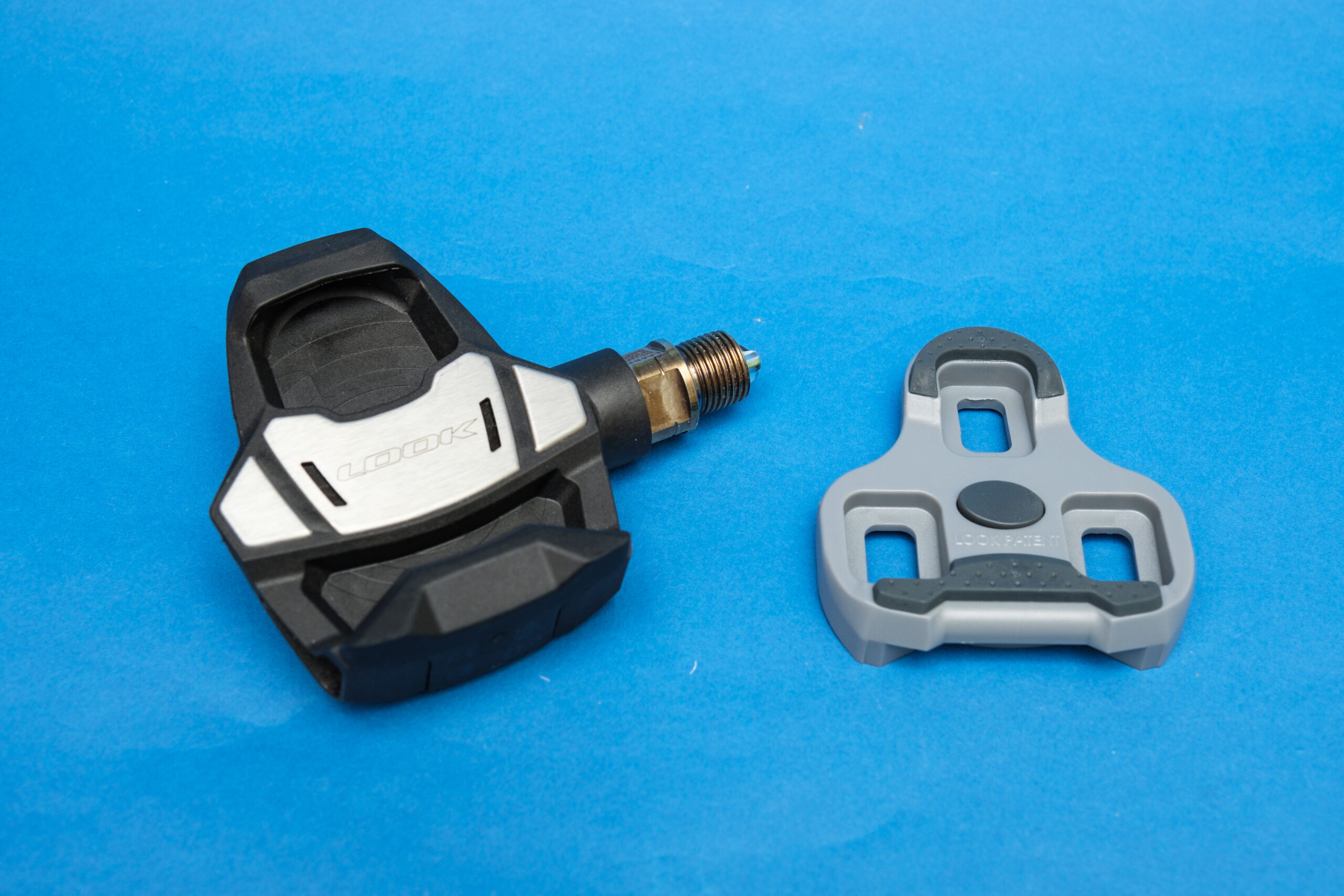
Look has added a wider Q-factor option for its Keo Blade pedal range. Until now, the Keo road pedals have been available in only one spindle length, with a 53mm Q-factor. Look has now introduced an option with a 3mm longer spindle, extending the Q-factor to 56mm.
With 5mm of lateral movement available via cleat positioning, that enables you to obtain an effective stance width of between 53mm and 58mm on the longer-axle pedals and down to 50mm on the short axles.
Incorrect Q-factor – or more correctly stance width – can be a factor in knee, foot and hip discomfort while cycling and even lead to injuries.
Research has shown that a narrower stance width is usually more efficient, as well as being more aero. But what’s efficient for a shorter rider with a narrower pelvis may not be optimal for a taller rider, who may benefit from longer pedal axles.
Look has until now been the only major pedal manufacturer not to offer multiple stance widths. Shimano offers its Dura-Ace and Ultegra road pedals and XTR XC pedals with both 52mm and 56mm Q-factor. Time XPro pedals are sold with 51mm, 53mm and 57mm Q-factor.
Speedplay pedals offer the most options, although only for the Speedplay Zero pedals, which can be bought with 53mm, 56mm, 59mm and 65mm Q-factor. Along with the high adjustability of the cleat’s float and release angle, that has long made Speedplay pedals a favoured choice for bike fitters.
Although Look sells blade kits aftermarket in 8Nm, 12Nm, 16Nm and 20Nm release tension, you’re now able to purchase pedals with a choice of release-tension blade installed.
Keo Blade pedals rely on a ‘blade’ carbon leaf spring to close the cleat retainer. The 56mm Q-factor Keo Blade pedals will be sold only with the mid-range 12Nm blade, but Look is now offering two different release-tension options pre-installed across its 53mm Q-factor Blade pedal range.
So, whereas the top-spec Keo Blade Ceramic Ti (190g a set) has formerly been sold only with a 16Nm blade installed, there is a new 12Nm option available.
The Keo Blade Ceramic (without a titanium axle but with ceramic bearings) will now be sold in an option with an 8Nm blade installed, in addition to the current 12Nm option.
Finally, the Keo Blade with steel bearings will be sold with a 12Nm blade option, in addition to the current 8Nm blade pedal.
Look already sold its 8Nm, 12Nm and 16Nm blades as an aftermarket upgrade, as well as a 20Nm blade, which it reckons is only suitable for pro riders who usually aren’t going to have to clip in and out except at the beginning and end of a race or stage.
It also sells replacement axle kits in 53mm and 56mm lengths in CroMo steel and titanium, so you can potentially change your pedals’ Q-factor yourself.
The Look Keo Blade Power pedals will still only be available for now with a 53mm Q-factor. Simon von Bromley / Our Media
Look’s power-meter equipped Keo Blade Power pedals will for now only be available in the current 53mm Q-factor.
Look has been steadily working on its pedal design and variants for a few years, with the fourth-generation Keo Blade pedals launched in 2024 claimed to be more aero than their predecessors.
SRAM has said it welcomes the suspension of the UCI’s planned trial of gearing restrictions, after the Belgian Competition Authority (BCA) ruled yesterday that the initiative may breach competition law and unfairly harm SRAM and its sponsored teams.
The American brand brought the case to the BCA last month and said the cycling governing body’s planned trial of gearing restrictions at next week’s Tour of Guangxi unfairly targeted its equipment. It alleged that the UCI’s protocol was “adopted without consultation or transparency” and amounted to an abuse of competition law.
In a statement released yesterday, SRAM said: “On October 3, SRAM participated in an emergency hearing before the Competition College of the BCA in Brussels to contest the UCI’s newly imposed gearing restriction – a rule that was fundamentally unfair to SRAM riders, teams, and SRAM itself.
“The BCA initiated formal anti-trust proceedings under European and Belgian competition laws on September 17. Nine professional cycling teams voluntarily joined the process to oppose the restrictions.
“At the hearing, SRAM and the teams advocated for an open, non-discriminatory, and objective rule-making process in professional cycling – one that ensures a level playing field, fosters meaningful safety improvements, and respects rider choice.”
The UCI issued its own statement explaining that the trial at the Tour of Guangxi will not go ahead, but it criticised the BCA’s intervention “on a subject desired by all stakeholders of cycling”, referring to the ongoing discussion around how to improve rider safety.
However, SRAM’s CEO Ken Lousberg said it is time to “reshape how the sport’s key stakeholders engage”.
“The UCI, teams and riders, sponsors, race organizers, and the cycling industry must collaborate to build a better future for the sport and its fans. The best outcomes happen when everyone has a seat at the table,” Lousberg said.
“We’re more optimistic than ever that through open communication and shared goals we can create a safer, more inclusive sport. Innovation and safety are not opposing forces – in fact quite the opposite. They go hand in hand,” he added.
Gearing restrictions and their effect on rider safety has been a contentious debate throughout the current road cycling season. Critics have claimed it would have no effect on peloton speeds and even claimed it would “make everything more dangerous”.
The debate is part of a wider controversy over the UCI’s new technical regulations, which include rules on handlebar width, wheel depth and helmet design, and has prompted widespread criticism of the governing body.
EF Pro Cycling founder and CEO Jonathan Vaughters responded on X to the UCI’s statement on the BCA’s ruling, encapsulating much of the current debate around safety in road cycling. “Perhaps things like making sure parked (and still moving) vehicles are not on the race course, blind corners with rock piles in the apex are not on race courses, and motorcycles aren’t part of the peloton take precedence over gear restrictions, sock lengths, and handlebar width?” Vaughters wrote.

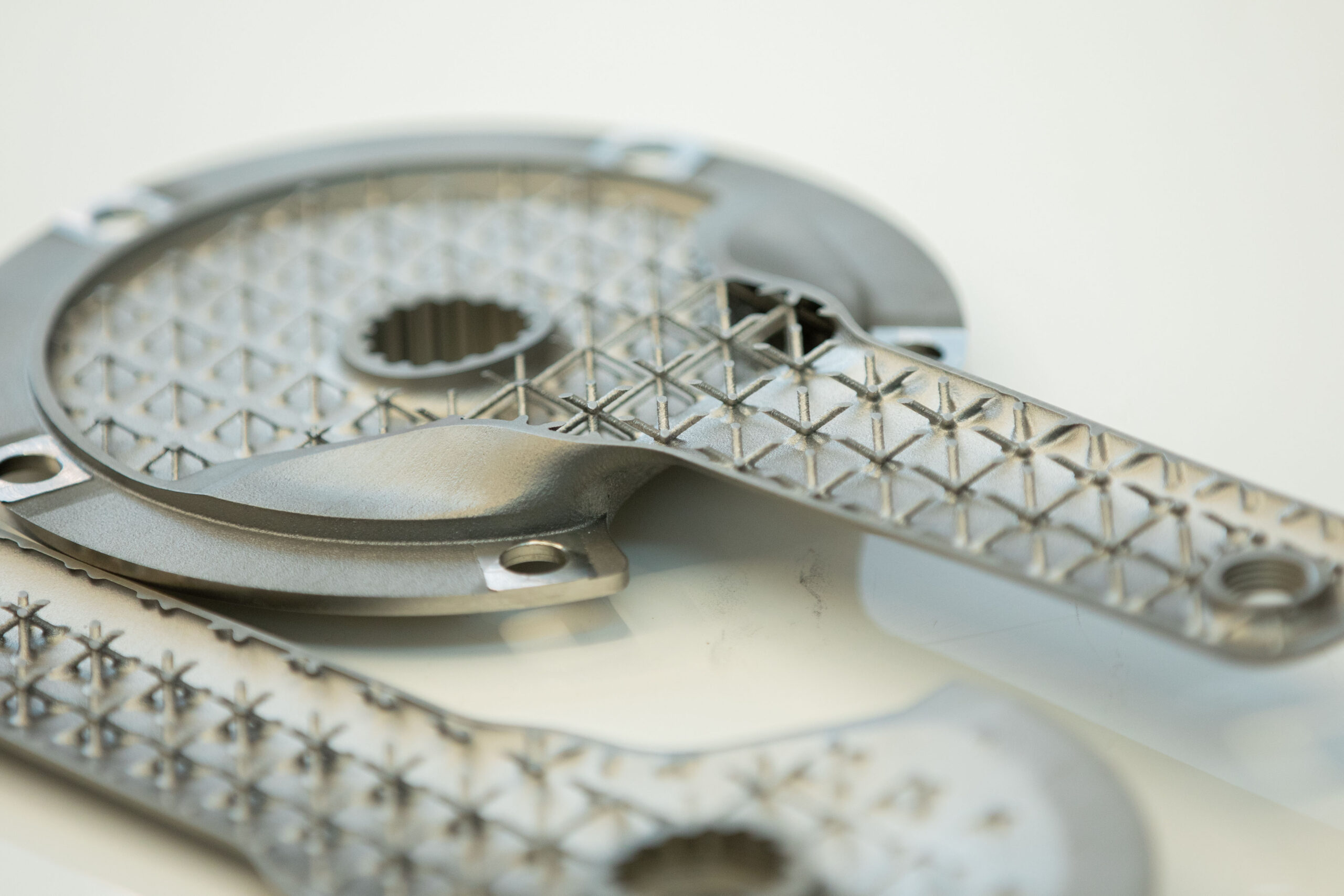
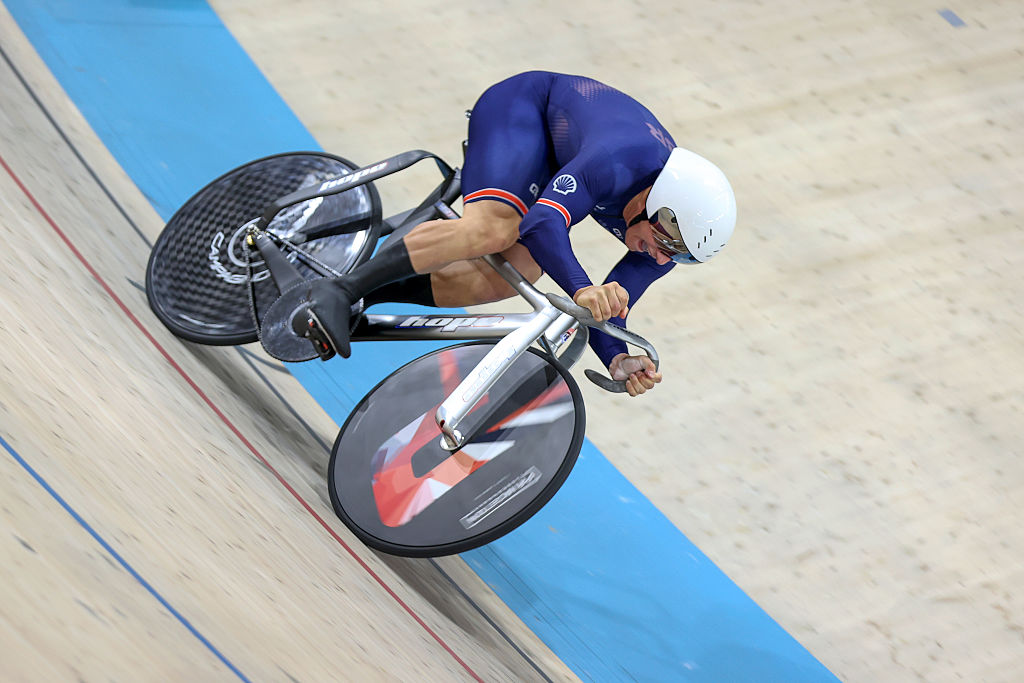



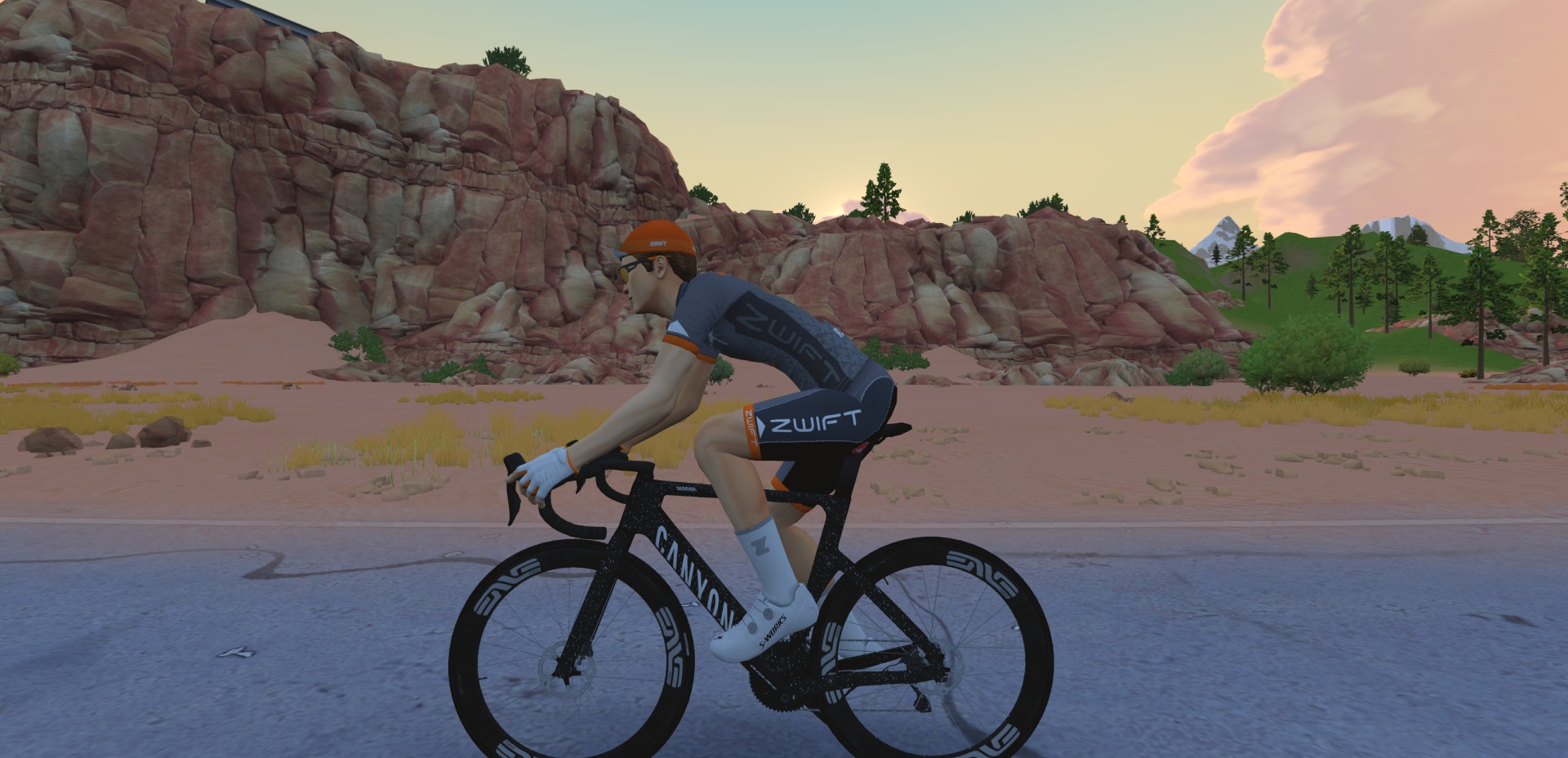
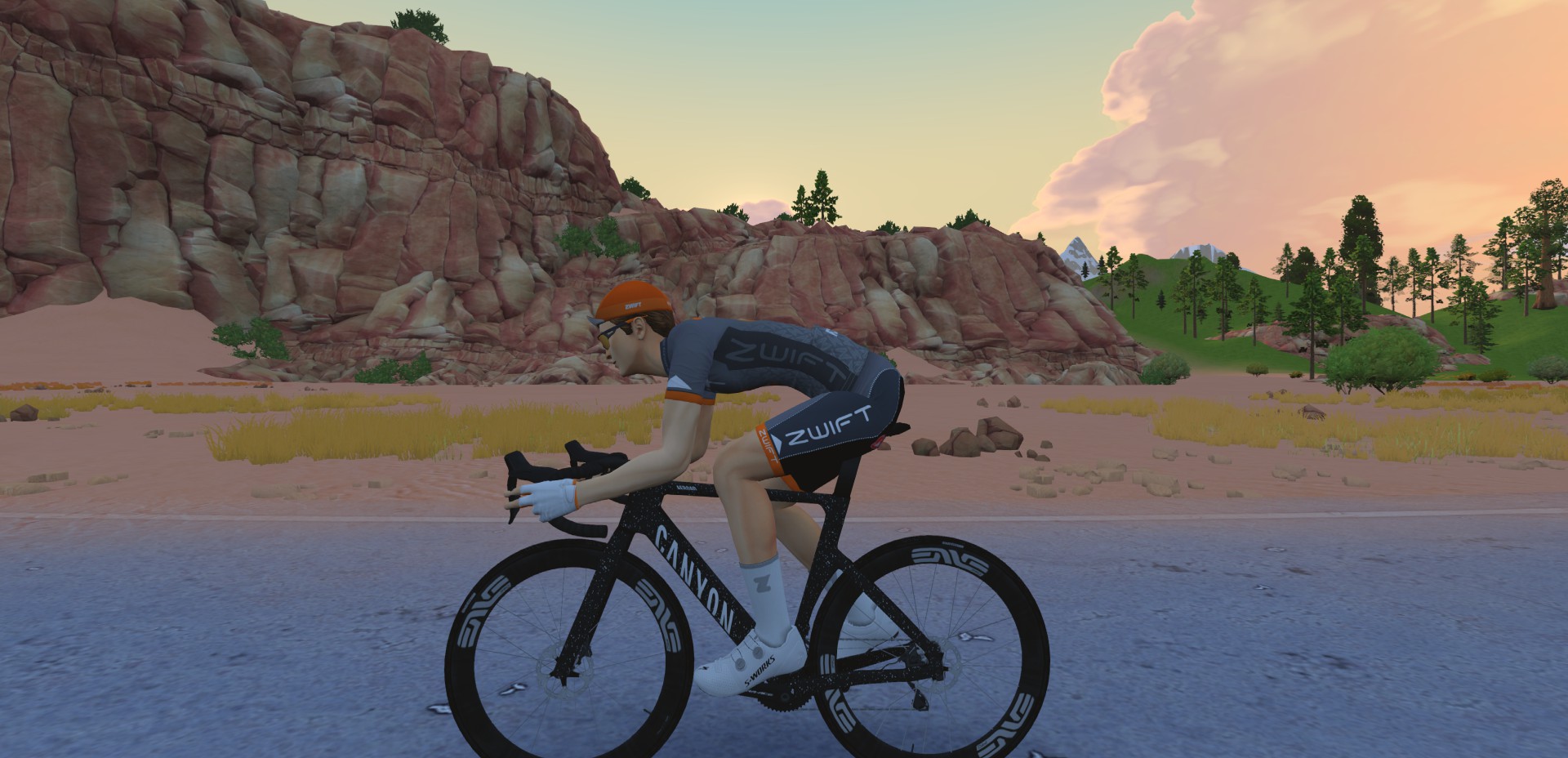
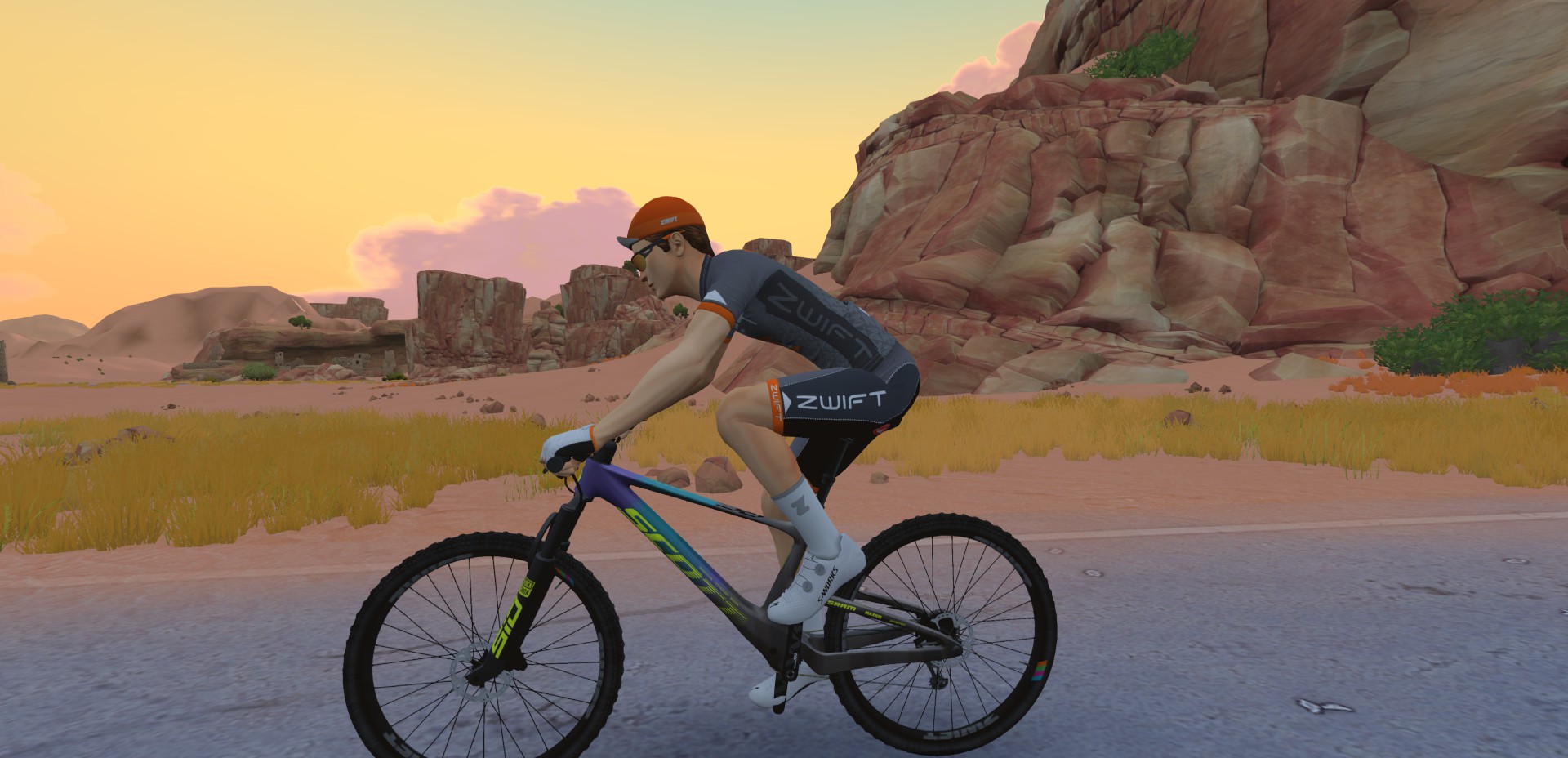
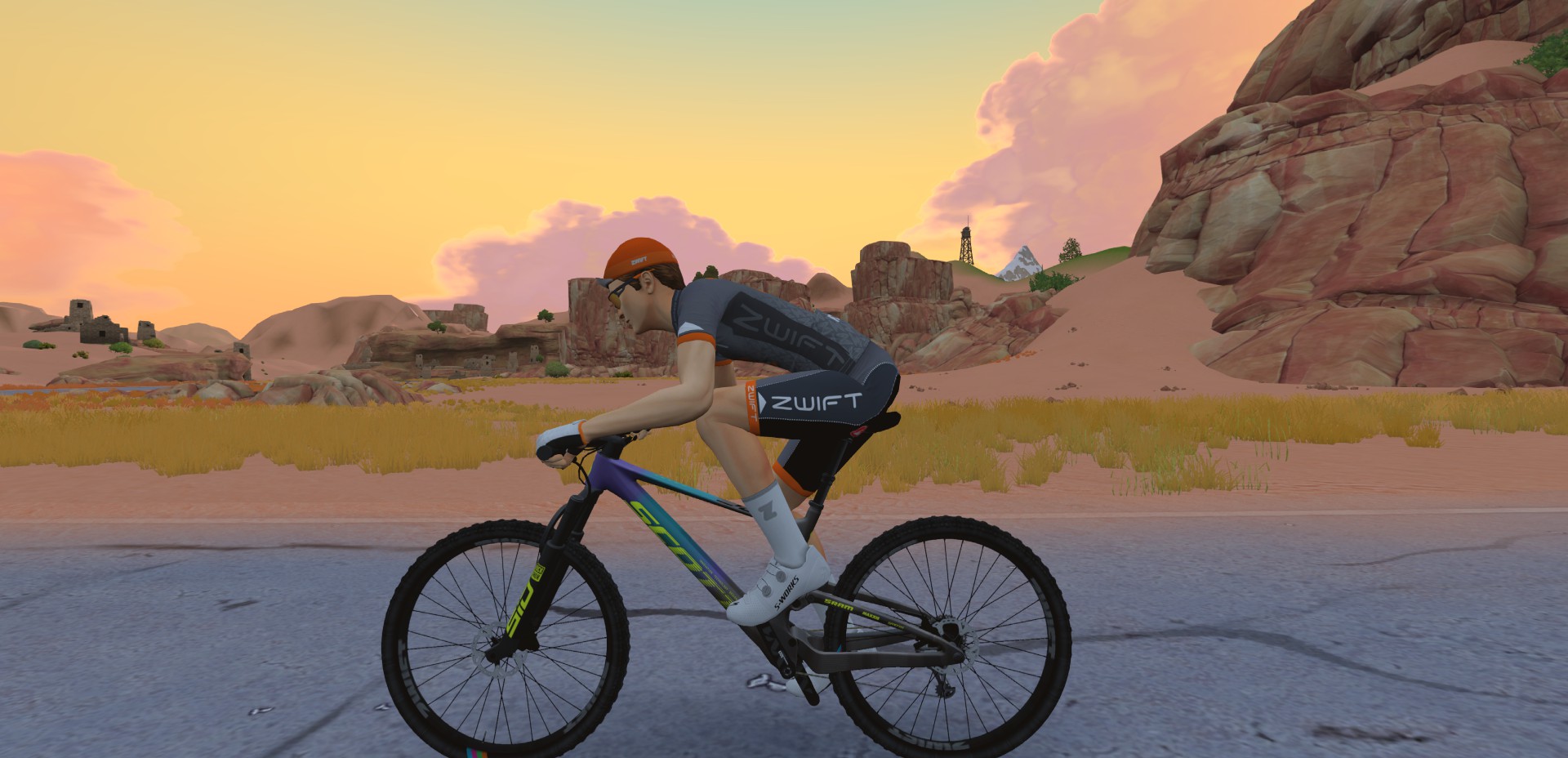
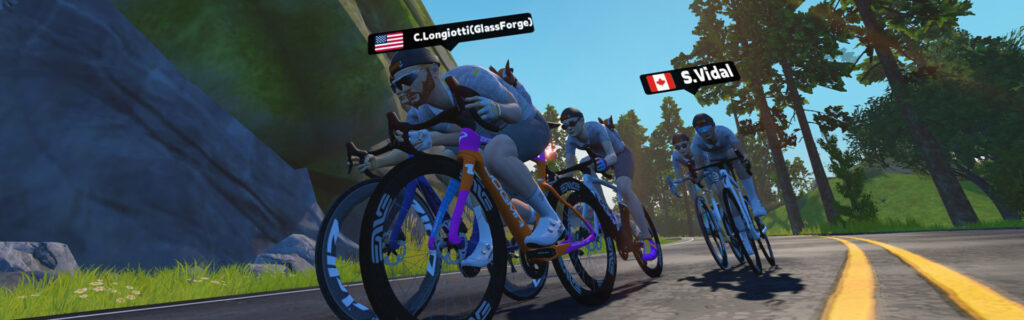
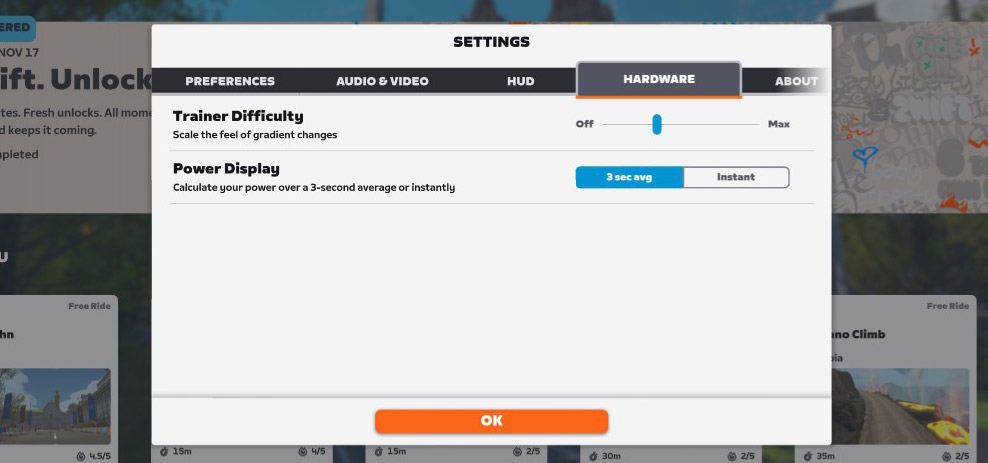
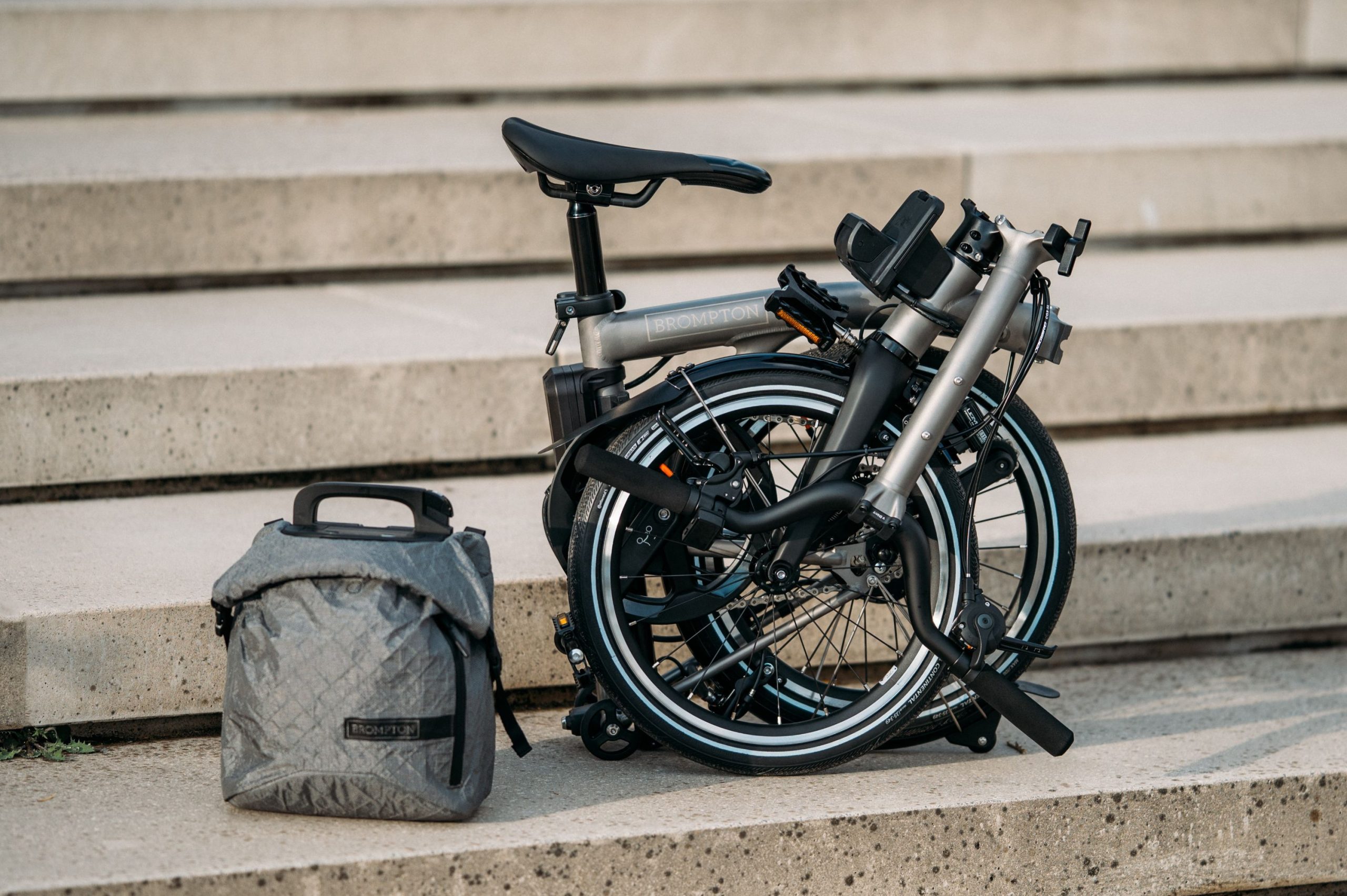
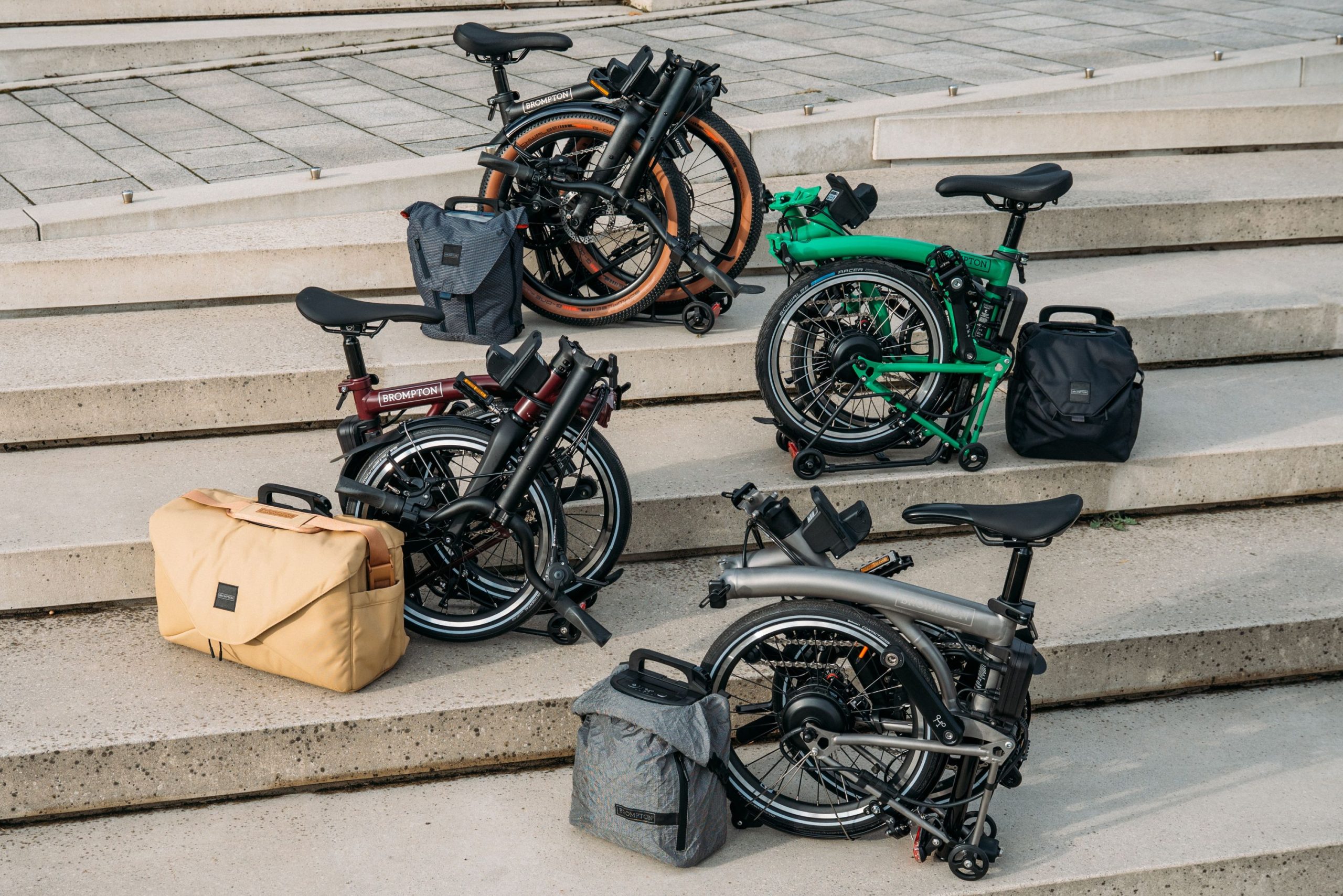
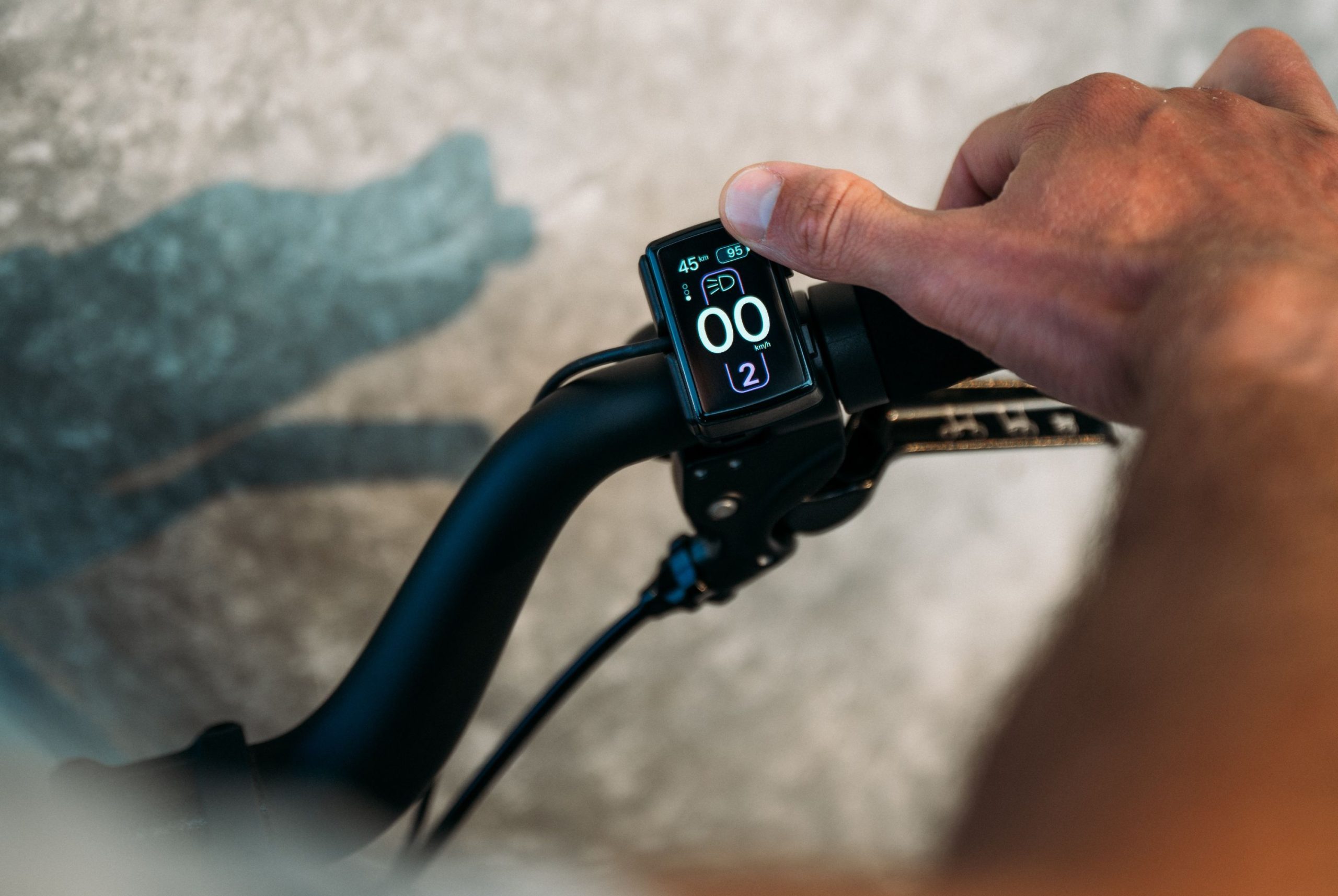
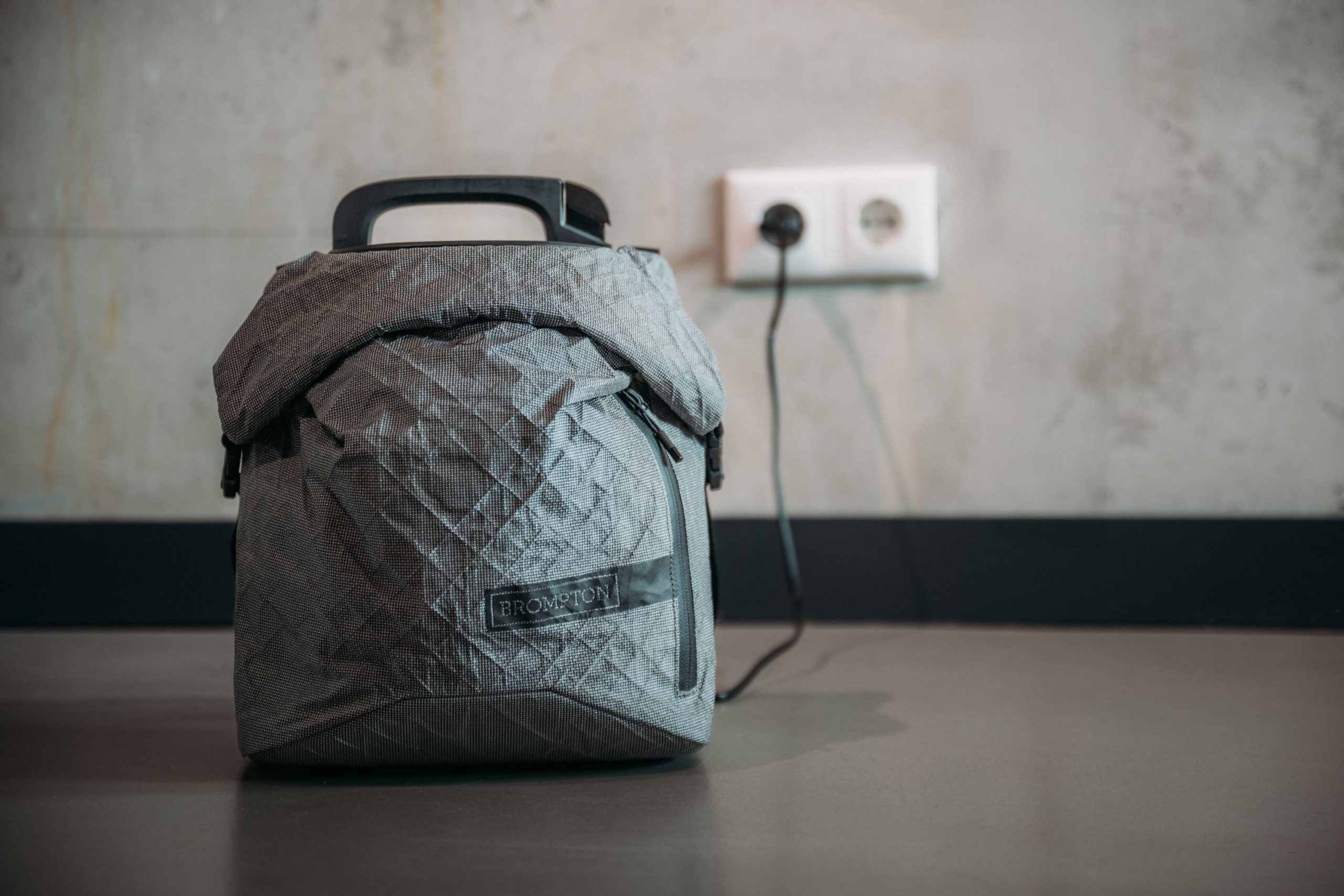

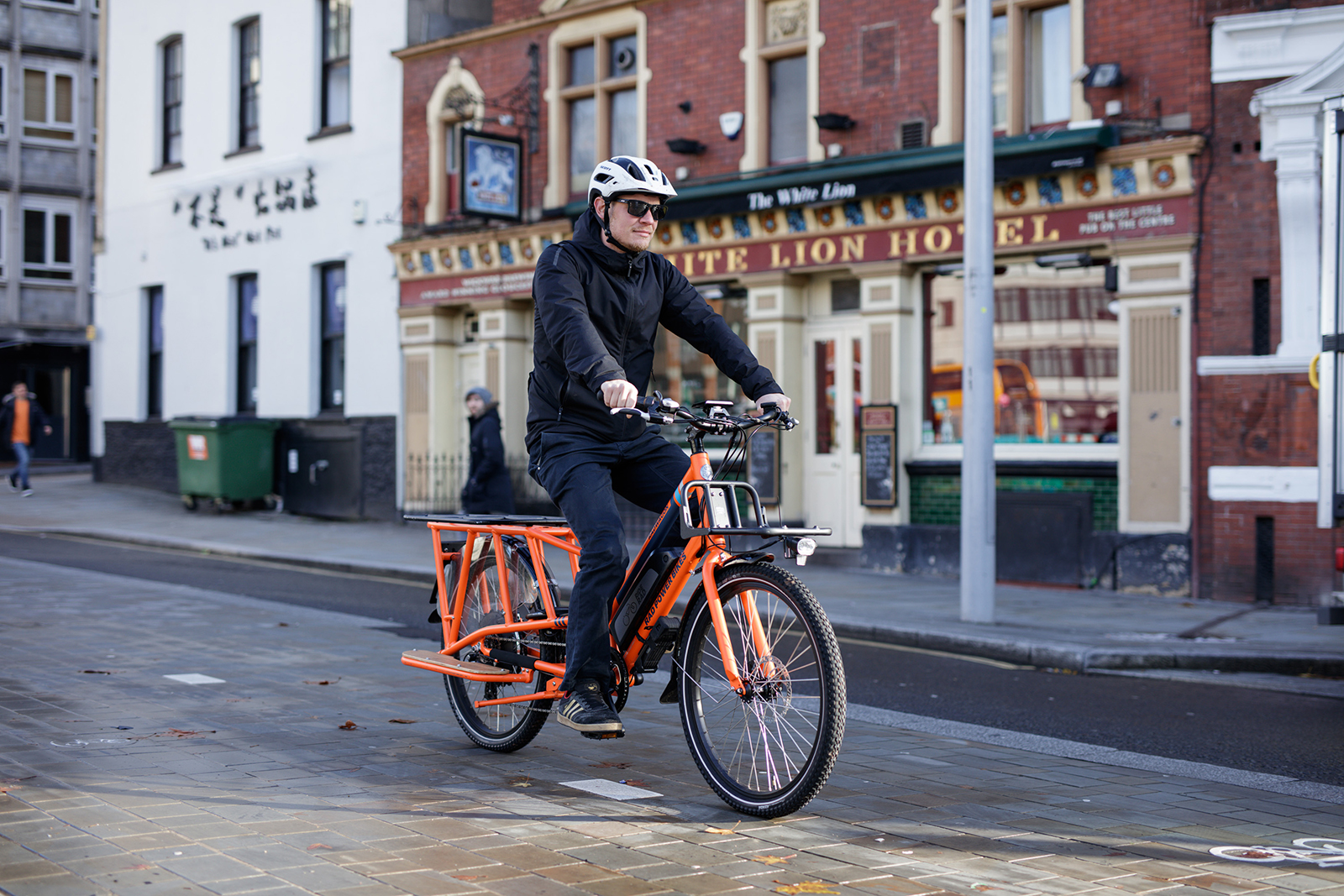
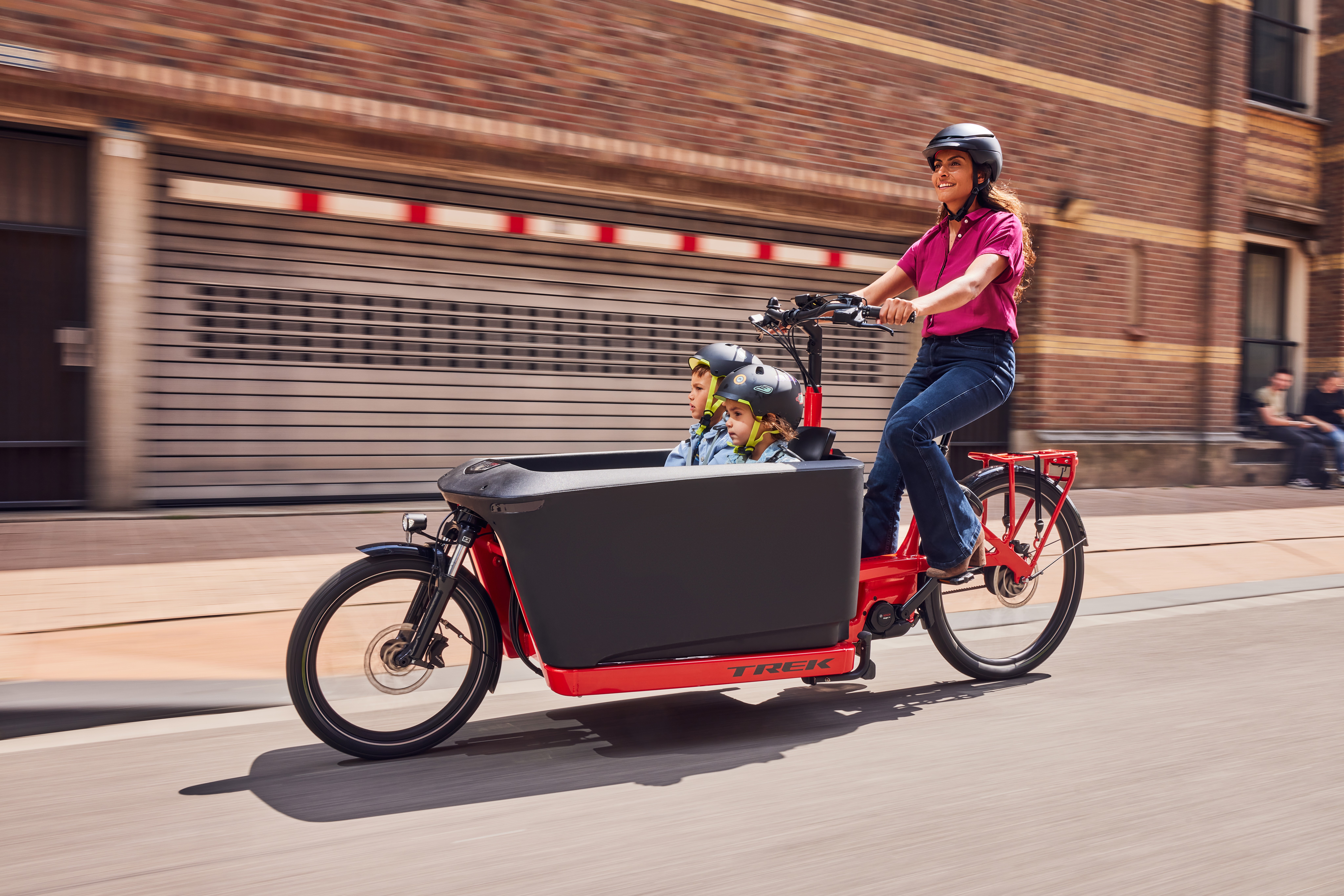
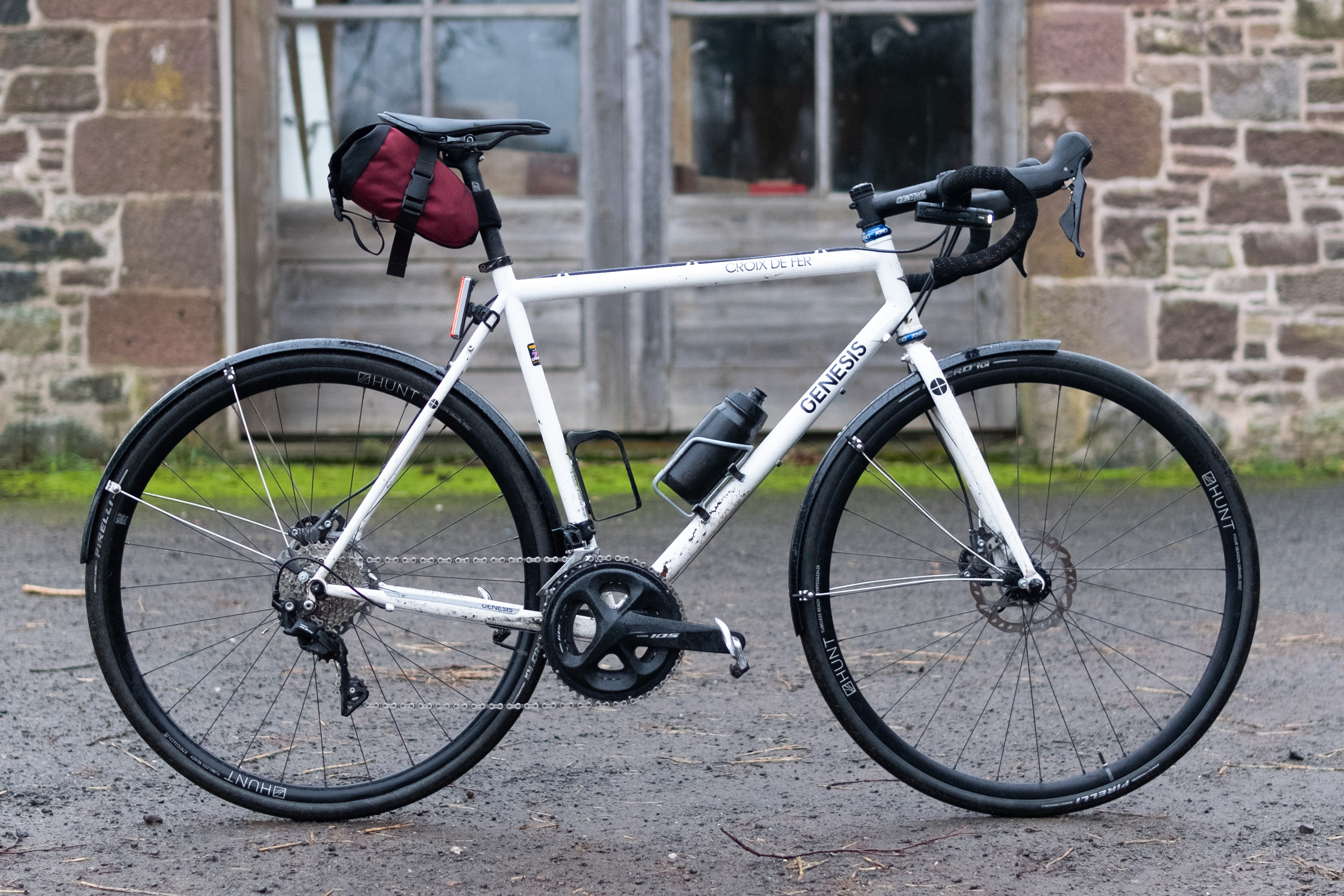
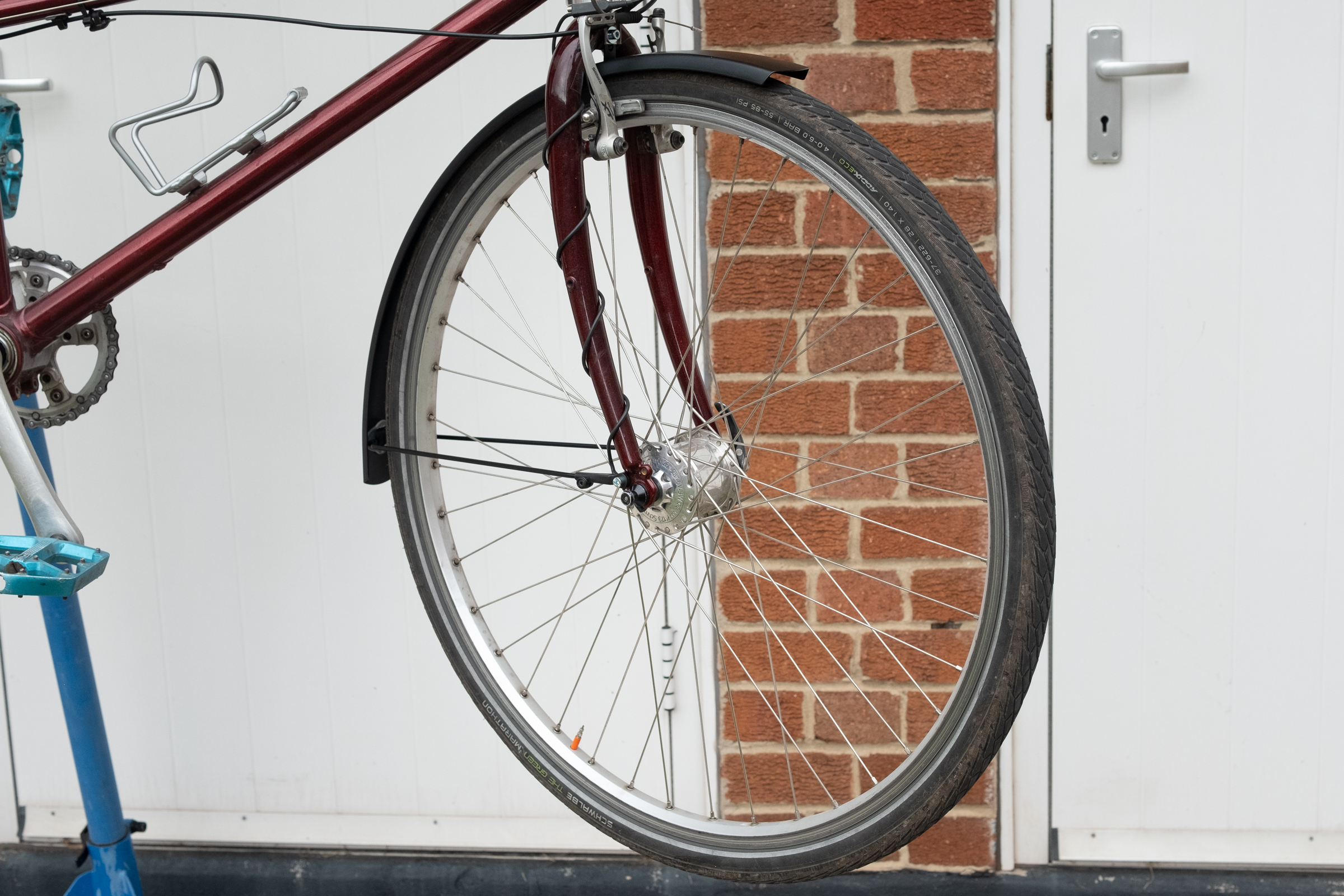
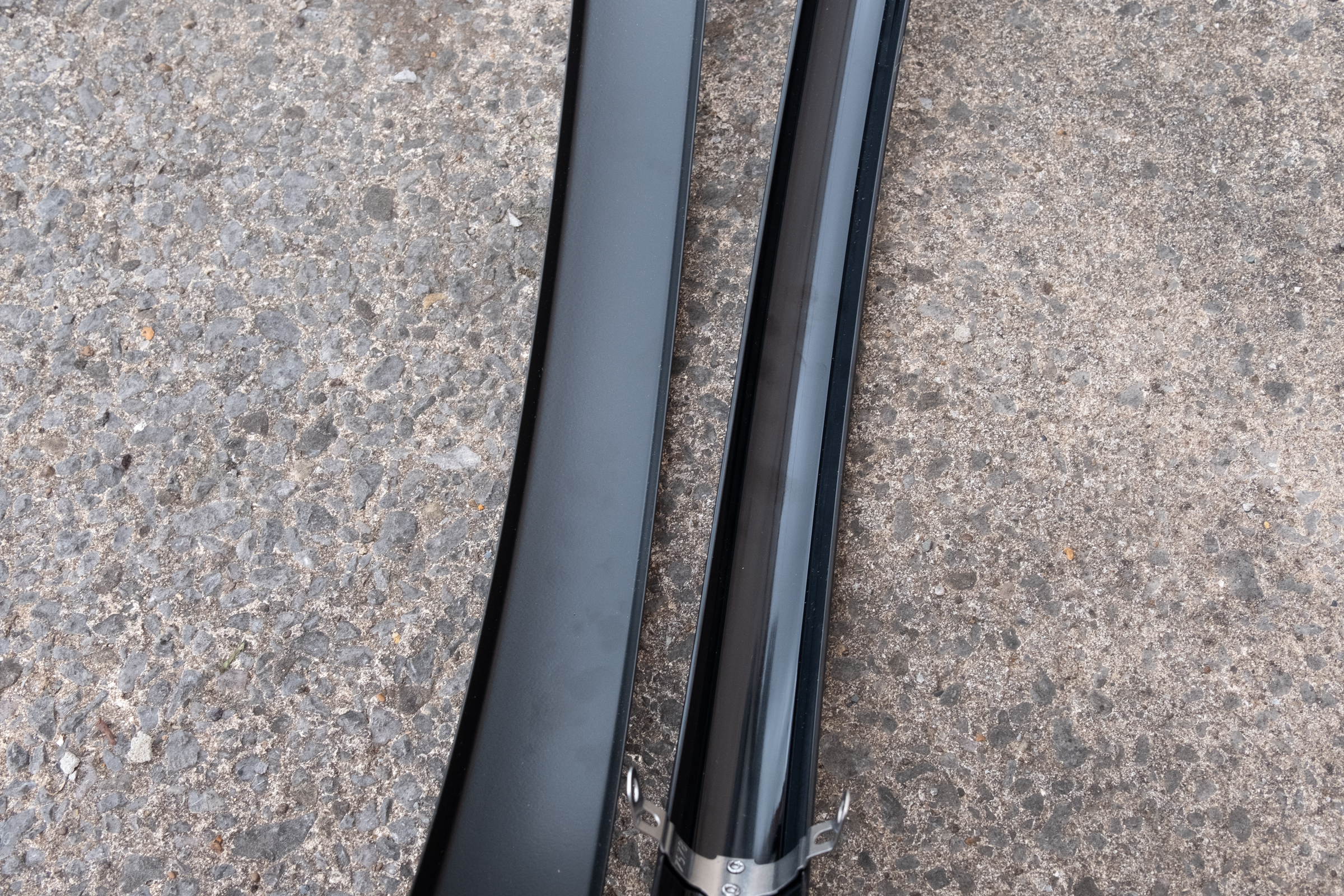
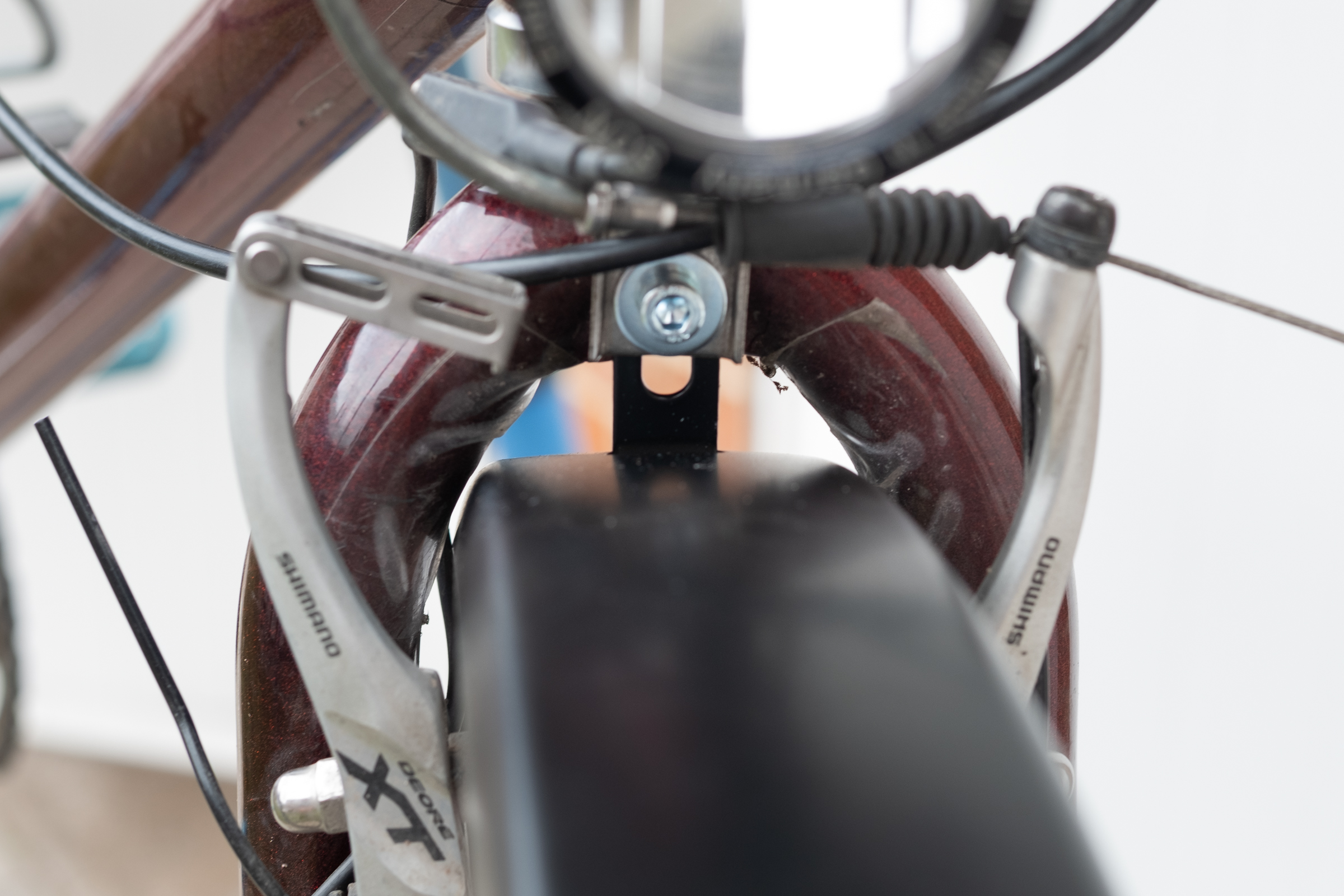
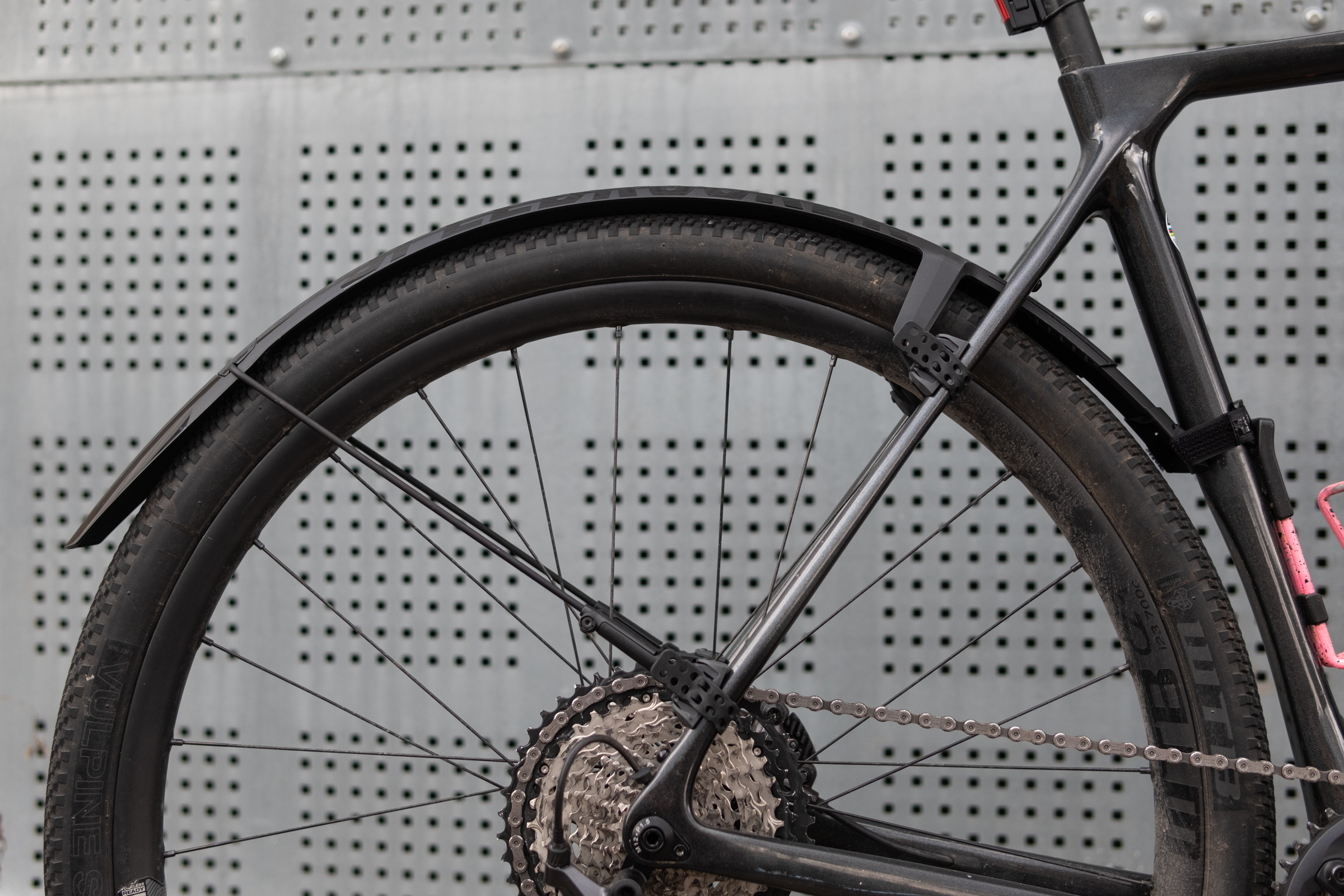
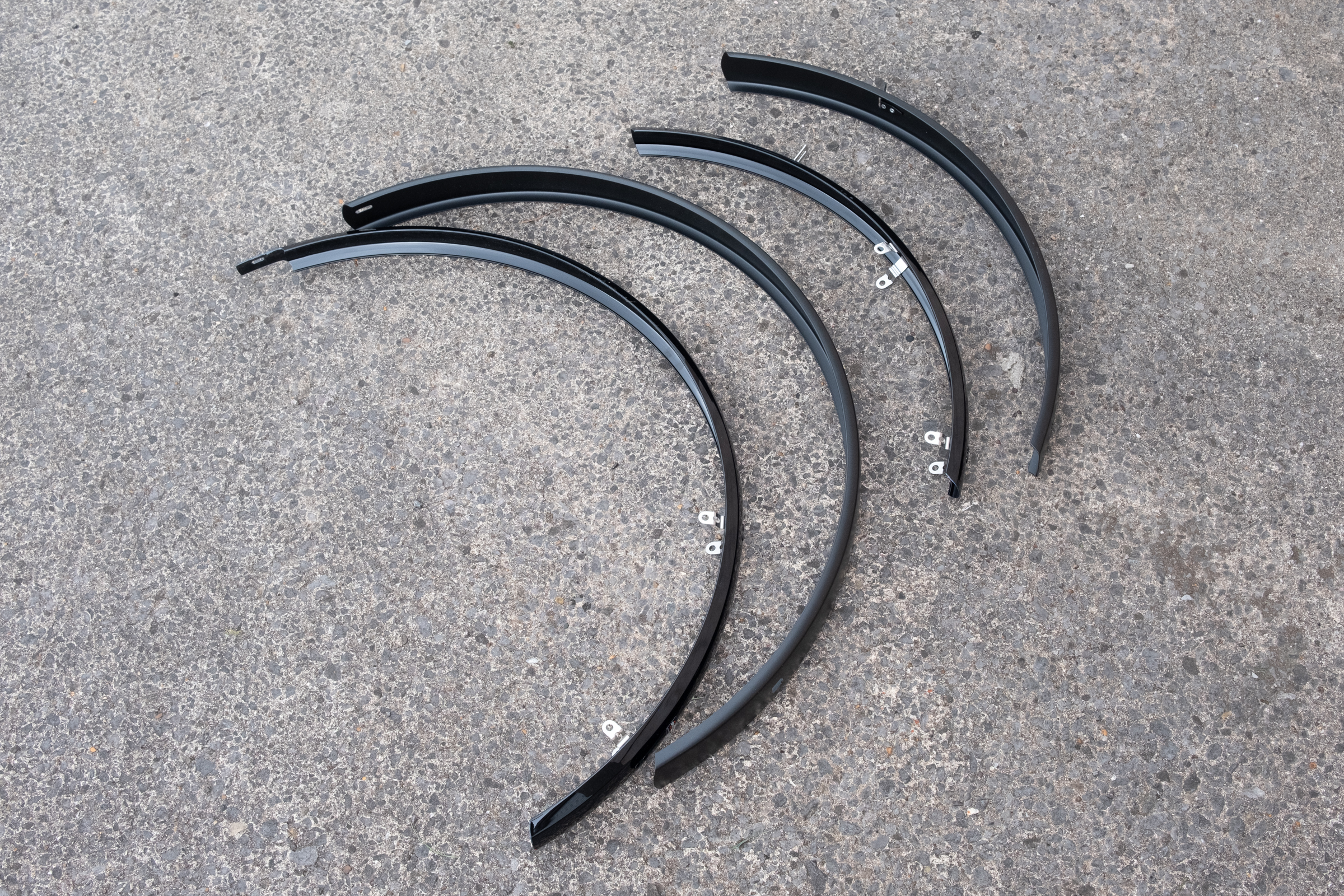
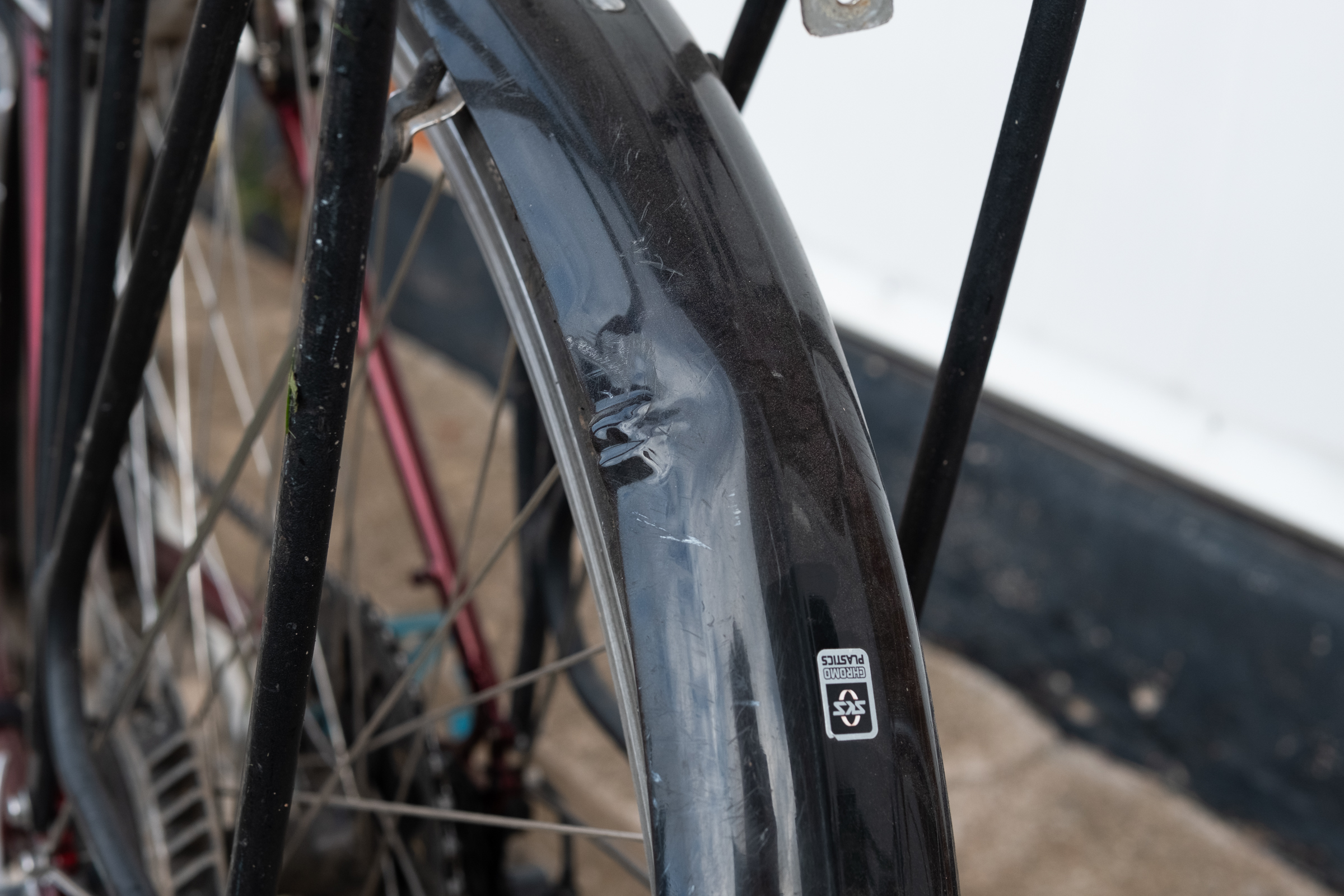
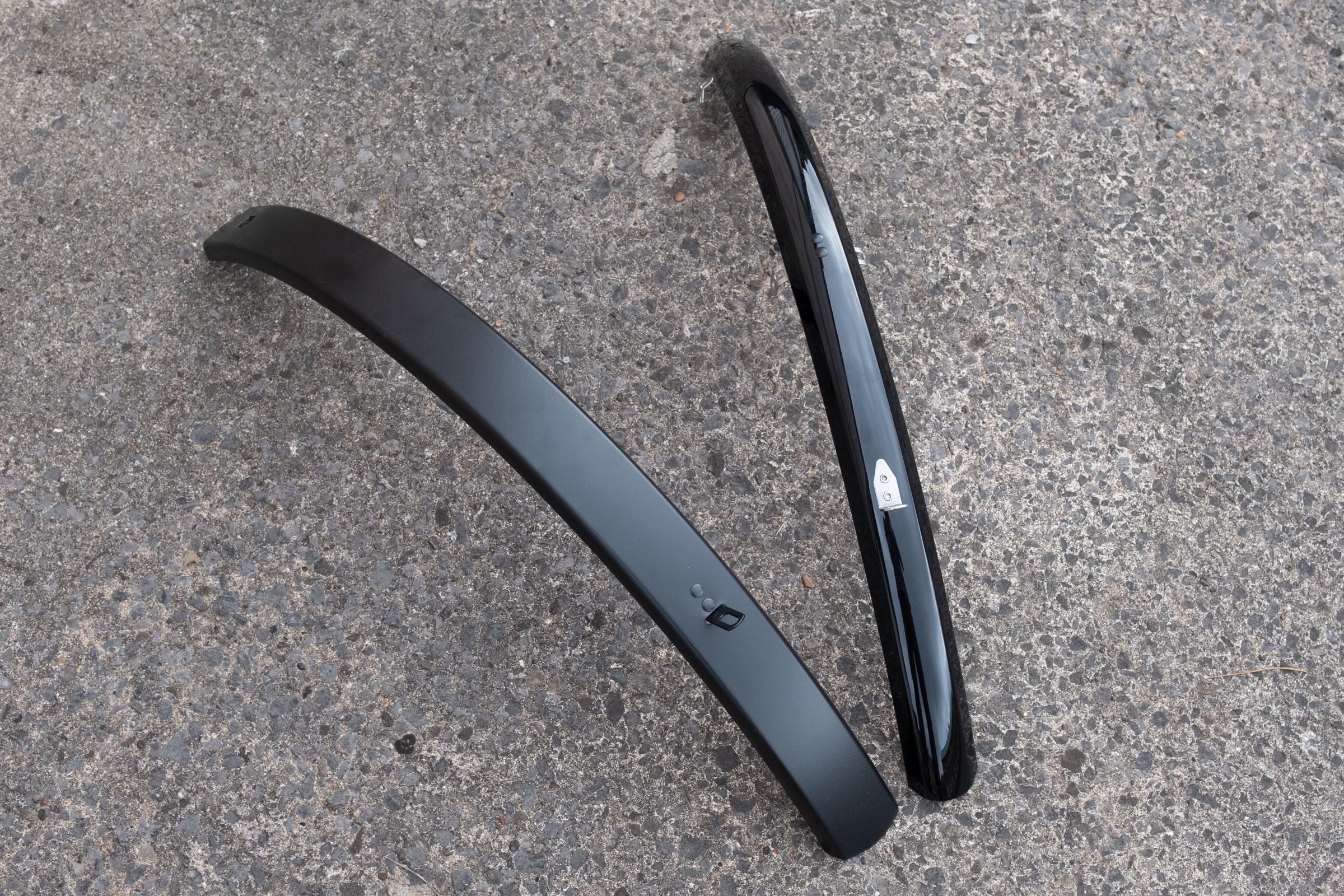
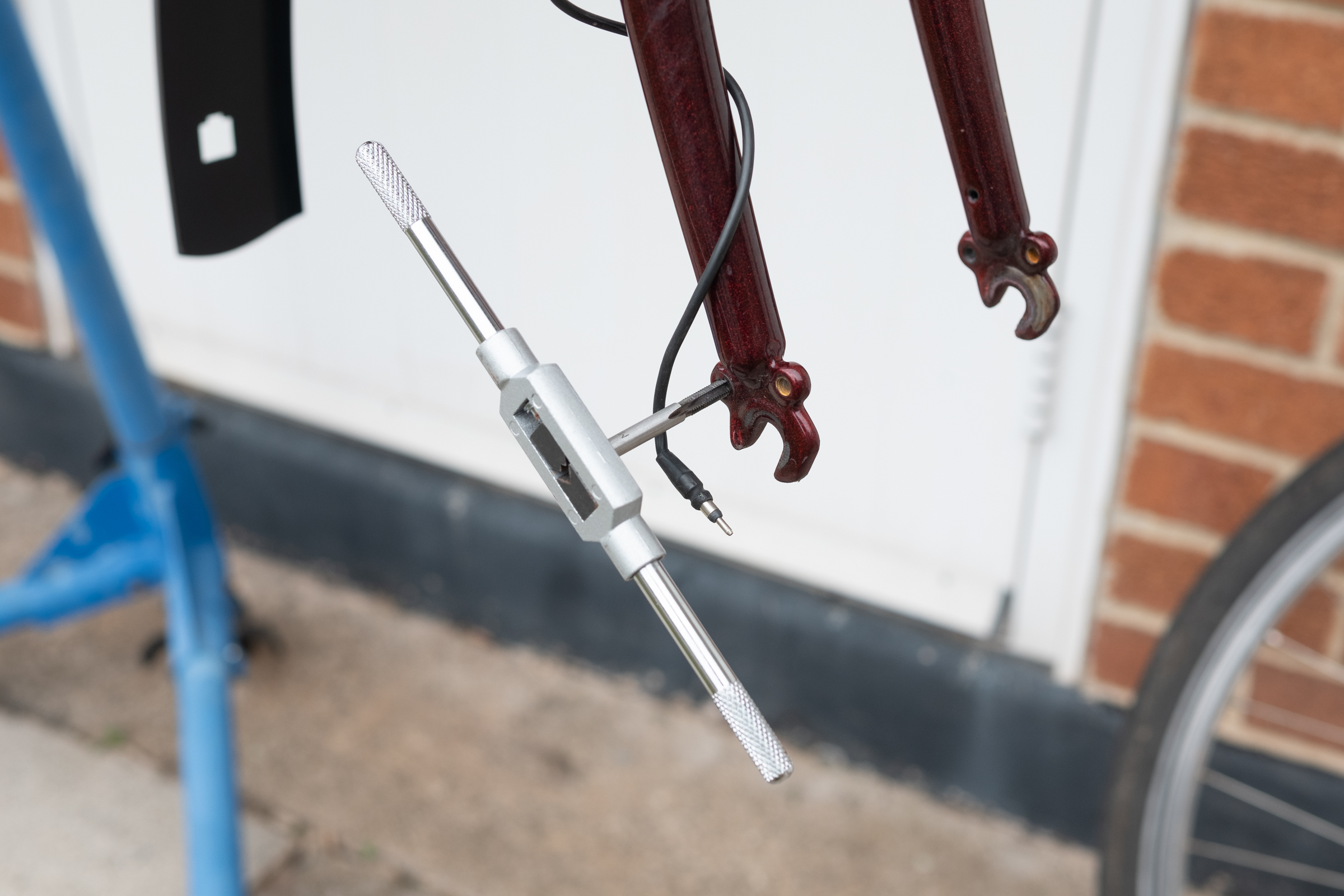
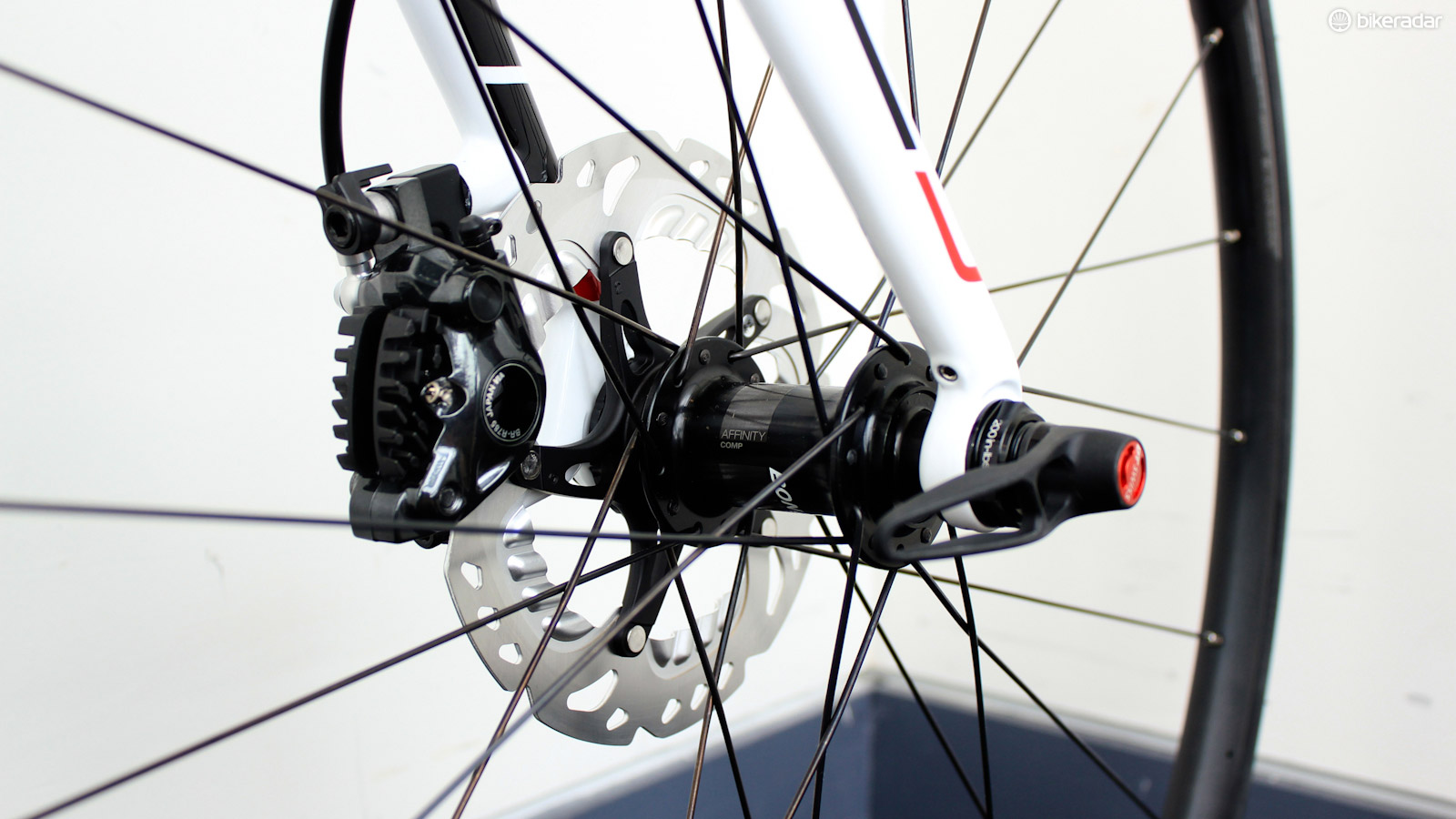
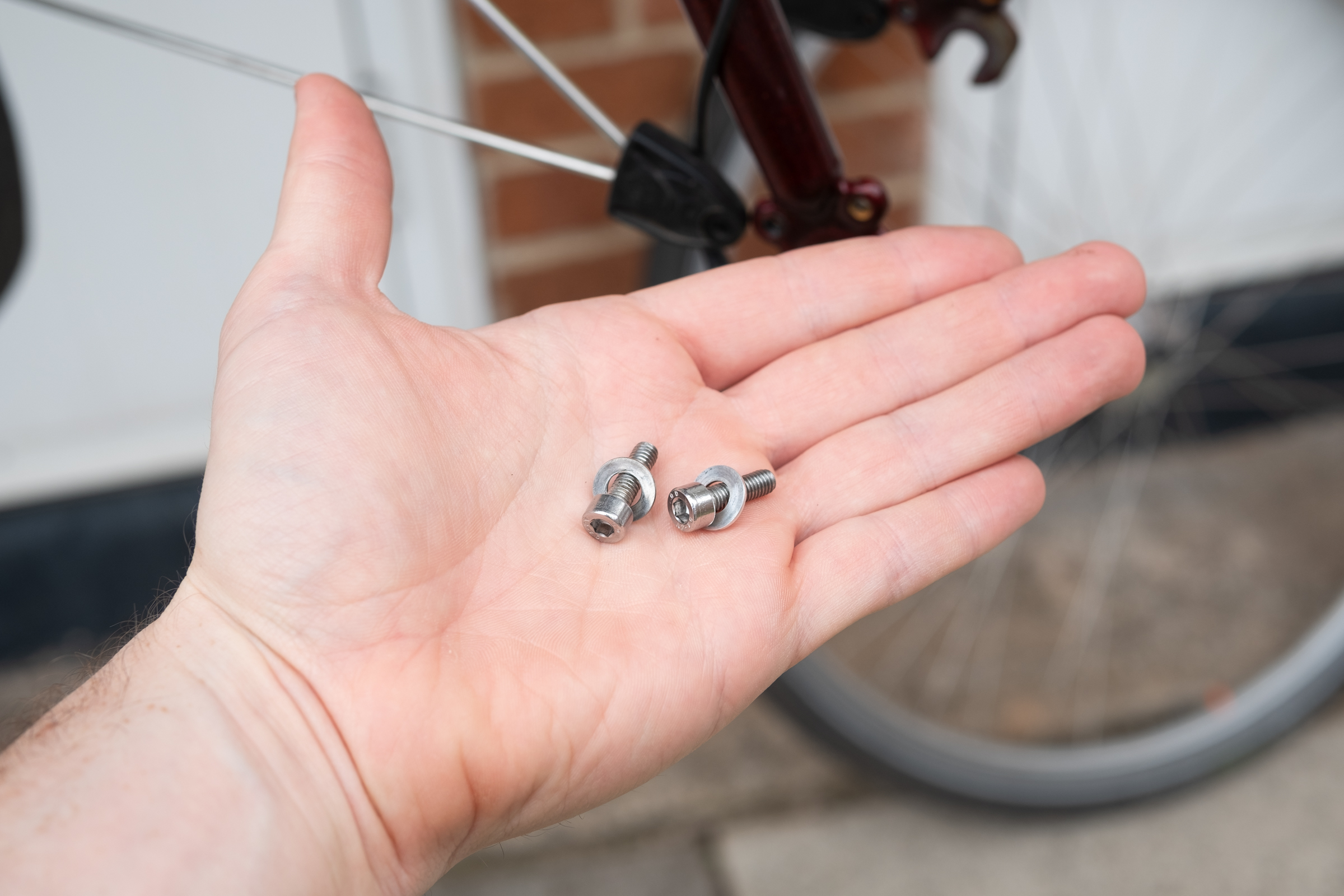
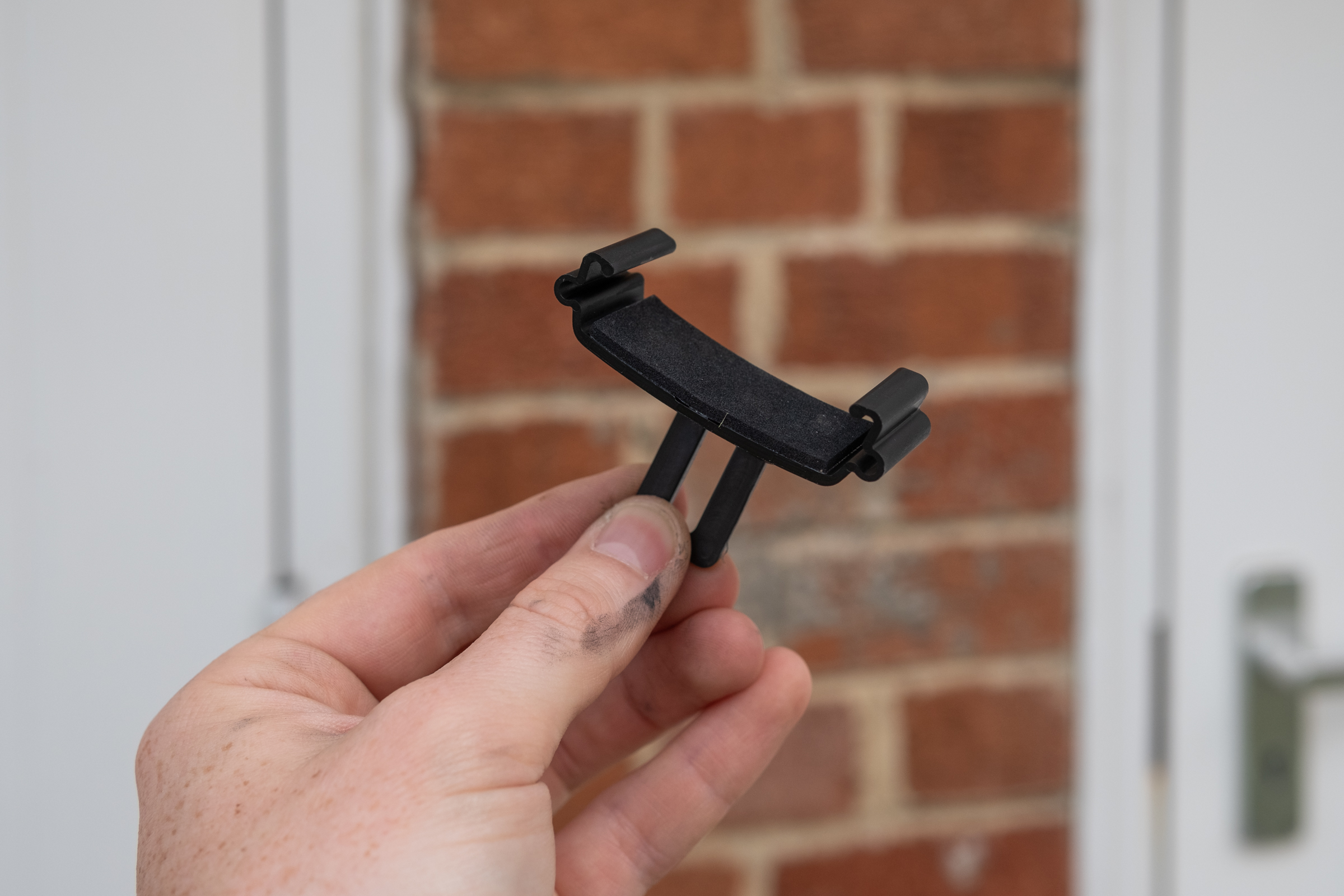
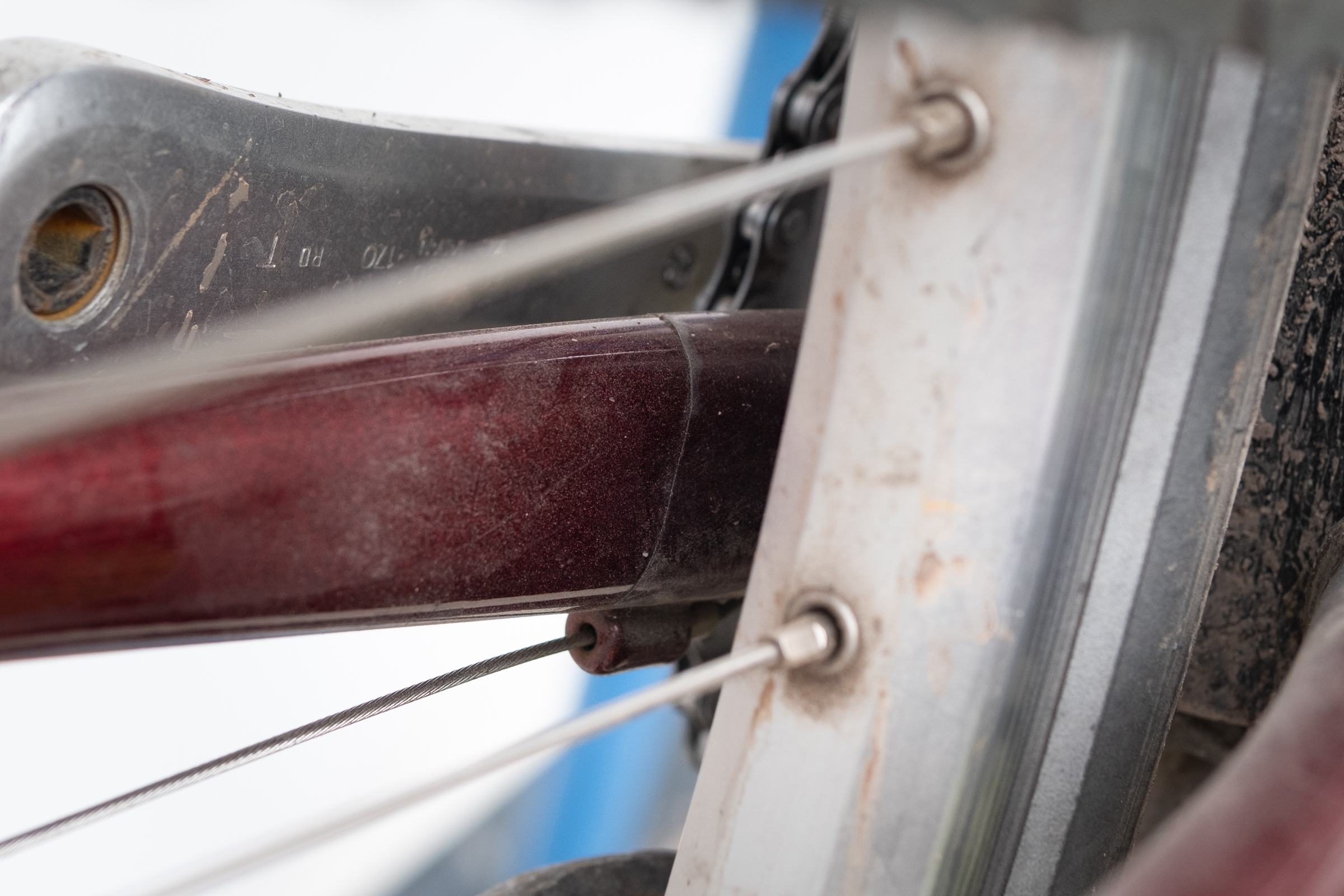
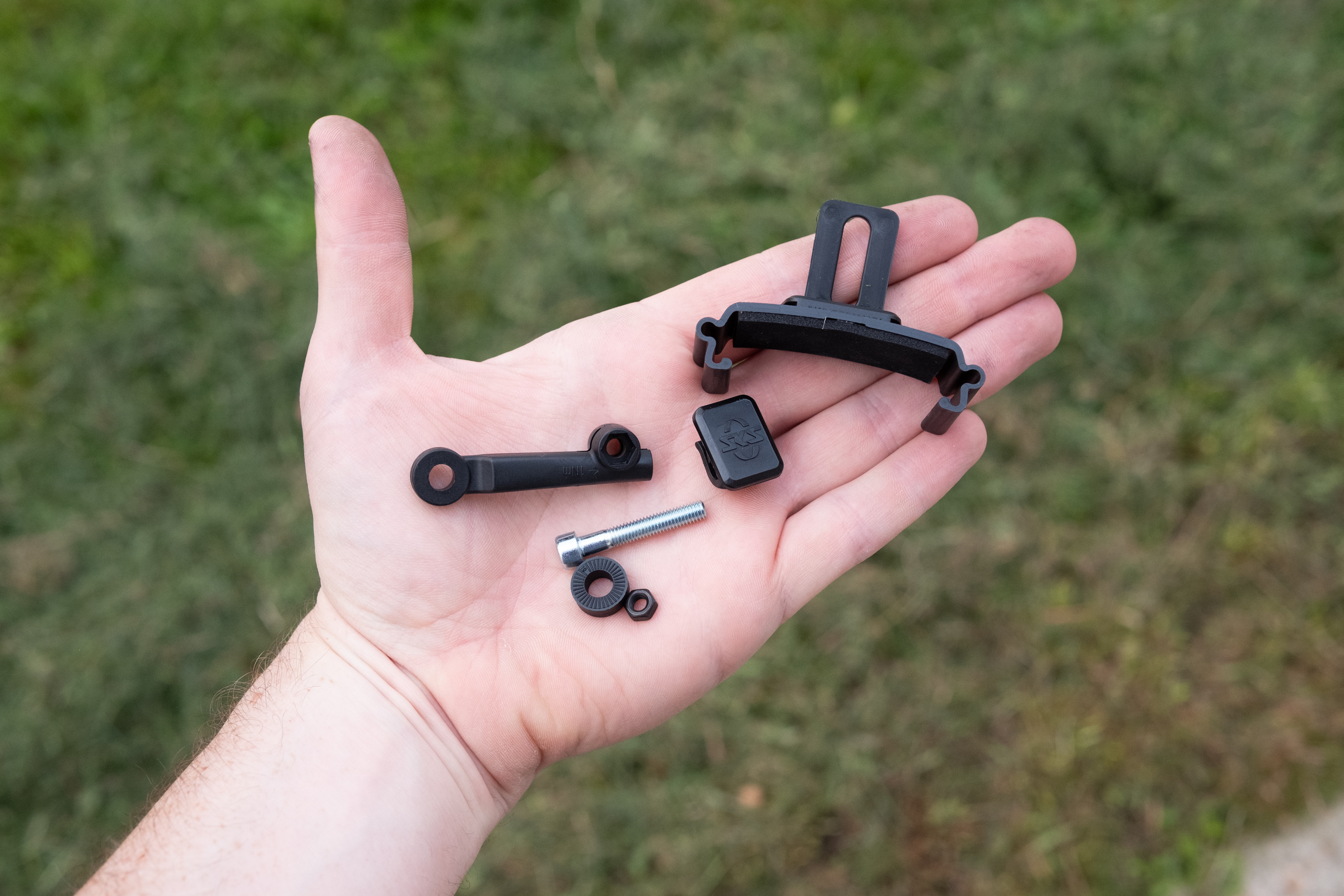
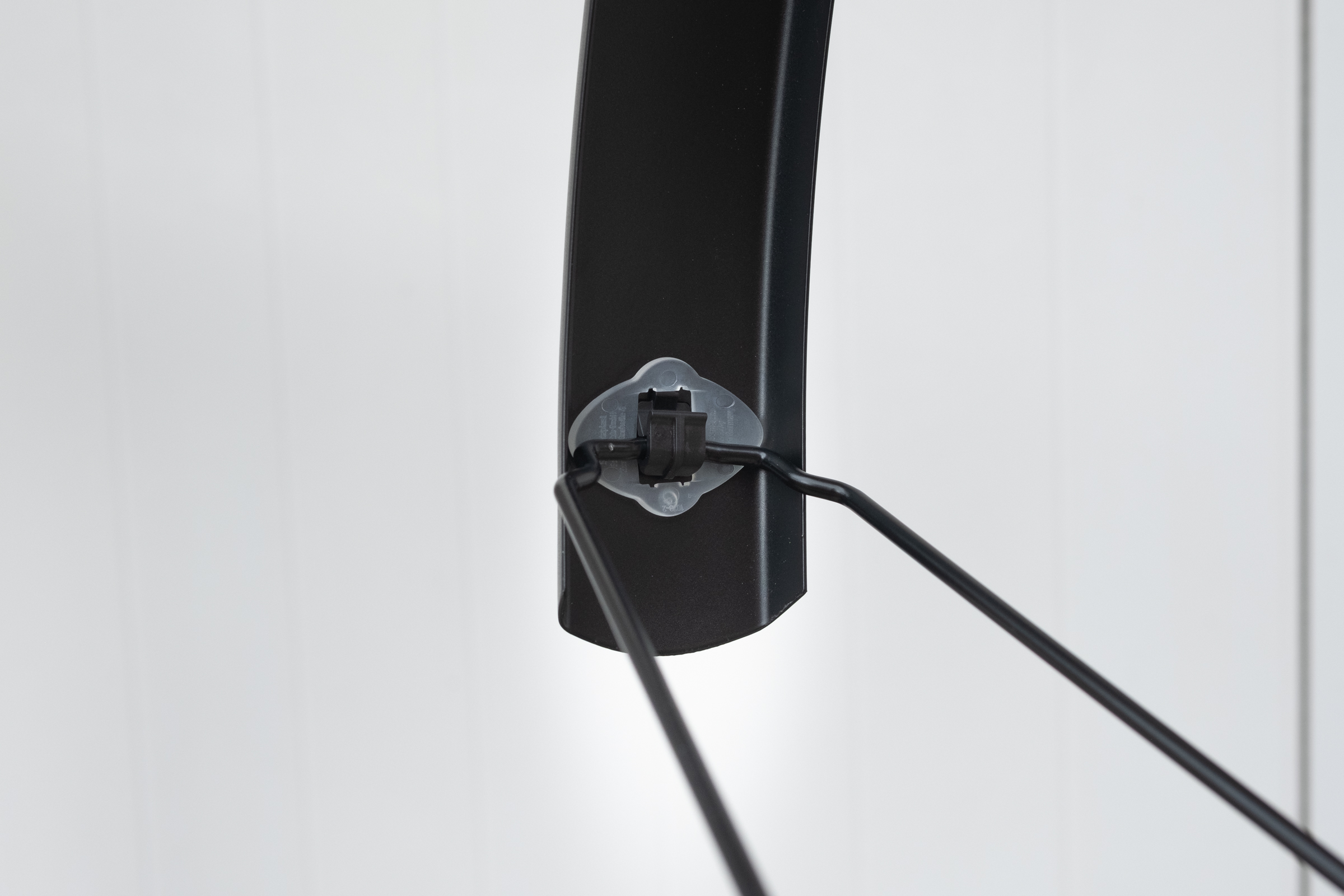
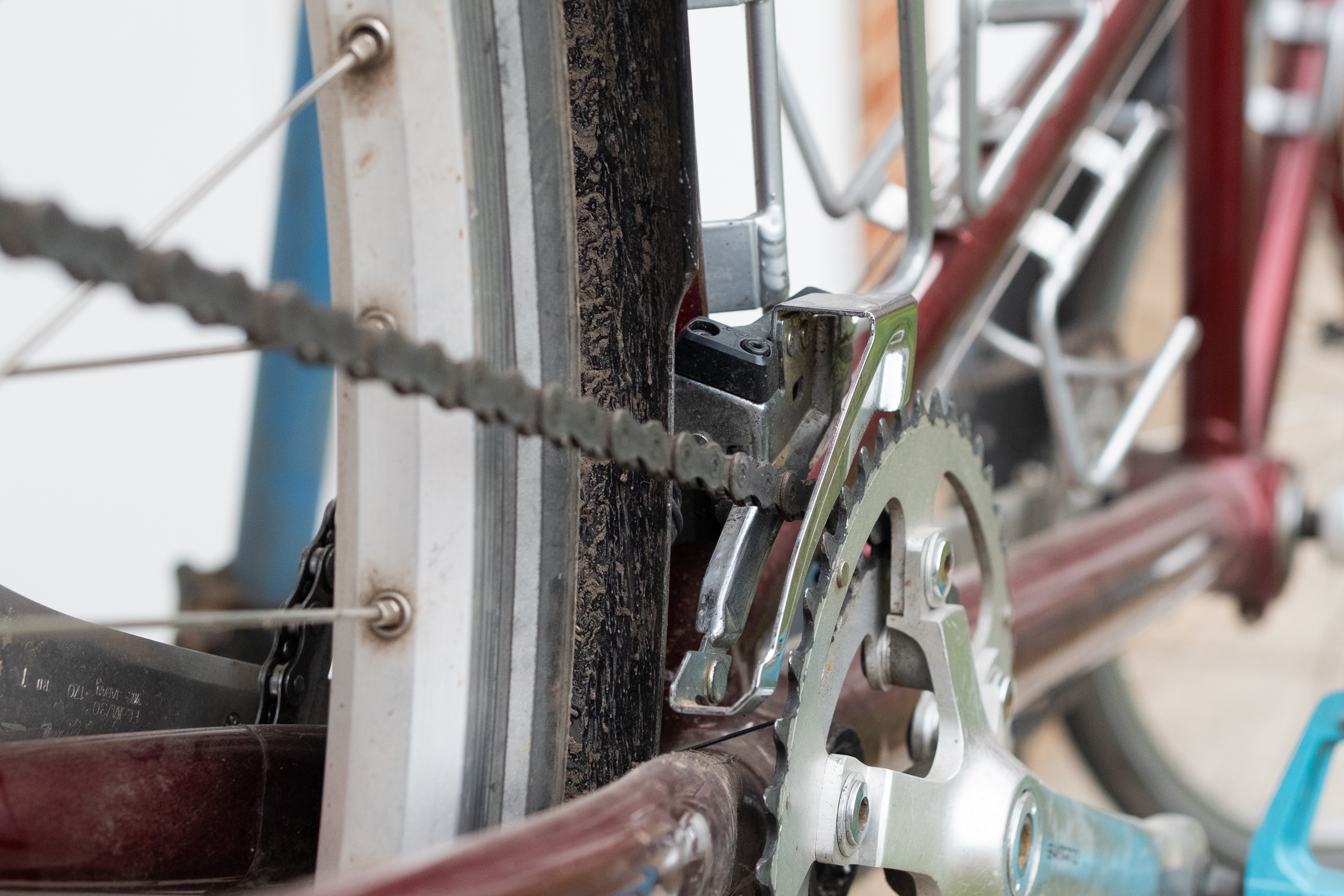
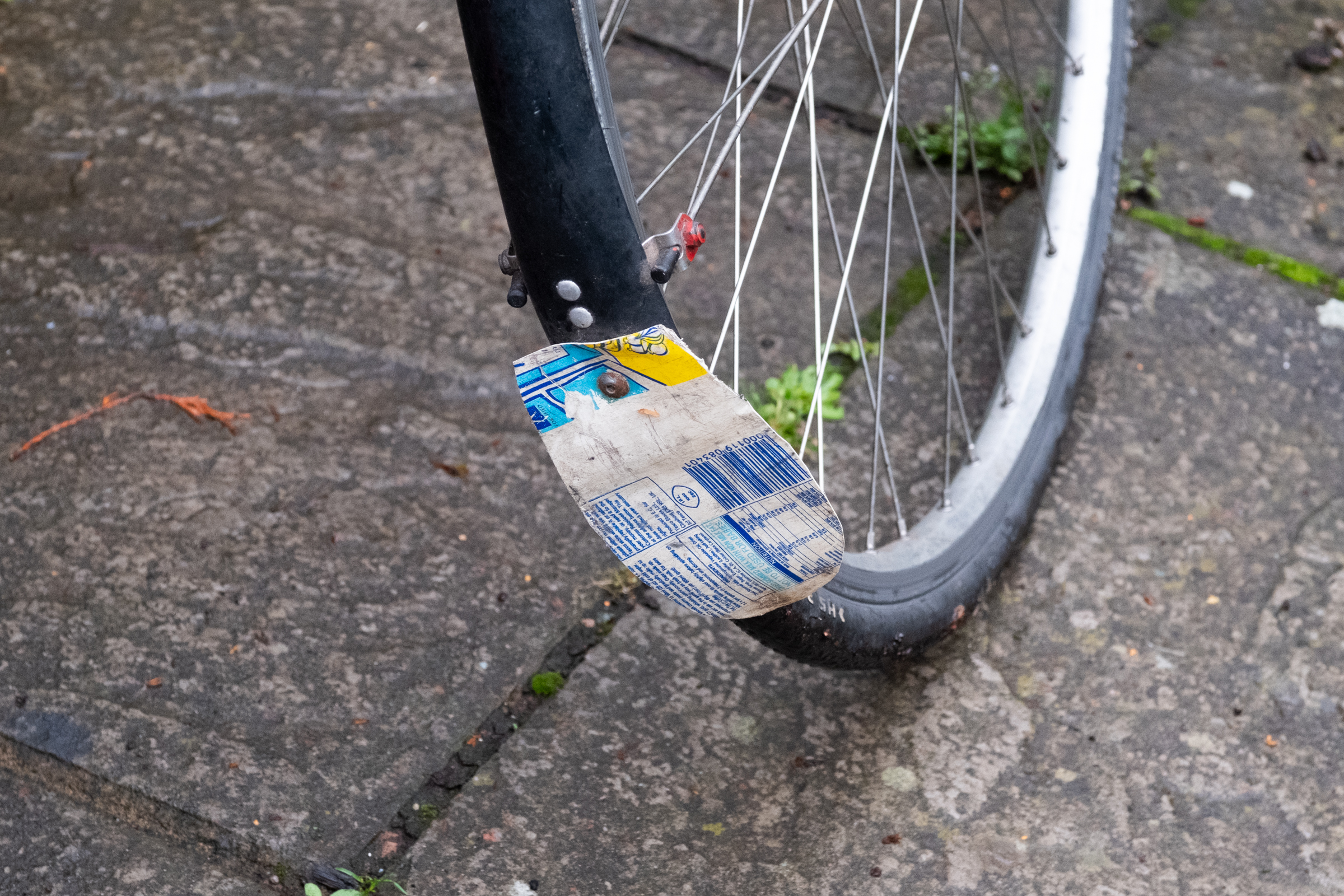
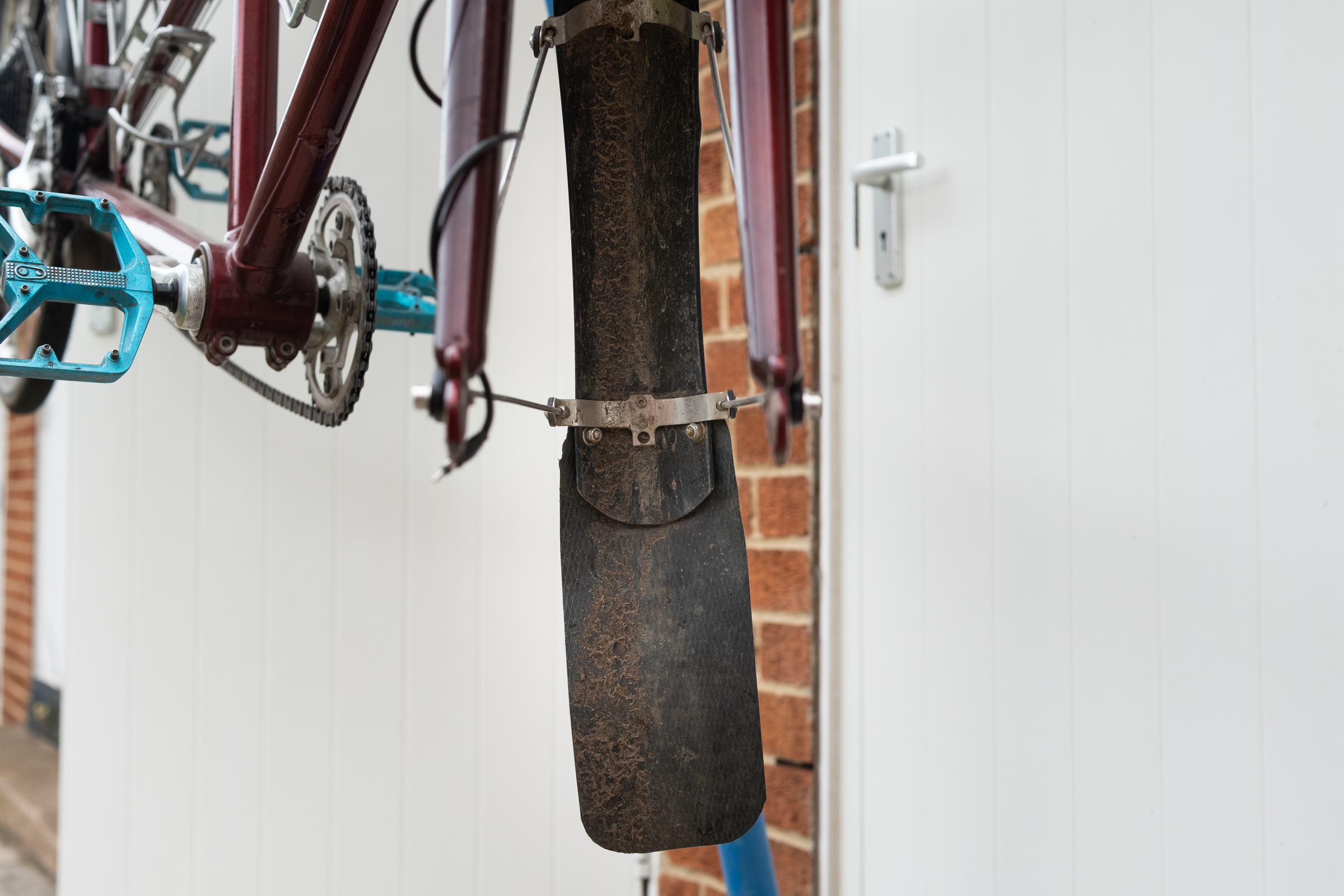
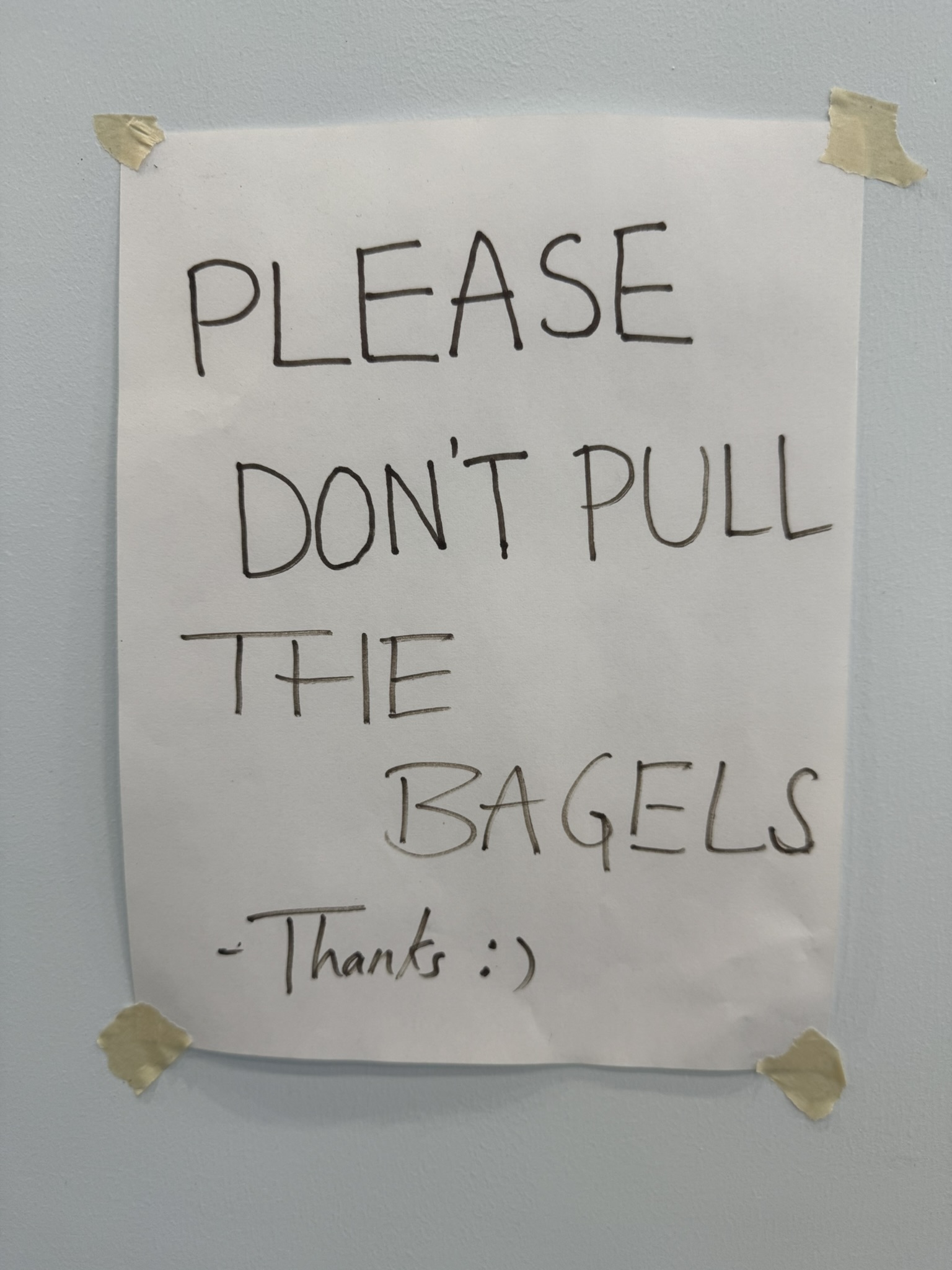
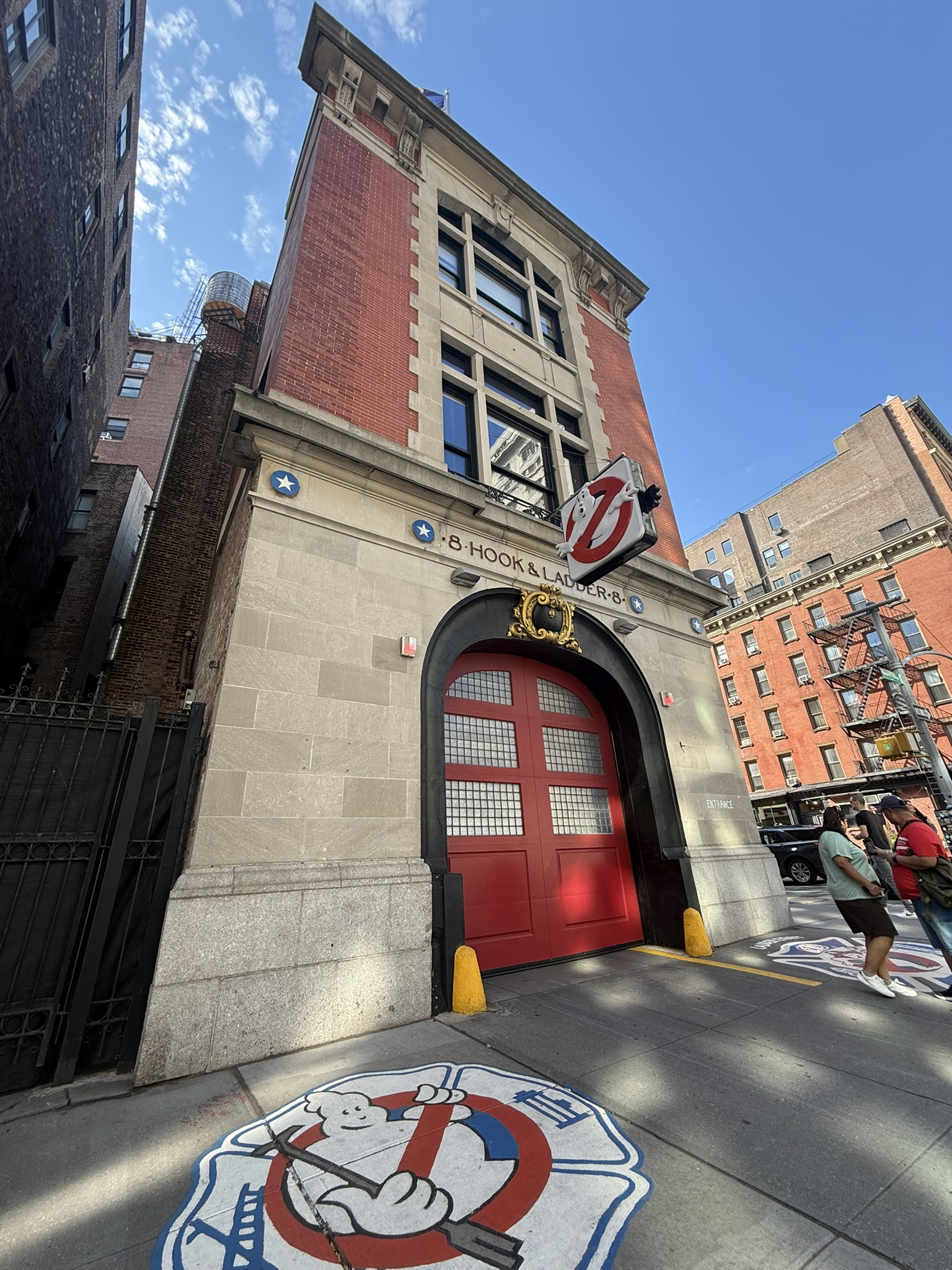

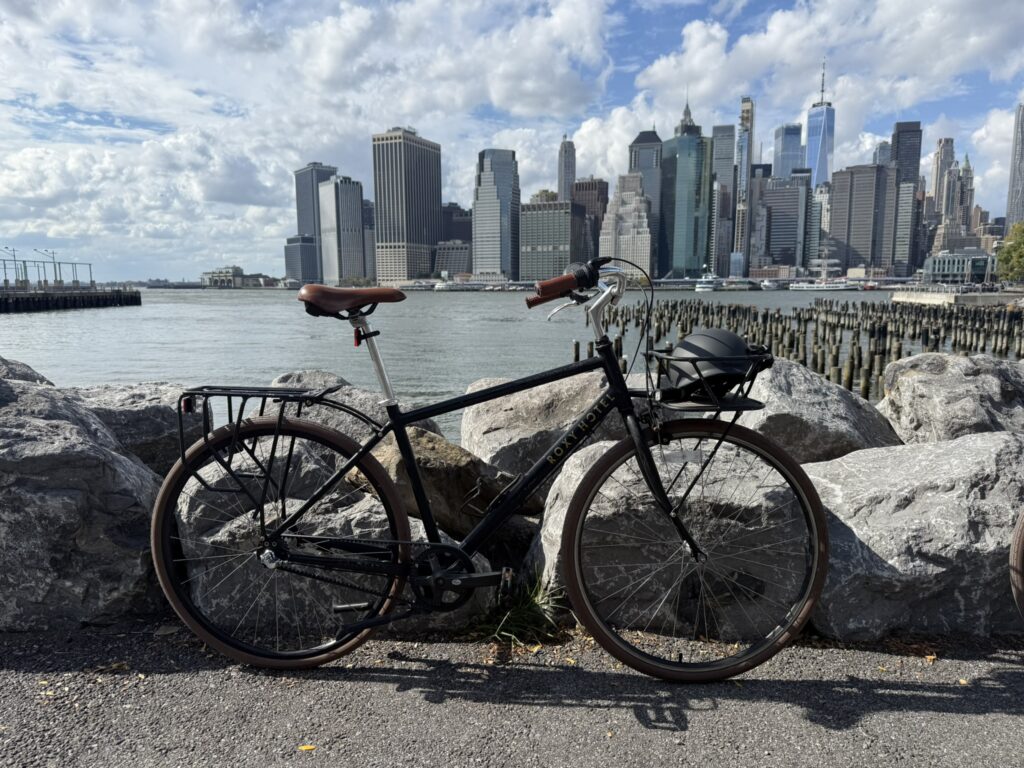
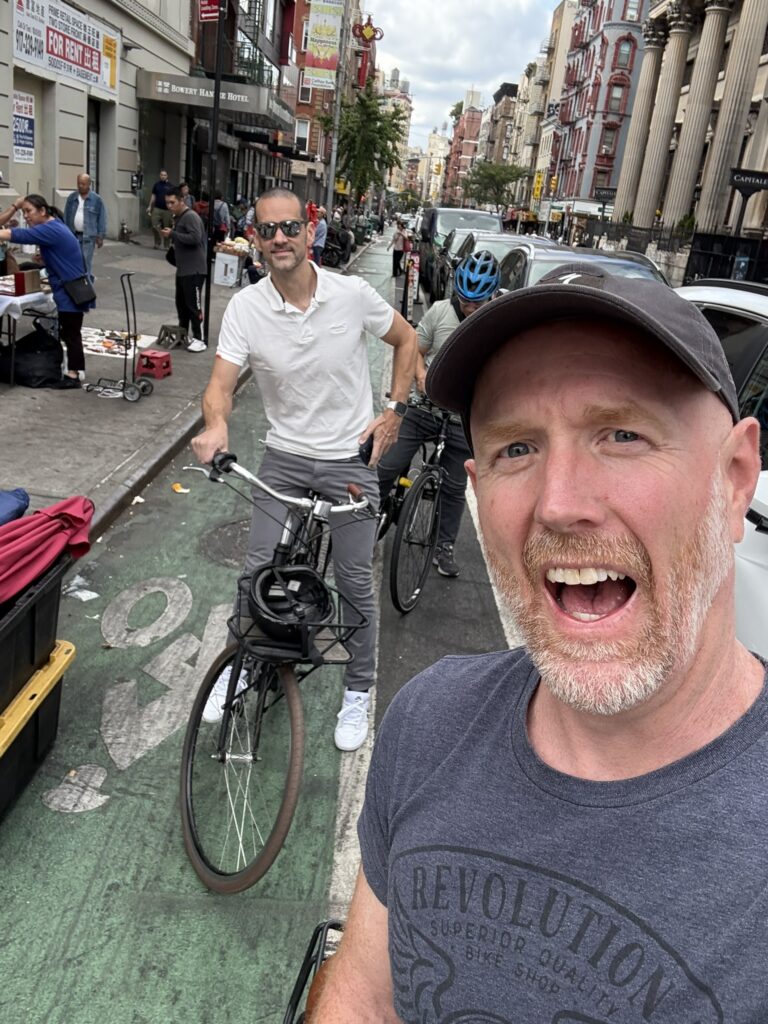
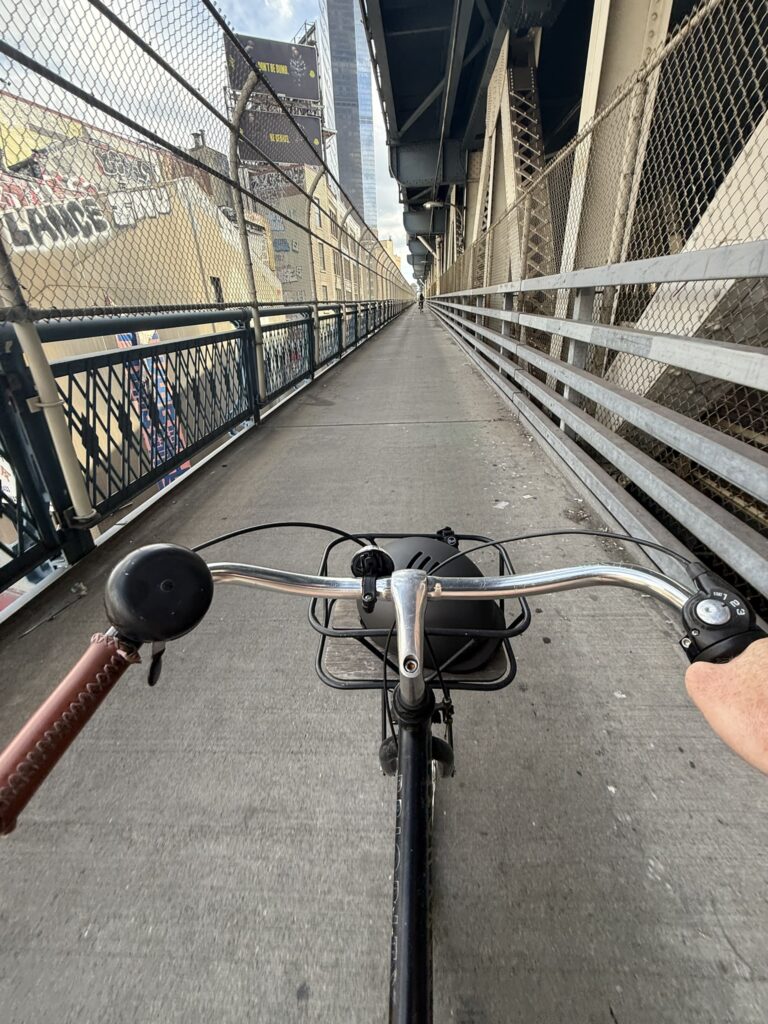
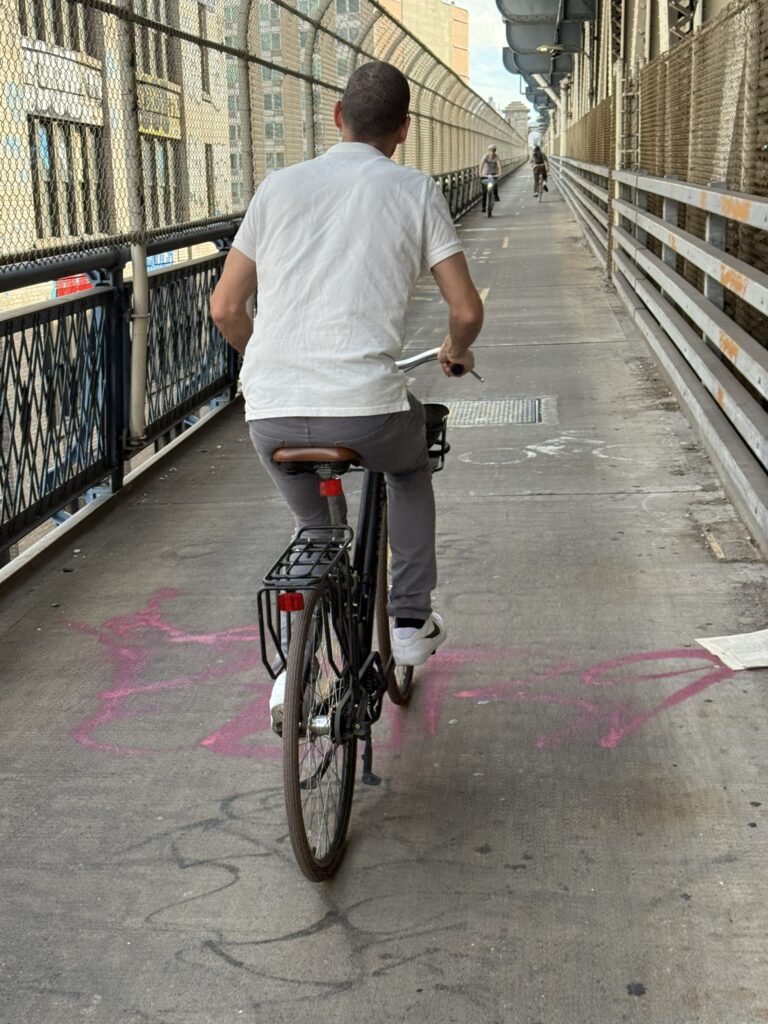
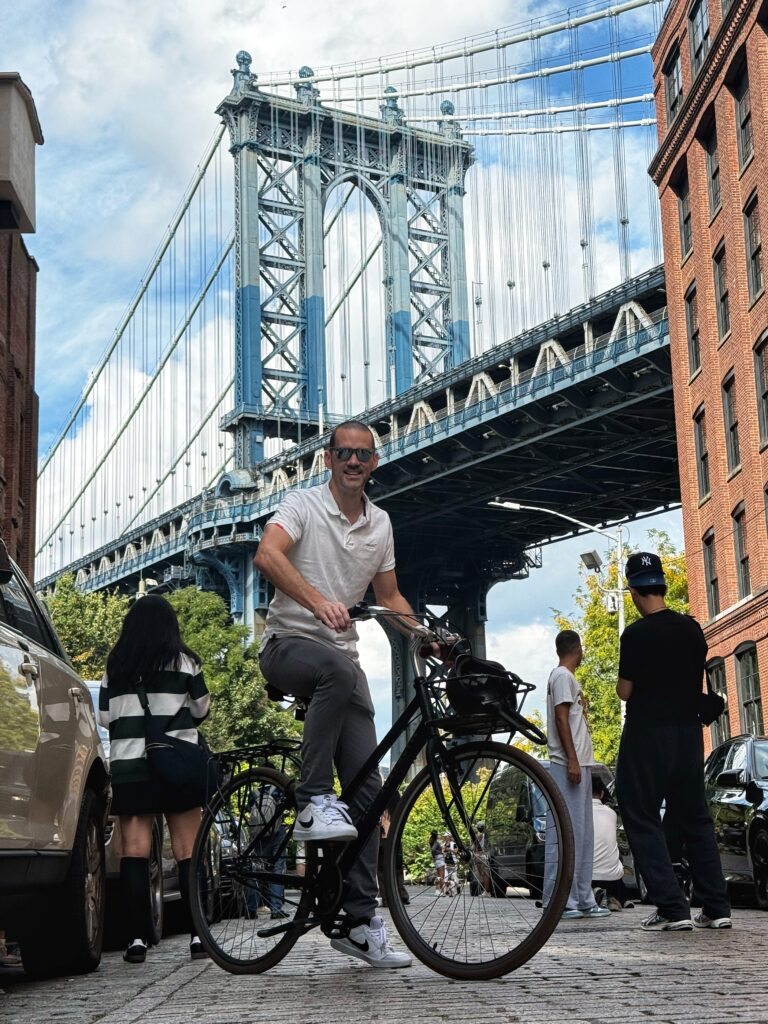
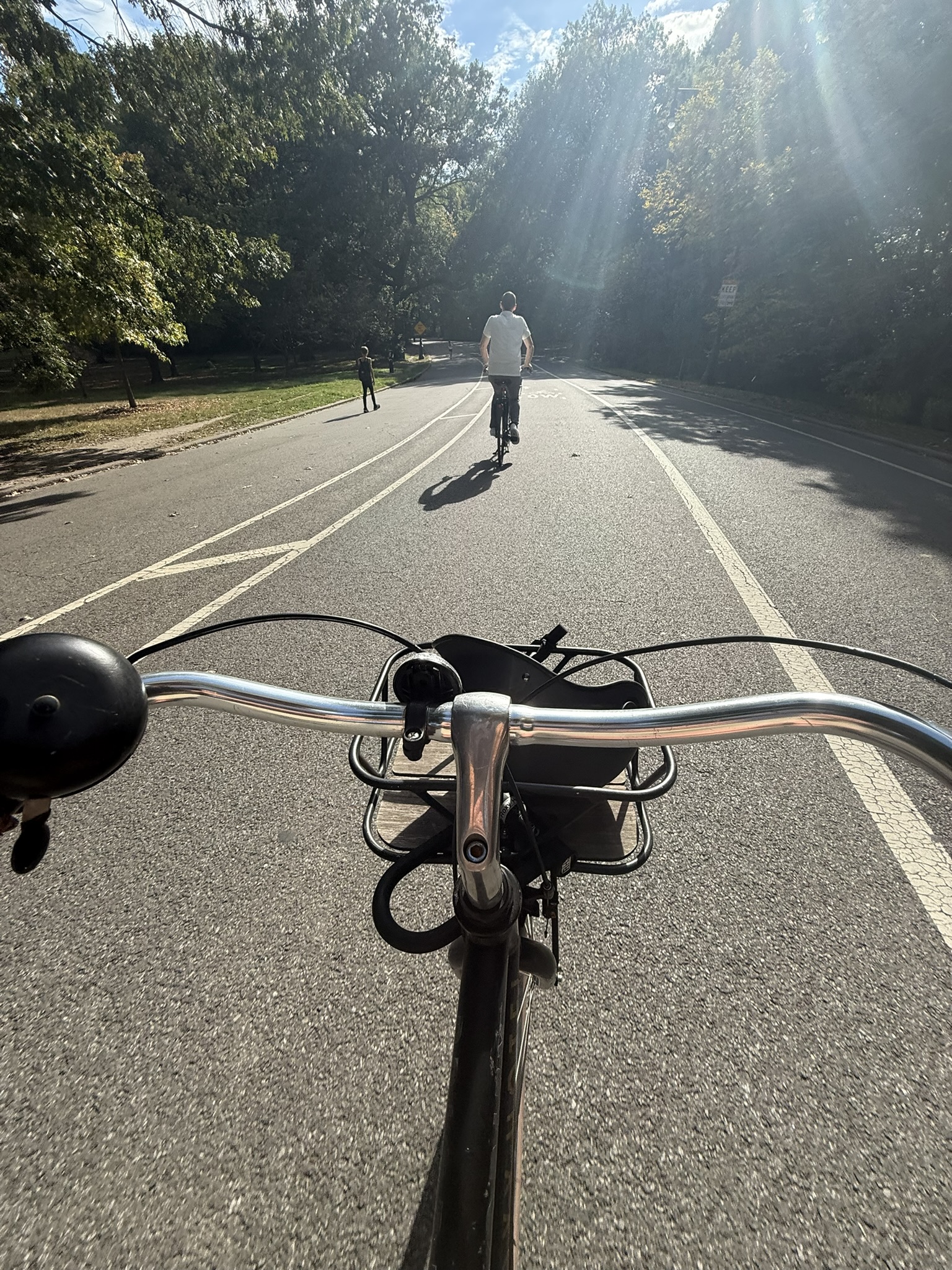


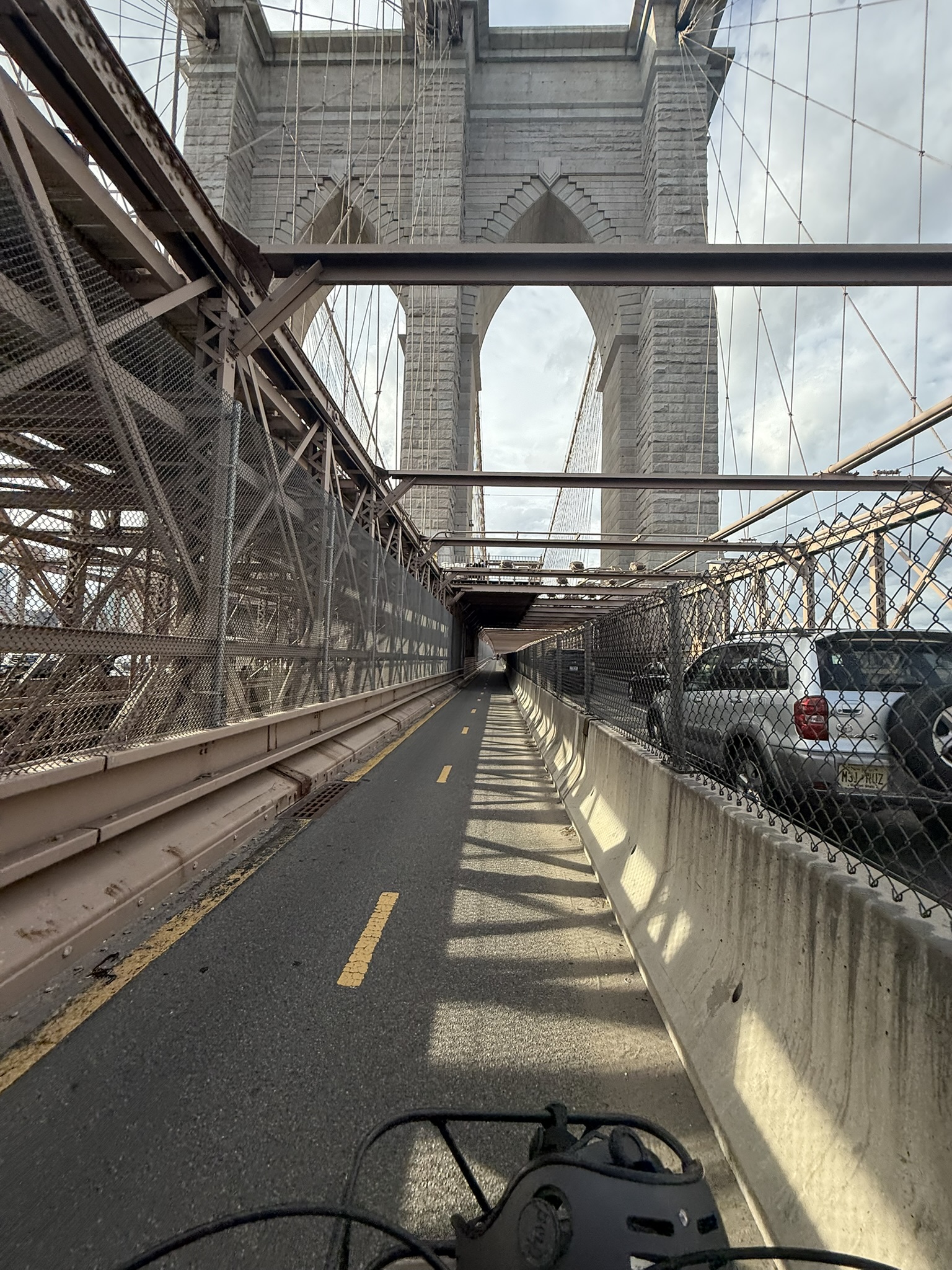
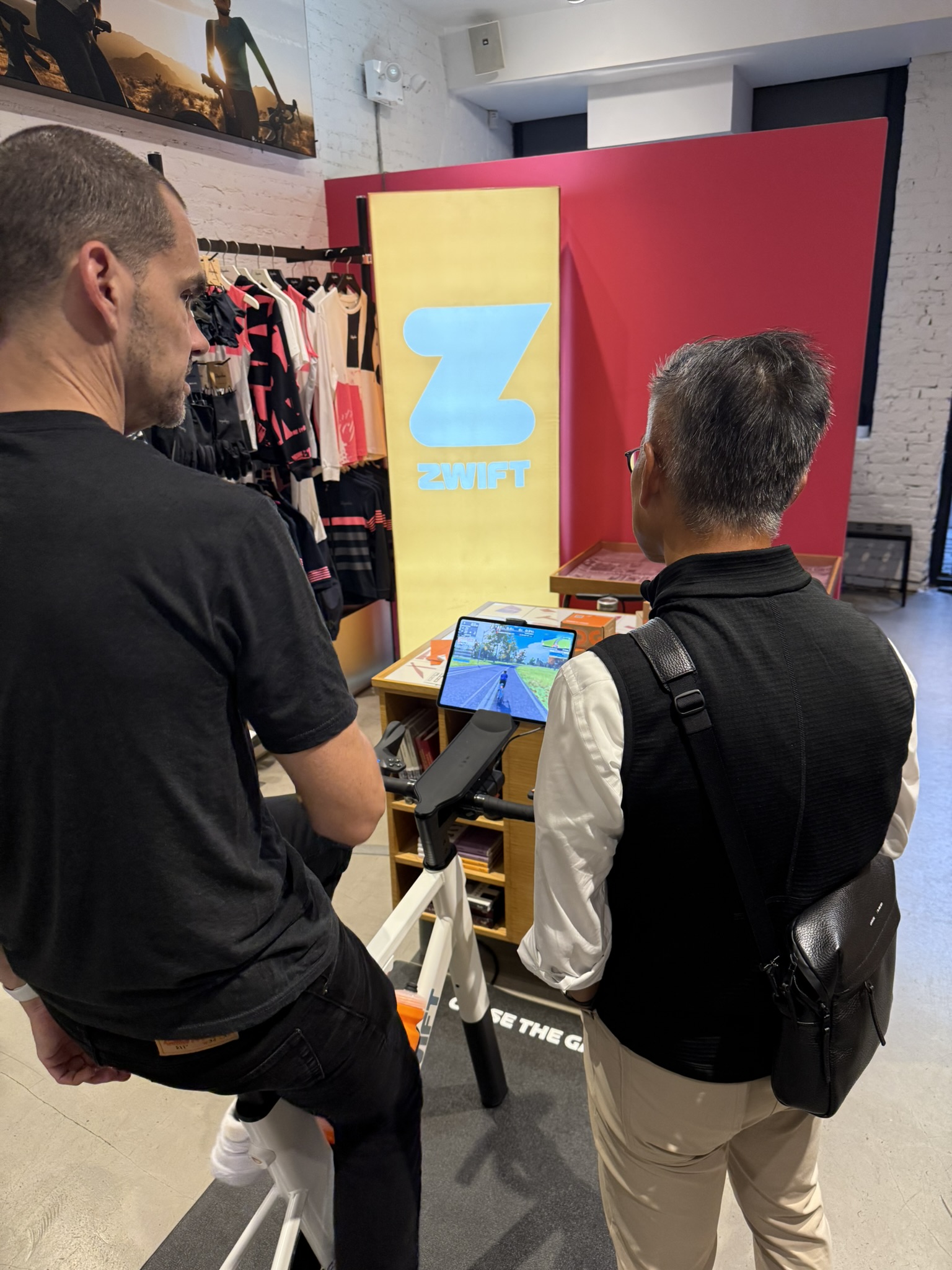
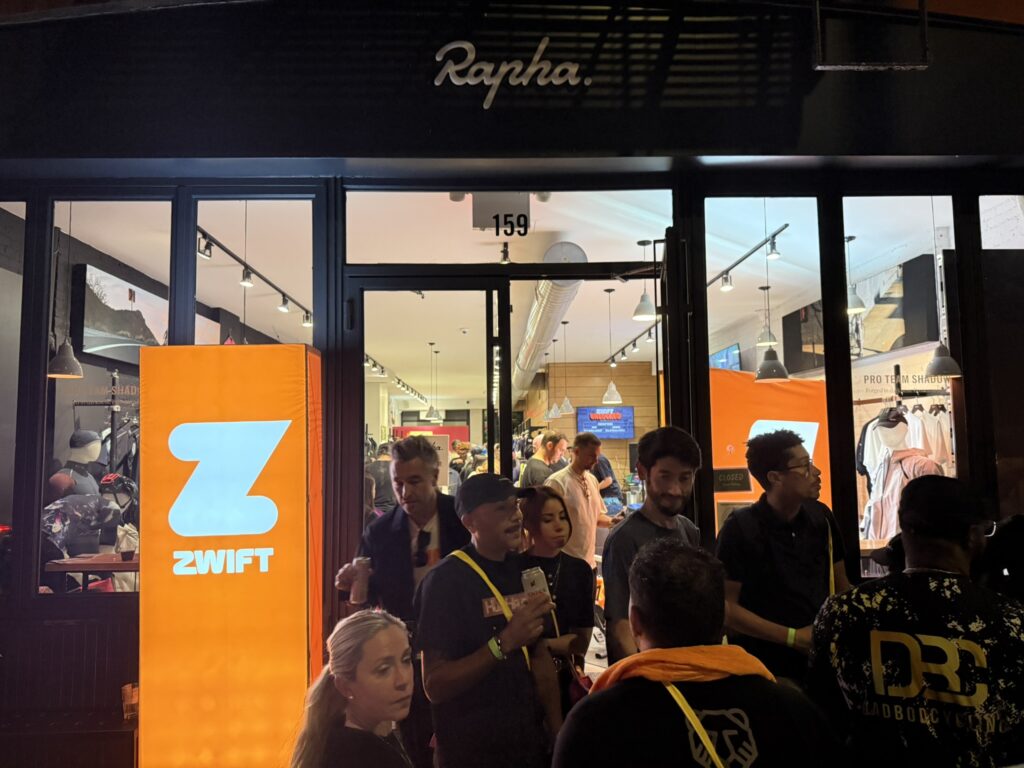
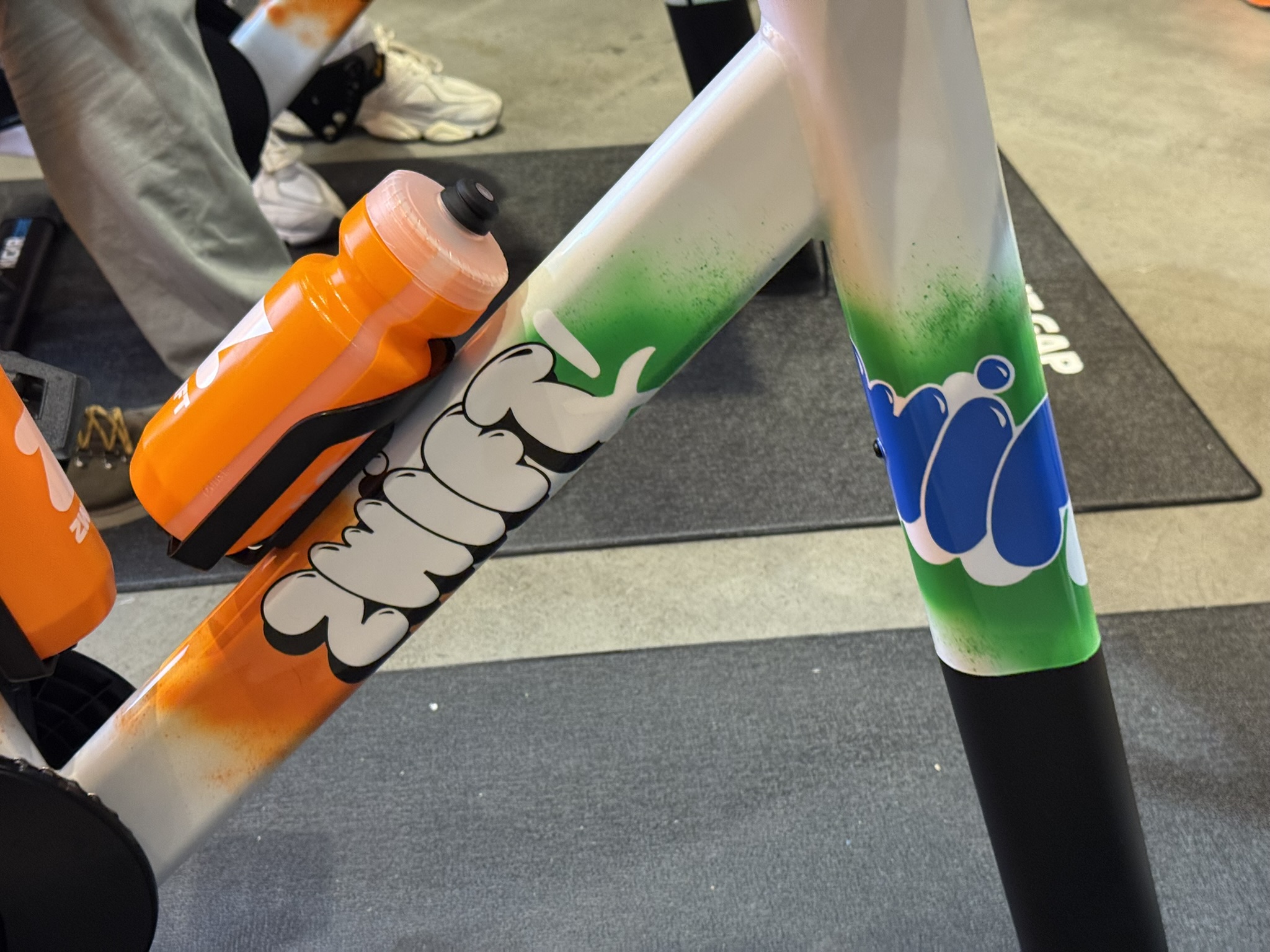
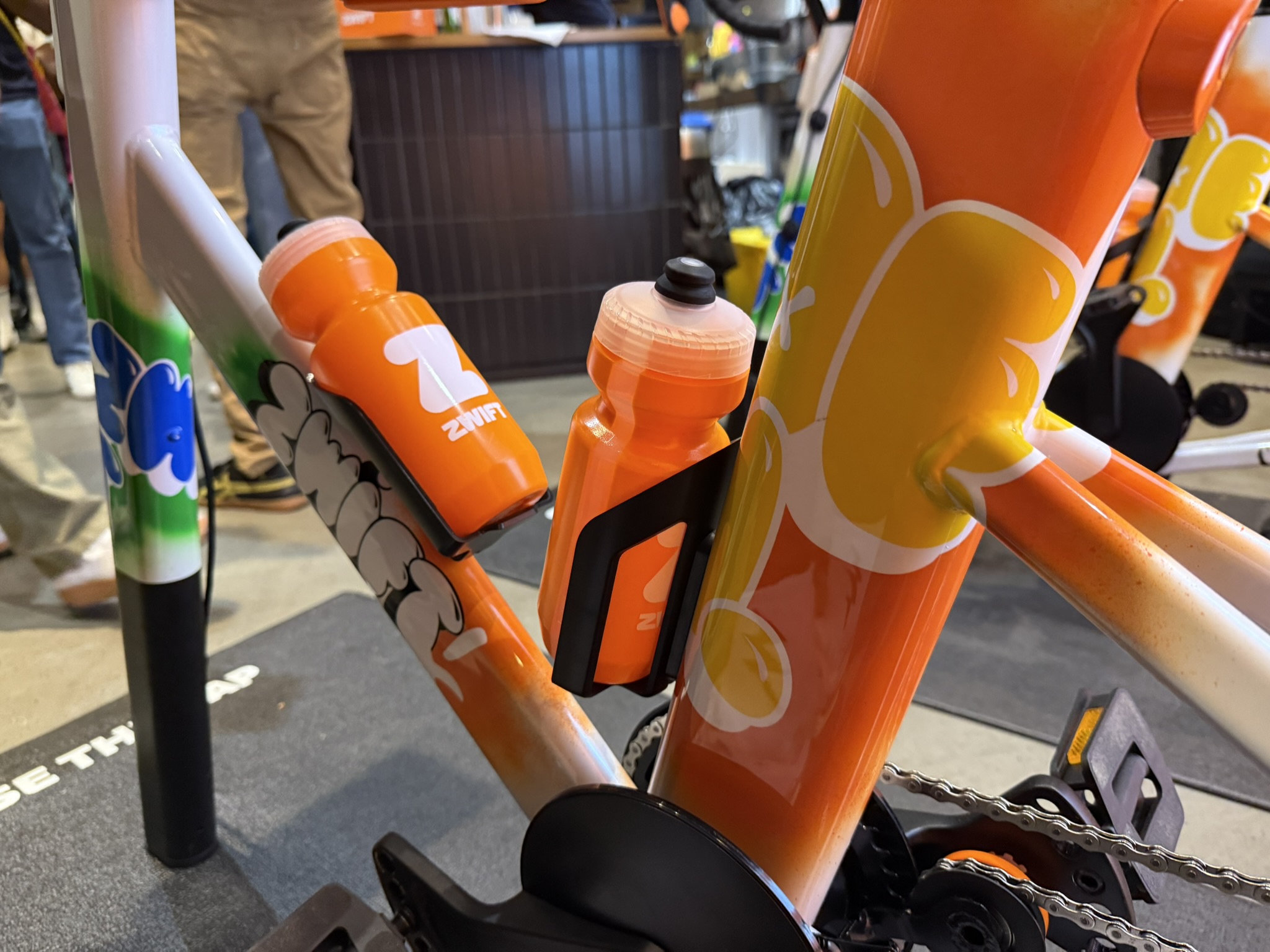
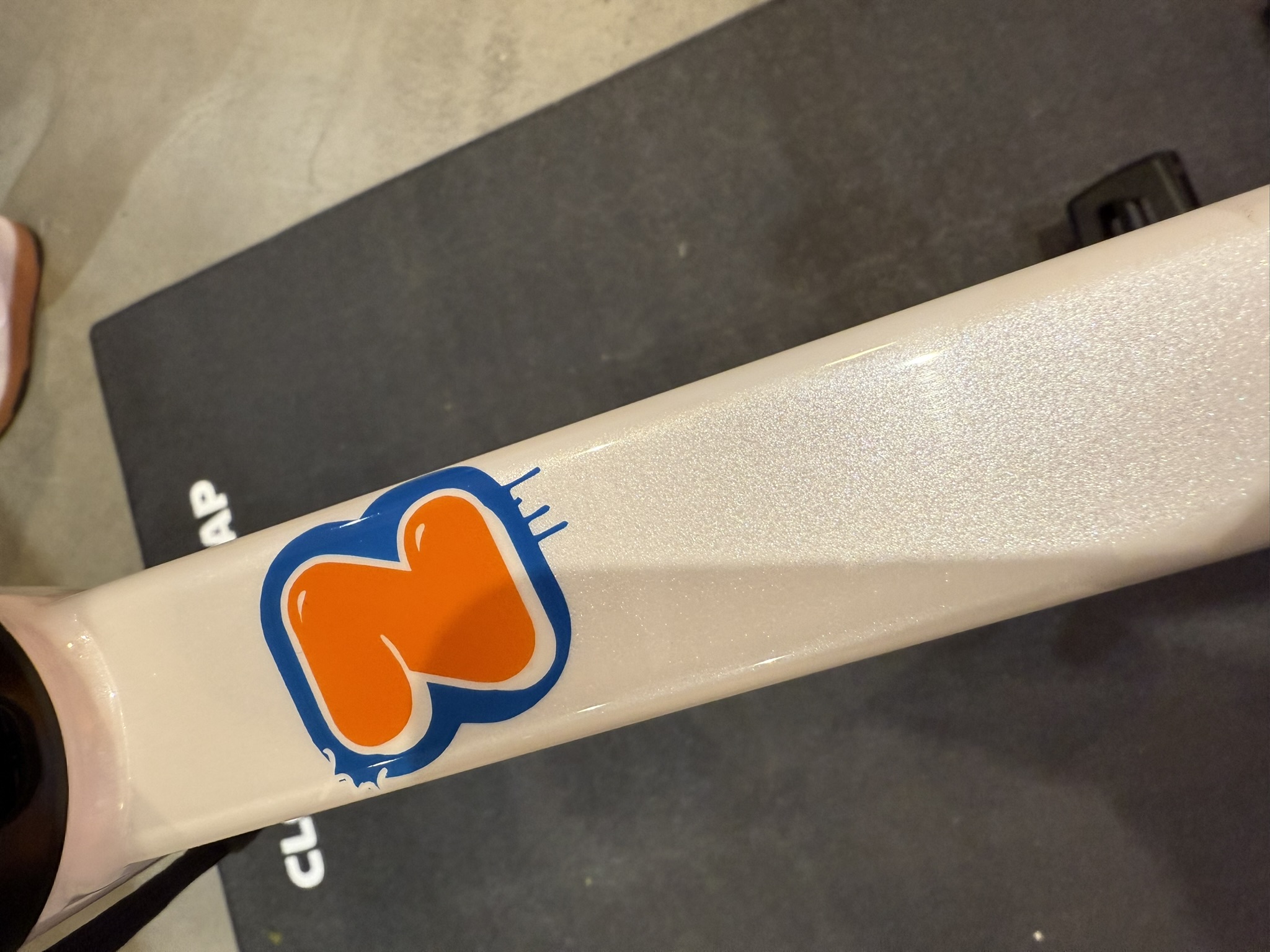
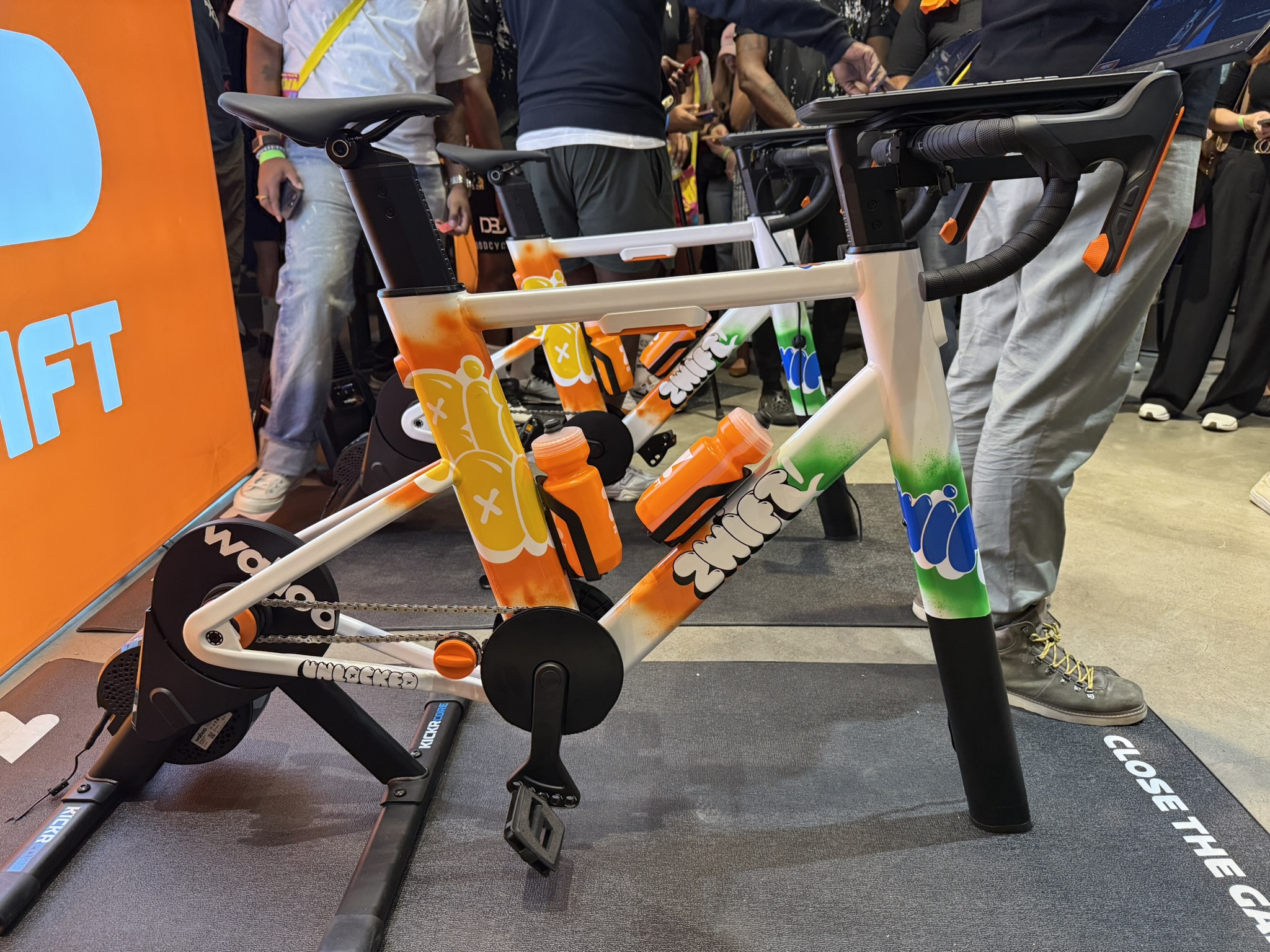
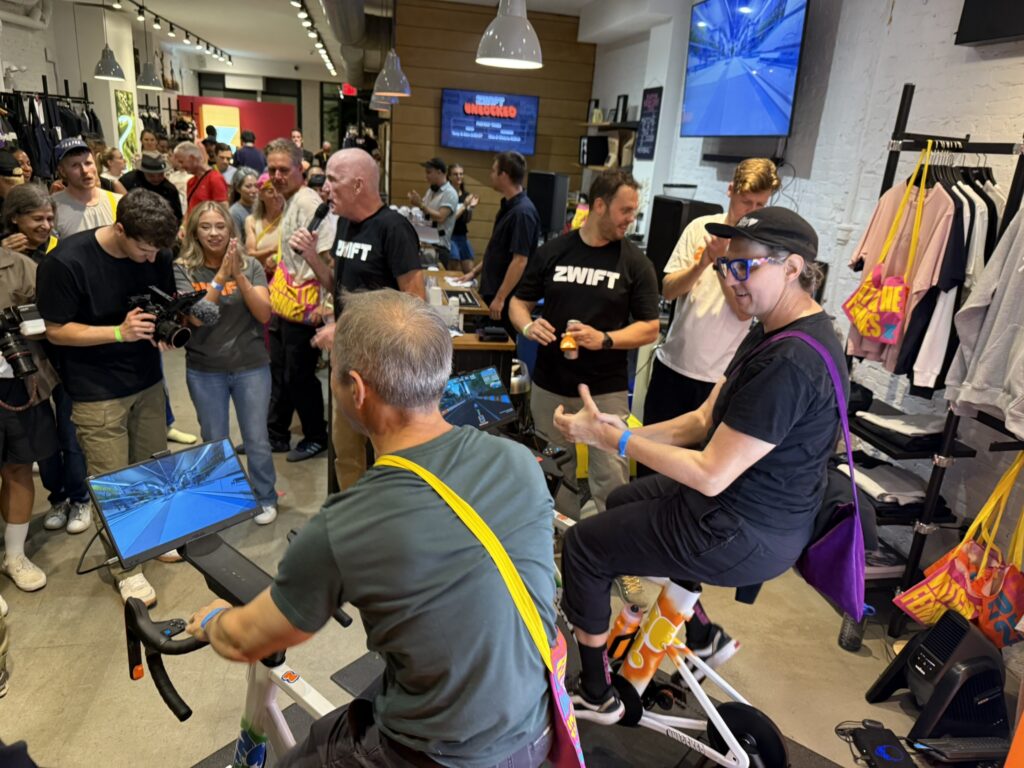
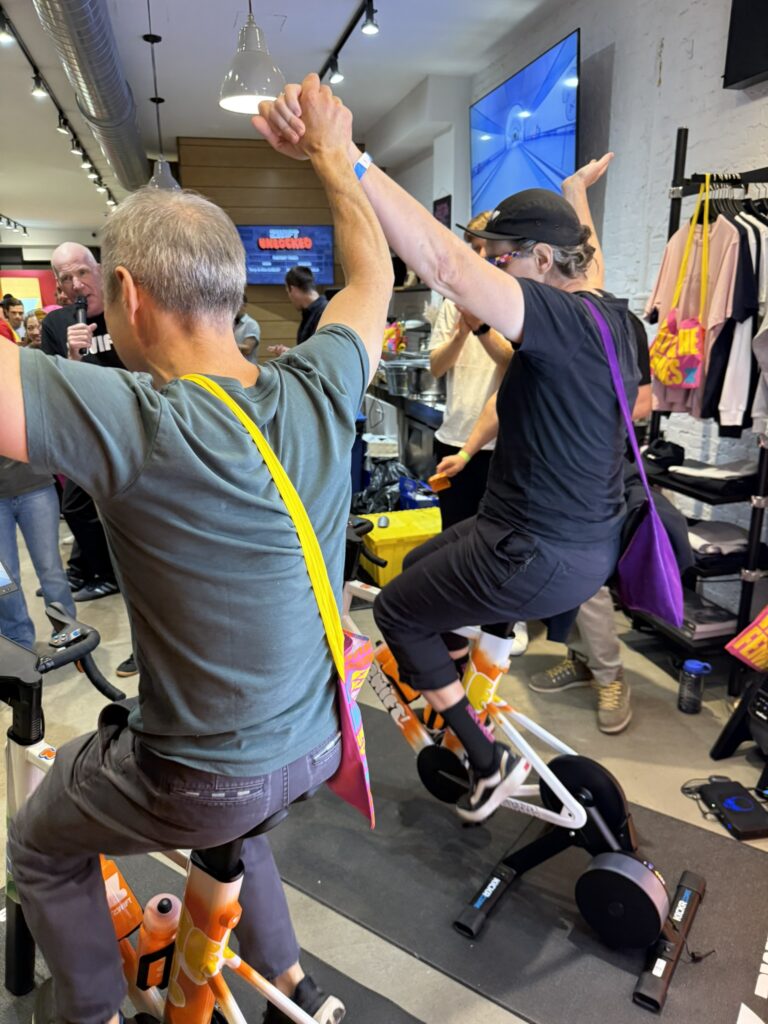
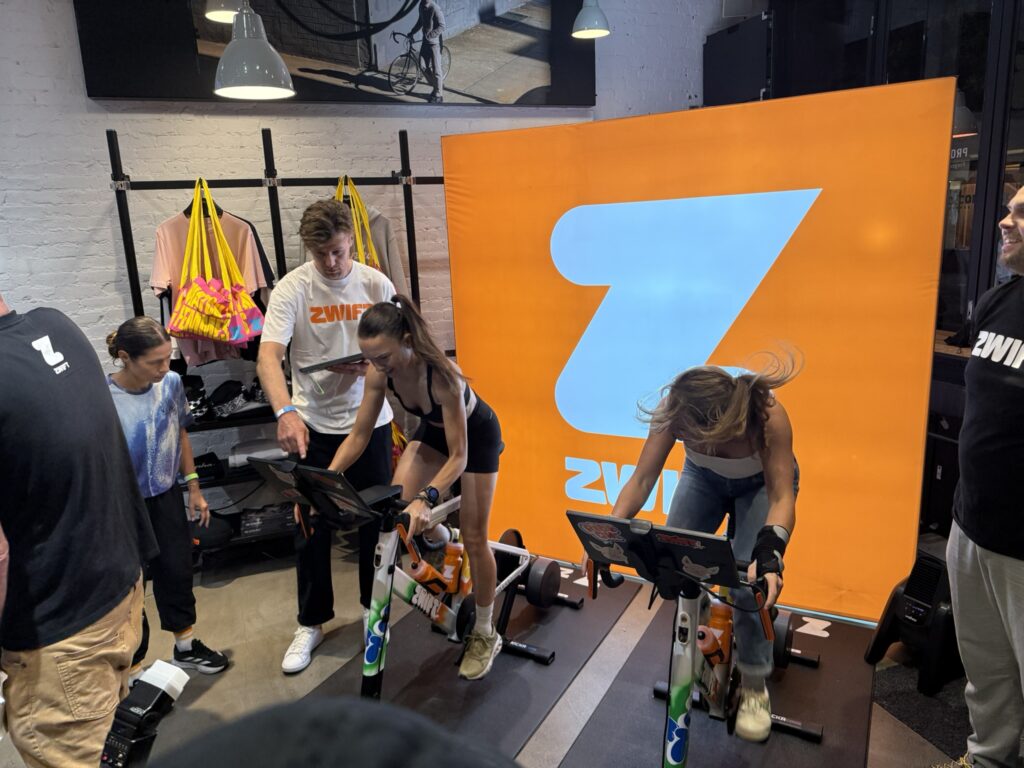

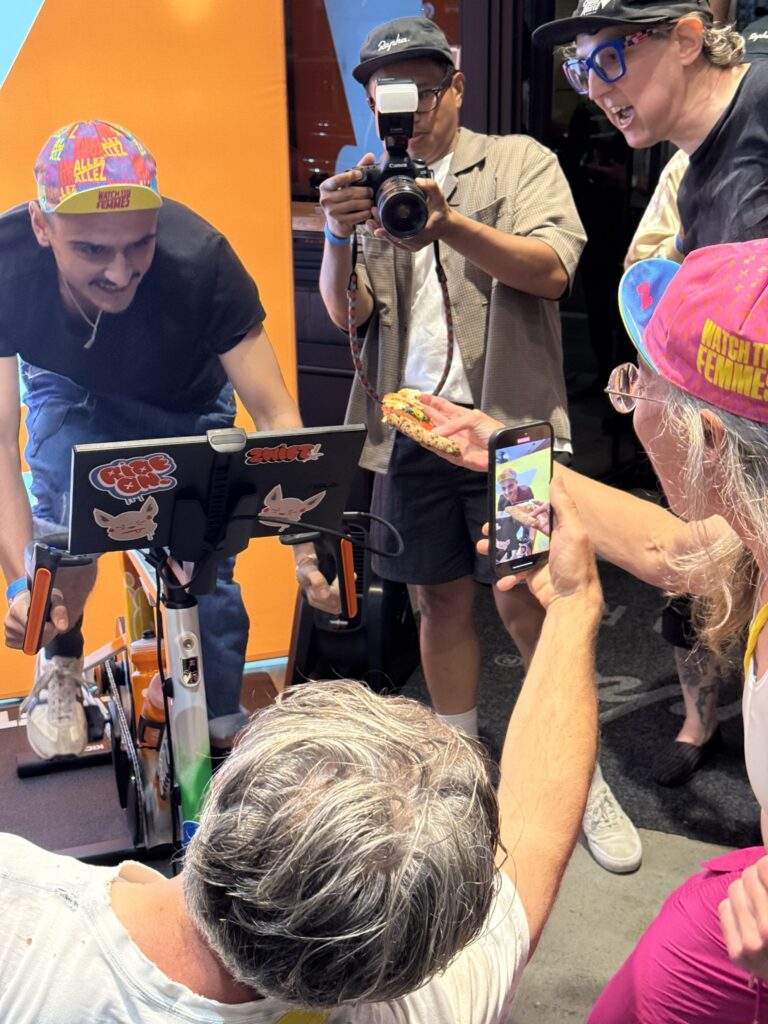

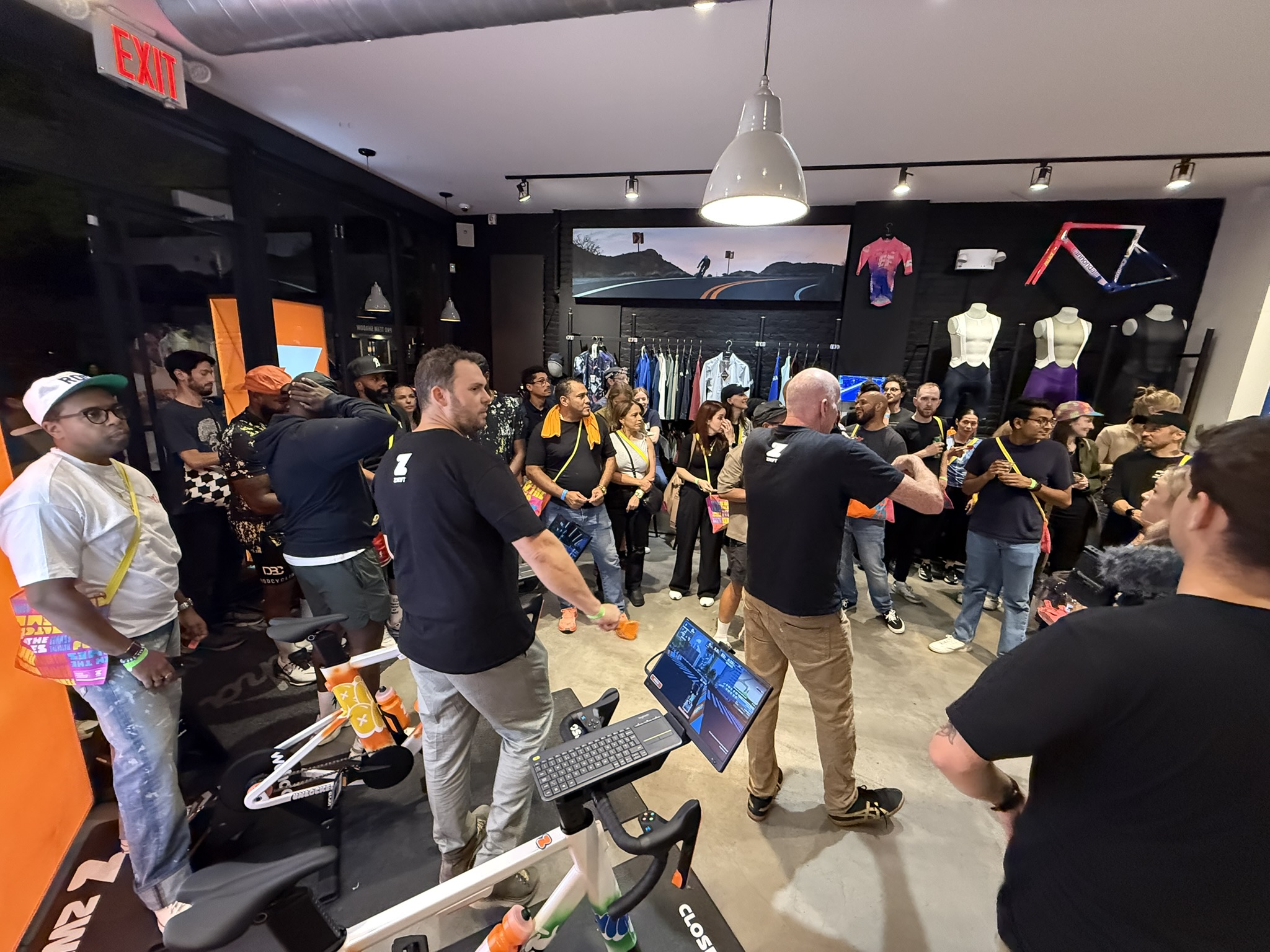
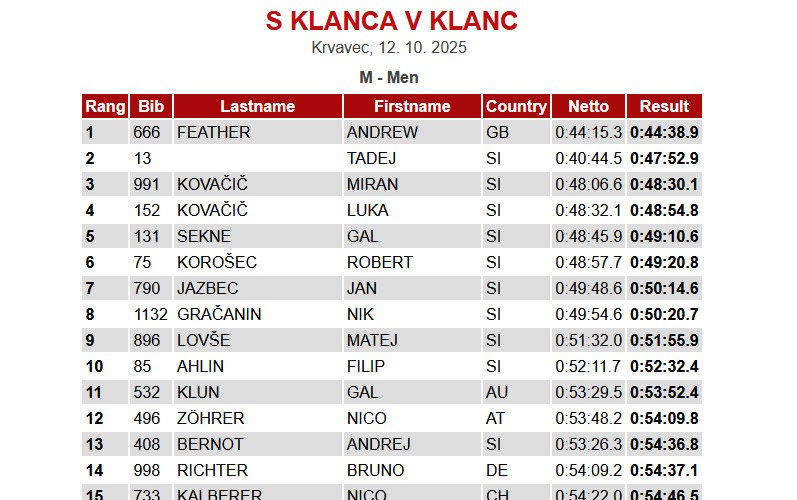
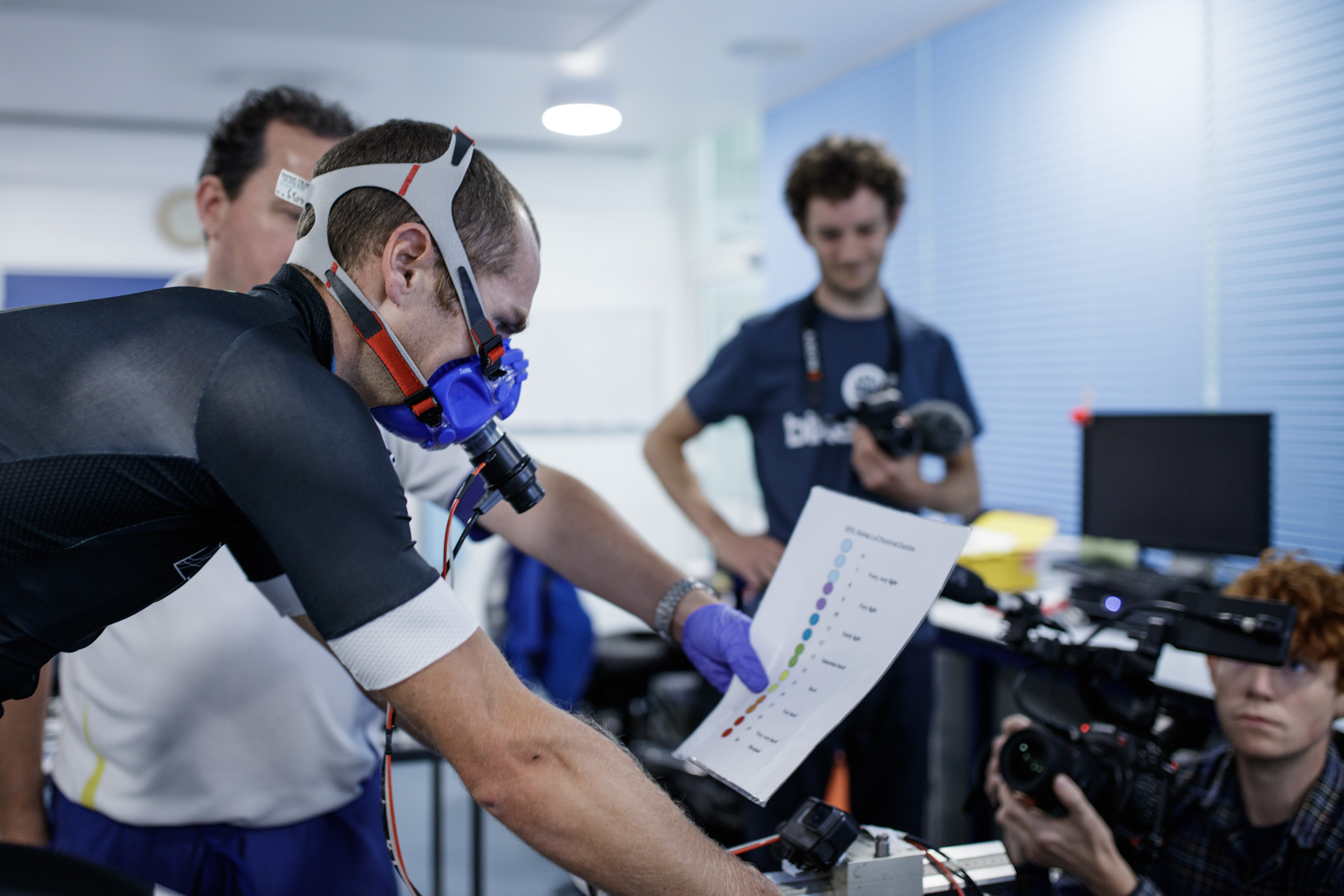
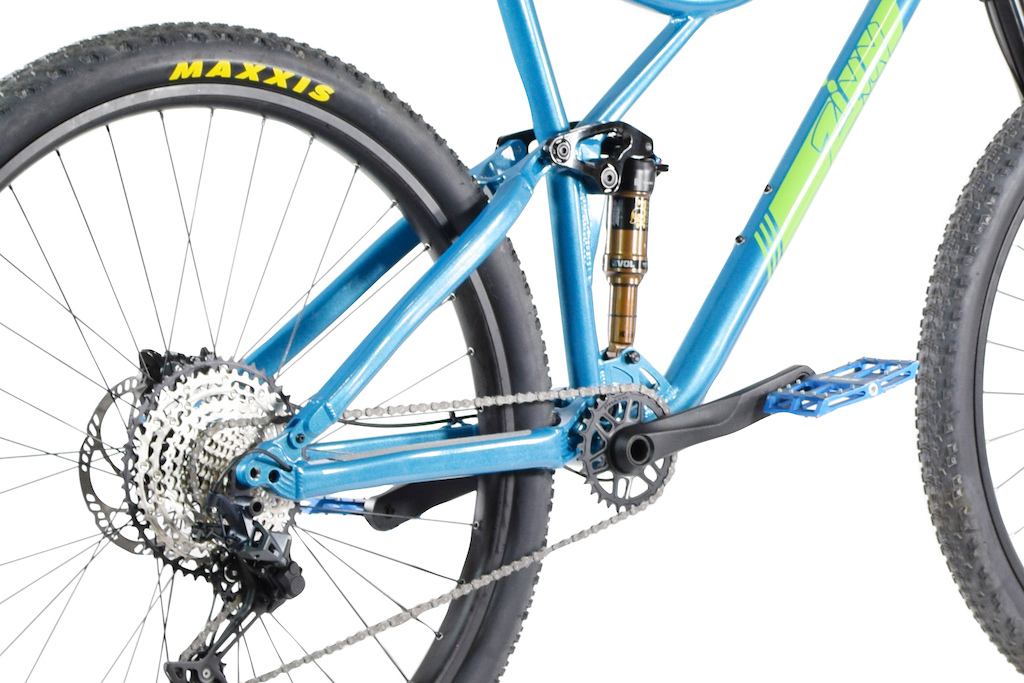
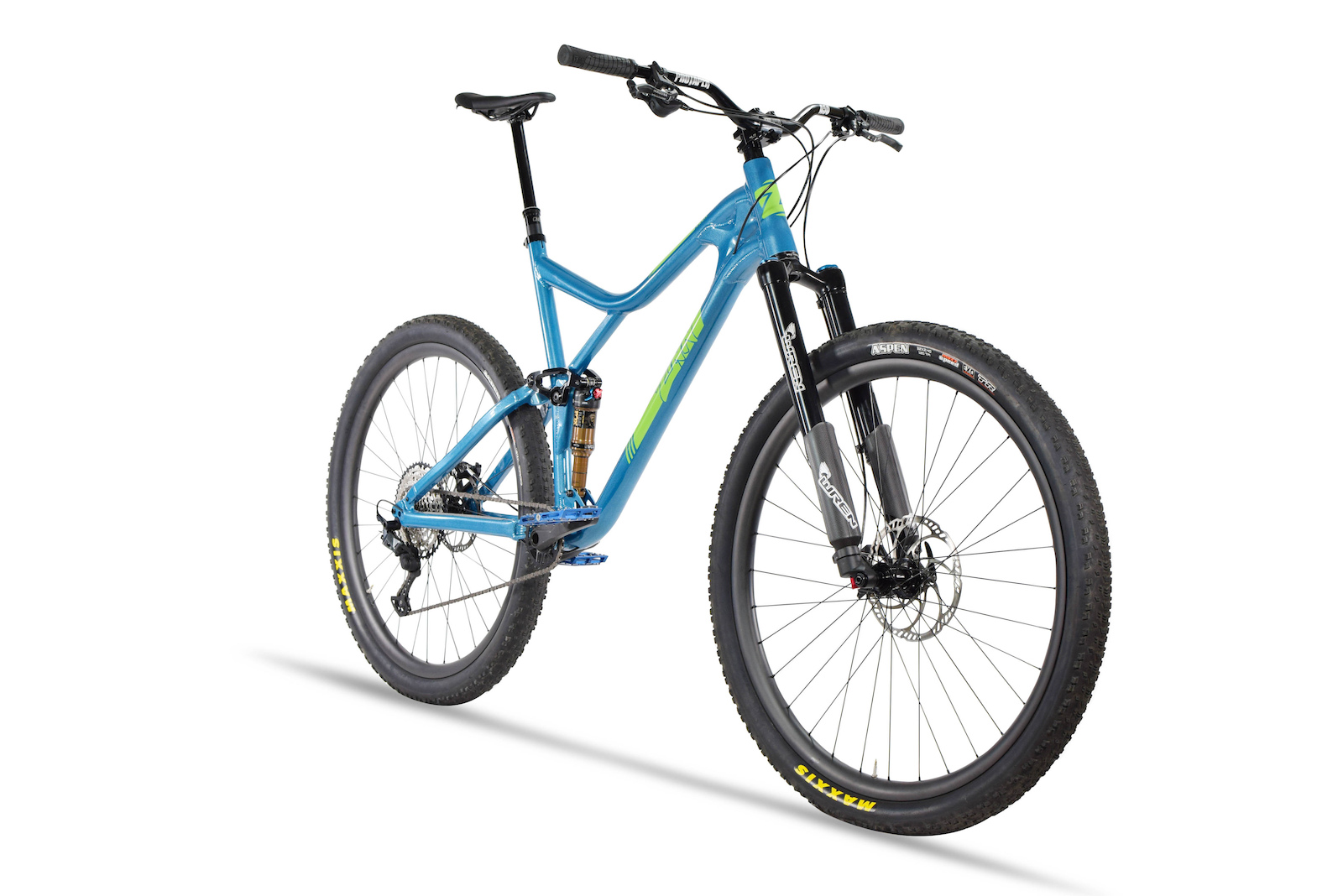
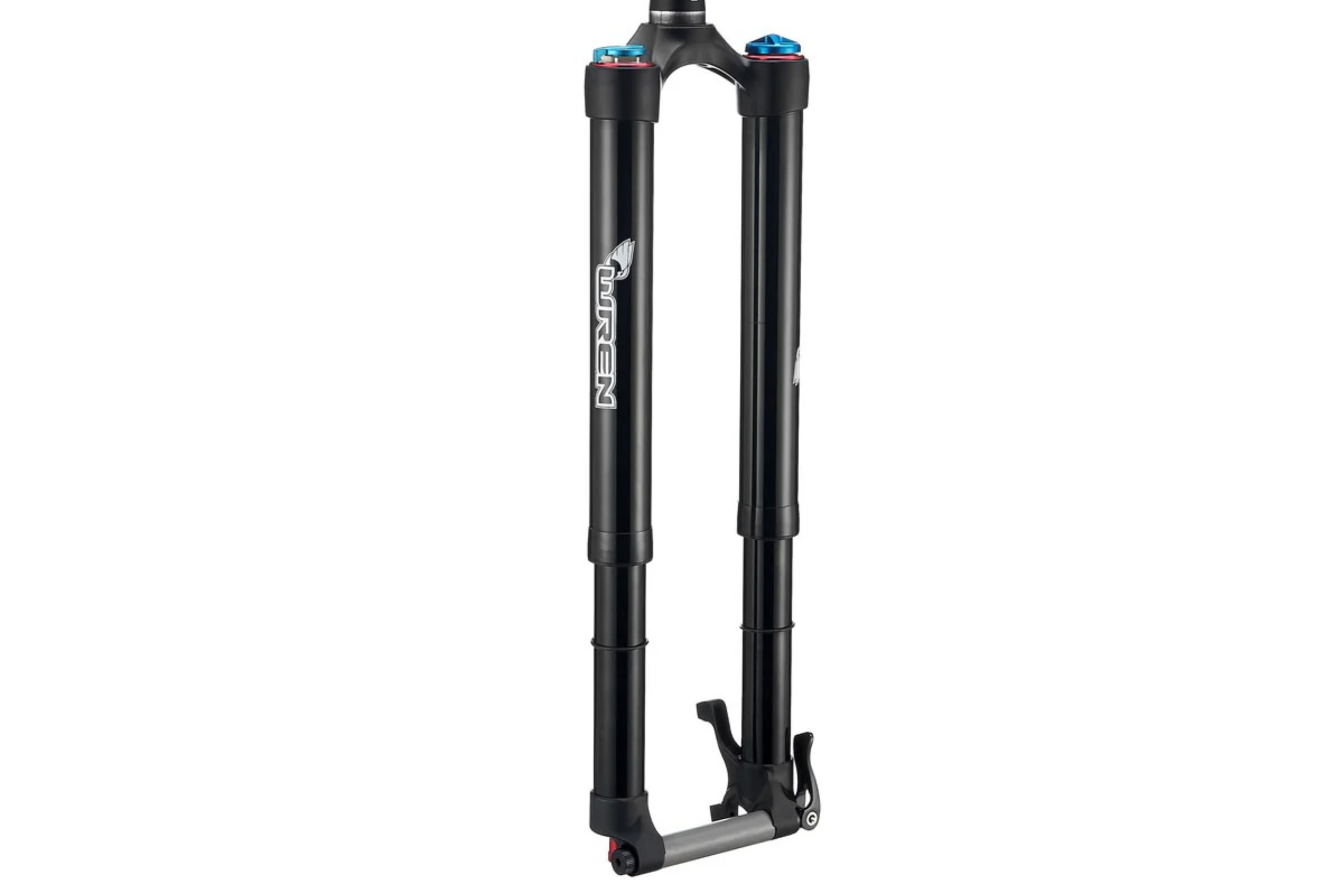
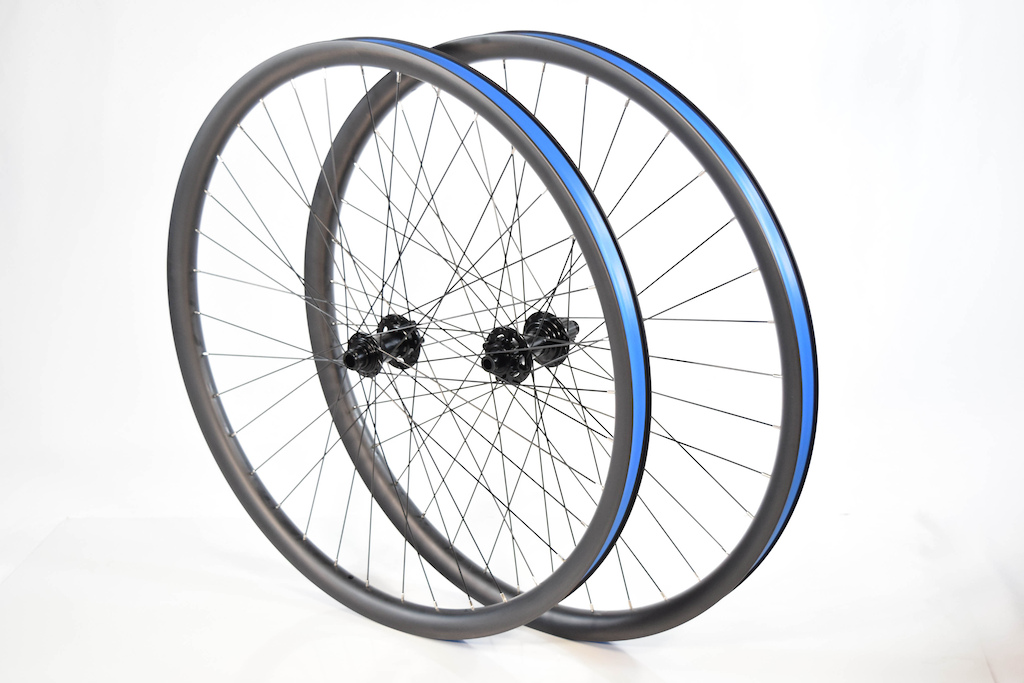

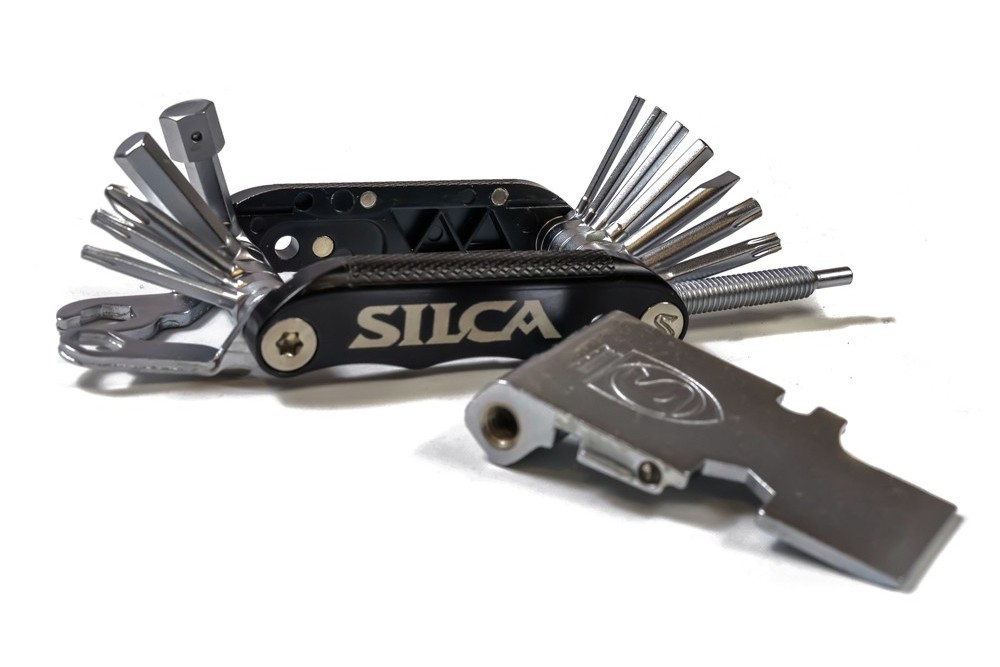
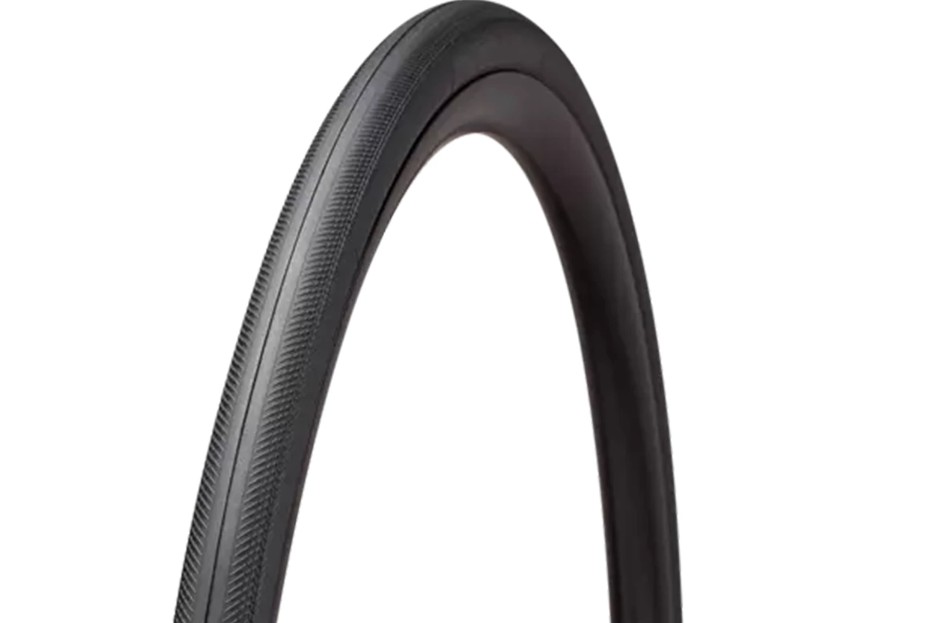
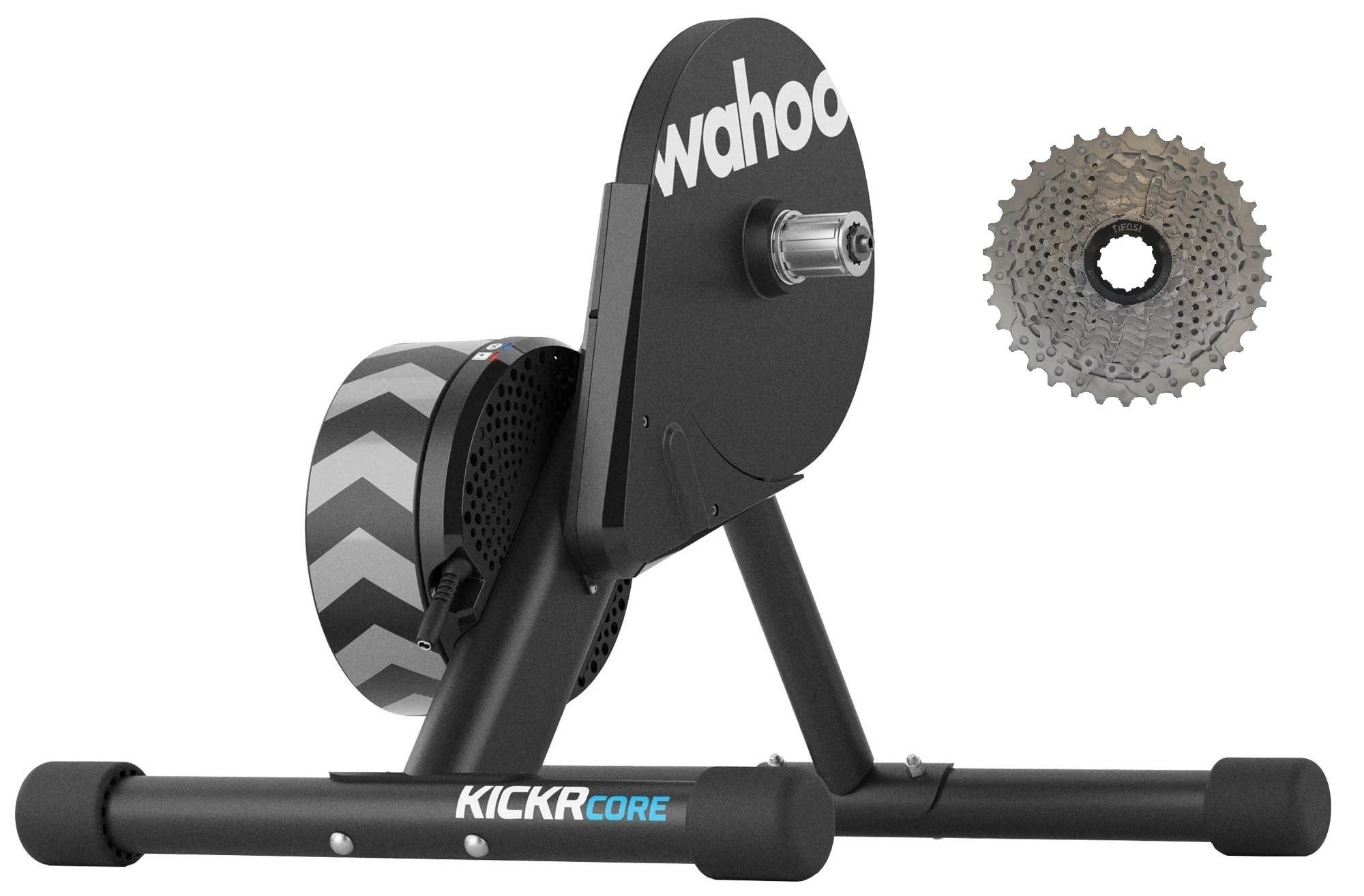
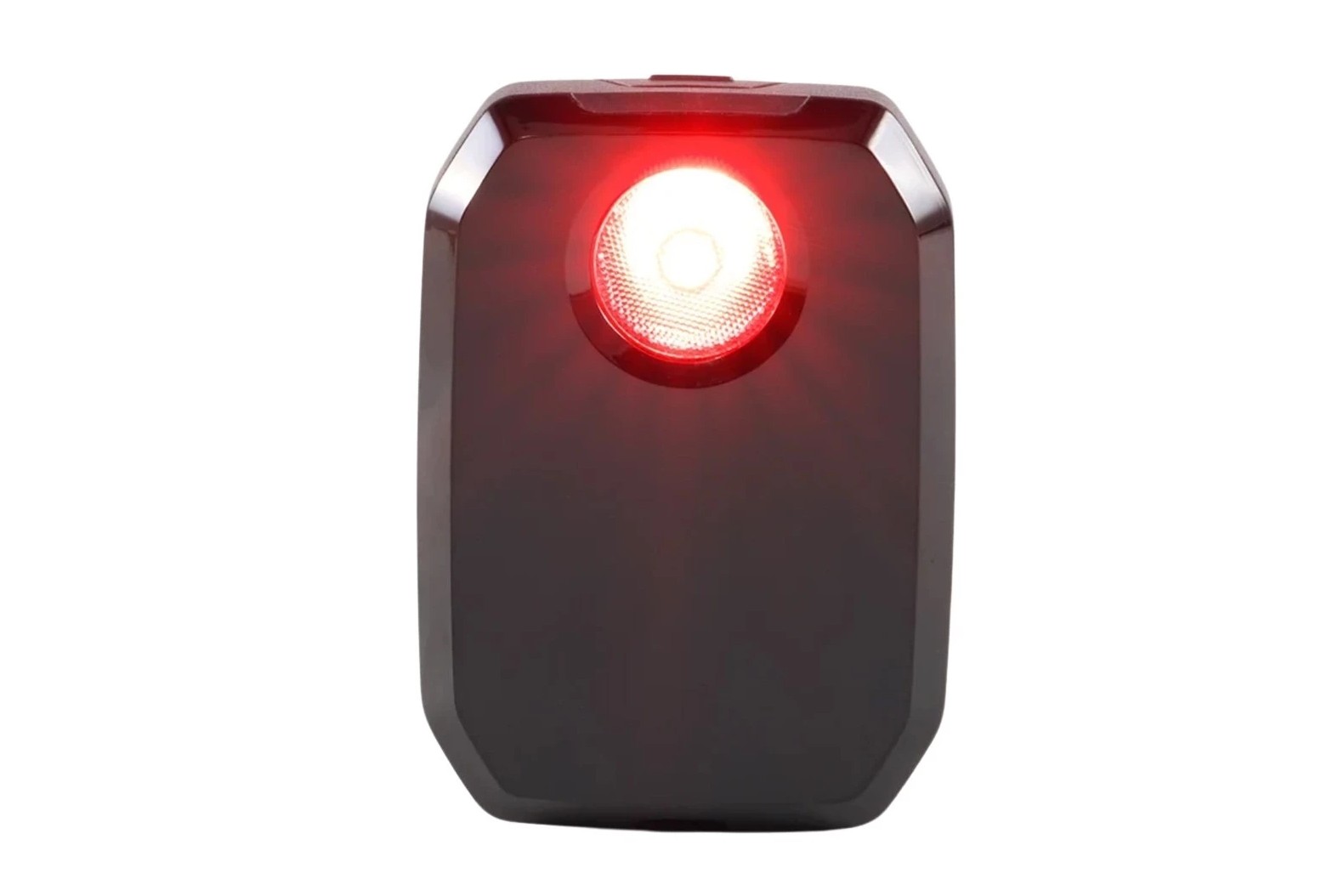
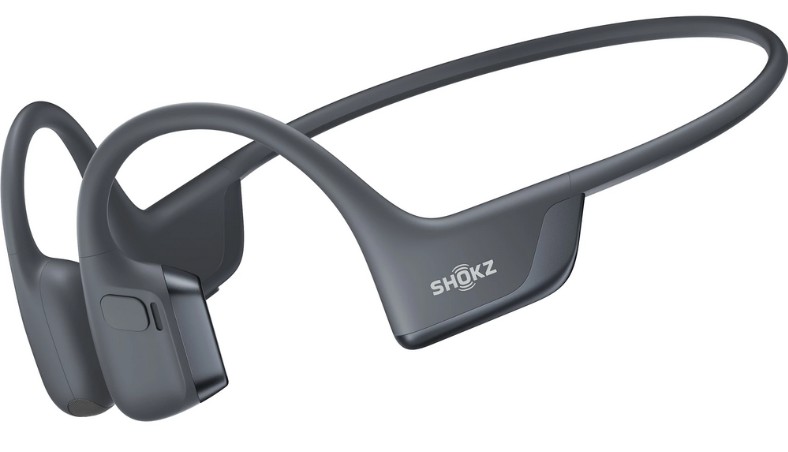
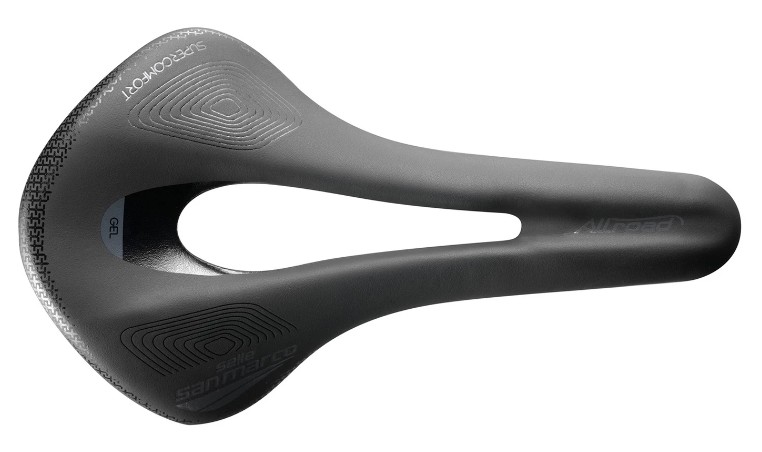
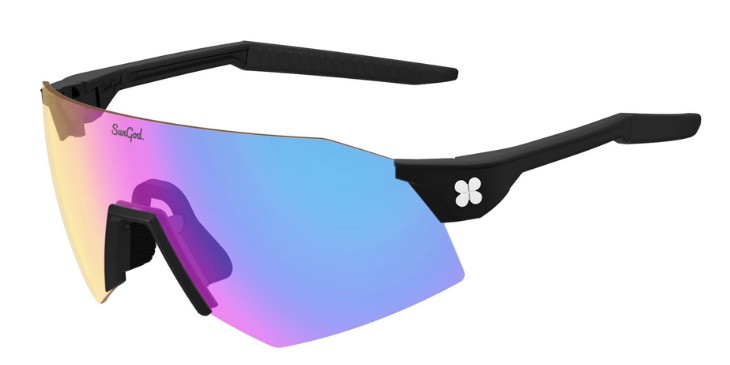
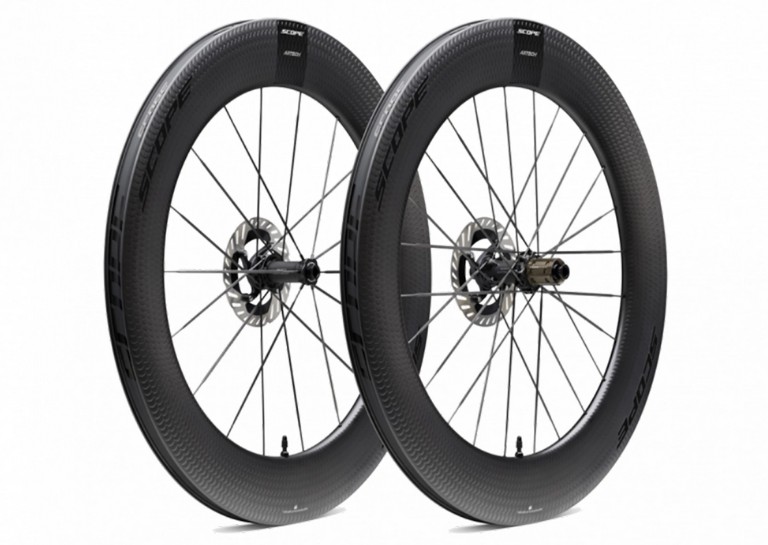
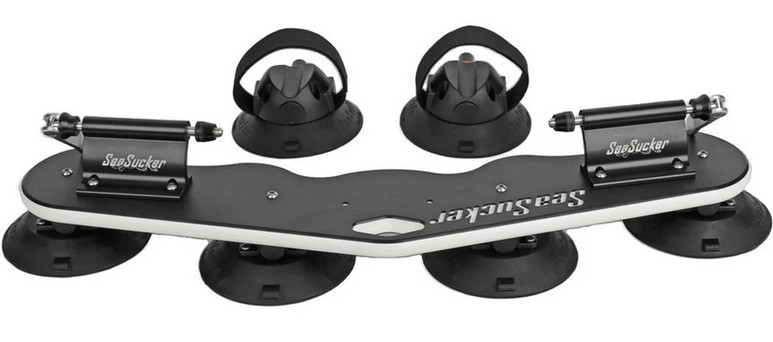
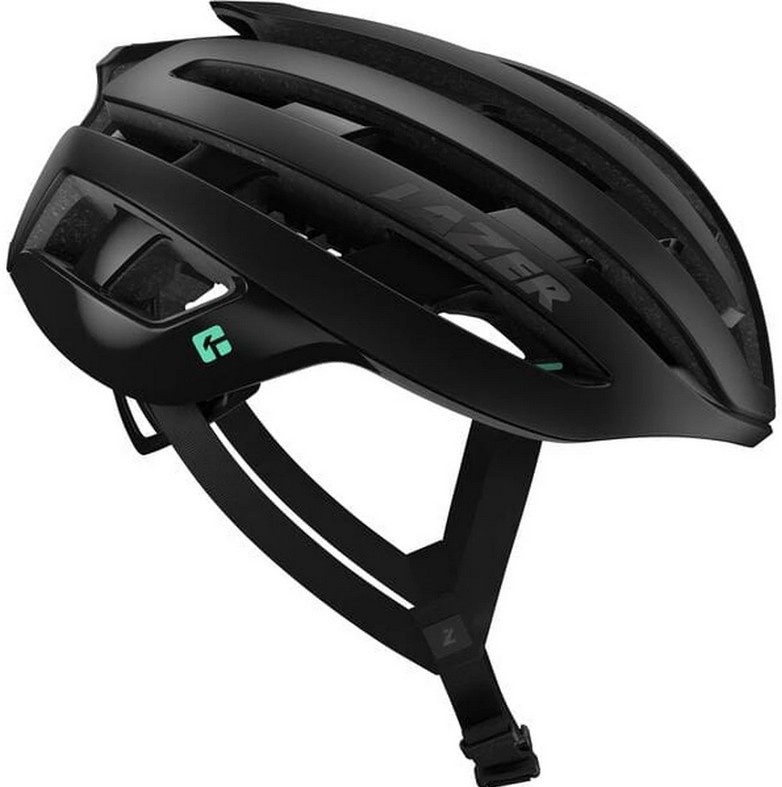
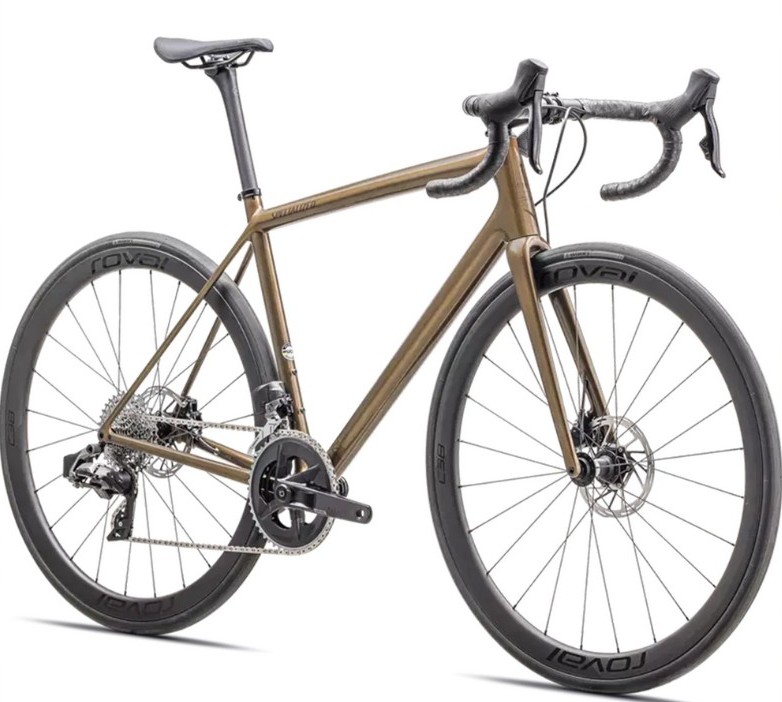
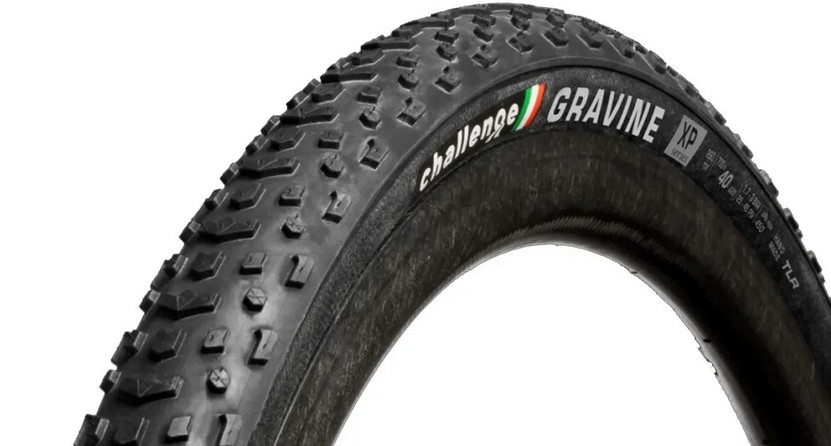
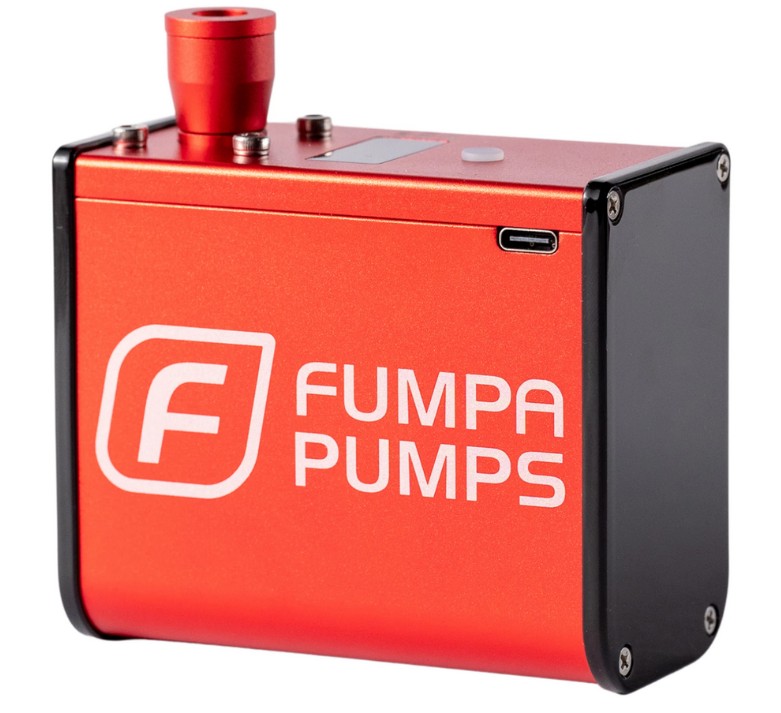
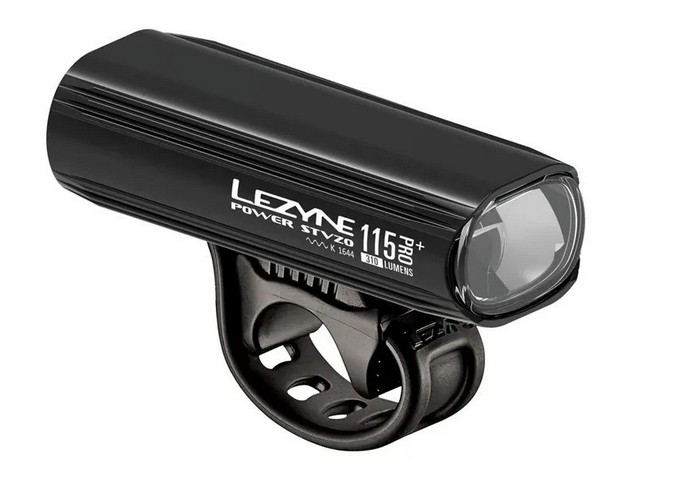
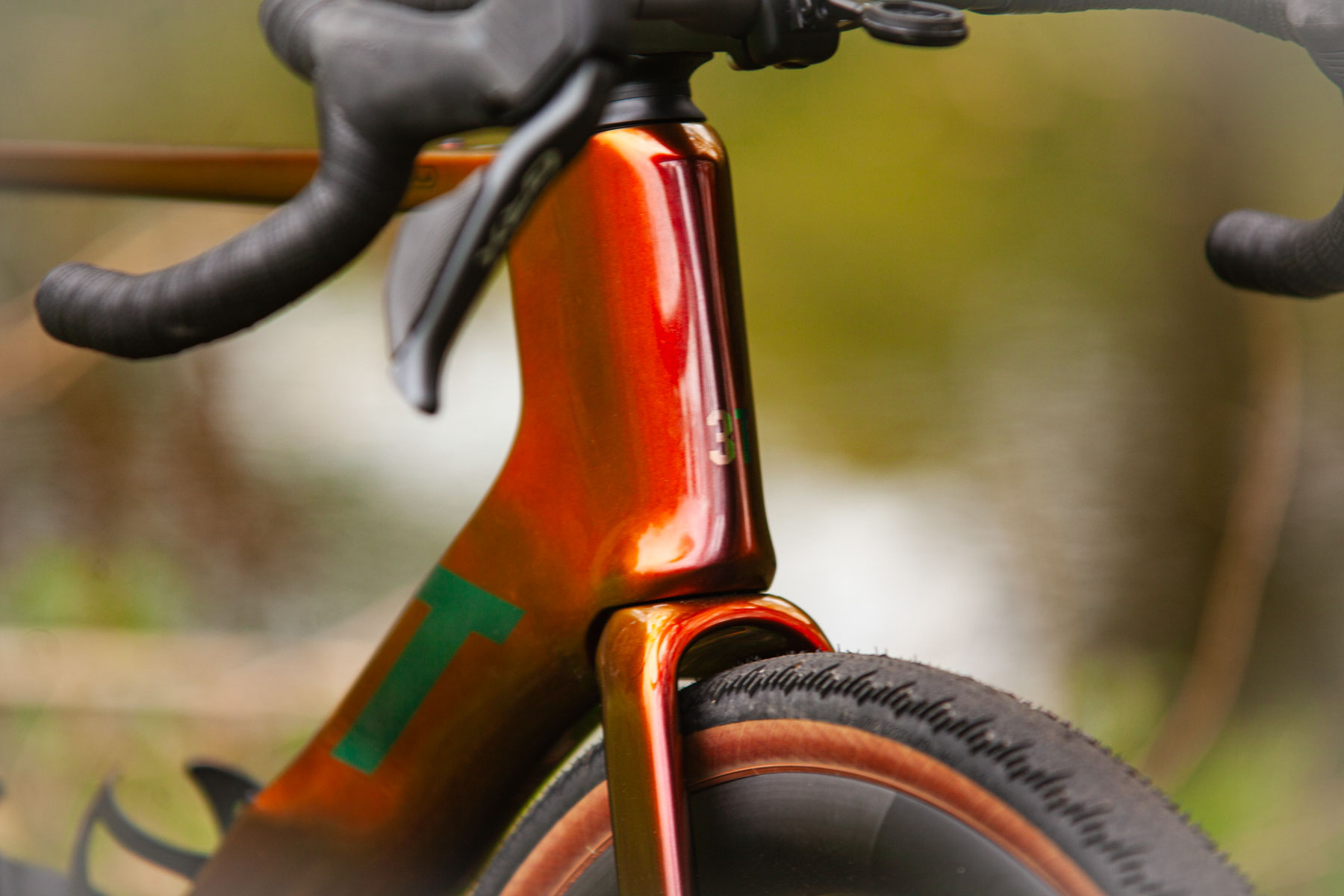
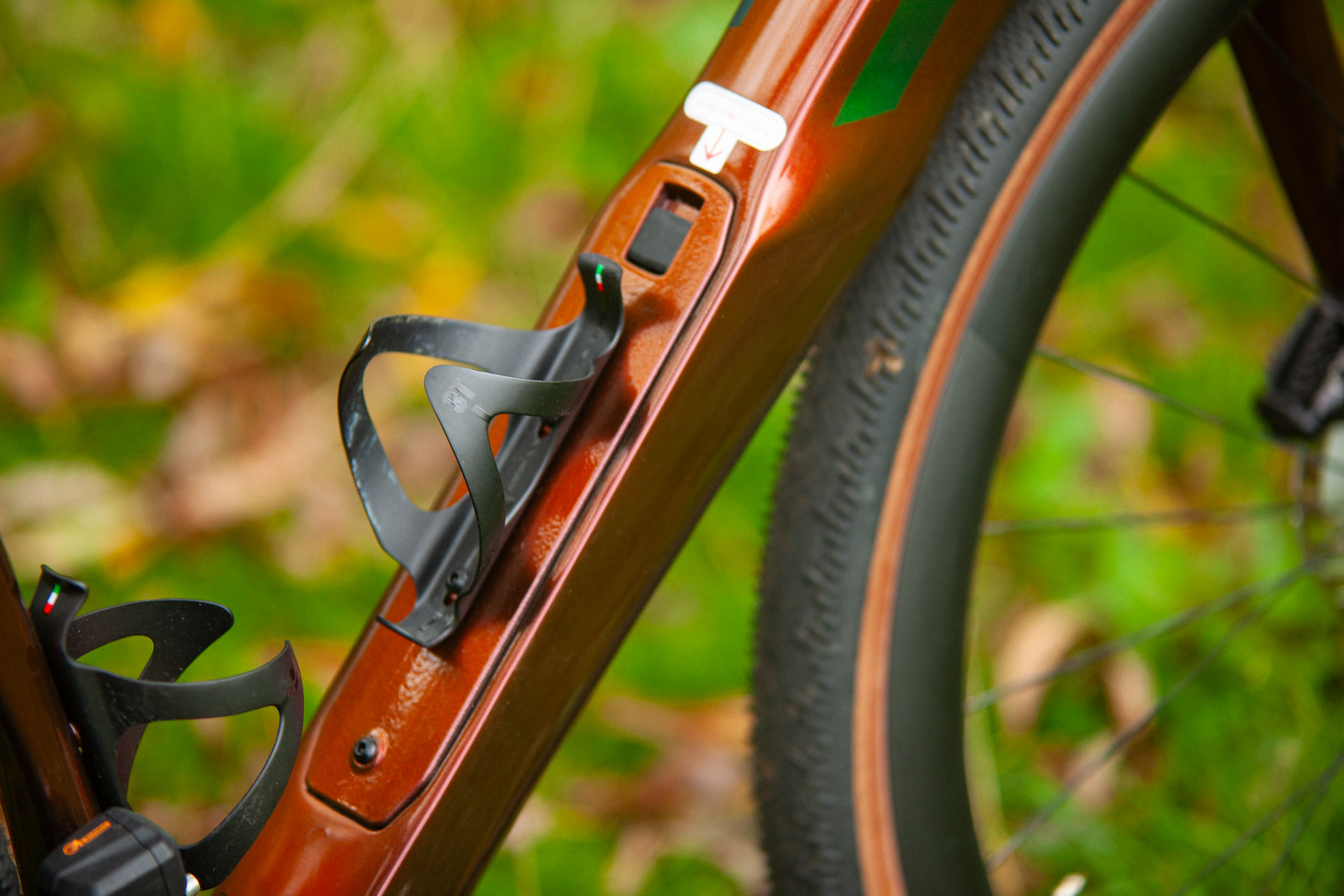
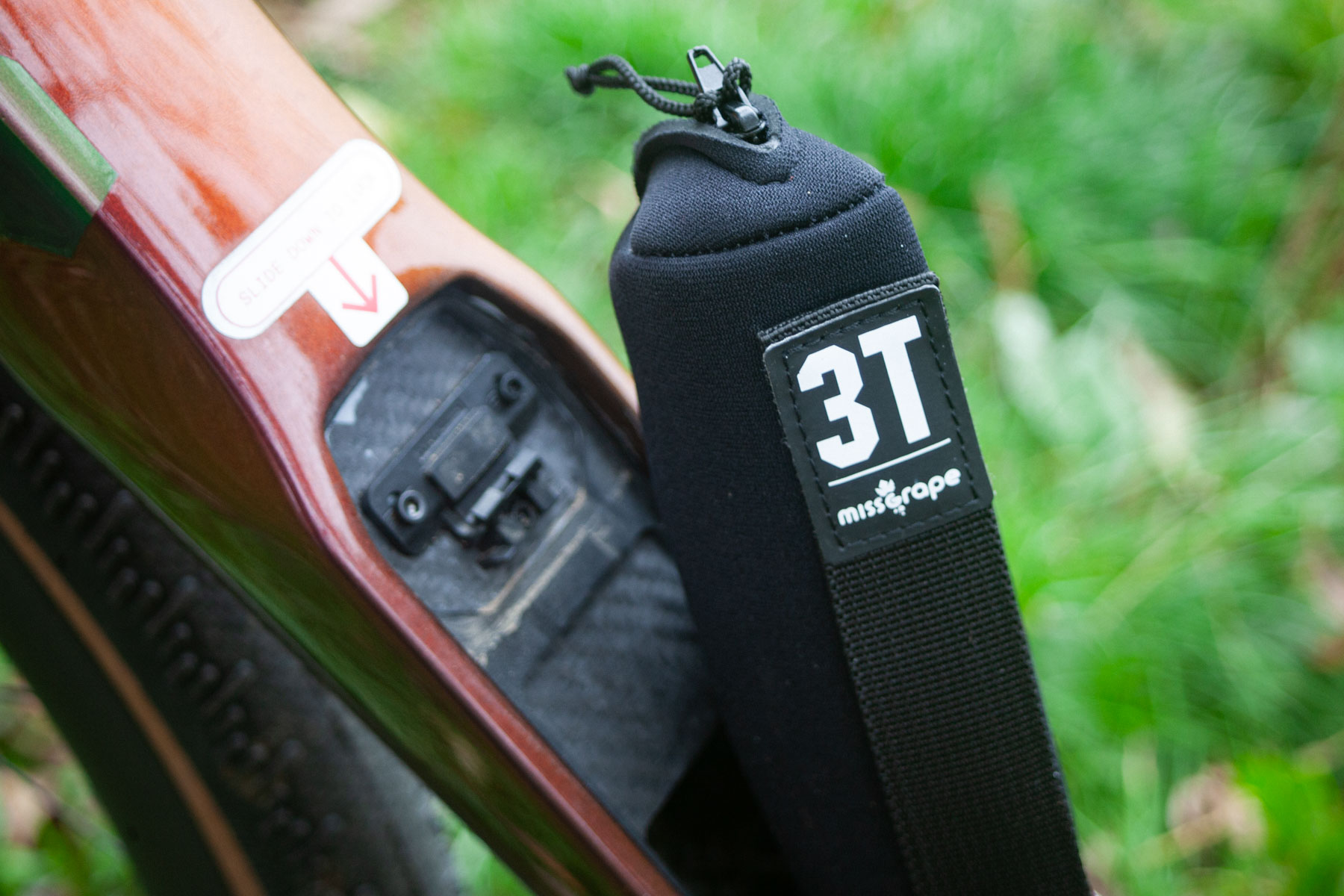
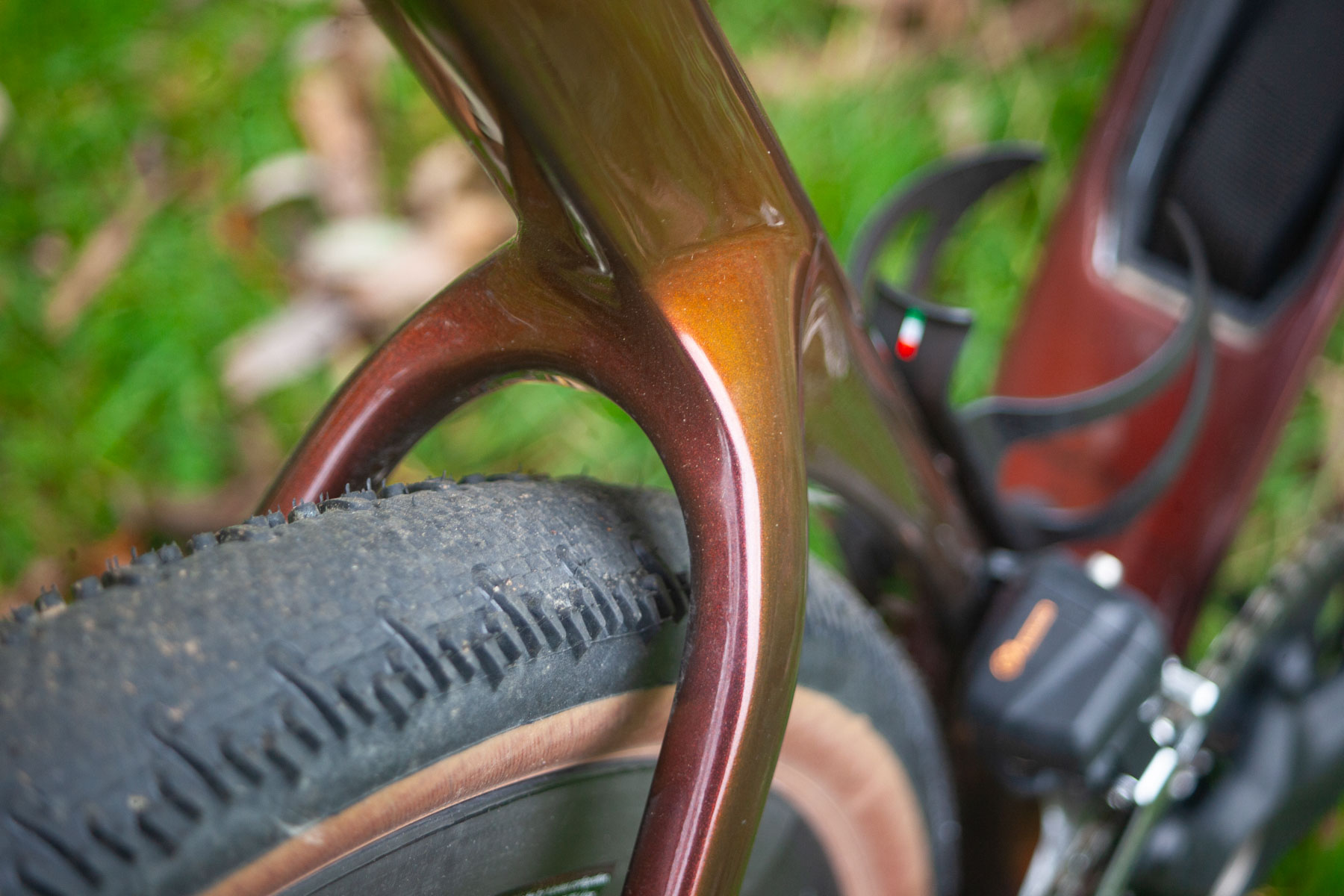
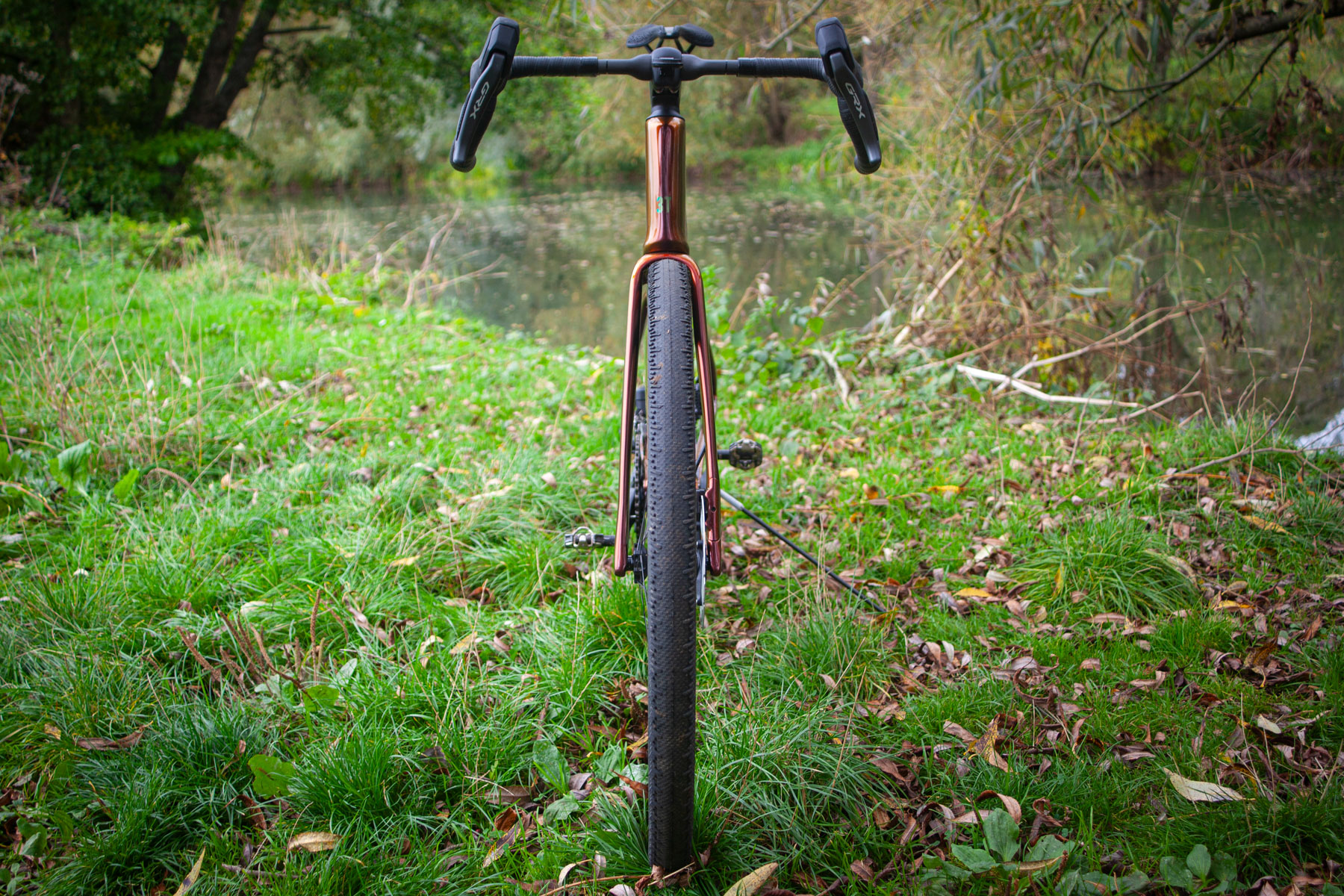
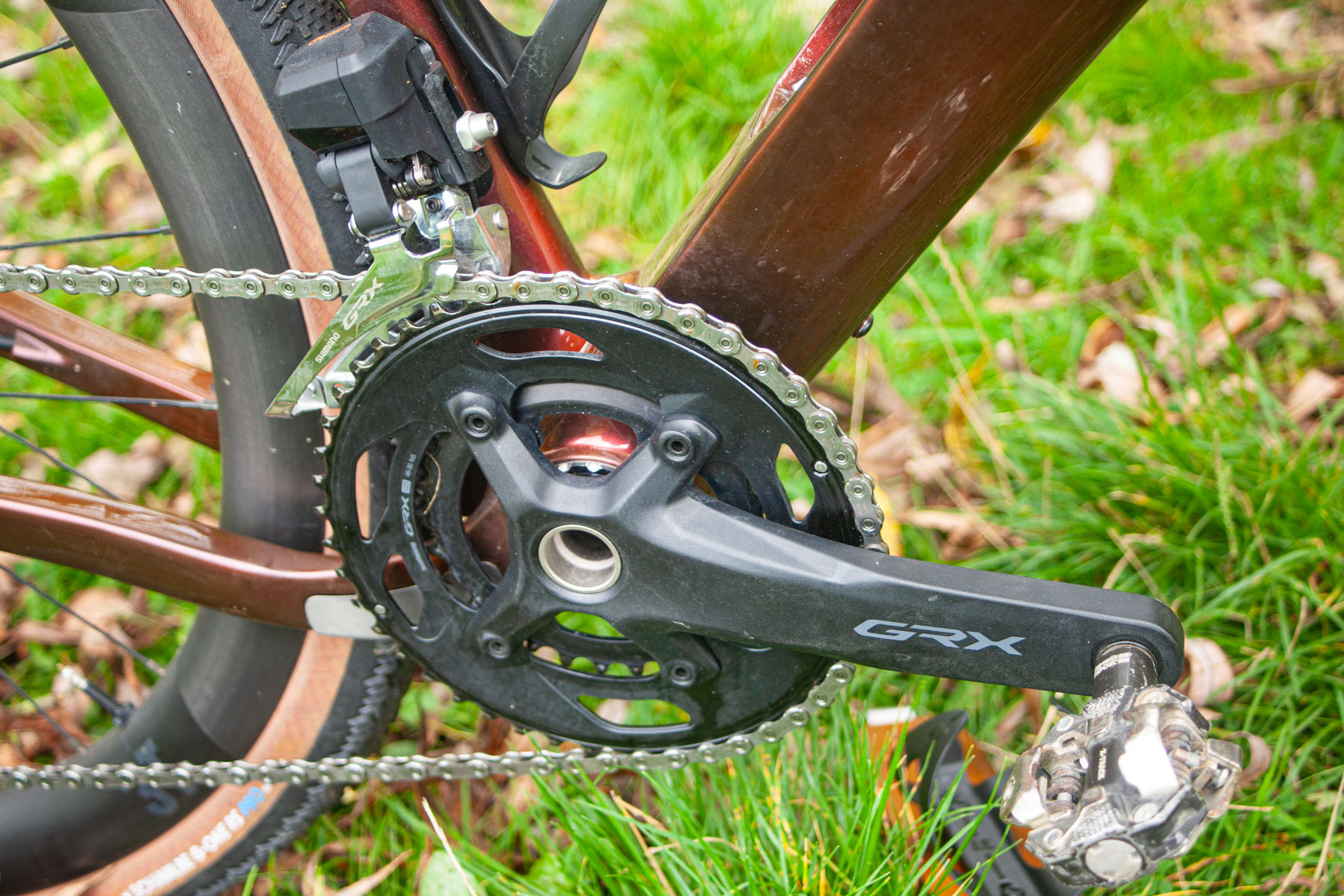
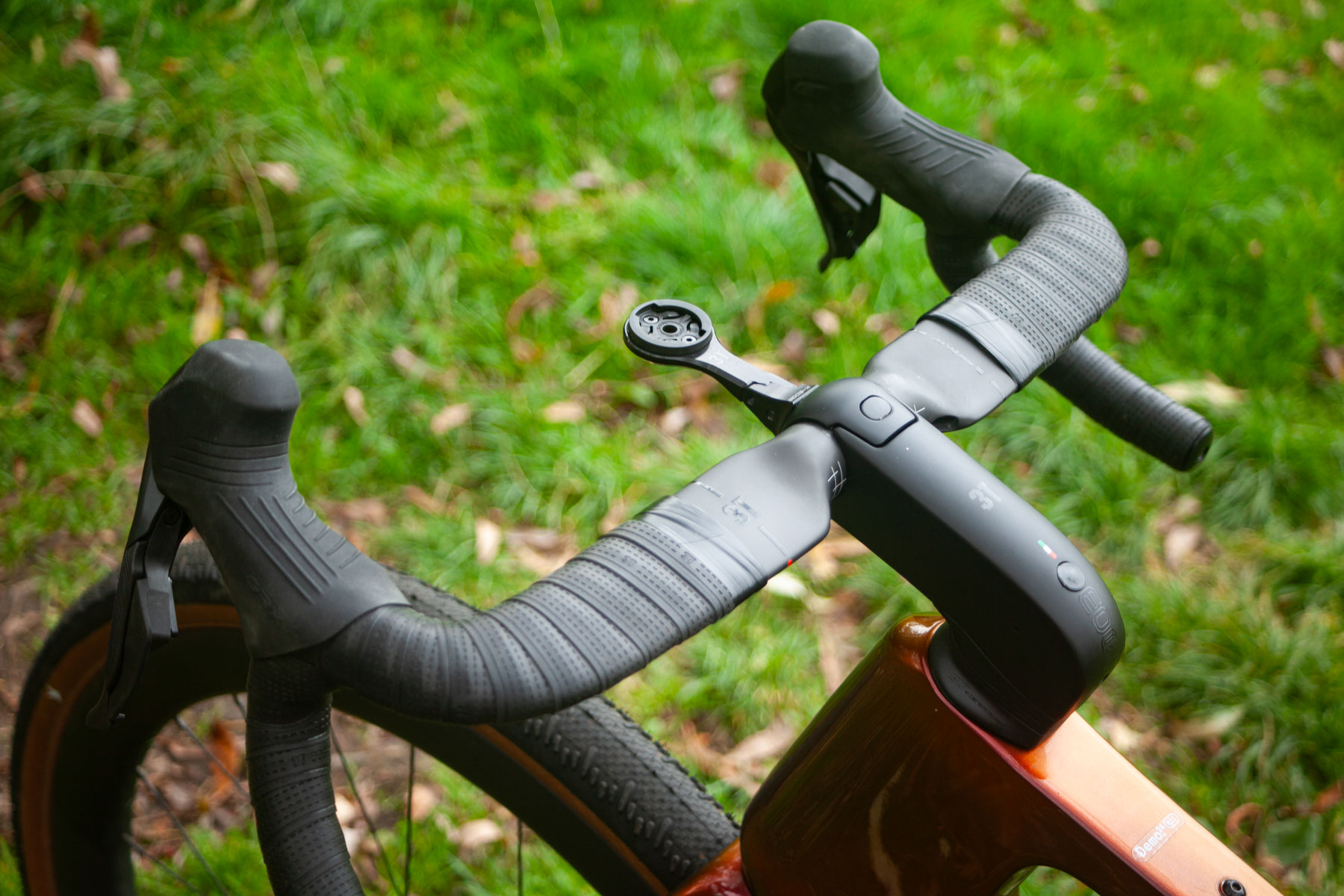
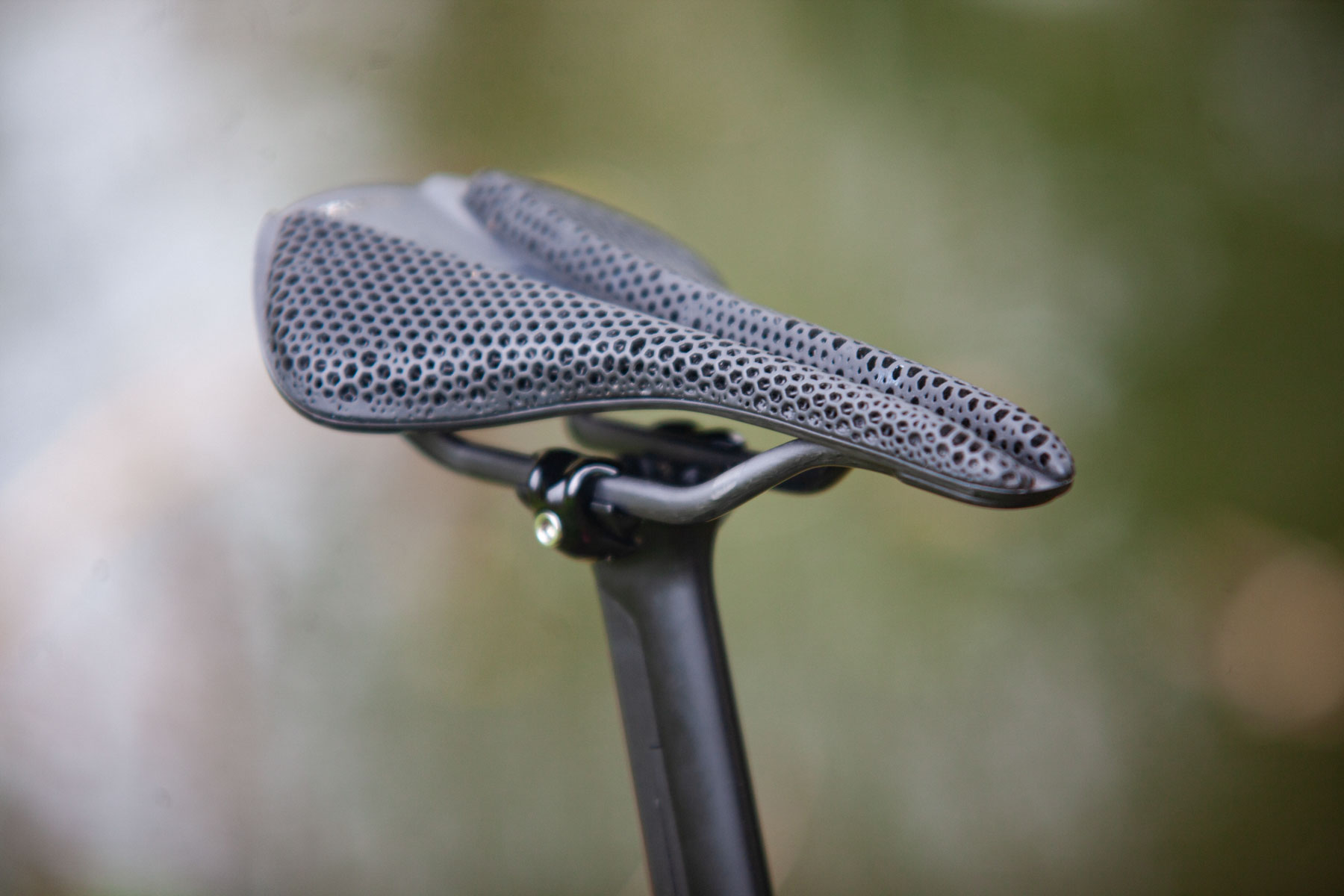
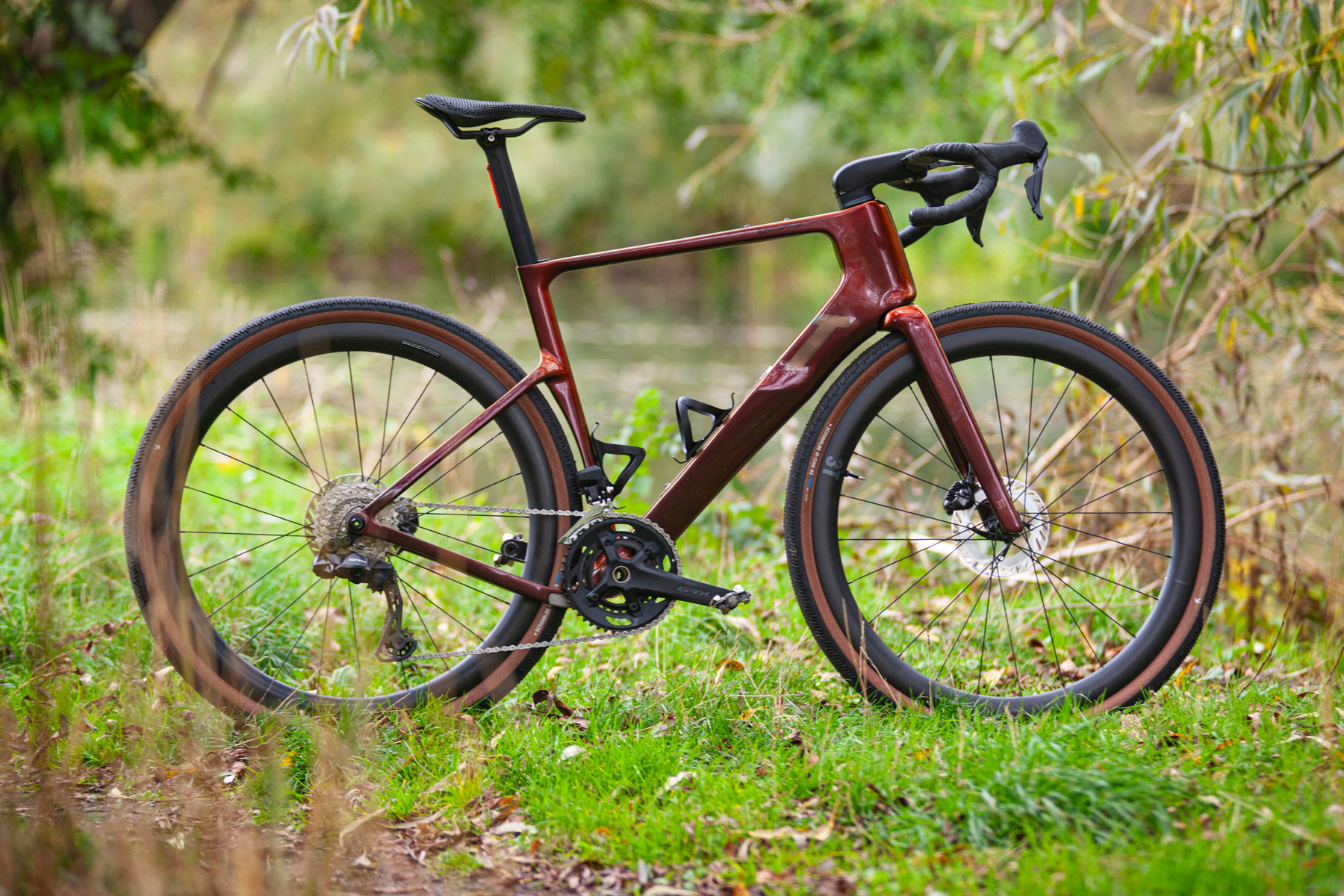

 Zwift Unlocked Stage 1
 Double XP