
Category Archives: Bikes
Why these clever gadgets could make your next bikepacking trip a lot easier
No other form of transport is quite as liberating as cycling, and one of the best ways to experience this freedom is through bikepacking or touring – but having a well-organised setup is crucial if you want to have a good time.
Simplify Living is running a Black Friday sale with up to 60% off luggage and organisation gadgets – ideal for cyclists looking to streamline their setup before their next adventure.
I’ve long been passionate about cycle touring, completing various month-long European trips and bikepacking weekends in Wales.
It’s also been something of a family affair, with my father currently on the road in France and my brother in Asia, riding around the world.
Every tourer quickly learns the importance of organising their bags and panniers.
This lesson usually comes mid-thunderstorm as you tear out all your dry gear from pannier A, looking for a waterproof that happens to be buried at the bottom of pannier B.
Packing cubes are the answer, enabling you to separate kit, clothing, tools and food into compartments.
I’ve experimented with dry sacks, shopping bags and no organisation at all, but packing cubes are my favourite.
Packing cubes
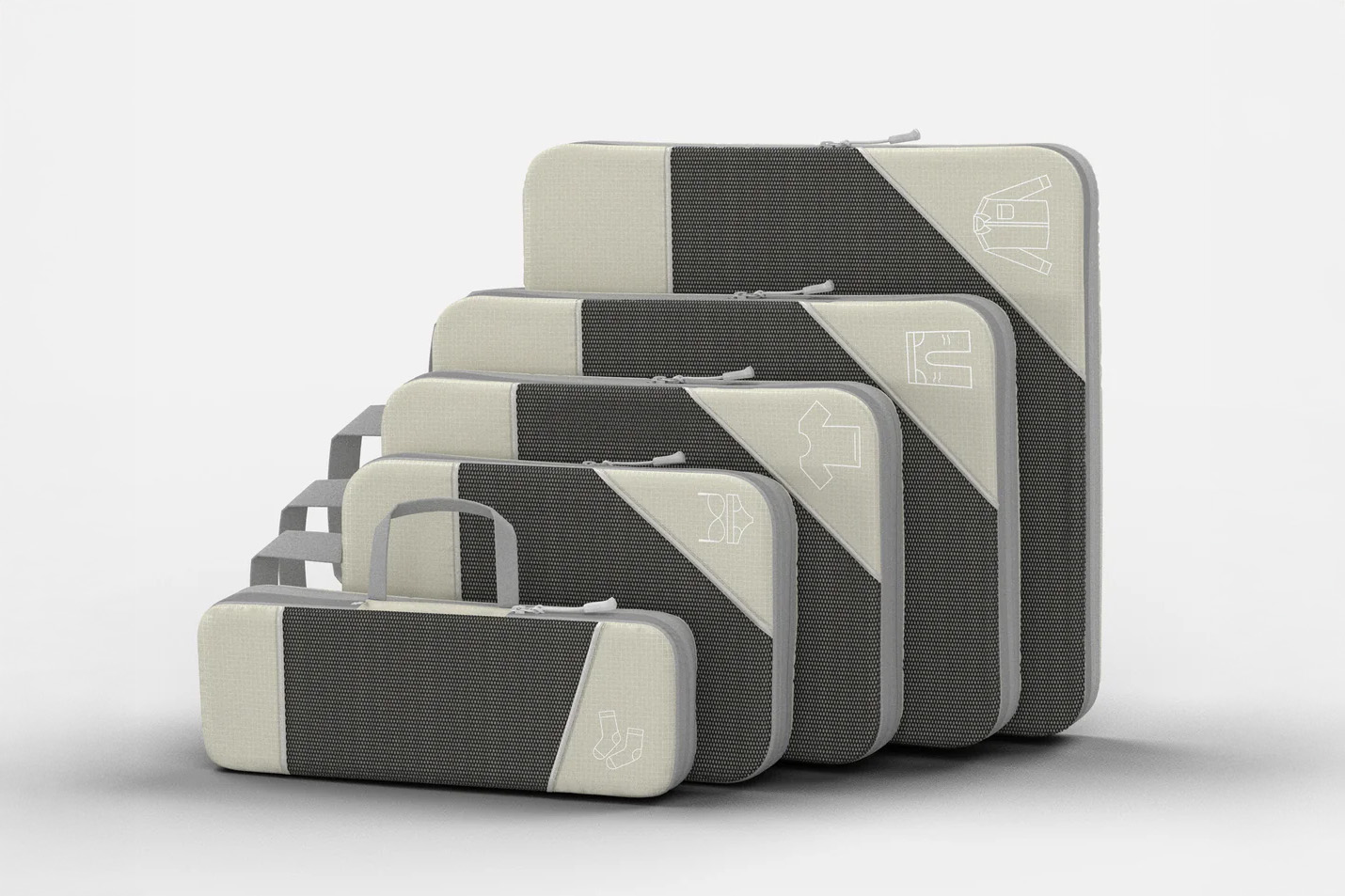
Thankfully, these Compression Packing Cubes from Simplify Living UK look perfect for organising panniers, with five different-sized cubes to suit all your kit – and they happen to be on sale with 45% savings.
They come in eight colourways to match your touring outfit, and the zipped closure should make them easy to live with, enabling you to access your clothes and kit without any fuss.
In my experience, this is one of the main benefits of packing cubes over dry bags – because constant folding and clipping becomes a hassle when you want to access any kit.
The compression packing cubes also feature carry handles, which should make pulling them out of panniers easier, as well as giving you the option to carry them separately from your panniers if you’re on a ferry or arriving at your accommodation.
At 40x40x4cm, the largest cube is perfect for jackets and riding kit, while the smallest is 11×33.5x4cm, which I’d keep my undies in.
The various options also enable you to keep dirty clothes separate, stopping the spread of bacteria and keeping the pungent smell of your panniers to a minimum.
They have 45% off for a limited time, so now’s the perfect moment to snap them up before the offer disappears.
Portable clothesline

When it comes to drying your freshly washed clothes, Simplify Living UK has you covered with this Portable Travel Clothesline.
If you want to avoid saddle sores, it’s best to wash your shorts regularly while on the road, even if this means in a public toilet hand basin.
The Clothesline is also in the brand’s sale, and is currently at half price.
Combined with detergent, this Portable Travel Clothesline should help you keep your clothes clean and saddle sores at bay.
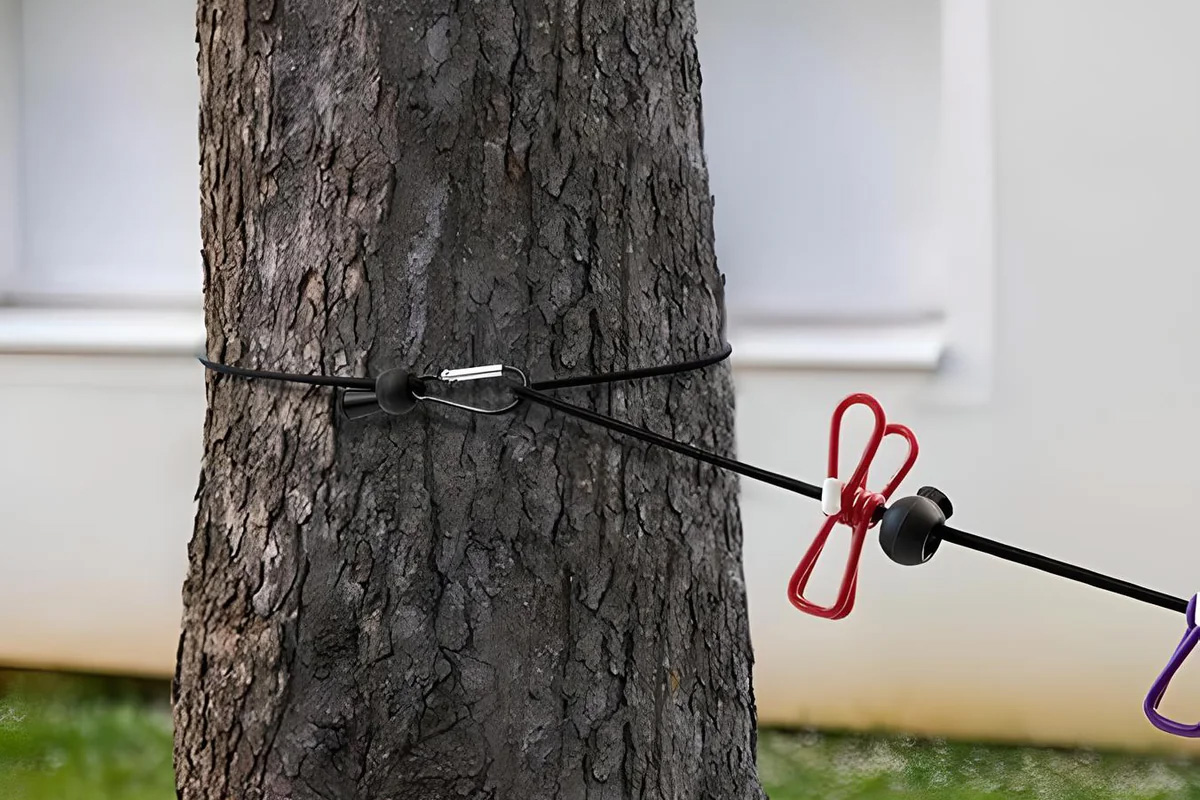
It features 12 built-in hooks to hang your clothes from, and hangs from two stainless steel hooks at either end.
You could set this up in a hotel room, or even between two trees at the campsite.
Uncertainty deepens over Eurobike as Bosch withdraws from show
Bosch eBike Systems has confirmed it will not exhibit at Eurobike 2026, throwing the future of the world’s biggest cycling trade show into further doubt.
The news, reported by Bike Europe, follows yesterday’s coordinated exit by Germany’s two most influential trade bodies – ZIV (Die Fahrradindustrie) and Zukunft Fahrrad (Future Bicycle) – after talks with the show’s organisers failed to deliver agreement on reforms.
- Read more: Eurobike’s future in doubt as two key partners pull out of world’s biggest cycling trade show
In a statement to Bike Europe, Bosch said it supported the associations’ decision, taken after “extensive discussions with the shareholders of Eurobike”.
Claus Fleischer, Bosch eBike Systems CEO and a ZIV board member, said the company no longer saw the “fundamental changes” required for a “successful future for Eurobike”.

The decision ends Bosch’s long-running significant presence at the show, and casts doubt over the future involvement of Paul Lange & Co – Shimano’s German distributor and one of Eurobike’s founding exhibitors.
Speaking to Bike Europe, Bernhard Lange – managing partner of Paul Lange – said his company was still evaluating its options: “We are in the process of analysing today’s press release and corresponding planning for 2026. Of course, the decision of ZIV and Zukunft Fahrrad, as well as the preceding talks with the show organisers, will influence our own participation, including its dimensions and form.”
ZIV and Zukunft Fahrrad had jointly presented a 10-point plan outlining proposed changes to Eurobike’s structure and focus, intended to make the show more relevant to the trade.
The associations said discussions with Eurobike’s organisers had failed to produce a shared vision, prompting their withdrawal.
Bosch’s exit, coupled with Paul Lange’s uncertainty, marks another serious blow to Eurobike’s viability, and comes against a backdrop of growing doubts over the show’s relevance.
Eurobike has struggled to maintain its dominance since relocating from Friedrichshafen to Frankfurt in 2022. Visitor and exhibitor numbers have continued to decline, and several global brands – including Specialized, Scott and SRAM – have already pulled out.
WTB’s James Heaton told BikeRadar growing doubts over the viability of the show don’t come as a surprise: “With the digital world holding increasingly greater importance, I think companies are questioning whether events like Eurobike are still bringing the return on investment they once were, or whether budget is better spent elsewhere.”
One mid-sized brand we spoke to at this year’s event drew similar conclusions, saying it might not return next year because the show would cost it around $100,000 all-in. This, it said, was money that could be better spent running an event focused solely on its own brand.
Notable Zwift Events for the Weekend of November 1-2
This weekend has lots of popular events on tap, including the Zwift Unlocked series. Zwift Unlocked, along with many community events, are featuring the fresh New York City roads released this week. In fact, three of our picks below are on new routes!
 World Vegan Day

 Good Cause Jersey Unlock Banded Ride Popular
Team Vegan is holding a special ride to celebrate the biggest day of their year, World Vegan Day. And lots of riders are already signed up for this “day to raise awareness and celebrate the vegan lifestyle and how it can benefit you, the animals, and the environment.”
This is an open-paced group ride on Flatland Loop for 35km, and it’s banded, so as long as you pedal you’ll stay with the group.
The ride also includes a rare unlock: the VC kit from the vegan cyclist Tyler Pearce. (See the kit on this post.)
Saturday, November 1 @ 3:15pm UTC/11:15am ET/8:15am PT
Sign up at zwift.com/events/view/5136643
 Team Not Pogi – Take No Prisoners Crit Racing

Popular New Route Mass Start
Team Not Pogi’s popular weekly crit is being held on New York’s fresh Double Span Spin route on Sunday, with riders racing 2 laps for a total length of 19.6km and 200 meters of elevation.
This is a mass start, even though riders are grouped into categories. Get ready to push to your limit!
Sunday, November 2 @ 5:45pm UTC/12:45pm ET/9:45am PT
Sign up at zwift.com/events/view/5170013
DBC X NYC Virtual Tour
Jersey Unlock Popular New Roads
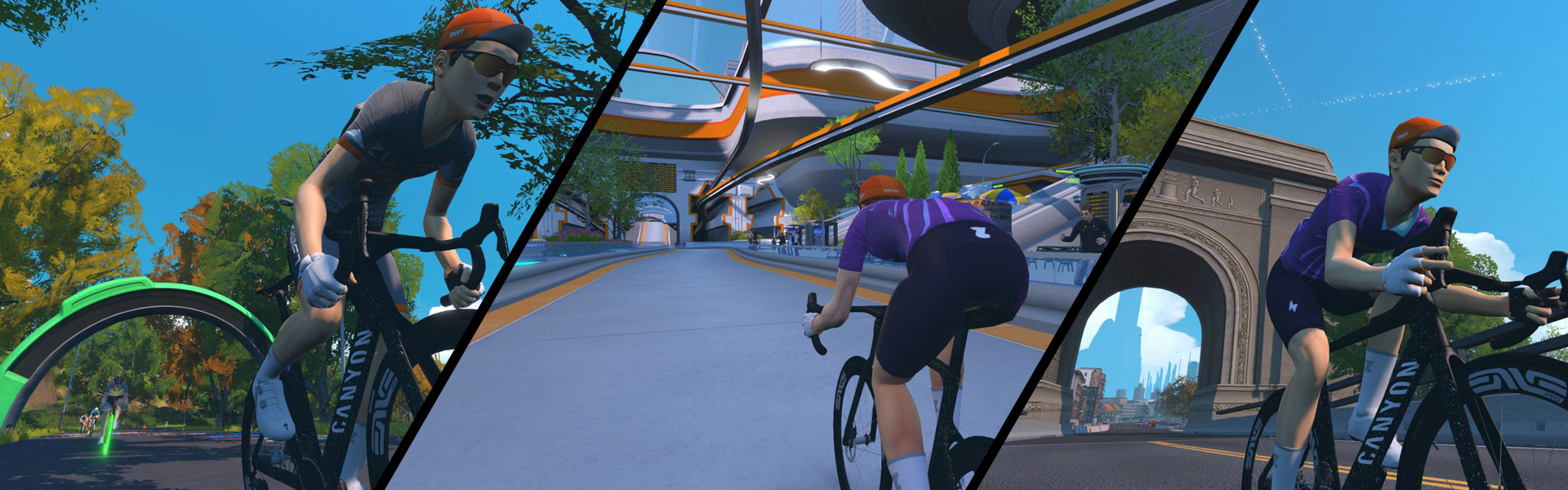
Makesi from DadBod Cycling is hosting a virtual tour of the new roads this Saturday. This is your chance to unlock the exclusive DBC Jersey in Zwift as well – see it on his Insta post.
This is an open-paced group ride on The Greenway (36.8km, 292m).
Saturday, November 1 @ 5pm UTC/1pm ET/10am PT
Sign up at zwift.com/events/view/5164783
Tiny Races in Prospect Park

Popular Race V02 Workout New Routes
This Saturday’s Tiny Races are being held on the new Prospect Park roads, using different routes and powerups so each race is its own challenge. Learn about the routes on the Tiny Race homepage.
Over 900 racers participated in last week’s Tiny Race events. Come see what all the fuss is about!
Saturday in three different timeslots
Sign up at zwift.com/events/tag/tinyraces
The Ultimate Women’s Mini Races – SHOWDOWN
Popular Race Ladies Only Unique Event
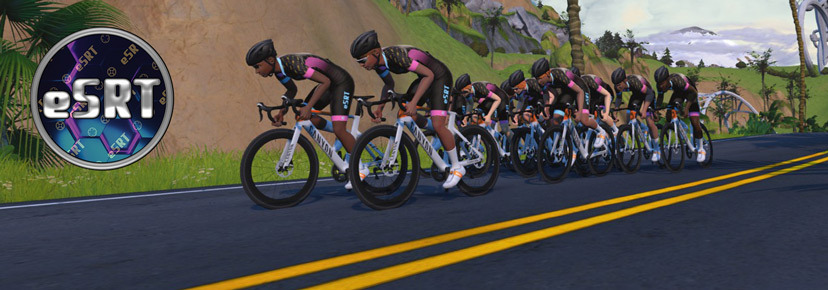
Women’s Mini Races (3 races in an hour) happen each Sunday, but the ULTIMATE Mini Races are a bigger monthly event with a lot more signups. If you’re looking for punchy women-only racing, these races are the place to be.
This Sunday’s races are rolling courses, with each race longer than the previous. Races are on the Innsbruckring (1 lap), Hilly Route Reverse (1 lap), and Jarvis Seaside Sprint (1 lap) routes.
Sunday, November 2 @ 4pm UTC/11am ET/8am PT
Sign up at zwift.com/events/tag/esrt
How We Make Our Picks
We choose each weekend’s Notable Events based on a variety of factors including:
- Is the event unique/innovative in some way?
- Are celebrities (pro riders, etc) attending/leading?
- Are signup counts already high, meaning the event is extra-popular?
- Does the ride include desirable unlocks or prizes?
- Does the event appeal to ladies on Zwift? (We like to support this under-represented group!)
- Is it for a good cause?
- Is it just plain crazy (extra long races, world record attempts, etc)?
- Is it a long-running, popular weekly event with a dedicated leader who deserves a shout out?
In the end, we want to call attention to events that are extra-special and therefore extra-appealing to Zwifters. If you think your event qualifies, comment below with a link/details and we may just include it in an upcoming post!
Colnago returns to track cycling with its “most aerodynamic bike ever”
Colnago has returned to track cycling after an absence of seven years with the new T1Rs, which it describes as its “most aerodynamic bike ever”.
The T1Rs will debut this weekend at the UCI’s London 3 Day racing event taking place at Lee Valley Velodrome. Eagle-eyed attendees will be able to see how the new bike references Colnago’s TT1 time trial bike and Y1Rs aero bike, which it claimed to be faster than any other bike on the market, when it launched in December last year.
However, Colnago says the engineering solutions behind its first track bike since the K.one have been “developed and pushed to the extreme”, in terms of aerodynamics and stiffness, without the constraints imposed by road cycling (such as brakes and gears).
Optimised for high, high speeds
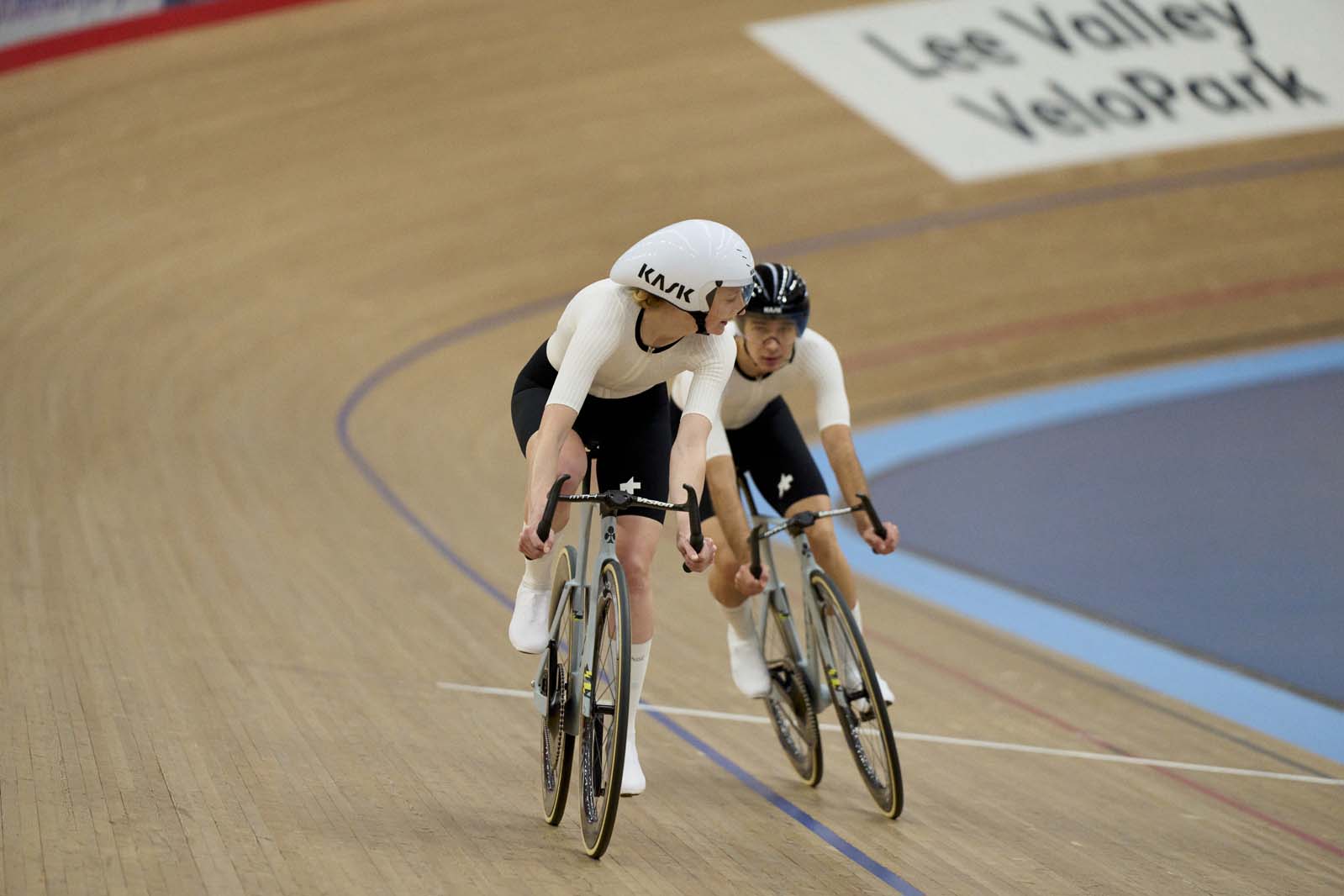
Colango says the T1Rs delivers peak performance at speeds of over 60kph and has a lower drag coefficient at higher speeds compared to ‘traditional’ designs.
The means airflow around the bike is “cleaner and more stable, allowing the bike to maintain its velocity with exceptional efficiency”.
At the front of the bike, the dual-crown fork, adapted from the TT1, is said to minimise drag without compromising stiffness or control. Colnago adds that the fully-integrated stem ensures “seamless airflow from the handlebar to the frame.”
The rear triangle of T1Rs is adapted from the Y1Rs and has bulged chainstays designed to smooth airflow transitions and reduce turbulence around the drivetrain. The aero-shaped dropouts are ‘ultra-narrow’ to further optimise the passage of air.
The bike also fits narrow hubs (65mm at the front and 100mm at the rear) to reduce the frontal area.
Colnago says these features create a “unified aerodynamic system” that’s “engineered not only to reduce resistance, but to deliver stability, precision, and pure speed where it matters most”.
While bikes such as Team GB’s Hope HB.T and the Look P24 have remarkably wide forks and seatstays, Colnago opted to keep the profile of the T1Rs narrow.
It says it evaluated a wide design but decided to stay narrow to enable air to pass around the bike, adding that wide or narrow designs work, but that bikes that are in the ‘middle’ are not as effective.
Elsewhere, the bike has clearance for 28mm tyres and can fit chainrings with as many as 72 teeth.
Frame stiffness
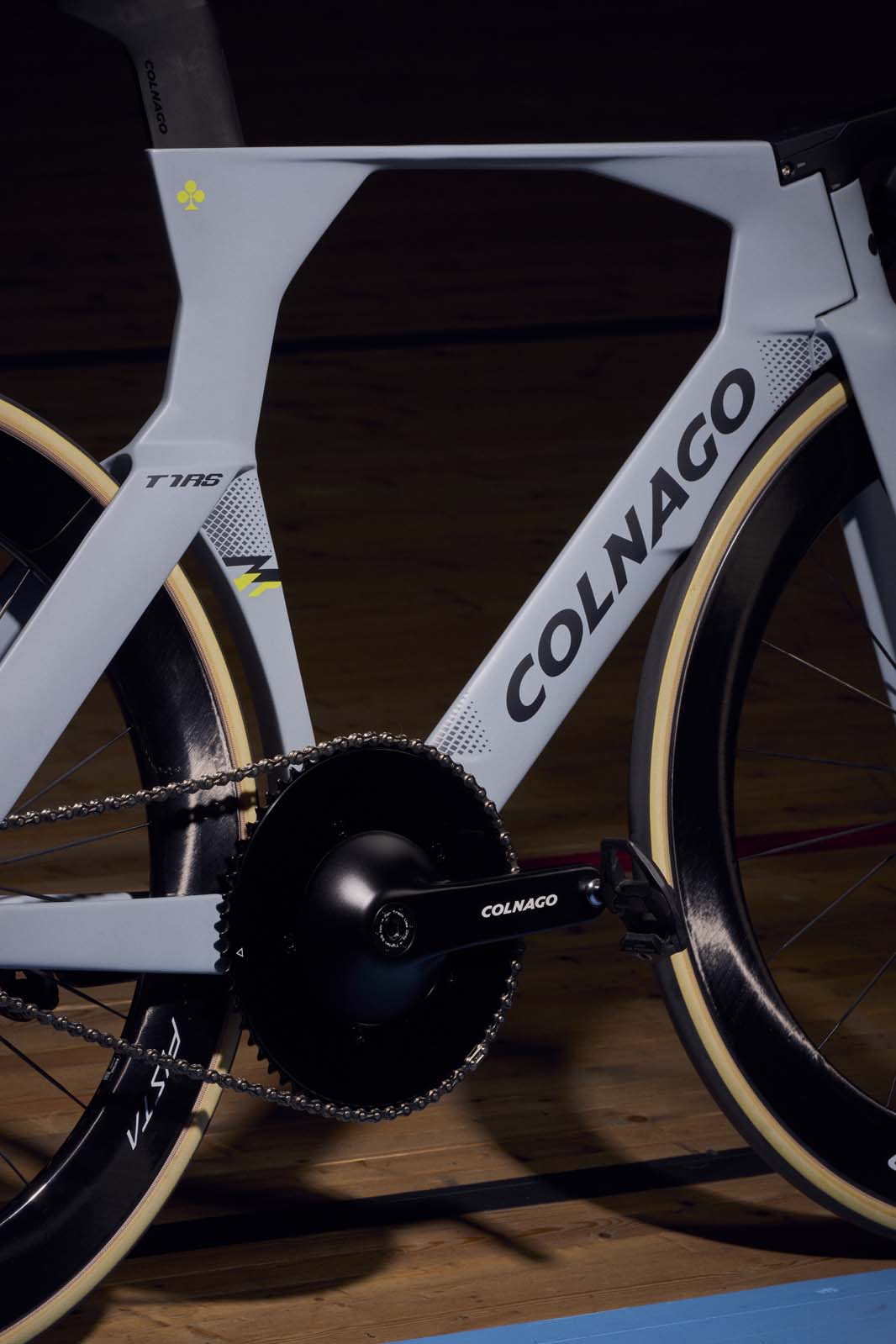
As well as optimising the T1Rs for high speed, Colnago has designed its latest bike to withstand the power of track cyclists.
By connecting the stem and cockpit to the fork blades, the dual-crown fork layout is said to increase torsional stiffness at the front of the bike.
The bike’s rear triangle is compact for “exceptional lateral stiffness”. This also opens up further benefits: the stiffness allows for a narrower Q-factor to keep the rider’s feet closer together for improved pedalling efficiency and a more aerodynamic profile.
Meanwhile, the deep chainstays, dropouts and seatstays are said to be designed to cope with the high torque track cyclists produce when starting races and accelerating.
Stiffness is also aided by a “track-specific carbon layup” with high-strength and high-modulus fibres.
Colnago uses PP mandrels during the carbon layup process to add internal rib structures in the seatpost, bottom bracket area and fork crown. These internal structures are said to “ensure optimal stiffness despite the use of aerodynamic tube profiles”.
The oversized T47 bottom bracket, combined with the reinforced seat tube, is said to reduce torsional stiffness during sprints, in and out of the saddle.
Cockpit options for different track disciplines
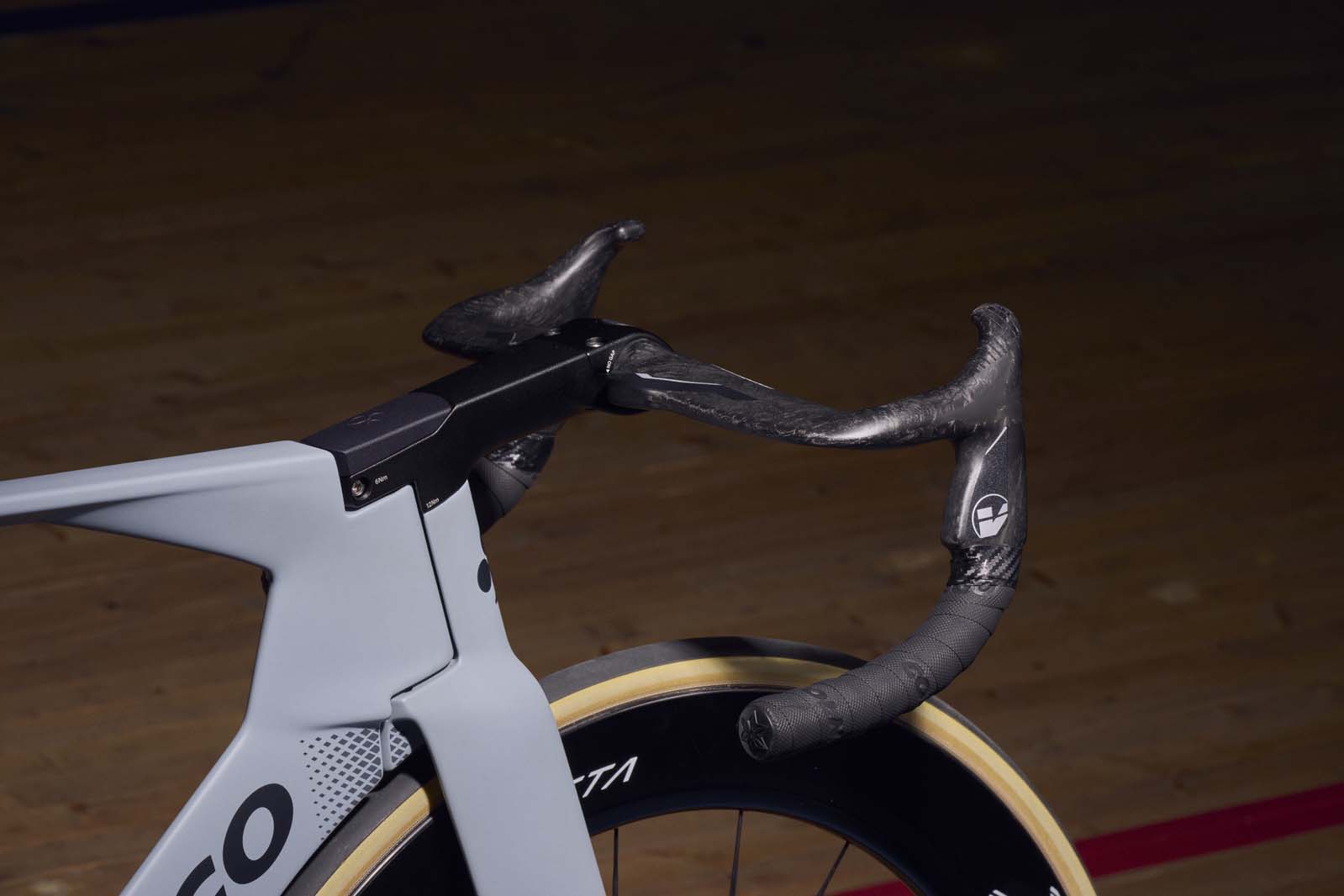
Colnago has designed the bike with a set of cockpit variations for different track disciplines.
The SR-Track stem for sprint and endurance events, such as the keirin, is compatible with a standard 31.8mm handlebar, while the T-shaped structure and its dual-bolt clamping system are designed for maximum torsional stiffness.
Because this is track racing, the SR-Track stem is only available in some pretty aggressive sizes. There are three lengths – 125mm, 150mm and 175mm – with a negative rise of -6.5˚, and the maximum stack height is only 20mm.
For time trial and pursuit events, the T1Rs can be fitted with the TT-Track cockpit. This consists of a monocoque carbon stem and base bar unit that’s 38cm wide with a -17mm stack at the hoods. The column base has a reach of 93mm and a stack of 25mm, relative to the frame.
The TT-Track can be fitted with modular aero extensions for multiple hand positions and optimised ergonomics.
Geometry for different disciplines, too
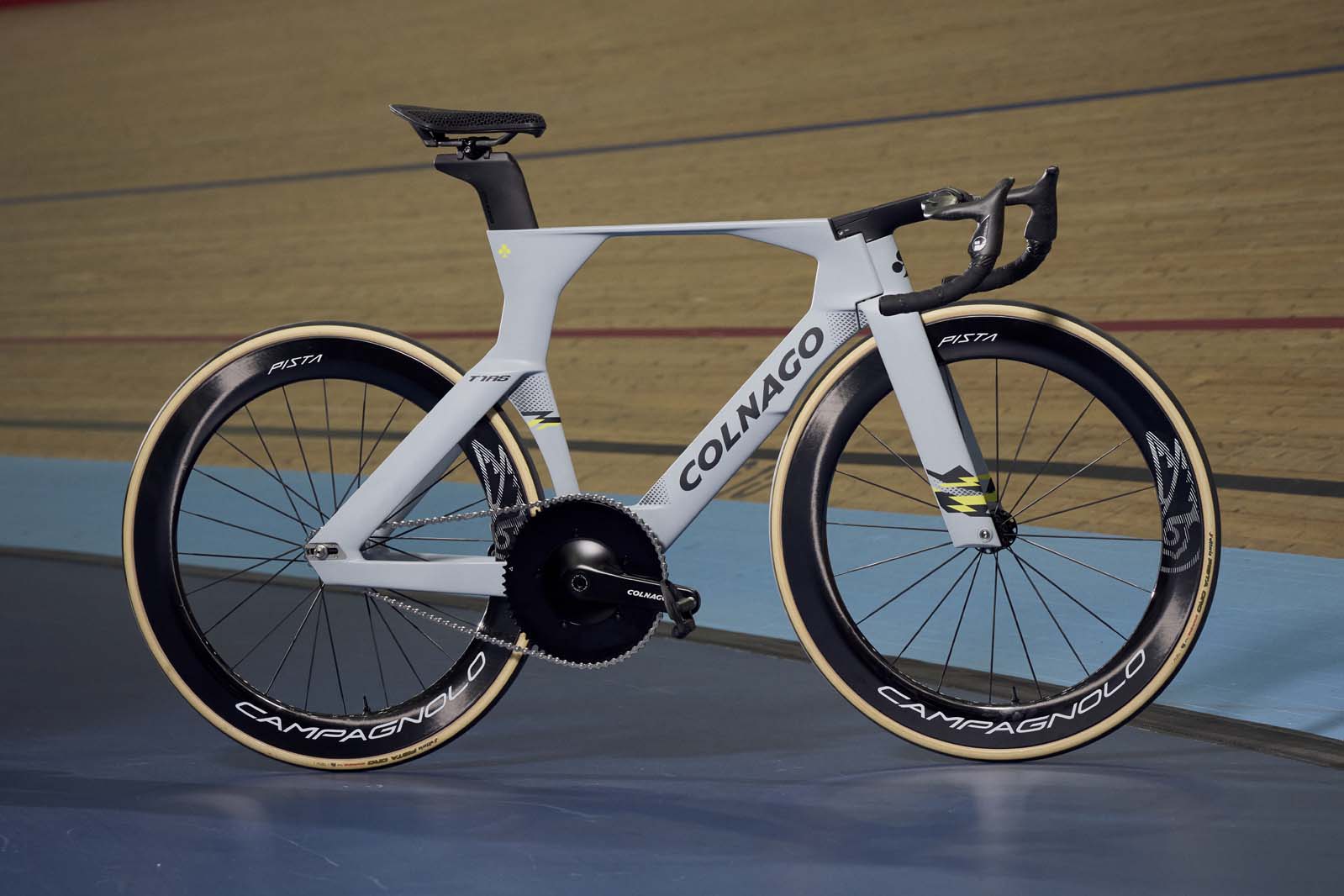
The T1Rs is available in three sizes – small, medium and large – with geometry to match the specific demands of different track races.
Colnago says the reach and stack ratio is developed to match the needs of pursuit riders, while the low-stack cockpit enables a tucked position.
For endurance and sprint races, the T1Rs has an extended reach, with the bike almost hitting the UCI length limit in a size large.
“For this reason, the steering angle and fork rake of the T1Rs have been carefully tuned to provide high stability and precise control, even during sharp and rapid directional changes,” Colnago explains.
How much does the T1Rs cost?
The UCI recently announced it will cap the price of track bikes for the 2028 LA Olympic Games, in a bid to stop the spiralling costs of these hyper-specialised machines.
While the UCI hasn’t released any specific figures yet, we can be pretty certain Colnago’s T1Rs track bike will fall below the price cap, with a frame kit costing €6,500.
The T1Rs frame kit includes the frame, fork, seatpost, saddle clamp and small parts, with the cockpit components available separately. The SR-Track stem costs €250, while the TT-Track basebar costs €320 and the adjustable extension kit costs €270.
This makes the T1Rs significantly cheaper than many of the bikes used at the 2024 Paris Olympic Games, including Team GB’s €29,188 Hope HB.T Paris bike.
Colnago says this is intentional. It wants people to buy its track bike and ride it.
It also hopes the T1Rs will be raced at the LA Olympics, even if professional riders customise the ‘platform’ with their own cockpits and saddles. However, Colnago will need to find a national team for this hope to become a reality.
Tiny Race Series – November 1 Routes – Legends of Prospect Park
See zwiftinsider.com/tiny for current Tiny Race details.
Eurobike’s future in doubt as two key partners pull out of world’s biggest cycling trade show
Two of Germany’s most influential cycling industry bodies have pulled out of Eurobike, signalling waning confidence in what was once the world’s leading cycling trade show.
ZIV – Die Fahrradindustrie and Zukunft Fahrrad (Future Bicycle) announced their withdrawal after failing to reach an agreement with Eurobike’s organisers on how to make the event more relevant to the trade.
The two groups – which represent most of the German cycling industry – had presented a 10-point plan aimed at strengthening Eurobike’s importance to the industry, but said their proposals weren’t met with equal commitment.
Eurobike has been the top dog trade show for the cycle industry for years, with 1,500 exhibitors travelling to Frankfurt in June this year to showcase their wares to other cycling businesses and the general public.
But Eurobike has been becoming less of a must-do event for the bike industry in recent years.
ZIV has around 140 member companies within Germany and internationally, representing the companies responsible for around 90 per cent of bikes and ebikes made in Germany each year.
Meanwhile, Zukunft Fahrrad has around 100 member companies, including retailers and suppliers, as well as manufacturers.
According to Bernhart Lange of ZIF and the managing partner of Shimano’s German distributor: “We could not see that both shareholders [ZIF and Eurobike’s organisers] were equally committed to supporting the measures that would be necessary to make the trade fair fit for the future of the bicycle industry.”
A source close to the matter claimed Shimano – one of the biggest exhibitors at the show – has cancelled all of its hotel rooms. Shimano did not immediately respond to our request for comment.
Fragmented landscape
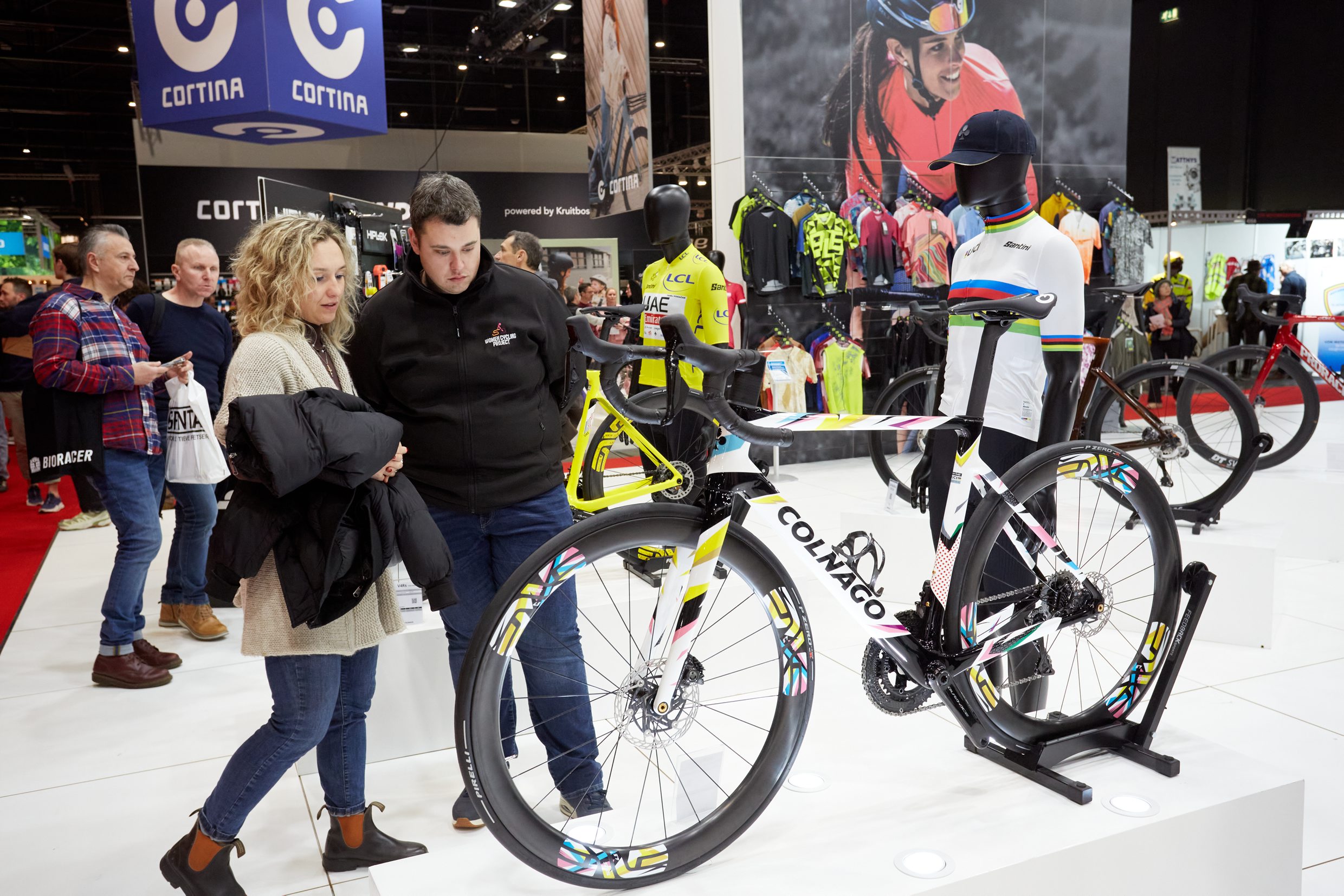
Posting on LinkedIn, Bastien Dietz of Leatt points to the fragmentation of bike industry trade shows, with national-level shows such as Velofollies in Belgium and the Italian Bike Festival gaining in prominence.
- Read more: Eurobike is old news: why Velofollies is now the best show for bike nerds, journalists and brands
Eurobike’s move from Friedrichshafen to Frankfurt in 2022 and retiming from September to July, and latterly late June, have also been problematic.
For its part, Eurobike has announced changes for the 2026 show, with a one-day shorter four-day event and reduced costs for exhibitors.
It’s also splitting into sport and non-ebike electric vehicle/ecomobility segments, with the latter accommodated at a new fair called Mobifuture, a change opposed by the two German cycling industry bodies.
“The desire for an international industry summit in Europe is ubiquitous and Eurobike provides the key impetus for market stimulation,” counters Stefan Reisinger, managing director of Fairnamic, Eurobike’s parent.
“Our aim here is to be the leading meeting place and networking event in the world with Eurobike, where all international players are invited and welcome.”
Smaller and less relevant
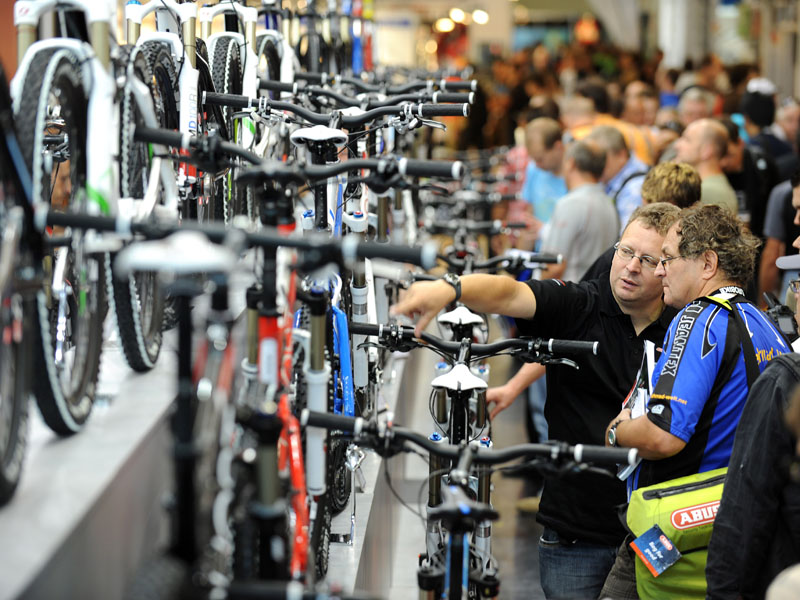
Eurobike’s 2025 event was smaller than previous years, with 31,720 trade visitors and 30,420 members of the public attending, against 35,080 and 33,000-plus in 2024.
Trade visitors are down even more from 2013, when 43,700 attended Eurobike in Friedrichshafen, although there’s been a compensating increase in general public attendance of around 10,000 since the move to a more accessible location.
Setting up a stand is expensive for exhibitors too, with one brand quoting an all-in cost of around $100,000.
Some large brands, such as Specialized, Scott and SRAM, had already pulled out, and other brands we spoke to last year were questioning the value of the show.
Speaking today to BikeRadar, WTB’s James Heaton says growing doubts over the viability of the show don’t come as a surprise: “With the digital world holding increasingly greater importance, I think companies are questioning whether events like Eurobike are still bringing the return on investment they once were, or whether budget is better spent elsewhere.”
“Green to Screen” Route Details
“Prospect Park Loop” Route Details
New Castelli Polare Bib Tights transform coldest days ‘from mere survival into fun’ thanks to new high-tech fabric
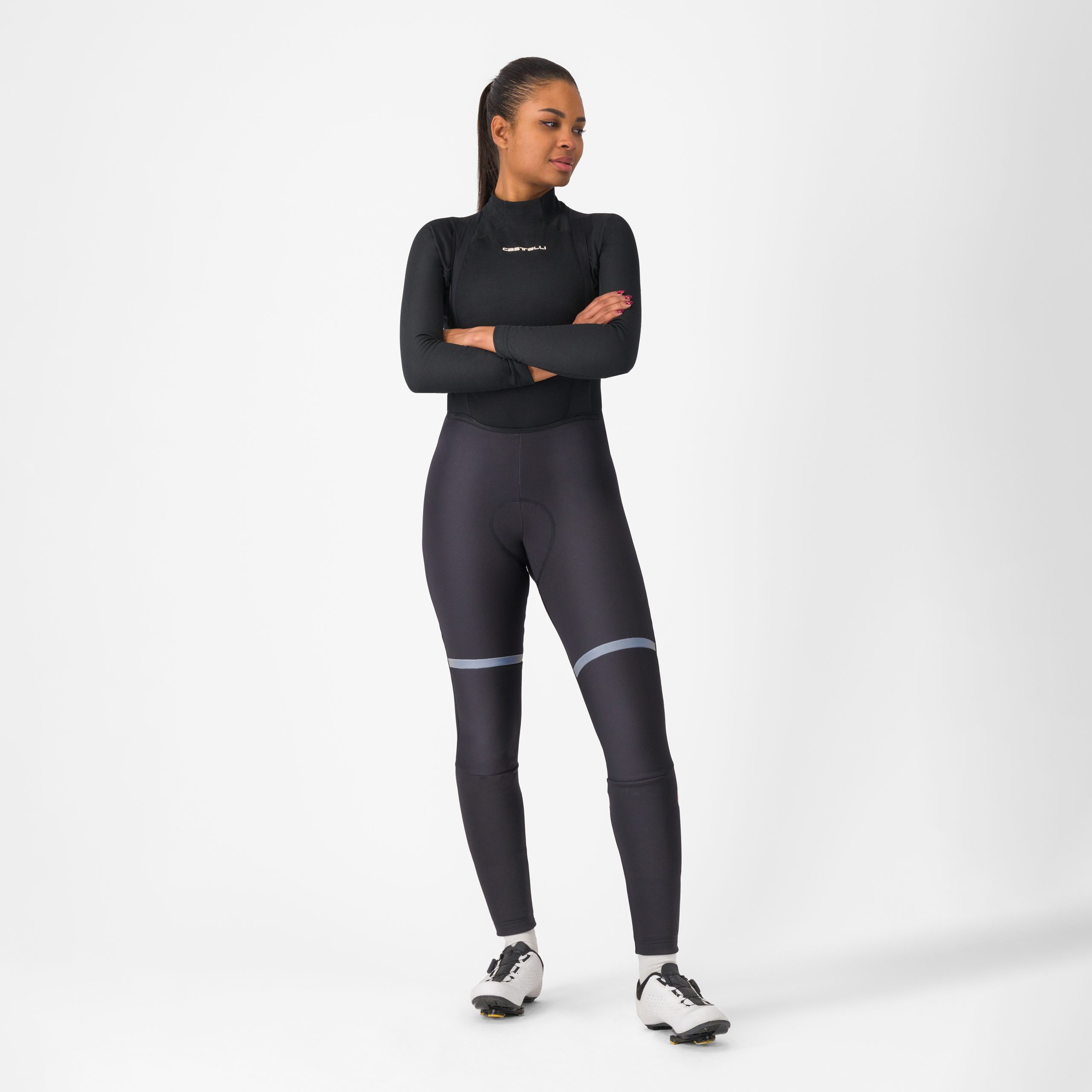
The Polare bib tights are a staple of Castelli’s winter-cycling range, but they’ve just been updated, with the Italian brand saying the new version will transform the coldest days “from mere survival into fun”.
Behind this claim is the same high-tech Polartec Aircore fabric that features in the latest Castelli Perfetto jacket, which launched in September.
Castelli developed Aircore in collaboration with Polartec, and it is said to tick “every box when it comes to being lightweight, highly breathable, windproof, and water repellent”.
Aircore achieves this thanks to a nano-fibre membrane, sandwiched between two layers of textile, which is incredibly tight but still allows air to pass through it.
The fabric is also free of PFAs-based chemicals, or ‘forever chemicals’, which are now banned in some parts of the world, and is made with recycled polyester yarns.
Castelli’s global brand manager, Steve Smith, says: “For serious winter cyclists, the difference between a good ride and a miserable one often comes down to the quality of their clothing.
“With Polartec Aircore, we’ve been able to rewrite what high-performance cycling garments can do in cold weather by providing a windproof front that doesn’t sacrifice breathability or stretch.”
The new Polare bib tights use the Aircore fabric on the front panel of the bib tights. At the same time, Castelli’s Thermoflex fleece lines the seat and legs of the tights to deliver warmth, stretch and breathability, in areas where protection from the elements isn’t as necessary.
“By pairing that pioneering fabric with Thermoflex fleece in our Polare Bibtight, we’ve created the perfect blend of warmth, stretch and breathability to make your very cold rides as comfortable as possible,” Smith adds.
Castelli says this also makes the Polare bib tights its “warmest bib tights” for temperatures ranging from -5˚C to 5˚C.

Elsewhere, the new bib tights feature Castelli’s Kiss Air2 seat pad. This has an ‘ultra-soft’ top fabric to reduce friction and the chance of saddle sores, plus a dual-density foam for thickness where you need it and minimal thickness at the perimeter.
To help keep you visible while cycling in low light, the tights have reflective strips above the knee and on the calves. Ankle zippers are said to help make the Polare bib tights easy to pull on and off.
The Polare bib tights cost £230 / $250 in the men’s version and £240 / $250 for the women’s version.
Zwift Racing League Week 1 Guide: Greatest London Flat (TTT)
The first race of Zwift Racing League 2025/26 Round 2 happens Tuesday, November 4, and it’s a team time trial on Greatest London Flat. This is a favorite TTT course that has featured in multiple ZRL rounds due to its flat/rolling nature with just enough pitch change to keep us on our toes.
Let’s dig into crucial segments, bike choice tips, and more!
Looking at the Route: Greatest London Flat
Greatest London Flat has been used multiple times as a ZRL TTT course. It takes you around the City of London itself, then over to Surrey with the flattest of the three paths through before taking you back to London to finish on The Mall.
Total ride length is 31km for all categories – that’s a 7.4km lead-in to The Mall followed by a 23.6km lap. Here are some classic notes from Sherpa Dave:
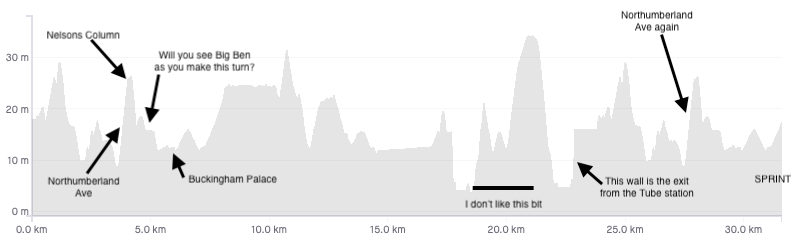
While the profile above may look rather lumpy, this is a fairly flat course, with just a few important bits (climbs) worth mentioning:
- Northumberland Ave @3.6km (150 meters at 4%): your first ramp of the race, and you’re still in the lead-in portion! Give it the beans, but don’t drop anyone. Recovery is just around the corner…
- Surrey Parkland Ramps @18.3km (3km long): the toughest part of the course, this series of long rollers forces you to keep the power high if you want to maintain race-winning speed!
- Ramp up from the Underground @22.5km: teams can lose several valuable seconds by attacking this one incorrectly! You want to ramp up your power heading into this steep, short ramp so you carry more momentum, then keep hammering hard over the top to get back up to speed.
- Northumberland Ave again @27.2km (150 meters at 4%): with just a few kilometers left, you may have lost a rider or two at this point. Make sure you stay together so you can pull hard to the line.
Also worth noting: in between the key climby bits above you’ll find a light of slight inclines and declines. Riding these smartly can make a big difference in your overall time! That means going harder on inclines, and easing a bit for recovery on the declines. Raising your trainer difficulty to 100% may help your team feel the slight gradient changes more uniformly so you all react appropriately.
Read more about the Greatest London Flat route >
Bike Frame + Wheel Choice
Bike choice here is simple: go aero. On a flat route like this, weight doesn’t matter much, and aero is everything! The best setup by far is the CADEX Tri frame paired with the DT Swiss Disc wheels, but you’ll need to be at level 40+ to access this sweet rig:
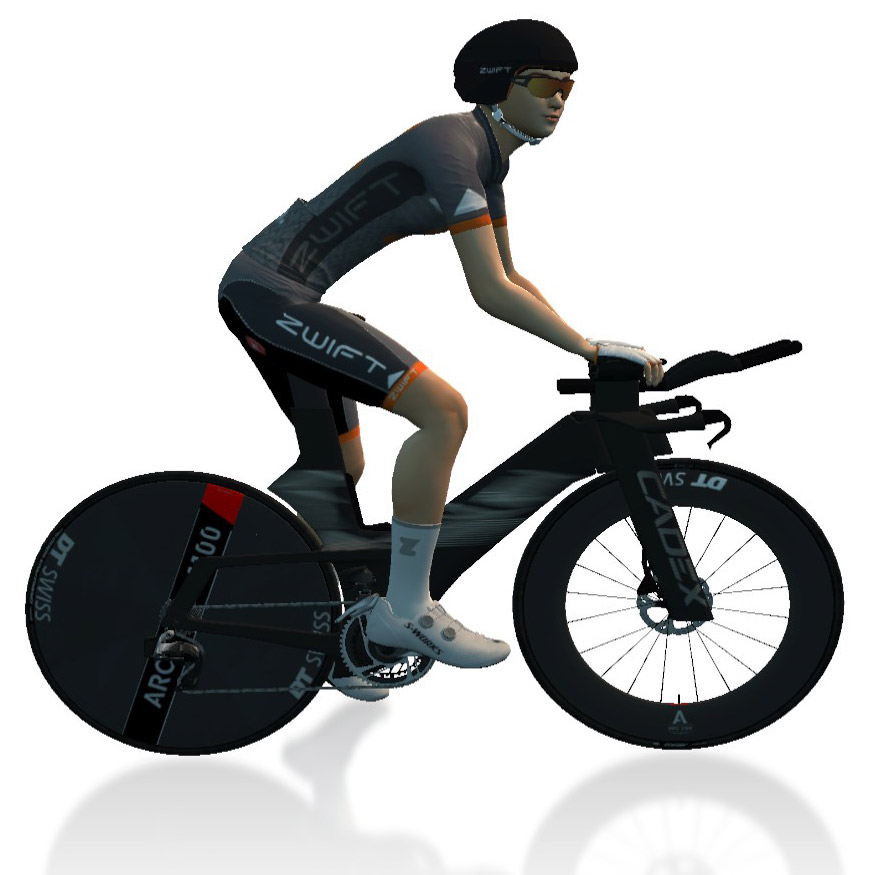
If you don’t have access to this setup, check out “Fastest TT Bike Frames and Wheels at Each Zwift Level” and use the fastest TT frame and wheelset available at your level.
One more note on bike choice: upgrading your frame makes a big difference. A fully upgraded frame saves around 13 watts, or ~48 seconds per hour of riding. Read all about the performance improvements you receive from upgrades here.
More Route Recons
Many recon rides are planned each week on the upcoming ZRL route. If you’re unfamiliar with this course, jump into an event and familiarize yourself with the route! Find a list of upcoming ZRL recon rides at zwift.com/events/tag/zrlrecon.
Additionally, riders in the Zwift community do a great job every week creating recon videos that preview the courses and offer tips to help you perform your best on the day. Here are the recons I’ve found (comment if you find another!):
J Dirom
Nathan Krake
John Rice
TTTips
Successful team time trialing on Zwift requires a challenging combination of physical strength, proper pacing, and Zwift minutiae like picking a fast bike, understanding drafting in a TTT context, and getting your frame fully upgraded.
Flatter courses like this week give valuable seconds to teams with big pure-power riders who can keep their power high on the front while staying in single-file formation to conserve in the draft behind. Extra seconds can also be gained by pacing smartly, ramping up the effort on short climbs and recovering a bit once you’re up to speed on the short descents.
On a course like this week’s, I highly recommend all team members set their Trainer Difficulty to the same value so you’re all feeling the gradient changes similarly. (When one rider has it set to 100% and another 25%, the first rider may ramp up power much more than the second when a climb hits, which can make a mess of your team formation.)
Your goal in a ZRL TTT is to get four riders across the line in the shortest time possible. That means every team’s pace plan will differ based on each rider’s abilities. I highly recommend having an experienced DS on Discord directing your team, especially if your team contains some inexperienced TTT riders.
Lastly, if you want to go further down the TTT rabbit hole, I highly recommend Dave Edmond’s Zwift TTT Calculator tool.
Questions or Comments?
Share below!
Giant engages in “positive and constructive” discussions with USA following forced labour allegations
A delegation from Giant met with the US Customs and Border Protection (CBP) in Washington, DC for a meeting to discuss the company’s labour practices, following allegations of forced labour and the barring of certain Giant goods from the USA, the bike brand revealed today.
Giant said there was a “positive and constructive” atmosphere, where the delegation team and CBP engaged in “extensive discussions on the company’s current status and ongoing improvement actions”.
The meeting follows the issuance of a Withhold Release Order in September that barred the import of Giant bicycles, bicycle parts and accessories made in Taiwan, following an investigation that found evidence of forced labour.
Following the embargo, Giant said it is “firmly committed to upholding human rights and labor protections”. On 29 September, it formally engaged with the CBP through its US legal counsel to arrange the official meeting.
Giant said in a statement released today that: “CBP acknowledged Giant Group’s proactive attitude and actions following the issuance of the Withhold Release Order (WRO), as well as the company’s immediate engagement in constructive communication and meeting with CBP. CBP also recognized the company’s incorporation of labor rights into its corporate sustainability governance goals and active implementation.”
Giant added that the CBP emphasised that it was “penalising Giant” but that it “aims to promote corporate improvement in labor and human rights governance through collaboration with enterprises”.
One of the forced labour indicators the CBP claims to have identified was debt bondage, where a person is forced to work to pay off a debt.
Last year, investigative journalist Peter Bengtsen found migrant employees at Giant had paid high recruitment fees. “[W]orkers borrow significantly from banks and money lenders, often at excessive interest rates, and thereby risk debt bondage while working in Taiwan to pay off loans,” Bengtsen told BikeRadar.
Giant says it has implemented a zero recruitment fee policy since the start of 2025, and in October, it said it would reimburse migrant workers hired before 2025. The company also revealed it was moving migrant workers into new dormitories and that it had hired an international third-party advisor “to identify, assess, and develop a comprehensive compensation plan to reimburse current migrant workers hired before January 1, 2025, for their previous recruitment expenses”.
Giant said in the statement released today that this audit “is an important component of CBP’s relevant procedures”.
The CBP did not immediately respond to BikeRadar’s request for comment on the meeting or its procedures.
The CBP’s Withhold Release Order, which is the first of its kind on a Taiwanese manufacturer, sent shockwaves through the Taiwanese bicycle industry.
Although the embargo applied only to Giant products made in Taiwan, Merida quickly implemented several measures to improve its labor practices and announced it would implement a zero-fee recruitment policy from 1 October.
The Taiwan Bicycle Association also announced an initiative for industry suppliers to observe human rights.
“To meet growing global expectations for Human Rights Due Diligence (HRDD) and sustainable supply chain governance, the Taiwan Bicycle Association (TBA) has announced an industry initiative encouraging suppliers across the value chain to undertake supply chain due diligence, with a particular focus on human rights and forced labor,” the trade association said in October.
“Issendorf Express” Route Details
“Avon Flyer” Route Details
Campagnolo launches 1×13-speed gravel groupset and hints something “more affordable” is on the way
Campagnolo has announced Super Record 13 X, the highly anticipated gravel and all-road variant of its flagship wireless electronic groupset.
As teased at the launch of the road-specific version back in June, Super Record 13 X consists of 1x and 2x 13-speed groupsets with clutch-equipped rear derailleurs.
We’ve not yet had our hands on these new parts, but Campagnolo’s hints about what else might be in its product development pipeline have us very excited for the future of the brand.
X marks the spot
Before we dig into why we think this is great news for Campagnolo, let’s have a quick overview of what’s new with Super Record 13 X.
Building on the existing Super Record 13 road groupset, Campagnolo has announced a series of new components that enable it to encompass 1x and 2x 13-speed wireless electronic groupsets for road, gravel and all-road bikes.
Rather than simply changing the chainring and sprocket sizes to suit the various applications, Campagnolo has created two new rear derailleurs with genre-specific designs.
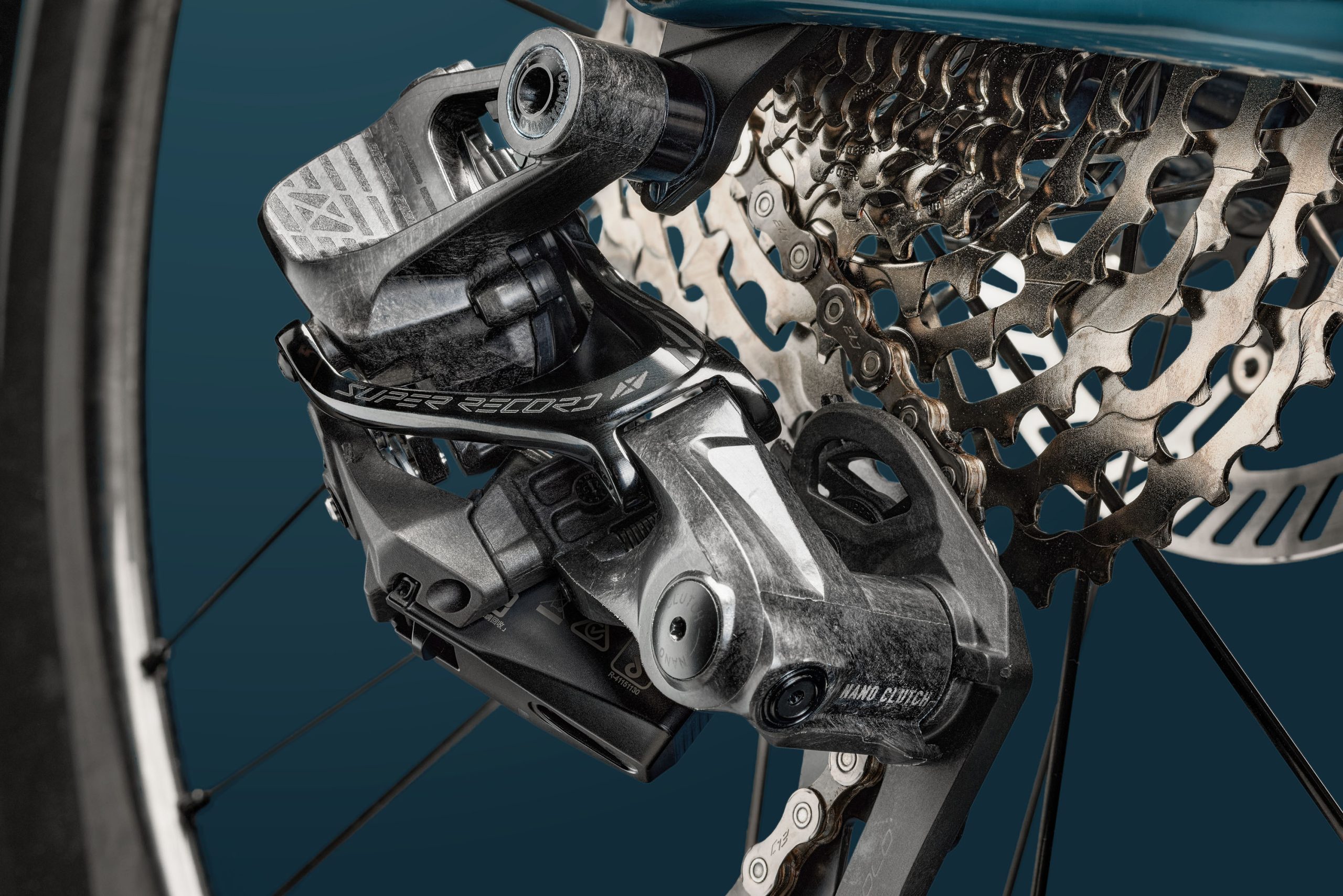
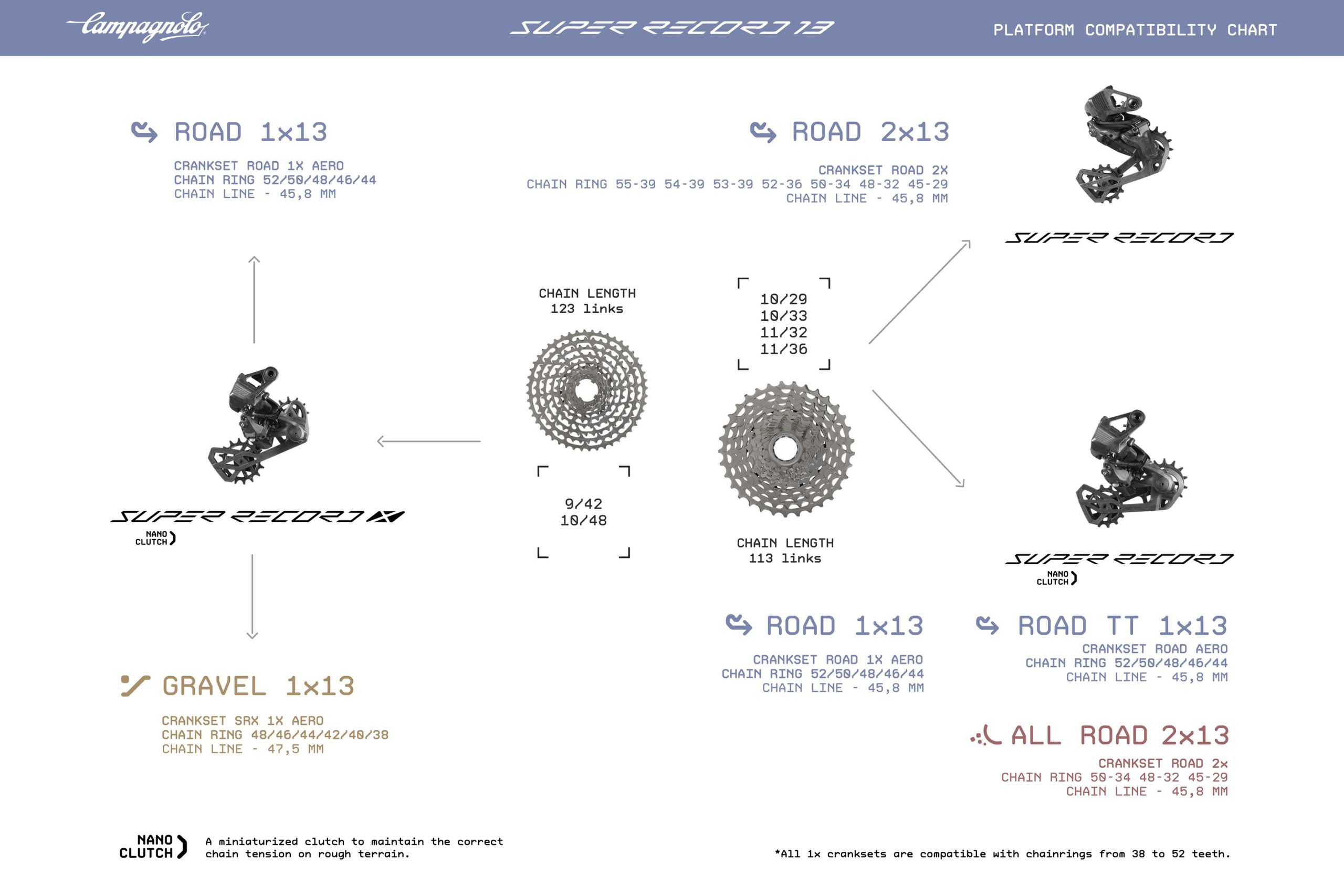
The Super Record 13 X rear derailleur, for example, is designed specifically for 1x gravel bike drivetrains and features a new pulley assembly, a higher-torque shifting motor and a strong clutch designed for riding off-road.
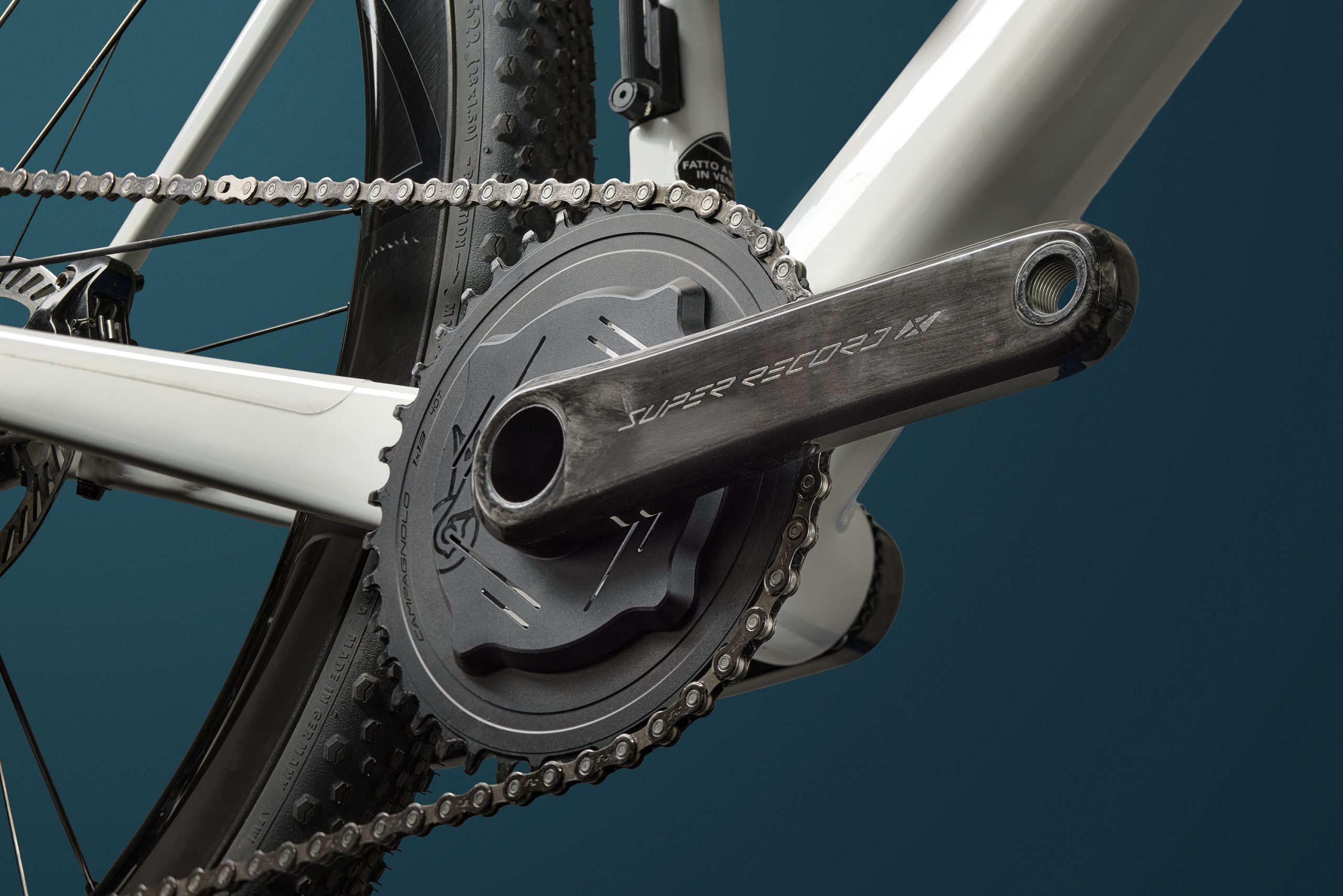
This is compatible with two new wide-range cassettes – a 10-48 and a 9-42t – and an aero crankset with a wider, 47.5mm chainline for increased tyre clearance. 1x Chainrings will be available from 38-42t.
We’ll talk about the other one, and what options it opens up, shortly. Now, though, here are all the new 1×13-speed gravel components.
Super Record 13 X new components
- Super Record 13 X rear derailleur with Nano clutch
- Super Record 13 X 1x aero crankset, 47.5mm chainline
- Super Record 13 X 1x aero chainring, 38-48t
- Super Record 13 X cassette, 9-42 or 10-48t
Campagnolo says its existing 13-speed Ekar cassettes aren’t compatible with the new Super Record 13 X rear derailleur, because they don’t have as many shifting ramps and could therefore damage the derailleur.
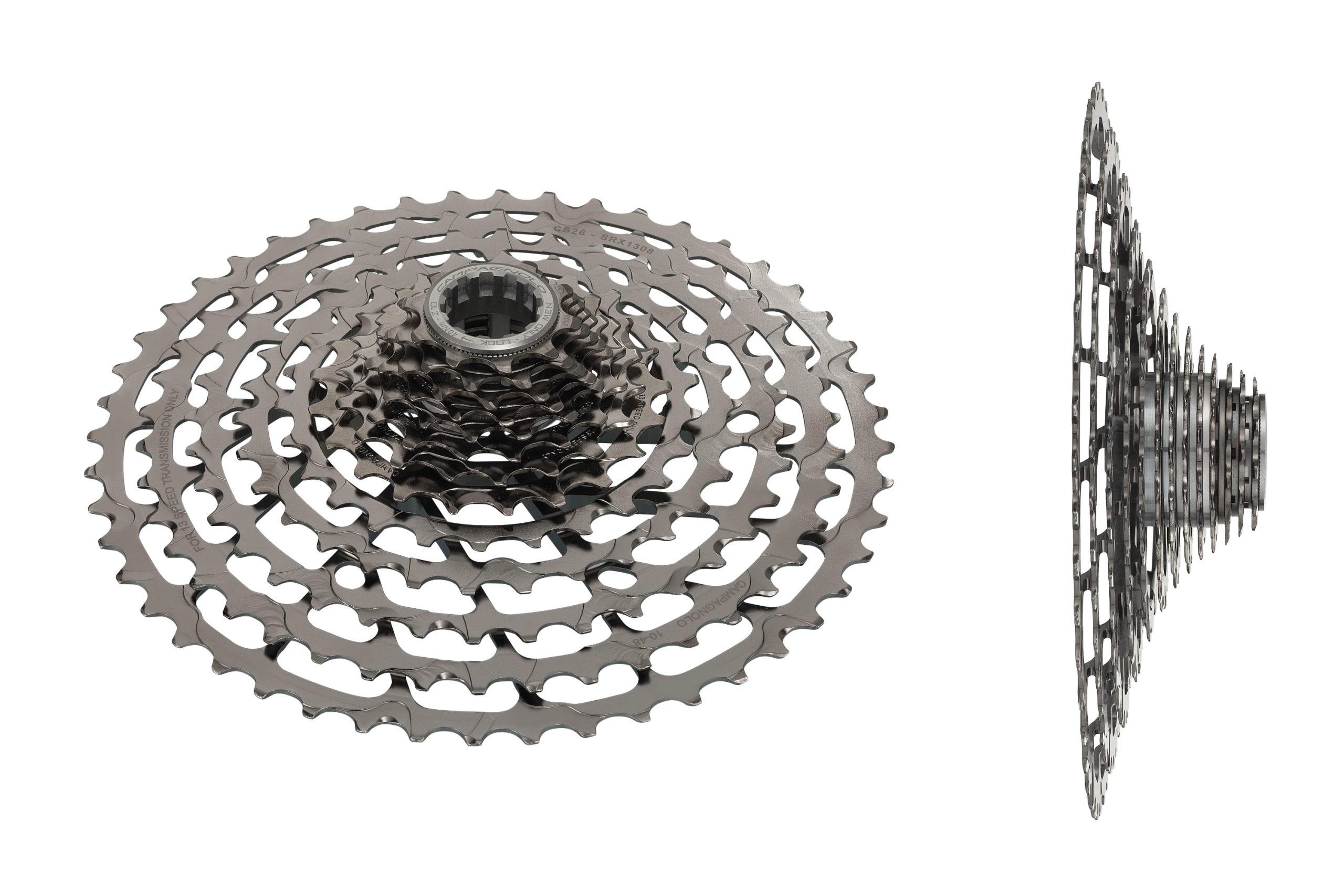
However, riders can use the new Super Record 13 X cassettes with existing Ekar drivetrains and Campagnolo says these will speed up how those shift, due to the increased number of shifting ramps on the sprockets.
As with Ekar, the new Super Record 13 X cassettes are compatible with Campagnolo’s N3W freehub standard.
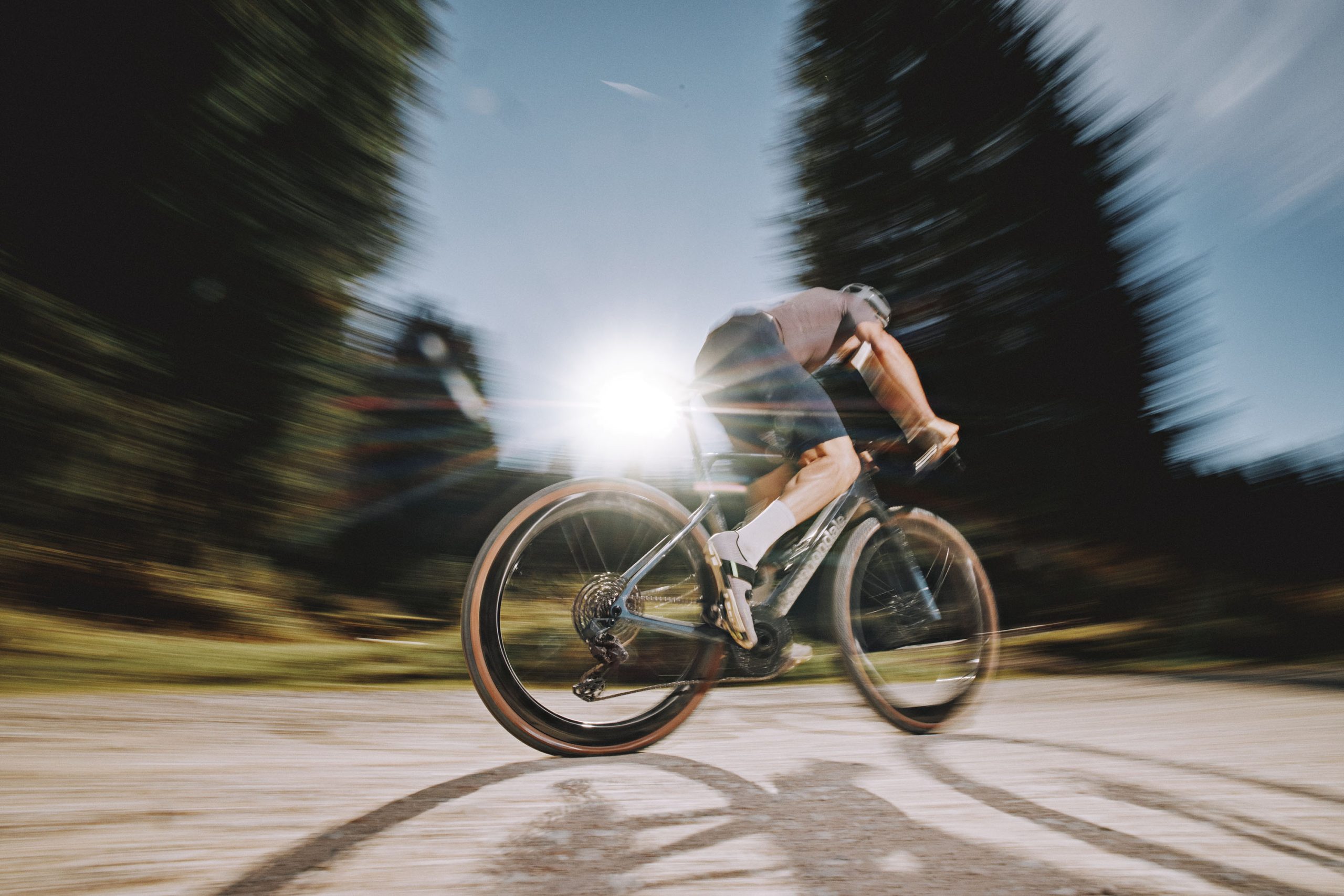
The Super Record 13 X rear derailleur is said to shift a little slower than the standard road-specific one.
It will also only shift up to three sprockets at a time, unlike the road-specific version, which will go all the way across the cassette block if you hold down a shift button.
Both characteristics are designed to protect the rear derailleur from damage, Campagnolo says.
In our pre-launch briefing with the brand, though, it was still keen to stress it will shift faster than its competitors.
Everything else
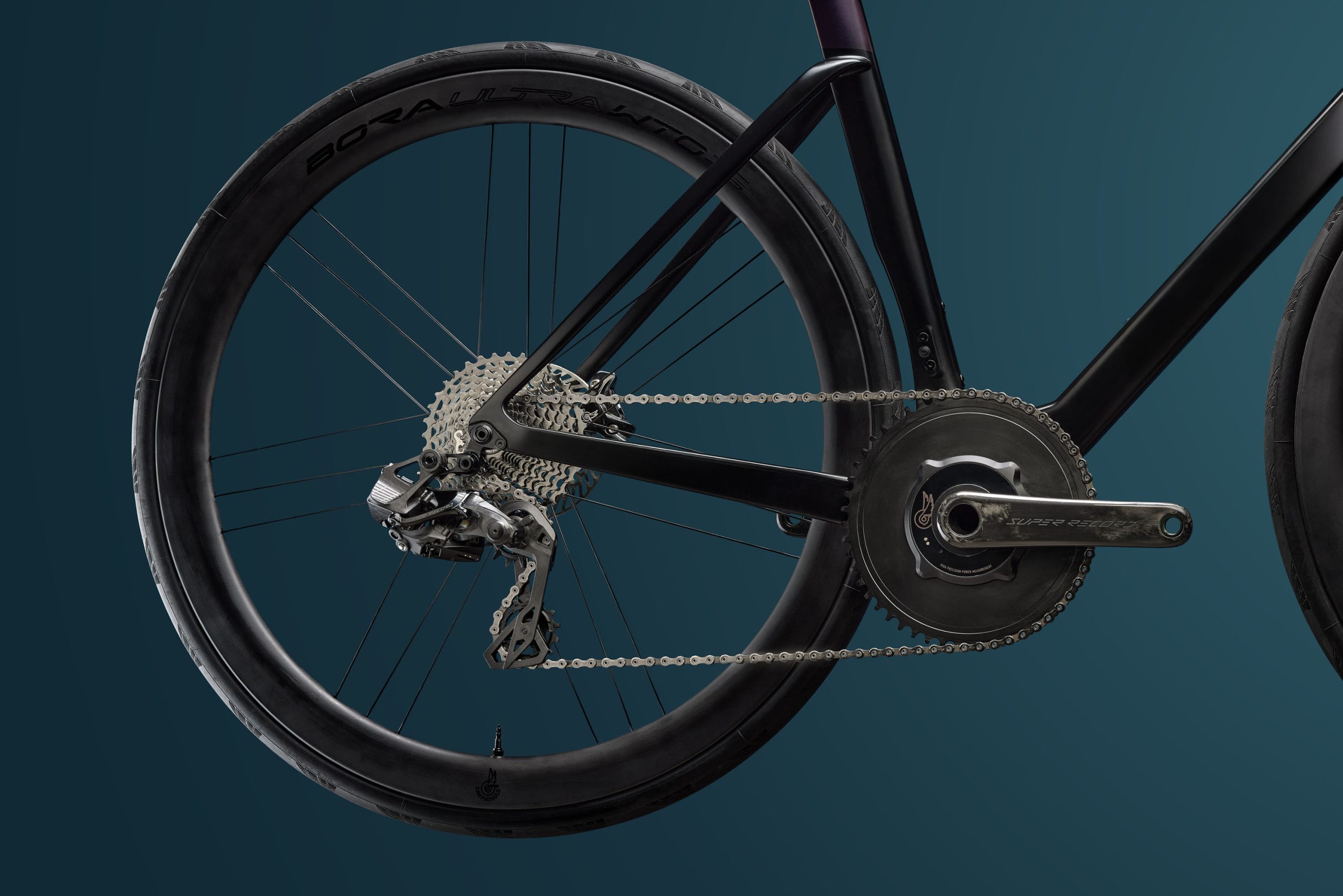
The other new rear derailleur is more like the standard road version, with a lighter-tension clutch compared to the gravel-specific one.
Campagnolo says this one is designed for 1x road and TT setups, plus 2x gravel or all-road drivetrains, and is compatible with the existing range of Super Record 13 road chainrings and cassettes. These range from 45-29 to 55-39 and 10-29 to 11-36t, respectively.
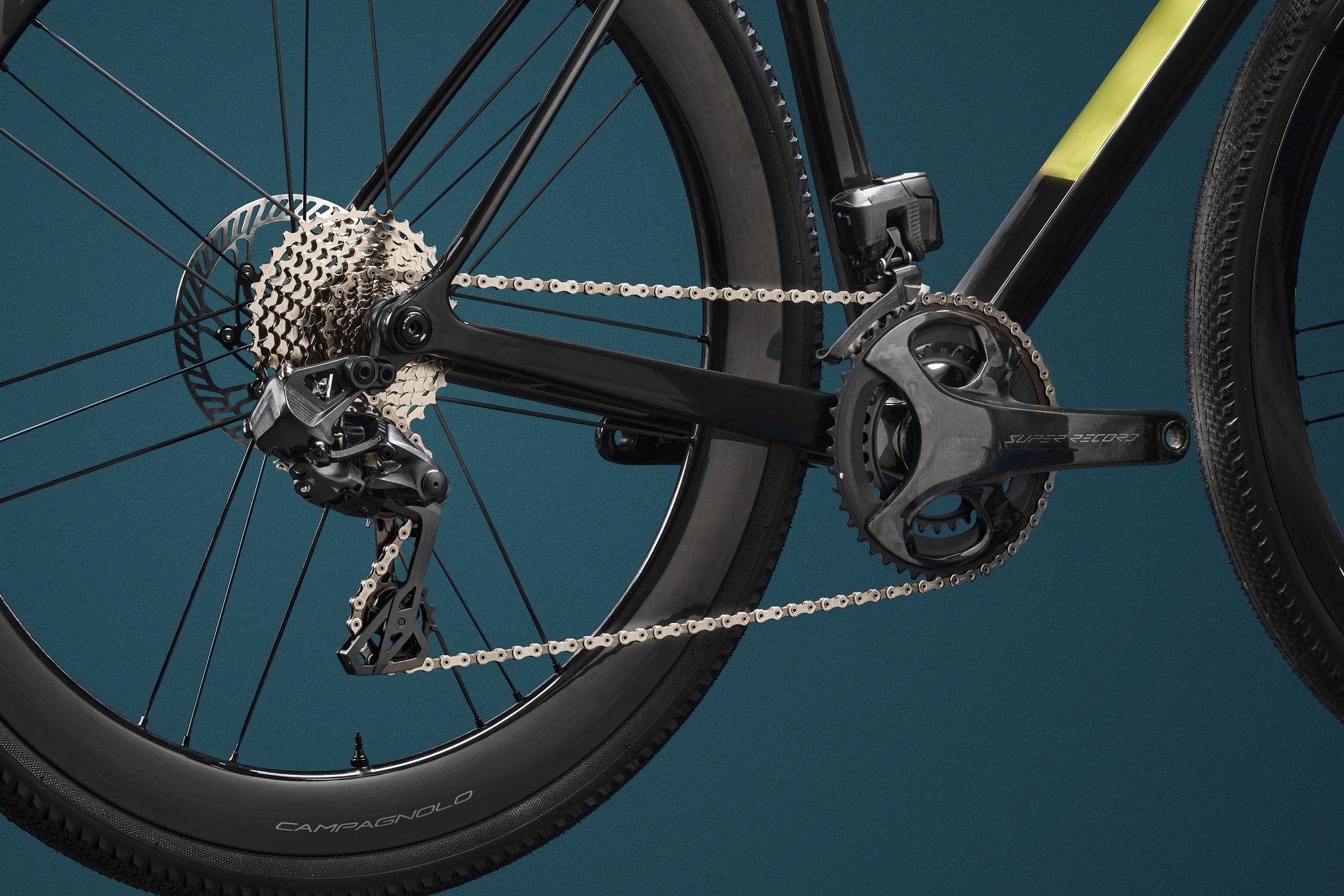
For these applications, there’s the existing Super Record 13 2x crankset, plus a new road-specific 1x aero crankset with a 45.8mm chainline (the same as standard Campagnolo road cranksets).
There’s also a new left-hand brake lever, which ditches the electronics and shifter buttons, dropping around 20g of weight.
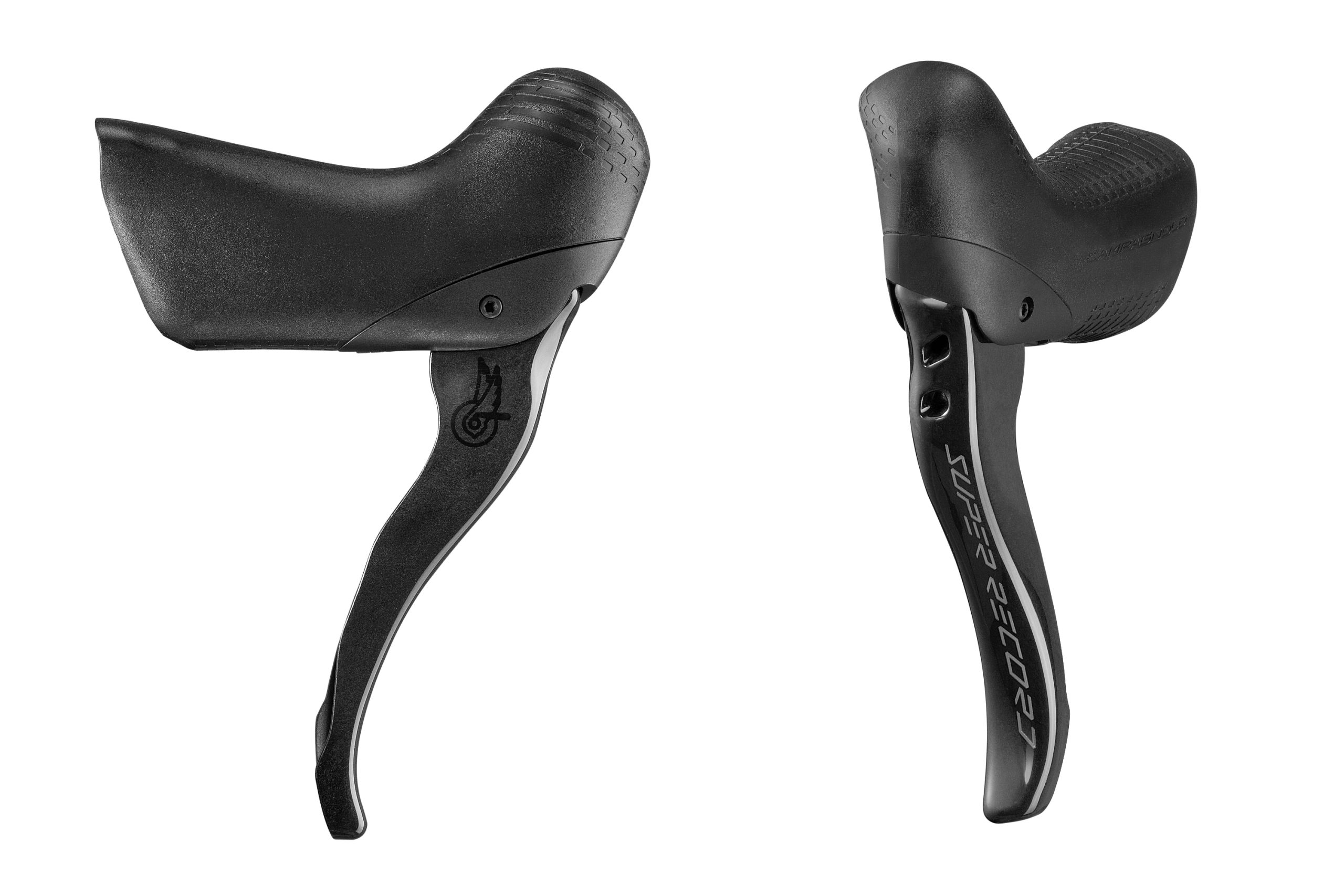
While intended primarily for use with 1x drivetrains, Campagnolo notes the new brake lever can also be used with a 2x drivetrain if desired.
This is because a single Super Record 13 ergopower shifter can control a 2x drivetrain with one of the three programmable buttons set to toggle the front derailleur, and the other two assigned to the rear derailleur.
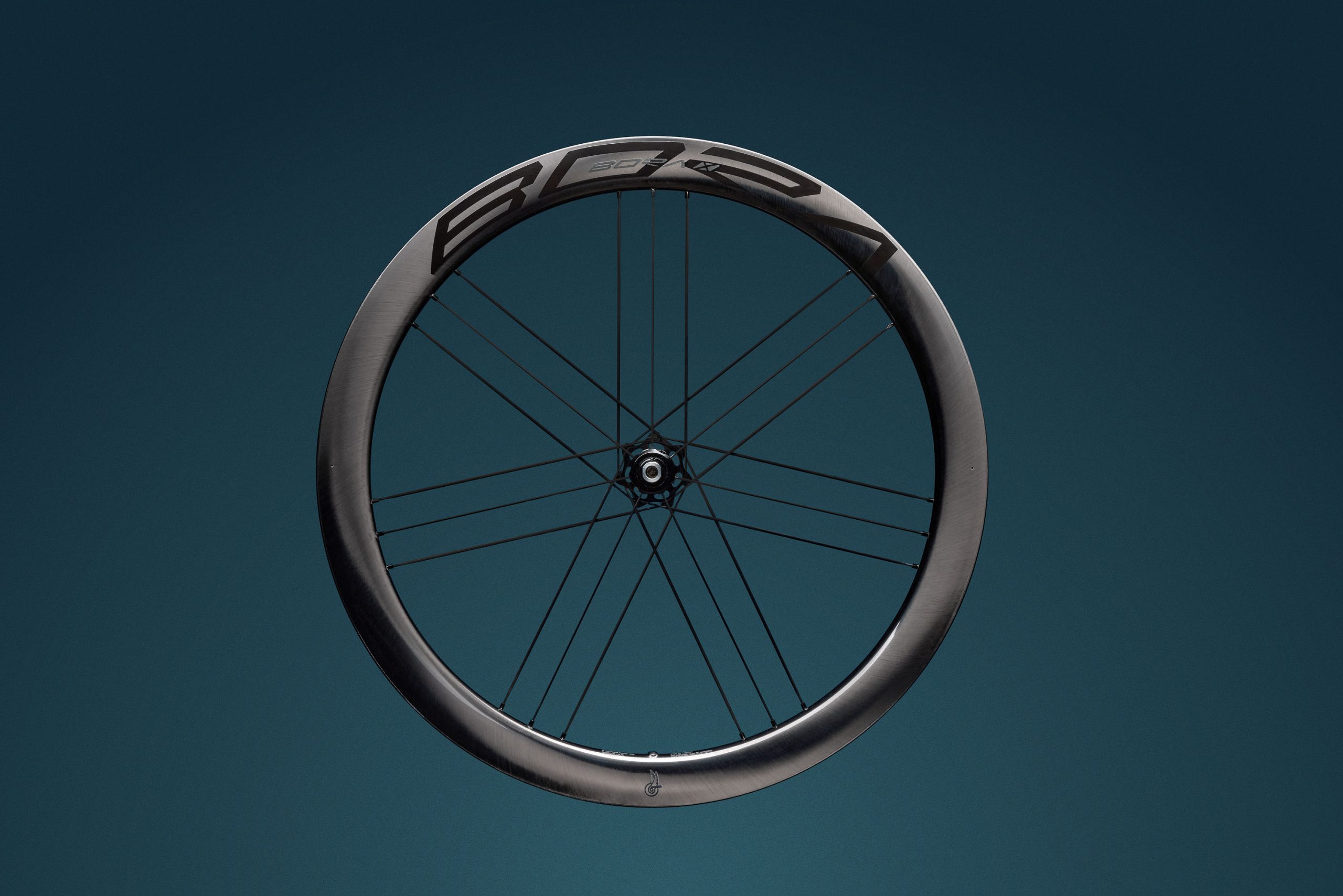
Lastly, there’s also a Bora X gravel / all-road wheelset, which features 50mm-deep rims, which are 27mm wide internally and 31.5mm wide externally.
As you’d expect with Campagnolo, these rims are hooked and tubeless-ready, and the wheelset is built with a mix of aero and elliptical spokes that apparently help balance rigidity and comfort. It has a claimed weight of 1,430g.
Super Record 13 X pricing
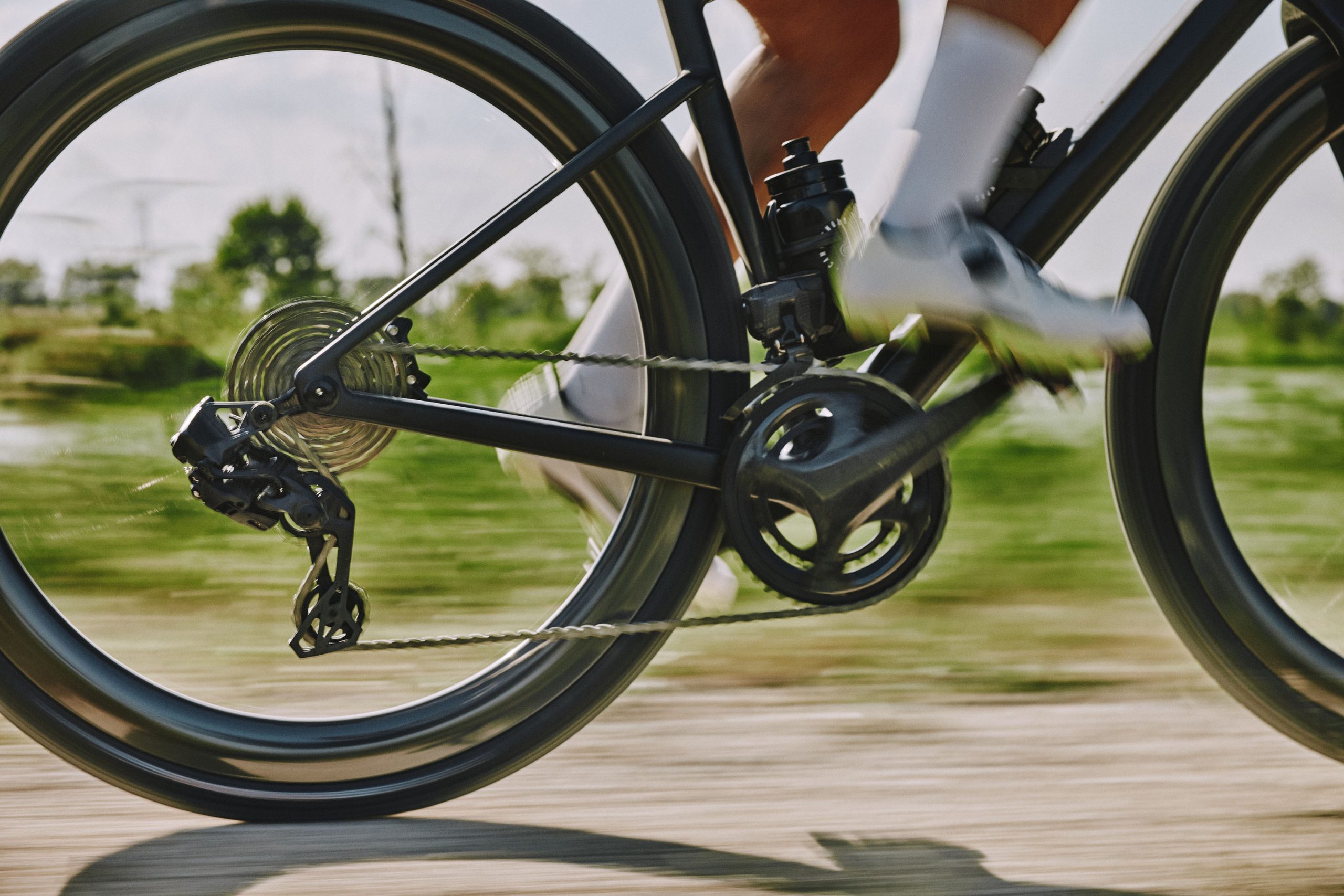
The exact price will depend on which spec you opt for, but Campagnolo says Super Record 13 X 1x groupsets will start at £2,999 / $3,899 / €3,375.
1x road groupsets cost a little more at £3,050 / $3,975 / €3,410.
Prices for 2x all-road groupsets start at £3,899 / $5,065 / €4,370 – essentially the same as existing Super Record 13 road groupsets.
Adding a Campagnolo power meter spider to any of these groupsets increases the price by £1,050 / $1,325 / €1,167, while the Bora X wheels are priced at £1,999 / $2,599 / €2,290.
As expected, then, these new Super Record 13 X components aren’t cheap. It’s fair to say these prices are in line with the direct competition, however.
Super Record 13 X is even a little cheaper than SRAM’s 13-speed Red XPLR AXS groupset at RRP, which costs around £3,500 or dollars.
Shimano’s wireless 1x GRX RX827 Di2 groupset is substantially cheaper at only £1,739.90 / $2,282 / €2,011.90, but is more comparable to the likes of SRAM Force XPLR AXS in terms of its nominal ‘tier’ and overall weight.
More to come
Given these prices will put Super Record 13 X out of reach for many riders, the most exciting news from this launch may be the tiny hint that something “more affordable” is in development – according to Campagnolo’s head of product and marketing, Federico Gardin.
Other than intentionally vague comments from Gardin about the overall Super Record 13 ecosystem being “the first step for the new Campagnolo”, we don’t have much to go on as to what that “more affordable” stuff might be.
However, it’s easy to imagine how this new tech could be applied to cheaper groupsets in the same way we usually see high-end stuff influencing cheaper, heavier versions.
Given Campagnolo seems to have retired its ‘Record’ line of groupsets for good, that might mean Campagnolo is developing a 13-speed wireless groupset for its Chorus tier – hopefully with the same broad ecosystem of 1x and 2x options for road, TT, gravel and all-road.
- Campagnolo is retiring its iconic Record groupsets – but there’s more to the news than meets the eye
If so, and if it’s priced competitively with the likes of Shimano’s Ultegra Di2 and SRAM Force AXS, I think that would put Campagnolo in a really good spot, with options that could see it start to appear on bikes that a few more of us might see in the real world.
Of course, Ultegra Di2 and Force AXS are still expensive groupsets, all things considered.
However, it’s worth remembering that Campagnolo simply doesn’t have the same economies of scale Shimano has, and it still likes to make as many things as possible in Europe – so it’s always going to be difficult to compete aggressively on price in the same way.
Campagnolo is keeping its cards close to its chest with this one, though, so we’ll have to wait and see what the future holds for the Italian brand.
“Toefield Tornado” Route Details
The History of Bike Racing in Prospect Park, and How It Inspired Virtual Cycling
When Zwift co-founder Jon Mayfield reached out asking if I’d like to consult on the development of a new virtual Prospect Park, I jumped at the opportunity. My history with Zwift and Prospect Park spans decades, so it was a perfect match.
I was Zwift’s former VP of Events — Eric Min (who I raced with as a junior!) invited me to join the company when it was still a scrappy startup. My Zwift ID is 7 — that’s how early I came aboard.
And in the real world? I’ve been racing in Prospect Park since I was 8 years old, and I organized IRL races there for 17 straight years — more than 150 races total.
So yes… this project felt meant to be.
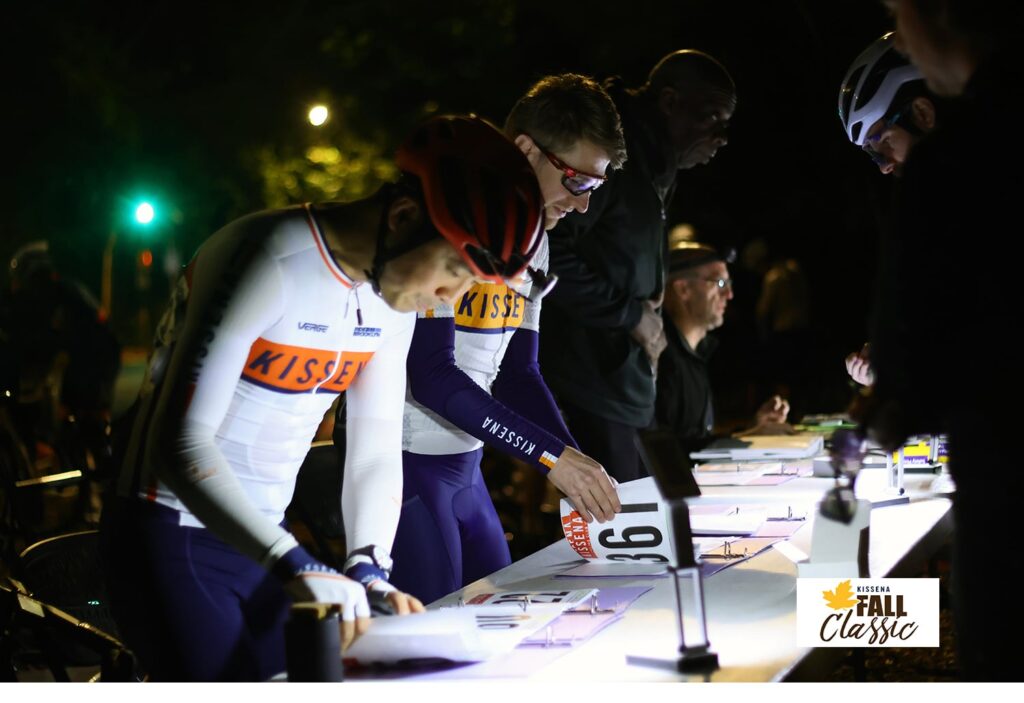
Where It All Began: Kissena Cycling Club & Grassroots NYC Racing
Organized racing in Prospect Park has always been a community-driven effort. The sport owes much of its existence to the Kissena Cycling Club — and three individuals who kept NYC racing alive for the last 40+ years.
To honor them, Zwift named three virtual Prospect Park routes after those IRL legends:
• Al Toefield → “Toefield Tornado”
• Greg Avon → “Avon Flyer”
• Charlie Issendorf → “Issendorf Express”
Each played a unique role in keeping the heart of Brooklyn bike racing beating.
The People Behind the Pedals
Al Toefield — The Founder of the Movement

In 1963, Al Toefield founded the Kissena Cycling Club in Queens, New York. A former Sergeant in the NYPD, he began organizing races in Prospect Park in the early 1970s.
At the time, the park was surrounded by rough neighborhoods and had a reputation for being unsafe. City officials approached Al with a challenge: Bring life back into Prospect Park. Show the public it can be used for healthy, positive activity.
Al delivered. He built a racing culture from the ground up, keeping events running until he passed away in 1989. His impact still shapes NYC cycling today.
Greg Avon — The Relentless Builder
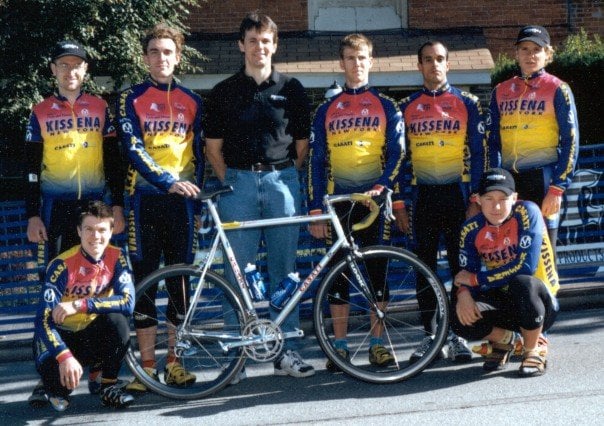
When Al passed, the baton was handed to Greg Avon, currently a Level 100 Zwifter and still as passionate as ever.
Greg served as Kissena President and Race Organizer through 2005 — a remarkable run that spanned more than 15 years of early-morning races, unpredictable logistics, and unwavering commitment.
He modernized the process, expanded participation, and ensured the scene continued to grow.
Charlie Issendorf — Keeping the Tradition Alive
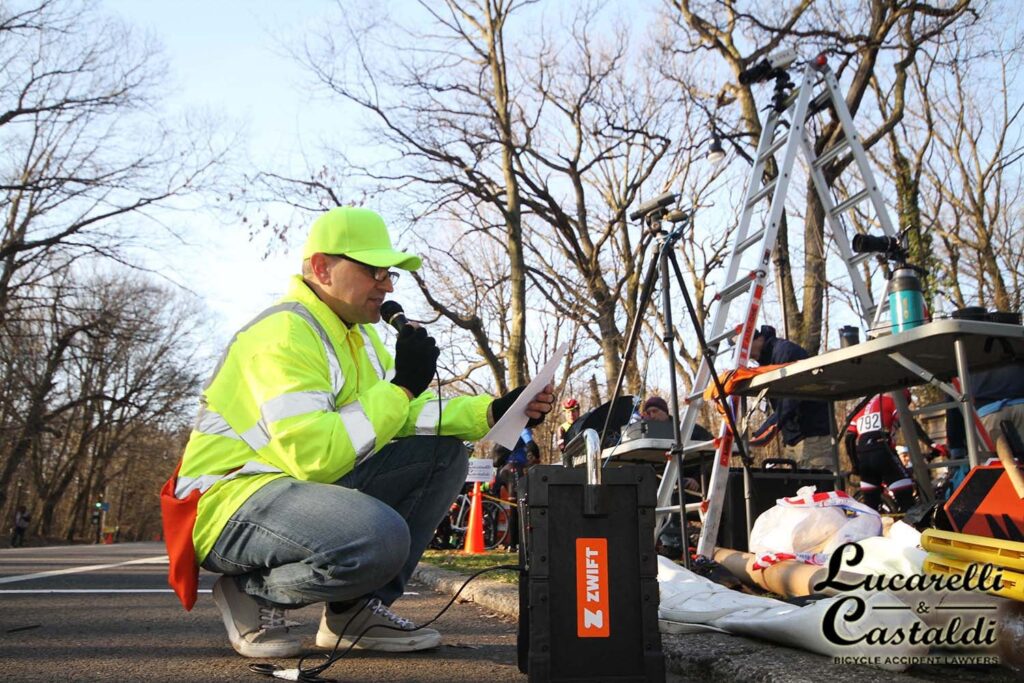
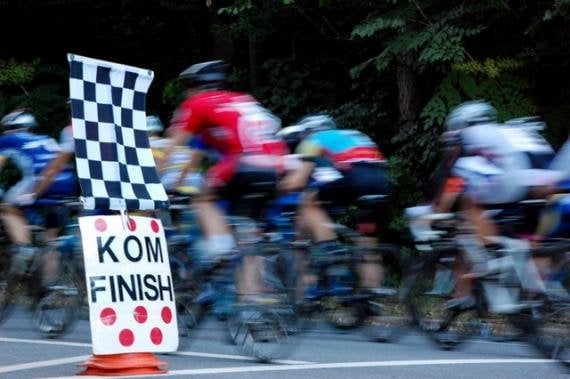
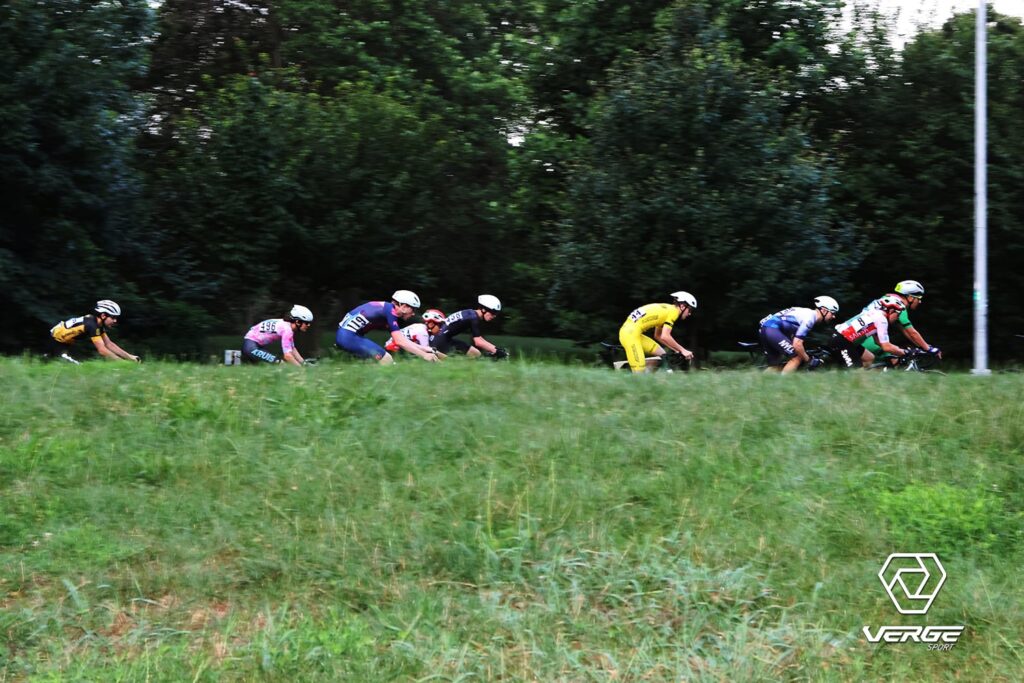
After Greg stepped away, I took over as Race Director, and for 17 straight years, I kept the tradition going — adding Sprint and KOM competitions with leader jerseys to give the races a true pro feel.
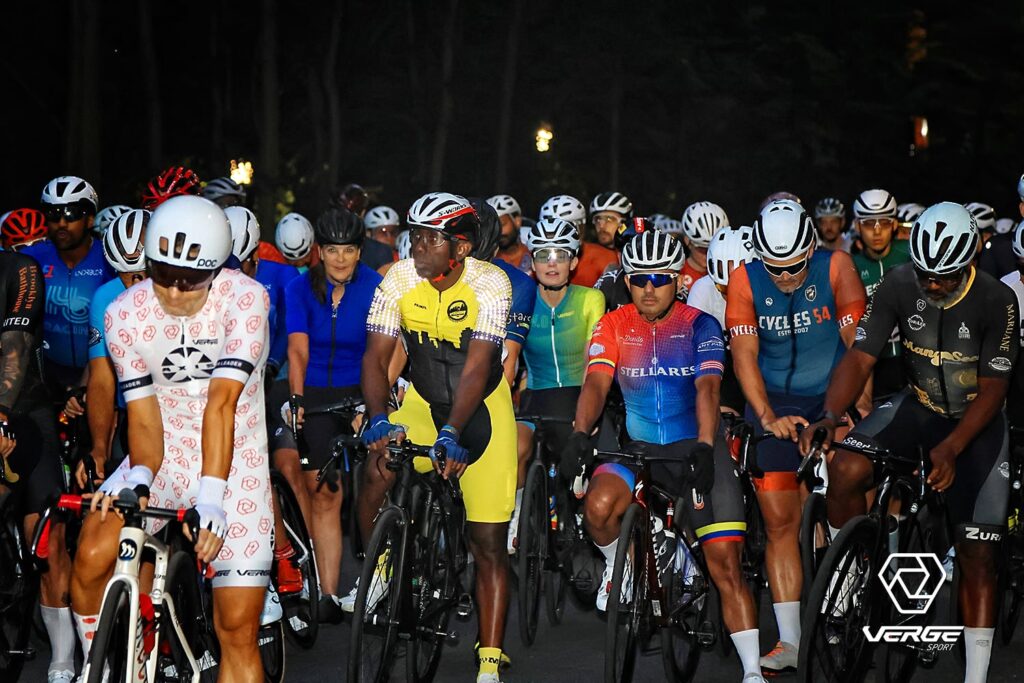
Those events weren’t easy — yet seeing hundreds of cyclists lap the park at sunrise made every sleepless night worth it. Knowing Zwift has now immortalized those efforts with the Issendorf Express route is truly special.
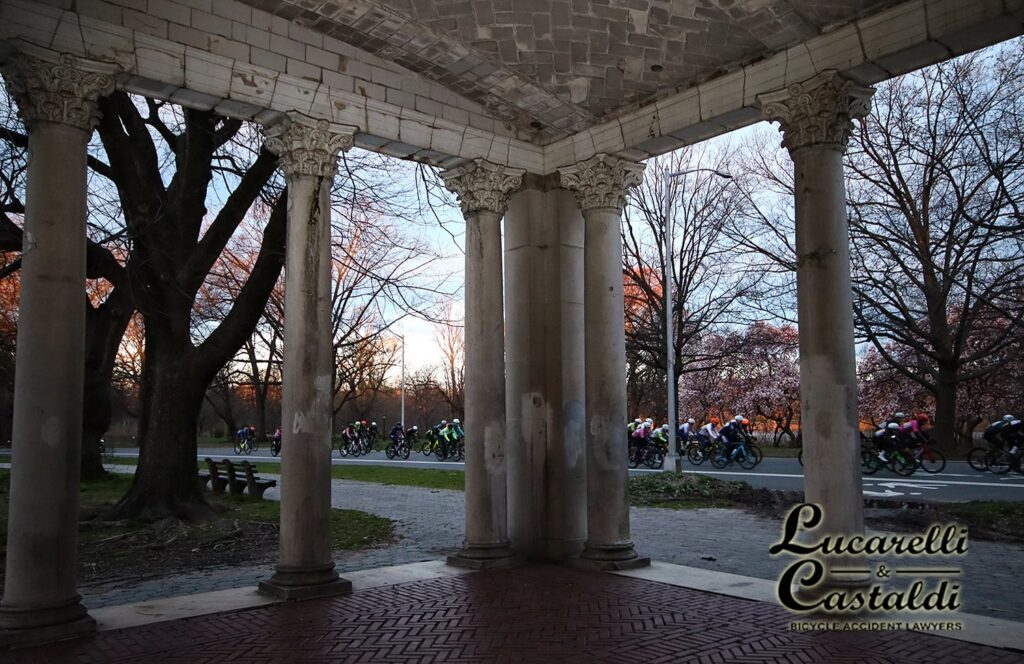
Fun Facts About IRL Prospect Park Racing
- Races start at 6:00 AM — sometimes in complete darkness.
- Everything must be wrapped up by 8:00 AM before the park becomes crowded.
- Race organizers wake up at 2:00 AM — yes, you read that right — to set up the course.
- Riders start picking up numbers at 5:00 AM (headlights and coffee mandatory).
- At least 25 course marshals are needed for every race, spaced every 100-200 meters for safety.
- The IRL course includes a KOM sprint, just like Zwift.
- The Kissena Cycling Club still runs these events today — one of the oldest active cycling clubs in the U.S. — and they even have a Kissena in-game kit on Zwift.
Prospect Park racing demands teamwork long before the peloton even clips in.
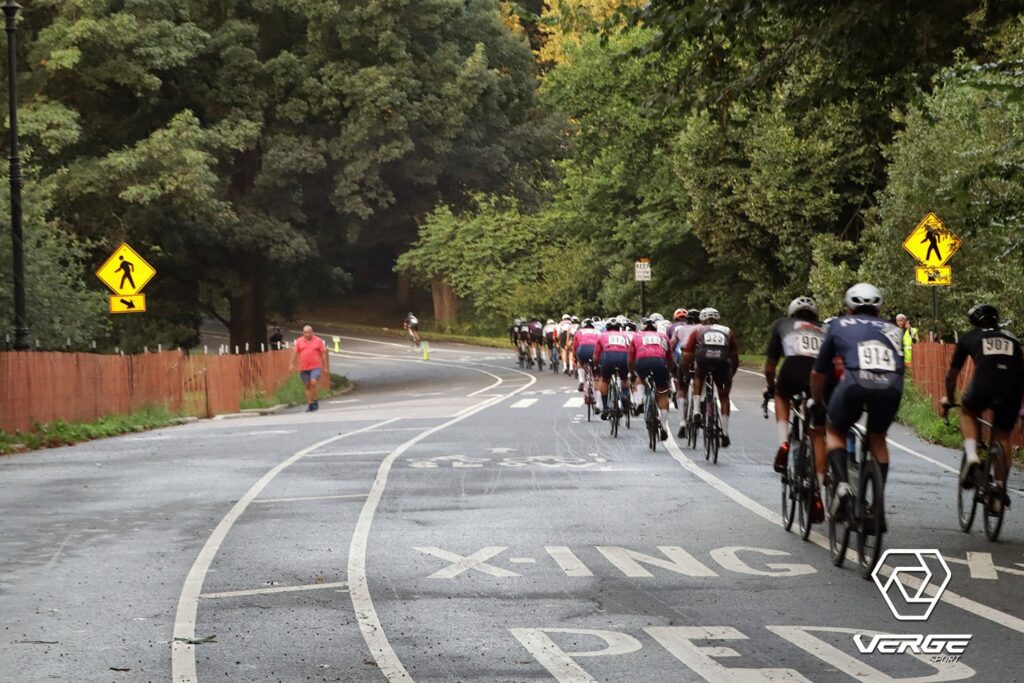
From Brooklyn to the Metaverse
Indoor cyclists around the world can now experience the spirit of Prospect Park — from the sprint and KOM points to the serenity of sunrise through the trees — thanks to Zwift’s virtual version.
The landscape may be digital, but the heritage is as real as it gets. Zwift has created a living tribute to grassroots organizers, volunteers, and racers who kept the tradition thriving — year after year, lap after lap.
Why it Matters
Cycling culture isn’t built only on WorldTour finishes — it grows in local parks, driven by people who show up before dawn to make the sport available to others.
Prospect Park is proof that big racing hearts beat in everyday places.
From Al single-handedly running races in the 1970s to thousands of riders on Zwift today — the legacy continues to roll.
And if you ever jump on virtual Prospect Park and ride one of those named routes — know that each one celebrates someone who made cycling in Brooklyn possible.
See you on the Issendorf Express. 

“Spinfinity Ultra” Route Details
Standert’s stainless steel Erdgeshoss “will last a lifetime”, carry a big load, and you can even run it single speed
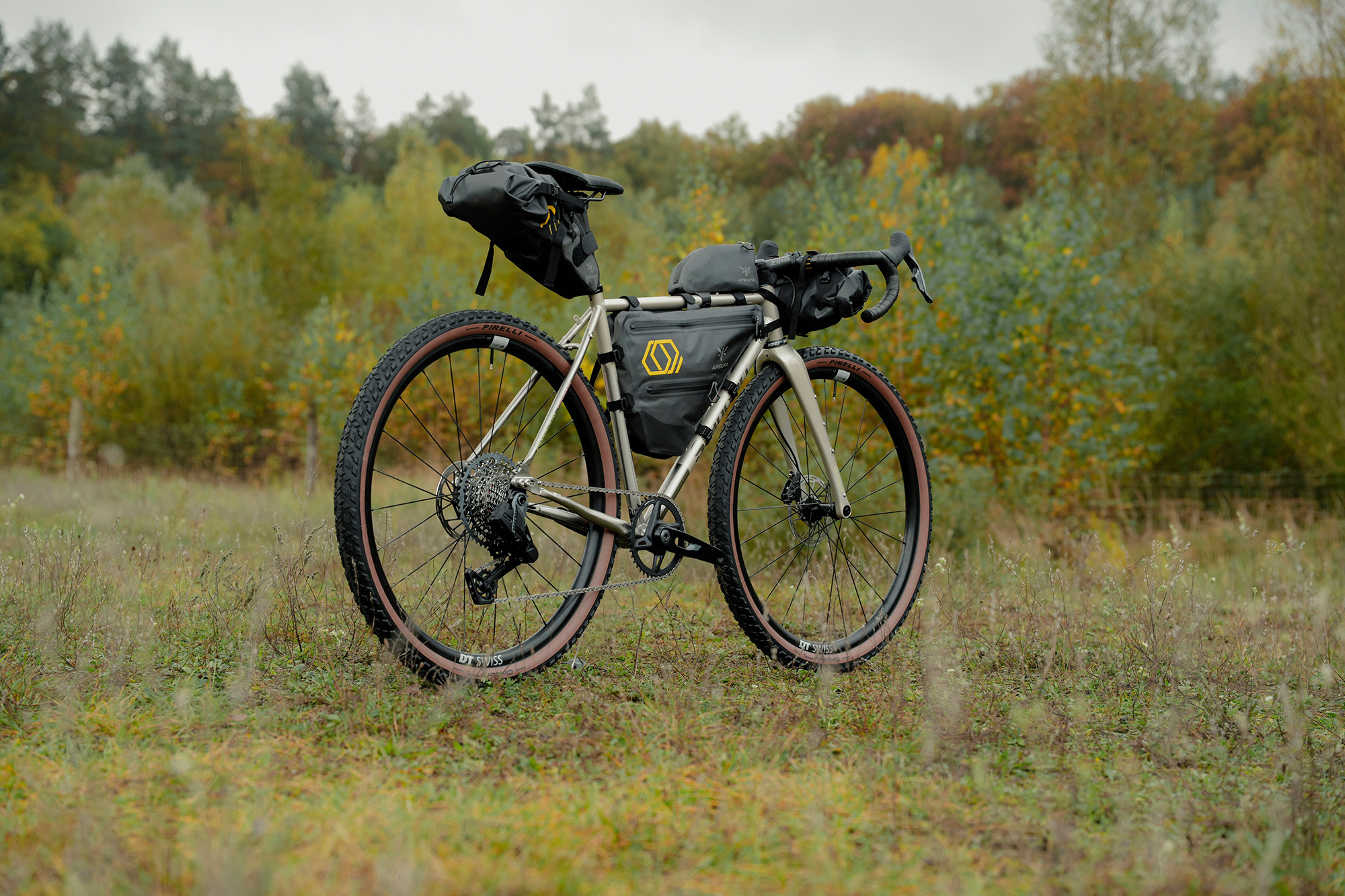
Standert has announced its new Erdgeshoss – a gravel bike with a stainless steel frame and mounts designed for any adventure.
The brand says the stainless steel frame will last a lifetime. It’s mated to a Columbus Cross+ carbon fibre fork up front.
Standert says the Erdgeshoss is designed to bring the farthest corners of the globe just that little bit closer, with the bike focused more on bikepacking than fast gravel racing.
The gravel bike is available for two complete builds, starting at €4,499 for an SRAM Rival AXS XPLR-equipped bike, with the SRAM Force AXS XPLR option priced at €6,499.
There are also options for custom builds starting at €4,799, or you can buy the frameset for €2,399.
Steel is real
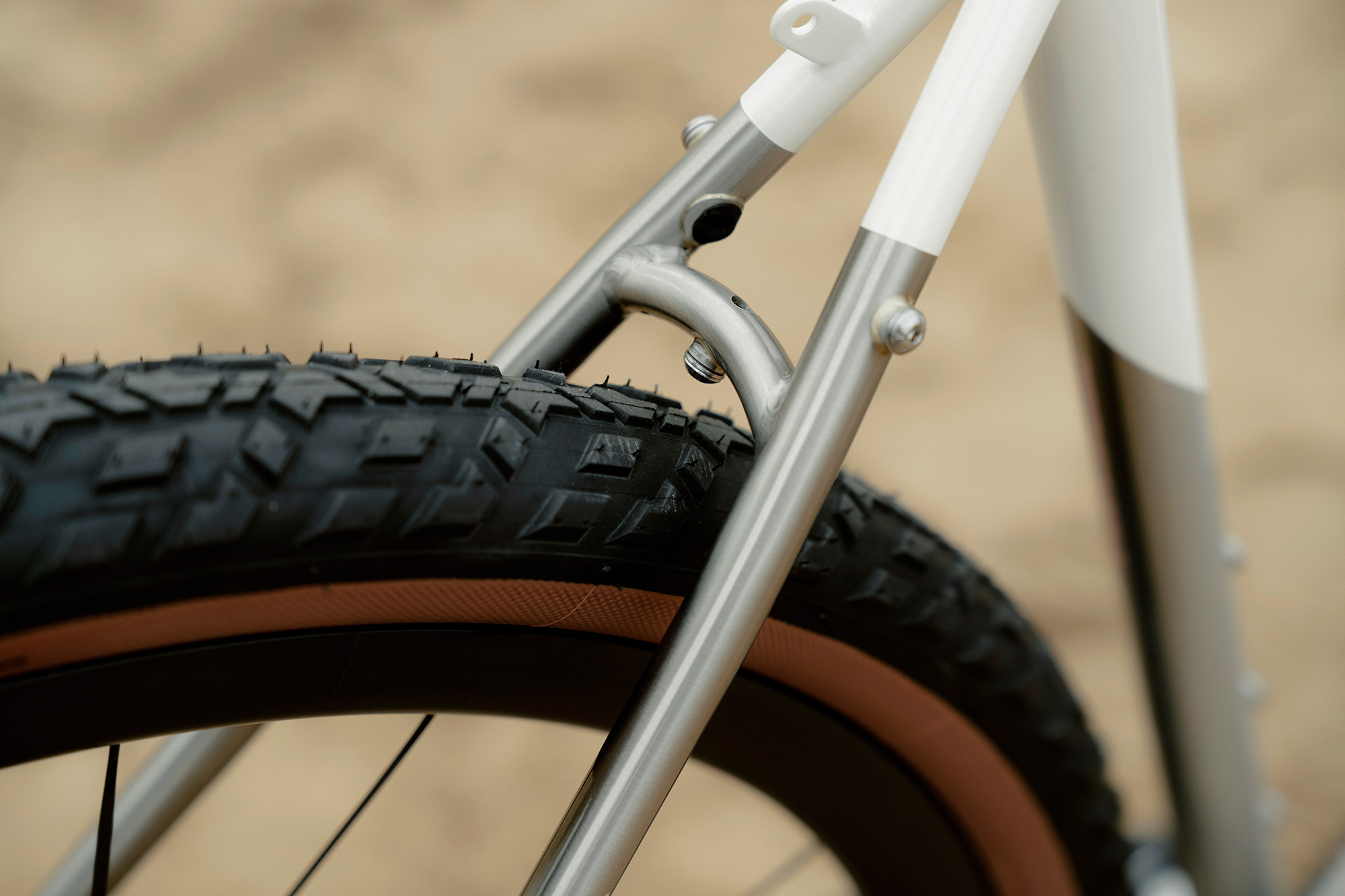
More difficult to cut and harder to weld than conventional steel tubes, stainless steel is a relative rarity in bikes.
However, it should never rust, it’s incredibly durable, and Standert says it offers a “magical” ride quality.
To highlight the stainless tubing, the brand offers the bike in two colourways that both show off the raw metal below.
The bike has more studs than a Berghain clubber’s collar, meaning if you want to attach an accessory to the Erdgeshoss, then there’s probably a mount for it.
You can mount mudguards, racks, top tube bags and even an extra bottle cage under the down tube.
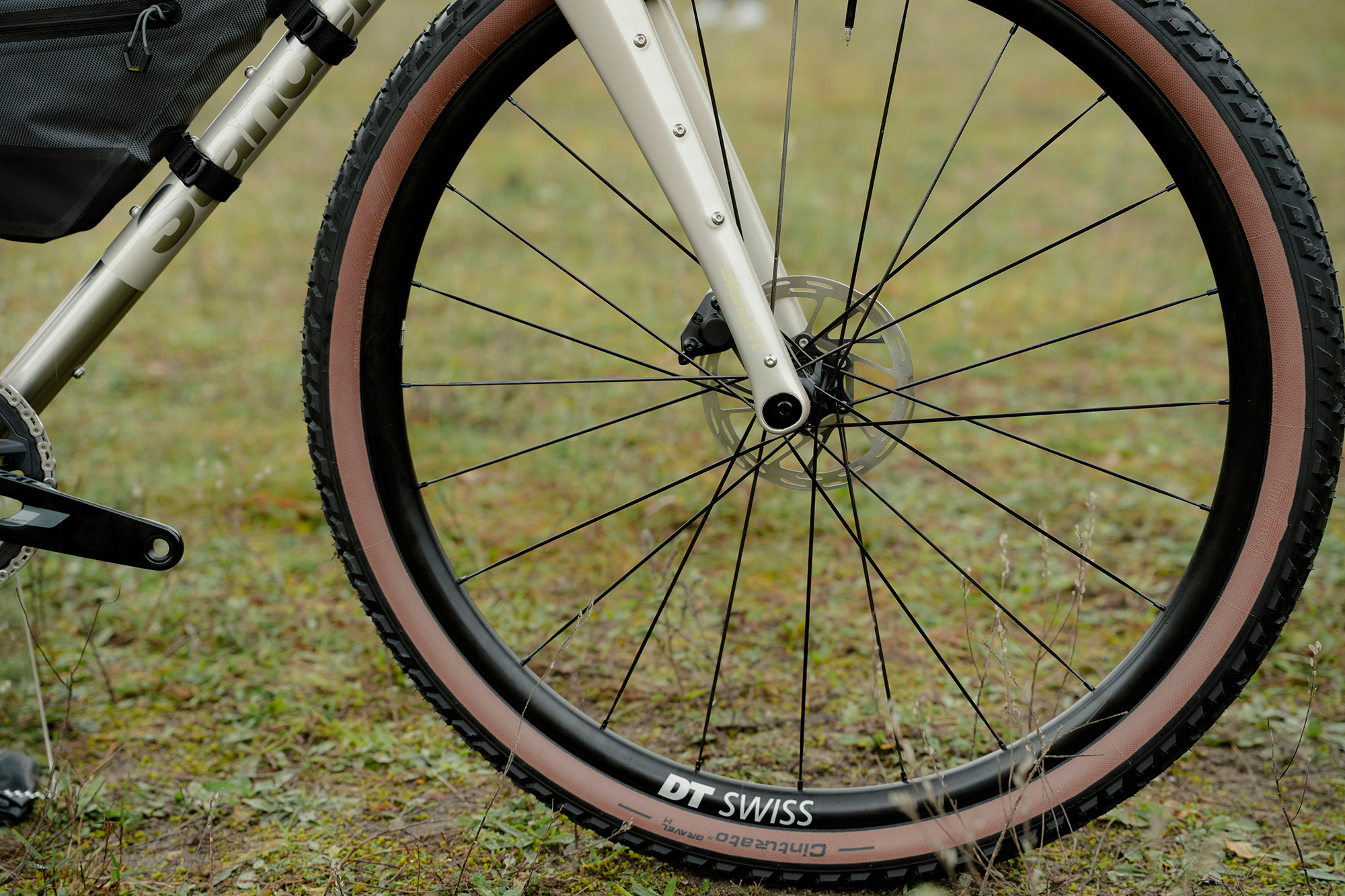
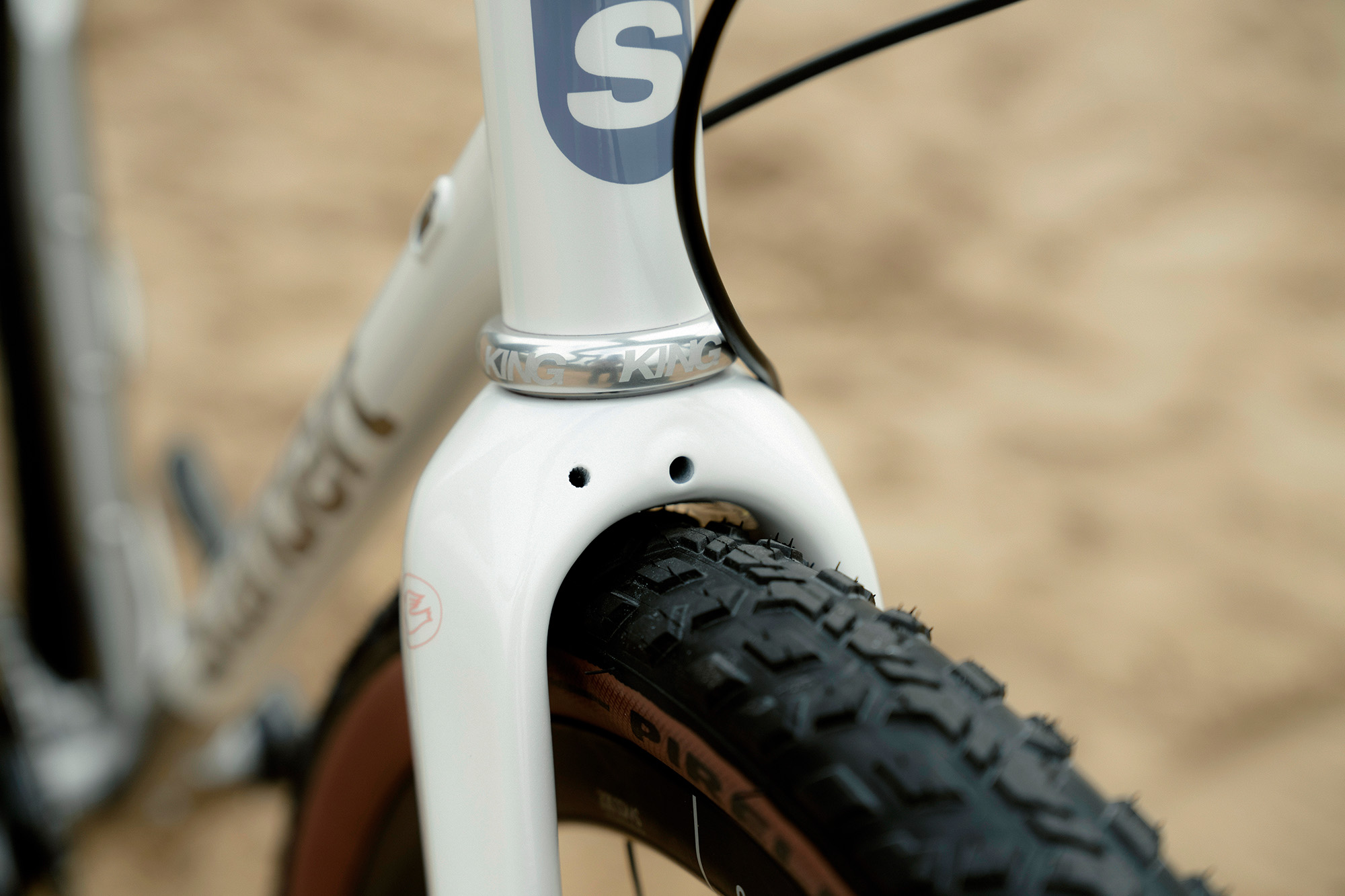
The Columbus Cross+ carbon fibre fork enables you to attach cargo holders or bottles, as well as adjust the rake using a flip chip in the dropout.
It says the adjustable rake enables you to fine-tune the handling of the bike depending on tyre size or load weight on the front wheel.
It also features dynamo light cable routing.
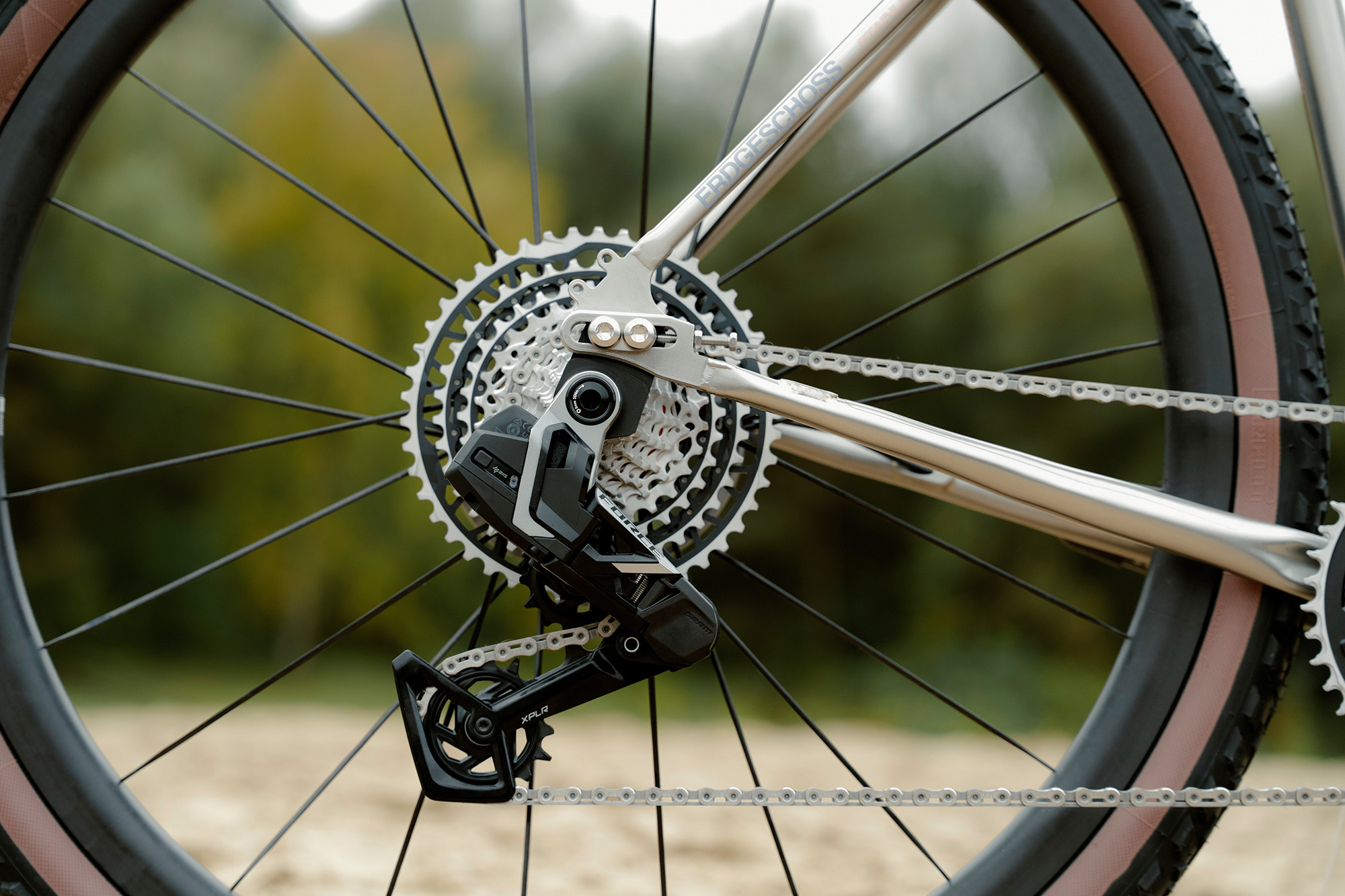
The rear end also features sliding dropouts, enabling you to run a single speed setup, fix the chain tension if the rear derailleur fails in the wilderness, or even make small tweaks to the wheelbase to customise the ride feel.
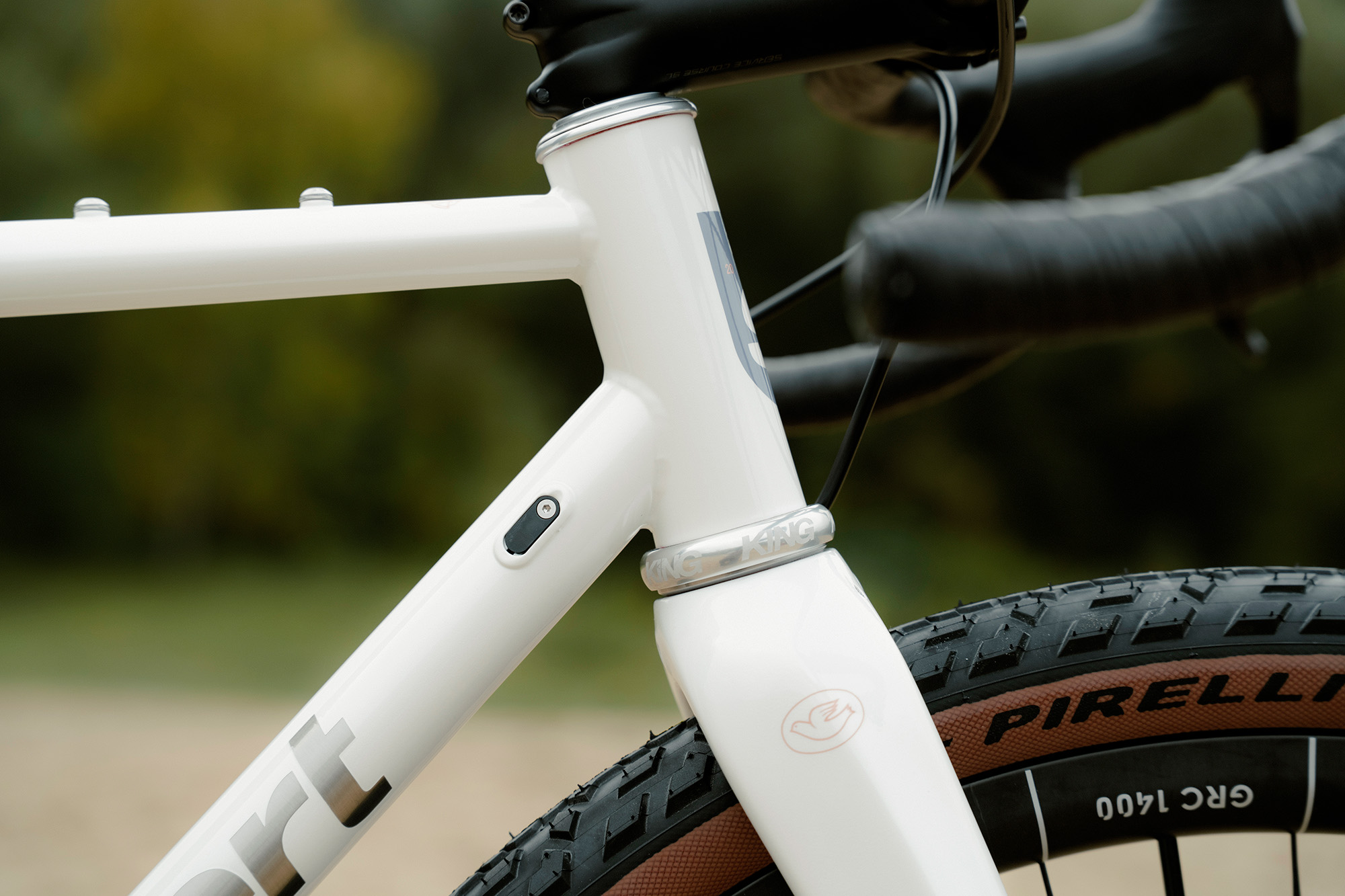
In keeping with the quest for durability, Standert includes a Chris King headset with the frameset and all builds, which it says is built to last forever.
The Erdgeshoss boasts 50mm tyre clearance with 700c wheels and 54mm for 650b wheels.
The new X4 Air brings flagship-level features to Insta360’s lightest ever 360 camera – but it’s the £140 price drop that’s got me excited
Insta360’s unique 360-degree dual-lens cameras have fast become one of the first choices for capturing on-bike action.
However, until now, that meant spending £500 for the 2nd-tier X4, or £519.99 to get the fully featured pro-level X5 with its 8k 30fps footage and ActiveHDR.
The new X4 Air brings the same 8k 30fps performance, now captured through larger 1/1.8in sensors, which Insta360 claims delivers much crisper 8k footage thanks to a 134 per cent increase in pixel area per frame compared to the X4.
The X4 Air is also Insta360’s lightest ever 360-degree camera at just 165g – and it’s £160 cheaper than the X5.
Huge tech spec
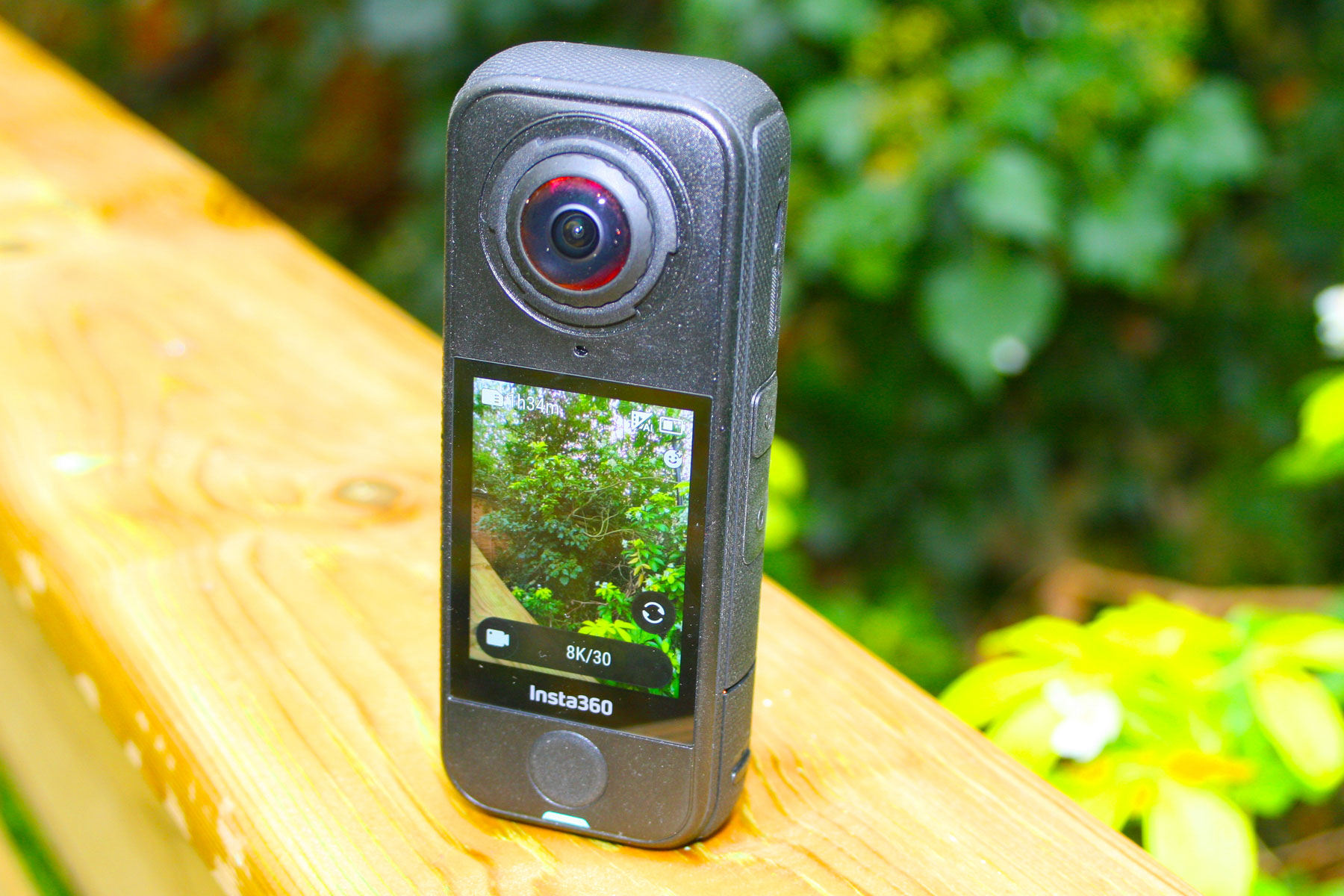
The raft of upgrades to the X4 Air comes in both hardware and software.
For hardware, there’s the lighter body, a built-in windguard, and replaceable lenses.
It’s built tough too, with a weatherproof construction that Insta360 claims is good for 15 meters submersion.
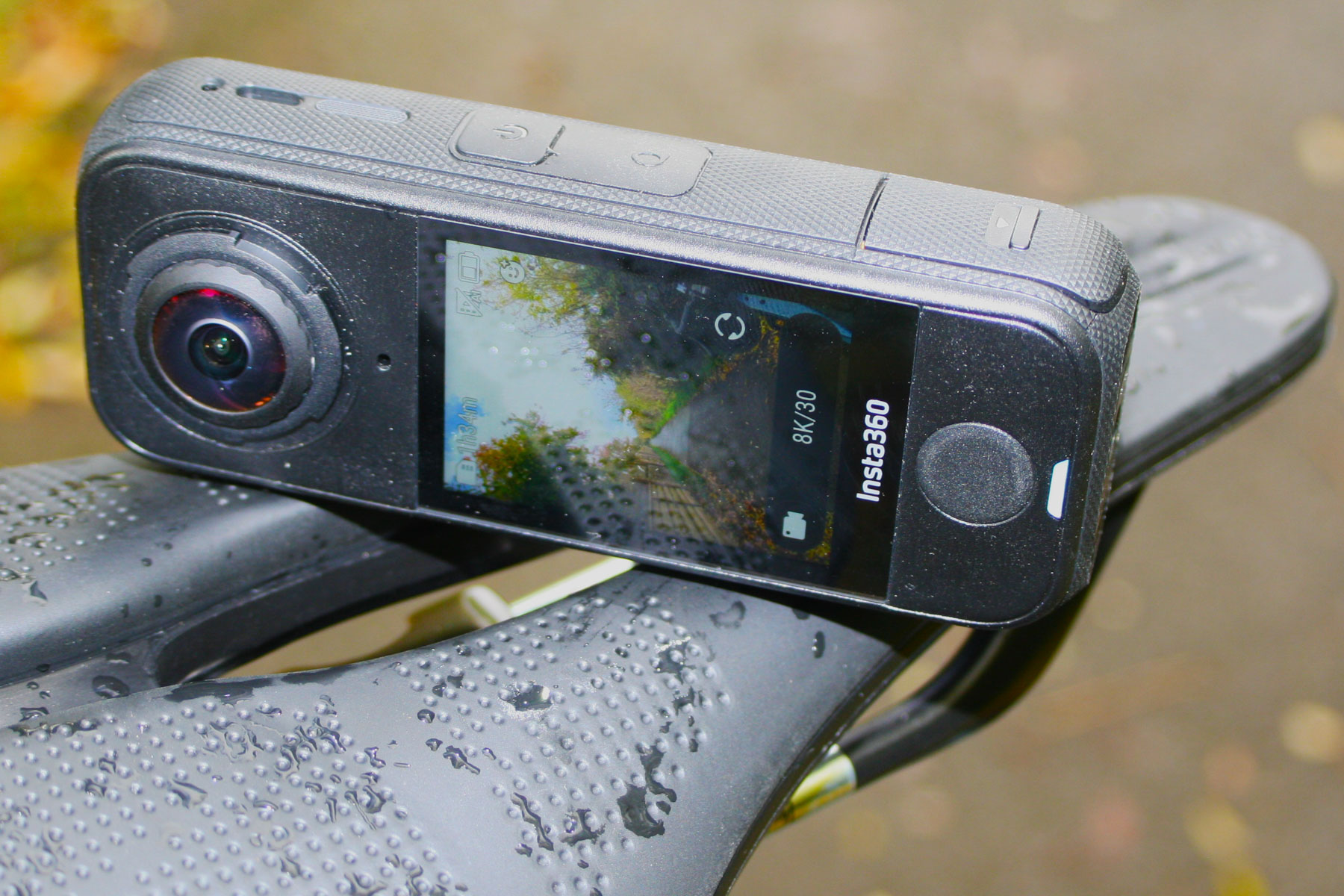
However, it’s the software that has brought the biggest improvements, alongside the latest version of their Flowrate stabilisation and 360-degree horizon lock.
AdaptiveTone is Insta360’s so-called intelligent exposure algorithm, which takes light readings from both lenses to independently balance brightness and colour across the full image – leading to more natural skies, better shadow details, and improved colour grading, claims the brand.
ActiveHDR, which boosts the dynamic range in real-time to capture lifelike shadows and highlights, is now available in the highest quality setting of 8k at 30fps.
There’s also a new Portrait mode that automatically detects faces and adjusts brightness and colour to capture more natural skin tones.
More ways to control
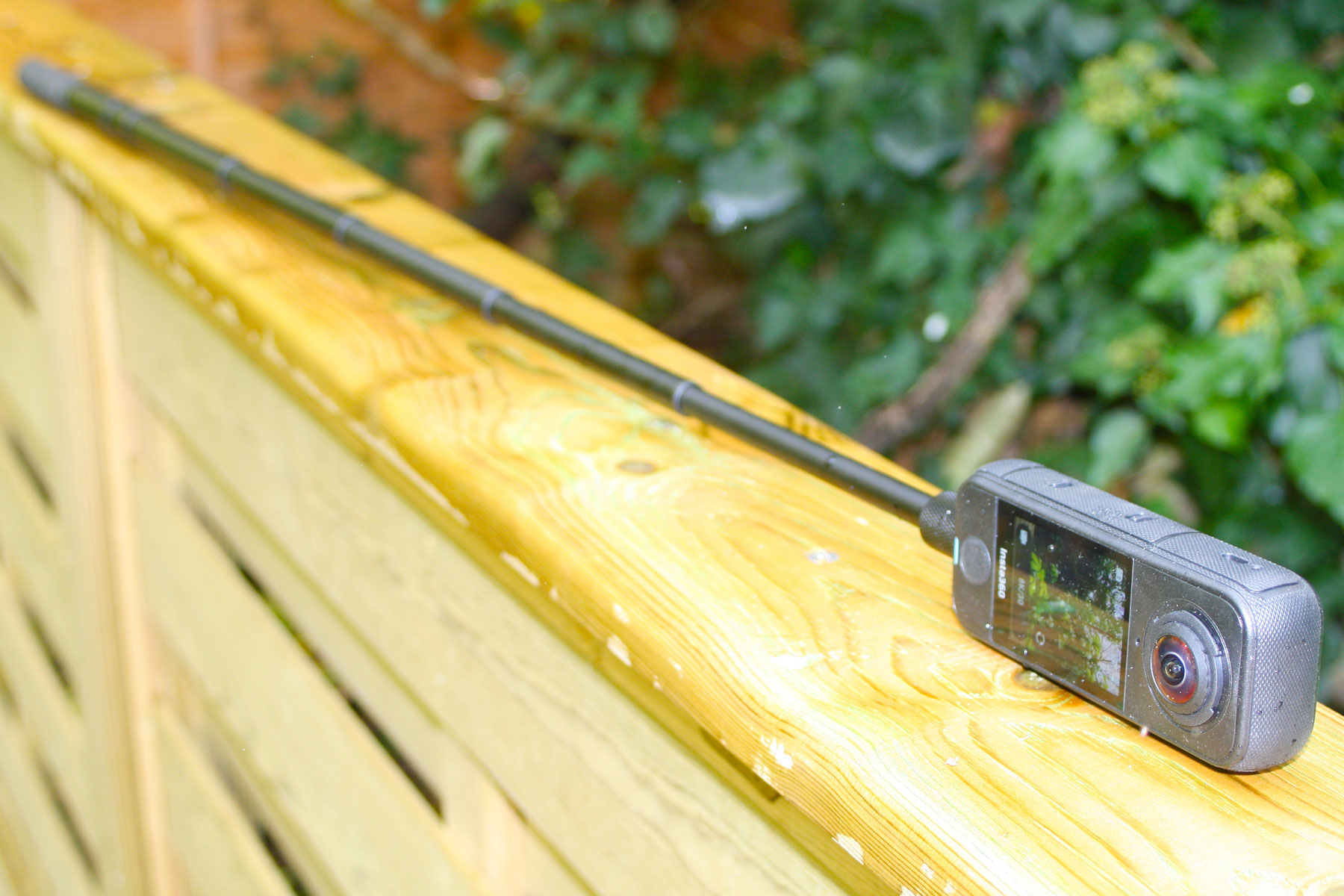
As something of an action camera novice, I’ve always found the controls on cameras to be somewhat frustrating.
Insta360’s tiny Go Ultra went a long way in changing my mind with its simplicity.
The X4 Air can be controlled via a range of controls, from a twist of the selfie stick to start and stop recording, through to gesture controls to activate the camera – both video and stills.
It can also be operated via voice controls. I’m looking forward to trying out how all of these options pan out on the road (or trail).
Easy editing
Another element I liked about the Go Ultra was the easy-to-use, powerful and free app.
While the Insta360 app looks a little more involved, it still offers lots of powerful editing options straight from your phone. W
Insta360 says its AI-powered tools, including Auto-edit, Flashcut, and AI Frame, will automatically find highlights from raw footage, apply transitions automatically, and even sync footage to music.
Insta360 has an integrated cloud service (the first year is free, with 200GB of storage), which means you can almost instantly share footage via a customisable link straight from your phone.
Masses of accessories
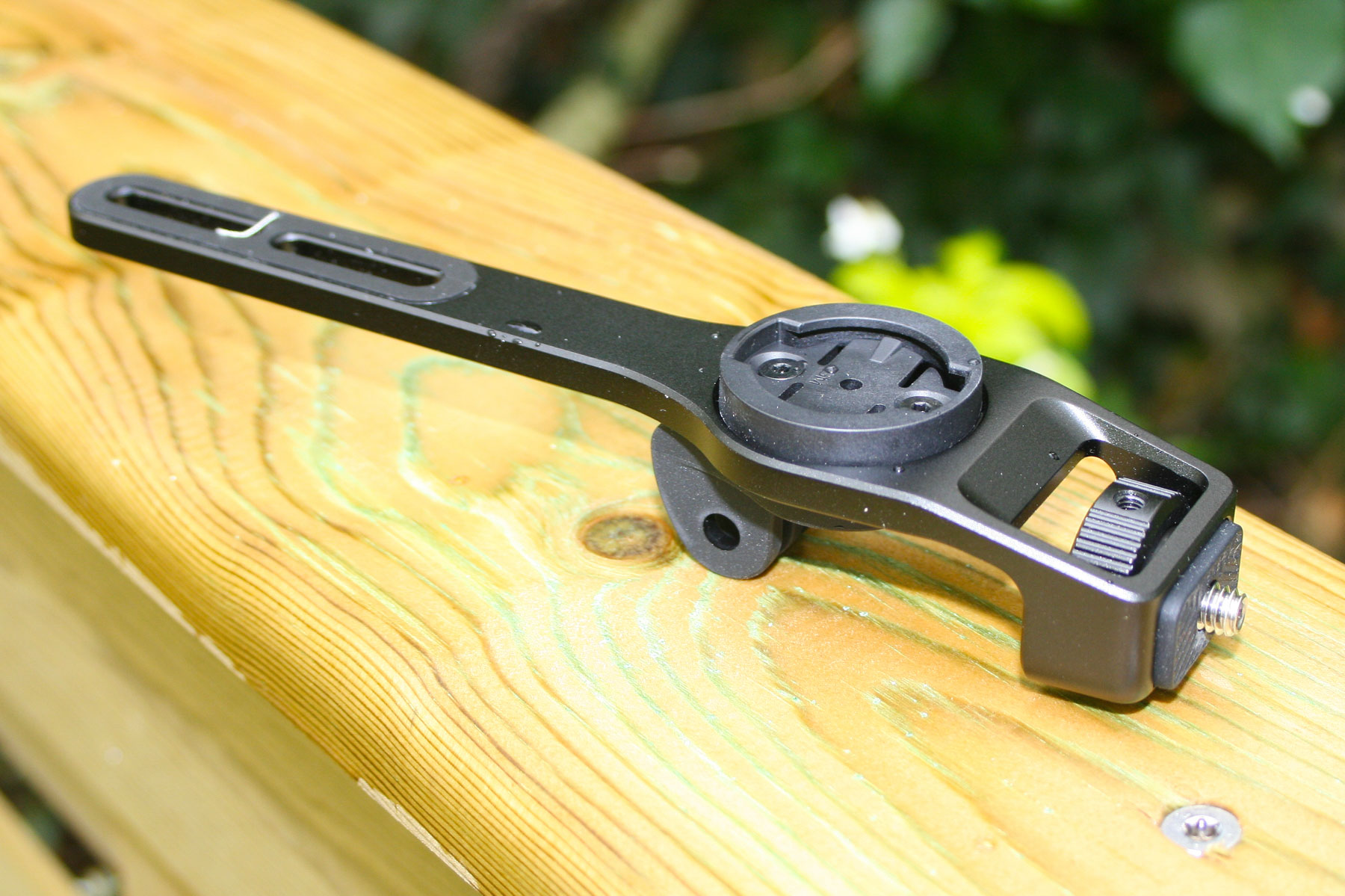
As for accessories, the range available is vast.
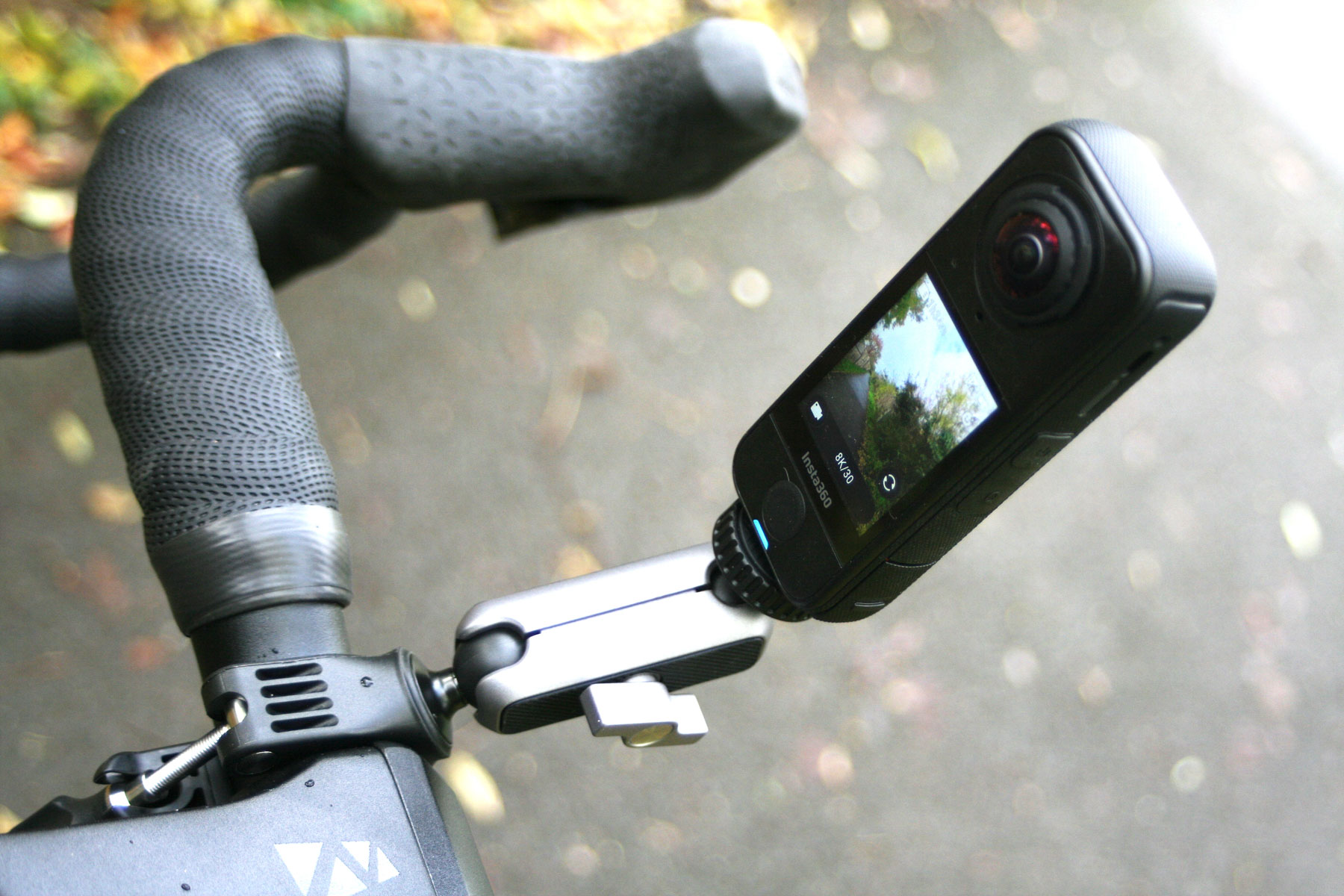
From a clamp-on bar mount, saddle rail mount, a third-person-view bike handlebar mount (it looks a bit like a selfie stick for your bike), a wrist or bar mounting GPS preview remote, which gives camera control, video preview, and adds GPS data to your recordings… there’s a lot!
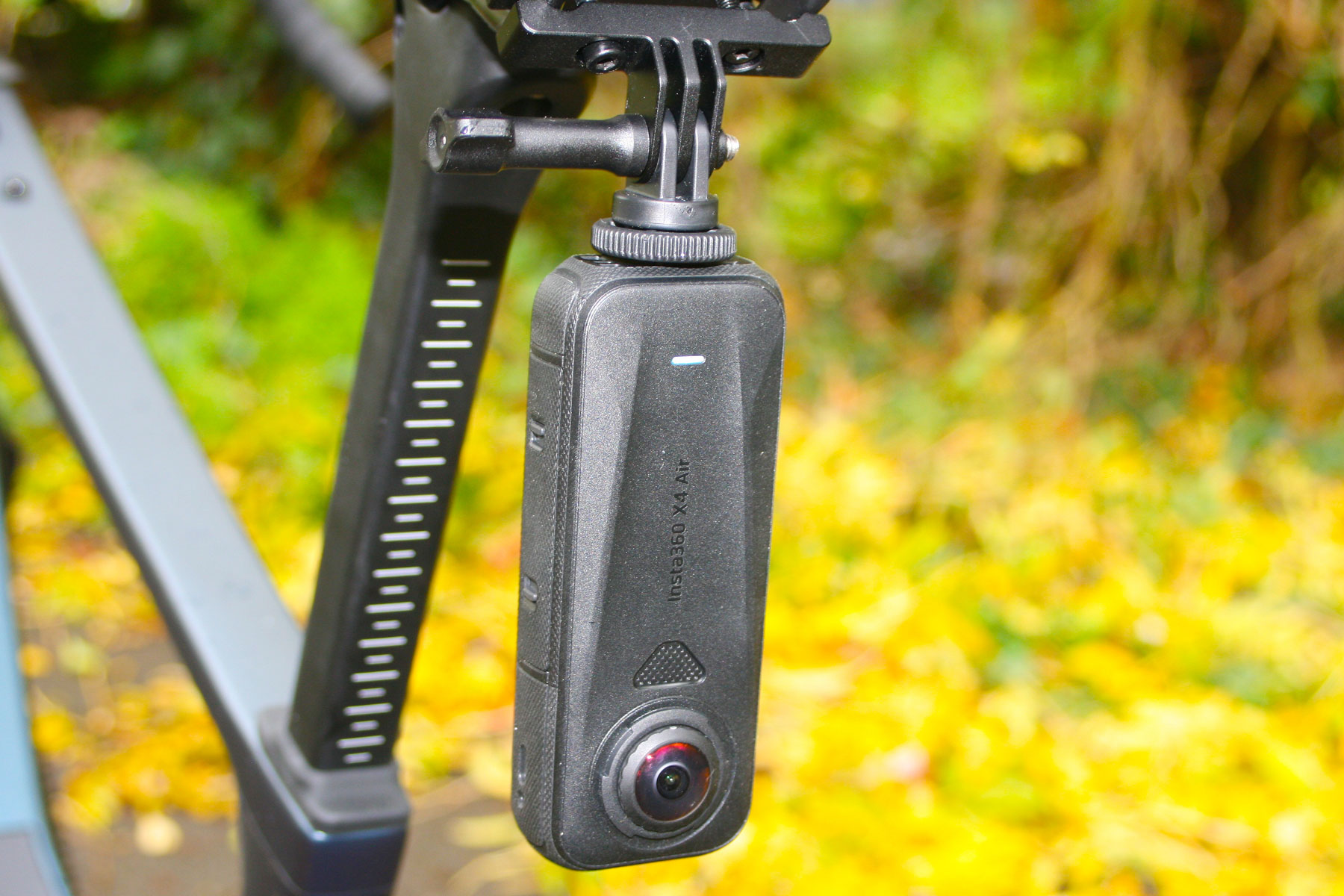
Insta also offers a bike accessory bundle with a GoPro-style chest strap, handlebar mount, and action cam mount adaptors.
Off the bike, there’s a myriad of further accessories for everything from water sports, motorcycling, hiking, skiing, and more.
Prices
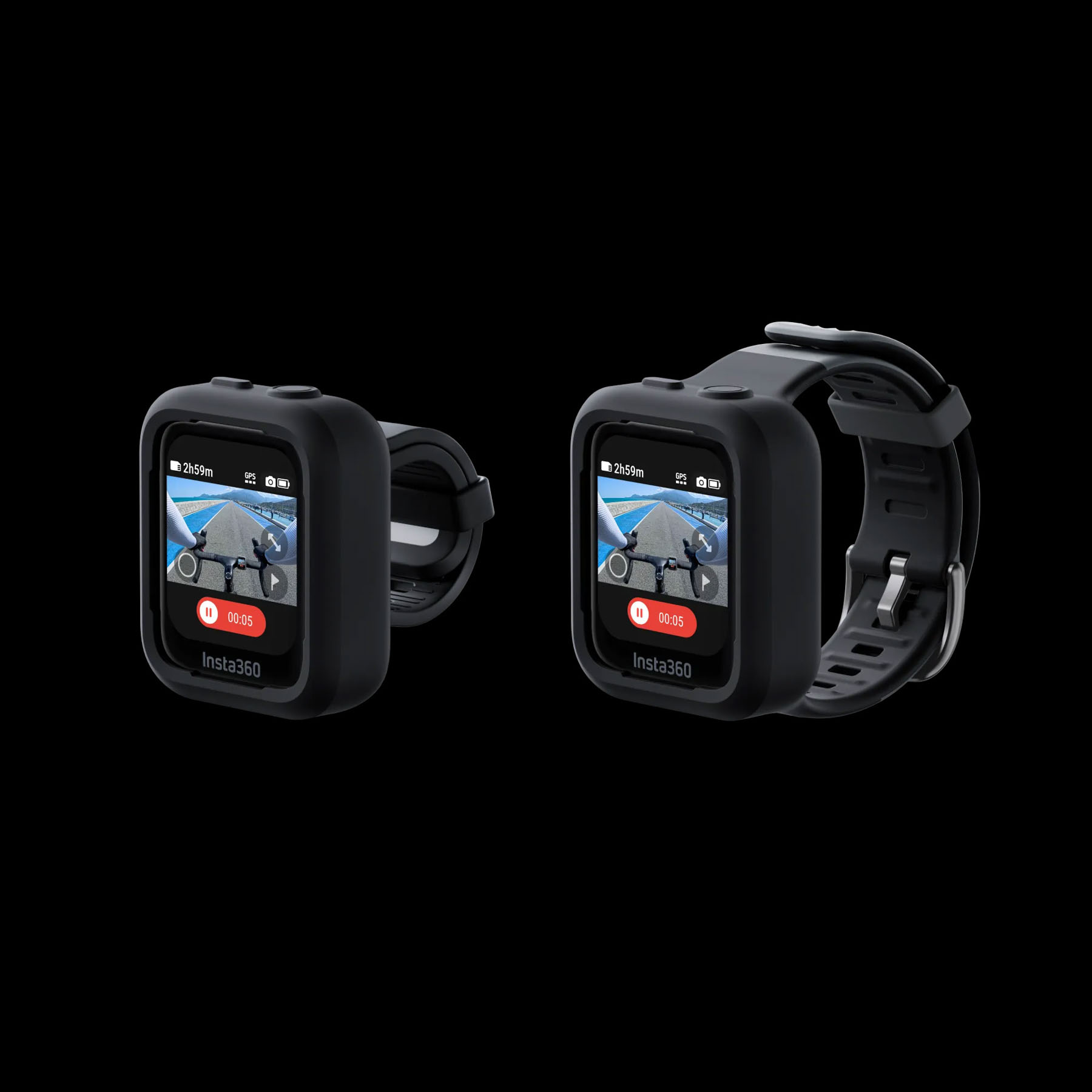
The standard Insta X4 Air is priced at £359.99 / $399.99 / €399 / AU$639.99, or there is a starter bundle available which includes a 114cm invisible selfie stick, lens cap, and extra battery for £389 / $439.99 /€429 / AU$699.99.
The bike-specific accessories are priced at
- The Bike kit bundle (chest strap, handlebar mount, action cam adaptors): £54.99 / $54.99 / €62.99 / AU$92.99
- Bike tail mount kit (saddle rail mount): £69.99 / $69.99 / €83.99 / $119.99
- Bike computer mount (out front mount for integrated bars) £34.99 / $34.99 / €42.99 / AU$60.99
- Third person bike handlebar mount £41.99 / $39.99 / €49.99 / AU$79.99
- Bike headset cap mount £39.99 / $39.99 / €45.99 / AU$69
- GPS Preview Remote £149.99 / £149.99 / €N/A / AU$269