Yesterday, Zwift rolled out a much-requested upgrade to the Fitness Trends feature, adding running as a second activity type. This means that, effective immediately, your Zwift runs and outdoor runs will count toward Fitness Metrics, Week Streaks, and (optionally) Weekly Goals. Read on for details…
Fitness Trends + Running
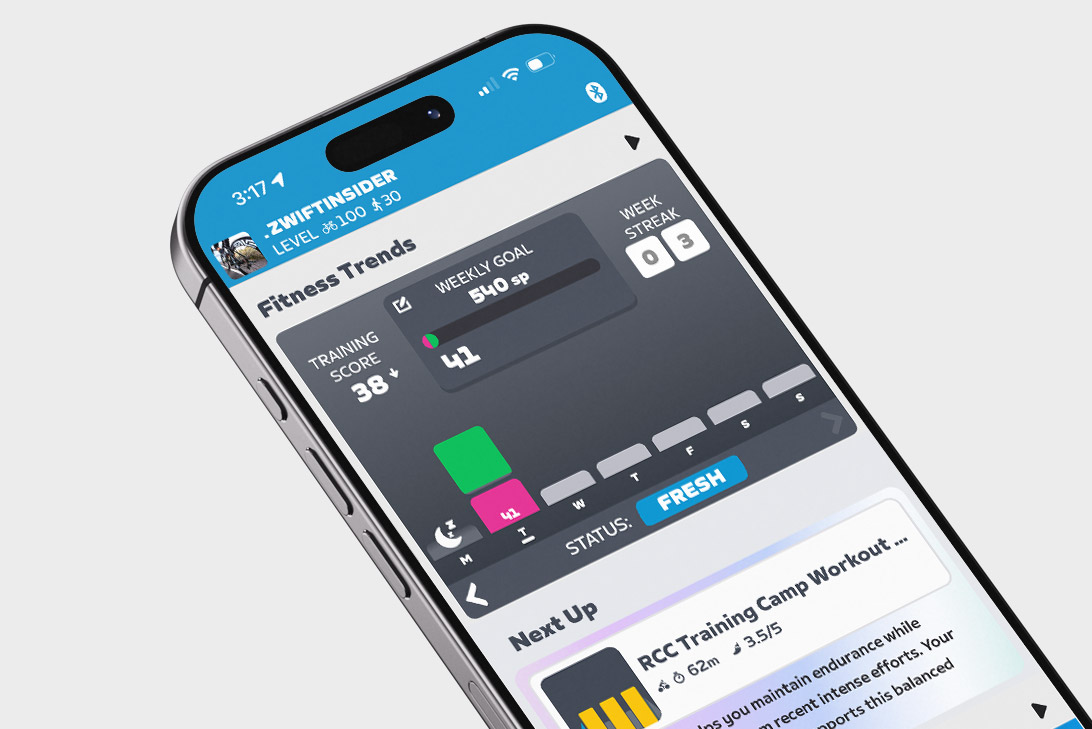
Everyone’s Fitness Trends now include Zwift running activities back to January 2025, as well as outdoor runs tracked on Garmin or Wahoo. Runs show up as pink bars in the weekly Fitness Trends chart in the Companion app:
(Not seeing it? You need to be running Zwift Companion version 3.78 or later, so you may need to force the update from your app store.)
This means your current Training Score is now a combination of Stress Points (SP) accumulated via riding and running. If you’re an athlete whose primary training consists of riding and running, your Training Status (Fresh, Overreaching, etc.) should now be more accurate, whereas it was previously understated.
How Zwift Calculates Stress Points (SP) For Running
Zwift uses industry-standard algorithms to compute SP for your virtual and outdoor runs:
If your run includes heart rate data, this is used to calculate the SP for that activity based on the hrTSS formula.
If an outdoor run lacks heart rate data, Zwift uses the RPE (Rate of Perceived Exertion) from that activity as synced from Garmin or Wahoo to estimate SP using the method shown here.
For Zwift activities without heart rate data, SP is calculated with a default RPE of 5 using the method shown here.
Importing Outdoor Runs (History, XP, De-Duping)
Many runners track their outdoor runs using a Garmin watch. If you haven’t yet connected your Garmin account to Zwift, you’ll want to do so, as it allows those outdoor rides to automatically sync to your Zwift account!
To do so, go to Settings>Connections in the Companion app. You can also do it via the web by signing into your account at zwift.com, then going to Connections. Tap on Garmin, walk through connecting your account, and you’ll be all set.
The past 90 days of runs are “backfilled” into Zwift’s Fitness Trends system when you connect your Garmin or Wahoo account. If you connected Garmin or Wahoo back in April when the Fitness Tracker was first released, that means you’ll have your outdoor runs stored in Zwift’s system going back to early 2025. If you connect it to today, it will backfill 90 days (approximately November 10, 2025).
Outdoor runs, like outdoor rides, now earn in-game XP. Outdoor runs earn 8 XP/km, which is 1/5 the rate of XP earned for Zwift runs (40 XP/km).
Some runners who dual-record their Zwift runs on a Garmin watch are already reporting duplicate entries in their Zwift activity lists. There’s a bug in the system currently where runs flagged as virtual runs are still being imported from Garmin to Zwift – this should be fixed soon. Zwift is also working on implementing further de-duping for rides and runs, but have shared no additional info at this time. For now, my best advice is to use Companion to manually delete duplicate activities from your Zwift activities feed to maintain accurate Fitness Trends.
More Running Platforms?
Zwift currently supports syncing outdoor rides and runs from Garmin. Garmin is, of course, a popular platform for tracking outdoor runs, since Garmin’s watches and fitness tracking ecosystem are mature and feature-rich. Zwift also supports Wahoo and Hammerhead, who are less popular with runners, although their phone apps can be used for tracking runs.
The community of runners on Zwift is already asking for integration with additional popular run-tracking platforms, namely Suunto and Coros. Hopefully Zwift is working with these (and other?) partners to broaden their outdoor activity tracking ecosystem.
Weekly Goals + Running
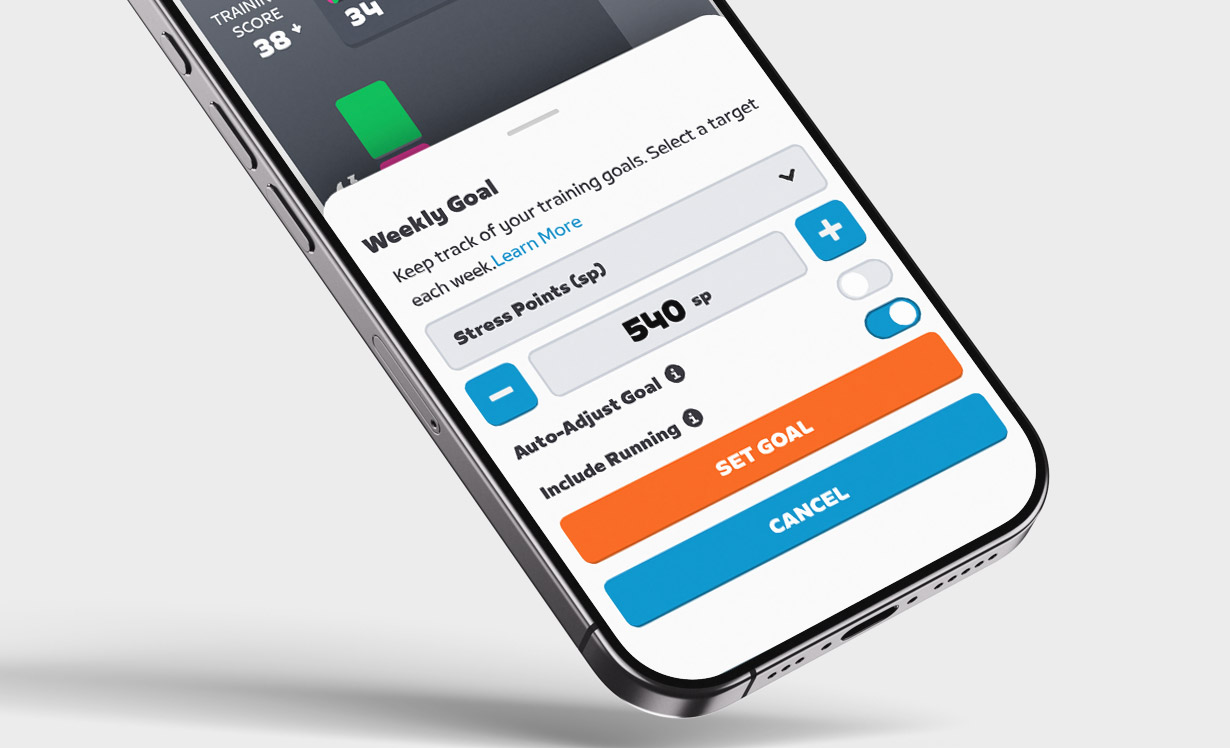
You can now choose to include running activities in your Weekly Goal. Do this by tapping the “Weekly Goal” box in the Fitness Trends window of the Companion app:
Weekly Goals can be set based on Distance, Kilojoules, Stress Points, Calories, or Time.
Zwift says, “…if the Include Running toggle is on, goals will be a single overarching target covering both running and cycling rather than sport-specific. Expect this to evolve over time.” So it sounds like Zwift is planning to let us set Weekly Ride goals separately from Weekly Run goals in the future.
Week Streaks + Running
One last bit of news re: running on Zwift. Beginning at midnight on Monday, February 16 (2026), Week Streaks can now be extended by logging a run!
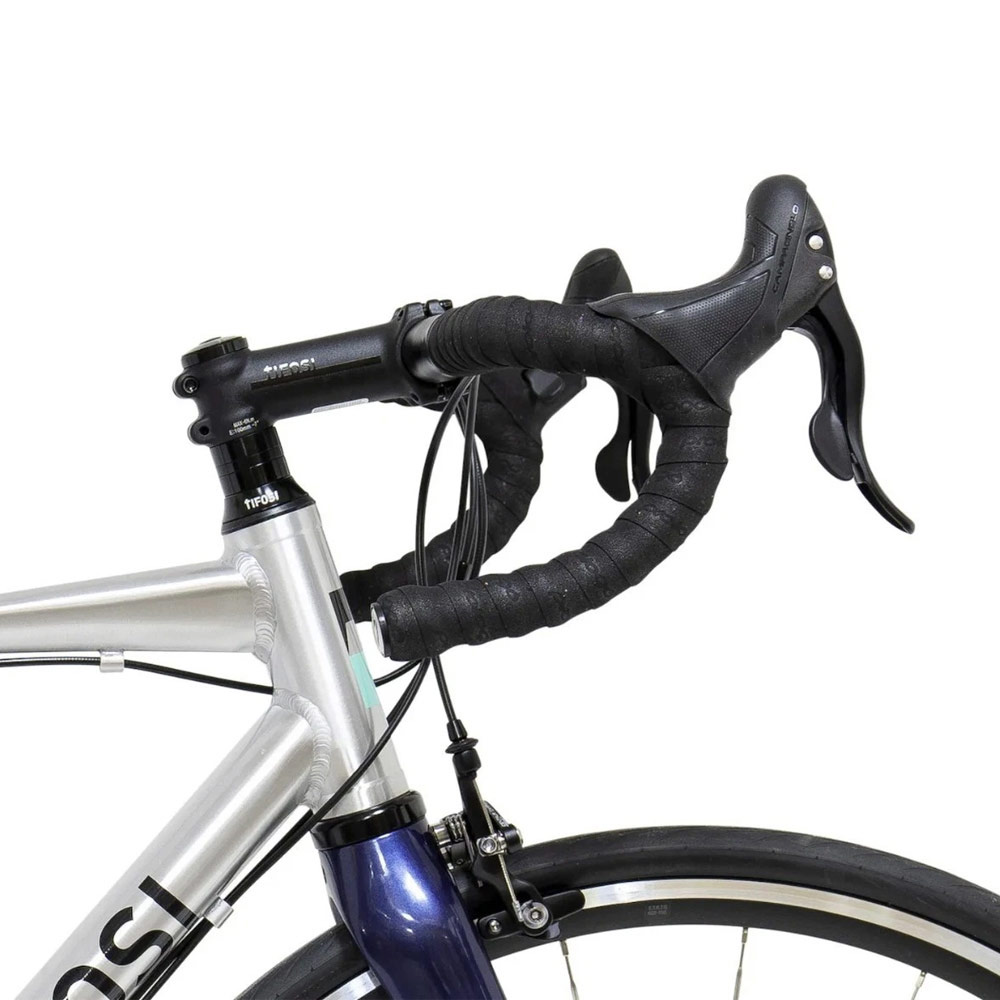
This Tifosi Rostra road bike, equipped with a mid-range Campagnolo Centaur 11-speed groupset, has a chunky 52 per cent off, bringing the price down to £599.
That price, in combination with the rim brakes, rarely seen groupset and boxy alloy wheels, lends this bike a circa-2008 sensible road bike vibe that’s got us feeling nostalgic.
The bike is designed as an all-season whip, with room for 35c tyres and mudguards – although not at the same time.
While it’s not going to win any awards for speed, the 6061-T6 aluminium frame looks to offer great versatility, with rack and mudguard mounts making this a potential lightweight touring bike or commuter bike.
The Tifosi Rostra looks a bargain at £599. Chicken Cyclekit
Tifosi says the bike has an endurance-oriented geometry, and the carbon fibre fork should add a touch of extra comfort.
Carrying on the Italian theme, the bike comes with a Selle Italia Model X saddle and Miche Reflex DX wheels.
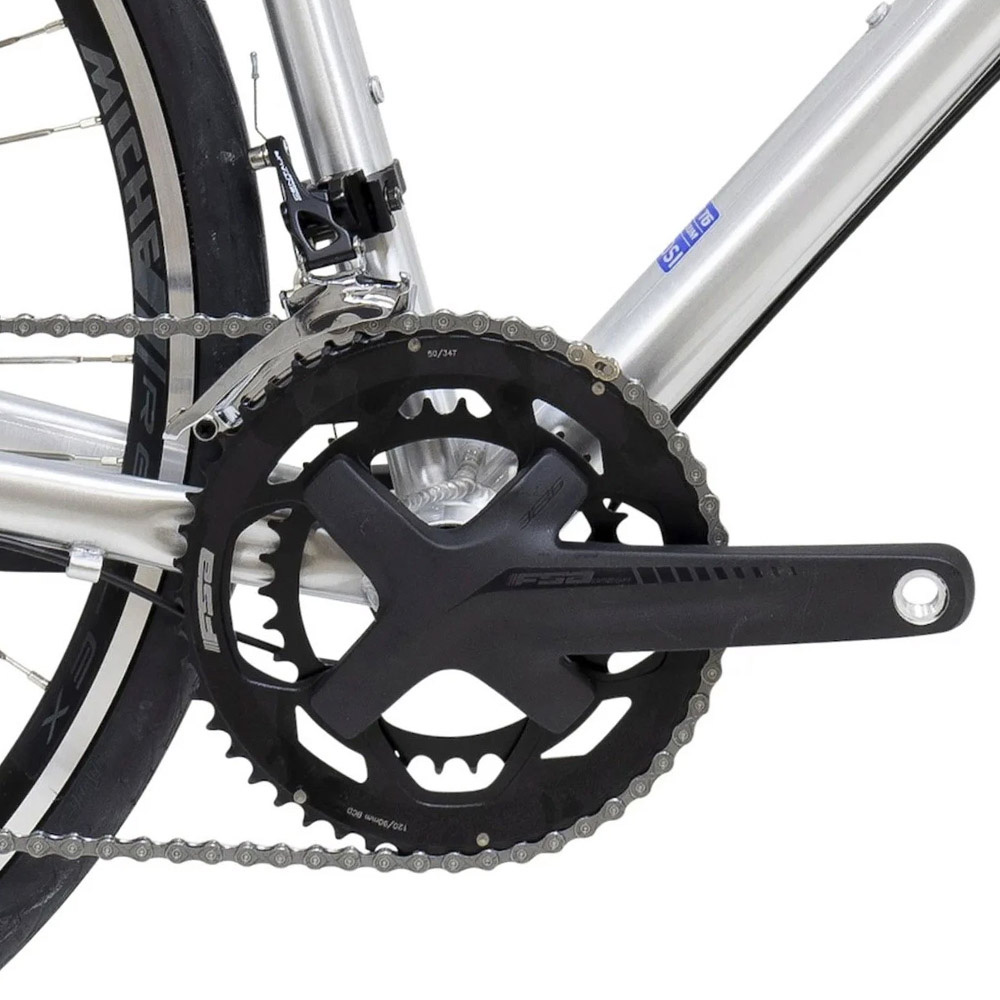
It’s not a full Campy groupset, with an FSA crankset used at the centre of the bike. Chicken CycleKit
At the time of writing, the bike is available in M and L sizes.
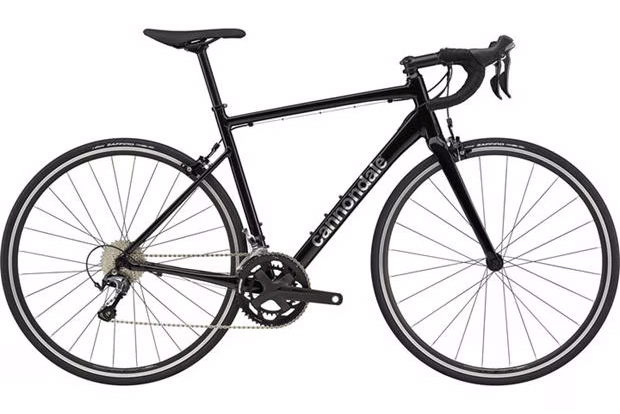
The CAAD Optimo 2 offers a similar package to the Tifosi. Evans Cycles
There are other bikes of this ilk available at around this price, such as the Cannondale CAAD Optimo 2 for £690, down from £1,150. It features a similar spec, although it’s rare to find bikes at this price point with a Campagnolo groupset.
The CAAD Optimo 2 ticks the boxes of beginners and those looking for a hack bike.
It goes to show that if you can forgo disc brakes, there are some bargains to be picked up.
While I’m a fan of all things disc brake, I never feel under-braked on my rim-brake equipped touring bike, even when descending in the Pyrenees with full panniers.
There are also plenty of high-end wheelsets from the rim-brake era that can be picked up for fractions of their original price – whether that’s new or second-hand.
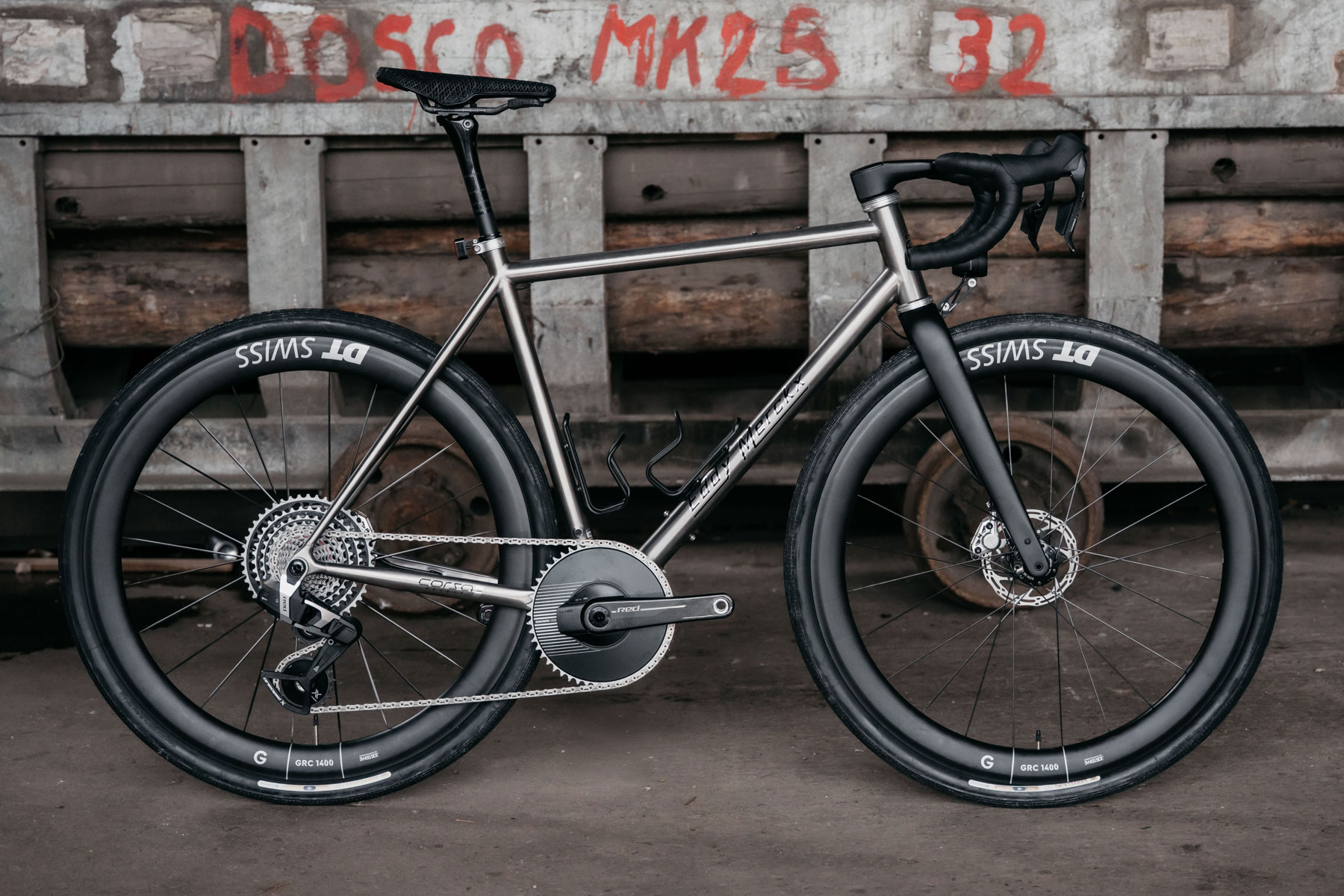
Eddy Merckx Bikes has unveiled a pair of new titanium bikes, handmade in Italy from Columbus tubing.
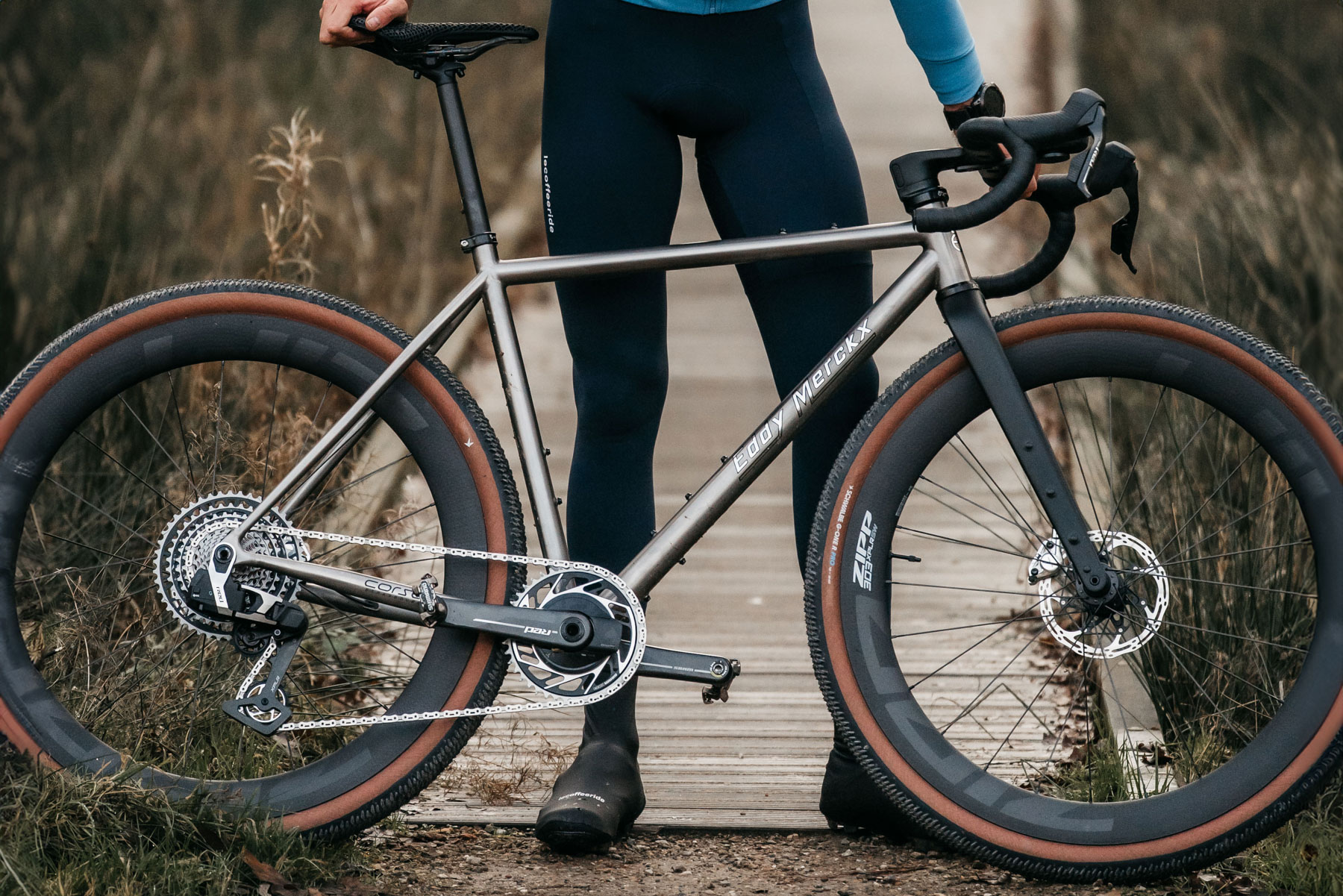
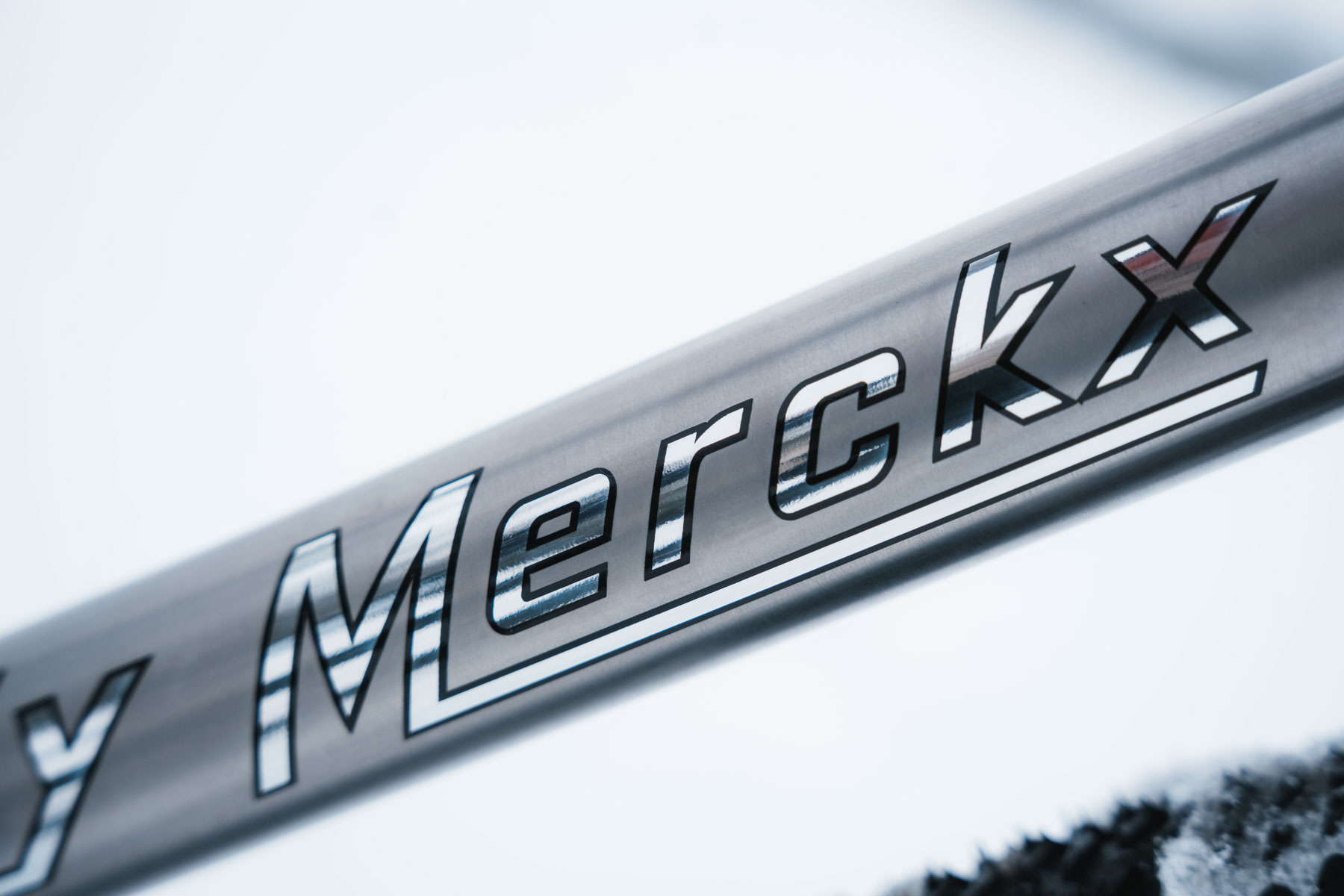
The new Eddy Merckx Corsa Strasbourg Ti features retro-modern Merckx logos and head badge, modern gravel geometry, a UDH dropout and colour-coordinated Wolf Tooth small parts.
I think this combination of retro and modern makes it one of the best-looking new gravel bikes for 2026.
Made from custom Columbus titanium tubing, with plenty of build options, the do-it-all gravel Strasbourg Ti looks impressive.
If you prefer your titanium kicks to be a little more road-focused, Merckx has you covered with the Corsa Pévèle all-road/endurance bike.
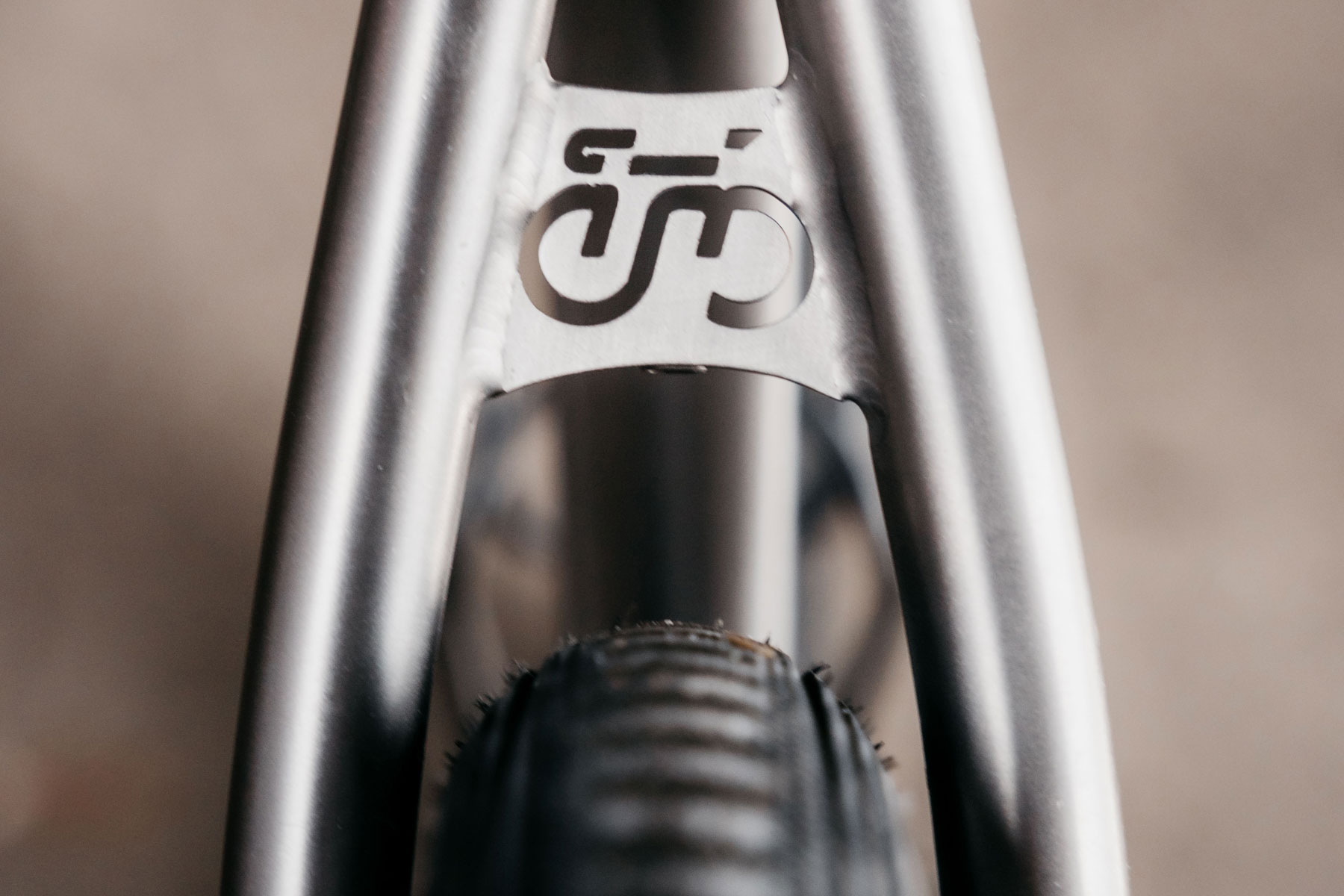
The original Merckx logo is laser-cut into the seatstay bridge on both the Corsa Pévèle and Strasbourg. Eddy Merckx cycles / Belgian Cycle Factory
Cycling’s greatest ever competitor, Eddy Merckx rode exclusively Italian-made bikes throughout his career, from the age of 16 until his retirement from racing at 33 in 1978.
The Merckx bicycle brand was founded in 1980 and the exclusive Corsa line has been reserved for handmade metal bikes.
The original Merckx Corsa models were made by Johan Vranckx, who learnt his craft at De Rosa. Now Vranckx has retired, Merckx Bikes has decided to take its metal frame manufacturing back to Italy.
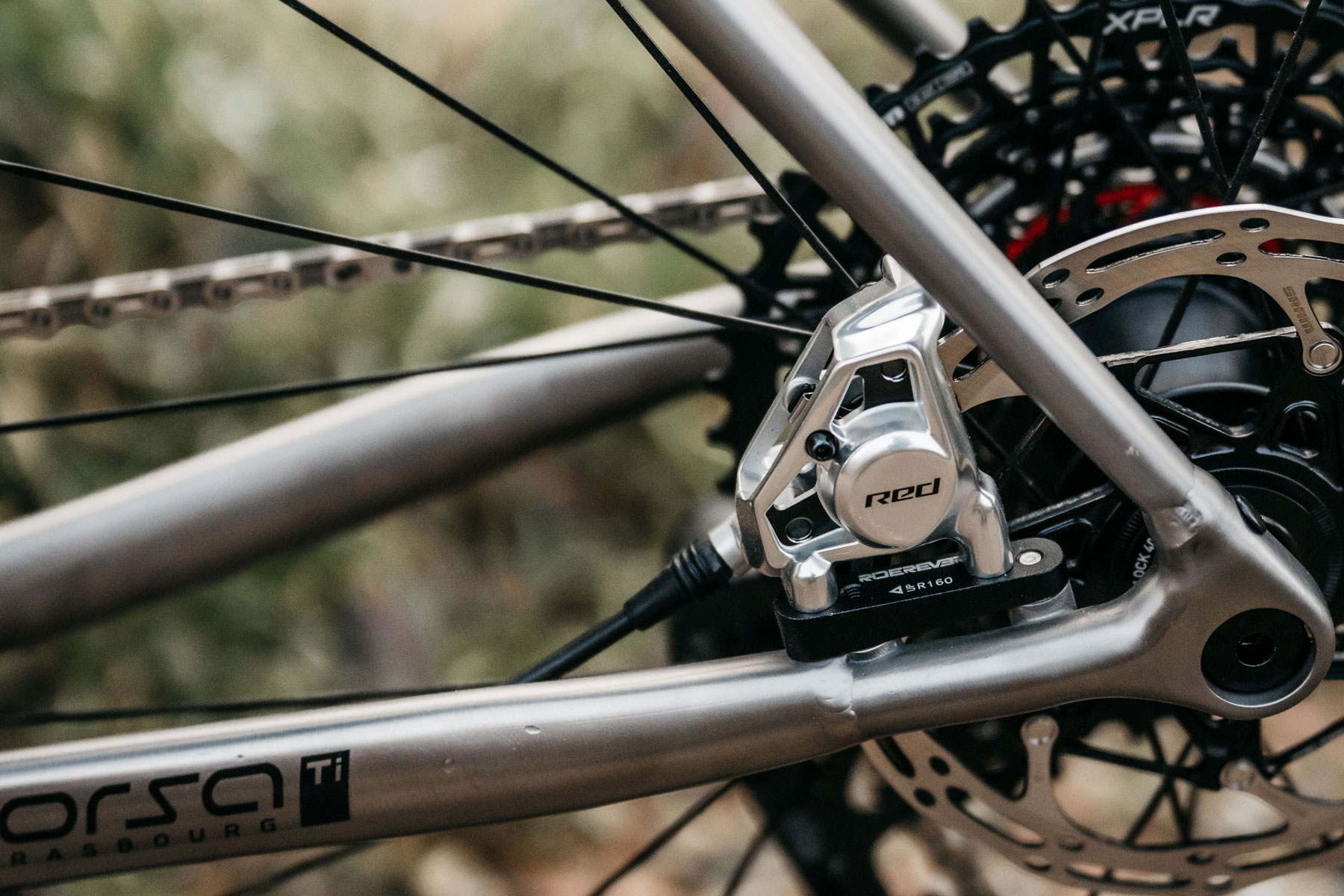
The Corsa titanium frames are handmade in Italy. Eddy Merckx cycles / Belgian Cycle Factory
The two new titanium models sit alongside the ‘standard’ Corsa Strasbourg and Pévèle. Both keep up the Merckx tradition of using steel frames made from Columbus Zona and SL tubes. Like the titanium models, these are also handmade in Italy.
Eddy Merckx Corsa Strasbourg Ti
A Strasbourg Ti prototype was raced at last year’s UCI Gravel World Championships. Eddy Merckx cycles / Belgian Cycle Factory
The bike is made from Columbus’ Hyperion titanium tubing, the lightest titanium tubeset the Italian metal specialist has ever produced.
Retro logos add a touch of class to the new Corsa titanium models. Eddy Merckx cycles / Belgian Cycle Factory
The frame features a UDH dropout, 48mm tyre clearance (up from the 47mm of the prototype).
The geometry looks to be at the racier edge of gravel design, with a 70.5-degree head tube angle and steep 75-degree seat tube angle. The chainstays measure 435mm and the wheelbase is 1,038mm on the size-large (56cm equivalent).
Eddy Merckx Corsa Pévèle Ti
The all-road/endurance Corsa Pévèle. Eddy Merckx cycles / Belgian Cycle Factory
Alongside the gravel bike is the new Corsa Pévèle, an all-road/endurance design. Like the Strasbourg Ti, it features a UDH dropout and retro-modern graphics, and is available with coordinated Wolf Tooth components.
The Pévèle can be had in both 1x and 2x configurations. A 1x drivetrain leaves room for 40mm tyres, and with 2x this drops to 38mm.
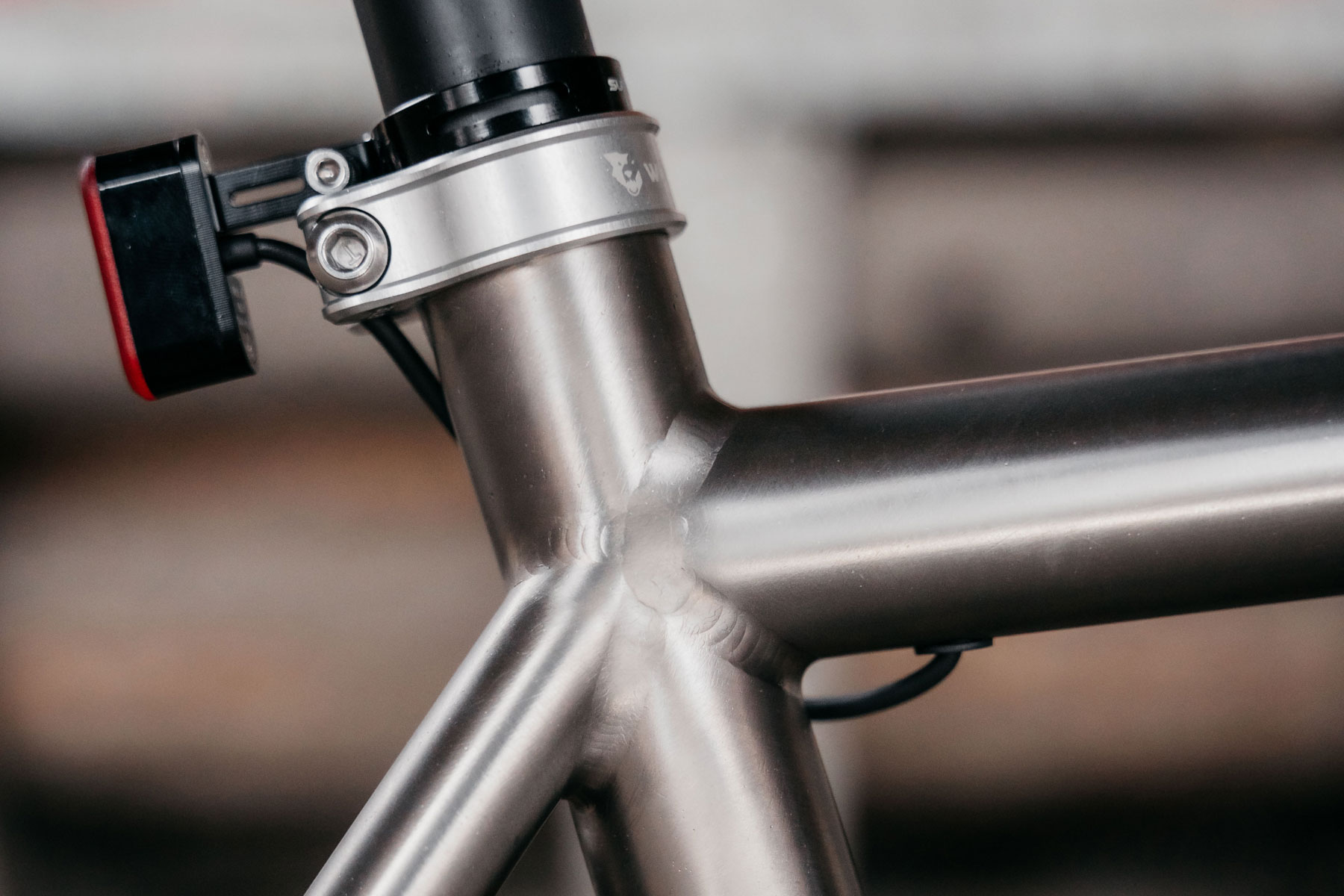
Neat internal routing for a dynamo-powered rear light on the Corsa Pévèle. Eddy Merckx cycles / Belgian Cycle Factory
Prices and options
The Strasbourg Ti can be had as a frameset from £4,499.10 / €4,999, or in the following builds:
SRAM Force XPLR AXS 1x 13 (with power meter): £7,776 / €8,640
SRAM Red XPLR AXS 1x 13: £10,578.60 / €11,754
Campagnolo Super Record 1x 13: £11,928.60 / €13,254
All builds have plenty of options through the Merckx online configurator.
The Pévèle frameset is priced similarly at £4,499 / €4,999, with the following build options:
1x 13 SRAM Force XPLR (with power meter): £7,465.50 / €8,295
2x 12 SRAM Force AXS (with power meter): £7,915.50 / €8,795
Shimano Ultegra Di2: £8,099 / €8,595
Shimano Dura-Ace Di2: £9,625.50 / €10,695
SRAM Red XPLR AXS 1x 13: £9,715.50 / €10,795
SRAM Red AXS 2 x 12 (with power meter): £9,985.50 / €11,095
Campagnolo Super Record 1x 13: £10,938.60 / €12,154
Campagnolo Super Record 2x 13: £12,149.10 / €13,499
Looking to stay fit through the remainder of the winter? In this week’s top video, hear one rider share how he’s been using Zwift to get through the winter slump.
Also included in this week’s picks: elite Zwift racing, an FTP ramp test, a photo finish, and a rider’s first Zwift workout.
How I am keeping fit in the winter slump with Zwift training.
With the recent poor weather in London, Andy Broadhurst has been using Zwift to stay fit on the bike. Hear from him as he shares how he has been using Zwift.
No.1 Ranked Zwift Racers Assemble For This Race – 11W/kg Repeated Efforts
Ed Laverack shares commentary and analysis of his recent Zwift Racing League race, which featured many of Zwift’s top racers. Can he hold on to the front group?
FTP Ramp Test as a Professional Cafe Rider
Daaaanjj tackles an FTP Ramp Test on Zwift to see where his fitness is coming into spring training.
My Closest Ever Zwift Race
Dead Last Cycling talks viewers through his closest Zwift race. Watch as he battles to the line in a photo finish!
First Zwift Workout In Ages!
TriathlonDan documents his day and rides his first Zwift workout in a while.
Got a Great Zwift Video?
Share the link below and we may feature it in an upcoming post!
Zwift version 1.107 begins its phased rollout today. This is a minor update containing mostly bug fixes. See details below…
Workout Card Improvements
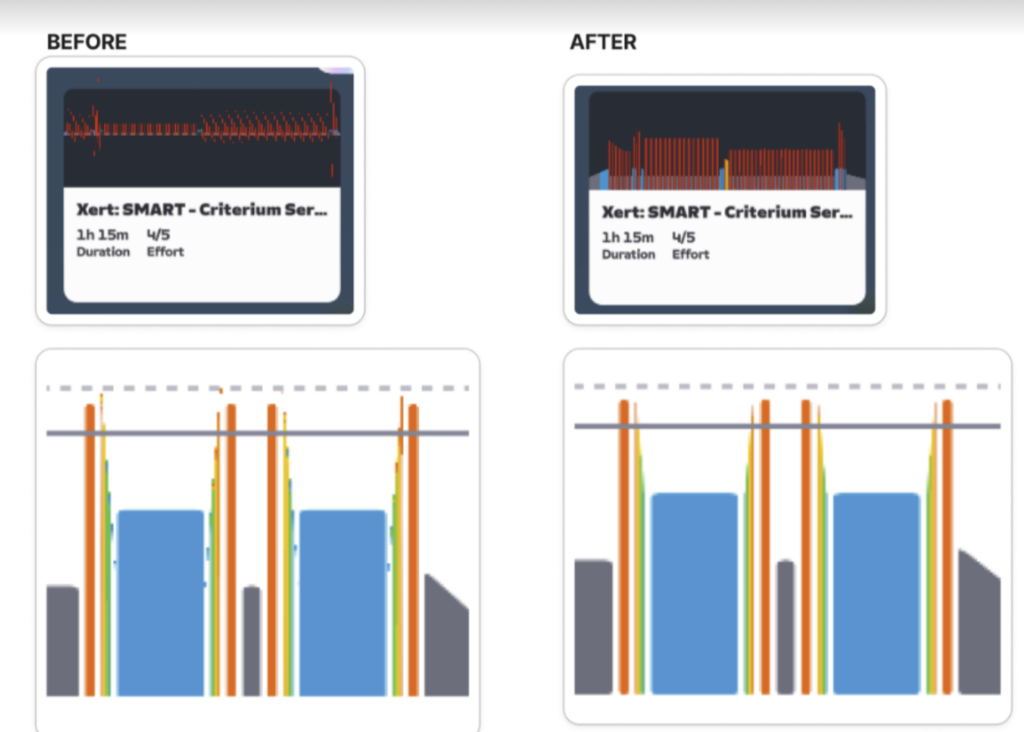
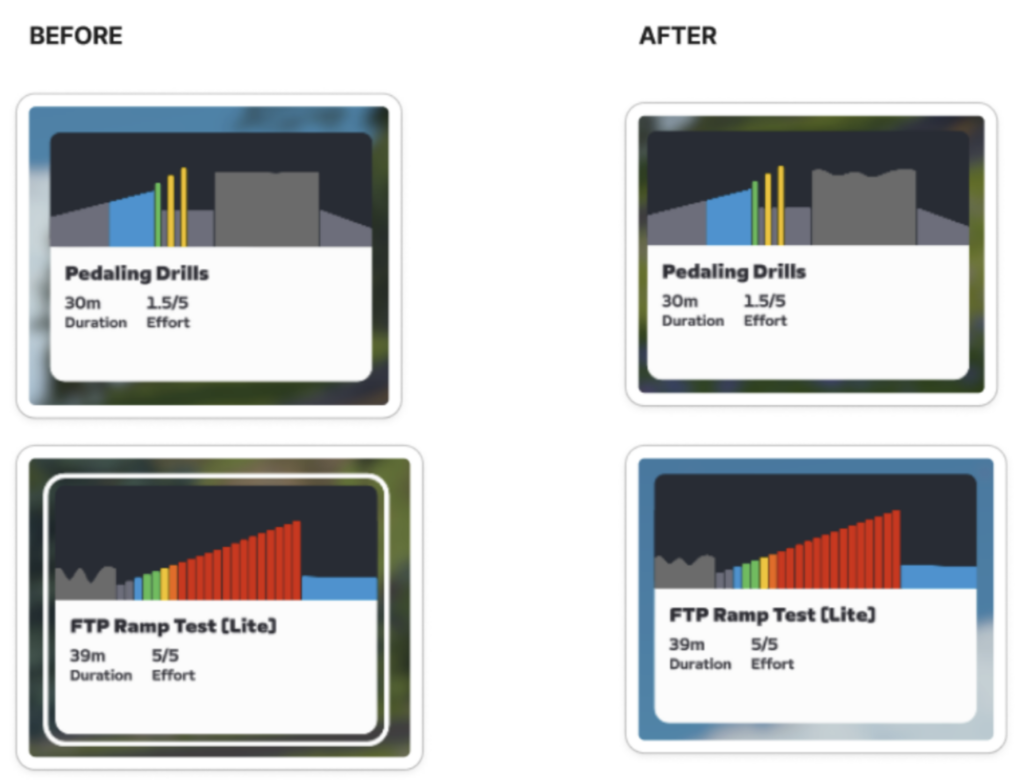
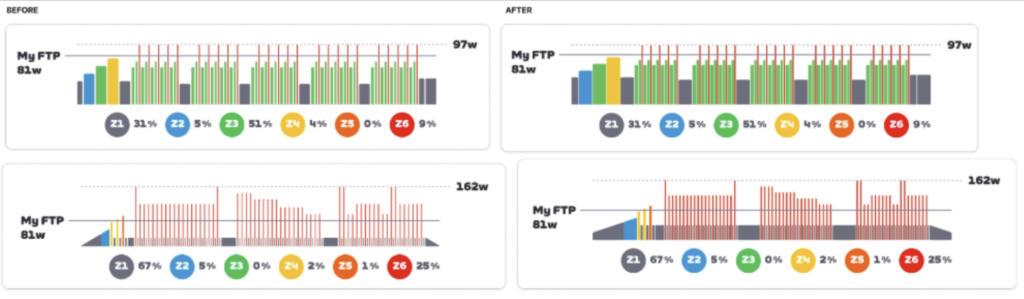
Zwift says this release includes “Various visual improvements to how workout blocks are displayed in workout cards on the Home Screen. These changes include fixes to how small workout blocks, free ride segments, and workouts with many blocks are displayed.”
The more detailed display of the workout that you see when clicking the card has also been modified. Examples below:
Neon Shore Loop is Open
Makuri Islands’ Neon Shore Loop route was originally launched as event-only to host TTT races for the ZRL Round 3, which wraps up this week. This update makes the route free rideable, and it can also be scheduled for meetups once it’s added to the list in Companion app.
Note: this isn’t a new badge, it’s just a change from the route being event-only to being open for free rides, meetups, etc. If you already raced the route in ZRL, you’ve already got the route badge.
Release Notes
Zwift supplied the following additional release notes:
Fixed an issue that could cause chat emojis to not be visible after game updates or fresh installations.
Fixed an issue that could cause Coffee Stop to not work when joining an event from a workout.
Fixed an issue that could cause Power Segment leaderboard results to be delayed.
Windows: Fixed an issue that could cause heart rate values from CORE sensors to be missing.
iOS/Android: Fixed an issue that could cause bodies of water to be missing in some locations in Makuri.
Discuss this update in Zwift’s forum > (link coming soon)
Questions or Comments?
If you spotted any other changes or bugs in the update, please comment below!
Kids’ bicycle company Frog Bikes faces administration after a turbulent few years that have been reflective of many other brands’ experiences across the cycling industry.
The company filed an intention to appoint an administrator on Friday, which provides temporary protection from creditors.
Frog Bikes said this was a “precautionary measure” while it explores “potential funding and restructuring solutions”, The Telegraphreported today.
The Welsh company was founded in 2013 by husband and wife Jerry and Shelley Lawson after they struggled to find suitable bikes for their children.
It quickly found success and, like many cycling brands, grew significantly during the Covid pandemic before facing tougher trading conditions.
Frog Bikes made a pre-tax profit of £249,016 in 2021 but that dropped to a loss of £530,476 the following year, which it attributed in part to the “friction” caused by Brexit.
Jerry Lawson blamed Frog Bikes’ situation on a “series of significant and well-documented challenges”, which included higher employee taxes, Brexit and lower consumer confidence.
In its most recent accounts for the year ended February 2024, Frog Bikes reported a pre-tax profit of just under £200,000, but said the year had been “one of continued headwinds for Frog Bikes, and the industry as a whole”.
It said sales had dropped further as retailers continued to grapple with surplus stock and consumers remained cautious with their spending.
Brompton is another British cycling company that experienced a boom during the Covid-19 pandemic. But in January this year, it reported losses of £2m and a drop in sales.
This followed a crash in profits the previous year, which CEO Will Butler-Adams said was due to global economic uncertainty and challenges in cycling, such as overstocking, which he described as evidence of an “industry in turmoil”.
Raleigh reported losses of £30m in 2025, which it said was due to the overstocked market after Covid.
In January, Alpkit entered administration before quickly announcing its new financial structure and investment. The outdoors company, which owns Sonder bikes, said it faced rapid cost inflation, a challenging retail environment and trade barriers.
Frog Bikes’ Jerry Lawson told The Telegraph that: “All parties are committed to securing a positive outcome for the business, its employees and wider stakeholders.
“Frog Bikes’ priority remains supporting its employees, customers, suppliers, and retail partners while working with its advisers to determine the best possible outcome for all stakeholders.”
Vee Tire Co has announced the release of three new RAD-CORE radial-casing tyres, which will retail from £64.99.
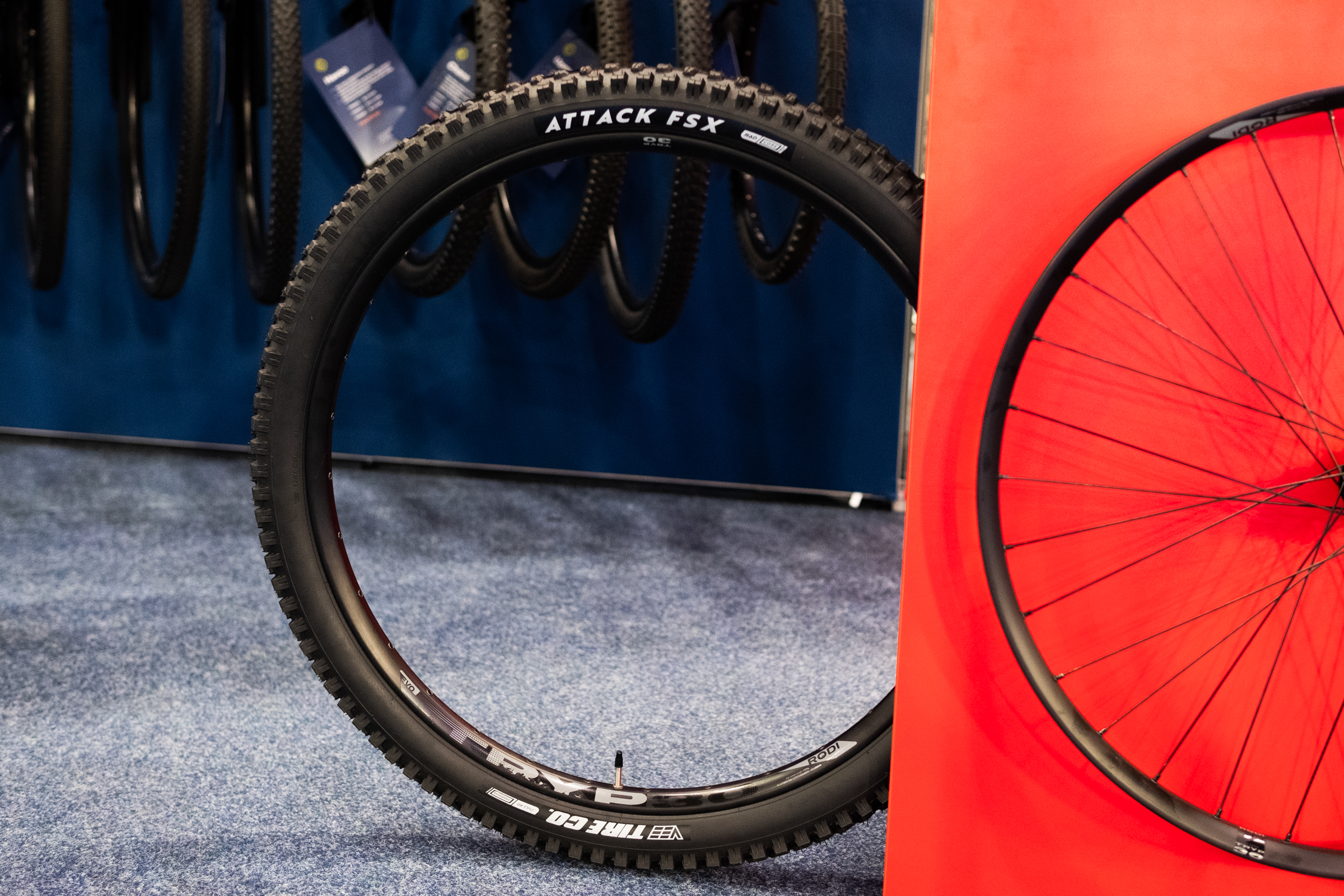
The tyres, spotted at the iceBike* show, use the brand’s new RAD-CORE casing technology.
All three models on display retail for only £5 more than Vee Tire Co’s tyres with traditional cross-ply casing and they’re all available in 27.5in and 29in sizes.
Vee Tire Co calls its radial casing technology RAD-CORE. Jack Luke / Our Media
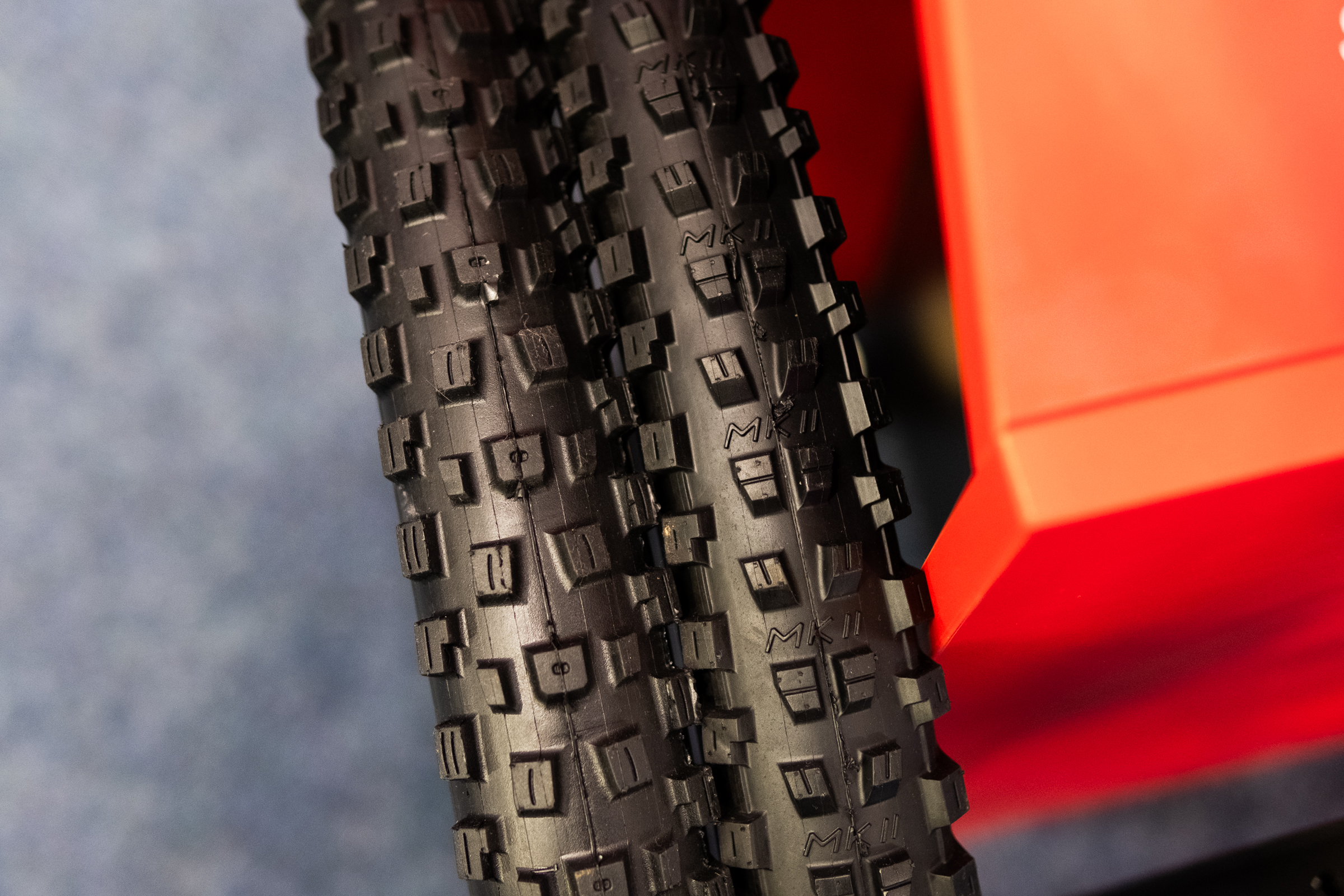
Vee Tire Co’s RAD-CORE is its own radial construction technology, which aligns casing threads perpendicular to the direction of travel. The brand says this technology boosts grip and reduces rolling resistance at the same time.
The tyres unveiled at iceBike* are Vee Tire Co’s first to use the new radial casing.
Rich Wood, brand manager at distributor Madison, says the benefits are “you have a much more supple casing because the threads are oriented at 90 degrees to the direction of travel”.
This means, theoretically, you can run radial tyres at a higher pressure and get the same supple feel.
“The bike feels a lot smoother to ride,” says Wood, explaining that riders may feel greater bump absorption. “Plus you get a bigger contact patch with the ground and much lower rolling resistance because you’re running such a high pressure.”
Wood suggests: “You find that because of the higher pressure you get much more accuracy with your steering. I would liken the difference to that of riding a bike with a QR front axle and a thru-axle.”
Vee Tire Co RAD-CORE tyre details
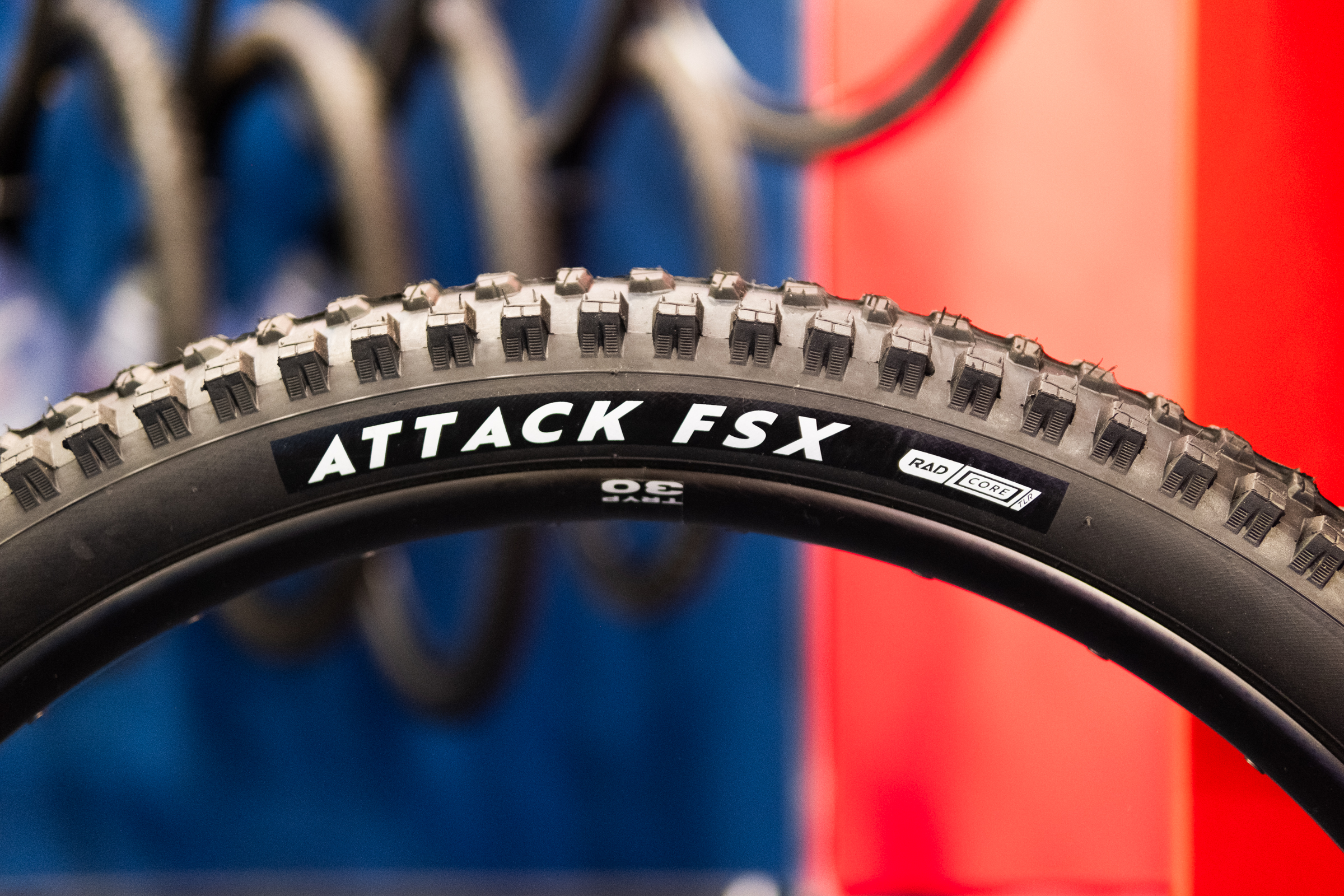
Three Vee Tire Co tyres are available with RAD-CORE radial casing: the Attack FSX, Attack HPL and WCE Mk2. Jack Luke / Our Media
There will be three tread patterns offered in radial casing to start with: The Attack FSX, Attack HPL, and WCE Mk2.
The first of the tyres is the Vee Tire Co Attack FSX RAD-CORE. Vee Tire Co designed this tyre for for maximum rolling speed on hardpack conditions, and says it has “aggressive cornering” capabilities. Wood describes it as a “Hard-pack bike park tyre” and it is recommended for front or rear use.
The second Vee Tire Co tyre to get the RAD-CORE radial casing treatment is the Attack HPL, a hardpack and mixed-terrain tyre.
The third tyre is the Vee Tire Co Snap WCE RAD-CORE. Vee Tire Co describes this tyre’s tread pattern as “an all-rounder for mixed trail conditions with deep tread design and even spacing to dig into loose dirt”.
All three tyres are available in 42a (Shore A scale) rubber, which Vee Tire Co calls its “Full 40 Compound”, utilising its softest ultra-tacky rubber. They’re all available in 27.5×2.5in and 29×2.5in options from £64.99.
The non-radial casing GXE-Core versions of these same tyre models are available for £59.99.
What are radial tyres?
Vee Tire Co’s radial casing tyres will all be available in 27.5in and 29in sizes. Jack Luke / Our Media
Radial refers to a different method of tyre-carcass construction.
The carcass is the woven fabric that makes up the structure of the tyre beneath the rubber tread.
On traditional ‘cross-ply’ (non-radial) tyres, the individual threads run diagonally across the tyre at a 45-degree angle. On a radial tyre, the threads are arranged at a much more obtuse angle.
The theoretical benefits are increased compliance and cornering grip, and potentially the ability to run higher pressures with the same level of compliance.
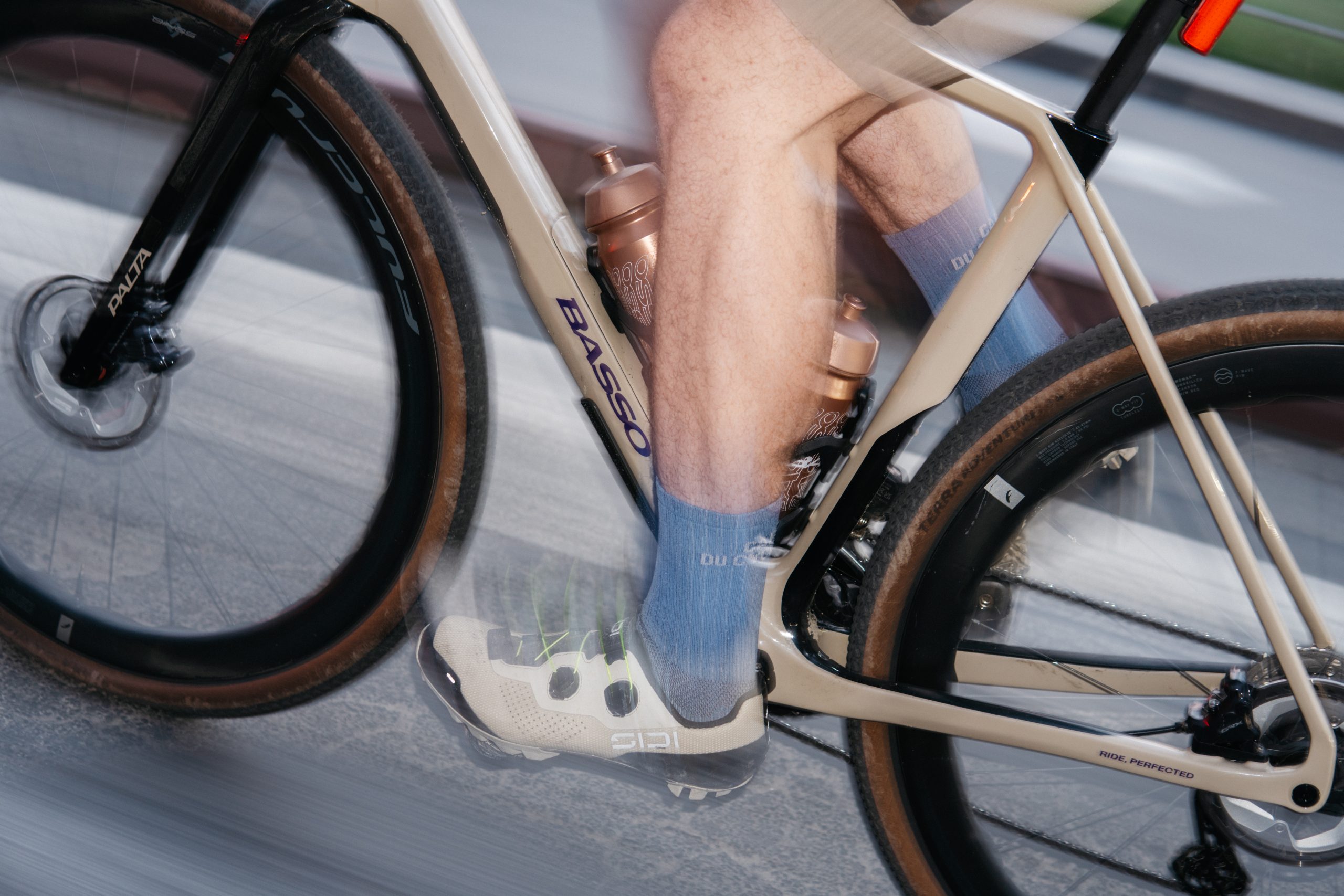
The Basso Palta III follows a familiar path trodden by many contemporaneous do-it-all gravel bikes, but its ‘liveability’, custom build options, tasteful design details and made-in-Italy provenance could make it a compelling choice in a crowded marketplace.
Compared to the outgoing model, Basso has boosted the Palta III’s tyre clearance to 52mm front and 50mm rear, refined the geometry to improve comfort and added down-tube storage, resulting in a bike that it says straddles gravel racing and adventure without compromising too heavily in either area.
“We know it’s never going to be the fastest bike on the road or the fastest on mountain bike trails,” says product and marketing manager Leonardo Basso. “So for us it’s about giving riders the most versatile bike to define what gravel means for them.”
Although it’s backed up by extensive customisation options, prices in the UK start at £3,999 for the base-level GRX 1×12 build, rising to £5,399 for the top-spec SRAM Force XPLR AXS build.
The Palta III doesn’t quite match these chonky extremes, but it’s not far off, with capacity for 52mm at the front and 50mm at the rear.
Given that it defines the intent and ride feel of a bike, how does a brand settle on a final figure, particularly for a bike designed to satisfy most riders?
“50mm was a good balance to still have a lively and animated bike,” says Basso. “We didn’t want something sluggish on the road or fast trails.”
Basso adds that increasing clearance further would require longer chainstays, changing the bike’s character.
“We didn’t want to lengthen the chainstays too much – we still wanted to keep the wheel close to the pedalling. But on the other hand, we wanted enough tyre clearance for riding that crosses the line with mountain biking.”
The bike strikes a good balance with its accessory mounts. Basso
Outside of suitably versatile tyre clearance, to say credibly that it straddles both adventure and gravel racing requires an appropriate mix of accessory mounts.
The Palta III does’t have the Action Man-crotch-smooth silhouette of a truly race-oriented gravel bike, nor is it festooned in Surly levels of barnacle-like protrusions.
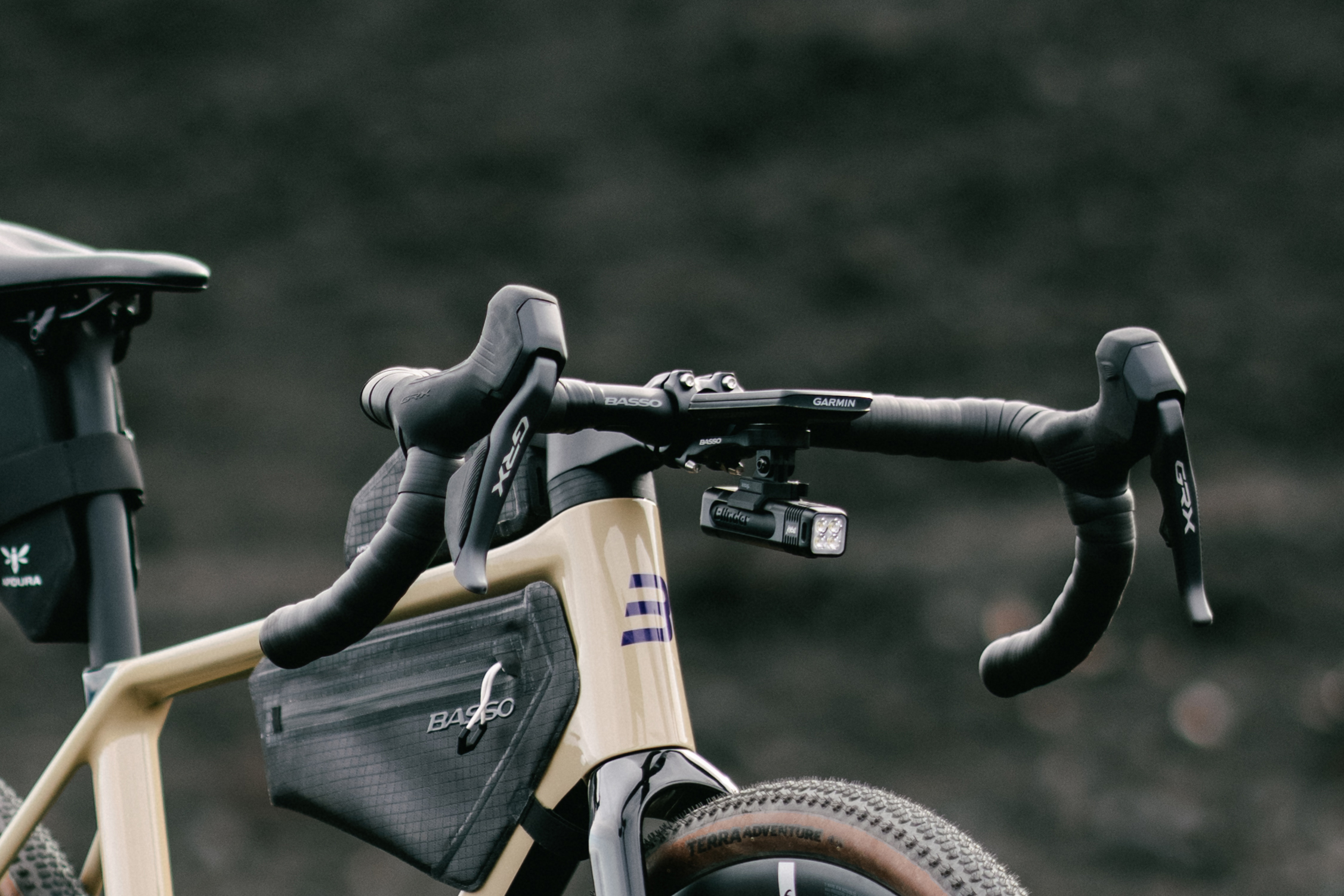
It strikes a balance that’s appropriate for the bike’s intent, with mounts on the top and bottom of the top tube, three bottle mounts inside the main triangle and two mounts under the down tube.
Some will rue the lack of fork bosses or rack mounts, which are often used by ultra racers looking to carry extra luggage or water.
But Basso points to other bikes in the brand’s line-up to meet those needs: “The Palta has always been a bike capable of carrying luggage or additional accessories, but it’s never been a full-on bikepacking bike, like the Terra,” it says.
“[For the Palta III], we didn’t want to add too many bolts. It adds weight, and we wanted to keep really clean lines.”
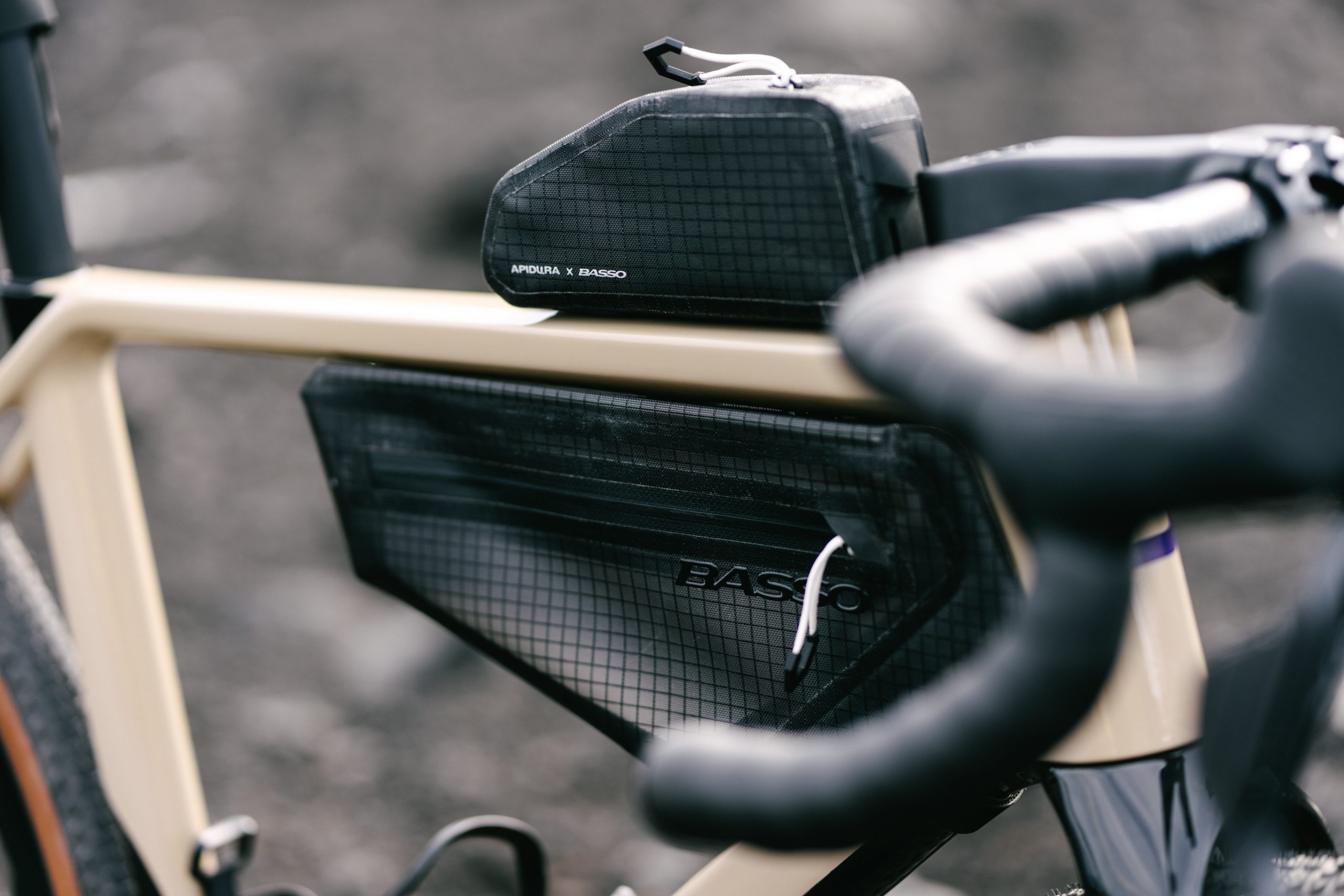
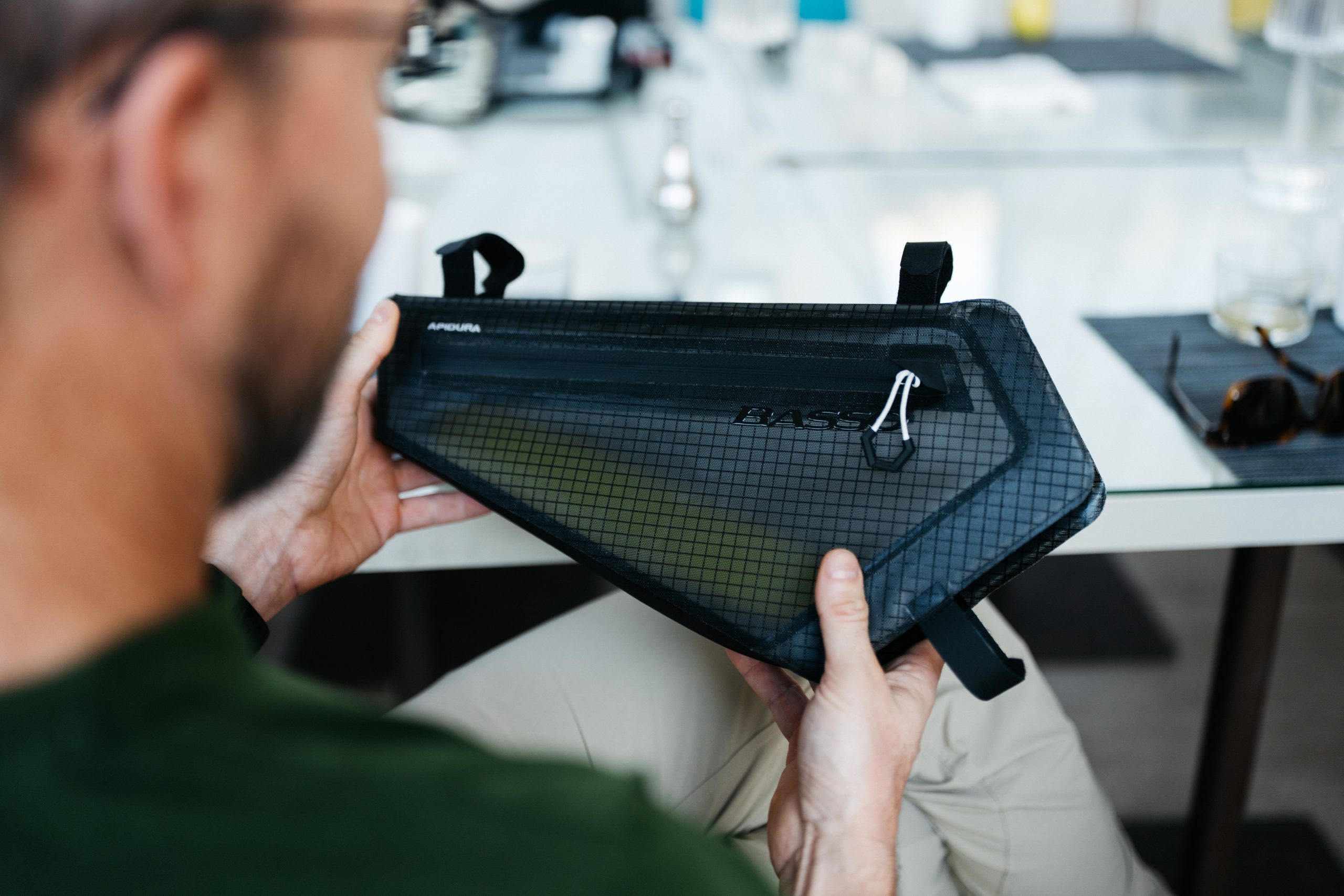
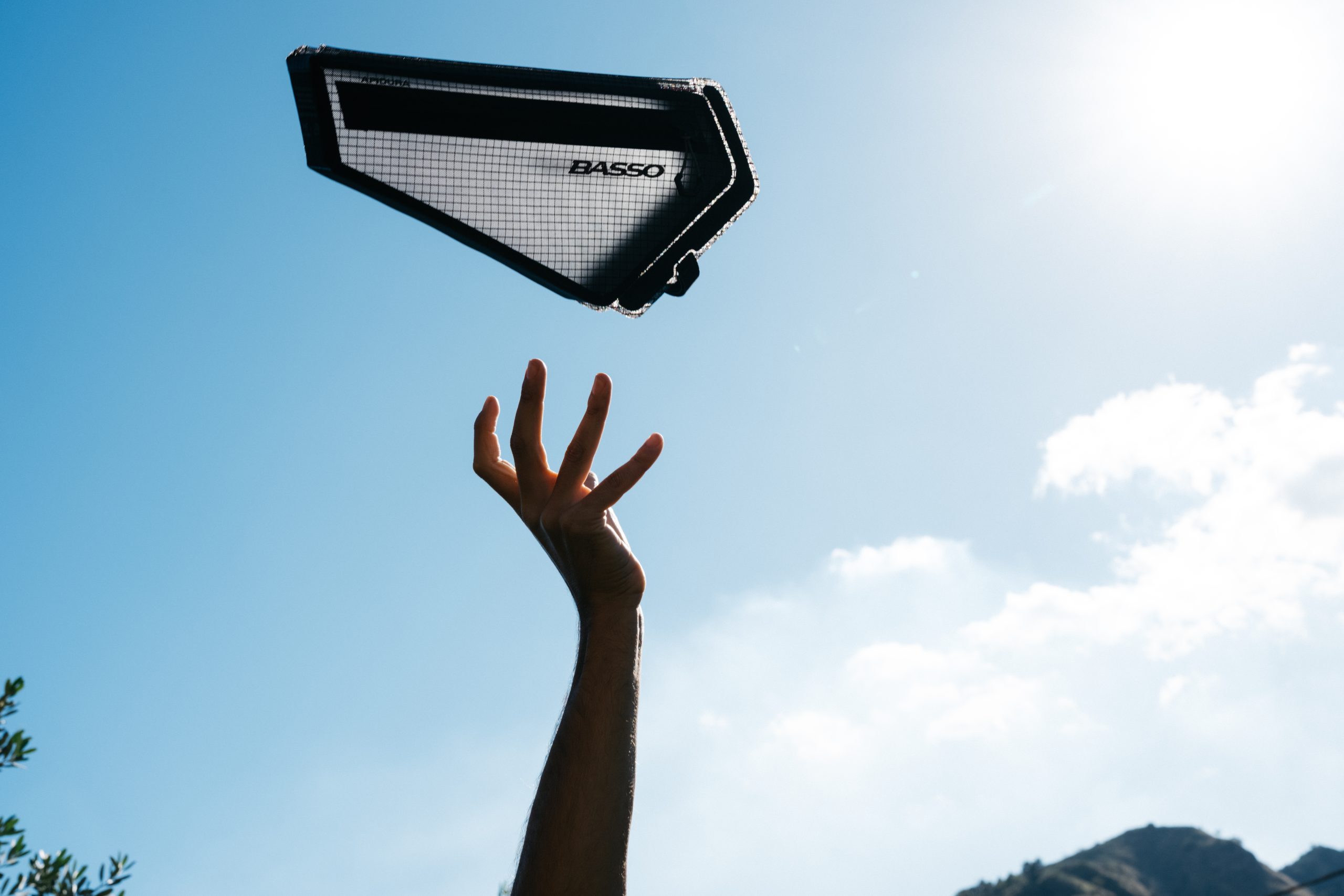
The matching bags from Apidura are a highlight. Basso
Basso has partnered with Apidura to develop a range of bags designed to complement the bike.
Rather than use straps, these bolt on, which Basso says offers a more secure fit, while protecting the frame’s paintwork from abrasion.
The range includes two frame-bag options and top-tube storage, designed specifically around the Palta III’s tube shapes and mounting points.
Basso says the bags are shaped to enable continued access to bottles and the bike’s internal down-tube storage compartment – more on that in a moment.
Like most of the brand’s range, Apidura’s waterproof construction is used throughout, with welded seams and weatherproof zips.
Basso is not the first brand to work with a specialist to produce bags for a new bike, but this is a notably well-executed collaboration – the bags look super-clean when mounted and add to the credibility of Basso’s claim that it has designed this to be a bike for all gravel riders.
‘Rental and hire is important for us’
The bike is available with three cockpit options.
Basso offers three cockpit options on the Palta III: two one-piece cockpits (the Fuga and Levita) and a traditional two-piece setup using the new Strato alloy stem.
The Strato stem is available in lengths from 80mm to 130mm and routes cables underneath through a channel. It’s paired with a conventionally shaped carbon gravel bar.
Beyond providing riders with flexibility to customise cockpits as they please, Basso is unflinching in explaining how it supports another key, and unexpected, part of the brand’s business: “This stem supports what we’re doing in the area of Bassano [Basso’s hometown]. There are not enough possibilities for people who want to buy our bikes to test them,” says Basso.
“So this is how we view the rental and hire side of our business – it’s a way to get people trying bikes.
“The whole goal of what we do is to give the best riding quality to the riders… and this stem is really versatile for that.”
Levita stem and bar
Bar widths: From 400 to 460mm at the tops, and 420 to 480mm at the drops
Bar flare: 12 degrees
Stem lengths: 80 to 130mm
The Fuga cockpit is the performance-oriented option, with an aerodynamic profile and a racey fit.
Fuga cockpit
370mm wide at hoods, 400mm in the drops
6-degree flare
Stem sizes: 80 to 130mm
Claimed weight: 300g, +/- 3%
The Levita cockpit offers a more classic road-bike fit, with slightly wider fit options and less flare.
Levita cockpit
Bar widths: From 380 to 440mm at the tops, and 400 to 460mm at the drops
4-degree flare
Stem sizes: 80 to 130mm
Claimed weight: 330g, +/- 3%
Carbon – but not for the reasons you think
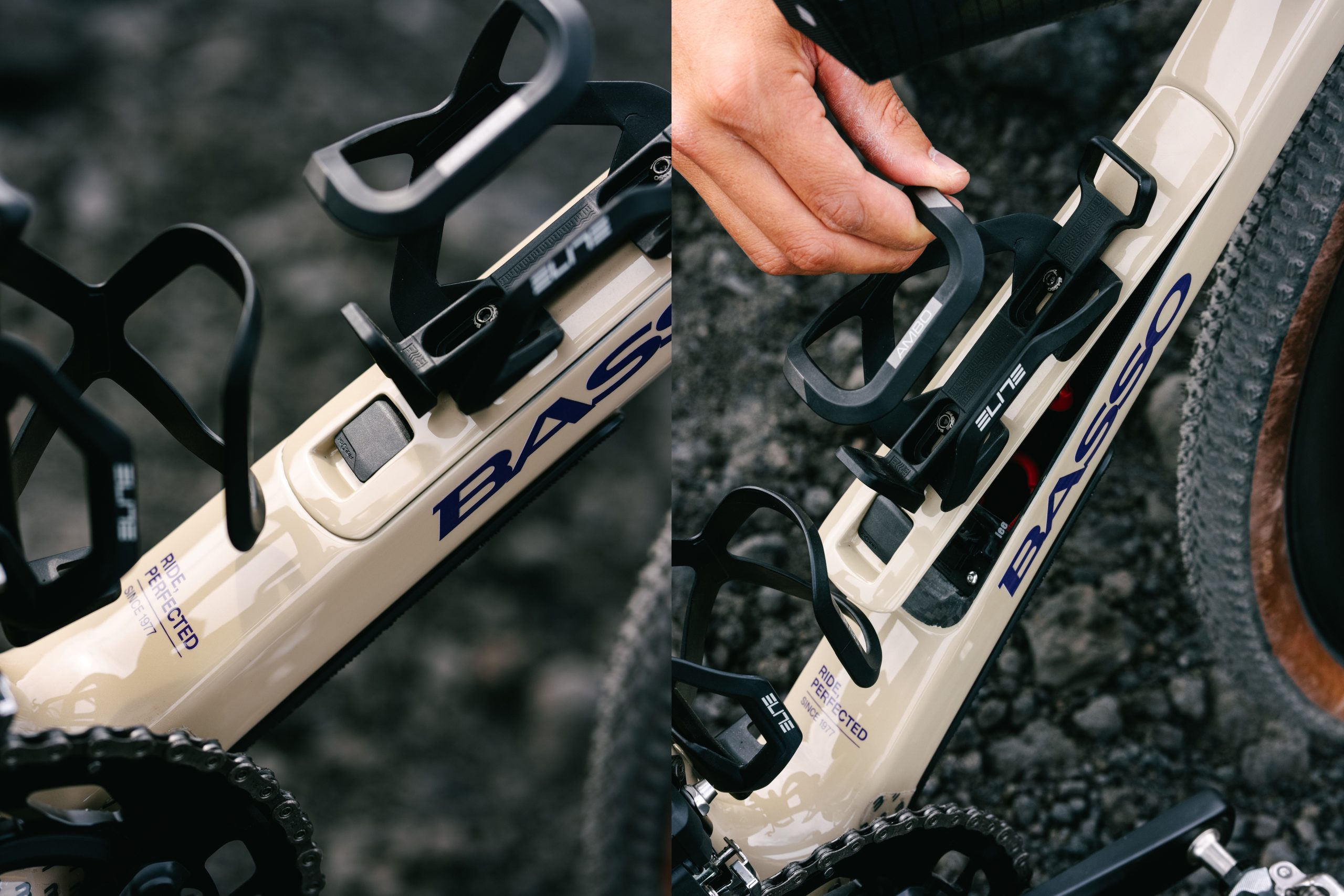
The Palta now features down-tube storage. Basso
Following many of its peers, the Palta III features internal frame storage in the down tube.
However, unlike other bikes, Basso uses a painted carbon cover instead of injection-moulded plastic – a point of genuine difference that’s more complex to pull off than you might assume.
“A carbon cover gives a really rigid mounting point for the bottle, and it’s lighter,” explains Basso, but that’s not the key reason the brand opted for carbon.
The real benefit comes when painting. Generally speaking, paint adheres more easily to the carbon, but crucially, the carbon cover has the same texture as the rest of the frame, lending the bike a very clean finish.
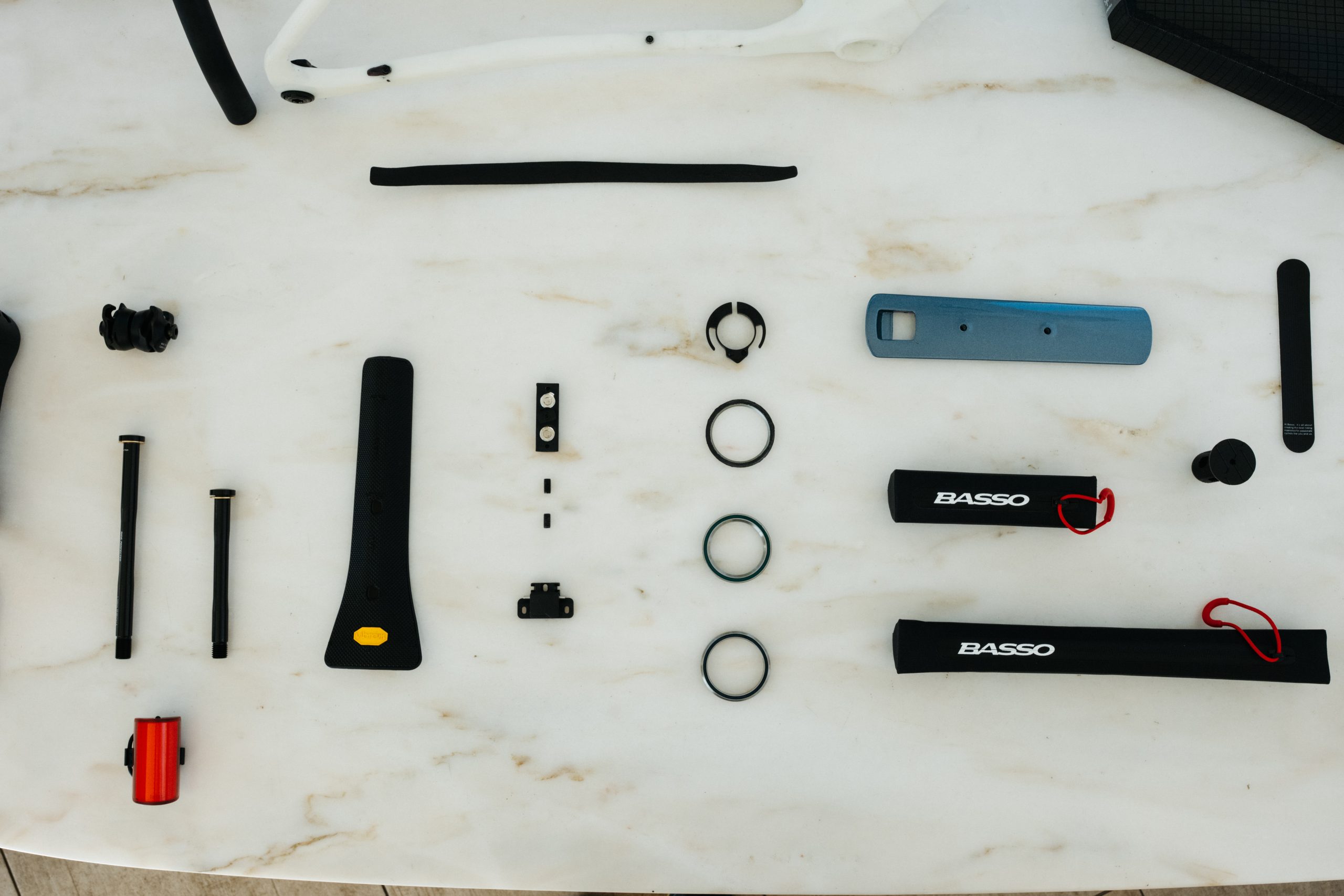
The down-tube cover sits among a wider suite of well-considered components and accessories designed for the bike. Basso
Basso says manufacturing using carbon is “really complicated”, and that maintaining tolerance between the two parts is very difficult, but any minor imperfections can be accommodated by the adjustability built into the magnetic Fidlock latch.
Compared to those found on the early generation of down-tube storage hatches, this clasp is easy to use and, crucially, secure.
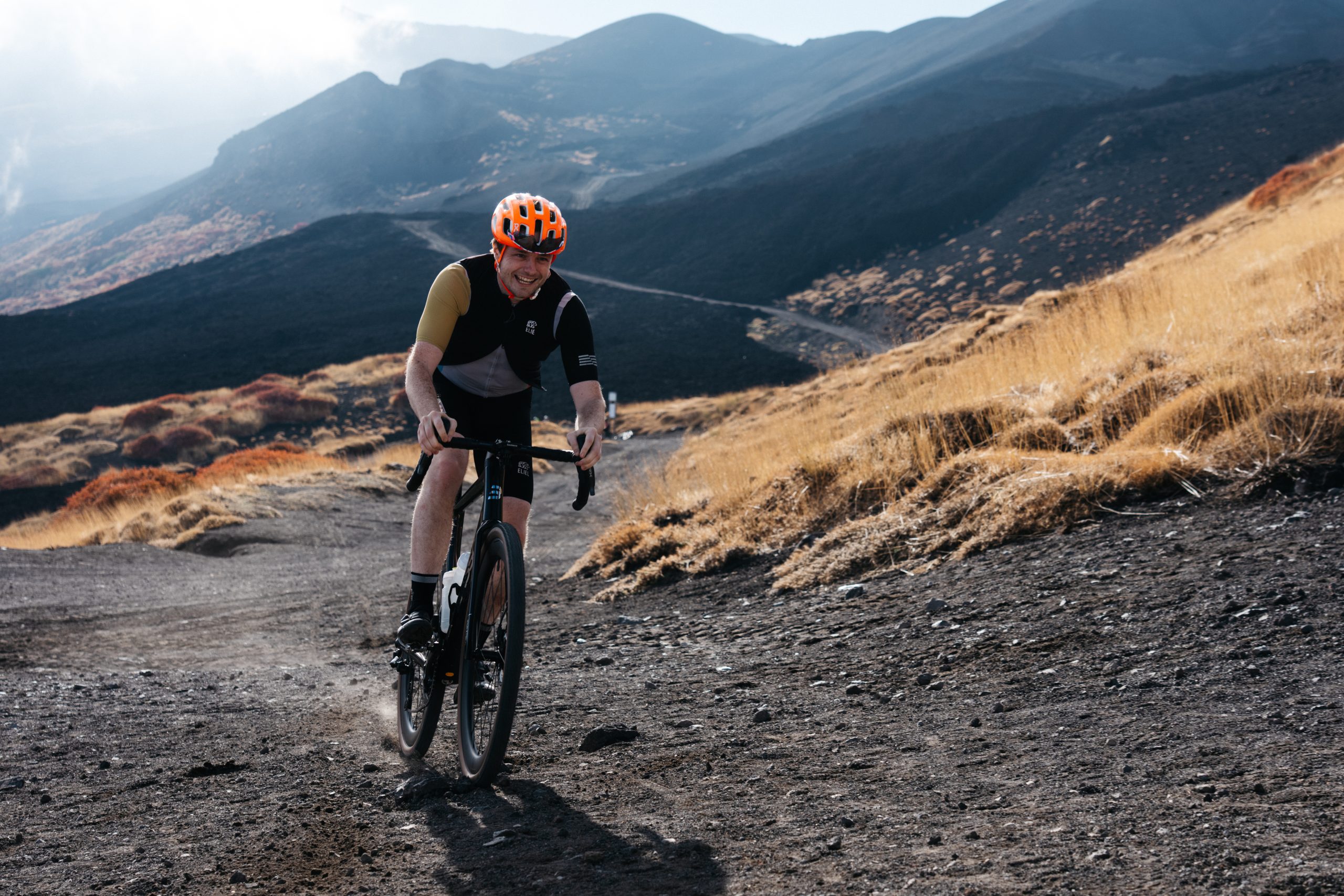
I did my best to boot it out of place, belting the bike into volcanic lumps on my test rides, but it stayed steadfast. The mechanism also feels very positive, with a more pleasant tactile feel than some designs.
A specially designed, seam-welded water-resistant pouch lives inside the down tube, with enough space for a small pump, TPU tube and other small spares.
A familiar frameset
The kicked-forward fork is a defining feature of Basso’s bikes. Basso
Although they share similar overall silhouettes, the profile of every tube on the Palta III has been updated for the new bike.
Some familiarly Basso-esque features remain – key among these is the kicked-forward fork crown. The same design is used on the Astra and SV road bikes, among others.
“With this layout, we can keep weight down and allow compliance while maintaining torsional rigidity,” says Basso.
For the Palta III, Basso says the torsional stiffness at the fork crown has been reduced slightly compared to previous versions, to improve comfort and front-end confidence on rough terrain.
Basso’s patented 3B Clamp system houses the seatpost in a sleeve, with a humped clamp slotting into a groove moulded into the back of the post. Basso says this provides a secure grip on the post, while enabling it to flex more, improving comfort.
Vibram x Basso
A wee bit daft, but unquestionably practical – I love this collaboration with Vibram. Basso
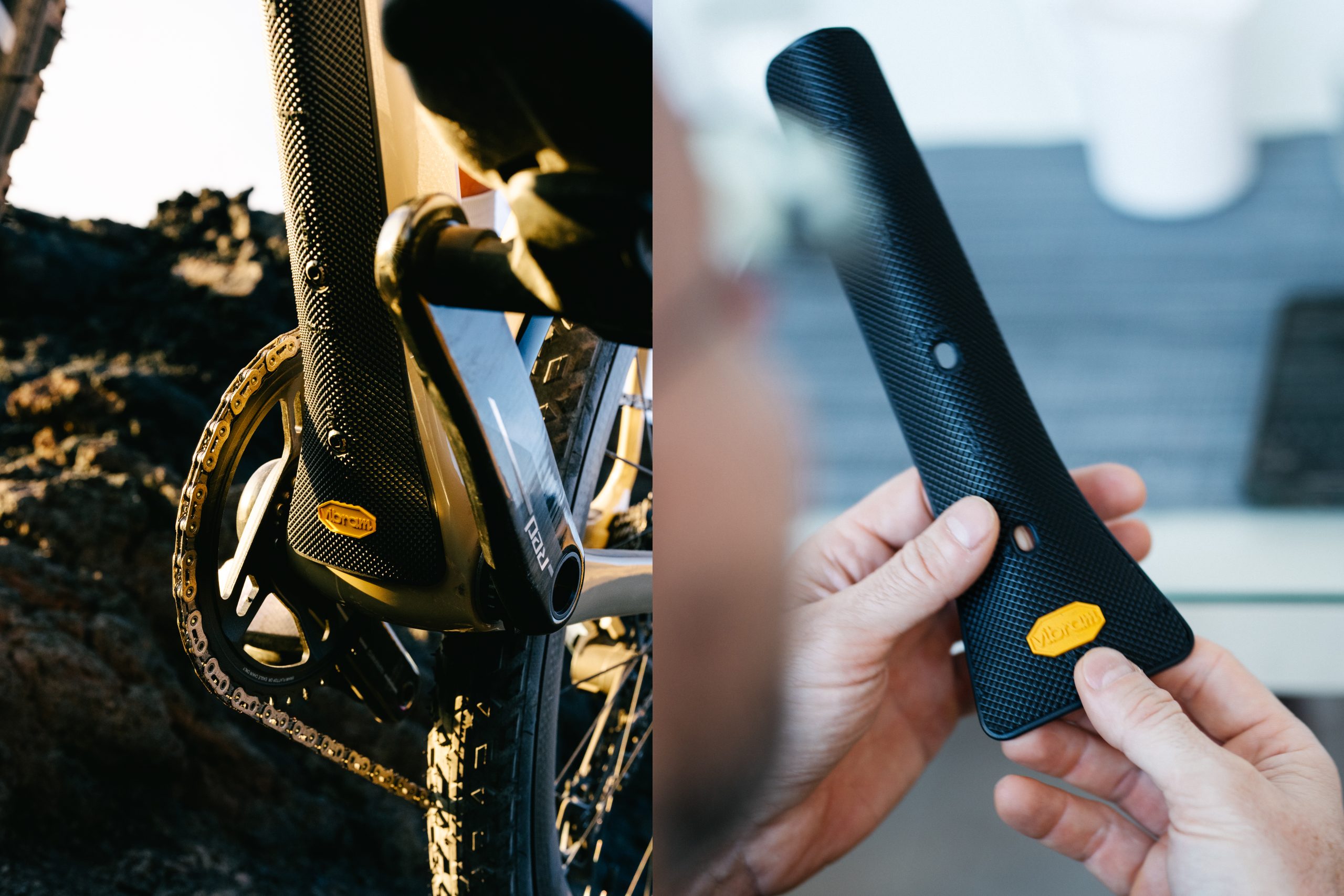
On the underside of the down tube is my personal highlight of the bike – the rubberised down-tube protector produced in collaboration with Vibram.
Made close to the brand’s headquarters, Basso says the thick, plastic-backed rubber-coated bolt-on plate protects the bike from impacts better than a typical stick-on protector, and there are more collaborations between the brands to come.
Reactions to this at the bike’s launch were mixed, but I think it’s a fun point of differentiation on an otherwise perfunctory part – memorable cycling marketing campaigns are increasingly dominated by collaborations, so why not extend this to an overlooked part of a bike?
Other small but welcome details include the solid oil bearings used in the headset and Basso’s novel sliding wedge-style expander.
Familiar, but no worse for it
The Palta III presents nothing out of the ordinary – and that’s not a problem. Basso
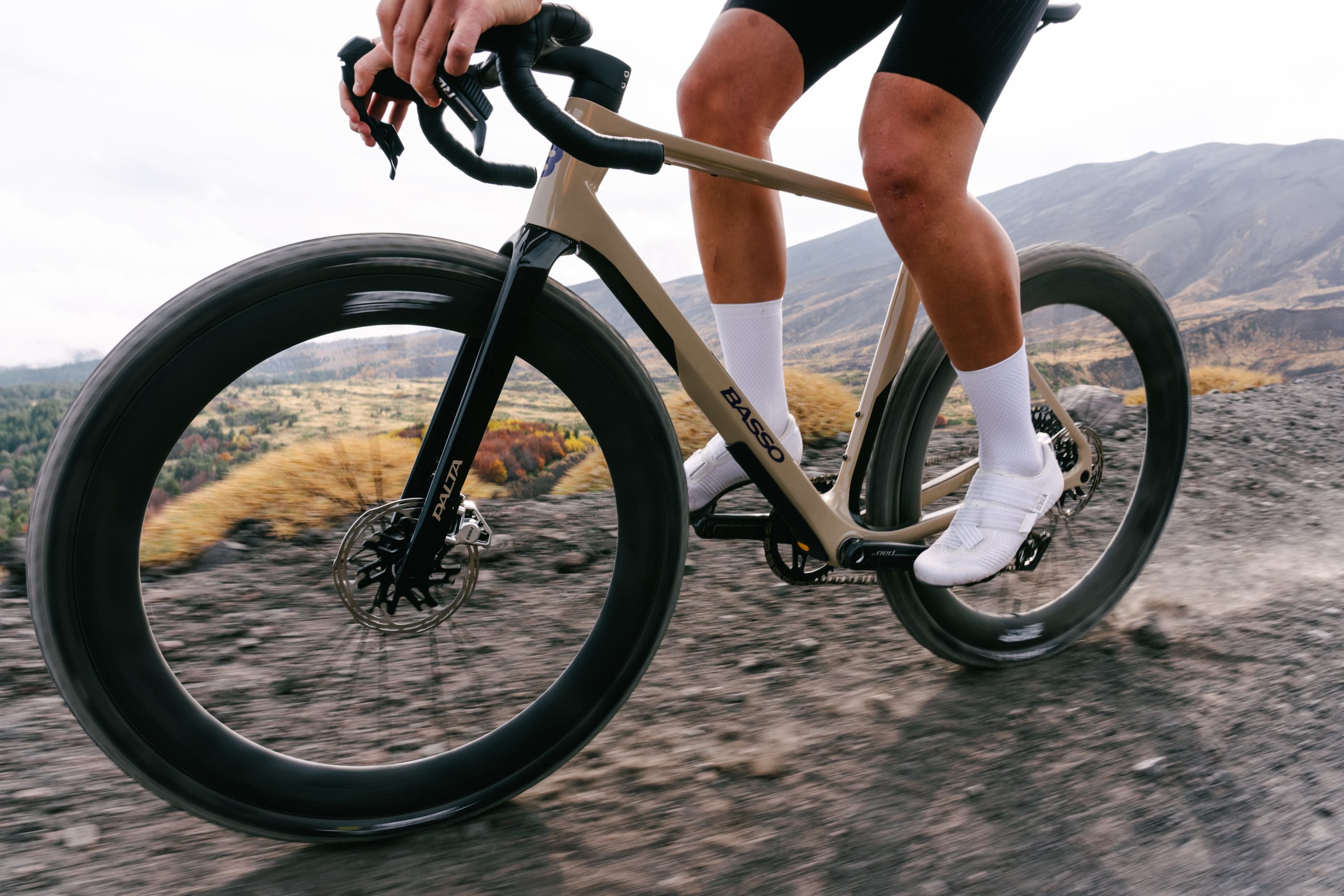
I rode the bike for several days at a press camp in Sicily.
The riding covered a mix of farmland tracks over unexpectedly high cols; forested trails carpeted with pine needles, infested with mushroom hunters; and a long grind up the treacherously slippery slopes of Mount Etna, interspersed with extended road transfers.
Overall, the Palta III doesn’t present any surprises – the neutral and confidence-inspiring handling is what you’d expect from a bike of this ilk. The relatively short rear end gives it a more animated feel on tighter or technical terrain, but it’s no handful on rowdier descents.
Tyre pressure and volume have a far greater impact on ride quality than any bump-taming layup ever could, so I’m loath to draw conclusions here.
However, my brief observation is that the Palta leans into the firmer end of the riding spectrum – it’s by no means a tooth rattler, but it’s also no bendy wrist-protecting carbon hammock. Given the bike is designed to be raced hard and accommodate a decent bikepacking load, this gives me no cause for concern.
I appreciate that Basso’s bikes can be customised to suit your taste. Basso
With a 590mm stack, my size-56cm equivalent test bike had a relatively generous – but by no means tall – front end.
Tastes differ in this area, but I prefer the slightly more luxuriant fit of a tall(er) stack because it enables you to use the drops more confidently when descending off-road, and languish on the tops when gasping for breath on a savage extended steep climb.
My bike was equipped with a 2x GRX Di2 drivetrain, which almost all bikes will accommodate without issue. However, while some brands have shunned the humble mechanical 2x drivetrain, Basso retains compatibility with the new Palta III – a very welcome move.
On that, dwelling on the specs is not important because the Palta III is offered as a custom build to all customers. Backed up with a commendably wide range of cockpit options that will satiate even the fussiest gravel diva – this is something that should always be celebrated.
In a world where gravel-bike design has largely converged around familiar features, ‘liveability’, accessories and provenance matter more than ever. Basso
It’s fair to say the Palta III doesn’t push boundaries, and it joins the ranks of many well-designed and perfectly handsome gravel bikes.
However, where these often feel overlooked on other bikes, the Palta III’s neat details and tasteful accessories help it stand out – and that’s key if Basso wants to win new riders given gravel-bike design has largely settled on a proven formula.
That the frameset is manufactured in Italy – but doesn’t cost an outrageous amount of money – will also be a draw for those who wish to support more local supply chains than is typical of the wider cycling industry.
Mature, well-considered and versatile, the Palta III is a connoisseur’s choice for the do-it-all gravel rider.
Cycling streaming is set to change once again in the UK and Ireland, as TNT Sports will be absorbed by HBO Max from 26 March.
This is the latest change to how you can watch cycling races, after GCN+ closed at the end of 2023, Eurosport UK was axed last year and coverage moved to TNT Sports.
TNT Sports will remain on the same linear channels, but anyone looking to stream races such as the Tour de France will have to use HBO Max.
If you already have a TNT Sports subscription, it will automatically move over to HBO Max, which you can access via the HBO Max app or from HBOMax.com with your existing Discover+ login details.
The price for a TNT Sports subscription will remain at £30.99. Otherwise, the UK and Ireland’s cheapest HBO Max entertainment tier, Basic with Ads, starts at £4.99 per month and Standard with Ads is £5.99. The standard tier without ads is £9.99 and the premium tier is £14.99.
TNT Sports is available as a standalone plan or can be purchased alongside the Standard with Ads, Standard or Premium plans.
The move is part of Warner Bros. Discovery’s continued plan to consolidate its global streaming service. HBO Max launched in the USA in 2020 and is now available in 110 territories worldwide.
Warner Bros. Discovery says the platform’s launch in the UK and Ireland will be the first time you can stream “the exclusive collection of unmissable stories” from HBO, Warner Bros. Pictures, DC Studios, Max Originals and more.
For cycling fans, the consolidation of platforms will bring some clarity to what has been a confusing situation.
Following cycling coverage moving from GCN+ to Eurosport and then TNT Sports, it was revealed that ITV’s long-standing coverage of the Tour de France would end in 2025, after Warner Bros Discovery Sports Europe secured the Tour’s exclusive live broadcast rights in 2024.
Ned Boulting and David Millar commentating on the 2023 Tour of Britain for ITV4. Simon Wilkinson / SWPix.com
The exclusive rights deal was described as “colossal” by TNT Sports, but prompted cycling fans to mourn the loss of free-to-air coverage.
Meanwhile, ITV cycling commentator Ned Boulting wrote on BikeRadar that coverage of the Tour de France had been in slow decline since its peak in 2012, and that viewership was “no longer big enough to merit its profitable inclusion in the schedules”.
Whether the Tour de France has found a place to be broadcast in the UK for the long term is another question.
In December it was announced that Netflix would acquire Warner Bros. Discovery’s film and streaming businesses, which was quickly followed by a hostile takeover bid by Paramount.
Warner Bros. Discovery has since urged shareholders to reject the offer from Paramount, but the bidding war has yet to be resolved.
It’s unclear what impact an acquisition by Netflix or Paramount would have for cycling streaming in the UK, but from next month the place to catch all the action will be HBO Max.
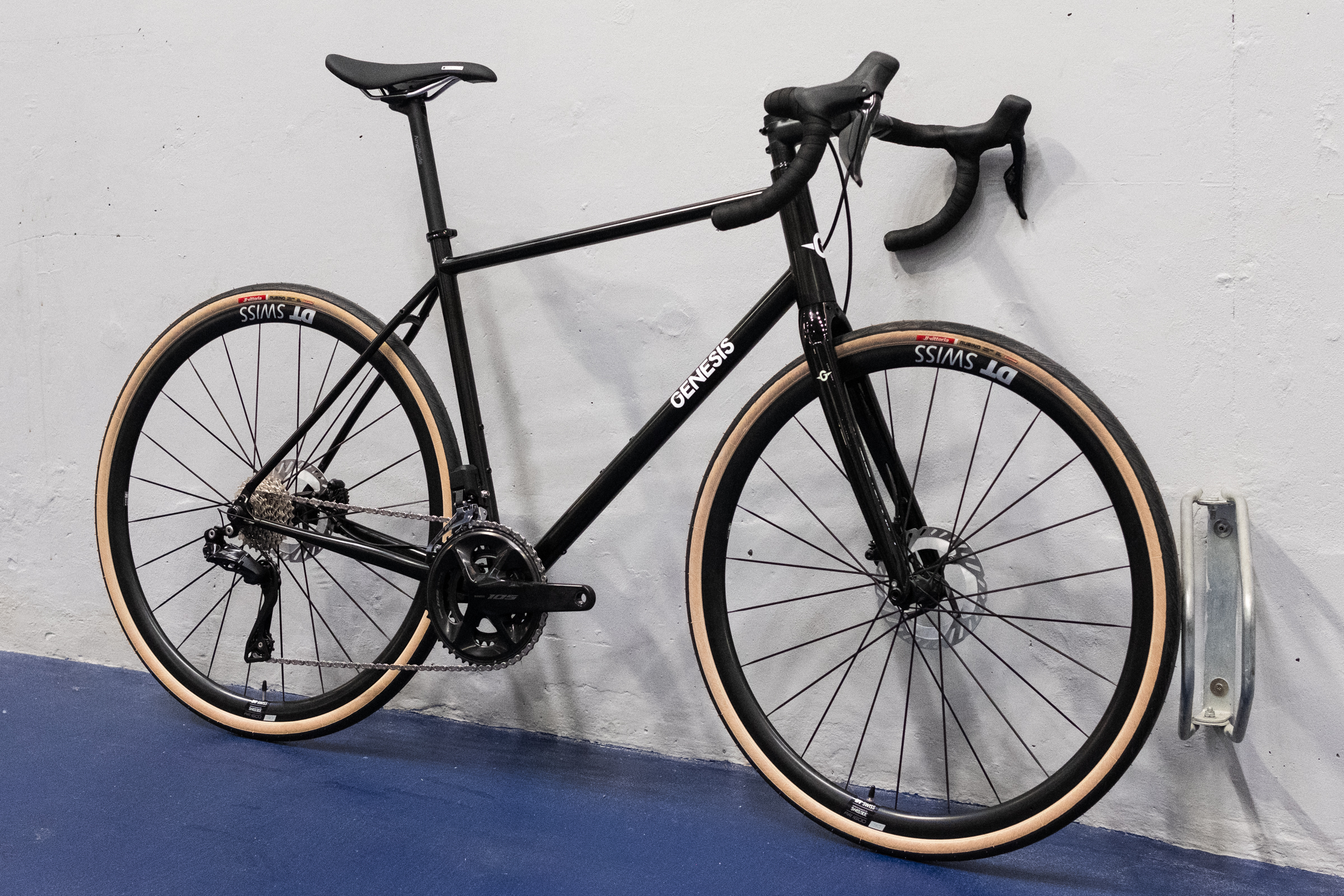
Genesis gave us a glimpse of two new drop-bar bikes at iceBike* 2026, which pull the brand in very different directions.
One prototype is Genesis’ interpretation of a modern steel all-road bike, blending handsome slim tubes with generous tyre clearance and do-it-all practicality.
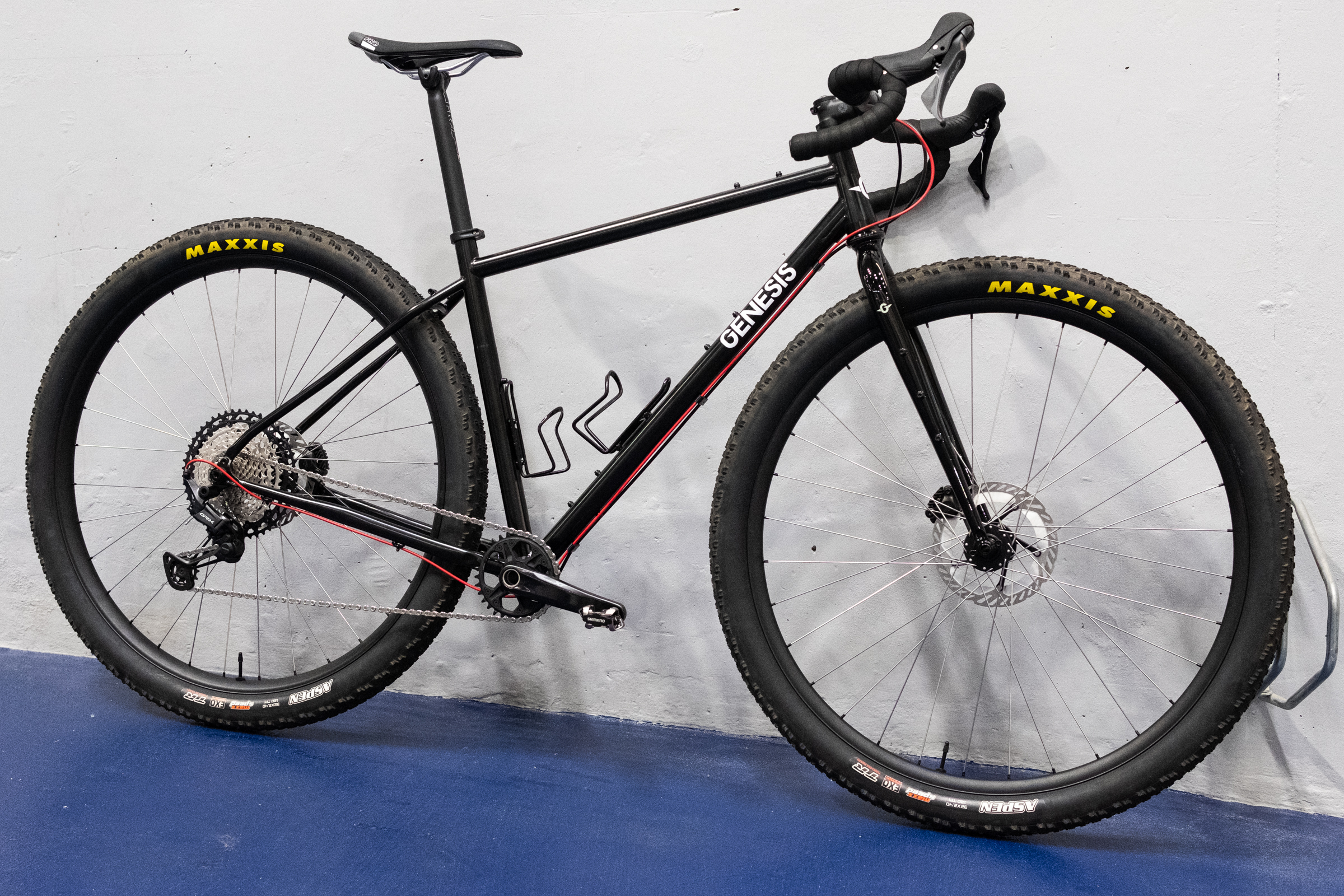
The other is far more experimental: a 32in-wheel gravel wagon aimed at long-distance efficiency rather than technical trail handling.
After a significant refocussing of the brand following the post-Covid boom years, these are the first new steel bikes to be shown by Genesis since the Croix- and Tour de Fer were updated in 2024.
The brand also showed off a range of mid-range alloy gravel bikes designed to hit “important” price points for Genesis dealers.
Slender, versatile, handsome
The unnamed prototype steel road bike follows in the tyre tracks of the Equilibrium. Jack Luke / Our Media
The unnamed steel prototype is Genesis’ work-in-progress interpretation of a contemporary steel road bike.
With clearance for 40mm tyres, brand manager Brodie Gardias says the bike’s geometry errs towards the endurance end of the spectrum: “It has road but relaxed geometry – it’s not meant to be a race bike.”
The bike aligns most closely with the discontinued Equilibrium – Genesis’ steel endurance road bike: “Effectively it’s something similar to an Equilibrium – so a little more all-road than the Volare, which though it was steel, was quite race-focussed in geometry.”
The tubeset has been custom drawn for Genesis. Jack Luke / Our Media
The bike uses a bespoke tubeset, which Gardias says goes beyond more commonly available tubesets. “The down tube is a little bit above what you’d find in Reynolds 853,” Gardias says.
This is paired with stiffer-than-average chainstays that, in spec terms, sit a touch above Reynolds 725.
Elsewhere, Gardias says the top tube and seatstays are more compliant to improve comfort.
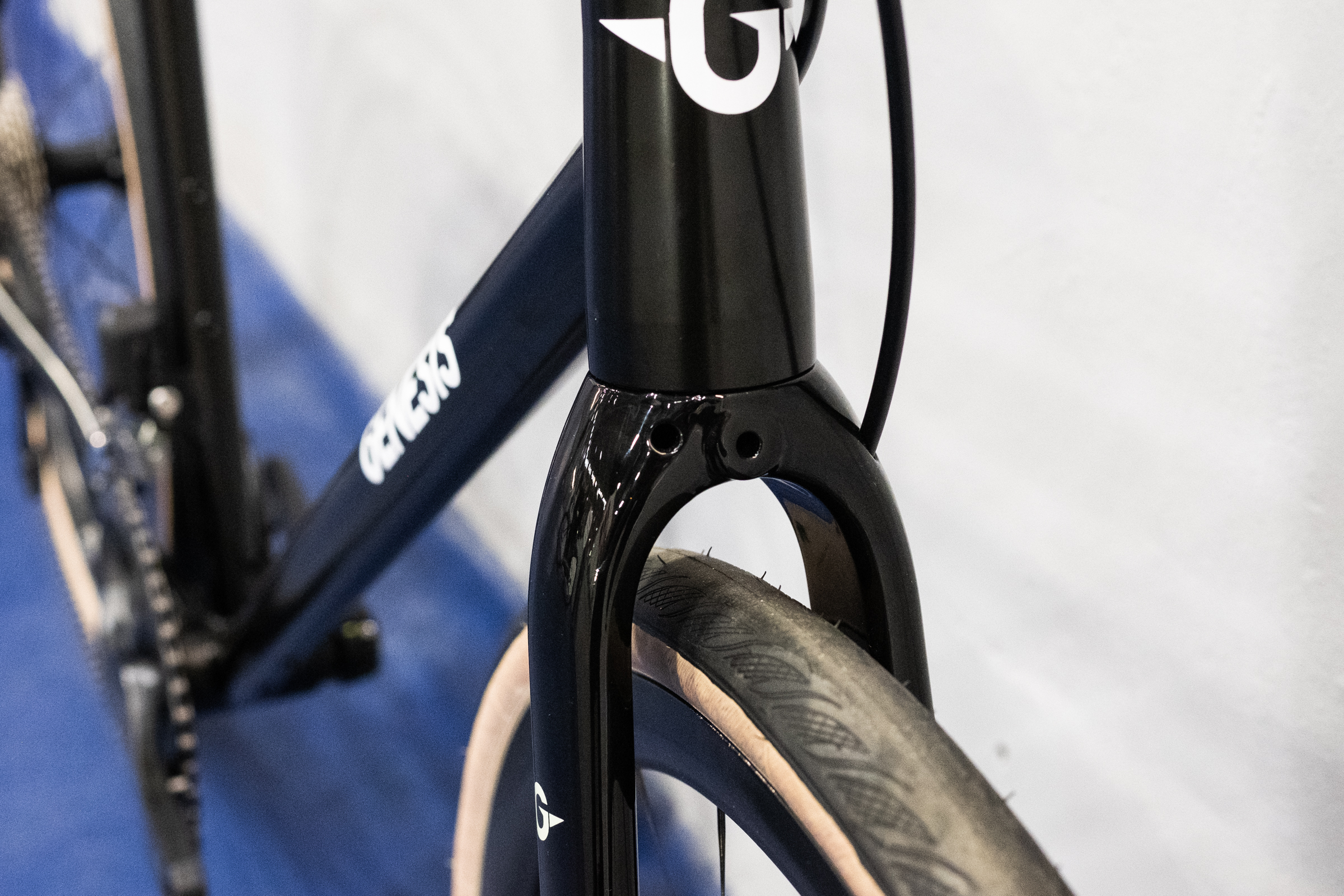
The fork has routing for a dynamo light. Jack Luke / Our Media
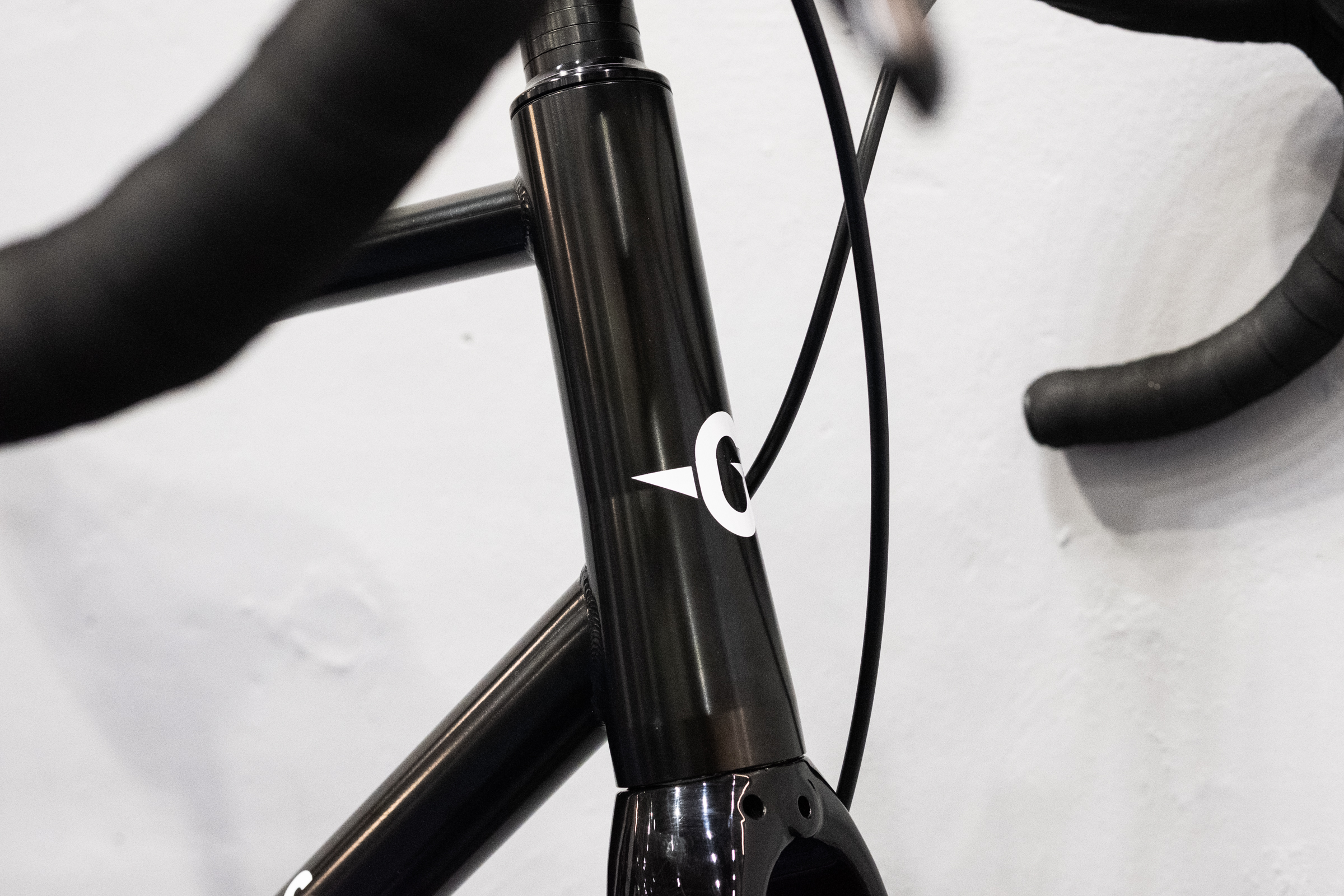
Rather than use a more typical 1 ½in tapered fork, the bike is designed around a 1 ¼in tapered fork. This enables Genesis to use a more slender head tube. “On a road bike, a wider steerer can look a bit overkill – we wanted to keep that really slim aesthetic of a steel bike,” Gardias explains.
The custom fork also features routing for a dynamo cable, and a full complement of mudguard and rack mounts, adding to its do-it-all appeal.
Unexpected compliance challenges for 32in bikes
Genesis is also working on a 32in gravel bike. Jack Luke / Our Media
32in wheels remain a niche choice, but one the cycling industry is taking increasingly seriously.
Genesis remains sceptical about the direction they’ll go in, although it’s a tech trend it wants to better understand, hence commissioning a small fleet of prototype bikes.
“We’re not convinced it’s necessarily something that will [sell in] big volume, but it has some potentials – it’s something we wanted to test,” says Gardias.
“A lot of the focus in the press and in the public sphere has been on 32in mountain bikes – there are some World Cup teams testing them. If they test them and it’s faster, they will ride it – end of.”
Genesis is uncertain if 32in bikes have mainstream appeal for mountain bikers. Jack Luke / Our Media
However, he remains sceptical as to how useful they will be for the majority of riders: “For most people, for a mountain bike, I don’t necessarily think it’s going to be very practical.
“The handling difference and the inertia that’s created with a 32in wheel – plus the weight due to the need to have thicker spokes – for a mountain bike on technical terrain, I think it’s quite potentially limited.”
He sees a more likely future for 32in wheels in gravel: “For something that’s just meant for steamroller-ing 200km in a straight line over rough terrain, actually, [32in wheels] could be something really interesting.”
The prototype bike bears greatest resemblance to Genesis’ Vagabond drop-bar monster cyclocross bike, or the long-discontinued Longitude in a drop-bar format.
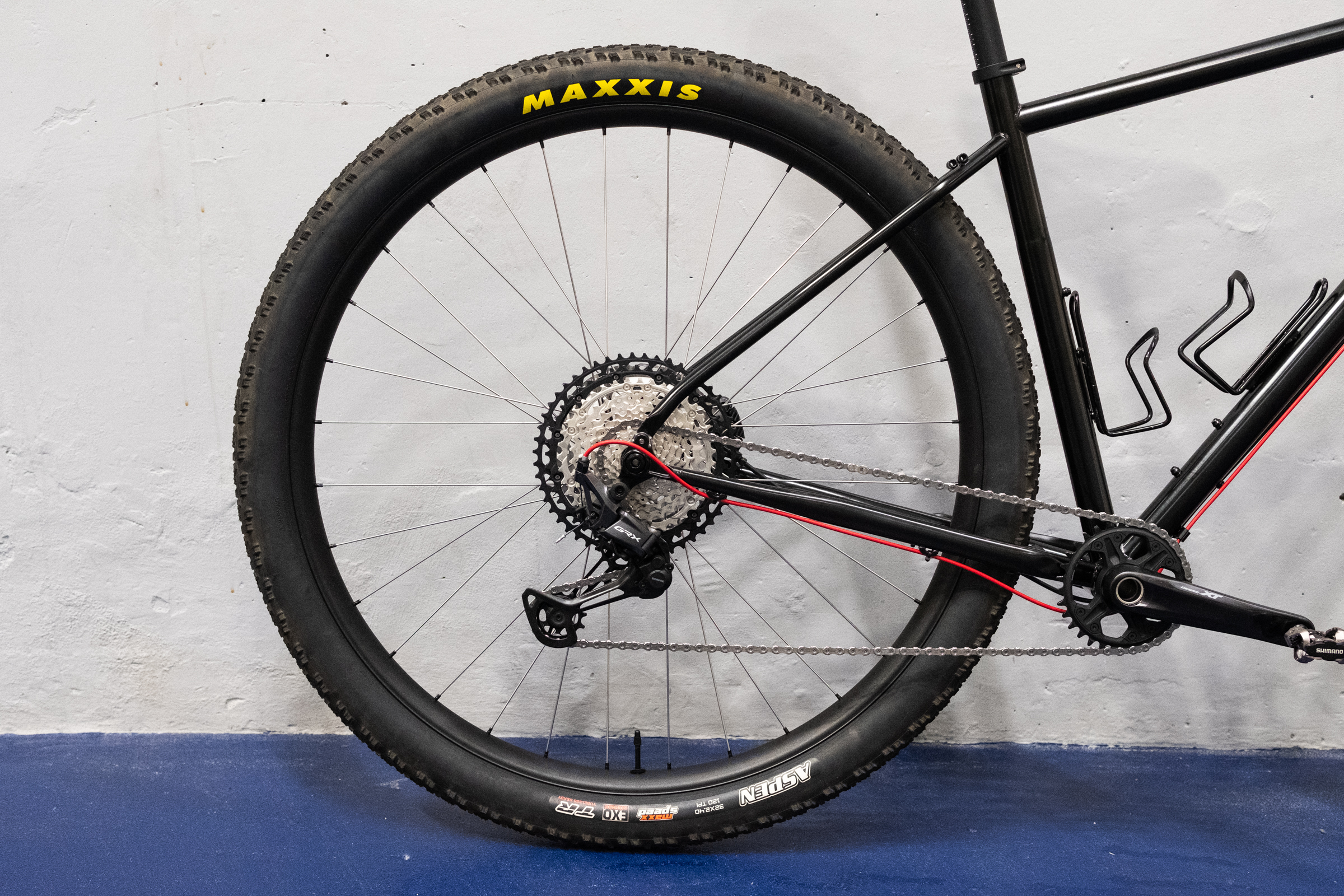
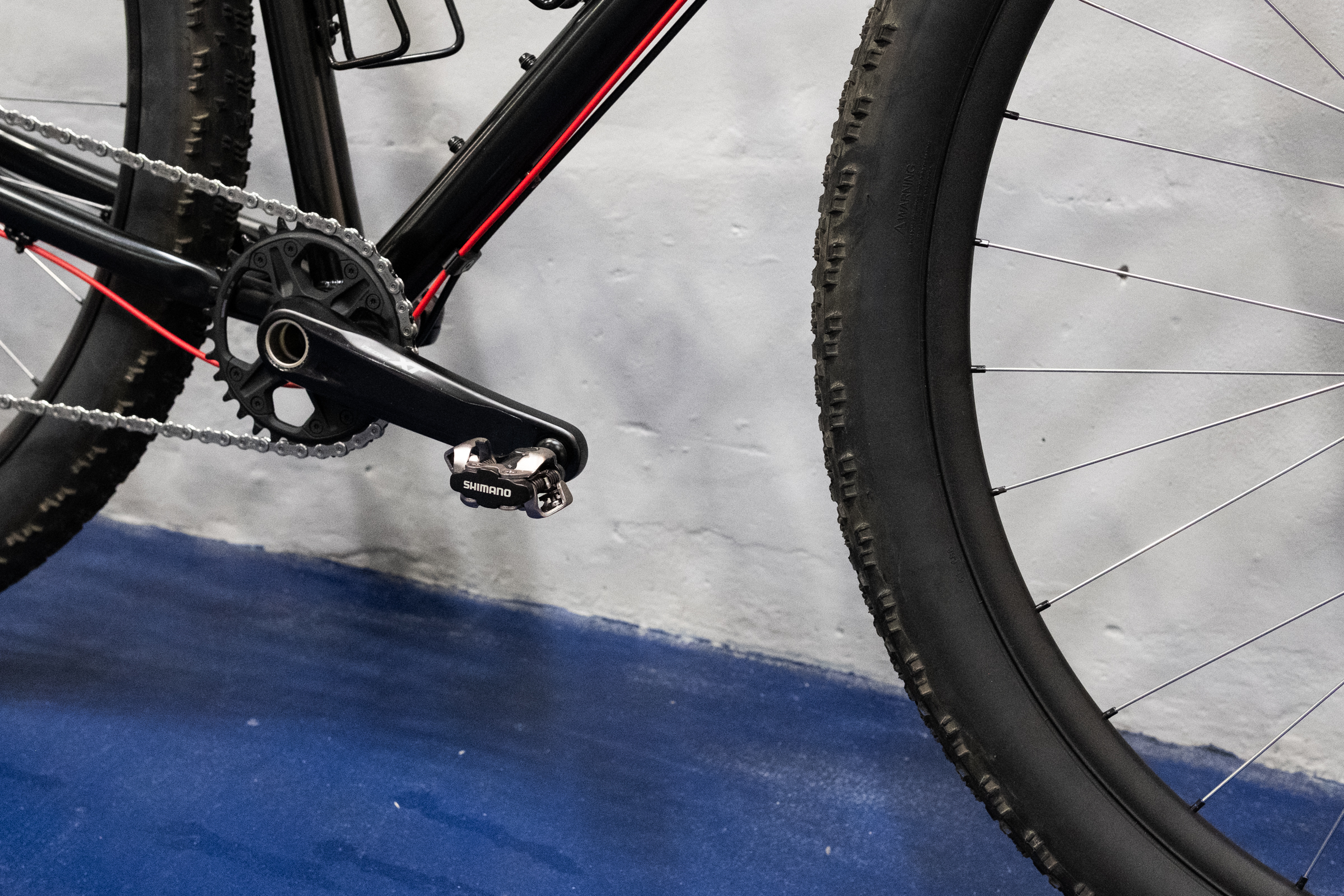
Built with 2.4in-wide Maxxis tyres, a wide-range GRX groupset paired with an XT crankset, and a wide drop bar, this really is a mountain biker’s gravel bike.
Toe overlap presents an issue for 32in bikes. Jack Luke / Our Media
Market trajectory aside, Gardias points to the difficulty in accommodating a wide size range with such big wheels: “The reality is it will never be something for shorter riders – you could maybe start at what we traditionally call a medium – maybe! – but in reality it’s large and extra-large only.”
It’s fair to assume standover height would be the biggest barrier to entry for 32in-curious riders, but front-centre – the distance from the bottom bracket to the front axle – is the bigger issue. “[With 32in wheels], you have to worry about the toe overlap,” Gardias says.
“There’s compliance and regulations for that – you can only make the front-centre so short. That’s one of the reasons that, while tyre size have gone up on regular [700c] gravel bikes, you’ve seen bikes get longer in the front end.
“To have a bigger tyre, you simply have to have that longer bike – you can’t squeeze it into the same space.”
Alloy gravel
Shown alongside the steel bikes was a range of alloy gravel bikes built with a range of GRX, Cues and mixed groupsets.
Gardias explains the prototype bikes, which make extensive use of Madison’s Amplitude components, are “commercially important for our partners”.
“We’ve found that the entry-point for hydraulic disc brakes on a drop-bar bike is really key,” he says.
“At the moment, we start with quite a high-end, high-quality steel frameset. We don’t currently have something that’s a bit more entry-level. That’s what these bikes will solve.”
Pricing, final specs and availability for the bikes are to be confirmed, with Genesis up-front about its desire to gather feedback from dealers and the public before committing them to production.
The Zwift Games will return for 2026 with an additional sixth stage, drills to teach newcomers the basics of how to race on the platform and lots of XP (experience points) up for grabs.
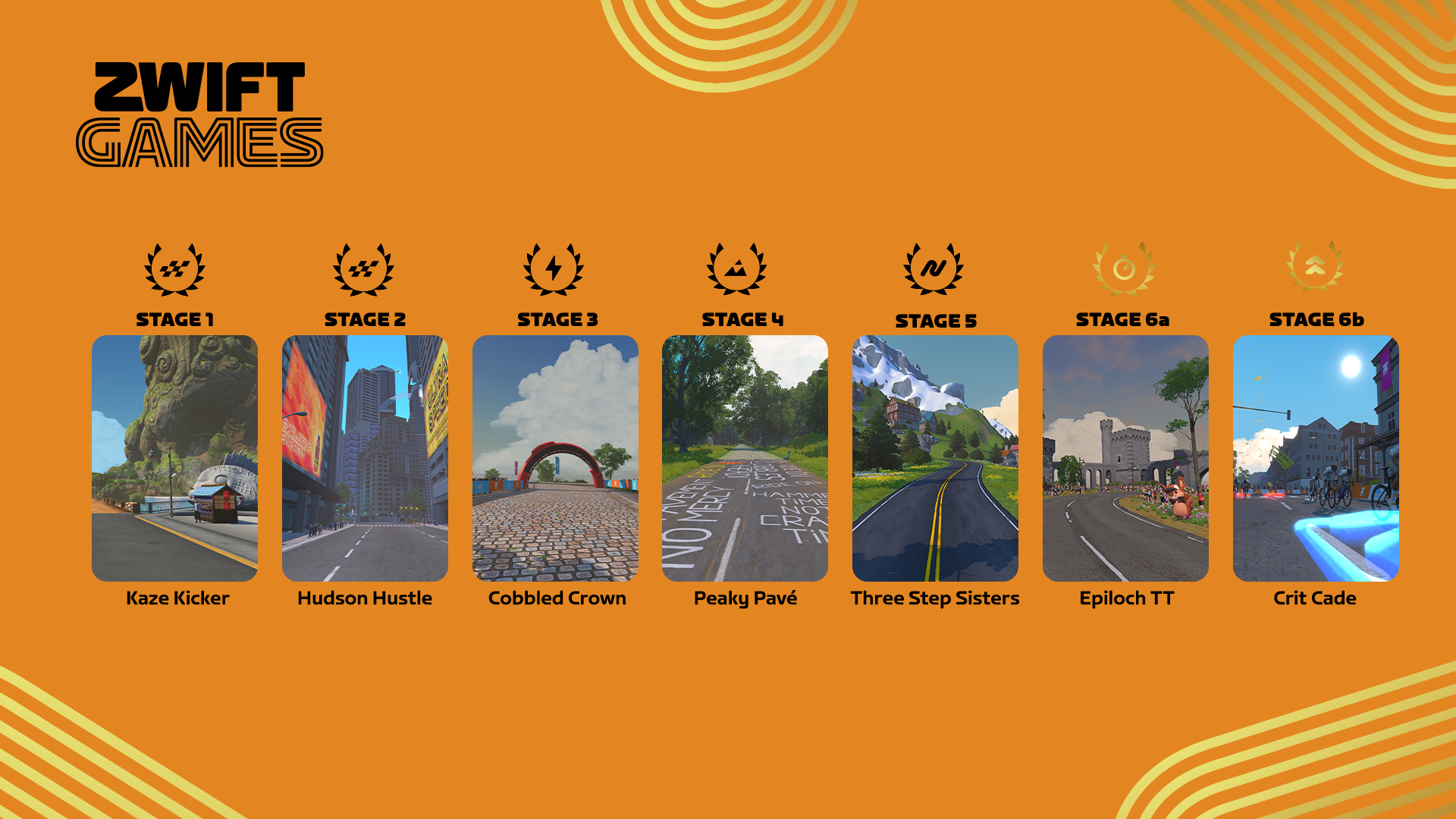
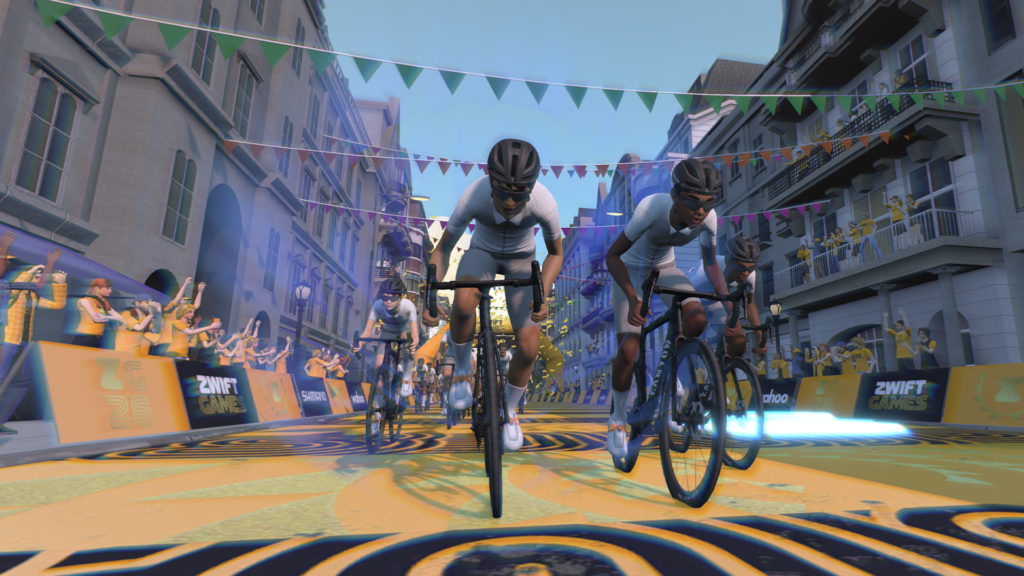
Running from 16 February to 29 March, the online-racing competition will feature five main stages with brand new routes across Zwift’s worlds “to test the skills of every type of rider”.
You will have a week to complete each stage and the races will be categorised using Zwift’s Racing Score system with open, advanced and women’s only categories.
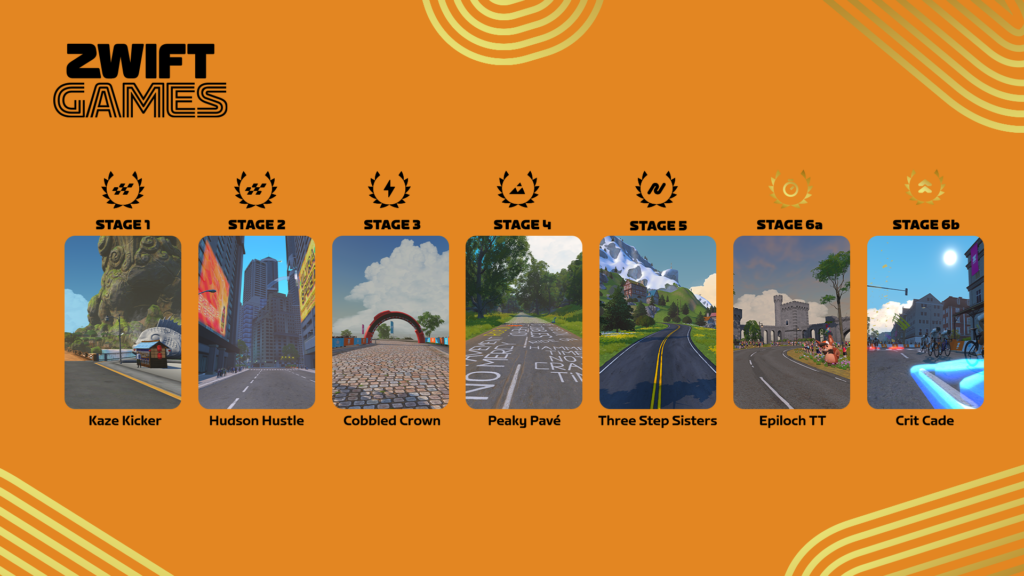
There will also be a bonus sixth stage for this year’s Zwift Games. This is divided into an A or B option, with a total of seven routes across the platform’s seven worlds:
Stage 1: Kaze Kicker, Makuri – 16.8km, 134m
Stage 2: Hudson Hustle, New York – 20.3km, 216m
Stage 3: Cobbled Crown, Richmond – 24km, 288m
Stage 4: Peaky Pavé, France – 30.6km, 368m
Stage 5: Three Step Sisters, Watopia – 37.8km, 587m
Bonus stage 6b: Crit Cade, Crit City – 15.7km, 136m
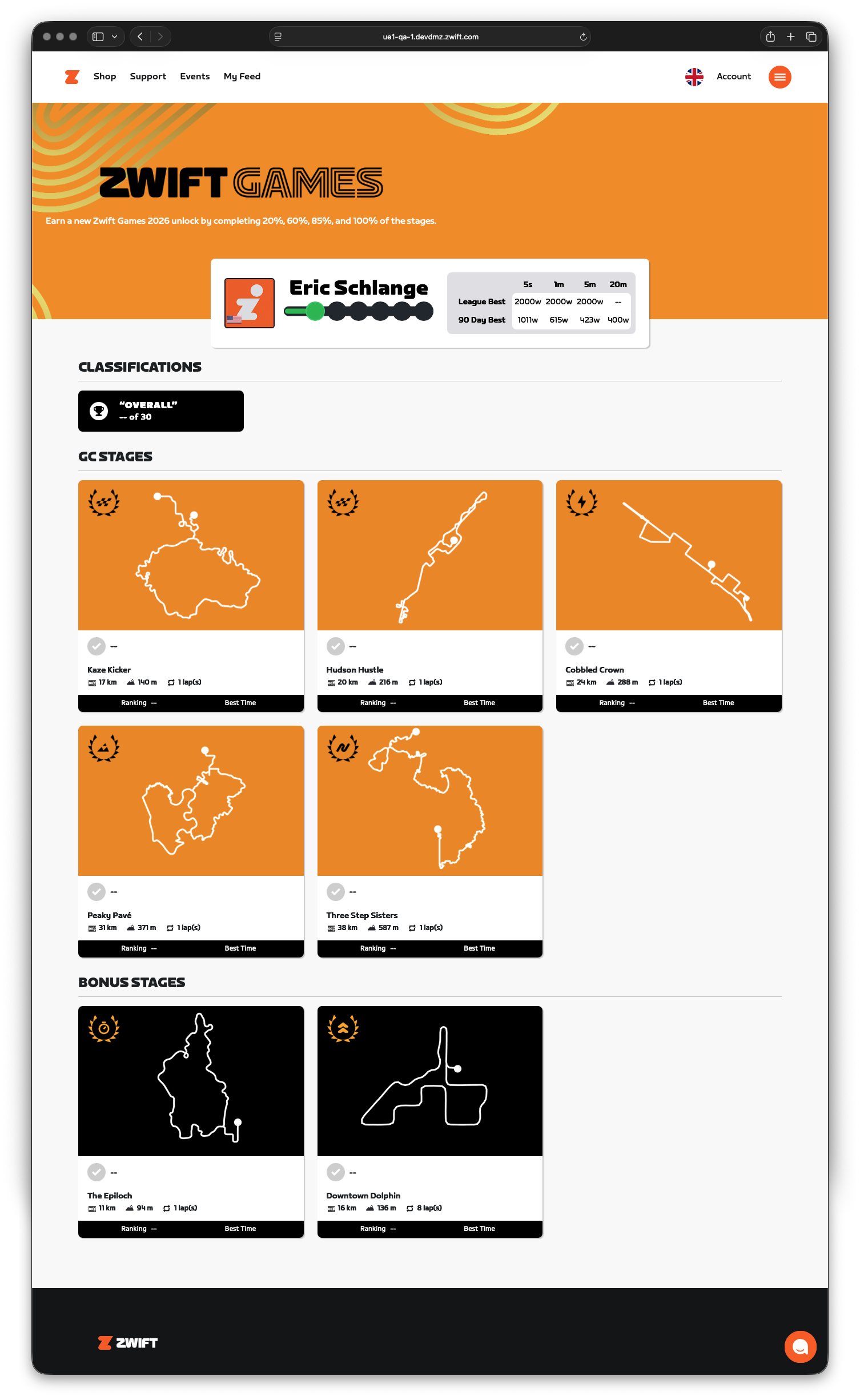
You’ll be able to track your progress on the Zwift Games website as well as your ranking in the General Classification for stage 1-5, alongside individual stage results, including for the bonus stages.
Zwift says the two bonus stages provide you with an opportunity to try two styles of racing. The Epiloch TT is a race against the clock, whereas the Crit Cade provides a ‘gamified’ experience with PowerUPs, boosts, hazard pads and steering. The pressure is off for these bonus stages too, with neither counting towards your GC ranking.
Stage 6 is divided into an A and a B option. Zwift
Despite there being one race a week for the Games, Zwift says for the first time this year you’ll be able to ride all the new routes on demand from 13 February, giving you the option to recce the routes, and earn badges, unlocks or XP.
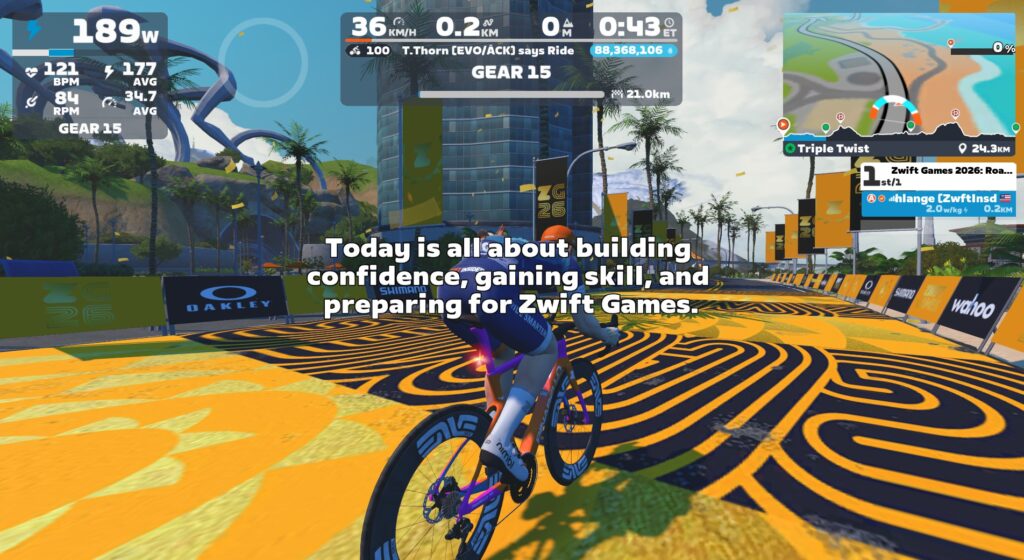
Another change for the 2026 Zwift Games is the Zwift Games Road to Glory. This is a guided group ride that runs from 9 February to 20 February and teaches you the fundamentals of Zwift racing via drills – from when to use PowerUps to when to sprint.
While the racing ends on 29 March, Zwift says there will be a ‘make-up’ week from 30 March to 5 April to complete any you’ve missed or want to improve your time on.
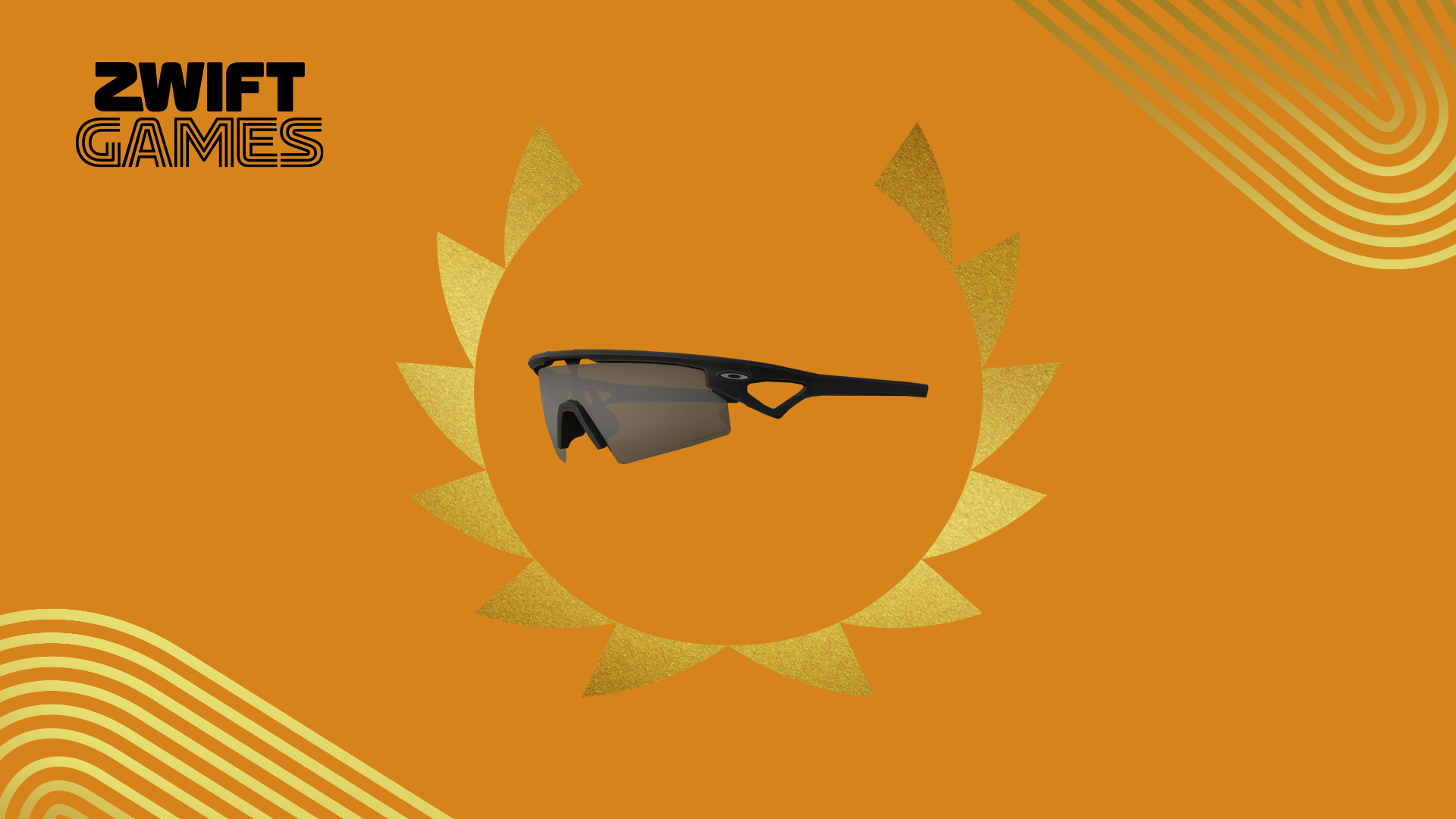
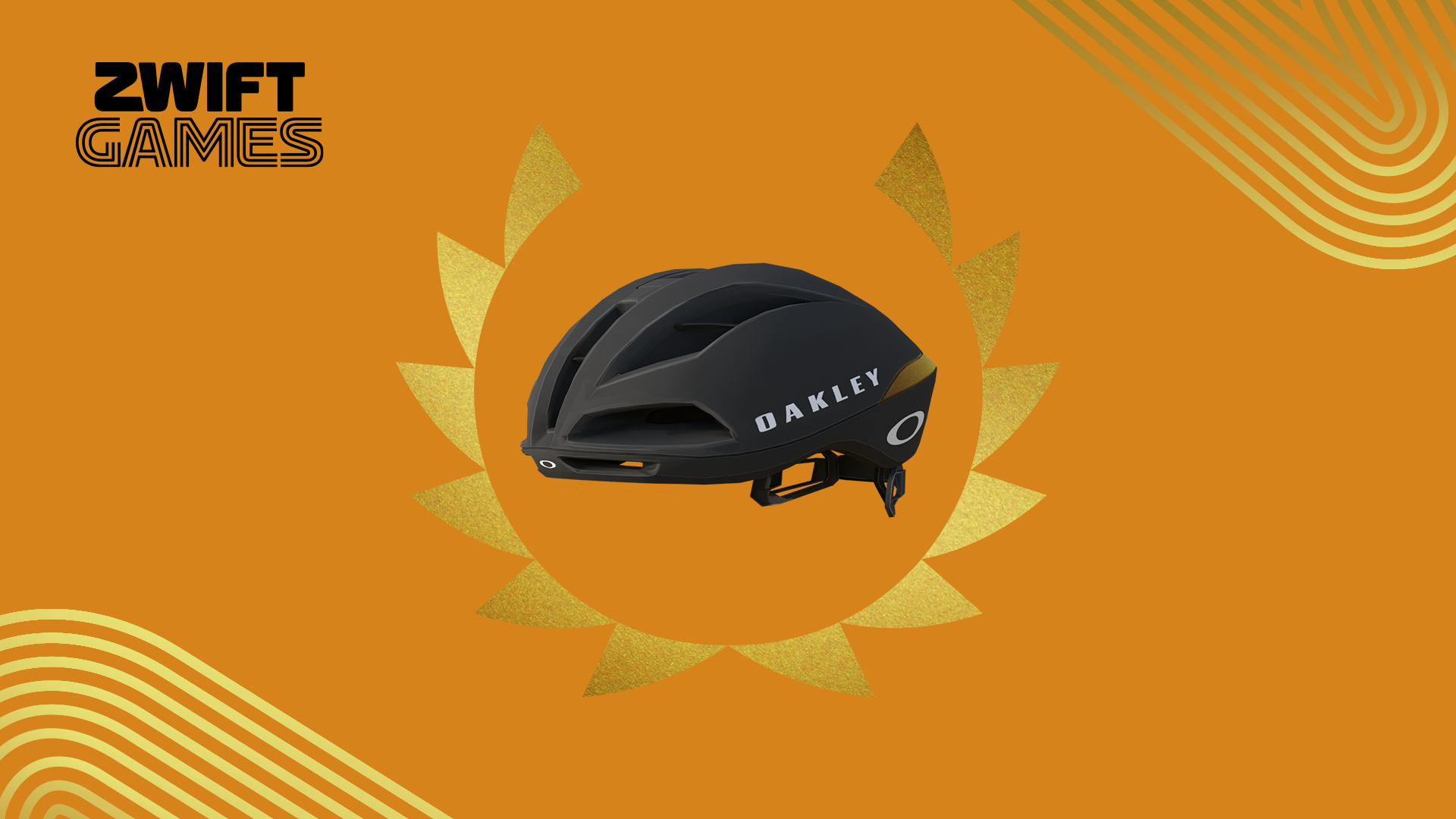
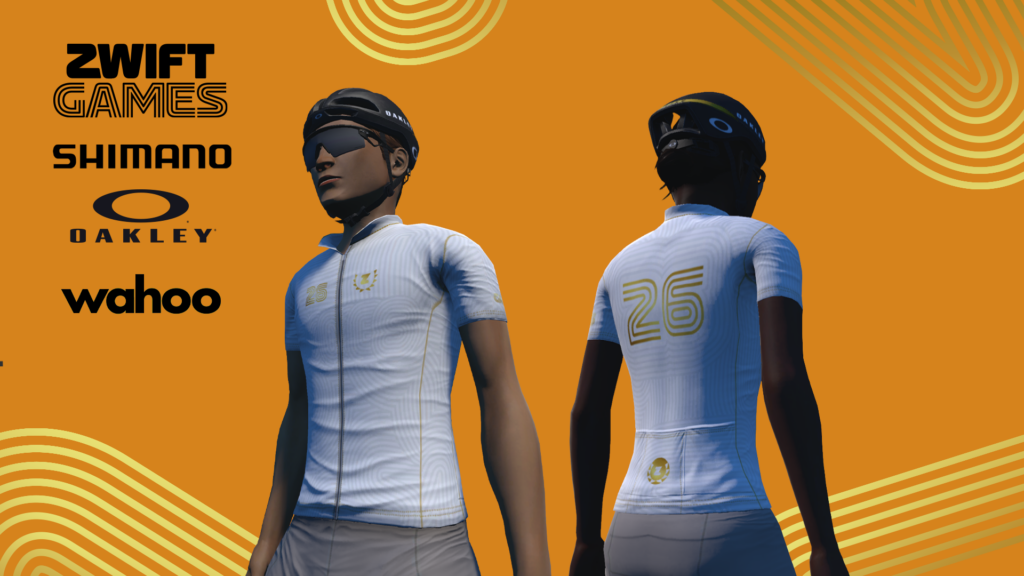
The Games are also an opportunity to unlock virtual kit. This includes Oakley Sphaera sunglasses after stage 1, Zwift Games 2026 kits after stage three, and the Oakley Velo Stelvio helmet after you’ve ridden any five stages.
If you finish all six stages, you’ll earn 6,000 XP points, up from 1,000 XP points for completing last year’s five stages.
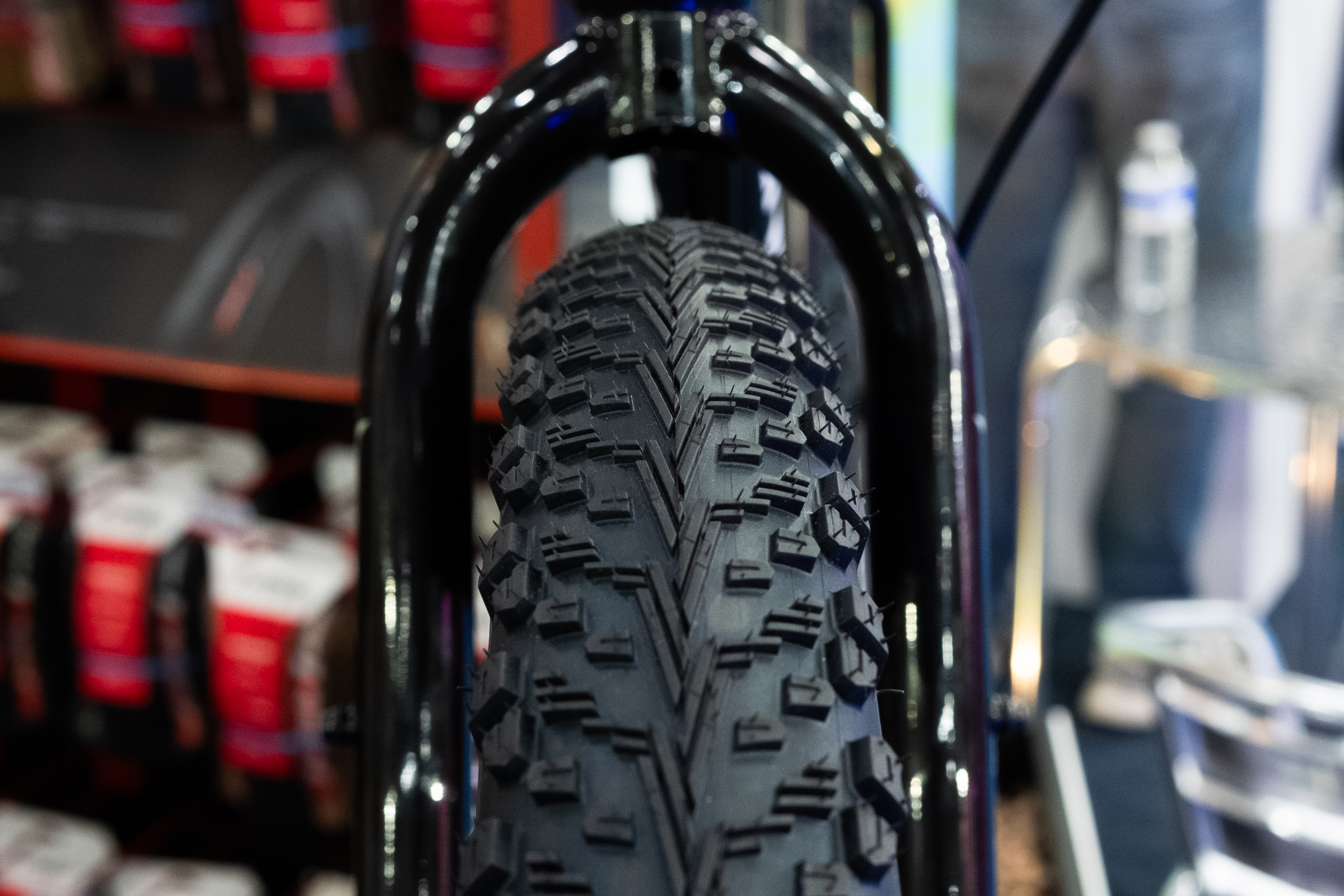
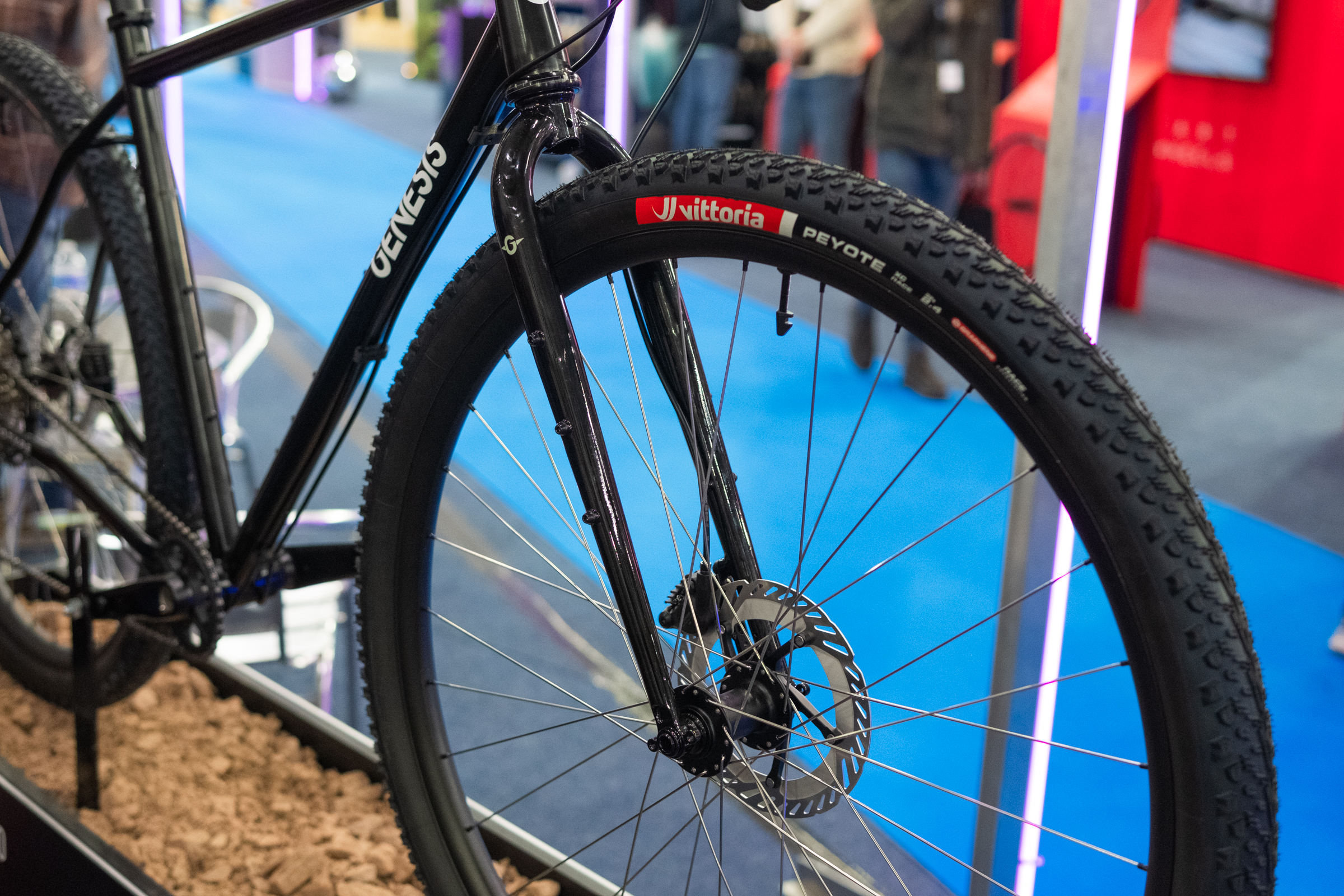
Vittoria has introduced a new 32in version of its Peyote XC tyres as part of the 2027 model-year collection, becoming the latest brand to back the emerging 32in-wheels craze in mountain biking and gravel.
Vittoria hasn’t confirmed the new tyres’ price, but it’s likely to be the same as the existing 29in Peyote.
This is one of the first in a wave of 32in-compatible components on the horizon from manufacturers of gravel and mountain bike parts, with 32in bikes requiring different frames, forks, tyres and rims from bikes running 29in wheels.
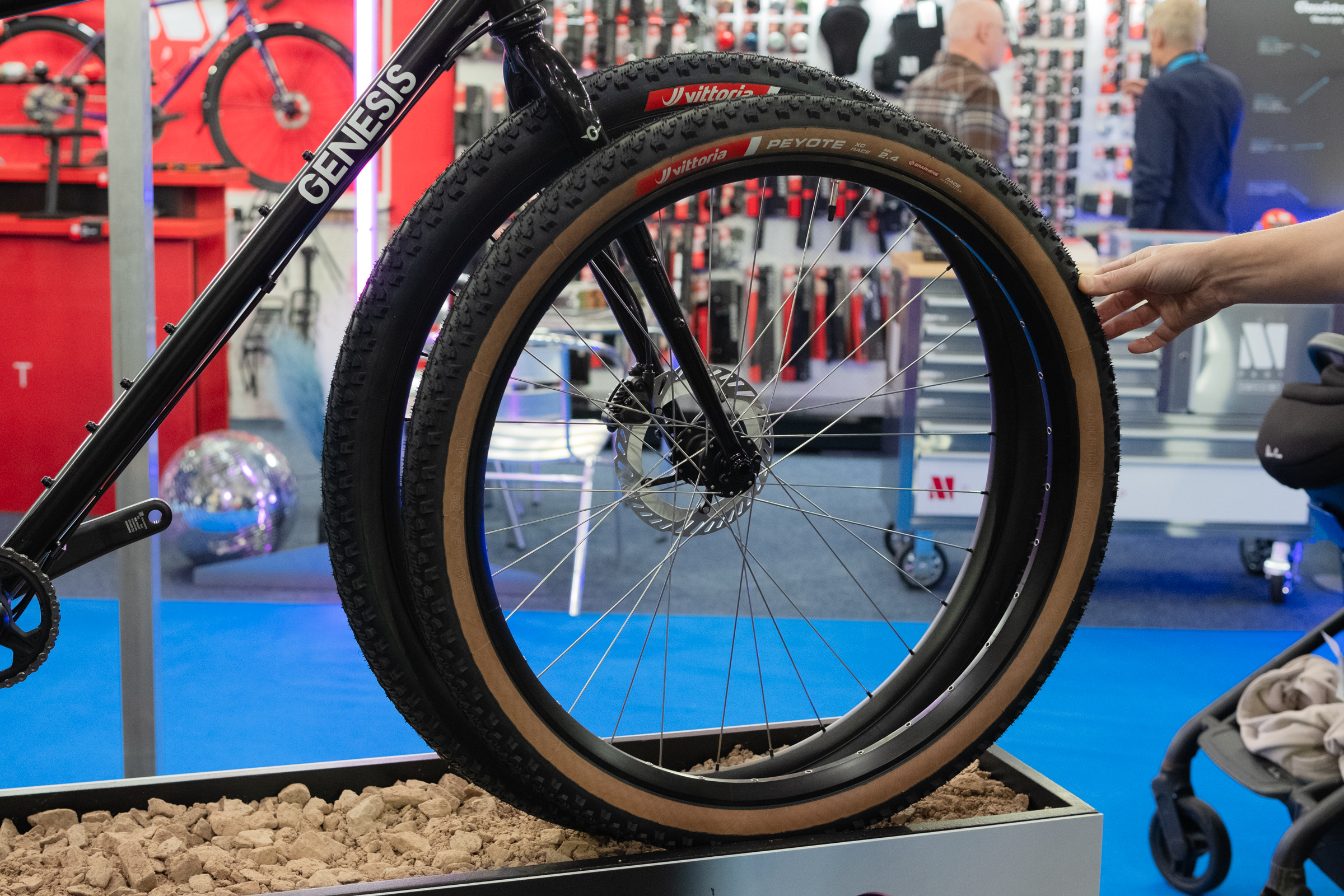
There is an easily noticeable size difference between the existing 29in Peyote and the new 32in tyre when shown side-by-side. Jack Luke / Our Media
According to Jonathan Heasman, Vittoria recognised that, “A lot of the big bike brands are testing 32in mountain bikes and on gravel it makes a lot of sense”.
Heasman said: “Particularly in gravel, with ultra-distance, and lots of straight-lining, they’re going to roll quicker, they’re going to hold speed better, effectively get over small bumps and trail chatter quicker and smoother, it’s going to be more comfortable.”
The new 32in Peyote tyres have a similar tread pattern to the 29in version and were on show in a 2.4in width. Jack Luke / Our Media
Asked which Vittoria tyres will be next to be expanded to 32in, Heasman said the most prevalent 32in-compatible bikes are XC race bikes and, “As it’s a very race-focused product, it’ll be a Mezcal next”.
The Peyote tyres were fitted to a prototype 32in-wheel Genesis gravel bike. Jack Luke / Our Media
Regarding the future of 32in wheels in MTB and gravel, Heasman said: ”It will be really interesting to see how it’s going to develop.”
Fast Talk Labs + Zwift have spun up a new weekly ride series featuring Fast Talk Podcast cohosts Trevor Connor and Chris Case, with a new special guest each week.
Ride Schedule and Distinctives
Each week features a different guest expert answering your questions (see below)!
Events are every Tuesday at 2pm UTC/9am EST/6am PST
Rides are 60 minutes long
A different route is chosen each week, to keep things fresh
Rides are banded, so you can ride at any pace you’d like without being dropped. As long as you keep pedaling, you’ll stay in the pack!
February 10: Fast Talk Labs + Isaiah Newkirk Q&A Ride
Special guest Isaiah Newkirk is a former professional road cyclist and USA Cycling Level 1 (Advanced) Coach. He is Performance Director for the Project Echelon UCI Continental road cycling team, one of the top-ranked teams in the U.S.
He has served as a data scientist for the Human Powered Health World Tour team and for riders on Jumbo-Visma and EF Education First. He was head coach of the Stanford University Cycling Team and for Boulder Junior Cycling.
As founder of Training Edge Coaching, Newkirk is known for his experience in athlete development and data analysis. He coaches road, gravel, and mountain bike riders and hosts The Training Edge podcast.
February 17: Fast Talk Labs + Dr. Stacey Brickson Q&A Ride
Special guest Dr. Stacey Bricksonis is a physical therapist, athletic trainer, and strength and conditioning specialist with over 30 years of experience. Dr. Brickson has worked in clinical practice and academia, serving on the faculty of UW-Madison in the Department of Orthopedics and in the Human Performance Lab, researching the relationships between sleep, mood, and training load with injury and illness in athletes. She worked with professional bike fitter Colin O’Brien at Cronometro for 10 years and is a certified bike fitter with Serotta International Cycling Institute and Bike PT. She is a USA Cycling Level 1 (Advanced) certified coach, a NICA Level 1 Coach, and a member of the USA Cycling Coach Development program.
She’s also pretty fast, so it’s a good thing this is a no-drop ride! Dr. Brickson has completed 6 Ironman races including the Ironman World Championship in Kona and has top 10 finishes in a variety of endurance races including Haute Route Norway, Unbound 100, Big Sugar 100, Chequamegon, Wausau24. She’s also earned her belt buckle at the Leadville 100 MTB.
She is founder of BrickO’s Drafters, a grass-roots cycling club with over 150 riders of all ages.
Learn more about Dr. Stacey Brickson and see her Fast Talk Labs here.
February 24: Fast Talk Labs + Brent Bookwalter Q&A Ride
Special guest Brent Bookwalter is a former professional road cyclist who raced for 16 years in the WorldTour, mostly with BMC Racing Team and Mitchelton-Scott. He earned a reputation for being a versatile rider with strengths in time trialing and served his teams as a road captain toward the end of his racing career.
Today, Bookwalter is an Olympian, Tour de France veteran, and NBC Sports analyst who helps endurance athletes, performers, and leaders strengthen their mindset, optimize their habits, and unlock their potential when it matters most.
Bring your questions for Brent about sport psychology and mental performance!
March 3: Fast Talk Labs + Dr. Stephen Seiler Q&A Ride
Special guest Dr. Stephen Seiler is the groundbreaking researcher of the polarized training method and a professor at the University of Agder in Norway. He served as research consultant and scientific advisor for the Norwegian Olympic Federation, which contributed to Norway’s strong performance in recent Winter Olympics and influenced the Norwegian training method now in widespread use among elite athletes in track and field, running, and triathlon.
Over the last 15 years, Dr. Seiler has become internationally known for his research publications and lectures related to the organization of endurance training and intensity distribution. This work has included both descriptive and experimental approaches, investigating cyclists, rowers, cross-country skiers, orienteers, and distance runners. His work has influenced and catalyzed international research around training intensity distribution and the “polarized training model.”
Dr. Seiler has published over 100 peer-reviewed publications and written over 100 popular science articles related to exercise physiology and the training process. He has also given scientific lectures across Europe, the United States, China, South Africa, and Australia. He is also a founding editorial board member of the International Journal of Sport Physiology and Performance.
Join this ride to ask your questions about polarized training and Norwegian training. Learn more about Dr. Stephen Seiler and see his 50 articles, videos, and podcast episodes at Fast Talk Labs here.
March 10: Fast Talk Labs + Dr. Scott Frey Q&A Ride
Special guest Dr. Scott Frey is a cognitive neuroscience researcher and mental performance coach with 33 years of experience in the field. Frustrated with the “neck down” focus of endurance sports training, Dr. Frey embarked on a journey of original research and clinical work with endurance athletes, including leading two brain imaging research centers and a PhD program.
His coaching business, Cerebral Performance, focuses on brain training for higher endurance sports performance.
Join this ride to ask your questions about mental performance and brain training!
Special guest Ben Delaney is a veteran bike tester now devoted to reviews of the best gravel bikes, races, and destinations on his popular YouTube channel, The Ride with Ben Delaney. Delaney has tested hundreds of road and more than 100 gravel bikes over his 25-year career as a cycling journalist.
Writing for premier cycling media like VeloNews, Cyclingnews, BikeRadar, and Outside, he has ridden the gnarliest gravel courses like Unbound Gravel, Belgian Waffle Ride, SBT GRVL, and dozens more. He has tested bikes and other gear while reporting on cycling’s marquee road races like the Tour de France, Giro d’Italia, road world championships, and Tour of Flanders.
Through his YouTube channel, Ben Delaney offers in-depth and technical reviews of gravel bikes, road bikes, saddles, shoes, helmets, bike racks, and tools, shedding light on characteristics like ride quality, handling, comfort, climbing and descending, and rideability in varying terrain, surface, and weather conditions. He also interviews cycling tech experts to understand what makes the best gravel cycling gear so good.
March 24: Fast Talk Labs + Dr. Paul Laursen Q&A Ride
Special guest Dr. Paul Laursen is an exercise physiologist and founder of HIIT Science, a catalog of high-intensity interval training courses for coaches and scientists, and Athletica.ai, an AI-powered endurance training platform.
Dr. Laursen is a globally recognized sport scientist and adjunct professor of exercise physiology at Auckland University of Technology in New Zealand and University of Agder in Norway. Currently based in Canada, Dr. Laursen led the physiology team at High Performance Sport New Zealand, focusing on driving performance in Olympic sports before the London and Rio Olympic Games.
Dr. Laursen is an endurance athlete himself, completing 17 Ironman triathlons (including a sub-10-hour performance) and two team Race Across America (RAAM) events.
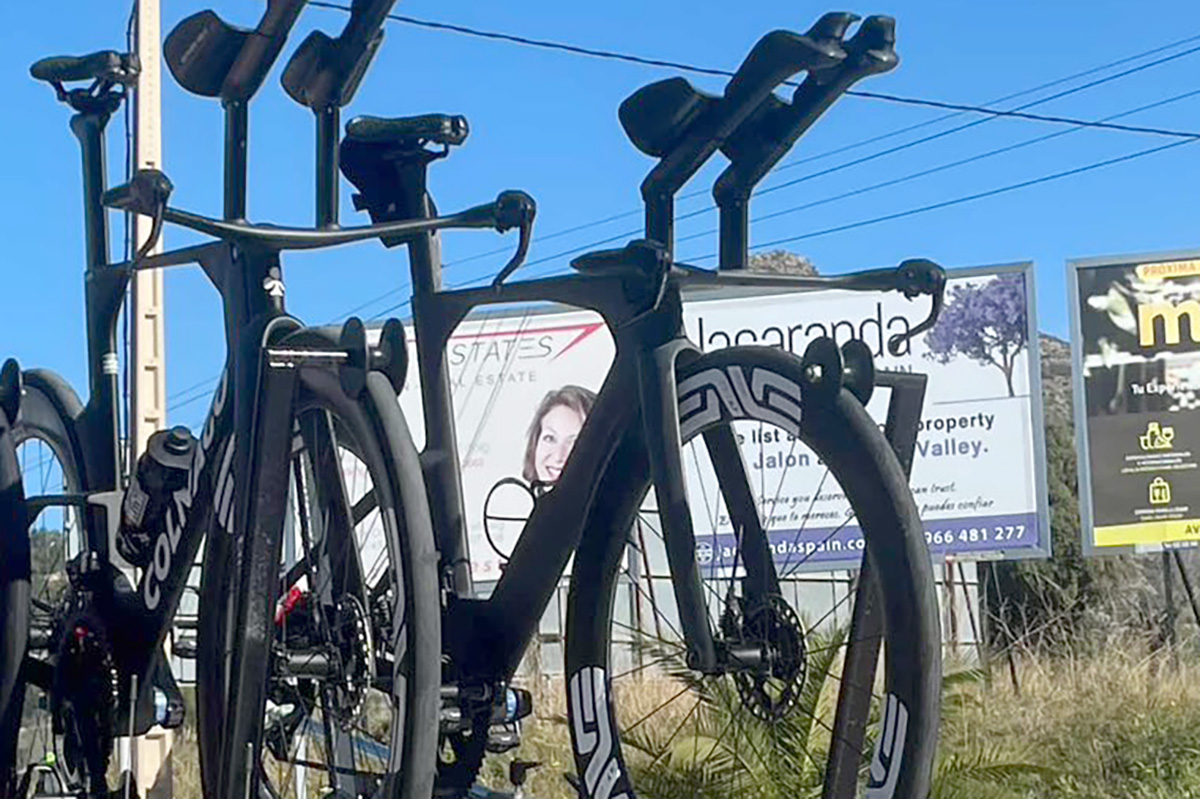
The fork and rear end, for example, use noticeably slimmer and less complex tube shapes, while the new bike also lacks the aero water bottle integration seen on the TT1.
With this year’s Tour de France featuring two hilly time trials, it appears the defending champion and Colnago could be cooking up something to tackle this year’s parcours.
Pared back
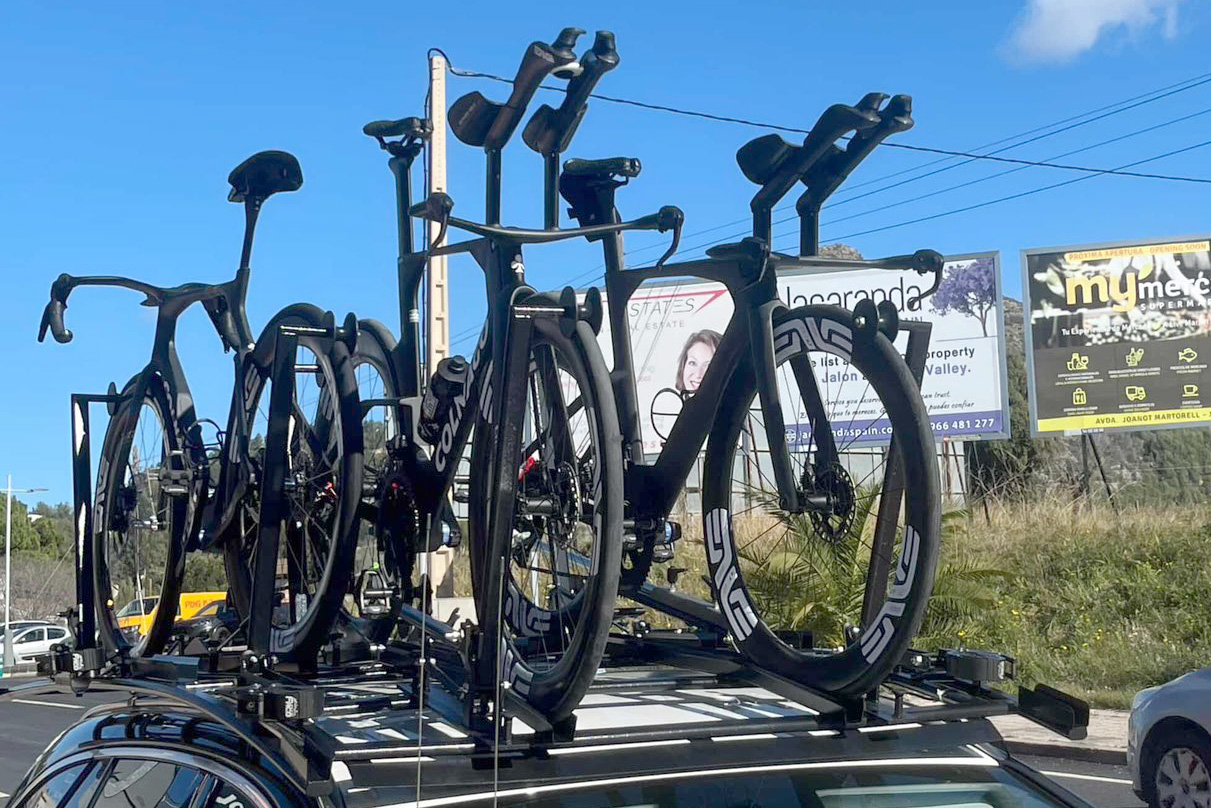
The new TT bike is positioned on the right, on top of a UAE Team Emirates XRG team car, next to a Colnago Y1Rs and a TT1. Petr Bodlák / @lucasaganronald
While the Colnago TT1 goes all in on aerodynamic efficiency, this new frameset looks to make significant concessions to weight – looking much more like an aero road bike, albeit with a flat base bar and aero extensions.
While the head tube and down tube use similar tube shapes to the TT1, the rest of the new bike looks to have been simplified and slimmed down significantly to cut weight.
There’s still a small compensation triangle connecting the top tube and seat tube, but the seat tube and seatstays are noticeably slimmer and less complex.
With the bike lacking the integrated aero bottle from the TT1, Pogačar is using a lightweight Elite carbon bottle cage and a standard, round cycling water bottle.
Of course, this could be only for training – perhaps an aero water bottle will be used on race day.
Zooming in reveals significant changes compared to the existing TT1. Petr Bodlák / @lucasaganronald
Either way, the new bike’s down tube also flares out at the bottle mounting bolts, likely in an effort to divert the airflow around a water bottle and improve the bike’s efficiency. It also appears that the down tube lacks bosses for a second bottle cage, indicating it’s designed for one cage on the down tube only.
Up front, the fork has slimmed-down legs and looks to feature a less prominent ‘nose’ compared to the TT1.
It appears to use a similar base bar and extensions arrangement to the TT1, though, with the base bar integrating into the frameset and each aero extension rising from the bar on high stack risers.
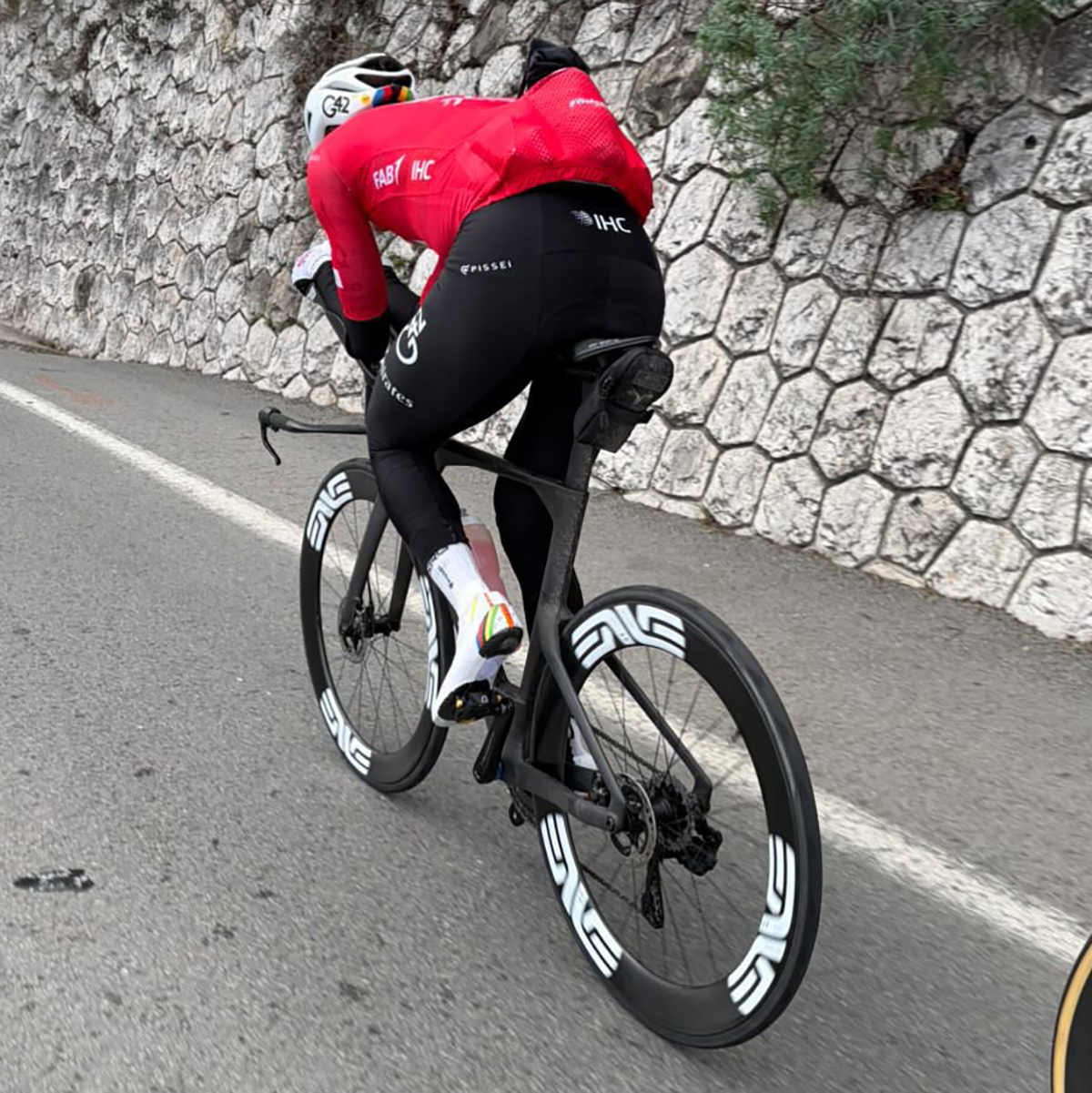
Tadej Pogačar was spotted recently training on the new bike. @xywuz / X.com
Although there’s no visible branding present, it looks as if Pogačar is using adjustable ENVE aero extensions and armrests, rather than the custom one-piece extensions we spotted on his TT bike at last year’s Tour.
In the leaked images we have, Pogačar looks to be using an ENVE SES 6.7 wheelset, alongside a 3D-printed Fizik saddle and a saddle bag.
Given the Tour’s two time trials (a team time trial on stage one in Barcelona, plus a hilly 26km individual effort on stage 16) feature a mixture of flats and climbs, we imagine the Slovenian will use a lightweight rear disc wheel on race days, for maximum aero gains.
The third edition of Zwift Games, the platform’s most popular stage race series, has just been announced. Racing begins February 16, but related rides kick off today!
Below, you’ll find everything you need to know about indoor cycling’s premier race festival.
Table of Contents
New This Year
Zwift’s learnings from previous Games have been applied to this year’s events, leading to various improvements, including:
Fresh routes: Six new routes have been added to the game to host the Games stages.
Road to Glory intro events: New to Zwift racing? These orientation events kick off today.
Power metrics in leaderboards: Web-based GC leaderboards now include 90-day and Zwift Games 2026 power best metrics, so you can directly compare your Zwift Games metrics to recent performances.
On demand: Zwift Games routes can be ridden “on-demand” as a solo effort beginning Friday, February 13. This makes it easy to recon the races, and you’ll also get credit for completing the stage!
Bonus Stage 6: for the first time, Zwift is offering a sixth “bonus stage” with two unique race formats:
Individual Time Trial: This will be Zwift’s first mainstream TT experience
Crit Cade: Gamified race in Crit City using steering, boosts, and hazards
New unlocks: Of course, what would a big Zwift event be without new unlocks? This year features Oakley glasses and a helmet, Zwift Games 2026 kit, and a big XP bonus!
Equipment not neutralized: This will be the first year that bike frames and wheels aren’t neutralized, meaning your virtual bike choices will affect your speed in game. Upgrades also count!
Bonus XP at arches: Most Zwift Games races will give you a feather powerup in the pens, and any arches you ride through will give you a 10 XP bonus. But there’s an increased 5% chance that you’ll get a 250 XP bonus at each arch.
Most of these new items are discussed in more detail below. Read on!
Stage Details
Zwift Games is an escalating challenge! Stages get progressively more difficult, with each route both longer and more climby than the one before:
The largest race fields will be found in the Standard (mixed) events held hourly, 24x daily, at 10 minutes past the hour. These races alternate each hour between two different Racing Score ranges:
The two ranges give racers a choice between a stronger category that may help them get a faster course time (great for the GC competition) or a slightly weaker category that gives them a better shot at a race win.
Advanced Schedule
Racers with a racing score of 650+ can jump into the Advanced Races held every two hours at 15 minutes past the hour.
One noteworthy rule this year that hasn’t been mentioned yet: steering and braking are disabled for all races except the stage 6 Crit Cade events. (All other Zwift controller functionality will continue to work, including virtual shifting and various navigation buttons.)
GC Leaderboards
Zwift Games race results will be delivered via leaderboards on Zwift.com. The following leaderboards will be available:
Overall General Classification
Rankings for each stage (1-5)
Ranking for TT (Bonus stage)
Ranking for Crit Cade
Leaderboard rankings can be filtered by Gender, Racing Score band (buckets of 100), and Country. These filters can be used in combination.
This year, Zwift has added power metrics to the leaderboard, so you can compare your Zwift Games numbers to your 90-day bests. Here’s a mockup Zwift sent, where my League Best numbers may be a bit overstated…
A total of four in-game rewards are available to all Zwifters:
Any one stage: Oakley Sphaera Strike Glasses
Any three stages: Zwift Games 2026 Kit
Any five stages: Oakley Velo Stelvio Helmet
All six stages: 6000 XP bonus
Road to Glory Events
This year, Zwift has spun up special “Road to Glory” events to help newer racers learn the basics of Zwift racing. These group rides feature on-screen text throughout the event explaining powerups, drafting, Ride Ons, particular Watopia course features, and more. Rides are on 1 lap of Watopia’s Triple Twist, which is 24.5km long, with 201m of elevation gain.
I recently rode a Road to Glory preview event and found it well-planned, with many helpful tips packed into a relatively short time. I highly recommend it if you’re at all nervous about Zwift racing and looking for some hands-on training.
How to Register
No special registration is required – simply join any Zwift Games event to participate, or ride the courses on demand! Events should be available for signup beginning today (February 9).
Artificial intelligence has become an almost inescapable technology, including in sport. From Whoop to Strava, AI appears to be taking over how we train, rest and recover. But few of these high-tech developments come with the celebrity cachet of the new The Coachsters app revealed by Bradley Wiggins on Monday morning.
The app has partnered with Wiggins, alongside other famous athletes, to bring you the “insights and stories they’ve never shared publicly before” to aid you with all aspects of your training via a “custom-built AI technology”.
“After months of work – and countless hours of deep interviews – I’m really proud to finally share my new coaching app,” Wiggins said in an Instagram post.
“Working with the team at The Coachsters, we’ve captured thinking, experiences and lessons that I’ve never shared publicly before, and shaped them into something athletes can access whenever they need it.”
“This app is about the conversations I believe more athletes should be having: how to train with intent, how to deal with pressure and expectation, how to handle setbacks, and how to think clearly about performance, identity, and life in sport – not just the good days, but the difficult ones too.
“You can ask the app any question you’d ask me in person and receive an answer drawn directly from my own experience,” his post continued.
Alongside Wiggins, The Coachsters has worked with a range of other athletes. Rower Steve Redgrave, former England cricket captain Alastair Cook and cycling Paralympian Sarah Storey are all available as mentors. You can also use the app to access the insights of exercise physiologist professor Greg Whyte and dancing coach Katya Jones, with more coaches to come.
The app has three subscription options available. The Lite subscription costs £5 per month, billed yearly, and grants you three questions and answers each month from one coach. The £22 Pro subscription provides unlimited questions and answers from one coach, while the £39 Elite subscription adds group webcasts with your coach and access to exclusive interviews.
Light Bicycle has announced a new 32in wheelset designed for cross-country mountain bikes.
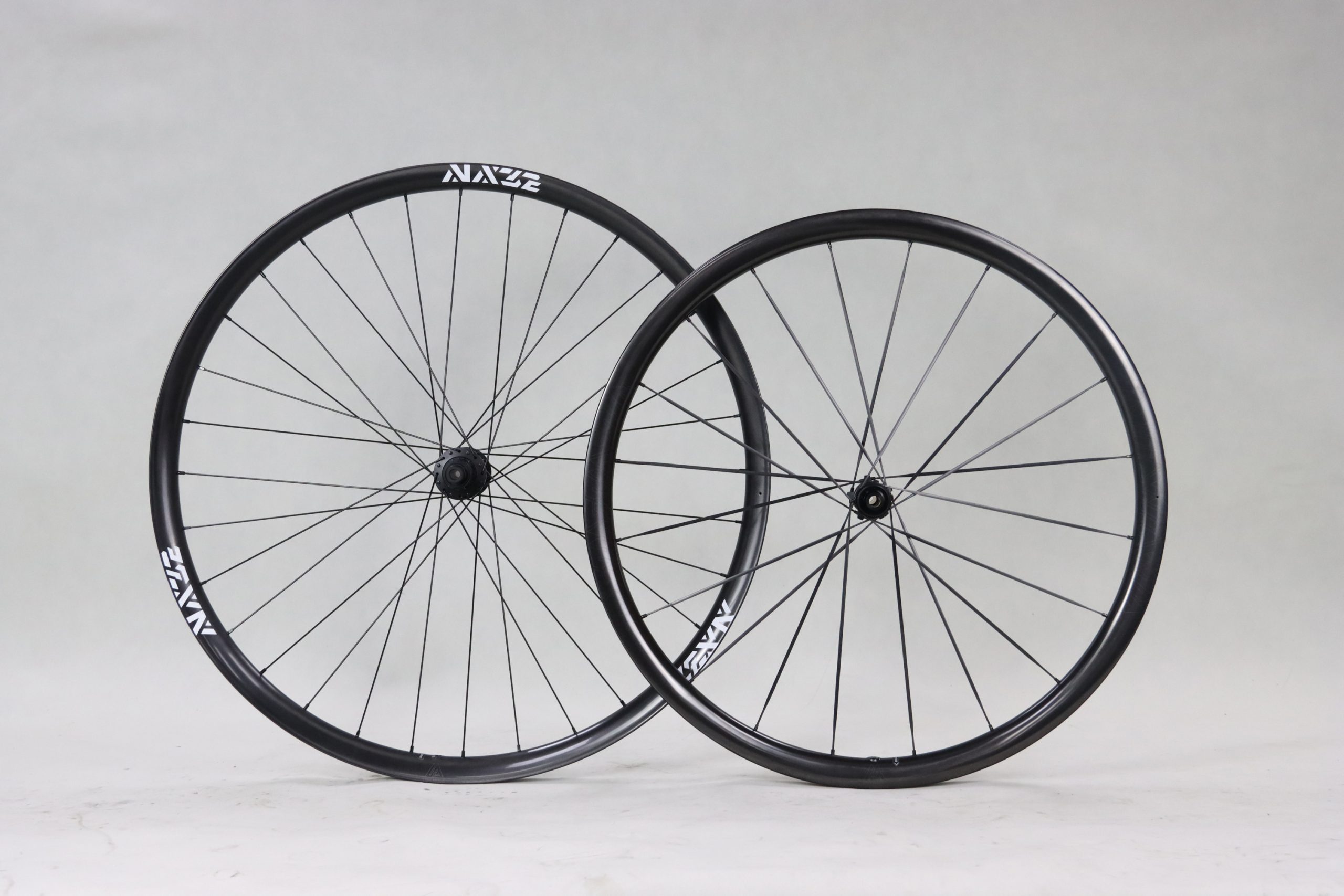
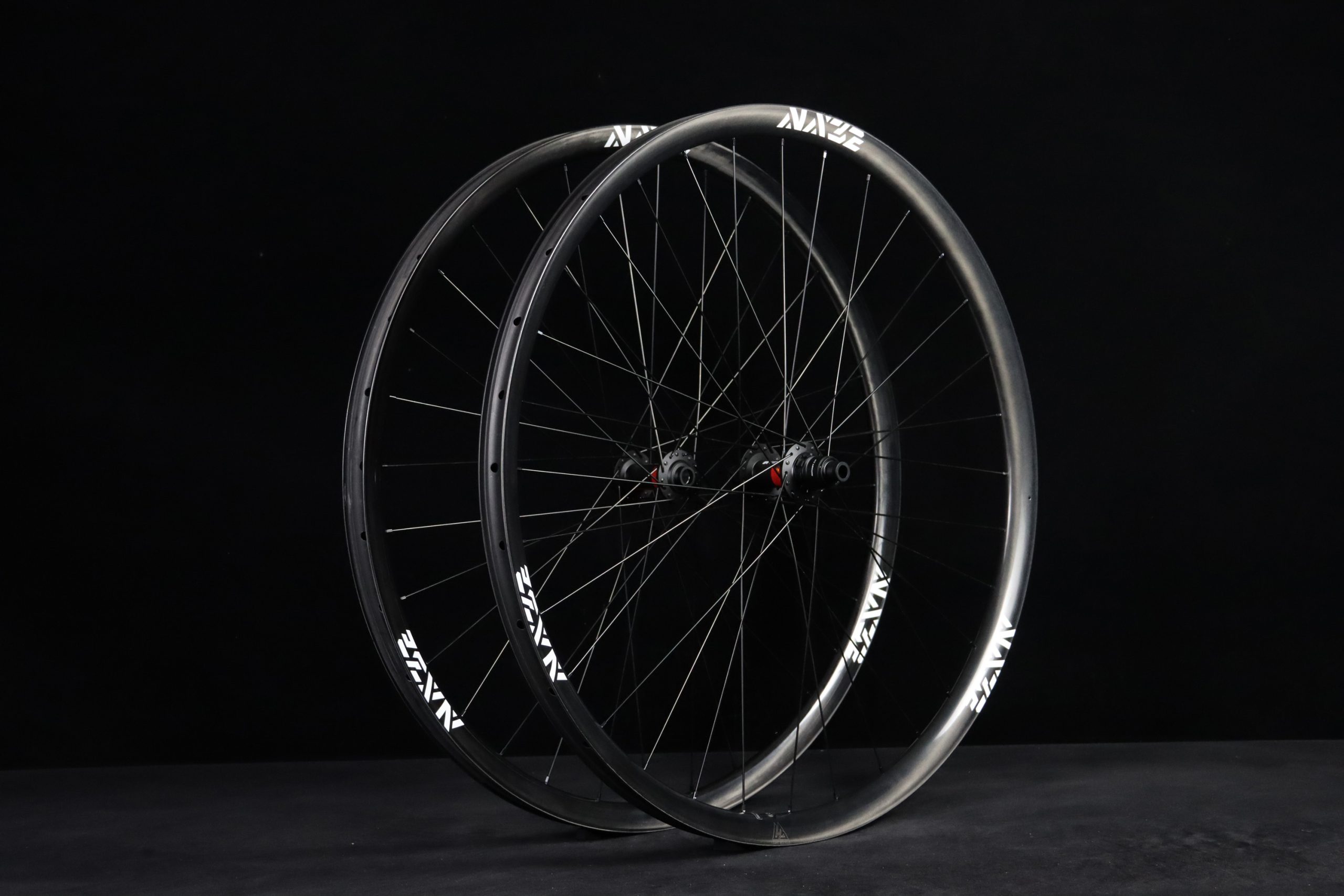
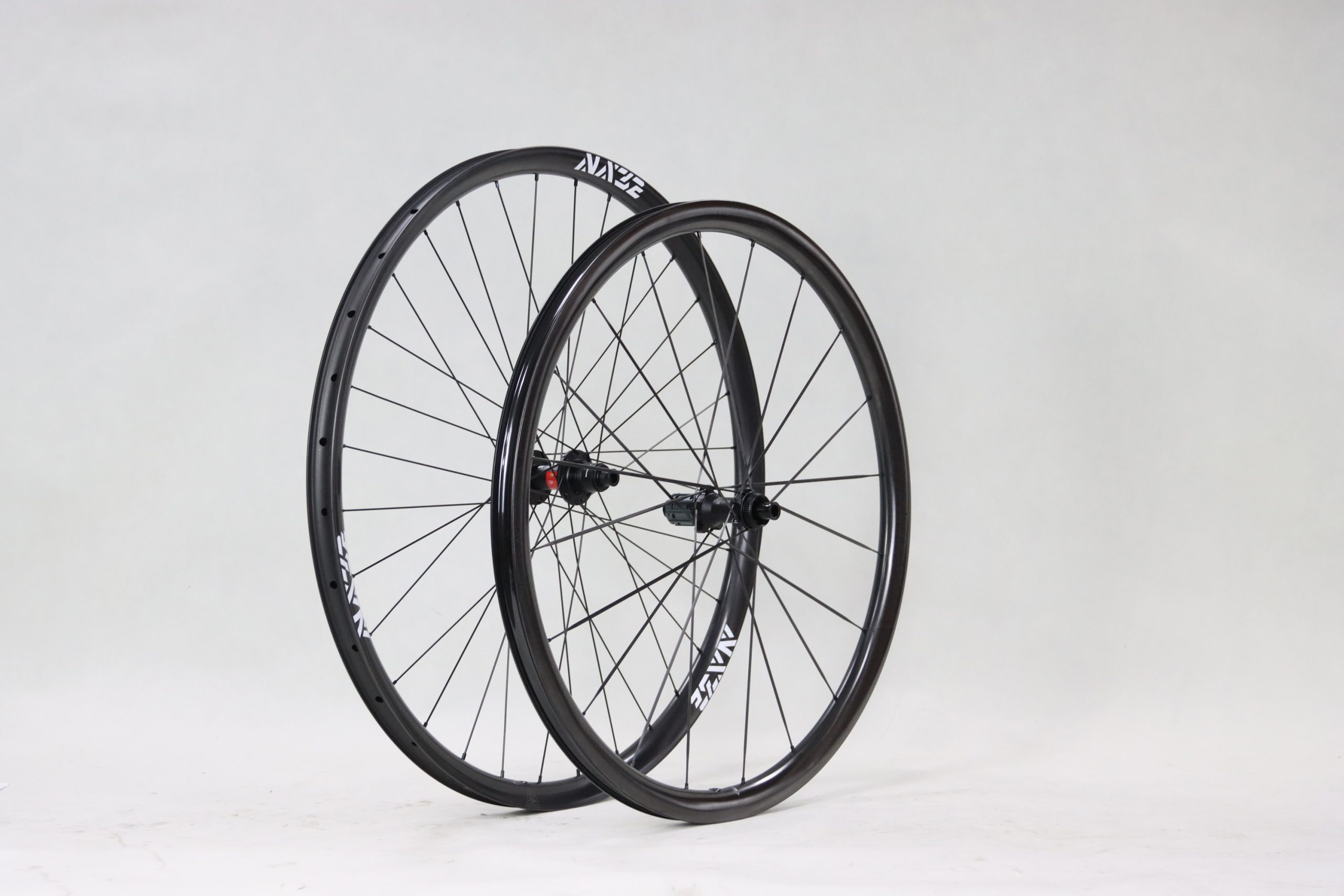
Jumping on board the fast-growing trend, the Chinese brand says the Anax32 XC wheelset brings “ultra-light construction and full custom build options” to the emerging category.
Built with hookless carbon rims, claimed to weigh 380g each, Light Bicycle says complete wheelsets are comparable in weight to “modern 29in race wheelsets”, while “offering the momentum and obstacle-clearing benefits” of a larger rim diameter.
Available with an array of hub options from popular brands, prices for the Light Bicycle Anax32 XC wheelset start at $1,464.20 (roughly £1,075 / €1,235 at today’s conversion rates).
Light Bicycle’s Anax32 XC wheel vs a 29in wheel. Lightbicycle
According to Light Bicycle, the primary advantages of sizing up to 32in rims are primarily that they make it easier to maintain your momentum, especially when riding over obstacles.
In theory, this means less effort is required to roll over rocks, roots and other obstacles on a trail, while Light Bicycle says “trail feedback” is also smoothed out, for a more comfortable ride on rough surfaces.
It also says they offer a larger contact patch when paired with 2.4in mountain bike tyres, which it says offers increased grip and “more predictable, stable handling on any surface”.
Lastly, the brand says they offer a “proportional aesthetic” for cyclists taller than 6ft / 183cm, and the ability to make bikes with “more balanced geometry”.
Big, but not heavy
Light Bicycle says its new 32in wheels avoid the issue of adding too much rotational weight to your bike. Lightbicycle
Key to Light Bicycle’s pitch for the Anax32 XC wheels, is they avoid the pitfall of being heavy and adding too much rotational weight compared to 29in wheels.
The brand says it has used “premium materials, an optimised layup and engineering excellence” to make rims that weigh only 380g each.
A ‘heavy duty’ version, which boosts the rider weight limit from 130 to 150kg is also available, with a claimed weight of 420g per rim.
Both types of rim share the same dimensions, with a 28mm depth, 36mm external width and 30mm internal width.
The Anax32 XC rims are claimed to weigh as little as 380g each. Lightbicycle
In comparison, Light Bicycle’s own 29in Helios XC930 rim, which is claimed to be “the lightest in its class”, is said to weigh 245g (albeit, with a shallower, 22mm rim depth).
In terms of complete wheelset weights, the Anax32 XCs are claimed to weigh as little as 1,499g with DT Swiss 240 EXP hubs and aluminium spoke nipples, compared to 1,115g for the 29in Helios XC930 wheelset with the same hubs and nipples.
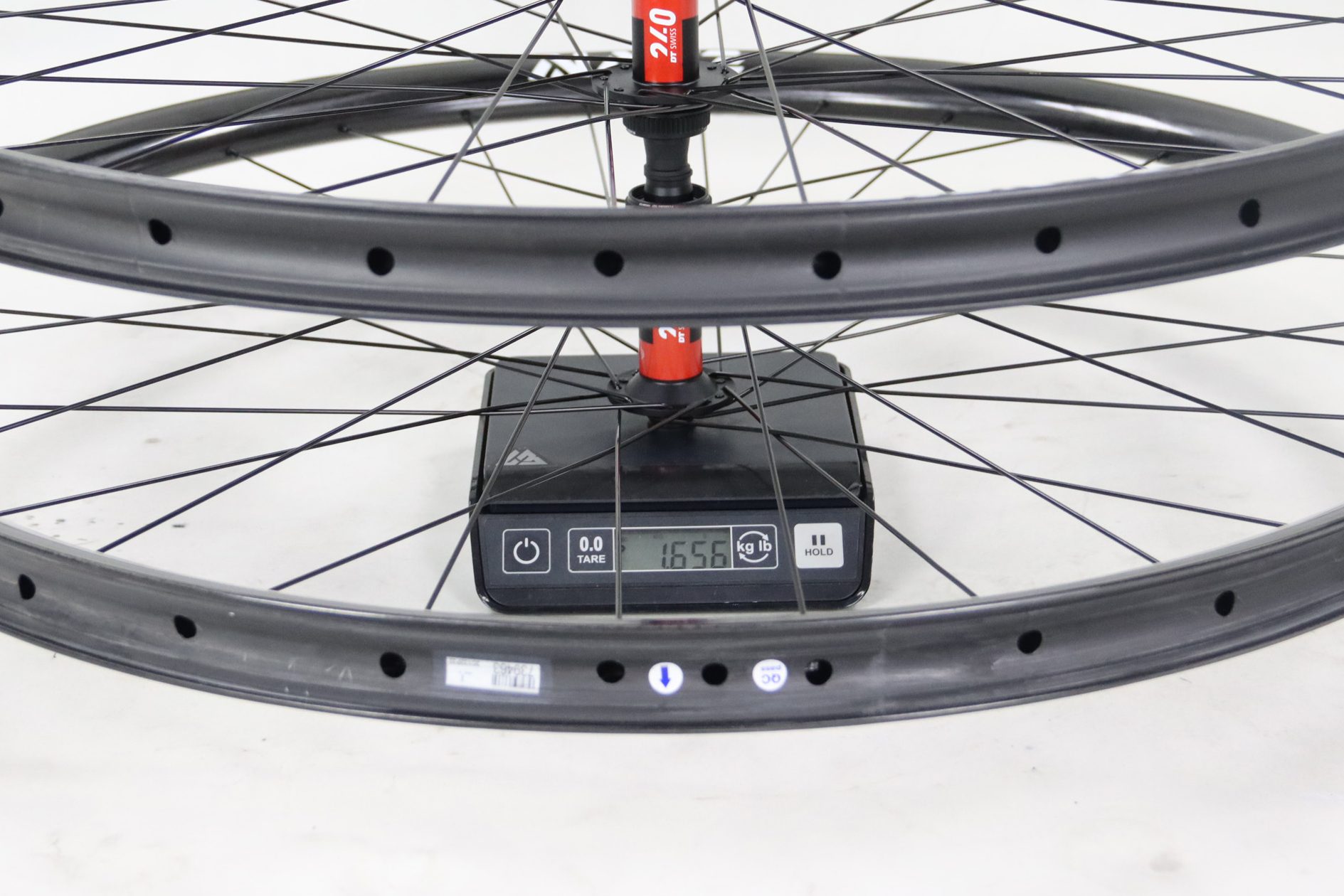
That said, a provided product photo shows an Anax32 XC wheelset weighing 1,656g with DT Swiss 240 hubs.
The provided shot of the Anax32 XC wheels on a scale shows a weight of 1,656g.
Either way, 1,656g would still be impressively light for its size, given it’s comparable to slightly less exotic 29in options, such as Hunt’s 1,506g Proven Carbon Race XC wheelset.
Of course, there’s also the impact of tyre weight to consider, given 32in tyres also use more material relative to equivalent 29in versions.
Nevertheless, this latest launch will be encouraging to those who believe we’re on the cusp of a 32in wheel revolution in mountain and gravel cycling.
A major Lance Armstrong biopic is in the works with a star-studded team behind it, and the infamous cyclist’s official blessing.
The film package prompted a “frenzied bidding war”, according to Deadline, with offers from several major studios.
Oscar-nominated Austin Butler is set to play Armstrong. Butler received a best actor nomination for his role in Elvis. Conclave’s Edward Berger is set to direct, and King Richard’s Zach Baylin is writing the script.
Producer Scott Stuber, who has just worked on Bruce Springsteen: Deliver Me From Nowhere, has been working to secure Armstrong’s life rights, and following discussions over a long period, a deal was made.
Deadline reports that Stuber made it clear to Armstrong that “they needed to tell everything or he didn’t want to do the film”.
Armstrong survived cancer before winning the Tour de France for seven consecutive years from 1998–2005. A doping investigation found Armstrong to have used performance-enhancing drugs and saw him stripped of his titles in 2012. He received a lifetime ban from the sport, and later admitted to blood doping.
The American’s story was told in the 2015 movie The Program, based on David Walsh’s book Seven Deadly Sins and starring Ben Foster as Armstrong.
Armstrong was not part of The Program, but this time around Baylin is reportedly talking to the disgraced cyclist and has spent time with people in his life.
The film is intended to be a cross between F1 The Movie and The Wolf of Wall Street.