Peak Rhythm Early Access Review: We’re Going Up Up Up

Launching in Early Access today on Quest, Peak Rhythm seeks to refresh the rhythm genre with pulse-pounding music set against a unique climbing mechanic.

To say I like Rhythm games is a cosmic understatement.

I’ve poured thousands of hours into the genre. I helped localize the English release of the Dreamcast cult classic Cool Cool Toon, and spent nine months hounding Masaya Matsuura, creator of PaRappa the Rapper, for an interview. When I had the opportunity to speak with Shawn Layden, former President of Sony Interactive Entertainment America, all we talked about was Vib Ribbon.

There’s no other way to say it. I am obsessed with rhythm games.

So when I say that Peak Rhythm is a very good musical rhythm game, you’ve simply got to trust me.

The Facts

What is it?: Musical rhythm game in VR, where you climb to the beat.
Platforms: Meta Quest (reviewed on Quest 3S)
Release Date: March 5, 2026
Developer: Zeitlos Interactive
Publisher: Impact Inked
Price: $12.99

0:00

/0:53

It’s the Climb

As is typical of many rhythm games, the gameplay hook behind Peak Rhythm is somewhat hard to describe. Despite the developers’ somewhat obtuse explanation that Peak Rhythm is “a VR rhythm-climbing game where music drives momentum,” I wasn’t really sure what to expect. Once I’d spent a few minutes in the game, however, it all began to make sense.

The simplest way to describe Peak Rhythm is to say it’s a game in which you climb in time with the music. You begin each stage standing face to face with a bare climbing wall, upon which handholds appear at various times and in various places. These handholds are color-coded, and surrounded by a ring which closes in time with elements of the game’s music. The goal of Peak Rhythm is to grab the various handholds with the appropriate hand at exactly the right time (when the ring finishes closing).

Pink handholds are meant to be grabbed with your pink (left) hand, while green handholds are meant to be grabbed with your green (right) hand. Handholds may appear above, below, or to your sides, and on more advanced stages, reaching them may require complicated crossovers, leaps, or drops. Blue handholds can be grabbed with either hand, and it’s important to be mindful of what handhold is coming next, after the blue one, so that you have the appropriate hand available when needed.

Grabbing a handhold with the wrong hand or with criminally poor timing will cause you to fall off the climbing wall onto a platform that follows closely beneath (think of it as a rope that doesn’t allow you to fall too far). When this happens, you have to scramble your way back up the wall and grab the next available handhold. The music never stops, so getting back into the groove as quickly as possible is important.

Special handholds also exist to spice things up. There’s a twist mechanic, in which certain handholds require rotation in time with the music. It’s an interesting wrinkle that feels much better in practice than I expected.

The goal of each stage is to grab the handholds at the right time with the correct hand, to scramble yourself along the wall in time with the music. The better you do, the higher you climb in both the game world and on the game’s leaderboards.

0:00

/3:45

More Than a Feeling

With music and rhythm games, especially in VR, it’s all about feeling. How does the game make you feel? Does the action match with the rhythm? Do you feel like you’re experiencing the music in a meaningful way, and does the gameplay support this?

When I saw Peak Rhythm’s first gameplay trailer, I had doubts. I couldn’t imagine how effectively what I was seeing would translate to a gameplay experience. To be honest, I thought it looked tiresome. By the end of my first climb, I realized I had been wrong.

Peak Rhythm’s gameplay is tight and refined, distilled down to an essential core that feels perfect. The act of lifting and placing your hands to the beat of a song is intuitive and instantly rewarding. The songs are well-designed to complement the gameplay, which is intelligently balanced and consistently interesting. There’s an intangible element here which exists in all of the best rhythm games, which allows you to ebb into and out of a sort of flow state, where the music and gameplay becomes so well-linked that playing the game feels the same as listening to a great album.

The built-in soundtrack features original tracks spanning several genres, including drum & bass, dubstep, and house, with tracks from FEISTLING, Killin’ Void, Ion Diary, and funiel, and while I admittedly hadn’t heard of these artists prior to my time with Peak Rhythm, their tunes are consistently great and the entire set list suits the game perfectly.

On top of all that, Peak Rhythm will get you moving. We’re not talking about Beat Saber levels of activity, but you will burn a few calories, and that’s at least a happy side-effect of playing a fun game.

In addition to the game’s native tracks, Zeitlos Interactive has also developed a beatmap editor with which users can create their own custom stages using their own music files.

This feature immediately puts me in mind of Sony’s Vib Ribbon, which I previously mentioned, a PlayStation game released in 1999 that invented and patented a method for creating custom levels based on the audio files from any CD that the player might insert into the system. While that now-ancient PlayStation game could automatically generate levels from any music file on its own, Peak Rhythm’s custom song system relies on human users to do the work of creating a beatmap and custom stage.

Still, user-generated content hypothetically gives the game near-infinite replayability, plus a sort of custom soundtrack perfectly suited to each players’ unique taste.

The developers have let me know that “the custom song feature works through a standalone desktop app.” And while this hasn’t been published during my pre-release play period, I’m told it should be available at launch, and that a “work-in-progress version is currently circulating within Impact Labs (QA and playtesting).”
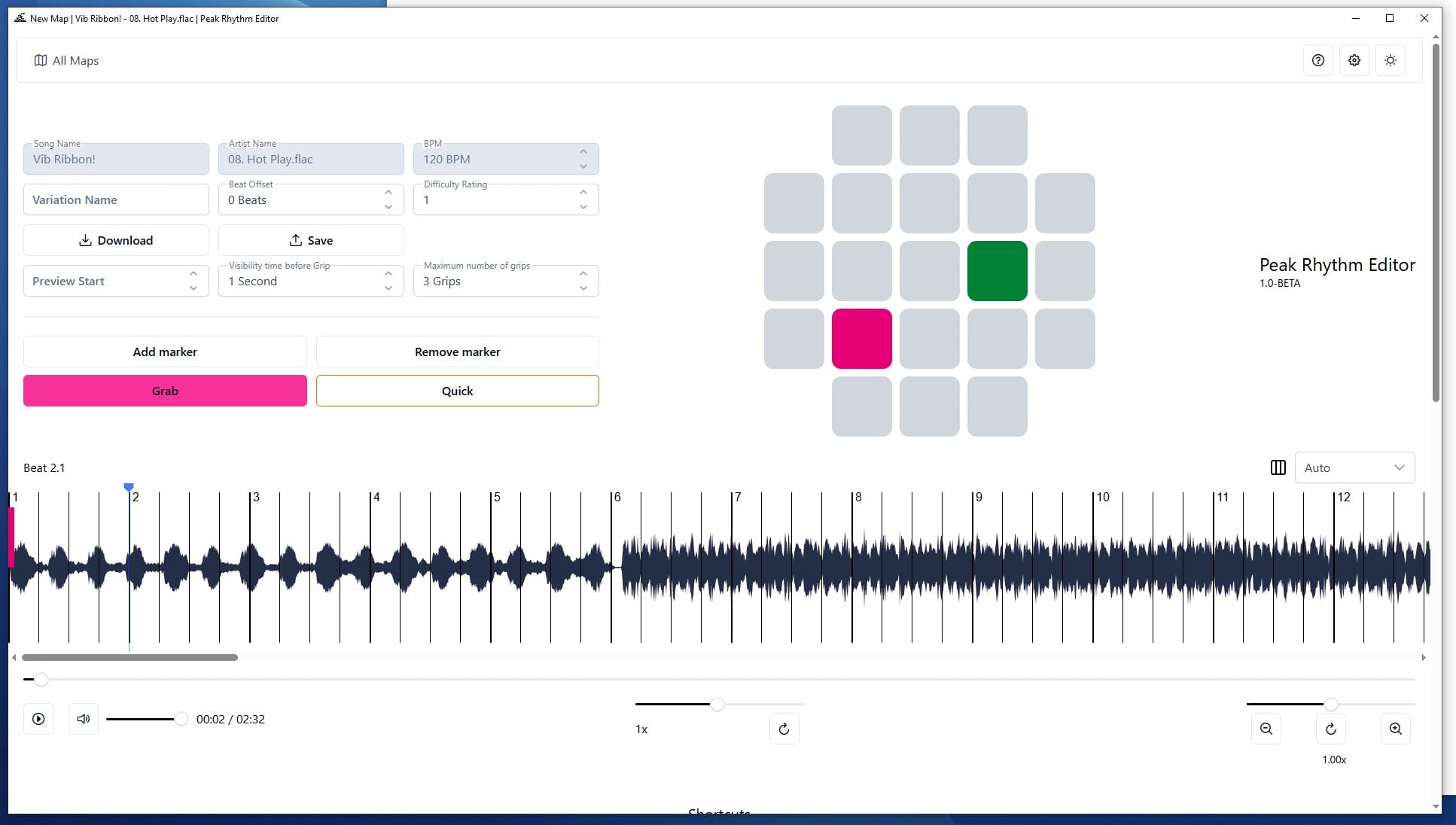
Screenshot of Peak Rhythm’s custom level maker desktop app.

Comfort

Peak Rhythm is playable in sitting, standing, and room scale configuration. In addition, there are numerous options for audio levels, comfort, and accessibility, including input adjustments, and selectable offset for player height.

Trouble

All that said, no game is perfect and Peak Rhythm is no exception. The visuals are uninspired. While this graphical simplicity makes the rhythm gameplay more legible, I can’t help but be disappointed by the general lack of visual interest present in the immediate environment, in the backgrounds, in the central starting hub and menus… essentially, everywhere.

We’re supposed to be climbing a skyscraper at night. This should be the coolest looking thing I’ve ever seen. But as it exists today, it’s bland.

0:00

/2:56

And while the soundtrack is great, as mentioned, it’s still quite limited. This can be forgiven, perhaps, on account of the game’s Early Access status and its allowance for custom songs. But I’m reaching. There simply needs to be more music in this musical rhythm game.

Lastly, there’s no multiplayer. While a multiplayer mode is planned for an upcoming update “shortly after launch,” I can’t review features that don’t yet exist, nor do I know what shape the game’s multiplayer will take. For now, the omission is a notable strike.

It’s the End of the Review As We Know It (And I Feel Fine)

On balance, Peak Rhythm is a very good game, and with further development beyond its Early Access period, it could easily become a great one. The team’s planned roadmap is ambitious. We’ll just have to see how closely and quickly they stick to it.

After spending a few days scrambling up its skyscrapers, leaping, reaching, and scampering along with its eclectic (though limited) soundtrack thumping in my ears, Peak Rhythm feels like a favorite album, a game that I’ll return to again and again.

Peak Rhythm is out now in Early Access on Quest for $12.99.


UploadVR uses a 5-Star rating system for our game reviews – you can read a breakdown of each star rating in our review guidelines.

Puzzling Places Is Coming To PC VR Next Month

Puzzling Places, a delightful 3D jigsaw puzzle game, will launch on Steam in April.

Realities.io has announced that their VR jigsaw game, known for turning real-world locations into hand-crafted 3D puzzles, is coming to PC VR for the very first time on April 9 via Steam.

Puzzling Places has previously been available on QuestPlayStation VR2, Pico and Apple Vision Pro, where it has been very popular and cumulatively amassed over 3,000 user reviews. The Steam release brings the game’s intricate miniature puzzle scenes to a new audience, along with two game modes (Classic Mode or the guided Journey Mode), and adjustable difficulty levels.

0:00

/0:53

The Steam release has naturally been optimized for VR, but will also be playable as a flat screen experience on desktop and Steam Deck. Cross-device play will allow users to jump from VR to flat screen devices at their leisure.

When Puzzling Places debuted on Meta Quest, our reviewer called it “a resounding success,” and “[…] one of the best and most unique puzzle games on the platform.”

Puzzling Places will launch on Steam on April 9th. It’s available now on QuestPlayStation VR2, Pico and Apple Vision Pro.

Mixed Reality Dinosaur Building Game Le Dino Lab Launches On Quest Today

The built-for-Quest puzzle game allows players to piece together full-scale fossils of iconic dinosaurs.

Le Dino Lab is a mixed reality puzzle builder in which players reconstruct fossils of dinosaur skeletons bone by bone. The game uses full hand tracking interaction, allowing fragments of iconic dinosaurs to be examined, rotated, and assembled into complete creatures all within the player’s real-world environment. When a dinosaur is completed, it springs to true life size, driving home the sheer enormity of these ancient creatures.

0:00

/0:39

The base game is available now and includes five dinosaurs: Tyrannosaurus Rex, Spinosaurus, Parasaurolophus, Styracosaurus, and the airborne Pteranodon.

In addition to today’s release, the game’s developers have announced an upcoming DLC, “Jurassic Giants,” which includes three species from the Jurassic era, and a roadmap for future updates that includes new themed packs, deeper skeletal manipulation, enhanced environmental integration, and more.

Le Dino Lab is available now on the Meta Horizon Store priced at $4.99.

nDreams Announces Layoffs & Closure Of Two Studios

nDreams Near Light and nDreams Compass will be shut down as part of the restructuring.

Veteran developer nDreams has announced another mass restructuring that will result in two of its three studios shutting down and a staff reduction of up to seventy-eight employees at all levels, ‘including senior leadership.’ This is the troubled studio’s third round of layoffs, following similar restructurings in 2024 and 2025. nDreams Compass and nDreams Near Light will be closed with nDreams Elevation remaining as the core business focus moving forward.

nDreams Closes Two Internal VR Studios But Opens A New One Called Compass
nDreams has closed two studios as part of its ongoing restructuring program, bringing 40 staff members into its new ‘Compass’ studio.
UploadVRHenry Stockdale

nDreams Compass was formed when two previous studios, nDreams Studio Orbital and nDreams Studio, were both shut down. Forty members from those two teams combined to form Compass, with the remaining staff being laid off. Compass’s focus was the emerging market of younger VR users, powered by the success of free to play titles like Gorilla Tag. Compass’s debut title, Wreckin’ Raccoon, a chaotic sandbox experience in the vein of games like I Am Cat, released on Meta Quest in September 2025.

nDreams Near Light’s most recent title was Frenzies, a free to play arena shooter that released in Early Access on Quest in October 2024. A planned PlayStation VR2 port was canceled in 2025. It also released Top Hat, a world in Meta’s Horizon Worlds in March 2025.

nDreams Elevation, the remaining studio, was first formed in 2022 to focus on high fidelity, AAA-level VR games. Its most recent title was Reach, a cinematic action adventure game plagued by unfortunate PC VR compatibility issues and reports of players getting soft locked and unable to complete the game. The official statement says Elevation currently has around one hundred twenty staff working on various projects.

nDreams is owned by parent company Aonic, who purchased the company for $110 million in 2023.

This Company Wants to Refresh Workers by Sticking Them in Tiny Pods With VR Headsets

South Korea-based XR company NP Inc showed off a unique solution to combat employee fatigue at Mobile World Congress (MWC) in Barcelona this week, combining a small pod with a VR headset.

The News

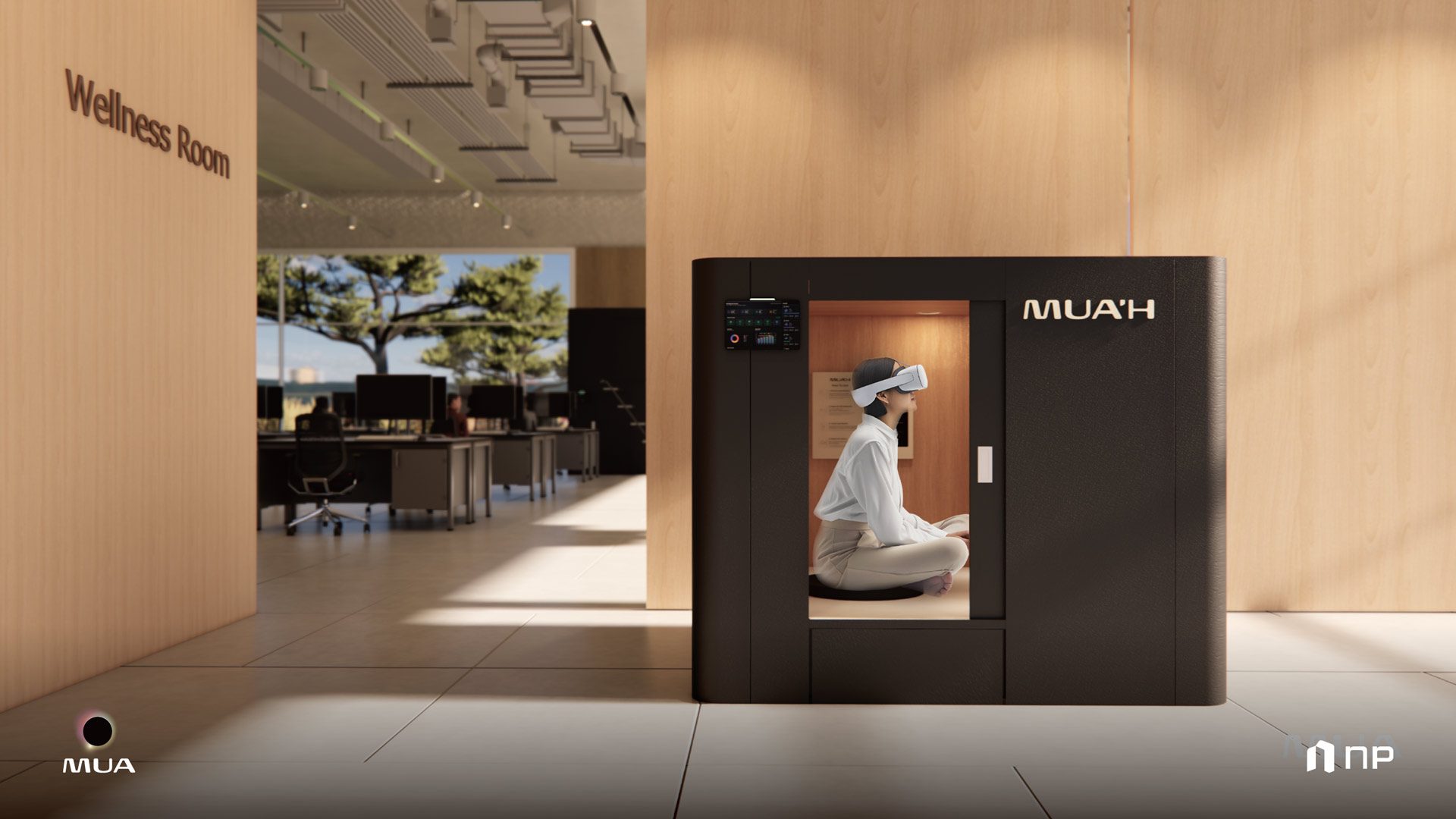
NP, developer of the MUA app for Quest, unveiled MUA’H (MUA Home) this past week, a single-person pod unit designed to provide an immediate “digital detox and psychological restoration right in the middle of the corporate workspace,” the company says.

It’s not just a small box with a Quest 3 headset though. NP says Mua Home uses “non-contact sensors” to monitor six vital signs in real-time, including Heart Rate Variability (HRV), heart rate, blood pressure, and body temperature.

All of this pairs with a VR headset to deliver a customized XR meditation experience via data fed into NP’s own ‘MIND-C AI’, NP says.

Image courtesy NP Inc

What’s more, the Seoul-based company says its Mua Home platform will also let management identify stress levels and proactively manage employee burnout risks, albeit using anonymized data so a boss can’t essentially spy on their employees individual health or wellbeing concerns.

At MWC this week, NP showed off a prototype version of the VR-pod, which featured carpeted floors, cushions, and sliding privacy door. Check it out in action in this YouTube Short.

My Take

Like many places, burnout is a pretty big deal in Korea. Recent statistics maintain that around 30 percent of young Koreans suffered from burnout over the course of 2024. It’s a multifaceted issue spanning stuff like excessive workload, bad company culture, perceived fairness, etc—but one of the common denominators in almost all modern offices is the open floorplan.

Open floorplan offices are supposed to create better flow, allow coworkers to collaborate more efficiently, and give managers more direct supervision. In practice though, they could even be counterproductive, as they tend to create noisy environments that lack privacy—two things that can reduce productivity and cause constant stress.

Sadly, the question isn’t how companies can reorganize their offices for better mental health outcomes from the start—if that were the case, open floorplan offices would be a thing of the past—but how they can make the largest impact with the smallest investment. That’s where our slightly dystopian cube comes in, which is actually trading on the idea of how small it is, and how simple it is to construct and place in an unused corner.

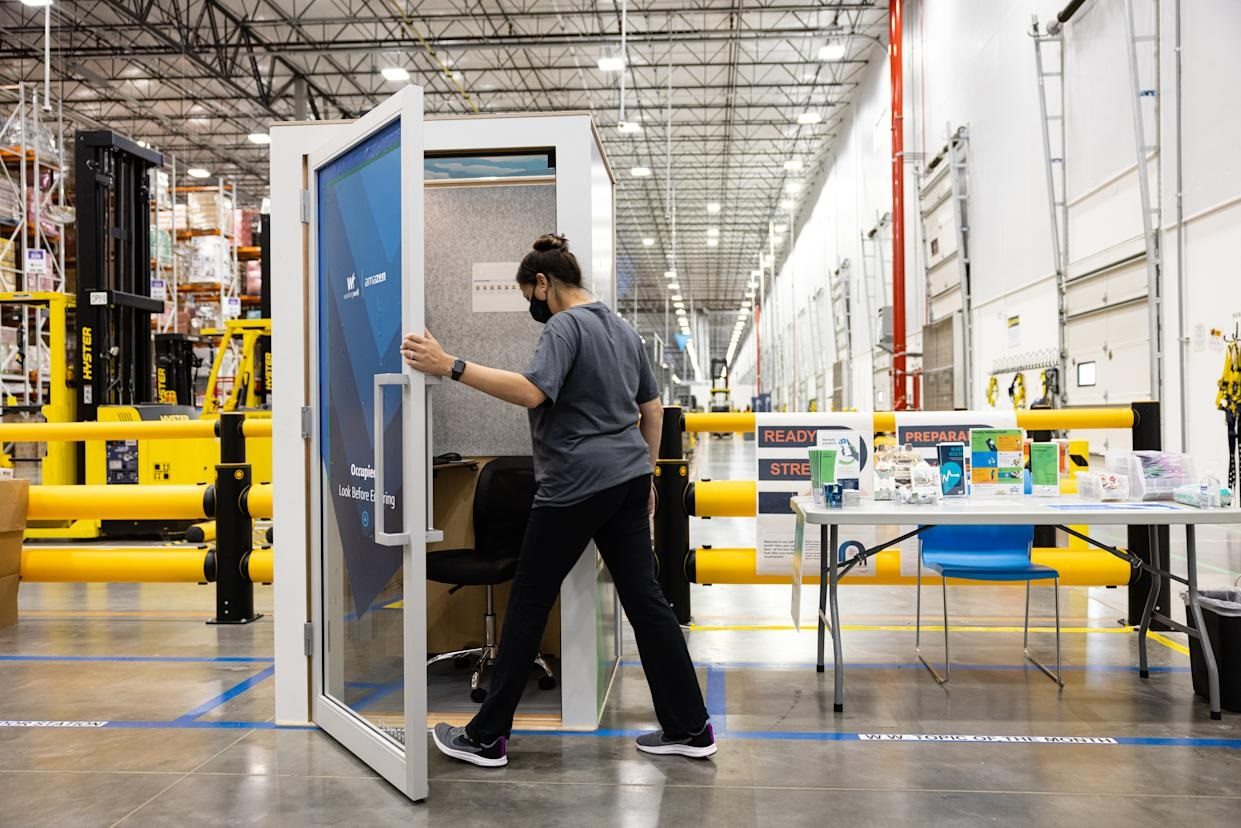
Image courtesy Amazon

Granted, NP isn’t the first company to think of ‘mindfulness nooks’. Many companies, including Google, Apple and Nike offer employees quiet rooms for things like mediation, naps, and silent prayer. Enclosed pods however color the issue in a slightly more malignant light. Amazon tried telephone booth-style pods back in 2021, and was widely mocked for essentially creating cheap ‘cry closets’, as the company is know for high burnout rates and some of the most draconian employee performance metrics.

Even in the context of a cramped Korean office, I’d consider these sorts of compact pods essentially a band-aid to a larger problem. To Mua Home’s credit, it at least has the ability to simulate a larger area while focusing on worker health and wellbeing in the process. Still, the optics are objectively terrible, as it conjures up images of stressed workers climbing into what is essentially a capsule hotel for their company-mandated mood correction. It’s all maybe a little too Severance for comfort.

The post This Company Wants to Refresh Workers by Sticking Them in Tiny Pods With VR Headsets appeared first on Road to VR.

Affected: The Asylum Wants To Redefine VR Horror This Summer

A new trailer and press release gives more details for the follow up to Affected: The Manor.

We first reported back in 2022 that Affected: The Asylum was expected to release on all VR platforms in 2023. Then, in late 2023, the developer announced the game was delayed into 2024. Since then, there has been radio silence – until now.

Developer Dead Boss Games and publisher Evolution Publishing have released a new short teaser trailer and details about the anticipated horror sequel.

0:00

/0:29

The official press release expands on what players can expect in the story.

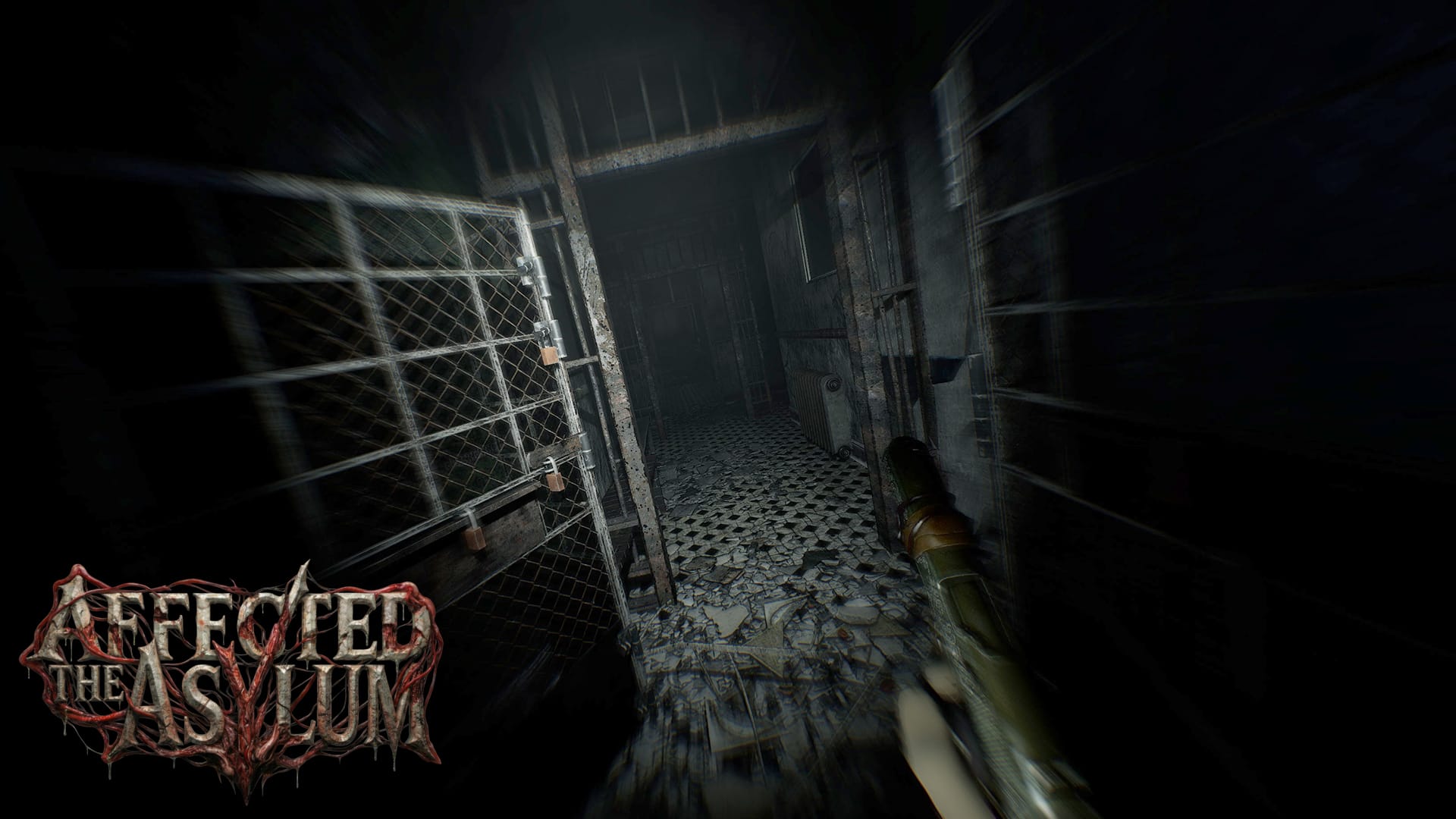
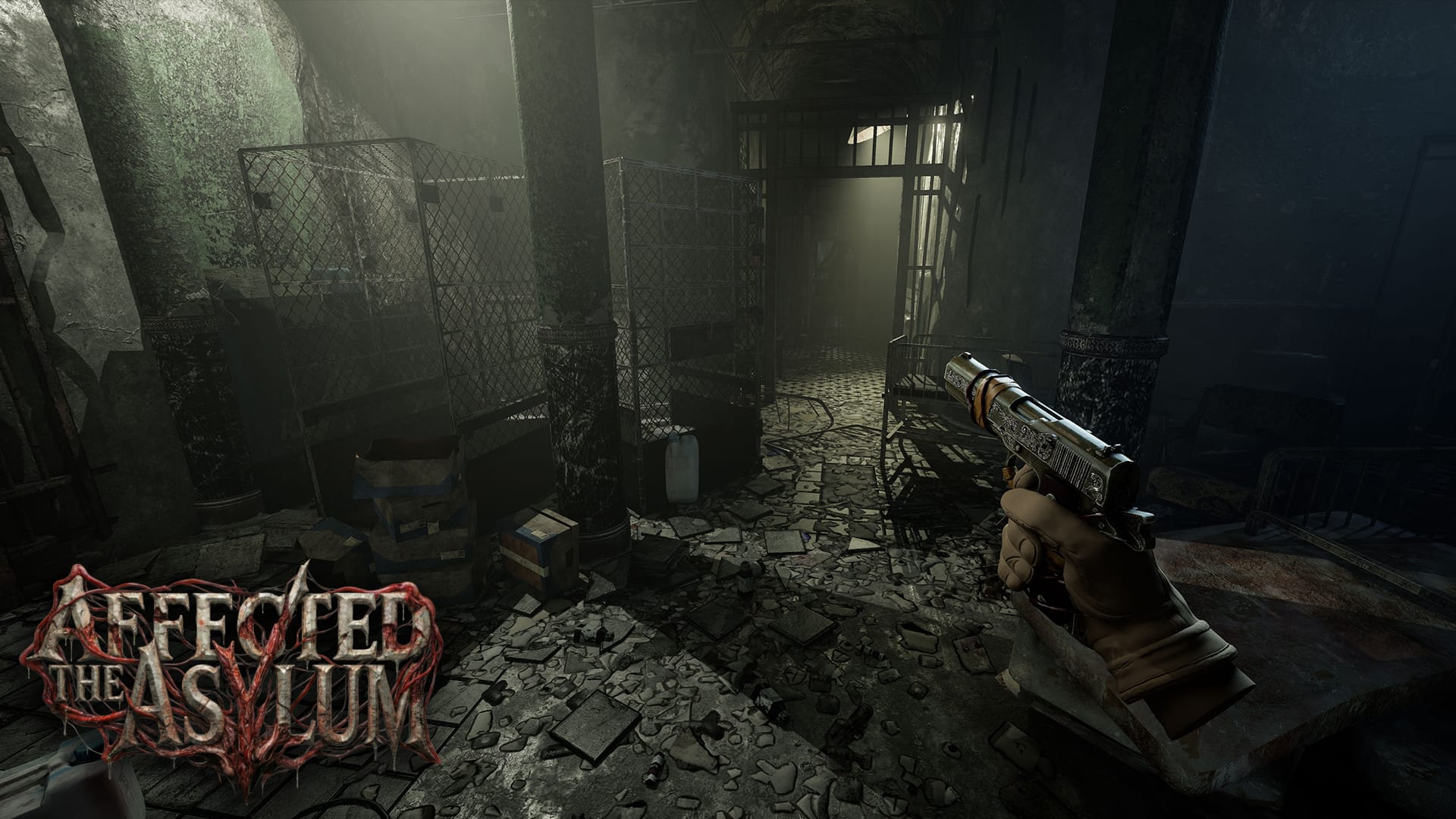
A sanatorium with a long, dark history, many years ago, the line between medicine and madness was intentionally erased. Controlled by a secretive cult, they used the institution not to treat patients, but to experiment upon them.

Through a series of harrowing procedures, patients were subjected to “The Preparation”, a systematic process of indoctrination and physical alteration. Through this process, the cult sought to merge biology with belief, creating a collective hive mind using a parasitic entity known as the “Holy Gift”.

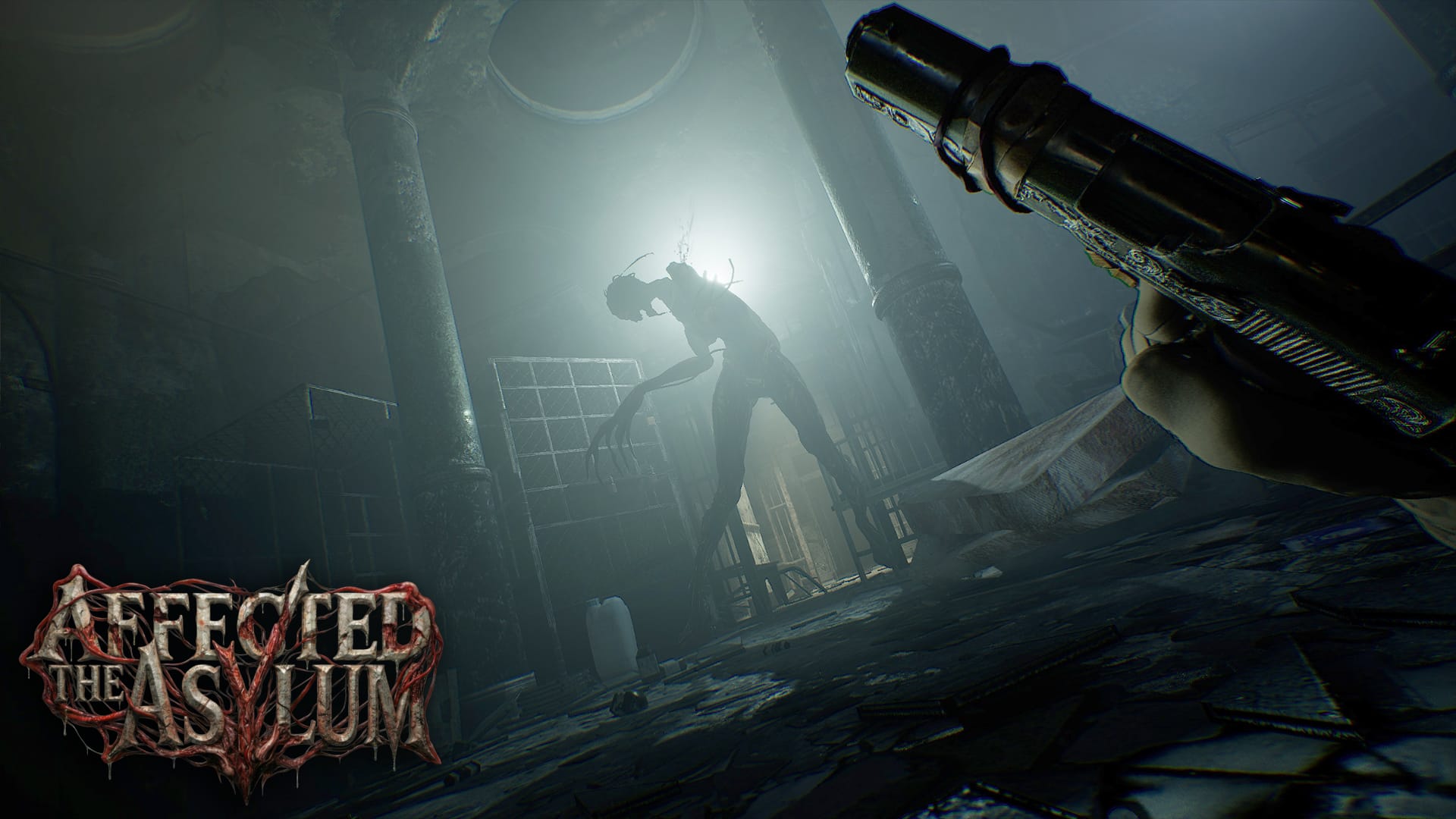
Step into the dilapidated remnants of Blackthorne Asylum to discover the cult’s crowning achievement and greatest failure: SUBJECT 357. An employee who was forcibly selected for the “Apex Experiment” after falling foul of the leader, the process broke them. However, what remained was something more than human. They now roam the asylum as an ever-present predator, a warped manifestation of the cult’s ambitions.

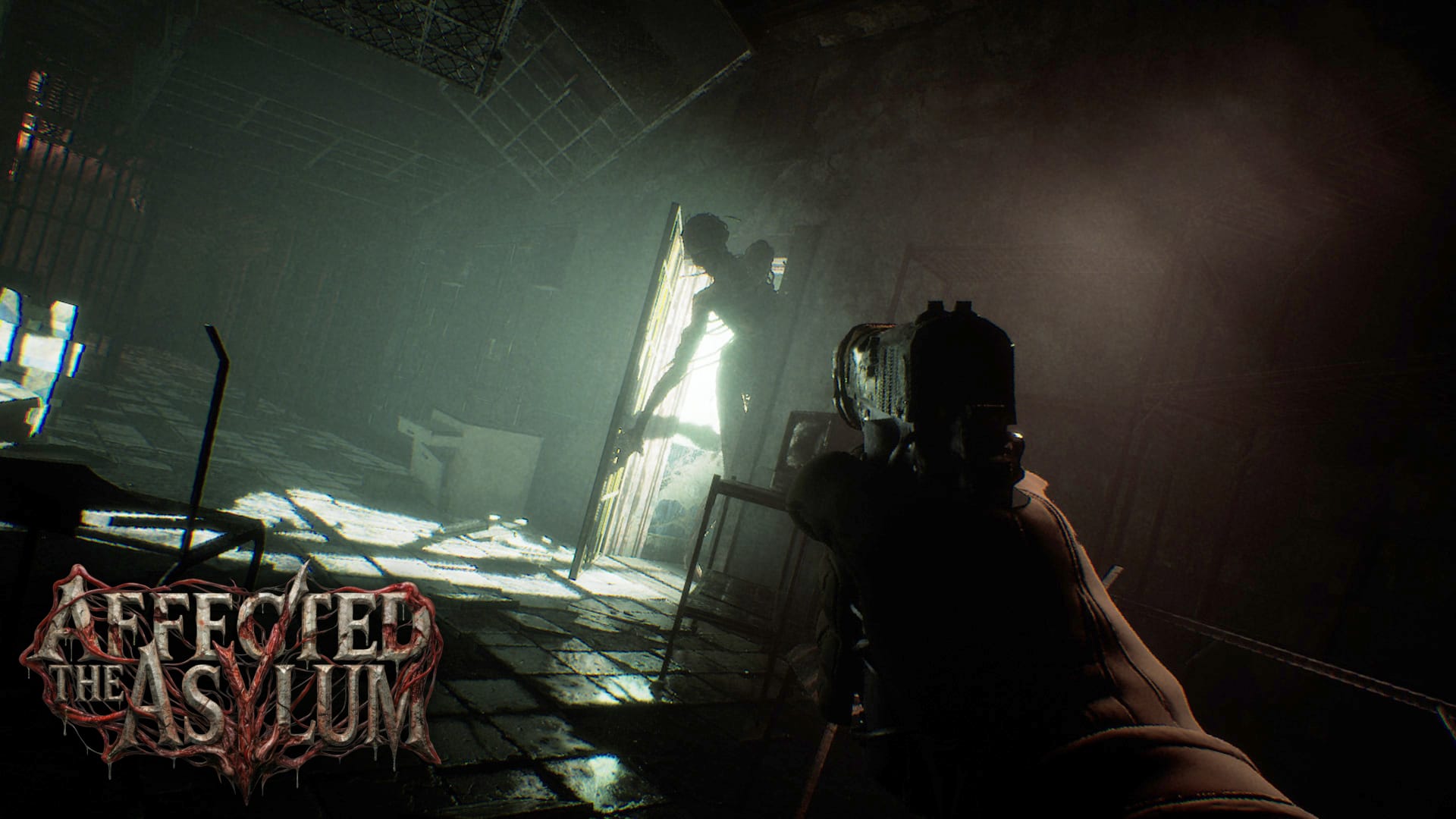
Affected The Asylum screenshots provided by Evolution Publishing

Another takeaway from the new press release is a pivot away from multiplayer. The Asylum was originally announced to have a competitive four player multiplayer mode titled ‘The Assessment.’ There is no mention of that in the new release and the game is now described as a ‘single player psychological survival horror.’

Lastly, Dead Boss Games confirmed to me that it has taken over active development of the game ‘with support from Evolution Publishing.’ Affected: The Manor was developed and produced by Fallen Planet Studios.

Affected: The Asylum is coming soon to Meta Quest and PC VR in summer 2026.