Unity CEO John Riccitiello is retiring, effective immediately

Unity CEO John Riccitiello

Enlarge / Former Unity CEO John Riccitiello. (credit: Unity)

John Riccitiello, CEO of Unity, the company whose 3D game engine had recently seen backlash from developers over proposed fee structures, will retire as CEO, president, and board chairman at the company, according to a press release issued late on a Monday afternoon, one many observe as a holiday.

Riccitiello “will continue to advise Unity to ensure a smooth transition,” the company stated, as it seeks to find a permanent CEO. James M. Whitehurst, a former Red Hat and IBM executive, will serve as interim CEO, while Roelof Botha, lead independent director of the Unity board, is now chairman.

“It’s been a privilege to lead Unity for nearly a decade and serve our employees, customers, developers and partners, all of whom have been instrumental to the Company’s growth,” Riccitiello said. “I look forward to supporting Unity through this transition and following the Company’s future success.”

Read 1 remaining paragraphs | Comments


Source: Ars Technica – Unity CEO John Riccitiello is retiring, effective immediately

The Best Tech Deals From Walmart’s ‘Holiday Kickoff’ Sale

Think of Walmart’s Deals Holiday Kickoff as their version of Prime Day, not coincidentally starting a day before Prime Big Deal Days (you can keep up with all of our early Prime deals here). Amazon is seeing big competition from major retailers who don’t want to lose business to them; even Target is getting in on the…

Read more…


Source: LifeHacker – The Best Tech Deals From Walmart’s ‘Holiday Kickoff’ Sale

Hacktivism Erupts In Response To Hamas-Israel War

An anonymous reader quotes a report from TechCrunch: Several groups of hacktivists have targeted Israeli websites with floods of malicious traffic following a surprise land, sea and air attack launched against Israel by militant group Hamas on Saturday, which prompted Israel to declare war and retaliate. Israeli newspaper The Jerusalem Post reported Monday that since Saturday morning its website was down “due to a series of cyberattacks initiated against us.” At the time of writing, the paper’s website still appeared down.

Rob Joyce, director of cybersecurity at the National Security Agency, reportedly said at a conference on Monday that there have been denial of service (DDoS) attacks and defacements of websites, without attributing the cyberattacks to particular groups. “But we’re not yet seeing real [nation] state malicious actors,” Joyce reportedly said. […] Joyce’s remarks appear to confirm findings of security researcher Will Thomas, who told TechCrunch that he has seen more than 60 websites taken down with DDoS attacks, and more than five websites that were defaced as of Monday.

It is common for hacktivist groups to launch cyberattacks during armed conflict, similar to what happened in Ukraine. These hackers are often not affiliated with any governments but rather a decentralized group of politically motivated hackers. Their activities can disrupt websites and services, but are far more limited compared to the activities of nation-state hacking groups. Researchers and government agencies like the NSA say they have only seen activity by hacktivists so far in this Hamas-Israel conflict. “The thing that has surprised me about the hacktivism surrounding this conflict is the amount of international groups involved, such as those allegedly from Bangladesh, Pakistan, and Morocco all also targeting Israel in support of Palestine,” said Thomas. “We also seen long-time threat actors returning who have participated in attacks and spread them using the hashtag #OpIsrael for years.”

“I have seen several posts of cybercriminal service operators such as DDoS-for-Hire or Initial Access Brokers offering their services to those wanting to target Israel or Palestine,” he added.

Read more of this story at Slashdot.


Source: Slashdot – Hacktivism Erupts In Response To Hamas-Israel War

Activision Blizzard Games Should Hit Game Pass In 2024

When speculation rife that Microsoft expects to finalize its purchase of Activision Blizzard this week, and COD: Modern Warfare III out in a month, it seems people have been wondering when Activision’s games will start appearing on Microsoft’s Game Pass. According to a tweet from Activision Blizzard, it should be some…

Read more…


Source: Kotaku – Activision Blizzard Games Should Hit Game Pass In 2024

Thousands of WordPress sites have been hacked through tagDiv plugin vulnerability

Thousands of WordPress sites have been hacked through tagDiv plugin vulnerability

Enlarge (credit: Getty Images)

Thousands of sites running the WordPress content management system have been hacked by a prolific threat actor that exploited a recently patched vulnerability in a widely used plugin.

The vulnerable plugin, known as tagDiv Composer, is a mandatory requirement for using two WordPress themes: Newspaper and Newsmag. The themes are available through the Theme Forest and Envato marketplaces and have more than 155,000 downloads.

Tracked as CVE-2023-3169, the vulnerability is what’s known as a cross-site scripting (XSS) flaw that allows hackers to inject malicious code into webpages. Discovered by Vietnamese researcher Truoc Phan, the vulnerability carries a severity rating of 7.1 out of a possible 10. It was partially fixed in tagDiv Composer version 4.1 and fully patched in 4.2.

Read 8 remaining paragraphs | Comments


Source: Ars Technica – Thousands of WordPress sites have been hacked through tagDiv plugin vulnerability

Microsoft Drops Official Support for Python 3.7 in Visual Studio Code

Still using Python 3.7? Even Microsoft thinks it is time to move on after the Windows behemoth finally deprecated support for the language in the October 2023 release of its extension for Visual Studio Code. From a report: Python 3.7 reached its end of life in June but remains popular. According to some statistics, many sites use version 3.7 — 17.2 percent of those using Python 3.x by some estimates. Python 3.6, which reached the end of life in 2021, accounts for 28.9 percent and is still the most popular. Python 3.8 sits between the two, accounting for 23.3 percent.

Doubtless mindful of its popularity, Microsoft confirmed there were no plans to strip the code from the Visual Studio Code extension deliberately, saying: “We expect the extension will continue to work unofficially with Python 3.7 for the foreseeable future.” However, there are no guarantees that something won’t go wrong without official support. Python has moved to an annual cadence for end of life. Python 3.8 is due to reach end of life in October 2024, meaning that official support in Microsoft’s Visual Studio Code extension will end with the first release of 2025, and so on. According to Microsoft, the Python extension for Visual Studio works with all actively supported versions of Python. 3.12 is the latest version and, unsurprisingly, has yet to influence the statistics too much. 3.13 is penciled in for release next year.

Read more of this story at Slashdot.


Source: Slashdot – Microsoft Drops Official Support for Python 3.7 in Visual Studio Code

RoboCop: Rogue City Demo Big

As I set out to play the 160 GB demo of RoboCop: Rogue City that I installed last night, Steam informed me that it first needed to add a quick 34 GB patch. At which point I kissed my uncapped internet contract on the lips. Although after playing this enormous demo for a couple of hours, I’m not entirely sure it was…

Read more…


Source: Kotaku – RoboCop: Rogue City Demo Big

Logitech G502 X Plus Millennium Falcon Is The Star Wars Gaming Mouse You're Looking For

Logitech G502 X Plus Millennium Falcon Is The Star Wars Gaming Mouse You're Looking For
What do you get when you pair of the best gaming mice to one of the most beloved movie franchises of all time? Logitech just answered that question by launching the G502 X Plus Millennium Falcon Edition gaming mouse, a delightfully themed rodent honoring the 40th anniversary of War Wars: Episode VI – Return of the Jedi, the third in the original

Source: Hot Hardware – Logitech G502 X Plus Millennium Falcon Is The Star Wars Gaming Mouse You’re Looking For

“Church of Bleach” family gets years in prison for deadly “miracle” solution

Bottles of MMS, a bleach product sold by Genesis II Church of Health and Healing.

Enlarge / Bottles of MMS, the bleach product that Genesis II Church of Health and Healing was ordered to stop selling. (credit: Genesis II Church of Health and Healing)

A federal judge in Miami has handed down years-long prison sentences to a Florida father and his three adult sons who were convicted in July of using a faux church to sell an industrial-strength bleaching agent as a “miracle” solution they falsely claimed could cure serious illnesses such as cancer, HIV/AIDS, and COVID-19.

Father Mark Grenon, 66—the patriarch of the so-called “Church of Bleach”—and one of his sons, Joseph Grenon, 36, were sentenced to 60 months in prison (five years). That’s the statutory maximum sentence for their conviction of conspiring to defraud the US by distributing an unapproved and misbranded drug.

Jonathan Grenon, 37, and Jordan Grenon, 29, received longer sentences of 151 months in prison (12 years and seven months), because they were convicted of contempt of court as well as conspiring to defraud the US.

Read 13 remaining paragraphs | Comments


Source: Ars Technica – “Church of Bleach” family gets years in prison for deadly “miracle” solution

Disney+'s Princess and the Frog-Inspired Series Has a Writer-Director

Get ready for 2024 to be the year of Tiana. Not only is the new Disney Parks attraction based on The Princess and the Frog, Tiana’s Bayou Adventure, slated to open next year, the long-awaited Disney+ series focusing on the movie’s culinarily gifted heroine is finally making big strides forward.

Read more…


Source: Gizmodo – Disney+’s Princess and the Frog-Inspired Series Has a Writer-Director

Postdoc Career Optimism On the Rise

Nature’s global survey finds that postdoctoral researchers still feel as though they are academia’s drudge labourers, but have more confidence about job prospects in a post-pandemic world. Nature: In 2020, respondents to Nature’s first global survey of postdoctoral researchers feared that COVID-19 would jeopardize their work. Eighty per cent said the pandemic had hindered their ability to carry out experiments or collect data, more than half (59%) found it harder to discuss their research with colleagues than before the crisis, and nearly two-thirds (61%) thought that the pandemic was hampering their career prospects.

That outlook has changed, according to Nature’s second global postdoc survey, carried out in June and July this year. Now only 8% of the respondents say the economic impacts of COVID-19 are their biggest concern (down from 40% in 2020). Instead, they are back to worrying about the usual things: competition for funding, not finding jobs in their fields of interest or feeling pressure to sacrifice personal time for work. Overall, 55% say they are satisfied in their current postdoc, a slide from 60% in 2020. This varies by geography, age and subject area. Postdocs aged 30 and younger are more likely to be satisfied (64%) than are those aged 31-40 (53%). Biomedical postdocs — who make up slightly more than half of the respondents — pull the average down, because only 51% say they are satisfied with their jobs.

Read more of this story at Slashdot.


Source: Slashdot – Postdoc Career Optimism On the Rise

Make a Quick Chicken Stock in Your Microwave

After years of threatening to do so, I have finally joined the Costco community. I did it mostly for the reasonably priced dog food and Diet Coke, but I would be lying if I said the prospect of $5 rotisserie chickens had nothing to do with my decision. I love that chicken, and always have. I get four meals out of that…

Read more…


Source: LifeHacker – Make a Quick Chicken Stock in Your Microwave

Dealmaster: Pre-Amazon Big Deal Days tech deals that don’t require a Prime membership

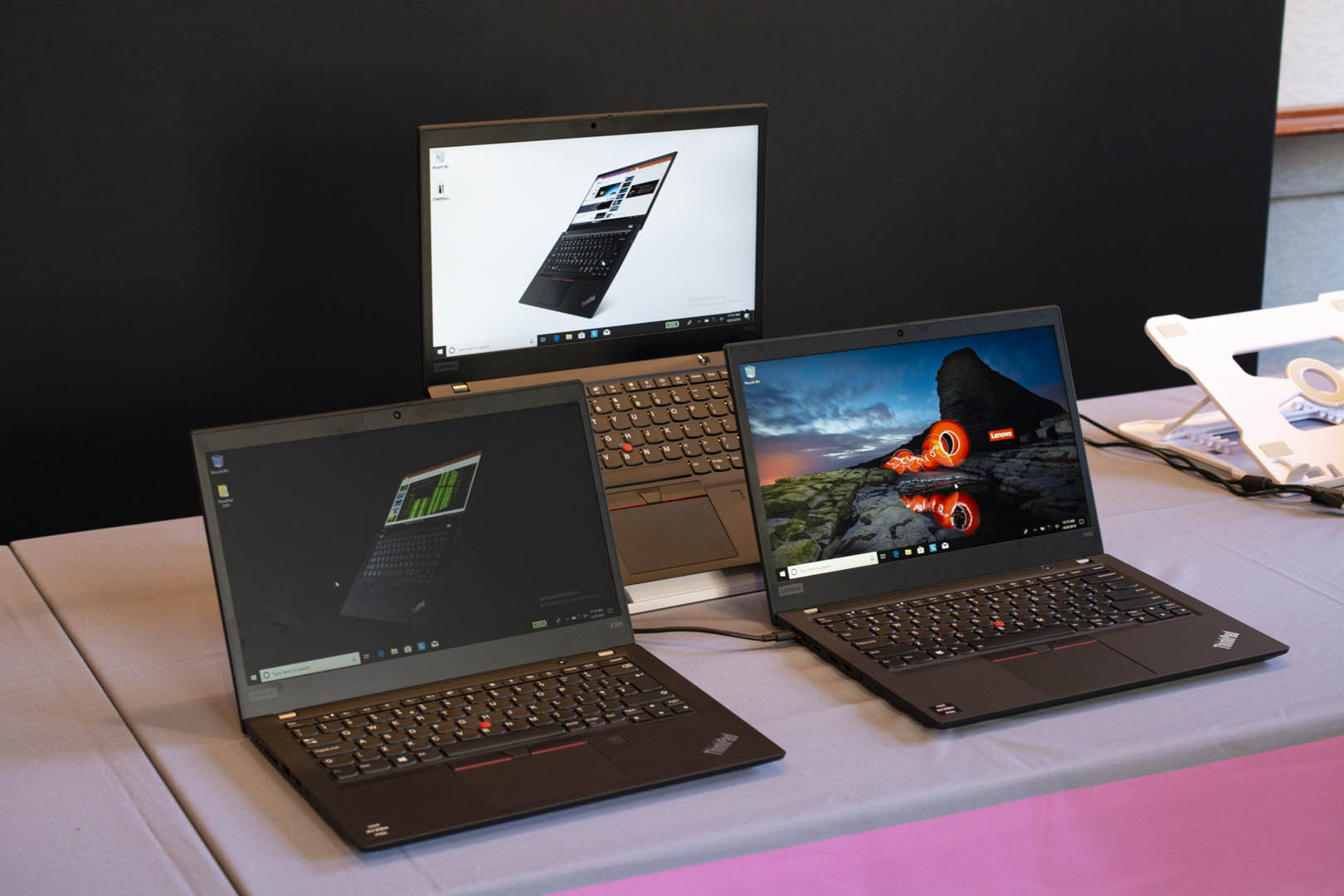
Amazon’s second big sale-a-thon of the year is coming this week, but you don’t have to wait for the savings to drop during the retailer’s Prime Big Deal Days. There are plenty of bargains to be found from Amazon rivals, including laptops from Lenovo, tech gear and gadgets from Best Buy, and vacuums from Target. Whether you need a new ThinkPad laptop or an Apple MacBook, this list has you covered. Of course, Amazon is inescapable, so we’ve also included a few pre-Prime Day deals as well.

Lenovo deals

  • Lenovo ThinkPad X1 Carbon Gen 11 (14-inch, Intel Core i7-1365U) for $1,615 (was $3,229) at Lenovo
  • Lenovo Yoga 7i (16-inch, Intel Core i5-1340P) for $855 (was $1,140) at Lenovo
  • Lenovo ThinkPad L13 Gen 2 AMD (13-inch, AMD Ryzen 5 Pro 5650U) for $389 (was $1,639) at Lenovo
  • Lenovo IdeaPad 1 (15-inch, AMD Athlon Gold 7220U) for $280 (was $400) at Lenovo
  • Lenovo ThinkBook 15 Gen 4 (15-inch, Intel Core i5-1235U) for $780 (was $1,499) at Lenovo
  • Lenovo Legion Slim 7 Gen 8 (16-inch, AMD Ryzen 7 7840HS and RTX 4060) for $1,400 (was $1,680) at Lenovo
  • Lenovo ThinkPad X1 Carbon Gen 10 (14-inch, Intel Core i7-1270P) for $1,443 (was $3,609) at Lenovo
  • Lenovo ThinkPad P16 Gen 2 (16-inch, Intel Core i9-13950HX and RTX A5000) for $5,469 (was $9,939) at Lenovo
  • Lenovo Slim Pro 7 (14-inch, AMD Ryzen 7 7840HS and RTX 3050) for $1,085 (was $1,450) at Lenovo
  • Lenovo Legion Pro 5i Gen 8 (16-inch, Intel Core i5-13500HX and RTX 4050) for $1,100 (was $1,480) at Lenovo
  • Lenovo ThinkPad E16 Gen 1 (16-inch, Intel Core I5-1335U) for $797 (was $1,449) at Lenovo
  • Lenovo ThinkBook 15 Gen 4 (15-inch, AMD Ryzen 7 5825U) for $764 (was $1,469) at Lenovo
  • Lenovo ThinkPad P14s Gen 4 (14-inch, Intel Core i7-1360P and RTX A500) for $1,859 (was $3,389) at Lenovo
  • Lenovo IdeaPad Slim 3 (15-inch, AMD Ryzen 3 7330U) for $440 (was $650) at Lenovo
  • Lenovo 3i Chromebook (15-inch, Intel Pentium Silver N6000) for $310 (was $440) at Lenovo
  • Lenovo IdeaPad Slim 3i Chromebook (14-inch, Intel Core i3-N305) for $425 (was $550) at Lenovo
  • Lenovo ThinkPad X13 Yoga Gen 2 (13-inch, Intel Core i5-1145G7) for $739 (was $3,129) at Lenovo
  • Lenovo ThinkPad T14s Gen 2 (14-inch, Intel Core i5-1145G7) for $869 (was $3,629) at Lenovo
  • Lenovo ThinkPad X13 Yoga Gen 2 (13-inch, Intel Core i5-1145G7) for $729 (was $3,089) at Lenovo
  • Lenovo ThinkBook 14 Gen 4 (14-inch, Intel Core i5-1235U) for $730 (was $1,404) at Lenovo
  • Lenovo LOQ (16-inch, Intel Core i5-13500H and RTX 4050) for $850 (was $1,200) at Lenovo
  • Lenovo ThinkPad T14s Gen 4 (14-inch, AMD Ryzen 5 Pro 7540U) for $907 (was $1,649) at Lenovo
  • Lenovo LOQ (15-inch, Intel Core i7-13700H and RTX 4050) for $1,050 (was $1,400) at Lenovo
  • Lenovo ThinkPad X13 Gen 4 (13-inch, Intel Core i7-1355U) for $1,094 (was $2,189) at Lenovo
  • Lenovo ThinkPad E14 Gen 4 (14-inch, AMD Ryzen 7 5825U) for $1,204 (was $2,189) at Lenovo
  • Lenovo Legion Slim 5i Gen 8 (16-inch, Intel Core i5-13500H and RTX 4050) for $1,050 (was $1,350) at Lenovo
  • Lenovo ThinkPad T14s Gen 4 (14-inch, Intel Core i5-1345U) for $1,490 (was $2,709) at Lenovo
  • Lenovo ThinkPad P16s Gen 2 (16-inch, Intel Core i7-1360P and RTX A500) for $1,529 (was $2,789) at Lenovo
  • Lenovo ThinkPad P16 Gen 2 (16-inch, Intel Core i7-13700HX and RTX A1000) for $2,139 (was $3,899) at Lenovo
  • Lenovo ThinkPad P1 Gen 6 (16-inch, Intel Core i7-13700H and RTX A2000) for $2,409 (was $4,389) at Lenovo
  • Logitech MX Keys Mini Combo for $150 (was $200) at Lenovo
  • Logitech MK750 Wireless Solar Keyboard and Mouse for $68 (was $85) at Lenovo
  • Logitech Lift for Business (Graphite) mouse for $56 (was $70) at Lenovo

Best Buy

  • Apple MacBook Air 15-inch Laptop – M2 chip for $1,049 (was $1,299) at Best Buy
  • Apple 10.2-Inch iPad (9th Generation) for $270 (was $330) at Best Buy
  • Apple 10.9-Inch iPad Air (5th Generation) for $500 (was $600) at Best Buy
  • Bose Headphones 700 Wireless Noise Cancelling Over-the-Ear Headphones for $299 (was $379) at Best Buy
  • Microsoft Surface Laptop 4 (13.5-inch, AMD Ryzen 5 Surface Edition) for $700 (was $900) at Best Buy
  • Microsoft Surface Laptop 5 (13.5-inch, Intel Evo Platform Core i5) for $900 (was $1,000) at Best Buy
  • Microsoft Surface Laptop Go 2 (12.4-inch, Intel Core i5) for $600 (was $700) at Best Buy
  • Microsoft Surface Laptop Studio (14.4-inch, Intel Core i5) for $1,100 (was $1,600) at Best Buy
  • Alienware AW2523HF 24.5-inch IPS LED FHD monitor for $300 (was $450) at Best Buy
  • Dell S2722QC 27-inch 4K IPS LED UHD monitor for $300 (was $400) at Best Buy
  • Alienware AW3423DWF 34-inch Quantum Dot OLED Curved Ultrawide Gaming Monitor for $900 (was $1,000) at Best Buy
  • Nest Hub 7-inch Smart Display with Google Assistant (2nd Gen) for $60 (was $100) at Best Buy
  • eero Pro 6 AX4200 Tri-Band Mesh Wi-Fi 6 System (3-pack) for $240 (was $400) at Best Buy
  • eero 6+ AX3000 Dual-Band Mesh Wi-Fi 6 System (3-pack) for $195 (was $300) at Best Buy
  • eero Pro 6E AXE5400 Tri-Band Mesh Wi-Fi 6E System (3-pack) for $400 (was $550) at Best Buy
  • Amazon Echo Show 8 (2nd Gen, 2021 release) for $60 (was $130) at Best Buy

Walmart deals

  • Apple Watch SE (1st Gen) GPS, 44 mm Space Gray Aluminum Case for $149 (was $309) at Walmart

Amazon pre-Prime Day deals

  • Amazon Kindle Scribe (16 GB) with Basic Pen for $265 (was $340) at Amazon
  • iRobot Roomba Combo i5 for $249 (was $350) at Amazon
  • LG UltraWide WFHD 29-Inch FHD 1080p Computer Monitor 29WN600-W for $150 (was $200) at Amazon
  • LG 28MQ780-B 28-Inch SDQHD (2560×2880) Nano IPS DualUp Monitor for $653 (was $700) at Amazon
  • LG UltraFine 31.5-Inch Computer Monitor 32UP83A-W for $300 (was $400) at Amazon
  • LG 32-inch Ultragear 4K UHD (3840×2160) Gaming Monitor for $650 (was $700) at Amazon
  • LG gram (2022) Laptop 16Z90Q 16-inch, Intel Evo 12th Gen Core i7 for $1,055 (was $1,200) at Amazon
  • LG 32UN500-W Monitor 32-inch UltraFine (3840×2160) Display for $250 (was $300) at Amazon
  • Dyson Outsize Cordless Vacuum Cleaner for $449 (was $528) at Amazon
  • DeWalt 20V MAX XR Impact Driver, Brushless for $99 (was $149) at Amazon
  • DeWalt 20V MAX Cordless Drill and Impact Driver for $139 (was $239) at Amazon
  • Apple AirPods Pro (2nd Generation, Lightning) Wireless Earbuds for $199 (was $249) at Amazon
  • Apple AirPods (3rd Generation, Lightning) Wireless Earbuds for $150 (was $170) at Amazon
  • Apple AirPods Max Wireless Over-Ear Headphones for $480 (was $549) at Amazon
  • Apple MacBook Air 13.3-inch Laptop M1 for $750 (was $999) at Amazon
  • Apple iPad Air (5th Generation) for $500 (was $599) at Amazon
  • Apple iPad (9th Generation) for $249 (was $329) at Amazon
  • Apple iPad Mini (6th Generation) for $469 (was $499) at Amazon
  • Apple iPad Pro 12.9-inch (6th Generation) for $1,049 (was $1,099) at Amazon
  • Apple AirTag 4 Pack for $89 (was $99) at Amazon

Ars Technica may earn compensation for sales from links on this post through affiliate programs.

Read on Ars Technica | Comments


Source: Ars Technica – Dealmaster: Pre-Amazon Big Deal Days tech deals that don’t require a Prime membership

Decomposing Language Models Into Understandable Components

AI startup Anthropic, writing in a blog post: Neural networks are trained on data, not programmed to follow rules. With each step of training, millions or billions of parameters are updated to make the model better at tasks, and by the end, the model is capable of a dizzying array of behaviors. We understand the math of the trained network exactly — each neuron in a neural network performs simple arithmetic — but we don’t understand why those mathematical operations result in the behaviors we see. This makes it hard to diagnose failure modes, hard to know how to fix them, and hard to certify that a model is truly safe. Neuroscientists face a similar problem with understanding the biological basis for human behavior. The neurons firing in a person’s brain must somehow implement their thoughts, feelings, and decision-making. Decades of neuroscience research has revealed a lot about how the brain works, and enabled targeted treatments for diseases such as epilepsy, but much remains mysterious. Luckily for those of us trying to understand artificial neural networks, experiments are much, much easier to run. We can simultaneously record the activation of every neuron in the network, intervene by silencing or stimulating them, and test the network’s response to any possible input.

Unfortunately, it turns out that the individual neurons do not have consistent relationships to network behavior. For example, a single neuron in a small language model is active in many unrelated contexts, including: academic citations, English dialogue, HTTP requests, and Korean text. In a classic vision model, a single neuron responds to faces of cats and fronts of cars. The activation of one neuron can mean different things in different contexts. In our latest paper, Towards Monosemanticity: Decomposing Language Models With Dictionary Learning , we outline evidence that there are better units of analysis than individual neurons, and we have built machinery that lets us find these units in small transformer models. These units, called features, correspond to patterns (linear combinations) of neuron activations. This provides a path to breaking down complex neural networks into parts we can understand, and builds on previous efforts to interpret high-dimensional systems in neuroscience, machine learning, and statistics. In a transformer language model, we decompose a layer with 512 neurons into more than 4000 features which separately represent things like DNA sequences, legal language, HTTP requests, Hebrew text, nutrition statements, and much, much more. Most of these model properties are invisible when looking at the activations of individual neurons in isolation.

Read more of this story at Slashdot.


Source: Slashdot – Decomposing Language Models Into Understandable Components

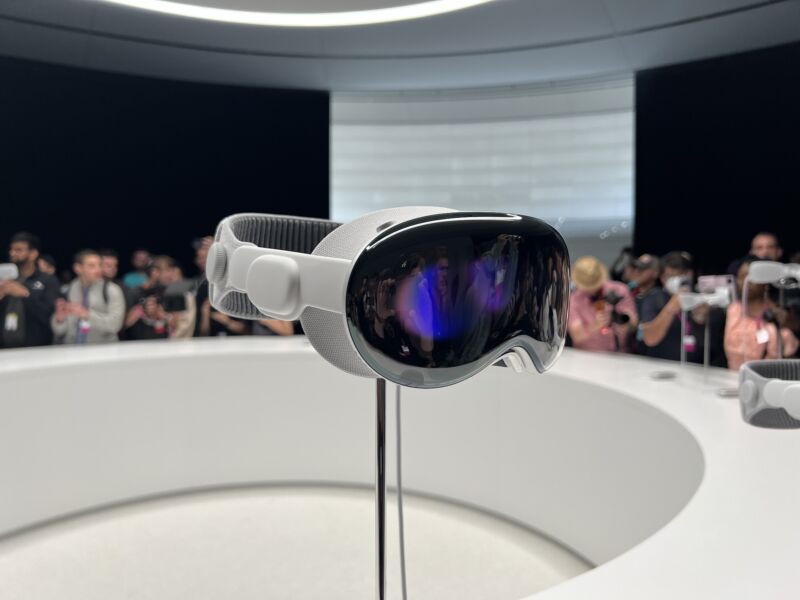
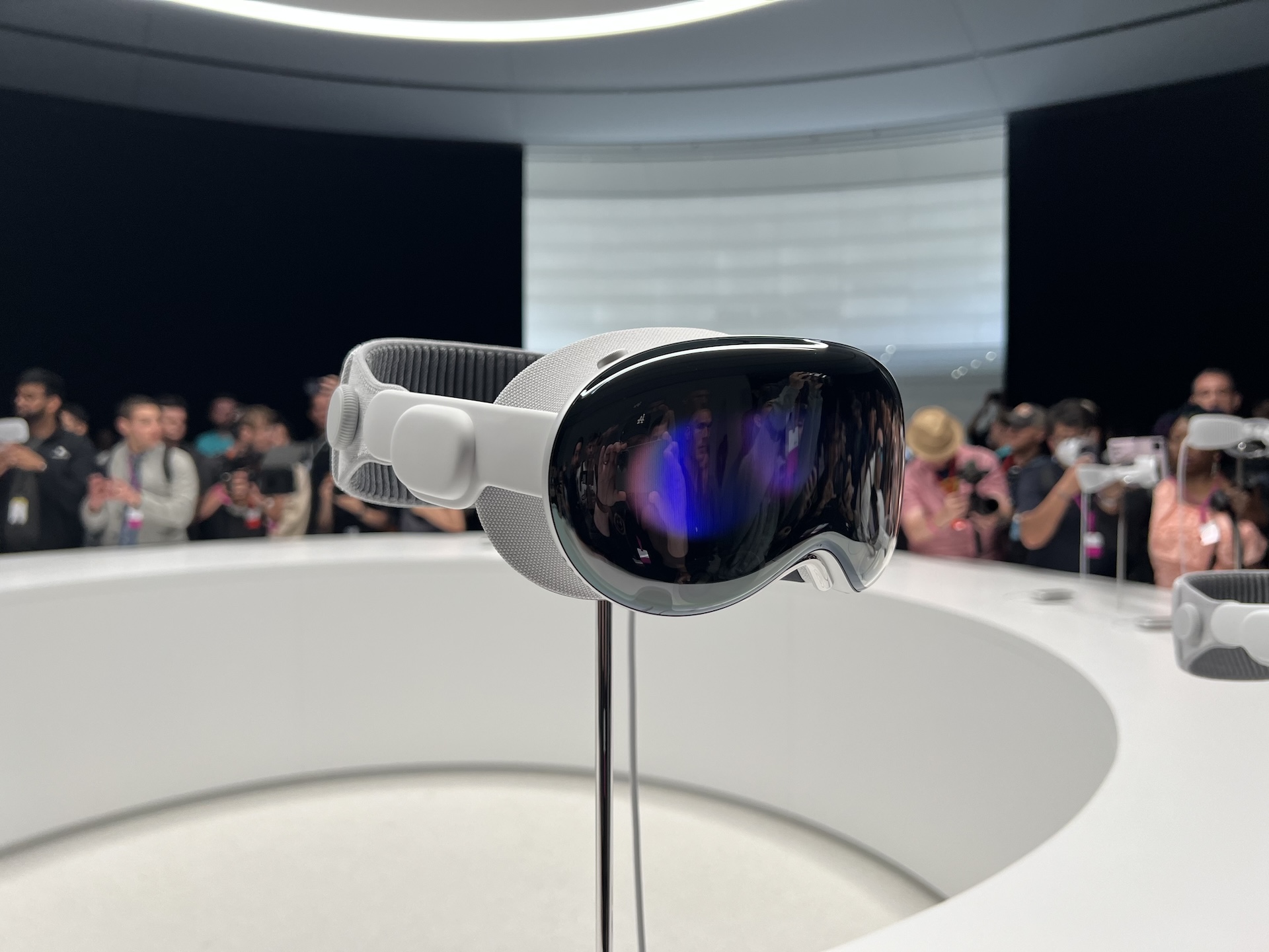
Report: Apple is already designing a lighter Vision Pro to fix “neck strain”

Apple's Vision Pro headset.

Enlarge / Apple’s Vision Pro headset. (credit: Samuel Axon)

When it jumps into a new market for the first time, Apple has a long history of releasing intriguing first-generation devices, followed by second- or third-generation revisions that realize the full potential of the original idea. Examples of this phenomenon include the second-generation iPod, which expanded compatibility beyond the Mac; the iPhone 3G refresh that increased cellular data speeds and ushered in the App Store; the 2010 MacBook Air refresh that switched to all-SSD storage and defined the template for the modern laptop; and the long-lived iPad 2, which did most of the same things as the first iPad but in a much faster and lighter package.

Apple is already working on a next-generation version of its Vision Pro headset to address early complaints about the as-yet-unreleased first-generation model, according to Bloomberg’s Mark Gurman. The headset’s roughly 1-pound weight has apparently “caused neck strain” among some testers, and Apple allegedly sees the not-yet-finalized optional top strap as an imperfect solution to the problem. Apple also wants to reduce the device’s size along with its weight.

Apple is also considering changing the way that prescription lenses are built into the headset. The initial version will use interchangeable Zeiss lenses that attach to the headset magnetically, but next-gen versions could have prescription lenses built-in during manufacturing.

Read 4 remaining paragraphs | Comments


Source: Ars Technica – Report: Apple is already designing a lighter Vision Pro to fix “neck strain”