
Hours after the release of Ubuntu 23.10, Canonical has pulled the ISOs and is re-spinning them after user-submitted translations for the Ubuntu installer turned out to contain hate speech…
Source: Phoronix – Ubuntu Desktop 23.10 ISOs Recalled Due To Malicious User Translations
Category Archives: Unfiltered RSS
Goosebumps Scares Its Way to a New Generation

Readers beware, you’re in for a new take on Goosebumps scares.
Source: Gizmodo – Goosebumps Scares Its Way to a New Generation
Intel Lands A Few Noteworthy Improvements Today Into The GCC 14 Compiler
It was a busy day for the GCC 14 (GNU Compiler Collection) development with Intel landing three separate noteworthy contributions just today for this next major open-source compiler release…
Source: Phoronix – Intel Lands A Few Noteworthy Improvements Today Into The GCC 14 Compiler
The EPA won't force water utilities to inspect their cyber defenses
The EPA is withdrawing its plan to require states to assess the cybersecurity and integrity of public water system programs. While the agency says it continues to believe cybersecurity protective measures are essential for the public water industry, the decision was made after GOP-led states sued the agency for proposing the rule.
In a memo that accompanied the new rules in March, the EPA said that cybersecurity attacks on water and wastewater systems “have the potential to disable or contaminate the delivery of drinking water to consumers and other essential facilities like hospitals.” Despite the EPA’s willingness to provide training and technical support to help states and public water system organizations implement cybersecurity surveys, the move garnered opposition from both GOP state attorneys and trade groups.
Republican state attorneys that were against the new proposed policies said that the call for new inspections could overwhelm state regulators. The attorney generals of Arkansas, Iowa and Missouri all sued the EPA – claiming the agency had no authority to set these requirements. This led to the EPA’s proposal being temporarily blocked back in June.
While it’s unclear if any cybersecurity regulations will be put in motion to protect the public moving forward, the EPA said it plans to continue working with the industry to “lower cybersecurity risks to clean and safe water.“ It encourages all states to “voluntarily review” the cybersecurity of their water systems, nothing that any proactive actions might curb the potential public health impacts if a hack were to take place.
Ever since the highly publicized Solarwinds hack in 2020 that exposed government records and the 2021 Colonial Pipeline ransomware attack that temporarily shut down operations for the oil pipeline system, it’s been abundantly clear that government entities and public agencies are hackable and prime targets for bad actors. The Biden administration has initiated a national strategy focused on public-private alliances to shift the burden of cybersecurity onto the organizations that are “best-positioned to reduce risks for all of us.”
This article originally appeared on Engadget at https://www.engadget.com/the-epa-wont-force-water-utilities-to-inspect-their-cyber-defenses-232301497.html?src=rss
Source: Engadget – The EPA won’t force water utilities to inspect their cyber defenses
Google Removes the Photo Sphere Mode From the Pixel 8 Camera
Since 2012, Google Pixel phones have had a Photo Sphere Mode, allowing users to capture 360-degree images. Now, according to Android Authority, Google has dropped the feature from the Pixel 8 series with no explanation given. From the report: Photo Sphere Mode allowed you to capture panoramic 360-degree pictures by stitching multiple images together. The feature was first introduced back in 2012 on the Nexus 4 and persisted well into the Pixel era, with the likes of the Pixel Fold and Pixel 7a still offering it. The act of capturing a Photo Sphere wasn’t exactly seamless owing to the sheer number of images required, although it had an admittedly intuitive UI. Significant stitching issues and exposure/white balance differences were also very common.
We’re therefore not surprised Google has decided to drop the feature. Even without taking the aforementioned issues into account, the mode’s utility seemed limited beyond some scenarios like mapping purposes (e.g. viewing environments in Google Maps) and VR. In saying so, we hope the company rebounds with a more polished take on 360-degree photos in the future.


Read more of this story at Slashdot.
Source: Slashdot – Google Removes the Photo Sphere Mode From the Pixel 8 Camera
Rick and Morty's Big Vocal Switch Feels Almost Shockingly Seamless

Rick and Morty returns this Sunday, and while the Adult Swim show is used to plenty of fanfare heralding each new season, its seventh is under particular scrutiny for one big reason: it marks the debut of Rick and Morty’s new voices after Justin Roiland’s departure made recasting urgently necessary.
Source: Gizmodo – Rick and Morty’s Big Vocal Switch Feels Almost Shockingly Seamless
Ubuntu 23.10 is a Minotaur that moves faster and takes up less space
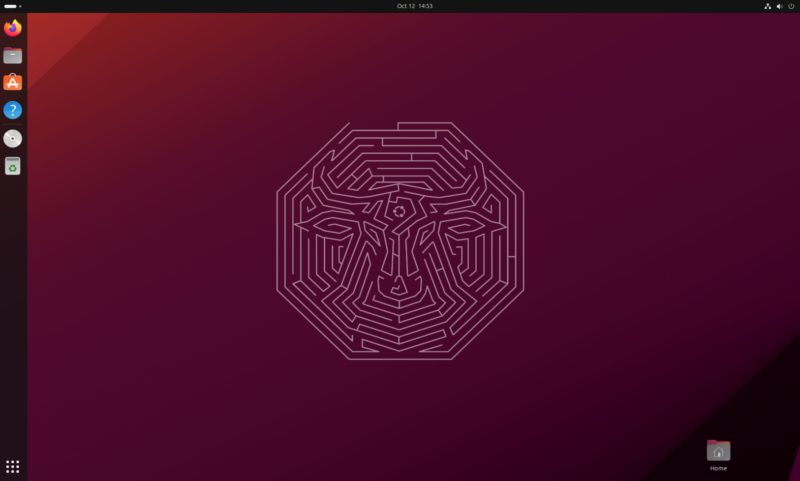
Enlarge / The Ubuntu 23.10 desktop, working just fine before you start messing with it.
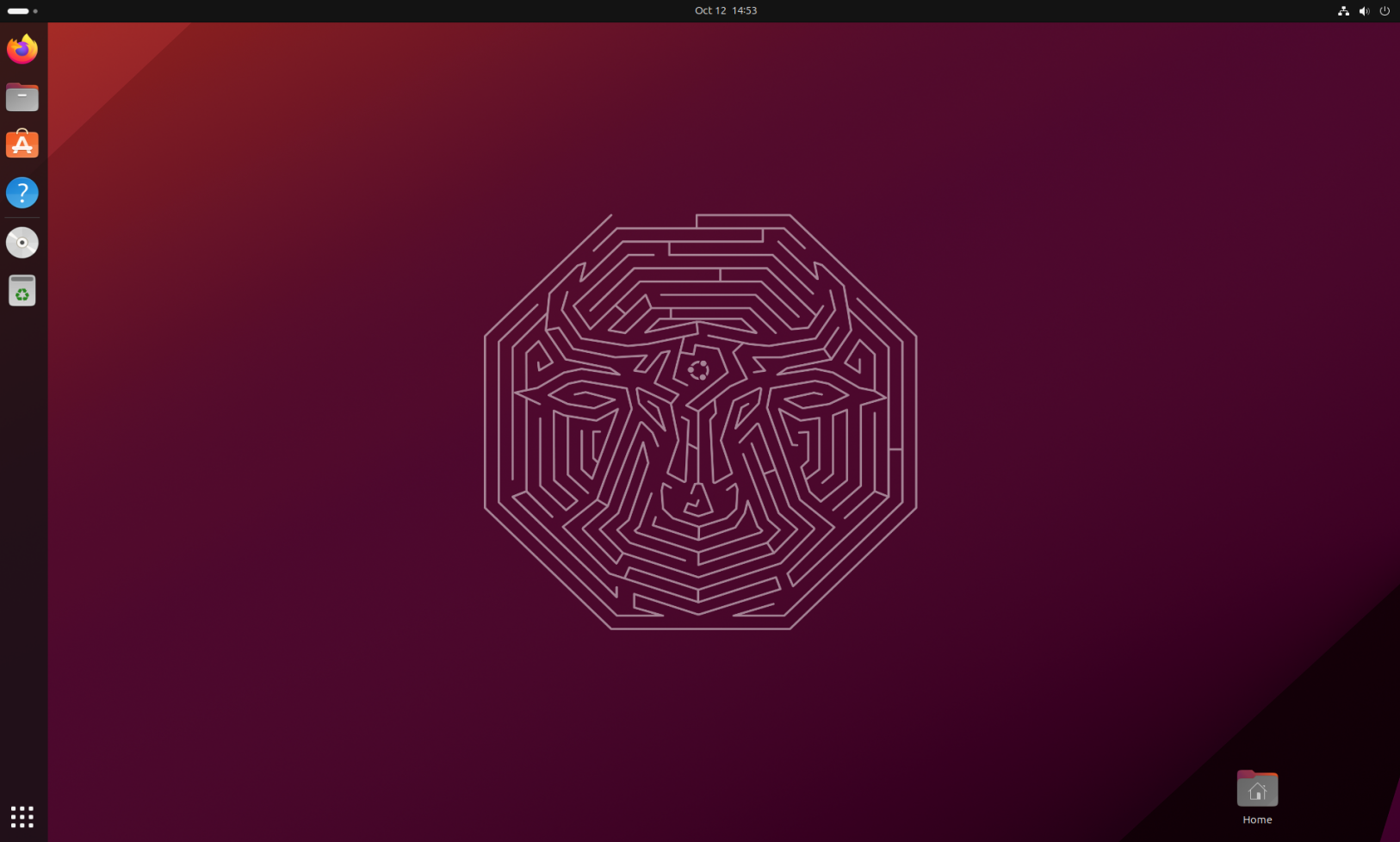
Ubuntu 23.10, codenamed Mantic Minotaur, is the 39th Ubuntu release, and it’s one of the three smaller interim releases Canonical puts out between long-term support (LTS) versions. This last interim before the next LTS doesn’t stand out with bold features you can identify at a glance. But it does set up some useful options and upgrades that should persist in Ubuntu for some time.
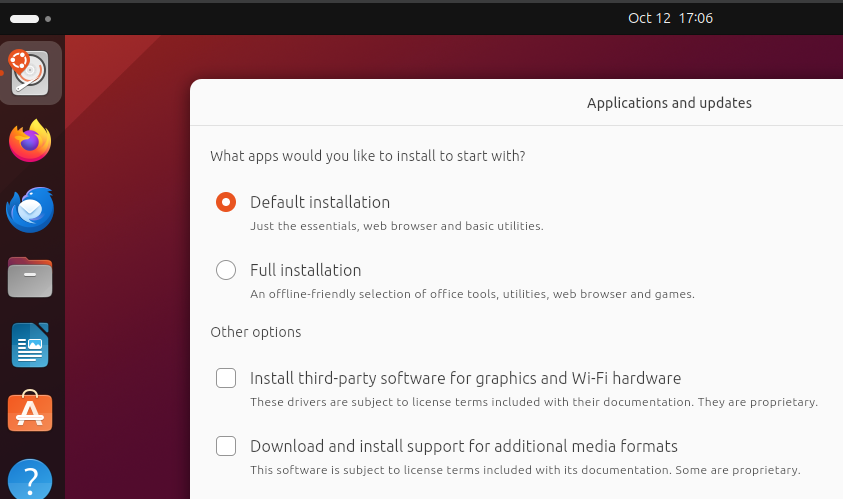
Your new installation options in Ubuntu 23.10. Neither of them is “Minimal,” but that might be coming.
Slimmed down and Flutter-ed up
Two of the biggest changes in Ubuntu 23.10 are in the installer. Ubuntu now defaults to a “Default installation,” which is quite different from what the “default” was even just one release prior. “Default” is described as “Just the essentials, web browser, and basic utilities,” while “Full” is “An offline-friendly selection of office tools, utilities, web browser, and games.” “Default” is somewhat similar to what “Minimal” used to be in prior versions, while “Full” is intended for those who are offline or have slow connections or just want as many options as possible right away.
At the moment, most people won’t be saving much, assuming they install off an ISO file. The ISO for Ubuntu 23.10 is 4.6GB, which is smaller than the 4.9GB ISO of Ubuntu 23.04, but not drastically so. This may change, however; Ubuntu staffers note that they have bigger plans for provisioning and install options, which may make it into 24.04. For now, it’s a way to avoid clutter in your app search, at least, if not your disk overall.
Read 9 remaining paragraphs | Comments
Source: Ars Technica – Ubuntu 23.10 is a Minotaur that moves faster and takes up less space
Where to Stream the California Vs. Utah Game

The imaginatively named Utah Utes are hosting the California Golden Bears this weekend at Rice-Eccles Stadium in Salt Lake City. Both teams are coming from losses last week with scores that highlight each team’s strength—Cal went down 52-40 and Utah was beaten 21-7, so it’s offense versus defense, Utah’s immovable…
Source: LifeHacker – Where to Stream the California Vs. Utah Game
EA’s Next Soccer Game Is Turn-Based And Looks Like An RPG

EA’s next soccer game is going to be a bit different than most of its countless sports releases. That’s because, unlike FIFA or Madden, its upcoming FC Tactical is a turn-based RPG-like soccer game featuring magical-seeming special moves. Weird, but intriguing!
Source: Kotaku – EA’s Next Soccer Game Is Turn-Based And Looks Like An RPG
New York Seeks To Limit Social Media's Grip On Children's Attention
An anonymous reader quotes a report from the New York Times: New York State officials on Wednesday unveiled a bill to protect young people from potential mental health risks by prohibiting minors from accessing algorithm-based social media feeds unless they have permission from their parents. Gov. Kathy Hochul and Letitia James, the state attorney general, announced their support of new legislation to crack down on the often inscrutable algorithms, which they argue are used to keep young users on social media platforms for extended periods of time — sometimes to their detriment. If the bill is passed and signed into law, anyone under 18 in New York would need parental consent to access those feeds on TikTok, Instagram, Facebook, YouTube, X and other social media platforms that use algorithms to display personalized content. While other states have sought far-reaching bans and measures on social media apps, New York is among a few seeking to target the algorithms more narrowly.
The legislation, for example, would target TikTok’s central feature, its ubiquitous “For You” feed, which displays boundless reams of short-form videos based on user interests or past interactions. But it would not affect a minor’s access to the chronological feeds that show posts published by the accounts that a user has decided to follow. The bill would also allow parents to limit the number of hours their children can spend on a platform and block their child’s access to social media apps overnight, from midnight until 6 a.m., as well as pause notifications during that time.
The bill in New York, which could be considered as soon as January when the 2024 legislative session begins, is likely to confront resistance from tech industry groups. The bill’s sponsors, State Senator Andrew Gounardes and Assemblywoman Nily Rozic, said they were readying for a fight. But Ms. Hochul’s enthusiastic support of the bill — she rarely joins lawmakers to introduce bills — is a sign that it could succeed in the State Capitol, which Democrats control. A second bill unveiled on Wednesday is meant to protect children’s privacy by prohibiting websites from “collecting, using, sharing, or selling personal data” from anyone under 18 for the purpose of advertising, unless they receive consent, according to a news release. Both bills would empower the state attorney general to go after platforms found in violation.


Read more of this story at Slashdot.
Source: Slashdot – New York Seeks To Limit Social Media’s Grip On Children’s Attention
Starlink's satellite cell service is set to launch in 2024, but only for SMS
The launch of Starlink’s much-anticipated satellite cellular service, Direct-to-Cell, will reportedly begin rolling out for SMS in 2024, according to a newly published promotional site by the company. Eventually the system will “enable ubiquitous access to texting, calling, and browsing wherever you may be on land, lakes, or coastal waters,” and connect to IoT devices through the LTE standard.
Starlink has partnered with T-Mobile on the project, which was originally announced last August at the “Coverage and Above and Beyond” event. The collaboration sees T-Mobile setting aside a bit of its 5G spectrum for use by Starlink’s second-generation satellites; Starlink in turn will allow T-Mobile phones to access the satellite network giving the cell service provider “near complete coverage” of the United States.
During the event last August, SpaceX CEO Elon Musk tweeted that “Starlink V2” would launch this year on select mobile phones, as well as in Tesla vehicles. “The important thing about this is that it means there are no dead zones anywhere in the world for your cell phone,” Musk said in a press statement at the time. “We’re incredibly excited to do this with T-Mobile.” That estimate was revised during a March panel discussion at the Satellite Conference and Exhibition 2023, when SpaceX VP of Starlink enterprise sales Jonathan Hofeller estimated testing — not commercial operation — would begin in 2023.
The existing constellation of 4,265 satellites are not compatible with the new cell service so Starlink is going to have to launch a whole new series of microsats with the necessary eNodeB modem installed, over the next few years. As more satellites are launched, the adde voice and data features will become available.
As an messaging-only satellite service, Direct-to-Cell will immediately find competition from Apple, with its Emergency SOS via Satellite feature in iOS 14, as well as Qualcomm’s rival Snapdragon Satellite, which delivers texts to Android phones from orbit using the Iridium constellation. Competition is expected to be fierce in this emerging market, Lynk Global CEO Charles Miller noted during the March event, arguing that satellite cell service could potentially be the “biggest category in satellite.”
This article originally appeared on Engadget at https://www.engadget.com/starlinks-satellite-cell-service-is-set-to-launch-in-2024-but-only-for-sms-215036124.html?src=rss
Source: Engadget – Starlink’s satellite cell service is set to launch in 2024, but only for SMS
The Best Way to Clean Your Uggs

Uggs are ubiquitous in the winter, though they cycle from being actually-trendy to ironic-trendy and back again pretty regularly. Regardless, the sheepskin boots and slippers are a staple—albeit one that gets pretty dirty in all the slush and salt. Uggs sells a cleaning kit, but after dropping all that money on the…
Source: LifeHacker – The Best Way to Clean Your Uggs
A Lot of Pet Owners (Wrongly) Think Vaccines Are Bad for Dogs

The anti-vaccination movement is going to the dogs. Recent survey data has suggested that a substantial proportion of American dog owners have doubts about their pets’ vaccines, including the rabies shot. Rabies is almost always fatal if not treated promptly, and routine canine vaccination has helped make pet and…
Source: Gizmodo – A Lot of Pet Owners (Wrongly) Think Vaccines Are Bad for Dogs
Accounting Graduates Drop By Highest Percentage in Years
The pool of U.S. students who completed accounting degrees dropped sharply in the latest available academic year as more workers in the profession retire without an adequate pipeline of entrants to fill the gap. From a report: Roughly 47,070 students earned a bachelor’s degree in accounting in the 2021 to 2022 academic year, down 7.8% from the prior year, according to an annual report released Thursday by the American Institute of Certified Public Accountants, a professional organization. About 18,240 students received a master’s degree in that academic year, down 6.4% from the prior year. That is compared with drops of 2.8% and 4.7% for graduates with bachelor’s and master’s degrees in accountants in the prior-year period, respectively.
Overall, the number of U.S. accounting graduates with either degree dropped 7.4% to 65,305 in the 2021 to 2022 year, the largest drop in a single year since at least the 1994 to 1995 year, when 51,622 students graduated in accounting, a review of AICPA data showed. Fewer people are selecting accounting as their career, citing low salaries compared with industries such as tech and banking. Young workers are wary of the requirement of 150 college credit hours for getting a certified public accountant license, posing additional costs and time commitment.


Read more of this story at Slashdot.
Source: Slashdot – Accounting Graduates Drop By Highest Percentage in Years
Rick and Michonne's Walking Dead Show Has a Brand New Teaser Trailer

Even if you’re one of the many fans who used to religiously watch The Walking Dead and fell off somewhere along the way, there’s one project coming you are still curious about. It’s, of course, the Rick and Michonne spinoff show called The Walking Dead: The Ones Who Live.
Source: Gizmodo – Rick and Michonne’s Walking Dead Show Has a Brand New Teaser Trailer
Teens' Friendship Ended With Netflix, Now YouTube Is Their Best Friend

A new survey suggests that American teens—a generation that doesn’t know what life was like without streaming—now favor watching videos on YouTube rather than the previously all-powerful Netflix.
Source: Gizmodo – Teens’ Friendship Ended With Netflix, Now YouTube Is Their Best Friend
The Pura 4 Smart Diffuser Answers the Question, ‘Why Would Anyone Need a Smart Diffuser?’

There was a time, not long ago, when I thought the concept of a smart diffuser was like giving a fish a bicycle. Why does a diffuser need to be smart? Well, after trying out the Pura 4 Smart Diffuser, now I know. (But if you read this review and still prefer your scents “dumb,” go ahead, get a candle.)
Source: LifeHacker – The Pura 4 Smart Diffuser Answers the Question, ‘Why Would Anyone Need a Smart Diffuser?’
These Popular TikTok Cleaning ‘Hacks’ Don’t Actually Work

The concept of finding a hack that makes your life easier or cheaper is especially tempting when it comes to cleaning your house—and TikTok is full of such advice. But many of the cleaning “hacks” you find there feature superficial results, basic misinformation or disinformation, and the sad state of STEM education in…
Source: LifeHacker – These Popular TikTok Cleaning ‘Hacks’ Don’t Actually Work
TSMC: Ecosystem for 2nm Chip Development Is Nearing Completion

Speaking to partners last week as part of their annual Open Innovation Platform forum in Europe, a big portion of TSMC’s roadshow was dedicated to the next generation of the company’s foundry technology. TSMC’s 2 nm-class N2, N2P, and N2X process technologies are set to introduce multiple innovations, including nanosheet gate-all-around (GAA) transistors, backside power delivery, and super-high-performance metal-insulator-metal (SHPMIM) capacitor over the next few years. But in order to take advantage of these innovations, TSMC warns, chip designers will need to use all-new electronic design automation (EDA), simulation, and verification tools as well as IP. And while making such a big shift is never an easy task, TSMC is bringing some good news to chip designers early-on: even with N2 still a couple of years out, many of the major EDA tools, verification tools, foundation IP, and even analog IP for N2 are already available for use.
“For N2 we could be working with them two years in advance already because nanosheet is different,” said Dan Kochpatcharin, Head of Design Infrastructure Management at TSMC, at the OIP 2023 conference in Amsterdam. “[EDA] tools have to be ready, so what the OIP did is to work with them early. We have a huge engineering team to work with the EDA partners, IP partners, [and other] partners.”
| Advertised PPA Improvements of New Process Technologies Data announced during conference calls, events, press briefings and press releases |
|||||
| TSMC | |||||
| N5 vs N7 |
N3 vs N5 |
N3E vs N5 |
N2 vs N3E |
||
| Power | -30% | -25-30% | -34% | -25-30% | |
| Performance | +15% | +10-15% | +18% | +10-15% | |
| Chip Density* | ? | ? | ~1.3X | >1.15X | |
| Volume Manufacturing |
Q2 2022 | H2 2022 | Q2/Q3 2023 | H2 2025 | |
*Chip density published by TSMC reflects ‘mixed’ chip density consisting of 50% logic, 30% SRAM, and 20% analog.
Preparations for the start of N2 chip production, scheduled for sometime in the second half of 2025, began long ago. Nanosheet GAA transistors behave differently than familiar FinFETs, so EDA and other tool and IP makers had to build their products from scratch. This is where TSMC’s Open Innovation Platform (OIP) demonstrated its prowess and enabled TSMC’s partners to start working on their products well in advance.
By now, major EDA tools from Cadence and Synopsys as well as many tools from Ansys and Siemens EDA have been certified by TSMC, so chip developers can already use them to design chips. Also, EDA software programs from Cadence and Synopsys are ready for analog design migration. Furthermore, Cadence’s EDA tools already support N2P’s backside power delivery network.
With pre-built IP designs, things are taking a bit longer. TSMC’s foundation libraries and IP, including standard cells, GPIO/ESD, PLL, SRAM, and ROM are ready both for mobile and high-performance computing applications. Meanwhile, some PLLs exist in pre-silicon development kits, whereas others are silicon proven. Finally, blocks such as non-volatile memory, interface IP, and even chiplet IP are not yet available – bottlenecking some chip designs – but these blocks in active development or planned for development by companies like Alphawave, Cadence, Credo, eMemory, GUC, and Synopsys, according to a TSMC slide. Ultimately, the ecosystem of tools and libraries for designing 2 nm chips is coming together, but it’s not all there quite yet.
“[Developing IP featuring nanosheet transistors] is not harder, but it does take more cycle time, cycle time is a bit longer,” said Kochpatcharin. “Some of these IP vendors also need to be trained [because] it is just different. To go from planar [transistor] to FinFET, is not harder, you just need to know how to do the FinFET. [It is] same thing, you just need to know how to do [this]. So, it does take some to be trained, but [when you are trained], it is easy. So that is why we started early.”
Although many of the major building blocks for chips are N2-ready, a lot of work still has to be done by many companies before TSMC’s 2 nm-class process technologies go into mass production. Large companies, which tend to design (or co-design) IP and development tools themselves are already working on their 2 nm chips, and should be ready with their products by the time mass production starts in 2H 2025. Other players can also fire up their design engines because 2 nm preps are well underway at TSMC and its partners.
Source: AnandTech – TSMC: Ecosystem for 2nm Chip Development Is Nearing Completion
FDA Cracks Down On Vape Sales by Banning Six Vuse Alto E-Cigarettes

The Food and Drug Administration (FDA) banned six flavored Vuse Alto e-cigarette products on Thursday amid a nationwide crackdown on vape and e-cigarette sales in the U.S. The FDA cited concerns that Vuse Alto applied targeted marketing to children as it became the top-selling vape product, surpassing Juul.
Source: Gizmodo – FDA Cracks Down On Vape Sales by Banning Six Vuse Alto E-Cigarettes