ASUS revealed to be total anime fan poseur via costly typo on motherboard

If you’ve ever wondered what would make Neon Genesis Evangelion fans go berserk, look no further than ASUS. The PC maker brought its $700 ROG Maximus Z790 Hero EVA-02 Edition motherboard to the US in September, and over time, eagle-eyed users finally started noticing a small typo in the anime brand: you get “EVANGENLION” instead of “EVANGELION.” In other words, someone at ASUS was probably watching dubs while accidentally adding the extra “n” here.

This mistake can be spotted alongside the “Polymo lighting” I/O cover panel, which has a display that switches between the iconic red mecha and its stubborn pilot, Asuka. As pointed out by Digital Trends, the official product shots also contained said typo at the time of publishing this article. Interestingly though, this wasn’t the case with the press images received by Engadget back in July — as per the above comparison image. We’ve reached out to ASUS regarding this amusing error, but there’s probably not much point in rectifying it at this point — much like the anime’s original abrupt ending.

Having said that, sometimes it’s typos like this that turn products into collectibles, but good luck finding one. This limited edition motherboard was once listed for above $1,000 by third-party sellers on Amazon, but it has since sold out. You may still find stock in some Micro Center stores, according to its website.

This article originally appeared on Engadget at https://www.engadget.com/asus-revealed-to-be-total-anime-fan-poseur-via-costly-typo-on-motherboard-034417256.html?src=rss

Source: Engadget – ASUS revealed to be total anime fan poseur via costly typo on motherboard

The Lego-Like Way To Get CO2 Out of the Atmosphere

An anonymous reader quotes a report from the Washington Post: For decades, scientists have tried to figure out ways to reverse climate change by pulling carbon dioxide out of the atmosphere and storing it underground. They’ve tried using trees, giant machines that suck CO2 out of the sky, complicated ocean methods that involve growing and burying huge quantities of kelp. Companies, researchers and the U.S. government have spent billions of dollars on the research and development of these approaches and yet they remain too expensive to make a substantial dent in carbon emissions. Now, a start-up says it has discovered a deceptively simple way to take CO2 from the atmosphere and store it for thousands of years. It involves making bricks out of smushed pieces of plants. And it could be a game changer for the growing industry working to pull carbon from the air.

Graphyte, a new company incubated by Bill Gates’s investment group Breakthrough Energy Ventures, announced Monday that it has created a method for turning bits of wood chips and rice hulls into low-cost, dehydrated chunks of plant matter. Those blocks of carbon-laden plant matter — which look a bit like shoe-box sized Lego blocks — can then be buried deep underground for hundreds of years. The approach, the company claims, could store a ton of CO2 for around $100 a ton, a number long considered a milestone for affordably removing carbon dioxide from the air. […] Graphyte’s approach uses the power of plants and trees to photosynthesize and pull carbon dioxide from the air. While trees and plants are excellent at carbon capture, they don’t store that carbon for very long — when a plant burns or decays, its stored carbon comes spilling back out into the air and soil.

Graphyte plans to avoid that decomposition by taking plant waste from timber harvesters and farmers and drying it thoroughly, removing all the microbes that could cause it to decompose and release greenhouse gases. Then, in a process that they call “carbon casting,” it will compress the waste and wrap it into Lego-like bricks, for easier storage about 10 feet underground. The company says that with the right monitoring systems, the blocks can stay there for a thousand years. […] Graphyte is planning to build its first project in Pine Bluff, Ark., and the company hopes to sequester its first carbon for a customer in 2024. It remains to be seen whether Graphyte will be able to scale up its operation to removing millions of tons of CO2 from the atmosphere. The company will need to secure many sources of plant waste and build many small processing centers around the country to be successful. “The simplicity of the Graphyte approach is so exciting,” said Daniel Sanchez, who runs the Carbon Removal Lab at the University of California at Berkeley, and serves as a science adviser for Graphyte. “You don’t need very expensive equipment or processes. And it locks up a lot of the carbon in the wood — nearly all of it.”

“People that are academics probably thought about this before and were like, ‘That’s way too simple,'” Sanchez said, laughing. “‘No one’s ever going to do that.'”

Read more of this story at Slashdot.


Source: Slashdot – The Lego-Like Way To Get CO2 Out of the Atmosphere

FIDO2 for centrally managed users

Fedora 39 enables FIDO2 authentication for centrally managed users with SSSD and FreeIPA. This post introduces the steps to follow to configure and start using it. FIDO2 FIDO2 is an open authentication standard based on public-key cryptography. It is more secure than passwords and OTPs (one time passwords), and simpler to use. It is usually […]

Source: LXer – FIDO2 for centrally managed users

Critical Squid Vulns Threaten Sensitive Data, System Availability

Several critical vulnerabilities were found in the popular Squid caching proxy, including request/response smuggling in HTTP/1.1 and ICAP (CVE-2023-46846), denial of service in HTTP Digest Authentication (CVE-2023-46847), and denial of service in FTP (CVE-2023-46848).

The post Critical Squid Vulns Threaten Sensitive Data, System Availability appeared first on Linux Today.


Source: Linux Today – Critical Squid Vulns Threaten Sensitive Data, System Availability

Open-Source 4K Dungeon Keeper Remake Spent 15 Years In the Making

Rick Lane reports via PC Gamer: KeeperFX has been in the process of rescuing Dungeon Keeper for a decade and a half. The project originally started in 2008, and experienced something of a bumpy road up until 2016. Since then, though, it has gradually added support for Windows 7, 10, and 11, support for hi-res and 4k screens, modernized controls, and even additional campaigns. With this latest version, KeeperFX’s developers say “all original Dungeon Keeper code has been rewritten, establishing KeeperFX as a true open-source standalone game.” 1.0 also introduces some new features, such as higher framerates, AI that is better at digging and less likely to “instantly” throw its entire army at you, and “higher quality landview speeches” for the additional campaigns. That refers to the introductions and epilogues to missions which, in the game’s original campaign, were voiced by Richard Ridings, aka Daddy Pig.

Perhaps most intriguing of all, KeeperFX’s 1.0 adds a couple of new units to play with. First up is the Druid, a sort-of color-flipped version of the Warlock who uses ice spells rather than fire. The other unit is the excitingly named Time Mage, a recolor of the Wizard who can cast teleport and speed spells, and also turn enemy units into chickens (presumably through rapid devolution). You won’t find these units in the original campaign, but you will encounter them in the custom campaigns bundled with the 1.0 version. You can download KeeperFX here, although it still requires you to own Dungeon Keeper “for copyright reasons.”

Read more of this story at Slashdot.


Source: Slashdot – Open-Source 4K Dungeon Keeper Remake Spent 15 Years In the Making

iPad Pro OLED Panels Rumored To Start Production In 2024

According to the Korea Herald, Apple is expected to begin production of OLED displays for its next-gen iPad Pro in February 2024. MacRumors reports: Sources familiar with the matter speaking to the Korea Herald claim that LG Display is set to initiate OLED production for the new iPad Pro as early as February next year at their facility in Paju, Gyeonggi Province — a time frame around three months sooner than previously expected. The displays are expected to be three times the price of those used in iPhones, which could translate to higher prices for customers. […] Apple is reportedly seeking around 10 million OLED panels for the iPad in 2024. LG is expected to supply around 60% of the OLED panels, with the remaining portion supplied by Samsung, which is expected to focus on the 11-inch model only. Production of the panels for the next-generation iPad Pro is expected to help LG Displays’ financial recovery next year. LG and Samsung are said to be currently finalizing price negotiations with Apple.

Read more of this story at Slashdot.


Source: Slashdot – iPad Pro OLED Panels Rumored To Start Production In 2024

Firefox Is Going To Try And Ship With Wayland Enabled By Default

Guardrails have been in place where the Firefox browser has enabled Wayland by default (when running on recent GTK versions) but as of today that code has been removed… Firefox will try to move forward with stable releases where Wayland will ship by default!..

Source: Phoronix – Firefox Is Going To Try And Ship With Wayland Enabled By Default

Zelle Begins Refunds For Imposter Scams After Government Pressure

According to Reuters, banks on the payment app Zelle have begun refunding victims of imposter scams to address consumer protection concerns raised by U.S. lawmakers and the federal consumer watchdog. From the report: The 2,100 financial firms on Zelle, a peer-to-peer network owned by seven banks including JPMorgan Chase and Bank of America, began reversing transfers as of June 30 for customers duped into sending money to scammers claiming to be from a government agency, bank or existing service provider, said Early Warning Services (EWS), the banks’ company that owns Zelle. That’s “well above existing legal and regulatory requirements,” Ben Chance, chief fraud risk officer at EWS, told Reuters.

Federal rules require banks to reimburse customers for payments made without their authorization, such as by hackers, but not when customers themselves make the transfer. While Zelle disclosed Aug. 30 that it had introduced a new reimbursement benefit for “specific scam types,” it has not previously provided details on its new imposter scam refund policy due to worries doing so might encourage criminals to make false scam claims, a spokesperson said. The new policy marks a major shift from last year when bankers, including JPMorgan CEO Jamie Dimon, told lawmakers worried about rising scams that it was unreasonable to require banks to refund transfers that customers were tricked into approving.

Read more of this story at Slashdot.


Source: Slashdot – Zelle Begins Refunds For Imposter Scams After Government Pressure

Healthcare Giant McLaren Reveals Data On 2.2 Million Patients Stolen During Ransomware Attack

An anonymous reader quotes a report from TechCrunch: Michigan-based McLaren Health Care has confirmed that the sensitive personal and health information of 2.2 million patients was compromised during a cyberattack earlier this year. A ransomware gang later took credit for the cyberattack. In a new data breach notice filed with Maine’s attorney general, McLaren said hackers were in its systems for three weeks during July 28 through August 23 before the healthcare company noticed a week later on August 31. McLaren said the hackers accessed patient names, their date of birth and Social Security number, and a wealth of medical information, including billing, claims and diagnosis information, prescription and medication details, and information relating to diagnostic results and treatments. Medicare and Medicaid patient information was also taken.

McLaren is a healthcare provider with 13 hospitals across Michigan and about 28,000 total employees. McLaren, whose website touts its cost efficiency measures, made over $6 billion in revenue in 2022. News of the incident broke in October when the Alphv ransomware gang (also known as BlackCat) claimed responsibility for the cyberattack, claiming it took millions of patients’ personal information. Days after the cyberattack was disclosed, Michigan attorney general Dana Nessel warned state residents that the breach “could affect large numbers of patients.” TechCrunch has seen several screenshots posted by the ransomware gang on its dark web leak site showing access to the company’s password manager, internal financial statements, some employee information, and spreadsheets of patient-related personal and health information, including names, addresses, phone numbers, Social Security numbers, and diagnostic information. Alphv/BlackCat claimed in its post that the gang had been in contact with a McLaren representative, without providing evidence of the claim.

Read more of this story at Slashdot.


Source: Slashdot – Healthcare Giant McLaren Reveals Data On 2.2 Million Patients Stolen During Ransomware Attack

You can now delete your Threads profile without nuking your Instagram account

Meta is continuing to (slowly) untangle some aspects of Threads from Instagram. Threads users are now able to delete their accounts on the app without also deleting their Instagram, the app’s top exec, Adam Mosseri, said in an update.

Users can remove their profile from the Threads app via Settings -> Account -> Delete or deactivate profile. 

The change has been a long-requested feature among Threads users, many of whom were frustrated by the inability to purge their Threads profile without also nuking their Instagram account. The update comes shortly after Meta introduced another settings change that allows Threads users to opt out of having their posts promoted in Instagram and Facebook’s main feeds.

Despite the changes, Instagram and Threads are still tied very closely together. An Instagram account is required to join Threads, and the app’s only messaging feature relies on Instagram’s inbox. Threads also draws on users’ Instagram presence for recommendations and other features.

While Meta is unlikely to completely separate the two services, there’s reason to hope that Threads may eventually become more independent. Meta has said it intends to make Threads compatible with ActivityPub, the open-source protocol that powers Mastodon and other services in the fediverse. The company hasn’t shared much about how this will work, but the integration should provide social media users with new ways to interact with Threads content even if they prefer to steer clear of Instagram.

This article originally appeared on Engadget at https://www.engadget.com/you-can-now-delete-your-threads-profile-without-nuking-your-instagram-account-232844974.html?src=rss

Source: Engadget – You can now delete your Threads profile without nuking your Instagram account

SanDisk Extreme Pro Failures Result From Design and Manufacturing Flaws, Says Data Recovery Firm

Anton Shilov reports via Tom’s Hardware: A new report from a data recovery company now points the finger at design and manufacturing flaws as the underlying issue with the recent flood of SanDisk Extreme Pro failures that eventually spurred a class action lawsuit. It became clear in May that some of Western Digital’s SanDisk Extreme Pro 4TB SSDs suffered from sudden data loss; at this point, the company promised a firmware update to owners of the 4TB models. However, the 2TB and 3TB models also suffer from the same issue, and Western Digital did not promise any firmware updates for these drives.

Markus Hafele, Managing Director of Attingo, a data recovery company, told FutureZone that the problem lies in hardware, not firmware, which could explain the lack of corrective firmware updates for those models and SanDisk’s continued silence about the source of the issues. Attingo, which has been in the data recovery business for over 25 years, normally sees these failed SanDisk Extreme Pro SSDs at least once a week. The problem appears to be rather complex. According to HÃfele, the components used in these SSDs are too big for the circuit board, causing weak connections (i.e., high impendence and high temperatures) and making them prone to breaking. He also says that the soldering material used to attach these components is prone to forming bubbles and breaking easily.

It remains unknown whether the cause is cheap solder, the componentry, or both contribute to the issues observed. However, newer revisions of these SanDisk Extreme Pro SSDs seem to have been modified with extra epoxy resin to secure the oversized components. This suggests that Western Digital might know about the hardware problems. Nevertheless, these newer models are still failing, thus sending data recovery service customers to firms like Attingo. According to the head of Attingo, the issue seems to be affecting multiple product lineups, including both SanDisk Extreme Portable SSD as well as the SanDisk Extreme Pro Portable SSD.

Read more of this story at Slashdot.


Source: Slashdot – SanDisk Extreme Pro Failures Result From Design and Manufacturing Flaws, Says Data Recovery Firm

Dealmaster: Apple iPads, HP printers, OLED TVs, robo vacuums, and more

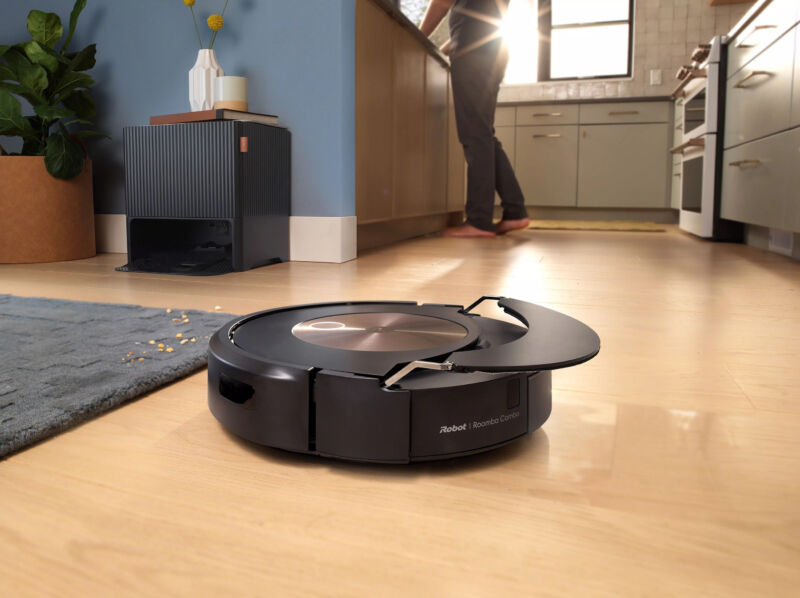
That spoiler on the back is the mop pad, but it's not mopping right now.

Enlarge / That spoiler on the back is the mop pad, but it’s not mopping right now. (credit: iRobot)

Whether you have family in town or leisurely plans on the year’s biggest shopping day, there’s no need to fret, as we’ve boxed up early Black Friday sales for you in our latest Dealmasters. Today’s list includes a hearty selection of sweet deals, from HP printers to Lenovo laptops, 4K monitors, Apple iPads, and plenty of big-screen TVs, just to name a few. So get your early Black Friday savings now.

Featured deals

  • iRobot Roomba j6+ Self-Emptying Robot Vacuum for $400 (was $800) at Amazon
  • LG 77-inch Class B3 series OLED 4K UHD TV for $1,800 (was $3,300) at LG
  • Sony WH-1000XM5 Wireless Noise Canceling Over-Ear Headphones for $328 (was $400) at Amazon
  • Apple AirPods Pro (2nd Generation, USB-C) for $200 (was $249) Amazon
  • Samsung 55-inch Class QLED 4K Q70C for $750 (was $1,000) at Samsung
  • Apple iPad Air (5th Generation) with M1 chip, 64GB, Wi-Fi 6 + 5G Cellular for $650 (was $749) at Amazon
  • Samsung HW-B650 Powered 3.1-channel sound bar and wireless subwoofer system for $208 (was $398) at Crutchfield
  • HP Smart Tank 6001 Wireless Cartridge-Free all-in-one printer for $230 (was $345) at Amazon
  • Amazon Fire TV 65-inch Omni QLED Series 4K UHD smart TV for $590 (was $800) at Amazon
  • LG 43-inch 4K UHD IPS Smart Monitor for $500 (was $600) at LG

Home and office tech essentials

  • HP Color LaserJet Pro M283fdw Wireless All-in-One Laser Printer for $429 (was $549) at Amazon
  • HP Smart Tank 6001 Wireless Cartridge-Free all-in-one printer for $230 (was $345) at Amazon
  • HP Envy 6455e Wireless Color Inkjet Printer for $100 (was $150) at Amazon
  • HP Envy Inspire 7955e Wireless Color Inkjet Printer for $160 (was $220) at Amazon
  • HP LaserJet Pro MFP 4101fdw Wireless Black & White Printer with Fax for $369 (was $539) at Amazon
  • HP OfficeJet 250 All-in-One Portable Printer with Wireless & Mobile Printing for $400 (was $490) at Amazon
  • HP Laserjet Pro MFP 3101fdw Wireless Black & White Printer with Fax for $259 (was $379) at Amazon
  • Amazon eero Pro mesh WiFi router for $70 (was $160) at Amazon
  • Amazon eero 6+ mesh Wi-Fi system 2-pack for $155 (was $240) at Amazon
  • Netgear Cable Modem WiFi Router Combo C6300 for $105 (was $200) at Amazon
  • TP-Link Deco AX3000 WiFi 6 Mesh System 3-pack for $180 (was $230) at Amazon
  • TP-Link AX3000 WiFi 6 Router 802.11ax Wireless, Gigabit, Dual Band Internet $108 (was $130) at Amazon
  • TP-Link AC1750 Smart WiFi Router (Archer A7) Dual Band Gigabit for $53 (was $80) at Amazon
  • TP-Link Deco AX7800 Tri-Band Mesh WiFi 6 System (Deco X95) 2-pack for $350 (was $450) at Amazon
  • TP-Link AC1900 WiFi Extender (RE550) for $70 (was $80) at Amazon
  • Amazon eero Pro 6E mesh Wi-Fi System 2-pack for $280 (was $400) at Amazon
  • Amazon eero 6+ mesh Wi-Fi router for $90 (was $140) at Amazon
  • Echo Show 8 (2nd Gen, 2021 release) for $70 (was $130) at Amazon

Apple gear

  • Apple iPad Air (5th Generation) with M1 chip, 64GB, Wi-Fi 6 + 5G Cellular for $650 (was $749) at Amazon
  • Apple iPad Air (5th Generation) with M1 chip, 64GB for $499 (was $599) at Amazon
  • Apple iPad (9th Generation) with A13 Bionic chip,  64GB for $249 (was $329) at Amazon
  • Apple Watch Series 9 (GPS, 45mm) Smartwatch with Midnight Aluminum Case for $379 (was $429) at Amazon
  • Apple MacBook Air 15-inch Laptop, M2 chip,16GB Memory, 512GB SSD for $1,499 (was $1,699) at Best Buy
  • Apple MacBook Pro 13.3-inch Laptop, Apple M2 chip, 8GB Memory, 512GB SSD for $1,299 (was $1,499) at Best Buy
  • Apple AirTag 4-pack for $87 (was $99) at Amazon
  • Apple 2020 MacBook Air Laptop M1 chip, 13-inch for $950 (was $999) at Amazon
  • Apple AirPods Pro (2nd Generation) with USB-C charging for $200 (was $249) at Amazon
  • Apple AirPods Max Wireless Over-Ear Headphones for $480 (was $549) at Amazon

Robo vacuums

  • Samsung Jet Bot AI+ Robot Vacuum Cleaner w/Object Recognition, Intelligent Cleaning for $700 (was $1,300) at Amazon
  • Samsung Jet Bot+ Robot Vacuum with Clean Station for $600 (was $800) at Best Buy
  • Shark Matrix Self-Emptying Robot Vacuum with Precision Home Mapping for $400 (was $500) at
  • Shark AI Ultra Robot Vacuum with Matrix Clean, Home Mapping, HEPA Bagless Self Empty Base for $404 (was $600) at Best Buy
  • Shark  ION Robot Vacuum, Wi-Fi Connected for $150 (was $250) at Best Buy
  • Roborock Q7 Max+ Wi-Fi Connected Robot Vacuum and Mop with Auto-Empty Dock for $500 (was $870) at Best Buy
  • iRobot Roomba i3+ EVO (3550) Wi-Fi Connected Self-Emptying Robot Vacuum for $350 (was $550) at Best Buy
  • iRobot Roomba j6+ Self-Emptying Robot Vacuum for $400 (was $800) at Amazon
  • iRobot Roomba i4+ EVO Self-Emptying Robot Vacuum for $350 (was $600) at Amazon
  • iRobot Roomba i7+ (7550) Wi-Fi Connected Self-Emptying Robot Vacuum for $500 (was $900) at Best Buy
  • TP-Link Tapo Robot Vacuum and Mop Combo with Self Empty Base for $250 (was $400) at Amazon
  • Ecovacs Deebot T20 Omni Robot Vacuum and Mop for $840 (was $1,100) at Amazon
  • Robot Vacuum and Mop Combo, 2 in 1 Mopping Robot Vacuum Cleaner with Schedule for $179 (was $730) at Amazon
  • Lefant Robot Vacuum Cleaner with 2200Pa Powerful Suction, Tangle-Free, Wi-Fi/App/Alexa for $100 (was $200) at Amazon
  • roborock Q7 Max+ Robot Vacuum and Mop with Auto-Empty Dock Pure for $500 (was $870) with coupon at Amazon

Headphones

  • Apple AirPods Pro (2nd Generation, USB-C) for $200 (was $249) Amazon
  • Sony WH-1000XM5 Wireless Noise Canceling Over-Ear Headphones for $328 (was $400) at Amazon
  • Bose QuietComfort Earbuds II Noise Canceling Earbuds for $199 (was $279) at Amazon
  • Edifier W820NB Plus Hybrid Active Noise Cancelling Headphones for $64 (was $90) at Amazon
  • Samsung Galaxy Buds 2 Pro Noise Canceling Earbuds for $190 (was $230) at Best Buy
  • Shure AONIC 40 Premium Wireless Headphones for $100 (was $200) at Best Buy
  • Sennheiser Momentum 3 True Wireless Noise Cancelling In-Ear Headphones for $200 (was $280) at Best Buy
  • Sennheiser Momentum 4 Wireless Adaptive Noise-Canceling Over-The-Ear Headphones for $300 (was $350) at Best Buy
  • Sennheiser HD 660S2 Wired Audiophile Bass-boosted Over-the-Ear Headphones for $500 (was $600) at Best Buy
  • Sennheiser HD 458BT Wireless Noise Cancelling Headphones for $100 (was $200) at Best Buy
  • Sennheiser Sport True Wireless Earbuds for $100 (was $150) at Best Buy
  • Sennheiser CX Plus True Wireless Noise Canceling Earbuds for $130 (was $180) at Best Buy
  • Sennheiser  IE 200 In-Ear Wired Headphones for $120 (was $150) at Best Buy
  • Sennheiser HD 560S Wired Open Aire Over-the-Ear Audiophile Headphones for $180 (was $230) at Best Buy
  • Jabra Elite 7 Active True Wireless Noise Canceling In-Ear Headphones for $115 (was $180) at Best Buy
  • Jabra Elite 7 Pro True Wireless Noise Canceling In-Ear Headphones for $130 (was $200) at Best Buy
  • Marshall Major IV Bluetooth Headphone with wireless charging for $109 (was $150) at Best Buy
  • Apple AirPods Max Wireless Over-Ear Headphones for $480 (was $549) at Amazon
  • Beats Studio Buds Wireless Noise Cancelling Earbuds for $100 (was $150) at Best Buy
  • Beats Studio Pro Wireless Noise Cancelling Over-the-Ear Headphones for $300 (was $350) at Best Buy
  • Beats Fit Pro True Wireless Noise Cancelling In-Ear Earbuds for $180 (was $200) at Best Buy
  • Beats Solo 3 Wireless On-Ear Headphones for $130 (was $200) at Best Buy
  • JBL Tune 510BT: Wireless On-Ear Headphones for $25 (was $50) at Amazon
  • Poly – formerly Plantronics – Voyager 4320 for $158 (was $170) at Best Buy
  • Soundcore by Anker P20i True Wireless Earbuds for $20 (was $40) at Amazon
  • Soundcore by Anker A20i True Wireless Earbuds for $24 (was $40) at Amazon
  • Soundcore by Anker Life P3i Hybrid Active Noise Cancelling Earbuds for $50 (was $60) at Amazon

Soundbars and home audio

  • Samsung HW-B650 Powered 3.1-channel sound bar and wireless subwoofer system for $208 (was $398) at Crutchfield
  • Samsung – Q-series 3.1.2 ch Dolby Atmos Soundbar w/Q-Symphony Q600C for $330 (was $600) at Best Buy
  • Samsung S-series 3.0 ch. Soundbar S50B for $150 (was $250) at Samsung
  • Samsung Sound Tower Party Audio ST40B for $230 (was $500) at Samsung
  • Samsung Q-series 3.1.2 ch. Wireless Dolby Atmos Soundbar Q700C for $400 (was $700) at Samsung
  • Samsung Q-series 5.1.2 ch. Wireless Dolby Atmos Soundbar Q800C for $690 (was $1,000) at Samsung
  • Samsung Q-series 7.1.2 ch. Wireless Dolby Atmos Soundbar Q900C for $990 (was $1,400) at Samsung
  • Samsung Q-series 9.1.2 ch. Wireless Dolby Atmos Soundbar Q910C for $990 (was $1,400) at Samsung
  • Samsung Q-series 11.1.4 ch. Wireless Dolby Atmos Soundbar Q990C for $1,400 (was $1,900) at Best Buy
  • Samsung HW-S50B/ZA 3.0ch All-in-One Soundbar for $148 (was $248) at Amazon
  • Klipsch Cinema 600 Sound Bar 3.1 Home Theater System for $380 (was $549) at Amazon
  • LG 5.1.2 Channel Soundbar with Wireless Subwoofer for $300 (was $449) at Best Buy
  • JBL Cinema SB170 2.1 Channel Soundbar with Wireless Subwoofer for $150 (was $250) at Best Buy
  • LG Eclair 3.0 Channel Soundbar with Dolby Atmos for $300 (was $450) at Best Buy
  • Yamaha SR-C20 2.1-Channel Soundbar with Built-in Subwoofer for $130 (was $180) at Best Buy
  • LG 4.1 ch Soundbar with Wireless Subwoofer and Rear Speakers for $180 (was $400) at Best Buy
  • Sony HT-A7000 Dolby Atmos soundbar for $998 (was $1,398) at Crutchfield
  • Sony HT-S2000 soundbar for $348 (was $498) at Crutchfield
  • Sony HT-A3000 soundbar for $498 (was $698) at Crutchfield
  • Sennheiser AMBEO Dolby Atmos Soundbar | Max for $2,000 (was $2,500) at Crutchfield
  • Sony HT-A5000 Dolby Atmos soundbar for $698 (was $998) at Crutchfield

TVs

  • Amazon Fire TV 65-inch Omni QLED Series 4K UHD smart TV for $590 (was $800) at Amazon
  • Amazon Fire TV 75-inch Omni QLED Series 4K UHD smart TV for $880 (was $1,100) at Amazon
  • Amazon Fire TV 43-inch 4-Series 4K UHD smart TV with Fire TV Alexa Voice Remote for $250 (was $370) at Amazon
  • Amazon Fire TV 40-inch 2-Series HD smart TV with Fire TV Alexa Voice Remote for $180 (was $250) at Amazon
  • Hisense 65-inch Class U8 Series Mini-LED ULED 4K UHD TV for $890 (was $1,400) at Amazon
  • Samsung 55-inch Class QLED 4K Q70C for $750 (was $1,000) at Samsung
  • Sony 55-inch 4K Ultra HD TV X85K Series: LED Smart Google TV for $698 (was $778) at Amazon
  • Sony 55-inch Class Bravia XR A95K 4K HDR OLED Google TV for $1,700 (was $2,800) at Best Buy
  • Sony 55 Inch 4K Ultra HD TV X90K Series: BRAVIA XR Full Array LED Smart Google TV for $798 (was $1,300) at Amazon
  • Sony 65 Inch Mini LED 4K Ultra HD TV X93L Series: BRAVIA XR Smart Google TV for $1,598 (was $1,798) at Amazon
  • Sony 65 Inch 4K Ultra HD TV X80K Series: LED Smart Google TV for $698 (was $900) at Amazon
  • TCL 55-inch Q7 QLED 4K Smart TV with Google TV for $498 (was $750) at Amazon
  • TCL 55-inch Q6 QLED 4K Smart TV with Google TV for $348 (was $500) at Amazon
  • Samsung 85-inch Class The Frame QLED 4K LS03B for $3,300 (was $4,300) at Samsung
  • Sony 65-inch Class Bravia XR A80L OLED 4K smart Google TV for $1,700 (was $2,600) at Best Buy
  • Sony 55-inch Class Bravia XR A80L OLED 4K smart Google TV for $1,400 (was $1,900) at Best Buy
  • Sony 83-inch Class Bravia XR A80L OLED 4K UHD Smart Google TV for $4,500 (was $5,300) at Best Buy
  • Samsung 55-inch Class OLED S90C TV for $1,300 (was $1,900) at Samsung
  • Samsung 65-inch Class OLED S90C TV for $1,600 (was $2,600) at Samsung
  • Samsung 83-inch Class OLED S90C TV for $3,500 (was $5,400) at Samsung
  • Samsung 65-inch Class OLED S95C TV for $2,400 (was $3,300) at Samsung
  • Samsung 55-inch Class OLED S95C TV for $1,900 (was $2,500) at Samsung
  • Samsung 77-inch Class OLED S95C TV for $3,600 (was $4,500) at Samsung
  • Samsung 55-inch Class TU690T Crystal UHD 4K TV for $300 (was $380) at Samsung
  • Samsung 65-inch Class QLED 4K QN90C TV for $1,700 (was $2,800) at Samsung
  • Samsung 98-inch Class QLED 4K Q80C TV for $5,000 (was $8,000) at Samsung
  • Samsung 65-inch Class Samsung Neo QLED 8K QN800C TV for $2,600 (was $3,500) at Samsung
  • LG QNED85 Series 65-Inch Class QNED Mini-LED Smart TV (2022) for $1,097 (was $1,800) at Amazon
  • LG 65-inch Class G3 Series OLED 4K UHD TV for $2,300 (was $3,000) at Best Buy
  • LG 77-inch Class G3 Series OLED 4K UHD TV for $3,500 (was $4,300) at Best Buy
  • LG 83-inch Class G3 Series OLED 4K UHD TV for $5,000 (was $6,000) at Best Buy
  • LG 77-inch Class B3 series OLED 4K UHD for $1,800 (was $3,300) at LG
  • Samsung 120-inch Class The Premiere LSP7T 4K Smart Laser Projector for $3,000 (was $3,500) at Samsung
  • Samsung 120-inch Class The Premiere LSP7T 4K Smart Laser Projector for $6,000 (was $6,500) at Samsung
  • Samsung 70-inch Class QLED 4K QE1C TV for $880 (was $1,800) at Samsung
  • Samsung 70-inch Class QLED 4K QE1C TV for $1,500 (was $2,800) at Samsung
  • Samsung 75-inch Class Samsung Neo QLED 8K QN900C TV for $4,500 (was $6,300) at Samsung
  • Samsung 65-inch Class Samsung Neo QLED 8K QN800C TV for $2,600 (was $3,500) at Samsung
  • Samsung 43-inch Class Samsung Neo QLED 4K QN90C TV for $1,000 (was $1,200) at Samsung
  • Samsung 85-inch Class Samsung Neo QLED 4K QN90C TV for $2,800 (was $4,800) at Samsung
  • Samsung 55-inch Class Samsung Neo QLED 4K QN85C TV for $1,000 (was $1,500) at Samsung
  • Samsung 86-inch Class Crystal UHD TU9010 (2021) TV for $1,600 (was $1,700) at Samsung

Lenovo deals

  • Lenovo ThinkPad X1 Carbon Gen 10 (14-inch, Intel Core i7-1270P for $1,216 (was $3,379) at Lenovo
  • Lenovo Yoga C940 (14-inch, Intel Core i5-1035G4) for $635 (was $1,250) at Lenovo
  • Lenovo Legion Tower 7i Gen 8 (Intel Core i7-13700KF, RTX 4080) for $2,061 (was $2,900) at Lenovo
  • Lenovo ThinkPad T16 Gen 2 (16-inch, Intel Core i7-1365U) for $1,155 (was $2,889) at Lenovo
  • Lenovo Slim Pro 7 (16-inch, Intel Core i7-1360P) for $1,629 (was $3,629) at Lenovo
  • Lenovo ThinkPad P1 Gen 6 Intel (16-inch, Intel Core i7-13700H) for $1,979 (was $4,389) at Lenovo
  • Lenovo ThinkPad P16v (16-inch, Intel Core i7-13700H) for $1,499 (was $3,339) at Lenovo
  • Lenovo Legion Pro 7i Gen 8 (16-inch, Intel Core i9-13900HX and RTX 4090) for $2,360 (was $2,850) at Lenovo
  • Lenovo ThinkPad X1 Carbon Gen 11 (14-inch, Intel Core i5-1335U) for $1,319 (was $2,399) at Lenovo
  • Lenovo LOQ (15-inch, Intel Core i7-13700H and RTX 4050) for $1,030 (was $1,400) at Lenovo
  • Lenovo LOQ (16-inch, AMD Ryzen 7 7840HS and RTX 4050) for $911 (was $1,260) at Lenovo
  • ThinkPhone by Motorola for $450 (was $700) at Lenovo
  • Lenovo ThinkPad L14 Gen 3 (14-inch, AMD Ryzen 5 Pro 5675U) for $629 (was $2,688) at Lenovo
  • Lenovo ThinkPad T14 Gen 3 (14-inch, Intel Core i5-1250P) for $945 (was $3,049) at Lenovo
  • Lenovo ThinkBook 14 Gen 4 (14-inch, Intel Coire i5-1235U) for $632 (was $1,404) at Lenovo
  • Lenovo ThinkPad P16 Gen 2 (16-inch, Intel Core i7-13700HX and RTX A1000) for $1,749 (was $3,899) at Lenovo
  • Lenovo ThinkPad E16 Gen 1 (16-inch, AMD Ryzen 7 7730U) for $894 (was $1,719) at Lenovo
  • Lenovo ThinkPad P1 Gen (16-inch, Intel Core i7-13700H and RTX A2000) for $1,979 (was $4,389) at Lenovo
  • Lenovo ThinkPad E15 Gen 5 (14-inch, AMD Ryzen 5 7530U) for $610 (was $1,219) at Lenovo
  • Lenovo ThinkPad T14 Gen 4 (14-inch, Intel Core i7-1365U) for $1,143 (was $2,859) at Lenovo
  • Lenovo ThinkPad E16 Gen 1 (16-inch, Intel Core i5-1355U) for $725 (was $1,449) at Lenovo
  • Lenovo ThinkPad P16s Gen 2 (16-inch, Intel Core i7-1360P and RTX A500) for $1,629 (was $3,629) at Lenovo
  • Lenovo ThinkPad P14s Gen 4 (14-inch, Intel Core i7-1360P and RTX A500) for $1,529 (was $3,389) at Lenovo
  • Lenovo ThinkPad P14s Gen 4 (14-inch, AMD Ryzen 7 Pro 7840U) for $1,099 (was $2,199) at Lenovo
  • Lenovo X1 Carbon Gen 10 (14-inch, Intel Core i7-1260P) for $1,238 (was $3,439) at Lenovo

Monitors and displays

  • Acer EZ321Q wi 31.5″ Full HD (1920 x 1080) IPS Monitor for $160 (was $200) at Amazon
  • Alienware AW2524H Gaming Monitor 24.5-inch 480Hz 1ms IPS Anti-Glare Display for $600 (was $800) at Amazon
  • Dell Curved Gaming Monitor 27 Inch Curved with 165Hz Refresh Rate, QHD for $200 (was $300) at Amazon
  • Dell Gaming Monitor 32 Inch, 165 Hz, Quad-HD Widescreen LED LCD, IPS Display for $300 (was $450) at Amazon
  • Dell S3221QS 32 Inch Curved 4K UHD, VA Ultra-Thin Bezel Monitor, AMD FreeSync for $320 (was $400) at Amazon
  • Dell S2722QC 27-inch 4K USB-C Monitor UHD (3840×2160) Display, 60Hz Refresh Rate for $280 (was $370) at Amazon
  • Dell 32-inch 4K Monitor, UHD (3840×2160), 60Hz, Dual HDMI 2.0 for $250 (was $365) at Amazon
  • Dell S2421HS Full HD 1920×1080, 24-Inch 1080p LED for $140 (was $180) at Amazon
  • Acer 23.8-inch Full HD 1920×1080 IPS Zero Frame Home Office Computer Monitor for $100 (was $150) at Amazon
  • Samsung 22-inch T350 Series FHD 1080p Computer Monitor for $110 (was $150) at Amazon
  • Samsung 34-inch G85SB OLED Ultra WQHD for $900 (was $1,500) at Samsung
  • Samsung 55-inch Odyssey Ark 4K UHD for $1,900 (was $2,700) at Samsung
  • Samsung 49-inch Odyssey G9 DQHD for $1,200 (was $1,500) at Samsung
  • Samsung 32-inch Odyssey G32A FHD for $220 (was $330) at Samsung
  • LG 34-inch 34WN80C-B UltraWide WQHD IPS for $400 (was $550) at LG
  • LG 27-inch UltraFine 4K OLED pro for $1,800 (was $1,900) at LG
  • LG 43-inch 4K UHD IPS Smart Monitor for $380 (was $600) at LG
  • LG 22-inch Class Full HD IPS for $80 (was $120) at LG
  • LG 27-inch FHD IPS 3-Side Borderless for $110 (was $180) at LG

Herman Miller office and gaming chairs

  • Herman Miller Aeron Chair for $1,354 (was $1,805) at Herman Miller
  • Herman Miller Embody Chair for $1,703 (was $2,270) at Herman Miller
  • Herman Miller Embody Gaming Chair for $1,384 (was $1,845) at Herman Miller
  • Herman Miller Sayl Chair for $588 (was $735) at Herman Miller
  • Herman Miller Sayl Chair, Special Gaming Edition for $816 (was $1,020) at DWR
  • Herman Miller Cosm Chair, Low Back for $1,048 (was $1,310) at Herman Miller
  • Herman Miller Cosm Chair, Mid Back for $1,256 (was $1,570) at Herman Miller
  • Herman Miller Cosm Chair, High Back for $1,680 (was $2,100) at Herman Miller
  • Herman Miller x Logitech G Vantum Gaming Chair for $636 (was $795) at Herman Miller
  • Herman Miller x Logitech G Embody Gaming Chair for $1,384 (was $1,845) at DWR
  • Herman Miller Eames Aluminum Group Chair, Executive for $2,040 (was $2,550) at DWR
  • Herman Miller Eames Aluminum Group Chair, Management for $2,296 (was $2,870) at DWR
  • Herman Miller Eames Soft Pad Chair, Executive Height for $3,516 (was $4,395) at DWR
  • Herman Miller Setu Chair, With Arms for $668 (was $835) at Herman Miller
  • Herman Miller Aeron Chair, Special Gaming Edition for $1,354 (was $1,805) at Herman Miller
  • Herman Miller Aeron Stool for $1,391 (was $1,855) at Herman Miller
  • Herman Miller Lino Chair for $684 (was $855) at Herman Miller

Ars Technica may earn compensation for sales from links on this post through affiliate programs.

Read on Ars Technica | Comments


Source: Ars Technica – Dealmaster: Apple iPads, HP printers, OLED TVs, robo vacuums, and more

Amazon Is Getting Rid of Its Gaming Content Channel Amid Larger Games Layoffs

Jay Peters reports via The Verge: Amazon is cutting “just over” 180 jobs in its games division and making some changes to its games initiatives, according to a memo sent to employees by VP of Amazon Games Christoph Hartmann. The changes include shutting down its Crown channel that streams on Twitch, closing its Game Growth effort that helps game makers market their products, and “refocusing” the work it does with its free games offered through Prime Gaming. “We are proud of the work the teams have been doing, pushing into new areas with weekly content on Crown Channel, and finding more ways to help publishers reach new audiences with Game Growth,” Hartmann wrote. “But after further evaluation of our businesses, it became clear that we need focus our resources and efforts to deliver great games to players now and in the future.” Reuters reported on the memo earlier on Monday, and you can read the full email, which Amazon shared with The Verge, at the end of this story.

As for Prime Gaming’s free games, which you can access if you are an Amazon Prime subscriber, “we’ve listened to our customers and we know delivering free games every month is what they want most, so we are refining our Prime benefit to increase our focus there,” Hartmann wrote. Amazon spokesperson Brittney Hefner declined to share more specifics about what’s changing.

Read more of this story at Slashdot.


Source: Slashdot – Amazon Is Getting Rid of Its Gaming Content Channel Amid Larger Games Layoffs

James Cameron's The Abyss: Special Edition Is Coming to Theaters

A year ago, James Cameron was everywhere ahead of Avatar: The Way of Water. Then came the Titanic 25th anniversary re-release, followed by Cameron’s name inevitably popping up alongside the growing cultural interest in AI. Avatar 3’s not due until next year, but don’t you dare think Cameron will be out of sight for…

Read more…


Source: Gizmodo – James Cameron’s The Abyss: Special Edition Is Coming to Theaters

US studying 2,786 megahertz of spectrum to fuel “next-generation” services

Photo of a telecommunications tower combined with an illustration of radio signals.

Enlarge (credit: Getty Images | Jaiz Anuar)

The Biden administration is studying 2,786 megahertz of spectrum that could be reallocated for purposes including wireless broadband networks, satellites, and drones, the White House said today. Some of the spectrum bands were already being investigated by federal agencies, though inclusion in the updated national strategy may speed up those processes.

“These spectrum bands are a mix of Federal and shared Federal/non-Federal bands—with an emphasis on mid-band frequencies,” the new National Spectrum Strategy says. The bands “will be studied for a variety of uses, including terrestrial wireless broadband, innovative space services, and unmanned aviation and other autonomous vehicle operations.”

The plan details “five spectrum bands meriting in-depth study in the near term,” saying they could be useful for “expanded governmental and non-governmental use for an array of advanced, next-generation applications and services.”

Read 10 remaining paragraphs | Comments


Source: Ars Technica – US studying 2,786 megahertz of spectrum to fuel “next-generation” services