Citigroup is planning to grant the majority of its over 40,000 coders access to generative artificial intelligence as Wall Street continues to embrace the burgeoning technology. From a report: As part of a small pilot program, the Wall Street giant has quietly allowed about 250 of its developers to experiment with generative AI, the technology popularized by ChatGPT. Now, it’s planning to expand that program to the majority of its coders next year. The bank and its rivals have slowly begun experimenting with the technology, which created waves last year when ChatGPT made its debut and showed how generative AI can produce sentences, essays or poetry based on a user’s simple questions or commands. The technology typically creates this new work after being trained on vast quantities of pre-existing material.
Increasingly, bank executives argue artificial intelligence will make their staffers more efficient. Like when federal regulators dropped 1,089 pages of new capital rules on the US banking sector, Citigroup combed through the document word by word using generative AI. The bank’s risk and compliance team used the technology to assess the impact of the plans, which will determine how much capital the lender has to set aside to guard against future losses. Generative AI organized the proposal into pieces and composed key takeaways, which the team then presented to the outgoing treasurer Mike Verdeschi.
Things go haywire at the Time Variance Authory—to be expected, since the Temporal Loom is about to burst over capacity—on Loki episode four, “The Heart of the TVA,” on Disney+.
Ever since Apple re-branded as the “Privacy” company several years back, it’s been rolling out features designed to show its commitment to protecting users. Yet while customers might feel safer using an iPhone, there’s already plenty of evidence that Apple’s branding efforts don’t always match the reality of its…
Hot chicken has foodie virality at the moment, but it isn’t a passing fad. This spicy fried poultry has been searing the taste buds off of Nashvillians for generations. You can give large chicken cuts the hot chicken treatment, or shrink it down to party snack size. Bring a tiny piece of Nashville into your home with…
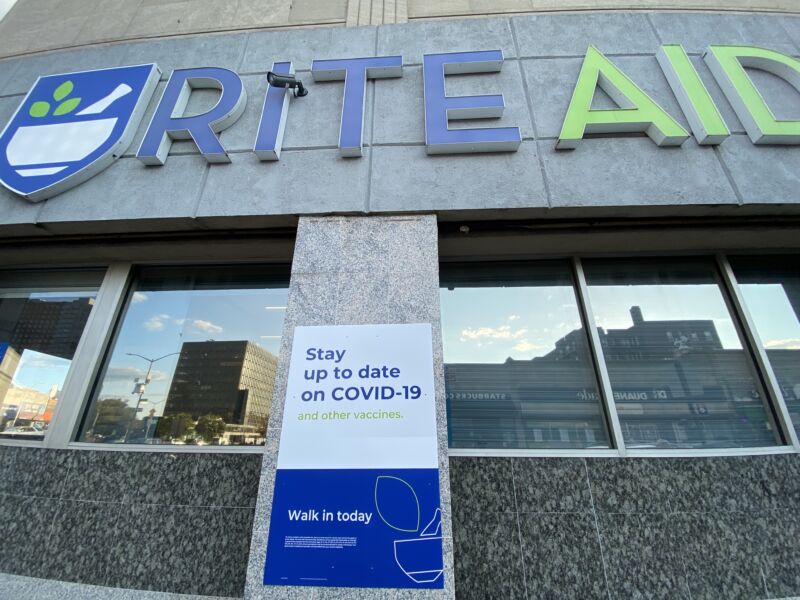
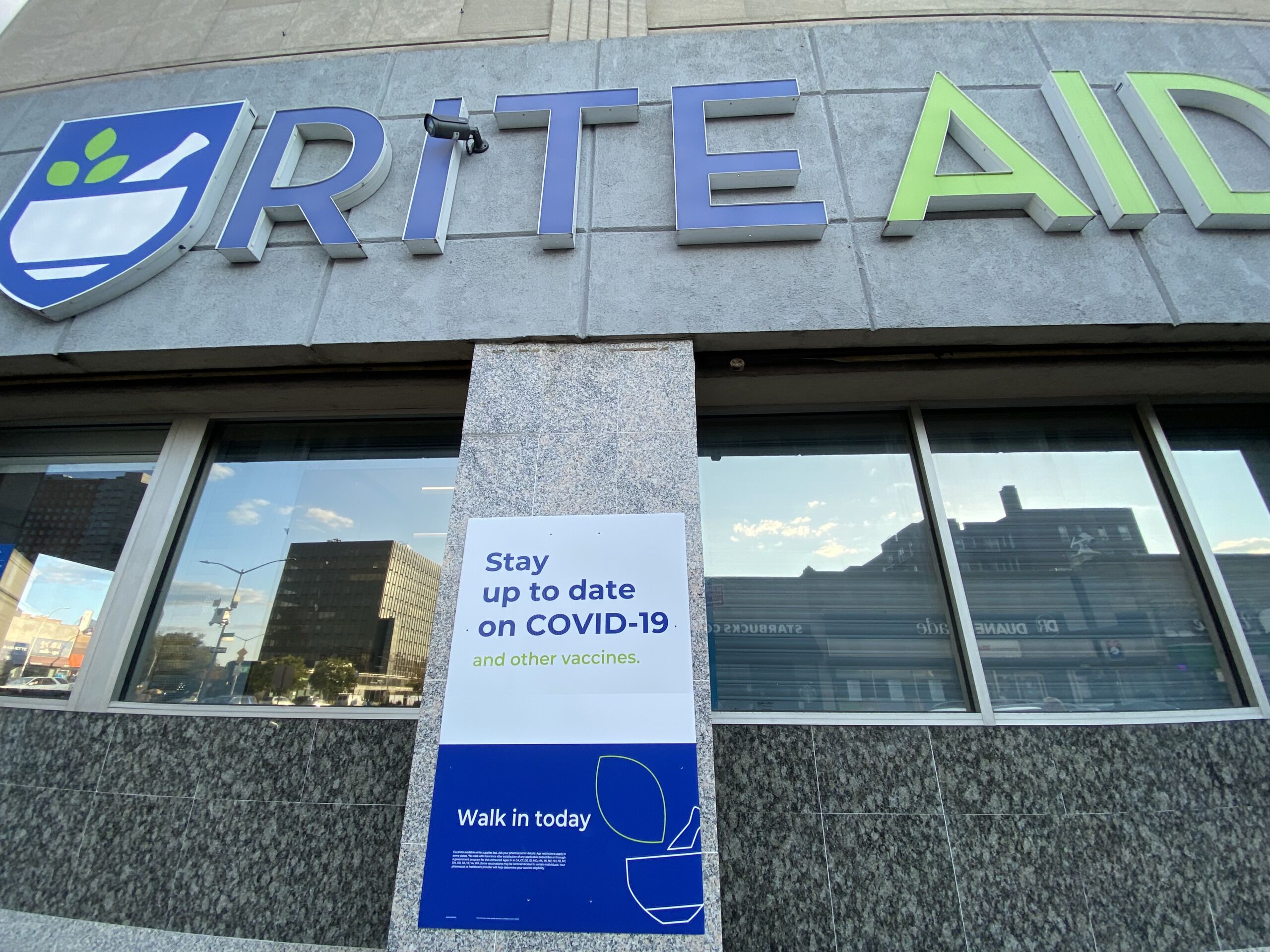
More than a month since US health officials recommended updated COVID-19 vaccines for all Americans, only 7.1 percent of US adults have rolled up their sleeves for the shot and just 2.1 percent of children have been immunized.
The uptake is sluggish at best, and the current rates were dubbed “abysmal” Thursday by one immunization adviser for the Centers for Disease Control and Prevention. The CDC’s advisory panel got an update yesterday on the fall campaign to boost protection against COVID-19 ahead of the winter respiratory illness season.
The current uptake is far short of survey data from last month that indicated more than half of American adults planned to get the shots. And survey data presented yesterday to the CDC advisory committee didn’t differ dramatically from that. In a National Immunization Survey-Adult COVID Module that ran from October 8 to 14 that polled 14,715 adults, 24.6 percent said they “definitely will” get vaccinated, and an additional 30.6 percent said they “probably will.” That’s on top of the 7.1 percent who reported they were already vaccinated. The remaining 37 percent said they will definitely or probably not get vaccinated.
Shady stem cell clinics are still peddling false hope to people dealing with covid-19, new research this week suggests. The study found dozens of clinics selling stem cell treatments for covid-related issues, especially long covid. These therapies often cost thousands of dollars, but there’s no good evidence that they…
Marvel’s Spider-Man 2 released October 20 with fanfare worthy of the vibrant New York City where it’s set, becoming the fastest-selling PlayStation exclusive and igniting pertinent conversations about its protagonists’ asses. Below the surface, the direct sequel to developer Insomniac Games’ 2018 game is even more…
Enlarge/ This view from an international volcano monitoring system shows the Kolumbo volcanic crater on the seafloor. (credit: SANTORY )
In 1650 CE, the Greek island of Santorini was devastated by the eruption of an underwater volcano called Kolumbo. People first noticed the water boiling and changing color and a cone poking out of the surface of the sea. Next came ejected glowing rocks, fire and lightning, fumes of thick smoke, falling pumice and ash, earthquakes, and a powerful tsunami with waves as high as 20 meters. All this eruptive activity killed around 70 people and hundreds of cattle.
These details are based on contemporary accounts compiled by French geologist Ferdinand A. Fouqué in 1879. A team of German and Greek scientists has now combined that historical knowledge with 3D seismic mapping and computer simulations to determine why the volcano’s violent eruption triggered a tsunami. According to a new paper published in the journal Nature Communications, the tsunami resulted from a landslide followed by the volcanic explosion.
Located some 8 kilometers northeast of Santorini, Kolumbo also erupted around 1630 BCE with catastrophic consequences for ancient Minoan culture. Today, the volcano boasts sulfide-sulfate hydrothermal vents that are home to some rare species of microorganisms typically not found elsewhere near hydrothermal vents. And it remains active and potentially dangerous: A previously unknown magma chamber was discovered last year and is growing at a rate of around 4 million cubic meters per year. At that rate, the chamber will reach the same volume as the amount of magma ejected in the 1650 eruption within the next 150 years.
When Netflix first unveiled its streaming video service in 2007, it felt like a miracle. Netflix’s DVD customers in the US, who were paying between $5.99 to $17.99 a month, instantly had access to 1,000 movies over a web browser. No more waiting for DVDs in the mail, no ads like TV – just hit a button and watch. Instantly! Now that seems like ages ago. Netflix’s most premium 4K streaming plan now costs $23 a month, while its standard subscription without ads costs $15.49 a month. (There is a standard plan with ads for $6.99 a month, but that doesn’t support offline downloads and also doesn’t include some content.)
Netflix has also been cracking down on account sharing recently, which is great for its overall earnings and subscriber count, but bad for anyone trying to save a buck. You’ll have to pay an extra $7.99 a month to add more member slots to the standard and premium plans.
And it’s not just Netflix. Over the past year, just about every major streaming service has raised its prices considerably. Apple TV+ is doubling its original price to $10 a month ($99 annually). Disney+ saw a hefty increase as well to $14 a month for its ad-free premium tier. For those who subscribe to multiple services, it’s easy to think we’re back in the bad old days of cable TV, where we ended up spending gobs of money for hundreds of channels.
But let’s not get dramatic. Subscribing to the streaming services you use the most is still far cheaper than going for a typical cable plan. In my area, Comcast’s most popular plan with over 125 channels is listed at $60 a month, but the company hides the additional $27.80 broadcast network fee and $13.40 regional sport licensing fee. My actual monthly cost starts at $101.20, and that doesn’t include taxes, equipment rental fees (at least $10 a month) and other additions Comcast may coax you into. (Want 300 hours of Cloud DVR? That’s another $20 monthly!)
According to the Bureau of Labor Statistics, the average urban consumer spends an eye-watering $575 a month on cable, satellite or live streaming TV service. To be clear, those numbers reflect some customers spending a ton more on sports and other packages compared to others. But still, even the prospect of spending $370 a month on cable (the BLS’s consumer average from 2010) feels unfathomable. All of a sudden, Netflix creeping toward $25 doesn’t seem so bad — especially since cable customers also have to subscribe to streaming services to see their original shows.
Netflix
While some have argued that streaming price hikes signal the end of the cord-cutting dream, that’s far from true. Cable prices were already high a decade ago, and they’ve risen considerably since then. (Broadcast fees alone were estimated to jump between 8 to 10 percent between 2016 and 2019.) If anything, the case for cord-cutting is even stronger now. With the wealth of content available on streaming services, do you really need to pay hundreds to sit through another HGTV marathon? Especially when you can find some HGTV content on Max, and similar shows on other streamers?
Nobody likes to see their favorite services getting more expensive. You could easily argue that streaming prices hikes fall firmly within Corey Doctorow’s concept of internet enshittification, wherein companies provide cheap and useful services to grow their userbase, but inevitably make the experience worse to squeeze out more money and appease their investors. Unless an online service is being run as a non-profit or completely free side project, enshittification seems inevitable.
But it’s worth acknowledging why streaming services were so cheap to begin with. Netflix’s streaming service was practically an experiment early on — it was rolled into existing subscription plans, and you could only watch up to 18 hours a month. When Netflix launched its standalone streaming subscription in 2010, it was only $7.99 a month — a price that held true until its basic plan jumped a whole dollar in 2019. While the company introduced more expensive standard and premium plans along the way, the entry plan always seemed like a tremendous deal. Who wouldn’t want instant access to thousands of movies and TV shows for the price of two coffees?
Like many startups during the 2010s, Netflix continually raised tons of money (around $5 billion) without making enormous profit — or at least, not profit in line with the tens of billions the company has spent on original content over the last decade. Enticing new subscribers and keeping them was far more important to Netflix than actually being a sustainable business. So it wasn’t too surprising when other services like HBO Max, Disney+ and Apple TV+ launched with low prices competitive with Netflix.
According to Janko Roettgers, author of the newsletter Lowpass, and a former media and technology reporter at Variety, Netflix had an advantage over the competition because its legacy DVD business could fund its streaming ambitions. Other companies like Disney and Warner Bros. had to decide how streaming fit within their existing TV channels and movie studios.
“Now [Netflix is] making money with streaming across the world, and they’re starting to get into gaming,” Roettgers noted on the Engadget Podcast this week. “So they’re pretty quick at following up. And if you look at some of these legacy media companies, well, they still have linear networks. And those are declining slowly and slowly, and it’s taking them a long time to figure out […] Should we get out of this? How many can we keep running? How many of those do we need to shut down?”
With interest rates on the rise and investors worried about the economy, raising prices was the inevitable next step for every streaming provider. And unfortunately, that trend won’t be reversed anytime soon. At best, we can only hope that the threat of losing users and pressure from competition will keep Netflix and others from reaching the dreaded highs of cable.
But don’t forget, there’s one thing you can do with streaming services that’s far more difficult with cable companies: You can cancel and subscribe easily online. You don’t need to set aside time and emotional energy to deal with a customer service rep on the phone, or block out a morning for a technician to visit. That potential for churn hangs over every streaming provider. So if their prices get too high, or they’re not actually providing enough valuable content to watch, just leave.
Still, it’s worth remembering that access to media is cheaper than ever. You don’t have to worry about spending a ton to rent movies from Blockbuster or your local video store. There aren’t any late fees to worry about. And while I miss the heyday of DVDs, buying just one of those discs could cover a month of service across two streaming services today (sometimes three!).
So sure, it stinks that Netflix is getting more expensive. But, personally, I’d easily take these higher prices over life before the streaming era.
This article originally appeared on Engadget at https://www.engadget.com/is-streaming-video-even-still-worth-it-192651141.html?src=rss
Last month, Sony raised the prices for PlayStation Plus by up to 35%. In an interview the company recently gave to Barron’s via ResetEra, the company attempted to justify this price increase.
X is adding two new tiers to its subscription offering, previously known as Twitter Blue. The company is adding a new, $16 per month “Premium+ tier” that eliminates ads in users’ following and “for you” timelines, in addition to the blue checkmark and other existing perks for subscribers. X is also adding a new, lower-cost “basic” tier that costs $3 a month.
The new subscription plans come as X’s advertising business has continued to decline, and the company is increasingly reliant on subscription revenue. X has also recently begun testing a program that requires all new users in some countries to pay $1 per year in order to post and reply to tweets.
introducing Premium+
– no ads in For You or Following – largest boost for your replies (vs other Premium tiers or unverified users) – access to our full suite of creator tools
In addition to removing ads from users’ timeline, X said in a tweet that Premium+ subscribers would get an even bigger algorithmic boost in replies compared with subscribers paying for the cheaper premium level. Of note, it appears that both new tiers are only available via the web, at least for now, which is likely meant to help the company avoid additional fees associated with Apple and Google’s app stores.
The $3 basic tier appears to be a much more limited set of features compared with Premium and Premium+ and, notably, doesn’t include the blue checkmark or revenue-sharing. Instead, it offers extras like tweets editing, longer posts, the ability to download videos. It also offers a “small reply boost” and encrypted direct messages.
The new tiers come amid new reports about Elon Musk’s ambitious plans for X, one year after his takeover of the social media company. Musk, who has often talked about wanting to create an “everything app” reportedly wants to directly challenge YouTube and LinkedIn, according to a new report in Bloomberg. His exact plans aren’t yet clear, but the company has recently teased new video streaming and job posting features on X.
Offering additional subscription services could also tie into Musk’s plans to offer banking and other financial services. (Musk has noted that obtaining users’ credit card information is a key first step.) “In the months to come, we will add comprehensive communications and the ability to conduct your entire financial world,” Musk tweeted in July. And, according to reporting from The Verge, Musk told employees this week that he wants X to be able to completely replace bank accounts by the end of 2024.
This article originally appeared on Engadget at https://www.engadget.com/x-introduces-an-ad-free-premium-tier-for-16-a-month-191523132.html?src=rss
Feast your eyes on Uranus’ glowing edges. We’re serious—a team of astronomers has spotted a new aurora on the seventh planet from the Sun, glowing at infrared wavelengths.
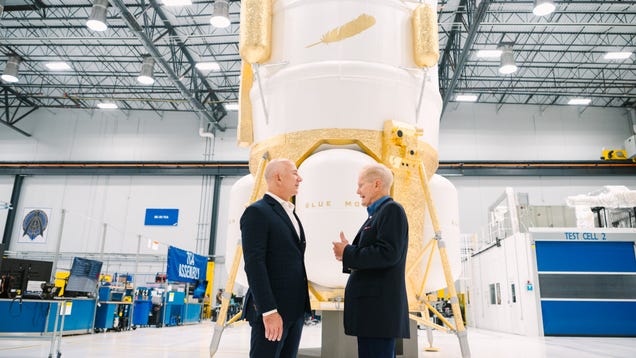
Blue Origin has revealed a life-sized model of its upcoming lunar cargo lander, Blue Moon Mark 1 (MK1), achieving a significant step in its plans to facilitate cargo transport to the Moon’s surface.
There’s no more brilliant tactician in the Galactic Empire than the evil Grand Admiral Thrawn. He’s a smart, cunning killer—and soon, you can put that blue baddie on your shelf and make him your property thanks to the team at Hot Toys.
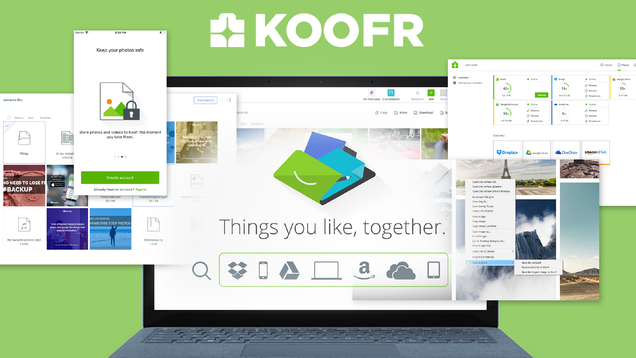
If storage limitations force you to delete files and photos you’d really rather keep, one solution is to invest in a plentiful cloud storage solution—and right now through Oct. 31, you can get a lifetime subscription to Koofr 1TB cloud storage for $119.97 (reg. $810) with code KOOFR.
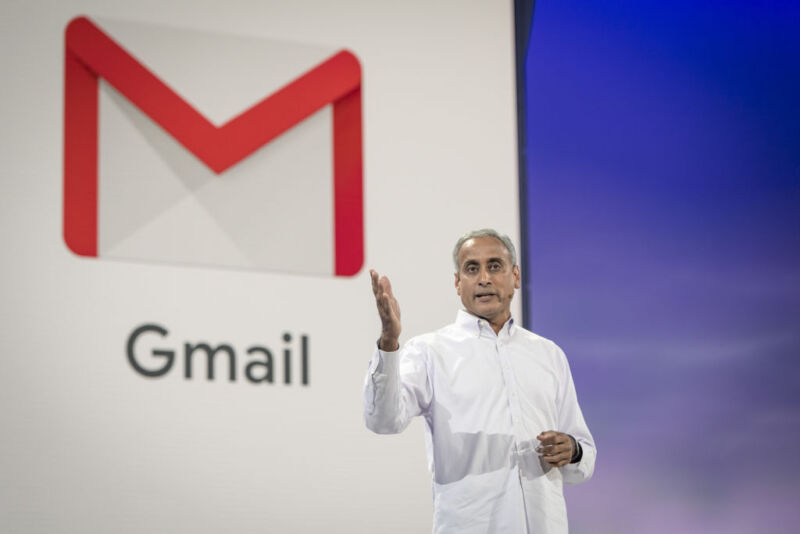
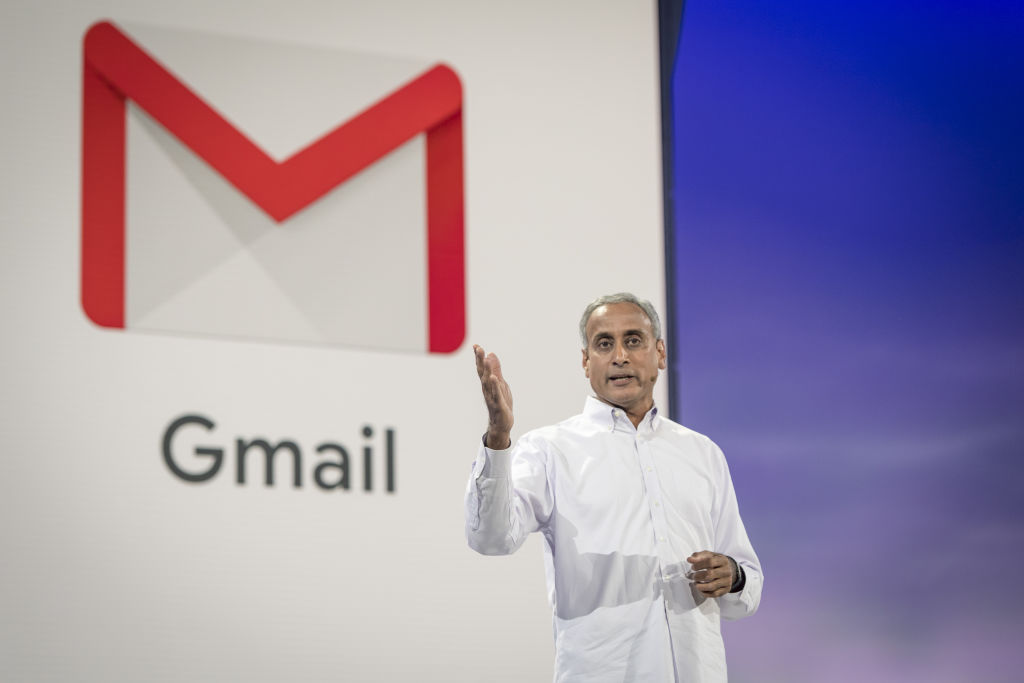
Enlarge/ Prabhakar Raghavan, a senior vice president at Google (where he is responsible for Google Search, Assistant, Geo, Ads, Commerce, and Payments products), speaks during a 2018 event. (credit: Bloomberg / Contributor | Bloomberg)
On Friday, Google started defending its search business during the Justice Department’s monopoly trial. Among the first witnesses called was Google’s senior vice president responsible for search, Prabhakar Raghavan, who testified that Google’s default agreements with makers of popular mobile phones and web browsers were “the company’s biggest cost” in 2021, Bloomberg Law reported.
Raghavan’s testimony for the first time revealed that Google paid $26.3 billion in 2021 for default agreements, seemingly investing in default status for its search engine while raking in $146.4 billion in revenue from search advertising that year. Those numbers had increased “significantly” since 2014, Big Tech on Trial reported, when Google’s search ad revenue was approximately 46 billion and traffic acquisition cost was approximately $7.1 billion.
Prior to Raghavan’s testimony, Google had been carefully guarding this information. According to Bloomberg, Judge Amit Mehta overruled Google’s objections to revealing the numbers, despite Google’s claims that such transparency could harm future deals.
It’s a pain point for any system builder: you spend the time to coordinate parts that will look good together, and then you go to wire it all up and it doesn’t matter because even with good cable management your aesthetic is still ruined by the heavy cable bundles required for power and data connections.