Sony announced new PlayStation 5 models that will likely be unofficially called the “PS5 Slim.” The new model has the same horsepower on the inside, but it has a smaller form factor with an attachable disc drive and a 1TB SSD. The new model’s detachable drive means you can buy the Digital Edition and change your mind later, essentially adding the drive as an $80 modular accessory.
“To address the evolving needs of players, our engineering and design teams collaborated on a new form factor that provides greater choice and flexibility,” Sony wrote in its announcement blog post. “The same technology features that make PS5 the best to play are packed into a smaller form factor, along with an attachable Ultra HD Blu-ray Disc Drive and a 1TB SSD for more internal storage.”
Sony
Sony says the new PS5 has 30 percent lower volume, and its weight is 18 percent and 24 percent lighter than the original. The new design uses four cover panels (the top is glossy while the sides are matte). Both models include a horizontal stand, while a vertical stand “compatible with all PS5 models” will be sold separately for $30.
In exchange for the flexibility of “buy now, add a drive later,” the new PS5 model has a higher entry point with the Digital Edition costing $450. Meanwhile, you’ll pay $500 for the model with the Ultra HD Blu-ray Disc drive. The new PS5s start shipping in November in the US at select retailers, and Sony says it will roll out globally in the following months. The company also mentions that once the current PS5 model has sold out, it will be discontinued.
This article originally appeared on Engadget at https://www.engadget.com/sony-is-releasing-a-smaller-ps5-with-a-detachable-disc-drive-in-november-162625078.html?src=rss
After some previous leaks, Sony has officially announced a new, sleeker version of the PlayStation 5. The smaller console comes out in November and will have the same specs as the current PS5 consoles already out on store shelves.
TikTok announced a new API today that will let you post (and do other things) directly to the platform from approved third-party apps. An extension of Share to TikTok, the company says the new feature “increases the resources and tools our community can choose from to easily navigate every stage of the creation process both on and off the platform.” Early partners for the Direct Post API include Adobe, Twitch, Blackmagic Design (makers of Davinci Resolve) and others.
TikTok Direct Post integrations will let creators make drafts, set captions or audience settings, and schedule or post content directly from supported third-party apps. Only videos are supported at launch, but photo content is “coming soon.”
Third-party software supporting the feature at launch include Adobe Premiere Pro, Adobe Express, CapCut (owned by TikTok’s parent company ByteDance), DaVinci Resolve, SocialPilot and Twitch. TikTok says developer partners will be “vetted through an audit process” before they can use the API.
“Now more than ever, publishing content in real-time has become a necessity, and creators of all skill levels need tools that can empower them with greater efficiency and without constraints,” said Deepa Subramaniam, Adobe’s Creative Cloud marketing VP. “With the new Direct Post feature for TikTok available in Adobe Express and Premiere Pro, creators can continue to create standout content, but with increased speed and without adding more interruption to their creative workflows.”
This article originally appeared on Engadget at https://www.engadget.com/tiktok-now-lets-you-post-directly-from-third-party-apps-160514639.html?src=rss
Just seven months after its beta debut, Adobe’s Firefly generative AI is set to receive a trio of new models as well as more than 100 new features and capabilities, company executives announced at the Adobe Max 2023 event on Tuesday. The Firefly Image 2 model promises higher fidelity generated images and more granular controls for users and the Vector model will allow graphic designers to rapidly generate vector images, a first for the industry. The Design model for generating print and online advertising layouts offers another first: text-to-template generation.
Adobe is no stranger to using machine learning in its products. The company released its earliest commercial AI, Sensei, in 2016. Firefly is built atop the Sensei system and offers image and video editors a whole slew of AI tools and features, from “text to color enhancement” saturation and hue adjustments to font and design element generation and even creating and incorporating background music into video scenes on the fly. The generative AI suite is available across Adobe’s product ecosystem including Premiere Pro, After Effects, Illustrator, Photoshop and Express, as well as on all subscription levels the Creative Cloud platform (yes, even the free one).
Adobe
Firefly Image 2 is the updated version of the existing text-to-image system. Like its predecessor, this one is trained exclusively on licensed and public domain content to ensure that its output images are safe for commercial use. It also accommodates text prompts in any of 100 languages.
Adobe
Adobe’s AI already works across modalities, from still images, video and audio to design elements and font effects. As of Tuesday, it also generates vector art thanks to the new Firefly Vector model. Currently available in beta, this new model will also offer Generative Match, which will recreate a given artistic style in its output images. This will enable users to stay within bounds of the brand’s guidelines, quickly spin up new designs using existing images and their aesthetics, as well as seamless, tileable fill patterns and vector gradients.
The final, Design model, is geared heavily towards advertising and marketing professionals for use in generating print and online copy templates using Adobe Express. Users will be able to generate images in Firefly then port them to express for use in a layout generated from the user’s natural language prompt. Those templates can be generated in any of the popular aspect ratios and are fully editable through conventional digital methods.
Adobe
The Firefly web application will also receive three new features: Generative Match, as above, for maintaining consistent design aesthetics across images and assets. Photo Settings will generate more photorealistic images (think: visible, defined pores) as well as enable users to tweak images using photography metrics like depth of field, blur and field of view. The system’s depictions of plant foliage will reportedly also improve under this setting. Prompt Guidance will even rewrite whatever hackneyed prose you came up with into something it can actually work from, reducing the need for the wholesale re-generation of prompted images.
This article originally appeared on Engadget at https://www.engadget.com/adobes-next-gen-firefly-2-offers-vector-graphics-more-control-and-photorealistic-renders-160030349.html?src=rss
Few tech companies have embraced generative AI as wholeheartedly as Adobe. At Adobe Max, its annual creativity conference, it unveiled a new version of the Firefly GAI model. Not only that, the company announced more GAI features for Adobe Express, just weeks after making Firefly more broadly available in the app.
Adobe Express now includes features such as Generative Fill. This enables users to add, remove or replace items, people and other aspects of images using text prompts. On a similar note, the Text to Template function can help users generate editable templates for things like graphics and social media posts based on text descriptions. Text to Template is powered by the new Firefly Design Model, which Adobe says will generate content that’s safe for commercial use.
On top of that, Express now offers a GAI-powered translation tool. Translate can localize content between 45 languages, Adobe says. Meanwhile, new Drawing and Painting functions enable more than 50 multicolor paint and decorative brushes. These can mimic things like charcoal, pencil and watercolor textures. The company also noted student-friendly drawing templates that are available in Express for Education can make it easy to create effects like flowers and hearts.
A handy resize tool will make it a cinch for folks to automatically get multiple versions of a design to fit all social channels, Adobe said. Meanwhile, you’ll be able to use the app to directly schedule and share videos to the likes of TikTok, Instagram, Facebook, LinkedIn, Pinterest and X.
Adobe isn’t exactly stopping with Express. At Max, it announced more than 100 new features across its main Adobe Creative Cloud applications. These include additional Firefly-powered tools for Illustrator and Photoshop, as well as new editing capabilities in Lightroom.
This article originally appeared on Engadget at https://www.engadget.com/adobe-brings-more-generative-ai-features-to-express-160018288.html?src=rss
Last year, Sony released its first line of dedicated gaming peripherals with its Inzone brand, which consisted of a couple of monitors and a range of over-the-ear headphones. Now Sony has returned with a new pair of earbuds and an update to its mid-range cans that are worth considering for gamers thinking about upgrading their audio.
Sony’s more portable offerings are simply called the Inzone Buds and they use the same drivers that you get in the highly-regarded WF-1000XM5, so it probably won’t be a surprise when I say they sound great. You also get support for Sony’s excellent active noise cancellation tech and a handy ambient sound mode, but from there the buds’ features were tweaked to better optimize sound quality while gaming.
Photo by Sam Rutherford/Engadget
Aside from an updated design that has clear ties to the PS5, the Inzone Buds’ biggest departure from the WF-1000XM5 is its case. It’s a relatively large trapezoid that opens to reveal the buds themselves and a wireless audio dongle. The inclusion of an adapter is sort of unusual on everyday earbuds, but it’s more common on gaming peripherals as it provides a dedicated low-latency 2.4GHz wireless connection (with a sub-30 millisecond delay) to ensure sounds like footsteps and other audio cues hit your ears in a timely matter. The dongle even includes a switch for PCs or the PS5 / mobile devices to streamline things even further, though you can also rely on a standard Bluetooth connection.
In addition to delivering higher-quality sound when gaming, I found the adapter was just really convenient. When listening to music on my phone where latency isn’t a big concern, I was happy to use Bluetooth. But when I was sitting in front of my PC or PS5, switching audio sources was as simple as plugging the dongle into a free USB-C port. As another bonus for PS5 owners, the buds allow you to see things like battery level or volume directly in the console’s UI, which is typically reserved for PlayStation-branded peripherals. Remember, these buds are made by Sony Electronics (the people who make TVs, speakers and other gadgets), not Sony Interactive Entertainment (the PlayStation folk).
Photo by Sam Rutherford/Engdget
You can use Sony’s 360 Spatial Sound Personalizer app to customize audio based on your ear canals. That said, in my experience the effect was much less pronounced than on Sony’s over-the-ear headphones, which account for the shape of your entire ear. Though you can further adjust the buds’ sound tone personalization in the Inzone Hub app. What I do like is the addition of a new AI-based noise reduction feature that filters out distracting sounds during calls, which is pretty useful especially when you’re gaming on PC while using a loud mechanical keyboard. And thanks to support for spatial audio, you get a 3D soundstage that can help you figure out when enemies might be sneaking up on you in a shooter.
With battery life of up to 24 hours on a charge when connected via Bluetooth (or around 12 hours when using 2.4GHz), Sony claims the Inzone buds have the best longevity of any true-wireless gaming earbuds. And after using them for a weekend, that figure seems about right. When you eventually run low, the charging case can add an hour of juice in just five minutes while holding enough power for a second full recharge.
Photo by Sam Rutherford/Engadget
That said, while I generally like the Inzone buds, I have a few gripes. The first is that the case doesn’t support wireless charging, which seems like a weird omission on $200 headphones. Also, the case is rather bulky when compared to more typical earbuds, and when you factor in its trapezoidal shape, some people may wonder if you’re hiding a rabbit in your pocket. The other small frustration is that, while you can use the Inzone Hub software on your PC to adjust all sorts of settings, there isn’t an equivalent mobile app. That means if you’re walking around town and you want to adjust the Inzone Buds’ touch controls, you’ll have to wait until you get home.
What’s interesting is that if you’re someone like me, who generally prefers earbuds over larger cans due to their portability, it’s nice to have small headphones that are equally adept at gaming and general audio. And with the Inzone buds priced at $200, or $100 less than the WF-1000XM5s, these are an interesting option for people who care about both.
Photo by Sam Rutherford/Engadget
Aside from its new earbuds, the other update to the Inzone line are the new $150 H5 headphones, which are a new mid-range replacement for the older and more expensive $229 H7 cans. Despite costing $80 less, the H5s have a better mic thanks to the same AI-based noise reduction tech you get on the buds, along with support for both wired and wireless audio (the H7s were wireless-only) and a slightly lighter design. The one trade-off is that overall battery life has declined a touch from 40 to 28 hours.
The Inzone Buds and the Inzone H5 headphones are available today for $200 and $150, respectively.
This article originally appeared on Engadget at https://www.engadget.com/sony-inzone-buds-hands-on-a-slick-gamer-focused-twist-on-the-wf-1000xm5-specs-price-160014839.html?src=rss
Adobe just shared a full public release of its Firefly AI tools last month, but the company isn’t nearly done giving the AI hype train a big push down the tracks. During its Adobe Max conference, the company said that the original Firefly AI model is already old hat after just five months in beta. Now we have the AI…
wiredmikey writes: A zero-day vulnerability named ‘HTTP/2 Rapid Reset’ has been exploited by malicious actors to launch the largest distributed denial-of-service (DDoS) attacks in internet history. One of the attacks seen by Cloudflare was three times larger than the record-breaking 71 million requests per second (RPS) attack reported by company in February. Specifically, the HTTP/2 Rapid Reset DDoS campaign peaked at 201 million RPS, while Google’s observed a DDoS attack that peaked at 398 million RPS. The new attack method abuses an HTTP/2 feature called ‘stream cancellation’, by repeatedly sending a request and immediately canceling it.
Being prepared for power outages caused by weather or other disasters is getting easier as battery technology improves—which is a good thing, because the weather keeps getting worse. Keeping devices charged so you can stay updated on emergency information, have a light source, and be able to tune into the radio if…
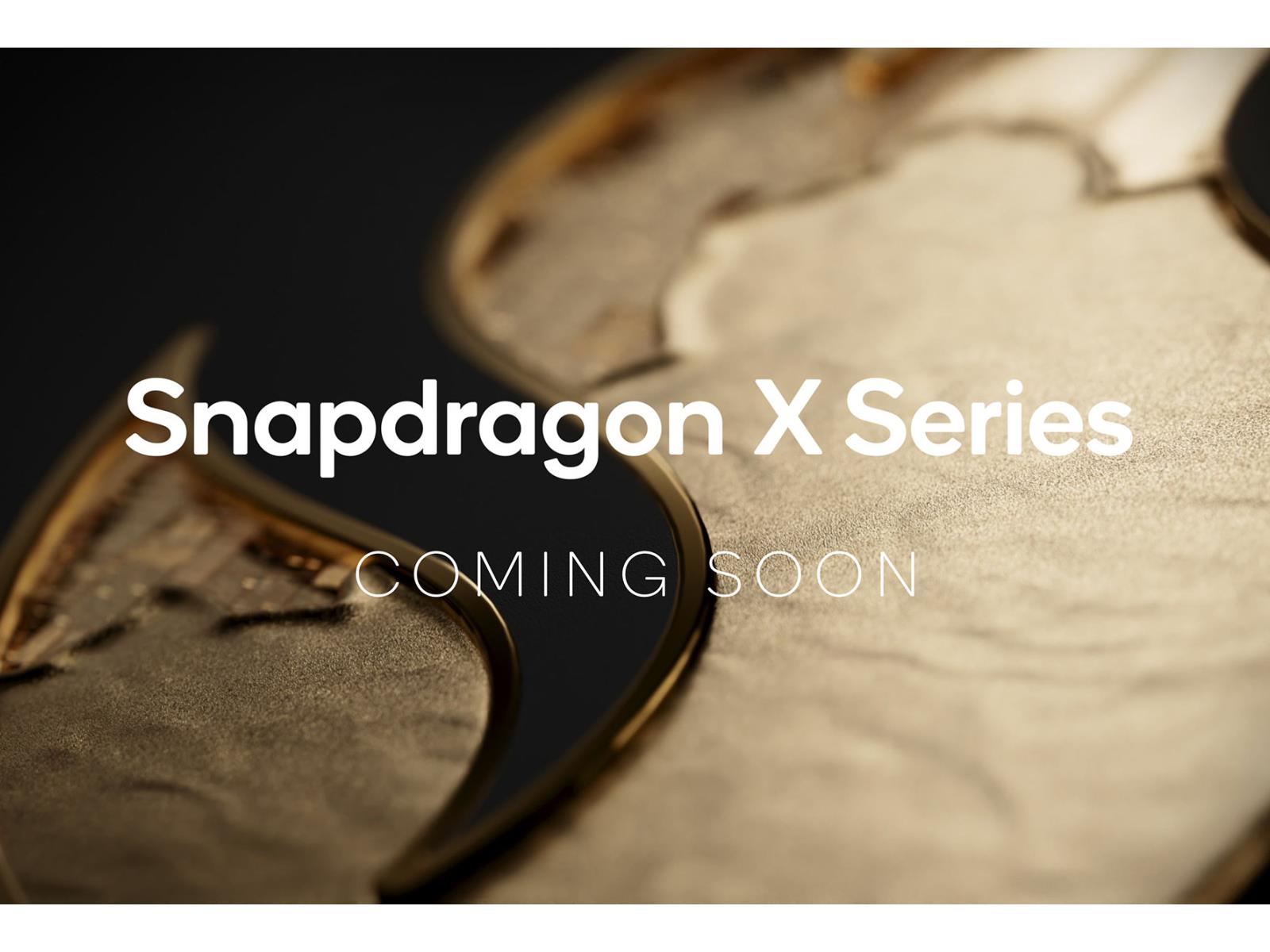
Qualcomm is introducing a new naming convention under its Snapdragon brand, as it looks to make a more aggressive entrance into the intelligent PC space. It’s called Snapdragon X series and while details are light at the moment, we can expect new architectures and platforms geared towards always-connected (5G) mobile PC experiences. It also
Ubisoft announced on October 9 it was indefinitely delaying Call of Duty-like XDefiant’s preseason, adding to the ever-growing list of issues standing between the free-to-play arena shooter and a release date.
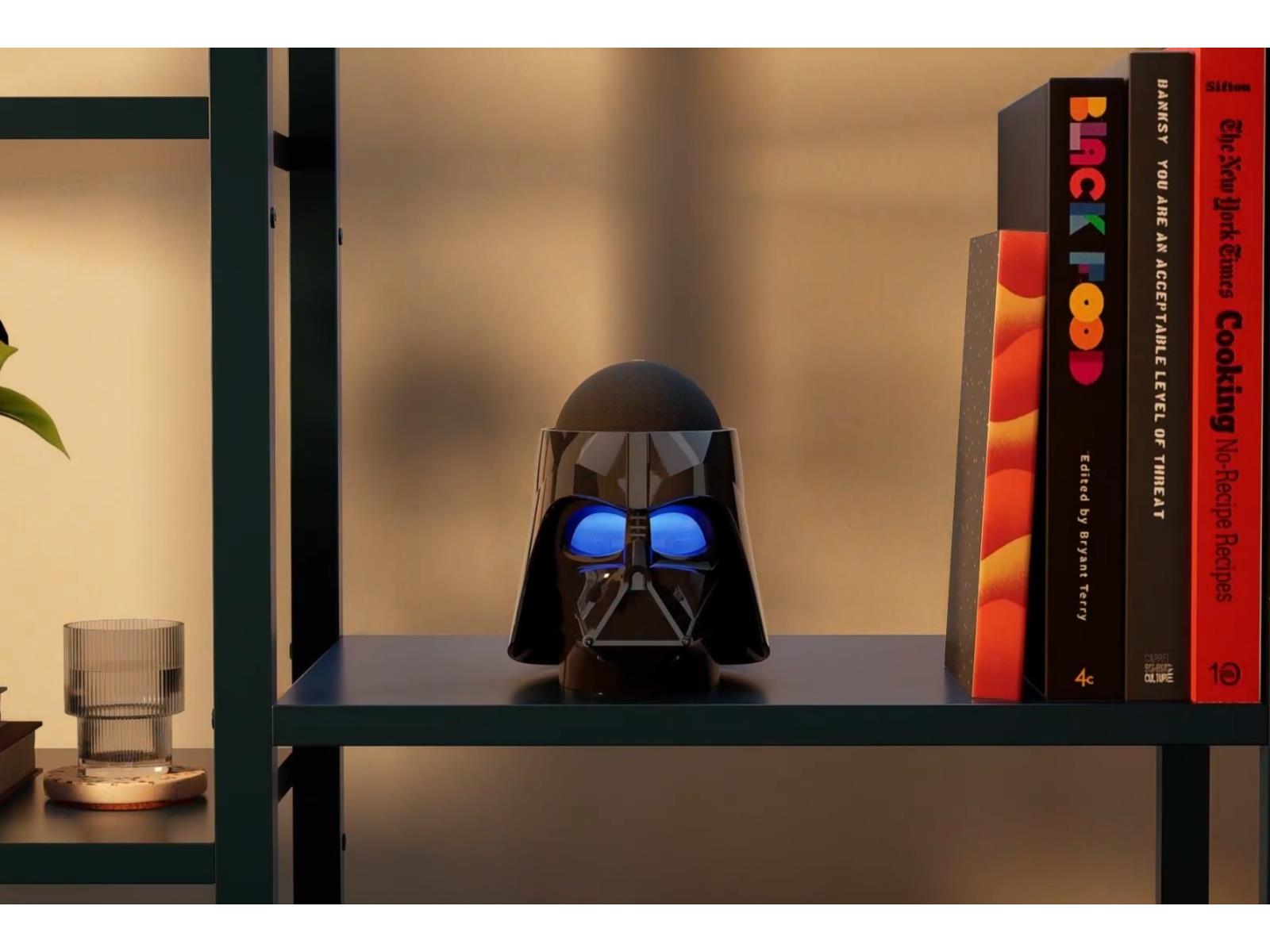
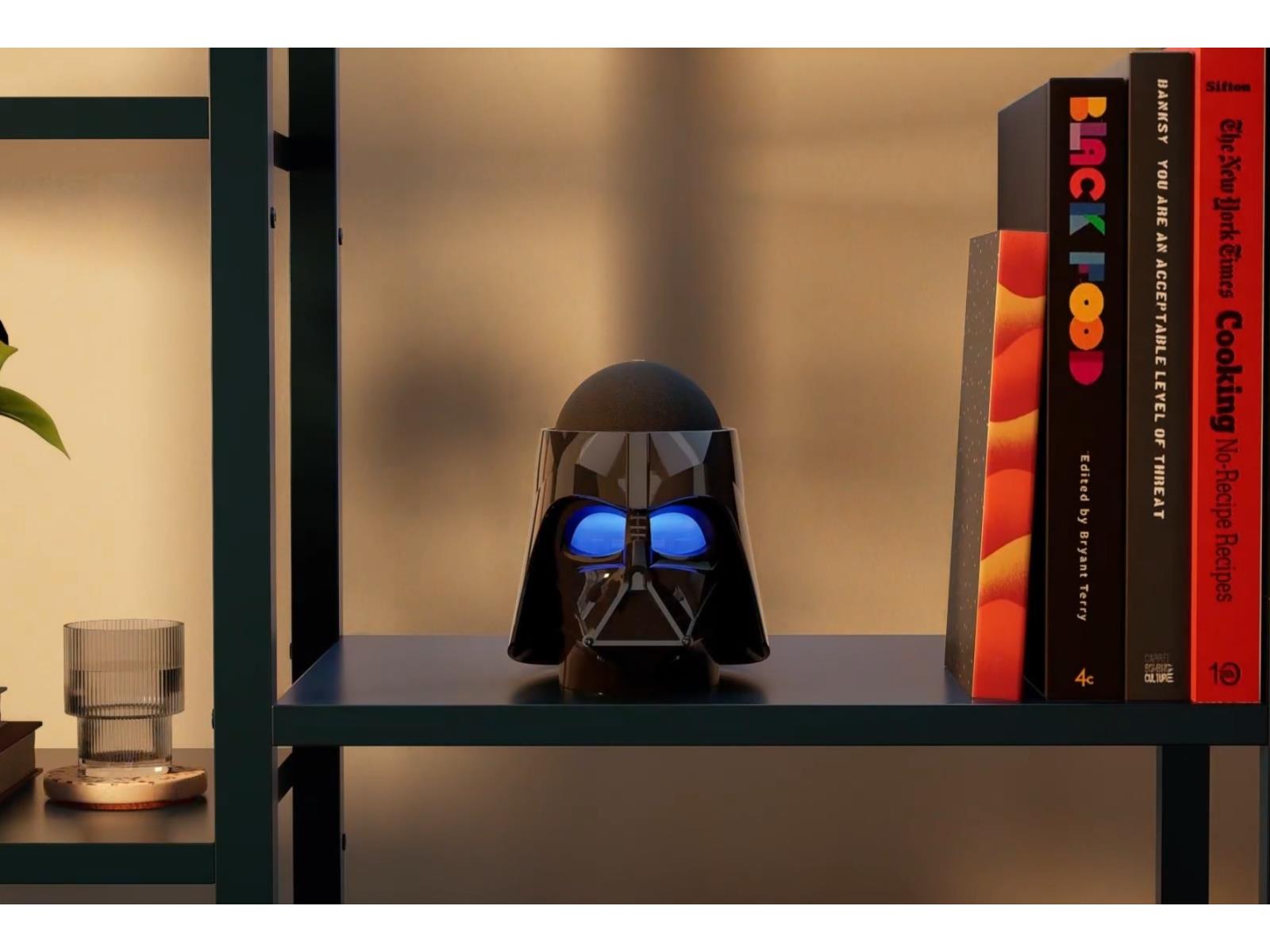
In a galaxy far, far away, a sale of immeasurable savings took place. Well, not so far away, but great savings during Amazon Prime Days can be had on Amazon Echo Dots, Fire tablets, and Kindle Readers.
Amazon Darth Vader Echo Dot Bundle
Star Wars fans will be enamored with this Darth Vader Echo Dot that has Vader’s eyes light up each time
In 2024, the Roku Channel will debut The Spiderwick Chronicles, an eight-episode children’s fantasy show that was unceremoniously cancelled two years into production. Disney axed the series based on the bestselling series of books by Tony DiTerlizzi and Holly Black in an effort to claim a tax break before the show…
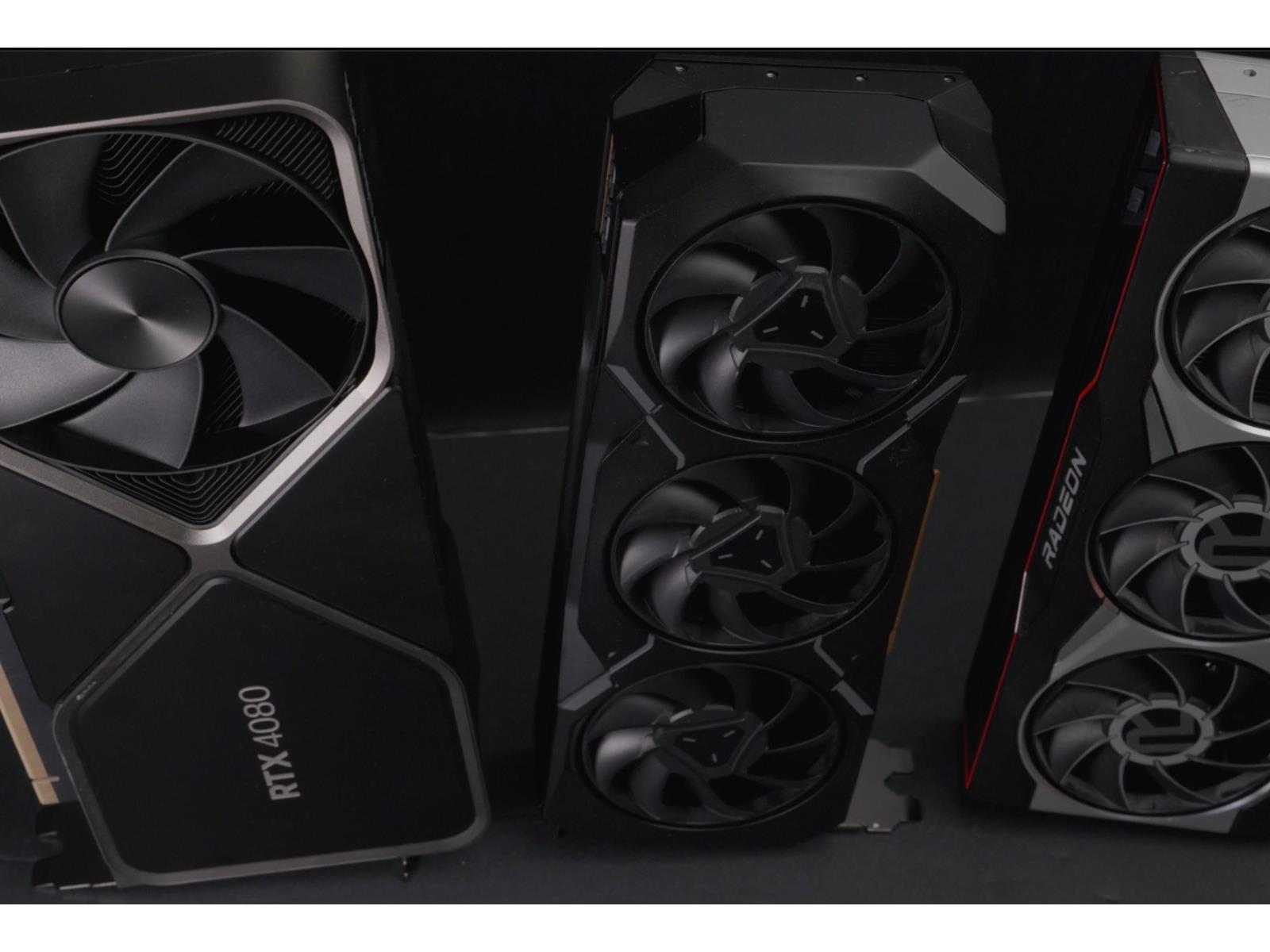
There’s nothing more exciting about PC building than when it’s time for the mighty graphics card. The last few years have certainly been a roller coaster ride of availability and pricing changes, however. These uncertainties can easily confuse even the most seasoned PC builders. As we approach the holiday shopping season, retailers are well…
Amazon’s Prime Big Deal Days event has finally landed, bringing with it a watershed of savings that includes some of the best gaming deals of the season. Whether you’re eyeing a creative game like Mario Maker 2, an epic adventure like Elden Ring or even a new headset or controller, our list below has the gaming gear you need to prepare for the long cold months ahead.
Nintendo Switch games
Team Nintendo! (credit: Nintendo)
Mario + Rabbids Sparks of Hope – Standard Edition for $20 (was $60) at Amazon
Ring Fit Adventure – Nintendo Switch for $50 (was $80) at Amazon
Teenage Mutant Ninja Turtles: Shredder’s Revenge – Nintendo Switch for $23 (was $35) at Amazon
Wonder Boy – Asha in Monster World – Nintendo Switch for $36 (was $40) at Amazon
Octopath Traveler II – Nintendo Switch for $43 (was $60) at Amazon
Super Mario Maker 2 – US Version for $40 (was $60) at Amazon
Legend of Zelda Link’s Awakening – Nintendo Switch for $49 (was $60) at Amazon
Cuphead – Nintendo Switch for $25 (was $40) at Amazon
Mario Golf: Super Rush – Nintendo Switch for $40 (was $60) at Amazon
Crisis Core: Final Fantasy VII Reunion – Nintendo Switch for $43 (was $50) at Amazon
Gang Beasts – Nintendo Switch for $25 (was $35) at Amazon
Sonic Mania + Team Sonic Racing Double Pack – Nintendo Switch for $25 (was $40) at Amazon
AEW: Fight Forever – Nintendo Switch for $40 (was $60) at Amazon
Theatrhythm Final Bar Line – Nintendo Switch for $35 (was $50) at Amazon
Dragon Quest Treasures – Nintendo Switch for $35 (was $50) at Amazon
Rune Factory 5 – Nintendo Switch for $20 (was $40) at Amazon
Disney Magical World 2: Enchanted Edition – Nintendo Switch for $25 (was $50) at Amazon
Knockout Home Fitness – Nintendo Switch for $20 (was $30) at Amazon
Ori: The Collection – Nintendo Switch for $25 (was $30) at Amazon
Bayonetta 3 – Nintendo Switch for $37 (was $60) at Amazon
Trinity Trigger – Day 1 Edition – Nintendo Switch for $30 (was $50) at Amazon
When Gmail launched for Wear OS last week, folks wondered how long it would be before the companion Google Calendar app would arrive. Well, it’s here. Google Calendar has officially shipped for Wear OS, giving smartwatch-wearers all kinds of access to their day-to-day schedules, as originally spotted by 9to5Google.
You’ll see it on the launcher as Calendar once installed. It’s basically a beefed-up version of the Schedule view found on phones. When you open up the app, you’ll find a daily calendar complete with precise location details for events, notes, notifications and more. You can adjust whether or not you’ll be attending any saved event, in addition to deleting the event entirely.
If you’re tired of staring at a teensy smartwatch screen, you can also use the Calendar app to open up any date or event on your smartphone. Certain events, like holidays and birthdays, can appear as background images in the main feed of the app. There’s even some Google Tasks integration here, so you can mark events as complete.
Like many smartwatch apps, Google Calendar is for consumption and not creation. You cannot use the app to make new events or tasks. There are, however, two new Wear OS tiles that let you quickly glance at upcoming events and tasks without opening up the full app.
Google Calendar for Wear OS is now available to download on the Play Store. Just search for Calendar in the wearable version of the Play Store or remotely install it via the app listing.
As Wear OS 3 and Wear OS 4 continue to gain new features, the company’s older smartwatch operating systems are losing tools. Google recently announced that its proprietary voice assistant would no longer work on watches running anything before Wear OS 3.
This article originally appeared on Engadget at https://www.engadget.com/google-calendar-finally-lands-on-wearos-154535767.html?src=rss
Fortnite’s annual Halloween-themed “Fortnitemares” event is here, bringing all sorts of spooky characters and cosmetics to the popular online battle royale shooter, including slasher Michael Myers and Disney character Jack Skellington.
Enlarge/ Unity developers won’t have John Riccitiello to kick around anymore. (credit: Getty Images)
Following weeks of controversy, partial walkbacks, and apologies surrounding a new fee-based business structure for the Unity engine, game developers and financial markets have responded overwhelmingly positively to the recent news of Unity CEO John Riccitiello’s sudden retirement. But that departure may not be enough to restore trust for many developers who have already moved on to other engines.
“Long, long overdue,” Gloomwood developer Dillon Rogers wrote, summing up joyful reactions to Riccitiello’s departure from across the game development community.
Necrosoft Games’ Brandon Sheffield (Demonschool), who was one of the most outspoken critics of Unity’s initial install-fee plans, wrote on social media that he “truly did not think [Riccitiello’s departure] would happen.” The CEO’s apparent ouster “is the main thing Unity needed to do to start rebuilding trust, so… it’s a start,” Sheffield continued.