Build your dream desktop with these Prime Day PC components deals

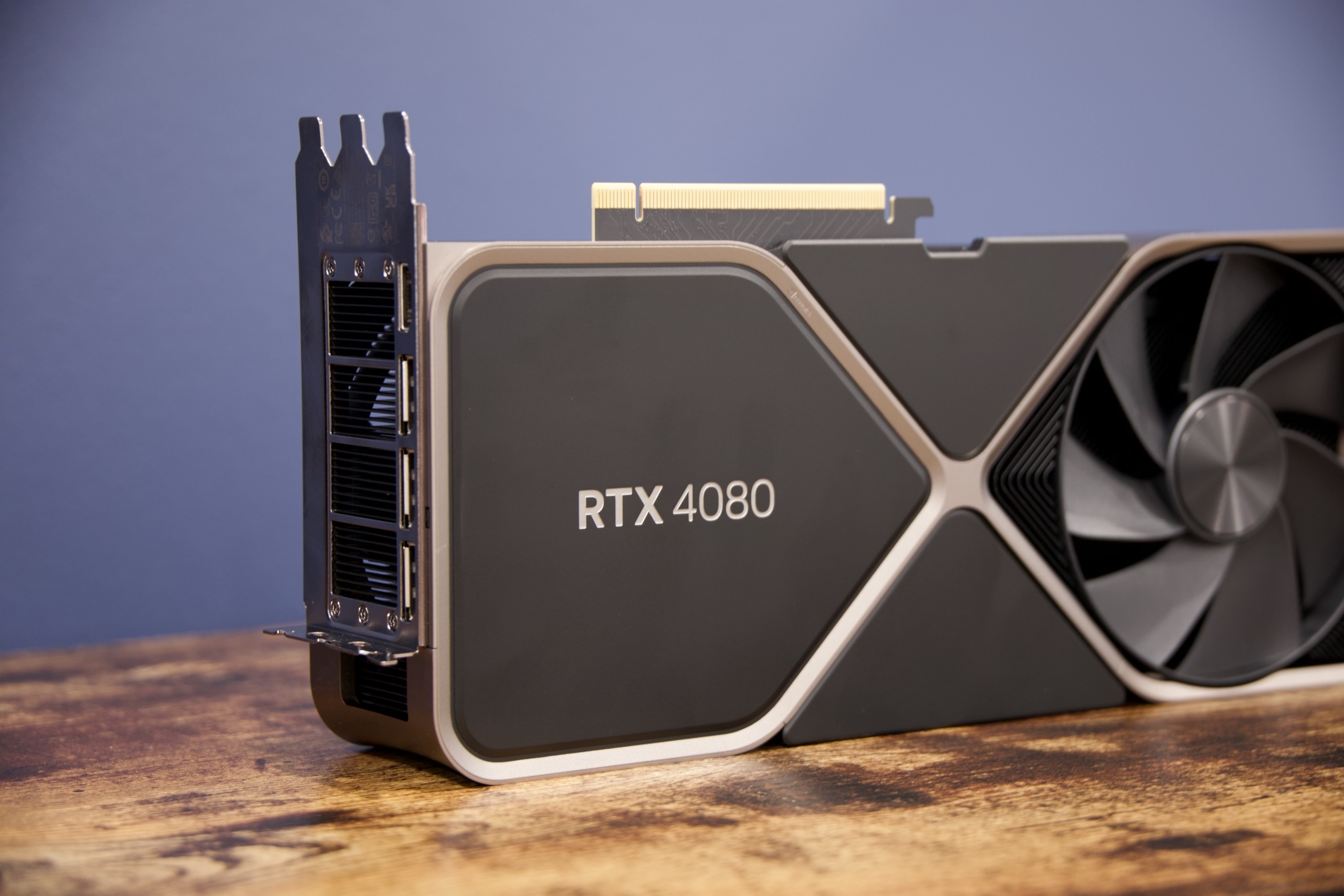
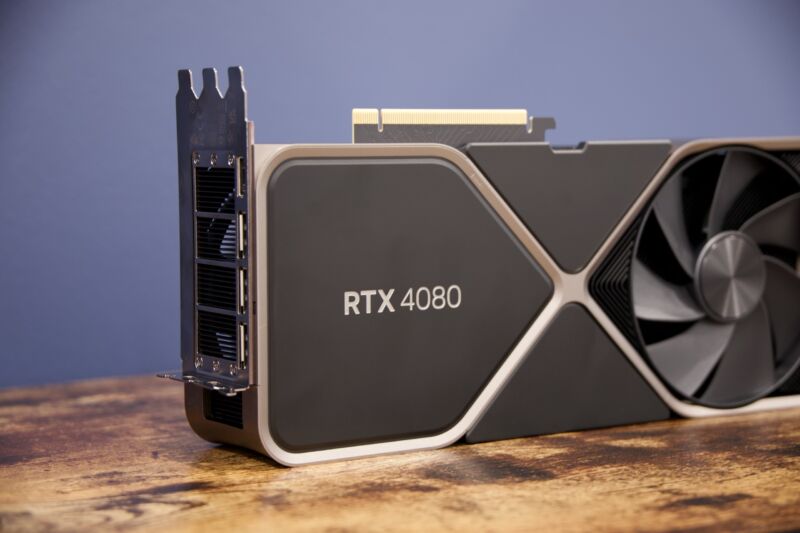
Nvidia's GeForce RTX 4080.

Enlarge / Nvidia’s GeForce RTX 4080. (credit: Andrew Cunningham)

If you’re building a new PC, there’s no time like Amazon’s big Prime Day sale to grab a deal on PC parts. Components like fans, motherboards, CPUs, and GPUs are all on sale. Whether you’re starting from scratch on building your own powerful gaming rig or workstation, or you’re upgrading an existing build, we have some options.

GPU deals on RTX graphics cards

  • ZOTAC Gaming GeForce RTX 3060 Twin Edge OC for $261 (was $340) at Amazon
  • ZOTAC Gaming GeForce RTX 4080 16GB Trinity OC for $990 (was $1,300) at Amazon
  • PowerColor Fighter AMD Radeon RX 6700 XT Gaming Graphics Card with 12GB GDDR6 Memory for $300 (was $350) at Amazon
  • ZOTAC Gaming GeForce RTX 4070 AMP AIRO Spider-Man: Across The Spider-Verse Inspired Graphics Card Bundle for $585 (was $700) at Amazon
  • EVGA GeForce RTX 2060 SC GAMING for $200 (was $360) at Amazon
  • Intel Arc A750 Limited Edition 8GB PCI Express 4.0 Graphics Card for $200 (was $220) at Amazon
  • ASUS Dual NVIDIA GeForce RTX 3050 OC Edition Gaming Graphics Card for $230 (was $300) at Amazon
  • ASUS ROG Strix NVIDIA GeForce RTX 4070 Ti Gaming Graphics Card for $870 (was $950) at Amazon
  • XFX Speedster QICK319 Radeon RX 6750XT Gaming Graphics Card for $350 (was $430) at Amazon
  • XFX Speedster SWFT319 Radeon RX 6800 Gaming Graphics Card for $400 (was $490) at Amazon
  • ASUS TUF Gaming GeForce RTX 4060 Ti OC Edition Gaming Graphics Card for $415 (was $460) at Amazon

Storage and RAM

  • Lexar NQ100 480GB 2.5-inch SATA III Internal SSD for $18 (was $33) at Amazon
  • Lexar NQ100 1.92TB 2.5-inch SATA III Internal SSD for $62 (was $88) at Amazon
  • Crucial P3 Plus 4TB PCIe Gen4 3D NAND NVMe M.2 SSD for $180 (was $226) at Amazon
  • Crucial P3 4TB PCIe Gen3 3D NAND NVMe M.2 SSD for $160 (was $230) at Amazon
  • Crucial MX500 4TB 3D NAND SATA 2.5 Inch Internal SSD for $165 (was $204) at Amazon
  • Crucial Pro RAM 64GB Kit DDR4 3200MT/s for $100 (was $142) at Amazon
  • Lexar NM790 SSD 2TB PCIe Gen4 NVMe M.2 2280 Internal Solid State Drive for $87 (was $125) at Amazon
  • Lexar NM790 SSD 1TB PCIe Gen4 NVMe M.2 2280 Internal Solid State Drive for $45 (was $70) at Amazon
  • Lexar NM790 SSD 512GB PCIe Gen4 NVMe M.2 2280 Internal Solid State Drive for $37 (was $50) at Amazon
  • Lexar ARES RGB 32GB (2x16GB) DDR4 RAM 3600MT/s CL18 Desktop Memory for $55 (was $80) at Amazon
  • Crucial T700 4TB Gen5 NVMe M.2 SSD for $390 (was $600) at Amazon
  • Crucial T700 4TB Gen5 NVMe M.2 SSD with heatsink for $410 (was $630) at Amazon
  • Lexar NQ100 960GB 2.5-inch SATA III Internal SSD for $33 (was $48) at Amazon
  • Lexar ARES RGB 32GB (2x16GB) DDR5 RAM 6000MT/s CL34 Desktop Memory for $76 (was $120) at Amazon
  • Lexar ARES RGB 32GB (2x16GB) DDR5 RAM 5600MT/s CL32 Desktop Memory for $72 (was $110) at Amazon
  • PNY CS2241 4TB M.2 NVMe Gen4 x4 Internal Solid State Drive for $175 (was $220) at Amazon
  • CORSAIR VENGEANCE RGB DDR5 RAM 32GB (2x16GB) 5200 MHz CL40 for $90 (was $100) at Amazon

CPU deals on Intel and AMD processors

  • Intel Core i5-12600KF Desktop Processor 10 (6P+4E) Cores for $163 (was $199) at Amazon
  • Intel Core i7-12700K Desktop Processor with Integrated Graphics for $239 (was $276) at Amazon
  • Intel Core i5-12600K Desktop Processor with Integrated Graphics for $179 (was $194) at Amazon
  • AMD Ryzen 9 5900X 12-core, 24-Thread Unlocked Desktop Processor for $297 (was $570) at Amazon
  • Intel Core i7-13700K Desktop Processor with Integrated Graphics for $373 (was $419) at Amazon
  • AMD Ryzen 9 7900X 12-Core, 24-Thread Unlocked Desktop Processor for $382 (was $549) at Amazon
  • AMD Ryzen 9 7950X 16-Core, 32-Thread Unlocked Desktop Processor for $509 (was $699) at Amazon
  • AMD Ryzen 9 7950X3D 16-Core, 32-Thread Desktop Processor for $599 (was $699) at Amazon
  • AMD Ryzen 7 5800X3D 8-core, 16-Thread Desktop Processor for $307 (was $319) at Amazon
  • Intel Core i7-12700KF Desktop Processor for $219 (was $259) at Amazon
  • Intel Core i9-12900K Gaming Desktop Processor with Integrated Graphics and 16 (8P+8E) Cores for $327 (was $379) at Amazon
  • AMD Ryzen 7 5800X 8-core, 16-Thread Unlocked Desktop Processor for $215 (was $449) at Amazon
  • Intel Core i9-12900KF Desktop Processor for $318 (was $373) at Amazon
  • Intel Core i9-12900KS Gaming Desktop Processor for $349 (was $400) at Amazon

Motherboards

  • ASUS Prime B550-PLUS AMD AM4 Zen 3 Ryzen 5000 & 3rd Gen Ryzen ATX Motherboard for $100 (was $140) at Amazon
  • GIGABYTE B650 Gaming X AX (AM5/ LGA 1718/ AMD/ B650 for $162 (was $200) at Amazon
  • ASUS ROG Maximus Z790 Hero (WiFi 6E) LGA 1700 (Intel 13th & 12th Gen) ATX Motherboard for $540 (was $609) at Amazon
  • Gigabyte B550 AORUS ELITE AX V2 for $144 (was $190) at Amazon
  • ASUS Prime Z790-A WiFi 6E LGA 1700 (Intel 13th & 12th) ATX Motherboard for $250 (was $310) at Amazon
  • ASUS TUF Gaming Z790-Plus WiFi D4 LGA 1700 (Intel 12th & 13th Gen) ATX Motherboard for $200 (was $230) at Amazon
  • ASUS Prime X670E-PRO WiFi Socket AM5 (LGA 1718) Ryzen 7000 ATX Motherboard for $290 (was $350) at Amazon
  • ASUS Strix STRIX Z790-A WIFI D4 Desktop Motherboard for $285 (was $350) at Amazon
  • MSI MPG Z690 Edge WiFi DDR4 Gaming Motherboard for $220 (was $300) at Amazon
  • GIGABYTE Z790 AORUS Elite AX DDR4 for $207 (was $260) at Amazon
  • MSI B550 Gaming GEN3 Gaming Motherboard for $100 (was $120) at Amazon
  • ASUS Prime X670-P Socket AM5 (LGA 1718) Ryzen 7000 ATX Motherboard for $200 (was $270) at Amazon
  • ASUS Prime H770-PLUS D4 Intel H770(13th and 12th Gen) LGA 1700 ATX Motherboard for $100 (was $160) at Amazon
  • ASUS ROG Strix B550-A Gaming AMD AM4 Zen 3 Ryzen 5000 & 3rd Gen Ryzen ATX Motherboard for $160 (was $180) at Amazon
  • MSI PRO Z790-A Wi-Fi ProSeries Motherboard (Supports 12th/13th Gen Intel Processors) for $190 (was $280) at Amazon
  • MSI MEG Z690 Unify Gaming Motherboard for $290 (was $330) at Amazon

Power Supply Units

  • ASUS ROG STRIX 1000W Gold PSU, Power Supply for $160 (was $210) at Amazon
  • Cooler Master MWE Gold 850 V2 Full Modular for $95 (was $100) at Amazon
  • EVGA 100-N1-0650-L1, 650 N1, 650 W for $44 (was $65) at Amazon
  • EVGA Supernova 1600 G+, 80+ Gold 1600 W for $210 (was $350) at Amazon
  • Thermaltake Toughpower GF1 850 W 80+ Gold SLI/ CrossFire Ready Ultra Quiet 140mm Hydraulic Bearing Smart Zero Fan for $100 (was $140) at Amazon
  • Thermaltake Toughpower 750 W 80 Plus Gold Semi Modular PSU ATX for $80 (was $110) at Amazon
  • Thermaltake Toughpower GF3 850 W for $110 (was $160) at Amazon
  • EVGA SuperNOVA 1300 GT, 80 Plus Gold 1300 W for $180 (was $250) at Amazon
  • ASUS ROG Thor 850W Platinum II for $170 (was $250) at Amazon
  • EVGA Supernova 1000 P3, 80 Plus Platinum 1000 W for $210 (was $250) at Amazon
  • EVGA Supernova 1000 G7, 80 Plus Gold 1000 W for $180 (was $240) at Amazon
  • Thermaltake TOUGHLIQUID 360 ARGB Motherboard Sync All-in-One Liquid CPU Cooler for $100 (was $140) at Amazon
  • GIGABYTE GP-UD850GM PG5 Rev2.0 850W PCIe 5.0 Ready for $97 (was $140) at Amazon
  • Thermaltake Toughpower GF3 1350W for $208 (was $260) at Amazon
  • Corsair HX1000i Fully Modular Ultra-Low Noise ATX Power Supply – ATX 3.0 & PCIe 5.0 Compliant for $230 (was $260) at Amazon

Fans and coolers

  • Cooler Master Hyper 212 Halo Black CPU Air Cooler for $33 (was $45) at Amazon
  • MSI MAG CoreLiquid 360R V2 – AIO ARGB CPU Liquid Cooler for $95 (was $140) at Amazon
  • NZXT Kraken 280 RGB – RL-KR280-B1 – 280 mm AIO CPU Liquid Cooler for $142 (was $200) at Amazon
  • Cooler Master MasterLiquid 360L Core 360 mm Close-Loop AIO Liquid Cooler for $101 (was $120) at Amazon
  • Cooler Master MasterLiquid 240L Core 240 mm Close-Loop AIO Liquid Cooler for $85 (was $100) at Amazon
  • AORUS WATERFORCE X 360 AIO Liquid CPU Cooler for $187 ($240) at Amazon
  • ASUS ROG RYUO III 360 ARGB All-in-one AIO Liquid CPU Cooler 360 mm Radiator for $245 (was $290) at Amazon
  • MSI MAG CoreLiquid C240 – AIO ARGB CPU Liquid Cooler – 240 mm Radiator for $90 (was $120) at Amazon
  • Thermaltake Riing Quad 120 mm 16.8 Million RGB Color 9 Blades Hydraulic Bearing Case/Radiator Fan for $90 (was $120) at Amazon

Cases and towers

  • ASUS TUF Gaming GT501 Mid-Tower Computer Case for up to EATX Motherboards for $135 (was $180) at Amazon
  • ASUS TUF Gaming GT502 ATX Mid-Tower Computer Case for $140 (was $170) at Amazon
  • Thermaltake Tower 200 Mini-ITX Computer Case for $100 (was $130) at Amazon
  • CORSAIR Crystal Series 680X RGB High Airflow Tempered Glass ATX Smart Case, Black for $193 (was $275) at Amazon
  • Corsair 5000D Tempered Glass Mid-Tower ATX PC Case – White for $165 (was $175) at Amazon
  • Thermaltake Core P3 Pro E-ATX Tempered Glass Mid Tower for $120 (was $160) at Amazon
  • Antec NX200 M, Micro-ATX Tower, Mini-Tower Computer Case for $44 (was $65) at Amazon
  • Corsair iCUE 220T RGB AIRFLOW Tempered Glass Mid-Tower Smart ATX Case for $70 (was $125) at Amazon
  • Corsair Carbide Series 175R RGB Tempered Glass Mid-Tower ATX Gaming Case for $53 (was $85) at Amazon

Ars Technica may earn compensation for sales from links on this post through affiliate programs.

Read on Ars Technica | Comments


Source: Ars Technica – Build your dream desktop with these Prime Day PC components deals

PS5 Cloud Streaming Coming to All Plus Premium Members This Month

PlayStation 5 owners will finally have the opportunity to beam games to their console without downloading, though the service is still only available on the PS5 itself, and you’ll need to pay $160 a year to access the feature and the few games available to stream at launch.

Read more…


Source: Gizmodo – PS5 Cloud Streaming Coming to All Plus Premium Members This Month

YouTube TV, which costs $73 a month, agrees to end “$600 less than cable” ads

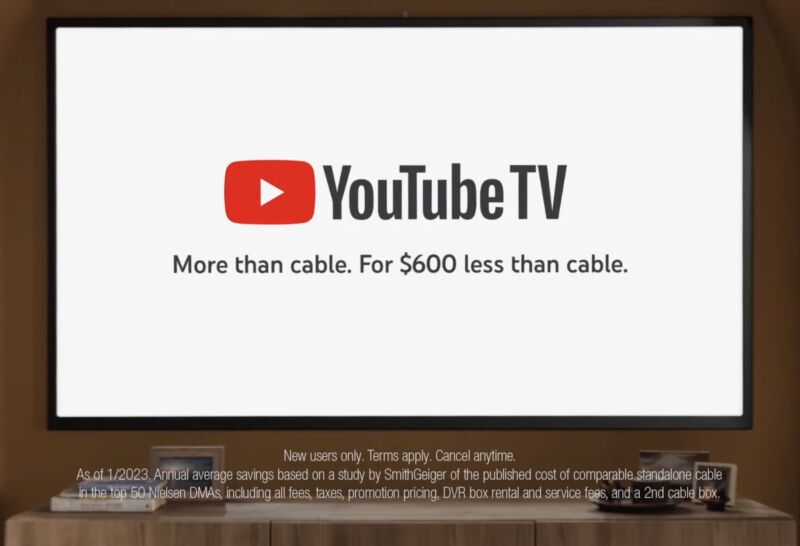
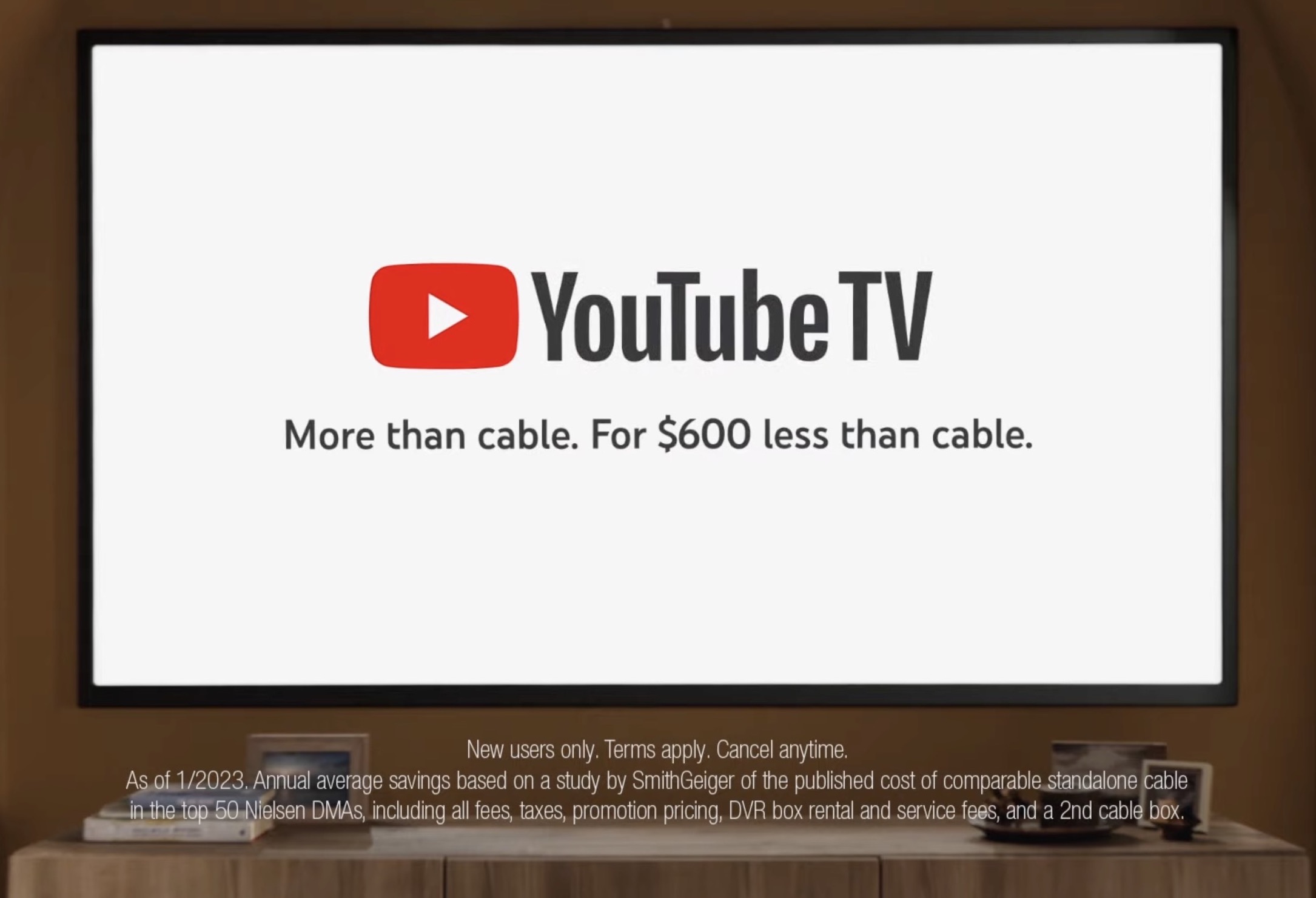
Screenshot of a YouTube TV ad that claims the service costs $600 less than cable.

Enlarge / The disputed YouTube TV ad. (credit: Google)

Google has agreed to stop advertising YouTube TV as “$600 less than cable” after losing an appeal of a previous ruling that went against the company. Google said it will “modify or cease the disputed advertising claim.”

The case was handled in the advertising industry’s self-regulatory system, not in a court of law. The National Advertising Review Board (NARB) announced today that it rejected Google’s appeal and recommended that the company discontinue the YouTube TV claim.

YouTube TV launched in 2017 for $35 a month, but the base package is $72.99 after the latest price hike in March 2023. Google’s “$600 less than cable” claim was challenged by Charter, which uses the brand name Spectrum and is the second-biggest cable company after Comcast. The National Advertising Division (NAD) previously ruled in Charter’s favor but Google appealed the decision to the NARB in August.

Read 7 remaining paragraphs | Comments


Source: Ars Technica – YouTube TV, which costs a month, agrees to end “0 less than cable” ads

Mysterious fast radio bursts look a lot like earthquakes, study finds

Artist's impression of a fast radio burst (FRB) traveling through space and reaching Earth.

Enlarge / Artist’s impression of a fast radio burst (FRB) traveling through space and reaching Earth. (credit: ESO/M. Kornmesser/CC BY 4.0)

Astronomers have been puzzling over the mysterious origins of fast radio bursts (FRBs) since they were first detected in 2007. Now scientists at the University of Tokyo have come up with new evidence that at least some FRBs may be caused by so-called “starquakes” on the surfaces of neutron stars, according to a new paper published in the Monthly Notices of the Royal Astronomical Society.

As Ars Science Editor John Timmer reported previously, FRBs involve a sudden blast of radio-frequency radiation that lasts just a few microseconds. Astronomers have cataloged hundreds of them; some come from sources that repeatedly emit FRBs, while others seem to burst once and go silent. You can produce this sort of sudden surge of energy by destroying something. But the existence of repeating sources suggests that at least some of them are produced by an object that survives the event. That has led to a focus on compact objects, like neutron stars and black holes—especially a class of neutron stars called magnetars—as likely sources.

Magnetars are an extreme form of a neutron star, a type of body that is already notable for being extreme. They are the collapsed core of a massive star, so dense that atoms get squeezed out of existence, leaving a swirling mass of neutrons and protons. That mass is roughly equal to the Sun’s but compressed into a sphere with a radius of about 10 kilometers. Neutron stars are best known for powering pulsars, rapidly repeating bursts of radiation driven by the fact that these massive objects can complete a rotation in a handful of milliseconds.

Read 9 remaining paragraphs | Comments


Source: Ars Technica – Mysterious fast radio bursts look a lot like earthquakes, study finds

My Favorite Coffee Grinder Is $80 Right Now

Good coffee begins with good coffee beans, but it doesn’t end there: You’ve also got to know how to do the brew. Before you can brew your beans well, you’ve got to grind them to perfection—which means you need a good coffee grinder. And right now, you can get my favorite grinder for $80—20% off the list price—during…

Read more…


Source: LifeHacker – My Favorite Coffee Grinder Is Right Now

Valve has no plans for Counter-Strike 2 support on Macs or older Windows PCs

Valve has confirmed that Counter-Strike 2 (CS2) won’t support Mac and older Windows PCs. The game’s predecessor, Counter-Strike: Global Offensive (CS:GO), ran on those machines, but the company said since the refreshed title “represents the largest technical leap in CS history,” users on those platforms are out of luck.

In addition to macOS, older hardware, “including DirectX 9 and 32-bit operating systems,” are discontinued. Valve described the abandonment as a “difficult decision” based on technological advances. The company notes that, when combined, users on those platforms represented less than one percent of active CS:GO players, suggesting the gaming behemoth didn’t view legacy support for those platforms as a cost-conscious move.

Valve will offer refunds to eligible players on those systems who bought the Prime Status Upgrade, an optional $15 boost that matches players with fellow subscribers while earning various bonuses. However, there are caveats. Mac users can only get their money back if “most of their CS:GO playtime was on macOS” between March 22 and September 27. Meanwhile, DirectX 9 and 32-bit Windows users must have bought Prime Status Upgrade from Steam between those dates. 

Valve will only offer refunds until December 1. In addition, the company notes that CD keys, gifted purchases and banned accounts are ineligible.

The legacy version of CS:GO, currently classified as a “frozen build,” is still available for players on the defunct platforms. But Valve says that version will lose support after January 1, 2024. Any functionality associated with the Game Coordinator (access to inventory) “may degrade and/or fail” after that date.

Valve launched Counter-Strike 2 in late September after months of hype. The enormous update offers enhanced graphics, upgraded maps and more believable smoke. It uses Valve’s in-house Source 2 engine for more believable lighting, sharper textures and updated geometry. CS2 replaced CS:GO on Steam.

This article originally appeared on Engadget at https://www.engadget.com/valve-has-no-plans-for-counter-strike-2-support-on-macs-or-older-windows-pcs-185307909.html?src=rss

Source: Engadget – Valve has no plans for Counter-Strike 2 support on Macs or older Windows PCs

Google wins Sonos patent case, immediately ships speaker software update

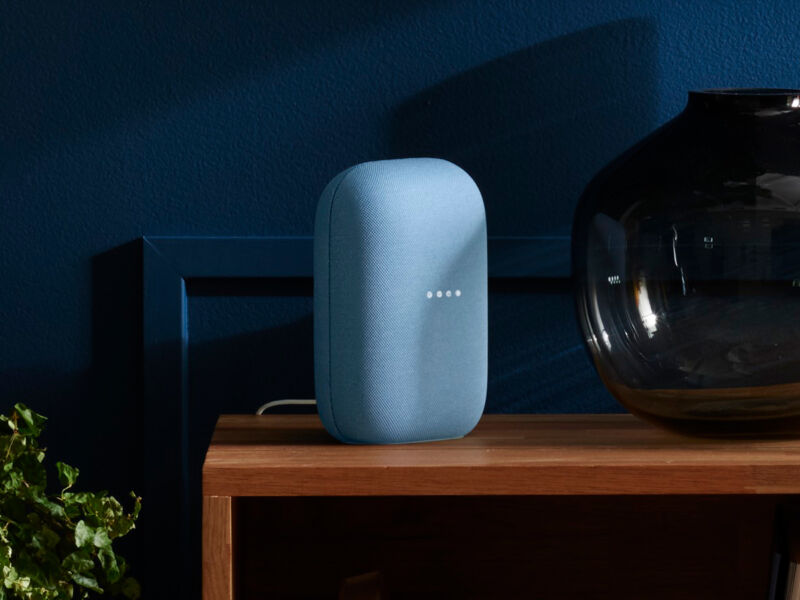
Promotional image of smart speaker.

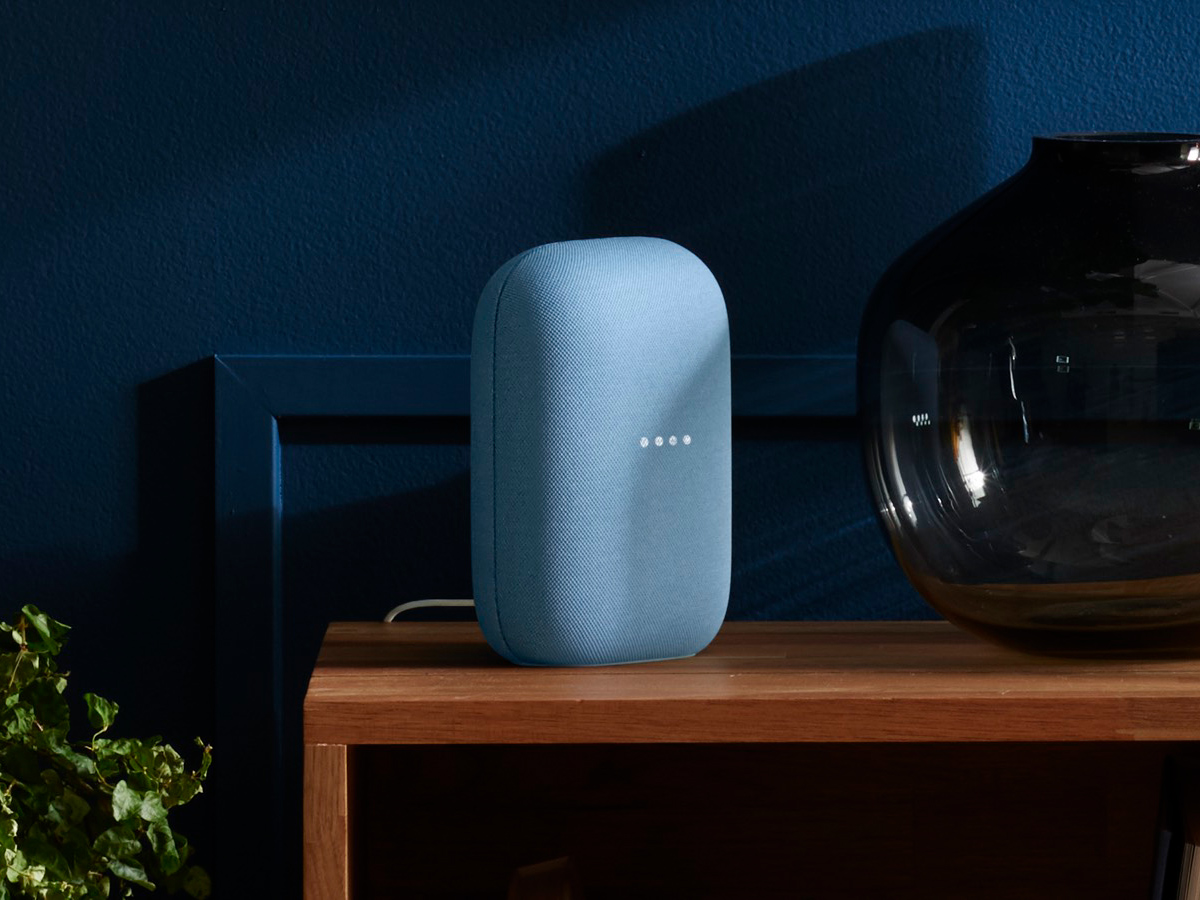
Enlarge / The Nest Audio. (credit: Google)

Google and Sonos have been volleying patent infringement lawsuits back and forth for a few years now. Sonos has been making Internet-connected speakers since 2005 and has a lot of patents, while Google only jumped into the market in 2016 with the first speaker in the Google Home lineup (now called “Nest Audio”). You may remember that in early 2022, Google lost a Sonos patent infringement case around controlling multiple speakers together in a group. After losing, rather than just paying Sonos a licensing fee for the feature, Google instead chose to reach into customers’ homes and disable the feature from devices people had already bought.

This week Google managed to convince a federal court that some of the patents from the 2022 ruling are invalid, and Google’s response was to immediately ship an update re-enabling the group speaker features on customers’ devices. Here’s the pretty wild statement Google made to customers on the Nest Support forum:

We recently made a change to speaker groups for Nest speakers, displays, and Chromecast where certain devices can only belong to one speaker group at a time in the Google Home app. A federal judge has found that two patents that Sonos accused our devices of infringing are invalid.

In light of this legal decision we’re happy to share that we will be rolling back this change. Devices will be able to belong to multiple speaker groups and you will no longer run into an error when trying to add a device to additional groups. We’re beginning to roll out this update immediately and expect it to go live across our devices and the Home App on Android in the next 48 hours. The change will also be coming soon to the Home App on iOS.

As it says in the statement, the invalidated patents were around adding speakers to multiple speaker groups. Google Home/Nest Audio and Sonos speakers can play audio from multiple speakers in multiple rooms, using their built-in microphones to automatically juggle the surprisingly complex audio delay problems, creating a seamless whole-home audio experience. Sonos smacked down Google with five patents in 2022, with the (still valid!) headline patent allowing for the control of multiple speaker volumes at once. Sonos won $32.5 million in damages from Google.

Read 2 remaining paragraphs | Comments


Source: Ars Technica – Google wins Sonos patent case, immediately ships speaker software update

Anker charging accessories get discounts up to 57% from Prime Day deals

Amazon’s October Prime Day sale is discounting many of Anker’s best accessories. So if you’re in the market for cables, portable chargers or power adapters, you can get a those devices for a lot less money right now. While most of these deals are just for Prime members, one or two are open to anyone. One notable deal is on the new Nano power bank with a built-in USB-C connector. Now that the iPhone 15 has USB-C charging, you can handle iPhone charging with the same accessories Android phones use. We’ve tested and recommended Anker products in plenty of our buying guides as they tend to be reliable, well-designed and reasonably priced buys. Here’s the best of what’s on offer for Anker’s Prime Day sale. 

Nano Power Bank with built-in USB-C

Anker’s Nano Power Bank comes with either a built-in USB-C connector, for iPhone 15 and Android phones or a built-in Lightning connector for iPhone 14 and earlier. They’re both on sale for Prime Day, but only for Prime Members. You’ll save 38 percent on the Lightning version and 25 percent on the USB-C version. Both will give your phone a partial charge whenever you need it.

Anker Prime 67W USB C Charger

The Prime 67W USB-C Charger comes with two USB-C ports and one USB-A and it’s 37 percent off, bringing its price from $60 to $38. Though keep in mind, you’ll need to be a Prime member to take advantage of the sale. 

Anker X Transformers USB-C 65W Charger, 735

The Anker 65W USB-C Charger 735 is 20 percent off right now for Prime members. We named this the best 65W fast charger you can buy after putting it through a slew of tests on five different devices. Of course, we didn’t test the one branded with the Transformers, but that can only make it faster, right?

Anker Lightning Cable (3-pack)

If you’re still rocking an iPhone 12, 13 or 14 and your cords are breaking at the seams, pick up Anker’s lightning cable three-pack for 20 percent off, dropping from $25 to $20.

Anker 765 USB C to USB C Cable

One of the best deals in the sale comes courtesy of Anker’s fast charging 765 USB-C to USB-C cable, which is down from $35 to $15 — a 57 percent discount for Prime members. It’s compatible with the new iPhone 15 models, along with the MacBook Pro 2021, iPad Pro, iPad Air 4th and Samsung’s Galaxy S23+ and Ultra.

Other notable deals

Then there’s Anker’s portable chargers currently on sale for every time you stay out later than expected or drain your battery playing games. The Prime 20K Power Bank is down to $22.40 from $28 and can juice up an iPhone 12 halfway in 30 minutes using USB and USB-C chargers. For $30 (down from $60), you can pick up Anker’s Magnetic Portable Charger 5K for wireless charging. Plus, the Prime Power Bank with 200W Output and a smart display has fallen from $130 to $90 for Prime Day — giving you high-speed charging with enough money left over to buy quality cables.

If you’re a Prime Member, you can also save on our pick for the best budget wireless charging stand, Anker’s 313 Wireless Charger. Don’t expect fast charging here — this tops out at 10W (and just 5W for iPhones). But you can position your phone in landscape orientation to take advantage of StandBy mode on iPhones. 

Your October Prime Day Shopping Guide: See all of our Prime Day coverage. Shop the best Prime Day deals on Yahoo Life. Follow Engadget for Prime Day tech deals. Learn about Prime Day trends on In The Know. Hear from Autoblog’s experts on the best Fall Prime Day deals for your car, garage, and home, and find Prime Day sales to shop on AOL, handpicked just for you.

This article originally appeared on Engadget at https://www.engadget.com/anker-charging-accessories-get-discounts-up-to-57-from-prime-day-deals-184324221.html?src=rss

Source: Engadget – Anker charging accessories get discounts up to 57% from Prime Day deals

Utah Lawsuit Accuses TikTok of Deploying Casino Tactics to Keep Kids Glued to Screens

Utah’s governor and attorney general are adding their names to the lengthy list of mostly Republican lawmakers gunning for TikTok. This week, Utah AG Sean Reyes sued the company for allegedly creating casino-inspired addictive features that harm children and for misleading parents about its commitment to safety on…

Read more…


Source: Gizmodo – Utah Lawsuit Accuses TikTok of Deploying Casino Tactics to Keep Kids Glued to Screens

Star Trek: Prodigy finds a new home on Netflix

Star Trek: Prodigy has found a new streaming home with Netflix, after being both canceled by Paramount+ and completely deleted from the platform back in June. Not only will Netflix air the previously-released 20-episode first season later this year, but it’s also putting the final touches on the second season, which will stream sometime next year.

The initial cancellation came as a surprise, as Paramount had already greenlit a second season and those episodes were just about finished. Then it did that recent streamer thing where it went through and deleted all of the old episodes, kicking them to the dustbin of history. That may be possible for a lesser-known IP, like the criminally underrated Infinity Train, but this is Star Trek. Trekkers have been conducting successful campaigns to bring back shows ever since the original series was canned back in 1969. These are the same fans, after all, that helped Star Trek: The Animated Series and Star Trek: The Motion Picture get off the ground.

So they went to work, amplifying fan engagement across various social media sites. Prodigy’s creators have long held out hope for a new platform, and it looks like this optimism has finally paid off.

Star Trek: Prodigy follows a ragtag group of alien adolescents after finding the titular spaceship. It’s actually very good and acts as the perfect entry point for parents who want to introduce their kids to the ideals of Star Trek. It’s also a pseudo-sequel to Star Trek: Voyager, with Kate Mulgrew reprising her role as Captain Janeway and Robert Beltran appearing as Chakotay, among other guest stars. Season two looks like it’ll integrate further with Voyager, if leaks are anything to go by.

It’s odd that the show will now be on Netflix, given that one of Paramount’s slogans is “The Home of Star Trek.” This has been a busy week for streamers selling shelved projects to other platforms. Disney+ inked a deal with Roku, giving the platform rights to air an adaptation of the acclaimed book series The Spiderwick Chronicles. As for Star Trek animation, Paramount+ is still home to the stellar Star Trek: Lower Decks which is currently airing its fourth season.

This article originally appeared on Engadget at https://www.engadget.com/star-trek-prodigy-finds-a-new-home-on-netflix-183015701.html?src=rss

Source: Engadget – Star Trek: Prodigy finds a new home on Netflix

Not burn-in: Scary OLED TV image retention may stem from “buggy” feature

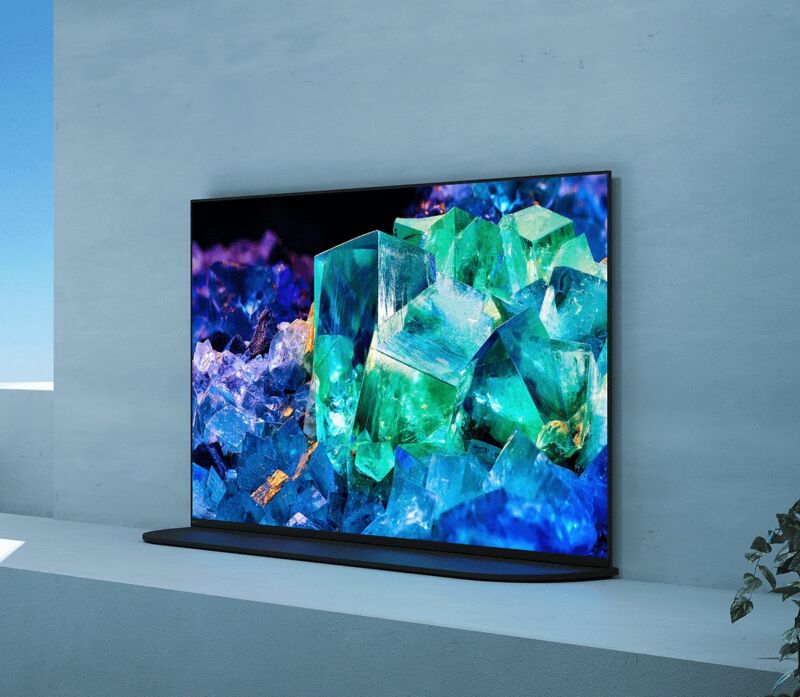
Sony A95K OLED TV

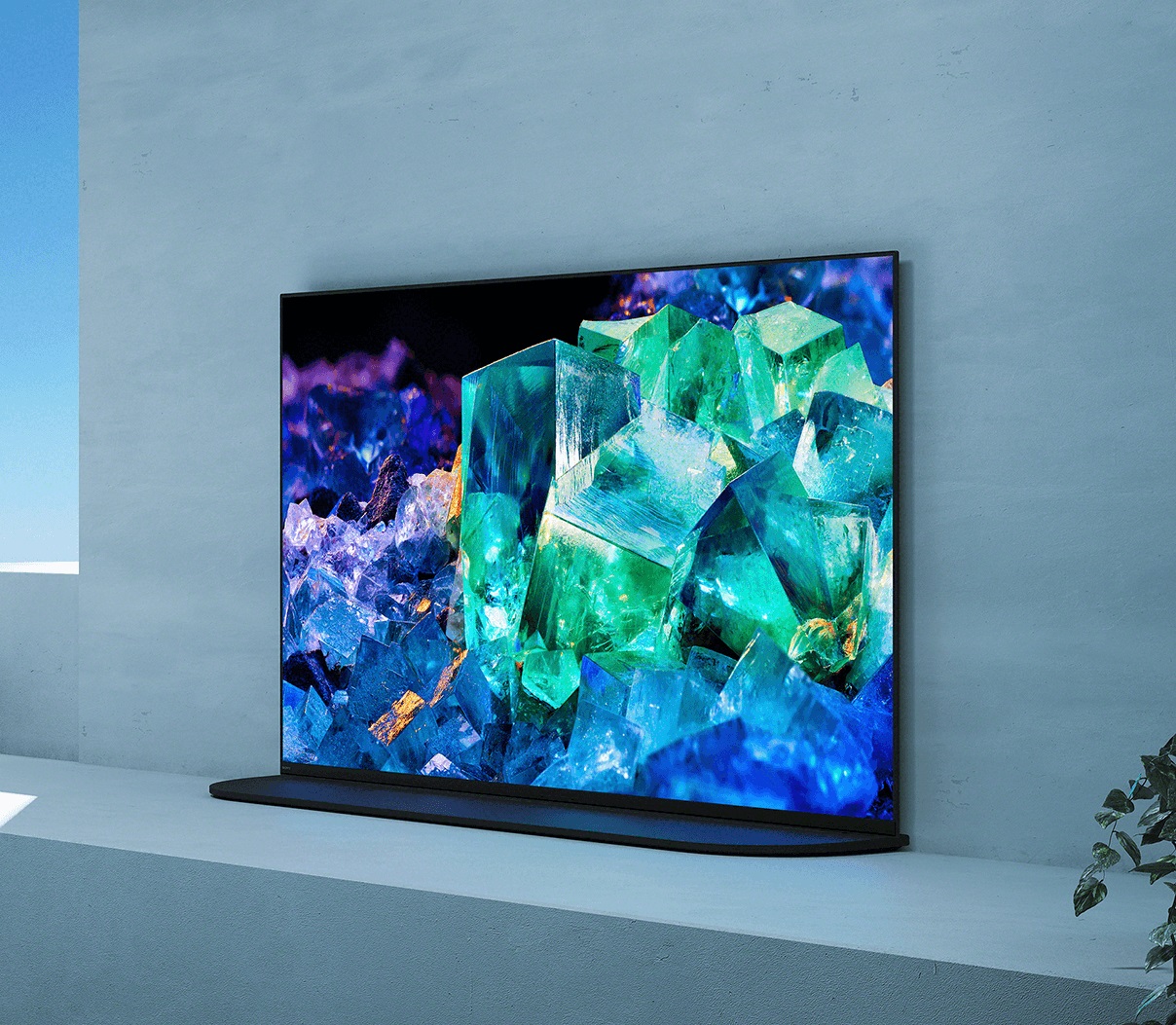
Enlarge / Sony announced the A95K QD-OLED TV in early 2022. (credit: Sony)

Image retention is scary to see on your OLED TV but often easy to eliminate. Many modern OLED TVs subtly work their own magic when you’re not watching in order to remove the problem, as RTINGS demonstrated in a video released Friday. However, TV vendors aren’t all doing perfect jobs at implementing OLED screens’ compensation cycles.

Temporary image retention differs from permanent image retention, aka burn-in, in that it points to a change in the panel’s thin-film transistor (TFT) layer, rather than degradation of the OLED layer. Untreated permanent image retention doesn’t lead to burn-in, a Sony spokesperson confirmed to me, but anyone looking at a screen suffering from image persistence will want to eradicate the sticky images, fast.

These temporary artifacts can be the result of heat affecting the amount of light emitted by the OLED pixels and can happen within minutes of usage. But letting the TV cool down by turning it off usually fixes this.

Read 33 remaining paragraphs | Comments


Source: Ars Technica – Not burn-in: Scary OLED TV image retention may stem from “buggy” feature

Amazon Prime Day deals on Apple Watch and smartwatches hit their lowest prices yet

This is the last day of Amazon’s Prime Day sale of 2023 and all three models of the Apple Watch lineup are still seeing discounts as of right now. Apple just announced the Apple Watch Ultra 2 at its iPhone event last month, but it’s already $50 off for Prime, which is its lowest price yet. The other new wearable from Cupertino is the Apple Watch Series 9. That one is seeing a modest, $9 discount, but that’s not surprising for as new as it is. The budget model, the Apple Watch SE, wasn’t given a new iteration this time around, so the newest is still the second generation SE, which is down to $199 instead of its $250 MSRP. We’ve also included smartwatch deals from Samsung, Google and Withings, just in case you’re not an iPhone user (or have an Android user on your holiday gift list). Here are the best Prime Day deals on Apple Watches and smartwatches we could find this Prime Big Deal Days.

Apple Watch Ultra 2

The Apple Watch Ultra 2 is the brand’s newest high-end watch and has the same list price as last year’s model, which is $799. For Amazon’s sale, it’s down to $749 or $50 off, which is a new low. The new Ultra has the same S9 SiP (system-in-package) as the Series 9, which allows for on-board processing of Siri requests and will help offer more intuitive answers to questions about your health and activity data. The Ultra 2 comes with GPS and cellular connectivity and has a large 49mm case to accommodate its always-on Retina display and battery with a claimed 36-hour lifespan. Engadget’s Cherlynn Low particularly liked the new Modular Ultra watchface, which manages to make the most of the watch’s vast screen real estate.

Oddly, Apples first generation Apple Watch Ultra is not on sale for Prime Day. It’s still full price at $799 at Amazon right now, which means there’s very little reason not to go for the newest model if you’ve been thinking about getting Apple’s most premium wearable. 

Read our thoughts from our hands-on with the Apple Watch Ultra 2. 

Apple Watch Series 9

It only arrived last month, but the new Apple Watch 9 has already handily beaten out other contenders for the top spot in our guide to the best smartwatches. And now it’s on sale for $9 off the list price, thanks to Amazon’s second Prime Day. It’s a modest discount, but likely the largest you’ll find on a Apple’s brand new flagship wearable. That makes the 41mm case $390 and the 45mm size $420 instead of $429 on Apple’s site. One of the most notable updates to this model is the upcoming Double Tap feature that will let you answer calls or dismiss an alarm just by tapping your thumb and forefinger together.

Now that the Apple Watch Series 8 is no longer the brand’s most recent model, it’s seeing a significant discount. The list price is $399 for the 41mm GPS model, but the sale brings it down to $300 which is nearly $100 off.

Read Engadget’s full review of the Apple Watch 9 and the usefulness of Double Tap. 

Apple Watch SE

Apple didn’t release a new version of the Apple Watch SE, which makes the second generation the current budget watch in the brand’s official lineup. It’s usually $250 for the GPS-only model and 40mm case but October’s Prime sale brings that base model down to $199. If you want more room on the screen, you can grab the 44mm version, which is usually $270 but down to $229 during the sale.

In our Engadget review, we called the SE “the best smartwatch $250 can buy.” It doesn’t have the new Double Tap and on-board Siri features of the new watches, and it’s missing a few of the sensors you get with the higher-end models, such as blood oxygen, temperature sensing and EKG readings. You also don’t get an always-on-display.

Here’s our review of the Apple Watch SE (second gen). 

Samsung Galaxy Watch 6

For those who don’t carry an iPhone, the Galaxy Watch 6 is our favorite Android smartwatch. Samsung’s latest wearable was released a few months ago and typically goes for $300, but is down to $269 during Amazon’s sale. It’s lighter than the previous model with a brighter display, better battery life and a processor upgrade. The Galaxy Watch 6 Classic returns the spinning bezel which Samsung removed on the Watch 5. That model usually sells for $400, but the sale brings it down to $369 instead.

Engadget’s Malak Saleh gave the Galaxy Watch 6 an 84 in her review, noting the expansion of the wellness and health features — though many of those updates simply bring the Galaxy Watch 6 up to the standards of its competitors like Apple Watch and Google’s Pixel wearables. Still it’s a comfortable, well-designed wearable with customizable workout routines that will give you a good amount of health data.

Here’s our full review of the Galaxy Watch 6.

Google Pixel Watch

The Google Pixel Watch 2 was announced last week and will ship this Thursday. That’s probably why the first generation of the Google Pixel Watch is 40 percent off. That brings it to $210 and an all-time low. While we liked the overall design, we found the rather short battery life concerning. Since the newer generation promises a slightly larger battery and more efficient use of it, you may want to go with the Google Pixel Watch 2, which we had a moment to try out during Google’s event. But it looks like that one isn’t discounted for Amazon’s sale and is currently selling for the full $350.

Here’s our review of the first generation Google Pixel Watch.  

Withings Steel

You can get the look of a classic analog watch combined with the health tracking features of a smartwatch by opting for Withings Steel HR Sport. The hybrid watch is usually $200, but the Prime sale brings it down to $160. Instead of displaying your health and workout stats on the watchface, the Steel HR Sport sends everything to the companion app on your phone. It can track heart rate, activities and workouts as well as monitor your sleep. Since it has no screen, Withings claims the battery can go for up to 25 days on a charge.

Your October Prime Day Shopping Guide: See all of our Prime Day coverage. Shop the best Prime Day deals on Yahoo Life. Follow Engadget for Prime Day tech deals. Learn about Prime Day trends on In The Know. Hear from Autoblog’s experts on the best Fall Prime Day deals for your car, garage, and home, and find Prime Day sales to shop on AOL, handpicked just for you.

This article originally appeared on Engadget at https://www.engadget.com/amazon-prime-day-deals-on-apple-watch-and-smartwatches-hit-their-lowest-prices-yet-182507971.html?src=rss

Source: Engadget – Amazon Prime Day deals on Apple Watch and smartwatches hit their lowest prices yet

The FTC wants to ban hidden 'junk fees' that jack up the price of your purchases

A new rule proposed by the Federal Trade Commission (FTC) would ban the sneaky fees some companies slap onto their services at checkout time. Thanks to these junk fees, which have crept into the process of everything from buying concert tickets to booking vacation rentals, the prices consumers initially see are often nowhere near what they end up paying. 

The Biden administration has been putting pressure on companies like Ticketmaster and Airbnb to improve their ways, and both recently committed to providing more transparency about their extra charges. The FTC wants to take things a step further by banning the common deceptive tactics altogether. The proposed rule targets both hidden, mandatory fees that aren’t properly disclosed upfront and ambiguous “bogus fees” that leave consumers unsure of what it is they actually had to pay more for. 

These practices are misleading, with companies often resorting to “bait-and-switch pricing and misrepresenting the nature and purpose of fees,” the FTC argues in the proposal notice. Under the proposed rule, businesses would have to include these additional fees in their advertised prices, explain what each fee is for and let customers know if any of it is refundable.

The FTC took comments from the public last year to assess the impact of junk fees and ultimately gathered over 12,000 responses to shape its proposal. It’s now opening up comments for 60 days so consumers can weigh in on the rule it’s put forth. “By hiding the total price, these junk fees make it harder for consumers to shop for the best product or service and punish businesses who are honest upfront,” said FTC Chair Lina M. Khan. The proposed rule would “save people money and time, and make our markets more fair and competitive.”

This article originally appeared on Engadget at https://www.engadget.com/the-ftc-wants-to-ban-hidden-junk-fees-that-jack-up-the-price-of-your-purchases-182058389.html?src=rss

Source: Engadget – The FTC wants to ban hidden ‘junk fees’ that jack up the price of your purchases