These sonar-equipped glasses could pave the way for better VR body tracking

Researchers at Cornell University have developed a wearable with batlike sonar that could improve upper-body tracking in virtual reality and other applications. The Cornell team fitted a generic pair of eyeglasses with a tiny sonar system, demonstrating how acoustic signals can be used instead of cameras to capture the body’s movement. 

Not only would sonar be more efficient in terms of battery consumption, the team told the Cornell Chronicle, but it would also do away with the privacy risks that come with headsets’ externally facing cameras. The system, dubbed PoseSonic, uses two pairs of microphones and speakers to send and receive acoustic signals, according to a recently published paper. With help from their deep learning model, it can then estimate 3D poses at nine different points — the shoulders, elbows, wrists, hips and nose — as these signals bounce off the upper body.

The team tested it both in the lab and “semi-in-the-wild,” and found it wasn’t negatively affected by environmental noise in any significant way. With this technique, “we use less instrumentation on the body, which is more practical, and battery performance is significantly better for everyday use,” senior author Cheng Zhang told the Cornell Chronicle.

In addition to its potential use in augmented and virtual reality, the researchers say sonar could make for better health tracking by capturing more detailed information on the body’s movements. They’ve only got the upper-body covered at the moment, though — VR legs continue to elude us.

This article originally appeared on Engadget at https://www.engadget.com/these-sonar-equipped-glasses-could-pave-the-way-for-better-vr-body-tracking-201958516.html?src=rss

Source: Engadget – These sonar-equipped glasses could pave the way for better VR body tracking

How The Hell Did We Let $20 Skins Become A Thing?

Yesterday, I scrolled by the news that Halo Infinite has a new cosmetic skin that costs $20. I was busy and didn’t stop to read the post. But as I went about my day, I couldn’t get it out of my head. One thought came back to me again and again: How in the fuck did we get to this point?

Read more…


Source: Kotaku – How The Hell Did We Let Skins Become A Thing?

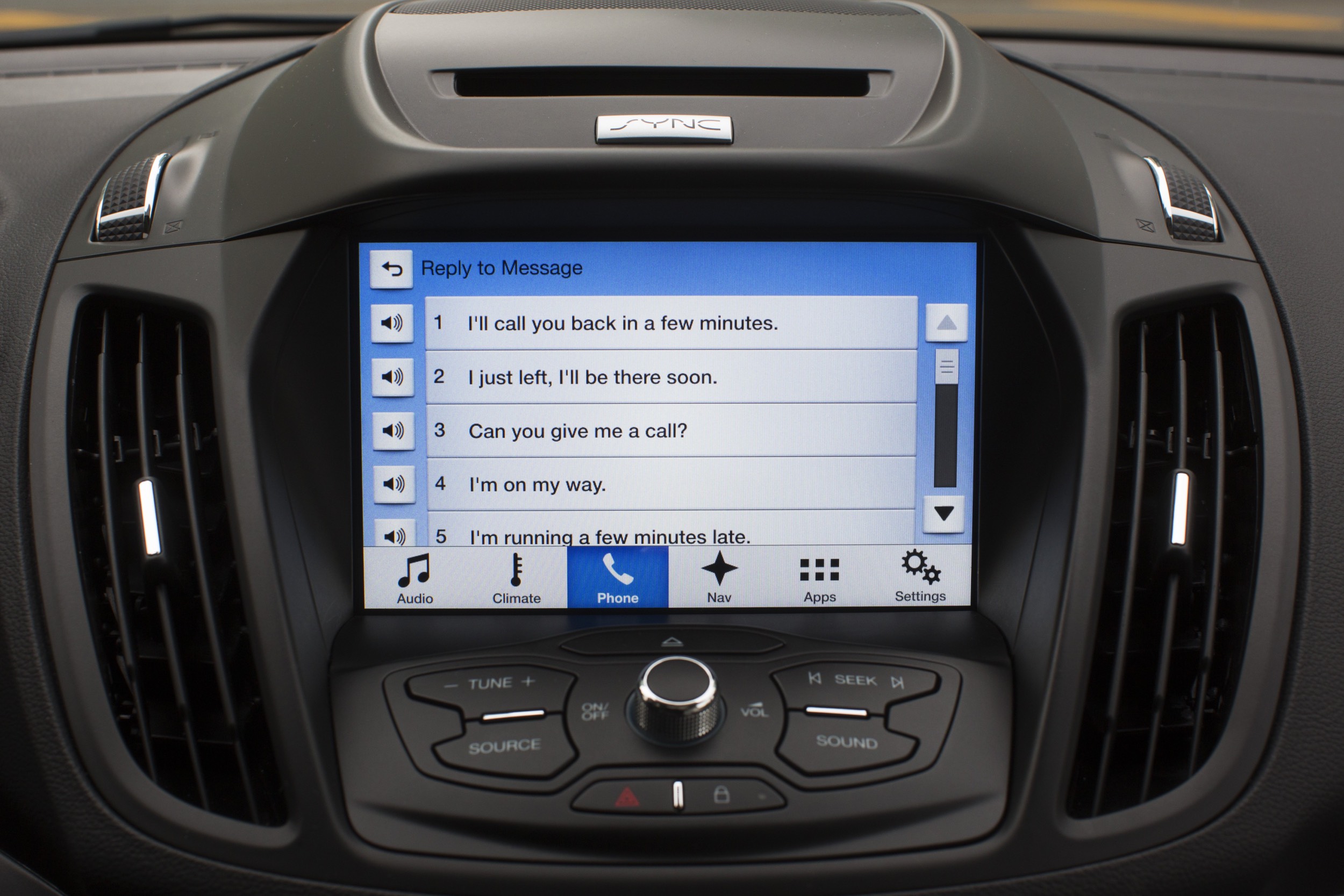
Five big carmakers beat lawsuits alleging infotainment systems invade privacy

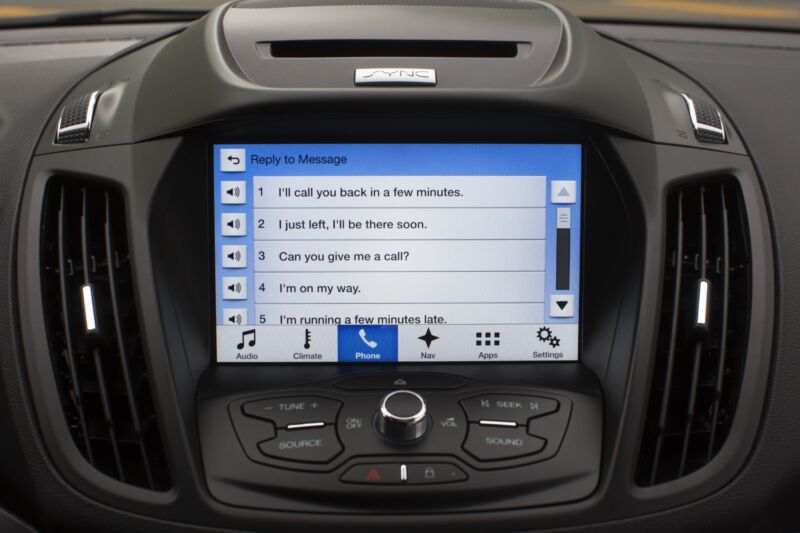
Read 14 remaining paragraphs | Comments


Source: Ars Technica – Five big carmakers beat lawsuits alleging infotainment systems invade privacy

You Can Get an Xbox Series X for Its Cheapest Price Ever (Plus a $75 Gift Card)

Dell’s early Black Friday deals are live, with discounts on laptops, desktops, gaming PCs, monitors, and other acessories. Among them is a great buy for gamers: Right now, Dell is selling the Xbox Series X for $449.99 (down from $499.99 and matching it’s lowest price, according to Honey’s price history. And making the…

Read more…


Source: LifeHacker – You Can Get an Xbox Series X for Its Cheapest Price Ever (Plus a Gift Card)

Amazon reportedly plans to dump Android for a homemade Fire OS replacement

Amazon reportedly plans to remove the Android core from future Fire TVs, smart displays and other devices. Writing for Lowpass, veteran journalist Janko Roettgers cites “multiple sources with knowledge of these plans” along with job listings and other materials supporting Amazon’s alleged move to a new Linux-based operating system. The OS supposedly uses the internal codename “Vega” and runs on devices like Fire TV Sticks, TVs, and other connected devices.

Roettgers says Amazon has been working on the idea for years, with the company supposedly floating the idea to chipmakers as far back as 2017. “Hundreds of people” in Amazon’s Device OS group have reportedly worked on the software, including Zibi Braniecki, a former Mozilla engineer who joined Amazon in 2022. Earlier this year, he allegedly posted on LinkedIn (a comment that appears to have since been deleted) that he was “working on a next generation Operating System for Smart Home, Automotive, and other Amazon Devices product lines.”

The report doesn’t list a release timeline but mentions that “most of the OS development is already done.” Amazon is now apparently focusing on readying an SDK and planning perks to convince developers to invest their time and money.

The alleged move would allow Amazon to cut ties with Google’s Android Open Source Project, which lies at the heart of the current Fire OS. That dependence has led to Amazon’s software falling several generations behind the most recent Android versions. For example, the current-gen Fire TV software is based on Android 9, Google’s big software update from five years ago. Switching to Vega could also let Amazon cut underlying bloat from its OS; Android contains code enabling it to work on many different devices stretching far beyond the relatively minimal needs of Amazon’s smart-home gear.

Lowpass claims the Linux-based Vega would use React Native for app development. The Meta-created framework uses a single codebase for iOS and Android, and Amazon likely hopes that will help with cross-platform development. The report doesn’t specifically address whether the OS will eventually run on Fire tablets, which become much more versatile when users sideload the Google Play Store to run a wider variety of Android apps.

Roettgers’s report says Amazon plans to eventually make a clean break with Android on all new devices. The company allegedly designed Vega to run on systems as diverse as car infotainment systems and “other future hardware products.”

This article originally appeared on Engadget at https://www.engadget.com/amazon-reportedly-plans-to-dump-android-for-a-homemade-fire-os-replacement-200144781.html?src=rss

Source: Engadget – Amazon reportedly plans to dump Android for a homemade Fire OS replacement

Amazon is Ditching Android for Fire TVs, Smart Displays

Lowpass: Amazon has been working on a new operating system to replace Android on Fire TVs, smart displays and other connected devices, I have learned from talking to multiple sources with knowledge of these plans, as well as job listings and other materials referencing these efforts. Development of the new operating system, which is internally known as Vega, appears fairly advanced. The system has already been tested on Fire TV streaming adapters, and Amazon has told select partners about its plans to transition to a new application framework in the near future. A source with knowledge of the company’s plans suggested that it could start shipping Vega on select Fire TV devices as early as next year.

Read more of this story at Slashdot.


Source: Slashdot – Amazon is Ditching Android for Fire TVs, Smart Displays

World’s First Whole-Eye Transplant Is a Success

Doctors made medical history by successfully transplanting a whole eye. The donated eye has reportedly survived inside the patient for six months with no major issues so far and shows signs of good health. At this point, however, the patient has not regained any functional sight as a result.

Read more…


Source: Gizmodo – World’s First Whole-Eye Transplant Is a Success

Gmail’s “Quick Reply” UI brings it one step closer to instant messaging

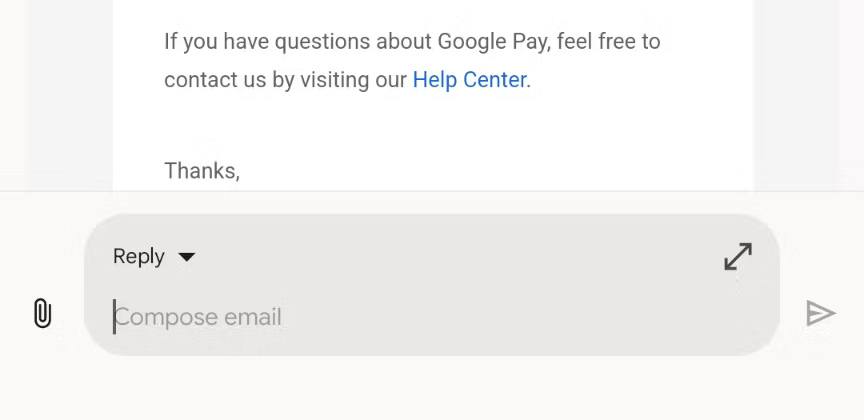
Does Gmail want to be an instant messaging client? Last month the popular webmail app shipped an emoji reactions bar in the mobile app, where a single tap would send a new email with your emoji response. Now, a wild new UI experiment spotted by Android Police goes another step further: a quick reply bar that looks just like instant messaging input.

Rather than the usual input block you get for writing paragraphs of overly formal text, this new Gmail experiment has a one-line input bar at the bottom for replies. A drop down just above it lets you pick from the usual “reply,” “reply all,” or “Forward” options. Besides that you get an attachment and send button. An “expand” button will presumably launch the usual compose interface.

So far this seems to be an extremely rare test that only one person has gotten, so it’s not necessarily going to roll out to everyone. Given the recent emoji launch, though, Gmail certainly seems jealous of its instant-messaging cousins.

Read on Ars Technica | Comments


Source: Ars Technica – Gmail’s “Quick Reply” UI brings it one step closer to instant messaging

Spotify for TVs gets a new look and features to match the mobile app

The Spotify TV app has been revamped to make the big-screen app experience resemble the popular mobile version of the digital music and podcast streaming service. The home page will have a “Now Playing View” and feature shortcuts to recently played content. The TV app will also recommend new songs and podcasts based on your listening history on the main screen, similar to what you might get on the mobile app.

The TV app home page doesn’t just look different. You can now more easily switch between different Spotify accounts. The most recently active profile will always appear in the top right corner of a screen. Say you share a TV in the living room and you want to stop listening to your mom’s playlist – now you can select the profile image of a paired account when you want to switch.

In the past, if you listened to music on your TV through the app, you could only see the next song that was lined up. But now you can use the “Playback Queue” tool to select what you want to play next. Also, you can now turn on dark mode on your TV, meaning you can stream a curated playlist during your next house party and minimize the visuals and screen brightness.

The new Spotify TV app updates are available to free and premium subscribers using the app on supported Smart TVs, gaming consoles and media streaming devices. The effort to revitalize the user experience on the big screen isn’t a huge shocker. Spotify rolled out similar updates for its Desktop app earlier this year in an effort to make streaming more enjoyable when you’re not using your phone.

This article originally appeared on Engadget at https://www.engadget.com/spotify-for-tvs-gets-a-new-look-and-features-to-match-the-mobile-app-195050535.html?src=rss

Source: Engadget – Spotify for TVs gets a new look and features to match the mobile app

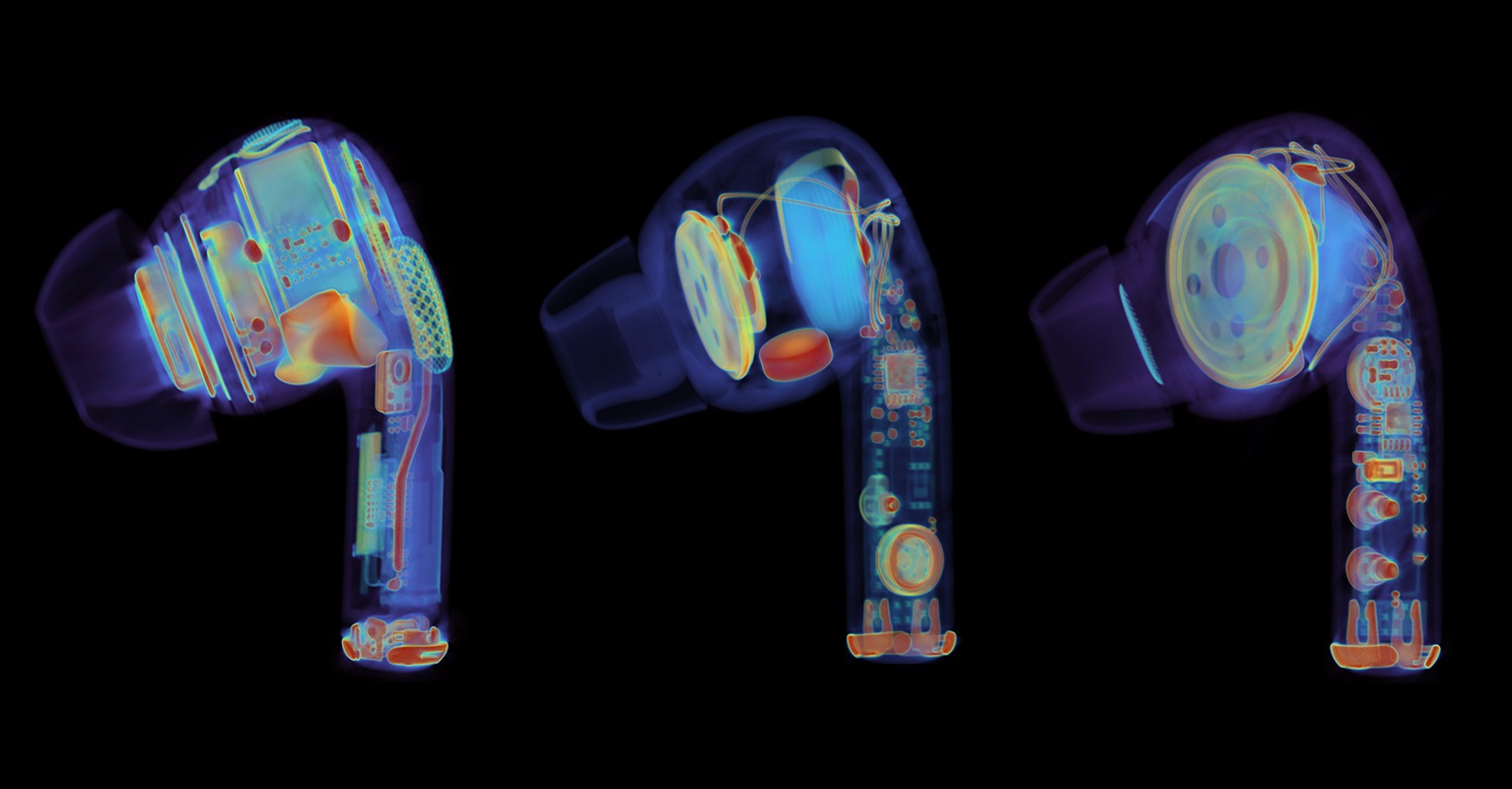
Sparse innards of $25 counterfeit AirPods Pro revealed by CT scans 

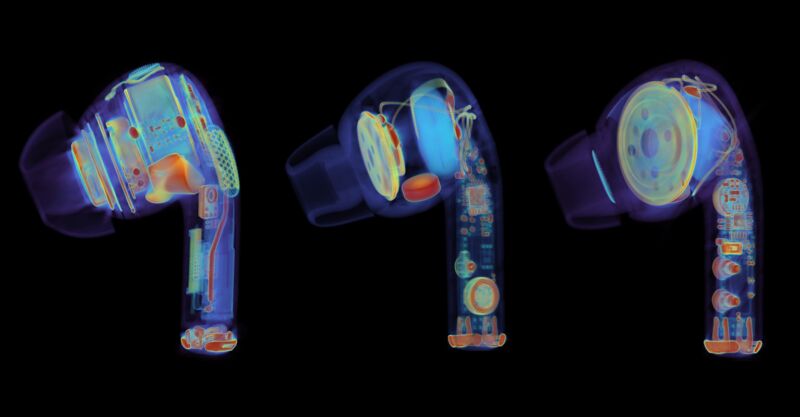
Lumafield's blog shared this image showing CT scans of three earbuds. The left is a real AirPods Pro (2nd Gen). The wire-riddled two on the right are fakes.

Enlarge / Lumafield’s blog shared this image showing CT scans of three earbuds. The left is a real AirPods Pro (2nd Gen). The wire-riddled two on the right are fakes. (credit: Lumafield)

Whether they’re products pretending to be made by a brand or devices claiming to be something they’re not, (like a microSD card posing as an SSD), fraudulent electronics pose a threat to unsuspecting shoppers’ wallets and, at times, their safety. With their popularity and high prices, scammers often target Apple products. But what’s actually inside those faux Apple devices?

To find out, Lumafield busted out its $75,000 CT scanner to illustrate what people get when they end up with counterfeit MacBook chargers or knockoff AirPods Pro.

Lumafield makes industrial CT scanners and software. Lately, it has been using its Neptune scanner to examine electronics, like Apple’s $130 Thunderbolt 4 cable. This week, Lumafield provided CT scans (which you can play with via Lumafield’s online Voyager software) of the AirPods Pro 2nd Generation (here), two counterfeits (here and here), as well as a look at Apple’s 85 W MagSafe 2 Power Adapter (here) and a fake (here).

Read 23 remaining paragraphs | Comments


Source: Ars Technica – Sparse innards of counterfeit AirPods Pro revealed by CT scans 

Watch Live as SpaceX Attempts 29th Resupply Mission to the ISS

The trusty Falcon 9 is packed with 6,504 pounds of supplies destined for the International Space Station, including experiments like NASA’s ILLUMA-T project, which will test laser communications from space, and the Atmospheric Waves Experiment (AWE), which will explore atmospheric gravity waves and their effects on…

Read more…


Source: Gizmodo – Watch Live as SpaceX Attempts 29th Resupply Mission to the ISS

Meredith's Training Diaries: My Marathon Post-Mortem

This is Training Diaries, a Lifehacker series about my journey to the 2023 TCS New York City Marathon. This series will cover all the ups, downs, and hill repeats on my journey to the biggest marathon in the world. Leading up to race day on Sunday, Nov. 5, I’ll go over proper fueling, injuries and setbacks, treadmill…

Read more…


Source: LifeHacker – Meredith’s Training Diaries: My Marathon Post-Mortem

Apple Cofounder Steve Wozniak Hospitalized After Possible Stroke

Apple’s cofounder Steve Wozniak was hospitalized on Wednesday after suffering a possible stroke in Mexico City, according to local news outlet Reforma. The 73-year-old technology legend, who was in Mexico to speak at the World Business Forum, was admitted to ABC Hospital in the city.

Read more…


Source: Gizmodo – Apple Cofounder Steve Wozniak Hospitalized After Possible Stroke

Google Only Improves Products Under Pressure, US Argues

Google — under fire in court for allegedly resting on its laurels thanks to its 90% market dominance — only made an effort to beef up the quality of its search engine in the European Union after being hit by a record antitrust fine, according to internal documents revealed in the US Justice Department’s monopolization case against the tech giant. From a report: The Justice Department is arguing at a trial in Washington that Google’s failure to improve its products — unless put under pressure — proves that it’s illegally maintaining its monopoly. Alphabet’s Google planned to improve its European search results only after a record 2018 European antitrust fine, according to the documents, which revealed that Google executives discussed a plan dubbed “Go Big in Europe.”

The plan aimed to improve results in France and Germany in 2019 and 2020 with changes such as adding post-game soccer video highlights, more local content and news, pronunciation practice for different languages and more information on local television options available for streaming. The catalyst was a 2018 EU antitrust order that forced Google to offer a choice screen giving Android phone users five search engine options to choose from, according to US antitrust enforcers trying the case.

Read more of this story at Slashdot.


Source: Slashdot – Google Only Improves Products Under Pressure, US Argues

Valve Unveils Steam Deck OLED For HDR Gaming, With Better Battery Life And WiFi 6E

Valve Unveils Steam Deck OLED For HDR Gaming, With Better Battery Life And WiFi 6E
One of the most common criticisms of Valve’s generally-excellent Steam Deck is that the screen is rather poor. While response times are good, it is a basic IPS LCD with characteristically-poor contrast and mediocre color saturation. The Nintendo Switch’s original screen wasn’t super-great either, so what did Nintendo do to address this complaint?

Source: Hot Hardware – Valve Unveils Steam Deck OLED For HDR Gaming, With Better Battery Life And WiFi 6E

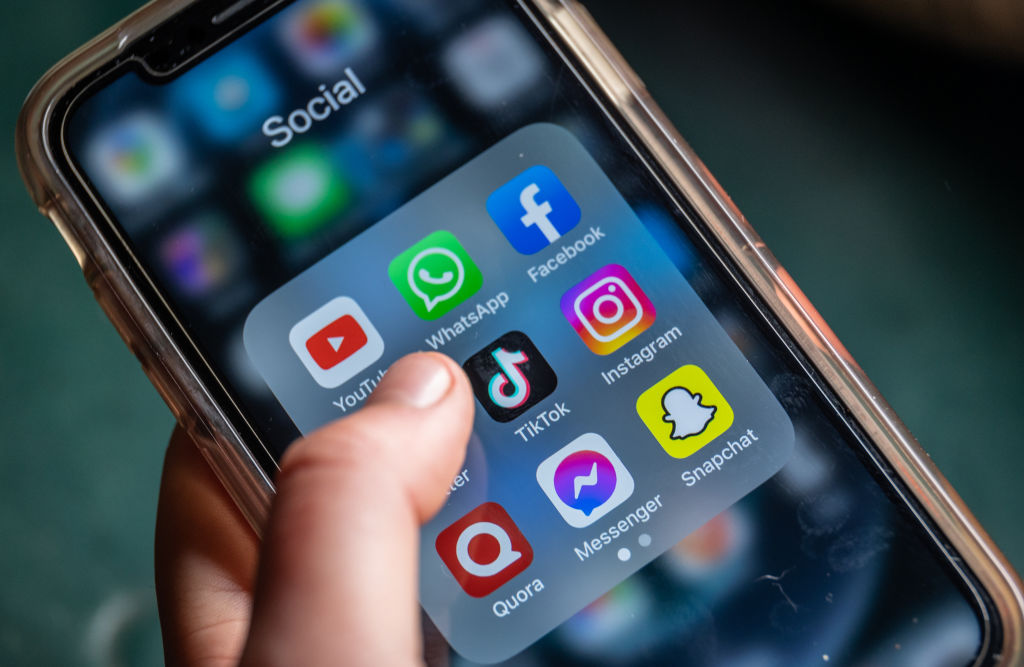
Google, Meta, TikTok defeat Austria’s plan to combat hate speech

Google, Meta, TikTok defeat Austria’s plan to combat hate speech

Enlarge (credit: Matt Cardy / Contributor | Getty Images Europe)

On Thursday, a top European court ruled that Austria cannot force Google, Meta, and TikTok to pay millions in fines if they fail to delete hate speech from their popular social media platforms.

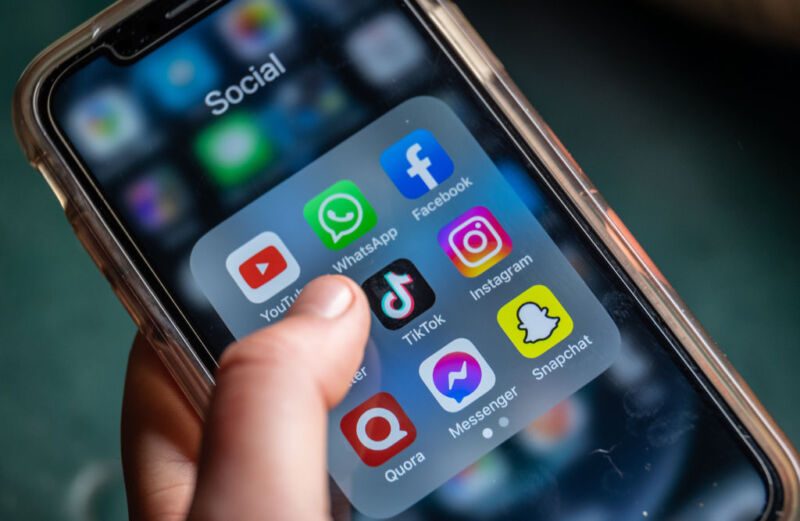
Austria had attempted to hold platforms accountable for hate speech and other illegal content after passing a law in 2021 requiring tech giants to publish reports as often as every six months detailing content takedowns. Like the European Union’s recently adopted Digital Services Act, the Austrian law sought to impose fines—up to $10.69 million, Reuters reported—for failing to tackle illegal or harmful content.

However, soon after Austria tried to enforce the law, Google, Meta, and TikTok—each with EU operations based in Ireland—challenged it in an Austrian court. The tech companies insisted that Austria’s law conflicted with an EU law that says that platforms are only subject to laws in EU member states where they’re established.

Read 16 remaining paragraphs | Comments


Source: Ars Technica – Google, Meta, TikTok defeat Austria’s plan to combat hate speech

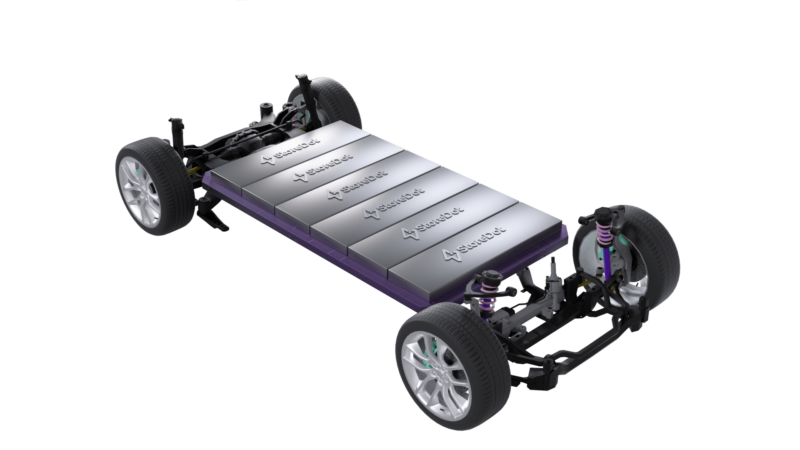
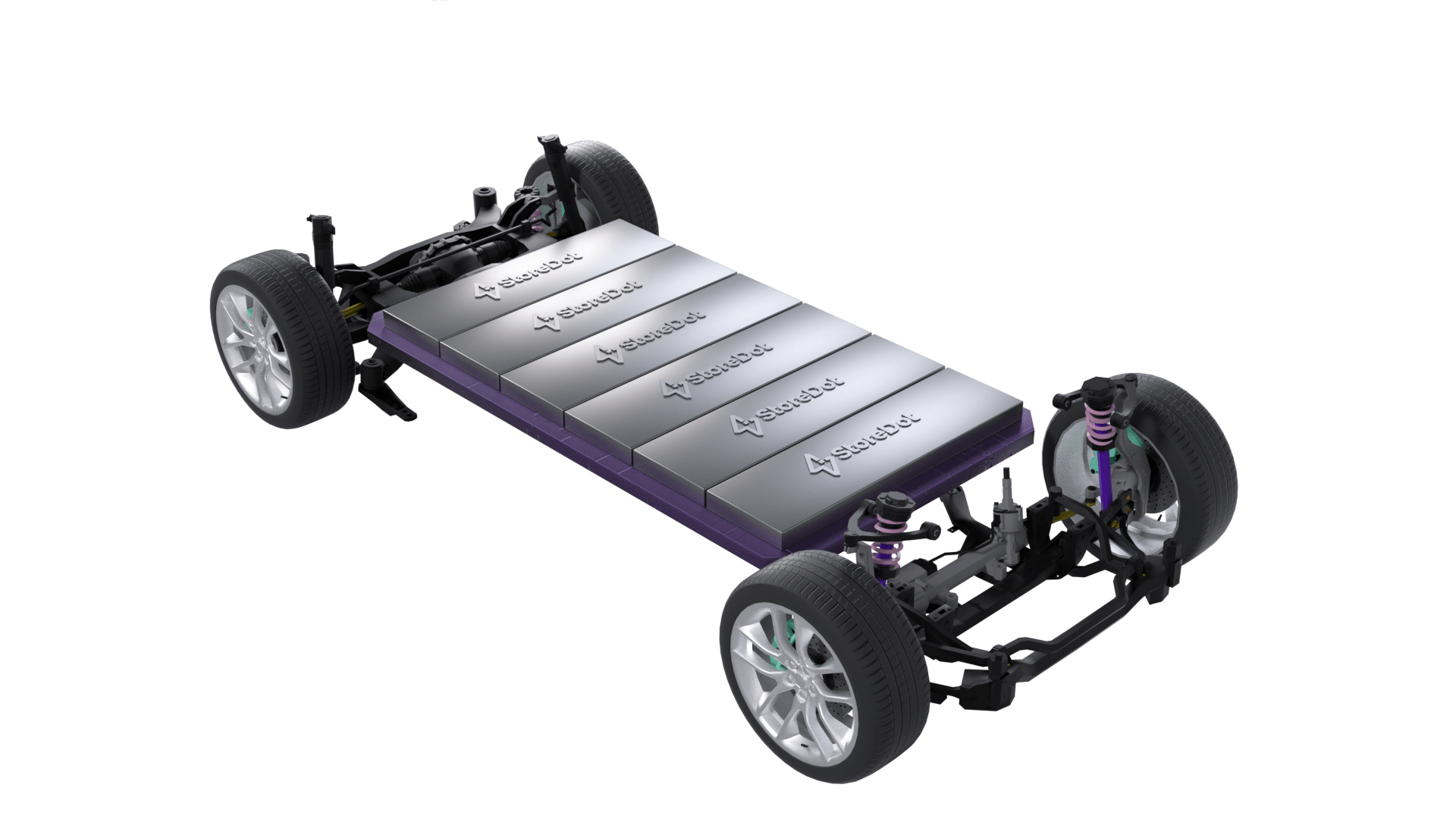
Polestar will begin testing StoreDot’s 5-minute charge battery

Read 6 remaining paragraphs | Comments


Source: Ars Technica – Polestar will begin testing StoreDot’s 5-minute charge battery

How to Dry Out a Water-Damaged Carpet You Can’t Replace

Anyone who has experienced any sort of flooding in their home—whether it was a burst pipe, a storm-related incident, or a toilet that picked your vacation week to start leaking—knows that water is your home’s biggest enemy. Water damage is exponentially worse when it involves carpeting—and even worse if it’s carpet…

Read more…


Source: LifeHacker – How to Dry Out a Water-Damaged Carpet You Can’t Replace