
Episode 6’s big cameo could be teasing a deeper connection to Fallout lore
The post 7 Theories About The Secret Identity Of <i>Fallout</i> Season 2’s Surprise Character appeared first on Kotaku.

Episode 6’s big cameo could be teasing a deeper connection to Fallout lore
The post 7 Theories About The Secret Identity Of <i>Fallout</i> Season 2’s Surprise Character appeared first on Kotaku.
While many of us wait (im)patiently for a brand new Mario platformer for the Switch 2, Nintendo is filling the gap with an upgraded version of the tremendous Super Mario Bros. Wonder for the console. Super Mario Bros. Wonder – Nintendo Switch 2 Edition + Meetup in Bellabel Park (to give the new edition’s full name) will arrive on March 26. Those who own the original Switch version of the game will be able to buy an upgrade pack, which costs $20.
There’s a lot of new stuff in the Switch 2 version, including co-op and multiplayer features. Bellabel Park, a fresh area of the Flower Kingdom, will open up. You can jump into some multiplayer modes here, such as one where you compete to collect as many coins as possible.
A section that’s all about local multiplayer has 17 co-op and versus modes. You can either play those on the same console or use GameShare so that up to three other people in the same physical place as you can join in on their own Switch or Switch 2. The Game Room Plaza, meanwhile, supports local and online play for six minigames — each player will need their own system for those. Up to eight people can play using the local wireless feature, and up to 12 via online multiplayer.
Along with those multiplayer minigame areas, Bellabel Park is home to Toad Brigade Training Camp. Here, you can take on challenges based on levels from the main game. You can tackle these on your own or recruit up to three friends to help (you’ll only need one Switch 2 for this).
There are new things to check out in the main game as well. You can take on boss courses that feature all seven Koopalings and (finally!) play as Rosalina.
Nintendo is adding an option in which a second player can control a Luma. They can help out the main player by defeating enemies and collecting coins. You can play as the Luma by using the Switch 2 mouse control feature. That’s a great idea, as it could allow, say, a parent or guardian who is not too familiar with a game controller to assist a kid who needs some extra help to get through Super Mario Bros. Wonder.
In addition, there’s an assist mode. When this is enabled, you can quickly recover from falling into a pit (with a propeller flower bringing you back into the action) and avoid taking any damage.
That’s not all, folks. Also on March 26, you can snag three new amiibo from the game: Elephant Mario (which I’m going to have to buy), Poplin & Prince Florian and Captain Toad & Talking Flower.
A couple of weeks earlier, on March 12, Nintendo will start selling a physical version of the Talking Flower from Super Mario Bros. Wonder. The battery-powered device will talk to you a couple of times per hour, mentioning things like the room temperature and time. It can play music as well. There’s a button you can press to hear it talk (or hold to make it shut up). There’s support for 11 languages and it can chatter at set times, making it a bit similar to Nintendo’s Alarmo. You’ll be able to buy Talking Flower from Nintendo’s New York and San Francisco stores, its online store and some other retailers, with pre-orders opening today.
This article originally appeared on Engadget at https://www.engadget.com/gaming/nintendo/the-switch-2-version-of-super-mario-bros-wonder-arrives-on-march-26-150916983.html?src=rss

Save some cash on an easy way to make sure everything is set up neatly.
The post Anker’s 7-in-1 USB-C Hub Is Back at Its All-Time Low After Selling 10K+ Units on Amazon appeared first on Kotaku.

Ryan Coogler’s stunning horror film is up for 16 Academy Awards
The post <i>Sinners</i> Gets A Record Number Of Oscar Noms After Golden Globes Snub appeared first on Kotaku.
Valve released a new stable update to its Steam Client desktop application for Linux, macOS, and Windows systems with various improvements to Steam Input, especially support for the Razer Raiju V3 Pro controller.
Devs United Games said Real VR Fishing sold one million copies across all platforms since its launch in September 2019.
Devs United Games CEO Mark Choi took to X to announce that Real VR Fishing reached one million sales across all platforms. Available on Quest, Steam, Pico, and Galaxy XR, the title sees regular post-launch support, including new events, features, and DLC.
Choi mentioned that a new mastery-based system called Fly Fishing is on the way as well as an expanded campaign with other features requested by the community to add more depth. New leagues and tournaments to increase the game’s longevity are also planned.
Drip-feeding content since release, developers added new maps recreating parts of Mexico, Japan, the United States and Europe. Most recently, the title made its way to Samsung Galaxy XR with hand tracking support late last year, fully supporting cross-play in the latest version of the game. On Apple Vision Pro, the developers explored hand tracking technology on the device with Fishing Haven, but it lacked most of the features of Real VR Fishing that make the game such a standout.
We’ll be looking to test out updates to Real VR Fishing in the year ahead and to see what else Devs United Games has in store. Real VR Fishing is out now for Quest, Steam, Pico, and Galaxy XR.
Atherton Bikes has finally released its first eMTB, combining the DJI Avinox motor everyone is talking about with its S.170 enduro bike – and the price is competitive.
The S.170E uses the 120Nm, 1,000W DJI Avinox motor and a ‘full size’ battery, although the precise capacity is as-yet unspecified.
Like the non-assisted S.170, the Atherton S.170E uses the same DW4 suspension and geometry, along with its mixed wheel-size setup and aluminum frame construction.
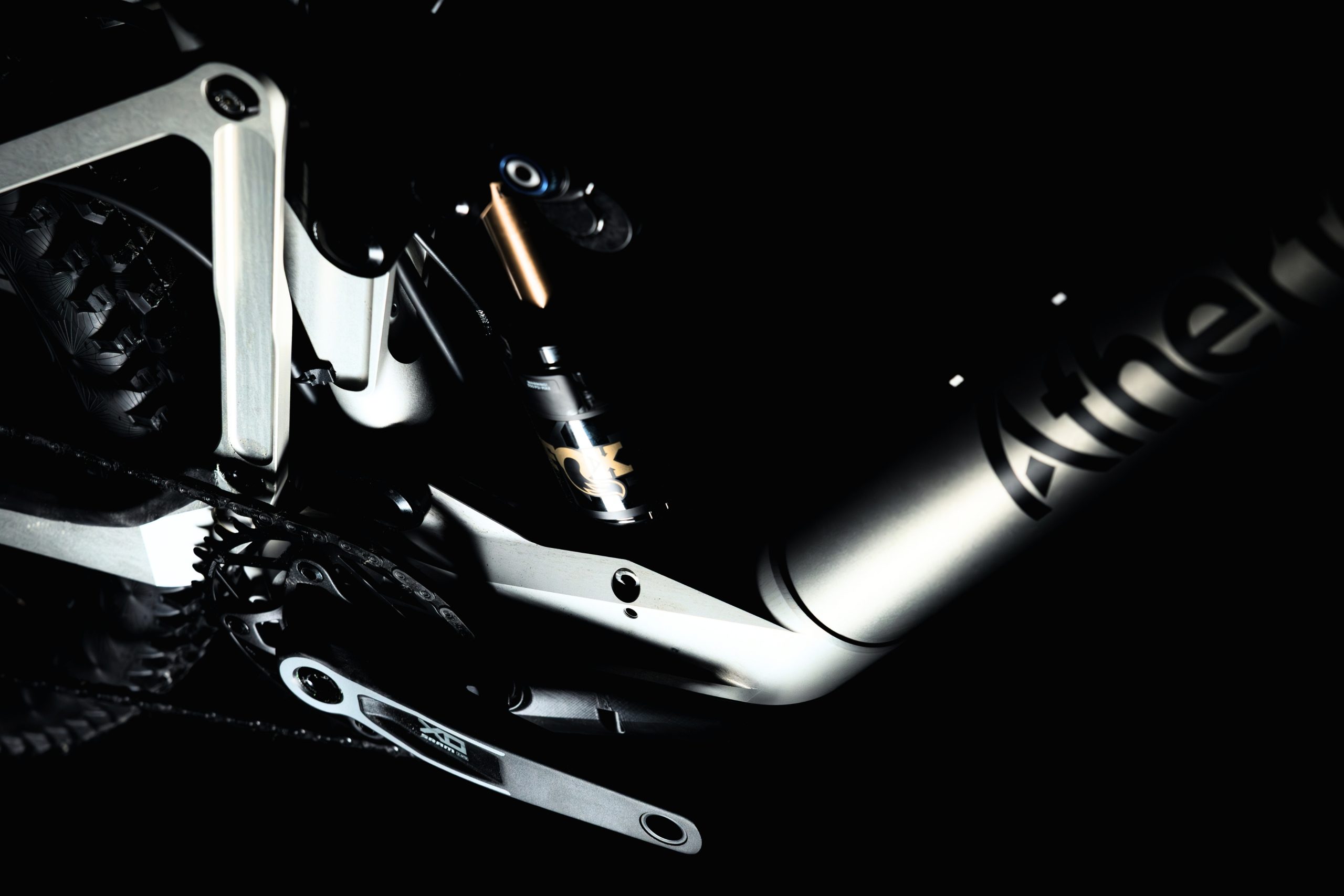
This is the first electric mountain bike created by Atherton Bikes, and details are scarce, but we expect the frame will be similar to the non-assisted S.170 enduro bike.
The S.170, in turn, is based around the more expensive and boutique carbon and titanium-lugged AM.170, so expect similar geometry. The only numbers confirmed so far are a 64° head angle and 77° seat angle.
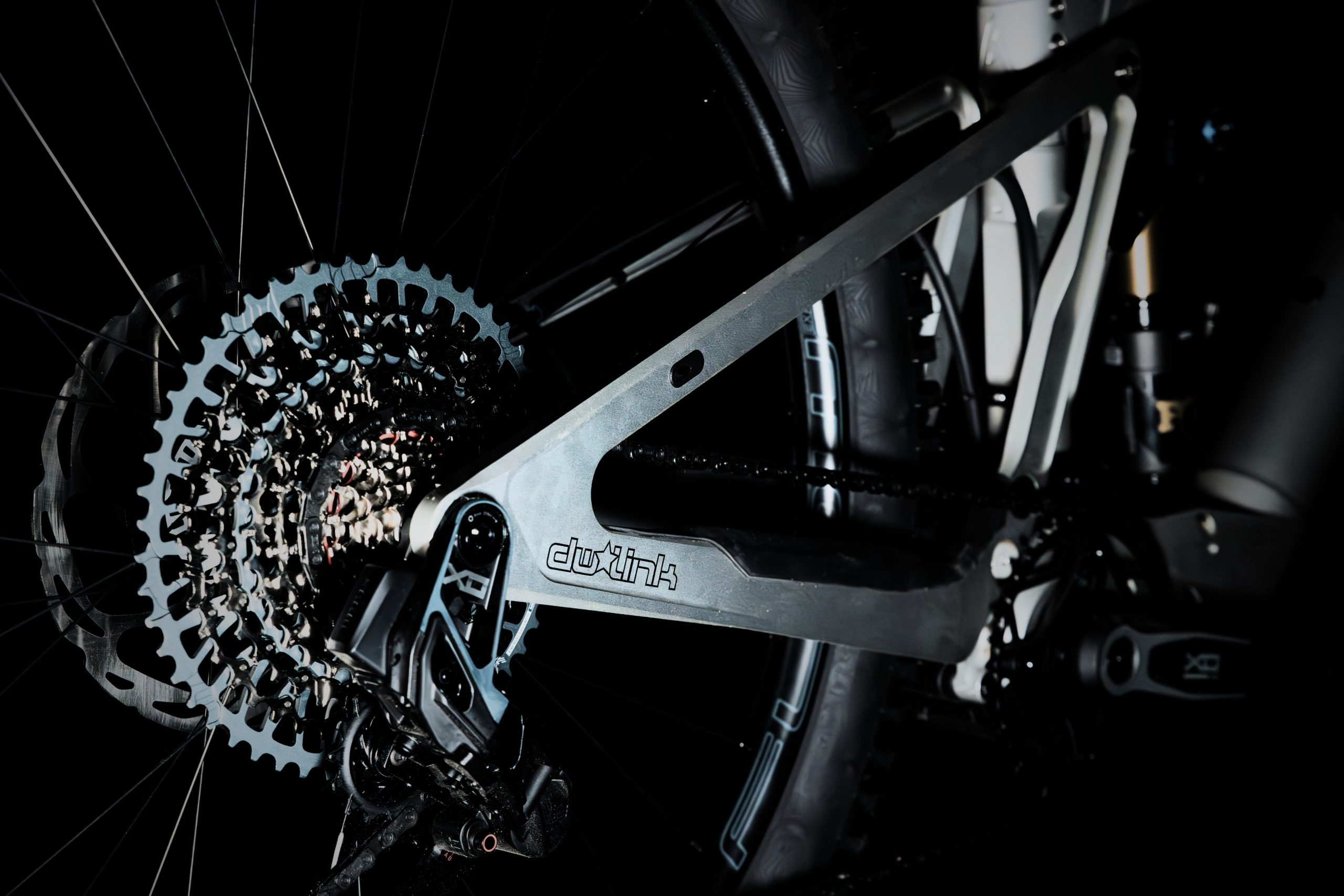
There are three build specifications available.
For £6,999, you get ‘Build 3’, with RockShox Select suspension – a Zeb fork and Vivid air shock, with SRAM Eagle 90 mechanical transmission.
Build 2 costs £7,999 with RockShox Ultimate suspension and SRAM GX Eagle electronic shifting, which Atherton Bikes says, intriguingly, is “integrated with the Avinox drive system”.
Build 1 costs £8,999 for a Fox Factory 38 fork and X2 shock, with SRAM X0 Eagle transmission and a carbon handlebar.
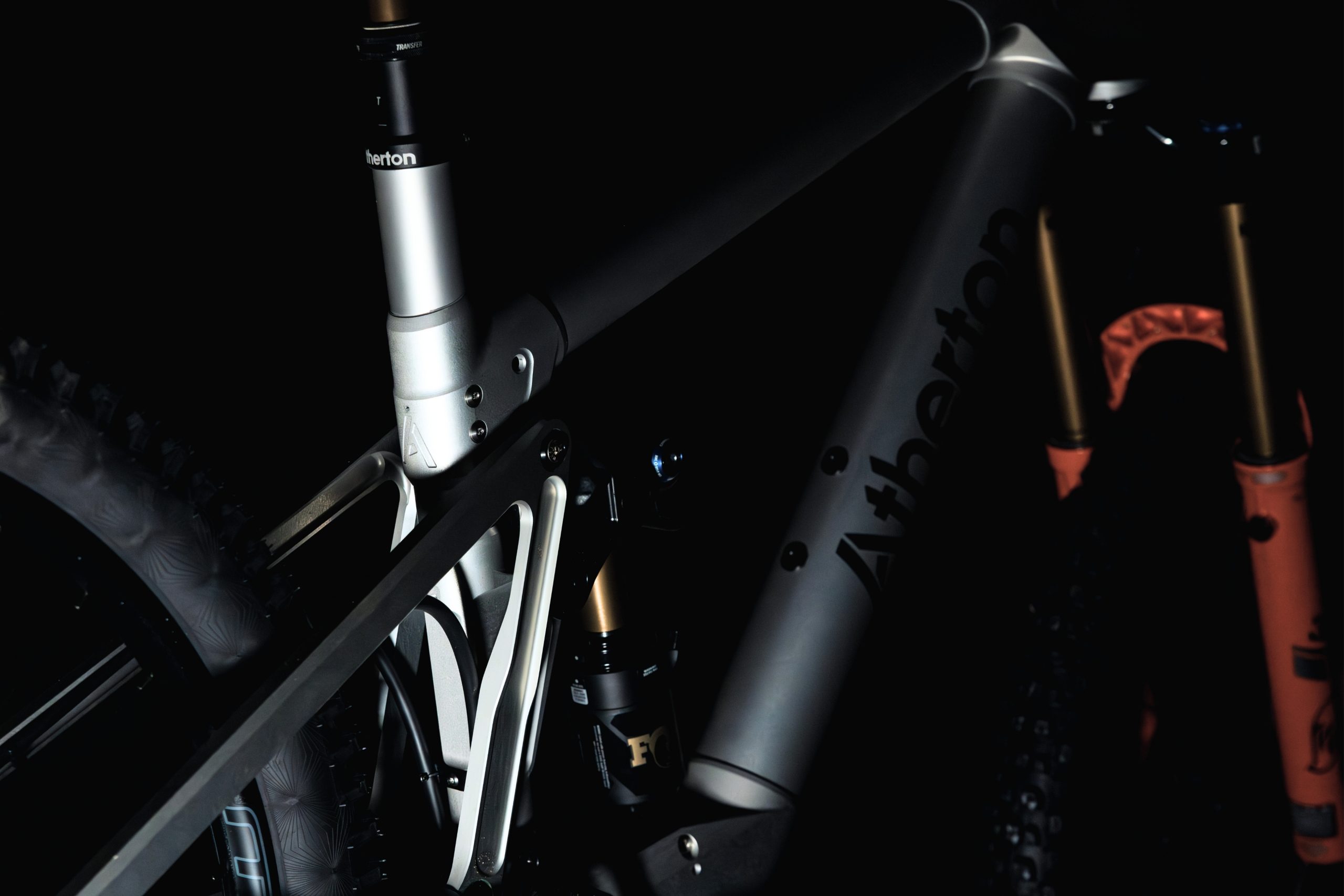
These competitive prices, in combination with a well-respected brand name and a proven suspension design, could make the first Atherton eMTB an attractive proposition.
DJI’s Avinox motor has quickly gained popularity thanks to its performance and monster power, even prompting some riders to question how much power is too much. This motor sets the benchmark for eMTB power and is one reason the new bike will be on many riders’ wishlists.
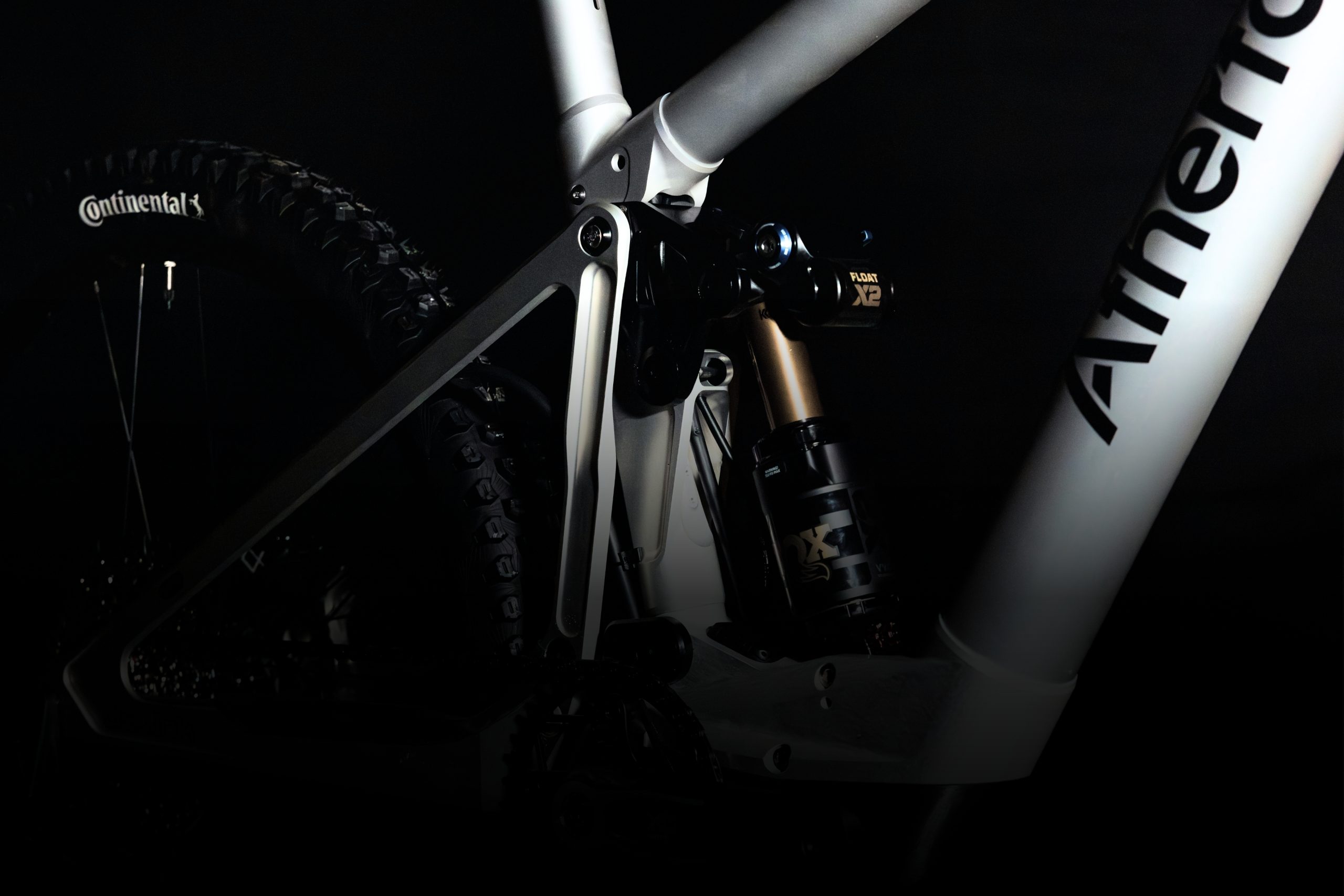
With 14 sizes on offer, the S.170E is not custom, but it’s certainly more tailored than other bikes in this price bracket.
The S.170E will be available from April 2026 for UK and EU customers; the first 50 units will be available for a £1,000 deposit. Worldwide distribution is in the pipeline.
Ahead of the first Intel Core Ultra Series 3 Panther Lake laptops expected to hit retail channels next week, Intel has published updated IPU7 (IPU 7.5) firmware for the image processing unit used by the web cameras on the higher-end Panther Lake laptops…

NASA’s first astronauts to fly to the Moon in more than 50 years will pay tribute to the lunar and space exploration missions that preceded them, as well as aviation and American history, by taking with them artifacts and mementos representing those past accomplishments.
NASA on Wednesday (Jan. 21) revealed the contents of the Artemis II mission’s Official Flight Kit (OFK), continuing a tradition dating back to the Apollo program of packing a duffel bag-size pouch of symbolic and celebratory items to commemorate the flight and recognize the people behind it. The kit includes more than 2,300 items, including a handful of relics.
“This mission will bring together pieces of our earliest achievements in aviation, defining moments from human spaceflight and symbols of where we’re headed next,” Jared Isaacman, NASA’s administrator, said in a statement. “Historical artifacts flying aboard Artemis II reflect the long arc of American exploration and the generations of innovators who made this moment possible.”
New Jersey governor Phil Murphy signed a controversial electric bicycle bill into law on Monday, which makes the US state the only one to require licences, registration and insurance for all ebikes.
The law places all ebikes in the same category, regardless of where they were in the three-class ebike classifications used across the USA, from those that can’t exceed 20mph to the faster e-moto bikes.
It also states that riders who are 14 or younger cannot use motorised bicycles or scooters.
The new law takes effect amid the increased popularity of ebikes as a mode of transport in the USA and growing safety concerns.
The bill was inspired partly by the deaths of two ebike riders in separate incidents, alongside additional crashes.
Murphy signed the new ebike law just before leaving office on Tuesday, after two terms as governor of New Jersey.
“It is clear that we are in an age of increasing e-bike use that requires us to take action and update regulations that help prevent tragedies from occurring,” the Democrat said in a statement.
“Making our roads safer for all users has been a key priority for my Administration. I’d like to thank Senate President [Nicholas] Scutari for taking the initiative to improve the safe use of ebikes in New Jersey.”
New Jersey’s ebike laws hadn’t been updated since 2019. Scurati said: “We are in a new era of e-bike use that requires updated safety standards to help prevent accidents, injuries, and fatalities.
“Requiring registration and licensing will improve their safe use and having them insured will protect those injured in accidents.”
The law was passed by the state Senate by a 27-11 vote and by the state Assembly 52-10 on 12 January.
The law has been criticised by cycling advocates because it introduces barriers to micro-mobility and doesn’t solve the issues presented by higher-speed ebikes.
Debra Kagan, New Jersey Bike Walk Coalition executive director, told NJ.com: “This bill creates barriers to developing micro-mobility in the state as a safer, more equitable and more sustainable part of our transportation system.”
“It restricts low speed e-bike use while not addressing the real problem of high-speed motorized devices.
“The approach of this bill to restrict use of low-speed e-bikes will not solve the problems we face to make our streets safer,” she added.
Kagan and other cycling organisations have criticised New Jersey for not enforcing an existing 2019 law that requires registration, licence and insurance for class 3 motorised bicycles that have a maximum assisted speed of 28mph.
Patrick Cunnae, an advisor to New Jersey’s Hyper Bicycles, writing in Bicycle Retailer, described the bill as “fundamentally flawed”.
Cunnae said the impetus for the bill was the death of a 14-year-old in Union County, New Jersey, who was understood by the media and “most people” to be struck while riding an “ebike”.
“But the vehicle used here and in most other crashes of this nature was something very different: an electric moped or motorcycle (an “e-moto”) that can go well over 30 miles an hour,” wrote Cunnae.
“Low-speed Class 1 and 2 ebikes should not be swept up in a rush to address safety concerns and tragedies involving faster e-motos,” he added.
US cycling advocacy group People For Bikes said the law sets up New Jersey to become “the most unfriendly state for bicycling”.
“The final bill places unnecessary and burdensome restrictions on low-speed ebikes while leaving higher-risk vehicles like electric mopeds and motorcycles without additional regulations,” it said.
The coalition said it was “disappointed” by the bill but is encouraged by those who rallied in support of amending and improving its language.
“We are currently cooperating on draft language for a new bill to address the issues created by this legislation and redirect the focus of regulatory and safety efforts on e-motos, the high-speed electric mopeds, motorcycles, and dirt bikes being marketed to kids in New Jersey and across the country and the same devices involved in recent fatal crashes that led to this bill,” People For Bikes said.
Ebike riders have until 19 July to obtain a licence and registration through the NJ Motor Vehicle Commission, according to the New Jersey Bicycle and Pedestrian Resource Center.
An expanded class-action lawsuit filed last Friday alleges that a member of Nvidia’s data strategy team directly contacted Anna’s Archive — the sprawling shadow library hosting millions of pirated books — to explore “including Anna’s Archive in pre-training data for our LLMs.”
Internal documents cited in the amended complaint show Nvidia sought information about “high-speed access” to the collection, which Anna’s Archive charged tens of thousands of dollars for. According to the lawsuit, Anna’s Archive warned Nvidia that its library was illegally acquired and maintained, then asked if the company had internal permission to proceed. The pirate library noted it had previously wasted time on other AI companies that couldn’t secure approval. Nvidia management allegedly gave “the green light” within a week.
Anna’s Archive promised access to roughly 500 terabytes of data, including millions of books normally only accessible through Internet Archive’s controlled digital lending system. The lawsuit also alleges Nvidia downloaded books from LibGen, Sci-Hub, and Z-Library.


Read more of this story at Slashdot.

If you’re ready to bring home a new tablet, you can’t go wrong with this model.
The post Samsung Drops the Galaxy Tab S10 Lite With Its Biggest Discount of the Year While iPad Prices Stay Frozen appeared first on Kotaku.
The totals are in for 2025, and it’s been a great year for measles. According to the CDC, the number of cases of the disease identified in the US has risen from 285 in 2024 to 2,144 in 2025, the highest number of measles cases since 1990. We’ve already seen at least 171 measles cases in the first two weeks of 2026.
As you’d probably guess, experts pin the rise in measles to lower vaccination rates. I covered a number of vaccination and measles myths in this column months ago, but there is a new spin on measles that seems to be gaining some traction: A lot of people think contracting measles is good for your heath.
“There’s a lot of studies out there that show that if you actually do get the wild infection, you’re protected later. It boosts your immune system later in life against cancers, atopic diseases, cardiac disease, etc.,” Robert F. Kennedy Jr., the Department of Health and Human Services secretary said in a recent Fox interview. Online, there are posts like this one from a chiropractor’s Instagram page, using a clip from The Brady Bunch to argue that contracting measles and other diseases “prepares a child’s immune system for a long-term resiliency to chronic problems like cancers and heart disease.” Others point to news stories like this from CNN to bolster claims that measles fights cancer.
There is no evidence that measles infection can protect against cancer. Full stop. But whether measles can treat cancer is a little more complex. There is a small grain of truth here, but it’s wrapped in a lot of misconceptions.
The most basic is the meaning of the word “measles.” Oncolytic virus therapy uses genetically altered viruses, including the measles virus, to target cancer cells. A modified version of the measles virus was used successfully to treat a specific kind of cancer and boost immune response to the cancer. Mayo Clinic researchers report that one patient’s incurable cancer went into remission, thanks to the virus. “But that’s totally a therapeutic application of viruses, completely different than what happens with natural infections,” said John Bell, a senior scientist at the Ottawa Hospital Research Institute in an interview, so it’s not “measles cures cancer,” it’s “scientists weaponize a virus under controlled conditions.”
The bottom line: The wild measles virus is a dangerous pathogen, not a cancer cure. Not only that, but part of the reason the virus therapy worked so well on the patient CNN covered was because she had been vaccinated for measles, so if genetically modified measles ever end up being used as cancer treatment, it’s better to have been vaccinated than not.
One study in Japan found an association between measles and mumps infections and a lower risk of death from atherosclerotic heart disease. But critics have pointed out that this research relies on self-reporting within a pre-vaccine population. Given the virulence of measles, all of the people in the survey would likely have been exposed to measles as children even if they didn’t remember it, so it’s hard to draw any conclusions from this study.
While being infected with the disease will likely result in being immune to measles afterwards, it harms your immune system as a whole. A 2019 study from Harvard Medical School published by Science, found that the measles virus can cause “immune amnesia,” the wiping out of up to three-quarters of antibodies protecting against other infections like the flu or the bacteria that cause pneumonia. “The measles virus is like a car accident for your immune system,” Harvard University geneticist Stephen Elledge, the senior author of the Science study, told The Los Angeles Times.
“If your child gets the measles and then gets pneumonia two years later, you wouldn’t necessarily tie the two together. The symptoms of measles itself may be only the tip of the iceberg,” said the study’s first author, Dr. Michael Mina.
Meanwhile, we have extremely strong evidence that the measles vaccine doesn’t cause a general weakening of the immune system—note, for example, the dramatic reductions in childhood deaths from other diseases in places where measles immunization programs are introduced. After measles vaccinations began in the United States in the 1960s, deaths from diseases like pneumonia and diarrhea were cut by half, and in populations where infectious diseases are more common, the reduction in mortality has been up to 80 percent.
Let’s assume critics are right, for the sake of argument. Even if contracting measles in childhood makes you less likely to get heart disease later in life and gives you a stronger immune system, it would still make sense to get immunized instead of infected.
Measles is a serious disease. Regardless of any future benefit, contracting measles is deadly in up to three of every 1,000 cases. About one child out of every 1,000 who get measles will develop encephalitis (swelling of the brain) that can lead to convulsions, hearing loss, and intellectual disability.
Vaccination for measles, on the other hand, is very safe. The most serious side effects come from severe allergic reactions, and that happens about in a one in a million doses. The measles vaccine generates immunity without the risk of encephalitis, without immune amnesia, and without gambling a child’s life on a hypothetical future payoff. If measles exposure truly primes the immune system in some beneficial way, vaccination captures the immune response while stripping out the damage. No matter how generous you are to the “infection is good” argument, infection is a dangerous and inefficient way to get there.
The latest craze in the fitness world—from gym culture, to nutrition planning, to recovery protocols— is hyper-personalized optimization. But is there really a benefit to at-home microbiome tests that reveal the optimal diet for your gut bacteria? How about a device that tells you whether you’re burning carbs or fat with each breath?
Personalized fitness advice used to be largely limited to factors like height and weight, but now you might have a Whoop, Oura, or Apple Watch wearable tracking your track heart rate variability, skin temperature, blood oxygen, and so much more. Continuous glucose monitors, once reserved for diabetics, are now worn by biohackers and CrossFit enthusiasts trying to optimize their carb timing.
On the one hand, the appeal of having unprecedented insight into your body’s unique needs is understandable. On the other, there’s a looming shadow behind all this data: As the metrics multiply, so does the potential for anxiety. When every workout, meal, and bedtime becomes a referendum on dozens of competing data points, decision fatigue is likely to set in. And as your algorithms suggest targeted interventions for every perceived deficiency, someone else—likely a giant corporation getting fat off of user data—is profiting. The question looms larger with each new device metric: Does more data actually lead to better health outcomes?
Your wearable spits out a sleep (or stress) report every morning. How is this data serving you? “Metabolic testing, biomechanics, and body composition are all forms of objective data that can be pretty powerful when collected in validated settings and interpreted by professionals who understand physiology and adaptation,” says Lekshmi Kumar, a performance physiologist at Boston-based Human Powered Health. But consumer devices, while improving, exist in a different category: “Consistent research has bolstered consumer-facing tools and significant improvements have been made over the past several years. But they’re still not considered substitutes for professional-grade assessments,” Kumar says. In other words, for a lot of bio-hacking endeavors, there’s a major gap between the numbers you see and their potential real-life applications.
Kumar sees three critical prerequisites for data to actually improve outcomes: data quality, proper context, and accurate interpretation. “Absent these, we often see expensive and excessive supplementation, conflicting recommendations, and decision fatigue,” she says. The real danger, she says, isn’t the data itself—it’s the illusion of expertise it creates.
Many direct-to-consumer tests lack the clinical validation of their medical-grade counterparts. Interpretation of the data is frequently automated, missing nuance that a trained professional might catch. And the recommendations often trend toward more—more supplements, more tracking, more intervention—rather than identifying changes that might actually move the needle. It’s a hard truth that no wellness product actually cares more about your health than its company’s profits.
Perhaps the most insidious cost of hyper-personalization is less financial, and more psychological: When every metric matters, decision-making becomes paralyzing. Should you work out today even though your HRV is down? Is that meal worth the glucose spike? Did last night’s 6.5 hours of sleep doom today’s training session?
The constant feedback loop can transform exercise from a joyful practice into an optimization problem to be solved. This isn’t the first time I’ve pointed out the trappings of wellness culture. The internal compass—how do I actually feel?—gets drowned out by all the external data streams. Ironically, the tools meant to “empower” can instead create dependency, where you can’t trust their own bodily sensations without technological confirmation.
When implemented thoughtfully (with quality data, proper interpretation, and professional guidance), personalized approaches can obviously aid you in optimizing training, recovery, and nutrition in ways generic programs cannot. Elite athletes have long used sophisticated testing—VO2 max assessments, lactate threshold testing, motion capture analysis—to gain advantages, however marginal. As these tools become more accessible, it makes sense their benefits can extend beyond the professional realm.
But accessibility without expertise? That’s a different matter. Consider two hypothetical people concerned about their fitness: Person A tracks sleep quality, HRV, resting heart rate, blood oxygen, skin temperature, glucose levels, and workout strain—but lacks a framework to understand how these metrics interact, or what to do when they conflict. Person B follows a simple evidence-based program: strength training three times per week, 30 minutes of cardio on alternate days, eight hours of sleep, and a balanced diet with adequate protein. Even absent all that data, Person B will likely see better results and experience far less angst about their health.
Again, there are the economic incentives to consider too. Companies profit from selling more tests, more devices, more subscriptions, and more supplements. The business model depends on convincing consumers they need increasingly granular data to achieve their goals. This creates an environment where the answer to “what should I track?” is almost always “more than you’re tracking now,” regardless of whether the additional data actually serves you.
“The biggest gains won’t come from chasing every single flashy metric,” says Kumar. “They’ll come from identifying the variables that matter most to the specific individual, and working with a credentialed professional who can assist in translating the information into meaningful takeaways and actions.”
What does smart, targeted tracking look like in practice? Here are scenarios where specific metrics can genuinely help:
For a runner struggling with fatigue: Tracking HRV and resting heart rate can reveal when you’re not recovering adequately between training blocks. If these metrics trend downward over weeks, it’s a signal to dial back intensity or add rest days—something that matters far more than monitoring glucose fluctuations after breakfast.
For someone with persistent digestive issues: A food diary paired with symptom tracking (not necessarily a microbiome test kit) can help identify genuine patterns. Working with a registered dietitian to systematically eliminate or reintroduce foods provides actionable insights, unlike a $200 test suggesting you eat more fermented foods.
For someone desperate to improve sleep: Use your gadgets to track total sleep time and sleep consistency. That matters more than obsessing over REM percentages. Focus on establishing a regular pre-sleep routine and measuring whether you feel rested, rather than achieving some algorithm’s “optimal” sleep score.
For the lifter hitting a plateau: Remember that linear gains are for beginners. Instead of stressing over daily scale readings, focus on your training log tracking progressive overload and consider following these tips.
You’ll notice a patter here: Each tracking approach is targeted, time-bound, and directly connected to a specific goal or problem—not a fruitless pursuit to optimize every single thing all the time.
In a culture obsessed with optimization, it’s getting harder and harder to cut through the noise. But maybe your goal shouldn’t be to track everything. As hyper-personalization continues its ascent, think about how you’re engaging with every new tool. The wisest approach may be a picky one: choosing one or two key metrics that align with specific goals. Because more information isn’t automatically better, and consumer tools have real limitations, and that the human body is beautifully, frustratingly complex—not exactly reducible to a dashboard of numbers.
ReactOS, an open-source project
to develop an operating system that is compatible with Microsoft
Windows NT applications and drivers, is celebrating 30
years since the first commit to its source tree. In that time
there have been more than 88,000 commits from 301 contributors, for a
total of 14,929,578 lines of code. There is, of course, much left to
do.
It’s been such a long journey that many of our contributors today,
including myself, were not alive during this event. Yet our mission to
deliver “your favorite Windows apps and drivers in an open-source
environment you can trust” continues to bring people together. […]We’re continuing to move ReactOS forward. Behind the scenes there are
several out-of-tree projects in development. Some of these exciting
projects include a new build environment for developers (RosBE), a new
NTFS driver, a new ATA driver, multi-processor (SMP) support, support
for class 3 UEFI systems, kernel and usermode address space layout
randomization (ASLR), and support for modern GPU drivers built on
WDDM.
As Meta heads to trial in the state of New Mexico for allegedly failing to protect minors from sexual exploitation, the company is making an aggressive push to have certain information excluded from the court proceedings.
The company has petitioned the judge to exclude certain research studies and articles around social media and youth mental health; any mention of a recent high-profile case involving teen suicide and social media content; and any references to Meta’s financial resources, the personal activities of employees, and Mark Zuckerberg’s time as a student at Harvard University.
Meta’s requests to exclude information, known as motions in limine, are a standard part of pretrial proceedings, in which a party can ask a judge to determine in advance which evidence or arguments are permissible in court. This is to ensure the jury is presented with facts and not irrelevant or prejudicial information and that the defendant is granted a fair trial.
Rust 1.93 is out today as the first feature release for this programming lanugage of 2026…

Game on a bigger screen without spending a lot.
The post UGREEN’s 6-in-1 Steam Deck Dock Is Now the Cheapest Way to Upgrade Your Handheld Setup After a Deep Discount (Works With ROG Ally X, Legion Go, MacBook, and More) appeared first on Kotaku.