
Huawei engineer Chen Jinghuang posted the latest request for comments (RFC) patches for stealing tasks from overloaded CPUs in the same last level cache (LLC) in order to improve overall CPU utilization with today’s large core count servers…
Engadget Podcast: Why does everyone hate NVIDIA’s DLSS 5 AI upscaling?
NVIDIA started an online firestorm this week when it announced DLSS 5 at its GTC conference. The company claims it’s meant to deliver “photorealistic” lighting and materials in games by using neural processing. But it differs considerably from previous versions of DLSS, which were focused on using machine learning to upscale lower resolutions and generate additional frames, and gamers online aren’t too happy. To help us break this down, Anshel Sag, VP and principal analyst at Moor Insights and Strategy joins us to discuss his experience with NVIDIA’s DLSS 5 demos. Also, we dive into what’s next for Xbox with Project Helix.
Subscribe!
Topic
-
NVIDIA announced DLSS 5, the disgust was immediate (with Anshel Sag from Moor Insights & Strategy) – 0:51
-
Arizona attorney general sues Kalshi for operating an illegal gambling business – 36:22
-
Polymarket users threaten the life of a reporter at The Times of Israel over accurate reporting – 36:59
-
Apple announces AirPods Max 2 with improved noise cancellation – 44:33
-
Elon Musk’s xAI faces class action suit over facilitating CSAM dsitribution – 47:38
-
Samsung stops selling Galaxy Z TriFold after 3 months because components got too expensive – 51:22
-
Around Engadget: Apple Studio XDR review, Dell XPS 16 review – 53:49.346
-
Listener Mail: Stick with iPhone on Linux? And are there any good Android tablets? – 55:41
-
Pop culture picks – 58:46
Credits
Hosts: Devindra Hardawar
Guest: Anshel Sag
Producer: Ben Ellman
Music: Dale North and Terrence O’Brien
This article originally appeared on Engadget at https://www.engadget.com/computing/laptops/engadget-podcast-why-does-everyone-hate-nvidias-dlss-5-ai-upscaling-121335918.html?src=rss
Notable Zwift Events for the Weekend of March 21-22
The Zwift Big Spin kicked off this week with some big pelotons, so it’s my top pick for the weekend. But we’ve also got a Fuego Flats world record attempt, an FRR race series kickoff, and two fun group rides. See details below!
 Zwift Big Spin, Stage 1

 Popular Prizes Cowboy Hats
Zwift’s annual Big Spin series launched this week, with stage 1 on Watopia’s Flat Out Fast route (22.3km, 49m). Join the fun and unlock the in-game cowboy hat!
Learn all about the Zwift Big Spin >
These are group rides, but you can treat them like a race, a recovery ride, or anything in between.
Hourly events all weekend
Sign up at zwift.com/events/tag/tbs2026ridestage1
WOW-VTO Tempus Segment World Record Attempt
Record Attempt Super Speed
On Sunday, WOW and VTO are joining forces in attempting to break the world record of the ‘Fuego Flats Reverse Sprint’ segment in Watopia. Everyone will be riding the fastest bike in game (CADEX Tri frame with the latest DT Swiss Disc wheels) in draft mode.
This is a 40km event on Watopia’s Tempus Fugit route. The first 1.5 laps are basically a warmup, with the last half of lap 2 being all out! The current record is 7:39.
Sunday, March 22 @ 2:15pm UTC/10:15am ET/7:15am PT
Sign up at zwift.com/events/view/5497618
 FRR Classica Italia
Unique Format
This is the first race of FRR’s new Weekend Warrior series, where riders race separate events on Friday, Saturday, and Sunday. The Classica Italia consists of:
- i’ultimo sforzo Scratch Race on Waisted 8 (21km, 144m)
- il vantaggio iTT on Mayan San Remo (22km, 220m)
- la corsa Points Race on Zwift Games 2024 Epic (82km, 870m)
Learn all about FRR’s Weekend Warrior race series >
Friday-Saturday-Sunday, multiple timeslots
Sign up at zwift.com/events/tag/frrclassica
LA GRUPETTA DE ZABI

Banded Ride Zwift Games Route
I love stumbling across popular rides hosted by groups I know nothing about. Here’s this week’s! Hosted by ZABI, it’s a 120-minute banded ride on Watopia’s Three Step Sisters (38.1km, 586m). As a bonus, this route is a Zwift Games stage, so if you’re looking to finish all the Games routes, this may help ya.
Saturday, March 21 @ 8am UTC/4am ET/1am PT
Sign up at zwift.com/events/view/5505729
(Rubber-Banded) TDZ Ride with James’ Friends!
Banded Big Spin Route
This beginner-friendly banded ride is 60 minutes long and on Watopia’s Flat Out Fast, a Zwift Games route, which means you’ll get the prize spinner at the end.
Ride at whatever pace you’d like. As long as you keep pedaling, you’ll stay with the group!
Saturday, March 21 @ 1:30pm UTC/9:30am ET/6:30am PT
Sign up at zwift.com/events/view/5505855
How We Make Our Picks
We choose each weekend’s Notable Events based on a variety of factors including:
- Is the event unique/innovative in some way?
- Are celebrities (pro riders, etc) attending/leading?
- Are signup counts already high, meaning the event is extra-popular?
- Does the ride include desirable unlocks or prizes?
- Does the event appeal to ladies on Zwift? (We like to support this under-represented group!)
- Is it for a good cause?
- Is it just plain crazy (extra long races, world record attempts, etc)?
- Is it a long-running, popular weekly event with a dedicated leader who deserves a shout out?
In the end, we want to call attention to events that are extra-special and therefore extra-appealing to Zwifters. If you think your event qualifies, comment below with a link/details and we may just include it in an upcoming post!
Blue Origin also wants to put AI data centers in space
Blue Origin has revealed its plans for an orbital AI data center system in a new filing with the Federal Communications Commission. The company has asked the agency for permission to deploy 51,600 satellites, as reported by the Wall Street Journal and SpaceNews. Called Project Sunrise, the initiative aims to launch and operate a constellation of satellites that can deliver computing capacity for artificial intelligence uses.
Project Sunrise’s satellites will be placed in sun-synchronous orbits at altitudes between 311 and 1,118 miles. Each layer in the constellation will have between 300 to 1,000 satellites and will be approximately 3 to 6 miles apart. In its filing, Blue Origin said the constellation would complement terrestrial data centers.
The satellites will, of course, will be fitted with solar panels to be able to gather energy from the sun. Blue Origin explained that the orbital AI data center will lower the “marginal cost of compute capacity compared to terrestrial alternatives,” because the satellites will be powered by the sun, won’t need land and won’t need grid infrastructure. Project Sunrise will “enable US companies developing and using AI to flourish, accelerating breakthroughs in machine learning, autonomous systems and predictive analytics,” Blue Origin added.
By filing its request with the FCC, Blue Origin has officially joined SpaceX in the list of companies looking to build an AI data center in space. In January, SpaceX asked the FCC for permission to deploy 1 million satellites for its constellation. The company justified at the time that “orbital data centers are the most efficient way to meet the accelerating demand for AI computing power.”
This article originally appeared on Engadget at https://www.engadget.com/science/space/blue-origin-also-wants-to-put-ai-data-centers-in-space-115614142.html?src=rss
Rocket Report: Canada makes a major move, US Space Force says actually, let’s be hasty
Welcome to Edition 8.34 of the Rocket Report! The most important significant news this week, I believe, is the decision by Canada to make a serious investment in launch infrastructure at a spaceport in Nova Scotia. Tensions have risen between the United States and Canada of late (for reasons which are baffling to this author, who has always had an affinity for the nation to our north), and as a result Canada is seeking launch independence. This is an important start, but it will require a sustained, long-term commitment to really develop a flourishing launch industry.
As always, we welcome reader submissions, and if you don’t want to miss an issue, please subscribe using the box below (the form will not appear on AMP-enabled versions of the site). Each report will include information on small-, medium-, and heavy-lift rockets as well as a quick look ahead at the next three launches on the calendar.

Canada makes major commitment to space launch. The country’s leading minister of national defense, David J. McGuinty, announced on Monday a $200 million investment in “core infrastructure” for a spaceport in Nova Scotia. The investment is a 10‑year, $200 million agreement to lease a dedicated space‑launch pad that will serve as the central foundation for a multi-user spaceport near Canso, Nova Scotia. The facility is operated by Maritime Launch Services.
Ubisoft Ends Game Development at Studio Behind ‘Assassin’s Creed VR’


Ubisoft is ceasing game development at Red Storm Entertainment, the long-running studio behind Assassin’s Creed Nexus VR (2023).
According to an internal memo viewed by GamesIndustry.biz, Ubisoft is shutting down game development at Red Storm Entertainment, which includes the loss of 105 jobs.
While the studio is technically staying open, it’s no longer developing games, as remaining staff will be tasked with working on Ubisoft’s Snowdrop game engine, along with IT and customer relations.
Founded in 1996 by Tom Clancy and Doug Littlejohns, the North Carolina-based studio is best known for developing the original Tom Clancy’s Rainbow Six (1998), which helped define the modern tactical first-person shooter genre.
Acquired by Ubisoft in 2000, Red Storm went on to release Ghost Recon (2001) along with a long list of Rainbow Six and Ghost Recon titles in the following years—its last being Tom Clancy’s Ghost Recon: Future Soldier (2012).
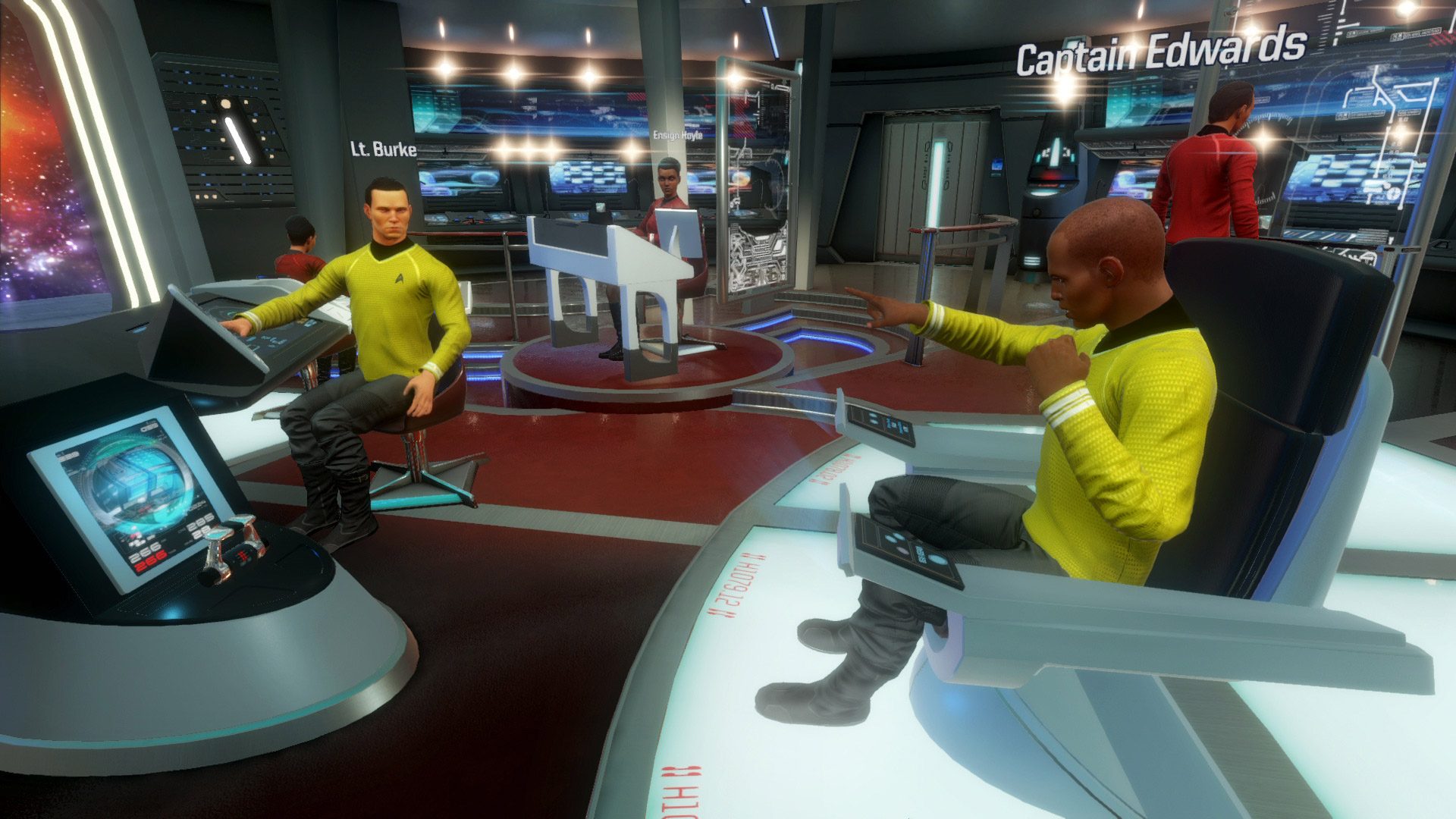
Notably, Future Soldier was the studio’s last flatscreen game as well, as Ubisoft seemingly re-geared Red Storm to begin producing VR titles, which included the release of VR party game Werewolves Within (2016), co-op space sim Star Trek: Bridge Crew (2017), and Quest exclusive Assassin’s Creed Nexus VR (2023).
While we don’t know precisely what Red Storm was working on before Ubisoft pulled the plug, at least two games were publicly cancelled over the past few years, including a Splinter Cell VR game for Quest, cancelled in 2022, and Tom Clancy’s The Division Heartland, a free-to-play shooter, which was cancelled in 2024.
The post Ubisoft Ends Game Development at Studio Behind ‘Assassin’s Creed VR’ appeared first on Road to VR.
Project Hail Mary is in theaters—but do the linguistics work?
The film adaptation of Andy Weir’s novel Project Hail Mary hits general release today, March 20, and it’s great—go see it! Though a little light on the science, the movie goes hard on the relationship between schoolteacher Ryland Grace (Ryan Gosling) and an extraterrestrial named Rocky, and it’s a ride well worth taking.
But as good as it is, the movie shares a small flaw with the book: Despite having very few things in common, Grace and Rocky learn to communicate with each other extremely quickly. In fact, Grace and Rocky begin conversing in abstracts (concepts like “I like this” and “friendship”) in even less time than it takes in the book. Obviously, there are practical narrative reasons for this choice—you can’t have a good buddy movie if your buddies can’t talk to each other. It’s therefore critical to the flow of the story to get that talking happening as soon as possible, but it can still be a little jarring for the technically minded viewer who was hoping for the acquisition of language to be treated with a little more complexity.
And because this is Ars Technica, we’re doing the same thing we did when the book came out: talking with Dr. Betty Birner, a former professor of linguistics at NIU (now retired), to pick her brain about cognition, pragmatics, cooperation, and what it would actually ake for two divergently evolved sapient beings not just to gesture and pantomime but to truly communicate. And this time, we’ll hear from Andy Weir, too. So buckle up, dear readers—things are gonna get nerdy.
Opera GX Web Browser Comes To Linux
BrianFagioli writes: Opera GX has officially landed on Linux, bringing its gamer-focused browser experience to Debian, Ubuntu, Fedora, and openSUSE-based systems. The browser includes GX Control for limiting RAM and network usage, a Hot Tabs Killer to shut down resource-heavy tabs, and built-in sidebar integrations for Discord and Twitch. Opera says this is not just a one-off port, but a long-term effort with ongoing updates and community engagement. “PC gaming has long been associated with a single dominant platform, but that’s changing,” says Maciej Kocemba, Product Director at Opera GX. “Bringing GX to Linux users — who are renowned for the control they like to exert over their tools — means gamers and developers can manage browser resources, customize their setup, and keep their system performing exactly the way they want.”


Read more of this story at Slashdot.
Ubuntu Maker Canonical Announces MicroCloud Cluster Manager
Ubuntu maker Canonical announced today MicroCloud Cluster Manager that is now in beta as a new cloud platform for managing lightweight cloud clusters…
Vulkan 1.4.347 Debuts With Three New Extensions
Vulkan 1.4.347 made its debut overnight as the latest routine update to this high performance graphics and compute API. Beyond the usual maintenance churn over the past week, Vulkan 1.4.347 brings three new extensions…
Mageia 10 Beta Now Available For Those Who Reminisce About Mandrake Linux
It’s been nearly three years since the release of Mageia 9 for this Linux distribution who’s lineage traces back to the glorious Mandrake Linux. Following the Mageia 10 alpha release back in January, Mageia 10 beta builds are now available…
Linux 7.1 Adding DRM Dedicated CRTC Background Color Property
Sent out today was the latest weekly round of drm-misc-next patches for queuing ahead of the Linux 7.1 merge window that is set to happen in mid-to-late April…
System76 Redesigns Thelio Mira as a Liquid‑Cooled Linux Desktop
System76’s new Thelio Mira keeps the base specs close to Prime but leans on cooling, power headroom, and expandability to court GPU‑heavy Linux workloads.
The post System76 Redesigns Thelio Mira as a Liquid‑Cooled Linux Desktop appeared first on FOSS Force.
Steam Linux Beta Prepares For 64-bit, Can Be Run Inside Steam Runtime Container
An interesting new Steam client beta dropped overnight from Valve with some exciting low-level enhancements…
GNOME 50 “Tokyo” Desktop Environment Officially Released, This Is What’s New
The GNOME Project released today GNOME 50 (codename Tokyo) as the latest stable version of this widely used desktop environment for GNU/Linux distributions, a major release that introduces exciting new features.
Germany Mandates ODF for Public Administration in Sovereign Digital Stack
Germany requires Open Document Format in its new sovereign digital framework, standardizing document use across public administrations.
China Is Helping Drive Cuba’s Solar Boom
AleRunner writes: “China is helping Cuba race to capture renewable solar energy as the United States imposes an effective oil blockade on the Caribbean island, creating its worst energy crisis in decades,” reports The Washington Post. Later in the article, it states that “China’s decades-long push into clean energy technology is now helping to protect it from the soaring oil and gas crisis spurred by Trump’s war against Iran,” and that “Chinese exports of solar equipment to Cuba skyrocketed from about $5 million in 2023 to $117 million in 2025 and show no sign of stopping.” According to researchers from Ember, solar could be responsible for as much as 10% of Cuba’s electricity generation. “That would be among the fastest expansions of solar energy anywhere […] and place Cuba ahead of most countries — including the U.S. — in the share of electricity generated by sun power,” the report says.
As the Iran war drives energy prices higher, countries around the world are working overtime to reduce their reliance on fossil fuels. China sees this as a big opportunity. “Chinese authorities have made clear that they intend to replicate what they’re doing in Cuba elsewhere,” reports the Washington Post.


Read more of this story at Slashdot.
This titanium handlebar is close to carbon weight but with aluminium assurance
Mountain bikers often have a fascination with the lightest materials, with many sniffing out carbon components in a search for time savings and bling factor.
Despite there being plenty on offer, one area many deem too delicate for the material is handlebars.
I used to be a strong defender of carbon fibre mountain bike handlebars, having seen a similar number of alloy bars snap on my friends’ bikes through the years, but my feelings have changed since crashing at Dyfi Bike Park last year and feeling my bar break through my fingers.

While the crash wasn’t the bar’s fault, it left me unable to ride for the rest of the day and made me consider how far I could have ended up walking with my bike if it wasn’t for the uplift driver picking me up from the fire road.
I’ve used alloy bars ever since to avoid any further hassle.
However, another material is often overlooked that is maybe more lust-worthy than carbon fibre.
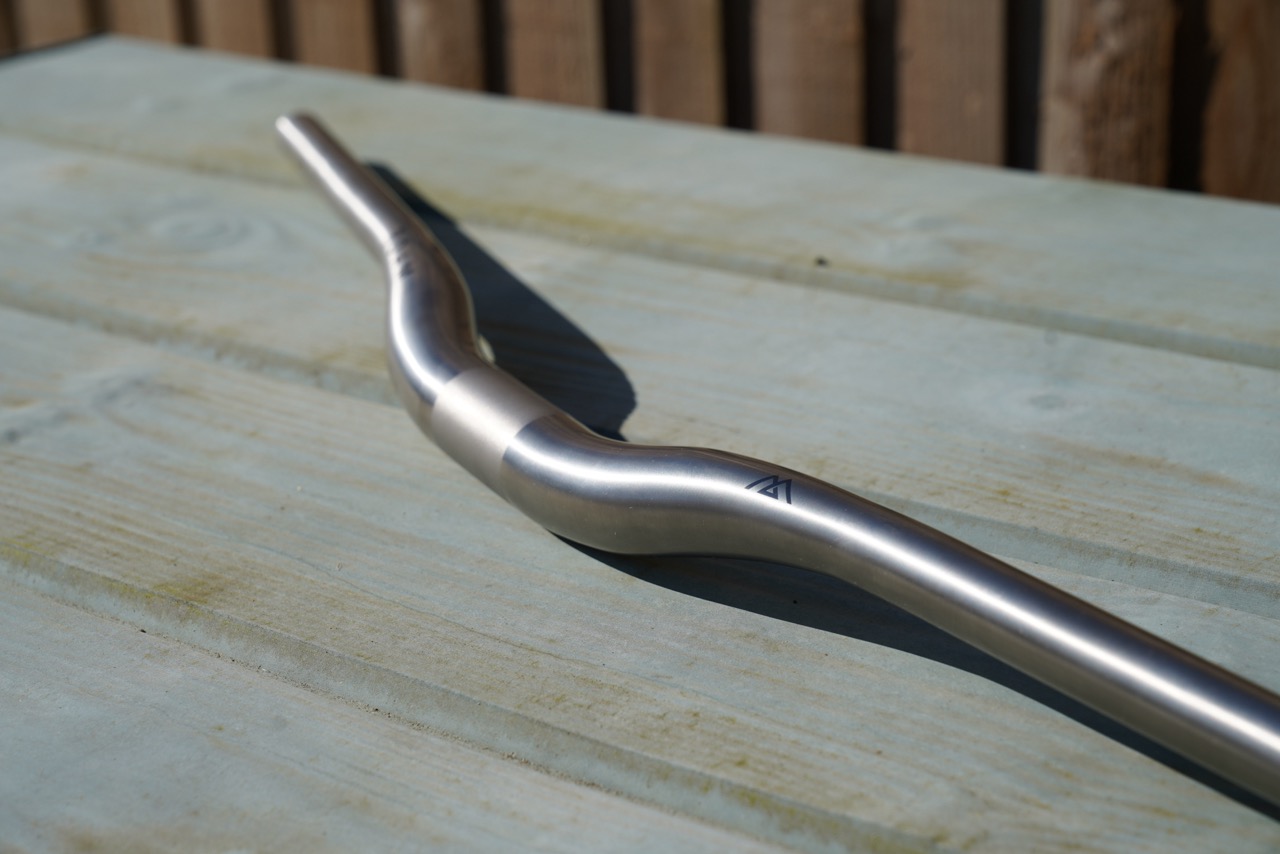
Titanium offers lighter-weight parts than aluminium due to its strength-to-weight ratio, without feeling as vulnerable as carbon fibre to impacts and invisible cracks.
- Read more: Carbon fibre is cycling’s wonder material, but titanium is having a renaissance – here’s why
Handlebars made from the material are rare, but Berm Cycle has turned its expertise to the Roam Riser Bar.
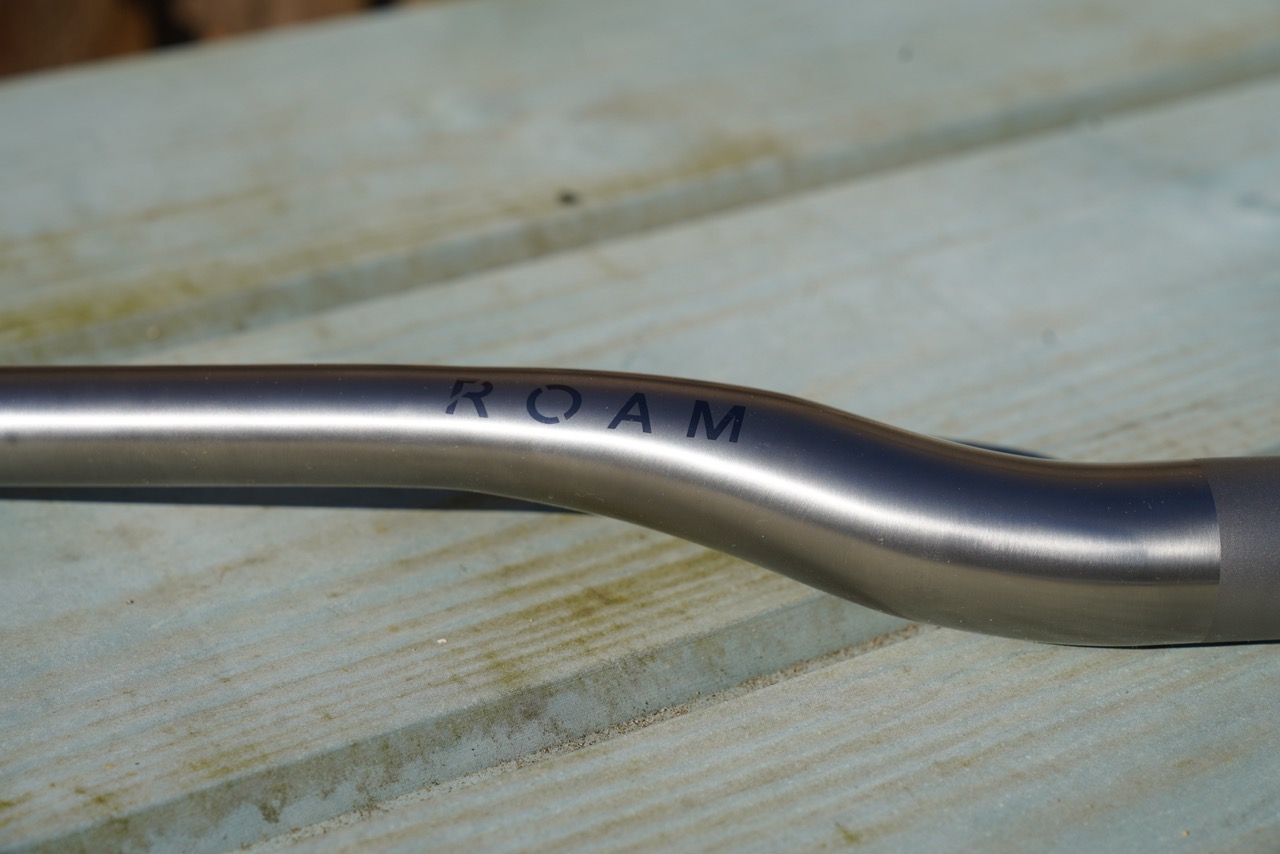
The bar is made from aircraft-grade titanium, which is said to give it increased strength and a shock-damping feel.
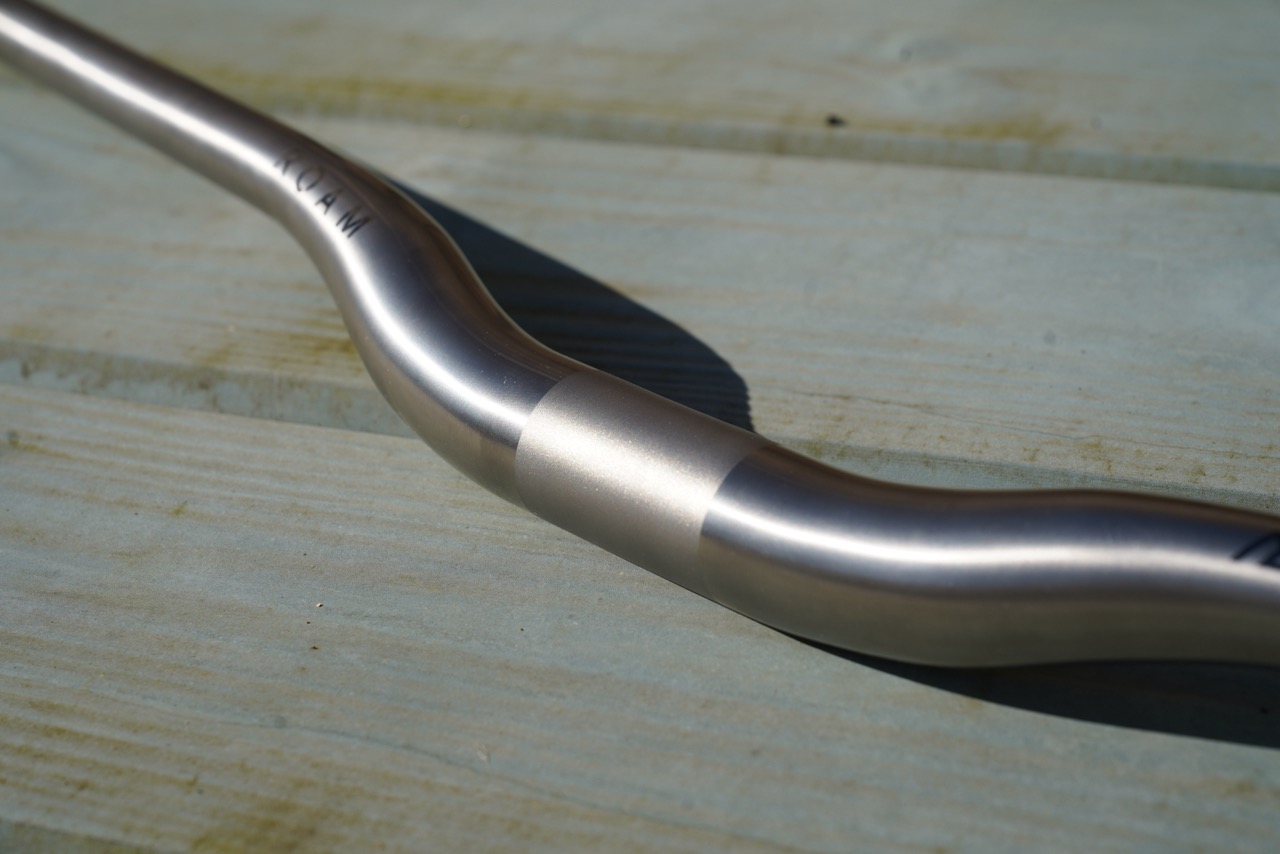
There’s only one size available, and the dimensions see 9° backsweep, 5° upsweep, 30mm rise and a 780mm width – good luck cutting these down.
Berm Cycle says the bar weighs in at 290g, which is lighter than an alloy bar, for example Race Face’s Turbine at 315g, but heavier than carbon bars such as OneUp’s V2 Carbon Handlebar at 265g for the 800mm variant.
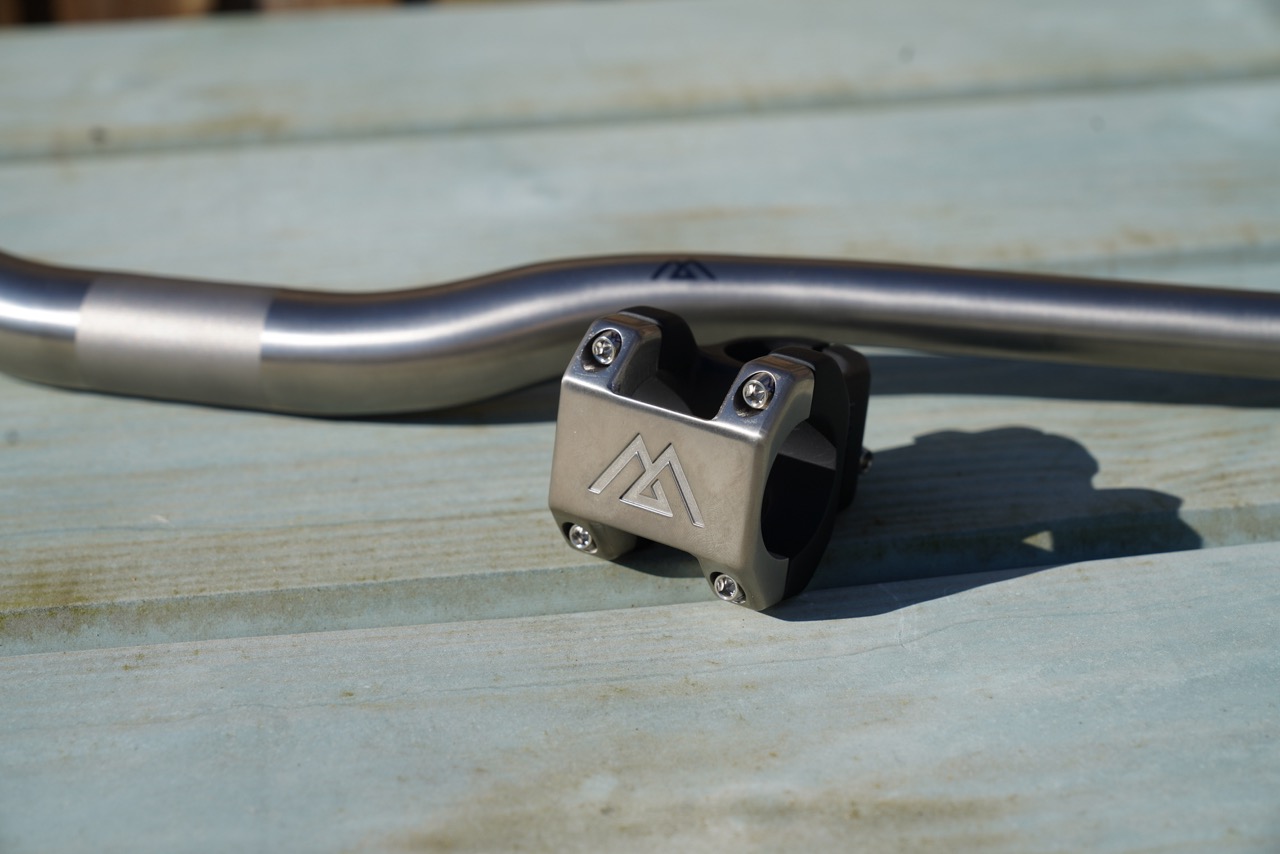
Matching the bar, the brand also offers the RAD2 Stem, which embraces the carbon fibre in its construction.
It’s an interesting use of the material, with the main body of the stem being made from carbon fibre, with the faceplate made from titanium.
Berm Cycle says it gives the stem a lightweight, strong and super-stiff quality that reduces the overall weight of the cockpit and absorbs impacts.
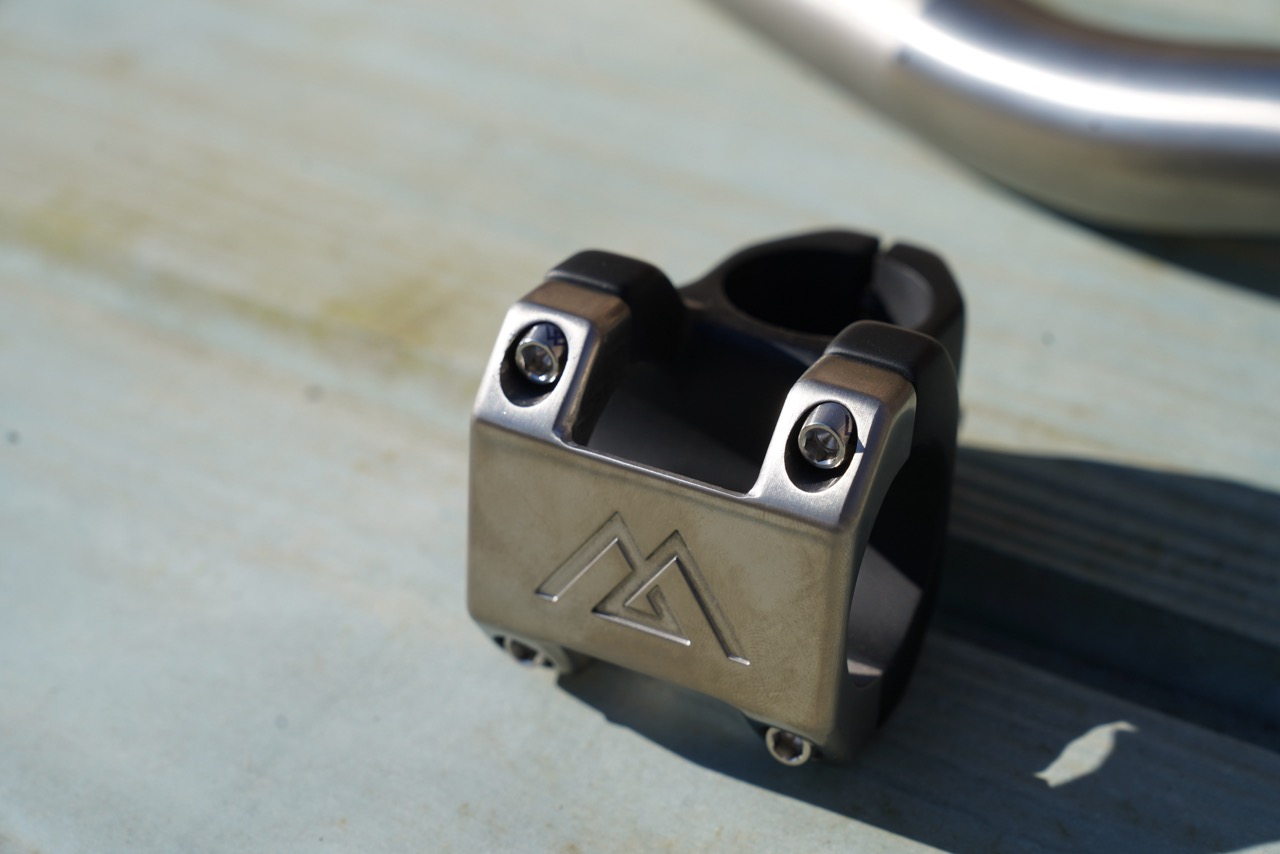
It features a wide clamp area that is said to enhance bar stability, while the edges are rounded off for safety.
The brand says it is designed for XC, trail and enduro riding, and is available only in a 35mm length.
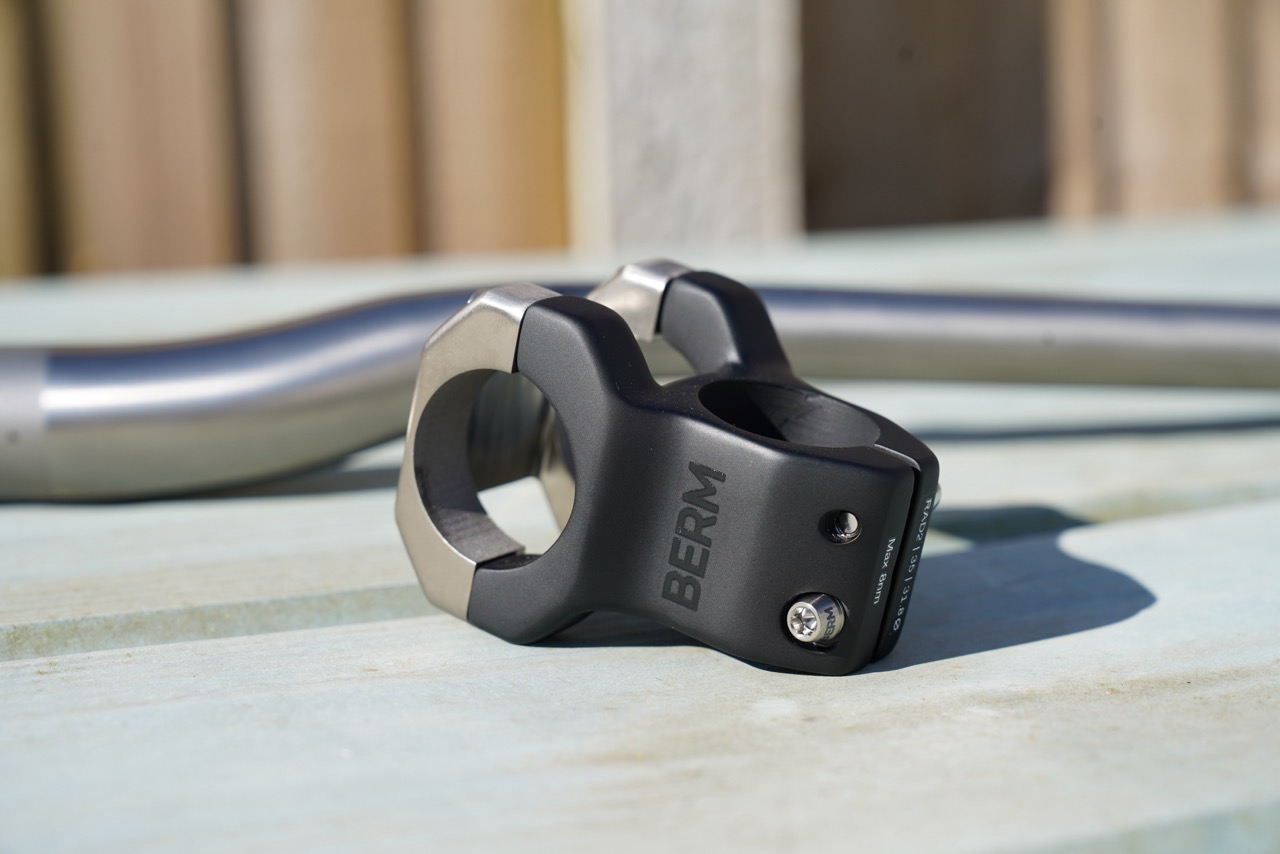
It has 0º rise, a stack height of 34.5mm and a clamp width of 53mm.
Berm Cycle claims the stem weighs 138g and includes titanium bolts.
The RAD2 Stem is priced at $292 / €260 and the Roam bar is $215 / €190.
Ageless Linux Emerges to Protest OS-Level Age Verification Laws
The new distro, called Ageless Linux, follows a similar idea. It’s essentially Debian Linux but without age verification.
The PCLinuxOS Recipe Corner Special Edition, Volume 3
The PCLinuxOS Magazine staff is pleased to announce the release of the PCLinuxOS Recipe Corner Special Edition, Volume 3 of the PCLinuxOS Magazine.